
Theatrical Version or Director's Cut?
Not all film director’s have the luxury of “final cut”. The right to ensure that the completed version of a film corresponds with their creative vision. Films are commercial undertakings and sometimes the producers, film studio or other interested parties get to assert their wishes over that of the director. Often this can be due to practical considerations such as running time or budget. On occasions, this can be down to major creative and artistic differences. Hence the theatrical release of a film may be considered flawed, unfinished or just plain wrong by the director, if changes have been imposed, regardless of the reasons. Therefore, a director’s cut of a film can offer a significantly different cinematic vision over the original theatrical release. They can present an opportunity to fix perceived problems or just put more narrative meat on the bones. This may lead to a film being critically reappraised.
Not all film director’s have the luxury of “final cut”. The right to ensure that the completed version of a film corresponds with their creative vision. Films are commercial undertakings and sometimes the producers, film studio or other interested parties get to assert their wishes over that of the director. Often this can be due to practical considerations such as running time or budget. On occasions, this can be down to major creative and artistic differences. Hence the theatrical release of a film may be considered flawed, unfinished or just plain wrong by the director, if changes have been imposed, regardless of the reasons. Therefore, a director’s cut of a film can offer a significantly different cinematic vision over the original theatrical release. They can present an opportunity to fix perceived problems or just put more narrative meat on the bones. This may lead to a film being critically reappraised.
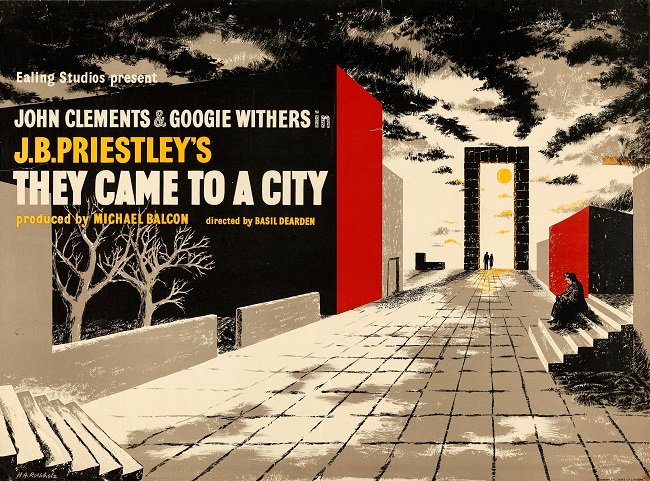
However, it is erroneous to assume that a director’s cut is a superior version of a film by default. Sometimes, a filmmakers desire to return to a previous project and make alterations yields no significant results. Some director’s even develop a reputation as “serial tinkerers” who never seem to be satisfied, whatever the results. Francis Ford Coppola’s Apocalypse Now exists formerly in three distinct versions. Oliver Stone has released four versions of his film Alexander (2004). As for George Lucas, he stated in an interview that “films are never completed, they’re only abandoned”. He has famously revisited his body of work several times and not necessarily to their overall benefit. With all this in mind, here are three films, where popular opinion and critical acclaim favours the original theatrical version over the later released director’s cut.
Alien (1979). Ridley Scott is another well known director who always seems to revisit his work and make alterations. His reasons for re-editing vary and sometimes they do yield better movies. However, the original theatrical release of Alien is described by Scott himself as “the best he could possibly have made at the time”. Yet in 2003, he released a “director’s cut” despite stating that this was not his definitive version. The new version restored roughly four minutes of deleted footage, while cutting about five minutes of other material, leaving it approximately a minute shorter than the theatrical cut. The standout changes were to Brett’s death scene which shows more of the xenomorph and the infamous scene where Ripley finds Dallas “cocooned” and puts him out of his misery. Being no more than a fan service, this version has no additional value. In fact it can be argued that it only serves to contradict the xenomorph’s established biology.
Donnie Darko (2001). Richard Kelly had to compromise when making his off kilter science fiction movie. The main one being keeping the running time below two hours. In 2004, director Kelly, re-cut the film, added twenty minutes of previously deleted footage as well as new music and sound effects. This director's cut provides a clearer insight into many of the film's more ambiguous plot elements and makes the previously vague temporal mechanics less esoteric. However, critics and fans alike have stated that the charm of the theatrical release lies in its mysterious and ill defined nature. It is a deliberately enigmatic cinematic journey. Kelly’s second edit may well add clarity but in doing so neuters what so many viewers found endearing. Sometimes, less is indeed more.
The Warriors (1979). Walter Hill’s underrated, stylised gang drama has its roots in the writings of ancient Greek professional soldier Xenophon. The theme of a group of warriors trapped in hostile territory and trying to get home is cleverly transposed to seventies New York City. Made on a tight schedule by a studio that wasn’t especially enamoured with the material, Hill didn’t get to draw the exact parallels he originally wanted. Hence in 2005, he added a new opening scene with a voiceover describing how Xenophon’s army attempted to fight its way out of Persia and return home. He also inserted comic-book splash panel shots as a means to bridge various key scenes in the film. Sadly, this was a little too on the nose and too expository. Recent releases of The Warriors on Blu-ray and UHD have included both versions and the consensus remains that the theatrical release is more efficient, requiring no further embellishment.








Has LOTRO Lost its Way?
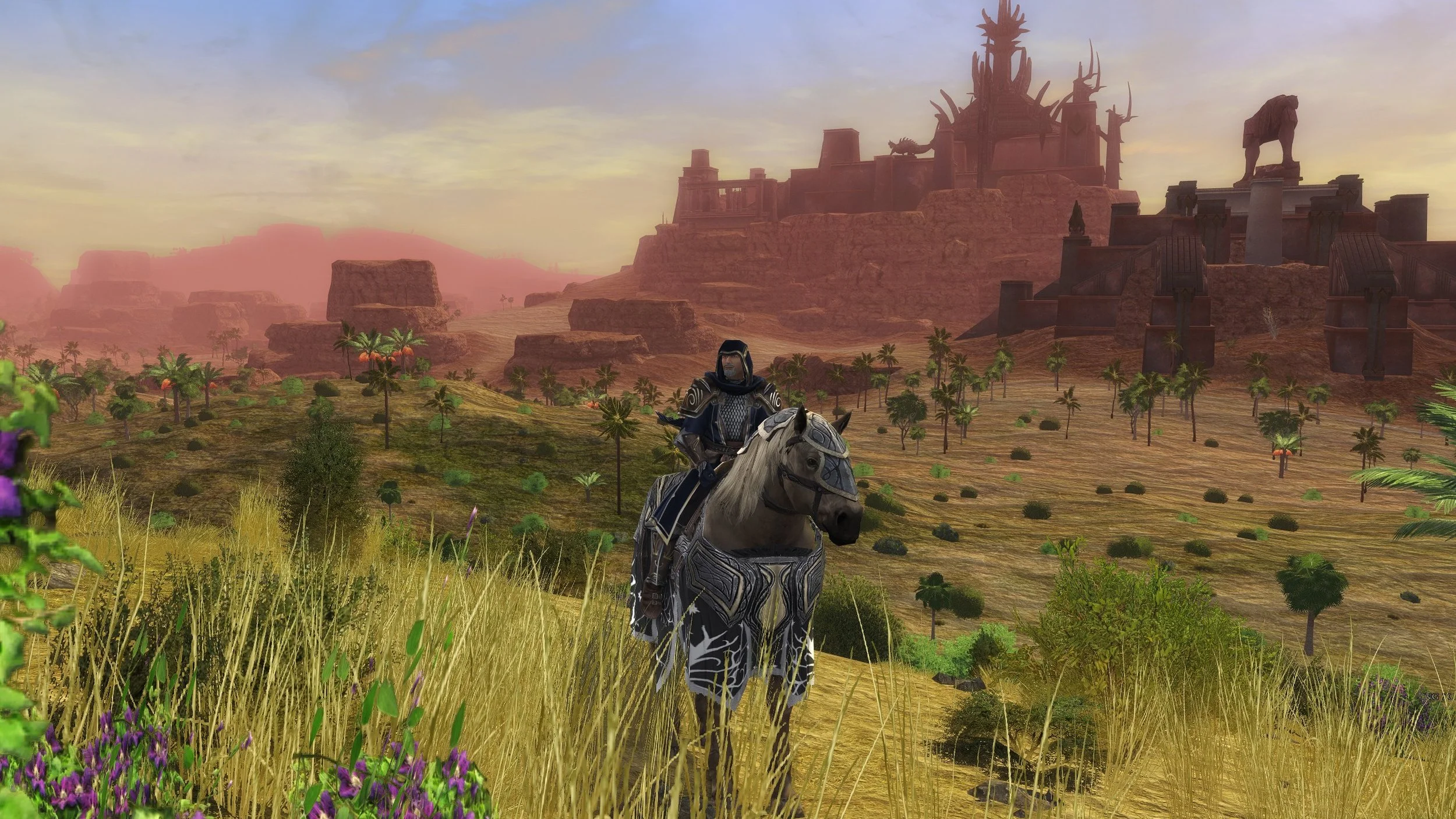
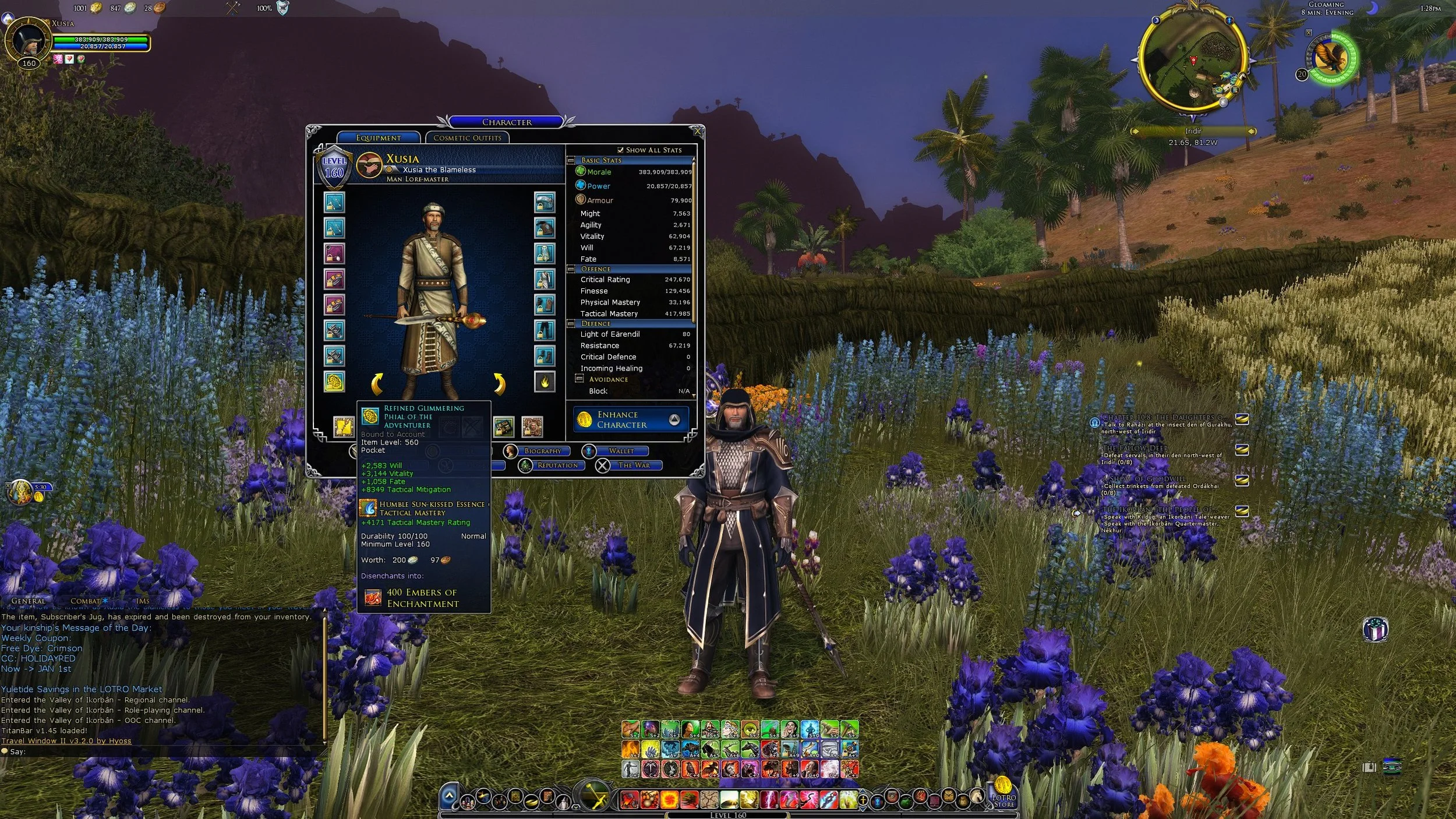
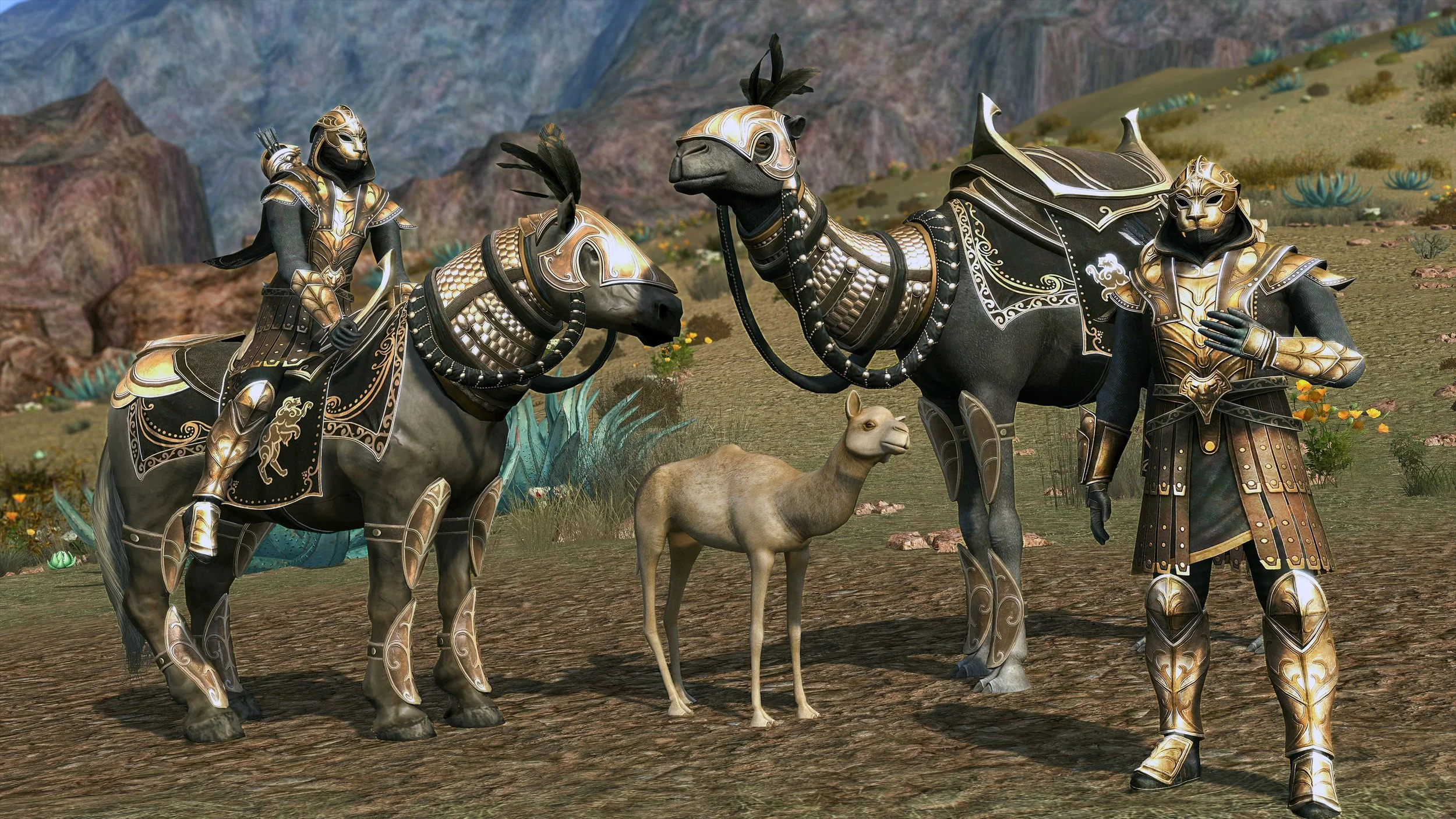
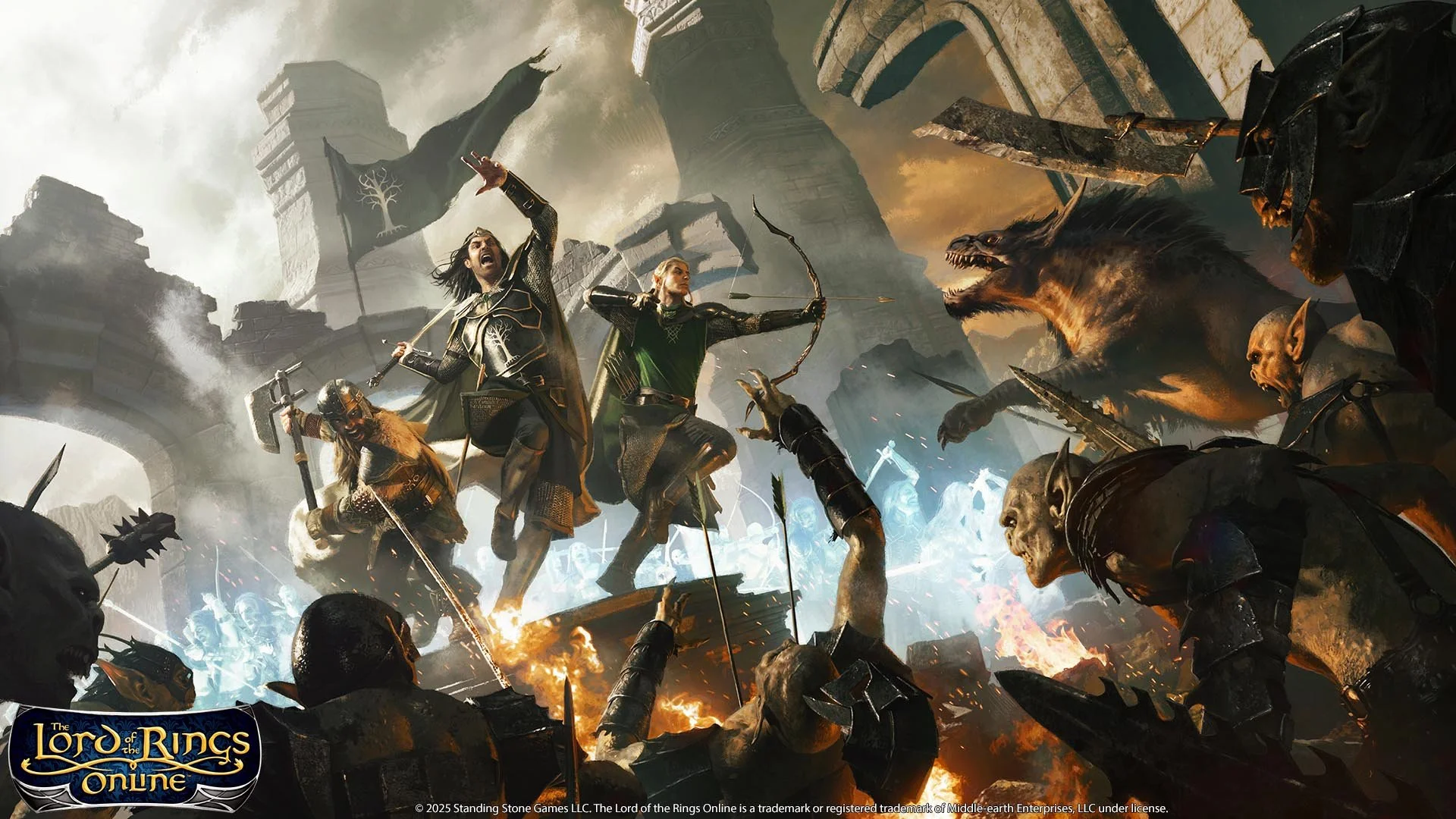
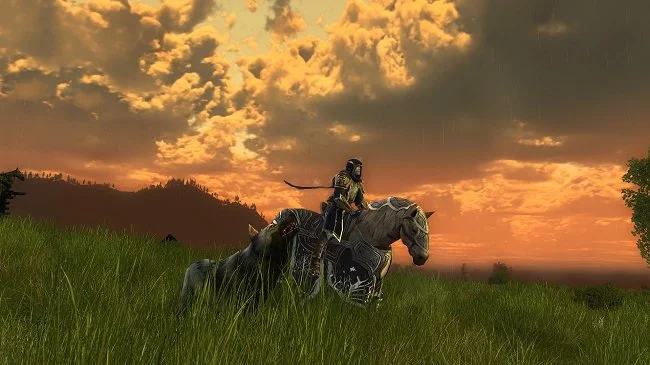
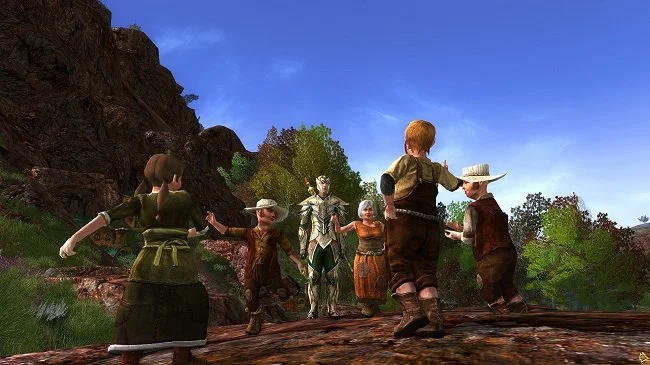
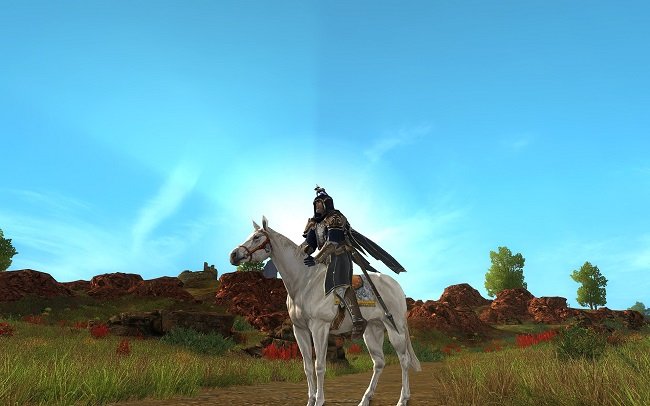
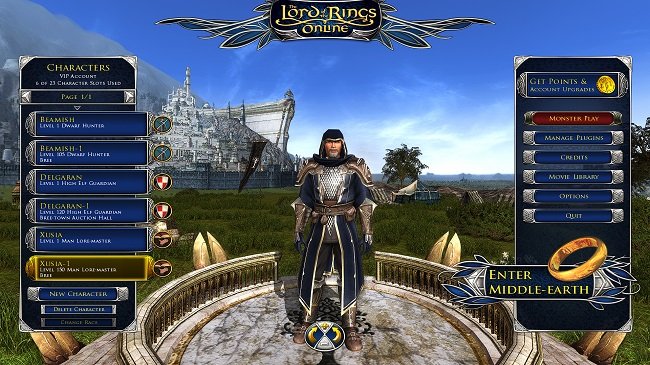
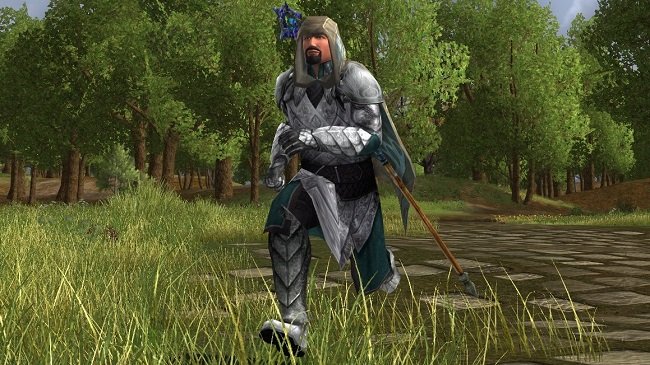
After the initial shock of Update 41 and the radical revisions it made to the Lore-master class, I recently returned to The Lord of the Rings Online to experiment with new Master of Nature’s Fury (red line) and Keeper of Animals (blue line) builds. It is odd to find that skills I’ve been using for years are now gated behind specific trait lines. Furthermore, the consolidation of skills has left the entire class somewhat overpowered. Some players may argue that this is a good thing. However, for me it has rendered what was a subtle class requiring skill and intelligence to use effectively, into what is just a blunt instrument. Since playing tactically is now redundant, instances and skirmishes no longer poses any significant challenge. PVE content has been easy in LOTRO for a long time. Post update 41 it is now trivial and nothing more than a minor diversion.
After the initial shock of Update 41 and the radical revisions it made to the Lore-master class, I recently returned to The Lord of the Rings Online to experiment with new Master of Nature’s Fury (red line) and Keeper of Animals (blue line) builds. It is odd to find that skills I’ve been using for years are now gated behind specific trait lines. Furthermore, the consolidation of skills has left the entire class somewhat overpowered. Some players may argue that this is a good thing. However, for me it has rendered what was a subtle class requiring skill and intelligence to use effectively, into what is just a blunt instrument. Since playing tactically is now redundant, instances and skirmishes no longer poses any significant challenge. PVE content has been easy in LOTRO for a long time. Post update 41 it is now trivial and nothing more than a minor diversion.
For all the good aspects of LOTRO, of which there are many, developer’s Standing Stone Games have a habit of making wrong calls when it comes to adding new systems to the game. Consider mounted combat, fellowship manoeuvres, destiny points and pipe weed. Some of these are interesting ideas that were just poorly implemented. Others are things no one ever asked for. All of which took time and resources to develop. The latest addition to this list is the woefully implemented “Birding” hobby which arrived with Update 41. This bird spotting activity seems somewhat ill conceived and is certainly underwhelming. The fact you don’t actually see any birds during the process is odd, to say the least. Again I return to this notion that those making decisions at SSG seem very removed from what players want.
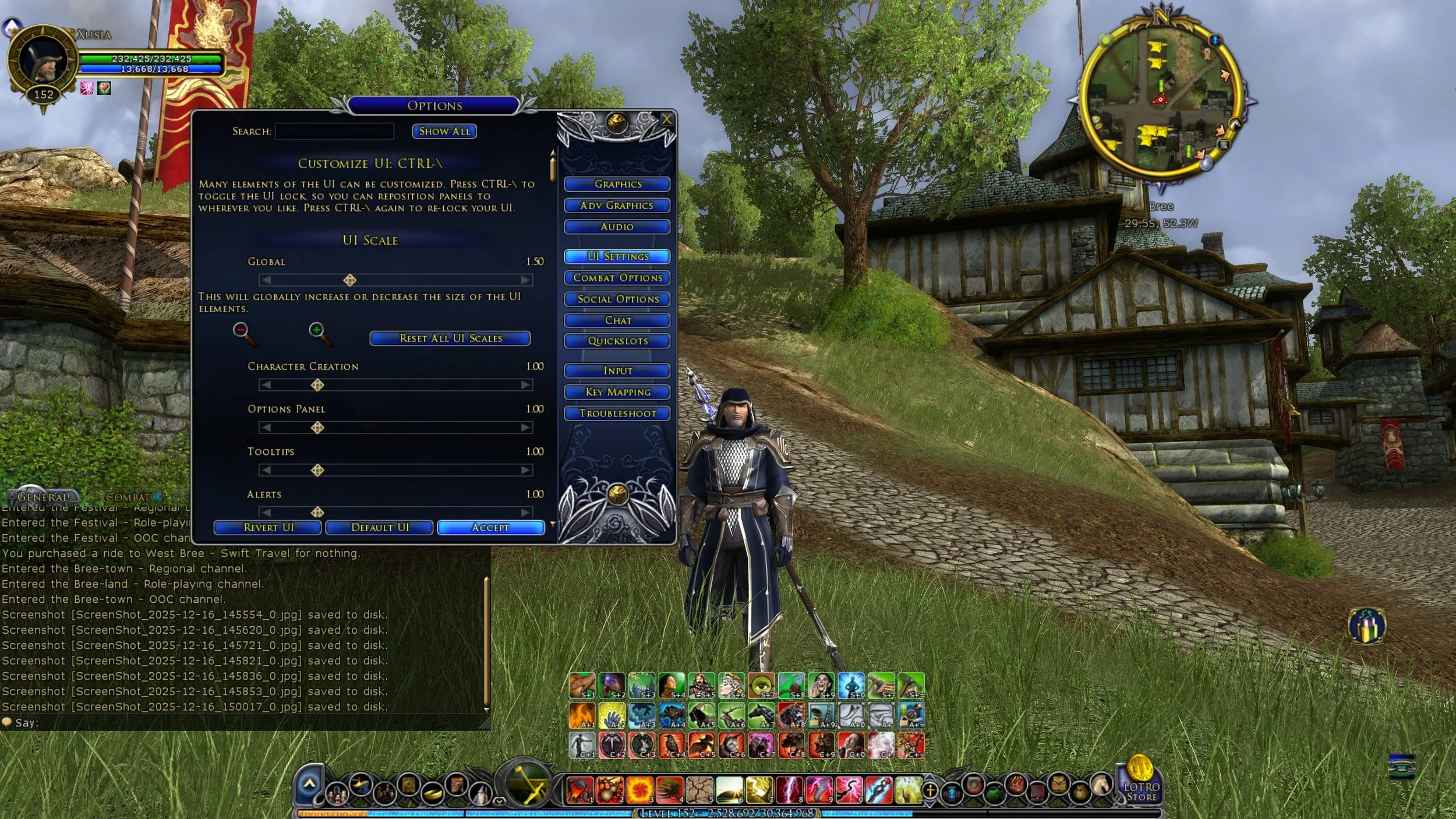
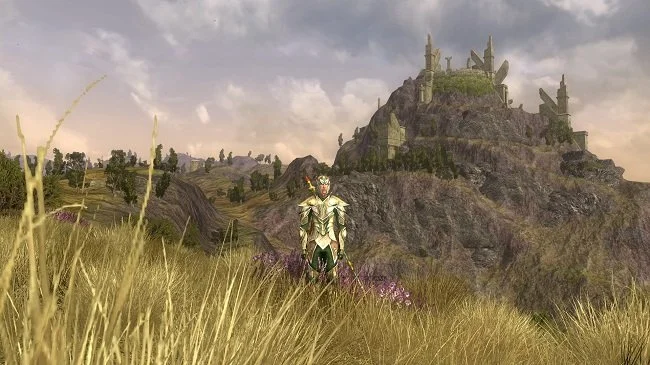
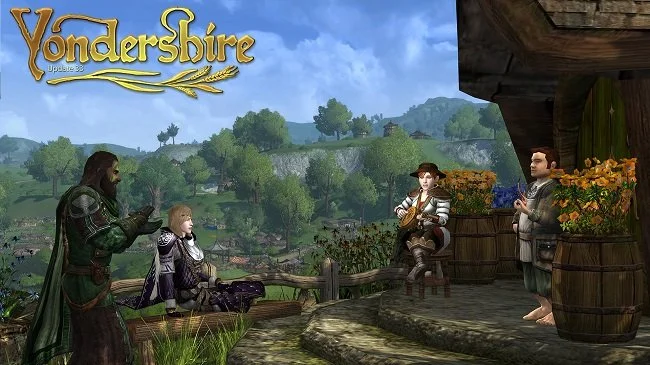
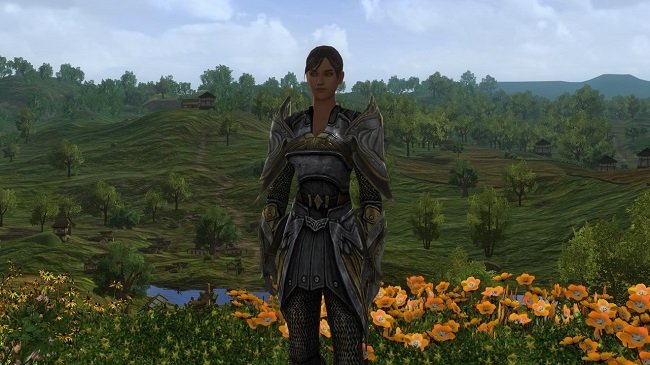
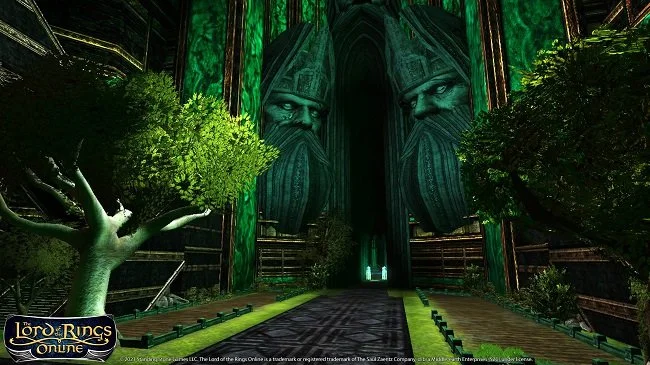
LOTRO is a 17 year old game. The MMORPG genre and gaming per se have changed a lot during that time. LOTRO looks “old”. Some may argue that is part of the game’s inherent charm and in some respects I would agree. However, the ageing technology that LOTRO runs on is a reality. Although the game has an impressive scope of vision when it comes to its world design, the implementation is looking dated. The low resolution textures, the incessant pop-in and the constant recycling of assets is very noticeable. If you take time to set up a screenshot in LOTRO, especially one that involves an interesting vista, you’ll often find that the game struggles to load appropriately scaled trees, shrubs and buildings. The game engine also cannot cope with the waves and breakers along the coast of Umbar. The game’s UI is also from a different era and struggles to be readable at modern resolutions. Yet plans to address these issues appear to have been abandoned.
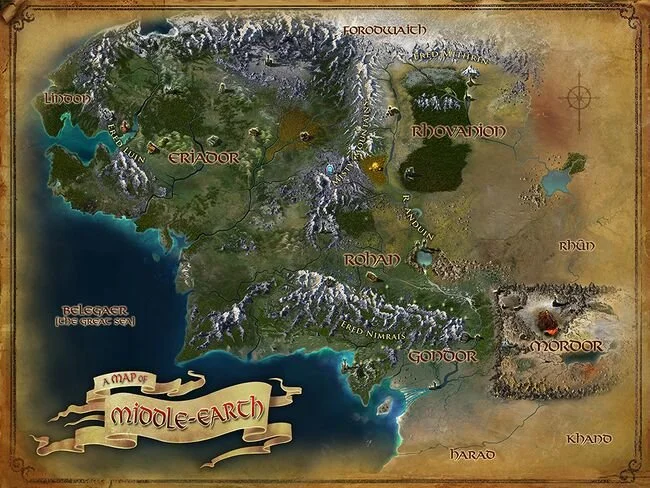
LOTRO players will often focus on the game’s strongest asset; the lore and the way that SSG draws upon it so effectively. This is not something I would dispute. If you are a Tolkien fan, you’ll find SSG’s vision of Middle-earth to be very authentic. If you’re a new player starting LOTRO today, you’ll find a wealth of content to get lost in. However, at level cap it is a different issue. You can either embark upon group play and tackle all the respective raids that are available. Or you can simply play new story content and slowly upgrade your gear. I have stated in the past that LOTRO has reached a point in its lifespan where “what you see is what you get”. However, I now feel that the game has begun to run out of steam. Narratively, the game has entered Umbar, which is an interesting region from a lore perspective. But aesthetically it is a visually uninspired zone and it sits uncomfortably with the rest of SSG’s vision of Middle-earth.
Looking at the bigger picture, in recent years there have been a lot of changes with regard to who owns SSG. Initially EG7 appeared to be keen in investing and invigorating the game. However, changes to the internal company hierarchy appear to have reversed this policy. I get the impression that the bean counters are at present happy for LOTRO to continue in the same vein as it always has. It generates revenue consistently and has a robust core playerbase. But I think no one wants to invest any further resources into the game, beyond those allocated. This issue, when combined with SSG’s “mother knows best” outlook, says to me that the game is just marking time. Rather than operating within modest parameters it now feels like lacklustre meandering. Has LOTRO lost its way? Can it be saved and given a new lease of life. Or is it simply entering the final stage of its life cycles.



Watching TV Part 2
Watching TV was a far more communal activity in my youth. Families sat and watched specific shows or sports together. “Appointment TV” had its benefits not only for TV ratings but for advertising revenue. Although audiences may have grown over the years, they have also become more fragmented and compartmentalised. Smaller market shares have therefore made advertising far more pervasive. Even big streaming platforms are feeling the squeeze with declining subscribers and therefore introducing advertising on lower tier tariffs. Many catch up services also rely on advertising. However, viewers can always pay a fee if they wish to dispense with it. Another foible of modern digital television is poor picture quality Many smaller digital channels broadcast in standard definition. The source material has often been converted between different picture formats and has been cropped to suit a 16:9 screen. This results in low definition picture quality, with weak colours and a lot of digital artefacts.
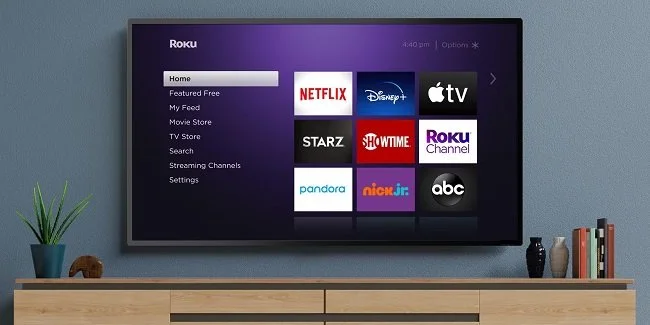
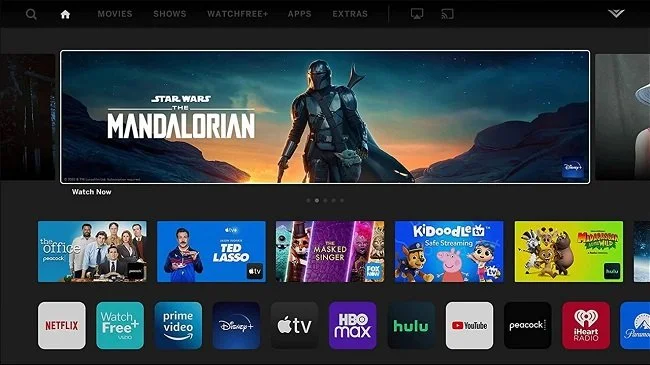
A modern Smart TV menu
Watching TV was a far more communal activity in my youth. Families sat and watched specific shows or sports together. “Appointment TV” had its benefits not only for TV ratings but for advertising revenue. Although audiences may have grown over the years, they have also become more fragmented and compartmentalised. Smaller market shares have therefore made advertising far more pervasive. Even big streaming platforms are feeling the squeeze with declining subscribers and therefore introducing advertising on lower tier tariffs. Many catch up services also rely on advertising. However, viewers can always pay a fee if they wish to dispense with it. Another foible of modern digital television is poor picture quality Many smaller digital channels broadcast in standard definition. The source material has often been converted between different picture formats and has been cropped to suit a 16:9 screen. This results in low definition picture quality, with weak colours and a lot of digital artefacts.
Yet despite these commercial pressures, TV is still a major form of entertainment, although the manner in which we view it has changed substantially. We don’t necessarily watch the same shows together and at the same time. However, the social aspect that surrounds popular shows still exists. Rather than talking about last night’s episode at work in the break room, we now discuss it online. Or we recommend a particular show to a friend and wait for them to binge watch enough, before enjoying a lengthy analysis of what has happened so far. Dramas have become more complex and in many ways, more like cinema. It can be argued we live in a golden age of TV. However, some aspects have declined. I find that historical and science based documentaries lack the intellectual rigour of those produced in the seventies and nineties. News coverage has also become simpler, risk averse and reticent to show the realities of modern life.
Returning to the matter of the old CRT television I saw in the charity shop window (from the previous part of this post), seeing that old set did make me nostalgic for a time when I felt that TV was more special. I can remember when the BBC first broadcast Life on Earth. This major wildlife show had taken years to collate and felt like a significant milestone. This was the very definition of event television. A decade later, popular shows such as The X-Files became a highlight of the week. Something to look forward to. We now live in an age where high quality shows abound. Yet does their abundance diminish their value? I’m not sure. I still look forward to certain shows starting a new season. But not quite in the same way as I did 20 years ago. Perhaps that’s because there were real stakes back then. You could miss a show or your VCR could fail to record it. These are no longer factors. Shows may go from streaming platforms due to licensing changes but they never truly vanish. They can be “found”.
Is YouTube the same as regular TV?
Finally, how does YouTube fit into all of this? Many younger people do not watch traditional TV. Yet they spend comparable amounts of time watching various YouTube channels. Technically, you can argue that YouTube content isn’t the same as regular TV because it is not made to the same technical standard, does not have any kind of editorial oversight and is not subject to independent regulation standards. But not every YouTube channel is made on the fly. Many professional establishments have channels that they run along traditional lines. I think the distinction between YouTube and TV is not so clear. I also think that the ability to watch YouTube on your lounge TV makes a difference as well. It garners a sense of legitimacy. Furthermore, YouTube channels can gain substantial audiences and become very influential. These numbers make them relevant. So does their clout.
TV has proven a resilient medium over its seventy year lifespan. It adapts to the latest trends and embraces new technology. There was a time when the TV industry thought the advent of the VCR would kill commercial televsion. It didn’t. Similarly, the growth of Netflix a decade ago, caused panic among traditional television networks. Then multiple streaming platforms emerged and split the market. Due to a need to create more and more content, many of these companies have over extended themselves and are now finding that there are consequences to growing too fast. However, the traditional outlets, weather the storm and continue on, as they always have. So all things considered, let’s not write off television just yet. I have no idea what the next trend or innovation may be but I’m confident that most people still want to be able to enjoy quality entertainment from the comfort of their own home. Until that changes, TV is safe.








Watching TV Part 1
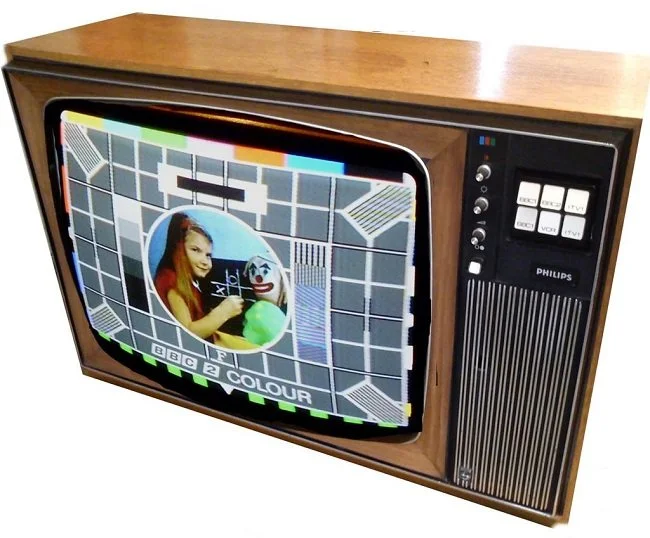
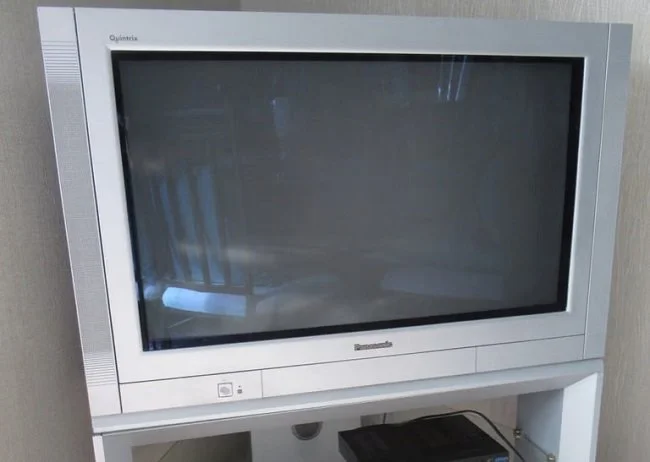
I recently visited my local branch of the British Heart Foundation. This is a chain of UK charity shops that sell previously owned furniture and electrical goods, all of which are certified to be in good working order. It’s one of the few places where you’ll still find old school CRT televisions. These mainly come from house clearances. On this occasion, a particularly bulky model from the early 2000s was on display and despite its age, it still had a good, clear picture. I spoke to a member of staff and apparently these TVs are still popular with gamers who buy them for use with retro video games consoles. I felt especially nostalgic for this particular ageing Sony TV, because Mrs P and I had once owned a similar model. We bought it from a local department store (which no longer exists) and I remember it took two robust gentlemen to deliver it and install it.
A Widescreen Panasonic CRT TV
I recently visited my local branch of the British Heart Foundation. This is a chain of UK charity shops that sell previously owned furniture and electrical goods, all of which are certified to be in good working order. It’s one of the few places where you’ll still find old school CRT televisions. These mainly come from house clearances. On this occasion, a particularly bulky model from the early 2000s was on display and despite its age, it still had a good, clear picture. I spoke to a member of staff and apparently these TVs are still popular with gamers who buy them for use with retro video games consoles. I felt especially nostalgic for this particular ageing Sony TV, because Mrs P and I had once owned a similar model. We bought it from a local department store (which no longer exists) and I remember it took two robust gentlemen to deliver it and install it.
For much of my life, televisions have been expensive, bulky devices that no matter where you put them, always became the focal point of the room. During the seventies TVs were the primary source of household entertainment and most families did not have any additional devices connected to them. It was not until the eighties that VCRs and games consoles grew in popularity and became more commonplace peripheral devices. Today in contrast, a TV is usually part of a wider home entertainment system, potentially consisting of some sort of DVR, a games console, a DVD/Blu-ray player and a surround sound system. The TV and some of these other devices will all be connected to the internet and provide access to streaming services. It is no longer even considered essential to have access to a cable, satellite or digital terrestrial source. Some households are happy to rely purely on the internet.
Anyone remember Tivo?
Returning to the title of this post, I think we are all fully aware that we watch TV in a much different manner to how we did thirty years ago. So this is not the central point of this article, although I may come back to it. On this occasion I am curious not so much about peoples specific viewing habits but rather the medium they use to watch. For example, I remember working with someone who due to their constant travelling, watched primarily via their tablet. My granddaughters used to do the same, until they got TVs in their bedrooms. For them, family viewing is a rarity. Furthermore, they tend to watch specific shows via streaming or YouTube Kids. If memory serves, I don’t think their home has a roof aerial, satellite dish or cable service. Conversely, my neighbours have gone all in on digital satellite services, mainly due to the sports coverage on offer. They also watch as a family on large TV in their lounge. You may do the same or something completely different. The fact is there is no standard way of watching TV anymore.
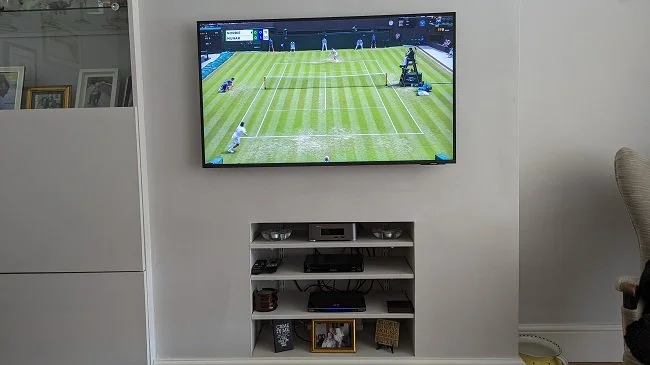
In our home, we have a wall mounted 4K TV in our lounge. Despite it being equipped with various apps for streaming as well as a terrestrial digital tuner, it ultimately serves as nothing more than a high end monitor. There are various other devices attached including a new DVR (a BT TV Box Pro) supplied by our ISP. This provides digital terrestrial channels as well as subscription based IPTV services. It can record three different channels while watching a fourth and can output streaming content in 4K HDR and Dolby Atmos. It currently has eight on demand and “catch up” services that we are actively logged into. Despite all its functionality, Mrs P uses it mainly for recording from a handful of mainstream UK TV channels. If there is ever a viewing conflict between Mrs P and I, then I will watch streaming services via my PC. It also has a TV tuner installed in case there’s an issue with internet services.
BT TV Box Pro
One of the benefits of TV today is that there’s no shortage of choice as to what to watch. Mrs P and I will frequently watch TV shows together as we broadly have similar tastes. If we want to watch a specific show, we determine what platform it is available on and whether we have existing access to it. We continuously make use of free trials to various streaming services. We seldom buy physical media anymore, although I will buy a Blu-ray copy of a film if it is difficult to source anywhere else. Overall we can usually access what we wish to watch. Some shows we’re happy to watch weekly but others we prefer to binge watch. By default we always have the subtitles on, which is no reflection upon our hearing but is mainly due to the way sound mixing is conducted these days. As I have stated before, I prefer to watch in either HD or UHD, without adverts as well as on screen graphics and logos.
Despite the technological changes that have happened over the years, not everything associated with watching televisions is an improvement. For example, I recently installed a new DVR. The process required me to choose the power management settings, connect the box to the internet, tune the various TV stations and hide any I didn’t want. I then had to set a PIN for content control, log into multiple streaming services using multiple log on credentials and set the remote control to operate our existing TV as well. Furthermore the new remote doesn’t have appropriate buttons to shut down the TV, only the DVR. Fortunately, the remote for the old DVR is still compatible, so we’re using that one instead. And speaking of remote controls, it would appear I now have six lying around the lounge to operate four devices? How is this easier?
Too Much Star Wars
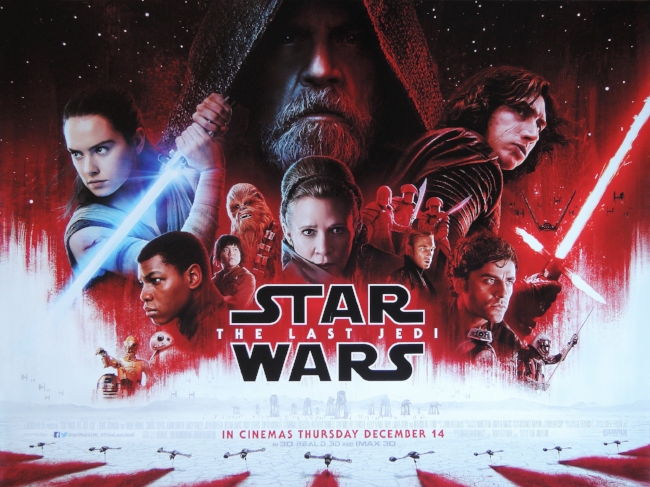
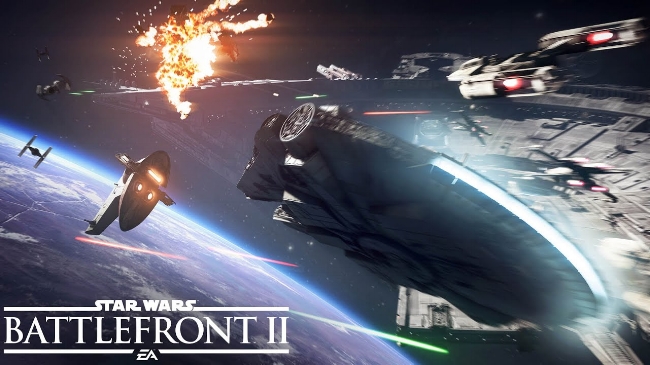
We all knew it had to happen sooner or later. According to reports, Lucasfilm is planning to reduce its Star Wars related output on Disney+. Specifically, from 2025 there will be only one live-action television series per year. For comparison, Disney+ commissioned three shows in 2022 and two shows in both 2023 and 2024. It should be noted that this reduced output doesn’t include animated shows. It would appear that senior management at Disney have finally figured out something most of us have known for a while. That saturating the market with content based upon a specific intellectual property, is ultimately detrimental to its popularity and financial viability. To use an old adage “familiarity breeds contempt”. At present, hardcore fans are “unhappy” with the way the IP is being developed, while casual fans are somewhat burned out by the excess of content and its varying quality.
We all knew it had to happen sooner or later. According to reports, Lucasfilm is planning to reduce its Star Wars related output on Disney+. Specifically, from 2025 there will be only one live-action television series per year. For comparison, Disney+ commissioned three shows in 2022 and two shows in both 2023 and 2024. It should be noted that this reduced output doesn’t include animated shows. It would appear that senior management at Disney have finally figured out something most of us have known for a while. That saturating the market with content based upon a specific intellectual property, is ultimately detrimental to its popularity and financial viability. To use an old adage “familiarity breeds contempt”. At present, hardcore fans are “unhappy” with the way the IP is being developed, while casual fans are somewhat burned out by the excess of content and its varying quality.
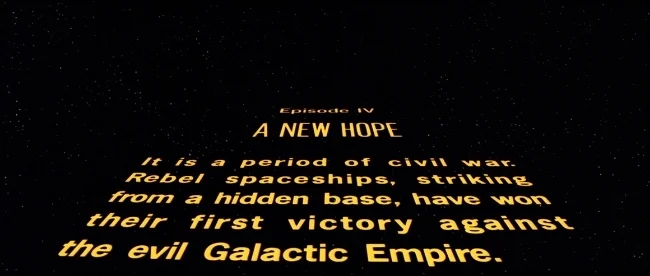
In recent years, the Star Wars franchise has evolved an increasingly complex lore, as it attempts to codify into canon all things alluded to in the original films. This matter is further complicated as Disney picks and chooses what material from the expanded universe it wishes to use. Hence a reciprocal need has grown, requiring viewers to be au fait with this continuously growing mythology. Someone watching The Rise of Skywalker or season 2 of The Mandolorian with no prior knowledge of the franchise would struggle with much of the plot beyond the obvious. This growing interdependence may well be appealing to hardcore fans, but it can equally be off putting those just dipping their toes into the franchise. It’s a stark contrast to the first Star Wars movie which dealt in archetypes and addressed the themes of good and evil with broad brushstrokes.
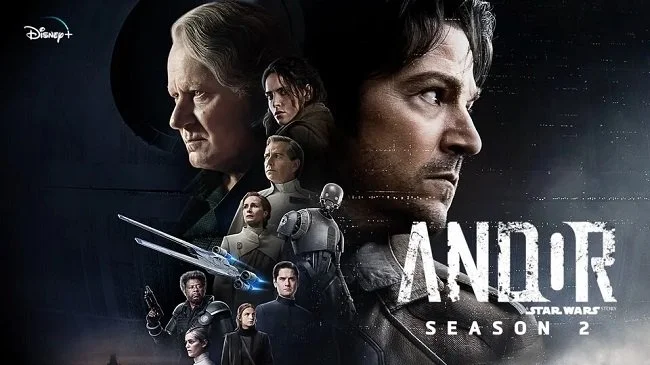
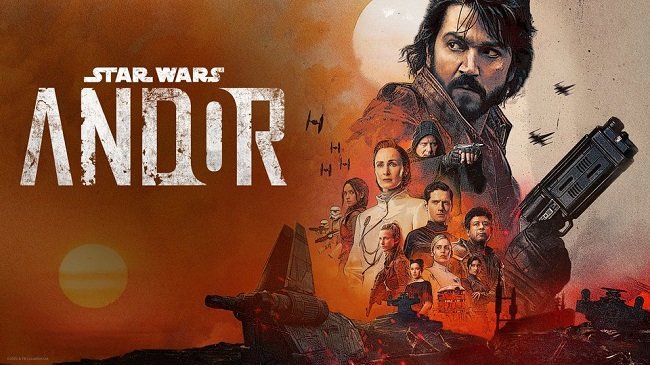
From a business perspective, Disney’s decision is a sensible move. Star Wars remains the goose that lays the golden egg but it needs to be handled with care and consideration. Over the last 47 years, fans have gone from a lengthy period without new content, to an abundance of it in the last decade. I am reminded of the old aphorism regarding buses. You wait ages for one and then several turn up simultaneously. Furthermore, Star Wars is an intellectual property in transition at present. It was conceived during the seventies when the world was a very different place to how it is today. Its narrative simplicity was an antidote to the prevailing political and cultural cynicism of the time. However, Star Wars today has to appeal to a more diverse and sophisticated audience. Andor has shown that the source material can be updated to encompass more complex and adult themes. But this process is still a work in progress.
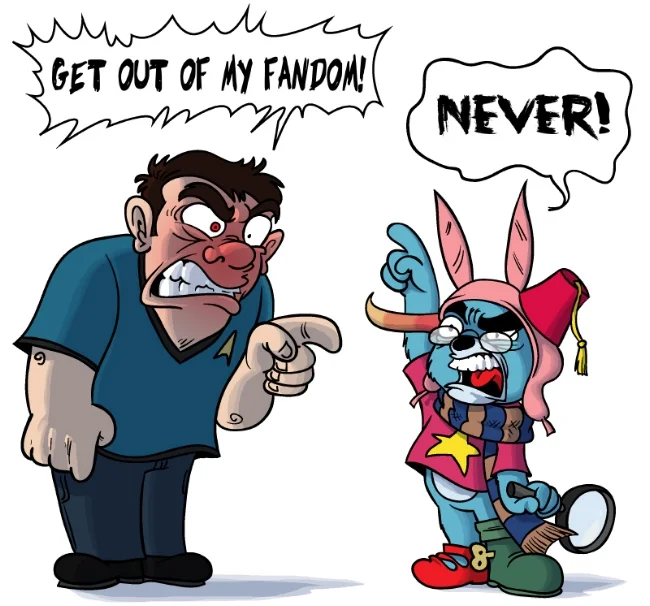
Which brings us to what is paradoxically the franchise’s greatest strength and sadly its most obvious Achilles’ heel; its fans. Star Wars fans are steadfast, engaged and passionate about that which they love. However, some are also possessive to the point of mania. They fail to see that fandom is not the same as ownership and that they are not the exclusive audience for this franchise. As to what happens next, now that Disney has made this decision, remains to be seen. Fans of all shades seem to agree that this is the right thing to do. Many think that Disney needs to reconsider what they do next with the franchise. I even saw one comment on a subreddit that simply said “make Star Wars great again”. The only flaw with this plea is that there is no clear consensus as to how you exactly achieve that. On mature reflection, perhaps owning the biggest pop culture franchise ever, isn’t as great as it sounds.








"Adequate" But "Disposable" Gaming
One of the defining qualities of a truly great game is how long it can hold your interest and keep you engaged. For example I bought the Game of the Year version of Skyrim about 14 months after its initial release. Hence I had access to all the games content that I dutifully played through. However, I also fully explored the world map, completed all side quests, crafted, furnished several houses and continued to travel the in-game world and killing foes long after I had completed all the traditional content. I did the same with Red Dead Redemption 2 as this also offered a compelling and immersive world. Games such as these have a quality beyond just the functional. I would happily traverse the mountains in Skyrim and watch the sunset, revelling in the ambient music. Similarly, I would often just ride the train in RDR2 and watch the world go by. When I finally stopped playing both games for newer titles, I felt a sense of sadness when I bid them goodbye.

One of the defining qualities of a truly great game is how long it can hold your interest and keep you engaged. For example I bought the Game of the Year version of Skyrim about 14 months after its initial release. Hence I had access to all the games content that I dutifully played through. However, I also fully explored the world map, completed all side quests, crafted, furnished several houses and continued to travel the in-game world and killing foes long after I had completed all the traditional content. I did the same with Red Dead Redemption 2 as this also offered a compelling and immersive world. Games such as these have a quality beyond just the functional. I would happily traverse the mountains in Skyrim and watch the sunset, revelling in the ambient music. Similarly, I would often just ride the train in RDR2 and watch the world go by. When I finally stopped playing both games for newer titles, I felt a sense of sadness when I bid them goodbye.
However, great games are few and far between. All video game releases exist on a spectrum of quality and artistic merit. Not all are bad, far from it. But many are purely functional. They entertain sufficiently to hold the players interests but once some semblance of completion is reached or the player simply feels that they are “done”, the game is effectively abandoned. Three such titles that I have played over the last 18 months fit this criteria. Hogwarts Legacy, Starfield and more recently Dragon’s Dogma 2. I enjoyed all of these games while I was playing them and completed each one’s respective stories. But rather than pursue all the minor achievements or simply stick around to enjoy the in-game worlds, I left once I felt I had finished. Furthermore, I ceased to be interested in those games the moment I stopped playing them.
I am sure this pattern of behaviour is not unique to me. It offers food for thought regarding how we perceive video games. To use a music analogy, few games achieve a status comparable to a classic LP. Something you wish to revisit on a regular basis. Instead, an average video game is a short term diversion. A bauble or trinket, designed to amuse and entertain. The virtue it provides primarily stems from the act of playing, rather than the compelling nature of the gameworld, its mechanics and narrative. Dragon’s Dogma 2 provided me with sufficient means to stay engaged. It did this long enough for me to complete the tasks it set before me. But it lacked a sense of “je ne sais quoi”. That quality or set of qualities that make a game more than the sum of its parts. As for Starfield, it has an expansion launching soon. Yet I have no desire to return to the game.
Looking through my game collection, there are a lot of titles that fall into an “adequate but can provide short term fun” category. There are also a lot that will never get installed as they don’t seem to have any immediate appeal. Just like books, TV, film and music, not every video game is a classic. Not everything needs to be a classic. Sometimes undemanding entertainment is perfectly acceptable. You agree to the terms on which it is offered. As video games have become more popular, a business need has grown to replicate that which has already proven commercially successful. Hence the market becomes saturated with similar products. Not all are bad but many are simply okay. In the face of increased mediocrity will titles seeking to be the next Skyrim or Red Dead Redemption 2 become rarer? Is there a paradox in adequate but disposable gaming? Is it doing more harm than good?


Star Trek Online: Events and New Content
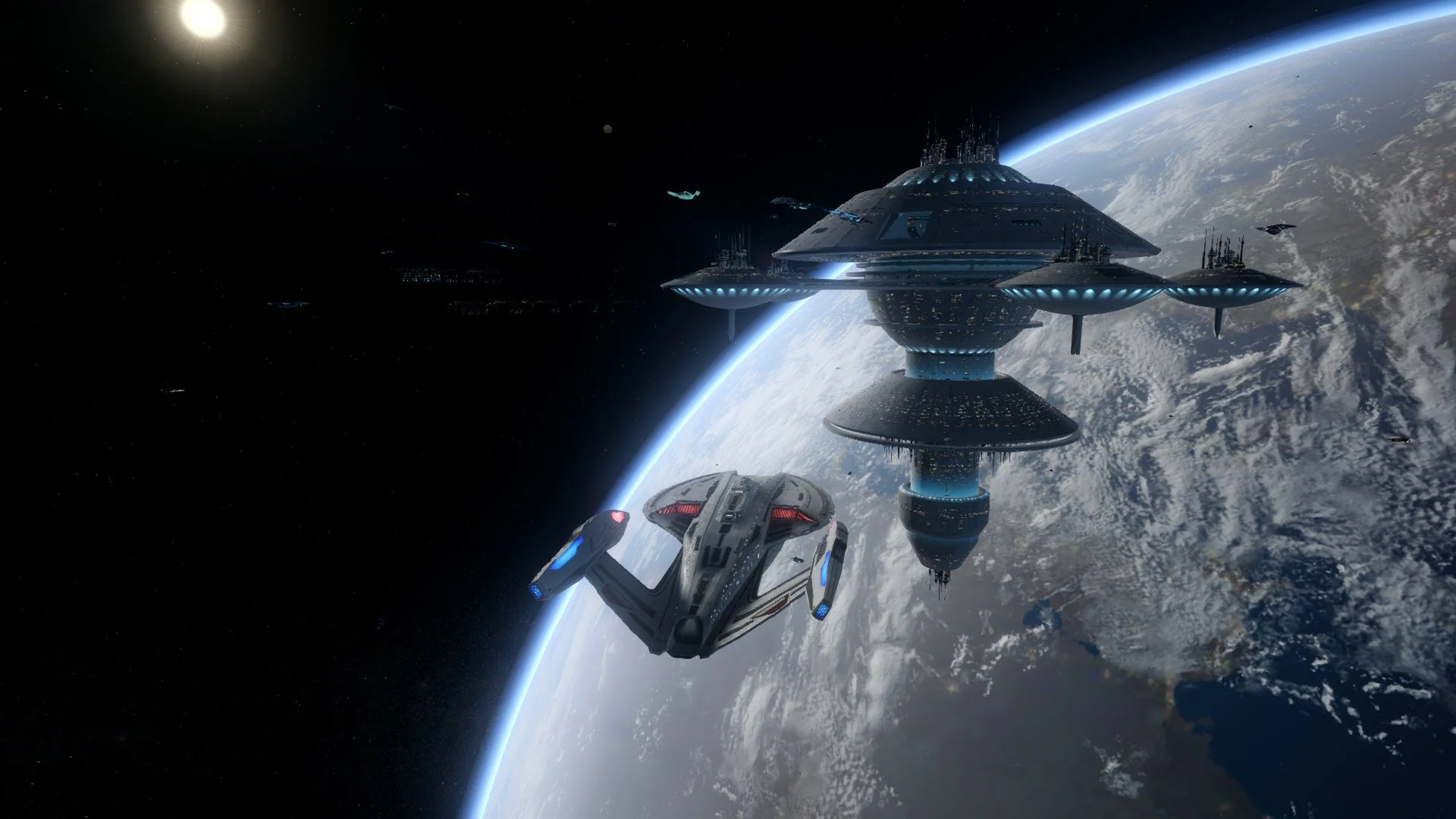
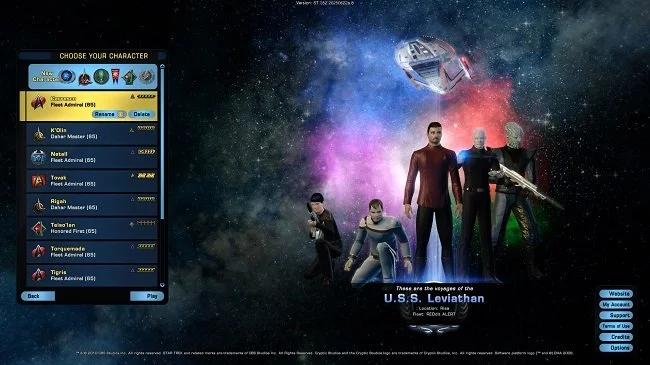
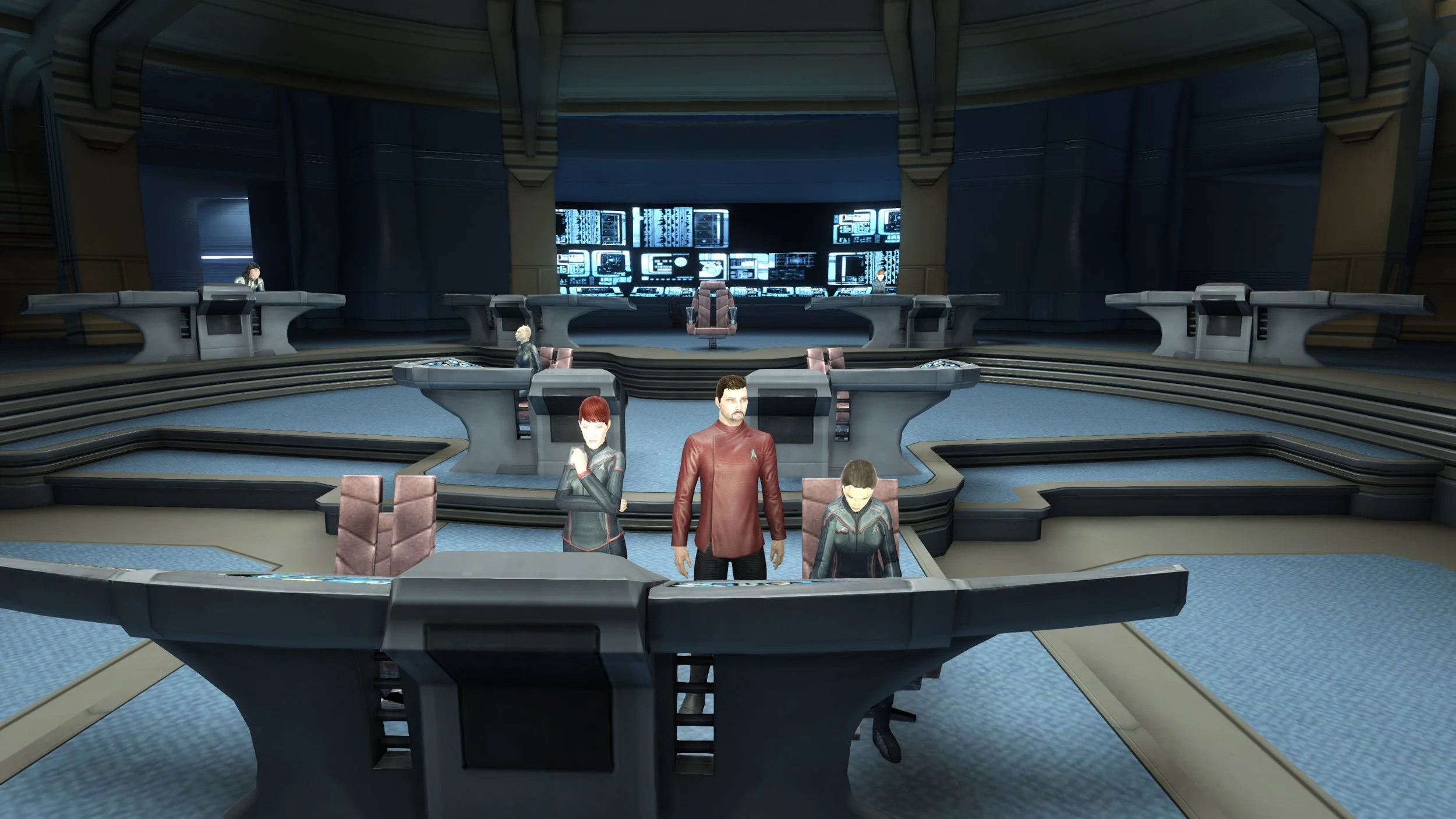
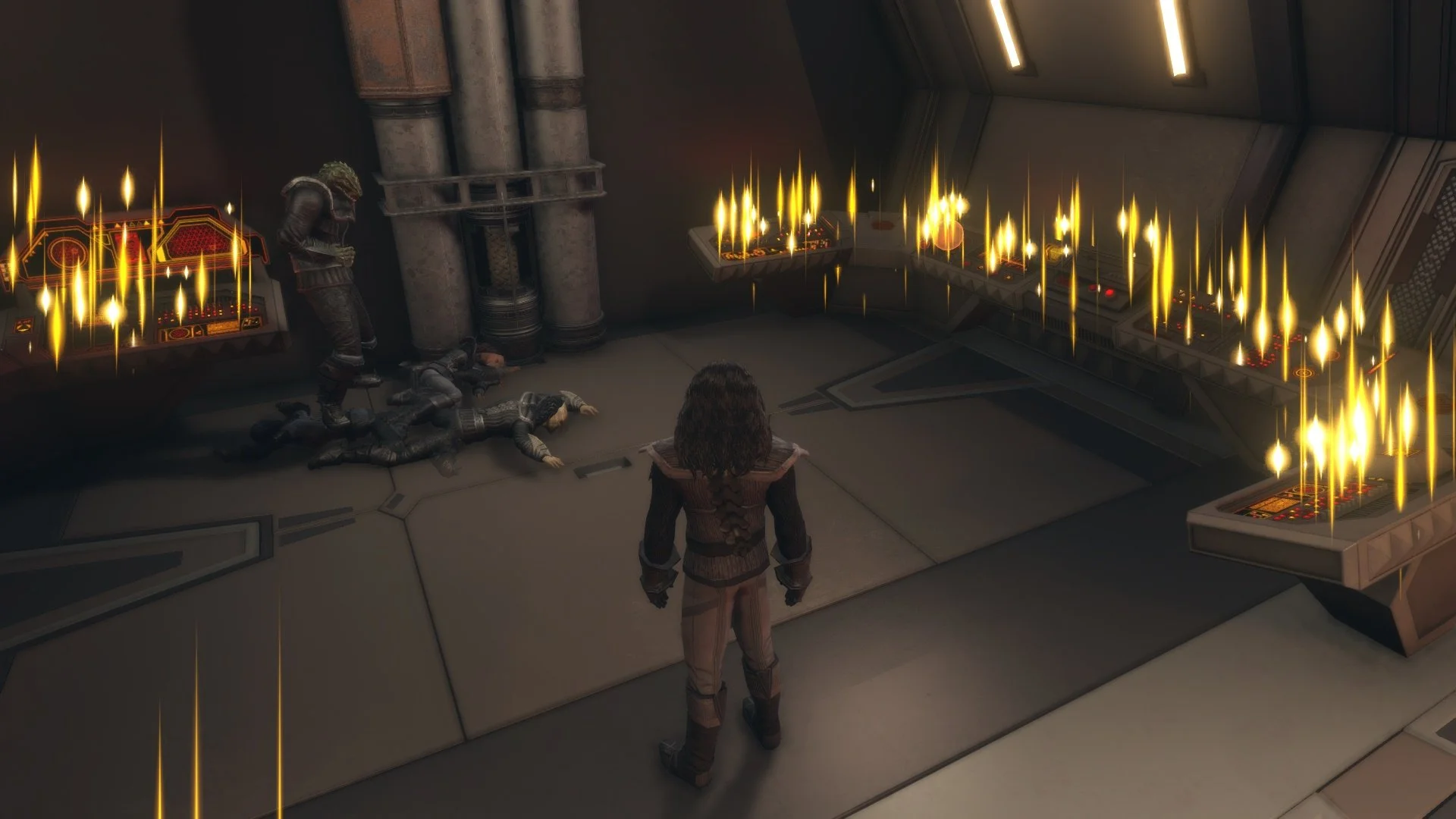
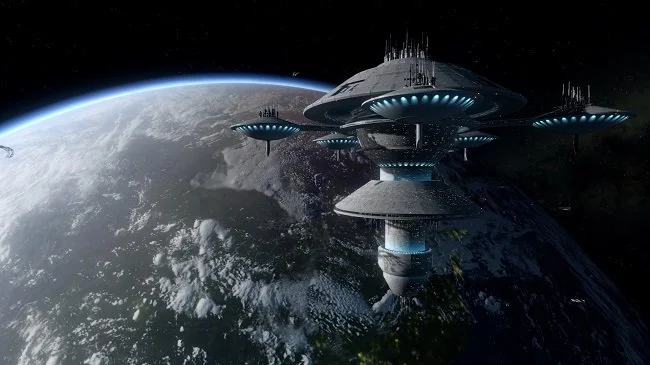
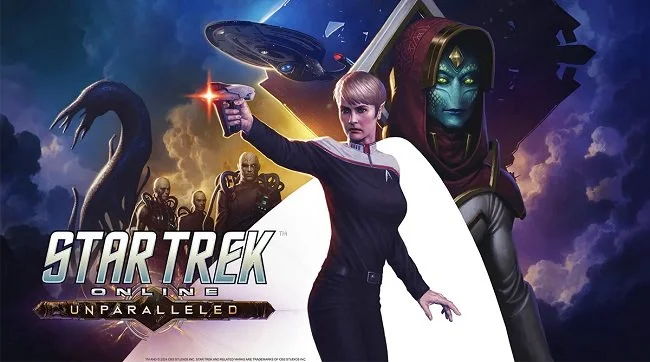
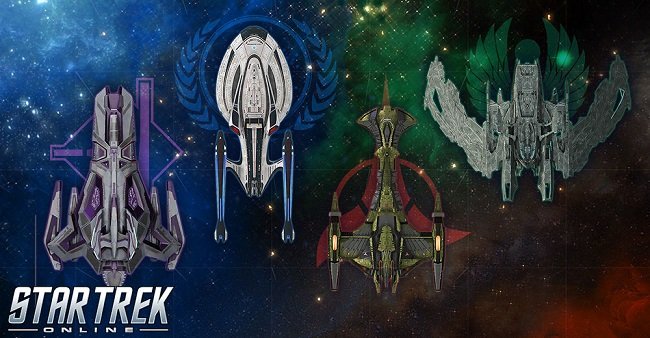
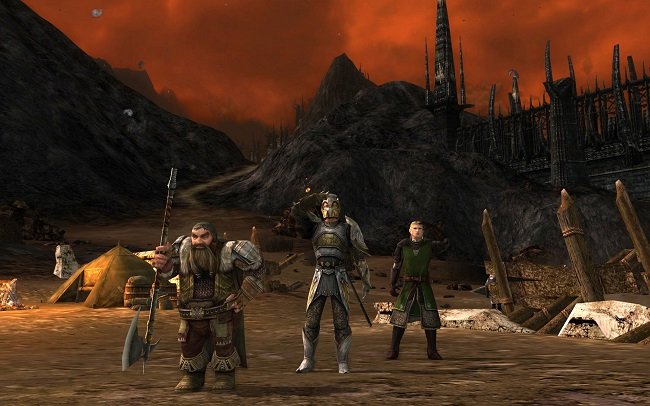
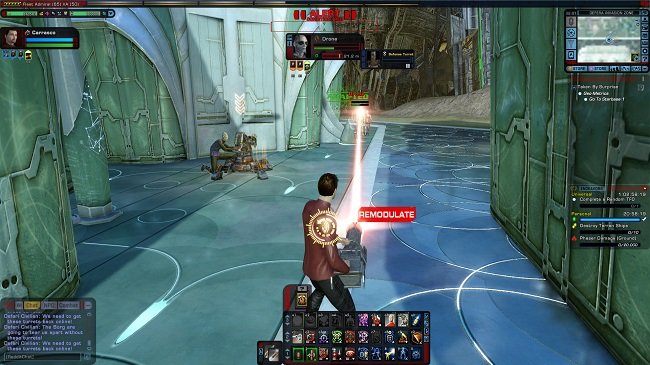
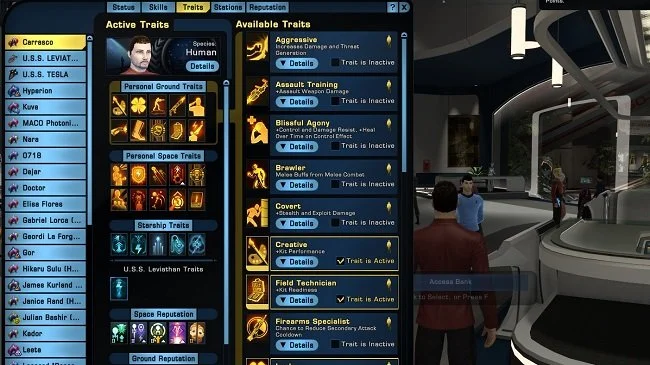
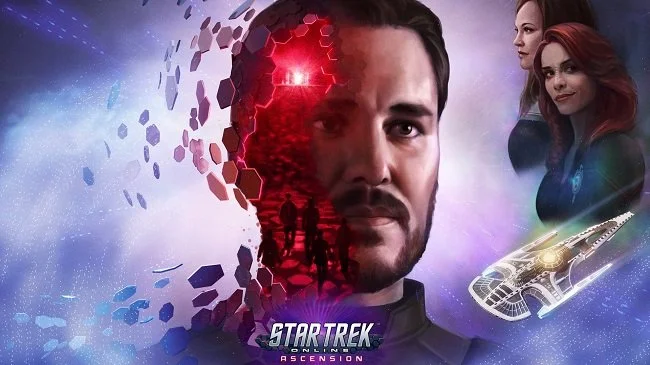
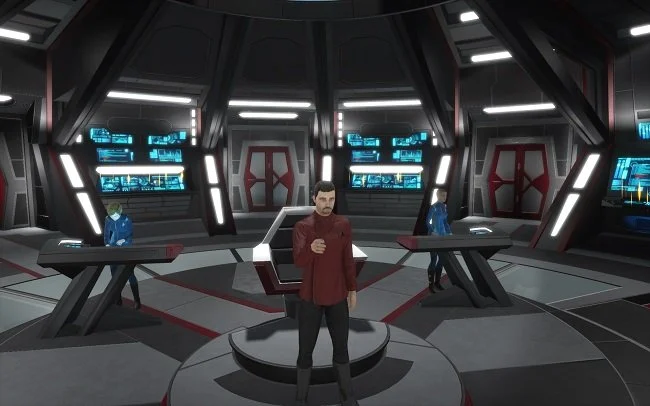
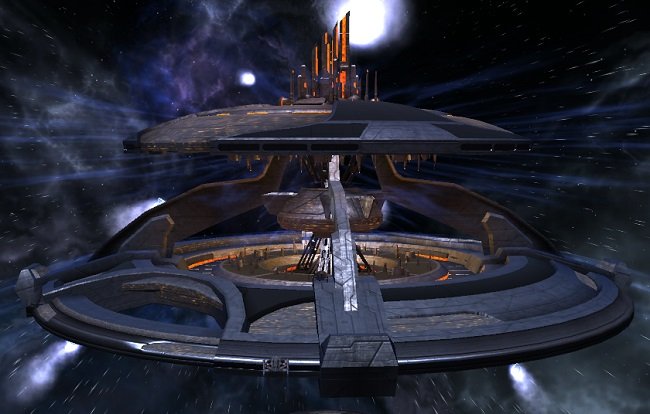
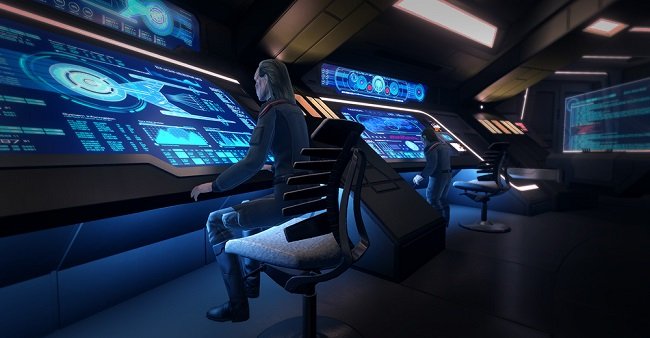
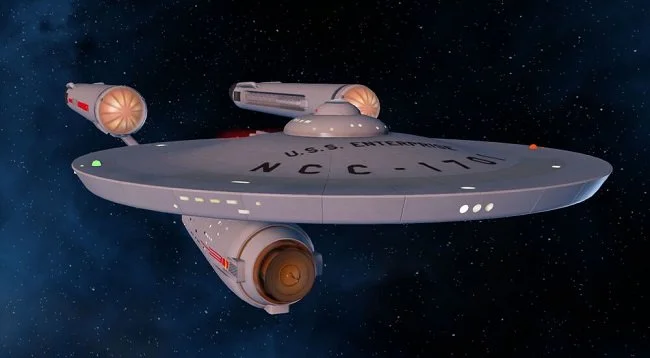
If you are a new player, then Star Trek Online has 14 years of content to play through. It is all story driven and is frequently couched in existing lore from the various Star Trek TV shows. It also benefits from many of the original actors reprising their respective roles within the game. This provides an additional air of authenticity to the proceedings as well as being a spectacular fan service. Furthermore, much of that content is faction specific, hence there is a great deal of replay value to be had from this MMO. Apart from The Lord of the Rings Online, I cannot think of another game that manages to successfully tap into the style and idiom of its source intellectual property. Simply put, Star Trek Online looks and feels “very “Star Trek”. Which is why it has a robust and loyal player base and still proves to be a viable financial asset to its owners, DECA Games.
If you are a new player, then Star Trek Online has 14 years of content to play through. It is all story driven and is frequently couched in existing lore from the various Star Trek TV shows. It also benefits from many of the original actors reprising their respective roles within the game. This provides an additional air of authenticity to the proceedings as well as being a spectacular fan service. Furthermore, much of that content is faction specific, hence there is a great deal of replay value to be had from this MMO. Apart from The Lord of the Rings Online, I cannot think of another game that manages to successfully tap into the style and idiom of its source intellectual property. Simply put, Star Trek Online looks and feels “very “Star Trek”. Which is why it has a robust and loyal player base and still proves to be a viable financial asset to its owners, DECA Games.
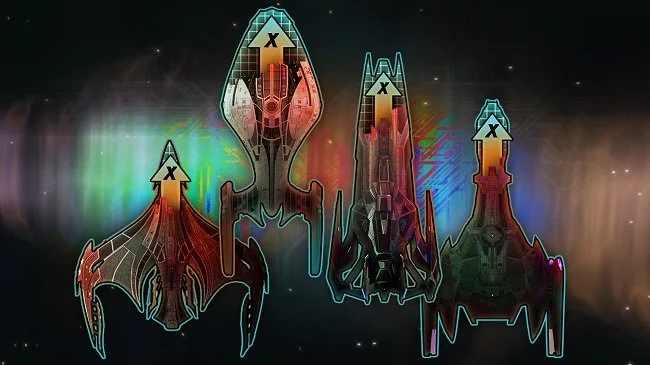
Where STO differs from many other MMOs is that there is no raid culture at endgame. There are some Task Force Operations (group content) that can be done on a harder setting but these do not count as traditional raids. Once a player has completed all story content and levelled their character, the focus of the game tends to be on min-maxing one’s ship and seeking to fine tune its DPS output. However, that is not to every player’s liking, which then presents an issue. Because the addition of new content has definitely slowed over the last six years. Although new missions are released episodically over the course of a year or two, Cryptic no longer releases traditional expansions as other MMOs do. Instead new content is bolstered by the regular addition of short term, themed events that often provide a reward if specific criteria are met.
So far in 2024, STO has had a First Contact Day event, various Red Alerts and the annual Summer Festival as well as others. All of which yield a reward such as gear, a ship or upgrade materials. Many of the events contribute to a wider yearly event campaign, which if completed will allow the player to choose a premium ship from the C-Store. The obvious benefit for such an approach is that there’s always something to do in-game. It provides players with a short amount of play time to log into the game and work towards a goal. However, in the long term it becomes somewhat tedious and unengaging. Due to FOMO some players feel they are stuck on a treadmill. What this endless litany of events isn’t is complex, lore driven story content. When we do get a new story arc, it is doled out over a longer time period and frankly, due to changes in writing staff, is not as good as it used to be.
Victory is Life, the last proper expansion for STO, was released in June 2018. It was a well written, engaging story arc which featured a reunion with many of the most beloved characters from Star Trek: Deep Space Nine. It provided a hefty chunk of story to work through, as well as access to the Gamma Quadrant, an increase to level cap and a new reputation faction. Since then, no further expansions have been released. New story arcs are launched episodically and lack the impact and bonus content of expansions. Perhaps the problem is that Cryptic has always chosen to make previous expansions free of charge. Was this an unsustainable business model? Did it not occur to anyone that players would be happy to pay because that’s how expansions usually work. And let us not forget the content that was taken from the game to be remastered. This remains outstanding and in all honesty seems unlikely to return.
Star Trek Online remains a good MMO which uses the intellectual property upon which it is based, well. But it most definitely has a content problem at present. There is too much focus upon creating sellable digital items rather than creating new missions. What new missions we do get are somewhat generic. The most recent arcs, The Terran Gambit and Kings and Queens have certainly been weak, compared to older content. Quark’s Lucky Seven remains a highwater mark in game content coming close to the feel on a TV episode. It remains to be seen as to whether Cryptic are going to raise their game and provide anything on a par with expansions such as The Legacy of Romulus. If they don’t then then the game is effectively slipping into a lower gear. There may well be players who are happy to tinker with their builds indefinitely but I suspect that most want the same sort of story driven content that underpins all the television shows. Its sustained absence from the game is to its detriment.


Political Language and Rhetoric
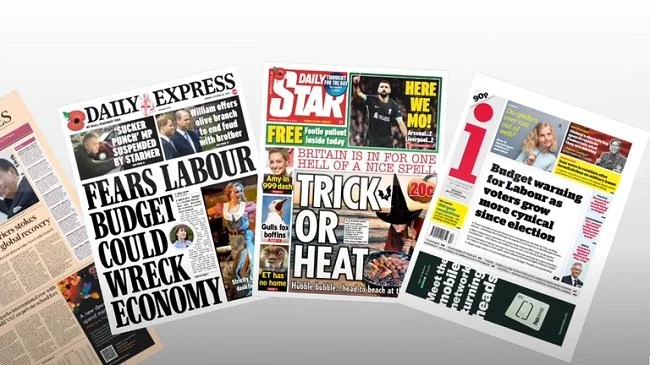
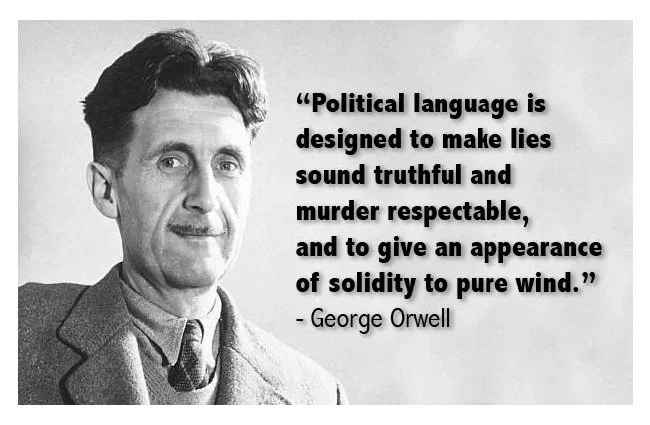
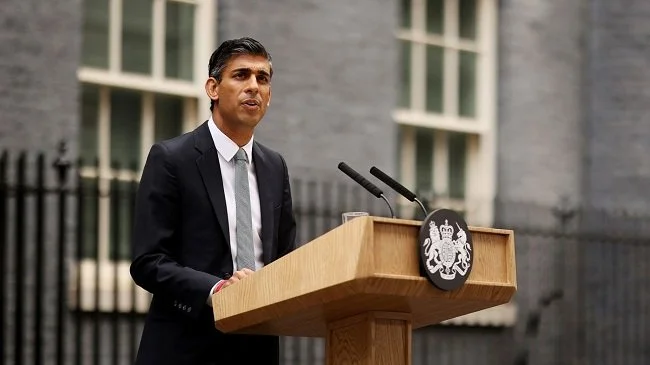
Politicians have a distinct way of talking when being interviewed or giving a press conference. It is often characterised by a strategic use of language, centred around rhetorical devices, persuasion techniques and a careful framing of messages. Direct answers to questions are usually avoided, with tangential responses being preferred. Opinions and specific perspectives are frequently presented as facts. There is also a propensity to focus on “problems” and apportioning blame, rather than “solutions”. It’s important to note that the use of language in politics is a complex and dynamic process influenced by various factors, including cultural context, media dynamics, and the evolving political landscape. Different politicians may employ different communication strategies based on their individual styles and objectives. Here are some key aspects of how politicians use language:
Politicians have a distinct way of talking when being interviewed or giving a press conference. It is often characterised by a strategic use of language, centred around rhetorical devices, persuasion techniques and a careful framing of messages. Direct answers to questions are usually avoided, with tangential responses being preferred. Opinions and specific perspectives are frequently presented as facts. There is also a propensity to focus on “problems” and apportioning blame, rather than “solutions”. It’s important to note that the use of language in politics is a complex and dynamic process influenced by various factors, including cultural context, media dynamics, and the evolving political landscape. Different politicians may employ different communication strategies based on their individual styles and objectives. Here are some key aspects of how politicians use language:
Persuasion and Rhetoric:
Emotional Appeals: Politicians often use emotionally charged language to connect with the audience. Appeals to fear, hope, anger, or empathy can be powerful tools for swaying public opinion.
Repetition: Politicians frequently repeat key phrases or slogans to reinforce their message and make it more memorable. This repetition can help shape public perception.
Framing:
Positive Framing: Politicians strive to present their policies, actions, or ideas in a positive light. They carefully choose words and phrases that cast their initiatives in the best possible way.
Negative Framing: Similarly, politicians may use negative framing to criticise opponents, policies, or situations. This can influence public perception and create a sense of urgency or concern.
Ambiguity and Vagueness:
Strategic Ambiguity: Politicians may use vague language to avoid committing to specific positions, especially on contentious issues. This allows them flexibility and can help them appeal to a broader audience.
Plausible Deniability: Vague language can also provide politicians with a degree of plausible deniability, making it harder for opponents to pin them down on particular statements.
Slogans and Catchphrases:
Memorable Messaging: Politicians often rely on catchy slogans and memorable catch phrases to encapsulate their key messages. These can serve as rallying cries and make complex issues more digestible for the public.
Euphemisms and Loaded Language:
Euphemisms: Politicians may use euphemisms to soften the impact of certain policies or decisions. This can make potentially unpopular actions more palatable to the public.
Loaded Language: The choice of words matters. Politicians might use loaded language to evoke strong emotions or to frame an issue in a particular way that aligns with their agenda.
Adaptation to Audience:
Tailoring Messages: Politicians often tailor their language to different audiences. The way they speak to a group of business leaders may differ from how they address a community gathering. This adaptability helps them connect with diverse constituencies.
Sound Bites and Media Interaction:
Media-Friendly Phrases: Politicians understand the importance of concise and media-friendly sound bites. They craft messages that can easily be quoted and shared in news coverage, ensuring that their perspectives are highlighted.
Understanding the way politicians use language can empower individuals to critically evaluate political discourse and understand the underlying messages being conveyed. It’s essential for the electorate of any country to be aware of how language is used to shape political narratives and to engage in informed and thoughtful analysis. Whether politicians should be expressing themselves in such a fashion is another matter altogether. It can be argued that the public has been tolerant for too long of what is essentially an oblique means of communication. In the UK, in recent years there has been a robust campaign to ensure that all government literature and websites are written in clear, plain English. It has proven very effective. Perhaps it is time for a similar lobby to be made regarding the manner in which politicians express themselves, seeking for a more clear and precise style.




















Sniper Elite 5: The Trap
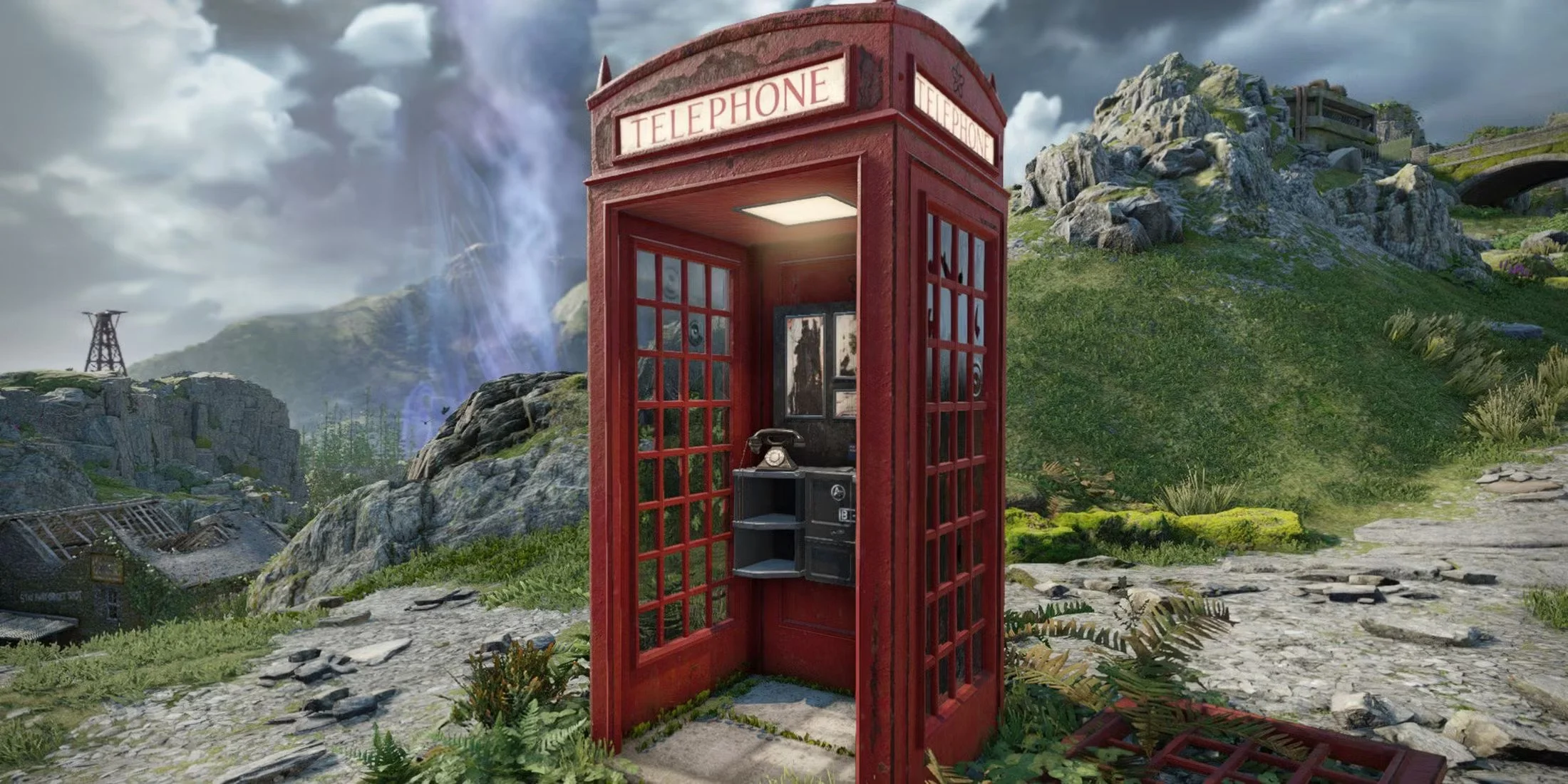
“Invasion” is a unique gameplay mode featured in the Sniper Elite 5 single player campaign. It allows another player to enter your game as a German Sniper Jäger. While you are busy playing through the campaign mission, dealing with the various objectives and enemy NPCs, the Sniper Jäger tries to hunt you down. Once another player “invades” your game, you can no longer load a previously saved game. You either turn the tables on the enemy Sniper Jäger and kill them, complete your mission which ends the game, or they kill you. Both teams can use invasion phones to learn about the other players’ locations. The phones are located at various key points on the map. However, using them to find the enemy will also tip them off to your whereabouts. The invading Sniper Jäger has a different set of skills to the main player. They do not have the focus ability which shows hidden enemies as silhouettes. However, the Sniper Jäger can tag other German NPCs and use them as an alarm system.
“Invasion” is a unique gameplay mode featured in the Sniper Elite 5 single player campaign. It allows another player to enter your game as a German Sniper Jäger. While you are busy playing through the campaign mission, dealing with the various objectives and enemy NPCs, the Sniper Jäger tries to hunt you down. Once another player “invades” your game, you can no longer load a previously saved game. You either turn the tables on the enemy Sniper Jäger and kill them, complete your mission which ends the game, or they kill you. Both teams can use invasion phones to learn about the other players’ locations. The phones are located at various key points on the map. However, using them to find the enemy will also tip them off to your whereabouts. The invading Sniper Jäger has a different set of skills to the main player. They do not have the focus ability which shows hidden enemies as silhouettes. However, the Sniper Jäger can tag other German NPCs and use them as an alarm system.
Invasion mode is a purely optional game mechanic that can be toggled on or off. However, leaving it offers a completely new dynamic to Sniper Elite 5 and this asymmetrical form of PVP can be extremely tense and enjoyable. An onscreen message clearly alerts a player to an enemy invasion and it is then up to them as to how they address the situation. I always make a conscious decision to cease progress with the mission and to find a defensive location. The enemy Sniper Jäger can often determine where you are on the map without using the invasion phones. This can be done by checking what objectives have been completed (e.g. has a specific target been killed or destroyed) as well as whether any NPCs are dead or on alert. Often simply using the binoculars or listening for gun fire will prove useful. Too many players make the mistake of not addressing an invasion threat and just continuing with their mission. Situational awareness is paramount.
There are many YouTube videos about invasion mode. All too often, the invaders are successful mainly because the player they’re hunting is too focused upon proceeding through their campaign and not using their full range of skills. As mentioned previously, the Allied player has a skill called focus which quietens ambient noise and allows them to perceive enemies close by. These appear as silhouettes if there is an object blocking them from direct line of sight. This skill, if used properly, means that it is very difficult for an enemy Sniper Jäger to sneak up on you. Hence an Allied player in a strong defensive position can see any approaching Sniper Jäger and shoot them through a door or the floor. The Sniper Jäger does not have a comparable skill. There are also restrictions on their loadouts which limits how much explosives they can carry and prohibits them from armour piercing ammunition. However, they can place German NPCs on alert and they will aid the Sniper Jäger if a firefight begins.
After watching numerous videos where the invading Sniper Jäger was victorious, I decided to devise a strategy that would potentially wrongfoot anyone invading my game. The idea was to create an environment which favoured my defensive gameplay and to booby trap all the locations that an invading Sniper Jäger would go to for intelligence. So I chose mission 6, Libération, which has three French villages located at the South, West and North of the map. I systematically cleared out all NPCs but purposely left three objectives incomplete, inferring that I’m moving towards the North of the map to complete the mission. I placed decoys at several vantage points, to draw enemy fire and thus give away their position. I also booby trapped key invasion phones and buildings, as well as setting numerous non-lethal schu mines along key routes. These will not kill an enemy but will tag them, making them visible on the game map.
Having set my trap I have saved the game multiple times at different locations. I then load a save of my choice, turn on invasion mode and wait for an enemy player to arrive. The results have been most interesting. Less experienced players will often spawn and immediately go to specific locations expecting me there. The radio room in the Southern village, the Grande Maison to the South West or to the army camp at the Eastern bridge. More often than not, these players walk right into a booby trap. A single mine is insufficient for a kill but if you leave a block of TNT in the vicinity, the chain reaction is lethal. The experienced player is more cautious and will either hunt using cover continuously, or instead sit tight and wait for me to come to them. Sometimes it’s a waiting game to see who gets bored first. It is here that focus and armour piercing rounds certainly give the Allied player an advantage.
Some popular YouTubers don’t like players adopting a more defensive approach to invasion mode. Some will make spurious moral judgements about it not being in the “spirit of the game”. Others object because it makes them look bad when the tables are turned against them. Hence, you seldom see a video in which the content creator dies. I take the attitude that if you have the hubris to invade another player’s game then you don’t get to choose the rules of engagement. So far I have over sixty kills against invading Sniper Jägers. Half of those have been by using my “trap” method. I may in the next few days, pick a different mission and devise a new means to funnel invading Sniper Jägers into a suitable bottleneck. All of which keeps Sniper Elite 5 interesting while we await the sixth instalment of the game in spring 2025.
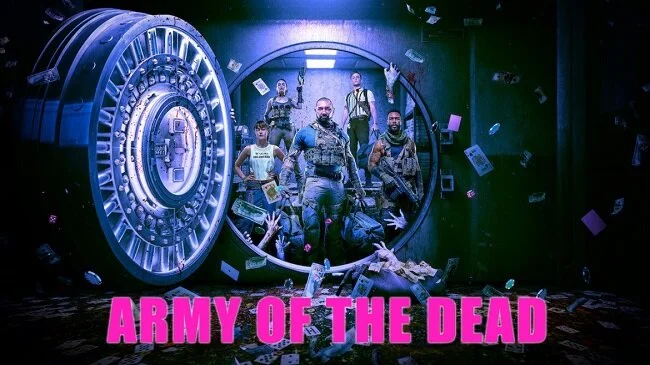
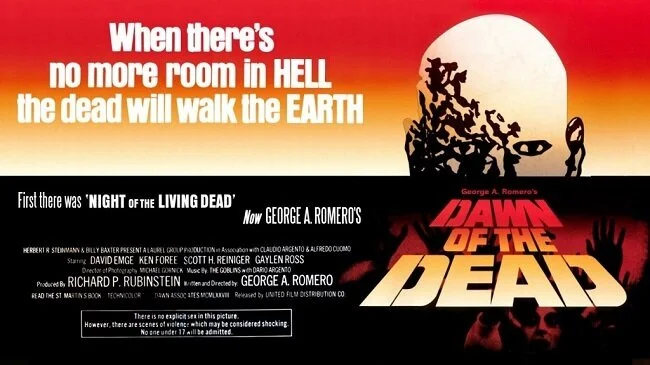
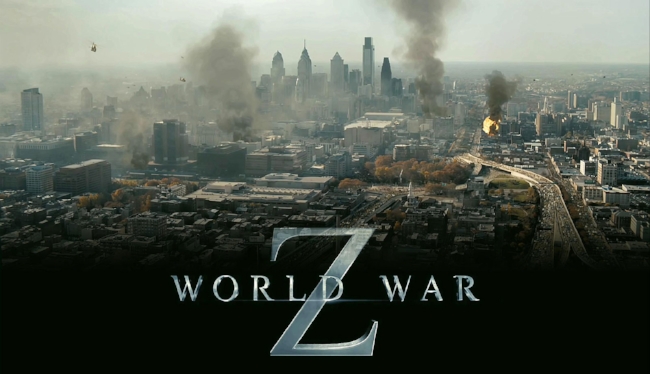
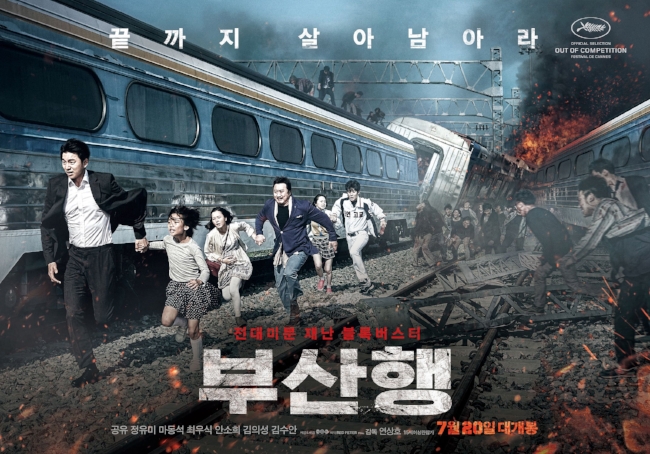
Day of the Dead (2008)
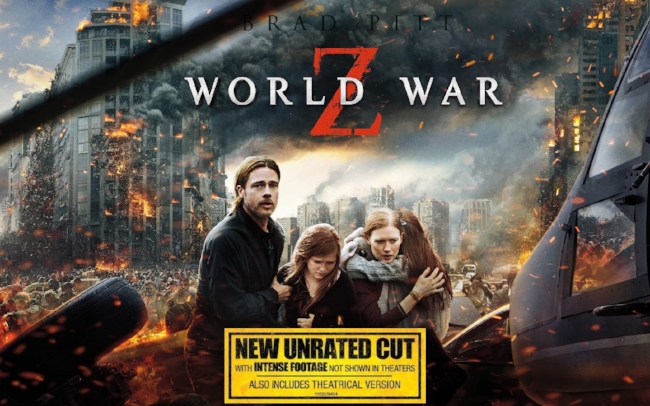
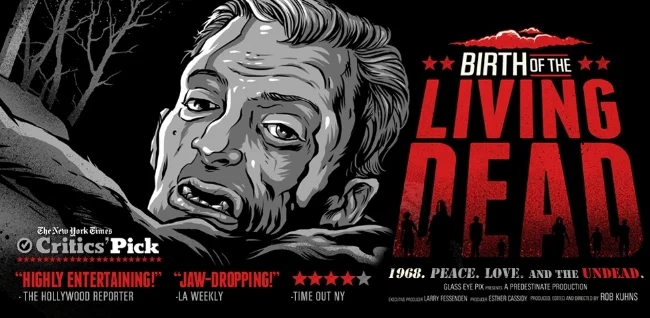
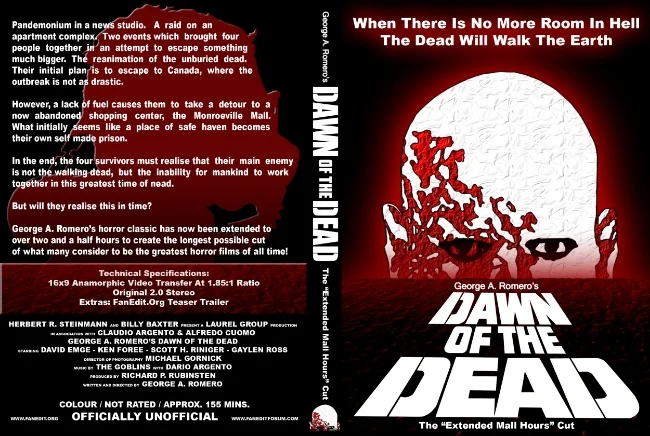
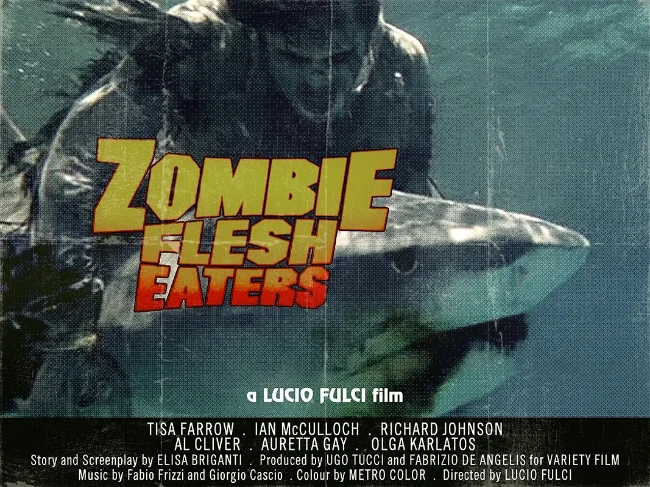
George A. Romero's Day Of The Dead (1985) is a bleak and remorseless masterpiece. The final entry in his “Dead Trilogy”, its central theme is that in a world on the brink of destruction, man is still the biggest threat to his own existence. It is well scripted, clinically accurate in its observations on human nature and thought provoking, despite having its budget cut just weeks before production commenced. 40 years later it is revered as a genre milestone and is considered one of Romero’s finest works. Sadly, the 2008 “remake” directed by Steve Miner, who has a background in slasher and exploitation movies, takes a contrasting approach, to say the least. It certainly has very little to do with Romero’s film and one can’t help but assume that it is nothing more than a cynical cash in. Setting aside comparisons with the original, this is not in any way a standout zombie film in its own right.
George A. Romero's Day Of The Dead (1985) is a bleak and remorseless masterpiece. The final entry in his “Dead Trilogy”, its central theme is that in a world on the brink of destruction, man is still the biggest threat to his own existence. It is well scripted, clinically accurate in its observations on human nature and thought provoking, despite having its budget cut just weeks before production commenced. 40 years later it is revered as a genre milestone and is considered one of Romero’s finest works. Sadly, the 2008 “remake” directed by Steve Miner, who has a background in slasher and exploitation movies, takes a contrasting approach, to say the least. It certainly has very little to do with Romero’s film and one can’t help but assume that it is nothing more than a cynical cash in. Setting aside comparisons with the original, this is not in any way a standout zombie film in its own right.
A group of soldiers led by Captain Rhodes (Ving Rhames) seal off a remote town in Colorado, due to an alleged viral outbreak. Corporal Sarah Cross-Bowman (Mena Suvari) soon suspects that matters are much worse when the infected’s symptoms change from coughing and nosebleeds, to necrosis and a penchant for cannibalism. Has Doctor Logan (Matt Rippy) from the CDC, been sent to help or is he part of a covert project that has gone awry? Cue mayhem, death, bad acting and teenagers in peril. Absolutely no cliche is left unturned from “let's split up” to the ubiquitous wisecracking, African American comic relief. There are ludicrous levels of pseudoscience even by this genre’s standards and the curious addition of zombies climbing around walls and ceilings like Spider-Man, which just doesn’t work.
Filmed mainly in Sofia, Bulgaria Day Of The Dead has a somewhat low budget feel. Cinematographer Patrick Cady does his best to create an atmosphere and cover the modest nature of the production. Yet rather than innovate, the film takes an “everything bar the kitchen sink” approach. Every possible trope from the genre is included and then poorly executed. The make up effects and prosthetics are adequate but the film lacks any standout set pieces. The digital fiery denouement is over far too quickly due to budgetary restrictions, making the ending lacklustre. Perhaps the biggest mistake that Day Of The Dead makes is when Private Bud Crain (Stark Sands) is bitten and becomes a zombie. He eschews his undead nature because he was a vegetarian when alive. Perhaps writer Jeffrey Reddick thought he was making a clever point but regardless of the intent it simply comes off as risible.
Steve Miner has been involved with some interesting films over the years. I enjoyed his homage to creature features, Lake Placid and the gothic Warlock. Two Friday 13th sequels loom large in his body of work. But this is far from his finest hour. Zack Snyder's 2004 remake of Dawn Of The Dead may not be to everyone’s tastes but it cannot be accused of being a shallow, teen oriented exploitation piece. This film most definitely can be. It would appear that the distributors got wind of its shortcomings and so it bypassed cinemas and was released direct to video. If you’re looking for a clever reimagining of a seminal film, offering new perspectives on the zombie genre, then you won’t find it here. If you wish to waste 90 minutes of your time watching an uninspired, generic horror vehicle that seeks to capitalise on the kudos associated with the original, then this remake will meet those requirements.




Restaurants
I really like dining out. I always have. As a child it was considered an adventure, mainly due to its rarity. As an adult I enjoy dining out as an excellent social activity and way to get to know people. It is also a means to discover new types of cuisine and experience meals that you haven’t tried before. I am happy to dine indoors in an atmospheric restaurant or outside if the weather and surroundings justify it. I prefer to sit away from larger tables as they tend to be noisier, and have a leisurely conversation with those I’m dining with. You can catch up with news and gossip or set the world’s wrongs to right. Music can add to the ambience, especially if it is culturally appropriate. Occasionally it can be intrusive but again, if you choose your table wisely, it can be avoided in such circumstances. For me, dining out is more than a practical necessity but a desirable social activity. However, I have friends who take exactly the opposite view.
I really like dining out. I always have. As a child it was considered an adventure, mainly due to its rarity. As an adult I enjoy dining out as an excellent social activity and way to get to know people. It is also a means to discover new types of cuisine and experience meals that you haven’t tried before. I am happy to dine indoors in an atmospheric restaurant or outside if the weather and surroundings justify it. I prefer to sit away from larger tables as they tend to be noisier, and have a leisurely conversation with those I’m dining with. You can catch up with news and gossip or set the world’s wrongs to right. Music can add to the ambience, especially if it is culturally appropriate. Occasionally it can be intrusive but again, if you choose your table wisely, it can be avoided in such circumstances. For me, dining out is more than a practical necessity but a desirable social activity. However, I have friends who take exactly the opposite view.
In the UK, there was a growth in restaurants during the early 1930s to accommodate a growing need by the middle classes. Dining out became more popular after WWII during the 1950s. A greater variety of cuisines became available over time, both from Europe and the UK Commonwealth. As mentioned earlier, dining out at either a humble cafe or restaurant was a rarity in my youth during the seventies. This was mainly due to the prevailing economic climate at the time and the fact that inflation was high. By the time I started my working life during the early nineties, it had become far more commonplace. Many pubs began modernising for a more “family friendly” clientele and providing food. Also by this time, there was a greater variety of restaurants and fast food outlets available, catering for all tastes and budgets. Hence today, dining out is an everyday event. My grandchildren consider it a normal activity and something that happens about once a week.
I like a broad spectrum of restaurants. I’ll happily go to McDonalds or a Wetherspoons pub for breakfast or a quick, convenient and cheap meal. Similarly, I have no prejudice when it comes to local cafes or other fast food outlets. They all serve a useful purpose. I also like to visit restaurants at the other end of the spectrum. Especially when entertaining friends. About twenty years ago, I was working for a financial and economic research company in central London and they would often wine and dine their respective clients. I was often invited along to answer any technology based questions (which never came up). As a result I went to two of the city’s most upmarket restaurants. The Coq d'Argent at Poultry and the OXO Tower at Blackfriars. Both were memorable experiences as these were very formal establishments with outstanding cuisine.
Over the years Mrs P and I have had several favourite restaurants. Places where we have enjoyed not only the food but the ambience. We used to visit a modest, family run Italian restaurant in Cranbourne Street, London and would often book a table after we had seen a show or some such outing. Sadly, the pandemic put pay to this friendly and pleasant establishment. Fortunately, a new Italian restaurant opened locally quite recently. It has proved to be exceptional and is a fine example of a multigenerational family business. The food is simple but exceedingly well made and the atmosphere is cheery and welcoming. Similarly we have discovered a nearby Indian restaurant that does an outstanding Sunday buffet. It is part of a small local chain with three branches in the area. The food is by far the best of its kind I’ve ever had.
The hospitality industry is a competitive one and sadly many businesses don’t survive. Chain outlets often dominate, squeezing out independent vendors. There is also a great deal of snobbery associated with dining out. I was in South Kensington recently and passed what was effectively a cafe. It offered a standard breakfast but due to its location in fashionable West London, saw fit to charge triple the price. It is also worth noting that not everyone enjoys dining out. Some people are not comfortable dining in public or with social meals. I know someone who “doesn’t see the point of restaurants” and just prefers to dine at home. For some the expense is still an issue. It all comes down to what you’re used to and what you prefer to do. For me, dining out is a major part of my social activities and a source of great pleasure.


















Brompton Cemetery
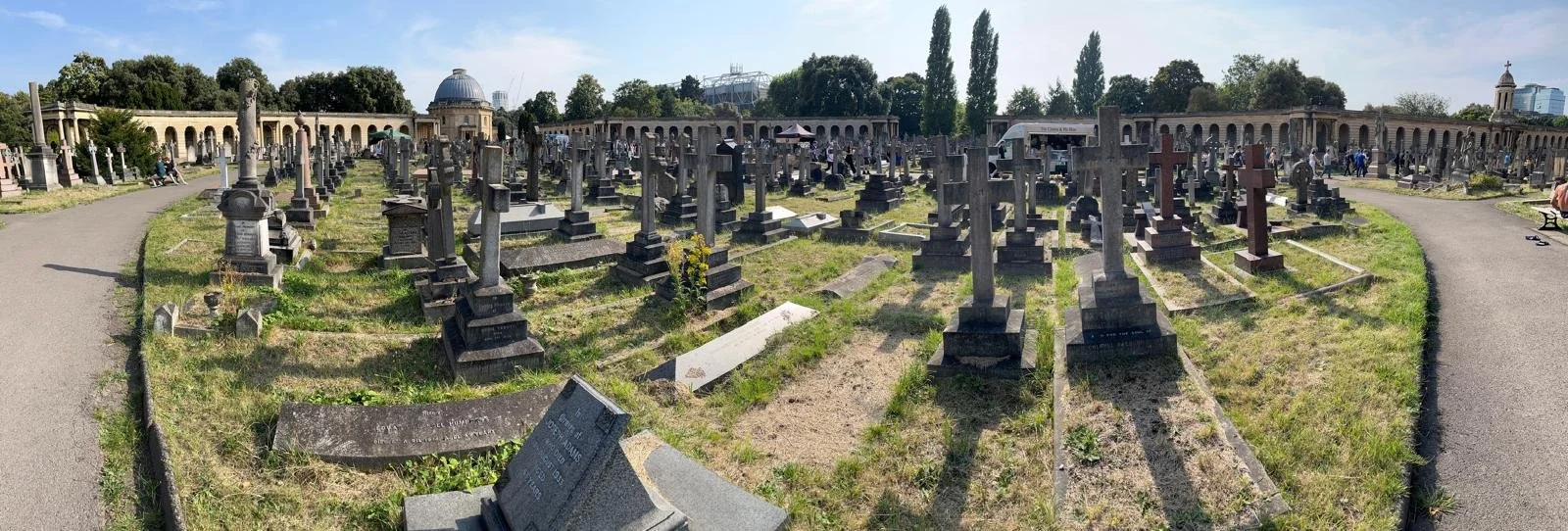
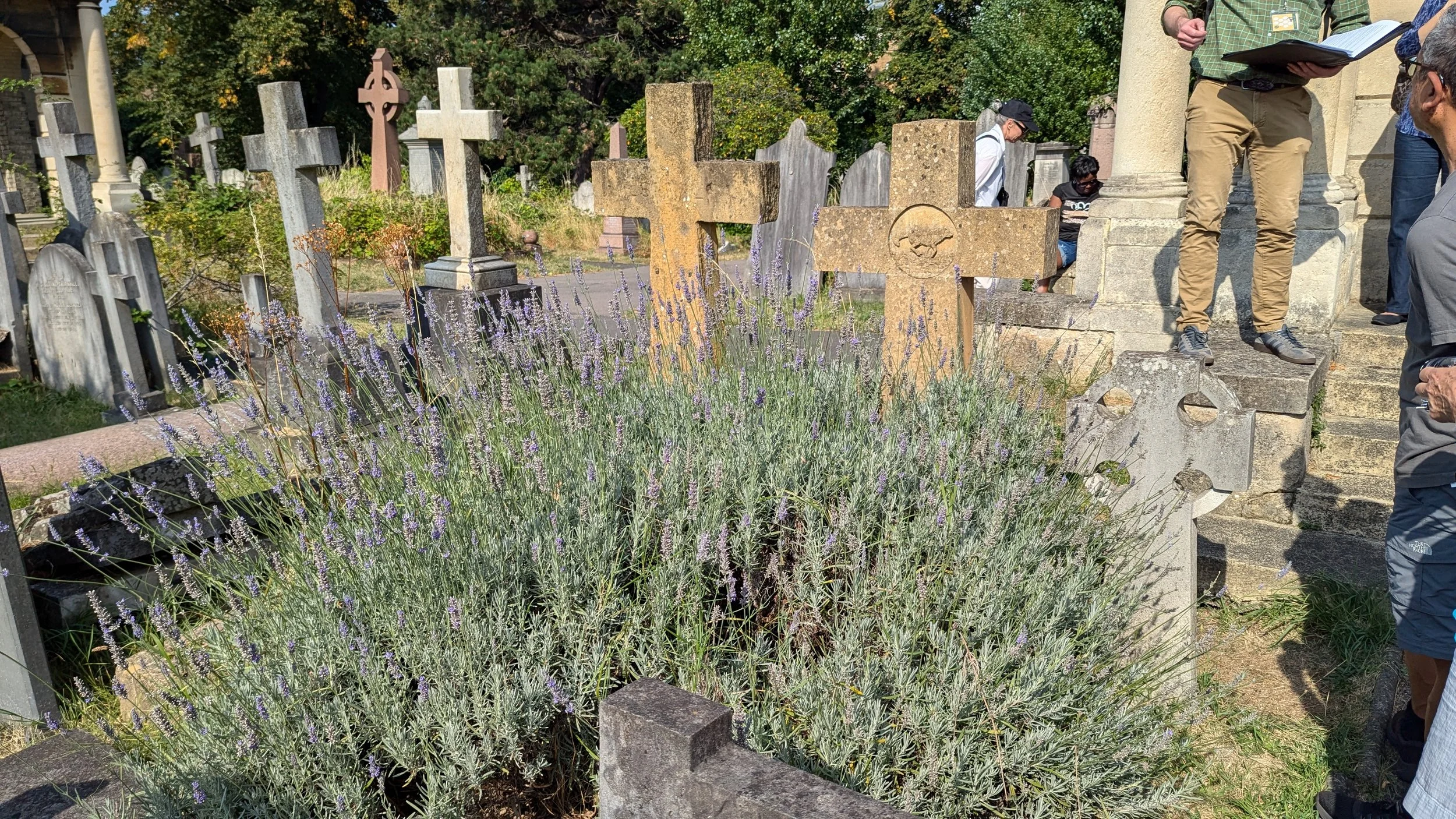
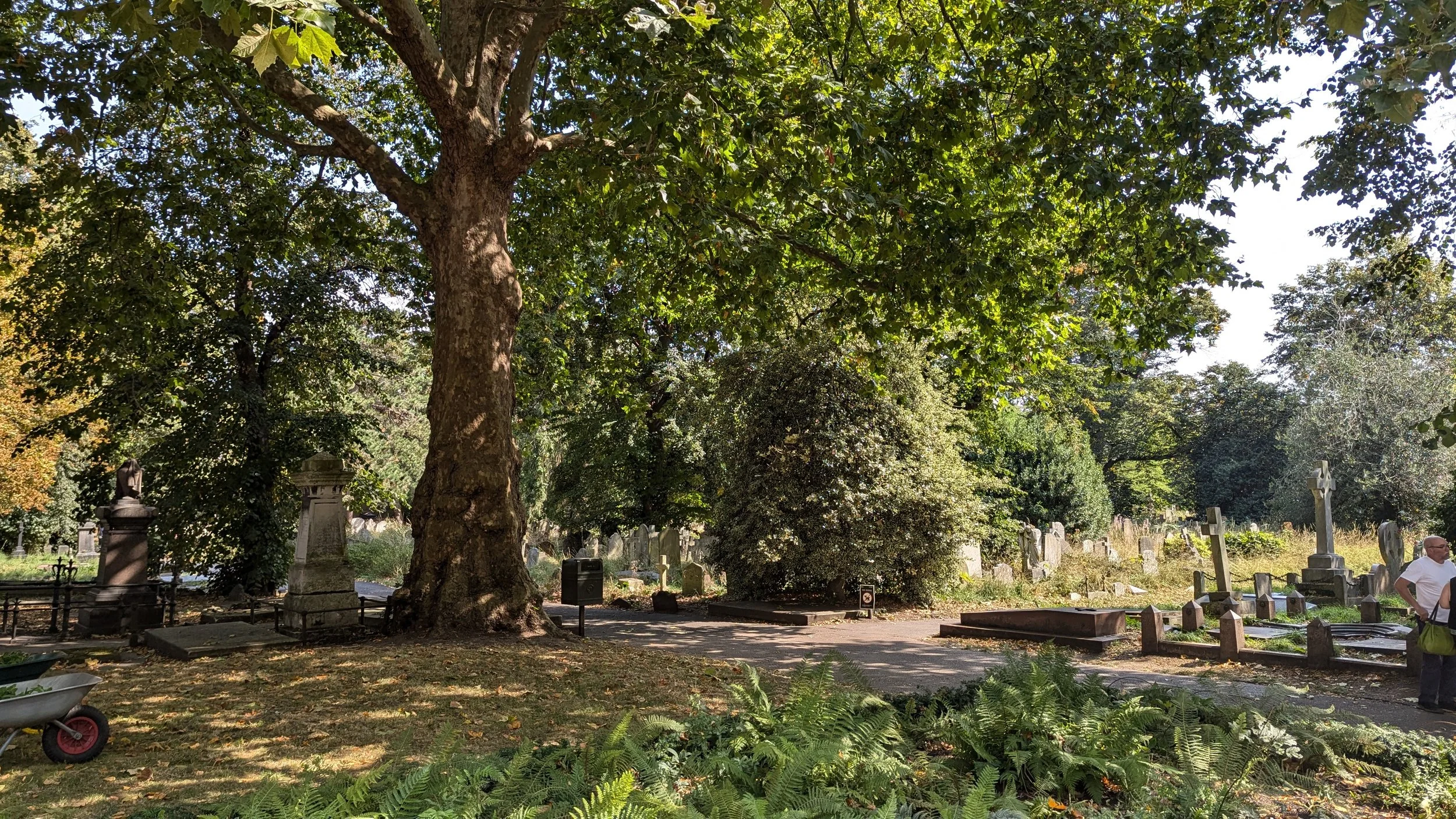
Today I went on an impromptu visit to Brompton Cemetery in West London. Established in 1837, the West of London and Westminster Cemetery (as it was originally known) is a private cemetery initially created as a business venture to capitalise upon the shortage of cemeteries within London. It also sought to cater to the prevailing culture of opulent Victorian funeral rites. However, after proving non profitable, the cemetery was bought by the UK government. It was subsequently incorporated into Crown Property and managed by The Royal Parks. It is one of Britain’s oldest and most distinguished garden cemeteries. There are currently 35,000 monuments, ranging from simple headstones to impressive mausolea. It is home to more than 205,000 resting places. The cemetery is also a haven for flora and fauna, providing a substantial semi rural environment amid urban central London.
Today I went on an impromptu visit to Brompton Cemetery in West London. Established in 1837, the West of London and Westminster Cemetery (as it was originally known) is a private cemetery initially created as a business venture to capitalise upon the shortage of cemeteries within London. It also sought to cater to the prevailing culture of opulent Victorian funeral rites. However, after proving non profitable, the cemetery was bought by the UK government. It was subsequently incorporated into Crown Property and managed by The Royal Parks. It is one of Britain’s oldest and most distinguished garden cemeteries. There are currently 35,000 monuments, ranging from simple headstones to impressive mausolea. It is home to more than 205,000 resting places. The cemetery is also a haven for flora and fauna, providing a substantial semi rural environment amid urban central London.
There are regular open day events and tours around Brompton Cemetery. These are often themed around such things as famous military personnel, noble interments and historical figures. We had hoped to visit the catacombs which are substantial but all the day’s tours were sold out. Fortunately, we were able to get tickets for a general, hour-long tour around the cemetery which features a selection of the most notable graves. These included the following:
Emmeline Pankhurst: Leading suffragette.
Joseph Bonomi the Younger: Sculptor, artist, Egyptologist and museum curator.
John Snow: Anaesthetist and epidemiologist.
Chief Long Wolf: Oglala Sioux and veteran of the Battle of Little Bighorn.
Hannah Courtoy: An enigmatic figure whose opulent Egyptian style tomb is surrounded in mystery.
At first glance, it is somewhat incongruous to find such a decadent and substantive Victorian garden cemetery in the middle of central London, right next to Chelsea FC’s home grounds, Stamford Bridge. However, the cemetery is a relic from an age when death and funeral rites were far more complex and a significant aspect of the prevailing culture. Furthermore, expensive tombs were a form of conspicuous consumption and visiting cemeteries and admiring the architecture was considered morally uplifting and a broadening of one’s intellectual and cultural horizons. Nearly two hundred years later, Brompton cemetery now serves not only as a place of historical interest but also as a notable home for urban wildlife. As well as squirrels and crows, there are Kestrels and ring-necked parakeets. Throughout the year, there are such flowers as snow-drops, bluebells, wild lupin, foxgloves, broad-leaf pea, ferns and horsetail. This is a perfect environment for butterflies and other insects.
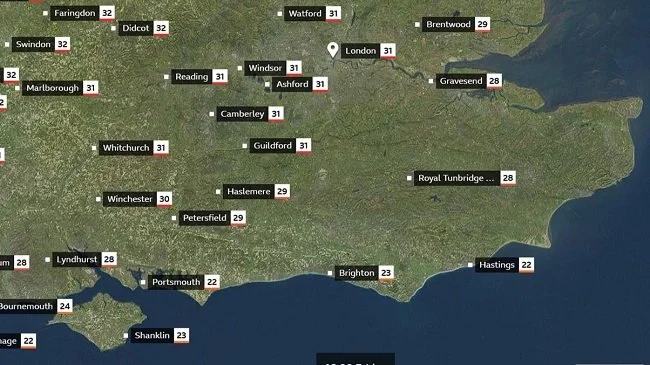
We started our tour at 3:00 PM on what was an unusually hot Sunday afternoon. It was 30 °C but fortunately there are quite a lot of trees to provide shade. The cemetery is laid out like a church with 4 central avenues forming a cross. Our guide took us round at a measured pace, spoke confidently and was happy to address any questions that arose. Sadly some of the graves are in a state of disrepair as the cemetery is not as well funded as it could be. The UK National Lottery has provided grants in the past for the upkeep of the grounds, particularly the chapel at the centre of the four avenues. Brompton Cemetery is a dog friendly environment with numerous taps and drinking bowls available. Overall, it was a most enjoyable afternoon out and I thoroughly recommend it, whether you’re just looking for a stroll or wish to immerse yourself in history and architecture.
Panoramic picture curtesy of Paul King.





































Thoughts on Blaugust 2024
Approximately 110 bloggers signed up to the Blaugust: Festival of Blogging this year. 60 of those were new to the event. They were either just starting out on their blogging adventures or trying to revitalise their existing activities. I fell into the latter group as I decided to use this yearly activity as a means to return to writing regularly, after a nine month absence. 31 days later I think the event has been a learning process and a voyage of self discovery for a lot of people, myself included. No matter how well you extol the virtues and merits of writing online, you cannot get away from the fundamental facts that it requires a commitment to write and that it will eat into your leisure time. Many people have a genuine urge to write but just get hamstrung by the finite nature of their free time. That is not a personal failure. It is just the nature of modern life. Therefore, if you just managed to get one post published over the last month, then well done. It’s 100% better than none.
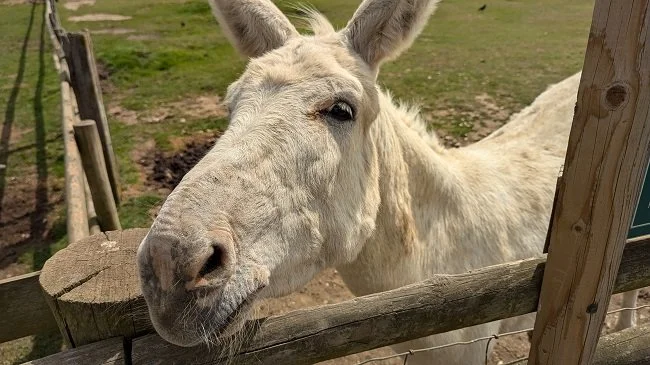
Binky thinks you should blog about fish
Approximately 110 bloggers signed up to the Blaugust: Festival of Blogging this year. 60 of those were new to the event. They were either just starting out on their blogging adventures or trying to revitalise their existing activities. I fell into the latter group as I decided to use this yearly activity as a means to return to writing regularly, after a nine month absence. 31 days later I think the event has been a learning process and a voyage of self discovery for a lot of people, myself included. No matter how well you extol the virtues and merits of writing online, you cannot get away from the fundamental facts that it requires a commitment to write and that it will eat into your leisure time. Many people have a genuine urge to write but just get hamstrung by the finite nature of their free time. That is not a personal failure. It is just the nature of modern life. Therefore, if you just managed to get one post published over the last month, then well done. It’s 100% better than none.
Blaugust is a good teacher. You will encounter technical skills such as time management, writing ahead of schedule and banking ideas. You can also discover what your blogging voice is and whether you will be writing short streams of consciousness, lengthy reviews, musing on specific subjects or long form reviews. You may decide to do none of these and find a different niche altogether. Blaugust has a knack of galvanising bloggers into action and experimenting with how, when and where they write. What platform you use to write and whether you want a domain are also decisions that may come up. Which of course is the point of the entire event. It’s not just about the technicalities of writing but wider issues as well. Sadly, not all of the lessons are happy ones. Some people discover that they cannot sustain the writing schedule they were hoping for, or realise that blogging isn’t actually for them.
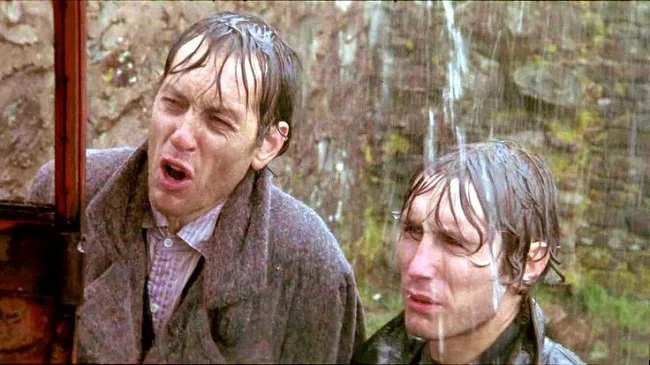
Barnaby is shit posting about sport
However you’ve personally fared with Blaugust the community based around its Discord server is still available throughout the year. Many people find it both supportive and filled with useful resources. I certainly think having people posting links to their content and sharing thoughts on each other’s work is a major factor in maintaining a sense of motivation and engagement. Ultimately, that is the key to blogging. Once you’ve determined what you want to write about, how you’re going to do it and when you can fit it into your routine then the final piece of the puzzle is to sit down and write. Many people who have successfully written throughout Blaugust will now be faced with two possible courses of action. To continue in a way that suits them or to slowly reduce their output until they stop. That is not a judgement but a simple statement of fact. The dropoff rate after any writing event is a reality. It’s up to you how you address it.
I hope that a lot of the people who have completed Blaugust choose to continue. Each year I discover new blogs to follow and 2024 has been no different. I find it reassuring that people are still thinking and expressing themselves online. Furthermore, I hope you have enjoyed this month’s event as much as I have. Setting aside the practical lessons that Blaugust has to offer, I hope you have had fun. Informal writing such as blogging should be fun. As for me, I shall endeavour to continue writing on a regular basis. I am happy to do so at present and judging by my drafts folder, I have a lot of ideas for future posts. However, if you feel that your blogging journey is at an end or needs to take an extended break, there’s always next year. You can always take part again. In the meantime, don’t be a stranger. You know where to find us and everyone is welcome. Even Colin.























More DIY
I fitted a new toilet seat today because the old one was broken. To be pedantic, it was the lid over the seat that was actually broken. It would appear they don’t support the weight of a 56 year old man who is reaching for a rubber ducky. However, the complexities of the circumstances leading to the lid breaking are ultimately irrelevant. The problem needed to be addressed as there were dangerous sharp edges. Therefore, to make things easier, I ordered the exact same make and model of toilet seat that I had previously bought in April 2021. Upon subsequent reflection, I do wonder how often the average person changes their toilet seat? Is three years considered a high turnover by the toilet seat statistical community? Who knows? But I digress. The new seat arrived today and in a fit of hubris I thought I’d quickly install it in the morning after showering. I reckoned it would only take half an hour or so. How foolish of me.

I fitted a new toilet seat today because the old one was broken. To be pedantic, it was the lid over the seat that was actually broken. It would appear they don’t support the weight of a 56 year old man who is reaching for a rubber ducky. However, the complexities of the circumstances leading to the lid breaking are ultimately irrelevant. The problem needed to be addressed as there were dangerous sharp edges. Therefore, to make things easier, I ordered the exact same make and model of toilet seat that I had previously bought in April 2021. Upon subsequent reflection, I do wonder how often the average person changes their toilet seat? Is three years considered a high turnover by the toilet seat statistical community? Who knows? But I digress. The new seat arrived today and in a fit of hubris I thought I’d quickly install it in the morning after showering. I reckoned it would only take half an hour or so. How foolish of me.
Now the reason I wanted the same model as before is because it has a quick release mechanism for taking off the seat. Therefore I was hoping I could simply swap out the broken seat with the new one and not have to mess about installing any fittings. The new seat could just click onto the existing posts. So I unpacked the replacement seat, lined up the holes on the hinge with the posts and lowered it down expecting it to conveniently click into place. Except that it didn’t. The existing posts were too thick. Hence I had to get on my hands and knees and reach under the toilet bowl and unscrew the current fittings. Now you may or may not know this but getting on the floor and into confined spaces is a bitch when you’re 56. The problem was further compounded as the existing wingnuts were done up “finger tight” by my son, so they were disinclined to yield.
I find that most problems are easier to solve after lunch, so I took an extended break and had a midday meal along with a couple of pints of beer for medicinal reasons, at a local cafe. Feeling suitably fortified I returned to the job in hand and decided rather than try and unscrew the wingnuts, I’d rotate the posts using an adjustable spanner. This strategy worked and the fittings became loose. I was then able to unscrew the wingnuts and remove the posts. After another beer (I was thirsty by this point), I then installed the new fittings that came with the replacement toilet seat. The posts lined up with the holes in the hinge and this time round the seat clicked securely into place. I stepped back to admire my handy work and basked in the glory of my victory accordingly. I assume this is how Marcus Agrippa felt after the Battle of Actium or all those Amish people after they built that barn in the film Witness.
There was a time when working with your hands was part of most people’s daily life. Furthermore, being a skilled craftsman was venerated by one’s peers and the wider community. Sadly, the days of many of us having practical skills are long gone. We live in a world where we don’t fully understand how everything in our homes actually works and certainly don’t have the necessary skills to fix things. In fact our lifestyle has become so disposable that it often doesn’t even cross our minds whether something can be repaired. Too often we seek to replace by default. My clumsy struggle to fit a toilet seat is in some respects quite shameful. I may have technical skills but they can’t put up shelves or install a shower. My father, who was a practical man, would have rolled his eyes at my incompetence. But this is the world we live in and I am not alone in my lack of DIY skills.
The Lord of the Rings: The Rings of Power Season 2
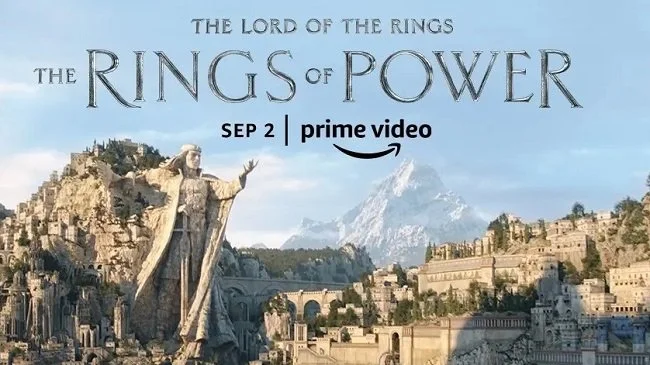
Two years ago, The Lord of the Rings: The Rings of Power premiered on Amazon Prime to mixed reviews and a tedious and predictable internet brouhaha. I have no interest in that debacle as I consider it spurious, to say the least. Representation is a commercial imperative for any big budget television production. As for any deviation from the established canon, that’s due to the show being an “adaptation” of Tolkien’s work. At no point were viewers promised a literal interpretation of the source text. Therefore I am only interested in legitimate critiques of the show based upon its production, writing and acting. As far as I’m concerned, the first season was broadly entertaining and had outstanding production values. Overall I enjoyed The Lord of the Rings: The Rings of Power as an exciting and inventive take on Tolkien’s legendarium. Hence, I have been looking forward to the second season, which began today.
Two years ago, The Lord of the Rings: The Rings of Power premiered on Amazon Prime to mixed reviews and a tedious and predictable internet brouhaha. I have no interest in that debacle as I consider it spurious, to say the least. Representation is a commercial imperative for any big budget television production. As for any deviation from the established canon, that’s due to the show being an “adaptation” of Tolkien’s work. At no point were viewers promised a literal interpretation of the source text. Therefore I am only interested in legitimate critiques of the show based upon its production, writing and acting. As far as I’m concerned, the first season was broadly entertaining and had outstanding production values. Overall I enjoyed The Lord of the Rings: The Rings of Power as an exciting and inventive take on Tolkien’s legendarium. Hence, I have been looking forward to the second season, which began today.
As I have only watched the first three episodes of Season 2, this is not a review. It is simply some initial thoughts. My opinion may change when I have seen all eight episodes. So far, relocation of the production from New Zealand to the UK does not appear to have had a detrimental impact on the show’s aesthetics or high quality. Weta FX and Industrial Light and Magic still continue to produce the lionshare of visual effects. Long term Tolkien illustrator John Howe, remains the main conceptual artist and although there has been changes in staff relating to costume and production design, there still appears to be a sense of visual continuity between this show and Peter Jackson’s feature films. Bear McCreary has also been retained to provide the score and has again provided some outstanding new themes. I was pleasantly surprised to see cast member Benjamin Walker singing “Golden Leaves” in Sindarin. Song is such an integral part of Tolkien’s work.
Narratively, Season 2 quickly resumes where the previous ended. Here are a few of the ongoing plot points. In an extended flashback we see why the transition of power from Morgoth to Sauron did not go well. We also get to see Sauron in an earlier physical guise played by Jack Lowden. The “meteor man” has reached Rhûn with Nori the Harfoot and it would appear that they are being tracked by the minions of a “Dark Wizard”. The unnamed sorcerer refers to the “meteor man” as an Istar, a Quenya term for “wise”. The Wizards of the Third Age were known as the Istari; “wise ones”. In Khazad-dûm, seismic activity caused by the eruption of Mount Doom leads to the collapse of many of the city’s light wells, disrupting the Dwarves’ means of food production. In Eregion, Sauron takes the guise of Annatar, Lord of Gifts and tricks Celebrimbor into making further rings of power.
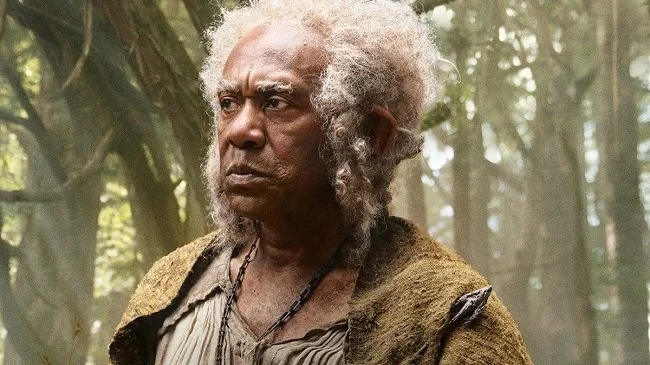
So far it seems that show runners, J. D. Payne and Patrick McKay, are working more within the parameters of Tolkien’s legendarium than previously. This may be due to the story moving forward into more closely defined “history”. The addition of further canonical characters such as Narvi (Kevin Eldon) and Círdan (Ben Foster) certainly makes the proceedings feel more “Tolkienesque”. Adar, the Dark Elf chieftain of the Orcs, is played by a different actor to season one but due to the prosthetic makeup, it doesn’t make any significant difference. I am extremely curious to see Rory Kinnear as Tom Bombadil and I saw via the IMDb that Jim Broadbent is providing a voice for what may be an Ent. I find the presence of so many established UK actors reassuring. Also the fact that the show uses Hammer’s old studios at Bray, in Berkshire.
Season 2 of The Lord of the Rings: The Rings of Power has gotten off to a good start. With five more episodes to go, it can still cover a lot of ground. At present it is the non canonical material that holds my interest the most. The introduction of a “Dark Wizard” in Rhûn is not an implausible plot element. The Blue Wizards travelled to that region and were ultimately lost. Saruman himself dwelt there at one point. And then there is the Dark Elf Adar, allegedly one of the first to be corrupted by Morgoth. In another bold choice, there is a brief appearance in episode three of a female Orc holding an Orc baby. Rather than being perturbed by the creative choices of the showrunners, I find them a source of fascination. If I want pure Tolkien, then there are the source texts and audio productions to enjoy. The Lord of the Rings: The Rings of Power is ultimately just one of many interpretations of Middle-earth. I suspect in the years to come there will be more. Not all will be to everyone’s tastes. However, if they introduce people to the original texts then that is no bad thing.





10 Wise Quotes
The last time I wrote a post about quotes I only included one proper example. That was because it was somewhat lengthy. So I filled the remainder of the article with film quotes, which I found amusing because I do like a good pop culture reference. However, it can be argued that they weren’t really in the spirit of the original writing prompt. So this time round I have collated ten proper quotations from various intellectuals, celebrities and bon viveurs. I also made sure that they’re not all from people who are dead. Many of them do come across as somewhat smug and self satisfied. Such is the nature of quotes. I think the main reason we sometimes feel this way is because a really good one hits home with its sage wisdom. So here are a few that I find interesting. I’ve added a brief annotation as to why I particularly like each one.
Gore Vidal
The last time I wrote a post about quotes I only included one proper example. That was because it was somewhat lengthy. So I filled the remainder of the article with film quotes, which I found amusing because I do like a good pop culture reference. However, it can be argued that they weren’t really in the spirit of the original writing prompt. So this time round I have collated ten proper quotations from various intellectuals, celebrities and bon viveurs. I also made sure that they’re not all from people who are dead. Many of them do come across as somewhat smug and self satisfied. Such is the nature of quotes. I think the main reason we sometimes feel this way is because a really good one hits home with its sage wisdom. So here are a few that I find interesting. I’ve added a brief annotation as to why I particularly like each one.
“Reality continues to ruin my life.” Bill Watterson
Ah, the enigma of American cartoonist Bill Watterson. He has an innate gift for wholesome sentimentality.
“The more money an American accumulates, the less interesting he becomes.” Gore Vidal
A few names spring to mind.
“You only live once, but if you do it right, once is enough.” Mae West
Mae West is a treasure trove of witty quotations. I wouldn’t dream of questioning the wisdom of the above quote.
“If Stupidity got us into this mess, then why can't it get us out?” Will Rogers
It never ceases to amaze me how stupidity thrives by standing on the shoulders of the wise and humane, who do all of society’s heavy lifting.
Carl Sagan
“We live in a society exquisitely dependent on science and technology, in which hardly anyone knows anything about science and technology.” Carl Sagan
My father lamented how when he was a child, you had a fighting chance of understanding how the things around you worked. A radio, a fridge, a car. Nowadays he said it was virtually impossible with regard to computers, networks and software.
“I don't think any of us grew up into the world we were hoping for or expecting.” Alan Moore
The media, the state and society have always misrepresented the world we live in. We now actively collude in this lie ourselves, via social media.
“Power is like being a lady... if you have to tell people you are, you aren't.” Margaret Thatcher
I’m not a fan of the UK’s first woman Prime Minister but I appreciate the sentiment in this quote.
Henry Rollins
“It’s sad when someone you know becomes someone you knew.” Henry Rollins
This quote is interestingly ambiguous. Does he mean death or when a friendship withers on the vine?
“A clever person solves a problem. A wise person avoids it.” Albert Einstein
I bet Rodgers and Hammerstein feel stupid now.
“Love, friendship and respect do not unite people as much as a common hatred for something.” Anton Chekhov
A sad but accurate observation. If you want a specific example I refer you to the UK tabloid press.
Bonus quote:
“Excuse me, sir! Can you direct us to the naval base in Alameda? It's where they keep the nuclear wessels.” Pavel Chekov
I did say I love a pop culture reference.
ChatGenie Questionnaire
I spent some time today, looking for a new internet questionnaire as they make for fun and quirky blog posts (by which I mean lazy and easy ones). Sadly, most of the search results that Google found were ones I’ve done already. So I thought why not ask the online AI, ChatGenie, to provide the questions? Surely it can’t be that difficult to come up with some interesting talking points? Well it turns out it is, because the 10 questions that the AI has provided are not especially inspired. However, I did find it amusing how ChatGenie justified itself, explaining where the mirth and hilarity lie in each of its questions. Therefore, here are my answers to what I am officially calling the ChatGenie Questionnaire. Feel free to complete it yourself.
I spent some time today, looking for a new internet questionnaire as they make for fun and quirky blog posts (by which I mean lazy and easy ones). Sadly, most of the search results that Google found were ones I’ve done already. So I thought why not ask the online AI, ChatGenie, to provide the questions? Surely it can’t be that difficult to come up with some interesting talking points? Well it turns out it is, because the 10 questions that the AI has provided are not especially inspired. However, I did find it amusing how ChatGenie justified itself, explaining where the mirth and hilarity lie in each of its questions. Therefore, here are my answers to what I am officially calling the ChatGenie Questionnaire. Feel free to complete it yourself.
Q: Do you cry easily? (This question encourages introspection as to how emotional you may be)
A: No. I was raised during the seventies in the UK and the prevailing culture was to not cry unnecessarily. The cliche of maintaining a stiff, upper lip was still commonplace. Age has brought a degree of wisdom and I have now tempered this emotional foible. When both my parents died, at the time I kept a stoical demeanour, mainly because I was the one dealing with everything and I needed to be “functional”. When everything was done, I allowed myself to grieve and cry accordingly. Oddly enough, I find that films have the power to stir my emotions the most. I remember when I saw Star Trek II: The Wrath of Khan for the first time. When Spock died I wept openly like I’d lost a brother.
Q: What's the most embarrassing song you secretly love to sing along to? (A lighthearted question that can spark hilarious answers.)
A: All Kinds of Everything by Dana, although I prefer the cover version by Slim Whitman from 1978. I can never remember the specific things named in the song, so I improvise. Fruit Bats, Orangutans, the Sudanese etc.
Q: If your life was a movie, who would play you and what genre would it be? (Get them thinking about their personality and how they see themselves.)
A: Peter Cushing and it would definitely be a horror film.
Q: What's the weirdest thing you've ever eaten and would you recommend it? (A fun and unexpected question that's sure to generate unique answers.)
A: Snails and squid. Snails are just like any other shellfish and their culinary merit depends upon the sauce they’re cooked and served in. As for squid, I don’t mind calamari (battered and fried squid rings) but find that the whole baby squids are too rubbery for my tastes. Overall, I’m not someone who will eat something just because it is considered weird. However, if a weird dish can be proven to be potentially tasty, I will theoretically consider eating it.
Q: You're stranded on a deserted island with only three items. What are they and why? (A classic question with a twist, encouraging them to think about their priorities.)
A: A supply of antibiotics for obvious reasons. I wouldn’t want to die as a result of a simple cut or insect bite. A firearm to take care of any potential dangers and a wind up radio. I could listen to the shipping forecast.
Q: If you could have dinner with any historical figure, who would it be and what would you ask them? (This question invites them to think about their interests and curiosity.)
A: I think a meal with Sir Archibald McIndoe would be rather interesting. He was a pioneering plastic surgeon from New Zealand who moved to the UK in 1930. During World War II he developed numerous pioneering techniques while treating badly burned Royal Air Force aircrew. His patients at the Queen Victoria Hospital in East Grinstead, Sussex, formed the Guinea Pig Club. This was a social club and mutual support network.
Q: What’s the best way to waste time? (A funny question that allows people to embrace their quirks.)
A: The best way to waste time is to do so in a guilt free fashion. I know too many people who are uncomfortable with their own personal leisure time and often feel guilty if they’re not doing something “productive”. Fortunately, I’m not one of them and I learned from my father that if you ever get a chance to take it easy in between all the hustle and bustle, then grab it with both hands.
Q: If you could invent a new holiday, what would it be and how would it be celebrated? (This encourages creativity and allows them to express their ideal world.)
A: I’d like to establish an international “If you can't say something nice, don't say nothing at all” day. It could alternatively be known as “Shut the fuck up” day. Its philosophy and merits are self-evident. Those who break the credo have “twat” written on their forehead for the rest of the week as penance.
Q: What's the most ridiculous conspiracy theory you believe in? (A playful question that can lead to some entertaining answers.)
A: I don’t believe in conspiracy theories or care for the associated culture. Occam’s razor is often a sufficient tool to invalidate most of them. Plus, most major conspiracies are predicated on secret plots. If there is one defining characteristic of humans, it is that most cannot keep their mouth shut. It’s an obvious contradiction.
Q: What's your favourite word and why? (A simple yet insightful question that reveals their personal preferences and vocabulary.)
A: According to an analysis of my blog posts, I use the word “nebulous” a lot. I do like it as it beautifully encapsulates anything vague, indistinct or ill defined. The thing is, I like lots of words. Why settle for just one?








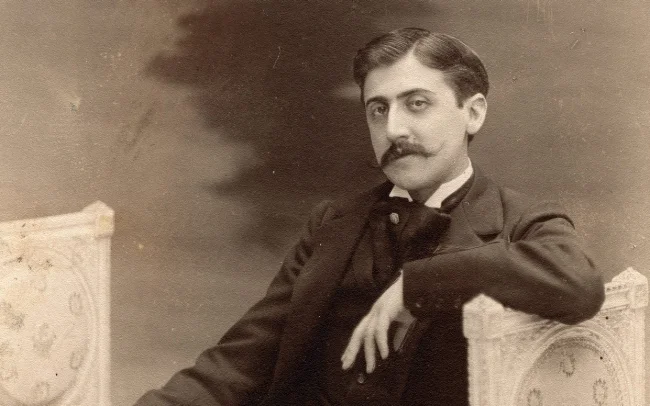
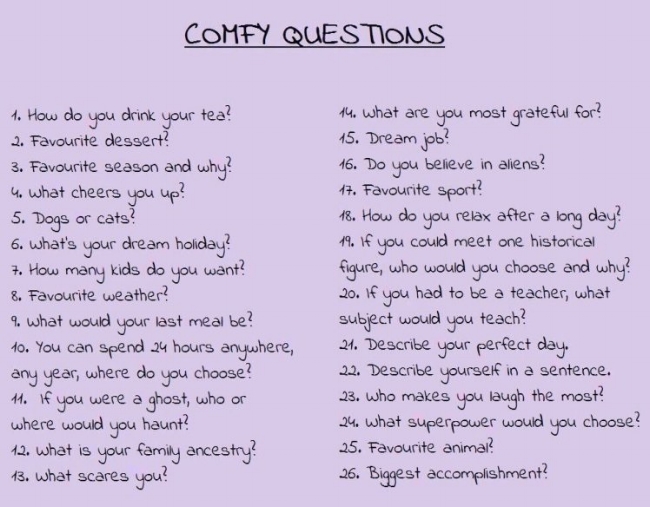

Thinking Out Loud
If you want to buy a grapefruit spoon with an inlaid mother of pearl handle or 25Kg of exotic aquarium gravel, then a simple Google search (other search engines are available) will yield a multitude of results. However, the search engine does not fare so well with finding online communities. Many years ago I joined The LAMB (Large Association of Movie Blogs), which at the time claimed to be the world's largest movie blog directory/community. It was a useful website. From what I can see, this site is now partially dormant. New reviews are being posted but the directory service of other movie related websites seems unavailable. Hence I am looking for a comparable online community where I can share my film reviews and read other peoples. Trying to find one is proving quite difficult.
Once again, I have collated a series of random thoughts on “stuff and things”, as the expression goes. All of which is published under the title “Thinking Out Loud”, which is a recurring blog post.
Finding Online Communities
If you want to buy a grapefruit spoon with an inlaid mother of pearl handle or 25Kg of exotic aquarium gravel, then a simple Google search (other search engines are available) will yield a multitude of results. However, the search engine does not fare so well with finding online communities. Many years ago I joined The LAMB (Large Association of Movie Blogs), which at the time claimed to be the world's largest movie blog directory/community. It was a useful website. From what I can see, this site is now partially dormant. New reviews are being posted but the directory service of other movie related websites seems unavailable. Hence I am looking for a comparable online community where I can share my film reviews and read other peoples. Trying to find one is proving quite difficult.
I find that a lot of online communities have migrated to Discord for obvious reasons. Subreddits are also still an important focal point for shared interests. However, Discords by their nature do not lend themselves to creating easily navigable and searchable archives. They are more about informal discussions. Subreddits have their respective gatekeepers who often prefer to keep user debate confined within their own managed environment. Third party links and external sources are not always welcome. Hence I prefer conventional websites that collate and aggregate content. The only problem with this is that it’s becoming increasingly rare due to the associated work and cost. In the meantime, I shall continue searching as I’m sure a suitable community is out there.
Gaming Homework and Fear of Getting Things Wrong
Something that came up while I was struggling to familiarise myself with Dragon’s Dogma 2. A matter that is now a major aspect of gaming culture. Specifically, the requirement to have to research gameplay mechanics, classes and builds prior to actually playing a game. YouTube is the dominant medium for this requirement. I found myself watching various videos with titles such as “10 mistakes you don’t want to make” and “the best classes and vocations” before I even created a character in Dragon’s Dogma 2. Do you remember a time when games had tutorials that explained their own mechanics. You may be old enough to recall when media shipped with a physical manual. Such days have long gone.
However, not only is it expected these days that you have to do research via third parties to be able to work out how to play a game, there is now a considerable “risk” if you don’t. If you just pick a class and gear based purely upon “that looks cool”, then you will damn yourself to the seventh circle of gaming hell and have a chronic case of buyer’s remorse. How the hell did we get to this place? A place where there isn’t scope to just have fun partially on your own terms. If certain builds and combinations of in-game gear lead to poor experience, why put them in the game? Everything seems so formalised these days with regard to gaming. Hence we get prevailing metas and if you choose to ignore them you’re effectively gimping yourself. This “process driven” ideology seems to be bleeding through into everything nowadays. It ruined TED Talks and is ruining YouTube. Where will it end?
Continuously Outraged Fans are Wearisome
The second season of The Lord of the Rings: The Rings of Power begins on 29th August on Prime Video. Captain America: Brave New World is released theatrically on 14th February 2025. What do these both have in common? The criticism and anger of outraged fans. Yes the vocal minority are at it again, shouting at clouds because a film or TV show has dared to do something that they don’t care for. Be it a question of representation or a matter of “creative adaptation”. It is an especially tedious foible of fandom and is often not just about likes and dislikes, but driven by other cultural and political movements. The matter came up recently in the documentary A Disturbance in the Force about the infamous Star Wars Holiday Special. Writer, actor and director Kevin Smith had wise words to say on this matter. “When you have a bunch of people that love something and take it into their hearts, they claim it. And when these things don't behave the way we want them to, well, it seems like we've become a culture that doesn't know how to handle that”.



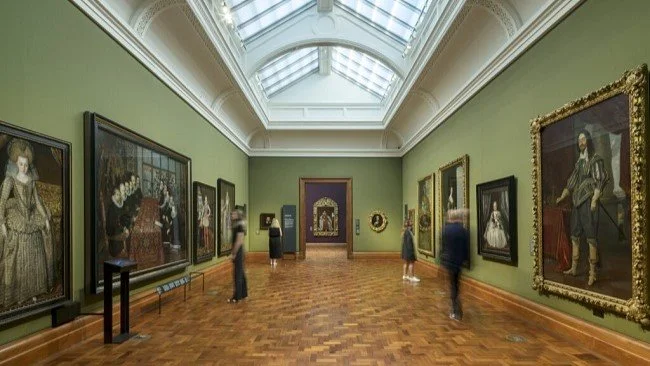






Thoughts on Blogging Part 19
I’ve been writing online for 17 years. During that time a modest audience has read my posts and occasionally commented on them, which is the accepted dynamic of blogging. Some of my posts are ephemeral. Others, such as film reviews, have greater longevity. Naturally I want people to read my output and I’ve noticed that the film reviews seem to generate a fair amount of traffic. After consulting my website analytics package, it would appear that the majority of readers find my reviews by searching Google. Promoting my writing via social media does very little. Another issue is that readers tend to read the post they found via their search and then leave. Despite there being links at the bottom of the post to similar material. Currently, my blog does not have an effective means of searching older posts. The landing page has only 20 posts listed. There are approximately 2,500 archived.
I’ve been writing online for 17 years. During that time a modest audience has read my posts and occasionally commented on them, which is the accepted dynamic of blogging. Some of my posts are ephemeral. Others, such as film reviews, have greater longevity. Naturally I want people to read my output and I’ve noticed that the film reviews seem to generate a fair amount of traffic. After consulting my website analytics package, it would appear that the majority of readers find my reviews by searching Google. Promoting my writing via social media does very little. Another issue is that readers tend to read the post they found via their search and then leave. Despite there being links at the bottom of the post to similar material. Currently, my blog does not have an effective means of searching older posts. The landing page has only 20 posts listed. There are approximately 2,500 archived.
Six years ago I wrote a tutorial post explaining how to effectively search Contains Moderate Peril. Each post has a list of keyword categories in the footer and if you click on these, it will list all other posts that have been labelled in the same way. There is also a calendar feature on the blog archive page, which shows all posts by dates. However, neither of these two means of searching the site are really intuitive or convenient. To date I am still seeking a suitable means that can be implemented within the current constraints of Squarespace and the specific templates this site uses (Trombone Shorty). I am also trying to determine a means of promoting my content online but in a manner I consider to be ethical. I don’t like misleading, hyperbolic clickbait. Nor do I want my social media accounts to be exclusively used to push my work.
There are plenty of websites that offer advice on marketing and promotion. Broadly, they all state the same things. Create targeted content, build a community via promotion on social media, collaboration with others and back links. SEO is a must. All of which makes sense but is not necessarily to everyone’s tastes. I have no objection with promotion and collaboration but I will not alter my writing style, just to chase an audience. I consider personal blogs to be in some respects like music or newspapers. You write in a certain idiom and that appeals to a specific group. For example, when I write about film I assume that the reader has a certain degree of investment in the subject and some knowledge. Technically, by changing my writing style I could reach a larger audience but that is not what I'm seeking to achieve. I am pursuing a different, smaller niche, which for me is more rewarding.
It is interesting to note that as my return to regular writing has coincided with the Blaugust: Festival of Blogging, there has been a modest increase in traffic to Contains Moderate Peril. I put this down to the various bloggers participating in the event, kindly showing an interest in my posts. As I’ve stated before, seeing any degree of interest in one’s work helps in maintaining the motivation to keep writing. Although the technological aspects of blogging have changed over the years, I suspect the basics remain the same. Readers return whenever new content is available, associated promotion via podcast, live stream or YouTube channel also helps. Giveaways and competitions will attract traffic and some will stick around. A catchy name doesn’t do any harm, although try not to pick something that may box you in at a future date. Finally, keep plugging away. If you throw enough faecal matter at a vertical brick structure, some will eventually adhere.

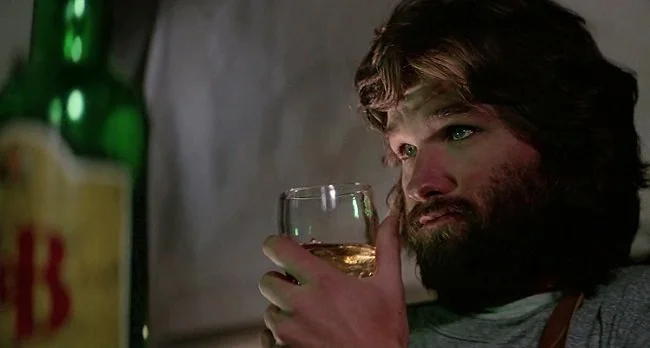








Caligula: The Ultimate Cut (1979)
There are many stories and anecdotes associated with the 1979 film Caligula. Many of which are apocryphal. However, there is absolutely no doubt that this was a troubled production, with artistic differences between the writer, director and producers. Hence the original theatrical release was not the arthouse, historical drama that it was intended to be. Instead Caligula ended up the most notorious multimillion dollar independent film of the seventies. Steeped in violence, hardcore pornography and acts of depravity, yet boasting an A list cast of British and European actors, a screenplay by the legendary Gore Vidal and an established Italian arthouse director, namely Giovanni “Tinto” Brass . This magnificent cinematic car crash of a film has maintained an interest with cult film enthusiasts, as well as scholars of cinema over the decades. This is mainly because there’s an optimistic school of thought that there is a far better film trying to get out.
There are many stories and anecdotes associated with the 1979 film Caligula. Many of which are apocryphal. However, there is absolutely no doubt that this was a troubled production, with artistic differences between the writer, director and producers. Hence the original theatrical release was not the arthouse, historical drama that it was intended to be. Instead Caligula ended up the most notorious multimillion dollar independent film of the seventies. Steeped in violence, hardcore pornography and acts of depravity, yet boasting an A list cast of British and European actors, a screenplay by the legendary Gore Vidal and an established Italian arthouse director, namely Giovanni “Tinto” Brass . This magnificent cinematic car crash of a film has maintained an interest with cult film enthusiasts, as well as scholars of cinema over the decades. This is mainly because there’s an optimistic school of thought that there is a far better film trying to get out.
For those unfamiliar with the film and its associated legend, Caligula was initially conceived as an historical drama about the rise and fall of the controversial Roman emperor. The film stars Malcolm McDowell in the title role, alongside Teresa Ann Savoy, Helen Mirren, Peter O'Toole, John Steiner, and John Gielgud. It was filmed in Rome at Dear Studios during 1976 and was intended to be a serious dramatic exploration of the theme that absolute power corrupts. Writer Gore Vidal wrote an original screenplay based upon historical sources to that effect. However, director Tinto Brass had other ideas and preferred the concept of Caligula being a born monster just waiting for an opportunity. Hence he rewrote the script with an emphasis on the sensational, although he kept much of the original dialogue. However, upon completion of principal photography, producer Bob Guccione (the publisher of Penthouse) took over editing of the film and shot additional pornographic scenes for inclusion in the theatrical cut. Controversy, outrage and lawsuits followed. Caligula then passed into cinematic legend.
Then in 2019, Thomas Negovan was hired to reconstruct a version of the film closer to the initial vision. Using the original camera negatives of 100 hours of footage unearthed in the Penthouse archive, along with an early draft of Gore Vidal’s script, Negovan has assembled a radically different cut of the film using alternate takes and abandoned footage. However, this has still proven a difficult undertaking as there is far from a consensus on what the original intentions of the production were. Was Caligula intended to be a pure historical drama or a stylised exploration of the themes of Roman decadence, filmed via the medium of Italian arthouse cinema? It would appear that Negovan has arrived somewhere between the two positions. There is now a clear thematic thread running through Caligula: The Ultimate Cut with the emperor portrayed as an anarchic free spirit who is consumed by his own desire to push the boundaries of his power. He is enabled by a coterie of sycophants and lackays, as well as political opportunists.
Film aficionados will spot the changes that Thomas Negovan has made immediately. The film opens with an impressive new animated title sequence featuring a young Caligula performing his eponymous dance. This has been created for the film by “Sandman” artist Dave McKean. Numerous key scenes are now shown in chronological order and many of the more infamous and salacious sequences make use of alternative takes. The new edit certainly presents a more nuanced performance by Malcolm McDowell and the actor himself is certainly pleased with the new edit. Helen Mirren has more screen time as Caligula’s wife, Caesonia, although the character is still somewhat underwritten. Overall there is a far more coherent narrative arc and the film no longer feels like a vehicle exclusively created for the depiction of debauchery and violence.

That being said, Caligula: The Ultimate Cut has not been thoroughly sanitised because it is impossible to do so. Hedonism and physical indulgence are baked into the film’s celluloid DNA. There is still a lot of male and female nudity, a double rape and a great deal of violence and tonal unpleasantness. In replacing certain shots with alternate material, the exploitative aspect of some scenes has been replaced with a somewhat colder and more clinical tone, which in some respects makes them more shocking. Especially the notorious fisting scene and the assassination at the end of the film, which involves an infanticide. Cinephiles will also lament the replacement of Bruno Nicolai’s original score along with the classical cues by Prokofiev and Khachaturian, with a new soundtrack by Troy Sterling Nies. It is nothing more than functional, where the original matched the baroque tone of the film.
Overall Caligula: The Ultimate Cut is probably the best cut of the film we’re ever likely to see. Has Thomas Negovan’s extensive reconstruction revealed a lost masterpiece amid the decadence and depravity of the previous theatrical edition? Not quite. The film remains a cinematic chimaera that veers between high drama and exploitative excess. It just does so in a far more coherent and efficient fashion this time round. It does highlight the baroque production design by Danilo Donati and showcase a far more rounded performance by Malcolm McDowell but this is never going to be a film that finds mass, mainstream appeal. This legendary production will remain a source of fascination for scholars of cinema but is ultimately too “out there” to become an accepted part of the established pantheon of arthouse masterpieces. It is a unique product of its time and now in this new version, a cinematic curate’s egg rather than a hot mess.