

Inside Aardman: Wallace & Gromit and Friends Exhibition
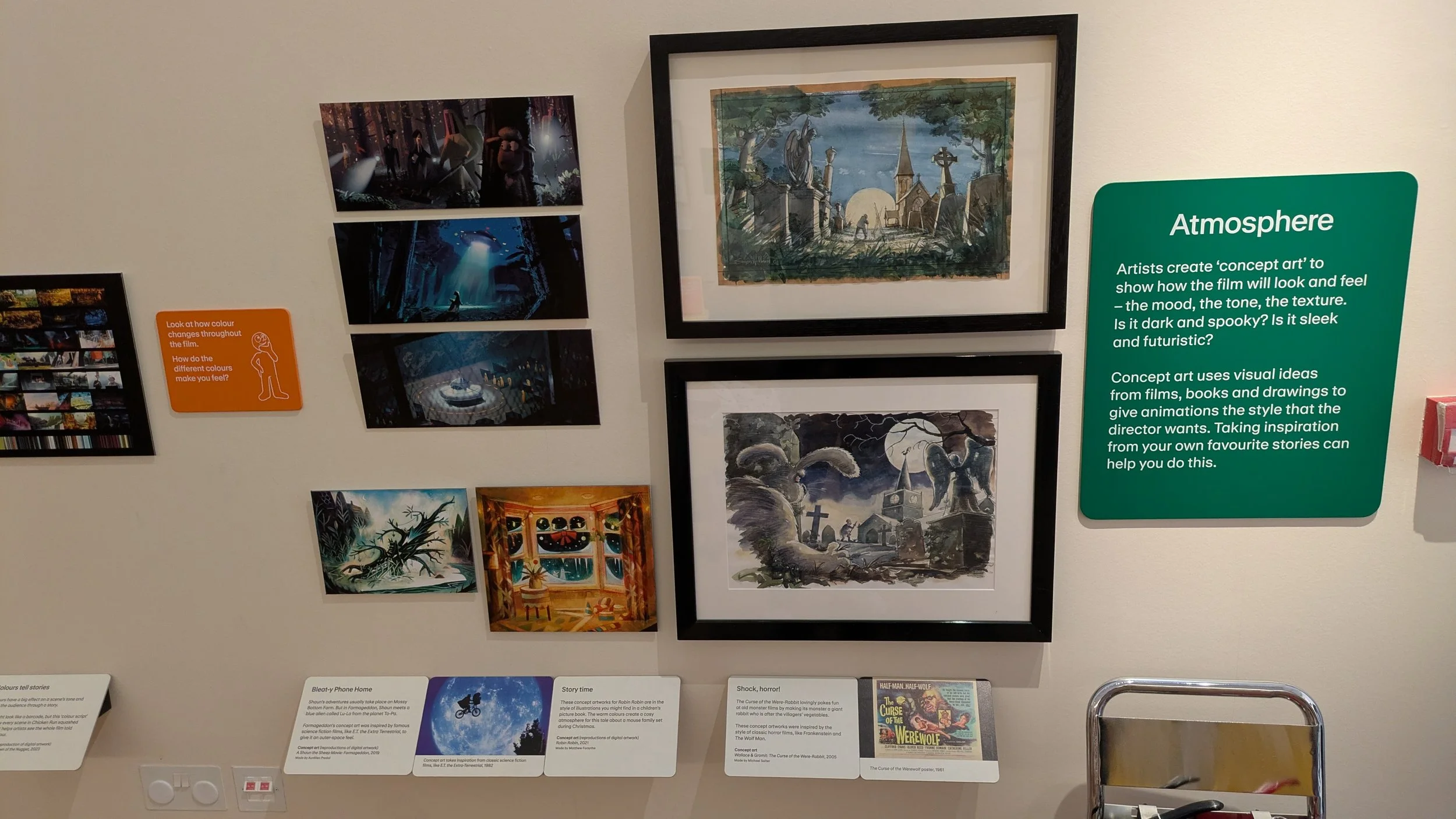
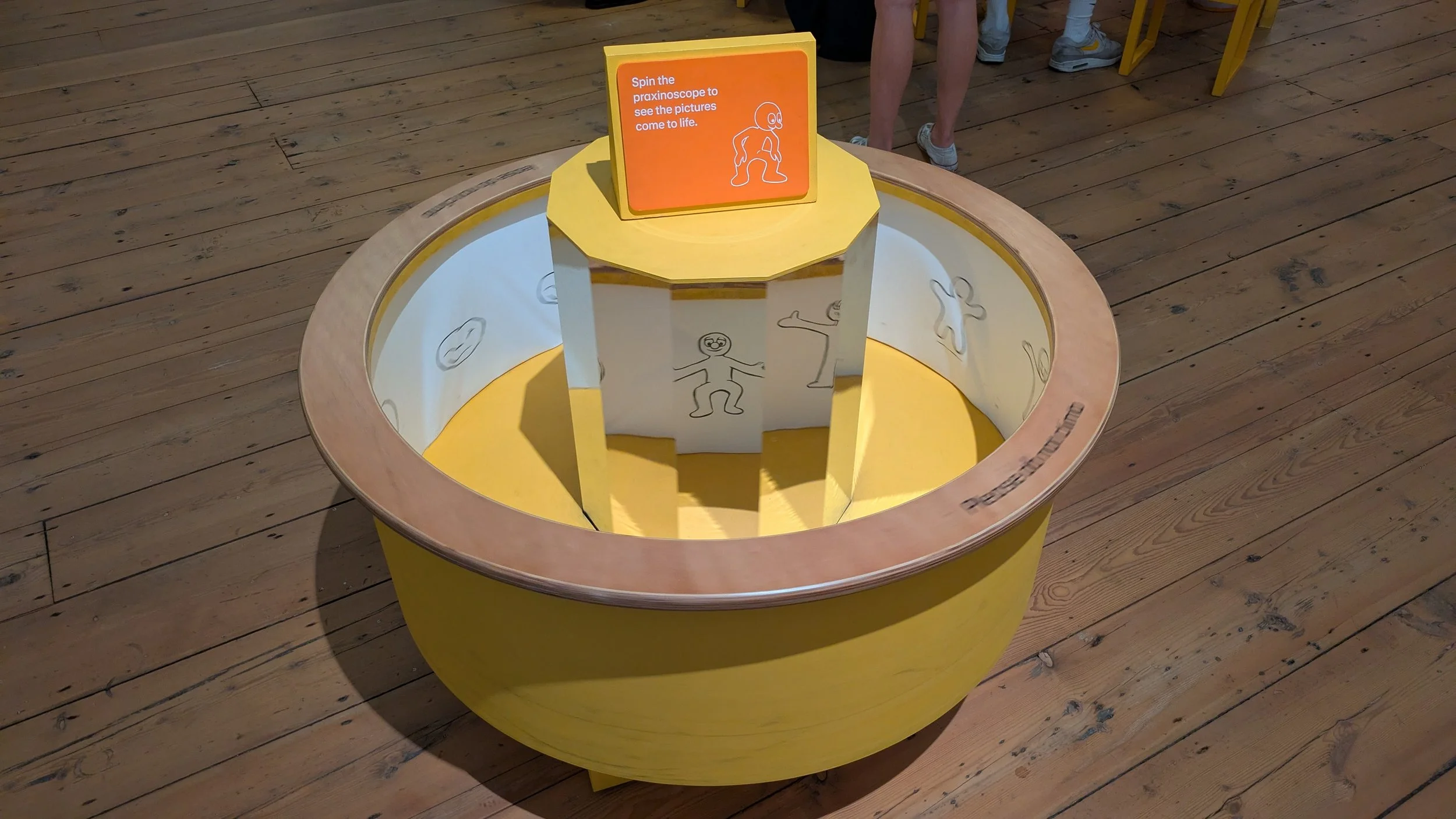
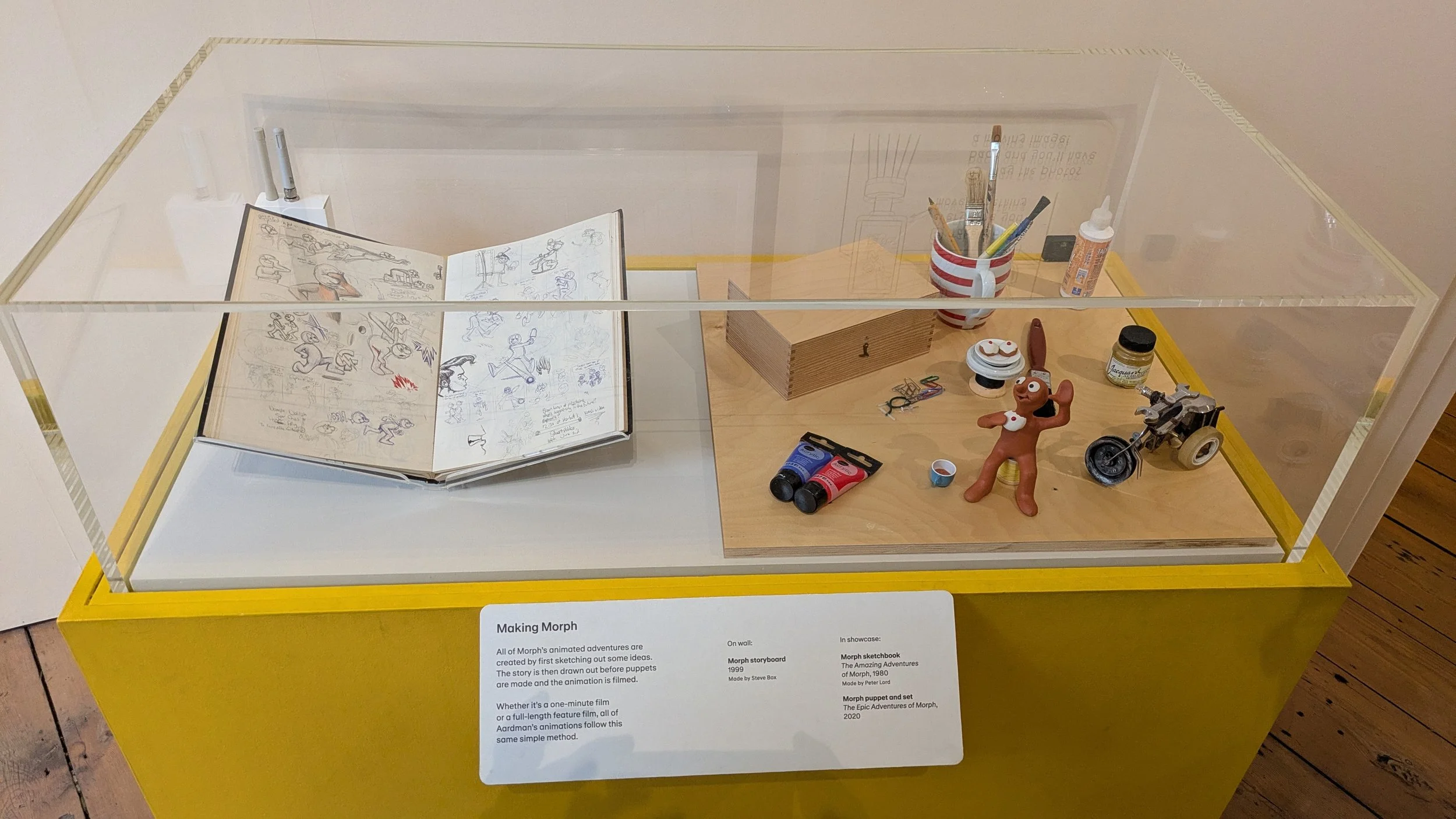
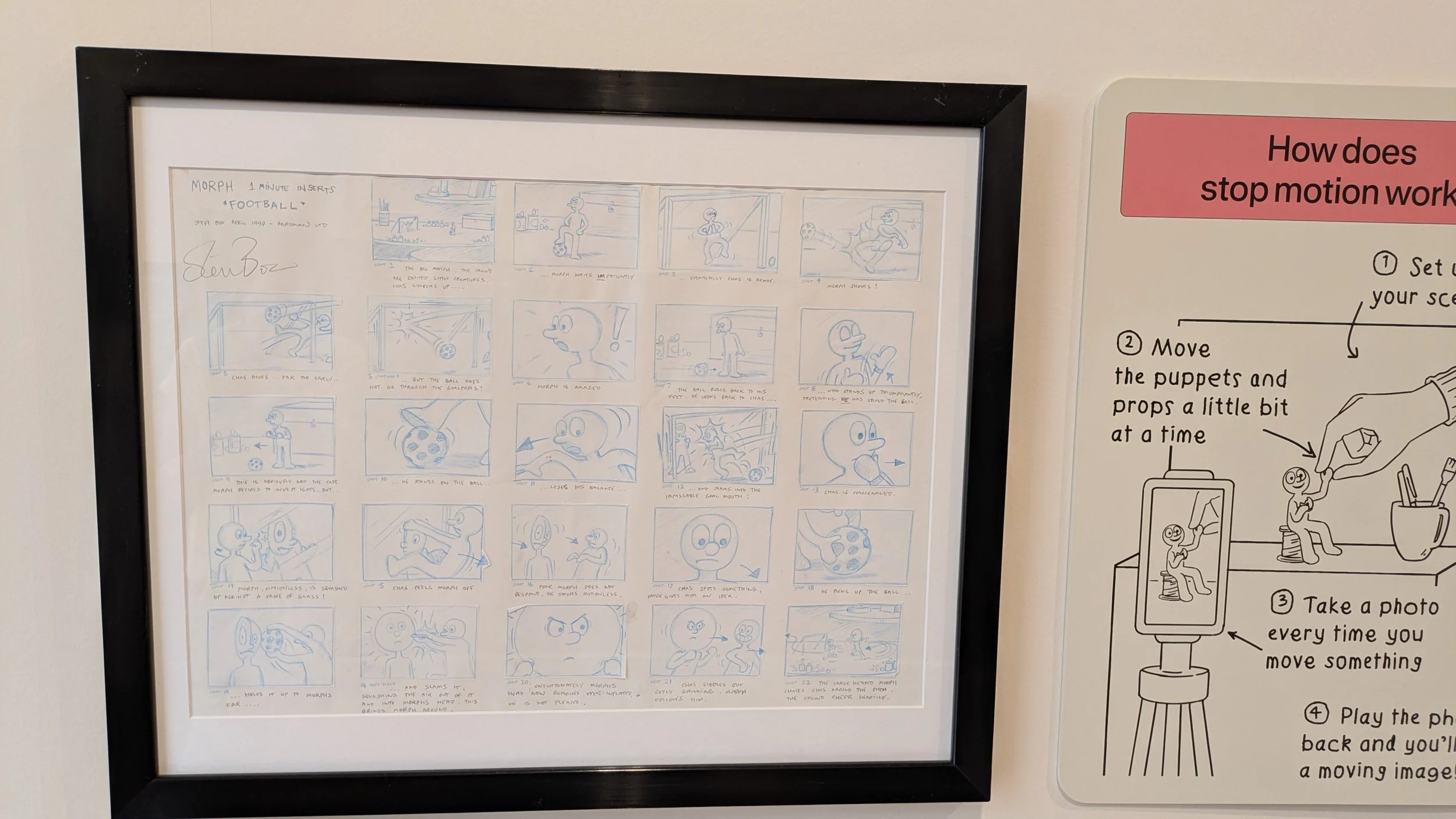
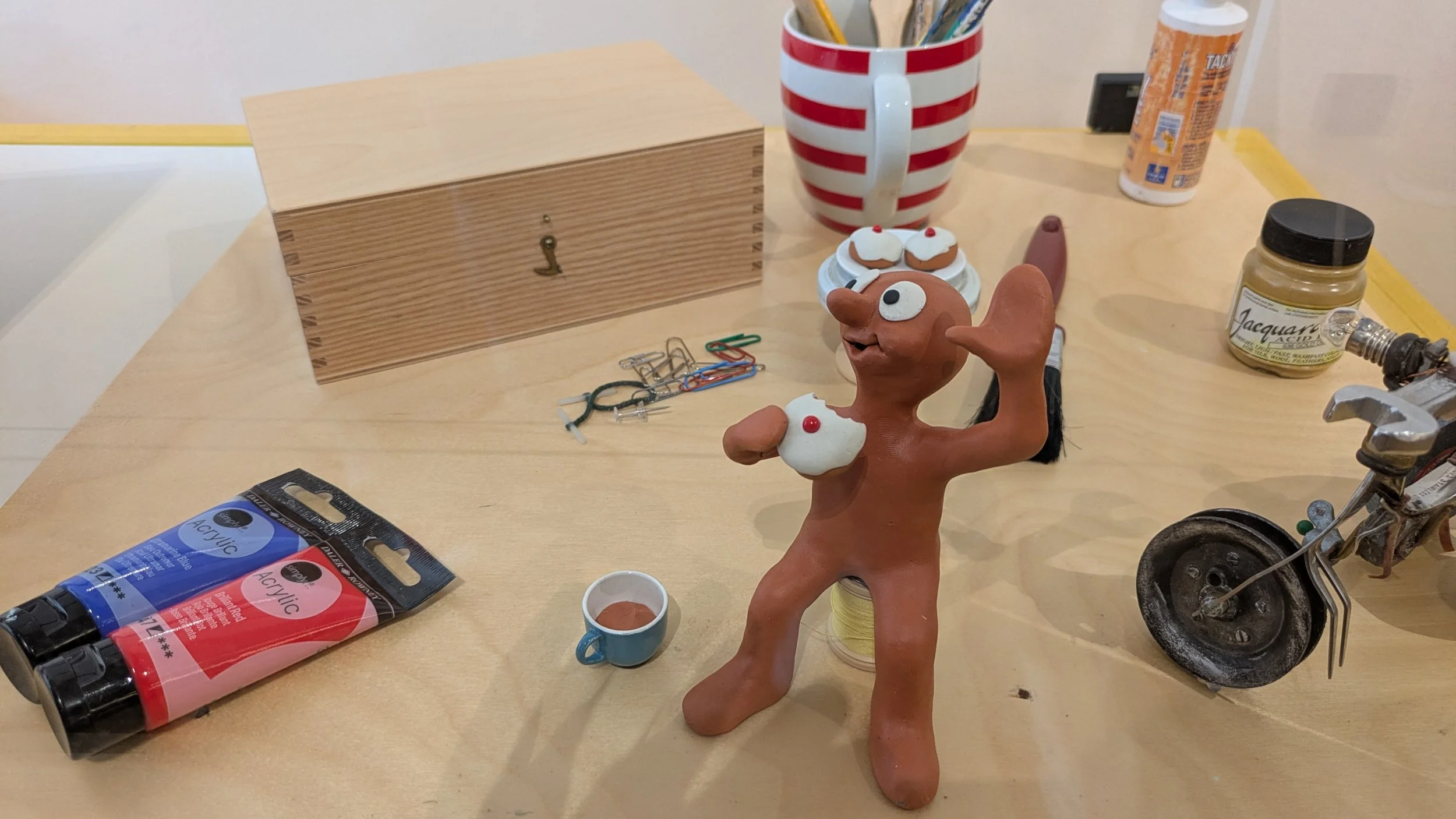
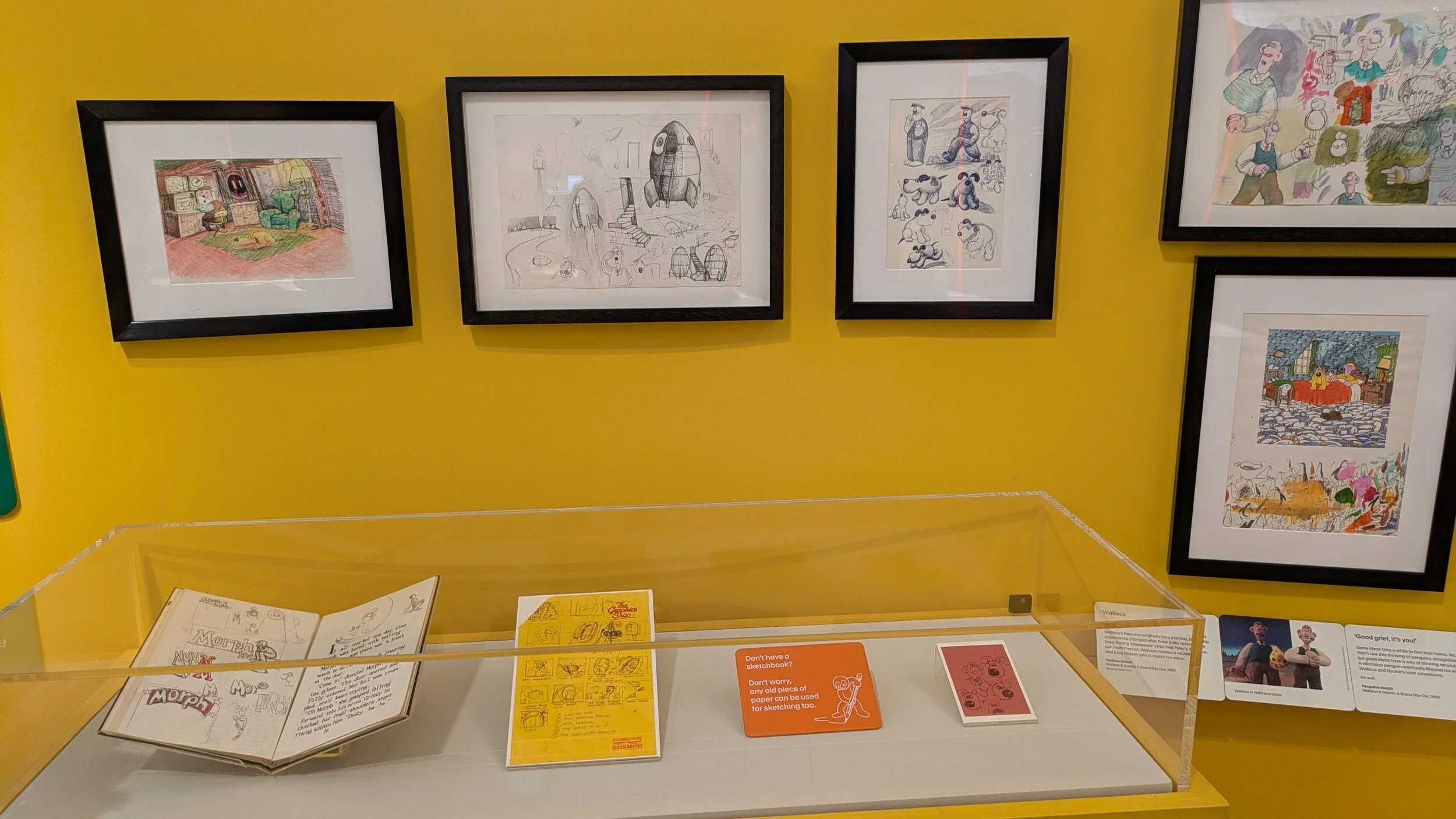
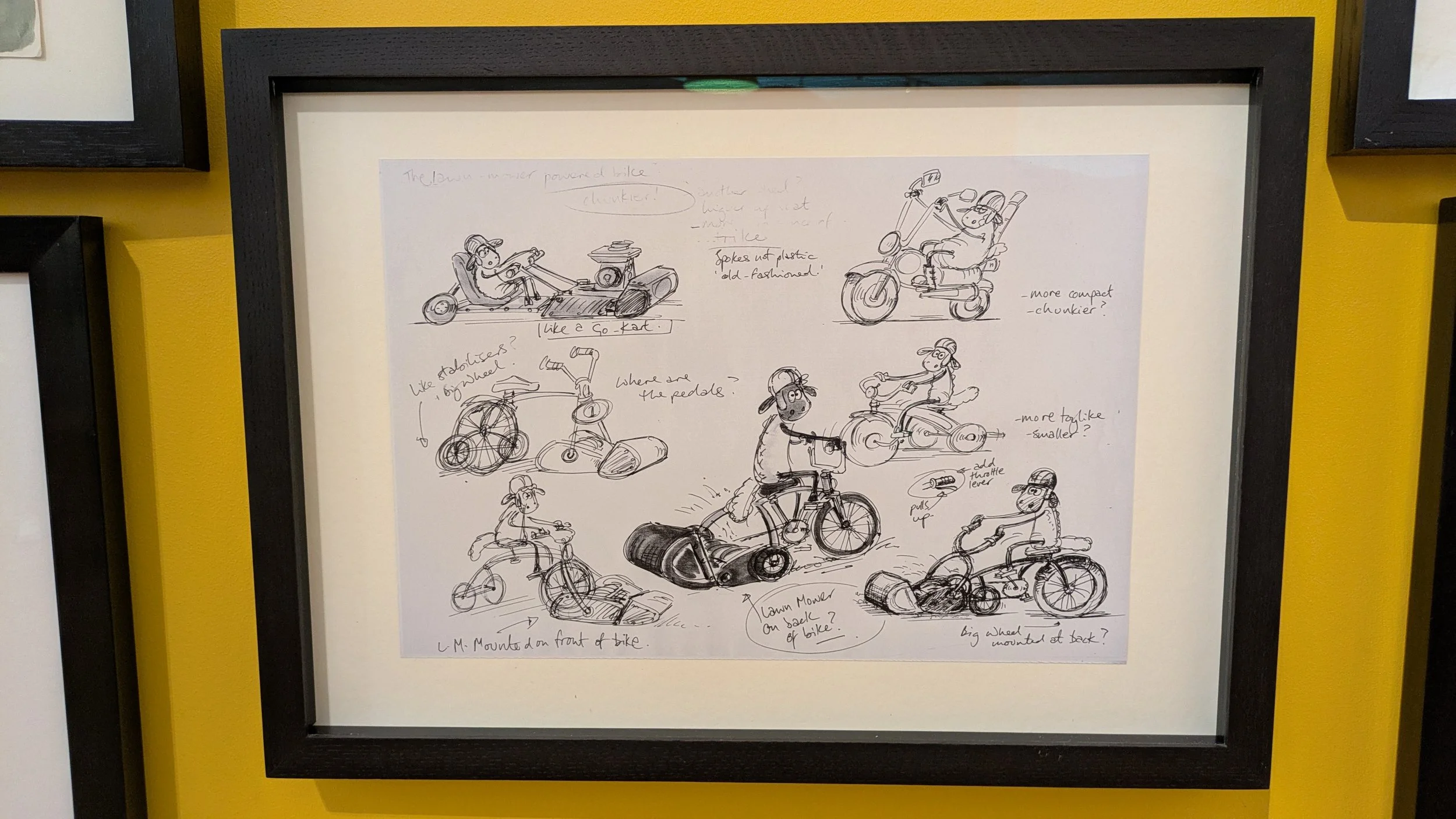
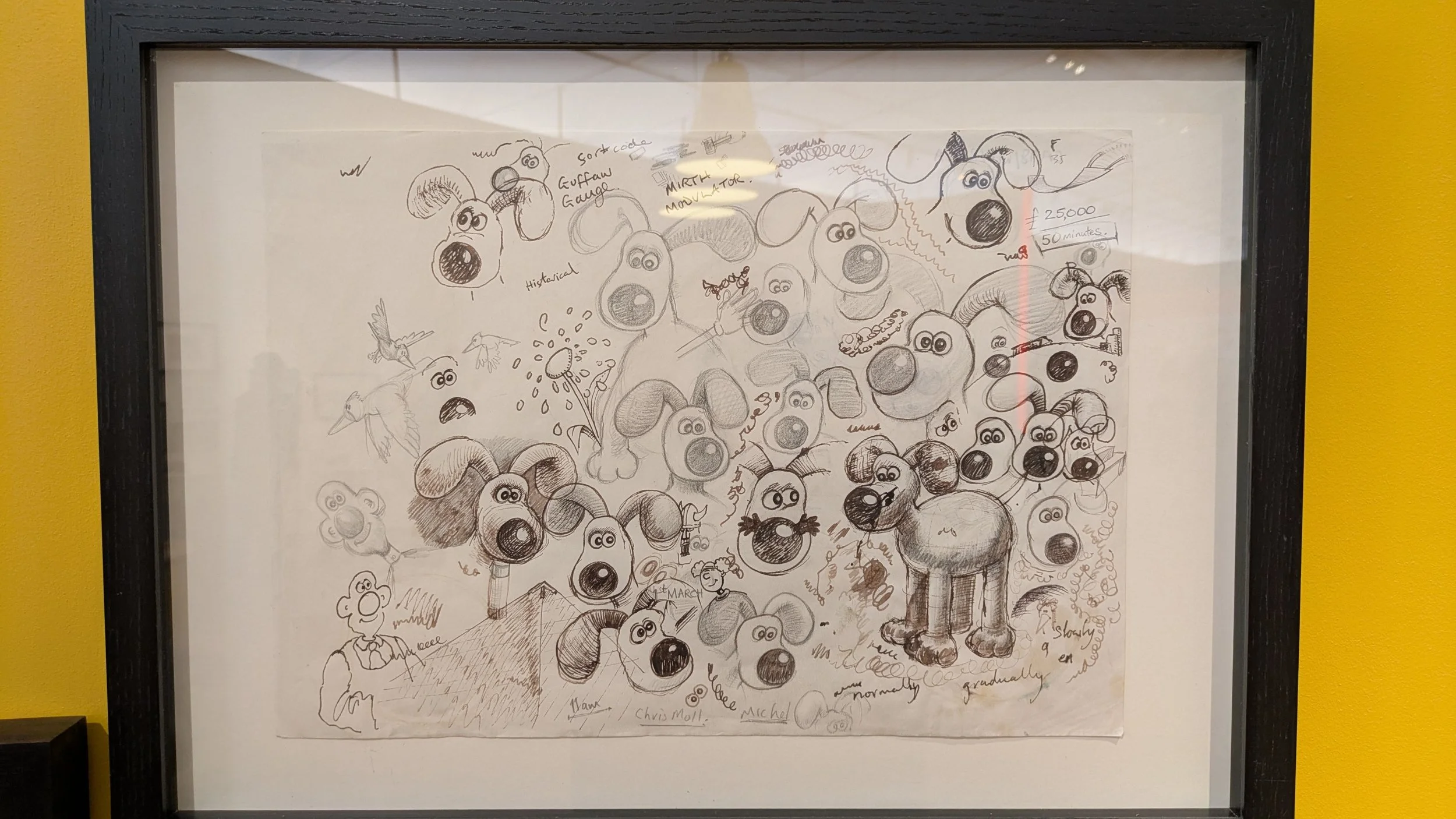
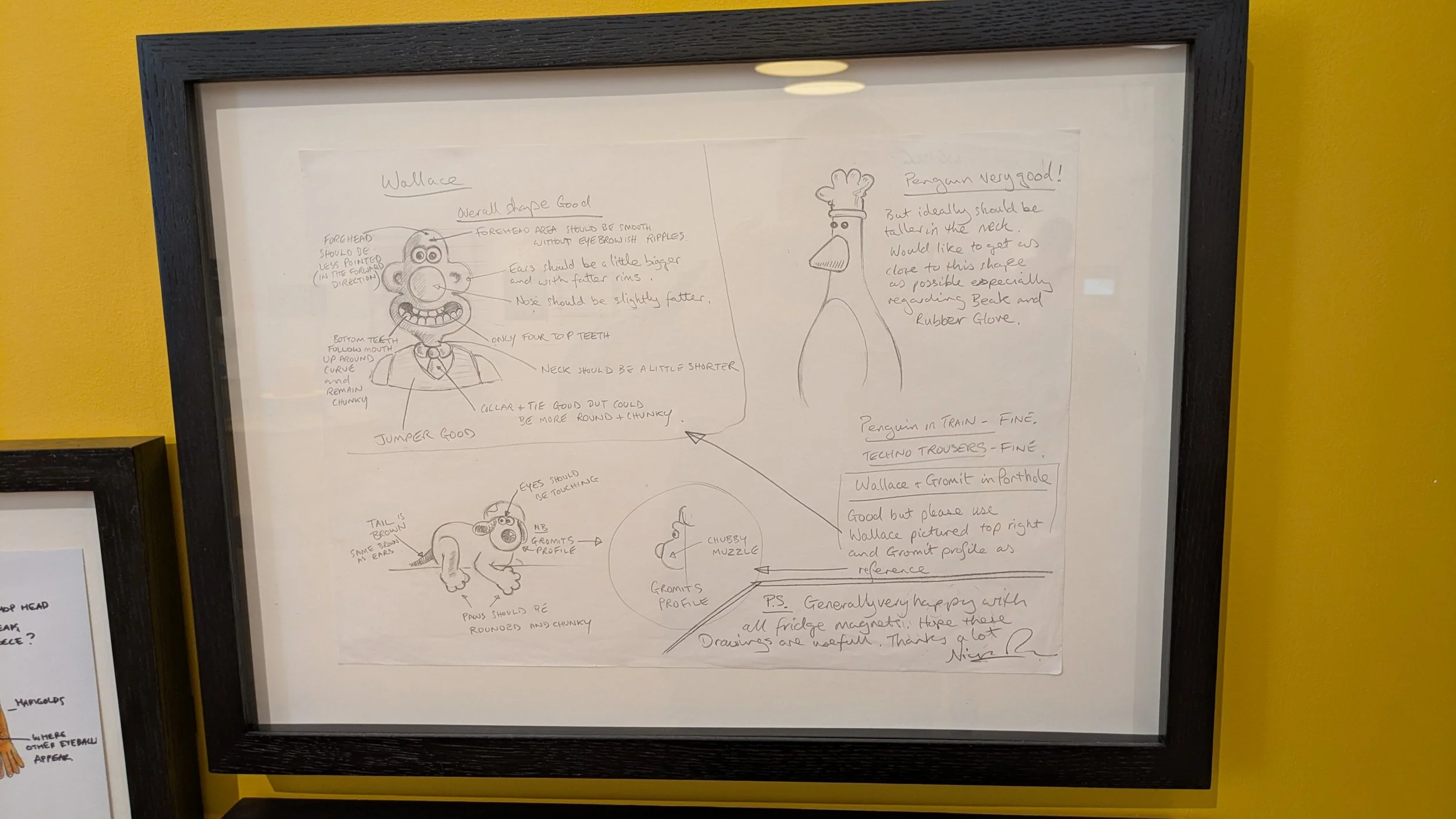
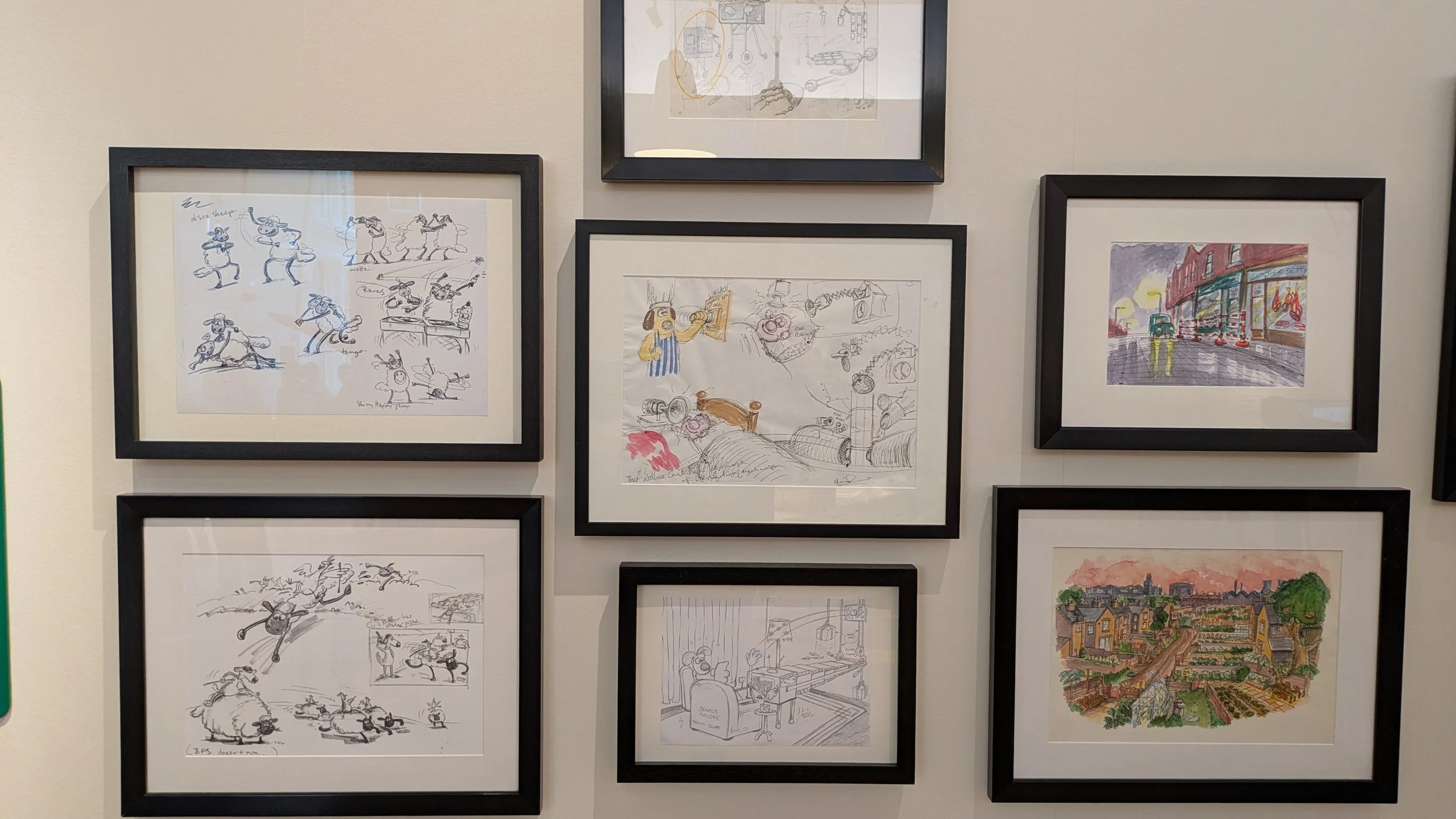
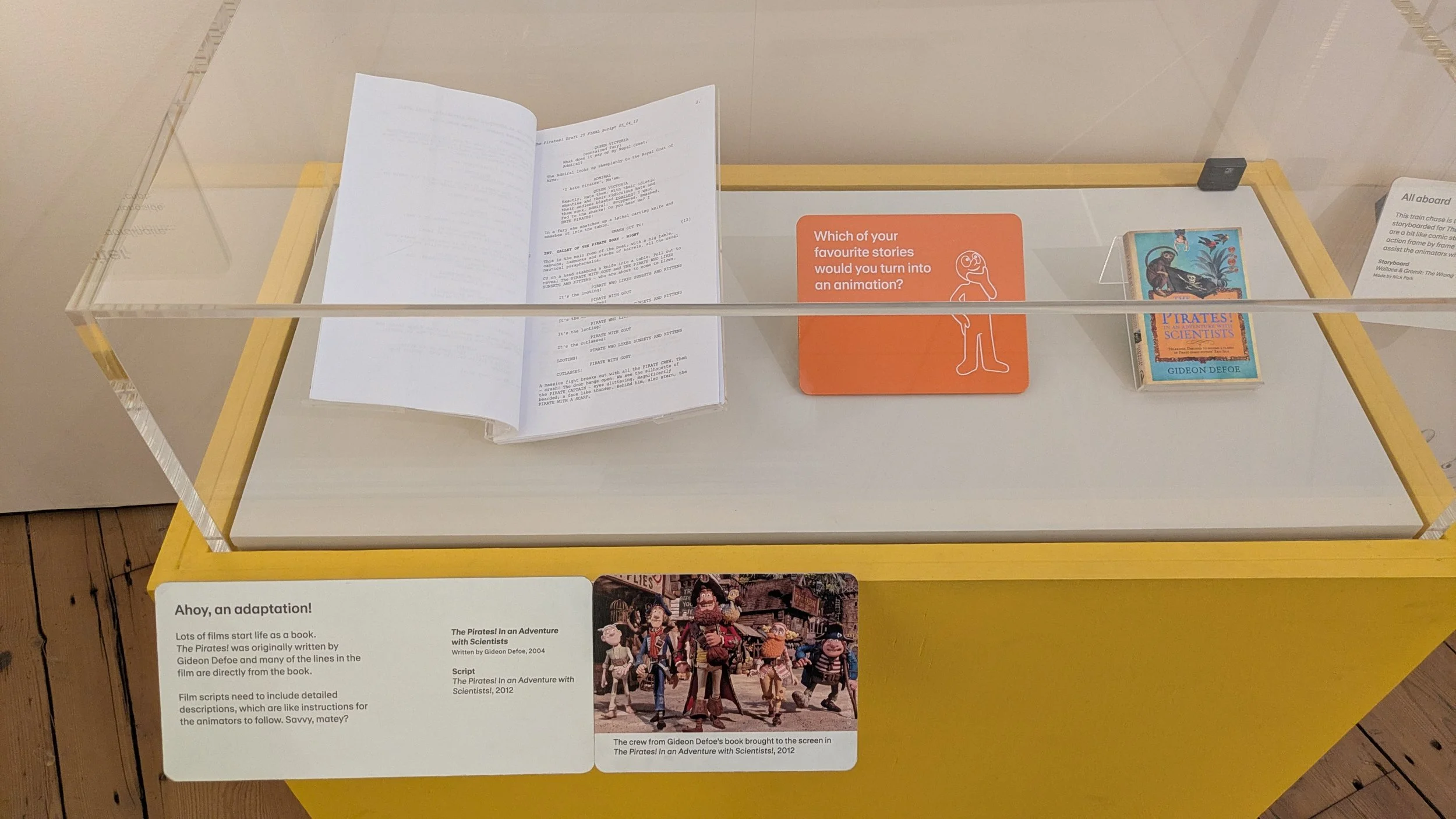
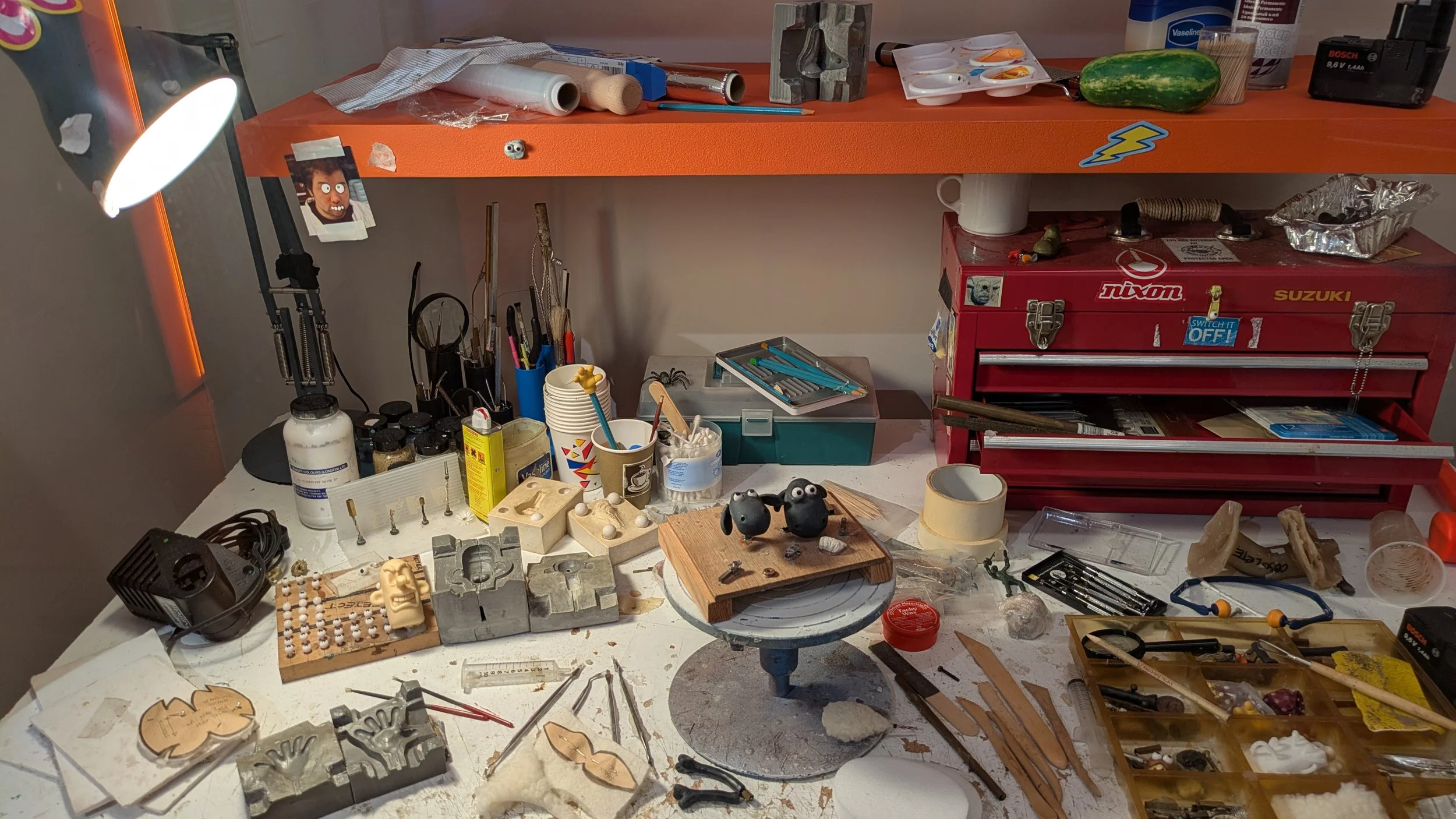
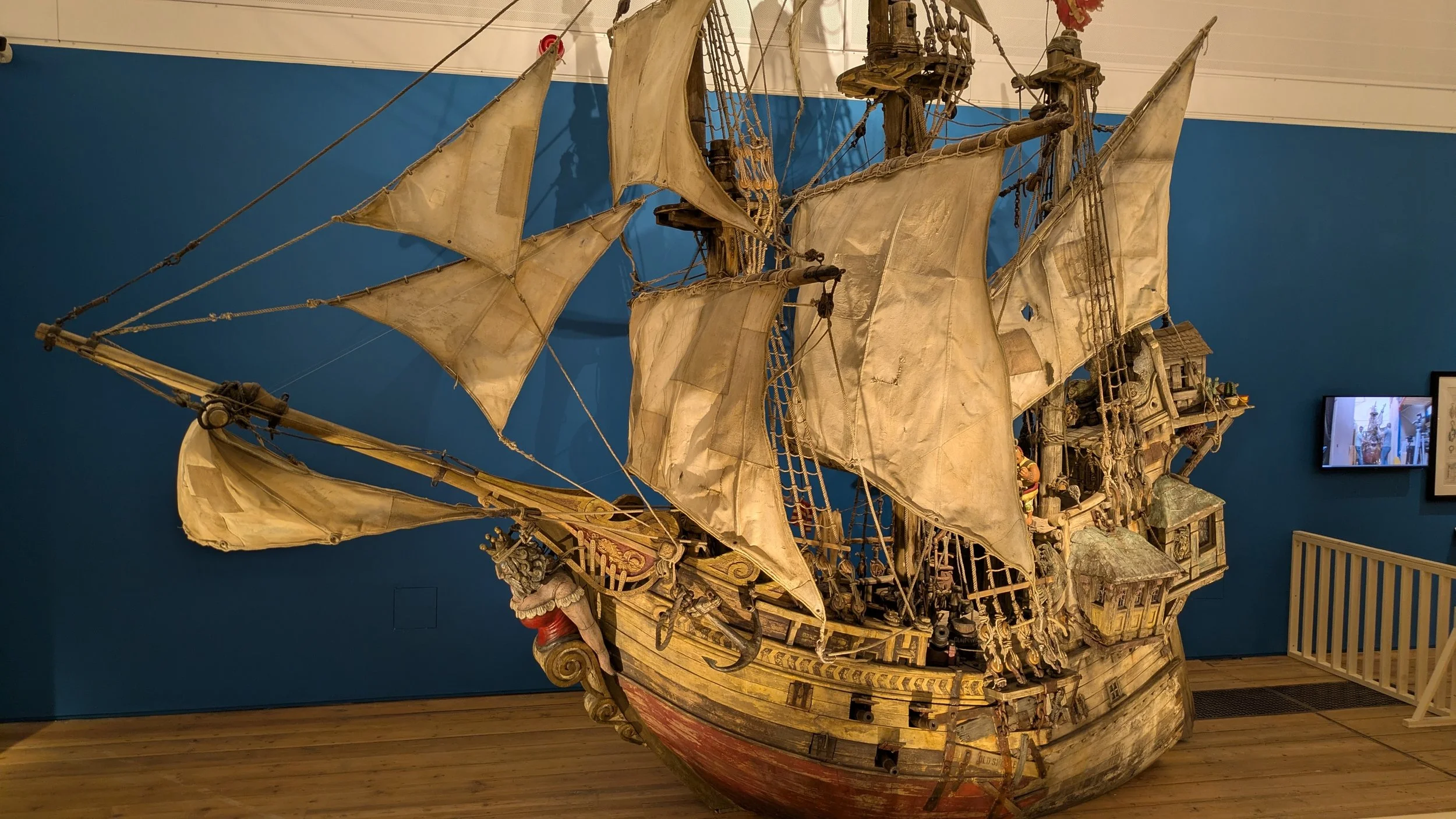
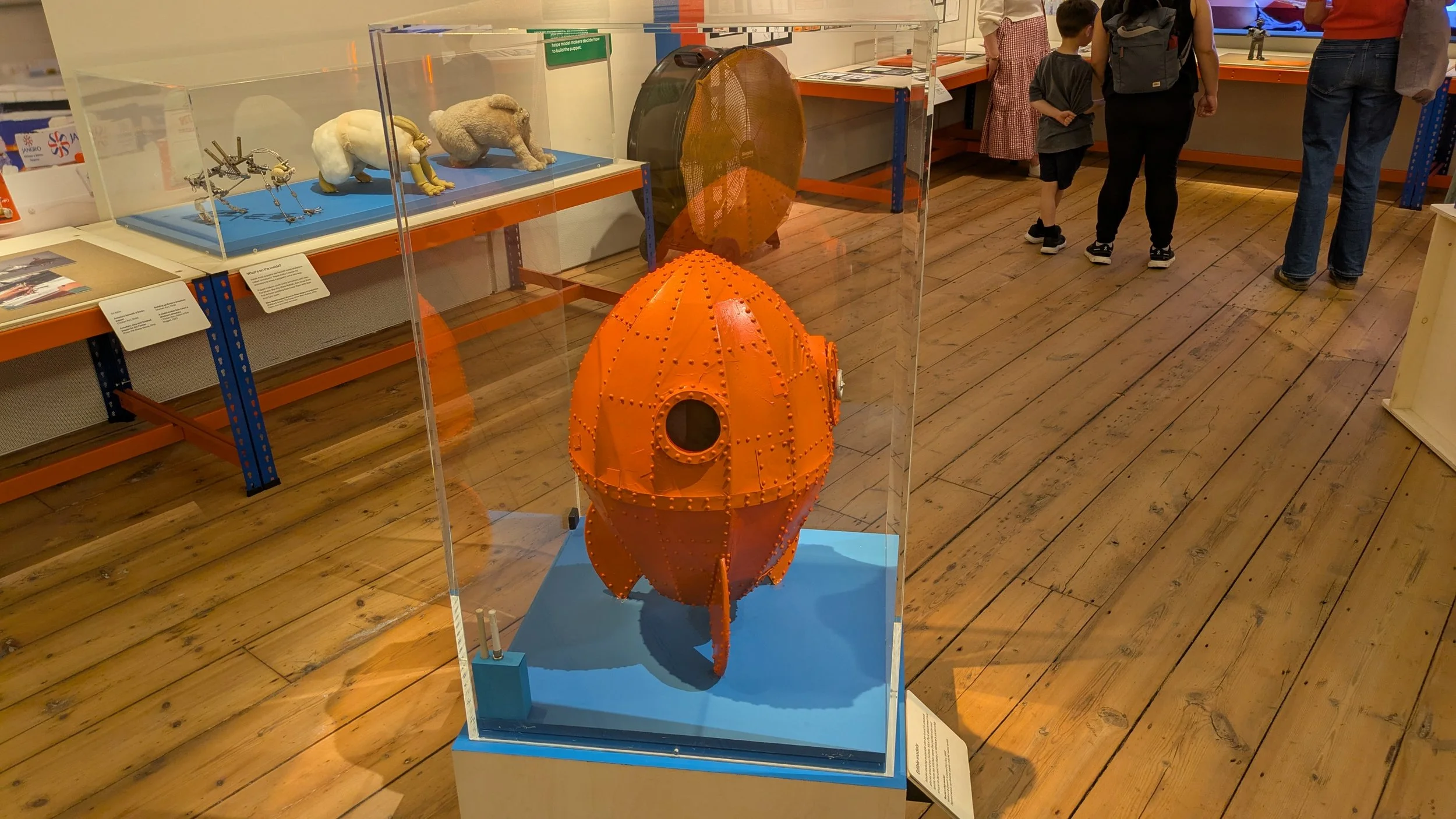
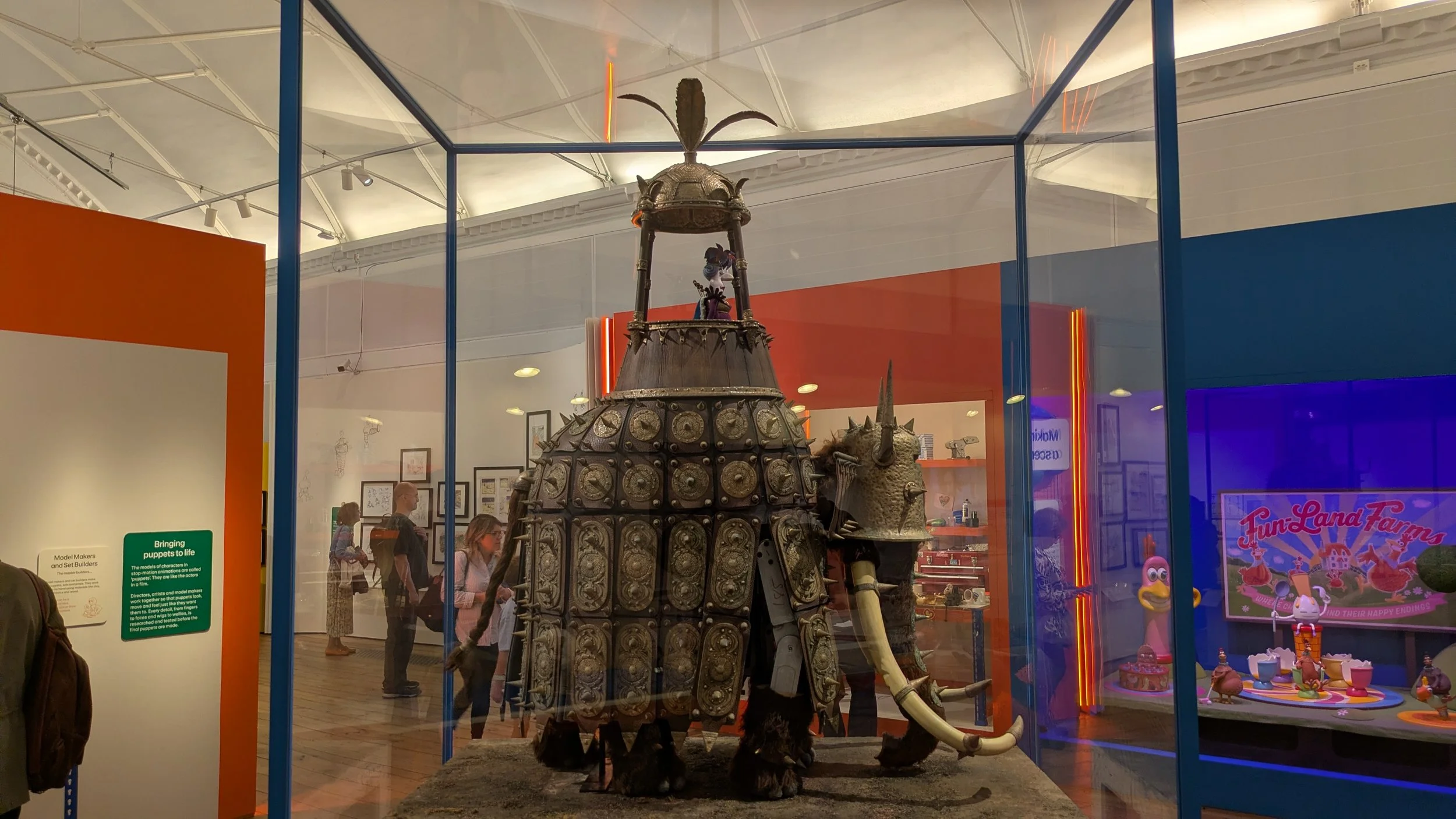
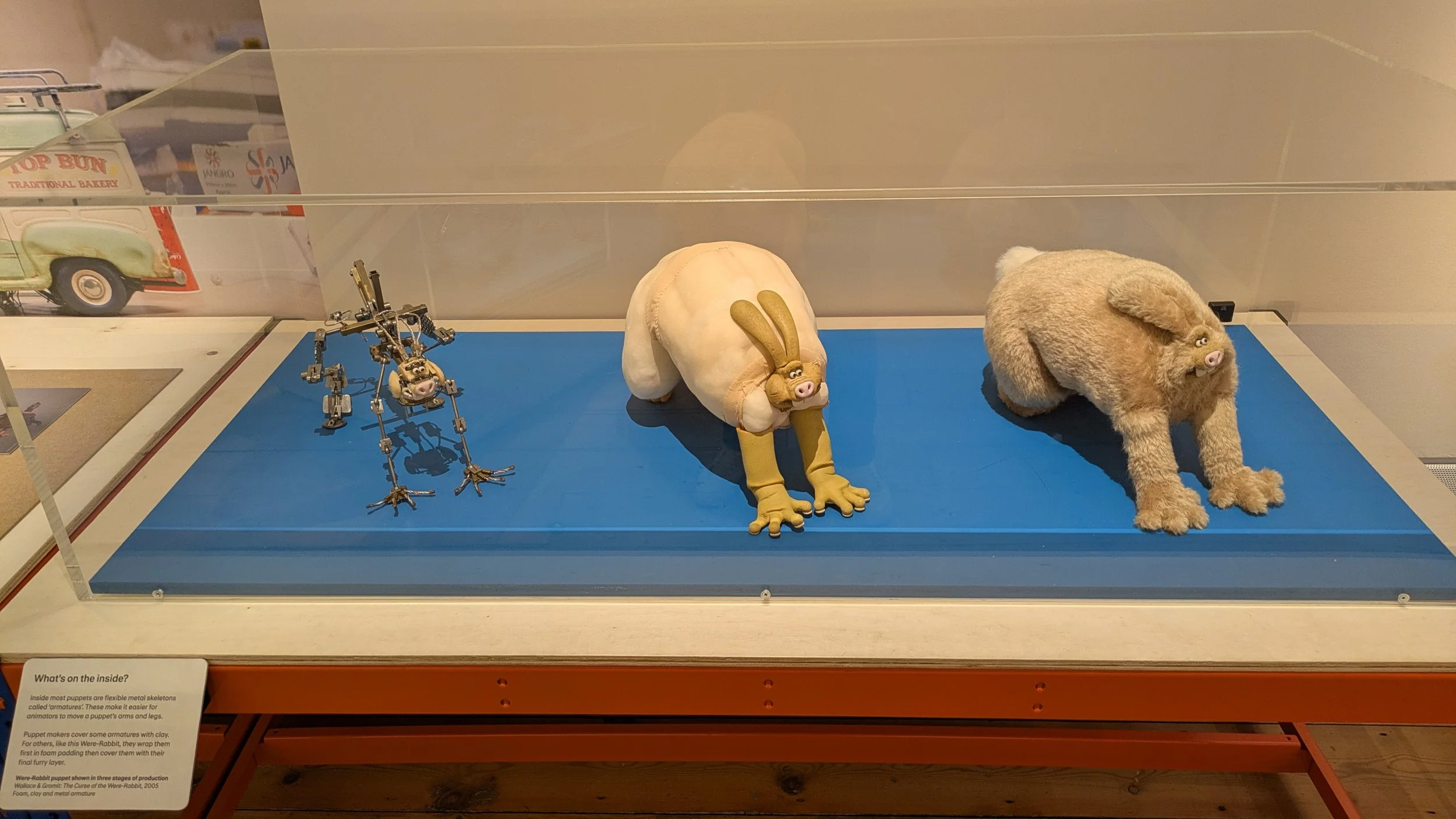
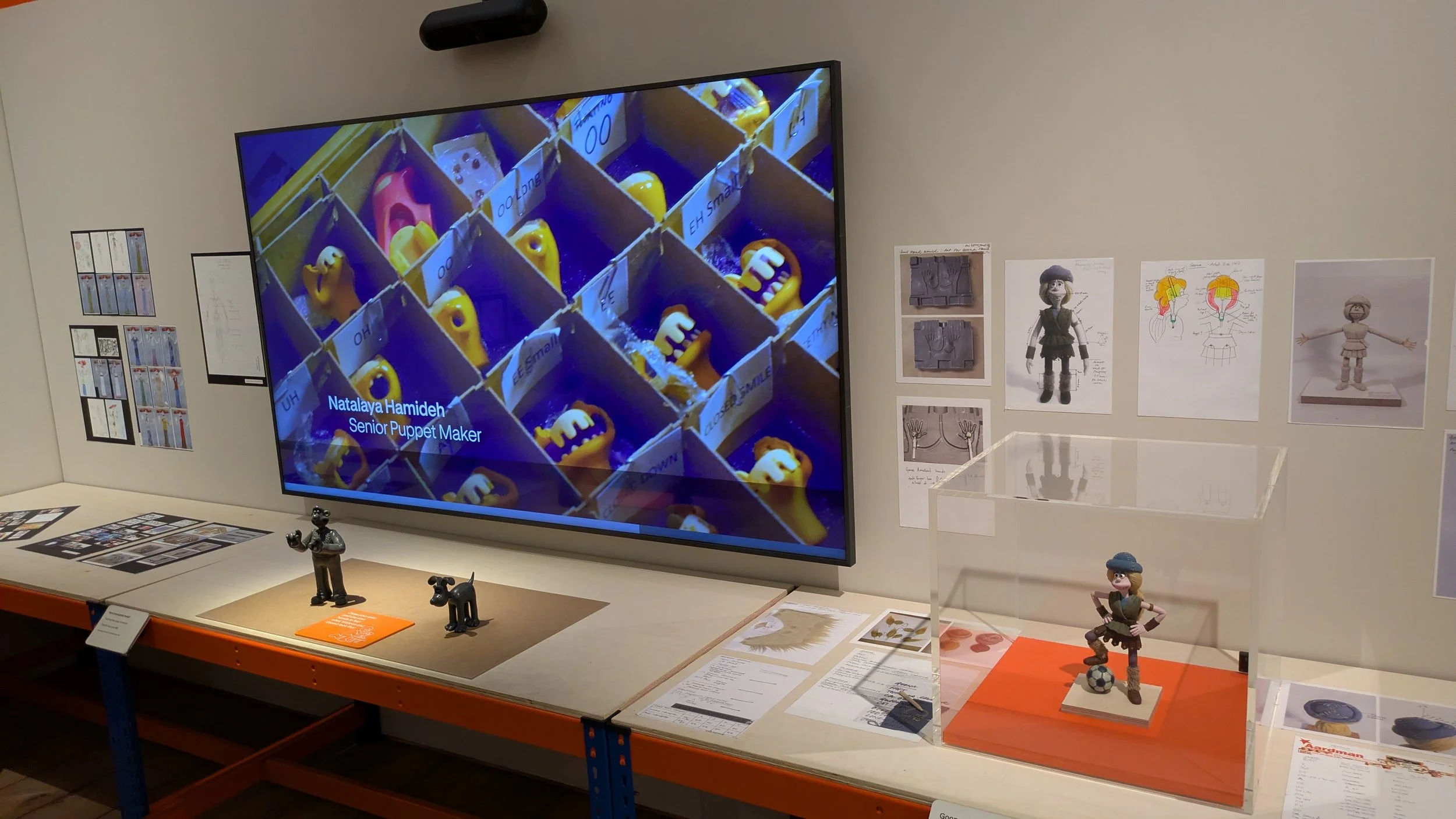
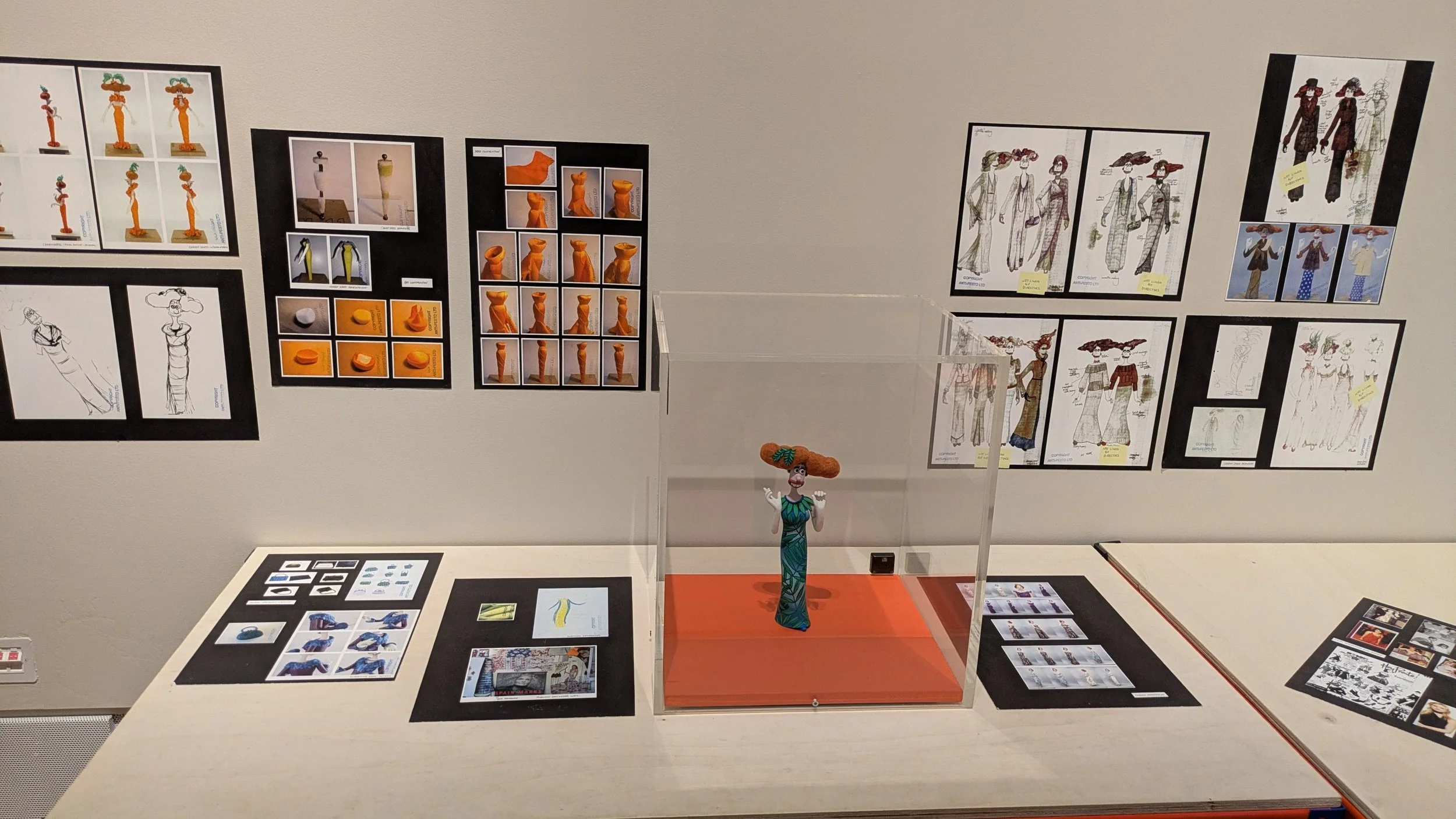
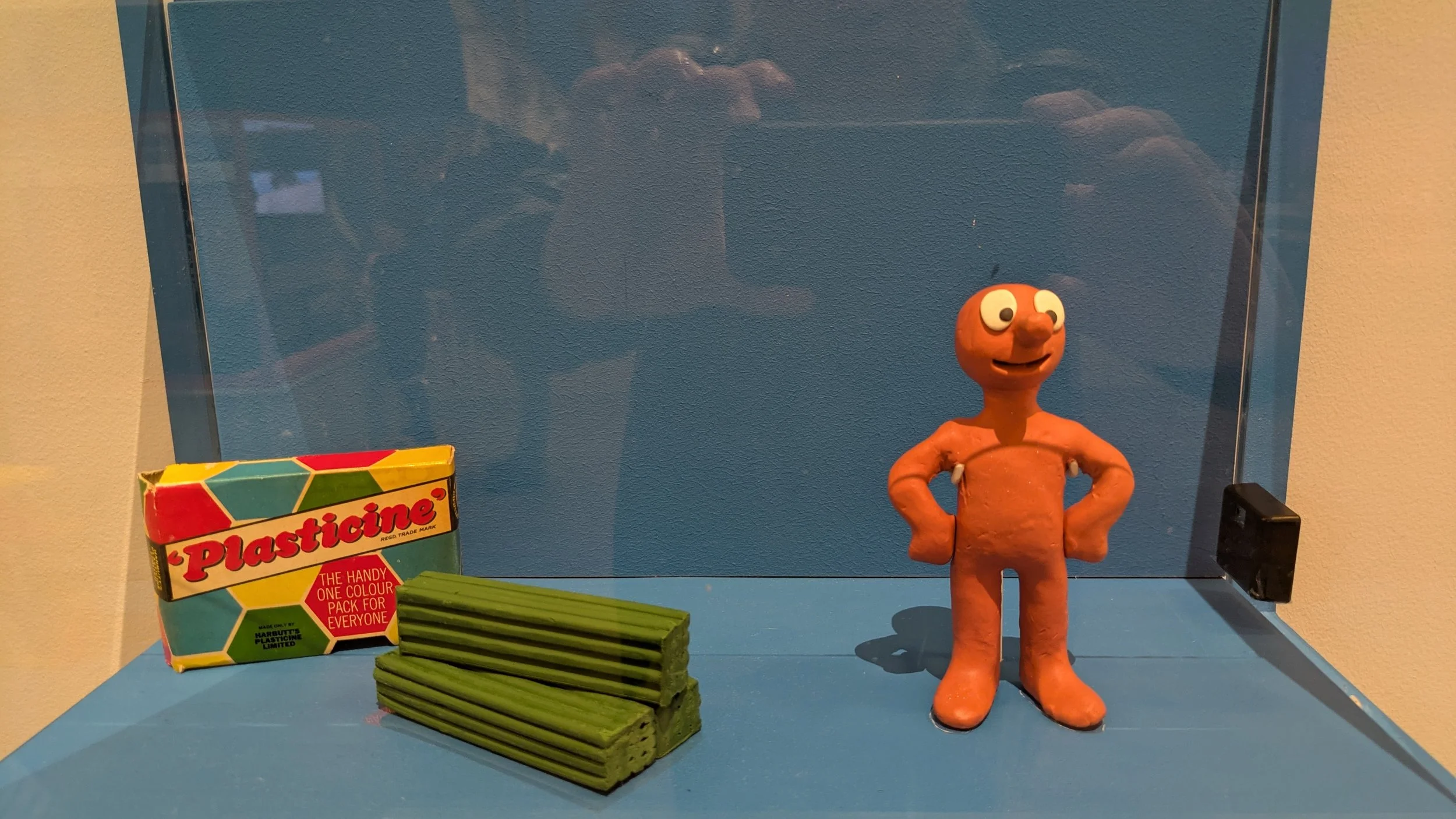
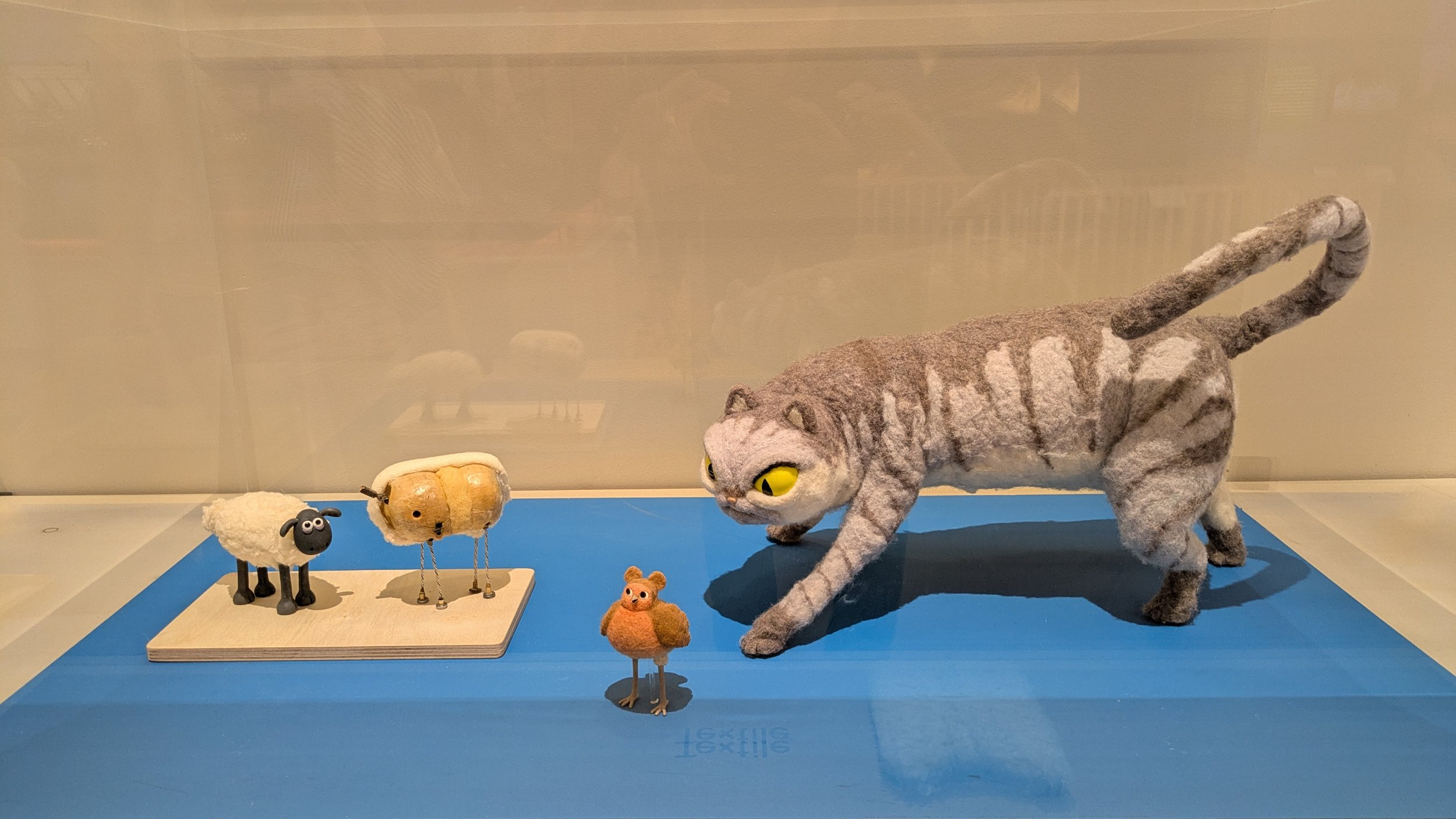
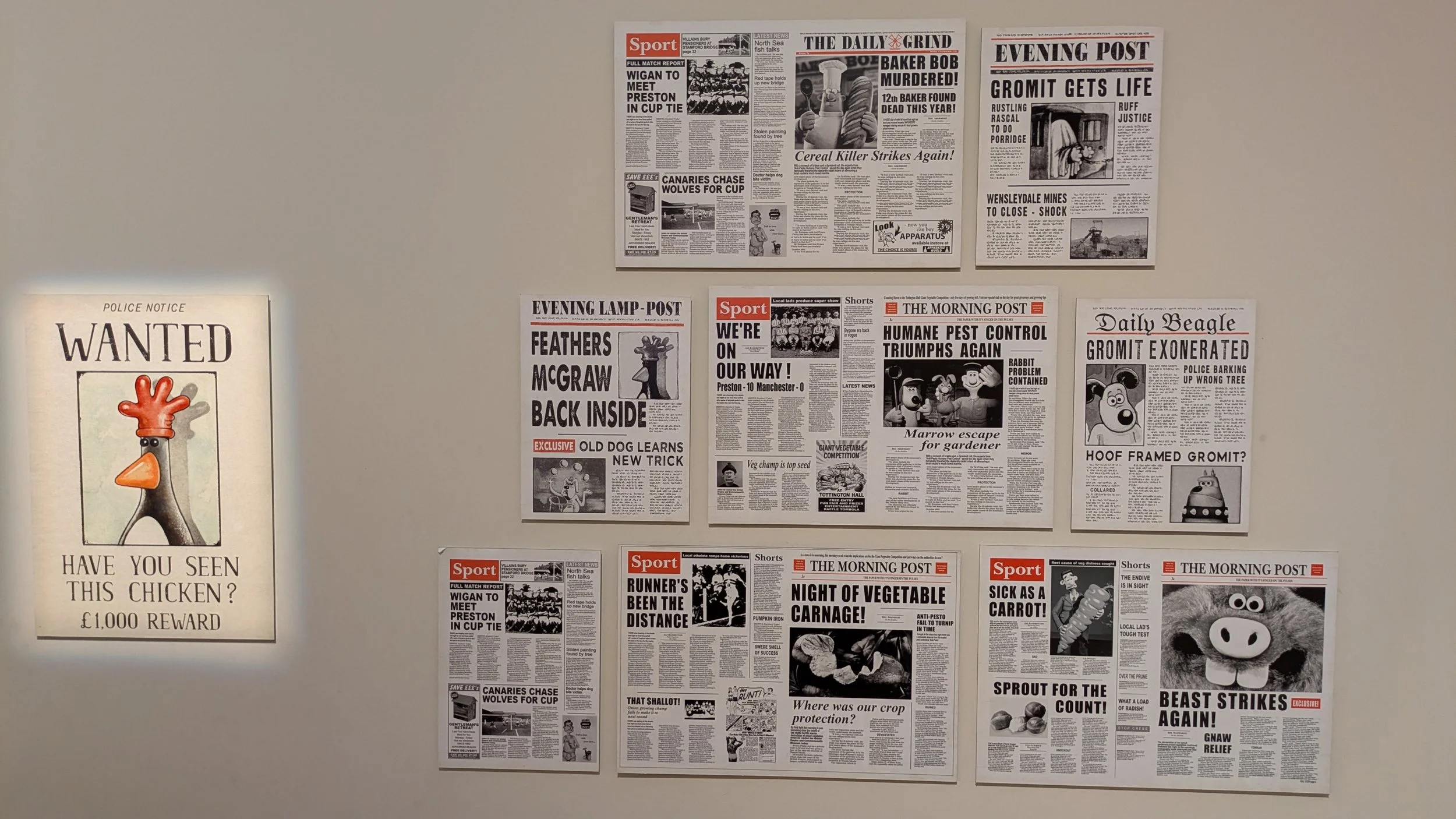
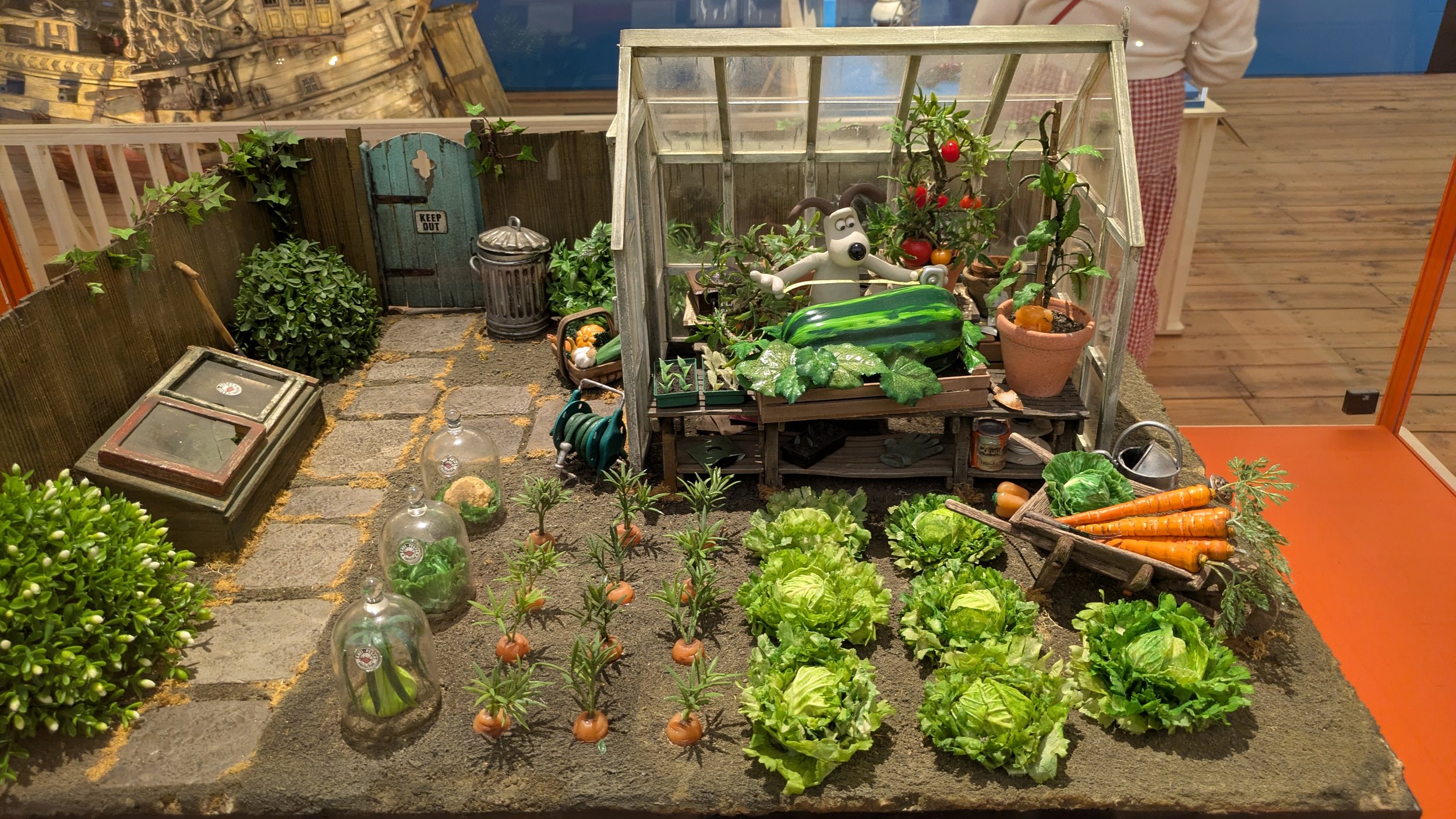
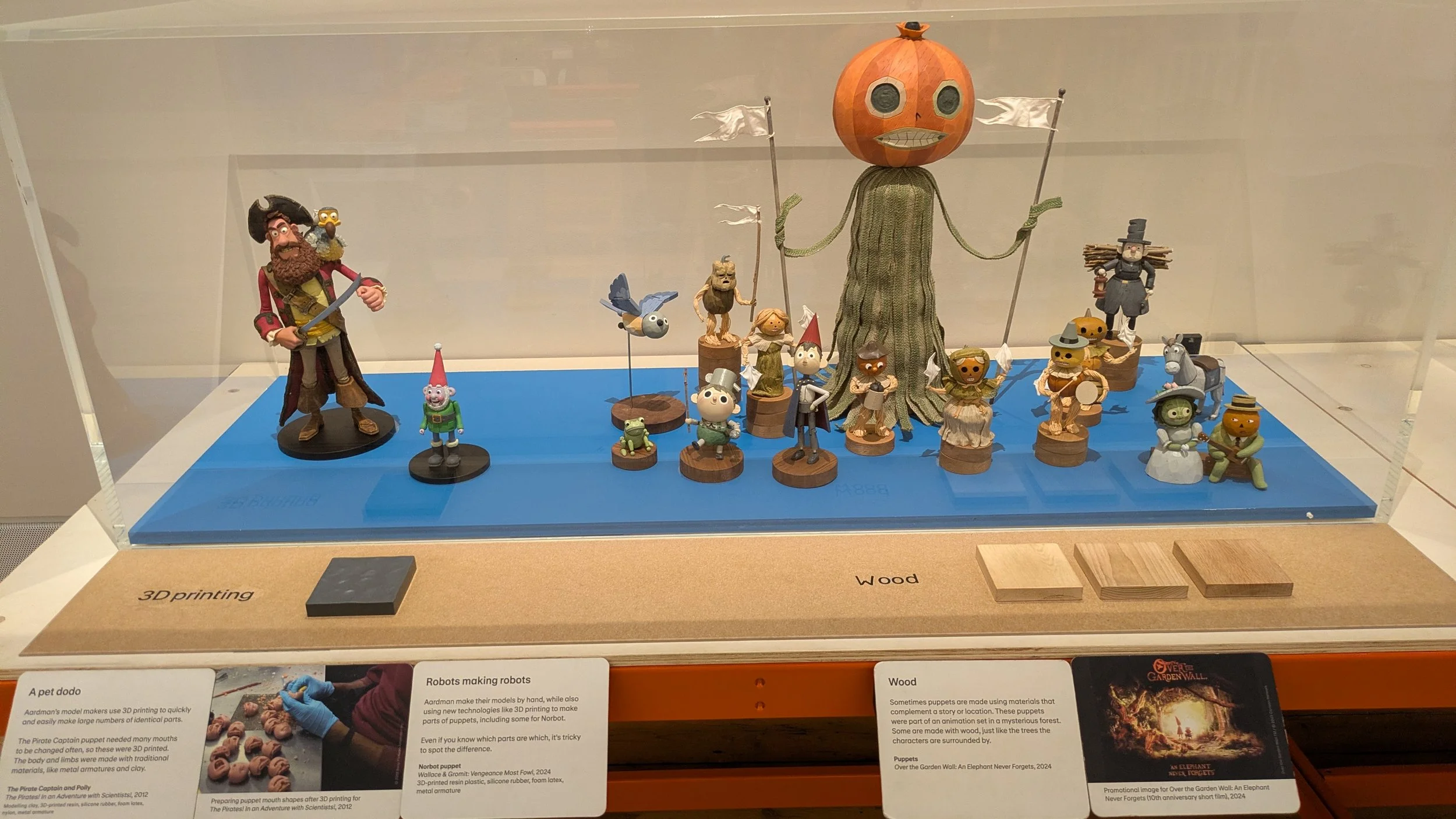
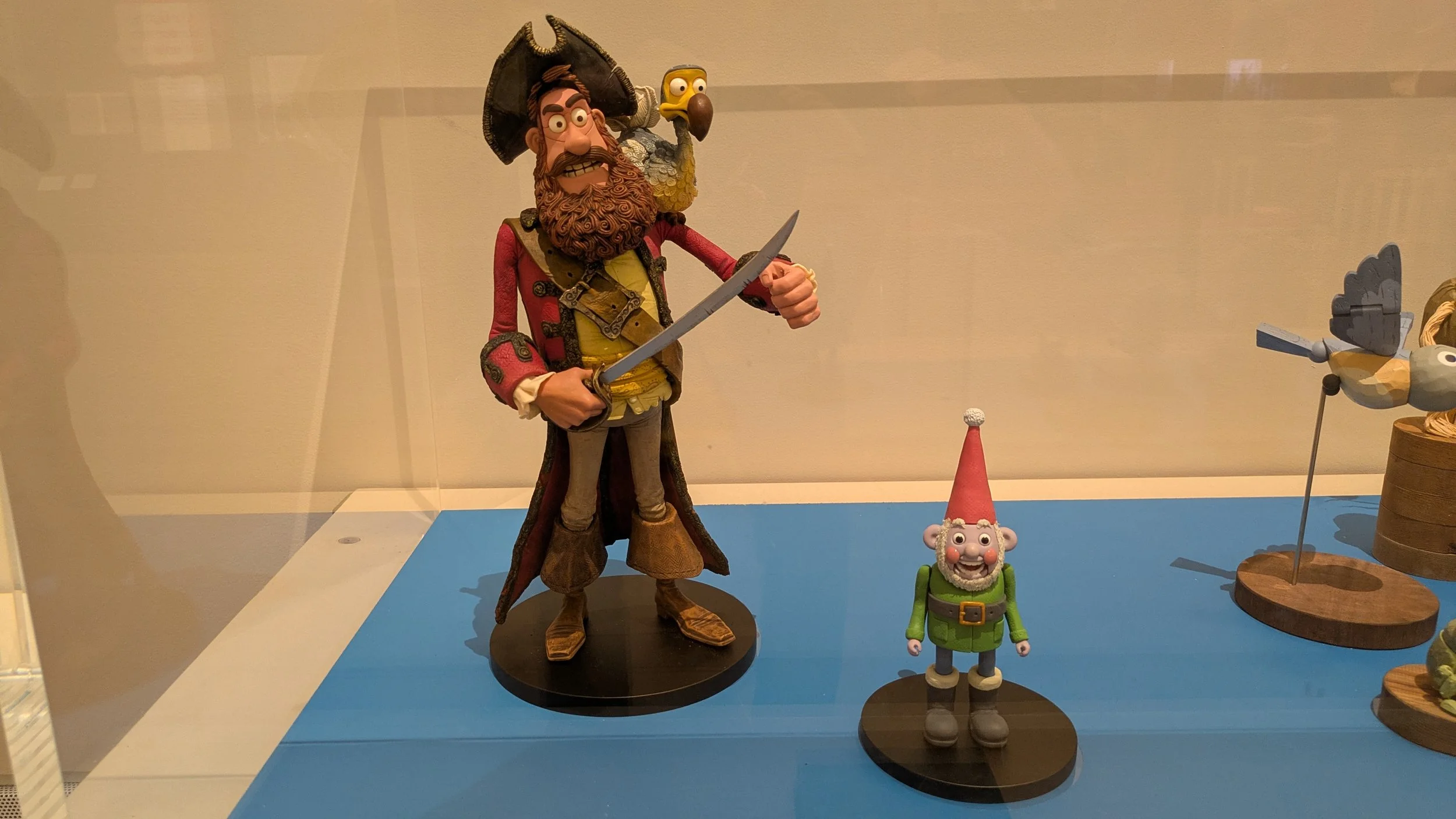
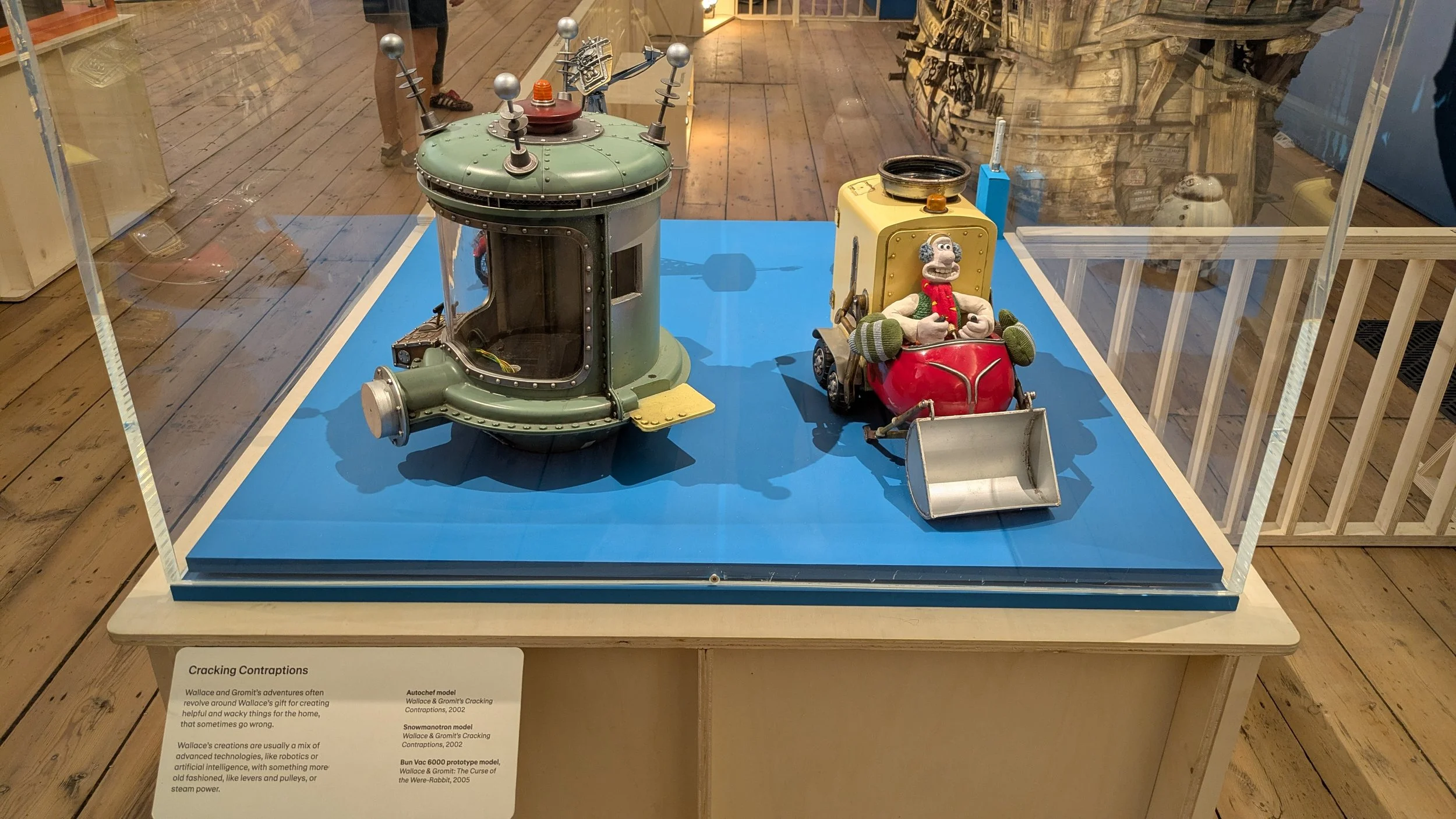
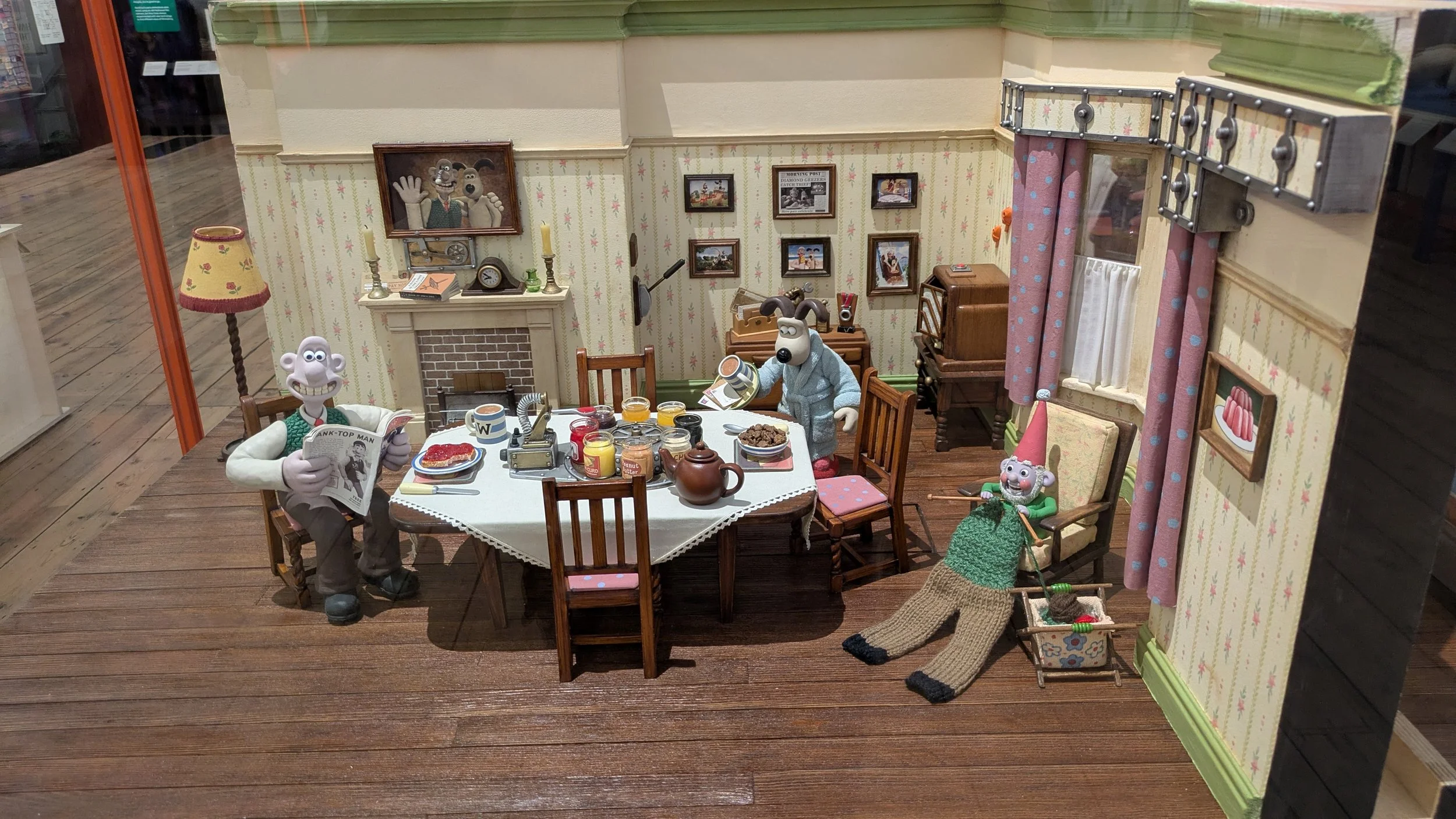
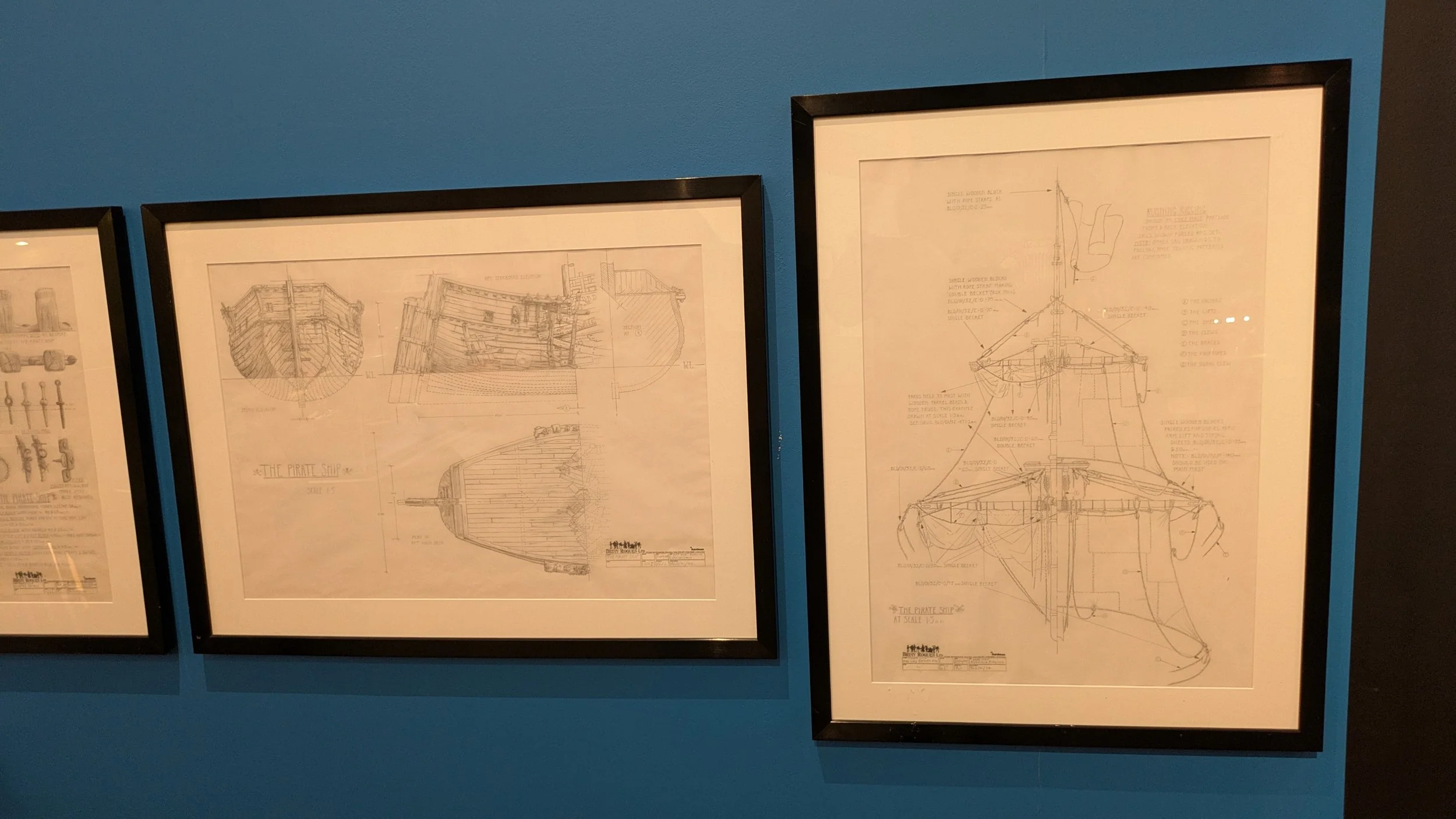
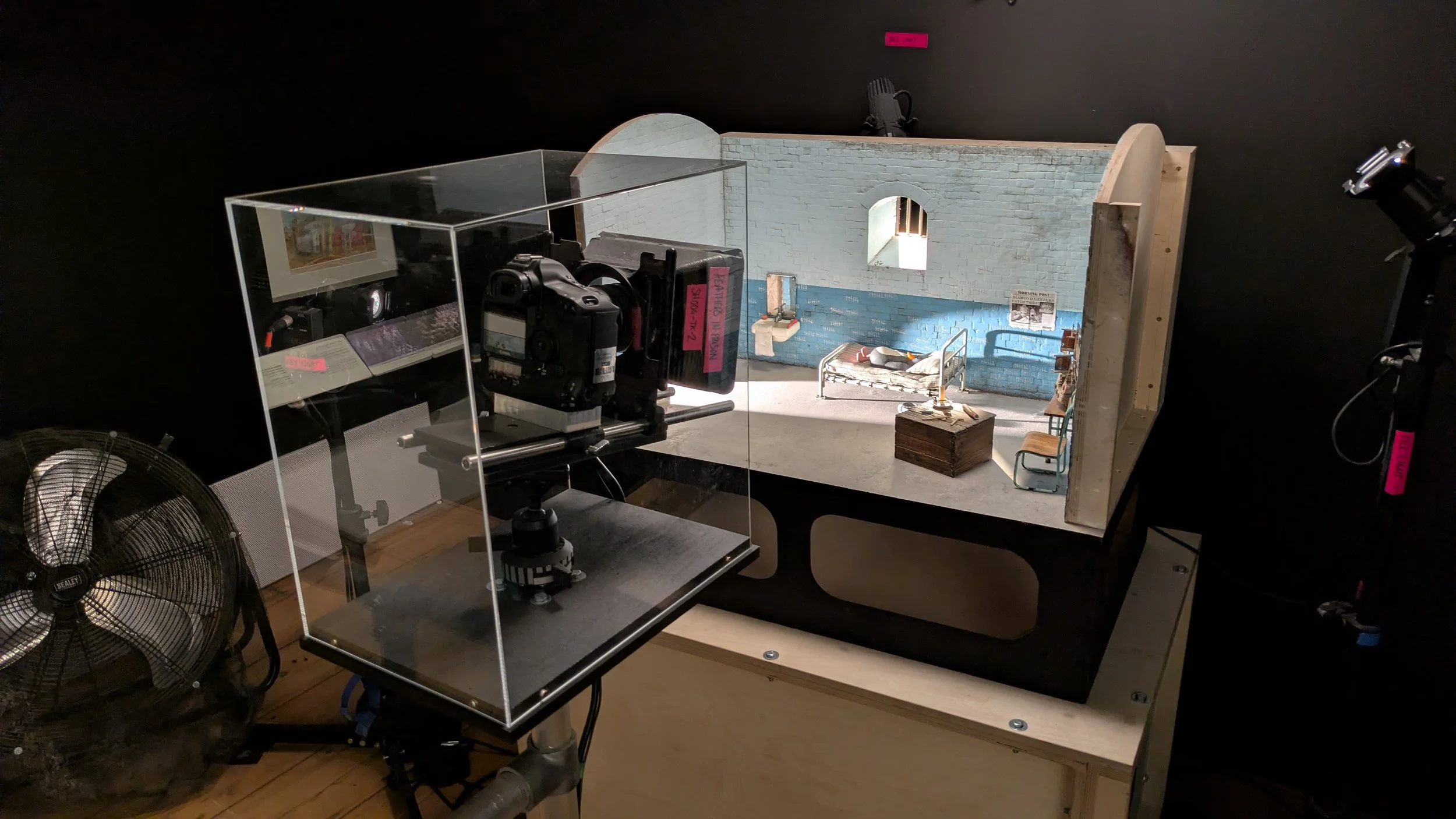
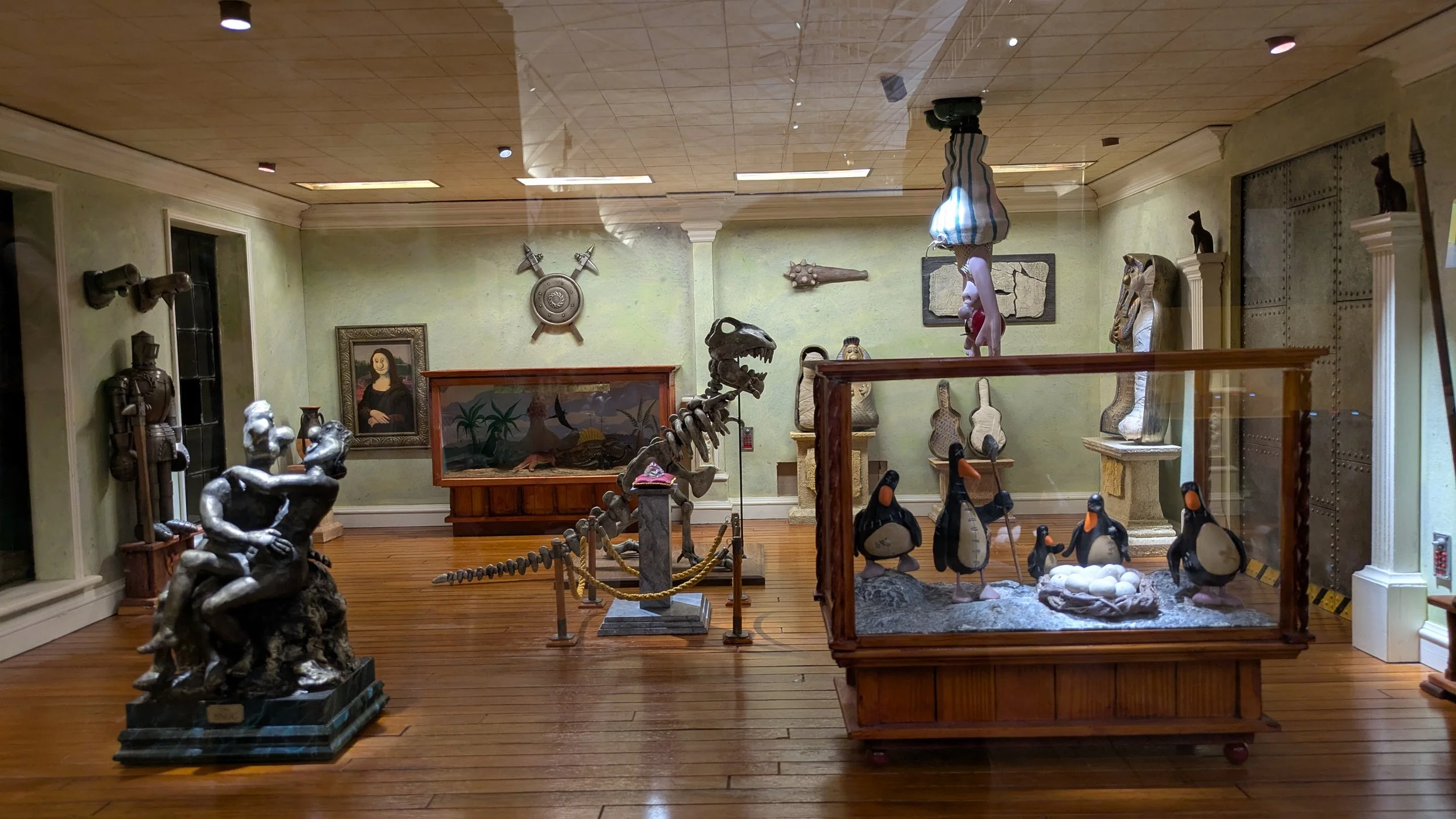
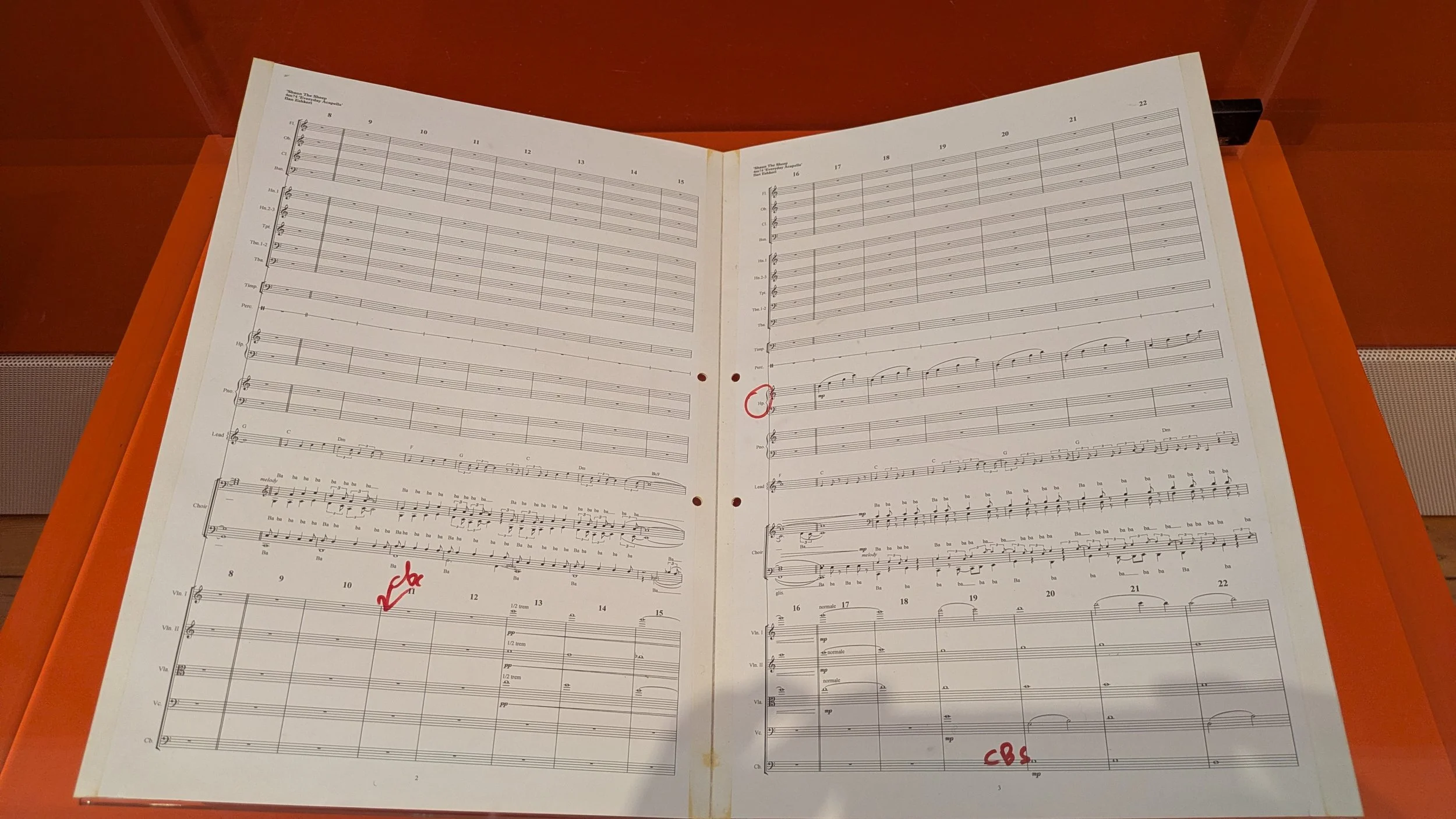
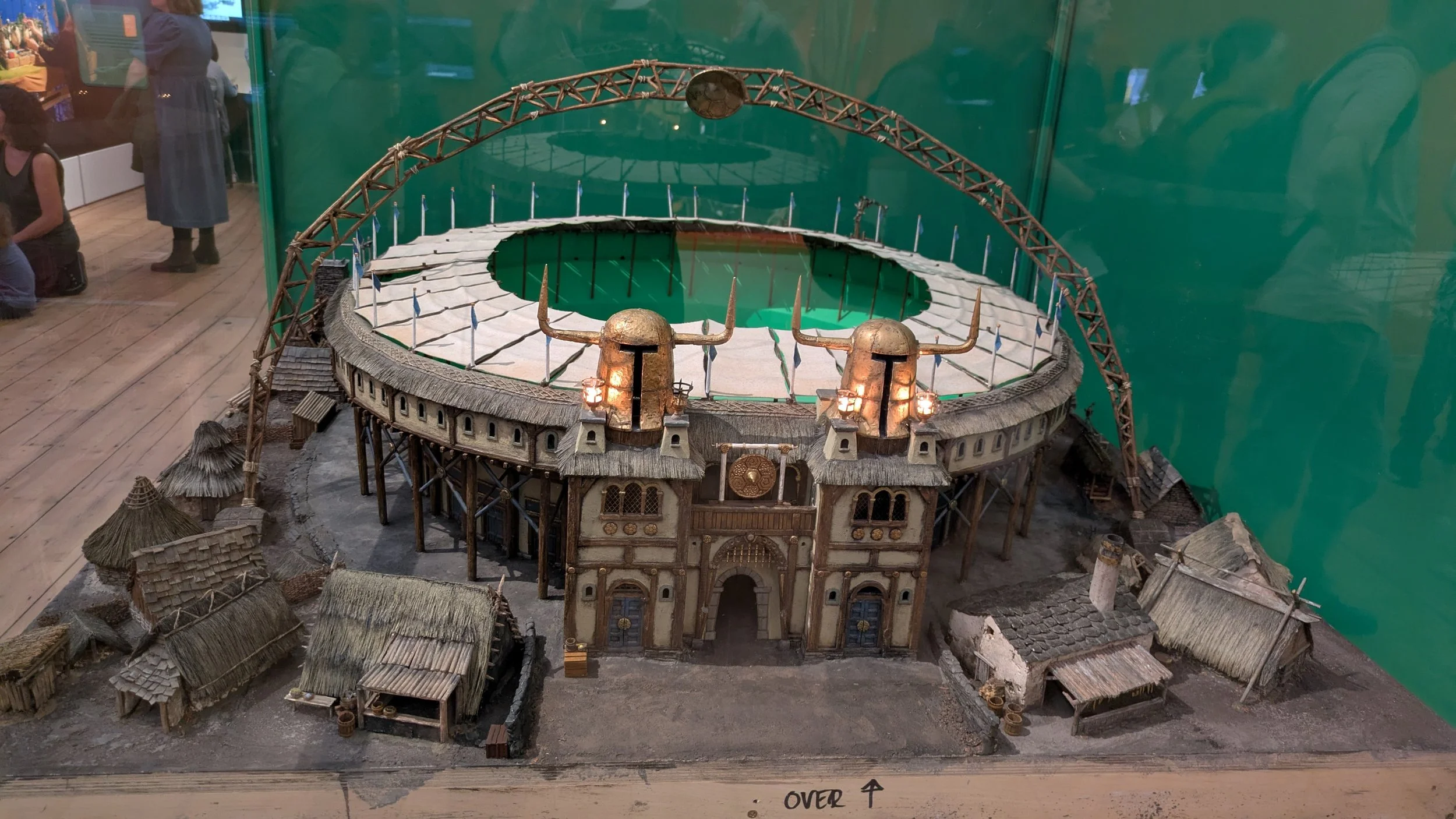
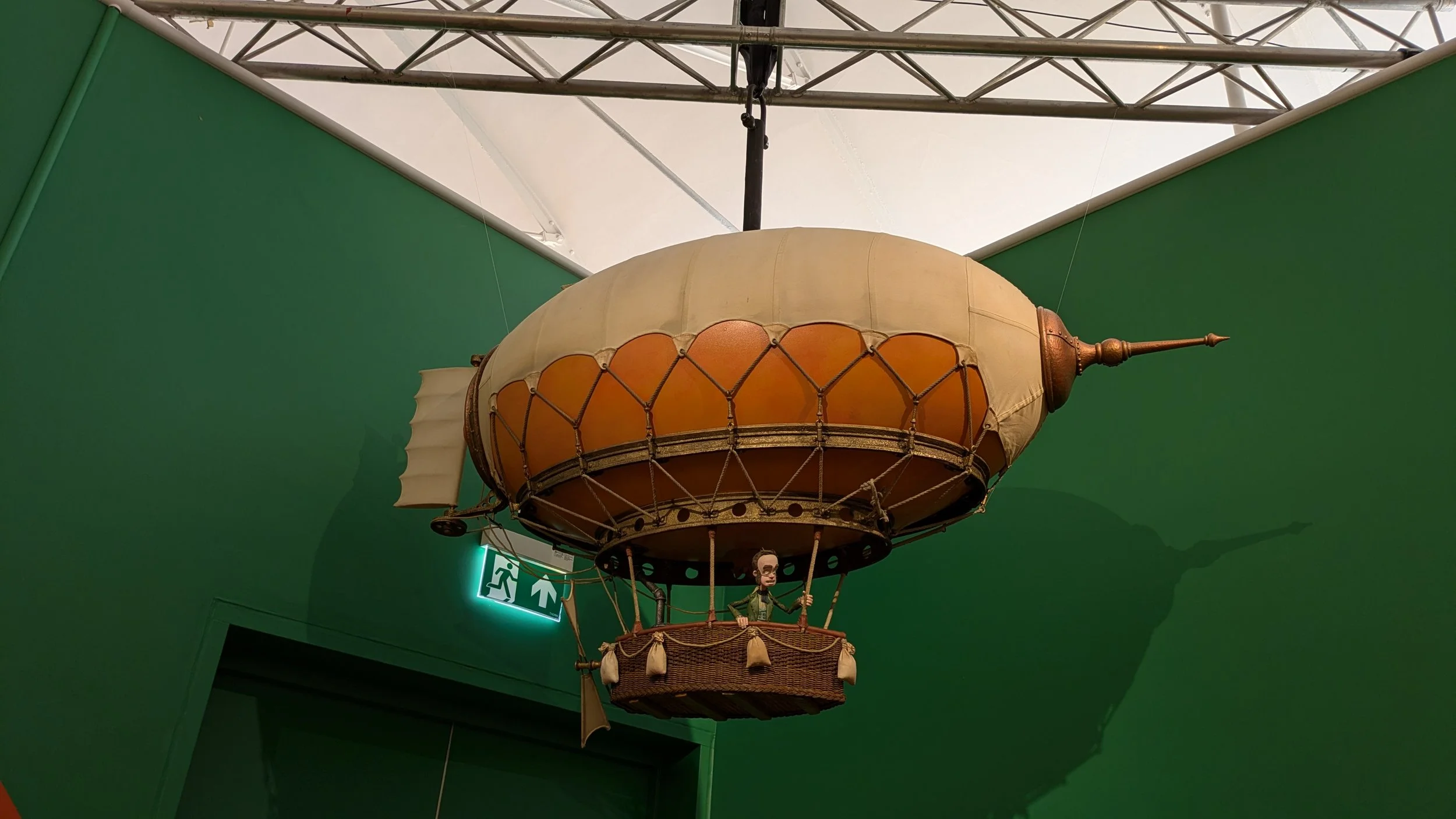
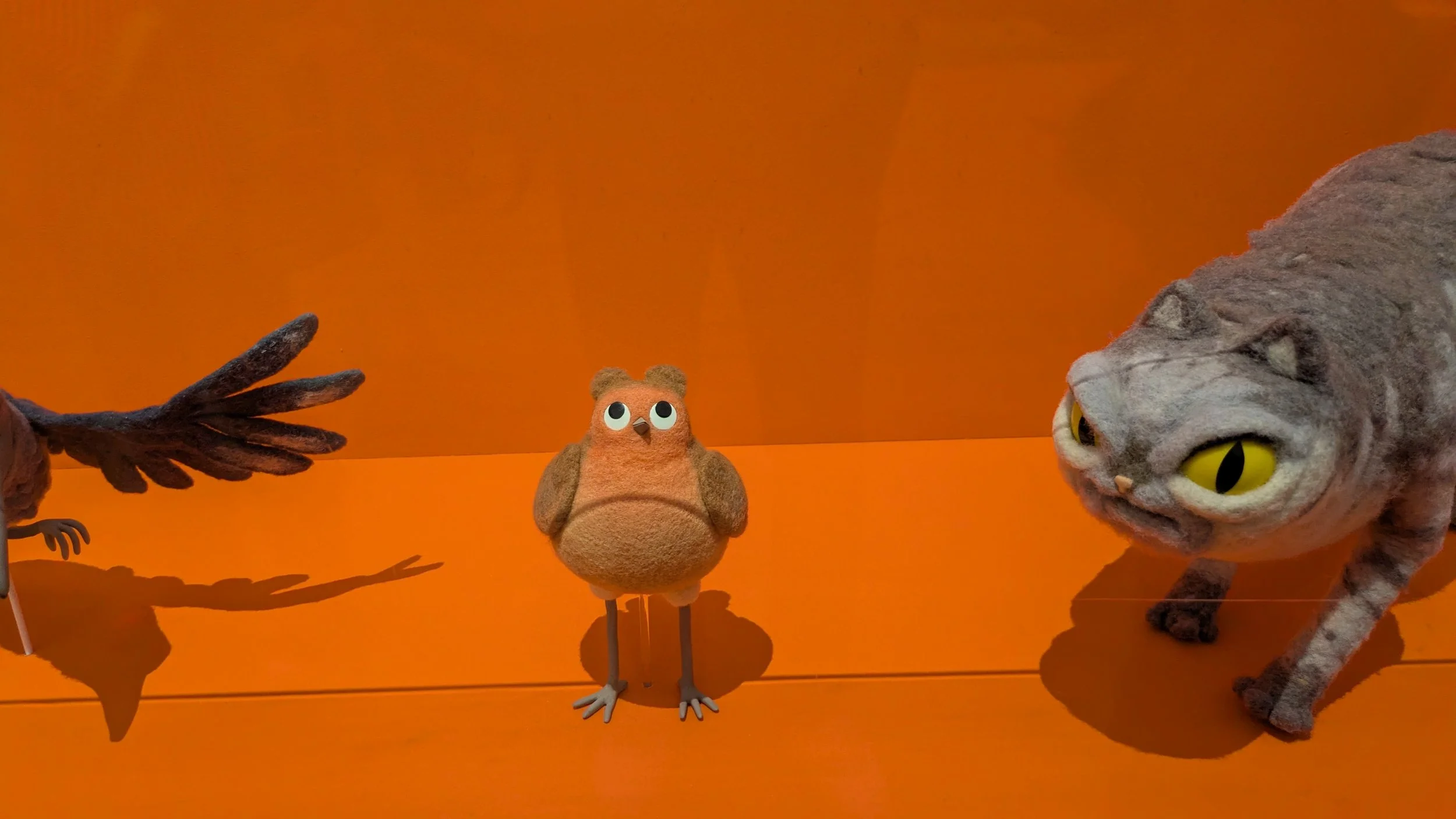
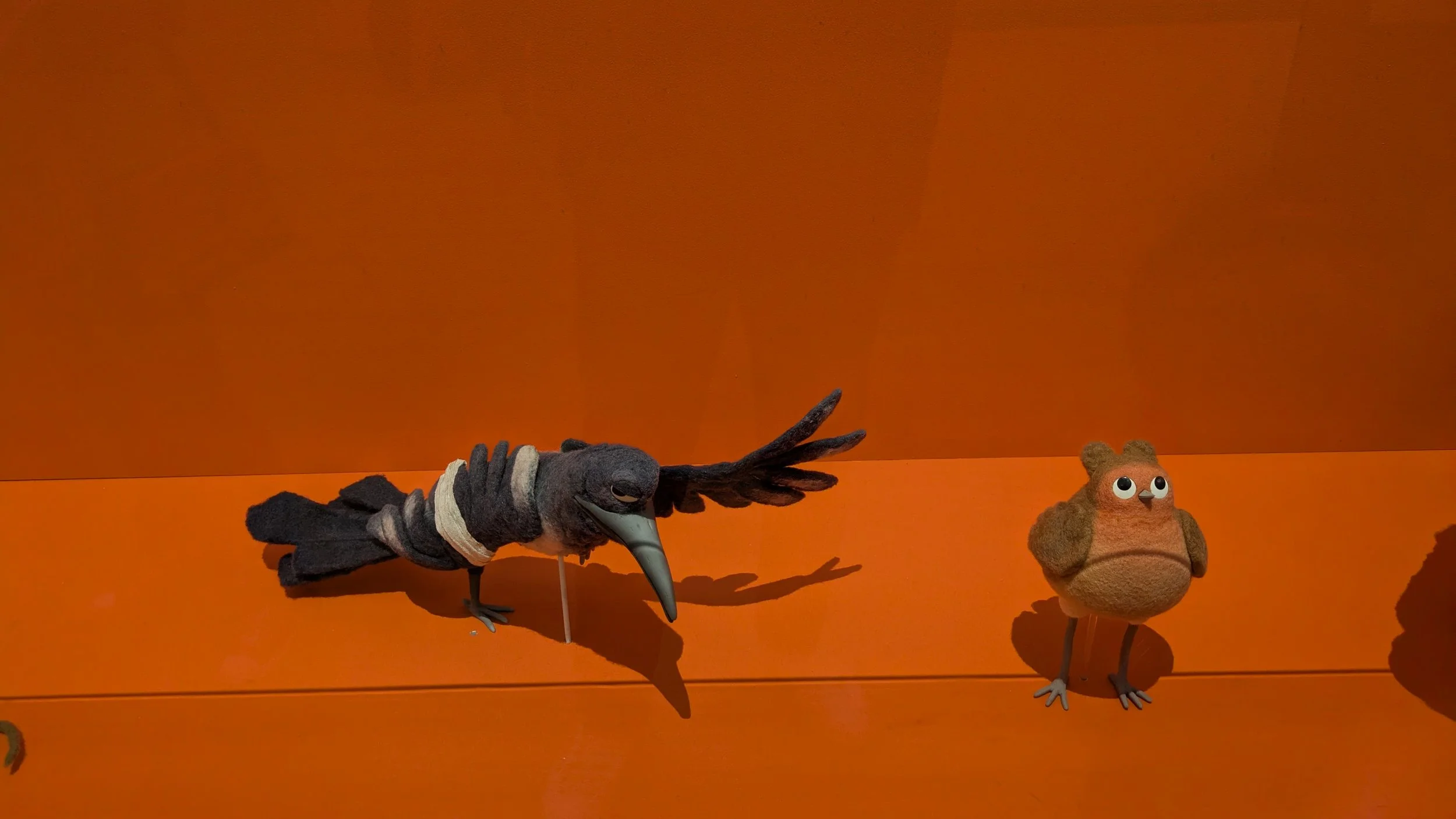
Today I visited the Inside Aardman: Wallace & Gromit and Friends exhibition at the Young V&A Museum at Bethnal Green. The exhibition which celebrates 50 years of Aardman Animations, provides visitors with a unique, behind the scenes view of the art of stop-motion animation. It also explores how Aardman’s iconic characters and worlds are designed, crafted and brought to life. From the initial concept artwork to the final visual effects, this event demonstrates the methods and techniques employed by Aardman. The exhibition features early scripts, sketch artists initial concept art, models, sets and numerous famous puppets. Furthermore this event is firmly pitched at children and families, with a wealth of interactive activities demonstrating the various techniques on display. The curators of the exhibition have also made it clear that they wish to encourage future generation to consider a career in the creative arts.
Today I visited the Inside Aardman: Wallace & Gromit and Friends exhibition at the Young V&A Museum at Bethnal Green. The exhibition which celebrates 50 years of Aardman Animations, provides visitors with a unique, behind the scenes view of the art of stop-motion animation. It also explores how Aardman’s iconic characters and worlds are designed, crafted and brought to life. From the initial concept artwork to the final visual effects, this event demonstrates the methods and techniques employed by Aardman. The exhibition features early scripts, sketch artists initial concept art, models, sets and numerous famous puppets. Furthermore this event is firmly pitched at children and families, with a wealth of interactive activities demonstrating the various techniques on display. The curators of the exhibition have also made it clear that they wish to encourage future generation to consider a career in the creative arts.
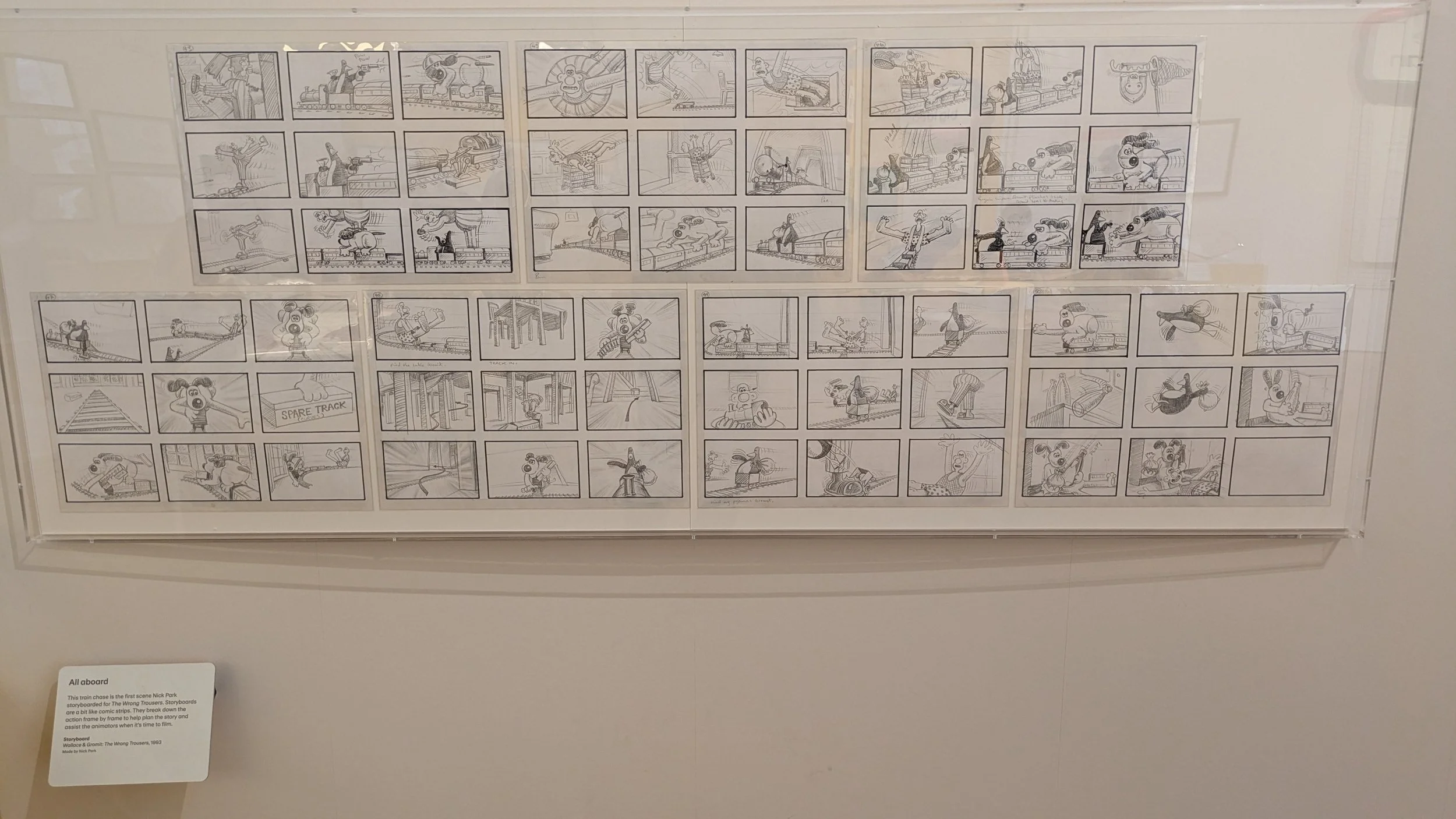
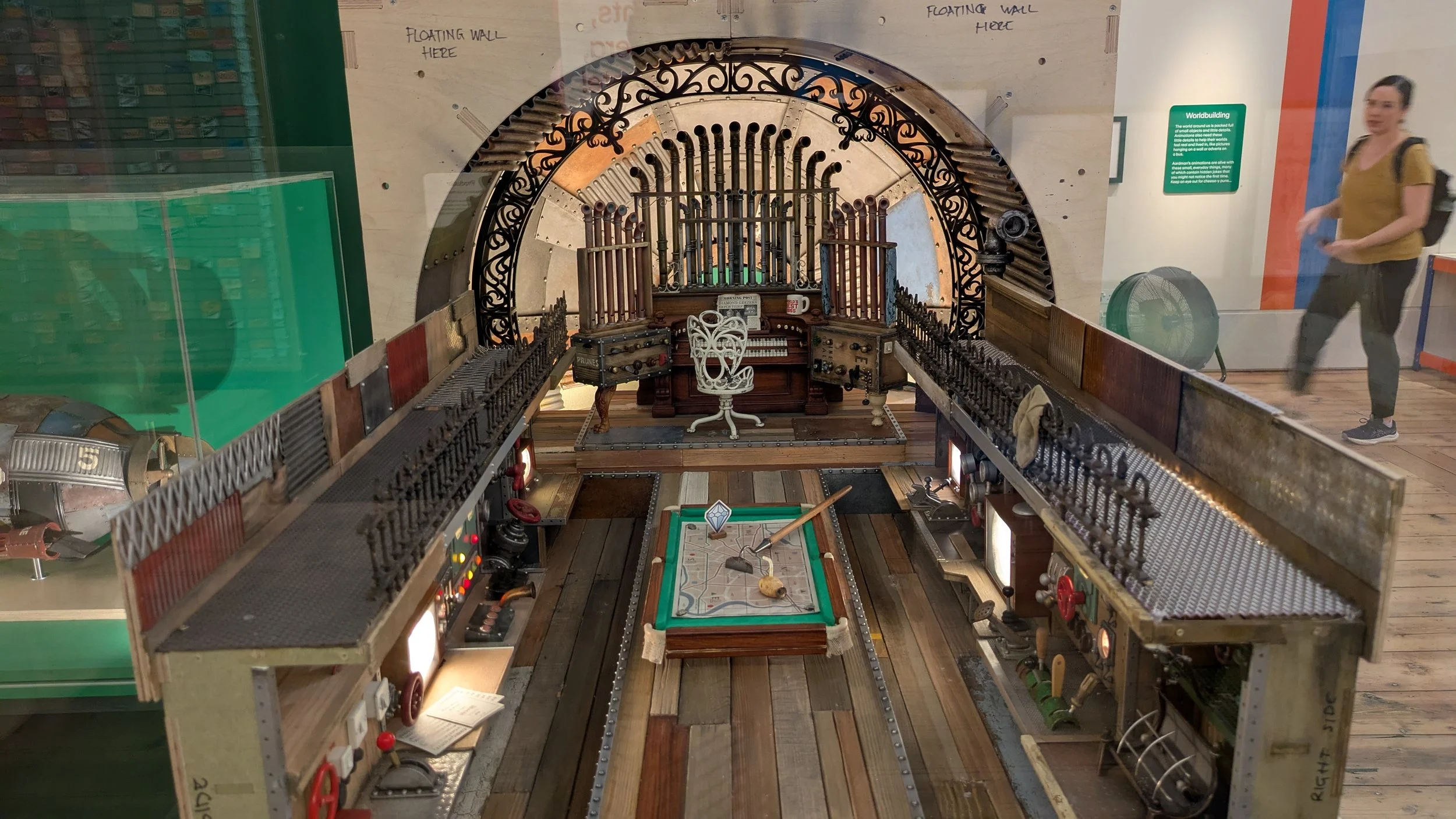
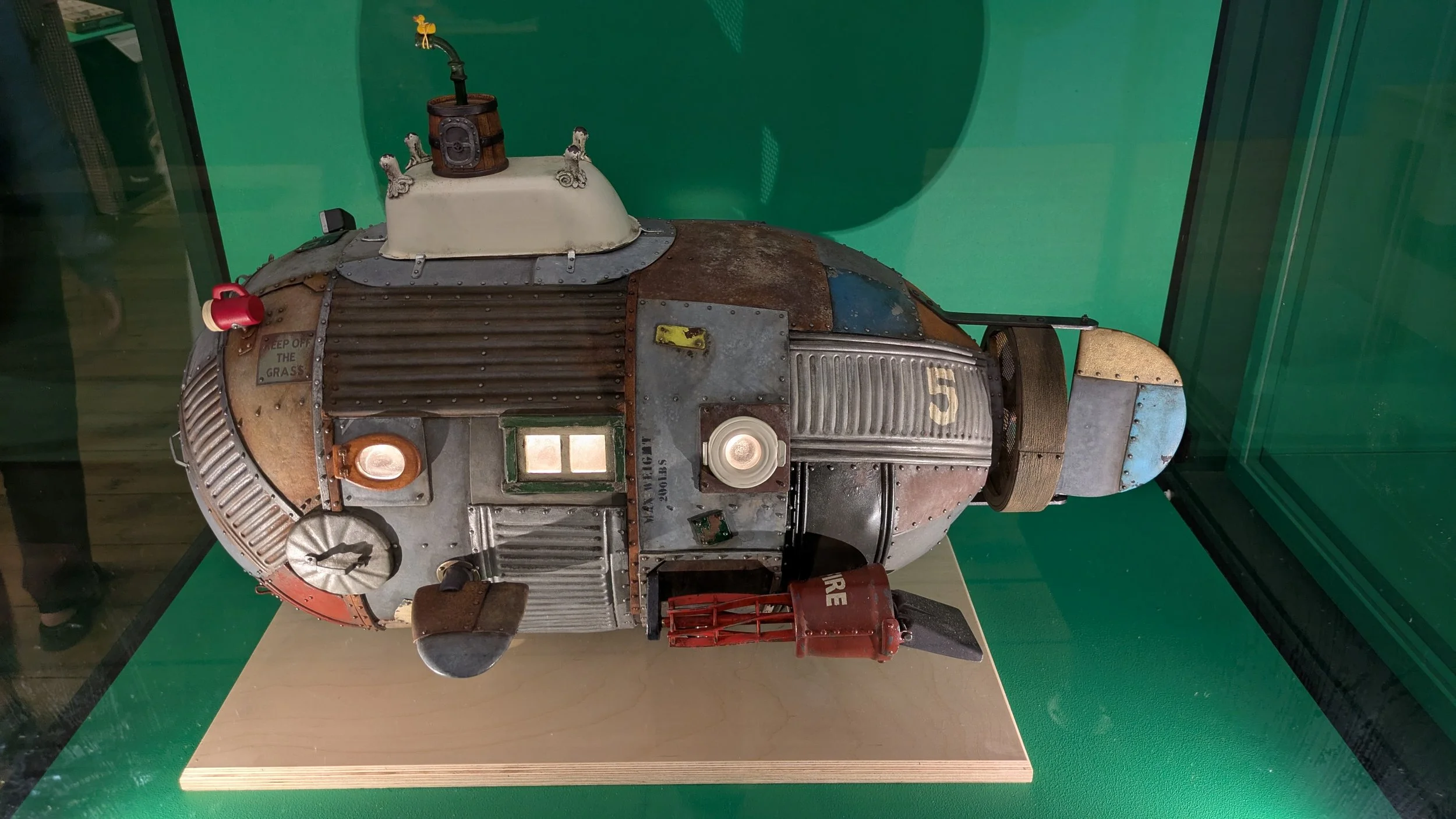
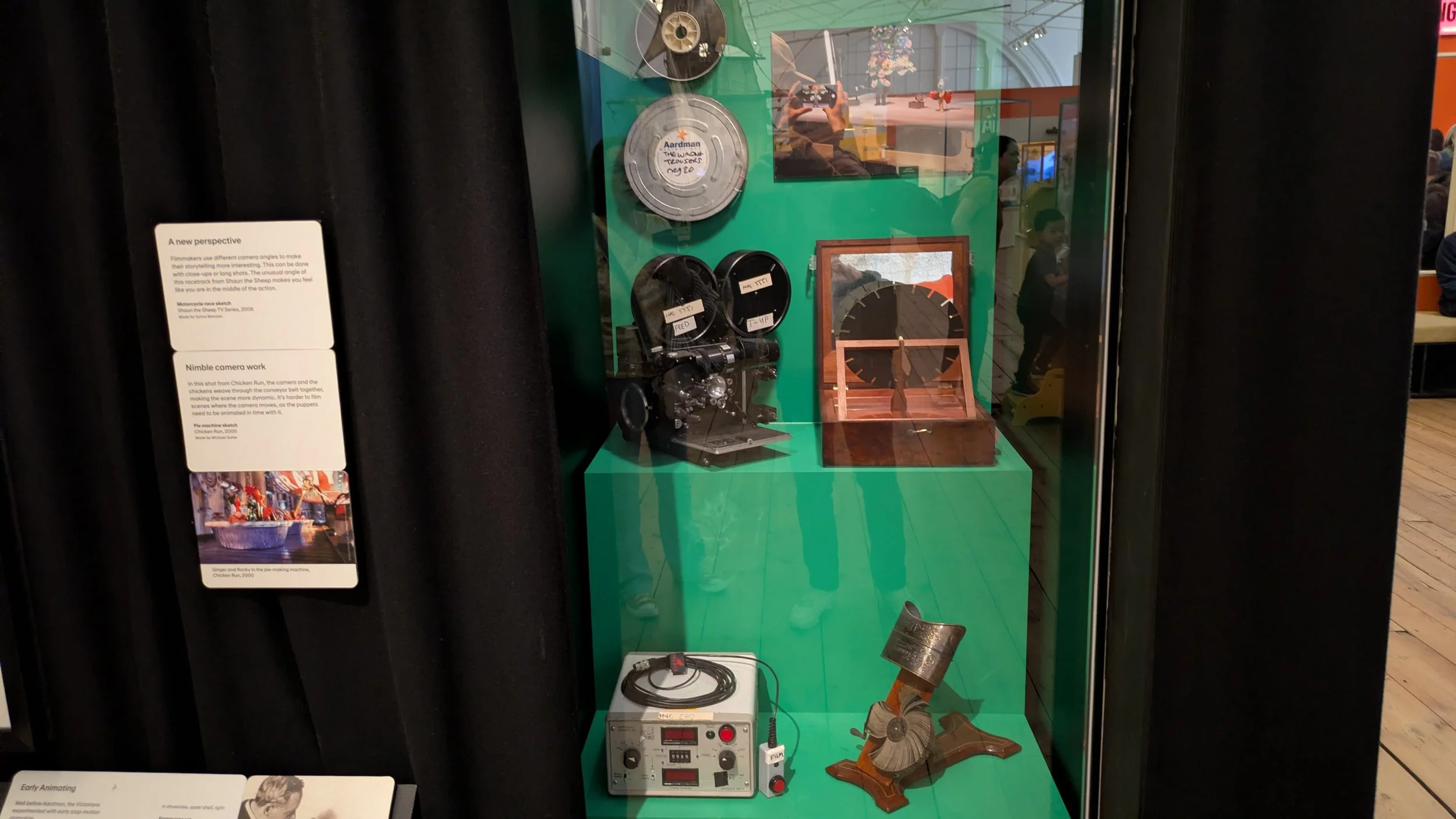
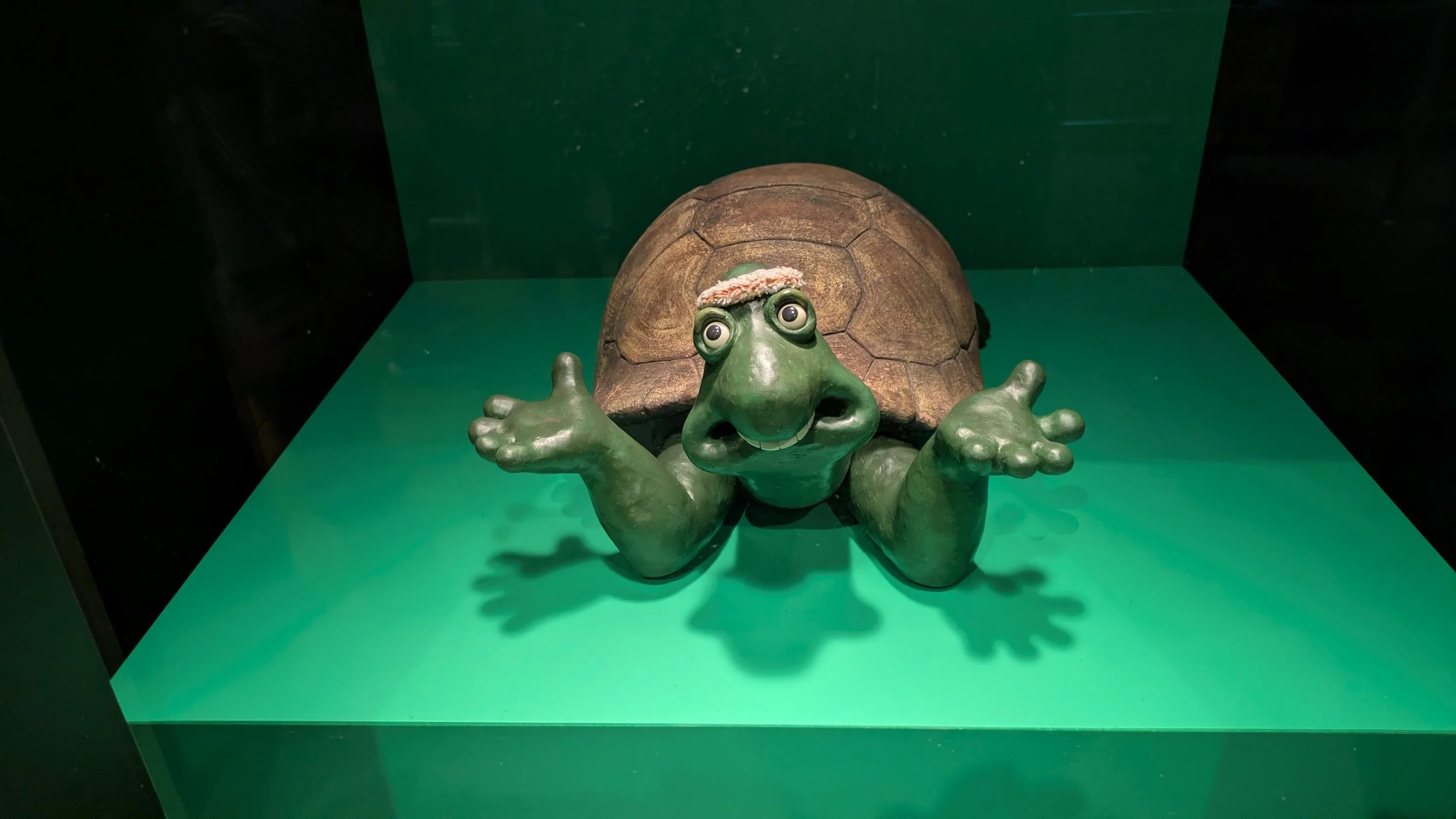
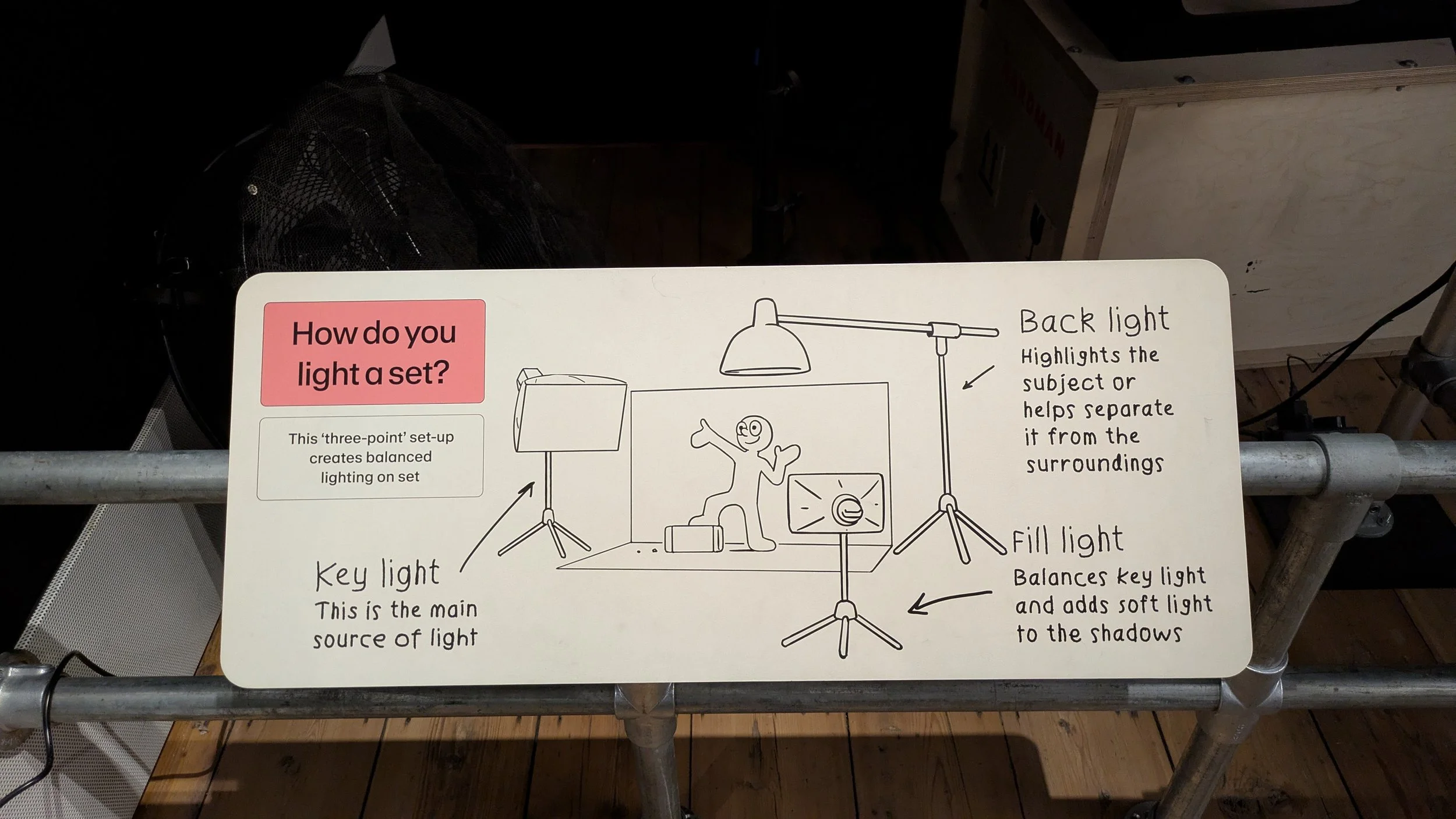
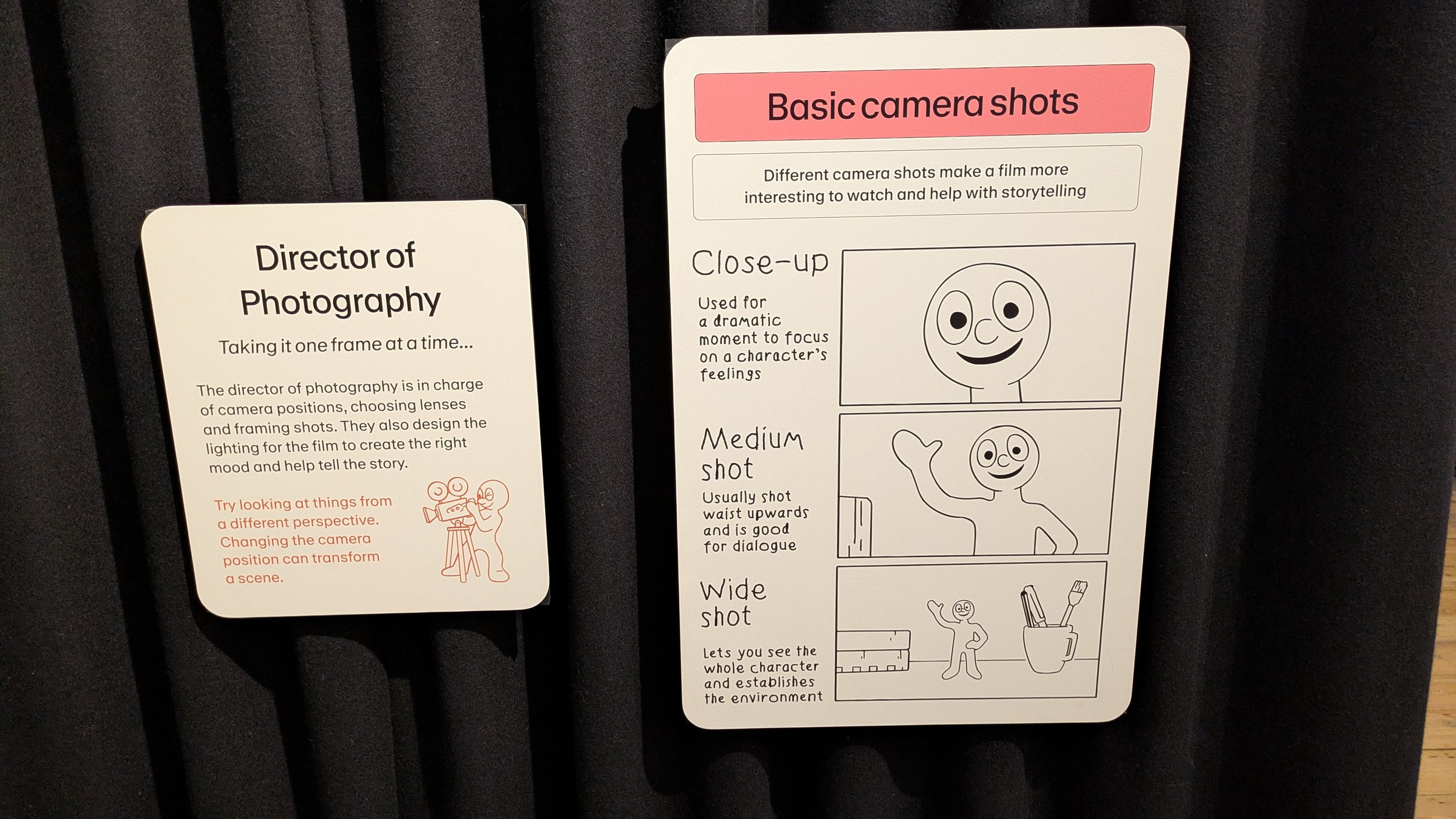
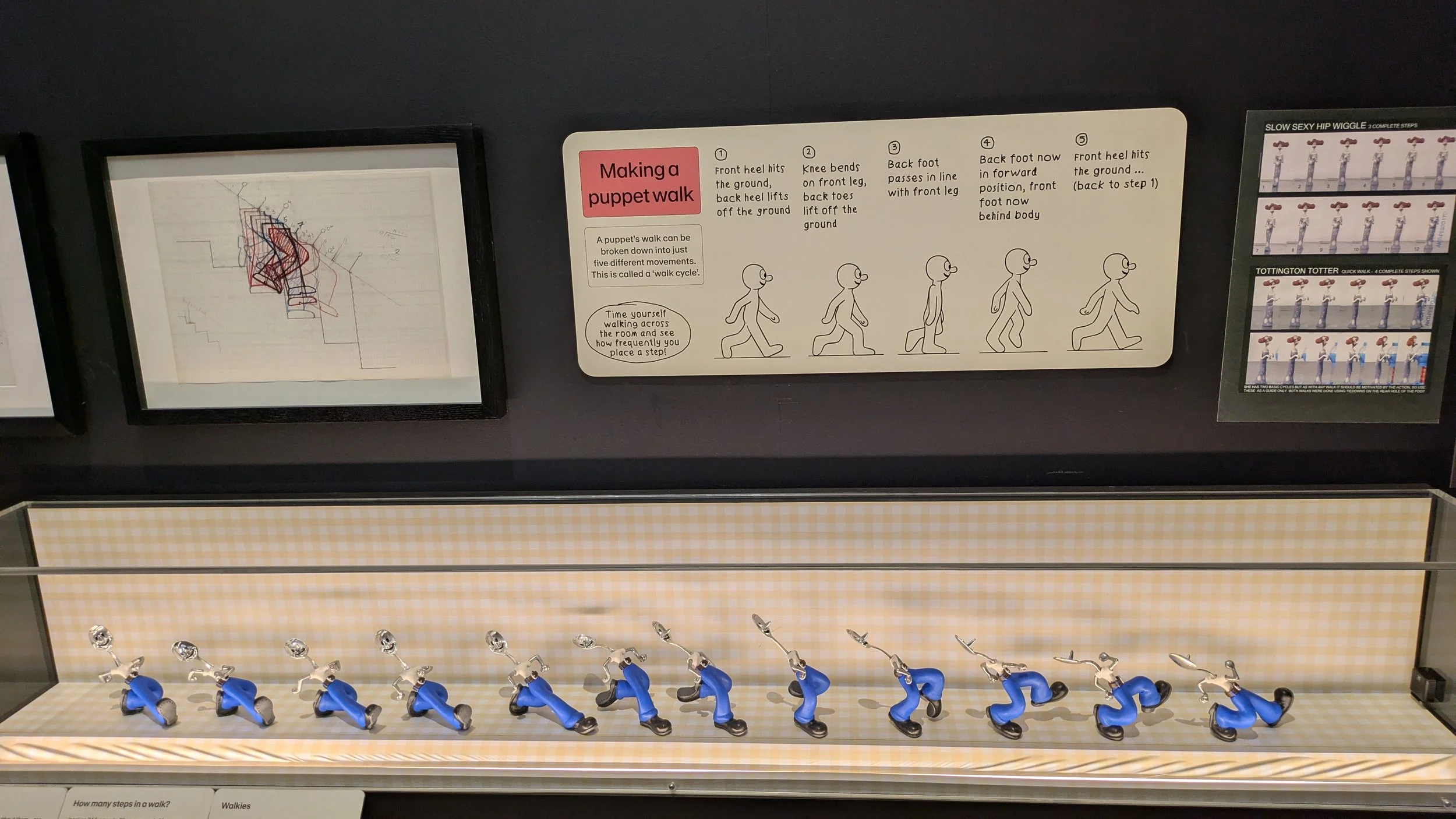
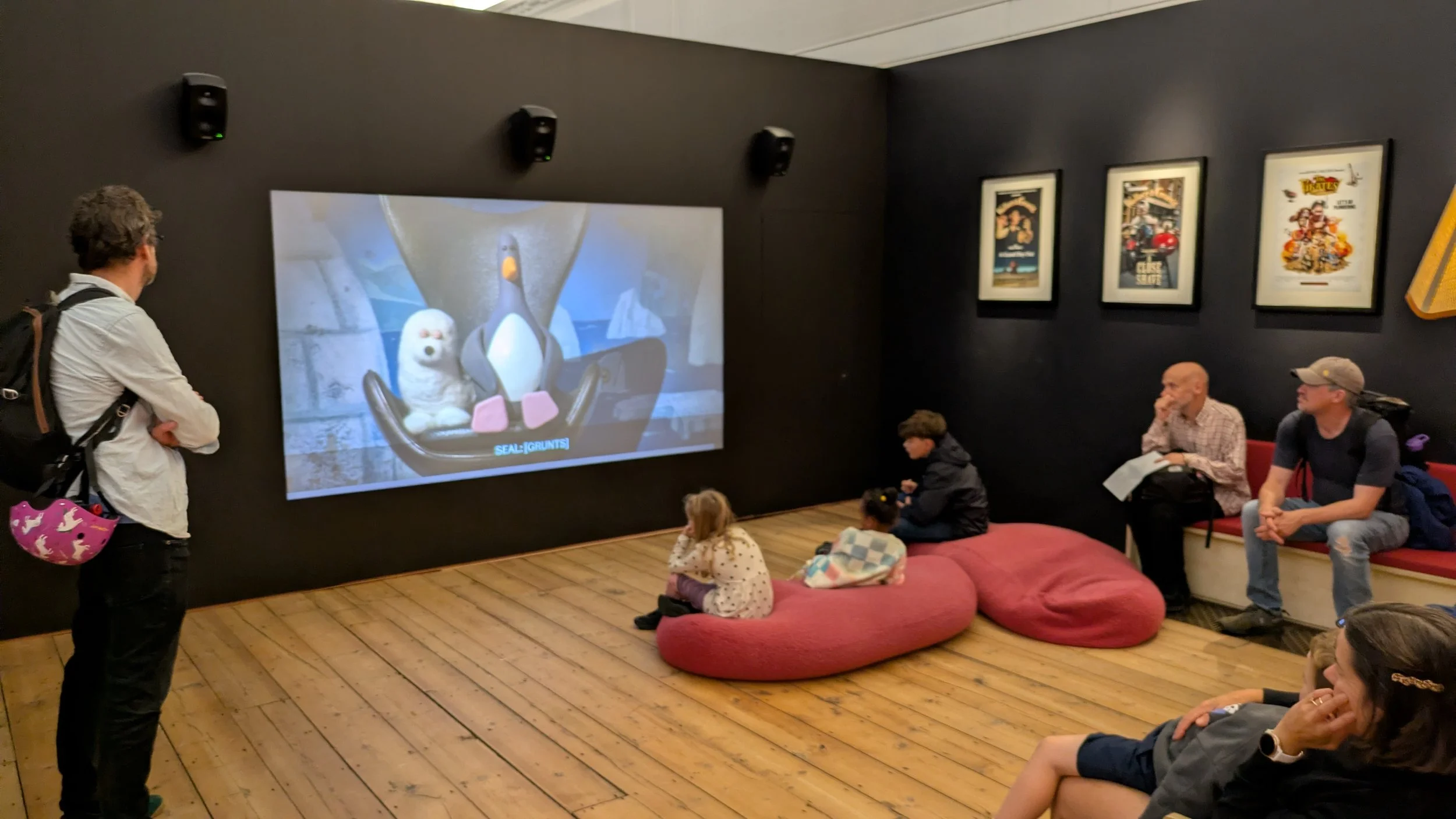
The exhibition is located on the 1st floor, in the left gallery and is devised to walk visitors through the entire process of creating an animated film. Hence the first items on display are conceptual artwork, early drafts of scripts and some incredible storyboards used in the planning of specific iconic sequences. The standout item here are the storyboards for the train chase sequence from The Wrong Trousers. Next there are extensive examples of model and puppet making, along with many famous characters from various classic Aardman productions. There are also several exquisitely crafted miniature sets including Feather’s McGraw’s impressive church organ from Murder Most Fowl. This leads on to a display about set lighting, the process of stop motion animation and voice acting. There is finally a section about post production and editing. The display ends with a video display showing 15 minutes worth of classic Aardman material. Each stage of the exhibition has interactive elements designed to engage adult and child alike.
Inside Aardman: Wallace & Gromit and Friends is an utterly delightful exhibition that will please both fans of Aardman Animations and stop-motion enthusiasts. Furthermore, this event has been intelligently curated and has a strong message of nurturing and encouraging artistic and creative pursuits. Aardman Animations is a national success story in a creative landscape that is broadly contracting in the current UK economic climate. The children present at the exhibition when I visited were certainly engaged with the various activities and it was most rewarding to see so many sitting and furiously drawing. Hence there are multiple aspects to praise about this event. Inside Aardman: Wallace & Gromit and Friends is available at the Young V&A Museum until Sunday 15th of November 2026. Tickets for adults and children cost £11, although there are discounts for larger groups or those who become supporters of the museum.




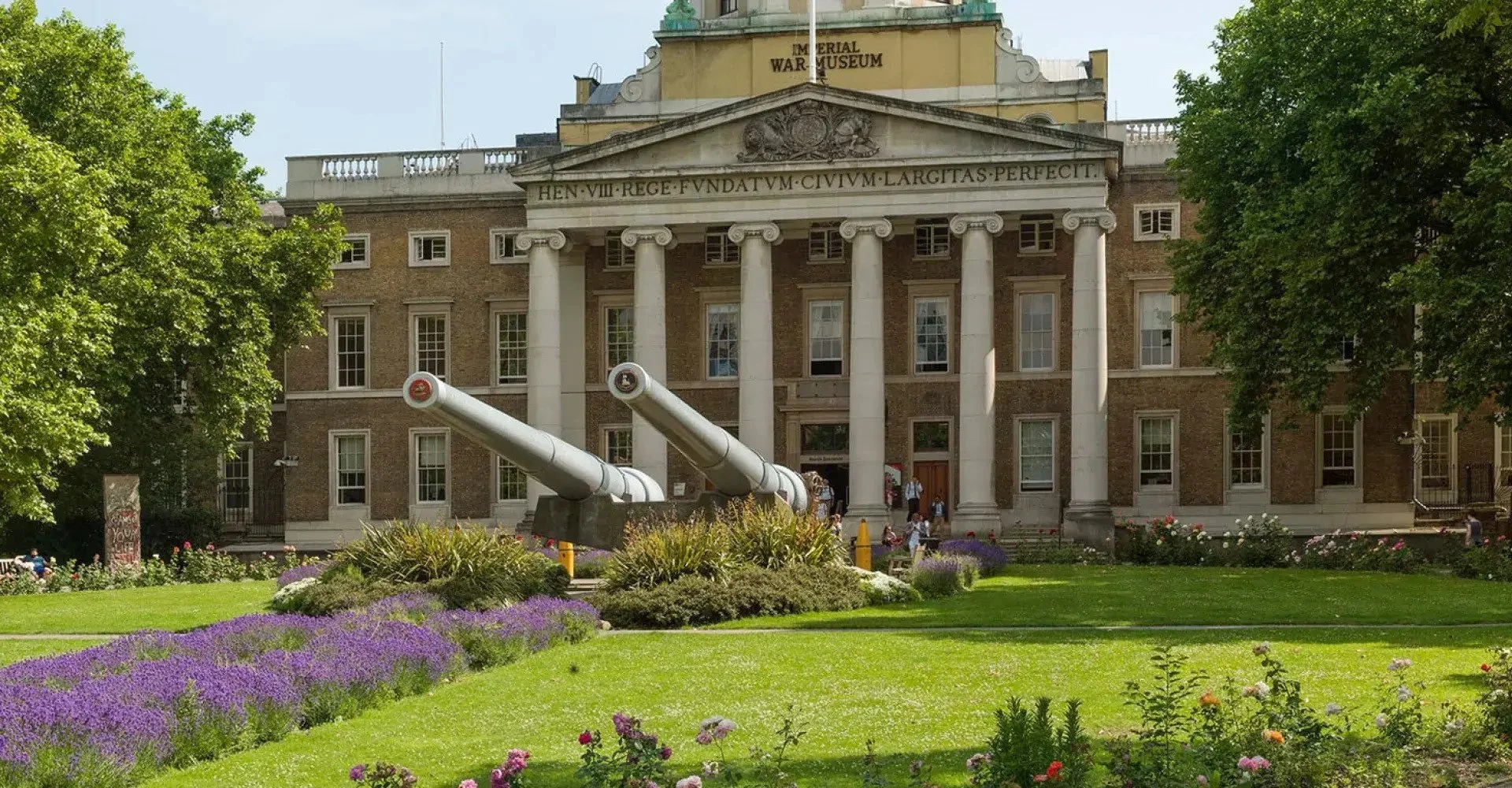
The Imperial War Museum serves as a national museum for Britain. Its main location is in London, complemented by five additional branches across England. Established in 1917 as the Imperial War Museum, its original purpose was to document the civil and military efforts and sacrifices made by the United Kingdom and its Empire during the First World War. Over time, the museum’s scope has broadened to encompass all conflicts involving British or Commonwealth forces since 1914. As of 2012, the museum’s mission is to provide and encourage the study and understanding of the history of modern warfare as well as the “wartime experience”. The IWM as it is now known has its headquarters and primary site is located at Southwark in Central London. The museum is funded by government grants, charitable donations and revenue generated through commercial activity such as retailing, licensing and publishing. General admission is free to IWM London.
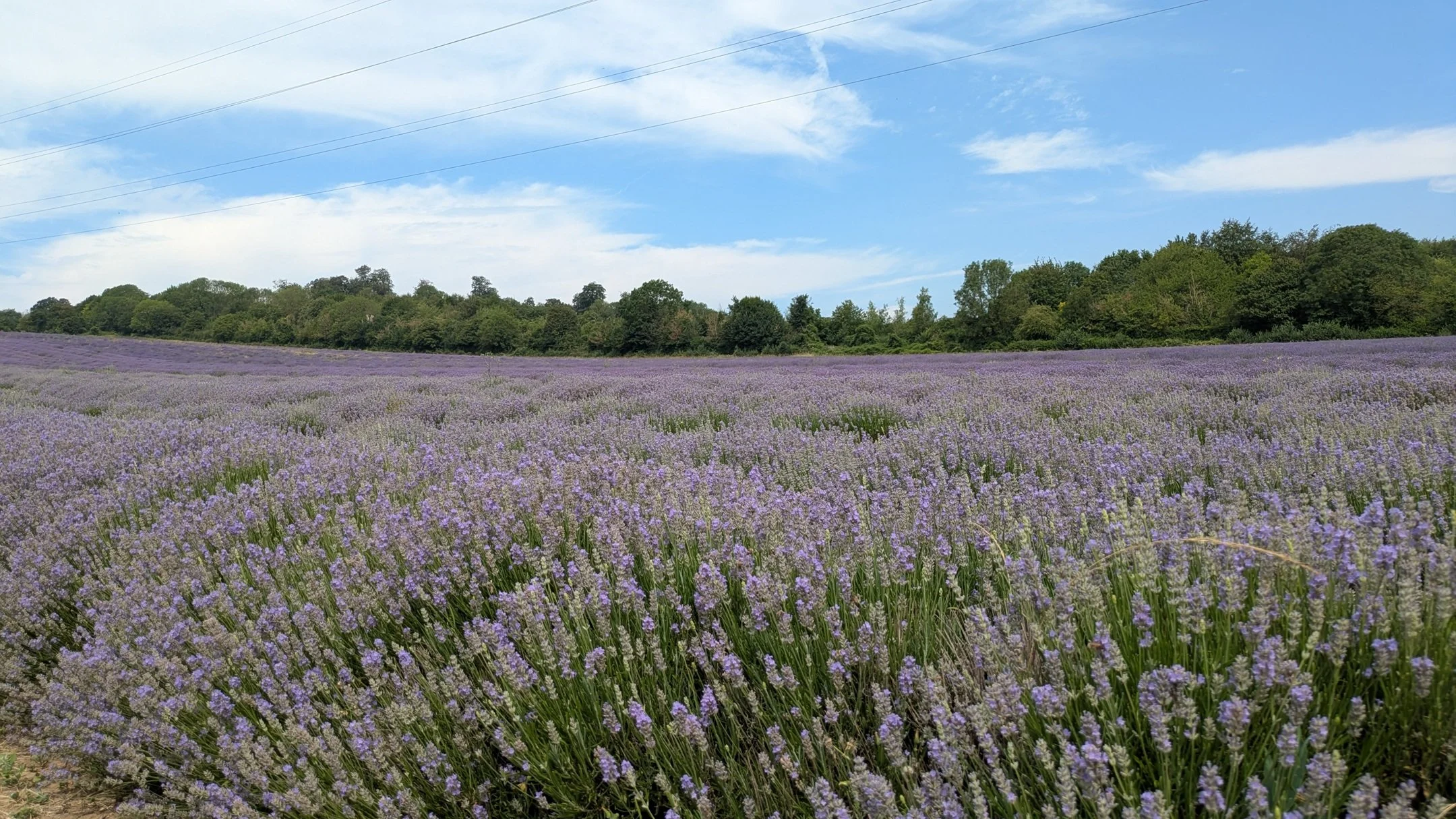
Castle Farm is a family business located near the village of Shoreham in West Kent. The Alexander Family have been farming in the Darenth Valley since 1892 when James Alexander transported 17 milking cows from Ayrshire in Scotland and took up residence in this south-eastern part of England. Castle Farm is a busy, working farm comprising of 1,100 acres. It produces such crops as wheat, barley, rapeseed, hops, apples, pumpkins and lavender. It is also home to a grass-fed herd of beef cattle. However, in recent years it has become well know internationally for its lavender crop. Castle Farm began its lavender enterprise in 1998, producing the essential oils associated with the flower. It is now the largest lavender farm in the UK, growing over 110 acres of the flower. Furthermore, it has become quite a tourist attraction with the farm staff running tours during Summer and the height of lavender season.
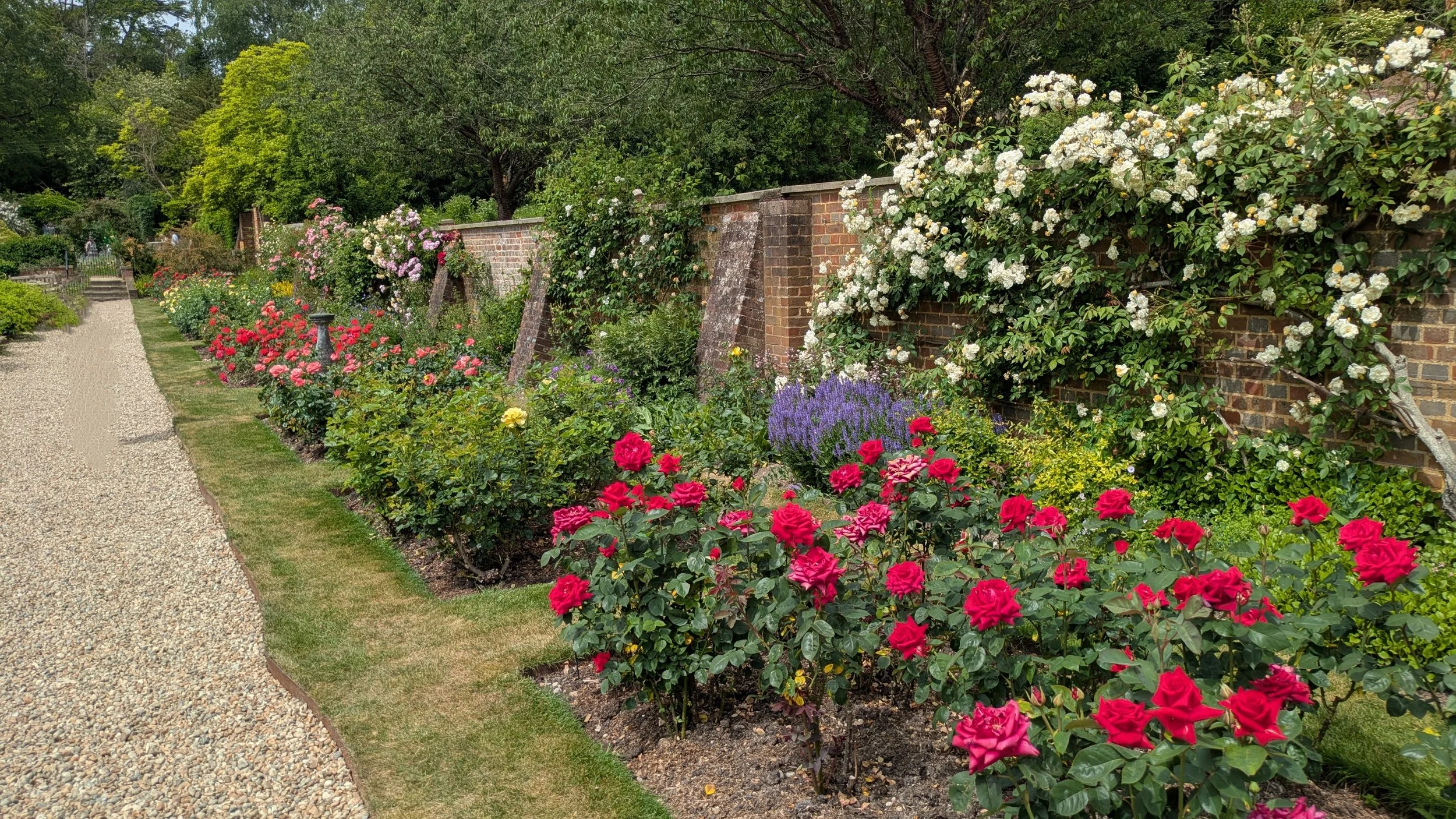
Riverhill Himalayan Gardens are set in the grounds of Riverhill House, a Grade II listed Queen Anne manor house located on the southern edge of Sevenoaks in Kent, England. Riverhill is well known for its stunning and historic gardens as well as its sweeping vistas over the Weald of Kent. The estate has been the residence of the Rogers family since 1840 who currently operate the gardens as a tourist attraction, along with the house and associated facilities as a wedding venue. Visitors can enjoy a walled garden, rose walk and maze as well as other attractions. There is also an excellent trail around the grounds culminating in a view from the top of the hill over the estate. Riverhill Himalayan Gardens, as a supporter of the Surrey Sculpture Society, regularly showcases a selection of sculptures and art pieces throughout its grounds. All are available for purchase if you have deep pockets.
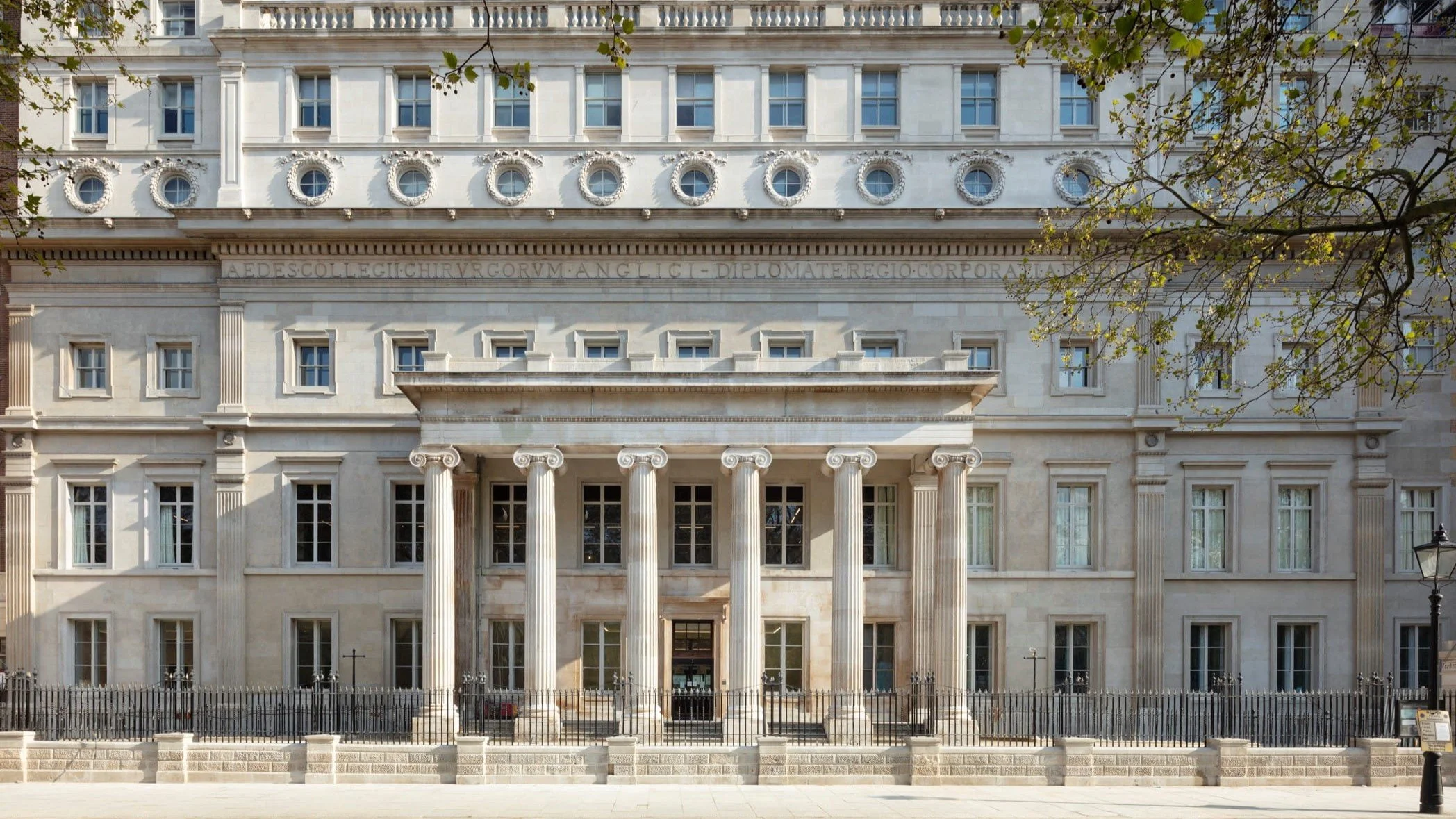
The Hunterian Museum is a museum of anatomical specimens in London, located in the prestigious building of the Royal College of Surgeons of England. The museum is made up primarily of a collection from the 18th century Scottish surgeon John Hunter. Over the years it has since been subsequently supplemented by Odontological material curated by A. E. W. Miles and various natural history exhibits from Richard Owen. In May 2023, the Hunterian Museum reopened following a five-year redevelopment of the Royal College of Surgeons of England’s headquarters at Lincoln’s Inn Fields. The £4.6 million museum project features the exhibition of more than 2,000 anatomical specimens from Hunter’s original collection. In addition to these there are instruments, equipment, models, paintings, and archival materials that document the evolution of surgery from ancient eras to contemporary robot-assisted procedures. The Museum boasts the largest public display of human anatomy in England.
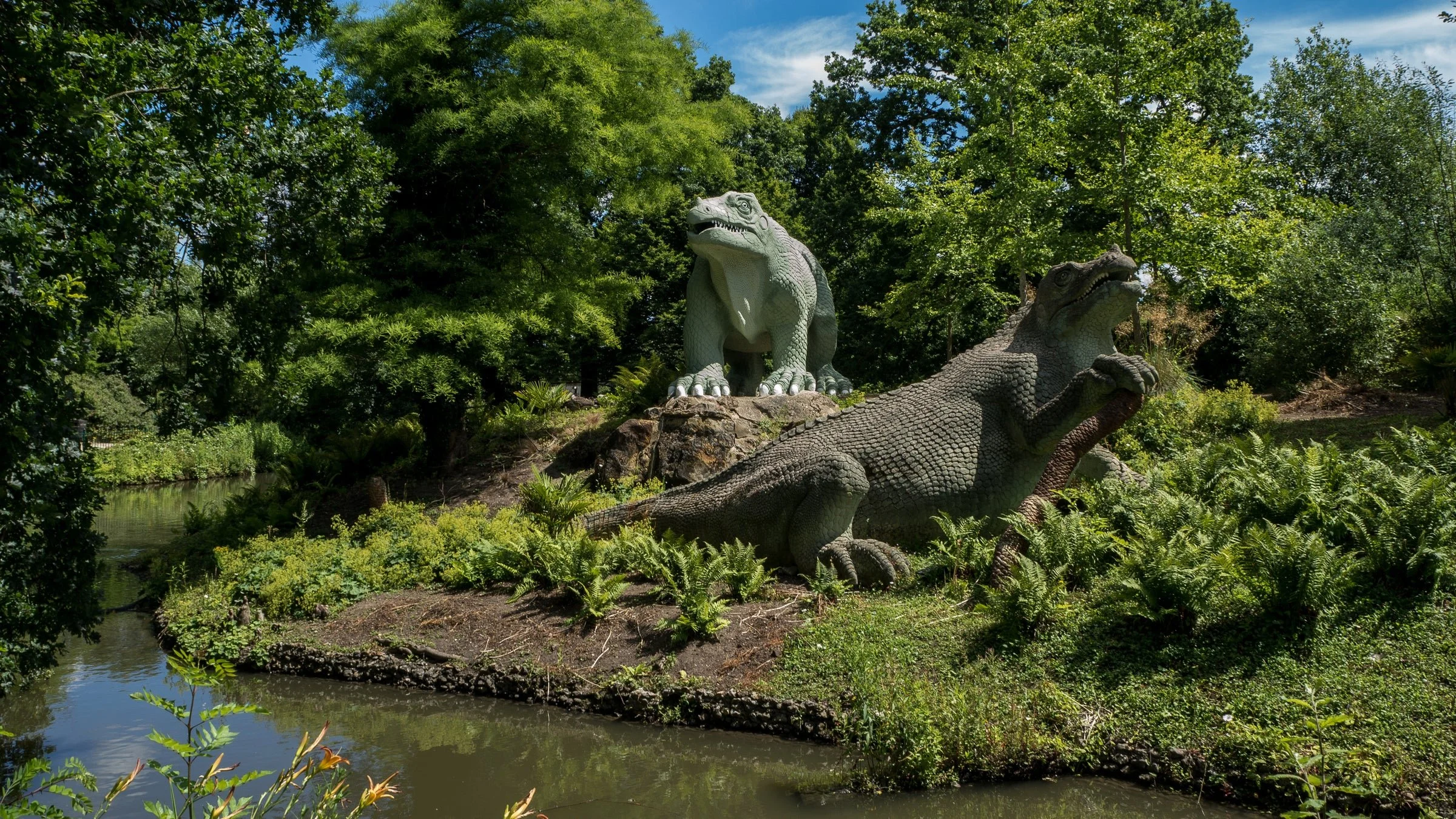
The Crystal Palace Dinosaurs are a collection of sculptures depicting dinosaurs and other extinct species located in Crystal Palace Park, in the London borough of Bromley. These sculptures were originally commissioned in 1852 for display at the Crystal Palace following its relocation from the Great Exhibition held in Hyde Park. They were revealed to the public in 1854 and are the first speculative dinosaur sculptures ever created. Although the models are now considered inaccurate by contemporary standards, they were designed and crafted by Benjamin Waterhouse Hawkins under the scientific guidance of Sir Richard Owen, reflecting the prevailing scientific understanding of the time. The sculptures were designated as Grade II listed buildings in 1973 and underwent extensive restoration in 2002. In 2007 they were elevated to Grade I listed status. As of spring 2026 the dinosaurs are again being renovated as part of a £5 million regeneration of the park.

The benefits of international travel are numerous. These include stress relief, mental health benefits and a chance to escape the drudgery of work. Then there are the cultural aspects that you can immerse yourself in. Going abroad also allows you to learn new language skills as you awkwardly ask for directions. International travel is a chance to make lasting memories and it often gives the traveller a greater appreciation of their own home. At the very least the beer is always better abroad and that is the very definition of “broadening your horizons”. Yet despite all these positive points, there is one unavoidable hassle when comes with travelling abroad. The fact that the country or countries that you’re visiting will invariably use a different electrical plug and socket standard. In an age where a lot of the stuff you bring along with you on holiday needs charging, this can be a very stressful problem to solve.
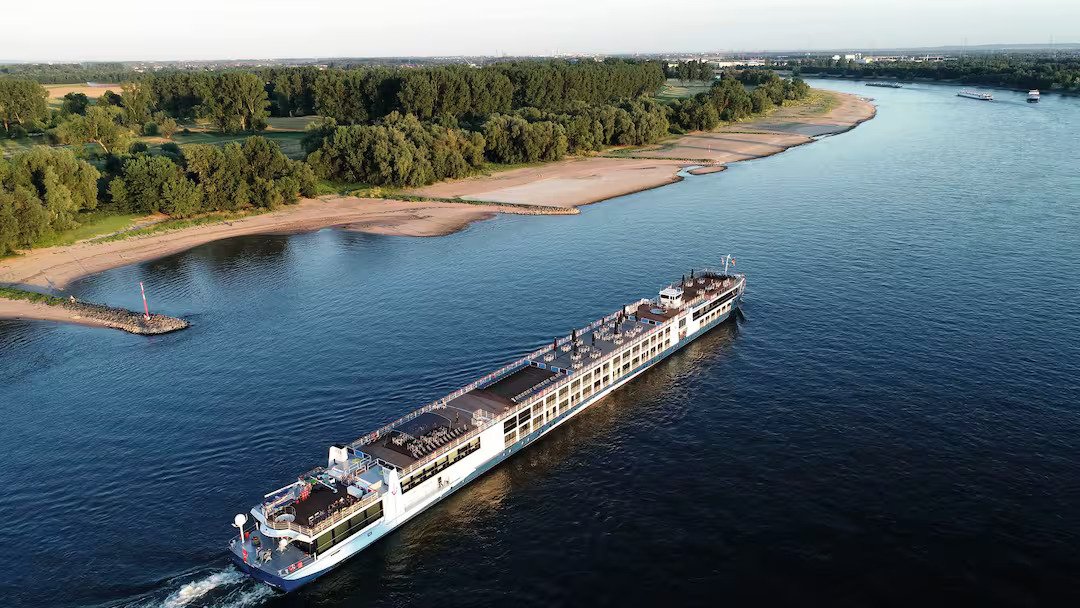
I thoroughly enjoyed our holiday in Croatia last year and it did much to restore my confidence in travelling. Previously my views on visiting other countries had been greatly influenced by the films Raid on Entebbe and Midnight Express. As January was such a bleak month here in the UK, Mrs P and I decided we couldn’t wait until summer for another holiday and so decided to book something for the end of March. So we visited our local Travel Agents and decided upon a river cruise. We’ve been interested in these since we saw a travel show with Susan Calman. River cruises are a horse of a different colour, compared to sea cruises. They’re a great way to visit cities of note, often bringing you right into the heart of them. River cruise ships are a lot smaller with less passengers than ocean faring vessels. They also attract quite different travellers. Let it suffice to say that a sea cruise doesn’t offer the cultural experience that I am looking for.
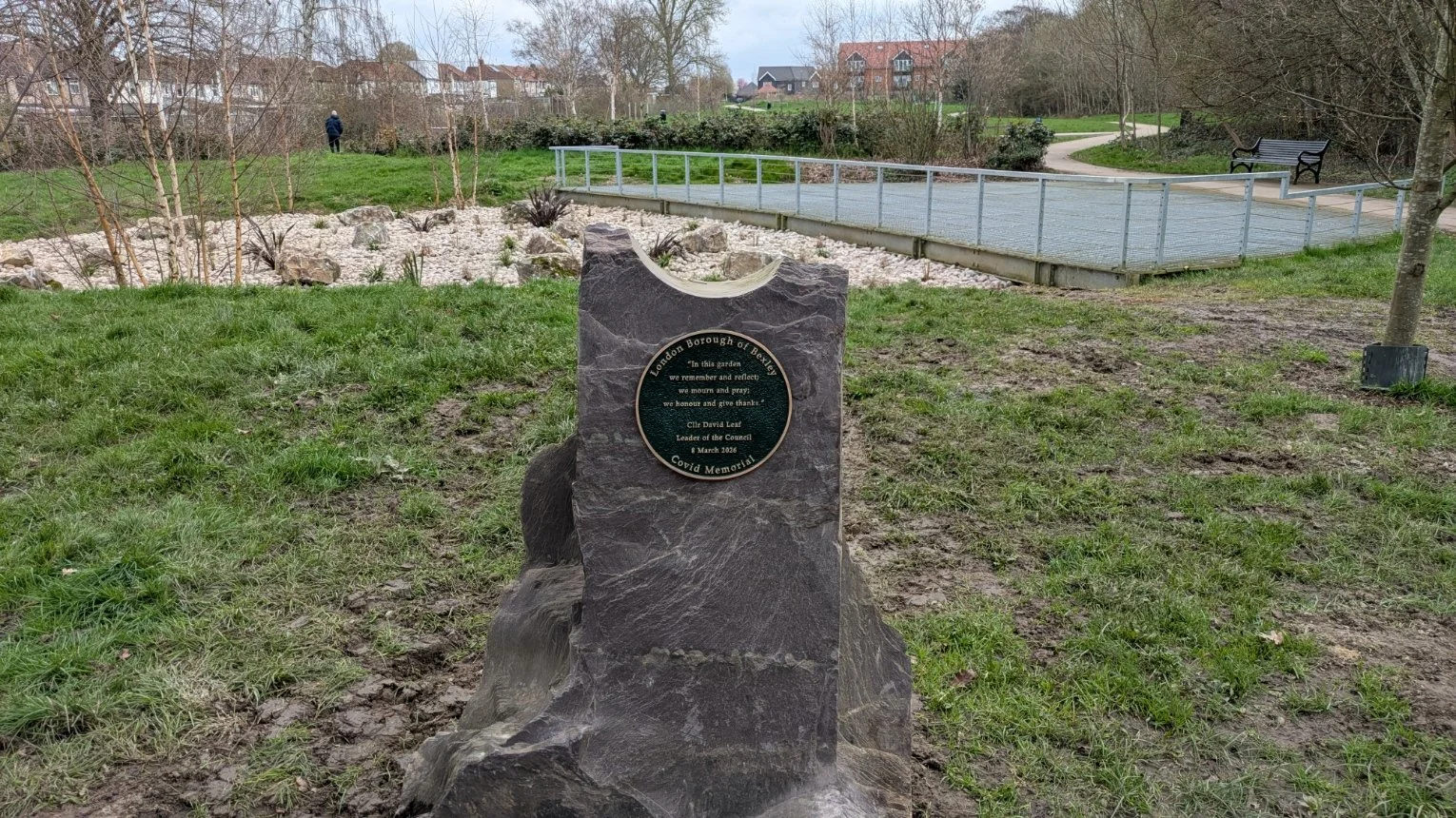
There are approximately 4000 parks and green spaces in Greater London. Bexley Borough alone has over 100. Public parks and green spaces are vital to modern cities, providing essential health, environmental and social benefits. They boost physical and mental wellbeing by reducing stress and providing a place for exercise. Furthermore they enhance urban sustainability, mitigate heat, and provide a sustainable environment for a wildlife. Parks are often a venue for social activities and events and as such are an important part of the local community. Going to the park has always been a part of my life. I live next to Old Farm Park in Sidcup and have made use of this recreational space throughout my life. I used visit with my parents in the seventies, when I was a child. Thirty years later my son, father in-law and I would fly kites there. Now I take my grandchildren to Old Farm Park as it now has a playground.
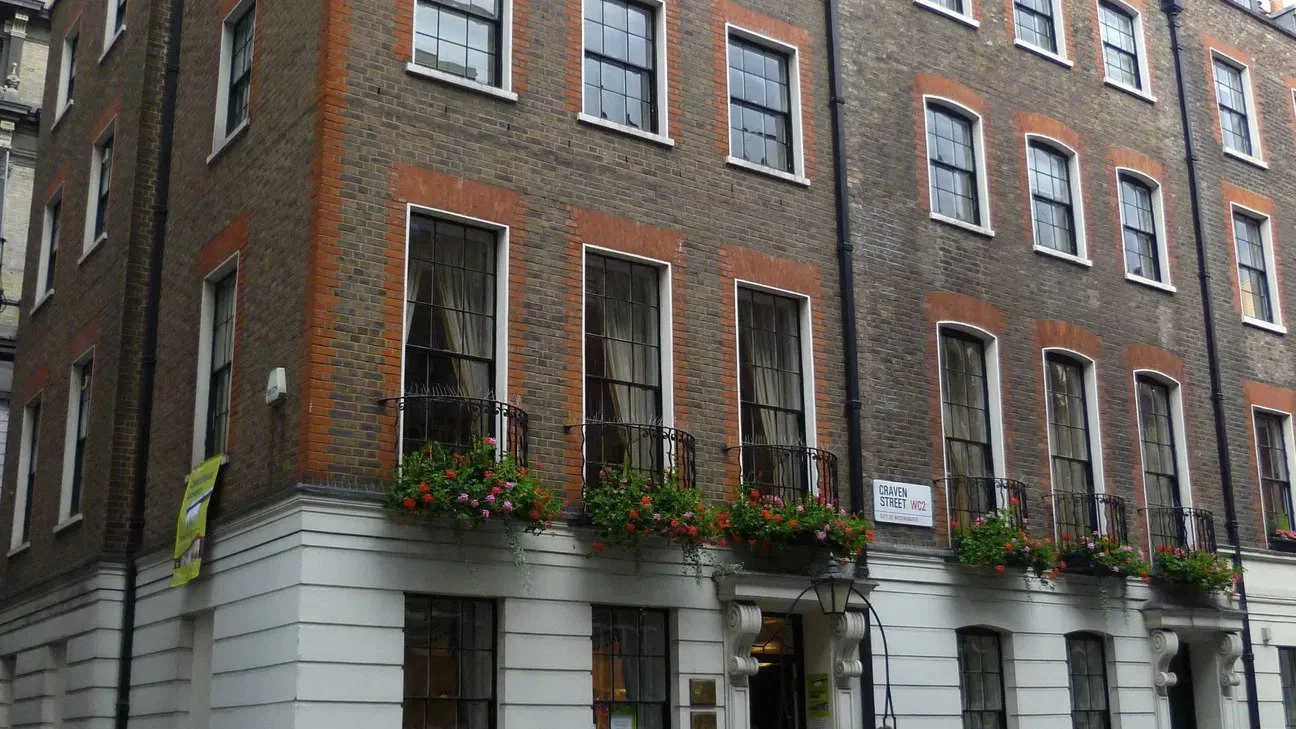
There is no shortage of interesting and good quality museums in London. In many respects tourists and visitors are spoilt for choice. More often than not, it is the most well known institutions such as the British Museum or Victoria and Albert Museum that gain the most attention. However, there are many hidden gems to discover if you take the time to look further. A prime example being The British Optical Association Museum which I had the pleasure of visiting today. The museum’s function is to promote the optometry profession and raise public awareness of its past and ongoing role within society. The museum has a well conserved collection of exhibits and provides a venue for presentations, learning and research services. There is also an excellent tour hosted by museum curator Neil Handley (PhD, AMA, FRSA) in which he gives a concise, interesting and at times a witty overview of the history of optometry in the UK and its current role.

The artillery battery at Capel-le-Ferne was built between 1941 and 1942, following the fall of France, on the orders of Winston Churchill. Located between Dover and Folkestone, the battery consisted of three 8-inch high-performance guns, provided by the Royal Navy. The battery was intended to provide anti-shipping defence in the English Channel. The site was manned by men of the 520 Coast Regiment Royal Artillery. Over the course of World War II, the battery expanded in size, eventually encompassing multiple Nissen huts, several roads and 19 military buildings. Anti aircraft defence was provided by two 40mm Bofors guns. Over the course of the war, the Capel Battery engaged enemy shipping on four separate occasions and also took part in fifteen practice shoots. In 1944, due to the decreased threat, the battery was placed in “care and maintenance”. The guns were removed in 1952 and the building demolished in the early 1980s

There are an estimated 2,500 museums in the UK. This number has grown significantly over time, more than tripling between 1960 and 2017. While it is laudable that so many of these institutions exist, they do not all receive equal interest or publicity. Some museums dominate in their respective fields and drown out others that have a similar theme. With this in mind, I was unaware of the Kent Battle of Britain Museum until a friend recently brought it to my attention. After yesterday’s visit my initial thoughts are what a treasure trove it is. According to the museum’s website it is the world’s largest Battle of Britain collection of memorabilia. This includes planes, uniforms, weapons and related artefacts from over 700 crashed aircraft. Furthermore, the museum tells the story of this battle without bias, choosing to highlight both the historical and the human aspects of the conflict. It is often very poignant.
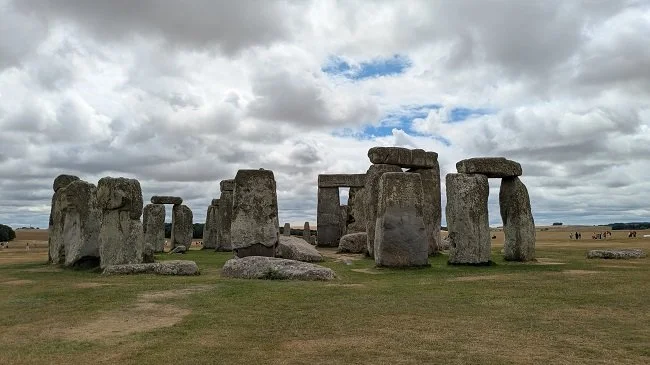
Stonehenge is so much more than just a neolithic, historical structure of note. It is of great spiritual importance to many, representing ceremonial practices and ancient worship. It is also seen as a conduit to a wider connection to the cosmos. It is after all a celestial calendar, according to one of the theories regarding its purpose. It also has a strong significance in pop culture. Hence, due to its history, symbolism, religious connotations and overall sense of mystery it is a UNESCO World Heritage Site and a globally recognised symbol of ancient Britain. As such, it has always been somewhere that I have wished to visit. Today, as we were relatively nearby in Ringwood and the weather was pleasant, Mrs P and I decided to go to Salisbury and see this iconic structure for ourselves.
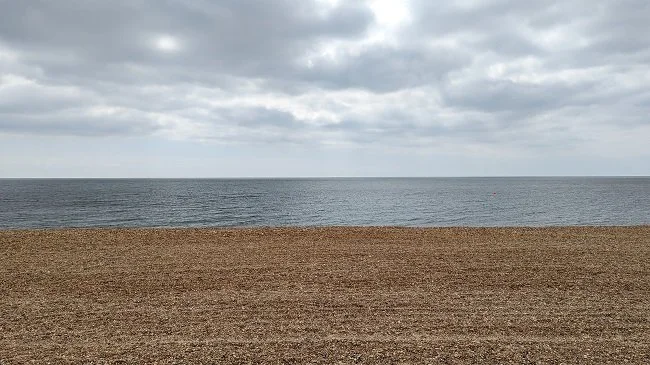
I enjoy visiting the coast. I always have. I find the sight and sounds of the sea very calming and thought provoking. There is something about seeing the ocean stretch out to the horizon and its implied enormity, that gives you a sense of perspective. The UK is a seafaring nation and therefore it is an integral part of our history and national identity. Hence a strong nautical theme and a sense of its importance has bled through into our popular culture. It is therefore quite common for people to have a positive attitude towards the sea and its associated leisure activities. I like to visit the coast at various times of the year and walk along the beach, just listening to the waves, lost in my own thoughts. This is not a hard thing to do in the UK, as no one lives further than 70 miles (113 kilometers) from the coast.
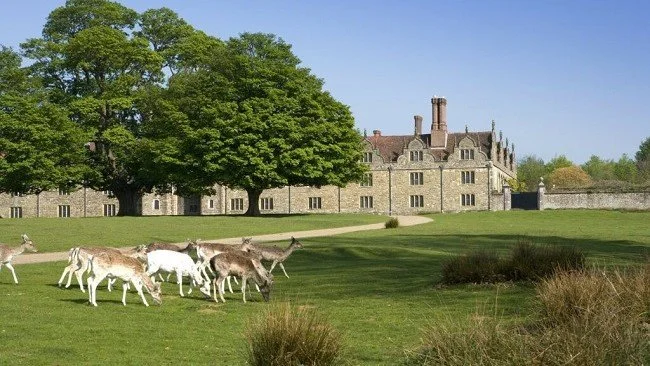
Knole is a country house in England and a former archbishop’s palace that is currently owned by the National Trust. It is located within Knole Park, a 1,000-acre (400-hectare) estate that lies to the south-east of Sevenoaks in west Kent. The existing structure of the house dates back to the mid-15th century, although there were significant expansions in the 16th and particularly in the early 17th centuries. Its Grade I listing signifies its combination of late-medieval to Stuart architectural styles. This is especially evident in its central façade and state rooms. In 2019, a comprehensive conservation initiative titled “Inspired by Knole” was completed to restore and enhance the buildings’ structures. This was beneficial to the preservation of its significant collections. The adjacent deer park has also endured since 1600.
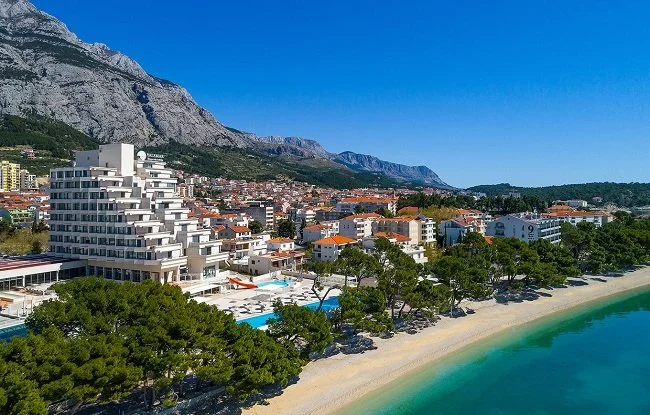
Mrs P and I travelled to Croatia on Friday 13th June for our summer holiday. We spent one week in Makarska, which is located on the Dalmatian coast. My last international holiday was to Malta in 2004. Since then we have done a lot of travelling in the UK and Mrs P has vacationed abroad with other family members. However, she stated last September that she wanted to go “somewhere warm” for our next holiday. So this trip was booked and has been “something to look forward to”, or a source of stress slowly inching closer, depending upon your perspective. In many respects this holiday has been a big deal for me. I don’t enjoy travelling at all with all its accompanying logistical, bureaucratic and “people” issues. However, I have no problem with being elsewhere. I eagerly await teleportation technology to become commonplace. Once I arrived at our hotel, I quickly switched to holiday mode and I am happy to confirm that I thoroughly enjoyed myself.
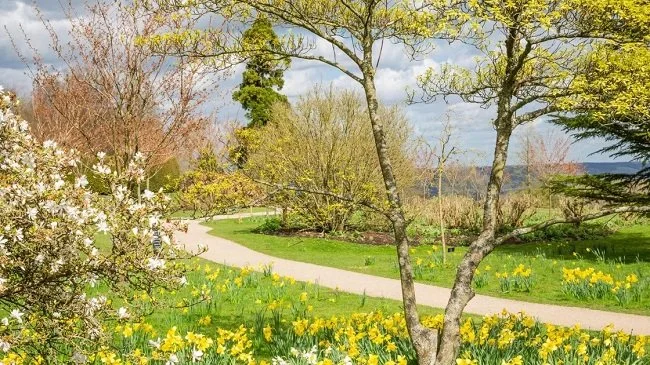
Emmetts Garden is an Edwardian estate situated on Ide Hill, close to Sevenoaks in Kent, UK. After a long and interesting history it is currently under the stewardship of the National Trust. Originally open farmland, the existing house was constructed in1860. The term “emmett” is a local dialect for ant, referencing the large anthills that populated the area until the 1950s. In 1890, the estate was acquired by Frederic Lubbock, a banker with a keen interest in horticulture. His elder brother, John Lubbock, 1st Baron Avebury, was a renowned authority on ants, which may have influenced Frederic's decision to purchase the estate. Today Emmetts Garden is open to the public and features several “hortus conclusus” (walled gardens) and a hillside trail that is famous for its Bluebells in the spring.
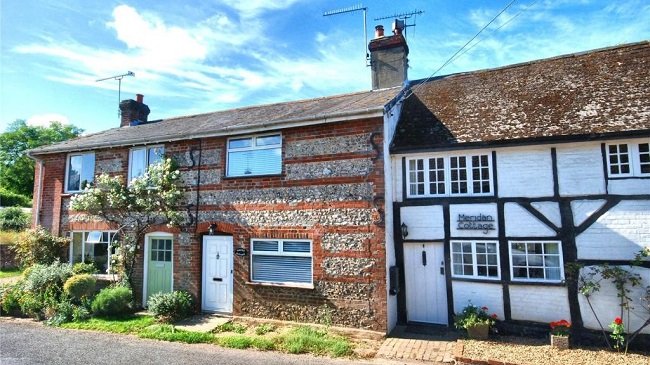
Damerham is a quaint rural village and civil parish located in the New Forest district of Hampshire, England. It is close to the market town of Fordingbridge. Damerham is distinguished by significant Neolithic and Bronze Age burial mounds. Historically, it was home to an Anglo-Saxon religious community and was referenced in the will of Alfred the Great, as it was at that time part of the royal estate. At the time of the Domesday Book in 1086, Damerham was recognized as a prominent settlement under the ownership of Glastonbury Abbey. It was mainly farms and agrarian small holdings. Today, the village still features a riverside mill and the church of Saint George date’s back to the Norman period. There is a church hall that hosts numerous local, seasonal events.
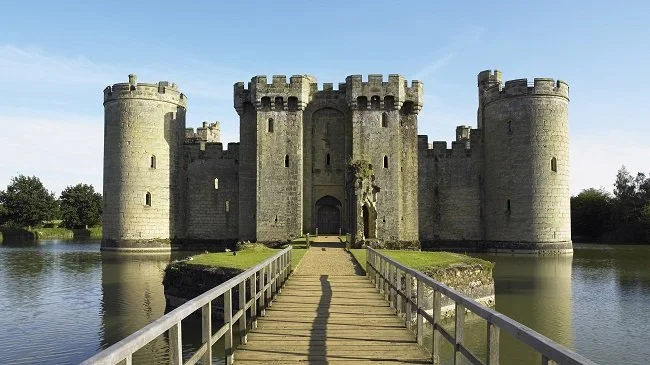
Bodiam Castle is a 14th-century moated castle located near Robertsbridge in East Sussex, England. It was built in 1385 by Sir Edward Dalyngrigge, a former knight of King Edward III. The castle’s primary purpose was to defend the local area against possible French invasion during the Hundred Years' War. Bodiam Castle has a quadrangular design and does not have a keep. All the various chambers and rooms were built adjacent to the outer defensive walls. The four corners and main entrance have towers, all of which feature crenellations. A substantial moat surrounds the castle, which served as a home for the Dalyngrigge family, as well as a seat of power to the manor of Bodiam. The castle remained within the Dalyngrigge family until the line became extinct. It remained a place of strategic importance during the War of the Roses and the English Civil War. It is currently owned and maintained by The National Trust.
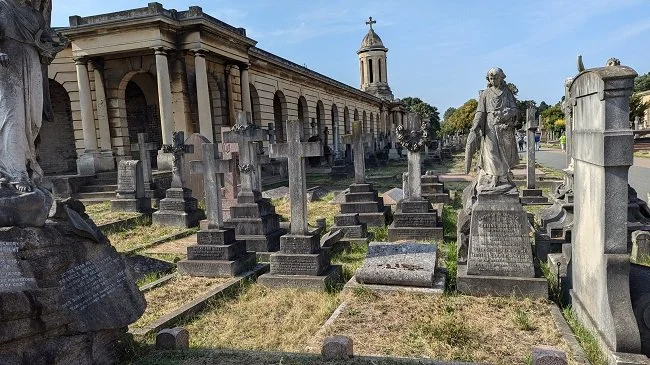
Today I went on an impromptu visit to Brompton Cemetery in West London. Established in 1837, the West of London and Westminster Cemetery (as it was originally known) is a private cemetery initially created as a business venture to capitalise upon the shortage of cemeteries within London. It also sought to cater to the prevailing culture of opulent Victorian funeral rites. However, after proving non profitable, the cemetery was bought by the UK government. It was subsequently incorporated into Crown Property and managed by The Royal Parks. It is one of Britain’s oldest and most distinguished garden cemeteries. There are currently 35,000 monuments, ranging from simple headstones to impressive mausolea. It is home to more than 205,000 resting places. The cemetery is also a haven for flora and fauna, providing a substantial semi rural environment amid urban central London.
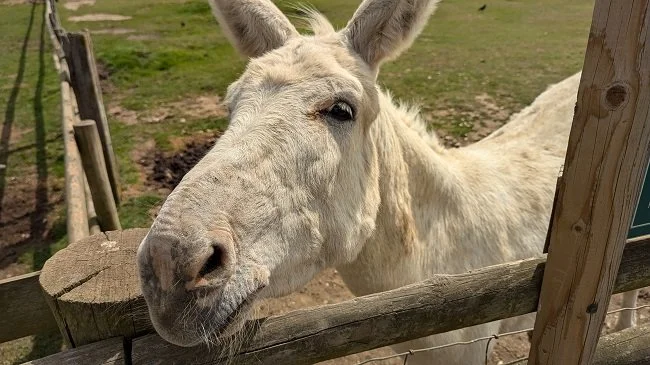
Christmas Tree Farm is a petting zoo, outside the village of Downe in the county of Kent. Despite its rural setting, it is actually only 15 miles from London, making it an ideal visit, as part of a day. The farm is home to a wide selection of domestic farm animals (and a few more exotic ones), all of which can be fed, stroked and lavished with attention by visitors. During the winter months, Christmas Tree Farm hosts Santa’s Grotto and as the name suggests is the place to find the perfect Christmas tree for your home. Entry prices are very reasonable, costing £6 per adult and £4 for children aged between 2 and 16 years old. Buckets of animal feed of varying size are also available for a small fee. There is a leisurely trail around the farm where the various animals are housed in pens and out buildings. There is also a Tea Garden where refreshments are available.
In 1939 legislation was passed in the UK so that all employees had one week’s annual paid holiday per year. By the 1950s this had become two weeks and by the 1980s most people had at least 4 weeks of annual holiday. On top of this paid leave allocation, the UK currently has 8 bank holidays which provides further time off for employees. This culture of increasing amounts of annual leave also broadly coincided with air travel becoming more accessible. The first UK passenger jet service began in 1952. However, its cost excluded most people. However, as larger airliners with increased range became available, cheaper foreign holidays became more and more economically viable. European holidays became a reality in the 1960s and 1970s. By the 1980s long-distance holidays to other continents became ubiquitous and the package holiday became king. It is also worth noting that the Channel Tunnel opened in 1994, making car travel from Britain to Europe easier and more popular.
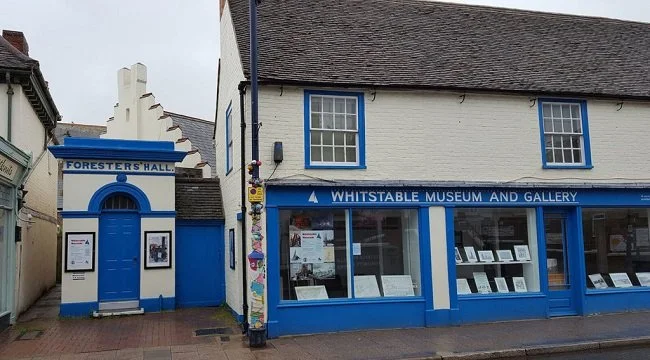
Today I had the pleasure of visiting the Whitstable Museum (or to give its full name Whitstable Community Museum and Gallery). This is a fine example of a local heritage centre that curates and displays artefacts and records that reflect the history and culture of the surrounding area. The museum located in Whitstable, Kent, is home to one of the world's oldest steam engines, as well as historical diving equipment that was developed locally. The history of the local oyster trade which has been an integral part of the community for centuries is also a key feature. Established in 1985, the museum was reopened in 2015 following a major refurbishment. There is also an art gallery featuring the paintings by local artists and artworks on loan from an international network of galleries.
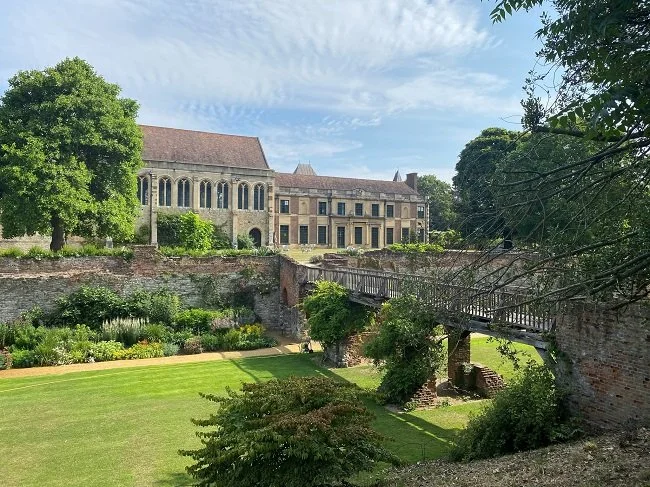
Eltham Palace, located in South East London, was the childhood home of King Henry VIII in 1499. It was later used as a royal nursery for the infant Princess Elizabeth, born on 7th September 1533. It sports sumptuous grounds and ornamental gardens and was famous for its game hunting during the Tudor and Elizabethan periods. In the 1930s’ the property was owned by the Courtauld family, who built a sumptuous Art Deco style mansion and redeveloped the grounds. Today the entire property is owned and managed by English Heritage who have extensively restored much of the estate. It is therefore very fitting that this illustrious venue annually plays host to the Legendary Medieval Joust, during the summer months. Two days of historical pageantry, re-enactments and events for the entire family to enjoy. I last attended in 2015, so it was a welcome pleasure to return again yesterday.

Morph’s Epic Art Adventure in London is a step-free art trail and tourist attraction featuring the iconic animated character Morph. It is hosted by charitable organisation Whizz-Kidz, global event producers Wild in Art and Aardman. The trail features 56 super-sized sculptures of the much-loved children’s TV character, which are set among various iconic London landmarks including St Pauls, Tate Modern, Tower of London, Shakespeare’s Globe and Borough Market. It is a free public art trail and tourist attraction, designed by a variety of artists to excite and inspire people of all ages, whilst increasing public awareness about the need for young wheelchair users to be mobile, enabled and included in society. Morph’s Epic Art Adventure in London runs from June 19th until August 20th 2023.
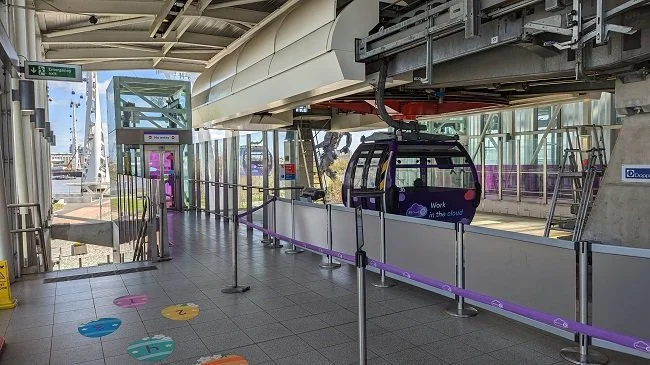
Regardless of whether you deem the IFS Cloud Cable Car a white elephant, a political folly or just a mistake in terms of tourism, it cannot be denied that the view it provides over South East London is impressive. At a height of 90 metres (300 feet), on a bright and sunny day you can see from City Airport to Canary Wharf. Located at Greenwich Peninsula, the IFS Cloud Cable Car (as it is now called) opened in June 2012. It was initially promoted as a viable form of public transport across the Thames, linking North Greenwich and Royal Victoria stations. In October 2012, nearly 100,000 journeys were made. However, after the London Olympics, passenger rates fell and since then IFS Cloud Cable Car has become more of a tourist attraction, rather than an integral means of commuting.
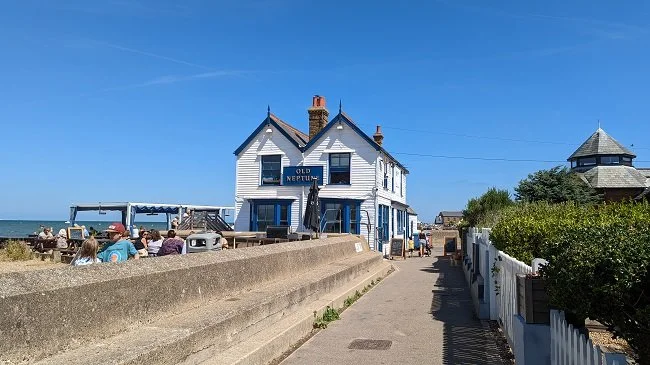
To my surprise I found myself out and about today undertaking another day trip. This time we headed back to the sea and visited Whitstable, a town on the north coast of Kent adjoining the Greater Thames Estuary. It’s 5 miles (8 kilometres) north of Canterbury and 2 miles (3 kilometres) west of Herne Bay. The town was originally recorded in the Domesday Book of 1086, under the name Witenestaple, meaning "the meeting place of the white post", a reference to a local landmark. By the late middle ages Whitstable had become a centre of Thames Estuary fishing, specifically for oysters. Today, the main activities at the harbour are fishing and processing, cargo handling and boat maintenance. The town has shingle/sandy beaches adjacent to the harbour, where swimming and water sports are popular. Whitstable Castle is situated on the border of Whitstable and off the coast is Kentish Flats offshore wind farm, consisting of 30 wind turbines.
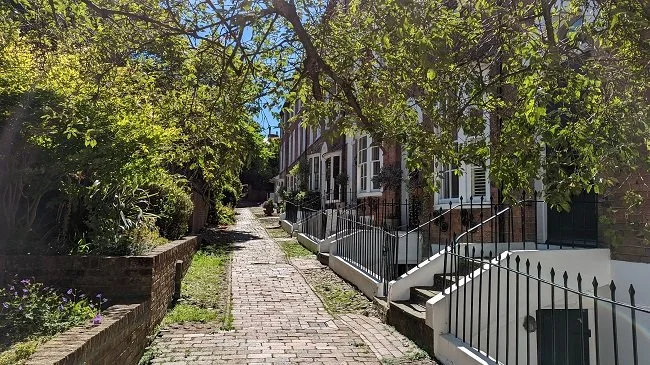
Royal Tunbridge Wells is a town in the county of Kent, 30 miles (50 kilometres) southeast of central London. It is situated on the border with East Sussex on the northern edge of the High Weald. The local sandstone geology is synonymous with a rugged landscape due to erosion and weathering. The town itself was a spa during the Restoration and became a very fashionable resort in the middle of the 18th century. Socialites such as Beau Nash helped make the resort popular when the Pantiles and its chalybeate spring, began attracting visitors who came to “take the waters”. Despite the decline in spa towns after sea bathing grew in popularity, Royal Tunbridge Wells has remained a tourist resort. Today, much of the area's income is generated by tourism. The town has an equitable temperate maritime climate.
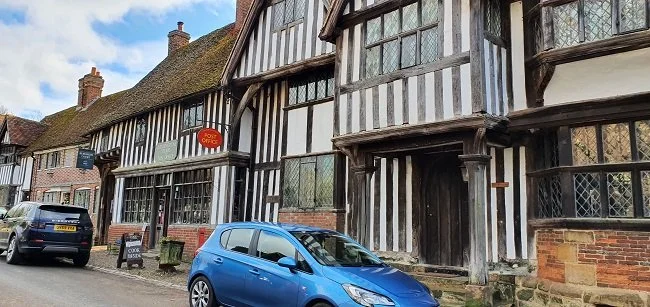
With January already behind us, Mrs P and I decided it was high time we took our first day trip of 2022. So yesterday I spent some time looking online at details of various National Trust sites within an hour or so drive from our home. I also looked at similar places of historical note that are run by other bodies. Sadly, many are either partially or totally closed for the present. It would appear that from January to March many of these sorts of tourist attractions spend time repairing, refurbishing and preparing for forthcoming events. Grounds also have to be maintained. Hence, we were somewhat lacking in choice for suitable destinations. However, as the weather forecast was mild, today we opted to visit the village of Chiddingstone so we could walk in the grounds of the local castle and along the various footpaths in the area.
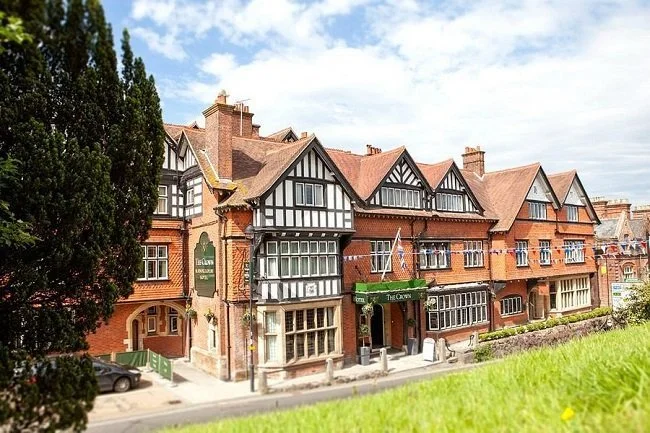
For me, staying in a hotel is always an adventure, as it mainly happens when I’m taking a holiday or a short weekend break. I suspect that travelling habitually for business reasons probably puts a different complexion on the process. It may well dictate what sort of hotels you stay in. More than likely functionality, location and cost trump other more self indulgent factors such as aesthetic and ambience. Mercifully, travel has never been a major part of my working life and so hotels are still a source of excitement as they’re associated with fine meals, interesting scenery and good company. However, such hotels tend to come at a price as they’re catering more for tourism rather than business travel and therefore stays are not a regular occurrence. However, I had the pleasure of a short visit this weekend.
Imperial War Museum London
The Imperial War Museum serves as a national museum for Britain. Its main location is in London, complemented by five additional branches across England. Established in 1917 as the Imperial War Museum, its original purpose was to document the civil and military efforts and sacrifices made by the United Kingdom and its Empire during the First World War. Over time, the museum’s scope has broadened to encompass all conflicts involving British or Commonwealth forces since 1914. As of 2012, the museum’s mission is to provide and encourage the study and understanding of the history of modern warfare as well as the “wartime experience”. The IWM as it is now known has its headquarters and primary site is located at Southwark in Central London. The museum is funded by government grants, charitable donations and revenue generated through commercial activity such as retailing, licensing and publishing. General admission is free to IWM London.
The Imperial War Museum serves as a national museum for Britain. Its main location is in London, complemented by five additional branches across England. Established in 1917 as the Imperial War Museum, its original purpose was to document the civil and military efforts and sacrifices made by the United Kingdom and its Empire during the First World War. Over time, the museum’s scope has broadened to encompass all conflicts involving British or Commonwealth forces since 1914. As of 2012, the museum’s mission is to provide and encourage the study and understanding of the history of modern warfare as well as the “wartime experience”. The IWM as it is now known has its headquarters and primary site is located at Southwark in Central London. The museum is funded by government grants, charitable donations and revenue generated through commercial activity such as retailing, licensing and publishing. General admission is free to IWM London.
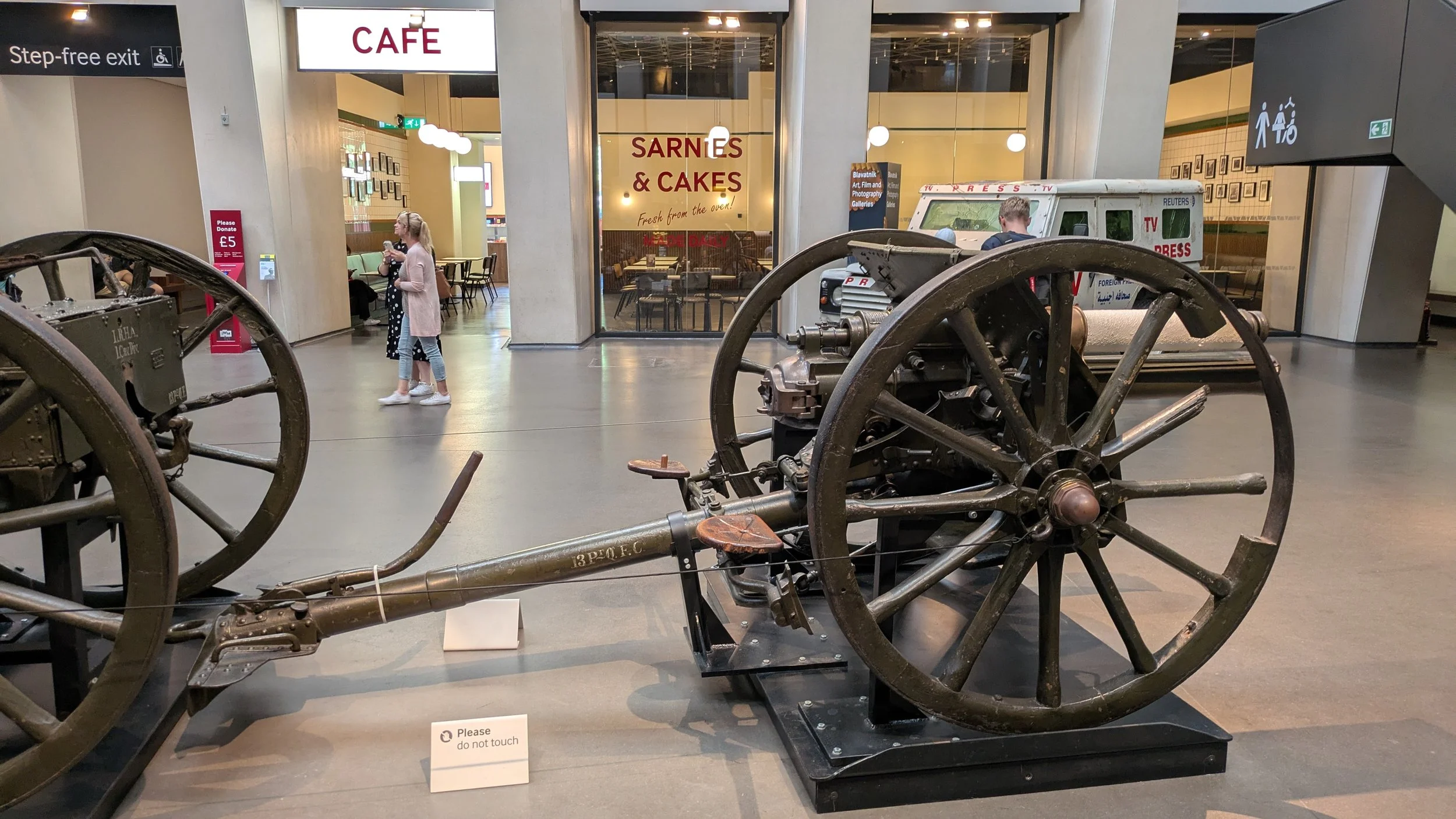
I last went to the IWM London circa 2001/2. Prior to then I had been during the seventies as a child. I remember the main atrium being filled with aircraft, tanks and such like, then there being side galleries filled with displays. This was very much done in the idiom of museum curation of the time, with there being copious amounts of text beside each items, painstakingly cataloguing its history. The IWM London in 2026, which I visited today, has moved with the times and now leans heavily into interactive displays and has a great deal of data presented audio visually. Personal stories and events told from the perspective of those who were there are a mainstay of the museum. There are also several displays that strive to create an ambient atmosphere, to try and give visitors an impression of how things may have been for those who were there in the trenches in France during World War I or in London during the Blitz in 1940. It is all quite immersive and although there is still much to read, it is a far cry from old school approach.
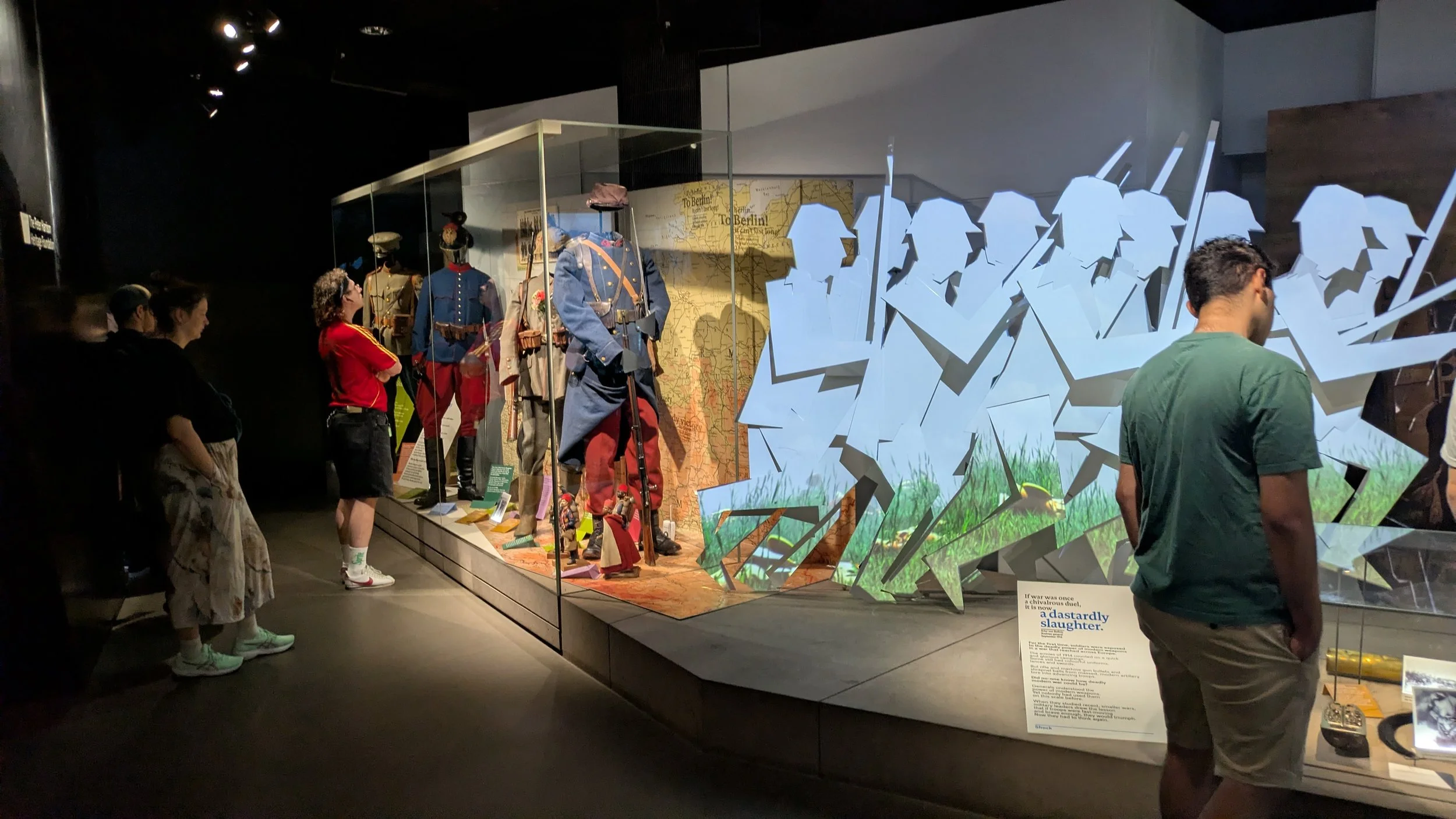
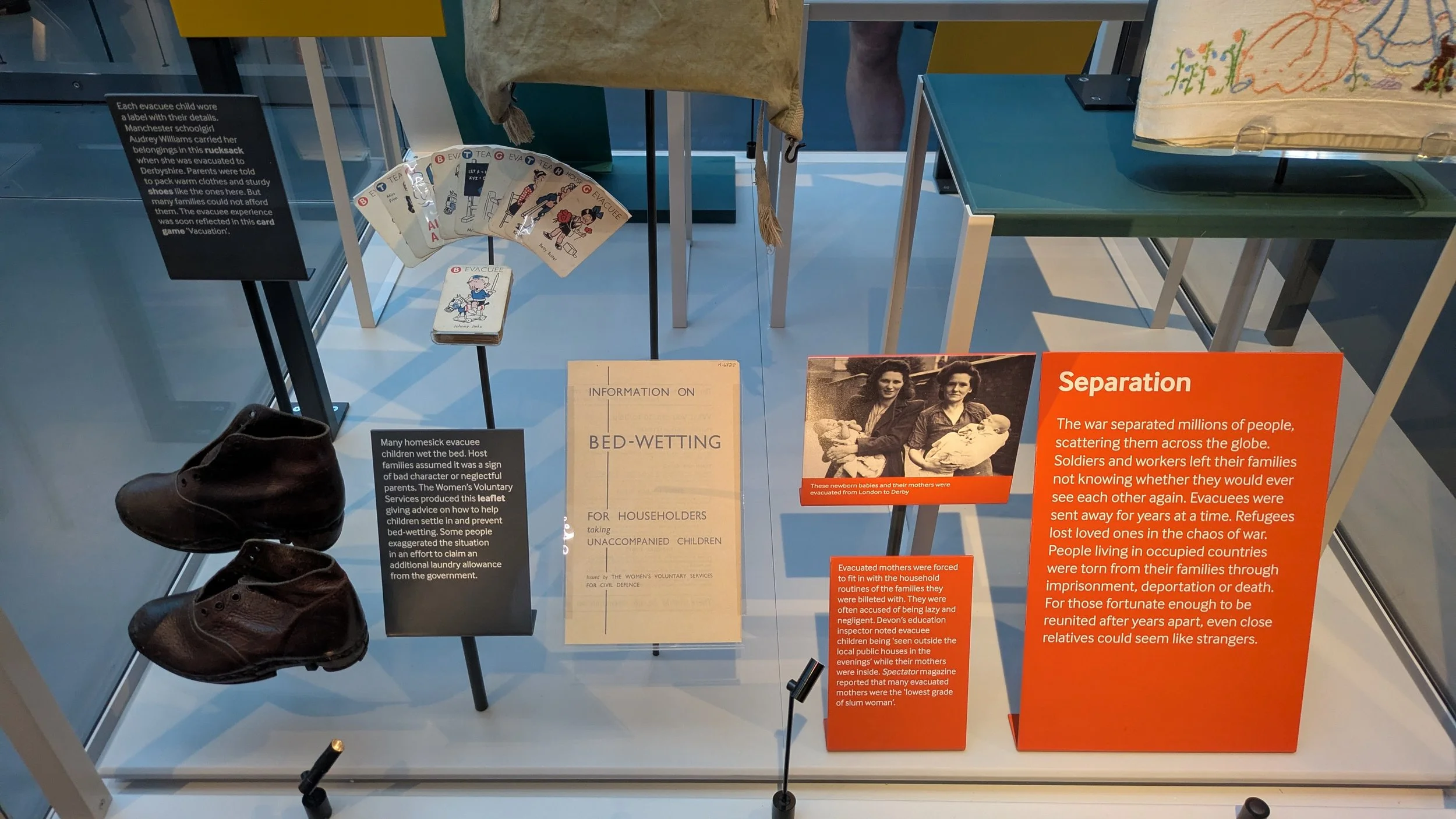
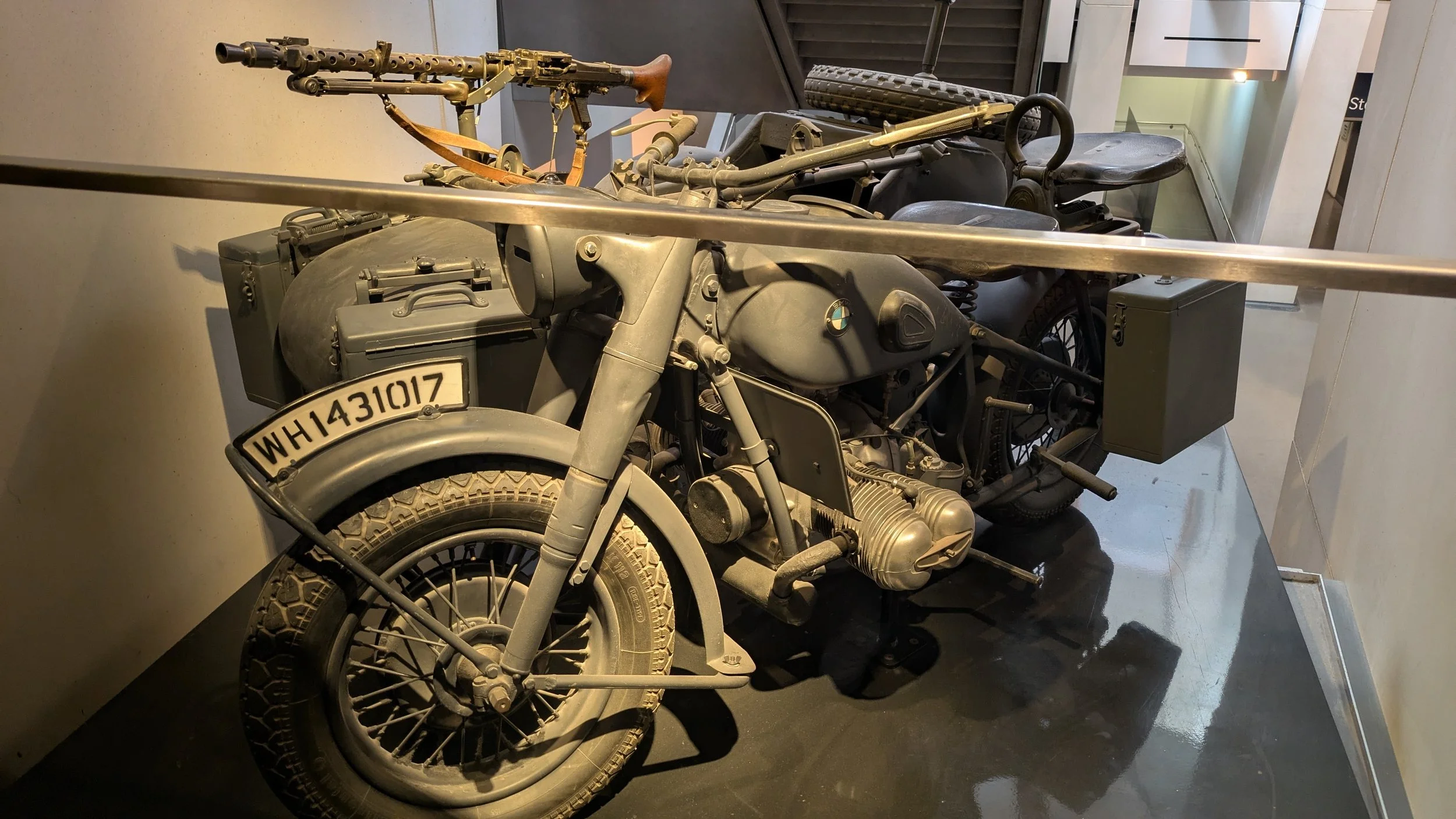
The First World War Galleries are a particularly good example of this modern approach to museum curation. It presents visitors with information about the causes of the war, the sociopolitical background in the UK at the time and then quickly immerses you in a trench warfare experience. Not only do you see the usual hardware and uniforms associated with the era but you see the conditions that troops lived in, learned of their diet and the psychological trauma of waiting for combat. Personal letters or histories of specific individuals personalise the experience and make it very accessible. The Second World War Galleries take a similar approach but it is far harder to distil the wealth of information arising from that conflict as succinctly as it predecessor. Hence some aspects of WWII are not explored in such depth as some may like. Again the human face of war is well represented and the museum showcases that this was a global conflict fought by people from multiple countries. The Commonwealth is very well represented.
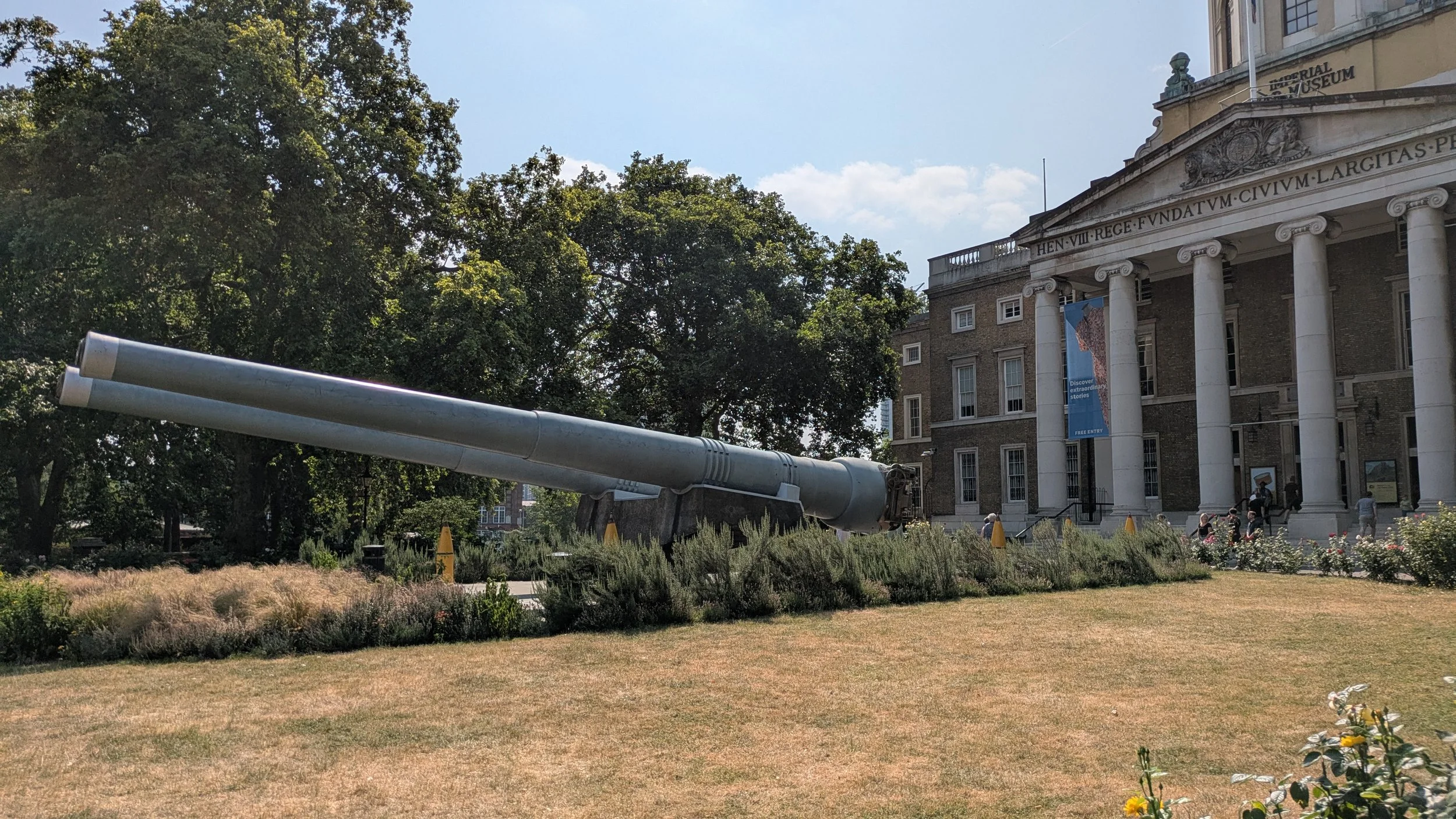
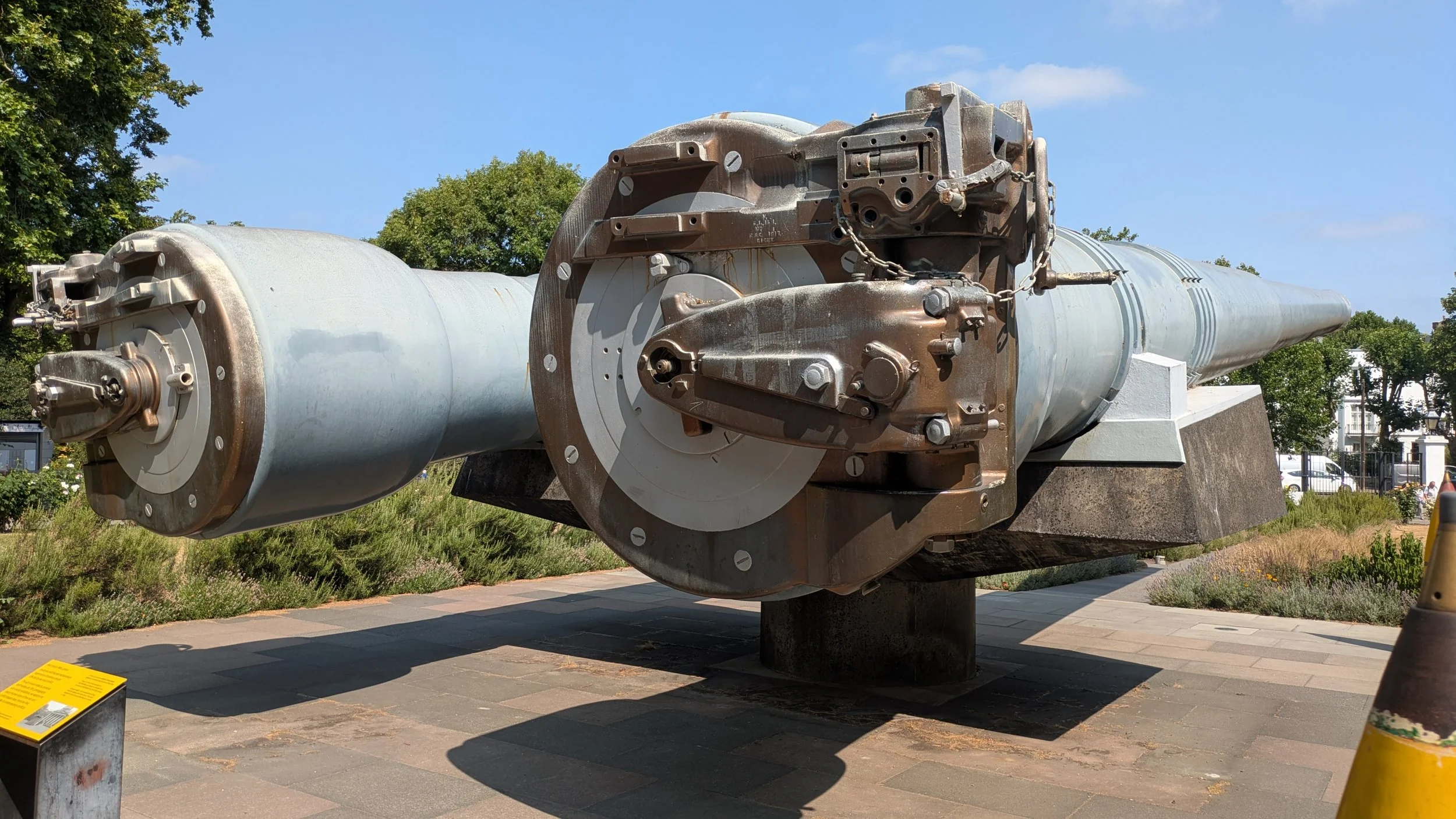
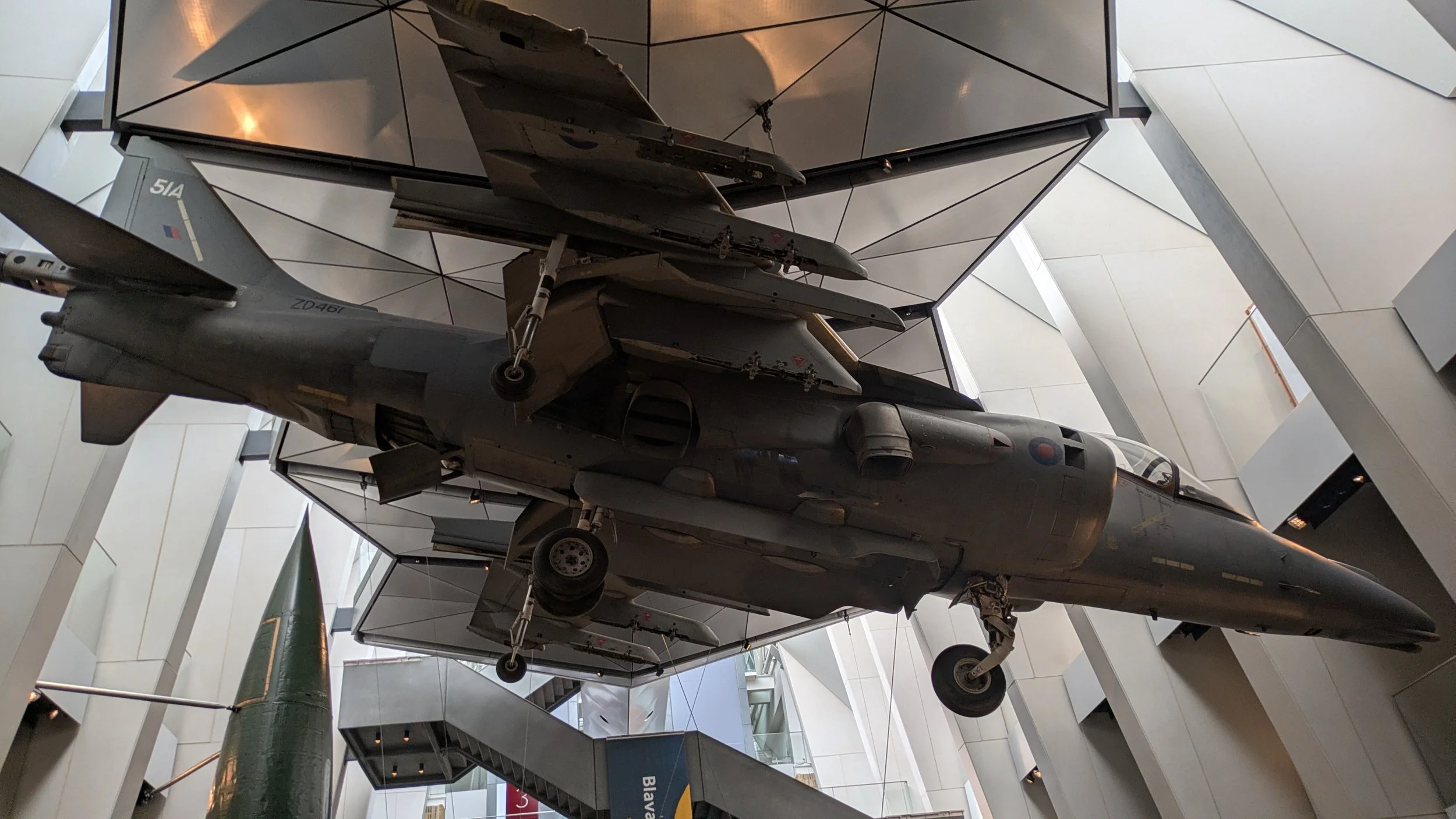
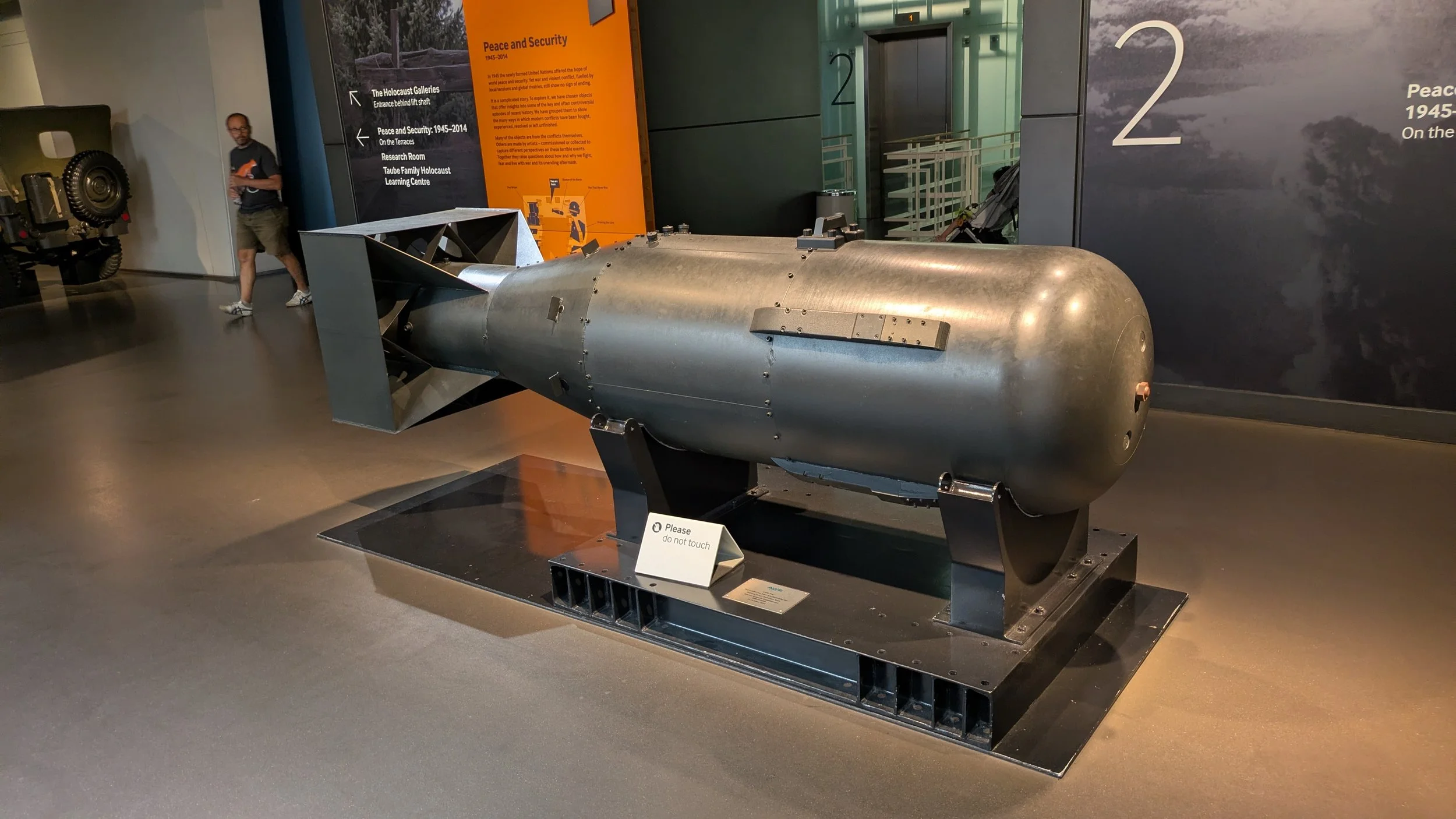
Beyond the two world wars, IWM London tackles some other important aspects associated with warfare from the 1950s onwards. It focuses upon maintaining peace and security in the nuclear age and explores events in Serbia, Northern Ireland and Afghanistan. There is a very interesting display about war correspondents and how war is covered in the media. There is also a Holocaust gallery which explores the subject through over 2,000 photos, books, artworks, letters and personal objects ranging from jewellery and clothing to toys and musical instruments. There is also a current exhibition of war themed art which is particularly powerful and thought provoking. The main atrium is still home to some impressive hardware such as a V2 and a T-34 tank. Overhead a Spitfire and a Harrier are suspended from the ceiling and dominate the main entrance. Furthermore, the two iconic 15-inch naval guns still remain outside the main building, facing across the grounds.
During today’s visit I was struck by the international diversity of the other visitors and pleased to see how many of them were young. The IWM London certainly doesn’t take a triumphalist tone in its curation and I feel that it achieves a good balance between depicting the horrors and political failures of war and telling stories of heroism and bravery. No doubt there may be complaints from the traditionalists but the IWM nationally has to consider the perspective of modern audiences. The museum is excellent value for money as entry is free but buying a guide book or other merchandise generates revenue equivalent to a ticket. There are multiple points throughout the museum where you can make a donation using your debit card. There are also some good pubs in the immediate area for those who wish to sit and reflect upon what they have seen, because the museum as it currently stands provides a great deal to think about.




Today I visited the Inside Aardman: Wallace & Gromit and Friends exhibition at the Young V&A Museum at Bethnal Green. The exhibition which celebrates 50 years of Aardman Animations, provides visitors with a unique, behind the scenes view of the art of stop-motion animation. It also explores how Aardman’s iconic characters and worlds are designed, crafted and brought to life. From the initial concept artwork to the final visual effects, this event demonstrates the methods and techniques employed by Aardman. The exhibition features early scripts, sketch artists initial concept art, models, sets and numerous famous puppets. Furthermore this event is firmly pitched at children and families, with a wealth of interactive activities demonstrating the various techniques on display. The curators of the exhibition have also made it clear that they wish to encourage future generation to consider a career in the creative arts.
The Imperial War Museum serves as a national museum for Britain. Its main location is in London, complemented by five additional branches across England. Established in 1917 as the Imperial War Museum, its original purpose was to document the civil and military efforts and sacrifices made by the United Kingdom and its Empire during the First World War. Over time, the museum’s scope has broadened to encompass all conflicts involving British or Commonwealth forces since 1914. As of 2012, the museum’s mission is to provide and encourage the study and understanding of the history of modern warfare as well as the “wartime experience”. The IWM as it is now known has its headquarters and primary site is located at Southwark in Central London. The museum is funded by government grants, charitable donations and revenue generated through commercial activity such as retailing, licensing and publishing. General admission is free to IWM London.
Castle Farm is a family business located near the village of Shoreham in West Kent. The Alexander Family have been farming in the Darenth Valley since 1892 when James Alexander transported 17 milking cows from Ayrshire in Scotland and took up residence in this south-eastern part of England. Castle Farm is a busy, working farm comprising of 1,100 acres. It produces such crops as wheat, barley, rapeseed, hops, apples, pumpkins and lavender. It is also home to a grass-fed herd of beef cattle. However, in recent years it has become well know internationally for its lavender crop. Castle Farm began its lavender enterprise in 1998, producing the essential oils associated with the flower. It is now the largest lavender farm in the UK, growing over 110 acres of the flower. Furthermore, it has become quite a tourist attraction with the farm staff running tours during Summer and the height of lavender season.
Riverhill Himalayan Gardens are set in the grounds of Riverhill House, a Grade II listed Queen Anne manor house located on the southern edge of Sevenoaks in Kent, England. Riverhill is well known for its stunning and historic gardens as well as its sweeping vistas over the Weald of Kent. The estate has been the residence of the Rogers family since 1840 who currently operate the gardens as a tourist attraction, along with the house and associated facilities as a wedding venue. Visitors can enjoy a walled garden, rose walk and maze as well as other attractions. There is also an excellent trail around the grounds culminating in a view from the top of the hill over the estate. Riverhill Himalayan Gardens, as a supporter of the Surrey Sculpture Society, regularly showcases a selection of sculptures and art pieces throughout its grounds. All are available for purchase if you have deep pockets.
The Hunterian Museum is a museum of anatomical specimens in London, located in the prestigious building of the Royal College of Surgeons of England. The museum is made up primarily of a collection from the 18th century Scottish surgeon John Hunter. Over the years it has since been subsequently supplemented by Odontological material curated by A. E. W. Miles and various natural history exhibits from Richard Owen. In May 2023, the Hunterian Museum reopened following a five-year redevelopment of the Royal College of Surgeons of England’s headquarters at Lincoln’s Inn Fields. The £4.6 million museum project features the exhibition of more than 2,000 anatomical specimens from Hunter’s original collection. In addition to these there are instruments, equipment, models, paintings, and archival materials that document the evolution of surgery from ancient eras to contemporary robot-assisted procedures. The Museum boasts the largest public display of human anatomy in England.
The Crystal Palace Dinosaurs are a collection of sculptures depicting dinosaurs and other extinct species located in Crystal Palace Park, in the London borough of Bromley. These sculptures were originally commissioned in 1852 for display at the Crystal Palace following its relocation from the Great Exhibition held in Hyde Park. They were revealed to the public in 1854 and are the first speculative dinosaur sculptures ever created. Although the models are now considered inaccurate by contemporary standards, they were designed and crafted by Benjamin Waterhouse Hawkins under the scientific guidance of Sir Richard Owen, reflecting the prevailing scientific understanding of the time. The sculptures were designated as Grade II listed buildings in 1973 and underwent extensive restoration in 2002. In 2007 they were elevated to Grade I listed status. As of spring 2026 the dinosaurs are again being renovated as part of a £5 million regeneration of the park.
The benefits of international travel are numerous. These include stress relief, mental health benefits and a chance to escape the drudgery of work. Then there are the cultural aspects that you can immerse yourself in. Going abroad also allows you to learn new language skills as you awkwardly ask for directions. International travel is a chance to make lasting memories and it often gives the traveller a greater appreciation of their own home. At the very least the beer is always better abroad and that is the very definition of “broadening your horizons”. Yet despite all these positive points, there is one unavoidable hassle when comes with travelling abroad. The fact that the country or countries that you’re visiting will invariably use a different electrical plug and socket standard. In an age where a lot of the stuff you bring along with you on holiday needs charging, this can be a very stressful problem to solve.
I thoroughly enjoyed our holiday in Croatia last year and it did much to restore my confidence in travelling. Previously my views on visiting other countries had been greatly influenced by the films Raid on Entebbe and Midnight Express. As January was such a bleak month here in the UK, Mrs P and I decided we couldn’t wait until summer for another holiday and so decided to book something for the end of March. So we visited our local Travel Agents and decided upon a river cruise. We’ve been interested in these since we saw a travel show with Susan Calman. River cruises are a horse of a different colour, compared to sea cruises. They’re a great way to visit cities of note, often bringing you right into the heart of them. River cruise ships are a lot smaller with less passengers than ocean faring vessels. They also attract quite different travellers. Let it suffice to say that a sea cruise doesn’t offer the cultural experience that I am looking for.
There are approximately 4000 parks and green spaces in Greater London. Bexley Borough alone has over 100. Public parks and green spaces are vital to modern cities, providing essential health, environmental and social benefits. They boost physical and mental wellbeing by reducing stress and providing a place for exercise. Furthermore they enhance urban sustainability, mitigate heat, and provide a sustainable environment for a wildlife. Parks are often a venue for social activities and events and as such are an important part of the local community. Going to the park has always been a part of my life. I live next to Old Farm Park in Sidcup and have made use of this recreational space throughout my life. I used visit with my parents in the seventies, when I was a child. Thirty years later my son, father in-law and I would fly kites there. Now I take my grandchildren to Old Farm Park as it now has a playground.
There is no shortage of interesting and good quality museums in London. In many respects tourists and visitors are spoilt for choice. More often than not, it is the most well known institutions such as the British Museum or Victoria and Albert Museum that gain the most attention. However, there are many hidden gems to discover if you take the time to look further. A prime example being The British Optical Association Museum which I had the pleasure of visiting today. The museum’s function is to promote the optometry profession and raise public awareness of its past and ongoing role within society. The museum has a well conserved collection of exhibits and provides a venue for presentations, learning and research services. There is also an excellent tour hosted by museum curator Neil Handley (PhD, AMA, FRSA) in which he gives a concise, interesting and at times a witty overview of the history of optometry in the UK and its current role.
The artillery battery at Capel-le-Ferne was built between 1941 and 1942, following the fall of France, on the orders of Winston Churchill. Located between Dover and Folkestone, the battery consisted of three 8-inch high-performance guns, provided by the Royal Navy. The battery was intended to provide anti-shipping defence in the English Channel. The site was manned by men of the 520 Coast Regiment Royal Artillery. Over the course of World War II, the battery expanded in size, eventually encompassing multiple Nissen huts, several roads and 19 military buildings. Anti aircraft defence was provided by two 40mm Bofors guns. Over the course of the war, the Capel Battery engaged enemy shipping on four separate occasions and also took part in fifteen practice shoots. In 1944, due to the decreased threat, the battery was placed in “care and maintenance”. The guns were removed in 1952 and the building demolished in the early 1980s
There are an estimated 2,500 museums in the UK. This number has grown significantly over time, more than tripling between 1960 and 2017. While it is laudable that so many of these institutions exist, they do not all receive equal interest or publicity. Some museums dominate in their respective fields and drown out others that have a similar theme. With this in mind, I was unaware of the Kent Battle of Britain Museum until a friend recently brought it to my attention. After yesterday’s visit my initial thoughts are what a treasure trove it is. According to the museum’s website it is the world’s largest Battle of Britain collection of memorabilia. This includes planes, uniforms, weapons and related artefacts from over 700 crashed aircraft. Furthermore, the museum tells the story of this battle without bias, choosing to highlight both the historical and the human aspects of the conflict. It is often very poignant.
Stonehenge is so much more than just a neolithic, historical structure of note. It is of great spiritual importance to many, representing ceremonial practices and ancient worship. It is also seen as a conduit to a wider connection to the cosmos. It is after all a celestial calendar, according to one of the theories regarding its purpose. It also has a strong significance in pop culture. Hence, due to its history, symbolism, religious connotations and overall sense of mystery it is a UNESCO World Heritage Site and a globally recognised symbol of ancient Britain. As such, it has always been somewhere that I have wished to visit. Today, as we were relatively nearby in Ringwood and the weather was pleasant, Mrs P and I decided to go to Salisbury and see this iconic structure for ourselves.
I enjoy visiting the coast. I always have. I find the sight and sounds of the sea very calming and thought provoking. There is something about seeing the ocean stretch out to the horizon and its implied enormity, that gives you a sense of perspective. The UK is a seafaring nation and therefore it is an integral part of our history and national identity. Hence a strong nautical theme and a sense of its importance has bled through into our popular culture. It is therefore quite common for people to have a positive attitude towards the sea and its associated leisure activities. I like to visit the coast at various times of the year and walk along the beach, just listening to the waves, lost in my own thoughts. This is not a hard thing to do in the UK, as no one lives further than 70 miles (113 kilometers) from the coast.
Knole is a country house in England and a former archbishop’s palace that is currently owned by the National Trust. It is located within Knole Park, a 1,000-acre (400-hectare) estate that lies to the south-east of Sevenoaks in west Kent. The existing structure of the house dates back to the mid-15th century, although there were significant expansions in the 16th and particularly in the early 17th centuries. Its Grade I listing signifies its combination of late-medieval to Stuart architectural styles. This is especially evident in its central façade and state rooms. In 2019, a comprehensive conservation initiative titled “Inspired by Knole” was completed to restore and enhance the buildings’ structures. This was beneficial to the preservation of its significant collections. The adjacent deer park has also endured since 1600.
Mrs P and I travelled to Croatia on Friday 13th June for our summer holiday. We spent one week in Makarska, which is located on the Dalmatian coast. My last international holiday was to Malta in 2004. Since then we have done a lot of travelling in the UK and Mrs P has vacationed abroad with other family members. However, she stated last September that she wanted to go “somewhere warm” for our next holiday. So this trip was booked and has been “something to look forward to”, or a source of stress slowly inching closer, depending upon your perspective. In many respects this holiday has been a big deal for me. I don’t enjoy travelling at all with all its accompanying logistical, bureaucratic and “people” issues. However, I have no problem with being elsewhere. I eagerly await teleportation technology to become commonplace. Once I arrived at our hotel, I quickly switched to holiday mode and I am happy to confirm that I thoroughly enjoyed myself.
Emmetts Garden is an Edwardian estate situated on Ide Hill, close to Sevenoaks in Kent, UK. After a long and interesting history it is currently under the stewardship of the National Trust. Originally open farmland, the existing house was constructed in1860. The term “emmett” is a local dialect for ant, referencing the large anthills that populated the area until the 1950s. In 1890, the estate was acquired by Frederic Lubbock, a banker with a keen interest in horticulture. His elder brother, John Lubbock, 1st Baron Avebury, was a renowned authority on ants, which may have influenced Frederic's decision to purchase the estate. Today Emmetts Garden is open to the public and features several “hortus conclusus” (walled gardens) and a hillside trail that is famous for its Bluebells in the spring.
Damerham is a quaint rural village and civil parish located in the New Forest district of Hampshire, England. It is close to the market town of Fordingbridge. Damerham is distinguished by significant Neolithic and Bronze Age burial mounds. Historically, it was home to an Anglo-Saxon religious community and was referenced in the will of Alfred the Great, as it was at that time part of the royal estate. At the time of the Domesday Book in 1086, Damerham was recognized as a prominent settlement under the ownership of Glastonbury Abbey. It was mainly farms and agrarian small holdings. Today, the village still features a riverside mill and the church of Saint George date’s back to the Norman period. There is a church hall that hosts numerous local, seasonal events.
Bodiam Castle is a 14th-century moated castle located near Robertsbridge in East Sussex, England. It was built in 1385 by Sir Edward Dalyngrigge, a former knight of King Edward III. The castle’s primary purpose was to defend the local area against possible French invasion during the Hundred Years' War. Bodiam Castle has a quadrangular design and does not have a keep. All the various chambers and rooms were built adjacent to the outer defensive walls. The four corners and main entrance have towers, all of which feature crenellations. A substantial moat surrounds the castle, which served as a home for the Dalyngrigge family, as well as a seat of power to the manor of Bodiam. The castle remained within the Dalyngrigge family until the line became extinct. It remained a place of strategic importance during the War of the Roses and the English Civil War. It is currently owned and maintained by The National Trust.
Today I went on an impromptu visit to Brompton Cemetery in West London. Established in 1837, the West of London and Westminster Cemetery (as it was originally known) is a private cemetery initially created as a business venture to capitalise upon the shortage of cemeteries within London. It also sought to cater to the prevailing culture of opulent Victorian funeral rites. However, after proving non profitable, the cemetery was bought by the UK government. It was subsequently incorporated into Crown Property and managed by The Royal Parks. It is one of Britain’s oldest and most distinguished garden cemeteries. There are currently 35,000 monuments, ranging from simple headstones to impressive mausolea. It is home to more than 205,000 resting places. The cemetery is also a haven for flora and fauna, providing a substantial semi rural environment amid urban central London.
Christmas Tree Farm is a petting zoo, outside the village of Downe in the county of Kent. Despite its rural setting, it is actually only 15 miles from London, making it an ideal visit, as part of a day. The farm is home to a wide selection of domestic farm animals (and a few more exotic ones), all of which can be fed, stroked and lavished with attention by visitors. During the winter months, Christmas Tree Farm hosts Santa’s Grotto and as the name suggests is the place to find the perfect Christmas tree for your home. Entry prices are very reasonable, costing £6 per adult and £4 for children aged between 2 and 16 years old. Buckets of animal feed of varying size are also available for a small fee. There is a leisurely trail around the farm where the various animals are housed in pens and out buildings. There is also a Tea Garden where refreshments are available.
In 1939 legislation was passed in the UK so that all employees had one week’s annual paid holiday per year. By the 1950s this had become two weeks and by the 1980s most people had at least 4 weeks of annual holiday. On top of this paid leave allocation, the UK currently has 8 bank holidays which provides further time off for employees. This culture of increasing amounts of annual leave also broadly coincided with air travel becoming more accessible. The first UK passenger jet service began in 1952. However, its cost excluded most people. However, as larger airliners with increased range became available, cheaper foreign holidays became more and more economically viable. European holidays became a reality in the 1960s and 1970s. By the 1980s long-distance holidays to other continents became ubiquitous and the package holiday became king. It is also worth noting that the Channel Tunnel opened in 1994, making car travel from Britain to Europe easier and more popular.
Today I had the pleasure of visiting the Whitstable Museum (or to give its full name Whitstable Community Museum and Gallery). This is a fine example of a local heritage centre that curates and displays artefacts and records that reflect the history and culture of the surrounding area. The museum located in Whitstable, Kent, is home to one of the world's oldest steam engines, as well as historical diving equipment that was developed locally. The history of the local oyster trade which has been an integral part of the community for centuries is also a key feature. Established in 1985, the museum was reopened in 2015 following a major refurbishment. There is also an art gallery featuring the paintings by local artists and artworks on loan from an international network of galleries.
Eltham Palace, located in South East London, was the childhood home of King Henry VIII in 1499. It was later used as a royal nursery for the infant Princess Elizabeth, born on 7th September 1533. It sports sumptuous grounds and ornamental gardens and was famous for its game hunting during the Tudor and Elizabethan periods. In the 1930s’ the property was owned by the Courtauld family, who built a sumptuous Art Deco style mansion and redeveloped the grounds. Today the entire property is owned and managed by English Heritage who have extensively restored much of the estate. It is therefore very fitting that this illustrious venue annually plays host to the Legendary Medieval Joust, during the summer months. Two days of historical pageantry, re-enactments and events for the entire family to enjoy. I last attended in 2015, so it was a welcome pleasure to return again yesterday.
Morph’s Epic Art Adventure in London is a step-free art trail and tourist attraction featuring the iconic animated character Morph. It is hosted by charitable organisation Whizz-Kidz, global event producers Wild in Art and Aardman. The trail features 56 super-sized sculptures of the much-loved children’s TV character, which are set among various iconic London landmarks including St Pauls, Tate Modern, Tower of London, Shakespeare’s Globe and Borough Market. It is a free public art trail and tourist attraction, designed by a variety of artists to excite and inspire people of all ages, whilst increasing public awareness about the need for young wheelchair users to be mobile, enabled and included in society. Morph’s Epic Art Adventure in London runs from June 19th until August 20th 2023.
Regardless of whether you deem the IFS Cloud Cable Car a white elephant, a political folly or just a mistake in terms of tourism, it cannot be denied that the view it provides over South East London is impressive. At a height of 90 metres (300 feet), on a bright and sunny day you can see from City Airport to Canary Wharf. Located at Greenwich Peninsula, the IFS Cloud Cable Car (as it is now called) opened in June 2012. It was initially promoted as a viable form of public transport across the Thames, linking North Greenwich and Royal Victoria stations. In October 2012, nearly 100,000 journeys were made. However, after the London Olympics, passenger rates fell and since then IFS Cloud Cable Car has become more of a tourist attraction, rather than an integral means of commuting.
To my surprise I found myself out and about today undertaking another day trip. This time we headed back to the sea and visited Whitstable, a town on the north coast of Kent adjoining the Greater Thames Estuary. It’s 5 miles (8 kilometres) north of Canterbury and 2 miles (3 kilometres) west of Herne Bay. The town was originally recorded in the Domesday Book of 1086, under the name Witenestaple, meaning "the meeting place of the white post", a reference to a local landmark. By the late middle ages Whitstable had become a centre of Thames Estuary fishing, specifically for oysters. Today, the main activities at the harbour are fishing and processing, cargo handling and boat maintenance. The town has shingle/sandy beaches adjacent to the harbour, where swimming and water sports are popular. Whitstable Castle is situated on the border of Whitstable and off the coast is Kentish Flats offshore wind farm, consisting of 30 wind turbines.
Royal Tunbridge Wells is a town in the county of Kent, 30 miles (50 kilometres) southeast of central London. It is situated on the border with East Sussex on the northern edge of the High Weald. The local sandstone geology is synonymous with a rugged landscape due to erosion and weathering. The town itself was a spa during the Restoration and became a very fashionable resort in the middle of the 18th century. Socialites such as Beau Nash helped make the resort popular when the Pantiles and its chalybeate spring, began attracting visitors who came to “take the waters”. Despite the decline in spa towns after sea bathing grew in popularity, Royal Tunbridge Wells has remained a tourist resort. Today, much of the area's income is generated by tourism. The town has an equitable temperate maritime climate.
With January already behind us, Mrs P and I decided it was high time we took our first day trip of 2022. So yesterday I spent some time looking online at details of various National Trust sites within an hour or so drive from our home. I also looked at similar places of historical note that are run by other bodies. Sadly, many are either partially or totally closed for the present. It would appear that from January to March many of these sorts of tourist attractions spend time repairing, refurbishing and preparing for forthcoming events. Grounds also have to be maintained. Hence, we were somewhat lacking in choice for suitable destinations. However, as the weather forecast was mild, today we opted to visit the village of Chiddingstone so we could walk in the grounds of the local castle and along the various footpaths in the area.
For me, staying in a hotel is always an adventure, as it mainly happens when I’m taking a holiday or a short weekend break. I suspect that travelling habitually for business reasons probably puts a different complexion on the process. It may well dictate what sort of hotels you stay in. More than likely functionality, location and cost trump other more self indulgent factors such as aesthetic and ambience. Mercifully, travel has never been a major part of my working life and so hotels are still a source of excitement as they’re associated with fine meals, interesting scenery and good company. However, such hotels tend to come at a price as they’re catering more for tourism rather than business travel and therefore stays are not a regular occurrence. However, I had the pleasure of a short visit this weekend.
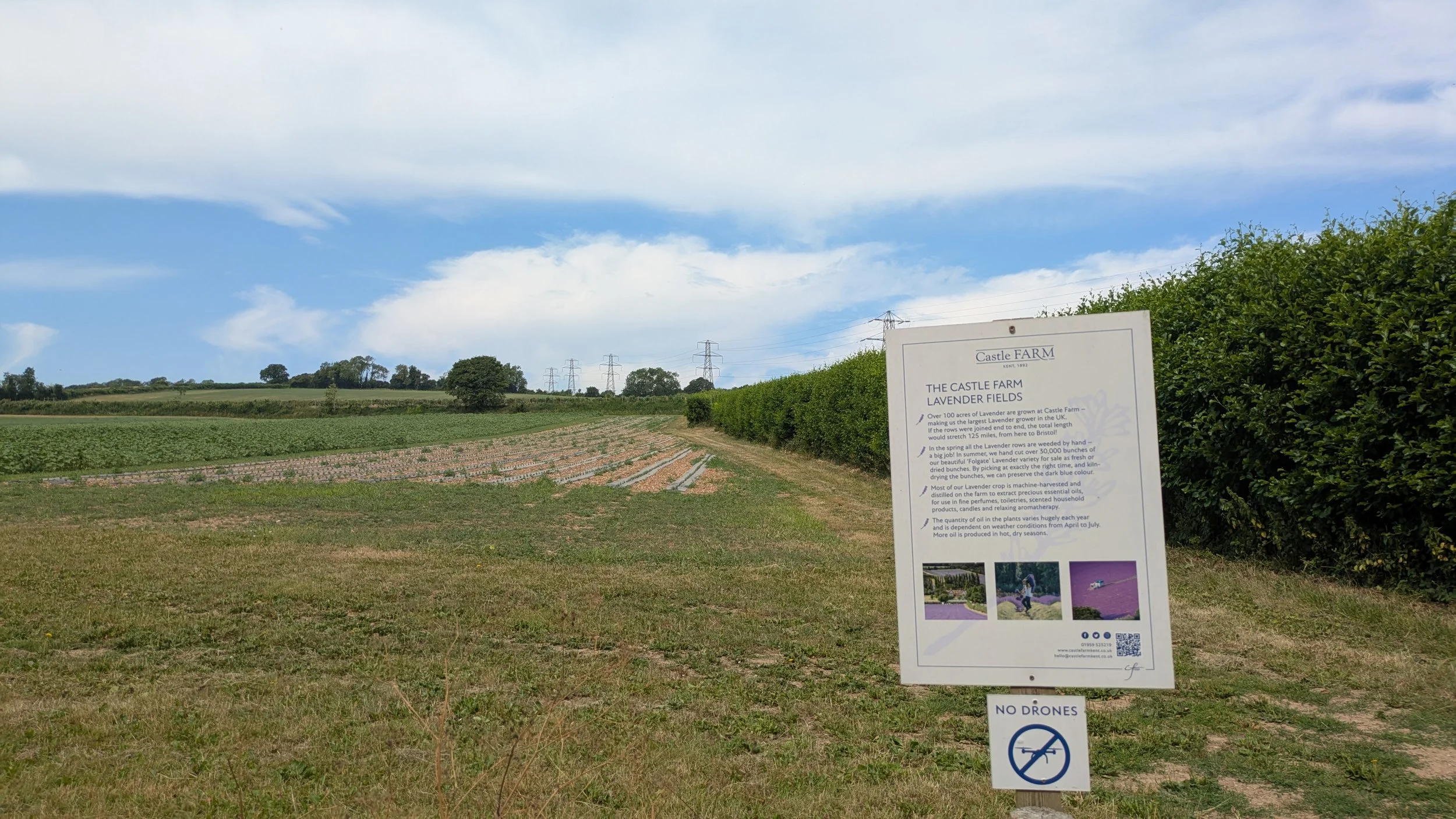
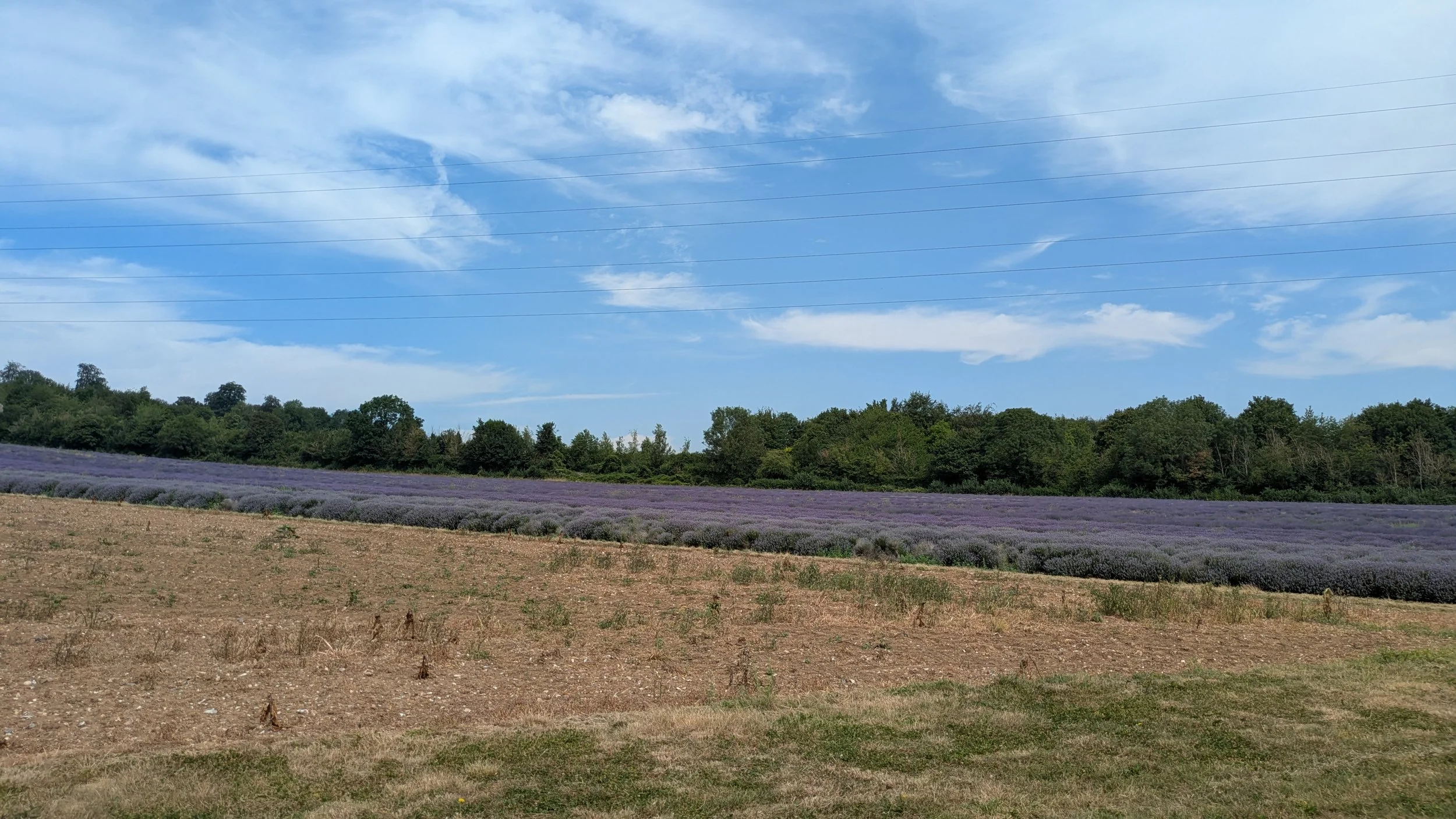
Castle Farm Lavender Fields
Castle Farm is a family business located near the village of Shoreham in West Kent. The Alexander Family have been farming in the Darenth Valley since 1892 when James Alexander transported 17 milking cows from Ayrshire in Scotland and took up residence in this south-eastern part of England. Castle Farm is a busy, working farm comprising of 1,100 acres. It produces such crops as wheat, barley, rapeseed, hops, apples, pumpkins and lavender. It is also home to a grass-fed herd of beef cattle. However, in recent years it has become well know internationally for its lavender crop. Castle Farm began its lavender enterprise in 1998, producing the essential oils associated with the flower. It is now the largest lavender farm in the UK, growing over 110 acres of the flower. Furthermore, it has become quite a tourist attraction with the farm staff running tours during Summer and the height of lavender season.
Castle Farm is a family business located near the village of Shoreham in West Kent. The Alexander Family have been farming in the Darenth Valley since 1892 when James Alexander transported 17 milking cows from Ayrshire in Scotland and took up residence in this south-eastern part of England. Castle Farm is a busy, working farm comprising of 1,100 acres. It produces such crops as wheat, barley, rapeseed, hops, apples, pumpkins and lavender. It is also home to a grass-fed herd of beef cattle. However, in recent years it has become well know internationally for its lavender crop. Castle Farm began its lavender enterprise in 1998, producing the essential oils associated with the flower. It is now the largest lavender farm in the UK, growing over 110 acres of the flower. Furthermore, it has become quite a tourist attraction with the farm staff running tours during Summer and the height of lavender season.
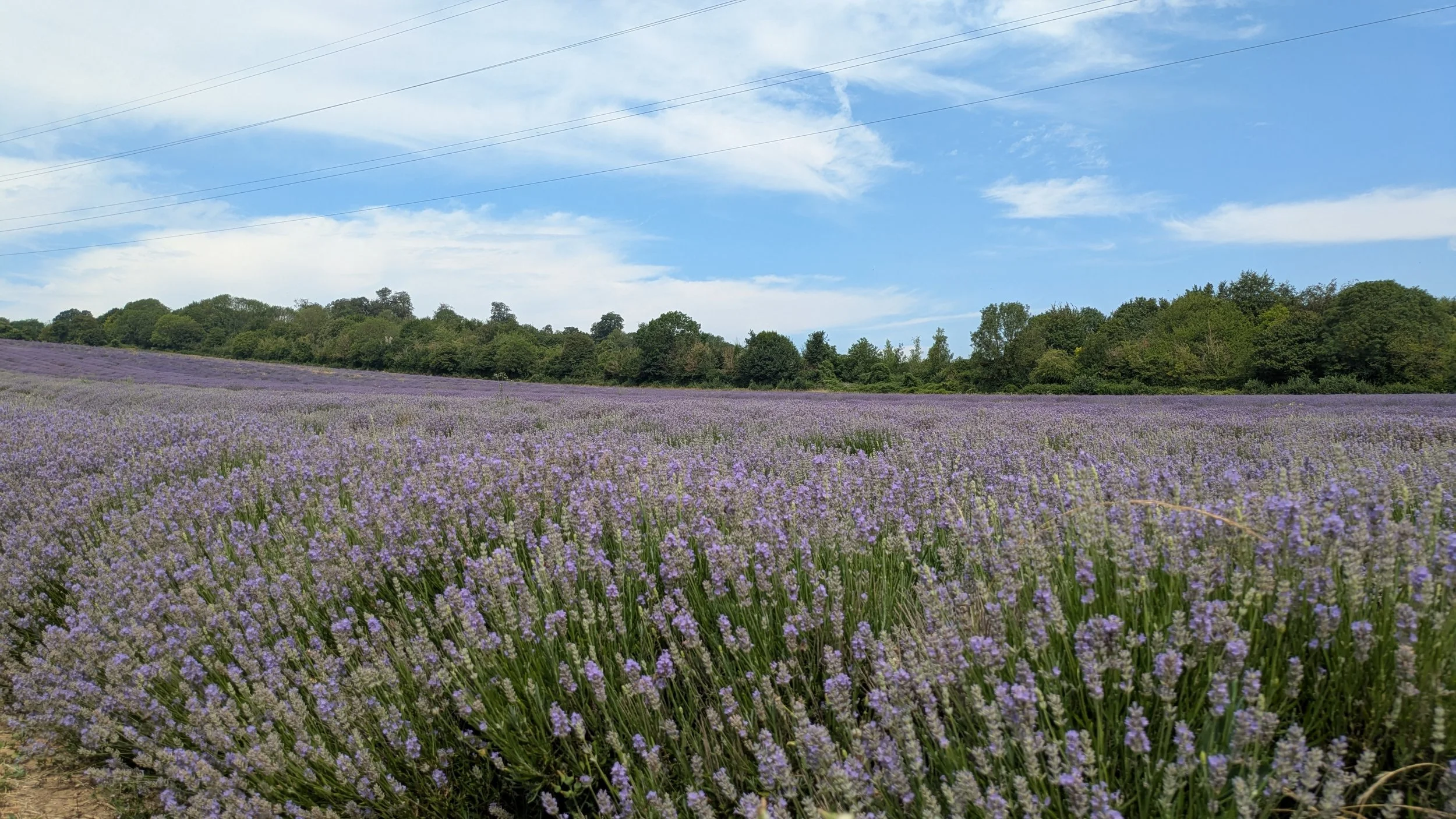
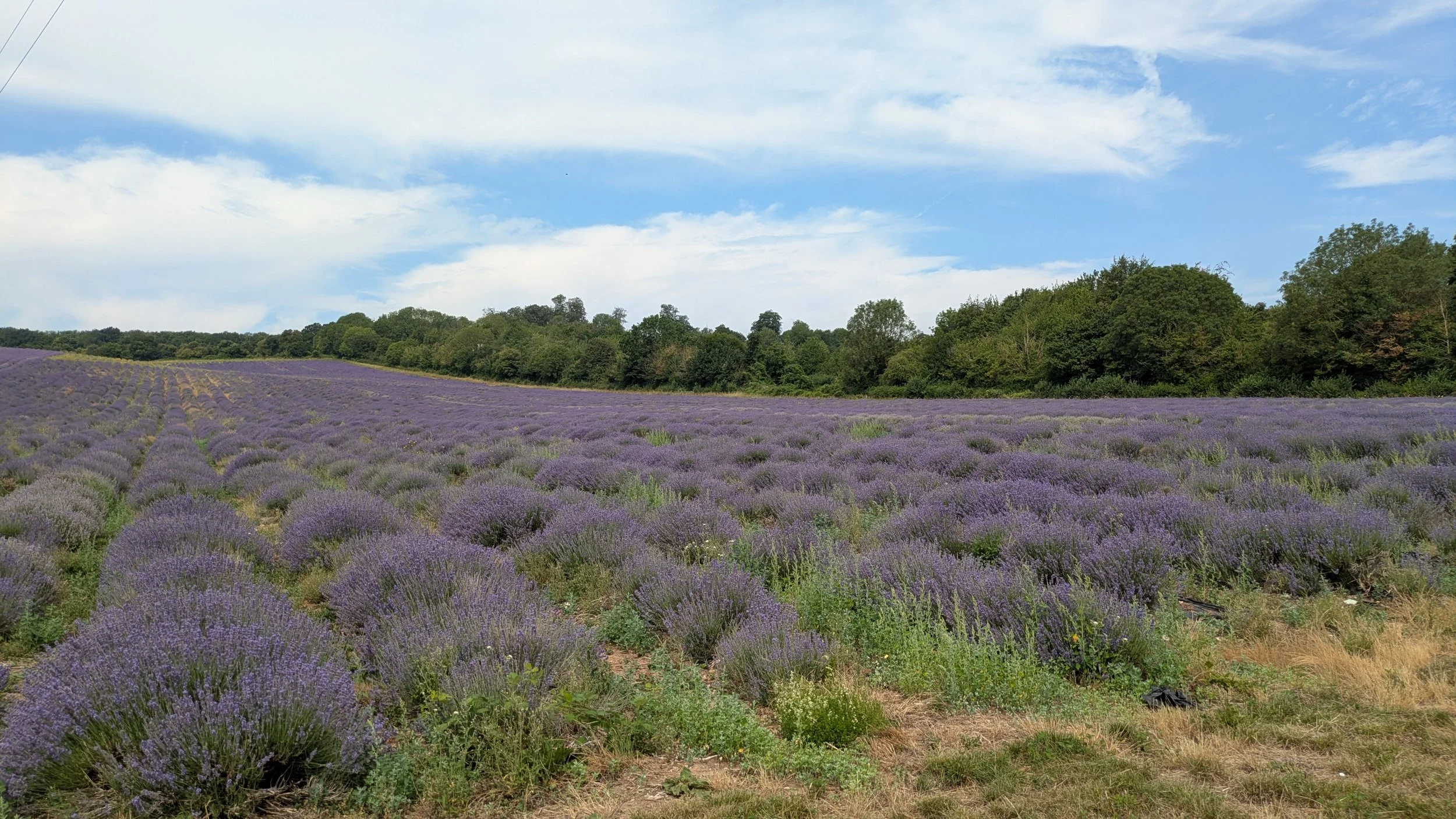
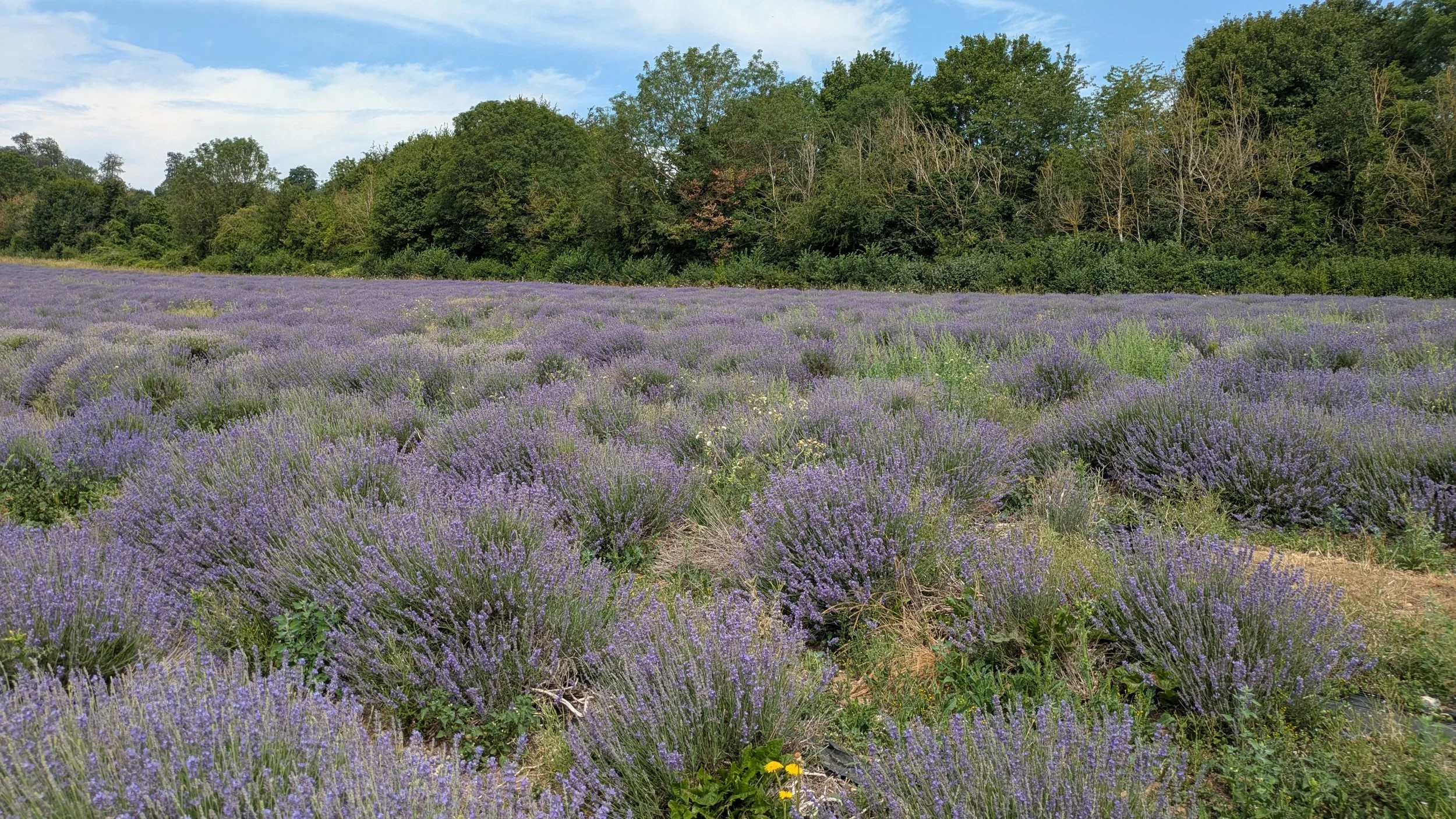
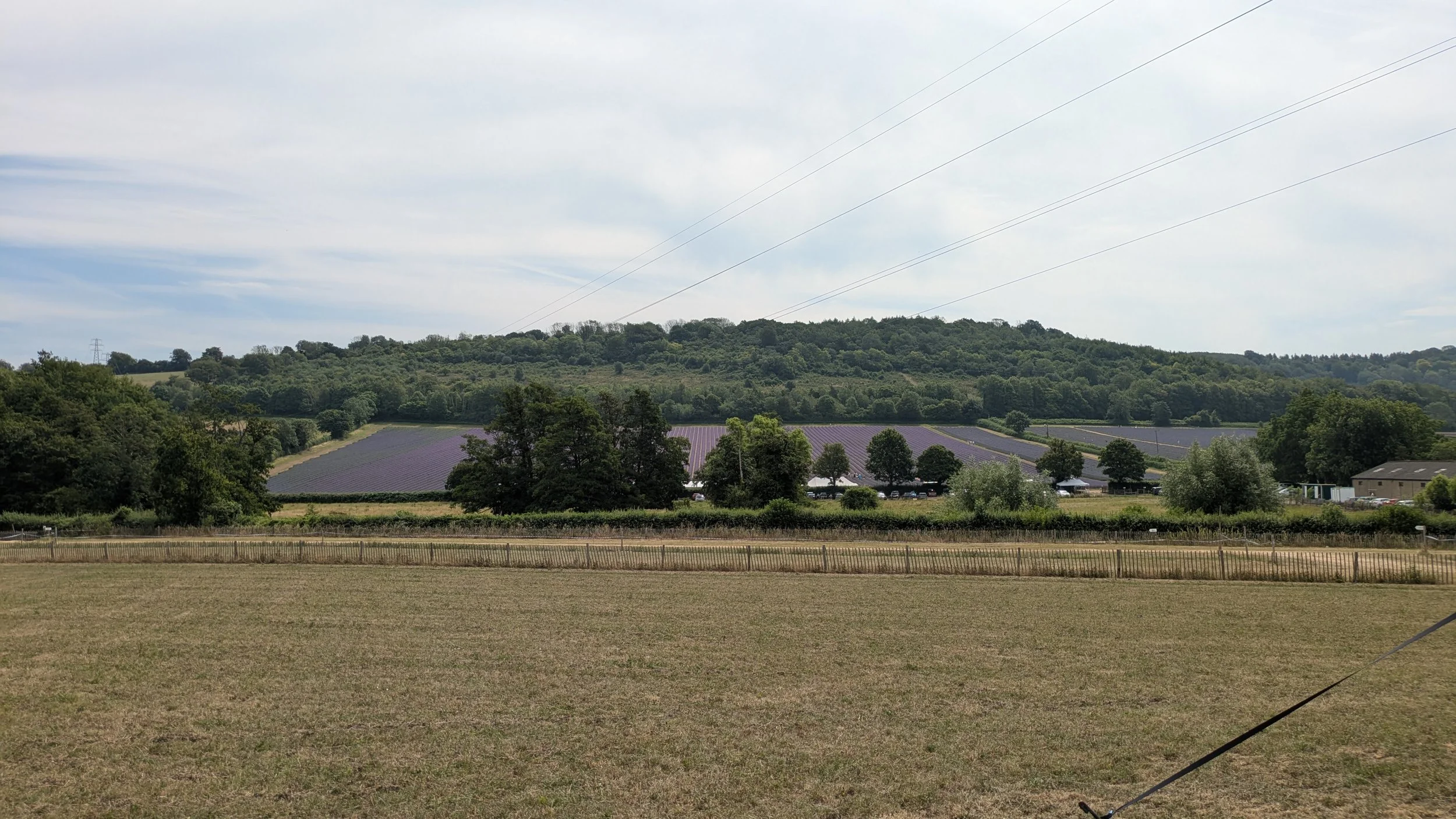
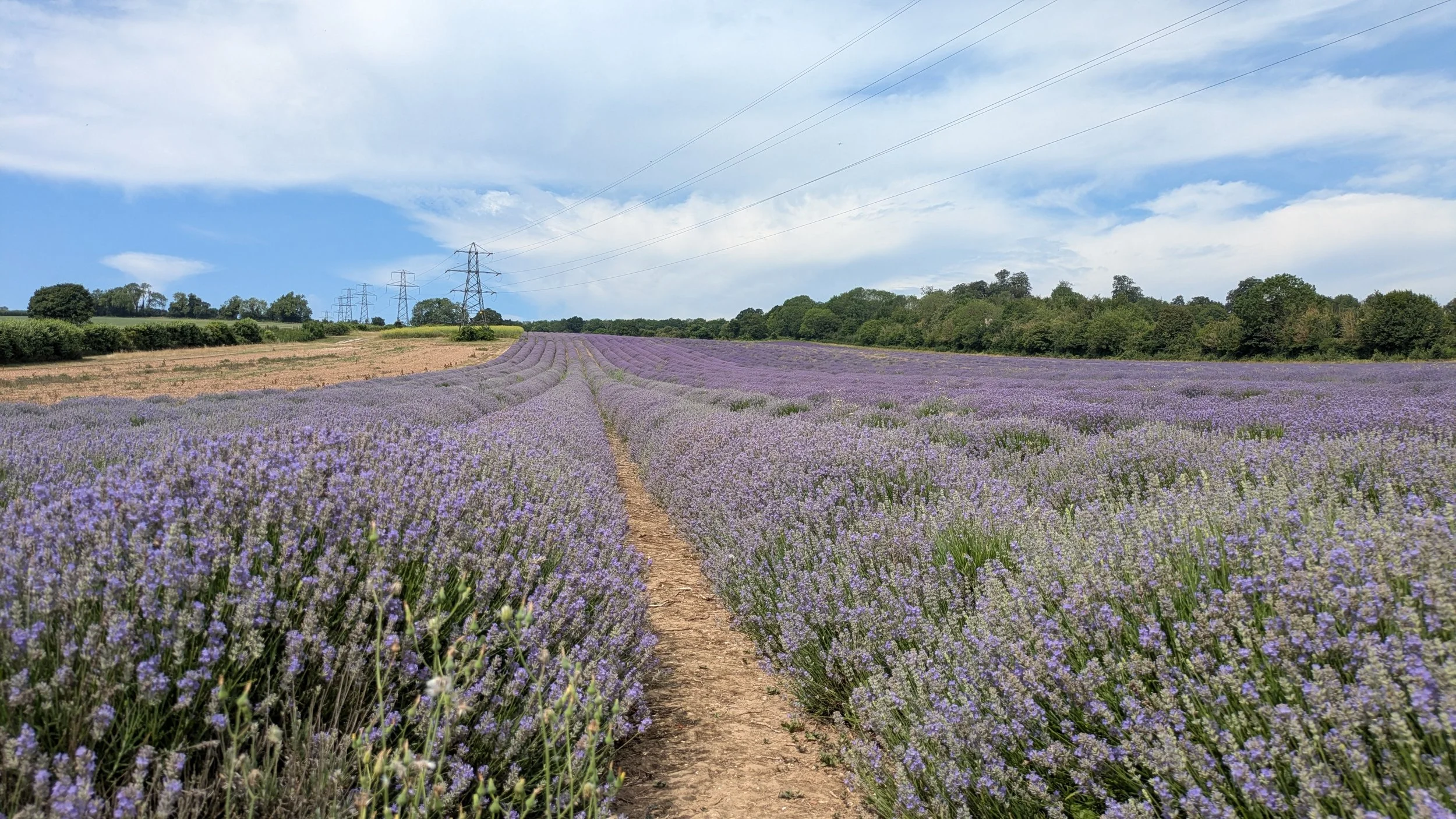
Today I had the pleasure of visiting Castle Farm and being shown around the lavender fields as well as the associated facilities for extracting the essential oils. The tour started promptly at 10:45 AM so as to avoid the high temperatures the UK is currently enjoying. We were allowed to walk among the lavender crop which covers 80 acres and comprises of several different species of the plant. Our guide gave us an overview of Castle Farms history, how the lavender is propagated, planted and subsequently harvested. We were then shown how the crop is steamed and the lavender oil separated. The raw oil is then sent away for grading and to be used in both beauty and food products, many of which are then directly sold by Castle Farm. Over the years the farm has managed to increase its overall yield of lavender oil.
The lavender fields at Castle Farm attract a lot of international tourists and offers a striking photo opportunity. When the owners initially thought of diversifying and growing lavender they travelled to Province in France which has grown such crops for centuries. Their initial plan was met with scepticism from the French who didn’t believe the UK was hot enough for lavender. That has not proven the case and Castle Farm currently in a major supplier in the UK essential oils market, which is worth £1.1 billion. The farm itself as well as offering the spectacle of the lavender crop at the height of its season, also has a comprehensive farm shop with a broad range of traditional and organically grown produce. Like the bluebells at Emmetts Garden which bloom in April, the lavender fields at Castle farm are well worth a visit for nature lovers, horticulturalists and those seeking something colourful and seasonal to photograph.
Today I visited the Inside Aardman: Wallace & Gromit and Friends exhibition at the Young V&A Museum at Bethnal Green. The exhibition which celebrates 50 years of Aardman Animations, provides visitors with a unique, behind the scenes view of the art of stop-motion animation. It also explores how Aardman’s iconic characters and worlds are designed, crafted and brought to life. From the initial concept artwork to the final visual effects, this event demonstrates the methods and techniques employed by Aardman. The exhibition features early scripts, sketch artists initial concept art, models, sets and numerous famous puppets. Furthermore this event is firmly pitched at children and families, with a wealth of interactive activities demonstrating the various techniques on display. The curators of the exhibition have also made it clear that they wish to encourage future generation to consider a career in the creative arts.
The Imperial War Museum serves as a national museum for Britain. Its main location is in London, complemented by five additional branches across England. Established in 1917 as the Imperial War Museum, its original purpose was to document the civil and military efforts and sacrifices made by the United Kingdom and its Empire during the First World War. Over time, the museum’s scope has broadened to encompass all conflicts involving British or Commonwealth forces since 1914. As of 2012, the museum’s mission is to provide and encourage the study and understanding of the history of modern warfare as well as the “wartime experience”. The IWM as it is now known has its headquarters and primary site is located at Southwark in Central London. The museum is funded by government grants, charitable donations and revenue generated through commercial activity such as retailing, licensing and publishing. General admission is free to IWM London.
Castle Farm is a family business located near the village of Shoreham in West Kent. The Alexander Family have been farming in the Darenth Valley since 1892 when James Alexander transported 17 milking cows from Ayrshire in Scotland and took up residence in this south-eastern part of England. Castle Farm is a busy, working farm comprising of 1,100 acres. It produces such crops as wheat, barley, rapeseed, hops, apples, pumpkins and lavender. It is also home to a grass-fed herd of beef cattle. However, in recent years it has become well know internationally for its lavender crop. Castle Farm began its lavender enterprise in 1998, producing the essential oils associated with the flower. It is now the largest lavender farm in the UK, growing over 110 acres of the flower. Furthermore, it has become quite a tourist attraction with the farm staff running tours during Summer and the height of lavender season.
Riverhill Himalayan Gardens are set in the grounds of Riverhill House, a Grade II listed Queen Anne manor house located on the southern edge of Sevenoaks in Kent, England. Riverhill is well known for its stunning and historic gardens as well as its sweeping vistas over the Weald of Kent. The estate has been the residence of the Rogers family since 1840 who currently operate the gardens as a tourist attraction, along with the house and associated facilities as a wedding venue. Visitors can enjoy a walled garden, rose walk and maze as well as other attractions. There is also an excellent trail around the grounds culminating in a view from the top of the hill over the estate. Riverhill Himalayan Gardens, as a supporter of the Surrey Sculpture Society, regularly showcases a selection of sculptures and art pieces throughout its grounds. All are available for purchase if you have deep pockets.
The Hunterian Museum is a museum of anatomical specimens in London, located in the prestigious building of the Royal College of Surgeons of England. The museum is made up primarily of a collection from the 18th century Scottish surgeon John Hunter. Over the years it has since been subsequently supplemented by Odontological material curated by A. E. W. Miles and various natural history exhibits from Richard Owen. In May 2023, the Hunterian Museum reopened following a five-year redevelopment of the Royal College of Surgeons of England’s headquarters at Lincoln’s Inn Fields. The £4.6 million museum project features the exhibition of more than 2,000 anatomical specimens from Hunter’s original collection. In addition to these there are instruments, equipment, models, paintings, and archival materials that document the evolution of surgery from ancient eras to contemporary robot-assisted procedures. The Museum boasts the largest public display of human anatomy in England.
The Crystal Palace Dinosaurs are a collection of sculptures depicting dinosaurs and other extinct species located in Crystal Palace Park, in the London borough of Bromley. These sculptures were originally commissioned in 1852 for display at the Crystal Palace following its relocation from the Great Exhibition held in Hyde Park. They were revealed to the public in 1854 and are the first speculative dinosaur sculptures ever created. Although the models are now considered inaccurate by contemporary standards, they were designed and crafted by Benjamin Waterhouse Hawkins under the scientific guidance of Sir Richard Owen, reflecting the prevailing scientific understanding of the time. The sculptures were designated as Grade II listed buildings in 1973 and underwent extensive restoration in 2002. In 2007 they were elevated to Grade I listed status. As of spring 2026 the dinosaurs are again being renovated as part of a £5 million regeneration of the park.
The benefits of international travel are numerous. These include stress relief, mental health benefits and a chance to escape the drudgery of work. Then there are the cultural aspects that you can immerse yourself in. Going abroad also allows you to learn new language skills as you awkwardly ask for directions. International travel is a chance to make lasting memories and it often gives the traveller a greater appreciation of their own home. At the very least the beer is always better abroad and that is the very definition of “broadening your horizons”. Yet despite all these positive points, there is one unavoidable hassle when comes with travelling abroad. The fact that the country or countries that you’re visiting will invariably use a different electrical plug and socket standard. In an age where a lot of the stuff you bring along with you on holiday needs charging, this can be a very stressful problem to solve.
I thoroughly enjoyed our holiday in Croatia last year and it did much to restore my confidence in travelling. Previously my views on visiting other countries had been greatly influenced by the films Raid on Entebbe and Midnight Express. As January was such a bleak month here in the UK, Mrs P and I decided we couldn’t wait until summer for another holiday and so decided to book something for the end of March. So we visited our local Travel Agents and decided upon a river cruise. We’ve been interested in these since we saw a travel show with Susan Calman. River cruises are a horse of a different colour, compared to sea cruises. They’re a great way to visit cities of note, often bringing you right into the heart of them. River cruise ships are a lot smaller with less passengers than ocean faring vessels. They also attract quite different travellers. Let it suffice to say that a sea cruise doesn’t offer the cultural experience that I am looking for.
There are approximately 4000 parks and green spaces in Greater London. Bexley Borough alone has over 100. Public parks and green spaces are vital to modern cities, providing essential health, environmental and social benefits. They boost physical and mental wellbeing by reducing stress and providing a place for exercise. Furthermore they enhance urban sustainability, mitigate heat, and provide a sustainable environment for a wildlife. Parks are often a venue for social activities and events and as such are an important part of the local community. Going to the park has always been a part of my life. I live next to Old Farm Park in Sidcup and have made use of this recreational space throughout my life. I used visit with my parents in the seventies, when I was a child. Thirty years later my son, father in-law and I would fly kites there. Now I take my grandchildren to Old Farm Park as it now has a playground.
There is no shortage of interesting and good quality museums in London. In many respects tourists and visitors are spoilt for choice. More often than not, it is the most well known institutions such as the British Museum or Victoria and Albert Museum that gain the most attention. However, there are many hidden gems to discover if you take the time to look further. A prime example being The British Optical Association Museum which I had the pleasure of visiting today. The museum’s function is to promote the optometry profession and raise public awareness of its past and ongoing role within society. The museum has a well conserved collection of exhibits and provides a venue for presentations, learning and research services. There is also an excellent tour hosted by museum curator Neil Handley (PhD, AMA, FRSA) in which he gives a concise, interesting and at times a witty overview of the history of optometry in the UK and its current role.
The artillery battery at Capel-le-Ferne was built between 1941 and 1942, following the fall of France, on the orders of Winston Churchill. Located between Dover and Folkestone, the battery consisted of three 8-inch high-performance guns, provided by the Royal Navy. The battery was intended to provide anti-shipping defence in the English Channel. The site was manned by men of the 520 Coast Regiment Royal Artillery. Over the course of World War II, the battery expanded in size, eventually encompassing multiple Nissen huts, several roads and 19 military buildings. Anti aircraft defence was provided by two 40mm Bofors guns. Over the course of the war, the Capel Battery engaged enemy shipping on four separate occasions and also took part in fifteen practice shoots. In 1944, due to the decreased threat, the battery was placed in “care and maintenance”. The guns were removed in 1952 and the building demolished in the early 1980s
There are an estimated 2,500 museums in the UK. This number has grown significantly over time, more than tripling between 1960 and 2017. While it is laudable that so many of these institutions exist, they do not all receive equal interest or publicity. Some museums dominate in their respective fields and drown out others that have a similar theme. With this in mind, I was unaware of the Kent Battle of Britain Museum until a friend recently brought it to my attention. After yesterday’s visit my initial thoughts are what a treasure trove it is. According to the museum’s website it is the world’s largest Battle of Britain collection of memorabilia. This includes planes, uniforms, weapons and related artefacts from over 700 crashed aircraft. Furthermore, the museum tells the story of this battle without bias, choosing to highlight both the historical and the human aspects of the conflict. It is often very poignant.
Stonehenge is so much more than just a neolithic, historical structure of note. It is of great spiritual importance to many, representing ceremonial practices and ancient worship. It is also seen as a conduit to a wider connection to the cosmos. It is after all a celestial calendar, according to one of the theories regarding its purpose. It also has a strong significance in pop culture. Hence, due to its history, symbolism, religious connotations and overall sense of mystery it is a UNESCO World Heritage Site and a globally recognised symbol of ancient Britain. As such, it has always been somewhere that I have wished to visit. Today, as we were relatively nearby in Ringwood and the weather was pleasant, Mrs P and I decided to go to Salisbury and see this iconic structure for ourselves.
I enjoy visiting the coast. I always have. I find the sight and sounds of the sea very calming and thought provoking. There is something about seeing the ocean stretch out to the horizon and its implied enormity, that gives you a sense of perspective. The UK is a seafaring nation and therefore it is an integral part of our history and national identity. Hence a strong nautical theme and a sense of its importance has bled through into our popular culture. It is therefore quite common for people to have a positive attitude towards the sea and its associated leisure activities. I like to visit the coast at various times of the year and walk along the beach, just listening to the waves, lost in my own thoughts. This is not a hard thing to do in the UK, as no one lives further than 70 miles (113 kilometers) from the coast.
Knole is a country house in England and a former archbishop’s palace that is currently owned by the National Trust. It is located within Knole Park, a 1,000-acre (400-hectare) estate that lies to the south-east of Sevenoaks in west Kent. The existing structure of the house dates back to the mid-15th century, although there were significant expansions in the 16th and particularly in the early 17th centuries. Its Grade I listing signifies its combination of late-medieval to Stuart architectural styles. This is especially evident in its central façade and state rooms. In 2019, a comprehensive conservation initiative titled “Inspired by Knole” was completed to restore and enhance the buildings’ structures. This was beneficial to the preservation of its significant collections. The adjacent deer park has also endured since 1600.
Mrs P and I travelled to Croatia on Friday 13th June for our summer holiday. We spent one week in Makarska, which is located on the Dalmatian coast. My last international holiday was to Malta in 2004. Since then we have done a lot of travelling in the UK and Mrs P has vacationed abroad with other family members. However, she stated last September that she wanted to go “somewhere warm” for our next holiday. So this trip was booked and has been “something to look forward to”, or a source of stress slowly inching closer, depending upon your perspective. In many respects this holiday has been a big deal for me. I don’t enjoy travelling at all with all its accompanying logistical, bureaucratic and “people” issues. However, I have no problem with being elsewhere. I eagerly await teleportation technology to become commonplace. Once I arrived at our hotel, I quickly switched to holiday mode and I am happy to confirm that I thoroughly enjoyed myself.
Emmetts Garden is an Edwardian estate situated on Ide Hill, close to Sevenoaks in Kent, UK. After a long and interesting history it is currently under the stewardship of the National Trust. Originally open farmland, the existing house was constructed in1860. The term “emmett” is a local dialect for ant, referencing the large anthills that populated the area until the 1950s. In 1890, the estate was acquired by Frederic Lubbock, a banker with a keen interest in horticulture. His elder brother, John Lubbock, 1st Baron Avebury, was a renowned authority on ants, which may have influenced Frederic's decision to purchase the estate. Today Emmetts Garden is open to the public and features several “hortus conclusus” (walled gardens) and a hillside trail that is famous for its Bluebells in the spring.
Damerham is a quaint rural village and civil parish located in the New Forest district of Hampshire, England. It is close to the market town of Fordingbridge. Damerham is distinguished by significant Neolithic and Bronze Age burial mounds. Historically, it was home to an Anglo-Saxon religious community and was referenced in the will of Alfred the Great, as it was at that time part of the royal estate. At the time of the Domesday Book in 1086, Damerham was recognized as a prominent settlement under the ownership of Glastonbury Abbey. It was mainly farms and agrarian small holdings. Today, the village still features a riverside mill and the church of Saint George date’s back to the Norman period. There is a church hall that hosts numerous local, seasonal events.
Bodiam Castle is a 14th-century moated castle located near Robertsbridge in East Sussex, England. It was built in 1385 by Sir Edward Dalyngrigge, a former knight of King Edward III. The castle’s primary purpose was to defend the local area against possible French invasion during the Hundred Years' War. Bodiam Castle has a quadrangular design and does not have a keep. All the various chambers and rooms were built adjacent to the outer defensive walls. The four corners and main entrance have towers, all of which feature crenellations. A substantial moat surrounds the castle, which served as a home for the Dalyngrigge family, as well as a seat of power to the manor of Bodiam. The castle remained within the Dalyngrigge family until the line became extinct. It remained a place of strategic importance during the War of the Roses and the English Civil War. It is currently owned and maintained by The National Trust.
Today I went on an impromptu visit to Brompton Cemetery in West London. Established in 1837, the West of London and Westminster Cemetery (as it was originally known) is a private cemetery initially created as a business venture to capitalise upon the shortage of cemeteries within London. It also sought to cater to the prevailing culture of opulent Victorian funeral rites. However, after proving non profitable, the cemetery was bought by the UK government. It was subsequently incorporated into Crown Property and managed by The Royal Parks. It is one of Britain’s oldest and most distinguished garden cemeteries. There are currently 35,000 monuments, ranging from simple headstones to impressive mausolea. It is home to more than 205,000 resting places. The cemetery is also a haven for flora and fauna, providing a substantial semi rural environment amid urban central London.
Christmas Tree Farm is a petting zoo, outside the village of Downe in the county of Kent. Despite its rural setting, it is actually only 15 miles from London, making it an ideal visit, as part of a day. The farm is home to a wide selection of domestic farm animals (and a few more exotic ones), all of which can be fed, stroked and lavished with attention by visitors. During the winter months, Christmas Tree Farm hosts Santa’s Grotto and as the name suggests is the place to find the perfect Christmas tree for your home. Entry prices are very reasonable, costing £6 per adult and £4 for children aged between 2 and 16 years old. Buckets of animal feed of varying size are also available for a small fee. There is a leisurely trail around the farm where the various animals are housed in pens and out buildings. There is also a Tea Garden where refreshments are available.
In 1939 legislation was passed in the UK so that all employees had one week’s annual paid holiday per year. By the 1950s this had become two weeks and by the 1980s most people had at least 4 weeks of annual holiday. On top of this paid leave allocation, the UK currently has 8 bank holidays which provides further time off for employees. This culture of increasing amounts of annual leave also broadly coincided with air travel becoming more accessible. The first UK passenger jet service began in 1952. However, its cost excluded most people. However, as larger airliners with increased range became available, cheaper foreign holidays became more and more economically viable. European holidays became a reality in the 1960s and 1970s. By the 1980s long-distance holidays to other continents became ubiquitous and the package holiday became king. It is also worth noting that the Channel Tunnel opened in 1994, making car travel from Britain to Europe easier and more popular.
Today I had the pleasure of visiting the Whitstable Museum (or to give its full name Whitstable Community Museum and Gallery). This is a fine example of a local heritage centre that curates and displays artefacts and records that reflect the history and culture of the surrounding area. The museum located in Whitstable, Kent, is home to one of the world's oldest steam engines, as well as historical diving equipment that was developed locally. The history of the local oyster trade which has been an integral part of the community for centuries is also a key feature. Established in 1985, the museum was reopened in 2015 following a major refurbishment. There is also an art gallery featuring the paintings by local artists and artworks on loan from an international network of galleries.
Eltham Palace, located in South East London, was the childhood home of King Henry VIII in 1499. It was later used as a royal nursery for the infant Princess Elizabeth, born on 7th September 1533. It sports sumptuous grounds and ornamental gardens and was famous for its game hunting during the Tudor and Elizabethan periods. In the 1930s’ the property was owned by the Courtauld family, who built a sumptuous Art Deco style mansion and redeveloped the grounds. Today the entire property is owned and managed by English Heritage who have extensively restored much of the estate. It is therefore very fitting that this illustrious venue annually plays host to the Legendary Medieval Joust, during the summer months. Two days of historical pageantry, re-enactments and events for the entire family to enjoy. I last attended in 2015, so it was a welcome pleasure to return again yesterday.
Morph’s Epic Art Adventure in London is a step-free art trail and tourist attraction featuring the iconic animated character Morph. It is hosted by charitable organisation Whizz-Kidz, global event producers Wild in Art and Aardman. The trail features 56 super-sized sculptures of the much-loved children’s TV character, which are set among various iconic London landmarks including St Pauls, Tate Modern, Tower of London, Shakespeare’s Globe and Borough Market. It is a free public art trail and tourist attraction, designed by a variety of artists to excite and inspire people of all ages, whilst increasing public awareness about the need for young wheelchair users to be mobile, enabled and included in society. Morph’s Epic Art Adventure in London runs from June 19th until August 20th 2023.
Regardless of whether you deem the IFS Cloud Cable Car a white elephant, a political folly or just a mistake in terms of tourism, it cannot be denied that the view it provides over South East London is impressive. At a height of 90 metres (300 feet), on a bright and sunny day you can see from City Airport to Canary Wharf. Located at Greenwich Peninsula, the IFS Cloud Cable Car (as it is now called) opened in June 2012. It was initially promoted as a viable form of public transport across the Thames, linking North Greenwich and Royal Victoria stations. In October 2012, nearly 100,000 journeys were made. However, after the London Olympics, passenger rates fell and since then IFS Cloud Cable Car has become more of a tourist attraction, rather than an integral means of commuting.
To my surprise I found myself out and about today undertaking another day trip. This time we headed back to the sea and visited Whitstable, a town on the north coast of Kent adjoining the Greater Thames Estuary. It’s 5 miles (8 kilometres) north of Canterbury and 2 miles (3 kilometres) west of Herne Bay. The town was originally recorded in the Domesday Book of 1086, under the name Witenestaple, meaning "the meeting place of the white post", a reference to a local landmark. By the late middle ages Whitstable had become a centre of Thames Estuary fishing, specifically for oysters. Today, the main activities at the harbour are fishing and processing, cargo handling and boat maintenance. The town has shingle/sandy beaches adjacent to the harbour, where swimming and water sports are popular. Whitstable Castle is situated on the border of Whitstable and off the coast is Kentish Flats offshore wind farm, consisting of 30 wind turbines.
Royal Tunbridge Wells is a town in the county of Kent, 30 miles (50 kilometres) southeast of central London. It is situated on the border with East Sussex on the northern edge of the High Weald. The local sandstone geology is synonymous with a rugged landscape due to erosion and weathering. The town itself was a spa during the Restoration and became a very fashionable resort in the middle of the 18th century. Socialites such as Beau Nash helped make the resort popular when the Pantiles and its chalybeate spring, began attracting visitors who came to “take the waters”. Despite the decline in spa towns after sea bathing grew in popularity, Royal Tunbridge Wells has remained a tourist resort. Today, much of the area's income is generated by tourism. The town has an equitable temperate maritime climate.
With January already behind us, Mrs P and I decided it was high time we took our first day trip of 2022. So yesterday I spent some time looking online at details of various National Trust sites within an hour or so drive from our home. I also looked at similar places of historical note that are run by other bodies. Sadly, many are either partially or totally closed for the present. It would appear that from January to March many of these sorts of tourist attractions spend time repairing, refurbishing and preparing for forthcoming events. Grounds also have to be maintained. Hence, we were somewhat lacking in choice for suitable destinations. However, as the weather forecast was mild, today we opted to visit the village of Chiddingstone so we could walk in the grounds of the local castle and along the various footpaths in the area.
For me, staying in a hotel is always an adventure, as it mainly happens when I’m taking a holiday or a short weekend break. I suspect that travelling habitually for business reasons probably puts a different complexion on the process. It may well dictate what sort of hotels you stay in. More than likely functionality, location and cost trump other more self indulgent factors such as aesthetic and ambience. Mercifully, travel has never been a major part of my working life and so hotels are still a source of excitement as they’re associated with fine meals, interesting scenery and good company. However, such hotels tend to come at a price as they’re catering more for tourism rather than business travel and therefore stays are not a regular occurrence. However, I had the pleasure of a short visit this weekend.
Riverhill Himalayan Gardens
Riverhill Himalayan Gardens are set in the grounds of Riverhill House, a Grade II listed Queen Anne manor house located on the southern edge of Sevenoaks in Kent, England. Riverhill is well known for its stunning and historic gardens as well as its sweeping vistas over the Weald of Kent. The estate has been the residence of the Rogers family since 1840 who currently operate the gardens as a tourist attraction, along with the house and associated facilities as a wedding venue. Visitors can enjoy a walled garden, rose walk and maze as well as other attractions. There is also an excellent trail around the grounds culminating in a view from the top of the hill over the estate. Riverhill Himalayan Gardens, as a supporter of the Surrey Sculpture Society, regularly showcases a selection of sculptures and art pieces throughout its grounds. All are available for purchase if you have deep pockets.
Riverhill Himalayan Gardens are set in the grounds of Riverhill House, a Grade II listed Queen Anne manor house located on the southern edge of Sevenoaks in Kent, England. Riverhill is well known for its stunning and historic gardens as well as its sweeping vistas over the Weald of Kent. The estate has been the residence of the Rogers family since 1840 who currently operate the gardens as a tourist attraction, along with the house and associated facilities as a wedding venue. Visitors can enjoy a walled garden, rose walk and maze as well as other attractions. There is also an excellent trail around the grounds culminating in a view from the top of the hill over the estate. Riverhill Himalayan Gardens, as a supporter of the Surrey Sculpture Society, regularly showcases a selection of sculptures and art pieces throughout its grounds. All are available for purchase if you have deep pockets.
I had the pleasure of visiting Riverhill Himalayan Gardens earlier today. The entrance fee is £14 which strikes me as reasonable in today’s tourism market. However, all discussions regarding prices and value are highly subjective. On arrival myself and Mrs P decided to tackle the trail to the viewpoint at the top of the hill in which the gardens are set. The track proved quite challenging due to its gradient and the heat (it was 29°C/84.2°F). It is essential to have appropriate footwear as the paths are mainly earth and loose stone. However, the effort was worth it as the summit is in a clearing, affording a view over the estate and the Weald of Kent towards Tonbridge, Ashdown Forest and Hadlow. We then made are way down to the maze and attempted to find the cupola in the centre. Sadly we failed to solve the maze and due to the hot weather, decided to seek some shade in the walled garden.
The walled garden and the surrounding grass area are home to various sculptures made by local artists. They encompass an eclectic variety of styles and reflect different schools of art. However the one thing they have it common is that they all provide a great talking point. Adjacent to the walled gardens it the Rose Walk, with a fine selection of well tended bushes. The walled garden features immaculately terraced lawns and has a contemporary water feature at the centre, created by British sculptor Julian Wild. There are roses, alliums and peonies as well as herbaceous borders and dalias. It is all very colourful and for those with functioning olfactory senses (I lost mine after catching COVID), very fragrant. There is seating available around the walled garden, some of which is in the shade. So you can sit, relax and contemplate the nature of reality or whatever takes your fancy. The ambient sound of the water feature adds greatly to the atmosphere.
Riverhill Himalayan Gardens has several areas specific to young children, such as the adventure play area and the den building trail. Both are well maintained and sensibly away from quieter areas such as the walled garden. On weekends there is a Yeti spotting event in this area (and whoever has to wear the Yeti suit has my sympathy in the current heatwave). Naturally, there is a garden shop and a rather good cafe run by a local company, Malabar. It has an outstanding orange drizzle cake. The grounds and services are very well maintained and the staff are friendly and knowledgeable. Hence, Riverhill Himalayan Gardens makes for an excellent day out, providing a modest but challenging hillside walk, an enjoyable maze and some excellent ornamental gardens for those of a horticultural bent. It is also a great place for those visitors that just want to slowly amble and chill out. Furthermore, the grounds are dog friendly which is another plus point.
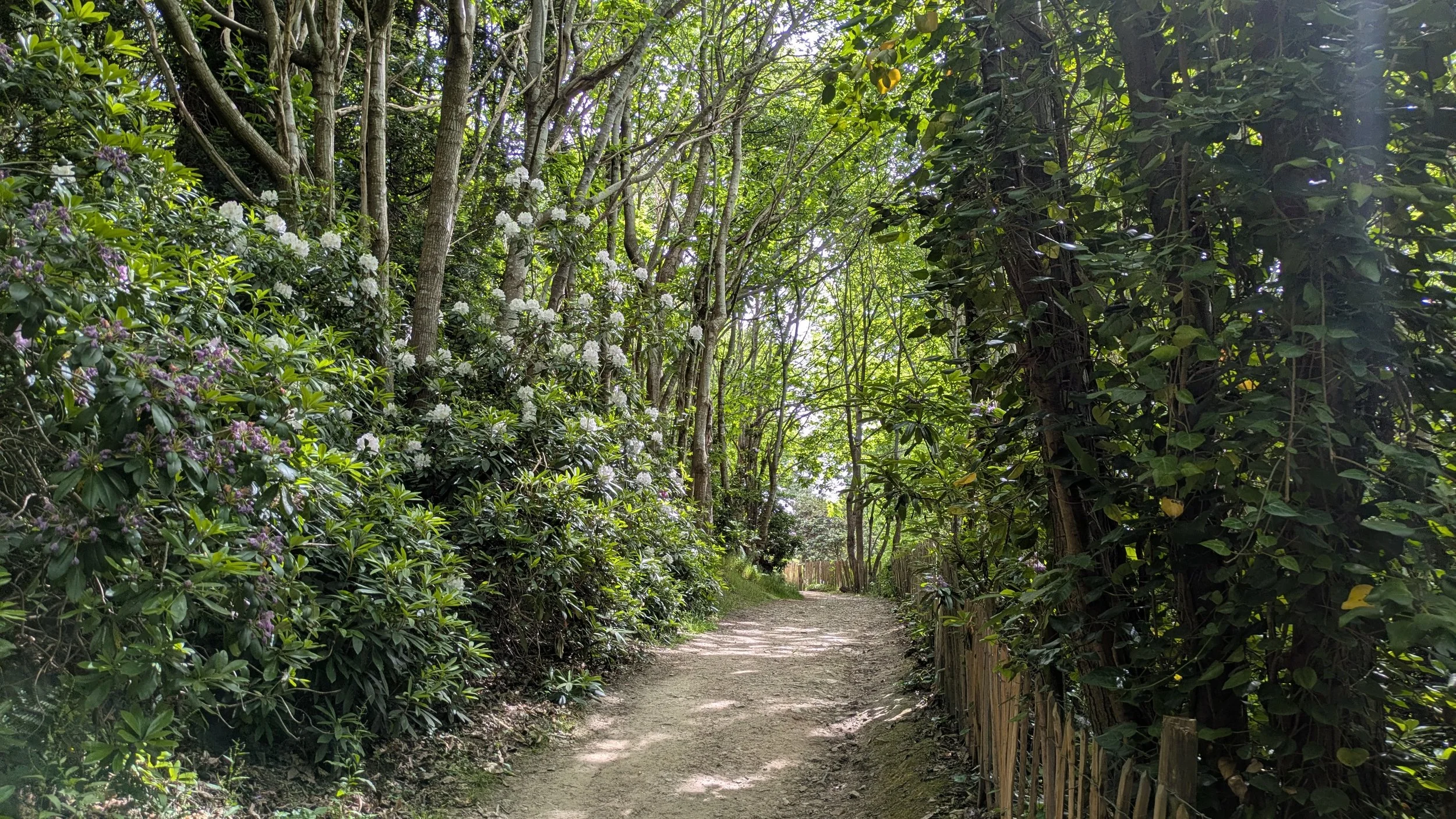
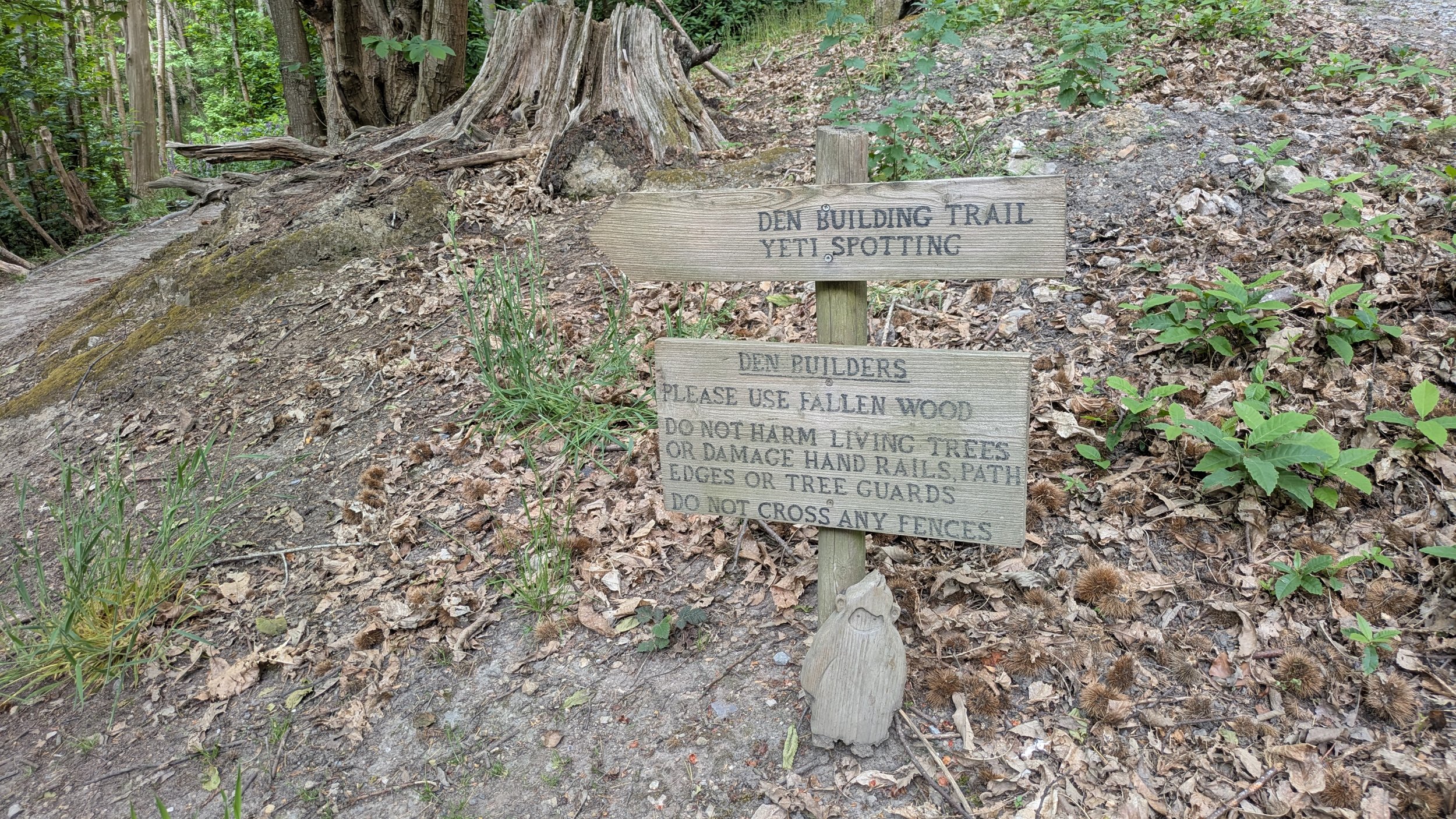
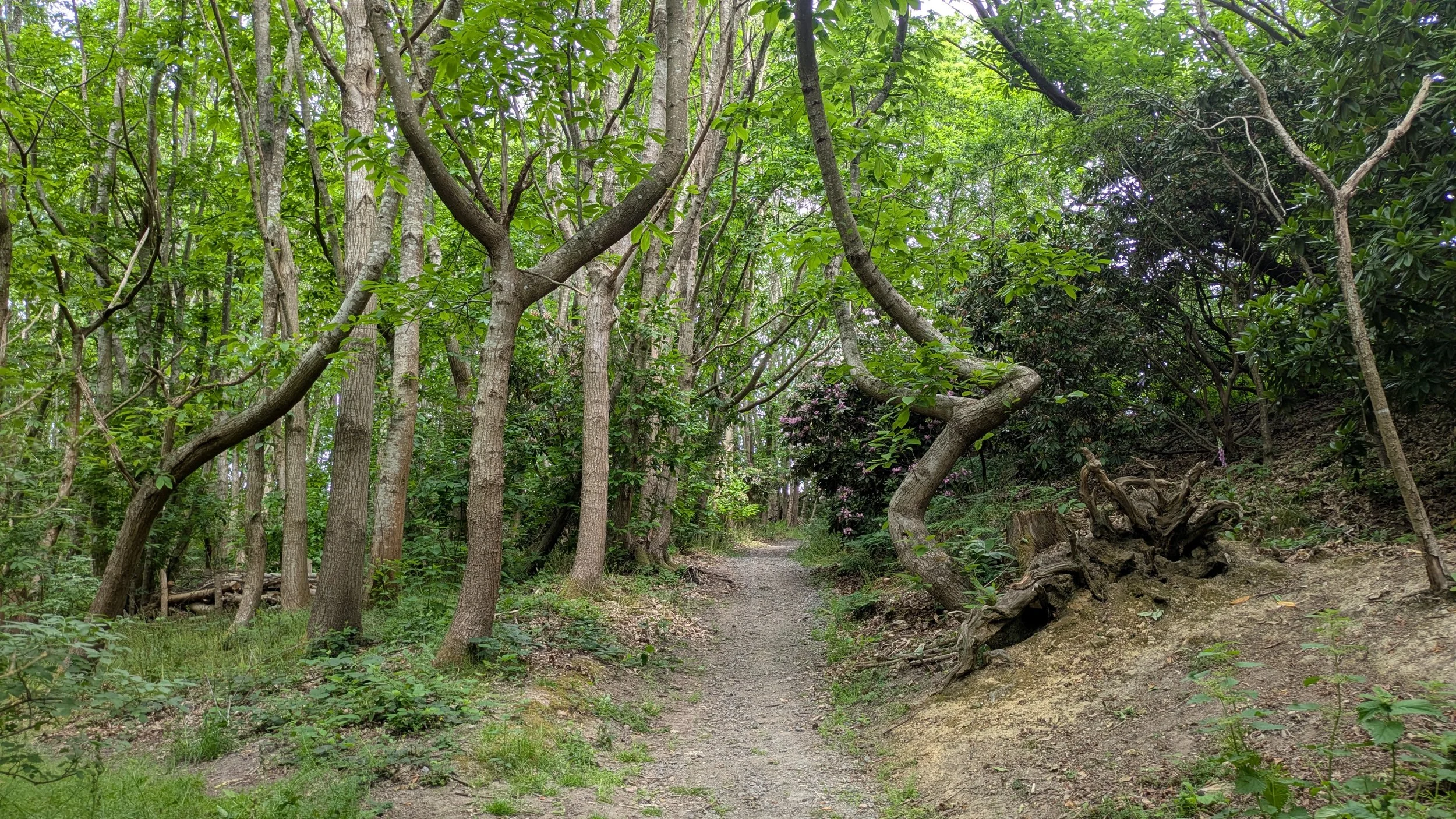
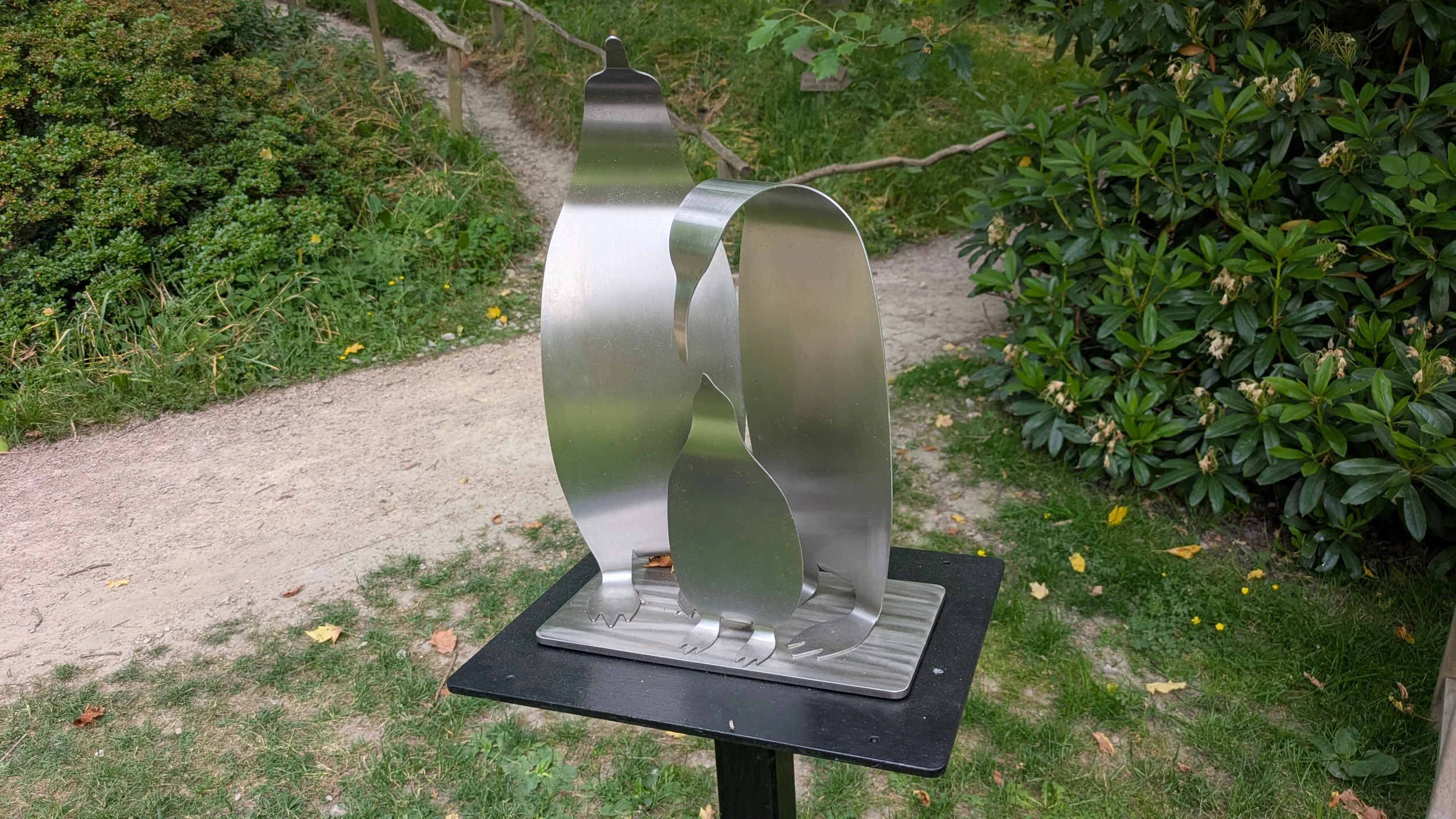
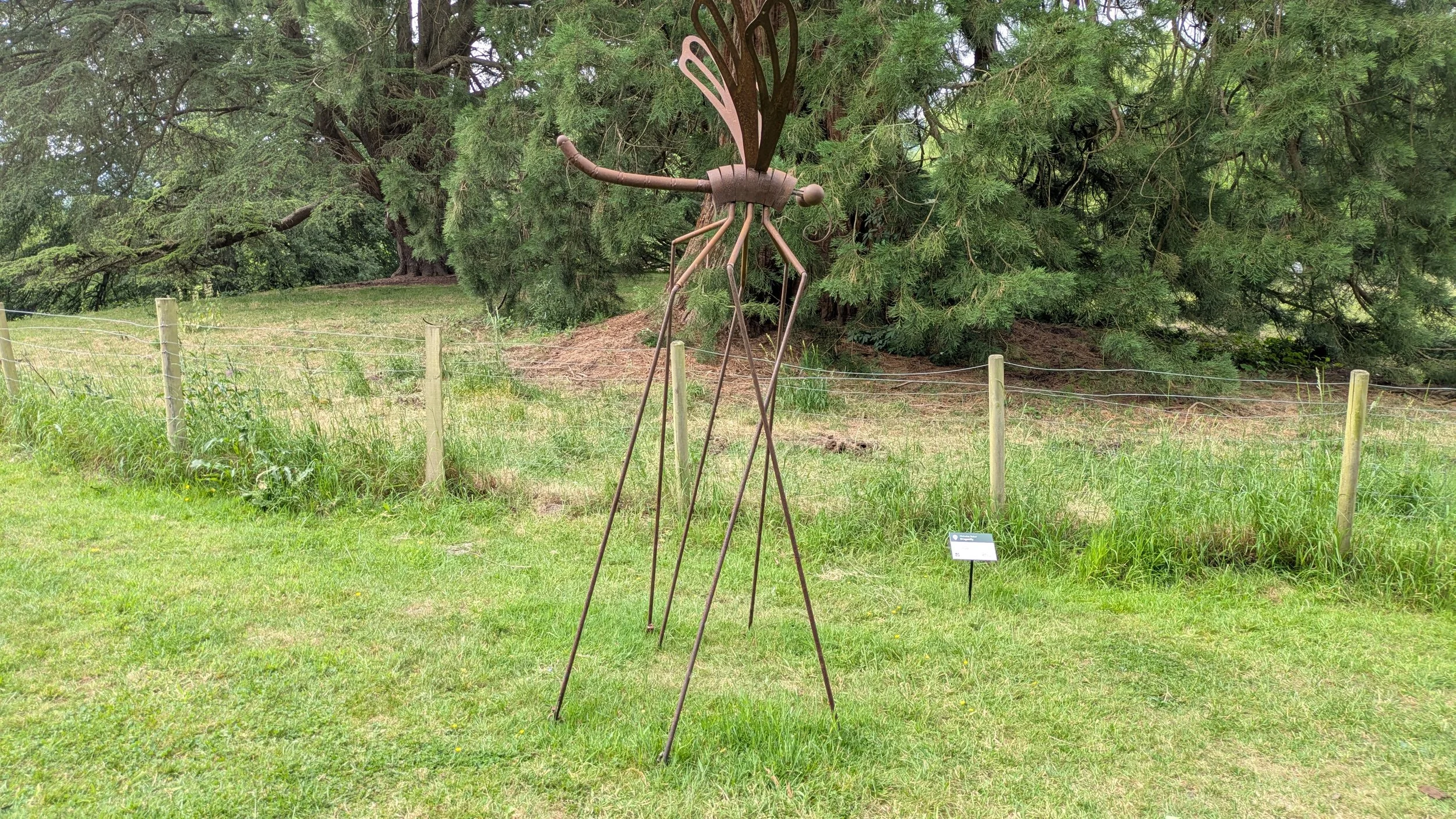
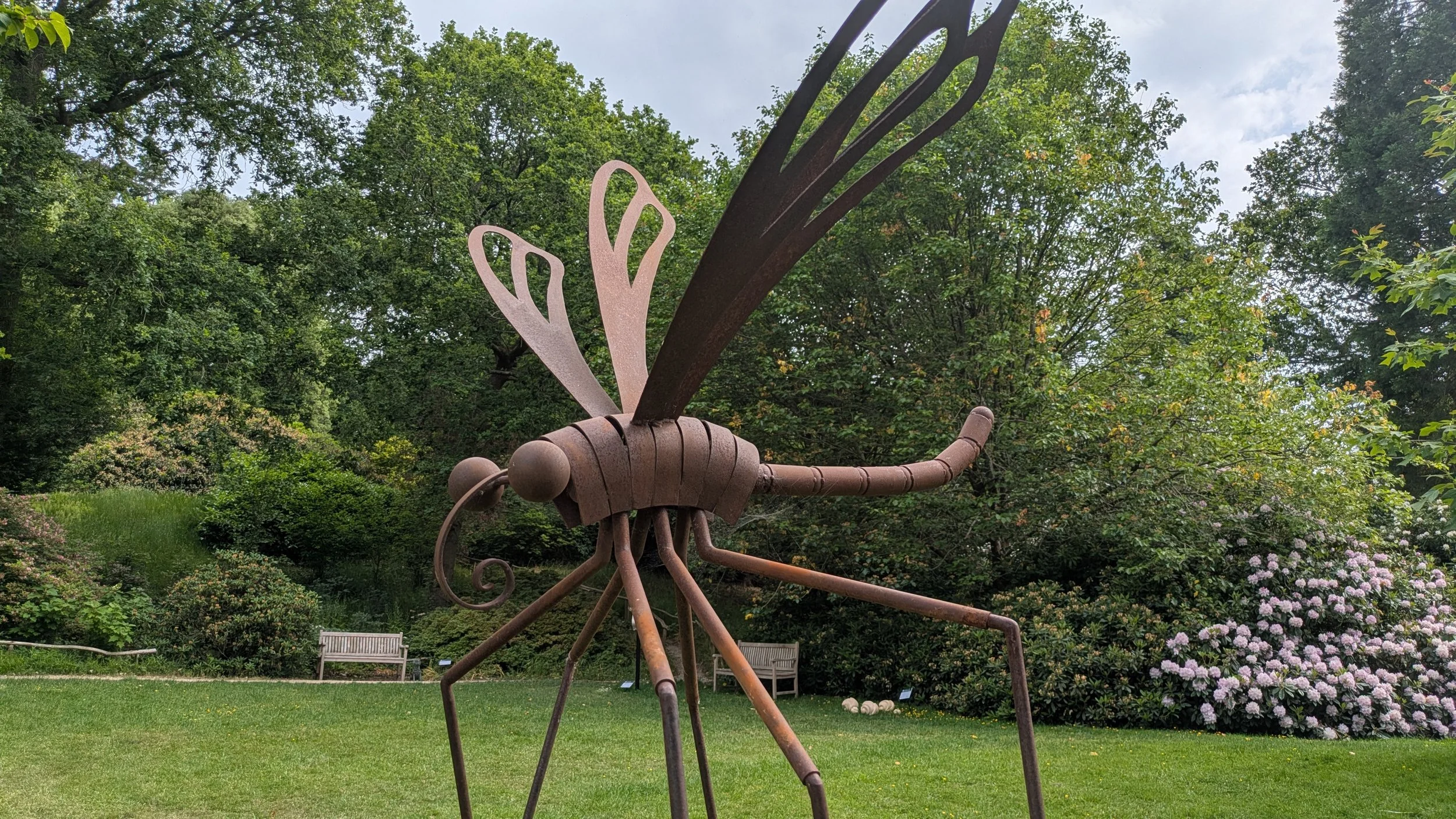
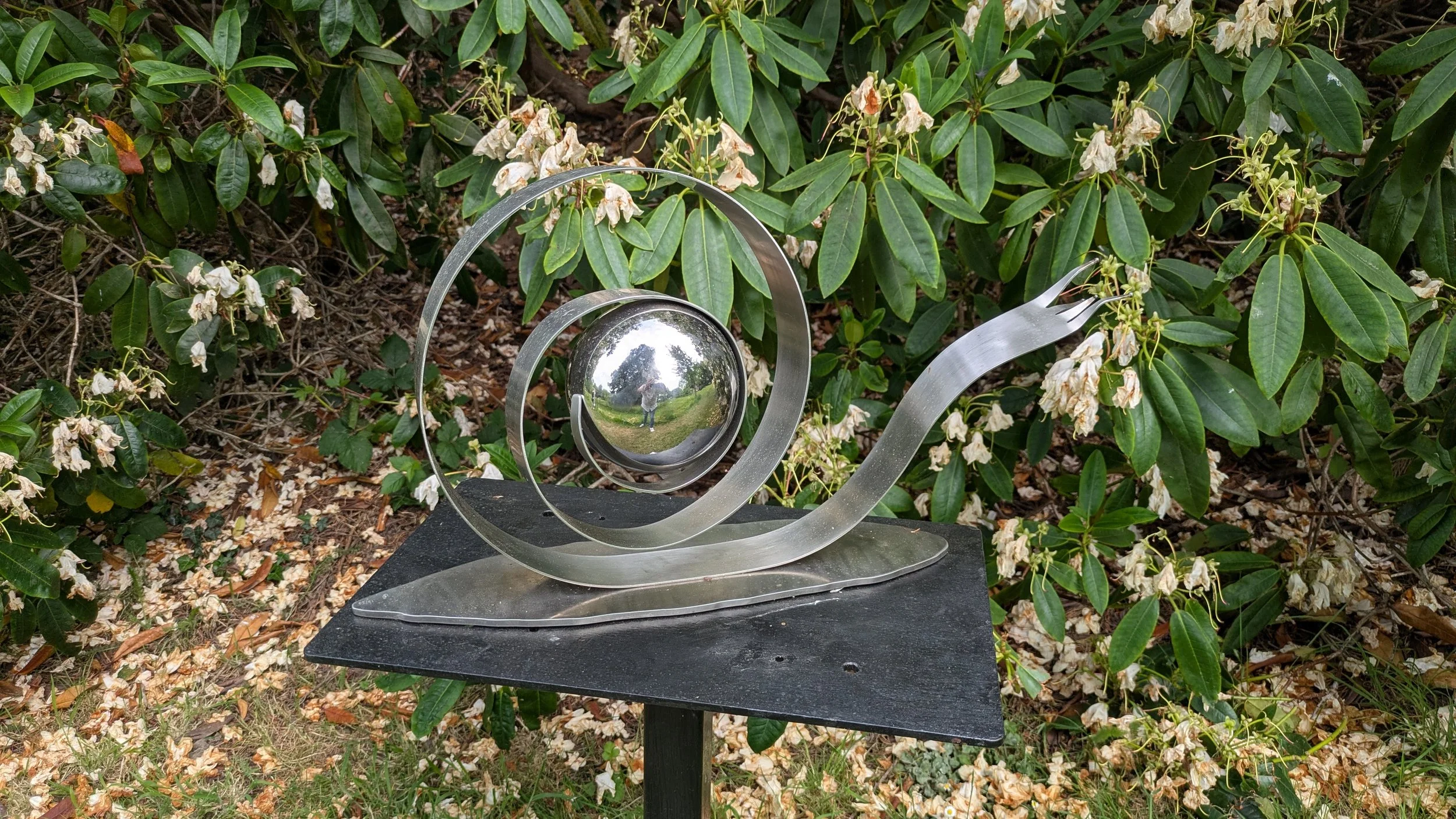
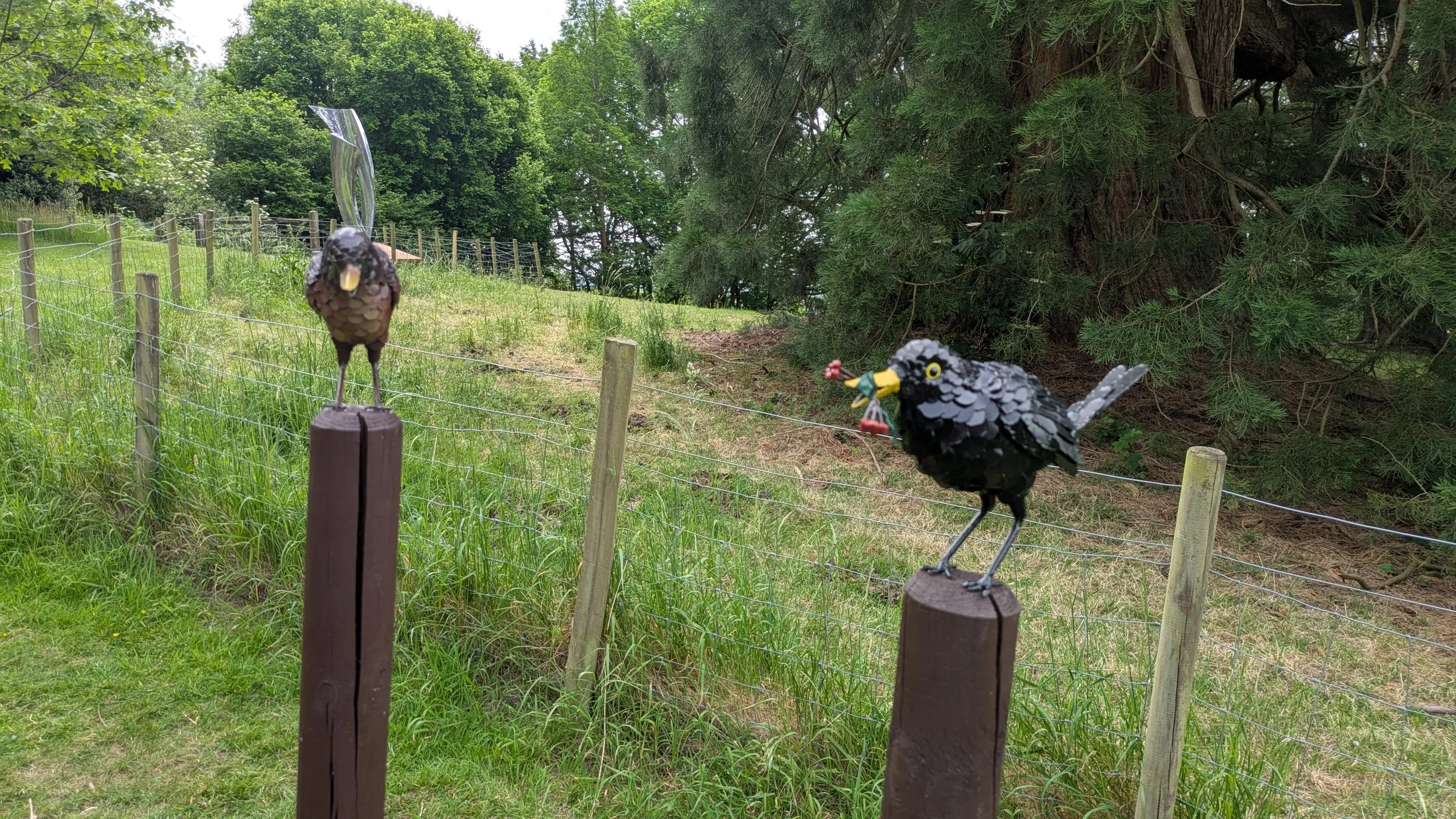
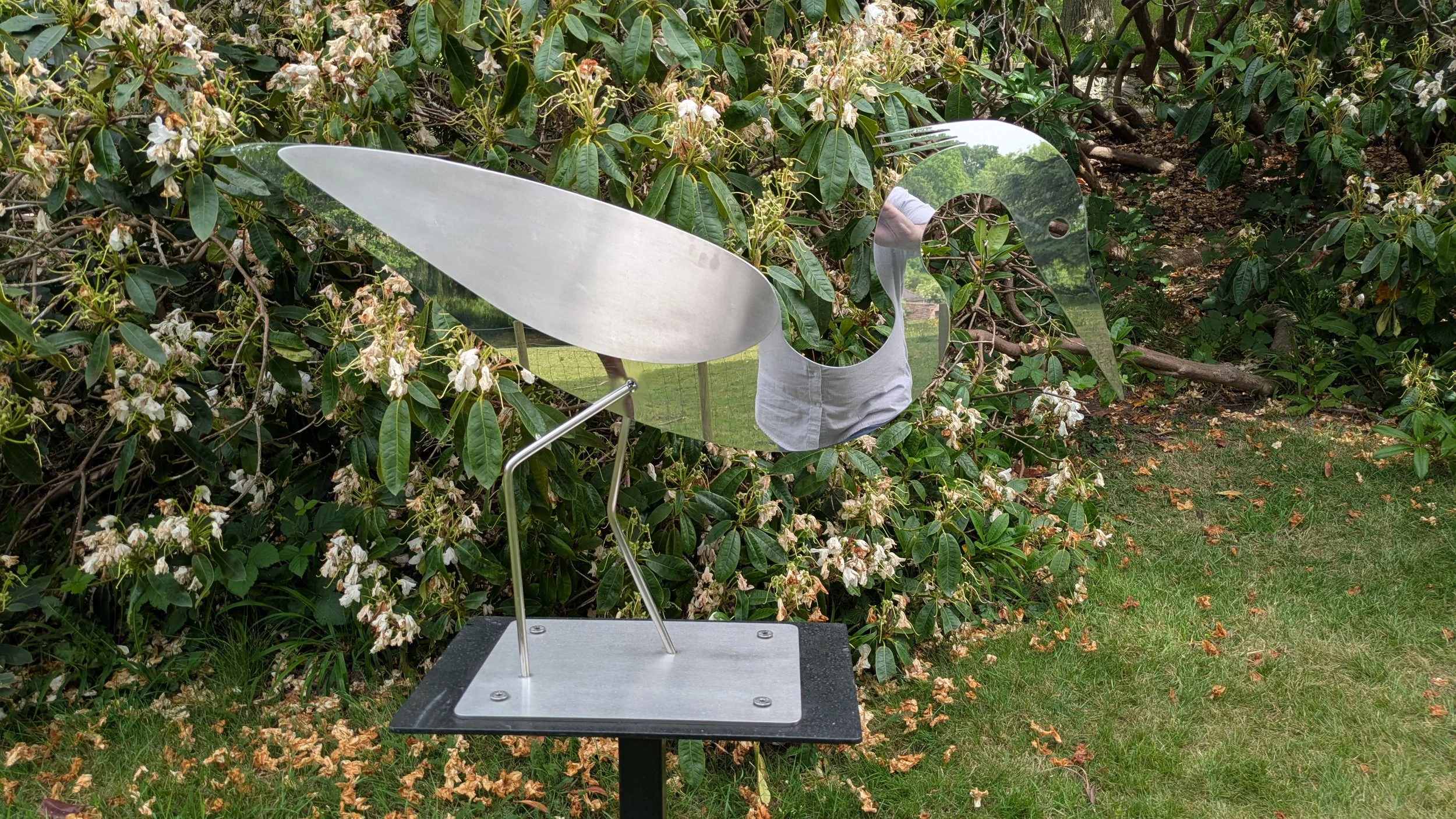
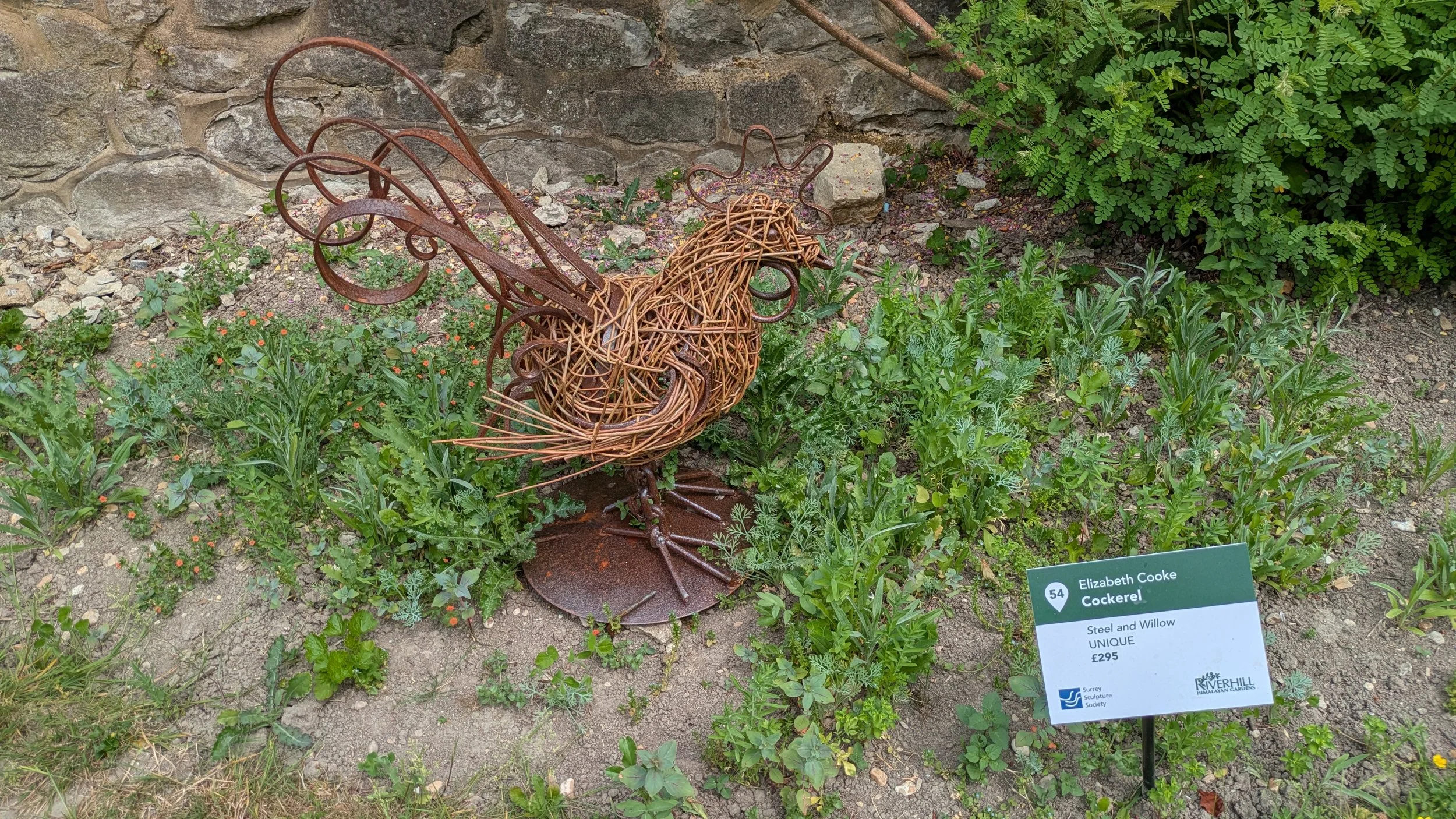
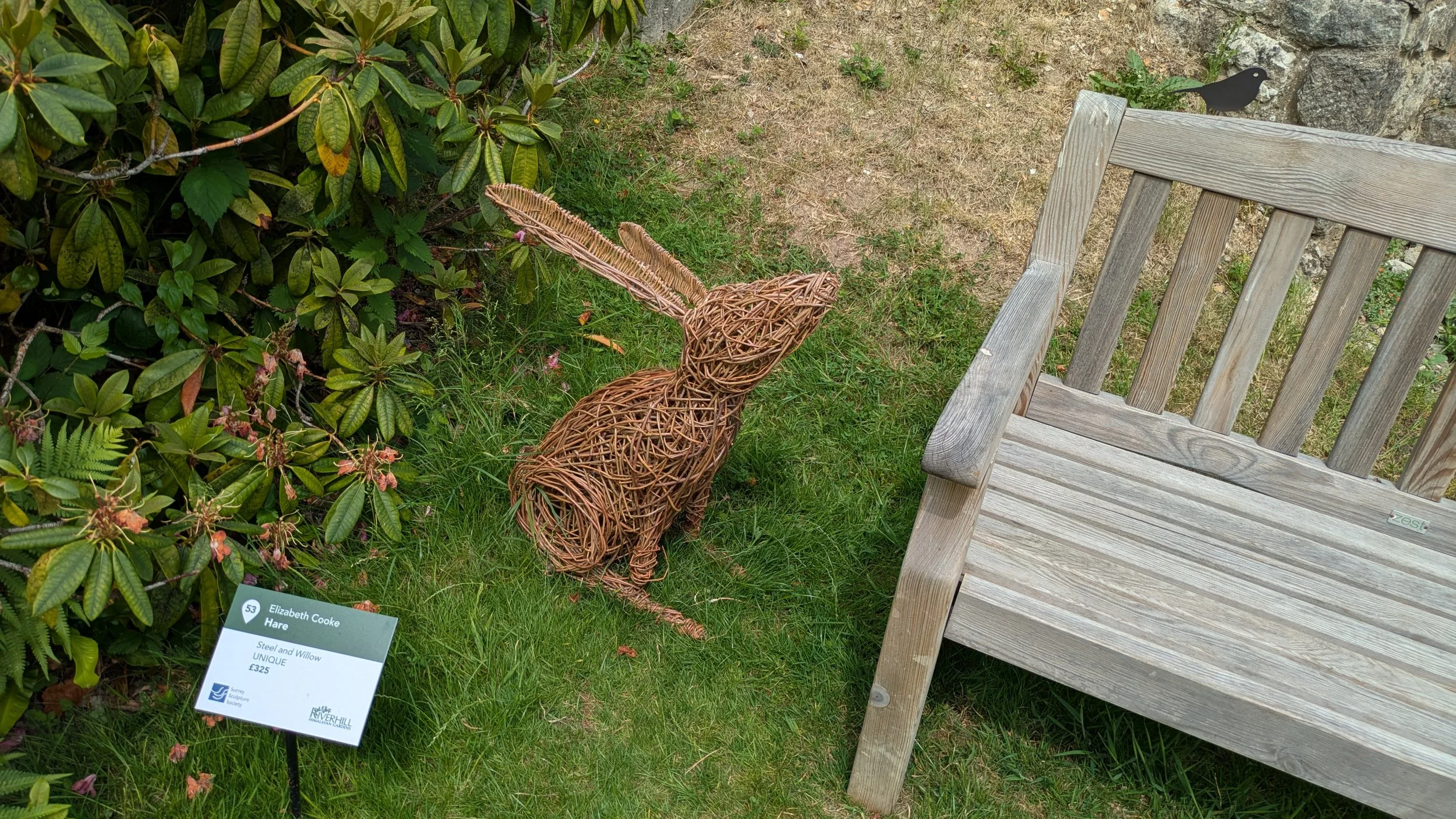
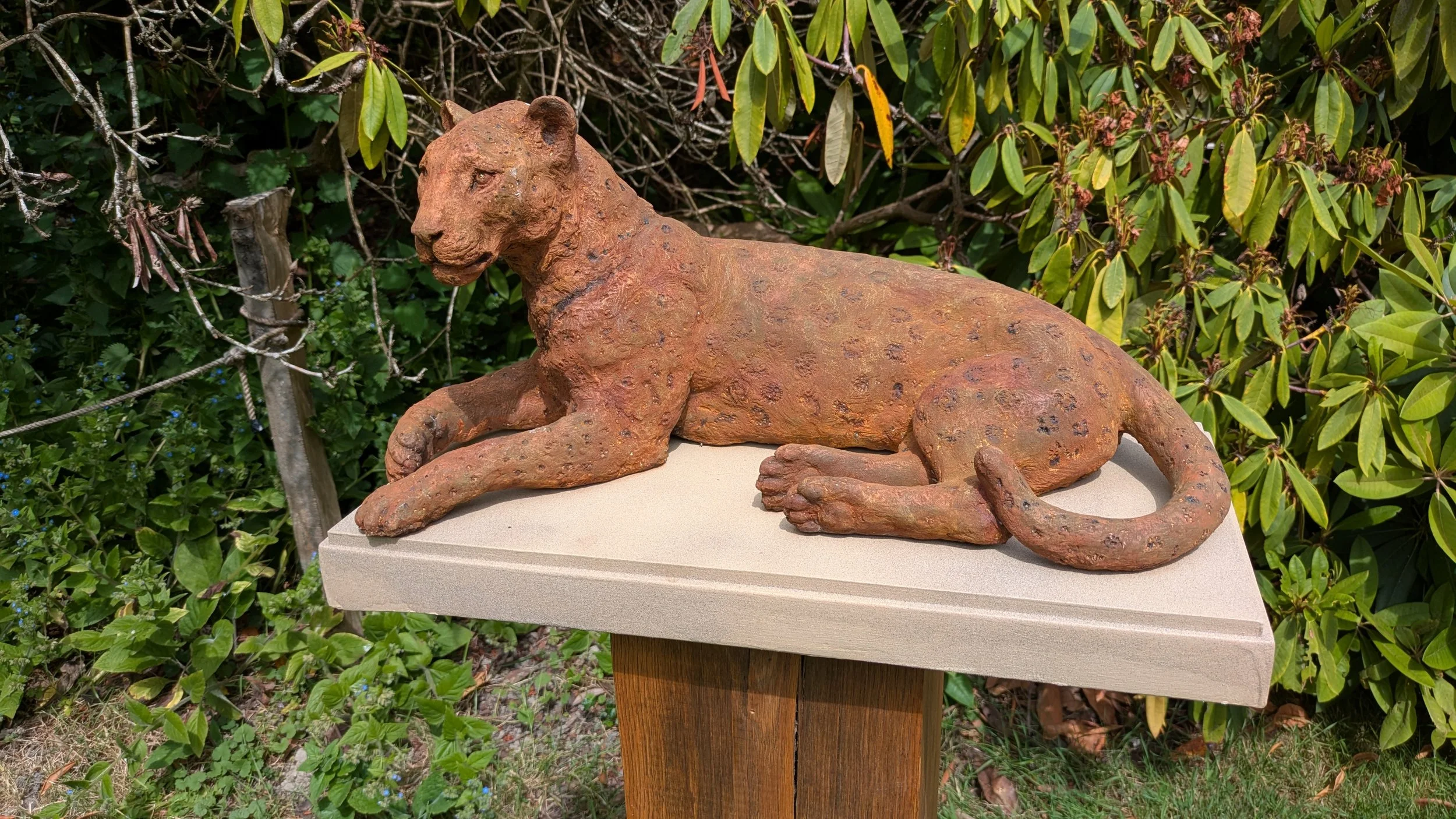
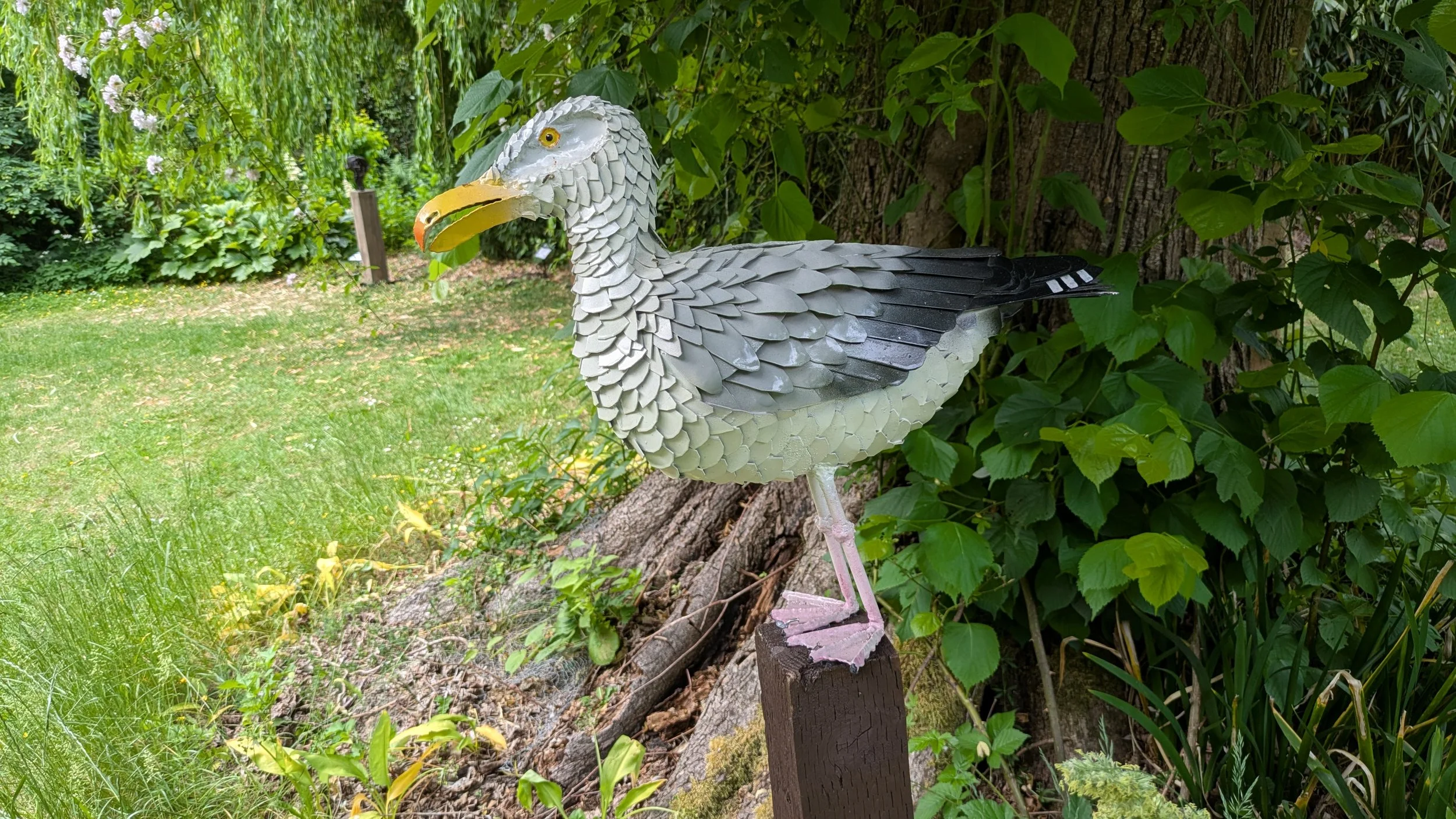
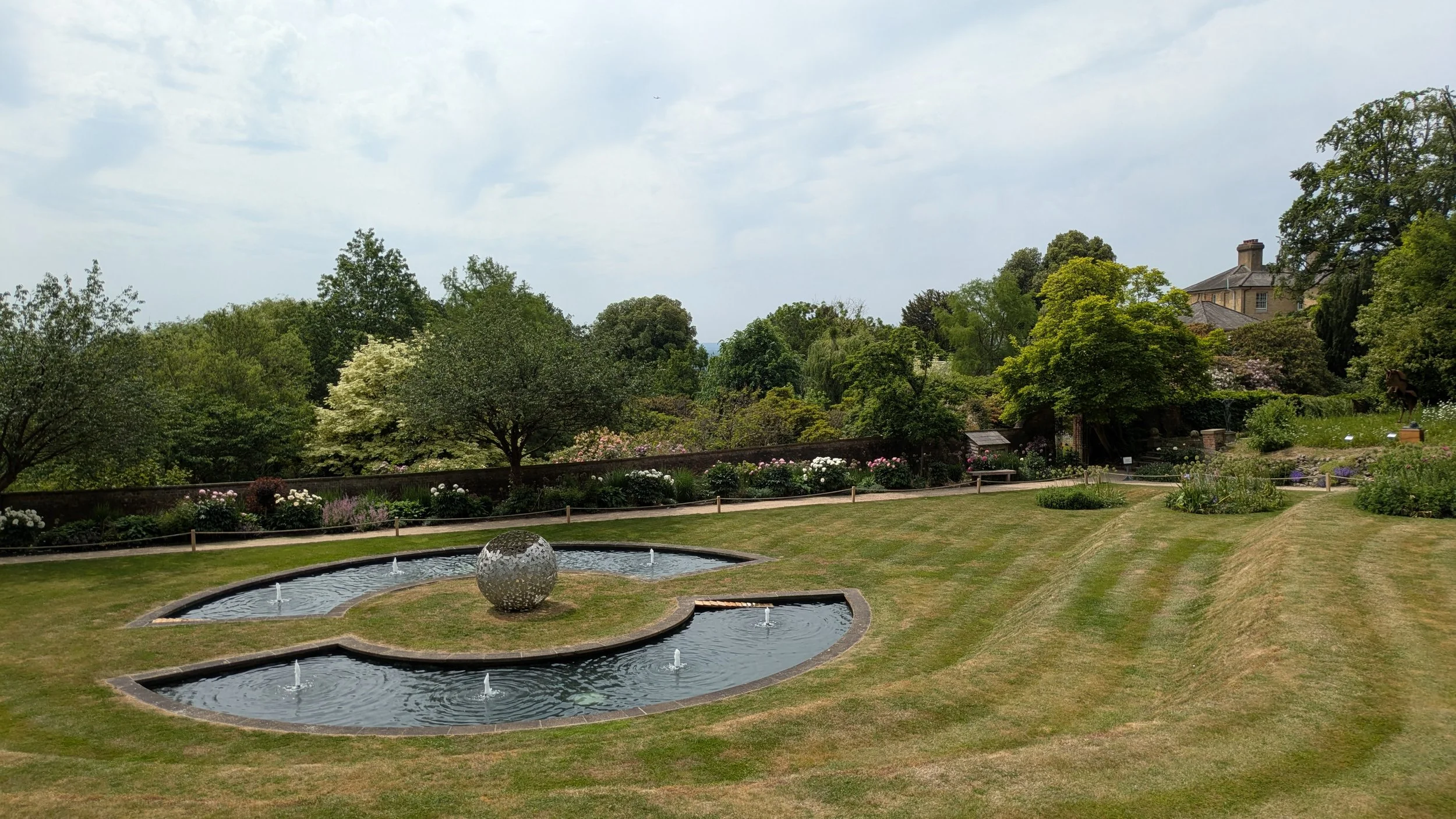
Today I visited the Inside Aardman: Wallace & Gromit and Friends exhibition at the Young V&A Museum at Bethnal Green. The exhibition which celebrates 50 years of Aardman Animations, provides visitors with a unique, behind the scenes view of the art of stop-motion animation. It also explores how Aardman’s iconic characters and worlds are designed, crafted and brought to life. From the initial concept artwork to the final visual effects, this event demonstrates the methods and techniques employed by Aardman. The exhibition features early scripts, sketch artists initial concept art, models, sets and numerous famous puppets. Furthermore this event is firmly pitched at children and families, with a wealth of interactive activities demonstrating the various techniques on display. The curators of the exhibition have also made it clear that they wish to encourage future generation to consider a career in the creative arts.
The Imperial War Museum serves as a national museum for Britain. Its main location is in London, complemented by five additional branches across England. Established in 1917 as the Imperial War Museum, its original purpose was to document the civil and military efforts and sacrifices made by the United Kingdom and its Empire during the First World War. Over time, the museum’s scope has broadened to encompass all conflicts involving British or Commonwealth forces since 1914. As of 2012, the museum’s mission is to provide and encourage the study and understanding of the history of modern warfare as well as the “wartime experience”. The IWM as it is now known has its headquarters and primary site is located at Southwark in Central London. The museum is funded by government grants, charitable donations and revenue generated through commercial activity such as retailing, licensing and publishing. General admission is free to IWM London.
Castle Farm is a family business located near the village of Shoreham in West Kent. The Alexander Family have been farming in the Darenth Valley since 1892 when James Alexander transported 17 milking cows from Ayrshire in Scotland and took up residence in this south-eastern part of England. Castle Farm is a busy, working farm comprising of 1,100 acres. It produces such crops as wheat, barley, rapeseed, hops, apples, pumpkins and lavender. It is also home to a grass-fed herd of beef cattle. However, in recent years it has become well know internationally for its lavender crop. Castle Farm began its lavender enterprise in 1998, producing the essential oils associated with the flower. It is now the largest lavender farm in the UK, growing over 110 acres of the flower. Furthermore, it has become quite a tourist attraction with the farm staff running tours during Summer and the height of lavender season.
Riverhill Himalayan Gardens are set in the grounds of Riverhill House, a Grade II listed Queen Anne manor house located on the southern edge of Sevenoaks in Kent, England. Riverhill is well known for its stunning and historic gardens as well as its sweeping vistas over the Weald of Kent. The estate has been the residence of the Rogers family since 1840 who currently operate the gardens as a tourist attraction, along with the house and associated facilities as a wedding venue. Visitors can enjoy a walled garden, rose walk and maze as well as other attractions. There is also an excellent trail around the grounds culminating in a view from the top of the hill over the estate. Riverhill Himalayan Gardens, as a supporter of the Surrey Sculpture Society, regularly showcases a selection of sculptures and art pieces throughout its grounds. All are available for purchase if you have deep pockets.
The Hunterian Museum is a museum of anatomical specimens in London, located in the prestigious building of the Royal College of Surgeons of England. The museum is made up primarily of a collection from the 18th century Scottish surgeon John Hunter. Over the years it has since been subsequently supplemented by Odontological material curated by A. E. W. Miles and various natural history exhibits from Richard Owen. In May 2023, the Hunterian Museum reopened following a five-year redevelopment of the Royal College of Surgeons of England’s headquarters at Lincoln’s Inn Fields. The £4.6 million museum project features the exhibition of more than 2,000 anatomical specimens from Hunter’s original collection. In addition to these there are instruments, equipment, models, paintings, and archival materials that document the evolution of surgery from ancient eras to contemporary robot-assisted procedures. The Museum boasts the largest public display of human anatomy in England.
The Crystal Palace Dinosaurs are a collection of sculptures depicting dinosaurs and other extinct species located in Crystal Palace Park, in the London borough of Bromley. These sculptures were originally commissioned in 1852 for display at the Crystal Palace following its relocation from the Great Exhibition held in Hyde Park. They were revealed to the public in 1854 and are the first speculative dinosaur sculptures ever created. Although the models are now considered inaccurate by contemporary standards, they were designed and crafted by Benjamin Waterhouse Hawkins under the scientific guidance of Sir Richard Owen, reflecting the prevailing scientific understanding of the time. The sculptures were designated as Grade II listed buildings in 1973 and underwent extensive restoration in 2002. In 2007 they were elevated to Grade I listed status. As of spring 2026 the dinosaurs are again being renovated as part of a £5 million regeneration of the park.
The benefits of international travel are numerous. These include stress relief, mental health benefits and a chance to escape the drudgery of work. Then there are the cultural aspects that you can immerse yourself in. Going abroad also allows you to learn new language skills as you awkwardly ask for directions. International travel is a chance to make lasting memories and it often gives the traveller a greater appreciation of their own home. At the very least the beer is always better abroad and that is the very definition of “broadening your horizons”. Yet despite all these positive points, there is one unavoidable hassle when comes with travelling abroad. The fact that the country or countries that you’re visiting will invariably use a different electrical plug and socket standard. In an age where a lot of the stuff you bring along with you on holiday needs charging, this can be a very stressful problem to solve.
I thoroughly enjoyed our holiday in Croatia last year and it did much to restore my confidence in travelling. Previously my views on visiting other countries had been greatly influenced by the films Raid on Entebbe and Midnight Express. As January was such a bleak month here in the UK, Mrs P and I decided we couldn’t wait until summer for another holiday and so decided to book something for the end of March. So we visited our local Travel Agents and decided upon a river cruise. We’ve been interested in these since we saw a travel show with Susan Calman. River cruises are a horse of a different colour, compared to sea cruises. They’re a great way to visit cities of note, often bringing you right into the heart of them. River cruise ships are a lot smaller with less passengers than ocean faring vessels. They also attract quite different travellers. Let it suffice to say that a sea cruise doesn’t offer the cultural experience that I am looking for.
There are approximately 4000 parks and green spaces in Greater London. Bexley Borough alone has over 100. Public parks and green spaces are vital to modern cities, providing essential health, environmental and social benefits. They boost physical and mental wellbeing by reducing stress and providing a place for exercise. Furthermore they enhance urban sustainability, mitigate heat, and provide a sustainable environment for a wildlife. Parks are often a venue for social activities and events and as such are an important part of the local community. Going to the park has always been a part of my life. I live next to Old Farm Park in Sidcup and have made use of this recreational space throughout my life. I used visit with my parents in the seventies, when I was a child. Thirty years later my son, father in-law and I would fly kites there. Now I take my grandchildren to Old Farm Park as it now has a playground.
There is no shortage of interesting and good quality museums in London. In many respects tourists and visitors are spoilt for choice. More often than not, it is the most well known institutions such as the British Museum or Victoria and Albert Museum that gain the most attention. However, there are many hidden gems to discover if you take the time to look further. A prime example being The British Optical Association Museum which I had the pleasure of visiting today. The museum’s function is to promote the optometry profession and raise public awareness of its past and ongoing role within society. The museum has a well conserved collection of exhibits and provides a venue for presentations, learning and research services. There is also an excellent tour hosted by museum curator Neil Handley (PhD, AMA, FRSA) in which he gives a concise, interesting and at times a witty overview of the history of optometry in the UK and its current role.
The artillery battery at Capel-le-Ferne was built between 1941 and 1942, following the fall of France, on the orders of Winston Churchill. Located between Dover and Folkestone, the battery consisted of three 8-inch high-performance guns, provided by the Royal Navy. The battery was intended to provide anti-shipping defence in the English Channel. The site was manned by men of the 520 Coast Regiment Royal Artillery. Over the course of World War II, the battery expanded in size, eventually encompassing multiple Nissen huts, several roads and 19 military buildings. Anti aircraft defence was provided by two 40mm Bofors guns. Over the course of the war, the Capel Battery engaged enemy shipping on four separate occasions and also took part in fifteen practice shoots. In 1944, due to the decreased threat, the battery was placed in “care and maintenance”. The guns were removed in 1952 and the building demolished in the early 1980s
There are an estimated 2,500 museums in the UK. This number has grown significantly over time, more than tripling between 1960 and 2017. While it is laudable that so many of these institutions exist, they do not all receive equal interest or publicity. Some museums dominate in their respective fields and drown out others that have a similar theme. With this in mind, I was unaware of the Kent Battle of Britain Museum until a friend recently brought it to my attention. After yesterday’s visit my initial thoughts are what a treasure trove it is. According to the museum’s website it is the world’s largest Battle of Britain collection of memorabilia. This includes planes, uniforms, weapons and related artefacts from over 700 crashed aircraft. Furthermore, the museum tells the story of this battle without bias, choosing to highlight both the historical and the human aspects of the conflict. It is often very poignant.
Stonehenge is so much more than just a neolithic, historical structure of note. It is of great spiritual importance to many, representing ceremonial practices and ancient worship. It is also seen as a conduit to a wider connection to the cosmos. It is after all a celestial calendar, according to one of the theories regarding its purpose. It also has a strong significance in pop culture. Hence, due to its history, symbolism, religious connotations and overall sense of mystery it is a UNESCO World Heritage Site and a globally recognised symbol of ancient Britain. As such, it has always been somewhere that I have wished to visit. Today, as we were relatively nearby in Ringwood and the weather was pleasant, Mrs P and I decided to go to Salisbury and see this iconic structure for ourselves.
I enjoy visiting the coast. I always have. I find the sight and sounds of the sea very calming and thought provoking. There is something about seeing the ocean stretch out to the horizon and its implied enormity, that gives you a sense of perspective. The UK is a seafaring nation and therefore it is an integral part of our history and national identity. Hence a strong nautical theme and a sense of its importance has bled through into our popular culture. It is therefore quite common for people to have a positive attitude towards the sea and its associated leisure activities. I like to visit the coast at various times of the year and walk along the beach, just listening to the waves, lost in my own thoughts. This is not a hard thing to do in the UK, as no one lives further than 70 miles (113 kilometers) from the coast.
Knole is a country house in England and a former archbishop’s palace that is currently owned by the National Trust. It is located within Knole Park, a 1,000-acre (400-hectare) estate that lies to the south-east of Sevenoaks in west Kent. The existing structure of the house dates back to the mid-15th century, although there were significant expansions in the 16th and particularly in the early 17th centuries. Its Grade I listing signifies its combination of late-medieval to Stuart architectural styles. This is especially evident in its central façade and state rooms. In 2019, a comprehensive conservation initiative titled “Inspired by Knole” was completed to restore and enhance the buildings’ structures. This was beneficial to the preservation of its significant collections. The adjacent deer park has also endured since 1600.
Mrs P and I travelled to Croatia on Friday 13th June for our summer holiday. We spent one week in Makarska, which is located on the Dalmatian coast. My last international holiday was to Malta in 2004. Since then we have done a lot of travelling in the UK and Mrs P has vacationed abroad with other family members. However, she stated last September that she wanted to go “somewhere warm” for our next holiday. So this trip was booked and has been “something to look forward to”, or a source of stress slowly inching closer, depending upon your perspective. In many respects this holiday has been a big deal for me. I don’t enjoy travelling at all with all its accompanying logistical, bureaucratic and “people” issues. However, I have no problem with being elsewhere. I eagerly await teleportation technology to become commonplace. Once I arrived at our hotel, I quickly switched to holiday mode and I am happy to confirm that I thoroughly enjoyed myself.
Emmetts Garden is an Edwardian estate situated on Ide Hill, close to Sevenoaks in Kent, UK. After a long and interesting history it is currently under the stewardship of the National Trust. Originally open farmland, the existing house was constructed in1860. The term “emmett” is a local dialect for ant, referencing the large anthills that populated the area until the 1950s. In 1890, the estate was acquired by Frederic Lubbock, a banker with a keen interest in horticulture. His elder brother, John Lubbock, 1st Baron Avebury, was a renowned authority on ants, which may have influenced Frederic's decision to purchase the estate. Today Emmetts Garden is open to the public and features several “hortus conclusus” (walled gardens) and a hillside trail that is famous for its Bluebells in the spring.
Damerham is a quaint rural village and civil parish located in the New Forest district of Hampshire, England. It is close to the market town of Fordingbridge. Damerham is distinguished by significant Neolithic and Bronze Age burial mounds. Historically, it was home to an Anglo-Saxon religious community and was referenced in the will of Alfred the Great, as it was at that time part of the royal estate. At the time of the Domesday Book in 1086, Damerham was recognized as a prominent settlement under the ownership of Glastonbury Abbey. It was mainly farms and agrarian small holdings. Today, the village still features a riverside mill and the church of Saint George date’s back to the Norman period. There is a church hall that hosts numerous local, seasonal events.
Bodiam Castle is a 14th-century moated castle located near Robertsbridge in East Sussex, England. It was built in 1385 by Sir Edward Dalyngrigge, a former knight of King Edward III. The castle’s primary purpose was to defend the local area against possible French invasion during the Hundred Years' War. Bodiam Castle has a quadrangular design and does not have a keep. All the various chambers and rooms were built adjacent to the outer defensive walls. The four corners and main entrance have towers, all of which feature crenellations. A substantial moat surrounds the castle, which served as a home for the Dalyngrigge family, as well as a seat of power to the manor of Bodiam. The castle remained within the Dalyngrigge family until the line became extinct. It remained a place of strategic importance during the War of the Roses and the English Civil War. It is currently owned and maintained by The National Trust.
Today I went on an impromptu visit to Brompton Cemetery in West London. Established in 1837, the West of London and Westminster Cemetery (as it was originally known) is a private cemetery initially created as a business venture to capitalise upon the shortage of cemeteries within London. It also sought to cater to the prevailing culture of opulent Victorian funeral rites. However, after proving non profitable, the cemetery was bought by the UK government. It was subsequently incorporated into Crown Property and managed by The Royal Parks. It is one of Britain’s oldest and most distinguished garden cemeteries. There are currently 35,000 monuments, ranging from simple headstones to impressive mausolea. It is home to more than 205,000 resting places. The cemetery is also a haven for flora and fauna, providing a substantial semi rural environment amid urban central London.
Christmas Tree Farm is a petting zoo, outside the village of Downe in the county of Kent. Despite its rural setting, it is actually only 15 miles from London, making it an ideal visit, as part of a day. The farm is home to a wide selection of domestic farm animals (and a few more exotic ones), all of which can be fed, stroked and lavished with attention by visitors. During the winter months, Christmas Tree Farm hosts Santa’s Grotto and as the name suggests is the place to find the perfect Christmas tree for your home. Entry prices are very reasonable, costing £6 per adult and £4 for children aged between 2 and 16 years old. Buckets of animal feed of varying size are also available for a small fee. There is a leisurely trail around the farm where the various animals are housed in pens and out buildings. There is also a Tea Garden where refreshments are available.
In 1939 legislation was passed in the UK so that all employees had one week’s annual paid holiday per year. By the 1950s this had become two weeks and by the 1980s most people had at least 4 weeks of annual holiday. On top of this paid leave allocation, the UK currently has 8 bank holidays which provides further time off for employees. This culture of increasing amounts of annual leave also broadly coincided with air travel becoming more accessible. The first UK passenger jet service began in 1952. However, its cost excluded most people. However, as larger airliners with increased range became available, cheaper foreign holidays became more and more economically viable. European holidays became a reality in the 1960s and 1970s. By the 1980s long-distance holidays to other continents became ubiquitous and the package holiday became king. It is also worth noting that the Channel Tunnel opened in 1994, making car travel from Britain to Europe easier and more popular.
Today I had the pleasure of visiting the Whitstable Museum (or to give its full name Whitstable Community Museum and Gallery). This is a fine example of a local heritage centre that curates and displays artefacts and records that reflect the history and culture of the surrounding area. The museum located in Whitstable, Kent, is home to one of the world's oldest steam engines, as well as historical diving equipment that was developed locally. The history of the local oyster trade which has been an integral part of the community for centuries is also a key feature. Established in 1985, the museum was reopened in 2015 following a major refurbishment. There is also an art gallery featuring the paintings by local artists and artworks on loan from an international network of galleries.
Eltham Palace, located in South East London, was the childhood home of King Henry VIII in 1499. It was later used as a royal nursery for the infant Princess Elizabeth, born on 7th September 1533. It sports sumptuous grounds and ornamental gardens and was famous for its game hunting during the Tudor and Elizabethan periods. In the 1930s’ the property was owned by the Courtauld family, who built a sumptuous Art Deco style mansion and redeveloped the grounds. Today the entire property is owned and managed by English Heritage who have extensively restored much of the estate. It is therefore very fitting that this illustrious venue annually plays host to the Legendary Medieval Joust, during the summer months. Two days of historical pageantry, re-enactments and events for the entire family to enjoy. I last attended in 2015, so it was a welcome pleasure to return again yesterday.
Morph’s Epic Art Adventure in London is a step-free art trail and tourist attraction featuring the iconic animated character Morph. It is hosted by charitable organisation Whizz-Kidz, global event producers Wild in Art and Aardman. The trail features 56 super-sized sculptures of the much-loved children’s TV character, which are set among various iconic London landmarks including St Pauls, Tate Modern, Tower of London, Shakespeare’s Globe and Borough Market. It is a free public art trail and tourist attraction, designed by a variety of artists to excite and inspire people of all ages, whilst increasing public awareness about the need for young wheelchair users to be mobile, enabled and included in society. Morph’s Epic Art Adventure in London runs from June 19th until August 20th 2023.
Regardless of whether you deem the IFS Cloud Cable Car a white elephant, a political folly or just a mistake in terms of tourism, it cannot be denied that the view it provides over South East London is impressive. At a height of 90 metres (300 feet), on a bright and sunny day you can see from City Airport to Canary Wharf. Located at Greenwich Peninsula, the IFS Cloud Cable Car (as it is now called) opened in June 2012. It was initially promoted as a viable form of public transport across the Thames, linking North Greenwich and Royal Victoria stations. In October 2012, nearly 100,000 journeys were made. However, after the London Olympics, passenger rates fell and since then IFS Cloud Cable Car has become more of a tourist attraction, rather than an integral means of commuting.
To my surprise I found myself out and about today undertaking another day trip. This time we headed back to the sea and visited Whitstable, a town on the north coast of Kent adjoining the Greater Thames Estuary. It’s 5 miles (8 kilometres) north of Canterbury and 2 miles (3 kilometres) west of Herne Bay. The town was originally recorded in the Domesday Book of 1086, under the name Witenestaple, meaning "the meeting place of the white post", a reference to a local landmark. By the late middle ages Whitstable had become a centre of Thames Estuary fishing, specifically for oysters. Today, the main activities at the harbour are fishing and processing, cargo handling and boat maintenance. The town has shingle/sandy beaches adjacent to the harbour, where swimming and water sports are popular. Whitstable Castle is situated on the border of Whitstable and off the coast is Kentish Flats offshore wind farm, consisting of 30 wind turbines.
Royal Tunbridge Wells is a town in the county of Kent, 30 miles (50 kilometres) southeast of central London. It is situated on the border with East Sussex on the northern edge of the High Weald. The local sandstone geology is synonymous with a rugged landscape due to erosion and weathering. The town itself was a spa during the Restoration and became a very fashionable resort in the middle of the 18th century. Socialites such as Beau Nash helped make the resort popular when the Pantiles and its chalybeate spring, began attracting visitors who came to “take the waters”. Despite the decline in spa towns after sea bathing grew in popularity, Royal Tunbridge Wells has remained a tourist resort. Today, much of the area's income is generated by tourism. The town has an equitable temperate maritime climate.
With January already behind us, Mrs P and I decided it was high time we took our first day trip of 2022. So yesterday I spent some time looking online at details of various National Trust sites within an hour or so drive from our home. I also looked at similar places of historical note that are run by other bodies. Sadly, many are either partially or totally closed for the present. It would appear that from January to March many of these sorts of tourist attractions spend time repairing, refurbishing and preparing for forthcoming events. Grounds also have to be maintained. Hence, we were somewhat lacking in choice for suitable destinations. However, as the weather forecast was mild, today we opted to visit the village of Chiddingstone so we could walk in the grounds of the local castle and along the various footpaths in the area.
For me, staying in a hotel is always an adventure, as it mainly happens when I’m taking a holiday or a short weekend break. I suspect that travelling habitually for business reasons probably puts a different complexion on the process. It may well dictate what sort of hotels you stay in. More than likely functionality, location and cost trump other more self indulgent factors such as aesthetic and ambience. Mercifully, travel has never been a major part of my working life and so hotels are still a source of excitement as they’re associated with fine meals, interesting scenery and good company. However, such hotels tend to come at a price as they’re catering more for tourism rather than business travel and therefore stays are not a regular occurrence. However, I had the pleasure of a short visit this weekend.
Hunterian Museum
The Hunterian Museum is a museum of anatomical specimens in London, located in the prestigious building of the Royal College of Surgeons of England. The museum is made up primarily of a collection from the 18th century Scottish surgeon John Hunter. Over the years it has since been subsequently supplemented by Odontological material curated by A. E. W. Miles and various natural history exhibits from Richard Owen. In May 2023, the Hunterian Museum reopened following a five-year redevelopment of the Royal College of Surgeons of England’s headquarters at Lincoln’s Inn Fields. The £4.6 million museum project features the exhibition of more than 2,000 anatomical specimens from Hunter’s original collection. In addition to these there are instruments, equipment, models, paintings, and archival materials that document the evolution of surgery from ancient eras to contemporary robot-assisted procedures. The Museum boasts the largest public display of human anatomy in England.
The Hunterian Museum is a museum of anatomical specimens in London, located in the prestigious building of the Royal College of Surgeons of England. The museum is made up primarily of a collection from the 18th century Scottish surgeon John Hunter. Over the years it has since been subsequently supplemented by Odontological material curated by A. E. W. Miles and various natural history exhibits from Richard Owen. In May 2023, the Hunterian Museum reopened following a five-year redevelopment of the Royal College of Surgeons of England’s headquarters at Lincoln’s Inn Fields. The £4.6 million museum project features the exhibition of more than 2,000 anatomical specimens from Hunter’s original collection. In addition to these there are instruments, equipment, models, paintings, and archival materials that document the evolution of surgery from ancient eras to contemporary robot-assisted procedures. The Museum boasts the largest public display of human anatomy in England.
The Hunterian Museum is more than just a curious collection of questionable items in jars. It does a very good job of providing an overview of the life, times and aspirations of the surgeon John Hunter. Hunter was a keen advocate of the scientific method and of careful observation. He eventually set up his own anatomy school after serving as a Staff-Surgeon in the British Army. The museum has several very informative interactive displays that provide not only an insight into medical knowledge of the time but the “unorthodox” means in which specimens were procured. The museum does not shy away from the problematic ethical aspects of medicine from this era, such as “resurrection men” and the selling of organs. Furthermore, it readily acknowledges that a lot of items in the collections were obtain questionably. Which is why one of its most well known exhibits, the skeleton of the “Irish Giant” Charles Byrne, is no longer on display.
However, in the later rooms in the museum, there are displays focusing on modern medicine and the role that technology plays nowadays. These include the evolution of microscopes and MRI scanners which are depicted by several intricate models created by sculptor Eleanor Crook. They illustrate the complex procedures involved in open heart surgery and keyhole gallbladder removal. There is also a video display in which the nature of modern surgery are jointly discussed by both surgeon and patient. Hence, the Hunterian Museum is not exclusively based upon anatomical exhibits and instead provides a fascinating insight into the history of medicine and surgery in the UK. It is also worth noting that there is also a very good cafe available to visitors with an excellent selection of freshly made cakes. However, not everyone may be disposed towards such comestibles after their visit.
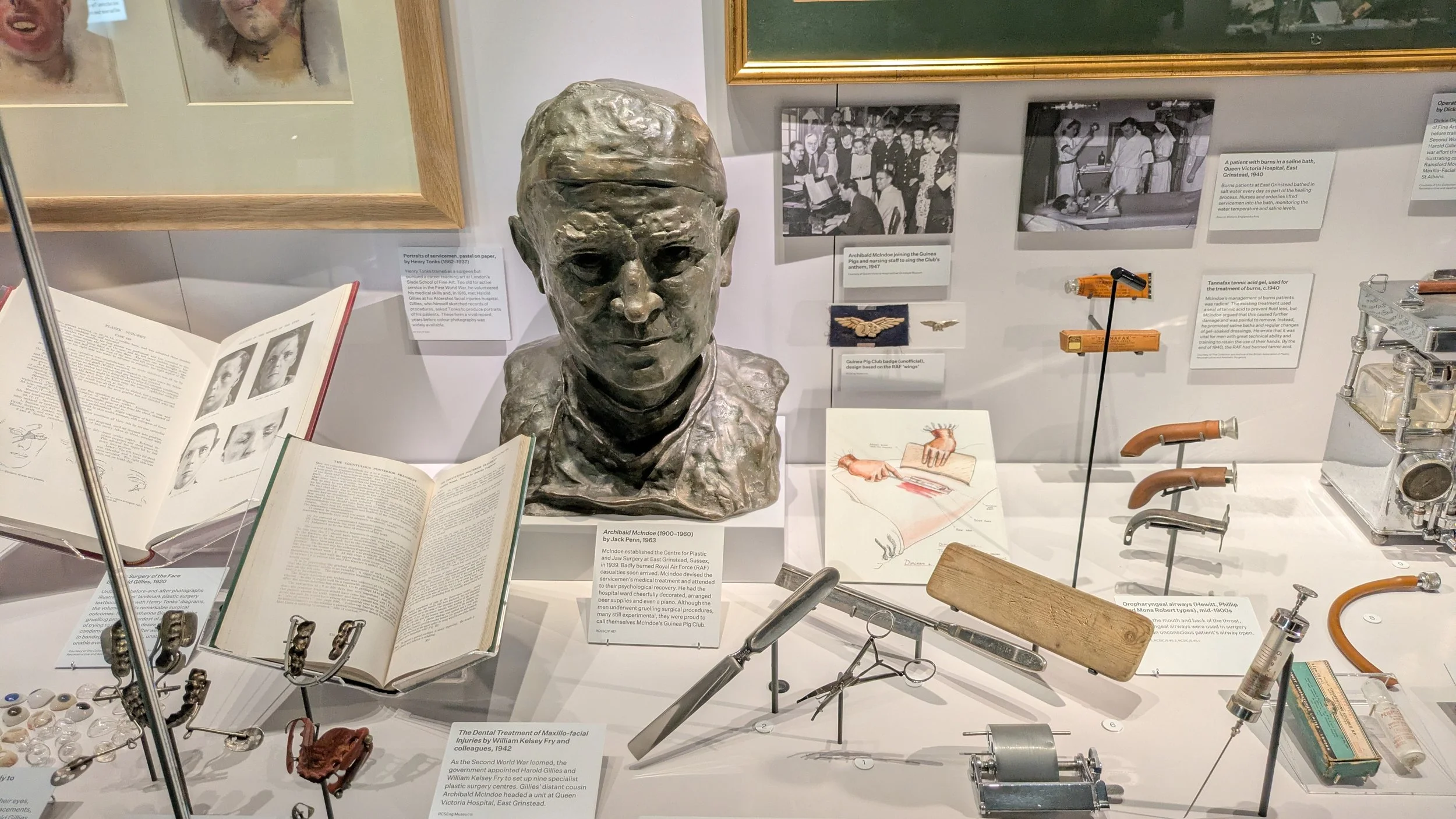
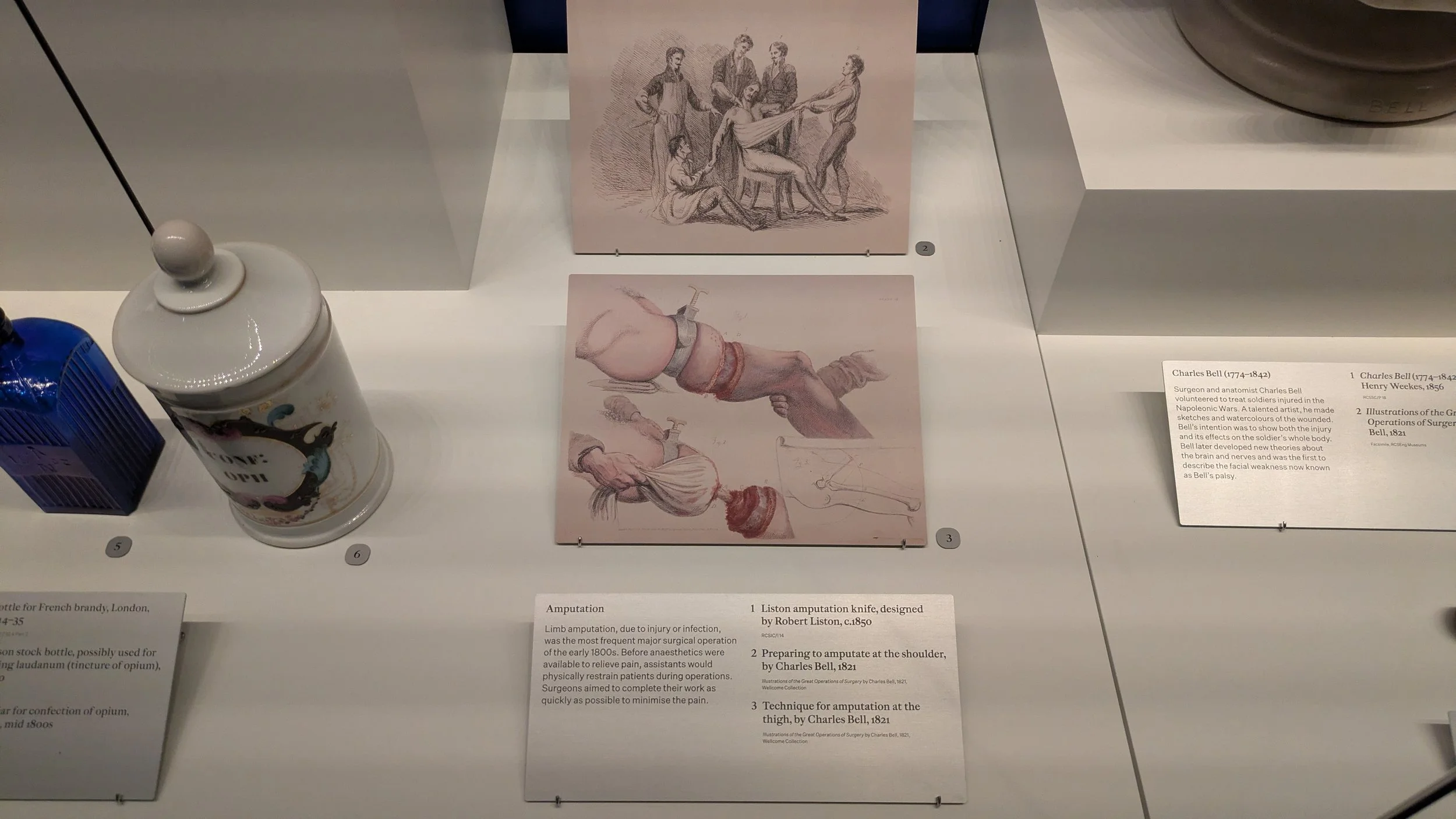
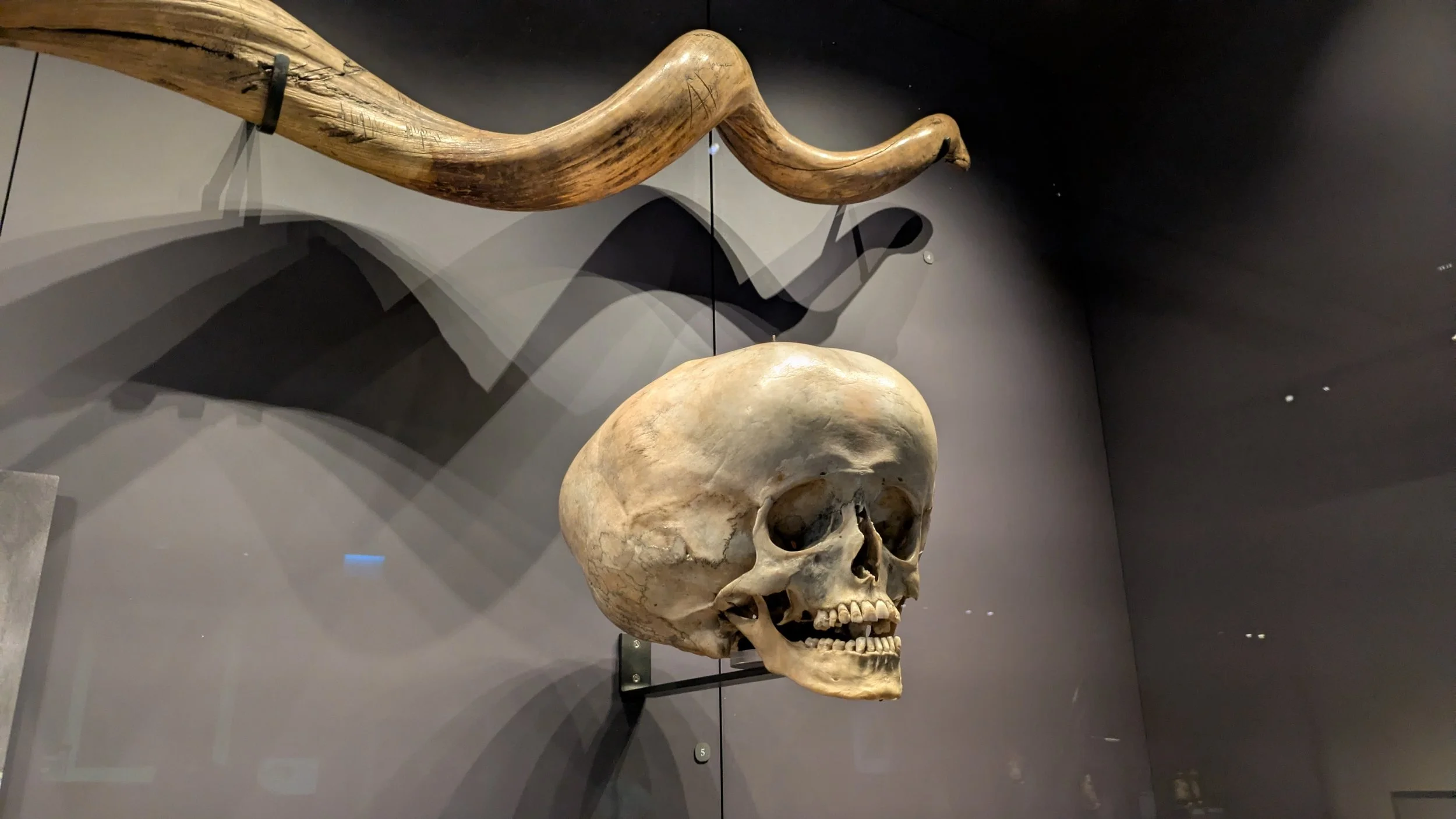
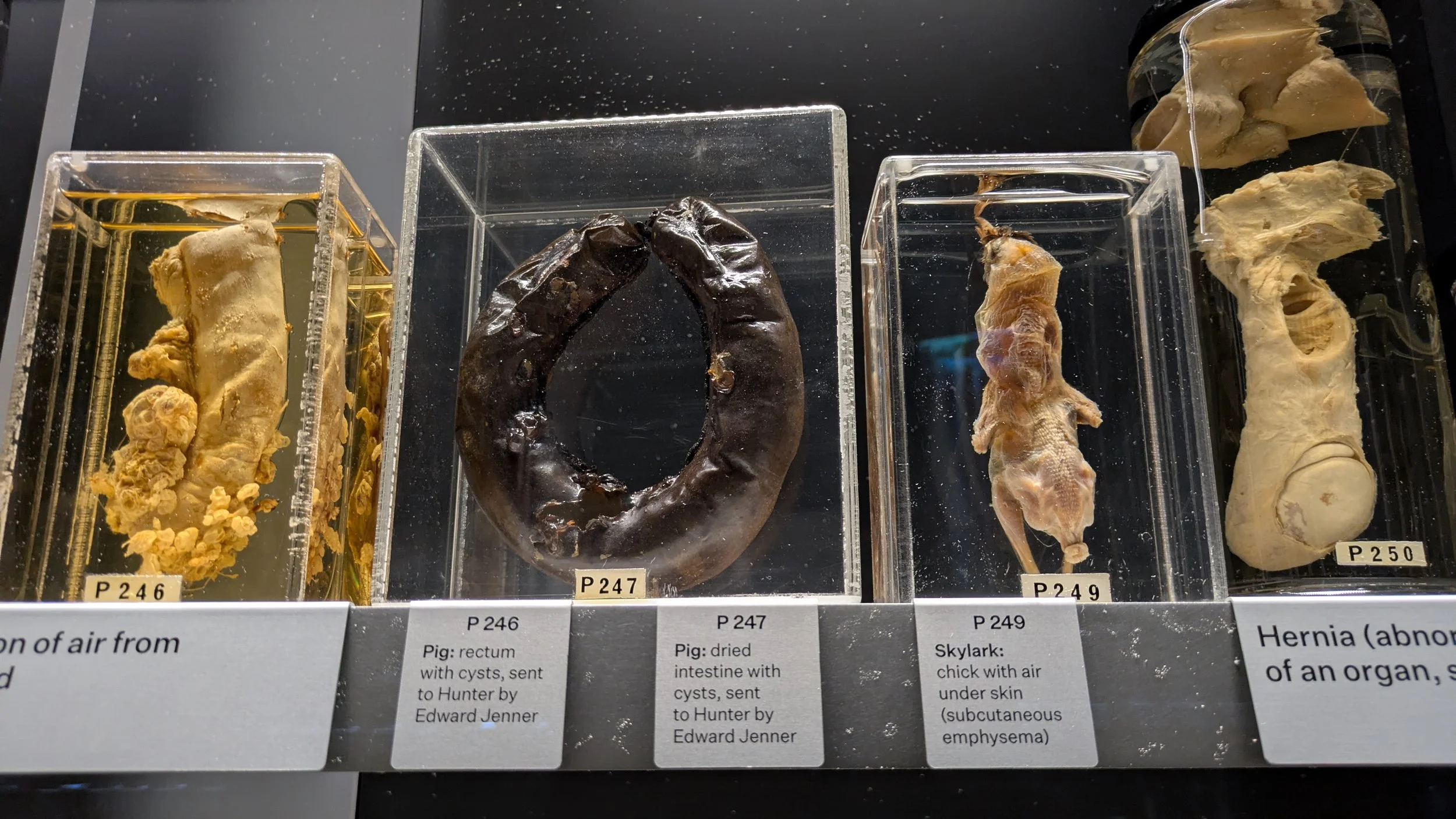
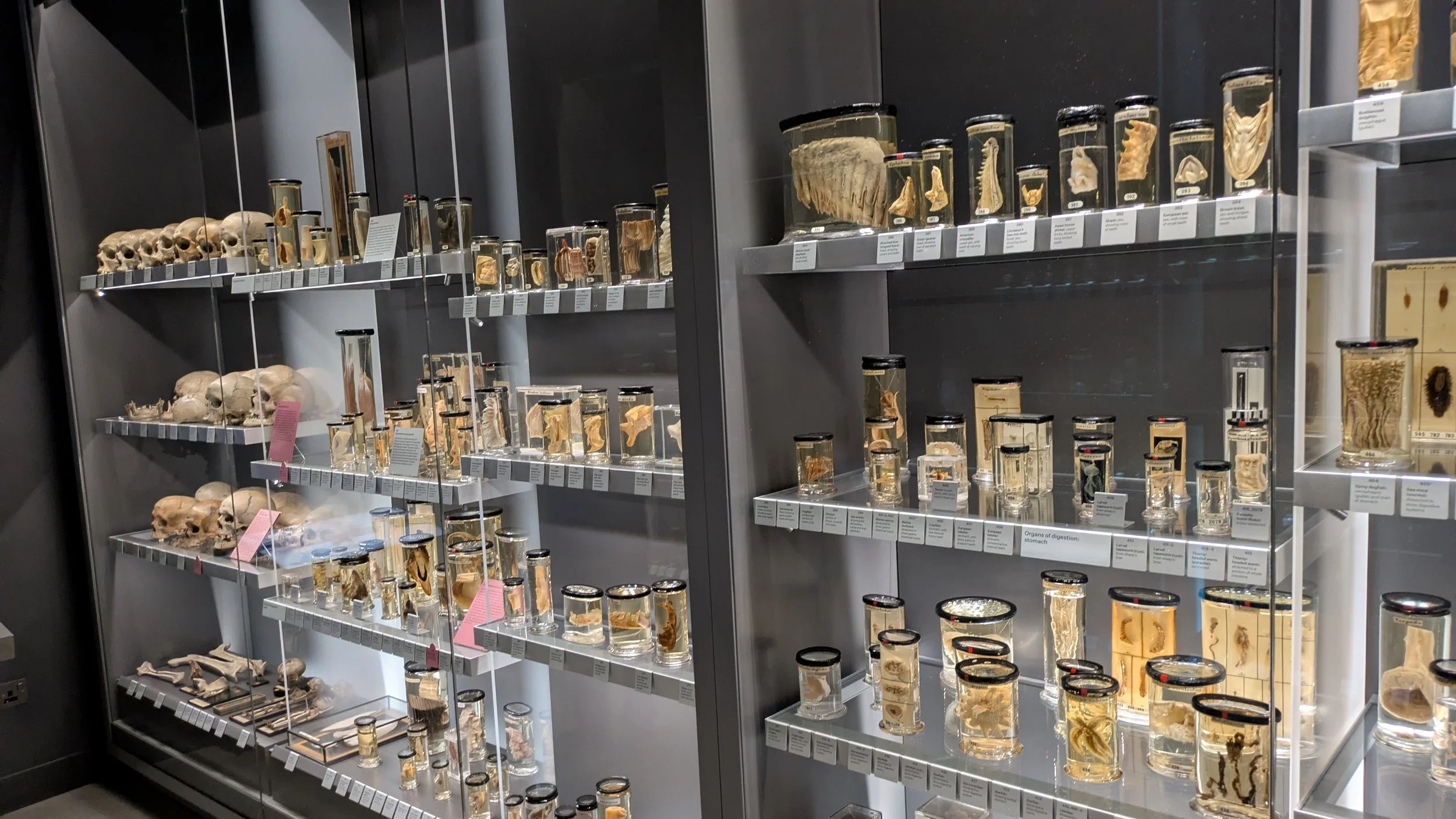
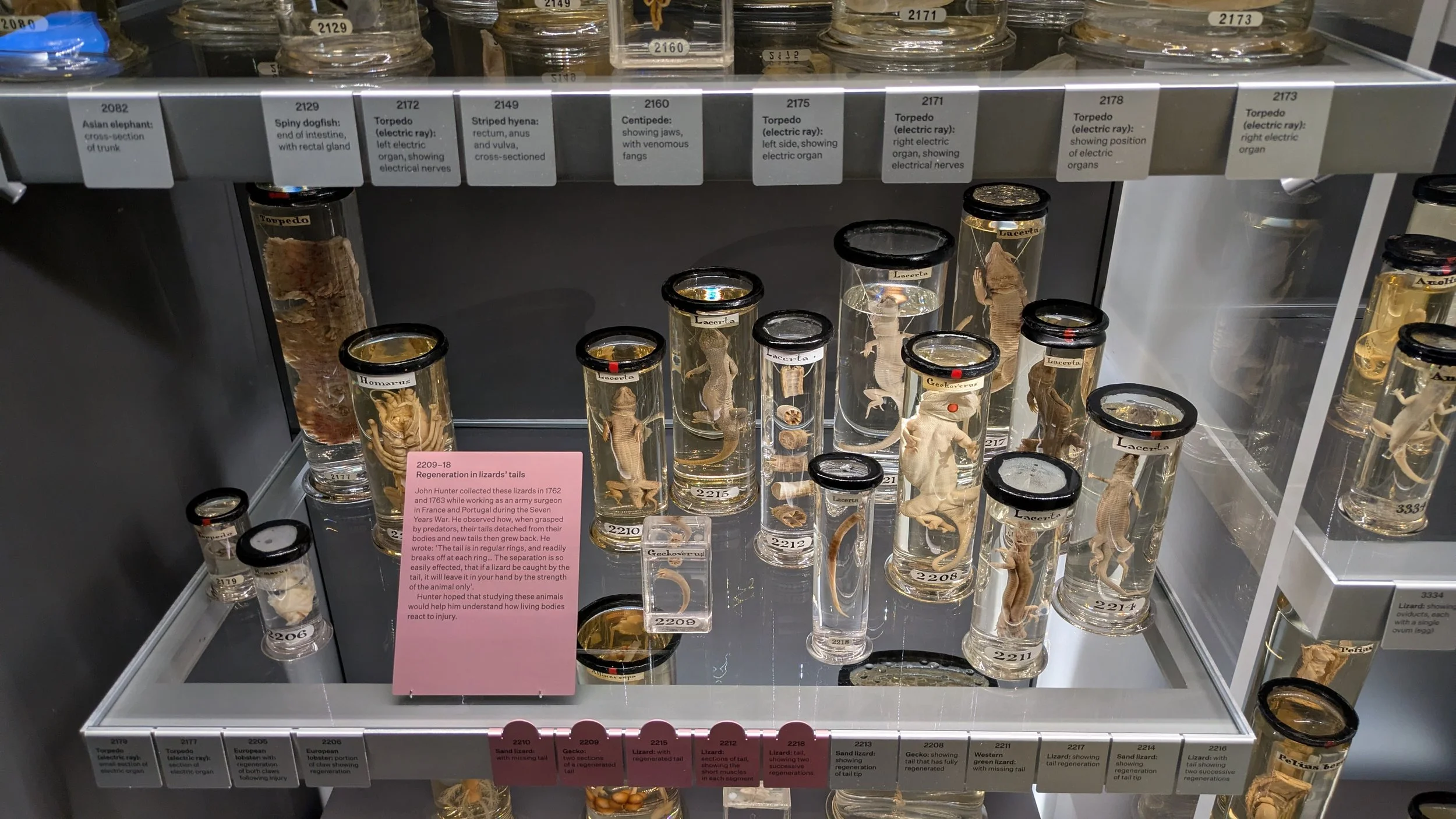
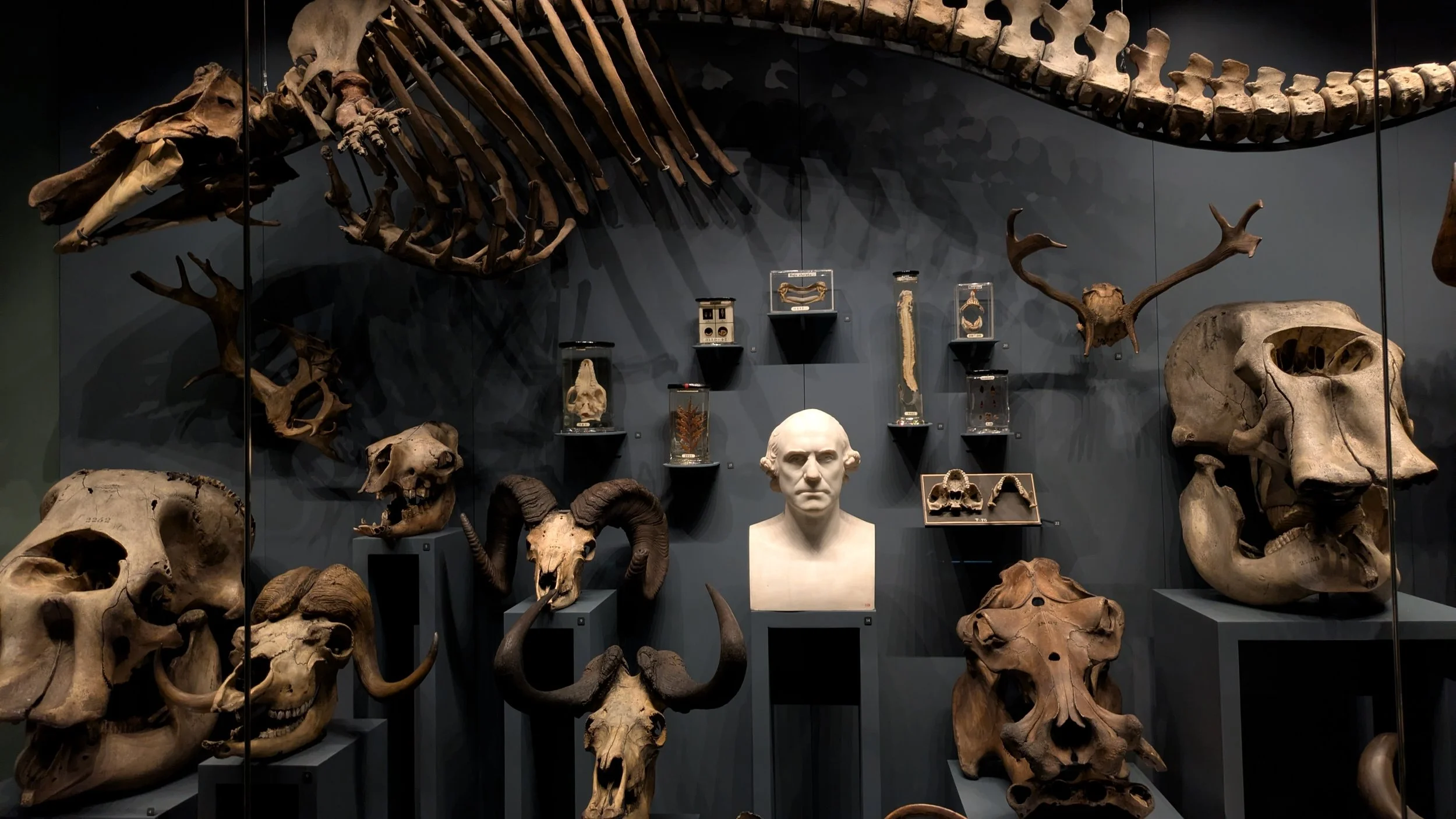
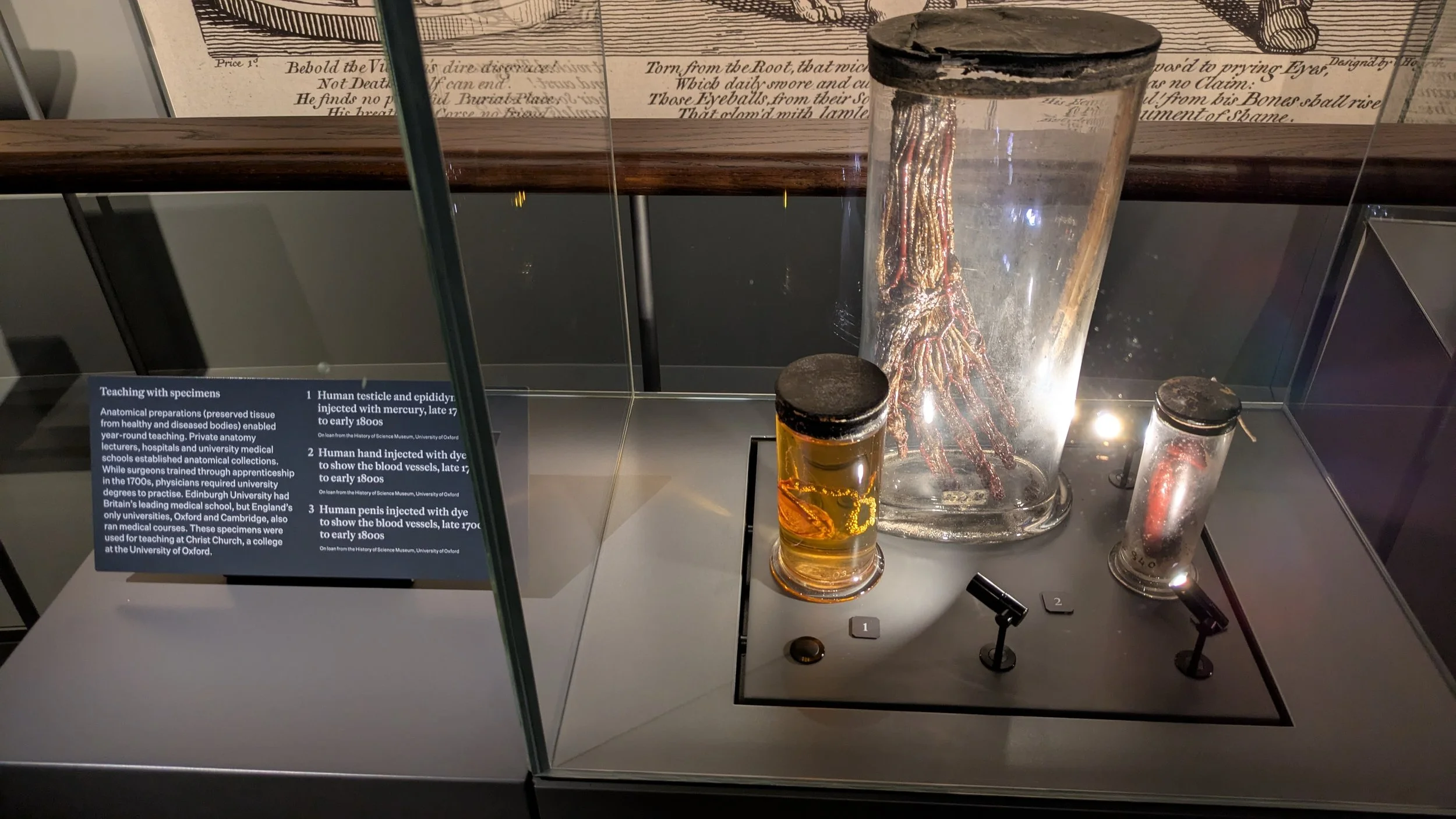
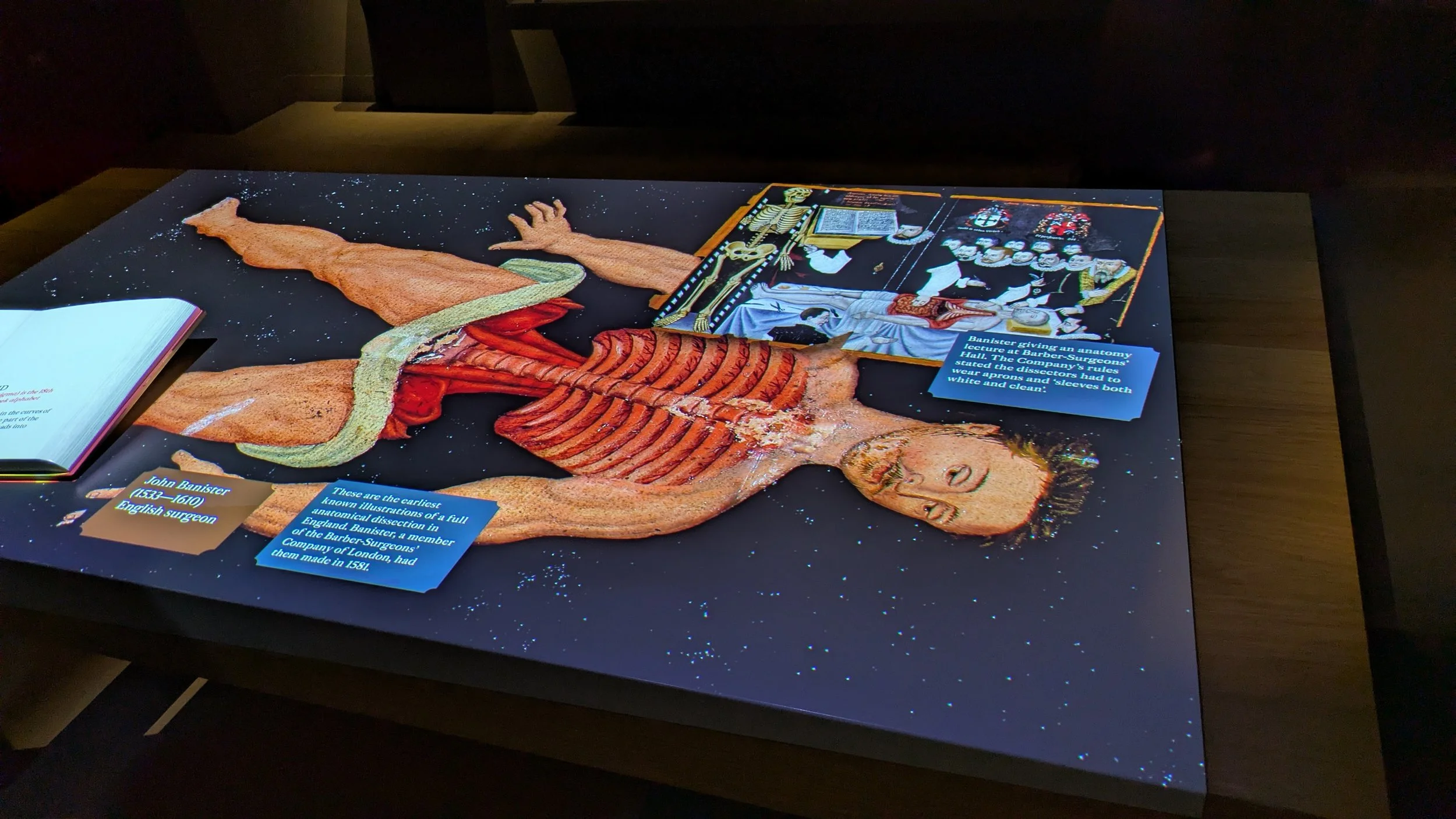
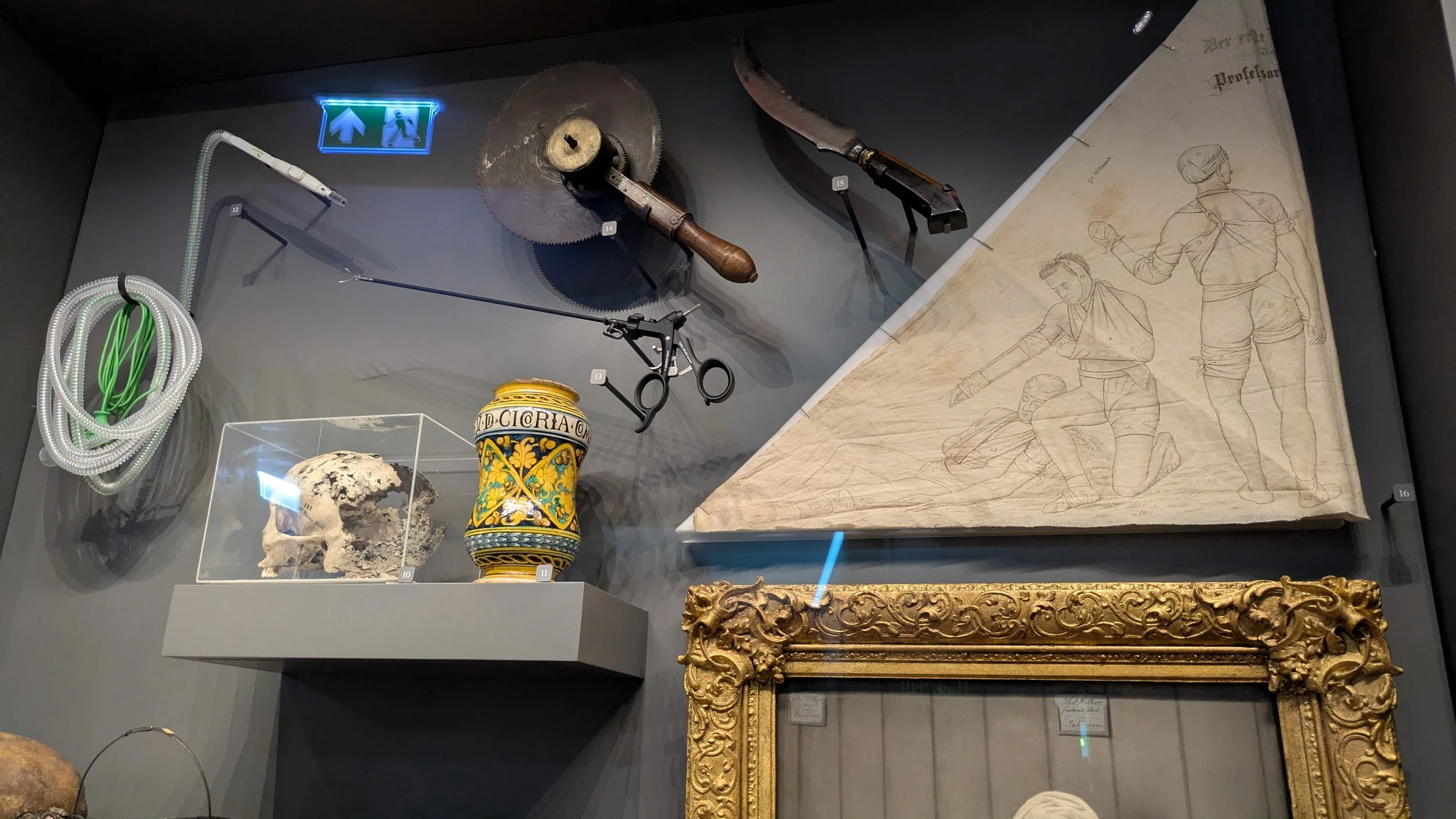
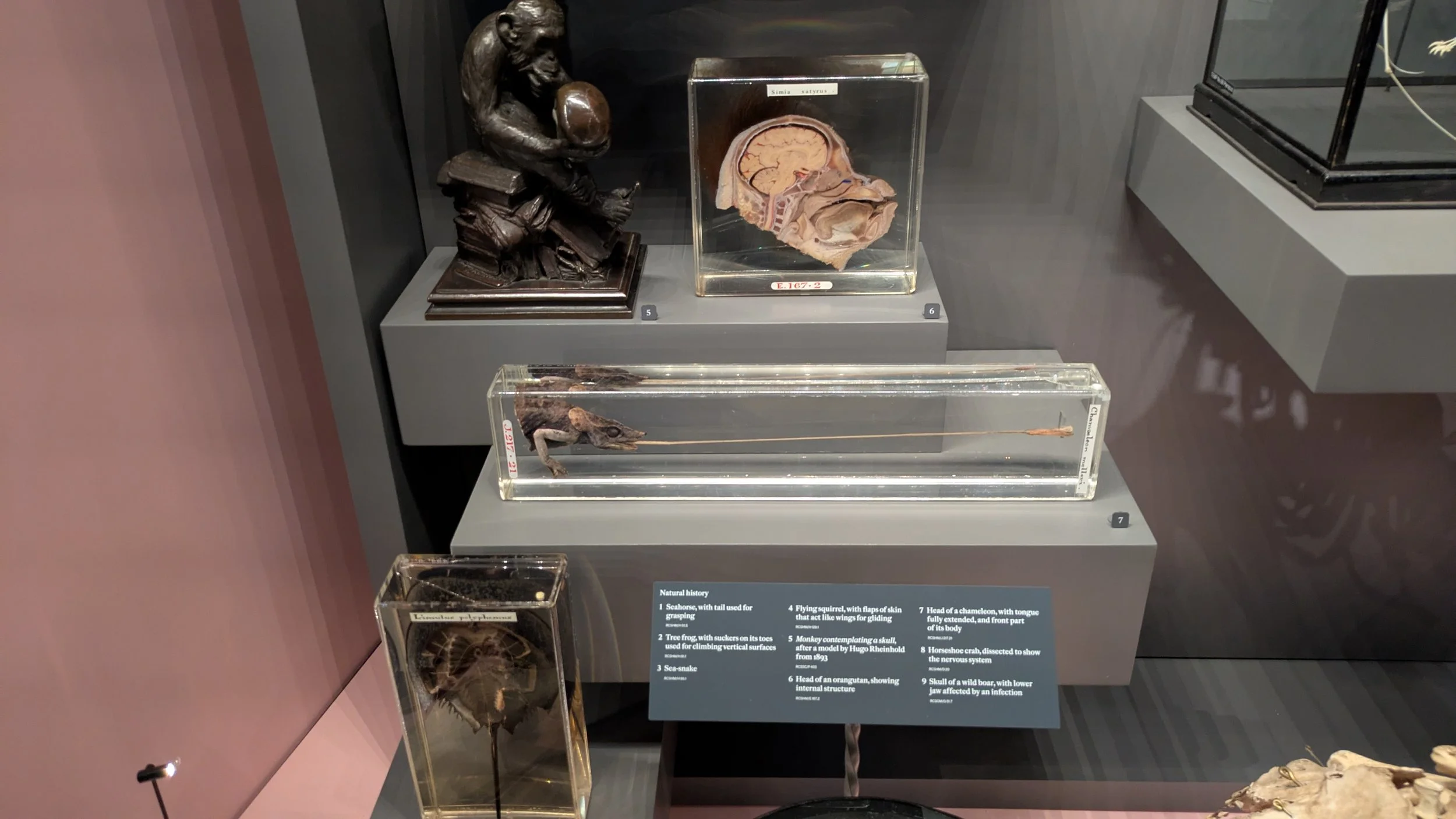
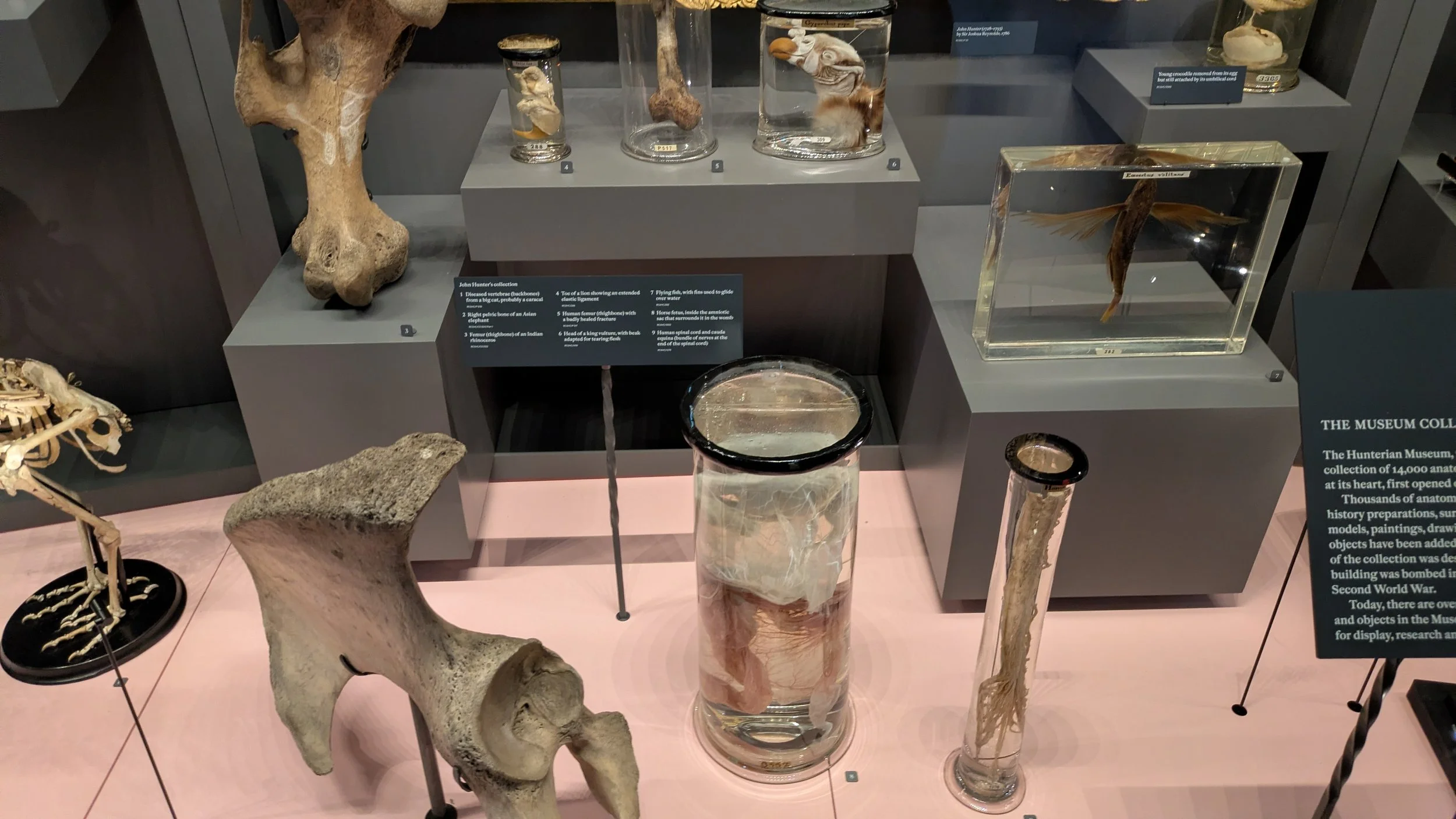
Today I visited the Inside Aardman: Wallace & Gromit and Friends exhibition at the Young V&A Museum at Bethnal Green. The exhibition which celebrates 50 years of Aardman Animations, provides visitors with a unique, behind the scenes view of the art of stop-motion animation. It also explores how Aardman’s iconic characters and worlds are designed, crafted and brought to life. From the initial concept artwork to the final visual effects, this event demonstrates the methods and techniques employed by Aardman. The exhibition features early scripts, sketch artists initial concept art, models, sets and numerous famous puppets. Furthermore this event is firmly pitched at children and families, with a wealth of interactive activities demonstrating the various techniques on display. The curators of the exhibition have also made it clear that they wish to encourage future generation to consider a career in the creative arts.
The Imperial War Museum serves as a national museum for Britain. Its main location is in London, complemented by five additional branches across England. Established in 1917 as the Imperial War Museum, its original purpose was to document the civil and military efforts and sacrifices made by the United Kingdom and its Empire during the First World War. Over time, the museum’s scope has broadened to encompass all conflicts involving British or Commonwealth forces since 1914. As of 2012, the museum’s mission is to provide and encourage the study and understanding of the history of modern warfare as well as the “wartime experience”. The IWM as it is now known has its headquarters and primary site is located at Southwark in Central London. The museum is funded by government grants, charitable donations and revenue generated through commercial activity such as retailing, licensing and publishing. General admission is free to IWM London.
Castle Farm is a family business located near the village of Shoreham in West Kent. The Alexander Family have been farming in the Darenth Valley since 1892 when James Alexander transported 17 milking cows from Ayrshire in Scotland and took up residence in this south-eastern part of England. Castle Farm is a busy, working farm comprising of 1,100 acres. It produces such crops as wheat, barley, rapeseed, hops, apples, pumpkins and lavender. It is also home to a grass-fed herd of beef cattle. However, in recent years it has become well know internationally for its lavender crop. Castle Farm began its lavender enterprise in 1998, producing the essential oils associated with the flower. It is now the largest lavender farm in the UK, growing over 110 acres of the flower. Furthermore, it has become quite a tourist attraction with the farm staff running tours during Summer and the height of lavender season.
Riverhill Himalayan Gardens are set in the grounds of Riverhill House, a Grade II listed Queen Anne manor house located on the southern edge of Sevenoaks in Kent, England. Riverhill is well known for its stunning and historic gardens as well as its sweeping vistas over the Weald of Kent. The estate has been the residence of the Rogers family since 1840 who currently operate the gardens as a tourist attraction, along with the house and associated facilities as a wedding venue. Visitors can enjoy a walled garden, rose walk and maze as well as other attractions. There is also an excellent trail around the grounds culminating in a view from the top of the hill over the estate. Riverhill Himalayan Gardens, as a supporter of the Surrey Sculpture Society, regularly showcases a selection of sculptures and art pieces throughout its grounds. All are available for purchase if you have deep pockets.
The Hunterian Museum is a museum of anatomical specimens in London, located in the prestigious building of the Royal College of Surgeons of England. The museum is made up primarily of a collection from the 18th century Scottish surgeon John Hunter. Over the years it has since been subsequently supplemented by Odontological material curated by A. E. W. Miles and various natural history exhibits from Richard Owen. In May 2023, the Hunterian Museum reopened following a five-year redevelopment of the Royal College of Surgeons of England’s headquarters at Lincoln’s Inn Fields. The £4.6 million museum project features the exhibition of more than 2,000 anatomical specimens from Hunter’s original collection. In addition to these there are instruments, equipment, models, paintings, and archival materials that document the evolution of surgery from ancient eras to contemporary robot-assisted procedures. The Museum boasts the largest public display of human anatomy in England.
The Crystal Palace Dinosaurs are a collection of sculptures depicting dinosaurs and other extinct species located in Crystal Palace Park, in the London borough of Bromley. These sculptures were originally commissioned in 1852 for display at the Crystal Palace following its relocation from the Great Exhibition held in Hyde Park. They were revealed to the public in 1854 and are the first speculative dinosaur sculptures ever created. Although the models are now considered inaccurate by contemporary standards, they were designed and crafted by Benjamin Waterhouse Hawkins under the scientific guidance of Sir Richard Owen, reflecting the prevailing scientific understanding of the time. The sculptures were designated as Grade II listed buildings in 1973 and underwent extensive restoration in 2002. In 2007 they were elevated to Grade I listed status. As of spring 2026 the dinosaurs are again being renovated as part of a £5 million regeneration of the park.
The benefits of international travel are numerous. These include stress relief, mental health benefits and a chance to escape the drudgery of work. Then there are the cultural aspects that you can immerse yourself in. Going abroad also allows you to learn new language skills as you awkwardly ask for directions. International travel is a chance to make lasting memories and it often gives the traveller a greater appreciation of their own home. At the very least the beer is always better abroad and that is the very definition of “broadening your horizons”. Yet despite all these positive points, there is one unavoidable hassle when comes with travelling abroad. The fact that the country or countries that you’re visiting will invariably use a different electrical plug and socket standard. In an age where a lot of the stuff you bring along with you on holiday needs charging, this can be a very stressful problem to solve.
I thoroughly enjoyed our holiday in Croatia last year and it did much to restore my confidence in travelling. Previously my views on visiting other countries had been greatly influenced by the films Raid on Entebbe and Midnight Express. As January was such a bleak month here in the UK, Mrs P and I decided we couldn’t wait until summer for another holiday and so decided to book something for the end of March. So we visited our local Travel Agents and decided upon a river cruise. We’ve been interested in these since we saw a travel show with Susan Calman. River cruises are a horse of a different colour, compared to sea cruises. They’re a great way to visit cities of note, often bringing you right into the heart of them. River cruise ships are a lot smaller with less passengers than ocean faring vessels. They also attract quite different travellers. Let it suffice to say that a sea cruise doesn’t offer the cultural experience that I am looking for.
There are approximately 4000 parks and green spaces in Greater London. Bexley Borough alone has over 100. Public parks and green spaces are vital to modern cities, providing essential health, environmental and social benefits. They boost physical and mental wellbeing by reducing stress and providing a place for exercise. Furthermore they enhance urban sustainability, mitigate heat, and provide a sustainable environment for a wildlife. Parks are often a venue for social activities and events and as such are an important part of the local community. Going to the park has always been a part of my life. I live next to Old Farm Park in Sidcup and have made use of this recreational space throughout my life. I used visit with my parents in the seventies, when I was a child. Thirty years later my son, father in-law and I would fly kites there. Now I take my grandchildren to Old Farm Park as it now has a playground.
There is no shortage of interesting and good quality museums in London. In many respects tourists and visitors are spoilt for choice. More often than not, it is the most well known institutions such as the British Museum or Victoria and Albert Museum that gain the most attention. However, there are many hidden gems to discover if you take the time to look further. A prime example being The British Optical Association Museum which I had the pleasure of visiting today. The museum’s function is to promote the optometry profession and raise public awareness of its past and ongoing role within society. The museum has a well conserved collection of exhibits and provides a venue for presentations, learning and research services. There is also an excellent tour hosted by museum curator Neil Handley (PhD, AMA, FRSA) in which he gives a concise, interesting and at times a witty overview of the history of optometry in the UK and its current role.
The artillery battery at Capel-le-Ferne was built between 1941 and 1942, following the fall of France, on the orders of Winston Churchill. Located between Dover and Folkestone, the battery consisted of three 8-inch high-performance guns, provided by the Royal Navy. The battery was intended to provide anti-shipping defence in the English Channel. The site was manned by men of the 520 Coast Regiment Royal Artillery. Over the course of World War II, the battery expanded in size, eventually encompassing multiple Nissen huts, several roads and 19 military buildings. Anti aircraft defence was provided by two 40mm Bofors guns. Over the course of the war, the Capel Battery engaged enemy shipping on four separate occasions and also took part in fifteen practice shoots. In 1944, due to the decreased threat, the battery was placed in “care and maintenance”. The guns were removed in 1952 and the building demolished in the early 1980s
There are an estimated 2,500 museums in the UK. This number has grown significantly over time, more than tripling between 1960 and 2017. While it is laudable that so many of these institutions exist, they do not all receive equal interest or publicity. Some museums dominate in their respective fields and drown out others that have a similar theme. With this in mind, I was unaware of the Kent Battle of Britain Museum until a friend recently brought it to my attention. After yesterday’s visit my initial thoughts are what a treasure trove it is. According to the museum’s website it is the world’s largest Battle of Britain collection of memorabilia. This includes planes, uniforms, weapons and related artefacts from over 700 crashed aircraft. Furthermore, the museum tells the story of this battle without bias, choosing to highlight both the historical and the human aspects of the conflict. It is often very poignant.
Stonehenge is so much more than just a neolithic, historical structure of note. It is of great spiritual importance to many, representing ceremonial practices and ancient worship. It is also seen as a conduit to a wider connection to the cosmos. It is after all a celestial calendar, according to one of the theories regarding its purpose. It also has a strong significance in pop culture. Hence, due to its history, symbolism, religious connotations and overall sense of mystery it is a UNESCO World Heritage Site and a globally recognised symbol of ancient Britain. As such, it has always been somewhere that I have wished to visit. Today, as we were relatively nearby in Ringwood and the weather was pleasant, Mrs P and I decided to go to Salisbury and see this iconic structure for ourselves.
I enjoy visiting the coast. I always have. I find the sight and sounds of the sea very calming and thought provoking. There is something about seeing the ocean stretch out to the horizon and its implied enormity, that gives you a sense of perspective. The UK is a seafaring nation and therefore it is an integral part of our history and national identity. Hence a strong nautical theme and a sense of its importance has bled through into our popular culture. It is therefore quite common for people to have a positive attitude towards the sea and its associated leisure activities. I like to visit the coast at various times of the year and walk along the beach, just listening to the waves, lost in my own thoughts. This is not a hard thing to do in the UK, as no one lives further than 70 miles (113 kilometers) from the coast.
Knole is a country house in England and a former archbishop’s palace that is currently owned by the National Trust. It is located within Knole Park, a 1,000-acre (400-hectare) estate that lies to the south-east of Sevenoaks in west Kent. The existing structure of the house dates back to the mid-15th century, although there were significant expansions in the 16th and particularly in the early 17th centuries. Its Grade I listing signifies its combination of late-medieval to Stuart architectural styles. This is especially evident in its central façade and state rooms. In 2019, a comprehensive conservation initiative titled “Inspired by Knole” was completed to restore and enhance the buildings’ structures. This was beneficial to the preservation of its significant collections. The adjacent deer park has also endured since 1600.
Mrs P and I travelled to Croatia on Friday 13th June for our summer holiday. We spent one week in Makarska, which is located on the Dalmatian coast. My last international holiday was to Malta in 2004. Since then we have done a lot of travelling in the UK and Mrs P has vacationed abroad with other family members. However, she stated last September that she wanted to go “somewhere warm” for our next holiday. So this trip was booked and has been “something to look forward to”, or a source of stress slowly inching closer, depending upon your perspective. In many respects this holiday has been a big deal for me. I don’t enjoy travelling at all with all its accompanying logistical, bureaucratic and “people” issues. However, I have no problem with being elsewhere. I eagerly await teleportation technology to become commonplace. Once I arrived at our hotel, I quickly switched to holiday mode and I am happy to confirm that I thoroughly enjoyed myself.
Emmetts Garden is an Edwardian estate situated on Ide Hill, close to Sevenoaks in Kent, UK. After a long and interesting history it is currently under the stewardship of the National Trust. Originally open farmland, the existing house was constructed in1860. The term “emmett” is a local dialect for ant, referencing the large anthills that populated the area until the 1950s. In 1890, the estate was acquired by Frederic Lubbock, a banker with a keen interest in horticulture. His elder brother, John Lubbock, 1st Baron Avebury, was a renowned authority on ants, which may have influenced Frederic's decision to purchase the estate. Today Emmetts Garden is open to the public and features several “hortus conclusus” (walled gardens) and a hillside trail that is famous for its Bluebells in the spring.
Damerham is a quaint rural village and civil parish located in the New Forest district of Hampshire, England. It is close to the market town of Fordingbridge. Damerham is distinguished by significant Neolithic and Bronze Age burial mounds. Historically, it was home to an Anglo-Saxon religious community and was referenced in the will of Alfred the Great, as it was at that time part of the royal estate. At the time of the Domesday Book in 1086, Damerham was recognized as a prominent settlement under the ownership of Glastonbury Abbey. It was mainly farms and agrarian small holdings. Today, the village still features a riverside mill and the church of Saint George date’s back to the Norman period. There is a church hall that hosts numerous local, seasonal events.
Bodiam Castle is a 14th-century moated castle located near Robertsbridge in East Sussex, England. It was built in 1385 by Sir Edward Dalyngrigge, a former knight of King Edward III. The castle’s primary purpose was to defend the local area against possible French invasion during the Hundred Years' War. Bodiam Castle has a quadrangular design and does not have a keep. All the various chambers and rooms were built adjacent to the outer defensive walls. The four corners and main entrance have towers, all of which feature crenellations. A substantial moat surrounds the castle, which served as a home for the Dalyngrigge family, as well as a seat of power to the manor of Bodiam. The castle remained within the Dalyngrigge family until the line became extinct. It remained a place of strategic importance during the War of the Roses and the English Civil War. It is currently owned and maintained by The National Trust.
Today I went on an impromptu visit to Brompton Cemetery in West London. Established in 1837, the West of London and Westminster Cemetery (as it was originally known) is a private cemetery initially created as a business venture to capitalise upon the shortage of cemeteries within London. It also sought to cater to the prevailing culture of opulent Victorian funeral rites. However, after proving non profitable, the cemetery was bought by the UK government. It was subsequently incorporated into Crown Property and managed by The Royal Parks. It is one of Britain’s oldest and most distinguished garden cemeteries. There are currently 35,000 monuments, ranging from simple headstones to impressive mausolea. It is home to more than 205,000 resting places. The cemetery is also a haven for flora and fauna, providing a substantial semi rural environment amid urban central London.
Christmas Tree Farm is a petting zoo, outside the village of Downe in the county of Kent. Despite its rural setting, it is actually only 15 miles from London, making it an ideal visit, as part of a day. The farm is home to a wide selection of domestic farm animals (and a few more exotic ones), all of which can be fed, stroked and lavished with attention by visitors. During the winter months, Christmas Tree Farm hosts Santa’s Grotto and as the name suggests is the place to find the perfect Christmas tree for your home. Entry prices are very reasonable, costing £6 per adult and £4 for children aged between 2 and 16 years old. Buckets of animal feed of varying size are also available for a small fee. There is a leisurely trail around the farm where the various animals are housed in pens and out buildings. There is also a Tea Garden where refreshments are available.
In 1939 legislation was passed in the UK so that all employees had one week’s annual paid holiday per year. By the 1950s this had become two weeks and by the 1980s most people had at least 4 weeks of annual holiday. On top of this paid leave allocation, the UK currently has 8 bank holidays which provides further time off for employees. This culture of increasing amounts of annual leave also broadly coincided with air travel becoming more accessible. The first UK passenger jet service began in 1952. However, its cost excluded most people. However, as larger airliners with increased range became available, cheaper foreign holidays became more and more economically viable. European holidays became a reality in the 1960s and 1970s. By the 1980s long-distance holidays to other continents became ubiquitous and the package holiday became king. It is also worth noting that the Channel Tunnel opened in 1994, making car travel from Britain to Europe easier and more popular.
Today I had the pleasure of visiting the Whitstable Museum (or to give its full name Whitstable Community Museum and Gallery). This is a fine example of a local heritage centre that curates and displays artefacts and records that reflect the history and culture of the surrounding area. The museum located in Whitstable, Kent, is home to one of the world's oldest steam engines, as well as historical diving equipment that was developed locally. The history of the local oyster trade which has been an integral part of the community for centuries is also a key feature. Established in 1985, the museum was reopened in 2015 following a major refurbishment. There is also an art gallery featuring the paintings by local artists and artworks on loan from an international network of galleries.
Eltham Palace, located in South East London, was the childhood home of King Henry VIII in 1499. It was later used as a royal nursery for the infant Princess Elizabeth, born on 7th September 1533. It sports sumptuous grounds and ornamental gardens and was famous for its game hunting during the Tudor and Elizabethan periods. In the 1930s’ the property was owned by the Courtauld family, who built a sumptuous Art Deco style mansion and redeveloped the grounds. Today the entire property is owned and managed by English Heritage who have extensively restored much of the estate. It is therefore very fitting that this illustrious venue annually plays host to the Legendary Medieval Joust, during the summer months. Two days of historical pageantry, re-enactments and events for the entire family to enjoy. I last attended in 2015, so it was a welcome pleasure to return again yesterday.
Morph’s Epic Art Adventure in London is a step-free art trail and tourist attraction featuring the iconic animated character Morph. It is hosted by charitable organisation Whizz-Kidz, global event producers Wild in Art and Aardman. The trail features 56 super-sized sculptures of the much-loved children’s TV character, which are set among various iconic London landmarks including St Pauls, Tate Modern, Tower of London, Shakespeare’s Globe and Borough Market. It is a free public art trail and tourist attraction, designed by a variety of artists to excite and inspire people of all ages, whilst increasing public awareness about the need for young wheelchair users to be mobile, enabled and included in society. Morph’s Epic Art Adventure in London runs from June 19th until August 20th 2023.
Regardless of whether you deem the IFS Cloud Cable Car a white elephant, a political folly or just a mistake in terms of tourism, it cannot be denied that the view it provides over South East London is impressive. At a height of 90 metres (300 feet), on a bright and sunny day you can see from City Airport to Canary Wharf. Located at Greenwich Peninsula, the IFS Cloud Cable Car (as it is now called) opened in June 2012. It was initially promoted as a viable form of public transport across the Thames, linking North Greenwich and Royal Victoria stations. In October 2012, nearly 100,000 journeys were made. However, after the London Olympics, passenger rates fell and since then IFS Cloud Cable Car has become more of a tourist attraction, rather than an integral means of commuting.
To my surprise I found myself out and about today undertaking another day trip. This time we headed back to the sea and visited Whitstable, a town on the north coast of Kent adjoining the Greater Thames Estuary. It’s 5 miles (8 kilometres) north of Canterbury and 2 miles (3 kilometres) west of Herne Bay. The town was originally recorded in the Domesday Book of 1086, under the name Witenestaple, meaning "the meeting place of the white post", a reference to a local landmark. By the late middle ages Whitstable had become a centre of Thames Estuary fishing, specifically for oysters. Today, the main activities at the harbour are fishing and processing, cargo handling and boat maintenance. The town has shingle/sandy beaches adjacent to the harbour, where swimming and water sports are popular. Whitstable Castle is situated on the border of Whitstable and off the coast is Kentish Flats offshore wind farm, consisting of 30 wind turbines.
Royal Tunbridge Wells is a town in the county of Kent, 30 miles (50 kilometres) southeast of central London. It is situated on the border with East Sussex on the northern edge of the High Weald. The local sandstone geology is synonymous with a rugged landscape due to erosion and weathering. The town itself was a spa during the Restoration and became a very fashionable resort in the middle of the 18th century. Socialites such as Beau Nash helped make the resort popular when the Pantiles and its chalybeate spring, began attracting visitors who came to “take the waters”. Despite the decline in spa towns after sea bathing grew in popularity, Royal Tunbridge Wells has remained a tourist resort. Today, much of the area's income is generated by tourism. The town has an equitable temperate maritime climate.
With January already behind us, Mrs P and I decided it was high time we took our first day trip of 2022. So yesterday I spent some time looking online at details of various National Trust sites within an hour or so drive from our home. I also looked at similar places of historical note that are run by other bodies. Sadly, many are either partially or totally closed for the present. It would appear that from January to March many of these sorts of tourist attractions spend time repairing, refurbishing and preparing for forthcoming events. Grounds also have to be maintained. Hence, we were somewhat lacking in choice for suitable destinations. However, as the weather forecast was mild, today we opted to visit the village of Chiddingstone so we could walk in the grounds of the local castle and along the various footpaths in the area.
For me, staying in a hotel is always an adventure, as it mainly happens when I’m taking a holiday or a short weekend break. I suspect that travelling habitually for business reasons probably puts a different complexion on the process. It may well dictate what sort of hotels you stay in. More than likely functionality, location and cost trump other more self indulgent factors such as aesthetic and ambience. Mercifully, travel has never been a major part of my working life and so hotels are still a source of excitement as they’re associated with fine meals, interesting scenery and good company. However, such hotels tend to come at a price as they’re catering more for tourism rather than business travel and therefore stays are not a regular occurrence. However, I had the pleasure of a short visit this weekend.
The Crystal Palace Dinosaurs
The Crystal Palace Dinosaurs are a collection of sculptures depicting dinosaurs and other extinct species located in Crystal Palace Park, in the London borough of Bromley. These sculptures were originally commissioned in 1852 for display at the Crystal Palace following its relocation from the Great Exhibition held in Hyde Park. They were revealed to the public in 1854 and are the first speculative dinosaur sculptures ever created. Although the models are now considered inaccurate by contemporary standards, they were designed and crafted by Benjamin Waterhouse Hawkins under the scientific guidance of Sir Richard Owen, reflecting the prevailing scientific understanding of the time. The sculptures were designated as Grade II listed buildings in 1973 and underwent extensive restoration in 2002. In 2007 they were elevated to Grade I listed status. As of spring 2026 the dinosaurs are again being renovated as part of a £5 million regeneration of the park.
The Crystal Palace Dinosaurs are a collection of sculptures depicting dinosaurs and other extinct species located in Crystal Palace Park, in the London borough of Bromley. These sculptures were originally commissioned in 1852 for display at the Crystal Palace following its relocation from the Great Exhibition held in Hyde Park. They were revealed to the public in 1854 and are the first speculative dinosaur sculptures ever created. Although the models are now considered inaccurate by contemporary standards, they were designed and crafted by Benjamin Waterhouse Hawkins under the scientific guidance of Sir Richard Owen, reflecting the prevailing scientific understanding of the time. The sculptures were designated as Grade II listed buildings in 1973 and underwent extensive restoration in 2002. In 2007 they were elevated to Grade I listed status. As of spring 2026 the dinosaurs are again being renovated as part of a £5 million regeneration of the park.
The Dinosaurs sculptures depict fifteen species of extinct animals, of which only three are classified as true dinosaurs. They span a broad array of geological periods, including true dinosaurs, ichthyosaurs and plesiosaurs primarily from the Mesozoic era, as well as some mammals from the more recent Cenozoic era. The models are significant for illustrating the inaccuracies present in early palaeontology, stemming from poorly reconstructed fossils and the scientific limitations of the 19th century knowledge. Notably, the models of Iguanodon and Megalosaurus are particularly flawed with the famous Iguanodon “spiked thumb” being mistaken as a horn. They also reflect the Victorian scientific view that dinosaurs were slow, squat, lumbering creatures, akin to Iguanas, rather than the agile, dynamic creatures that contemporary science depicts today.
I had the pleasure of visiting Crystal Palace Park on Wednesday 8th April, which was an unusually warm and pleasant day for this time of year in the UK. The park was very busy due to the weather and it being an end of term school holiday at the time. The “dinosaur walk” is clearly marked and there are plenty of signs. As we approached the lower lake area some of the sculptures depicting mammals from the Cenozoic Era are visible, such as the Palaeotherium. Sadly as you progress further along the walk the sculptures from earlier historical periods are partially hidden behind scaffolding and plastic sheeting. There was a great deal of activity and a lot of staff attending to the ongoing restoration. However, what could be seen seems very striking. The famous Iguanodons have been handsomely repainted in accordance to their original design. I shall plan a return visit in autumn to see the finished results. Overall it is satisfying to see such a significant scientific and cultural exhibit as the Crystal Palace Dinosaurs being maintained for future generations.
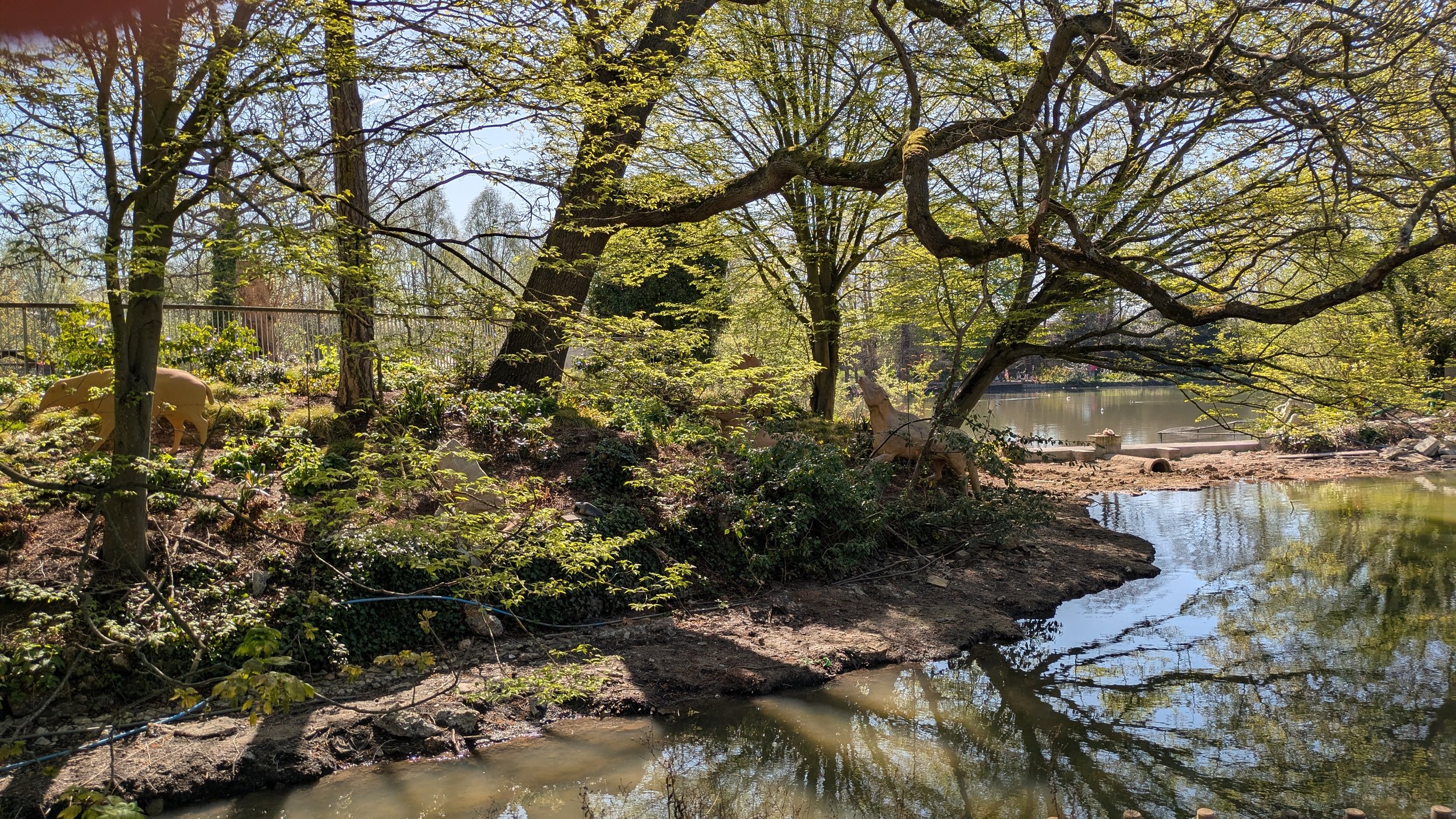
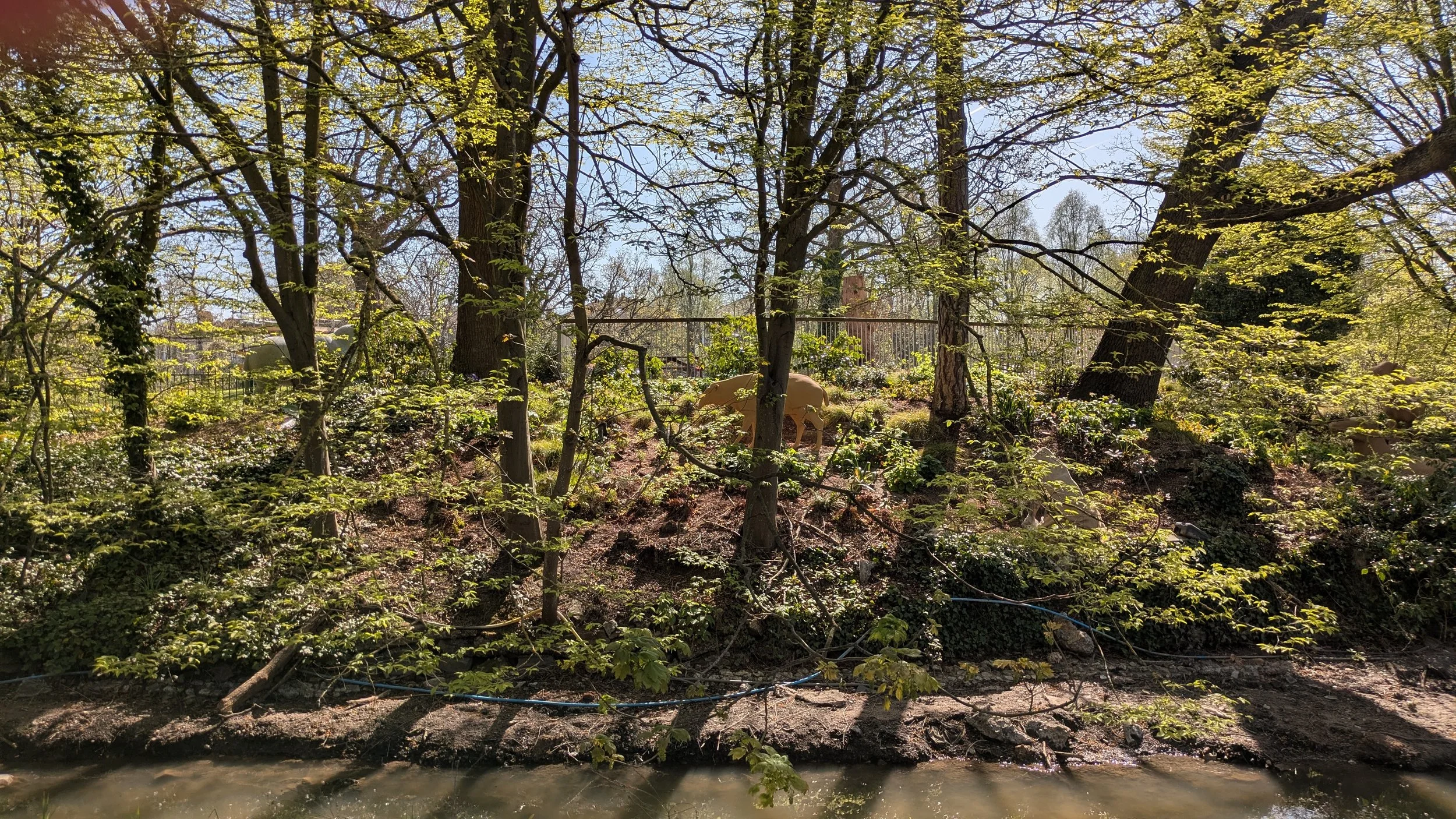
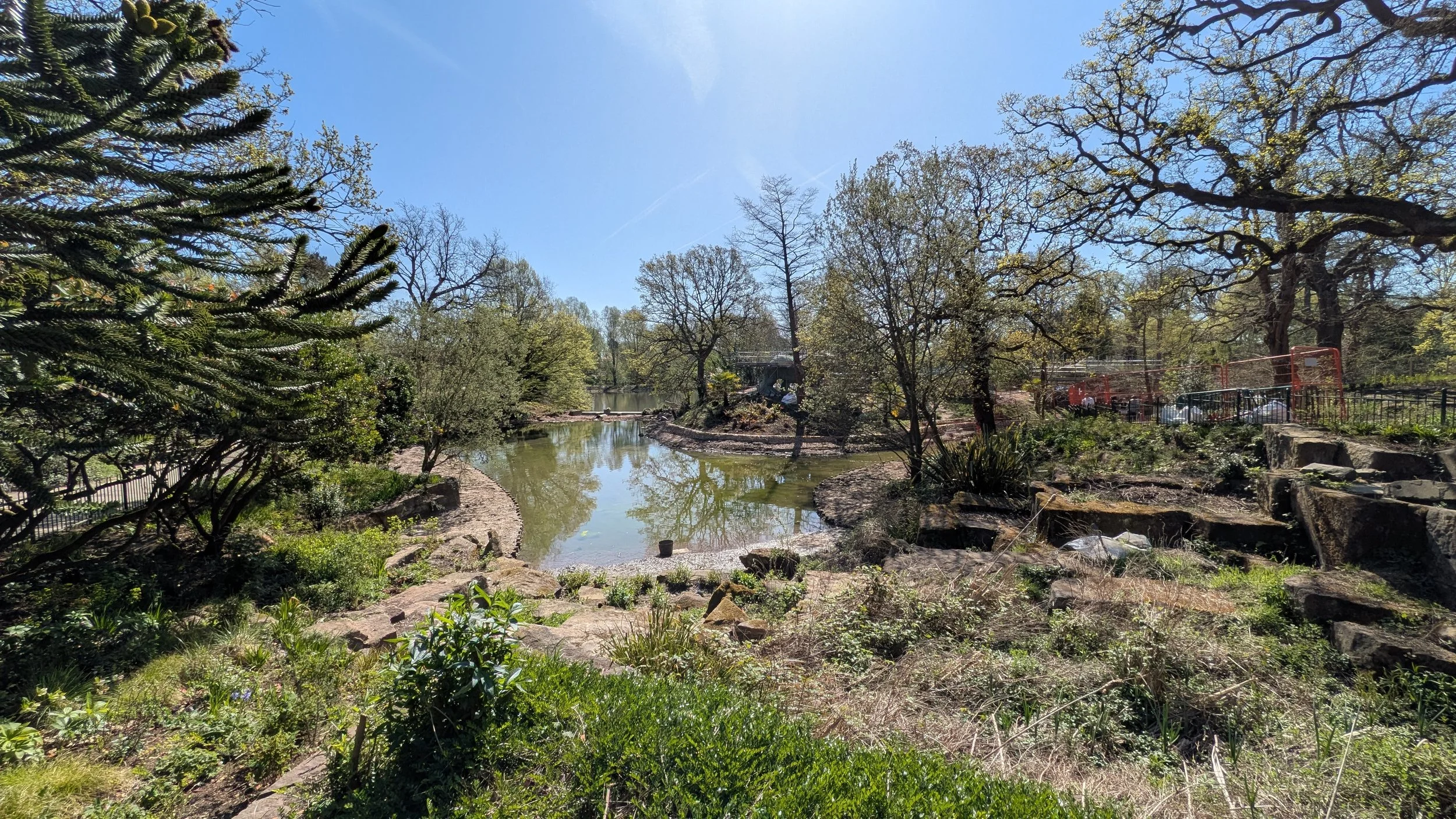
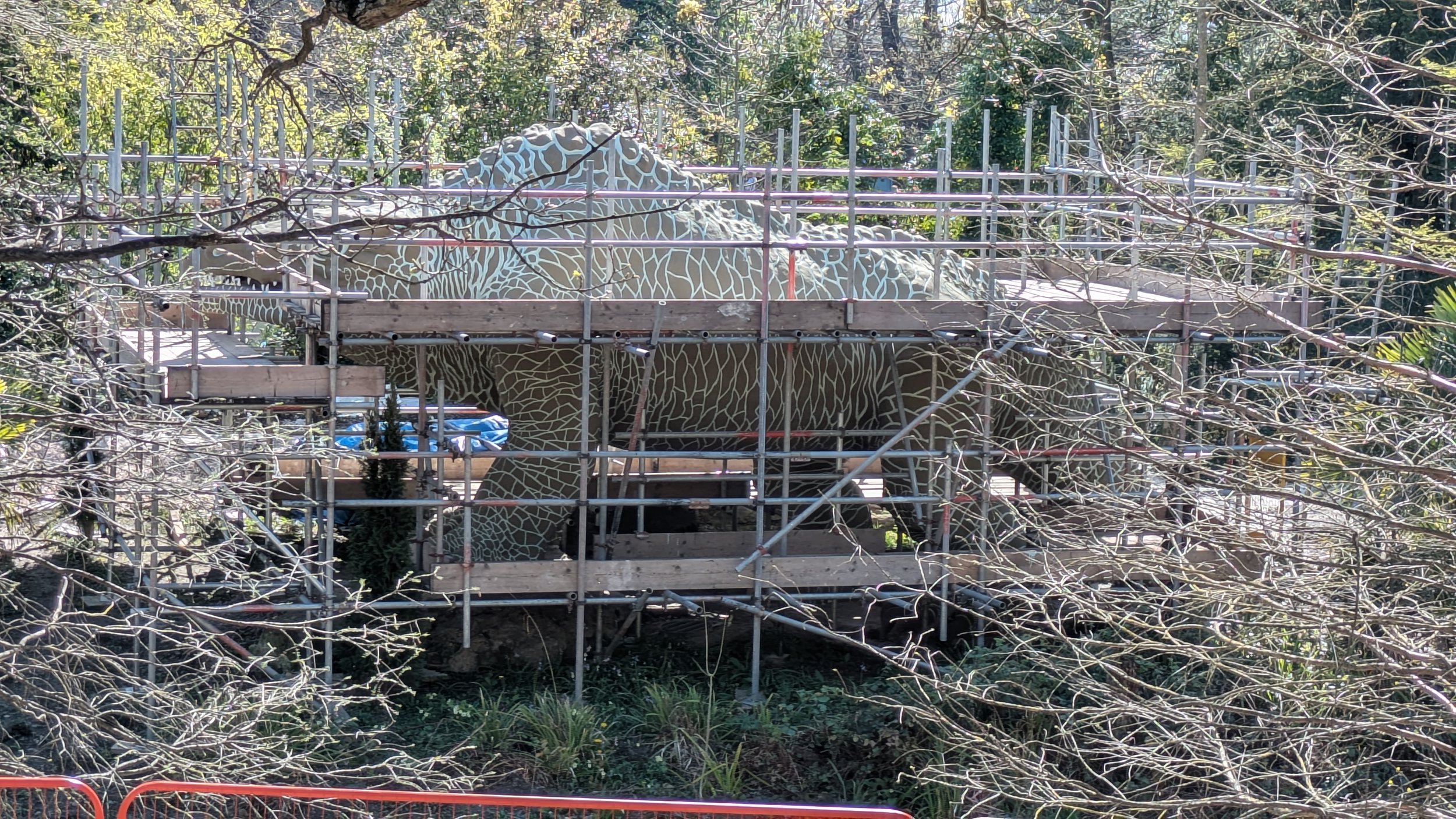
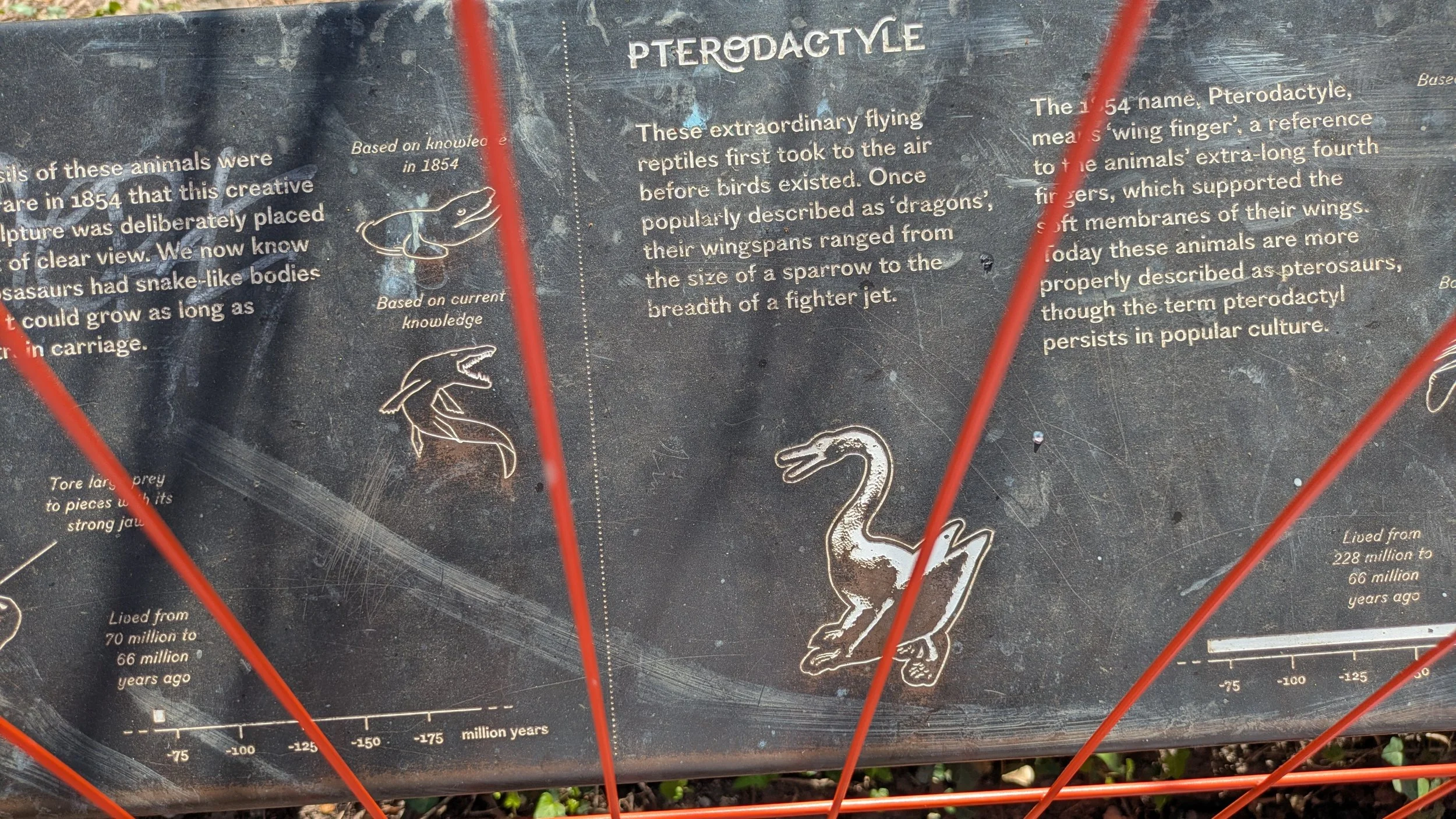
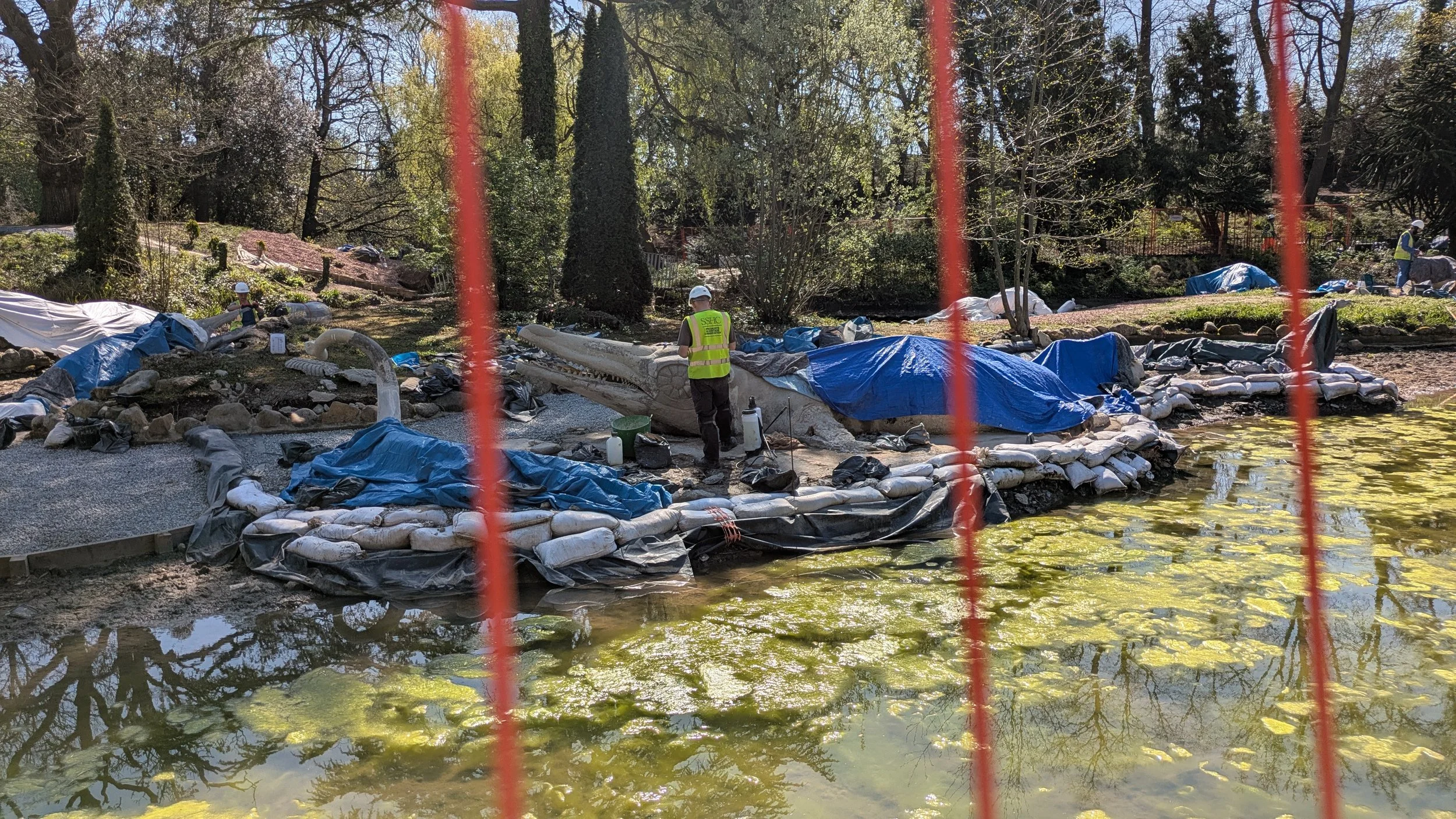
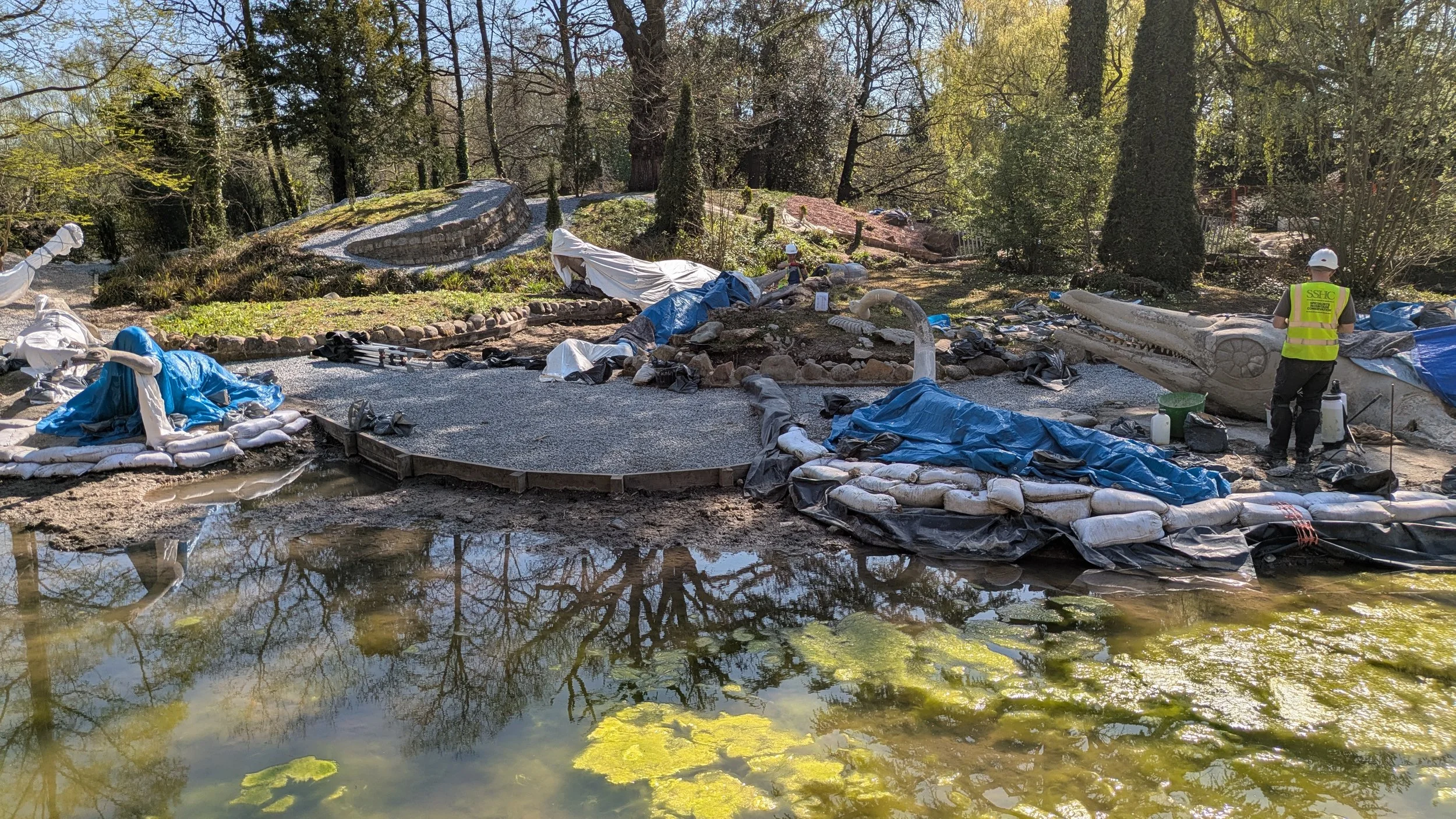
Today I visited the Inside Aardman: Wallace & Gromit and Friends exhibition at the Young V&A Museum at Bethnal Green. The exhibition which celebrates 50 years of Aardman Animations, provides visitors with a unique, behind the scenes view of the art of stop-motion animation. It also explores how Aardman’s iconic characters and worlds are designed, crafted and brought to life. From the initial concept artwork to the final visual effects, this event demonstrates the methods and techniques employed by Aardman. The exhibition features early scripts, sketch artists initial concept art, models, sets and numerous famous puppets. Furthermore this event is firmly pitched at children and families, with a wealth of interactive activities demonstrating the various techniques on display. The curators of the exhibition have also made it clear that they wish to encourage future generation to consider a career in the creative arts.
The Imperial War Museum serves as a national museum for Britain. Its main location is in London, complemented by five additional branches across England. Established in 1917 as the Imperial War Museum, its original purpose was to document the civil and military efforts and sacrifices made by the United Kingdom and its Empire during the First World War. Over time, the museum’s scope has broadened to encompass all conflicts involving British or Commonwealth forces since 1914. As of 2012, the museum’s mission is to provide and encourage the study and understanding of the history of modern warfare as well as the “wartime experience”. The IWM as it is now known has its headquarters and primary site is located at Southwark in Central London. The museum is funded by government grants, charitable donations and revenue generated through commercial activity such as retailing, licensing and publishing. General admission is free to IWM London.
Castle Farm is a family business located near the village of Shoreham in West Kent. The Alexander Family have been farming in the Darenth Valley since 1892 when James Alexander transported 17 milking cows from Ayrshire in Scotland and took up residence in this south-eastern part of England. Castle Farm is a busy, working farm comprising of 1,100 acres. It produces such crops as wheat, barley, rapeseed, hops, apples, pumpkins and lavender. It is also home to a grass-fed herd of beef cattle. However, in recent years it has become well know internationally for its lavender crop. Castle Farm began its lavender enterprise in 1998, producing the essential oils associated with the flower. It is now the largest lavender farm in the UK, growing over 110 acres of the flower. Furthermore, it has become quite a tourist attraction with the farm staff running tours during Summer and the height of lavender season.
Riverhill Himalayan Gardens are set in the grounds of Riverhill House, a Grade II listed Queen Anne manor house located on the southern edge of Sevenoaks in Kent, England. Riverhill is well known for its stunning and historic gardens as well as its sweeping vistas over the Weald of Kent. The estate has been the residence of the Rogers family since 1840 who currently operate the gardens as a tourist attraction, along with the house and associated facilities as a wedding venue. Visitors can enjoy a walled garden, rose walk and maze as well as other attractions. There is also an excellent trail around the grounds culminating in a view from the top of the hill over the estate. Riverhill Himalayan Gardens, as a supporter of the Surrey Sculpture Society, regularly showcases a selection of sculptures and art pieces throughout its grounds. All are available for purchase if you have deep pockets.
The Hunterian Museum is a museum of anatomical specimens in London, located in the prestigious building of the Royal College of Surgeons of England. The museum is made up primarily of a collection from the 18th century Scottish surgeon John Hunter. Over the years it has since been subsequently supplemented by Odontological material curated by A. E. W. Miles and various natural history exhibits from Richard Owen. In May 2023, the Hunterian Museum reopened following a five-year redevelopment of the Royal College of Surgeons of England’s headquarters at Lincoln’s Inn Fields. The £4.6 million museum project features the exhibition of more than 2,000 anatomical specimens from Hunter’s original collection. In addition to these there are instruments, equipment, models, paintings, and archival materials that document the evolution of surgery from ancient eras to contemporary robot-assisted procedures. The Museum boasts the largest public display of human anatomy in England.
The Crystal Palace Dinosaurs are a collection of sculptures depicting dinosaurs and other extinct species located in Crystal Palace Park, in the London borough of Bromley. These sculptures were originally commissioned in 1852 for display at the Crystal Palace following its relocation from the Great Exhibition held in Hyde Park. They were revealed to the public in 1854 and are the first speculative dinosaur sculptures ever created. Although the models are now considered inaccurate by contemporary standards, they were designed and crafted by Benjamin Waterhouse Hawkins under the scientific guidance of Sir Richard Owen, reflecting the prevailing scientific understanding of the time. The sculptures were designated as Grade II listed buildings in 1973 and underwent extensive restoration in 2002. In 2007 they were elevated to Grade I listed status. As of spring 2026 the dinosaurs are again being renovated as part of a £5 million regeneration of the park.
The benefits of international travel are numerous. These include stress relief, mental health benefits and a chance to escape the drudgery of work. Then there are the cultural aspects that you can immerse yourself in. Going abroad also allows you to learn new language skills as you awkwardly ask for directions. International travel is a chance to make lasting memories and it often gives the traveller a greater appreciation of their own home. At the very least the beer is always better abroad and that is the very definition of “broadening your horizons”. Yet despite all these positive points, there is one unavoidable hassle when comes with travelling abroad. The fact that the country or countries that you’re visiting will invariably use a different electrical plug and socket standard. In an age where a lot of the stuff you bring along with you on holiday needs charging, this can be a very stressful problem to solve.
I thoroughly enjoyed our holiday in Croatia last year and it did much to restore my confidence in travelling. Previously my views on visiting other countries had been greatly influenced by the films Raid on Entebbe and Midnight Express. As January was such a bleak month here in the UK, Mrs P and I decided we couldn’t wait until summer for another holiday and so decided to book something for the end of March. So we visited our local Travel Agents and decided upon a river cruise. We’ve been interested in these since we saw a travel show with Susan Calman. River cruises are a horse of a different colour, compared to sea cruises. They’re a great way to visit cities of note, often bringing you right into the heart of them. River cruise ships are a lot smaller with less passengers than ocean faring vessels. They also attract quite different travellers. Let it suffice to say that a sea cruise doesn’t offer the cultural experience that I am looking for.
There are approximately 4000 parks and green spaces in Greater London. Bexley Borough alone has over 100. Public parks and green spaces are vital to modern cities, providing essential health, environmental and social benefits. They boost physical and mental wellbeing by reducing stress and providing a place for exercise. Furthermore they enhance urban sustainability, mitigate heat, and provide a sustainable environment for a wildlife. Parks are often a venue for social activities and events and as such are an important part of the local community. Going to the park has always been a part of my life. I live next to Old Farm Park in Sidcup and have made use of this recreational space throughout my life. I used visit with my parents in the seventies, when I was a child. Thirty years later my son, father in-law and I would fly kites there. Now I take my grandchildren to Old Farm Park as it now has a playground.
There is no shortage of interesting and good quality museums in London. In many respects tourists and visitors are spoilt for choice. More often than not, it is the most well known institutions such as the British Museum or Victoria and Albert Museum that gain the most attention. However, there are many hidden gems to discover if you take the time to look further. A prime example being The British Optical Association Museum which I had the pleasure of visiting today. The museum’s function is to promote the optometry profession and raise public awareness of its past and ongoing role within society. The museum has a well conserved collection of exhibits and provides a venue for presentations, learning and research services. There is also an excellent tour hosted by museum curator Neil Handley (PhD, AMA, FRSA) in which he gives a concise, interesting and at times a witty overview of the history of optometry in the UK and its current role.
The artillery battery at Capel-le-Ferne was built between 1941 and 1942, following the fall of France, on the orders of Winston Churchill. Located between Dover and Folkestone, the battery consisted of three 8-inch high-performance guns, provided by the Royal Navy. The battery was intended to provide anti-shipping defence in the English Channel. The site was manned by men of the 520 Coast Regiment Royal Artillery. Over the course of World War II, the battery expanded in size, eventually encompassing multiple Nissen huts, several roads and 19 military buildings. Anti aircraft defence was provided by two 40mm Bofors guns. Over the course of the war, the Capel Battery engaged enemy shipping on four separate occasions and also took part in fifteen practice shoots. In 1944, due to the decreased threat, the battery was placed in “care and maintenance”. The guns were removed in 1952 and the building demolished in the early 1980s
There are an estimated 2,500 museums in the UK. This number has grown significantly over time, more than tripling between 1960 and 2017. While it is laudable that so many of these institutions exist, they do not all receive equal interest or publicity. Some museums dominate in their respective fields and drown out others that have a similar theme. With this in mind, I was unaware of the Kent Battle of Britain Museum until a friend recently brought it to my attention. After yesterday’s visit my initial thoughts are what a treasure trove it is. According to the museum’s website it is the world’s largest Battle of Britain collection of memorabilia. This includes planes, uniforms, weapons and related artefacts from over 700 crashed aircraft. Furthermore, the museum tells the story of this battle without bias, choosing to highlight both the historical and the human aspects of the conflict. It is often very poignant.
Stonehenge is so much more than just a neolithic, historical structure of note. It is of great spiritual importance to many, representing ceremonial practices and ancient worship. It is also seen as a conduit to a wider connection to the cosmos. It is after all a celestial calendar, according to one of the theories regarding its purpose. It also has a strong significance in pop culture. Hence, due to its history, symbolism, religious connotations and overall sense of mystery it is a UNESCO World Heritage Site and a globally recognised symbol of ancient Britain. As such, it has always been somewhere that I have wished to visit. Today, as we were relatively nearby in Ringwood and the weather was pleasant, Mrs P and I decided to go to Salisbury and see this iconic structure for ourselves.
I enjoy visiting the coast. I always have. I find the sight and sounds of the sea very calming and thought provoking. There is something about seeing the ocean stretch out to the horizon and its implied enormity, that gives you a sense of perspective. The UK is a seafaring nation and therefore it is an integral part of our history and national identity. Hence a strong nautical theme and a sense of its importance has bled through into our popular culture. It is therefore quite common for people to have a positive attitude towards the sea and its associated leisure activities. I like to visit the coast at various times of the year and walk along the beach, just listening to the waves, lost in my own thoughts. This is not a hard thing to do in the UK, as no one lives further than 70 miles (113 kilometers) from the coast.
Knole is a country house in England and a former archbishop’s palace that is currently owned by the National Trust. It is located within Knole Park, a 1,000-acre (400-hectare) estate that lies to the south-east of Sevenoaks in west Kent. The existing structure of the house dates back to the mid-15th century, although there were significant expansions in the 16th and particularly in the early 17th centuries. Its Grade I listing signifies its combination of late-medieval to Stuart architectural styles. This is especially evident in its central façade and state rooms. In 2019, a comprehensive conservation initiative titled “Inspired by Knole” was completed to restore and enhance the buildings’ structures. This was beneficial to the preservation of its significant collections. The adjacent deer park has also endured since 1600.
Mrs P and I travelled to Croatia on Friday 13th June for our summer holiday. We spent one week in Makarska, which is located on the Dalmatian coast. My last international holiday was to Malta in 2004. Since then we have done a lot of travelling in the UK and Mrs P has vacationed abroad with other family members. However, she stated last September that she wanted to go “somewhere warm” for our next holiday. So this trip was booked and has been “something to look forward to”, or a source of stress slowly inching closer, depending upon your perspective. In many respects this holiday has been a big deal for me. I don’t enjoy travelling at all with all its accompanying logistical, bureaucratic and “people” issues. However, I have no problem with being elsewhere. I eagerly await teleportation technology to become commonplace. Once I arrived at our hotel, I quickly switched to holiday mode and I am happy to confirm that I thoroughly enjoyed myself.
Emmetts Garden is an Edwardian estate situated on Ide Hill, close to Sevenoaks in Kent, UK. After a long and interesting history it is currently under the stewardship of the National Trust. Originally open farmland, the existing house was constructed in1860. The term “emmett” is a local dialect for ant, referencing the large anthills that populated the area until the 1950s. In 1890, the estate was acquired by Frederic Lubbock, a banker with a keen interest in horticulture. His elder brother, John Lubbock, 1st Baron Avebury, was a renowned authority on ants, which may have influenced Frederic's decision to purchase the estate. Today Emmetts Garden is open to the public and features several “hortus conclusus” (walled gardens) and a hillside trail that is famous for its Bluebells in the spring.
Damerham is a quaint rural village and civil parish located in the New Forest district of Hampshire, England. It is close to the market town of Fordingbridge. Damerham is distinguished by significant Neolithic and Bronze Age burial mounds. Historically, it was home to an Anglo-Saxon religious community and was referenced in the will of Alfred the Great, as it was at that time part of the royal estate. At the time of the Domesday Book in 1086, Damerham was recognized as a prominent settlement under the ownership of Glastonbury Abbey. It was mainly farms and agrarian small holdings. Today, the village still features a riverside mill and the church of Saint George date’s back to the Norman period. There is a church hall that hosts numerous local, seasonal events.
Bodiam Castle is a 14th-century moated castle located near Robertsbridge in East Sussex, England. It was built in 1385 by Sir Edward Dalyngrigge, a former knight of King Edward III. The castle’s primary purpose was to defend the local area against possible French invasion during the Hundred Years' War. Bodiam Castle has a quadrangular design and does not have a keep. All the various chambers and rooms were built adjacent to the outer defensive walls. The four corners and main entrance have towers, all of which feature crenellations. A substantial moat surrounds the castle, which served as a home for the Dalyngrigge family, as well as a seat of power to the manor of Bodiam. The castle remained within the Dalyngrigge family until the line became extinct. It remained a place of strategic importance during the War of the Roses and the English Civil War. It is currently owned and maintained by The National Trust.
Today I went on an impromptu visit to Brompton Cemetery in West London. Established in 1837, the West of London and Westminster Cemetery (as it was originally known) is a private cemetery initially created as a business venture to capitalise upon the shortage of cemeteries within London. It also sought to cater to the prevailing culture of opulent Victorian funeral rites. However, after proving non profitable, the cemetery was bought by the UK government. It was subsequently incorporated into Crown Property and managed by The Royal Parks. It is one of Britain’s oldest and most distinguished garden cemeteries. There are currently 35,000 monuments, ranging from simple headstones to impressive mausolea. It is home to more than 205,000 resting places. The cemetery is also a haven for flora and fauna, providing a substantial semi rural environment amid urban central London.
Christmas Tree Farm is a petting zoo, outside the village of Downe in the county of Kent. Despite its rural setting, it is actually only 15 miles from London, making it an ideal visit, as part of a day. The farm is home to a wide selection of domestic farm animals (and a few more exotic ones), all of which can be fed, stroked and lavished with attention by visitors. During the winter months, Christmas Tree Farm hosts Santa’s Grotto and as the name suggests is the place to find the perfect Christmas tree for your home. Entry prices are very reasonable, costing £6 per adult and £4 for children aged between 2 and 16 years old. Buckets of animal feed of varying size are also available for a small fee. There is a leisurely trail around the farm where the various animals are housed in pens and out buildings. There is also a Tea Garden where refreshments are available.
In 1939 legislation was passed in the UK so that all employees had one week’s annual paid holiday per year. By the 1950s this had become two weeks and by the 1980s most people had at least 4 weeks of annual holiday. On top of this paid leave allocation, the UK currently has 8 bank holidays which provides further time off for employees. This culture of increasing amounts of annual leave also broadly coincided with air travel becoming more accessible. The first UK passenger jet service began in 1952. However, its cost excluded most people. However, as larger airliners with increased range became available, cheaper foreign holidays became more and more economically viable. European holidays became a reality in the 1960s and 1970s. By the 1980s long-distance holidays to other continents became ubiquitous and the package holiday became king. It is also worth noting that the Channel Tunnel opened in 1994, making car travel from Britain to Europe easier and more popular.
Today I had the pleasure of visiting the Whitstable Museum (or to give its full name Whitstable Community Museum and Gallery). This is a fine example of a local heritage centre that curates and displays artefacts and records that reflect the history and culture of the surrounding area. The museum located in Whitstable, Kent, is home to one of the world's oldest steam engines, as well as historical diving equipment that was developed locally. The history of the local oyster trade which has been an integral part of the community for centuries is also a key feature. Established in 1985, the museum was reopened in 2015 following a major refurbishment. There is also an art gallery featuring the paintings by local artists and artworks on loan from an international network of galleries.
Eltham Palace, located in South East London, was the childhood home of King Henry VIII in 1499. It was later used as a royal nursery for the infant Princess Elizabeth, born on 7th September 1533. It sports sumptuous grounds and ornamental gardens and was famous for its game hunting during the Tudor and Elizabethan periods. In the 1930s’ the property was owned by the Courtauld family, who built a sumptuous Art Deco style mansion and redeveloped the grounds. Today the entire property is owned and managed by English Heritage who have extensively restored much of the estate. It is therefore very fitting that this illustrious venue annually plays host to the Legendary Medieval Joust, during the summer months. Two days of historical pageantry, re-enactments and events for the entire family to enjoy. I last attended in 2015, so it was a welcome pleasure to return again yesterday.
Morph’s Epic Art Adventure in London is a step-free art trail and tourist attraction featuring the iconic animated character Morph. It is hosted by charitable organisation Whizz-Kidz, global event producers Wild in Art and Aardman. The trail features 56 super-sized sculptures of the much-loved children’s TV character, which are set among various iconic London landmarks including St Pauls, Tate Modern, Tower of London, Shakespeare’s Globe and Borough Market. It is a free public art trail and tourist attraction, designed by a variety of artists to excite and inspire people of all ages, whilst increasing public awareness about the need for young wheelchair users to be mobile, enabled and included in society. Morph’s Epic Art Adventure in London runs from June 19th until August 20th 2023.
Regardless of whether you deem the IFS Cloud Cable Car a white elephant, a political folly or just a mistake in terms of tourism, it cannot be denied that the view it provides over South East London is impressive. At a height of 90 metres (300 feet), on a bright and sunny day you can see from City Airport to Canary Wharf. Located at Greenwich Peninsula, the IFS Cloud Cable Car (as it is now called) opened in June 2012. It was initially promoted as a viable form of public transport across the Thames, linking North Greenwich and Royal Victoria stations. In October 2012, nearly 100,000 journeys were made. However, after the London Olympics, passenger rates fell and since then IFS Cloud Cable Car has become more of a tourist attraction, rather than an integral means of commuting.
To my surprise I found myself out and about today undertaking another day trip. This time we headed back to the sea and visited Whitstable, a town on the north coast of Kent adjoining the Greater Thames Estuary. It’s 5 miles (8 kilometres) north of Canterbury and 2 miles (3 kilometres) west of Herne Bay. The town was originally recorded in the Domesday Book of 1086, under the name Witenestaple, meaning "the meeting place of the white post", a reference to a local landmark. By the late middle ages Whitstable had become a centre of Thames Estuary fishing, specifically for oysters. Today, the main activities at the harbour are fishing and processing, cargo handling and boat maintenance. The town has shingle/sandy beaches adjacent to the harbour, where swimming and water sports are popular. Whitstable Castle is situated on the border of Whitstable and off the coast is Kentish Flats offshore wind farm, consisting of 30 wind turbines.
Royal Tunbridge Wells is a town in the county of Kent, 30 miles (50 kilometres) southeast of central London. It is situated on the border with East Sussex on the northern edge of the High Weald. The local sandstone geology is synonymous with a rugged landscape due to erosion and weathering. The town itself was a spa during the Restoration and became a very fashionable resort in the middle of the 18th century. Socialites such as Beau Nash helped make the resort popular when the Pantiles and its chalybeate spring, began attracting visitors who came to “take the waters”. Despite the decline in spa towns after sea bathing grew in popularity, Royal Tunbridge Wells has remained a tourist resort. Today, much of the area's income is generated by tourism. The town has an equitable temperate maritime climate.
With January already behind us, Mrs P and I decided it was high time we took our first day trip of 2022. So yesterday I spent some time looking online at details of various National Trust sites within an hour or so drive from our home. I also looked at similar places of historical note that are run by other bodies. Sadly, many are either partially or totally closed for the present. It would appear that from January to March many of these sorts of tourist attractions spend time repairing, refurbishing and preparing for forthcoming events. Grounds also have to be maintained. Hence, we were somewhat lacking in choice for suitable destinations. However, as the weather forecast was mild, today we opted to visit the village of Chiddingstone so we could walk in the grounds of the local castle and along the various footpaths in the area.
For me, staying in a hotel is always an adventure, as it mainly happens when I’m taking a holiday or a short weekend break. I suspect that travelling habitually for business reasons probably puts a different complexion on the process. It may well dictate what sort of hotels you stay in. More than likely functionality, location and cost trump other more self indulgent factors such as aesthetic and ambience. Mercifully, travel has never been a major part of my working life and so hotels are still a source of excitement as they’re associated with fine meals, interesting scenery and good company. However, such hotels tend to come at a price as they’re catering more for tourism rather than business travel and therefore stays are not a regular occurrence. However, I had the pleasure of a short visit this weekend.
International Travel Adaptors
The benefits of international travel are numerous. These include stress relief, mental health benefits and a chance to escape the drudgery of work. Then there are the cultural aspects that you can immerse yourself in. Going abroad also allows you to learn new language skills as you awkwardly ask for directions. International travel is a chance to make lasting memories and it often gives the traveller a greater appreciation of their own home. At the very least the beer is always better abroad and that is the very definition of “broadening your horizons”. Yet despite all these positive points, there is one unavoidable hassle when comes with travelling abroad. The fact that the country or countries that you’re visiting will invariably use a different electrical plug and socket standard. In an age where a lot of the stuff you bring along with you on holiday needs charging, this can be a very stressful problem to solve.
The benefits of international travel are numerous. These include stress relief, mental health benefits and a chance to escape the drudgery of work. Then there are the cultural aspects that you can immerse yourself in. Going abroad also allows you to learn new language skills as you awkwardly ask for directions. International travel is a chance to make lasting memories and it often gives the traveller a greater appreciation of their own home. At the very least the beer is always better abroad and that is the very definition of “broadening your horizons”. Yet despite all these positive points, there is one unavoidable hassle when comes with travelling abroad. The fact that the country or countries that you’re visiting will invariably use a different electrical plug and socket standard. In an age where a lot of the stuff you bring along with you on holiday needs charging, this can be a very stressful problem to solve.
As a UK citizen, I have the privilege of enjoying the “gold standard” of AC power plugs and sockets. The Type G plug with its three pins and integrated fuse, is widely regarded by safety experts as one of the safest and most well-engineered plug designs in the world. Just don’t step on one if it’s facing upwards as you’ll be reminded how similar it is to a caltrop but I digress. Sadly, this excellent design is not the global standard. Hence when travelling abroad you have to first search the internet to find out the appropriate plug standard of the county you’re visiting and then purchase a suitable adaptor. This has to be done meticulously as a mistake will render your international holiday comparable to living in the stone age. As for the adaptors themselves, this can be somewhat of a lottery. Are there sufficient outlets for all your devices? Why is it the size of a shoe box? Is it safe to use without becoming hotter than Chernobyl?
Note the power sockets on either side of the bed
I am going on a river cruise later this week, stopping at three major European cities. Fortunately I don’t have to concern myself with the plug standards of Austria, Slovakia and Hungary. All I have to worry about is the kind of sockets that are used on the cruise ship. A quick Google search has answered all my questions regarding what standard of electrical socket are used. The TUI Skyla uses European 2-pin (Type F / Schuko) electrical sockets in its cabins. These operate at a standard voltage of 230V. Hence I have bought a suitable adaptor from Amazon which provides a three pin outlet, two USB and a single USB-C sockets. It is worth noting that there are only two outlets available to use in the cabin and a shaver outlet in the bathroom. Fortunately, the only items that require charging are my phone, watch and toothbrush. I have decided not to bring a laptop, tablet or USB toaster as we’re only travelling for four days.
Contemporary international travel is dependent upon multiple layers of technology. I recently wrote about how a straightforward four day break abroad requires me to use five apps to manage my holiday. Making sure I have the right power adaptor is just another example of this phenomenon. The fact that people take so much technology with them these days is possibly a blog post in itself. The sad fact is we’re culturally reliant on this technology. Have you actually had a holiday if you haven’t posted pictures all over social media? Hence, before I depart for Vienna on Friday morning, I have to contact my phone provider to ensure I have an appropriate data allowance package. I shall no doubt will be using Google maps a lot, as well as Instagram. Phones can also assist with potential language barriers these days. So the last thing I want is to find myself cut off from the internet. In such circumstances, I would have to make my way to the nearest British Embassy and demand to be repatriated.
Today I visited the Inside Aardman: Wallace & Gromit and Friends exhibition at the Young V&A Museum at Bethnal Green. The exhibition which celebrates 50 years of Aardman Animations, provides visitors with a unique, behind the scenes view of the art of stop-motion animation. It also explores how Aardman’s iconic characters and worlds are designed, crafted and brought to life. From the initial concept artwork to the final visual effects, this event demonstrates the methods and techniques employed by Aardman. The exhibition features early scripts, sketch artists initial concept art, models, sets and numerous famous puppets. Furthermore this event is firmly pitched at children and families, with a wealth of interactive activities demonstrating the various techniques on display. The curators of the exhibition have also made it clear that they wish to encourage future generation to consider a career in the creative arts.
The Imperial War Museum serves as a national museum for Britain. Its main location is in London, complemented by five additional branches across England. Established in 1917 as the Imperial War Museum, its original purpose was to document the civil and military efforts and sacrifices made by the United Kingdom and its Empire during the First World War. Over time, the museum’s scope has broadened to encompass all conflicts involving British or Commonwealth forces since 1914. As of 2012, the museum’s mission is to provide and encourage the study and understanding of the history of modern warfare as well as the “wartime experience”. The IWM as it is now known has its headquarters and primary site is located at Southwark in Central London. The museum is funded by government grants, charitable donations and revenue generated through commercial activity such as retailing, licensing and publishing. General admission is free to IWM London.
Castle Farm is a family business located near the village of Shoreham in West Kent. The Alexander Family have been farming in the Darenth Valley since 1892 when James Alexander transported 17 milking cows from Ayrshire in Scotland and took up residence in this south-eastern part of England. Castle Farm is a busy, working farm comprising of 1,100 acres. It produces such crops as wheat, barley, rapeseed, hops, apples, pumpkins and lavender. It is also home to a grass-fed herd of beef cattle. However, in recent years it has become well know internationally for its lavender crop. Castle Farm began its lavender enterprise in 1998, producing the essential oils associated with the flower. It is now the largest lavender farm in the UK, growing over 110 acres of the flower. Furthermore, it has become quite a tourist attraction with the farm staff running tours during Summer and the height of lavender season.
Riverhill Himalayan Gardens are set in the grounds of Riverhill House, a Grade II listed Queen Anne manor house located on the southern edge of Sevenoaks in Kent, England. Riverhill is well known for its stunning and historic gardens as well as its sweeping vistas over the Weald of Kent. The estate has been the residence of the Rogers family since 1840 who currently operate the gardens as a tourist attraction, along with the house and associated facilities as a wedding venue. Visitors can enjoy a walled garden, rose walk and maze as well as other attractions. There is also an excellent trail around the grounds culminating in a view from the top of the hill over the estate. Riverhill Himalayan Gardens, as a supporter of the Surrey Sculpture Society, regularly showcases a selection of sculptures and art pieces throughout its grounds. All are available for purchase if you have deep pockets.
The Hunterian Museum is a museum of anatomical specimens in London, located in the prestigious building of the Royal College of Surgeons of England. The museum is made up primarily of a collection from the 18th century Scottish surgeon John Hunter. Over the years it has since been subsequently supplemented by Odontological material curated by A. E. W. Miles and various natural history exhibits from Richard Owen. In May 2023, the Hunterian Museum reopened following a five-year redevelopment of the Royal College of Surgeons of England’s headquarters at Lincoln’s Inn Fields. The £4.6 million museum project features the exhibition of more than 2,000 anatomical specimens from Hunter’s original collection. In addition to these there are instruments, equipment, models, paintings, and archival materials that document the evolution of surgery from ancient eras to contemporary robot-assisted procedures. The Museum boasts the largest public display of human anatomy in England.
The Crystal Palace Dinosaurs are a collection of sculptures depicting dinosaurs and other extinct species located in Crystal Palace Park, in the London borough of Bromley. These sculptures were originally commissioned in 1852 for display at the Crystal Palace following its relocation from the Great Exhibition held in Hyde Park. They were revealed to the public in 1854 and are the first speculative dinosaur sculptures ever created. Although the models are now considered inaccurate by contemporary standards, they were designed and crafted by Benjamin Waterhouse Hawkins under the scientific guidance of Sir Richard Owen, reflecting the prevailing scientific understanding of the time. The sculptures were designated as Grade II listed buildings in 1973 and underwent extensive restoration in 2002. In 2007 they were elevated to Grade I listed status. As of spring 2026 the dinosaurs are again being renovated as part of a £5 million regeneration of the park.
The benefits of international travel are numerous. These include stress relief, mental health benefits and a chance to escape the drudgery of work. Then there are the cultural aspects that you can immerse yourself in. Going abroad also allows you to learn new language skills as you awkwardly ask for directions. International travel is a chance to make lasting memories and it often gives the traveller a greater appreciation of their own home. At the very least the beer is always better abroad and that is the very definition of “broadening your horizons”. Yet despite all these positive points, there is one unavoidable hassle when comes with travelling abroad. The fact that the country or countries that you’re visiting will invariably use a different electrical plug and socket standard. In an age where a lot of the stuff you bring along with you on holiday needs charging, this can be a very stressful problem to solve.
I thoroughly enjoyed our holiday in Croatia last year and it did much to restore my confidence in travelling. Previously my views on visiting other countries had been greatly influenced by the films Raid on Entebbe and Midnight Express. As January was such a bleak month here in the UK, Mrs P and I decided we couldn’t wait until summer for another holiday and so decided to book something for the end of March. So we visited our local Travel Agents and decided upon a river cruise. We’ve been interested in these since we saw a travel show with Susan Calman. River cruises are a horse of a different colour, compared to sea cruises. They’re a great way to visit cities of note, often bringing you right into the heart of them. River cruise ships are a lot smaller with less passengers than ocean faring vessels. They also attract quite different travellers. Let it suffice to say that a sea cruise doesn’t offer the cultural experience that I am looking for.
There are approximately 4000 parks and green spaces in Greater London. Bexley Borough alone has over 100. Public parks and green spaces are vital to modern cities, providing essential health, environmental and social benefits. They boost physical and mental wellbeing by reducing stress and providing a place for exercise. Furthermore they enhance urban sustainability, mitigate heat, and provide a sustainable environment for a wildlife. Parks are often a venue for social activities and events and as such are an important part of the local community. Going to the park has always been a part of my life. I live next to Old Farm Park in Sidcup and have made use of this recreational space throughout my life. I used visit with my parents in the seventies, when I was a child. Thirty years later my son, father in-law and I would fly kites there. Now I take my grandchildren to Old Farm Park as it now has a playground.
There is no shortage of interesting and good quality museums in London. In many respects tourists and visitors are spoilt for choice. More often than not, it is the most well known institutions such as the British Museum or Victoria and Albert Museum that gain the most attention. However, there are many hidden gems to discover if you take the time to look further. A prime example being The British Optical Association Museum which I had the pleasure of visiting today. The museum’s function is to promote the optometry profession and raise public awareness of its past and ongoing role within society. The museum has a well conserved collection of exhibits and provides a venue for presentations, learning and research services. There is also an excellent tour hosted by museum curator Neil Handley (PhD, AMA, FRSA) in which he gives a concise, interesting and at times a witty overview of the history of optometry in the UK and its current role.
The artillery battery at Capel-le-Ferne was built between 1941 and 1942, following the fall of France, on the orders of Winston Churchill. Located between Dover and Folkestone, the battery consisted of three 8-inch high-performance guns, provided by the Royal Navy. The battery was intended to provide anti-shipping defence in the English Channel. The site was manned by men of the 520 Coast Regiment Royal Artillery. Over the course of World War II, the battery expanded in size, eventually encompassing multiple Nissen huts, several roads and 19 military buildings. Anti aircraft defence was provided by two 40mm Bofors guns. Over the course of the war, the Capel Battery engaged enemy shipping on four separate occasions and also took part in fifteen practice shoots. In 1944, due to the decreased threat, the battery was placed in “care and maintenance”. The guns were removed in 1952 and the building demolished in the early 1980s
There are an estimated 2,500 museums in the UK. This number has grown significantly over time, more than tripling between 1960 and 2017. While it is laudable that so many of these institutions exist, they do not all receive equal interest or publicity. Some museums dominate in their respective fields and drown out others that have a similar theme. With this in mind, I was unaware of the Kent Battle of Britain Museum until a friend recently brought it to my attention. After yesterday’s visit my initial thoughts are what a treasure trove it is. According to the museum’s website it is the world’s largest Battle of Britain collection of memorabilia. This includes planes, uniforms, weapons and related artefacts from over 700 crashed aircraft. Furthermore, the museum tells the story of this battle without bias, choosing to highlight both the historical and the human aspects of the conflict. It is often very poignant.
Stonehenge is so much more than just a neolithic, historical structure of note. It is of great spiritual importance to many, representing ceremonial practices and ancient worship. It is also seen as a conduit to a wider connection to the cosmos. It is after all a celestial calendar, according to one of the theories regarding its purpose. It also has a strong significance in pop culture. Hence, due to its history, symbolism, religious connotations and overall sense of mystery it is a UNESCO World Heritage Site and a globally recognised symbol of ancient Britain. As such, it has always been somewhere that I have wished to visit. Today, as we were relatively nearby in Ringwood and the weather was pleasant, Mrs P and I decided to go to Salisbury and see this iconic structure for ourselves.
I enjoy visiting the coast. I always have. I find the sight and sounds of the sea very calming and thought provoking. There is something about seeing the ocean stretch out to the horizon and its implied enormity, that gives you a sense of perspective. The UK is a seafaring nation and therefore it is an integral part of our history and national identity. Hence a strong nautical theme and a sense of its importance has bled through into our popular culture. It is therefore quite common for people to have a positive attitude towards the sea and its associated leisure activities. I like to visit the coast at various times of the year and walk along the beach, just listening to the waves, lost in my own thoughts. This is not a hard thing to do in the UK, as no one lives further than 70 miles (113 kilometers) from the coast.
Knole is a country house in England and a former archbishop’s palace that is currently owned by the National Trust. It is located within Knole Park, a 1,000-acre (400-hectare) estate that lies to the south-east of Sevenoaks in west Kent. The existing structure of the house dates back to the mid-15th century, although there were significant expansions in the 16th and particularly in the early 17th centuries. Its Grade I listing signifies its combination of late-medieval to Stuart architectural styles. This is especially evident in its central façade and state rooms. In 2019, a comprehensive conservation initiative titled “Inspired by Knole” was completed to restore and enhance the buildings’ structures. This was beneficial to the preservation of its significant collections. The adjacent deer park has also endured since 1600.
Mrs P and I travelled to Croatia on Friday 13th June for our summer holiday. We spent one week in Makarska, which is located on the Dalmatian coast. My last international holiday was to Malta in 2004. Since then we have done a lot of travelling in the UK and Mrs P has vacationed abroad with other family members. However, she stated last September that she wanted to go “somewhere warm” for our next holiday. So this trip was booked and has been “something to look forward to”, or a source of stress slowly inching closer, depending upon your perspective. In many respects this holiday has been a big deal for me. I don’t enjoy travelling at all with all its accompanying logistical, bureaucratic and “people” issues. However, I have no problem with being elsewhere. I eagerly await teleportation technology to become commonplace. Once I arrived at our hotel, I quickly switched to holiday mode and I am happy to confirm that I thoroughly enjoyed myself.
Emmetts Garden is an Edwardian estate situated on Ide Hill, close to Sevenoaks in Kent, UK. After a long and interesting history it is currently under the stewardship of the National Trust. Originally open farmland, the existing house was constructed in1860. The term “emmett” is a local dialect for ant, referencing the large anthills that populated the area until the 1950s. In 1890, the estate was acquired by Frederic Lubbock, a banker with a keen interest in horticulture. His elder brother, John Lubbock, 1st Baron Avebury, was a renowned authority on ants, which may have influenced Frederic's decision to purchase the estate. Today Emmetts Garden is open to the public and features several “hortus conclusus” (walled gardens) and a hillside trail that is famous for its Bluebells in the spring.
Damerham is a quaint rural village and civil parish located in the New Forest district of Hampshire, England. It is close to the market town of Fordingbridge. Damerham is distinguished by significant Neolithic and Bronze Age burial mounds. Historically, it was home to an Anglo-Saxon religious community and was referenced in the will of Alfred the Great, as it was at that time part of the royal estate. At the time of the Domesday Book in 1086, Damerham was recognized as a prominent settlement under the ownership of Glastonbury Abbey. It was mainly farms and agrarian small holdings. Today, the village still features a riverside mill and the church of Saint George date’s back to the Norman period. There is a church hall that hosts numerous local, seasonal events.
Bodiam Castle is a 14th-century moated castle located near Robertsbridge in East Sussex, England. It was built in 1385 by Sir Edward Dalyngrigge, a former knight of King Edward III. The castle’s primary purpose was to defend the local area against possible French invasion during the Hundred Years' War. Bodiam Castle has a quadrangular design and does not have a keep. All the various chambers and rooms were built adjacent to the outer defensive walls. The four corners and main entrance have towers, all of which feature crenellations. A substantial moat surrounds the castle, which served as a home for the Dalyngrigge family, as well as a seat of power to the manor of Bodiam. The castle remained within the Dalyngrigge family until the line became extinct. It remained a place of strategic importance during the War of the Roses and the English Civil War. It is currently owned and maintained by The National Trust.
Today I went on an impromptu visit to Brompton Cemetery in West London. Established in 1837, the West of London and Westminster Cemetery (as it was originally known) is a private cemetery initially created as a business venture to capitalise upon the shortage of cemeteries within London. It also sought to cater to the prevailing culture of opulent Victorian funeral rites. However, after proving non profitable, the cemetery was bought by the UK government. It was subsequently incorporated into Crown Property and managed by The Royal Parks. It is one of Britain’s oldest and most distinguished garden cemeteries. There are currently 35,000 monuments, ranging from simple headstones to impressive mausolea. It is home to more than 205,000 resting places. The cemetery is also a haven for flora and fauna, providing a substantial semi rural environment amid urban central London.
Christmas Tree Farm is a petting zoo, outside the village of Downe in the county of Kent. Despite its rural setting, it is actually only 15 miles from London, making it an ideal visit, as part of a day. The farm is home to a wide selection of domestic farm animals (and a few more exotic ones), all of which can be fed, stroked and lavished with attention by visitors. During the winter months, Christmas Tree Farm hosts Santa’s Grotto and as the name suggests is the place to find the perfect Christmas tree for your home. Entry prices are very reasonable, costing £6 per adult and £4 for children aged between 2 and 16 years old. Buckets of animal feed of varying size are also available for a small fee. There is a leisurely trail around the farm where the various animals are housed in pens and out buildings. There is also a Tea Garden where refreshments are available.
In 1939 legislation was passed in the UK so that all employees had one week’s annual paid holiday per year. By the 1950s this had become two weeks and by the 1980s most people had at least 4 weeks of annual holiday. On top of this paid leave allocation, the UK currently has 8 bank holidays which provides further time off for employees. This culture of increasing amounts of annual leave also broadly coincided with air travel becoming more accessible. The first UK passenger jet service began in 1952. However, its cost excluded most people. However, as larger airliners with increased range became available, cheaper foreign holidays became more and more economically viable. European holidays became a reality in the 1960s and 1970s. By the 1980s long-distance holidays to other continents became ubiquitous and the package holiday became king. It is also worth noting that the Channel Tunnel opened in 1994, making car travel from Britain to Europe easier and more popular.
Today I had the pleasure of visiting the Whitstable Museum (or to give its full name Whitstable Community Museum and Gallery). This is a fine example of a local heritage centre that curates and displays artefacts and records that reflect the history and culture of the surrounding area. The museum located in Whitstable, Kent, is home to one of the world's oldest steam engines, as well as historical diving equipment that was developed locally. The history of the local oyster trade which has been an integral part of the community for centuries is also a key feature. Established in 1985, the museum was reopened in 2015 following a major refurbishment. There is also an art gallery featuring the paintings by local artists and artworks on loan from an international network of galleries.
Eltham Palace, located in South East London, was the childhood home of King Henry VIII in 1499. It was later used as a royal nursery for the infant Princess Elizabeth, born on 7th September 1533. It sports sumptuous grounds and ornamental gardens and was famous for its game hunting during the Tudor and Elizabethan periods. In the 1930s’ the property was owned by the Courtauld family, who built a sumptuous Art Deco style mansion and redeveloped the grounds. Today the entire property is owned and managed by English Heritage who have extensively restored much of the estate. It is therefore very fitting that this illustrious venue annually plays host to the Legendary Medieval Joust, during the summer months. Two days of historical pageantry, re-enactments and events for the entire family to enjoy. I last attended in 2015, so it was a welcome pleasure to return again yesterday.
Morph’s Epic Art Adventure in London is a step-free art trail and tourist attraction featuring the iconic animated character Morph. It is hosted by charitable organisation Whizz-Kidz, global event producers Wild in Art and Aardman. The trail features 56 super-sized sculptures of the much-loved children’s TV character, which are set among various iconic London landmarks including St Pauls, Tate Modern, Tower of London, Shakespeare’s Globe and Borough Market. It is a free public art trail and tourist attraction, designed by a variety of artists to excite and inspire people of all ages, whilst increasing public awareness about the need for young wheelchair users to be mobile, enabled and included in society. Morph’s Epic Art Adventure in London runs from June 19th until August 20th 2023.
Regardless of whether you deem the IFS Cloud Cable Car a white elephant, a political folly or just a mistake in terms of tourism, it cannot be denied that the view it provides over South East London is impressive. At a height of 90 metres (300 feet), on a bright and sunny day you can see from City Airport to Canary Wharf. Located at Greenwich Peninsula, the IFS Cloud Cable Car (as it is now called) opened in June 2012. It was initially promoted as a viable form of public transport across the Thames, linking North Greenwich and Royal Victoria stations. In October 2012, nearly 100,000 journeys were made. However, after the London Olympics, passenger rates fell and since then IFS Cloud Cable Car has become more of a tourist attraction, rather than an integral means of commuting.
To my surprise I found myself out and about today undertaking another day trip. This time we headed back to the sea and visited Whitstable, a town on the north coast of Kent adjoining the Greater Thames Estuary. It’s 5 miles (8 kilometres) north of Canterbury and 2 miles (3 kilometres) west of Herne Bay. The town was originally recorded in the Domesday Book of 1086, under the name Witenestaple, meaning "the meeting place of the white post", a reference to a local landmark. By the late middle ages Whitstable had become a centre of Thames Estuary fishing, specifically for oysters. Today, the main activities at the harbour are fishing and processing, cargo handling and boat maintenance. The town has shingle/sandy beaches adjacent to the harbour, where swimming and water sports are popular. Whitstable Castle is situated on the border of Whitstable and off the coast is Kentish Flats offshore wind farm, consisting of 30 wind turbines.
Royal Tunbridge Wells is a town in the county of Kent, 30 miles (50 kilometres) southeast of central London. It is situated on the border with East Sussex on the northern edge of the High Weald. The local sandstone geology is synonymous with a rugged landscape due to erosion and weathering. The town itself was a spa during the Restoration and became a very fashionable resort in the middle of the 18th century. Socialites such as Beau Nash helped make the resort popular when the Pantiles and its chalybeate spring, began attracting visitors who came to “take the waters”. Despite the decline in spa towns after sea bathing grew in popularity, Royal Tunbridge Wells has remained a tourist resort. Today, much of the area's income is generated by tourism. The town has an equitable temperate maritime climate.
With January already behind us, Mrs P and I decided it was high time we took our first day trip of 2022. So yesterday I spent some time looking online at details of various National Trust sites within an hour or so drive from our home. I also looked at similar places of historical note that are run by other bodies. Sadly, many are either partially or totally closed for the present. It would appear that from January to March many of these sorts of tourist attractions spend time repairing, refurbishing and preparing for forthcoming events. Grounds also have to be maintained. Hence, we were somewhat lacking in choice for suitable destinations. However, as the weather forecast was mild, today we opted to visit the village of Chiddingstone so we could walk in the grounds of the local castle and along the various footpaths in the area.
For me, staying in a hotel is always an adventure, as it mainly happens when I’m taking a holiday or a short weekend break. I suspect that travelling habitually for business reasons probably puts a different complexion on the process. It may well dictate what sort of hotels you stay in. More than likely functionality, location and cost trump other more self indulgent factors such as aesthetic and ambience. Mercifully, travel has never been a major part of my working life and so hotels are still a source of excitement as they’re associated with fine meals, interesting scenery and good company. However, such hotels tend to come at a price as they’re catering more for tourism rather than business travel and therefore stays are not a regular occurrence. However, I had the pleasure of a short visit this weekend.
Technology and Travel
I thoroughly enjoyed our holiday in Croatia last year and it did much to restore my confidence in travelling. Previously my views on visiting other countries had been greatly influenced by the films Raid on Entebbe and Midnight Express. As January was such a bleak month here in the UK, Mrs P and I decided we couldn’t wait until summer for another holiday and so decided to book something for the end of March. So we visited our local Travel Agents and decided upon a river cruise. We’ve been interested in these since we saw a travel show with Susan Calman. River cruises are a horse of a different colour, compared to sea cruises. They’re a great way to visit cities of note, often bringing you right into the heart of them. River cruise ships are a lot smaller with less passengers than ocean faring vessels. They also attract quite different travellers. Let it suffice to say that a sea cruise doesn’t offer the cultural experience that I am looking for.
TUI Skyla River Cruise Ship
I thoroughly enjoyed our holiday in Croatia last year and it did much to restore my confidence in travelling. Previously my views on visiting other countries had been greatly influenced by the films Raid on Entebbe and Midnight Express. As January was such a bleak month here in the UK, Mrs P and I decided we couldn’t wait until summer for another holiday and so decided to book something for the end of March. So we visited our local Travel Agents and decided upon a river cruise. We’ve been interested in these since we saw a travel show with Susan Calman. River cruises are a horse of a different colour, compared to sea cruises. They’re a great way to visit cities of note, often bringing you right into the heart of them. River cruise ships are a lot smaller with less passengers than ocean faring vessels. They also attract quite different travellers. Let it suffice to say that a sea cruise doesn’t offer the cultural experience that I am looking for.
We’ve booked a 4 day cruise of the River Danube starting in Vienna then stopping at Bratislava and Budapest. The cruise is all inclusive, providing three meals a day with drinks. The outgoing and return flights are also part of the overall cost. The cruise ship, the TUI Skyla, has two restaurants and bars, four desks and provides various activities and services for up to 77 passengers. Although large, the cruise ship is not overwhelming. It certainly seems to be a practical and comfortable means to visit European cities of culture. On paper it seems ideal for someone like me, who likes “frictionless” travel. The only aspect I don’t care for is flying but it is a necessary evil. On this occasion, we will be travelling from London Heathrow which I have not done before. Setting aside this issue, if the holiday proves to be to our liking, no doubt we’ll book another more comprehensive cruise in the future.
Budapest, Hungary
When we booked our last holiday, we did so via TUI (a German multinational leisure, travel and tourism company) at one of there stores. All necessary arrangements were made on the day we booked including the hotel, flight and excursions. They even helped us with booking a lounge at the Gatwick airport. We left the store with nothing further to do other than check in at the airport when it was time to travel. This time we booked via a third party agents, Hays Travel. Had I realised that the actual cruise was run by TUI, I would have booked direct with them. This is not because I have any complaint about the quality of service from Hays Travel but because it has added a degree of complexity to the proceeding. In fact booking a River Cruise has proven more involved than a simple stay at a hotel. Furthermore, there has been an ongoing assumption that I am, by default, familiar with the associated complexities of contemporary travelling.
Because I booked through a third party, administrative access to my booking is shared across two computer systems. This is then further complicated by the fact that the cruise is via a subsidiary company of TUI’s, namely Marella Cruises. Hence I had to input various details such as passport numbers, next of kin and health declarations across three websites. I then had to use a fourth website for booking the excursions available in Vienna Bratislava and Budapest. I also had to add additional apps to my phone so I can keep abreast of any changes to our itinerary or provide any other details that may be required. Travel for UK citizens has become more complex since Brexit. Hence I now have apps for TUI, Hays Travel, British Airways and No 1 Lounges on my phone. Because we’re going to the airport the day before our flight and have booked a hotel room via Premier Inn, I also have their app as well, although I do use this outside of holidays. Despite all this technology, I have paper copies of all tickets and bookings as back up in case things go wrong.
No 1 Lounge Heathrow Terminal 3
When we booked the cruise, because it was two month in advance, not all of the aforementioned websites were accessible. Plus, no one told me that we had to provide information to different organisations or that we had to pre-book all excursions. I only found out about all of these requirements purely by accident, when I phoned TUI because I couldn’t see my booking via their app. Until then I assumed that all information required by third parties was shared from the original booking and that anything else would be dealt with when on the actual cruise ship. I also found out by accident that Hungary doesn’t use the Euro, so I’ve got to buy some Forint before we travel. Furthermore, there have been numerous emails sent from TUI that I haven’t received, despite the address being correct. For someone who doesn’t like loose ends, this hasn’t been an optimal experience. I am still looking forward to the holiday but the technology that exists to manage it doesn’t seem especially “joined up”.
Some people may think my concerns are unfounded. Perhaps they are. However, my background is in IT, project management and therefore I am at heart a problem solver. When I see multiple apps and websites which do not seem to communicate with each other especially well, I just see multiple points of failure. The fact that I have to use two apps to manage my booking, proves that the system isn’t optimal. I found it interesting that when in Croatia last year, the tour guide had both a tablet with booking details and a backup clipboard with paper printout. Similarly in our hotel, restaurant bookings, sun lounger towels and other services were all done manually. All ran efficiently. It will be interesting to see whether all the technology associated with my cruise works as intended or not. If not I am prepared for such things and I’m sure they’ll be staff to address such problems. But it does raise the question of our reliance on technology and of its efficiency.
Today I visited the Inside Aardman: Wallace & Gromit and Friends exhibition at the Young V&A Museum at Bethnal Green. The exhibition which celebrates 50 years of Aardman Animations, provides visitors with a unique, behind the scenes view of the art of stop-motion animation. It also explores how Aardman’s iconic characters and worlds are designed, crafted and brought to life. From the initial concept artwork to the final visual effects, this event demonstrates the methods and techniques employed by Aardman. The exhibition features early scripts, sketch artists initial concept art, models, sets and numerous famous puppets. Furthermore this event is firmly pitched at children and families, with a wealth of interactive activities demonstrating the various techniques on display. The curators of the exhibition have also made it clear that they wish to encourage future generation to consider a career in the creative arts.
The Imperial War Museum serves as a national museum for Britain. Its main location is in London, complemented by five additional branches across England. Established in 1917 as the Imperial War Museum, its original purpose was to document the civil and military efforts and sacrifices made by the United Kingdom and its Empire during the First World War. Over time, the museum’s scope has broadened to encompass all conflicts involving British or Commonwealth forces since 1914. As of 2012, the museum’s mission is to provide and encourage the study and understanding of the history of modern warfare as well as the “wartime experience”. The IWM as it is now known has its headquarters and primary site is located at Southwark in Central London. The museum is funded by government grants, charitable donations and revenue generated through commercial activity such as retailing, licensing and publishing. General admission is free to IWM London.
Castle Farm is a family business located near the village of Shoreham in West Kent. The Alexander Family have been farming in the Darenth Valley since 1892 when James Alexander transported 17 milking cows from Ayrshire in Scotland and took up residence in this south-eastern part of England. Castle Farm is a busy, working farm comprising of 1,100 acres. It produces such crops as wheat, barley, rapeseed, hops, apples, pumpkins and lavender. It is also home to a grass-fed herd of beef cattle. However, in recent years it has become well know internationally for its lavender crop. Castle Farm began its lavender enterprise in 1998, producing the essential oils associated with the flower. It is now the largest lavender farm in the UK, growing over 110 acres of the flower. Furthermore, it has become quite a tourist attraction with the farm staff running tours during Summer and the height of lavender season.
Riverhill Himalayan Gardens are set in the grounds of Riverhill House, a Grade II listed Queen Anne manor house located on the southern edge of Sevenoaks in Kent, England. Riverhill is well known for its stunning and historic gardens as well as its sweeping vistas over the Weald of Kent. The estate has been the residence of the Rogers family since 1840 who currently operate the gardens as a tourist attraction, along with the house and associated facilities as a wedding venue. Visitors can enjoy a walled garden, rose walk and maze as well as other attractions. There is also an excellent trail around the grounds culminating in a view from the top of the hill over the estate. Riverhill Himalayan Gardens, as a supporter of the Surrey Sculpture Society, regularly showcases a selection of sculptures and art pieces throughout its grounds. All are available for purchase if you have deep pockets.
The Hunterian Museum is a museum of anatomical specimens in London, located in the prestigious building of the Royal College of Surgeons of England. The museum is made up primarily of a collection from the 18th century Scottish surgeon John Hunter. Over the years it has since been subsequently supplemented by Odontological material curated by A. E. W. Miles and various natural history exhibits from Richard Owen. In May 2023, the Hunterian Museum reopened following a five-year redevelopment of the Royal College of Surgeons of England’s headquarters at Lincoln’s Inn Fields. The £4.6 million museum project features the exhibition of more than 2,000 anatomical specimens from Hunter’s original collection. In addition to these there are instruments, equipment, models, paintings, and archival materials that document the evolution of surgery from ancient eras to contemporary robot-assisted procedures. The Museum boasts the largest public display of human anatomy in England.
The Crystal Palace Dinosaurs are a collection of sculptures depicting dinosaurs and other extinct species located in Crystal Palace Park, in the London borough of Bromley. These sculptures were originally commissioned in 1852 for display at the Crystal Palace following its relocation from the Great Exhibition held in Hyde Park. They were revealed to the public in 1854 and are the first speculative dinosaur sculptures ever created. Although the models are now considered inaccurate by contemporary standards, they were designed and crafted by Benjamin Waterhouse Hawkins under the scientific guidance of Sir Richard Owen, reflecting the prevailing scientific understanding of the time. The sculptures were designated as Grade II listed buildings in 1973 and underwent extensive restoration in 2002. In 2007 they were elevated to Grade I listed status. As of spring 2026 the dinosaurs are again being renovated as part of a £5 million regeneration of the park.
The benefits of international travel are numerous. These include stress relief, mental health benefits and a chance to escape the drudgery of work. Then there are the cultural aspects that you can immerse yourself in. Going abroad also allows you to learn new language skills as you awkwardly ask for directions. International travel is a chance to make lasting memories and it often gives the traveller a greater appreciation of their own home. At the very least the beer is always better abroad and that is the very definition of “broadening your horizons”. Yet despite all these positive points, there is one unavoidable hassle when comes with travelling abroad. The fact that the country or countries that you’re visiting will invariably use a different electrical plug and socket standard. In an age where a lot of the stuff you bring along with you on holiday needs charging, this can be a very stressful problem to solve.
I thoroughly enjoyed our holiday in Croatia last year and it did much to restore my confidence in travelling. Previously my views on visiting other countries had been greatly influenced by the films Raid on Entebbe and Midnight Express. As January was such a bleak month here in the UK, Mrs P and I decided we couldn’t wait until summer for another holiday and so decided to book something for the end of March. So we visited our local Travel Agents and decided upon a river cruise. We’ve been interested in these since we saw a travel show with Susan Calman. River cruises are a horse of a different colour, compared to sea cruises. They’re a great way to visit cities of note, often bringing you right into the heart of them. River cruise ships are a lot smaller with less passengers than ocean faring vessels. They also attract quite different travellers. Let it suffice to say that a sea cruise doesn’t offer the cultural experience that I am looking for.
There are approximately 4000 parks and green spaces in Greater London. Bexley Borough alone has over 100. Public parks and green spaces are vital to modern cities, providing essential health, environmental and social benefits. They boost physical and mental wellbeing by reducing stress and providing a place for exercise. Furthermore they enhance urban sustainability, mitigate heat, and provide a sustainable environment for a wildlife. Parks are often a venue for social activities and events and as such are an important part of the local community. Going to the park has always been a part of my life. I live next to Old Farm Park in Sidcup and have made use of this recreational space throughout my life. I used visit with my parents in the seventies, when I was a child. Thirty years later my son, father in-law and I would fly kites there. Now I take my grandchildren to Old Farm Park as it now has a playground.
There is no shortage of interesting and good quality museums in London. In many respects tourists and visitors are spoilt for choice. More often than not, it is the most well known institutions such as the British Museum or Victoria and Albert Museum that gain the most attention. However, there are many hidden gems to discover if you take the time to look further. A prime example being The British Optical Association Museum which I had the pleasure of visiting today. The museum’s function is to promote the optometry profession and raise public awareness of its past and ongoing role within society. The museum has a well conserved collection of exhibits and provides a venue for presentations, learning and research services. There is also an excellent tour hosted by museum curator Neil Handley (PhD, AMA, FRSA) in which he gives a concise, interesting and at times a witty overview of the history of optometry in the UK and its current role.
The artillery battery at Capel-le-Ferne was built between 1941 and 1942, following the fall of France, on the orders of Winston Churchill. Located between Dover and Folkestone, the battery consisted of three 8-inch high-performance guns, provided by the Royal Navy. The battery was intended to provide anti-shipping defence in the English Channel. The site was manned by men of the 520 Coast Regiment Royal Artillery. Over the course of World War II, the battery expanded in size, eventually encompassing multiple Nissen huts, several roads and 19 military buildings. Anti aircraft defence was provided by two 40mm Bofors guns. Over the course of the war, the Capel Battery engaged enemy shipping on four separate occasions and also took part in fifteen practice shoots. In 1944, due to the decreased threat, the battery was placed in “care and maintenance”. The guns were removed in 1952 and the building demolished in the early 1980s
There are an estimated 2,500 museums in the UK. This number has grown significantly over time, more than tripling between 1960 and 2017. While it is laudable that so many of these institutions exist, they do not all receive equal interest or publicity. Some museums dominate in their respective fields and drown out others that have a similar theme. With this in mind, I was unaware of the Kent Battle of Britain Museum until a friend recently brought it to my attention. After yesterday’s visit my initial thoughts are what a treasure trove it is. According to the museum’s website it is the world’s largest Battle of Britain collection of memorabilia. This includes planes, uniforms, weapons and related artefacts from over 700 crashed aircraft. Furthermore, the museum tells the story of this battle without bias, choosing to highlight both the historical and the human aspects of the conflict. It is often very poignant.
Stonehenge is so much more than just a neolithic, historical structure of note. It is of great spiritual importance to many, representing ceremonial practices and ancient worship. It is also seen as a conduit to a wider connection to the cosmos. It is after all a celestial calendar, according to one of the theories regarding its purpose. It also has a strong significance in pop culture. Hence, due to its history, symbolism, religious connotations and overall sense of mystery it is a UNESCO World Heritage Site and a globally recognised symbol of ancient Britain. As such, it has always been somewhere that I have wished to visit. Today, as we were relatively nearby in Ringwood and the weather was pleasant, Mrs P and I decided to go to Salisbury and see this iconic structure for ourselves.
I enjoy visiting the coast. I always have. I find the sight and sounds of the sea very calming and thought provoking. There is something about seeing the ocean stretch out to the horizon and its implied enormity, that gives you a sense of perspective. The UK is a seafaring nation and therefore it is an integral part of our history and national identity. Hence a strong nautical theme and a sense of its importance has bled through into our popular culture. It is therefore quite common for people to have a positive attitude towards the sea and its associated leisure activities. I like to visit the coast at various times of the year and walk along the beach, just listening to the waves, lost in my own thoughts. This is not a hard thing to do in the UK, as no one lives further than 70 miles (113 kilometers) from the coast.
Knole is a country house in England and a former archbishop’s palace that is currently owned by the National Trust. It is located within Knole Park, a 1,000-acre (400-hectare) estate that lies to the south-east of Sevenoaks in west Kent. The existing structure of the house dates back to the mid-15th century, although there were significant expansions in the 16th and particularly in the early 17th centuries. Its Grade I listing signifies its combination of late-medieval to Stuart architectural styles. This is especially evident in its central façade and state rooms. In 2019, a comprehensive conservation initiative titled “Inspired by Knole” was completed to restore and enhance the buildings’ structures. This was beneficial to the preservation of its significant collections. The adjacent deer park has also endured since 1600.
Mrs P and I travelled to Croatia on Friday 13th June for our summer holiday. We spent one week in Makarska, which is located on the Dalmatian coast. My last international holiday was to Malta in 2004. Since then we have done a lot of travelling in the UK and Mrs P has vacationed abroad with other family members. However, she stated last September that she wanted to go “somewhere warm” for our next holiday. So this trip was booked and has been “something to look forward to”, or a source of stress slowly inching closer, depending upon your perspective. In many respects this holiday has been a big deal for me. I don’t enjoy travelling at all with all its accompanying logistical, bureaucratic and “people” issues. However, I have no problem with being elsewhere. I eagerly await teleportation technology to become commonplace. Once I arrived at our hotel, I quickly switched to holiday mode and I am happy to confirm that I thoroughly enjoyed myself.
Emmetts Garden is an Edwardian estate situated on Ide Hill, close to Sevenoaks in Kent, UK. After a long and interesting history it is currently under the stewardship of the National Trust. Originally open farmland, the existing house was constructed in1860. The term “emmett” is a local dialect for ant, referencing the large anthills that populated the area until the 1950s. In 1890, the estate was acquired by Frederic Lubbock, a banker with a keen interest in horticulture. His elder brother, John Lubbock, 1st Baron Avebury, was a renowned authority on ants, which may have influenced Frederic's decision to purchase the estate. Today Emmetts Garden is open to the public and features several “hortus conclusus” (walled gardens) and a hillside trail that is famous for its Bluebells in the spring.
Damerham is a quaint rural village and civil parish located in the New Forest district of Hampshire, England. It is close to the market town of Fordingbridge. Damerham is distinguished by significant Neolithic and Bronze Age burial mounds. Historically, it was home to an Anglo-Saxon religious community and was referenced in the will of Alfred the Great, as it was at that time part of the royal estate. At the time of the Domesday Book in 1086, Damerham was recognized as a prominent settlement under the ownership of Glastonbury Abbey. It was mainly farms and agrarian small holdings. Today, the village still features a riverside mill and the church of Saint George date’s back to the Norman period. There is a church hall that hosts numerous local, seasonal events.
Bodiam Castle is a 14th-century moated castle located near Robertsbridge in East Sussex, England. It was built in 1385 by Sir Edward Dalyngrigge, a former knight of King Edward III. The castle’s primary purpose was to defend the local area against possible French invasion during the Hundred Years' War. Bodiam Castle has a quadrangular design and does not have a keep. All the various chambers and rooms were built adjacent to the outer defensive walls. The four corners and main entrance have towers, all of which feature crenellations. A substantial moat surrounds the castle, which served as a home for the Dalyngrigge family, as well as a seat of power to the manor of Bodiam. The castle remained within the Dalyngrigge family until the line became extinct. It remained a place of strategic importance during the War of the Roses and the English Civil War. It is currently owned and maintained by The National Trust.
Today I went on an impromptu visit to Brompton Cemetery in West London. Established in 1837, the West of London and Westminster Cemetery (as it was originally known) is a private cemetery initially created as a business venture to capitalise upon the shortage of cemeteries within London. It also sought to cater to the prevailing culture of opulent Victorian funeral rites. However, after proving non profitable, the cemetery was bought by the UK government. It was subsequently incorporated into Crown Property and managed by The Royal Parks. It is one of Britain’s oldest and most distinguished garden cemeteries. There are currently 35,000 monuments, ranging from simple headstones to impressive mausolea. It is home to more than 205,000 resting places. The cemetery is also a haven for flora and fauna, providing a substantial semi rural environment amid urban central London.
Christmas Tree Farm is a petting zoo, outside the village of Downe in the county of Kent. Despite its rural setting, it is actually only 15 miles from London, making it an ideal visit, as part of a day. The farm is home to a wide selection of domestic farm animals (and a few more exotic ones), all of which can be fed, stroked and lavished with attention by visitors. During the winter months, Christmas Tree Farm hosts Santa’s Grotto and as the name suggests is the place to find the perfect Christmas tree for your home. Entry prices are very reasonable, costing £6 per adult and £4 for children aged between 2 and 16 years old. Buckets of animal feed of varying size are also available for a small fee. There is a leisurely trail around the farm where the various animals are housed in pens and out buildings. There is also a Tea Garden where refreshments are available.
In 1939 legislation was passed in the UK so that all employees had one week’s annual paid holiday per year. By the 1950s this had become two weeks and by the 1980s most people had at least 4 weeks of annual holiday. On top of this paid leave allocation, the UK currently has 8 bank holidays which provides further time off for employees. This culture of increasing amounts of annual leave also broadly coincided with air travel becoming more accessible. The first UK passenger jet service began in 1952. However, its cost excluded most people. However, as larger airliners with increased range became available, cheaper foreign holidays became more and more economically viable. European holidays became a reality in the 1960s and 1970s. By the 1980s long-distance holidays to other continents became ubiquitous and the package holiday became king. It is also worth noting that the Channel Tunnel opened in 1994, making car travel from Britain to Europe easier and more popular.
Today I had the pleasure of visiting the Whitstable Museum (or to give its full name Whitstable Community Museum and Gallery). This is a fine example of a local heritage centre that curates and displays artefacts and records that reflect the history and culture of the surrounding area. The museum located in Whitstable, Kent, is home to one of the world's oldest steam engines, as well as historical diving equipment that was developed locally. The history of the local oyster trade which has been an integral part of the community for centuries is also a key feature. Established in 1985, the museum was reopened in 2015 following a major refurbishment. There is also an art gallery featuring the paintings by local artists and artworks on loan from an international network of galleries.
Eltham Palace, located in South East London, was the childhood home of King Henry VIII in 1499. It was later used as a royal nursery for the infant Princess Elizabeth, born on 7th September 1533. It sports sumptuous grounds and ornamental gardens and was famous for its game hunting during the Tudor and Elizabethan periods. In the 1930s’ the property was owned by the Courtauld family, who built a sumptuous Art Deco style mansion and redeveloped the grounds. Today the entire property is owned and managed by English Heritage who have extensively restored much of the estate. It is therefore very fitting that this illustrious venue annually plays host to the Legendary Medieval Joust, during the summer months. Two days of historical pageantry, re-enactments and events for the entire family to enjoy. I last attended in 2015, so it was a welcome pleasure to return again yesterday.
Morph’s Epic Art Adventure in London is a step-free art trail and tourist attraction featuring the iconic animated character Morph. It is hosted by charitable organisation Whizz-Kidz, global event producers Wild in Art and Aardman. The trail features 56 super-sized sculptures of the much-loved children’s TV character, which are set among various iconic London landmarks including St Pauls, Tate Modern, Tower of London, Shakespeare’s Globe and Borough Market. It is a free public art trail and tourist attraction, designed by a variety of artists to excite and inspire people of all ages, whilst increasing public awareness about the need for young wheelchair users to be mobile, enabled and included in society. Morph’s Epic Art Adventure in London runs from June 19th until August 20th 2023.
Regardless of whether you deem the IFS Cloud Cable Car a white elephant, a political folly or just a mistake in terms of tourism, it cannot be denied that the view it provides over South East London is impressive. At a height of 90 metres (300 feet), on a bright and sunny day you can see from City Airport to Canary Wharf. Located at Greenwich Peninsula, the IFS Cloud Cable Car (as it is now called) opened in June 2012. It was initially promoted as a viable form of public transport across the Thames, linking North Greenwich and Royal Victoria stations. In October 2012, nearly 100,000 journeys were made. However, after the London Olympics, passenger rates fell and since then IFS Cloud Cable Car has become more of a tourist attraction, rather than an integral means of commuting.
To my surprise I found myself out and about today undertaking another day trip. This time we headed back to the sea and visited Whitstable, a town on the north coast of Kent adjoining the Greater Thames Estuary. It’s 5 miles (8 kilometres) north of Canterbury and 2 miles (3 kilometres) west of Herne Bay. The town was originally recorded in the Domesday Book of 1086, under the name Witenestaple, meaning "the meeting place of the white post", a reference to a local landmark. By the late middle ages Whitstable had become a centre of Thames Estuary fishing, specifically for oysters. Today, the main activities at the harbour are fishing and processing, cargo handling and boat maintenance. The town has shingle/sandy beaches adjacent to the harbour, where swimming and water sports are popular. Whitstable Castle is situated on the border of Whitstable and off the coast is Kentish Flats offshore wind farm, consisting of 30 wind turbines.
Royal Tunbridge Wells is a town in the county of Kent, 30 miles (50 kilometres) southeast of central London. It is situated on the border with East Sussex on the northern edge of the High Weald. The local sandstone geology is synonymous with a rugged landscape due to erosion and weathering. The town itself was a spa during the Restoration and became a very fashionable resort in the middle of the 18th century. Socialites such as Beau Nash helped make the resort popular when the Pantiles and its chalybeate spring, began attracting visitors who came to “take the waters”. Despite the decline in spa towns after sea bathing grew in popularity, Royal Tunbridge Wells has remained a tourist resort. Today, much of the area's income is generated by tourism. The town has an equitable temperate maritime climate.
With January already behind us, Mrs P and I decided it was high time we took our first day trip of 2022. So yesterday I spent some time looking online at details of various National Trust sites within an hour or so drive from our home. I also looked at similar places of historical note that are run by other bodies. Sadly, many are either partially or totally closed for the present. It would appear that from January to March many of these sorts of tourist attractions spend time repairing, refurbishing and preparing for forthcoming events. Grounds also have to be maintained. Hence, we were somewhat lacking in choice for suitable destinations. However, as the weather forecast was mild, today we opted to visit the village of Chiddingstone so we could walk in the grounds of the local castle and along the various footpaths in the area.
For me, staying in a hotel is always an adventure, as it mainly happens when I’m taking a holiday or a short weekend break. I suspect that travelling habitually for business reasons probably puts a different complexion on the process. It may well dictate what sort of hotels you stay in. More than likely functionality, location and cost trump other more self indulgent factors such as aesthetic and ambience. Mercifully, travel has never been a major part of my working life and so hotels are still a source of excitement as they’re associated with fine meals, interesting scenery and good company. However, such hotels tend to come at a price as they’re catering more for tourism rather than business travel and therefore stays are not a regular occurrence. However, I had the pleasure of a short visit this weekend.
Old Farm Park COVID Memorial
There are approximately 4000 parks and green spaces in Greater London. Bexley Borough alone has over 100. Public parks and green spaces are vital to modern cities, providing essential health, environmental and social benefits. They boost physical and mental wellbeing by reducing stress and providing a place for exercise. Furthermore they enhance urban sustainability, mitigate heat, and provide a sustainable environment for a wildlife. Parks are often a venue for social activities and events and as such are an important part of the local community. Going to the park has always been a part of my life. I live next to Old Farm Park in Sidcup and have made use of this recreational space throughout my life. I used visit with my parents in the seventies, when I was a child. Thirty years later my son, father in-law and I would fly kites there. Now I take my grandchildren to Old Farm Park as it now has a playground.
There are approximately 4000 parks and green spaces in Greater London. Bexley Borough alone has over 100. Public parks and green spaces are vital to modern cities, providing essential health, environmental and social benefits. They boost physical and mental wellbeing by reducing stress and providing a place for exercise. Furthermore they enhance urban sustainability, mitigate heat, and provide a sustainable environment for a wildlife. Parks are often a venue for social activities and events and as such are an important part of the local community. Going to the park has always been a part of my life. I live next to Old Farm Park in Sidcup and have made use of this recreational space throughout my life. I used visit with my parents in the seventies, when I was a child. Thirty years later my son, father in-law and I would fly kites there. Now I take my grandchildren to Old Farm Park as it now has a playground.
Because there is an abundance of parks in the UK, they can sometimes be taken for granted. They’re often seen as local resources that you use and you don’t really think about beyond the fact that it is there. However, as these green spaces are frequently in prime locations in urban areas they are often targetted by property developers. In 2019 Bexley Council decided to resolve its financial issues by selling off one of its parks. It was a controversial decision and it was strongly reisted by residents of the borough. Even the local MP at the time, thought it unwise policy. Despite concerns, the council decision was final and Old Farm Park was selected to be sold. Fortunately, due to an access road running behind some of the houses that back onto the park, only half of the land was bought by property developers. Hence in early 2020 Old Farm Park was partitioned and building began on sixty homes in the eastern half.
Up until 2020, Old Farm Park was effectively just a field with trees around the edges Some areas were specifically left unmaintained to accommodate “rewilding”. When the park was partitioned it was decided to landscape the remaining area and build a path to circumnavigate it. Exercise areas and a children’s playground were also added. Areas of rewilding were kept and a pond was built with decking looking out over it. No doubt this redevelopment of the park was undertaken to increase the desirability and marketability of the new housing estate. Residents opinions on this makeover were mixed. The quality of some of the work was questionable and as a result, the paths have been repaired several times already. The pond was not correctly constructed and as such, has never maintained a body of water for more than a few day. Yet despite these short comings, Old Farm Park is a pleasant and safe environment.
The pandemic and the accompanying lockdown was certainly made more manageable by numerous parks in this borough. The provided a degree of freedom from the confines of our own homes and a means to meet family and friends in a safe fashion. Therefore I was both surprised and pleased to see that a decision was made by the council to redevelop the failed pond in Old Farm Park and repurpose it into a rock garden and COVID memorial. The work was carried out towards the end of February and the memorial was officially opened on Sunday 8th March. During 2020-21 over 720 people died COVID-19 in Bexley Borough. My father passed away in hospital in September 2020, although not from COVID. However, due to the lockdown, I only visited him once. Hence this is a matter close to my heart and I am pleased that there is now a place of remembrance locally. It is important that the pandemic is not quickly forgotten, so this is a welcome addition to Old Farm Park, which is itself an invaluable community asset.
Today I visited the Inside Aardman: Wallace & Gromit and Friends exhibition at the Young V&A Museum at Bethnal Green. The exhibition which celebrates 50 years of Aardman Animations, provides visitors with a unique, behind the scenes view of the art of stop-motion animation. It also explores how Aardman’s iconic characters and worlds are designed, crafted and brought to life. From the initial concept artwork to the final visual effects, this event demonstrates the methods and techniques employed by Aardman. The exhibition features early scripts, sketch artists initial concept art, models, sets and numerous famous puppets. Furthermore this event is firmly pitched at children and families, with a wealth of interactive activities demonstrating the various techniques on display. The curators of the exhibition have also made it clear that they wish to encourage future generation to consider a career in the creative arts.
The Imperial War Museum serves as a national museum for Britain. Its main location is in London, complemented by five additional branches across England. Established in 1917 as the Imperial War Museum, its original purpose was to document the civil and military efforts and sacrifices made by the United Kingdom and its Empire during the First World War. Over time, the museum’s scope has broadened to encompass all conflicts involving British or Commonwealth forces since 1914. As of 2012, the museum’s mission is to provide and encourage the study and understanding of the history of modern warfare as well as the “wartime experience”. The IWM as it is now known has its headquarters and primary site is located at Southwark in Central London. The museum is funded by government grants, charitable donations and revenue generated through commercial activity such as retailing, licensing and publishing. General admission is free to IWM London.
Castle Farm is a family business located near the village of Shoreham in West Kent. The Alexander Family have been farming in the Darenth Valley since 1892 when James Alexander transported 17 milking cows from Ayrshire in Scotland and took up residence in this south-eastern part of England. Castle Farm is a busy, working farm comprising of 1,100 acres. It produces such crops as wheat, barley, rapeseed, hops, apples, pumpkins and lavender. It is also home to a grass-fed herd of beef cattle. However, in recent years it has become well know internationally for its lavender crop. Castle Farm began its lavender enterprise in 1998, producing the essential oils associated with the flower. It is now the largest lavender farm in the UK, growing over 110 acres of the flower. Furthermore, it has become quite a tourist attraction with the farm staff running tours during Summer and the height of lavender season.
Riverhill Himalayan Gardens are set in the grounds of Riverhill House, a Grade II listed Queen Anne manor house located on the southern edge of Sevenoaks in Kent, England. Riverhill is well known for its stunning and historic gardens as well as its sweeping vistas over the Weald of Kent. The estate has been the residence of the Rogers family since 1840 who currently operate the gardens as a tourist attraction, along with the house and associated facilities as a wedding venue. Visitors can enjoy a walled garden, rose walk and maze as well as other attractions. There is also an excellent trail around the grounds culminating in a view from the top of the hill over the estate. Riverhill Himalayan Gardens, as a supporter of the Surrey Sculpture Society, regularly showcases a selection of sculptures and art pieces throughout its grounds. All are available for purchase if you have deep pockets.
The Hunterian Museum is a museum of anatomical specimens in London, located in the prestigious building of the Royal College of Surgeons of England. The museum is made up primarily of a collection from the 18th century Scottish surgeon John Hunter. Over the years it has since been subsequently supplemented by Odontological material curated by A. E. W. Miles and various natural history exhibits from Richard Owen. In May 2023, the Hunterian Museum reopened following a five-year redevelopment of the Royal College of Surgeons of England’s headquarters at Lincoln’s Inn Fields. The £4.6 million museum project features the exhibition of more than 2,000 anatomical specimens from Hunter’s original collection. In addition to these there are instruments, equipment, models, paintings, and archival materials that document the evolution of surgery from ancient eras to contemporary robot-assisted procedures. The Museum boasts the largest public display of human anatomy in England.
The Crystal Palace Dinosaurs are a collection of sculptures depicting dinosaurs and other extinct species located in Crystal Palace Park, in the London borough of Bromley. These sculptures were originally commissioned in 1852 for display at the Crystal Palace following its relocation from the Great Exhibition held in Hyde Park. They were revealed to the public in 1854 and are the first speculative dinosaur sculptures ever created. Although the models are now considered inaccurate by contemporary standards, they were designed and crafted by Benjamin Waterhouse Hawkins under the scientific guidance of Sir Richard Owen, reflecting the prevailing scientific understanding of the time. The sculptures were designated as Grade II listed buildings in 1973 and underwent extensive restoration in 2002. In 2007 they were elevated to Grade I listed status. As of spring 2026 the dinosaurs are again being renovated as part of a £5 million regeneration of the park.
The benefits of international travel are numerous. These include stress relief, mental health benefits and a chance to escape the drudgery of work. Then there are the cultural aspects that you can immerse yourself in. Going abroad also allows you to learn new language skills as you awkwardly ask for directions. International travel is a chance to make lasting memories and it often gives the traveller a greater appreciation of their own home. At the very least the beer is always better abroad and that is the very definition of “broadening your horizons”. Yet despite all these positive points, there is one unavoidable hassle when comes with travelling abroad. The fact that the country or countries that you’re visiting will invariably use a different electrical plug and socket standard. In an age where a lot of the stuff you bring along with you on holiday needs charging, this can be a very stressful problem to solve.
I thoroughly enjoyed our holiday in Croatia last year and it did much to restore my confidence in travelling. Previously my views on visiting other countries had been greatly influenced by the films Raid on Entebbe and Midnight Express. As January was such a bleak month here in the UK, Mrs P and I decided we couldn’t wait until summer for another holiday and so decided to book something for the end of March. So we visited our local Travel Agents and decided upon a river cruise. We’ve been interested in these since we saw a travel show with Susan Calman. River cruises are a horse of a different colour, compared to sea cruises. They’re a great way to visit cities of note, often bringing you right into the heart of them. River cruise ships are a lot smaller with less passengers than ocean faring vessels. They also attract quite different travellers. Let it suffice to say that a sea cruise doesn’t offer the cultural experience that I am looking for.
There are approximately 4000 parks and green spaces in Greater London. Bexley Borough alone has over 100. Public parks and green spaces are vital to modern cities, providing essential health, environmental and social benefits. They boost physical and mental wellbeing by reducing stress and providing a place for exercise. Furthermore they enhance urban sustainability, mitigate heat, and provide a sustainable environment for a wildlife. Parks are often a venue for social activities and events and as such are an important part of the local community. Going to the park has always been a part of my life. I live next to Old Farm Park in Sidcup and have made use of this recreational space throughout my life. I used visit with my parents in the seventies, when I was a child. Thirty years later my son, father in-law and I would fly kites there. Now I take my grandchildren to Old Farm Park as it now has a playground.
There is no shortage of interesting and good quality museums in London. In many respects tourists and visitors are spoilt for choice. More often than not, it is the most well known institutions such as the British Museum or Victoria and Albert Museum that gain the most attention. However, there are many hidden gems to discover if you take the time to look further. A prime example being The British Optical Association Museum which I had the pleasure of visiting today. The museum’s function is to promote the optometry profession and raise public awareness of its past and ongoing role within society. The museum has a well conserved collection of exhibits and provides a venue for presentations, learning and research services. There is also an excellent tour hosted by museum curator Neil Handley (PhD, AMA, FRSA) in which he gives a concise, interesting and at times a witty overview of the history of optometry in the UK and its current role.
The artillery battery at Capel-le-Ferne was built between 1941 and 1942, following the fall of France, on the orders of Winston Churchill. Located between Dover and Folkestone, the battery consisted of three 8-inch high-performance guns, provided by the Royal Navy. The battery was intended to provide anti-shipping defence in the English Channel. The site was manned by men of the 520 Coast Regiment Royal Artillery. Over the course of World War II, the battery expanded in size, eventually encompassing multiple Nissen huts, several roads and 19 military buildings. Anti aircraft defence was provided by two 40mm Bofors guns. Over the course of the war, the Capel Battery engaged enemy shipping on four separate occasions and also took part in fifteen practice shoots. In 1944, due to the decreased threat, the battery was placed in “care and maintenance”. The guns were removed in 1952 and the building demolished in the early 1980s
There are an estimated 2,500 museums in the UK. This number has grown significantly over time, more than tripling between 1960 and 2017. While it is laudable that so many of these institutions exist, they do not all receive equal interest or publicity. Some museums dominate in their respective fields and drown out others that have a similar theme. With this in mind, I was unaware of the Kent Battle of Britain Museum until a friend recently brought it to my attention. After yesterday’s visit my initial thoughts are what a treasure trove it is. According to the museum’s website it is the world’s largest Battle of Britain collection of memorabilia. This includes planes, uniforms, weapons and related artefacts from over 700 crashed aircraft. Furthermore, the museum tells the story of this battle without bias, choosing to highlight both the historical and the human aspects of the conflict. It is often very poignant.
Stonehenge is so much more than just a neolithic, historical structure of note. It is of great spiritual importance to many, representing ceremonial practices and ancient worship. It is also seen as a conduit to a wider connection to the cosmos. It is after all a celestial calendar, according to one of the theories regarding its purpose. It also has a strong significance in pop culture. Hence, due to its history, symbolism, religious connotations and overall sense of mystery it is a UNESCO World Heritage Site and a globally recognised symbol of ancient Britain. As such, it has always been somewhere that I have wished to visit. Today, as we were relatively nearby in Ringwood and the weather was pleasant, Mrs P and I decided to go to Salisbury and see this iconic structure for ourselves.
I enjoy visiting the coast. I always have. I find the sight and sounds of the sea very calming and thought provoking. There is something about seeing the ocean stretch out to the horizon and its implied enormity, that gives you a sense of perspective. The UK is a seafaring nation and therefore it is an integral part of our history and national identity. Hence a strong nautical theme and a sense of its importance has bled through into our popular culture. It is therefore quite common for people to have a positive attitude towards the sea and its associated leisure activities. I like to visit the coast at various times of the year and walk along the beach, just listening to the waves, lost in my own thoughts. This is not a hard thing to do in the UK, as no one lives further than 70 miles (113 kilometers) from the coast.
Knole is a country house in England and a former archbishop’s palace that is currently owned by the National Trust. It is located within Knole Park, a 1,000-acre (400-hectare) estate that lies to the south-east of Sevenoaks in west Kent. The existing structure of the house dates back to the mid-15th century, although there were significant expansions in the 16th and particularly in the early 17th centuries. Its Grade I listing signifies its combination of late-medieval to Stuart architectural styles. This is especially evident in its central façade and state rooms. In 2019, a comprehensive conservation initiative titled “Inspired by Knole” was completed to restore and enhance the buildings’ structures. This was beneficial to the preservation of its significant collections. The adjacent deer park has also endured since 1600.
Mrs P and I travelled to Croatia on Friday 13th June for our summer holiday. We spent one week in Makarska, which is located on the Dalmatian coast. My last international holiday was to Malta in 2004. Since then we have done a lot of travelling in the UK and Mrs P has vacationed abroad with other family members. However, she stated last September that she wanted to go “somewhere warm” for our next holiday. So this trip was booked and has been “something to look forward to”, or a source of stress slowly inching closer, depending upon your perspective. In many respects this holiday has been a big deal for me. I don’t enjoy travelling at all with all its accompanying logistical, bureaucratic and “people” issues. However, I have no problem with being elsewhere. I eagerly await teleportation technology to become commonplace. Once I arrived at our hotel, I quickly switched to holiday mode and I am happy to confirm that I thoroughly enjoyed myself.
Emmetts Garden is an Edwardian estate situated on Ide Hill, close to Sevenoaks in Kent, UK. After a long and interesting history it is currently under the stewardship of the National Trust. Originally open farmland, the existing house was constructed in1860. The term “emmett” is a local dialect for ant, referencing the large anthills that populated the area until the 1950s. In 1890, the estate was acquired by Frederic Lubbock, a banker with a keen interest in horticulture. His elder brother, John Lubbock, 1st Baron Avebury, was a renowned authority on ants, which may have influenced Frederic's decision to purchase the estate. Today Emmetts Garden is open to the public and features several “hortus conclusus” (walled gardens) and a hillside trail that is famous for its Bluebells in the spring.
Damerham is a quaint rural village and civil parish located in the New Forest district of Hampshire, England. It is close to the market town of Fordingbridge. Damerham is distinguished by significant Neolithic and Bronze Age burial mounds. Historically, it was home to an Anglo-Saxon religious community and was referenced in the will of Alfred the Great, as it was at that time part of the royal estate. At the time of the Domesday Book in 1086, Damerham was recognized as a prominent settlement under the ownership of Glastonbury Abbey. It was mainly farms and agrarian small holdings. Today, the village still features a riverside mill and the church of Saint George date’s back to the Norman period. There is a church hall that hosts numerous local, seasonal events.
Bodiam Castle is a 14th-century moated castle located near Robertsbridge in East Sussex, England. It was built in 1385 by Sir Edward Dalyngrigge, a former knight of King Edward III. The castle’s primary purpose was to defend the local area against possible French invasion during the Hundred Years' War. Bodiam Castle has a quadrangular design and does not have a keep. All the various chambers and rooms were built adjacent to the outer defensive walls. The four corners and main entrance have towers, all of which feature crenellations. A substantial moat surrounds the castle, which served as a home for the Dalyngrigge family, as well as a seat of power to the manor of Bodiam. The castle remained within the Dalyngrigge family until the line became extinct. It remained a place of strategic importance during the War of the Roses and the English Civil War. It is currently owned and maintained by The National Trust.
Today I went on an impromptu visit to Brompton Cemetery in West London. Established in 1837, the West of London and Westminster Cemetery (as it was originally known) is a private cemetery initially created as a business venture to capitalise upon the shortage of cemeteries within London. It also sought to cater to the prevailing culture of opulent Victorian funeral rites. However, after proving non profitable, the cemetery was bought by the UK government. It was subsequently incorporated into Crown Property and managed by The Royal Parks. It is one of Britain’s oldest and most distinguished garden cemeteries. There are currently 35,000 monuments, ranging from simple headstones to impressive mausolea. It is home to more than 205,000 resting places. The cemetery is also a haven for flora and fauna, providing a substantial semi rural environment amid urban central London.
Christmas Tree Farm is a petting zoo, outside the village of Downe in the county of Kent. Despite its rural setting, it is actually only 15 miles from London, making it an ideal visit, as part of a day. The farm is home to a wide selection of domestic farm animals (and a few more exotic ones), all of which can be fed, stroked and lavished with attention by visitors. During the winter months, Christmas Tree Farm hosts Santa’s Grotto and as the name suggests is the place to find the perfect Christmas tree for your home. Entry prices are very reasonable, costing £6 per adult and £4 for children aged between 2 and 16 years old. Buckets of animal feed of varying size are also available for a small fee. There is a leisurely trail around the farm where the various animals are housed in pens and out buildings. There is also a Tea Garden where refreshments are available.
In 1939 legislation was passed in the UK so that all employees had one week’s annual paid holiday per year. By the 1950s this had become two weeks and by the 1980s most people had at least 4 weeks of annual holiday. On top of this paid leave allocation, the UK currently has 8 bank holidays which provides further time off for employees. This culture of increasing amounts of annual leave also broadly coincided with air travel becoming more accessible. The first UK passenger jet service began in 1952. However, its cost excluded most people. However, as larger airliners with increased range became available, cheaper foreign holidays became more and more economically viable. European holidays became a reality in the 1960s and 1970s. By the 1980s long-distance holidays to other continents became ubiquitous and the package holiday became king. It is also worth noting that the Channel Tunnel opened in 1994, making car travel from Britain to Europe easier and more popular.
Today I had the pleasure of visiting the Whitstable Museum (or to give its full name Whitstable Community Museum and Gallery). This is a fine example of a local heritage centre that curates and displays artefacts and records that reflect the history and culture of the surrounding area. The museum located in Whitstable, Kent, is home to one of the world's oldest steam engines, as well as historical diving equipment that was developed locally. The history of the local oyster trade which has been an integral part of the community for centuries is also a key feature. Established in 1985, the museum was reopened in 2015 following a major refurbishment. There is also an art gallery featuring the paintings by local artists and artworks on loan from an international network of galleries.
Eltham Palace, located in South East London, was the childhood home of King Henry VIII in 1499. It was later used as a royal nursery for the infant Princess Elizabeth, born on 7th September 1533. It sports sumptuous grounds and ornamental gardens and was famous for its game hunting during the Tudor and Elizabethan periods. In the 1930s’ the property was owned by the Courtauld family, who built a sumptuous Art Deco style mansion and redeveloped the grounds. Today the entire property is owned and managed by English Heritage who have extensively restored much of the estate. It is therefore very fitting that this illustrious venue annually plays host to the Legendary Medieval Joust, during the summer months. Two days of historical pageantry, re-enactments and events for the entire family to enjoy. I last attended in 2015, so it was a welcome pleasure to return again yesterday.
Morph’s Epic Art Adventure in London is a step-free art trail and tourist attraction featuring the iconic animated character Morph. It is hosted by charitable organisation Whizz-Kidz, global event producers Wild in Art and Aardman. The trail features 56 super-sized sculptures of the much-loved children’s TV character, which are set among various iconic London landmarks including St Pauls, Tate Modern, Tower of London, Shakespeare’s Globe and Borough Market. It is a free public art trail and tourist attraction, designed by a variety of artists to excite and inspire people of all ages, whilst increasing public awareness about the need for young wheelchair users to be mobile, enabled and included in society. Morph’s Epic Art Adventure in London runs from June 19th until August 20th 2023.
Regardless of whether you deem the IFS Cloud Cable Car a white elephant, a political folly or just a mistake in terms of tourism, it cannot be denied that the view it provides over South East London is impressive. At a height of 90 metres (300 feet), on a bright and sunny day you can see from City Airport to Canary Wharf. Located at Greenwich Peninsula, the IFS Cloud Cable Car (as it is now called) opened in June 2012. It was initially promoted as a viable form of public transport across the Thames, linking North Greenwich and Royal Victoria stations. In October 2012, nearly 100,000 journeys were made. However, after the London Olympics, passenger rates fell and since then IFS Cloud Cable Car has become more of a tourist attraction, rather than an integral means of commuting.
To my surprise I found myself out and about today undertaking another day trip. This time we headed back to the sea and visited Whitstable, a town on the north coast of Kent adjoining the Greater Thames Estuary. It’s 5 miles (8 kilometres) north of Canterbury and 2 miles (3 kilometres) west of Herne Bay. The town was originally recorded in the Domesday Book of 1086, under the name Witenestaple, meaning "the meeting place of the white post", a reference to a local landmark. By the late middle ages Whitstable had become a centre of Thames Estuary fishing, specifically for oysters. Today, the main activities at the harbour are fishing and processing, cargo handling and boat maintenance. The town has shingle/sandy beaches adjacent to the harbour, where swimming and water sports are popular. Whitstable Castle is situated on the border of Whitstable and off the coast is Kentish Flats offshore wind farm, consisting of 30 wind turbines.
Royal Tunbridge Wells is a town in the county of Kent, 30 miles (50 kilometres) southeast of central London. It is situated on the border with East Sussex on the northern edge of the High Weald. The local sandstone geology is synonymous with a rugged landscape due to erosion and weathering. The town itself was a spa during the Restoration and became a very fashionable resort in the middle of the 18th century. Socialites such as Beau Nash helped make the resort popular when the Pantiles and its chalybeate spring, began attracting visitors who came to “take the waters”. Despite the decline in spa towns after sea bathing grew in popularity, Royal Tunbridge Wells has remained a tourist resort. Today, much of the area's income is generated by tourism. The town has an equitable temperate maritime climate.
With January already behind us, Mrs P and I decided it was high time we took our first day trip of 2022. So yesterday I spent some time looking online at details of various National Trust sites within an hour or so drive from our home. I also looked at similar places of historical note that are run by other bodies. Sadly, many are either partially or totally closed for the present. It would appear that from January to March many of these sorts of tourist attractions spend time repairing, refurbishing and preparing for forthcoming events. Grounds also have to be maintained. Hence, we were somewhat lacking in choice for suitable destinations. However, as the weather forecast was mild, today we opted to visit the village of Chiddingstone so we could walk in the grounds of the local castle and along the various footpaths in the area.
For me, staying in a hotel is always an adventure, as it mainly happens when I’m taking a holiday or a short weekend break. I suspect that travelling habitually for business reasons probably puts a different complexion on the process. It may well dictate what sort of hotels you stay in. More than likely functionality, location and cost trump other more self indulgent factors such as aesthetic and ambience. Mercifully, travel has never been a major part of my working life and so hotels are still a source of excitement as they’re associated with fine meals, interesting scenery and good company. However, such hotels tend to come at a price as they’re catering more for tourism rather than business travel and therefore stays are not a regular occurrence. However, I had the pleasure of a short visit this weekend.
British Optical Association Museum
There is no shortage of interesting and good quality museums in London. In many respects tourists and visitors are spoilt for choice. More often than not, it is the most well known institutions such as the British Museum or Victoria and Albert Museum that gain the most attention. However, there are many hidden gems to discover if you take the time to look further. A prime example being The British Optical Association Museum which I had the pleasure of visiting today. The museum’s function is to promote the optometry profession and raise public awareness of its past and ongoing role within society. The museum has a well conserved collection of exhibits and provides a venue for presentations, learning and research services. There is also an excellent tour hosted by museum curator Neil Handley (PhD, AMA, FRSA) in which he gives a concise, interesting and at times a witty overview of the history of optometry in the UK and its current role.
There is no shortage of interesting and good quality museums in London. In many respects tourists and visitors are spoilt for choice. More often than not, it is the most well known institutions such as the British Museum or Victoria and Albert Museum that gain the most attention. However, there are many hidden gems to discover if you take the time to look further. A prime example being The British Optical Association Museum which I had the pleasure of visiting today. The museum’s function is to promote the optometry profession and raise public awareness of its past and ongoing role within society. The museum has a well conserved collection of exhibits and provides a venue for presentations, learning and research services. There is also an excellent tour hosted by museum curator Neil Handley (PhD, AMA, FRSA) in which he gives a concise, interesting and at times a witty overview of the history of optometry in the UK and its current role.
The British Optical Association Museum is located in a charming Georgian house, on Craven Street, just off the Strand in Central London. The building is a striking mix of old and new, containing rooms filled with period character but with modern illumination and a clean contemporary aesthetic. The tour begins immediately in the hall of the building, featuring a display on how the optometry profession has been perceived and portrayed over the years. It features various items such advertising signage as well as more esoteric items such as a Playmobil opticians set, to a “visually impaired” Barbie doll. There is also a display dedicated to Harry Potter featuring various sets of glasses used on the feature films. The success of the films made glasses fashionable and desirable among young people and set a trend for retro frames. Apparently this particular display attracts a great deal of visitors, hence it being moved to the lobby.
Downstairs, the majority of the museum’s collection is housed within two rooms. The Giles Room contains sight-testing equipment, ophthalmic lenses, examples of the symbolism of the eye, ocular anatomy models and contact lenses. The Sutcliffe Room exhibits antique spectacles and other vision aids, including sunglasses and monocles. There are also other examples of visual equipment such as spyglasses, opera glasses, telescopes, microscopes and cameras. A display of celebrity eye and sunglasses proved especially popular. The display cases are mainly made of glass and the rooms are well lit. Many of these interesting artifacts and exhibits require to be put in context, which is provided by curator Neil Handley as visitors peruse the display. Neil explains what is on display, giving factual information, anecdotes and pop culture asides. His tour is informative but far from dry, making the point how eye tests and wearing glasses are an integral aspect of everyday life and our culture.
The British Optical Association continues to represent the UK optometry profession at multiple levels, providing clinical guidelines for those in the profession and consulting at government level. The British Optical Association Museum does a very good job of explaining the associations work in layman’s terms. The museum also has a strong message about eye care, as curator Neil Handley states in his tour. Your eyes are organs and as such are vulnerable to disease. Therefore they should feature in your healthcare regime. Hence the importance of having your eyes tested regularly. Overall, the British Optical Association Museum offers an engaging and thought provoking tour. It is also a source of interest for historical building aficionado’s and even has the bonus appeal of having its own resident ghost (allegedly). If you are looking for a less mainstream museum and happy to explore more niche interests, then the British Optical Association Museum will prove very rewarding.
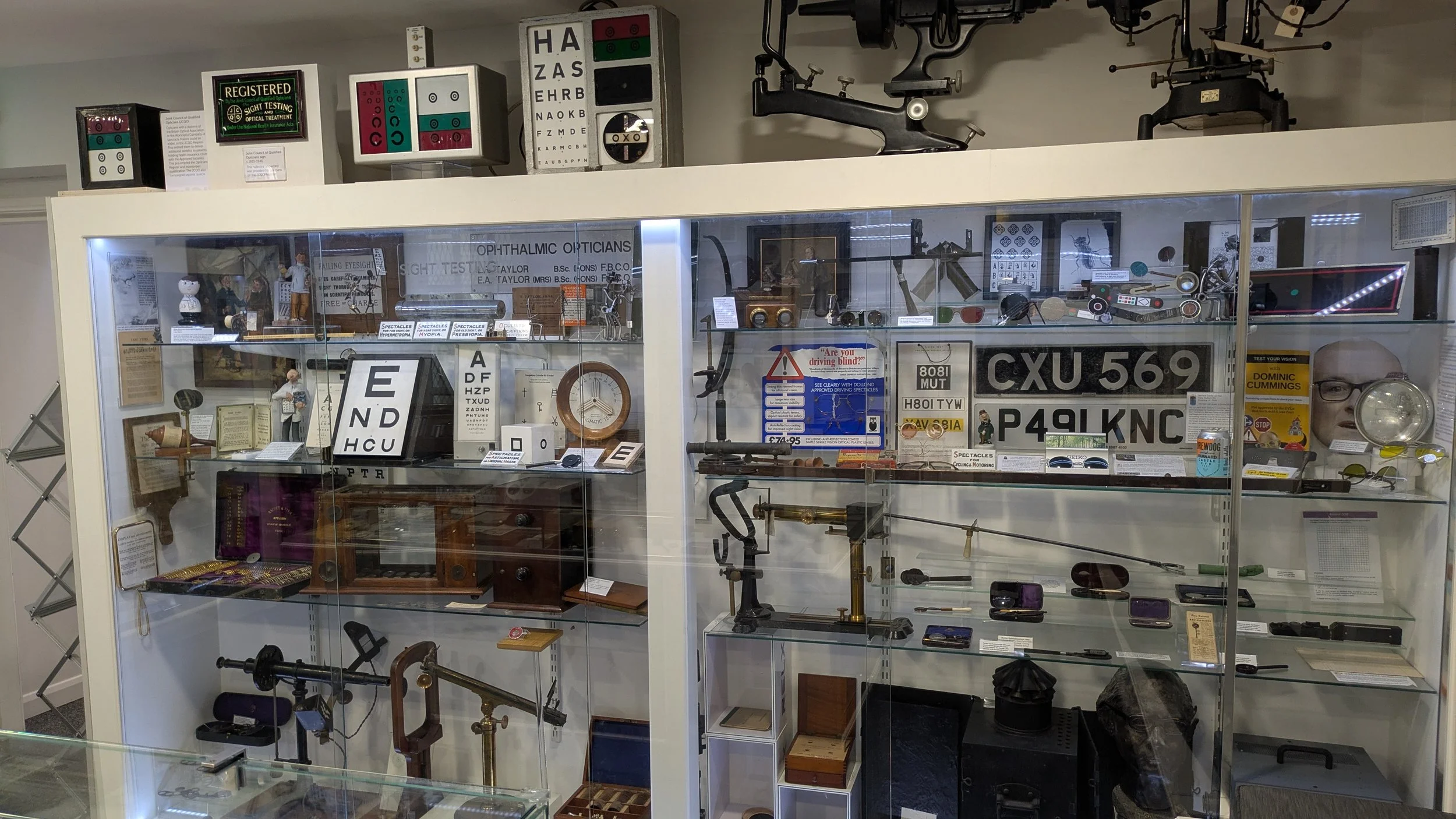
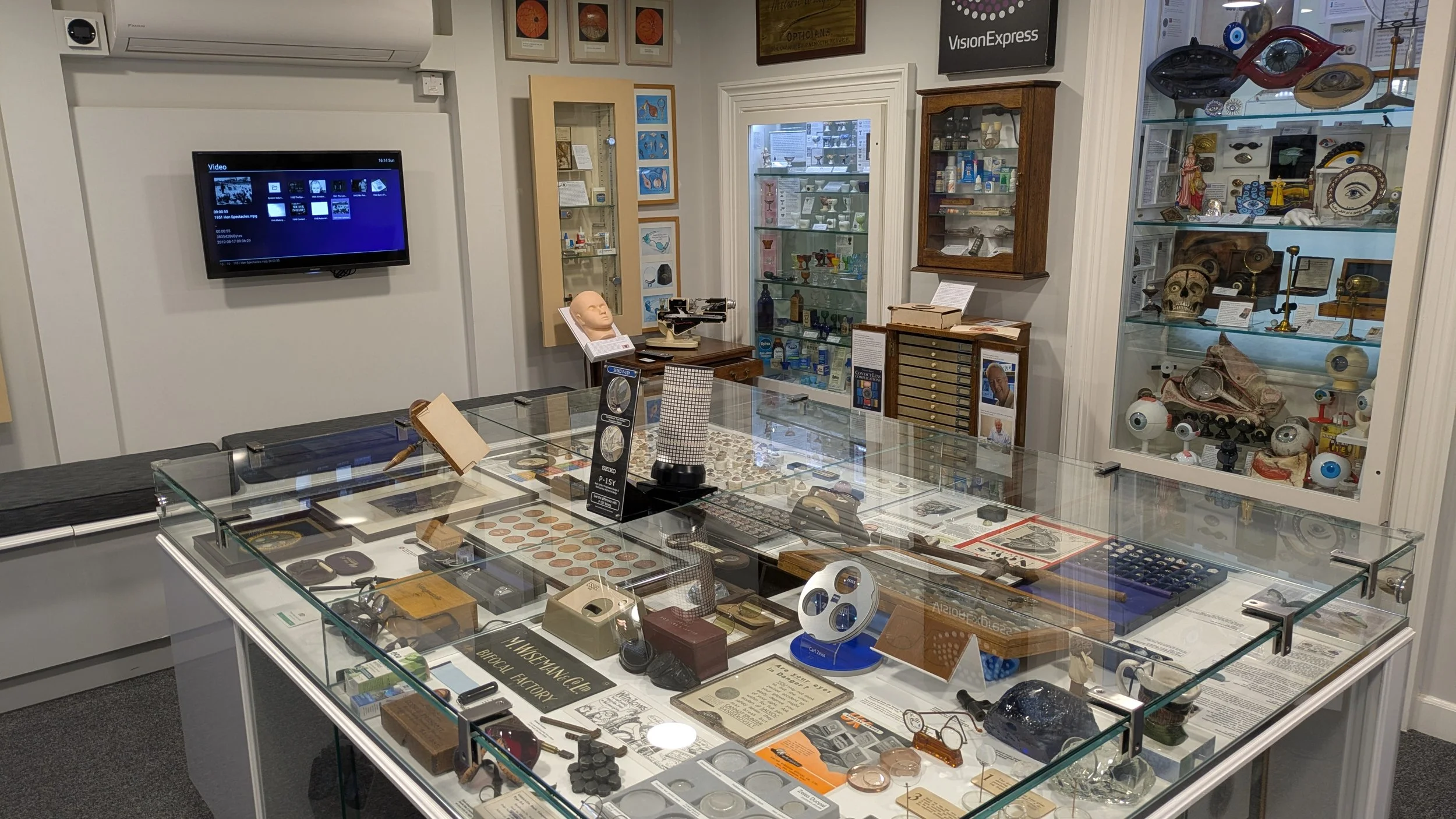
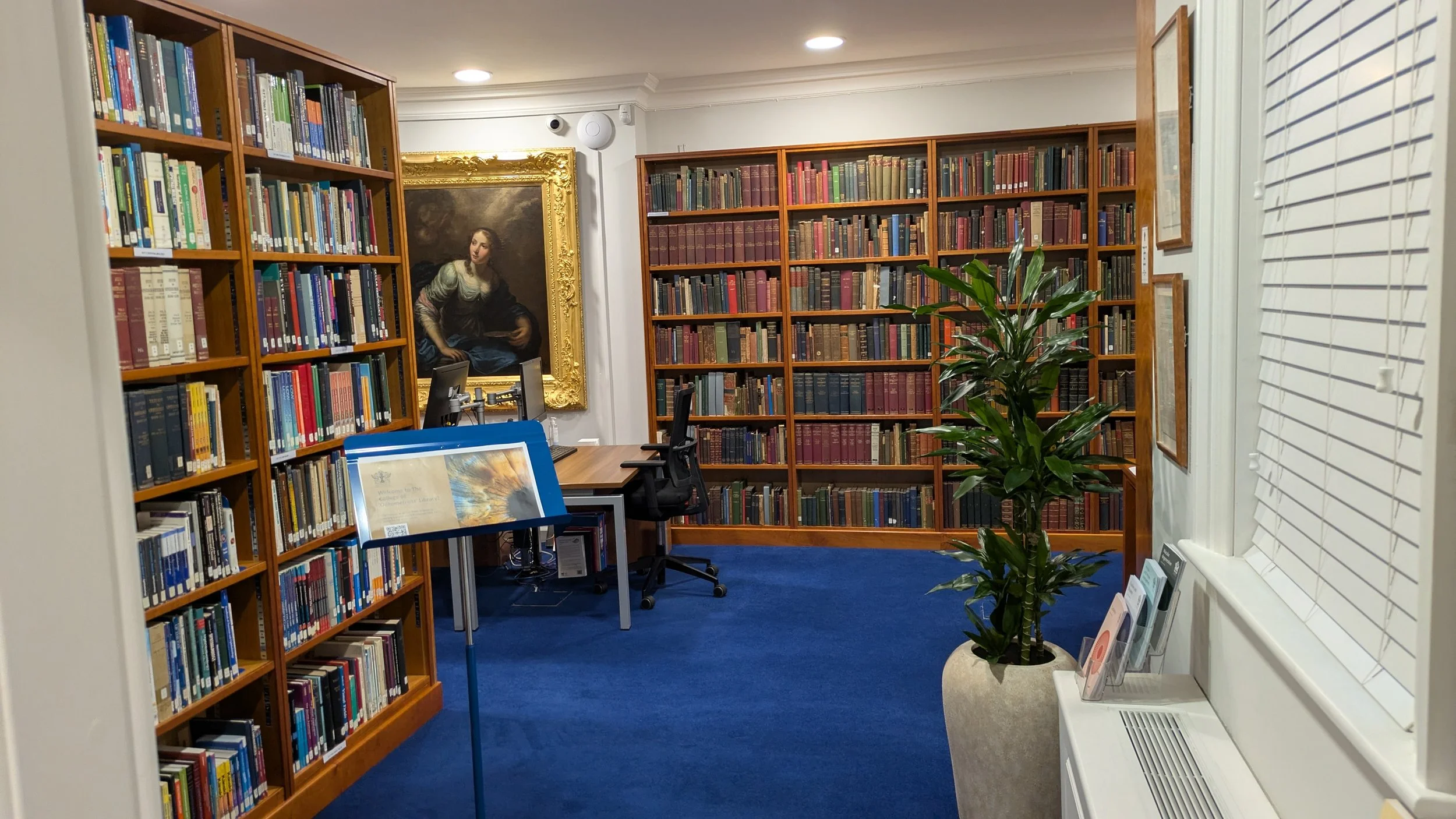
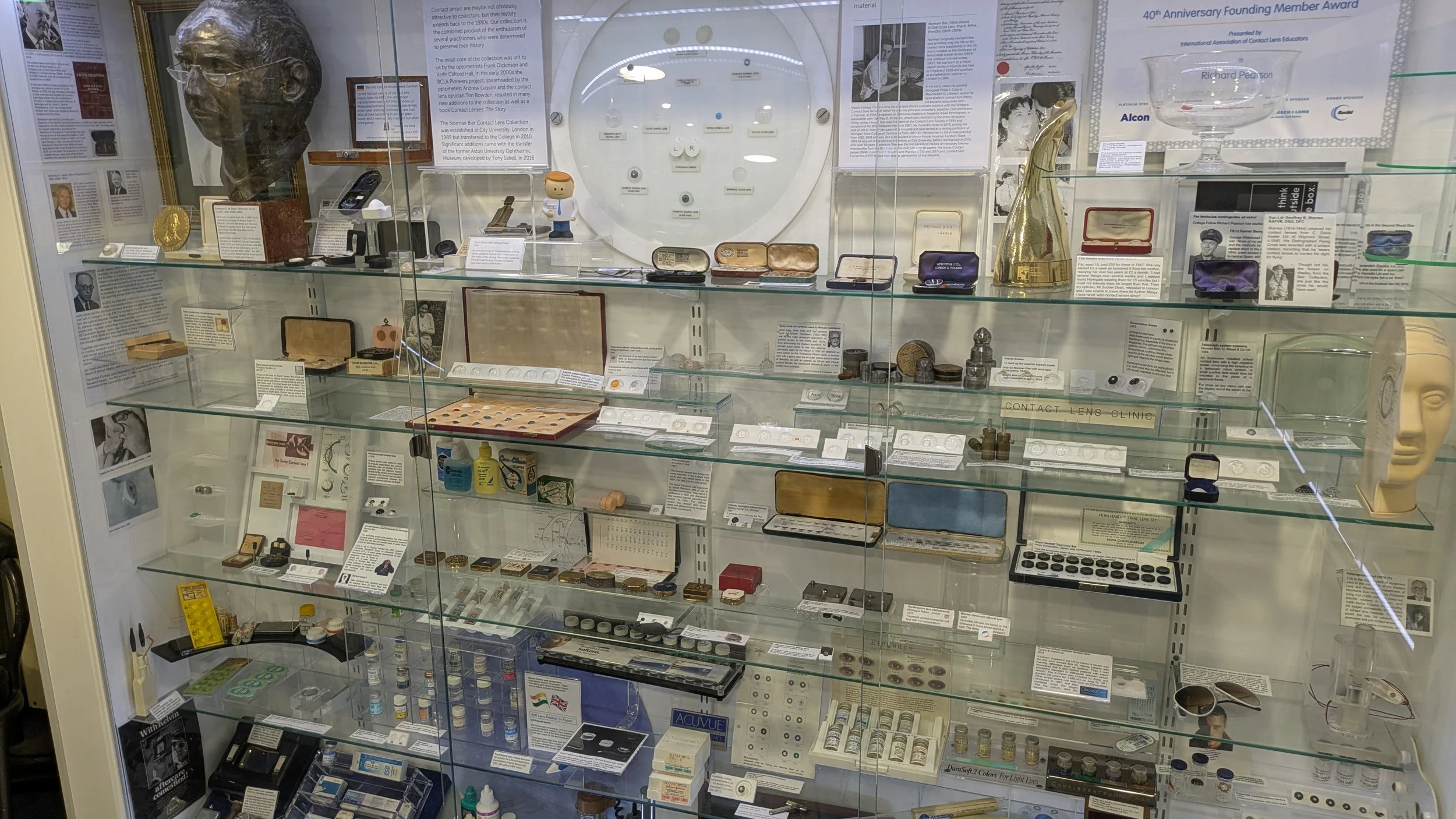
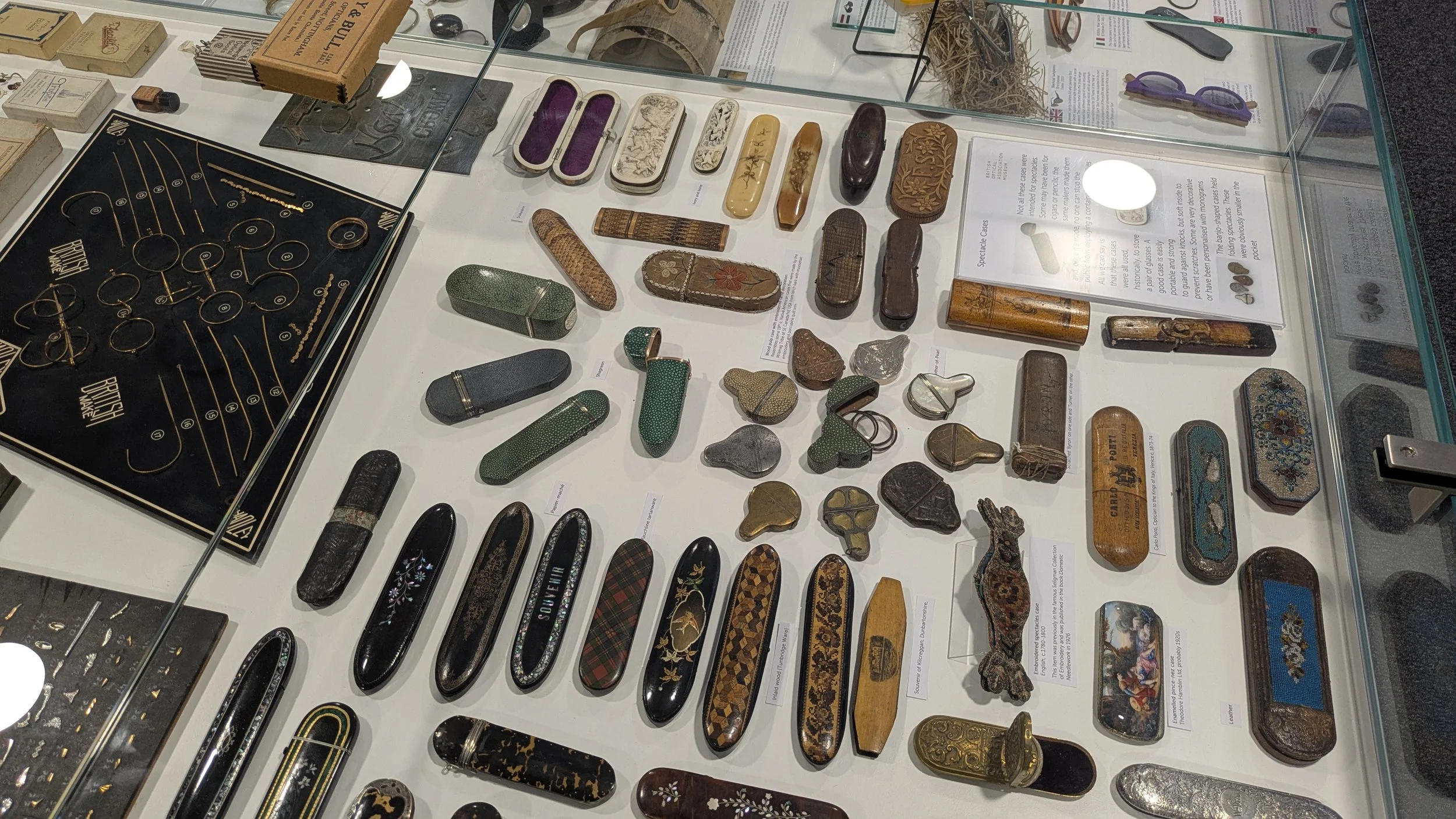
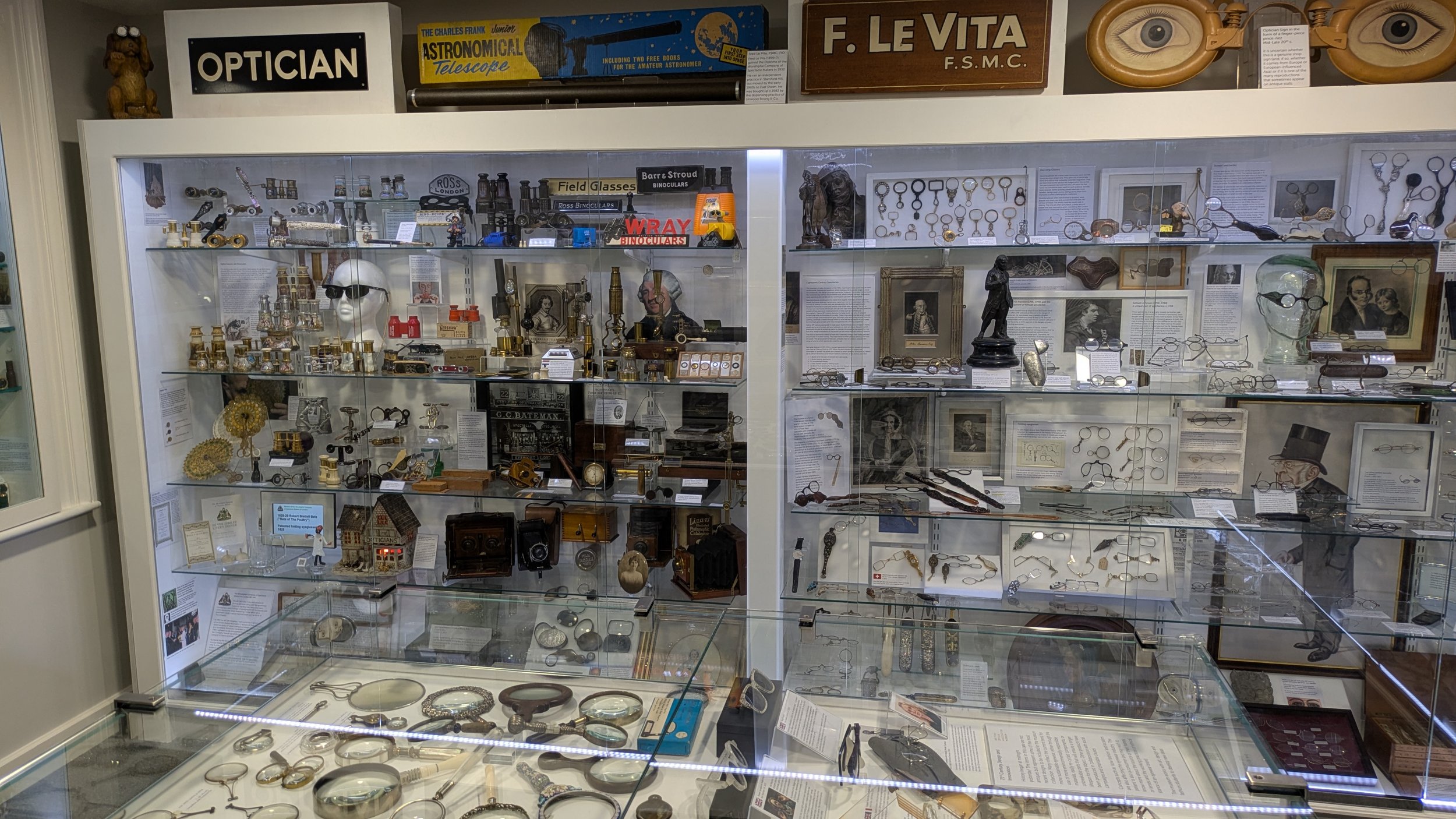
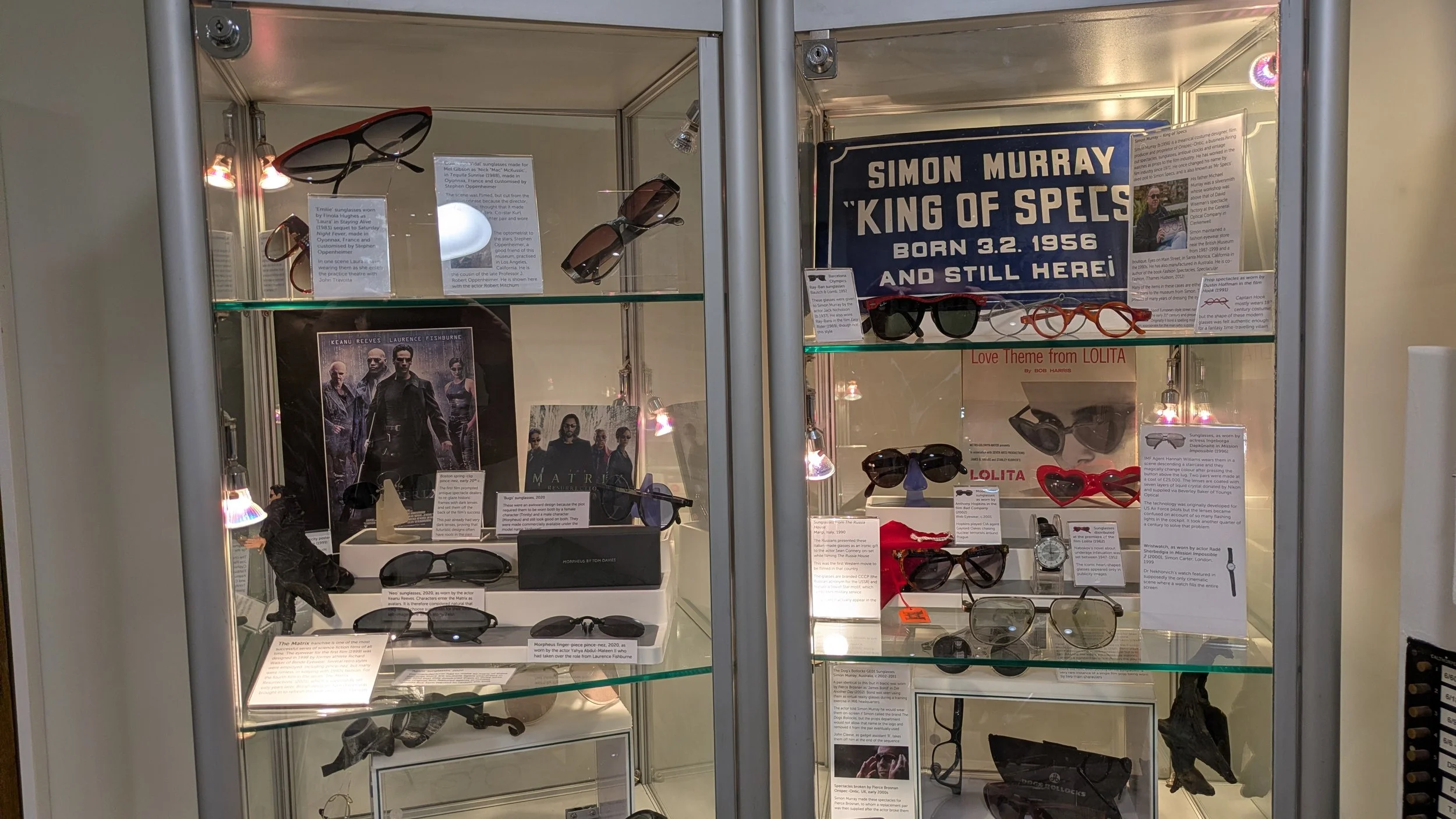
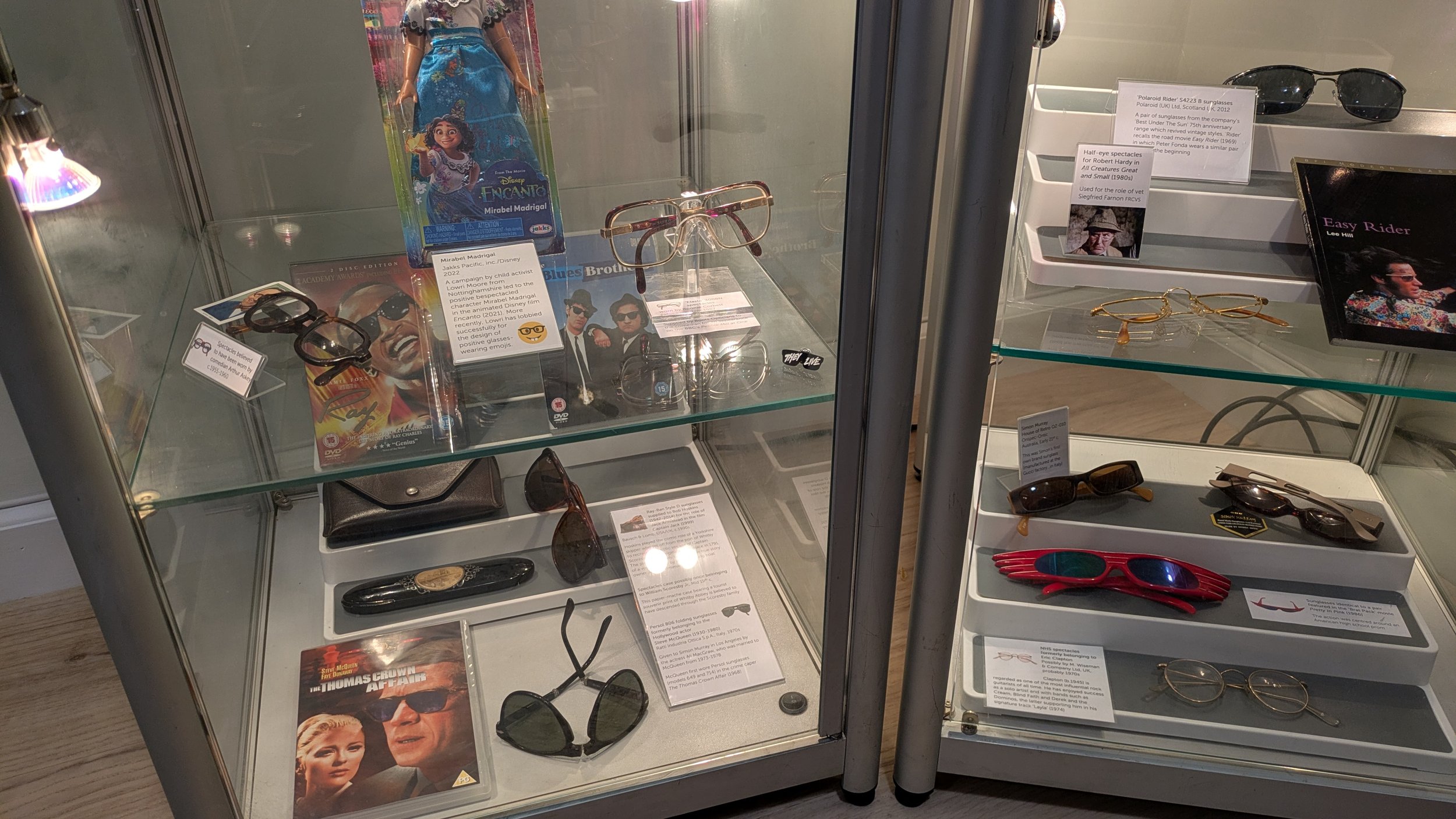
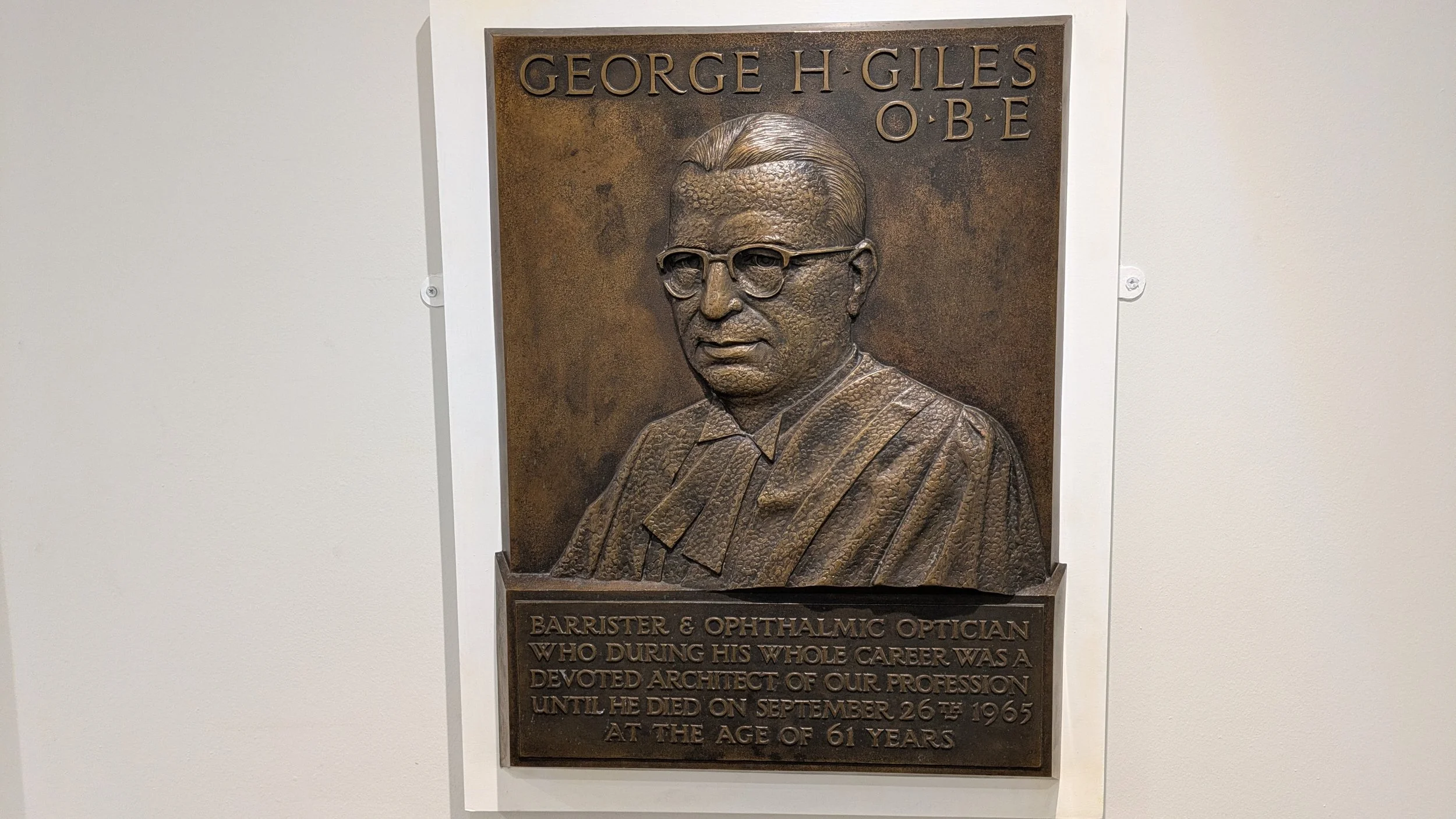
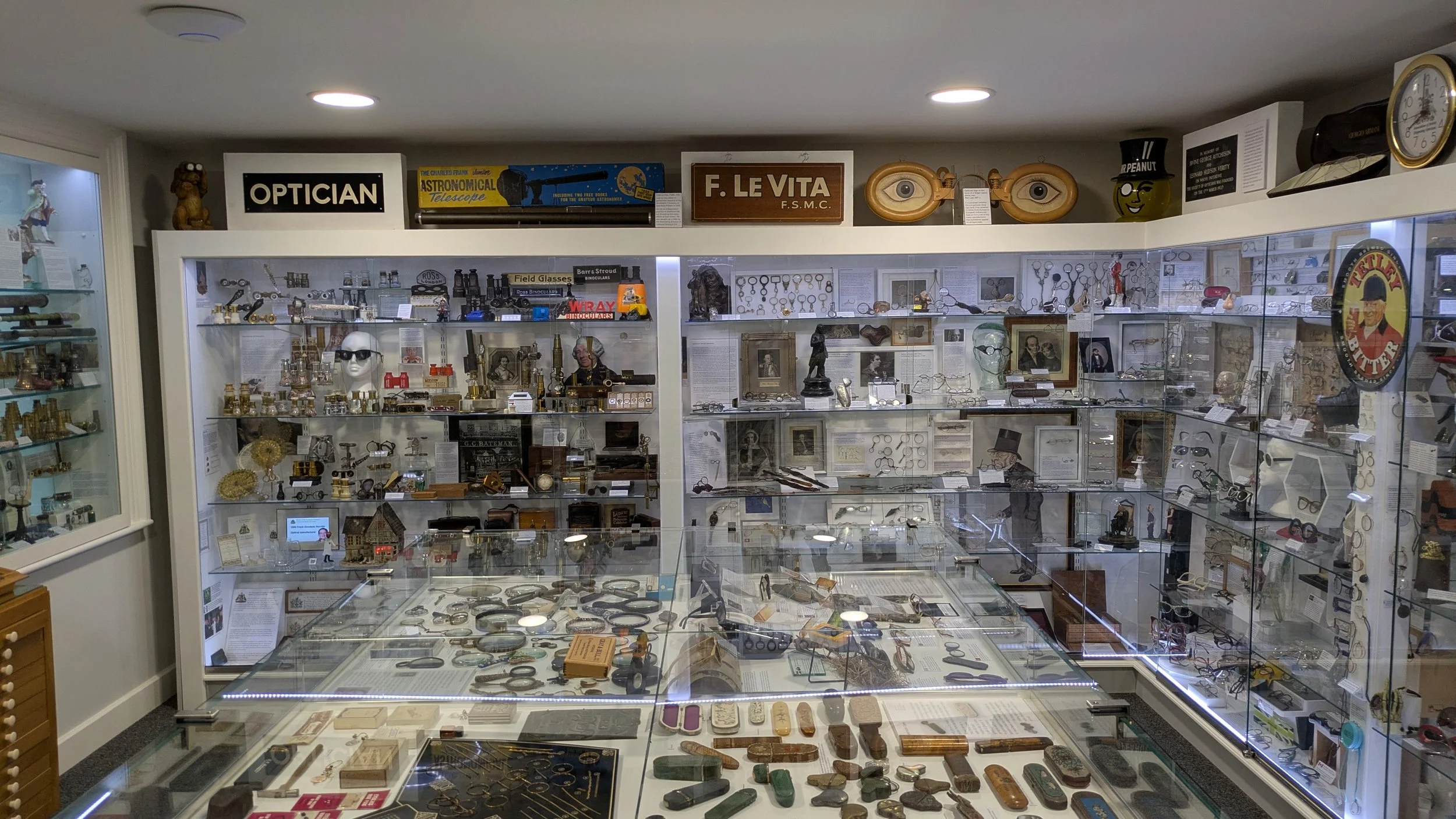
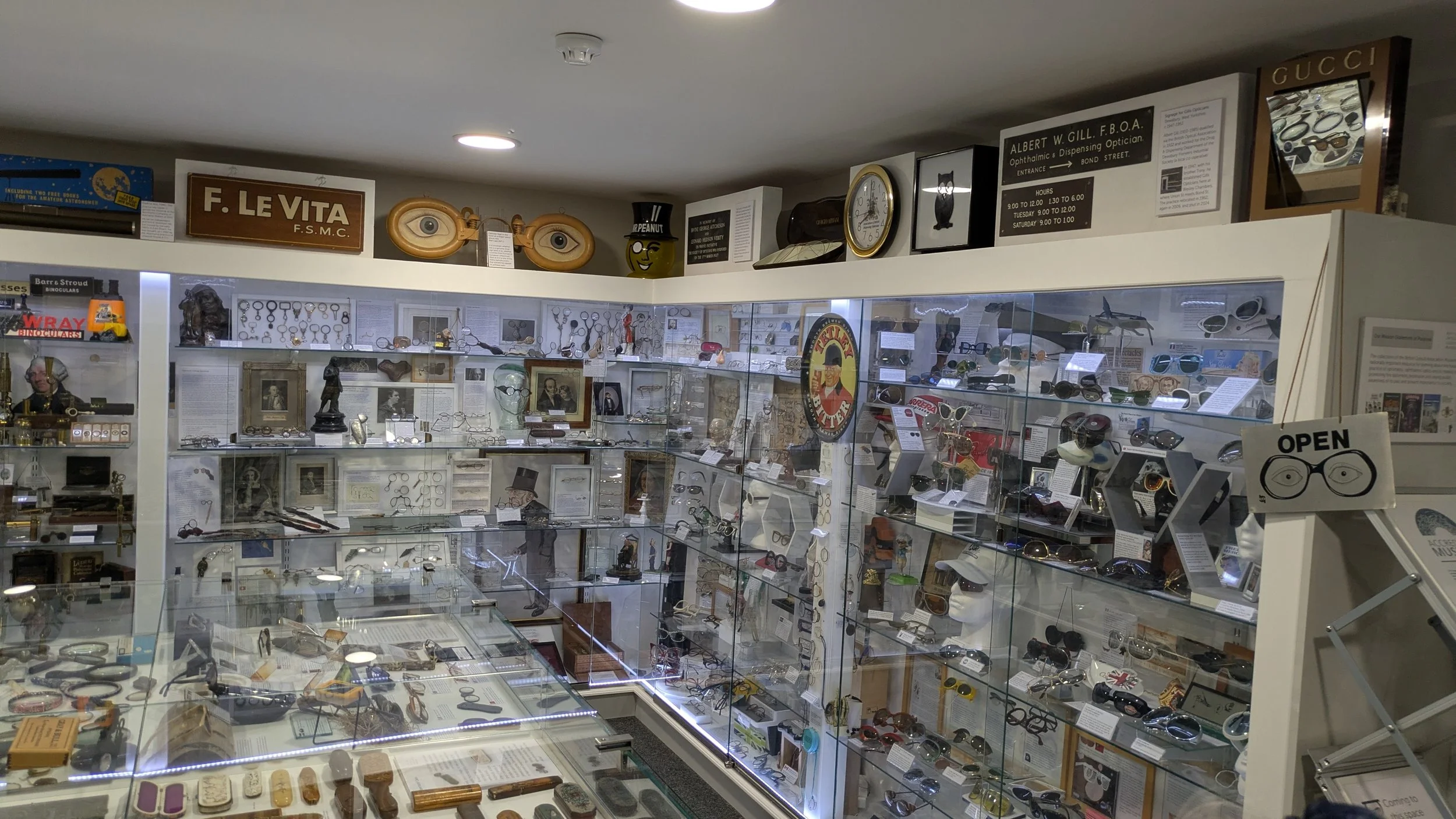
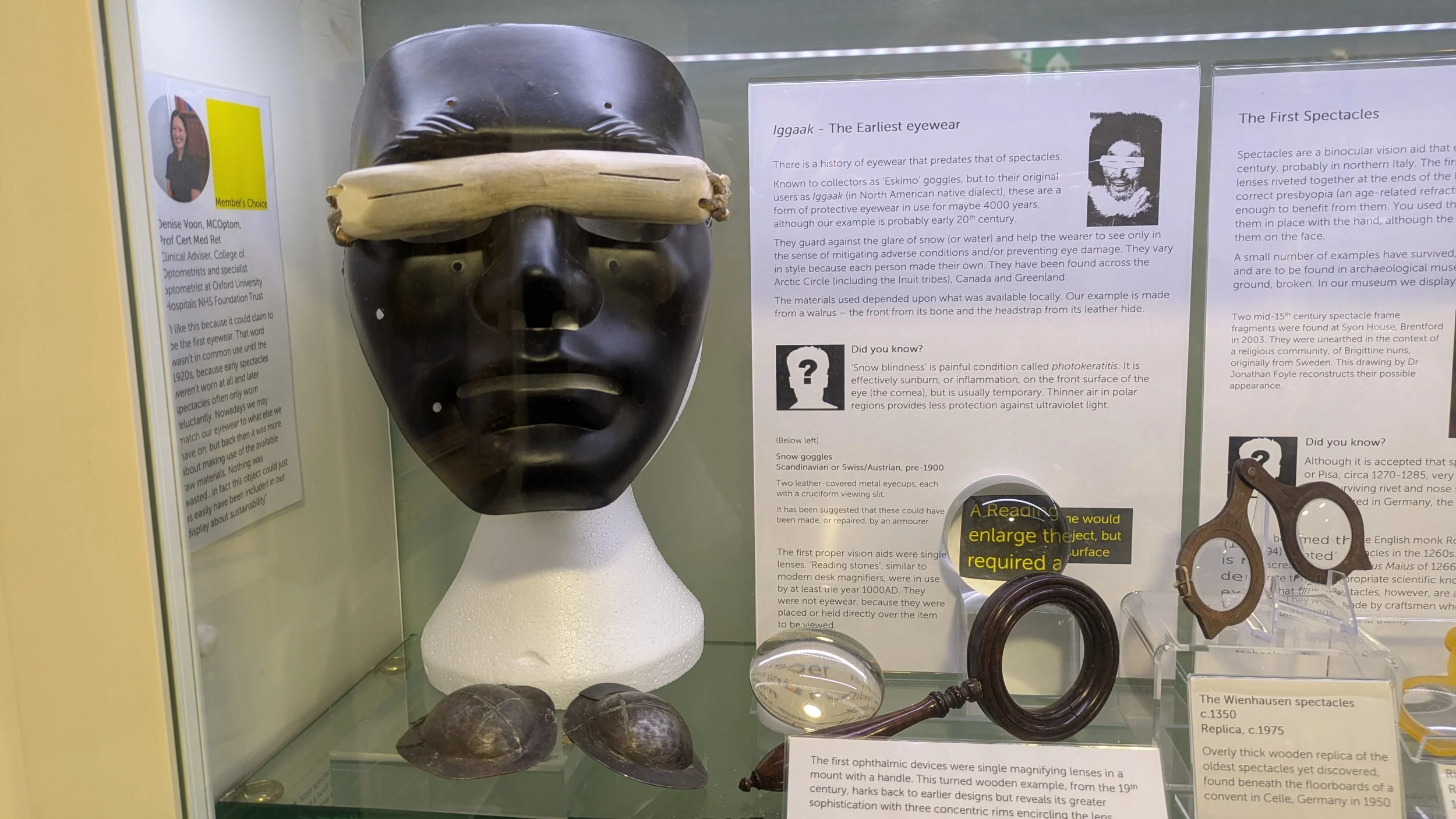
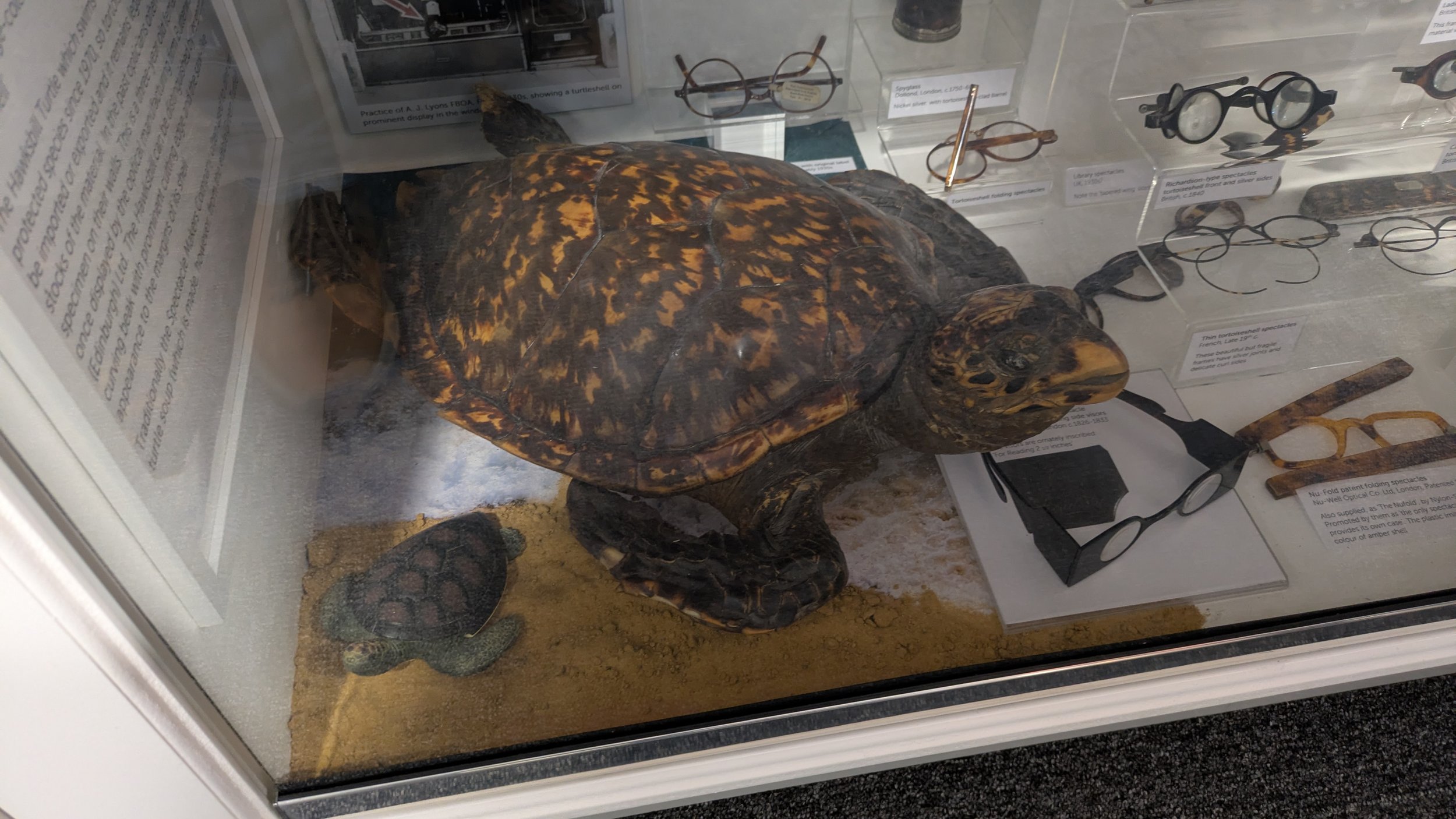
Today I visited the Inside Aardman: Wallace & Gromit and Friends exhibition at the Young V&A Museum at Bethnal Green. The exhibition which celebrates 50 years of Aardman Animations, provides visitors with a unique, behind the scenes view of the art of stop-motion animation. It also explores how Aardman’s iconic characters and worlds are designed, crafted and brought to life. From the initial concept artwork to the final visual effects, this event demonstrates the methods and techniques employed by Aardman. The exhibition features early scripts, sketch artists initial concept art, models, sets and numerous famous puppets. Furthermore this event is firmly pitched at children and families, with a wealth of interactive activities demonstrating the various techniques on display. The curators of the exhibition have also made it clear that they wish to encourage future generation to consider a career in the creative arts.
The Imperial War Museum serves as a national museum for Britain. Its main location is in London, complemented by five additional branches across England. Established in 1917 as the Imperial War Museum, its original purpose was to document the civil and military efforts and sacrifices made by the United Kingdom and its Empire during the First World War. Over time, the museum’s scope has broadened to encompass all conflicts involving British or Commonwealth forces since 1914. As of 2012, the museum’s mission is to provide and encourage the study and understanding of the history of modern warfare as well as the “wartime experience”. The IWM as it is now known has its headquarters and primary site is located at Southwark in Central London. The museum is funded by government grants, charitable donations and revenue generated through commercial activity such as retailing, licensing and publishing. General admission is free to IWM London.
Castle Farm is a family business located near the village of Shoreham in West Kent. The Alexander Family have been farming in the Darenth Valley since 1892 when James Alexander transported 17 milking cows from Ayrshire in Scotland and took up residence in this south-eastern part of England. Castle Farm is a busy, working farm comprising of 1,100 acres. It produces such crops as wheat, barley, rapeseed, hops, apples, pumpkins and lavender. It is also home to a grass-fed herd of beef cattle. However, in recent years it has become well know internationally for its lavender crop. Castle Farm began its lavender enterprise in 1998, producing the essential oils associated with the flower. It is now the largest lavender farm in the UK, growing over 110 acres of the flower. Furthermore, it has become quite a tourist attraction with the farm staff running tours during Summer and the height of lavender season.
Riverhill Himalayan Gardens are set in the grounds of Riverhill House, a Grade II listed Queen Anne manor house located on the southern edge of Sevenoaks in Kent, England. Riverhill is well known for its stunning and historic gardens as well as its sweeping vistas over the Weald of Kent. The estate has been the residence of the Rogers family since 1840 who currently operate the gardens as a tourist attraction, along with the house and associated facilities as a wedding venue. Visitors can enjoy a walled garden, rose walk and maze as well as other attractions. There is also an excellent trail around the grounds culminating in a view from the top of the hill over the estate. Riverhill Himalayan Gardens, as a supporter of the Surrey Sculpture Society, regularly showcases a selection of sculptures and art pieces throughout its grounds. All are available for purchase if you have deep pockets.
The Hunterian Museum is a museum of anatomical specimens in London, located in the prestigious building of the Royal College of Surgeons of England. The museum is made up primarily of a collection from the 18th century Scottish surgeon John Hunter. Over the years it has since been subsequently supplemented by Odontological material curated by A. E. W. Miles and various natural history exhibits from Richard Owen. In May 2023, the Hunterian Museum reopened following a five-year redevelopment of the Royal College of Surgeons of England’s headquarters at Lincoln’s Inn Fields. The £4.6 million museum project features the exhibition of more than 2,000 anatomical specimens from Hunter’s original collection. In addition to these there are instruments, equipment, models, paintings, and archival materials that document the evolution of surgery from ancient eras to contemporary robot-assisted procedures. The Museum boasts the largest public display of human anatomy in England.
The Crystal Palace Dinosaurs are a collection of sculptures depicting dinosaurs and other extinct species located in Crystal Palace Park, in the London borough of Bromley. These sculptures were originally commissioned in 1852 for display at the Crystal Palace following its relocation from the Great Exhibition held in Hyde Park. They were revealed to the public in 1854 and are the first speculative dinosaur sculptures ever created. Although the models are now considered inaccurate by contemporary standards, they were designed and crafted by Benjamin Waterhouse Hawkins under the scientific guidance of Sir Richard Owen, reflecting the prevailing scientific understanding of the time. The sculptures were designated as Grade II listed buildings in 1973 and underwent extensive restoration in 2002. In 2007 they were elevated to Grade I listed status. As of spring 2026 the dinosaurs are again being renovated as part of a £5 million regeneration of the park.
The benefits of international travel are numerous. These include stress relief, mental health benefits and a chance to escape the drudgery of work. Then there are the cultural aspects that you can immerse yourself in. Going abroad also allows you to learn new language skills as you awkwardly ask for directions. International travel is a chance to make lasting memories and it often gives the traveller a greater appreciation of their own home. At the very least the beer is always better abroad and that is the very definition of “broadening your horizons”. Yet despite all these positive points, there is one unavoidable hassle when comes with travelling abroad. The fact that the country or countries that you’re visiting will invariably use a different electrical plug and socket standard. In an age where a lot of the stuff you bring along with you on holiday needs charging, this can be a very stressful problem to solve.
I thoroughly enjoyed our holiday in Croatia last year and it did much to restore my confidence in travelling. Previously my views on visiting other countries had been greatly influenced by the films Raid on Entebbe and Midnight Express. As January was such a bleak month here in the UK, Mrs P and I decided we couldn’t wait until summer for another holiday and so decided to book something for the end of March. So we visited our local Travel Agents and decided upon a river cruise. We’ve been interested in these since we saw a travel show with Susan Calman. River cruises are a horse of a different colour, compared to sea cruises. They’re a great way to visit cities of note, often bringing you right into the heart of them. River cruise ships are a lot smaller with less passengers than ocean faring vessels. They also attract quite different travellers. Let it suffice to say that a sea cruise doesn’t offer the cultural experience that I am looking for.
There are approximately 4000 parks and green spaces in Greater London. Bexley Borough alone has over 100. Public parks and green spaces are vital to modern cities, providing essential health, environmental and social benefits. They boost physical and mental wellbeing by reducing stress and providing a place for exercise. Furthermore they enhance urban sustainability, mitigate heat, and provide a sustainable environment for a wildlife. Parks are often a venue for social activities and events and as such are an important part of the local community. Going to the park has always been a part of my life. I live next to Old Farm Park in Sidcup and have made use of this recreational space throughout my life. I used visit with my parents in the seventies, when I was a child. Thirty years later my son, father in-law and I would fly kites there. Now I take my grandchildren to Old Farm Park as it now has a playground.
There is no shortage of interesting and good quality museums in London. In many respects tourists and visitors are spoilt for choice. More often than not, it is the most well known institutions such as the British Museum or Victoria and Albert Museum that gain the most attention. However, there are many hidden gems to discover if you take the time to look further. A prime example being The British Optical Association Museum which I had the pleasure of visiting today. The museum’s function is to promote the optometry profession and raise public awareness of its past and ongoing role within society. The museum has a well conserved collection of exhibits and provides a venue for presentations, learning and research services. There is also an excellent tour hosted by museum curator Neil Handley (PhD, AMA, FRSA) in which he gives a concise, interesting and at times a witty overview of the history of optometry in the UK and its current role.
The artillery battery at Capel-le-Ferne was built between 1941 and 1942, following the fall of France, on the orders of Winston Churchill. Located between Dover and Folkestone, the battery consisted of three 8-inch high-performance guns, provided by the Royal Navy. The battery was intended to provide anti-shipping defence in the English Channel. The site was manned by men of the 520 Coast Regiment Royal Artillery. Over the course of World War II, the battery expanded in size, eventually encompassing multiple Nissen huts, several roads and 19 military buildings. Anti aircraft defence was provided by two 40mm Bofors guns. Over the course of the war, the Capel Battery engaged enemy shipping on four separate occasions and also took part in fifteen practice shoots. In 1944, due to the decreased threat, the battery was placed in “care and maintenance”. The guns were removed in 1952 and the building demolished in the early 1980s
There are an estimated 2,500 museums in the UK. This number has grown significantly over time, more than tripling between 1960 and 2017. While it is laudable that so many of these institutions exist, they do not all receive equal interest or publicity. Some museums dominate in their respective fields and drown out others that have a similar theme. With this in mind, I was unaware of the Kent Battle of Britain Museum until a friend recently brought it to my attention. After yesterday’s visit my initial thoughts are what a treasure trove it is. According to the museum’s website it is the world’s largest Battle of Britain collection of memorabilia. This includes planes, uniforms, weapons and related artefacts from over 700 crashed aircraft. Furthermore, the museum tells the story of this battle without bias, choosing to highlight both the historical and the human aspects of the conflict. It is often very poignant.
Stonehenge is so much more than just a neolithic, historical structure of note. It is of great spiritual importance to many, representing ceremonial practices and ancient worship. It is also seen as a conduit to a wider connection to the cosmos. It is after all a celestial calendar, according to one of the theories regarding its purpose. It also has a strong significance in pop culture. Hence, due to its history, symbolism, religious connotations and overall sense of mystery it is a UNESCO World Heritage Site and a globally recognised symbol of ancient Britain. As such, it has always been somewhere that I have wished to visit. Today, as we were relatively nearby in Ringwood and the weather was pleasant, Mrs P and I decided to go to Salisbury and see this iconic structure for ourselves.
I enjoy visiting the coast. I always have. I find the sight and sounds of the sea very calming and thought provoking. There is something about seeing the ocean stretch out to the horizon and its implied enormity, that gives you a sense of perspective. The UK is a seafaring nation and therefore it is an integral part of our history and national identity. Hence a strong nautical theme and a sense of its importance has bled through into our popular culture. It is therefore quite common for people to have a positive attitude towards the sea and its associated leisure activities. I like to visit the coast at various times of the year and walk along the beach, just listening to the waves, lost in my own thoughts. This is not a hard thing to do in the UK, as no one lives further than 70 miles (113 kilometers) from the coast.
Knole is a country house in England and a former archbishop’s palace that is currently owned by the National Trust. It is located within Knole Park, a 1,000-acre (400-hectare) estate that lies to the south-east of Sevenoaks in west Kent. The existing structure of the house dates back to the mid-15th century, although there were significant expansions in the 16th and particularly in the early 17th centuries. Its Grade I listing signifies its combination of late-medieval to Stuart architectural styles. This is especially evident in its central façade and state rooms. In 2019, a comprehensive conservation initiative titled “Inspired by Knole” was completed to restore and enhance the buildings’ structures. This was beneficial to the preservation of its significant collections. The adjacent deer park has also endured since 1600.
Mrs P and I travelled to Croatia on Friday 13th June for our summer holiday. We spent one week in Makarska, which is located on the Dalmatian coast. My last international holiday was to Malta in 2004. Since then we have done a lot of travelling in the UK and Mrs P has vacationed abroad with other family members. However, she stated last September that she wanted to go “somewhere warm” for our next holiday. So this trip was booked and has been “something to look forward to”, or a source of stress slowly inching closer, depending upon your perspective. In many respects this holiday has been a big deal for me. I don’t enjoy travelling at all with all its accompanying logistical, bureaucratic and “people” issues. However, I have no problem with being elsewhere. I eagerly await teleportation technology to become commonplace. Once I arrived at our hotel, I quickly switched to holiday mode and I am happy to confirm that I thoroughly enjoyed myself.
Emmetts Garden is an Edwardian estate situated on Ide Hill, close to Sevenoaks in Kent, UK. After a long and interesting history it is currently under the stewardship of the National Trust. Originally open farmland, the existing house was constructed in1860. The term “emmett” is a local dialect for ant, referencing the large anthills that populated the area until the 1950s. In 1890, the estate was acquired by Frederic Lubbock, a banker with a keen interest in horticulture. His elder brother, John Lubbock, 1st Baron Avebury, was a renowned authority on ants, which may have influenced Frederic's decision to purchase the estate. Today Emmetts Garden is open to the public and features several “hortus conclusus” (walled gardens) and a hillside trail that is famous for its Bluebells in the spring.
Damerham is a quaint rural village and civil parish located in the New Forest district of Hampshire, England. It is close to the market town of Fordingbridge. Damerham is distinguished by significant Neolithic and Bronze Age burial mounds. Historically, it was home to an Anglo-Saxon religious community and was referenced in the will of Alfred the Great, as it was at that time part of the royal estate. At the time of the Domesday Book in 1086, Damerham was recognized as a prominent settlement under the ownership of Glastonbury Abbey. It was mainly farms and agrarian small holdings. Today, the village still features a riverside mill and the church of Saint George date’s back to the Norman period. There is a church hall that hosts numerous local, seasonal events.
Bodiam Castle is a 14th-century moated castle located near Robertsbridge in East Sussex, England. It was built in 1385 by Sir Edward Dalyngrigge, a former knight of King Edward III. The castle’s primary purpose was to defend the local area against possible French invasion during the Hundred Years' War. Bodiam Castle has a quadrangular design and does not have a keep. All the various chambers and rooms were built adjacent to the outer defensive walls. The four corners and main entrance have towers, all of which feature crenellations. A substantial moat surrounds the castle, which served as a home for the Dalyngrigge family, as well as a seat of power to the manor of Bodiam. The castle remained within the Dalyngrigge family until the line became extinct. It remained a place of strategic importance during the War of the Roses and the English Civil War. It is currently owned and maintained by The National Trust.
Today I went on an impromptu visit to Brompton Cemetery in West London. Established in 1837, the West of London and Westminster Cemetery (as it was originally known) is a private cemetery initially created as a business venture to capitalise upon the shortage of cemeteries within London. It also sought to cater to the prevailing culture of opulent Victorian funeral rites. However, after proving non profitable, the cemetery was bought by the UK government. It was subsequently incorporated into Crown Property and managed by The Royal Parks. It is one of Britain’s oldest and most distinguished garden cemeteries. There are currently 35,000 monuments, ranging from simple headstones to impressive mausolea. It is home to more than 205,000 resting places. The cemetery is also a haven for flora and fauna, providing a substantial semi rural environment amid urban central London.
Christmas Tree Farm is a petting zoo, outside the village of Downe in the county of Kent. Despite its rural setting, it is actually only 15 miles from London, making it an ideal visit, as part of a day. The farm is home to a wide selection of domestic farm animals (and a few more exotic ones), all of which can be fed, stroked and lavished with attention by visitors. During the winter months, Christmas Tree Farm hosts Santa’s Grotto and as the name suggests is the place to find the perfect Christmas tree for your home. Entry prices are very reasonable, costing £6 per adult and £4 for children aged between 2 and 16 years old. Buckets of animal feed of varying size are also available for a small fee. There is a leisurely trail around the farm where the various animals are housed in pens and out buildings. There is also a Tea Garden where refreshments are available.
In 1939 legislation was passed in the UK so that all employees had one week’s annual paid holiday per year. By the 1950s this had become two weeks and by the 1980s most people had at least 4 weeks of annual holiday. On top of this paid leave allocation, the UK currently has 8 bank holidays which provides further time off for employees. This culture of increasing amounts of annual leave also broadly coincided with air travel becoming more accessible. The first UK passenger jet service began in 1952. However, its cost excluded most people. However, as larger airliners with increased range became available, cheaper foreign holidays became more and more economically viable. European holidays became a reality in the 1960s and 1970s. By the 1980s long-distance holidays to other continents became ubiquitous and the package holiday became king. It is also worth noting that the Channel Tunnel opened in 1994, making car travel from Britain to Europe easier and more popular.
Today I had the pleasure of visiting the Whitstable Museum (or to give its full name Whitstable Community Museum and Gallery). This is a fine example of a local heritage centre that curates and displays artefacts and records that reflect the history and culture of the surrounding area. The museum located in Whitstable, Kent, is home to one of the world's oldest steam engines, as well as historical diving equipment that was developed locally. The history of the local oyster trade which has been an integral part of the community for centuries is also a key feature. Established in 1985, the museum was reopened in 2015 following a major refurbishment. There is also an art gallery featuring the paintings by local artists and artworks on loan from an international network of galleries.
Eltham Palace, located in South East London, was the childhood home of King Henry VIII in 1499. It was later used as a royal nursery for the infant Princess Elizabeth, born on 7th September 1533. It sports sumptuous grounds and ornamental gardens and was famous for its game hunting during the Tudor and Elizabethan periods. In the 1930s’ the property was owned by the Courtauld family, who built a sumptuous Art Deco style mansion and redeveloped the grounds. Today the entire property is owned and managed by English Heritage who have extensively restored much of the estate. It is therefore very fitting that this illustrious venue annually plays host to the Legendary Medieval Joust, during the summer months. Two days of historical pageantry, re-enactments and events for the entire family to enjoy. I last attended in 2015, so it was a welcome pleasure to return again yesterday.
Morph’s Epic Art Adventure in London is a step-free art trail and tourist attraction featuring the iconic animated character Morph. It is hosted by charitable organisation Whizz-Kidz, global event producers Wild in Art and Aardman. The trail features 56 super-sized sculptures of the much-loved children’s TV character, which are set among various iconic London landmarks including St Pauls, Tate Modern, Tower of London, Shakespeare’s Globe and Borough Market. It is a free public art trail and tourist attraction, designed by a variety of artists to excite and inspire people of all ages, whilst increasing public awareness about the need for young wheelchair users to be mobile, enabled and included in society. Morph’s Epic Art Adventure in London runs from June 19th until August 20th 2023.
Regardless of whether you deem the IFS Cloud Cable Car a white elephant, a political folly or just a mistake in terms of tourism, it cannot be denied that the view it provides over South East London is impressive. At a height of 90 metres (300 feet), on a bright and sunny day you can see from City Airport to Canary Wharf. Located at Greenwich Peninsula, the IFS Cloud Cable Car (as it is now called) opened in June 2012. It was initially promoted as a viable form of public transport across the Thames, linking North Greenwich and Royal Victoria stations. In October 2012, nearly 100,000 journeys were made. However, after the London Olympics, passenger rates fell and since then IFS Cloud Cable Car has become more of a tourist attraction, rather than an integral means of commuting.
To my surprise I found myself out and about today undertaking another day trip. This time we headed back to the sea and visited Whitstable, a town on the north coast of Kent adjoining the Greater Thames Estuary. It’s 5 miles (8 kilometres) north of Canterbury and 2 miles (3 kilometres) west of Herne Bay. The town was originally recorded in the Domesday Book of 1086, under the name Witenestaple, meaning "the meeting place of the white post", a reference to a local landmark. By the late middle ages Whitstable had become a centre of Thames Estuary fishing, specifically for oysters. Today, the main activities at the harbour are fishing and processing, cargo handling and boat maintenance. The town has shingle/sandy beaches adjacent to the harbour, where swimming and water sports are popular. Whitstable Castle is situated on the border of Whitstable and off the coast is Kentish Flats offshore wind farm, consisting of 30 wind turbines.
Royal Tunbridge Wells is a town in the county of Kent, 30 miles (50 kilometres) southeast of central London. It is situated on the border with East Sussex on the northern edge of the High Weald. The local sandstone geology is synonymous with a rugged landscape due to erosion and weathering. The town itself was a spa during the Restoration and became a very fashionable resort in the middle of the 18th century. Socialites such as Beau Nash helped make the resort popular when the Pantiles and its chalybeate spring, began attracting visitors who came to “take the waters”. Despite the decline in spa towns after sea bathing grew in popularity, Royal Tunbridge Wells has remained a tourist resort. Today, much of the area's income is generated by tourism. The town has an equitable temperate maritime climate.
With January already behind us, Mrs P and I decided it was high time we took our first day trip of 2022. So yesterday I spent some time looking online at details of various National Trust sites within an hour or so drive from our home. I also looked at similar places of historical note that are run by other bodies. Sadly, many are either partially or totally closed for the present. It would appear that from January to March many of these sorts of tourist attractions spend time repairing, refurbishing and preparing for forthcoming events. Grounds also have to be maintained. Hence, we were somewhat lacking in choice for suitable destinations. However, as the weather forecast was mild, today we opted to visit the village of Chiddingstone so we could walk in the grounds of the local castle and along the various footpaths in the area.
For me, staying in a hotel is always an adventure, as it mainly happens when I’m taking a holiday or a short weekend break. I suspect that travelling habitually for business reasons probably puts a different complexion on the process. It may well dictate what sort of hotels you stay in. More than likely functionality, location and cost trump other more self indulgent factors such as aesthetic and ambience. Mercifully, travel has never been a major part of my working life and so hotels are still a source of excitement as they’re associated with fine meals, interesting scenery and good company. However, such hotels tend to come at a price as they’re catering more for tourism rather than business travel and therefore stays are not a regular occurrence. However, I had the pleasure of a short visit this weekend.
Capel Battery
The artillery battery at Capel-le-Ferne was built between 1941 and 1942, following the fall of France, on the orders of Winston Churchill. Located between Dover and Folkestone, the battery consisted of three 8-inch high-performance guns, provided by the Royal Navy. The battery was intended to provide anti-shipping defence in the English Channel. The site was manned by men of the 520 Coast Regiment Royal Artillery. Over the course of World War II, the battery expanded in size, eventually encompassing multiple Nissen huts, several roads and 19 military buildings. Anti aircraft defence was provided by two 40mm Bofors guns. Over the course of the war, the Capel Battery engaged enemy shipping on four separate occasions and also took part in fifteen practice shoots. In 1944, due to the decreased threat, the battery was placed in “care and maintenance”. The guns were removed in 1952 and the building demolished in the early 1980s
The artillery battery at Capel-le-Ferne was built between 1941 and 1942, following the fall of France, on the orders of Winston Churchill. Located between Dover and Folkestone, the battery consisted of three 8-inch high-performance guns, provided by the Royal Navy. The battery was intended to provide anti-shipping defence in the English Channel. The site was manned by men of the 520 Coast Regiment Royal Artillery. Over the course of World War II, the battery expanded in size, eventually encompassing multiple Nissen huts, several roads and 19 military buildings. Anti aircraft defence was provided by two 40mm Bofors guns. Over the course of the war, the Capel Battery engaged enemy shipping on four separate occasions and also took part in fifteen practice shoots. In 1944, due to the decreased threat, the battery was placed in “care and maintenance”. The guns were removed in 1952 and the building demolished in the early 1980s
Today, two thirds of the old Capel-le-Ferne battery site is now buried under the Battle of Britain Memorial, which was built in 1992. However, the remaining part of the battery (specifically No1 Gun) is now a museum, run by father and son team, John and Martin Button. Opened in 2023, the Capel Battery is dedicated to preserving and displaying the remains of the site and restoring previously existing facilities where it can. To date, the crew shelter, gun store and compressor house, along with the underground plotting room have been fully excavated. Two replica Nissen huts have also been built on their original locations. The site is also home to a 50mm Anti-Aircraft Bofors gun, an AFV434 REME armoured repair vehicle and other military equipment .
BL 8-inch MkVIII Naval Gun
On Saturday 16th August, I was fortunate to have a tour of the Capel Battery. Myself and my colleagues were given leave to look around the site by Martin Button, who also made himself available to answer questions both about the battery’s history and his ongoing plans for development. The former placement for No1 Gun has been fully excavated exposing where the base ring traversing mechanism would have been located. Likewise the bunker behind has also been cleared of undergrowth. Restoration has begun on all the concrete infrastructure, although it is a slow and costly undertaking. However, despite being an ongoing project, the concrete infrastructure that remains is more than sufficient to convey the scale of the naval gun that was installed. The site is about 400 yards from the cliff edge and looks out over the Straits of Dover.
The foundations of many of the prior outbuildings have also been discovered including officers’ mess, guard room canteen, storage and sleeping quarters. Several underground facilities have also been located such as the Operations Room, the Medical Dressing Station along with the Battery Plotting Room. Not all of these are accessible due to underground collapse, or for practical health and safety reasons. Of all of these, the Battery Plotting Room remains the most intact, located 50 feet or more underground. It can be accessed via two vertical ladders and contains much of the trunking and ducting from the original period. It is a substantial structure designed for half a dozen men. It is from here that data was analysed to compute precise gun-laying instructions.
No 1 Gun placement excavation and restoration
Another interesting aspect of the Capel Battery is the owner’s prodigious collection of World War II memorabilia. There is an original Willys MB Jeep and a Land Rover 101 Forward Control, along with radio equipment, an Observer Instrument and much more. All of which contribute to making this former military site an important historical resource. Unfortunately, Folkestone & Hythe District Council are currently in dispute with the Capel Battery’s owners over technicalities regarding the site’s museum status. Hence there is currently a concerted effort by both the owners and supporters of the site to raise the profile of the Capel Battery, thus increase the number of visitors and to raise further funding for excavation, preservation and restoration. I feel that the museum as it stands has a lot to offer and would like to see it reach its full potential. I therefore hope the owners are successful in their endeavours.
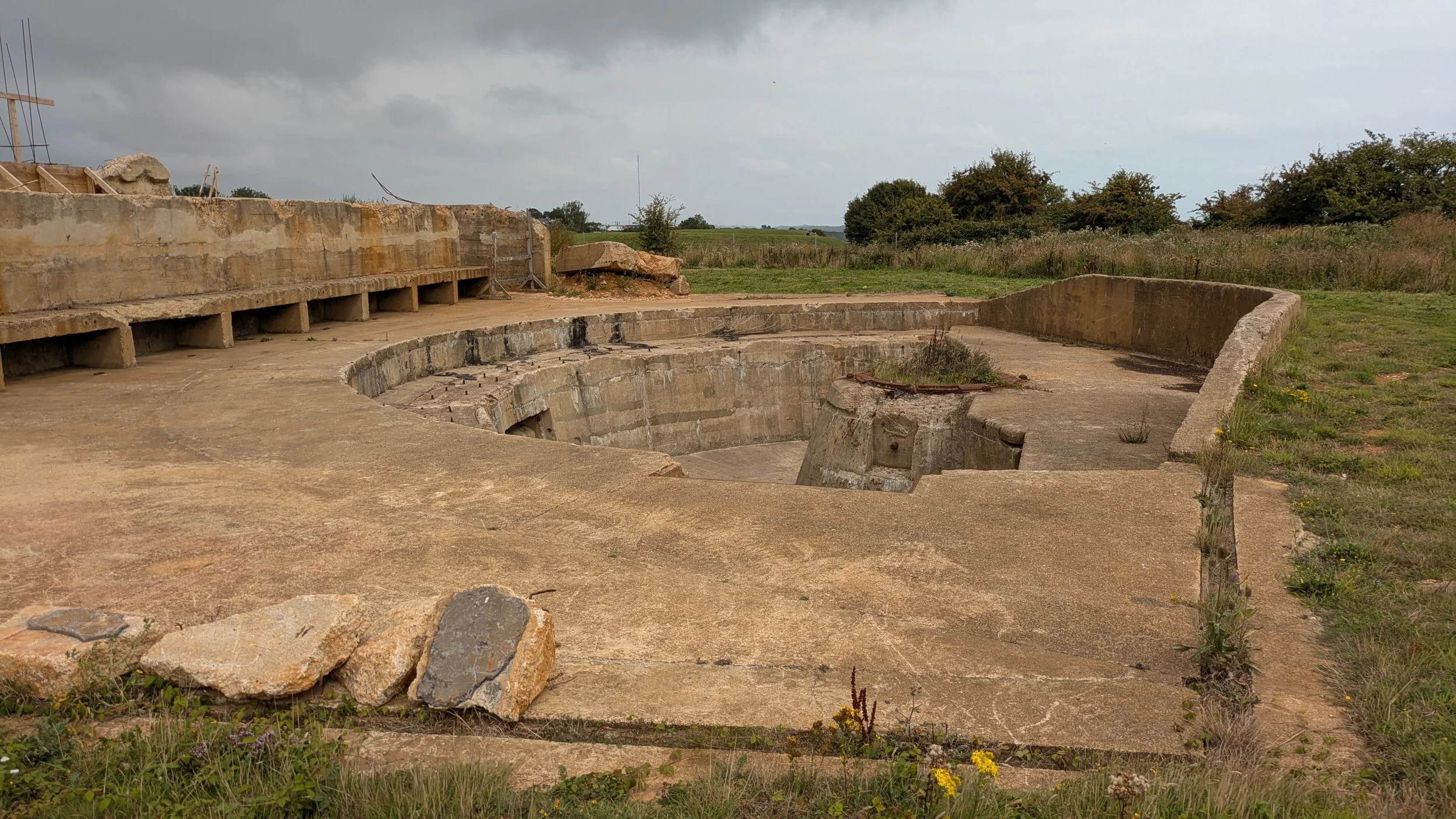
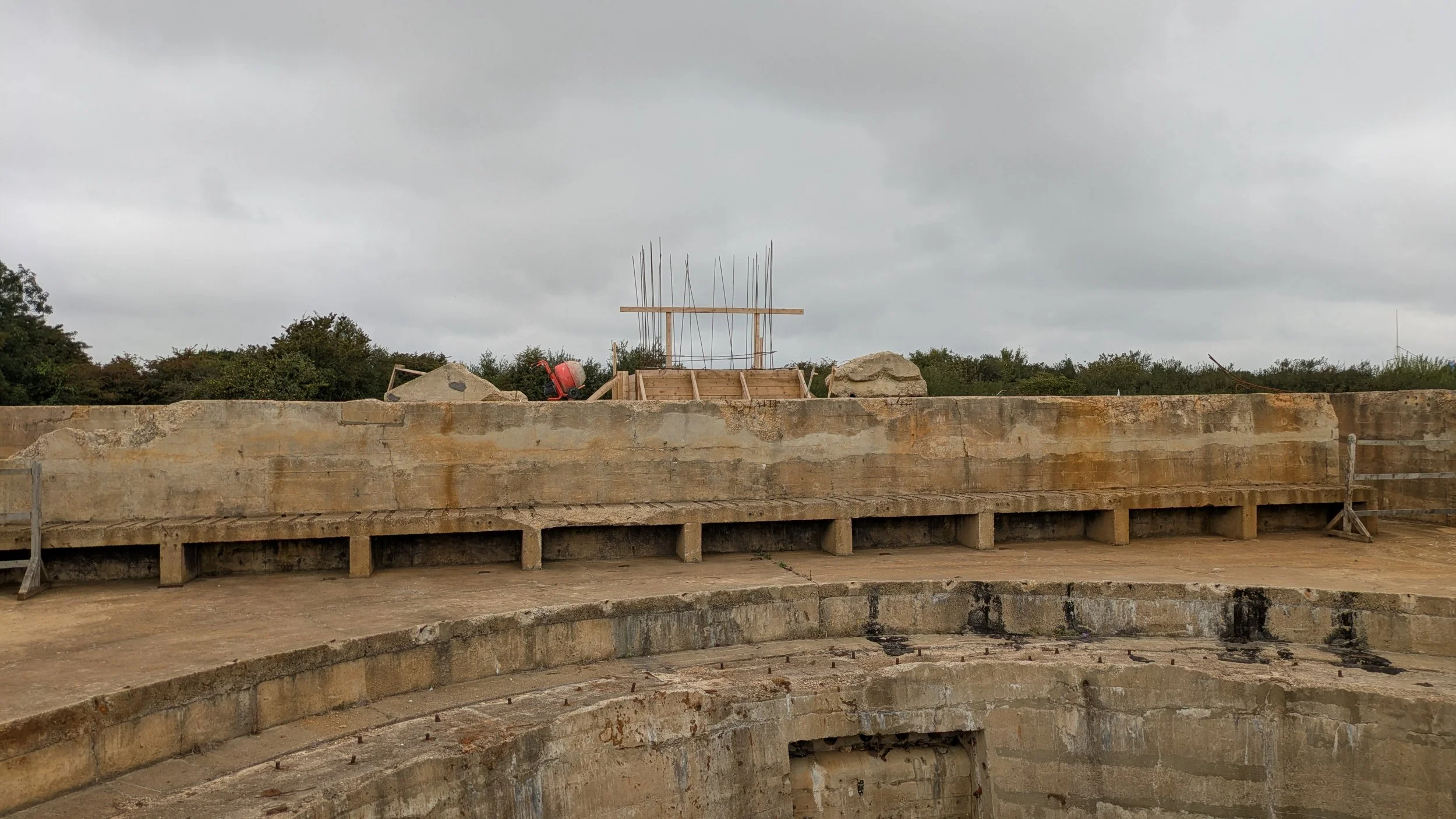
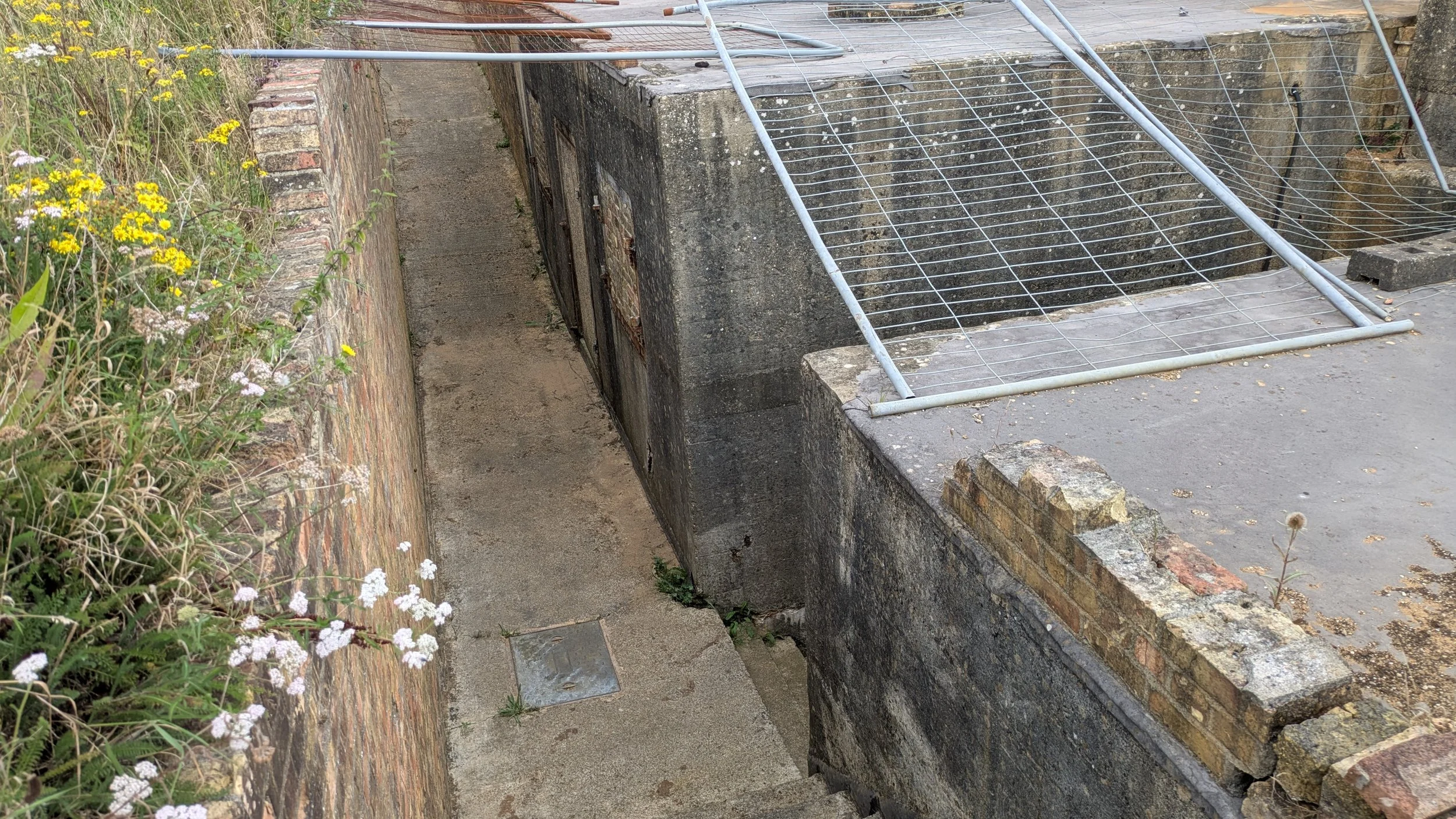
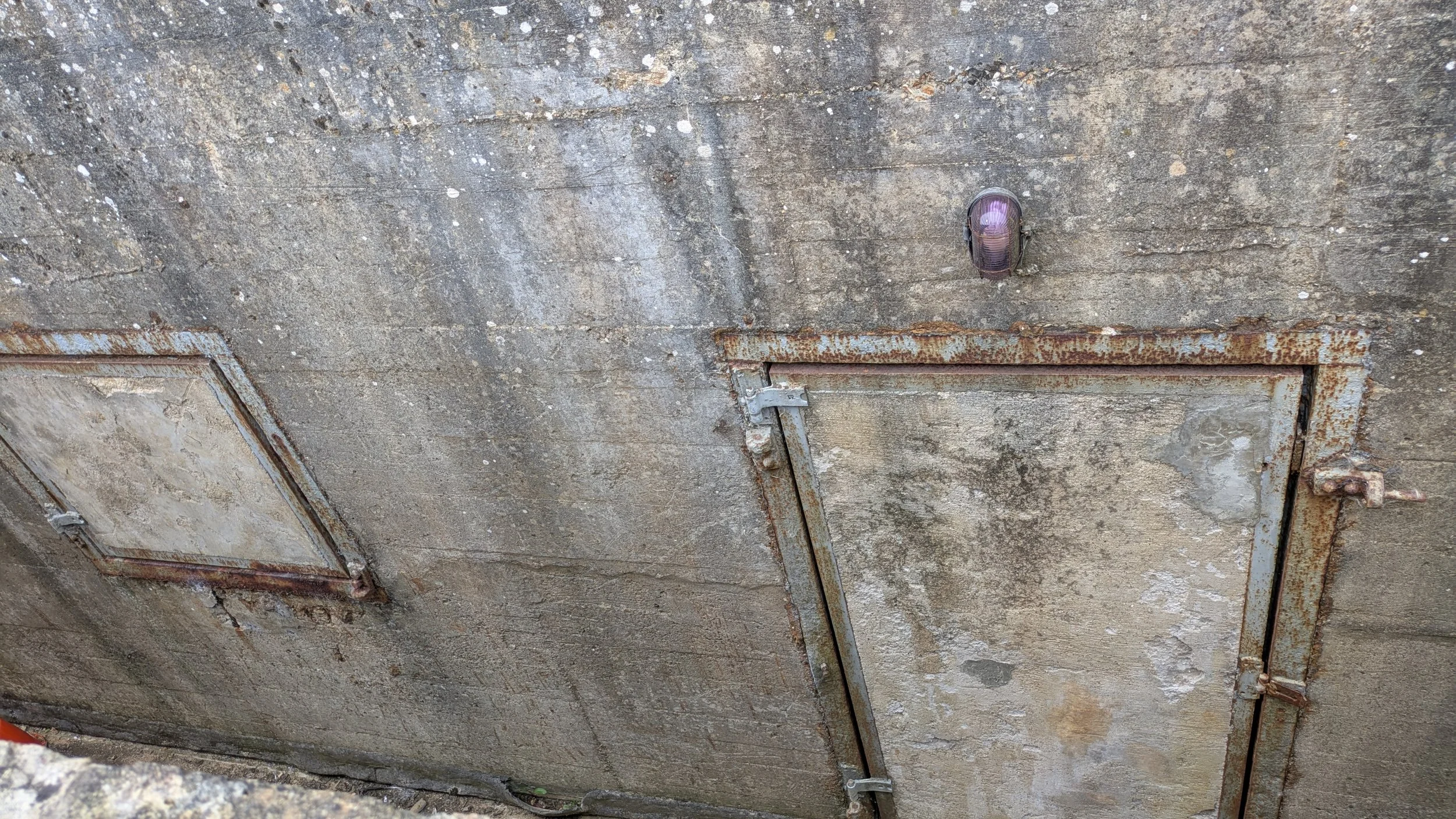
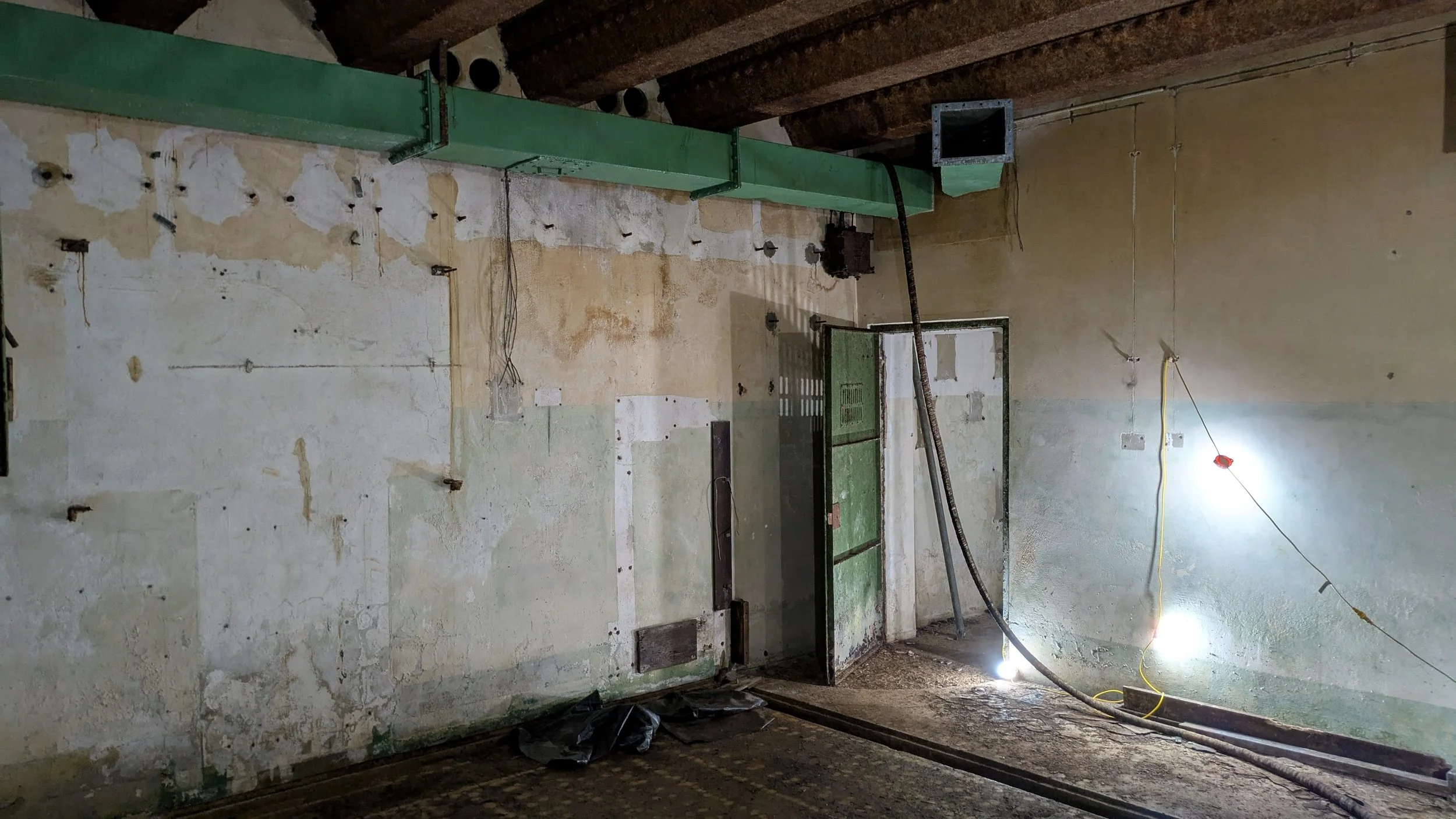
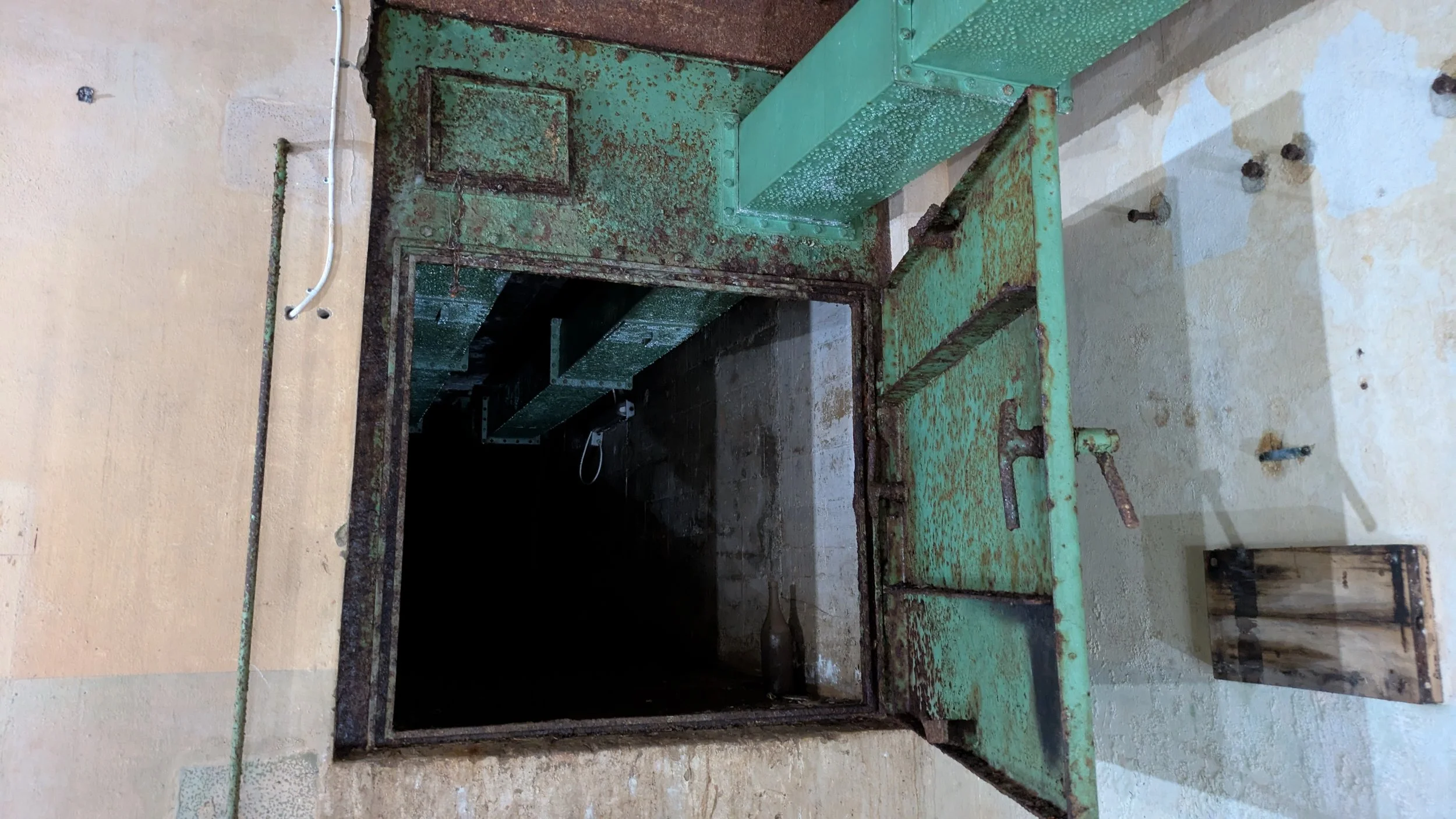
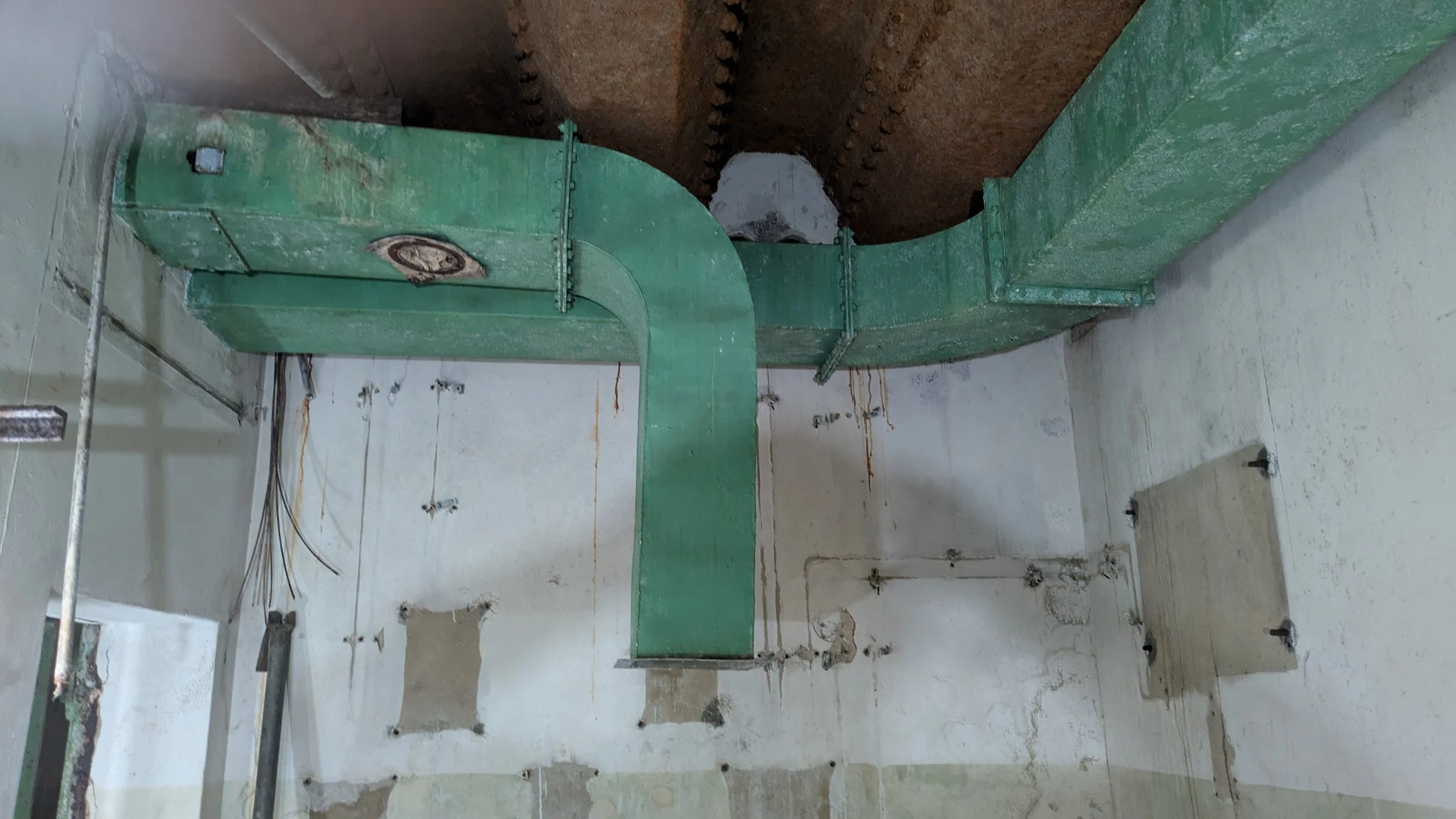
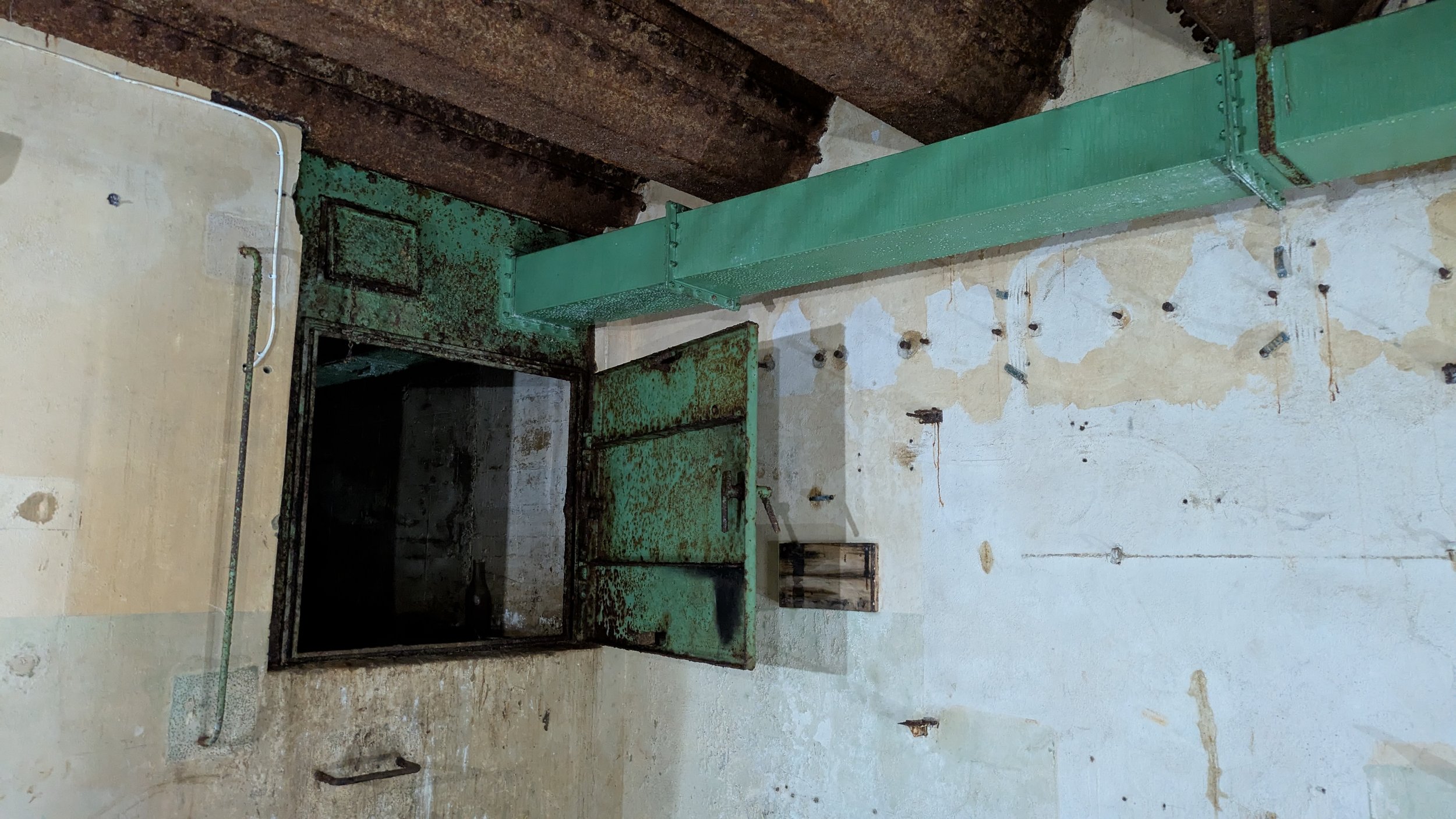
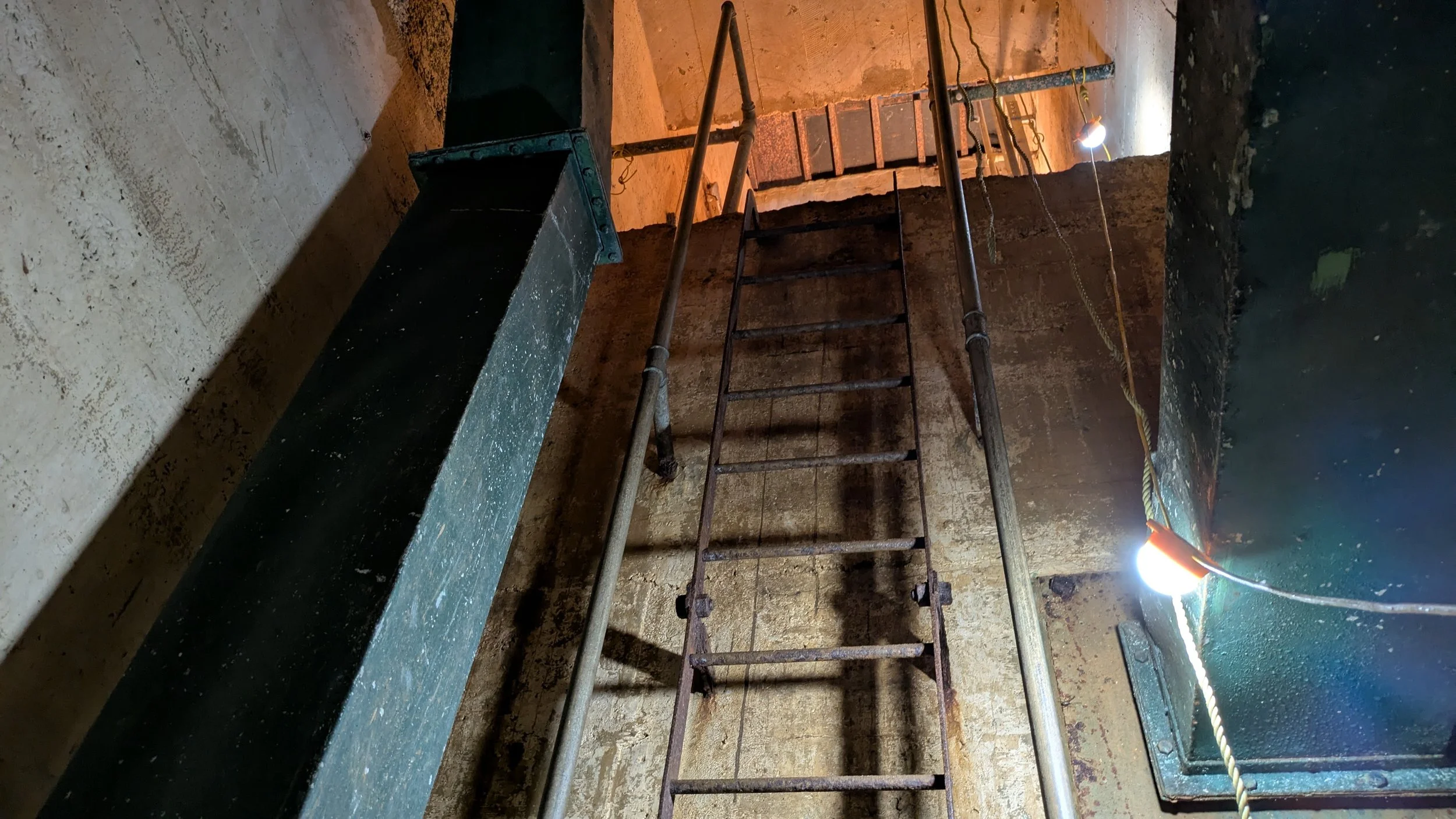
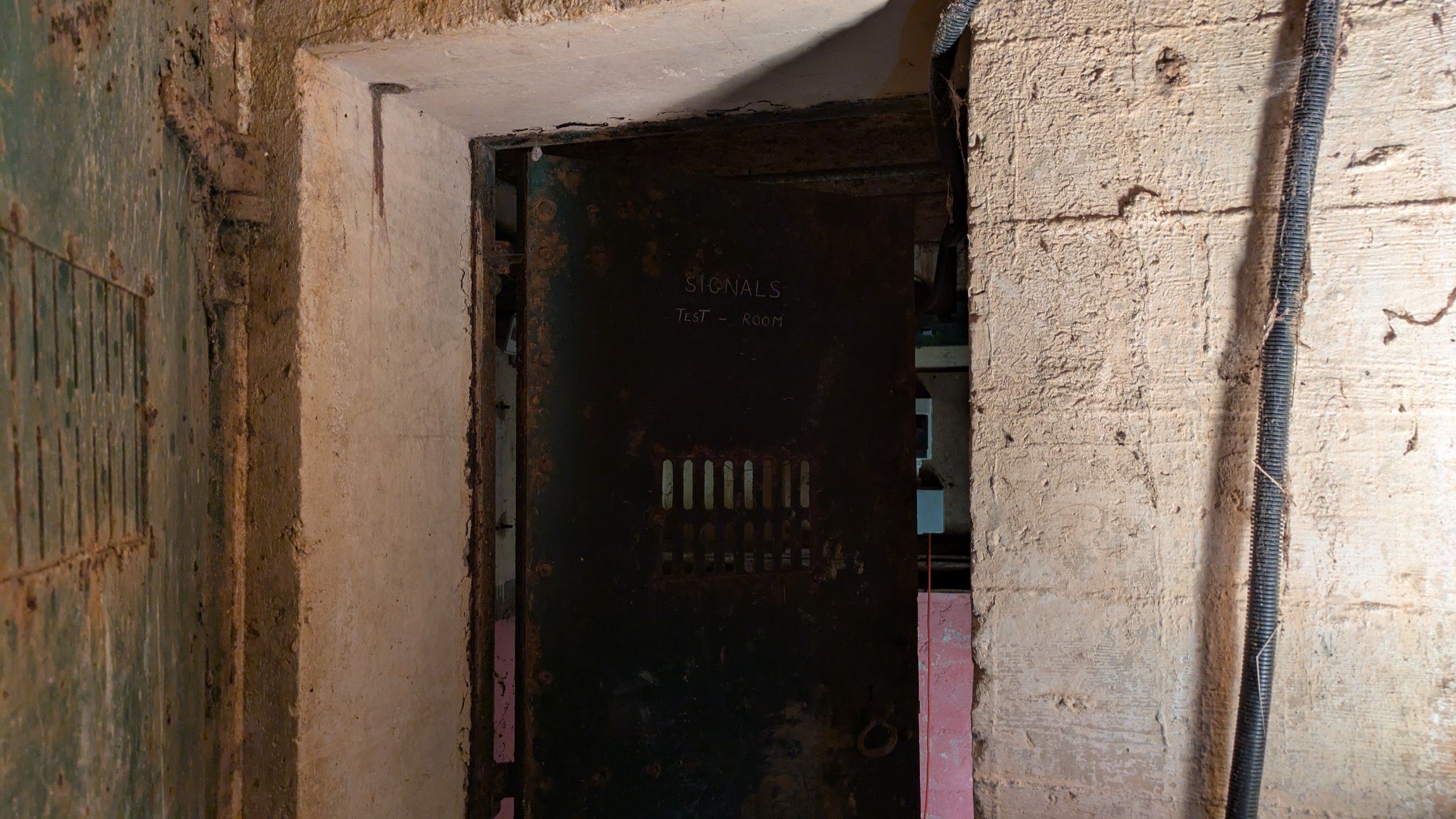
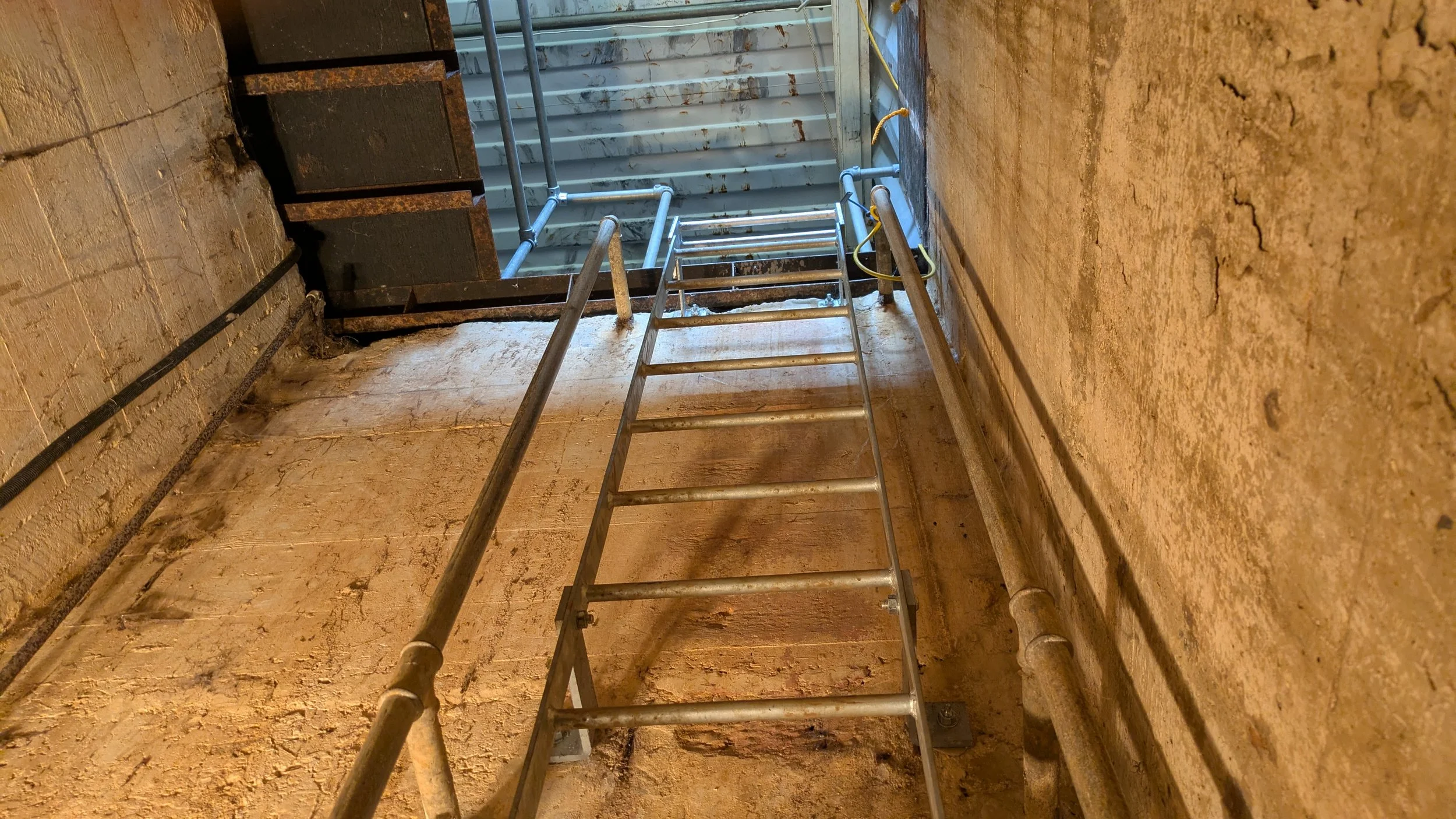


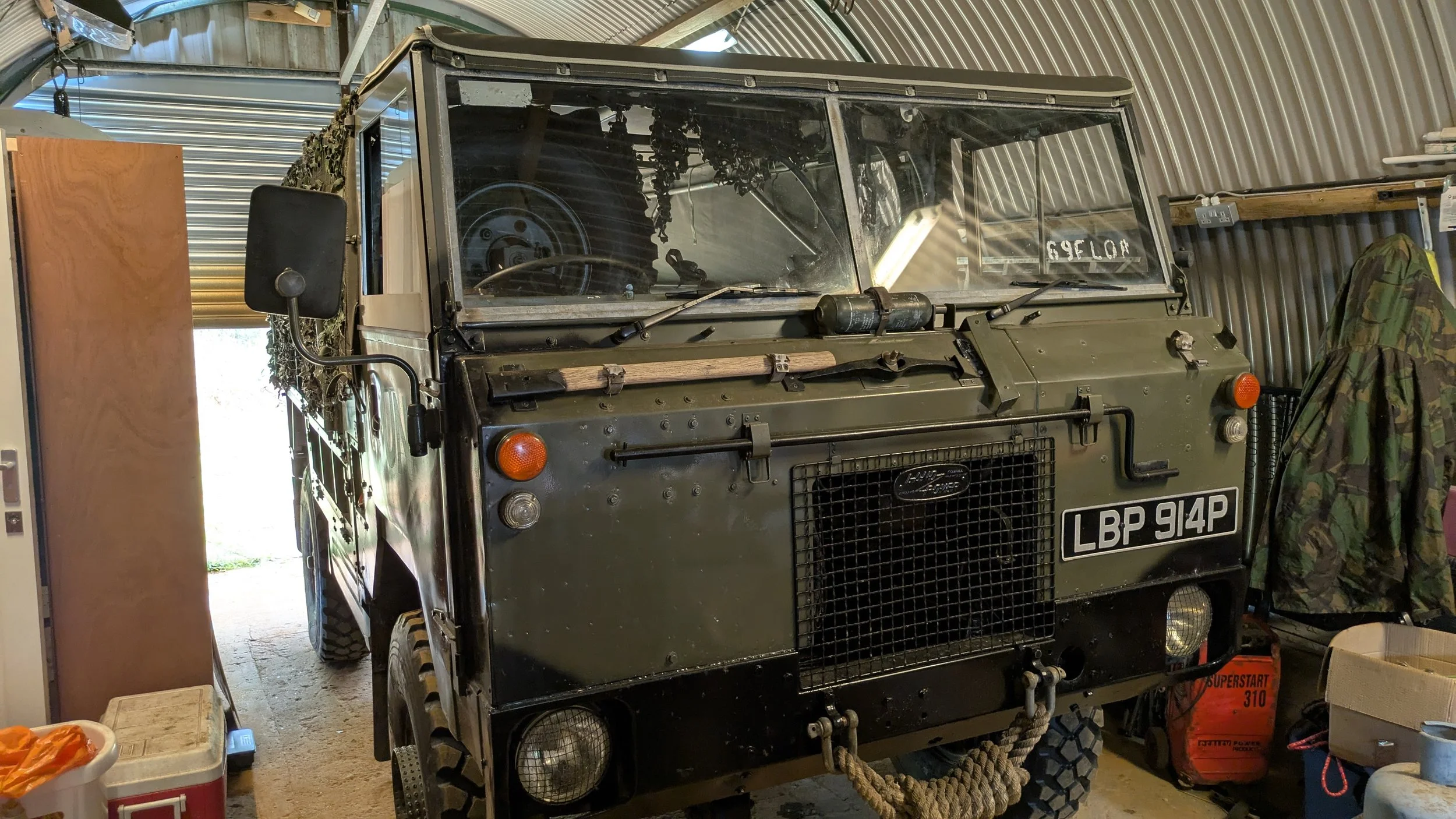
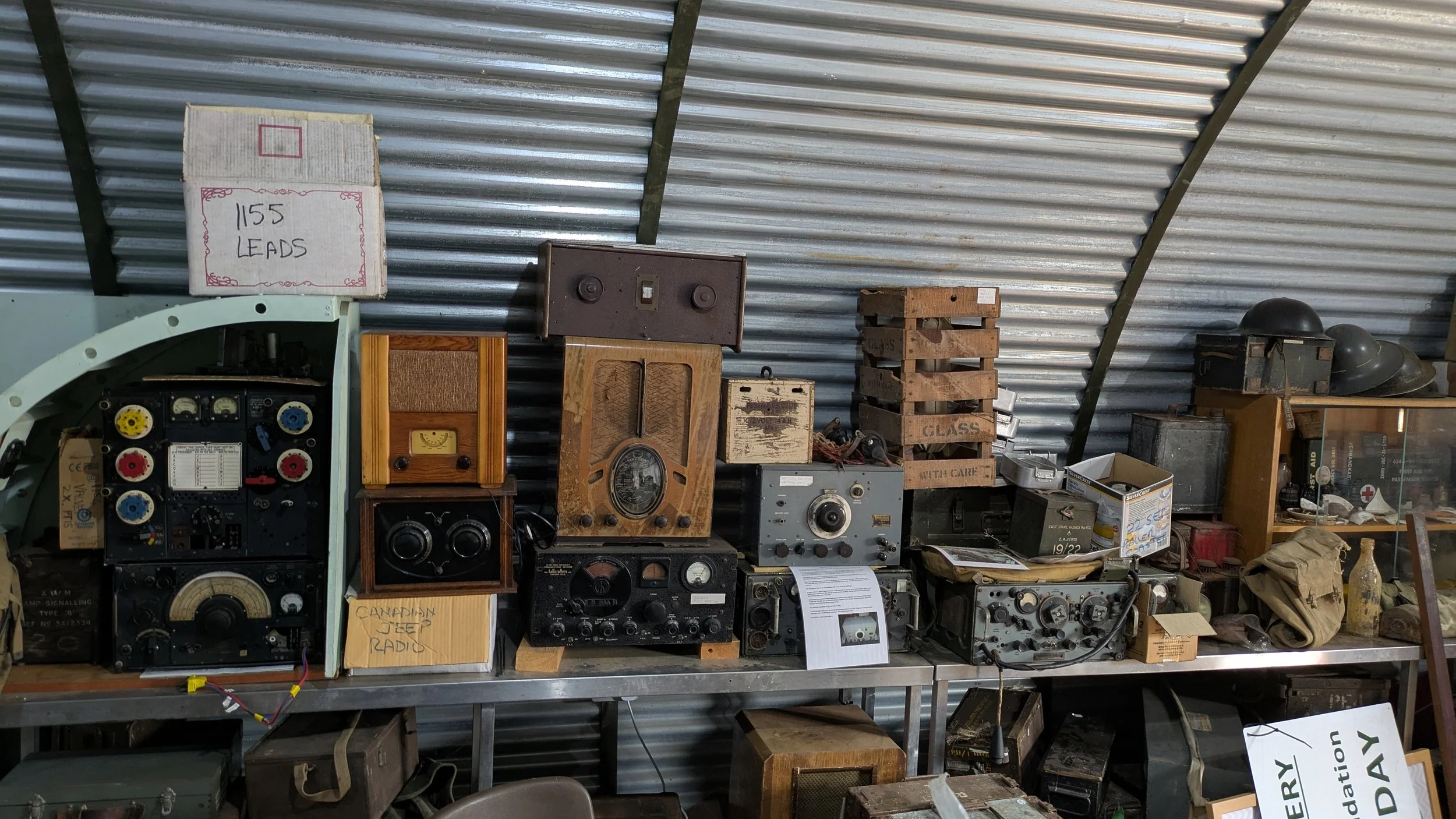
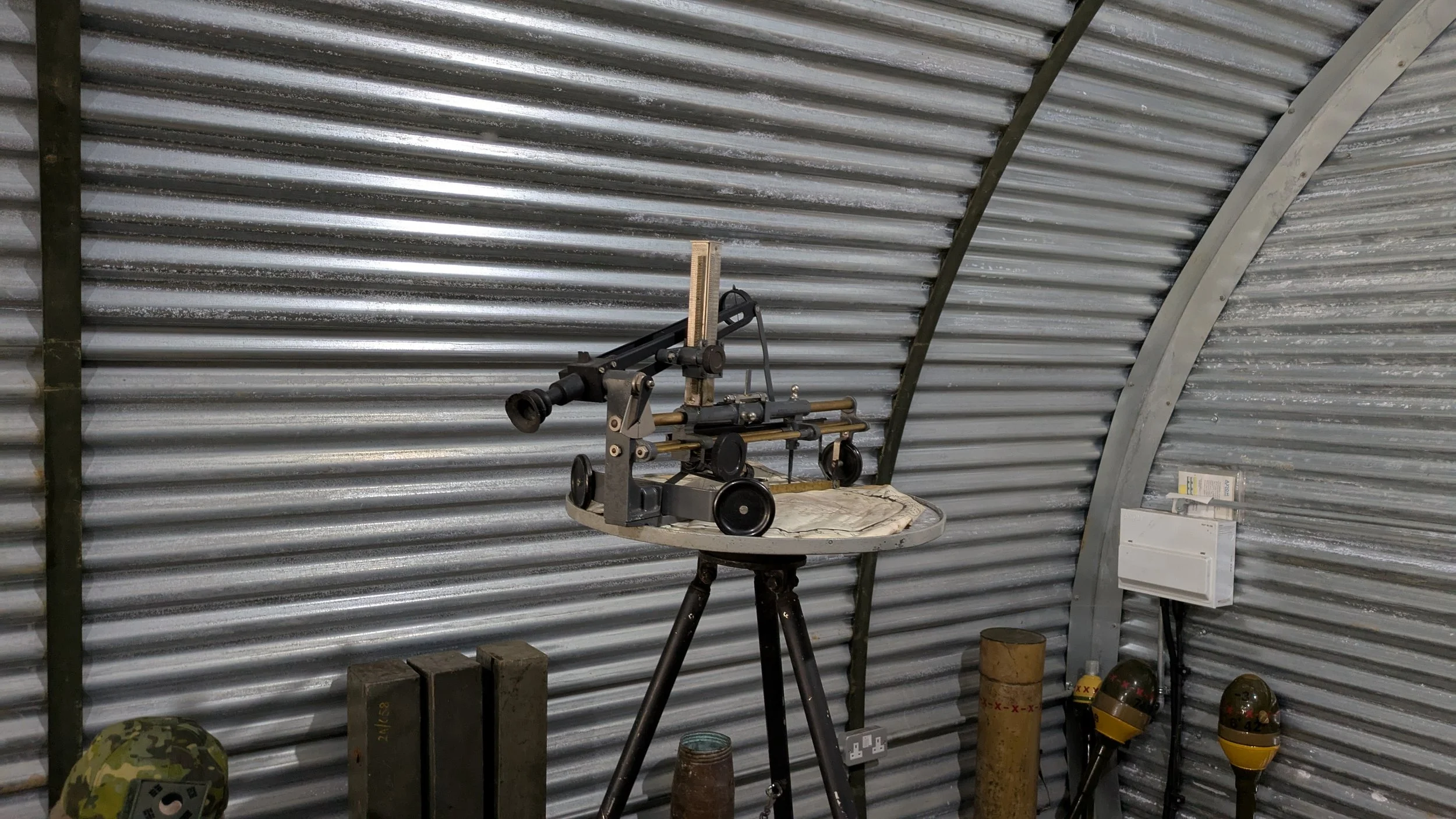
The Imperial War Museum serves as a national museum for Britain. Its main location is in London, complemented by five additional branches across England. Established in 1917 as the Imperial War Museum, its original purpose was to document the civil and military efforts and sacrifices made by the United Kingdom and its Empire during the First World War. Over time, the museum’s scope has broadened to encompass all conflicts involving British or Commonwealth forces since 1914. As of 2012, the museum’s mission is to provide and encourage the study and understanding of the history of modern warfare as well as the “wartime experience”. The IWM as it is now known has its headquarters and primary site is located at Southwark in Central London. The museum is funded by government grants, charitable donations and revenue generated through commercial activity such as retailing, licensing and publishing. General admission is free to IWM London.
The Hunterian Museum is a museum of anatomical specimens in London, located in the prestigious building of the Royal College of Surgeons of England. The museum is made up primarily of a collection from the 18th century Scottish surgeon John Hunter. Over the years it has since been subsequently supplemented by Odontological material curated by A. E. W. Miles and various natural history exhibits from Richard Owen. In May 2023, the Hunterian Museum reopened following a five-year redevelopment of the Royal College of Surgeons of England’s headquarters at Lincoln’s Inn Fields. The £4.6 million museum project features the exhibition of more than 2,000 anatomical specimens from Hunter’s original collection. In addition to these there are instruments, equipment, models, paintings, and archival materials that document the evolution of surgery from ancient eras to contemporary robot-assisted procedures. The Museum boasts the largest public display of human anatomy in England.
There is no shortage of interesting and good quality museums in London. In many respects tourists and visitors are spoilt for choice. More often than not, it is the most well known institutions such as the British Museum or Victoria and Albert Museum that gain the most attention. However, there are many hidden gems to discover if you take the time to look further. A prime example being The British Optical Association Museum which I had the pleasure of visiting today. The museum’s function is to promote the optometry profession and raise public awareness of its past and ongoing role within society. The museum has a well conserved collection of exhibits and provides a venue for presentations, learning and research services. There is also an excellent tour hosted by museum curator Neil Handley (PhD, AMA, FRSA) in which he gives a concise, interesting and at times a witty overview of the history of optometry in the UK and its current role.
The artillery battery at Capel-le-Ferne was built between 1941 and 1942, following the fall of France, on the orders of Winston Churchill. Located between Dover and Folkestone, the battery consisted of three 8-inch high-performance guns, provided by the Royal Navy. The battery was intended to provide anti-shipping defence in the English Channel. The site was manned by men of the 520 Coast Regiment Royal Artillery. Over the course of World War II, the battery expanded in size, eventually encompassing multiple Nissen huts, several roads and 19 military buildings. Anti aircraft defence was provided by two 40mm Bofors guns. Over the course of the war, the Capel Battery engaged enemy shipping on four separate occasions and also took part in fifteen practice shoots. In 1944, due to the decreased threat, the battery was placed in “care and maintenance”. The guns were removed in 1952 and the building demolished in the early 1980s
There are an estimated 2,500 museums in the UK. This number has grown significantly over time, more than tripling between 1960 and 2017. While it is laudable that so many of these institutions exist, they do not all receive equal interest or publicity. Some museums dominate in their respective fields and drown out others that have a similar theme. With this in mind, I was unaware of the Kent Battle of Britain Museum until a friend recently brought it to my attention. After yesterday’s visit my initial thoughts are what a treasure trove it is. According to the museum’s website it is the world’s largest Battle of Britain collection of memorabilia. This includes planes, uniforms, weapons and related artefacts from over 700 crashed aircraft. Furthermore, the museum tells the story of this battle without bias, choosing to highlight both the historical and the human aspects of the conflict. It is often very poignant.
Today I went on an impromptu visit to Brompton Cemetery in West London. Established in 1837, the West of London and Westminster Cemetery (as it was originally known) is a private cemetery initially created as a business venture to capitalise upon the shortage of cemeteries within London. It also sought to cater to the prevailing culture of opulent Victorian funeral rites. However, after proving non profitable, the cemetery was bought by the UK government. It was subsequently incorporated into Crown Property and managed by The Royal Parks. It is one of Britain’s oldest and most distinguished garden cemeteries. There are currently 35,000 monuments, ranging from simple headstones to impressive mausolea. It is home to more than 205,000 resting places. The cemetery is also a haven for flora and fauna, providing a substantial semi rural environment amid urban central London.
Today I had the pleasure of visiting the Whitstable Museum (or to give its full name Whitstable Community Museum and Gallery). This is a fine example of a local heritage centre that curates and displays artefacts and records that reflect the history and culture of the surrounding area. The museum located in Whitstable, Kent, is home to one of the world's oldest steam engines, as well as historical diving equipment that was developed locally. The history of the local oyster trade which has been an integral part of the community for centuries is also a key feature. Established in 1985, the museum was reopened in 2015 following a major refurbishment. There is also an art gallery featuring the paintings by local artists and artworks on loan from an international network of galleries.
Eltham Palace, located in South East London, was the childhood home of King Henry VIII in 1499. It was later used as a royal nursery for the infant Princess Elizabeth, born on 7th September 1533. It sports sumptuous grounds and ornamental gardens and was famous for its game hunting during the Tudor and Elizabethan periods. In the 1930s’ the property was owned by the Courtauld family, who built a sumptuous Art Deco style mansion and redeveloped the grounds. Today the entire property is owned and managed by English Heritage who have extensively restored much of the estate. It is therefore very fitting that this illustrious venue annually plays host to the Legendary Medieval Joust, during the summer months. Two days of historical pageantry, re-enactments and events for the entire family to enjoy. I last attended in 2015, so it was a welcome pleasure to return again yesterday.
Kent Battle of Britain Museum
There are an estimated 2,500 museums in the UK. This number has grown significantly over time, more than tripling between 1960 and 2017. While it is laudable that so many of these institutions exist, they do not all receive equal interest or publicity. Some museums dominate in their respective fields and drown out others that have a similar theme. With this in mind, I was unaware of the Kent Battle of Britain Museum until a friend recently brought it to my attention. After yesterday’s visit my initial thoughts are what a treasure trove it is. According to the museum’s website it is the world’s largest Battle of Britain collection of memorabilia. This includes planes, uniforms, weapons and related artefacts from over 700 crashed aircraft. Furthermore, the museum tells the story of this battle without bias, choosing to highlight both the historical and the human aspects of the conflict. It is often very poignant.
There are an estimated 2,500 museums in the UK. This number has grown significantly over time, more than tripling between 1960 and 2017. While it is laudable that so many of these institutions exist, they do not all receive equal interest or publicity. Some museums dominate in their respective fields and drown out others that have a similar theme. With this in mind, I was unaware of the Kent Battle of Britain Museum until a friend recently brought it to my attention. After yesterday’s visit my initial thoughts are what a treasure trove it is. According to the museum’s website it is the world’s largest Battle of Britain collection of memorabilia. This includes planes, uniforms, weapons and related artefacts from over 700 crashed aircraft. Furthermore, the museum tells the story of this battle without bias, choosing to highlight both the historical and the human aspects of the conflict. It is often very poignant.
The museums’ collection is displayed via two hangers and the old operations building, as it is located on what remains of the former RAF Hawkinge site. Upon exiting the main entrance and ticket office, you step into a grass quadrangle with a collection of aircraft on display. These include a Heinkel He 111H-6, Junkers Ju 52/3M (CASA 352L), Bristol Blenheim Mk. IV (Bolingbroke), three Gate Guardian Hurricanes. There is also a replica of a long range Fieseler Fi.103 V-I Flying Bomb that was built for the film Operation Crossbow (1965), along with a V2 combustion chamber and rocket exhaust. Several of the aircraft are currently undergoing restoration using modern materials. At present, their current state of disassembly affords a fascinating view at the airframes and the overall construction.
The Stuart-Buttle hangar (dedicated to the memory of Squadron Leader Stuart-Buttle), contains full sized replicas of Hurricane and Spitfire aircraft. These were built for the 1969 film Battle of Britain, much of which was filmed at Hawkinge. There is also a Boulton Paul Defiant, interceptor aircraft with its rear facing turret. This seldom seen and rare aeroplane is painted in its daytime camouflage, prior to it being withdrawn and repurposed as a night fighter. The hangar is also home to both a de Havilland Tiger Moth and a North American Harvard. There are also multiple Rolls Royce Merlin engines along with period vehicles such as a Bedford MW truck, an Austin Tilly light van and a Beavertte armoured car.
The Lord Dowding Memorial Hangar and the Operations Block house a prodigious collection of artefacts. The centrepiece in the second hangar is a replica of a crashed replica Messerschmitt Bf 109E, again from the Battle of Britain film. There is also a collection of Daimler-Benz engines and numerous parts from downed planes. The most noticeable aspect of these is that each has a detailed history, identifying the plane and pilot and who they were shot down by. These details have a great impact. The Operations Block houses further artefacts from crashed and destroyed aircraft, along with items belonging to aircrew. Bent machine guns and crushed radial engines succinctly demonstrate the kinetic forces involved in an air crash. Again many of the items have very personal stories associated with them.
It is the intimate history associated with these collections that makes them so compelling. Although some have been donated by the families of such notables as Lord Dowding, Sir Keith Park, many others are from local families who had a close connection to the RAF. It highlights the fact that WWII was fought by everyday people, who did extraordinary things out of necessity. I don’t want to disparage other museums but there is a trend at present to curate to a minimalist standard. Focusing on key points such as statistics or known figures to present a tight and focused message. Yet the human aspect of WWII can be somewhat lost with this approach. Infographics can convey data but sometimes it is vital to give a name and show a photo of a man or woman, for context and empathy.
The sheer volume of content on display at Kent Battle of Britain Museum is another interesting point in itself. It brings home the scale of the Battle of Britain by showing so many relics and remnants. The number of crashed planes is not an abstraction but something that can plainly be seen and quantified. Both my parents grew up through WWII and it was in many ways a defining aspect of their lives. It was a subject that was regularly broached during my childhood in the seventies. Hence, for me, that era of conflict is easily conceptualised. However, younger generations do not have the benefit of such a direct connection. Hence WWII can be just as remote as the Napoleonic Wars or the Crusades. The personal stories and sheer volume of content available in Kent Battle of Britain Museum effectively bridges that gap.
It is apparent after visiting Kent Battle of Britain Museum that it would benefit from more space so that visitors could get better access to the displays. No doubt I am preaching to the choir on this matter and those running this museum are abundantly aware of the situation. As it stands, the museum does much with the resources it has. There is far more to see beyond the items I have referenced. There is a fantastic set of bronze statues , The Spirit of the Few Memorial, along with a memorial to the “Czech cloverleaf”; four Czechoslovak pilots from No. 303 Squadron. There is also a very well presented armoury. However, due previous thefts and the very personal nature of some of the items on display, the museum at present has a no photography policy. I was very fortunate that museum Chairman Dave Brocklehurst MBE, allowed me to take pictures of the aircraft in the quadrangle under supervision, for which I am very grateful.
I was adhering to a very tight and specific itinerary yesterday and although I spent sufficient time to get the measure of Kent Battle of Britain Museum, I shall definitely be returning so I can immerse myself further in the various collections. There are several members of staff who are available to provide facts and background information to visitors that I’d like to talk to. I thoroughly recommend the museum both to those with a casual interest in the Battle of Britain as well as amateur historians and aficionados. It is important to support smaller and local museums as they often have just as much to offer as their larger and wealthier counterparts. That is especially true of Kent Battle of Britain Museum, which focuses upon a very specific and well known aspect of UK history and explores it in a very unique and thought provoking way.
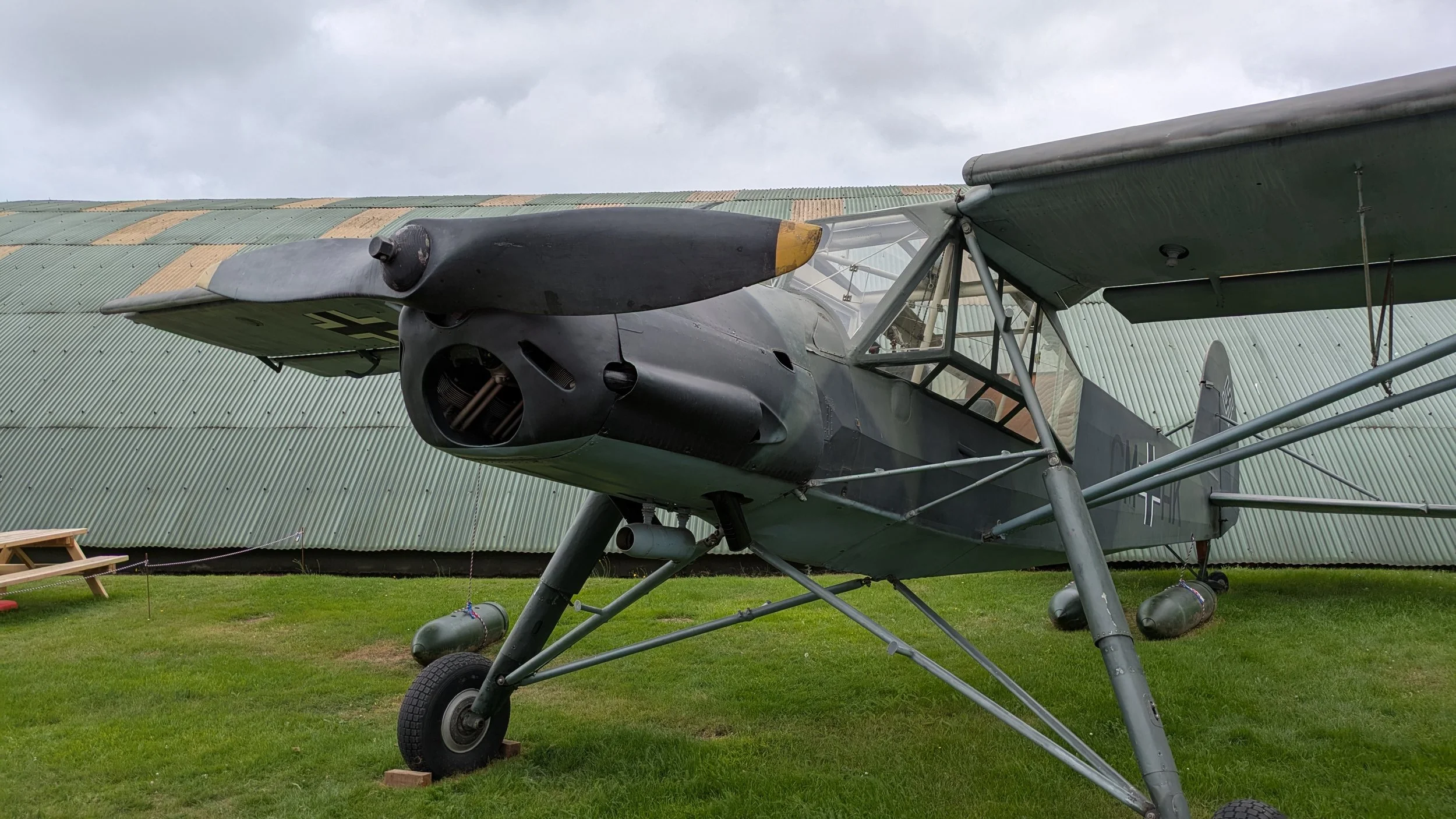
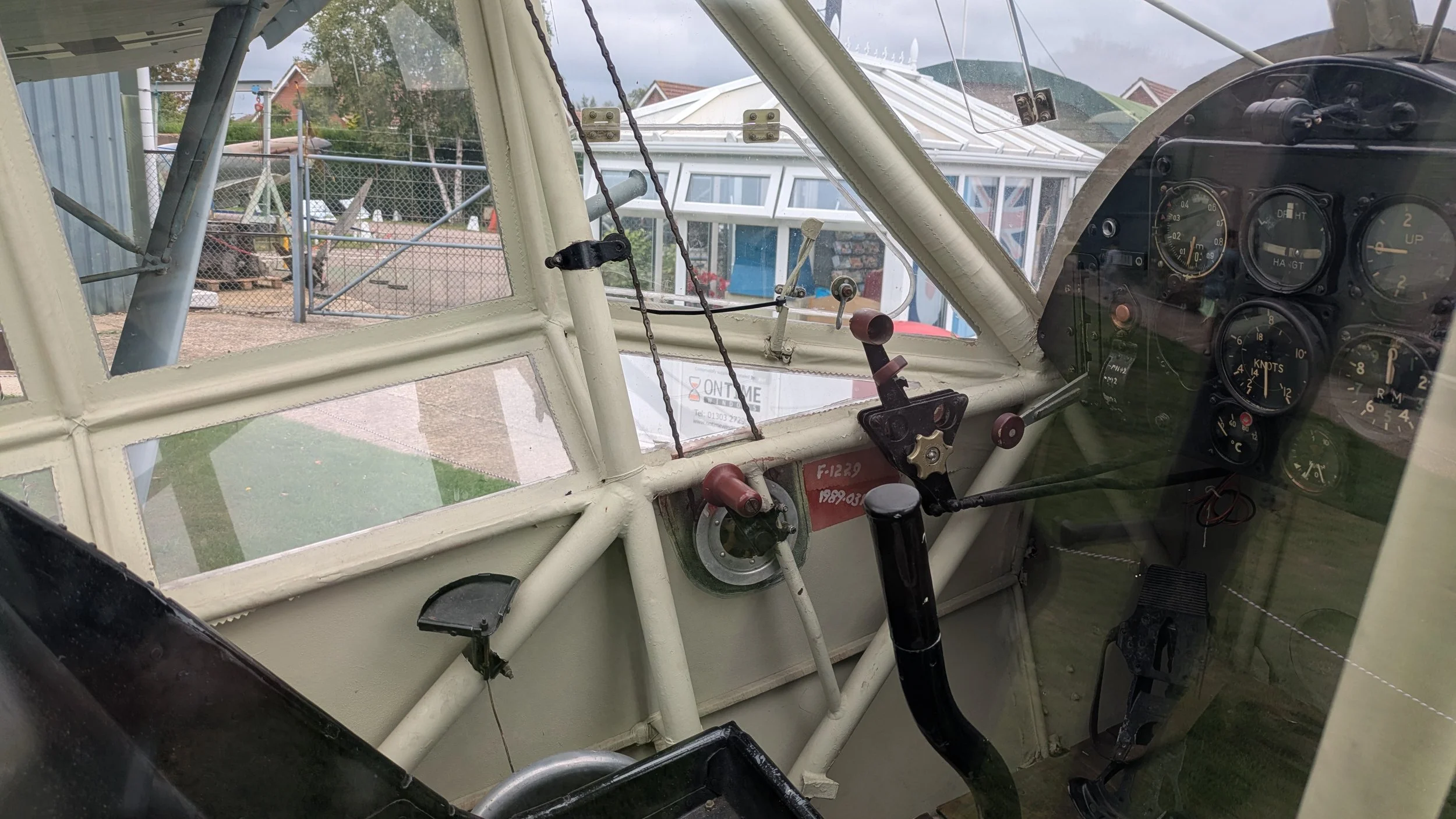

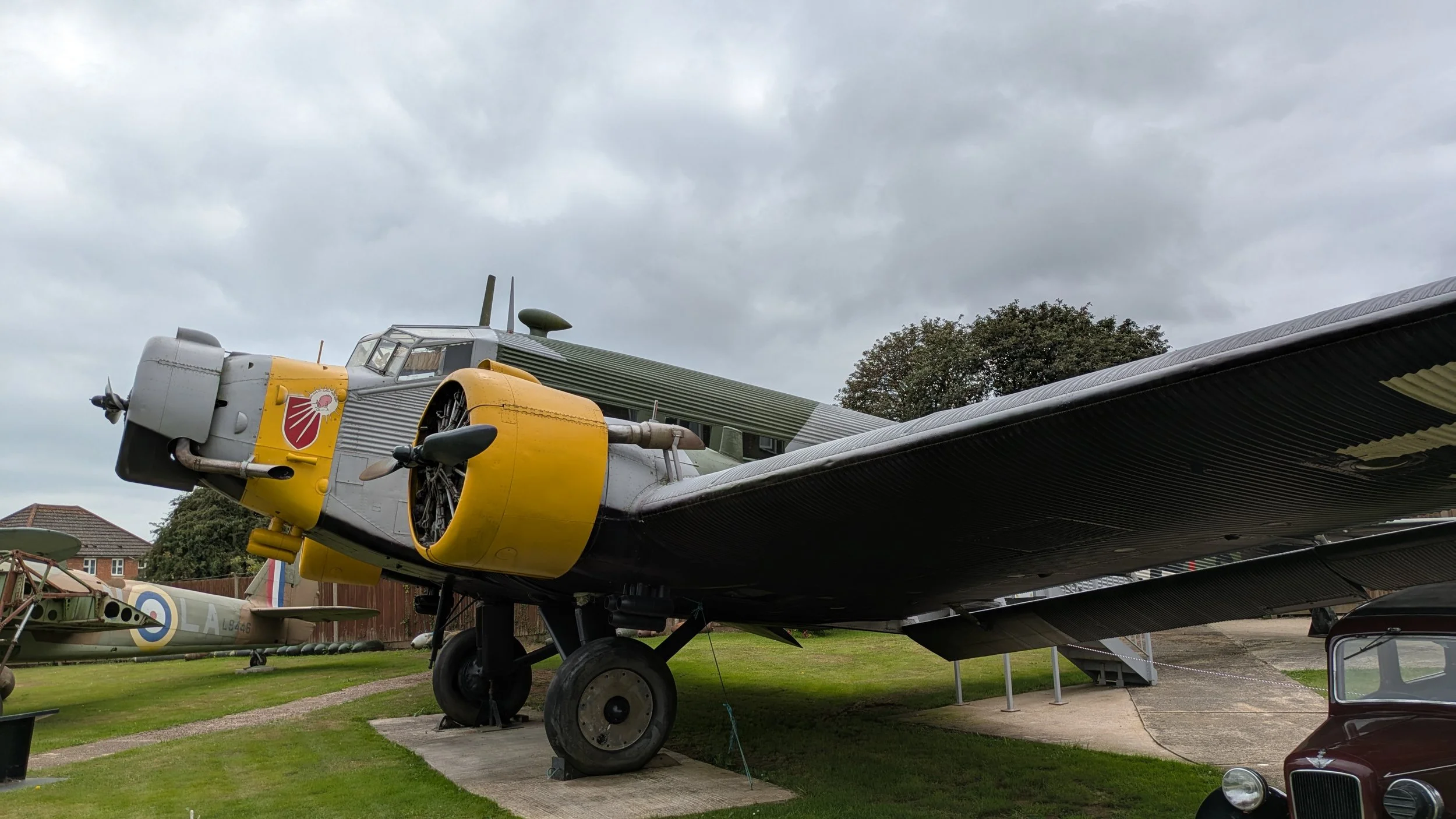
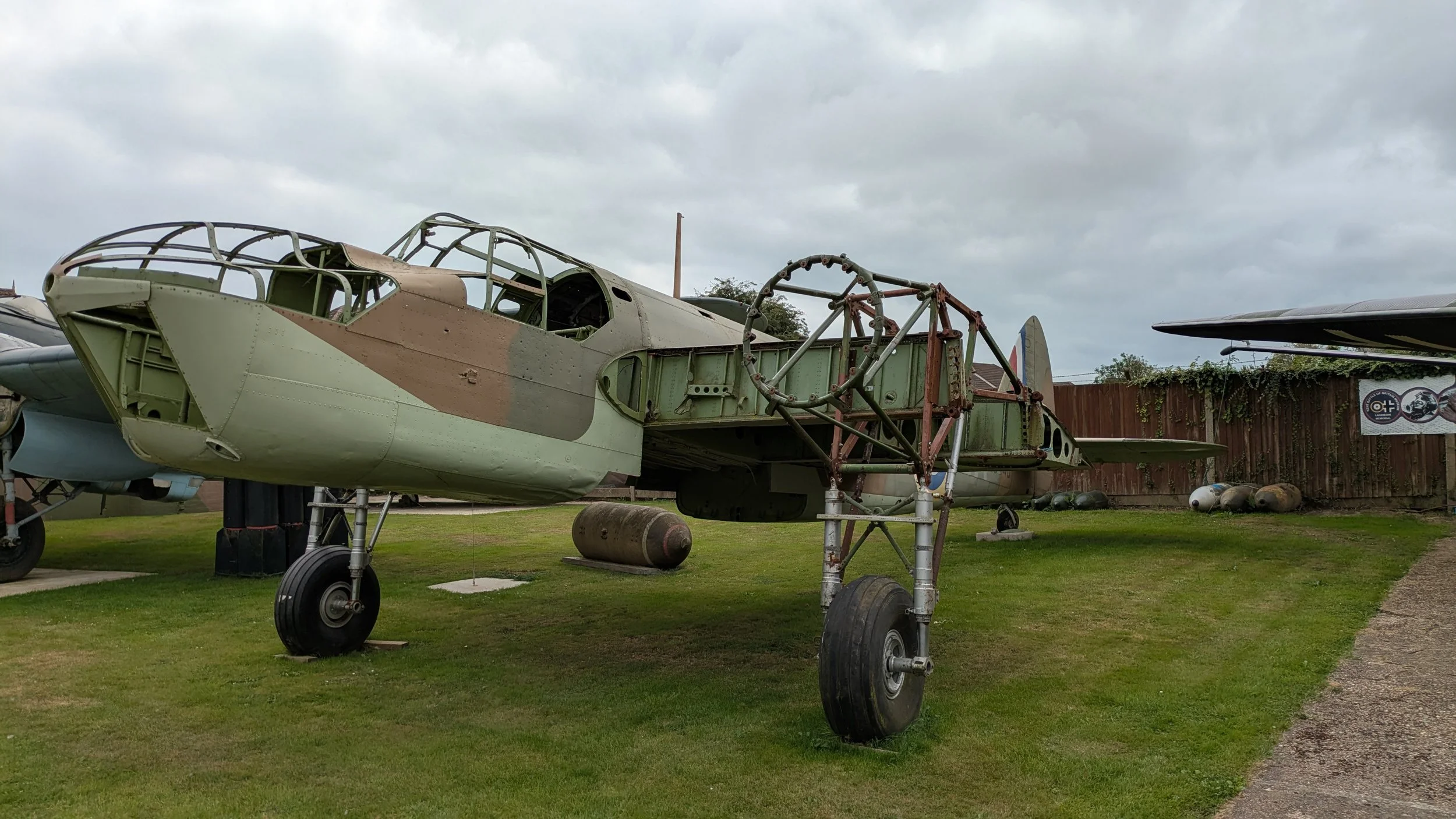
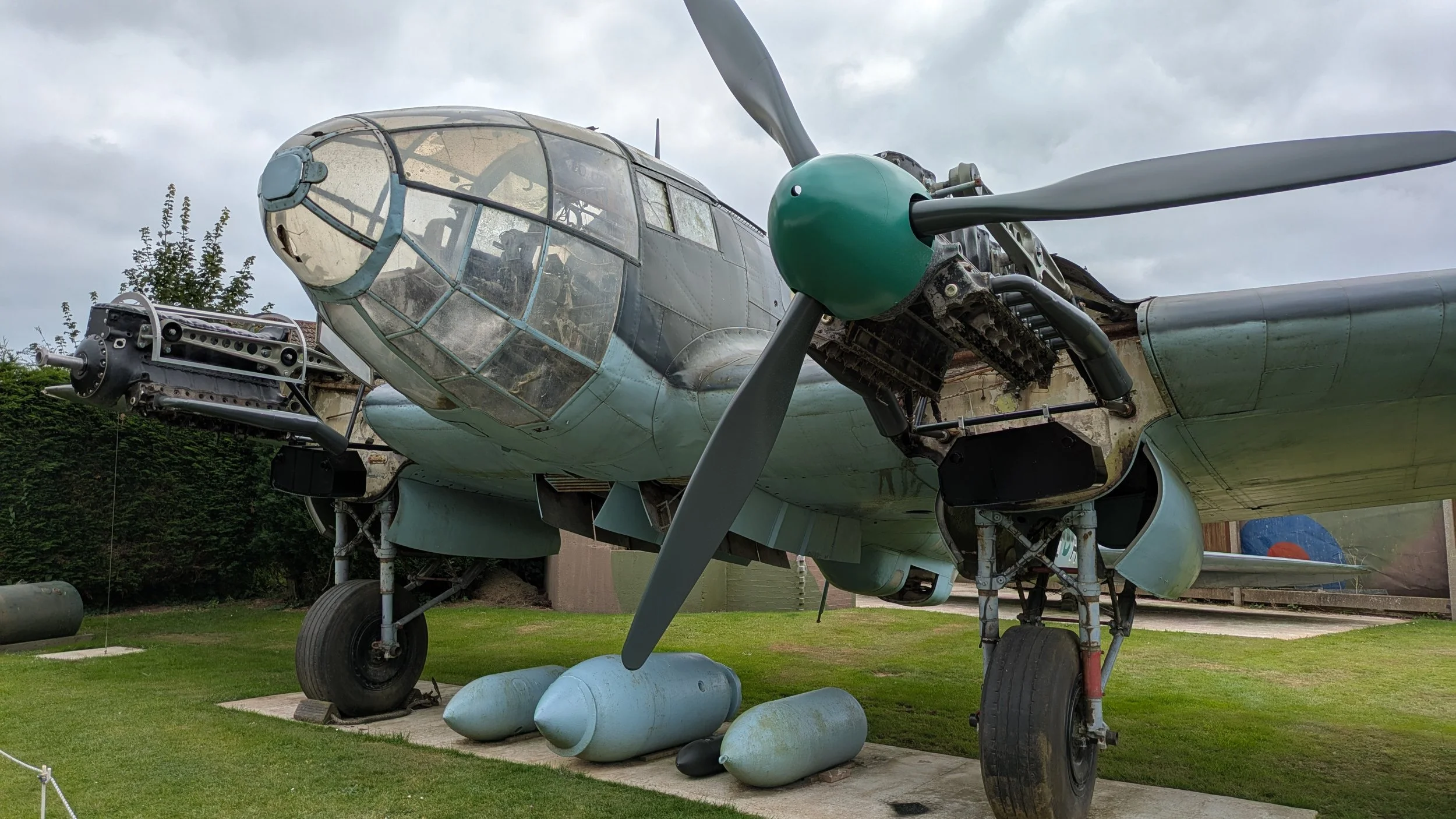
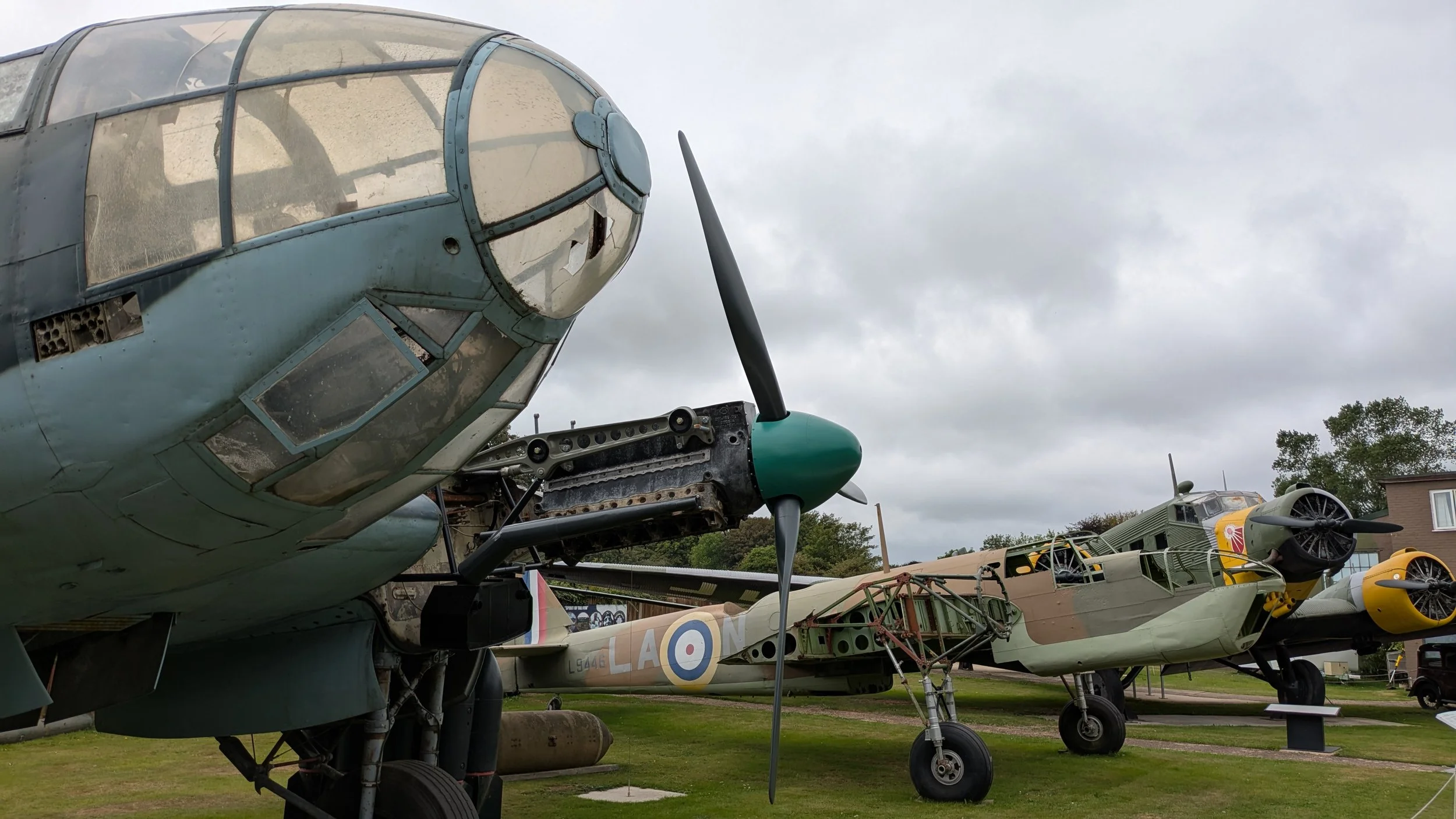

The Imperial War Museum serves as a national museum for Britain. Its main location is in London, complemented by five additional branches across England. Established in 1917 as the Imperial War Museum, its original purpose was to document the civil and military efforts and sacrifices made by the United Kingdom and its Empire during the First World War. Over time, the museum’s scope has broadened to encompass all conflicts involving British or Commonwealth forces since 1914. As of 2012, the museum’s mission is to provide and encourage the study and understanding of the history of modern warfare as well as the “wartime experience”. The IWM as it is now known has its headquarters and primary site is located at Southwark in Central London. The museum is funded by government grants, charitable donations and revenue generated through commercial activity such as retailing, licensing and publishing. General admission is free to IWM London.
The Hunterian Museum is a museum of anatomical specimens in London, located in the prestigious building of the Royal College of Surgeons of England. The museum is made up primarily of a collection from the 18th century Scottish surgeon John Hunter. Over the years it has since been subsequently supplemented by Odontological material curated by A. E. W. Miles and various natural history exhibits from Richard Owen. In May 2023, the Hunterian Museum reopened following a five-year redevelopment of the Royal College of Surgeons of England’s headquarters at Lincoln’s Inn Fields. The £4.6 million museum project features the exhibition of more than 2,000 anatomical specimens from Hunter’s original collection. In addition to these there are instruments, equipment, models, paintings, and archival materials that document the evolution of surgery from ancient eras to contemporary robot-assisted procedures. The Museum boasts the largest public display of human anatomy in England.
There is no shortage of interesting and good quality museums in London. In many respects tourists and visitors are spoilt for choice. More often than not, it is the most well known institutions such as the British Museum or Victoria and Albert Museum that gain the most attention. However, there are many hidden gems to discover if you take the time to look further. A prime example being The British Optical Association Museum which I had the pleasure of visiting today. The museum’s function is to promote the optometry profession and raise public awareness of its past and ongoing role within society. The museum has a well conserved collection of exhibits and provides a venue for presentations, learning and research services. There is also an excellent tour hosted by museum curator Neil Handley (PhD, AMA, FRSA) in which he gives a concise, interesting and at times a witty overview of the history of optometry in the UK and its current role.
The artillery battery at Capel-le-Ferne was built between 1941 and 1942, following the fall of France, on the orders of Winston Churchill. Located between Dover and Folkestone, the battery consisted of three 8-inch high-performance guns, provided by the Royal Navy. The battery was intended to provide anti-shipping defence in the English Channel. The site was manned by men of the 520 Coast Regiment Royal Artillery. Over the course of World War II, the battery expanded in size, eventually encompassing multiple Nissen huts, several roads and 19 military buildings. Anti aircraft defence was provided by two 40mm Bofors guns. Over the course of the war, the Capel Battery engaged enemy shipping on four separate occasions and also took part in fifteen practice shoots. In 1944, due to the decreased threat, the battery was placed in “care and maintenance”. The guns were removed in 1952 and the building demolished in the early 1980s
There are an estimated 2,500 museums in the UK. This number has grown significantly over time, more than tripling between 1960 and 2017. While it is laudable that so many of these institutions exist, they do not all receive equal interest or publicity. Some museums dominate in their respective fields and drown out others that have a similar theme. With this in mind, I was unaware of the Kent Battle of Britain Museum until a friend recently brought it to my attention. After yesterday’s visit my initial thoughts are what a treasure trove it is. According to the museum’s website it is the world’s largest Battle of Britain collection of memorabilia. This includes planes, uniforms, weapons and related artefacts from over 700 crashed aircraft. Furthermore, the museum tells the story of this battle without bias, choosing to highlight both the historical and the human aspects of the conflict. It is often very poignant.
Today I went on an impromptu visit to Brompton Cemetery in West London. Established in 1837, the West of London and Westminster Cemetery (as it was originally known) is a private cemetery initially created as a business venture to capitalise upon the shortage of cemeteries within London. It also sought to cater to the prevailing culture of opulent Victorian funeral rites. However, after proving non profitable, the cemetery was bought by the UK government. It was subsequently incorporated into Crown Property and managed by The Royal Parks. It is one of Britain’s oldest and most distinguished garden cemeteries. There are currently 35,000 monuments, ranging from simple headstones to impressive mausolea. It is home to more than 205,000 resting places. The cemetery is also a haven for flora and fauna, providing a substantial semi rural environment amid urban central London.
Today I had the pleasure of visiting the Whitstable Museum (or to give its full name Whitstable Community Museum and Gallery). This is a fine example of a local heritage centre that curates and displays artefacts and records that reflect the history and culture of the surrounding area. The museum located in Whitstable, Kent, is home to one of the world's oldest steam engines, as well as historical diving equipment that was developed locally. The history of the local oyster trade which has been an integral part of the community for centuries is also a key feature. Established in 1985, the museum was reopened in 2015 following a major refurbishment. There is also an art gallery featuring the paintings by local artists and artworks on loan from an international network of galleries.
Eltham Palace, located in South East London, was the childhood home of King Henry VIII in 1499. It was later used as a royal nursery for the infant Princess Elizabeth, born on 7th September 1533. It sports sumptuous grounds and ornamental gardens and was famous for its game hunting during the Tudor and Elizabethan periods. In the 1930s’ the property was owned by the Courtauld family, who built a sumptuous Art Deco style mansion and redeveloped the grounds. Today the entire property is owned and managed by English Heritage who have extensively restored much of the estate. It is therefore very fitting that this illustrious venue annually plays host to the Legendary Medieval Joust, during the summer months. Two days of historical pageantry, re-enactments and events for the entire family to enjoy. I last attended in 2015, so it was a welcome pleasure to return again yesterday.
Stonehenge
Stonehenge is so much more than just a neolithic, historical structure of note. It is of great spiritual importance to many, representing ceremonial practices and ancient worship. It is also seen as a conduit to a wider connection to the cosmos. It is after all a celestial calendar, according to one of the theories regarding its purpose. It also has a strong significance in pop culture. Hence, due to its history, symbolism, religious connotations and overall sense of mystery it is a UNESCO World Heritage Site and a globally recognised symbol of ancient Britain. As such, it has always been somewhere that I have wished to visit. Today, as we were relatively nearby in Ringwood and the weather was pleasant, Mrs P and I decided to go to Salisbury and see this iconic structure for ourselves.
Stonehenge is so much more than just a neolithic, historical structure of note. It is of great spiritual importance to many, representing ceremonial practices and ancient worship. It is also seen as a conduit to a wider connection to the cosmos. It is after all a celestial calendar, according to one of the theories regarding its purpose. It also has a strong significance in pop culture. Hence, due to its history, symbolism, religious connotations and overall sense of mystery it is a UNESCO World Heritage Site and a globally recognised symbol of ancient Britain. As such, it has always been somewhere that I have wished to visit. Today, as we were relatively nearby in Ringwood and the weather was pleasant, Mrs P and I decided to go to Salisbury and see this iconic structure for ourselves.
Stonehenge is maintained by English Heritage, a charity that manages over 400 historic monuments, buildings and places throughout England. Tourists are greeted by a substantial visitors centre upon arrival, featuring an exhibition regarding the history of Stonehenge and various support facilities such as cafe, shop, picnic areas and toilets. There is a large car park which requires the PayByPhone app for payment. English Heritage members park for free, as long as they clearly display their membership sticker. Visitors can walk to the stones, which takes about 25 to 30 minutes, depending on your pace. Alternatively, there is a shuttle bus service that regularly travels between the two sites. This takes between 5 to 10 minutes. A path goes all the way around the circle and is a mixture of both hard-standing and grass. At some points, you are as close as 5m (16 feet) from the stones.
The stones at Stonehenge are approximately 4,500 years old, dating back to the late Neolithic period around 2500 BC. But they are far more than the sum of their parts. There is an interesting atmosphere among the visitors, many of whom are pursuing a spiritual dimension to their pilgrimage. Despite the background noise of traffic passing on the nearby A303 road, there is an air of stillness surrounding the stones themselves. I found most of my fellow visitors were quite quiet, as people tend to be when they visit a cathedral. As for Stonehenge itself, it is suitably impressive. It has a very organic ambience, despite obviously being hand crafted from stone. You can completely walk around the circle and photograph it from all sides. During our visit it became quite overcast, which in many respects made the photos I took on my phone more atmospheric.
After spending about 30 minutes or so, contemplating the stone circle, we returned to the visitor centre and the exhibition. The current exhibition explores the story of not only the stone circle but the wider landscape, as well as the people who lived in the vicinity. Using a combination of audio-visual displays and ancient objects, it seeks to show what life was like at the times and what part the stone circle played within the local community. There are over 250 archaeological objects and treasures that have been discovered in the immediate area. Ranging from jewellery, pottery and tools, to ancient human remains. There is a forensic reconstruction of a 5,500 year old man, based on the aforementioned bones found near Stonehenge. Yet despite the amount of data available, much still remains unknown.
Stonehenge is a singularly enigmatic place of interest, mainly due to the age of the site and the degree of mystery that still persists around how it was built and what its exact purpose was. Irrespective of the crowds of visitors and the temperamental nature of the weather, Stonehenge maintains an imposing presence. It certainly lends itself to a great deal of contemplation. That being said, it doesn’t have to be all serious. As ever I lapsed into thinking about the various pop culture references regarding Stonehenge, such as Halloween III: Season of the Witch, Night of the Demon and of course Spinal Tap. Overall, I found my visit to this iconic stone circle very rewarding. I suspect it is even more enthralling at specific times of year, such as the summer solstice when sunrise aligns with specific stones within the circle. I suspect I shall make a return visit in the future.
Today I visited the Inside Aardman: Wallace & Gromit and Friends exhibition at the Young V&A Museum at Bethnal Green. The exhibition which celebrates 50 years of Aardman Animations, provides visitors with a unique, behind the scenes view of the art of stop-motion animation. It also explores how Aardman’s iconic characters and worlds are designed, crafted and brought to life. From the initial concept artwork to the final visual effects, this event demonstrates the methods and techniques employed by Aardman. The exhibition features early scripts, sketch artists initial concept art, models, sets and numerous famous puppets. Furthermore this event is firmly pitched at children and families, with a wealth of interactive activities demonstrating the various techniques on display. The curators of the exhibition have also made it clear that they wish to encourage future generation to consider a career in the creative arts.
The Imperial War Museum serves as a national museum for Britain. Its main location is in London, complemented by five additional branches across England. Established in 1917 as the Imperial War Museum, its original purpose was to document the civil and military efforts and sacrifices made by the United Kingdom and its Empire during the First World War. Over time, the museum’s scope has broadened to encompass all conflicts involving British or Commonwealth forces since 1914. As of 2012, the museum’s mission is to provide and encourage the study and understanding of the history of modern warfare as well as the “wartime experience”. The IWM as it is now known has its headquarters and primary site is located at Southwark in Central London. The museum is funded by government grants, charitable donations and revenue generated through commercial activity such as retailing, licensing and publishing. General admission is free to IWM London.
Castle Farm is a family business located near the village of Shoreham in West Kent. The Alexander Family have been farming in the Darenth Valley since 1892 when James Alexander transported 17 milking cows from Ayrshire in Scotland and took up residence in this south-eastern part of England. Castle Farm is a busy, working farm comprising of 1,100 acres. It produces such crops as wheat, barley, rapeseed, hops, apples, pumpkins and lavender. It is also home to a grass-fed herd of beef cattle. However, in recent years it has become well know internationally for its lavender crop. Castle Farm began its lavender enterprise in 1998, producing the essential oils associated with the flower. It is now the largest lavender farm in the UK, growing over 110 acres of the flower. Furthermore, it has become quite a tourist attraction with the farm staff running tours during Summer and the height of lavender season.
Riverhill Himalayan Gardens are set in the grounds of Riverhill House, a Grade II listed Queen Anne manor house located on the southern edge of Sevenoaks in Kent, England. Riverhill is well known for its stunning and historic gardens as well as its sweeping vistas over the Weald of Kent. The estate has been the residence of the Rogers family since 1840 who currently operate the gardens as a tourist attraction, along with the house and associated facilities as a wedding venue. Visitors can enjoy a walled garden, rose walk and maze as well as other attractions. There is also an excellent trail around the grounds culminating in a view from the top of the hill over the estate. Riverhill Himalayan Gardens, as a supporter of the Surrey Sculpture Society, regularly showcases a selection of sculptures and art pieces throughout its grounds. All are available for purchase if you have deep pockets.
The Hunterian Museum is a museum of anatomical specimens in London, located in the prestigious building of the Royal College of Surgeons of England. The museum is made up primarily of a collection from the 18th century Scottish surgeon John Hunter. Over the years it has since been subsequently supplemented by Odontological material curated by A. E. W. Miles and various natural history exhibits from Richard Owen. In May 2023, the Hunterian Museum reopened following a five-year redevelopment of the Royal College of Surgeons of England’s headquarters at Lincoln’s Inn Fields. The £4.6 million museum project features the exhibition of more than 2,000 anatomical specimens from Hunter’s original collection. In addition to these there are instruments, equipment, models, paintings, and archival materials that document the evolution of surgery from ancient eras to contemporary robot-assisted procedures. The Museum boasts the largest public display of human anatomy in England.
The Crystal Palace Dinosaurs are a collection of sculptures depicting dinosaurs and other extinct species located in Crystal Palace Park, in the London borough of Bromley. These sculptures were originally commissioned in 1852 for display at the Crystal Palace following its relocation from the Great Exhibition held in Hyde Park. They were revealed to the public in 1854 and are the first speculative dinosaur sculptures ever created. Although the models are now considered inaccurate by contemporary standards, they were designed and crafted by Benjamin Waterhouse Hawkins under the scientific guidance of Sir Richard Owen, reflecting the prevailing scientific understanding of the time. The sculptures were designated as Grade II listed buildings in 1973 and underwent extensive restoration in 2002. In 2007 they were elevated to Grade I listed status. As of spring 2026 the dinosaurs are again being renovated as part of a £5 million regeneration of the park.
The benefits of international travel are numerous. These include stress relief, mental health benefits and a chance to escape the drudgery of work. Then there are the cultural aspects that you can immerse yourself in. Going abroad also allows you to learn new language skills as you awkwardly ask for directions. International travel is a chance to make lasting memories and it often gives the traveller a greater appreciation of their own home. At the very least the beer is always better abroad and that is the very definition of “broadening your horizons”. Yet despite all these positive points, there is one unavoidable hassle when comes with travelling abroad. The fact that the country or countries that you’re visiting will invariably use a different electrical plug and socket standard. In an age where a lot of the stuff you bring along with you on holiday needs charging, this can be a very stressful problem to solve.
I thoroughly enjoyed our holiday in Croatia last year and it did much to restore my confidence in travelling. Previously my views on visiting other countries had been greatly influenced by the films Raid on Entebbe and Midnight Express. As January was such a bleak month here in the UK, Mrs P and I decided we couldn’t wait until summer for another holiday and so decided to book something for the end of March. So we visited our local Travel Agents and decided upon a river cruise. We’ve been interested in these since we saw a travel show with Susan Calman. River cruises are a horse of a different colour, compared to sea cruises. They’re a great way to visit cities of note, often bringing you right into the heart of them. River cruise ships are a lot smaller with less passengers than ocean faring vessels. They also attract quite different travellers. Let it suffice to say that a sea cruise doesn’t offer the cultural experience that I am looking for.
There are approximately 4000 parks and green spaces in Greater London. Bexley Borough alone has over 100. Public parks and green spaces are vital to modern cities, providing essential health, environmental and social benefits. They boost physical and mental wellbeing by reducing stress and providing a place for exercise. Furthermore they enhance urban sustainability, mitigate heat, and provide a sustainable environment for a wildlife. Parks are often a venue for social activities and events and as such are an important part of the local community. Going to the park has always been a part of my life. I live next to Old Farm Park in Sidcup and have made use of this recreational space throughout my life. I used visit with my parents in the seventies, when I was a child. Thirty years later my son, father in-law and I would fly kites there. Now I take my grandchildren to Old Farm Park as it now has a playground.
There is no shortage of interesting and good quality museums in London. In many respects tourists and visitors are spoilt for choice. More often than not, it is the most well known institutions such as the British Museum or Victoria and Albert Museum that gain the most attention. However, there are many hidden gems to discover if you take the time to look further. A prime example being The British Optical Association Museum which I had the pleasure of visiting today. The museum’s function is to promote the optometry profession and raise public awareness of its past and ongoing role within society. The museum has a well conserved collection of exhibits and provides a venue for presentations, learning and research services. There is also an excellent tour hosted by museum curator Neil Handley (PhD, AMA, FRSA) in which he gives a concise, interesting and at times a witty overview of the history of optometry in the UK and its current role.
The artillery battery at Capel-le-Ferne was built between 1941 and 1942, following the fall of France, on the orders of Winston Churchill. Located between Dover and Folkestone, the battery consisted of three 8-inch high-performance guns, provided by the Royal Navy. The battery was intended to provide anti-shipping defence in the English Channel. The site was manned by men of the 520 Coast Regiment Royal Artillery. Over the course of World War II, the battery expanded in size, eventually encompassing multiple Nissen huts, several roads and 19 military buildings. Anti aircraft defence was provided by two 40mm Bofors guns. Over the course of the war, the Capel Battery engaged enemy shipping on four separate occasions and also took part in fifteen practice shoots. In 1944, due to the decreased threat, the battery was placed in “care and maintenance”. The guns were removed in 1952 and the building demolished in the early 1980s
There are an estimated 2,500 museums in the UK. This number has grown significantly over time, more than tripling between 1960 and 2017. While it is laudable that so many of these institutions exist, they do not all receive equal interest or publicity. Some museums dominate in their respective fields and drown out others that have a similar theme. With this in mind, I was unaware of the Kent Battle of Britain Museum until a friend recently brought it to my attention. After yesterday’s visit my initial thoughts are what a treasure trove it is. According to the museum’s website it is the world’s largest Battle of Britain collection of memorabilia. This includes planes, uniforms, weapons and related artefacts from over 700 crashed aircraft. Furthermore, the museum tells the story of this battle without bias, choosing to highlight both the historical and the human aspects of the conflict. It is often very poignant.
Stonehenge is so much more than just a neolithic, historical structure of note. It is of great spiritual importance to many, representing ceremonial practices and ancient worship. It is also seen as a conduit to a wider connection to the cosmos. It is after all a celestial calendar, according to one of the theories regarding its purpose. It also has a strong significance in pop culture. Hence, due to its history, symbolism, religious connotations and overall sense of mystery it is a UNESCO World Heritage Site and a globally recognised symbol of ancient Britain. As such, it has always been somewhere that I have wished to visit. Today, as we were relatively nearby in Ringwood and the weather was pleasant, Mrs P and I decided to go to Salisbury and see this iconic structure for ourselves.
I enjoy visiting the coast. I always have. I find the sight and sounds of the sea very calming and thought provoking. There is something about seeing the ocean stretch out to the horizon and its implied enormity, that gives you a sense of perspective. The UK is a seafaring nation and therefore it is an integral part of our history and national identity. Hence a strong nautical theme and a sense of its importance has bled through into our popular culture. It is therefore quite common for people to have a positive attitude towards the sea and its associated leisure activities. I like to visit the coast at various times of the year and walk along the beach, just listening to the waves, lost in my own thoughts. This is not a hard thing to do in the UK, as no one lives further than 70 miles (113 kilometers) from the coast.
Knole is a country house in England and a former archbishop’s palace that is currently owned by the National Trust. It is located within Knole Park, a 1,000-acre (400-hectare) estate that lies to the south-east of Sevenoaks in west Kent. The existing structure of the house dates back to the mid-15th century, although there were significant expansions in the 16th and particularly in the early 17th centuries. Its Grade I listing signifies its combination of late-medieval to Stuart architectural styles. This is especially evident in its central façade and state rooms. In 2019, a comprehensive conservation initiative titled “Inspired by Knole” was completed to restore and enhance the buildings’ structures. This was beneficial to the preservation of its significant collections. The adjacent deer park has also endured since 1600.
Mrs P and I travelled to Croatia on Friday 13th June for our summer holiday. We spent one week in Makarska, which is located on the Dalmatian coast. My last international holiday was to Malta in 2004. Since then we have done a lot of travelling in the UK and Mrs P has vacationed abroad with other family members. However, she stated last September that she wanted to go “somewhere warm” for our next holiday. So this trip was booked and has been “something to look forward to”, or a source of stress slowly inching closer, depending upon your perspective. In many respects this holiday has been a big deal for me. I don’t enjoy travelling at all with all its accompanying logistical, bureaucratic and “people” issues. However, I have no problem with being elsewhere. I eagerly await teleportation technology to become commonplace. Once I arrived at our hotel, I quickly switched to holiday mode and I am happy to confirm that I thoroughly enjoyed myself.
Emmetts Garden is an Edwardian estate situated on Ide Hill, close to Sevenoaks in Kent, UK. After a long and interesting history it is currently under the stewardship of the National Trust. Originally open farmland, the existing house was constructed in1860. The term “emmett” is a local dialect for ant, referencing the large anthills that populated the area until the 1950s. In 1890, the estate was acquired by Frederic Lubbock, a banker with a keen interest in horticulture. His elder brother, John Lubbock, 1st Baron Avebury, was a renowned authority on ants, which may have influenced Frederic's decision to purchase the estate. Today Emmetts Garden is open to the public and features several “hortus conclusus” (walled gardens) and a hillside trail that is famous for its Bluebells in the spring.
Damerham is a quaint rural village and civil parish located in the New Forest district of Hampshire, England. It is close to the market town of Fordingbridge. Damerham is distinguished by significant Neolithic and Bronze Age burial mounds. Historically, it was home to an Anglo-Saxon religious community and was referenced in the will of Alfred the Great, as it was at that time part of the royal estate. At the time of the Domesday Book in 1086, Damerham was recognized as a prominent settlement under the ownership of Glastonbury Abbey. It was mainly farms and agrarian small holdings. Today, the village still features a riverside mill and the church of Saint George date’s back to the Norman period. There is a church hall that hosts numerous local, seasonal events.
Bodiam Castle is a 14th-century moated castle located near Robertsbridge in East Sussex, England. It was built in 1385 by Sir Edward Dalyngrigge, a former knight of King Edward III. The castle’s primary purpose was to defend the local area against possible French invasion during the Hundred Years' War. Bodiam Castle has a quadrangular design and does not have a keep. All the various chambers and rooms were built adjacent to the outer defensive walls. The four corners and main entrance have towers, all of which feature crenellations. A substantial moat surrounds the castle, which served as a home for the Dalyngrigge family, as well as a seat of power to the manor of Bodiam. The castle remained within the Dalyngrigge family until the line became extinct. It remained a place of strategic importance during the War of the Roses and the English Civil War. It is currently owned and maintained by The National Trust.
Today I went on an impromptu visit to Brompton Cemetery in West London. Established in 1837, the West of London and Westminster Cemetery (as it was originally known) is a private cemetery initially created as a business venture to capitalise upon the shortage of cemeteries within London. It also sought to cater to the prevailing culture of opulent Victorian funeral rites. However, after proving non profitable, the cemetery was bought by the UK government. It was subsequently incorporated into Crown Property and managed by The Royal Parks. It is one of Britain’s oldest and most distinguished garden cemeteries. There are currently 35,000 monuments, ranging from simple headstones to impressive mausolea. It is home to more than 205,000 resting places. The cemetery is also a haven for flora and fauna, providing a substantial semi rural environment amid urban central London.
Christmas Tree Farm is a petting zoo, outside the village of Downe in the county of Kent. Despite its rural setting, it is actually only 15 miles from London, making it an ideal visit, as part of a day. The farm is home to a wide selection of domestic farm animals (and a few more exotic ones), all of which can be fed, stroked and lavished with attention by visitors. During the winter months, Christmas Tree Farm hosts Santa’s Grotto and as the name suggests is the place to find the perfect Christmas tree for your home. Entry prices are very reasonable, costing £6 per adult and £4 for children aged between 2 and 16 years old. Buckets of animal feed of varying size are also available for a small fee. There is a leisurely trail around the farm where the various animals are housed in pens and out buildings. There is also a Tea Garden where refreshments are available.
In 1939 legislation was passed in the UK so that all employees had one week’s annual paid holiday per year. By the 1950s this had become two weeks and by the 1980s most people had at least 4 weeks of annual holiday. On top of this paid leave allocation, the UK currently has 8 bank holidays which provides further time off for employees. This culture of increasing amounts of annual leave also broadly coincided with air travel becoming more accessible. The first UK passenger jet service began in 1952. However, its cost excluded most people. However, as larger airliners with increased range became available, cheaper foreign holidays became more and more economically viable. European holidays became a reality in the 1960s and 1970s. By the 1980s long-distance holidays to other continents became ubiquitous and the package holiday became king. It is also worth noting that the Channel Tunnel opened in 1994, making car travel from Britain to Europe easier and more popular.
Today I had the pleasure of visiting the Whitstable Museum (or to give its full name Whitstable Community Museum and Gallery). This is a fine example of a local heritage centre that curates and displays artefacts and records that reflect the history and culture of the surrounding area. The museum located in Whitstable, Kent, is home to one of the world's oldest steam engines, as well as historical diving equipment that was developed locally. The history of the local oyster trade which has been an integral part of the community for centuries is also a key feature. Established in 1985, the museum was reopened in 2015 following a major refurbishment. There is also an art gallery featuring the paintings by local artists and artworks on loan from an international network of galleries.
Eltham Palace, located in South East London, was the childhood home of King Henry VIII in 1499. It was later used as a royal nursery for the infant Princess Elizabeth, born on 7th September 1533. It sports sumptuous grounds and ornamental gardens and was famous for its game hunting during the Tudor and Elizabethan periods. In the 1930s’ the property was owned by the Courtauld family, who built a sumptuous Art Deco style mansion and redeveloped the grounds. Today the entire property is owned and managed by English Heritage who have extensively restored much of the estate. It is therefore very fitting that this illustrious venue annually plays host to the Legendary Medieval Joust, during the summer months. Two days of historical pageantry, re-enactments and events for the entire family to enjoy. I last attended in 2015, so it was a welcome pleasure to return again yesterday.
Morph’s Epic Art Adventure in London is a step-free art trail and tourist attraction featuring the iconic animated character Morph. It is hosted by charitable organisation Whizz-Kidz, global event producers Wild in Art and Aardman. The trail features 56 super-sized sculptures of the much-loved children’s TV character, which are set among various iconic London landmarks including St Pauls, Tate Modern, Tower of London, Shakespeare’s Globe and Borough Market. It is a free public art trail and tourist attraction, designed by a variety of artists to excite and inspire people of all ages, whilst increasing public awareness about the need for young wheelchair users to be mobile, enabled and included in society. Morph’s Epic Art Adventure in London runs from June 19th until August 20th 2023.
Regardless of whether you deem the IFS Cloud Cable Car a white elephant, a political folly or just a mistake in terms of tourism, it cannot be denied that the view it provides over South East London is impressive. At a height of 90 metres (300 feet), on a bright and sunny day you can see from City Airport to Canary Wharf. Located at Greenwich Peninsula, the IFS Cloud Cable Car (as it is now called) opened in June 2012. It was initially promoted as a viable form of public transport across the Thames, linking North Greenwich and Royal Victoria stations. In October 2012, nearly 100,000 journeys were made. However, after the London Olympics, passenger rates fell and since then IFS Cloud Cable Car has become more of a tourist attraction, rather than an integral means of commuting.
To my surprise I found myself out and about today undertaking another day trip. This time we headed back to the sea and visited Whitstable, a town on the north coast of Kent adjoining the Greater Thames Estuary. It’s 5 miles (8 kilometres) north of Canterbury and 2 miles (3 kilometres) west of Herne Bay. The town was originally recorded in the Domesday Book of 1086, under the name Witenestaple, meaning "the meeting place of the white post", a reference to a local landmark. By the late middle ages Whitstable had become a centre of Thames Estuary fishing, specifically for oysters. Today, the main activities at the harbour are fishing and processing, cargo handling and boat maintenance. The town has shingle/sandy beaches adjacent to the harbour, where swimming and water sports are popular. Whitstable Castle is situated on the border of Whitstable and off the coast is Kentish Flats offshore wind farm, consisting of 30 wind turbines.
Royal Tunbridge Wells is a town in the county of Kent, 30 miles (50 kilometres) southeast of central London. It is situated on the border with East Sussex on the northern edge of the High Weald. The local sandstone geology is synonymous with a rugged landscape due to erosion and weathering. The town itself was a spa during the Restoration and became a very fashionable resort in the middle of the 18th century. Socialites such as Beau Nash helped make the resort popular when the Pantiles and its chalybeate spring, began attracting visitors who came to “take the waters”. Despite the decline in spa towns after sea bathing grew in popularity, Royal Tunbridge Wells has remained a tourist resort. Today, much of the area's income is generated by tourism. The town has an equitable temperate maritime climate.
With January already behind us, Mrs P and I decided it was high time we took our first day trip of 2022. So yesterday I spent some time looking online at details of various National Trust sites within an hour or so drive from our home. I also looked at similar places of historical note that are run by other bodies. Sadly, many are either partially or totally closed for the present. It would appear that from January to March many of these sorts of tourist attractions spend time repairing, refurbishing and preparing for forthcoming events. Grounds also have to be maintained. Hence, we were somewhat lacking in choice for suitable destinations. However, as the weather forecast was mild, today we opted to visit the village of Chiddingstone so we could walk in the grounds of the local castle and along the various footpaths in the area.
For me, staying in a hotel is always an adventure, as it mainly happens when I’m taking a holiday or a short weekend break. I suspect that travelling habitually for business reasons probably puts a different complexion on the process. It may well dictate what sort of hotels you stay in. More than likely functionality, location and cost trump other more self indulgent factors such as aesthetic and ambience. Mercifully, travel has never been a major part of my working life and so hotels are still a source of excitement as they’re associated with fine meals, interesting scenery and good company. However, such hotels tend to come at a price as they’re catering more for tourism rather than business travel and therefore stays are not a regular occurrence. However, I had the pleasure of a short visit this weekend.
The Sea
I enjoy visiting the coast. I always have. I find the sight and sounds of the sea very calming and thought provoking. There is something about seeing the ocean stretch out to the horizon and its implied enormity, that gives you a sense of perspective. The UK is a seafaring nation and therefore it is an integral part of our history and national identity. Hence a strong nautical theme and a sense of its importance has bled through into our popular culture. It is therefore quite common for people to have a positive attitude towards the sea and its associated leisure activities. I like to visit the coast at various times of the year and walk along the beach, just listening to the waves, lost in my own thoughts. This is not a hard thing to do in the UK, as no one lives further than 70 miles (113 kilometers) from the coast.
Hythe Beach
I enjoy visiting the coast. I always have. I find the sight and sounds of the sea very calming and thought provoking. There is something about seeing the ocean stretch out to the horizon and its implied enormity, that gives you a sense of perspective. The UK is a seafaring nation and therefore it is an integral part of our history and national identity. Hence a strong nautical theme and a sense of its importance has bled through into our popular culture. It is therefore quite common for people to have a positive attitude towards the sea and its associated leisure activities. I like to visit the coast at various times of the year and walk along the beach, just listening to the waves, lost in my own thoughts. This is not a hard thing to do in the UK, as no one lives further than 70 miles (113 kilometers) from the coast.
I often write summaries of my various travels and they are frequently just summaries of a few historical facts associated with the places I’ve visited. I would, on this occasion, like to discuss two places that I’ve recently been to and offer a different perspective. The first is Swalecliffe, which lies between Whitstable and Herne Bay. This small coastal area looks out over the North Sea. It has a rugged strip of grassland that leads down to the pebble beach, which has wooden groynes to prevent shoreline erosion. The road, Marine Crescent, runs parallel to the beach and the houses along it all have balconies, observation decks or other means by which their owners can sit and enjoy the seaview. There is a promenade adjacent to the beach and various facilities available along it, including some very colourful beach huts.
Swalecliffe Beach
We visited the beach on 30th April, roundabout 10:45 AM. We were making our way along the coast, Eastward, stopping anywhere along the way that took our fancy. What attracted us to the beach at Swalecliffe was the fact that there was a sea mist at the time, although it was receding. So we parked up and took a leisurely stroll. At the time the beach was mainly empty. There were some dog walkers and a few people fixing their beach hut. The sea mist was at the time halfway up the beach but slowly vanishing in the sunlight. It was very picturesque but there was also a vague supernatural aspect to it all. I immediately thought of a particular M. R. James’ ghost story that featured a sinister figure, obscured by sea mist and on the periphery of one’s vision. Sadly, the moment didn’t last long. In less than 30 minutes the mist had gone leaving just a scenic pebble beach but it was a striking experience.
Today, Mrs P and I visited Southbourne Beach, located in Bournemouth. It is a popular, Blue Flag award-winning beach known for its cleanliness and wide sandy and shingle expanse. It is one of those beaches that is popular with locals but not necessarily well known to the wider population. Tourists tend to head to Bournemouth. Southbourne beach, set below a cliff, is accessible via the zigzagging Fisherman's Walk from Southbourne High Street. It offers amenities like accessible toilets, kiosks, and lifeguard services. It is an extremely clean and tidy beach, with wide expanses of sand and shingle. When it is warm and sunny, such as today, it is the sort of beach where you can happily spend hours just relaxing and daydreaming. It has ample facilities and a great ambience. It also has the benefit of not being crowded.
Both of these visits highlight the fascinating quality of the sea. The sea mist at Swalecliffe invoked a sense of fascination at a natural phenomenon that I had never seen before. It also had a sense of mystery as it is an occurrence that has been used as a plot device in many books over the years. My experience at Southbourne beach was far more about the inherent calmness of the environment. It is the perfect place in good weather to switch off and relax, or ruminate upon benign, idle thoughts. Furthermore, irrespective of the season or indeed the beach itself, I think that it is the rhythmic quality of the sea that is the key to its calming presence. That combined with the sea air and its negative ions seem to have a very uplifting effect upon one’s mood. Yet despite all these factors, I have never felt disposed to venture out upon the sea. I much prefer just to observe and contemplate it.
Today I visited the Inside Aardman: Wallace & Gromit and Friends exhibition at the Young V&A Museum at Bethnal Green. The exhibition which celebrates 50 years of Aardman Animations, provides visitors with a unique, behind the scenes view of the art of stop-motion animation. It also explores how Aardman’s iconic characters and worlds are designed, crafted and brought to life. From the initial concept artwork to the final visual effects, this event demonstrates the methods and techniques employed by Aardman. The exhibition features early scripts, sketch artists initial concept art, models, sets and numerous famous puppets. Furthermore this event is firmly pitched at children and families, with a wealth of interactive activities demonstrating the various techniques on display. The curators of the exhibition have also made it clear that they wish to encourage future generation to consider a career in the creative arts.
The Imperial War Museum serves as a national museum for Britain. Its main location is in London, complemented by five additional branches across England. Established in 1917 as the Imperial War Museum, its original purpose was to document the civil and military efforts and sacrifices made by the United Kingdom and its Empire during the First World War. Over time, the museum’s scope has broadened to encompass all conflicts involving British or Commonwealth forces since 1914. As of 2012, the museum’s mission is to provide and encourage the study and understanding of the history of modern warfare as well as the “wartime experience”. The IWM as it is now known has its headquarters and primary site is located at Southwark in Central London. The museum is funded by government grants, charitable donations and revenue generated through commercial activity such as retailing, licensing and publishing. General admission is free to IWM London.
Castle Farm is a family business located near the village of Shoreham in West Kent. The Alexander Family have been farming in the Darenth Valley since 1892 when James Alexander transported 17 milking cows from Ayrshire in Scotland and took up residence in this south-eastern part of England. Castle Farm is a busy, working farm comprising of 1,100 acres. It produces such crops as wheat, barley, rapeseed, hops, apples, pumpkins and lavender. It is also home to a grass-fed herd of beef cattle. However, in recent years it has become well know internationally for its lavender crop. Castle Farm began its lavender enterprise in 1998, producing the essential oils associated with the flower. It is now the largest lavender farm in the UK, growing over 110 acres of the flower. Furthermore, it has become quite a tourist attraction with the farm staff running tours during Summer and the height of lavender season.
Riverhill Himalayan Gardens are set in the grounds of Riverhill House, a Grade II listed Queen Anne manor house located on the southern edge of Sevenoaks in Kent, England. Riverhill is well known for its stunning and historic gardens as well as its sweeping vistas over the Weald of Kent. The estate has been the residence of the Rogers family since 1840 who currently operate the gardens as a tourist attraction, along with the house and associated facilities as a wedding venue. Visitors can enjoy a walled garden, rose walk and maze as well as other attractions. There is also an excellent trail around the grounds culminating in a view from the top of the hill over the estate. Riverhill Himalayan Gardens, as a supporter of the Surrey Sculpture Society, regularly showcases a selection of sculptures and art pieces throughout its grounds. All are available for purchase if you have deep pockets.
The Hunterian Museum is a museum of anatomical specimens in London, located in the prestigious building of the Royal College of Surgeons of England. The museum is made up primarily of a collection from the 18th century Scottish surgeon John Hunter. Over the years it has since been subsequently supplemented by Odontological material curated by A. E. W. Miles and various natural history exhibits from Richard Owen. In May 2023, the Hunterian Museum reopened following a five-year redevelopment of the Royal College of Surgeons of England’s headquarters at Lincoln’s Inn Fields. The £4.6 million museum project features the exhibition of more than 2,000 anatomical specimens from Hunter’s original collection. In addition to these there are instruments, equipment, models, paintings, and archival materials that document the evolution of surgery from ancient eras to contemporary robot-assisted procedures. The Museum boasts the largest public display of human anatomy in England.
The Crystal Palace Dinosaurs are a collection of sculptures depicting dinosaurs and other extinct species located in Crystal Palace Park, in the London borough of Bromley. These sculptures were originally commissioned in 1852 for display at the Crystal Palace following its relocation from the Great Exhibition held in Hyde Park. They were revealed to the public in 1854 and are the first speculative dinosaur sculptures ever created. Although the models are now considered inaccurate by contemporary standards, they were designed and crafted by Benjamin Waterhouse Hawkins under the scientific guidance of Sir Richard Owen, reflecting the prevailing scientific understanding of the time. The sculptures were designated as Grade II listed buildings in 1973 and underwent extensive restoration in 2002. In 2007 they were elevated to Grade I listed status. As of spring 2026 the dinosaurs are again being renovated as part of a £5 million regeneration of the park.
The benefits of international travel are numerous. These include stress relief, mental health benefits and a chance to escape the drudgery of work. Then there are the cultural aspects that you can immerse yourself in. Going abroad also allows you to learn new language skills as you awkwardly ask for directions. International travel is a chance to make lasting memories and it often gives the traveller a greater appreciation of their own home. At the very least the beer is always better abroad and that is the very definition of “broadening your horizons”. Yet despite all these positive points, there is one unavoidable hassle when comes with travelling abroad. The fact that the country or countries that you’re visiting will invariably use a different electrical plug and socket standard. In an age where a lot of the stuff you bring along with you on holiday needs charging, this can be a very stressful problem to solve.
I thoroughly enjoyed our holiday in Croatia last year and it did much to restore my confidence in travelling. Previously my views on visiting other countries had been greatly influenced by the films Raid on Entebbe and Midnight Express. As January was such a bleak month here in the UK, Mrs P and I decided we couldn’t wait until summer for another holiday and so decided to book something for the end of March. So we visited our local Travel Agents and decided upon a river cruise. We’ve been interested in these since we saw a travel show with Susan Calman. River cruises are a horse of a different colour, compared to sea cruises. They’re a great way to visit cities of note, often bringing you right into the heart of them. River cruise ships are a lot smaller with less passengers than ocean faring vessels. They also attract quite different travellers. Let it suffice to say that a sea cruise doesn’t offer the cultural experience that I am looking for.
There are approximately 4000 parks and green spaces in Greater London. Bexley Borough alone has over 100. Public parks and green spaces are vital to modern cities, providing essential health, environmental and social benefits. They boost physical and mental wellbeing by reducing stress and providing a place for exercise. Furthermore they enhance urban sustainability, mitigate heat, and provide a sustainable environment for a wildlife. Parks are often a venue for social activities and events and as such are an important part of the local community. Going to the park has always been a part of my life. I live next to Old Farm Park in Sidcup and have made use of this recreational space throughout my life. I used visit with my parents in the seventies, when I was a child. Thirty years later my son, father in-law and I would fly kites there. Now I take my grandchildren to Old Farm Park as it now has a playground.
There is no shortage of interesting and good quality museums in London. In many respects tourists and visitors are spoilt for choice. More often than not, it is the most well known institutions such as the British Museum or Victoria and Albert Museum that gain the most attention. However, there are many hidden gems to discover if you take the time to look further. A prime example being The British Optical Association Museum which I had the pleasure of visiting today. The museum’s function is to promote the optometry profession and raise public awareness of its past and ongoing role within society. The museum has a well conserved collection of exhibits and provides a venue for presentations, learning and research services. There is also an excellent tour hosted by museum curator Neil Handley (PhD, AMA, FRSA) in which he gives a concise, interesting and at times a witty overview of the history of optometry in the UK and its current role.
The artillery battery at Capel-le-Ferne was built between 1941 and 1942, following the fall of France, on the orders of Winston Churchill. Located between Dover and Folkestone, the battery consisted of three 8-inch high-performance guns, provided by the Royal Navy. The battery was intended to provide anti-shipping defence in the English Channel. The site was manned by men of the 520 Coast Regiment Royal Artillery. Over the course of World War II, the battery expanded in size, eventually encompassing multiple Nissen huts, several roads and 19 military buildings. Anti aircraft defence was provided by two 40mm Bofors guns. Over the course of the war, the Capel Battery engaged enemy shipping on four separate occasions and also took part in fifteen practice shoots. In 1944, due to the decreased threat, the battery was placed in “care and maintenance”. The guns were removed in 1952 and the building demolished in the early 1980s
There are an estimated 2,500 museums in the UK. This number has grown significantly over time, more than tripling between 1960 and 2017. While it is laudable that so many of these institutions exist, they do not all receive equal interest or publicity. Some museums dominate in their respective fields and drown out others that have a similar theme. With this in mind, I was unaware of the Kent Battle of Britain Museum until a friend recently brought it to my attention. After yesterday’s visit my initial thoughts are what a treasure trove it is. According to the museum’s website it is the world’s largest Battle of Britain collection of memorabilia. This includes planes, uniforms, weapons and related artefacts from over 700 crashed aircraft. Furthermore, the museum tells the story of this battle without bias, choosing to highlight both the historical and the human aspects of the conflict. It is often very poignant.
Stonehenge is so much more than just a neolithic, historical structure of note. It is of great spiritual importance to many, representing ceremonial practices and ancient worship. It is also seen as a conduit to a wider connection to the cosmos. It is after all a celestial calendar, according to one of the theories regarding its purpose. It also has a strong significance in pop culture. Hence, due to its history, symbolism, religious connotations and overall sense of mystery it is a UNESCO World Heritage Site and a globally recognised symbol of ancient Britain. As such, it has always been somewhere that I have wished to visit. Today, as we were relatively nearby in Ringwood and the weather was pleasant, Mrs P and I decided to go to Salisbury and see this iconic structure for ourselves.
I enjoy visiting the coast. I always have. I find the sight and sounds of the sea very calming and thought provoking. There is something about seeing the ocean stretch out to the horizon and its implied enormity, that gives you a sense of perspective. The UK is a seafaring nation and therefore it is an integral part of our history and national identity. Hence a strong nautical theme and a sense of its importance has bled through into our popular culture. It is therefore quite common for people to have a positive attitude towards the sea and its associated leisure activities. I like to visit the coast at various times of the year and walk along the beach, just listening to the waves, lost in my own thoughts. This is not a hard thing to do in the UK, as no one lives further than 70 miles (113 kilometers) from the coast.
Knole is a country house in England and a former archbishop’s palace that is currently owned by the National Trust. It is located within Knole Park, a 1,000-acre (400-hectare) estate that lies to the south-east of Sevenoaks in west Kent. The existing structure of the house dates back to the mid-15th century, although there were significant expansions in the 16th and particularly in the early 17th centuries. Its Grade I listing signifies its combination of late-medieval to Stuart architectural styles. This is especially evident in its central façade and state rooms. In 2019, a comprehensive conservation initiative titled “Inspired by Knole” was completed to restore and enhance the buildings’ structures. This was beneficial to the preservation of its significant collections. The adjacent deer park has also endured since 1600.
Mrs P and I travelled to Croatia on Friday 13th June for our summer holiday. We spent one week in Makarska, which is located on the Dalmatian coast. My last international holiday was to Malta in 2004. Since then we have done a lot of travelling in the UK and Mrs P has vacationed abroad with other family members. However, she stated last September that she wanted to go “somewhere warm” for our next holiday. So this trip was booked and has been “something to look forward to”, or a source of stress slowly inching closer, depending upon your perspective. In many respects this holiday has been a big deal for me. I don’t enjoy travelling at all with all its accompanying logistical, bureaucratic and “people” issues. However, I have no problem with being elsewhere. I eagerly await teleportation technology to become commonplace. Once I arrived at our hotel, I quickly switched to holiday mode and I am happy to confirm that I thoroughly enjoyed myself.
Emmetts Garden is an Edwardian estate situated on Ide Hill, close to Sevenoaks in Kent, UK. After a long and interesting history it is currently under the stewardship of the National Trust. Originally open farmland, the existing house was constructed in1860. The term “emmett” is a local dialect for ant, referencing the large anthills that populated the area until the 1950s. In 1890, the estate was acquired by Frederic Lubbock, a banker with a keen interest in horticulture. His elder brother, John Lubbock, 1st Baron Avebury, was a renowned authority on ants, which may have influenced Frederic's decision to purchase the estate. Today Emmetts Garden is open to the public and features several “hortus conclusus” (walled gardens) and a hillside trail that is famous for its Bluebells in the spring.
Damerham is a quaint rural village and civil parish located in the New Forest district of Hampshire, England. It is close to the market town of Fordingbridge. Damerham is distinguished by significant Neolithic and Bronze Age burial mounds. Historically, it was home to an Anglo-Saxon religious community and was referenced in the will of Alfred the Great, as it was at that time part of the royal estate. At the time of the Domesday Book in 1086, Damerham was recognized as a prominent settlement under the ownership of Glastonbury Abbey. It was mainly farms and agrarian small holdings. Today, the village still features a riverside mill and the church of Saint George date’s back to the Norman period. There is a church hall that hosts numerous local, seasonal events.
Bodiam Castle is a 14th-century moated castle located near Robertsbridge in East Sussex, England. It was built in 1385 by Sir Edward Dalyngrigge, a former knight of King Edward III. The castle’s primary purpose was to defend the local area against possible French invasion during the Hundred Years' War. Bodiam Castle has a quadrangular design and does not have a keep. All the various chambers and rooms were built adjacent to the outer defensive walls. The four corners and main entrance have towers, all of which feature crenellations. A substantial moat surrounds the castle, which served as a home for the Dalyngrigge family, as well as a seat of power to the manor of Bodiam. The castle remained within the Dalyngrigge family until the line became extinct. It remained a place of strategic importance during the War of the Roses and the English Civil War. It is currently owned and maintained by The National Trust.
Today I went on an impromptu visit to Brompton Cemetery in West London. Established in 1837, the West of London and Westminster Cemetery (as it was originally known) is a private cemetery initially created as a business venture to capitalise upon the shortage of cemeteries within London. It also sought to cater to the prevailing culture of opulent Victorian funeral rites. However, after proving non profitable, the cemetery was bought by the UK government. It was subsequently incorporated into Crown Property and managed by The Royal Parks. It is one of Britain’s oldest and most distinguished garden cemeteries. There are currently 35,000 monuments, ranging from simple headstones to impressive mausolea. It is home to more than 205,000 resting places. The cemetery is also a haven for flora and fauna, providing a substantial semi rural environment amid urban central London.
Christmas Tree Farm is a petting zoo, outside the village of Downe in the county of Kent. Despite its rural setting, it is actually only 15 miles from London, making it an ideal visit, as part of a day. The farm is home to a wide selection of domestic farm animals (and a few more exotic ones), all of which can be fed, stroked and lavished with attention by visitors. During the winter months, Christmas Tree Farm hosts Santa’s Grotto and as the name suggests is the place to find the perfect Christmas tree for your home. Entry prices are very reasonable, costing £6 per adult and £4 for children aged between 2 and 16 years old. Buckets of animal feed of varying size are also available for a small fee. There is a leisurely trail around the farm where the various animals are housed in pens and out buildings. There is also a Tea Garden where refreshments are available.
In 1939 legislation was passed in the UK so that all employees had one week’s annual paid holiday per year. By the 1950s this had become two weeks and by the 1980s most people had at least 4 weeks of annual holiday. On top of this paid leave allocation, the UK currently has 8 bank holidays which provides further time off for employees. This culture of increasing amounts of annual leave also broadly coincided with air travel becoming more accessible. The first UK passenger jet service began in 1952. However, its cost excluded most people. However, as larger airliners with increased range became available, cheaper foreign holidays became more and more economically viable. European holidays became a reality in the 1960s and 1970s. By the 1980s long-distance holidays to other continents became ubiquitous and the package holiday became king. It is also worth noting that the Channel Tunnel opened in 1994, making car travel from Britain to Europe easier and more popular.
Today I had the pleasure of visiting the Whitstable Museum (or to give its full name Whitstable Community Museum and Gallery). This is a fine example of a local heritage centre that curates and displays artefacts and records that reflect the history and culture of the surrounding area. The museum located in Whitstable, Kent, is home to one of the world's oldest steam engines, as well as historical diving equipment that was developed locally. The history of the local oyster trade which has been an integral part of the community for centuries is also a key feature. Established in 1985, the museum was reopened in 2015 following a major refurbishment. There is also an art gallery featuring the paintings by local artists and artworks on loan from an international network of galleries.
Eltham Palace, located in South East London, was the childhood home of King Henry VIII in 1499. It was later used as a royal nursery for the infant Princess Elizabeth, born on 7th September 1533. It sports sumptuous grounds and ornamental gardens and was famous for its game hunting during the Tudor and Elizabethan periods. In the 1930s’ the property was owned by the Courtauld family, who built a sumptuous Art Deco style mansion and redeveloped the grounds. Today the entire property is owned and managed by English Heritage who have extensively restored much of the estate. It is therefore very fitting that this illustrious venue annually plays host to the Legendary Medieval Joust, during the summer months. Two days of historical pageantry, re-enactments and events for the entire family to enjoy. I last attended in 2015, so it was a welcome pleasure to return again yesterday.
Morph’s Epic Art Adventure in London is a step-free art trail and tourist attraction featuring the iconic animated character Morph. It is hosted by charitable organisation Whizz-Kidz, global event producers Wild in Art and Aardman. The trail features 56 super-sized sculptures of the much-loved children’s TV character, which are set among various iconic London landmarks including St Pauls, Tate Modern, Tower of London, Shakespeare’s Globe and Borough Market. It is a free public art trail and tourist attraction, designed by a variety of artists to excite and inspire people of all ages, whilst increasing public awareness about the need for young wheelchair users to be mobile, enabled and included in society. Morph’s Epic Art Adventure in London runs from June 19th until August 20th 2023.
Regardless of whether you deem the IFS Cloud Cable Car a white elephant, a political folly or just a mistake in terms of tourism, it cannot be denied that the view it provides over South East London is impressive. At a height of 90 metres (300 feet), on a bright and sunny day you can see from City Airport to Canary Wharf. Located at Greenwich Peninsula, the IFS Cloud Cable Car (as it is now called) opened in June 2012. It was initially promoted as a viable form of public transport across the Thames, linking North Greenwich and Royal Victoria stations. In October 2012, nearly 100,000 journeys were made. However, after the London Olympics, passenger rates fell and since then IFS Cloud Cable Car has become more of a tourist attraction, rather than an integral means of commuting.
To my surprise I found myself out and about today undertaking another day trip. This time we headed back to the sea and visited Whitstable, a town on the north coast of Kent adjoining the Greater Thames Estuary. It’s 5 miles (8 kilometres) north of Canterbury and 2 miles (3 kilometres) west of Herne Bay. The town was originally recorded in the Domesday Book of 1086, under the name Witenestaple, meaning "the meeting place of the white post", a reference to a local landmark. By the late middle ages Whitstable had become a centre of Thames Estuary fishing, specifically for oysters. Today, the main activities at the harbour are fishing and processing, cargo handling and boat maintenance. The town has shingle/sandy beaches adjacent to the harbour, where swimming and water sports are popular. Whitstable Castle is situated on the border of Whitstable and off the coast is Kentish Flats offshore wind farm, consisting of 30 wind turbines.
Royal Tunbridge Wells is a town in the county of Kent, 30 miles (50 kilometres) southeast of central London. It is situated on the border with East Sussex on the northern edge of the High Weald. The local sandstone geology is synonymous with a rugged landscape due to erosion and weathering. The town itself was a spa during the Restoration and became a very fashionable resort in the middle of the 18th century. Socialites such as Beau Nash helped make the resort popular when the Pantiles and its chalybeate spring, began attracting visitors who came to “take the waters”. Despite the decline in spa towns after sea bathing grew in popularity, Royal Tunbridge Wells has remained a tourist resort. Today, much of the area's income is generated by tourism. The town has an equitable temperate maritime climate.
With January already behind us, Mrs P and I decided it was high time we took our first day trip of 2022. So yesterday I spent some time looking online at details of various National Trust sites within an hour or so drive from our home. I also looked at similar places of historical note that are run by other bodies. Sadly, many are either partially or totally closed for the present. It would appear that from January to March many of these sorts of tourist attractions spend time repairing, refurbishing and preparing for forthcoming events. Grounds also have to be maintained. Hence, we were somewhat lacking in choice for suitable destinations. However, as the weather forecast was mild, today we opted to visit the village of Chiddingstone so we could walk in the grounds of the local castle and along the various footpaths in the area.
For me, staying in a hotel is always an adventure, as it mainly happens when I’m taking a holiday or a short weekend break. I suspect that travelling habitually for business reasons probably puts a different complexion on the process. It may well dictate what sort of hotels you stay in. More than likely functionality, location and cost trump other more self indulgent factors such as aesthetic and ambience. Mercifully, travel has never been a major part of my working life and so hotels are still a source of excitement as they’re associated with fine meals, interesting scenery and good company. However, such hotels tend to come at a price as they’re catering more for tourism rather than business travel and therefore stays are not a regular occurrence. However, I had the pleasure of a short visit this weekend.
Knole
Knole is a country house in England and a former archbishop’s palace that is currently owned by the National Trust. It is located within Knole Park, a 1,000-acre (400-hectare) estate that lies to the south-east of Sevenoaks in west Kent. The existing structure of the house dates back to the mid-15th century, although there were significant expansions in the 16th and particularly in the early 17th centuries. Its Grade I listing signifies its combination of late-medieval to Stuart architectural styles. This is especially evident in its central façade and state rooms. In 2019, a comprehensive conservation initiative titled “Inspired by Knole” was completed to restore and enhance the buildings’ structures. This was beneficial to the preservation of its significant collections. The adjacent deer park has also endured since 1600.
Knole is a country house in England and a former archbishop’s palace that is currently owned by the National Trust. It is located within Knole Park, a 1,000-acre (400-hectare) estate that lies to the south-east of Sevenoaks in west Kent. The existing structure of the house dates back to the mid-15th century, although there were significant expansions in the 16th and particularly in the early 17th centuries. Its Grade I listing signifies its combination of late-medieval to Stuart architectural styles. This is especially evident in its central façade and state rooms. In 2019, a comprehensive conservation initiative titled “Inspired by Knole” was completed to restore and enhance the buildings’ structures. This was beneficial to the preservation of its significant collections. The adjacent deer park has also endured since 1600.
Today, Knole is a well-preserved early Jacobean renovation of a medieval archbishop’s palace. Constructed and expanded by the Archbishops of Canterbury after 1456, it evolved from an even older manor house. During the Tudor period, it became a royal residence when Henry VIII hunted in the area and deemed it a suitable home for his daughter, during his separation from her mother, Catherine of Aragon. Elizabeth I is also reported to have visited the estate. From 1603 onwards, Thomas Sackville transformed Knole into an aristocratic treasure house for the Sackville family, who were notable and influential figures in court circles. The showrooms of Knole were designed to impress guests and showcase the family's wealth and status. Over the span of more than 400 years, his descendants undertook three additional phases of rebuilding and furnishing Knole.
Frances Cranfield, the Countess of Dorset, and Richard Sackville, the 5th Earl of Dorset, were married in 1637. This alliance between the Sackville and Cranfield families played a pivotal role in the restoration of the Sackville fortunes following the Civil War, during which numerous paintings and pieces of furniture at Knole were sold. Furthermore, it ensured that the collection of furniture and paintings gathered by Frances’ father would ultimately be transferred to Knole. The life and career of their son, Charles Sackville, the 6th Earl of Dorset, significantly influenced the Knole we know today. At the close of the 17th century, Charles procured Stuart furniture and textiles from royal palaces due to his position as Lord Chamberlain of the Household to William III.
In spite of such wealth, Charles nearly brought Knole to financial ruin, a predicament that was resolved by his son, Lionel, through a succession of successful public roles, culminating in his elevation to the title of 1st Duke of Dorset in 1720. Lionel’s grandson, John Frederick Sackville, the 3rd Duke of Dorset, was a notable patron of the arts. He acquired European Old Master paintings alongside works by contemporary English artists, thereby establishing a collection of national importance. Many of the pieces he collected are displayed in the showrooms today, including paintings and sculptures he obtained during his Grand Tour of Europe. He also acquired works by Thomas Gainsborough and maintained a close friendship with and patronage of Sir Joshua Reynolds.
The Knole offers a well curated route through the house that highlights many of its stand out features and key items from its textile, furniture and painting collections. Highlights include “the Great Screen” in the main hall with its rich carvings and embellishments. Then there is the reclining statue, “La Baccelli”, by John Baptist Locatelli next to the main staircase. There are numerous guides and volunteers available to answer questions and provide insight into various aspects of the house and grounds. Outside in the park, there are three walks around the estate of varying distance and difficulty. They are rugged and suitably picturesque, affording an opportunity to see the extremely tame park deer. If you have an interest in places of historical interest and country walks, Knole has a great deal to offer. It is also ideally placed, being a short distance from Sevenoaks which offers a wealth of attractions itself.
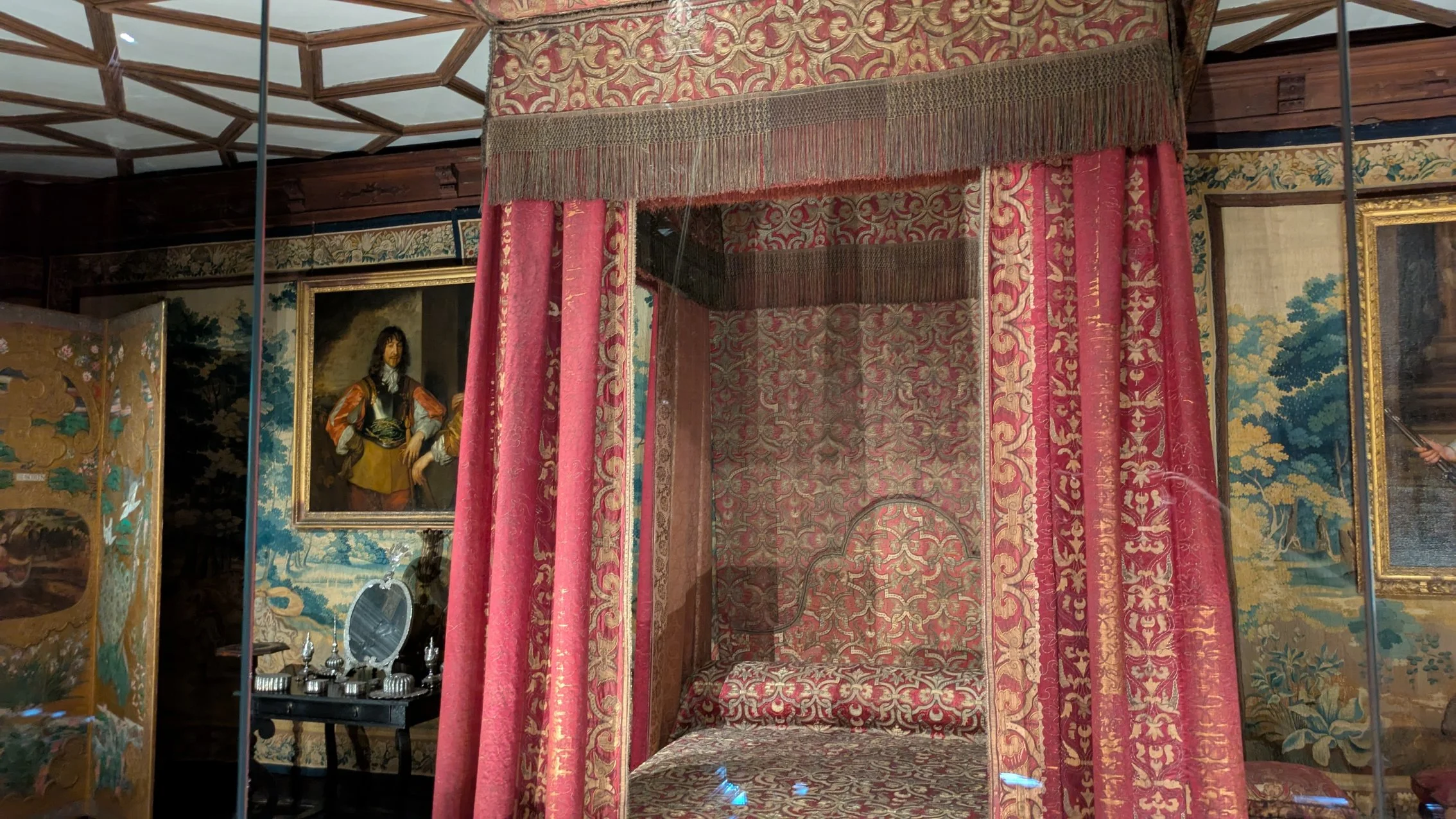
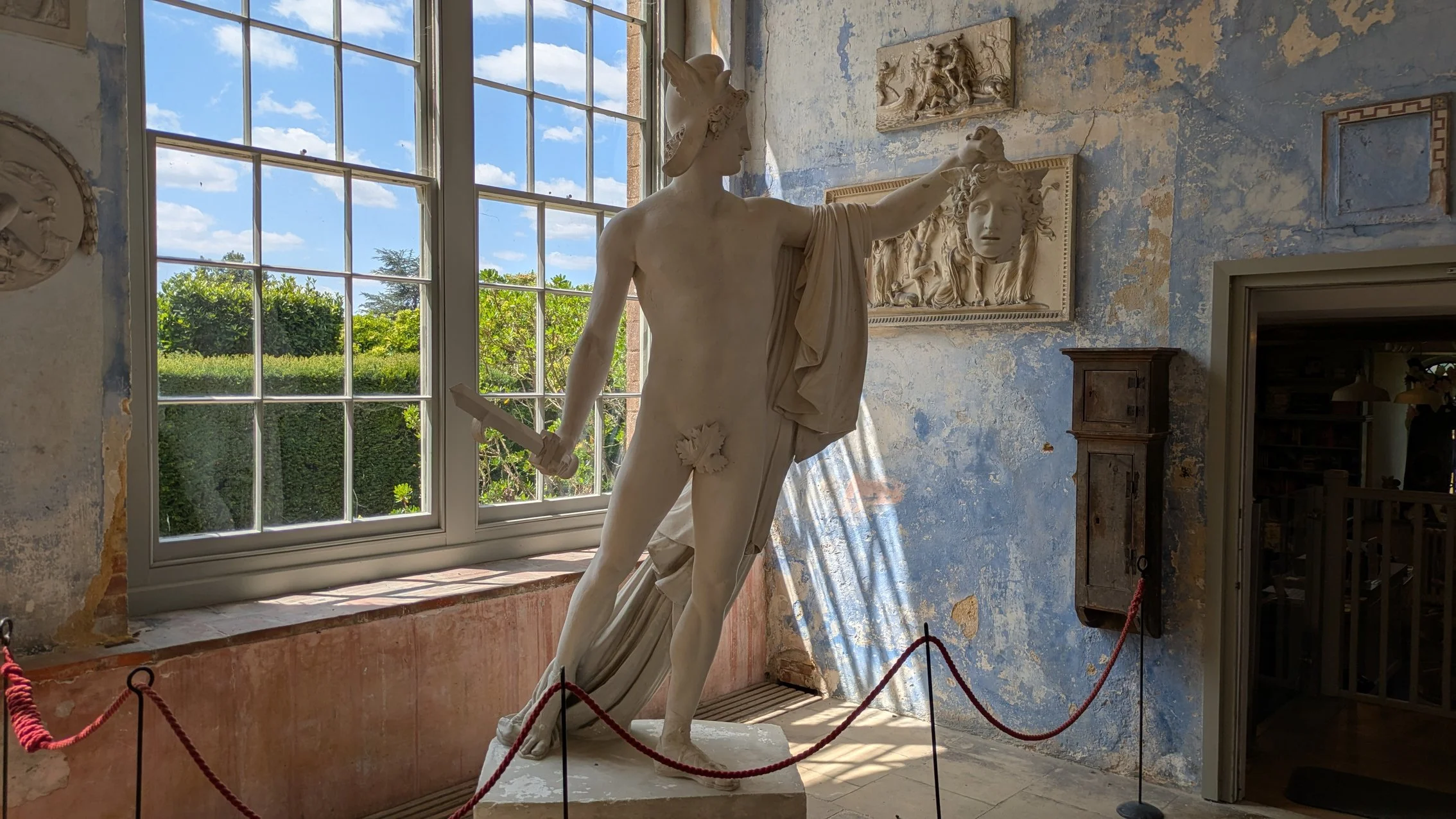
Today I visited the Inside Aardman: Wallace & Gromit and Friends exhibition at the Young V&A Museum at Bethnal Green. The exhibition which celebrates 50 years of Aardman Animations, provides visitors with a unique, behind the scenes view of the art of stop-motion animation. It also explores how Aardman’s iconic characters and worlds are designed, crafted and brought to life. From the initial concept artwork to the final visual effects, this event demonstrates the methods and techniques employed by Aardman. The exhibition features early scripts, sketch artists initial concept art, models, sets and numerous famous puppets. Furthermore this event is firmly pitched at children and families, with a wealth of interactive activities demonstrating the various techniques on display. The curators of the exhibition have also made it clear that they wish to encourage future generation to consider a career in the creative arts.
The Imperial War Museum serves as a national museum for Britain. Its main location is in London, complemented by five additional branches across England. Established in 1917 as the Imperial War Museum, its original purpose was to document the civil and military efforts and sacrifices made by the United Kingdom and its Empire during the First World War. Over time, the museum’s scope has broadened to encompass all conflicts involving British or Commonwealth forces since 1914. As of 2012, the museum’s mission is to provide and encourage the study and understanding of the history of modern warfare as well as the “wartime experience”. The IWM as it is now known has its headquarters and primary site is located at Southwark in Central London. The museum is funded by government grants, charitable donations and revenue generated through commercial activity such as retailing, licensing and publishing. General admission is free to IWM London.
Castle Farm is a family business located near the village of Shoreham in West Kent. The Alexander Family have been farming in the Darenth Valley since 1892 when James Alexander transported 17 milking cows from Ayrshire in Scotland and took up residence in this south-eastern part of England. Castle Farm is a busy, working farm comprising of 1,100 acres. It produces such crops as wheat, barley, rapeseed, hops, apples, pumpkins and lavender. It is also home to a grass-fed herd of beef cattle. However, in recent years it has become well know internationally for its lavender crop. Castle Farm began its lavender enterprise in 1998, producing the essential oils associated with the flower. It is now the largest lavender farm in the UK, growing over 110 acres of the flower. Furthermore, it has become quite a tourist attraction with the farm staff running tours during Summer and the height of lavender season.
Riverhill Himalayan Gardens are set in the grounds of Riverhill House, a Grade II listed Queen Anne manor house located on the southern edge of Sevenoaks in Kent, England. Riverhill is well known for its stunning and historic gardens as well as its sweeping vistas over the Weald of Kent. The estate has been the residence of the Rogers family since 1840 who currently operate the gardens as a tourist attraction, along with the house and associated facilities as a wedding venue. Visitors can enjoy a walled garden, rose walk and maze as well as other attractions. There is also an excellent trail around the grounds culminating in a view from the top of the hill over the estate. Riverhill Himalayan Gardens, as a supporter of the Surrey Sculpture Society, regularly showcases a selection of sculptures and art pieces throughout its grounds. All are available for purchase if you have deep pockets.
The Hunterian Museum is a museum of anatomical specimens in London, located in the prestigious building of the Royal College of Surgeons of England. The museum is made up primarily of a collection from the 18th century Scottish surgeon John Hunter. Over the years it has since been subsequently supplemented by Odontological material curated by A. E. W. Miles and various natural history exhibits from Richard Owen. In May 2023, the Hunterian Museum reopened following a five-year redevelopment of the Royal College of Surgeons of England’s headquarters at Lincoln’s Inn Fields. The £4.6 million museum project features the exhibition of more than 2,000 anatomical specimens from Hunter’s original collection. In addition to these there are instruments, equipment, models, paintings, and archival materials that document the evolution of surgery from ancient eras to contemporary robot-assisted procedures. The Museum boasts the largest public display of human anatomy in England.
The Crystal Palace Dinosaurs are a collection of sculptures depicting dinosaurs and other extinct species located in Crystal Palace Park, in the London borough of Bromley. These sculptures were originally commissioned in 1852 for display at the Crystal Palace following its relocation from the Great Exhibition held in Hyde Park. They were revealed to the public in 1854 and are the first speculative dinosaur sculptures ever created. Although the models are now considered inaccurate by contemporary standards, they were designed and crafted by Benjamin Waterhouse Hawkins under the scientific guidance of Sir Richard Owen, reflecting the prevailing scientific understanding of the time. The sculptures were designated as Grade II listed buildings in 1973 and underwent extensive restoration in 2002. In 2007 they were elevated to Grade I listed status. As of spring 2026 the dinosaurs are again being renovated as part of a £5 million regeneration of the park.
The benefits of international travel are numerous. These include stress relief, mental health benefits and a chance to escape the drudgery of work. Then there are the cultural aspects that you can immerse yourself in. Going abroad also allows you to learn new language skills as you awkwardly ask for directions. International travel is a chance to make lasting memories and it often gives the traveller a greater appreciation of their own home. At the very least the beer is always better abroad and that is the very definition of “broadening your horizons”. Yet despite all these positive points, there is one unavoidable hassle when comes with travelling abroad. The fact that the country or countries that you’re visiting will invariably use a different electrical plug and socket standard. In an age where a lot of the stuff you bring along with you on holiday needs charging, this can be a very stressful problem to solve.
I thoroughly enjoyed our holiday in Croatia last year and it did much to restore my confidence in travelling. Previously my views on visiting other countries had been greatly influenced by the films Raid on Entebbe and Midnight Express. As January was such a bleak month here in the UK, Mrs P and I decided we couldn’t wait until summer for another holiday and so decided to book something for the end of March. So we visited our local Travel Agents and decided upon a river cruise. We’ve been interested in these since we saw a travel show with Susan Calman. River cruises are a horse of a different colour, compared to sea cruises. They’re a great way to visit cities of note, often bringing you right into the heart of them. River cruise ships are a lot smaller with less passengers than ocean faring vessels. They also attract quite different travellers. Let it suffice to say that a sea cruise doesn’t offer the cultural experience that I am looking for.
There are approximately 4000 parks and green spaces in Greater London. Bexley Borough alone has over 100. Public parks and green spaces are vital to modern cities, providing essential health, environmental and social benefits. They boost physical and mental wellbeing by reducing stress and providing a place for exercise. Furthermore they enhance urban sustainability, mitigate heat, and provide a sustainable environment for a wildlife. Parks are often a venue for social activities and events and as such are an important part of the local community. Going to the park has always been a part of my life. I live next to Old Farm Park in Sidcup and have made use of this recreational space throughout my life. I used visit with my parents in the seventies, when I was a child. Thirty years later my son, father in-law and I would fly kites there. Now I take my grandchildren to Old Farm Park as it now has a playground.
There is no shortage of interesting and good quality museums in London. In many respects tourists and visitors are spoilt for choice. More often than not, it is the most well known institutions such as the British Museum or Victoria and Albert Museum that gain the most attention. However, there are many hidden gems to discover if you take the time to look further. A prime example being The British Optical Association Museum which I had the pleasure of visiting today. The museum’s function is to promote the optometry profession and raise public awareness of its past and ongoing role within society. The museum has a well conserved collection of exhibits and provides a venue for presentations, learning and research services. There is also an excellent tour hosted by museum curator Neil Handley (PhD, AMA, FRSA) in which he gives a concise, interesting and at times a witty overview of the history of optometry in the UK and its current role.
The artillery battery at Capel-le-Ferne was built between 1941 and 1942, following the fall of France, on the orders of Winston Churchill. Located between Dover and Folkestone, the battery consisted of three 8-inch high-performance guns, provided by the Royal Navy. The battery was intended to provide anti-shipping defence in the English Channel. The site was manned by men of the 520 Coast Regiment Royal Artillery. Over the course of World War II, the battery expanded in size, eventually encompassing multiple Nissen huts, several roads and 19 military buildings. Anti aircraft defence was provided by two 40mm Bofors guns. Over the course of the war, the Capel Battery engaged enemy shipping on four separate occasions and also took part in fifteen practice shoots. In 1944, due to the decreased threat, the battery was placed in “care and maintenance”. The guns were removed in 1952 and the building demolished in the early 1980s
There are an estimated 2,500 museums in the UK. This number has grown significantly over time, more than tripling between 1960 and 2017. While it is laudable that so many of these institutions exist, they do not all receive equal interest or publicity. Some museums dominate in their respective fields and drown out others that have a similar theme. With this in mind, I was unaware of the Kent Battle of Britain Museum until a friend recently brought it to my attention. After yesterday’s visit my initial thoughts are what a treasure trove it is. According to the museum’s website it is the world’s largest Battle of Britain collection of memorabilia. This includes planes, uniforms, weapons and related artefacts from over 700 crashed aircraft. Furthermore, the museum tells the story of this battle without bias, choosing to highlight both the historical and the human aspects of the conflict. It is often very poignant.
Stonehenge is so much more than just a neolithic, historical structure of note. It is of great spiritual importance to many, representing ceremonial practices and ancient worship. It is also seen as a conduit to a wider connection to the cosmos. It is after all a celestial calendar, according to one of the theories regarding its purpose. It also has a strong significance in pop culture. Hence, due to its history, symbolism, religious connotations and overall sense of mystery it is a UNESCO World Heritage Site and a globally recognised symbol of ancient Britain. As such, it has always been somewhere that I have wished to visit. Today, as we were relatively nearby in Ringwood and the weather was pleasant, Mrs P and I decided to go to Salisbury and see this iconic structure for ourselves.
I enjoy visiting the coast. I always have. I find the sight and sounds of the sea very calming and thought provoking. There is something about seeing the ocean stretch out to the horizon and its implied enormity, that gives you a sense of perspective. The UK is a seafaring nation and therefore it is an integral part of our history and national identity. Hence a strong nautical theme and a sense of its importance has bled through into our popular culture. It is therefore quite common for people to have a positive attitude towards the sea and its associated leisure activities. I like to visit the coast at various times of the year and walk along the beach, just listening to the waves, lost in my own thoughts. This is not a hard thing to do in the UK, as no one lives further than 70 miles (113 kilometers) from the coast.
Knole is a country house in England and a former archbishop’s palace that is currently owned by the National Trust. It is located within Knole Park, a 1,000-acre (400-hectare) estate that lies to the south-east of Sevenoaks in west Kent. The existing structure of the house dates back to the mid-15th century, although there were significant expansions in the 16th and particularly in the early 17th centuries. Its Grade I listing signifies its combination of late-medieval to Stuart architectural styles. This is especially evident in its central façade and state rooms. In 2019, a comprehensive conservation initiative titled “Inspired by Knole” was completed to restore and enhance the buildings’ structures. This was beneficial to the preservation of its significant collections. The adjacent deer park has also endured since 1600.
Mrs P and I travelled to Croatia on Friday 13th June for our summer holiday. We spent one week in Makarska, which is located on the Dalmatian coast. My last international holiday was to Malta in 2004. Since then we have done a lot of travelling in the UK and Mrs P has vacationed abroad with other family members. However, she stated last September that she wanted to go “somewhere warm” for our next holiday. So this trip was booked and has been “something to look forward to”, or a source of stress slowly inching closer, depending upon your perspective. In many respects this holiday has been a big deal for me. I don’t enjoy travelling at all with all its accompanying logistical, bureaucratic and “people” issues. However, I have no problem with being elsewhere. I eagerly await teleportation technology to become commonplace. Once I arrived at our hotel, I quickly switched to holiday mode and I am happy to confirm that I thoroughly enjoyed myself.
Emmetts Garden is an Edwardian estate situated on Ide Hill, close to Sevenoaks in Kent, UK. After a long and interesting history it is currently under the stewardship of the National Trust. Originally open farmland, the existing house was constructed in1860. The term “emmett” is a local dialect for ant, referencing the large anthills that populated the area until the 1950s. In 1890, the estate was acquired by Frederic Lubbock, a banker with a keen interest in horticulture. His elder brother, John Lubbock, 1st Baron Avebury, was a renowned authority on ants, which may have influenced Frederic's decision to purchase the estate. Today Emmetts Garden is open to the public and features several “hortus conclusus” (walled gardens) and a hillside trail that is famous for its Bluebells in the spring.
Damerham is a quaint rural village and civil parish located in the New Forest district of Hampshire, England. It is close to the market town of Fordingbridge. Damerham is distinguished by significant Neolithic and Bronze Age burial mounds. Historically, it was home to an Anglo-Saxon religious community and was referenced in the will of Alfred the Great, as it was at that time part of the royal estate. At the time of the Domesday Book in 1086, Damerham was recognized as a prominent settlement under the ownership of Glastonbury Abbey. It was mainly farms and agrarian small holdings. Today, the village still features a riverside mill and the church of Saint George date’s back to the Norman period. There is a church hall that hosts numerous local, seasonal events.
Bodiam Castle is a 14th-century moated castle located near Robertsbridge in East Sussex, England. It was built in 1385 by Sir Edward Dalyngrigge, a former knight of King Edward III. The castle’s primary purpose was to defend the local area against possible French invasion during the Hundred Years' War. Bodiam Castle has a quadrangular design and does not have a keep. All the various chambers and rooms were built adjacent to the outer defensive walls. The four corners and main entrance have towers, all of which feature crenellations. A substantial moat surrounds the castle, which served as a home for the Dalyngrigge family, as well as a seat of power to the manor of Bodiam. The castle remained within the Dalyngrigge family until the line became extinct. It remained a place of strategic importance during the War of the Roses and the English Civil War. It is currently owned and maintained by The National Trust.
Today I went on an impromptu visit to Brompton Cemetery in West London. Established in 1837, the West of London and Westminster Cemetery (as it was originally known) is a private cemetery initially created as a business venture to capitalise upon the shortage of cemeteries within London. It also sought to cater to the prevailing culture of opulent Victorian funeral rites. However, after proving non profitable, the cemetery was bought by the UK government. It was subsequently incorporated into Crown Property and managed by The Royal Parks. It is one of Britain’s oldest and most distinguished garden cemeteries. There are currently 35,000 monuments, ranging from simple headstones to impressive mausolea. It is home to more than 205,000 resting places. The cemetery is also a haven for flora and fauna, providing a substantial semi rural environment amid urban central London.
Christmas Tree Farm is a petting zoo, outside the village of Downe in the county of Kent. Despite its rural setting, it is actually only 15 miles from London, making it an ideal visit, as part of a day. The farm is home to a wide selection of domestic farm animals (and a few more exotic ones), all of which can be fed, stroked and lavished with attention by visitors. During the winter months, Christmas Tree Farm hosts Santa’s Grotto and as the name suggests is the place to find the perfect Christmas tree for your home. Entry prices are very reasonable, costing £6 per adult and £4 for children aged between 2 and 16 years old. Buckets of animal feed of varying size are also available for a small fee. There is a leisurely trail around the farm where the various animals are housed in pens and out buildings. There is also a Tea Garden where refreshments are available.
In 1939 legislation was passed in the UK so that all employees had one week’s annual paid holiday per year. By the 1950s this had become two weeks and by the 1980s most people had at least 4 weeks of annual holiday. On top of this paid leave allocation, the UK currently has 8 bank holidays which provides further time off for employees. This culture of increasing amounts of annual leave also broadly coincided with air travel becoming more accessible. The first UK passenger jet service began in 1952. However, its cost excluded most people. However, as larger airliners with increased range became available, cheaper foreign holidays became more and more economically viable. European holidays became a reality in the 1960s and 1970s. By the 1980s long-distance holidays to other continents became ubiquitous and the package holiday became king. It is also worth noting that the Channel Tunnel opened in 1994, making car travel from Britain to Europe easier and more popular.
Today I had the pleasure of visiting the Whitstable Museum (or to give its full name Whitstable Community Museum and Gallery). This is a fine example of a local heritage centre that curates and displays artefacts and records that reflect the history and culture of the surrounding area. The museum located in Whitstable, Kent, is home to one of the world's oldest steam engines, as well as historical diving equipment that was developed locally. The history of the local oyster trade which has been an integral part of the community for centuries is also a key feature. Established in 1985, the museum was reopened in 2015 following a major refurbishment. There is also an art gallery featuring the paintings by local artists and artworks on loan from an international network of galleries.
Eltham Palace, located in South East London, was the childhood home of King Henry VIII in 1499. It was later used as a royal nursery for the infant Princess Elizabeth, born on 7th September 1533. It sports sumptuous grounds and ornamental gardens and was famous for its game hunting during the Tudor and Elizabethan periods. In the 1930s’ the property was owned by the Courtauld family, who built a sumptuous Art Deco style mansion and redeveloped the grounds. Today the entire property is owned and managed by English Heritage who have extensively restored much of the estate. It is therefore very fitting that this illustrious venue annually plays host to the Legendary Medieval Joust, during the summer months. Two days of historical pageantry, re-enactments and events for the entire family to enjoy. I last attended in 2015, so it was a welcome pleasure to return again yesterday.
Morph’s Epic Art Adventure in London is a step-free art trail and tourist attraction featuring the iconic animated character Morph. It is hosted by charitable organisation Whizz-Kidz, global event producers Wild in Art and Aardman. The trail features 56 super-sized sculptures of the much-loved children’s TV character, which are set among various iconic London landmarks including St Pauls, Tate Modern, Tower of London, Shakespeare’s Globe and Borough Market. It is a free public art trail and tourist attraction, designed by a variety of artists to excite and inspire people of all ages, whilst increasing public awareness about the need for young wheelchair users to be mobile, enabled and included in society. Morph’s Epic Art Adventure in London runs from June 19th until August 20th 2023.
Regardless of whether you deem the IFS Cloud Cable Car a white elephant, a political folly or just a mistake in terms of tourism, it cannot be denied that the view it provides over South East London is impressive. At a height of 90 metres (300 feet), on a bright and sunny day you can see from City Airport to Canary Wharf. Located at Greenwich Peninsula, the IFS Cloud Cable Car (as it is now called) opened in June 2012. It was initially promoted as a viable form of public transport across the Thames, linking North Greenwich and Royal Victoria stations. In October 2012, nearly 100,000 journeys were made. However, after the London Olympics, passenger rates fell and since then IFS Cloud Cable Car has become more of a tourist attraction, rather than an integral means of commuting.
To my surprise I found myself out and about today undertaking another day trip. This time we headed back to the sea and visited Whitstable, a town on the north coast of Kent adjoining the Greater Thames Estuary. It’s 5 miles (8 kilometres) north of Canterbury and 2 miles (3 kilometres) west of Herne Bay. The town was originally recorded in the Domesday Book of 1086, under the name Witenestaple, meaning "the meeting place of the white post", a reference to a local landmark. By the late middle ages Whitstable had become a centre of Thames Estuary fishing, specifically for oysters. Today, the main activities at the harbour are fishing and processing, cargo handling and boat maintenance. The town has shingle/sandy beaches adjacent to the harbour, where swimming and water sports are popular. Whitstable Castle is situated on the border of Whitstable and off the coast is Kentish Flats offshore wind farm, consisting of 30 wind turbines.
Royal Tunbridge Wells is a town in the county of Kent, 30 miles (50 kilometres) southeast of central London. It is situated on the border with East Sussex on the northern edge of the High Weald. The local sandstone geology is synonymous with a rugged landscape due to erosion and weathering. The town itself was a spa during the Restoration and became a very fashionable resort in the middle of the 18th century. Socialites such as Beau Nash helped make the resort popular when the Pantiles and its chalybeate spring, began attracting visitors who came to “take the waters”. Despite the decline in spa towns after sea bathing grew in popularity, Royal Tunbridge Wells has remained a tourist resort. Today, much of the area's income is generated by tourism. The town has an equitable temperate maritime climate.
With January already behind us, Mrs P and I decided it was high time we took our first day trip of 2022. So yesterday I spent some time looking online at details of various National Trust sites within an hour or so drive from our home. I also looked at similar places of historical note that are run by other bodies. Sadly, many are either partially or totally closed for the present. It would appear that from January to March many of these sorts of tourist attractions spend time repairing, refurbishing and preparing for forthcoming events. Grounds also have to be maintained. Hence, we were somewhat lacking in choice for suitable destinations. However, as the weather forecast was mild, today we opted to visit the village of Chiddingstone so we could walk in the grounds of the local castle and along the various footpaths in the area.
For me, staying in a hotel is always an adventure, as it mainly happens when I’m taking a holiday or a short weekend break. I suspect that travelling habitually for business reasons probably puts a different complexion on the process. It may well dictate what sort of hotels you stay in. More than likely functionality, location and cost trump other more self indulgent factors such as aesthetic and ambience. Mercifully, travel has never been a major part of my working life and so hotels are still a source of excitement as they’re associated with fine meals, interesting scenery and good company. However, such hotels tend to come at a price as they’re catering more for tourism rather than business travel and therefore stays are not a regular occurrence. However, I had the pleasure of a short visit this weekend.
Thoughts on Holidays
Mrs P and I travelled to Croatia on Friday 13th June for our summer holiday. We spent one week in Makarska, which is located on the Dalmatian coast. My last international holiday was to Malta in 2004. Since then we have done a lot of travelling in the UK and Mrs P has vacationed abroad with other family members. However, she stated last September that she wanted to go “somewhere warm” for our next holiday. So this trip was booked and has been “something to look forward to”, or a source of stress slowly inching closer, depending upon your perspective. In many respects this holiday has been a big deal for me. I don’t enjoy travelling at all with all its accompanying logistical, bureaucratic and “people” issues. However, I have no problem with being elsewhere. I eagerly await teleportation technology to become commonplace. Once I arrived at our hotel, I quickly switched to holiday mode and I am happy to confirm that I thoroughly enjoyed myself.
Mrs P and I travelled to Croatia on Friday 13th June for our summer holiday. We spent one week in Makarska, which is located on the Dalmatian coast. My last international holiday was to Malta in 2004. Since then we have done a lot of travelling in the UK and Mrs P has vacationed abroad with other family members. However, she stated last September that she wanted to go “somewhere warm” for our next holiday. So this trip was booked and has been “something to look forward to”, or a source of stress slowly inching closer, depending upon your perspective. In many respects this holiday has been a big deal for me. I don’t enjoy travelling at all with all its accompanying logistical, bureaucratic and “people” issues. However, I have no problem with being elsewhere. I eagerly await teleportation technology to become commonplace. Once I arrived at our hotel, I quickly switched to holiday mode and I am happy to confirm that I thoroughly enjoyed myself.
I knew that travelling from London Gatwick, even in the earlier hours of the morning, was going to be stressful. The airport is busy 24 hours a day. So I took the precaution of booking a room at the Premier Inn the day before our flight, so we didn’t have to get a taxi at “stupid o’clock”. Hence we spent the afternoon and evening relaxing in the bar and restaurant on Thursday and retired at a sensible time, as we had to get up at 3:00 AM the next day. Early Friday morning we dropped off our baggage and went through security. Both of which were extremely busy. Fortunately, I had booked us into an airport lounge, so we didn’t have to wait in the public area which was already heaving by 5:00 AM. The seating in the lounge was comfy and there was a buffet available. It certainly helped reduce my stress levels. It was also very close to our departure gate, so all we had to do was relax and wait. I indulged my hobby of “people watching”, which proved most illuminating as it so often does.
Boarding the plane old school
Our flight was fine once it actually took off. Two hours fifteen minutes is hardly an arduous journey. My beef is with how long it takes getting passengers on and off the plane and the time that is lost waiting to take off. As ever with holidays to warmer climates, we were greeted by a wall of heat as we stepped off the plane. The average temperature in Croatia in June is usually 24°C (76°F). Due to a heatwave across the Mediterranean, it was often 27°C (81°F) during our stay. There was a rep from the holiday company waiting at Split airport and we were quickly directed to the coach that took us to our hotel. What I didn’t realise is that the Dalmatian coast is on the other side of a mountain range and so we subsequently had another two hour journey. However, this did afford an opportunity to spend some time familiarising myself with the Croatian landscape which is similar to that of Greece and Cypress, but more verdant.
According to their website, the Valamar Meteor Hotel is “stylish, bright and brimming with facilities” and I am happy to concur. Set next to a shady pebble beach near the heart of Makarska, this four star hotel features gorgeous outdoor and indoor pools, as well as a sun terrace overlooking the Adriatic sea. The stylish and contemporary furnished air conditioned rooms and suites offer views of either the sea or mountain. Immaculately presented with incredibly friendly and helpful staff, this is one of the best hotels I have ever stayed in. There are plenty of activities available for both adults and children, as well as excursions and tours. The bar and the main restaurant were outstanding. The latter offers the most extensive breakfast and dinner buffets I have encountered. Local delicacies, Mediterranean cuisine and simple staples were all available. I felt incredibly relaxed all the time and there were absolutely no language issues.
Krka National Park
Mrs P likes to sun herself on holidays. I will do this to a degree but will go walkabout when I’ve had my fill. Thankfully, the hotel had a game lounge furnished with half a dozen PlayStation 5s. There was often musical entertainment in the evenings and it was to a surprisingly good standard. We went on several excursions during the week. One to Krka National Park which was most impressive with its abundance of waterfalls. We also went on a tour of Trogir and Split. I particularly liked the Cathedral of Saint Domnius and the remains of Emperor Diocletian’s Palace. An unexpected place of interest was a visit to the Olive Museum and later a trip to an olive farm. In such modern times it is easy to forget the importance of certain traditional industries and their significance to the history and economy of a country or region.
The Dalmatian Coast
The whole point of a holiday is to rest, relax and do things you may not do in the course of your daily life. My week in Croatia satisfied all these needs. On one occasion I left the hotel and walked through the town of Makarska. It was similar to any community with supermarkets and pharmacies. Being a resort there were a lot of shops selling souvenirs and such like and numerous restaurants. The cost of living is lower than that of the UK, giving me the brief illusion during my stay of being wealthy. The other stand out feature of Makarska was how clean and well maintained it is. But as 23% of Croatia’s GDP comes from tourism, such high standards seem self explanatory. Overall, this holiday has certainly done much to revise my views on international travel. It ultimately comes down to doing your research and making a discerning choice. I’m already considering where to go next and I may not wait until next year.

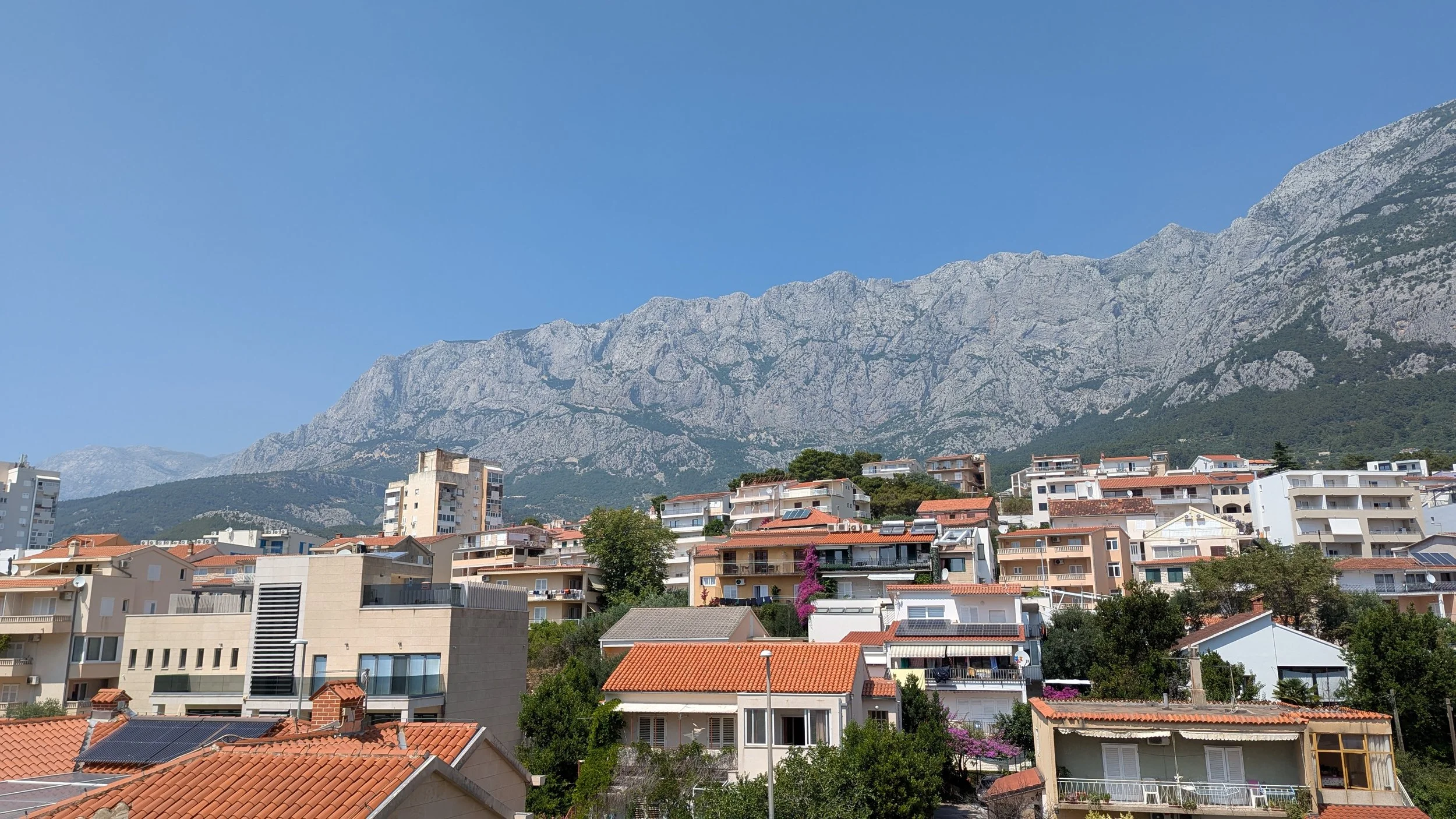
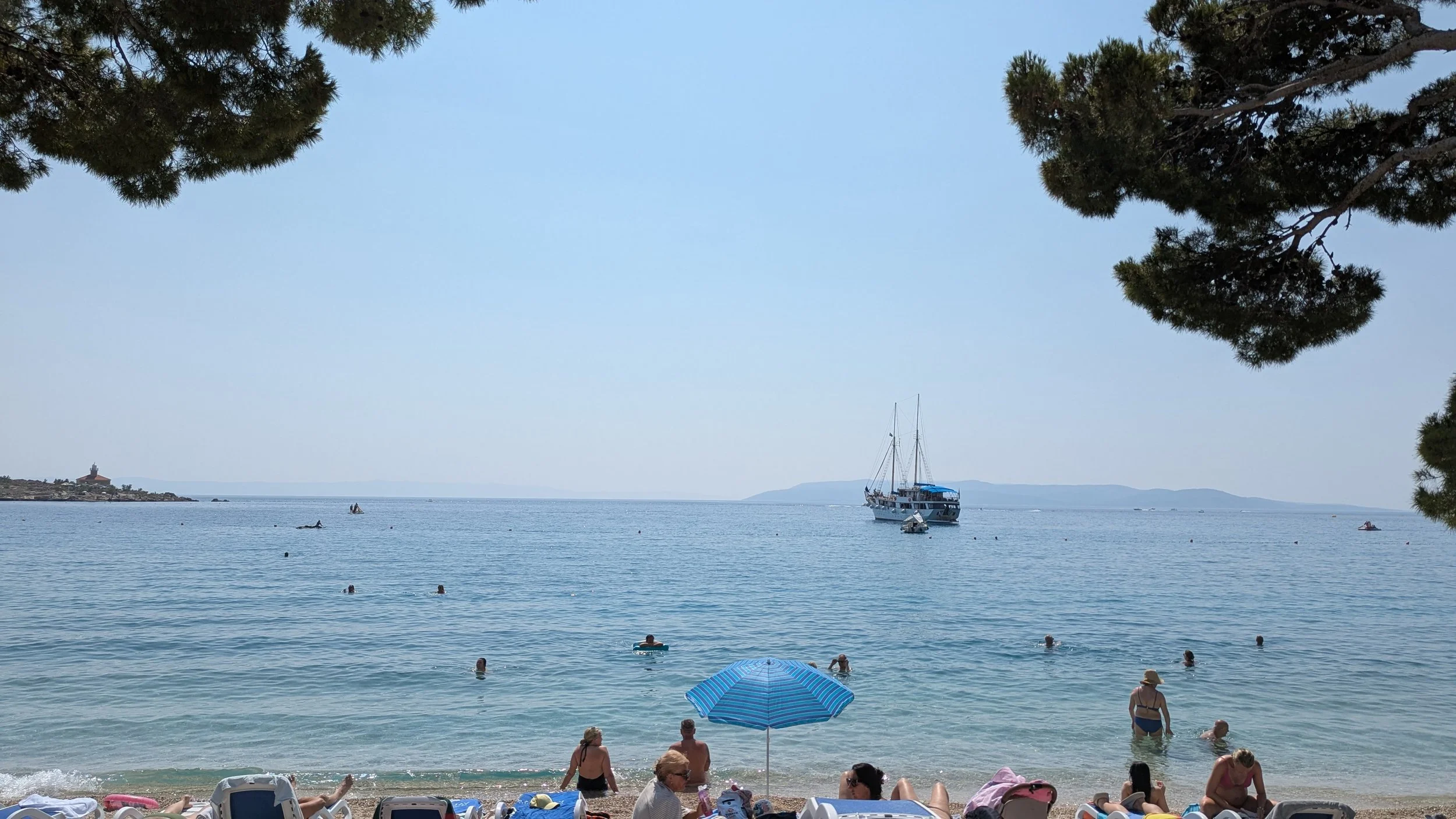

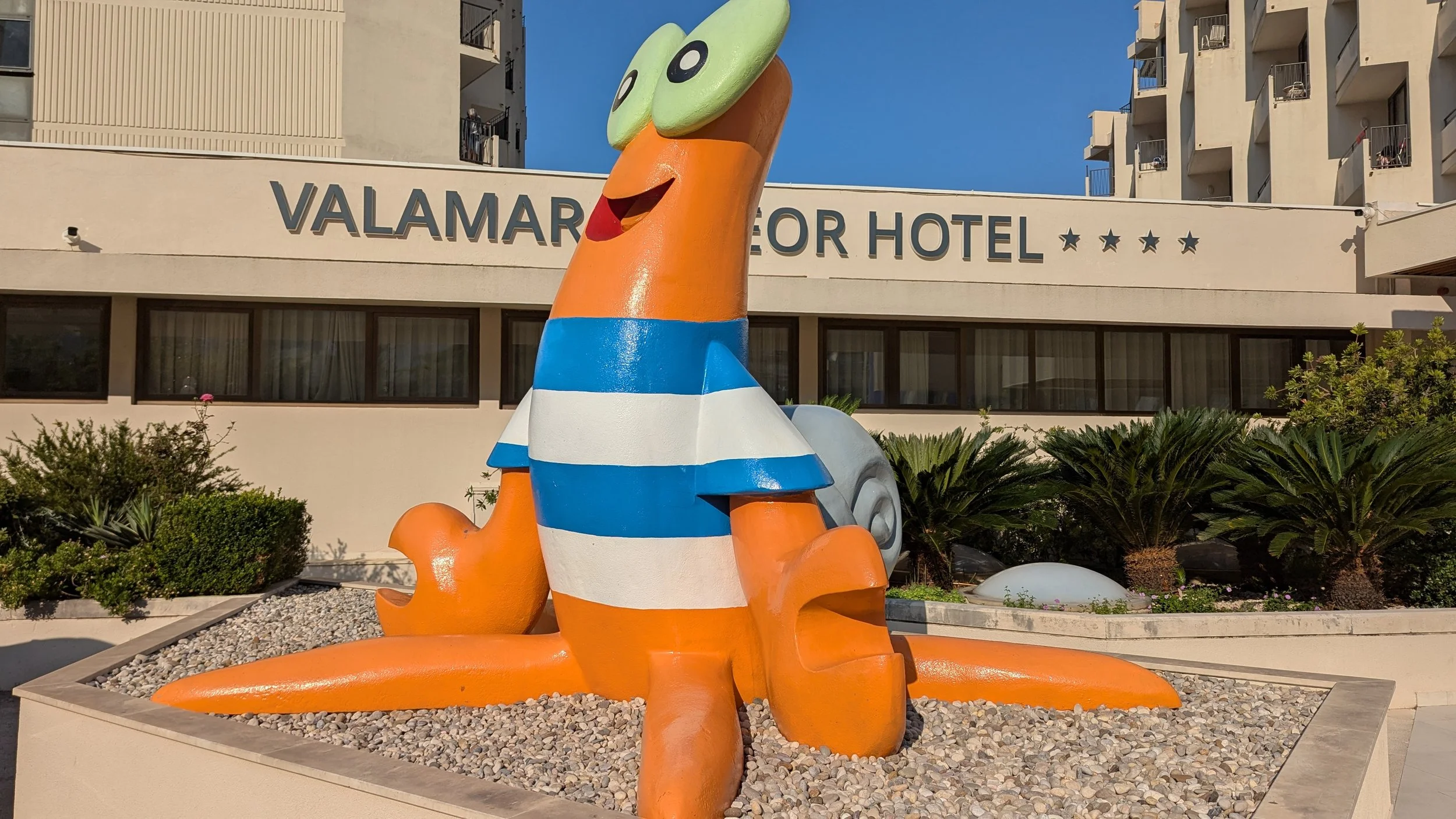
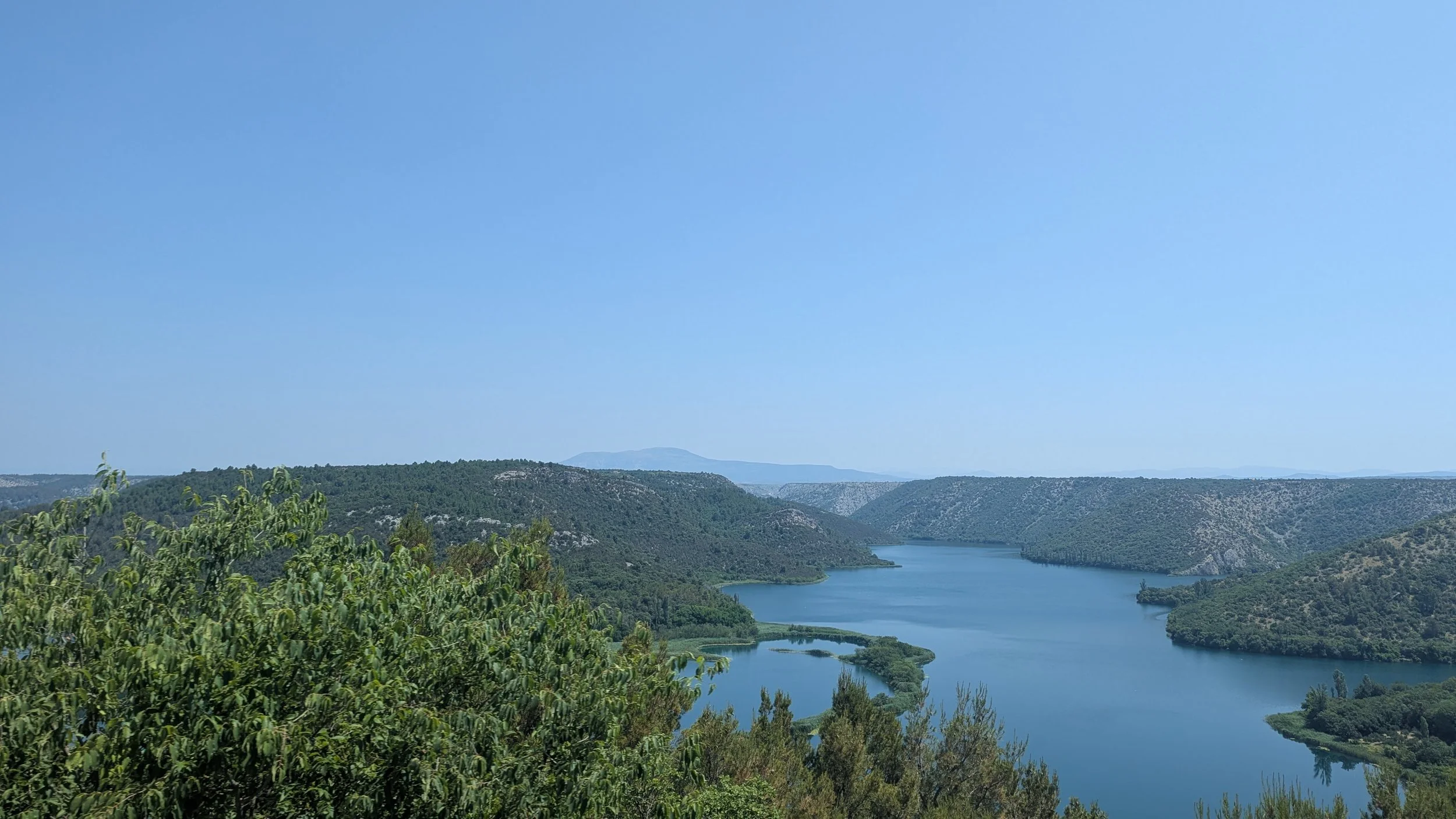
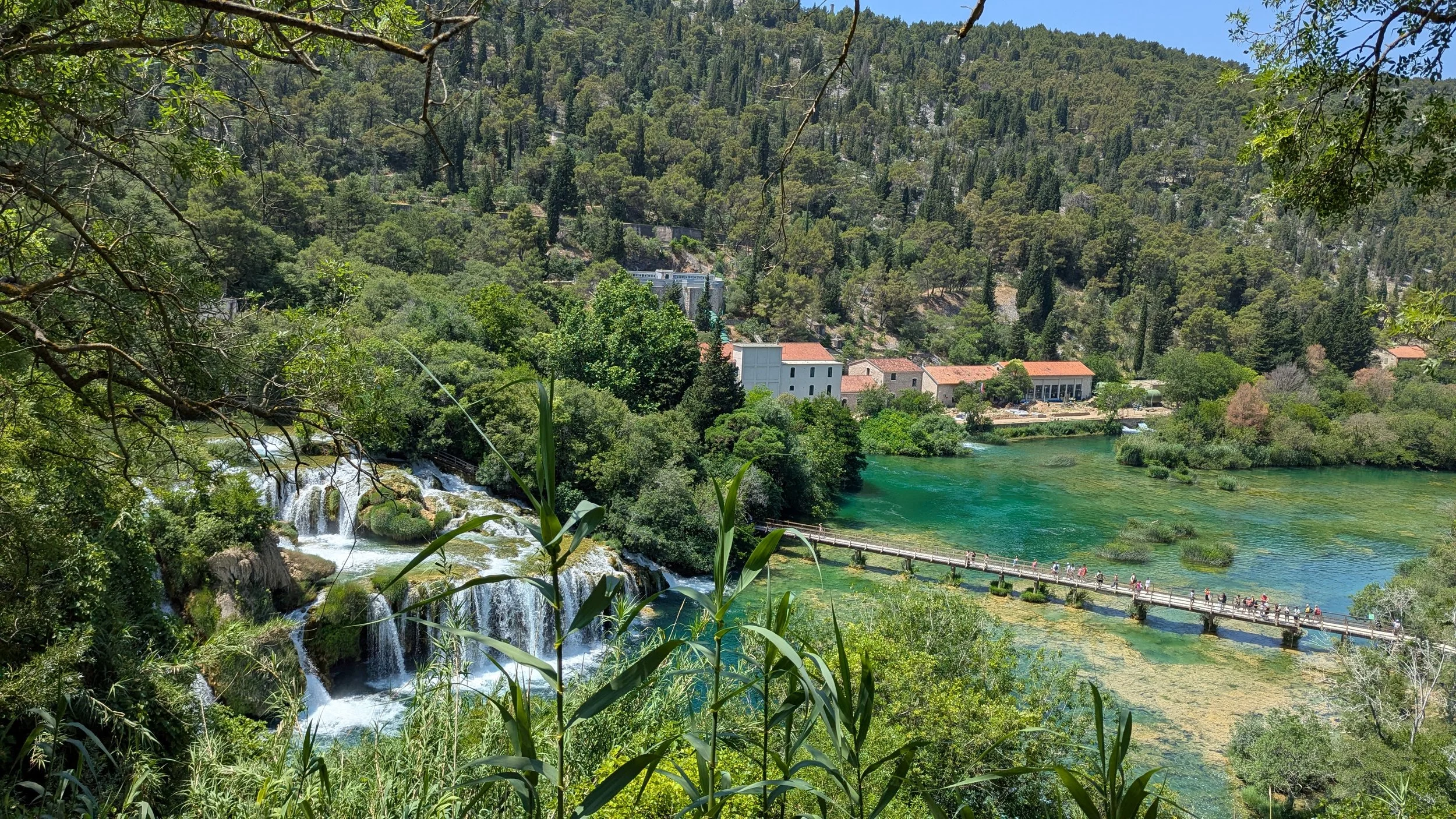
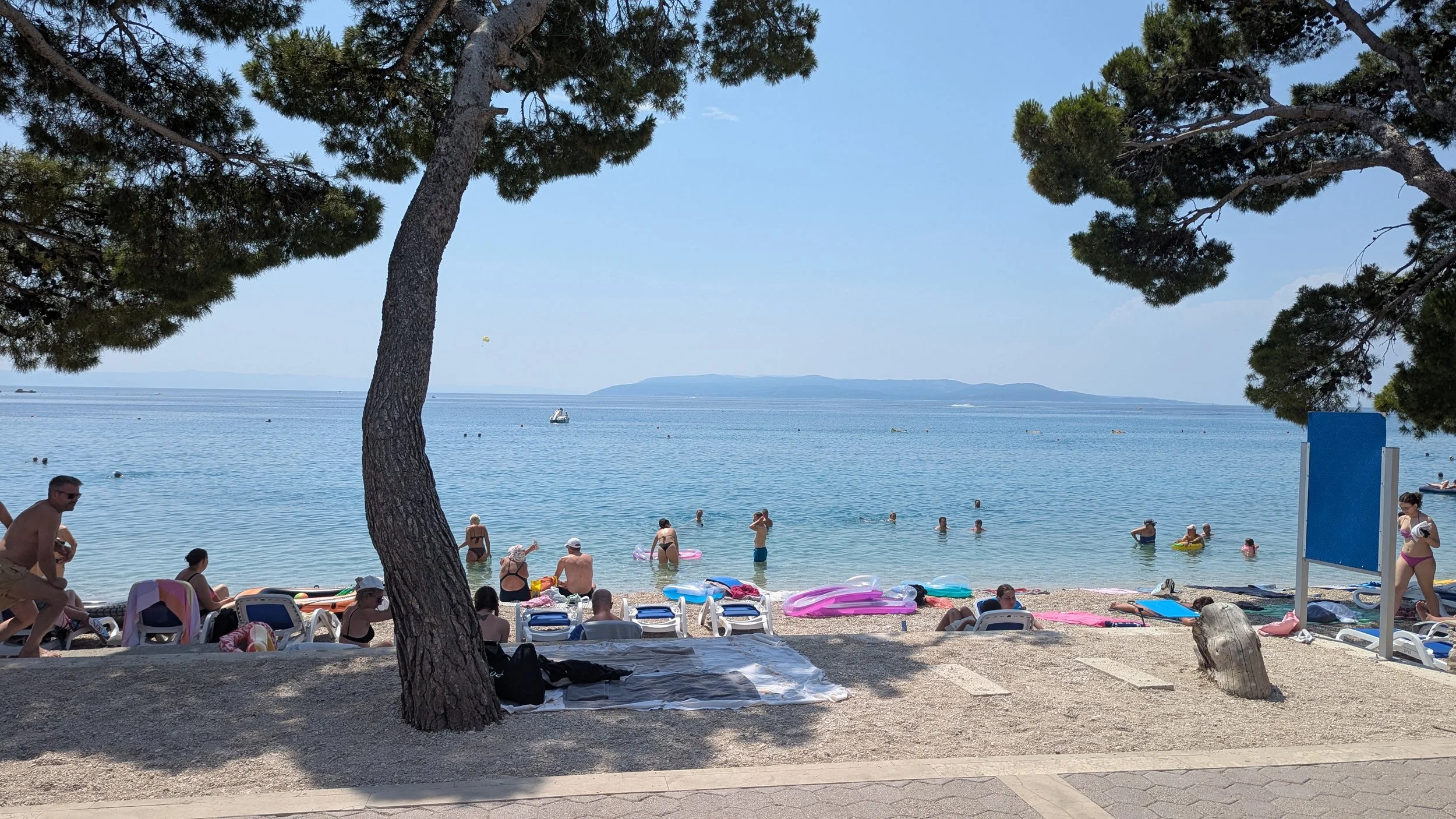
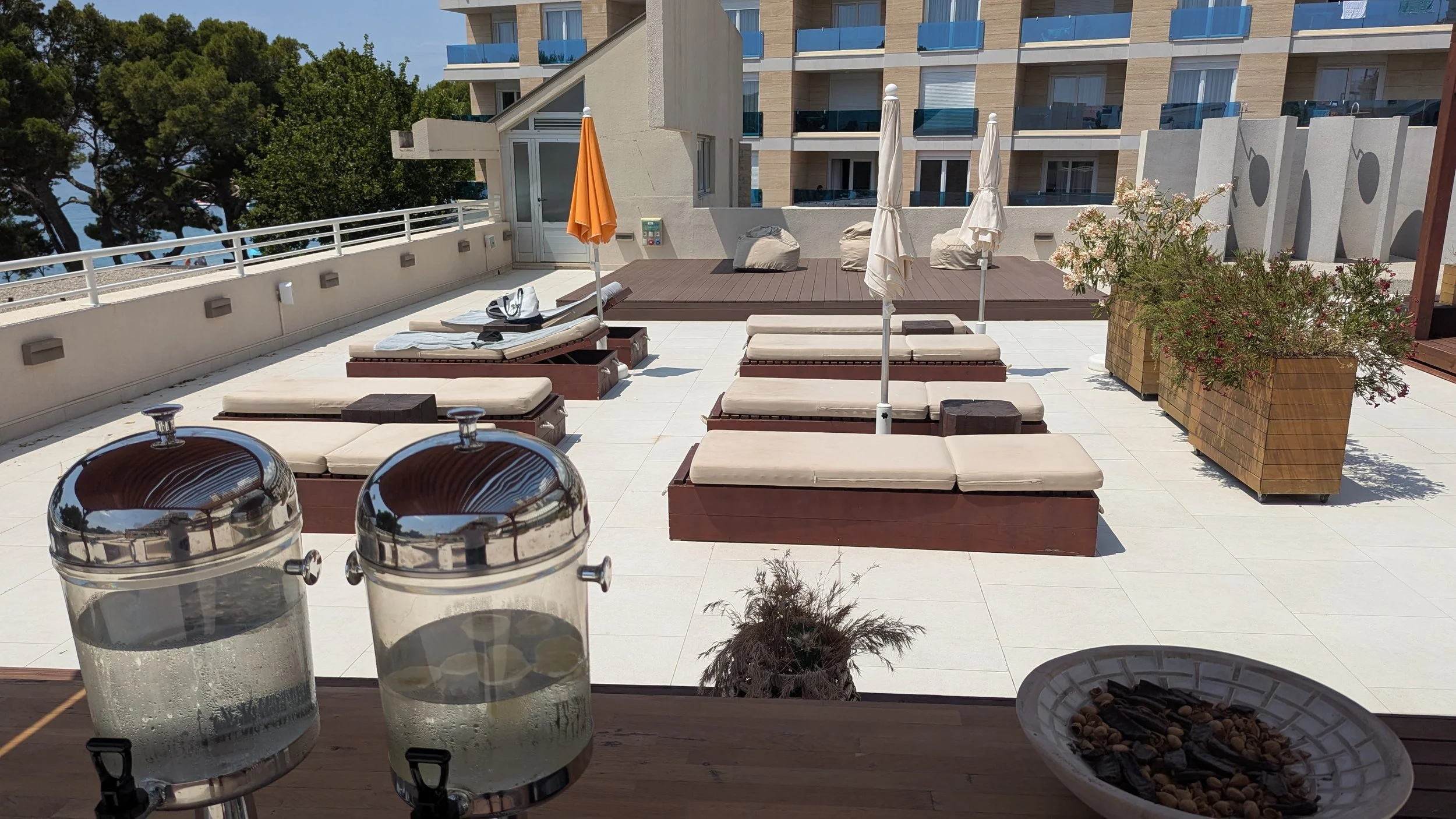
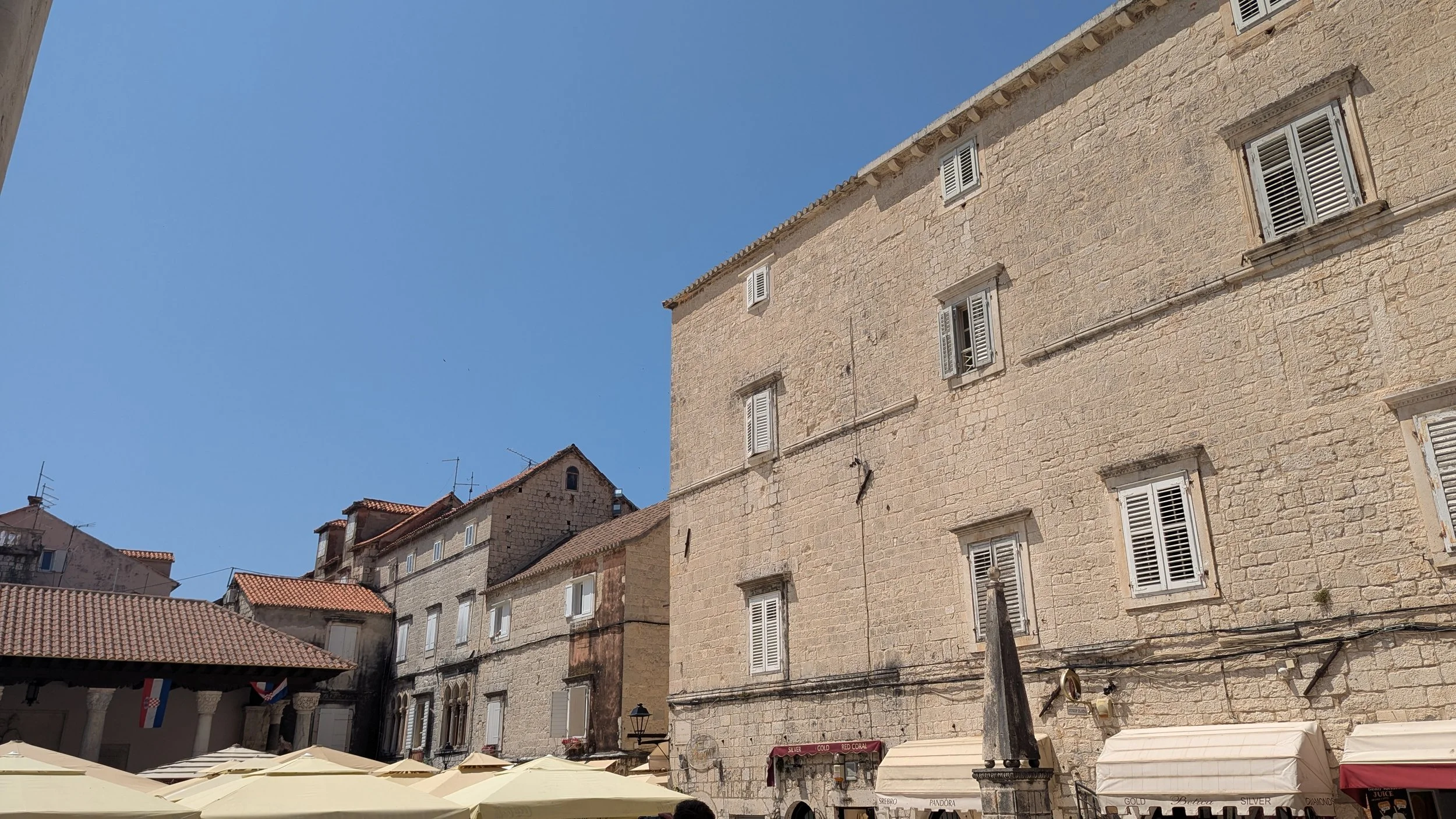

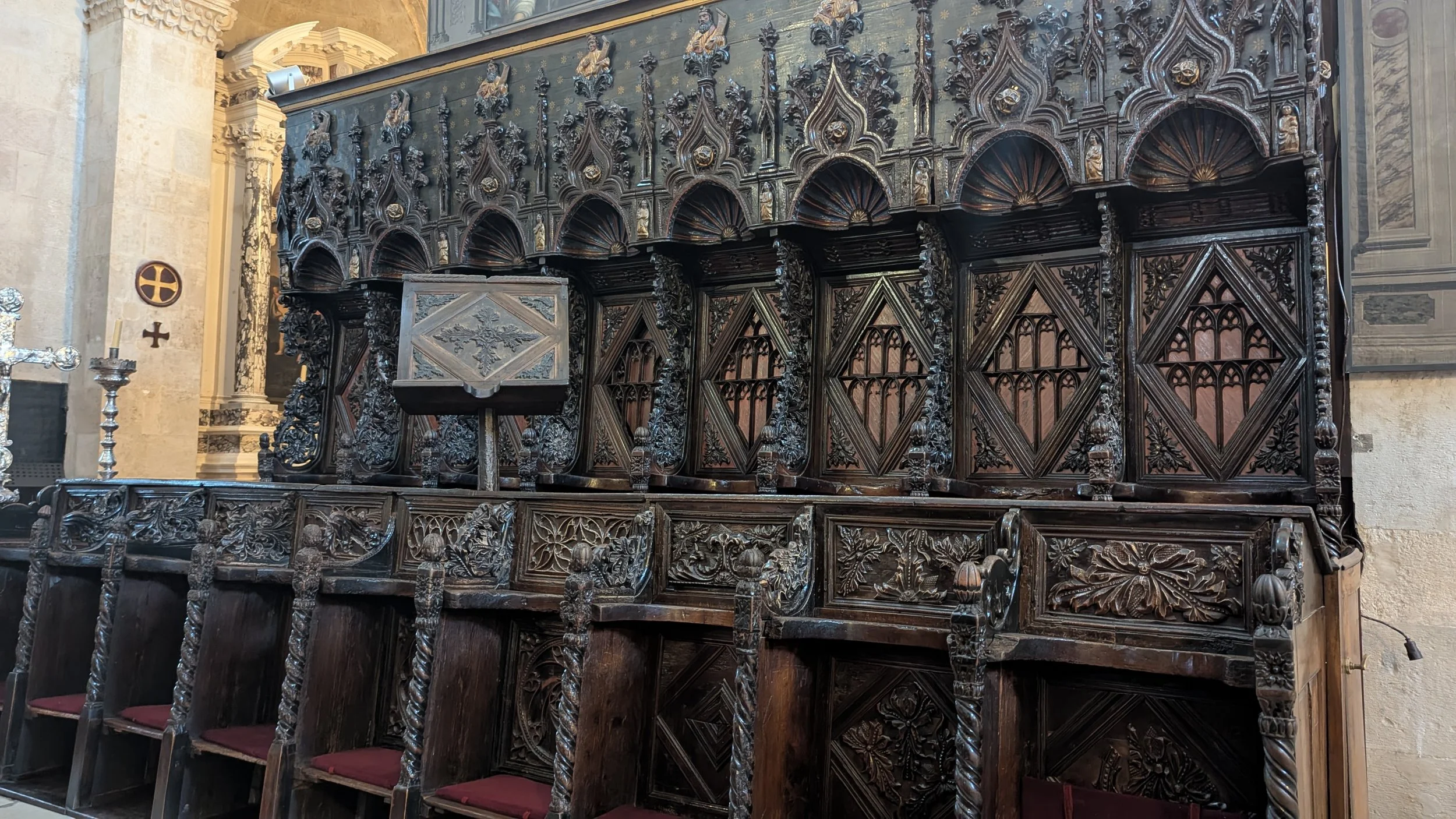

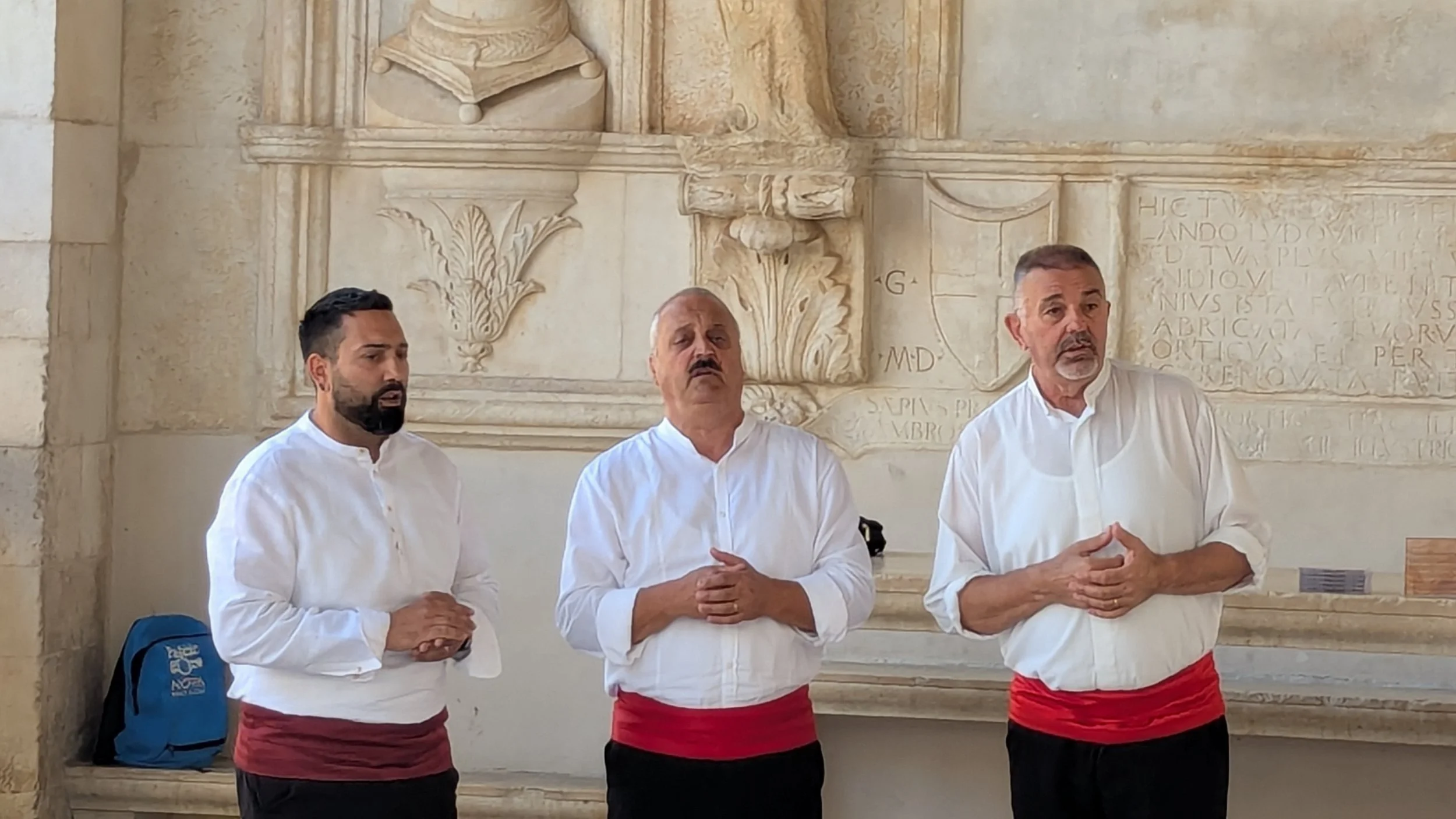
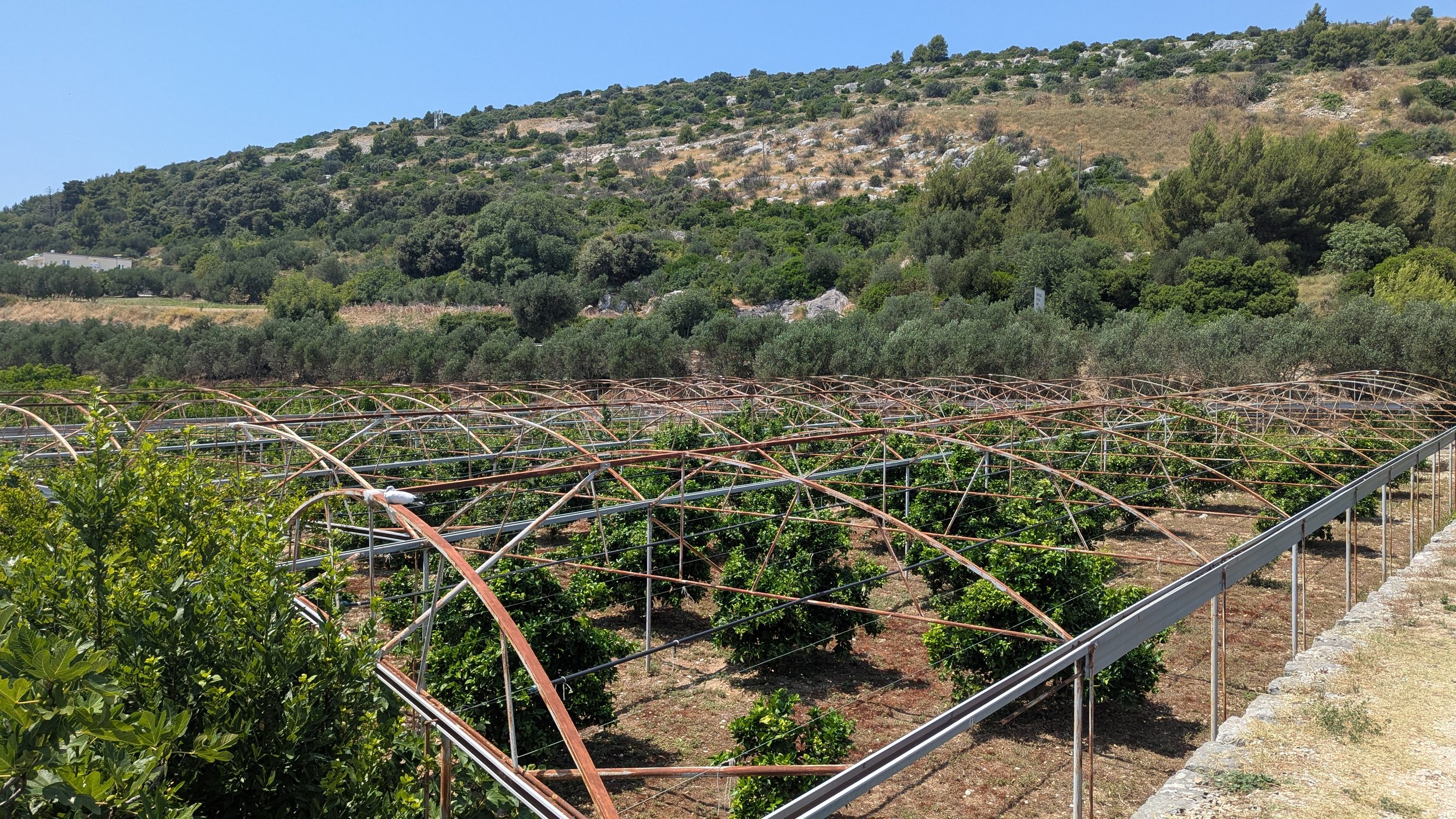
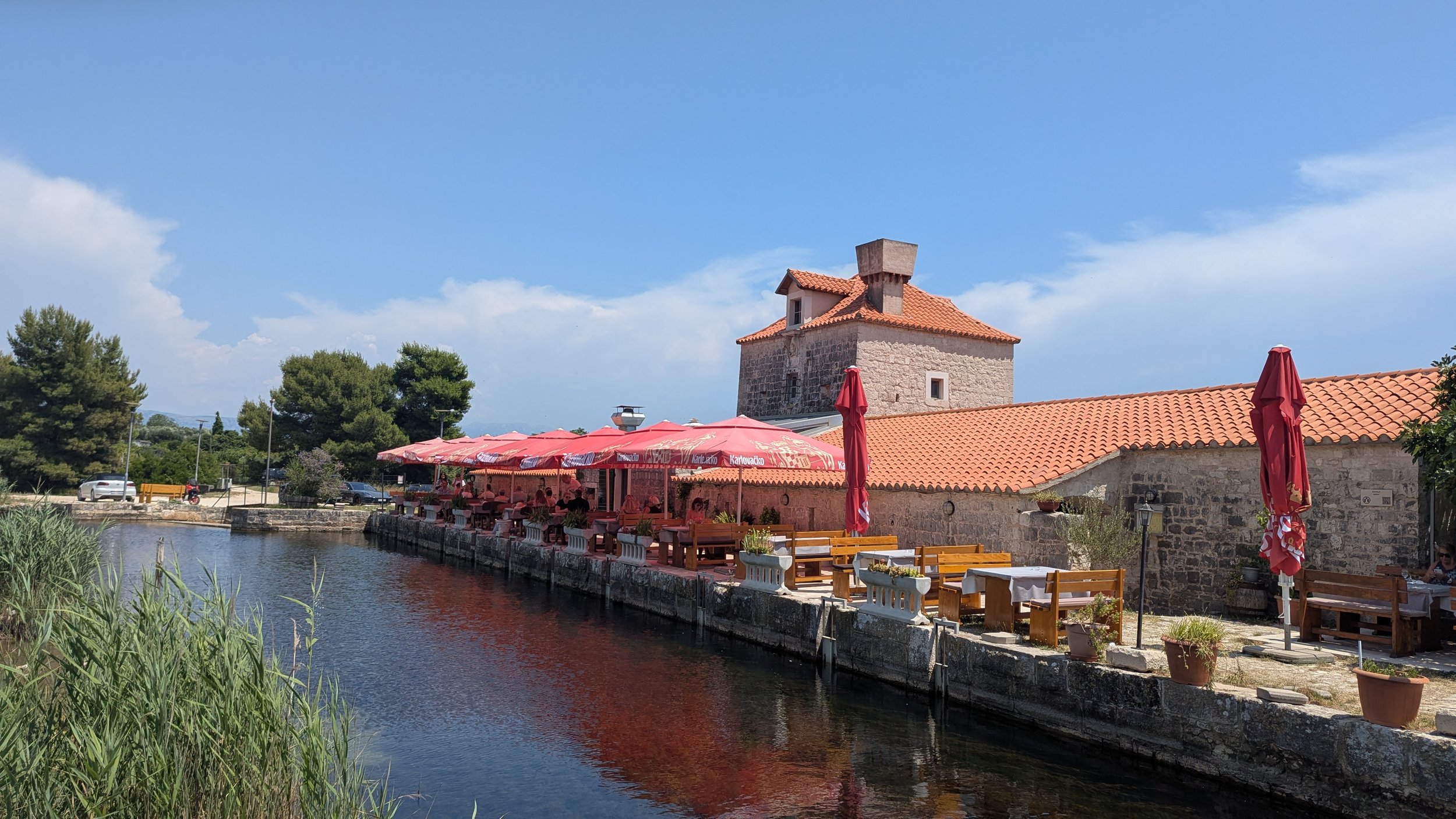

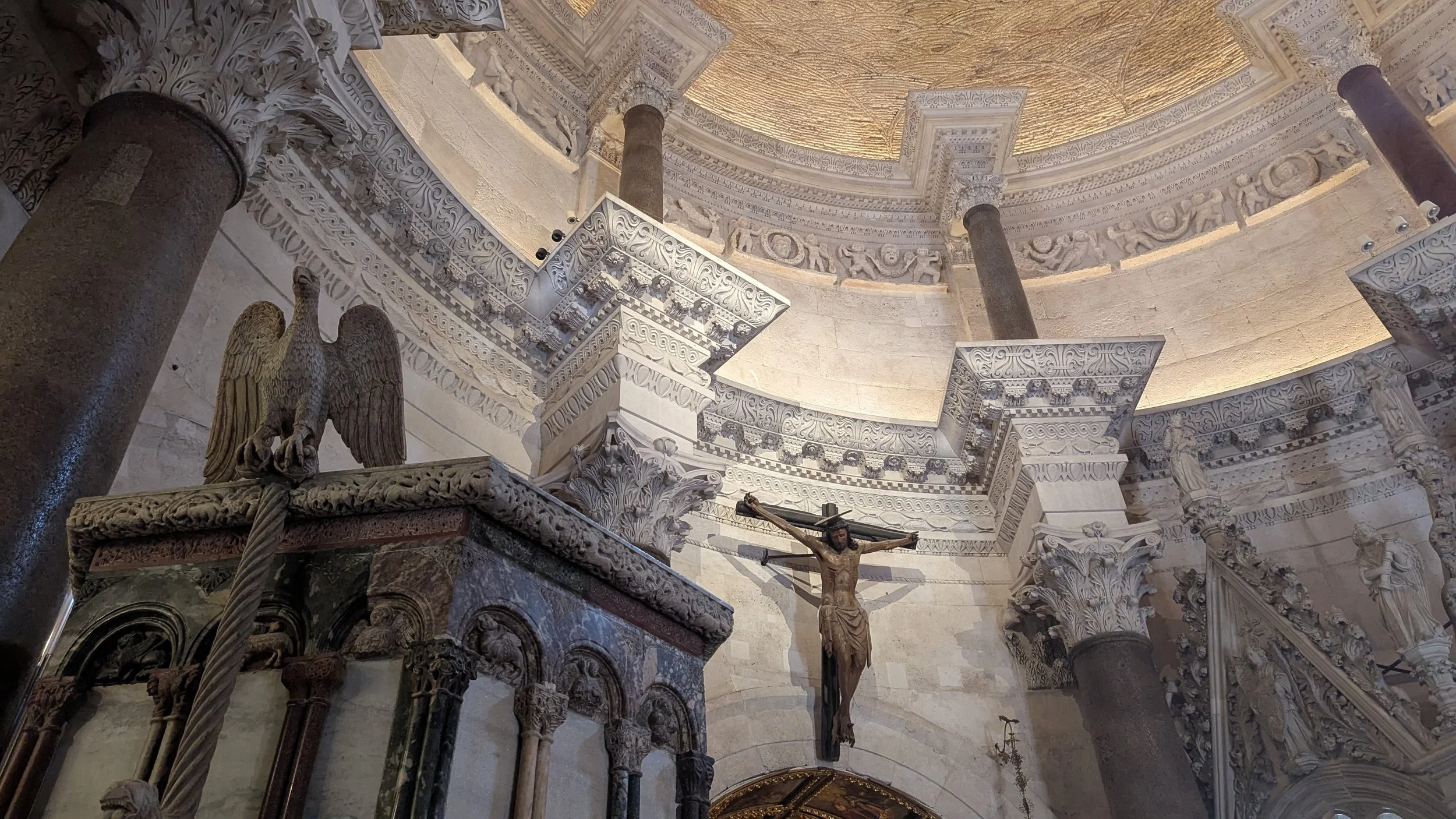
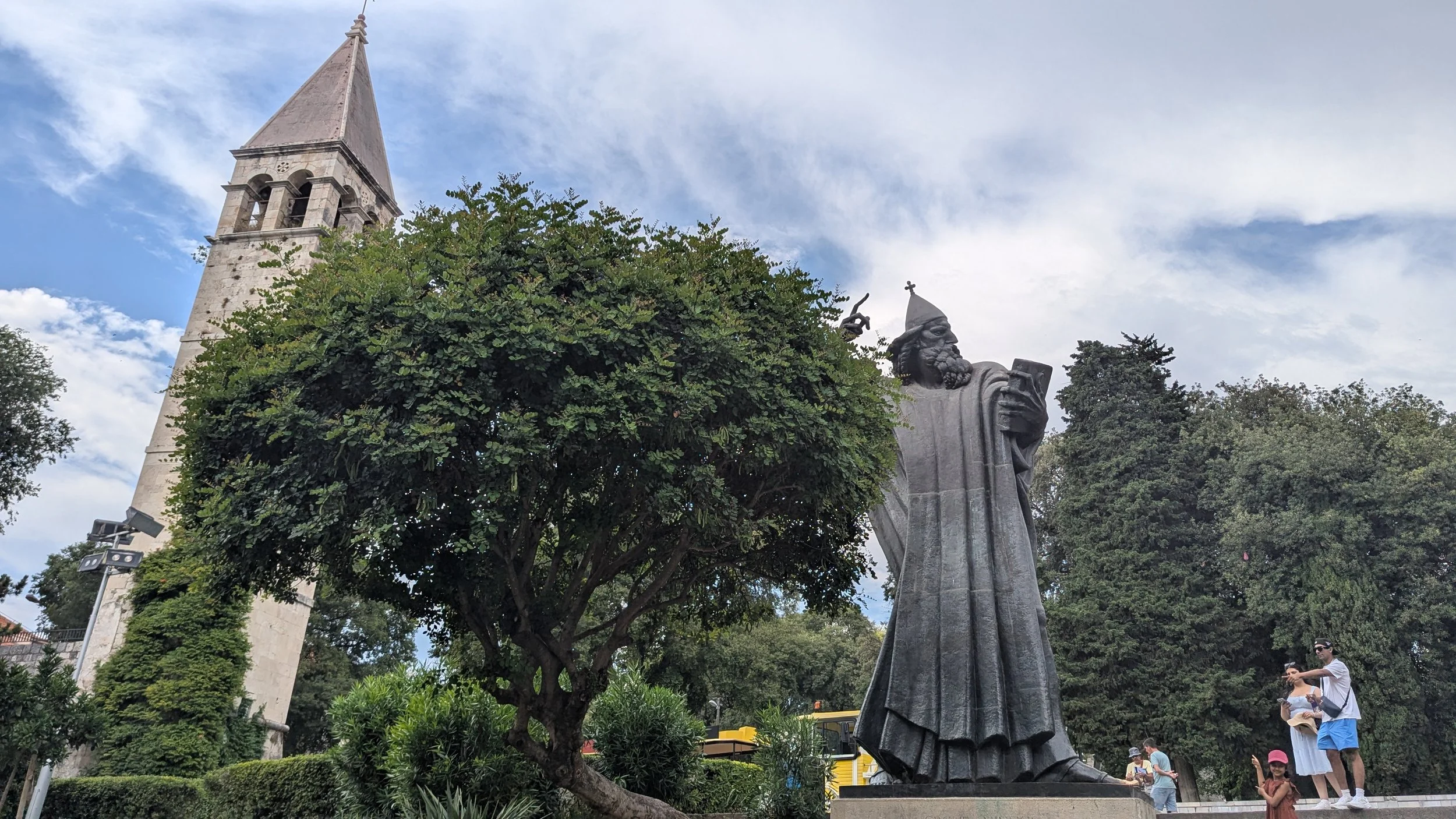
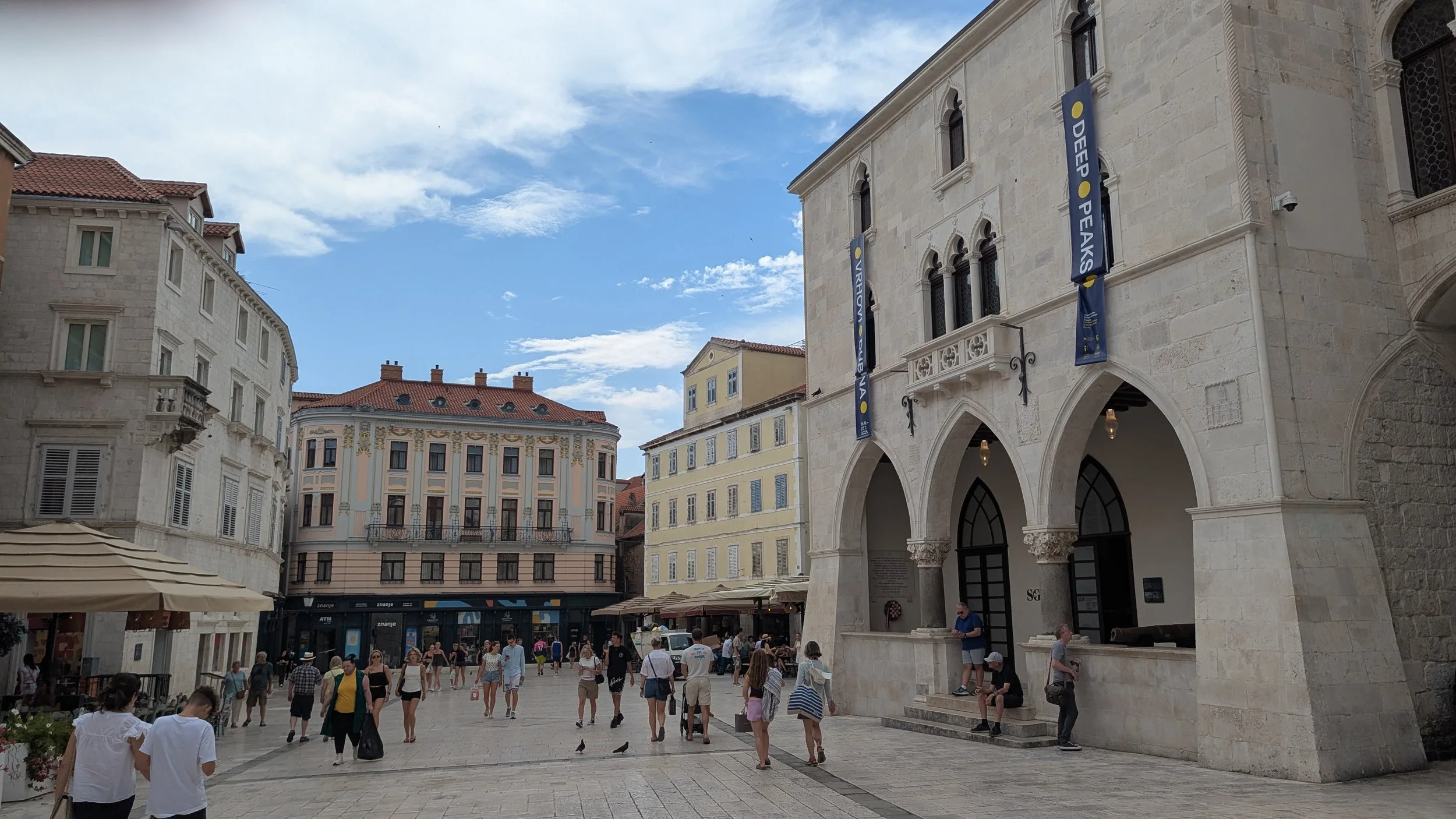
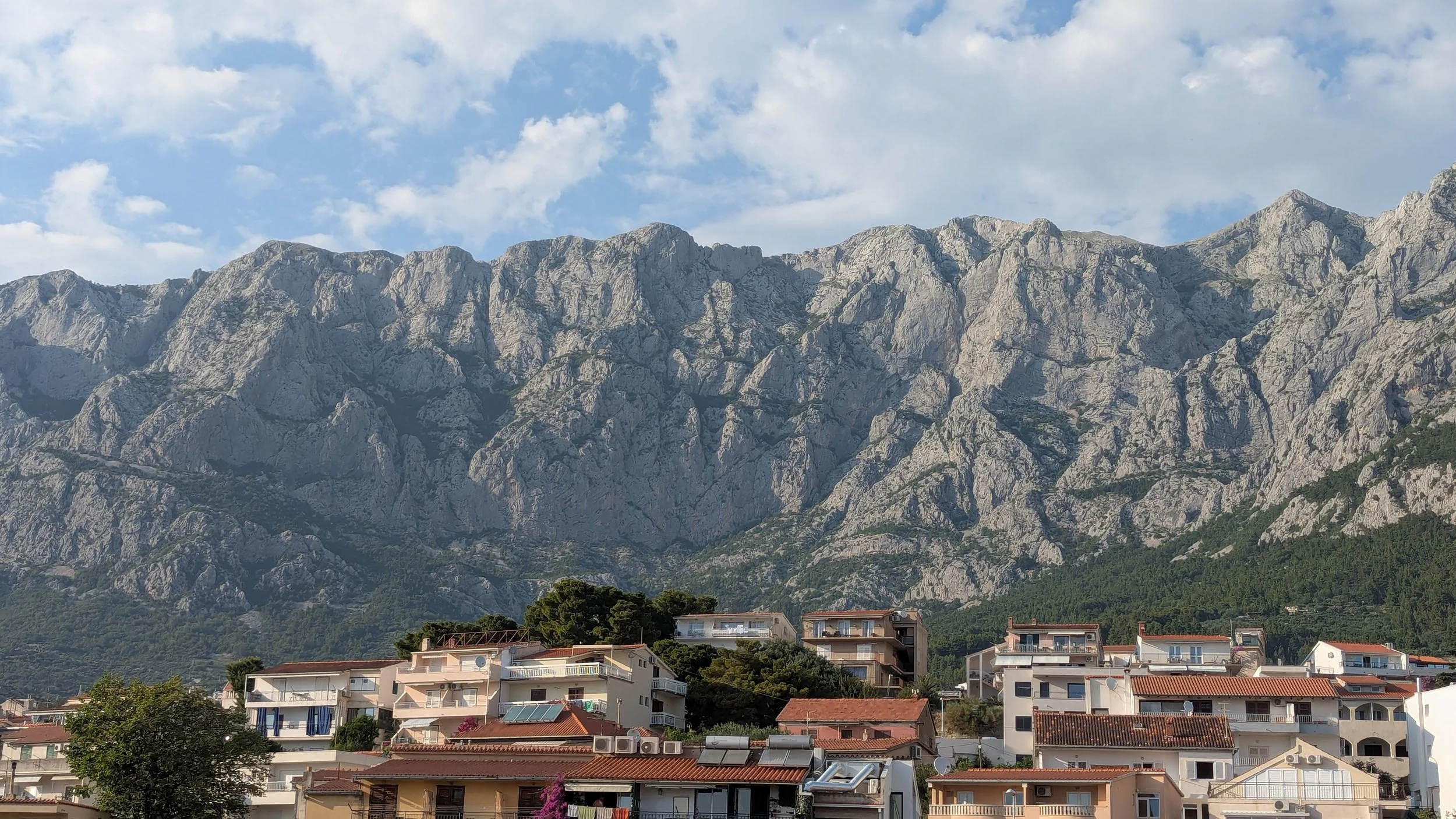
Today I visited the Inside Aardman: Wallace & Gromit and Friends exhibition at the Young V&A Museum at Bethnal Green. The exhibition which celebrates 50 years of Aardman Animations, provides visitors with a unique, behind the scenes view of the art of stop-motion animation. It also explores how Aardman’s iconic characters and worlds are designed, crafted and brought to life. From the initial concept artwork to the final visual effects, this event demonstrates the methods and techniques employed by Aardman. The exhibition features early scripts, sketch artists initial concept art, models, sets and numerous famous puppets. Furthermore this event is firmly pitched at children and families, with a wealth of interactive activities demonstrating the various techniques on display. The curators of the exhibition have also made it clear that they wish to encourage future generation to consider a career in the creative arts.
The Imperial War Museum serves as a national museum for Britain. Its main location is in London, complemented by five additional branches across England. Established in 1917 as the Imperial War Museum, its original purpose was to document the civil and military efforts and sacrifices made by the United Kingdom and its Empire during the First World War. Over time, the museum’s scope has broadened to encompass all conflicts involving British or Commonwealth forces since 1914. As of 2012, the museum’s mission is to provide and encourage the study and understanding of the history of modern warfare as well as the “wartime experience”. The IWM as it is now known has its headquarters and primary site is located at Southwark in Central London. The museum is funded by government grants, charitable donations and revenue generated through commercial activity such as retailing, licensing and publishing. General admission is free to IWM London.
Castle Farm is a family business located near the village of Shoreham in West Kent. The Alexander Family have been farming in the Darenth Valley since 1892 when James Alexander transported 17 milking cows from Ayrshire in Scotland and took up residence in this south-eastern part of England. Castle Farm is a busy, working farm comprising of 1,100 acres. It produces such crops as wheat, barley, rapeseed, hops, apples, pumpkins and lavender. It is also home to a grass-fed herd of beef cattle. However, in recent years it has become well know internationally for its lavender crop. Castle Farm began its lavender enterprise in 1998, producing the essential oils associated with the flower. It is now the largest lavender farm in the UK, growing over 110 acres of the flower. Furthermore, it has become quite a tourist attraction with the farm staff running tours during Summer and the height of lavender season.
Riverhill Himalayan Gardens are set in the grounds of Riverhill House, a Grade II listed Queen Anne manor house located on the southern edge of Sevenoaks in Kent, England. Riverhill is well known for its stunning and historic gardens as well as its sweeping vistas over the Weald of Kent. The estate has been the residence of the Rogers family since 1840 who currently operate the gardens as a tourist attraction, along with the house and associated facilities as a wedding venue. Visitors can enjoy a walled garden, rose walk and maze as well as other attractions. There is also an excellent trail around the grounds culminating in a view from the top of the hill over the estate. Riverhill Himalayan Gardens, as a supporter of the Surrey Sculpture Society, regularly showcases a selection of sculptures and art pieces throughout its grounds. All are available for purchase if you have deep pockets.
The Hunterian Museum is a museum of anatomical specimens in London, located in the prestigious building of the Royal College of Surgeons of England. The museum is made up primarily of a collection from the 18th century Scottish surgeon John Hunter. Over the years it has since been subsequently supplemented by Odontological material curated by A. E. W. Miles and various natural history exhibits from Richard Owen. In May 2023, the Hunterian Museum reopened following a five-year redevelopment of the Royal College of Surgeons of England’s headquarters at Lincoln’s Inn Fields. The £4.6 million museum project features the exhibition of more than 2,000 anatomical specimens from Hunter’s original collection. In addition to these there are instruments, equipment, models, paintings, and archival materials that document the evolution of surgery from ancient eras to contemporary robot-assisted procedures. The Museum boasts the largest public display of human anatomy in England.
The Crystal Palace Dinosaurs are a collection of sculptures depicting dinosaurs and other extinct species located in Crystal Palace Park, in the London borough of Bromley. These sculptures were originally commissioned in 1852 for display at the Crystal Palace following its relocation from the Great Exhibition held in Hyde Park. They were revealed to the public in 1854 and are the first speculative dinosaur sculptures ever created. Although the models are now considered inaccurate by contemporary standards, they were designed and crafted by Benjamin Waterhouse Hawkins under the scientific guidance of Sir Richard Owen, reflecting the prevailing scientific understanding of the time. The sculptures were designated as Grade II listed buildings in 1973 and underwent extensive restoration in 2002. In 2007 they were elevated to Grade I listed status. As of spring 2026 the dinosaurs are again being renovated as part of a £5 million regeneration of the park.
The benefits of international travel are numerous. These include stress relief, mental health benefits and a chance to escape the drudgery of work. Then there are the cultural aspects that you can immerse yourself in. Going abroad also allows you to learn new language skills as you awkwardly ask for directions. International travel is a chance to make lasting memories and it often gives the traveller a greater appreciation of their own home. At the very least the beer is always better abroad and that is the very definition of “broadening your horizons”. Yet despite all these positive points, there is one unavoidable hassle when comes with travelling abroad. The fact that the country or countries that you’re visiting will invariably use a different electrical plug and socket standard. In an age where a lot of the stuff you bring along with you on holiday needs charging, this can be a very stressful problem to solve.
I thoroughly enjoyed our holiday in Croatia last year and it did much to restore my confidence in travelling. Previously my views on visiting other countries had been greatly influenced by the films Raid on Entebbe and Midnight Express. As January was such a bleak month here in the UK, Mrs P and I decided we couldn’t wait until summer for another holiday and so decided to book something for the end of March. So we visited our local Travel Agents and decided upon a river cruise. We’ve been interested in these since we saw a travel show with Susan Calman. River cruises are a horse of a different colour, compared to sea cruises. They’re a great way to visit cities of note, often bringing you right into the heart of them. River cruise ships are a lot smaller with less passengers than ocean faring vessels. They also attract quite different travellers. Let it suffice to say that a sea cruise doesn’t offer the cultural experience that I am looking for.
There are approximately 4000 parks and green spaces in Greater London. Bexley Borough alone has over 100. Public parks and green spaces are vital to modern cities, providing essential health, environmental and social benefits. They boost physical and mental wellbeing by reducing stress and providing a place for exercise. Furthermore they enhance urban sustainability, mitigate heat, and provide a sustainable environment for a wildlife. Parks are often a venue for social activities and events and as such are an important part of the local community. Going to the park has always been a part of my life. I live next to Old Farm Park in Sidcup and have made use of this recreational space throughout my life. I used visit with my parents in the seventies, when I was a child. Thirty years later my son, father in-law and I would fly kites there. Now I take my grandchildren to Old Farm Park as it now has a playground.
There is no shortage of interesting and good quality museums in London. In many respects tourists and visitors are spoilt for choice. More often than not, it is the most well known institutions such as the British Museum or Victoria and Albert Museum that gain the most attention. However, there are many hidden gems to discover if you take the time to look further. A prime example being The British Optical Association Museum which I had the pleasure of visiting today. The museum’s function is to promote the optometry profession and raise public awareness of its past and ongoing role within society. The museum has a well conserved collection of exhibits and provides a venue for presentations, learning and research services. There is also an excellent tour hosted by museum curator Neil Handley (PhD, AMA, FRSA) in which he gives a concise, interesting and at times a witty overview of the history of optometry in the UK and its current role.
The artillery battery at Capel-le-Ferne was built between 1941 and 1942, following the fall of France, on the orders of Winston Churchill. Located between Dover and Folkestone, the battery consisted of three 8-inch high-performance guns, provided by the Royal Navy. The battery was intended to provide anti-shipping defence in the English Channel. The site was manned by men of the 520 Coast Regiment Royal Artillery. Over the course of World War II, the battery expanded in size, eventually encompassing multiple Nissen huts, several roads and 19 military buildings. Anti aircraft defence was provided by two 40mm Bofors guns. Over the course of the war, the Capel Battery engaged enemy shipping on four separate occasions and also took part in fifteen practice shoots. In 1944, due to the decreased threat, the battery was placed in “care and maintenance”. The guns were removed in 1952 and the building demolished in the early 1980s
There are an estimated 2,500 museums in the UK. This number has grown significantly over time, more than tripling between 1960 and 2017. While it is laudable that so many of these institutions exist, they do not all receive equal interest or publicity. Some museums dominate in their respective fields and drown out others that have a similar theme. With this in mind, I was unaware of the Kent Battle of Britain Museum until a friend recently brought it to my attention. After yesterday’s visit my initial thoughts are what a treasure trove it is. According to the museum’s website it is the world’s largest Battle of Britain collection of memorabilia. This includes planes, uniforms, weapons and related artefacts from over 700 crashed aircraft. Furthermore, the museum tells the story of this battle without bias, choosing to highlight both the historical and the human aspects of the conflict. It is often very poignant.
Stonehenge is so much more than just a neolithic, historical structure of note. It is of great spiritual importance to many, representing ceremonial practices and ancient worship. It is also seen as a conduit to a wider connection to the cosmos. It is after all a celestial calendar, according to one of the theories regarding its purpose. It also has a strong significance in pop culture. Hence, due to its history, symbolism, religious connotations and overall sense of mystery it is a UNESCO World Heritage Site and a globally recognised symbol of ancient Britain. As such, it has always been somewhere that I have wished to visit. Today, as we were relatively nearby in Ringwood and the weather was pleasant, Mrs P and I decided to go to Salisbury and see this iconic structure for ourselves.
I enjoy visiting the coast. I always have. I find the sight and sounds of the sea very calming and thought provoking. There is something about seeing the ocean stretch out to the horizon and its implied enormity, that gives you a sense of perspective. The UK is a seafaring nation and therefore it is an integral part of our history and national identity. Hence a strong nautical theme and a sense of its importance has bled through into our popular culture. It is therefore quite common for people to have a positive attitude towards the sea and its associated leisure activities. I like to visit the coast at various times of the year and walk along the beach, just listening to the waves, lost in my own thoughts. This is not a hard thing to do in the UK, as no one lives further than 70 miles (113 kilometers) from the coast.
Knole is a country house in England and a former archbishop’s palace that is currently owned by the National Trust. It is located within Knole Park, a 1,000-acre (400-hectare) estate that lies to the south-east of Sevenoaks in west Kent. The existing structure of the house dates back to the mid-15th century, although there were significant expansions in the 16th and particularly in the early 17th centuries. Its Grade I listing signifies its combination of late-medieval to Stuart architectural styles. This is especially evident in its central façade and state rooms. In 2019, a comprehensive conservation initiative titled “Inspired by Knole” was completed to restore and enhance the buildings’ structures. This was beneficial to the preservation of its significant collections. The adjacent deer park has also endured since 1600.
Mrs P and I travelled to Croatia on Friday 13th June for our summer holiday. We spent one week in Makarska, which is located on the Dalmatian coast. My last international holiday was to Malta in 2004. Since then we have done a lot of travelling in the UK and Mrs P has vacationed abroad with other family members. However, she stated last September that she wanted to go “somewhere warm” for our next holiday. So this trip was booked and has been “something to look forward to”, or a source of stress slowly inching closer, depending upon your perspective. In many respects this holiday has been a big deal for me. I don’t enjoy travelling at all with all its accompanying logistical, bureaucratic and “people” issues. However, I have no problem with being elsewhere. I eagerly await teleportation technology to become commonplace. Once I arrived at our hotel, I quickly switched to holiday mode and I am happy to confirm that I thoroughly enjoyed myself.
Emmetts Garden is an Edwardian estate situated on Ide Hill, close to Sevenoaks in Kent, UK. After a long and interesting history it is currently under the stewardship of the National Trust. Originally open farmland, the existing house was constructed in1860. The term “emmett” is a local dialect for ant, referencing the large anthills that populated the area until the 1950s. In 1890, the estate was acquired by Frederic Lubbock, a banker with a keen interest in horticulture. His elder brother, John Lubbock, 1st Baron Avebury, was a renowned authority on ants, which may have influenced Frederic's decision to purchase the estate. Today Emmetts Garden is open to the public and features several “hortus conclusus” (walled gardens) and a hillside trail that is famous for its Bluebells in the spring.
Damerham is a quaint rural village and civil parish located in the New Forest district of Hampshire, England. It is close to the market town of Fordingbridge. Damerham is distinguished by significant Neolithic and Bronze Age burial mounds. Historically, it was home to an Anglo-Saxon religious community and was referenced in the will of Alfred the Great, as it was at that time part of the royal estate. At the time of the Domesday Book in 1086, Damerham was recognized as a prominent settlement under the ownership of Glastonbury Abbey. It was mainly farms and agrarian small holdings. Today, the village still features a riverside mill and the church of Saint George date’s back to the Norman period. There is a church hall that hosts numerous local, seasonal events.
Bodiam Castle is a 14th-century moated castle located near Robertsbridge in East Sussex, England. It was built in 1385 by Sir Edward Dalyngrigge, a former knight of King Edward III. The castle’s primary purpose was to defend the local area against possible French invasion during the Hundred Years' War. Bodiam Castle has a quadrangular design and does not have a keep. All the various chambers and rooms were built adjacent to the outer defensive walls. The four corners and main entrance have towers, all of which feature crenellations. A substantial moat surrounds the castle, which served as a home for the Dalyngrigge family, as well as a seat of power to the manor of Bodiam. The castle remained within the Dalyngrigge family until the line became extinct. It remained a place of strategic importance during the War of the Roses and the English Civil War. It is currently owned and maintained by The National Trust.
Today I went on an impromptu visit to Brompton Cemetery in West London. Established in 1837, the West of London and Westminster Cemetery (as it was originally known) is a private cemetery initially created as a business venture to capitalise upon the shortage of cemeteries within London. It also sought to cater to the prevailing culture of opulent Victorian funeral rites. However, after proving non profitable, the cemetery was bought by the UK government. It was subsequently incorporated into Crown Property and managed by The Royal Parks. It is one of Britain’s oldest and most distinguished garden cemeteries. There are currently 35,000 monuments, ranging from simple headstones to impressive mausolea. It is home to more than 205,000 resting places. The cemetery is also a haven for flora and fauna, providing a substantial semi rural environment amid urban central London.
Christmas Tree Farm is a petting zoo, outside the village of Downe in the county of Kent. Despite its rural setting, it is actually only 15 miles from London, making it an ideal visit, as part of a day. The farm is home to a wide selection of domestic farm animals (and a few more exotic ones), all of which can be fed, stroked and lavished with attention by visitors. During the winter months, Christmas Tree Farm hosts Santa’s Grotto and as the name suggests is the place to find the perfect Christmas tree for your home. Entry prices are very reasonable, costing £6 per adult and £4 for children aged between 2 and 16 years old. Buckets of animal feed of varying size are also available for a small fee. There is a leisurely trail around the farm where the various animals are housed in pens and out buildings. There is also a Tea Garden where refreshments are available.
In 1939 legislation was passed in the UK so that all employees had one week’s annual paid holiday per year. By the 1950s this had become two weeks and by the 1980s most people had at least 4 weeks of annual holiday. On top of this paid leave allocation, the UK currently has 8 bank holidays which provides further time off for employees. This culture of increasing amounts of annual leave also broadly coincided with air travel becoming more accessible. The first UK passenger jet service began in 1952. However, its cost excluded most people. However, as larger airliners with increased range became available, cheaper foreign holidays became more and more economically viable. European holidays became a reality in the 1960s and 1970s. By the 1980s long-distance holidays to other continents became ubiquitous and the package holiday became king. It is also worth noting that the Channel Tunnel opened in 1994, making car travel from Britain to Europe easier and more popular.
Today I had the pleasure of visiting the Whitstable Museum (or to give its full name Whitstable Community Museum and Gallery). This is a fine example of a local heritage centre that curates and displays artefacts and records that reflect the history and culture of the surrounding area. The museum located in Whitstable, Kent, is home to one of the world's oldest steam engines, as well as historical diving equipment that was developed locally. The history of the local oyster trade which has been an integral part of the community for centuries is also a key feature. Established in 1985, the museum was reopened in 2015 following a major refurbishment. There is also an art gallery featuring the paintings by local artists and artworks on loan from an international network of galleries.
Eltham Palace, located in South East London, was the childhood home of King Henry VIII in 1499. It was later used as a royal nursery for the infant Princess Elizabeth, born on 7th September 1533. It sports sumptuous grounds and ornamental gardens and was famous for its game hunting during the Tudor and Elizabethan periods. In the 1930s’ the property was owned by the Courtauld family, who built a sumptuous Art Deco style mansion and redeveloped the grounds. Today the entire property is owned and managed by English Heritage who have extensively restored much of the estate. It is therefore very fitting that this illustrious venue annually plays host to the Legendary Medieval Joust, during the summer months. Two days of historical pageantry, re-enactments and events for the entire family to enjoy. I last attended in 2015, so it was a welcome pleasure to return again yesterday.
Morph’s Epic Art Adventure in London is a step-free art trail and tourist attraction featuring the iconic animated character Morph. It is hosted by charitable organisation Whizz-Kidz, global event producers Wild in Art and Aardman. The trail features 56 super-sized sculptures of the much-loved children’s TV character, which are set among various iconic London landmarks including St Pauls, Tate Modern, Tower of London, Shakespeare’s Globe and Borough Market. It is a free public art trail and tourist attraction, designed by a variety of artists to excite and inspire people of all ages, whilst increasing public awareness about the need for young wheelchair users to be mobile, enabled and included in society. Morph’s Epic Art Adventure in London runs from June 19th until August 20th 2023.
Regardless of whether you deem the IFS Cloud Cable Car a white elephant, a political folly or just a mistake in terms of tourism, it cannot be denied that the view it provides over South East London is impressive. At a height of 90 metres (300 feet), on a bright and sunny day you can see from City Airport to Canary Wharf. Located at Greenwich Peninsula, the IFS Cloud Cable Car (as it is now called) opened in June 2012. It was initially promoted as a viable form of public transport across the Thames, linking North Greenwich and Royal Victoria stations. In October 2012, nearly 100,000 journeys were made. However, after the London Olympics, passenger rates fell and since then IFS Cloud Cable Car has become more of a tourist attraction, rather than an integral means of commuting.
To my surprise I found myself out and about today undertaking another day trip. This time we headed back to the sea and visited Whitstable, a town on the north coast of Kent adjoining the Greater Thames Estuary. It’s 5 miles (8 kilometres) north of Canterbury and 2 miles (3 kilometres) west of Herne Bay. The town was originally recorded in the Domesday Book of 1086, under the name Witenestaple, meaning "the meeting place of the white post", a reference to a local landmark. By the late middle ages Whitstable had become a centre of Thames Estuary fishing, specifically for oysters. Today, the main activities at the harbour are fishing and processing, cargo handling and boat maintenance. The town has shingle/sandy beaches adjacent to the harbour, where swimming and water sports are popular. Whitstable Castle is situated on the border of Whitstable and off the coast is Kentish Flats offshore wind farm, consisting of 30 wind turbines.
Royal Tunbridge Wells is a town in the county of Kent, 30 miles (50 kilometres) southeast of central London. It is situated on the border with East Sussex on the northern edge of the High Weald. The local sandstone geology is synonymous with a rugged landscape due to erosion and weathering. The town itself was a spa during the Restoration and became a very fashionable resort in the middle of the 18th century. Socialites such as Beau Nash helped make the resort popular when the Pantiles and its chalybeate spring, began attracting visitors who came to “take the waters”. Despite the decline in spa towns after sea bathing grew in popularity, Royal Tunbridge Wells has remained a tourist resort. Today, much of the area's income is generated by tourism. The town has an equitable temperate maritime climate.
With January already behind us, Mrs P and I decided it was high time we took our first day trip of 2022. So yesterday I spent some time looking online at details of various National Trust sites within an hour or so drive from our home. I also looked at similar places of historical note that are run by other bodies. Sadly, many are either partially or totally closed for the present. It would appear that from January to March many of these sorts of tourist attractions spend time repairing, refurbishing and preparing for forthcoming events. Grounds also have to be maintained. Hence, we were somewhat lacking in choice for suitable destinations. However, as the weather forecast was mild, today we opted to visit the village of Chiddingstone so we could walk in the grounds of the local castle and along the various footpaths in the area.
For me, staying in a hotel is always an adventure, as it mainly happens when I’m taking a holiday or a short weekend break. I suspect that travelling habitually for business reasons probably puts a different complexion on the process. It may well dictate what sort of hotels you stay in. More than likely functionality, location and cost trump other more self indulgent factors such as aesthetic and ambience. Mercifully, travel has never been a major part of my working life and so hotels are still a source of excitement as they’re associated with fine meals, interesting scenery and good company. However, such hotels tend to come at a price as they’re catering more for tourism rather than business travel and therefore stays are not a regular occurrence. However, I had the pleasure of a short visit this weekend.
Emmetts Garden
Emmetts Garden is an Edwardian estate situated on Ide Hill, close to Sevenoaks in Kent, UK. After a long and interesting history it is currently under the stewardship of the National Trust. Originally open farmland, the existing house was constructed in1860. The term “emmett” is a local dialect for ant, referencing the large anthills that populated the area until the 1950s. In 1890, the estate was acquired by Frederic Lubbock, a banker with a keen interest in horticulture. His elder brother, John Lubbock, 1st Baron Avebury, was a renowned authority on ants, which may have influenced Frederic's decision to purchase the estate. Today Emmetts Garden is open to the public and features several “hortus conclusus” (walled gardens) and a hillside trail that is famous for its Bluebells in the spring.
Emmetts Garden is an Edwardian estate situated on Ide Hill, close to Sevenoaks in Kent, UK. After a long and interesting history it is currently under the stewardship of the National Trust. Originally open farmland, the existing house was constructed in1860. The term “emmett” is a local dialect for ant, referencing the large anthills that populated the area until the 1950s. In 1890, the estate was acquired by Frederic Lubbock, a banker with a keen interest in horticulture. His elder brother, John Lubbock, 1st Baron Avebury, was a renowned authority on ants, which may have influenced Frederic's decision to purchase the estate. Today Emmetts Garden is open to the public and features several “hortus conclusus” (walled gardens) and a hillside trail that is famous for its Bluebells in the spring.
The gardens were first designed between 1893 and 1895, inspired by Lubbock's associate William Robinson. They are laid out in the fashionable Edwardian style popularized by Gertrude Jekyll. A shrub garden was added later, between 1900 and 1908. Following Lubbock's passing in 1927, the estate was taken over by American geologist Charles Watson Boise, who made several modifications to the house and gardens while preserving their original character. In 1964, Boise bequeathed Emmetts to the National Trust, which has since worked to uphold the botanical diversity cultivated by both men. Many of the mature trees and shrubs planted by Lubbock were lost in the Great Storm of 1987, but the storm also allowed more light into the gardens, prompting the National Trust to implement a thoughtful replanting initiative.
The grounds spans approximately six acres (around 2.5 hectares) and is situated on a prominent 600-foot (180 m) sandstone ridge, providing stunning views of the Weald and the North Downs. It primarily features an arboretum filled with trees and shrubs, including a remarkable 100-foot (30 m) Giant Sequoia (Sequoiadendron giganteum) that survived the storm. Additionally, there is a rose garden adjacent to the Victorian house but this is not accessible to the public. Overall, Emmetts Garden is an excellent site for a spring walk. Those visitors seeking a leisurely pace can stroll around the walled gardens and enjoy the wide variety of plants. Walkers who desire a more robust challenge can take the hillside trail and if done in April will be rewarded by the Bluebells in bloom and an excellent view over Toys Hill.
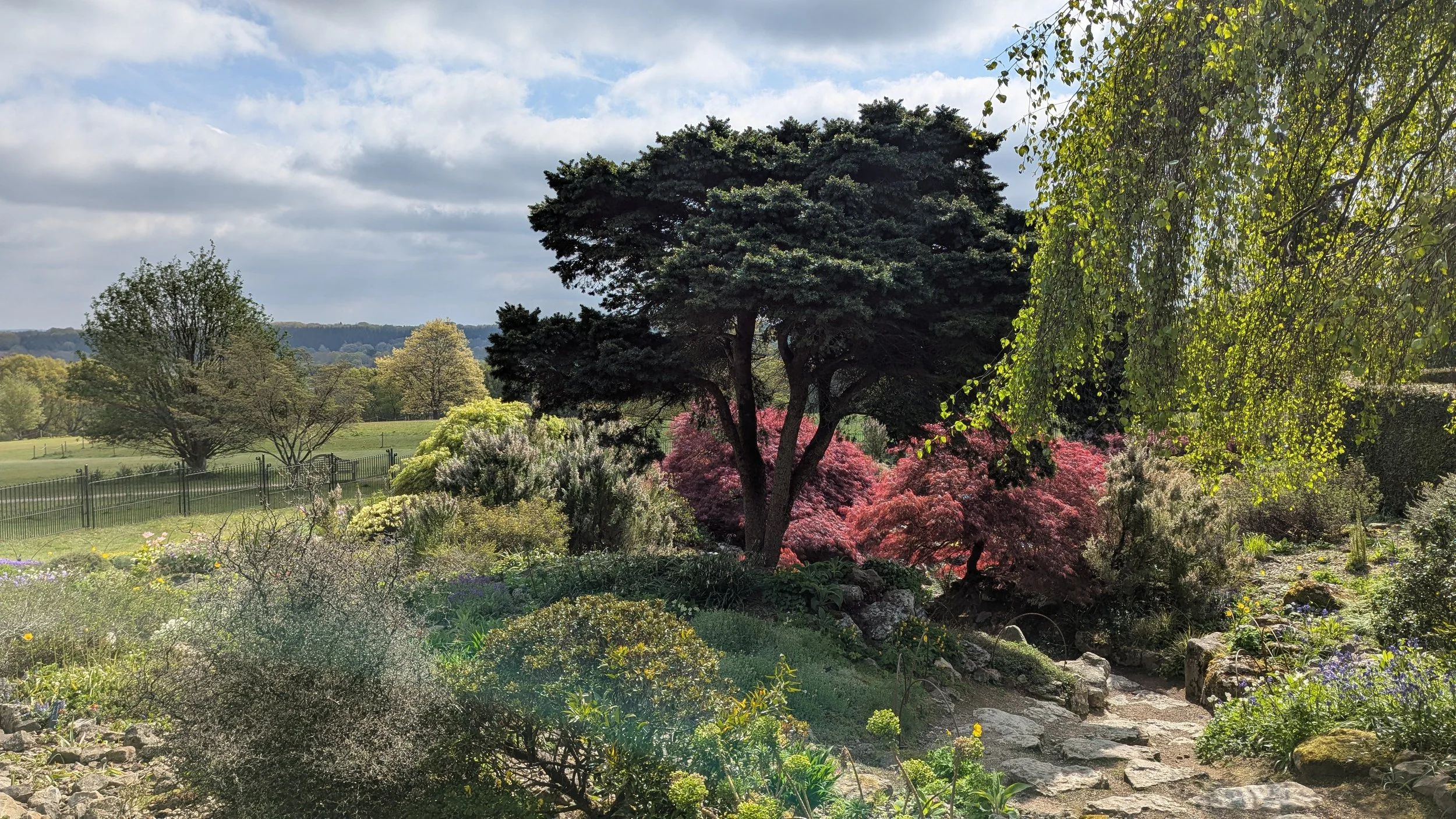

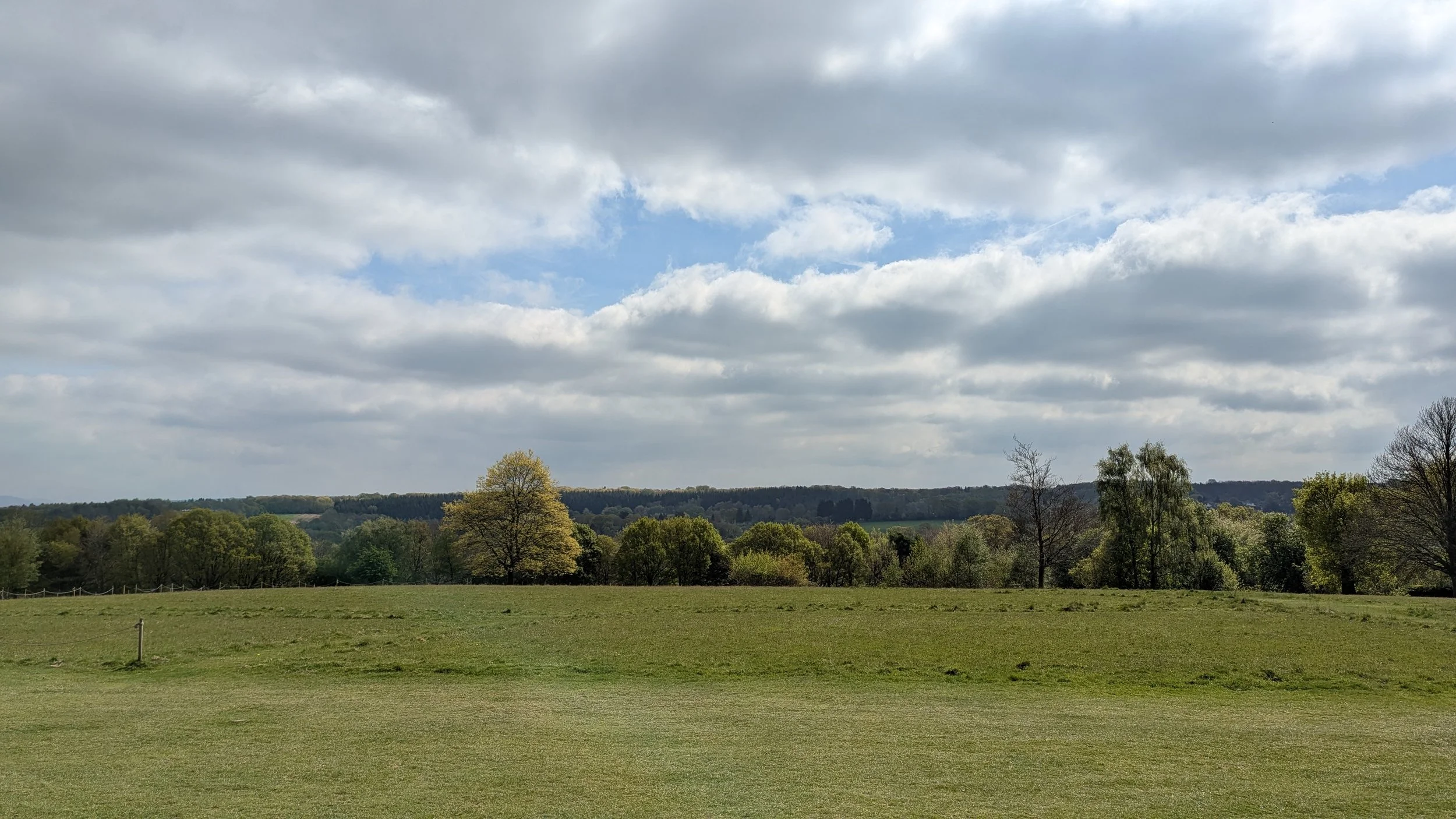
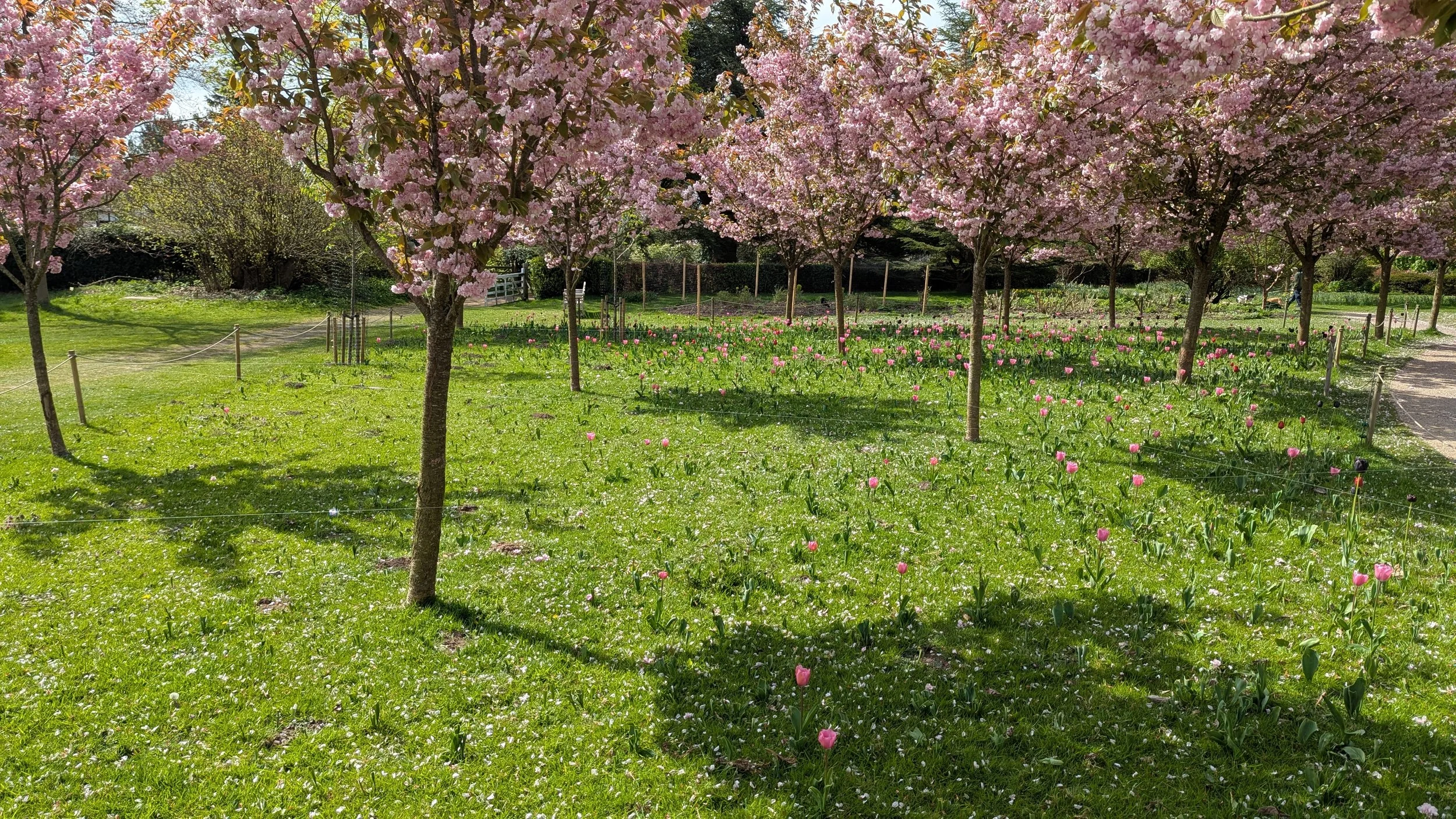
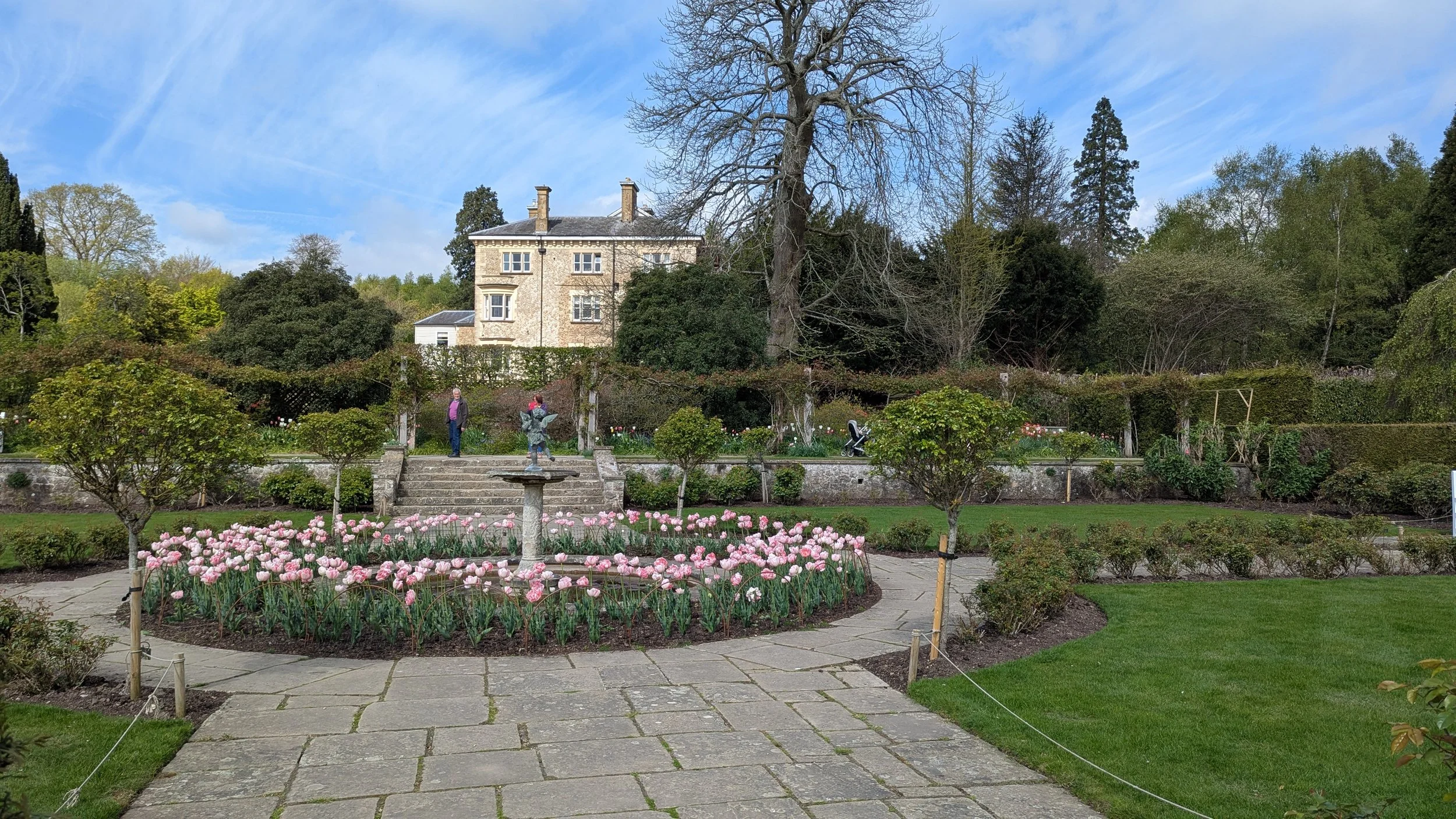
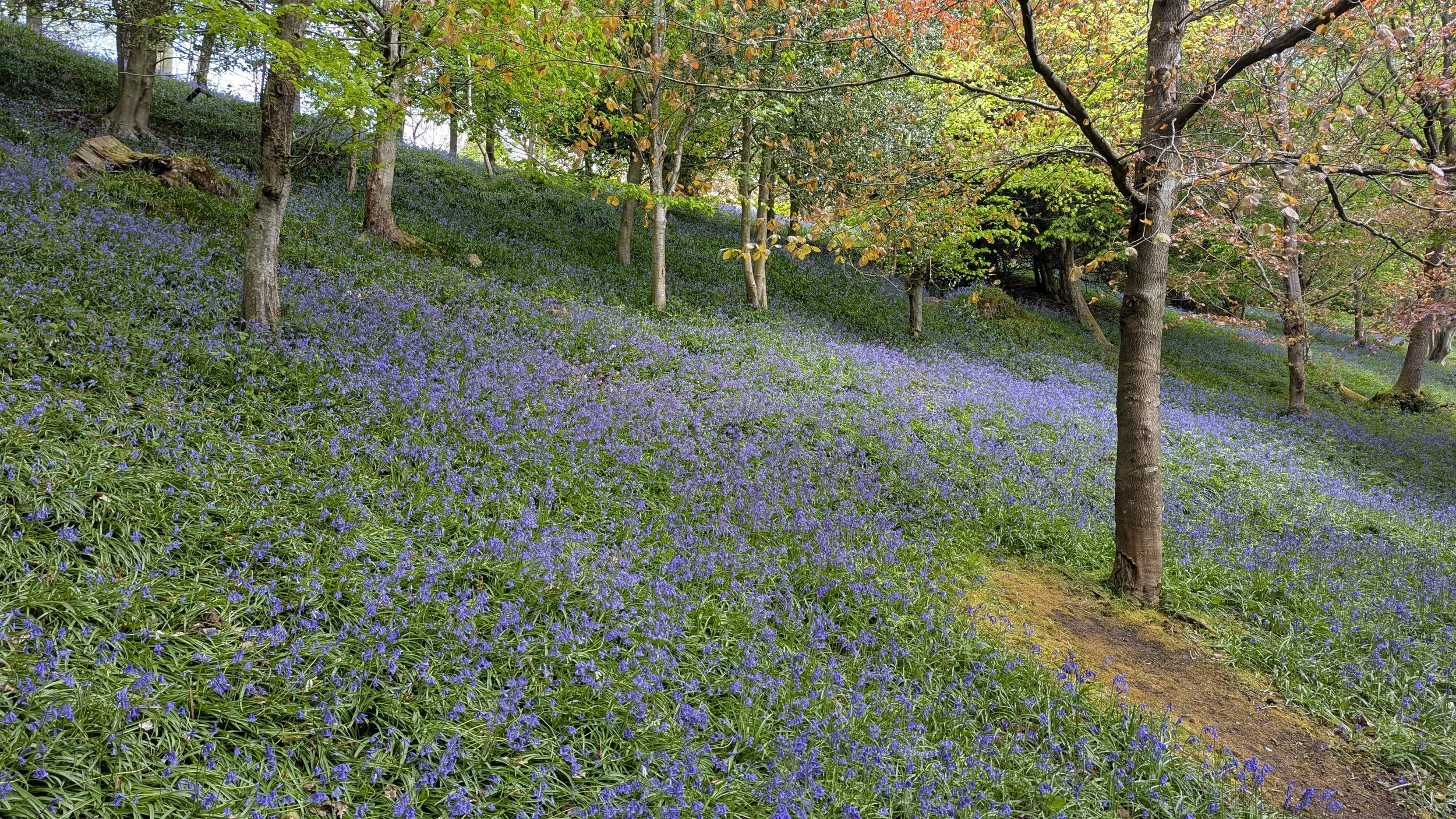
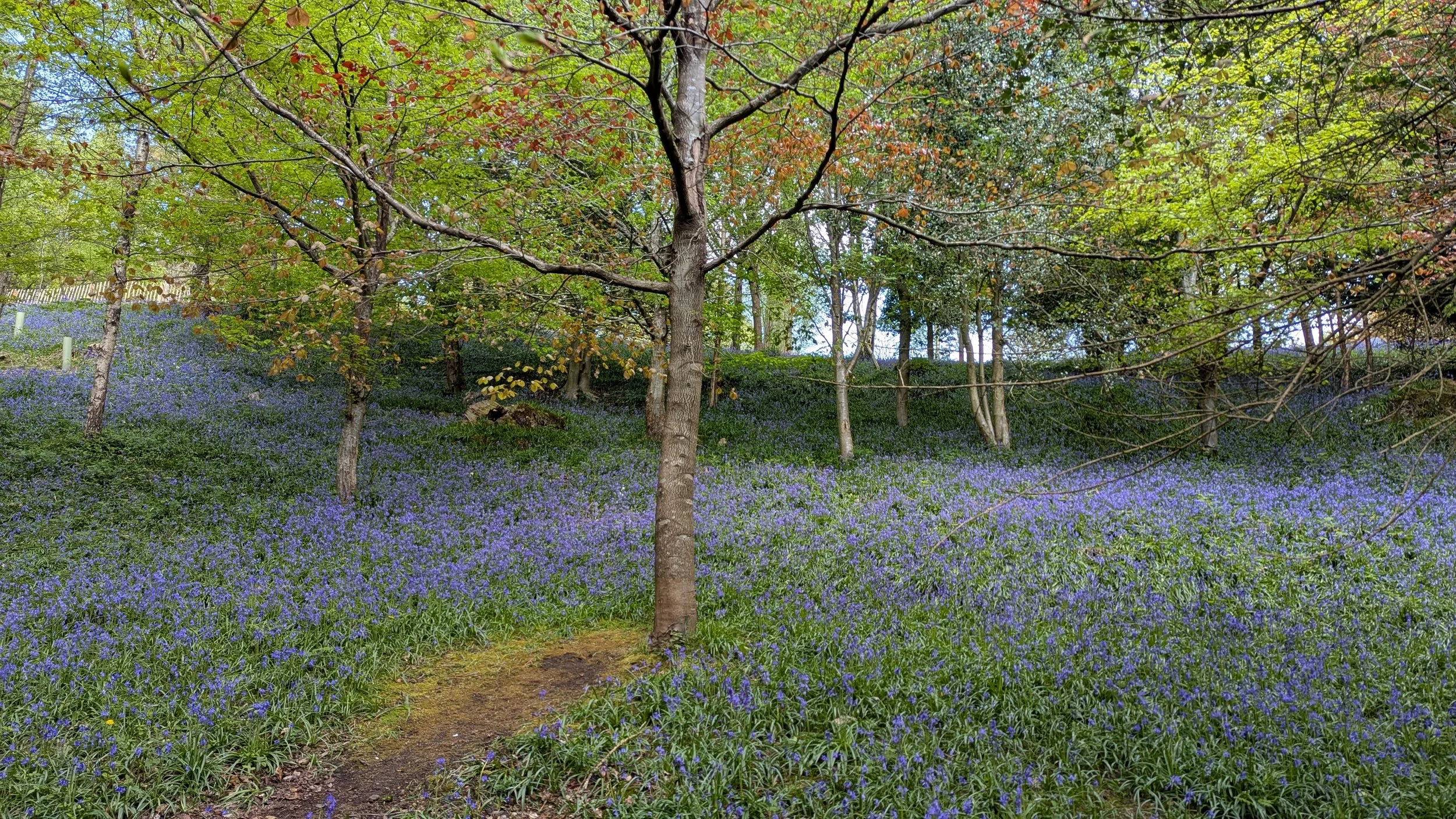
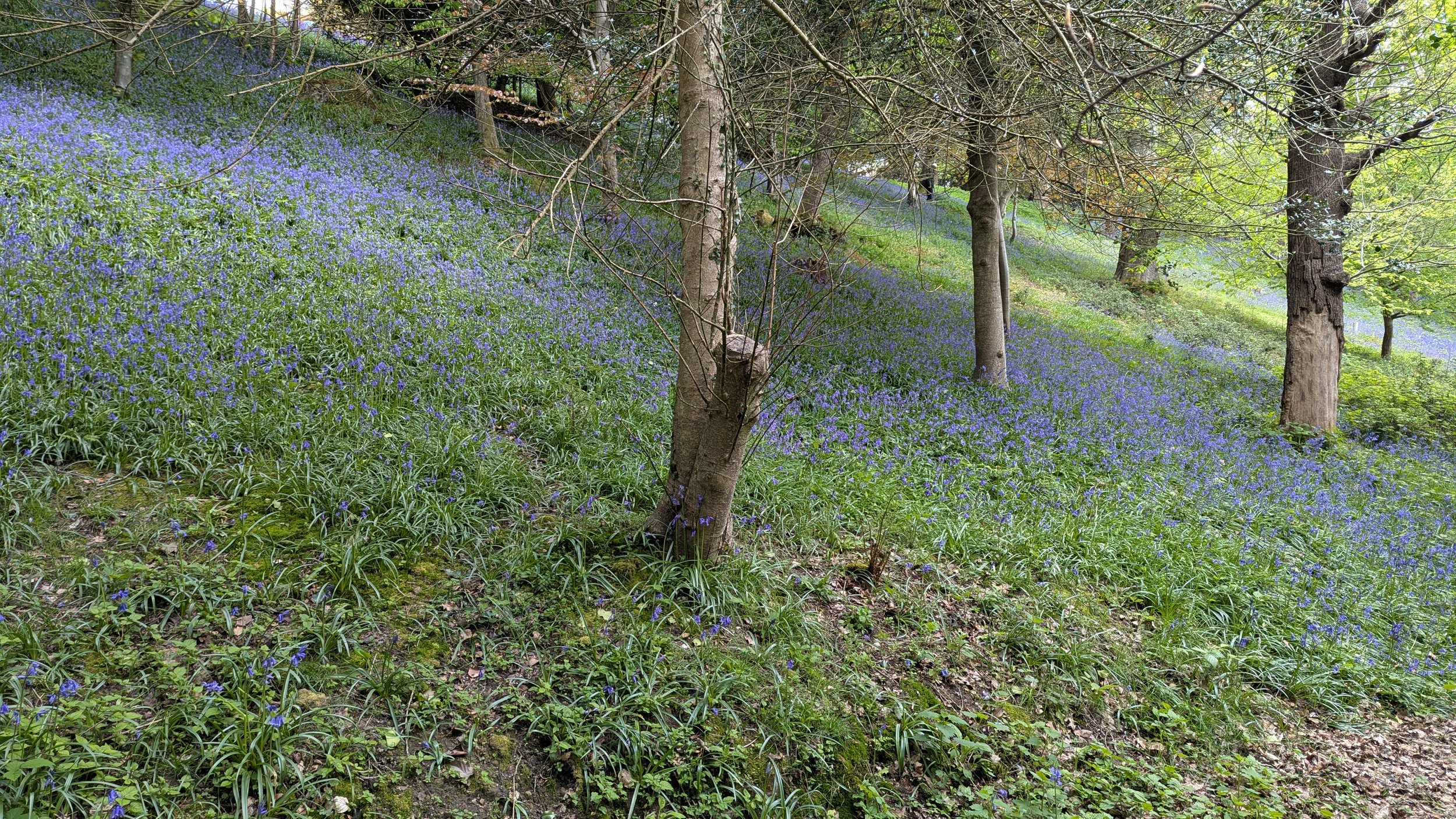
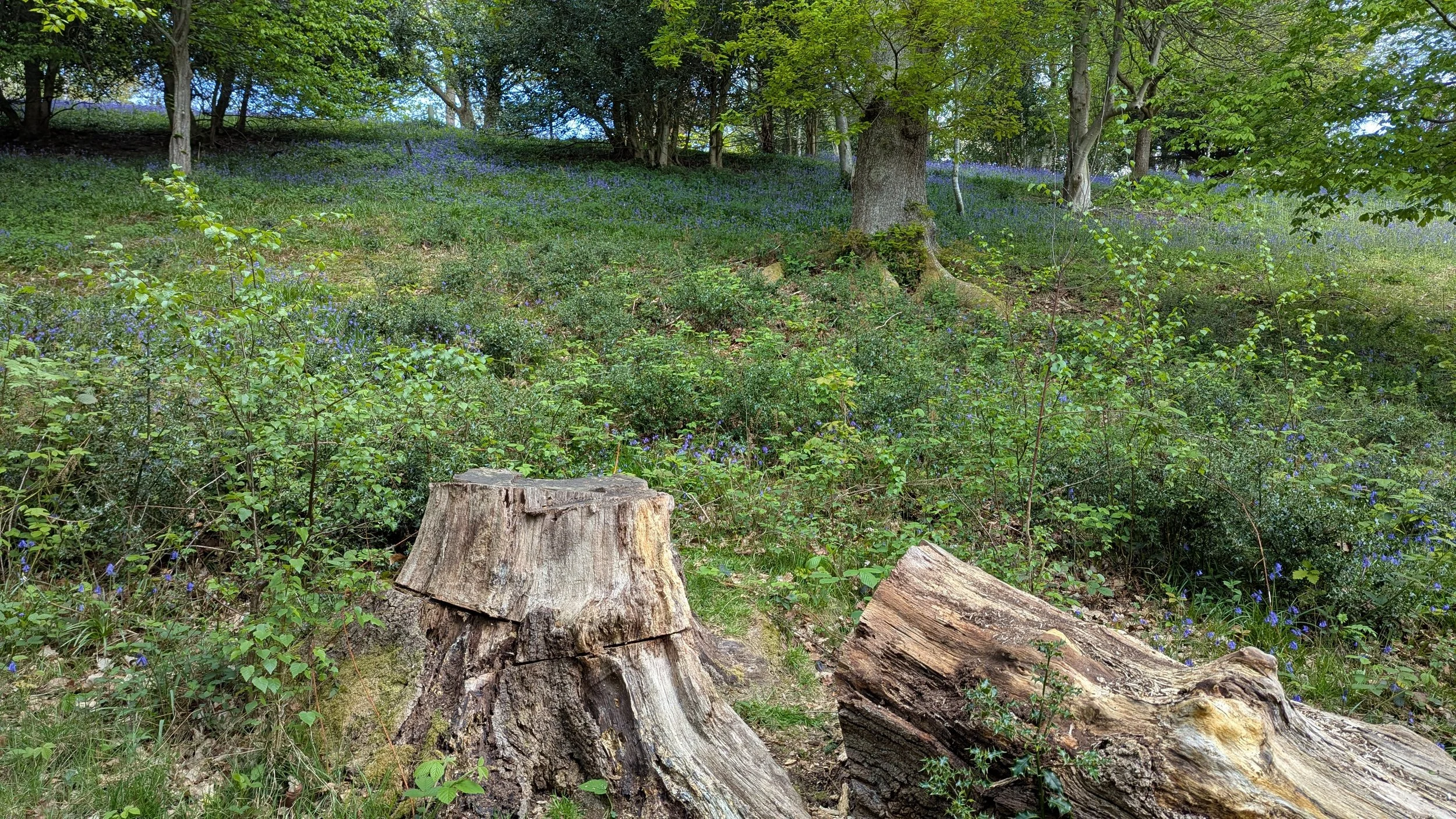

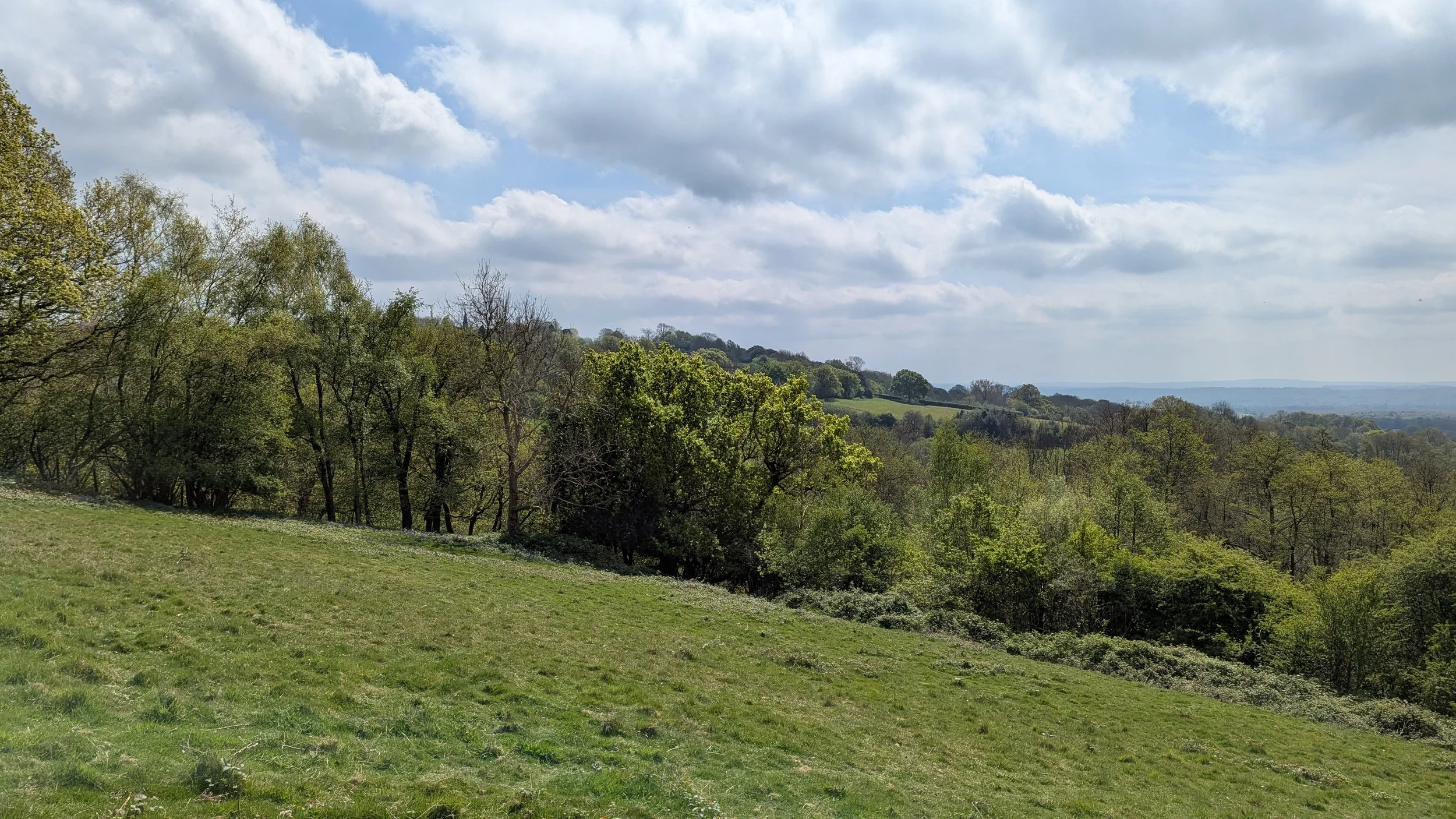
Today I visited the Inside Aardman: Wallace & Gromit and Friends exhibition at the Young V&A Museum at Bethnal Green. The exhibition which celebrates 50 years of Aardman Animations, provides visitors with a unique, behind the scenes view of the art of stop-motion animation. It also explores how Aardman’s iconic characters and worlds are designed, crafted and brought to life. From the initial concept artwork to the final visual effects, this event demonstrates the methods and techniques employed by Aardman. The exhibition features early scripts, sketch artists initial concept art, models, sets and numerous famous puppets. Furthermore this event is firmly pitched at children and families, with a wealth of interactive activities demonstrating the various techniques on display. The curators of the exhibition have also made it clear that they wish to encourage future generation to consider a career in the creative arts.
The Imperial War Museum serves as a national museum for Britain. Its main location is in London, complemented by five additional branches across England. Established in 1917 as the Imperial War Museum, its original purpose was to document the civil and military efforts and sacrifices made by the United Kingdom and its Empire during the First World War. Over time, the museum’s scope has broadened to encompass all conflicts involving British or Commonwealth forces since 1914. As of 2012, the museum’s mission is to provide and encourage the study and understanding of the history of modern warfare as well as the “wartime experience”. The IWM as it is now known has its headquarters and primary site is located at Southwark in Central London. The museum is funded by government grants, charitable donations and revenue generated through commercial activity such as retailing, licensing and publishing. General admission is free to IWM London.
Castle Farm is a family business located near the village of Shoreham in West Kent. The Alexander Family have been farming in the Darenth Valley since 1892 when James Alexander transported 17 milking cows from Ayrshire in Scotland and took up residence in this south-eastern part of England. Castle Farm is a busy, working farm comprising of 1,100 acres. It produces such crops as wheat, barley, rapeseed, hops, apples, pumpkins and lavender. It is also home to a grass-fed herd of beef cattle. However, in recent years it has become well know internationally for its lavender crop. Castle Farm began its lavender enterprise in 1998, producing the essential oils associated with the flower. It is now the largest lavender farm in the UK, growing over 110 acres of the flower. Furthermore, it has become quite a tourist attraction with the farm staff running tours during Summer and the height of lavender season.
Riverhill Himalayan Gardens are set in the grounds of Riverhill House, a Grade II listed Queen Anne manor house located on the southern edge of Sevenoaks in Kent, England. Riverhill is well known for its stunning and historic gardens as well as its sweeping vistas over the Weald of Kent. The estate has been the residence of the Rogers family since 1840 who currently operate the gardens as a tourist attraction, along with the house and associated facilities as a wedding venue. Visitors can enjoy a walled garden, rose walk and maze as well as other attractions. There is also an excellent trail around the grounds culminating in a view from the top of the hill over the estate. Riverhill Himalayan Gardens, as a supporter of the Surrey Sculpture Society, regularly showcases a selection of sculptures and art pieces throughout its grounds. All are available for purchase if you have deep pockets.
The Hunterian Museum is a museum of anatomical specimens in London, located in the prestigious building of the Royal College of Surgeons of England. The museum is made up primarily of a collection from the 18th century Scottish surgeon John Hunter. Over the years it has since been subsequently supplemented by Odontological material curated by A. E. W. Miles and various natural history exhibits from Richard Owen. In May 2023, the Hunterian Museum reopened following a five-year redevelopment of the Royal College of Surgeons of England’s headquarters at Lincoln’s Inn Fields. The £4.6 million museum project features the exhibition of more than 2,000 anatomical specimens from Hunter’s original collection. In addition to these there are instruments, equipment, models, paintings, and archival materials that document the evolution of surgery from ancient eras to contemporary robot-assisted procedures. The Museum boasts the largest public display of human anatomy in England.
The Crystal Palace Dinosaurs are a collection of sculptures depicting dinosaurs and other extinct species located in Crystal Palace Park, in the London borough of Bromley. These sculptures were originally commissioned in 1852 for display at the Crystal Palace following its relocation from the Great Exhibition held in Hyde Park. They were revealed to the public in 1854 and are the first speculative dinosaur sculptures ever created. Although the models are now considered inaccurate by contemporary standards, they were designed and crafted by Benjamin Waterhouse Hawkins under the scientific guidance of Sir Richard Owen, reflecting the prevailing scientific understanding of the time. The sculptures were designated as Grade II listed buildings in 1973 and underwent extensive restoration in 2002. In 2007 they were elevated to Grade I listed status. As of spring 2026 the dinosaurs are again being renovated as part of a £5 million regeneration of the park.
The benefits of international travel are numerous. These include stress relief, mental health benefits and a chance to escape the drudgery of work. Then there are the cultural aspects that you can immerse yourself in. Going abroad also allows you to learn new language skills as you awkwardly ask for directions. International travel is a chance to make lasting memories and it often gives the traveller a greater appreciation of their own home. At the very least the beer is always better abroad and that is the very definition of “broadening your horizons”. Yet despite all these positive points, there is one unavoidable hassle when comes with travelling abroad. The fact that the country or countries that you’re visiting will invariably use a different electrical plug and socket standard. In an age where a lot of the stuff you bring along with you on holiday needs charging, this can be a very stressful problem to solve.
I thoroughly enjoyed our holiday in Croatia last year and it did much to restore my confidence in travelling. Previously my views on visiting other countries had been greatly influenced by the films Raid on Entebbe and Midnight Express. As January was such a bleak month here in the UK, Mrs P and I decided we couldn’t wait until summer for another holiday and so decided to book something for the end of March. So we visited our local Travel Agents and decided upon a river cruise. We’ve been interested in these since we saw a travel show with Susan Calman. River cruises are a horse of a different colour, compared to sea cruises. They’re a great way to visit cities of note, often bringing you right into the heart of them. River cruise ships are a lot smaller with less passengers than ocean faring vessels. They also attract quite different travellers. Let it suffice to say that a sea cruise doesn’t offer the cultural experience that I am looking for.
There are approximately 4000 parks and green spaces in Greater London. Bexley Borough alone has over 100. Public parks and green spaces are vital to modern cities, providing essential health, environmental and social benefits. They boost physical and mental wellbeing by reducing stress and providing a place for exercise. Furthermore they enhance urban sustainability, mitigate heat, and provide a sustainable environment for a wildlife. Parks are often a venue for social activities and events and as such are an important part of the local community. Going to the park has always been a part of my life. I live next to Old Farm Park in Sidcup and have made use of this recreational space throughout my life. I used visit with my parents in the seventies, when I was a child. Thirty years later my son, father in-law and I would fly kites there. Now I take my grandchildren to Old Farm Park as it now has a playground.
There is no shortage of interesting and good quality museums in London. In many respects tourists and visitors are spoilt for choice. More often than not, it is the most well known institutions such as the British Museum or Victoria and Albert Museum that gain the most attention. However, there are many hidden gems to discover if you take the time to look further. A prime example being The British Optical Association Museum which I had the pleasure of visiting today. The museum’s function is to promote the optometry profession and raise public awareness of its past and ongoing role within society. The museum has a well conserved collection of exhibits and provides a venue for presentations, learning and research services. There is also an excellent tour hosted by museum curator Neil Handley (PhD, AMA, FRSA) in which he gives a concise, interesting and at times a witty overview of the history of optometry in the UK and its current role.
The artillery battery at Capel-le-Ferne was built between 1941 and 1942, following the fall of France, on the orders of Winston Churchill. Located between Dover and Folkestone, the battery consisted of three 8-inch high-performance guns, provided by the Royal Navy. The battery was intended to provide anti-shipping defence in the English Channel. The site was manned by men of the 520 Coast Regiment Royal Artillery. Over the course of World War II, the battery expanded in size, eventually encompassing multiple Nissen huts, several roads and 19 military buildings. Anti aircraft defence was provided by two 40mm Bofors guns. Over the course of the war, the Capel Battery engaged enemy shipping on four separate occasions and also took part in fifteen practice shoots. In 1944, due to the decreased threat, the battery was placed in “care and maintenance”. The guns were removed in 1952 and the building demolished in the early 1980s
There are an estimated 2,500 museums in the UK. This number has grown significantly over time, more than tripling between 1960 and 2017. While it is laudable that so many of these institutions exist, they do not all receive equal interest or publicity. Some museums dominate in their respective fields and drown out others that have a similar theme. With this in mind, I was unaware of the Kent Battle of Britain Museum until a friend recently brought it to my attention. After yesterday’s visit my initial thoughts are what a treasure trove it is. According to the museum’s website it is the world’s largest Battle of Britain collection of memorabilia. This includes planes, uniforms, weapons and related artefacts from over 700 crashed aircraft. Furthermore, the museum tells the story of this battle without bias, choosing to highlight both the historical and the human aspects of the conflict. It is often very poignant.
Stonehenge is so much more than just a neolithic, historical structure of note. It is of great spiritual importance to many, representing ceremonial practices and ancient worship. It is also seen as a conduit to a wider connection to the cosmos. It is after all a celestial calendar, according to one of the theories regarding its purpose. It also has a strong significance in pop culture. Hence, due to its history, symbolism, religious connotations and overall sense of mystery it is a UNESCO World Heritage Site and a globally recognised symbol of ancient Britain. As such, it has always been somewhere that I have wished to visit. Today, as we were relatively nearby in Ringwood and the weather was pleasant, Mrs P and I decided to go to Salisbury and see this iconic structure for ourselves.
I enjoy visiting the coast. I always have. I find the sight and sounds of the sea very calming and thought provoking. There is something about seeing the ocean stretch out to the horizon and its implied enormity, that gives you a sense of perspective. The UK is a seafaring nation and therefore it is an integral part of our history and national identity. Hence a strong nautical theme and a sense of its importance has bled through into our popular culture. It is therefore quite common for people to have a positive attitude towards the sea and its associated leisure activities. I like to visit the coast at various times of the year and walk along the beach, just listening to the waves, lost in my own thoughts. This is not a hard thing to do in the UK, as no one lives further than 70 miles (113 kilometers) from the coast.
Knole is a country house in England and a former archbishop’s palace that is currently owned by the National Trust. It is located within Knole Park, a 1,000-acre (400-hectare) estate that lies to the south-east of Sevenoaks in west Kent. The existing structure of the house dates back to the mid-15th century, although there were significant expansions in the 16th and particularly in the early 17th centuries. Its Grade I listing signifies its combination of late-medieval to Stuart architectural styles. This is especially evident in its central façade and state rooms. In 2019, a comprehensive conservation initiative titled “Inspired by Knole” was completed to restore and enhance the buildings’ structures. This was beneficial to the preservation of its significant collections. The adjacent deer park has also endured since 1600.
Mrs P and I travelled to Croatia on Friday 13th June for our summer holiday. We spent one week in Makarska, which is located on the Dalmatian coast. My last international holiday was to Malta in 2004. Since then we have done a lot of travelling in the UK and Mrs P has vacationed abroad with other family members. However, she stated last September that she wanted to go “somewhere warm” for our next holiday. So this trip was booked and has been “something to look forward to”, or a source of stress slowly inching closer, depending upon your perspective. In many respects this holiday has been a big deal for me. I don’t enjoy travelling at all with all its accompanying logistical, bureaucratic and “people” issues. However, I have no problem with being elsewhere. I eagerly await teleportation technology to become commonplace. Once I arrived at our hotel, I quickly switched to holiday mode and I am happy to confirm that I thoroughly enjoyed myself.
Emmetts Garden is an Edwardian estate situated on Ide Hill, close to Sevenoaks in Kent, UK. After a long and interesting history it is currently under the stewardship of the National Trust. Originally open farmland, the existing house was constructed in1860. The term “emmett” is a local dialect for ant, referencing the large anthills that populated the area until the 1950s. In 1890, the estate was acquired by Frederic Lubbock, a banker with a keen interest in horticulture. His elder brother, John Lubbock, 1st Baron Avebury, was a renowned authority on ants, which may have influenced Frederic's decision to purchase the estate. Today Emmetts Garden is open to the public and features several “hortus conclusus” (walled gardens) and a hillside trail that is famous for its Bluebells in the spring.
Damerham is a quaint rural village and civil parish located in the New Forest district of Hampshire, England. It is close to the market town of Fordingbridge. Damerham is distinguished by significant Neolithic and Bronze Age burial mounds. Historically, it was home to an Anglo-Saxon religious community and was referenced in the will of Alfred the Great, as it was at that time part of the royal estate. At the time of the Domesday Book in 1086, Damerham was recognized as a prominent settlement under the ownership of Glastonbury Abbey. It was mainly farms and agrarian small holdings. Today, the village still features a riverside mill and the church of Saint George date’s back to the Norman period. There is a church hall that hosts numerous local, seasonal events.
Bodiam Castle is a 14th-century moated castle located near Robertsbridge in East Sussex, England. It was built in 1385 by Sir Edward Dalyngrigge, a former knight of King Edward III. The castle’s primary purpose was to defend the local area against possible French invasion during the Hundred Years' War. Bodiam Castle has a quadrangular design and does not have a keep. All the various chambers and rooms were built adjacent to the outer defensive walls. The four corners and main entrance have towers, all of which feature crenellations. A substantial moat surrounds the castle, which served as a home for the Dalyngrigge family, as well as a seat of power to the manor of Bodiam. The castle remained within the Dalyngrigge family until the line became extinct. It remained a place of strategic importance during the War of the Roses and the English Civil War. It is currently owned and maintained by The National Trust.
Today I went on an impromptu visit to Brompton Cemetery in West London. Established in 1837, the West of London and Westminster Cemetery (as it was originally known) is a private cemetery initially created as a business venture to capitalise upon the shortage of cemeteries within London. It also sought to cater to the prevailing culture of opulent Victorian funeral rites. However, after proving non profitable, the cemetery was bought by the UK government. It was subsequently incorporated into Crown Property and managed by The Royal Parks. It is one of Britain’s oldest and most distinguished garden cemeteries. There are currently 35,000 monuments, ranging from simple headstones to impressive mausolea. It is home to more than 205,000 resting places. The cemetery is also a haven for flora and fauna, providing a substantial semi rural environment amid urban central London.
Christmas Tree Farm is a petting zoo, outside the village of Downe in the county of Kent. Despite its rural setting, it is actually only 15 miles from London, making it an ideal visit, as part of a day. The farm is home to a wide selection of domestic farm animals (and a few more exotic ones), all of which can be fed, stroked and lavished with attention by visitors. During the winter months, Christmas Tree Farm hosts Santa’s Grotto and as the name suggests is the place to find the perfect Christmas tree for your home. Entry prices are very reasonable, costing £6 per adult and £4 for children aged between 2 and 16 years old. Buckets of animal feed of varying size are also available for a small fee. There is a leisurely trail around the farm where the various animals are housed in pens and out buildings. There is also a Tea Garden where refreshments are available.
In 1939 legislation was passed in the UK so that all employees had one week’s annual paid holiday per year. By the 1950s this had become two weeks and by the 1980s most people had at least 4 weeks of annual holiday. On top of this paid leave allocation, the UK currently has 8 bank holidays which provides further time off for employees. This culture of increasing amounts of annual leave also broadly coincided with air travel becoming more accessible. The first UK passenger jet service began in 1952. However, its cost excluded most people. However, as larger airliners with increased range became available, cheaper foreign holidays became more and more economically viable. European holidays became a reality in the 1960s and 1970s. By the 1980s long-distance holidays to other continents became ubiquitous and the package holiday became king. It is also worth noting that the Channel Tunnel opened in 1994, making car travel from Britain to Europe easier and more popular.
Today I had the pleasure of visiting the Whitstable Museum (or to give its full name Whitstable Community Museum and Gallery). This is a fine example of a local heritage centre that curates and displays artefacts and records that reflect the history and culture of the surrounding area. The museum located in Whitstable, Kent, is home to one of the world's oldest steam engines, as well as historical diving equipment that was developed locally. The history of the local oyster trade which has been an integral part of the community for centuries is also a key feature. Established in 1985, the museum was reopened in 2015 following a major refurbishment. There is also an art gallery featuring the paintings by local artists and artworks on loan from an international network of galleries.
Eltham Palace, located in South East London, was the childhood home of King Henry VIII in 1499. It was later used as a royal nursery for the infant Princess Elizabeth, born on 7th September 1533. It sports sumptuous grounds and ornamental gardens and was famous for its game hunting during the Tudor and Elizabethan periods. In the 1930s’ the property was owned by the Courtauld family, who built a sumptuous Art Deco style mansion and redeveloped the grounds. Today the entire property is owned and managed by English Heritage who have extensively restored much of the estate. It is therefore very fitting that this illustrious venue annually plays host to the Legendary Medieval Joust, during the summer months. Two days of historical pageantry, re-enactments and events for the entire family to enjoy. I last attended in 2015, so it was a welcome pleasure to return again yesterday.
Morph’s Epic Art Adventure in London is a step-free art trail and tourist attraction featuring the iconic animated character Morph. It is hosted by charitable organisation Whizz-Kidz, global event producers Wild in Art and Aardman. The trail features 56 super-sized sculptures of the much-loved children’s TV character, which are set among various iconic London landmarks including St Pauls, Tate Modern, Tower of London, Shakespeare’s Globe and Borough Market. It is a free public art trail and tourist attraction, designed by a variety of artists to excite and inspire people of all ages, whilst increasing public awareness about the need for young wheelchair users to be mobile, enabled and included in society. Morph’s Epic Art Adventure in London runs from June 19th until August 20th 2023.
Regardless of whether you deem the IFS Cloud Cable Car a white elephant, a political folly or just a mistake in terms of tourism, it cannot be denied that the view it provides over South East London is impressive. At a height of 90 metres (300 feet), on a bright and sunny day you can see from City Airport to Canary Wharf. Located at Greenwich Peninsula, the IFS Cloud Cable Car (as it is now called) opened in June 2012. It was initially promoted as a viable form of public transport across the Thames, linking North Greenwich and Royal Victoria stations. In October 2012, nearly 100,000 journeys were made. However, after the London Olympics, passenger rates fell and since then IFS Cloud Cable Car has become more of a tourist attraction, rather than an integral means of commuting.
To my surprise I found myself out and about today undertaking another day trip. This time we headed back to the sea and visited Whitstable, a town on the north coast of Kent adjoining the Greater Thames Estuary. It’s 5 miles (8 kilometres) north of Canterbury and 2 miles (3 kilometres) west of Herne Bay. The town was originally recorded in the Domesday Book of 1086, under the name Witenestaple, meaning "the meeting place of the white post", a reference to a local landmark. By the late middle ages Whitstable had become a centre of Thames Estuary fishing, specifically for oysters. Today, the main activities at the harbour are fishing and processing, cargo handling and boat maintenance. The town has shingle/sandy beaches adjacent to the harbour, where swimming and water sports are popular. Whitstable Castle is situated on the border of Whitstable and off the coast is Kentish Flats offshore wind farm, consisting of 30 wind turbines.
Royal Tunbridge Wells is a town in the county of Kent, 30 miles (50 kilometres) southeast of central London. It is situated on the border with East Sussex on the northern edge of the High Weald. The local sandstone geology is synonymous with a rugged landscape due to erosion and weathering. The town itself was a spa during the Restoration and became a very fashionable resort in the middle of the 18th century. Socialites such as Beau Nash helped make the resort popular when the Pantiles and its chalybeate spring, began attracting visitors who came to “take the waters”. Despite the decline in spa towns after sea bathing grew in popularity, Royal Tunbridge Wells has remained a tourist resort. Today, much of the area's income is generated by tourism. The town has an equitable temperate maritime climate.
With January already behind us, Mrs P and I decided it was high time we took our first day trip of 2022. So yesterday I spent some time looking online at details of various National Trust sites within an hour or so drive from our home. I also looked at similar places of historical note that are run by other bodies. Sadly, many are either partially or totally closed for the present. It would appear that from January to March many of these sorts of tourist attractions spend time repairing, refurbishing and preparing for forthcoming events. Grounds also have to be maintained. Hence, we were somewhat lacking in choice for suitable destinations. However, as the weather forecast was mild, today we opted to visit the village of Chiddingstone so we could walk in the grounds of the local castle and along the various footpaths in the area.
For me, staying in a hotel is always an adventure, as it mainly happens when I’m taking a holiday or a short weekend break. I suspect that travelling habitually for business reasons probably puts a different complexion on the process. It may well dictate what sort of hotels you stay in. More than likely functionality, location and cost trump other more self indulgent factors such as aesthetic and ambience. Mercifully, travel has never been a major part of my working life and so hotels are still a source of excitement as they’re associated with fine meals, interesting scenery and good company. However, such hotels tend to come at a price as they’re catering more for tourism rather than business travel and therefore stays are not a regular occurrence. However, I had the pleasure of a short visit this weekend.
Damerham
Damerham is a quaint rural village and civil parish located in the New Forest district of Hampshire, England. It is close to the market town of Fordingbridge. Damerham is distinguished by significant Neolithic and Bronze Age burial mounds. Historically, it was home to an Anglo-Saxon religious community and was referenced in the will of Alfred the Great, as it was at that time part of the royal estate. At the time of the Domesday Book in 1086, Damerham was recognized as a prominent settlement under the ownership of Glastonbury Abbey. It was mainly farms and agrarian small holdings. Today, the village still features a riverside mill and the church of Saint George date’s back to the Norman period. There is a church hall that hosts numerous local, seasonal events.
Damerham is a quaint rural village and civil parish located in the New Forest district of Hampshire, England. It is close to the market town of Fordingbridge. Damerham is distinguished by significant Neolithic and Bronze Age burial mounds. Historically, it was home to an Anglo-Saxon religious community and was referenced in the will of Alfred the Great, as it was at that time part of the royal estate. At the time of the Domesday Book in 1086, Damerham was recognized as a prominent settlement under the ownership of Glastonbury Abbey. It was mainly farms and agrarian small holdings. Today, the village still features a riverside mill and the church of Saint George date’s back to the Norman period. There is a church hall that hosts numerous local, seasonal events.
I had the pleasure of visiting Damerham today, as I was attending a family wedding and the reception was held at the village hall. The hall was built in 1996 and is situated next to the Allen River. This proved to be the perfect venue for a late winter afternoon wedding reception, as the weather was unseasonably pleasant, bright and warm. The riverside setting was ideal for wedding photos and the village hall amenities were more than adequate for a gathering of 70 plus guests. I took the time to take a stroll around Damerham prior to the reception getting into full swing and it is an extremely picturesque settlement. There is clear pride evident in the village, with so many committees and local bodies overseeing the upkeep and maintenance of facilities.
The church of St. George looks very imposing. It has served the community of Damerham for at least 900 years. It is likely that a Saxon church preceded it. The church is situated in a picturesque setting, positioned on a gentle rise that provides a view over a water meadow. It is an enchanting and harmonious structure that incorporates features from various architectural styles of churches dating back to the 12th century, while maintaining a balanced aesthetic that is not dominated by any single aesthetic. There are also numerous walking trails and footpaths throughout the local area, which highlight the natural beauty of the county of Hampshire. The village also has a wide variety of social clubs, with horticultural and gardening societies featuring prominently.
In many ways Damerham is the epitome of romantic preconceptions of a “rural Southern English village”. However, what struck me and left a very strong impression was a tapestry in the village hall celebrating the millennium of Damerham. There have been people living in this area for over a thousand years. This certainly provides a sense of continuity and I can see why the villagers are so proud of their home. Much of modern day life is ephemeral and yet in Damerham, there is a rich vein of history that runs all the way back to the stone age. A thousand-year-old village is a living testament to time, carrying the weight of history in its stones, streets, and traditions. Its existence raises deep questions about continuity, change, and the nature of human legacy. I look forward to returning at a later date and spending more time in this charming village.
Today I visited the Inside Aardman: Wallace & Gromit and Friends exhibition at the Young V&A Museum at Bethnal Green. The exhibition which celebrates 50 years of Aardman Animations, provides visitors with a unique, behind the scenes view of the art of stop-motion animation. It also explores how Aardman’s iconic characters and worlds are designed, crafted and brought to life. From the initial concept artwork to the final visual effects, this event demonstrates the methods and techniques employed by Aardman. The exhibition features early scripts, sketch artists initial concept art, models, sets and numerous famous puppets. Furthermore this event is firmly pitched at children and families, with a wealth of interactive activities demonstrating the various techniques on display. The curators of the exhibition have also made it clear that they wish to encourage future generation to consider a career in the creative arts.
The Imperial War Museum serves as a national museum for Britain. Its main location is in London, complemented by five additional branches across England. Established in 1917 as the Imperial War Museum, its original purpose was to document the civil and military efforts and sacrifices made by the United Kingdom and its Empire during the First World War. Over time, the museum’s scope has broadened to encompass all conflicts involving British or Commonwealth forces since 1914. As of 2012, the museum’s mission is to provide and encourage the study and understanding of the history of modern warfare as well as the “wartime experience”. The IWM as it is now known has its headquarters and primary site is located at Southwark in Central London. The museum is funded by government grants, charitable donations and revenue generated through commercial activity such as retailing, licensing and publishing. General admission is free to IWM London.
Castle Farm is a family business located near the village of Shoreham in West Kent. The Alexander Family have been farming in the Darenth Valley since 1892 when James Alexander transported 17 milking cows from Ayrshire in Scotland and took up residence in this south-eastern part of England. Castle Farm is a busy, working farm comprising of 1,100 acres. It produces such crops as wheat, barley, rapeseed, hops, apples, pumpkins and lavender. It is also home to a grass-fed herd of beef cattle. However, in recent years it has become well know internationally for its lavender crop. Castle Farm began its lavender enterprise in 1998, producing the essential oils associated with the flower. It is now the largest lavender farm in the UK, growing over 110 acres of the flower. Furthermore, it has become quite a tourist attraction with the farm staff running tours during Summer and the height of lavender season.
Riverhill Himalayan Gardens are set in the grounds of Riverhill House, a Grade II listed Queen Anne manor house located on the southern edge of Sevenoaks in Kent, England. Riverhill is well known for its stunning and historic gardens as well as its sweeping vistas over the Weald of Kent. The estate has been the residence of the Rogers family since 1840 who currently operate the gardens as a tourist attraction, along with the house and associated facilities as a wedding venue. Visitors can enjoy a walled garden, rose walk and maze as well as other attractions. There is also an excellent trail around the grounds culminating in a view from the top of the hill over the estate. Riverhill Himalayan Gardens, as a supporter of the Surrey Sculpture Society, regularly showcases a selection of sculptures and art pieces throughout its grounds. All are available for purchase if you have deep pockets.
The Hunterian Museum is a museum of anatomical specimens in London, located in the prestigious building of the Royal College of Surgeons of England. The museum is made up primarily of a collection from the 18th century Scottish surgeon John Hunter. Over the years it has since been subsequently supplemented by Odontological material curated by A. E. W. Miles and various natural history exhibits from Richard Owen. In May 2023, the Hunterian Museum reopened following a five-year redevelopment of the Royal College of Surgeons of England’s headquarters at Lincoln’s Inn Fields. The £4.6 million museum project features the exhibition of more than 2,000 anatomical specimens from Hunter’s original collection. In addition to these there are instruments, equipment, models, paintings, and archival materials that document the evolution of surgery from ancient eras to contemporary robot-assisted procedures. The Museum boasts the largest public display of human anatomy in England.
The Crystal Palace Dinosaurs are a collection of sculptures depicting dinosaurs and other extinct species located in Crystal Palace Park, in the London borough of Bromley. These sculptures were originally commissioned in 1852 for display at the Crystal Palace following its relocation from the Great Exhibition held in Hyde Park. They were revealed to the public in 1854 and are the first speculative dinosaur sculptures ever created. Although the models are now considered inaccurate by contemporary standards, they were designed and crafted by Benjamin Waterhouse Hawkins under the scientific guidance of Sir Richard Owen, reflecting the prevailing scientific understanding of the time. The sculptures were designated as Grade II listed buildings in 1973 and underwent extensive restoration in 2002. In 2007 they were elevated to Grade I listed status. As of spring 2026 the dinosaurs are again being renovated as part of a £5 million regeneration of the park.
The benefits of international travel are numerous. These include stress relief, mental health benefits and a chance to escape the drudgery of work. Then there are the cultural aspects that you can immerse yourself in. Going abroad also allows you to learn new language skills as you awkwardly ask for directions. International travel is a chance to make lasting memories and it often gives the traveller a greater appreciation of their own home. At the very least the beer is always better abroad and that is the very definition of “broadening your horizons”. Yet despite all these positive points, there is one unavoidable hassle when comes with travelling abroad. The fact that the country or countries that you’re visiting will invariably use a different electrical plug and socket standard. In an age where a lot of the stuff you bring along with you on holiday needs charging, this can be a very stressful problem to solve.
I thoroughly enjoyed our holiday in Croatia last year and it did much to restore my confidence in travelling. Previously my views on visiting other countries had been greatly influenced by the films Raid on Entebbe and Midnight Express. As January was such a bleak month here in the UK, Mrs P and I decided we couldn’t wait until summer for another holiday and so decided to book something for the end of March. So we visited our local Travel Agents and decided upon a river cruise. We’ve been interested in these since we saw a travel show with Susan Calman. River cruises are a horse of a different colour, compared to sea cruises. They’re a great way to visit cities of note, often bringing you right into the heart of them. River cruise ships are a lot smaller with less passengers than ocean faring vessels. They also attract quite different travellers. Let it suffice to say that a sea cruise doesn’t offer the cultural experience that I am looking for.
There are approximately 4000 parks and green spaces in Greater London. Bexley Borough alone has over 100. Public parks and green spaces are vital to modern cities, providing essential health, environmental and social benefits. They boost physical and mental wellbeing by reducing stress and providing a place for exercise. Furthermore they enhance urban sustainability, mitigate heat, and provide a sustainable environment for a wildlife. Parks are often a venue for social activities and events and as such are an important part of the local community. Going to the park has always been a part of my life. I live next to Old Farm Park in Sidcup and have made use of this recreational space throughout my life. I used visit with my parents in the seventies, when I was a child. Thirty years later my son, father in-law and I would fly kites there. Now I take my grandchildren to Old Farm Park as it now has a playground.
There is no shortage of interesting and good quality museums in London. In many respects tourists and visitors are spoilt for choice. More often than not, it is the most well known institutions such as the British Museum or Victoria and Albert Museum that gain the most attention. However, there are many hidden gems to discover if you take the time to look further. A prime example being The British Optical Association Museum which I had the pleasure of visiting today. The museum’s function is to promote the optometry profession and raise public awareness of its past and ongoing role within society. The museum has a well conserved collection of exhibits and provides a venue for presentations, learning and research services. There is also an excellent tour hosted by museum curator Neil Handley (PhD, AMA, FRSA) in which he gives a concise, interesting and at times a witty overview of the history of optometry in the UK and its current role.
The artillery battery at Capel-le-Ferne was built between 1941 and 1942, following the fall of France, on the orders of Winston Churchill. Located between Dover and Folkestone, the battery consisted of three 8-inch high-performance guns, provided by the Royal Navy. The battery was intended to provide anti-shipping defence in the English Channel. The site was manned by men of the 520 Coast Regiment Royal Artillery. Over the course of World War II, the battery expanded in size, eventually encompassing multiple Nissen huts, several roads and 19 military buildings. Anti aircraft defence was provided by two 40mm Bofors guns. Over the course of the war, the Capel Battery engaged enemy shipping on four separate occasions and also took part in fifteen practice shoots. In 1944, due to the decreased threat, the battery was placed in “care and maintenance”. The guns were removed in 1952 and the building demolished in the early 1980s
There are an estimated 2,500 museums in the UK. This number has grown significantly over time, more than tripling between 1960 and 2017. While it is laudable that so many of these institutions exist, they do not all receive equal interest or publicity. Some museums dominate in their respective fields and drown out others that have a similar theme. With this in mind, I was unaware of the Kent Battle of Britain Museum until a friend recently brought it to my attention. After yesterday’s visit my initial thoughts are what a treasure trove it is. According to the museum’s website it is the world’s largest Battle of Britain collection of memorabilia. This includes planes, uniforms, weapons and related artefacts from over 700 crashed aircraft. Furthermore, the museum tells the story of this battle without bias, choosing to highlight both the historical and the human aspects of the conflict. It is often very poignant.
Stonehenge is so much more than just a neolithic, historical structure of note. It is of great spiritual importance to many, representing ceremonial practices and ancient worship. It is also seen as a conduit to a wider connection to the cosmos. It is after all a celestial calendar, according to one of the theories regarding its purpose. It also has a strong significance in pop culture. Hence, due to its history, symbolism, religious connotations and overall sense of mystery it is a UNESCO World Heritage Site and a globally recognised symbol of ancient Britain. As such, it has always been somewhere that I have wished to visit. Today, as we were relatively nearby in Ringwood and the weather was pleasant, Mrs P and I decided to go to Salisbury and see this iconic structure for ourselves.
I enjoy visiting the coast. I always have. I find the sight and sounds of the sea very calming and thought provoking. There is something about seeing the ocean stretch out to the horizon and its implied enormity, that gives you a sense of perspective. The UK is a seafaring nation and therefore it is an integral part of our history and national identity. Hence a strong nautical theme and a sense of its importance has bled through into our popular culture. It is therefore quite common for people to have a positive attitude towards the sea and its associated leisure activities. I like to visit the coast at various times of the year and walk along the beach, just listening to the waves, lost in my own thoughts. This is not a hard thing to do in the UK, as no one lives further than 70 miles (113 kilometers) from the coast.
Knole is a country house in England and a former archbishop’s palace that is currently owned by the National Trust. It is located within Knole Park, a 1,000-acre (400-hectare) estate that lies to the south-east of Sevenoaks in west Kent. The existing structure of the house dates back to the mid-15th century, although there were significant expansions in the 16th and particularly in the early 17th centuries. Its Grade I listing signifies its combination of late-medieval to Stuart architectural styles. This is especially evident in its central façade and state rooms. In 2019, a comprehensive conservation initiative titled “Inspired by Knole” was completed to restore and enhance the buildings’ structures. This was beneficial to the preservation of its significant collections. The adjacent deer park has also endured since 1600.
Mrs P and I travelled to Croatia on Friday 13th June for our summer holiday. We spent one week in Makarska, which is located on the Dalmatian coast. My last international holiday was to Malta in 2004. Since then we have done a lot of travelling in the UK and Mrs P has vacationed abroad with other family members. However, she stated last September that she wanted to go “somewhere warm” for our next holiday. So this trip was booked and has been “something to look forward to”, or a source of stress slowly inching closer, depending upon your perspective. In many respects this holiday has been a big deal for me. I don’t enjoy travelling at all with all its accompanying logistical, bureaucratic and “people” issues. However, I have no problem with being elsewhere. I eagerly await teleportation technology to become commonplace. Once I arrived at our hotel, I quickly switched to holiday mode and I am happy to confirm that I thoroughly enjoyed myself.
Emmetts Garden is an Edwardian estate situated on Ide Hill, close to Sevenoaks in Kent, UK. After a long and interesting history it is currently under the stewardship of the National Trust. Originally open farmland, the existing house was constructed in1860. The term “emmett” is a local dialect for ant, referencing the large anthills that populated the area until the 1950s. In 1890, the estate was acquired by Frederic Lubbock, a banker with a keen interest in horticulture. His elder brother, John Lubbock, 1st Baron Avebury, was a renowned authority on ants, which may have influenced Frederic's decision to purchase the estate. Today Emmetts Garden is open to the public and features several “hortus conclusus” (walled gardens) and a hillside trail that is famous for its Bluebells in the spring.
Damerham is a quaint rural village and civil parish located in the New Forest district of Hampshire, England. It is close to the market town of Fordingbridge. Damerham is distinguished by significant Neolithic and Bronze Age burial mounds. Historically, it was home to an Anglo-Saxon religious community and was referenced in the will of Alfred the Great, as it was at that time part of the royal estate. At the time of the Domesday Book in 1086, Damerham was recognized as a prominent settlement under the ownership of Glastonbury Abbey. It was mainly farms and agrarian small holdings. Today, the village still features a riverside mill and the church of Saint George date’s back to the Norman period. There is a church hall that hosts numerous local, seasonal events.
Bodiam Castle is a 14th-century moated castle located near Robertsbridge in East Sussex, England. It was built in 1385 by Sir Edward Dalyngrigge, a former knight of King Edward III. The castle’s primary purpose was to defend the local area against possible French invasion during the Hundred Years' War. Bodiam Castle has a quadrangular design and does not have a keep. All the various chambers and rooms were built adjacent to the outer defensive walls. The four corners and main entrance have towers, all of which feature crenellations. A substantial moat surrounds the castle, which served as a home for the Dalyngrigge family, as well as a seat of power to the manor of Bodiam. The castle remained within the Dalyngrigge family until the line became extinct. It remained a place of strategic importance during the War of the Roses and the English Civil War. It is currently owned and maintained by The National Trust.
Today I went on an impromptu visit to Brompton Cemetery in West London. Established in 1837, the West of London and Westminster Cemetery (as it was originally known) is a private cemetery initially created as a business venture to capitalise upon the shortage of cemeteries within London. It also sought to cater to the prevailing culture of opulent Victorian funeral rites. However, after proving non profitable, the cemetery was bought by the UK government. It was subsequently incorporated into Crown Property and managed by The Royal Parks. It is one of Britain’s oldest and most distinguished garden cemeteries. There are currently 35,000 monuments, ranging from simple headstones to impressive mausolea. It is home to more than 205,000 resting places. The cemetery is also a haven for flora and fauna, providing a substantial semi rural environment amid urban central London.
Christmas Tree Farm is a petting zoo, outside the village of Downe in the county of Kent. Despite its rural setting, it is actually only 15 miles from London, making it an ideal visit, as part of a day. The farm is home to a wide selection of domestic farm animals (and a few more exotic ones), all of which can be fed, stroked and lavished with attention by visitors. During the winter months, Christmas Tree Farm hosts Santa’s Grotto and as the name suggests is the place to find the perfect Christmas tree for your home. Entry prices are very reasonable, costing £6 per adult and £4 for children aged between 2 and 16 years old. Buckets of animal feed of varying size are also available for a small fee. There is a leisurely trail around the farm where the various animals are housed in pens and out buildings. There is also a Tea Garden where refreshments are available.
In 1939 legislation was passed in the UK so that all employees had one week’s annual paid holiday per year. By the 1950s this had become two weeks and by the 1980s most people had at least 4 weeks of annual holiday. On top of this paid leave allocation, the UK currently has 8 bank holidays which provides further time off for employees. This culture of increasing amounts of annual leave also broadly coincided with air travel becoming more accessible. The first UK passenger jet service began in 1952. However, its cost excluded most people. However, as larger airliners with increased range became available, cheaper foreign holidays became more and more economically viable. European holidays became a reality in the 1960s and 1970s. By the 1980s long-distance holidays to other continents became ubiquitous and the package holiday became king. It is also worth noting that the Channel Tunnel opened in 1994, making car travel from Britain to Europe easier and more popular.
Today I had the pleasure of visiting the Whitstable Museum (or to give its full name Whitstable Community Museum and Gallery). This is a fine example of a local heritage centre that curates and displays artefacts and records that reflect the history and culture of the surrounding area. The museum located in Whitstable, Kent, is home to one of the world's oldest steam engines, as well as historical diving equipment that was developed locally. The history of the local oyster trade which has been an integral part of the community for centuries is also a key feature. Established in 1985, the museum was reopened in 2015 following a major refurbishment. There is also an art gallery featuring the paintings by local artists and artworks on loan from an international network of galleries.
Eltham Palace, located in South East London, was the childhood home of King Henry VIII in 1499. It was later used as a royal nursery for the infant Princess Elizabeth, born on 7th September 1533. It sports sumptuous grounds and ornamental gardens and was famous for its game hunting during the Tudor and Elizabethan periods. In the 1930s’ the property was owned by the Courtauld family, who built a sumptuous Art Deco style mansion and redeveloped the grounds. Today the entire property is owned and managed by English Heritage who have extensively restored much of the estate. It is therefore very fitting that this illustrious venue annually plays host to the Legendary Medieval Joust, during the summer months. Two days of historical pageantry, re-enactments and events for the entire family to enjoy. I last attended in 2015, so it was a welcome pleasure to return again yesterday.
Morph’s Epic Art Adventure in London is a step-free art trail and tourist attraction featuring the iconic animated character Morph. It is hosted by charitable organisation Whizz-Kidz, global event producers Wild in Art and Aardman. The trail features 56 super-sized sculptures of the much-loved children’s TV character, which are set among various iconic London landmarks including St Pauls, Tate Modern, Tower of London, Shakespeare’s Globe and Borough Market. It is a free public art trail and tourist attraction, designed by a variety of artists to excite and inspire people of all ages, whilst increasing public awareness about the need for young wheelchair users to be mobile, enabled and included in society. Morph’s Epic Art Adventure in London runs from June 19th until August 20th 2023.
Regardless of whether you deem the IFS Cloud Cable Car a white elephant, a political folly or just a mistake in terms of tourism, it cannot be denied that the view it provides over South East London is impressive. At a height of 90 metres (300 feet), on a bright and sunny day you can see from City Airport to Canary Wharf. Located at Greenwich Peninsula, the IFS Cloud Cable Car (as it is now called) opened in June 2012. It was initially promoted as a viable form of public transport across the Thames, linking North Greenwich and Royal Victoria stations. In October 2012, nearly 100,000 journeys were made. However, after the London Olympics, passenger rates fell and since then IFS Cloud Cable Car has become more of a tourist attraction, rather than an integral means of commuting.
To my surprise I found myself out and about today undertaking another day trip. This time we headed back to the sea and visited Whitstable, a town on the north coast of Kent adjoining the Greater Thames Estuary. It’s 5 miles (8 kilometres) north of Canterbury and 2 miles (3 kilometres) west of Herne Bay. The town was originally recorded in the Domesday Book of 1086, under the name Witenestaple, meaning "the meeting place of the white post", a reference to a local landmark. By the late middle ages Whitstable had become a centre of Thames Estuary fishing, specifically for oysters. Today, the main activities at the harbour are fishing and processing, cargo handling and boat maintenance. The town has shingle/sandy beaches adjacent to the harbour, where swimming and water sports are popular. Whitstable Castle is situated on the border of Whitstable and off the coast is Kentish Flats offshore wind farm, consisting of 30 wind turbines.
Royal Tunbridge Wells is a town in the county of Kent, 30 miles (50 kilometres) southeast of central London. It is situated on the border with East Sussex on the northern edge of the High Weald. The local sandstone geology is synonymous with a rugged landscape due to erosion and weathering. The town itself was a spa during the Restoration and became a very fashionable resort in the middle of the 18th century. Socialites such as Beau Nash helped make the resort popular when the Pantiles and its chalybeate spring, began attracting visitors who came to “take the waters”. Despite the decline in spa towns after sea bathing grew in popularity, Royal Tunbridge Wells has remained a tourist resort. Today, much of the area's income is generated by tourism. The town has an equitable temperate maritime climate.
With January already behind us, Mrs P and I decided it was high time we took our first day trip of 2022. So yesterday I spent some time looking online at details of various National Trust sites within an hour or so drive from our home. I also looked at similar places of historical note that are run by other bodies. Sadly, many are either partially or totally closed for the present. It would appear that from January to March many of these sorts of tourist attractions spend time repairing, refurbishing and preparing for forthcoming events. Grounds also have to be maintained. Hence, we were somewhat lacking in choice for suitable destinations. However, as the weather forecast was mild, today we opted to visit the village of Chiddingstone so we could walk in the grounds of the local castle and along the various footpaths in the area.
For me, staying in a hotel is always an adventure, as it mainly happens when I’m taking a holiday or a short weekend break. I suspect that travelling habitually for business reasons probably puts a different complexion on the process. It may well dictate what sort of hotels you stay in. More than likely functionality, location and cost trump other more self indulgent factors such as aesthetic and ambience. Mercifully, travel has never been a major part of my working life and so hotels are still a source of excitement as they’re associated with fine meals, interesting scenery and good company. However, such hotels tend to come at a price as they’re catering more for tourism rather than business travel and therefore stays are not a regular occurrence. However, I had the pleasure of a short visit this weekend.
Bodiam Castle
Bodiam Castle is a 14th-century moated castle located near Robertsbridge in East Sussex, England. It was built in 1385 by Sir Edward Dalyngrigge, a former knight of King Edward III. The castle’s primary purpose was to defend the local area against possible French invasion during the Hundred Years' War. Bodiam Castle has a quadrangular design and does not have a keep. All the various chambers and rooms were built adjacent to the outer defensive walls. The four corners and main entrance have towers, all of which feature crenellations. A substantial moat surrounds the castle, which served as a home for the Dalyngrigge family, as well as a seat of power to the manor of Bodiam. The castle remained within the Dalyngrigge family until the line became extinct. It remained a place of strategic importance during the War of the Roses and the English Civil War. It is currently owned and maintained by The National Trust.
Bodiam Castle is a 14th-century moated castle located near Robertsbridge in East Sussex, England. It was built in 1385 by Sir Edward Dalyngrigge, a former knight of King Edward III. The castle’s primary purpose was to defend the local area against possible French invasion during the Hundred Years' War. Bodiam Castle has a quadrangular design and does not have a keep. All the various chambers and rooms were built adjacent to the outer defensive walls. The four corners and main entrance have towers, all of which feature crenellations. A substantial moat surrounds the castle, which served as a home for the Dalyngrigge family, as well as a seat of power to the manor of Bodiam. The castle remained within the Dalyngrigge family until the line became extinct. It remained a place of strategic importance during the War of the Roses and the English Civil War. It is currently owned and maintained by The National Trust.
After the English Civil War, Bodiam Castle was partially dismantled, leaving the stone masonry but no internal structures. During the 19th century, the castle was partially restored and as of today remains in such condition. The barbican and gatehouse remain accessible and inside the castle visitors can look around the great hall, the kitchens and the Lord and Lady’s apartments. There is also a chapel with Flemish tiles and a carved screen. The postern tower is also available for viewing, after climbing a narrow stone spiral staircase. It does afford a good view over the castle grounds. Although the castle is incomplete, there is plenty of signage providing information about its strategic function, its residents and how it was built. There is some especially grim information about how the castle dealt with waste and that sewage was dumped into the moat.
The wider parkland and grounds that surround Bodiam Castle are made up of wetland, grassland, ancient trees and deadwood habitats. There are also archaeological features and walking routes throughout the grounds. This diverse combination of environments provides food, breeding sites and shelter for a broad variety of wildlife throughout the year. Bodiam Castle is also home to one of the most important roosts in the UK, for both Daubenton’s and Natterer’s bats. Depending on the time of year, some areas of the castle are temporarily closed when the bats are most active, such as when the bat pups are born and later, when learning to fly. The moat is also home to a variety of carp and other fish which will often congregate in the shade of the moat bridge.
Bodiam Castle is an interesting attraction offering historical insight and the opportunity for a walk in the East Sussex countryside. Anglers should note that it is close to the River Rother. For those with an interest in church architecture, St Giles’ Church is nearby in the village of Bodiam, which dates back to the 13th century. Furthermore, after several hours perusing Bodiam Castle, the village of Robertsbridge is nearby and is an ideal location for lunch. The only potential downside to a daytrip in this area is that it is really only accessible by car. There are direct trains from Victoria, Cannon Street and London Bridge to Robertsbridge and a bus service that links the surrounding villages but it is a rather “scenic route”. However, travel concerns aside, Bodiam castle is another fine example of a well presented historical site, managed by the National Trust and is well worth a visit, especially in good weather.
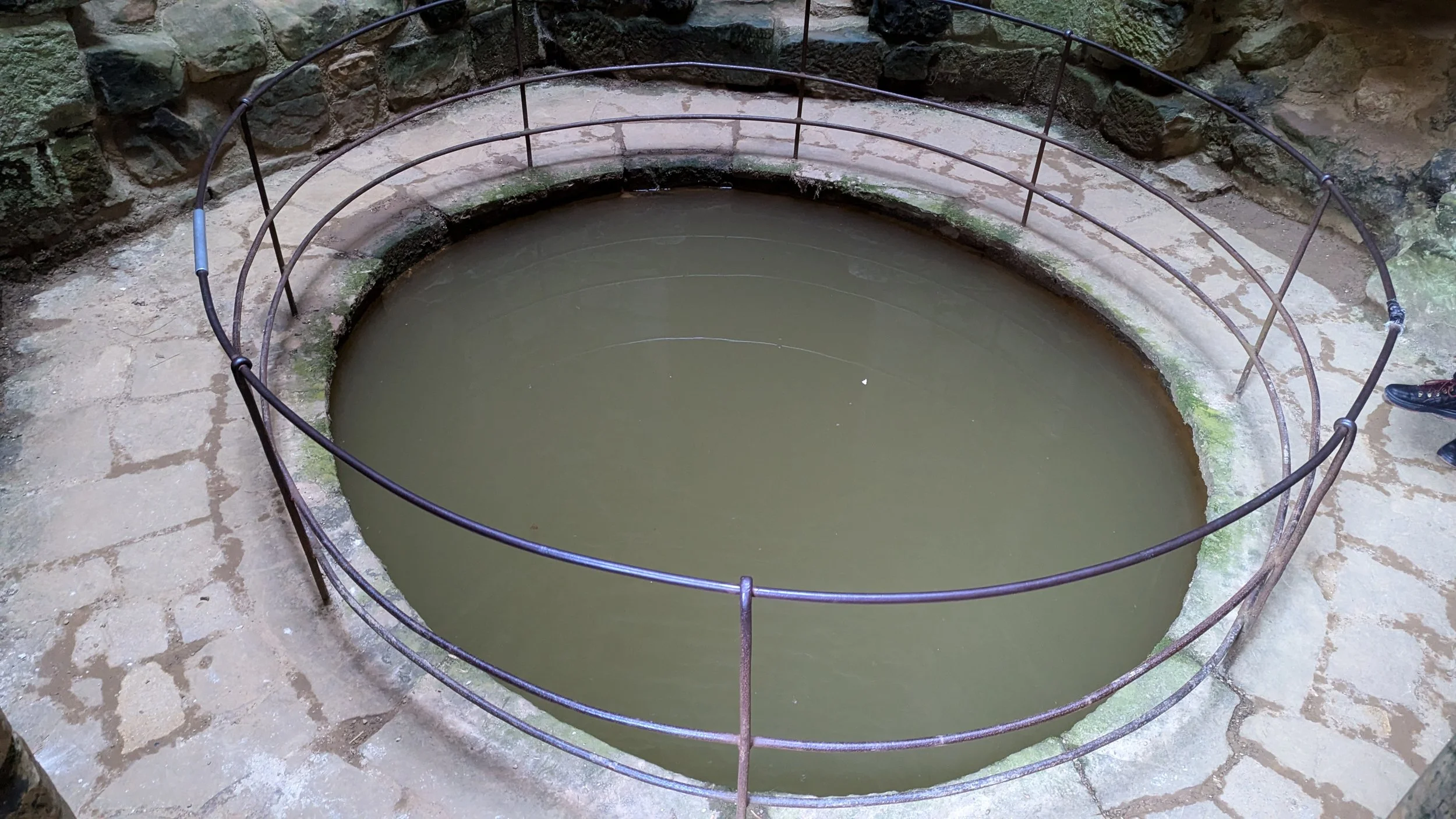
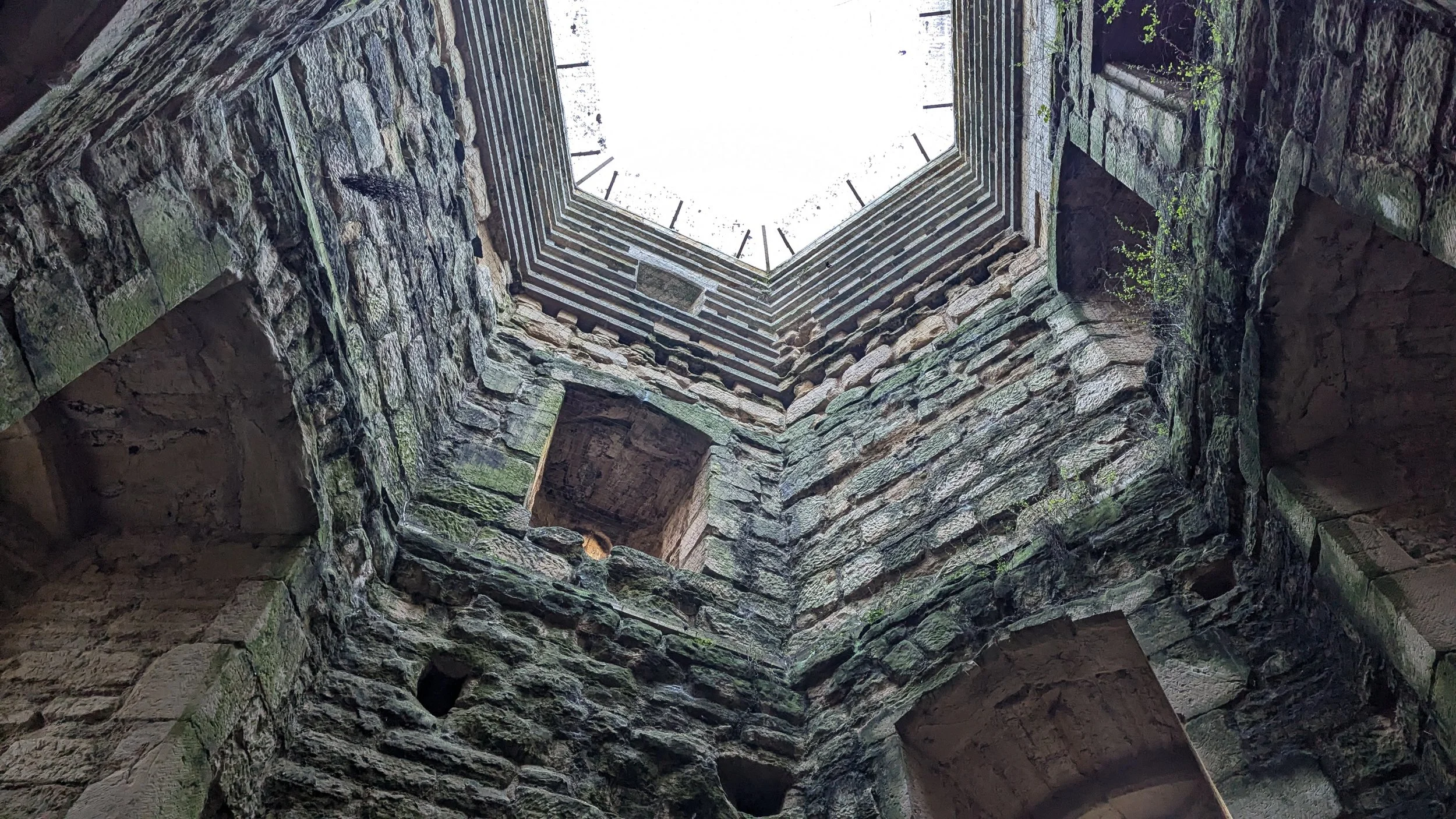
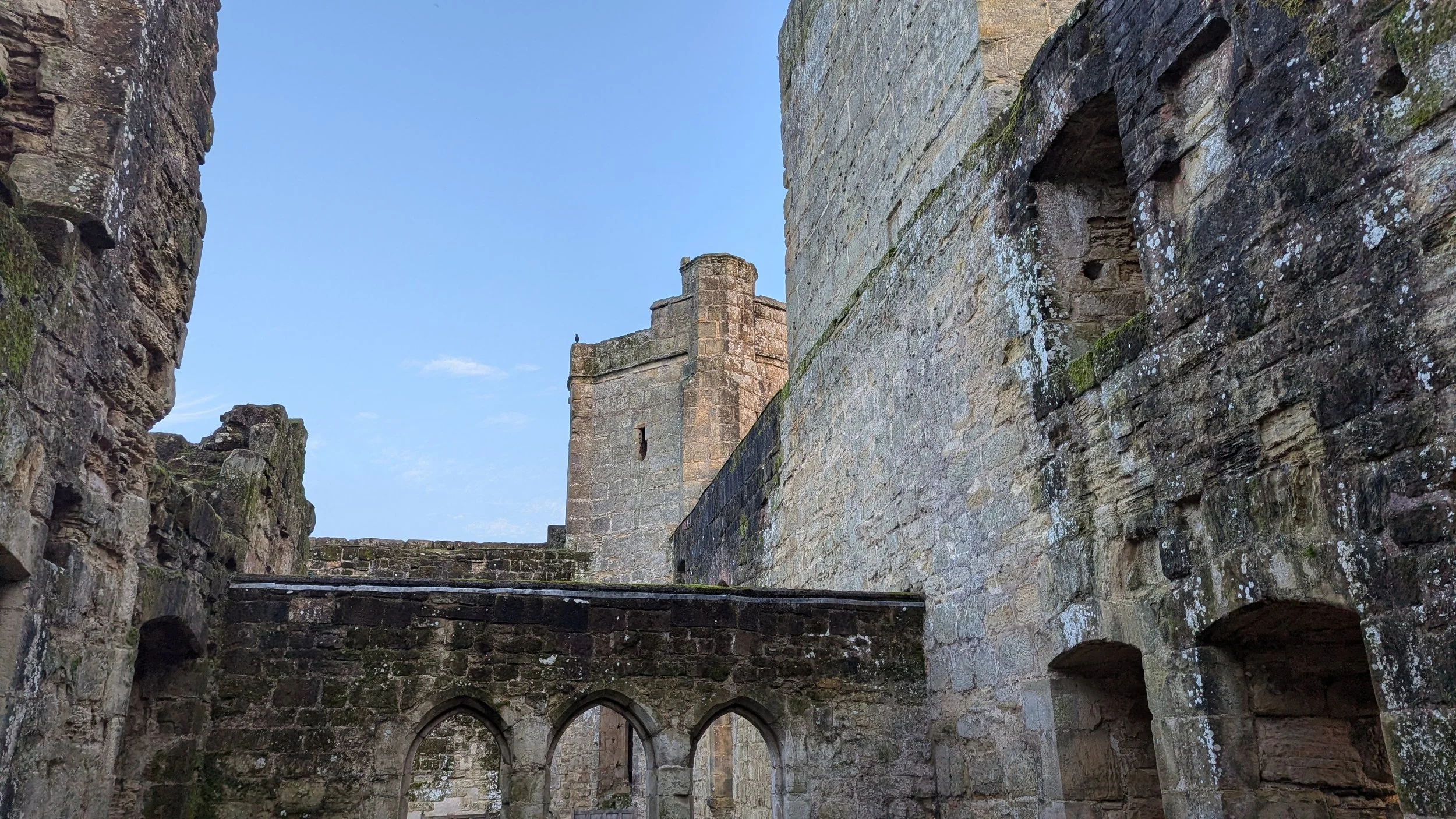
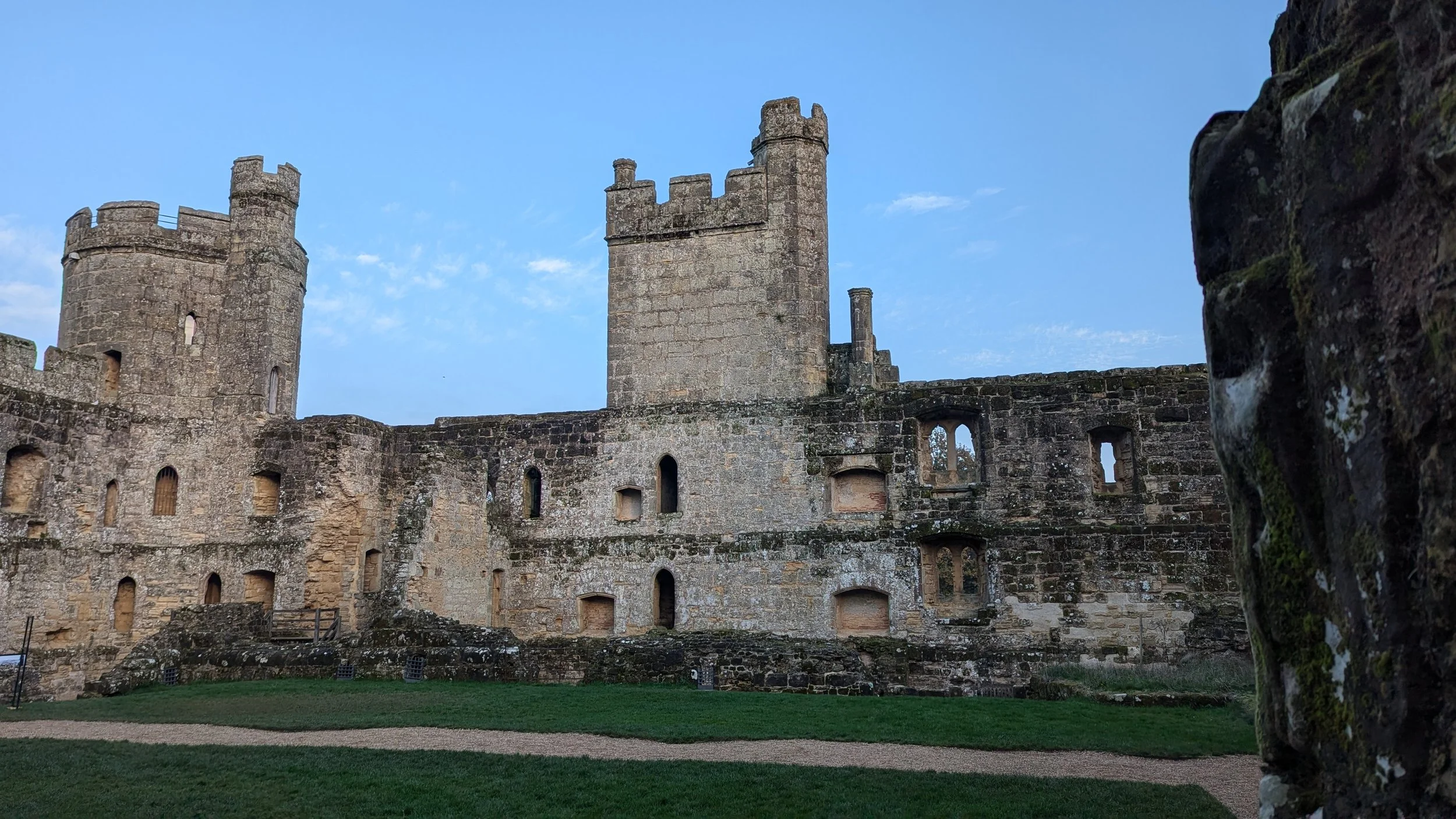
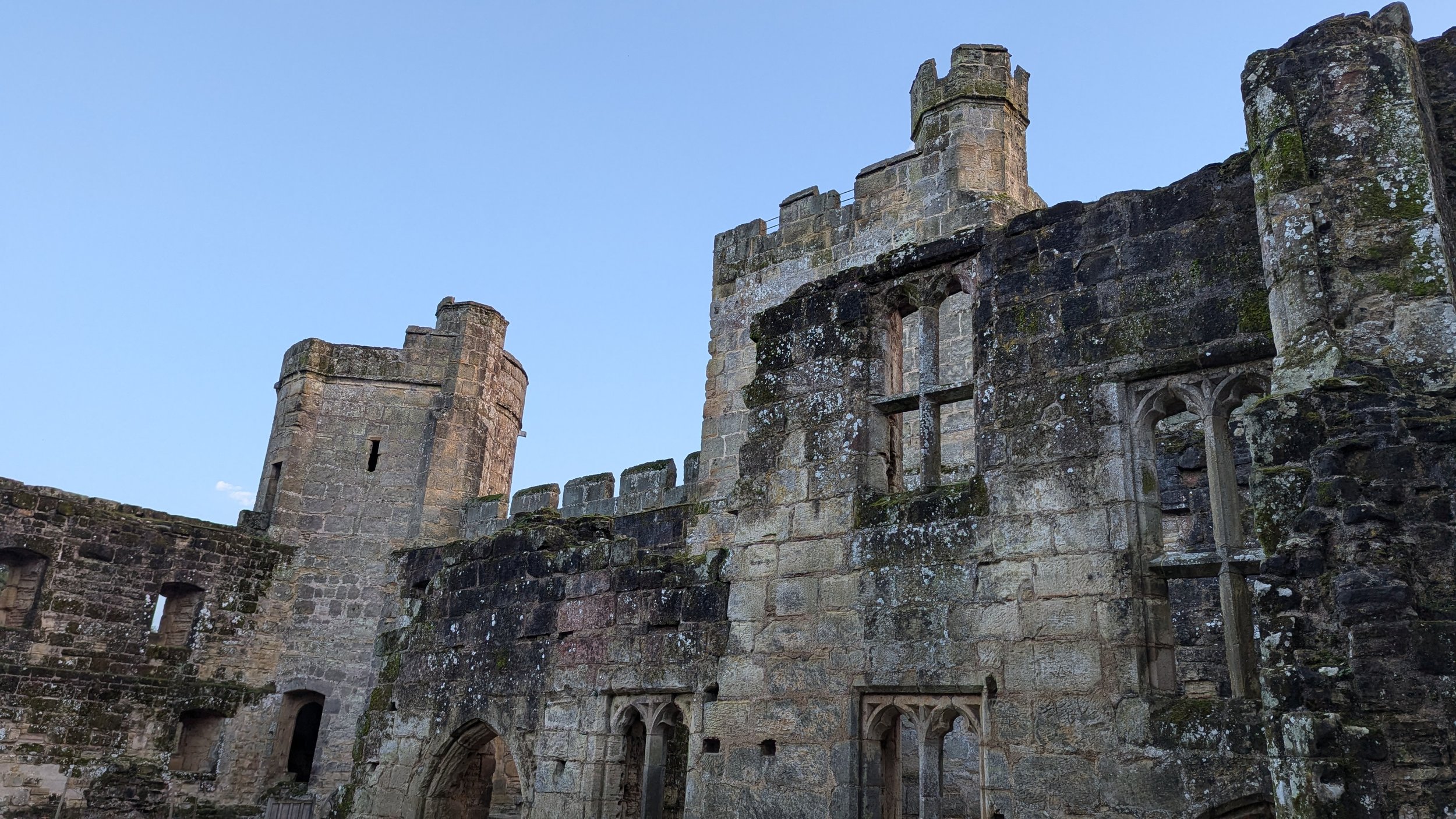
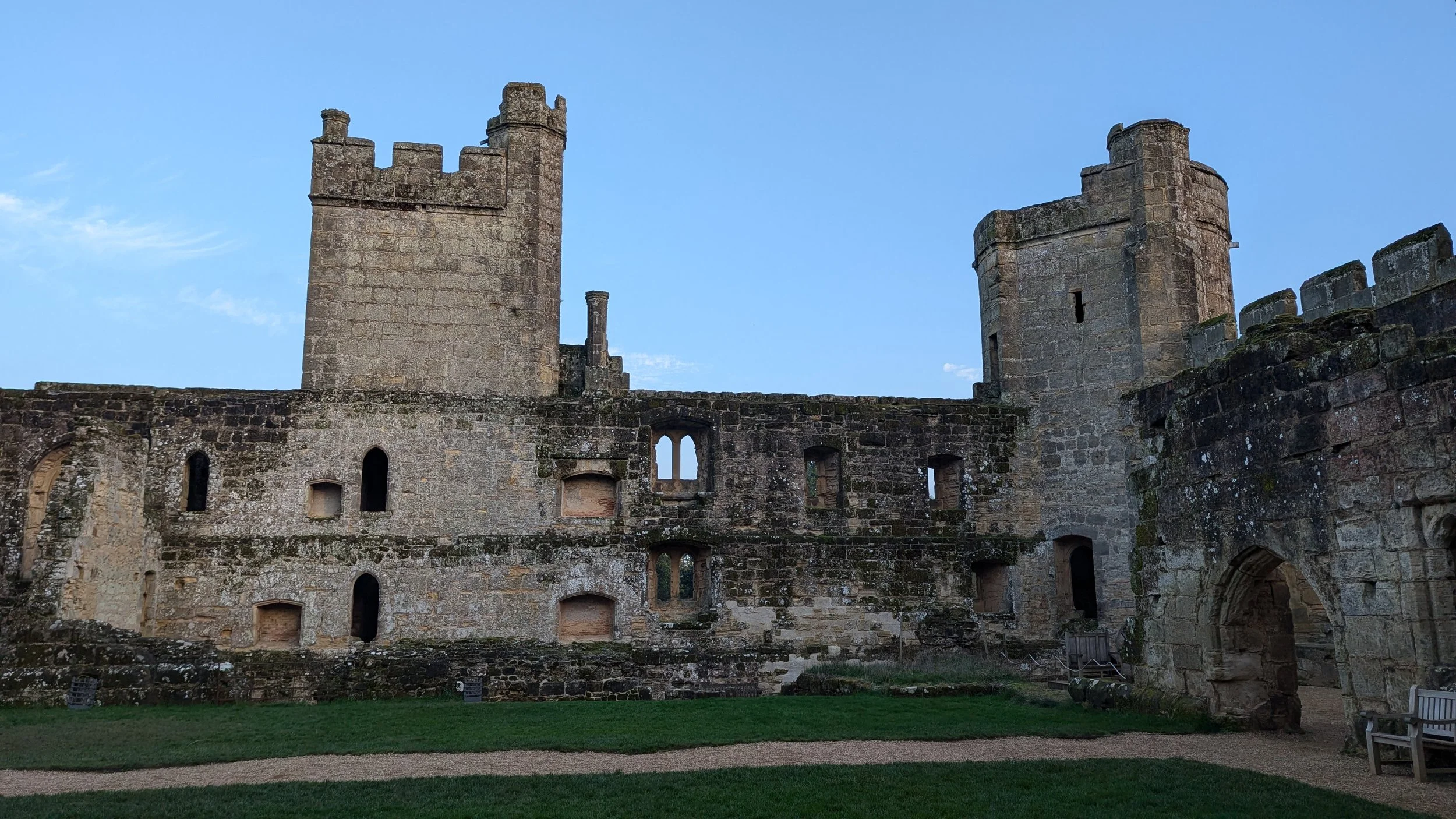
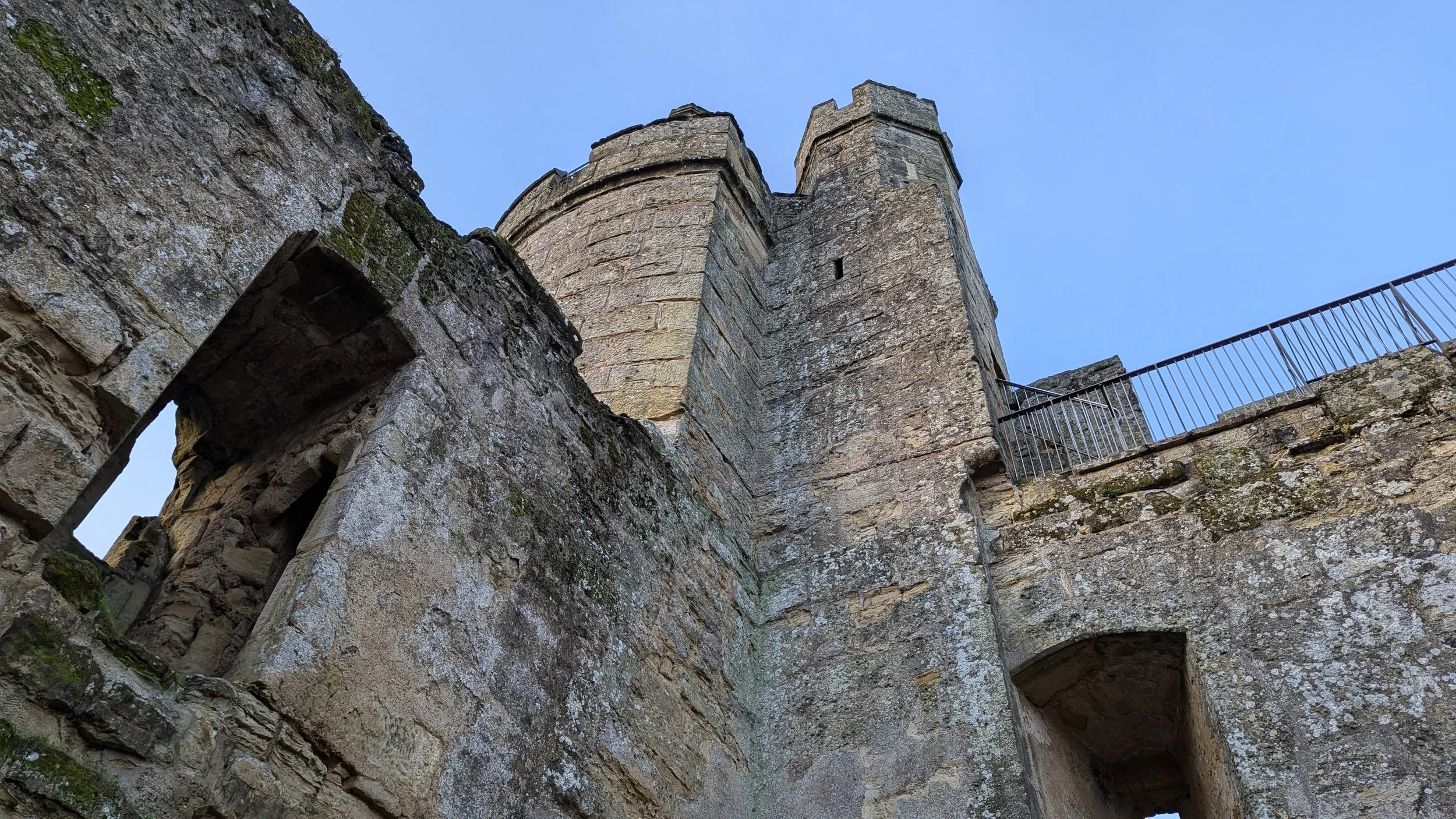
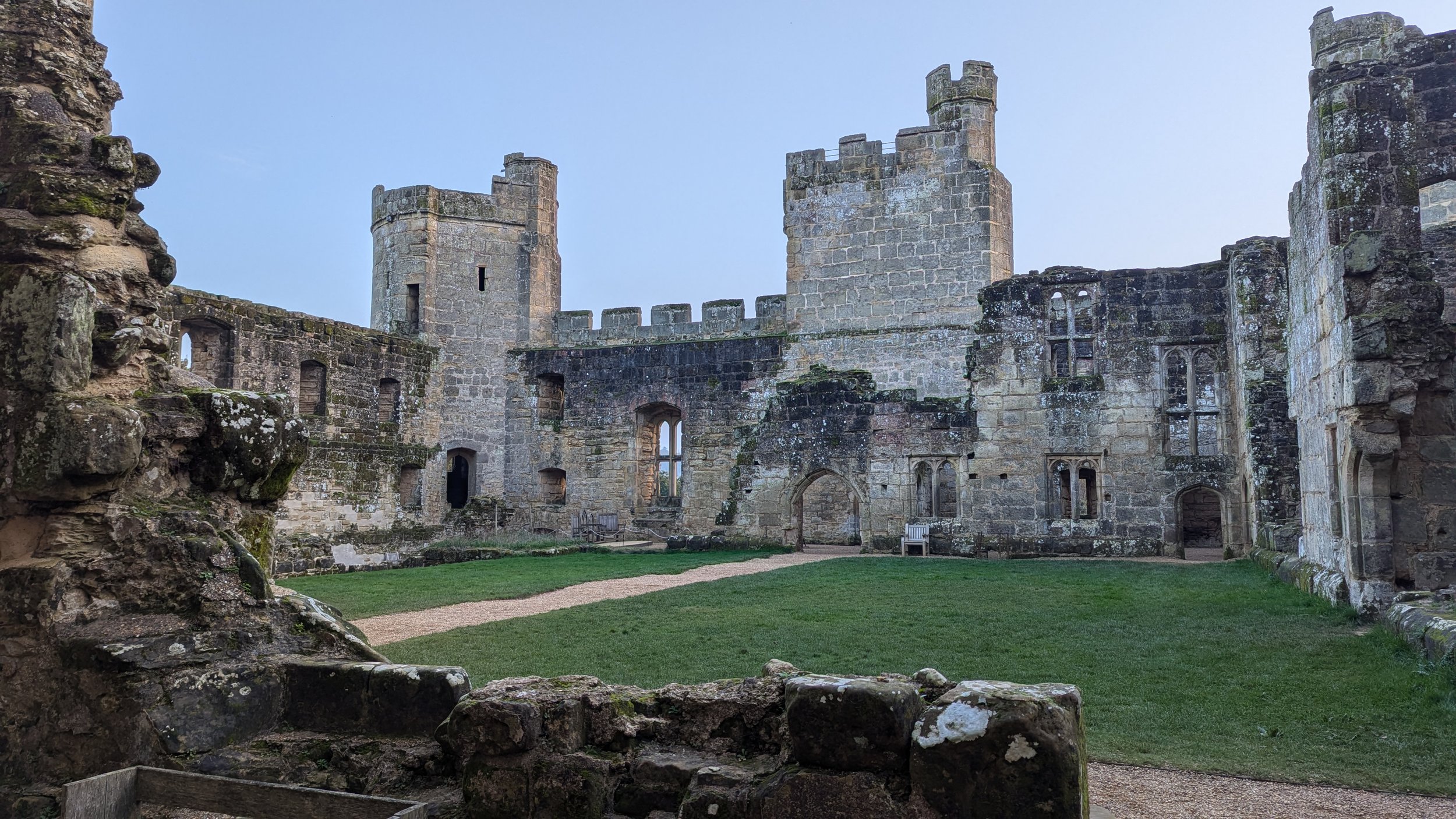
Today I visited the Inside Aardman: Wallace & Gromit and Friends exhibition at the Young V&A Museum at Bethnal Green. The exhibition which celebrates 50 years of Aardman Animations, provides visitors with a unique, behind the scenes view of the art of stop-motion animation. It also explores how Aardman’s iconic characters and worlds are designed, crafted and brought to life. From the initial concept artwork to the final visual effects, this event demonstrates the methods and techniques employed by Aardman. The exhibition features early scripts, sketch artists initial concept art, models, sets and numerous famous puppets. Furthermore this event is firmly pitched at children and families, with a wealth of interactive activities demonstrating the various techniques on display. The curators of the exhibition have also made it clear that they wish to encourage future generation to consider a career in the creative arts.
The Imperial War Museum serves as a national museum for Britain. Its main location is in London, complemented by five additional branches across England. Established in 1917 as the Imperial War Museum, its original purpose was to document the civil and military efforts and sacrifices made by the United Kingdom and its Empire during the First World War. Over time, the museum’s scope has broadened to encompass all conflicts involving British or Commonwealth forces since 1914. As of 2012, the museum’s mission is to provide and encourage the study and understanding of the history of modern warfare as well as the “wartime experience”. The IWM as it is now known has its headquarters and primary site is located at Southwark in Central London. The museum is funded by government grants, charitable donations and revenue generated through commercial activity such as retailing, licensing and publishing. General admission is free to IWM London.
Castle Farm is a family business located near the village of Shoreham in West Kent. The Alexander Family have been farming in the Darenth Valley since 1892 when James Alexander transported 17 milking cows from Ayrshire in Scotland and took up residence in this south-eastern part of England. Castle Farm is a busy, working farm comprising of 1,100 acres. It produces such crops as wheat, barley, rapeseed, hops, apples, pumpkins and lavender. It is also home to a grass-fed herd of beef cattle. However, in recent years it has become well know internationally for its lavender crop. Castle Farm began its lavender enterprise in 1998, producing the essential oils associated with the flower. It is now the largest lavender farm in the UK, growing over 110 acres of the flower. Furthermore, it has become quite a tourist attraction with the farm staff running tours during Summer and the height of lavender season.
Riverhill Himalayan Gardens are set in the grounds of Riverhill House, a Grade II listed Queen Anne manor house located on the southern edge of Sevenoaks in Kent, England. Riverhill is well known for its stunning and historic gardens as well as its sweeping vistas over the Weald of Kent. The estate has been the residence of the Rogers family since 1840 who currently operate the gardens as a tourist attraction, along with the house and associated facilities as a wedding venue. Visitors can enjoy a walled garden, rose walk and maze as well as other attractions. There is also an excellent trail around the grounds culminating in a view from the top of the hill over the estate. Riverhill Himalayan Gardens, as a supporter of the Surrey Sculpture Society, regularly showcases a selection of sculptures and art pieces throughout its grounds. All are available for purchase if you have deep pockets.
The Hunterian Museum is a museum of anatomical specimens in London, located in the prestigious building of the Royal College of Surgeons of England. The museum is made up primarily of a collection from the 18th century Scottish surgeon John Hunter. Over the years it has since been subsequently supplemented by Odontological material curated by A. E. W. Miles and various natural history exhibits from Richard Owen. In May 2023, the Hunterian Museum reopened following a five-year redevelopment of the Royal College of Surgeons of England’s headquarters at Lincoln’s Inn Fields. The £4.6 million museum project features the exhibition of more than 2,000 anatomical specimens from Hunter’s original collection. In addition to these there are instruments, equipment, models, paintings, and archival materials that document the evolution of surgery from ancient eras to contemporary robot-assisted procedures. The Museum boasts the largest public display of human anatomy in England.
The Crystal Palace Dinosaurs are a collection of sculptures depicting dinosaurs and other extinct species located in Crystal Palace Park, in the London borough of Bromley. These sculptures were originally commissioned in 1852 for display at the Crystal Palace following its relocation from the Great Exhibition held in Hyde Park. They were revealed to the public in 1854 and are the first speculative dinosaur sculptures ever created. Although the models are now considered inaccurate by contemporary standards, they were designed and crafted by Benjamin Waterhouse Hawkins under the scientific guidance of Sir Richard Owen, reflecting the prevailing scientific understanding of the time. The sculptures were designated as Grade II listed buildings in 1973 and underwent extensive restoration in 2002. In 2007 they were elevated to Grade I listed status. As of spring 2026 the dinosaurs are again being renovated as part of a £5 million regeneration of the park.
The benefits of international travel are numerous. These include stress relief, mental health benefits and a chance to escape the drudgery of work. Then there are the cultural aspects that you can immerse yourself in. Going abroad also allows you to learn new language skills as you awkwardly ask for directions. International travel is a chance to make lasting memories and it often gives the traveller a greater appreciation of their own home. At the very least the beer is always better abroad and that is the very definition of “broadening your horizons”. Yet despite all these positive points, there is one unavoidable hassle when comes with travelling abroad. The fact that the country or countries that you’re visiting will invariably use a different electrical plug and socket standard. In an age where a lot of the stuff you bring along with you on holiday needs charging, this can be a very stressful problem to solve.
I thoroughly enjoyed our holiday in Croatia last year and it did much to restore my confidence in travelling. Previously my views on visiting other countries had been greatly influenced by the films Raid on Entebbe and Midnight Express. As January was such a bleak month here in the UK, Mrs P and I decided we couldn’t wait until summer for another holiday and so decided to book something for the end of March. So we visited our local Travel Agents and decided upon a river cruise. We’ve been interested in these since we saw a travel show with Susan Calman. River cruises are a horse of a different colour, compared to sea cruises. They’re a great way to visit cities of note, often bringing you right into the heart of them. River cruise ships are a lot smaller with less passengers than ocean faring vessels. They also attract quite different travellers. Let it suffice to say that a sea cruise doesn’t offer the cultural experience that I am looking for.
There are approximately 4000 parks and green spaces in Greater London. Bexley Borough alone has over 100. Public parks and green spaces are vital to modern cities, providing essential health, environmental and social benefits. They boost physical and mental wellbeing by reducing stress and providing a place for exercise. Furthermore they enhance urban sustainability, mitigate heat, and provide a sustainable environment for a wildlife. Parks are often a venue for social activities and events and as such are an important part of the local community. Going to the park has always been a part of my life. I live next to Old Farm Park in Sidcup and have made use of this recreational space throughout my life. I used visit with my parents in the seventies, when I was a child. Thirty years later my son, father in-law and I would fly kites there. Now I take my grandchildren to Old Farm Park as it now has a playground.
There is no shortage of interesting and good quality museums in London. In many respects tourists and visitors are spoilt for choice. More often than not, it is the most well known institutions such as the British Museum or Victoria and Albert Museum that gain the most attention. However, there are many hidden gems to discover if you take the time to look further. A prime example being The British Optical Association Museum which I had the pleasure of visiting today. The museum’s function is to promote the optometry profession and raise public awareness of its past and ongoing role within society. The museum has a well conserved collection of exhibits and provides a venue for presentations, learning and research services. There is also an excellent tour hosted by museum curator Neil Handley (PhD, AMA, FRSA) in which he gives a concise, interesting and at times a witty overview of the history of optometry in the UK and its current role.
The artillery battery at Capel-le-Ferne was built between 1941 and 1942, following the fall of France, on the orders of Winston Churchill. Located between Dover and Folkestone, the battery consisted of three 8-inch high-performance guns, provided by the Royal Navy. The battery was intended to provide anti-shipping defence in the English Channel. The site was manned by men of the 520 Coast Regiment Royal Artillery. Over the course of World War II, the battery expanded in size, eventually encompassing multiple Nissen huts, several roads and 19 military buildings. Anti aircraft defence was provided by two 40mm Bofors guns. Over the course of the war, the Capel Battery engaged enemy shipping on four separate occasions and also took part in fifteen practice shoots. In 1944, due to the decreased threat, the battery was placed in “care and maintenance”. The guns were removed in 1952 and the building demolished in the early 1980s
There are an estimated 2,500 museums in the UK. This number has grown significantly over time, more than tripling between 1960 and 2017. While it is laudable that so many of these institutions exist, they do not all receive equal interest or publicity. Some museums dominate in their respective fields and drown out others that have a similar theme. With this in mind, I was unaware of the Kent Battle of Britain Museum until a friend recently brought it to my attention. After yesterday’s visit my initial thoughts are what a treasure trove it is. According to the museum’s website it is the world’s largest Battle of Britain collection of memorabilia. This includes planes, uniforms, weapons and related artefacts from over 700 crashed aircraft. Furthermore, the museum tells the story of this battle without bias, choosing to highlight both the historical and the human aspects of the conflict. It is often very poignant.
Stonehenge is so much more than just a neolithic, historical structure of note. It is of great spiritual importance to many, representing ceremonial practices and ancient worship. It is also seen as a conduit to a wider connection to the cosmos. It is after all a celestial calendar, according to one of the theories regarding its purpose. It also has a strong significance in pop culture. Hence, due to its history, symbolism, religious connotations and overall sense of mystery it is a UNESCO World Heritage Site and a globally recognised symbol of ancient Britain. As such, it has always been somewhere that I have wished to visit. Today, as we were relatively nearby in Ringwood and the weather was pleasant, Mrs P and I decided to go to Salisbury and see this iconic structure for ourselves.
I enjoy visiting the coast. I always have. I find the sight and sounds of the sea very calming and thought provoking. There is something about seeing the ocean stretch out to the horizon and its implied enormity, that gives you a sense of perspective. The UK is a seafaring nation and therefore it is an integral part of our history and national identity. Hence a strong nautical theme and a sense of its importance has bled through into our popular culture. It is therefore quite common for people to have a positive attitude towards the sea and its associated leisure activities. I like to visit the coast at various times of the year and walk along the beach, just listening to the waves, lost in my own thoughts. This is not a hard thing to do in the UK, as no one lives further than 70 miles (113 kilometers) from the coast.
Knole is a country house in England and a former archbishop’s palace that is currently owned by the National Trust. It is located within Knole Park, a 1,000-acre (400-hectare) estate that lies to the south-east of Sevenoaks in west Kent. The existing structure of the house dates back to the mid-15th century, although there were significant expansions in the 16th and particularly in the early 17th centuries. Its Grade I listing signifies its combination of late-medieval to Stuart architectural styles. This is especially evident in its central façade and state rooms. In 2019, a comprehensive conservation initiative titled “Inspired by Knole” was completed to restore and enhance the buildings’ structures. This was beneficial to the preservation of its significant collections. The adjacent deer park has also endured since 1600.
Mrs P and I travelled to Croatia on Friday 13th June for our summer holiday. We spent one week in Makarska, which is located on the Dalmatian coast. My last international holiday was to Malta in 2004. Since then we have done a lot of travelling in the UK and Mrs P has vacationed abroad with other family members. However, she stated last September that she wanted to go “somewhere warm” for our next holiday. So this trip was booked and has been “something to look forward to”, or a source of stress slowly inching closer, depending upon your perspective. In many respects this holiday has been a big deal for me. I don’t enjoy travelling at all with all its accompanying logistical, bureaucratic and “people” issues. However, I have no problem with being elsewhere. I eagerly await teleportation technology to become commonplace. Once I arrived at our hotel, I quickly switched to holiday mode and I am happy to confirm that I thoroughly enjoyed myself.
Emmetts Garden is an Edwardian estate situated on Ide Hill, close to Sevenoaks in Kent, UK. After a long and interesting history it is currently under the stewardship of the National Trust. Originally open farmland, the existing house was constructed in1860. The term “emmett” is a local dialect for ant, referencing the large anthills that populated the area until the 1950s. In 1890, the estate was acquired by Frederic Lubbock, a banker with a keen interest in horticulture. His elder brother, John Lubbock, 1st Baron Avebury, was a renowned authority on ants, which may have influenced Frederic's decision to purchase the estate. Today Emmetts Garden is open to the public and features several “hortus conclusus” (walled gardens) and a hillside trail that is famous for its Bluebells in the spring.
Damerham is a quaint rural village and civil parish located in the New Forest district of Hampshire, England. It is close to the market town of Fordingbridge. Damerham is distinguished by significant Neolithic and Bronze Age burial mounds. Historically, it was home to an Anglo-Saxon religious community and was referenced in the will of Alfred the Great, as it was at that time part of the royal estate. At the time of the Domesday Book in 1086, Damerham was recognized as a prominent settlement under the ownership of Glastonbury Abbey. It was mainly farms and agrarian small holdings. Today, the village still features a riverside mill and the church of Saint George date’s back to the Norman period. There is a church hall that hosts numerous local, seasonal events.
Bodiam Castle is a 14th-century moated castle located near Robertsbridge in East Sussex, England. It was built in 1385 by Sir Edward Dalyngrigge, a former knight of King Edward III. The castle’s primary purpose was to defend the local area against possible French invasion during the Hundred Years' War. Bodiam Castle has a quadrangular design and does not have a keep. All the various chambers and rooms were built adjacent to the outer defensive walls. The four corners and main entrance have towers, all of which feature crenellations. A substantial moat surrounds the castle, which served as a home for the Dalyngrigge family, as well as a seat of power to the manor of Bodiam. The castle remained within the Dalyngrigge family until the line became extinct. It remained a place of strategic importance during the War of the Roses and the English Civil War. It is currently owned and maintained by The National Trust.
Today I went on an impromptu visit to Brompton Cemetery in West London. Established in 1837, the West of London and Westminster Cemetery (as it was originally known) is a private cemetery initially created as a business venture to capitalise upon the shortage of cemeteries within London. It also sought to cater to the prevailing culture of opulent Victorian funeral rites. However, after proving non profitable, the cemetery was bought by the UK government. It was subsequently incorporated into Crown Property and managed by The Royal Parks. It is one of Britain’s oldest and most distinguished garden cemeteries. There are currently 35,000 monuments, ranging from simple headstones to impressive mausolea. It is home to more than 205,000 resting places. The cemetery is also a haven for flora and fauna, providing a substantial semi rural environment amid urban central London.
Christmas Tree Farm is a petting zoo, outside the village of Downe in the county of Kent. Despite its rural setting, it is actually only 15 miles from London, making it an ideal visit, as part of a day. The farm is home to a wide selection of domestic farm animals (and a few more exotic ones), all of which can be fed, stroked and lavished with attention by visitors. During the winter months, Christmas Tree Farm hosts Santa’s Grotto and as the name suggests is the place to find the perfect Christmas tree for your home. Entry prices are very reasonable, costing £6 per adult and £4 for children aged between 2 and 16 years old. Buckets of animal feed of varying size are also available for a small fee. There is a leisurely trail around the farm where the various animals are housed in pens and out buildings. There is also a Tea Garden where refreshments are available.
In 1939 legislation was passed in the UK so that all employees had one week’s annual paid holiday per year. By the 1950s this had become two weeks and by the 1980s most people had at least 4 weeks of annual holiday. On top of this paid leave allocation, the UK currently has 8 bank holidays which provides further time off for employees. This culture of increasing amounts of annual leave also broadly coincided with air travel becoming more accessible. The first UK passenger jet service began in 1952. However, its cost excluded most people. However, as larger airliners with increased range became available, cheaper foreign holidays became more and more economically viable. European holidays became a reality in the 1960s and 1970s. By the 1980s long-distance holidays to other continents became ubiquitous and the package holiday became king. It is also worth noting that the Channel Tunnel opened in 1994, making car travel from Britain to Europe easier and more popular.
Today I had the pleasure of visiting the Whitstable Museum (or to give its full name Whitstable Community Museum and Gallery). This is a fine example of a local heritage centre that curates and displays artefacts and records that reflect the history and culture of the surrounding area. The museum located in Whitstable, Kent, is home to one of the world's oldest steam engines, as well as historical diving equipment that was developed locally. The history of the local oyster trade which has been an integral part of the community for centuries is also a key feature. Established in 1985, the museum was reopened in 2015 following a major refurbishment. There is also an art gallery featuring the paintings by local artists and artworks on loan from an international network of galleries.
Eltham Palace, located in South East London, was the childhood home of King Henry VIII in 1499. It was later used as a royal nursery for the infant Princess Elizabeth, born on 7th September 1533. It sports sumptuous grounds and ornamental gardens and was famous for its game hunting during the Tudor and Elizabethan periods. In the 1930s’ the property was owned by the Courtauld family, who built a sumptuous Art Deco style mansion and redeveloped the grounds. Today the entire property is owned and managed by English Heritage who have extensively restored much of the estate. It is therefore very fitting that this illustrious venue annually plays host to the Legendary Medieval Joust, during the summer months. Two days of historical pageantry, re-enactments and events for the entire family to enjoy. I last attended in 2015, so it was a welcome pleasure to return again yesterday.
Morph’s Epic Art Adventure in London is a step-free art trail and tourist attraction featuring the iconic animated character Morph. It is hosted by charitable organisation Whizz-Kidz, global event producers Wild in Art and Aardman. The trail features 56 super-sized sculptures of the much-loved children’s TV character, which are set among various iconic London landmarks including St Pauls, Tate Modern, Tower of London, Shakespeare’s Globe and Borough Market. It is a free public art trail and tourist attraction, designed by a variety of artists to excite and inspire people of all ages, whilst increasing public awareness about the need for young wheelchair users to be mobile, enabled and included in society. Morph’s Epic Art Adventure in London runs from June 19th until August 20th 2023.
Regardless of whether you deem the IFS Cloud Cable Car a white elephant, a political folly or just a mistake in terms of tourism, it cannot be denied that the view it provides over South East London is impressive. At a height of 90 metres (300 feet), on a bright and sunny day you can see from City Airport to Canary Wharf. Located at Greenwich Peninsula, the IFS Cloud Cable Car (as it is now called) opened in June 2012. It was initially promoted as a viable form of public transport across the Thames, linking North Greenwich and Royal Victoria stations. In October 2012, nearly 100,000 journeys were made. However, after the London Olympics, passenger rates fell and since then IFS Cloud Cable Car has become more of a tourist attraction, rather than an integral means of commuting.
To my surprise I found myself out and about today undertaking another day trip. This time we headed back to the sea and visited Whitstable, a town on the north coast of Kent adjoining the Greater Thames Estuary. It’s 5 miles (8 kilometres) north of Canterbury and 2 miles (3 kilometres) west of Herne Bay. The town was originally recorded in the Domesday Book of 1086, under the name Witenestaple, meaning "the meeting place of the white post", a reference to a local landmark. By the late middle ages Whitstable had become a centre of Thames Estuary fishing, specifically for oysters. Today, the main activities at the harbour are fishing and processing, cargo handling and boat maintenance. The town has shingle/sandy beaches adjacent to the harbour, where swimming and water sports are popular. Whitstable Castle is situated on the border of Whitstable and off the coast is Kentish Flats offshore wind farm, consisting of 30 wind turbines.
Royal Tunbridge Wells is a town in the county of Kent, 30 miles (50 kilometres) southeast of central London. It is situated on the border with East Sussex on the northern edge of the High Weald. The local sandstone geology is synonymous with a rugged landscape due to erosion and weathering. The town itself was a spa during the Restoration and became a very fashionable resort in the middle of the 18th century. Socialites such as Beau Nash helped make the resort popular when the Pantiles and its chalybeate spring, began attracting visitors who came to “take the waters”. Despite the decline in spa towns after sea bathing grew in popularity, Royal Tunbridge Wells has remained a tourist resort. Today, much of the area's income is generated by tourism. The town has an equitable temperate maritime climate.
With January already behind us, Mrs P and I decided it was high time we took our first day trip of 2022. So yesterday I spent some time looking online at details of various National Trust sites within an hour or so drive from our home. I also looked at similar places of historical note that are run by other bodies. Sadly, many are either partially or totally closed for the present. It would appear that from January to March many of these sorts of tourist attractions spend time repairing, refurbishing and preparing for forthcoming events. Grounds also have to be maintained. Hence, we were somewhat lacking in choice for suitable destinations. However, as the weather forecast was mild, today we opted to visit the village of Chiddingstone so we could walk in the grounds of the local castle and along the various footpaths in the area.
For me, staying in a hotel is always an adventure, as it mainly happens when I’m taking a holiday or a short weekend break. I suspect that travelling habitually for business reasons probably puts a different complexion on the process. It may well dictate what sort of hotels you stay in. More than likely functionality, location and cost trump other more self indulgent factors such as aesthetic and ambience. Mercifully, travel has never been a major part of my working life and so hotels are still a source of excitement as they’re associated with fine meals, interesting scenery and good company. However, such hotels tend to come at a price as they’re catering more for tourism rather than business travel and therefore stays are not a regular occurrence. However, I had the pleasure of a short visit this weekend.
Brompton Cemetery
Today I went on an impromptu visit to Brompton Cemetery in West London. Established in 1837, the West of London and Westminster Cemetery (as it was originally known) is a private cemetery initially created as a business venture to capitalise upon the shortage of cemeteries within London. It also sought to cater to the prevailing culture of opulent Victorian funeral rites. However, after proving non profitable, the cemetery was bought by the UK government. It was subsequently incorporated into Crown Property and managed by The Royal Parks. It is one of Britain’s oldest and most distinguished garden cemeteries. There are currently 35,000 monuments, ranging from simple headstones to impressive mausolea. It is home to more than 205,000 resting places. The cemetery is also a haven for flora and fauna, providing a substantial semi rural environment amid urban central London.
Today I went on an impromptu visit to Brompton Cemetery in West London. Established in 1837, the West of London and Westminster Cemetery (as it was originally known) is a private cemetery initially created as a business venture to capitalise upon the shortage of cemeteries within London. It also sought to cater to the prevailing culture of opulent Victorian funeral rites. However, after proving non profitable, the cemetery was bought by the UK government. It was subsequently incorporated into Crown Property and managed by The Royal Parks. It is one of Britain’s oldest and most distinguished garden cemeteries. There are currently 35,000 monuments, ranging from simple headstones to impressive mausolea. It is home to more than 205,000 resting places. The cemetery is also a haven for flora and fauna, providing a substantial semi rural environment amid urban central London.
There are regular open day events and tours around Brompton Cemetery. These are often themed around such things as famous military personnel, noble interments and historical figures. We had hoped to visit the catacombs which are substantial but all the day’s tours were sold out. Fortunately, we were able to get tickets for a general, hour-long tour around the cemetery which features a selection of the most notable graves. These included the following:
Emmeline Pankhurst: Leading suffragette.
Joseph Bonomi the Younger: Sculptor, artist, Egyptologist and museum curator.
John Snow: Anaesthetist and epidemiologist.
Chief Long Wolf: Oglala Sioux and veteran of the Battle of Little Bighorn.
Hannah Courtoy: An enigmatic figure whose opulent Egyptian style tomb is surrounded in mystery.
At first glance, it is somewhat incongruous to find such a decadent and substantive Victorian garden cemetery in the middle of central London, right next to Chelsea FC’s home grounds, Stamford Bridge. However, the cemetery is a relic from an age when death and funeral rites were far more complex and a significant aspect of the prevailing culture. Furthermore, expensive tombs were a form of conspicuous consumption and visiting cemeteries and admiring the architecture was considered morally uplifting and a broadening of one’s intellectual and cultural horizons. Nearly two hundred years later, Brompton cemetery now serves not only as a place of historical interest but also as a notable home for urban wildlife. As well as squirrels and crows, there are Kestrels and ring-necked parakeets. Throughout the year, there are such flowers as snow-drops, bluebells, wild lupin, foxgloves, broad-leaf pea, ferns and horsetail. This is a perfect environment for butterflies and other insects.
We started our tour at 3:00 PM on what was an unusually hot Sunday afternoon. It was 30 °C but fortunately there are quite a lot of trees to provide shade. The cemetery is laid out like a church with 4 central avenues forming a cross. Our guide took us round at a measured pace, spoke confidently and was happy to address any questions that arose. Sadly some of the graves are in a state of disrepair as the cemetery is not as well funded as it could be. The UK National Lottery has provided grants in the past for the upkeep of the grounds, particularly the chapel at the centre of the four avenues. Brompton Cemetery is a dog friendly environment with numerous taps and drinking bowls available. Overall, it was a most enjoyable afternoon out and I thoroughly recommend it, whether you’re just looking for a stroll or wish to immerse yourself in history and architecture.
Panoramic picture curtesy of Paul King.
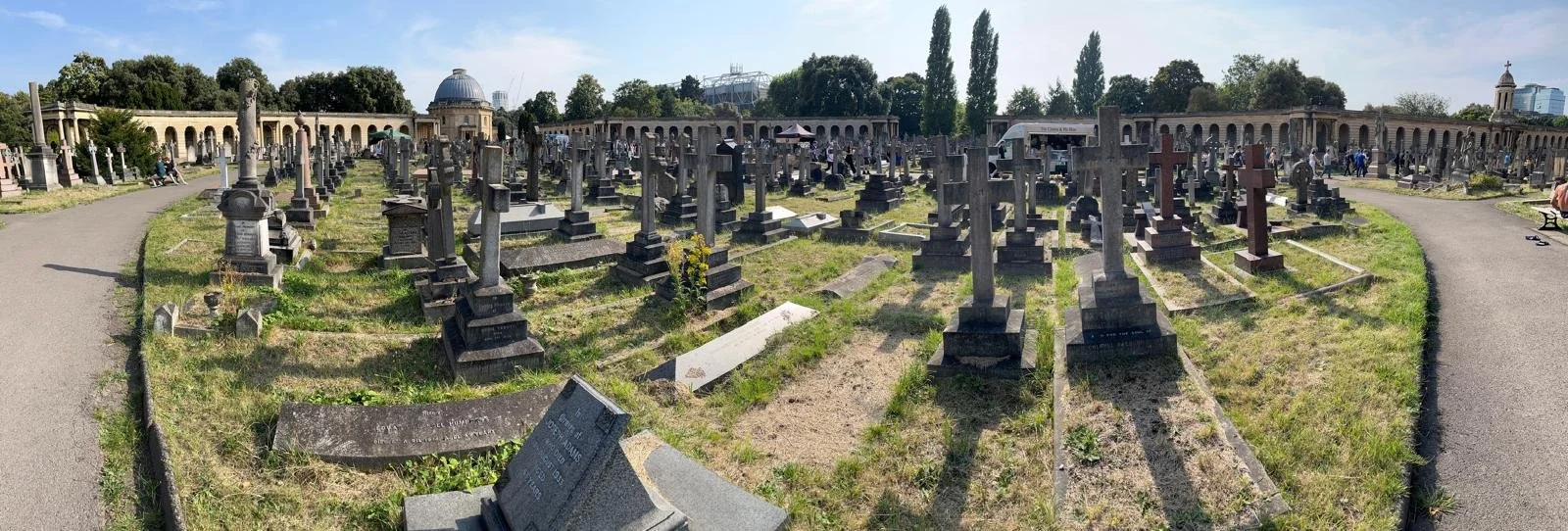

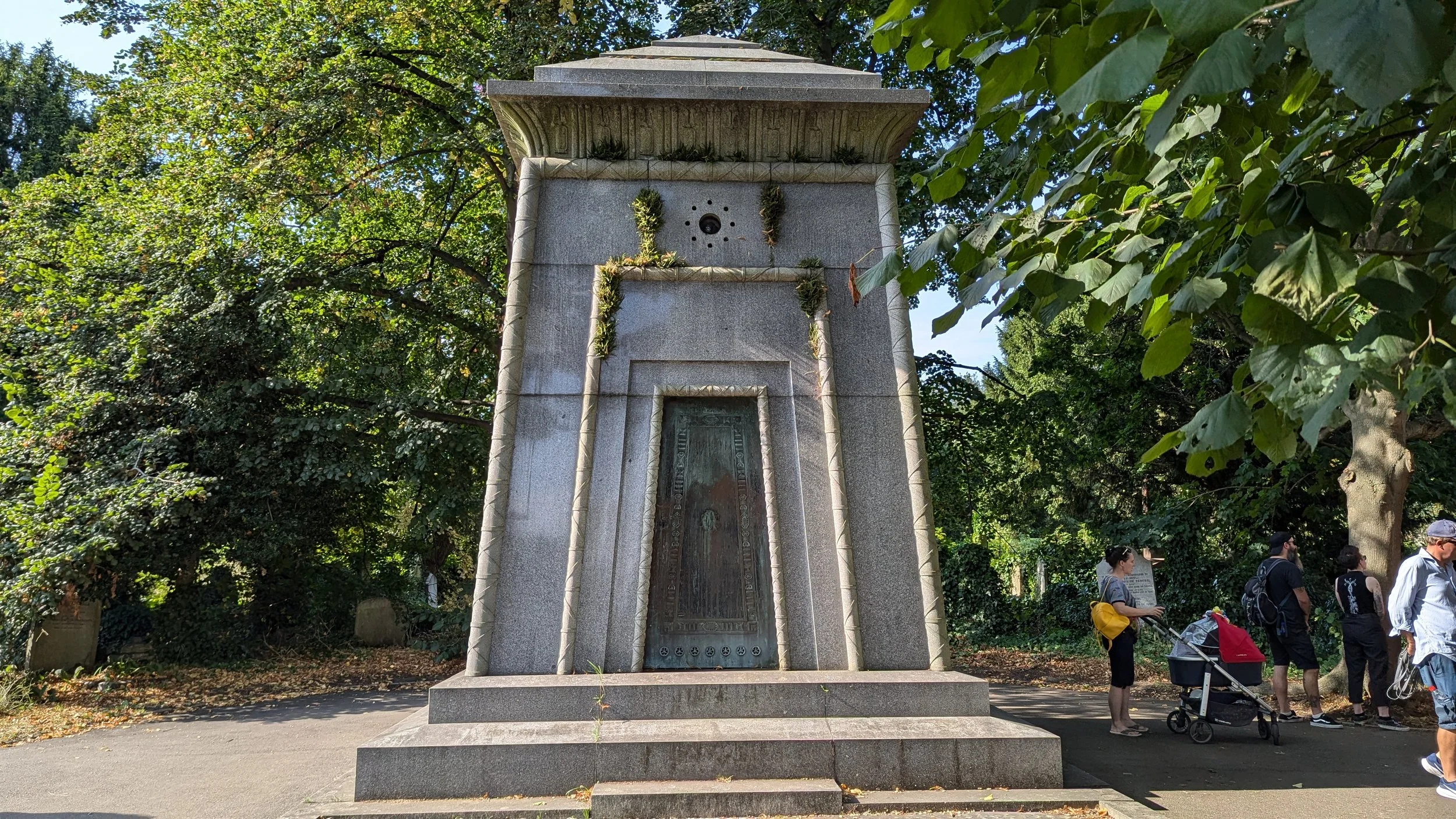
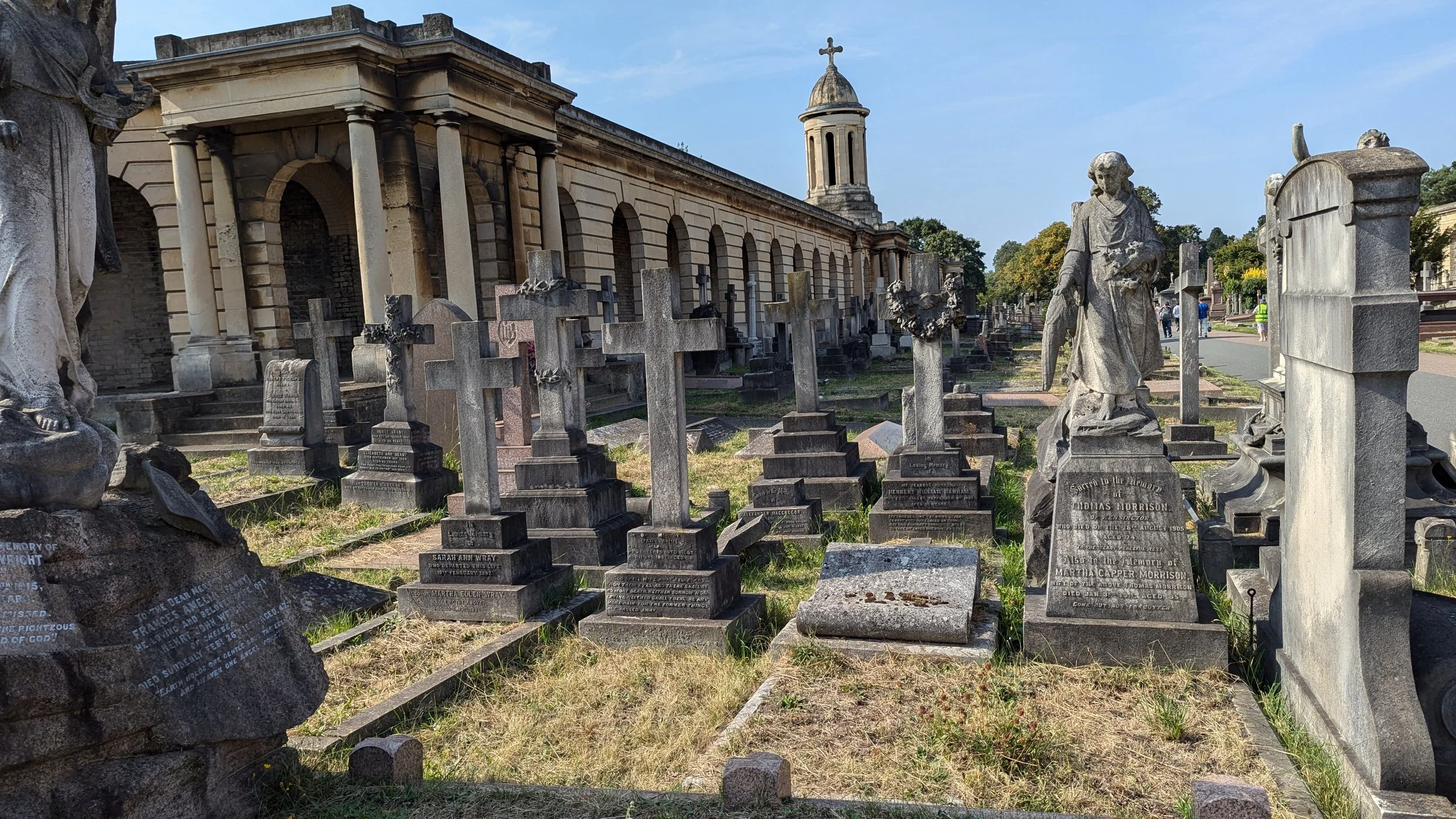
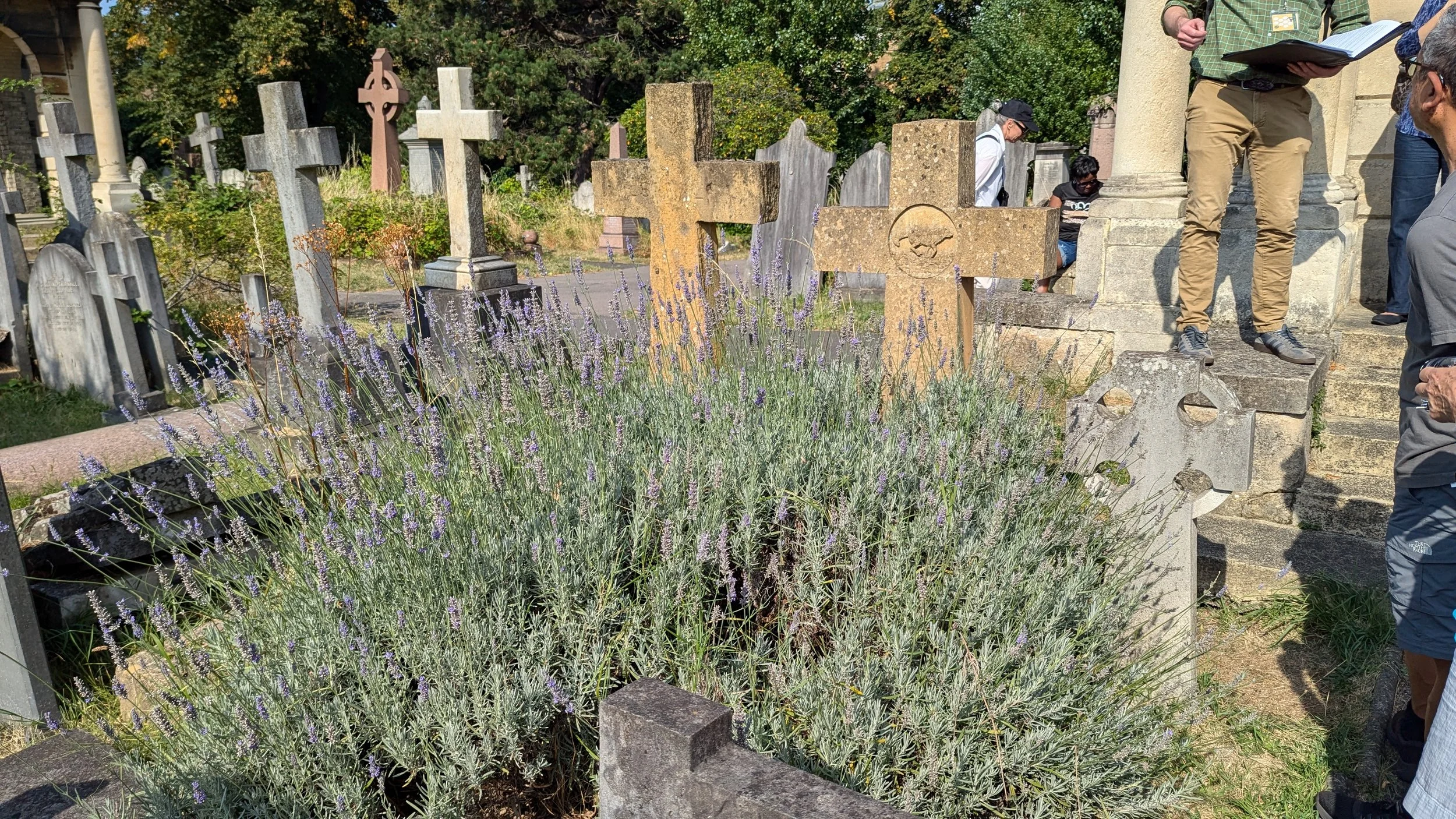

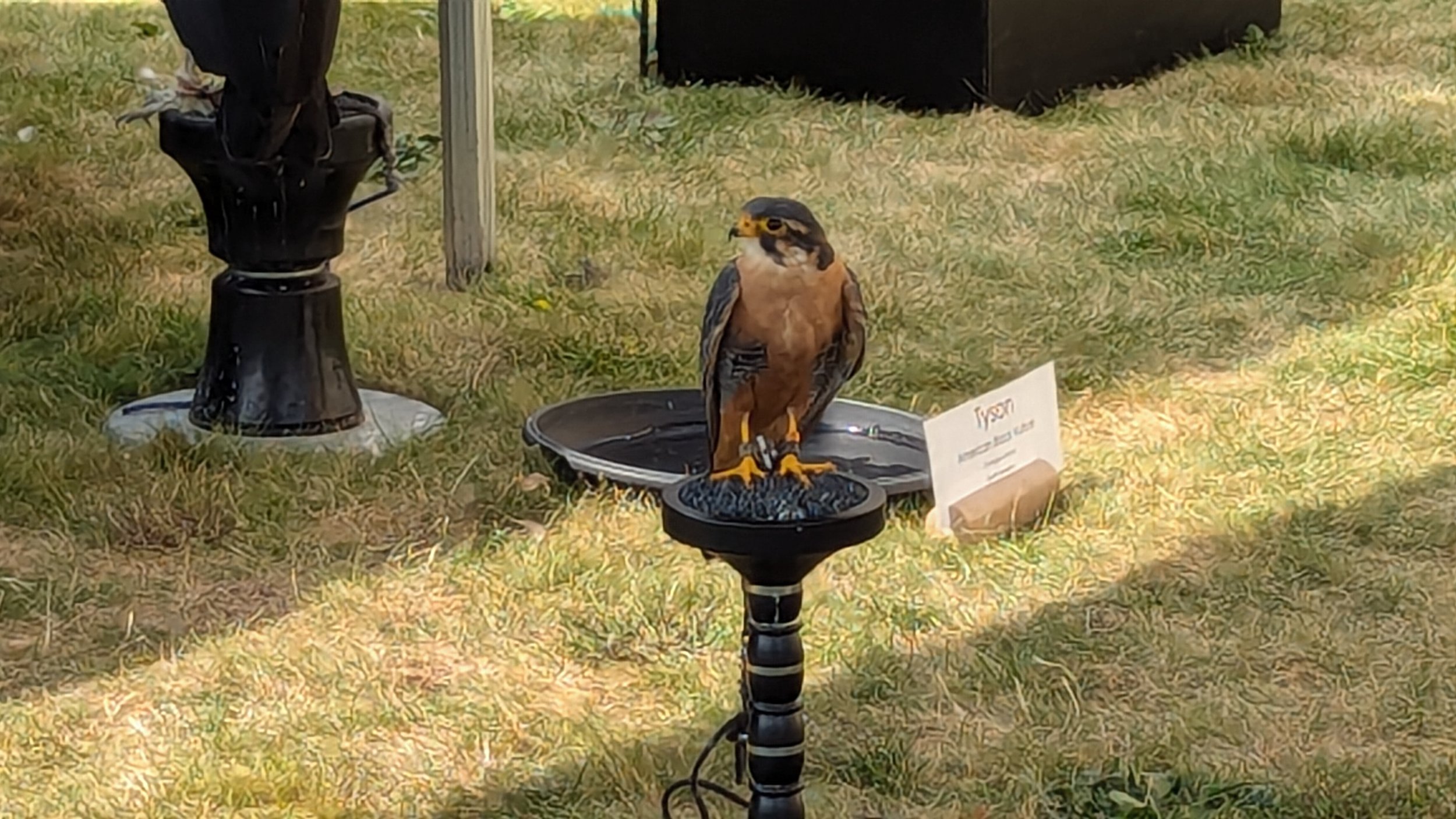
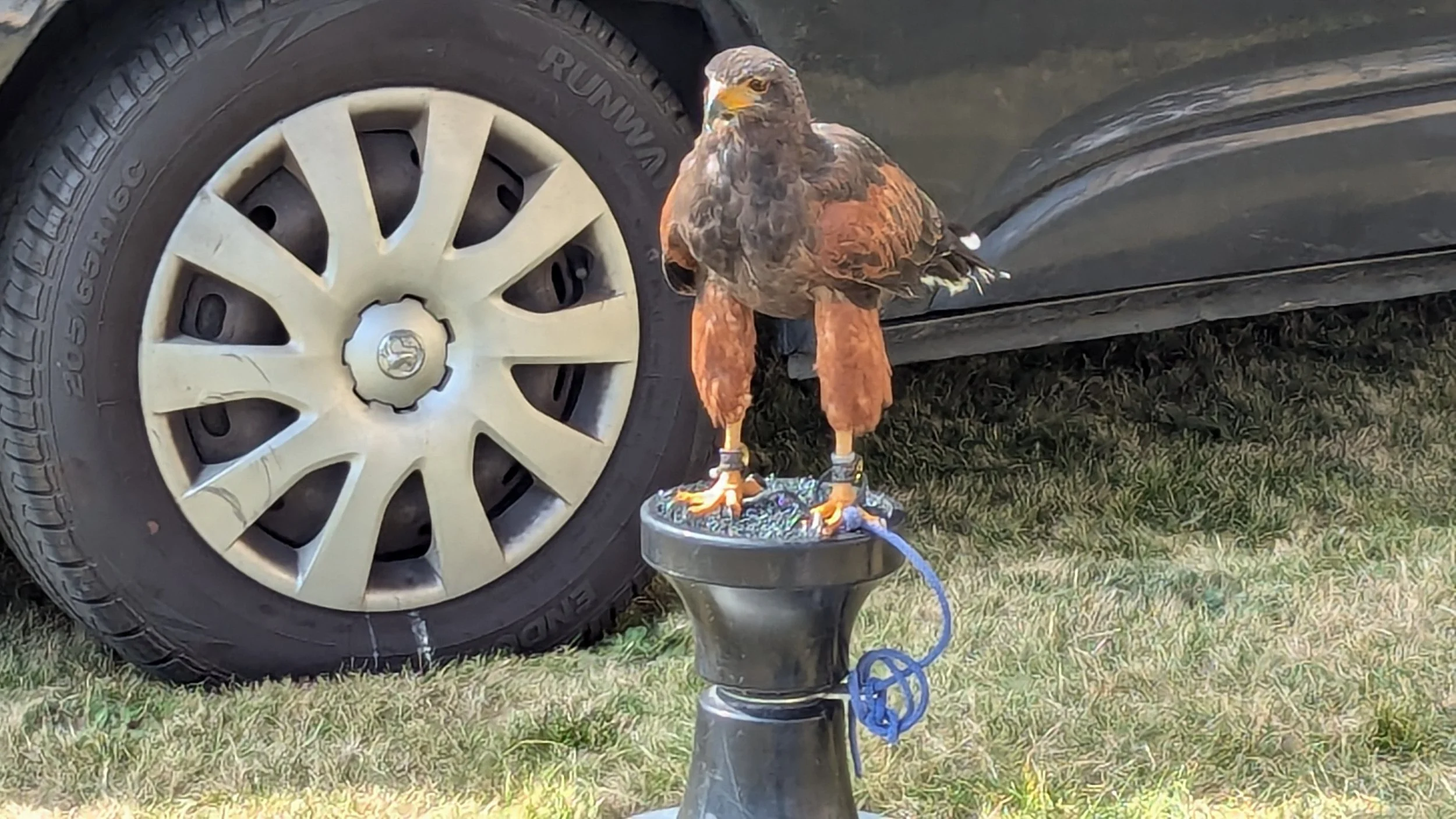

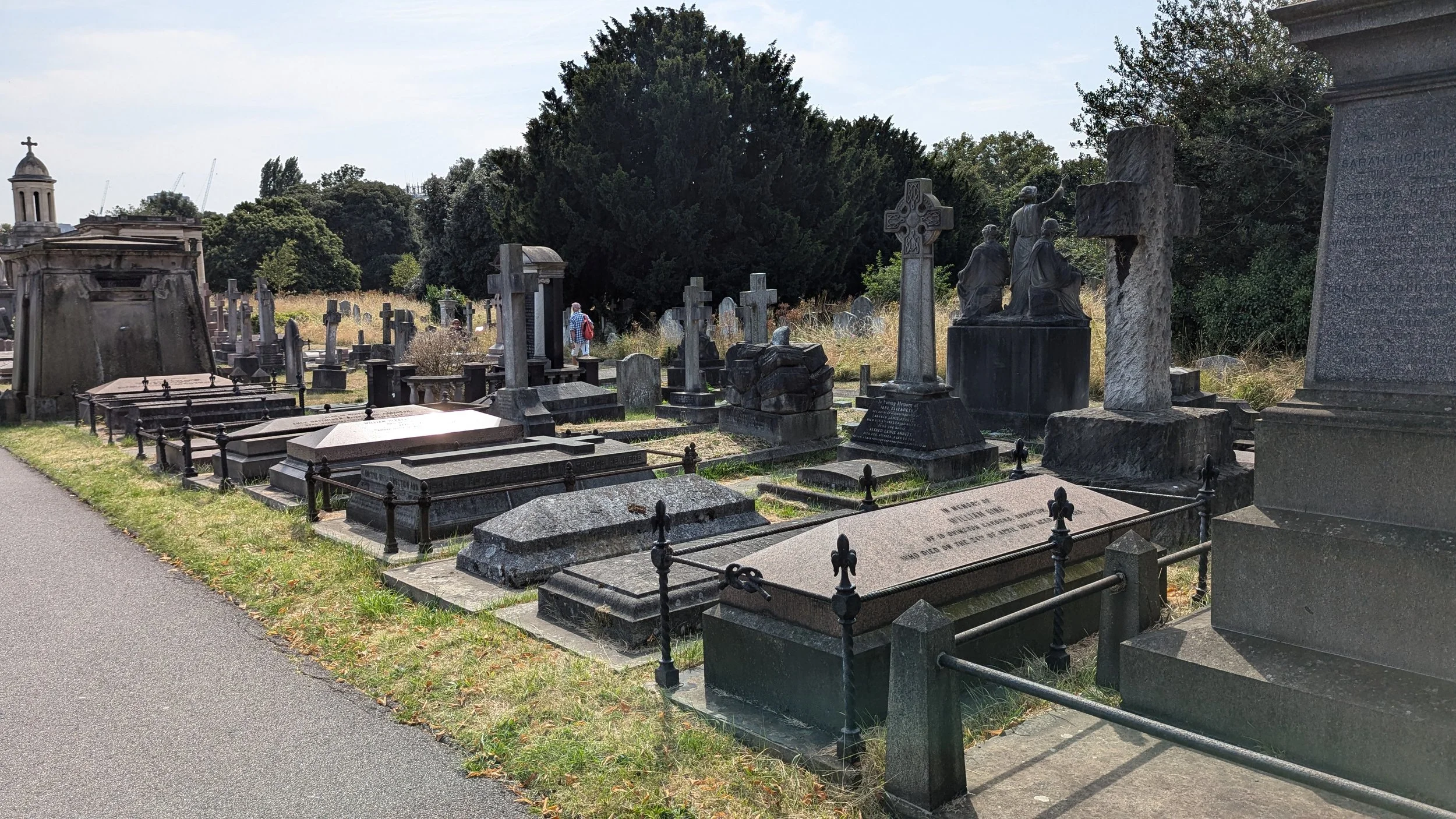
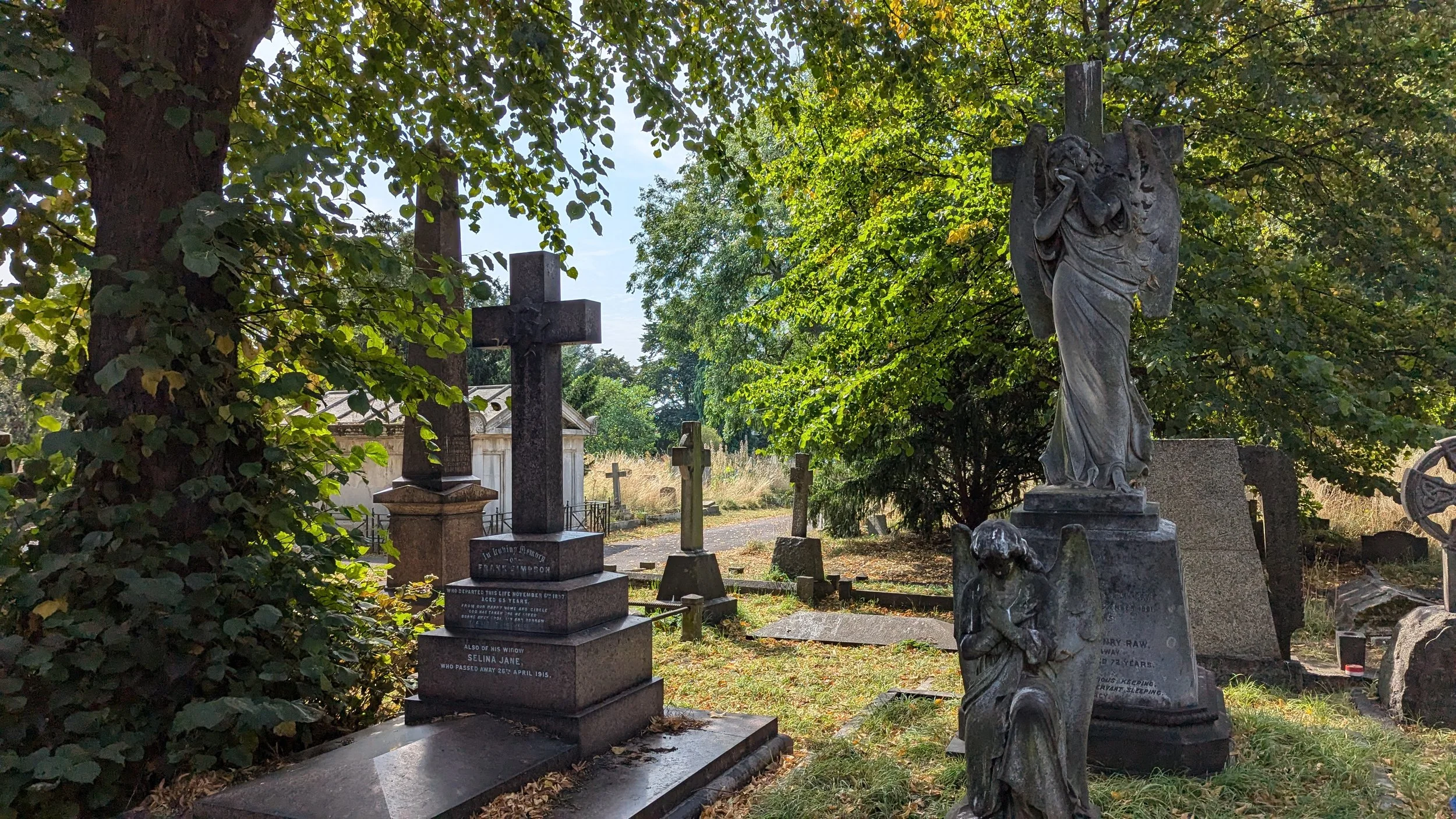
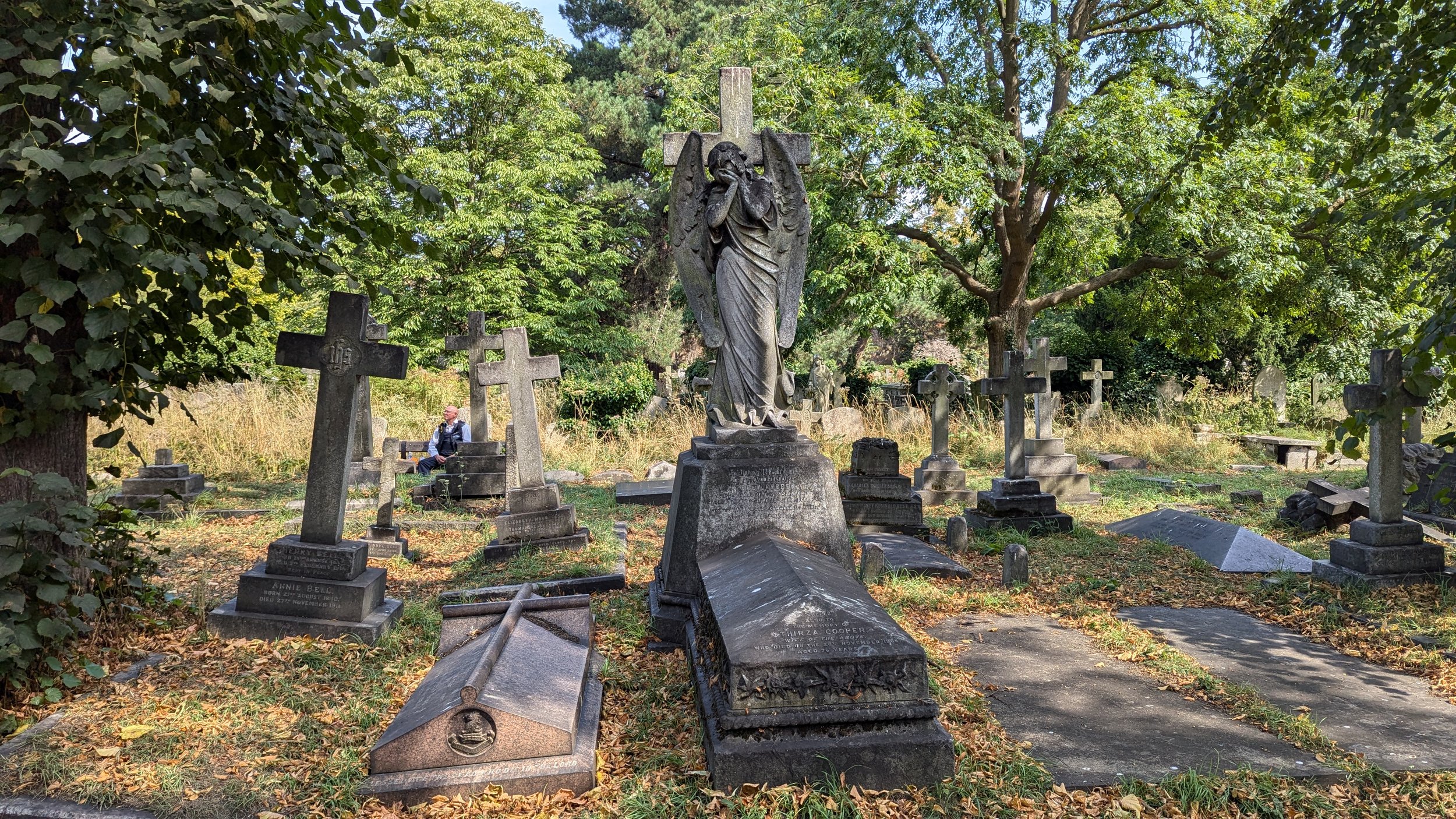

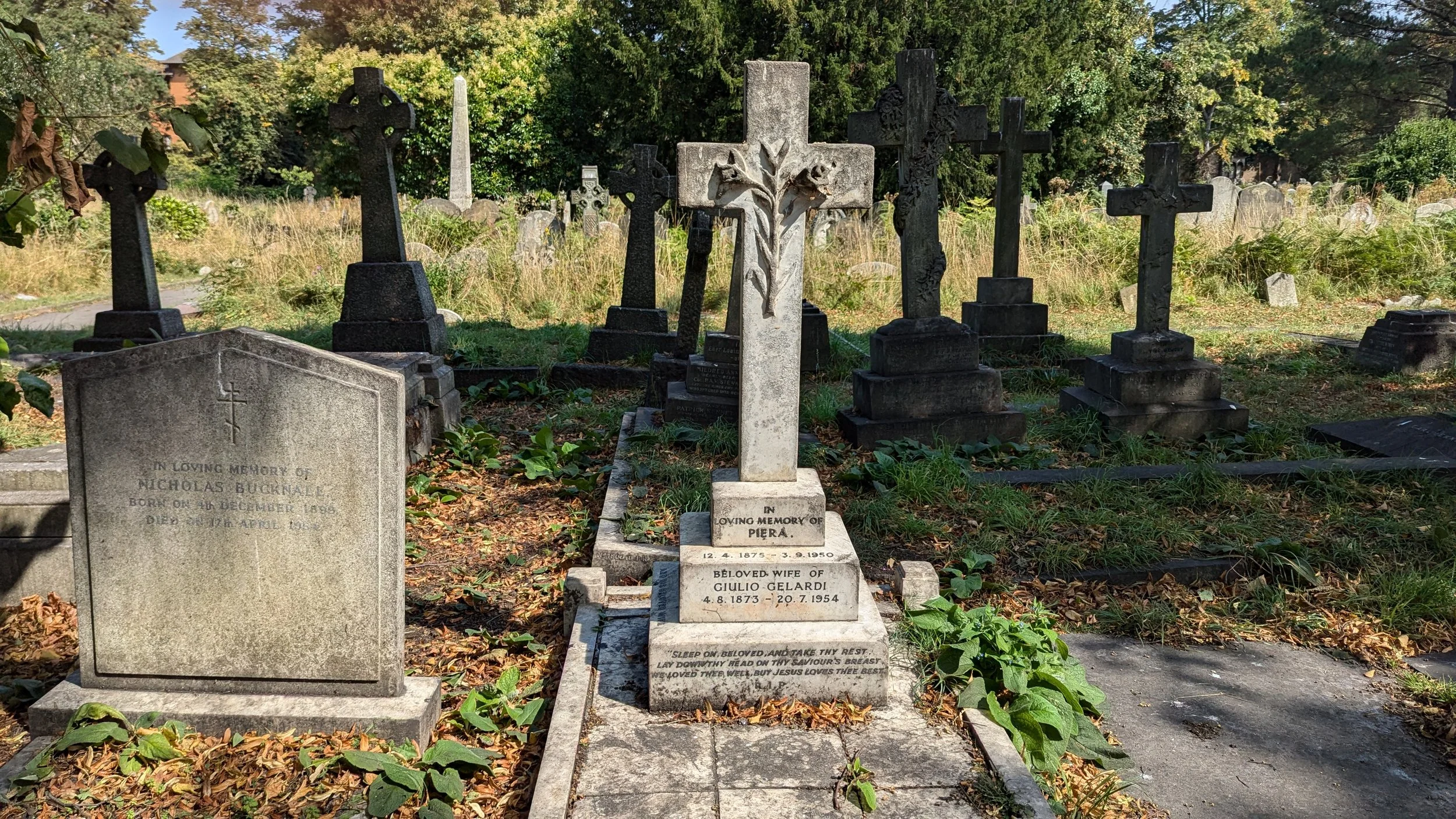

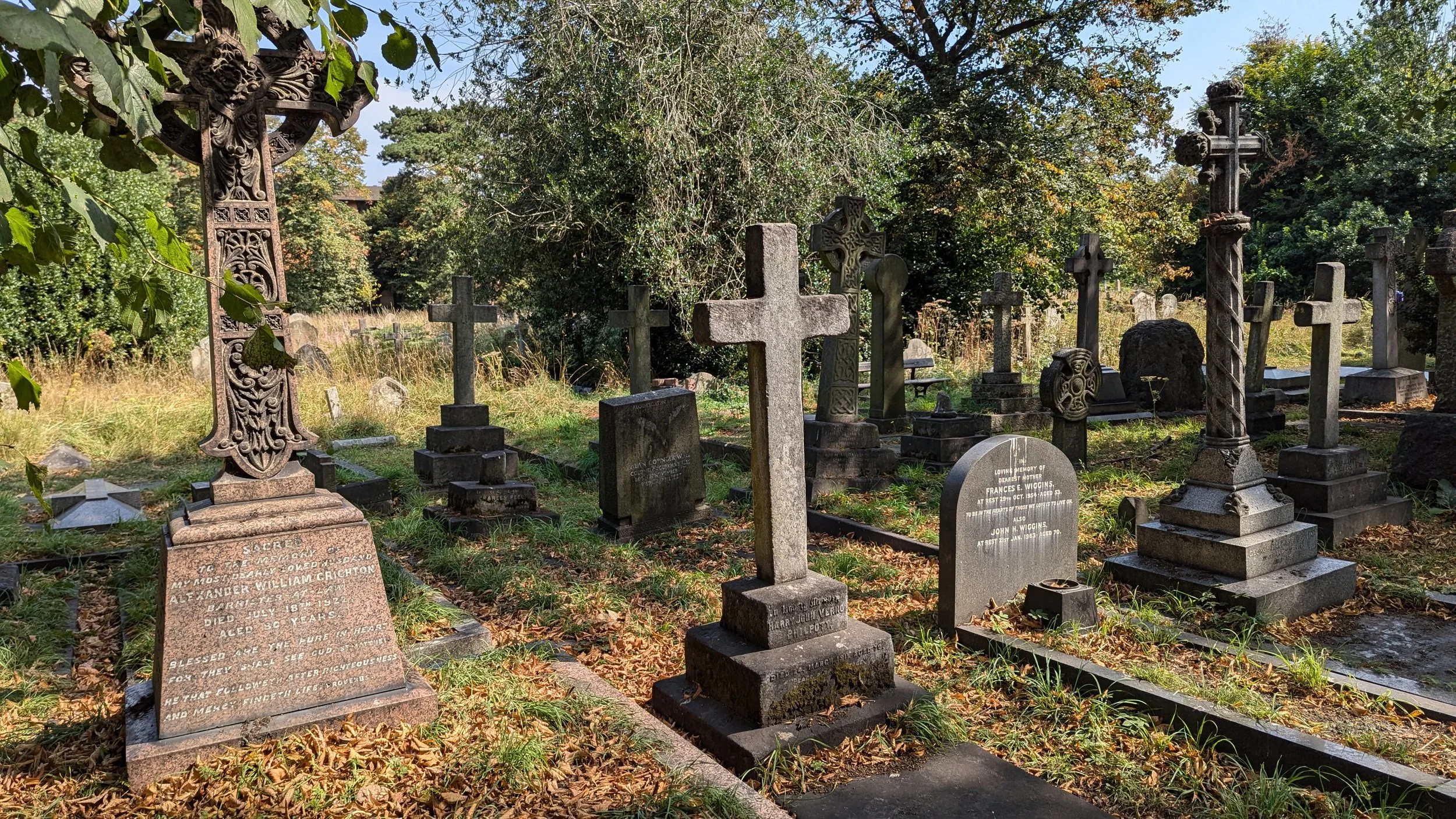
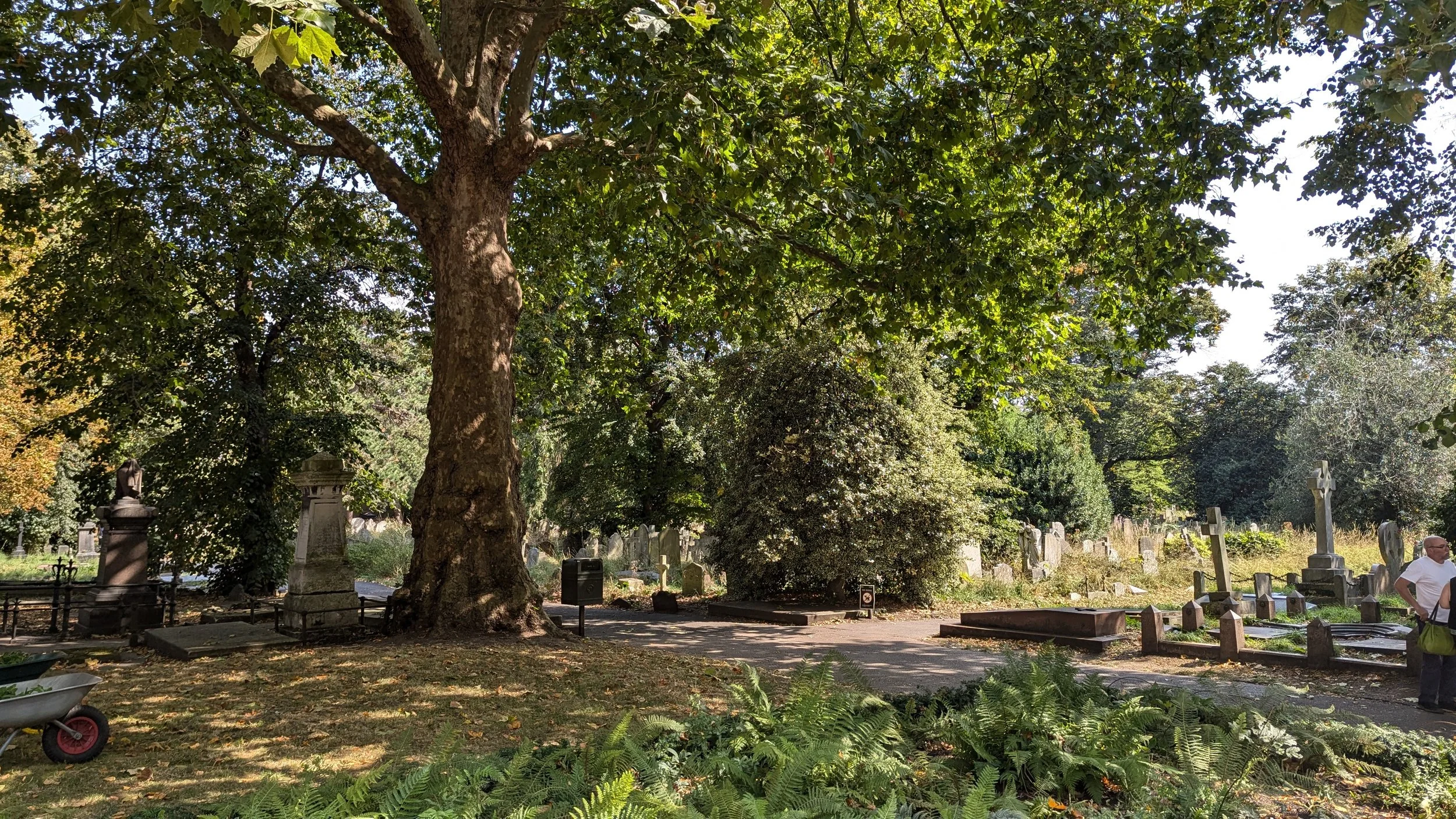
Today I visited the Inside Aardman: Wallace & Gromit and Friends exhibition at the Young V&A Museum at Bethnal Green. The exhibition which celebrates 50 years of Aardman Animations, provides visitors with a unique, behind the scenes view of the art of stop-motion animation. It also explores how Aardman’s iconic characters and worlds are designed, crafted and brought to life. From the initial concept artwork to the final visual effects, this event demonstrates the methods and techniques employed by Aardman. The exhibition features early scripts, sketch artists initial concept art, models, sets and numerous famous puppets. Furthermore this event is firmly pitched at children and families, with a wealth of interactive activities demonstrating the various techniques on display. The curators of the exhibition have also made it clear that they wish to encourage future generation to consider a career in the creative arts.
The Imperial War Museum serves as a national museum for Britain. Its main location is in London, complemented by five additional branches across England. Established in 1917 as the Imperial War Museum, its original purpose was to document the civil and military efforts and sacrifices made by the United Kingdom and its Empire during the First World War. Over time, the museum’s scope has broadened to encompass all conflicts involving British or Commonwealth forces since 1914. As of 2012, the museum’s mission is to provide and encourage the study and understanding of the history of modern warfare as well as the “wartime experience”. The IWM as it is now known has its headquarters and primary site is located at Southwark in Central London. The museum is funded by government grants, charitable donations and revenue generated through commercial activity such as retailing, licensing and publishing. General admission is free to IWM London.
Castle Farm is a family business located near the village of Shoreham in West Kent. The Alexander Family have been farming in the Darenth Valley since 1892 when James Alexander transported 17 milking cows from Ayrshire in Scotland and took up residence in this south-eastern part of England. Castle Farm is a busy, working farm comprising of 1,100 acres. It produces such crops as wheat, barley, rapeseed, hops, apples, pumpkins and lavender. It is also home to a grass-fed herd of beef cattle. However, in recent years it has become well know internationally for its lavender crop. Castle Farm began its lavender enterprise in 1998, producing the essential oils associated with the flower. It is now the largest lavender farm in the UK, growing over 110 acres of the flower. Furthermore, it has become quite a tourist attraction with the farm staff running tours during Summer and the height of lavender season.
Riverhill Himalayan Gardens are set in the grounds of Riverhill House, a Grade II listed Queen Anne manor house located on the southern edge of Sevenoaks in Kent, England. Riverhill is well known for its stunning and historic gardens as well as its sweeping vistas over the Weald of Kent. The estate has been the residence of the Rogers family since 1840 who currently operate the gardens as a tourist attraction, along with the house and associated facilities as a wedding venue. Visitors can enjoy a walled garden, rose walk and maze as well as other attractions. There is also an excellent trail around the grounds culminating in a view from the top of the hill over the estate. Riverhill Himalayan Gardens, as a supporter of the Surrey Sculpture Society, regularly showcases a selection of sculptures and art pieces throughout its grounds. All are available for purchase if you have deep pockets.
The Hunterian Museum is a museum of anatomical specimens in London, located in the prestigious building of the Royal College of Surgeons of England. The museum is made up primarily of a collection from the 18th century Scottish surgeon John Hunter. Over the years it has since been subsequently supplemented by Odontological material curated by A. E. W. Miles and various natural history exhibits from Richard Owen. In May 2023, the Hunterian Museum reopened following a five-year redevelopment of the Royal College of Surgeons of England’s headquarters at Lincoln’s Inn Fields. The £4.6 million museum project features the exhibition of more than 2,000 anatomical specimens from Hunter’s original collection. In addition to these there are instruments, equipment, models, paintings, and archival materials that document the evolution of surgery from ancient eras to contemporary robot-assisted procedures. The Museum boasts the largest public display of human anatomy in England.
The Crystal Palace Dinosaurs are a collection of sculptures depicting dinosaurs and other extinct species located in Crystal Palace Park, in the London borough of Bromley. These sculptures were originally commissioned in 1852 for display at the Crystal Palace following its relocation from the Great Exhibition held in Hyde Park. They were revealed to the public in 1854 and are the first speculative dinosaur sculptures ever created. Although the models are now considered inaccurate by contemporary standards, they were designed and crafted by Benjamin Waterhouse Hawkins under the scientific guidance of Sir Richard Owen, reflecting the prevailing scientific understanding of the time. The sculptures were designated as Grade II listed buildings in 1973 and underwent extensive restoration in 2002. In 2007 they were elevated to Grade I listed status. As of spring 2026 the dinosaurs are again being renovated as part of a £5 million regeneration of the park.
The benefits of international travel are numerous. These include stress relief, mental health benefits and a chance to escape the drudgery of work. Then there are the cultural aspects that you can immerse yourself in. Going abroad also allows you to learn new language skills as you awkwardly ask for directions. International travel is a chance to make lasting memories and it often gives the traveller a greater appreciation of their own home. At the very least the beer is always better abroad and that is the very definition of “broadening your horizons”. Yet despite all these positive points, there is one unavoidable hassle when comes with travelling abroad. The fact that the country or countries that you’re visiting will invariably use a different electrical plug and socket standard. In an age where a lot of the stuff you bring along with you on holiday needs charging, this can be a very stressful problem to solve.
I thoroughly enjoyed our holiday in Croatia last year and it did much to restore my confidence in travelling. Previously my views on visiting other countries had been greatly influenced by the films Raid on Entebbe and Midnight Express. As January was such a bleak month here in the UK, Mrs P and I decided we couldn’t wait until summer for another holiday and so decided to book something for the end of March. So we visited our local Travel Agents and decided upon a river cruise. We’ve been interested in these since we saw a travel show with Susan Calman. River cruises are a horse of a different colour, compared to sea cruises. They’re a great way to visit cities of note, often bringing you right into the heart of them. River cruise ships are a lot smaller with less passengers than ocean faring vessels. They also attract quite different travellers. Let it suffice to say that a sea cruise doesn’t offer the cultural experience that I am looking for.
There are approximately 4000 parks and green spaces in Greater London. Bexley Borough alone has over 100. Public parks and green spaces are vital to modern cities, providing essential health, environmental and social benefits. They boost physical and mental wellbeing by reducing stress and providing a place for exercise. Furthermore they enhance urban sustainability, mitigate heat, and provide a sustainable environment for a wildlife. Parks are often a venue for social activities and events and as such are an important part of the local community. Going to the park has always been a part of my life. I live next to Old Farm Park in Sidcup and have made use of this recreational space throughout my life. I used visit with my parents in the seventies, when I was a child. Thirty years later my son, father in-law and I would fly kites there. Now I take my grandchildren to Old Farm Park as it now has a playground.
There is no shortage of interesting and good quality museums in London. In many respects tourists and visitors are spoilt for choice. More often than not, it is the most well known institutions such as the British Museum or Victoria and Albert Museum that gain the most attention. However, there are many hidden gems to discover if you take the time to look further. A prime example being The British Optical Association Museum which I had the pleasure of visiting today. The museum’s function is to promote the optometry profession and raise public awareness of its past and ongoing role within society. The museum has a well conserved collection of exhibits and provides a venue for presentations, learning and research services. There is also an excellent tour hosted by museum curator Neil Handley (PhD, AMA, FRSA) in which he gives a concise, interesting and at times a witty overview of the history of optometry in the UK and its current role.
The artillery battery at Capel-le-Ferne was built between 1941 and 1942, following the fall of France, on the orders of Winston Churchill. Located between Dover and Folkestone, the battery consisted of three 8-inch high-performance guns, provided by the Royal Navy. The battery was intended to provide anti-shipping defence in the English Channel. The site was manned by men of the 520 Coast Regiment Royal Artillery. Over the course of World War II, the battery expanded in size, eventually encompassing multiple Nissen huts, several roads and 19 military buildings. Anti aircraft defence was provided by two 40mm Bofors guns. Over the course of the war, the Capel Battery engaged enemy shipping on four separate occasions and also took part in fifteen practice shoots. In 1944, due to the decreased threat, the battery was placed in “care and maintenance”. The guns were removed in 1952 and the building demolished in the early 1980s
There are an estimated 2,500 museums in the UK. This number has grown significantly over time, more than tripling between 1960 and 2017. While it is laudable that so many of these institutions exist, they do not all receive equal interest or publicity. Some museums dominate in their respective fields and drown out others that have a similar theme. With this in mind, I was unaware of the Kent Battle of Britain Museum until a friend recently brought it to my attention. After yesterday’s visit my initial thoughts are what a treasure trove it is. According to the museum’s website it is the world’s largest Battle of Britain collection of memorabilia. This includes planes, uniforms, weapons and related artefacts from over 700 crashed aircraft. Furthermore, the museum tells the story of this battle without bias, choosing to highlight both the historical and the human aspects of the conflict. It is often very poignant.
Stonehenge is so much more than just a neolithic, historical structure of note. It is of great spiritual importance to many, representing ceremonial practices and ancient worship. It is also seen as a conduit to a wider connection to the cosmos. It is after all a celestial calendar, according to one of the theories regarding its purpose. It also has a strong significance in pop culture. Hence, due to its history, symbolism, religious connotations and overall sense of mystery it is a UNESCO World Heritage Site and a globally recognised symbol of ancient Britain. As such, it has always been somewhere that I have wished to visit. Today, as we were relatively nearby in Ringwood and the weather was pleasant, Mrs P and I decided to go to Salisbury and see this iconic structure for ourselves.
I enjoy visiting the coast. I always have. I find the sight and sounds of the sea very calming and thought provoking. There is something about seeing the ocean stretch out to the horizon and its implied enormity, that gives you a sense of perspective. The UK is a seafaring nation and therefore it is an integral part of our history and national identity. Hence a strong nautical theme and a sense of its importance has bled through into our popular culture. It is therefore quite common for people to have a positive attitude towards the sea and its associated leisure activities. I like to visit the coast at various times of the year and walk along the beach, just listening to the waves, lost in my own thoughts. This is not a hard thing to do in the UK, as no one lives further than 70 miles (113 kilometers) from the coast.
Knole is a country house in England and a former archbishop’s palace that is currently owned by the National Trust. It is located within Knole Park, a 1,000-acre (400-hectare) estate that lies to the south-east of Sevenoaks in west Kent. The existing structure of the house dates back to the mid-15th century, although there were significant expansions in the 16th and particularly in the early 17th centuries. Its Grade I listing signifies its combination of late-medieval to Stuart architectural styles. This is especially evident in its central façade and state rooms. In 2019, a comprehensive conservation initiative titled “Inspired by Knole” was completed to restore and enhance the buildings’ structures. This was beneficial to the preservation of its significant collections. The adjacent deer park has also endured since 1600.
Mrs P and I travelled to Croatia on Friday 13th June for our summer holiday. We spent one week in Makarska, which is located on the Dalmatian coast. My last international holiday was to Malta in 2004. Since then we have done a lot of travelling in the UK and Mrs P has vacationed abroad with other family members. However, she stated last September that she wanted to go “somewhere warm” for our next holiday. So this trip was booked and has been “something to look forward to”, or a source of stress slowly inching closer, depending upon your perspective. In many respects this holiday has been a big deal for me. I don’t enjoy travelling at all with all its accompanying logistical, bureaucratic and “people” issues. However, I have no problem with being elsewhere. I eagerly await teleportation technology to become commonplace. Once I arrived at our hotel, I quickly switched to holiday mode and I am happy to confirm that I thoroughly enjoyed myself.
Emmetts Garden is an Edwardian estate situated on Ide Hill, close to Sevenoaks in Kent, UK. After a long and interesting history it is currently under the stewardship of the National Trust. Originally open farmland, the existing house was constructed in1860. The term “emmett” is a local dialect for ant, referencing the large anthills that populated the area until the 1950s. In 1890, the estate was acquired by Frederic Lubbock, a banker with a keen interest in horticulture. His elder brother, John Lubbock, 1st Baron Avebury, was a renowned authority on ants, which may have influenced Frederic's decision to purchase the estate. Today Emmetts Garden is open to the public and features several “hortus conclusus” (walled gardens) and a hillside trail that is famous for its Bluebells in the spring.
Damerham is a quaint rural village and civil parish located in the New Forest district of Hampshire, England. It is close to the market town of Fordingbridge. Damerham is distinguished by significant Neolithic and Bronze Age burial mounds. Historically, it was home to an Anglo-Saxon religious community and was referenced in the will of Alfred the Great, as it was at that time part of the royal estate. At the time of the Domesday Book in 1086, Damerham was recognized as a prominent settlement under the ownership of Glastonbury Abbey. It was mainly farms and agrarian small holdings. Today, the village still features a riverside mill and the church of Saint George date’s back to the Norman period. There is a church hall that hosts numerous local, seasonal events.
Bodiam Castle is a 14th-century moated castle located near Robertsbridge in East Sussex, England. It was built in 1385 by Sir Edward Dalyngrigge, a former knight of King Edward III. The castle’s primary purpose was to defend the local area against possible French invasion during the Hundred Years' War. Bodiam Castle has a quadrangular design and does not have a keep. All the various chambers and rooms were built adjacent to the outer defensive walls. The four corners and main entrance have towers, all of which feature crenellations. A substantial moat surrounds the castle, which served as a home for the Dalyngrigge family, as well as a seat of power to the manor of Bodiam. The castle remained within the Dalyngrigge family until the line became extinct. It remained a place of strategic importance during the War of the Roses and the English Civil War. It is currently owned and maintained by The National Trust.
Today I went on an impromptu visit to Brompton Cemetery in West London. Established in 1837, the West of London and Westminster Cemetery (as it was originally known) is a private cemetery initially created as a business venture to capitalise upon the shortage of cemeteries within London. It also sought to cater to the prevailing culture of opulent Victorian funeral rites. However, after proving non profitable, the cemetery was bought by the UK government. It was subsequently incorporated into Crown Property and managed by The Royal Parks. It is one of Britain’s oldest and most distinguished garden cemeteries. There are currently 35,000 monuments, ranging from simple headstones to impressive mausolea. It is home to more than 205,000 resting places. The cemetery is also a haven for flora and fauna, providing a substantial semi rural environment amid urban central London.
Christmas Tree Farm is a petting zoo, outside the village of Downe in the county of Kent. Despite its rural setting, it is actually only 15 miles from London, making it an ideal visit, as part of a day. The farm is home to a wide selection of domestic farm animals (and a few more exotic ones), all of which can be fed, stroked and lavished with attention by visitors. During the winter months, Christmas Tree Farm hosts Santa’s Grotto and as the name suggests is the place to find the perfect Christmas tree for your home. Entry prices are very reasonable, costing £6 per adult and £4 for children aged between 2 and 16 years old. Buckets of animal feed of varying size are also available for a small fee. There is a leisurely trail around the farm where the various animals are housed in pens and out buildings. There is also a Tea Garden where refreshments are available.
In 1939 legislation was passed in the UK so that all employees had one week’s annual paid holiday per year. By the 1950s this had become two weeks and by the 1980s most people had at least 4 weeks of annual holiday. On top of this paid leave allocation, the UK currently has 8 bank holidays which provides further time off for employees. This culture of increasing amounts of annual leave also broadly coincided with air travel becoming more accessible. The first UK passenger jet service began in 1952. However, its cost excluded most people. However, as larger airliners with increased range became available, cheaper foreign holidays became more and more economically viable. European holidays became a reality in the 1960s and 1970s. By the 1980s long-distance holidays to other continents became ubiquitous and the package holiday became king. It is also worth noting that the Channel Tunnel opened in 1994, making car travel from Britain to Europe easier and more popular.
Today I had the pleasure of visiting the Whitstable Museum (or to give its full name Whitstable Community Museum and Gallery). This is a fine example of a local heritage centre that curates and displays artefacts and records that reflect the history and culture of the surrounding area. The museum located in Whitstable, Kent, is home to one of the world's oldest steam engines, as well as historical diving equipment that was developed locally. The history of the local oyster trade which has been an integral part of the community for centuries is also a key feature. Established in 1985, the museum was reopened in 2015 following a major refurbishment. There is also an art gallery featuring the paintings by local artists and artworks on loan from an international network of galleries.
Eltham Palace, located in South East London, was the childhood home of King Henry VIII in 1499. It was later used as a royal nursery for the infant Princess Elizabeth, born on 7th September 1533. It sports sumptuous grounds and ornamental gardens and was famous for its game hunting during the Tudor and Elizabethan periods. In the 1930s’ the property was owned by the Courtauld family, who built a sumptuous Art Deco style mansion and redeveloped the grounds. Today the entire property is owned and managed by English Heritage who have extensively restored much of the estate. It is therefore very fitting that this illustrious venue annually plays host to the Legendary Medieval Joust, during the summer months. Two days of historical pageantry, re-enactments and events for the entire family to enjoy. I last attended in 2015, so it was a welcome pleasure to return again yesterday.
Morph’s Epic Art Adventure in London is a step-free art trail and tourist attraction featuring the iconic animated character Morph. It is hosted by charitable organisation Whizz-Kidz, global event producers Wild in Art and Aardman. The trail features 56 super-sized sculptures of the much-loved children’s TV character, which are set among various iconic London landmarks including St Pauls, Tate Modern, Tower of London, Shakespeare’s Globe and Borough Market. It is a free public art trail and tourist attraction, designed by a variety of artists to excite and inspire people of all ages, whilst increasing public awareness about the need for young wheelchair users to be mobile, enabled and included in society. Morph’s Epic Art Adventure in London runs from June 19th until August 20th 2023.
Regardless of whether you deem the IFS Cloud Cable Car a white elephant, a political folly or just a mistake in terms of tourism, it cannot be denied that the view it provides over South East London is impressive. At a height of 90 metres (300 feet), on a bright and sunny day you can see from City Airport to Canary Wharf. Located at Greenwich Peninsula, the IFS Cloud Cable Car (as it is now called) opened in June 2012. It was initially promoted as a viable form of public transport across the Thames, linking North Greenwich and Royal Victoria stations. In October 2012, nearly 100,000 journeys were made. However, after the London Olympics, passenger rates fell and since then IFS Cloud Cable Car has become more of a tourist attraction, rather than an integral means of commuting.
To my surprise I found myself out and about today undertaking another day trip. This time we headed back to the sea and visited Whitstable, a town on the north coast of Kent adjoining the Greater Thames Estuary. It’s 5 miles (8 kilometres) north of Canterbury and 2 miles (3 kilometres) west of Herne Bay. The town was originally recorded in the Domesday Book of 1086, under the name Witenestaple, meaning "the meeting place of the white post", a reference to a local landmark. By the late middle ages Whitstable had become a centre of Thames Estuary fishing, specifically for oysters. Today, the main activities at the harbour are fishing and processing, cargo handling and boat maintenance. The town has shingle/sandy beaches adjacent to the harbour, where swimming and water sports are popular. Whitstable Castle is situated on the border of Whitstable and off the coast is Kentish Flats offshore wind farm, consisting of 30 wind turbines.
Royal Tunbridge Wells is a town in the county of Kent, 30 miles (50 kilometres) southeast of central London. It is situated on the border with East Sussex on the northern edge of the High Weald. The local sandstone geology is synonymous with a rugged landscape due to erosion and weathering. The town itself was a spa during the Restoration and became a very fashionable resort in the middle of the 18th century. Socialites such as Beau Nash helped make the resort popular when the Pantiles and its chalybeate spring, began attracting visitors who came to “take the waters”. Despite the decline in spa towns after sea bathing grew in popularity, Royal Tunbridge Wells has remained a tourist resort. Today, much of the area's income is generated by tourism. The town has an equitable temperate maritime climate.
With January already behind us, Mrs P and I decided it was high time we took our first day trip of 2022. So yesterday I spent some time looking online at details of various National Trust sites within an hour or so drive from our home. I also looked at similar places of historical note that are run by other bodies. Sadly, many are either partially or totally closed for the present. It would appear that from January to March many of these sorts of tourist attractions spend time repairing, refurbishing and preparing for forthcoming events. Grounds also have to be maintained. Hence, we were somewhat lacking in choice for suitable destinations. However, as the weather forecast was mild, today we opted to visit the village of Chiddingstone so we could walk in the grounds of the local castle and along the various footpaths in the area.
For me, staying in a hotel is always an adventure, as it mainly happens when I’m taking a holiday or a short weekend break. I suspect that travelling habitually for business reasons probably puts a different complexion on the process. It may well dictate what sort of hotels you stay in. More than likely functionality, location and cost trump other more self indulgent factors such as aesthetic and ambience. Mercifully, travel has never been a major part of my working life and so hotels are still a source of excitement as they’re associated with fine meals, interesting scenery and good company. However, such hotels tend to come at a price as they’re catering more for tourism rather than business travel and therefore stays are not a regular occurrence. However, I had the pleasure of a short visit this weekend.
Today I visited the Inside Aardman: Wallace & Gromit and Friends exhibition at the Young V&A Museum at Bethnal Green. The exhibition which celebrates 50 years of Aardman Animations, provides visitors with a unique, behind the scenes view of the art of stop-motion animation. It also explores how Aardman’s iconic characters and worlds are designed, crafted and brought to life. From the initial concept artwork to the final visual effects, this event demonstrates the methods and techniques employed by Aardman. The exhibition features early scripts, sketch artists initial concept art, models, sets and numerous famous puppets. Furthermore this event is firmly pitched at children and families, with a wealth of interactive activities demonstrating the various techniques on display. The curators of the exhibition have also made it clear that they wish to encourage future generation to consider a career in the creative arts.