
Day of the Dead (2008)
George A. Romero's Day Of The Dead (1985) is a bleak and remorseless masterpiece. The final entry in his “Dead Trilogy”, its central theme is that in a world on the brink of destruction, man is still the biggest threat to his own existence. It is well scripted, clinically accurate in its observations on human nature and thought provoking, despite having its budget cut just weeks before production commenced. 40 years later it is revered as a genre milestone and is considered one of Romero’s finest works. Sadly, the 2008 “remake” directed by Steve Miner, who has a background in slasher and exploitation movies, takes a contrasting approach, to say the least. It certainly has very little to do with Romero’s film and one can’t help but assume that it is nothing more than a cynical cash in. Setting aside comparisons with the original, this is not in any way a standout zombie film in its own right.
George A. Romero's Day Of The Dead (1985) is a bleak and remorseless masterpiece. The final entry in his “Dead Trilogy”, its central theme is that in a world on the brink of destruction, man is still the biggest threat to his own existence. It is well scripted, clinically accurate in its observations on human nature and thought provoking, despite having its budget cut just weeks before production commenced. 40 years later it is revered as a genre milestone and is considered one of Romero’s finest works. Sadly, the 2008 “remake” directed by Steve Miner, who has a background in slasher and exploitation movies, takes a contrasting approach, to say the least. It certainly has very little to do with Romero’s film and one can’t help but assume that it is nothing more than a cynical cash in. Setting aside comparisons with the original, this is not in any way a standout zombie film in its own right.
A group of soldiers led by Captain Rhodes (Ving Rhames) seal off a remote town in Colorado, due to an alleged viral outbreak. Corporal Sarah Cross-Bowman (Mena Suvari) soon suspects that matters are much worse when the infected’s symptoms change from coughing and nosebleeds, to necrosis and a penchant for cannibalism. Has Doctor Logan (Matt Rippy) from the CDC, been sent to help or is he part of a covert project that has gone awry? Cue mayhem, death, bad acting and teenagers in peril. Absolutely no cliche is left unturned from “let's split up” to the ubiquitous wisecracking, African American comic relief. There are ludicrous levels of pseudoscience even by this genre’s standards and the curious addition of zombies climbing around walls and ceilings like Spider-Man, which just doesn’t work.
Filmed mainly in Sofia, Bulgaria Day Of The Dead has a somewhat low budget feel. Cinematographer Patrick Cady does his best to create an atmosphere and cover the modest nature of the production. Yet rather than innovate, the film takes an “everything bar the kitchen sink” approach. Every possible trope from the genre is included and then poorly executed. The make up effects and prosthetics are adequate but the film lacks any standout set pieces. The digital fiery denouement is over far too quickly due to budgetary restrictions, making the ending lacklustre. Perhaps the biggest mistake that Day Of The Dead makes is when Private Bud Crain (Stark Sands) is bitten and becomes a zombie. He eschews his undead nature because he was a vegetarian when alive. Perhaps writer Jeffrey Reddick thought he was making a clever point but regardless of the intent it simply comes off as risible.
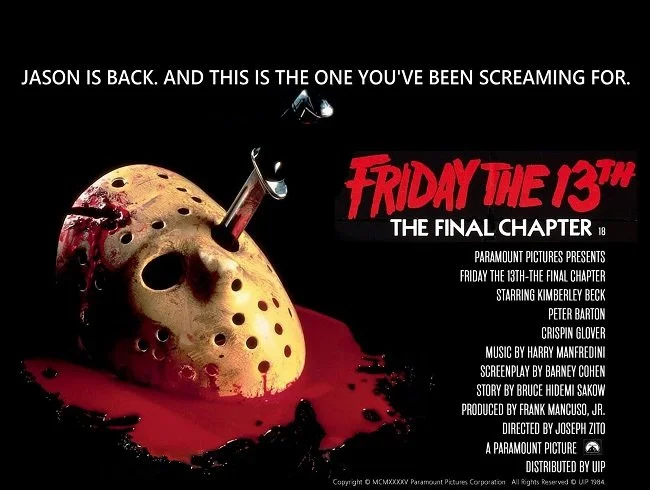
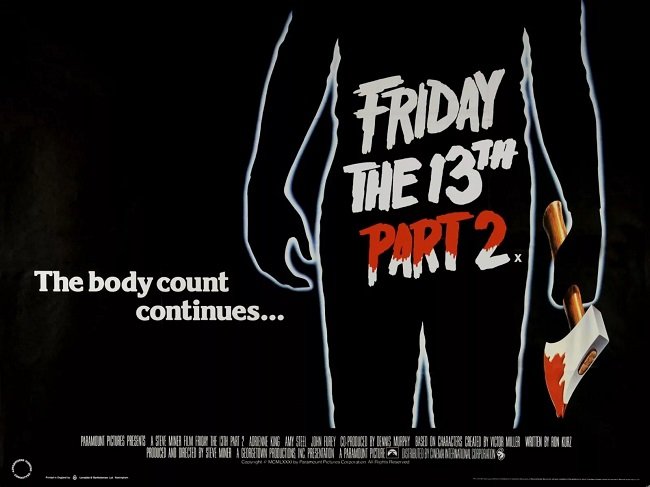
Steve Miner has been involved with some interesting films over the years. I enjoyed his homage to creature features, Lake Placid and the gothic Warlock. Two Friday 13th sequels loom large in his body of work. But this is far from his finest hour. Zack Snyder's 2004 remake of Dawn Of The Dead may not be to everyone’s tastes but it cannot be accused of being a shallow, teen oriented exploitation piece. This film most definitely can be. It would appear that the distributors got wind of its shortcomings and so it bypassed cinemas and was released direct to video. If you’re looking for a clever reimagining of a seminal film, offering new perspectives on the zombie genre, then you won’t find it here. If you wish to waste 90 minutes of your time watching an uninspired, generic horror vehicle that seeks to capitalise on the kudos associated with the original, then this remake will meet those requirements.



Night of the Animated Dead (2021)
George A. Romero’s Night of the Living Dead is a true genre milestone that is praised not only by horror film fans but mainstream critics alike. If you are interested in watching an intelligent, well researched and entertaining documentary about the film’s provenance and cultural impact then I thoroughly recommend Birth of the Living Dead (2013) by Rob Kuhn. It tells you pretty much all you need to know about why this classic film is so important. As for Night of the Living Dead itself, it still holds up well after 53 years. It is the immediacy and relatability of the premise and overall story that still makes the film relevant. The zombies are purely a “MacGuffin” and the real focus of the plot is how people behave under pressure in life threatening situations. It’s a film about how we can react to the same situation differently and how cultural baggage and the need for people to be “right”, hinders co-operation and thwarts progress.
George A. Romero’s Night of the Living Dead is a true genre milestone that is praised not only by horror film fans but mainstream critics alike. If you are interested in watching an intelligent, well researched and entertaining documentary about the film’s provenance and cultural impact then I thoroughly recommend Birth of the Living Dead (2013) by Rob Kuhn. It tells you pretty much all you need to know about why this classic film is so important. As for Night of the Living Dead itself, it still holds up well after 53 years. It is the immediacy and relatability of the premise and overall story that still makes the film relevant. The zombies are purely a “MacGuffin” and the real focus of the plot is how people behave under pressure in life threatening situations. It’s a film about how we can react to the same situation differently and how cultural baggage and the need for people to be “right”, hinders co-operation and thwarts progress.
The legacy of Night of the Living Dead is far reaching. It turned zombies from a minor horror subset into an entire genre of their own and propagated the idea of the “zombie apocalypse”. A plot device that can be used to scrutinise and explore all the various facets of the human condition or to provide an endless litany of gore and body horror. The central premise of Romero’s film lends itself to reinvention and interpretation. It has already been officially “remade” in 1990 which added an interesting feminist angle to the story. And there have been numerous unofficial remakes and variations on the same theme from all over the globe. All add something to the basics of the story. Which brings me on to Night of the Animated Dead (2021). The title clearly sets out the film’s pitch. This is an animated feature film remake which closely follows the narrative structure of the original.
According to director Jason Axxin “This is a remake of the original movie. It’s essentially a way to make a classic more accessible to modern audiences. This is in color and there’s a lot more gore and violence. If you were ever hesitant to watch the original film, this is the version to see. It’s a fast-paced roller coaster ride of violence”. Frankly I find this statement and its premise somewhat spurious. Is Night of the Living Dead really outside of a modern audience's frame of reference? If so, that doesn’t say a lot for the average cinema goer. However, if we are to take Axxin’s comments in good faith, the only credible comparison I can come up with is that this version of Night of the Living Dead is intended to be the cinematic equivalent of a Reader’s Digest Condensed Books. A streamlined and somewhat lurid distillation of Romero’s vision. It is also devoid of any character and is possibly the most redundant film I’ve seen since Gus Van Sant’s remake of Psycho in 1998.
Despite having a competent voice cast, featuring Dulé Hill, Katharine Isabelle, Josh Duhamel, Nancy Travis, James Roday Rodriguez, Jimmi Simpson and Will Sasso, the animation style lacks any distinction or innovation. Classic scenes are lovingly recreated but the overall design slavishly adheres to that of the 1968 film and therefore fails to add anything new and say anything different. The minimalist style doesn’t really bring the story or themes into sharp relief and the character designs are somewhat lacking. The screenplay is credited to John A. Russo who wrote the original, as it is a verbatim summary of the 1968 version. The score by Nima Fakhrara is used sparingly and is evocative of the library music that Romero used. As for the “gore” it lacks any real impact due to its rather crude realisation. It comes off as a rather unnecessary embellishment.
I appreciate that there were probably budgetary restrictions that had an impact on the production. Setting aside such considerations, Night of the Animated Dead provides a simplified, less nuanced version of Night of the Living Dead. It hits all the essential beats of Romero’s classic but offers nothing beyond that other than its own inherent novelty. The animation is functional but far from accomplished. That said, Night of the Animated Dead is not an utter disaster. It manages to hold your interest. However, a film being mildly engaging due to its pointlessness is not really a great selling point. If you are a diehard horror fan who is curious to see an ill conceived project, then by all means watch Night of the Animated Dead. But I cannot recommend it in any way as a substitute to the original. At best it is just a minor footnote that serves to highlight the merits of the 1968 version and the talent of George A. Romero.







Army of the Dead (2021)
One of the biggest issues associated with modern film production is creative interference by the studios financing them. Despite employing known writers and directors who have an established track record and creative style, all too often control is taken from these individuals and changes are imposed upon the production, usually to the detriment of the overall film. Hence, you can understand why more and more filmmakers are taking their work to Netflix and similar platforms. Streaming services are apparently far more accommodating and understanding. Martin Scorsese himself made his last film The Irishman, for Netflix. However, such creative freedom can be a double edged sword. Some directors need to be tempered, the same way that some writers need a good editor. There is often a fine line between creative freedom and self indulgence.
One of the biggest issues associated with modern film production is creative interference by the studios financing them. Despite employing known writers and directors who have an established track record and creative style, all too often control is taken from these individuals and changes are imposed upon the production, usually to the detriment of the overall film. Hence, you can understand why more and more filmmakers are taking their work to Netflix and similar platforms. Streaming services are apparently far more accommodating and understanding. Martin Scorsese himself made his last film The Irishman, for Netflix. However, such creative freedom can be a double edged sword. Some directors need to be tempered, the same way that some writers need a good editor. There is often a fine line between creative freedom and self indulgence.
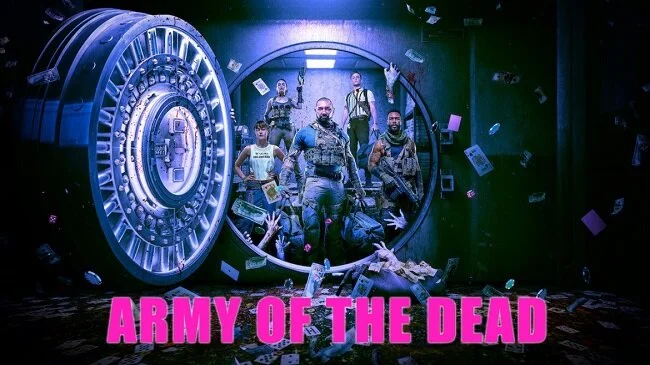
Following an zombie outbreak due to a military “accident”, Las Vegas has been wall off to contain the walking dead. Former decorated soldier Scott Ward (Dave Bautista), who led the initial evacuation, is employed by casino owner Bly Tanaka (Hiroyuki Sanada) to break into the quarantine zone and recover $200 million from his casino vault, before the US military obliterates the city with a tactical nuclear warhead. Ward has mixed feelings about returning to Vegas as he had to kill his wife during the evacuation when she was bitten by a zombie. He recruits his former teammates Maria Cruz and Vanderohe, along with helicopter pilot Marianne Peters, German safecracker Ludwig Dieter, and Chicano sharpshooter Mikey Guzman, who brings along his associate Chambers. Tanaka sends his right hand man Martin to provide access to the casino vault. Enroute Ward encounters his estranged daughter Kate (Ella Purnell); a volunteer in the Vegas refugee camp.
Zack Snyder’s latest film, Army of the Dead, is a textbook example of “indulging” a filmmaker and not legitimately questioning any of their creative decisions. As a result the handful of innovative ideas get lost among the bloated set pieces and mitigated by the crass screenplay with its puerile dialogue. I was raised on classic zombie movies and therefore am more disposed by default to favour the “Romero rules” governing zombie behaviour. However, I am open to alternative ideas and was not averse to the rather threatening fast moving zombies in Snyder’s previous remake of Dawn of the Dead. Sadly, the inclusion of the so-called “Alpha” zombies in Army of the Dead does more harm than good. By making zombies less mysterious and giving them more specific human cognitive abilities, it essentially robs them of their mystique. They become a far more rationalised threat and hence less of the enigmatic metaphor for wider social issues as in other films.
Army of the Dead is overlong, too dependent on CGI rather than physical effects and is filled with characters who are woefully undeveloped or even interesting. It lacks the narrative subtly of Romero’s work and the cast carry out their duties in a perfunctory manner. Zack Snyder has an eye for visuals and certainly can produce better work (as his extended version of Justice League proves). However, I feel that he needs a creative partner who can curb his excesses and nurture his valid ideas. As it stands Army of the Dead is a ponderous viewing experience, with no hardboiled action movie cliché left unturned. It wastes the presence of Dave Bautista, who has proven he can be a personable lead and saddles us with a dull, obvious narrative. Rather than advance or reinvigorate the zombie horror movie subgenre, it succinctly demonstrates why it has fallen by the wayside by doing absolutely nothing new of note during it’s 148 minute running time.

Flight of the Living Dead (2007)
Sometimes just the name of a film is sufficient to sell it to you. I originally discovered this zombie crossover movie thanks to film critic Mark Kermode's video blog from the 2008 Cannes Film Festival. He reported on how the film festival was also a major marketplace for independent movie makers trying to find international distribution for their products. Flight of the Living Dead was one of the lurid flyers he was given. Writer and director Scott Thomas claimed at the time that despite the obvious plot similarities with Snakes on a Plane, his film was not intended to be a quick cash-in on Samuel L. Jackson’s sleeper hit from 2006. The basic concept and the pre-production phase of Flight of the Living Dead supposedly pre-dates the aforementioned exploitation movie. Considering how long it can take for a small independently funded movie to find a distributor this may well be true.
Sometimes just the name of a film is sufficient to sell it to you. I originally discovered this zombie crossover movie thanks to film critic Mark Kermode's video blog from the 2008 Cannes Film Festival. He reported on how the film festival was also a major marketplace for independent movie makers trying to find international distribution for their products. Flight of the Living Dead was one of the lurid flyers he was given. Writer and director Scott Thomas claimed at the time that despite the obvious plot similarities with Snakes on a Plane, his film was not intended to be a quick cash-in on Samuel L. Jackson’s sleeper hit from 2006. The basic concept and the pre-production phase of Flight of the Living Dead supposedly pre-dates the aforementioned exploitation movie. Considering how long it can take for a small independently funded movie to find a distributor this may well be true.
Dr. Bennett (Erick Avari) and his team of scientists are en route to Paris, transporting a cryogenically frozen coffin in the hold of the plane. The flight crew are unsettled not only by the presence of a cadaver but by the fact there's an armed guard securing it. The plane finds itself in the middle of a violent storm, which inevitably leads to the coffin accidentally being opened. It contains a mysterious woman, who doesn't appear to be quite dead. After attacking the guard she soon starts to spread her contagion among the rest of the crew and passengers. The survivors, including a policeman and prisoner as well as a golf pro and his wife, make a desperate last stand against the zombies and try to land a damaged plane. However, the authorities have other ideas and a military option soon becomes apparent.
Director Scott Thomas does not leave a single horror cliché left unturned in what is a surprisingly enjoyable tongue in cheek "B" horror movie. There is a capable cast of TV and genre actors such as David Chisum, Kristen Kerr, Kevin J. O'Connor, Richard Tyson and Raymond J. Barry. Furthermore Thomas has crafted a professional looking production despite the limited budget at his disposal. The make-up FX's are perfectly acceptable and the CGI work is better than what you usually see in such low budget movies. The script is the weakest aspect of the film and could have been tighter and a little more satirical. It struggles at times to decide what direction it wants to take. Overall the cast has a great time despite these shortcomings and I couldn't help but enjoy the film, as it has no pretensions to be anything other than what it is.
Flight of the Living Dead is the very essence of direct-to-video filmmaking and "high concept" movie and that's meant as a compliment. Long time horror fans have a highly attuned grading system when it comes to these sorts of movies. This movie is a cut above your standard cash-in bullshit. It puts a grin on your face with the sheer gall of its title and manages to maintain that goodwill for the remaining ninety minutes. Sometimes these DTV titles have a candour about them that is absent in the bigger budget and often more pretentious cousins. It is not as gory as it could be and the scope of the story pretty much remains within the confines of the title but if you want 90 minutes of zombie mayhem set on a plane then Flight of the Living Dead meets that requirement.
Dawn of the Dead: Complete Cut (1978)
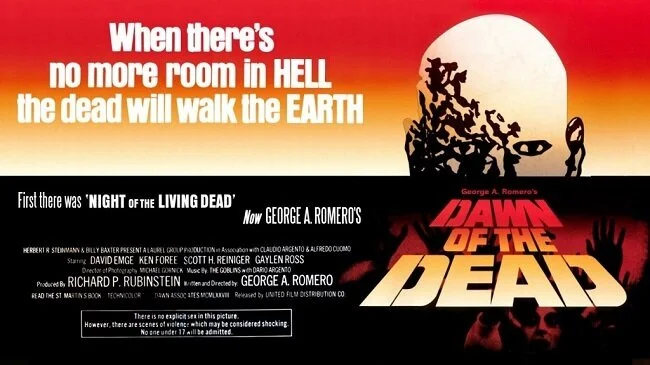
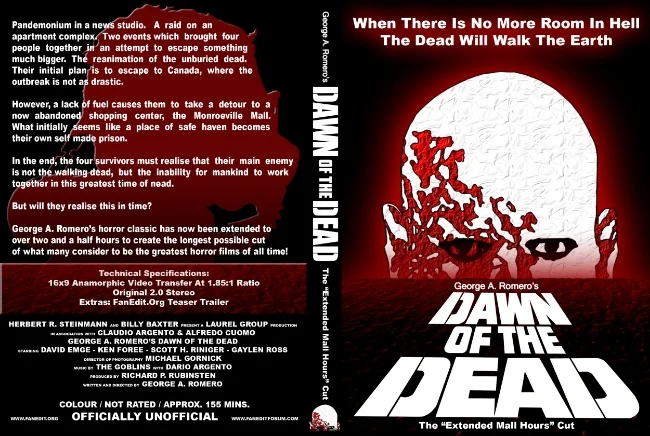
Five years ago, I wrote about a fan edit of George Romero’s horror classic Dawn of the Dead that attempted to recreate the original rough cut of the movie. The so-called “Extended Mall Hours” cut was composed of the 139 minute Cannes edit of the film and the 117 minute Dario Argento version. It was a very interesting project but as it consisted of DVD quality material (including deleted scenes) it was not an optimal presentation. Being a fan edit, there were obvious issues regarding legality, so I never really expected to see anything comparable to this version being officially sanctioned or released. So I was therefore most surprised to learn that a recent Blu-ray boxset release by Austrian distributors XT Video included a “Complete Cut” which similarly combines all available material. This is presented in 1080p, at a ratio of 1:85:1 and runs 155 minutes. It is superior in quality to the “Extended Mall Hours” cut and is most likely the nearest any fan is ever going to get to seeing Romero’s initial edit of the film.
Five years ago, I wrote about a fan edit of George Romero’s horror classic Dawn of the Dead that attempted to recreate the original rough cut of the movie. The so-called “Extended Mall Hours” cut was composed of the 139 minute Cannes edit of the film and the 117 minute Dario Argento version. It was a very interesting project but as it consisted of DVD quality material (including deleted scenes) it was not an optimal presentation. Being a fan edit, there were obvious issues regarding legality, so I never really expected to see anything comparable to this version being officially sanctioned or released. So I was therefore most surprised to learn that a recent Blu-ray boxset release by Austrian distributors XT Video included a “Complete Cut” which similarly combines all available material. This is presented in 1080p, at a ratio of 1:85:1 and runs 155 minutes. It is superior in quality to the “Extended Mall Hours” cut and is most likely the nearest any fan is ever going to get to seeing Romero’s initial edit of the film.
Having recently watched the “Complete Cut”, I again reiterate the same comments I made when watching the “Extended Mall Hours” fan edit. The film takes on a somewhat bleaker tone with some additional dialogue scenes between Peter and Stephen. The expanded “Biker Raid” adds to the action and certainly increases the threat that they pose to our protagonists. And there is a lot more additional zombie related violence. However, this version does a far better job of adjusting the soundtrack to accommodate the additional material. Some tracks by Goblin that were not used in previous edits of the film have been integrated back into the movie. Hence we do not get too much repetition of cues. The visual elements are of a superior quality this time round so there is no significant disparity between old and new material. The editing is also seamless and the addition of new content does not disrupt the narrative flow or the overall pacing of the film.
The addition of this version of Dawn of the Dead to the existing three cuts of the film raises the inevitable question of which is best? Although I often prefer the most comprehensive version of movies, I’d advise those who have not seen the film before to start with the standard theatrical version first. It has a sense of immediacy that makes it possibly the most accessible edit. Other versions are best watched once an opinion of the base movie has been established. Some of the material in the “Complete Cut” may mainly be of interest to completists who want to see additional zombie footage. However, some of the extra make up effects and action scenes are not quite as polished as those that have always been present, which may well be the reason that director George Romero removed them. However, if you are an aficionado then this version of the film is worth seeing for scholarly reasons. However, please note that the boxset that contains this cut was a limited edition and is now very expensive to obtain.
World War Z (2013)
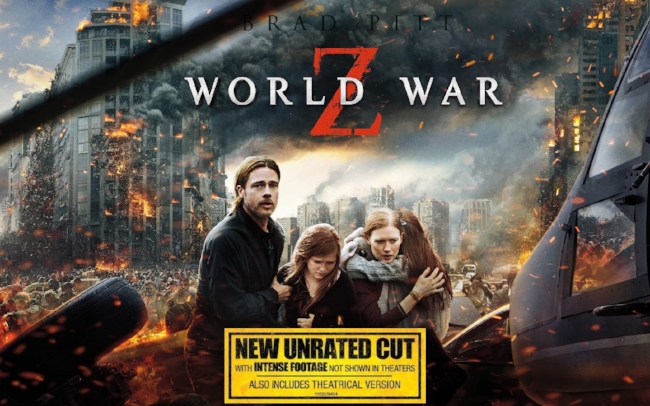
Contrary to a lot of the pre-release doom and gloom regarding re-edits and extensive new footage being shot, World War Z turned out to be far from the disaster that some critics implied. Ultimately there were some good ideas and snatches of interesting dialogue. Some of the characters were unusual and there seems to have been an attempt do something different with the genre. All of these things are laudable. Unfortunately, despite these positive attributes the movie clearly shows the signs of post-production interference and material from the extensive re-shoot is all too apparent. That’s not to say that is bad because that is not the case. It’s because it is noticeably different in style and tone from the rest of the film.
Contrary to a lot of the pre-release doom and gloom regarding re-edits and extensive new footage being shot, World War Z turned out to be far from the disaster that some critics implied. Ultimately there were some good ideas and snatches of interesting dialogue. Some of the characters were unusual and there seems to have been an attempt do something different with the genre. All of these things are laudable. Unfortunately, despite these positive attributes the movie clearly shows the signs of post-production interference and material from the extensive re-shoot is all too apparent. That’s not to say that is bad because that is not the case. It’s because it is noticeably different in style and tone from the rest of the film.
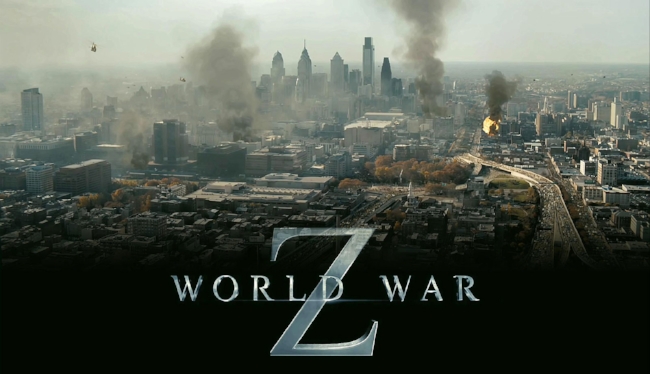
World War Z performs best in the first act, in which the global disaster is convincingly set up. We are efficiently introduced to a likeable lead Gerry Lane (Brad Pitt) and his family and within minutes they are caught up in a major outbreak incident in Philadelphia. The movie excels at showing large scale and convincing scenes of destruction, scratching that perennial cinematic itch audiences seem to have for scenes of an apocalyptic nature. Yet even at this point, the narrative has moments of hesitation which undermine the overall movie. World War Z is reticent to clarify exactly whether this is a true Zombie scenario or some sort of viral outbreak. If this was done for dramatic effect, I can understand it as a plot point to reinforce the sense of national confusion. But I feel the ambiguity is actually a result of the movies re-editing.
The plot soon takes on a globetrotting sub plot as our World Health Organisation hero (Brad Pitt) travels from South Korea, to Israel and then to Wales in attempt to find patient zero. We meet many characters along the way, yet few of them have sufficient screen time to become anything more than just a means of exposition. The Navy seal officer who sacrifices himself, the ex-CIA agent turned arms trader, the Hispanic parents who become infected and turn on their own children, all show promise dramatically. The dialogue also has possibility, showing a leaning towards the more philosophical. Perhaps an extra twenty minutes of material could correct these deficiencies. Zombies hurling themselves at potential victims cannot sustain a movie.
As I stated earlier the final act, although interesting, doesn't sit well with the previous two. Set in a WHO laboratory in Wales, it is a far more sedate and traditional denouement. The absence of the shaky cam and lightning editing of the first hour is noticeable. There is also the incongruous casting of Peter Capaldi as a research scientist which, after years of seeing him as Malcolm Tucker in The Thick of It, it becomes hard to see him in a role where every other word is not a profanity. Furthermore, the movie's conclusion, although plausible within the context of the story, is derailed by it being solely the brain work of Gerry Lane. The whole point of World War Z is surely its global dimension and thus its resolution is based upon the involvement of multiple parties. The one man saves the day concept seems somewhat lazy.
Ultimately, despite promising concepts World War Z fails to satisfy any of its target audiences and demographics. The PG-13 rating forces too many restrictions upon a genre that by its very nature has to be visceral. Death is cruel and ugly, and zombies reflect this. Yet such a low rating has meant that the producers have had to obfuscate and fudge the violence and horror through rapid editing and out of shot framing. The movie does have a dark and brooding tone, but this is not enough to sustain the horror theme alone. Perhaps Max Brooks' book, which is very challenging to adapt, would have been better suited to a TV mini-series. But is that required in the wake of The Walking Dead? I certainly question whether Marc Forster was the right person to direct World War Z. In the mean time if you do elect to watch World War Z then seek out the unrated version which at least has a little more gore and an increase sense of urgency.
Cockneys vs Zombies (2012)
Back in the summer of 2012, the red band trailer for Cockneys vs Zombies set a very high benchmark and certainly raised expectations for the final movie. The title itself was also somewhat of a gamble, either raising a wry smile among horror fans or eliciting a roll of the eyes and a deep sigh for a genre in decline. I was unable to attend the premier at Frighfest 2012, but the general feedback at the time was that that that the movie was extremely well received by horror fans. Finally, six years later, I finally caught up with the film on Amazon Prime and I’m happy to report that Cockneys vs Zombies does live up expectations and is a thoroughly entertaining, quirky and very British horror movie. It manages to balance both visceral horror with a healthy dose of black humour, which is no mean feat.
Back in the summer of 2012, the red band trailer for Cockneys vs Zombies set a very high benchmark and certainly raised expectations for the final movie. The title itself was also somewhat of a gamble, either raising a wry smile among horror fans or eliciting a roll of the eyes and a deep sigh for a genre in decline. I was unable to attend the premier at Frighfest 2012, but the general feedback at the time was that that that the movie was extremely well received by horror fans. Finally, six years later, I finally caught up with the film on Amazon Prime and I’m happy to report that Cockneys vs Zombies does live up expectations and is a thoroughly entertaining, quirky and very British horror movie. It manages to balance both visceral horror with a healthy dose of black humour, which is no mean feat.
Is Cockneys vs Zombies a ground-breaking genre classic with a subtext of social commentary like George Romero's Dawn of the Dead? Of course not. It’s a lot closer to Return of the Living Dead and Sean of the Dead with its comedy violence and offbeat, quirky characters. It does not redefine the genre, but it certainly embellishes it and offers entertaining new slant. The screenplay by James Moran is witty and packed with clever homages and references to both horror and gangster movies. The cast both young and old acquit themselves well and the visual effects and production design are impressive for a modest budget production. The undead meet a multitude of unpleasant demises, often accompanied by a pithy quip. Full marks go to director Matthias Hoene for correctly ascertaining what audiences want and delivering it in spades.
The central plot device (or MacGuffin) of Cockneys vs Zombies is a group of senior citizens fighting the undead and defending their residential care home. It’s a simple idea that works extremely well. The likes of Richard Briers, Dudley Sutton and Honor Blackman effortlessly inject humour and pathos in to their characters, demonstrating their collective acting talent. Alan Ford excels with a new variation of the traditional East End hard man that he has played many times before. It is with these actors that James Moran's screenplay really finds its stride. The dialogue is profane, dry and filled with the most tortuous Cockney rhyming slang ever. It is also well observed, honest and very entertaining. The secondary plot in which a group of younger protagonists attempts to rob a bank to raise fund for their grandparent’s care home, is not quite so compelling.
Cockneys vs Zombies achieves it aims because it does not over stretch itself. The movie is content to work within the parameters it sets and make great use of its London setting. So many horror films these days fail because they lose sight of what they are about or because they are made by people who fundamentally disrespect the genre. Cockneys vs Zombies is the complete opposite and is clearly a labour of love. There's no parody or self-referential postmodern pretension. Just honest humour and a lot of zombie-based gore. It’s far from subtle, but who wants subtlety in a zombie movie?









Train to Busan (2016)
The horror genre has more than its fair share of bad movies. It’s the nature of the beast (no pun intended). Films of this type can be made quickly and cheaply but have the potential to make a tidy profit. Therefore, they attract not only burgeoning talent but those bereft of any as well. Furthermore, traditional formulas work, so any new innovative production is often followed by a wealth of copycats and knockoff films. To say that the genre is self-plagiarising is an understatement. Yet, from time to time, horror movies can surpass mainstream cinema with regard to social commentary, satire and intelligent adult narratives. Look no further than Dawn of the Dead, The Thing and The Descent if you want three solid examples. Horror is a versatile and malleable genre that can facilitate great stories and reflections upon the human condition.
The horror genre has more than its fair share of bad movies. It’s the nature of the beast (no pun intended). Films of this type can be made quickly and cheaply but have the potential to make a tidy profit. Therefore, they attract not only burgeoning talent but those bereft of any as well. Furthermore, traditional formulas work, so any new innovative production is often followed by a wealth of copycats and knockoff films. To say that the genre is self-plagiarising is an understatement. Yet, from time to time, horror movies can surpass mainstream cinema with regard to social commentary, satire and intelligent adult narratives. Look no further than Dawn of the Dead, The Thing and The Descent if you want three solid examples. Horror is a versatile and malleable genre that can facilitate great stories and reflections upon the human condition.
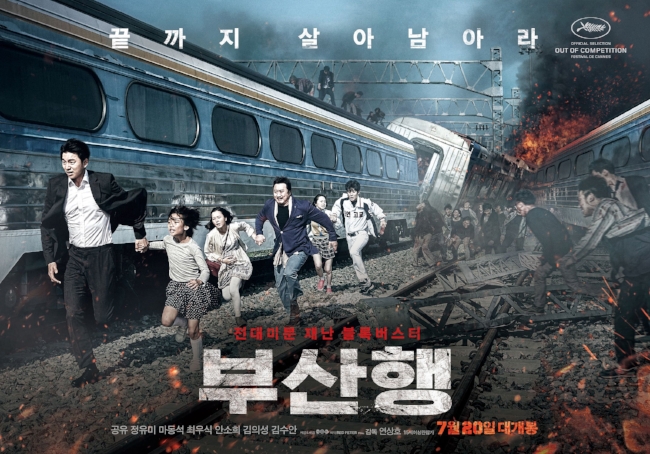
Although Train to Busan starts with a very tried and tested premise, it quickly establishes itself as more than just a standard horror offering. The emphasis is upon characters with credible foibles and traits. The film presents us with an interesting overview of South Korean socio-economic culture. Class, etiquette and morality are all touched upon in the screenplay but organically, not clumsily. Nor are viewers bludgeoned with any obvious social messages. What the film does well is show us how humans deal with adversity and come to terms with extraordinary circumstances. Unlike so many US horror movies, the protagonists are not obnoxious and as the cast is inevitably culled over the course of the film, we genuinely mourn each loss. Another interesting cultural difference is how the disposal of zombies becomes more complex when firearms are not common place.
Like so many zombie movies, the most engaging scenes are those that happen as the emerging apocalypse unfolds. Despite living in a world surrounded by the media, it’s fascinating how we can remain oblivious while being immersed in it. Something else that Train to Busan does very well is accurately catalogue human reactions to the totally incongruous. Often passengers look on utterly dumfounded, as zombies bite into people’s neck. However, once the magnitude of the situation finally registers, the passengers are innovative as they seek to save themselves. Wet newspaper is stuck on the windows to obscure them. Cell phone ringtones are used to distract the undead.
There are obvious stylistic similarities between Train to Busan and World War Z. The fast moving, aggressive zombies that transform their prey in seconds are again seen in this film. However, director Yeon Sang-ho does more with his smaller budget, making his undead horde far more threatening than the boiling CGI-fest of Word War Z. The zombies in this instance go semi dormant when cut off from the light. They are predominantly attracted to sound and seem to have lost most of their higher reasoning abilities. A closed sliding door is enough to outwit them and they do not use tools or their environment to their advantage. Train to Busan although tense and atmospheric, is not excessively gory. There are blood spurts and the bone crunching zombie transformations are ghoulish but the film does not rely on the extremely grotesque. Tension stems from the viewers concern for the casts wellbeing.
Performances are universally good in Train to Busan, although it would be remiss of me not to single out Kim Su-an as Soo-an. This young actress acquits herself extremely well as the young daughter of work obsessed fund manager. The film takes several bleak turns during the course of its story and I was concerned that it may end in a downbeat manner, similar to Romero’s Night of the Living Dead. However, the final resolution to the tale is poignant and certainly within the idiom of the proceeding one hundred minutes. Overall Train to Busan is an infinitely superior genre outing than most contemporary US mainstream horror films. It is engaging due to its international setting, moral integrity and cultural differences. Sadly, all these positive aspects will more than likely be lost when the US remake is released in 2018.
World War Z Unrated Cut (2013)
World War Z Unrated Cut runs seven minutes longer than the theatrical version of the movie and contains "intense footage not shown in theaters". The material consists of more violent alternative takes of existing action scenes and features mainly CGI effects work. There is no additional plot, although there may be some nominal changes to dialogue. Overall the unrated cut is an improvement over the theatrical print in so far it offers a more traditional zombie movie experience. However, compared to other examples of the genre, the unrated version of World War Z still remains relatively sedate in terms of violence. The movie focuses on the scale of the zombie outbreak, rather than the visceral mayhem of a George Romero film.
World War Z Unrated Cut runs seven minutes longer than the theatrical version of the movie and contains "intense footage not shown in theaters". The material consists of more violent alternative takes of existing action scenes and features mainly CGI effects work. There is no additional plot, although there may be some nominal changes to dialogue. Overall the unrated cut is an improvement over the theatrical print in so far it offers a more traditional zombie movie experience. However, compared to other examples of the genre, the unrated version of World War Z still remains relatively sedate in terms of violence. The movie focuses on the scale of the zombie outbreak, rather than the visceral mayhem of a George Romero film.
I thought it may be useful to post a selection of screen captures highlighting the major differences between the two versions of World War Z. Again, it is not in any way a comprehensive list but it broadly shows the major differences. If you require further details Movie-Censorship.com has produced a more thorough breakdown. My original opinion of the film itself still stands. World War Z is flawed but has good performances and explores some interesting concepts. The unrated cut of the movie certainly addresses one of the many criticisms levelled at the PG-13 theatrical release; namely that it was too tame. If you have yet to see World War Z, then this is the cut of the film I would recommend.
During the initial zombie outbreak in Philadelphia, we see more blood when people are bitten. Unfortunately, due to the colour palette that is currently in vogue with many film makers it is still not very clear.
Gerry shoots a zombie in the head while trying to find safety in the tenements of Newark. It is the only major head shot depicted in the movie.
Gerry is covered in more blood from the zombie he bayoneted in the stairwell.
In the unrated cut the camera clearly shows that it is Tommy that shoots the zombie attacking Gerry.
When Fassbach trips and accidentally shoots himself, we see the aftermath more clearly.
The imprisoned CIA operative pulls out one of his front teeth, while explaining how North Korea did this to its entire population in twenty four hours, to prevent the spread of the disease.
He then adds the tooth to a collection of others he has removed.
As the zombies overrun Jerusalem, we see more bullet hits as they are shot by Israeli soldiers.
Most of the gunshot wounds have been added in post production by CGI.
When an Israeli soldier uses his grenade, we see more explicit carnage caused by the explosion.
Further CGI blood and gunshot wounds are seen as the zombies are shot through the closed gate and railings.
A further grenade explosion shows more destruction to the zombies.
Segen's hand amputation is more graphic. Unlike the theatrical print it is obvious what Gerry has done.
Gerry binds Segen's wrist and waits to see if she becomes infected or not.
The zombie attack aboard the plane has a lot more CGI blood when victims are bitten.
Again due to lighting and editing, even the more explicit scenes are difficult to see clearly.
Another victim is bitten, prior to the plane explosively decompressing due to a grenade explosion.
Gerry's impalement injury is shown more clearly.
Gerry dodges the attacking zombie and hits it at the base of the spine with a crowbar.
He subsequently stamps on the zombie's face, crushing it.
Birth of the Living Dead (2013)
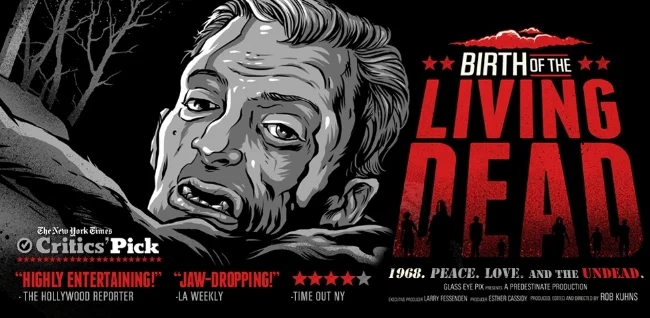
These day’s zombies are a somewhat ubiquitous plot device and enjoy an entire literary, artistic and cinematic sub-genre. The Walking Dead is one of the most popular TV shows internationally and hundreds of thousands of gamers fight the undead, online every day. Yet there was a time when zombies were just a minor subset of the horror genre and far from a popular one. That all changed in 1968, when a low-budget, independent film called Night of the Living Dead was released upon an unsuspecting public. The movie’s impact upon the film industry and popular culture was extraordinary. Rob Kuhns’ appropriately titled documentary Birth of the Living Dead analyses the creation of George A. Romero’s seminal classic and strives to determine how a single movie could have such impact.
These day’s zombies are a somewhat ubiquitous plot device and enjoy an entire literary, artistic and cinematic sub-genre. The Walking Dead is one of the most popular TV shows internationally and hundreds of thousands of gamers fight the undead, online every day. Yet there was a time when zombies were just a minor subset of the horror genre and far from a popular one. That all changed in 1968, when a low-budget, independent film called Night of the Living Dead was released upon an unsuspecting public. The movie’s impact upon the film industry and popular culture was extraordinary. Rob Kuhns’ appropriately titled documentary Birth of the Living Dead analyses the creation of George A. Romero’s seminal classic and strives to determine how a single movie could have such impact.
The then 27-year-old Romero, learnt his craft working for local television (mainly children shows) and producing commercials via his company Latent Image. Relative success and ambition lead to a decision to make a movie and it was determined that a horror production would be cheapest to make. It was also potentially the most lucrative. Having previously read Richard Matheson’s novel I Am Legend, Romero decided to adapt one of his own short stories into the movie. The project was financed via friends and business partner who all contributed the grand sum of $600 each. Film stock was bought, an abandoned farmhouse was rented and the guerrilla-style production commenced. “Who knew that we were ever going to finish this thing” Romero has retrospectively stated.
Kuhns specifically explores Night of the Living Dead in the social and political context of the era, focusing on the radical casting of African-American actor Duane Jones in the lead role. The character’s race was unspecified in the script and the fact that it’s never a narrative issue in the film itself was particularly ground breaking at time. Sidney Poitier was a major box office star in the late sixties, yet there were still major cultural constraints on the depiction of black characters in mainstream movies. The documentary also focuses on the social and political climate of America at the time and the fact that much of the prevailing cultural angst seems to have seeped into the finished movie.
Where Birth of the Living Dead succeeds the most is in cataloguing the minor and more mundane aspects of the film’s production. For example, one of the investors provided real entrails as they ran a meat packing business. A genuine television news broadcaster played such a character the film, authentically writing his own dialogue. Most of the cast members performed additional roles, including designing the producing the makeup effects and local residents were recruited to play the marauding zombie hordes. Full co-operation was gained from the local law enforcement authorities who provided dog handlers and even a police helicopter. At one point, it seemed that pretty much every local business in Pittsburgh was involved in some capacity.
Birth of the Living Dead provides a succinct overview about one of the most iconic movies of the sixties. It is affectionate and informative, although it does get a little bogged down when it tackles the socio-political element of the movie. There are some insightful interviews with horror filmmaker Larry Fessenden (who also executive produced the documentary), Walking Dead producer Gale Anne Hurd, and cultural commentators as Mark Harris, Elvis Mitchell and Jason Zinoman. At a little over seventy five minutes it manages to pack a lot in. I did find some of the material a little curious, such as the teacher at a Bronx elementary school who was enthusiastically extolling the virtues of the movie to a class of pre-teens. Also, the documentary does not in any way touch upon any of Romero's later work or sequels.
Documentaries have become increasingly more popular with mainstream viewers in recent years. The benchmark appears to be whether you can engage a viewer who is not overtly familiar with the subject matter. Birth of the Living Dead achieves this as well as appealing to the die-hard horror fan. There has been a great deal written about Romero's Night of the Living Dead over the years and a lot of DVD “extras” have paid lip service to his work. For the time being Birth of the Living Dead has put all such commentary in the shade, offering the definitive exploration of the movie.



Dawn of the Dead: The Extended Mall Hours Cut (1978)
In the last few years I’ve become acquainted with the concept of fan edits. Fan edit are versions of a film that has been modified by a viewer. This involves the removal, reordering, or the addition of new material to create a new interpretation of the film. Fan edits include the removal of scenes or dialogue, replacement of audio and visual elements, as well as adding material from sources such as deleted scenes or even other films. Due to the easy access to pro-quality software and high definition source material, such editions are often very professionally realised. Naturally fan edits often fall foul of copyright law.
In the last few years I’ve become acquainted with the concept of fan edits. Fan edit are versions of a film that has been modified by a viewer. This involves the removal, reordering, or the addition of new material to create a new interpretation of the film. Fan edits include the removal of scenes or dialogue, replacement of audio and visual elements, as well as adding material from sources such as deleted scenes or even other films. Due to the easy access to pro-quality software and high definition source material, such editions are often very professionally realised. Naturally fan edits often fall foul of copyright law.
I was introduced to this sub-genre when I was tipped off about an extended version of George A. Romero's classic Zombie movie Dawn of the Dead. After a little investigation on the internet I discovered Dawn of the Dead: The Extended Mall Hours Cut. This fan edit produced by the intriguingly named Officially Unofficial, uses the 139 minute Cannes Cut of the film and the 117 minute Dario Argento version. Effectively this is the closest approximation of Romero’s original rough cut of the movie and clocks in at a total running time of 155 minutes.
There is quite a lot of extra footage in this fan edit. As well as miscellaneous scenes of violence in the mall sequences, there are various dialogue extensions which enhance the narrative and give more weight to the story. When the bikers arrive at the movies finale, there is an expanded scene where we see them planning their “attack strategy”. There also some extended dialogue between Peter and Stephen after they return from “shopping” the first time. The pair argue over how they would deal with Fran if she was ever bitten. It is a very different version of the film with a more depressing tone to the theatrical cut. The new material is integrated into this edit seamlessly.
Dawn of the Dead is a genre milestone and there is no need to review the films merits here as they’re clearly established. This fan edit does add an interesting new aspect to the movies pedigree, offering a slightly more human perspective to the narrative. There’s a subtle shift in tone which implies a sense of futility to the lead characters fight for survival. I would be most curious to learn what George A. Romero himself thought of this edit, if he were ever to see it.
UPDATE: There is now an official Blu-ray release of Dawn of the Dead called “The Complete Cut” that comprises of all available footage. It effectively replaces the unofficial “Extended Mall Hours Cut”.
Zombi 2 (1979)
If you are a fan of horror movies then sooner or later Lucio Fulci’s Zombi 2 (also known as Zombie, Island of the Living Dead, Zombie Island, Zombie Flesh-Eaters and Woodoo) will appear on your radar. For good or ill, this movie looms large within the genre and has a mixed reputation. Even by current cinematic standards, this movie is a gore-fest and it still has the ability to make viewers squirm. It is a curious phenomenon that a relatively low budget and obscure Italian cash-in on George Romero’s Dawn of the Dead, has managed to achieve such an infamous, iconic and cult status.
If you are a fan of horror movies then sooner or later Lucio Fulci’s Zombi 2 (also known as Zombie, Island of the Living Dead, Zombie Island, Zombie Flesh-Eaters and Woodoo) will appear on your radar. For good or ill, this movie looms large within the genre and has a mixed reputation. Even by current cinematic standards, this movie is a gore-fest and it still has the ability to make viewers squirm. It is a curious phenomenon that a relatively low budget and obscure Italian cash-in on George Romero’s Dawn of the Dead, has managed to achieve such an infamous, iconic and cult status.
The film was released by Blue Underground on Blu-ray on 25 October 2011 with a 2K transfer. An alternative Blu-ray edition was released by UK distributors Arrow Films with a brand new high definition restoration of the original negative, recently. Both versions come with a wealth of interesting extras and documentaries about the movies production and chequered history. It’s rather ironic that a movie that at one time was labelled a “video nasty” in the UK and banned, is now subject to such a conscientious high definition transfer and scholarly analysis.
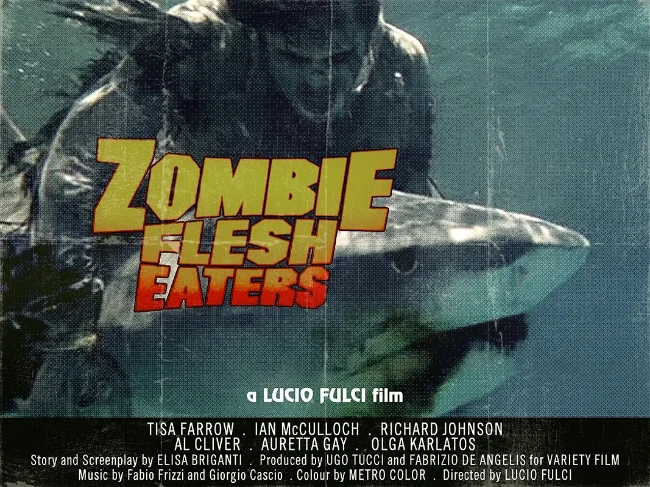
The relative merits of Zombi 2 ultimately come down to personal taste. I know fellow horror fans who hate the movie with a passion. It was rather interesting that Mark Gatiss’ recent Horror Europa documentary chose to not dwell on this or any of the director’s other movies. Personable I like the film although I do not consider it to be a cinematic masterpiece. Yet despite its obvious exploitation roots, Zombi 2 does have moments of creativity. The underwater zombie and its subsequent shark attack are truly surreal. The infamous splinter in the eye scene still shocks and it’s actually quite suspenseful. The film soundtrack by Fabio Frizzi and Georgio Cascio is very evocative and suits the movies ambience perfectly.
I have not yet seen the new UK restoration of the movie but I have seen the Blue Underground release. Zombi 2 has never looked so good and the lush tropical locations and mud caked, blood soaked, decaying corpses are extremely vivid. The high definition image does show some of the shortcomings of Gianetto De Rossi’ make up effects but considering the budgetary constraints and the environment the movie was shot in, he and his team worked miracles. To review this film in a formal fashion really is somewhat redundant. It has survived over thirty years of censorship, hyperbole and controversy and has proven to be indifferent to both criticism and praise. My advice is not to just see it but to “experience” it and then make your own mind up accordingly.
George A. Romero's Day Of The Dead (1985) is a bleak and remorseless masterpiece. The final entry in his “Dead Trilogy”, its central theme is that in a world on the brink of destruction, man is still the biggest threat to his own existence. It is well scripted, clinically accurate in its observations on human nature and thought provoking, despite having its budget cut just weeks before production commenced. 40 years later it is revered as a genre milestone and is considered one of Romero’s finest works. Sadly, the 2008 “remake” directed by Steve Miner, who has a background in slasher and exploitation movies, takes a contrasting approach, to say the least. It certainly has very little to do with Romero’s film and one can’t help but assume that it is nothing more than a cynical cash in. Setting aside comparisons with the original, this is not in any way a standout zombie film in its own right.