
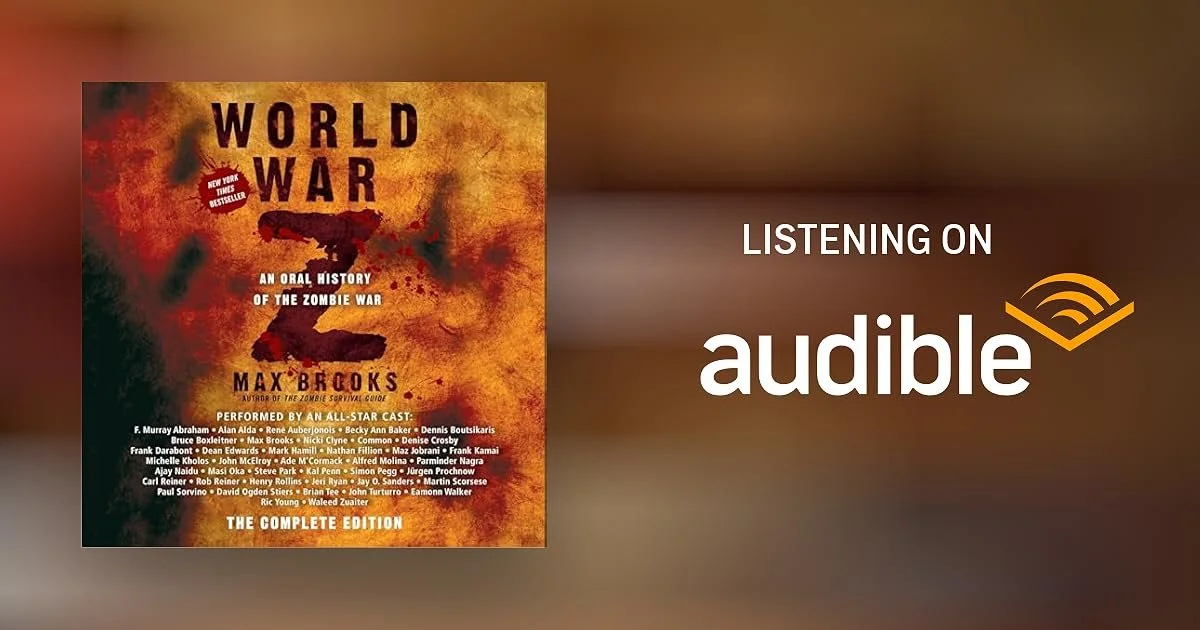
World War Z: The Complete Edition by Max Brooks (2013)
The zombie genre is a narrative seam that has been heavily mined in recent years. There seems to have been a never-ending supply of films, television shows and video games involving the undead over the last two decades. Which is why the notion of society being destroyed by its own citizens has somewhat lost its intellectual and horrific lustre. Hence I can understand people rolling their eyes at the mention of the novel World War Z by Max Brooks. The 2013 film adaptation starring Brad Pitt, which jettisoned most of the source text's innovations, isn’t the best advertisement for the book’s virtues. However, if you take the time to look beyond the hyperbolic title, you’ll find World War Z a work of singular intelligence which uses the zombie genre as a means to explore multiple socio-economic and political themes.
The zombie genre is a narrative seam that has been heavily mined in recent years. There seems to have been a never-ending supply of films, television shows and video games involving the undead over the last two decades. Which is why the notion of society being destroyed by its own citizens has somewhat lost its intellectual and horrific lustre. Hence I can understand people rolling their eyes at the mention of the novel World War Z by Max Brooks. The 2013 film adaptation starring Brad Pitt, which jettisoned most of the source text's innovations, isn’t the best advertisement for the book’s virtues. However, if you take the time to look beyond the hyperbolic title, you’ll find World War Z a work of singular intelligence which uses the zombie genre as a means to explore multiple socio-economic and political themes.
Instead of a traditional novel with several central characters and a linear story arc, World War Z is a collection of fictional interviews that take place between survivors of the zombie apocalypse from around the world and a fictional version of the author Max Brooks. Each personal vignette provides a first hand account of a specific event within the history of the zombie apocalypse and its subsequent consequences upon the narrator or the wider world. These personal anecdotes often obliquely reference wider happenings such as a specific government policy, military engagement or a mass migration. They frequently allude to things that the reader doesn’t directly know about. However, there is always sufficient information to deduce what is being inferred, be it wide scale cannibalism, emergency legislation to deal with civil unrest, or the collapse of specific public institutions.
Hence we hear from Fernando Oliveira, a Brazilian former surgeon, who recollects how the zombie virus was initially spread via the illegal organ trade that he was part of. Then there is Jurgen Warmbrunn, a Mossad agent, who co-write the first formal document recommending countermeasures against the undead. He reflects on how it was distributed to all major governments around the world, who subsequently dismissed it. There are also interviews with everyday people, such as Jesika Hendricks, an American-Canadian woman. She recounts how she survived the first winter after the Great Panic when she and her parents fled north, hoping the cold would freeze the zombies. These interviews personalise the global disaster, while simultaneously exploring the failings of government and how capitalism is ill equipped to deal with catastrophic events.
There is a lot of interesting analysis of both contemporary society and politics within World War Z. Both the public and the incumbent US government, initially refuse to countenance what is exactly going on, leading to a period of history referred to as the Great Denial. The pharmaceutical industry quickly exploits the situation by producing a placebo drug, which the government happily greenlights to buy time. When the modern US military finally faces a massed attack of undead outside Yonkers, their tactics and weapons fail. The shock and awe they depend on to psychologically crush their opponents, is absent in an enemy that is oblivious to their technological superiority. Perhaps the most fascinating aspect of the story is the US government's attempts to repurpose the surviving workforce, with 65% having no viable skills, apart from manual labour, in a post apocalyptic world.
The audiobook version of World War Z has a somewhat complicated history. Random House published an abridged version running 5 hours and 59 minutes in 2007. The book is read by Brooks (who previously had a career in voice acting) and includes Carl Reiner, Mark Hamill and Henry Rollins portraying some of the characters interviewed. Later in 2013, Random House released a revised 12 hours and 9 minutes audiobook titled World War Z: The Complete Edition (Movie Tie-in Edition): An Oral History of the Zombie War. It contains the entirety of the original, abridged audiobook, as well as new recordings of the previous absent material by such actors as Simon Pegg, Jeri Ryan and Parminder Nagra. There is also an alternative version available on Audible UK, with a completely different voice cast.
For the purpose of this review I listened to the rather ponderously named World War Z: The Complete Edition (Movie Tie-in Edition): An Oral History of the Zombie War. Although a lengthy production, the interview format easily allowed me to listen in stages over the course of the week. Sometimes an all star cast can be an impediment to an audiobook adaptation, with individual voice actors becoming the focus of attention instead of the prose. However, in this instance the robust cast imbues the interviews with a sense of credibility, making the various recollections very personal and human. There are no accompanying audio effects and the adaptation lacks a musical score. A simple ominous sting separates each personal recollection. This minimalist approach works very well, as it would have been a mistake to over embellish the production.
Nineteen years on from its publication, World War Z remains relevant, thought provoking and even a little portentous. The COVID-19 pandemic, although far from a zombie apocalypse, certainly shared some parallels with the themes of the book. There was government denial, flagrant business profiteering and a public that was unprepared for such a radical change to their daily existence. The current decline in democratic processes and politics in western civilisation has created an atmosphere of impending societal collapse. Is the broken world that is so vividly depicted within the pages of World War Z an indication of our own future? Max Brooks wrote metaphorically of zombies undoing our civilisation. We currently seem to be doing something similar but without the metaphor.



World War Z (2013)
Contrary to a lot of the pre-release doom and gloom regarding re-edits and extensive new footage being shot, World War Z turned out to be far from the disaster that some critics implied. Ultimately there were some good ideas and snatches of interesting dialogue. Some of the characters were unusual and there seems to have been an attempt do something different with the genre. All of these things are laudable. Unfortunately, despite these positive attributes the movie clearly shows the signs of post-production interference and material from the extensive re-shoot is all too apparent. That’s not to say that is bad because that is not the case. It’s because it is noticeably different in style and tone from the rest of the film.
Contrary to a lot of the pre-release doom and gloom regarding re-edits and extensive new footage being shot, World War Z turned out to be far from the disaster that some critics implied. Ultimately there were some good ideas and snatches of interesting dialogue. Some of the characters were unusual and there seems to have been an attempt do something different with the genre. All of these things are laudable. Unfortunately, despite these positive attributes the movie clearly shows the signs of post-production interference and material from the extensive re-shoot is all too apparent. That’s not to say that is bad because that is not the case. It’s because it is noticeably different in style and tone from the rest of the film.
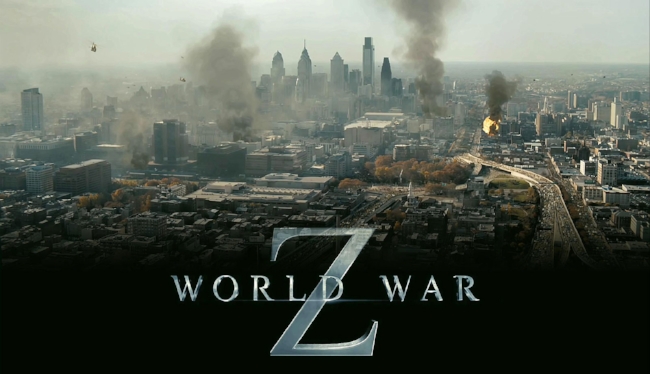
World War Z performs best in the first act, in which the global disaster is convincingly set up. We are efficiently introduced to a likeable lead Gerry Lane (Brad Pitt) and his family and within minutes they are caught up in a major outbreak incident in Philadelphia. The movie excels at showing large scale and convincing scenes of destruction, scratching that perennial cinematic itch audiences seem to have for scenes of an apocalyptic nature. Yet even at this point, the narrative has moments of hesitation which undermine the overall movie. World War Z is reticent to clarify exactly whether this is a true Zombie scenario or some sort of viral outbreak. If this was done for dramatic effect, I can understand it as a plot point to reinforce the sense of national confusion. But I feel the ambiguity is actually a result of the movies re-editing.
The plot soon takes on a globetrotting sub plot as our World Health Organisation hero (Brad Pitt) travels from South Korea, to Israel and then to Wales in attempt to find patient zero. We meet many characters along the way, yet few of them have sufficient screen time to become anything more than just a means of exposition. The Navy seal officer who sacrifices himself, the ex-CIA agent turned arms trader, the Hispanic parents who become infected and turn on their own children, all show promise dramatically. The dialogue also has possibility, showing a leaning towards the more philosophical. Perhaps an extra twenty minutes of material could correct these deficiencies. Zombies hurling themselves at potential victims cannot sustain a movie.
As I stated earlier the final act, although interesting, doesn't sit well with the previous two. Set in a WHO laboratory in Wales, it is a far more sedate and traditional denouement. The absence of the shaky cam and lightning editing of the first hour is noticeable. There is also the incongruous casting of Peter Capaldi as a research scientist which, after years of seeing him as Malcolm Tucker in The Thick of It, it becomes hard to see him in a role where every other word is not a profanity. Furthermore, the movie's conclusion, although plausible within the context of the story, is derailed by it being solely the brain work of Gerry Lane. The whole point of World War Z is surely its global dimension and thus its resolution is based upon the involvement of multiple parties. The one man saves the day concept seems somewhat lazy.
Ultimately, despite promising concepts World War Z fails to satisfy any of its target audiences and demographics. The PG-13 rating forces too many restrictions upon a genre that by its very nature has to be visceral. Death is cruel and ugly, and zombies reflect this. Yet such a low rating has meant that the producers have had to obfuscate and fudge the violence and horror through rapid editing and out of shot framing. The movie does have a dark and brooding tone, but this is not enough to sustain the horror theme alone. Perhaps Max Brooks' book, which is very challenging to adapt, would have been better suited to a TV mini-series. But is that required in the wake of The Walking Dead? I certainly question whether Marc Forster was the right person to direct World War Z. In the mean time if you do elect to watch World War Z then seek out the unrated version which at least has a little more gore and an increase sense of urgency.


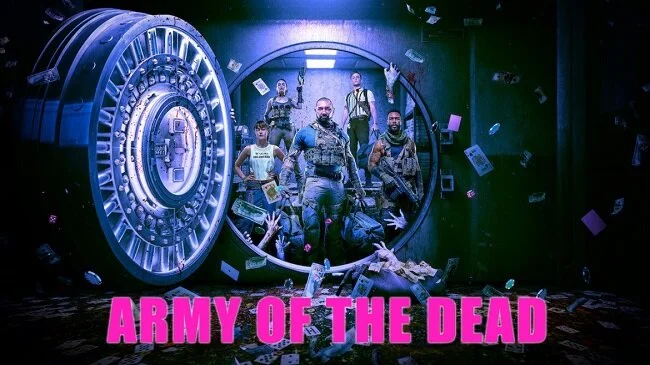


World War Z Unrated Cut (2013)
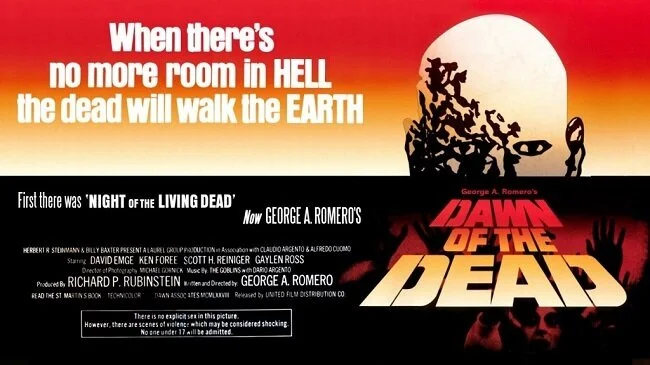
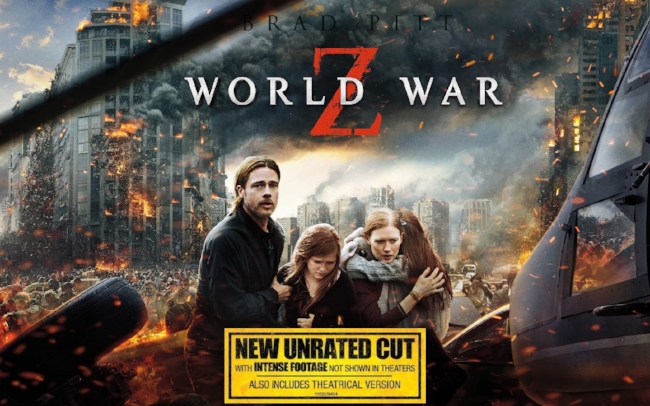
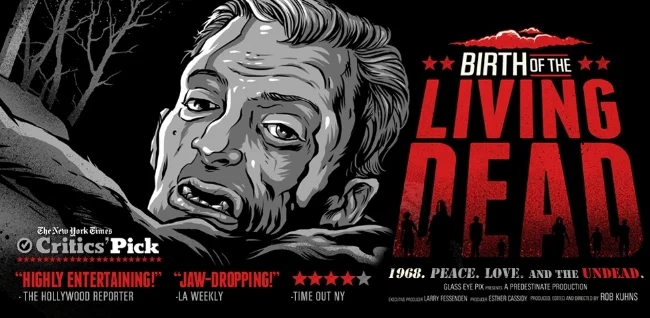
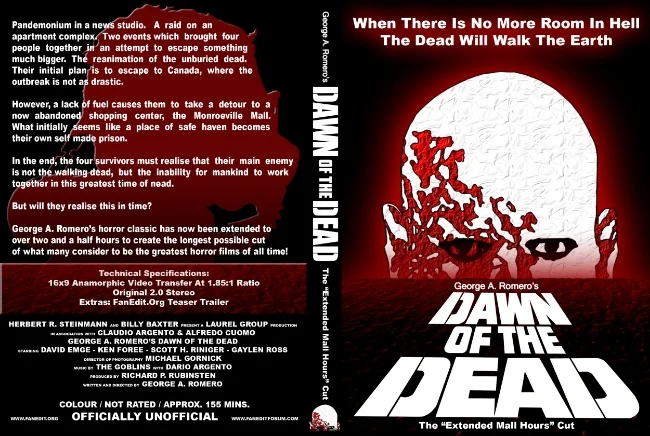
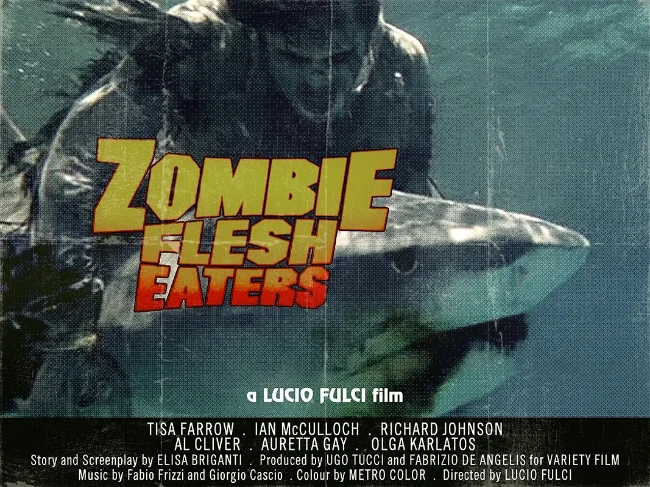
World War Z Unrated Cut runs seven minutes longer than the theatrical version of the movie and contains "intense footage not shown in theaters". The material consists of more violent alternative takes of existing action scenes and features mainly CGI effects work. There is no additional plot, although there may be some nominal changes to dialogue. Overall the unrated cut is an improvement over the theatrical print in so far it offers a more traditional zombie movie experience. However, compared to other examples of the genre, the unrated version of World War Z still remains relatively sedate in terms of violence. The movie focuses on the scale of the zombie outbreak, rather than the visceral mayhem of a George Romero film.
World War Z Unrated Cut runs seven minutes longer than the theatrical version of the movie and contains "intense footage not shown in theaters". The material consists of more violent alternative takes of existing action scenes and features mainly CGI effects work. There is no additional plot, although there may be some nominal changes to dialogue. Overall the unrated cut is an improvement over the theatrical print in so far it offers a more traditional zombie movie experience. However, compared to other examples of the genre, the unrated version of World War Z still remains relatively sedate in terms of violence. The movie focuses on the scale of the zombie outbreak, rather than the visceral mayhem of a George Romero film.
I thought it may be useful to post a selection of screen captures highlighting the major differences between the two versions of World War Z. Again, it is not in any way a comprehensive list but it broadly shows the major differences. If you require further details Movie-Censorship.com has produced a more thorough breakdown. My original opinion of the film itself still stands. World War Z is flawed but has good performances and explores some interesting concepts. The unrated cut of the movie certainly addresses one of the many criticisms levelled at the PG-13 theatrical release; namely that it was too tame. If you have yet to see World War Z, then this is the cut of the film I would recommend.
During the initial zombie outbreak in Philadelphia, we see more blood when people are bitten. Unfortunately, due to the colour palette that is currently in vogue with many film makers it is still not very clear.
Gerry shoots a zombie in the head while trying to find safety in the tenements of Newark. It is the only major head shot depicted in the movie.
Gerry is covered in more blood from the zombie he bayoneted in the stairwell.
In the unrated cut the camera clearly shows that it is Tommy that shoots the zombie attacking Gerry.
When Fassbach trips and accidentally shoots himself, we see the aftermath more clearly.
The imprisoned CIA operative pulls out one of his front teeth, while explaining how North Korea did this to its entire population in twenty four hours, to prevent the spread of the disease.
He then adds the tooth to a collection of others he has removed.
As the zombies overrun Jerusalem, we see more bullet hits as they are shot by Israeli soldiers.
Most of the gunshot wounds have been added in post production by CGI.
When an Israeli soldier uses his grenade, we see more explicit carnage caused by the explosion.
Further CGI blood and gunshot wounds are seen as the zombies are shot through the closed gate and railings.
A further grenade explosion shows more destruction to the zombies.
Segen's hand amputation is more graphic. Unlike the theatrical print it is obvious what Gerry has done.
Gerry binds Segen's wrist and waits to see if she becomes infected or not.
The zombie attack aboard the plane has a lot more CGI blood when victims are bitten.
Again due to lighting and editing, even the more explicit scenes are difficult to see clearly.
Another victim is bitten, prior to the plane explosively decompressing due to a grenade explosion.
Gerry's impalement injury is shown more clearly.
Gerry dodges the attacking zombie and hits it at the base of the spine with a crowbar.
He subsequently stamps on the zombie's face, crushing it.
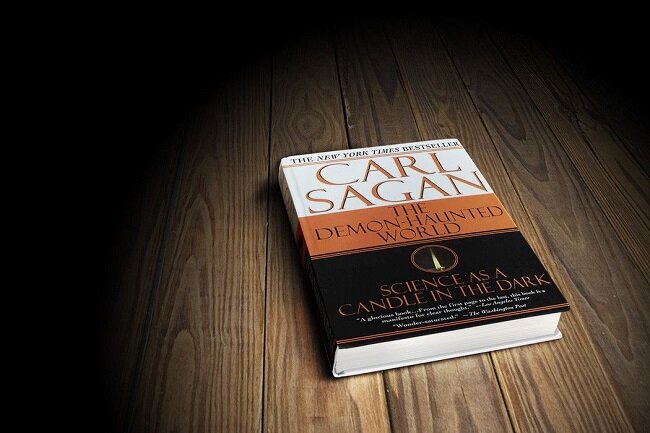
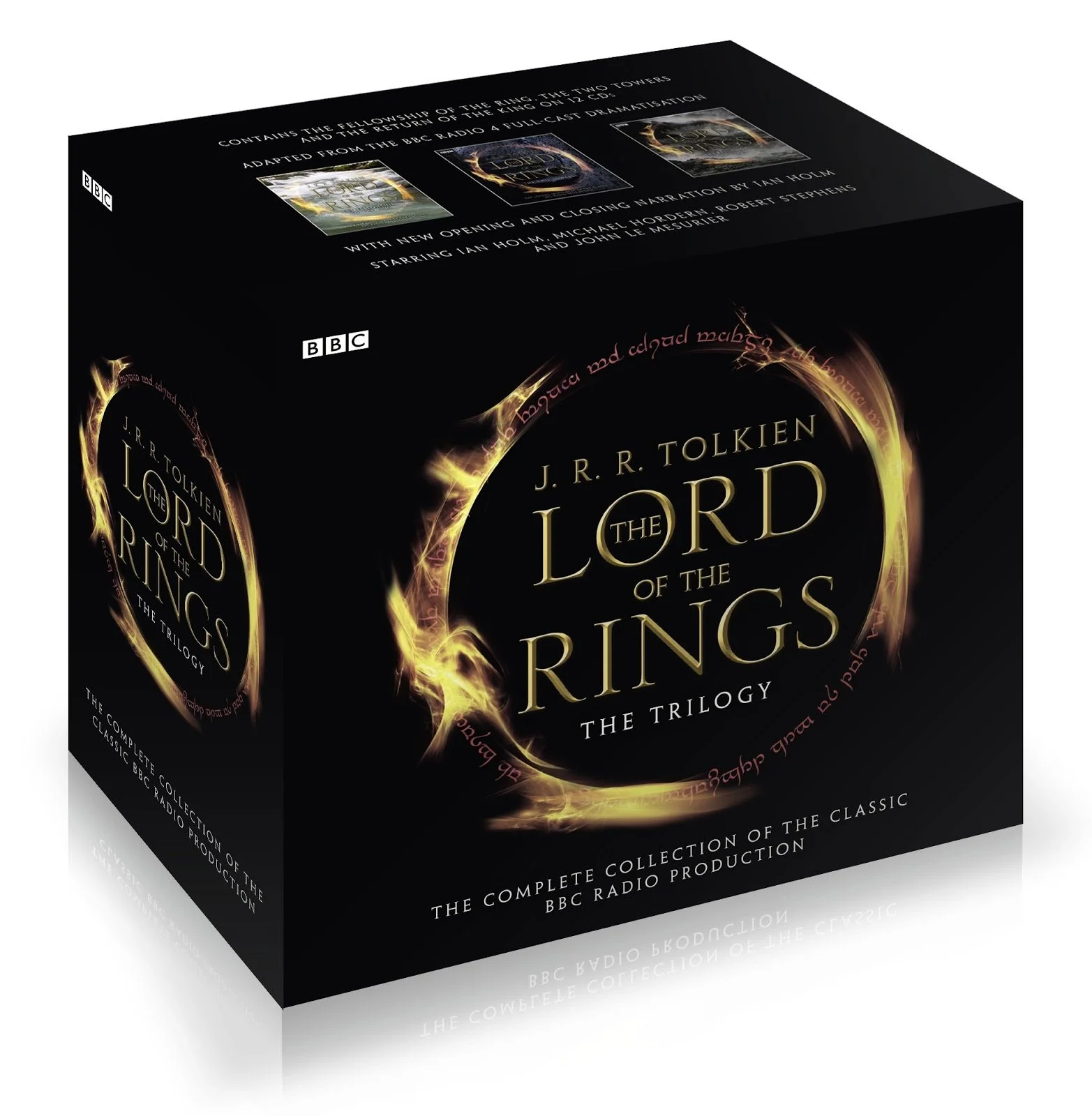
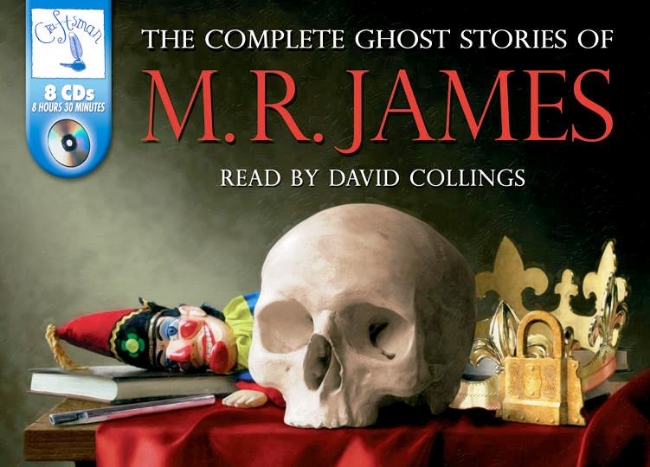
First off, credit where credit is due. I pilfered the idea for this post from Mark Rogers who writes the Newsonaut blog. Apparently it’s a questionnaire that has been doing the rounds across various indie blogs for a while. However, it happens to ask some interesting questions about one’s reading habits. I read a book every month or so and I supplement this by listening to a lot of audiobooks. Yes, I’m aware they’re not the same thing entirely but both offer a means to consume and digest a book. Hence I am not interested in this “popular” internet debate and won’t waste my time on it here. I advocate reading in all its variant forms. Be it sitting in an armchair and perusing a grimoire while smoking a Meerschaum, to reading an article online on your phone or PC. I’d rather that people read in some shape or form, than not at all. As Mark Twain wisely said, “The man who does not read has no advantage over the man who cannot read”. So without further ado, here are my answers to the “five Ws of Reading”.