
The Battersea Poltergeist
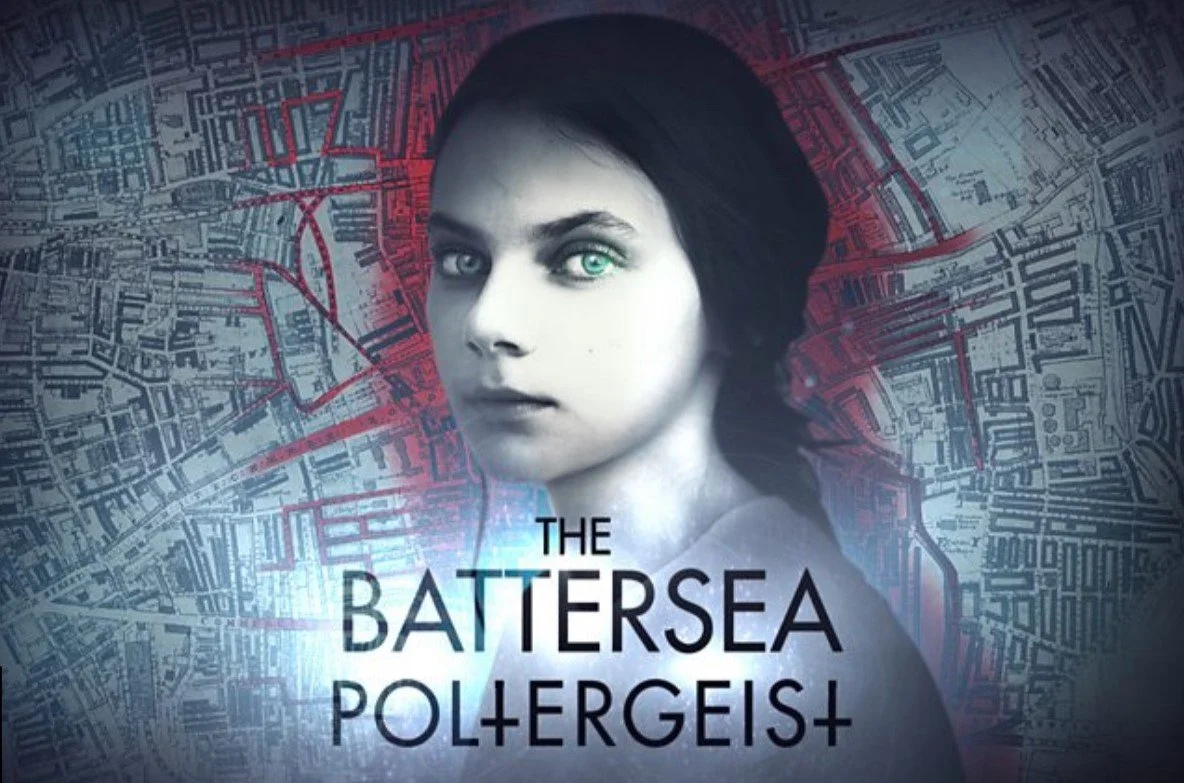
I was unaware of the The Battersea Poltergeist podcast and accompanying online interest during its initial release. Created by Bafflegab Productions and presented by Danny Robins, who is well known in this field with similar shows such as Haunted and Uncanny, it was broadcast on BBC Sounds and BBC Radio 4 between February and March 2021 during lockdown. The Battersea Poltergeist is a documentary of a true story with dramatized re-enactments. The show alternates between interviews, discussions and research into the case with short vignettes from a cast of actors recreating events for dramatic effect. It was released episodically and gained a lot of online and press interest at the time. Hence there were additional episodes interspersed throughout the initial run which provided “case updates” and listener feedback and questions.
The case of The Battersea Poltergeist began in March 1956, when Wally and Kitty Hitchens reported “disturbances” in their rented terraced house on Wycliffe Road in south-west London. Crockery was thrown across the room, bedsheets pulled from the bed and banging sounds emanated from the walls and the floor. At times these were so loud, they could be heard by neighbours. Later, several fires began in the house and words were written on the walls. The police investigated, as did several reporters though none appeared to take the matter seriously. There was also a questionable séance which appeared to worsen the situation .The case came to the attention of paranormal investigator Harold Chibbett, who spent months with the family and made comprehensive notes. At the centre of these activities was 15 year old Shirley Hitchens, who named the unruly ghost Donald.
Medium Harry Hank, centre, conducts an séance with Shirley Hitchens and her father Wally (on the right)
Presenter Danny Robins begins the podcast by telling us: “I don’t believe in ghosts.” He then proceeds to go through Chibbett’s original case file, collate newspaper reports and other public records. Several people connected to the case are interviewed including Shirley Hitchens, who is now 80. The investigations are overseen by several experts including parapsychologist Evelyn Hollow and psychology professor Ciarán O’Keeffe. Bridging the investigative sections are dramatised segments, starring Toby Jones as Harold Chibbett and Dafne Keen as the young Shirley Hitchens. Although somewhat contrived they do add to the show’s atmosphere, capturing the frustration and terror experienced by the Hitchens family. They also highlight the UK class divide of the times and the way the family were perceived by the press and other institutions.
I recently binged all 9 episodes of The Battersea Poltergeist as well as the “case updates” and found the show thoroughly entertaining and interesting. Robins and producer/director Simon Barnard have gone to great lengths to make this podcast engaging and informative. I especially enjoyed the dramatic recreations mainly due to the calibre of the cast. There is also a very atmospheric soundtrack and theme song by Nadine Shah and Ben Hillier. However, I did find some of the dialogue a little too contemporary, often using phrases and idioms that were anachronistic. That aside, the show made a broad attempt to provide balance to both sides of the argument, although this does result in a degree of cakeism.
The Hitchens Family circa 1956
As I expected, the overall results of the investigation are logically inconclusive, affording both sides of the debate to be able to claim victory. The predictably ambivalent and non-commital nature of the series’ conclusion is convenient and beneficial to the production team who ultimately are providing entertainment as well as an investigation. It is an inherent failing of this particular genre, or perhaps a deliberate choice, that the audience is always presented with a binary choice. I personally would prefer a more nuanced approach and possibly a third option, namely that there is insufficient data to draw any definitive conclusion. However, such a stance lacks the passion and potential entertainment that arises from a more adversarial approach. If you listen to The Battersea Poltergeist expecting a clear conclusion then you’ll be disappointed. It’s more about the journey and because of the inherent ambivalence of this case, that journey has the ability to keep going.
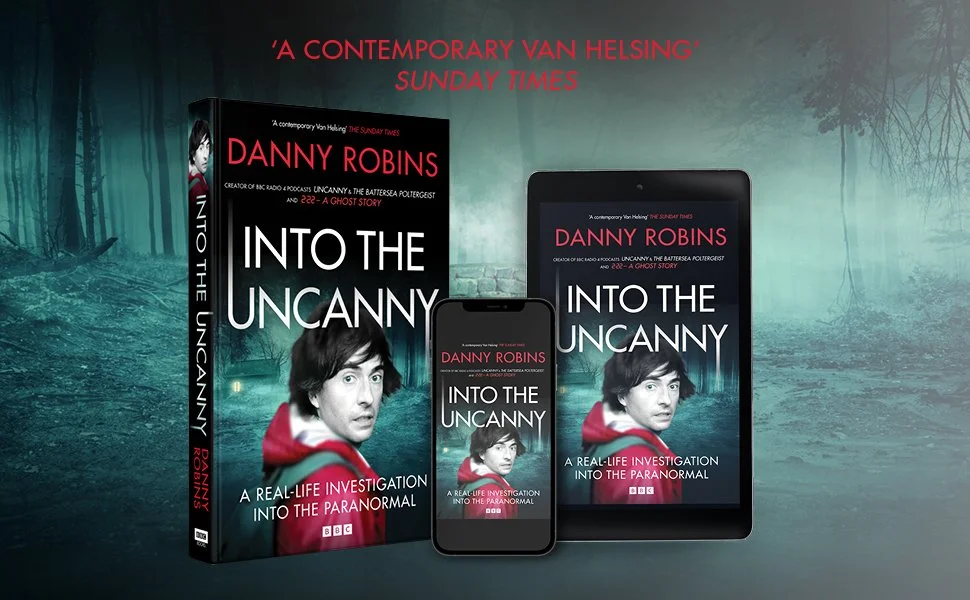
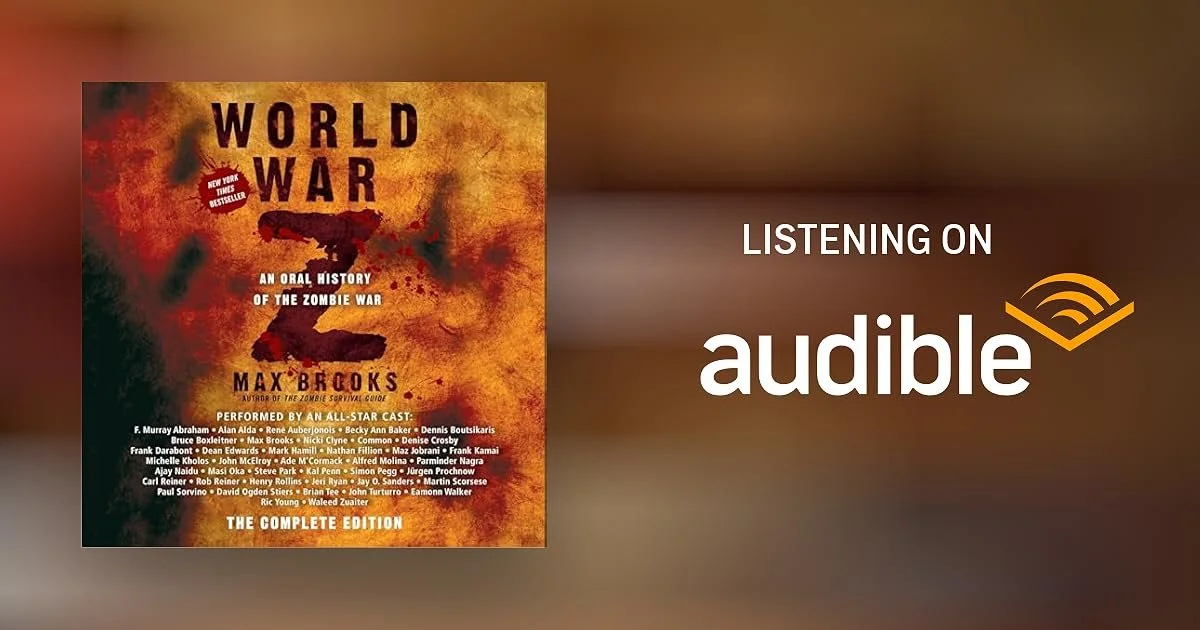
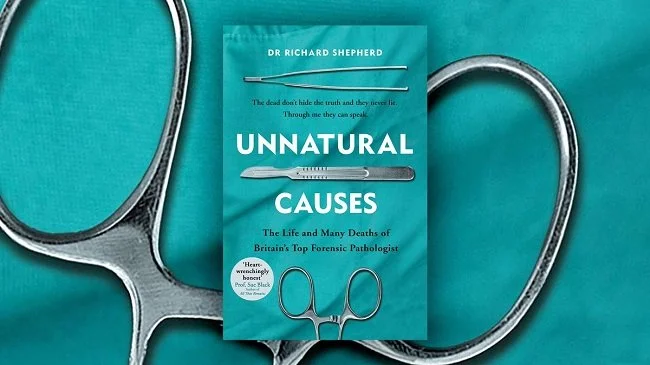
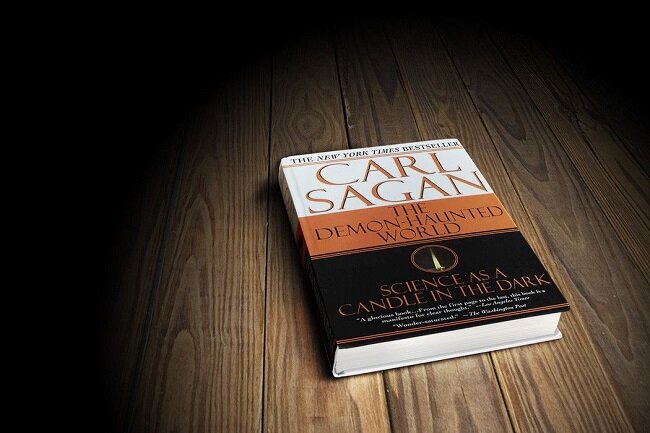

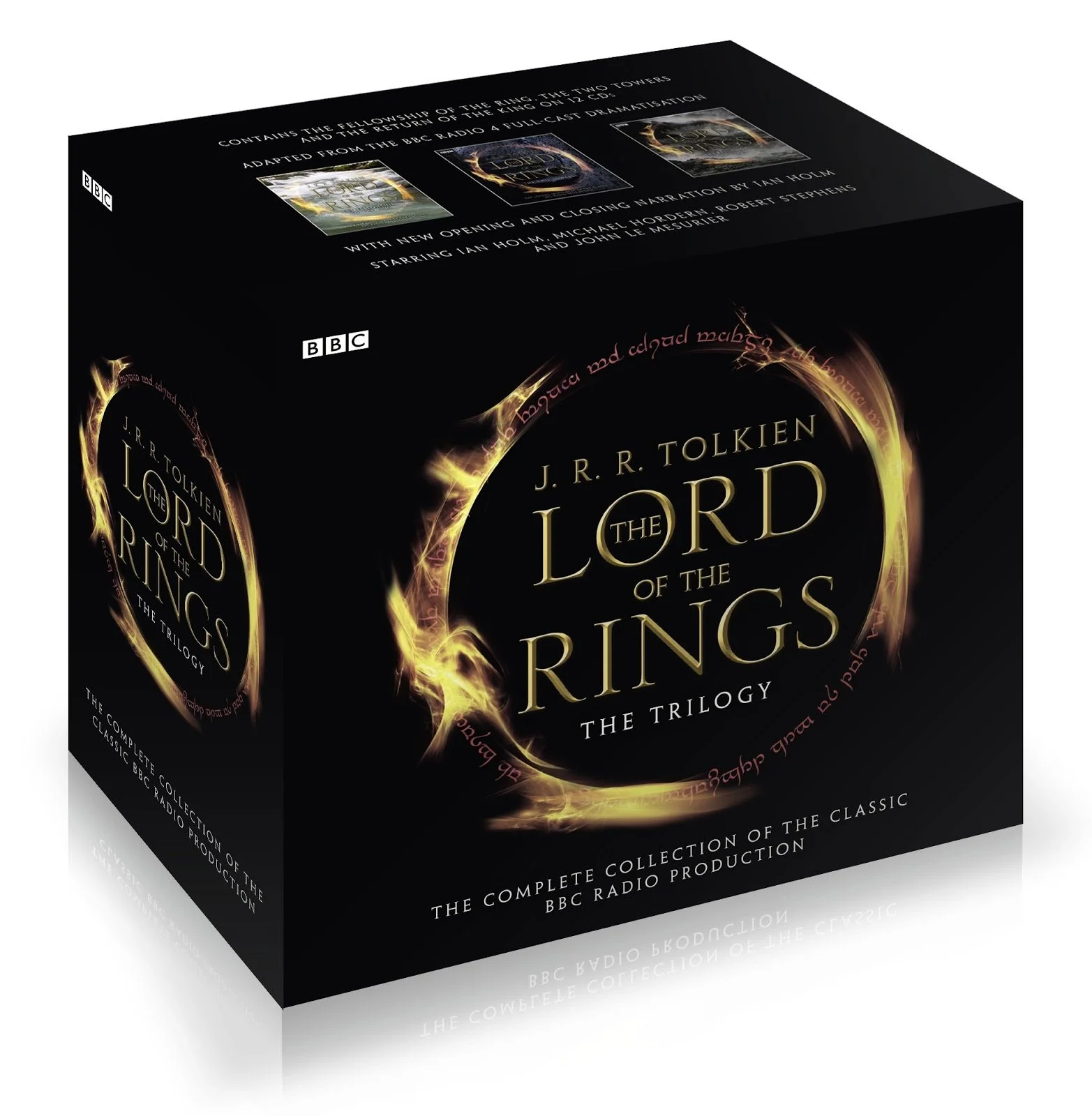

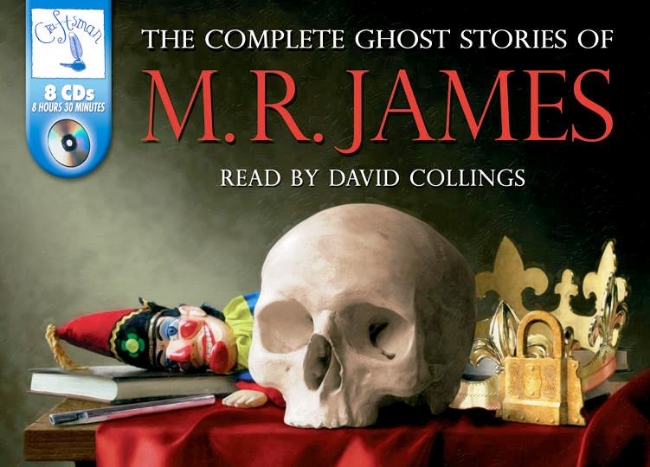

First off, credit where credit is due. I pilfered the idea for this post from Mark Rogers who writes the Newsonaut blog. Apparently it’s a questionnaire that has been doing the rounds across various indie blogs for a while. However, it happens to ask some interesting questions about one’s reading habits. I read a book every month or so and I supplement this by listening to a lot of audiobooks. Yes, I’m aware they’re not the same thing entirely but both offer a means to consume and digest a book. Hence I am not interested in this “popular” internet debate and won’t waste my time on it here. I advocate reading in all its variant forms. Be it sitting in an armchair and perusing a grimoire while smoking a Meerschaum, to reading an article online on your phone or PC. I’d rather that people read in some shape or form, than not at all. As Mark Twain wisely said, “The man who does not read has no advantage over the man who cannot read”. So without further ado, here are my answers to the “five Ws of Reading”.