
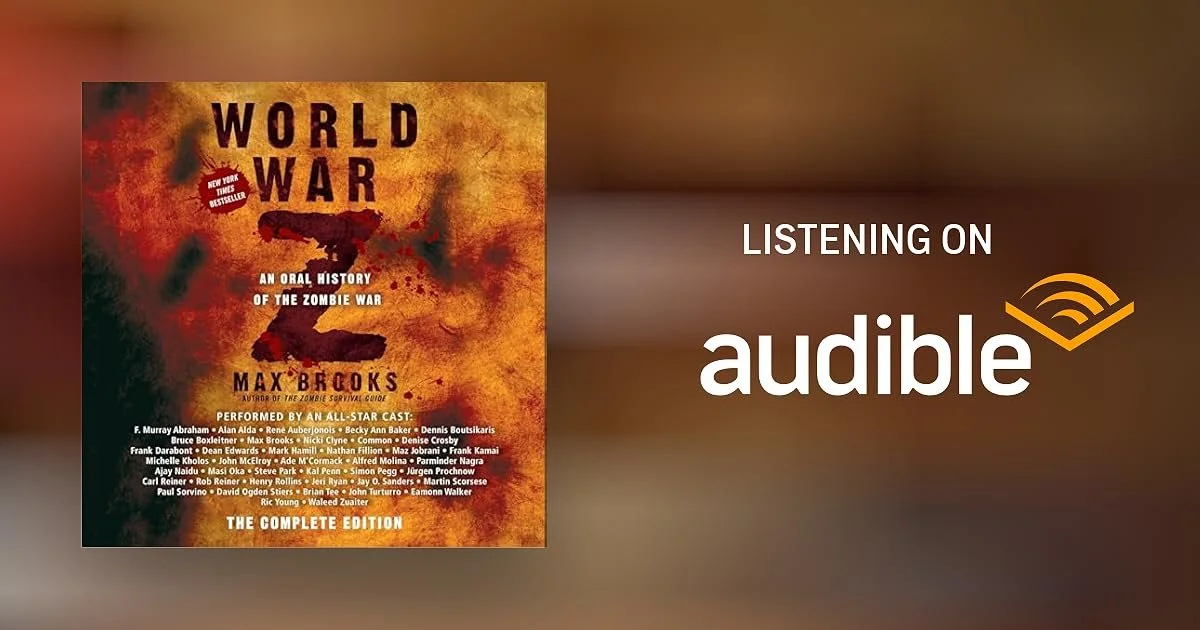
World War Z: The Complete Edition by Max Brooks (2013)
The zombie genre is a narrative seam that has been heavily mined in recent years. There seems to have been a never-ending supply of films, television shows and video games involving the undead over the last two decades. Which is why the notion of society being destroyed by its own citizens has somewhat lost its intellectual and horrific lustre. Hence I can understand people rolling their eyes at the mention of the novel World War Z by Max Brooks. The 2013 film adaptation starring Brad Pitt, which jettisoned most of the source text's innovations, isn’t the best advertisement for the book’s virtues. However, if you take the time to look beyond the hyperbolic title, you’ll find World War Z a work of singular intelligence which uses the zombie genre as a means to explore multiple socio-economic and political themes.
Instead of a traditional novel with several central characters and a linear story arc, World War Z is a collection of fictional interviews that take place between survivors of the zombie apocalypse from around the world and a fictional version of the author Max Brooks. Each personal vignette provides a first hand account of a specific event within the history of the zombie apocalypse and its subsequent consequences upon the narrator or the wider world. These personal anecdotes often obliquely reference wider happenings such as a specific government policy, military engagement or a mass migration. They frequently allude to things that the reader doesn’t directly know about. However, there is always sufficient information to deduce what is being inferred, be it wide scale cannibalism, emergency legislation to deal with civil unrest, or the collapse of specific public institutions.
Hence we hear from Fernando Oliveira, a Brazilian former surgeon, who recollects how the zombie virus was initially spread via the illegal organ trade that he was part of. Then there is Jurgen Warmbrunn, a Mossad agent, who co-write the first formal document recommending countermeasures against the undead. He reflects on how it was distributed to all major governments around the world, who subsequently dismissed it. There are also interviews with everyday people, such as Jesika Hendricks, an American-Canadian woman. She recounts how she survived the first winter after the Great Panic when she and her parents fled north, hoping the cold would freeze the zombies. These interviews personalise the global disaster, while simultaneously exploring the failings of government and how capitalism is ill equipped to deal with catastrophic events.
There is a lot of interesting analysis of both contemporary society and politics within World War Z. Both the public and the incumbent US government, initially refuse to countenance what is exactly going on, leading to a period of history referred to as the Great Denial. The pharmaceutical industry quickly exploits the situation by producing a placebo drug, which the government happily greenlights to buy time. When the modern US military finally faces a massed attack of undead outside Yonkers, their tactics and weapons fail. The shock and awe they depend on to psychologically crush their opponents, is absent in an enemy that is oblivious to their technological superiority. Perhaps the most fascinating aspect of the story is the US government's attempts to repurpose the surviving workforce, with 65% having no viable skills, apart from manual labour, in a post apocalyptic world.
The audiobook version of World War Z has a somewhat complicated history. Random House published an abridged version running 5 hours and 59 minutes in 2007. The book is read by Brooks (who previously had a career in voice acting) and includes Carl Reiner, Mark Hamill and Henry Rollins portraying some of the characters interviewed. Later in 2013, Random House released a revised 12 hours and 9 minutes audiobook titled World War Z: The Complete Edition (Movie Tie-in Edition): An Oral History of the Zombie War. It contains the entirety of the original, abridged audiobook, as well as new recordings of the previous absent material by such actors as Simon Pegg, Jeri Ryan and Parminder Nagra. There is also an alternative version available on Audible UK, with a completely different voice cast.
For the purpose of this review I listened to the rather ponderously named World War Z: The Complete Edition (Movie Tie-in Edition): An Oral History of the Zombie War. Although a lengthy production, the interview format easily allowed me to listen in stages over the course of the week. Sometimes an all star cast can be an impediment to an audiobook adaptation, with individual voice actors becoming the focus of attention instead of the prose. However, in this instance the robust cast imbues the interviews with a sense of credibility, making the various recollections very personal and human. There are no accompanying audio effects and the adaptation lacks a musical score. A simple ominous sting separates each personal recollection. This minimalist approach works very well, as it would have been a mistake to over embellish the production.
Nineteen years on from its publication, World War Z remains relevant, thought provoking and even a little portentous. The COVID-19 pandemic, although far from a zombie apocalypse, certainly shared some parallels with the themes of the book. There was government denial, flagrant business profiteering and a public that was unprepared for such a radical change to their daily existence. The current decline in democratic processes and politics in western civilisation has created an atmosphere of impending societal collapse. Is the broken world that is so vividly depicted within the pages of World War Z an indication of our own future? Max Brooks wrote metaphorically of zombies undoing our civilisation. We currently seem to be doing something similar but without the metaphor.
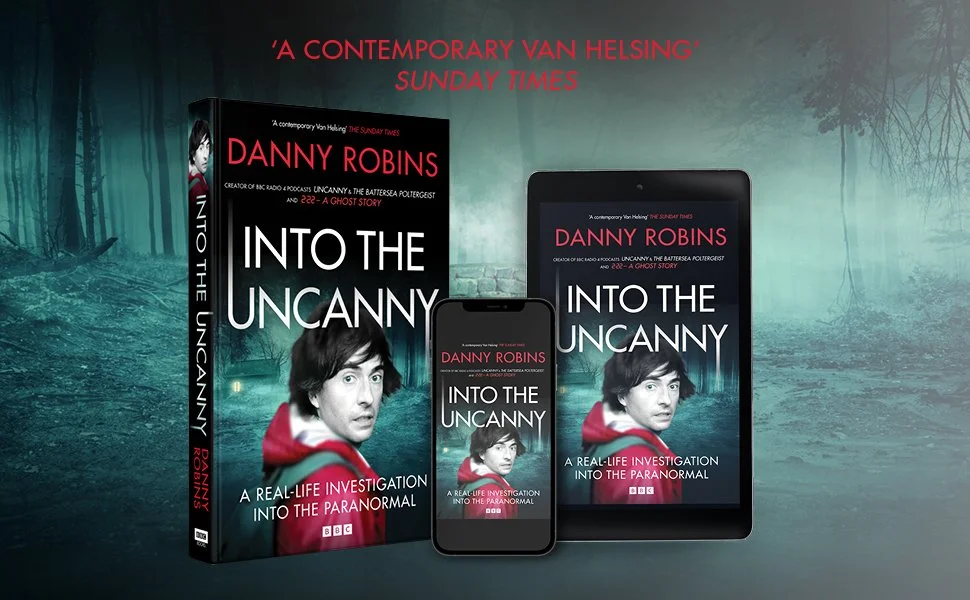
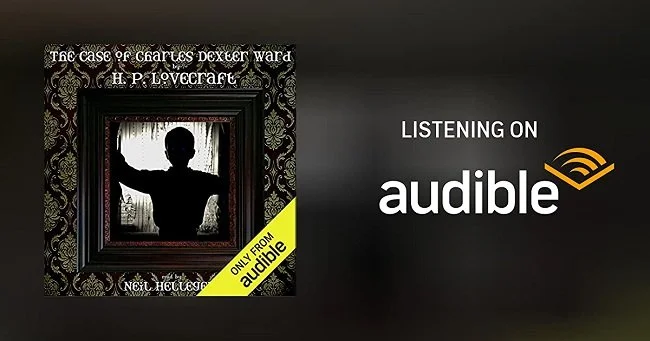
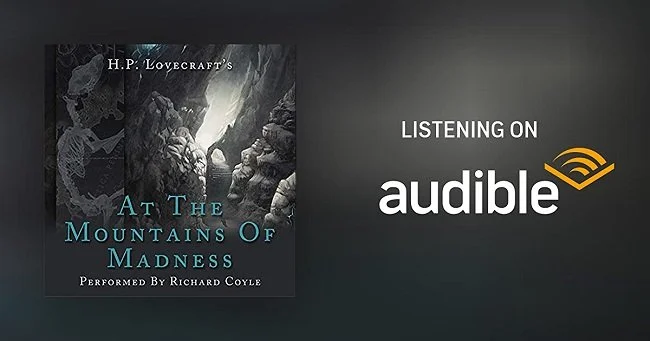
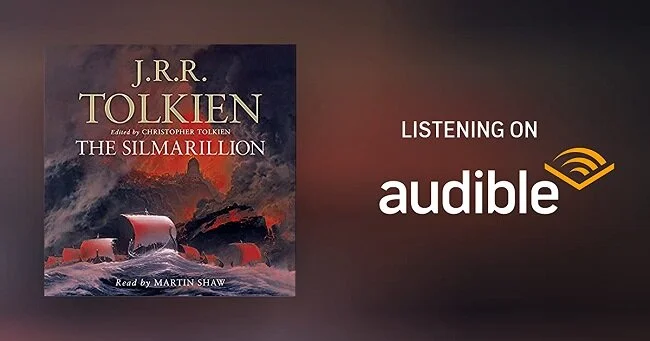
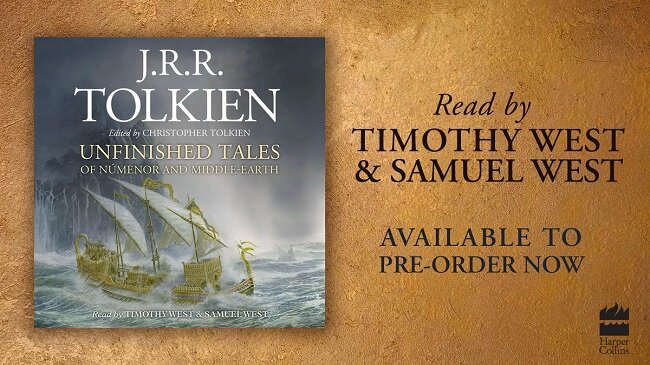
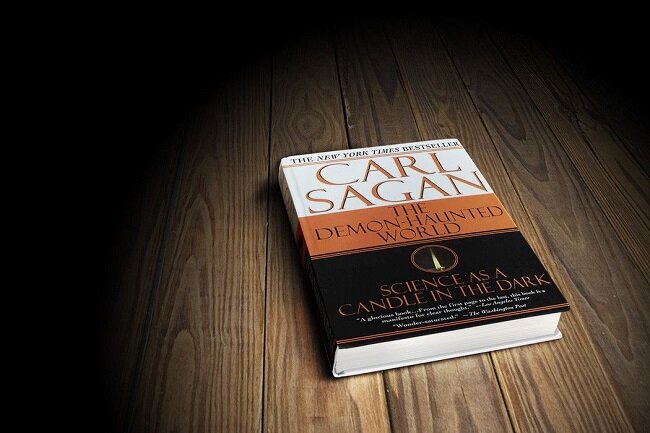


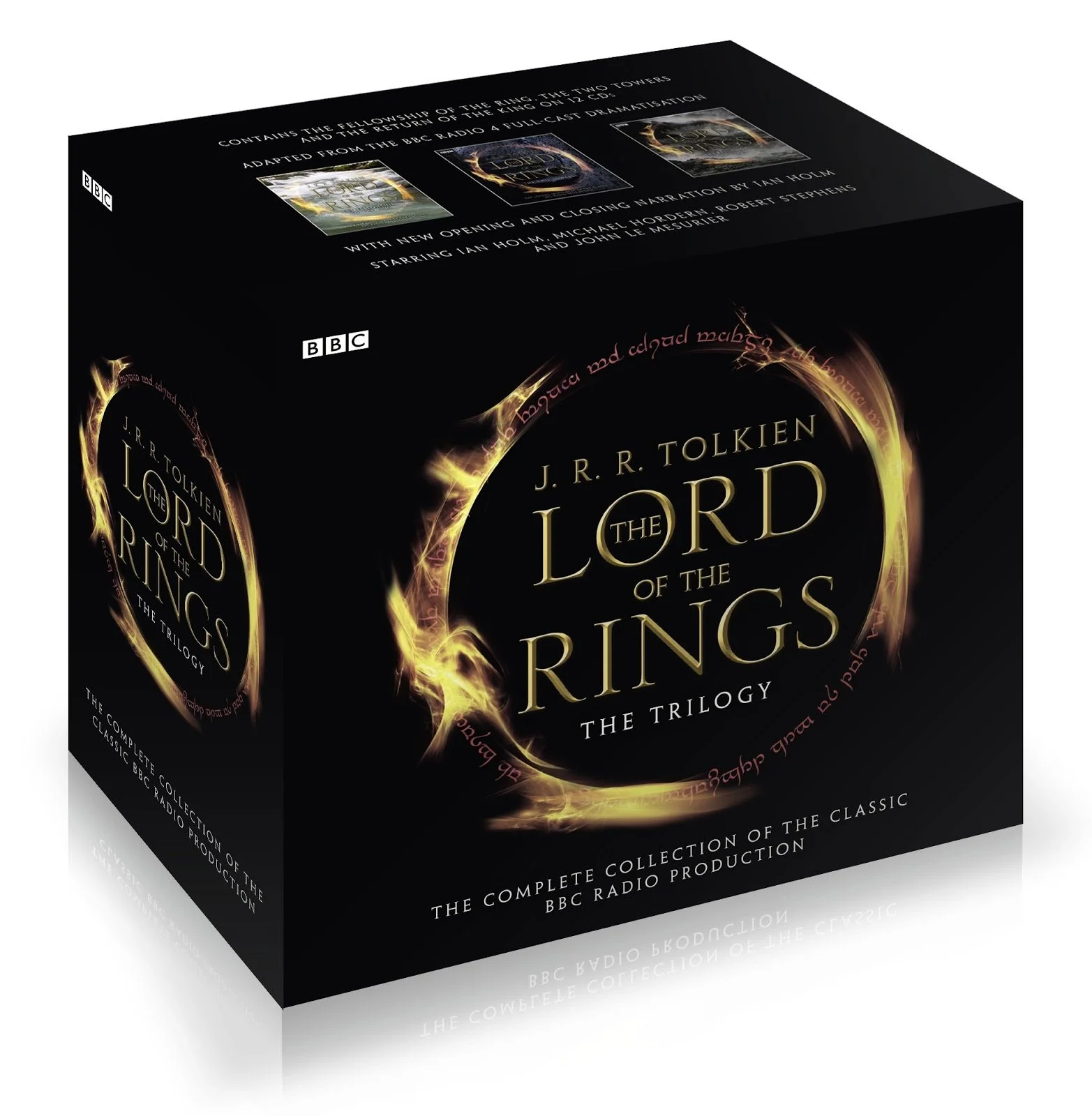

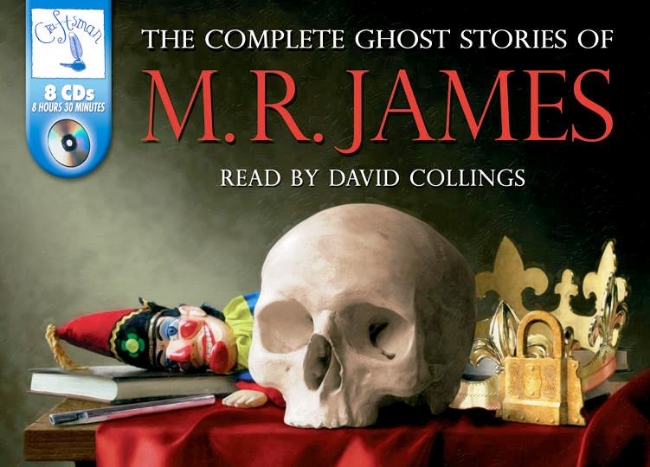

First off, credit where credit is due. I pilfered the idea for this post from Mark Rogers who writes the Newsonaut blog. Apparently it’s a questionnaire that has been doing the rounds across various indie blogs for a while. However, it happens to ask some interesting questions about one’s reading habits. I read a book every month or so and I supplement this by listening to a lot of audiobooks. Yes, I’m aware they’re not the same thing entirely but both offer a means to consume and digest a book. Hence I am not interested in this “popular” internet debate and won’t waste my time on it here. I advocate reading in all its variant forms. Be it sitting in an armchair and perusing a grimoire while smoking a Meerschaum, to reading an article online on your phone or PC. I’d rather that people read in some shape or form, than not at all. As Mark Twain wisely said, “The man who does not read has no advantage over the man who cannot read”. So without further ado, here are my answers to the “five Ws of Reading”.