
Into the Uncanny by Danny Robins (2023)
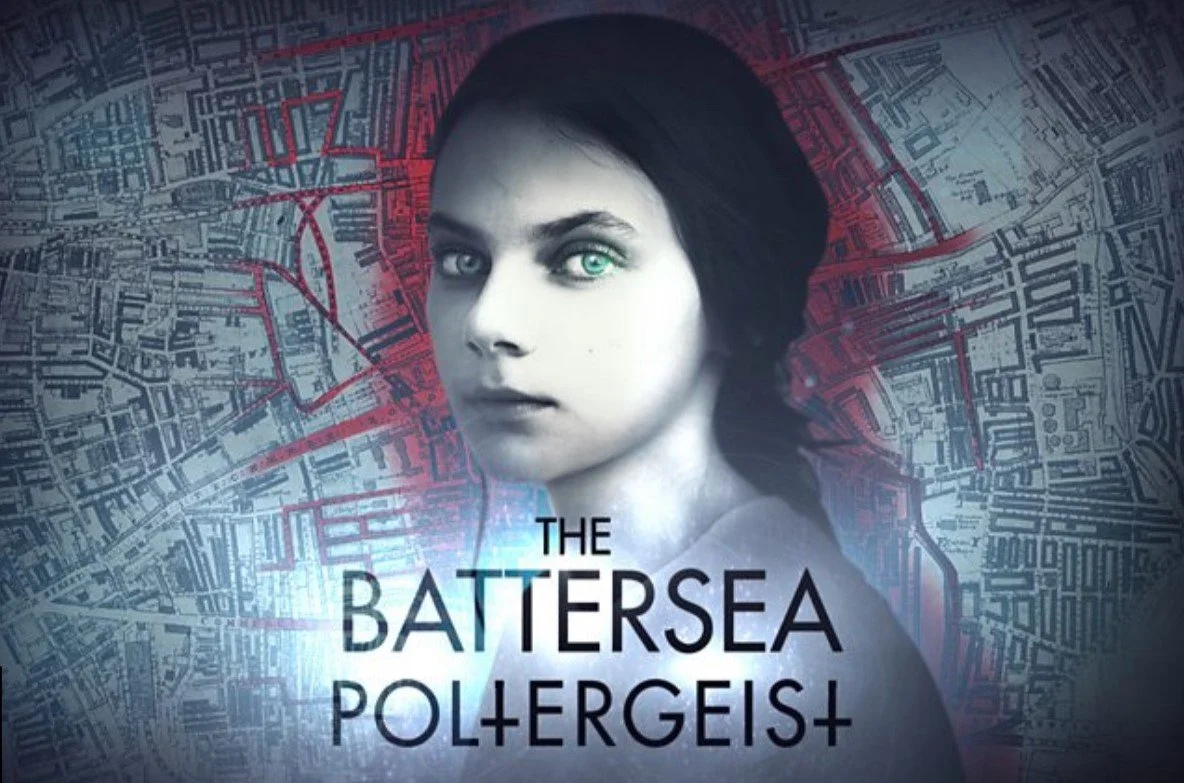
Last August I listened to The Battersea Poltergeist podcast by Danny Robins and was subsequently introduced to his other production Uncanny. Both are investigations into alleged supernatural events but unlike other shows of this kind, these are far better researched, produced and most importantly even handed. Danny makes a great deal of effort to try and keep a foot in each camp; team believer and team sceptic. Overall these podcast work as they genuinely appeal to multiple audiences and they are not excessively hyperbolic or credulous. A lot of this comes down to Danny’s personality which is upbeat and relatable. Perhaps his greatest strength is being a sympathetic ear to those recounting their experiences. He lightens the mood from time to time with humour when required. He also liberally litters the proceedings with pop culture references. However, he will probe and ask pointed questions but does so in a non-accusatory manner.
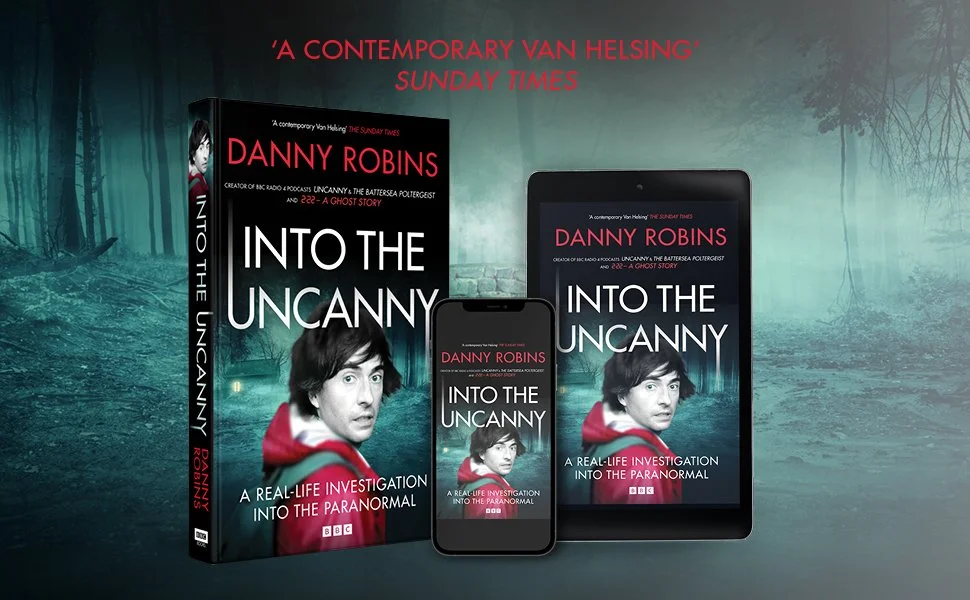
These podcasts have proven so popular, Uncanny made the transition to television. Therefore a book version does not come as a great surprise. What does though is the fact that the format of the podcast works so well in prose. Into the Uncanny takes three cases and explores them in detail, featuring all the eye witness testimony and historical facts you’d expect. Danny often cross references them with other cases as a means to explaining such phenomenon as “stone tape theory” and “poltergeist focus”. He also references his own life experiences and how they played a part in him now working in this field. The first case investigated is of such a magnitude, it is subsequently a plot thread throughout the entire book, culminating in visiting the actual site of the supernatural incidents in the final chapters. The style is designed to make the reader feel that they’re accompanying Danny Robins on his investigations and it works very well.
What stands out in Into the Uncanny is the way Danny approaches and interacts with those recounting their experiences. The majority of whom come across as regular people struggling to come to terms with what they have seen and felt. Many of which have never previously spoken to anyone about these matters out of genuine fear that they would suffer negative consequences. One such individual, a now retired Policeman, recounts how his career was blighted as a response to his very measured report of the incident he experienced. Hence Into the Uncanny does not perpetuate the stereotype that most people who have stories of the supernatural are members of the “lunatic fringe”. Most of the stories in the book are steeped in sadness and regret. There are families that have never spoken to each other for decades about a shared incident and more often than not, people have been greatly troubled by their world view being turned upside down.
Into the Uncanny is not afraid to explore multiple theories and ideas regarding the supernatural. In a bold move, one of the three main stories investigated in the book is in fact about an encounter with a UFO, rather than a ghost. Yet the parallels between these two incidents are strong. The psychological trauma being the underlying similarity. As for explanations, Into the Uncanny goes beyond the standard tropes of established supernatural lore. Magnetic fields, theoretical physics and psychological conditions are all posited and explored. Danny recounts a personal anecdote about a smoke detector that provides an object lesson in the perils of assumption and not verifying information yourself. This habit of providing both the pros and cons to being both sceptical and open to belief serve the book well. It gives the impression of a balanced investigation, rather than having a desired position and then retrofitting the data to validate it.
I listened to the audiobook version of Into the Uncanny and it is embellished with some ambient music and sound effects, making it a lot more like a podcast episode. However, I recently thumbed through a print copy of the book in a shop and the text version similarly maintains the same quality, albeit sans the sound effects. Overall, Into the Uncanny is a very engaging continuation of the Uncanny podcast and TV show format. Often explorations of the supernatural treat the subject as a sideshow attraction. The presenters are loud and confrontational. Into the Uncanny is a very British undertaking. It is calm, considered and when required, self-deprecating. Does it reach any definitive conclusions? No. Previously, when reviewing The Battersea Poltergeist, I considered this approach to be cakeism. However, here author Danny Robins muses upon this point himself and concludes that their can’t be a final answer in such a broad field. I concur but remain entertained.




There are numerous audio recordings and dramatisations of of J. R. R. Tolkien’s The Hobbit. Most recently in 2020, actor Andy Serkis, famous for his portrayal of Gollum in Peter Jackson’s films, read an unabridged version of this classic story. Both critics and fans praised Serkis for his prodigious vocal range and ability to give distinct, recognisable voices to over a hundred characters. Prior to this in 1991, actor and playwright Rob Inglis, recorded the first unabridged version. This production was notable for its more traditional approach to storytelling, where as Serkis’ recording emphasises the drama. Inglis similarly gave each character a unique voice and sang all the songs featured in the text. However, prior to these, in 1974, Argo Records released an abridged recording of The Hobbit narrated by Scottish-born actor Nicol Williamson. Upon release this 4-LP box set was positively appraised but over the years has eclipsed by the aforementioned releases.