
Classic Movie Themes: Allonsanfàn
Allonsanfàn (1974) is an Italian historical drama film written and directed by Paolo and Vittorio Taviani. The title of the film derives from the first words of the French Revolutionary anthem La Marseillaise (Allons enfants, IE “Arise, children”). It is also the name of a character in the story. Set against the backdrop of the Italian Unification in early 19th-century Italy, Marcello Mastroianni stars as an ageing revolutionary, Fulvio Imbriani, who becomes disillusioned after the Restoration and endeavours to betray his companions, who are organising an insurrection in Southern Italy. Allonsanfàn is a complex film that is not immediately accessible to those unfamiliar with the intricacies of Italian political history nor the arthouse style of the Taviani brothers. However, it is visually arresting and features a rousing score by Ennio Morricone.
Allonsanfàn (1974) is an Italian historical drama film written and directed by Paolo and Vittorio Taviani. The title of the film derives from the first words of the French Revolutionary anthem La Marseillaise (Allons enfants, IE “Arise, children”). It is also the name of a character in the story. Set against the backdrop of the Italian Unification in early 19th-century Italy, Marcello Mastroianni stars as an ageing revolutionary, Fulvio Imbriani, who becomes disillusioned after the Restoration and endeavours to betray his companions, who are organising an insurrection in Southern Italy. Allonsanfàn is a complex film that is not immediately accessible to those unfamiliar with the intricacies of Italian political history nor the arthouse style of the Taviani brothers. However, it is visually arresting and features a rousing score by Ennio Morricone.
The Tavianis brothers’ previous composer Giovanni Fusco introduced Morricone to the directors, who initially didn't want to use any original music for the film. As Morricone was not disposed towards arranging anyone else's work he insisted upon writing his own material or he would leave the production. Upon hearing the motif he created for the climatic “dance” scene, the Tavianis brothers immediately set aside their previous objections and gave Morricone free reign. Hence, Morricone’s deliciously inventive score is part of the fabric of the film, providing a pulse to the story. This is most noticeable in the scene in which Fulvio’s sister Esther (Laura Betti) turns a half-remembered revolutionary song into a full-blown song-and-dance number and when Fulvio himself borrows a violin in a restaurant to impress his son. Allonsanfàn may not be to everyone’s taste but Morricone’s score is very accessible.
Perhaps the most standout track from the film’s score is “Rabbia e tarantella” (Revolution and Tarantella). A Tarantella is a form of Italian folk dance characterised by a fast upbeat tempo. Morricone has crafted a remarkably rhythmic piece featuring aggressive piano and low-end brass against a backdrop of a stabbing string melody. All of which is driven and underpinned by the timpani drum which robustly punctuates the track. It is certainly not your typical tarantellas of Italian folk but it is a catchy piece that highlights the innate understanding of music that Ennio Morricone possessed and how he could bring this talent to bear on any cinematic scene. “Rabbia e tarantella” was subsequently used during the closing credits of Quentin Tarantino's Inglourious Basterds (2009). Due to its inherent quality it survives being transplanted into a film with a completely different context.
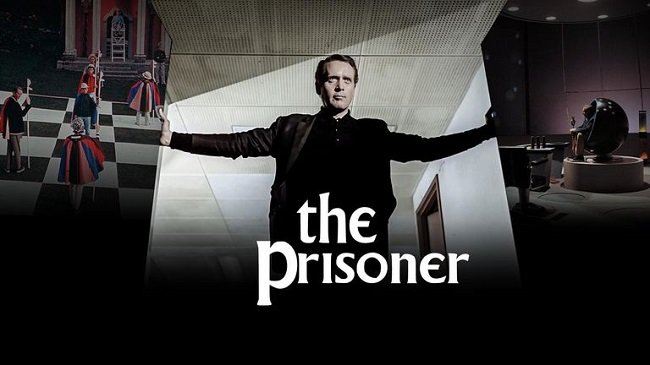
Ronald Erle Grainer (11 August 1922 – 21 February 1981) was a prolific Australian composer who is best remembered for his work in the United Kingdom during the sixties and seventies. He wrote numerous notable scores and theme music for several iconic television shows such as Doctor Who, Steptoe and Son and Tales of the Unexpected. He also composed the soundtrack for several major motion pictures such as Some People (1962), The Assassination Bureau (1969) and The Omega Man (1971). Grainer relocated to London from Australia in 1952 but it was not until 1960 that he gained critical success after writing the music for the popular TV show Maigret. He subsequently received an Ivor Novello award for “Outstanding Composition for Film, TV or Radio”.

The following is about a cultural change. That is not to say that it’s a value judgement or one of those posts you so frequently read by bloggers of a certain age, that essentially boil down to “things were better in my day”. It is merely an observation and like all observations it is not 100% universal. There will always be exceptions to the rule. I am simply painting with broad strokes a general truism for your consideration. My point being that people listen, experience and enjoy music differently these days compared to how they did three to four decades ago. I’m not talking about the science of hearing or anything complex like that. I am merely highlighting the change in the way we choose to experience music and how that has an impact upon its creation and presentation. So like Anne Elk, presenting her theory on the Brontosaurus, here is the axiom at the heart of this post.
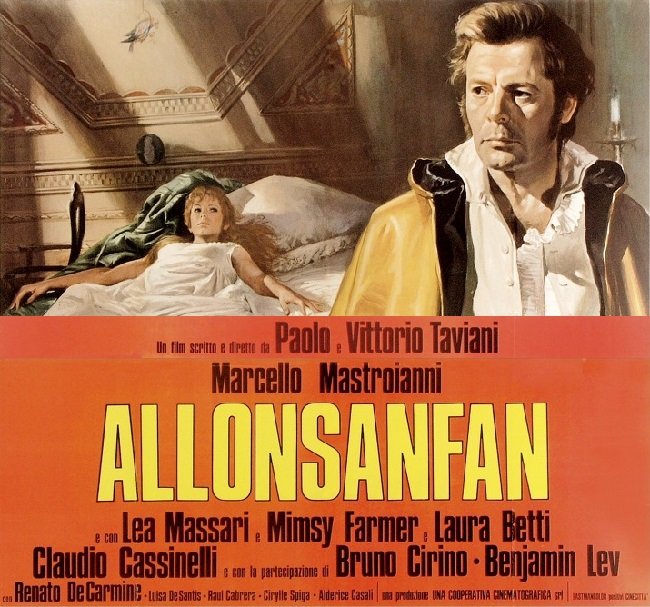
Allonsanfàn (1974) is an Italian historical drama film written and directed by Paolo and Vittorio Taviani. The title of the film derives from the first words of the French Revolutionary anthem La Marseillaise (Allons enfants, IE “Arise, children”). It is also the name of a character in the story. Set against the backdrop of the Italian Unification in early 19th-century Italy, Marcello Mastroianni stars as an ageing revolutionary, Fulvio Imbriani, who becomes disillusioned after the Restoration and endeavours to betray his companions, who are organising an insurrection in Southern Italy. Allonsanfàn is a complex film that is not immediately accessible to those unfamiliar with the intricacies of Italian political history nor the arthouse style of the Taviani brothers. However, it is visually arresting and features a rousing score by Ennio Morricone.
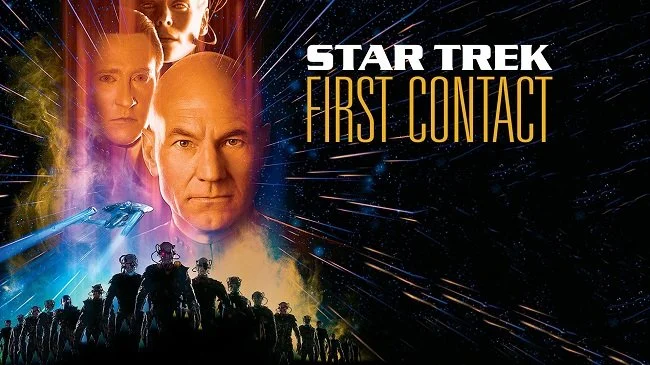
Jerry Goldsmith’s contribution to Star Trek is immense. Yet simply listing the films and TV episodes he wrote music for does not adequately encapsulate the significance of his contribution to the franchise. His majestic, thoughtful and uplifting musical scores provide an emotional foundation that reflects the core ethos of Star Trek. They also create an invaluable sense of continuity that spans multiple shows and movies. Perhaps the most obvious example of this is his iconic title music for Star Trek: The Motion Picture (1979) that was subsequently adopted as the theme tune for Star Trek: The Next Generation. His work was held in such high regard, when Star Trek V: The Final Frontier (1989) ran into production issues, it was thought that a Jerry Goldsmith soundtrack may well elevate the film. Sadly it didn’t but his work on that instalment was outstanding and among his best.
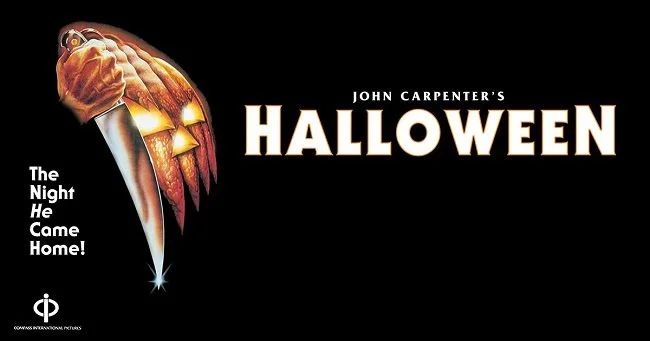
Halloween (1978) is both a genre and cinematic milestone. It made stars of Jamie Lee Curtis and director John Carpenter as well as kickstarting the slasher genre that dominated the box office for the next 15 years. Unlike many of the inferior imitations that followed in its wake, Halloween is not a gorefest but a far more suspenseful and unsettling film. It’s shocks and sinister atmosphere are the result of sumptuous panavision cinematography by Dean Cundey and inventive editing by Tommy Wallace and Charles Bornstein. Another invaluable asset to the film’s effectiveness is John Carpenter minimalistic synth and piano score which perfectly embellishes the film with an air of menace. After 33 years and various re-arrangements in subsequent sequels, the original Halloween Theme is still as effective today as it was when the film was first released.
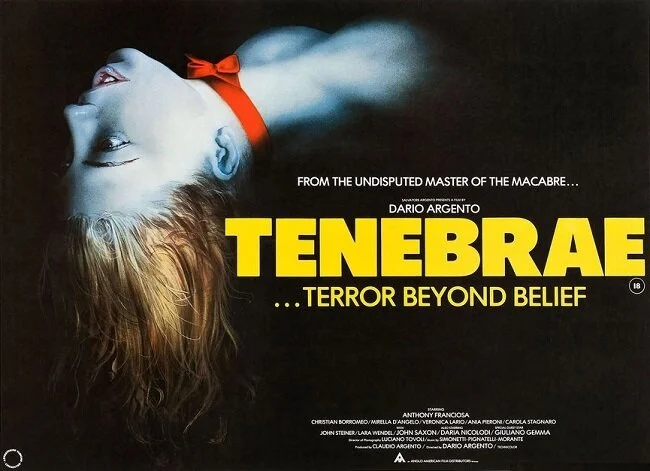
Tenebrae (1982) is probably Dario Argento’s most accessible “giallo” for mainstream audiences. Although violent, it is not as narratively complex as Deep Red (1975) or as bat shit crazy as Phenomena (1985). The story centres on popular American novelist Peter Neal (Anthony Fanciosa) who is in Rome to promote his latest book. Events take a turn for the worst when a series of murders appear to have been inspired by his work. The plot twists and turns, the director explores themes such as dualism along with sexual aberration and blood is copiously spattered across the white walled interiors of modernist buildings. It is slick, disturbing and has a pounding synth and rock score by former Goblin members, Claudio Simonetti, Fabio Pignatelli, and Massimo Morante.
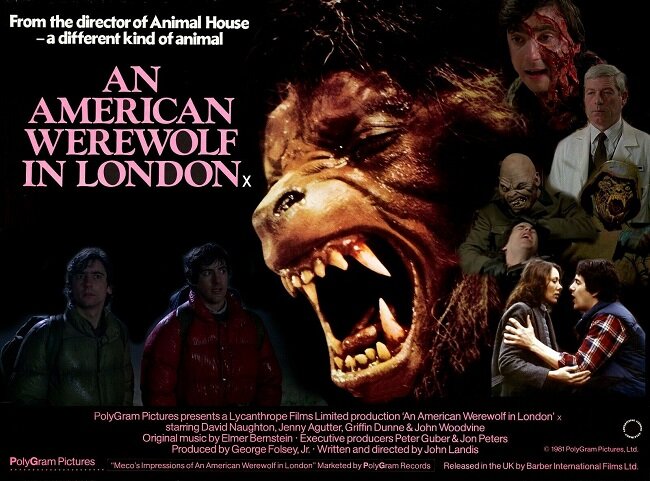
An American Werewolf in London is a genre milestone and one of the few horror films that successfully manages to balance humour and suspense without mitigating the overall tone of the story. 40 years on from its theatrical release it still holds up well with its bitter sweet love story, tragic themes and ground breaking transformation effects by Rick Baker. Director John Landis never really bettered this concise and effective genre outing. It hits the mark in virtually every part of the production. However, there is one aspect of the film that does suffer as a result of the director’s personal choices. Whether it is to the detriment of the overall film is debatable. The point in question is the film’s soundtrack and the director’s focus upon the song Blue Moon by Richard Rodgers and Lorenz Hart.

Before we start, no I am not writing about Alexander Courage’s classic main theme for the original Star Trek show. I can add nothing further to that particular discussion and it remains iconic and inspiring, even when distilled down to just the initial fanfare. In this post I want to draw your attention to another piece of music from Star Trek that has permeated its way into popular culture. A cue that when heard, if the listener is familiar with its provenance, will instantly conjure up images of flying drop kicks, ear claps and judo chops. A piece of music that can be added to pretty much any video footage and instantly make it more heroic. Yes, I am talking about what has become generically known as Star Trek “fight music”. Or more specifically, the "The Ancient Battle/2nd Kroykah" cue from Amok Time (S02E01) composed by Gerald Fried. The scene during the koon-ut-kal-if-fee ritual in which Spock fights Kirk on the planet Vulcan for complicated “reasons”.

Classical music has often been used to great effect in cinema since the advent of sound. It has certain advantages over bespoke compositions, in that it can imbue a scene with a sense of gravitas and emotionally connect with viewers who may already be familiar with the piece being played. Legendary director Stanley Kubrick famously rejected Alex North’s score for 2001: A space Odyssey after finding the classical tracks he used for the temporary soundtrack complement the visuals perfectly. Over the years, some particular pieces of classical music have proven to be very popular and flexible, thus appearing in a wide variety of films across multiple genres. Hence, I have chosen two well known tracks that demonstrate this. I would also like to highlight contemporary classical music and have also selected one example that I feel demonstrates how the genre sublimely compliments cinema.
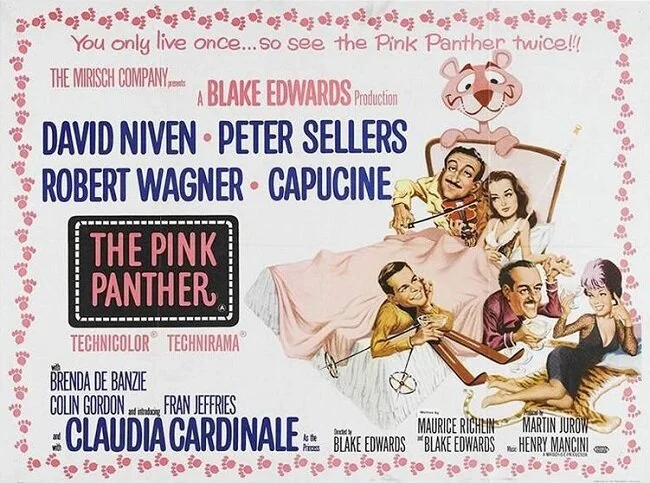
If you mention The Pink Panther (1963) I’d hazard a guess that most people will instantly think of Inspector Clouseau (and possibly throw in a quote in faux French about “Minkeys”) or hum or whistle the iconic theme tune. It’s blend of cool sixties Jazz and Lounge is both classy and evocative. Henry Mancini’s contribution to the Pink Panther franchise is commensurate to that of Peter Sellers and Blake Edwards. If you removed his musical scores from any of the films they would be greatly diminished. In fact one can argue that the movies made in the eighties after Sellers’ death are greatly bolstered by Mancini’s intelligent and accomplished musical accompaniment. The franchise may have run out of steam but Mancini never did so.
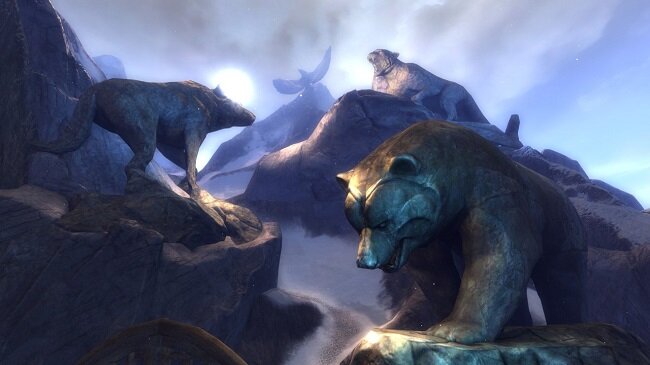
Back in August 2018, I posted seven of my favourite tracks from various video games that I’ve played over the years. I thought recently that it was high time that I did the same again. So here are a further five musical cues that I especially enjoy. All of which contribute greatly to the respective games that they feature in. Unlike film composers, musicians that write for video games do not always enjoy comparable exposure or attention. Yet often they have a more complex remit, having to write material for dozens of hours of content, rather than just two or three. Furthermore, the complete soundtrack to many video games often remain conspicuously absent, with fans having to data mine the game client to find the tracks that they love. Which is why it is important for those that enjoy video game music to show their support. Perhaps then more publishers will release full and comprehensive game soundtracks for digital download.
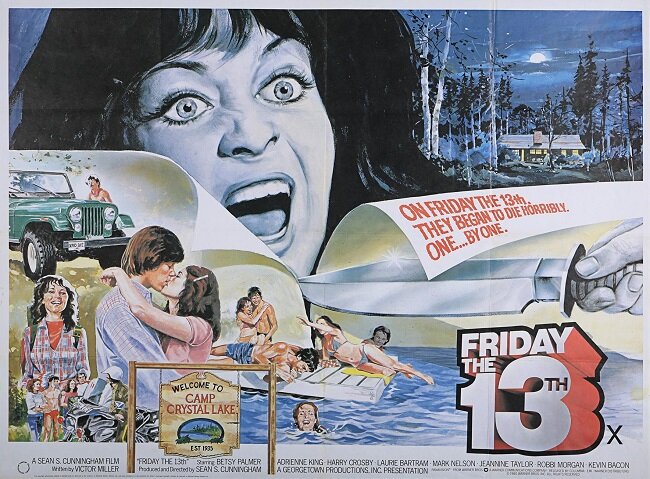
It was Friday the 13th yesterday, so I thought it was about time that I added Harry Manfredini’s iconic score to the annals of Classic Movie Themes. The 1980 slasher movie Friday the 13th has become as legendary in the pantheon of cinematic horror history as John Carpenter’s Halloween. Although there are marked differences between these two films, both use minimalist musical scores extremely effectively to punctuate the proceedings and embellish the overall atmosphere. However, Manfedini did not want to provide viewers with obvious audio cues during scenes of building tension. He preferred to focus his score upon the activities of the franchise's iconic killer, Jason Voorhees, and hence have strong musical cues when he was on screen. This approach meant that he had to use a unique musical motif to denote potential tension, without diminishing its effect on the audience by excessive use of obvious and melodramatic cues.

Game of Death was Bruce Lee’s fourth Hong Kong martial arts movie. Due to the success of his previous films he found himself in a position where he could finally write and direct a project himself. Filmed in late 1972 and early 1973, the film was put on hold midway through production when Hollywood offered him a starring role in Enter the Dragon. He died shortly after completing the US backed movie that made him an international star, so Game of Death remained unfinished. Several years later the rights to the raw footage were sold and recycled for a new movie, that kept the name but bore little resemblance to Lee’s original vision. For most of Game of Death, Kim Tai-jong and Yuen Biao double for Bruce Lee and it is only in the final act that audiences actually get to see about 12 minutes of material that he shot himself. The 1978 release of Game of Death, directed by Robert Clouse, is a mess but remains a cinematic curiosity. The scenes which genuinely feature Bruce Lee are outstanding, even in an abridged form.
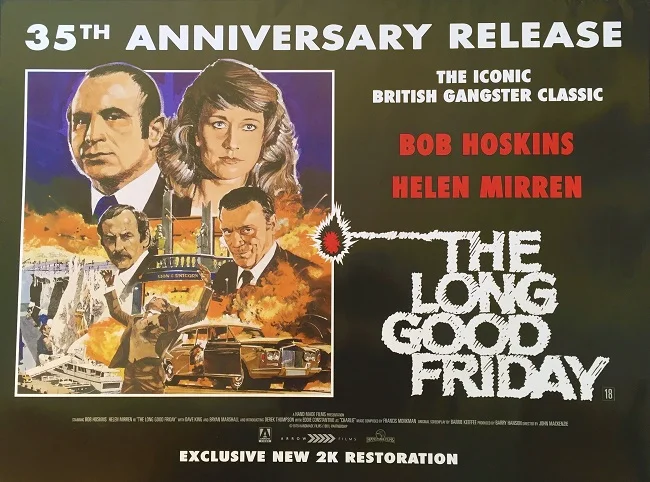
The Long Good Friday not only launched then career of Bob Hoskins but remains a uniquely British take on the gangster genre. Featuring authentic performances and a credible plot, the screenplay touches upon many of the social and political issues of the time; police corruption, the IRA, urban renewal and the decline of industry, along with EEC membership and the free-market economy. It’s a gritty and unrelenting drama that is still relevant today. Furthermore, the film is filled with quotable dialogue and has several stand out scenes that showcase Bob Hoskins’ smouldering performance. It’s also offers of “who’s who” of British character actors and there is one sequence still has the power to shock even today.
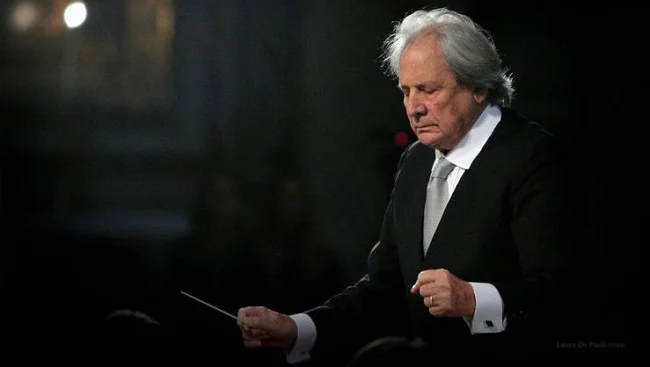
A few years ago, I wrote a post about cult movie soundtracks and how many of these movies are often blessed with a high quality score from an established composer. The subject came up again recently when I was visiting the British Film Institute with friends, and several other examples were discussed. Hence, I thought it would be prudent to write a follow up post with another selection of material, as it continues to amaze me how often the most appalling films can still have outstanding soundtracks. With this idea in mind I've collated five films that are for various reasons are labelled “cult” and have suffered the “slings and arrows of outrageous fortune” over the years. All have scores of interests and note, though for different reasons. I have chosen a track from each soundtrack which I think highlights the musical excellence and integrity of the composers involved. The genres are varied as are the musical styles and nuances of each piece. All clearly demonstrate how a well-conceived score can embellish and enhance a movie, effectively becoming a character in its own right.
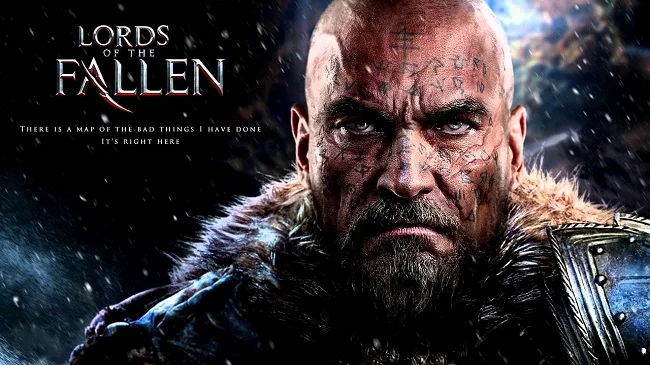
Lords of the Fallen is an action role-playing game from 2014, played from a third-person perspective. It is broadly in the same idiom to Darksiders and Dark Souls with the emphasis on complex and challenging combat. And it is for that reason that I didn’t get on with this title when I bought it in a Steam sale a few years ago. I felt that the long, protracted fights were an impediment to the narrative, which I quite enjoyed. However, the game was designed this way to appeal to the combat focused gamer and “git gud” culture. But I think that it’s important to try different genres of games from time to time and to step occasionally out of your comfort zone. I would cite the Hand of Fate series as a positive example of this. Both of those titles are from a genre I wouldn’t usually consider and playing them turned out to be a very positive experience
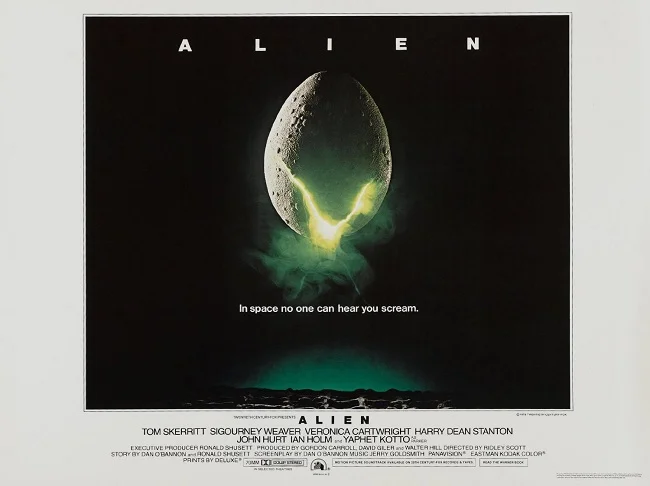
Alien is a unique genre milestone. It challenged the established aesthetic created by 2001: A Space Odyssey of space travel being pristine, clinical and high tech and replaced it with a grimy, industrial quality. The space tug Nostromo is also a conspicuously “blue collar”, civilian venture, underwritten by a large corporation. As for H. R Giger’s xenomorph, it redefined the depiction of extraterrestrial life in movies. Director Ridley Scott brought visual style and atmosphere to particularly unglamorous and dismal setting. He also scared the hell out of audiences at the time with his slow burn story structure and editing style that hints, rather than shows. Overall, Alien is a text book example of how to make a horror movie and put a new spin on a classic and well-trodden concept.

James Horner was a prolific, yet consistently good composer with a broad range of styles. Consider his score for 48 Hrs with its Jazz under currents and then compare it to his grand swashbuckling approach to Krull. They are radically different soundtracks, but both are extremely effective in embellishing their respective motion pictures. That was James Horner great talent. He knew when to be theatrical and bombastic but could also dial it back and be subtle, gentle and delicate. It made his body of work very diverse and memorable.
James Horner, although possessing a very broad and eclectic musical range, was in many respects a very traditional composer. He was certainly au fait with works of such giants as Miklós Rózsa, Korngold and Bernard Herrmann and it often manifested itself in his music through his use of the leitmotif. Perhaps the reason James Horner was so consistently good and crafted so many outstanding pieces of music, is because he never saw his profession as just a means to an end. As he said in an interview once, “I don’t look at this as just a job. I see music as art”.
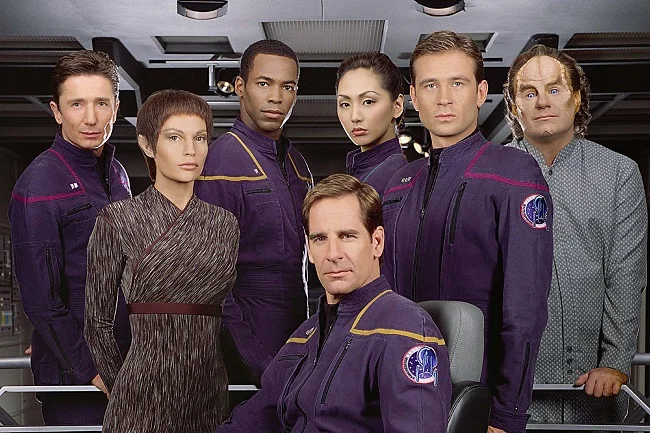
Star Trek: Enterprise was the first show in the Star Trek pantheon to have a song performed by an established artist play over the opening credits, rather than a traditional theme tune. Up until 2001, the franchise had maintained a more formal approach, established with the iconic introduction to the original series composed by Alexander Courage. Needless to say, such a radical departure from established practise brought about consternation and debate among fans. In some respects, you can argue that point about the entire show itself, but that as they say, is an entirely different blog post. Needless to say, the dislike and hatred that the song Where My Heart Will Take Me engendered in certain quarters, lead to a petition to have it removed. Needless to say, this movement failed, and the show continued using it for four seasons. Seventeen years on this particular debacle has now died down and the song is often just referenced ironically by fans as an amusing anecdote and piece of Trek trivia.
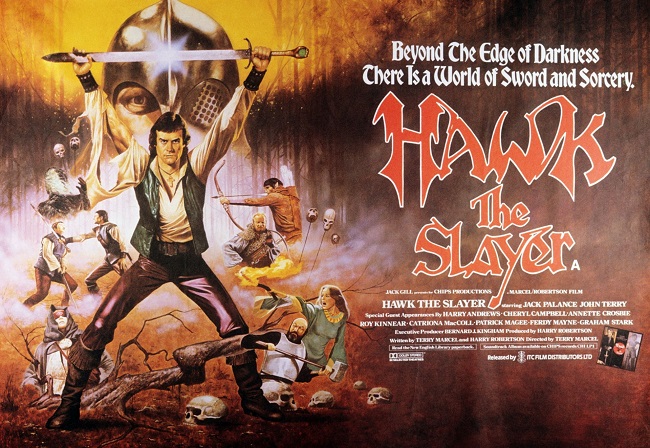
According to Wikipedia “Hawk the Slayer is a 1980 British sword and sorcery adventure film directed by Terry Marcel and starring John Terry and Jack Palance. The film has developed a cult following”. That doesn’t do the movie justice by any reckoning. Hawk the Slayer is a quirky, low budget, high camp fantasy movie that compensates for its budgetary shortcoming by being so preposterously silly. It is loaded with hard boiled, fantasy steeped dialogue that parodies well known genre tropes. It treads a fine line between utter bilge and stupid fun. It is very much a product of its time and is also filled with British character actors. Some viewers will see nothing more than a cheap and cheerful cash-in on the eighties Sword and Sorcery boom. Others will delight at this inventive, stylised and silly fantasy orientated outing. Such is the nature of cult movies.
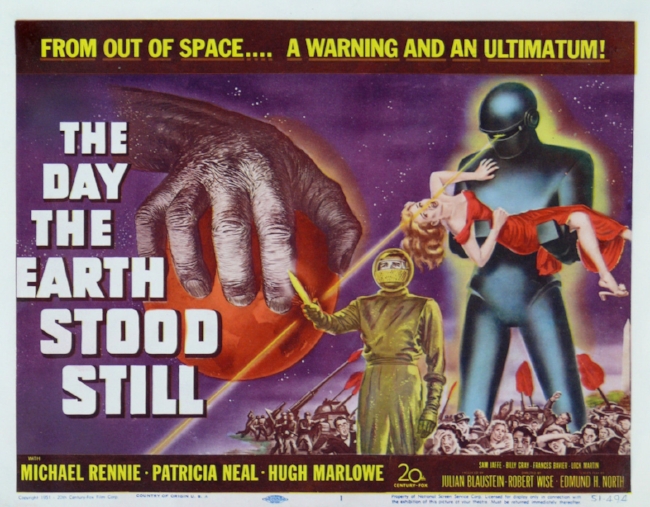
Film producer Julian Blaustein had a long-standing desire to make a film that addressed the fears and concerns of the post war Atomic Age. With the backing from Fox Studio Executive Darryl F. Zanuck, he hired screenwriter Edmund North to adapt the short story Farewell to the Master by Harry Bates. The screenplay provided a moral commentary about the ongoing arms race and featured an alien visitor with Christ like qualities who delivers an apocalyptic message. Veteran director Robert Wise was brought in head the project and a fine cast of established characters actors such as Michael Rennie, Patricia Neal Hugh Marlowe and Sam Jaffe was assembled. The finished movie has proven to be one of the greatest science fiction movies ever; it is The Day the Earth Stood Still made in 1951.
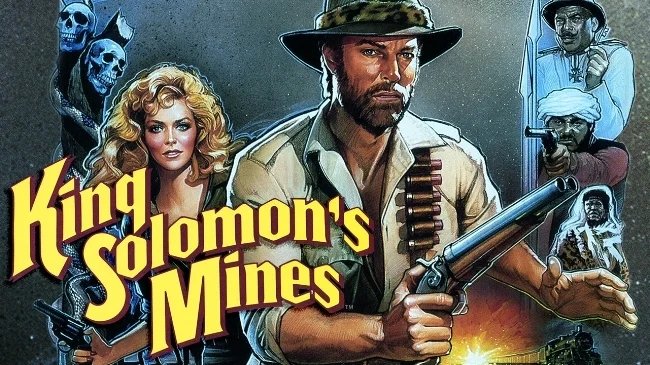
King Solomon’s Mines is a 1985 Cannon Films production based on the pulp works of H. Rider Haggard. It was quickly made to cash in on the ongoing success of Indiana Jones franchise, although the finished movie bears little resemblance to the classic original novel. Like most Cannon movies from that boom era, it was a cheap and fast enterprise that superficially sported a good cast, but ultimately didn’t do much with them. Veteran director J. Lee Thompson favoured a light and comic approach to the material, as the film’s budget could hardly sustain any major notable set pieces. Yet, it proved popular enough at the box office to warrant a sequel the following year. Allan Quatermain and the Lost City of Gold proved to be as equally silly but by then the public’s interest had waned.
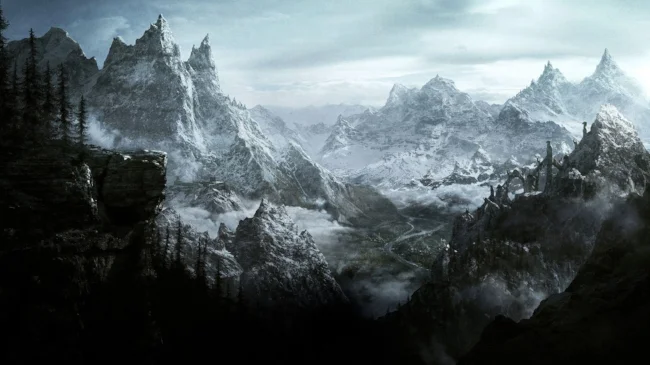
A ten months ago, I wrote about the LOTRO soundtrack and listed some of my favourite tracks. This time round rather than just limit myself to music from one game, I thought it may be more interesting to broaden the remit. So, I have decided to upload seven of my favourite tracks and music cues from various games I have played over the last two decades. As with cinema, the soundtrack of a game plays a very important role. It can make a substantial impact on the players perceptions and enjoyment. The following tracks are examples that I feel have greatly enhanced a game. They’re also ones that I find particularly enjoyable. They are not in any order of preference.

Paul Verhoeven has seldom made a movie without some semblance of controversy associated with it, and his 1992 neo-noir Basic Instinct was no different. Even before its US release, Basic Instinct courted controversy due over its overt sexuality and graphic depiction of violence. It was strongly opposed by gay rights activists, who criticised the film's depiction of homosexual relationships and the portrayal of a bisexual woman as a homocidal narcissistic psychopath. The opening murder with an icepick is still shocking twenty six years later and is an excellent showcase for makeup FX artists Rob Bottin.

You can write pages on Gerry Anderson's 1968 Supermarionation series Joe 90. There's the morally ambiguous premise of giving an emotionally immature nine-year-old the experiences of an adult. Then the psychological effects of allowing him to kill at will. Then there's the perennial issue of scientists prostituting their skills to the intelligence community. One can also reflect upon the absence of any major female characters in the series and how that may impact upon Joe himself. Finally, when one finally arrives she's a gold-digging bitch who tries to exploit Joe’s Dad, Professor McClaine. Joe 90 is certainly a psychiatrist’s dream subject.

Despite the popularity of the TV show in 1965, the two spinoff Thunderbirds feature films were both box offices failures. This has often been attributed to the indifferently written screenplays that seem to have completely missed the sense of suspense that the fifty-minute episodes achieved. Both feature films feel rather slow and like extended episodes rather than big budget extravaganzas. They fail to do anything different with established characters and apart from showcasing more extensive miniature effects in a widescreen format, don’t really have much more to offer. It’s curious that the winning, character driven formula that worked on television was overlooked for these big screen outings.
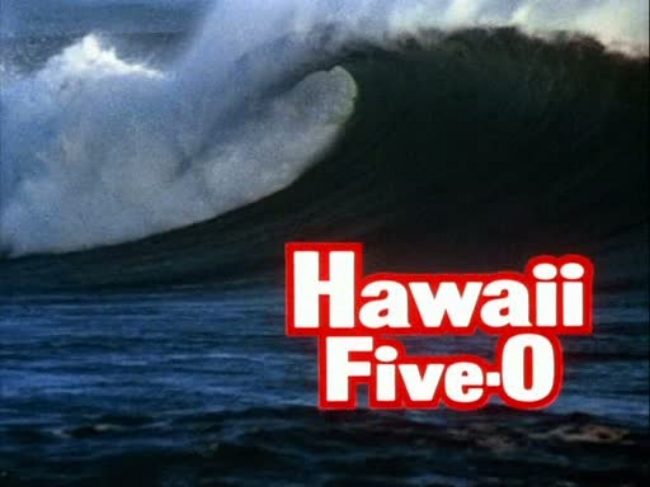
I grew up during the seventies when network TV shows still put a lot of thought and effort into such things as their theme tune. It was a decade littered with memorable tracks that captured the essence of the shows they came from. Many have now become integral aspects of popular culture, leading to countless internet memes as well as becoming the ringtones of choice for many a fortysomething. However, things are very different now. You can have a staggeringly good theme for your show, but it can't possibly be longer than thirty seconds. And don’t think for a moment that viewers can listen to it again at the end, as it has now become standard practice to compress the credits into a third of the TV screen and preview what's coming next, while some link announcer spouts inanities. Mercifully, cable and streaming companies tend to treat their TV shows with greater respect. The lack of commercial advertising ensures a longer program duration and hence more focus on a theme tune. However, network TV still commands big audiences, yet hasn’t in recent years produced any TV show themes of note.
Ennio (2021)
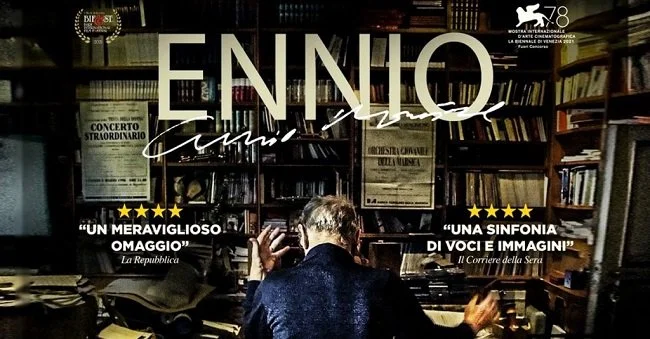
Giuseppe Tornatore’s sprawling documentary Ennio, is a finely detailed and absorbing exploration of prolific and iconic Italian composer Ennio Morricone. Despite its very traditional approach to its subject matter, looking at Morricone’s career chronologically, intercut with celebrity talking heads, it still manages to convey the unorthodox, innovative and experimental nature of the composer. The 156 minute running time is not necessarily the impediment that one expects. Rather it is the sheer weight of the emotional impact that comes from Morricone’s music that is at times overwhelming. Archival footage and a new and comprehensive interview recorded just prior to the composer’s death in 2020 is intercut with a wealth of audio cues and concert footage from a broad cross section of his work. The result is most illuminating with regard to the man and his approach to composing. The conclusion backed by many of those interviewed is that Ennio Morricone has shaped the nature of film music and elevated it to an artform.
Giuseppe Tornatore’s sprawling documentary Ennio, is a finely detailed and absorbing exploration of prolific and iconic Italian composer Ennio Morricone. Despite its very traditional approach to its subject matter, looking at Morricone’s career chronologically, intercut with celebrity talking heads, it still manages to convey the unorthodox, innovative and experimental nature of the composer. The 156 minute running time is not necessarily the impediment that one expects. Rather it is the sheer weight of the emotional impact that comes from Morricone’s music that is at times overwhelming. Archival footage and a new and comprehensive interview recorded just prior to the composer’s death in 2020 is intercut with a wealth of audio cues and concert footage from a broad cross section of his work. The result is most illuminating with regard to the man and his approach to composing. The conclusion backed by many of those interviewed is that Ennio Morricone has shaped the nature of film music and elevated it to an artform.
Morricone’s personal recollections of his youth and of his family’s poverty are candid. His Father, a trumpet player of some note, insisted his son learn music as a means to “put food on the table”. Morricone’s skill took him to the Saint Cecilia Conservatory to take trumpet lessons under the guidance of Umberto Semproni. He then went on to study composition, and choral music under the direction of Goffredo Petrassi. However, despite this very formal music education, Morricone took an innovative approach to his arrangements and would often use unorthodox sounds to add character to his work. During his tenure at RCA Victor as senior studio arranger, his contemporary approach found him working with such artists as Renato Rascel, Rita Pavone and Mario Lanza. As his reputation subsequently grew, composing for film became a logical and practical career progression. However, this was something that was looked down on by his more formal colleagues. A view that changed overtime as the calibre of his work became undeniable.
Ennio features a wealth of soundbites from prior interviews and new ones, from old friends, fellow musicians and admirers. Some are profound, some gush and others are curious by sheer dint of their inclusion. The views of Bruce Springsteen are somewhat hyperbolic and Paul Simonon makes a single obvious statement. However the insight we gain from classical composer Boris Porena is extremely thoughtful and interesting. As are the views of Hans Zimmer and Mychael Danna. There are also numerous personal anecdotes from assorted collaborators, including Joan Baez, Paolo and Vittorio Taviani as well as Roland Joffé. Baez recalls how Morricone intuitively wrote for her entire vocal range. The Taviani brothers reflected upon how they were at odds with the maestro only to be totally won over by work. Joffé reflects how Morricone wept when he saw The Mission, stating it didn’t need a score. Often it is Morricone’s own recollections that are the most intriguing. For someone of such exceptional talent he remains grounded, sincere and protective of his craft.
Director Giuseppe Tornatore naturally focuses on his own collaborations with Morricone, especially Cinema Paradiso, but overall Ennio is about the man, his philosophy and his joy of music. Some critics have inferred that this documentary is too Italian-centric but that is a crass complaint. Sixty years of Italian culture, both artistically and politically, are reflected in Morricone’s work. Hence there is significance in the reminiscences of Italian pop stars contracted to RCA who owe their success to Morricone’s innovative arrangements and production values. Ennio also features several anecdotes that are surprising and revealing, such as how the maestro missed an opportunity to write the soundtrack for Stanley Kubrick’s A Clockwork Orange. Long and at times a little overwhelming, Ennio is a fitting tribute to the great composer. It is also a testament to the skills of editor Massimo Quaglia for cogently assembling such a vast amount of information and sentiment into a coherent narrative.

Music by John Williams is a documentary celebration of the famous composer and his illustrious body of work. It provides some interesting biographical background information as to how the man was born into a family of talented musicians. It then traces his rise from pianist for hire to the most well known film composer today. Along the way, anyone who is anyone in film and music appears to heap justifiable praise upon him and his body of work. It also features a continuous medley of John Williams’ greatest hits, as it catalogues his work in broadly chronological order. Music by John Williams is an upbeat and positive love letter to the composer and exactly what you would expect, when you consider that the documentary was produced by his friends and peers.
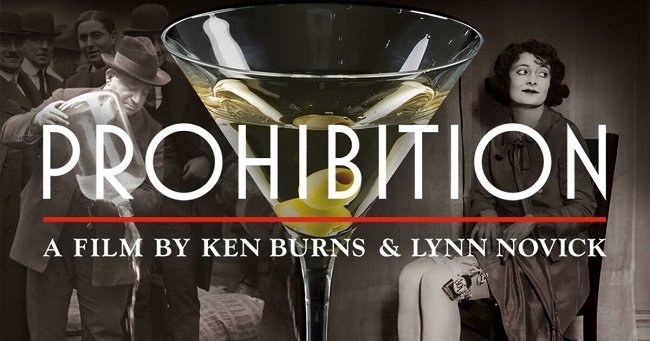
Despite being an analysis of the past there is a portentous air about Ken Burns and Lynn Novick’s Prohibition. A fascinating five-and-a-half-hour documentary produced for PBS in 2011. The history of this disastrous experiment, the banning of alcoholic beverages, is a textbook example of how the transactional nature of US politics can be effectively used upon “wedge” issues. Prohibition follows the format and style of Burns previous documentaries such as the Civil War (1990) and The War (2007) with the wider subject broken down and analysed according to protagonists, events and the political background. Specific historical figures and key players are followed throughout the documentary’s narrative, giving viewers a sense of focus. Hence we meet the hatchet-wielding Carrie Nation, Wayne Wheeler from the Anti-Saloon League and media savvy gangsters like Al Capone. It is interesting to note that some themes continue from Burns’ previous work, such as the political and cultural conflict between native-born Americans and European immigrants. The rural heartlands versus the big cities.
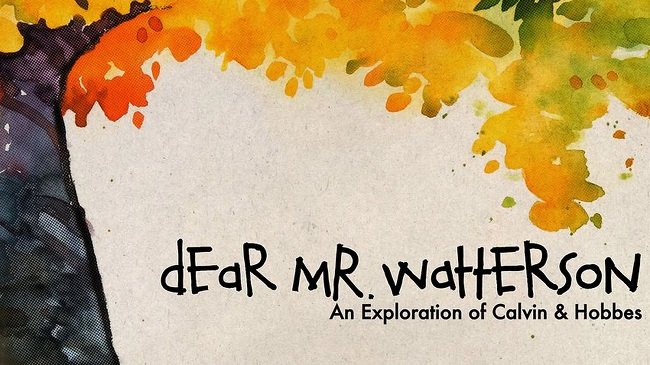
Joel Allen Schroeder's documentary Dear Mr. Watterson is a curious beast insofar that it takes some time before it decides exactly what it wants to focus upon. It begins by examining the cultural impact of the hugely popular comic strip “Calvin & Hobbes” and what it means to people around the world. However, little information is given about the creator, Bill Watterson beyond a very simple biography. Joel Allen Schroeder’s also makes no attempt to contact and interview the reclusive Mr. Watterson to find out more about the man and his iconic work. Instead, the documentary eventually settles into an assessment of Watterson’s work by other industry luminaries and a broader accounting of the overall decline of the newspaper cartoon as a social institution. The presentation is bright, stylish and there’s a lot of love for the subject but it takes some time before it commits to a specific approach.

“Kurt Vonnegut: Unstuck in Time” is a sprawling, non-linear eulogy to the to the life of writer Kurt Vonnegut, by Emmy-winning director Robert B. Weide (“Curb Your Enthusiasm”), who was a friend of Vonnegut's throughout the last 25 years of his life. Weide himself features heavily throughout the two hour running time, which is something Weide says he usually hates in documentaries. However, what unfolds is a story of a documentary maker who wanted to film his idol and was granted an opportunity to do so in the early eighties. The project was never completed and both Weide and Vonnegut continuously returned to it over the years as their friendship grew, leading to Weide eventually becoming Vonnegut’s personal archivist. However, despite this curious relationship, this is still very much a film about Kurt Vonnegut, the author, the social commentator and the man. It becomes quite clear why he is considered one of the most important writers of the 20th century.
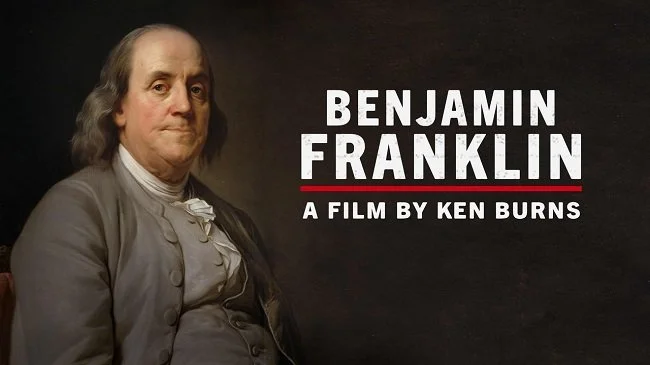
Benjamin Franklin is in many ways the most interesting of the American Founding Fathers. A self taught man who went on to become a polymath. An inventor, accomplished writer and publisher. A diplomat who successfully held multiple public offices. A loyalist who went on to become a “reluctant revolutionary”. A slave owner who eventually became an abolitionist. A questionable parent who favoured specific children over others, as well as a negligent husband. Franklin was all these things, as Ken Burns’ documentary takes great pains to highlight. A broad cross section of historians tackle these foibles and contradictions from multiple perspectives. As Joseph J. Ellis states, Benjamin Franklin was “a Nobel-calibre scientist, the greatest prose stylist of his generation, and probably the greatest diplomat in American history”. His legacy is chronologically analysed over four hours in two distinct episodes.
Giuseppe Tornatore’s sprawling documentary Ennio, is a finely detailed and absorbing exploration of prolific and iconic Italian composer Ennio Morricone. Despite its very traditional approach to its subject matter, looking at Morricone’s career chronologically, intercut with celebrity talking heads, it still manages to convey the unorthodox, innovative and experimental nature of the composer. The 156 minute running time is not necessarily the impediment that one expects. Rather it is the sheer weight of the emotional impact that comes from Morricone’s music that is at times overwhelming. Archival footage and a new and comprehensive interview recorded just prior to the composer’s death in 2020 is intercut with a wealth of audio cues and concert footage from a broad cross section of his work. The result is most illuminating with regard to the man and his approach to composing. The conclusion backed by many of those interviewed is that Ennio Morricone has shaped the nature of film music and elevated it to an artform.
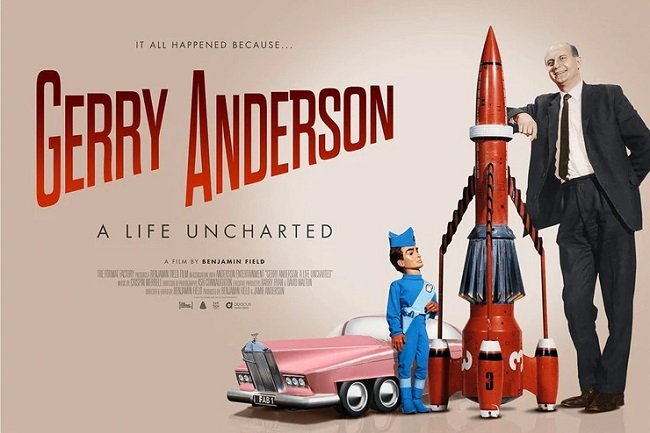
Gerry Anderson: A Life Uncharted is a documentary that focuses specifically on the man, rather than the shows that he created. If you are more interested in the latter then you would be better off watching Filmed in Supermarionation (2014), which provides a comprehensive overview of all productions, wrapped in a cosy blanket of nostalgia and fandom. Gerry Anderson: A Life Uncharted offers a more challenging viewing experience due to its honesty and candour. Gerry Anderson had a difficult childhood and suffered a bereavement early in life. During the course of this 88 minute exploration of his life it becomes clear that these traumas both drove his creativity as well as marred his own personal life. Furthermore, this documentary is also about a son looking for answers, as Jamie Anderson attempts to learn more about his father’s past.
Star Trek documentaries are very much like Bruce Lee documentaries, in so far as they’re both a saturated market and more often than not, new content frequently ends up covering the same ground. However, fans tend to watch anything new in the hope that they will find a few new nuggets of information. Brian Volk-Weiss’ new 11 part series, The Center Seat: 55 years of Star Trek, not only covers established facts about the iconic show but also expands upon them as well as providing a wealth of new information. Volk-Weiss has previously explored popular culture with documentaries such as The Toys That Made Us and The Movies That Made Us. The Center Seat: 55 years of Star Trek is an in-depth chronological study of the Star Trek franchise, from its creation at Desilu Productions in 1965 all the way through to the latest iterations, Star Trek: Picard and Star Trek: Discovery.
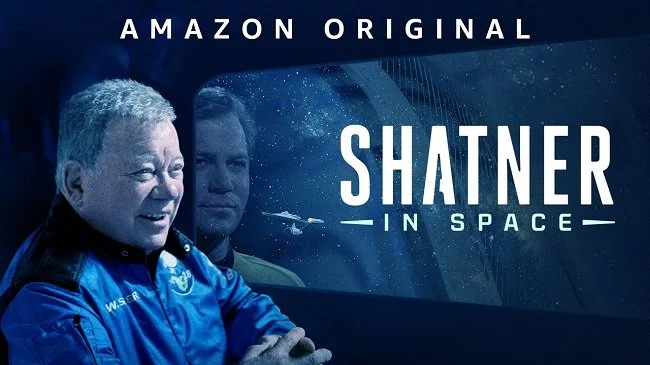
Shatner in Space is a 45 minute documentary about the 90 year old actor, William Shatner and his recent foray into space via Jeff Bezos’ Blue Origin sub-orbital spaceflight service. Considering the provenance of this entire undertaking, attitudes in general towards billionaires and the obvious publicity seeking hubris of sending a cultural icon into space, it’s easy to dismiss Shatner in Space as nothing more than a very, very expensive infomercial. However, the quiet dignity of Mr Shatner whose age and experience means that he draws a very different conclusion from his space flight than his fellow passengers, is utterly compelling and possibly a little profound. If you can endure the soulless polish of the scenes with an immaculately staged managed Jeff Bezos, then you’ll be rewarded with the philosophical musings of a man approaching the end of his life who is naturally curious about his own mortality.
I am not a fan of conspiracy theories, nor those who are heavily invested in them. There are many reasons to repudiate such ideas but for me the main one is just a simple observation on human nature. Any major conspiracy, plot or cover up requires large swaths of people to participate and remain quiet about the facts. Yet one of the most common attributes of the human condition is peoples total inability to shut up. Simply put, most conspiracy theories don’t hold water because someone would have blabbed. Hence, documentaries about how the moon landings were faked or how 9/11 was an “inside job” tend not to “butter any parsnips” with me. However, JFK Revisited: Through the Looking Glass is a surprisingly different beast. I was surprised by its measured approach and its inferred conclusion. Has old age mellowed the filmmaker Oliver Stone?
Television programmes that deal with the so-called supernatural, mysterious and the unexplained are commonplace these days. They fill the schedules of channels that used to broadcast quality wildlife, historical and scientific documentaries. All too often these shows focus on the sensational nature of their subject matter and lack any real objectivity, analysis and scientific rigour. The idea is not to impartially explore a subject to determine its veracity but to simply provide a degree of spectacle for as broad a viewing demographic as possible. However, that was not always the case. Back in 1980, Yorkshire Television produced Arthur C. Clarke's Mysterious World. A high profile exploration thirteen-part British television series looking at unexplained phenomena from around the world. The presence of Clarke, who introduced and book-ended the various subjects the show explored, brought a degree of impartiality and credibility to the proceedings.

Over the years I have seen many documentaries about World War II. Although I do not claim in any way to be an expert, I believe I have a good grasp on the causes and the course of that six year conflict. However, it recently struck me that I could not say the same about World War I. In my youth I watched a repeat showing of the BBC documentary series The Great War (1964) but I remember very little of its prodigious 26 episodes. The one thing that stood out were the interviews with veterans. So I was very pleased when perusing BritBox over the weekend to find the 2003 documentary The First World War, based upon the book of the same name by Professor Hew Strachan. This ten part analysis takes a global view of the conflict, rather than excessively focusing upon the Western Front and also debunks a lot of the apocryphal ideas and notions that have persisted over the years. I found it so compelling that I binged watched the entire thing over two evenings.
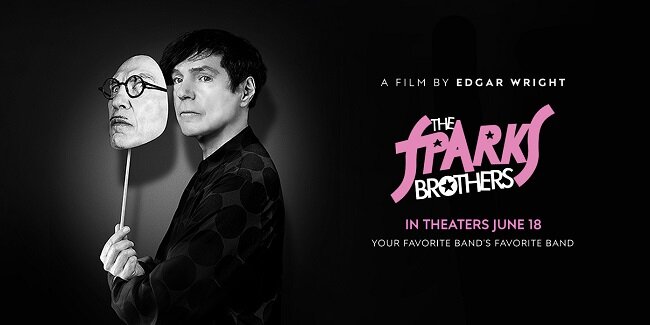
The music business is a strange, interesting and broad church. A spectrum of musical styles and personalities all fulfilling the needs of different markets. There are pop stars who are buoyant but ephemeral. Then there are singer/songwriters who take their work seriously as they express their critique of the human condition via their music. There are also style icons, novelty acts, indie bands, lounge crooners and a myriad of other niche acts, all doing their own thing. And occasionally there are enigmas. Artists and bands that fly in the face of prevailing trends and commercial interest, who do consider their work to be an artistic endeavour and an expression of themselves and as such, do not see the virtue of personal compromise or corporate interests. Esoteric musicians who reinvent themselves continuously as they grow and age. Constantly defying the expectations of both their own fans and naysayers. Sparks are such a musical entity and the subject of a fascinating documentary by director Edgar Wright.
Carl Sagan's seminal science documentary Cosmos: A Personal Voyage was initially broadcast in the US between 28th September and 21st December 1980. Six months later it was shown in the UK on BBC One throughout the summer of 1981. I was thirteen years old at the time and this science documentary series had a tremendous impact upon not only me but an entire generation. The complexity of some of the subjects explored and discussed by Carl Sagan often left me perplexed. However, I knew that there was something special about this show and the way it presented science in such a personal manner. Therefore, I found myself going to both my local and school library to further read about the topics raised in each episode. But perhaps the most standout aspect of the show was Sagan himself. His commentary delivered directly to the camera was both enthralling and lyrical. His love and enthusiasm was palpable and clearly bled through into every aspect of the show. His ability to communicate clearly, complex and at times esoteric ideas, was a revelation and in many ways a gift. Similar to that of Jacob Bronowski and David Attenborough.
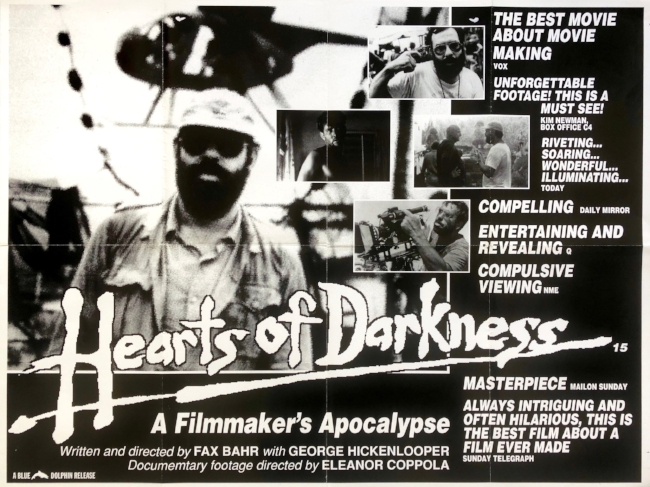
There was a time when film making was seen as an artistic endeavour and the idea of the auteur director pursuing a vision was considered a romantic and even noble undertaking. Big multi-million-dollar productions were welcomed when they filmed on location, providing work and glamour to the local population. The might of the dollar would often grease the wheels of industry, making the impossible possible. Egos were massaged, and actors were indulged and treated like minor deities. Huge sets would appear in the middle of nowhere, like Victorian follies and luxury items would be flown around the world to placate the capricious nature of the various Hollywood stars. Money would flow like water, much to the dismay of the producers, sitting back in the offices in the US or Europe. But this era has now past. Big budget movies are still made but it is now driven by corporate accounting and artistic vision is no longer a primary consideration. It is now a rather soulless business process. Hence a movie such as Apocalypse Now would never be made today in the same manner that it was back in 1976 when the production started.
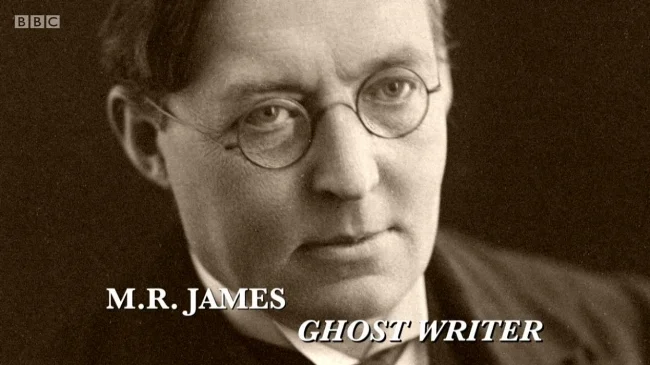
MR James: Ghost Writer is a sixty-minute documentary written and presented by Mark Gatiss, exploring the life of Britain's foremost ghost story writer. Gatiss, a long-time admirer of James, delves in to the life of the author from his devout Anglican upbringing and close-knit family life, through to his ascent to the summit of academia at King's college, Cambridge. The program seeks to discover what motivated this scholarly bachelor to create some of the most iconic and chilling ghost stories in English literature. By following in James’s footsteps, the documentary attempts to gain a greater insight in to the enigmatic author.
Wisconsin Death Trip is a strange, enigmatic, non-linear docudrama and that makes for compelling viewing for the open minded. It is based upon the 1973 non-fiction book Wisconsin Death Trip by Michael Lesy, which explores a collection of late 19th century photographs by Jackson County, photographer Charles Van Schaick. These are mainly taken in the city of Black River Falls. The authentic black and white pictures are further embellished by local news reports from the same period, predominantly taken from the Black River Falls newspaper. These articles emphasise the harsh aspects of Midwestern rural life under the pressures of crime, disease, mental illness, and urbanization. The book has been a source of influence over the years, with authors such as Stephen King and Rod Jones citing the impact its had upon their respective work. Film maker James Marsh has subsequently taken this curious microcosm of rural life and death and extrapolated it a compelling reflection upon mortality and the fragility of human existence.
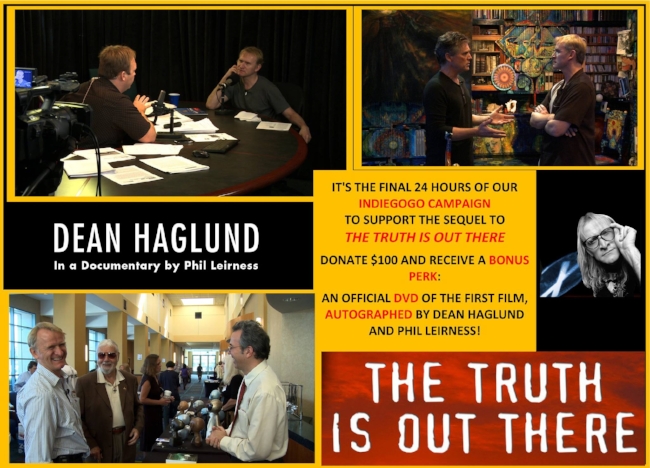
Dean Haglund is best known for playing Richard Langly, one of the Lone Gunmen on The X-Files. In recent years has capitalised upon that role and has become closely identified with the realm of the paranormal and the world of conspiracy theories. The documentary The Truth Is Out There follows Dean as he travels the US and attempts to discover just what it means to search for the truth in a world where conspiracies theories, untruths and fake news abound. The documentary directed by Phil Leirness, humorously takes the viewer on a journey of discovery, talking to those who believe that the world is not what it seems.
Once again Jamie Benning has created a filmumentary that is pretty much a definitive exploration of its subject matter. Inside Jaws contains a staggering amount of facts, details, insight and commentary about one of the greatest films ever made. Yet despite a wealth of information, it is presented in a way that is easily digestible and enhances the movie, rather than overwhelms it. As with Star Wars Begins, the original movie is annotated with on-screen text, commentary tracks and behind the scenes footage, which provide incisive overview into the movies production.

Star Wars Begins is a detailed documentary by film maker Jamie Benning that explores the creation of what is now considered to be the most iconic movie of the seventies; namely Star Wars. It features a wealth of deleted scenes, alternate takes, behind-the-scenes footage, bloopers, original on set audio recordings and a great deal of commentary by the original cast and crew. As far as I’m concerned, it is the most thorough and in-depth analysis of Star Wars I have yet to see. Frankly it beats hands down, any of the officially sanctioned documentaries that have appeared over the year on the various DVD and Blu-ray releases of the trilogy.
Indie Game: The Movie is a genuinely fascinating documentary not only about the machinations video games industry but also the blood, sweat and tears that go into any creative process. It is a film that really does give you pause for thought and encourages you to reflect upon what you may want in life. It clearly shows the true cost and the star reality of any labour of love. It should be required viewing in schools and colleges for any wannabe who dreams of being on a reality shows and achieving a fast path to their perceived heart’s desire. Such is the impact of the documentary’s message.
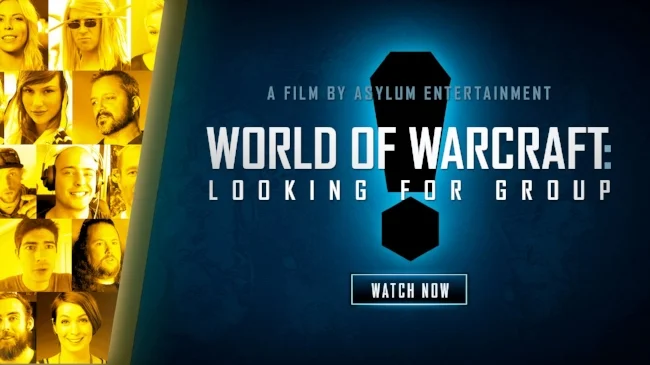
Despite having played a broad spectrum of games in my time, I've never really had much dealings with the Blizzard. Beyond owning Overwatch, a game I’ve long stopped playing and trying a free trial of both World of Warcraft and Hearthstone, I have little personal experience of their games. However, I am fully aware of their product range and their reputation within the gaming industry. Overwatch has taught me how well-conceived and polished their games can be. Blizzard may not be incredibly innovative, but they learn from others and produce titles with all the elements that work well. Sadly, I have no real affinity to their flagship MMORPG, as my point of entry with that genre was LOTRO. My interest in World of Warcraft mainly stems from a business perspective and the place it holds in gaming history. Overall my curiosity about the game, its community and culture is mainly academic. So, I finally got around to watching the documentary World of Warcraft: Looking for Group that showcased at Blizzcon in 2014 and was subsequently released on You Tube thereafter.

Certain groups just lend themselves to ridicule from the media and in popular culture in general, irrespective of whether they deserve it or not. Star Wars fans are a prime example of this. Their love of the lore, predilection for cosplay and hunger for collectables at first glance makes them an easy target. Film maker Mark Edlitz, takes a decidedly different approach in his documentary Jedi Junkies. Instead of finger-pointing and making cheap jokes, Jedi Junkies puts a very human face on a group of enthusiasts, showing their passion to be in essence, no different to that of sports fans or other more mainstream hobbies and pastimes.

After watching several hours of the documentary, The Vietnam War, one has to wonder at the utter inability of the US government of the time, to think outside the box during the period of that conflict. Seldom does a military, political, and social analysis of an historical event go this deep. During its eighteen hour running time directors Ken Burns and Lynn Novick cover a wealth of issues associated with this conflict, exploring it from multiple perspectives. Not only do they shine a light upon the hubris and folly of both respective governments, they manage to keep a very intimate and human perspective. Personal stories from both sides are told and if there is a common theme, it is sadly one of tragedy and regret.
Considering the mainstream popularity of gaming, there is a distinct lack of related content on television. Journalist, writer and social commentator Charlie Brooker attempted to address this in 2009 with Gameswipe but the show remained a one-off production. Then again in late 2013, he had another crack at the subject with the documentary How Videogames Changed the World, providing a broad overview on the genre, exploring key events and titles from the past forty years. As ever with Mr. Brooker, the commentary was intelligent and acerbic. There was also an interesting and diverse selection of talking heads who spoke from personal experience, rather than the usual scripted garrulous inanities.
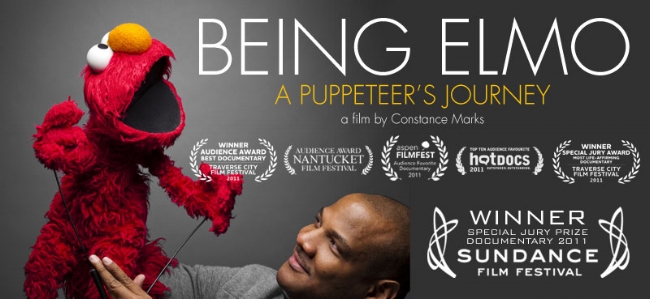
Constance Marks’ documentary explores the story of Kevin Clash, the man who effectively "was" Seasame Street's Elmo until 2014. The film charts Kevin Clash's rise from his modest beginnings in Baltimore to his success as a globally famous character and a major player in the Henson family of puppeteers. The documentary manages to maintain a good balance between examining the mechanics of puppetry and focusing on the human impact of Kevin's work. Like so many documentaries of these type, it clearly shows that achieving your dreams always comes with a cost and is often immensely arduous. It also reveals the complexity of something we take for granted and possibly trivialise, namely puppetry. Filmed in 2011 the documentary does not cover Kevin Clash’s resignation from “Seasame Workshop” three years later.
Documentaries about the fans and fandom often lack any impartiality and frequently have their own agenda, be it positive or negative. Looking at the names associated with Comic-Con Episode IV: A Fan's Hope, it’s fairly clear from the outset that this is not going to be an overtly critical undertaking. Director Morgan Spurlock follows five attendees during San Diego Comic-Con 2010 as they endeavour to fulfil their ambitions. The fans are immediately presented in a fairly positive way and as the documentary proceeds the viewer gets the opportunity to form their own opinion about the lifestyles, choices and philosophies. The documentary is also interspersed with talking heads from known genre luminaries such a Joss Wheedon, Kevin Smith and Stan Lee, who provide some interesting and quite frank views on Comic-Con as well as the wider fan scene.

The documentary Mifune: The Last Samurai is both an exploration and celebration of the Japanese actor Toshiro Mifune (1920-1997), narrated by Keanu Reeves. Over the course of seventy minutes his life and body of work is critiqued by his industry peers as well as several cinematic luminaries such as Martin Scorsese and Steven Speilberg. The focus is very much upon the man himself, as his personality was integral to his acting technique. For those unfamiliar with classic Japanese cinema during its golden age, the documentary provides a broad and practical overview. It also includes a brief history of the chanbara (sword fighting) genre, as well as a concise and honest analysis of Mifune’s career.
Ennio Morricone (1928 - 2020)
Treasure of the Four Crowns (1983) is a somewhat confused and shoddy action movie that attempts to ride on the coattails of both Raiders of the Lost Ark and the 3-D revival of the time. It lurches between set pieces where anything and everything is thrown at the camera, to moments of unpleasantness and then into slapstick comedy. Yet there is one aspect of this unremarkable film that remains with the viewer after they’ve endured its 97 minute running time. The opulent and charismatic orchestral score by Ennio Morricone. Because "Maestro" Morricone always brought his immense talent to bear on a film regardless of its quality or provenance. Hence there are just as many genre movies and exploitation films with exceptional Morricone soundtracks as there are cinematic masterpieces and art house classics. As writer and director Edgar Wright said “he could make an average movie into a must see, a good movie into art, and a great movie into legend”.
Treasure of the Four Crowns (1983) is a somewhat confused and shoddy action movie that attempts to ride on the coattails of both Raiders of the Lost Ark and the 3-D revival of the time. It lurches between set pieces where anything and everything is thrown at the camera, to moments of unpleasantness and then into slapstick comedy. Yet there is one aspect of this unremarkable film that remains with the viewer after they’ve endured its 97 minute running time. The opulent and charismatic orchestral score by Ennio Morricone. Because "Maestro" Morricone always brought his immense talent to bear on a film regardless of its quality or provenance. Hence there are just as many genre movies and exploitation films with exceptional Morricone soundtracks as there are cinematic masterpieces and art house classics. As writer and director Edgar Wright said “he could make an average movie into a must see, a good movie into art, and a great movie into legend”.
Ennio Morricone was a prodigious composer, who eschewed Hollywood despite his success. He preferred to compose at his palazzo in Rome, working at a desk as opposed to a piano. He wrote in pencil on score paper, creating all orchestra parts from what he could hear in his mind. He would frequently compose after reading a just a script, viewing rushes or a rough cut of a film. Due to his musical diversity and at times experimental approach, he was much sought after by similarly creative film makers. His musical range was exceptional featuring an array of techniques; tarantellas, psychedelic vocalisations, sumptuous love themes along with minimalist beats to underscore tension. He was not afraid to be quirky or to use that most dangerous musical device silence. He composed for TV, cinema, wrote concert pieces, and orchestrated music for singers including Joan Baez, Paul Anka and Anna Maria Quaini, the Italian pop star known as Mina. Whatever he did both he and his music always left an impression.
Given his extensive body of work across multiple genres, it is difficult to collate a short list of material that adequately summarises Ennio Morricone’s musical capabilities. His mainstream renown stems from his work with director Sergio Leone and “The Dollar” trilogy which has quite rightly become an integral part of cinematic pop culture. However his collaborations with the “Master of the Giallo”, Dario Argento, are equally noteworthy. The Bird With The Crystal Plumage (1970) features pop inflected vocal harmonies, avant improvisation and salacious lounge music. The Mission (1986), features a plot device in which a Jesuit Priest uses his Oboe to fill the cultural divide between the Catholic Church and the idigenous people of Paraguay. This is sublimely realised by Morricone in his iconic piece “Gabriel’s Oboe”. Director John Carpenter 1982 sci-fi horror The Thing benefits greatly from Morricone’s minimalist synth driven score. And the sleazy 1972 thriller What Have You Done to Solange? becomes more than the sum of its parts due to melancholic and melodic Morricone score.
Here is a short and personal selection of music cues and tracks by Ennio Morricone that I enjoy. He leaves behind an exemplary legacy and body of work as well as having influenced several generations of musicians and composers. A friend of mine who is also a “man of the cloth” and a commensurate fan, once told me that he feels that “there are brief glimpses of the divine” in Morricone’s work and that on occasions “it reflects the majesty of creation”. Although I’m not especially religious myself, I feel that there is truth in these words. Ennio Morricone’s music, especially his more sumptuous scores for the likes of Roland Joffé, Giuseppe Tornatore and Brian De Palma, contain an inherent beauty. And that beauty is pure and timeless. Addio Maestro.

Everyday, once I’m up, I sit at my desk in my office, fire up my PC and log into Feedly. I have various RSS feeds grouped by category, which I slowly trawl through and read anything that catches my eye. I have one curated feed named “Blaugust” named after the yearly festival of blogging event. It has over 250 blogs listed, many of which are former participants. Most of these regularly post. Hence there’s a lot to get through and so I don’t read all of them. However there are a few that I always checkout. Mainly because they’re the personal musings of some of our writing community’s oldest and most prodigious members. The sorts of guys and gals who are part of the furniture. They’ve always been there and it feels like they always will. Posting their thoughts, sharing their enthusiasm and spreading the love, so to speak. One of these blogs, is Tales of the Aggronaut. written by Belghast.
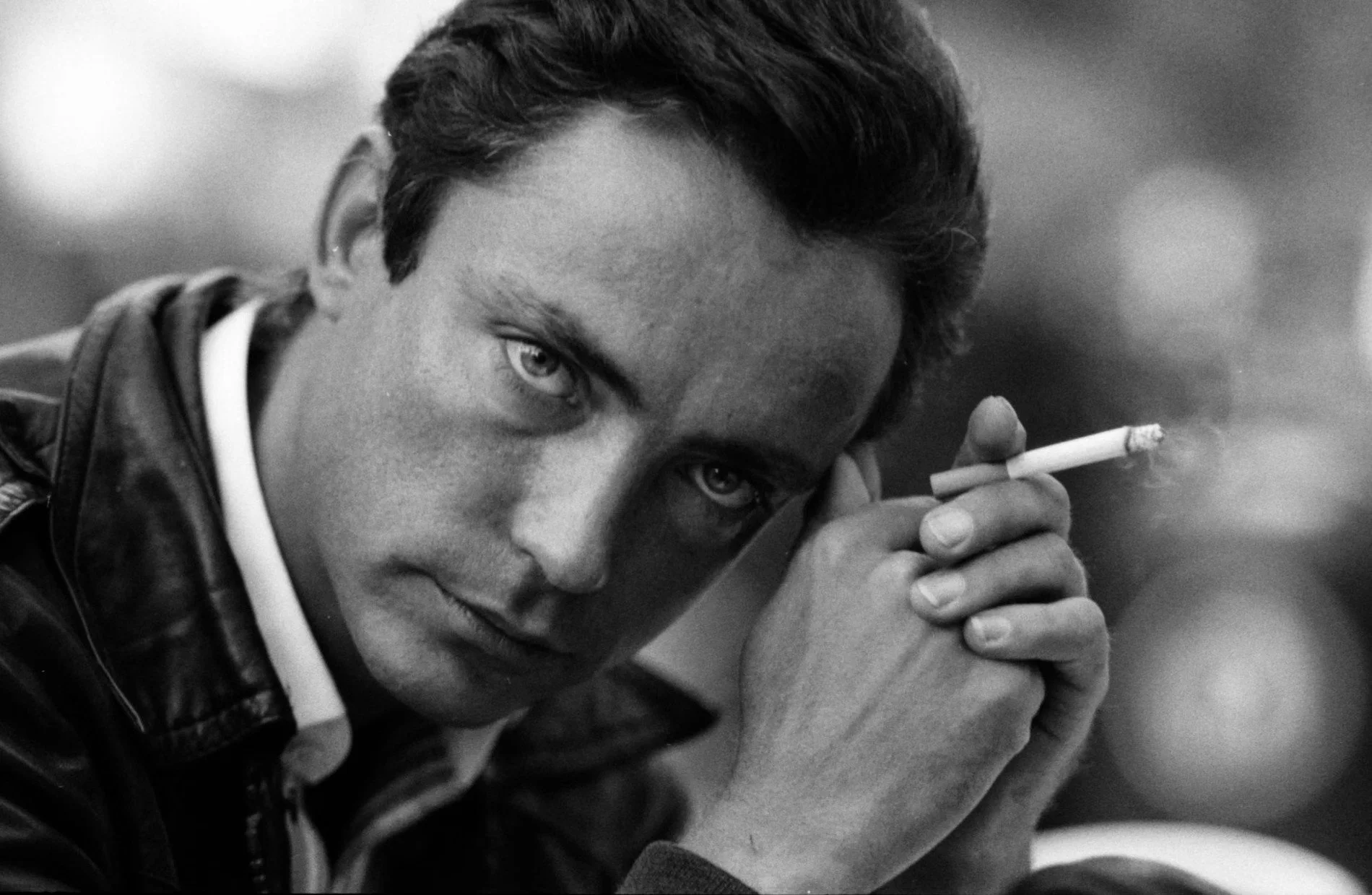
German actor Udo Kier died on the 23rd November at the age of 81. Kier was far from a high profile star but his saturnine good looks and piercing eyes meant that he stood out. As an actor he was enigmatic, brooding and at times sinister which brought him to the attention of several notable European and American directors, such as Werner Herzog, Lars von Trier and Gus Van Sant. His early acting roles in the late sixties gained little attention and it was not until 1973 when he starred in Andy Warhol’s Flesh For Frankenstein, directed by Paul Morrissey that the right people started to take note. What followed was a career that spanned over 220 films, initially in arthouse productions but over time in horror and cult movies, until eventually he started to be cast in mainstream productions. Yet whatever role he appeared in he was always notable.
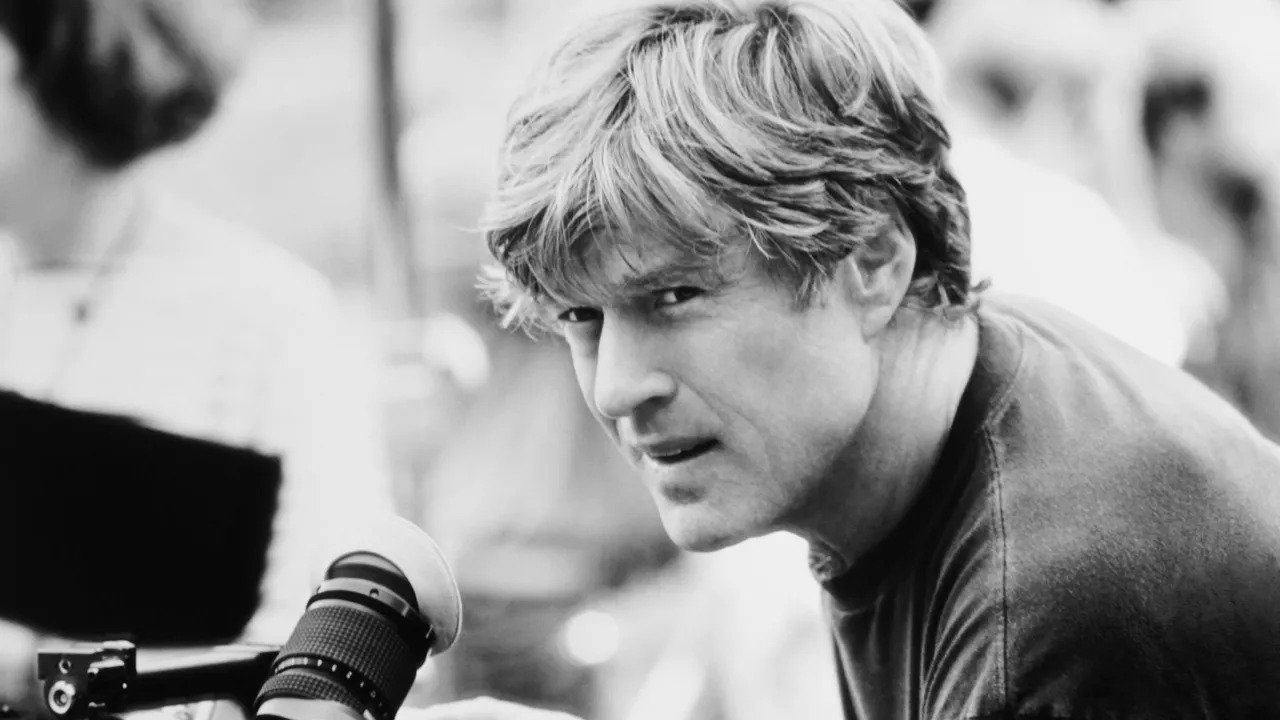
It’s been five years since I last wrote about the passing of someone whose work I admired. Not because there’s been a shortage of such people dying. Sadly, it happens all too often. I stopped because I was experiencing my own grief over the loss of my parents in 2020 and 2022. So I wrote about other things instead and got out of the habit of “RIP” posts. Yet the recent death of Robert Redford has compelled me to write something, because he was so many things. An old school star from an important era of US filmmaking. He was also a much better actor than some think, as well as a talented director who didn’t just use his fame to make vanity projects. His passing was somewhat of a shock because I had seen him recently make a cameo in the TV show Dark Winds, of which he was an executive producer. It was his last onscreen appearance.
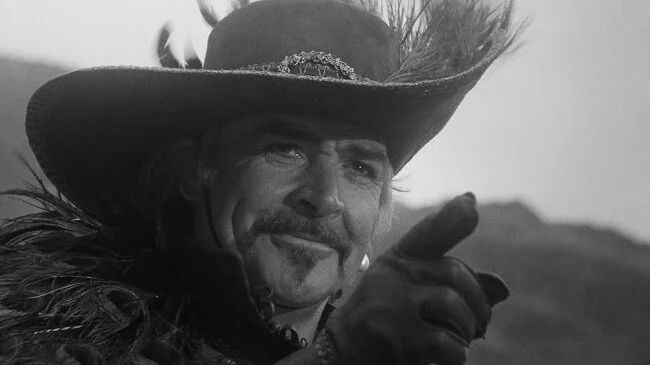
Growing up in the seventies, by the time I became aware of Sean Connery as an actor he had already transcended the role of James Bond and become an international “superstar”. Roger Moore was my generation’s 007 but I was constantly reminded by the “older people” that he “couldn’t hold a candle to Sean Connery”. For many the Scottish actor defined this iconic role and so before I even became familiar with the man and his work, I was aware that there was some kind of mystique surrounding him. Around the time I was eight, I was finally introduced to his inimitable acting style with his performances as Mulai Ahmed er Raisuni in The Wind and the Lion (1975). It was a larger than life performance of a larger than life character; the sort of role that came to define Sean Connery in his later years. On paper it was utterly preposterous. A Scottish man playing an Arab potentate. But it worked and left a marked impression upon me.

Treasure of the Four Crowns (1983) is a somewhat confused and shoddy action movie that attempts to ride on the coattails of both Raiders of the Lost Ark and the 3-D revival of the time. It lurches between set pieces where anything and everything is thrown at the camera, to moments of unpleasantness and then into slapstick comedy. Yet there is one aspect of this unremarkable film that remains with the viewer after they’ve endured its 97 minute running time. The opulent and charismatic orchestral score by Ennio Morricone. Because "Maestro" Morricone always brought his immense talent to bear on a film regardless of its quality or provenance. Hence there are just as many genre movies and exploitation films with exceptional Morricone soundtracks as there are cinematic masterpieces and art house classics. As writer and director Edgar Wright said “he could make an average movie into a must see, a good movie into art, and a great movie into legend”.
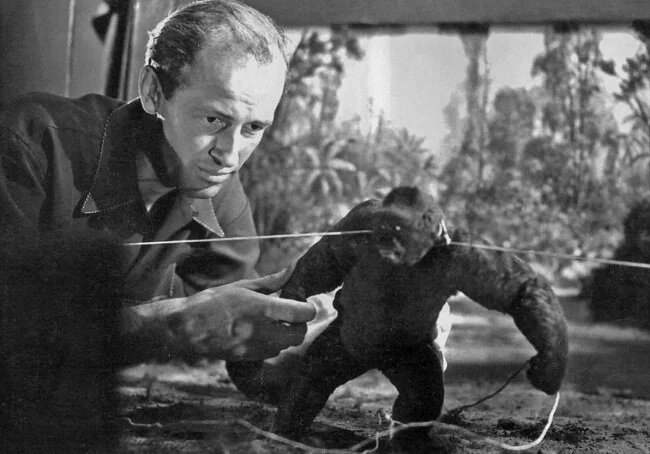
Today Ray Harryhausen would have been 100. Sadly he died on 7th of May 2013. He is one of a handful of creative artists who due to his skill, passion and good nature, influenced generations of fans and had a significant impact on filmmaking worldwide. In 2010 I had the pleasure of attending Ray’s 90th Birthday celebrations held at the British Film Institute. Hosted by charismatic director John Landis, all manner of celebrities, actors and filmmakers queued to heap praise on this quiet and retiring gentleman. It was a wonderful evening and a fitting way to honour a man who was not only a pioneer in the visual effects industry but a great source of inspiration for so many. His work was so influential that it has shaped many aspects of contemporary fantasy cinema. For six decades Ray Harryhausen made unique movies where he breathed life into monsters and mythical creatures. Through the medium of stop motion animation he endowed all of his creations with a unique character. He quite simply made dreams real. And that unique gift had a colossal impact
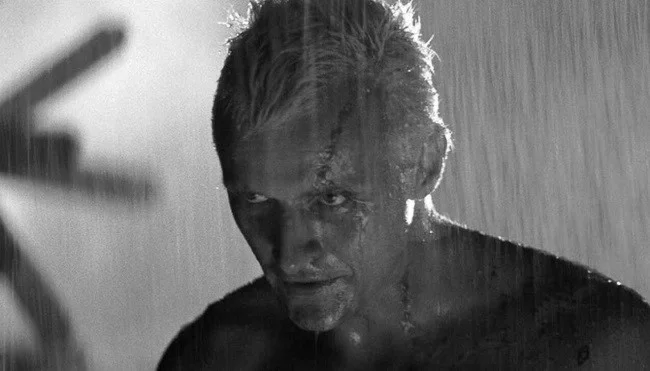
From time to time, when an actor, film maker or creative artists dies, I will write a brief post about my appreciation of their work. Nothing hyperbolic, stating how they’ve been a major influence in my life. Just a few simple thoughts about how I and society perceived them and what I enjoy about their careers. If I was more of a sports fan or strongly affiliated to a specific political ideology, I suppose I’d cover more sports men and women, politicians and public figures. But I write about what I like, so naturally those in the film and television industry feature more. I don’t consider my personal musings to be anything more than just that. Western society is still very uncomfortable with the subject of death, plus the partisan nature of the internet can also lead to odd reactions when people express grief or remorse over “celebrities”. Comments like “you didn’t know them” or accusations of virtue signalling often accompany genuine expressions of sympathy and sadness. But I retain a somewhat old fashioned and possibly even quaint notion that if someone’s work has brought me pleasure and enjoyment, it seems only logical and polite to acknowledge that.

Peter Mayhew was working as an Orderly in the radiology department of King's College Hospital, London in 1976 when he was “discovered” by George Lucas. Lucas was looking to find someone suitably tall to play the Wookie Chewbacca in Star Wars. Legend has it that Mayhew simply stood up from his seat to great Lucas and immediately clinched the part. The rest they say is history. Peter Mayhew went on to play the role in another five movies, and despite not gaining the immediate fame of regular actors, became a firm favourite among fans at conventions. He was also held in very high regard by his professional acting peers. As for the role of Chewbacca, he made it his own and approached the character seriously and with genuine love. Despite a lack of conventional dialogue, Mayhew imbued Chewbacca with a personality and a distinctive sense of style. No mean achievement for a man who never intended for any of this to happen.
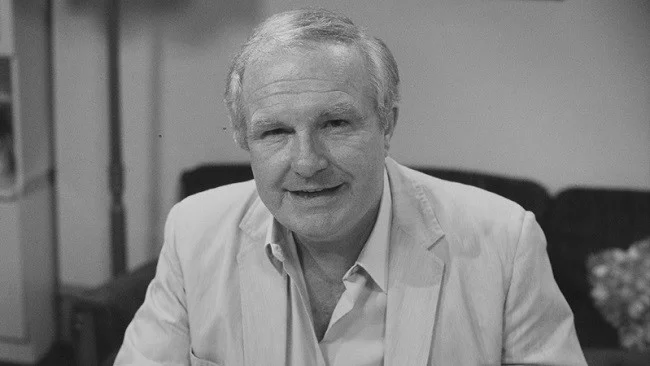
The actor Shane Rimmer died yesterday at the age of 89. Born in Toronto, Canada, on 28th May 1929, Rimmer moved to London in the late 1950s to pursue his acting career. Over the next five decades, he appeared in numerous TV shows such as Doctor Who and The Saint, and in films including Dr Strangelove, Gandhi, Rollerball and Out of Africa. He starred in James Bond film The Spy Who Loved Me and had smaller roles in Star Wars, Superman and Batman movies. If during the seventies and eighties, a British production needed someone to play an American character, he was a one of a handful of "go to" actors who would take the part. Rimmer and fellow US actor Ed Bishop (whose paths regularly crossed) jokingly referred to themselves a "Rent-a-Yanks” as a result of this.
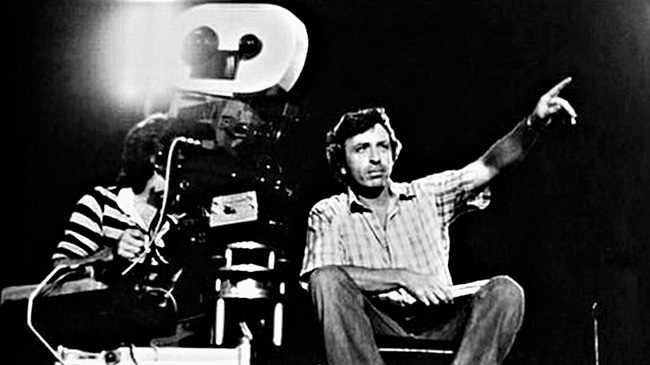
Larry Cohen, the writer and director of such cult films as Black Caesar, It’s Alive and Q: The Winged Serpent, has died aged 77. Cohen was a key figure in the genre movie community during the seventies and eighties, as well as writing scripts and storylines for mainstream TV shows such as The Fugitive and Columbo. He was a rare beast, in so far as he became one of a few writers who became known to wider audiences and fans, and gathered a cult following over time. Guillermo del Toro hailed him as “a true iconoclast and independent” and Edgar Wright wrote thanked him “For so many fun high-concept genre romps with ideas bigger than the budgets, for so many truly inspiring cult movies”.
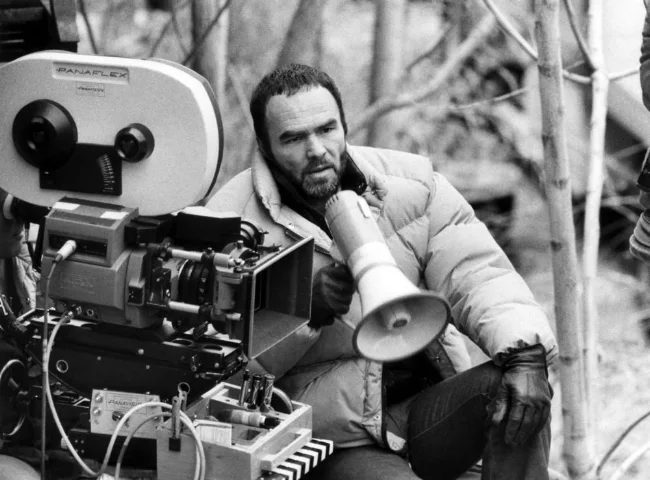
Burt Reynolds saw his greatest box office success during the seventies and early eighties, with movies such as Smokey and the Bandit and The Cannonball Run. I was aware of both these movies at the time of their release but was more enamoured with the sci-fi boom that followed in the wake of Star Wars, so was somewhat indifferent to them at the time. However, the release of Sharky’s Machine in 1981 put Burt Reynolds squarely on my radar. As a teenager I was already catching up with a lot of the major action movies from the previous decade such as Clint Eastwood’s Dirty Harry and its sequels. Sharky’s Machine was an extremely gritty, hard edged cop drama, directed and starring Burt Reynolds and it was a notable change of role for him. It left a marked impression upon me at the time, not only due to it’s strong action scenes, but because of Reynolds compelling and nuanced performance. For me, it remains his best movie, showcasing his dramatic range and directing skills.
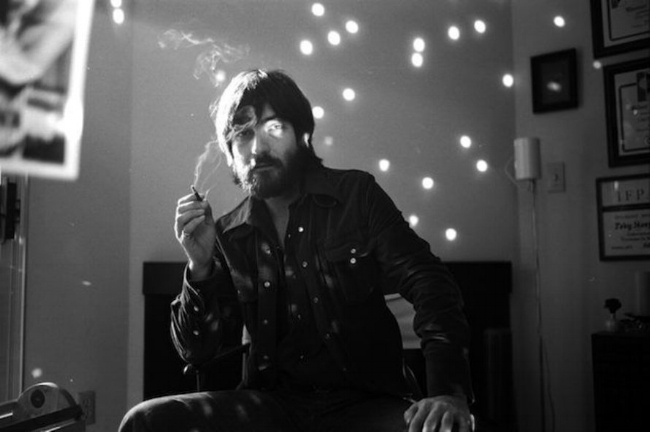
I was seven years old when The Texas Chainsaw Massacre was released in the UK. I used to regularly look at the movie listings in the Evening Standard each Thursday and ruminate upon the lurid posters for the latest releases. My young imagination would frequently run riot at what I saw, fuelled further by the inference of the tag lines. And the UK poster for The Texas Chainsaw Massacre left me utterly terrified. The horrors I conjured up in my mind. It is only in recent years that I learnt that the film was deemed too controversial by the head of the British Board of Film Censorship as it was known back then. Chief film examiner Stephen Murphy felt the films focus on “abnormal psychology” made it unsuitable for even an X certificate. Thus, the movie was denied a rating which amounted to a de facto ban. However, due to a legal loophole, the BBFC decision could be vetoed by local authorities and the Greater London Council granted the movie a rating and so the film was shown in London.
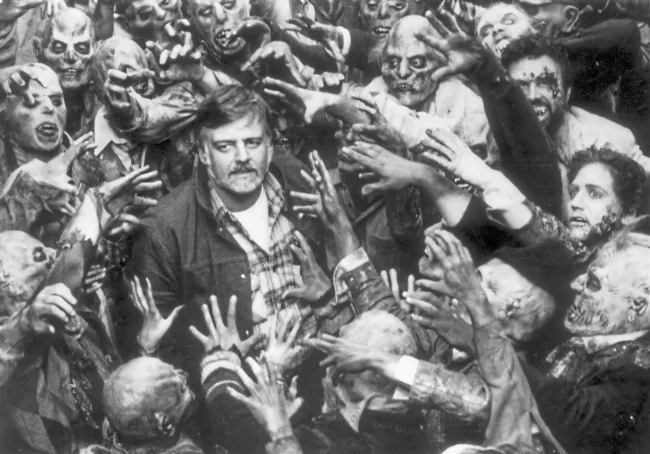
Writer and director George A. Romero will forever be synonymous with the zombie genre and horror movies per se, as his work in this field was pioneering and outstanding. Yet, because of the success of his seminal film, Night of the Living Dead, he also brought a great deal of attention to independent film making and the way film making was financed. He was an intelligent and thoughtful film maker who used the medium of genre movies to explore a variety of socio-political themes. His characters were often flawed but credible and he had a knack for finding humanity in the bleakest of dramatic situations. If Romero had explored such ideas in mainstream cinema he would have garnered far more praise and potentially have won critical acclaim from the cinematic establishment.
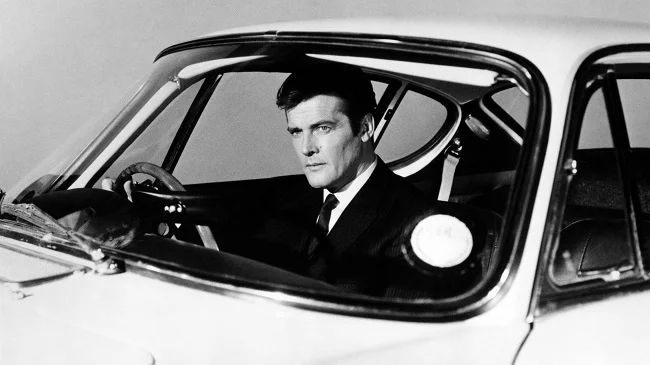
Being a child of the seventies, Roger Moore was the James Bond that I grew up with. I was acutely aware of my parent’s generations antipathy towards him, as well as the endless and possibly unjust comparisons with Sean Connery. However, the younger fans embraced him so over the course of seven movies, Moore’s Bond broke all previous box office records. Furthermore, as each successive film in the franchise got bigger and became more of a caricature of itself, Moore tempered this with his self-deprecating humour and quips. His trademark cocksure performances and easy going charm was exactly what UK audiences needed. At a time when the country was losing its way in the world, both politically and economically, Roger Moore still effortlessly maintained the image of the suave, cool and droll English gentleman.

I first became aware of the actor Alan Rickman during the early eighties while watching The Barchester Chronicles. He played the scheming curate Obadiah Slope who aspired to the office of Bishop, in this television adaptation of Anthony Trollopes novels. It was the sort of period costumed drama that the BBC excels at and a role the Rickman clearly relished. Six years later his performance as the German terrorist Hans Gruber in Die Hard gained him international acclaim and placed him squarely on Hollywood’s radar. He continued to appear in both mainstream blockbusters and smaller more cerebral independent productions over the years, yet maintained his credibility as a serious character actor, despite his fame and association with populist franchises.
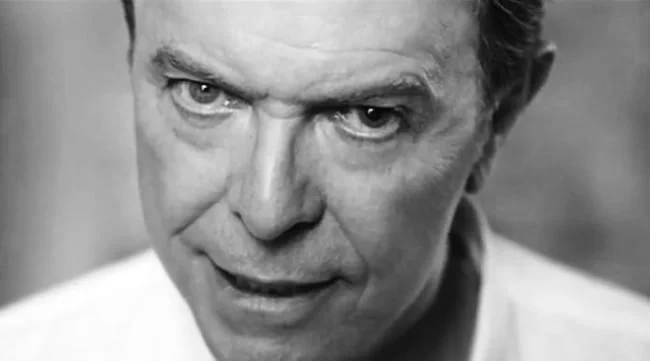
Last September I was sitting in the cinema enjoying The Martian when to my delight Starman featured as part of the movie soundtrack. At the time it raised a wry smile and a moment of contemplation as I reflected on how appropriate the song was, the relevance of the lyrics and how David Bowie has been ever present throughout my youth and adult life. As an artist Bowie has continuously explored new avenues, tested himself and remained relevant while his contemporaries are just content to tour and revisit their greatest hits. Therefore I was both shocked and saddened to wake up this morning and learn of his death. It took a while to compute, after all, he only released two new albums last week.
The Planet of the Apes movie franchise took a radical change of course with its third entry in the series. The first two films were set in the future and benefited from high production values to help realise a post apocalyptic earth. However, due to a substantial reduction of budget, Escape from the Planet of the Apes uses a time travel plot device to bring the ape protagonists to present day Los Angeles (1971 in this case). The result is a film with a much smaller narrative scope. However, although it lacks the science fiction spectacle of its predecessors, it features an interesting satirical exploration of celebrity culture and ponders what it is like to be deemed an enemy of the state. As ever, Roddy McDowell and Kim Hunter provide exceptional lead performances as the Chimpanzees Cornelius and Zira. Escape from the Planet of the Apes also captures the pop culture vibe of seventies America.