
Classic TV Themes: The Prisoner
Ronald Erle Grainer (11 August 1922 – 21 February 1981) was a prolific Australian composer who is best remembered for his work in the United Kingdom during the sixties and seventies. He wrote numerous notable scores and theme music for several iconic television shows such as Doctor Who, Steptoe and Son and Tales of the Unexpected. He also composed the soundtrack for several major motion pictures such as Some People (1962), The Assassination Bureau (1969) and The Omega Man (1971). Grainer relocated to London from Australia in 1952 but it was not until 1960 that he gained critical success after writing the music for the popular TV show Maigret. He subsequently received an Ivor Novello award for “Outstanding Composition for Film, TV or Radio”.
Ronald Erle Grainer (11 August 1922 – 21 February 1981) was a prolific Australian composer who is best remembered for his work in the United Kingdom during the sixties and seventies. He wrote numerous notable scores and theme music for several iconic television shows such as Doctor Who, Steptoe and Son and Tales of the Unexpected. He also composed the soundtrack for several major motion pictures such as Some People (1962), The Assassination Bureau (1969) and The Omega Man (1971). Grainer relocated to London from Australia in 1952 but it was not until 1960 that he gained critical success after writing the music for the popular TV show Maigret. He subsequently received an Ivor Novello award for “Outstanding Composition for Film, TV or Radio”.
By the mid-sixties Grainer was in demand and hence a logical choice to write the theme for a show such as The Prisoner. However, it was a competitive process and Grainer's theme was chosen after two other composers, Robert Farnon and Wilfred Josephs, had their material rejected by series executive producer and star, Patrick McGoohan. Farnon's theme was declined due to its similarity with the theme from The Big Country (1958) by Jerome Moross. However, Josephs' discordant and enigmatic theme was used in early edits of two episodes of The Prisoner before being replaced by Grainer’s material which was then used in all subsequent episodes. It should be noted that Grainer declined to score the incidental music for the entire series of 17 episodes, which was handled by Albert Elms.
Ron Grainer’s theme for The Prisoner is as iconic as the show mainly because it is such an integral part of the opening credits. These are a microcosm of themes and ideas that the show explores. Furthermore, the opening credits serve as visual summation of the plot of The Prisoner, with Patrick McGoohan resigning from his job as an agent for the UK security services, only to be gassed, kidnapped, and taken to a remote village where he is interrogated for “information”. Why did he resign? The brass, bass and timpani set the tone with a bombastic motif that reflects McGoohan’s volatile character. The music also reflects what is happening on screen with the drumbeats syncopated with McGoohan as he angrily walks down the concrete corridor into his superior’s office. This is a powerful piece reflecting the style of the time, with its bold brass and cool, electric guitar backing. It really sets the tone of the show.
Ronald Erle Grainer (11 August 1922 – 21 February 1981) was a prolific Australian composer who is best remembered for his work in the United Kingdom during the sixties and seventies. He wrote numerous notable scores and theme music for several iconic television shows such as Doctor Who, Steptoe and Son and Tales of the Unexpected. He also composed the soundtrack for several major motion pictures such as Some People (1962), The Assassination Bureau (1969) and The Omega Man (1971). Grainer relocated to London from Australia in 1952 but it was not until 1960 that he gained critical success after writing the music for the popular TV show Maigret. He subsequently received an Ivor Novello award for “Outstanding Composition for Film, TV or Radio”.

The following is about a cultural change. That is not to say that it’s a value judgement or one of those posts you so frequently read by bloggers of a certain age, that essentially boil down to “things were better in my day”. It is merely an observation and like all observations it is not 100% universal. There will always be exceptions to the rule. I am simply painting with broad strokes a general truism for your consideration. My point being that people listen, experience and enjoy music differently these days compared to how they did three to four decades ago. I’m not talking about the science of hearing or anything complex like that. I am merely highlighting the change in the way we choose to experience music and how that has an impact upon its creation and presentation. So like Anne Elk, presenting her theory on the Brontosaurus, here is the axiom at the heart of this post.
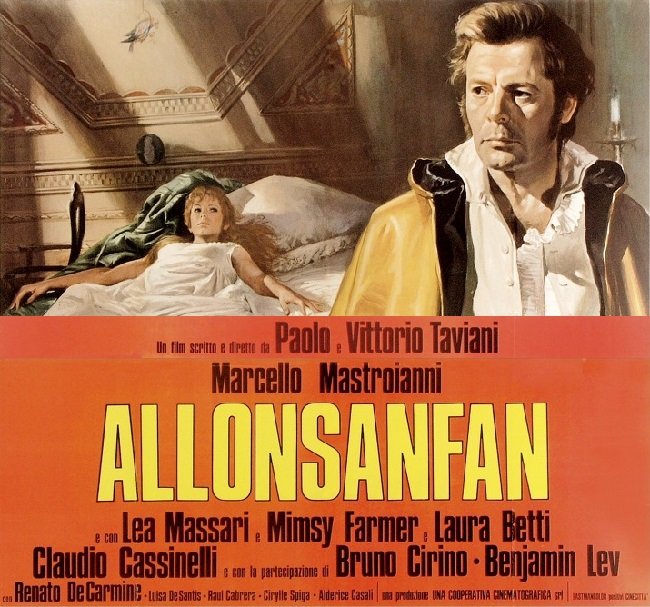
Allonsanfàn (1974) is an Italian historical drama film written and directed by Paolo and Vittorio Taviani. The title of the film derives from the first words of the French Revolutionary anthem La Marseillaise (Allons enfants, IE “Arise, children”). It is also the name of a character in the story. Set against the backdrop of the Italian Unification in early 19th-century Italy, Marcello Mastroianni stars as an ageing revolutionary, Fulvio Imbriani, who becomes disillusioned after the Restoration and endeavours to betray his companions, who are organising an insurrection in Southern Italy. Allonsanfàn is a complex film that is not immediately accessible to those unfamiliar with the intricacies of Italian political history nor the arthouse style of the Taviani brothers. However, it is visually arresting and features a rousing score by Ennio Morricone.
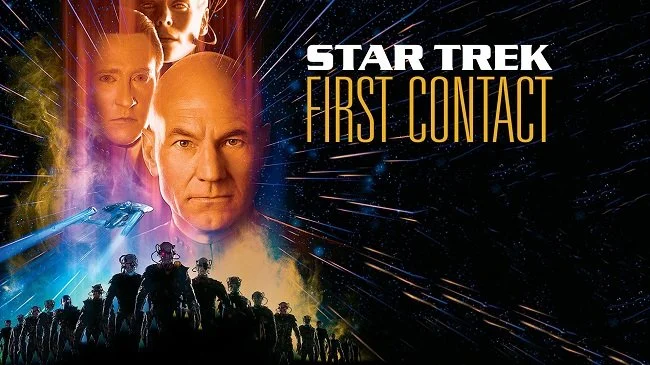
Jerry Goldsmith’s contribution to Star Trek is immense. Yet simply listing the films and TV episodes he wrote music for does not adequately encapsulate the significance of his contribution to the franchise. His majestic, thoughtful and uplifting musical scores provide an emotional foundation that reflects the core ethos of Star Trek. They also create an invaluable sense of continuity that spans multiple shows and movies. Perhaps the most obvious example of this is his iconic title music for Star Trek: The Motion Picture (1979) that was subsequently adopted as the theme tune for Star Trek: The Next Generation. His work was held in such high regard, when Star Trek V: The Final Frontier (1989) ran into production issues, it was thought that a Jerry Goldsmith soundtrack may well elevate the film. Sadly it didn’t but his work on that instalment was outstanding and among his best.
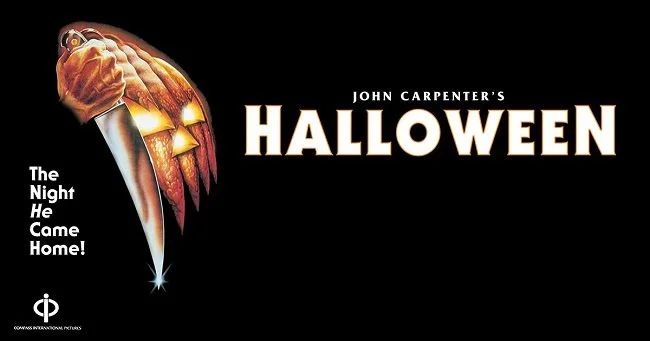
Halloween (1978) is both a genre and cinematic milestone. It made stars of Jamie Lee Curtis and director John Carpenter as well as kickstarting the slasher genre that dominated the box office for the next 15 years. Unlike many of the inferior imitations that followed in its wake, Halloween is not a gorefest but a far more suspenseful and unsettling film. It’s shocks and sinister atmosphere are the result of sumptuous panavision cinematography by Dean Cundey and inventive editing by Tommy Wallace and Charles Bornstein. Another invaluable asset to the film’s effectiveness is John Carpenter minimalistic synth and piano score which perfectly embellishes the film with an air of menace. After 33 years and various re-arrangements in subsequent sequels, the original Halloween Theme is still as effective today as it was when the film was first released.
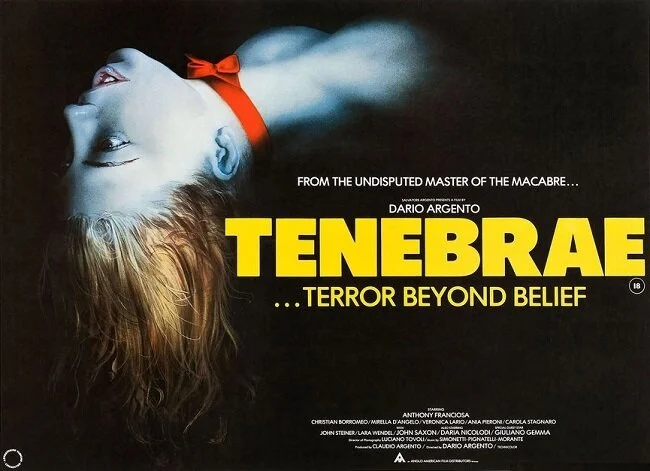
Tenebrae (1982) is probably Dario Argento’s most accessible “giallo” for mainstream audiences. Although violent, it is not as narratively complex as Deep Red (1975) or as bat shit crazy as Phenomena (1985). The story centres on popular American novelist Peter Neal (Anthony Fanciosa) who is in Rome to promote his latest book. Events take a turn for the worst when a series of murders appear to have been inspired by his work. The plot twists and turns, the director explores themes such as dualism along with sexual aberration and blood is copiously spattered across the white walled interiors of modernist buildings. It is slick, disturbing and has a pounding synth and rock score by former Goblin members, Claudio Simonetti, Fabio Pignatelli, and Massimo Morante.
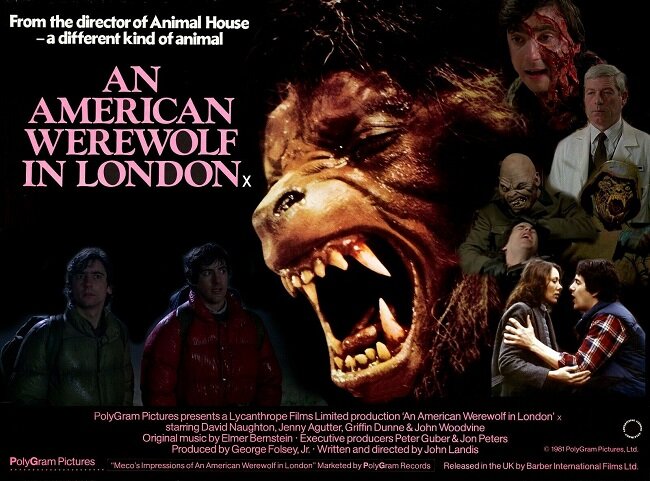
An American Werewolf in London is a genre milestone and one of the few horror films that successfully manages to balance humour and suspense without mitigating the overall tone of the story. 40 years on from its theatrical release it still holds up well with its bitter sweet love story, tragic themes and ground breaking transformation effects by Rick Baker. Director John Landis never really bettered this concise and effective genre outing. It hits the mark in virtually every part of the production. However, there is one aspect of the film that does suffer as a result of the director’s personal choices. Whether it is to the detriment of the overall film is debatable. The point in question is the film’s soundtrack and the director’s focus upon the song Blue Moon by Richard Rodgers and Lorenz Hart.
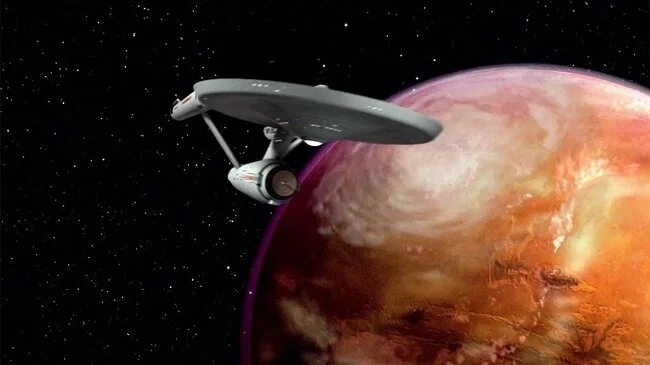
Before we start, no I am not writing about Alexander Courage’s classic main theme for the original Star Trek show. I can add nothing further to that particular discussion and it remains iconic and inspiring, even when distilled down to just the initial fanfare. In this post I want to draw your attention to another piece of music from Star Trek that has permeated its way into popular culture. A cue that when heard, if the listener is familiar with its provenance, will instantly conjure up images of flying drop kicks, ear claps and judo chops. A piece of music that can be added to pretty much any video footage and instantly make it more heroic. Yes, I am talking about what has become generically known as Star Trek “fight music”. Or more specifically, the "The Ancient Battle/2nd Kroykah" cue from Amok Time (S02E01) composed by Gerald Fried. The scene during the koon-ut-kal-if-fee ritual in which Spock fights Kirk on the planet Vulcan for complicated “reasons”.

Classical music has often been used to great effect in cinema since the advent of sound. It has certain advantages over bespoke compositions, in that it can imbue a scene with a sense of gravitas and emotionally connect with viewers who may already be familiar with the piece being played. Legendary director Stanley Kubrick famously rejected Alex North’s score for 2001: A space Odyssey after finding the classical tracks he used for the temporary soundtrack complement the visuals perfectly. Over the years, some particular pieces of classical music have proven to be very popular and flexible, thus appearing in a wide variety of films across multiple genres. Hence, I have chosen two well known tracks that demonstrate this. I would also like to highlight contemporary classical music and have also selected one example that I feel demonstrates how the genre sublimely compliments cinema.
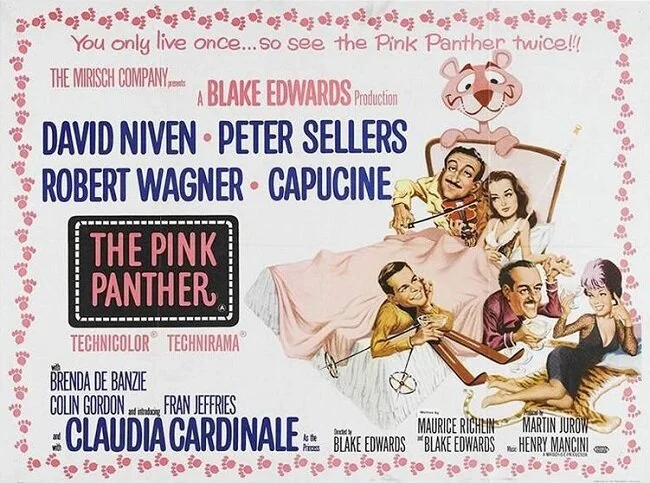
If you mention The Pink Panther (1963) I’d hazard a guess that most people will instantly think of Inspector Clouseau (and possibly throw in a quote in faux French about “Minkeys”) or hum or whistle the iconic theme tune. It’s blend of cool sixties Jazz and Lounge is both classy and evocative. Henry Mancini’s contribution to the Pink Panther franchise is commensurate to that of Peter Sellers and Blake Edwards. If you removed his musical scores from any of the films they would be greatly diminished. In fact one can argue that the movies made in the eighties after Sellers’ death are greatly bolstered by Mancini’s intelligent and accomplished musical accompaniment. The franchise may have run out of steam but Mancini never did so.
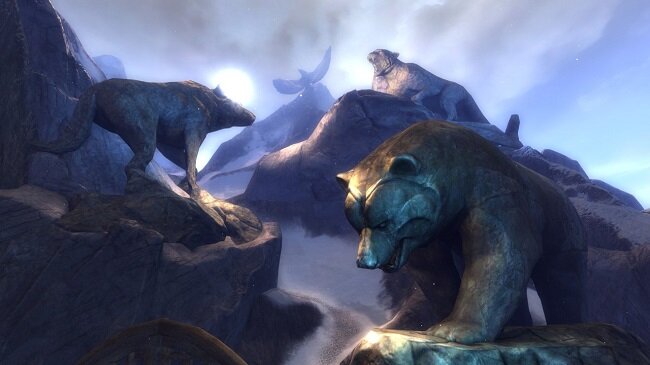
Back in August 2018, I posted seven of my favourite tracks from various video games that I’ve played over the years. I thought recently that it was high time that I did the same again. So here are a further five musical cues that I especially enjoy. All of which contribute greatly to the respective games that they feature in. Unlike film composers, musicians that write for video games do not always enjoy comparable exposure or attention. Yet often they have a more complex remit, having to write material for dozens of hours of content, rather than just two or three. Furthermore, the complete soundtrack to many video games often remain conspicuously absent, with fans having to data mine the game client to find the tracks that they love. Which is why it is important for those that enjoy video game music to show their support. Perhaps then more publishers will release full and comprehensive game soundtracks for digital download.
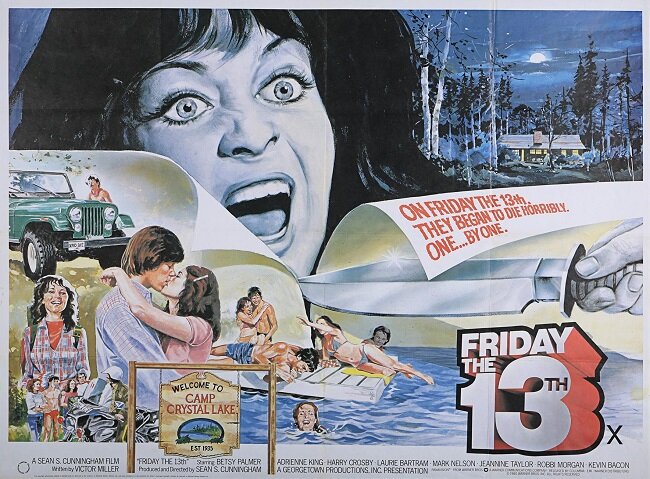
It was Friday the 13th yesterday, so I thought it was about time that I added Harry Manfredini’s iconic score to the annals of Classic Movie Themes. The 1980 slasher movie Friday the 13th has become as legendary in the pantheon of cinematic horror history as John Carpenter’s Halloween. Although there are marked differences between these two films, both use minimalist musical scores extremely effectively to punctuate the proceedings and embellish the overall atmosphere. However, Manfedini did not want to provide viewers with obvious audio cues during scenes of building tension. He preferred to focus his score upon the activities of the franchise's iconic killer, Jason Voorhees, and hence have strong musical cues when he was on screen. This approach meant that he had to use a unique musical motif to denote potential tension, without diminishing its effect on the audience by excessive use of obvious and melodramatic cues.

Game of Death was Bruce Lee’s fourth Hong Kong martial arts movie. Due to the success of his previous films he found himself in a position where he could finally write and direct a project himself. Filmed in late 1972 and early 1973, the film was put on hold midway through production when Hollywood offered him a starring role in Enter the Dragon. He died shortly after completing the US backed movie that made him an international star, so Game of Death remained unfinished. Several years later the rights to the raw footage were sold and recycled for a new movie, that kept the name but bore little resemblance to Lee’s original vision. For most of Game of Death, Kim Tai-jong and Yuen Biao double for Bruce Lee and it is only in the final act that audiences actually get to see about 12 minutes of material that he shot himself. The 1978 release of Game of Death, directed by Robert Clouse, is a mess but remains a cinematic curiosity. The scenes which genuinely feature Bruce Lee are outstanding, even in an abridged form.
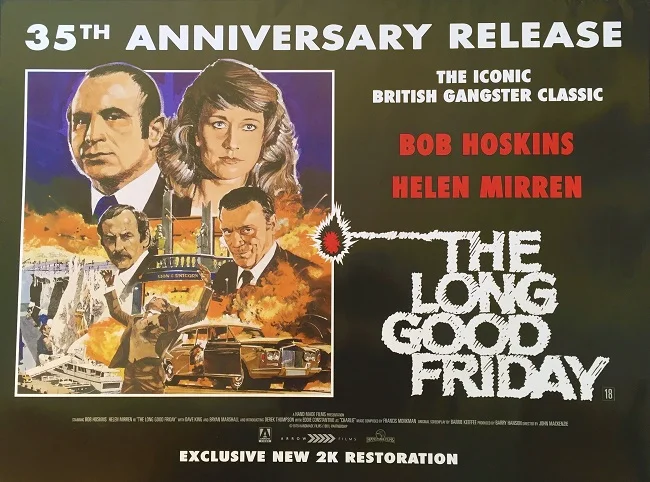
The Long Good Friday not only launched then career of Bob Hoskins but remains a uniquely British take on the gangster genre. Featuring authentic performances and a credible plot, the screenplay touches upon many of the social and political issues of the time; police corruption, the IRA, urban renewal and the decline of industry, along with EEC membership and the free-market economy. It’s a gritty and unrelenting drama that is still relevant today. Furthermore, the film is filled with quotable dialogue and has several stand out scenes that showcase Bob Hoskins’ smouldering performance. It’s also offers of “who’s who” of British character actors and there is one sequence still has the power to shock even today.
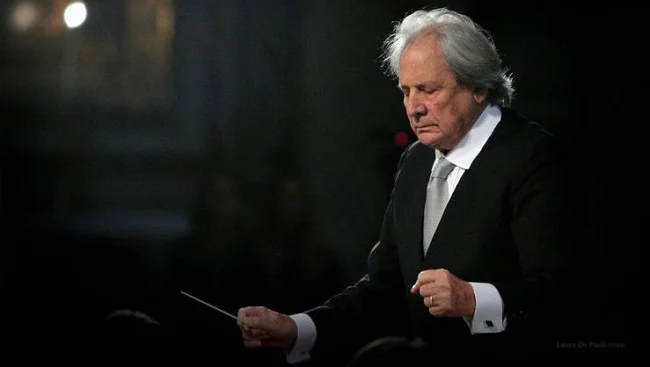
A few years ago, I wrote a post about cult movie soundtracks and how many of these movies are often blessed with a high quality score from an established composer. The subject came up again recently when I was visiting the British Film Institute with friends, and several other examples were discussed. Hence, I thought it would be prudent to write a follow up post with another selection of material, as it continues to amaze me how often the most appalling films can still have outstanding soundtracks. With this idea in mind I've collated five films that are for various reasons are labelled “cult” and have suffered the “slings and arrows of outrageous fortune” over the years. All have scores of interests and note, though for different reasons. I have chosen a track from each soundtrack which I think highlights the musical excellence and integrity of the composers involved. The genres are varied as are the musical styles and nuances of each piece. All clearly demonstrate how a well-conceived score can embellish and enhance a movie, effectively becoming a character in its own right.
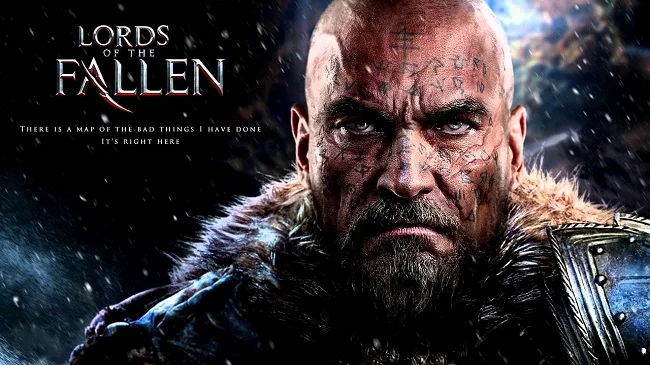
Lords of the Fallen is an action role-playing game from 2014, played from a third-person perspective. It is broadly in the same idiom to Darksiders and Dark Souls with the emphasis on complex and challenging combat. And it is for that reason that I didn’t get on with this title when I bought it in a Steam sale a few years ago. I felt that the long, protracted fights were an impediment to the narrative, which I quite enjoyed. However, the game was designed this way to appeal to the combat focused gamer and “git gud” culture. But I think that it’s important to try different genres of games from time to time and to step occasionally out of your comfort zone. I would cite the Hand of Fate series as a positive example of this. Both of those titles are from a genre I wouldn’t usually consider and playing them turned out to be a very positive experience
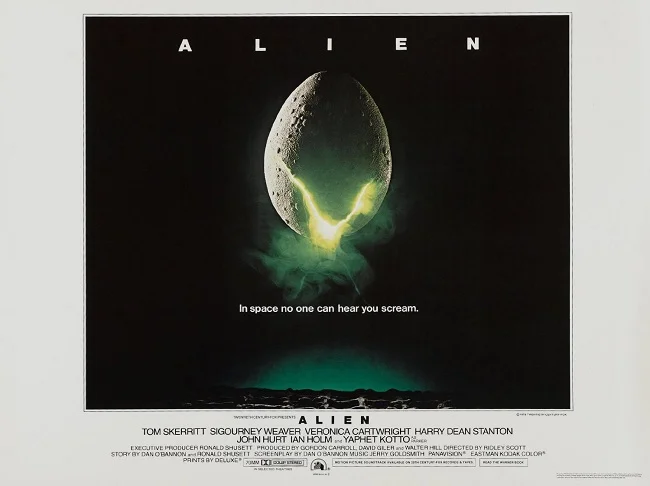
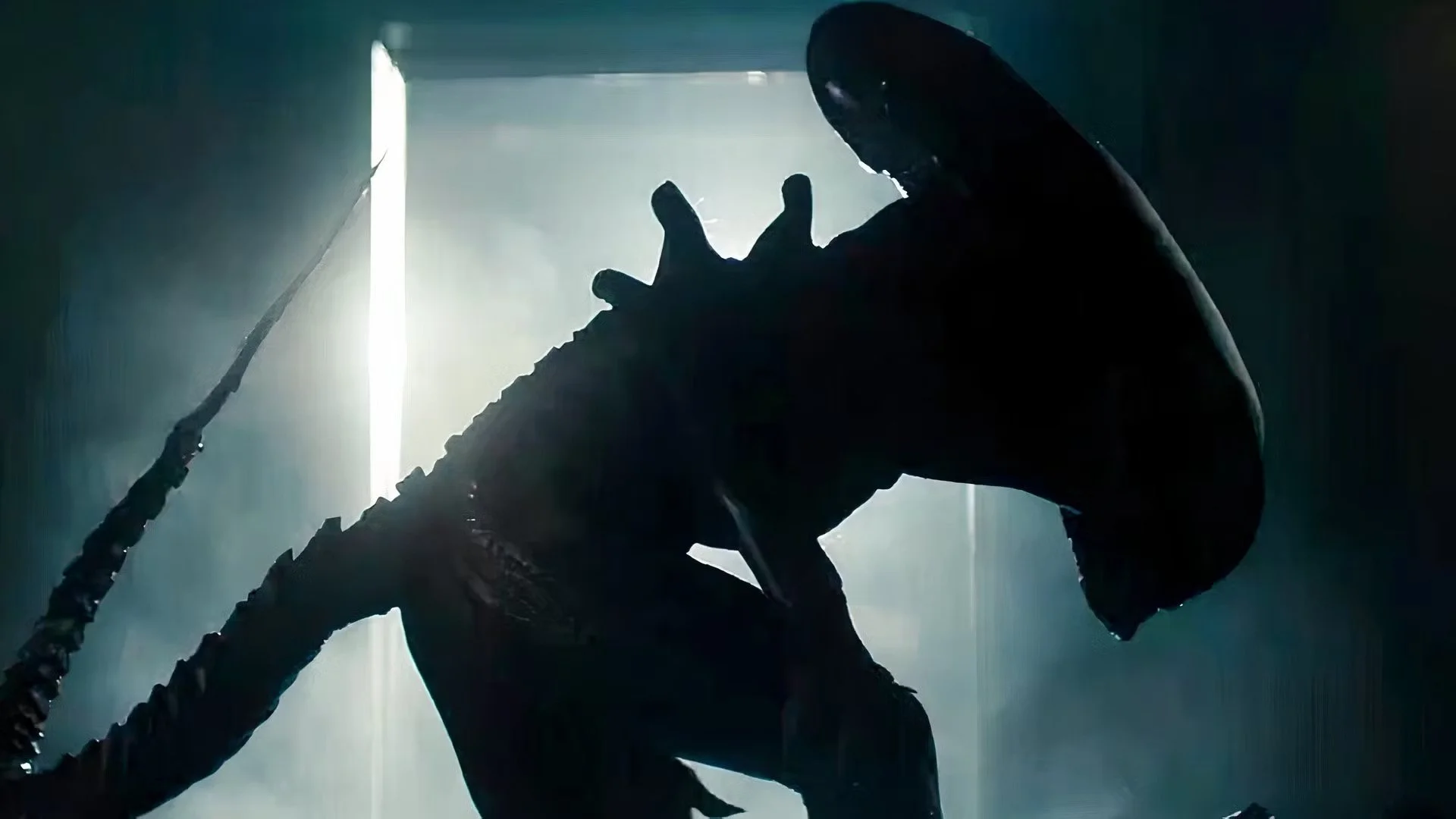
Alien is a unique genre milestone. It challenged the established aesthetic created by 2001: A Space Odyssey of space travel being pristine, clinical and high tech and replaced it with a grimy, industrial quality. The space tug Nostromo is also a conspicuously “blue collar”, civilian venture, underwritten by a large corporation. As for H. R Giger’s xenomorph, it redefined the depiction of extraterrestrial life in movies. Director Ridley Scott brought visual style and atmosphere to particularly unglamorous and dismal setting. He also scared the hell out of audiences at the time with his slow burn story structure and editing style that hints, rather than shows. Overall, Alien is a text book example of how to make a horror movie and put a new spin on a classic and well-trodden concept.

James Horner was a prolific, yet consistently good composer with a broad range of styles. Consider his score for 48 Hrs with its Jazz under currents and then compare it to his grand swashbuckling approach to Krull. They are radically different soundtracks, but both are extremely effective in embellishing their respective motion pictures. That was James Horner great talent. He knew when to be theatrical and bombastic but could also dial it back and be subtle, gentle and delicate. It made his body of work very diverse and memorable.
James Horner, although possessing a very broad and eclectic musical range, was in many respects a very traditional composer. He was certainly au fait with works of such giants as Miklós Rózsa, Korngold and Bernard Herrmann and it often manifested itself in his music through his use of the leitmotif. Perhaps the reason James Horner was so consistently good and crafted so many outstanding pieces of music, is because he never saw his profession as just a means to an end. As he said in an interview once, “I don’t look at this as just a job. I see music as art”.
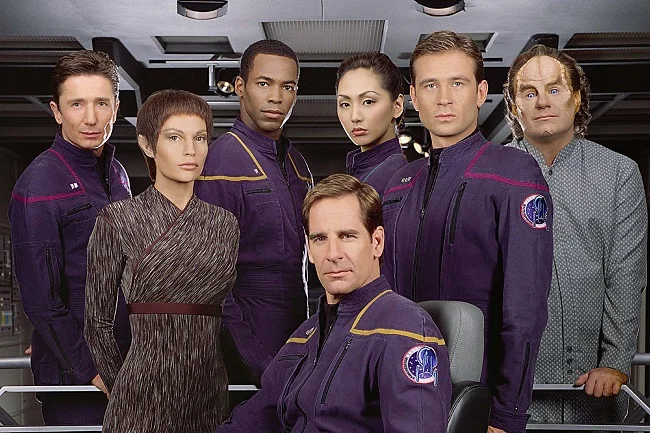
Star Trek: Enterprise was the first show in the Star Trek pantheon to have a song performed by an established artist play over the opening credits, rather than a traditional theme tune. Up until 2001, the franchise had maintained a more formal approach, established with the iconic introduction to the original series composed by Alexander Courage. Needless to say, such a radical departure from established practise brought about consternation and debate among fans. In some respects, you can argue that point about the entire show itself, but that as they say, is an entirely different blog post. Needless to say, the dislike and hatred that the song Where My Heart Will Take Me engendered in certain quarters, lead to a petition to have it removed. Needless to say, this movement failed, and the show continued using it for four seasons. Seventeen years on this particular debacle has now died down and the song is often just referenced ironically by fans as an amusing anecdote and piece of Trek trivia.
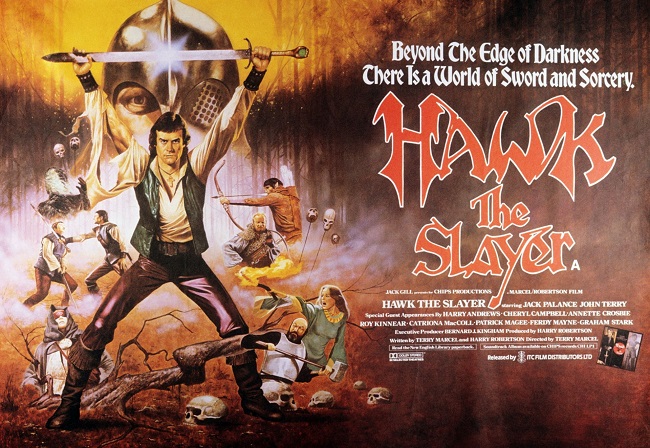
According to Wikipedia “Hawk the Slayer is a 1980 British sword and sorcery adventure film directed by Terry Marcel and starring John Terry and Jack Palance. The film has developed a cult following”. That doesn’t do the movie justice by any reckoning. Hawk the Slayer is a quirky, low budget, high camp fantasy movie that compensates for its budgetary shortcoming by being so preposterously silly. It is loaded with hard boiled, fantasy steeped dialogue that parodies well known genre tropes. It treads a fine line between utter bilge and stupid fun. It is very much a product of its time and is also filled with British character actors. Some viewers will see nothing more than a cheap and cheerful cash-in on the eighties Sword and Sorcery boom. Others will delight at this inventive, stylised and silly fantasy orientated outing. Such is the nature of cult movies.
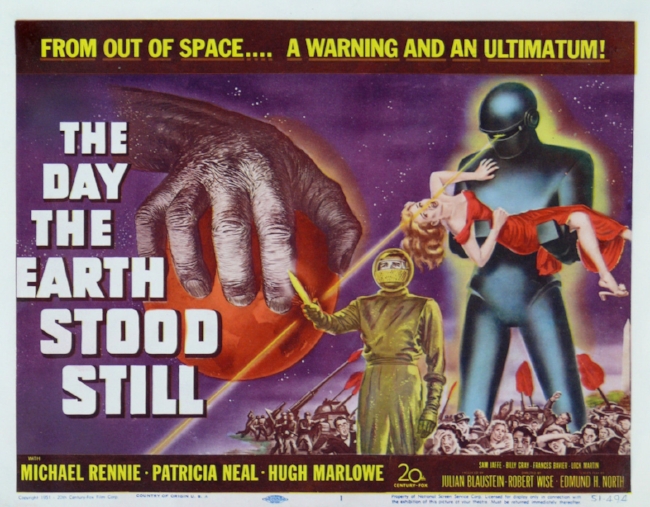
Film producer Julian Blaustein had a long-standing desire to make a film that addressed the fears and concerns of the post war Atomic Age. With the backing from Fox Studio Executive Darryl F. Zanuck, he hired screenwriter Edmund North to adapt the short story Farewell to the Master by Harry Bates. The screenplay provided a moral commentary about the ongoing arms race and featured an alien visitor with Christ like qualities who delivers an apocalyptic message. Veteran director Robert Wise was brought in head the project and a fine cast of established characters actors such as Michael Rennie, Patricia Neal Hugh Marlowe and Sam Jaffe was assembled. The finished movie has proven to be one of the greatest science fiction movies ever; it is The Day the Earth Stood Still made in 1951.
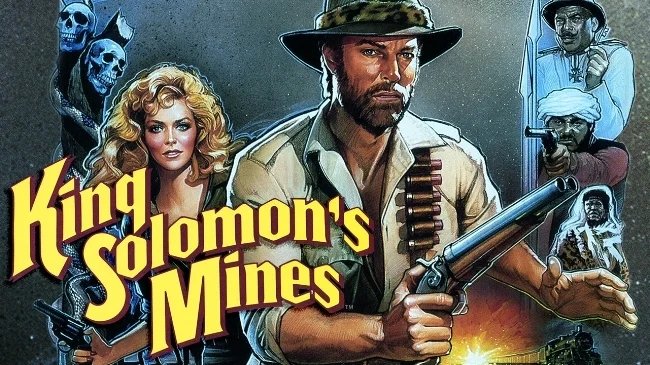
King Solomon’s Mines is a 1985 Cannon Films production based on the pulp works of H. Rider Haggard. It was quickly made to cash in on the ongoing success of Indiana Jones franchise, although the finished movie bears little resemblance to the classic original novel. Like most Cannon movies from that boom era, it was a cheap and fast enterprise that superficially sported a good cast, but ultimately didn’t do much with them. Veteran director J. Lee Thompson favoured a light and comic approach to the material, as the film’s budget could hardly sustain any major notable set pieces. Yet, it proved popular enough at the box office to warrant a sequel the following year. Allan Quatermain and the Lost City of Gold proved to be as equally silly but by then the public’s interest had waned.
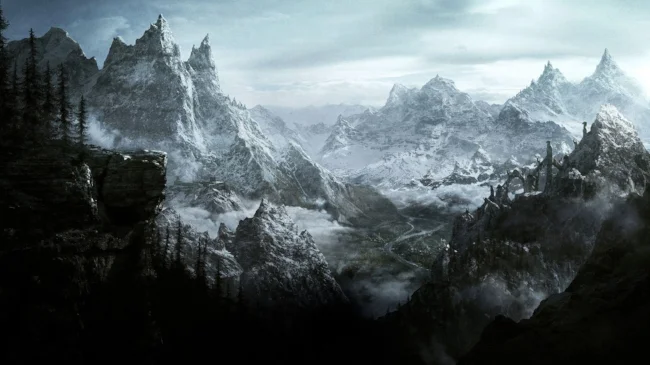
A ten months ago, I wrote about the LOTRO soundtrack and listed some of my favourite tracks. This time round rather than just limit myself to music from one game, I thought it may be more interesting to broaden the remit. So, I have decided to upload seven of my favourite tracks and music cues from various games I have played over the last two decades. As with cinema, the soundtrack of a game plays a very important role. It can make a substantial impact on the players perceptions and enjoyment. The following tracks are examples that I feel have greatly enhanced a game. They’re also ones that I find particularly enjoyable. They are not in any order of preference.

Paul Verhoeven has seldom made a movie without some semblance of controversy associated with it, and his 1992 neo-noir Basic Instinct was no different. Even before its US release, Basic Instinct courted controversy due over its overt sexuality and graphic depiction of violence. It was strongly opposed by gay rights activists, who criticised the film's depiction of homosexual relationships and the portrayal of a bisexual woman as a homocidal narcissistic psychopath. The opening murder with an icepick is still shocking twenty six years later and is an excellent showcase for makeup FX artists Rob Bottin.

You can write pages on Gerry Anderson's 1968 Supermarionation series Joe 90. There's the morally ambiguous premise of giving an emotionally immature nine-year-old the experiences of an adult. Then the psychological effects of allowing him to kill at will. Then there's the perennial issue of scientists prostituting their skills to the intelligence community. One can also reflect upon the absence of any major female characters in the series and how that may impact upon Joe himself. Finally, when one finally arrives she's a gold-digging bitch who tries to exploit Joe’s Dad, Professor McClaine. Joe 90 is certainly a psychiatrist’s dream subject.

Despite the popularity of the TV show in 1965, the two spinoff Thunderbirds feature films were both box offices failures. This has often been attributed to the indifferently written screenplays that seem to have completely missed the sense of suspense that the fifty-minute episodes achieved. Both feature films feel rather slow and like extended episodes rather than big budget extravaganzas. They fail to do anything different with established characters and apart from showcasing more extensive miniature effects in a widescreen format, don’t really have much more to offer. It’s curious that the winning, character driven formula that worked on television was overlooked for these big screen outings.
I grew up during the seventies when network TV shows still put a lot of thought and effort into such things as their theme tune. It was a decade littered with memorable tracks that captured the essence of the shows they came from. Many have now become integral aspects of popular culture, leading to countless internet memes as well as becoming the ringtones of choice for many a fortysomething. However, things are very different now. You can have a staggeringly good theme for your show, but it can't possibly be longer than thirty seconds. And don’t think for a moment that viewers can listen to it again at the end, as it has now become standard practice to compress the credits into a third of the TV screen and preview what's coming next, while some link announcer spouts inanities. Mercifully, cable and streaming companies tend to treat their TV shows with greater respect. The lack of commercial advertising ensures a longer program duration and hence more focus on a theme tune. However, network TV still commands big audiences, yet hasn’t in recent years produced any TV show themes of note.
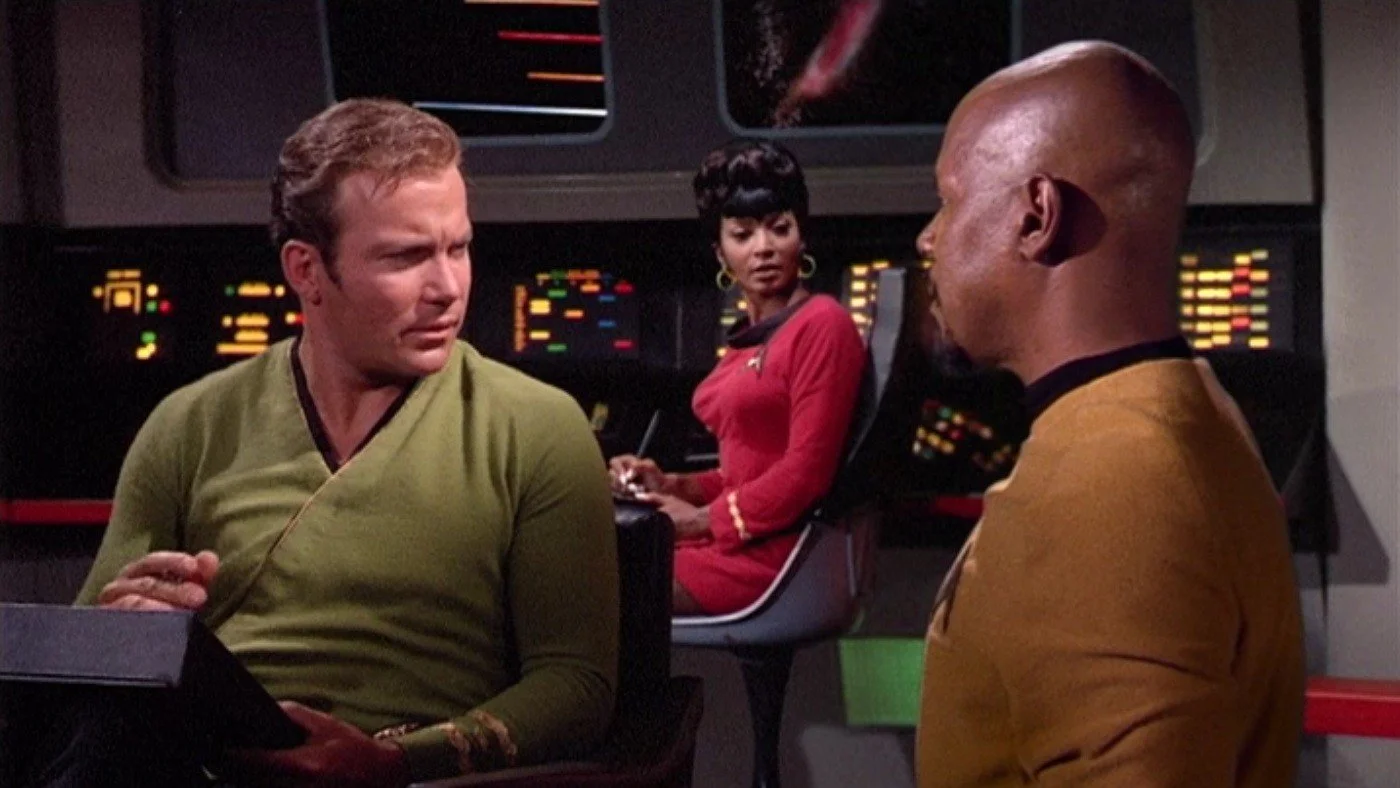
Complex Lore and Enigmatic Themes
I recently watched the first trailer for the new Obi-Wan Kenobi television show that is premiering on Disney + in May. I am interested in this latest instalment in the Star Wars franchise and curious as to whether Liam Neeson will make an appearance. I also watched a 20 minute fan video in which they “analysed” the entire trailer. They discussed the content of this 2 minute preview and then did a great deal of speculating about potential themes and characters that may feature in the show. They were clearly enthusiastic about what they had seen and were very knowledgeable about the subject. This resonated with me, as I like to be well versed about the things I enjoy. However, it is worth remembering that fandom can tip into obsession and gatekeeping. Hence I feel there is a subject to explore here.
I recently watched the first trailer for the new Obi-Wan Kenobi television show that is premiering on Disney + in May. I am interested in this latest instalment in the Star Wars franchise and curious as to whether Liam Neeson will make an appearance. I also watched a 20 minute fan video in which they “analysed” the entire trailer. They discussed the content of this 2 minute preview and then did a great deal of speculating about potential themes and characters that may feature in the show. They were clearly enthusiastic about what they had seen and were very knowledgeable about the subject. This resonated with me, as I like to be well versed about the things I enjoy. However, it is worth remembering that fandom can tip into obsession and gatekeeping. Hence I feel there is a subject to explore here.
Fantasy, science fiction and similar hybrid genres thrive on world building and lore. These facets give them credibility and breathe life into fictional worlds and people. They also provide parallels with our own lives which provides a means for us to connect to them. Star Wars, despite all the technology, offers a universe that looks used and lived in. Middle-earth is steeped in history and complex societies. Again despite obvious differences there are commonalities in the hierarchies, rituals and personal aspirations of the protagonists. And as well as lore, there are also enigmas. Fantasy and science fiction are often rife with things that are strange and ill defined. Often these are mystical and symbolic. The Force, Tom Bombadil and Jason Voorhees are prime examples of this. Successful fantasy and science fiction find the right balance between detailed lore and enigmatic themes.
Achieving this balance is very difficult. The original Star Wars trilogy handled the arcane and esoteric nature of the Force well. It was broadly defined as an energy field created by all life that connected everything in the universe. However, the specifics of this were vague and nebulous which played well with the concept that the Jedi were more of a religious and philosophical order than a paramilitary organisation. However, when the prequels introduced the concept of Midi-chlorians it somewhat diminished the enigma surrounding the Force and it suddenly just became yet more technobabble. It is interesting to note that this addition to the franchise’s lore was not well received by fans. It was subsequently not alluded to in later films and television shows, indicating that the producers and writers felt it was a mistake.
Another genre example of lore versus enigma is the difference in Klingon anatomy between the original series and the revival shows. The main reason is simple. There wasn’t a budget for complex prosthetics in the sixties show. However, from Star Trek: The Motion Picture onwards, Klingons acquired their forehead ridges as a way to make them more alien. This however left a lore contradiction, which was beautifully alluded to in the episode “Trials and Tribble-ations” of Star Trek: Deep Space Nine. Several crew members from the 24th century including Worf, find themselves on Deep Space Station K7 in the 23rd century, during the events of “Trouble with Tribbles”. Upon seeing the Klingons from the previous era, one of the crew asks Worf why there’s a physical difference. He enigmatically replies “We do not discuss it with outsiders”. This beautifully vague but droll answer works perfectly. Sadly it was ruined a few years later when an episode of Star Trek: Enterprise explained away the difference as a genetic experiment that went wrong.
However, it is not always an excess of lore that can quash the soul from a popular show or film. Sometimes being deliberately too vague, refusing to expedite the plot and simply replacing one mystery with two others can be very frustrating. It may also be due to the writers being out of their depth or making things up as they go along. Lost encapsulated this for me and the show’s manipulative narrative quickly killed my interest. Don’t get me wrong, I don’t like to be spoon fed stories and explanations and I don’t mind thinking when watching. The ending of John Carpenter’s The Thing is enigmatic and quite bleak but I consider it a perfect conclusion to the film. However, perhaps the television show that really stepped over the line for not making any real effort to explain itself and turning the enigma “up to 11” is The Prisoner. It’s still a great show to watch and is very thought provoking but the final episode doesn’t deliver a stone cold conclusion. Something that people who watched it originally still seethe over.
We live in a culture of binge watching TV shows which some viewers dissect and analyse. The interconnected nature of the Marvel Cinematic Universe is a prime example of this and it does it extremely well. But not all television shows and films are like this and do not require such scrutiny. I worry that some viewers are so invested in searching for what they think may be hidden or trying to pre-empt an unfolding narrative, that they miss being in the moment and simply enjoying the show as it happens. Excessive analysis often leads to disappointment. It is important to remember that what you’re watching is a writer(s) thoughts on how a narrative should move forward. They are not obliged to try to make what’s in your or my head. Therefore I see both lore and enigmatic themes as an embellishment to a good fantasy or science fiction show or film. Things to be enjoyed but not the “be-all and end-all” of the production. If either becomes the major focus of either the writers or fans then it will end up undermining the central narrative and themes.
Star Trek is slightly older than me by 14 months. I was born on December 18th 1967. Star Trek was first broadcast in the US on 8th September 1966. Hence this show has always been part of the prevailing pop culture that surrounded me, as I grew up. I first began watching Star Trek as a young child in the early seventies. It would be repeated on the BBC in the early evening on Fridays and it became a family ritual to sit down together and watch it. As a seven or eight year old, it left a great impression upon me and was in many ways, the television highlight of the week. Star Trek along with Doctor Who certainly started my interest in science fiction. Star Trek was also one of the first shows that introduced me to tie-in marketing. I remember seeing in a toy shop, near to my school at the time, a Dinky Klingon Battle Cruiser and was flabbergasted that such a thing existed. I immediately coveted it but sadly never obtained one.
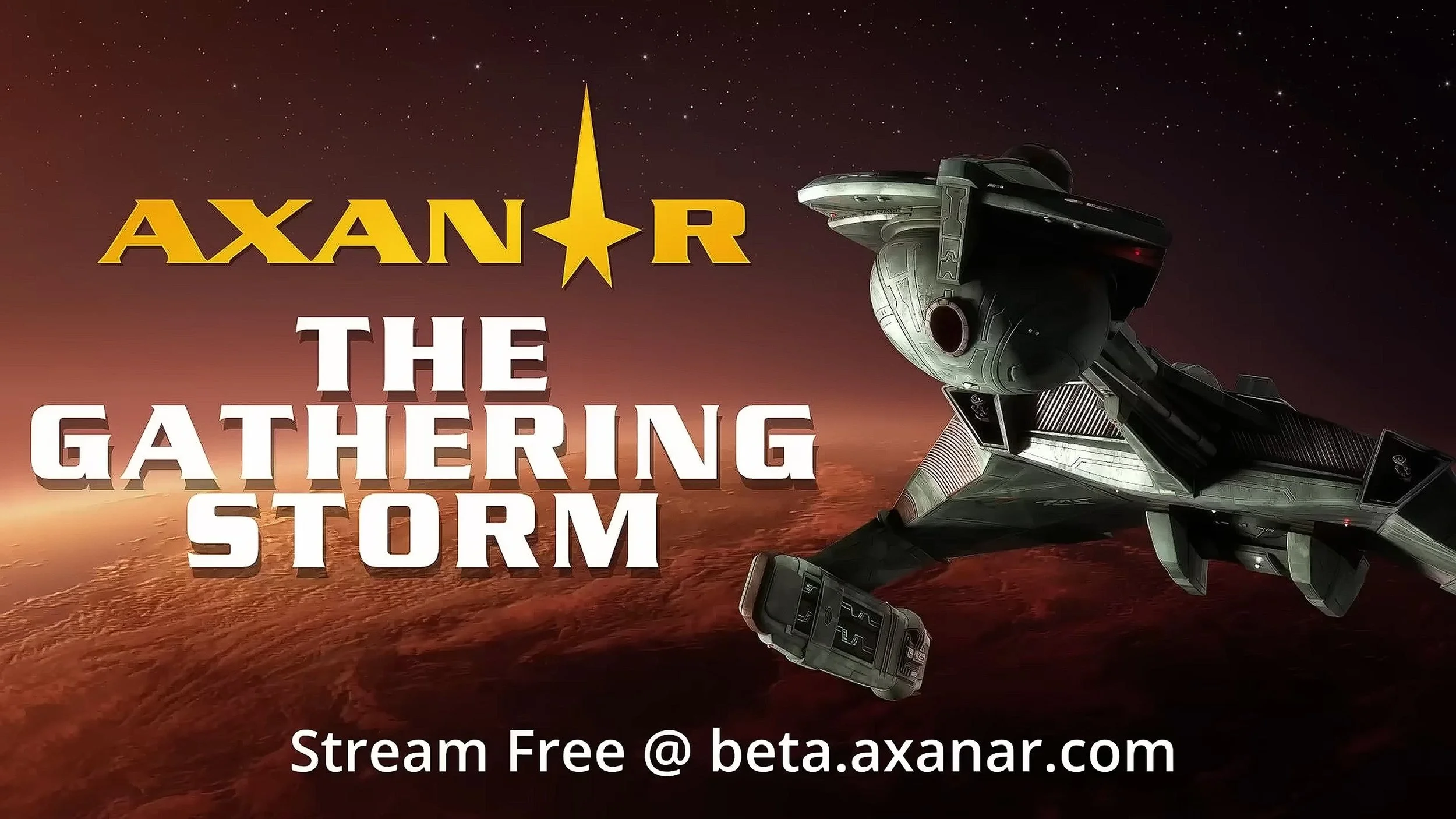
Star Trek Axanar is back in the news, twelve years on from the last controversy. For those unfamiliar with the original debacle, in 2014 Prelude to Axanar was released via YouTube. This Star Trek “fan-film” presented as a faux 21-minute, Starfleet documentary was very well received by fans and was intended by its makers as a proof of concept for a feature-length film. Set in the year 2245, during the final year of the Four Years War against the Klingons, Prelude to Axanar pushed the boundaries of what a fan film could be. The subsequent Kickstarter and Indiegogo campaigns raised more than $1.1 million. Prelude to Axanar was promoted as a professional-quality, “independent” Star Trek production, employing experienced actors and filmmakers and even established its own studio facilities. The presence of such actors as Richard Hatch, J. G. Hertzler, Kate Vernon, Tony Todd and Gary Graham (resuming his role as Vulcan Ambassador Soval) certainly made Prelude to Axanar distinct from other fan-films.
Thoughts on TV shows and my current viewing habits.
I last wrote a blog post in this series back in February 2022. Then for various reasons, I stopped. Possibly because my relationship with TV has changed in recent years. It’s fair to say at present that viewers are spoilt for choice. There are lots of very good shows around. Conversely, there is also a lot of bland, generic, filler as well. I appreciate that not every television series has to be an industry milestone and there are times when I’m content to watch undemanding content. However, I am very protective of how I spend my leisure time at present. I am not prepared to sink 6 or 8 hours into a show that is just “okay”. Hence I’m becoming very particular about what I watch. If something isn’t working for me in any fashion then I just abandon it and am happy to do so.
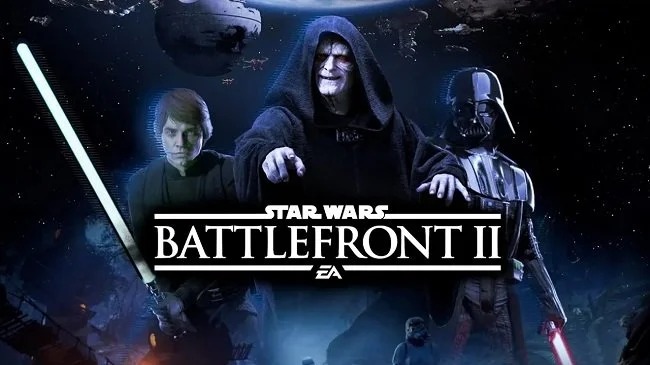
There has been a resurgence of people playing Star Wars Battlefront II recently. Possibly because the game was discounted on many outlets on May 4th and may be due to the success of Andor season 2. There’s a lot more people streaming it as well as videos on YouTube. Whatever the reason, it is always good to see a deserving game enjoying a renaissance. Star Wars Battlefront II was blighted at launch, back in November 2017 by some egregious business decisions and it took nearly a year for the game to recover from the negative publicity and player animosity. Setting this historical debacle aside for one moment, there was always a handsome and engaging game to be found. One that used the licensed intellectual property well. Which is why I recently reinstalled the game and resumed playing its multiplayer mode.
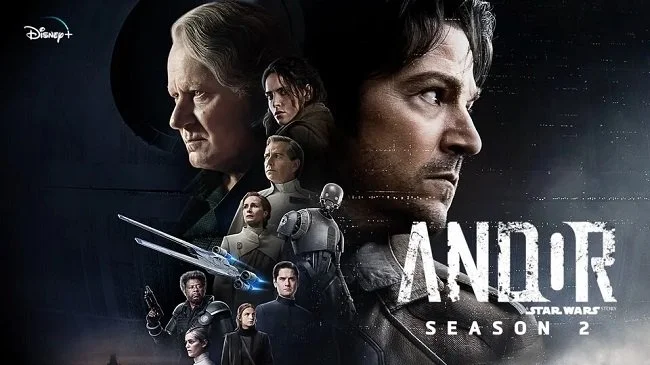
Season 2 of Andor has received praise from both critics and fans alike. It finally seems to have put to bed the common argument that Star Wars as a franchise has traditionally been light on narrative depth, character development and the exploration of the themes that its main story is predicated upon. Andor shows the realities of opposing authoritarian regimes and exists within shades of grey, rather than purille, binary positions. Many have drawn parallels with the current state of geopolitics, especially that of the United States. I certainly found the second season of Andor to be engaging and thought provoking. I also enjoyed the performances of many of the British actors who by default are cast in all the major Empire roles. I thought Anton Lesser was especially noteworthy as a senior officer in the Imperial Security Bureau.

We all knew it had to happen sooner or later. According to reports, Lucasfilm is planning to reduce its Star Wars related output on Disney+. Specifically, from 2025 there will be only one live-action television series per year. For comparison, Disney+ commissioned three shows in 2022 and two shows in both 2023 and 2024. It should be noted that this reduced output doesn’t include animated shows. It would appear that senior management at Disney have finally figured out something most of us have known for a while. That saturating the market with content based upon a specific intellectual property, is ultimately detrimental to its popularity and financial viability. To use an old adage “familiarity breeds contempt”. At present, hardcore fans are “unhappy” with the way the IP is being developed, while casual fans are somewhat burned out by the excess of content and its varying quality.
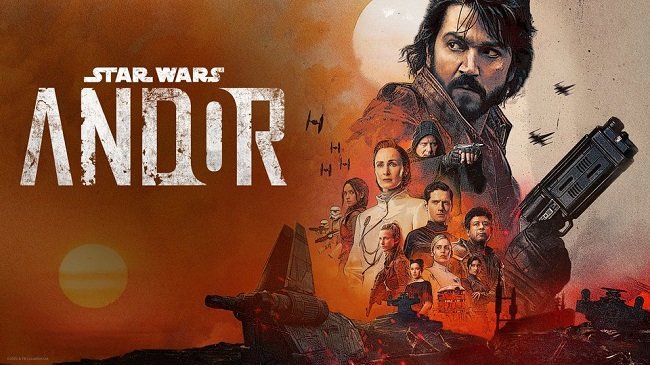
Andor is not like other entries in the Star Wars canon. It explores the human, social and political consequences of rebelling against an oppressive, totalitarian regime. The writing is intelligent and well observed, choosing to focus on the average citizens of the Empire and the nature of their daily lives. Andor also explores the ineffectual politicians and the way the senate are self serving and ultimately impotent. The Emperor is remote and instead we see how Imperial colonialism works at a grassroots level. It is an all too familiar depiction, born out of historical fact, such as Vichy France during World War II. Petty thugs and aspiring psychopaths happily align themselves with their Imperial overlords and actively oppress their own people. As for the Empire, and in particular the ISB (Imperial Security Bureau) it is rife with infighting, personal fiefdoms and all the flaws of similar institutions from the real world.
Jerry Goldsmith’s contribution to Star Trek is immense. Yet simply listing the films and TV episodes he wrote music for does not adequately encapsulate the significance of his contribution to the franchise. His majestic, thoughtful and uplifting musical scores provide an emotional foundation that reflects the core ethos of Star Trek. They also create an invaluable sense of continuity that spans multiple shows and movies. Perhaps the most obvious example of this is his iconic title music for Star Trek: The Motion Picture (1979) that was subsequently adopted as the theme tune for Star Trek: The Next Generation. His work was held in such high regard, when Star Trek V: The Final Frontier (1989) ran into production issues, it was thought that a Jerry Goldsmith soundtrack may well elevate the film. Sadly it didn’t but his work on that instalment was outstanding and among his best.
Star Trek documentaries are very much like Bruce Lee documentaries, in so far as they’re both a saturated market and more often than not, new content frequently ends up covering the same ground. However, fans tend to watch anything new in the hope that they will find a few new nuggets of information. Brian Volk-Weiss’ new 11 part series, The Center Seat: 55 years of Star Trek, not only covers established facts about the iconic show but also expands upon them as well as providing a wealth of new information. Volk-Weiss has previously explored popular culture with documentaries such as The Toys That Made Us and The Movies That Made Us. The Center Seat: 55 years of Star Trek is an in-depth chronological study of the Star Trek franchise, from its creation at Desilu Productions in 1965 all the way through to the latest iterations, Star Trek: Picard and Star Trek: Discovery.
I recently watched the first trailer for the new Obi-Wan Kenobi television show that is premiering on Disney + in May. I am interested in this latest instalment in the Star Wars franchise and curious as to whether Liam Neeson will make an appearance. I also watched a 20 minute fan video in which they “analysed” the entire trailer. They discussed the content of this 2 minute preview and then did a great deal of speculating about potential themes and characters that may feature in the show. They were clearly enthusiastic about what they had seen and were very knowledgeable about the subject. This resonated with me, as I like to be well versed about the things I enjoy. However, it is worth remembering that fandom can tip into obsession and gatekeeping. Hence I feel there is a subject to explore here.

As of today, the final episode of The Book of Boba Fett has aired on Disney + and this spinoff show from The Mandalorian has finished its first season. It has been a curious seven part story and not at all what I was expecting. Initially focusing upon the trials and tribulations of the iconic Bounty Hunter Boba Fett as he fights for Jabba the Hutt’s former territory, the story creatively explained what happened to him after he was swallowed by the Sarlacc. However, the plot took an unexpected turn focusing upon the fate of Din Djarin and Grogu from The Mandalorian, before the climatic final instalment. It’s certainly been an entertaining ride but the show’s somewhat eclectic nature has been a little confusing. Having a dedicated story about Boba Fett and then undermining it by focusing upon other iconic characters seems somewhat contradictory. Thankfully, the final episode put both shows back on track.

In my youth, I took my fandom very seriously. I would brook no criticism of the various objects of my affection. I would robustly defend them in lengthy forum comments, filled with the sort of detail and lack of self awareness that only an ardent fan can bring to bear. Nowadays, it’s a different story altogether (insert Airplane gag here). I still enjoy Thunderbirds, Star Trek, The Lord of the Rings but I do not consider them unassailable, sacred cows. If other’s scorn them, that is their prerogative. Age not only brings you more keys and things that require charging, it also grants the realisation that it doesn’t matter what others think. Furthermore, reboots, reimaginings and revivals cannot harm your memories or “ruin your childhood”. Has Gus Van Sant’s ill conceived 1998 remake of Psycho harmed in any way Hitchcock’s classic original. Any answer other than “no” is at the least spurious and at worst naval gazing bullshit, served on a platter of hyperbole and attention seeking.
Before we start, no I am not writing about Alexander Courage’s classic main theme for the original Star Trek show. I can add nothing further to that particular discussion and it remains iconic and inspiring, even when distilled down to just the initial fanfare. In this post I want to draw your attention to another piece of music from Star Trek that has permeated its way into popular culture. A cue that when heard, if the listener is familiar with its provenance, will instantly conjure up images of flying drop kicks, ear claps and judo chops. A piece of music that can be added to pretty much any video footage and instantly make it more heroic. Yes, I am talking about what has become generically known as Star Trek “fight music”. Or more specifically, the "The Ancient Battle/2nd Kroykah" cue from Amok Time (S02E01) composed by Gerald Fried. The scene during the koon-ut-kal-if-fee ritual in which Spock fights Kirk on the planet Vulcan for complicated “reasons”.
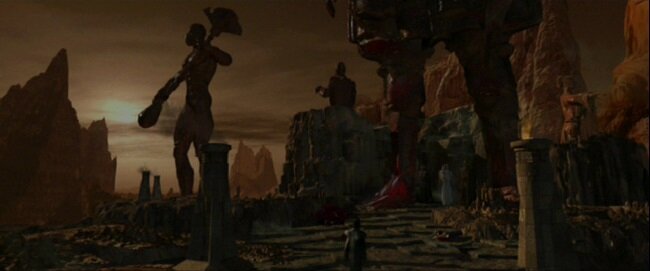
Star Trek: The Motion Picture is a wonderful paradox in the Star Trek cinematic pantheon. It is possibly the most hardcore science fiction story that the franchise has explored and is both simultaneously Trek-like and un-Trek-like. Director Robert Wise and the production team worked hard to deliver a completed film for the scheduled December 1979 release date. However, he felt that the theatrical version was only a “rough cut”. Hence in late 2001 he supervised a Director’s Edition of the film which runs 136 minutes (4 minutes longer than the theatrical release)and reinstates some additional scenes and replaces some of the optical effects with new CGI creations. Critics were divided as to whether the Director’s Edition improved the film overall but Wise felt that this version was much closer to his original vision. The Director’s Edition was released exclusively on DVD in standard definition.

Fan Edits are a curious film sub genre. Some simply reinstate deleted scenes to maximise the running time of a movie. Others will remove footage and seek to reorder events in the name of coherency. But a few are far more ambitious. Rather than just reshape what is there, they will shoot new footage to replace material deemed substandard and seek to totally reimagine a movie. On even rarer occasions a few manage to actually improve upon the original, rather than just offering an augmented version. Which leads me onto Star Trek: beyond the Barrier, an interesting and very enjoyable fan edit of Star Trek V: The Final Frontier by Anti-Matter from deLimited Productions. It attempts to repair many of the problems found in the theatrical release of the movie. Some would argue that such a task is a Kobayashi Maru test in itself. However, the results are surprisingly good and some tongue in cheek humour shows that the creator understands the nature of their task.
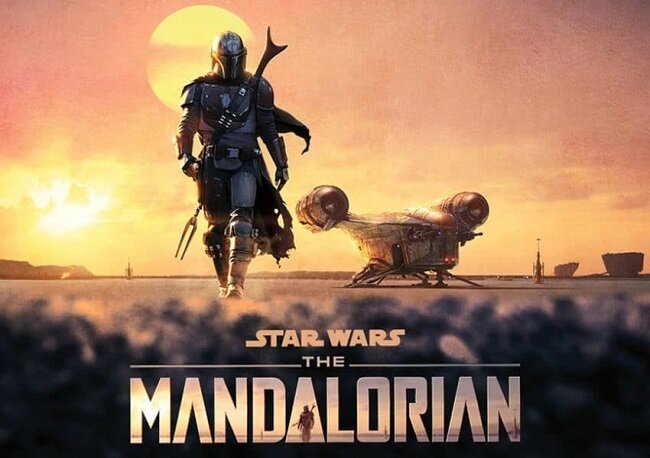
Over the years, I have had what I would describe as an ever diminishing relationship with Star Wars as a franchise. I grew up with the original trilogy, seeing them all when they were originally released. Those three films were a wonderful, self-contained story. I also broadly enjoyed aspects of the Expanded Universe, as it was confined to other mediums such as books or comics. Hence it was an optional extra, as it were. Sadly, over the years, the additional film trilogies proved to be inferior products that suffered under the weight of their own ever expanding lore. The fetishisation of the hardware, actions scenes and overall aesthetic by both the filmmakers and the fans, came at the expense of good narrative content and character development. The one film that tried to take the franchise in a more mature and thoughtful direction, The Last Jedi, proved controversial and divisive. Overall it was the animated TV show Rebels that best showed an understanding of the franchise.
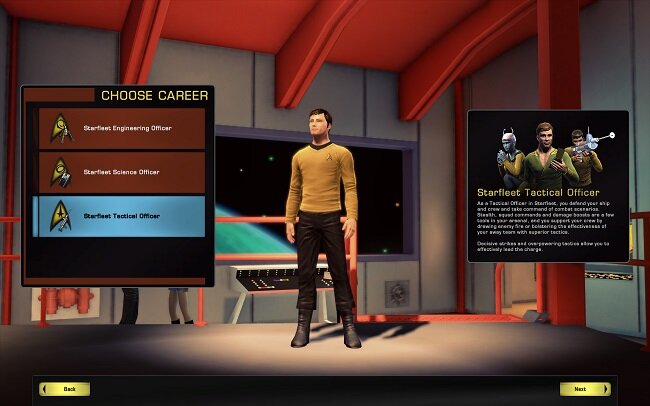
Welcome to the second part of my Star Trek Online: Beginners Guide. I thought it may be useful to write a series of posts, offering practical information for those who are just starting out in STO. Nothing fancy or in any way definitive. Just a few basic tips that may help orientate the new player. I’ve been playing STO since its launch in 2010 and this MMO has seen a lot of changes. The game features a lot of systems and mechanics that are not always immediately intuitive to grasp. So I’ll be doing my best to cover a selection of these in each post and try to provide a broad overview. Like a lot of advice, it can be subjective. Ultimately it comes down to each player how they wish to play. In this instalment, I shall be writing about career paths, factions and races.
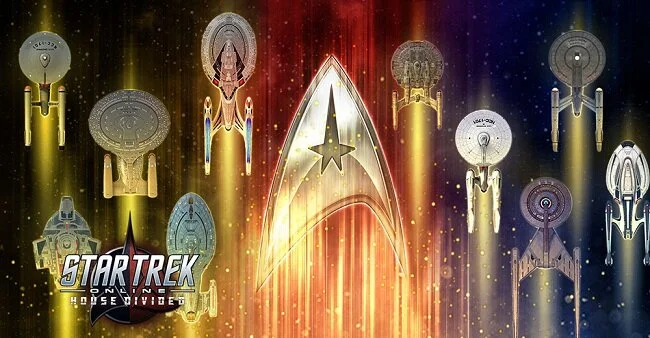
Today is Star Trek Day. An officially sanctioned celebration of all things Star Trek. The date reflects the launch of the original television show, back in the sixties. Naturally, there are a multitude of events going on over at the official Star Trek website. And as ever, the MMORPG Star Trek Online is taking part in the celebrations. “On September 8th, 1966, the world first met a group of people, and a ship, that would change our lives forever. Pitched as “wagon train to the stars,” and brought to TV by the force of Lucille Ball’s will, Gene Roddenberry’s Star Trek hit tiny television screens around the world and immediately captured hearts and minds. Through three seasons, and decades in syndication, The Original Series started a movement that still lasts today, more than half a century later. We live in a time where there’s more new Star Trek than ever before, and we’re joining with the rest of our Star Trek Family to celebrate the franchise’s birthday”.

I’ve mentioned in the past that a lot of important information regarding the MMORPG Star Trek Online is centralised within the official subreddit. That’s fine if you enjoy using this platform but it’s not for everyone. I’ve always found Reddit somewhat esoteric and I don’t really like the way it visually displays information. I have to use a browser addon to make it more user friendly. Unlike other communities, STO does not seem to have that many fan produced blogs. However, I may be wrong regarding this, so feel free to correct me (and provide URLs). In the meantime, I thought it may be useful to write a series of simple guides, offering practical information for those who are new to STO. Nothing fancy or in any way definitive. Just a few basic tips that may help orientate the new player. This time we’re going to look at the business model for STO and the cost of playing the game.
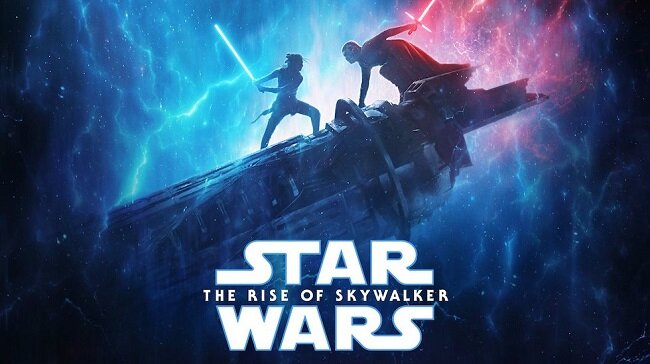
Two years ago The Last Jedi was released to mixed reviews. A vocal percentage of fans complained bitterly about various aspects of the movie. Some of their assertions such as the episodic pacing of parts of the story had merit. While other criticisms regarding diversity and gender categorically did not. However, Disney were cognisant of the fact that Star Wars fans were not universally enthralled by the movie although it turned a healthy profit. And then the following Easter Solo “underperformed” at the box office and journalists started talking about how the franchise had overreached itself and was in decline. Alarm bells obviously went off at board level and something had to be done. It would appear that The Rise of Skywalker is very much a movie designed to put the franchise back on track and wrap up the narrative proceedings of the last 42 years. However, there is a cost in offering such a colossal “fan service”. The latest instalment starts at a breakneck pace and continues in that idiom for over two hours. Action scenes, canonical references and homages are piled on, one after another. But narratively things are somewhat thin, recycling ideas and concepts from earlier movies. Some of the plot devices are never explained and therefore seem somewhat contrived. The Rise of Skywalker is most certainly entertaining. But it requires its core audience to be forgiving and to a degree complicit in its indulgences and failings.
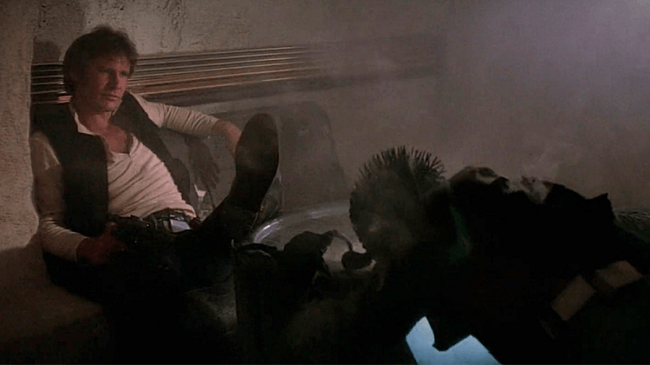
I will try and keep this post as brief as possible because rants and tirades aren’t as funny as many writers think they are. Rather than “frothing at the mouth” I think a more accurate description of my feelings can be summed up just by a deep sigh and a shake of the head. So, where to begin? Well during the course of the day, several memes, humorous quips and oblique references appeared in my Twitter timeline featuring the phrase “Maclunkey”. As the joke didn’t immediately become apparent and I couldn’t reference the phrase (I initially thought it was about the band Mclusky) I took to Google to find out what this was all about. I like to keep abreast as to what are the current talking points online and I don’t want to be that old guy who doesn’t understand “the kids of today” or “that there interweb”. Fortunately, a brief internet search provided a clear answer. I shall now attempt to distil the relevant facts for the benefit of those who are still in the dark.

Peter Mayhew was working as an Orderly in the radiology department of King's College Hospital, London in 1976 when he was “discovered” by George Lucas. Lucas was looking to find someone suitably tall to play the Wookie Chewbacca in Star Wars. Legend has it that Mayhew simply stood up from his seat to great Lucas and immediately clinched the part. The rest they say is history. Peter Mayhew went on to play the role in another five movies, and despite not gaining the immediate fame of regular actors, became a firm favourite among fans at conventions. He was also held in very high regard by his professional acting peers. As for the role of Chewbacca, he made it his own and approached the character seriously and with genuine love. Despite a lack of conventional dialogue, Mayhew imbued Chewbacca with a personality and a distinctive sense of style. No mean achievement for a man who never intended for any of this to happen.
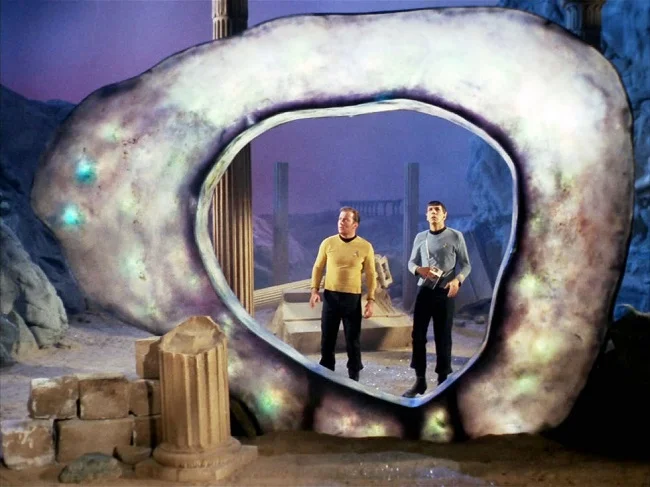
Out of the original seventy-nine episodes of Star Trek, one of the most respected and beloved is The City of the Edge of Forever. Written by Harlan Ellison the story is one of the more thoughtful and tragic in Trek Canon. It was also the first episode to feature a temporal plotline. Doctor Leonard McCoy (DeForest Kelley) accidently receives an overdose of medication and flees the Enterprise while in a delusional state. Beaming down to an alien planet he uses a temporal gateway (The Guardian of Forever) to travels back in time to earth during the Great Depression. By doing so he accidentally changes history. Captain Kirk (William Shatner) and Spock (Leonard Nimoy) follow him through the gateway to New York in hope of correcting the timeline. While awaiting the arrival of McCoy, Kirk falls in love with Edith Keeler (Joan Collins) who runs the 21st Street Mission. However he and Spock soon determine that to restore the timeline they must allow her to die.
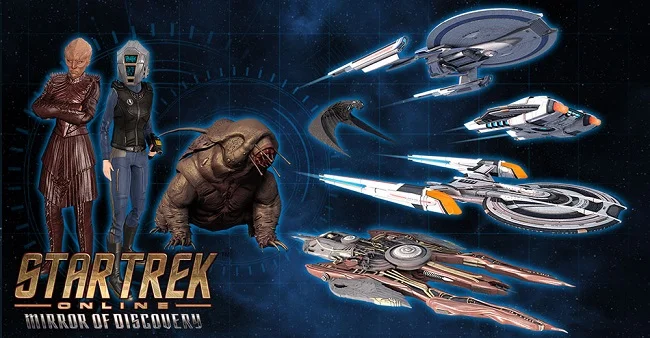
There has been a degree of controversy over the Discovery Operation Pack that has recently been made available for purchase in Star Trek Online. The bundle featuring ships, bridge officers, cosmetic items and more is displeasing some core players who feel that it is over priced and lacks anything relevant for Romulan and Klingon races. Personally, I’m only interested in two specific items from the pack, such as the Tier 6 Gagarin Miracle Worker Battlecruiser and the combat pet Tardigrade but at present they cannot be purchased separately. So, I shall not be parting with any money at present. The Gagarin Miracle Worker Battlecruiser is relatively similar to the Tucker Tactical Miracle Worker Cruiser, which I already own. However, it is an improvement aesthetically speaking (a subjective point, admittedly), so for me the obvious compromise is to purchase the fleet version and forgo the unique space trait and settle for an additional console slot. As I’m not a high-end player, the look and feel of a ship has as much appeal to me as its stats.
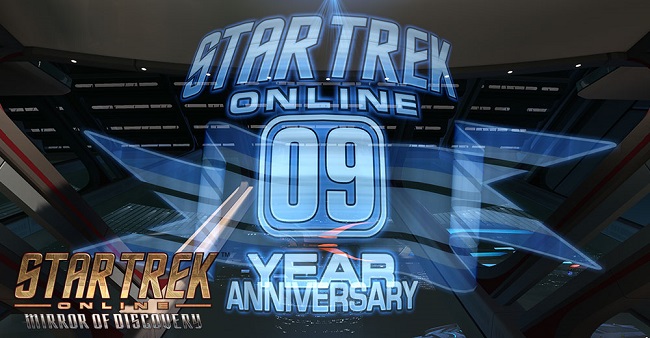
I have suffixed the title of this post “and stuff” so I can address several Star Trek Online related thoughts in a single blog post. Despite the fact that I frequently play STO it is does oddly get neglected in my writing. So, let us start with the issue of the ninth anniversary. As ever Q is back with the anniversary event and once again, we are stabilising Omega Molecules. This year’s reward is a Tier 6 Vulcan T’Pau Scout Ship. There are also emotes and sundry other items to earn during the duration of the festivities, but I more interested in the anniversary itself. Not many MMOs make it to nine years and if they do, they aren’t necessarily in as good shape as STO. The game has a stable and loyal playerbase and is currently tied-in to Star Trek: Discovery. Further established Trek actors are supplying voice acting and the game seems to be doing well across both PC and consoles. Like LOTRO, STO uses the IP well and seems to “fill in the gaps” in the existing lore as well as expand and extrapolate established canon. One of the best things about STO is that there’s always something to do in-game as well as new content in the pipeline. Perhaps this along with the handling of the IP is why the game endures.

I was perusing the net recently and came across a story about how a Star Wars fan film that had built up a head of steam online, has been slapped with a copyright strike from Disney. Nothing unusual there as the company is virtually legendary with respect to its litigious proclivities. However, someone over a Lucasfilm interceded and got the strike lifted, because the fan film creator had allegedly sought prior permission and supposedly received it. George Lucas has always maintained an equitable attitude towards fan usage of the Star Wars IP, something he tried to impress upon Disney when he sold the rights to them back in 2012. But it is very difficult to have a balanced discussion about George Lucas as the man is such a paradox. On one hand he is possibly one of the greatest contributors to twentieth century pop culture and has influenced a generation of film makers, writers and fans. On the other he is the man who single headedly has managed to queer his own pitch, with the way he has continuously tinkered with his body of work and appended it with supplemental material that many deemed substandard or to the detriment of the original. He is also still vilified in some quarters for his business arrangement with Disney.
Star Trek: Enterprise was the first show in the Star Trek pantheon to have a song performed by an established artist play over the opening credits, rather than a traditional theme tune. Up until 2001, the franchise had maintained a more formal approach, established with the iconic introduction to the original series composed by Alexander Courage. Needless to say, such a radical departure from established practise brought about consternation and debate among fans. In some respects, you can argue that point about the entire show itself, but that as they say, is an entirely different blog post. Needless to say, the dislike and hatred that the song Where My Heart Will Take Me engendered in certain quarters, lead to a petition to have it removed. Needless to say, this movement failed, and the show continued using it for four seasons. Seventeen years on this particular debacle has now died down and the song is often just referenced ironically by fans as an amusing anecdote and piece of Trek trivia.
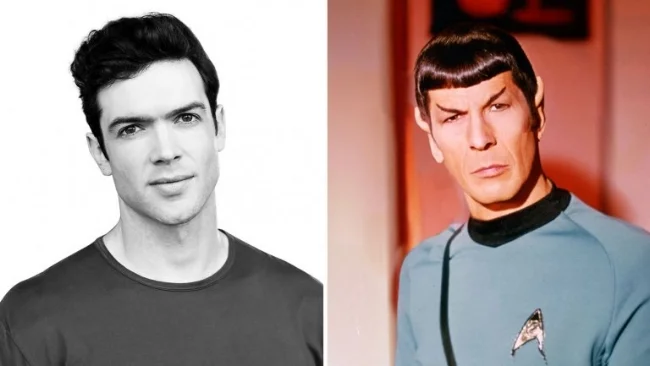
I’ve written in the past about the problems that can arise from untempered fandom. If enthusiasm and inspired love are not balanced by contextual reason and a healthy dose of reality, then it can get a little bit over zealous. Need I cite Star Wars fans and The Last Jedi as an example of unchecked fandom. However, I am now going to stray a little into the “Twilight Zone” of fandom myself, although I shall attempt to apply a healthy dose of realism into the proceedings. Because I want to discuss the fact that Ethan Peck has been cast to play one of the most iconic characters in popular culture. Yes, Gregory Peck’s grandson (and there’s plenty of “baggage” there) has been cast to play Spock in season two of Star Trek: Discovery. Furthermore, rather than be concerned, I am very excited by this development and I really look forward to seeing how this pans out.
The Idiot Box
Thoughts on TV shows and my current viewing habits.
Things have not returned to normal here in the UK. The first lockdown ended last July but restrictions remained in place. Then we had lockdown 2.0 in November and are currently enduring a third which started in December. Hence I have watched a great deal more TV than usual and not at the expense of any other leisure activity. Mrs P even went so far as to catch up with 11 seasons of NCIS: Los Angeles. A prodigious feat. As ever there is a great deal of quality TV available to choose from. Thankfully, I am now perfectly comfortable in abandoning any show that doesn't keep me engaged. Hence what I’ve listed are shows that I’ve enjoyed and found entertaining. Furthermore, the extra viewing time I’ve had available has also allowed me to give a few shows a second chance.
Thoughts on TV shows and my current viewing habits.
Things have not returned to normal here in the UK. The first lockdown ended last July but restrictions remained in place. Then we had lockdown 2.0 in November and are currently enduring a third which started in December. Hence I have watched a great deal more TV than usual and not at the expense of any other leisure activity. Mrs P even went so far as to catch up with 11 seasons of NCIS: Los Angeles. A prodigious feat. As ever there is a great deal of quality TV available to choose from. Thankfully, I am now perfectly comfortable in abandoning any show that doesn't keep me engaged. Hence what I’ve listed are shows that I’ve enjoyed and found entertaining. Furthermore, the extra viewing time I’ve had available has also allowed me to give a few shows a second chance.
Evil: I briefly touched on this show in September 2019. I watched the first episode which I found intriguing but then waited too long to continue and so it got kicked into the proverbial long grass. However, we resumed watching the show and found it to be quirky, different, genuinely unsettling and absorbing. It touches on many contemporary social concerns such as social media, “incels” and spree killings. All viewed through the prism of an investigative team that works for the Catholic Church. It’s also great to see Michael Emerson playing a bad guy once again.
Des: This drama about the UK serial killer Dennis Nilsen, based on Killing for Company by Brian Masters, eschews the graphic and the grisly, choosing to focus on character and dialogue. The lead performances by David Tennant as Dennis Nilsen, Daniel Mays as Detective Chief Inspector Peter Jay and Jason Watkins as biographer Brian Masters are exemplary. This is another TV show that highlights the administrative nature of old school detective work and the time involved in conducting interviews. There are some interesting facts regarding a political dimension that was brought to bear upon the case, when a foreign national was killed. Des is compelling viewing especially when Tennant quietly recounts his abhorrent crimes and motives.
The Haunting of Bly Manor: I think a lot of people were expecting a comparable experience to The Haunting of Hill House and were therefore somewhat nonplussed by the pace and scope of The Haunting of Bly Manor. Essentially a modern retelling of The Turn of the Screw by Henry James, this character driven drama focuses more upon the uncanny, rather than jumps cares. Set in England during the 1980s the story follows a young American governess who moves into a stately home to care for two orphaned children. The ensemble cast deliver a slow burn, dialogue driven drama which makes a few concessions to modern sensibilities and social politics. I enjoyed its leisurely pace and delighted in the characters but not everyone felt the same way.
Ghosts: I am not a major fan of sitcoms anymore as I believe they have had their heyday (which is a blog post in itself). However, I’ve made an exception with Ghosts as it manages to achieve many things. Not only is it gently funny, it is also genuinely touching at times and handles pathos with maturity. The story centres around a young couple, Alison and Mike Cooper, who inherit a dilapidated property from a distant relative. Alison soon discovers that only she can see the ghostly former residents and hence finds herself as a go-between. It is greater than the sum of its parts, which on paper seem very formulaic, and it’s all very British (in the nicest possible way). Simon Farnaby is especially good as deceased Conservative MP Julian Fawcett. Destined to forever walk the earth without trousers as he died during a sex scandal.
The Crown Season 4: The longer The Crown runs, the more it drops the pretense that it’s docudrama and in fact just a big budget soap opera. Season 4 was especially relevant to me and Mrs P as it covered a period of history that we lived through as adults and have vivid memories of. Covering the election of Margaret Thatcher in 1979 to the end of her Prime Ministership in 1990, The Crown focuses upon her relationship with the Queen and also revels in the tumultuous marriage between Prince Charles and Diana Spencer. It’s all very glossy, stylised and at times melodramatic. If you want historical authority and accuracy, look elsewhere. If your after entertainment and eighties nostalgia, then The Crown Season 4 has it in spades.
TV To Do List:
Star Trek: Discovery Season 3: Frankly, the departure of Captain Pike and Spock from this iteration of Star Trek, greatly diminished my interest in the show. There are some great characters that help sustain my interest, such as Saru and Georgiou, but frankly Michael Burnham is exceedingly wearing. There’s a fine line between passionate and self indulgent and sadly the Discovery’s First Officer is on the wrong side of it. I’ve always liked the strong sense of equality and the tackling of social issues that is inherent in the Trek franchise but it’s becoming so contrived in ST:D that it’s almost becoming a caricature of itself. Star Trek? More like Hug Trek. However, there are still some good ideas to keep me engaged with the remaining 8 episodes I need to watch, plus David Cronenberg turning up in a rare acting role was a welcome surprise.
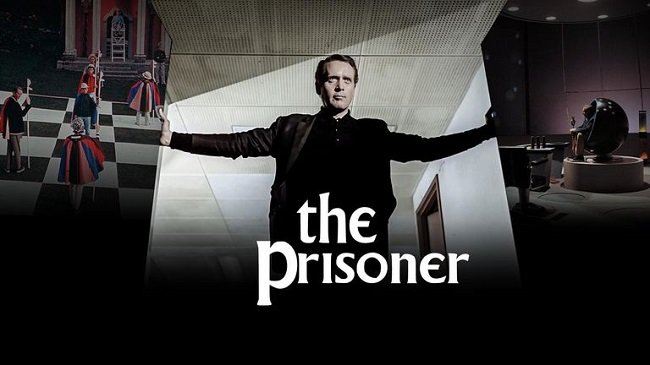
The Prisoner: There is a growing consensus that this classic TV show from the sixties has become relevant again. Something about how both sides of the tedious but ongoing culture war are fostering a “group think” mentality at the expense of the individual. Irrespective of whether that is the case or not, this is still a great show that makes you think. McGoohan pounds tables and declares he’s a “free man” etc. Superb score as well. The newly remastered prints also look damn good.
Star Trek is slightly older than me by 14 months. I was born on December 18th 1967. Star Trek was first broadcast in the US on 8th September 1966. Hence this show has always been part of the prevailing pop culture that surrounded me, as I grew up. I first began watching Star Trek as a young child in the early seventies. It would be repeated on the BBC in the early evening on Fridays and it became a family ritual to sit down together and watch it. As a seven or eight year old, it left a great impression upon me and was in many ways, the television highlight of the week. Star Trek along with Doctor Who certainly started my interest in science fiction. Star Trek was also one of the first shows that introduced me to tie-in marketing. I remember seeing in a toy shop, near to my school at the time, a Dinky Klingon Battle Cruiser and was flabbergasted that such a thing existed. I immediately coveted it but sadly never obtained one.
Thoughts on TV shows and my current viewing habits.
This so-called recurring post is certainly becoming quite irregular, as It’s been over a year since I wrote the last instalment of The Idiot Box. I noted back then how I was watching less television and to be frank that hasn’t really changed. Although there are plenty of well written and entertaining shows out there, too often choosing to watch one effectively places you in an opened ended social contract. For example, I watched the first season of The Agency, which is a superior espionage drama. It ended with the main story completed and a few plot lines open for another season. A second season has just been released and I have learned from a blog post by Wilhelm Arcturus, that this season ends on a cliffhanger. Oh dear. Do I really want to get on another TV show treadmill? Nope. I like TV shows that have self-contained seasons. So I guess I’ll be skipping The Agency. Shame. I liked the Jack Black cover of a U2 song that they use on the title credits.
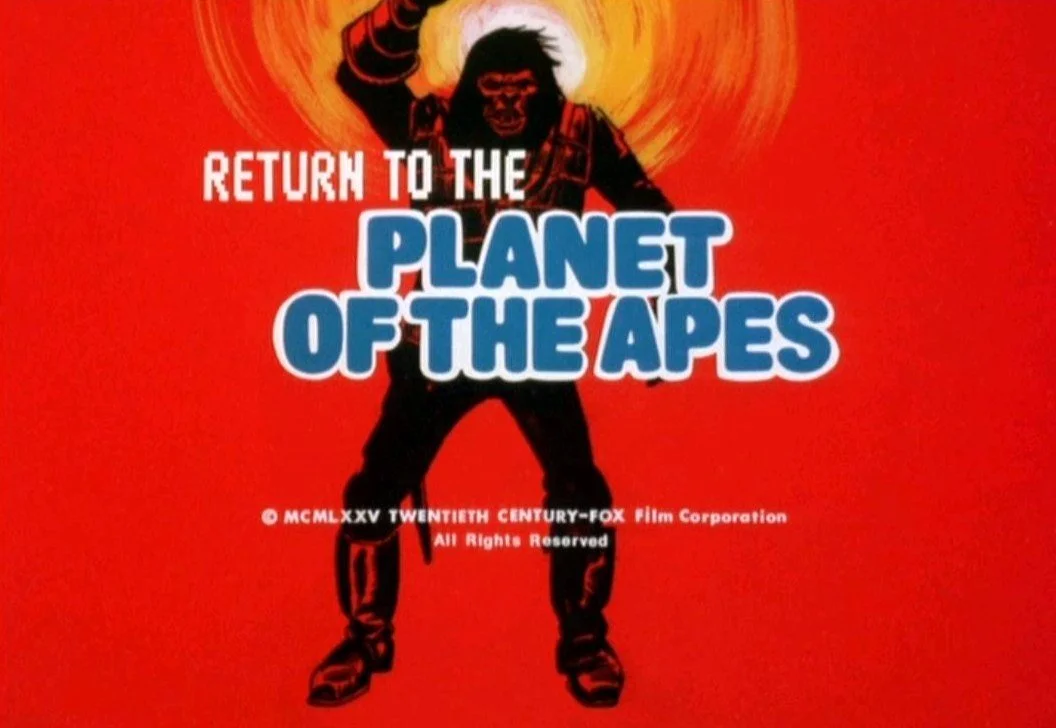
I recently found a DVD boxset of Return to the Planet of the Apes in a charity shop which I bought for £4, which is a ridiculously cheap price. I considered it an interesting find because it was a Region 1, US copy. However, that is not so unusual these days as most DVD players are now region free and Amazon (UK) sells media from all over the world. As for the show in question, I vaguely remember Return to the Planet of the Apes being shown on UK network TV when I was a child, probably circa 1976. Back then it would usually take a year or so before US shows made it onto UK television. From a commercial perspective, the entire Planet of the Apes franchise was beginning to run out of steam. I was 8 years old at the time so had missed most of the film releases. However, I enjoyed the live action TV show hence an animated follow up had obvious appeal to a child of my age.
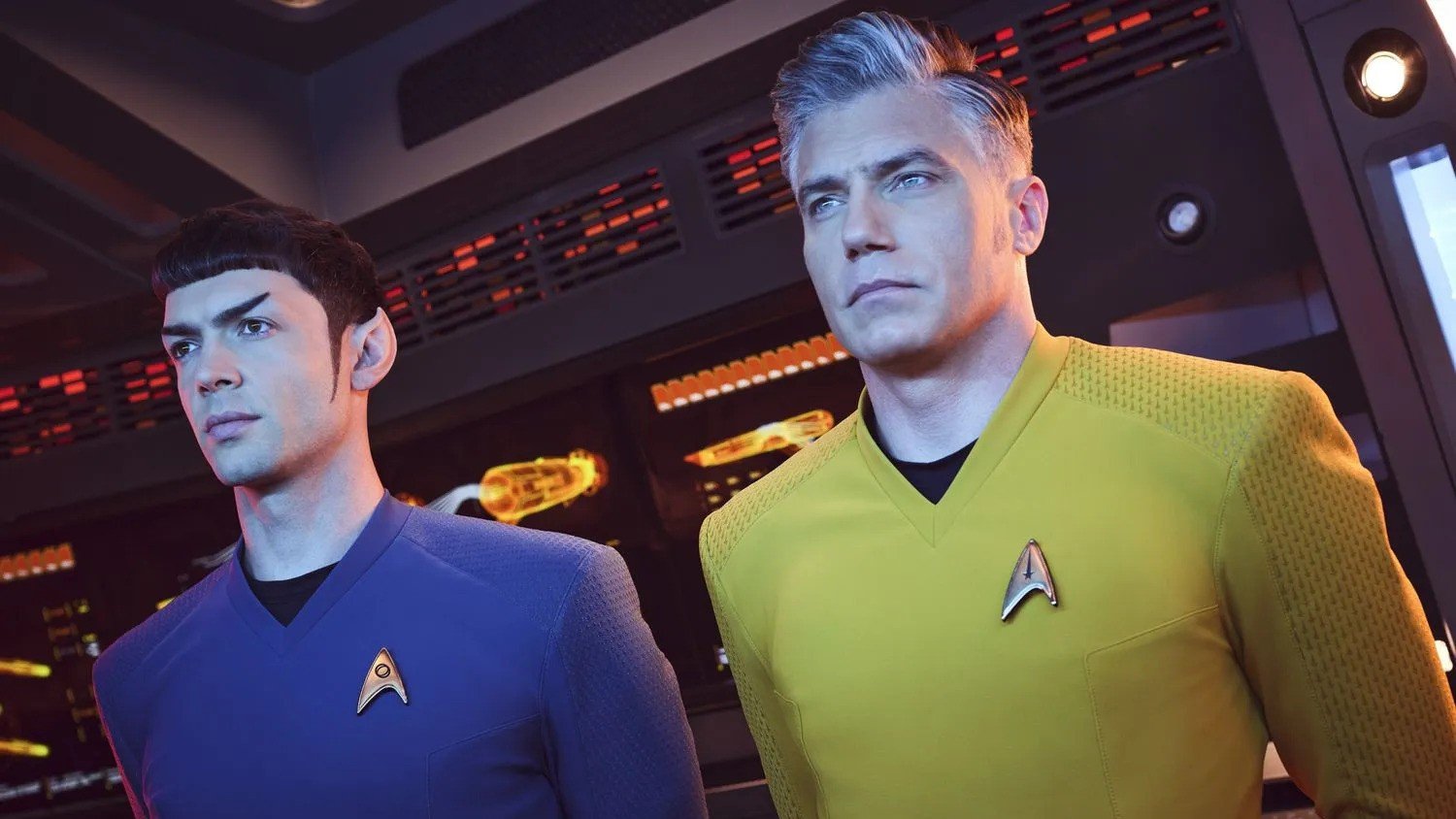
I have not watched as much TV as I usually do, this year. Mainly because I have become a little weary of the ways contemporary TV is produced, especially with regards to streaming shows. Due to the costs, shows such as Star Trek: Strange New Worlds only have 10 episodes per season. Simply put, the season begins to hit its stride and then is abruptly over. This problem (if you see it as such) is then further compounded by there being a significant wait between seasons. In the case of STSNW it was two years between season two and season three. Not all shows fall foul of this. Apple TV produces two seasons of the excellent espionage drama Slow Horses at a time, ensuring a prompt release schedule. However, even this has issues. Due to the complexity of the plots of many contemporary TV shows, something that is a marketing point, some viewers cannot remember the plot after a twelve month hiatus. Network TV shows seldom have these issues with each season being 20 plus episodes long and story arcs that are seldom as complex.
Strictly Come Dancing remains the BBC’s flagship light entertainment show for Autumn. Despite controversy and scandal, the show bounced back last year and firmly re-established itself as the “feel good, family show” it has always claimed to be. Blind comedian Chris McCausland becoming the 2024 champion certainly validated the show’s commitment to diversity and inclusion and helped place Strictly (as it is known to its fans) back on its cultural pedestal. I’m sure those involved in the production of the show breathed a sigh of relief when the season ended on such a positive note, eclipsing the negative press that had been ever present last summer. Second chances and opportunities for a “course correction” are few and far between these days. Especially when you have elements of the UK press waiting with bated breath and hoping that you’ll fail.
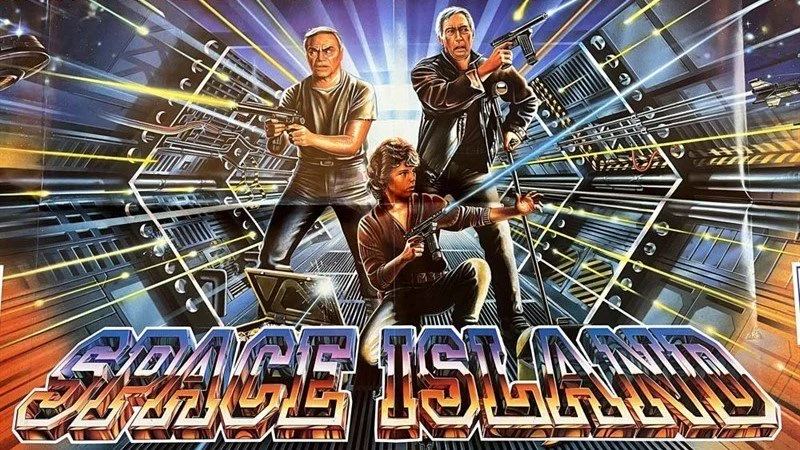
Treasure Island In Outer Space is a curious Italian television production from 1987 starring Anthony Quinn and Ernest Borgnine. It also features numerous international actors better known for their work in cult and exploitation films, such as Bobby Rhodes, David Warbeck and John Morghan. Directed by Antonio Margheriti (AKA Anthony Dawson), famous for such films as Killer Fish (a cash in on Piranha) and The Last Hunter (a Vietnam exploitation epic), Treasure Island In Outer Space is a faithful adaptation of Robert Louis Stevenson’s classic novel. The screenplay by Renato Castellani and Lucio De Caro draws heavily from the source text, maintaining character names and original dialogue. However in updating the material to a futuristic setting, the script is littered with the worst kind of eighties sci-fi clichés. We are subjected to sonic trains, anti-gravity rays and the usual buzzword driven faux science.
Thoughts on TV shows and my current viewing habits.
I last wrote a blog post in this series back in February 2022. Then for various reasons, I stopped. Possibly because my relationship with TV has changed in recent years. It’s fair to say at present that viewers are spoilt for choice. There are lots of very good shows around. Conversely, there is also a lot of bland, generic, filler as well. I appreciate that not every television series has to be an industry milestone and there are times when I’m content to watch undemanding content. However, I am very protective of how I spend my leisure time at present. I am not prepared to sink 6 or 8 hours into a show that is just “okay”. Hence I’m becoming very particular about what I watch. If something isn’t working for me in any fashion then I just abandon it and am happy to do so.
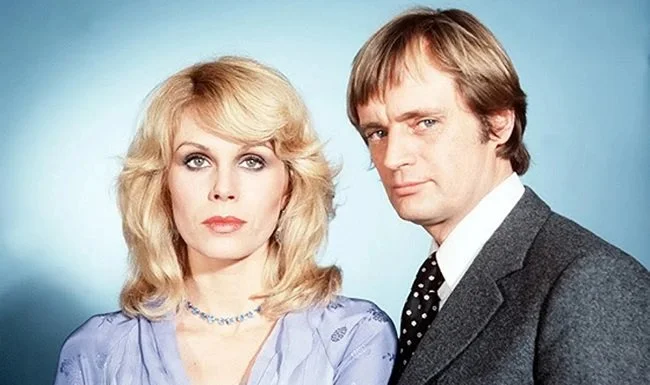
The seventies was an interesting time for UK genre television. Despite small budgets and often low key visual effects, there was no shortage of good ideas and creativity. Sapphire & Steel is a prime example of a show couched in a high concept, produced on a shoestring. It also credits its audiences with some degree of intelligence. Rather than spoon feeding the narrative in a didactic manner, it hints and implies, then leaves the rest to its viewers imagination. Created by Peter J. Hammond, a veteran TV writer, Sapphire & Steel centres on a pair of interdimensional operatives named Sapphire and Steel. They are two of a number of elements that assume human form. Over the course of three seasons little is revealed about the pair but they appear whenever there is any anomalous temporal activity. Time itself is portrayed as a sentient and malignant force that seeks to make incursions into the present reality, through weaknesses in the fabric of space.
Season 2 of Andor has received praise from both critics and fans alike. It finally seems to have put to bed the common argument that Star Wars as a franchise has traditionally been light on narrative depth, character development and the exploration of the themes that its main story is predicated upon. Andor shows the realities of opposing authoritarian regimes and exists within shades of grey, rather than purille, binary positions. Many have drawn parallels with the current state of geopolitics, especially that of the United States. I certainly found the second season of Andor to be engaging and thought provoking. I also enjoyed the performances of many of the British actors who by default are cast in all the major Empire roles. I thought Anton Lesser was especially noteworthy as a senior officer in the Imperial Security Bureau.
If you don’t want to pay for streaming services, or premium digital satellite and cable content, then your choice in the UK is somewhat limited. You can receive all “free to air channels”, IE the ones that have advertising, via the digital terrestrial platform Freeview. Most UK televisions have Freeview access built in. Alternatively, the same selection of channels are available via the digital satellite platform Freesat. You can also buy either Freeview or Freesat digital video recorders and require only a rooftop aerial or satellite dish respectively to access these platforms. Most DVRs come with additional IPTV functionality built in along with the most popular streaming apps, so additional subscription services can be added if the viewer so desires. Freeview and Freesat carry a mixture of high definition and standard definition channels. Internet based services offer 4K content.
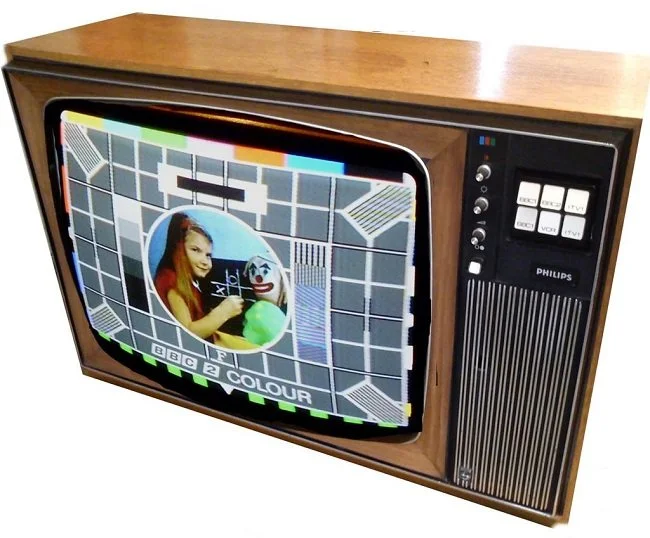
When I started writing this post it was intended to be about changing from one UK TV provider to another. However, I became concerned that there was a need to provide some sort of historical context, because I wasn’t sure whether all readers would be familiar with how television is provided here. The next thing I know, I’ve written a potted history of public and commercial broadcasting in the UK and the resulting post has become somewhat lengthy. So I have decided to split the text into two halves. The first being a summary of how the provision of television has changed in the UK over the course of the last fifty plus years. The second focuses more upon changes to the TV industry’s business model, consumer habits and the present status quo.
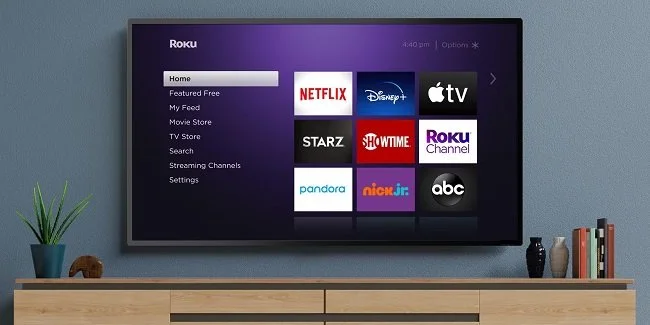
It is fair to say that we live in an age where we do not lack quality TV. There are numerous shows that have garnered critical acclaim or a strong word of mouth following that are deemed “must see” viewing. No doubt you, like myself, have a long “to do” list of programs that you need to “get round to watching” on top of those shows which are staples of your viewing regime. If you didn’t have enough programmes already to catch up with, we all have friends and family telling us about a “great show” that’s on a platform we don’t subscribe to, that we really need to see. It is quite extraordinary and a far cry from my youth when the UK simply had three terrestrial channels until satellite TV became popular in the late eighties. To paraphrase the former Prime Minister Harold Macmillan “we’ve never had it so good”.

Music by John Williams is a documentary celebration of the famous composer and his illustrious body of work. It provides some interesting biographical background information as to how the man was born into a family of talented musicians. It then traces his rise from pianist for hire to the most well known film composer today. Along the way, anyone who is anyone in film and music appears to heap justifiable praise upon him and his body of work. It also features a continuous medley of John Williams’ greatest hits, as it catalogues his work in broadly chronological order. Music by John Williams is an upbeat and positive love letter to the composer and exactly what you would expect, when you consider that the documentary was produced by his friends and peers.
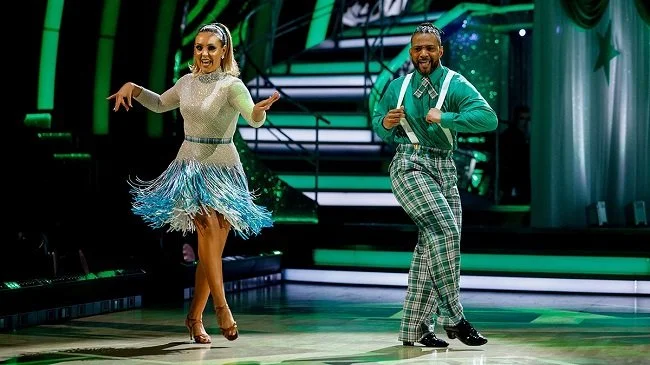
Tonight’s results for week 5 of Strictly Come Dancing (season 22) have once again demonstrated that this show is more than just a dancing competition to UK viewers. If it were just a case of determining who are the best dancers, then JB Gill would not have been in the dance off. The judges may well see things exclusively in such terms but the public clearly do not. I last wrote about this phenomenon in 2019 and I think it appropriate to raise the subject again as this season of Strictly seems to be bucking past trends and I suspect we may be in for further upsets in the run up to the season finale. Broadly speaking, the public usually tends to vote in a manner similar to the official leaderboard. Hence, those who score the lowest usually end up in the dance off. Occasionally an underdog will be championed and kept on the show but that trend seems to have lost its novelty in recent years. This season appears to be quite different.

I make no bones about the fact that I watch Strictly Come Dancing every year. For those who live outside of the UK, this is the original version of the dancing reality show that you probably know as Dancing With the Stars in your country. It is still a big deal in the UK as far as TV ratings go, getting audiences on average of 6.6 million viewers. There are many aspects of the show that are textbook examples of prime time, popular entertainment but I like it because the “celebrities” that take part are ultimately learning a skill that is genuinely difficult. The latest season of Strictly, as it is known to its fans, is especially interesting as the BBC had a major PR problem earlier in the year, where several previous participants made allegations of bullying and abuse about their pro-dancer partners. An investigation is still ongoing and in the meantime, the two professional dancers that were named have withdrawn from the show. Hence everyone involved with the latest season are all on message, stating that it’s “all about having fun”.
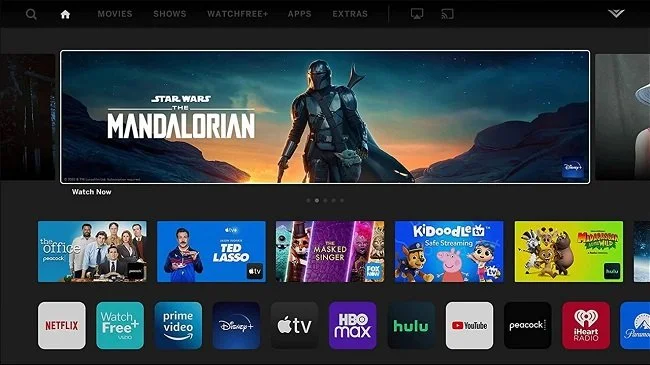
Watching TV was a far more communal activity in my youth. Families sat and watched specific shows or sports together. “Appointment TV” had its benefits not only for TV ratings but for advertising revenue. Although audiences may have grown over the years, they have also become more fragmented and compartmentalised. Smaller market shares have therefore made advertising far more pervasive. Even big streaming platforms are feeling the squeeze with declining subscribers and therefore introducing advertising on lower tier tariffs. Many catch up services also rely on advertising. However, viewers can always pay a fee if they wish to dispense with it. Another foible of modern digital television is poor picture quality Many smaller digital channels broadcast in standard definition. The source material has often been converted between different picture formats and has been cropped to suit a 16:9 screen. This results in low definition picture quality, with weak colours and a lot of digital artefacts.
I recently visited my local branch of the British Heart Foundation. This is a chain of UK charity shops that sell previously owned furniture and electrical goods, all of which are certified to be in good working order. It’s one of the few places where you’ll still find old school CRT televisions. These mainly come from house clearances. On this occasion, a particularly bulky model from the early 2000s was on display and despite its age, it still had a good, clear picture. I spoke to a member of staff and apparently these TVs are still popular with gamers who buy them for use with retro video games consoles. I felt especially nostalgic for this particular ageing Sony TV, because Mrs P and I had once owned a similar model. We bought it from a local department store (which no longer exists) and I remember it took two robust gentlemen to deliver it and install it.
We all knew it had to happen sooner or later. According to reports, Lucasfilm is planning to reduce its Star Wars related output on Disney+. Specifically, from 2025 there will be only one live-action television series per year. For comparison, Disney+ commissioned three shows in 2022 and two shows in both 2023 and 2024. It should be noted that this reduced output doesn’t include animated shows. It would appear that senior management at Disney have finally figured out something most of us have known for a while. That saturating the market with content based upon a specific intellectual property, is ultimately detrimental to its popularity and financial viability. To use an old adage “familiarity breeds contempt”. At present, hardcore fans are “unhappy” with the way the IP is being developed, while casual fans are somewhat burned out by the excess of content and its varying quality.

Two years ago, The Lord of the Rings: The Rings of Power premiered on Amazon Prime to mixed reviews and a tedious and predictable internet brouhaha. I have no interest in that debacle as I consider it spurious, to say the least. Representation is a commercial imperative for any big budget television production. As for any deviation from the established canon, that’s due to the show being an “adaptation” of Tolkien’s work. At no point were viewers promised a literal interpretation of the source text. Therefore I am only interested in legitimate critiques of the show based upon its production, writing and acting. As far as I’m concerned, the first season was broadly entertaining and had outstanding production values. Overall I enjoyed The Lord of the Rings: The Rings of Power as an exciting and inventive take on Tolkien’s legendarium. Hence, I have been looking forward to the second season, which began today.

Ghostwatch is a controversial British horror “mockumentary” produced by the BBC that was first broadcast on October 31st 1992. Written by Stephen Volk and produced by Ruth Baumgarten it is now considered a milestone in UK broadcasting. This was mainly due to the strong reaction it provoked from the public, many of whom failed to grasp that it was a drama. At the time it raised serious questions about responsible programming and caused a furore in the British press. It has curiously never been shown since by the BBC. Ghostwatch remains a talking point to this day and is a text book example of the power of television as well as the publics enduring belief in the supernatural.
Ronald Erle Grainer (11 August 1922 – 21 February 1981) was a prolific Australian composer who is best remembered for his work in the United Kingdom during the sixties and seventies. He wrote numerous notable scores and theme music for several iconic television shows such as Doctor Who, Steptoe and Son and Tales of the Unexpected. He also composed the soundtrack for several major motion pictures such as Some People (1962), The Assassination Bureau (1969) and The Omega Man (1971). Grainer relocated to London from Australia in 1952 but it was not until 1960 that he gained critical success after writing the music for the popular TV show Maigret. He subsequently received an Ivor Novello award for “Outstanding Composition for Film, TV or Radio”.

Anyone who writes regularly, sooner or later will have the following epiphany. The realisation that the post you consider your best work seldom finds an audience. Furthermore, the most inconsequential, disposable things that you have written on a whim, will often end up being the one article that gets a big response. It can be very frustrating but it is a reality of writing. It is with that idea in mind, I wish to move on to the matter of “Walter Watches”. In late March 2019, I took a picture of Walter sitting in his chair, watching a classic episode of The Twilight Zone. I subsequently Tweeted this image along with a descriptive caption. This gained a number of “likes” and retweets, so a day later I posted another. This time Walter was watching the film Krull (1983) and I added a humorous caption. Let’s just say I got more of a response for that one Tweet than I had for anything else I had posted over the previous nine years when promoting a blog post.
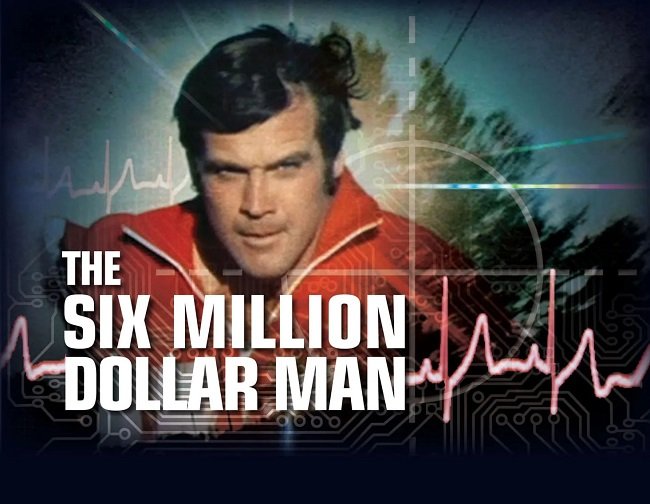
I was seven when The Six Million Dollar Man was first broadcast in the UK in late 1974. As a young and impressionable child, who was already fascinated by Doctor Who, Star Trek (TOS) and the films of Ray Harryhausen, this show was essential weekly viewing. I believe for the first couple of seasons, we sat and watched it as an entire family. Television was less sophisticated back then and dominated by sitcoms, police procedurals and traditional dramas. So a weekly show blending the espionage genre with science fiction themes was revolutionary. It also inspired a generation of school kids to run around the playground in “slow motion” and give themselves hernias as they attempted to lift heavy objects. And don’t get me started on the range of Steve Austin toys. One had a “bionic eye” which meant it had a lens in the front of the action figure’s face and you could look through the back of his head like a telescope. What a time to be alive!
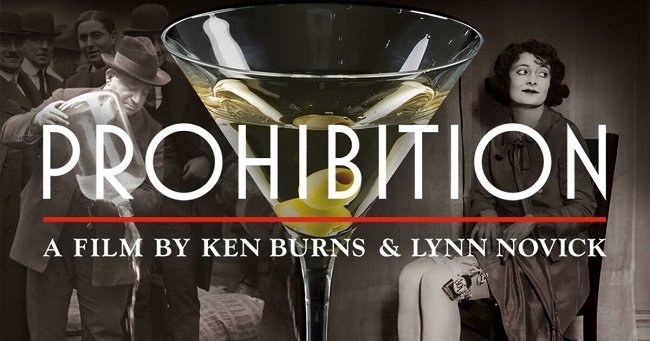
Despite being an analysis of the past there is a portentous air about Ken Burns and Lynn Novick’s Prohibition. A fascinating five-and-a-half-hour documentary produced for PBS in 2011. The history of this disastrous experiment, the banning of alcoholic beverages, is a textbook example of how the transactional nature of US politics can be effectively used upon “wedge” issues. Prohibition follows the format and style of Burns previous documentaries such as the Civil War (1990) and The War (2007) with the wider subject broken down and analysed according to protagonists, events and the political background. Specific historical figures and key players are followed throughout the documentary’s narrative, giving viewers a sense of focus. Hence we meet the hatchet-wielding Carrie Nation, Wayne Wheeler from the Anti-Saloon League and media savvy gangsters like Al Capone. It is interesting to note that some themes continue from Burns’ previous work, such as the political and cultural conflict between native-born Americans and European immigrants. The rural heartlands versus the big cities.
Andor is not like other entries in the Star Wars canon. It explores the human, social and political consequences of rebelling against an oppressive, totalitarian regime. The writing is intelligent and well observed, choosing to focus on the average citizens of the Empire and the nature of their daily lives. Andor also explores the ineffectual politicians and the way the senate are self serving and ultimately impotent. The Emperor is remote and instead we see how Imperial colonialism works at a grassroots level. It is an all too familiar depiction, born out of historical fact, such as Vichy France during World War II. Petty thugs and aspiring psychopaths happily align themselves with their Imperial overlords and actively oppress their own people. As for the Empire, and in particular the ISB (Imperial Security Bureau) it is rife with infighting, personal fiefdoms and all the flaws of similar institutions from the real world.
Having watched the first two episodes of The Lord of the Rings: The Rings of Power, I wish to express my thoughts on what I’ve seen and my overall impressions so far. I do not think it would be fair to frame this post as a review as the two episodes only constitute 25% of the show’s total content. A formal review of the first season seems more appropriate when I have seen it in its entirety. Before I begin commenting on specific points about the two premier episodes, I wish to point out that I have no problem with “representation” and have expressed my thoughts on this matter in a previous post. It also covers the matter of “adaptation” and how complex texts can at times require augmenting to be made accessible to wider audiences. Hence those viewers who want 100% canonical purity are unrealistic in their expectations. Objections based in racism and sexism can simply be ignored. NB I shall endeavour to keep my thoughts spoiler free.
The last time I wrote about our home entertainment system was six years ago. Back then I was hoping to upgrade our TV from HD to UHD. However, unless you are fortunate to have a surfeit of cash, most of us tend to soldier on with the hardware we already have until it breaks. Then at least we can justify replacing it. And that is exactly what happened to us last week. It would appear that both the TV and the powerline internet adapters which are in our lounge, suffered electrical induction damage during a recent thunderstorm. One of the powerline adapters was completely dead and the HDMI sockets on the television ceased to function. This meant we had no access to streaming services, the Blu-ray player or our BT TV DVR. We could access a selection of free, terrestrial digital channels via the aerial, but could not pause or record anything. Furthermore all of these were in standard definition.
The Eurovision Song Contest is a lot of things but it is never dull. Even if the songs that make it through to the final are a little lacklustre, there’s always drama to be found in the scoring. The first round of votes come from national juries made up of professionals from the music industry. Hence there is a propensity to judge songs on their technical and marketing merits. This often means that the juries favour songs that don’t necessarily appeal to the public. However, this is addressed in the second round in which the viewers can vote. The only caveat is that you cannot vote for your own country. Hence things can really change after the professional jury votes are counted and the public votes are added to the overall score. And that is what happened last night. There was a massive public vote for Ukrainian entry Stefania by the Kalush Orchestra and they subsequently won the contest.
The Planet of the Apes movie franchise took a radical change of course with its third entry in the series. The first two films were set in the future and benefited from high production values to help realise a post apocalyptic earth. However, due to a substantial reduction of budget, Escape from the Planet of the Apes uses a time travel plot device to bring the ape protagonists to present day Los Angeles (1971 in this case). The result is a film with a much smaller narrative scope. However, although it lacks the science fiction spectacle of its predecessors, it features an interesting satirical exploration of celebrity culture and ponders what it is like to be deemed an enemy of the state. As ever, Roddy McDowell and Kim Hunter provide exceptional lead performances as the Chimpanzees Cornelius and Zira. Escape from the Planet of the Apes also captures the pop culture vibe of seventies America.