

Digital Jukeboxes
I was in a pub last night, catching up with friends before Christmas, when I noticed on the wall something I haven’t seen in a pub for a very long time. A jukebox. In my experiences most of the pubs I go to take one of the following two approaches to background music. They either have a sound system and exclusively manage any music via personally curated playlists from behind the bar. Or they have no music at all. The Wetherspoons chain of pubs broadly follow the latter policy and actively use it as a marketing point. Quiet pubs for clientele that just want to talk can be popular. Hence finding an accessible jukebox was a blast from the past. During the late eighties and early nineties, I regularly visited my local pub and often used the jukebox there, which at the time, was operated by an ever changing store of CDs. The jukebox I encountered last night was digital.
I was in a pub last night, catching up with friends before Christmas, when I noticed on the wall something I haven’t seen in a pub for a very long time. A jukebox. In my experiences most of the pubs I go to take one of the following two approaches to background music. They either have a sound system and exclusively manage any music via personally curated playlists from behind the bar. Or they have no music at all. The Wetherspoons chain of pubs broadly follow the latter policy and actively use it as a marketing point. Quiet pubs for clientele that just want to talk can be popular. Hence finding an accessible jukebox was a blast from the past. During the late eighties and early nineties, I regularly visited my local pub and often used the jukebox there, which at the time, was operated by an ever changing store of CDs. The jukebox I encountered last night was digital.
Naturally I was curious about this device so I went and investigated. The first thing I noticed on the LED screen was that the jukebox had an app associated with it, from which I could select and pay for songs if I wanted. I was surprised to see that this jukebox still had the option to pay by coin. I have subsequently learned that some have contactless card readers as another means of paying. I also noted that it cost £1 to play one song. Being a digital device, the jukebox offered thousands of songs from multiple artists and I was quite surprised at the range of material that was available. Searching via the touchscreen was easy. You can also see the current song queue, so you know when your choice will be played. Overall the device was intuitive to use. As for the cost, a pound is not going to break the bank and simply comes out of the change after buying a round of drinks.
Because I was quite intrigued as to how such an old school institution as jukeboxes still exists in today’s world, I did a little further research today and was quite surprised by the results. Digital jukebox suppliers offer a profit sharing business model where venues get a free machine with no upfront cost. Sharing the revenue with the supplier, typically on a 50/50 split, with the venue keeping half of the earnings after music charges are deducted. This allows pubs, bars, and clubs to offer modern music without investment, generate extra income and improve customer experience (allegedly, depending upon your stance on music in pubs). The suppliers handle installation, maintenance and music updates. I couldn’t find any data on what percentage of revenues reaches the artists but I suspect it is comparable to services such as Spotify.
There are times when I go to the pub and I want some peace and quiet so I can concentrate on conversation with my friends. There are other times when I am happy to have some background music and to be able to choose something to listen to myself. It’s nice to be able to sing along with a familiar song that catches the mood. It can also be fun to put on a “crowd pleaser” and watch others get into it. I’m not averse to playing something that is annoying from time to time, just for the hell of it. Hence, I was pleased to see that jukeboxes have survived the various cultural changes of the current century and still exist in pubs and clubs. The modern iterations may not be as stylish and iconic as their fifties and sixties predecessors but they still serve the same basic purpose. I think there is comfort to be had in having access to music in pubs that isn’t exclusively controlled by the landlord.

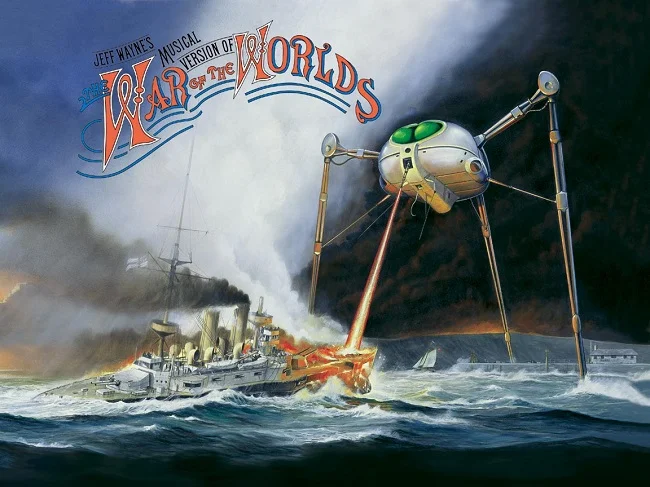

Listening to Music
The following is about a cultural change. That is not to say that it’s a value judgement or one of those posts you so frequently read by bloggers of a certain age, that essentially boil down to “things were better in my day”. It is merely an observation and like all observations it is not 100% universal. There will always be exceptions to the rule. I am simply painting with broad strokes a general truism for your consideration. My point being that people listen, experience and enjoy music differently these days compared to how they did three to four decades ago. I’m not talking about the science of hearing or anything complex like that. I am merely highlighting the change in the way we choose to experience music and how that has an impact upon its creation and presentation. So like Anne Elk, presenting her theory on the Brontosaurus, here is the axiom at the heart of this post.
The following is about a cultural change. That is not to say that it’s a value judgement or one of those posts you so frequently read by bloggers of a certain age, that essentially boil down to “things were better in my day”. It is merely an observation and like all observations it is not 100% universal. There will always be exceptions to the rule. I am simply painting with broad strokes a general truism for your consideration. My point being that people listen, experience and enjoy music differently these days compared to how they did three to four decades ago. I’m not talking about the science of hearing or anything complex like that. I am merely highlighting the change in the way we choose to experience music and how that has an impact upon its creation and presentation. So like Anne Elk, presenting her theory on the Brontosaurus, here is the axiom at the heart of this post.
Most people no longer listen to an album by a band or artist, in its designated order. Assuming that they listen to an album in its entirety at all. Most people curate their own playlists nowadays, drawing from multiple sources. They cherry pick the music they like and ignore those tracks they deem just average or worse. Hence the idea of listening to an album from start to finish is to a degree, obsolete. Perhaps the idea of the album itself is equally anachronistic. All of which pretty much negates the existence of the concept album. These changes in the way we listen to (or should I say consume) music has also had an impact upon radio stations and especially upon the relevance of the traditional notion of the DJ. All of which was brought home to me today, when I decided to listen to the 1976 synth-based ambient album Oxygène by Jean Michel Jarre. Something I last listened to about forty years ago.
Originally created as a concept album (“an album whose tracks hold a larger purpose or meaning collectively than they do individually” according to Wikipedia), Oxygène was intended to be listened to continuously for 40 minutes, playing the tracks in chronological order. Naturally, the nature of vinyl recordings and playback greatly governed this habit. The idea was to not only enjoy each specific piece of music but to see them as an interconnected whole that conveyed a wider message. The concept album was a means of bridging the gap between popular music genres and more formal musical compositions, by applying concepts used by the classics. This could be a common or recurring motif, an operatic structure or just a semblance of a narrative structure in the various lyrics. The definition of the concept album is purposely vague, yet you’ll know one if you hear one.
Based upon my own experience, I started my love affair with popular music in the early eighties and on into the late nineties. Like so many others, my teenage years were defined by a need to find some sort of identity and that was often linked to the music you liked and its associated culture. Fortunately, although there were specific genres that I liked, I was happy to explore others and have maintained this philosophy all my life. However, back then in the eighties, there were less distractions and demands upon our leisure time.Therefore, when I listened to music, I was not doing anything else at the time. I was focused upon listening and digesting what I heard. It required a degree of application that rewarded you in a different way to casual listening.
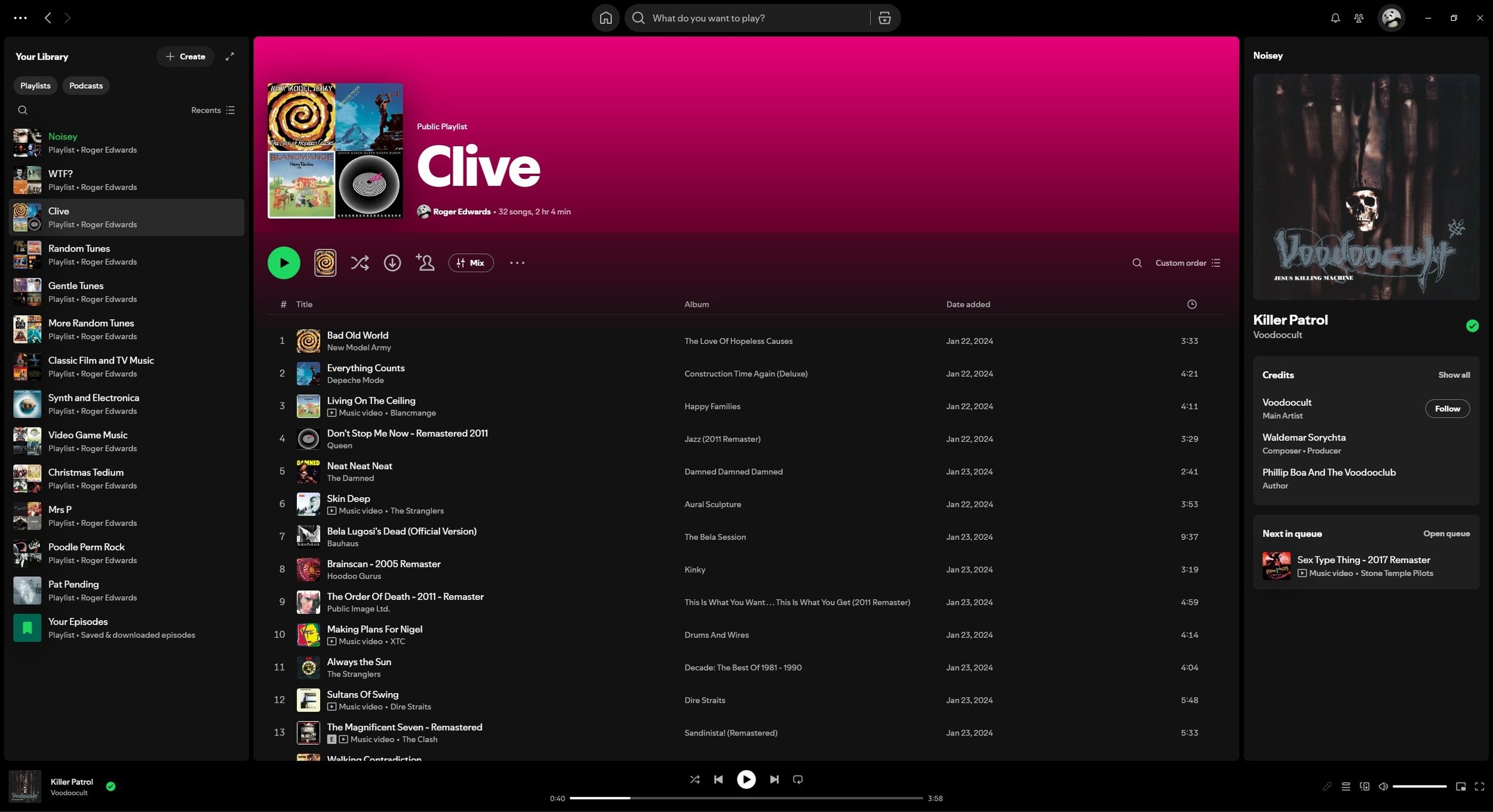
It is also worth noting that some albums were created to be listened to in a specific way. There is a clear arc to the track listing on The Beatles Sgt. Pepper's Lonely Hearts Club Band and Pink Floyd’s The Wall. Naturally, the listener is not bound by such notions and is free to ignore such things if they wish. But it does raise the question, that by listening to the songs out of order and context, do you diminish the musician's artistic vision? However, if you have grown up in a world where such habits as just listening to music and doing so in a linear fashion aren’t the norm, it probably seems all rather alien. Amazon Music has embraced the random playlist concept to such a degree, it won’t play an album in order, even if you own it. For many people, the old fashioned notion of an album has been replaced by exchanging or downloading carefully curated playlists. It could be argued that such things are conceptual in principle themselves.
We all have our own unique relationship with music, especially that we enjoy in our most formative years. For some, it is an integral aspect of their life, identity and the way in which they process the world. For others, to paraphrase Karl Pilkington “music is just something to sing along to” while you do something else. It is disposable and no more than the sum of its parts. Whatever your perspective, we all “do” music differently these days. The fact that the very term “listening” seems to have been replaced with “consume” implies a radical change in perception. As does the way so many of us experience the music we like. In our own, niche online communities, oblivious and indifferent to anything that is not within the confines of our taste. Whether any of these points mean anything or not, you’ll have to decide for yourself. Maybe we’ve become liberated, as opposed to having lost something. Perhaps nothing has changed at all. Regardless, I still enjoyed spending 40 minutes listening to Oxygène today.
Song lyrics can be powerful things. They can capture the mood and spirit of an era. They can also make powerful socio-political points. Or they can simply be pleasing to the listener by their use of language and playfulness. They can stick in your mind for both deep and trivial reasons. Mishearing them is also a common problem but that is a separate blog post. On this occasion I thought it would be worthwhile exploring the subject of song lyrics of note. Hence I have collated some that I find interesting, wise or just entertaining. These aren’t necessarily my favourite songs of all time, because I like so many. Instead these are some of the ones that sprang to mind when I was preparing this post. I have decided to have the selected lyrics first and the name of the artists afterwards, so that the emphasis is placed upon the words from the song. Although is is more than likely that you’ll be able to identify the songs from the lyrics immediately, or at least for some of them.