
Digital Jukeboxes
I was in a pub last night, catching up with friends before Christmas, when I noticed on the wall something I haven’t seen in a pub for a very long time. A jukebox. In my experiences most of the pubs I go to take one of the following two approaches to background music. They either have a sound system and exclusively manage any music via personally curated playlists from behind the bar. Or they have no music at all. The Wetherspoons chain of pubs broadly follow the latter policy and actively use it as a marketing point. Quiet pubs for clientele that just want to talk can be popular. Hence finding an accessible jukebox was a blast from the past. During the late eighties and early nineties, I regularly visited my local pub and often used the jukebox there, which at the time, was operated by an ever changing store of CDs. The jukebox I encountered last night was digital.
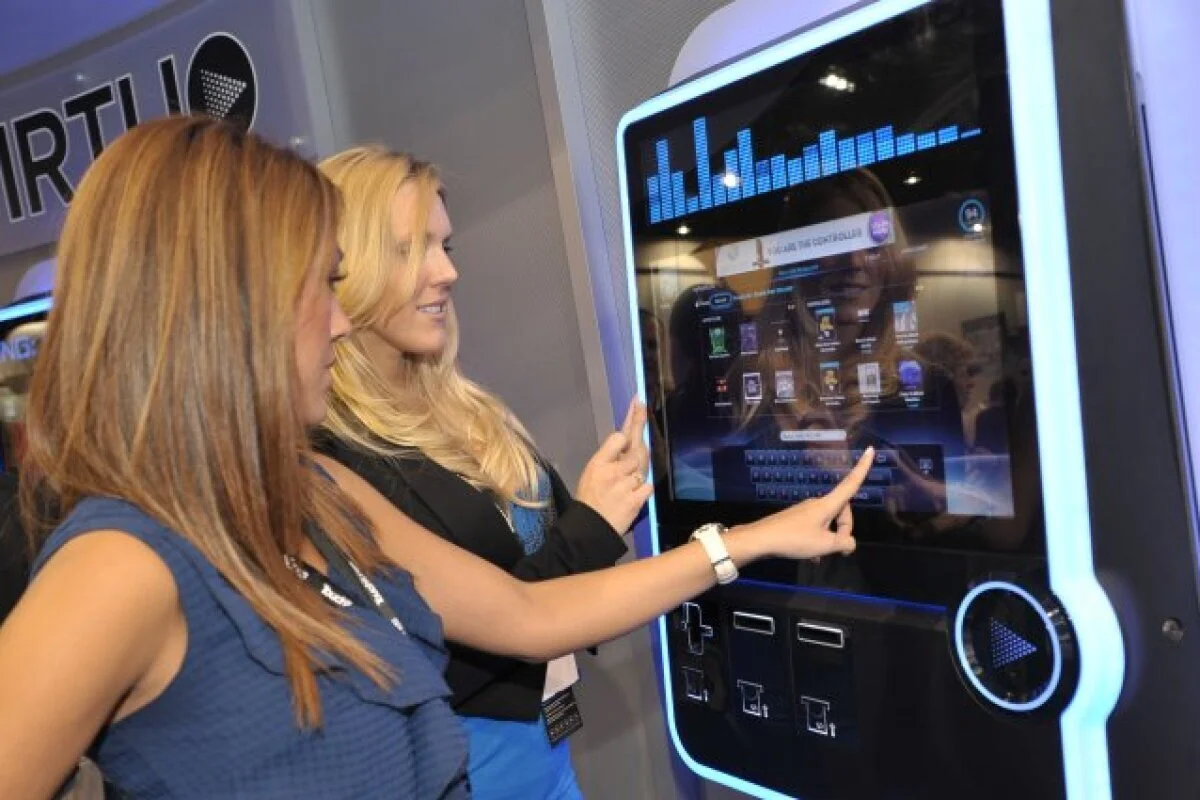
Naturally I was curious about this device so I went and investigated. The first thing I noticed on the LED screen was that the jukebox had an app associated with it, from which I could select and pay for songs if I wanted. I was surprised to see that this jukebox still had the option to pay by coin. I have subsequently learned that some have contactless card readers as another means of paying. I also noted that it cost £1 to play one song. Being a digital device, the jukebox offered thousands of songs from multiple artists and I was quite surprised at the range of material that was available. Searching via the touchscreen was easy. You can also see the current song queue, so you know when your choice will be played. Overall the device was intuitive to use. As for the cost, a pound is not going to break the bank and simply comes out of the change after buying a round of drinks.
Because I was quite intrigued as to how such an old school institution as jukeboxes still exists in today’s world, I did a little further research today and was quite surprised by the results. Digital jukebox suppliers offer a profit sharing business model where venues get a free machine with no upfront cost. Sharing the revenue with the supplier, typically on a 50/50 split, with the venue keeping half of the earnings after music charges are deducted. This allows pubs, bars, and clubs to offer modern music without investment, generate extra income and improve customer experience (allegedly, depending upon your stance on music in pubs). The suppliers handle installation, maintenance and music updates. I couldn’t find any data on what percentage of revenues reaches the artists but I suspect it is comparable to services such as Spotify.
There are times when I go to the pub and I want some peace and quiet so I can concentrate on conversation with my friends. There are other times when I am happy to have some background music and to be able to choose something to listen to myself. It’s nice to be able to sing along with a familiar song that catches the mood. It can also be fun to put on a “crowd pleaser” and watch others get into it. I’m not averse to playing something that is annoying from time to time, just for the hell of it. Hence, I was pleased to see that jukeboxes have survived the various cultural changes of the current century and still exist in pubs and clubs. The modern iterations may not be as stylish and iconic as their fifties and sixties predecessors but they still serve the same basic purpose. I think there is comfort to be had in having access to music in pubs that isn’t exclusively controlled by the landlord.





I find the concept of in-game radio stations fascinating. They’re an enjoyable aspect of open world video games and I have discovered several artists this way. They’re certainly a big deal as far as Rockstar Games are concerned, because the music selected for GTA VI is another important facet of the overall marketing campaign. So far, between two trailers and the sprawling extended look on Netflix, it has been determined that Tom Petty, the Pointer Sisters, Sexyy Red, Depeche Mode, Phil Collins, Birdman, Lil Wayne and the Bellamy Brothers are all part of the game soundtrack. That’s a very eclectic selection so far. Furthermore, there will be a 34 track album released on physical media (vinyl and CD) in conjunction with Atlantic Records.