
Strictly Come Dancing 2025: The Thomas Skinner Controversy
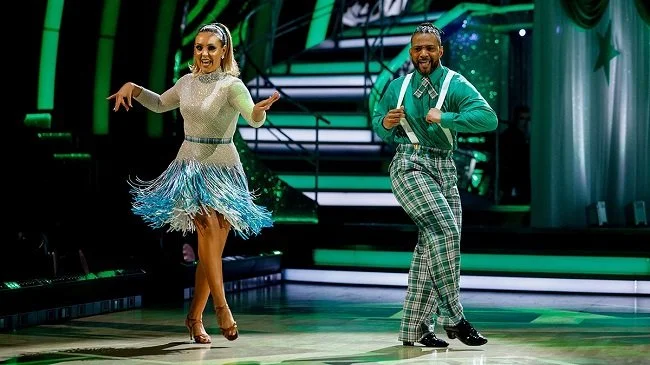
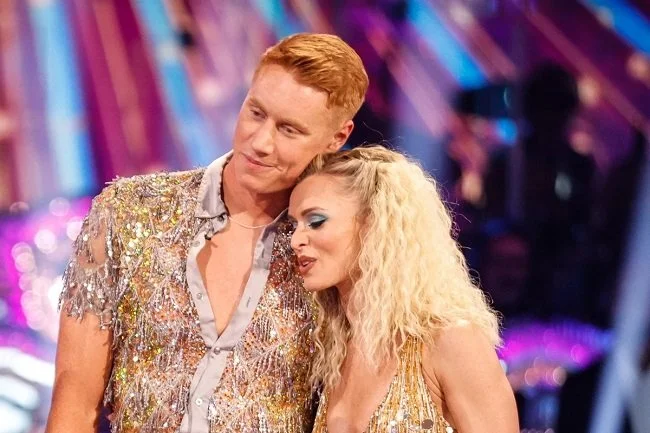
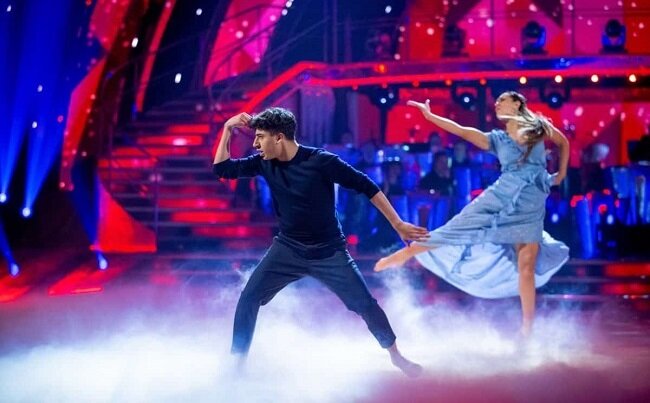
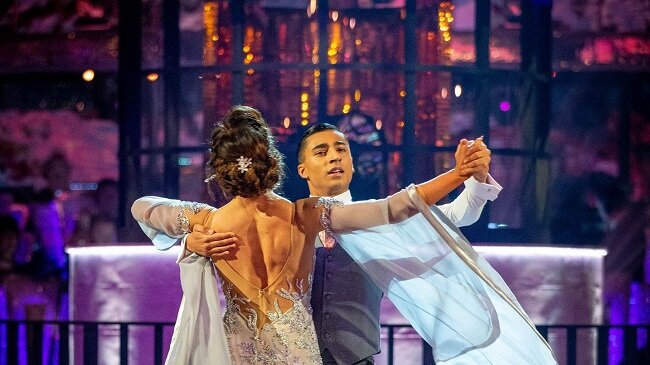
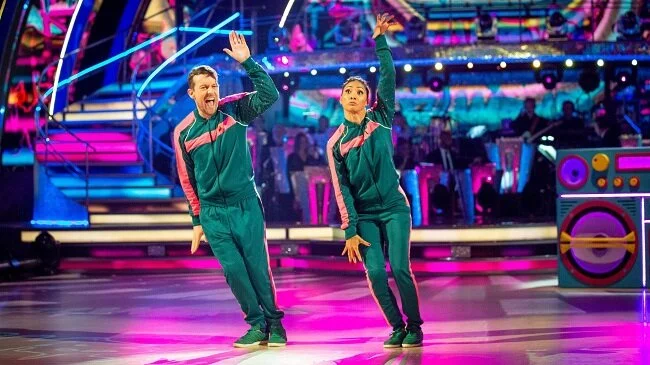
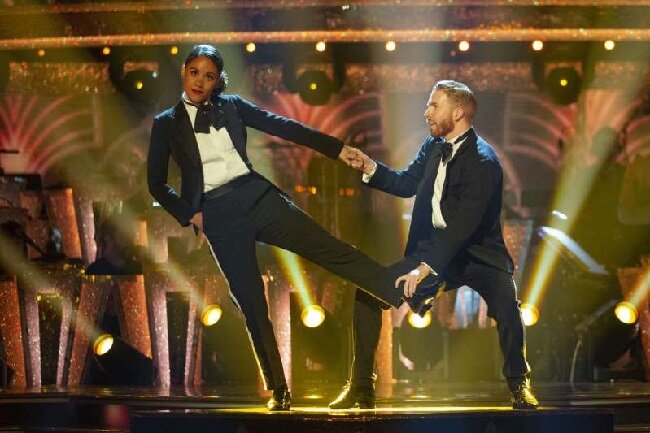
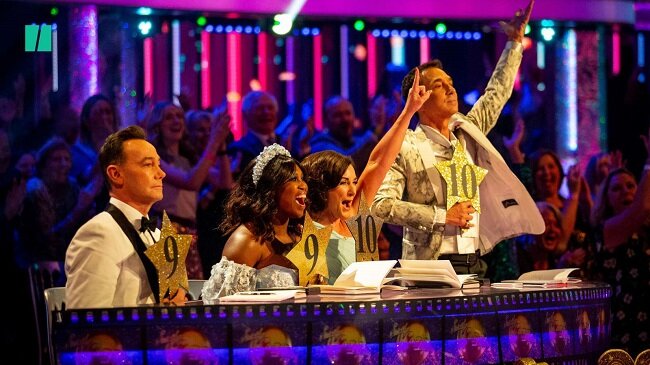
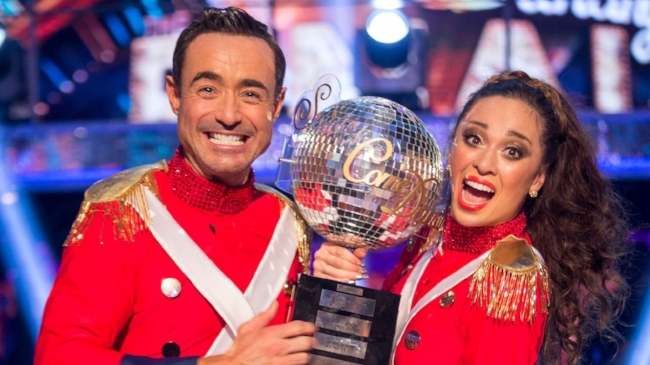
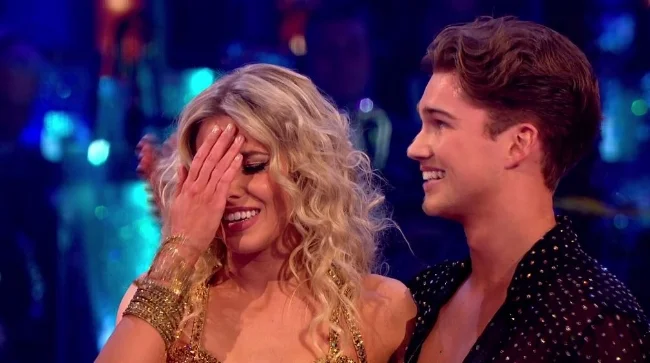
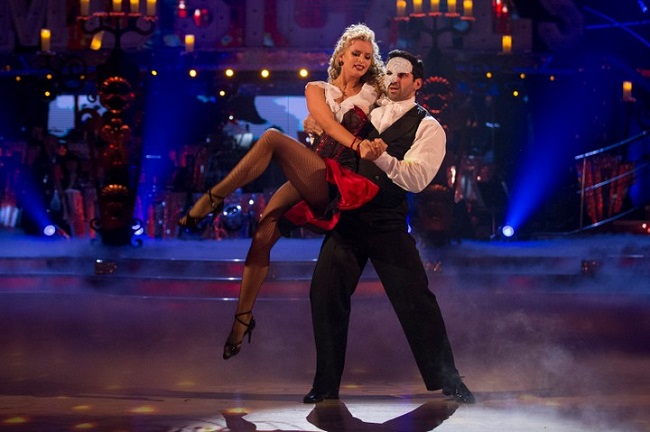
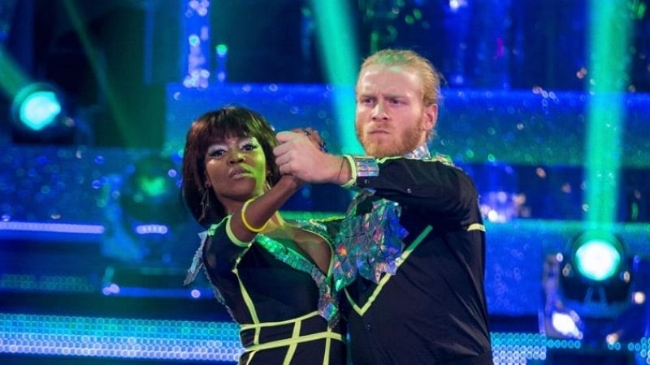
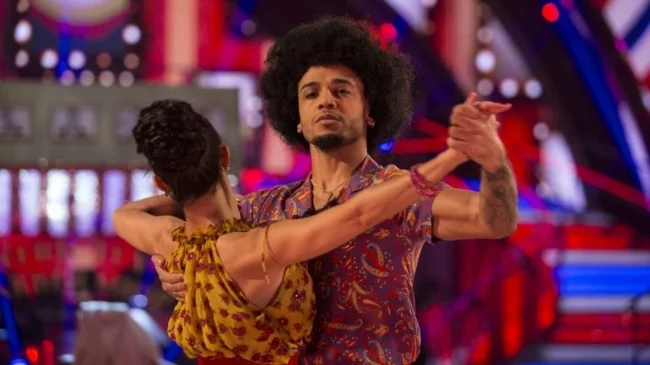
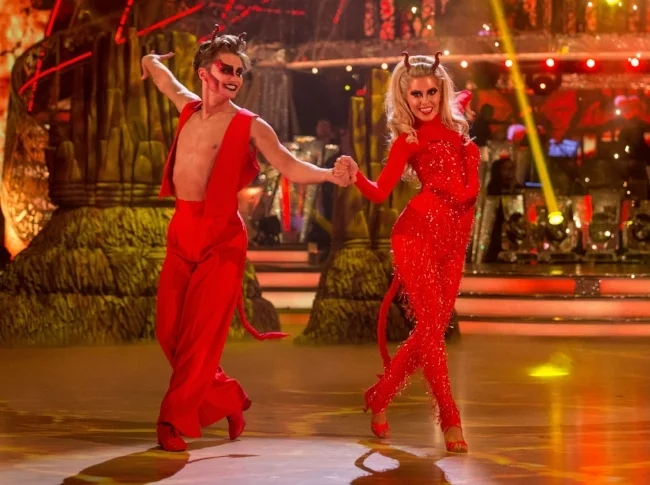
Strictly Come Dancing remains the BBC’s flagship light entertainment show for Autumn. Despite controversy and scandal, the show bounced back last year and firmly re-established itself as the “feel good, family show” it has always claimed to be. Blind comedian Chris McCausland becoming the 2024 champion certainly validated the show’s commitment to diversity and inclusion and helped place Strictly (as it is known to its fans) back on its cultural pedestal. I’m sure those involved in the production of the show breathed a sigh of relief when the season ended on such a positive note, eclipsing the negative press that had been ever present last summer. Second chances and opportunities for a “course correction” are few and far between these days. Especially when you have elements of the UK press waiting with bated breath and hoping that you’ll fail.
Strictly Come Dancing remains the BBC’s flagship light entertainment show for Autumn. Despite controversy and scandal, the show bounced back last year and firmly re-established itself as the “feel good, family show” it has always claimed to be. Blind comedian Chris McCausland becoming the 2024 champion certainly validated the show’s commitment to diversity and inclusion and helped place Strictly (as it is known to its fans) back on its cultural pedestal. I’m sure those involved in the production of the show breathed a sigh of relief when the season ended on such a positive note, eclipsing the negative press that had been ever present last summer. Second chances and opportunities for a “course correction” are few and far between these days. Especially when you have elements of the UK press waiting with bated breath and hoping that you’ll fail.
For those who live outside of the UK or who do not watch Strictly, it is worth taking a few moments to consider the significance of the show, its importance to the BBC and its place in UK pop culture. Strictly has grown from its humble origins in 2004 as a celebrity dance talent show, to a national institution and a text book example of “feel-good TV”. It champions dancing, fitness, inclusivity and celebrity re-invention. It regularly has an audience of over 7 million viewers and has been licensed to over 60 other countries under the title Dancing With the Stars. The show has a broadly wholesome reputation and as such has proven accessible to a wide audience. It appeals to wide eyed fans, families, casual viewers and even cynical old curmudgeons like myself, as learning to dance is a prodigious undertaking requiring dedication and fortitude. Strictly is also a great way for actors, artists and media personalities to revitalise their careers.
Bearing this all in mind, the fact that Strictly is a big deal in entertainment terms and that it has bounced back after a problematic year, let us address the elephant in the room that manifested itself in late summer when this year’s contestants were announced. Why did the BBC decide to include Thomas Skinner in this year’s line up? For those who are unfamiliar with Mr Skinner, he is a UK businessman and TV personality who is best known for appearing on The Apprentice. At first glance, this is hardly controversial. However, if you look further Thomas Skinner has clear political affiliations with the likes of J.D. Vance and Robert Jenrick, has spoken out publicly on several issues such as crime in London and the performance of Mayor Sadiq Khan and is potentially seeking a political career with either the Conservative Party or Reform UK. He has been offered support by Dominic Cummings.
Strictly has always been a bastion of inclusivity. Straight, gay, able bodied, disabled, all are welcome on the show. The show has even included former politicians, such as Anne Widdecombe and Ed Balls. However, these were individuals who were no longer directly involved in frontline politics at the time of their appearance. It can be argued that this is not the case with Thomas Skinner. Furthermore, Mr Skinner is linked to a type of popular politics that has specific views regarding diversity and inclusion. Things they perceive as being “woke” or the province of the left. A percentage of the UK electorate and thus Strictly viewers, see the sort of politics and ideology that Mr Skinner is affiliated to as populist, nationalist and even racist. Hence his inclusion in this year’s show was not well received by all. Others see it as a politically useful Trojan Horse.
If you peruse the in-depth musings on Strictly by its hard core fans on such platforms as Reddit, Instagram and TikTok, you’ll find several recurring complaints regarding Thomas Skinner. Firstly, that he potentially contradicts the show’s inclusivity philosophy with his personal views and political outlook. Secondly, his very presence diminishes the feel good factor inherent in Strictly by dragging real world politics into the show. Something that fans wish to escape. Thirdly, the inclusion of a person with clear right wing leanings will further exacerbate the tabloid press frenzy regarding the show, as much of the UK print media is owned and edited by figures of a similar political disposition. Hence, a show designed to bring audiences together may potentially become a vehicle for bi-partisan politics and a further bridgehead in the ongoing culture war.
The BBC has long been a target for the political right, being seen as institutionally biased against them and a platform for all the political and cultural ideas that they are mainly against. The BBC in its naivete continues to seek balance in all things and thus ultimately giving a platform and possibly an excess of air time to those who would happily see it brought to heel or closed. It can be argued that in principle, Thomas Skinner should be able to participate in a show such as Strictly Come Dancing and be treated the same as anyone else. He is competing in a dance based reality show and no more. However, the reality of the situation is quite the opposite. Television of this kind is about more than just entertainment. It is a platform for messaging and promoting a media persona. Look at what appearing on a few episodes of the comedy panel show Have I Got News For You did for Boris Johnson’s career.
It was inevitable that the inclusion of a person such as Thomas Skinner on a high profile TV show such as Strictly, would result in a political bunfight. The BBC cannot claim surprise at this? Perhaps they chose to do so as a way of declaring to their opponents, “look we aren’t biased. Here’s one of your people”. An act of appeasement or the extending of an olive branch, perhaps? However, such a move never works. As any child will tell you, you can’t befriend your bully. Which means that for however long Thomas Skinner remains on the show, the wider coverage will be about his politics and him personally, as opposed to his dancing prowess. More cynical viewers believe that he has been partnered with Amy Dowden, a much loved professional dancer who has been battling multiple illnesses, as a means to negate the negative optics. If that is the case I doubt it will work.
This Saturday’s second episode of this year’s Strictly will see the first couple voted off the show. Someone has to go and it usually is the celebrity with the least skill. However, the participation of Mr Skinner and the media circus that follows means that whatever happens, the situation will be portrayed negatively for the show and what it represents, in the tabloid press. No doubt there will be plenty of political capital to be gained. If Thomas is eliminated, it will be because the liberal elite establishment conspired against him and if he endures, then it will be a triumph of British traditionalism over the woke cultural Marxism. The right wing media headlines effectively write themselves, the BBC scores a massive own goal and the viewing public are left with an unpleasant aftertaste as their favourite pop culture safe place is dragged through the sewer of contemporary politics.
Keep dancing.




Strictly Come Dancing remains the BBC’s flagship light entertainment show for Autumn. Despite controversy and scandal, the show bounced back last year and firmly re-established itself as the “feel good, family show” it has always claimed to be. Blind comedian Chris McCausland becoming the 2024 champion certainly validated the show’s commitment to diversity and inclusion and helped place Strictly (as it is known to its fans) back on its cultural pedestal. I’m sure those involved in the production of the show breathed a sigh of relief when the season ended on such a positive note, eclipsing the negative press that had been ever present last summer. Second chances and opportunities for a “course correction” are few and far between these days. Especially when you have elements of the UK press waiting with bated breath and hoping that you’ll fail.