
Strictly Come Dancing 2025: The Thomas Skinner Controversy
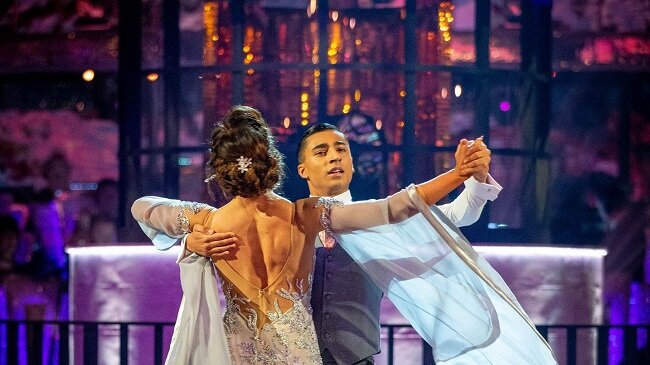
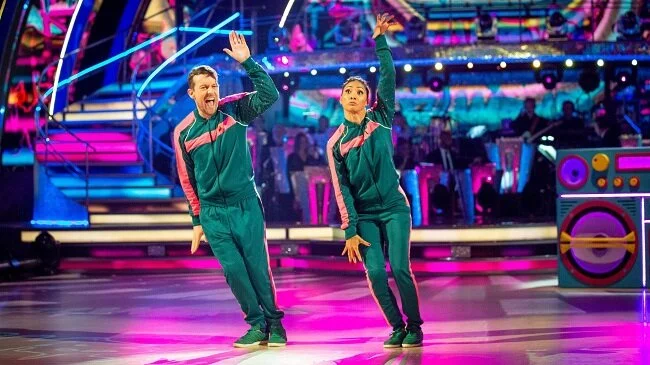
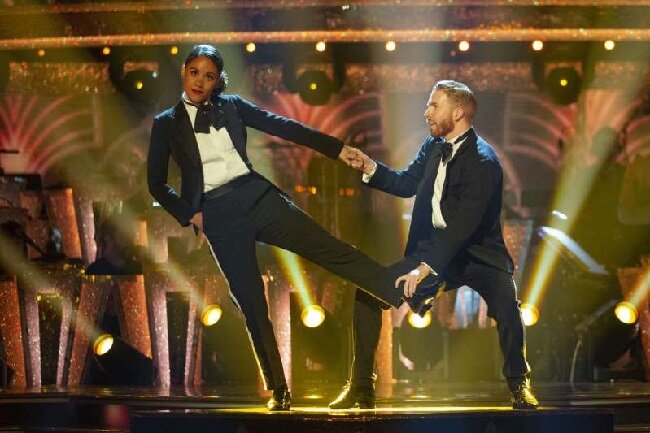
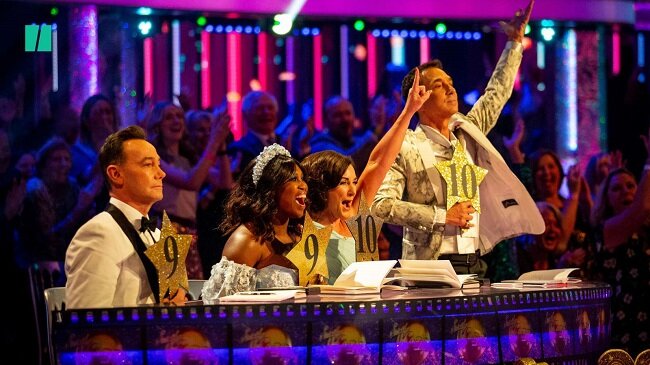
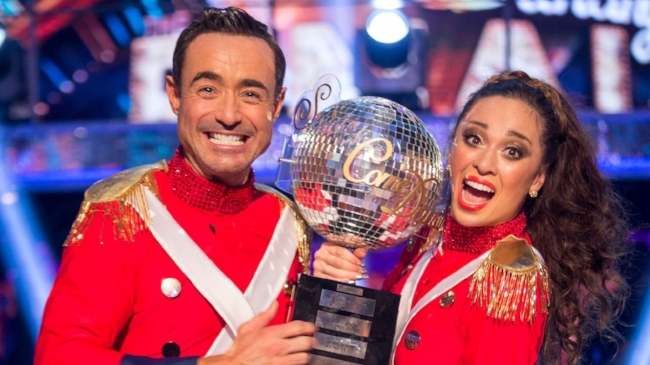
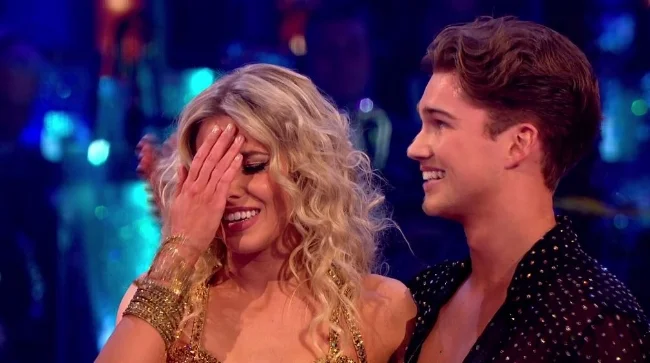
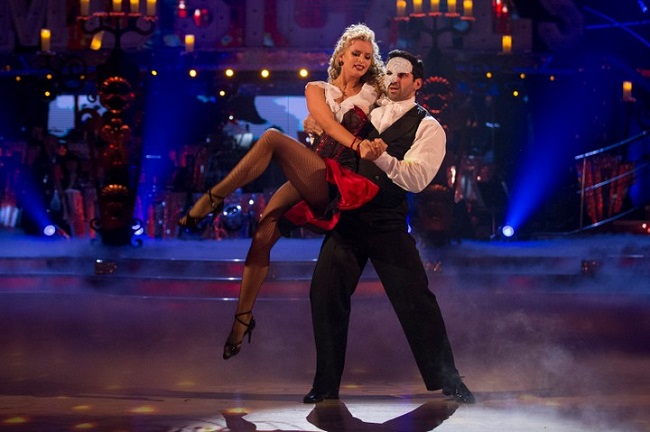
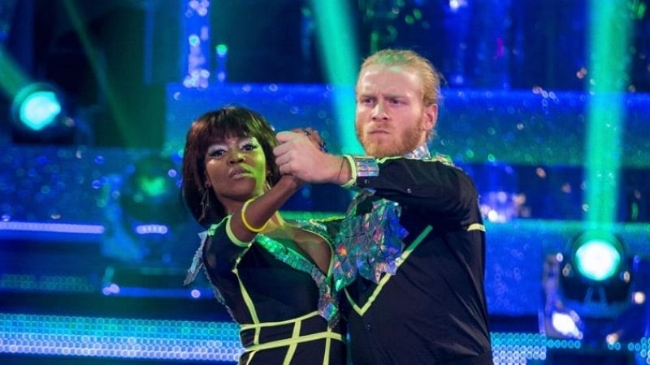
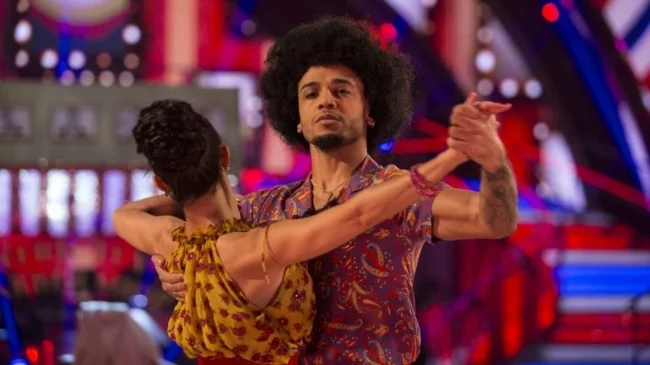
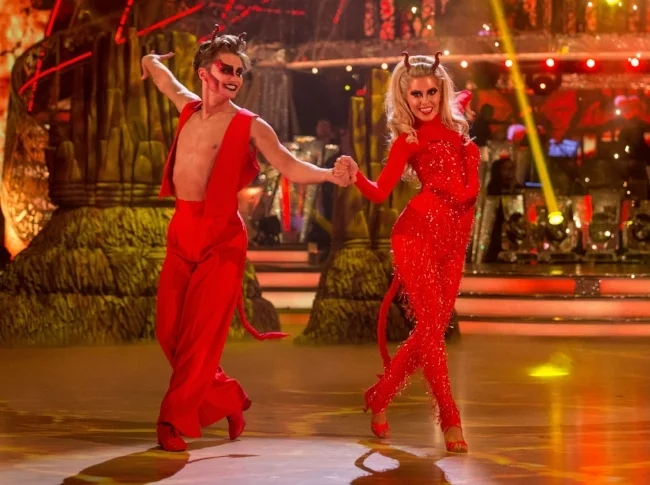
Strictly Come Dancing remains the BBC’s flagship light entertainment show for Autumn. Despite controversy and scandal, the show bounced back last year and firmly re-established itself as the “feel good, family show” it has always claimed to be. Blind comedian Chris McCausland becoming the 2024 champion certainly validated the show’s commitment to diversity and inclusion and helped place Strictly (as it is known to its fans) back on its cultural pedestal. I’m sure those involved in the production of the show breathed a sigh of relief when the season ended on such a positive note, eclipsing the negative press that had been ever present last summer. Second chances and opportunities for a “course correction” are few and far between these days. Especially when you have elements of the UK press waiting with bated breath and hoping that you’ll fail.
Strictly Come Dancing remains the BBC’s flagship light entertainment show for Autumn. Despite controversy and scandal, the show bounced back last year and firmly re-established itself as the “feel good, family show” it has always claimed to be. Blind comedian Chris McCausland becoming the 2024 champion certainly validated the show’s commitment to diversity and inclusion and helped place Strictly (as it is known to its fans) back on its cultural pedestal. I’m sure those involved in the production of the show breathed a sigh of relief when the season ended on such a positive note, eclipsing the negative press that had been ever present last summer. Second chances and opportunities for a “course correction” are few and far between these days. Especially when you have elements of the UK press waiting with bated breath and hoping that you’ll fail.
For those who live outside of the UK or who do not watch Strictly, it is worth taking a few moments to consider the significance of the show, its importance to the BBC and its place in UK pop culture. Strictly has grown from its humble origins in 2004 as a celebrity dance talent show, to a national institution and a text book example of “feel-good TV”. It champions dancing, fitness, inclusivity and celebrity re-invention. It regularly has an audience of over 7 million viewers and has been licensed to over 60 other countries under the title Dancing With the Stars. The show has a broadly wholesome reputation and as such has proven accessible to a wide audience. It appeals to wide eyed fans, families, casual viewers and even cynical old curmudgeons like myself, as learning to dance is a prodigious undertaking requiring dedication and fortitude. Strictly is also a great way for actors, artists and media personalities to revitalise their careers.
Bearing this all in mind, the fact that Strictly is a big deal in entertainment terms and that it has bounced back after a problematic year, let us address the elephant in the room that manifested itself in late summer when this year’s contestants were announced. Why did the BBC decide to include Thomas Skinner in this year’s line up? For those who are unfamiliar with Mr Skinner, he is a UK businessman and TV personality who is best known for appearing on The Apprentice. At first glance, this is hardly controversial. However, if you look further Thomas Skinner has clear political affiliations with the likes of J.D. Vance and Robert Jenrick, has spoken out publicly on several issues such as crime in London and the performance of Mayor Sadiq Khan and is potentially seeking a political career with either the Conservative Party or Reform UK. He has been offered support by Dominic Cummings.
Strictly has always been a bastion of inclusivity. Straight, gay, able bodied, disabled, all are welcome on the show. The show has even included former politicians, such as Anne Widdecombe and Ed Balls. However, these were individuals who were no longer directly involved in frontline politics at the time of their appearance. It can be argued that this is not the case with Thomas Skinner. Furthermore, Mr Skinner is linked to a type of popular politics that has specific views regarding diversity and inclusion. Things they perceive as being “woke” or the province of the left. A percentage of the UK electorate and thus Strictly viewers, see the sort of politics and ideology that Mr Skinner is affiliated to as populist, nationalist and even racist. Hence his inclusion in this year’s show was not well received by all. Others see it as a politically useful Trojan Horse.
If you peruse the in-depth musings on Strictly by its hard core fans on such platforms as Reddit, Instagram and TikTok, you’ll find several recurring complaints regarding Thomas Skinner. Firstly, that he potentially contradicts the show’s inclusivity philosophy with his personal views and political outlook. Secondly, his very presence diminishes the feel good factor inherent in Strictly by dragging real world politics into the show. Something that fans wish to escape. Thirdly, the inclusion of a person with clear right wing leanings will further exacerbate the tabloid press frenzy regarding the show, as much of the UK print media is owned and edited by figures of a similar political disposition. Hence, a show designed to bring audiences together may potentially become a vehicle for bi-partisan politics and a further bridgehead in the ongoing culture war.
The BBC has long been a target for the political right, being seen as institutionally biased against them and a platform for all the political and cultural ideas that they are mainly against. The BBC in its naivete continues to seek balance in all things and thus ultimately giving a platform and possibly an excess of air time to those who would happily see it brought to heel or closed. It can be argued that in principle, Thomas Skinner should be able to participate in a show such as Strictly Come Dancing and be treated the same as anyone else. He is competing in a dance based reality show and no more. However, the reality of the situation is quite the opposite. Television of this kind is about more than just entertainment. It is a platform for messaging and promoting a media persona. Look at what appearing on a few episodes of the comedy panel show Have I Got News For You did for Boris Johnson’s career.
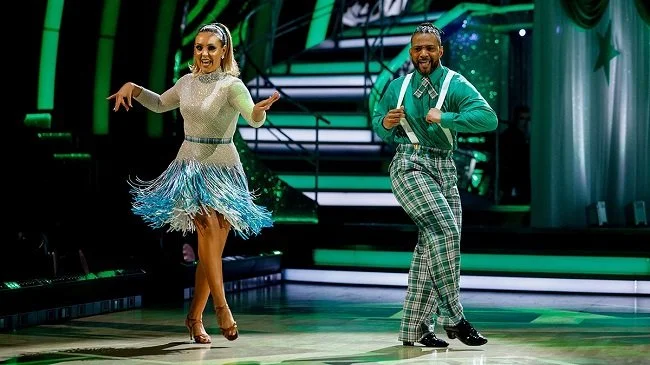
It was inevitable that the inclusion of a person such as Thomas Skinner on a high profile TV show such as Strictly, would result in a political bunfight. The BBC cannot claim surprise at this? Perhaps they chose to do so as a way of declaring to their opponents, “look we aren’t biased. Here’s one of your people”. An act of appeasement or the extending of an olive branch, perhaps? However, such a move never works. As any child will tell you, you can’t befriend your bully. Which means that for however long Thomas Skinner remains on the show, the wider coverage will be about his politics and him personally, as opposed to his dancing prowess. More cynical viewers believe that he has been partnered with Amy Dowden, a much loved professional dancer who has been battling multiple illnesses, as a means to negate the negative optics. If that is the case I doubt it will work.
This Saturday’s second episode of this year’s Strictly will see the first couple voted off the show. Someone has to go and it usually is the celebrity with the least skill. However, the participation of Mr Skinner and the media circus that follows means that whatever happens, the situation will be portrayed negatively for the show and what it represents, in the tabloid press. No doubt there will be plenty of political capital to be gained. If Thomas is eliminated, it will be because the liberal elite establishment conspired against him and if he endures, then it will be a triumph of British traditionalism over the woke cultural Marxism. The right wing media headlines effectively write themselves, the BBC scores a massive own goal and the viewing public are left with an unpleasant aftertaste as their favourite pop culture safe place is dragged through the sewer of contemporary politics.
Keep dancing.




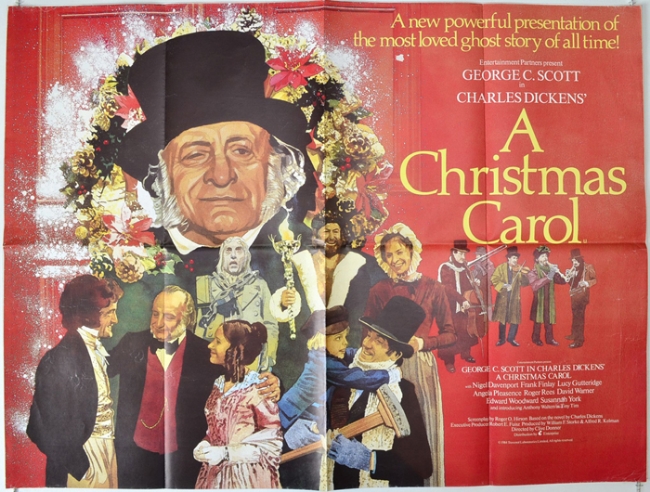
A Christmas Carol (1977)
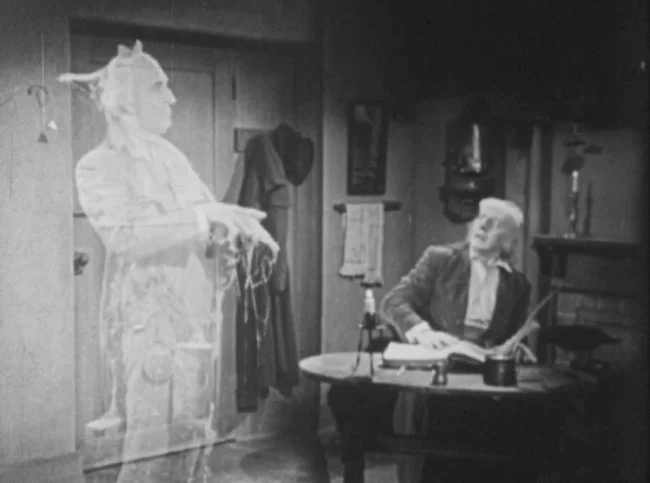
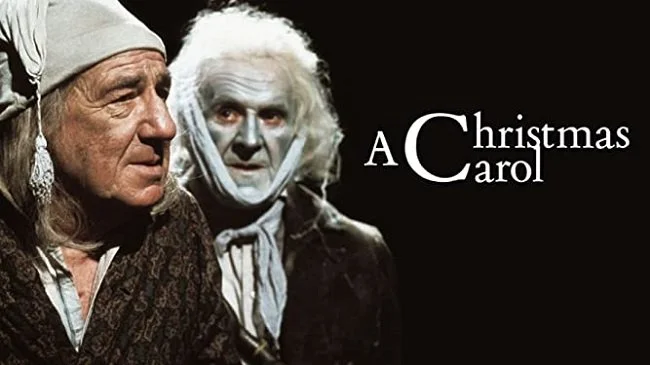
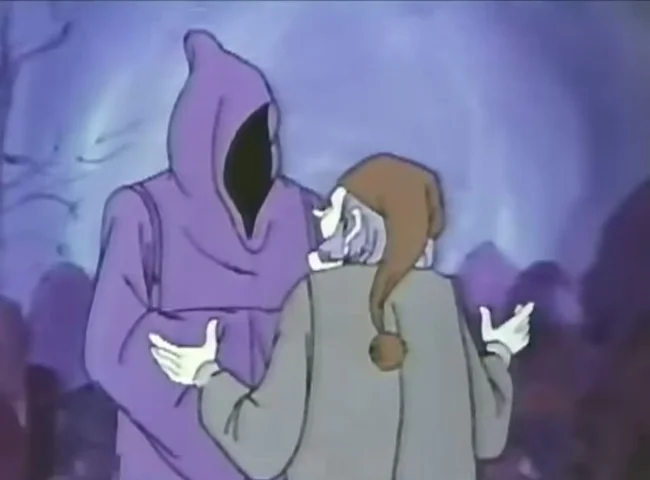
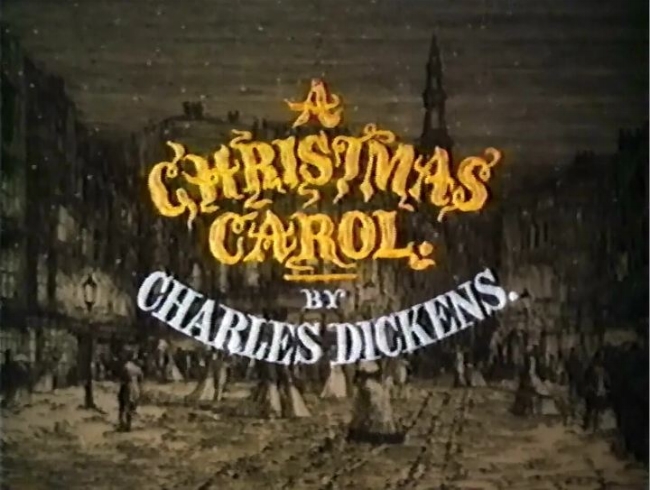
This BBC production from 1977 packs a lot into its 60 minute running time. Succinctly dramatised by Elaine Morgan, this adaptation focuses on the essential themes and key scenes of Dickens’ book. Shot on video, as many BBC dramas were at the time and confined entirely to studio sets, this low budget production makes use of chroma key visual effects. The snow bound countryside, the dark staircase in Scrooge’s apartment and the London skyline are all line drawings, with the cast composited in the foreground. Hence this version of A Christmas Carol feels like an episode of Doctor Who from the same decade. However, the production has one trump card to play with its robust cast of British character actors from the era. Fine performances from the likes of John Le Mesurier, Bernard Lee and Zoe Wanamaker more than compensate for the budgetary restrictions and short duration.
This BBC production from 1977 packs a lot into its 60 minute running time. Succinctly dramatised by Elaine Morgan, this adaptation focuses on the essential themes and key scenes of Dickens’ book. Shot on video, as many BBC dramas were at the time and confined entirely to studio sets, this low budget production makes use of chroma key visual effects. The snow bound countryside, the dark staircase in Scrooge’s apartment and the London skyline are all line drawings, with the cast composited in the foreground. Hence this version of A Christmas Carol feels like an episode of Doctor Who from the same decade. However, the production has one trump card to play with its robust cast of British character actors from the era. Fine performances from the likes of John Le Mesurier, Bernard Lee and Zoe Wanamaker more than compensate for the budgetary restrictions and short duration.
Michael Horden brings an element of befuddlement to his portrayal of Ebeneezer Scrooge. He is also petty, acerbic and somewhat cowardly. All of which feels very authentic and in the spirit of the source text. His interaction with Jacob Marley (John Le Mesurier) is very faithful to the book and Le Mesurier brings a genuinely weary element to his performance. The Ghost of Christmas Past (Patricia Quinn) is depicted very much as described in the text, with bright light emanating from them and carrying a hat similar to a candle extinguisher. She focuses on Scrooge’s abandonment at school and his failed engagement. Fezziwig is more of a footnote to this part of the story. Similarly the Ghost of Christmas Present (Bernard Lee) wastes no time and quickly highlights Bob Cratchit’s poverty and Tiny Tim’s ill health. Nephew Fred’s party is distilled down to its bare essentials. The Ghost of Christmas Yet to come is depicted as a traditional hooded figure. The cleaning woman and undertaker discuss Scrooge’s failing while his dead body is laid out on the bed, rather than at the pawnbrokers.
The time limitations of an hour mean that some elements of the story are lost. Yet despite the efficiency of this summarisation, some minor embellishments still make it to the screen. Marley’s face appears in the tiles surrounding the fireplace. We see Belle happily married years later on the night of Marley’s death. Mankind’s children, ignorance and want, are briefly depicted. And there’s a scene in which a family in debt to Scrooge learns of his death. All of which add to the character of this production and make it feel more than just another arbitrary adaptation. It is a shame that the commissioning editor did not see fit to make this a 90 minute production, so it could have taken a little more time to savour its emotional highs and lows. As it stands this is a quaint but engaging TV version, which may appeal more to the Dickens aficionado or those wanting a quick fix of the classic story.





Doctor Who: BBC Cast Jodie Whittaker
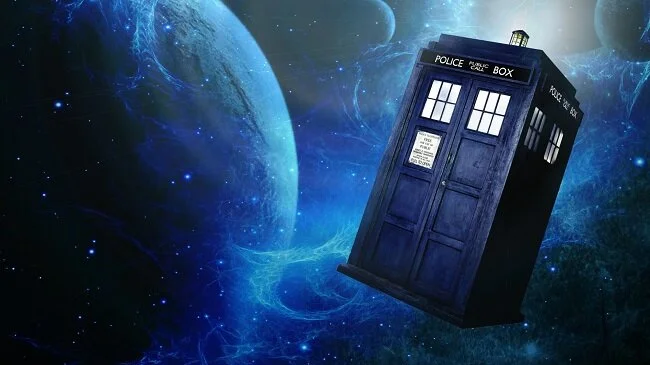
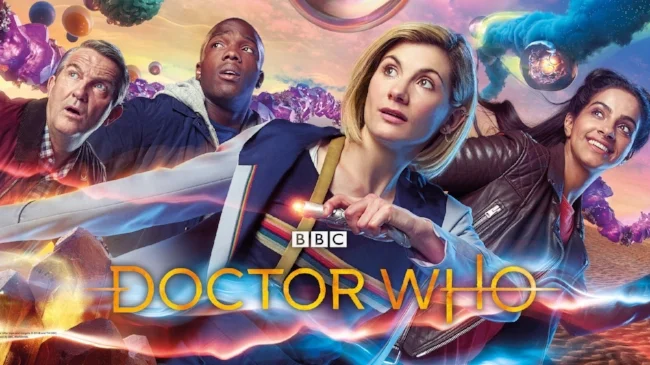
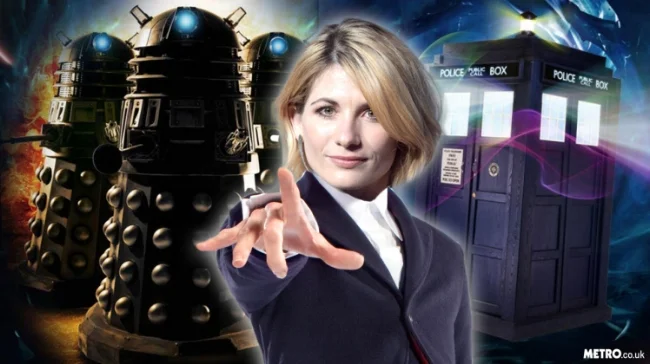
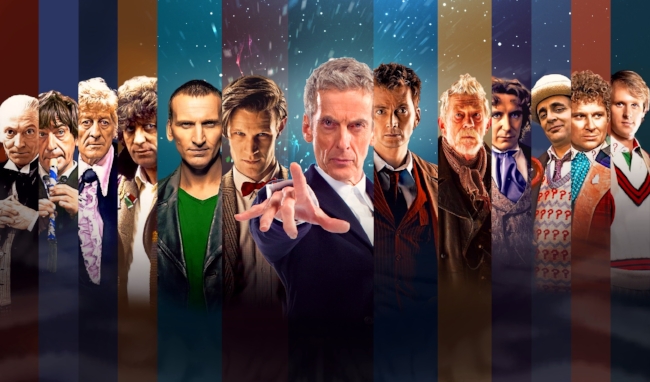
This afternoon, the BBC announced that Jodie Whittaker would be the thirteenth incarnation of the Time Lord, Doctor Who; the first woman to be given the role. Quite predictably, the internet went into meltdown, with cheers from some quarters and howls of derision from others. I make no bones about the fact that I got a great deal of Schadenfreude from this. Why exactly? Well we’ll come back to that point a little later. First off let me say that I really don’t mind about this casting decision. From what I’ve seen, Jodie Whittaker is an extremely competent actor and if given robust and engaging material, will excel as the new Doctor. I have no axe to grind here, either from a lore or a socio-political perspective. If the shit fits, wear it, is what I say.
This afternoon, the BBC announced that Jodie Whittaker would be the thirteenth incarnation of the Time Lord, Doctor Who; the first woman to be given the role. Quite predictably, the internet went into meltdown, with cheers from some quarters and howls of derision from others. I make no bones about the fact that I got a great deal of Schadenfreude from this. Why exactly? Well we’ll come back to that point a little later. First off let me say that I really don’t mind about this casting decision. From what I’ve seen, Jodie Whittaker is an extremely competent actor and if given robust and engaging material, will excel as the new Doctor. I have no axe to grind here, either from a lore or a socio-political perspective. If the shit fits, wear it, is what I say.
What I do find fascinating are some of the objections raised on Twitter and on the comments section of most major online news outlets. As there’s a lot of ground to cover I’ll try and keep it brief. Everyone, as ever, is entitled to their opinion but let us not forget that opinions are not of equal value. First off, if you object to the casting of Jodie Whittaker out of personal preference, IE there’s another actor you’d have rather seen play the role, then fine. That’s a perfectly okay stance to have. I got a Sainbury’s delivery the other day and they substituted toffee and vanilla ice cream cones with chocolate and nut ones. I prefer the former to the latter. Life is all about preferences of some kind, is it not?
However, there are objections being made which betray a mindset that there are clear gender roles within both fiction and real life and that a woman cannot be “The Doctor”. There are also certain fans who feel that the object of their affections should have some sort of protected status, define specifically by them. If they don’t like something, their fan status should be able to veto the offending decision. It is also not uncommon these days to see push back towards any sort of progressive socio-political decision. Culturally and politically, the west seems to be regressing with regard to social change. And let us not forget that incredulous notion, that a much loved worked of fiction can be “ruined” and that your fond memories can be sullied in some way. I guess this is some variant of the IPCRESS process.
All the above are frankly spurious objections. Some are born of sexism, some of fans intransigence or of outdated cultural conditioning and ideological baggage. Some protest are puerile, others mendacious and sadly a percentage are driven by pure hatred of any sort of social progression. What is important to bear in mind at present, is in the UK specifically, there is no clear majority mindset or consensus on political or social issues. We live in a very divided country and there is no prevailing moral stance. Recent political “surprises” such as Brexit have emboldened certain groups, who previously have kept their specific views hidden. Hence, we see claims that casting a woman is pandering to minority, despite the fact that women are hardly such a demographic. Yet sufficient people feel this way and are happy to express such an opinion.
I have no doubt that be it through personal preference, deep help beliefs or good old-fashioned prejudice, the next season of Doctor Who may well see some old school viewers refrain from watching. However, it is also very likely that this Doctor will also attract a new audience. And before we get into a debate about gender specific role models, can I put forward the rather quaint notion that a role model can potentially appeal to all, irrespective of gender, race, religion and shoe size. Yet despite the ongoing positivity in some quarters and the scope to broaden the viewer base for Doctor Who, it would be foolish to ignore certain practical business criteria. The BBC is a unique organisation but it is not immune from market forces. If for whatever reason they fumble the ball on the next season of Doctor Who and we see a substantial drop in global viewing figures and more importantly, sales, then this casting decision may well be reviewed. We do not yet live in an age where doing the right thing exclusively trumps business.
Finally, I want to return to my early point about Schadenfreude. Fellow blogger Syp (AKA Justin Olivetti) and all round nice guy tweeted this evening “It's like some people are genuinely excited that the new Doctor Who will upset others. Can't just be happy for what it is? I am”. I understand where this sentiment comes from and in principle, it is sound. Sadly, I do not think it is so easy to apply to many situations these days. This entire debacle over the thirteenth Doctor is in many ways a microcosm of the ongoing socio-political culture war. There is no overall prevailing ideology for change at present and politics is extremely sectarian. A percentage of the public have no appetite for further equality and would frankly like to see much of the progress of the recent decades rolled back. I do not wish to see this worldview fill the political vacuum. Sometimes you cannot steer the middle course and have to choose a side. You also have to robustly refute those views you feel are counterproductive. That at times means mocking and using humour, as it an effective political tool.
In the meantime, I shall await with a degree of excitement for the new season of Doctor Who that comes in 2018. I’m sure that the there’s a good chance that the current brouhaha will die down and if a good writing standard are maintained, the thirteenth Doctor will find her audience and keep the franchise popular and on course. Success in this instance would be the best way to counter future arguments along similar lines. Life is essentially about change and we need as a species to get better at dealing with it. Because the rancour that stems from resisting it, is frankly damaging to society.
Strictly Come Dancing remains the BBC’s flagship light entertainment show for Autumn. Despite controversy and scandal, the show bounced back last year and firmly re-established itself as the “feel good, family show” it has always claimed to be. Blind comedian Chris McCausland becoming the 2024 champion certainly validated the show’s commitment to diversity and inclusion and helped place Strictly (as it is known to its fans) back on its cultural pedestal. I’m sure those involved in the production of the show breathed a sigh of relief when the season ended on such a positive note, eclipsing the negative press that had been ever present last summer. Second chances and opportunities for a “course correction” are few and far between these days. Especially when you have elements of the UK press waiting with bated breath and hoping that you’ll fail.