
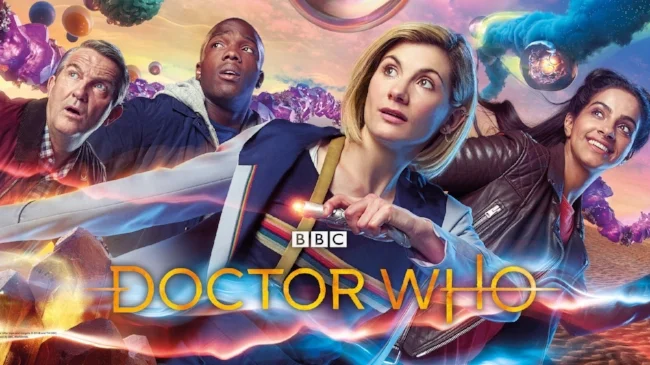
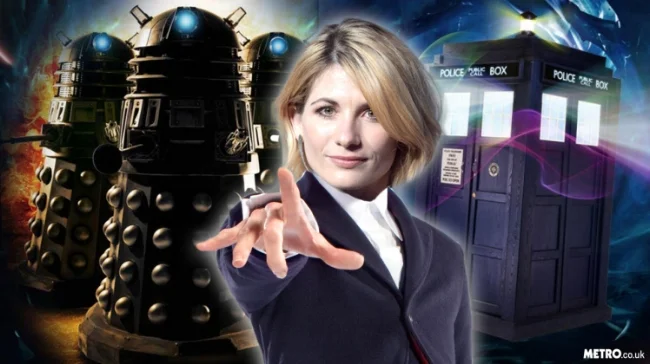
Last night Jodie Whittaker made her debut as the thirteenth incarnation of that iconic Time Lord known as The Doctor. And despite eighteen months of negative comments, criticism and bile from those who disliked the idea of a female lead, the first episode, The Woman Who Fell to Earth was watched in the UK by 8 million people. At this point, popular opinion appears to be broadly positive and the franchise has weathered the storm. Naturally, there are some fans who have elected not to continue watching and there are those who intend to remain in the wings spouting disproportionate criticisms because they feel that something has been taken away from them. However, churn is a common facet of all industries and TV entertainment is no different. The BBC may well lose some long-time viewers due to this casting change, but I think it will gain far more new ones. I say this with some confidence because I too have chosen to return to the Doctor Who fold.
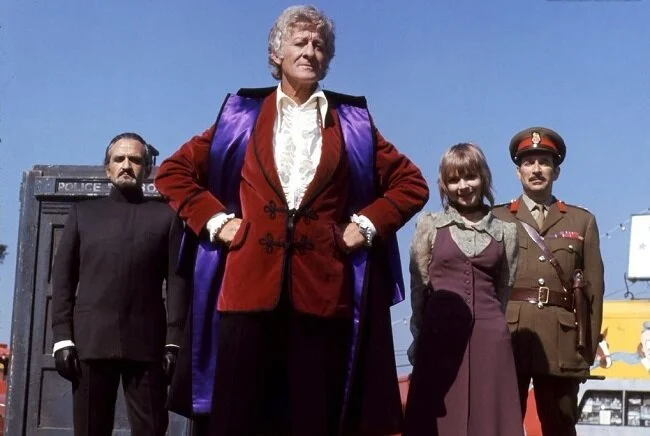
I started watching Doctor Who upon its return in 2005 and enjoyed the first couple of seasons. Despite growing up in the glory days of the Pertwee and Baker era, I happily made the transition to the new, modern and contemporary Doctor. However, as time progressed I felt that the show and the wider fan community were becoming a little too inward gazing. Furthermore, under Steven Moffat’s auspices, the show started to become excessively narratively convoluted, self-referential and frankly a little too smug for its own good. In many ways it came across as a massive fans service first and frequently felt like a big “in-joke” shared among fans but to the exclusion of the wider public. For many Doctor Who ceased to be a show that you could easily return to. Something that was reflected in the viewing figures, which more or less halved from the initial halcyon days of Russell T Davies’ creative tenure.
I suspect that the arrival of new show runner Chris Chibnall will address these issues. I am certainly not going to theorise in-depth about the long-term direction that the franchise will now take, purely on the strength of one episode. However, I think it gives viewers an indication of Mr. Chibnall’s approach. It was stripped back, immediate and very accessible. Yes, there was the signature techno-babble but it was an embellishment, rather than pivotal plot device that required viewers to take notes. The new companions were plausible, coming from a diverse city such as Sheffield. Although I do not doubt that the new season will honour many of the classic tropes and facets of established lore, I like the way that this fresh start has not thrown up any obvious barriers to entry. This is something that Star Trek: Discovery has managed to achieve. Perhaps it is this choice to shun exclusivity that has upset some fans. Regardless of the anger that is still raging in some quarters, I am happy to watch this new season of Doctor Who as it has seen fit to offer the wider public an olive branch. I suspect that if handled well, the new Doctor will settle in to the existing cannon just fine.
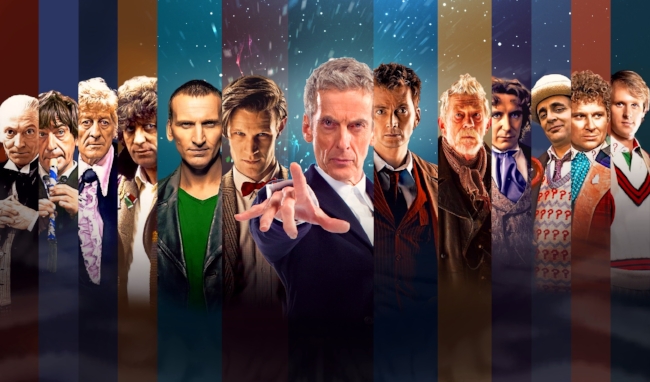

I’ve written in the past about “how long should a TV show run for” and it remains a very interesting talking point. An ageing cast and a played out formula are not uncommon problems that can lead to a popular show being cancelled. But some long standing TV dramas have different issues that can blight them. Such as overly complicated lore, a vocal fanbase and a need to stay relevant in a way that some other shows don’t have to worry about. Martin Belam has recently written a very good article about this subject. He cites Doctor Who as a show that is extremely fatigued at present and suggests that maybe taking it off air and having some time out may well be the solution to its “problems”. I agree with him. Not only with regard to Doctor Who but basically any TV or movie franchise that has become ubiquitous and therefore tired as a result.