
Udo Kier (1944 - 2025)
German actor Udo Kier died on the 23rd November at the age of 81. Kier was far from a high profile star but his saturnine good looks and piercing eyes meant that he stood out. As an actor he was enigmatic, brooding and at times sinister which brought him to the attention of several notable European and American directors, such as Werner Herzog, Lars von Trier and Gus Van Sant. His early acting roles in the late sixties gained little attention and it was not until 1973 when he starred in Andy Warhol’s Flesh For Frankenstein, directed by Paul Morrissey that the right people started to take note. What followed was a career that spanned over 220 films, initially in arthouse productions but over time in horror and cult movies, until eventually he started to be cast in mainstream productions. Yet whatever role he appeared in he was always notable.
I became familiar with Udo Kier’s work mainly through horror films. He had a brief role in Dario Argento’s Suspiria (1977). He stood out in Blade (1998) playing a pure blood vampire elder who meets a dramatic end. In 2007 Kier worked with Rob Zombie in Grindhouse, appearing in the faux movie trailer “Werewolf Women Of The SS” and later in the remake of Halloween. He could effortlessly move from one genre to the other. Hence he appeared notably in Gus Van Sant in My Own Private Idaho (1991) and multiple productions for Lars von Trier, including Europa (1991), Dogville (2003) and Melancholia (2011). His dramatic range was extensive hence he appeared in comedy, complex social dramas and dark thrillers. His role in S. Craig Zahler’s Brawl In Cell Block 99 (2017) is singularly disturbing and is a standout aspect of an already intense film.
Udo Kier was a prolific actor across multiple mediums. Outside of film, he was a voice actor in the video games industry and also in many animated television productions. He featured in Command & Conquer: Red Alert 2 as a Transylvanian psychic called Yuri and was working up until his death with Hideo Kojima on the forthcoming game OD. Kier also voiced numerous roles in both Justice League and Batman animated television shows including the Music Master and Herbert Ziegler. Not to be confined to just one artistic medium, Udo Kier appeared in Madonna's controversial book “Sex” in 1992. He subsequently featured in the music videos for Madonna’s songs “Erotica” and “Deeper and Deeper”. Kier also appeared in the music videos for Korn’s “Make Me Bad” as well as Eve and Gwen Stefani’s “Let Me Blow Ya Mind”.
Kier was an openly gay man yet he would often play characters of all sexuality. In 2021 he appeared in Swan Song and gave what many fans and critics alike consider the best performance of his career. The film tells the tale of a retired celebrity hairdresser, who leaves his nursing home and takes a literal and figurative journey to style a deceased former client's hair for her funeral. It is a story of self reflection and the changes in gay culture. Kier’s performance is compelling, moving and genuine. Fans have cogently argued that he always brought those qualities to all of his performances but Swan Song finally gave him a role that was a lot closer to home and also finally put him on the radar of mainstream critics. At a time when filmmaking is becoming increasingly bland, along with its leading actors, the loss of Udo Kier is keenly felt. Being mercurial and striking are far from common qualities.
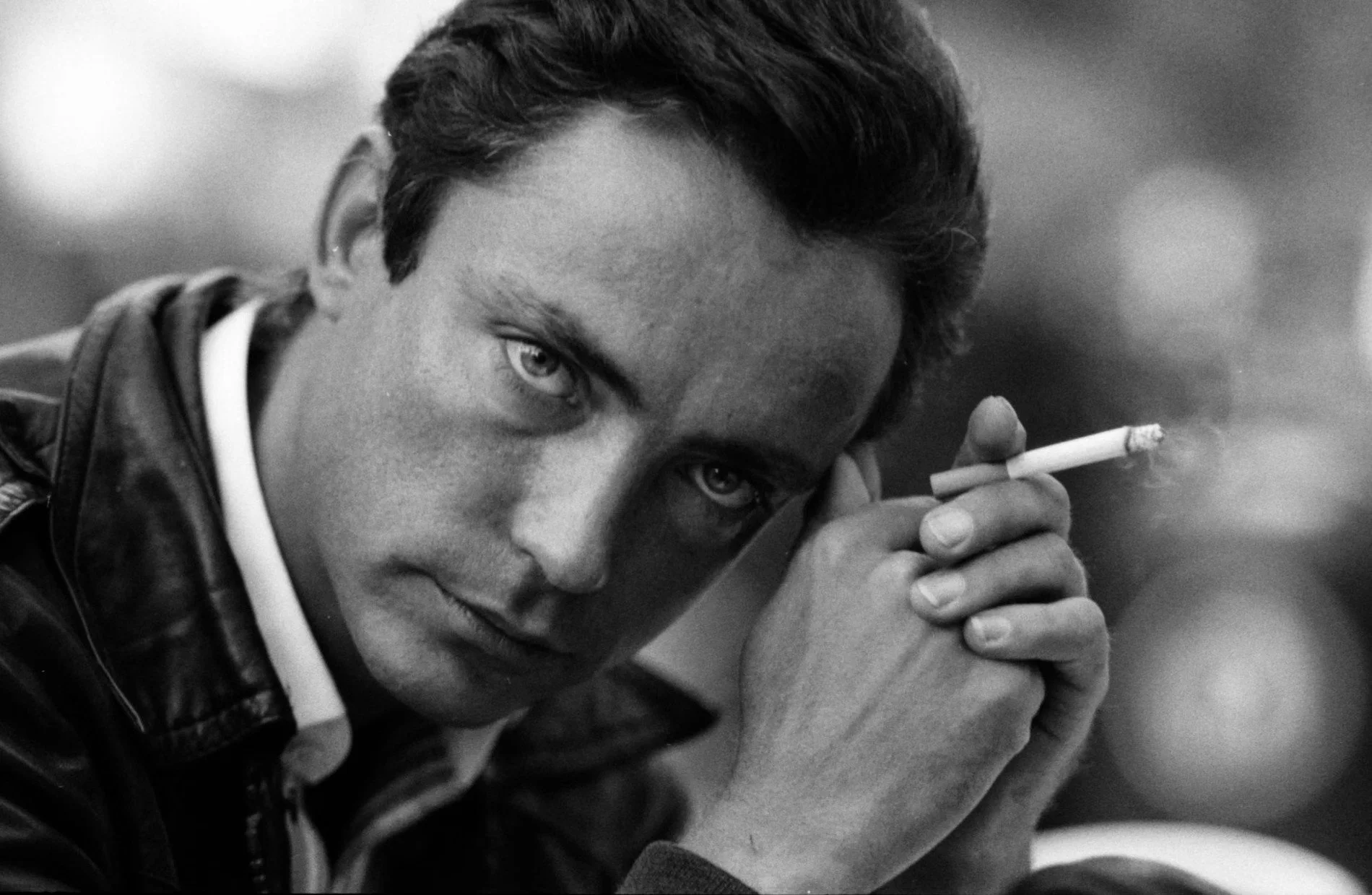
German actor Udo Kier died on the 23rd November at the age of 81. Kier was far from a high profile star but his saturnine good looks and piercing eyes meant that he stood out. As an actor he was enigmatic, brooding and at times sinister which brought him to the attention of several notable European and American directors, such as Werner Herzog, Lars von Trier and Gus Van Sant. His early acting roles in the late sixties gained little attention and it was not until 1973 when he starred in Andy Warhol’s Flesh For Frankenstein, directed by Paul Morrissey that the right people started to take note. What followed was a career that spanned over 220 films, initially in arthouse productions but over time in horror and cult movies, until eventually he started to be cast in mainstream productions. Yet whatever role he appeared in he was always notable.
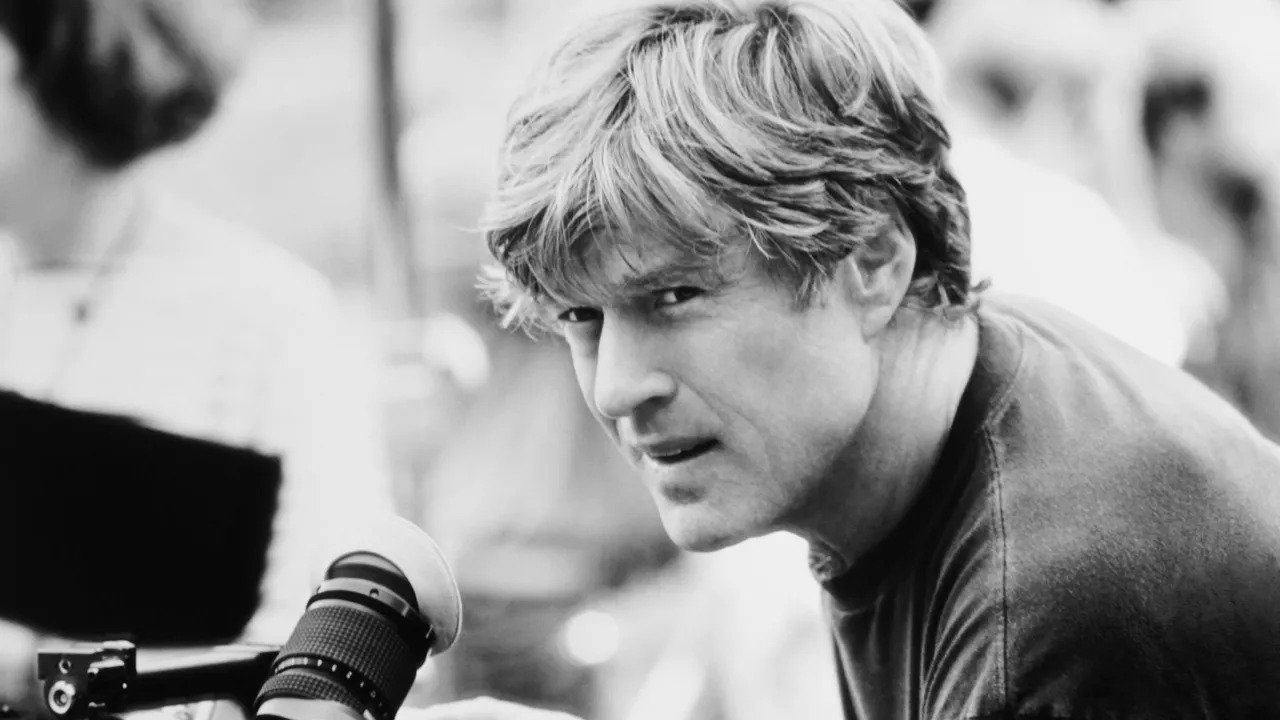
It’s been five years since I last wrote about the passing of someone whose work I admired. Not because there’s been a shortage of such people dying. Sadly, it happens all too often. I stopped because I was experiencing my own grief over the loss of my parents in 2020 and 2022. So I wrote about other things instead and got out of the habit of “RIP” posts. Yet the recent death of Robert Redford has compelled me to write something, because he was so many things. An old school star from an important era of US filmmaking. He was also a much better actor than some think, as well as a talented director who didn’t just use his fame to make vanity projects. His passing was somewhat of a shock because I had seen him recently make a cameo in the TV show Dark Winds, of which he was an executive producer. It was his last onscreen appearance.
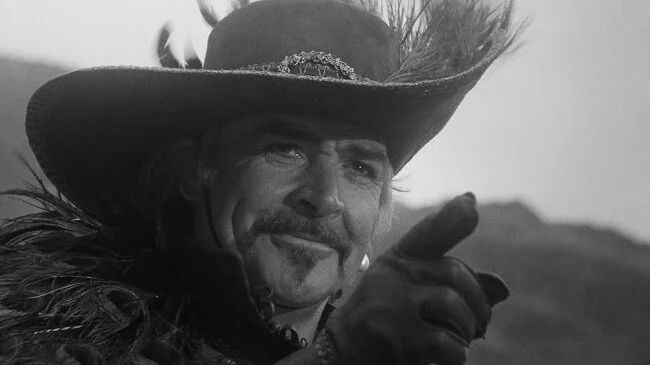
Growing up in the seventies, by the time I became aware of Sean Connery as an actor he had already transcended the role of James Bond and become an international “superstar”. Roger Moore was my generation’s 007 but I was constantly reminded by the “older people” that he “couldn’t hold a candle to Sean Connery”. For many the Scottish actor defined this iconic role and so before I even became familiar with the man and his work, I was aware that there was some kind of mystique surrounding him. Around the time I was eight, I was finally introduced to his inimitable acting style with his performances as Mulai Ahmed er Raisuni in The Wind and the Lion (1975). It was a larger than life performance of a larger than life character; the sort of role that came to define Sean Connery in his later years. On paper it was utterly preposterous. A Scottish man playing an Arab potentate. But it worked and left a marked impression upon me.
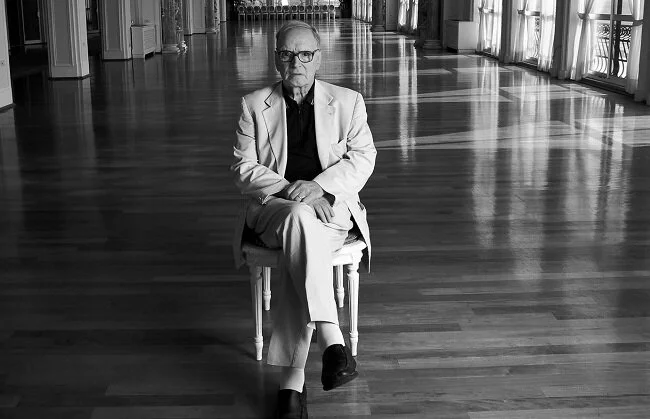
Treasure of the Four Crowns (1983) is a somewhat confused and shoddy action movie that attempts to ride on the coattails of both Raiders of the Lost Ark and the 3-D revival of the time. It lurches between set pieces where anything and everything is thrown at the camera, to moments of unpleasantness and then into slapstick comedy. Yet there is one aspect of this unremarkable film that remains with the viewer after they’ve endured its 97 minute running time. The opulent and charismatic orchestral score by Ennio Morricone. Because "Maestro" Morricone always brought his immense talent to bear on a film regardless of its quality or provenance. Hence there are just as many genre movies and exploitation films with exceptional Morricone soundtracks as there are cinematic masterpieces and art house classics. As writer and director Edgar Wright said “he could make an average movie into a must see, a good movie into art, and a great movie into legend”.
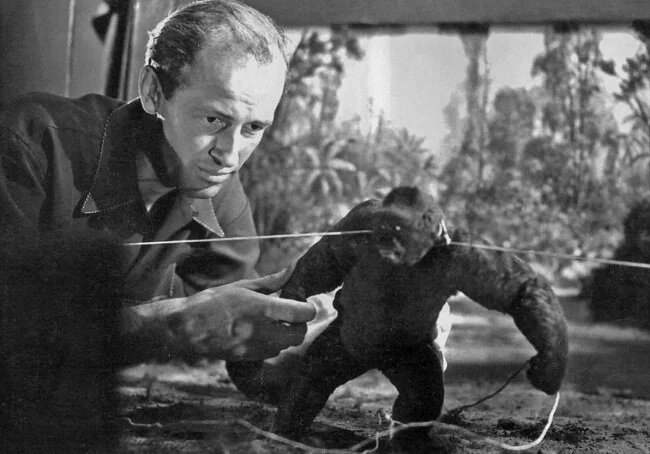
Today Ray Harryhausen would have been 100. Sadly he died on 7th of May 2013. He is one of a handful of creative artists who due to his skill, passion and good nature, influenced generations of fans and had a significant impact on filmmaking worldwide. In 2010 I had the pleasure of attending Ray’s 90th Birthday celebrations held at the British Film Institute. Hosted by charismatic director John Landis, all manner of celebrities, actors and filmmakers queued to heap praise on this quiet and retiring gentleman. It was a wonderful evening and a fitting way to honour a man who was not only a pioneer in the visual effects industry but a great source of inspiration for so many. His work was so influential that it has shaped many aspects of contemporary fantasy cinema. For six decades Ray Harryhausen made unique movies where he breathed life into monsters and mythical creatures. Through the medium of stop motion animation he endowed all of his creations with a unique character. He quite simply made dreams real. And that unique gift had a colossal impact
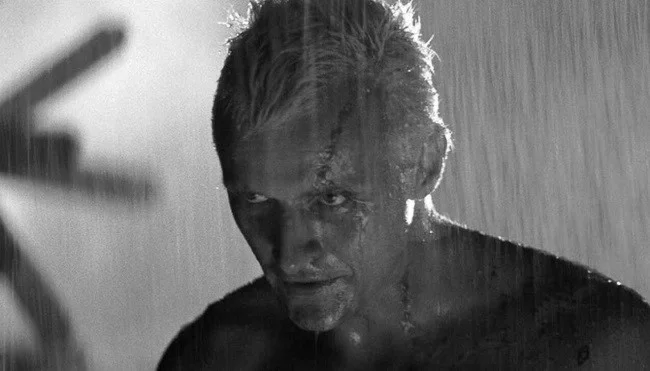
From time to time, when an actor, film maker or creative artists dies, I will write a brief post about my appreciation of their work. Nothing hyperbolic, stating how they’ve been a major influence in my life. Just a few simple thoughts about how I and society perceived them and what I enjoy about their careers. If I was more of a sports fan or strongly affiliated to a specific political ideology, I suppose I’d cover more sports men and women, politicians and public figures. But I write about what I like, so naturally those in the film and television industry feature more. I don’t consider my personal musings to be anything more than just that. Western society is still very uncomfortable with the subject of death, plus the partisan nature of the internet can also lead to odd reactions when people express grief or remorse over “celebrities”. Comments like “you didn’t know them” or accusations of virtue signalling often accompany genuine expressions of sympathy and sadness. But I retain a somewhat old fashioned and possibly even quaint notion that if someone’s work has brought me pleasure and enjoyment, it seems only logical and polite to acknowledge that.

Peter Mayhew was working as an Orderly in the radiology department of King's College Hospital, London in 1976 when he was “discovered” by George Lucas. Lucas was looking to find someone suitably tall to play the Wookie Chewbacca in Star Wars. Legend has it that Mayhew simply stood up from his seat to great Lucas and immediately clinched the part. The rest they say is history. Peter Mayhew went on to play the role in another five movies, and despite not gaining the immediate fame of regular actors, became a firm favourite among fans at conventions. He was also held in very high regard by his professional acting peers. As for the role of Chewbacca, he made it his own and approached the character seriously and with genuine love. Despite a lack of conventional dialogue, Mayhew imbued Chewbacca with a personality and a distinctive sense of style. No mean achievement for a man who never intended for any of this to happen.
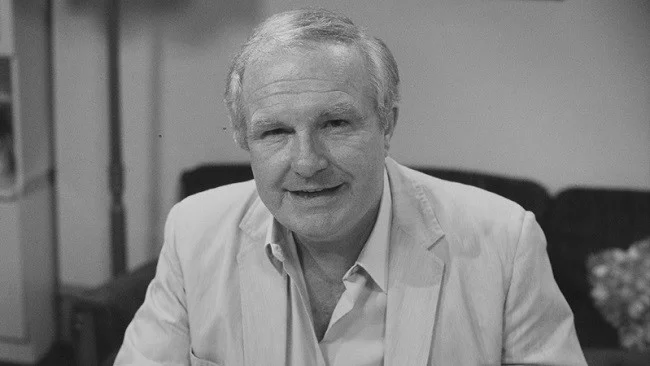
The actor Shane Rimmer died yesterday at the age of 89. Born in Toronto, Canada, on 28th May 1929, Rimmer moved to London in the late 1950s to pursue his acting career. Over the next five decades, he appeared in numerous TV shows such as Doctor Who and The Saint, and in films including Dr Strangelove, Gandhi, Rollerball and Out of Africa. He starred in James Bond film The Spy Who Loved Me and had smaller roles in Star Wars, Superman and Batman movies. If during the seventies and eighties, a British production needed someone to play an American character, he was a one of a handful of "go to" actors who would take the part. Rimmer and fellow US actor Ed Bishop (whose paths regularly crossed) jokingly referred to themselves a "Rent-a-Yanks” as a result of this.
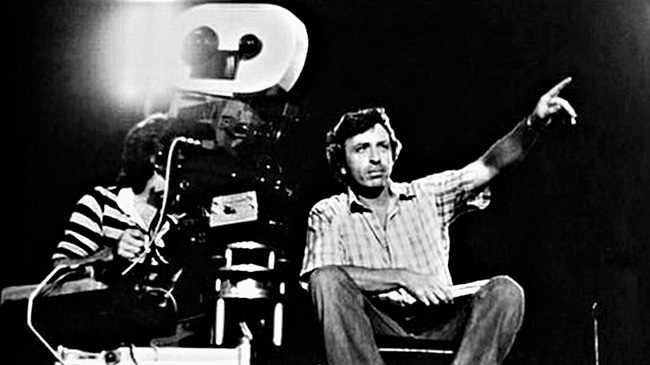
Larry Cohen, the writer and director of such cult films as Black Caesar, It’s Alive and Q: The Winged Serpent, has died aged 77. Cohen was a key figure in the genre movie community during the seventies and eighties, as well as writing scripts and storylines for mainstream TV shows such as The Fugitive and Columbo. He was a rare beast, in so far as he became one of a few writers who became known to wider audiences and fans, and gathered a cult following over time. Guillermo del Toro hailed him as “a true iconoclast and independent” and Edgar Wright wrote thanked him “For so many fun high-concept genre romps with ideas bigger than the budgets, for so many truly inspiring cult movies”.
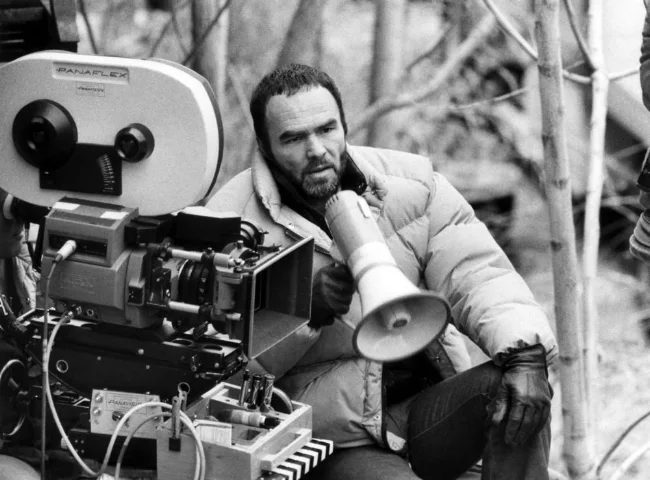
Burt Reynolds saw his greatest box office success during the seventies and early eighties, with movies such as Smokey and the Bandit and The Cannonball Run. I was aware of both these movies at the time of their release but was more enamoured with the sci-fi boom that followed in the wake of Star Wars, so was somewhat indifferent to them at the time. However, the release of Sharky’s Machine in 1981 put Burt Reynolds squarely on my radar. As a teenager I was already catching up with a lot of the major action movies from the previous decade such as Clint Eastwood’s Dirty Harry and its sequels. Sharky’s Machine was an extremely gritty, hard edged cop drama, directed and starring Burt Reynolds and it was a notable change of role for him. It left a marked impression upon me at the time, not only due to it’s strong action scenes, but because of Reynolds compelling and nuanced performance. For me, it remains his best movie, showcasing his dramatic range and directing skills.
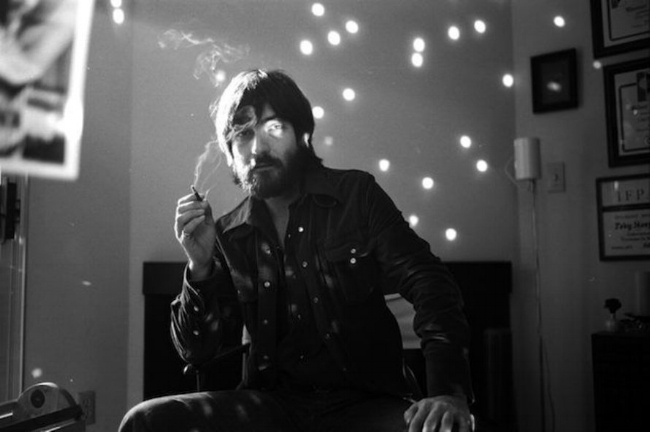
I was seven years old when The Texas Chainsaw Massacre was released in the UK. I used to regularly look at the movie listings in the Evening Standard each Thursday and ruminate upon the lurid posters for the latest releases. My young imagination would frequently run riot at what I saw, fuelled further by the inference of the tag lines. And the UK poster for The Texas Chainsaw Massacre left me utterly terrified. The horrors I conjured up in my mind. It is only in recent years that I learnt that the film was deemed too controversial by the head of the British Board of Film Censorship as it was known back then. Chief film examiner Stephen Murphy felt the films focus on “abnormal psychology” made it unsuitable for even an X certificate. Thus, the movie was denied a rating which amounted to a de facto ban. However, due to a legal loophole, the BBFC decision could be vetoed by local authorities and the Greater London Council granted the movie a rating and so the film was shown in London.
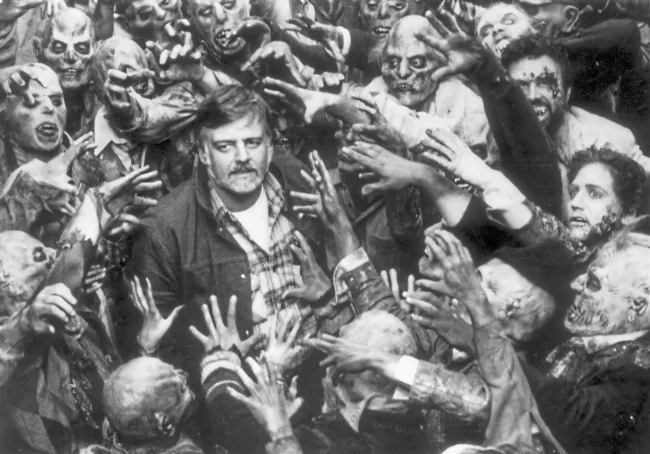
Writer and director George A. Romero will forever be synonymous with the zombie genre and horror movies per se, as his work in this field was pioneering and outstanding. Yet, because of the success of his seminal film, Night of the Living Dead, he also brought a great deal of attention to independent film making and the way film making was financed. He was an intelligent and thoughtful film maker who used the medium of genre movies to explore a variety of socio-political themes. His characters were often flawed but credible and he had a knack for finding humanity in the bleakest of dramatic situations. If Romero had explored such ideas in mainstream cinema he would have garnered far more praise and potentially have won critical acclaim from the cinematic establishment.
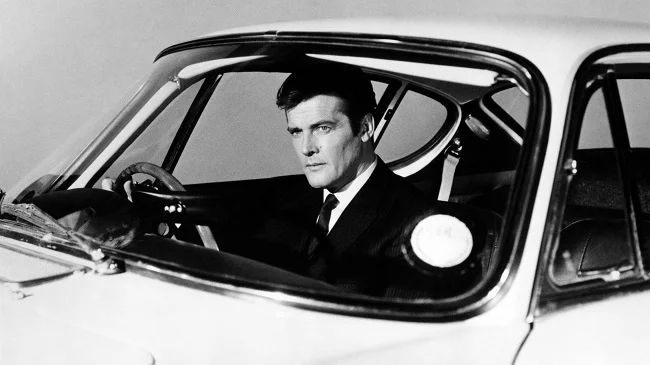
Being a child of the seventies, Roger Moore was the James Bond that I grew up with. I was acutely aware of my parent’s generations antipathy towards him, as well as the endless and possibly unjust comparisons with Sean Connery. However, the younger fans embraced him so over the course of seven movies, Moore’s Bond broke all previous box office records. Furthermore, as each successive film in the franchise got bigger and became more of a caricature of itself, Moore tempered this with his self-deprecating humour and quips. His trademark cocksure performances and easy going charm was exactly what UK audiences needed. At a time when the country was losing its way in the world, both politically and economically, Roger Moore still effortlessly maintained the image of the suave, cool and droll English gentleman.
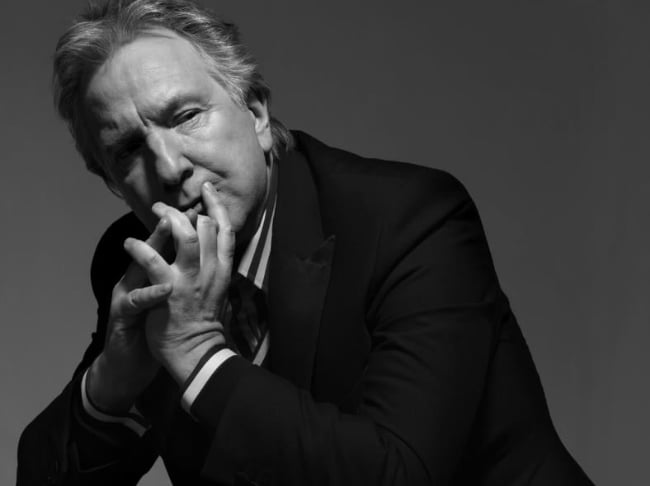
I first became aware of the actor Alan Rickman during the early eighties while watching The Barchester Chronicles. He played the scheming curate Obadiah Slope who aspired to the office of Bishop, in this television adaptation of Anthony Trollopes novels. It was the sort of period costumed drama that the BBC excels at and a role the Rickman clearly relished. Six years later his performance as the German terrorist Hans Gruber in Die Hard gained him international acclaim and placed him squarely on Hollywood’s radar. He continued to appear in both mainstream blockbusters and smaller more cerebral independent productions over the years, yet maintained his credibility as a serious character actor, despite his fame and association with populist franchises.
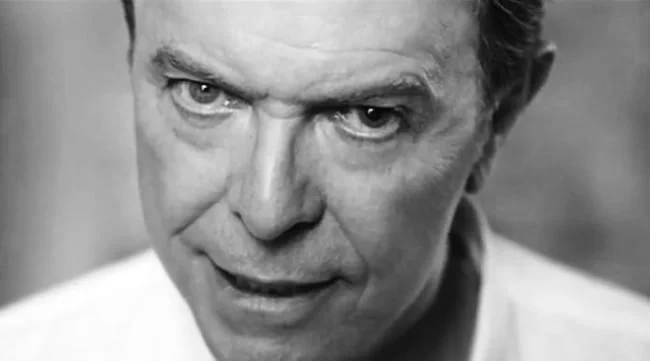
Last September I was sitting in the cinema enjoying The Martian when to my delight Starman featured as part of the movie soundtrack. At the time it raised a wry smile and a moment of contemplation as I reflected on how appropriate the song was, the relevance of the lyrics and how David Bowie has been ever present throughout my youth and adult life. As an artist Bowie has continuously explored new avenues, tested himself and remained relevant while his contemporaries are just content to tour and revisit their greatest hits. Therefore I was both shocked and saddened to wake up this morning and learn of his death. It took a while to compute, after all, he only released two new albums last week.
 Roger Edwards
Everyday, once I’m up, I sit at my desk in my office, fire up my PC and log into Feedly. I have various RSS feeds grouped by category, which I slowly trawl through and read anything that catches my eye. I have one curated feed named “Blaugust” named after the yearly festival of blogging event. It has over 250 blogs listed, many of which are former participants. Most of these regularly post. Hence there’s a lot to get through and so I don’t read all of them. However there are a few that I always checkout. Mainly because they’re the personal musings of some of our writing community’s oldest and most prodigious members. The sorts of guys and gals who are part of the furniture. They’ve always been there and it feels like they always will. Posting their thoughts, sharing their enthusiasm and spreading the love, so to speak. One of these blogs, is Tales of the Aggronaut. written by Belghast.