
COVID-19 and the Pandemic: Five Years On
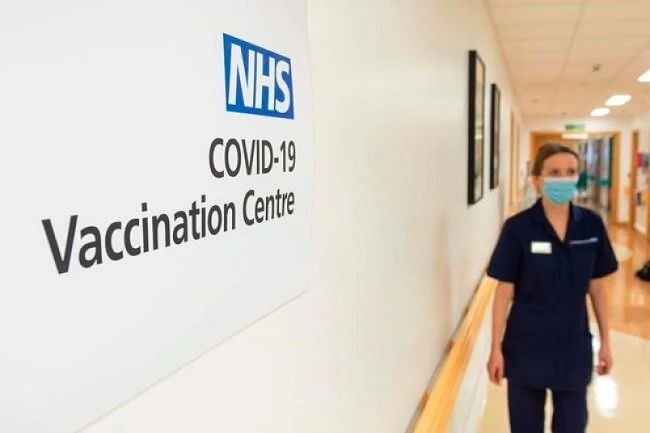
It’s been five years since the COVID-19 global pandemic. At the time it was an utterly alien and tumultuous experience. However, due to the way numerous institutions responded (but not the government), many people thought there would be a great deal of social and political change in the UK afterwards. The pandemic highlighted the impotence of the NHS, as well as those who work in jobs designated as essential. It also shone a spotlight on many of the country’s inequalities. Due to our national character, a real sense of community emerged. Something that had been absent for a very long time. Briefly, we got a glimpse of what the UK could be when we all broadly worked together. There was a sense that now was the time to change the status quo. Sadly, nothing changed. As soon as the vaccination program was launched, the UK quickly slipped back into the mire it’s been wallowing in since the end of WWII.
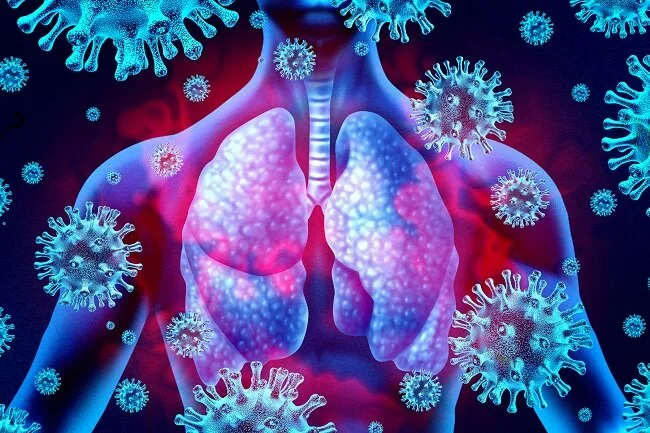
I caught COVID-19 in early April 2020. This was hardly surprising as I was at the time caring for both my elderly parents. They lived one road away from me and I visited everyday to undertake chores. There were also healthcare professionals coming and going all the time, so despite rigorous hygiene protocols, the increased risk made catching COVID-19 inevitable. It was a most unpleasant experience that lasted about a fortnight. The initial flu-like symptoms soon increased in intensity, resulting in constant head and muscle pain, violent coughing and a sense that I was in a constant bear hug, making it difficult to breathe. I slept for most of the day and had very low energy levels. Once the virus had run its course, I had extreme fatigue for the remainder of the year. It took a full twelve months to return to what I consider to be my normal state of health.
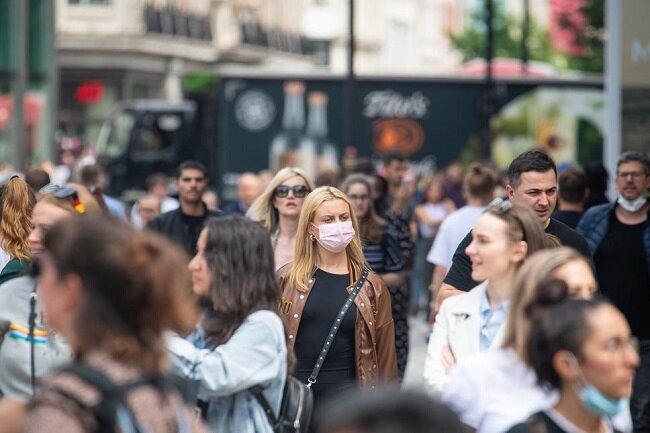
Regent Street, London, during lockdown 2020
The standout aspect of the pandemic were the three lockdown periods. Everyone has their own perspective on these based upon their own personal experience. For me the lockdowns were not a big deal. I was a carer with a very fixed routine. I continued to undertake my duties and the only difference was having to wear a mask when out and standing apart from others in queues. When the restrictions were reduced, Mrs P and I would go for walks and visit local parks. I remember vividly how much less traffic there was and how that impacted upon ambient noise levels. The air quality in South East London noticeably improved. COVID-19 did not interfere with my hobbies and so I continued writing and gaming. In fact it was a “golden age” for the latter. I spent a lot of time playing Warzone, which had just launched and Fall Guys. As someone who finds the hustle and bustle of contemporary life quite tiring, the lockdowns were an interesting change of pace.
However, for many the pandemic brought bereavement. As a carer of two elderly parents, I came to know a great many other ageing residents in the local area. Over the summer months of 2020, many would pass away after catching the virus. People who I knew from my mother’s hairdressers and those I often saw at surgeries and clinics. Several residents in my street died and not all of them were old. My son also lost colleagues at TFL due to the nature of their work. And then I lost my father in August. Ironically he did not catch COVID-19 but instead caught pneumonia after a chest infection. He survived the pneumonia but was left exhausted and frail. He elected to decline any further treatment and died on 16th September 2020. Due to the lockdown I only visited him once during the four weeks he was at hospital and was not with him when he passed away.
National COVID Memorial Wall London
I find that post pandemic, my sense of the passing of the years has been derailed. I have a clear sense of events up to 2019 but from 2020 onwards it all gets confused, due to the unusual nature of that time. Five years on, COVID-19 is still trotted out as a political excuse for anything not working or underperforming. As for the hoped for social change and political renaissance, it never happened and frankly was never going to. Many in the top 1% used the pandemic as a means to further enrich themselves and the country’s social divides are still there, bigger than ever. The pandemic has also been a contributory factor in the growth of nationalism, which is now looming large. Overall it is hard for me to summarise and quantify my thoughts on the pandemic. To quote Dickens’ “It was the best of times, it was the worst of times, it was the age of wisdom, it was the age of foolishness.”


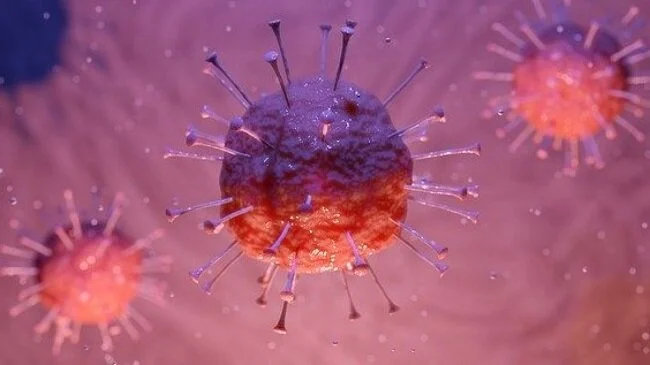

It’s been five years since the COVID-19 global pandemic. At the time it was an utterly alien and tumultuous experience. However, due to the way numerous institutions responded (but not the government), many people thought there would be a great deal of social and political change in the UK afterwards. The pandemic highlighted the impotence of the NHS, as well as those who work in jobs designated as essential. It also shone a spotlight on many of the country’s inequalities. Due to our national character, a real sense of community emerged. Something that had been absent for a very long time. Briefly, we got a glimpse of what the UK could be when we all broadly worked together. There was a sense that now was the time to change the status quo. Sadly, nothing changed. As soon as the vaccination program was launched, the UK quickly slipped back into the mire it’s been wallowing in since the end of WWII.