
Atomfall: The Red Strain DLC
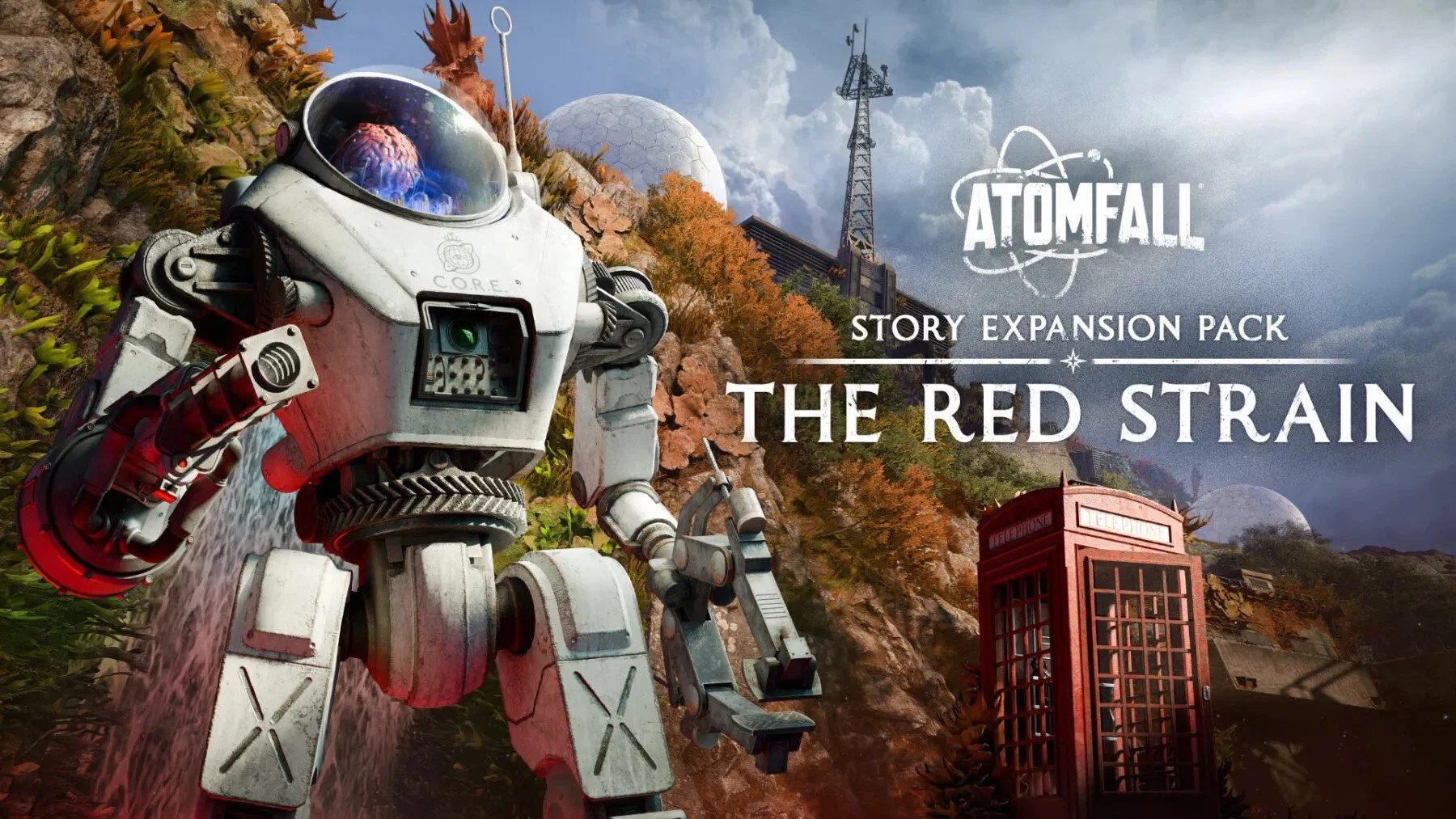
The Red Strain is the second DLC for the RPG Atomfall. It provides another interesting side story that is adjacent to that of the main game. Set in the new region of Stafell Crag, the player finds a secret installation called Test Site Moriah, run by C.O.R.E. (Co-ordinated Orbital Research Establishment). C.O.R.E. have seniority over B.A.R.D. (British Atomic Research Department) and have taken much of their research and used it for their own experiments. This includes the Red Strain, a genetically modified version of the Blue Infection. However, this has escaped containment and spread throughout the entire site. Once again the player must explore the zone, looking for leads and collecting resources, while trying to piece together what has happened. As in the previous DLC and main game, not every NPC that you meet in The Red Strain can be trusted.
The Red Strain is the second DLC for the RPG Atomfall. It provides another interesting side story that is adjacent to that of the main game. Set in the new region of Stafell Crag, the player finds a secret installation called Test Site Moriah, run by C.O.R.E. (Co-ordinated Orbital Research Establishment). C.O.R.E. have seniority over B.A.R.D. (British Atomic Research Department) and have taken much of their research and used it for their own experiments. This includes the Red Strain, a genetically modified version of the Blue Infection. However, this has escaped containment and spread throughout the entire site. Once again the player must explore the zone, looking for leads and collecting resources, while trying to piece together what has happened. As in the previous DLC and main game, not every NPC that you meet in The Red Strain can be trusted.
The DLC offers new weapons, including a silenced pistol and SMG, as well as several new skills. The player can now scavenge weapons from the C.O.R.E. Robots that patrol the region, although their high destructive power is offset with slow rate of fire. There is also an upgraded version of the Signal Redirector (MK II), which now allows the player to control turrets, swarms and robots, as well as switch power to locked or deactivated areas. Stafell Crag, a former rocket research site, is a far more vertical zone and as such adds a further degree of interest while travelling the area. The infected guards are all armed with SMGs and the C.O.R.E. Robots patrolling the various buildings have organic brains. Hence they are more aggressive when challenged and persistent if you retreat. As ever, stealth is the safest approach when exploring.
Stafell Crag is pleasingly different in its aesthetic, compared to the Midsummer Isle and the main regions of the base game. The railway station is atmospheric but also tactically useful, as the bridge and signal box offer elevated positions. Test Site Moriah is dominated by the rocket testing facilities and radar domes. I have referenced previously how aspects of the game draw upon the writings of Nigel Kneale. This area is very reminiscent of the military facility that features in Quatermass II. The story in The Red Strain DLC is far more science fiction driven and an interesting contrast to the folk horror themes found in Wicked Isle. The main characters are unusual, being disembodied brains in life support jars. The voice acting for these curious individuals is very good and the banter between them reflect the sociopolitical and class idioms of the time.
The Red Strain offers two new endings to the main game and they are quite different to those from the base game and the Wicked Isle DLC. Although well conceived, they may not satisfy all players, especially those who have not completed the game before. New players may be better served by playing through the Atomfall base game first and choosing one of the original six endings. Another notable difference in The Red Strain DLC, is that the Voice on the Phone does not offer as much guidance this time. He frequently calls and makes comments on developments but he doesn’t appear to have a preferred course of action. This is possibly because the story in the DLC does seem to be tangential to that of Atomfall, whereas the Wicked Isle was more closely linked. The entire Oberon issue doesn’t really materialise in The Red Strain until there is a plot requirement at the end to bypass the Interference Field.
Atomfall developer, Rebellion, have managed to craft three very engaging narrative arcs. The base game blends a mixture of science fiction and horror elements in a uniquely British idiom. The investigative approach, rather than simply undertaking clearly defined missions, is one of the game’s greatest strengths. The Wicked Isle DLC has a specific narrative tone referencing folk horror and the gameplay is stealth focused. The Red Strain has a far more science fiction driven story with a more aggressive approach to combat. However, the endings for the latest DLC do seem more specific and definitive than those available in the base game. Also, The Red Strain does not add any further details to the existing lore. We learn nothing further about Oberon or the Voice of the Phone. Hence I wonder if this marks the end of the development cycle for Atomfall or whether there will be any further DLC?
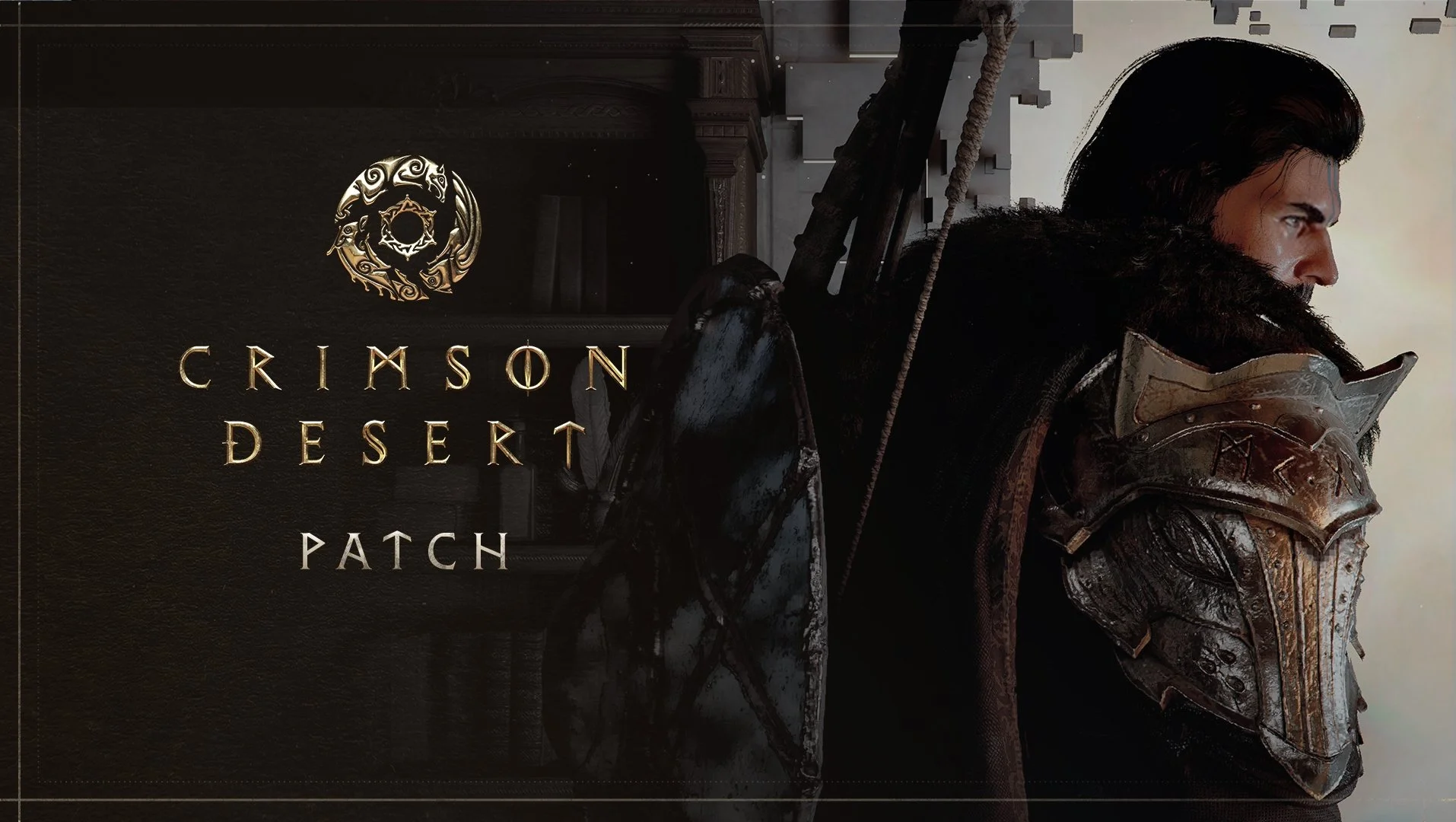
The action, open world RPG Crimson Desert has been patched five times since it launched on March 19th and there have also been multiple hotfixes. At first glance this isn’t anything unusual. New games have bugs and issues arise once a game is released and played across a much wider variety of hardware than in QA testing. However, if you read the patch notes that accompany these sizeable downloads it quickly becomes apparent that developer’s Pearl Abyss are not just addressing bugs and software glitches. They are actively engaging with their player base and responding to suggestions and requests from that community. Although this is not a unique approach, what is surprising is the speed and quantity in which these player driven changes are happening. There seems to be an active ongoing process to refine the game and eliminate some of its “rough edges” and the players are contributing to this process with their feedback.
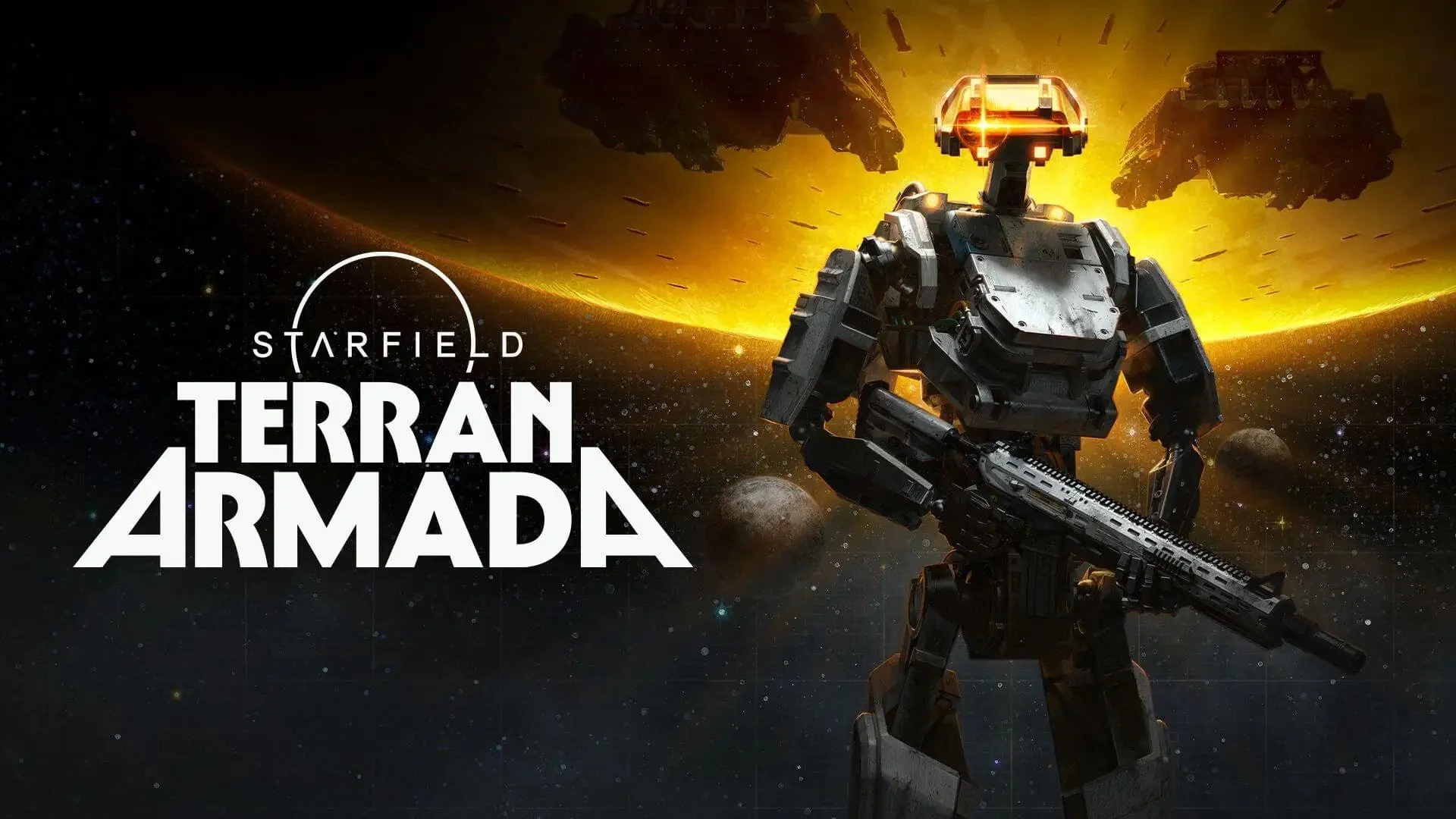
According to my Steam statistics, I last played Starfield on 19th December 2023. I bought the game upon its release in September of that year and played in total for 136 hours. Starfield held my interest for three and a half month and I wrote seven blog posts about various aspects of the game. Although there were some engaging aspects to Starfield, I did feel that that the game was somewhat lacking in systems and content, at that point in its lifecycle. I also think that the marketing and player expectations associated with Starfield were overblown and unrealistic. The shadow of Skyrim looms large over all new Bethesda releases and they don’t seem able to quite recapture that magic. Hence, I inevitably drifted away from Starfield and to another game and was effectively “done” with it. I have not played the game since which seems to validate the theory that game are becoming increasingly more ephemeral.
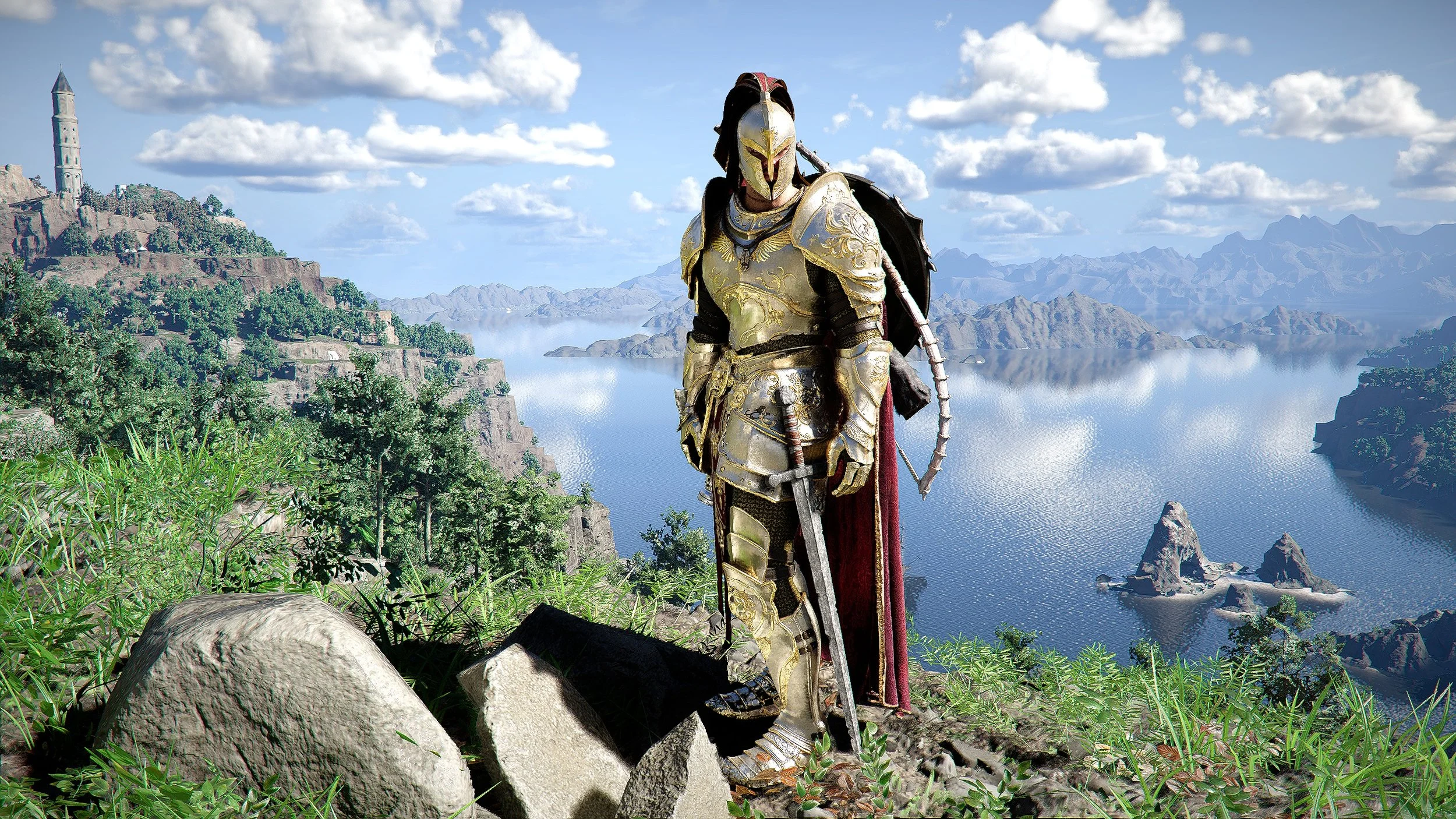
13 days after its release, market analysts estimate that Crimson Desert has already earned $200 million across the four main platforms (PC, PlayStation 5, and Xbox Series X and S). The game is certainly proving popular among gamers with the internet awash with live streams and “let’s play” videos. However, reviews are mixed both among gaming journalists and YouTube influencers. Common complaints about the game include that it is slow to start, the controls are poorly laid out on all platforms and that developer’s Pearl Abyss have done a poor job of explaining most aspects of the game to new players. Although such criticisms are true to a degree, I think these complaints highlight how many gamers are conditioned to expect new titles to follow a specific pattern with regard to pacing, narrative exposition and learning in-game systems. A pattern that Pearl Abyss has chosen to ignore, instead favouring an old school approach.
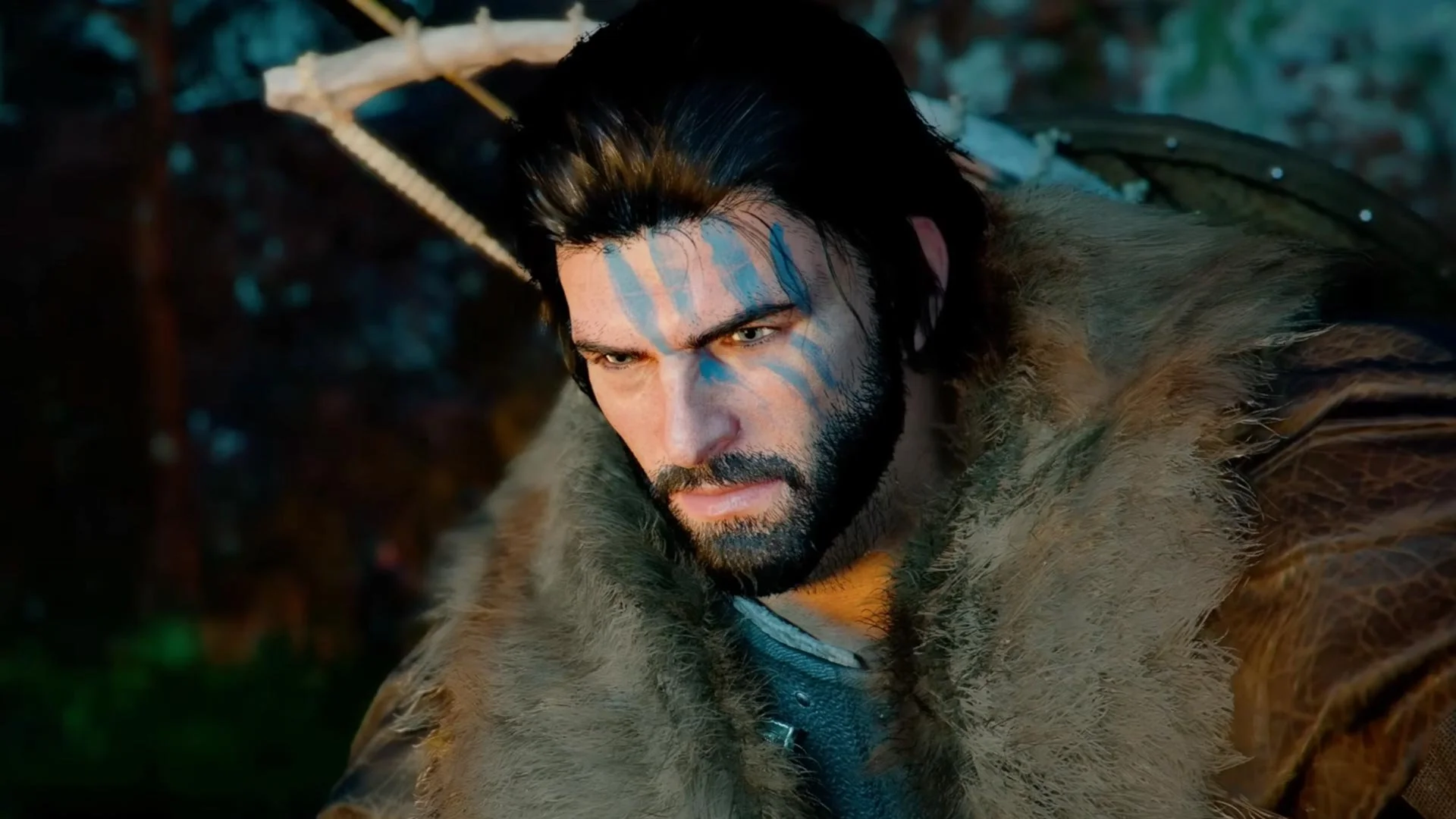
Last night, I spent the first 45 minutes after the launch of Crimson Desert, watching the 92GB pre-downloaded game files slowly decompressing and installing. I finally launched the game at about 10:50 PM GMT. I then waited a further 5 minutes while shaders were downloaded. It took me about 15 minutes or so to read through the various game settings and choose those that are optimal for my PC. I suspect even if you have a beast of a computer, you’re still going to have to spend some time tweaking settings. As for those players like myself with a gaming rig that is somewhere in the middle of the game’s specifications, be prepared to do a lot of fine tuning both within Crimson Desert itself and your Windows settings.
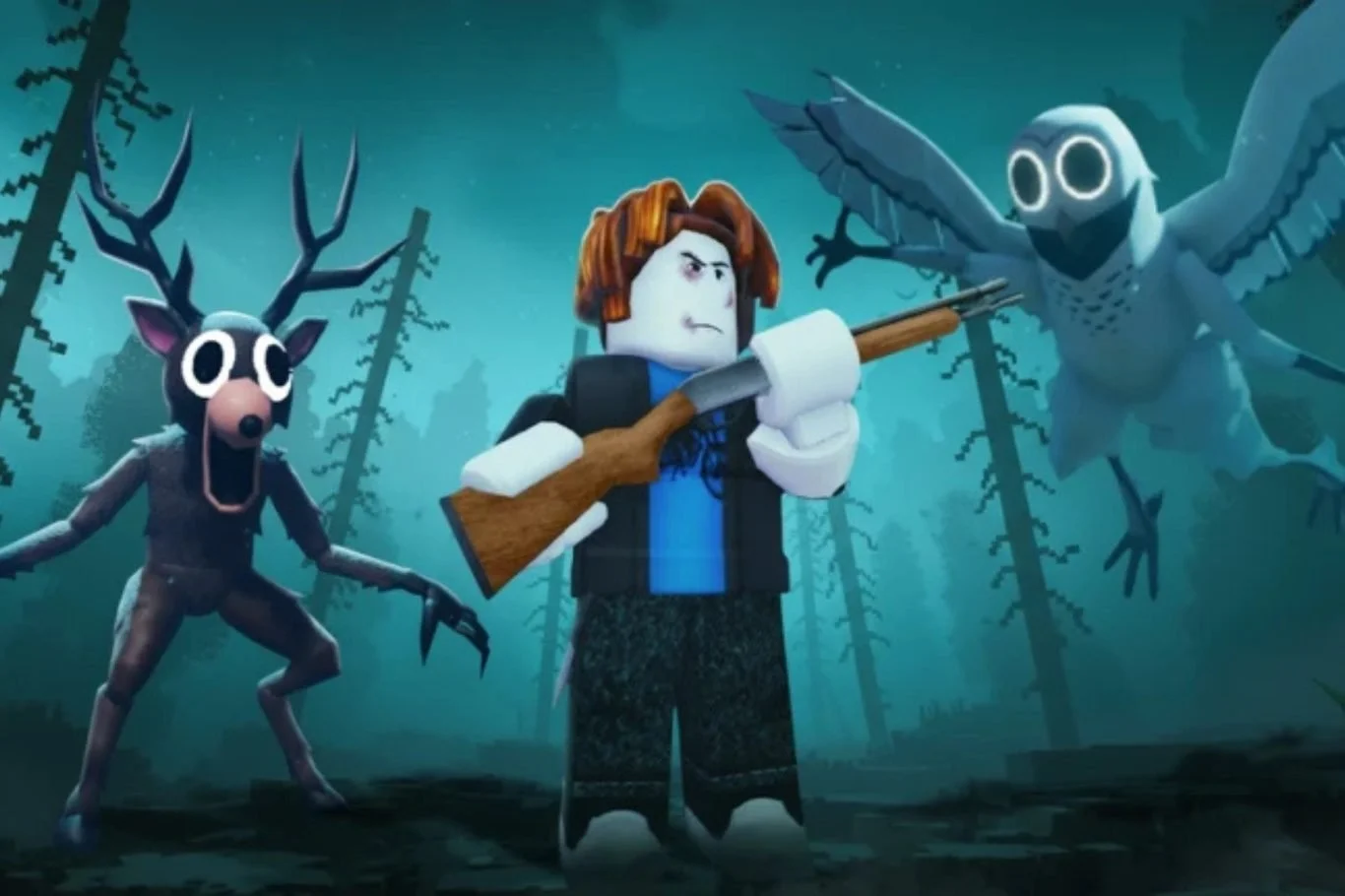
Video games as a genre are extremely poor at explaining themselves. When you buy a new game you’ll often find little or no information regarding the basic systems and mechanics. The industry assumes that their customers are by default familiar with the fundamentals of playing a modern video game. Hence if a game has a tutorial, it is often based around videos rather than detailed verbal instructions. You are are briefly shown a clip of a specific move being successfully undertaken but it is seldom shown in a wider context. The industry also expects the fan community to take on the role of curating and disseminating information about its games. The move away from forums and bespoke websites to Discord highlights this. Discord is a primarily a real time communication tool and not good at maintaining a historical data archive. If you want an answer to a specific gaming question, you’ll more than likely find it on YouTube in a video made by a fellow gamer.
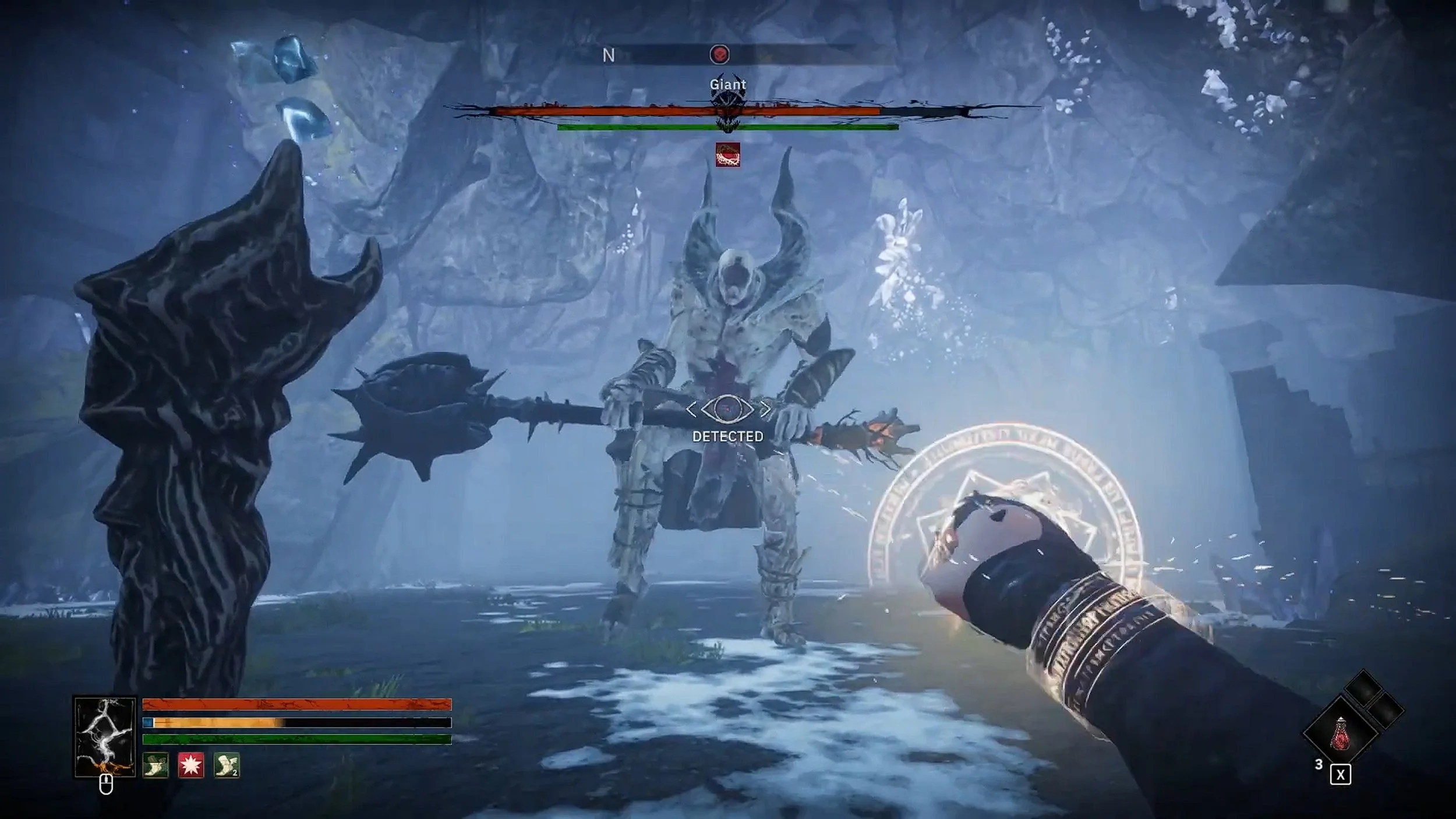
I decided to pursue a magic and spellcasting build in the RPG Tainted Grail: The Fall of Avalon after the story prologue. During the opening section of the game, the player is presented with a sufficient range of weapons to determine which type suits them best, although you can change at any time during the game. For me, casting spells feels right and is fun. Plus I have fond memories of the magic system in Two Worlds II and Skyrim. So once I started playing through the first zone, I started putting attribute and skill points into the appropriate trees to bolster my spells strengths and frequency. I also chose gear that would bolster those statistics further. The results have been surprising, as magic and spellcasting is not presented in the usual “glass cannon” style you find in some other RPGs. Here it offers robust DPS output and with the right gear and spell combination, a strong degree of survivability.
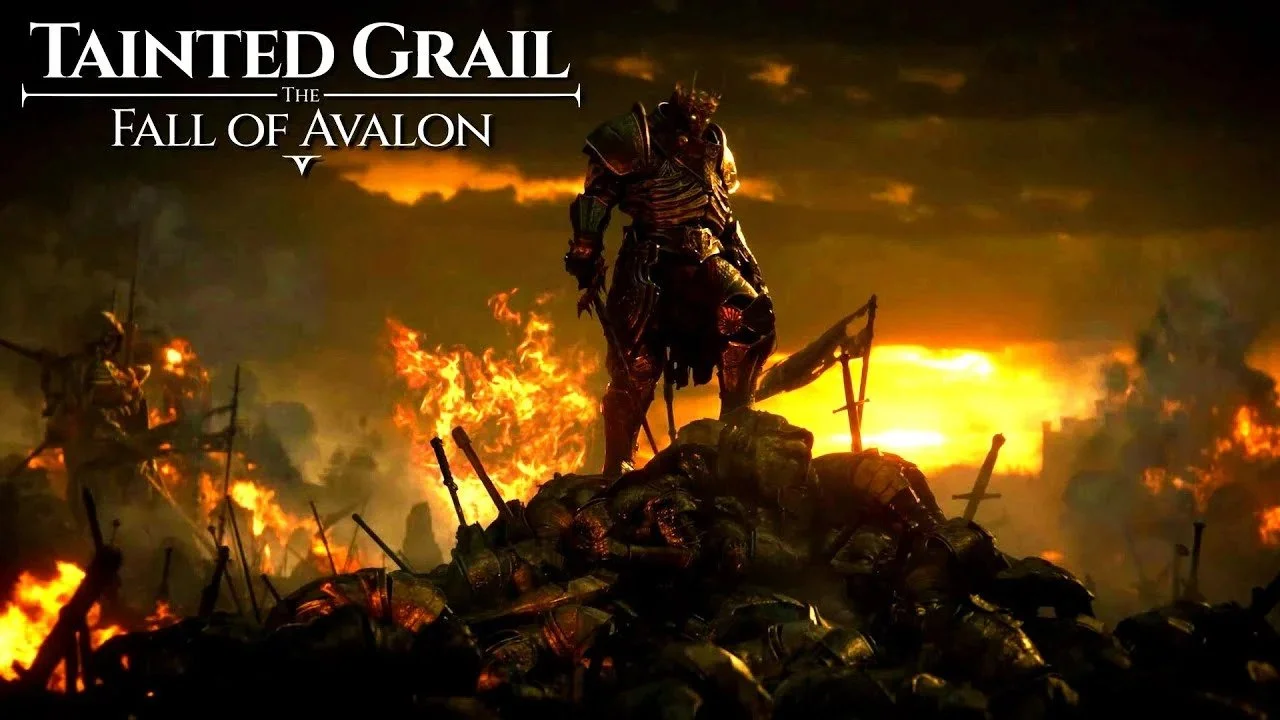
I first played The Elder Scrolls V: Skyrim in June 2013. This was over 18 months after the game’s initial release and the base game and DLC were bundled together in a “Legendary” edition. Although a seasoned gamer at the time, familiar with the RPG genre with such titles as Mass Effect and Grand Theft Auto IV, I had not played a game from this franchise before. It only took a few hours of gameplay to realise that this was a special title. The scope of the story, the art design and the size of the world were immediately notable. Tamriel was immersive in a way I had not experienced with other titles. Often simply traversing the terrain and watching the dawn break while the game soundtrack swelled, was sufficient to hold my attention. I instantly picked up on the voice acting of Christopher Plummer and Max Von Sydow. All of which indicated that this was a gaming landmark.
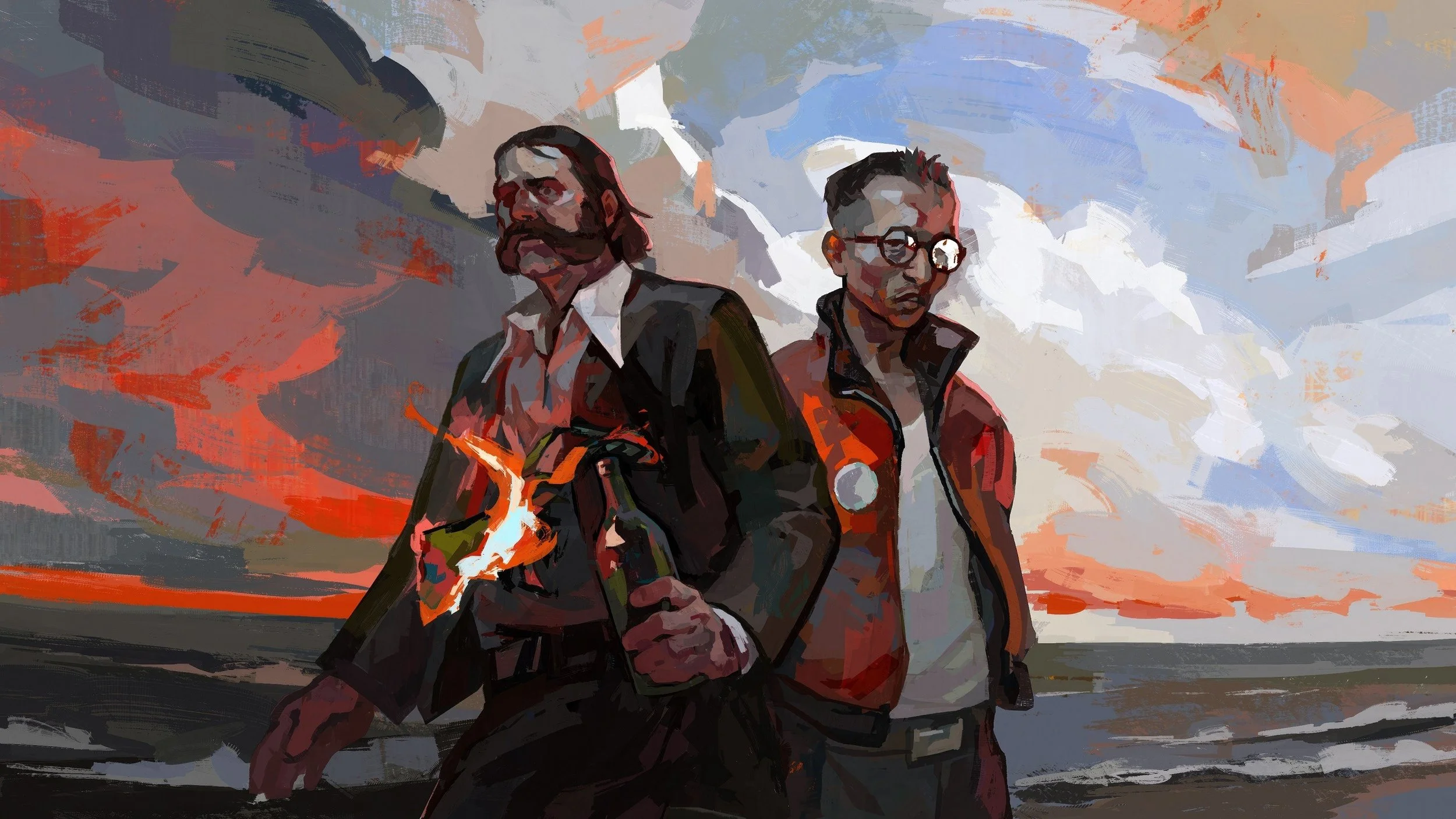
I recently started playing through the RPG Disco Elysium for a second time. I did not complete the game last time I played in February and March but go about two thirds of the way through the story. As far as solving the central crime, I had established an accurate cause of death for the murder victim and broadly understood the events leading to their death. The main reason I did not complete the game was because I was playing on the Nintendo Switch and found it increasingly difficult to read the text on the small screen. The loading times were also excruciatingly slow. Playing the game while “docked” helped the former but not the latter issue. Hence I bought the PC version of Disco Elysium: The Final Cut for just £5 and started again from the beginning.
The Red Strain is the second DLC for the RPG Atomfall. It provides another interesting side story that is adjacent to that of the main game. Set in the new region of Stafell Crag, the player finds a secret installation called Test Site Moriah, run by C.O.R.E. (Co-ordinated Orbital Research Establishment). C.O.R.E. have seniority over B.A.R.D. (British Atomic Research Department) and have taken much of their research and used it for their own experiments. This includes the Red Strain, a genetically modified version of the Blue Infection. However, this has escaped containment and spread throughout the entire site. Once again the player must explore the zone, looking for leads and collecting resources, while trying to piece together what has happened. As in the previous DLC and main game, not every NPC that you meet in The Red Strain can be trusted.
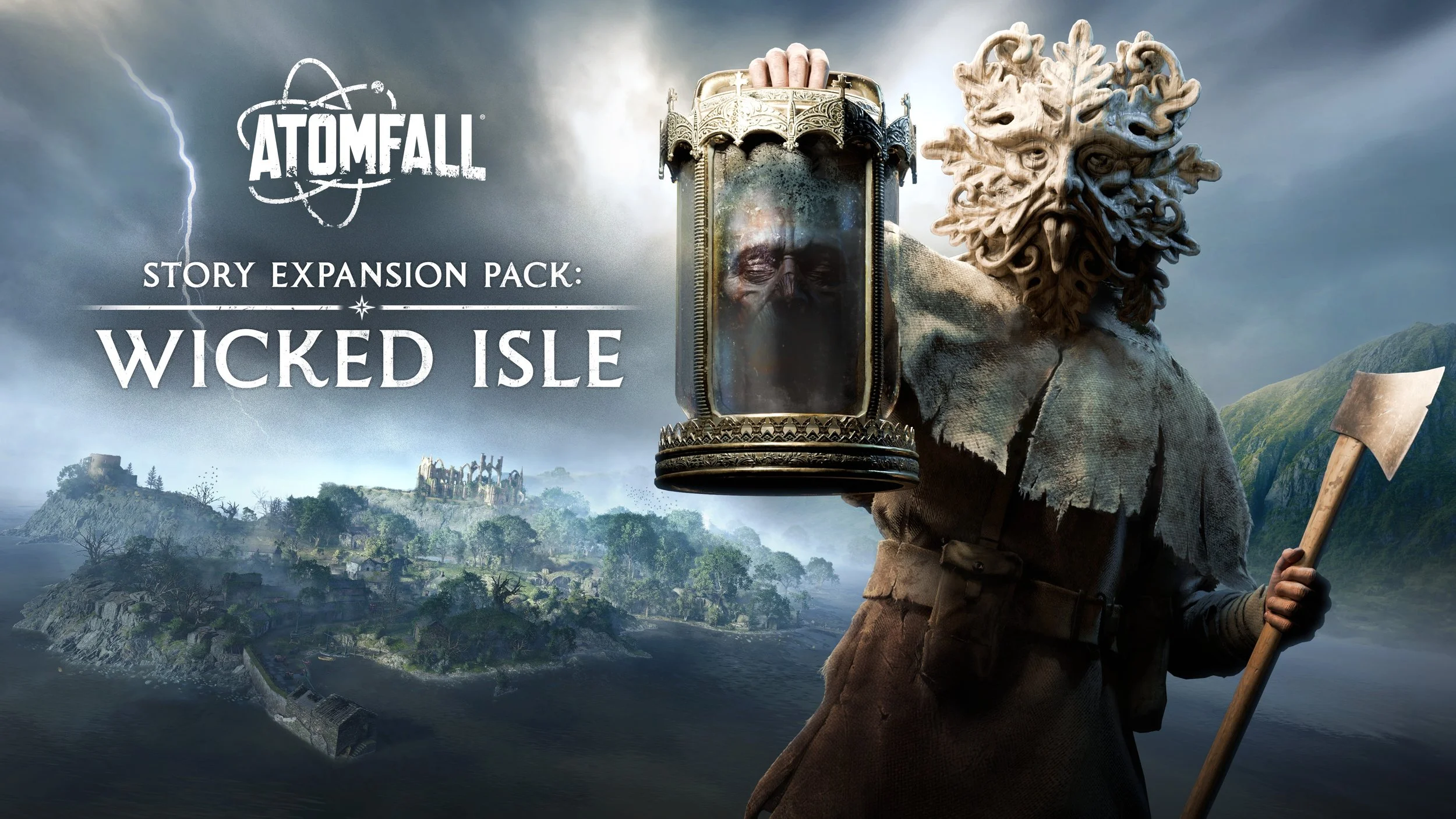
Wicked Isle DLC for the RPG Atomfall was released on 3rd June, two months after the base game launched. As with its predecessor there are no specific missions, the DLC requires the player to explore the environment to pick up leads. These ultimately provide a coherent story but the clues may not necessarily be obtained in the correct order. Hence, again there is a requirement for players to look, listen and think. Referring to the in-game notebook is beneficial for narrative clarification. As well as a new story, Wicked Isle DLC also has new weapons, items and skills. This includes a Blunderbuss shotgun which inflicts huge damage but has a limited range, as well as a cutlass and some ritualistic weapons. There is also an upgraded metal detector along with the Decomposition skill, which causes enemies to rapidly dissolve into fungal spores after a takedown. This means that dead NPCs cannot be discovered.

Spoiler Alert: The following post discusses the various endings available in Atomfall. About 15 or so hours into Atomfall, the various plot elements started to become a lot clearer to me and I realised that several key characters were all offering differing escape options. Naturally, each outcome came with a quid pro quo requirement. Hence, there was a choice to make as to which ending I wanted to pursue, assuming that some outcomes were narratively or ethically better than others. At this point I had avoided many plot spoilers, so had no clear idea as to what specific endings were available. So I made a decision based purely upon the information that each of these characters gave me and chose to implement Dr. Holder’s solution to the Oberon problem. It seemed the most honest and pragmatic outcome, plus it caused the least amount of collateral damage.
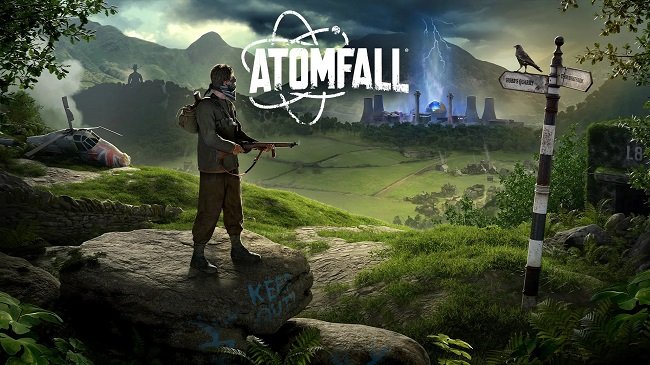
By default, I’m not always drawn to first person games. I see their merits in genres such as shooters but in an RPG, I prefer a third person perspective. So I was somewhat ambivalent towards Atomfall when I first saw promotional videos for the game. However, its uniquely British setting and period ambience piqued my interest. I also enjoy the Sniper Elite series which developers Rebellion also produce. So I recently bought the deluxe version of the game and began my play through. I made sure that I didn’t do too much research beforehand, because it was clear that the complexities of the plot are a major selling point of the game. Twenty two gaming hours later, I had completed two of six possible endings. Despite discovering a wealth of “leads” and diligently scouring the four main zones of Atomfall, I still feel there is much left to find and explore. Hence I have begun a second playthrough.

I’m a late convert to the church of Disco Elysium. Over 4 years late, although that can be a good thing in some respects. Pretty much everything that can be said about the game probably has been said already and I’ve missed it all. When purchasing the game, I knew there was a positive buzz around this RPG and it had something to do with its philosophical nature. Beyond that I wasn’t aware of the game's subtleties. I was just looking for something that I could play on my Nintendo Switch that wasn’t Mario. As Disco Elysium is a dialogue driven RPG, based upon choices rather than action, I thought buying the game on this platform was a good choice. So I started playing late on a Thursday night. 10 days later I am still utterly riveted, although this is one of the most emotionally gruelling gaming experiences of my life.
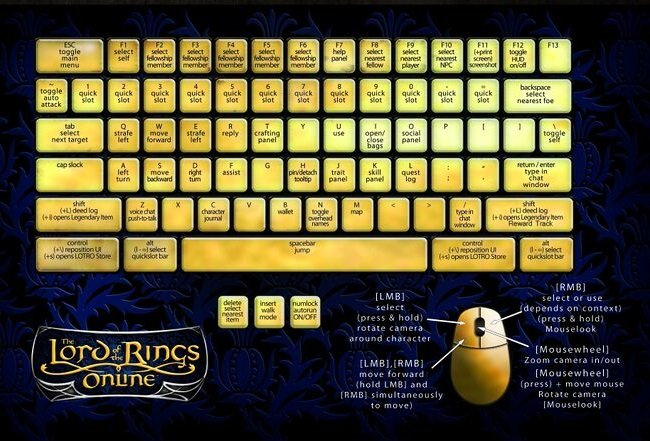
Do you know what you're doing? For clarification, this question is regarding video games and not how you run your life. The latter would make for an interesting discussion but that is not what I am asking. On this occasion the question is to establish whether you are the sort of player who strives to understand the mechanics of a video game? Do you make it your business to become au fait with all the statistics and the formulas behind them? Do you keep a spreadsheet filled with data pertaining to your gear or build? Do you fully comprehend the consequences of swapping out an item and seeing a particular statistic increase or decrease. Does all of this inherently appeal to you and contribute to overall the enjoyment you get from a game? If the answer is yes, then bravo. I kind of admire your dedication to this aspect of gaming. Because I tend to switch off when it comes to min-maxing.

One of the defining qualities of a truly great game is how long it can hold your interest and keep you engaged. For example I bought the Game of the Year version of Skyrim about 14 months after its initial release. Hence I had access to all the games content that I dutifully played through. However, I also fully explored the world map, completed all side quests, crafted, furnished several houses and continued to travel the in-game world and killing foes long after I had completed all the traditional content. I did the same with Red Dead Redemption 2 as this also offered a compelling and immersive world. Games such as these have a quality beyond just the functional. I would happily traverse the mountains in Skyrim and watch the sunset, revelling in the ambient music. Similarly, I would often just ride the train in RDR2 and watch the world go by. When I finally stopped playing both games for newer titles, I felt a sense of sadness when I bid them goodbye.

I struggle with certain types of game mechanics in RPGs and MMOs. Especially those involving crafting, building or any other form of gated, time based, resource dependent creation. Outposts in Starfield is a textbook example of this. I love the notion of having a fancy base on some remote planet, with all the necessary facilities for my starship and crew. I also like, in principle, the idea of being able to customise it so that it looks exactly how I want it. However, the reality is always very different. Building an outpost in Starfield is slow and the UI that you have to use is ponderous. You have to sink a great deal of time and effort into building one and ultimately, beyond the cosmetic, your completed outpost offers very few benefits. Which raises the question as to why I’ve spent so much time recently, watching YouTube videos about constructing outposts?

I like the concept of companions in video games. They can offer tactical support in combat, be assigned research or crafting jobs and often provide beneficial buffs and such like. There’s also the option for “romance” if you wish. More importantly, companions can sometimes offer unique quest lines. Extra content is always welcome. Starfield, being a Bethesda game, offers all of these with its companion system. However, as ever there is also a downside. Companions can get in the way during combat or wander off and cause aggro when it is not required. They will also judge your decisions which can be problematic, and they sometimes never stop talking. Sometimes, it can be useful to have a companion with you. But on other occasions it’s a pain in the ass. Hence, your style of gameplay should dictate how you use them.
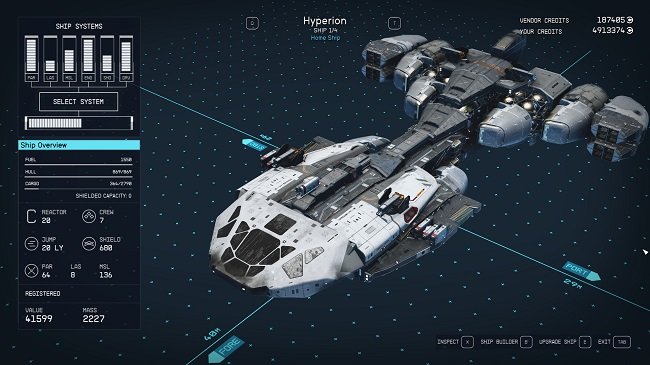
These posts are all written after playing a lengthy session of Starfield. Often some of the points raised are clarified later. So, it would be remiss of me not to revise a comment I made previously about scanning when surveying a planet. It turns out that there is a surveying skill that you can invest points into that improve the efficiency of the process. Let it suffice to say that it does make things easier. Now that’s out of the way, I want to focus upon the necessity to replace your ship as soon as possible in Starfield. The Frontier, which is the first vessel you’re given access to in the game, has a lot of character but it doesn’t have much else. It is lacking in damage output and is therefore a bit of a liability in space combat, even after you’ve unlocked targeting in the skills tree. I therefore made it a priority to replace it as soon as possible.

It is quite easy to get overwhelmed by the sheer quantity of things to do in Starfield. You can be walking through the plaza in New Atlantis, pass a pair of NPCs talking about something and the next thing you know you have a new mission to complete. As with most video games, there is a hierarchy of importance when it comes to the various tasks you are asked to undertake. Players may feel obliged to focus upon the main story during their initial first six hours or so. Such a strategy usually provides players with an overview of the game’s mechanics as well as providing some essential items such as gear. But it can feel a little smothering to have content continuously added to your mission journal. Especially if you’re the sort of player that likes to impose structure upon your gaming and likes to undertake tasks in an orderly and methodical fashion.
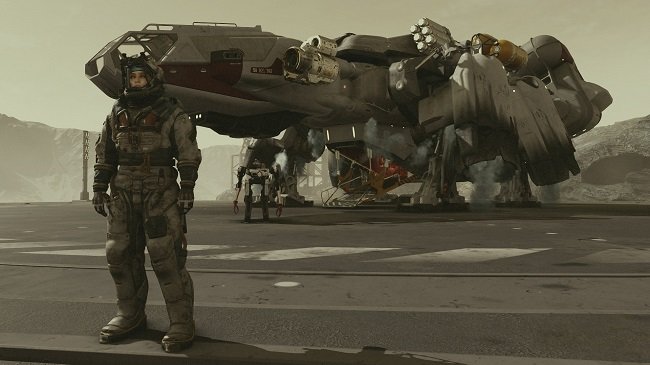
I pre-installed Starfield, via Steam, on Wednesday 30th August. Early access started in the UK at 1:00 AM today. However, I didn’t get around to playing until about 10:00 AM this morning. It took about an hour or so to unpack the pre-installed game. It currently occupies a little over 116GB of space. As I wasn’t sure how well my PC would handle Starfield, I decided to use my second monitor to play the game at a resolution of 1920x1080 (16:9). I have an Nvidia GTX 1660 Super GPU. Initially, I turned all the graphics to “high” and set the game to render at full resolution. Initially the game seemed to run well. I got through the initial story which takes place in a mine. I also got to the character customisation, which in true Bethesda style takes place after the story has progressed for a while. However, the moment I entered space in my ship, the game started running poorly. The graphics stuttered and the audio desynced.
I have already written about the hype associated with the forthcoming RPG Starfield and my thoughts on that particular issue have not changed. However, regardless of the iniquities of the marketing industry and the unrealistic expectations of some gamers, Starfield is a significant release from an established developer with a proven track record. Hence there is a great deal of interest in this game due to the scope of its content and breadth of vision. Plus many of Bethesda’s competitors will be watching the launch on September 6th very closely, especially those with similar products in development. Whatever your perspective on the game, there’s going to be a lot of interest in it, so I’ve decided to document my experiences with Starfield.
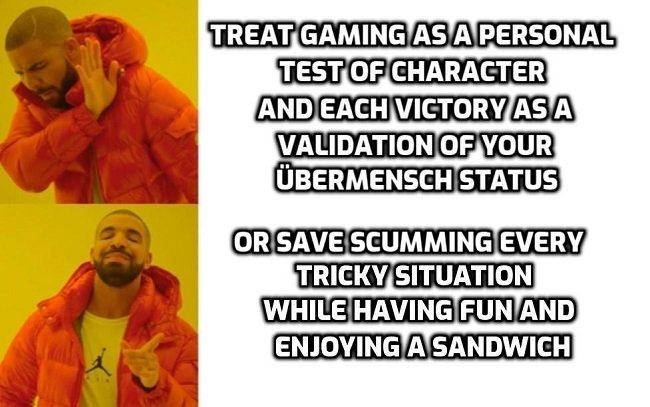
Throughout history, there’s always some asshole who confuses their own personal opinion for some undeniable, unassailable, universal truth. This misconception often ends in tragedy. Sadly it is the doom of men (especially Colin) that they forget. Hence, life continues to be regularly assailed by the following cycle. An asshole talks bollocks and advocates an erroneous position or philosophical stance that is unsustainable in the face of reality. A shit storm ensues. The asshole’s position is utterly and unequivocally demolished by facts and data. Everyone else then has to pick up the pieces, while the asshole, due to a lack of critical thinking and emotional literacy, still thinks that they’re right and that “they’re the victim”. This scenario manifests itself in many aspects of day-to-day life. Domestic politics, your places of employment etc. It is also an integral part of gaming culture and a core tenet of Gamers (™).
I have written in the past about games that have proved popular or critically successful that pass you by. You simply weren’t aware of them or their success at the time of their release. You missed all the marketing and hype. It’s easily enough done as there’s so much white noise associated with gaming these days. You subsequently stumble across these popular games later and much to your surprise, discover their merits long after everyone else has. I have also written about what it is like to be the proverbial “odd one out” by not being part of a major gaming group. Not playing World of Warcraft is a prime example of this phenomenon. Exploring both these subjects inevitably leads to discussions about hype, gaming consensus and FOMO. This time I want to talk about a game that has recently gained a great deal of traction in the gaming community and has also caused a great deal of debate. A game that some of its more enthusiastic supporters are calling a new “industry standard”.

Hype.
Noun: Extravagant or intensive publicity or promotion.” His first album hit the stores amid a storm of hype”.
Verb: Promote or publicise (a product or idea) intensively, often exaggerating its benefits.
“An industry quick to hype its products”,
Until recently I have gone out of my way to avoid any promotional material regarding Starfield, the forthcoming RPG from Bethesda Game Studios. However, as the September 6th release date is approaching, I finally decided to watch the following YouTube video in order to make a measured judgement about exactly what the game has to offer. Let it suffice to say that if you take the video at face value, then Starfield is potentially a revolutionary video game. However, upon mature reflection and sober consideration, I have chosen not to take the claims made in the video as gospel. As far as I’m concerned this is not regular marketing, as it goes beyond the scope of briefing potential buyers about the product. Instead I would define the videos as pure and unabashed hype, as specified in the two definitions at the start of this post. And hype is a very problematic phenomenon.
I started playing Red Dead Redemption 2 on the PC upon its release in late 2019. Although I enjoyed it, I was distracted by other matters at the time and so I drifted away in early 2020. To cut a long story short, I recently picked up exactly where I left off, because I felt the need for a big, narrative driven, RPG gaming experience. Red Dead Redemption 2 certainly meets those requirements. A few days ago I finished the main story and having played through sufficient side quests and challenges, decided to call it quits. Since then I have been musing on both the game itself and the experience I had while playing through it. Simply put, I consider Red Dead Redemption 2 to be a genre milestone and one of the most significant and impressive examples of video games that I have experienced over the course of my life, along with the likes of The Elder Scrolls V: Skyrim and The Witcher III: Wild Hunt.
Before I begin, this post comes with a massive caveat. In fact let’s go so far as to say it is a massive, highly polished and lavishly tooled caveat. There are gamers out there that play video games to challenge themselves and to be the best. Some do it for bragging rights. Others just do it for their own self satisfaction. This is fine. You do you. As long as your gameplay and gaming philosophy doesn’t impact anyone else negatively, then that’s fine. Let me state for the record that I am not that kind of gamer and this post is aimed very much at the average person who plays for entertainment, fun and to unwind. You know, the majority of people who play video games. So any responses to this post that fall into the “git gud” school of thought are irrelevant and can politely “go forth and multiply. Now we have established our frame of reference, let us proceed.
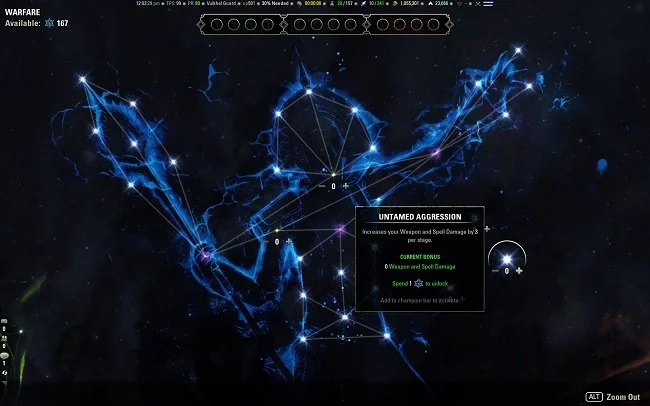
I’m sure I’ve mentioned this issue before in previous video game related posts. But I don’t think I’ve devoted an entire article to the matter, which is what I’m going to do today. So to provide some context, I logged into The Elder Scrolls Online today as I’m fast approaching that point in the year where I spend a few months subscribing to the game. Due to some recent patch, once again all my Champion Points have been refunded. Judging by the change in graphics, it may be that the entire Champion Point system has been updated. Whatever the reason, I have to re-allocate 501points into three skill trees. I wasn’t au fait with the last system, so I followed a build I found online. Now that it has changed, I’ll have to find a new one and copy it. Until I do, my character will be gimped. Shame the game doesn’t offer a selection of generic builds that can be easily implemented at the press of a button.
Again this is more a case of two months in gaming. Furthermore although I was quite active in July, I was less so in August as the Blaugust 2021 Festival of Blogging event consumed the lion share of my leisure time. The majority of my gaming time is usually mid to late evening. Although Mrs P and I do many activities together, there are times when she will want to watch something I don’t, be engrossed in a book or out with friends. These occasions present sizable windows of time to focus upon a video game, which is especially useful for the MMORPG and RPG genres. However, I often have to choose whether to use this time exclusively for gaming or some other recreational activities such as writing. Another foible of my video game time management is trying to arrange things so I can undertake recurring, daily quests in a game early in the morning. I will often tackle such content in Star Trek Online, as soon as I get up.
You’re strutting around in your favourite MMORPG, dressed to the nines in your finest outfit. You recently acquired The Tabard of Marginal Statistical Improvement after finally beating that particularly difficult raid boss. As you stroll into the auction house with the confident air of someone who knows they’re looking damn good, you keep an eye on the chat window anticipating comments and praise from other players. You stop in front of an NPC and stand their basking in presumed public adulation and revelling in your own self satisfaction. Suddenly another player appears on the periphery of your monitor and catches your attention. Oh calamity, their avatar looks virtually identical to your. Same fez, monocle and handlebar moustache. They’re also wearing The Tabard of Marginal Statistical Improvement, except theirs is in electric pink. Oh the humiliation. Oh the humanity. Oh Vienna. You log off in tears, your ego crushed, a victim of a game with insufficient character customisation and diversity.
Atomfall: Wicked Isle DLC
Wicked Isle DLC for the RPG Atomfall was released on 3rd June, two months after the base game launched. As with its predecessor there are no specific missions, the DLC requires the player to explore the environment to pick up leads. These ultimately provide a coherent story but the clues may not necessarily be obtained in the correct order. Hence, again there is a requirement for players to look, listen and think. Referring to the in-game notebook is beneficial for narrative clarification. As well as a new story, Wicked Isle DLC also has new weapons, items and skills. This includes a Blunderbuss shotgun which inflicts huge damage but has a limited range, as well as a cutlass and some ritualistic weapons. There is also an upgraded metal detector along with the Decomposition skill, which causes enemies to rapidly dissolve into fungal spores after a takedown. This means that dead NPCs cannot be discovered.
Wicked Isle DLC for the RPG Atomfall was released on 3rd June, two months after the base game launched. As with its predecessor there are no specific missions, the DLC requires the player to explore the environment to pick up leads. These ultimately provide a coherent story but the clues may not necessarily be obtained in the correct order. Hence, again there is a requirement for players to look, listen and think. Referring to the in-game notebook is beneficial for narrative clarification. As well as a new story, Wicked Isle DLC also has new weapons, items and skills. This includes a Blunderbuss shotgun which inflicts huge damage but has a limited range, as well as a cutlass and some ritualistic weapons. There is also an upgraded metal detector along with the Decomposition skill, which causes enemies to rapidly dissolve into fungal spores after a takedown. This means that dead NPCs cannot be discovered.
One of the most interesting aspects of Wicked Isle DLC, is that rather than being a sequel to the events of Atomfall, it is a tangential story that links into the main narrative. It also provides two additional endings to the main game and sheds further light on the existing lore. Taking place on Midsummer Isle which is adjacent to the Windscale site, the player can access the DLC by going to the docks in Wyndham Village and talking to boatman Bill Anderson. It should be noted that if a player has progressed too far into the main story of Atomfall, they will not be able to access the DLC and the game will notify them accordingly. However, this can be remedied by loading a prior save game, or by starting the main game again and proceeding straight to Wyndham Village.
The Wicked Isle DLC story is very much in the same idiom Atomfall. Midsummer Isle is home to yet more druids and bandits, suffering from the same fungal blight. However, the main story centres on the remnants of an Abbey and its mysterious demise in the seventeenth century. The player is afforded glimpses of the past, through the use of a strange mead brewed from the fungal spores. It is via these flashbacks that we learn how the Abbey discovered an “angel” which bears an alarming similarity to Oberon. The blending of the supernatural with science again is very reminiscent of the works of Nigel Kneale and this DLC has a definite Quatermass vibe to it. Again there are significant choices to be made while playing, which can alter the story outcome of both the DLC and the base game.
Again there are some excellent easter eggs in the Wicked Isle DLC, making more British pop culture references. Something akin to the Lochness Monster can be seen briefly swimming off the shore and there is a creepy nod to Captain Scarlet and the Mysterons. However, despite a strong story and new elements to the game, the lack of a fast travel system continues to be a nuisance. On occasions a lead may send a player from Midsummer Isle back to Wyndham and then across another two zones to expedite the plot. This all has to be done on foot and can be ponderous. As with Atomfall, relying on stealth or simply running away is often the best option, rather than direct combat. The new Aquatic Ferals are especially dangerous at close range and are often in pairs. Unless a player has obtained a decent ranged weapon, combat options can be at times limited.
I enjoyed Wicked Isle DLC and in some respects preferred it to some of the storylines in Atomfall. It is singularly creepy and the ending I chose actually clarified the overall story a lot more. Overall I still like the fact that developer’s Rebellion has chosen not to make the protagonist over powered. The world is hostile and needs to be navigated with caution. You can choose to play as quickly as you see fit but the game does reward a steady and measured approach. If you immerse yourself in the lore, read all information that comes your way and make use of the notebook, the story is both atmospheric and rewarding. The ambience and tone of Wicked Isle DLC along with its uniquely British setting, is for me its biggest selling point. It is not an afterthought as some DLC can be, instead being a solid addition to the game.
Update:
While writing this post, Rebellion have just announced a further “story expansion”, The Red Strain, coming to Atomfall on 16th September. At this point it is not clear if this content is included in the Deluxe Edition of the game or whether it will be chargeable.
I recently completed the main story in Tainted Grail: The Fall of Avalon. In total I spent about sixty hours playing the game. I began at the start of the year, then took a break for a while but returned to it recently because I wanted to see if I could unlock a specific ending. I did manage to do this. Like so many other RPGs, Tainted Grail: the Fall of Avalon has a central storyline, along with a wealth of side quests, based around factions in specific zones. I think I possibly completed about a two thirds of these. However, once I finished the main story, my interest in the game began to wane. I finally left my character in the last major quest hub in case I wish to return at a future date. I then logged out of the game and uninstalled it from my PC to free up space for whatever I was to play next. In this case its The Sinking City 2. None of this is a negative reflection on Tainted Grail: the Fall of Avalon. I enjoyed the time I spent playing this quirky RPG. I simply had my fill and left to play something else.
The action, open world RPG Crimson Desert has been patched five times since it launched on March 19th and there have also been multiple hotfixes. At first glance this isn’t anything unusual. New games have bugs and issues arise once a game is released and played across a much wider variety of hardware than in QA testing. However, if you read the patch notes that accompany these sizeable downloads it quickly becomes apparent that developer’s Pearl Abyss are not just addressing bugs and software glitches. They are actively engaging with their player base and responding to suggestions and requests from that community. Although this is not a unique approach, what is surprising is the speed and quantity in which these player driven changes are happening. There seems to be an active ongoing process to refine the game and eliminate some of its “rough edges” and the players are contributing to this process with their feedback.
According to my Steam statistics, I last played Starfield on 19th December 2023. I bought the game upon its release in September of that year and played in total for 136 hours. Starfield held my interest for three and a half month and I wrote seven blog posts about various aspects of the game. Although there were some engaging aspects to Starfield, I did feel that that the game was somewhat lacking in systems and content, at that point in its lifecycle. I also think that the marketing and player expectations associated with Starfield were overblown and unrealistic. The shadow of Skyrim looms large over all new Bethesda releases and they don’t seem able to quite recapture that magic. Hence, I inevitably drifted away from Starfield and to another game and was effectively “done” with it. I have not played the game since which seems to validate the theory that game are becoming increasingly more ephemeral.
13 days after its release, market analysts estimate that Crimson Desert has already earned $200 million across the four main platforms (PC, PlayStation 5, and Xbox Series X and S). The game is certainly proving popular among gamers with the internet awash with live streams and “let’s play” videos. However, reviews are mixed both among gaming journalists and YouTube influencers. Common complaints about the game include that it is slow to start, the controls are poorly laid out on all platforms and that developer’s Pearl Abyss have done a poor job of explaining most aspects of the game to new players. Although such criticisms are true to a degree, I think these complaints highlight how many gamers are conditioned to expect new titles to follow a specific pattern with regard to pacing, narrative exposition and learning in-game systems. A pattern that Pearl Abyss has chosen to ignore, instead favouring an old school approach.
Last night, I spent the first 45 minutes after the launch of Crimson Desert, watching the 92GB pre-downloaded game files slowly decompressing and installing. I finally launched the game at about 10:50 PM GMT. I then waited a further 5 minutes while shaders were downloaded. It took me about 15 minutes or so to read through the various game settings and choose those that are optimal for my PC. I suspect even if you have a beast of a computer, you’re still going to have to spend some time tweaking settings. As for those players like myself with a gaming rig that is somewhere in the middle of the game’s specifications, be prepared to do a lot of fine tuning both within Crimson Desert itself and your Windows settings.
Video games as a genre are extremely poor at explaining themselves. When you buy a new game you’ll often find little or no information regarding the basic systems and mechanics. The industry assumes that their customers are by default familiar with the fundamentals of playing a modern video game. Hence if a game has a tutorial, it is often based around videos rather than detailed verbal instructions. You are are briefly shown a clip of a specific move being successfully undertaken but it is seldom shown in a wider context. The industry also expects the fan community to take on the role of curating and disseminating information about its games. The move away from forums and bespoke websites to Discord highlights this. Discord is a primarily a real time communication tool and not good at maintaining a historical data archive. If you want an answer to a specific gaming question, you’ll more than likely find it on YouTube in a video made by a fellow gamer.
I decided to pursue a magic and spellcasting build in the RPG Tainted Grail: The Fall of Avalon after the story prologue. During the opening section of the game, the player is presented with a sufficient range of weapons to determine which type suits them best, although you can change at any time during the game. For me, casting spells feels right and is fun. Plus I have fond memories of the magic system in Two Worlds II and Skyrim. So once I started playing through the first zone, I started putting attribute and skill points into the appropriate trees to bolster my spells strengths and frequency. I also chose gear that would bolster those statistics further. The results have been surprising, as magic and spellcasting is not presented in the usual “glass cannon” style you find in some other RPGs. Here it offers robust DPS output and with the right gear and spell combination, a strong degree of survivability.
I first played The Elder Scrolls V: Skyrim in June 2013. This was over 18 months after the game’s initial release and the base game and DLC were bundled together in a “Legendary” edition. Although a seasoned gamer at the time, familiar with the RPG genre with such titles as Mass Effect and Grand Theft Auto IV, I had not played a game from this franchise before. It only took a few hours of gameplay to realise that this was a special title. The scope of the story, the art design and the size of the world were immediately notable. Tamriel was immersive in a way I had not experienced with other titles. Often simply traversing the terrain and watching the dawn break while the game soundtrack swelled, was sufficient to hold my attention. I instantly picked up on the voice acting of Christopher Plummer and Max Von Sydow. All of which indicated that this was a gaming landmark.
I recently started playing through the RPG Disco Elysium for a second time. I did not complete the game last time I played in February and March but go about two thirds of the way through the story. As far as solving the central crime, I had established an accurate cause of death for the murder victim and broadly understood the events leading to their death. The main reason I did not complete the game was because I was playing on the Nintendo Switch and found it increasingly difficult to read the text on the small screen. The loading times were also excruciatingly slow. Playing the game while “docked” helped the former but not the latter issue. Hence I bought the PC version of Disco Elysium: The Final Cut for just £5 and started again from the beginning.
The Red Strain is the second DLC for the RPG Atomfall. It provides another interesting side story that is adjacent to that of the main game. Set in the new region of Stafell Crag, the player finds a secret installation called Test Site Moriah, run by C.O.R.E. (Co-ordinated Orbital Research Establishment). C.O.R.E. have seniority over B.A.R.D. (British Atomic Research Department) and have taken much of their research and used it for their own experiments. This includes the Red Strain, a genetically modified version of the Blue Infection. However, this has escaped containment and spread throughout the entire site. Once again the player must explore the zone, looking for leads and collecting resources, while trying to piece together what has happened. As in the previous DLC and main game, not every NPC that you meet in The Red Strain can be trusted.
Wicked Isle DLC for the RPG Atomfall was released on 3rd June, two months after the base game launched. As with its predecessor there are no specific missions, the DLC requires the player to explore the environment to pick up leads. These ultimately provide a coherent story but the clues may not necessarily be obtained in the correct order. Hence, again there is a requirement for players to look, listen and think. Referring to the in-game notebook is beneficial for narrative clarification. As well as a new story, Wicked Isle DLC also has new weapons, items and skills. This includes a Blunderbuss shotgun which inflicts huge damage but has a limited range, as well as a cutlass and some ritualistic weapons. There is also an upgraded metal detector along with the Decomposition skill, which causes enemies to rapidly dissolve into fungal spores after a takedown. This means that dead NPCs cannot be discovered.
Spoiler Alert: The following post discusses the various endings available in Atomfall. About 15 or so hours into Atomfall, the various plot elements started to become a lot clearer to me and I realised that several key characters were all offering differing escape options. Naturally, each outcome came with a quid pro quo requirement. Hence, there was a choice to make as to which ending I wanted to pursue, assuming that some outcomes were narratively or ethically better than others. At this point I had avoided many plot spoilers, so had no clear idea as to what specific endings were available. So I made a decision based purely upon the information that each of these characters gave me and chose to implement Dr. Holder’s solution to the Oberon problem. It seemed the most honest and pragmatic outcome, plus it caused the least amount of collateral damage.
By default, I’m not always drawn to first person games. I see their merits in genres such as shooters but in an RPG, I prefer a third person perspective. So I was somewhat ambivalent towards Atomfall when I first saw promotional videos for the game. However, its uniquely British setting and period ambience piqued my interest. I also enjoy the Sniper Elite series which developers Rebellion also produce. So I recently bought the deluxe version of the game and began my play through. I made sure that I didn’t do too much research beforehand, because it was clear that the complexities of the plot are a major selling point of the game. Twenty two gaming hours later, I had completed two of six possible endings. Despite discovering a wealth of “leads” and diligently scouring the four main zones of Atomfall, I still feel there is much left to find and explore. Hence I have begun a second playthrough.
I’m a late convert to the church of Disco Elysium. Over 4 years late, although that can be a good thing in some respects. Pretty much everything that can be said about the game probably has been said already and I’ve missed it all. When purchasing the game, I knew there was a positive buzz around this RPG and it had something to do with its philosophical nature. Beyond that I wasn’t aware of the game's subtleties. I was just looking for something that I could play on my Nintendo Switch that wasn’t Mario. As Disco Elysium is a dialogue driven RPG, based upon choices rather than action, I thought buying the game on this platform was a good choice. So I started playing late on a Thursday night. 10 days later I am still utterly riveted, although this is one of the most emotionally gruelling gaming experiences of my life.
Do you know what you're doing? For clarification, this question is regarding video games and not how you run your life. The latter would make for an interesting discussion but that is not what I am asking. On this occasion the question is to establish whether you are the sort of player who strives to understand the mechanics of a video game? Do you make it your business to become au fait with all the statistics and the formulas behind them? Do you keep a spreadsheet filled with data pertaining to your gear or build? Do you fully comprehend the consequences of swapping out an item and seeing a particular statistic increase or decrease. Does all of this inherently appeal to you and contribute to overall the enjoyment you get from a game? If the answer is yes, then bravo. I kind of admire your dedication to this aspect of gaming. Because I tend to switch off when it comes to min-maxing.
One of the defining qualities of a truly great game is how long it can hold your interest and keep you engaged. For example I bought the Game of the Year version of Skyrim about 14 months after its initial release. Hence I had access to all the games content that I dutifully played through. However, I also fully explored the world map, completed all side quests, crafted, furnished several houses and continued to travel the in-game world and killing foes long after I had completed all the traditional content. I did the same with Red Dead Redemption 2 as this also offered a compelling and immersive world. Games such as these have a quality beyond just the functional. I would happily traverse the mountains in Skyrim and watch the sunset, revelling in the ambient music. Similarly, I would often just ride the train in RDR2 and watch the world go by. When I finally stopped playing both games for newer titles, I felt a sense of sadness when I bid them goodbye.
I struggle with certain types of game mechanics in RPGs and MMOs. Especially those involving crafting, building or any other form of gated, time based, resource dependent creation. Outposts in Starfield is a textbook example of this. I love the notion of having a fancy base on some remote planet, with all the necessary facilities for my starship and crew. I also like, in principle, the idea of being able to customise it so that it looks exactly how I want it. However, the reality is always very different. Building an outpost in Starfield is slow and the UI that you have to use is ponderous. You have to sink a great deal of time and effort into building one and ultimately, beyond the cosmetic, your completed outpost offers very few benefits. Which raises the question as to why I’ve spent so much time recently, watching YouTube videos about constructing outposts?
I like the concept of companions in video games. They can offer tactical support in combat, be assigned research or crafting jobs and often provide beneficial buffs and such like. There’s also the option for “romance” if you wish. More importantly, companions can sometimes offer unique quest lines. Extra content is always welcome. Starfield, being a Bethesda game, offers all of these with its companion system. However, as ever there is also a downside. Companions can get in the way during combat or wander off and cause aggro when it is not required. They will also judge your decisions which can be problematic, and they sometimes never stop talking. Sometimes, it can be useful to have a companion with you. But on other occasions it’s a pain in the ass. Hence, your style of gameplay should dictate how you use them.
These posts are all written after playing a lengthy session of Starfield. Often some of the points raised are clarified later. So, it would be remiss of me not to revise a comment I made previously about scanning when surveying a planet. It turns out that there is a surveying skill that you can invest points into that improve the efficiency of the process. Let it suffice to say that it does make things easier. Now that’s out of the way, I want to focus upon the necessity to replace your ship as soon as possible in Starfield. The Frontier, which is the first vessel you’re given access to in the game, has a lot of character but it doesn’t have much else. It is lacking in damage output and is therefore a bit of a liability in space combat, even after you’ve unlocked targeting in the skills tree. I therefore made it a priority to replace it as soon as possible.
It is quite easy to get overwhelmed by the sheer quantity of things to do in Starfield. You can be walking through the plaza in New Atlantis, pass a pair of NPCs talking about something and the next thing you know you have a new mission to complete. As with most video games, there is a hierarchy of importance when it comes to the various tasks you are asked to undertake. Players may feel obliged to focus upon the main story during their initial first six hours or so. Such a strategy usually provides players with an overview of the game’s mechanics as well as providing some essential items such as gear. But it can feel a little smothering to have content continuously added to your mission journal. Especially if you’re the sort of player that likes to impose structure upon your gaming and likes to undertake tasks in an orderly and methodical fashion.
I pre-installed Starfield, via Steam, on Wednesday 30th August. Early access started in the UK at 1:00 AM today. However, I didn’t get around to playing until about 10:00 AM this morning. It took about an hour or so to unpack the pre-installed game. It currently occupies a little over 116GB of space. As I wasn’t sure how well my PC would handle Starfield, I decided to use my second monitor to play the game at a resolution of 1920x1080 (16:9). I have an Nvidia GTX 1660 Super GPU. Initially, I turned all the graphics to “high” and set the game to render at full resolution. Initially the game seemed to run well. I got through the initial story which takes place in a mine. I also got to the character customisation, which in true Bethesda style takes place after the story has progressed for a while. However, the moment I entered space in my ship, the game started running poorly. The graphics stuttered and the audio desynced.
I have already written about the hype associated with the forthcoming RPG Starfield and my thoughts on that particular issue have not changed. However, regardless of the iniquities of the marketing industry and the unrealistic expectations of some gamers, Starfield is a significant release from an established developer with a proven track record. Hence there is a great deal of interest in this game due to the scope of its content and breadth of vision. Plus many of Bethesda’s competitors will be watching the launch on September 6th very closely, especially those with similar products in development. Whatever your perspective on the game, there’s going to be a lot of interest in it, so I’ve decided to document my experiences with Starfield.
Throughout history, there’s always some asshole who confuses their own personal opinion for some undeniable, unassailable, universal truth. This misconception often ends in tragedy. Sadly it is the doom of men (especially Colin) that they forget. Hence, life continues to be regularly assailed by the following cycle. An asshole talks bollocks and advocates an erroneous position or philosophical stance that is unsustainable in the face of reality. A shit storm ensues. The asshole’s position is utterly and unequivocally demolished by facts and data. Everyone else then has to pick up the pieces, while the asshole, due to a lack of critical thinking and emotional literacy, still thinks that they’re right and that “they’re the victim”. This scenario manifests itself in many aspects of day-to-day life. Domestic politics, your places of employment etc. It is also an integral part of gaming culture and a core tenet of Gamers (™).
I have written in the past about games that have proved popular or critically successful that pass you by. You simply weren’t aware of them or their success at the time of their release. You missed all the marketing and hype. It’s easily enough done as there’s so much white noise associated with gaming these days. You subsequently stumble across these popular games later and much to your surprise, discover their merits long after everyone else has. I have also written about what it is like to be the proverbial “odd one out” by not being part of a major gaming group. Not playing World of Warcraft is a prime example of this phenomenon. Exploring both these subjects inevitably leads to discussions about hype, gaming consensus and FOMO. This time I want to talk about a game that has recently gained a great deal of traction in the gaming community and has also caused a great deal of debate. A game that some of its more enthusiastic supporters are calling a new “industry standard”.
Hype.
Noun: Extravagant or intensive publicity or promotion.” His first album hit the stores amid a storm of hype”.
Verb: Promote or publicise (a product or idea) intensively, often exaggerating its benefits.
“An industry quick to hype its products”,
Until recently I have gone out of my way to avoid any promotional material regarding Starfield, the forthcoming RPG from Bethesda Game Studios. However, as the September 6th release date is approaching, I finally decided to watch the following YouTube video in order to make a measured judgement about exactly what the game has to offer. Let it suffice to say that if you take the video at face value, then Starfield is potentially a revolutionary video game. However, upon mature reflection and sober consideration, I have chosen not to take the claims made in the video as gospel. As far as I’m concerned this is not regular marketing, as it goes beyond the scope of briefing potential buyers about the product. Instead I would define the videos as pure and unabashed hype, as specified in the two definitions at the start of this post. And hype is a very problematic phenomenon.
I started playing Red Dead Redemption 2 on the PC upon its release in late 2019. Although I enjoyed it, I was distracted by other matters at the time and so I drifted away in early 2020. To cut a long story short, I recently picked up exactly where I left off, because I felt the need for a big, narrative driven, RPG gaming experience. Red Dead Redemption 2 certainly meets those requirements. A few days ago I finished the main story and having played through sufficient side quests and challenges, decided to call it quits. Since then I have been musing on both the game itself and the experience I had while playing through it. Simply put, I consider Red Dead Redemption 2 to be a genre milestone and one of the most significant and impressive examples of video games that I have experienced over the course of my life, along with the likes of The Elder Scrolls V: Skyrim and The Witcher III: Wild Hunt.
Before I begin, this post comes with a massive caveat. In fact let’s go so far as to say it is a massive, highly polished and lavishly tooled caveat. There are gamers out there that play video games to challenge themselves and to be the best. Some do it for bragging rights. Others just do it for their own self satisfaction. This is fine. You do you. As long as your gameplay and gaming philosophy doesn’t impact anyone else negatively, then that’s fine. Let me state for the record that I am not that kind of gamer and this post is aimed very much at the average person who plays for entertainment, fun and to unwind. You know, the majority of people who play video games. So any responses to this post that fall into the “git gud” school of thought are irrelevant and can politely “go forth and multiply. Now we have established our frame of reference, let us proceed.
I’m sure I’ve mentioned this issue before in previous video game related posts. But I don’t think I’ve devoted an entire article to the matter, which is what I’m going to do today. So to provide some context, I logged into The Elder Scrolls Online today as I’m fast approaching that point in the year where I spend a few months subscribing to the game. Due to some recent patch, once again all my Champion Points have been refunded. Judging by the change in graphics, it may be that the entire Champion Point system has been updated. Whatever the reason, I have to re-allocate 501points into three skill trees. I wasn’t au fait with the last system, so I followed a build I found online. Now that it has changed, I’ll have to find a new one and copy it. Until I do, my character will be gimped. Shame the game doesn’t offer a selection of generic builds that can be easily implemented at the press of a button.
Again this is more a case of two months in gaming. Furthermore although I was quite active in July, I was less so in August as the Blaugust 2021 Festival of Blogging event consumed the lion share of my leisure time. The majority of my gaming time is usually mid to late evening. Although Mrs P and I do many activities together, there are times when she will want to watch something I don’t, be engrossed in a book or out with friends. These occasions present sizable windows of time to focus upon a video game, which is especially useful for the MMORPG and RPG genres. However, I often have to choose whether to use this time exclusively for gaming or some other recreational activities such as writing. Another foible of my video game time management is trying to arrange things so I can undertake recurring, daily quests in a game early in the morning. I will often tackle such content in Star Trek Online, as soon as I get up.
You’re strutting around in your favourite MMORPG, dressed to the nines in your finest outfit. You recently acquired The Tabard of Marginal Statistical Improvement after finally beating that particularly difficult raid boss. As you stroll into the auction house with the confident air of someone who knows they’re looking damn good, you keep an eye on the chat window anticipating comments and praise from other players. You stop in front of an NPC and stand their basking in presumed public adulation and revelling in your own self satisfaction. Suddenly another player appears on the periphery of your monitor and catches your attention. Oh calamity, their avatar looks virtually identical to your. Same fez, monocle and handlebar moustache. They’re also wearing The Tabard of Marginal Statistical Improvement, except theirs is in electric pink. Oh the humiliation. Oh the humanity. Oh Vienna. You log off in tears, your ego crushed, a victim of a game with insufficient character customisation and diversity.
Atomfall
By default, I’m not always drawn to first person games. I see their merits in genres such as shooters but in an RPG, I prefer a third person perspective. So I was somewhat ambivalent towards Atomfall when I first saw promotional videos for the game. However, its uniquely British setting and period ambience piqued my interest. I also enjoy the Sniper Elite series which developers Rebellion also produce. So I recently bought the deluxe version of the game and began my play through. I made sure that I didn’t do too much research beforehand, because it was clear that the complexities of the plot are a major selling point of the game. Twenty two gaming hours later, I had completed two of six possible endings. Despite discovering a wealth of “leads” and diligently scouring the four main zones of Atomfall, I still feel there is much left to find and explore. Hence I have begun a second playthrough.
By default, I’m not always drawn to first person games. I see their merits in genres such as shooters but in an RPG, I prefer a third person perspective. So I was somewhat ambivalent towards Atomfall when I first saw promotional videos for the game. However, its uniquely British setting and period ambience piqued my interest. I also enjoy the Sniper Elite series which developers Rebellion also produce. So I recently bought the deluxe version of the game and began my play through. I made sure that I didn’t do too much research beforehand, because it was clear that the complexities of the plot are a major selling point of the game. Twenty two gaming hours later, I had completed two of six possible endings. Despite discovering a wealth of “leads” and diligently scouring the four main zones of Atomfall, I still feel there is much left to find and explore. Hence I have begun a second playthrough.
Set in 1962, five years after the fire at the Windscale nuclear plant, Atomfall takes place in a quarantine zone in Cumbria. Although under martial law by a military unit known as “the protocol”, the quarantine zone has fallen into a state of anarchy. Some citizens have become outlaws, while a sinister druidic cult has also emerged. Resources are scarce and strange flora and fauna have started to appear. You play as an unidentified amnesiac, who awakes in a bunker and is promptly charged with escaping the quarantine zone. Rather than being given traditional “quests/missions” with clear markers on the map, the player is provided with leads picked up from notes, letters, audio logs or dialogue with NPCs. It is then up to them to pursue these by exploring the world and slowly populating the in-game map. Atomfall also has elements from the survival game genre, as the player has to manage their health and heart rate.
Atomfall is a narrative driven experience which requires the player to look, listen and think. Combat is predominantly melee, as ammunition and firearms are scarce. Stealth and avoiding a fight is often the best approach. Combat is a slow and deliberately cumbersome process. A one on one fracas is manageable but if you aggro multiple NPCs then the situation can quickly escape your control. Hence if you don’t like reading and prefer fast paced action, then Atomfall may not be for you. If you like dialogue and making choices, then the game is a far more attractive proposition. The early hours of your playthrough will provide you with a multitude of disconnected facts and it takes a while before you start piecing the story together. Then there is the issue of who you should trust. There always seems to be consequences for siding with a faction. However, you’re not always boxed in by your choices and if you see fit, you can avoid making any for most of the game.
The main strength of Atomfall lies in its setting and atmosphere. Rebellion’s recreation of the Lake District, a designated UNESCO World Heritage Site, is visually striking. The game is also steeped in UK science fiction and popular culture references of the time. If you’ve ever read any books by John Wyndham, then Atomfall feels very akin to his style. In fact the main village in the game is called Wyndham village as a homage. The game also riffs on the writings of Nigel Kneale and has a strong Quatermass vibe. If you grew up watching Doctor Who from the Pertwee and Baker eras, you’ll find a great deal of the thematic and visual ambience of that show in the game. There are also a wealth of easter eggs, ranging from the obvious to the subtle. All of which greatly adds to the game’s character. The voice acting is solid and does not shy away from period and regional slang.
Atomfall works best when you approach it with a flexible strategy. Talk to NPCs, consider their requirements against your own, then make decisions when you feel you have enough information. Don’t immediately spend your skill points, as some are far more useful than others, depending on how you’re playing. Although you are free to kill everyone and everything, stealth and conflict avoidance pay dividends. Be very careful when entering bunkers as thralls and infected are formidable foes. If you find the leads bewildering, re-read them in your journal as the game then puts them in some semblance of order. Stay on the right side of traders. Go with your gut if you think a NPC is being unsound. But most of all, just revel in the environment. It is incredibly well realised and it is worth stopping every now and then and just taking it in.
As and when you reach your particular ending for Atomfall, you may not find everything narratively cut and dried. The plot as it presently stands, is explained but there remain a great deal of unanswered questions and things to ponder. Hence, some players may find this disappointing. However, if you are thorough in your exploration of the in-game world and attentive to NPC dialogue, you’ll find quite a lot of clues for the forthcoming DLC for the game. I certainly think that Atomfall has sufficient novelty and style to keep me engaged a while longer and bring me back for a follow up story. The game’s success seems to have surprised quite a lot of people, including the developers. It’s nice to see that pursuing a niche style and culturally specific idiom is not an impediment to sales or critical praise.
I recently completed the main story in Tainted Grail: The Fall of Avalon. In total I spent about sixty hours playing the game. I began at the start of the year, then took a break for a while but returned to it recently because I wanted to see if I could unlock a specific ending. I did manage to do this. Like so many other RPGs, Tainted Grail: the Fall of Avalon has a central storyline, along with a wealth of side quests, based around factions in specific zones. I think I possibly completed about a two thirds of these. However, once I finished the main story, my interest in the game began to wane. I finally left my character in the last major quest hub in case I wish to return at a future date. I then logged out of the game and uninstalled it from my PC to free up space for whatever I was to play next. In this case its The Sinking City 2. None of this is a negative reflection on Tainted Grail: the Fall of Avalon. I enjoyed the time I spent playing this quirky RPG. I simply had my fill and left to play something else.
The action, open world RPG Crimson Desert has been patched five times since it launched on March 19th and there have also been multiple hotfixes. At first glance this isn’t anything unusual. New games have bugs and issues arise once a game is released and played across a much wider variety of hardware than in QA testing. However, if you read the patch notes that accompany these sizeable downloads it quickly becomes apparent that developer’s Pearl Abyss are not just addressing bugs and software glitches. They are actively engaging with their player base and responding to suggestions and requests from that community. Although this is not a unique approach, what is surprising is the speed and quantity in which these player driven changes are happening. There seems to be an active ongoing process to refine the game and eliminate some of its “rough edges” and the players are contributing to this process with their feedback.
According to my Steam statistics, I last played Starfield on 19th December 2023. I bought the game upon its release in September of that year and played in total for 136 hours. Starfield held my interest for three and a half month and I wrote seven blog posts about various aspects of the game. Although there were some engaging aspects to Starfield, I did feel that that the game was somewhat lacking in systems and content, at that point in its lifecycle. I also think that the marketing and player expectations associated with Starfield were overblown and unrealistic. The shadow of Skyrim looms large over all new Bethesda releases and they don’t seem able to quite recapture that magic. Hence, I inevitably drifted away from Starfield and to another game and was effectively “done” with it. I have not played the game since which seems to validate the theory that game are becoming increasingly more ephemeral.
13 days after its release, market analysts estimate that Crimson Desert has already earned $200 million across the four main platforms (PC, PlayStation 5, and Xbox Series X and S). The game is certainly proving popular among gamers with the internet awash with live streams and “let’s play” videos. However, reviews are mixed both among gaming journalists and YouTube influencers. Common complaints about the game include that it is slow to start, the controls are poorly laid out on all platforms and that developer’s Pearl Abyss have done a poor job of explaining most aspects of the game to new players. Although such criticisms are true to a degree, I think these complaints highlight how many gamers are conditioned to expect new titles to follow a specific pattern with regard to pacing, narrative exposition and learning in-game systems. A pattern that Pearl Abyss has chosen to ignore, instead favouring an old school approach.
Last night, I spent the first 45 minutes after the launch of Crimson Desert, watching the 92GB pre-downloaded game files slowly decompressing and installing. I finally launched the game at about 10:50 PM GMT. I then waited a further 5 minutes while shaders were downloaded. It took me about 15 minutes or so to read through the various game settings and choose those that are optimal for my PC. I suspect even if you have a beast of a computer, you’re still going to have to spend some time tweaking settings. As for those players like myself with a gaming rig that is somewhere in the middle of the game’s specifications, be prepared to do a lot of fine tuning both within Crimson Desert itself and your Windows settings.
Video games as a genre are extremely poor at explaining themselves. When you buy a new game you’ll often find little or no information regarding the basic systems and mechanics. The industry assumes that their customers are by default familiar with the fundamentals of playing a modern video game. Hence if a game has a tutorial, it is often based around videos rather than detailed verbal instructions. You are are briefly shown a clip of a specific move being successfully undertaken but it is seldom shown in a wider context. The industry also expects the fan community to take on the role of curating and disseminating information about its games. The move away from forums and bespoke websites to Discord highlights this. Discord is a primarily a real time communication tool and not good at maintaining a historical data archive. If you want an answer to a specific gaming question, you’ll more than likely find it on YouTube in a video made by a fellow gamer.
I decided to pursue a magic and spellcasting build in the RPG Tainted Grail: The Fall of Avalon after the story prologue. During the opening section of the game, the player is presented with a sufficient range of weapons to determine which type suits them best, although you can change at any time during the game. For me, casting spells feels right and is fun. Plus I have fond memories of the magic system in Two Worlds II and Skyrim. So once I started playing through the first zone, I started putting attribute and skill points into the appropriate trees to bolster my spells strengths and frequency. I also chose gear that would bolster those statistics further. The results have been surprising, as magic and spellcasting is not presented in the usual “glass cannon” style you find in some other RPGs. Here it offers robust DPS output and with the right gear and spell combination, a strong degree of survivability.
I first played The Elder Scrolls V: Skyrim in June 2013. This was over 18 months after the game’s initial release and the base game and DLC were bundled together in a “Legendary” edition. Although a seasoned gamer at the time, familiar with the RPG genre with such titles as Mass Effect and Grand Theft Auto IV, I had not played a game from this franchise before. It only took a few hours of gameplay to realise that this was a special title. The scope of the story, the art design and the size of the world were immediately notable. Tamriel was immersive in a way I had not experienced with other titles. Often simply traversing the terrain and watching the dawn break while the game soundtrack swelled, was sufficient to hold my attention. I instantly picked up on the voice acting of Christopher Plummer and Max Von Sydow. All of which indicated that this was a gaming landmark.
I recently started playing through the RPG Disco Elysium for a second time. I did not complete the game last time I played in February and March but go about two thirds of the way through the story. As far as solving the central crime, I had established an accurate cause of death for the murder victim and broadly understood the events leading to their death. The main reason I did not complete the game was because I was playing on the Nintendo Switch and found it increasingly difficult to read the text on the small screen. The loading times were also excruciatingly slow. Playing the game while “docked” helped the former but not the latter issue. Hence I bought the PC version of Disco Elysium: The Final Cut for just £5 and started again from the beginning.
The Red Strain is the second DLC for the RPG Atomfall. It provides another interesting side story that is adjacent to that of the main game. Set in the new region of Stafell Crag, the player finds a secret installation called Test Site Moriah, run by C.O.R.E. (Co-ordinated Orbital Research Establishment). C.O.R.E. have seniority over B.A.R.D. (British Atomic Research Department) and have taken much of their research and used it for their own experiments. This includes the Red Strain, a genetically modified version of the Blue Infection. However, this has escaped containment and spread throughout the entire site. Once again the player must explore the zone, looking for leads and collecting resources, while trying to piece together what has happened. As in the previous DLC and main game, not every NPC that you meet in The Red Strain can be trusted.
Wicked Isle DLC for the RPG Atomfall was released on 3rd June, two months after the base game launched. As with its predecessor there are no specific missions, the DLC requires the player to explore the environment to pick up leads. These ultimately provide a coherent story but the clues may not necessarily be obtained in the correct order. Hence, again there is a requirement for players to look, listen and think. Referring to the in-game notebook is beneficial for narrative clarification. As well as a new story, Wicked Isle DLC also has new weapons, items and skills. This includes a Blunderbuss shotgun which inflicts huge damage but has a limited range, as well as a cutlass and some ritualistic weapons. There is also an upgraded metal detector along with the Decomposition skill, which causes enemies to rapidly dissolve into fungal spores after a takedown. This means that dead NPCs cannot be discovered.
Spoiler Alert: The following post discusses the various endings available in Atomfall. About 15 or so hours into Atomfall, the various plot elements started to become a lot clearer to me and I realised that several key characters were all offering differing escape options. Naturally, each outcome came with a quid pro quo requirement. Hence, there was a choice to make as to which ending I wanted to pursue, assuming that some outcomes were narratively or ethically better than others. At this point I had avoided many plot spoilers, so had no clear idea as to what specific endings were available. So I made a decision based purely upon the information that each of these characters gave me and chose to implement Dr. Holder’s solution to the Oberon problem. It seemed the most honest and pragmatic outcome, plus it caused the least amount of collateral damage.
By default, I’m not always drawn to first person games. I see their merits in genres such as shooters but in an RPG, I prefer a third person perspective. So I was somewhat ambivalent towards Atomfall when I first saw promotional videos for the game. However, its uniquely British setting and period ambience piqued my interest. I also enjoy the Sniper Elite series which developers Rebellion also produce. So I recently bought the deluxe version of the game and began my play through. I made sure that I didn’t do too much research beforehand, because it was clear that the complexities of the plot are a major selling point of the game. Twenty two gaming hours later, I had completed two of six possible endings. Despite discovering a wealth of “leads” and diligently scouring the four main zones of Atomfall, I still feel there is much left to find and explore. Hence I have begun a second playthrough.
I’m a late convert to the church of Disco Elysium. Over 4 years late, although that can be a good thing in some respects. Pretty much everything that can be said about the game probably has been said already and I’ve missed it all. When purchasing the game, I knew there was a positive buzz around this RPG and it had something to do with its philosophical nature. Beyond that I wasn’t aware of the game's subtleties. I was just looking for something that I could play on my Nintendo Switch that wasn’t Mario. As Disco Elysium is a dialogue driven RPG, based upon choices rather than action, I thought buying the game on this platform was a good choice. So I started playing late on a Thursday night. 10 days later I am still utterly riveted, although this is one of the most emotionally gruelling gaming experiences of my life.
Do you know what you're doing? For clarification, this question is regarding video games and not how you run your life. The latter would make for an interesting discussion but that is not what I am asking. On this occasion the question is to establish whether you are the sort of player who strives to understand the mechanics of a video game? Do you make it your business to become au fait with all the statistics and the formulas behind them? Do you keep a spreadsheet filled with data pertaining to your gear or build? Do you fully comprehend the consequences of swapping out an item and seeing a particular statistic increase or decrease. Does all of this inherently appeal to you and contribute to overall the enjoyment you get from a game? If the answer is yes, then bravo. I kind of admire your dedication to this aspect of gaming. Because I tend to switch off when it comes to min-maxing.
One of the defining qualities of a truly great game is how long it can hold your interest and keep you engaged. For example I bought the Game of the Year version of Skyrim about 14 months after its initial release. Hence I had access to all the games content that I dutifully played through. However, I also fully explored the world map, completed all side quests, crafted, furnished several houses and continued to travel the in-game world and killing foes long after I had completed all the traditional content. I did the same with Red Dead Redemption 2 as this also offered a compelling and immersive world. Games such as these have a quality beyond just the functional. I would happily traverse the mountains in Skyrim and watch the sunset, revelling in the ambient music. Similarly, I would often just ride the train in RDR2 and watch the world go by. When I finally stopped playing both games for newer titles, I felt a sense of sadness when I bid them goodbye.
I struggle with certain types of game mechanics in RPGs and MMOs. Especially those involving crafting, building or any other form of gated, time based, resource dependent creation. Outposts in Starfield is a textbook example of this. I love the notion of having a fancy base on some remote planet, with all the necessary facilities for my starship and crew. I also like, in principle, the idea of being able to customise it so that it looks exactly how I want it. However, the reality is always very different. Building an outpost in Starfield is slow and the UI that you have to use is ponderous. You have to sink a great deal of time and effort into building one and ultimately, beyond the cosmetic, your completed outpost offers very few benefits. Which raises the question as to why I’ve spent so much time recently, watching YouTube videos about constructing outposts?
I like the concept of companions in video games. They can offer tactical support in combat, be assigned research or crafting jobs and often provide beneficial buffs and such like. There’s also the option for “romance” if you wish. More importantly, companions can sometimes offer unique quest lines. Extra content is always welcome. Starfield, being a Bethesda game, offers all of these with its companion system. However, as ever there is also a downside. Companions can get in the way during combat or wander off and cause aggro when it is not required. They will also judge your decisions which can be problematic, and they sometimes never stop talking. Sometimes, it can be useful to have a companion with you. But on other occasions it’s a pain in the ass. Hence, your style of gameplay should dictate how you use them.
These posts are all written after playing a lengthy session of Starfield. Often some of the points raised are clarified later. So, it would be remiss of me not to revise a comment I made previously about scanning when surveying a planet. It turns out that there is a surveying skill that you can invest points into that improve the efficiency of the process. Let it suffice to say that it does make things easier. Now that’s out of the way, I want to focus upon the necessity to replace your ship as soon as possible in Starfield. The Frontier, which is the first vessel you’re given access to in the game, has a lot of character but it doesn’t have much else. It is lacking in damage output and is therefore a bit of a liability in space combat, even after you’ve unlocked targeting in the skills tree. I therefore made it a priority to replace it as soon as possible.
It is quite easy to get overwhelmed by the sheer quantity of things to do in Starfield. You can be walking through the plaza in New Atlantis, pass a pair of NPCs talking about something and the next thing you know you have a new mission to complete. As with most video games, there is a hierarchy of importance when it comes to the various tasks you are asked to undertake. Players may feel obliged to focus upon the main story during their initial first six hours or so. Such a strategy usually provides players with an overview of the game’s mechanics as well as providing some essential items such as gear. But it can feel a little smothering to have content continuously added to your mission journal. Especially if you’re the sort of player that likes to impose structure upon your gaming and likes to undertake tasks in an orderly and methodical fashion.
I pre-installed Starfield, via Steam, on Wednesday 30th August. Early access started in the UK at 1:00 AM today. However, I didn’t get around to playing until about 10:00 AM this morning. It took about an hour or so to unpack the pre-installed game. It currently occupies a little over 116GB of space. As I wasn’t sure how well my PC would handle Starfield, I decided to use my second monitor to play the game at a resolution of 1920x1080 (16:9). I have an Nvidia GTX 1660 Super GPU. Initially, I turned all the graphics to “high” and set the game to render at full resolution. Initially the game seemed to run well. I got through the initial story which takes place in a mine. I also got to the character customisation, which in true Bethesda style takes place after the story has progressed for a while. However, the moment I entered space in my ship, the game started running poorly. The graphics stuttered and the audio desynced.
I have already written about the hype associated with the forthcoming RPG Starfield and my thoughts on that particular issue have not changed. However, regardless of the iniquities of the marketing industry and the unrealistic expectations of some gamers, Starfield is a significant release from an established developer with a proven track record. Hence there is a great deal of interest in this game due to the scope of its content and breadth of vision. Plus many of Bethesda’s competitors will be watching the launch on September 6th very closely, especially those with similar products in development. Whatever your perspective on the game, there’s going to be a lot of interest in it, so I’ve decided to document my experiences with Starfield.
Throughout history, there’s always some asshole who confuses their own personal opinion for some undeniable, unassailable, universal truth. This misconception often ends in tragedy. Sadly it is the doom of men (especially Colin) that they forget. Hence, life continues to be regularly assailed by the following cycle. An asshole talks bollocks and advocates an erroneous position or philosophical stance that is unsustainable in the face of reality. A shit storm ensues. The asshole’s position is utterly and unequivocally demolished by facts and data. Everyone else then has to pick up the pieces, while the asshole, due to a lack of critical thinking and emotional literacy, still thinks that they’re right and that “they’re the victim”. This scenario manifests itself in many aspects of day-to-day life. Domestic politics, your places of employment etc. It is also an integral part of gaming culture and a core tenet of Gamers (™).
I have written in the past about games that have proved popular or critically successful that pass you by. You simply weren’t aware of them or their success at the time of their release. You missed all the marketing and hype. It’s easily enough done as there’s so much white noise associated with gaming these days. You subsequently stumble across these popular games later and much to your surprise, discover their merits long after everyone else has. I have also written about what it is like to be the proverbial “odd one out” by not being part of a major gaming group. Not playing World of Warcraft is a prime example of this phenomenon. Exploring both these subjects inevitably leads to discussions about hype, gaming consensus and FOMO. This time I want to talk about a game that has recently gained a great deal of traction in the gaming community and has also caused a great deal of debate. A game that some of its more enthusiastic supporters are calling a new “industry standard”.
Hype.
Noun: Extravagant or intensive publicity or promotion.” His first album hit the stores amid a storm of hype”.
Verb: Promote or publicise (a product or idea) intensively, often exaggerating its benefits.
“An industry quick to hype its products”,
Until recently I have gone out of my way to avoid any promotional material regarding Starfield, the forthcoming RPG from Bethesda Game Studios. However, as the September 6th release date is approaching, I finally decided to watch the following YouTube video in order to make a measured judgement about exactly what the game has to offer. Let it suffice to say that if you take the video at face value, then Starfield is potentially a revolutionary video game. However, upon mature reflection and sober consideration, I have chosen not to take the claims made in the video as gospel. As far as I’m concerned this is not regular marketing, as it goes beyond the scope of briefing potential buyers about the product. Instead I would define the videos as pure and unabashed hype, as specified in the two definitions at the start of this post. And hype is a very problematic phenomenon.
I started playing Red Dead Redemption 2 on the PC upon its release in late 2019. Although I enjoyed it, I was distracted by other matters at the time and so I drifted away in early 2020. To cut a long story short, I recently picked up exactly where I left off, because I felt the need for a big, narrative driven, RPG gaming experience. Red Dead Redemption 2 certainly meets those requirements. A few days ago I finished the main story and having played through sufficient side quests and challenges, decided to call it quits. Since then I have been musing on both the game itself and the experience I had while playing through it. Simply put, I consider Red Dead Redemption 2 to be a genre milestone and one of the most significant and impressive examples of video games that I have experienced over the course of my life, along with the likes of The Elder Scrolls V: Skyrim and The Witcher III: Wild Hunt.
Before I begin, this post comes with a massive caveat. In fact let’s go so far as to say it is a massive, highly polished and lavishly tooled caveat. There are gamers out there that play video games to challenge themselves and to be the best. Some do it for bragging rights. Others just do it for their own self satisfaction. This is fine. You do you. As long as your gameplay and gaming philosophy doesn’t impact anyone else negatively, then that’s fine. Let me state for the record that I am not that kind of gamer and this post is aimed very much at the average person who plays for entertainment, fun and to unwind. You know, the majority of people who play video games. So any responses to this post that fall into the “git gud” school of thought are irrelevant and can politely “go forth and multiply. Now we have established our frame of reference, let us proceed.
I’m sure I’ve mentioned this issue before in previous video game related posts. But I don’t think I’ve devoted an entire article to the matter, which is what I’m going to do today. So to provide some context, I logged into The Elder Scrolls Online today as I’m fast approaching that point in the year where I spend a few months subscribing to the game. Due to some recent patch, once again all my Champion Points have been refunded. Judging by the change in graphics, it may be that the entire Champion Point system has been updated. Whatever the reason, I have to re-allocate 501points into three skill trees. I wasn’t au fait with the last system, so I followed a build I found online. Now that it has changed, I’ll have to find a new one and copy it. Until I do, my character will be gimped. Shame the game doesn’t offer a selection of generic builds that can be easily implemented at the press of a button.
Again this is more a case of two months in gaming. Furthermore although I was quite active in July, I was less so in August as the Blaugust 2021 Festival of Blogging event consumed the lion share of my leisure time. The majority of my gaming time is usually mid to late evening. Although Mrs P and I do many activities together, there are times when she will want to watch something I don’t, be engrossed in a book or out with friends. These occasions present sizable windows of time to focus upon a video game, which is especially useful for the MMORPG and RPG genres. However, I often have to choose whether to use this time exclusively for gaming or some other recreational activities such as writing. Another foible of my video game time management is trying to arrange things so I can undertake recurring, daily quests in a game early in the morning. I will often tackle such content in Star Trek Online, as soon as I get up.
You’re strutting around in your favourite MMORPG, dressed to the nines in your finest outfit. You recently acquired The Tabard of Marginal Statistical Improvement after finally beating that particularly difficult raid boss. As you stroll into the auction house with the confident air of someone who knows they’re looking damn good, you keep an eye on the chat window anticipating comments and praise from other players. You stop in front of an NPC and stand their basking in presumed public adulation and revelling in your own self satisfaction. Suddenly another player appears on the periphery of your monitor and catches your attention. Oh calamity, their avatar looks virtually identical to your. Same fez, monocle and handlebar moustache. They’re also wearing The Tabard of Marginal Statistical Improvement, except theirs is in electric pink. Oh the humiliation. Oh the humanity. Oh Vienna. You log off in tears, your ego crushed, a victim of a game with insufficient character customisation and diversity.
Sniper Elite Resistance
Let me start by stating what Sniper Elite Resistance isn’t. It is not the next iteration of the franchise. It is a tangential sequel to Sniper Elite 5 with a story that runs in parallel with the events of that game. While Karl Fairburne is tackling “Operation Kraken” in Sniper Elite 5, Sniper Elite Resistance sees fellow SOE operative Harry Hawker assisting the French Resistance uncover a new German “Wunderwaffe” (wonder weapon). Sniper Elite Resistance shares the same setting, game mechanics and soundtrack with its predecessor. There are seven new missions, set in pre D-Day France, which take place in very expansive maps. There is more to explore, a greater degree of choice with regard to how you tackle each mission and increased scope for long range sniping. The game also benefits from a lot of new weapons along with established favourites.
Let me start by stating what Sniper Elite Resistance isn’t. It is not the next iteration of the franchise. It is a tangential sequel to Sniper Elite 5 with a story that runs in parallel with the events of that game. While Karl Fairburne is tackling “Operation Kraken” in Sniper Elite 5, Sniper Elite Resistance sees fellow SOE operative Harry Hawker assisting the French Resistance uncover a new German “Wunderwaffe” (wonder weapon). Sniper Elite Resistance shares the same setting, game mechanics and soundtrack with its predecessor. There are seven new missions, set in pre D-Day France, which take place in very expansive maps. There is more to explore, a greater degree of choice with regard to how you tackle each mission and increased scope for long range sniping. The game also benefits from a lot of new weapons along with established favourites.
The phrase “more of the same” can be used positively with regard to Sniper Elite Resistance. All the elements that make this franchise popular are front and centre and have been further refined. The new Gestapo Officer NPCs have superior AI to regular soldiers and are far more proactive investigating any sort of disturbance the player may make. Grenades have a non-lethal stun setting which opens a lot of new tactical options. There is a greater degree of verticality in the map design, affording the player more opportunities to reconnoitre and attempt long distance shots. As always, you can decide how they proceed through a map and tackle objectives. The franchise is very good at updating mission elements based upon reading letters, intel reports and other collectibles. If you fail to collect a satchel charge to open a secure door, there is often an alternative means to access the room behind.
Like its predecessor, Sniper Elite Resistance has a surprising amount of additional gameplay modes. You can play the entire campaign in co-op if you so desire and there are various permutations of multiplayer. The best being “no cross” where two teams play via a substantive map but are confined to their own specific area via. Hence the focus is on spotting and sniping. “Invasion” mode also makes a welcome return where another player can enter your ongoing campaign mission and attempt to hunt you down. Developers Rebellion have also added “Propaganda Missions”. These are timed instances where the player takes on the guise of a resistance fighter and has to complete as many stealth kills or long distance snipes in a minute. For those who’ve bought the season pass there is another “Target Führer” mission to kill Hitler.
Some fans are disappointed with Sniper Elite Resistance, claiming it is simply DLC for Sniper Elite 5. It is fair to say that Sniper Elite Resistance is certainly a continuation of Sniper Elite 5, rather than a totally new game. However, Rebellion has a history of releasing interim entries in the franchise such as Sniper Elite V2 Remastered and Sniper Elite VR. Sniper Elite Resistance follows that business model. However, criticism that this latest game is light on plot, cutscenes and new ideas are valid. Where the game excels is in its map design which allows players to approach gameplay in a variety of ways. I can spend several hours methodically working through a map, changing tactics as I go, depending on what I encounter. It is this adaptive quality that is one of the franchise’s greatest strengths and a welcome change from the usual breakneck pace of the FPS genre.
N.B. For players who have concerns over the respective value for money that Sniper Elite Resistance offers, it is available on Microsoft PC and Xbox Game Pass.
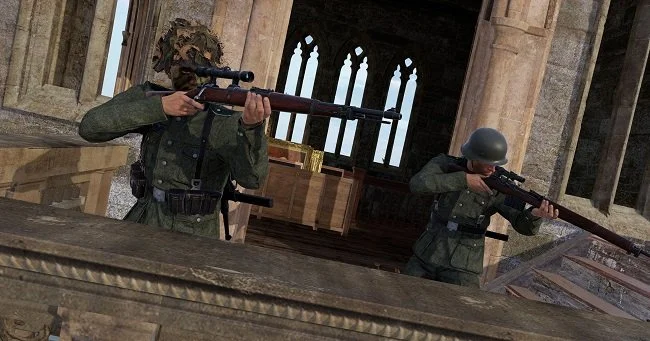
I recently wrote 10 tips for Sniper Elite Resistance. Some simple advice and features to be aware of in the game, that hopefully proved beneficial to both old and new players alike. This time, I want to give some further guidance, specifically for Invasion mode. A few pointers to make hunting down other players easier and more fun. Invading someone else’s single player campaign is a very exciting prospect and many players rush headlong into this game mode without giving any prior consideration to who they may be up against, or how to approach the ensuing hunt. Here are 10 tips that will hopefully help Invading players and improve their overall Invasion experience. There is also a bonus tip at the end of the post for campaign players whose games get invaded.
I have played Sniper Elite for over a decade, through all its various iterations. Although the core game mechanics stay broadly the same, over time a lot of additional features have been added to the game (and some removed). As a result, from time to time I will watch someone playing Sniper Elite via a stream or YouTube and see a feature that I didn’t know existed. Often these are small things but I find that it’s these minor embellishments that tend to prove the most beneficial. Hence, I have drawn up a list of 10 tips to share with fellow Sniper Elite players. Some may be well known, others may not. Due to the recent release of Sniper Elite Resistance, there are a lot of new players joining the community and this post is essentially aimed at them. Please note this is not a tactical guide but simply a list of a few “quality of life” tips .
Let me start by stating what Sniper Elite Resistance isn’t. It is not the next iteration of the franchise. It is a tangential sequel to Sniper Elite 5 with a story that runs in parallel with the events of that game. While Karl Fairburne is tackling “Operation Kraken” in Sniper Elite 5, Sniper Elite Resistance sees fellow SOE operative Harry Hawker assisting the French Resistance uncover a new German “Wunderwaffe” (wonder weapon). Sniper Elite Resistance shares the same setting, game mechanics and soundtrack with its predecessor. There are seven new missions, set in pre D-Day France, which take place in very expansive maps. There is more to explore, a greater degree of choice with regard to how you tackle each mission and increased scope for long range sniping. The game also benefits from a lot of new weapons along with established favourites.
“Invasion” is a unique gameplay mode featured in the Sniper Elite 5 single player campaign. It allows another player to enter your game as a German Sniper Jäger. While you are busy playing through the campaign mission, dealing with the various objectives and enemy NPCs, the Sniper Jäger tries to hunt you down. Once another player “invades” your game, you can no longer load a previously saved game. You either turn the tables on the enemy Sniper Jäger and kill them, complete your mission which ends the game, or they kill you. Both teams can use invasion phones to learn about the other players’ locations. The phones are located at various key points on the map. However, using them to find the enemy will also tip them off to your whereabouts. The invading Sniper Jäger has a different set of skills to the main player. They do not have the focus ability which shows hidden enemies as silhouettes. However, the Sniper Jäger can tag other German NPCs and use them as an alarm system.
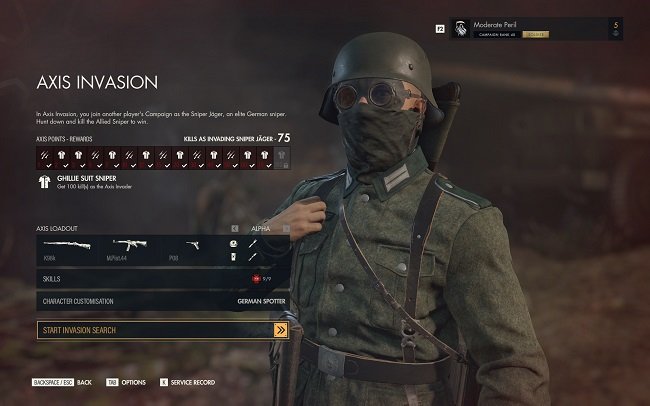
I was playing Sniper Elite 5 on launch day, slowly working my way through the single player campaign, when I came face to face with the new “invasion mode” that’s been added to the game. It is enabled by default and allows for another player to enter your game and hunt you down. The game does inform you of this mechanic and gives you the option to disable it if you so wish. However, I was so focused on fighting my way through the hedgerows of Normandy, I really didn’t pay attention to any of these prompts. Hence, when a message popped up stating “Axis Invasion”, I just assumed that reinforcements had been called after I alerted enemy NPCs to my presence. The next thing I knew, I was cut down in a hail of SMG fire only to be informed that I had been killed by another player. It didn’t take me long to figure out what happened and despite my initial surprise, I couldn’t help but feel that this is a pretty cool game mechanic.
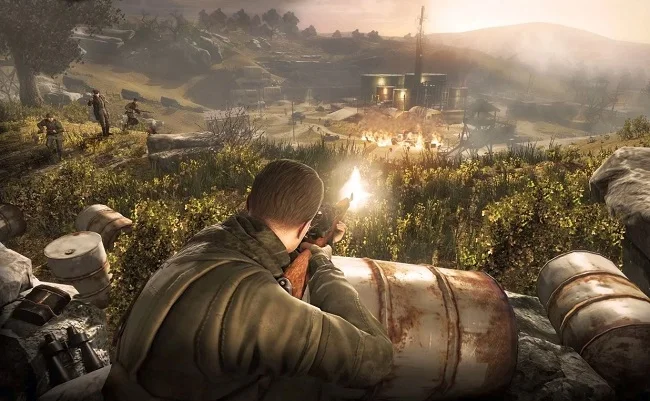
I do not advocate that mindset that some gamers pursue, where they don’t see game publishers as a company selling them a product, but instead see their vendor/consumer relationship in a more personal light. I think it is both wise and healthy to see things as they are; namely that buying a game is a transactional relationship governed by consumer law. That is not to say that we should by default, think ill of all video games publishers, but it is pertinent to reflect upon what we know about the business practises of such companies as Riot Games, Blizzard- Activision and more recently BioWare. To be concise, some video games companies are shitty to both their customers and their staff. Others are not. Let the buyer beware and all that.
I first discovered the Sniper Elite franchise back in 2014, when Steam gave away free keys for Volume 2 as part of a promotion. I enjoyed the game so much I purchased all the available DLC. Having regularly played both Call of Duty and Battlefield, it was a pleasant change at the time, for a game to be set during World War II. Later that year I bought, Sniper Elite 3, as it offered a far more polished gaming experience, compared to earlier instalments. Furthermore, the story was set in North Africa; a theatre of war that is often neglected in multimedia. Although the plot was somewhat arbitrary, Sniper Elite 3, like its predecessor, still offered an immersive gaming experience with an emphasis on situational awareness and stealth. The franchise has never been about “running and gunning” and favours the patient and methodical player.
Sniper Elite 5: Invasion
I was playing Sniper Elite 5 on launch day, slowly working my way through the single player campaign, when I came face to face with the new “invasion mode” that’s been added to the game. It is enabled by default and allows for another player to enter your game and hunt you down. The game does inform you of this mechanic and gives you the option to disable it if you so wish. However, I was so focused on fighting my way through the hedgerows of Normandy, I really didn’t pay attention to any of these prompts. Hence, when a message popped up stating “Axis Invasion”, I just assumed that reinforcements had been called after I alerted enemy NPCs to my presence. The next thing I knew, I was cut down in a hail of SMG fire only to be informed that I had been killed by another player. It didn’t take me long to figure out what happened and despite my initial surprise, I couldn’t help but feel that this is a pretty cool game mechanic.
I was playing Sniper Elite 5 on launch day, slowly working my way through the single player campaign, when I came face to face with the new “invasion mode” that’s been added to the game. It is enabled by default and allows for another player to enter your game and hunt you down. The game does inform you of this mechanic and gives you the option to disable it if you so wish. However, I was so focused on fighting my way through the hedgerows of Normandy, I really didn’t pay attention to any of these prompts. Hence, when a message popped up stating “Axis Invasion”, I just assumed that reinforcements had been called after I alerted enemy NPCs to my presence. The next thing I knew, I was cut down in a hail of SMG fire only to be informed that I had been killed by another player. It didn’t take me long to figure out what happened and despite my initial surprise, I couldn’t help but feel that this is a pretty cool game mechanic.
Every now and then, I like to step outside of my comfort zone when gaming. Technically, “invasion mode” in Sniper Elite 5 is PVP and usually that’s Kryptonite to me. Yet I decided to try it myself so I invaded someone else's game and I must admit I found the experience compelling. Other players are not predictable like AI controlled NPCs plus there are lots of other factors that make this a more subtle affair. If I invade another player’s game, they not only have to fend off the German NPCs but they also have to deal with me. I have one job to do, where they have to contend with the mission goals, hostile NPCs and another player. However, to balance that situation, developer’s Rebellion has given the player’s being invaded a wider set of abilities. This includes “focus” which temporarily highlights close by enemies. They can also carry a wider range of weapons. So with this in mind, it may come as a surprise that I’ve been playing the shit out of “invasion mode” in Sniper Elite 5 over the last few weeks.
As I’ve been having such fun as well as achieving a degree of success, I feel sufficiently emboldened to offer a few tips regarding “invasion mode”. Firstly, let us consider playing as an Axis player (German), invading a single player campaign in Sniper Elite 5.
To begin with, although you can unlock a variety of uniforms as you play, it makes a lot of sense to select a standard German infantry uniform, so that you blend in with all the NPCs. Pick something less common and you’ll stand out like a sore thumb.
As soon as you join someone else's game, press the escape key and see if they’re playing in co-op mode. If that is the case, you’ll have two enemies to hunt. Forewarned is forearmed.
Tag all friendly NPCs that you encounter, either by using your binoculars or pressing the left alt key and invoking focus. Tagged NPCs remain marked on your map as blue triangles. When they encounter the enemy their colour changes reflecting their status. Yellow for on alert and red for actively engaging the enemy.
Investigate alarms as and when they occur, as they’ll indicate where your enemy is.
Each map has specific objectives for the allied sniper to complete. Once you become familiar with these, you can sometimes anticipate where your enemy is heading. If you arrive ahead of them, it is worthwhile to tag all NPCs and boobytrapping key targets.
Familiarise yourself with the terrain and make use of cover. Do not camp but it does pay to stake out certain areas.
Take advantage of high ground. Cover routes that are likely to be used.
Become proficient with using an SMG as often you will encounter the enemy in a confined space or environment that doesn’t lend itself to using a rifle and scope.
Listen out for voice dialogue that plays when the allied player completes specific tasks. If you hear it, then you’re close to the other player. Cutscenes can also provide clear clues as to an enemies location.
When invading another player’s game, remember that they have set the difficulty setting. Health regeneration, weapon difficulty and HUD details may vary from game to game.
Don’t be afraid to take risks. Until you become competent you will more than likely die when initially playing “invasion mode”. You will get better with practice.
Remember that the player whose game you’re invading may complete the level before you find them. They may also die at the hands of NPCs. Therefore, be prepared to have a few games of cat and mouse that end without a kill.
Secondly, if you are playing as an allied player whose game is invaded, bear in mind the following.
The moment you’re notified that your game has been invaded, focus on hunting down the enemy player. If you try to juggle the ongoing mission objectives, while risking aggravating enemy NPCs, you’ll inevitably lead your enemy to your location.
Use focus regularly to determine who and what is nearby.
Don’t camp but choose carefully an appropriate area to face down your foe. Again high ground offers much advantage. If you retrace your footsteps you stand a good chance of tracking down the invader.
As an allied player you have a greater variety of explosives at your disposal. You can also loot bodies which the invader cannot do, so you can replenish your supply. Therefore lay boobytraps around choke points or anticipated routes.
Create distractions to attract enemy NPCs. You may also draw out the invading player.
Finally, here’s some general advice for both players. When you spot your enemy, take time to set up your shot. Do not panic fire.
If using an SMG, fire in short controlled bursts.
Avoid showboating such as melee kills or using grenades.
Use your binoculars for general reconnaissance. Remember that the scope on your rifle glints and that can give away your position.
Hellraiser (1987) was one of he most innovative and intelligent horror films of the eighties, with its cerebral and sophisticated exploration of pleasure, pain and the supernatural. Sadly what was a great concept for a single film was turned into yet another horror franchise. The resulting series of increasingly inferior sequels ultimately diminished the central idea. However, in recent years several horror “brands” have found a new lease of life via the medium of video games, so the announcement of Hellraiser: Revival last summer piqued my interest. The fact that author Clive Barker was directly involved certainly raised my expectations. However, even though video games have a history of depicting sex and violence, would the medium be able to fully embrace the true nature of Barker’s original novella and original film. Having played through the newly released demo for Hellraiser: Revival, I believe the answer is a yes.
Are video games becoming easier? It’s a perennial subject that is frequently discussed by those who play them. Often the question of whether they have actually become easier is not the focus of the debate, as it seems to be broadly recognised that it is the case. Instead, discussion of this matter tend to drift into the rectitude of this change. Debate’s of this nature are usually awash with subjective opinions and personal preferences which are then put forward as objective facts. It’s not just a question of video games becoming easier, it’s the fact that making them easier is “wrong” and those who want them as such are “not proper gamers” etc. The hours that have been lost to this pointless, tedious debate are uncountable. However, I digress. Let us return to the matter of video games becoming easier, because although fans discuss this a lot and have plenty to say, you don’t often hear from the developers on this subject.
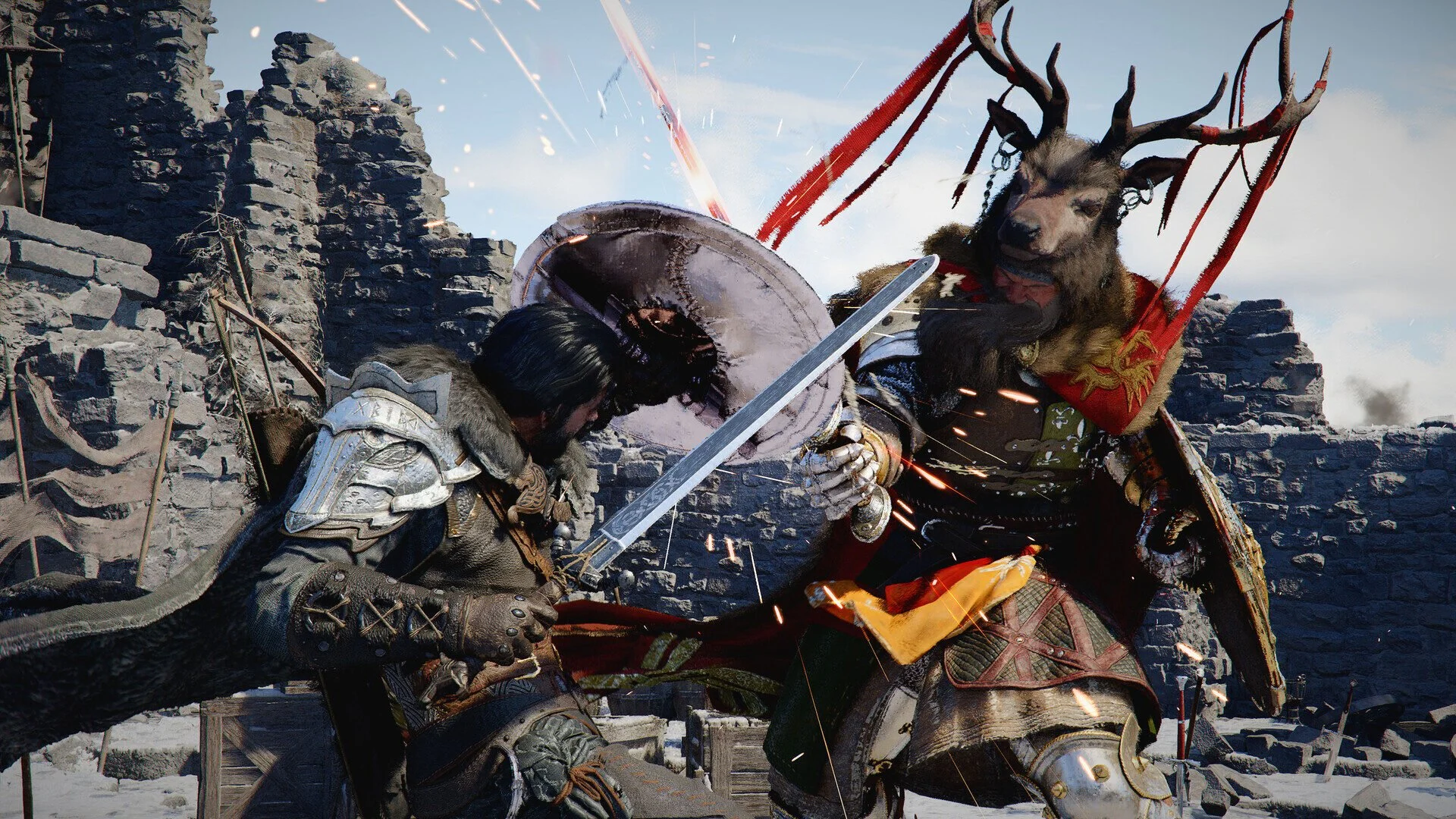
Some video games lend themselves to being set aside and resumed at a later date with zero consequences. These are often casual games with no major goals other than having fun while playing them. Fall Guys is a great example of this. You have a cartoony avatar that participates in zany group races, filled with obstacles. You run, jump, climb but the controls are far from difficult. You may well become skilled but such things are mitigated by the other players as they stumble around. You’re not at the mercy of apex players or “try hards”. It is not a game about winning and mastering techniques. The fun comes from playing it and the unique experience you have each time. I’ve been playing this game, on and off, since it’s launch in 2020 and in that time I have only ever won once (winning requires you to win a series of 4 to six individual races). However, whenever I pick up my controller and play Fall Guys, I have fun and the game lifts my spirits.
I recently completed the main story in Tainted Grail: The Fall of Avalon. In total I spent about sixty hours playing the game. I began at the start of the year, then took a break for a while but returned to it recently because I wanted to see if I could unlock a specific ending. I did manage to do this. Like so many other RPGs, Tainted Grail: the Fall of Avalon has a central storyline, along with a wealth of side quests, based around factions in specific zones. I think I possibly completed about a two thirds of these. However, once I finished the main story, my interest in the game began to wane. I finally left my character in the last major quest hub in case I wish to return at a future date. I then logged out of the game and uninstalled it from my PC to free up space for whatever I was to play next. In this case its The Sinking City 2. None of this is a negative reflection on Tainted Grail: the Fall of Avalon. I enjoyed the time I spent playing this quirky RPG. I simply had my fill and left to play something else.

On Tuesday 11th April, Aspyr Media rather surprisingly re-released The Lord of the Rings: War in the North, a co-op action-RPG from 2011. This game was delisted in late 2019, possibly due to changing rights ownership or a license expiring. Hence, I was somewhat discombobulated by the return of this title to all major gaming platforms. Mind you, the Embracer Group (through its subsidiary Middle-earth Enterprises) still controls the worldwide commercial and video game licensing rights for The Lord of the Rings and The Hobbit. Furthermore they have explicitly stated that they have plans for more games. It would appear this also means re-releasing and updating old favourites. It is also worth noting that they own Aspyr Media, which is also a bit of a giveaway. Let it suffice to say that this re-release and sparked enthusiastic online debate as to whether any other he Lord of the Rings themed games from the same era will receive a similar makeover. Judging by the internet chatter, there’s potentially a market for them.
The next expansion for the MMORG, The Lord of the Rings Online, was announced on the 1st August, via the gaming website MMORPG.The Wolves of Mordor, which will launch later in the year, appears ambitious in scope as it will include two new game systems as well as the obligatory story update. This expansion takes place in Draugardh located in the North East of Mordor, beyond the Plateau of Gorgoroth. It includes the new zones of Heledhris, Parth Rhavas and Nan Ogol. These vary environmentally ranging from the arid, volcanic and semi-tropical. Players will encounter the Daugrim in these regions, Werewolves but not in the modern sense. This is not the lycanthropy of Eastern European legends but in the established Tolkien idiom of fell spirits inhabiting the bodies of Wolves. The region also sees the return of the Woses and players can expect to encounter Elves and scouts from Gondor. As ever with LOTRO expansions, there will be new instances as well as a raid.
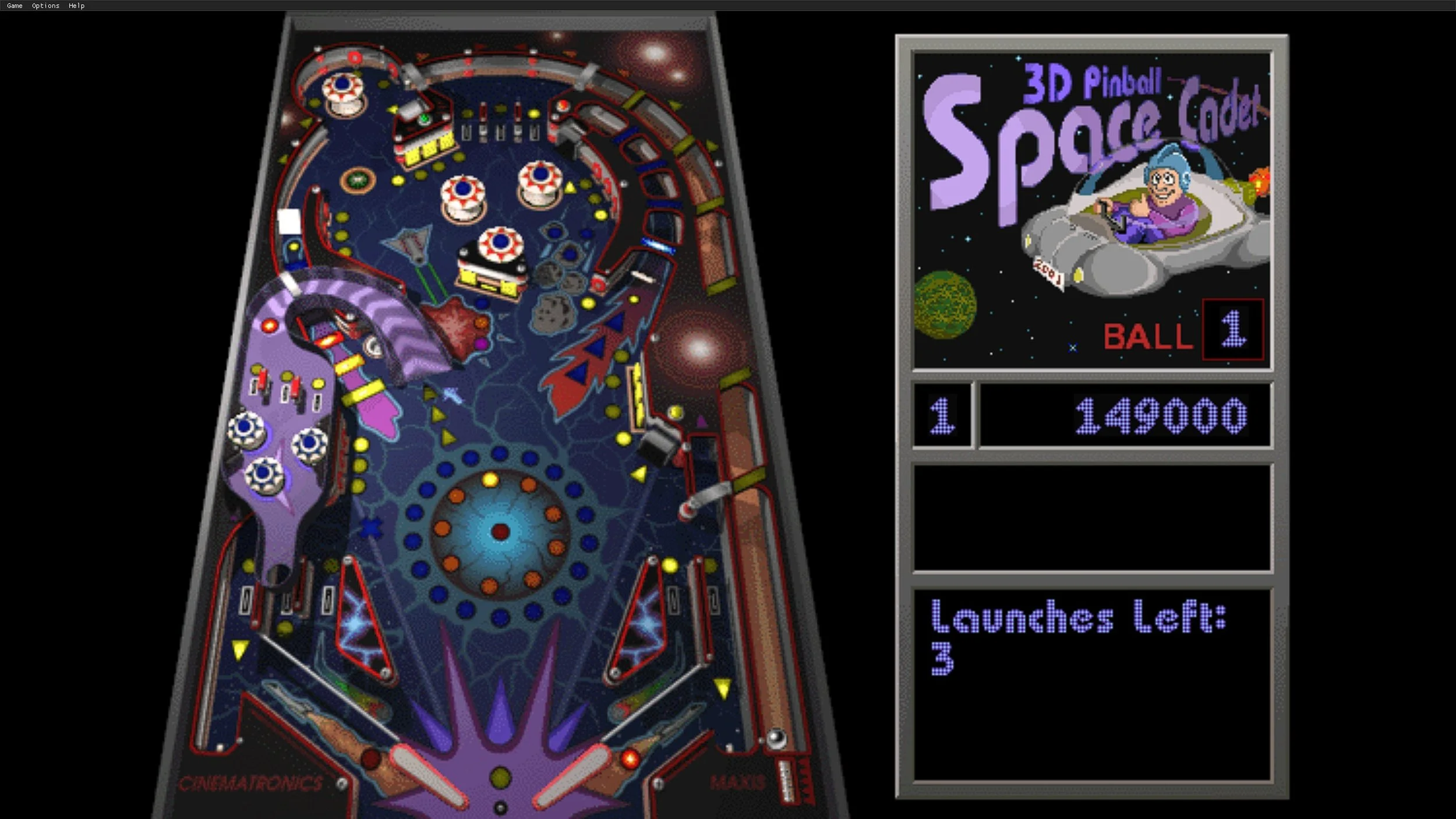
This is a post about the power of nostalgia and how sometimes, interacting with something from your past, be it physically or mentally, can produce a very strong and tangible emotional reaction. In some instances, this can be the result of something that you have specifically set out to do. On other occasions you can wander into a sense of nostalgia purely by chance. Today I experienced a very strong sense of nostalgia while watching a YouTube video and then again when I sought to replicate what I had seen. The video showed someone installing Windows 95 on to an old 486 PC from that era. The Window’s start up sound really touched a nerve (but in a good way) and then when the guy in the video launched Space Cadet 3D Pinball, a game that shipped with the operating system, I felt a strong compulsion to track down a copy and install the game myself, thus revisiting something that was an integral part of my life in 1995.
RV There Yet? is possibly the most entertaining game I’ve never played. My vicarious pleasure regarding this title has come exclusively from watching two popular YouTubers, JackFrags and WillFromWork, play through the game over a series of videos. It has been immensely amusing to watch and I have empathised a great deal as the group of four players has struggled with the game’s unpredictable mechanics and their own team’s dynamic. I could go and buy RV There Yet? myself but I doubt if I would ever have a gaming experience anywhere close to what I’ve watched online recently. So in some respects watching these videos has been an interesting alternative as I’ve been entertained, which ultimately is the point of video games. Perhaps there is a deeper philosophical point here that the game developers should reflect upon, as they’ve lost a potential sale. However, that is separate discussion for another day.
I don’t keep up with gaming news as much as I use to but several noteworthy announcement have come to my attention of late. Firstly, there’s an expansion, Songs of the Past, coming for the Witcher III: Wild Hunt in 2027. No doubt this is to pave the way for the Witcher IV. Next, I also found out about Hand of Fate: Horde. I liked this franchise and was saddened to learn that the original studio, Defiant Development, closed. Hence is was a pleasant surprise to see this new game being developed by members of the original studio. The third announcement was regarding Guild Wars 3. A new MMORPG in active development by a major studio is no small feat and is certainly good news for fans of this franchise and the genre per se. However, once you look beyond this news this announcement raises several questions and has certainly given me pause for thought. Let us take a few moments to consider them.
Star Trek Online has many in-game systems that are common to the MMORPG genre. The reputation system is one such example. In STO there are 13 reputation factions. Once a player has reached level 50 they may start progressing through the 6 reputation tiers of each one. Players gain progression through daily projects (20 hours in duration). Hourly projects are also available though they yield less reputation advancement and are limited to three times a day. Hence 20 hour projects are consider by default the most efficient way to gain rep. Projects require 30 Faction Specific Marks (earned via various activities in-game), 15,000 Energy Credits (standard in-game currency) and 2000 Expertise points. The most efficient way to tackle the reputation grind is to build up the necessary resources in advance and then at a designated time each day, start all 13 respective projects. Upon completion projects yield a player bound lockbox containing a random space or ground weapon, a console or Elite Marks which can be used to acquire faction gear.
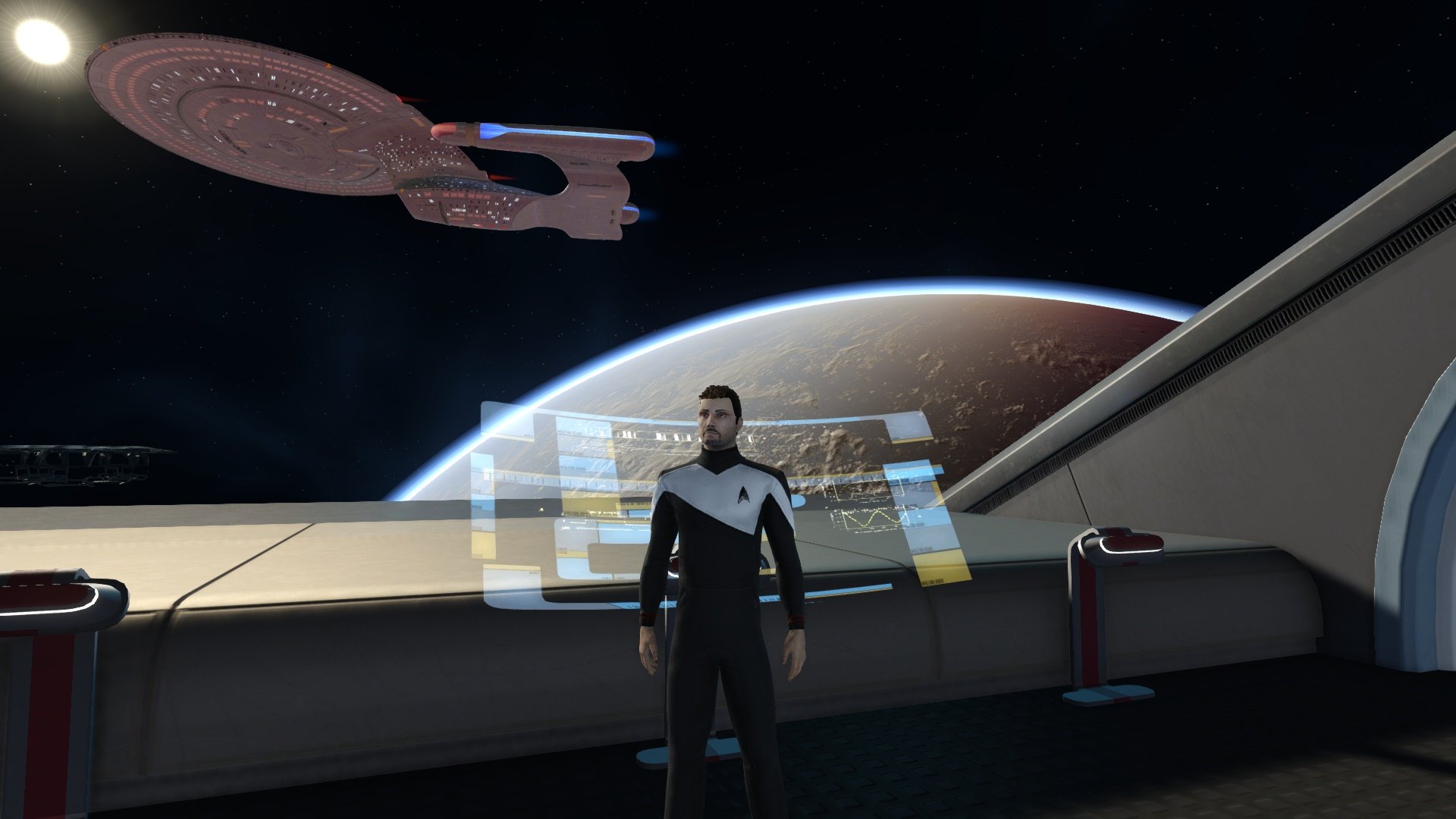
I was recently perusing my archive of old blog posts, when it struck me how much I’ve written about the MMORPG genre over the years. Naturally, there was far more material from between 2008 and 2012 as that was period when I immersed myself in the genre and was very enthusiastic about it. I was at a point in my life when I had the time to dedicate to such games and I was happy to participate in the social aspect of they offered. I would regularly play through group content and spend time socialising online with fellow guild members. My experience remains a textbook example of how online games can be more than the sum of their parts and that where you are at in your life has a major impact upon your overall enjoyment. As I read though various old posts it became clear that my experiences where specific to this particular part of my life and that they cannot be repeated. My relationship with the genre is very different now and that’s fine.
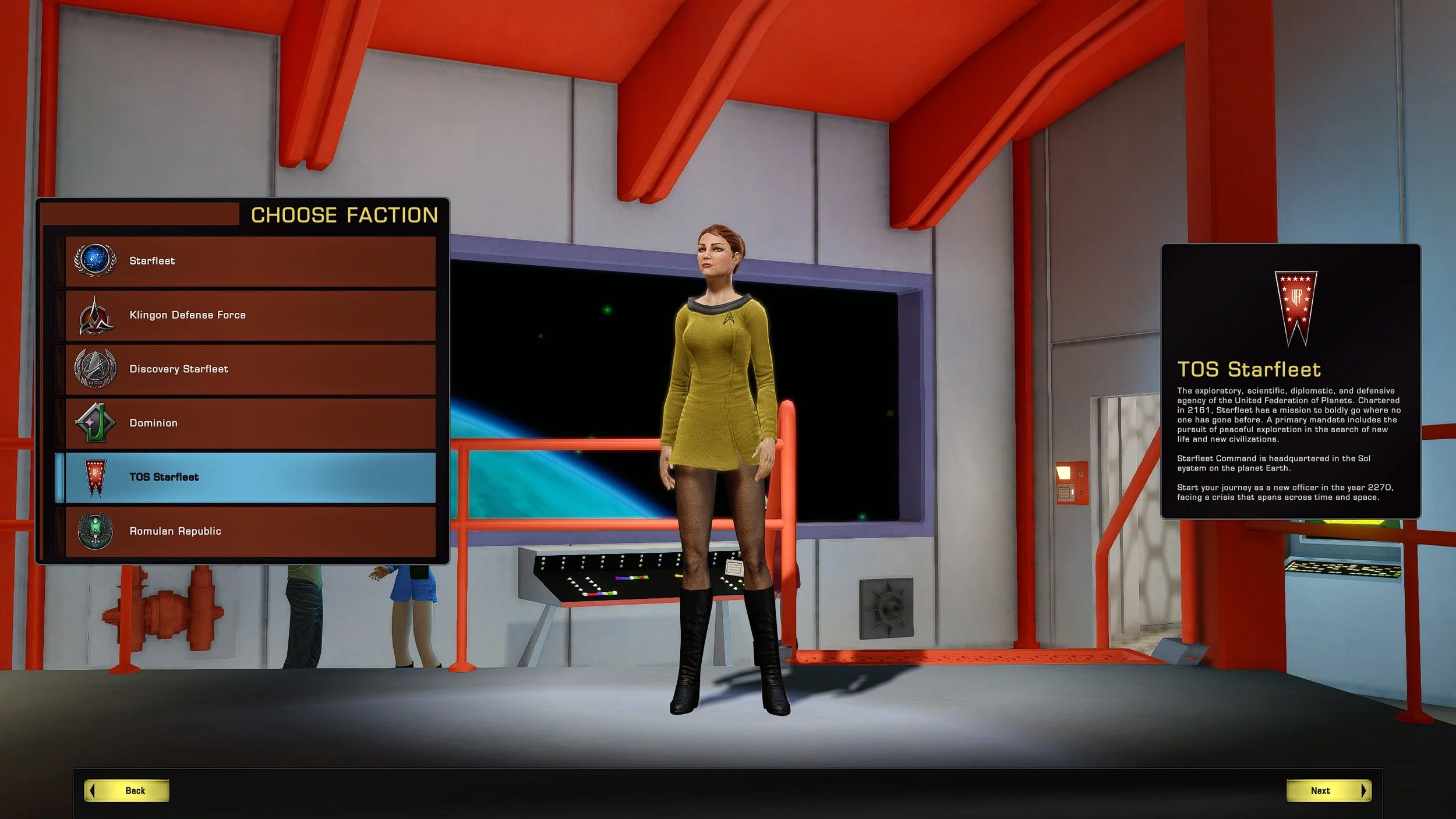
Creating alts is an integral aspect of the MMORPG genre. Many players will create a character of a specific class or faction, play it for a while, lose interest in it or they may decide that it is just not for them. Fortunately it is no effort at all to simply re-roll a new alt and set off once again. Furthermore, lots of players never reach level cap of the MMORPG that there playing. When the going get’s tough, so to speak, you can either soldier on for another 50 levels or simply create a new alt and return to the comfort of tried and tested content. Alts also give you the chance to secure an accolade or achievement that you previously missed. They are also of great benefit to the genres social aspects. Creating a new alt so you can play along with a friend who is just starting is great fun. Developer’s love them too as it means you’re still playing the game.
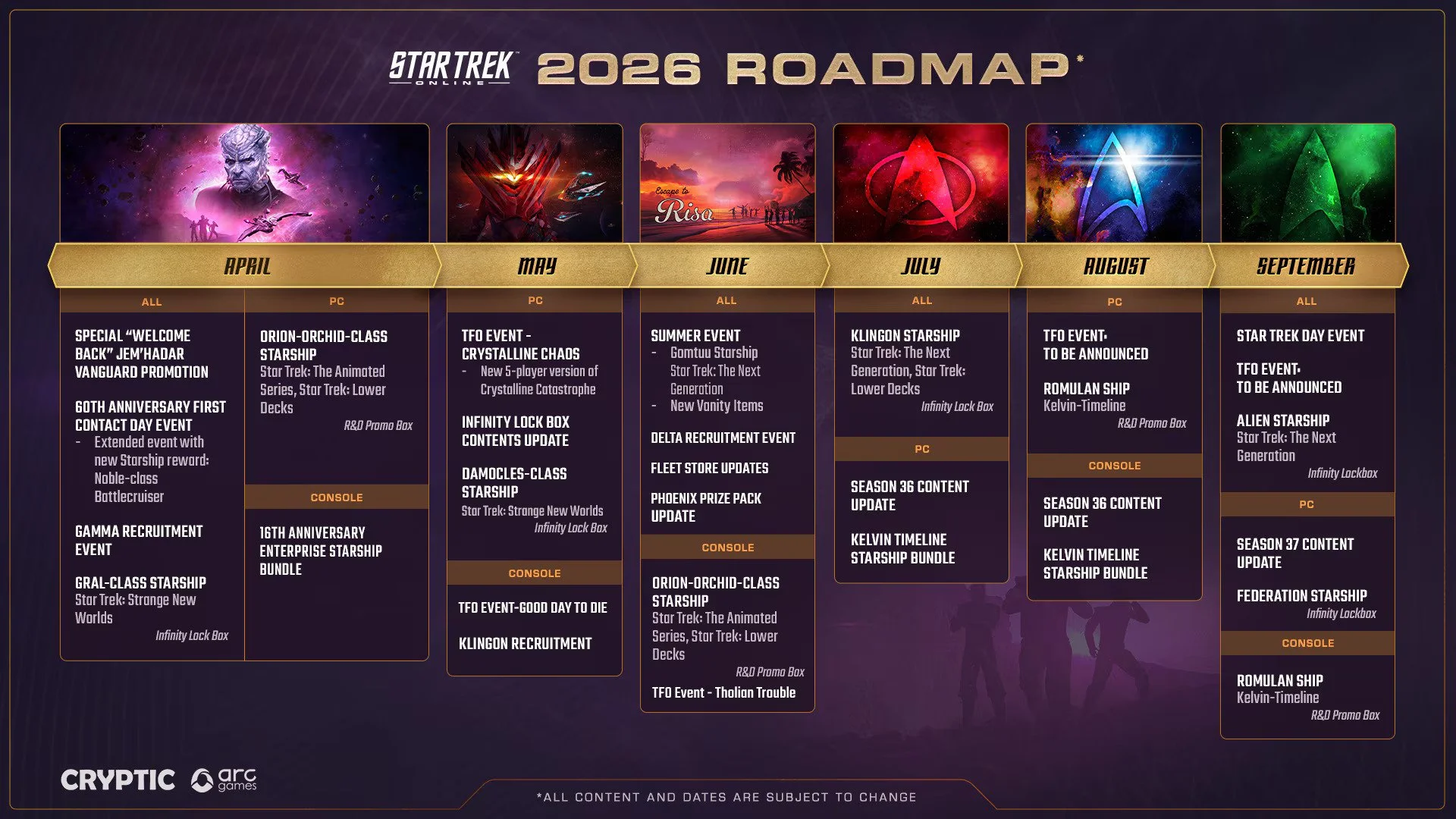
I recently took a break from Crimson Desert choosing instead to to play something familiar and easy going. As I’ve been logging into Star Trek Online daily to participate in the anniversary event, I decided to look through my various alts and see how far they had progressed through the game and what resources they had. At present I have twelve alts. My primary Captain was created in 2015 during the original Delta Recruit Event. I had previously played STO intermittently since its release in January 2010 but I never kept any of those characters. Hence this decade old Tactical Federation Captain has been my main focus when playing. The other eleven alts are the result of other recruitment events or whenever I wanted to try something different, such as playing a specific class or faction. I obviously played a lot of STO during the lockdown as several alts date from that period. Several had maximum reputation across all factions.
The action, open world RPG Crimson Desert has been patched five times since it launched on March 19th and there have also been multiple hotfixes. At first glance this isn’t anything unusual. New games have bugs and issues arise once a game is released and played across a much wider variety of hardware than in QA testing. However, if you read the patch notes that accompany these sizeable downloads it quickly becomes apparent that developer’s Pearl Abyss are not just addressing bugs and software glitches. They are actively engaging with their player base and responding to suggestions and requests from that community. Although this is not a unique approach, what is surprising is the speed and quantity in which these player driven changes are happening. There seems to be an active ongoing process to refine the game and eliminate some of its “rough edges” and the players are contributing to this process with their feedback.
According to my Steam statistics, I last played Starfield on 19th December 2023. I bought the game upon its release in September of that year and played in total for 136 hours. Starfield held my interest for three and a half month and I wrote seven blog posts about various aspects of the game. Although there were some engaging aspects to Starfield, I did feel that that the game was somewhat lacking in systems and content, at that point in its lifecycle. I also think that the marketing and player expectations associated with Starfield were overblown and unrealistic. The shadow of Skyrim looms large over all new Bethesda releases and they don’t seem able to quite recapture that magic. Hence, I inevitably drifted away from Starfield and to another game and was effectively “done” with it. I have not played the game since which seems to validate the theory that game are becoming increasingly more ephemeral.
13 days after its release, market analysts estimate that Crimson Desert has already earned $200 million across the four main platforms (PC, PlayStation 5, and Xbox Series X and S). The game is certainly proving popular among gamers with the internet awash with live streams and “let’s play” videos. However, reviews are mixed both among gaming journalists and YouTube influencers. Common complaints about the game include that it is slow to start, the controls are poorly laid out on all platforms and that developer’s Pearl Abyss have done a poor job of explaining most aspects of the game to new players. Although such criticisms are true to a degree, I think these complaints highlight how many gamers are conditioned to expect new titles to follow a specific pattern with regard to pacing, narrative exposition and learning in-game systems. A pattern that Pearl Abyss has chosen to ignore, instead favouring an old school approach.
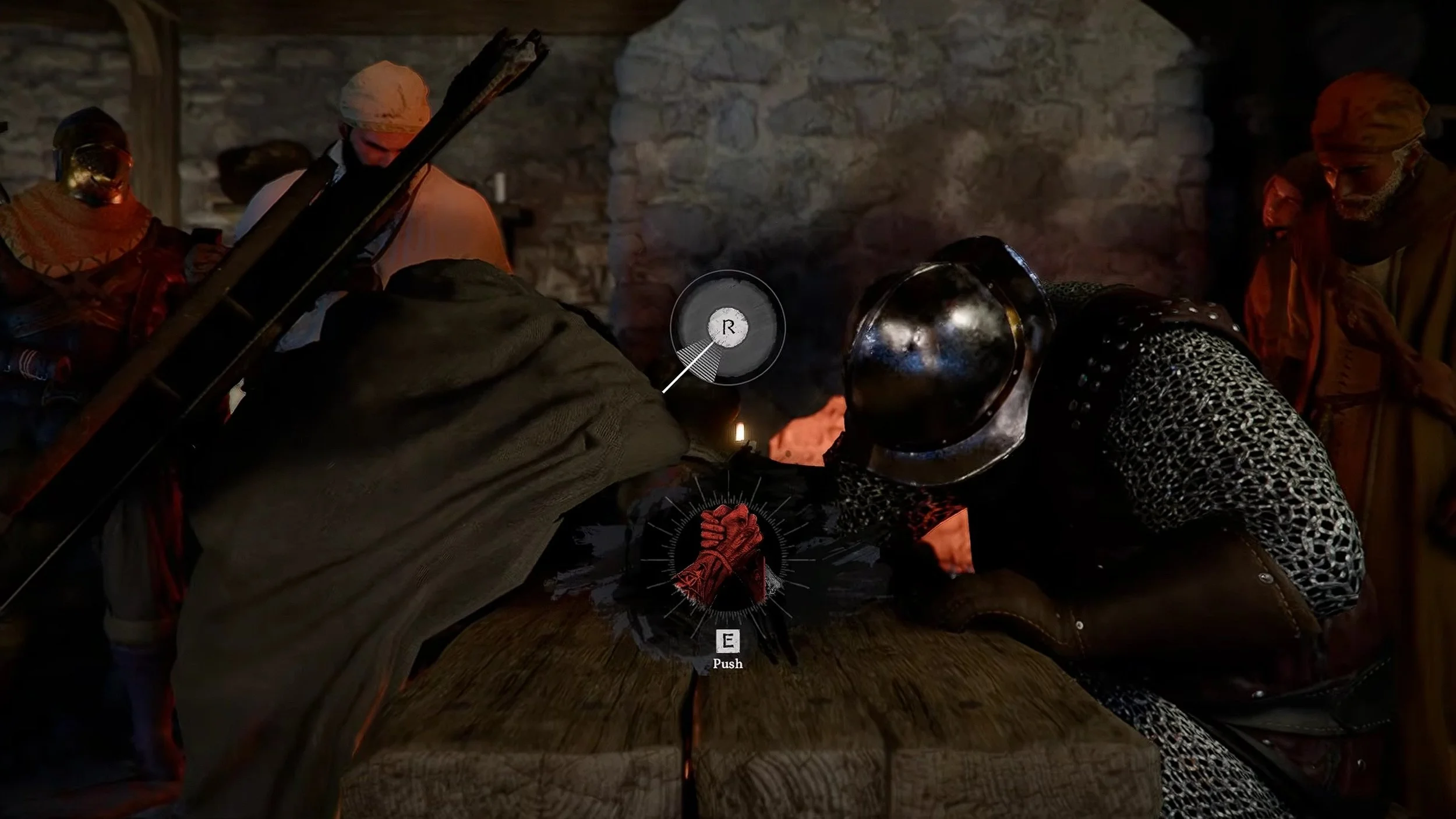
Early on Crimson Desert, the main quest requires the player to enter a tavern and arm wrestle a particularly strong guard. The arm wrestling match consists of a quick time event. If playing on PC you have to rapidly press the “E” key which turns a power meter from white to red. Then a white dial appears above the meter with a rotating hand. When the hand passes over a segment of the dial that is marked by hatching, the player must press the “R” key. The idea being the meter filling with red is you strength building (or waning) and the “R” key prompt indicates when to try and force your opponent’s arm. You will need to to continuously press the “E” key throughout the arm wrestling match and the “R” key about 4 times to win.
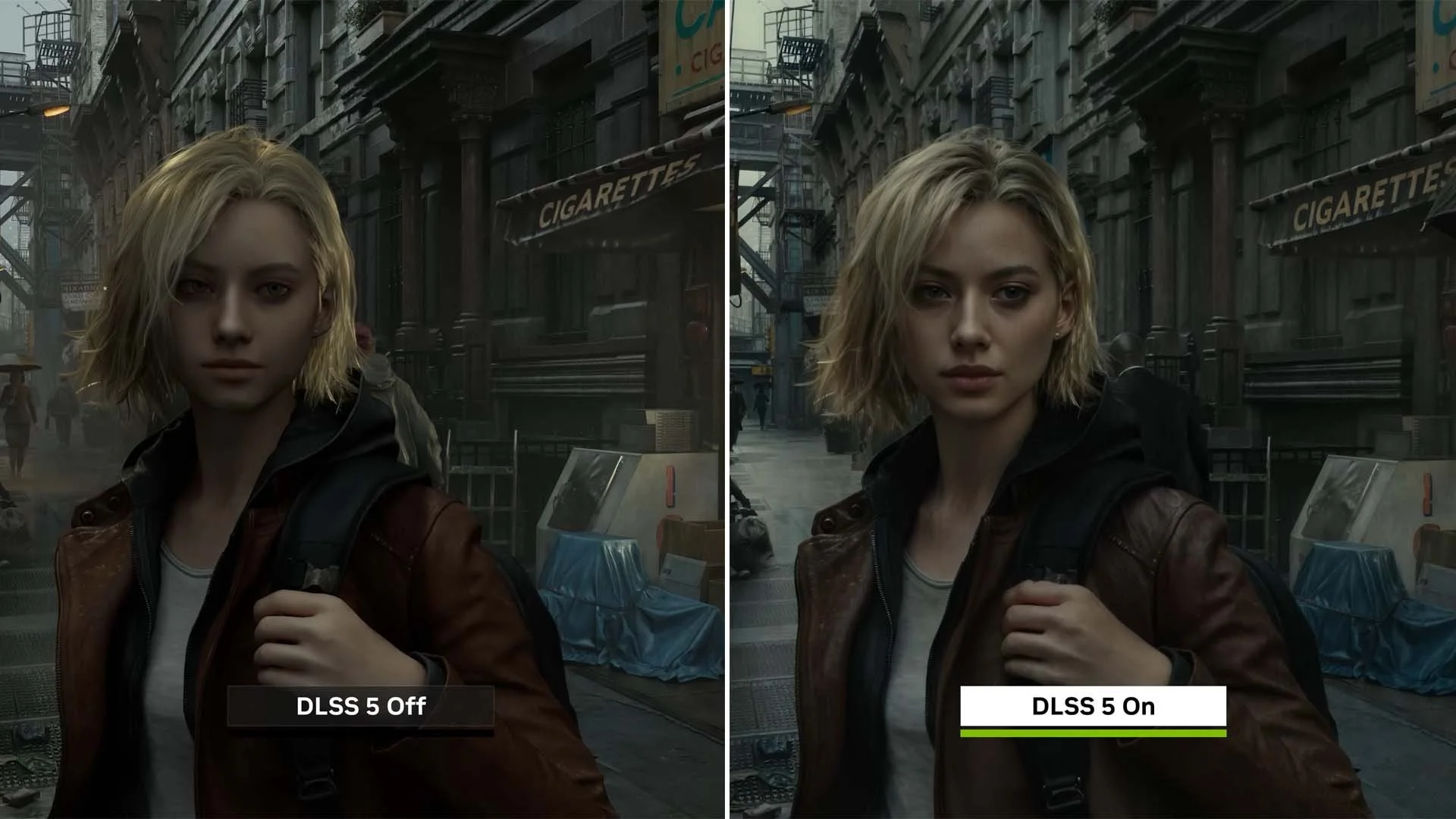
Earlier this week, Nvidia posted a video featuring their latest iteration of DLSS technology (Deep learning super sampling). DLSS 5 is an AI-powered “real-time neural rendering” process and unlike previous versions that focused on improving frame rates through upscaling or frame generation, DLSS 5 uses generative AI to “infuse” frames with photorealistic lighting and material details that the game engine never actually calculated. Let us pause for a moment and consider these words. Material detail that the game engine never actually calculated. Therein lies the rub. If you watch the aforementioned video or peruse the images posted here, it is abundantly clear what the technology does.
Last night, I spent the first 45 minutes after the launch of Crimson Desert, watching the 92GB pre-downloaded game files slowly decompressing and installing. I finally launched the game at about 10:50 PM GMT. I then waited a further 5 minutes while shaders were downloaded. It took me about 15 minutes or so to read through the various game settings and choose those that are optimal for my PC. I suspect even if you have a beast of a computer, you’re still going to have to spend some time tweaking settings. As for those players like myself with a gaming rig that is somewhere in the middle of the game’s specifications, be prepared to do a lot of fine tuning both within Crimson Desert itself and your Windows settings.
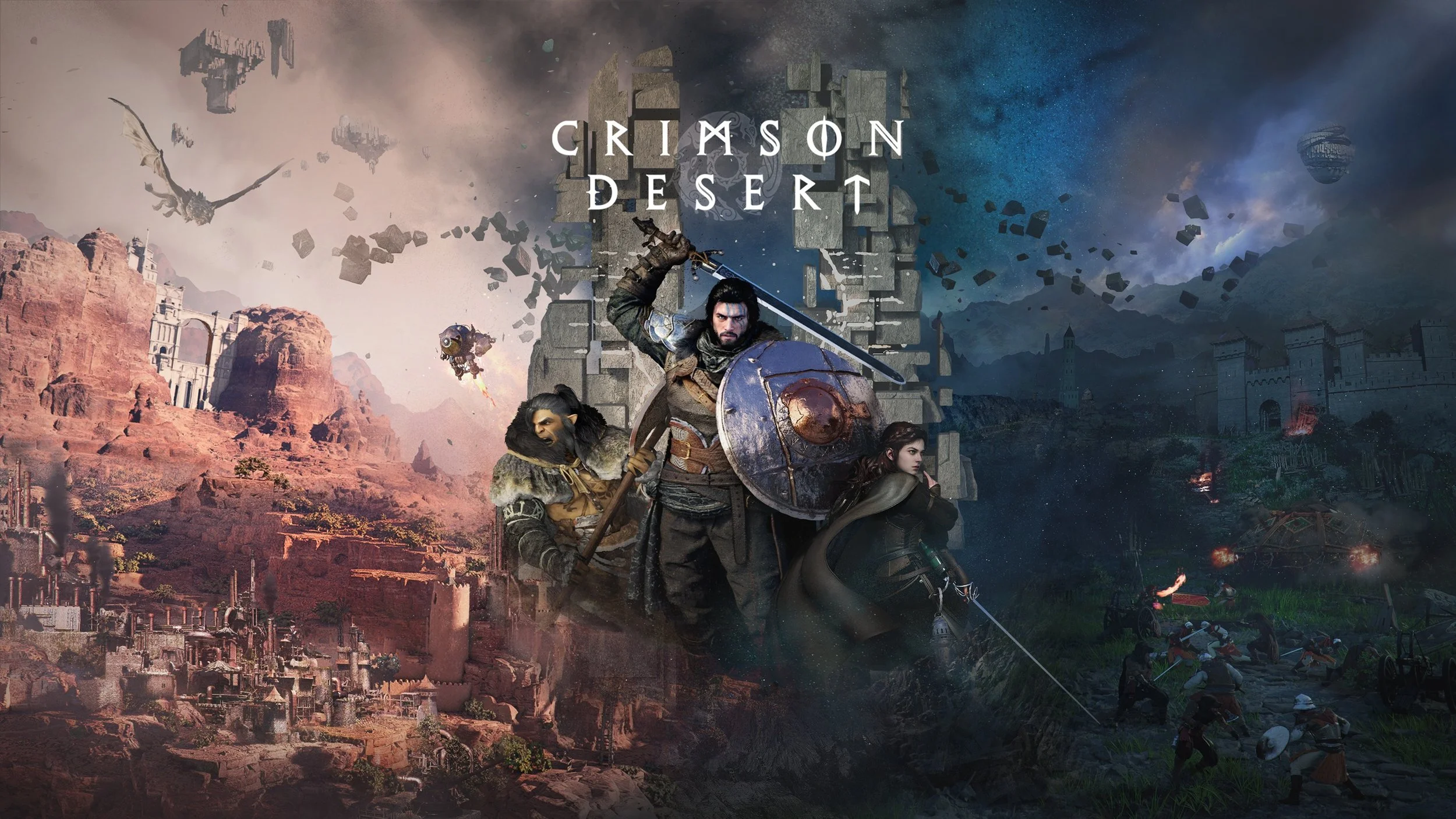
I have been aware of the online interest around the open world action game Crimson Desert for a while now. One of the things that has intrigued me about it is the scope of the game. The word “hype” has been bandied about by a few gaming websites. However, from what I have observed, developers Pearl Abyss have not been excessively hyperbolic themselves, with regard to the manner in which the game’s systems and mechanics have been marketed. Now that the press embargo has been lifted, the pre-release reviews seem to confirm that everything we’ve seen in promotional videos in the run up to the launch, is in fact present in the game. So far the initial critical response has been very positive and it has been hinted that the game may well be a genre milestone. Perhaps Crimson Desert is just a rare example of a game that has not had a rushed development and isn’t launching prematurely for business reasons.
Video games as a genre are extremely poor at explaining themselves. When you buy a new game you’ll often find little or no information regarding the basic systems and mechanics. The industry assumes that their customers are by default familiar with the fundamentals of playing a modern video game. Hence if a game has a tutorial, it is often based around videos rather than detailed verbal instructions. You are are briefly shown a clip of a specific move being successfully undertaken but it is seldom shown in a wider context. The industry also expects the fan community to take on the role of curating and disseminating information about its games. The move away from forums and bespoke websites to Discord highlights this. Discord is a primarily a real time communication tool and not good at maintaining a historical data archive. If you want an answer to a specific gaming question, you’ll more than likely find it on YouTube in a video made by a fellow gamer.
I have written in the past about the video games we cannot play. The ones that require a keen understanding of a game’s mechanics, along with a strong degree of manual dexterity and situational awareness. Being 58 years old, I tend to have neither the co-ordination necessary to succeed or the patience to master such complex skill requirements. With this in mind, I recently watched a YouTube video for Chivalry 2 and thought, that looks like fun. The fact that it showed someone picking up a chicken and throwing it at an opponent is neither here nor there. However, after watching a few more videos I realised that combat in the game was complex and that, as usual, the reality of playing such a game would be different from my expectations. Hence, I came very close to not buying Chivalry 2. However, I eventually decided that I would, so I bought it for just under £10 from an online vendor.
I decided to pursue a magic and spellcasting build in the RPG Tainted Grail: The Fall of Avalon after the story prologue. During the opening section of the game, the player is presented with a sufficient range of weapons to determine which type suits them best, although you can change at any time during the game. For me, casting spells feels right and is fun. Plus I have fond memories of the magic system in Two Worlds II and Skyrim. So once I started playing through the first zone, I started putting attribute and skill points into the appropriate trees to bolster my spells strengths and frequency. I also chose gear that would bolster those statistics further. The results have been surprising, as magic and spellcasting is not presented in the usual “glass cannon” style you find in some other RPGs. Here it offers robust DPS output and with the right gear and spell combination, a strong degree of survivability.
I originally bought Warhammer: Dark Omen in the summer of 1998. I played a demo copy via a magazine cover disc, which was a common means of promotion and marketing back then. Although I was at that point, unfamiliar with the Warhammer Universe, I found this game to be an excellent point of entry. The story did an excellent job of introducing players to “The Old World”, the political and power structure and major characters. I instantly liked both the aesthetic and the lore. Warhammer: Dark Omen was also the first real-time tactical wargame that I played and I spent numerous hours playing through the campaign. Overall, the game was a critical success, particularly on PC, but it struggled commercially upon its initial release and didn’t quite find the audience that it deserved. However, it has achieved status as a “cult classic” among gamers, leading to a recent re-release on GOG in late 2025.
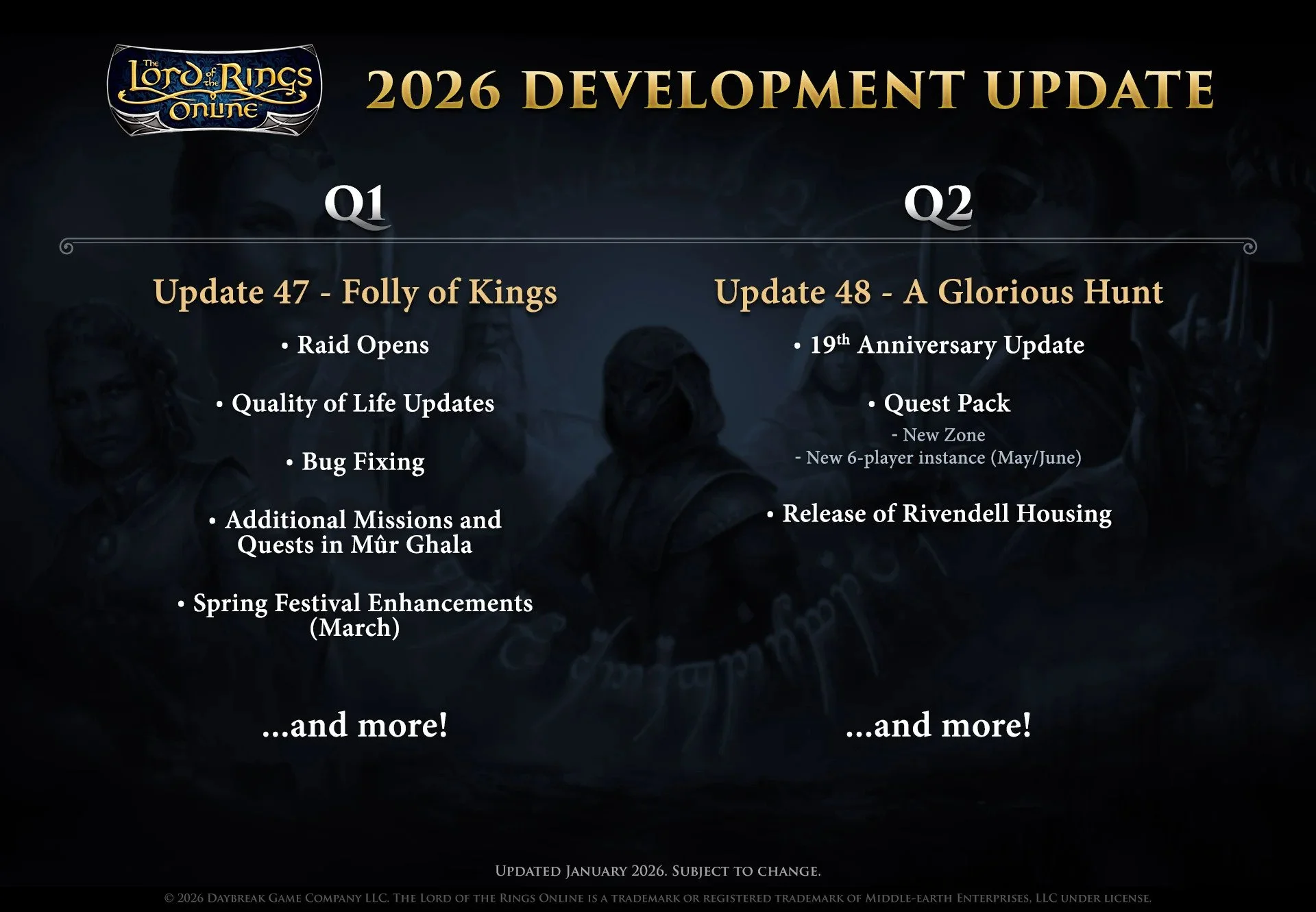
According to the recent “letter to the players”, Standing Stone Games will be adding a new zone to the MMORPG The Lord of the Rings Online in the second quarter of this year. Possibly around May or June. Having spent the last three expansions in the South of Middle-earth exploring the tropical Umbar and the deserts of Harad, I would certainly welcome a change of location. I have gradually warmed to these zones over the last eighteen months but I do find them so incongruous. They are so radically different to the European style content that has been the mainstay of the game for so long. Tolkien’s source text has plenty of detail regarding Eriador and Rhovanion. Information regarding Harad is scarce, hence it has afforded the developers a great deal of artistic freedom. Although exceedingly well realised these tropical zones have taken a while for me to get used to.
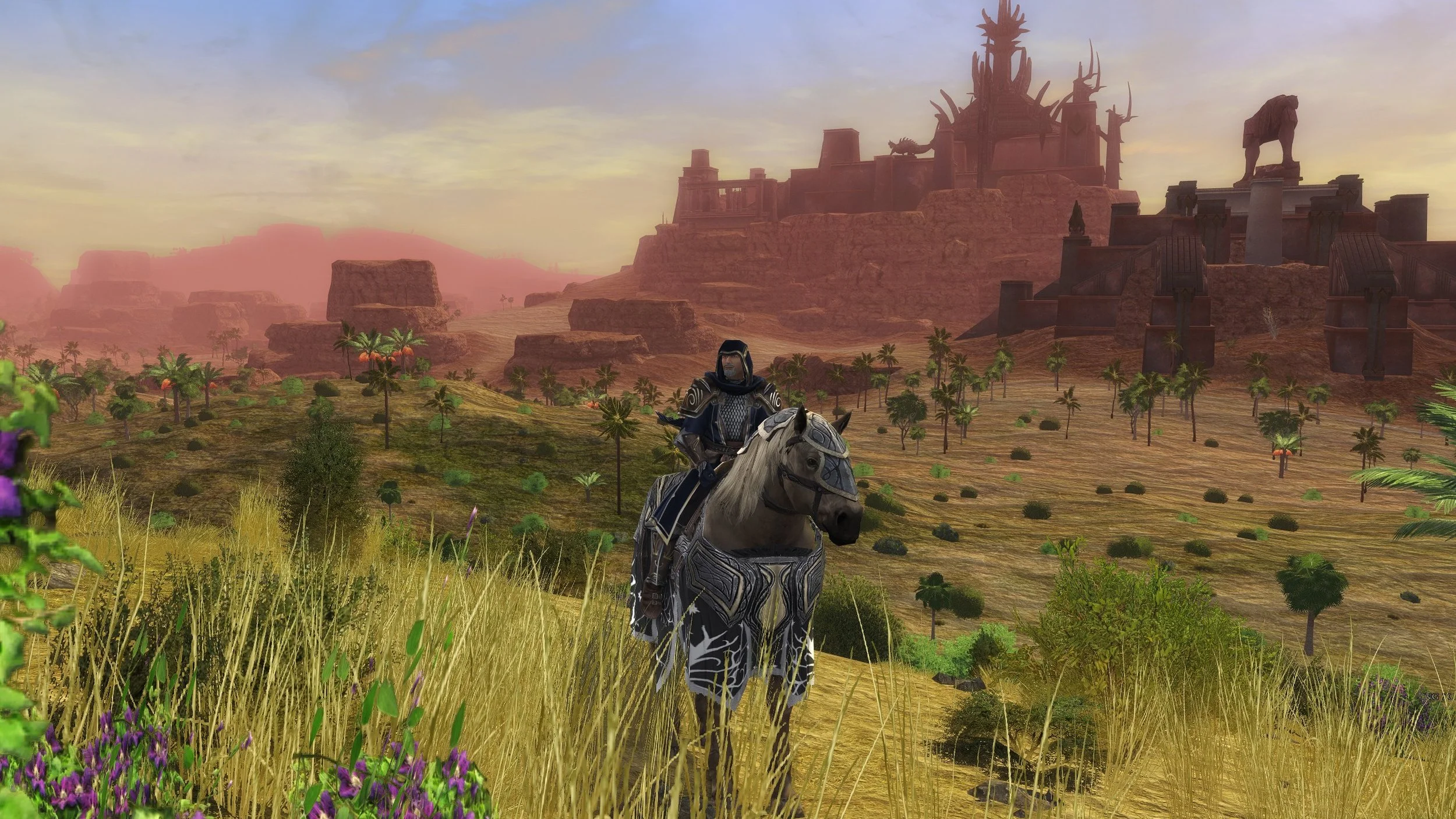
I’m not sure exactly when it started but I’ve recently noticed a graphical bug within the MMORPG The Lord of the Rings Online. This problem often occurs within caves or in areas where there are a lot of rocky surfaces. Hence it has become very apparent in the latest two expansions, set in Umbar and Harad. This graphical glitch causes some surface textures to appear to flash from light to dark intermittently. The resulting strobe effect is hard to ignore and very distracting. Fortunately, a quick online search showed that this is not a problem unique to my installation of LOTRO and is a known problem. Furthermore, there is a very simple workaround, which is to go into the Advanced Graphics setting and uncheck “Per Pixel Lighting”, which immediately remedies the problem. I have no idea why this has recently started to happen but at least it can be resolved.
This year is the 60th anniversary of Star Trek. The original TV show was first broadcast in the US on September 8th 1966. If you search online you’ll find details of lots of related events. There are documentaries, conventions, new TV shows and even some video games in development. However, what you won’t find are any details regarding what will be happening with the MMORPG Star Trek Online. So far no road map for 2026 has been posted online by the developers but it is still quite early in the New Year. That being the case, I am not especially optimistic about there being any major plans waiting to be revealed. It is not as if DECA Games have demonstrated or stated any major ambitions for STO beyond keeping the endless events treadmill going and regularly adding content to the in-game store, during their development tenure. The ongoing story arc drags on inexorably and is as dull as ditchwater.
I first played The Elder Scrolls V: Skyrim in June 2013. This was over 18 months after the game’s initial release and the base game and DLC were bundled together in a “Legendary” edition. Although a seasoned gamer at the time, familiar with the RPG genre with such titles as Mass Effect and Grand Theft Auto IV, I had not played a game from this franchise before. It only took a few hours of gameplay to realise that this was a special title. The scope of the story, the art design and the size of the world were immediately notable. Tamriel was immersive in a way I had not experienced with other titles. Often simply traversing the terrain and watching the dawn break while the game soundtrack swelled, was sufficient to hold my attention. I instantly picked up on the voice acting of Christopher Plummer and Max Von Sydow. All of which indicated that this was a gaming landmark.
Remastered Games
I played through Sniper Elite V2 Remastered this week and the graphical overhaul is impressive and the addition of photo mode provides an amusing diversion. It is a superior iteration of the game than the original 2012 release. However, I have read reviews that have found this new version unsatisfactory. There have been complaints that the game lack the scope and sophistication of Sniper Elite III and 4. If you explore such comments further you soon find that those who have made them seem to fundamentally confuse a remaster of a game with a remake. Sniper Elite V2 Remastered has been lovingly dragged up to visual standards of the latter versions of the games by Rebellion Developments, but it’s original 2012 structure, mechanics and limitations are still present. If you require a succinct metaphor it is the difference between redecorating and refurbishing a house.
I played through Sniper Elite V2 Remastered this week and the graphical overhaul is impressive and the addition of photo mode provides an amusing diversion. It is a superior iteration of the game than the original 2012 release. However, I have read reviews that have found this new version unsatisfactory. There have been complaints that the game lack the scope and sophistication of Sniper Elite III and 4. If you explore such comments further you soon find that those who have made them seem to fundamentally confuse a remaster of a game with a remake. Sniper Elite V2 Remastered has been lovingly dragged up to visual standards of the latter versions of the games by Rebellion Developments, but it’s original 2012 structure, mechanics and limitations are still present. If you require a succinct metaphor it is the difference between redecorating and refurbishing a house.
The recently released Resident Evil 2 is a remake of the original 1998 PlayStation game. Unlike the original, which uses “tank controls” and fixed camera angles, the new version features over-the-shoulder third-person shooter gameplay similar to Resident Evil 4. The game has found favour with both critics and players and although it remains true to the themes and idiom of the original, it is more than just a graphical overhaul. The developers, Capcom R&D Division 1, refined the existing mechanics and systems, improved the environment, rather than just recreating it with improved assets and textures, resulting in a new product that is compatible with the prevailing tastes of contemporary gamers. It is not an exact duplicate of the PlayStation version, neither has it wondered entirely “off script”. It therefore clearly fits the criteria of what constitutes a remake, instead of a remaster. Clearly this process has not been applied to Sniper Elite V2 Remastered by Rebellion Developments.
Another debate surrounding remastered games is over their relative value and whether development resources would be better focused on creating entirely new titles. I’d argue that Sniper Elite V2 Remastered is a positive example of a game that been remastered. The fact that I didn’t have to pay the full retail price (which wasn’t excessive to begin with) because I owned the previous version, helped with my positive opinion. Furthermore when it was announced, Rebellion Developments also pointed out that a new instalment in the franchise was currently being worked on, so the remaster was not at the expense of anything else. However, on the other side of the coin, let us remember how Activision handled the remaster of Call of Duty 4: Modern Warfare. The game benefited from improved graphics and assets but suffered from a somewhat egregious business model. Activision decided to initially release it as part of a premium bundle when players bought Infinite Warfare. Then there was also the inclusion of microtransactions that were not present in the original. Finally, the DLC multiplayer maps that were free with the 2007 version of the game were gated behind a paywall in this 2016 remaster.
It is naïve to expect ethical business management by default from the video games industry, so gamers are left having to keep their wits about them when it comes to determining whether a remastered game is or is not good value. Rebellion Developments have at least been fair with their remasters so far, with respect of content and pricing. Other publishers have taken a different route. The Skyrim Special Edition may well have an improved aesthetic but still contains bugs that have existed in every other iteration and port of the game. It is therefore up to us as consumers to make clear what “is” a good value remaster and what isn’t. We should also be vocal if we discover that a remaster comes at the expense of something new. Polite, measured and intelligent lobbying can and does work. As does screaming and throwing your toys out of the pram, but the latter comes at the cost of dignity, moral rectitude and credibility. In the meantime, I suspect we shall continue to see remasters of all types, as nostalgia is a proven seller. May be on occasions, a successful remaster acts as a litmus test, proving sufficient interest to justify a new entry in an existing franchise.
Hellraiser (1987) was one of he most innovative and intelligent horror films of the eighties, with its cerebral and sophisticated exploration of pleasure, pain and the supernatural. Sadly what was a great concept for a single film was turned into yet another horror franchise. The resulting series of increasingly inferior sequels ultimately diminished the central idea. However, in recent years several horror “brands” have found a new lease of life via the medium of video games, so the announcement of Hellraiser: Revival last summer piqued my interest. The fact that author Clive Barker was directly involved certainly raised my expectations. However, even though video games have a history of depicting sex and violence, would the medium be able to fully embrace the true nature of Barker’s original novella and original film. Having played through the newly released demo for Hellraiser: Revival, I believe the answer is a yes.
Are video games becoming easier? It’s a perennial subject that is frequently discussed by those who play them. Often the question of whether they have actually become easier is not the focus of the debate, as it seems to be broadly recognised that it is the case. Instead, discussion of this matter tend to drift into the rectitude of this change. Debate’s of this nature are usually awash with subjective opinions and personal preferences which are then put forward as objective facts. It’s not just a question of video games becoming easier, it’s the fact that making them easier is “wrong” and those who want them as such are “not proper gamers” etc. The hours that have been lost to this pointless, tedious debate are uncountable. However, I digress. Let us return to the matter of video games becoming easier, because although fans discuss this a lot and have plenty to say, you don’t often hear from the developers on this subject.
Some video games lend themselves to being set aside and resumed at a later date with zero consequences. These are often casual games with no major goals other than having fun while playing them. Fall Guys is a great example of this. You have a cartoony avatar that participates in zany group races, filled with obstacles. You run, jump, climb but the controls are far from difficult. You may well become skilled but such things are mitigated by the other players as they stumble around. You’re not at the mercy of apex players or “try hards”. It is not a game about winning and mastering techniques. The fun comes from playing it and the unique experience you have each time. I’ve been playing this game, on and off, since it’s launch in 2020 and in that time I have only ever won once (winning requires you to win a series of 4 to six individual races). However, whenever I pick up my controller and play Fall Guys, I have fun and the game lifts my spirits.
I recently completed the main story in Tainted Grail: The Fall of Avalon. In total I spent about sixty hours playing the game. I began at the start of the year, then took a break for a while but returned to it recently because I wanted to see if I could unlock a specific ending. I did manage to do this. Like so many other RPGs, Tainted Grail: the Fall of Avalon has a central storyline, along with a wealth of side quests, based around factions in specific zones. I think I possibly completed about a two thirds of these. However, once I finished the main story, my interest in the game began to wane. I finally left my character in the last major quest hub in case I wish to return at a future date. I then logged out of the game and uninstalled it from my PC to free up space for whatever I was to play next. In this case its The Sinking City 2. None of this is a negative reflection on Tainted Grail: the Fall of Avalon. I enjoyed the time I spent playing this quirky RPG. I simply had my fill and left to play something else.
On Tuesday 11th April, Aspyr Media rather surprisingly re-released The Lord of the Rings: War in the North, a co-op action-RPG from 2011. This game was delisted in late 2019, possibly due to changing rights ownership or a license expiring. Hence, I was somewhat discombobulated by the return of this title to all major gaming platforms. Mind you, the Embracer Group (through its subsidiary Middle-earth Enterprises) still controls the worldwide commercial and video game licensing rights for The Lord of the Rings and The Hobbit. Furthermore they have explicitly stated that they have plans for more games. It would appear this also means re-releasing and updating old favourites. It is also worth noting that they own Aspyr Media, which is also a bit of a giveaway. Let it suffice to say that this re-release and sparked enthusiastic online debate as to whether any other he Lord of the Rings themed games from the same era will receive a similar makeover. Judging by the internet chatter, there’s potentially a market for them.
The next expansion for the MMORG, The Lord of the Rings Online, was announced on the 1st August, via the gaming website MMORPG.The Wolves of Mordor, which will launch later in the year, appears ambitious in scope as it will include two new game systems as well as the obligatory story update. This expansion takes place in Draugardh located in the North East of Mordor, beyond the Plateau of Gorgoroth. It includes the new zones of Heledhris, Parth Rhavas and Nan Ogol. These vary environmentally ranging from the arid, volcanic and semi-tropical. Players will encounter the Daugrim in these regions, Werewolves but not in the modern sense. This is not the lycanthropy of Eastern European legends but in the established Tolkien idiom of fell spirits inhabiting the bodies of Wolves. The region also sees the return of the Woses and players can expect to encounter Elves and scouts from Gondor. As ever with LOTRO expansions, there will be new instances as well as a raid.
This is a post about the power of nostalgia and how sometimes, interacting with something from your past, be it physically or mentally, can produce a very strong and tangible emotional reaction. In some instances, this can be the result of something that you have specifically set out to do. On other occasions you can wander into a sense of nostalgia purely by chance. Today I experienced a very strong sense of nostalgia while watching a YouTube video and then again when I sought to replicate what I had seen. The video showed someone installing Windows 95 on to an old 486 PC from that era. The Window’s start up sound really touched a nerve (but in a good way) and then when the guy in the video launched Space Cadet 3D Pinball, a game that shipped with the operating system, I felt a strong compulsion to track down a copy and install the game myself, thus revisiting something that was an integral part of my life in 1995.
RV There Yet? is possibly the most entertaining game I’ve never played. My vicarious pleasure regarding this title has come exclusively from watching two popular YouTubers, JackFrags and WillFromWork, play through the game over a series of videos. It has been immensely amusing to watch and I have empathised a great deal as the group of four players has struggled with the game’s unpredictable mechanics and their own team’s dynamic. I could go and buy RV There Yet? myself but I doubt if I would ever have a gaming experience anywhere close to what I’ve watched online recently. So in some respects watching these videos has been an interesting alternative as I’ve been entertained, which ultimately is the point of video games. Perhaps there is a deeper philosophical point here that the game developers should reflect upon, as they’ve lost a potential sale. However, that is separate discussion for another day.
I don’t keep up with gaming news as much as I use to but several noteworthy announcement have come to my attention of late. Firstly, there’s an expansion, Songs of the Past, coming for the Witcher III: Wild Hunt in 2027. No doubt this is to pave the way for the Witcher IV. Next, I also found out about Hand of Fate: Horde. I liked this franchise and was saddened to learn that the original studio, Defiant Development, closed. Hence is was a pleasant surprise to see this new game being developed by members of the original studio. The third announcement was regarding Guild Wars 3. A new MMORPG in active development by a major studio is no small feat and is certainly good news for fans of this franchise and the genre per se. However, once you look beyond this news this announcement raises several questions and has certainly given me pause for thought. Let us take a few moments to consider them.
Star Trek Online has many in-game systems that are common to the MMORPG genre. The reputation system is one such example. In STO there are 13 reputation factions. Once a player has reached level 50 they may start progressing through the 6 reputation tiers of each one. Players gain progression through daily projects (20 hours in duration). Hourly projects are also available though they yield less reputation advancement and are limited to three times a day. Hence 20 hour projects are consider by default the most efficient way to gain rep. Projects require 30 Faction Specific Marks (earned via various activities in-game), 15,000 Energy Credits (standard in-game currency) and 2000 Expertise points. The most efficient way to tackle the reputation grind is to build up the necessary resources in advance and then at a designated time each day, start all 13 respective projects. Upon completion projects yield a player bound lockbox containing a random space or ground weapon, a console or Elite Marks which can be used to acquire faction gear.
I was recently perusing my archive of old blog posts, when it struck me how much I’ve written about the MMORPG genre over the years. Naturally, there was far more material from between 2008 and 2012 as that was period when I immersed myself in the genre and was very enthusiastic about it. I was at a point in my life when I had the time to dedicate to such games and I was happy to participate in the social aspect of they offered. I would regularly play through group content and spend time socialising online with fellow guild members. My experience remains a textbook example of how online games can be more than the sum of their parts and that where you are at in your life has a major impact upon your overall enjoyment. As I read though various old posts it became clear that my experiences where specific to this particular part of my life and that they cannot be repeated. My relationship with the genre is very different now and that’s fine.
Creating alts is an integral aspect of the MMORPG genre. Many players will create a character of a specific class or faction, play it for a while, lose interest in it or they may decide that it is just not for them. Fortunately it is no effort at all to simply re-roll a new alt and set off once again. Furthermore, lots of players never reach level cap of the MMORPG that there playing. When the going get’s tough, so to speak, you can either soldier on for another 50 levels or simply create a new alt and return to the comfort of tried and tested content. Alts also give you the chance to secure an accolade or achievement that you previously missed. They are also of great benefit to the genres social aspects. Creating a new alt so you can play along with a friend who is just starting is great fun. Developer’s love them too as it means you’re still playing the game.
I recently took a break from Crimson Desert choosing instead to to play something familiar and easy going. As I’ve been logging into Star Trek Online daily to participate in the anniversary event, I decided to look through my various alts and see how far they had progressed through the game and what resources they had. At present I have twelve alts. My primary Captain was created in 2015 during the original Delta Recruit Event. I had previously played STO intermittently since its release in January 2010 but I never kept any of those characters. Hence this decade old Tactical Federation Captain has been my main focus when playing. The other eleven alts are the result of other recruitment events or whenever I wanted to try something different, such as playing a specific class or faction. I obviously played a lot of STO during the lockdown as several alts date from that period. Several had maximum reputation across all factions.
The action, open world RPG Crimson Desert has been patched five times since it launched on March 19th and there have also been multiple hotfixes. At first glance this isn’t anything unusual. New games have bugs and issues arise once a game is released and played across a much wider variety of hardware than in QA testing. However, if you read the patch notes that accompany these sizeable downloads it quickly becomes apparent that developer’s Pearl Abyss are not just addressing bugs and software glitches. They are actively engaging with their player base and responding to suggestions and requests from that community. Although this is not a unique approach, what is surprising is the speed and quantity in which these player driven changes are happening. There seems to be an active ongoing process to refine the game and eliminate some of its “rough edges” and the players are contributing to this process with their feedback.
According to my Steam statistics, I last played Starfield on 19th December 2023. I bought the game upon its release in September of that year and played in total for 136 hours. Starfield held my interest for three and a half month and I wrote seven blog posts about various aspects of the game. Although there were some engaging aspects to Starfield, I did feel that that the game was somewhat lacking in systems and content, at that point in its lifecycle. I also think that the marketing and player expectations associated with Starfield were overblown and unrealistic. The shadow of Skyrim looms large over all new Bethesda releases and they don’t seem able to quite recapture that magic. Hence, I inevitably drifted away from Starfield and to another game and was effectively “done” with it. I have not played the game since which seems to validate the theory that game are becoming increasingly more ephemeral.
13 days after its release, market analysts estimate that Crimson Desert has already earned $200 million across the four main platforms (PC, PlayStation 5, and Xbox Series X and S). The game is certainly proving popular among gamers with the internet awash with live streams and “let’s play” videos. However, reviews are mixed both among gaming journalists and YouTube influencers. Common complaints about the game include that it is slow to start, the controls are poorly laid out on all platforms and that developer’s Pearl Abyss have done a poor job of explaining most aspects of the game to new players. Although such criticisms are true to a degree, I think these complaints highlight how many gamers are conditioned to expect new titles to follow a specific pattern with regard to pacing, narrative exposition and learning in-game systems. A pattern that Pearl Abyss has chosen to ignore, instead favouring an old school approach.
Early on Crimson Desert, the main quest requires the player to enter a tavern and arm wrestle a particularly strong guard. The arm wrestling match consists of a quick time event. If playing on PC you have to rapidly press the “E” key which turns a power meter from white to red. Then a white dial appears above the meter with a rotating hand. When the hand passes over a segment of the dial that is marked by hatching, the player must press the “R” key. The idea being the meter filling with red is you strength building (or waning) and the “R” key prompt indicates when to try and force your opponent’s arm. You will need to to continuously press the “E” key throughout the arm wrestling match and the “R” key about 4 times to win.
Earlier this week, Nvidia posted a video featuring their latest iteration of DLSS technology (Deep learning super sampling). DLSS 5 is an AI-powered “real-time neural rendering” process and unlike previous versions that focused on improving frame rates through upscaling or frame generation, DLSS 5 uses generative AI to “infuse” frames with photorealistic lighting and material details that the game engine never actually calculated. Let us pause for a moment and consider these words. Material detail that the game engine never actually calculated. Therein lies the rub. If you watch the aforementioned video or peruse the images posted here, it is abundantly clear what the technology does.
Last night, I spent the first 45 minutes after the launch of Crimson Desert, watching the 92GB pre-downloaded game files slowly decompressing and installing. I finally launched the game at about 10:50 PM GMT. I then waited a further 5 minutes while shaders were downloaded. It took me about 15 minutes or so to read through the various game settings and choose those that are optimal for my PC. I suspect even if you have a beast of a computer, you’re still going to have to spend some time tweaking settings. As for those players like myself with a gaming rig that is somewhere in the middle of the game’s specifications, be prepared to do a lot of fine tuning both within Crimson Desert itself and your Windows settings.
I have been aware of the online interest around the open world action game Crimson Desert for a while now. One of the things that has intrigued me about it is the scope of the game. The word “hype” has been bandied about by a few gaming websites. However, from what I have observed, developers Pearl Abyss have not been excessively hyperbolic themselves, with regard to the manner in which the game’s systems and mechanics have been marketed. Now that the press embargo has been lifted, the pre-release reviews seem to confirm that everything we’ve seen in promotional videos in the run up to the launch, is in fact present in the game. So far the initial critical response has been very positive and it has been hinted that the game may well be a genre milestone. Perhaps Crimson Desert is just a rare example of a game that has not had a rushed development and isn’t launching prematurely for business reasons.
Video games as a genre are extremely poor at explaining themselves. When you buy a new game you’ll often find little or no information regarding the basic systems and mechanics. The industry assumes that their customers are by default familiar with the fundamentals of playing a modern video game. Hence if a game has a tutorial, it is often based around videos rather than detailed verbal instructions. You are are briefly shown a clip of a specific move being successfully undertaken but it is seldom shown in a wider context. The industry also expects the fan community to take on the role of curating and disseminating information about its games. The move away from forums and bespoke websites to Discord highlights this. Discord is a primarily a real time communication tool and not good at maintaining a historical data archive. If you want an answer to a specific gaming question, you’ll more than likely find it on YouTube in a video made by a fellow gamer.
I have written in the past about the video games we cannot play. The ones that require a keen understanding of a game’s mechanics, along with a strong degree of manual dexterity and situational awareness. Being 58 years old, I tend to have neither the co-ordination necessary to succeed or the patience to master such complex skill requirements. With this in mind, I recently watched a YouTube video for Chivalry 2 and thought, that looks like fun. The fact that it showed someone picking up a chicken and throwing it at an opponent is neither here nor there. However, after watching a few more videos I realised that combat in the game was complex and that, as usual, the reality of playing such a game would be different from my expectations. Hence, I came very close to not buying Chivalry 2. However, I eventually decided that I would, so I bought it for just under £10 from an online vendor.
I decided to pursue a magic and spellcasting build in the RPG Tainted Grail: The Fall of Avalon after the story prologue. During the opening section of the game, the player is presented with a sufficient range of weapons to determine which type suits them best, although you can change at any time during the game. For me, casting spells feels right and is fun. Plus I have fond memories of the magic system in Two Worlds II and Skyrim. So once I started playing through the first zone, I started putting attribute and skill points into the appropriate trees to bolster my spells strengths and frequency. I also chose gear that would bolster those statistics further. The results have been surprising, as magic and spellcasting is not presented in the usual “glass cannon” style you find in some other RPGs. Here it offers robust DPS output and with the right gear and spell combination, a strong degree of survivability.
I originally bought Warhammer: Dark Omen in the summer of 1998. I played a demo copy via a magazine cover disc, which was a common means of promotion and marketing back then. Although I was at that point, unfamiliar with the Warhammer Universe, I found this game to be an excellent point of entry. The story did an excellent job of introducing players to “The Old World”, the political and power structure and major characters. I instantly liked both the aesthetic and the lore. Warhammer: Dark Omen was also the first real-time tactical wargame that I played and I spent numerous hours playing through the campaign. Overall, the game was a critical success, particularly on PC, but it struggled commercially upon its initial release and didn’t quite find the audience that it deserved. However, it has achieved status as a “cult classic” among gamers, leading to a recent re-release on GOG in late 2025.
According to the recent “letter to the players”, Standing Stone Games will be adding a new zone to the MMORPG The Lord of the Rings Online in the second quarter of this year. Possibly around May or June. Having spent the last three expansions in the South of Middle-earth exploring the tropical Umbar and the deserts of Harad, I would certainly welcome a change of location. I have gradually warmed to these zones over the last eighteen months but I do find them so incongruous. They are so radically different to the European style content that has been the mainstay of the game for so long. Tolkien’s source text has plenty of detail regarding Eriador and Rhovanion. Information regarding Harad is scarce, hence it has afforded the developers a great deal of artistic freedom. Although exceedingly well realised these tropical zones have taken a while for me to get used to.
I’m not sure exactly when it started but I’ve recently noticed a graphical bug within the MMORPG The Lord of the Rings Online. This problem often occurs within caves or in areas where there are a lot of rocky surfaces. Hence it has become very apparent in the latest two expansions, set in Umbar and Harad. This graphical glitch causes some surface textures to appear to flash from light to dark intermittently. The resulting strobe effect is hard to ignore and very distracting. Fortunately, a quick online search showed that this is not a problem unique to my installation of LOTRO and is a known problem. Furthermore, there is a very simple workaround, which is to go into the Advanced Graphics setting and uncheck “Per Pixel Lighting”, which immediately remedies the problem. I have no idea why this has recently started to happen but at least it can be resolved.
This year is the 60th anniversary of Star Trek. The original TV show was first broadcast in the US on September 8th 1966. If you search online you’ll find details of lots of related events. There are documentaries, conventions, new TV shows and even some video games in development. However, what you won’t find are any details regarding what will be happening with the MMORPG Star Trek Online. So far no road map for 2026 has been posted online by the developers but it is still quite early in the New Year. That being the case, I am not especially optimistic about there being any major plans waiting to be revealed. It is not as if DECA Games have demonstrated or stated any major ambitions for STO beyond keeping the endless events treadmill going and regularly adding content to the in-game store, during their development tenure. The ongoing story arc drags on inexorably and is as dull as ditchwater.
I first played The Elder Scrolls V: Skyrim in June 2013. This was over 18 months after the game’s initial release and the base game and DLC were bundled together in a “Legendary” edition. Although a seasoned gamer at the time, familiar with the RPG genre with such titles as Mass Effect and Grand Theft Auto IV, I had not played a game from this franchise before. It only took a few hours of gameplay to realise that this was a special title. The scope of the story, the art design and the size of the world were immediately notable. Tamriel was immersive in a way I had not experienced with other titles. Often simply traversing the terrain and watching the dawn break while the game soundtrack swelled, was sufficient to hold my attention. I instantly picked up on the voice acting of Christopher Plummer and Max Von Sydow. All of which indicated that this was a gaming landmark.
Maintaining a Standard
I do not advocate that mindset that some gamers pursue, where they don’t see game publishers as a company selling them a product, but instead see their vendor/consumer relationship in a more personal light. I think it is both wise and healthy to see things as they are; namely that buying a game is a transactional relationship governed by consumer law. That is not to say that we should by default, think ill of all video games publishers, but it is pertinent to reflect upon what we know about the business practises of such companies as Riot Games, Blizzard- Activision and more recently BioWare. To be concise, some video games companies are shitty to both their customers and their staff. Others are not. Let the buyer beware and all that.
I do not advocate that mindset that some gamers pursue, where they don’t see game publishers as a company selling them a product, but instead see their vendor/consumer relationship in a more personal light. I think it is both wise and healthy to see things as they are; namely that buying a game is a transactional relationship governed by consumer law. That is not to say that we should by default, think ill of all video games publishers, but it is pertinent to reflect upon what we know about the business practises of such companies as Riot Games, Blizzard- Activision and more recently BioWare. To be concise, some video games companies are shitty to both their customers and their staff. Others are not. Let the buyer beware and all that.
Is this ramble going anywhere, I hear you ask? Yes, it is. I want to reference the British video games developers and publishers Rebellion Developments Limited. They are practical and realistic regarding their franchises and the scope of their projects. The games they produce are polished, well made and cater to their customers needs. And as far as I’m aware, the company doesn’t treat their staff like a Dickensian Mill owner. Furthermore, Rebellion doesn’t take liberties with the monetisation of their games. Their base game and season pass policy is not excessively priced. Furthermore, in the case of Sniper Elite V2 Remastered which is due to be released on 14th May, the price reflects that this is an overhaul of an existing game. It cost £29.99 but if you pre-order, there’s a 10% reduction to £26.99, applicable regardless of platform. If you happen to own the original game, then £6.99 will secure you an upgrade to the remastered version.
Rebellion have some great franchises in their back catalogue. As well as the Sniper Elite series, which improves and becomes more streamlined with each iteration, the company also holds the rights to publish 2000 AD. It has released in the past both a Rogue Trooper game which has since been remastered, along with a Judge Dredd title. Hopefully this too will be retooled or perhaps a new project will manifest itself. Strange Brigade is also one of its newer titles which was well received upon release last year. The company seems to consider very carefully what it does and doesn’t over extend itself or take unnecessary risks. It appears to know its market well and understand its customers needs. From the live streams I seen along with the interviews I’ve read, the developers along with founders Jason (CEO) and Chris (CTO) Kingsley strike me as being grounded and unburdened with the hubris shown by other larger companies.
At a time when it is common place to read about the iniquities of games publishers, it is easy to become very cynical of the entire industry and paint a negative picture with broad strokes. However, there are some good companies out there which seem to conduct themselves with decorum, as well as producing good games. I wrote recently about a lack of excitement that seems to blight some quarters of the gaming community at present. However, when pre-ordering Sniper Elite V2 Remastered, I was reminded that it can be found and not always where you expect it. So I guess the moral of this rambling narrative is that some companies still do maintain a standard and that gaming per se hasn’t quite totally gone to the dogs. I just hope that in the next few days there isn’t an expose that revels that Rebellion are a bunch of bastards.
Hellraiser (1987) was one of he most innovative and intelligent horror films of the eighties, with its cerebral and sophisticated exploration of pleasure, pain and the supernatural. Sadly what was a great concept for a single film was turned into yet another horror franchise. The resulting series of increasingly inferior sequels ultimately diminished the central idea. However, in recent years several horror “brands” have found a new lease of life via the medium of video games, so the announcement of Hellraiser: Revival last summer piqued my interest. The fact that author Clive Barker was directly involved certainly raised my expectations. However, even though video games have a history of depicting sex and violence, would the medium be able to fully embrace the true nature of Barker’s original novella and original film. Having played through the newly released demo for Hellraiser: Revival, I believe the answer is a yes.
Are video games becoming easier? It’s a perennial subject that is frequently discussed by those who play them. Often the question of whether they have actually become easier is not the focus of the debate, as it seems to be broadly recognised that it is the case. Instead, discussion of this matter tend to drift into the rectitude of this change. Debate’s of this nature are usually awash with subjective opinions and personal preferences which are then put forward as objective facts. It’s not just a question of video games becoming easier, it’s the fact that making them easier is “wrong” and those who want them as such are “not proper gamers” etc. The hours that have been lost to this pointless, tedious debate are uncountable. However, I digress. Let us return to the matter of video games becoming easier, because although fans discuss this a lot and have plenty to say, you don’t often hear from the developers on this subject.
Some video games lend themselves to being set aside and resumed at a later date with zero consequences. These are often casual games with no major goals other than having fun while playing them. Fall Guys is a great example of this. You have a cartoony avatar that participates in zany group races, filled with obstacles. You run, jump, climb but the controls are far from difficult. You may well become skilled but such things are mitigated by the other players as they stumble around. You’re not at the mercy of apex players or “try hards”. It is not a game about winning and mastering techniques. The fun comes from playing it and the unique experience you have each time. I’ve been playing this game, on and off, since it’s launch in 2020 and in that time I have only ever won once (winning requires you to win a series of 4 to six individual races). However, whenever I pick up my controller and play Fall Guys, I have fun and the game lifts my spirits.
I recently completed the main story in Tainted Grail: The Fall of Avalon. In total I spent about sixty hours playing the game. I began at the start of the year, then took a break for a while but returned to it recently because I wanted to see if I could unlock a specific ending. I did manage to do this. Like so many other RPGs, Tainted Grail: the Fall of Avalon has a central storyline, along with a wealth of side quests, based around factions in specific zones. I think I possibly completed about a two thirds of these. However, once I finished the main story, my interest in the game began to wane. I finally left my character in the last major quest hub in case I wish to return at a future date. I then logged out of the game and uninstalled it from my PC to free up space for whatever I was to play next. In this case its The Sinking City 2. None of this is a negative reflection on Tainted Grail: the Fall of Avalon. I enjoyed the time I spent playing this quirky RPG. I simply had my fill and left to play something else.
On Tuesday 11th April, Aspyr Media rather surprisingly re-released The Lord of the Rings: War in the North, a co-op action-RPG from 2011. This game was delisted in late 2019, possibly due to changing rights ownership or a license expiring. Hence, I was somewhat discombobulated by the return of this title to all major gaming platforms. Mind you, the Embracer Group (through its subsidiary Middle-earth Enterprises) still controls the worldwide commercial and video game licensing rights for The Lord of the Rings and The Hobbit. Furthermore they have explicitly stated that they have plans for more games. It would appear this also means re-releasing and updating old favourites. It is also worth noting that they own Aspyr Media, which is also a bit of a giveaway. Let it suffice to say that this re-release and sparked enthusiastic online debate as to whether any other he Lord of the Rings themed games from the same era will receive a similar makeover. Judging by the internet chatter, there’s potentially a market for them.
The next expansion for the MMORG, The Lord of the Rings Online, was announced on the 1st August, via the gaming website MMORPG.The Wolves of Mordor, which will launch later in the year, appears ambitious in scope as it will include two new game systems as well as the obligatory story update. This expansion takes place in Draugardh located in the North East of Mordor, beyond the Plateau of Gorgoroth. It includes the new zones of Heledhris, Parth Rhavas and Nan Ogol. These vary environmentally ranging from the arid, volcanic and semi-tropical. Players will encounter the Daugrim in these regions, Werewolves but not in the modern sense. This is not the lycanthropy of Eastern European legends but in the established Tolkien idiom of fell spirits inhabiting the bodies of Wolves. The region also sees the return of the Woses and players can expect to encounter Elves and scouts from Gondor. As ever with LOTRO expansions, there will be new instances as well as a raid.
This is a post about the power of nostalgia and how sometimes, interacting with something from your past, be it physically or mentally, can produce a very strong and tangible emotional reaction. In some instances, this can be the result of something that you have specifically set out to do. On other occasions you can wander into a sense of nostalgia purely by chance. Today I experienced a very strong sense of nostalgia while watching a YouTube video and then again when I sought to replicate what I had seen. The video showed someone installing Windows 95 on to an old 486 PC from that era. The Window’s start up sound really touched a nerve (but in a good way) and then when the guy in the video launched Space Cadet 3D Pinball, a game that shipped with the operating system, I felt a strong compulsion to track down a copy and install the game myself, thus revisiting something that was an integral part of my life in 1995.
RV There Yet? is possibly the most entertaining game I’ve never played. My vicarious pleasure regarding this title has come exclusively from watching two popular YouTubers, JackFrags and WillFromWork, play through the game over a series of videos. It has been immensely amusing to watch and I have empathised a great deal as the group of four players has struggled with the game’s unpredictable mechanics and their own team’s dynamic. I could go and buy RV There Yet? myself but I doubt if I would ever have a gaming experience anywhere close to what I’ve watched online recently. So in some respects watching these videos has been an interesting alternative as I’ve been entertained, which ultimately is the point of video games. Perhaps there is a deeper philosophical point here that the game developers should reflect upon, as they’ve lost a potential sale. However, that is separate discussion for another day.
I don’t keep up with gaming news as much as I use to but several noteworthy announcement have come to my attention of late. Firstly, there’s an expansion, Songs of the Past, coming for the Witcher III: Wild Hunt in 2027. No doubt this is to pave the way for the Witcher IV. Next, I also found out about Hand of Fate: Horde. I liked this franchise and was saddened to learn that the original studio, Defiant Development, closed. Hence is was a pleasant surprise to see this new game being developed by members of the original studio. The third announcement was regarding Guild Wars 3. A new MMORPG in active development by a major studio is no small feat and is certainly good news for fans of this franchise and the genre per se. However, once you look beyond this news this announcement raises several questions and has certainly given me pause for thought. Let us take a few moments to consider them.
Star Trek Online has many in-game systems that are common to the MMORPG genre. The reputation system is one such example. In STO there are 13 reputation factions. Once a player has reached level 50 they may start progressing through the 6 reputation tiers of each one. Players gain progression through daily projects (20 hours in duration). Hourly projects are also available though they yield less reputation advancement and are limited to three times a day. Hence 20 hour projects are consider by default the most efficient way to gain rep. Projects require 30 Faction Specific Marks (earned via various activities in-game), 15,000 Energy Credits (standard in-game currency) and 2000 Expertise points. The most efficient way to tackle the reputation grind is to build up the necessary resources in advance and then at a designated time each day, start all 13 respective projects. Upon completion projects yield a player bound lockbox containing a random space or ground weapon, a console or Elite Marks which can be used to acquire faction gear.
Strange Brigade Reveal
Rebellion, the creators of the Sniper Elite series and the Zombie Army Trilogy, announced on Wednesday a new game called Strange Brigade. The trailer shows the game to be a four-player co-op third-person shooter. The rather droll video, shot as a faux newsreel, appears to show a story set in the pre-war era with a group of quirky characters indulging in Indiana Jones style shenanigans on behalf of the British Empire.
Rebellion, the creators of the Sniper Elite series and the Zombie Army Trilogy, announced on Wednesday a new title called Strange Brigade. The trailer shows the game to be a four-player, co-op, third-person shooter. The rather droll video, shot as a faux newsreel, appears to show a story set in the pre-war era with a group of quirky characters indulging in Indiana Jones style shenanigans on behalf of the British Empire.
Rebellion has been cagey about this title until now. In fact, no rumours or hints about this game existed before today. Frequently, the games press get wind of upcoming titles early in their development, often because of leaks from the developers themselves. Not so with this game so its announcement was pleasant surprise. Strange Brigade appears to be beyond initial production, with developers Rebellion aiming to show some gameplay footage at E3
I have to admit that I am a big fan of the Sniper Elite series, so the announcement of Strange Brigade intrigues me. The lead characters are at first look, unusual and diverse. The supernatural element and period setting also delight me. I hope they are as equally creative with the game mechanics, with each character having a bespoke role. I, unlike many others, actually enjoy the campaign mode in titles such as these, as online multiplay never quite lives up to expectations due to the "human" element.
Strange Brigade will be available on PC, Xbox One, and PlayStation 4, although Rebellion have not at present specified a release date yet. Since they are promising to showcase further footage at E3, hopefully more information will become available soon.
Hellraiser (1987) was one of he most innovative and intelligent horror films of the eighties, with its cerebral and sophisticated exploration of pleasure, pain and the supernatural. Sadly what was a great concept for a single film was turned into yet another horror franchise. The resulting series of increasingly inferior sequels ultimately diminished the central idea. However, in recent years several horror “brands” have found a new lease of life via the medium of video games, so the announcement of Hellraiser: Revival last summer piqued my interest. The fact that author Clive Barker was directly involved certainly raised my expectations. However, even though video games have a history of depicting sex and violence, would the medium be able to fully embrace the true nature of Barker’s original novella and original film. Having played through the newly released demo for Hellraiser: Revival, I believe the answer is a yes.
Are video games becoming easier? It’s a perennial subject that is frequently discussed by those who play them. Often the question of whether they have actually become easier is not the focus of the debate, as it seems to be broadly recognised that it is the case. Instead, discussion of this matter tend to drift into the rectitude of this change. Debate’s of this nature are usually awash with subjective opinions and personal preferences which are then put forward as objective facts. It’s not just a question of video games becoming easier, it’s the fact that making them easier is “wrong” and those who want them as such are “not proper gamers” etc. The hours that have been lost to this pointless, tedious debate are uncountable. However, I digress. Let us return to the matter of video games becoming easier, because although fans discuss this a lot and have plenty to say, you don’t often hear from the developers on this subject.
Some video games lend themselves to being set aside and resumed at a later date with zero consequences. These are often casual games with no major goals other than having fun while playing them. Fall Guys is a great example of this. You have a cartoony avatar that participates in zany group races, filled with obstacles. You run, jump, climb but the controls are far from difficult. You may well become skilled but such things are mitigated by the other players as they stumble around. You’re not at the mercy of apex players or “try hards”. It is not a game about winning and mastering techniques. The fun comes from playing it and the unique experience you have each time. I’ve been playing this game, on and off, since it’s launch in 2020 and in that time I have only ever won once (winning requires you to win a series of 4 to six individual races). However, whenever I pick up my controller and play Fall Guys, I have fun and the game lifts my spirits.
I recently completed the main story in Tainted Grail: The Fall of Avalon. In total I spent about sixty hours playing the game. I began at the start of the year, then took a break for a while but returned to it recently because I wanted to see if I could unlock a specific ending. I did manage to do this. Like so many other RPGs, Tainted Grail: the Fall of Avalon has a central storyline, along with a wealth of side quests, based around factions in specific zones. I think I possibly completed about a two thirds of these. However, once I finished the main story, my interest in the game began to wane. I finally left my character in the last major quest hub in case I wish to return at a future date. I then logged out of the game and uninstalled it from my PC to free up space for whatever I was to play next. In this case its The Sinking City 2. None of this is a negative reflection on Tainted Grail: the Fall of Avalon. I enjoyed the time I spent playing this quirky RPG. I simply had my fill and left to play something else.
On Tuesday 11th April, Aspyr Media rather surprisingly re-released The Lord of the Rings: War in the North, a co-op action-RPG from 2011. This game was delisted in late 2019, possibly due to changing rights ownership or a license expiring. Hence, I was somewhat discombobulated by the return of this title to all major gaming platforms. Mind you, the Embracer Group (through its subsidiary Middle-earth Enterprises) still controls the worldwide commercial and video game licensing rights for The Lord of the Rings and The Hobbit. Furthermore they have explicitly stated that they have plans for more games. It would appear this also means re-releasing and updating old favourites. It is also worth noting that they own Aspyr Media, which is also a bit of a giveaway. Let it suffice to say that this re-release and sparked enthusiastic online debate as to whether any other he Lord of the Rings themed games from the same era will receive a similar makeover. Judging by the internet chatter, there’s potentially a market for them.
The next expansion for the MMORG, The Lord of the Rings Online, was announced on the 1st August, via the gaming website MMORPG.The Wolves of Mordor, which will launch later in the year, appears ambitious in scope as it will include two new game systems as well as the obligatory story update. This expansion takes place in Draugardh located in the North East of Mordor, beyond the Plateau of Gorgoroth. It includes the new zones of Heledhris, Parth Rhavas and Nan Ogol. These vary environmentally ranging from the arid, volcanic and semi-tropical. Players will encounter the Daugrim in these regions, Werewolves but not in the modern sense. This is not the lycanthropy of Eastern European legends but in the established Tolkien idiom of fell spirits inhabiting the bodies of Wolves. The region also sees the return of the Woses and players can expect to encounter Elves and scouts from Gondor. As ever with LOTRO expansions, there will be new instances as well as a raid.
This is a post about the power of nostalgia and how sometimes, interacting with something from your past, be it physically or mentally, can produce a very strong and tangible emotional reaction. In some instances, this can be the result of something that you have specifically set out to do. On other occasions you can wander into a sense of nostalgia purely by chance. Today I experienced a very strong sense of nostalgia while watching a YouTube video and then again when I sought to replicate what I had seen. The video showed someone installing Windows 95 on to an old 486 PC from that era. The Window’s start up sound really touched a nerve (but in a good way) and then when the guy in the video launched Space Cadet 3D Pinball, a game that shipped with the operating system, I felt a strong compulsion to track down a copy and install the game myself, thus revisiting something that was an integral part of my life in 1995.
RV There Yet? is possibly the most entertaining game I’ve never played. My vicarious pleasure regarding this title has come exclusively from watching two popular YouTubers, JackFrags and WillFromWork, play through the game over a series of videos. It has been immensely amusing to watch and I have empathised a great deal as the group of four players has struggled with the game’s unpredictable mechanics and their own team’s dynamic. I could go and buy RV There Yet? myself but I doubt if I would ever have a gaming experience anywhere close to what I’ve watched online recently. So in some respects watching these videos has been an interesting alternative as I’ve been entertained, which ultimately is the point of video games. Perhaps there is a deeper philosophical point here that the game developers should reflect upon, as they’ve lost a potential sale. However, that is separate discussion for another day.
I don’t keep up with gaming news as much as I use to but several noteworthy announcement have come to my attention of late. Firstly, there’s an expansion, Songs of the Past, coming for the Witcher III: Wild Hunt in 2027. No doubt this is to pave the way for the Witcher IV. Next, I also found out about Hand of Fate: Horde. I liked this franchise and was saddened to learn that the original studio, Defiant Development, closed. Hence is was a pleasant surprise to see this new game being developed by members of the original studio. The third announcement was regarding Guild Wars 3. A new MMORPG in active development by a major studio is no small feat and is certainly good news for fans of this franchise and the genre per se. However, once you look beyond this news this announcement raises several questions and has certainly given me pause for thought. Let us take a few moments to consider them.
Star Trek Online has many in-game systems that are common to the MMORPG genre. The reputation system is one such example. In STO there are 13 reputation factions. Once a player has reached level 50 they may start progressing through the 6 reputation tiers of each one. Players gain progression through daily projects (20 hours in duration). Hourly projects are also available though they yield less reputation advancement and are limited to three times a day. Hence 20 hour projects are consider by default the most efficient way to gain rep. Projects require 30 Faction Specific Marks (earned via various activities in-game), 15,000 Energy Credits (standard in-game currency) and 2000 Expertise points. The most efficient way to tackle the reputation grind is to build up the necessary resources in advance and then at a designated time each day, start all 13 respective projects. Upon completion projects yield a player bound lockbox containing a random space or ground weapon, a console or Elite Marks which can be used to acquire faction gear.
I was recently perusing my archive of old blog posts, when it struck me how much I’ve written about the MMORPG genre over the years. Naturally, there was far more material from between 2008 and 2012 as that was period when I immersed myself in the genre and was very enthusiastic about it. I was at a point in my life when I had the time to dedicate to such games and I was happy to participate in the social aspect of they offered. I would regularly play through group content and spend time socialising online with fellow guild members. My experience remains a textbook example of how online games can be more than the sum of their parts and that where you are at in your life has a major impact upon your overall enjoyment. As I read though various old posts it became clear that my experiences where specific to this particular part of my life and that they cannot be repeated. My relationship with the genre is very different now and that’s fine.
Creating alts is an integral aspect of the MMORPG genre. Many players will create a character of a specific class or faction, play it for a while, lose interest in it or they may decide that it is just not for them. Fortunately it is no effort at all to simply re-roll a new alt and set off once again. Furthermore, lots of players never reach level cap of the MMORPG that there playing. When the going get’s tough, so to speak, you can either soldier on for another 50 levels or simply create a new alt and return to the comfort of tried and tested content. Alts also give you the chance to secure an accolade or achievement that you previously missed. They are also of great benefit to the genres social aspects. Creating a new alt so you can play along with a friend who is just starting is great fun. Developer’s love them too as it means you’re still playing the game.
I recently took a break from Crimson Desert choosing instead to to play something familiar and easy going. As I’ve been logging into Star Trek Online daily to participate in the anniversary event, I decided to look through my various alts and see how far they had progressed through the game and what resources they had. At present I have twelve alts. My primary Captain was created in 2015 during the original Delta Recruit Event. I had previously played STO intermittently since its release in January 2010 but I never kept any of those characters. Hence this decade old Tactical Federation Captain has been my main focus when playing. The other eleven alts are the result of other recruitment events or whenever I wanted to try something different, such as playing a specific class or faction. I obviously played a lot of STO during the lockdown as several alts date from that period. Several had maximum reputation across all factions.
The action, open world RPG Crimson Desert has been patched five times since it launched on March 19th and there have also been multiple hotfixes. At first glance this isn’t anything unusual. New games have bugs and issues arise once a game is released and played across a much wider variety of hardware than in QA testing. However, if you read the patch notes that accompany these sizeable downloads it quickly becomes apparent that developer’s Pearl Abyss are not just addressing bugs and software glitches. They are actively engaging with their player base and responding to suggestions and requests from that community. Although this is not a unique approach, what is surprising is the speed and quantity in which these player driven changes are happening. There seems to be an active ongoing process to refine the game and eliminate some of its “rough edges” and the players are contributing to this process with their feedback.
According to my Steam statistics, I last played Starfield on 19th December 2023. I bought the game upon its release in September of that year and played in total for 136 hours. Starfield held my interest for three and a half month and I wrote seven blog posts about various aspects of the game. Although there were some engaging aspects to Starfield, I did feel that that the game was somewhat lacking in systems and content, at that point in its lifecycle. I also think that the marketing and player expectations associated with Starfield were overblown and unrealistic. The shadow of Skyrim looms large over all new Bethesda releases and they don’t seem able to quite recapture that magic. Hence, I inevitably drifted away from Starfield and to another game and was effectively “done” with it. I have not played the game since which seems to validate the theory that game are becoming increasingly more ephemeral.
13 days after its release, market analysts estimate that Crimson Desert has already earned $200 million across the four main platforms (PC, PlayStation 5, and Xbox Series X and S). The game is certainly proving popular among gamers with the internet awash with live streams and “let’s play” videos. However, reviews are mixed both among gaming journalists and YouTube influencers. Common complaints about the game include that it is slow to start, the controls are poorly laid out on all platforms and that developer’s Pearl Abyss have done a poor job of explaining most aspects of the game to new players. Although such criticisms are true to a degree, I think these complaints highlight how many gamers are conditioned to expect new titles to follow a specific pattern with regard to pacing, narrative exposition and learning in-game systems. A pattern that Pearl Abyss has chosen to ignore, instead favouring an old school approach.
Early on Crimson Desert, the main quest requires the player to enter a tavern and arm wrestle a particularly strong guard. The arm wrestling match consists of a quick time event. If playing on PC you have to rapidly press the “E” key which turns a power meter from white to red. Then a white dial appears above the meter with a rotating hand. When the hand passes over a segment of the dial that is marked by hatching, the player must press the “R” key. The idea being the meter filling with red is you strength building (or waning) and the “R” key prompt indicates when to try and force your opponent’s arm. You will need to to continuously press the “E” key throughout the arm wrestling match and the “R” key about 4 times to win.
Earlier this week, Nvidia posted a video featuring their latest iteration of DLSS technology (Deep learning super sampling). DLSS 5 is an AI-powered “real-time neural rendering” process and unlike previous versions that focused on improving frame rates through upscaling or frame generation, DLSS 5 uses generative AI to “infuse” frames with photorealistic lighting and material details that the game engine never actually calculated. Let us pause for a moment and consider these words. Material detail that the game engine never actually calculated. Therein lies the rub. If you watch the aforementioned video or peruse the images posted here, it is abundantly clear what the technology does.
Last night, I spent the first 45 minutes after the launch of Crimson Desert, watching the 92GB pre-downloaded game files slowly decompressing and installing. I finally launched the game at about 10:50 PM GMT. I then waited a further 5 minutes while shaders were downloaded. It took me about 15 minutes or so to read through the various game settings and choose those that are optimal for my PC. I suspect even if you have a beast of a computer, you’re still going to have to spend some time tweaking settings. As for those players like myself with a gaming rig that is somewhere in the middle of the game’s specifications, be prepared to do a lot of fine tuning both within Crimson Desert itself and your Windows settings.
I have been aware of the online interest around the open world action game Crimson Desert for a while now. One of the things that has intrigued me about it is the scope of the game. The word “hype” has been bandied about by a few gaming websites. However, from what I have observed, developers Pearl Abyss have not been excessively hyperbolic themselves, with regard to the manner in which the game’s systems and mechanics have been marketed. Now that the press embargo has been lifted, the pre-release reviews seem to confirm that everything we’ve seen in promotional videos in the run up to the launch, is in fact present in the game. So far the initial critical response has been very positive and it has been hinted that the game may well be a genre milestone. Perhaps Crimson Desert is just a rare example of a game that has not had a rushed development and isn’t launching prematurely for business reasons.
Video games as a genre are extremely poor at explaining themselves. When you buy a new game you’ll often find little or no information regarding the basic systems and mechanics. The industry assumes that their customers are by default familiar with the fundamentals of playing a modern video game. Hence if a game has a tutorial, it is often based around videos rather than detailed verbal instructions. You are are briefly shown a clip of a specific move being successfully undertaken but it is seldom shown in a wider context. The industry also expects the fan community to take on the role of curating and disseminating information about its games. The move away from forums and bespoke websites to Discord highlights this. Discord is a primarily a real time communication tool and not good at maintaining a historical data archive. If you want an answer to a specific gaming question, you’ll more than likely find it on YouTube in a video made by a fellow gamer.
I have written in the past about the video games we cannot play. The ones that require a keen understanding of a game’s mechanics, along with a strong degree of manual dexterity and situational awareness. Being 58 years old, I tend to have neither the co-ordination necessary to succeed or the patience to master such complex skill requirements. With this in mind, I recently watched a YouTube video for Chivalry 2 and thought, that looks like fun. The fact that it showed someone picking up a chicken and throwing it at an opponent is neither here nor there. However, after watching a few more videos I realised that combat in the game was complex and that, as usual, the reality of playing such a game would be different from my expectations. Hence, I came very close to not buying Chivalry 2. However, I eventually decided that I would, so I bought it for just under £10 from an online vendor.
I decided to pursue a magic and spellcasting build in the RPG Tainted Grail: The Fall of Avalon after the story prologue. During the opening section of the game, the player is presented with a sufficient range of weapons to determine which type suits them best, although you can change at any time during the game. For me, casting spells feels right and is fun. Plus I have fond memories of the magic system in Two Worlds II and Skyrim. So once I started playing through the first zone, I started putting attribute and skill points into the appropriate trees to bolster my spells strengths and frequency. I also chose gear that would bolster those statistics further. The results have been surprising, as magic and spellcasting is not presented in the usual “glass cannon” style you find in some other RPGs. Here it offers robust DPS output and with the right gear and spell combination, a strong degree of survivability.
I originally bought Warhammer: Dark Omen in the summer of 1998. I played a demo copy via a magazine cover disc, which was a common means of promotion and marketing back then. Although I was at that point, unfamiliar with the Warhammer Universe, I found this game to be an excellent point of entry. The story did an excellent job of introducing players to “The Old World”, the political and power structure and major characters. I instantly liked both the aesthetic and the lore. Warhammer: Dark Omen was also the first real-time tactical wargame that I played and I spent numerous hours playing through the campaign. Overall, the game was a critical success, particularly on PC, but it struggled commercially upon its initial release and didn’t quite find the audience that it deserved. However, it has achieved status as a “cult classic” among gamers, leading to a recent re-release on GOG in late 2025.
According to the recent “letter to the players”, Standing Stone Games will be adding a new zone to the MMORPG The Lord of the Rings Online in the second quarter of this year. Possibly around May or June. Having spent the last three expansions in the South of Middle-earth exploring the tropical Umbar and the deserts of Harad, I would certainly welcome a change of location. I have gradually warmed to these zones over the last eighteen months but I do find them so incongruous. They are so radically different to the European style content that has been the mainstay of the game for so long. Tolkien’s source text has plenty of detail regarding Eriador and Rhovanion. Information regarding Harad is scarce, hence it has afforded the developers a great deal of artistic freedom. Although exceedingly well realised these tropical zones have taken a while for me to get used to.
I’m not sure exactly when it started but I’ve recently noticed a graphical bug within the MMORPG The Lord of the Rings Online. This problem often occurs within caves or in areas where there are a lot of rocky surfaces. Hence it has become very apparent in the latest two expansions, set in Umbar and Harad. This graphical glitch causes some surface textures to appear to flash from light to dark intermittently. The resulting strobe effect is hard to ignore and very distracting. Fortunately, a quick online search showed that this is not a problem unique to my installation of LOTRO and is a known problem. Furthermore, there is a very simple workaround, which is to go into the Advanced Graphics setting and uncheck “Per Pixel Lighting”, which immediately remedies the problem. I have no idea why this has recently started to happen but at least it can be resolved.
This year is the 60th anniversary of Star Trek. The original TV show was first broadcast in the US on September 8th 1966. If you search online you’ll find details of lots of related events. There are documentaries, conventions, new TV shows and even some video games in development. However, what you won’t find are any details regarding what will be happening with the MMORPG Star Trek Online. So far no road map for 2026 has been posted online by the developers but it is still quite early in the New Year. That being the case, I am not especially optimistic about there being any major plans waiting to be revealed. It is not as if DECA Games have demonstrated or stated any major ambitions for STO beyond keeping the endless events treadmill going and regularly adding content to the in-game store, during their development tenure. The ongoing story arc drags on inexorably and is as dull as ditchwater.
I first played The Elder Scrolls V: Skyrim in June 2013. This was over 18 months after the game’s initial release and the base game and DLC were bundled together in a “Legendary” edition. Although a seasoned gamer at the time, familiar with the RPG genre with such titles as Mass Effect and Grand Theft Auto IV, I had not played a game from this franchise before. It only took a few hours of gameplay to realise that this was a special title. The scope of the story, the art design and the size of the world were immediately notable. Tamriel was immersive in a way I had not experienced with other titles. Often simply traversing the terrain and watching the dawn break while the game soundtrack swelled, was sufficient to hold my attention. I instantly picked up on the voice acting of Christopher Plummer and Max Von Sydow. All of which indicated that this was a gaming landmark.
I recently completed the main story in Tainted Grail: The Fall of Avalon. In total I spent about sixty hours playing the game. I began at the start of the year, then took a break for a while but returned to it recently because I wanted to see if I could unlock a specific ending. I did manage to do this. Like so many other RPGs, Tainted Grail: the Fall of Avalon has a central storyline, along with a wealth of side quests, based around factions in specific zones. I think I possibly completed about a two thirds of these. However, once I finished the main story, my interest in the game began to wane. I finally left my character in the last major quest hub in case I wish to return at a future date. I then logged out of the game and uninstalled it from my PC to free up space for whatever I was to play next. In this case its The Sinking City 2. None of this is a negative reflection on Tainted Grail: the Fall of Avalon. I enjoyed the time I spent playing this quirky RPG. I simply had my fill and left to play something else.