

Capel Battery
The artillery battery at Capel-le-Ferne was built between 1941 and 1942, following the fall of France, on the orders of Winston Churchill. Located between Dover and Folkestone, the battery consisted of three 8-inch high-performance guns, provided by the Royal Navy. The battery was intended to provide anti-shipping defence in the English Channel. The site was manned by men of the 520 Coast Regiment Royal Artillery. Over the course of World War II, the battery expanded in size, eventually encompassing multiple Nissen huts, several roads and 19 military buildings. Anti aircraft defence was provided by two 40mm Bofors guns. Over the course of the war, the Capel Battery engaged enemy shipping on four separate occasions and also took part in fifteen practice shoots. In 1944, due to the decreased threat, the battery was placed in “care and maintenance”. The guns were removed in 1952 and the building demolished in the early 1980s
The artillery battery at Capel-le-Ferne was built between 1941 and 1942, following the fall of France, on the orders of Winston Churchill. Located between Dover and Folkestone, the battery consisted of three 8-inch high-performance guns, provided by the Royal Navy. The battery was intended to provide anti-shipping defence in the English Channel. The site was manned by men of the 520 Coast Regiment Royal Artillery. Over the course of World War II, the battery expanded in size, eventually encompassing multiple Nissen huts, several roads and 19 military buildings. Anti aircraft defence was provided by two 40mm Bofors guns. Over the course of the war, the Capel Battery engaged enemy shipping on four separate occasions and also took part in fifteen practice shoots. In 1944, due to the decreased threat, the battery was placed in “care and maintenance”. The guns were removed in 1952 and the building demolished in the early 1980s
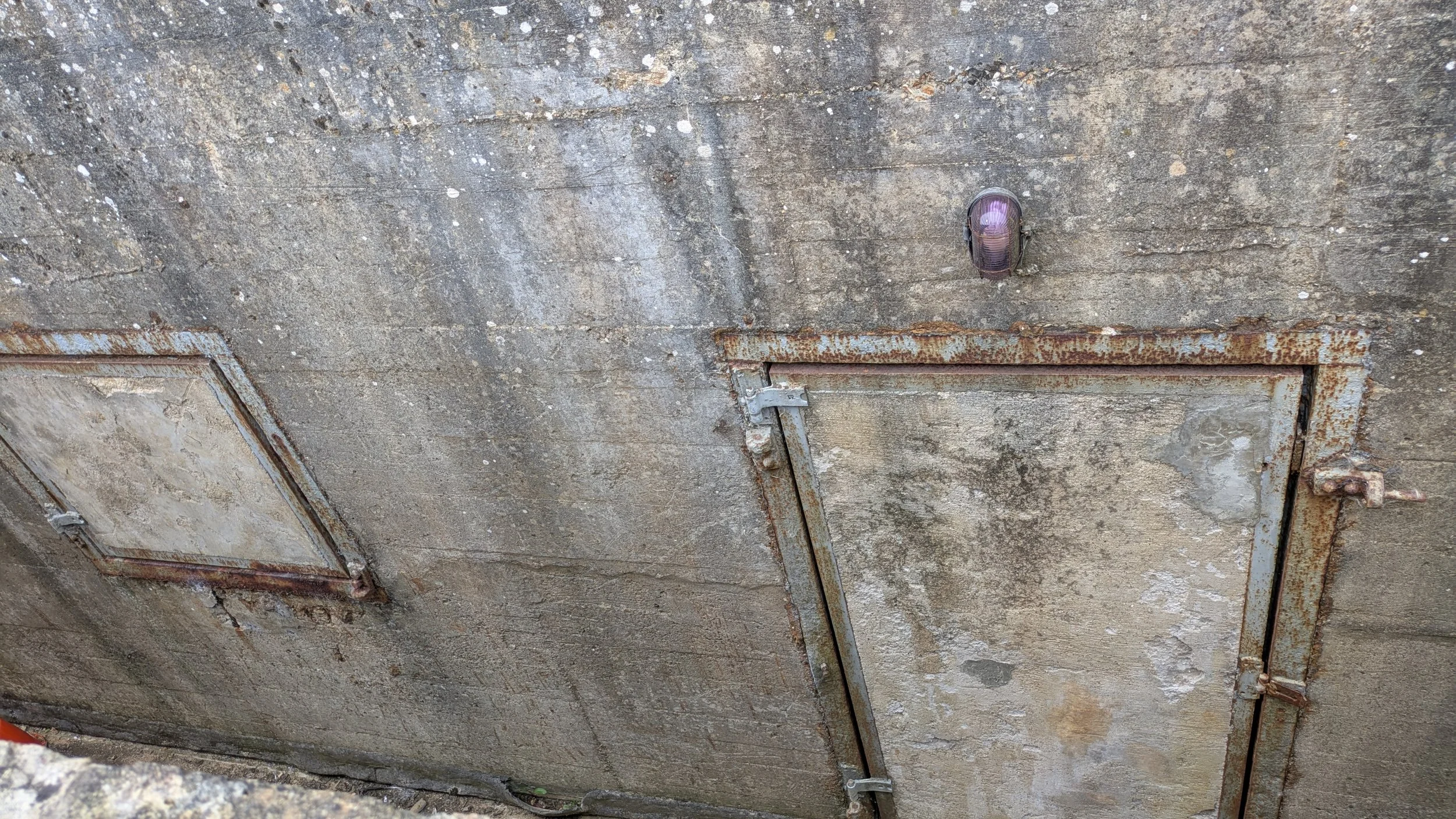
Today, two thirds of the old Capel-le-Ferne battery site is now buried under the Battle of Britain Memorial, which was built in 1992. However, the remaining part of the battery (specifically No1 Gun) is now a museum, run by father and son team, John and Martin Button. Opened in 2023, the Capel Battery is dedicated to preserving and displaying the remains of the site and restoring previously existing facilities where it can. To date, the crew shelter, gun store and compressor house, along with the underground plotting room have been fully excavated. Two replica Nissen huts have also been built on their original locations. The site is also home to a 50mm Anti-Aircraft Bofors gun, an AFV434 REME armoured repair vehicle and other military equipment .
BL 8-inch MkVIII Naval Gun
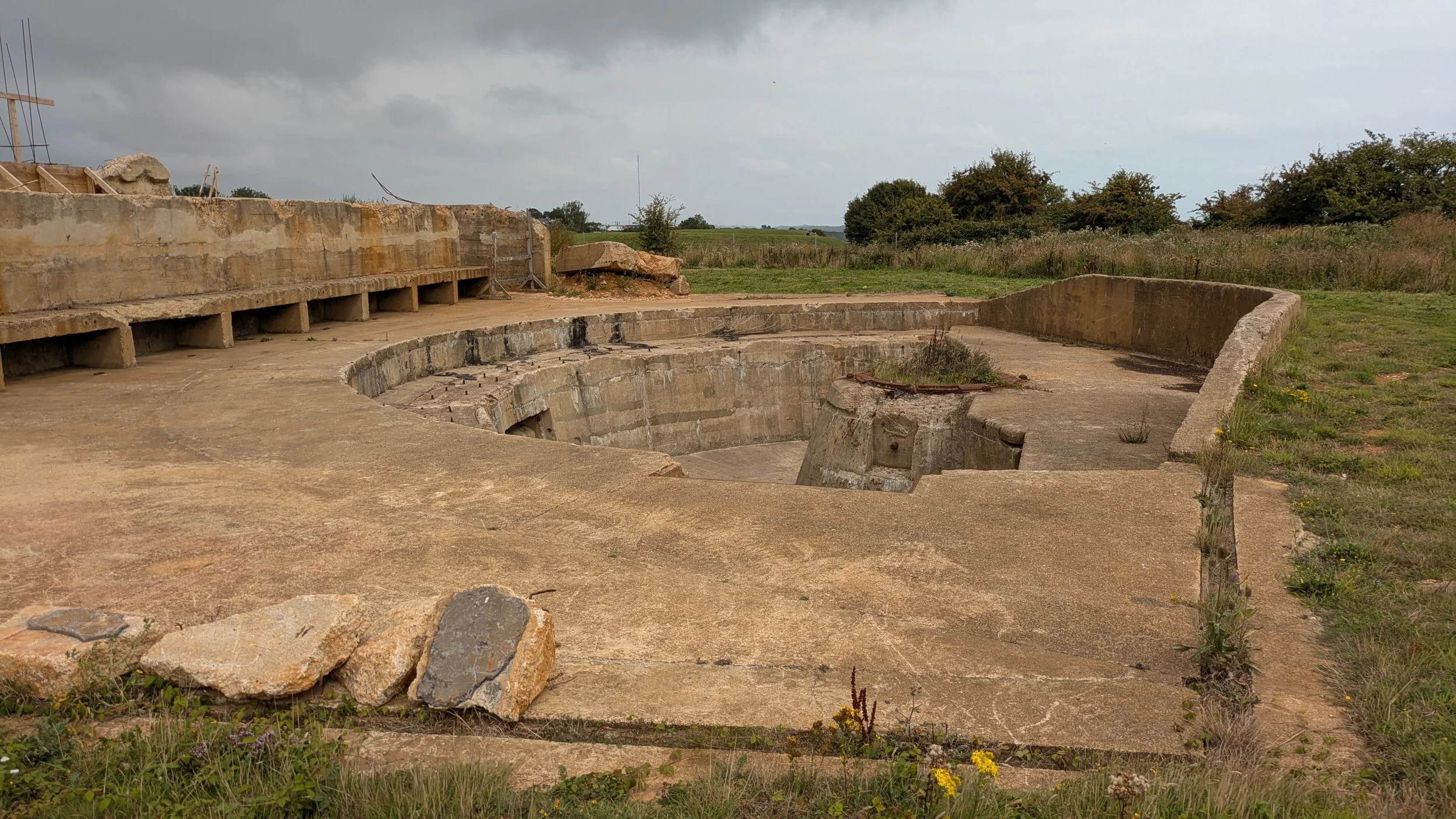
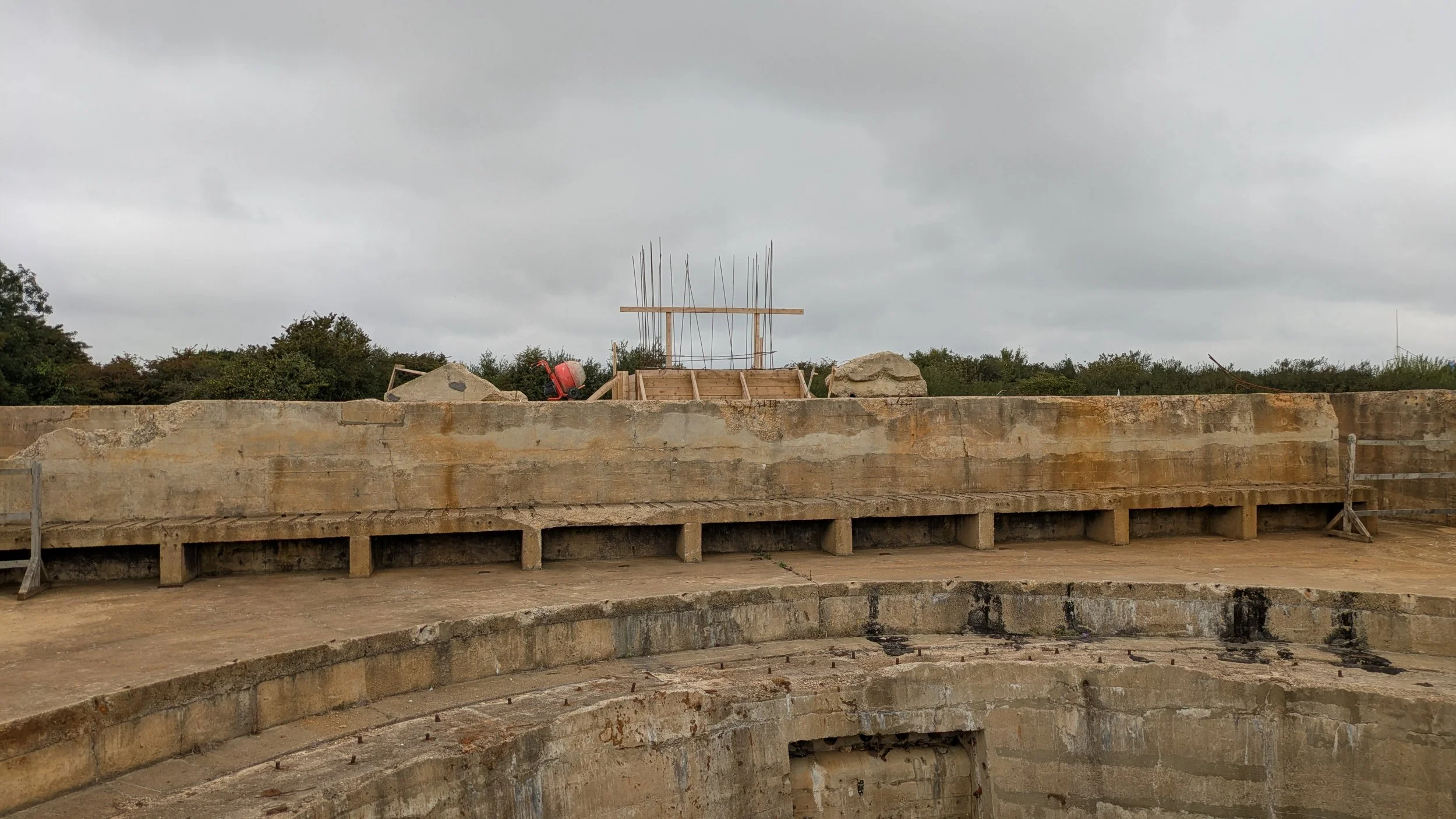
On Saturday 16th August, I was fortunate to have a tour of the Capel Battery. Myself and my colleagues were given leave to look around the site by Martin Button, who also made himself available to answer questions both about the battery’s history and his ongoing plans for development. The former placement for No1 Gun has been fully excavated exposing where the base ring traversing mechanism would have been located. Likewise the bunker behind has also been cleared of undergrowth. Restoration has begun on all the concrete infrastructure, although it is a slow and costly undertaking. However, despite being an ongoing project, the concrete infrastructure that remains is more than sufficient to convey the scale of the naval gun that was installed. The site is about 400 yards from the cliff edge and looks out over the Straits of Dover.
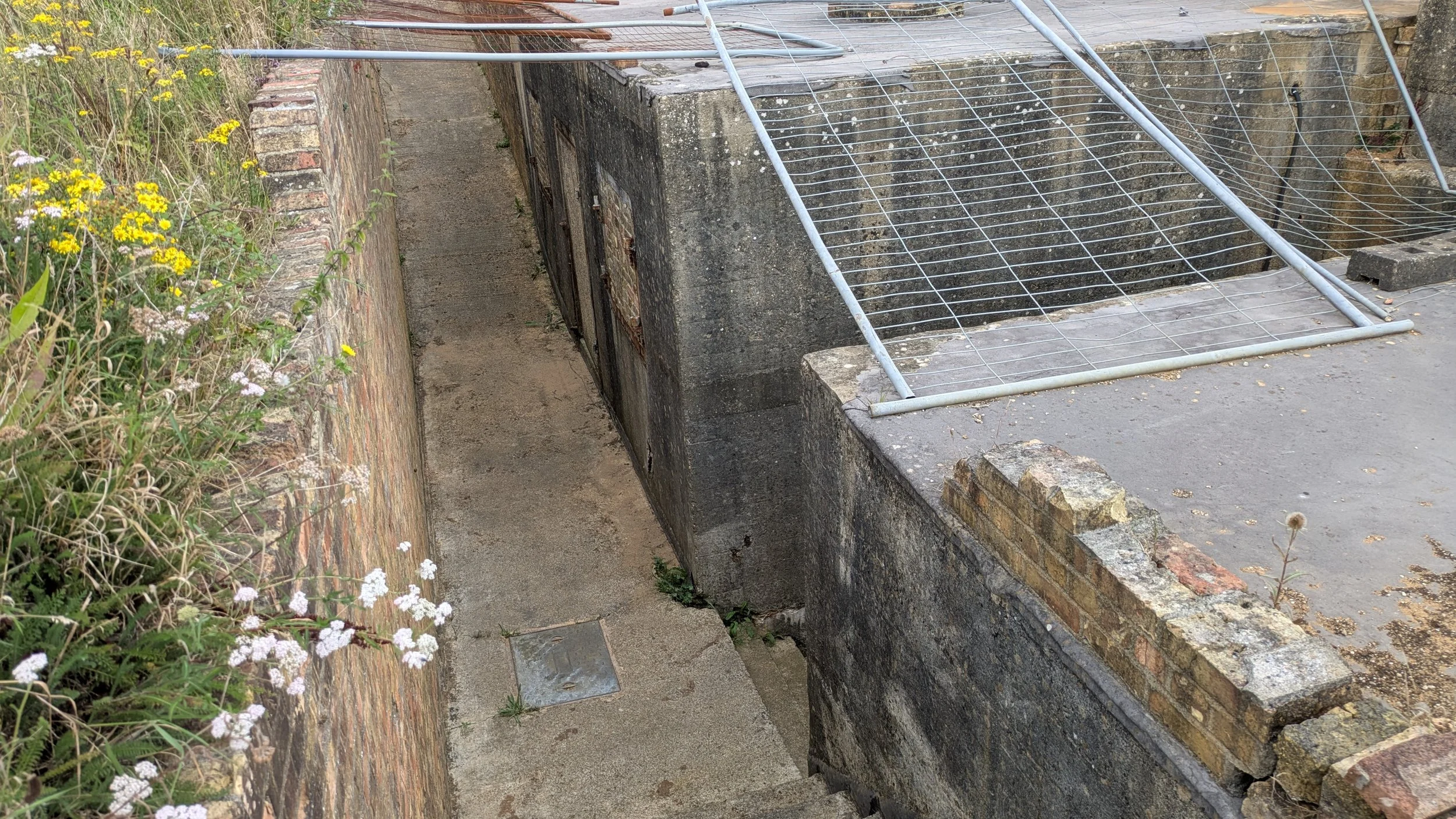
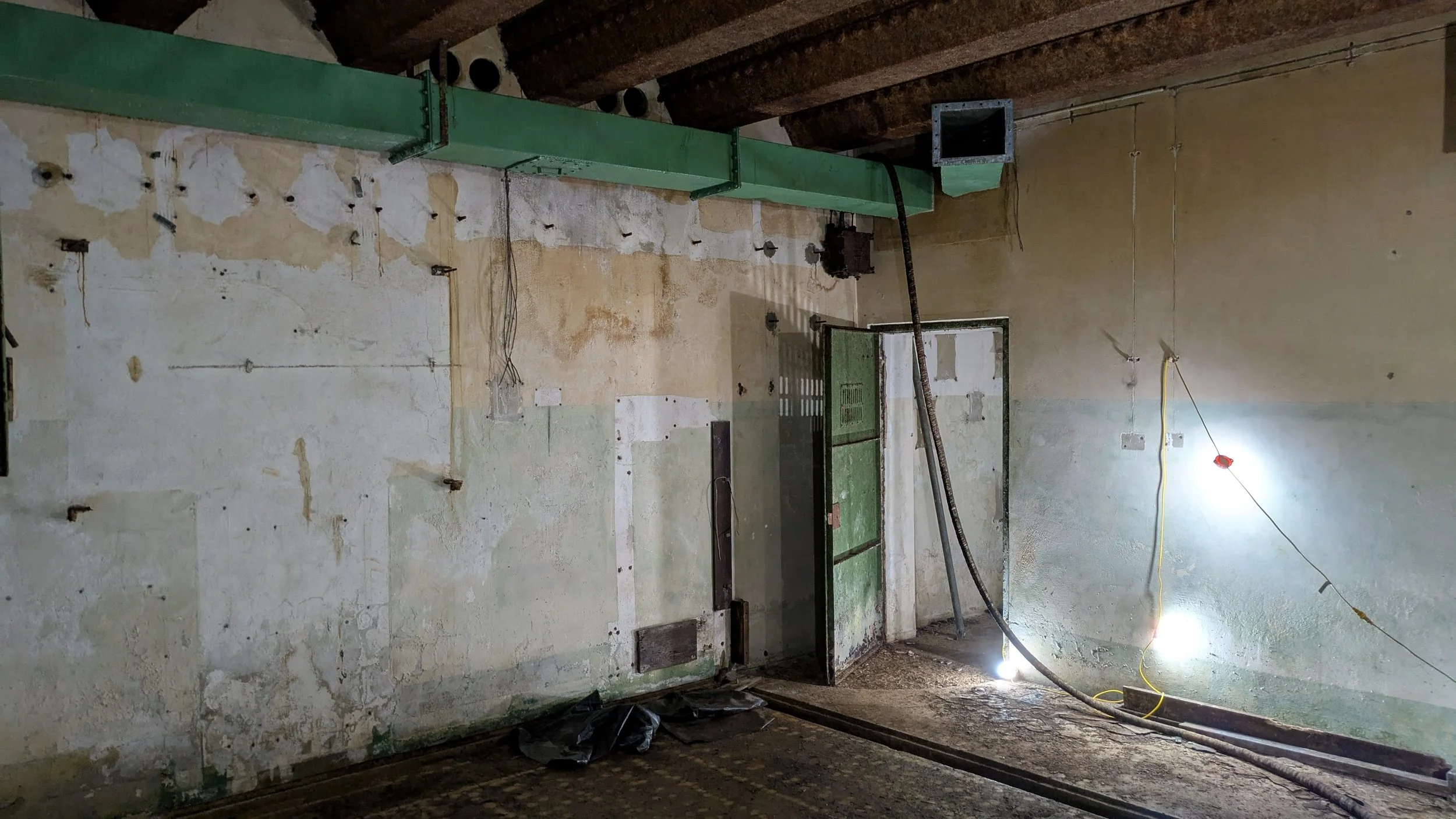
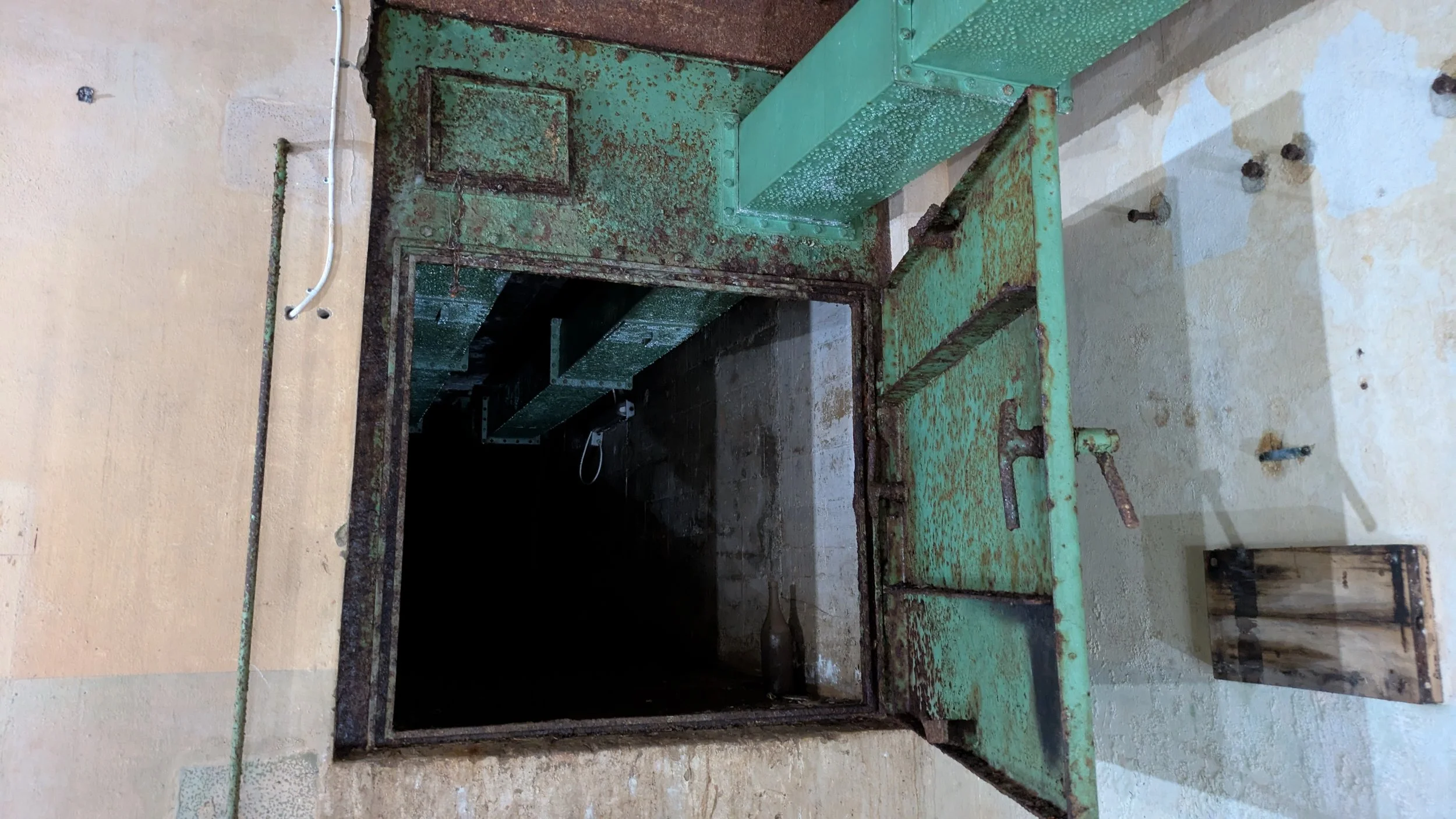
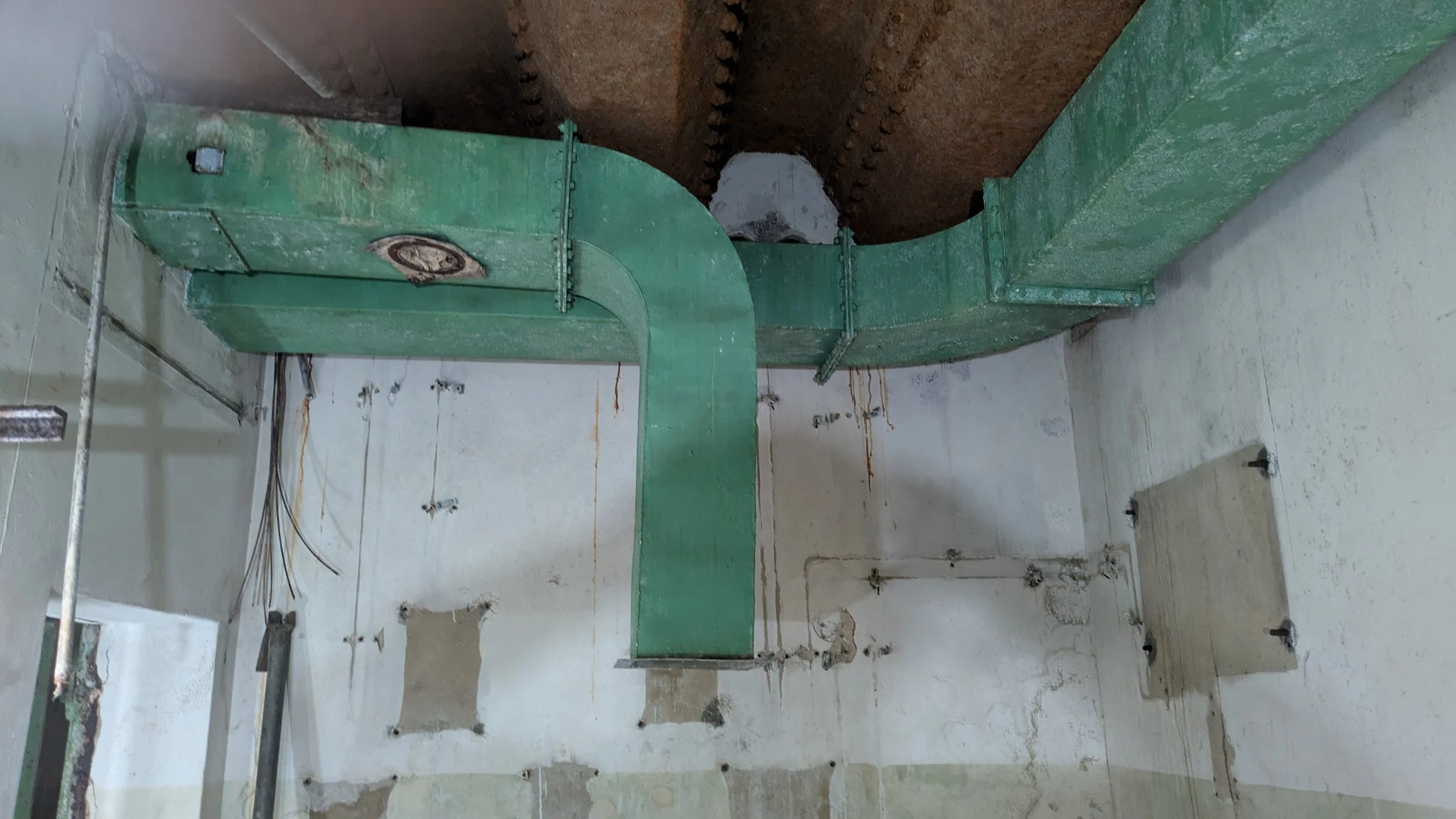
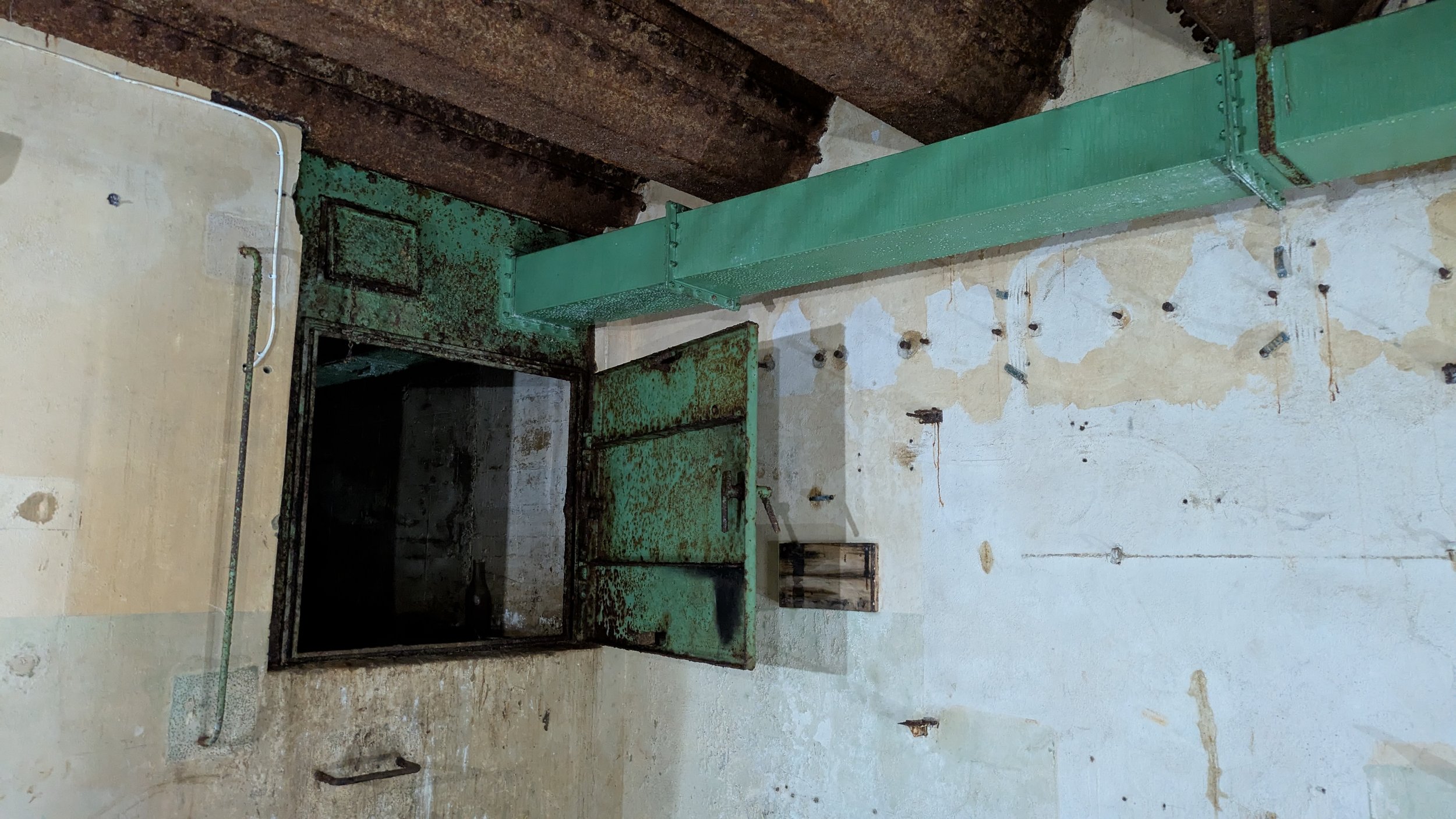
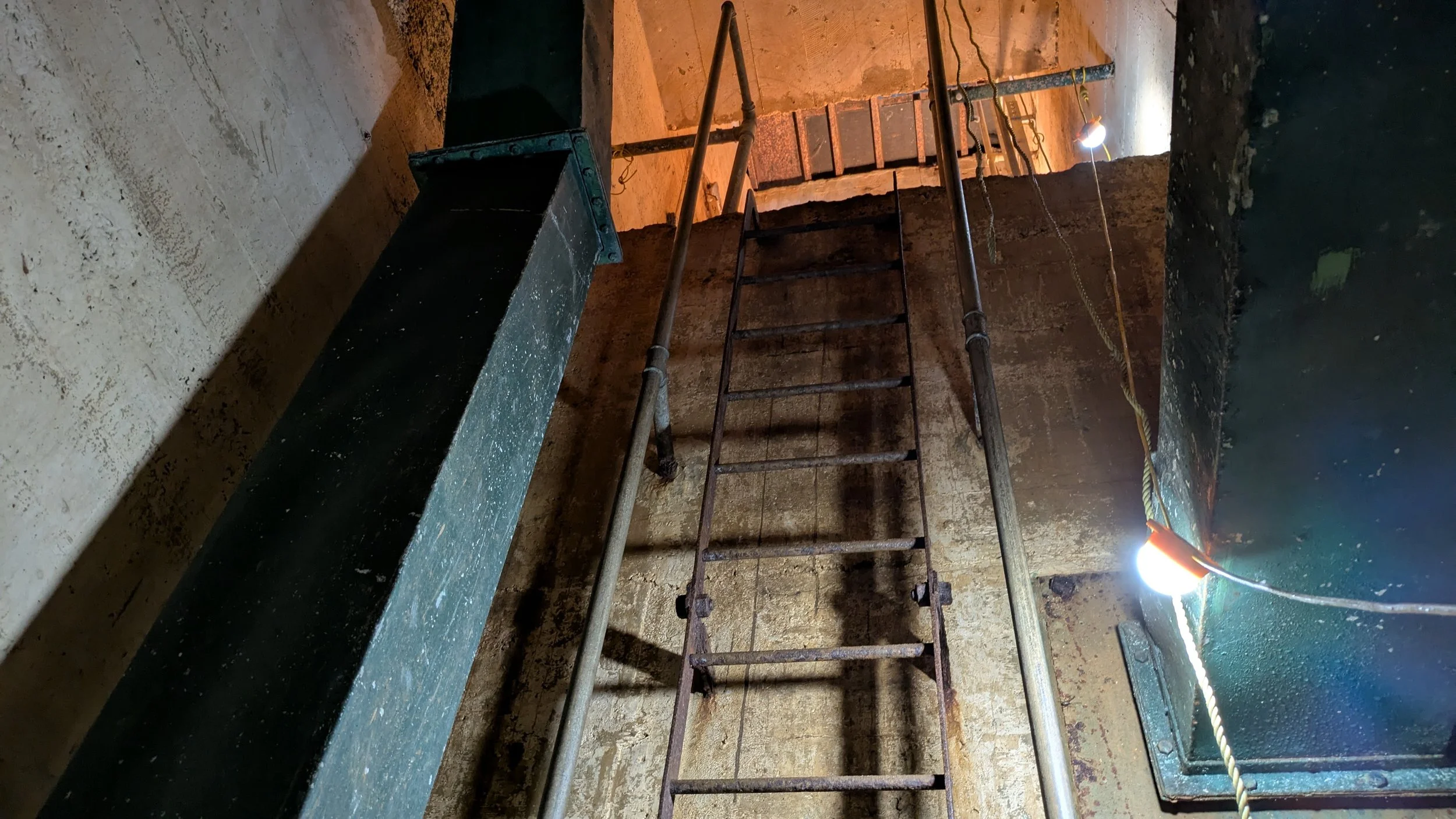
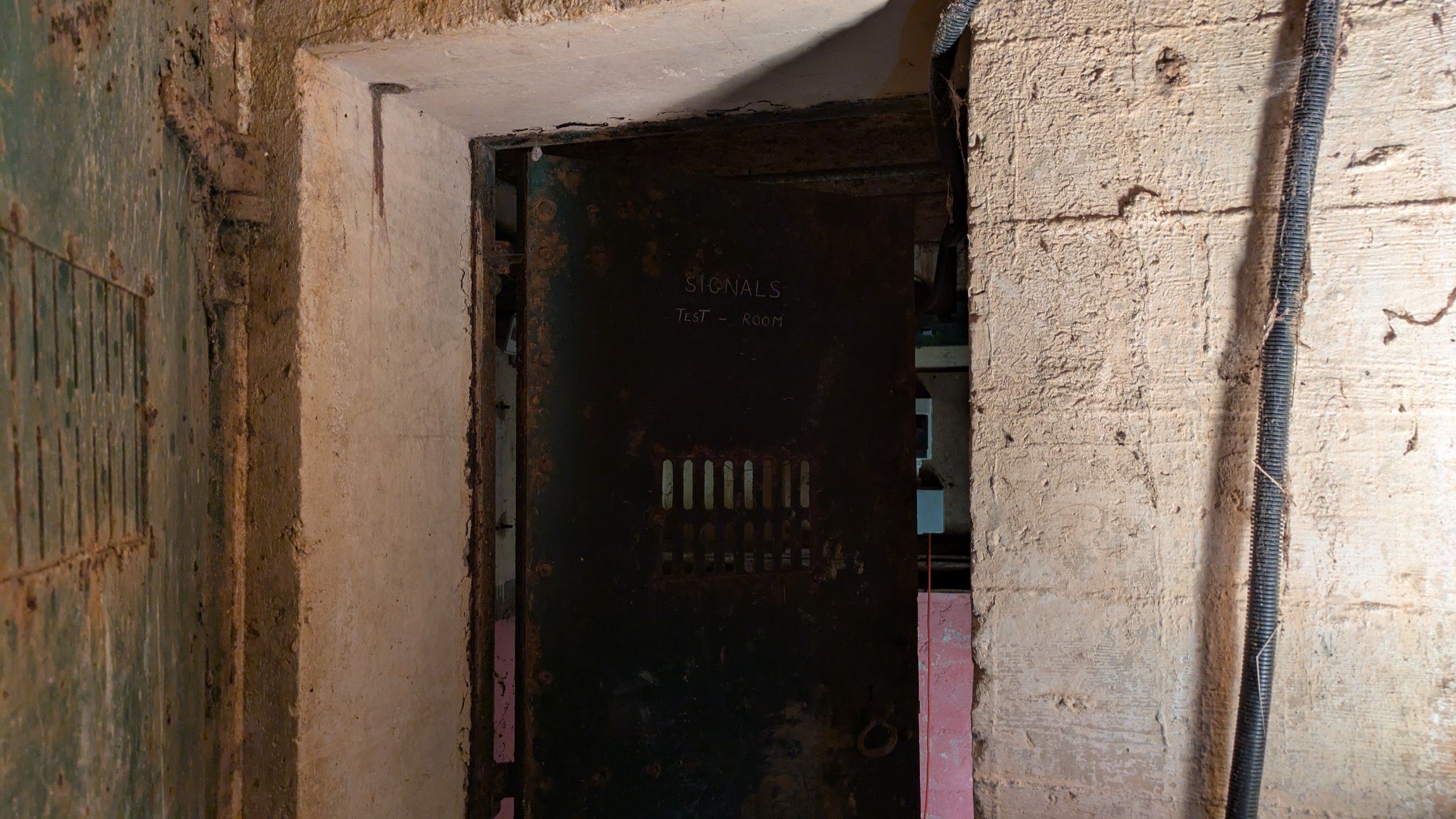
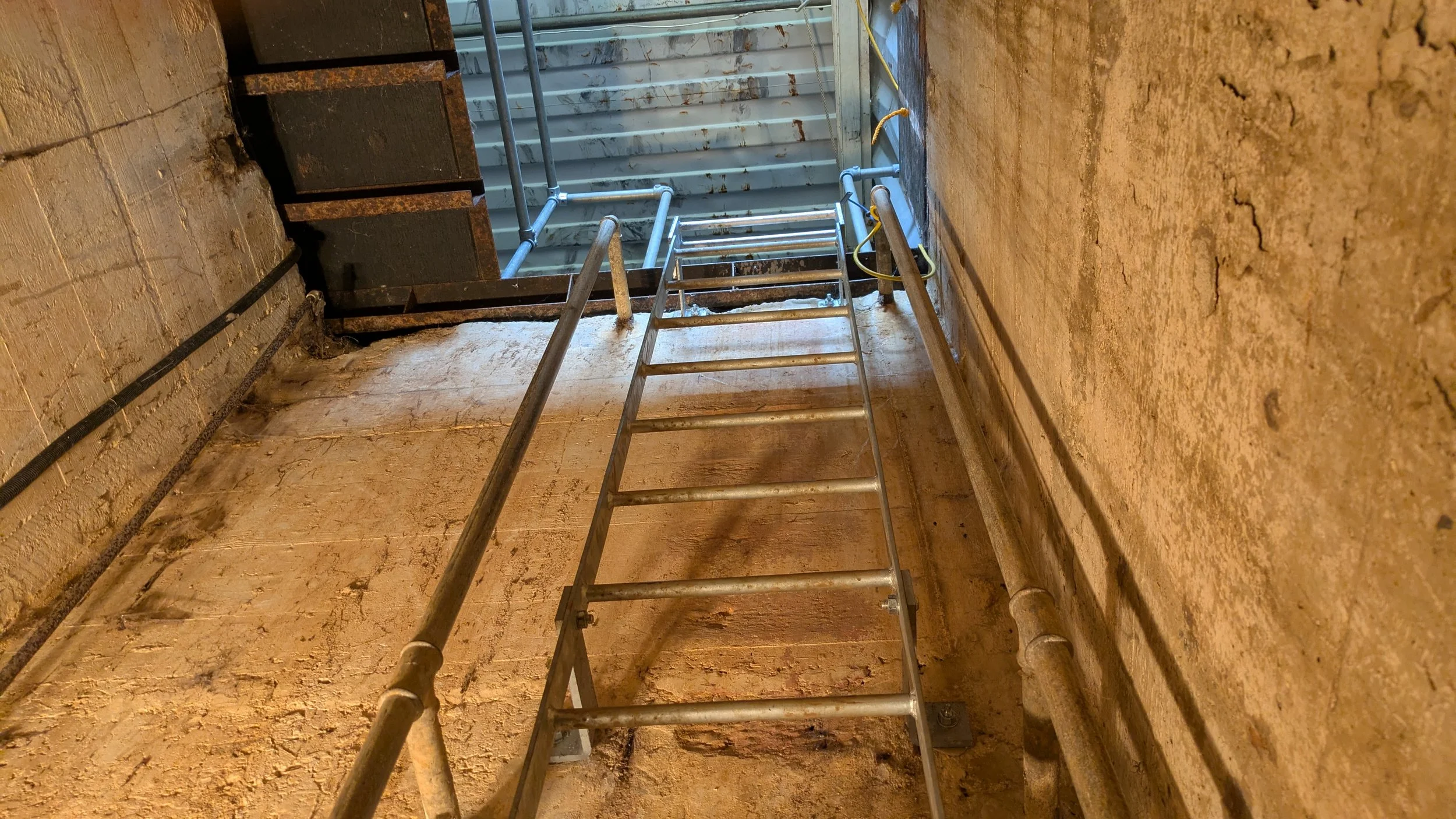
The foundations of many of the prior outbuildings have also been discovered including officers’ mess, guard room canteen, storage and sleeping quarters. Several underground facilities have also been located such as the Operations Room, the Medical Dressing Station along with the Battery Plotting Room. Not all of these are accessible due to underground collapse, or for practical health and safety reasons. Of all of these, the Battery Plotting Room remains the most intact, located 50 feet or more underground. It can be accessed via two vertical ladders and contains much of the trunking and ducting from the original period. It is a substantial structure designed for half a dozen men. It is from here that data was analysed to compute precise gun-laying instructions.
No 1 Gun placement excavation and restoration
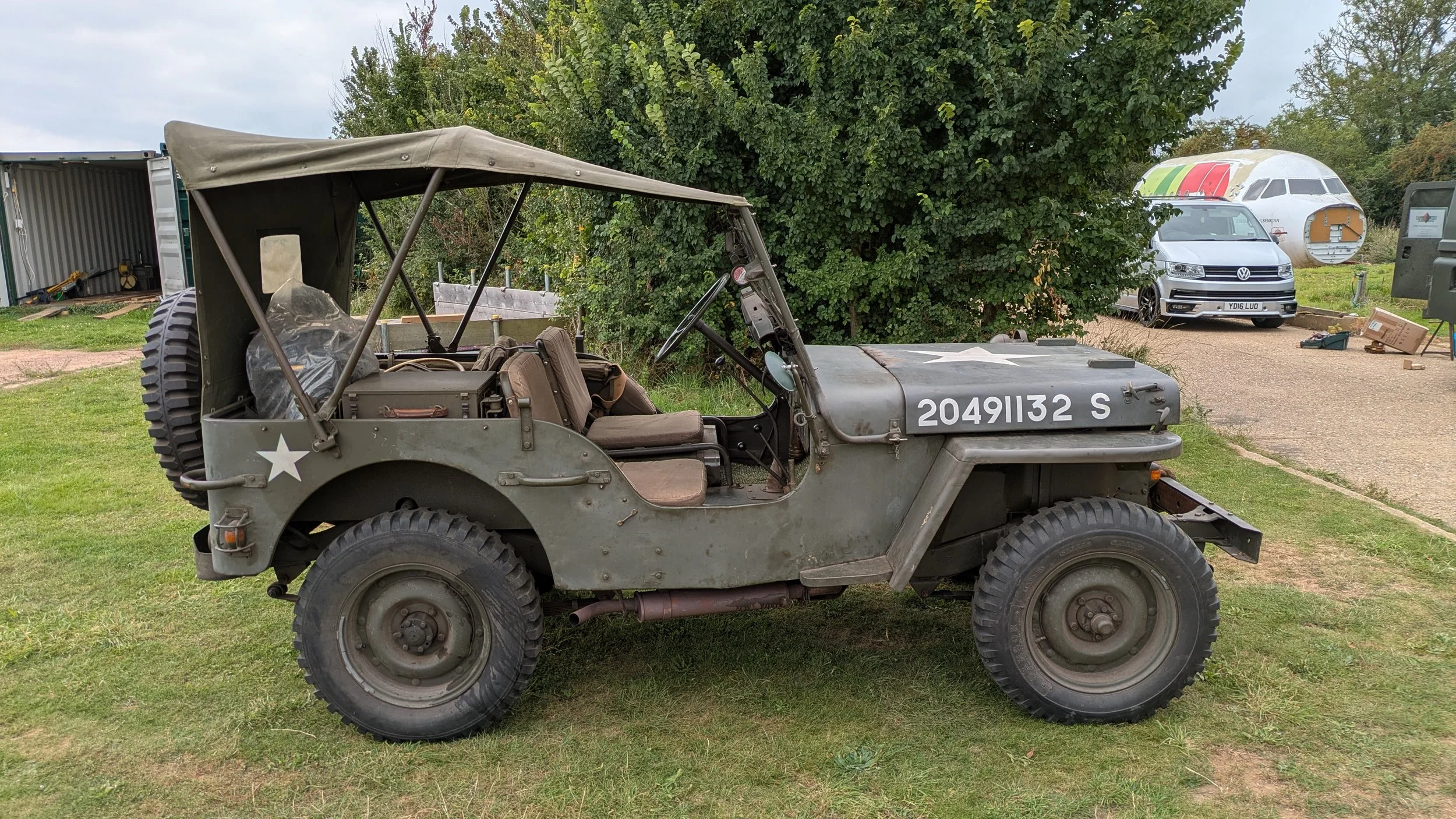
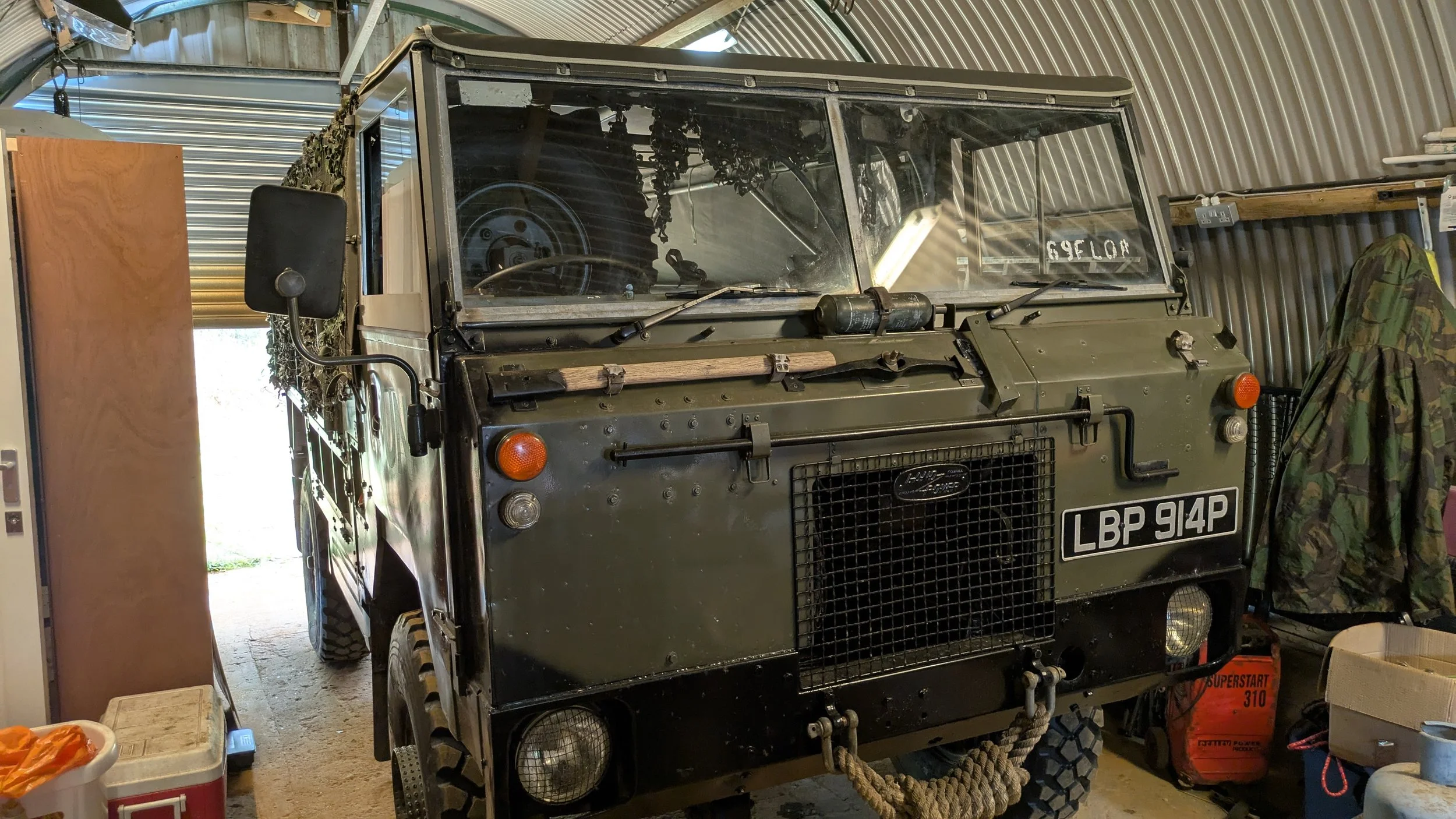
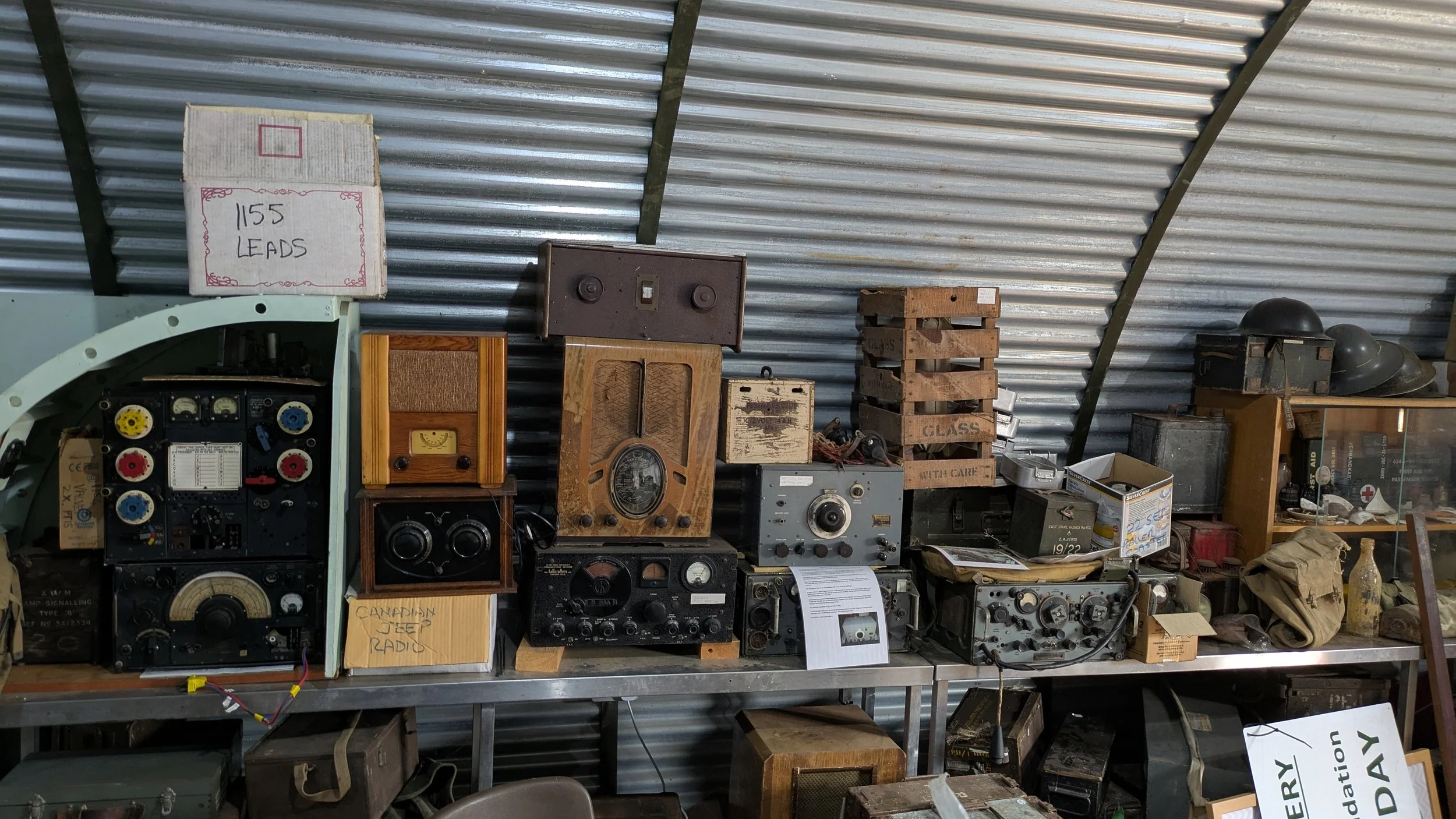
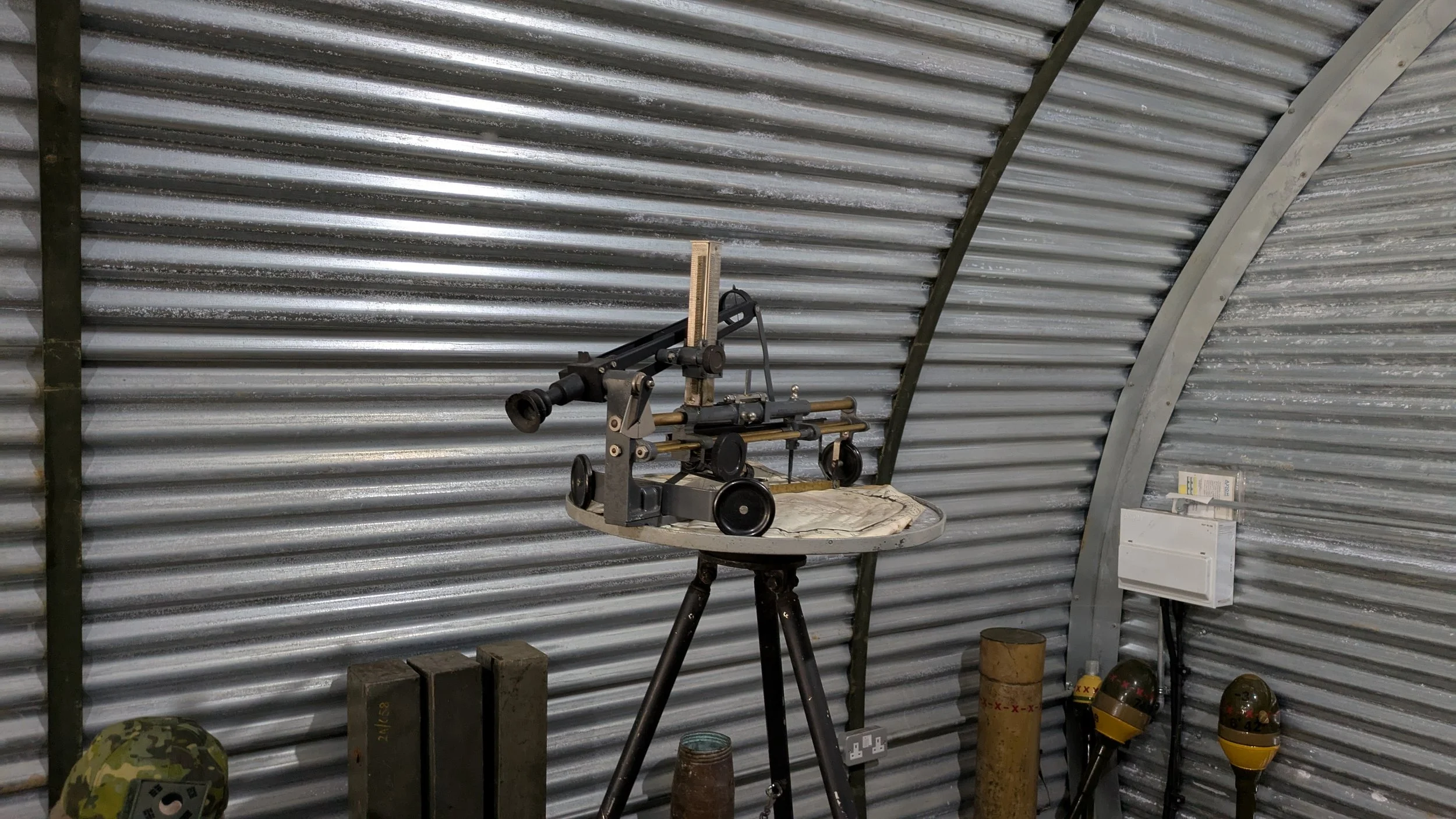
Another interesting aspect of the Capel Battery is the owner’s prodigious collection of World War II memorabilia. There is an original Willys MB Jeep and a Land Rover 101 Forward Control, along with radio equipment, an Observer Instrument and much more. All of which contribute to making this former military site an important historical resource. Unfortunately, Folkestone & Hythe District Council are currently in dispute with the Capel Battery’s owners over technicalities regarding the site’s museum status. Hence there is currently a concerted effort by both the owners and supporters of the site to raise the profile of the Capel Battery, thus increase the number of visitors and to raise further funding for excavation, preservation and restoration. I feel that the museum as it stands has a lot to offer and would like to see it reach its full potential. I therefore hope the owners are successful in their endeavours.


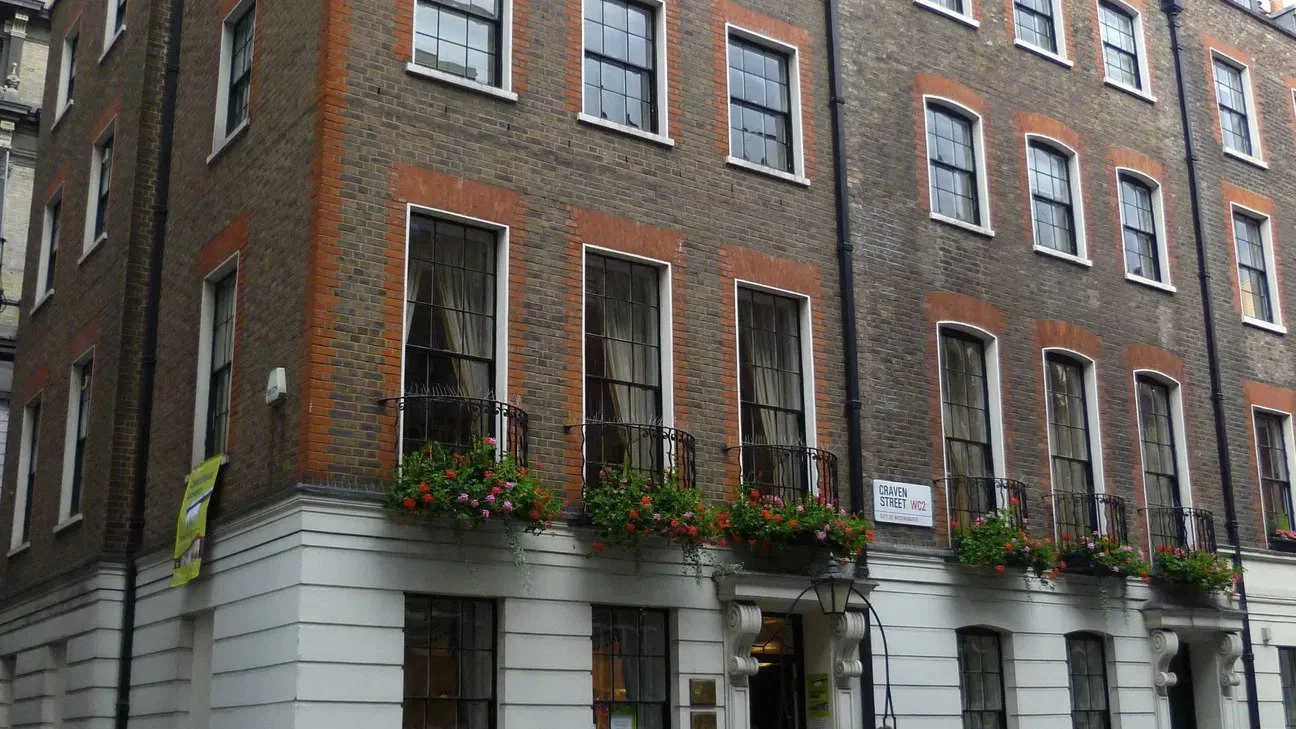



The Imperial War Museum serves as a national museum for Britain. Its main location is in London, complemented by five additional branches across England. Established in 1917 as the Imperial War Museum, its original purpose was to document the civil and military efforts and sacrifices made by the United Kingdom and its Empire during the First World War. Over time, the museum’s scope has broadened to encompass all conflicts involving British or Commonwealth forces since 1914. As of 2012, the museum’s mission is to provide and encourage the study and understanding of the history of modern warfare as well as the “wartime experience”. The IWM as it is now known has its headquarters and primary site is located at Southwark in Central London. The museum is funded by government grants, charitable donations and revenue generated through commercial activity such as retailing, licensing and publishing. General admission is free to IWM London.