
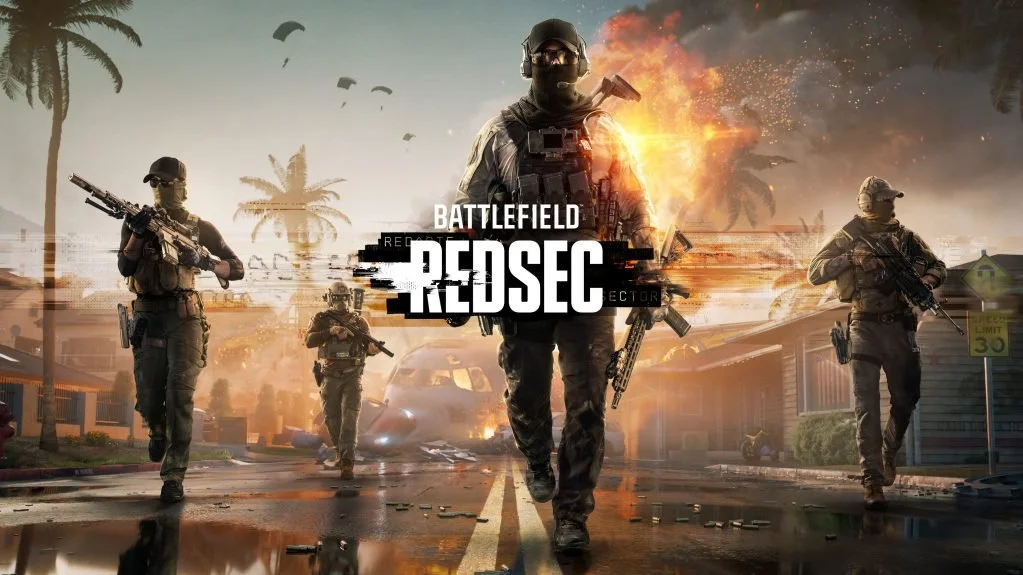
Battlefield REDSEC
The Battlefield 6 Battle Royale game mode, known officially as Battlefield REDSEC, was released today at 15;00 on all platforms. REDSEC, which is short for “Redacted Sector,” offers an interesting take on the Battle Royale genre, blending familiar elements from games such as Fortnight and Warzone, while maintaining those unique aspects of Battlefield. Hence, you will find missions, loot crates and an ever decreasing environment, as well as the squad class dynamics and the destructible environment. The map offers both urban areas as well as open countryside thus supporting multiple play styles. Furthermore, REDSEC includes two additional modes. Gauntlet and Portal. Although it has launched alongside the first season of Battlefield 6 (which comes with an optional season pass), REDSEC is available to download as a standalone mode and is free-to-play.
The Battlefield 6 Battle Royale game mode, known officially as Battlefield REDSEC, was released today at 15;00 on all platforms. REDSEC, which is short for “Redacted Sector,” offers an interesting take on the Battle Royale genre, blending familiar elements from games such as Fortnight and Warzone, while maintaining those unique aspects of Battlefield. Hence, you will find missions, loot crates and an ever decreasing environment, as well as the squad class dynamics and the destructible environment. The map offers both urban areas as well as open countryside thus supporting multiple play styles. Furthermore, REDSEC includes two additional modes. Gauntlet and Portal. Although it has launched alongside the first season of Battlefield 6 (which comes with an optional season pass), REDSEC is available to download as a standalone mode and is free-to-play.
REDSEC Battle Royale FAQ:
REDSEC is set in Fort Lyndon, California.
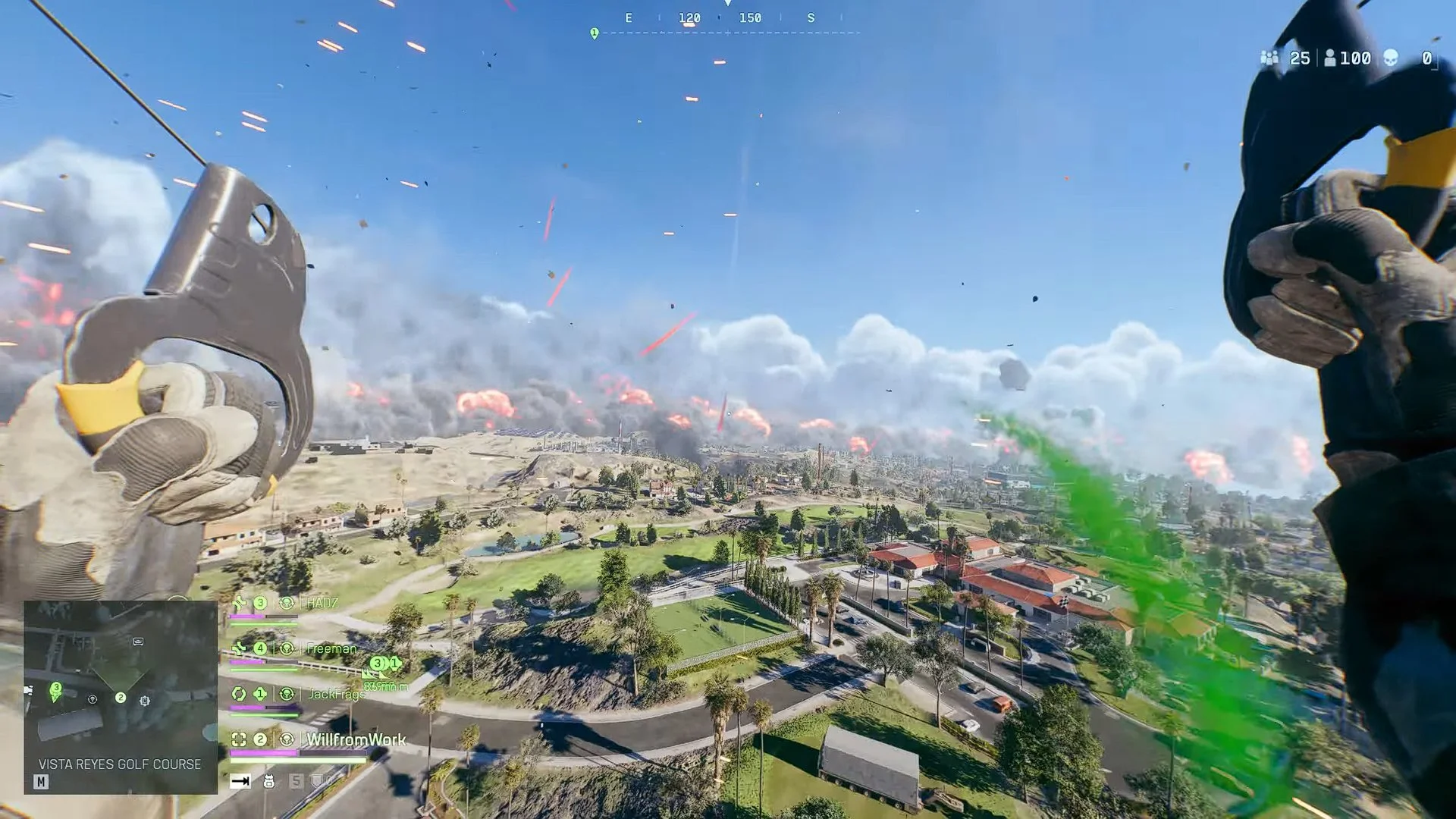
The map includes beachside suburbia, a golf course and a military blacksite.
It’s the largest map in Battlefield history.
Instead of an enclosing circle of gas, there is a ring of fire which kills instantly.
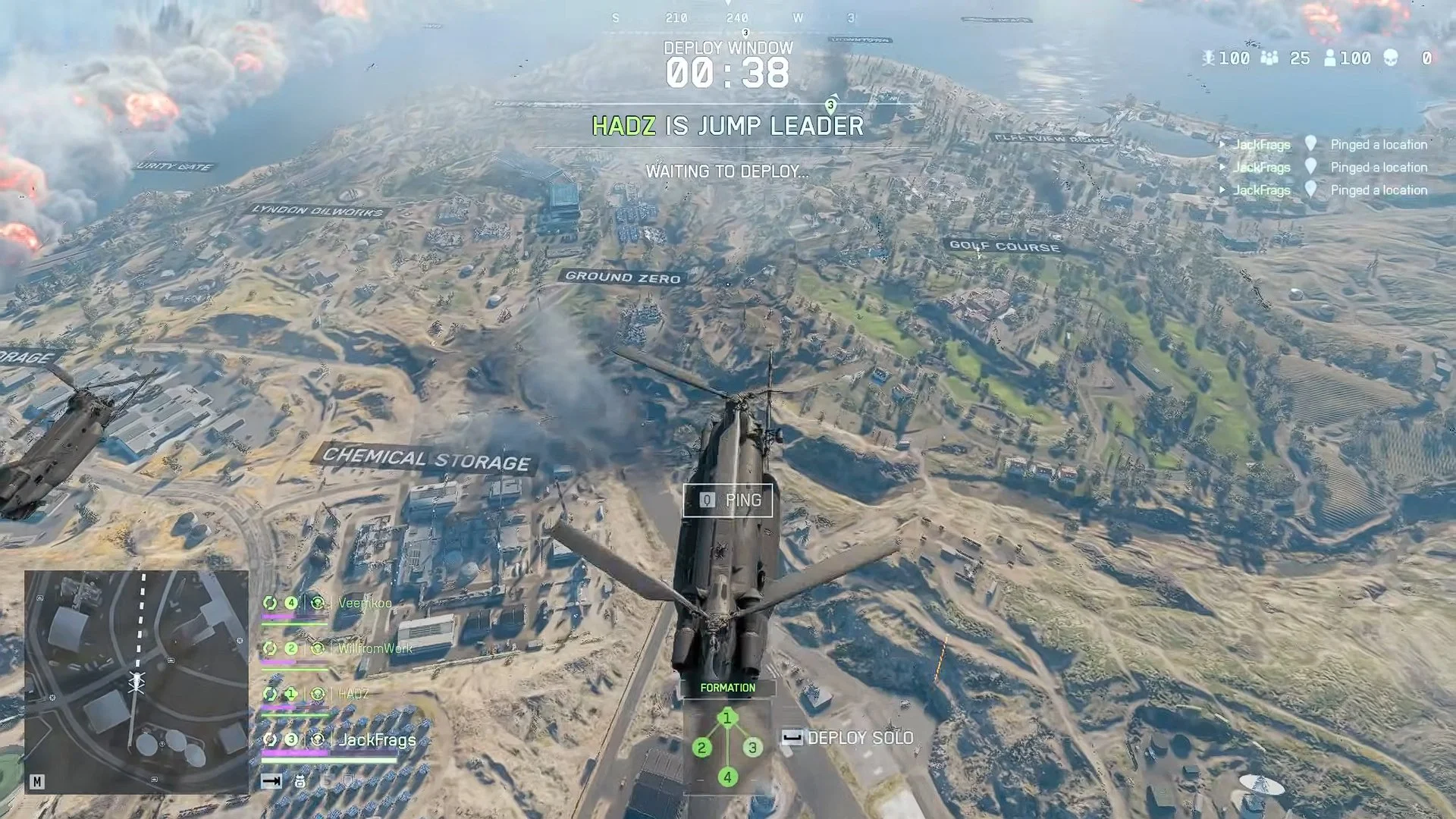
The game mode supports 100 players, or 25 squads of 50 duos, battling it out.
Each class can unlock new gear through training paths. IE RPGs can be upgraded to guided missiles and drones can be upgraded to carry ordinance.
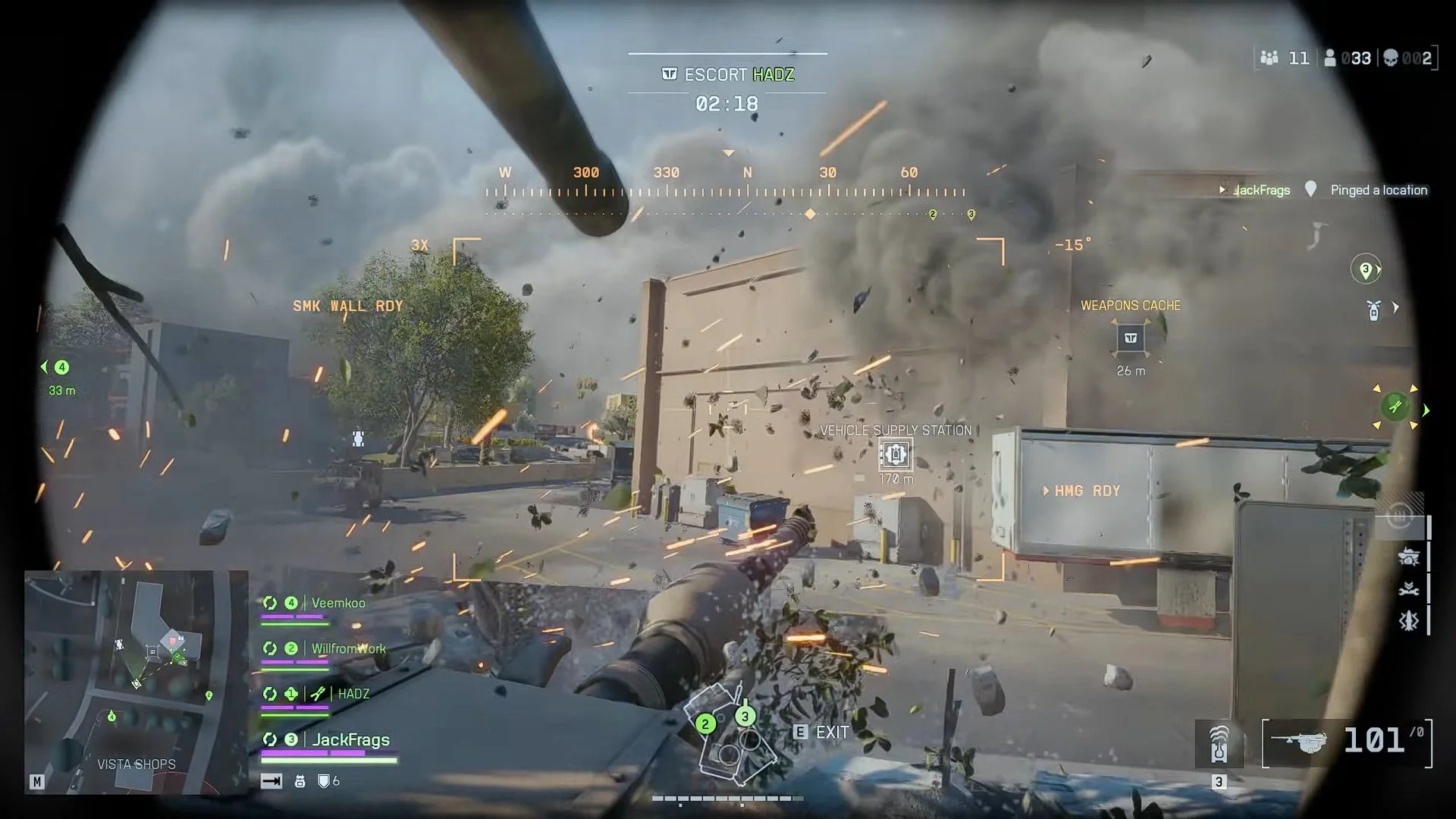
Armoured vehicles are present in the game. M1 Abrams tanks and M3 Bradley armoured personnel carriers are located in locked Vehicle Trailers.
There are Redeployment Stations around the map, although respawning is not as ubiquitous in this Battle Royale.
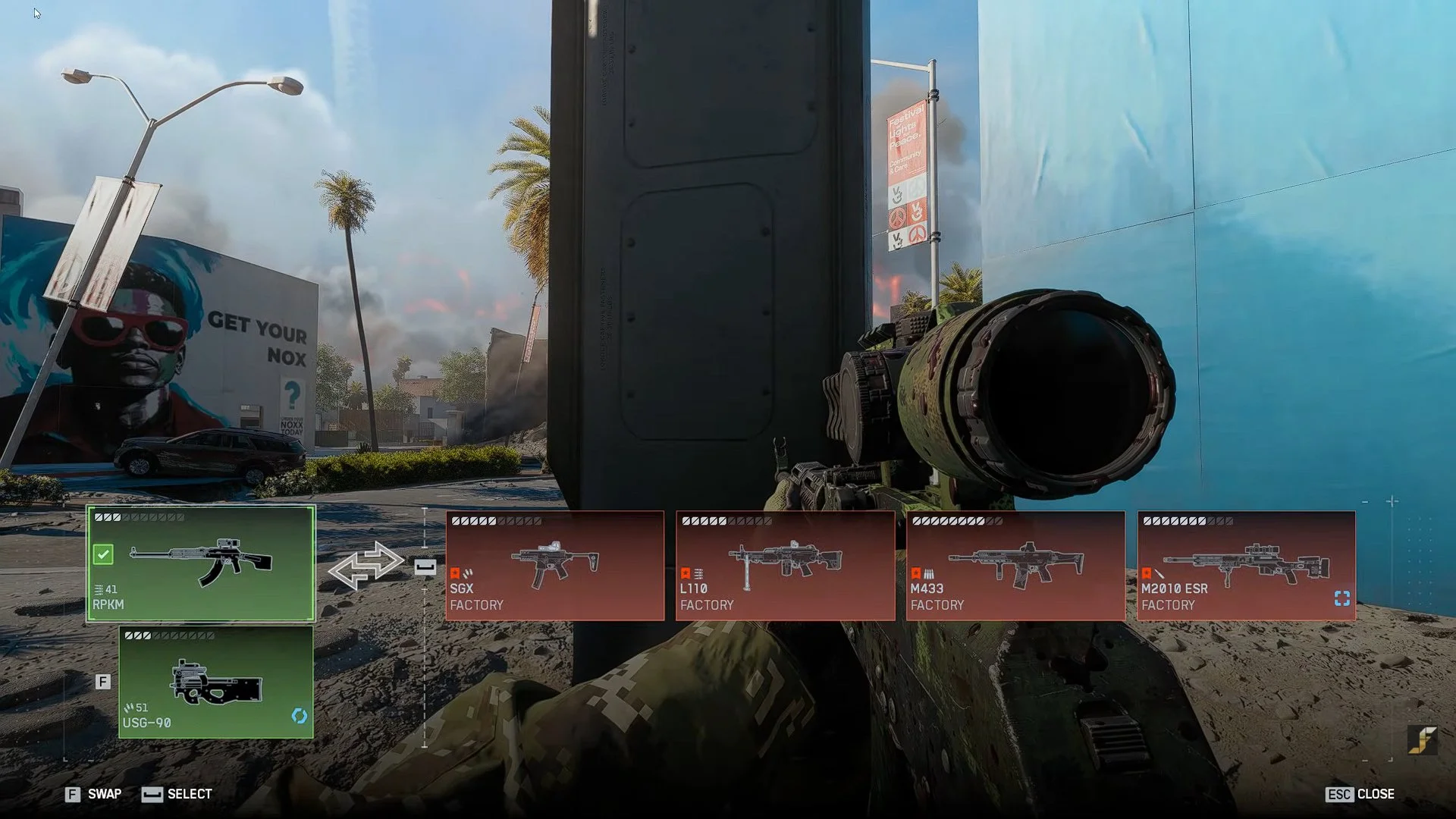
Players can favourite up to 8 weapons loadouts, which can be accessed in-game via Custom Weapon Drops.
There are crates offering random weapons and gear. There are also safes which the Engineer class can open with his tool.
Players can equip two personal armour plates.
There are multiple ziplines around the map.
Gauntlet Mode:
Gauntlet is a separate mode that is a relatively short, elimination-driven gameplay experience. 32 players (eight squads of four players) are dispersed across Fort Lyndon and must fight through various round-based missions. Players have five minutes to complete the objective for each round. The missions and locations change for each round. Gauntlet is focused upon teamwork and coordination.
Portal Mode:
Portal allows Battlefield 6 players to create their own game modes and bespoke maps. REDSEC Portal brings these tools to the Fort Lyndon map. Two official Portal maps are currently available with more set to follow in the weeks to come.
Battle Pass:
Coinciding with the launch of REDSEC, is Season 1 for Battlefield 6 and an accompanying battle pass system. This shares unlockable rewards and XP progress between both the base game and its Battle Royale REDSEC counterpart. EA have stated that they have no plans for there to be any exclusive REDSEC unlocks. However, not all skins from Battlefield 6 will be available. There is also an in-game store selling cosmetic items but so far, these remain within an military idiom.
Initial Thoughts:
I logged into REDSEC this afternoon and as I had bought the Phantom Edition of Battlefield 6, I had a free season pass with the first 25 levels unlocked. I then spent some time playing Battle Royale mode and then went online to watch some livestreams. At first glance, anyone coming from another major BR game will find a lot of familiar mechanics. You drop into the map with a squad and collect gear and perks from crates along the way. You can then pursue missions to gain XP and upgrades to your weapons and gear, while eliminating other players. You can access your own loadouts and use vehicles to traverse the map, although heavy armour is not so easily accessible. The main difference is to succeed you need to lean into the game’s squad dynamics and utilise their respective skills.
Healing your team is important, so Support classes are advantageous with their ability to revive players quickly. That being said, all players can drag a downed teammate to cover and heal them but it takes longer. Engineers improve vehicles by their presence and can repair on the fly. The tactical ladder that accompanies the Assault class is invaluable, affording access to vantage points that aren’t accessible from the ground. The Recon class has the advantage of drones and the ability to drop bombs on targets. However, the biggest game changer in this Battle Royale is the destructible environment. You can create your own access into a building with C4 or a sledgehammer. Similarly, if an enemy squad is entrenched in a fortified position, you can demolish it with sufficient fire power. Plus, there is no ultraquick omnimovement in this game. Speedy gunfights may work in some scenarios but not all.
So far, I think that Battlefield REDSEC is sufficiently different from its competitors. Due to the franchise’s game mechanics, there is greater appeal to casual and new players because they will be able to find a role if gunplay is not their forte. No doubt REDSEC will attract “sweaty tryhards” but they may not find things to their liking and their standard strategy will not work so well in this environment. There won’t be any gas play clutches, as in Warzone and last moment heroics driven by omnimovement and hipfire may be far less commonplace. It may even be the case that vehicles prove to be the key to winning. Also, Javelin, a custom kernel-level anti-cheat system, may also be a major factor in keeping REDSEC an equitable gaming experience because it appears to work. Time will tell. In the meantime I believe the correct assessment of today’s release is “so far, so good”.
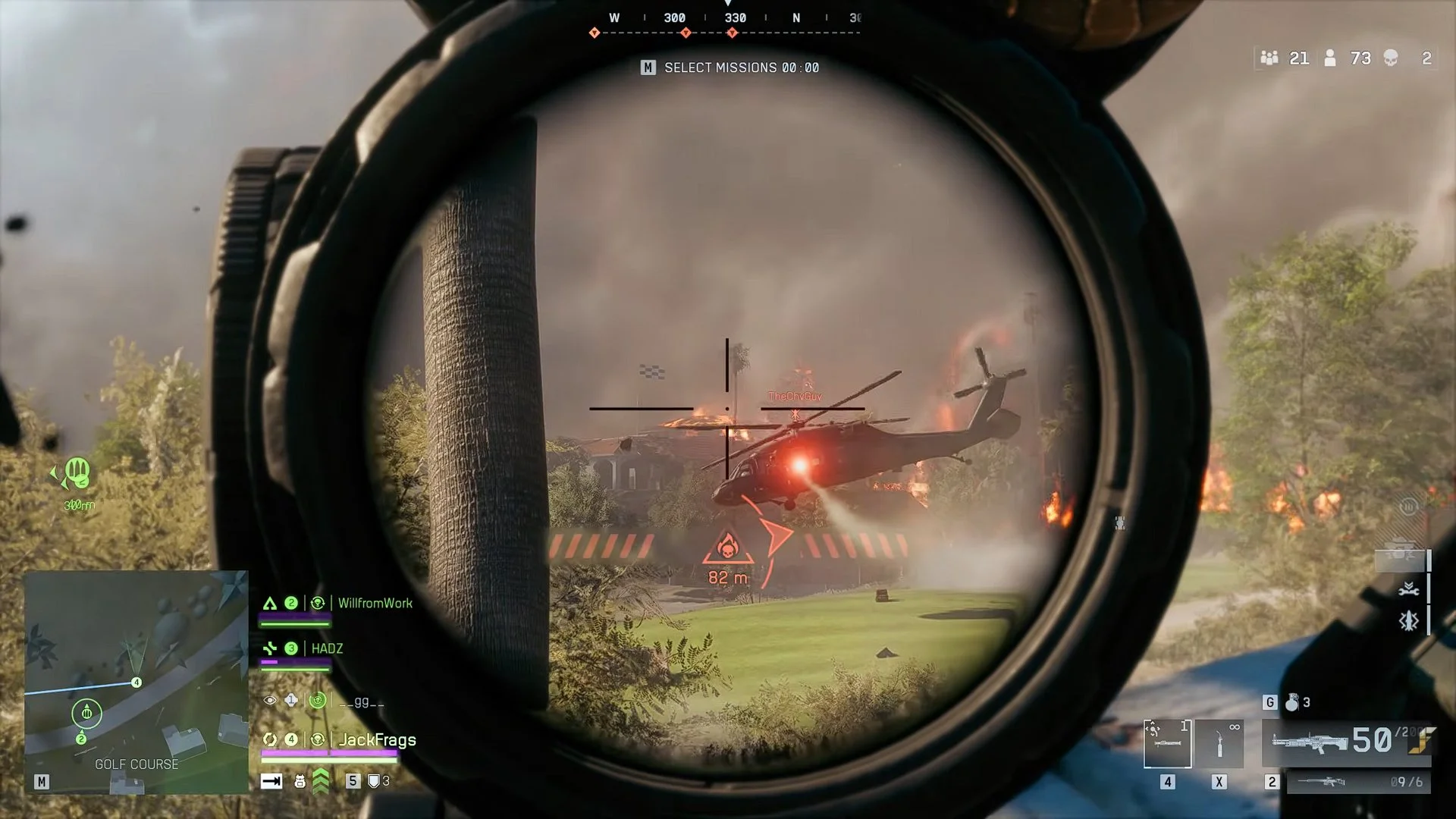
Screenshots from Jackfrags livestream.






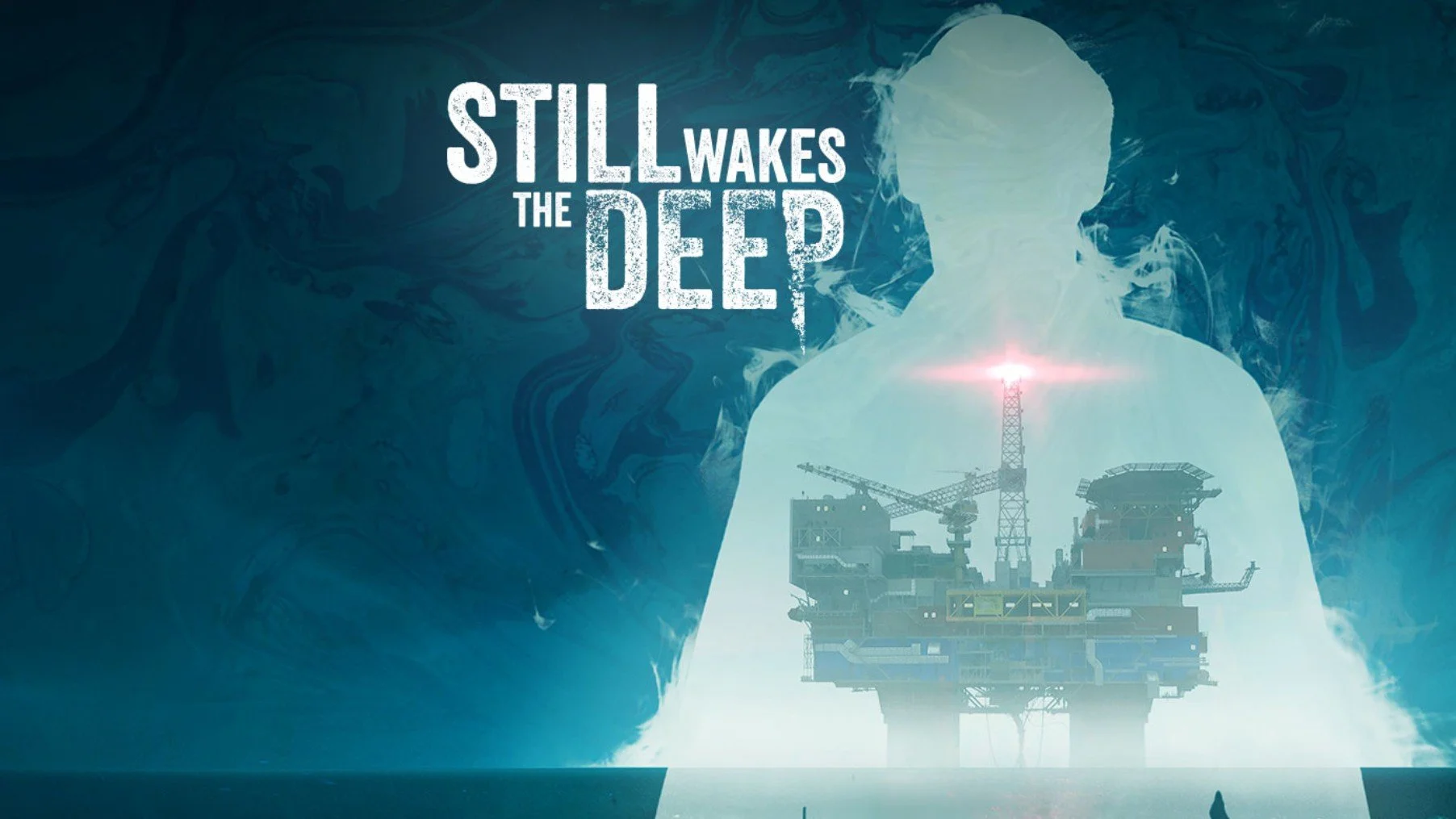
In the wake of Disco Elysium, I’ve been playing through several other games that have a focus on narrative and plot. I began with Call of Cthulhu which I shall write about in a separate post. Let it suffice to say that although I enjoyed the game, I wasn’t quite satisfied. This is not necessarily the game’s fault, as it makes a good attempt at depicting Lovecraftian Cosmic Horror. It’s just that any game following hard on the heels of one of the best RPG’s I’ve ever played, is likely to come up short in comparison. So I looked through my game library and found that I had Still Wakes The Deep, which enjoys a good reputation for having a strong story. I subsequently played through the game over two late night sessions and was left suitably impressed. So much so that I’ve bought the additional DLC, Siren’s Rest, in the hope that it maintains the quality of its predecessor.
The Battlefield 6 Battle Royale game mode, known officially as Battlefield REDSEC, was released today at 15;00 on all platforms. REDSEC, which is short for “Redacted Sector,” offers an interesting take on the Battle Royale genre, blending familiar elements from games such as Fortnight and Warzone, while maintaining those unique aspects of Battlefield. Hence, you will find missions, loot crates and an ever decreasing environment, as well as the squad class dynamics and the destructible environment. The map offers both urban areas as well as open countryside thus supporting multiple play styles. Furthermore, REDSEC includes two additional modes. Gauntlet and Portal. Although it has launched alongside the first season of Battlefield 6 (which comes with an optional season pass), REDSEC is available to download as a standalone mode and is free-to-play.

One aspect of Battlefield 6 that some players struggle with is unlocking and levelling up new weapons. Players begin the game with a selection of weapons from each class but you then have to actively play with each of them to unlock specific attachments via Mastery XP. Further weapons become available as players gain experience and increase their overall Career Rank. Players who are well versed in playing the FPS genre will naturally progress faster. The downside to this is that new players equipped with a base weapon end up going up against seasoned players with superior firearms. Both Mastery and Career Rank XP are doled out according to team and individual performance in each game you play. It is a slow grind for players to unlock weapon and vehicle resources. Double XP tokens go some way to address this issue but they do not mitigate the progression speed, which exists by design.
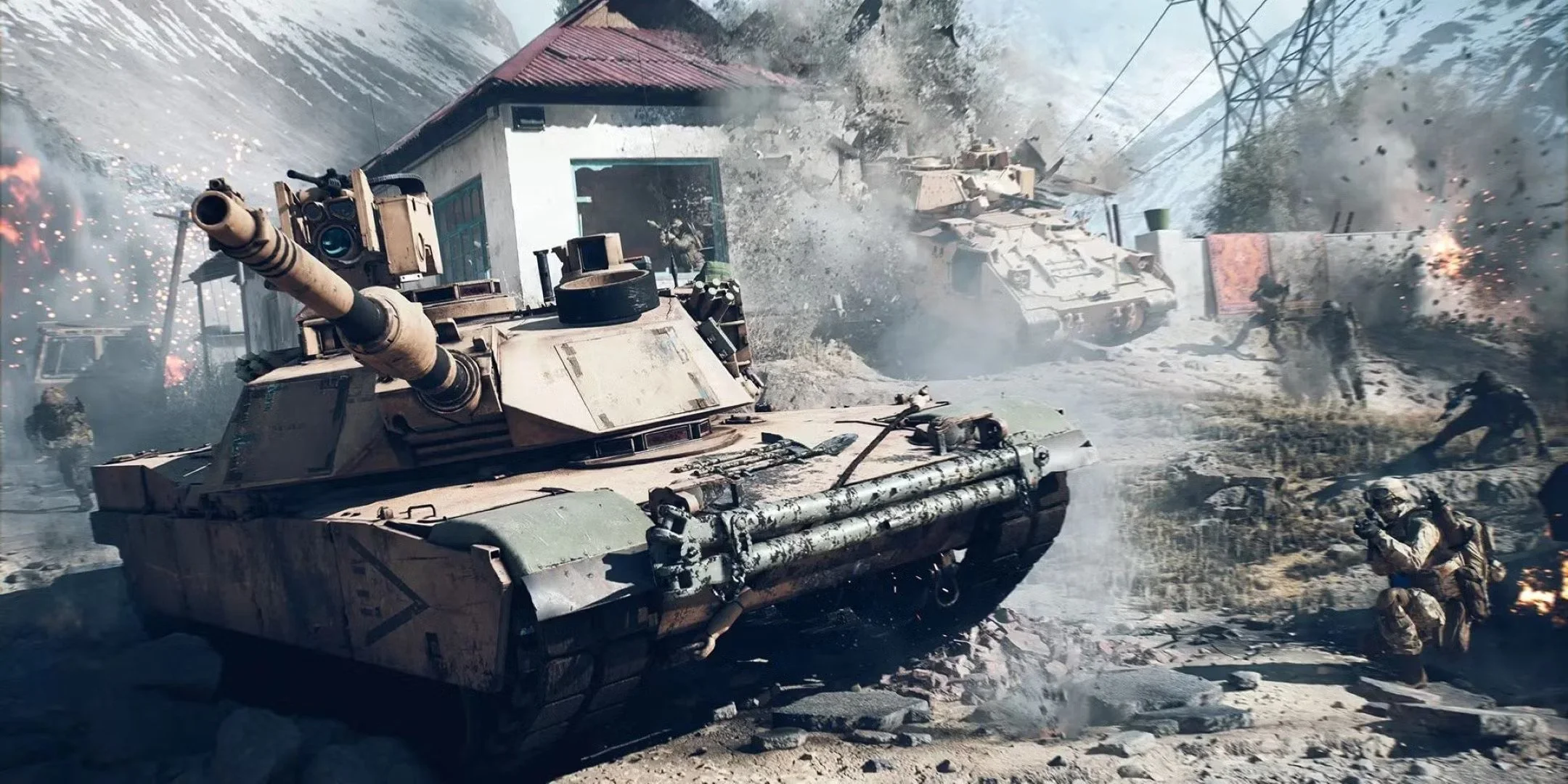
Multiplayer gameplay in Battlefield 6 is often fast, chaotic and disorientating. There are numerous controls to learn and game mechanics to familiarise yourself with. It can be a struggle at times to try and navigate your keyboard while under fire. Often you will lose in a gunfight simply because you don’t know about something important that could help you out or save your life. Like many other online games, it all comes down to experience. So here are some further tips regarding gameplay, settings and online etiquette, that will broaden your knowledge of Battlefield 6 and hopefully improve your online experience. As ever these tips are in no particular order. Some may be self-evident, others not. They’re written from the perspective of a PC player but are applicable to all platforms.
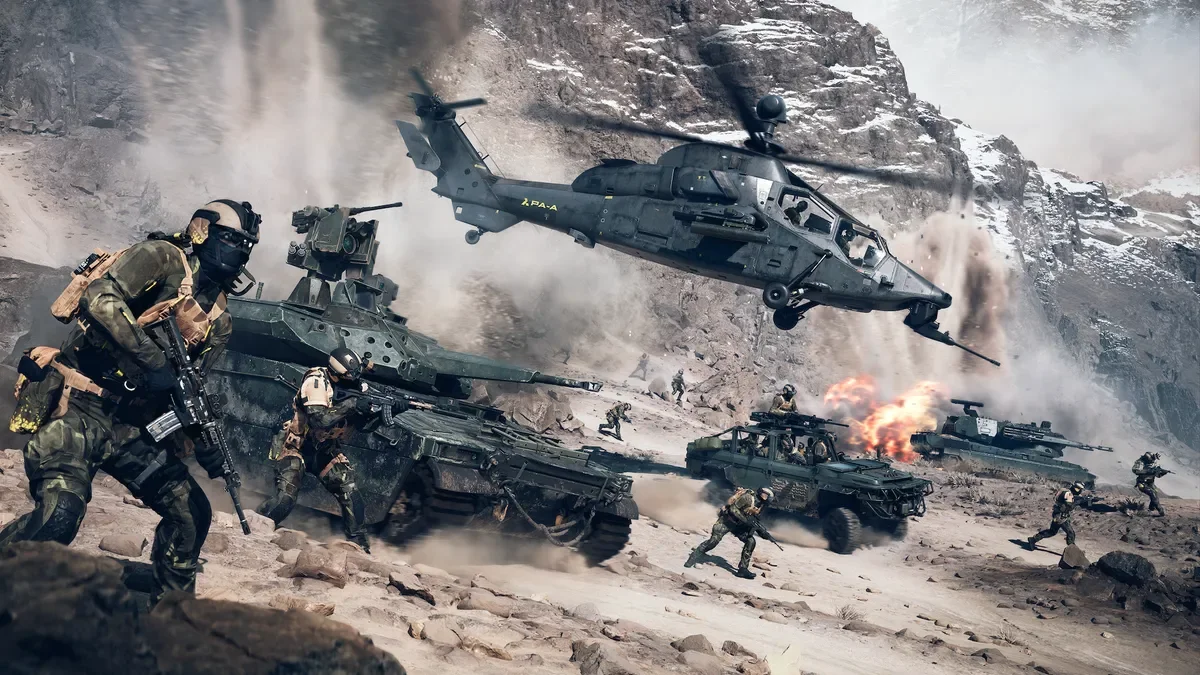
Although Battlefield 6 is a straightforward and self-explanatory multiplayer FPS, there are a great deal of controls, systems and game mechanics to master. Simply learning your controller or keyboard layout takes some time. There is also a lot of information about the game that, if known, can greatly improve your online experience. These can range from simple changes to default settings to understanding how weapons handle in-game and how to control them effectively. Hence, I thought it would be useful to new or returning players, to collate a list of tips for Battlefield 6. Some are quite obvious where others may not be quite so well known. They’re in no particular order. Hopefully you’ll find them useful.
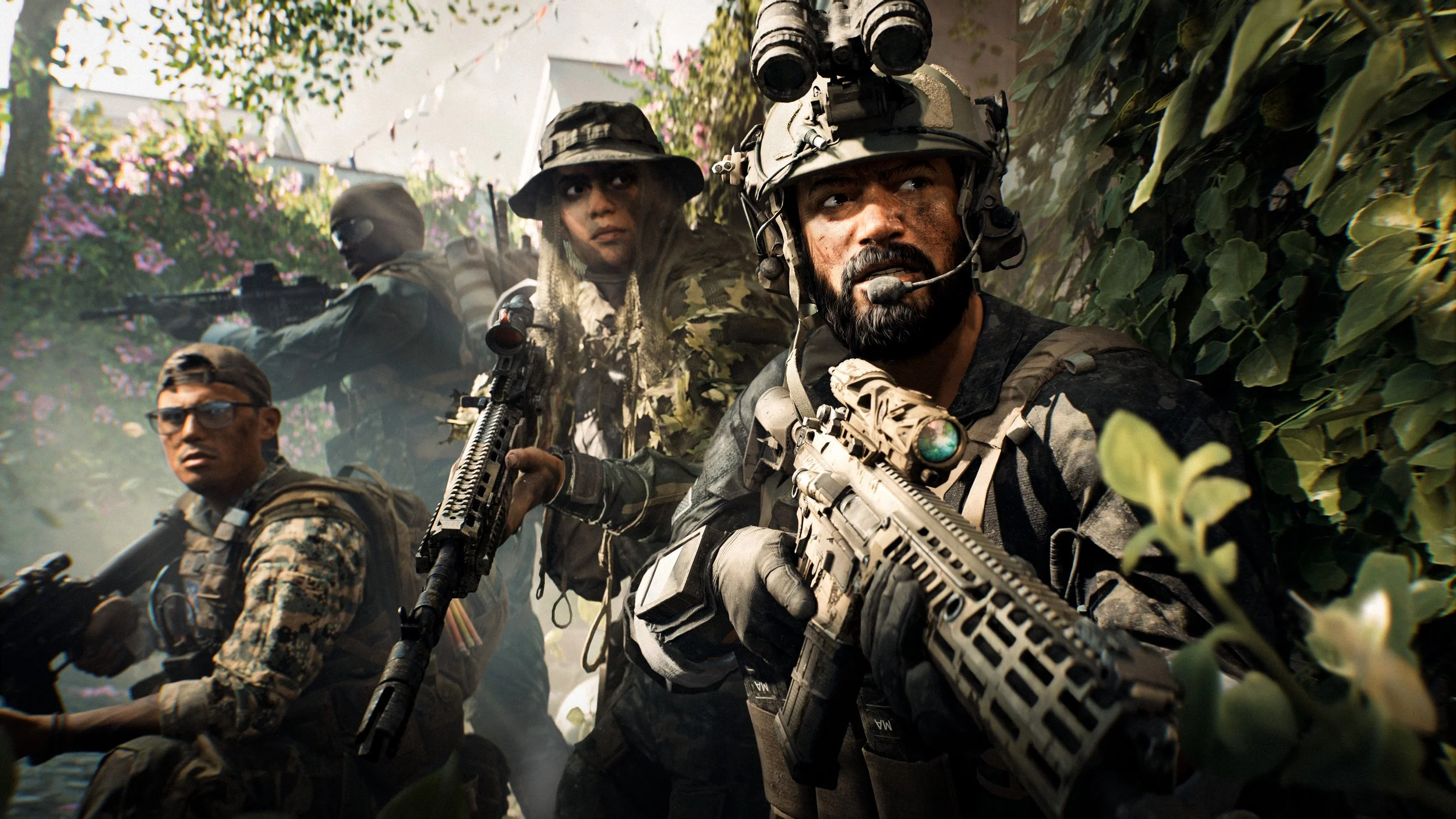
When Battlefield 2042 launched on 19th November 2021, it was a complete dog’s dinner. There were technical issues, including widespread bugs, poor performance and inconsistent hit registration. The launch was also criticized for the removal of core gameplay features like the class system, a scoreboard, and a server browser, which led to the game being considered unfinished and incomplete at release. Although developers, Battlefield Studios, worked hard to address many of the issues arising from the launch, the net result was that the franchise’s reputation was harmed. However, the beta testing of Battlefield 6 throughout August this year, has done much to restore the franchise’s good standing with a game that has clearly returned to a formula that works.
I bought Hell Let Loose last night. A decision I suspect that I shall regret. Despite the fact that I know that the YouTube videos of this game are carefully curated and therefore not truly representative of the reality of its gameplay, I felt compelled to try this World War II multiplayer tactical first-person shooter. From time to time I find a game that really appeals to me as a concept and I want to play it. However, more often than not these are online multiplayer games and as such the human element is distinctly “variable”. Hence the idealised gameplay that I imagine is a far cry from what playing the game is really like. I’m sure I am not alone in this mindset. Sometimes I have to just “get it out of my system” and the only real way to do that is buy the game in question, be disappointed and then move on.

The second Battlefield 6 Open Beta test started earlier today. A 7.6GB download added additional maps, new game modes and also resolved some technical issues. I was able to select my second monitor to display the game this time round and also made some basic performance related tweaks. The colour grading is still an issue for me and I struggle at times to correctly identify players and objects at distance due to the muted palette. Minor gripes aside, the game still performs well and all the game modes have something to offer. King of the Hill and some of the other close quarters maps are a little too intense for my skill level but I still had fun with projectiles and explosives. I still prefer the Conquest mode with its bigger maps and greater variety of gameplay options.
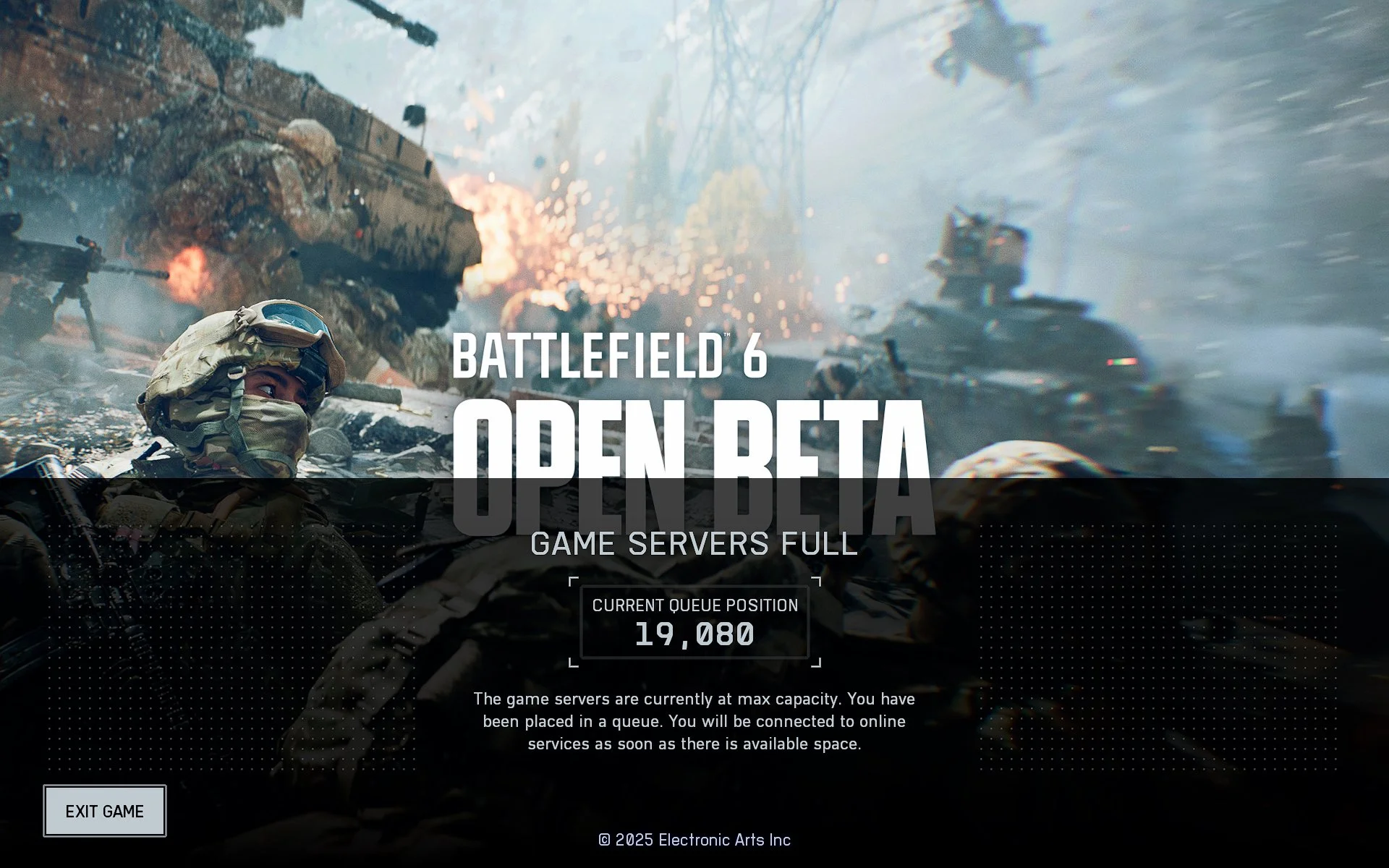
I spent several hours today trying Battlefield 6 during its first Open Beta weekend. Trying being an apt word as I experienced some technical difficulties during that time. There were server queues as there often are during test periods, which took 5-10 minutes to clear. I also found that when a multiplayer game ended the client would often freeze, requiring me to use the task manager to shutdown the .exe file . As I then had to restart the entire game it meant having to rejoin the server queue again. Furthermore, despite various methods, I could not get Battlefield 6 to display on my second monitor. Although there is a clear option within the graphics settings, I could not get the game to output to my Dell S2421H monitor. If I used the Windows + Shift + → key combination, the game would briefly appear on the second monitor then instantly snap back to the first. I also could not take any screen captures or use OBS to capture video. I believe this is down to the game’s anticheat software.
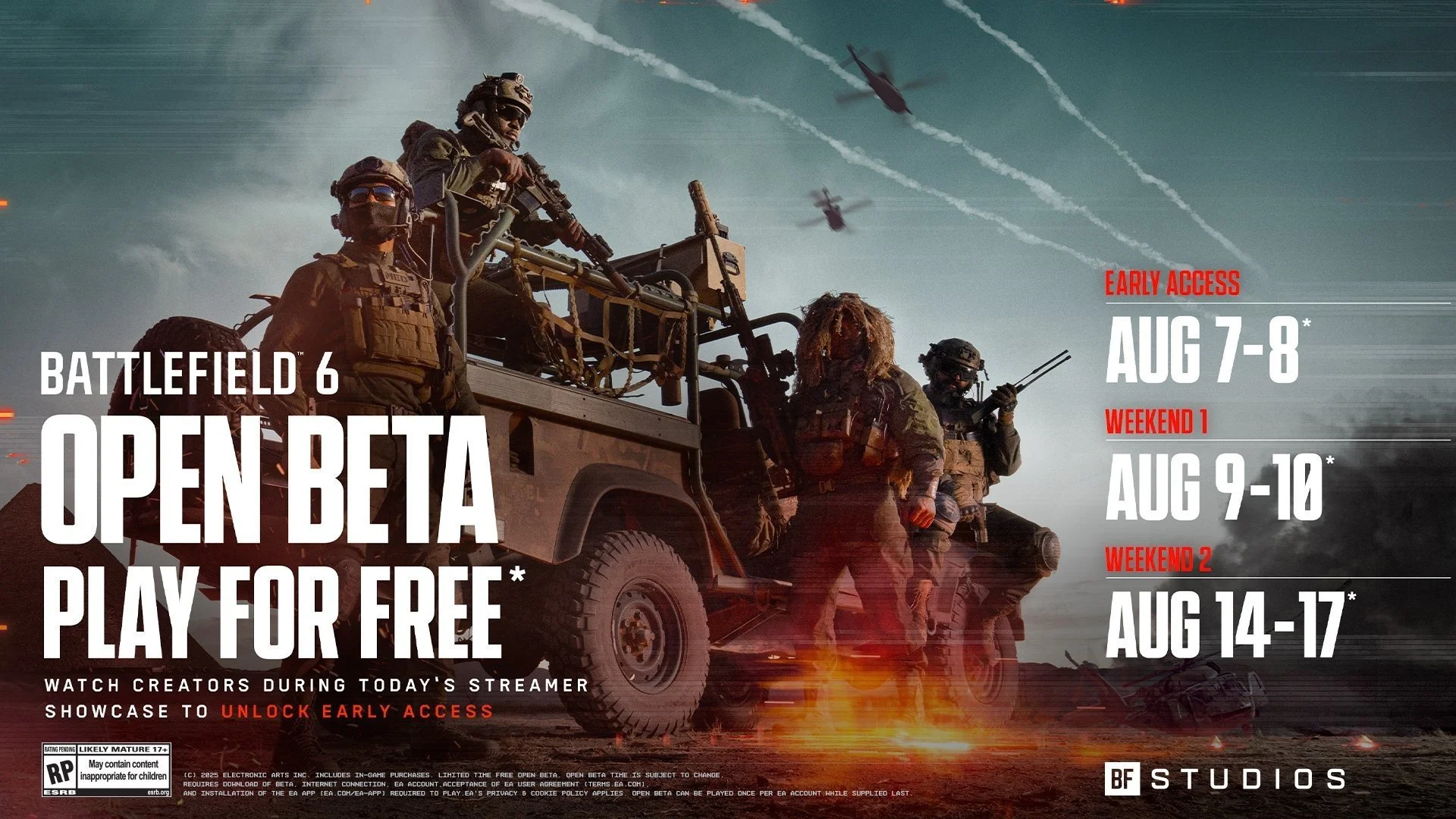
I was reading through my RSS feed this morning and found a post by Heartless Gamer, regarding how Battlefield 6 requires Secure Boot enabled on your PC. If it is not, then the game will not launch and you’ll get an error message. Naturally, this raised several questions. First off, what is Secure Boot and do I have it on my PC? Well apparently it is a security feature that protects a computer from malware during the startup process, by verifying the digital signatures of bootloaders and other software components before they are allowed to run. By using the msinfo32 command in the Run Window, I determined that I do indeed have it and went directly to the BIOS and enabled it. The next question to address was, why have I not been invited to the open beta for Battlefield 6? I subsequently checked the EA Game Launcher and discovered that I had. So I installed the game.
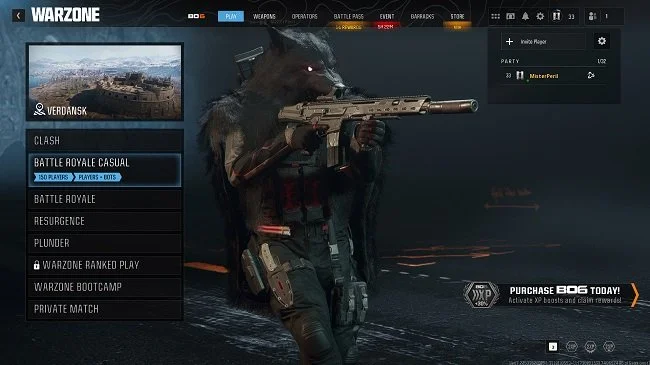
Warzone added a new “casual mode” to its Battle Royale at the start of Season 4. This reduced the number of real players in-game and substituted them with AI bots. The ratio is approximately one fifth real players, four fifths bots. This new mode for Battle Royale solos, duos and quads was well received, especially among the mainstream players who are more focused on fun than progression. Veteran players who still wanted the challenge of playing against real players were free to continue playing the traditional BR modes. Hence all parties were pleased as they were both being catered for. However, and there is always a “however” when it comes to Call of Duty, the developers saw fit to remove the standard solo Battle Royale mode, leaving just the Battle Royale Casual mode with AI bots. Subsequently, a lot of players were perplexed and annoyed, as taking away choice is seldom good customer service. As a result of subsequent backlash, the mode was added back to the game mid-season.
I have written about “games we cannot play” several times over the years. By this I mean video games that we lack the skill, coordination and patience to master. For example, I often struggle with video games that are primarily designed for consoles and are therefore intended to be played via a game controller. I also don’t want to have to spend an excess of time (a very subjective thing) to learn how to play a video game. Hence there are games that I am interested in but have accepted that I will never play because I cannot or will not do what is required to play them effectively. However, in this post I want to discuss a tangential point. Games which have the potential to be exceptionally entertaining but that entertainment depends on a lot of factors that exist outside of the game itself. Hence you may never get the experience you desire which is often the one that was marketed.
There has been a resurgence of people playing Star Wars Battlefront II recently. Possibly because the game was discounted on many outlets on May 4th and may be due to the success of Andor season 2. There’s a lot more people streaming it as well as videos on YouTube. Whatever the reason, it is always good to see a deserving game enjoying a renaissance. Star Wars Battlefront II was blighted at launch, back in November 2017 by some egregious business decisions and it took nearly a year for the game to recover from the negative publicity and player animosity. Setting this historical debacle aside for one moment, there was always a handsome and engaging game to be found. One that used the licensed intellectual property well. Which is why I recently reinstalled the game and resumed playing its multiplayer mode.
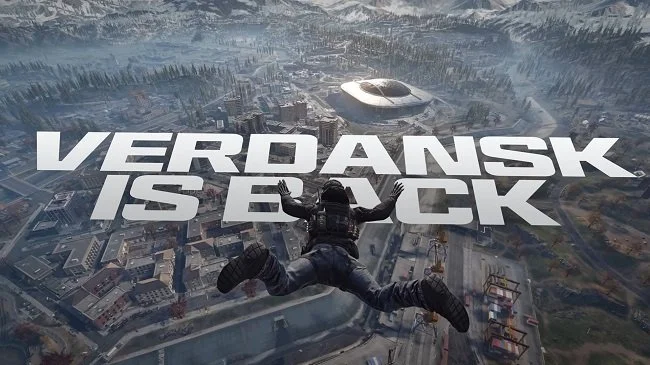
When the Battle Royale Call of Duty: Warzone launched on March 10th 2020, the Verdansk map was one of the key elements of the game’s success. The subsequent lockdown due to the global pandemic was also a major shot in the arm for the game, with so many gamers being home. The Verdansk map along with the gameplay mechanics of the game at the time were a perfect combination and so Warzone was “just so”. It allowed both skilled and unskilled players to play together, without one group dominating the other. Gunfights could be intense but there were periods of downtime when traversing the map. Players also couldn’t continuously respawn if defeated, so there was a requirement to play with a degree of caution and strategy. I enjoyed the game immensely despite not being the biggest fan of PVP based gaming. It was a broadly equitable experience but sadly it didn’t remain that way.

I decided to play Call of Duty today as I wanted some undemanding entertainment. I was not surprised when the game client began an update, as I have not played for about three months. Hence, there was obviously new content to install. However, when I saw the size of the download, I knew this was more than just a season update. I therefore checked the Battle.net client and discovered that the game was installing Black Ops 6, the latest version of Call of Duty that is released on 25th October. A game I have decided not to buy for a multitude of reasons. Fortunately, you can modify your game installation on the fly, so I unchecked a few boxes and the download stopped. However, I was annoyed by the hubris of this “download by default” policy, so I decided to uninstall my existing installation of Modern Warfare 3 as it is no longer a mainstay of my gaming activities.
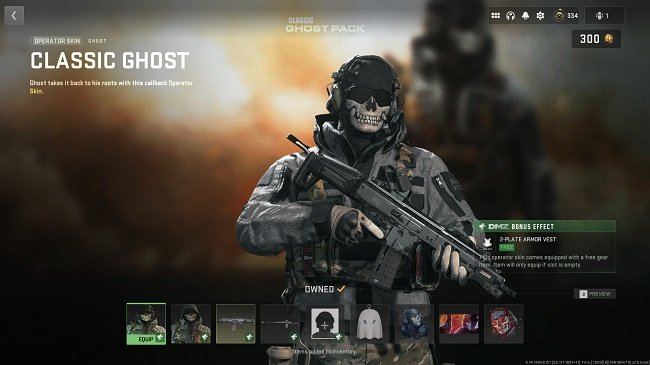
For those who are not familiar with this latest niche piece of “gaming outrage”, it regards the extraction shooter Warzone 2.0 DMZ, which is part of the Call of Duty franchise. When you enter the game (either solo or in a squad), you use gear that you have previously collected. A key part of the game is looting and upgrading your weapon, bullet proof vest (there are 3 tiers) and sundry support items. If you die, then you lose all the equipment you are currently carrying. With this in mind, Activision have recently added two purchasable gear bundles to the game store. One comes with a medium size backpack by default. The other comes with a 2 plate vest (tier 2) and two weapons that only have a 15 minute cooldown. This does offer a degree of convenience. Furthermore, the second bundle is tied to the Ghost operator skin, who within the game’s canon is an iconic figure. Hence there has been a great deal of debate over the rectitude of these bundles.

I have always dismissed hunting games as “not my thing”. Perhaps that stems from my ambivalent views about hunting per se. Yet after recently watching a YouTube video for The Hunter: Call of the Wild, I revised my opinion. The footage showed a slow and thoughtful game and I was also surprised to see that there was a campaign with a story. Hence I decided to step outside of my comfort zone and give the game a try. The base edition can be purchased for £20 on Steam and there is a wealth of optional DLC. I bought a bundle that included some additional maps, weapons packs and a dog that can be used for tracking. I also bought a quad bike as this is invaluable for traversing the open world, which is enormous. As ever with steam, the installation was easy and hassle free and within an hour I found myself exploring Layton Lake District, which is based upon the Pacific Northwest geographic region.
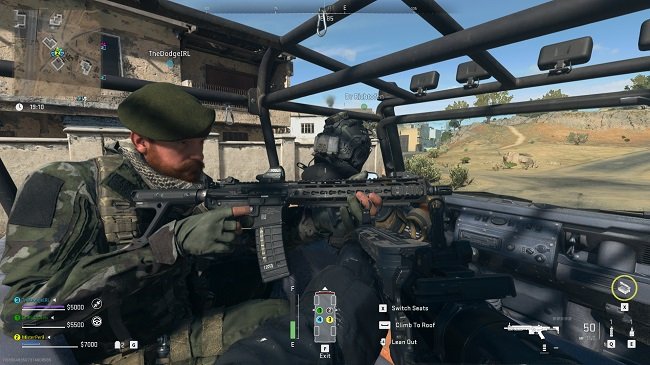
I like an analogy as a literary device, so here’s one for you. Video games are like parties. How so? In the following ways. They quite never live up to your expectations. The best ones are the ones you never go to, according to the “anecdotes” you’re told afterwards. And there’s always someone crying and throwing up at 2:00 AM. Okay, the last one isn’t quite relevant but the overall sentiment of the first two is sound. The reason I have used this visual metaphor is because both parties and multiplayer video games sell themselves on the alleged quality of their respective social dynamic. They supposedly offer you fun with your friends and a unique, memorable experience. However, the reality is a lot more lacklustre. Warzone 2.0 DMZ is a prime example. What enjoyment there is to be had in playing this game is offset by the iniquities of many of its players as they race to the proverbial bottom.
I want to talk about how we choose a new game from the countless titles that are currently available. I am going to be candid about how I do this as well as my own personal biases and prejudices. Because I am not open to playing any type of game. Like so many other aspects of life, I have very clear likes and dislikes that can only be tempered so far with logic and rational thinking. Video games as far as I’m concerned are supposed to be engaging, entertaining and inherently enjoyable. I don’t mind a degree of challenge and I’ll grind to achieve a specific goal, if I feel the reward to effort ratio is acceptable. I will on occasions attempt to step tentatively out of my comfort zone. However, there are some things that I simply don’t like, so they will not be considered. I think the best analogy for this is food. There are certain meals that I have tried (sometimes several times) and disliked, so they won’t ever be eaten again. Then there are other meals that contain ingredients I dislike or that are cooked in a style that I don’t enjoy. These are also off the proverbial table (no pun intended).
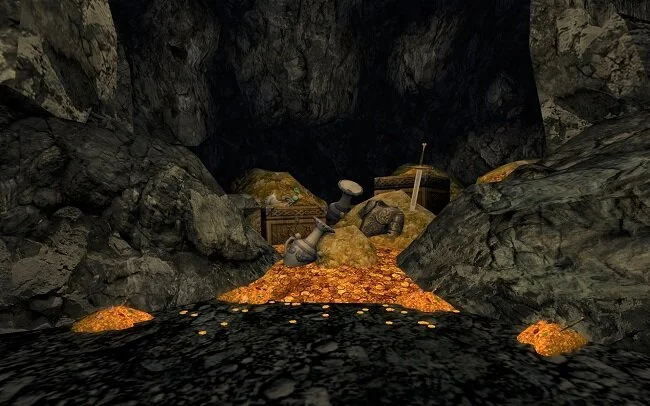
The last 31 days have gone by really fast, or at least that’s the way it feels. Despite having bought several new games recently and acquired yet more for free from the Epic Store, I did not embark on anything new throughout October. Due to the unexpectedly prompt release of the new “mini expansion” for The Lord of the Rings Online and the launch of a new event in Star Trek Online, I found myself focused upon the MMORPG genre, yet again. And after playing continuously for six months, Call of Duty Modern Warfare/Warzone has finally begun to lose its lustre. I didn’t especially enjoy the Halloween event, not that there was anything inherently wrong with it. It just wasn’t for me. I played a little Fall Guy: Ultimate Knockout but quickly discovered that the “season” system is just another gear treadmill, although the gear in this instance are novelty cosmetic outfits. I don’t want to be tied to too many games in this fashion (it’s bad enough with MMOs), so this is another title that has been relegated to occasional play when the fancy takes me.
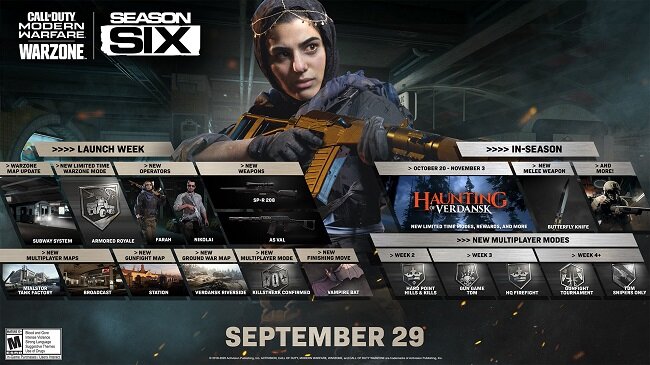
September has been a difficult month. A family crisis and subsequent bereavement meant that gaming got pushed down the daily agenda. However, after the various chores and duties were done I did need some downtime and means to relax. Hence I did play some games in a limited fashion. Nothing fancy, just stuff like Fall Guys: Ultimate Knockout and Gang Beasts, which are light-hearted and undemanding. I also took the time to log on to The Lord of the Rings Online test server and check out the preview of the forthcoming “mini-expansion”. Not only was this informative but it provided material for a blog post. But overall I didn’t really achieve anything substantial with my gaming throughout September. Gaming was relegated to being just a convenient diversion from the immediate problems I’ve been facing but as such, it did fulfil that role well.
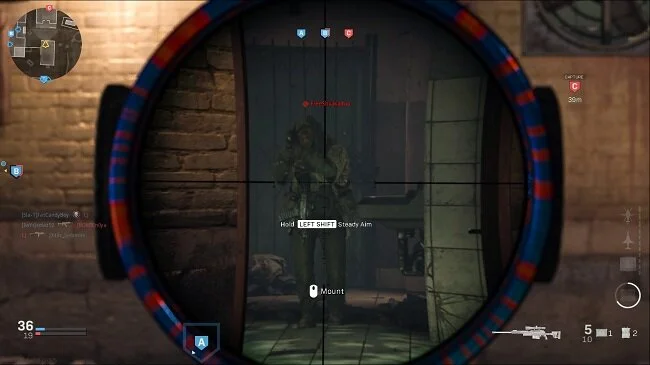
Developers do like to gate access to the best gear and equipment in video games. Often there will be an achievement or deed required to unlock the object that you desire. Now I have no objection to this concept in principle. It’s just that every now and then, the criteria required to access an item is beyond my abilities. Take Call of Duty Modern Warfare/Warzone. Infinity Ward recently added the Rytec AMR to the game. It is a semi-automatic sniper rifle that can use thermite and explosive rounds. It has a significantly higher rate-of-fire than the HDR and AX-5, and performs better at range than the Dragunov. I’ve been itching to get my hands on this weapon for a while. However, to unlock it, you have to complete the following achievement. "Get 2 quickscope kills using sniper or marksman rifles in 15 different matches". For me this is effectively one of the labours of Hercules.
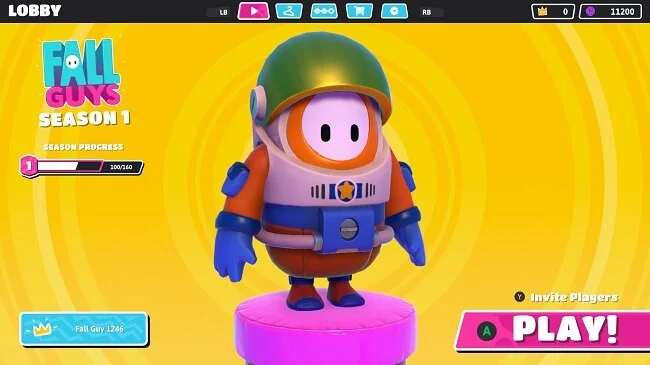
I’m still somewhat shocked that August has been and gone. Even by 2020 standards it’s been an odd month. Due to illness in the family, my schedule has been turned on its head and subsequently there has not been as much time for gaming as I’ve previously enjoyed. However, I tried to put what time I had to good use. I attempted to return to the MMORPG The Lord of the Rings Online once again, to see if I could continue through the epic story. Sadly, the game has run into further server related issues, just as it did last month. Standing Stone Games community manager Jerry Snook was a little “snippy” in responding to players' concerns and at present there are no details regarding what the problem is and when it will be resolved. If this issue persists I suspect that it is going to do some genuine harm to both the player base and community relations. I hope matters improve for SSG and LOTRO over September.
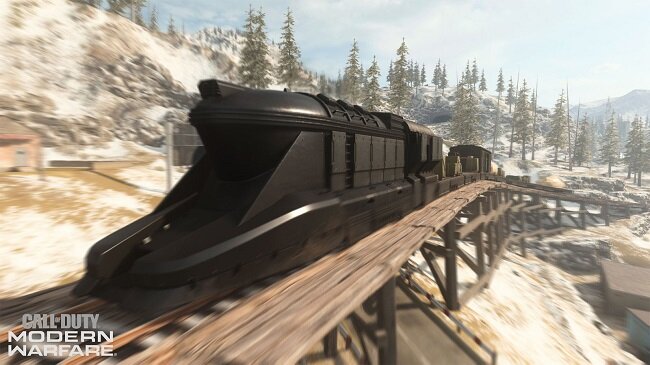
Adding a train to a Battle Royale game is hardly a new concept. Both Apex Legends and PlayerUnknown’s Battleground have successfully done this. So it was only a matter of time before one was added to Call of Duty Warzone. We were tipped off by the addition of train tracks last season. The launch of Season 5 this week finally made the “choo choo” a reality. I must admit, I’m quite surprised at how adding something as straightforward as a freight train has reinvigorated the game. That and the fact that you can now access the stadium seems to have really enthused the playerbase. Since Tuesday, whenever you play Warzone or one of its variants, a large number of players head straight to the stadium or the station where the armoured freight train starts its journey around the map. As a result of this, new players or those who aren’t so skilled in combat can navigate the outlying areas of Verdansk with a greater degree of freedom and safety. Everyone else is at either of those locations.
Video games can offer a great opportunity for personal growth. If you are the sort of player who likes to prove themselves and continuously test one’s mettle, then some titles can provide the challenge required to be the best of the best. Hence many games are competitive, have league tables and other formal structures for measuring success. It is one of the reasons why esports have become so popular. But this desire to excel and master a particular play style extends beyond competitive games. For some players part of a games allure is understanding the numbers and stats that drive the game mechanics. Because these are often the key to optimising your build and maximising DPS output. Hence you will find skilled and learned players in a variety of games across multiple genres. Although they are often motivated for different reasons, they all strive to be elite players.
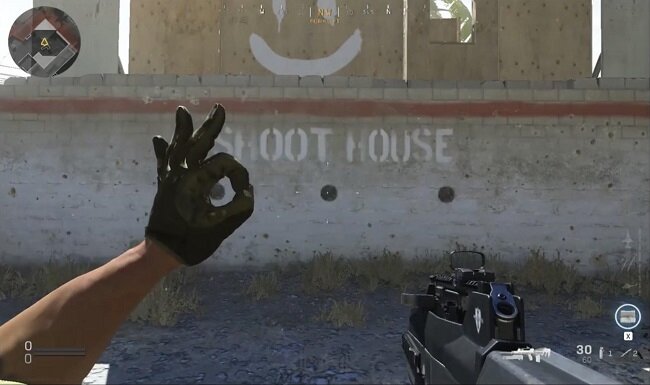
Call of Duty: Modern Warfare and Warzone have a wealth of customisation and cosmetics options. One of which is the ability to assign hand gestures to your character. These can be used as a means of giving instructions when playing in a squad but more often they’re just used for fun or humorously. Players will use them after a kill or sometimes make them part of a trick shot, such as making a gesture with the left hand while firing from the hip with the right. I’ve not noticed a lot of use of gestures while playing nor do I use them myself. It takes all my concentration to stay alive. However, they do seem to feature in the various CoD clip shows I watch on YouTube, so they’re more of an affectation used by “top tier” players. Recently, developers’ Infinity Ward removed the OK gesture from the game. This minor change was not mentioned in the patch notes and the gesture was replaced with a new one called "crush".
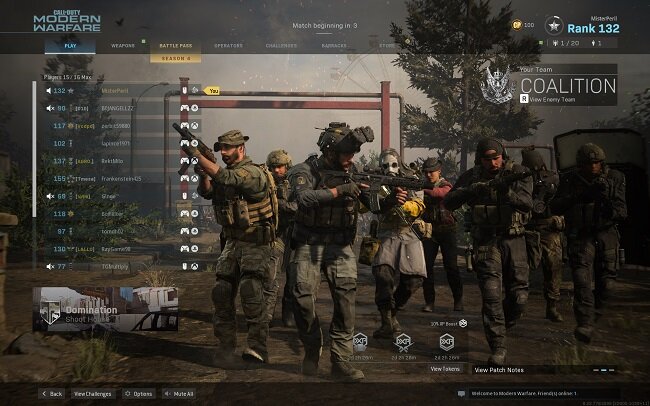
I was watching a YouTube video recently of someone trying the new Fennec SMG in Call of Duty Modern Warfare Multiplayer. It was a 5 versus 5 game and the player who made the video was clearly quite skilled. After quickly racking up multiple kills, 3 of the enemy team left mid game. He laughed and pointed out that they had “rage quit”, although that is just conjecture. They may have left the game for a multitude of reasons (a point I shall return to later). As ever this video began a train of thought which I would now like to explore. Multiplayer games often go hand in hand with a lot of informal social etiquette. Much of which stems from the original MMOs from two decades ago. However, these conventions are not in any way mandatory or enshrined in any games terms of service. Yet quitting in the middle of a multiplayer game is still frowned upon in certain quarters, often being seen as an act of selfishness and childish anger. However, like everything in life, I think it’s not as simple as that.
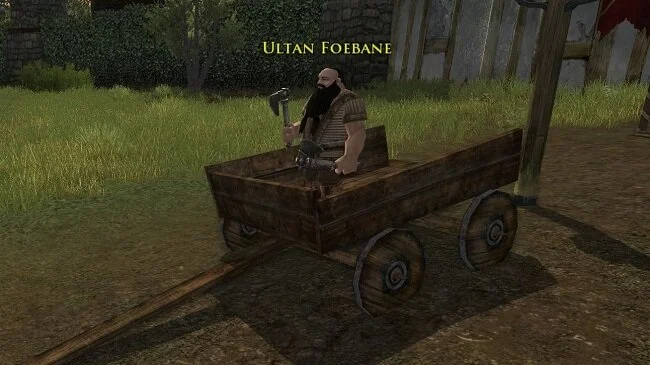
I stopped subscribing to The Lord of the Rings Online in June. I’ve always had a very cyclical relationship with this MMO and at present I feel I need a break from the games somewhat linear formula. Plus the new content scheduled for release centred around the wedding of Aragorn and Arwen doesn’t exactly sound enthralling. So I’ve left my primary character in Langflood and will return to the game later in the year when I feel the need to catch up with content. I have also abandoned the ongoing events in Star Trek Online as they’re getting too repetitive. I would like to see a new longterm story arc rather than just a continuous cycle of short term events and repeatable content. I don’t mind working towards a goal but it has to be something I want and the rewards offered in this MMO are getting a little too generic for my liking. I shall return to the game at some point as I’m a lifetime account holder and I’m curious to see how developer’s Cryptic overhauls the Klingon story arc.
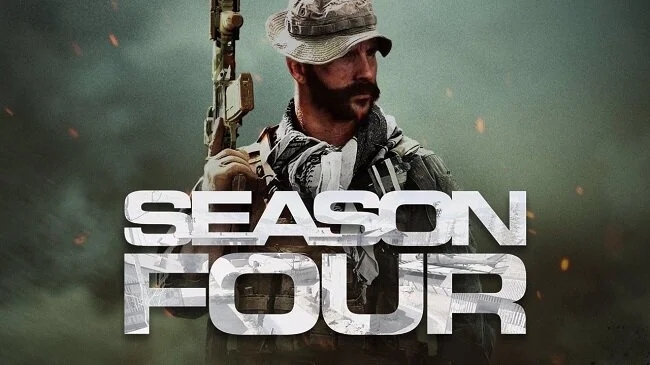
Setting aside the debate regarding the rectitude of the Battle Pass system in Call of Duty Modern Warfare, I certainly enjoyed Season 3. I managed to find multiplayer games that suit my ability along with loadouts that allow me to hit something every once in a while. It was very much a learning process but from April 12th to June10th, I slowly improved my performance and re-acquainted myself with the fact that the FPS genre can be fun. I finally got to try a Battle Royale game and was pleasantly surprised by how accessible they are. However, (and there’s always a however) Activision Blizzard seem to be hell bent on losing the good will they seemed to have gained in recent months. Today’s release of Season 4 has been blighted by major performance issues with the patch servers. Furthermore, the developers still insist in removing certain maps and game modes to promote new ones. This “lottery” which results in a lack of choice for many players is especially galling when you’ve just bought the new Battle Pass.
Social Gaming Alone
This post started out as something completely different. I was simply going to write about a popular new game, how it came to my attention and my impressions and thoughts once I had purchased it. But while reflecting on one aspect of the game; the social element that stems from playing with friends, I realised I had more to say about this rather than just writing a review. But such is the nature of writing. In my experience my train of thought is seldom linear. So this post has now morphed into some musings about social gaming and how it is an integral aspect of modern game design. Because playing games with friends is often regarded as a superior experience to playing alone. At least by game developers. I think that the reality is more nuanced and dependent on the game in question. However, I do think that some games are better played with people you know and that playing on your own or in a PUG is less fun. Because that has been my experience of late.
This post started out as something completely different. I was simply going to write about a popular new game, how it came to my attention and my impressions and thoughts once I had purchased it. But while reflecting on one aspect of the game; the social element that stems from playing with friends, I realised I had more to say about this rather than just writing a review. But such is the nature of writing. In my experience my train of thought is seldom linear. So this post has now morphed into some musings about social gaming and how it is an integral aspect of modern game design. Because playing games with friends is often regarded as a superior experience to playing alone. At least by game developers. I think that the reality is more nuanced and dependent on the game in question. However, I do think that some games are better played with people you know and that playing on your own or in a PUG is less fun. Because that has been my experience of late.
Now the “buzz” surrounding Fall Guys: Ultimate Knockout reached my social media timeline a few days after the games release on August 4th. As I already play a Battle Royale game (Call of Duty Warzone) I didn’t feel the need to investigate the new game any further. However, after several YouTube channels that I subscribe to reviewed the game positively, I decided to delve a little deeper. So I watched some live streamers play the game and quickly decided to give Fall Guys: Ultimate Knockout a go. Mainly because everyone I saw playing it was having fun. The game has a cartoon-like aesthetic and the collision physics are endlessly amusing. But what stands out the most from all the video footage of gameplay I’ve seen, is that it engenders a sense of communal fun. That kind of “in the moment”, organic enjoyment that stems from friends being together and sharing an experience.
And that is exactly the opposite experience to what I’ve had. Although Fall Guys: Ultimate Knockout is most definitely fun, playing like a cross between “Takeshi’s Castle” and “It’s a Knockout/Jeux sans frontières”, it does feel like something is missing when you play solo. There’s no one to share the moment with when you fail spectacularly, or run “interference” against other players if you’re having difficulty. Choosing an exotic costume becomes somewhat arbitrary as a single player, compared to the mirth it creates when riffing off friends. Outside of Fall Guys: Ultimate Knockout, there are benefits to be had from playing socially in other games. I enjoy Call of Duty Warzone but when I watch live streams and YouTube videos, you cannot deny that the game can be played far more effectively in co-ordinated groups. You just don’t get that with PUGS, which usually range from adequate to “herding cats” to mental torture.
The summit of my social interaction in video games is when I play MMORPGs. I’ve been in the same kinship in The Lord of the Rings Online since 2009 and still regularly enjoy organised gameplay via Discord. Although this is fun, it is limited to just one game and the nature of MMOs doesn’t really lend itself to a great deal of diverse experiences. I haven’t played any games from other genres with friends and people I know since 2016. The last time was when there was an organised game night via The Newbie Blogger Initiative and a few people got together and played Overwatch. Since then I’ve just used the auto grouping option in the games that I play. It’s not so much an issue of a lack of friends but the fact that no one seems to be playing the same games as me (and vice versa). The fact that not all games support crossplay is another factor.
I also suspect that age may well have a bearing on this. Younger people tend to have larger, active social circles. These decline over time, something I have written about in the past. Now naturally my online friends play and enjoy video games. It’s usually one of the reasons why I follow someone on Twitter. But many of the people I know locally, despite being of a comparable age to me, don’t play video games. They tend to be interested in more traditional leisure activities like football, reading tabloids and casual bigotry. So upon mature reflection, despite there being a focus on social gaming as a source of fun by the industry itself, my reality is not the same. Returning to Fall Guys: Ultimate Knockout for example, my experience is not like those who play in a group. It’s like being at a party where you drink and move around the periphery of events, laughing at jokes you overhear but not actively participating in any meaningful interaction. It’s an odd sort of fun by osmosis, just by dint of being present. Social gaming alone, as it were. And I’m beginning to tire of it.
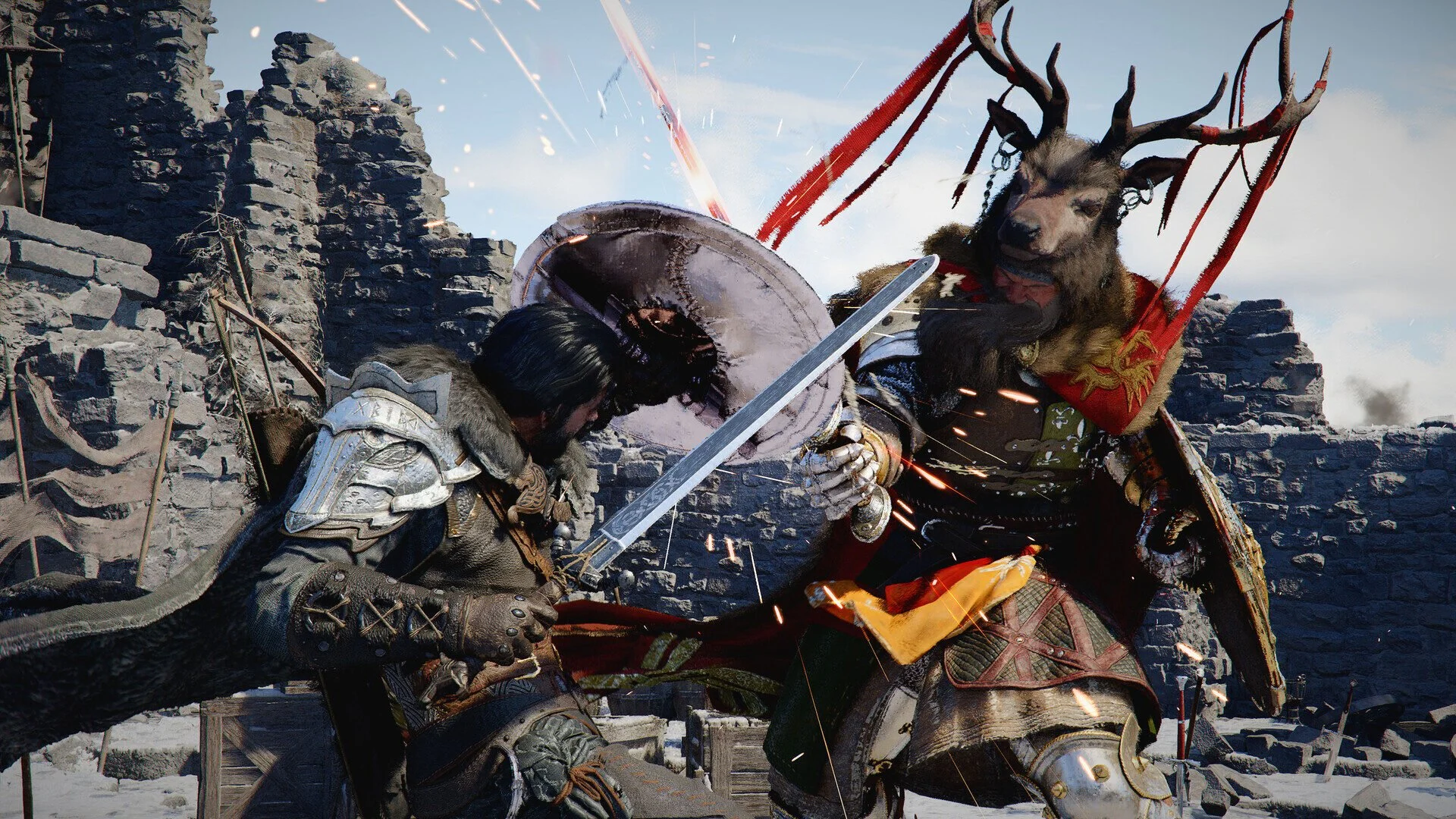
Some video games lend themselves to being set aside and resumed at a later date with zero consequences. These are often casual games with no major goals other than having fun while playing them. Fall Guys is a great example of this. You have a cartoony avatar that participates in zany group races, filled with obstacles. You run, jump, climb but the controls are far from difficult. You may well become skilled but such things are mitigated by the other players as they stumble around. You’re not at the mercy of apex players or “try hards”. It is not a game about winning and mastering techniques. The fun comes from playing it and the unique experience you have each time. I’ve been playing this game, on and off, since it’s launch in 2020 and in that time I have only ever won once (winning requires you to win a series of 4 to six individual races). However, whenever I pick up my controller and play Fall Guys, I have fun and the game lifts my spirits.
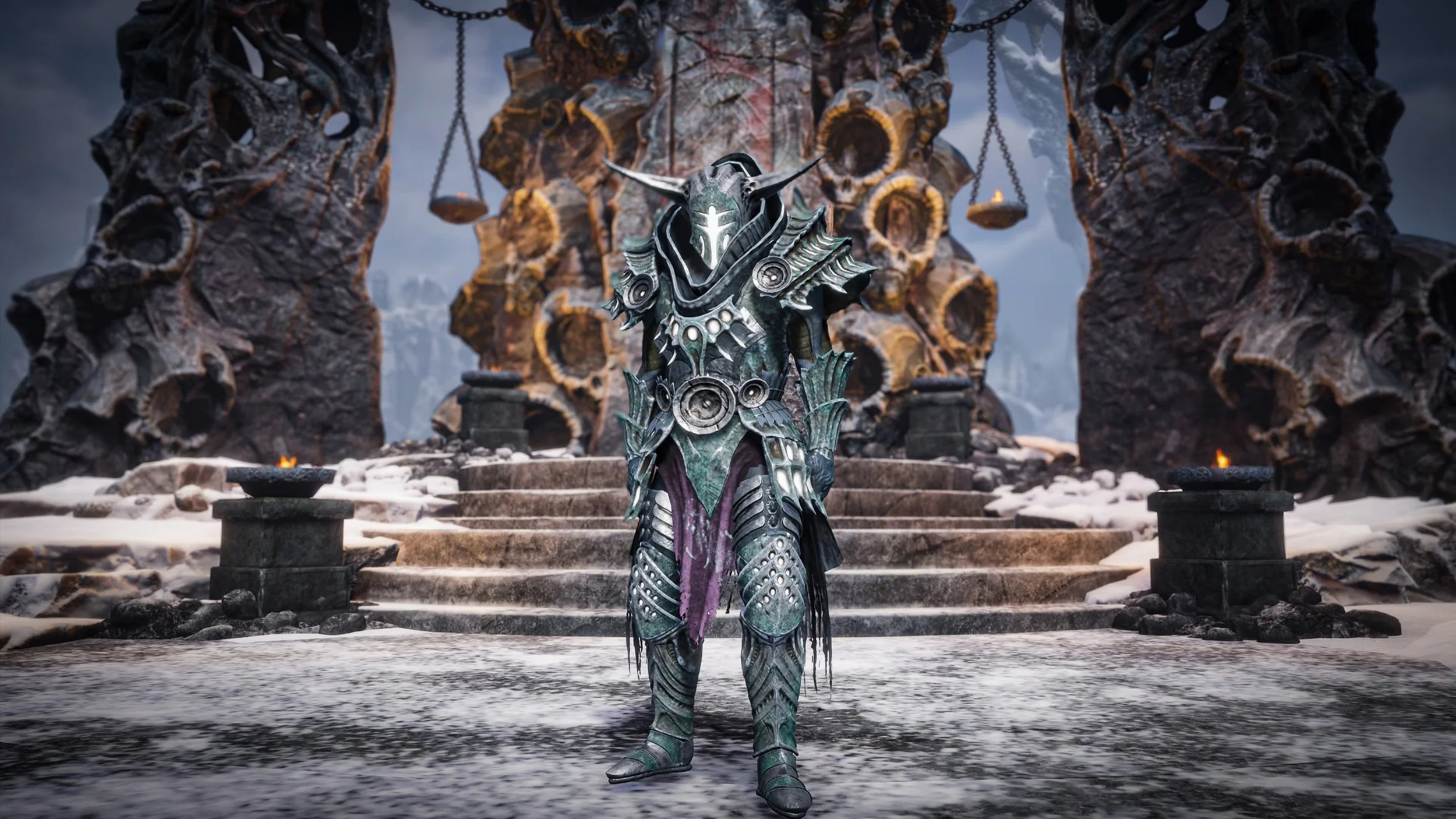
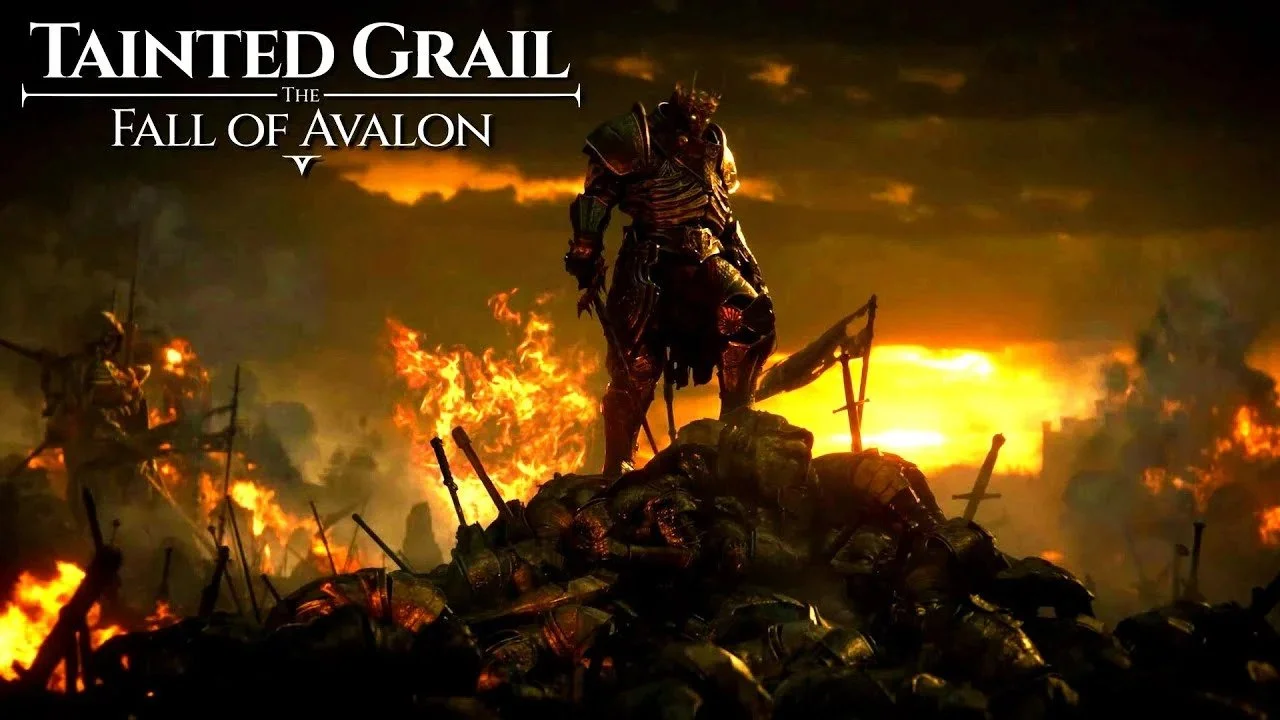
I recently completed the main story in Tainted Grail: The Fall of Avalon. In total I spent about sixty hours playing the game. I began at the start of the year, then took a break for a while but returned to it recently because I wanted to see if I could unlock a specific ending. I did manage to do this. Like so many other RPGs, Tainted Grail: the Fall of Avalon has a central storyline, along with a wealth of side quests, based around factions in specific zones. I think I possibly completed about a two thirds of these. However, once I finished the main story, my interest in the game began to wane. I finally left my character in the last major quest hub in case I wish to return at a future date. I then logged out of the game and uninstalled it from my PC to free up space for whatever I was to play next. In this case its The Sinking City 2. None of this is a negative reflection on Tainted Grail: the Fall of Avalon. I enjoyed the time I spent playing this quirky RPG. I simply had my fill and left to play something else.

On Tuesday 11th April, Aspyr Media rather surprisingly re-released The Lord of the Rings: War in the North, a co-op action-RPG from 2011. This game was delisted in late 2019, possibly due to changing rights ownership or a license expiring. Hence, I was somewhat discombobulated by the return of this title to all major gaming platforms. Mind you, the Embracer Group (through its subsidiary Middle-earth Enterprises) still controls the worldwide commercial and video game licensing rights for The Lord of the Rings and The Hobbit. Furthermore they have explicitly stated that they have plans for more games. It would appear this also means re-releasing and updating old favourites. It is also worth noting that they own Aspyr Media, which is also a bit of a giveaway. Let it suffice to say that this re-release and sparked enthusiastic online debate as to whether any other he Lord of the Rings themed games from the same era will receive a similar makeover. Judging by the internet chatter, there’s potentially a market for them.
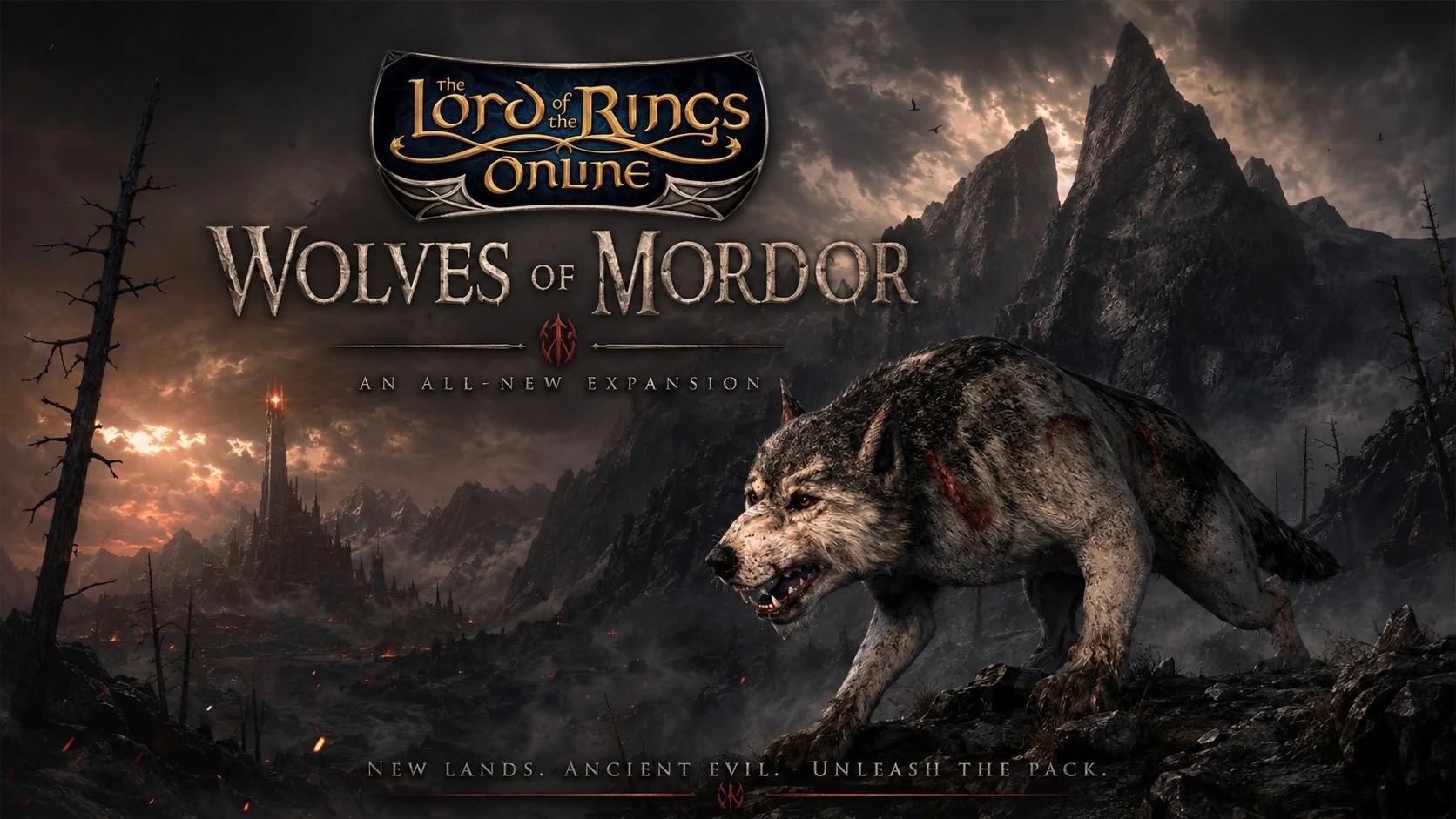
The next expansion for the MMORG, The Lord of the Rings Online, was announced on the 1st August, via the gaming website MMORPG.The Wolves of Mordor, which will launch later in the year, appears ambitious in scope as it will include two new game systems as well as the obligatory story update. This expansion takes place in Draugardh located in the North East of Mordor, beyond the Plateau of Gorgoroth. It includes the new zones of Heledhris, Parth Rhavas and Nan Ogol. These vary environmentally ranging from the arid, volcanic and semi-tropical. Players will encounter the Daugrim in these regions, Werewolves but not in the modern sense. This is not the lycanthropy of Eastern European legends but in the established Tolkien idiom of fell spirits inhabiting the bodies of Wolves. The region also sees the return of the Woses and players can expect to encounter Elves and scouts from Gondor. As ever with LOTRO expansions, there will be new instances as well as a raid.
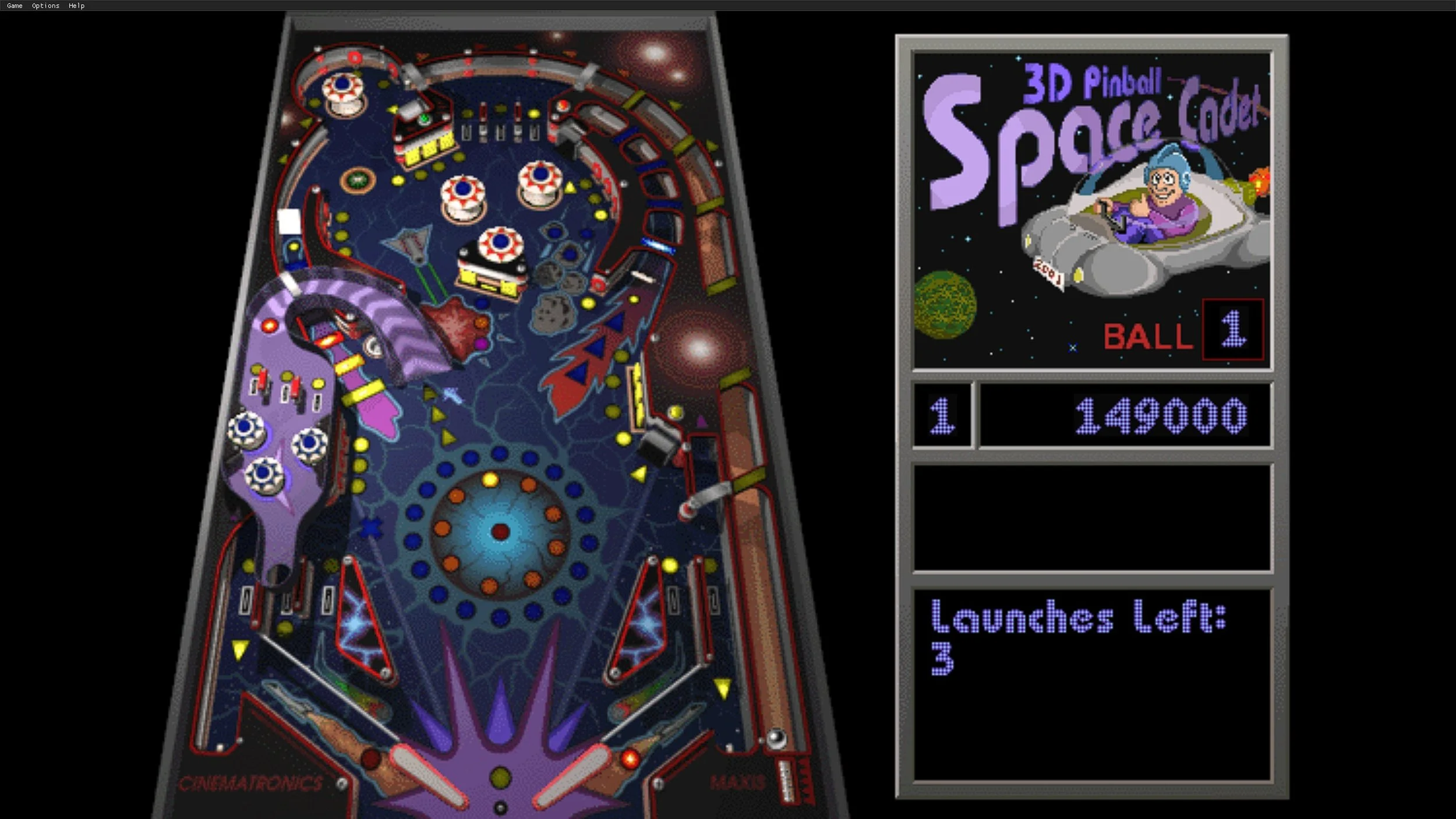
This is a post about the power of nostalgia and how sometimes, interacting with something from your past, be it physically or mentally, can produce a very strong and tangible emotional reaction. In some instances, this can be the result of something that you have specifically set out to do. On other occasions you can wander into a sense of nostalgia purely by chance. Today I experienced a very strong sense of nostalgia while watching a YouTube video and then again when I sought to replicate what I had seen. The video showed someone installing Windows 95 on to an old 486 PC from that era. The Window’s start up sound really touched a nerve (but in a good way) and then when the guy in the video launched Space Cadet 3D Pinball, a game that shipped with the operating system, I felt a strong compulsion to track down a copy and install the game myself, thus revisiting something that was an integral part of my life in 1995.
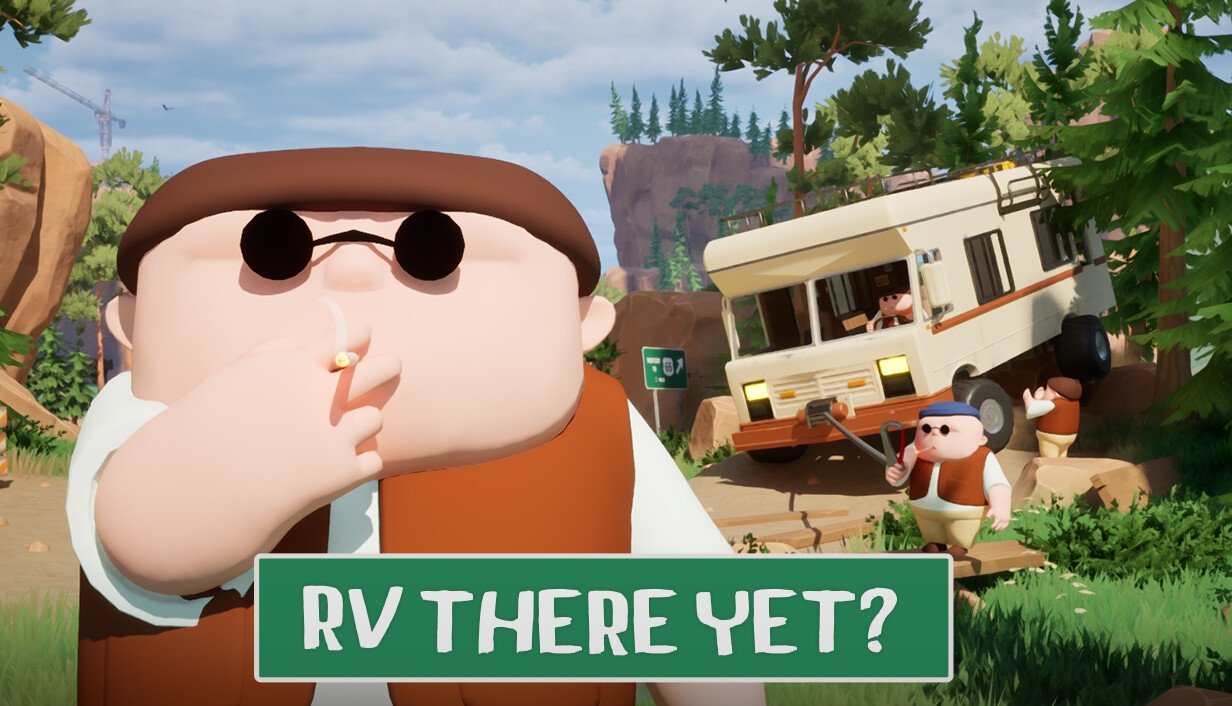
RV There Yet? is possibly the most entertaining game I’ve never played. My vicarious pleasure regarding this title has come exclusively from watching two popular YouTubers, JackFrags and WillFromWork, play through the game over a series of videos. It has been immensely amusing to watch and I have empathised a great deal as the group of four players has struggled with the game’s unpredictable mechanics and their own team’s dynamic. I could go and buy RV There Yet? myself but I doubt if I would ever have a gaming experience anywhere close to what I’ve watched online recently. So in some respects watching these videos has been an interesting alternative as I’ve been entertained, which ultimately is the point of video games. Perhaps there is a deeper philosophical point here that the game developers should reflect upon, as they’ve lost a potential sale. However, that is separate discussion for another day.
I don’t keep up with gaming news as much as I use to but several noteworthy announcement have come to my attention of late. Firstly, there’s an expansion, Songs of the Past, coming for the Witcher III: Wild Hunt in 2027. No doubt this is to pave the way for the Witcher IV. Next, I also found out about Hand of Fate: Horde. I liked this franchise and was saddened to learn that the original studio, Defiant Development, closed. Hence is was a pleasant surprise to see this new game being developed by members of the original studio. The third announcement was regarding Guild Wars 3. A new MMORPG in active development by a major studio is no small feat and is certainly good news for fans of this franchise and the genre per se. However, once you look beyond this news this announcement raises several questions and has certainly given me pause for thought. Let us take a few moments to consider them.
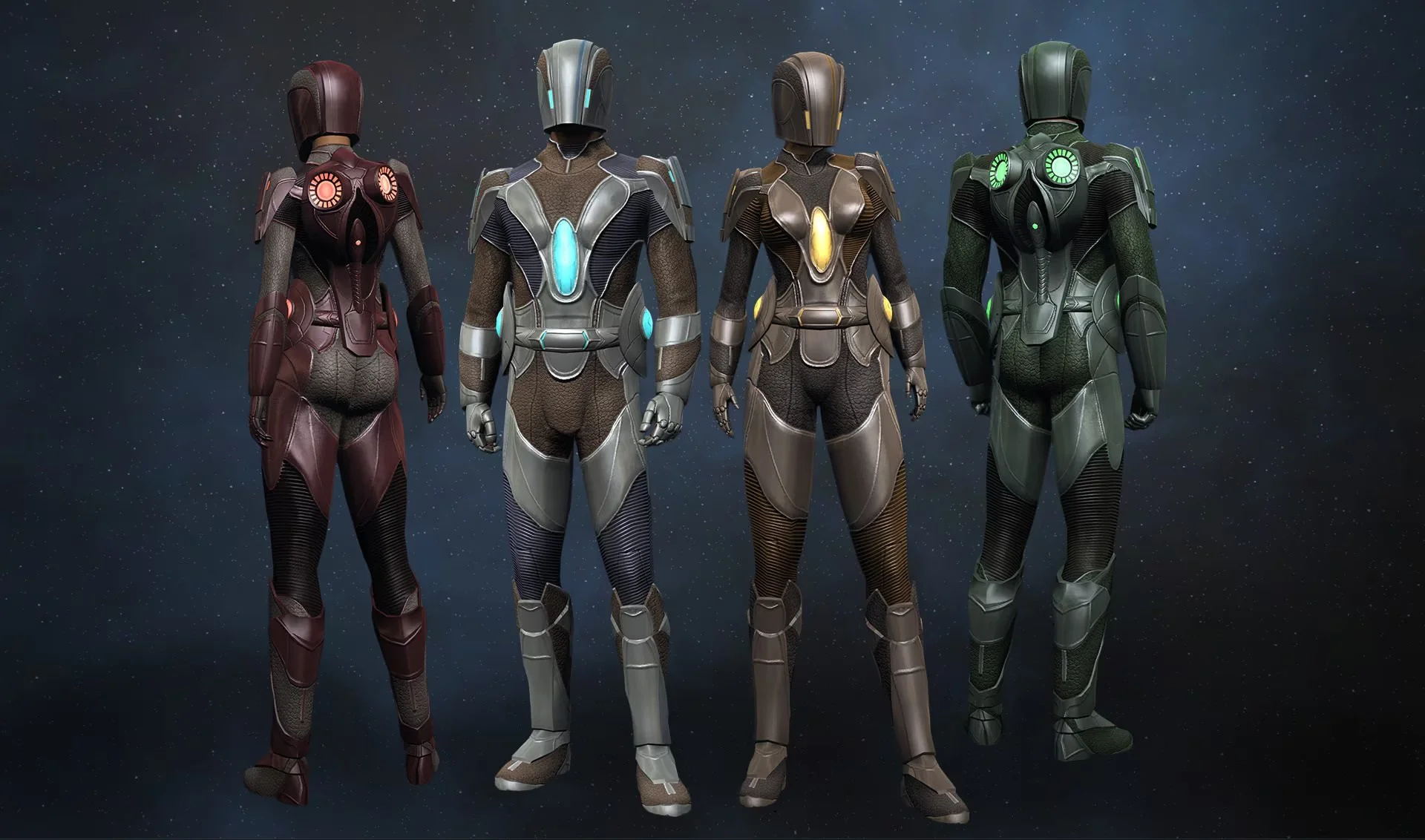
Star Trek Online has many in-game systems that are common to the MMORPG genre. The reputation system is one such example. In STO there are 13 reputation factions. Once a player has reached level 50 they may start progressing through the 6 reputation tiers of each one. Players gain progression through daily projects (20 hours in duration). Hourly projects are also available though they yield less reputation advancement and are limited to three times a day. Hence 20 hour projects are consider by default the most efficient way to gain rep. Projects require 30 Faction Specific Marks (earned via various activities in-game), 15,000 Energy Credits (standard in-game currency) and 2000 Expertise points. The most efficient way to tackle the reputation grind is to build up the necessary resources in advance and then at a designated time each day, start all 13 respective projects. Upon completion projects yield a player bound lockbox containing a random space or ground weapon, a console or Elite Marks which can be used to acquire faction gear.
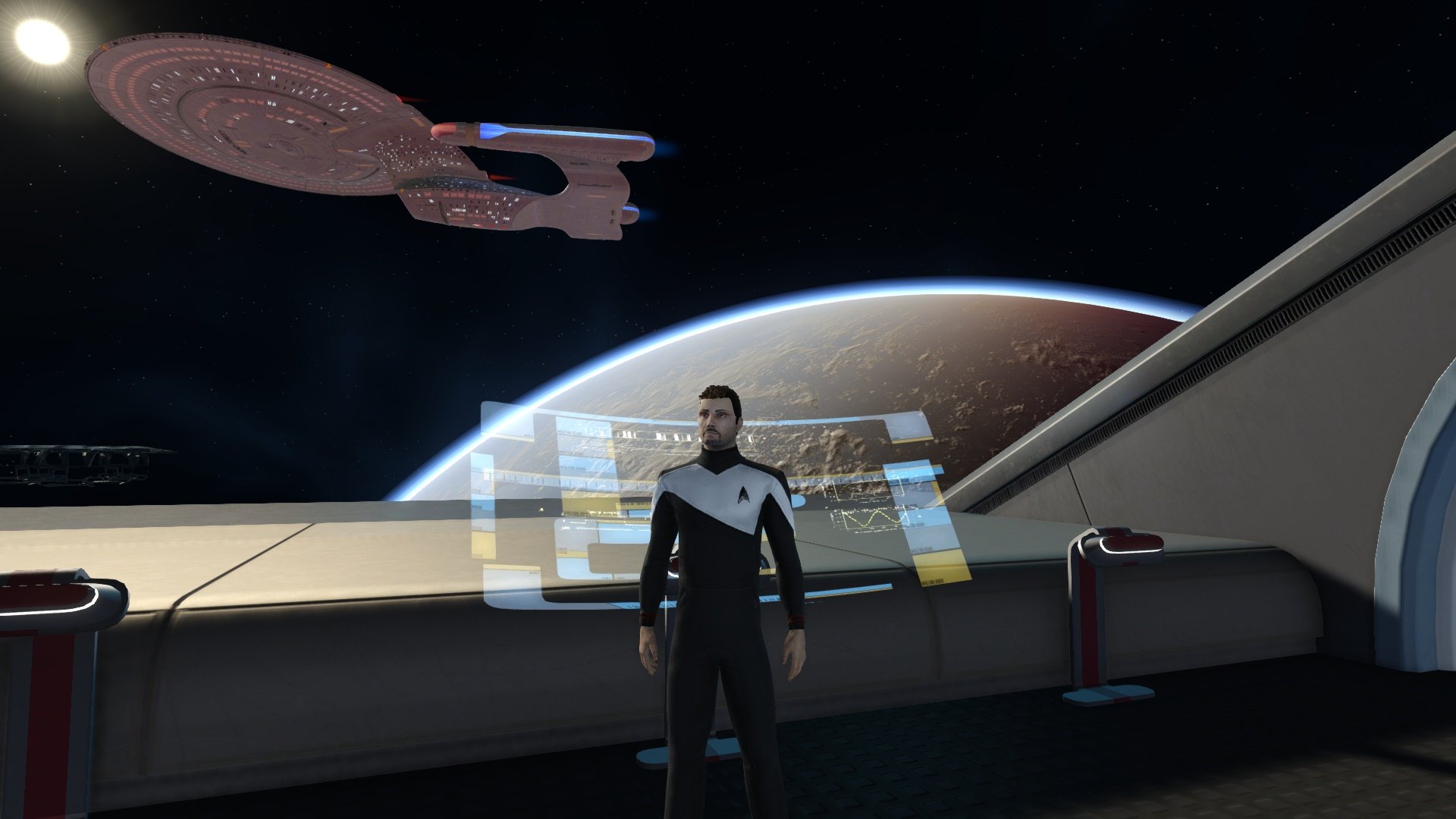
I was recently perusing my archive of old blog posts, when it struck me how much I’ve written about the MMORPG genre over the years. Naturally, there was far more material from between 2008 and 2012 as that was period when I immersed myself in the genre and was very enthusiastic about it. I was at a point in my life when I had the time to dedicate to such games and I was happy to participate in the social aspect of they offered. I would regularly play through group content and spend time socialising online with fellow guild members. My experience remains a textbook example of how online games can be more than the sum of their parts and that where you are at in your life has a major impact upon your overall enjoyment. As I read though various old posts it became clear that my experiences where specific to this particular part of my life and that they cannot be repeated. My relationship with the genre is very different now and that’s fine.
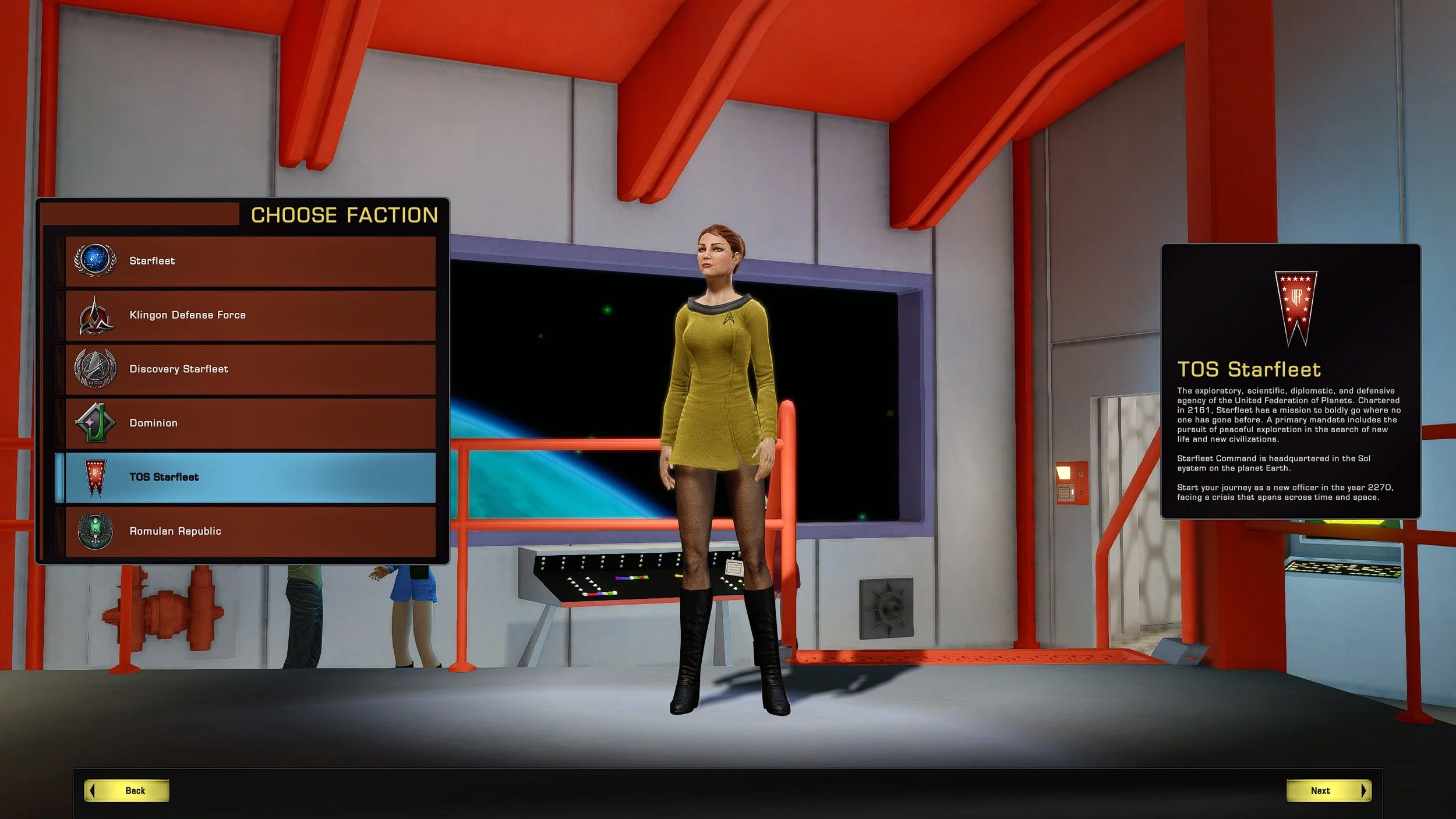
Creating alts is an integral aspect of the MMORPG genre. Many players will create a character of a specific class or faction, play it for a while, lose interest in it or they may decide that it is just not for them. Fortunately it is no effort at all to simply re-roll a new alt and set off once again. Furthermore, lots of players never reach level cap of the MMORPG that there playing. When the going get’s tough, so to speak, you can either soldier on for another 50 levels or simply create a new alt and return to the comfort of tried and tested content. Alts also give you the chance to secure an accolade or achievement that you previously missed. They are also of great benefit to the genres social aspects. Creating a new alt so you can play along with a friend who is just starting is great fun. Developer’s love them too as it means you’re still playing the game.
I recently took a break from Crimson Desert choosing instead to to play something familiar and easy going. As I’ve been logging into Star Trek Online daily to participate in the anniversary event, I decided to look through my various alts and see how far they had progressed through the game and what resources they had. At present I have twelve alts. My primary Captain was created in 2015 during the original Delta Recruit Event. I had previously played STO intermittently since its release in January 2010 but I never kept any of those characters. Hence this decade old Tactical Federation Captain has been my main focus when playing. The other eleven alts are the result of other recruitment events or whenever I wanted to try something different, such as playing a specific class or faction. I obviously played a lot of STO during the lockdown as several alts date from that period. Several had maximum reputation across all factions.
The action, open world RPG Crimson Desert has been patched five times since it launched on March 19th and there have also been multiple hotfixes. At first glance this isn’t anything unusual. New games have bugs and issues arise once a game is released and played across a much wider variety of hardware than in QA testing. However, if you read the patch notes that accompany these sizeable downloads it quickly becomes apparent that developer’s Pearl Abyss are not just addressing bugs and software glitches. They are actively engaging with their player base and responding to suggestions and requests from that community. Although this is not a unique approach, what is surprising is the speed and quantity in which these player driven changes are happening. There seems to be an active ongoing process to refine the game and eliminate some of its “rough edges” and the players are contributing to this process with their feedback.
According to my Steam statistics, I last played Starfield on 19th December 2023. I bought the game upon its release in September of that year and played in total for 136 hours. Starfield held my interest for three and a half month and I wrote seven blog posts about various aspects of the game. Although there were some engaging aspects to Starfield, I did feel that that the game was somewhat lacking in systems and content, at that point in its lifecycle. I also think that the marketing and player expectations associated with Starfield were overblown and unrealistic. The shadow of Skyrim looms large over all new Bethesda releases and they don’t seem able to quite recapture that magic. Hence, I inevitably drifted away from Starfield and to another game and was effectively “done” with it. I have not played the game since which seems to validate the theory that game are becoming increasingly more ephemeral.
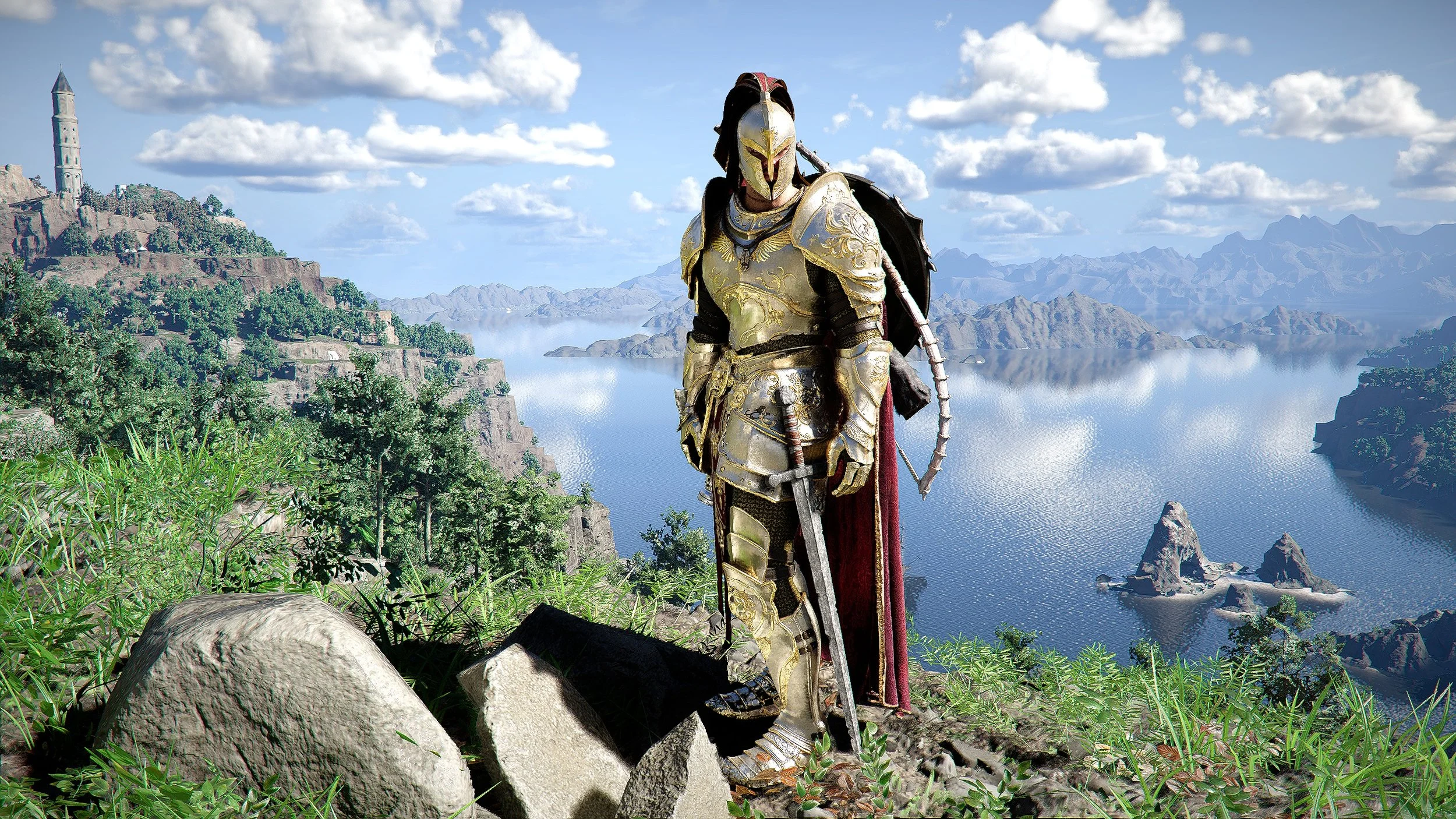
13 days after its release, market analysts estimate that Crimson Desert has already earned $200 million across the four main platforms (PC, PlayStation 5, and Xbox Series X and S). The game is certainly proving popular among gamers with the internet awash with live streams and “let’s play” videos. However, reviews are mixed both among gaming journalists and YouTube influencers. Common complaints about the game include that it is slow to start, the controls are poorly laid out on all platforms and that developer’s Pearl Abyss have done a poor job of explaining most aspects of the game to new players. Although such criticisms are true to a degree, I think these complaints highlight how many gamers are conditioned to expect new titles to follow a specific pattern with regard to pacing, narrative exposition and learning in-game systems. A pattern that Pearl Abyss has chosen to ignore, instead favouring an old school approach.
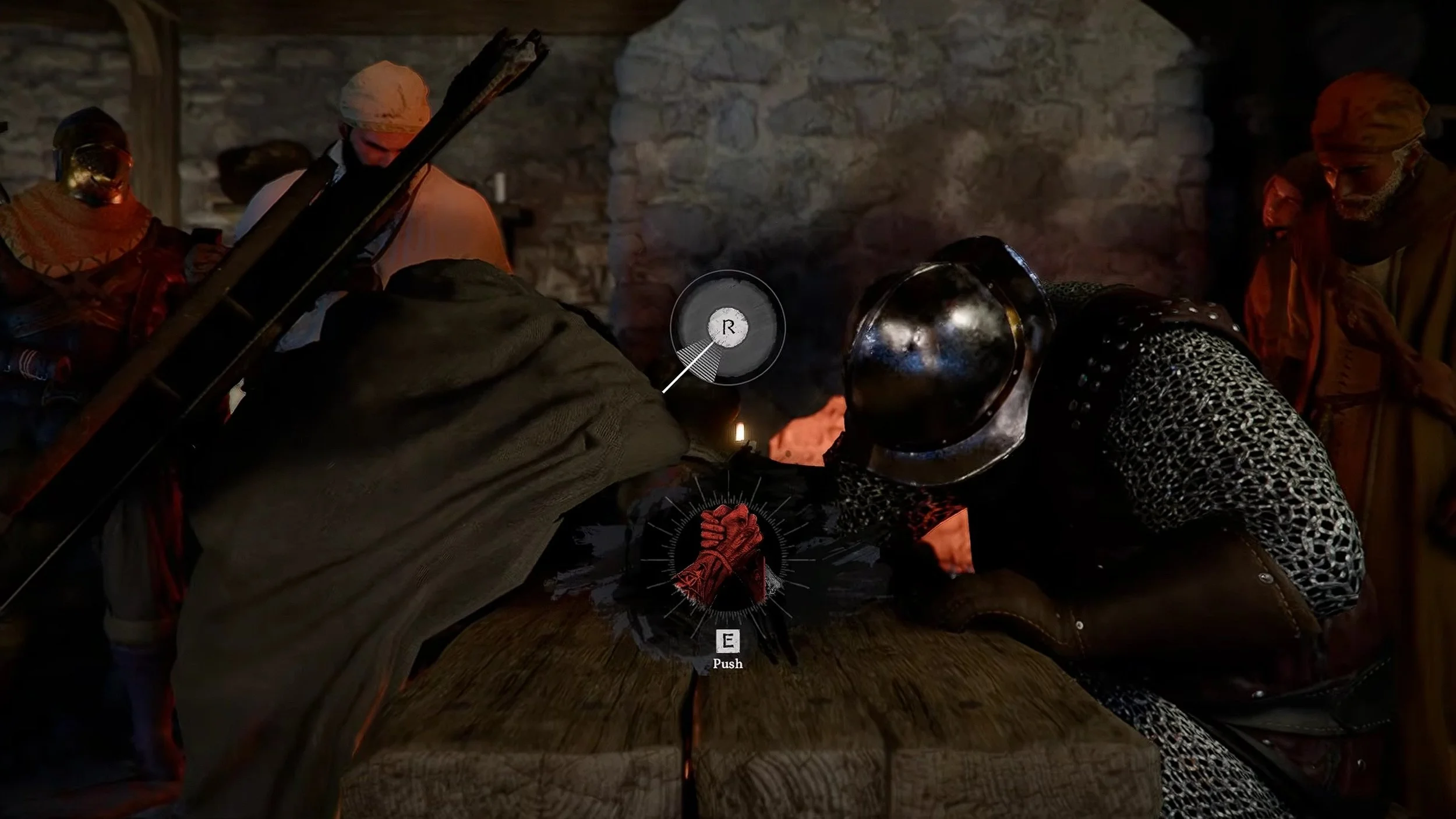
Early on Crimson Desert, the main quest requires the player to enter a tavern and arm wrestle a particularly strong guard. The arm wrestling match consists of a quick time event. If playing on PC you have to rapidly press the “E” key which turns a power meter from white to red. Then a white dial appears above the meter with a rotating hand. When the hand passes over a segment of the dial that is marked by hatching, the player must press the “R” key. The idea being the meter filling with red is you strength building (or waning) and the “R” key prompt indicates when to try and force your opponent’s arm. You will need to to continuously press the “E” key throughout the arm wrestling match and the “R” key about 4 times to win.
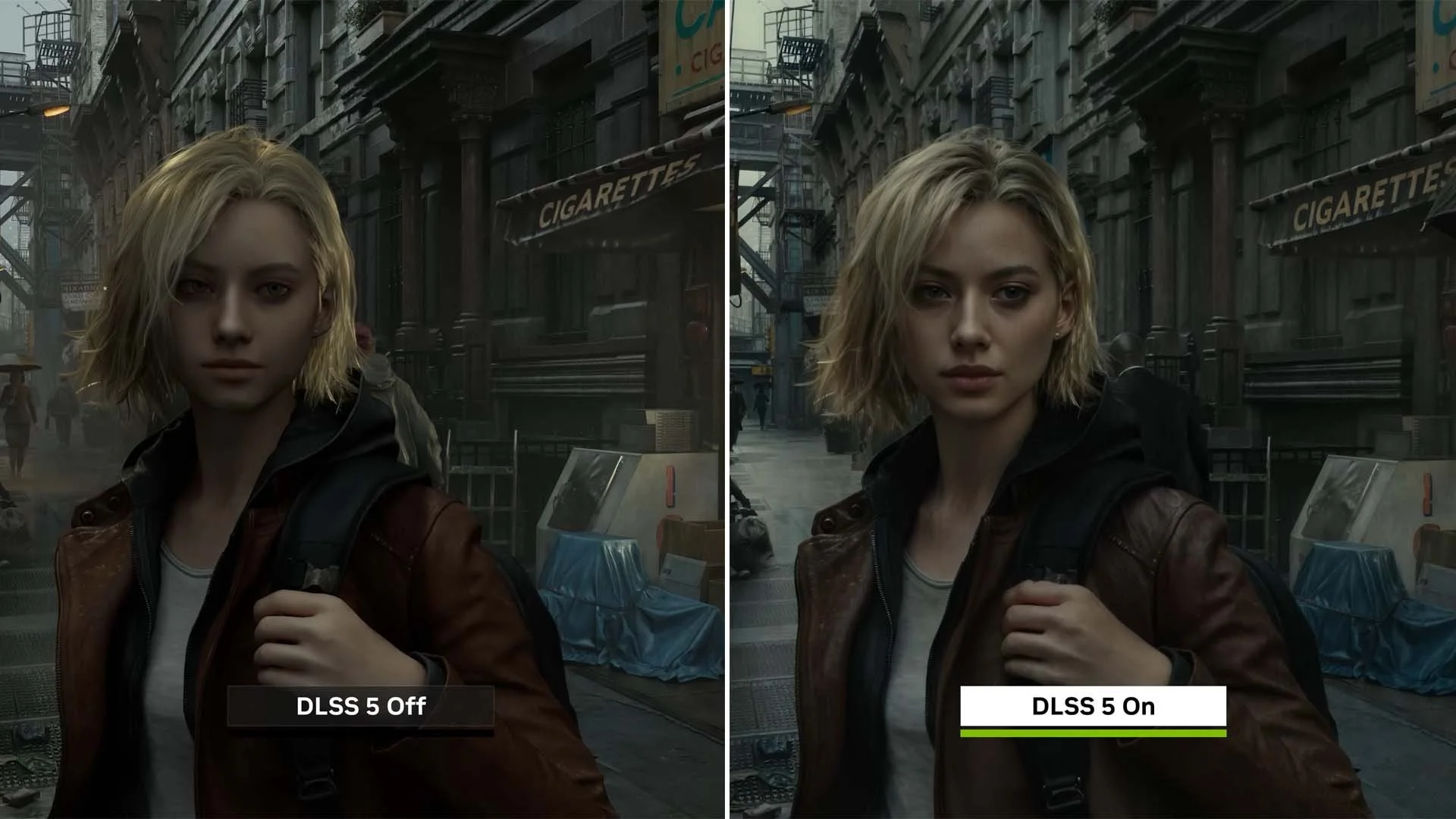
Earlier this week, Nvidia posted a video featuring their latest iteration of DLSS technology (Deep learning super sampling). DLSS 5 is an AI-powered “real-time neural rendering” process and unlike previous versions that focused on improving frame rates through upscaling or frame generation, DLSS 5 uses generative AI to “infuse” frames with photorealistic lighting and material details that the game engine never actually calculated. Let us pause for a moment and consider these words. Material detail that the game engine never actually calculated. Therein lies the rub. If you watch the aforementioned video or peruse the images posted here, it is abundantly clear what the technology does.
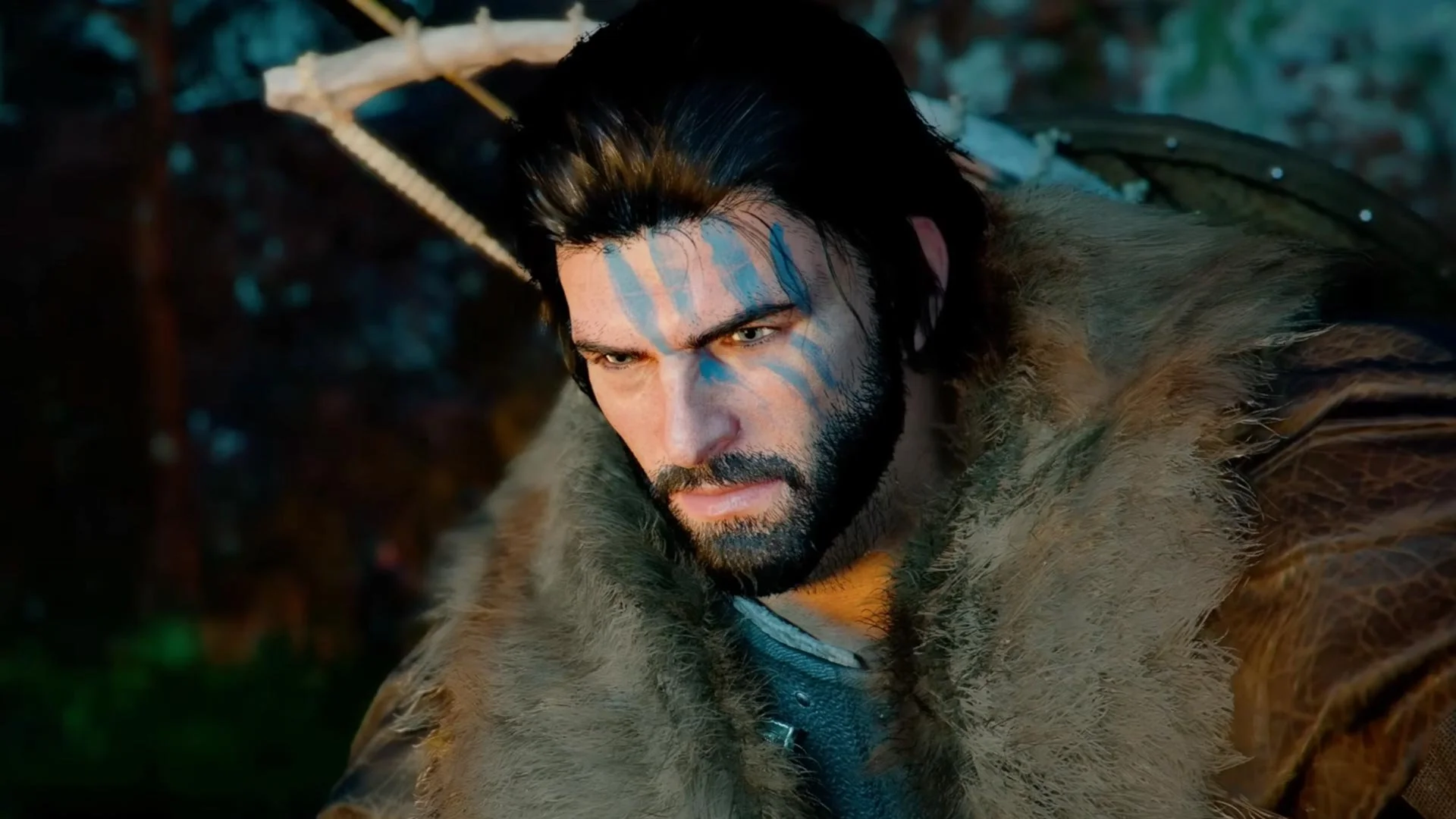
Last night, I spent the first 45 minutes after the launch of Crimson Desert, watching the 92GB pre-downloaded game files slowly decompressing and installing. I finally launched the game at about 10:50 PM GMT. I then waited a further 5 minutes while shaders were downloaded. It took me about 15 minutes or so to read through the various game settings and choose those that are optimal for my PC. I suspect even if you have a beast of a computer, you’re still going to have to spend some time tweaking settings. As for those players like myself with a gaming rig that is somewhere in the middle of the game’s specifications, be prepared to do a lot of fine tuning both within Crimson Desert itself and your Windows settings.
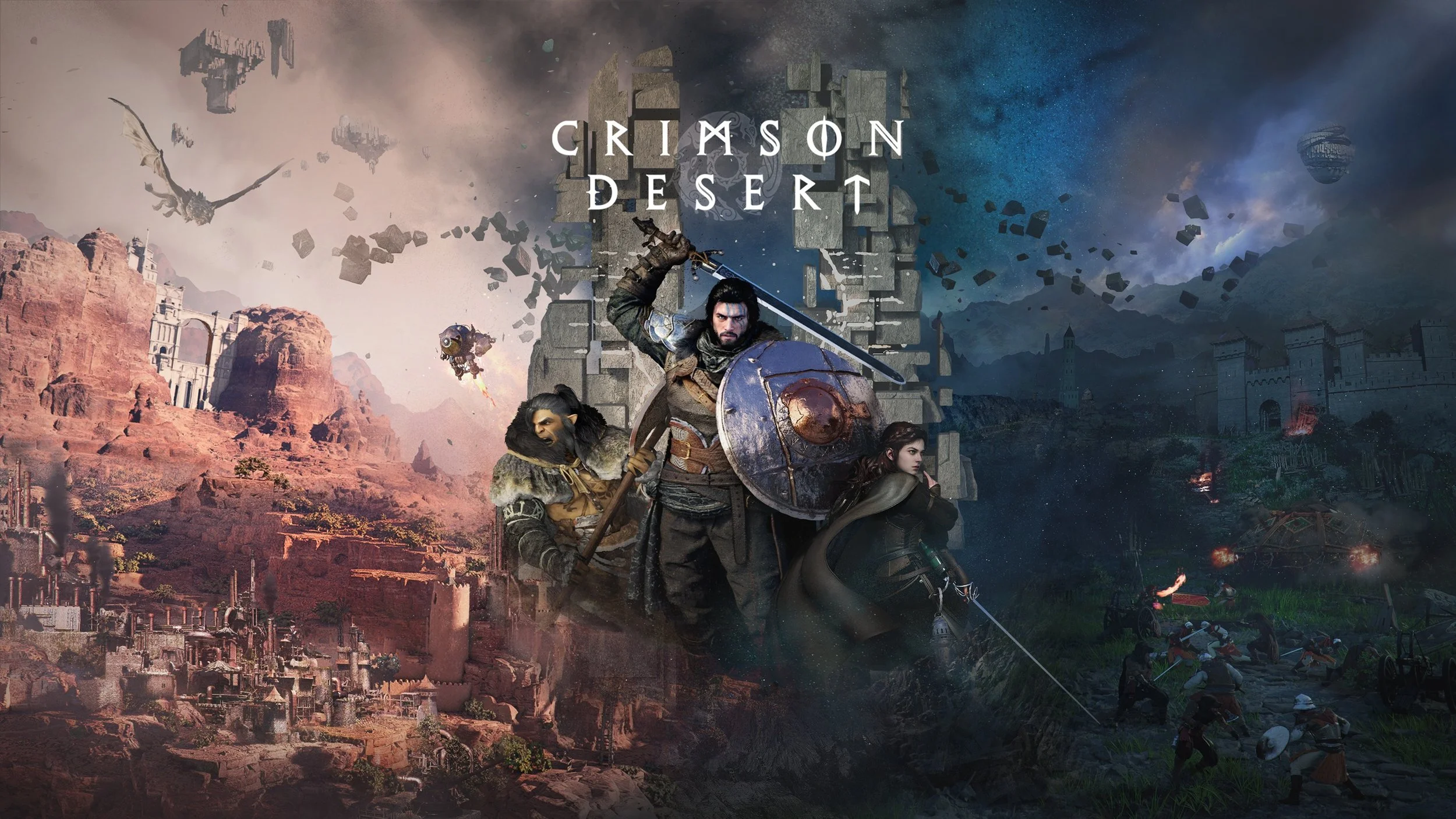
I have been aware of the online interest around the open world action game Crimson Desert for a while now. One of the things that has intrigued me about it is the scope of the game. The word “hype” has been bandied about by a few gaming websites. However, from what I have observed, developers Pearl Abyss have not been excessively hyperbolic themselves, with regard to the manner in which the game’s systems and mechanics have been marketed. Now that the press embargo has been lifted, the pre-release reviews seem to confirm that everything we’ve seen in promotional videos in the run up to the launch, is in fact present in the game. So far the initial critical response has been very positive and it has been hinted that the game may well be a genre milestone. Perhaps Crimson Desert is just a rare example of a game that has not had a rushed development and isn’t launching prematurely for business reasons.
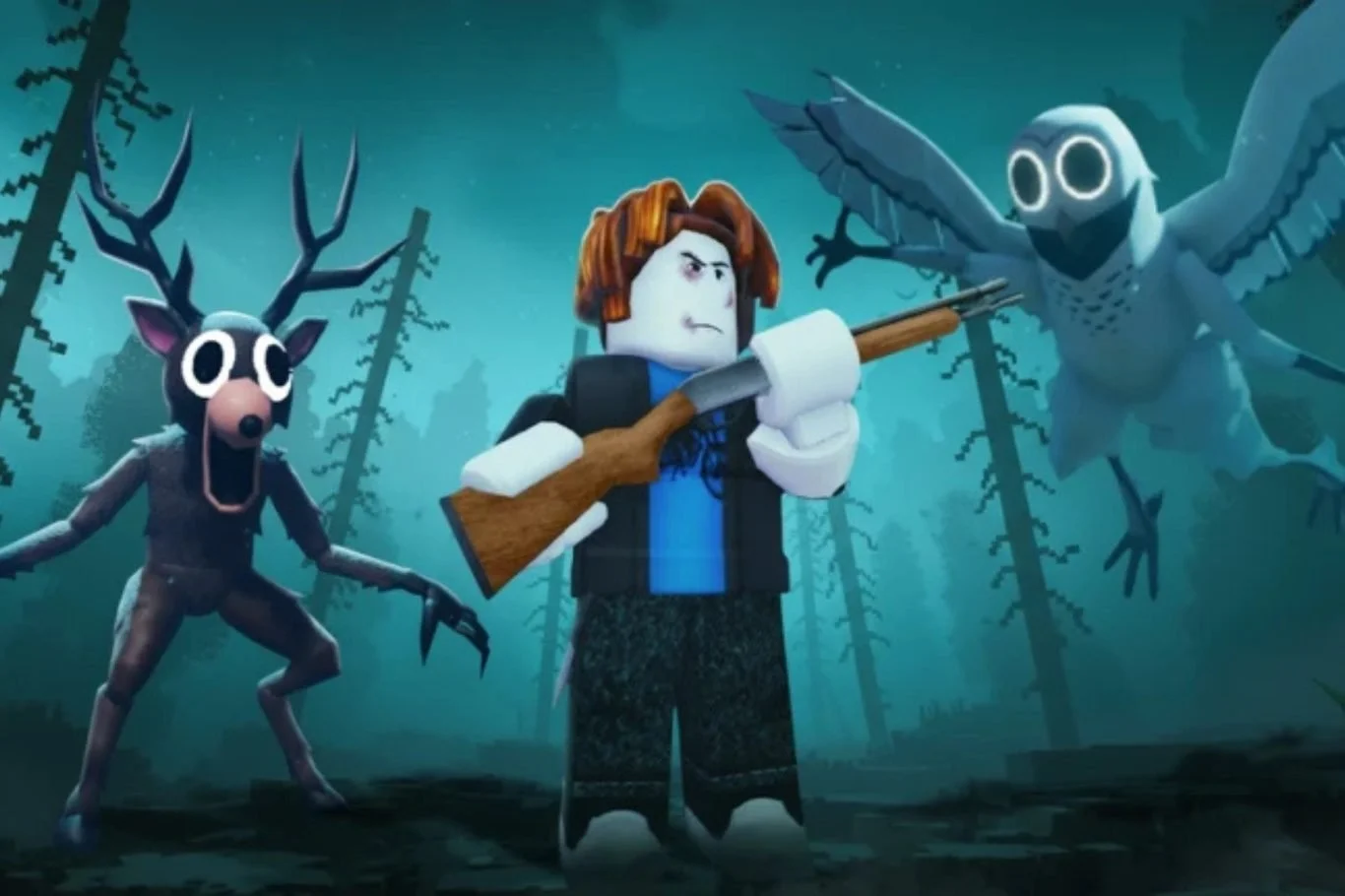
Video games as a genre are extremely poor at explaining themselves. When you buy a new game you’ll often find little or no information regarding the basic systems and mechanics. The industry assumes that their customers are by default familiar with the fundamentals of playing a modern video game. Hence if a game has a tutorial, it is often based around videos rather than detailed verbal instructions. You are are briefly shown a clip of a specific move being successfully undertaken but it is seldom shown in a wider context. The industry also expects the fan community to take on the role of curating and disseminating information about its games. The move away from forums and bespoke websites to Discord highlights this. Discord is a primarily a real time communication tool and not good at maintaining a historical data archive. If you want an answer to a specific gaming question, you’ll more than likely find it on YouTube in a video made by a fellow gamer.
I have written in the past about the video games we cannot play. The ones that require a keen understanding of a game’s mechanics, along with a strong degree of manual dexterity and situational awareness. Being 58 years old, I tend to have neither the co-ordination necessary to succeed or the patience to master such complex skill requirements. With this in mind, I recently watched a YouTube video for Chivalry 2 and thought, that looks like fun. The fact that it showed someone picking up a chicken and throwing it at an opponent is neither here nor there. However, after watching a few more videos I realised that combat in the game was complex and that, as usual, the reality of playing such a game would be different from my expectations. Hence, I came very close to not buying Chivalry 2. However, I eventually decided that I would, so I bought it for just under £10 from an online vendor.
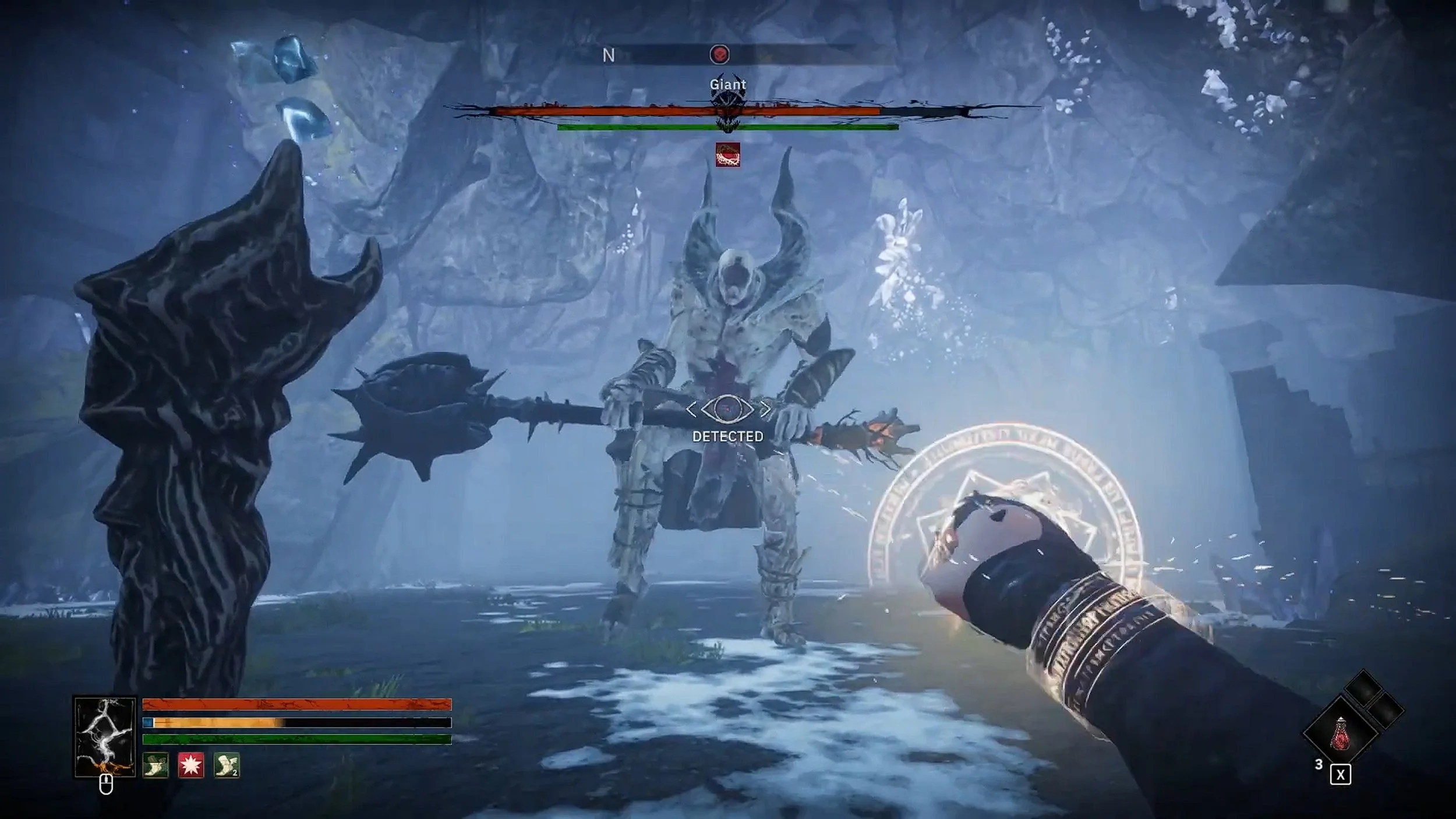
I decided to pursue a magic and spellcasting build in the RPG Tainted Grail: The Fall of Avalon after the story prologue. During the opening section of the game, the player is presented with a sufficient range of weapons to determine which type suits them best, although you can change at any time during the game. For me, casting spells feels right and is fun. Plus I have fond memories of the magic system in Two Worlds II and Skyrim. So once I started playing through the first zone, I started putting attribute and skill points into the appropriate trees to bolster my spells strengths and frequency. I also chose gear that would bolster those statistics further. The results have been surprising, as magic and spellcasting is not presented in the usual “glass cannon” style you find in some other RPGs. Here it offers robust DPS output and with the right gear and spell combination, a strong degree of survivability.
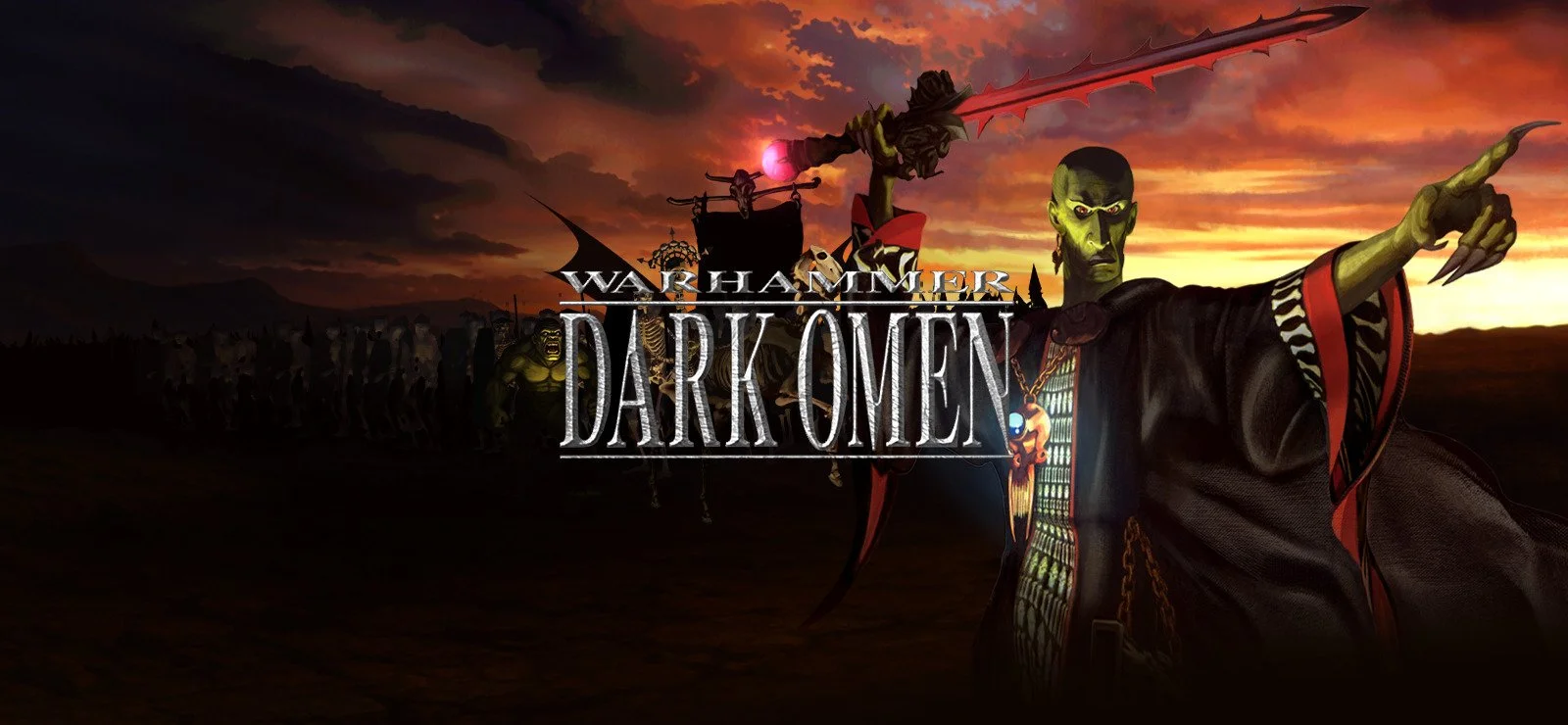
I originally bought Warhammer: Dark Omen in the summer of 1998. I played a demo copy via a magazine cover disc, which was a common means of promotion and marketing back then. Although I was at that point, unfamiliar with the Warhammer Universe, I found this game to be an excellent point of entry. The story did an excellent job of introducing players to “The Old World”, the political and power structure and major characters. I instantly liked both the aesthetic and the lore. Warhammer: Dark Omen was also the first real-time tactical wargame that I played and I spent numerous hours playing through the campaign. Overall, the game was a critical success, particularly on PC, but it struggled commercially upon its initial release and didn’t quite find the audience that it deserved. However, it has achieved status as a “cult classic” among gamers, leading to a recent re-release on GOG in late 2025.
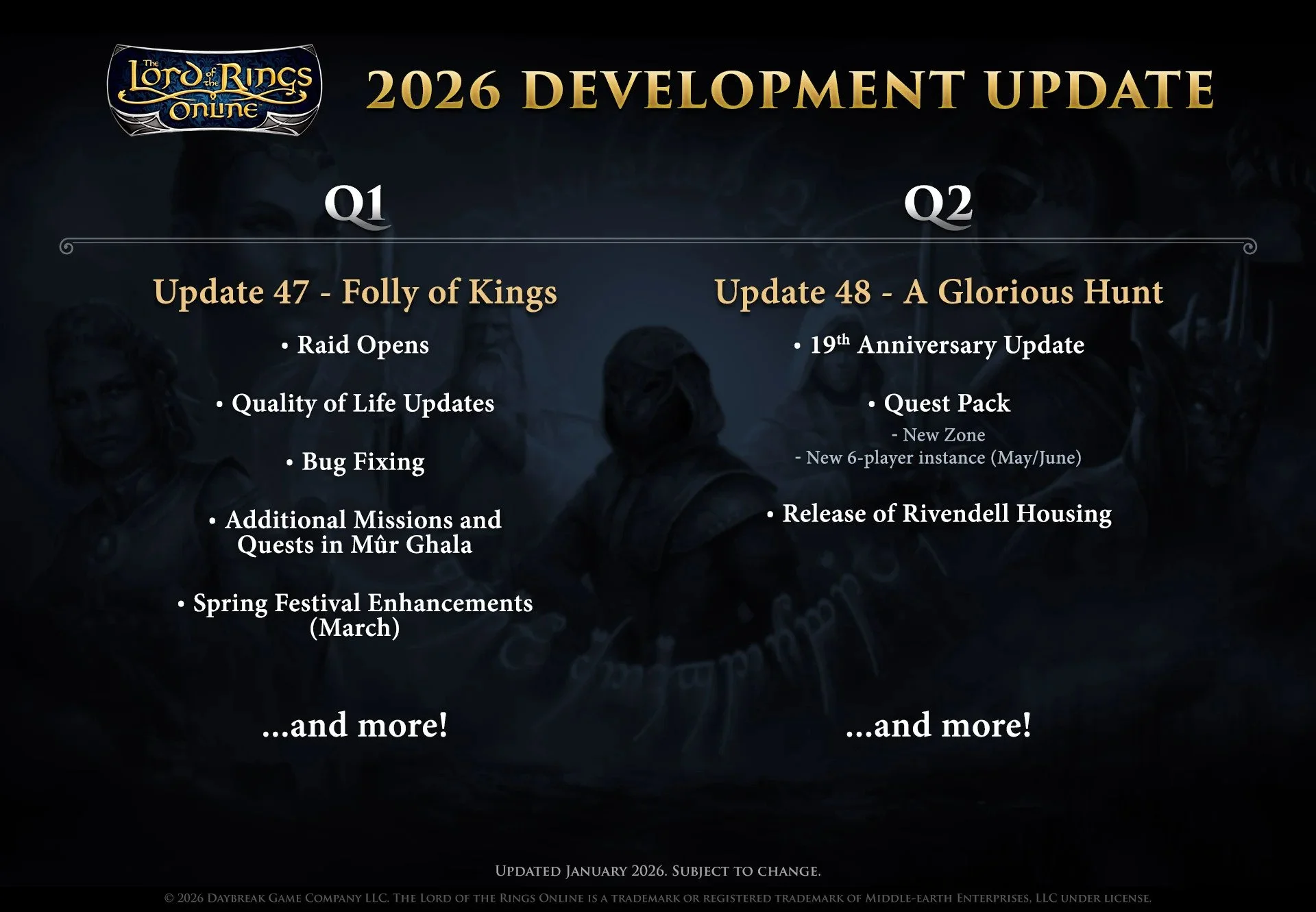
According to the recent “letter to the players”, Standing Stone Games will be adding a new zone to the MMORPG The Lord of the Rings Online in the second quarter of this year. Possibly around May or June. Having spent the last three expansions in the South of Middle-earth exploring the tropical Umbar and the deserts of Harad, I would certainly welcome a change of location. I have gradually warmed to these zones over the last eighteen months but I do find them so incongruous. They are so radically different to the European style content that has been the mainstay of the game for so long. Tolkien’s source text has plenty of detail regarding Eriador and Rhovanion. Information regarding Harad is scarce, hence it has afforded the developers a great deal of artistic freedom. Although exceedingly well realised these tropical zones have taken a while for me to get used to.
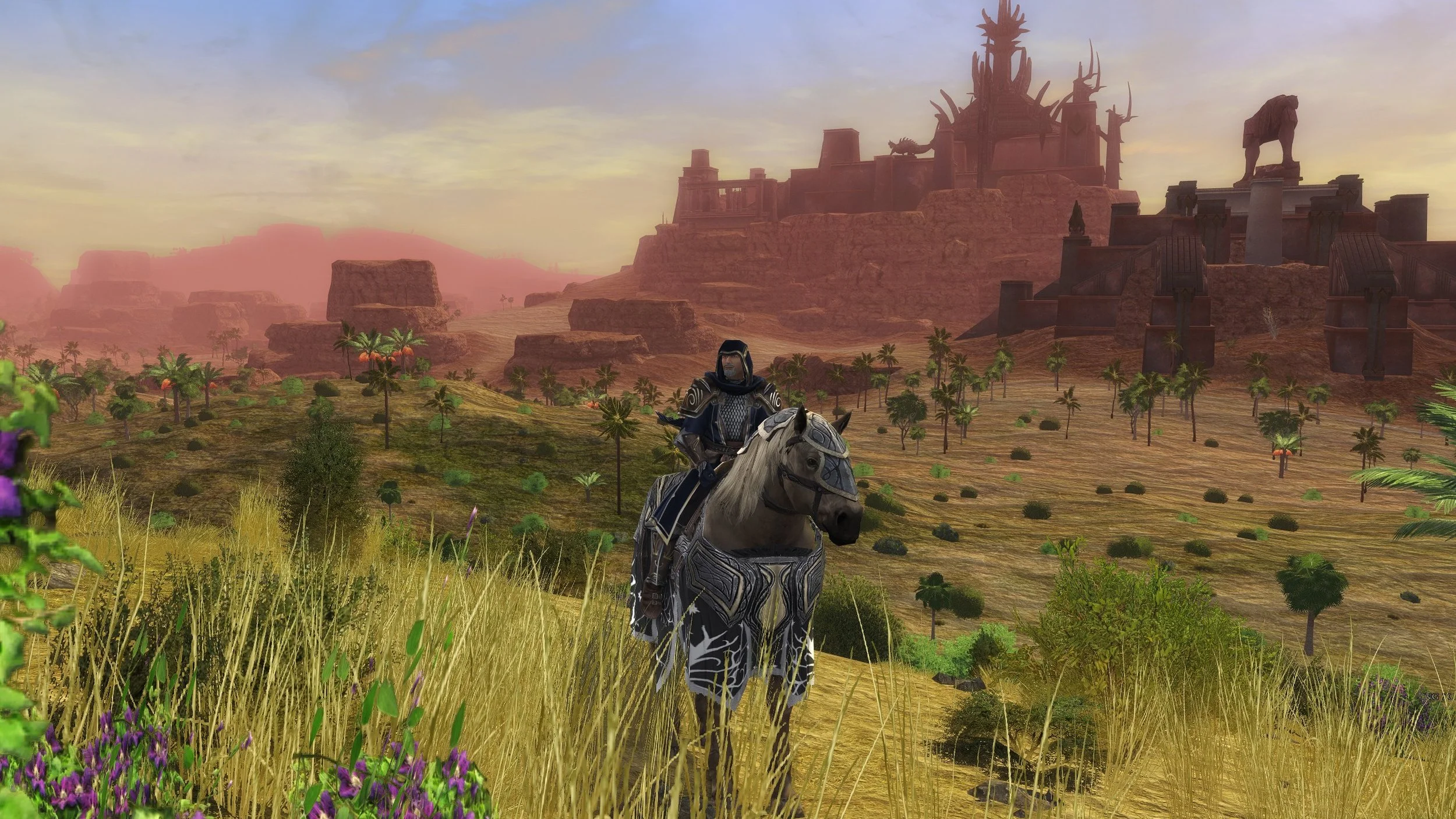
I’m not sure exactly when it started but I’ve recently noticed a graphical bug within the MMORPG The Lord of the Rings Online. This problem often occurs within caves or in areas where there are a lot of rocky surfaces. Hence it has become very apparent in the latest two expansions, set in Umbar and Harad. This graphical glitch causes some surface textures to appear to flash from light to dark intermittently. The resulting strobe effect is hard to ignore and very distracting. Fortunately, a quick online search showed that this is not a problem unique to my installation of LOTRO and is a known problem. Furthermore, there is a very simple workaround, which is to go into the Advanced Graphics setting and uncheck “Per Pixel Lighting”, which immediately remedies the problem. I have no idea why this has recently started to happen but at least it can be resolved.
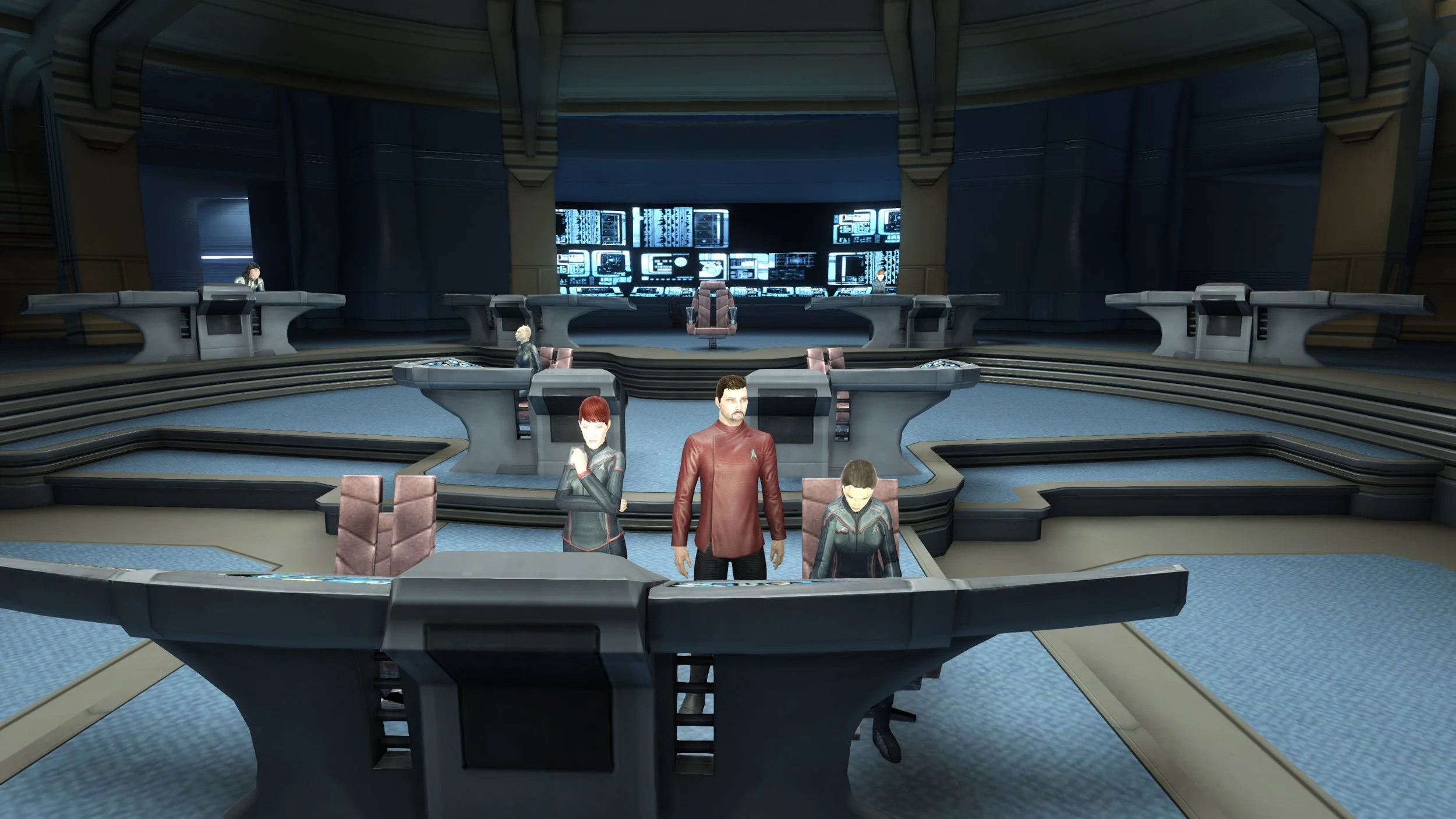
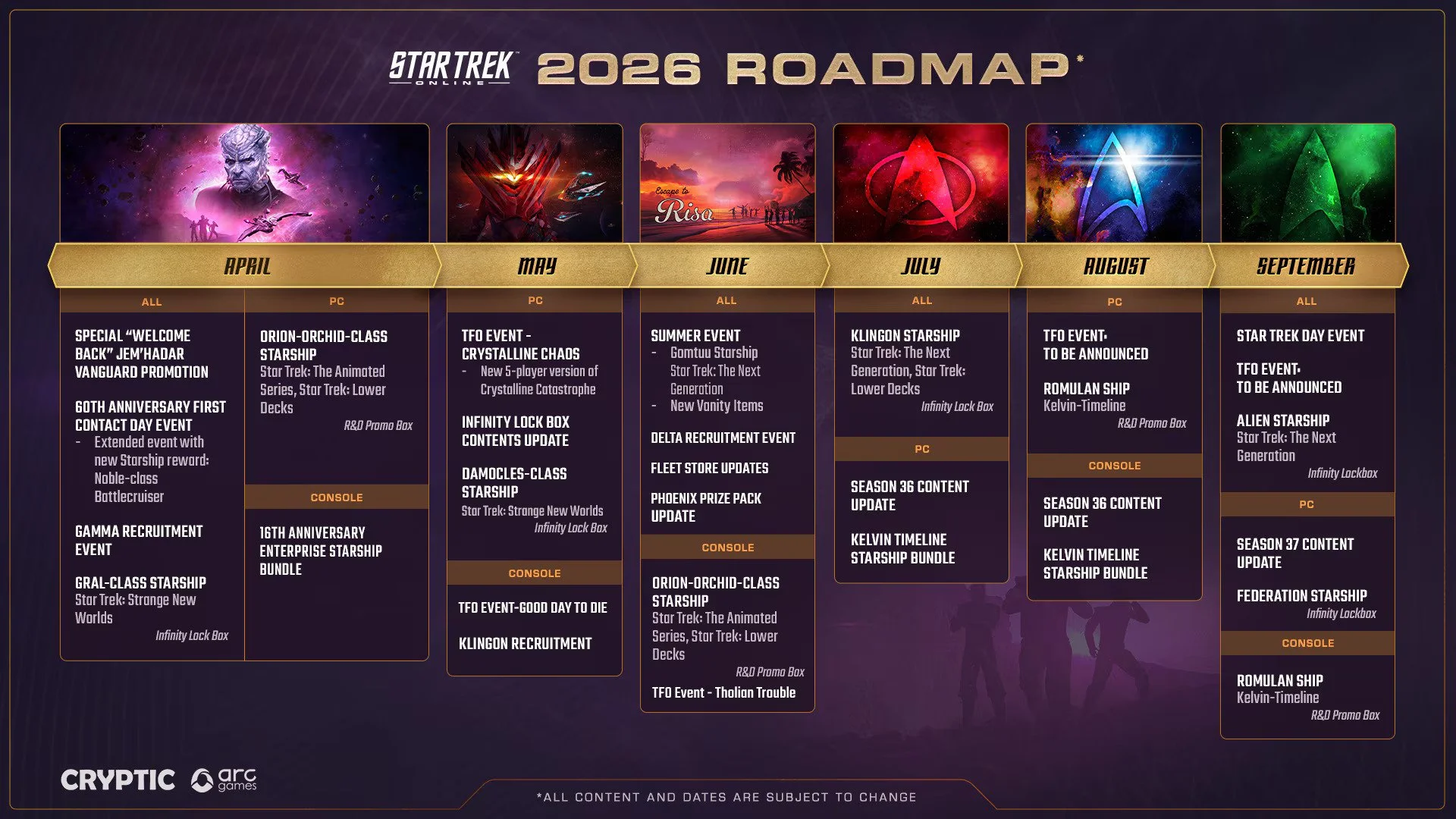
This year is the 60th anniversary of Star Trek. The original TV show was first broadcast in the US on September 8th 1966. If you search online you’ll find details of lots of related events. There are documentaries, conventions, new TV shows and even some video games in development. However, what you won’t find are any details regarding what will be happening with the MMORPG Star Trek Online. So far no road map for 2026 has been posted online by the developers but it is still quite early in the New Year. That being the case, I am not especially optimistic about there being any major plans waiting to be revealed. It is not as if DECA Games have demonstrated or stated any major ambitions for STO beyond keeping the endless events treadmill going and regularly adding content to the in-game store, during their development tenure. The ongoing story arc drags on inexorably and is as dull as ditchwater.
I first played The Elder Scrolls V: Skyrim in June 2013. This was over 18 months after the game’s initial release and the base game and DLC were bundled together in a “Legendary” edition. Although a seasoned gamer at the time, familiar with the RPG genre with such titles as Mass Effect and Grand Theft Auto IV, I had not played a game from this franchise before. It only took a few hours of gameplay to realise that this was a special title. The scope of the story, the art design and the size of the world were immediately notable. Tamriel was immersive in a way I had not experienced with other titles. Often simply traversing the terrain and watching the dawn break while the game soundtrack swelled, was sufficient to hold my attention. I instantly picked up on the voice acting of Christopher Plummer and Max Von Sydow. All of which indicated that this was a gaming landmark.
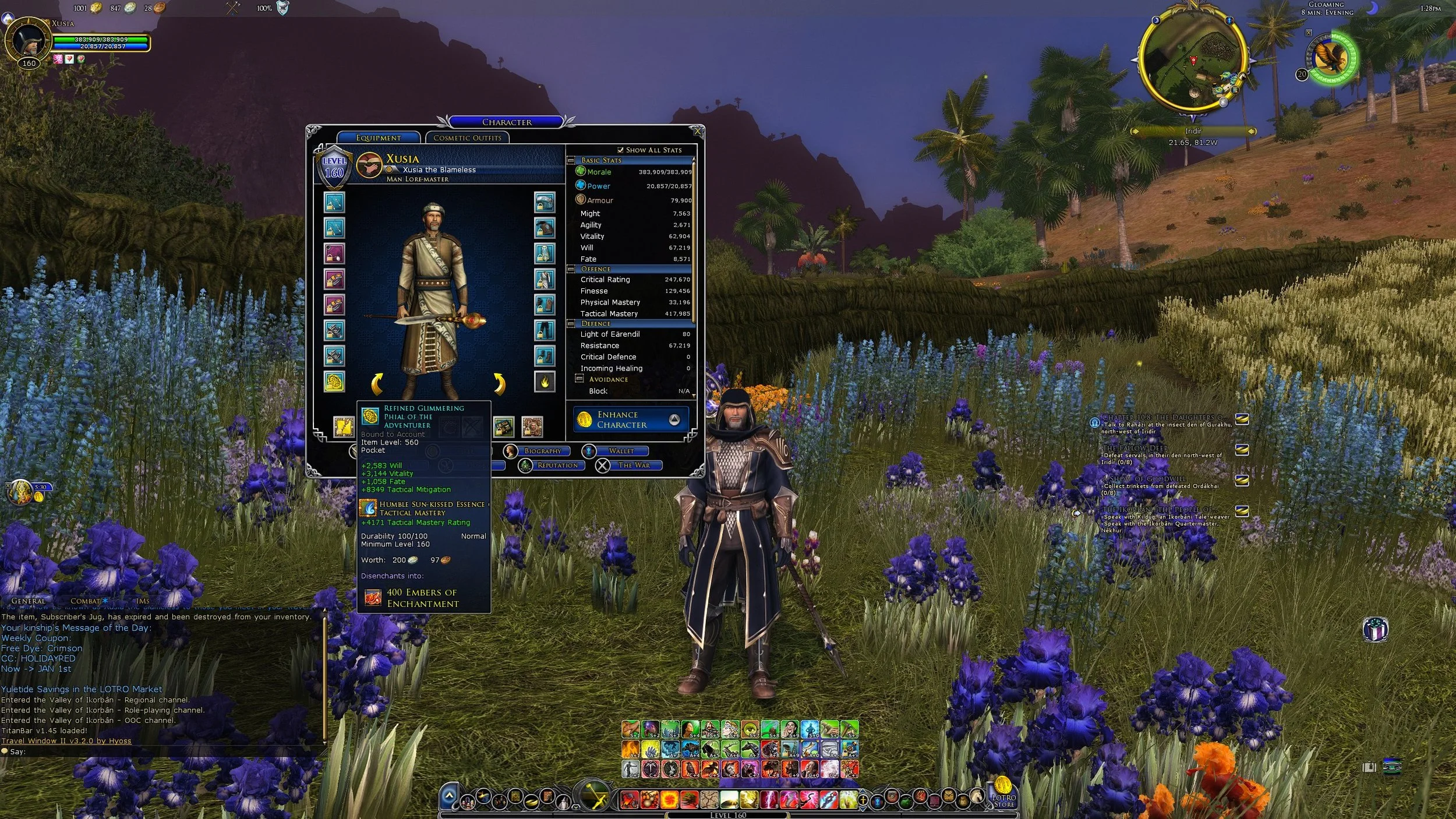
The latest expansion for the MMORPG The Lord of the Rings Online, Kingdoms of Harad, launched on December 3rd. With this release the level cap was raised from 150 to 160. It should also be noted that the cap for virtue traits was also raised from 96 to 100. Naturally these changes meant that there is a requirement to replace all armour and jewellery once the new cap is reached. Similarly Legendary Items have to be reforged and any traceries upgraded or replaced. If you follow the Epic Story it will lead you from quest hub to quest hub. The main quest rewards, along with those from side quests will provide adequate gear as you slowly progress towards the new level cap. The new raids, instances and missions/delvings then provide a means to acquire higher quality level 160 gear. LOTRO and indeed, many other MMOs are consistent in this methodology.
It is customary in a post such as this to list the various games that I’ve played over the last twelve months and share my thoughts on them. Wider analysis of the video game industry is also de rigeur. Unfortunately, I don’t really feel disposed to do either of those two things. My thoughts on the games I’ve played have already been published and can easily be accessed via the links at the bottom of this post. As for the video game industry, it suffers the same flaws as music, TV and cinema. There is creativity and innovation out there but it is often drowned out by mainstream products which are demonstrably inferior due to their inherent mediocrity. As for the business side of things, we once again clearly see the failings of the corporate management class. Sadly, they do not face the consequences of the mistakes that they make.
Call of Duty Warzone Matchmaking
I’ve been playing Call of Duty Warzone for about a month now and have documented my progress through the game and my attempts to improve my performance. It would be generous to categorise me as a distinctly average player. But I don’t worry too much about this as I am not alone. Not everyone is a high end player, although one’s perspective on this can be skewed as it is the most competent players that tend to dominate games. However, through simply playing CoD WZ regularly, despite my low body count per game I have slowly progressed through the ranking system. I am currently ranked 103 (the cap is 155). CoD WZ is generous with XP and each game’s score is not just based upon your kills. Your final position out of 150 other players is also a factor. There are additional marks for damage and a lot of other superfluous factors that the devs had added to ensure that even the weakest players move forward through the rankings.
I’ve been playing Call of Duty Warzone for about a month now and have documented my progress through the game and my attempts to improve my performance. It would be generous to categorise me as a distinctly average player. But I don’t worry too much about this as I am not alone. Not everyone is a high end player, although one’s perspective on this can be skewed as it is the most competent players that tend to dominate games. However, through simply playing CoD WZ regularly, despite my low body count per game I have slowly progressed through the ranking system. I am currently ranked 103 (the cap is 155). CoD WZ is generous with XP and each game’s score is not just based upon your kills. Your final position out of 150 other players is also a factor. There are additional marks for damage and a lot of other superfluous factors that the devs had added to ensure that even the weakest players move forward through the rankings.
Now despite what Infinity Ward have said publicly, there is a matchmaking system in place and sadly it appears to be somewhat basic. Rank features in group placement plus some backend stats regarding kill ratio. To cut a long story short, a month on I now find myself placed in games with players of a comparable or higher rank than me. Many of whom have reached the maximum tier through ability and not attrition. The net result is that my enjoyment of Solo Battle Royale matches has somewhat diminished. As an average player I expect to die when going head to head with someone with superior skills. But when this happens two thirds of the time, it does sour one’s experience and pleasure. There are sufficient random factors that mean I can sometimes find myself in an optimal position or I quickly obtain good gear but these are becoming fewer and far between.
I played a Solo Battle Royale game yesterday in which I chose a relatively isolated part of the map to land (The building site in the Novi Grazna Hills). I looted several houses and got a half decent assault rifle and sufficient armour. I think I did this in under 5 minutes. In the same amount of time another player had landed nearby, collected sufficient money to call in a Loadout Drop, select their optimal weapons selection and then sniped me through a window at a considerable distance. I was quite impressed but it highlights the problem with the current matchmaking system perfectly. This other player knew the map inside out and had robusts skills. It raises the question, what are the benefits of us being placed in the same game? It’s not as if I offered any sort of significant challenge to them. And if this happens continuously to me, it doesn’t exactly motivate me to keep playing.
I am not a fan of “Git Gud” culture. As I’ve written already in previous posts, I’m happy to try and learn some general tips and tactics to try to play more efficiently. Becoming a better player does improve your overall enjoyment. But I’m not looking for a “job”. Let the high end players with their stats and gaming philosophy play with comparable players. I would prefer to tool around in the shallow end with those of a broadly comparable mindset and ability. Unfortunately, the current matchmaking system doesn’t seem to be able to accomodate this. Does this mean that I’ll end up abandoning Solo Battle Royale games? No. But I will be more cautious and adjust my expectations accordingly. In the meantime I have found a compromise. CoD WZ has 5 versus 5 Multiplayer games which use very compact maps. These are great levellers, due to the frenetic pace. A poor player armed with an RPG and a SMG that they fire from the hip can do just as well as a good player. This mode doesn’t crush my interest and keeps me engaged. Something the devs could learn from with their wider matchmaking.
Some video games lend themselves to being set aside and resumed at a later date with zero consequences. These are often casual games with no major goals other than having fun while playing them. Fall Guys is a great example of this. You have a cartoony avatar that participates in zany group races, filled with obstacles. You run, jump, climb but the controls are far from difficult. You may well become skilled but such things are mitigated by the other players as they stumble around. You’re not at the mercy of apex players or “try hards”. It is not a game about winning and mastering techniques. The fun comes from playing it and the unique experience you have each time. I’ve been playing this game, on and off, since it’s launch in 2020 and in that time I have only ever won once (winning requires you to win a series of 4 to six individual races). However, whenever I pick up my controller and play Fall Guys, I have fun and the game lifts my spirits.
I recently completed the main story in Tainted Grail: The Fall of Avalon. In total I spent about sixty hours playing the game. I began at the start of the year, then took a break for a while but returned to it recently because I wanted to see if I could unlock a specific ending. I did manage to do this. Like so many other RPGs, Tainted Grail: the Fall of Avalon has a central storyline, along with a wealth of side quests, based around factions in specific zones. I think I possibly completed about a two thirds of these. However, once I finished the main story, my interest in the game began to wane. I finally left my character in the last major quest hub in case I wish to return at a future date. I then logged out of the game and uninstalled it from my PC to free up space for whatever I was to play next. In this case its The Sinking City 2. None of this is a negative reflection on Tainted Grail: the Fall of Avalon. I enjoyed the time I spent playing this quirky RPG. I simply had my fill and left to play something else.
On Tuesday 11th April, Aspyr Media rather surprisingly re-released The Lord of the Rings: War in the North, a co-op action-RPG from 2011. This game was delisted in late 2019, possibly due to changing rights ownership or a license expiring. Hence, I was somewhat discombobulated by the return of this title to all major gaming platforms. Mind you, the Embracer Group (through its subsidiary Middle-earth Enterprises) still controls the worldwide commercial and video game licensing rights for The Lord of the Rings and The Hobbit. Furthermore they have explicitly stated that they have plans for more games. It would appear this also means re-releasing and updating old favourites. It is also worth noting that they own Aspyr Media, which is also a bit of a giveaway. Let it suffice to say that this re-release and sparked enthusiastic online debate as to whether any other he Lord of the Rings themed games from the same era will receive a similar makeover. Judging by the internet chatter, there’s potentially a market for them.
The next expansion for the MMORG, The Lord of the Rings Online, was announced on the 1st August, via the gaming website MMORPG.The Wolves of Mordor, which will launch later in the year, appears ambitious in scope as it will include two new game systems as well as the obligatory story update. This expansion takes place in Draugardh located in the North East of Mordor, beyond the Plateau of Gorgoroth. It includes the new zones of Heledhris, Parth Rhavas and Nan Ogol. These vary environmentally ranging from the arid, volcanic and semi-tropical. Players will encounter the Daugrim in these regions, Werewolves but not in the modern sense. This is not the lycanthropy of Eastern European legends but in the established Tolkien idiom of fell spirits inhabiting the bodies of Wolves. The region also sees the return of the Woses and players can expect to encounter Elves and scouts from Gondor. As ever with LOTRO expansions, there will be new instances as well as a raid.
This is a post about the power of nostalgia and how sometimes, interacting with something from your past, be it physically or mentally, can produce a very strong and tangible emotional reaction. In some instances, this can be the result of something that you have specifically set out to do. On other occasions you can wander into a sense of nostalgia purely by chance. Today I experienced a very strong sense of nostalgia while watching a YouTube video and then again when I sought to replicate what I had seen. The video showed someone installing Windows 95 on to an old 486 PC from that era. The Window’s start up sound really touched a nerve (but in a good way) and then when the guy in the video launched Space Cadet 3D Pinball, a game that shipped with the operating system, I felt a strong compulsion to track down a copy and install the game myself, thus revisiting something that was an integral part of my life in 1995.
RV There Yet? is possibly the most entertaining game I’ve never played. My vicarious pleasure regarding this title has come exclusively from watching two popular YouTubers, JackFrags and WillFromWork, play through the game over a series of videos. It has been immensely amusing to watch and I have empathised a great deal as the group of four players has struggled with the game’s unpredictable mechanics and their own team’s dynamic. I could go and buy RV There Yet? myself but I doubt if I would ever have a gaming experience anywhere close to what I’ve watched online recently. So in some respects watching these videos has been an interesting alternative as I’ve been entertained, which ultimately is the point of video games. Perhaps there is a deeper philosophical point here that the game developers should reflect upon, as they’ve lost a potential sale. However, that is separate discussion for another day.
I don’t keep up with gaming news as much as I use to but several noteworthy announcement have come to my attention of late. Firstly, there’s an expansion, Songs of the Past, coming for the Witcher III: Wild Hunt in 2027. No doubt this is to pave the way for the Witcher IV. Next, I also found out about Hand of Fate: Horde. I liked this franchise and was saddened to learn that the original studio, Defiant Development, closed. Hence is was a pleasant surprise to see this new game being developed by members of the original studio. The third announcement was regarding Guild Wars 3. A new MMORPG in active development by a major studio is no small feat and is certainly good news for fans of this franchise and the genre per se. However, once you look beyond this news this announcement raises several questions and has certainly given me pause for thought. Let us take a few moments to consider them.
Star Trek Online has many in-game systems that are common to the MMORPG genre. The reputation system is one such example. In STO there are 13 reputation factions. Once a player has reached level 50 they may start progressing through the 6 reputation tiers of each one. Players gain progression through daily projects (20 hours in duration). Hourly projects are also available though they yield less reputation advancement and are limited to three times a day. Hence 20 hour projects are consider by default the most efficient way to gain rep. Projects require 30 Faction Specific Marks (earned via various activities in-game), 15,000 Energy Credits (standard in-game currency) and 2000 Expertise points. The most efficient way to tackle the reputation grind is to build up the necessary resources in advance and then at a designated time each day, start all 13 respective projects. Upon completion projects yield a player bound lockbox containing a random space or ground weapon, a console or Elite Marks which can be used to acquire faction gear.
I was recently perusing my archive of old blog posts, when it struck me how much I’ve written about the MMORPG genre over the years. Naturally, there was far more material from between 2008 and 2012 as that was period when I immersed myself in the genre and was very enthusiastic about it. I was at a point in my life when I had the time to dedicate to such games and I was happy to participate in the social aspect of they offered. I would regularly play through group content and spend time socialising online with fellow guild members. My experience remains a textbook example of how online games can be more than the sum of their parts and that where you are at in your life has a major impact upon your overall enjoyment. As I read though various old posts it became clear that my experiences where specific to this particular part of my life and that they cannot be repeated. My relationship with the genre is very different now and that’s fine.
Creating alts is an integral aspect of the MMORPG genre. Many players will create a character of a specific class or faction, play it for a while, lose interest in it or they may decide that it is just not for them. Fortunately it is no effort at all to simply re-roll a new alt and set off once again. Furthermore, lots of players never reach level cap of the MMORPG that there playing. When the going get’s tough, so to speak, you can either soldier on for another 50 levels or simply create a new alt and return to the comfort of tried and tested content. Alts also give you the chance to secure an accolade or achievement that you previously missed. They are also of great benefit to the genres social aspects. Creating a new alt so you can play along with a friend who is just starting is great fun. Developer’s love them too as it means you’re still playing the game.
I recently took a break from Crimson Desert choosing instead to to play something familiar and easy going. As I’ve been logging into Star Trek Online daily to participate in the anniversary event, I decided to look through my various alts and see how far they had progressed through the game and what resources they had. At present I have twelve alts. My primary Captain was created in 2015 during the original Delta Recruit Event. I had previously played STO intermittently since its release in January 2010 but I never kept any of those characters. Hence this decade old Tactical Federation Captain has been my main focus when playing. The other eleven alts are the result of other recruitment events or whenever I wanted to try something different, such as playing a specific class or faction. I obviously played a lot of STO during the lockdown as several alts date from that period. Several had maximum reputation across all factions.
The action, open world RPG Crimson Desert has been patched five times since it launched on March 19th and there have also been multiple hotfixes. At first glance this isn’t anything unusual. New games have bugs and issues arise once a game is released and played across a much wider variety of hardware than in QA testing. However, if you read the patch notes that accompany these sizeable downloads it quickly becomes apparent that developer’s Pearl Abyss are not just addressing bugs and software glitches. They are actively engaging with their player base and responding to suggestions and requests from that community. Although this is not a unique approach, what is surprising is the speed and quantity in which these player driven changes are happening. There seems to be an active ongoing process to refine the game and eliminate some of its “rough edges” and the players are contributing to this process with their feedback.
According to my Steam statistics, I last played Starfield on 19th December 2023. I bought the game upon its release in September of that year and played in total for 136 hours. Starfield held my interest for three and a half month and I wrote seven blog posts about various aspects of the game. Although there were some engaging aspects to Starfield, I did feel that that the game was somewhat lacking in systems and content, at that point in its lifecycle. I also think that the marketing and player expectations associated with Starfield were overblown and unrealistic. The shadow of Skyrim looms large over all new Bethesda releases and they don’t seem able to quite recapture that magic. Hence, I inevitably drifted away from Starfield and to another game and was effectively “done” with it. I have not played the game since which seems to validate the theory that game are becoming increasingly more ephemeral.
13 days after its release, market analysts estimate that Crimson Desert has already earned $200 million across the four main platforms (PC, PlayStation 5, and Xbox Series X and S). The game is certainly proving popular among gamers with the internet awash with live streams and “let’s play” videos. However, reviews are mixed both among gaming journalists and YouTube influencers. Common complaints about the game include that it is slow to start, the controls are poorly laid out on all platforms and that developer’s Pearl Abyss have done a poor job of explaining most aspects of the game to new players. Although such criticisms are true to a degree, I think these complaints highlight how many gamers are conditioned to expect new titles to follow a specific pattern with regard to pacing, narrative exposition and learning in-game systems. A pattern that Pearl Abyss has chosen to ignore, instead favouring an old school approach.
Early on Crimson Desert, the main quest requires the player to enter a tavern and arm wrestle a particularly strong guard. The arm wrestling match consists of a quick time event. If playing on PC you have to rapidly press the “E” key which turns a power meter from white to red. Then a white dial appears above the meter with a rotating hand. When the hand passes over a segment of the dial that is marked by hatching, the player must press the “R” key. The idea being the meter filling with red is you strength building (or waning) and the “R” key prompt indicates when to try and force your opponent’s arm. You will need to to continuously press the “E” key throughout the arm wrestling match and the “R” key about 4 times to win.
Earlier this week, Nvidia posted a video featuring their latest iteration of DLSS technology (Deep learning super sampling). DLSS 5 is an AI-powered “real-time neural rendering” process and unlike previous versions that focused on improving frame rates through upscaling or frame generation, DLSS 5 uses generative AI to “infuse” frames with photorealistic lighting and material details that the game engine never actually calculated. Let us pause for a moment and consider these words. Material detail that the game engine never actually calculated. Therein lies the rub. If you watch the aforementioned video or peruse the images posted here, it is abundantly clear what the technology does.
Last night, I spent the first 45 minutes after the launch of Crimson Desert, watching the 92GB pre-downloaded game files slowly decompressing and installing. I finally launched the game at about 10:50 PM GMT. I then waited a further 5 minutes while shaders were downloaded. It took me about 15 minutes or so to read through the various game settings and choose those that are optimal for my PC. I suspect even if you have a beast of a computer, you’re still going to have to spend some time tweaking settings. As for those players like myself with a gaming rig that is somewhere in the middle of the game’s specifications, be prepared to do a lot of fine tuning both within Crimson Desert itself and your Windows settings.
I have been aware of the online interest around the open world action game Crimson Desert for a while now. One of the things that has intrigued me about it is the scope of the game. The word “hype” has been bandied about by a few gaming websites. However, from what I have observed, developers Pearl Abyss have not been excessively hyperbolic themselves, with regard to the manner in which the game’s systems and mechanics have been marketed. Now that the press embargo has been lifted, the pre-release reviews seem to confirm that everything we’ve seen in promotional videos in the run up to the launch, is in fact present in the game. So far the initial critical response has been very positive and it has been hinted that the game may well be a genre milestone. Perhaps Crimson Desert is just a rare example of a game that has not had a rushed development and isn’t launching prematurely for business reasons.
Video games as a genre are extremely poor at explaining themselves. When you buy a new game you’ll often find little or no information regarding the basic systems and mechanics. The industry assumes that their customers are by default familiar with the fundamentals of playing a modern video game. Hence if a game has a tutorial, it is often based around videos rather than detailed verbal instructions. You are are briefly shown a clip of a specific move being successfully undertaken but it is seldom shown in a wider context. The industry also expects the fan community to take on the role of curating and disseminating information about its games. The move away from forums and bespoke websites to Discord highlights this. Discord is a primarily a real time communication tool and not good at maintaining a historical data archive. If you want an answer to a specific gaming question, you’ll more than likely find it on YouTube in a video made by a fellow gamer.
I have written in the past about the video games we cannot play. The ones that require a keen understanding of a game’s mechanics, along with a strong degree of manual dexterity and situational awareness. Being 58 years old, I tend to have neither the co-ordination necessary to succeed or the patience to master such complex skill requirements. With this in mind, I recently watched a YouTube video for Chivalry 2 and thought, that looks like fun. The fact that it showed someone picking up a chicken and throwing it at an opponent is neither here nor there. However, after watching a few more videos I realised that combat in the game was complex and that, as usual, the reality of playing such a game would be different from my expectations. Hence, I came very close to not buying Chivalry 2. However, I eventually decided that I would, so I bought it for just under £10 from an online vendor.
I decided to pursue a magic and spellcasting build in the RPG Tainted Grail: The Fall of Avalon after the story prologue. During the opening section of the game, the player is presented with a sufficient range of weapons to determine which type suits them best, although you can change at any time during the game. For me, casting spells feels right and is fun. Plus I have fond memories of the magic system in Two Worlds II and Skyrim. So once I started playing through the first zone, I started putting attribute and skill points into the appropriate trees to bolster my spells strengths and frequency. I also chose gear that would bolster those statistics further. The results have been surprising, as magic and spellcasting is not presented in the usual “glass cannon” style you find in some other RPGs. Here it offers robust DPS output and with the right gear and spell combination, a strong degree of survivability.
I originally bought Warhammer: Dark Omen in the summer of 1998. I played a demo copy via a magazine cover disc, which was a common means of promotion and marketing back then. Although I was at that point, unfamiliar with the Warhammer Universe, I found this game to be an excellent point of entry. The story did an excellent job of introducing players to “The Old World”, the political and power structure and major characters. I instantly liked both the aesthetic and the lore. Warhammer: Dark Omen was also the first real-time tactical wargame that I played and I spent numerous hours playing through the campaign. Overall, the game was a critical success, particularly on PC, but it struggled commercially upon its initial release and didn’t quite find the audience that it deserved. However, it has achieved status as a “cult classic” among gamers, leading to a recent re-release on GOG in late 2025.
According to the recent “letter to the players”, Standing Stone Games will be adding a new zone to the MMORPG The Lord of the Rings Online in the second quarter of this year. Possibly around May or June. Having spent the last three expansions in the South of Middle-earth exploring the tropical Umbar and the deserts of Harad, I would certainly welcome a change of location. I have gradually warmed to these zones over the last eighteen months but I do find them so incongruous. They are so radically different to the European style content that has been the mainstay of the game for so long. Tolkien’s source text has plenty of detail regarding Eriador and Rhovanion. Information regarding Harad is scarce, hence it has afforded the developers a great deal of artistic freedom. Although exceedingly well realised these tropical zones have taken a while for me to get used to.
I’m not sure exactly when it started but I’ve recently noticed a graphical bug within the MMORPG The Lord of the Rings Online. This problem often occurs within caves or in areas where there are a lot of rocky surfaces. Hence it has become very apparent in the latest two expansions, set in Umbar and Harad. This graphical glitch causes some surface textures to appear to flash from light to dark intermittently. The resulting strobe effect is hard to ignore and very distracting. Fortunately, a quick online search showed that this is not a problem unique to my installation of LOTRO and is a known problem. Furthermore, there is a very simple workaround, which is to go into the Advanced Graphics setting and uncheck “Per Pixel Lighting”, which immediately remedies the problem. I have no idea why this has recently started to happen but at least it can be resolved.
This year is the 60th anniversary of Star Trek. The original TV show was first broadcast in the US on September 8th 1966. If you search online you’ll find details of lots of related events. There are documentaries, conventions, new TV shows and even some video games in development. However, what you won’t find are any details regarding what will be happening with the MMORPG Star Trek Online. So far no road map for 2026 has been posted online by the developers but it is still quite early in the New Year. That being the case, I am not especially optimistic about there being any major plans waiting to be revealed. It is not as if DECA Games have demonstrated or stated any major ambitions for STO beyond keeping the endless events treadmill going and regularly adding content to the in-game store, during their development tenure. The ongoing story arc drags on inexorably and is as dull as ditchwater.
I first played The Elder Scrolls V: Skyrim in June 2013. This was over 18 months after the game’s initial release and the base game and DLC were bundled together in a “Legendary” edition. Although a seasoned gamer at the time, familiar with the RPG genre with such titles as Mass Effect and Grand Theft Auto IV, I had not played a game from this franchise before. It only took a few hours of gameplay to realise that this was a special title. The scope of the story, the art design and the size of the world were immediately notable. Tamriel was immersive in a way I had not experienced with other titles. Often simply traversing the terrain and watching the dawn break while the game soundtrack swelled, was sufficient to hold my attention. I instantly picked up on the voice acting of Christopher Plummer and Max Von Sydow. All of which indicated that this was a gaming landmark.
The latest expansion for the MMORPG The Lord of the Rings Online, Kingdoms of Harad, launched on December 3rd. With this release the level cap was raised from 150 to 160. It should also be noted that the cap for virtue traits was also raised from 96 to 100. Naturally these changes meant that there is a requirement to replace all armour and jewellery once the new cap is reached. Similarly Legendary Items have to be reforged and any traceries upgraded or replaced. If you follow the Epic Story it will lead you from quest hub to quest hub. The main quest rewards, along with those from side quests will provide adequate gear as you slowly progress towards the new level cap. The new raids, instances and missions/delvings then provide a means to acquire higher quality level 160 gear. LOTRO and indeed, many other MMOs are consistent in this methodology.
It is customary in a post such as this to list the various games that I’ve played over the last twelve months and share my thoughts on them. Wider analysis of the video game industry is also de rigeur. Unfortunately, I don’t really feel disposed to do either of those two things. My thoughts on the games I’ve played have already been published and can easily be accessed via the links at the bottom of this post. As for the video game industry, it suffers the same flaws as music, TV and cinema. There is creativity and innovation out there but it is often drowned out by mainstream products which are demonstrably inferior due to their inherent mediocrity. As for the business side of things, we once again clearly see the failings of the corporate management class. Sadly, they do not face the consequences of the mistakes that they make.
Video Games: The Broadest of Churches
I started playing video games in the eighties, mainly coin-op arcade machines. By the time the nineties console boom began, I was out of school, working and therefore bought several generations of home entertainment systems. By the late nineties I moved over to the PC and subsequently got access to a wider variety of games. I came relatively late to the MMO boom, although I had played other types of multiplayer internet-based games. Thirty-five or so years later, I find myself a mature player of games (I do not identify as a gamer per se but that’s another blog post entirely) with a bunch of views, opinions and expectations shaped by the decades I’ve lived (and played) through. Simply put, my head is at a different place to those who are ten, twenty or thirty years my junior. Games have evolved, just like popular music, TV and movies. The associated culture around video games has also been subject to change. You may well think I’ve just stated the “bleedin’ obvious”, but in my experience it doesn’t hurt to re-iterate this point when addressing a new trend or craze that on first inspection seems somewhat abstract to us.
I started playing video games in the eighties, mainly coin-op arcade machines. By the time the nineties console boom began, I was out of school, working and therefore bought several generations of home entertainment systems. By the late nineties I moved over to the PC and subsequently got access to a wider variety of games. I came relatively late to the MMO boom, although I had played other types of multiplayer internet-based games. Thirty-five or so years later, I find myself a mature player of games (I do not identify as a gamer per se but that’s another blog post entirely) with a bunch of views, opinions and expectations shaped by the decades I’ve lived (and played) through. Simply put, my head is at a different place to those who are ten, twenty or thirty years my junior. Games have evolved, just like popular music, TV and movies. The associated culture around video games has also been subject to change. You may well think I’ve just stated the “bleedin’ obvious”, but in my experience it doesn’t hurt to re-iterate this point when addressing a new trend or craze that on first inspection seems somewhat abstract to us.
The cue for this post came from Wolfy over at Through Wolfy’s Eyes. He stumbled across a video from a young Fortnite player and then wrote about his general bemusement of the Battle Royale scene and its associated popularity with younger gamers. I broadly agree with his sentiments about this particular genre. Battle Royale games have become ubiquitous and are now the de facto style for most forms of multiplayer PVP. They are also frequently egregiously monetised. Because they are founded upon competitive play, bragging rights and bellicose self-pride are an integral part of the associated culture. Like many other game genres, this too has developed its own a lexicon of slang and associated tropes and memes. If you are not part of this “world”, it can look quite alien and bewildering. What is the appeal of Battle Royale? Why has Fortnite found such a fanbase among the under twenty-fives? Why are “kids” (like the one Wolfy references) writing songs and posting them on You Tube. However, if you take a step back and reflect less on the game and more on the culture, it does start to fall into place. Wolfy reached his own conclusion, and I would like to expand upon it further.
Fortnite Battle Royale was in the right place at the right time. PUBG initially whet competitive gamers appetite with a simple innovative new spin on PVP. Fortnite simply refined that formula further with a game that looks more appealing, colourful and dynamic. Hence it found its home with the youth audience and because of its chosen visual style, it doesn’t at first glance look problematic to the passing parental glance. The fact that the game is also accessible across multiple platform is another reason why it’s taken hold. It also has a degree of cross platform support. And let us not forget that it’s a free-to-play product, so the initial barriers to entry are low. All things considered it’s hardly a surprise that it found success with its current demographic. Developers Epic Games have subsequently ensured that the game has regular tie-ins with other franchises that match its customer base. Thus, the game has keeps growing and making money. Lots of money.
Humans are social creatures and our teenage years are a time where we seek to establish our own identities and affiliate with some social group to find a sense of belonging. Fortnite, although boasting players of all ages, has most certainly been claimed by the youth market. It is a fast and frenetic game that requires quick reflexes, both physically and mentally. Such gameplay favours the young. And like anything else that the youth market claims as it own, a bespoke culture has quickly grown around it. And that culture is by exclusionary by design. Teens want to have things that are their own. Unlike the adult world that they inhabit, here is something that they can control. They broadly remain gatekeepers to this sub-culture. Frankly they want adults to be bamboozled and sceptical of it because the last thing they want is to share it. Cast you mind back to when you were young. The quickest way to kill your interest in a band would be for one of your parents to claim to like them.
So it’s hardly surprising that videos such as the Fortnite Anthem Rap Song spring up on You Tube. Although it is obvious that the kid in the video has had a lot of assistance from others older than him, this is simply just a contemporary example of fan culture. It’s about bragging rights, cultural ownership and it’s also a clear snub to those who are not part of the “in crowd”. Far from being something alien it is in fact utterly and even re-assuredly normal. It wouldn’t be difficult to write 500 words as to why this phenomenon is just a question of “same meat, different gravy”. However, I could also write a comparable amount about why this sort of fandom can also segue way into less desirable territory. Fortnite can bring people together and offer them fun, as well as a sense of belonging. But this video reflects elements of the associated hubris that can come with competitive play. Ego, winning at all costs and smack talk are only a stone’s throw away from tribalism, bullying and prejudice. Some schools are at a loss as to how to deal with things like the “floss dancing” and insults couched in Fortnite terminology. Perhaps some are over reacting, but any popular craze can always be used as a means of exclusion and oppression. Children can also be notoriously cruel.
So, I broadly understand these new manifestations of gaming culture. Whether I like them or not is a separate issue and not really relevant. However, I don’t see them as unfathomable because they’ve happened before, and they’ll happen again. Battle Royale games are enjoying their moment in the sun, just as MMOs did and traditional FPS titles like Call of Duty. Gaming despite pushback from certain quarters, has grown from a niche market pastime to a mainstream leisure industry. It is now an extremely broad church which simply reflects the diversity of society. If I were 15 years old now, I no doubt would be playing Fortnite and being a little shit about it. But as I’m 35 years older than that, I am content to let this game pass me by, as I clearly see it’s not targeted at me. The games selling points are focused elsewhere. But paradoxically, if you analyse a fan’s rap song about Fortnite and then do the same with a two-hour documentary about the works of Ennio Morricone, that I’d really enjoy, you’ll find that they’re not that different. Although we wouldn’t want any reciprocal enjoyment of each other’s work.
Some video games lend themselves to being set aside and resumed at a later date with zero consequences. These are often casual games with no major goals other than having fun while playing them. Fall Guys is a great example of this. You have a cartoony avatar that participates in zany group races, filled with obstacles. You run, jump, climb but the controls are far from difficult. You may well become skilled but such things are mitigated by the other players as they stumble around. You’re not at the mercy of apex players or “try hards”. It is not a game about winning and mastering techniques. The fun comes from playing it and the unique experience you have each time. I’ve been playing this game, on and off, since it’s launch in 2020 and in that time I have only ever won once (winning requires you to win a series of 4 to six individual races). However, whenever I pick up my controller and play Fall Guys, I have fun and the game lifts my spirits.
I recently completed the main story in Tainted Grail: The Fall of Avalon. In total I spent about sixty hours playing the game. I began at the start of the year, then took a break for a while but returned to it recently because I wanted to see if I could unlock a specific ending. I did manage to do this. Like so many other RPGs, Tainted Grail: the Fall of Avalon has a central storyline, along with a wealth of side quests, based around factions in specific zones. I think I possibly completed about a two thirds of these. However, once I finished the main story, my interest in the game began to wane. I finally left my character in the last major quest hub in case I wish to return at a future date. I then logged out of the game and uninstalled it from my PC to free up space for whatever I was to play next. In this case its The Sinking City 2. None of this is a negative reflection on Tainted Grail: the Fall of Avalon. I enjoyed the time I spent playing this quirky RPG. I simply had my fill and left to play something else.
On Tuesday 11th April, Aspyr Media rather surprisingly re-released The Lord of the Rings: War in the North, a co-op action-RPG from 2011. This game was delisted in late 2019, possibly due to changing rights ownership or a license expiring. Hence, I was somewhat discombobulated by the return of this title to all major gaming platforms. Mind you, the Embracer Group (through its subsidiary Middle-earth Enterprises) still controls the worldwide commercial and video game licensing rights for The Lord of the Rings and The Hobbit. Furthermore they have explicitly stated that they have plans for more games. It would appear this also means re-releasing and updating old favourites. It is also worth noting that they own Aspyr Media, which is also a bit of a giveaway. Let it suffice to say that this re-release and sparked enthusiastic online debate as to whether any other he Lord of the Rings themed games from the same era will receive a similar makeover. Judging by the internet chatter, there’s potentially a market for them.
The next expansion for the MMORG, The Lord of the Rings Online, was announced on the 1st August, via the gaming website MMORPG.The Wolves of Mordor, which will launch later in the year, appears ambitious in scope as it will include two new game systems as well as the obligatory story update. This expansion takes place in Draugardh located in the North East of Mordor, beyond the Plateau of Gorgoroth. It includes the new zones of Heledhris, Parth Rhavas and Nan Ogol. These vary environmentally ranging from the arid, volcanic and semi-tropical. Players will encounter the Daugrim in these regions, Werewolves but not in the modern sense. This is not the lycanthropy of Eastern European legends but in the established Tolkien idiom of fell spirits inhabiting the bodies of Wolves. The region also sees the return of the Woses and players can expect to encounter Elves and scouts from Gondor. As ever with LOTRO expansions, there will be new instances as well as a raid.
This is a post about the power of nostalgia and how sometimes, interacting with something from your past, be it physically or mentally, can produce a very strong and tangible emotional reaction. In some instances, this can be the result of something that you have specifically set out to do. On other occasions you can wander into a sense of nostalgia purely by chance. Today I experienced a very strong sense of nostalgia while watching a YouTube video and then again when I sought to replicate what I had seen. The video showed someone installing Windows 95 on to an old 486 PC from that era. The Window’s start up sound really touched a nerve (but in a good way) and then when the guy in the video launched Space Cadet 3D Pinball, a game that shipped with the operating system, I felt a strong compulsion to track down a copy and install the game myself, thus revisiting something that was an integral part of my life in 1995.
RV There Yet? is possibly the most entertaining game I’ve never played. My vicarious pleasure regarding this title has come exclusively from watching two popular YouTubers, JackFrags and WillFromWork, play through the game over a series of videos. It has been immensely amusing to watch and I have empathised a great deal as the group of four players has struggled with the game’s unpredictable mechanics and their own team’s dynamic. I could go and buy RV There Yet? myself but I doubt if I would ever have a gaming experience anywhere close to what I’ve watched online recently. So in some respects watching these videos has been an interesting alternative as I’ve been entertained, which ultimately is the point of video games. Perhaps there is a deeper philosophical point here that the game developers should reflect upon, as they’ve lost a potential sale. However, that is separate discussion for another day.
I don’t keep up with gaming news as much as I use to but several noteworthy announcement have come to my attention of late. Firstly, there’s an expansion, Songs of the Past, coming for the Witcher III: Wild Hunt in 2027. No doubt this is to pave the way for the Witcher IV. Next, I also found out about Hand of Fate: Horde. I liked this franchise and was saddened to learn that the original studio, Defiant Development, closed. Hence is was a pleasant surprise to see this new game being developed by members of the original studio. The third announcement was regarding Guild Wars 3. A new MMORPG in active development by a major studio is no small feat and is certainly good news for fans of this franchise and the genre per se. However, once you look beyond this news this announcement raises several questions and has certainly given me pause for thought. Let us take a few moments to consider them.
Star Trek Online has many in-game systems that are common to the MMORPG genre. The reputation system is one such example. In STO there are 13 reputation factions. Once a player has reached level 50 they may start progressing through the 6 reputation tiers of each one. Players gain progression through daily projects (20 hours in duration). Hourly projects are also available though they yield less reputation advancement and are limited to three times a day. Hence 20 hour projects are consider by default the most efficient way to gain rep. Projects require 30 Faction Specific Marks (earned via various activities in-game), 15,000 Energy Credits (standard in-game currency) and 2000 Expertise points. The most efficient way to tackle the reputation grind is to build up the necessary resources in advance and then at a designated time each day, start all 13 respective projects. Upon completion projects yield a player bound lockbox containing a random space or ground weapon, a console or Elite Marks which can be used to acquire faction gear.
I was recently perusing my archive of old blog posts, when it struck me how much I’ve written about the MMORPG genre over the years. Naturally, there was far more material from between 2008 and 2012 as that was period when I immersed myself in the genre and was very enthusiastic about it. I was at a point in my life when I had the time to dedicate to such games and I was happy to participate in the social aspect of they offered. I would regularly play through group content and spend time socialising online with fellow guild members. My experience remains a textbook example of how online games can be more than the sum of their parts and that where you are at in your life has a major impact upon your overall enjoyment. As I read though various old posts it became clear that my experiences where specific to this particular part of my life and that they cannot be repeated. My relationship with the genre is very different now and that’s fine.
Creating alts is an integral aspect of the MMORPG genre. Many players will create a character of a specific class or faction, play it for a while, lose interest in it or they may decide that it is just not for them. Fortunately it is no effort at all to simply re-roll a new alt and set off once again. Furthermore, lots of players never reach level cap of the MMORPG that there playing. When the going get’s tough, so to speak, you can either soldier on for another 50 levels or simply create a new alt and return to the comfort of tried and tested content. Alts also give you the chance to secure an accolade or achievement that you previously missed. They are also of great benefit to the genres social aspects. Creating a new alt so you can play along with a friend who is just starting is great fun. Developer’s love them too as it means you’re still playing the game.
I recently took a break from Crimson Desert choosing instead to to play something familiar and easy going. As I’ve been logging into Star Trek Online daily to participate in the anniversary event, I decided to look through my various alts and see how far they had progressed through the game and what resources they had. At present I have twelve alts. My primary Captain was created in 2015 during the original Delta Recruit Event. I had previously played STO intermittently since its release in January 2010 but I never kept any of those characters. Hence this decade old Tactical Federation Captain has been my main focus when playing. The other eleven alts are the result of other recruitment events or whenever I wanted to try something different, such as playing a specific class or faction. I obviously played a lot of STO during the lockdown as several alts date from that period. Several had maximum reputation across all factions.
The action, open world RPG Crimson Desert has been patched five times since it launched on March 19th and there have also been multiple hotfixes. At first glance this isn’t anything unusual. New games have bugs and issues arise once a game is released and played across a much wider variety of hardware than in QA testing. However, if you read the patch notes that accompany these sizeable downloads it quickly becomes apparent that developer’s Pearl Abyss are not just addressing bugs and software glitches. They are actively engaging with their player base and responding to suggestions and requests from that community. Although this is not a unique approach, what is surprising is the speed and quantity in which these player driven changes are happening. There seems to be an active ongoing process to refine the game and eliminate some of its “rough edges” and the players are contributing to this process with their feedback.
According to my Steam statistics, I last played Starfield on 19th December 2023. I bought the game upon its release in September of that year and played in total for 136 hours. Starfield held my interest for three and a half month and I wrote seven blog posts about various aspects of the game. Although there were some engaging aspects to Starfield, I did feel that that the game was somewhat lacking in systems and content, at that point in its lifecycle. I also think that the marketing and player expectations associated with Starfield were overblown and unrealistic. The shadow of Skyrim looms large over all new Bethesda releases and they don’t seem able to quite recapture that magic. Hence, I inevitably drifted away from Starfield and to another game and was effectively “done” with it. I have not played the game since which seems to validate the theory that game are becoming increasingly more ephemeral.
13 days after its release, market analysts estimate that Crimson Desert has already earned $200 million across the four main platforms (PC, PlayStation 5, and Xbox Series X and S). The game is certainly proving popular among gamers with the internet awash with live streams and “let’s play” videos. However, reviews are mixed both among gaming journalists and YouTube influencers. Common complaints about the game include that it is slow to start, the controls are poorly laid out on all platforms and that developer’s Pearl Abyss have done a poor job of explaining most aspects of the game to new players. Although such criticisms are true to a degree, I think these complaints highlight how many gamers are conditioned to expect new titles to follow a specific pattern with regard to pacing, narrative exposition and learning in-game systems. A pattern that Pearl Abyss has chosen to ignore, instead favouring an old school approach.
Early on Crimson Desert, the main quest requires the player to enter a tavern and arm wrestle a particularly strong guard. The arm wrestling match consists of a quick time event. If playing on PC you have to rapidly press the “E” key which turns a power meter from white to red. Then a white dial appears above the meter with a rotating hand. When the hand passes over a segment of the dial that is marked by hatching, the player must press the “R” key. The idea being the meter filling with red is you strength building (or waning) and the “R” key prompt indicates when to try and force your opponent’s arm. You will need to to continuously press the “E” key throughout the arm wrestling match and the “R” key about 4 times to win.
Earlier this week, Nvidia posted a video featuring their latest iteration of DLSS technology (Deep learning super sampling). DLSS 5 is an AI-powered “real-time neural rendering” process and unlike previous versions that focused on improving frame rates through upscaling or frame generation, DLSS 5 uses generative AI to “infuse” frames with photorealistic lighting and material details that the game engine never actually calculated. Let us pause for a moment and consider these words. Material detail that the game engine never actually calculated. Therein lies the rub. If you watch the aforementioned video or peruse the images posted here, it is abundantly clear what the technology does.
Last night, I spent the first 45 minutes after the launch of Crimson Desert, watching the 92GB pre-downloaded game files slowly decompressing and installing. I finally launched the game at about 10:50 PM GMT. I then waited a further 5 minutes while shaders were downloaded. It took me about 15 minutes or so to read through the various game settings and choose those that are optimal for my PC. I suspect even if you have a beast of a computer, you’re still going to have to spend some time tweaking settings. As for those players like myself with a gaming rig that is somewhere in the middle of the game’s specifications, be prepared to do a lot of fine tuning both within Crimson Desert itself and your Windows settings.
I have been aware of the online interest around the open world action game Crimson Desert for a while now. One of the things that has intrigued me about it is the scope of the game. The word “hype” has been bandied about by a few gaming websites. However, from what I have observed, developers Pearl Abyss have not been excessively hyperbolic themselves, with regard to the manner in which the game’s systems and mechanics have been marketed. Now that the press embargo has been lifted, the pre-release reviews seem to confirm that everything we’ve seen in promotional videos in the run up to the launch, is in fact present in the game. So far the initial critical response has been very positive and it has been hinted that the game may well be a genre milestone. Perhaps Crimson Desert is just a rare example of a game that has not had a rushed development and isn’t launching prematurely for business reasons.
Video games as a genre are extremely poor at explaining themselves. When you buy a new game you’ll often find little or no information regarding the basic systems and mechanics. The industry assumes that their customers are by default familiar with the fundamentals of playing a modern video game. Hence if a game has a tutorial, it is often based around videos rather than detailed verbal instructions. You are are briefly shown a clip of a specific move being successfully undertaken but it is seldom shown in a wider context. The industry also expects the fan community to take on the role of curating and disseminating information about its games. The move away from forums and bespoke websites to Discord highlights this. Discord is a primarily a real time communication tool and not good at maintaining a historical data archive. If you want an answer to a specific gaming question, you’ll more than likely find it on YouTube in a video made by a fellow gamer.
I have written in the past about the video games we cannot play. The ones that require a keen understanding of a game’s mechanics, along with a strong degree of manual dexterity and situational awareness. Being 58 years old, I tend to have neither the co-ordination necessary to succeed or the patience to master such complex skill requirements. With this in mind, I recently watched a YouTube video for Chivalry 2 and thought, that looks like fun. The fact that it showed someone picking up a chicken and throwing it at an opponent is neither here nor there. However, after watching a few more videos I realised that combat in the game was complex and that, as usual, the reality of playing such a game would be different from my expectations. Hence, I came very close to not buying Chivalry 2. However, I eventually decided that I would, so I bought it for just under £10 from an online vendor.
I decided to pursue a magic and spellcasting build in the RPG Tainted Grail: The Fall of Avalon after the story prologue. During the opening section of the game, the player is presented with a sufficient range of weapons to determine which type suits them best, although you can change at any time during the game. For me, casting spells feels right and is fun. Plus I have fond memories of the magic system in Two Worlds II and Skyrim. So once I started playing through the first zone, I started putting attribute and skill points into the appropriate trees to bolster my spells strengths and frequency. I also chose gear that would bolster those statistics further. The results have been surprising, as magic and spellcasting is not presented in the usual “glass cannon” style you find in some other RPGs. Here it offers robust DPS output and with the right gear and spell combination, a strong degree of survivability.
I originally bought Warhammer: Dark Omen in the summer of 1998. I played a demo copy via a magazine cover disc, which was a common means of promotion and marketing back then. Although I was at that point, unfamiliar with the Warhammer Universe, I found this game to be an excellent point of entry. The story did an excellent job of introducing players to “The Old World”, the political and power structure and major characters. I instantly liked both the aesthetic and the lore. Warhammer: Dark Omen was also the first real-time tactical wargame that I played and I spent numerous hours playing through the campaign. Overall, the game was a critical success, particularly on PC, but it struggled commercially upon its initial release and didn’t quite find the audience that it deserved. However, it has achieved status as a “cult classic” among gamers, leading to a recent re-release on GOG in late 2025.
According to the recent “letter to the players”, Standing Stone Games will be adding a new zone to the MMORPG The Lord of the Rings Online in the second quarter of this year. Possibly around May or June. Having spent the last three expansions in the South of Middle-earth exploring the tropical Umbar and the deserts of Harad, I would certainly welcome a change of location. I have gradually warmed to these zones over the last eighteen months but I do find them so incongruous. They are so radically different to the European style content that has been the mainstay of the game for so long. Tolkien’s source text has plenty of detail regarding Eriador and Rhovanion. Information regarding Harad is scarce, hence it has afforded the developers a great deal of artistic freedom. Although exceedingly well realised these tropical zones have taken a while for me to get used to.
I’m not sure exactly when it started but I’ve recently noticed a graphical bug within the MMORPG The Lord of the Rings Online. This problem often occurs within caves or in areas where there are a lot of rocky surfaces. Hence it has become very apparent in the latest two expansions, set in Umbar and Harad. This graphical glitch causes some surface textures to appear to flash from light to dark intermittently. The resulting strobe effect is hard to ignore and very distracting. Fortunately, a quick online search showed that this is not a problem unique to my installation of LOTRO and is a known problem. Furthermore, there is a very simple workaround, which is to go into the Advanced Graphics setting and uncheck “Per Pixel Lighting”, which immediately remedies the problem. I have no idea why this has recently started to happen but at least it can be resolved.
This year is the 60th anniversary of Star Trek. The original TV show was first broadcast in the US on September 8th 1966. If you search online you’ll find details of lots of related events. There are documentaries, conventions, new TV shows and even some video games in development. However, what you won’t find are any details regarding what will be happening with the MMORPG Star Trek Online. So far no road map for 2026 has been posted online by the developers but it is still quite early in the New Year. That being the case, I am not especially optimistic about there being any major plans waiting to be revealed. It is not as if DECA Games have demonstrated or stated any major ambitions for STO beyond keeping the endless events treadmill going and regularly adding content to the in-game store, during their development tenure. The ongoing story arc drags on inexorably and is as dull as ditchwater.
I first played The Elder Scrolls V: Skyrim in June 2013. This was over 18 months after the game’s initial release and the base game and DLC were bundled together in a “Legendary” edition. Although a seasoned gamer at the time, familiar with the RPG genre with such titles as Mass Effect and Grand Theft Auto IV, I had not played a game from this franchise before. It only took a few hours of gameplay to realise that this was a special title. The scope of the story, the art design and the size of the world were immediately notable. Tamriel was immersive in a way I had not experienced with other titles. Often simply traversing the terrain and watching the dawn break while the game soundtrack swelled, was sufficient to hold my attention. I instantly picked up on the voice acting of Christopher Plummer and Max Von Sydow. All of which indicated that this was a gaming landmark.
The latest expansion for the MMORPG The Lord of the Rings Online, Kingdoms of Harad, launched on December 3rd. With this release the level cap was raised from 150 to 160. It should also be noted that the cap for virtue traits was also raised from 96 to 100. Naturally these changes meant that there is a requirement to replace all armour and jewellery once the new cap is reached. Similarly Legendary Items have to be reforged and any traceries upgraded or replaced. If you follow the Epic Story it will lead you from quest hub to quest hub. The main quest rewards, along with those from side quests will provide adequate gear as you slowly progress towards the new level cap. The new raids, instances and missions/delvings then provide a means to acquire higher quality level 160 gear. LOTRO and indeed, many other MMOs are consistent in this methodology.
It is customary in a post such as this to list the various games that I’ve played over the last twelve months and share my thoughts on them. Wider analysis of the video game industry is also de rigeur. Unfortunately, I don’t really feel disposed to do either of those two things. My thoughts on the games I’ve played have already been published and can easily be accessed via the links at the bottom of this post. As for the video game industry, it suffers the same flaws as music, TV and cinema. There is creativity and innovation out there but it is often drowned out by mainstream products which are demonstrably inferior due to their inherent mediocrity. As for the business side of things, we once again clearly see the failings of the corporate management class. Sadly, they do not face the consequences of the mistakes that they make.
I have written in the past about the video games we cannot play. The ones that require a keen understanding of a game’s mechanics, along with a strong degree of manual dexterity and situational awareness. Being 58 years old, I tend to have neither the co-ordination necessary to succeed or the patience to master such complex skill requirements. With this in mind, I recently watched a YouTube video for Chivalry 2 and thought, that looks like fun. The fact that it showed someone picking up a chicken and throwing it at an opponent is neither here nor there. However, after watching a few more videos I realised that combat in the game was complex and that, as usual, the reality of playing such a game would be different from my expectations. Hence, I came very close to not buying Chivalry 2. However, I eventually decided that I would, so I bought it for just under £10 from an online vendor.