

The Lord of the Rings: War in the North Legacy Edition
On Tuesday 11th April, Aspyr Media rather surprisingly re-released The Lord of the Rings: War in the North, a co-op action-RPG from 2011. This game was delisted in late 2019, possibly due to changing rights ownership or a license expiring. Hence, I was somewhat discombobulated by the return of this title to all major gaming platforms. Mind you, the Embracer Group (through its subsidiary Middle-earth Enterprises) still controls the worldwide commercial and video game licensing rights for The Lord of the Rings and The Hobbit. Furthermore they have explicitly stated that they have plans for more games. It would appear this also means re-releasing and updating old favourites. It is also worth noting that they own Aspyr Media, which is also a bit of a giveaway. Let it suffice to say that this re-release and sparked enthusiastic online debate as to whether any other he Lord of the Rings themed games from the same era will receive a similar makeover. Judging by the internet chatter, there’s potentially a market for them.
On Tuesday 11th April, Aspyr Media rather surprisingly re-released The Lord of the Rings: War in the North, a co-op action-RPG from 2011. This game was delisted in late 2019, possibly due to changing rights ownership or a license expiring. Hence, I was somewhat discombobulated by the return of this title to all major gaming platforms. Mind you, the Embracer Group (through its subsidiary Middle-earth Enterprises) still controls the worldwide commercial and video game licensing rights for The Lord of the Rings and The Hobbit. Furthermore they have explicitly stated that they have plans for more games. It would appear this also means re-releasing and updating old favourites. It is also worth noting that they own Aspyr Media, which is also a bit of a giveaway. Let it suffice to say that this re-release and sparked enthusiastic online debate as to whether any other he Lord of the Rings themed games from the same era will receive a similar makeover. Judging by the internet chatter, there’s potentially a market for them.
For those who aren’t familiar with this game, The Lord of the Rings: War in the North Legacy Edition (as the re-release is known) was originally developed by the now defunct game developers Snowblind Studios. Well known for their co-op, hack and slash action games, this Tolkien themed game added RPG elements to that formula. Set at the same time as the events depicted in The Fellowship of the Ring, The Lord of the Rings: War in the North Legacy Edition follows the adventures of the Ranger Eradan, Elf Lore-master Andriel and Dwarf Champion Farin. The trio are tasked with countering the threat of a Black Númenórean, Agandaûr, who has been ordered by Sauron to attack the free folk in the North of Middle-earth. The game takes the player to several iconic locations such as Fornost, Mirkwood and Mount Gundabad. Aesthetically it draws heavily from the visual style of Peter Jackson’s trilogy of movies. The player can swap between the three protagonists and if playing online co-op, can have two other players join them.
It would appear that The Lord of the Rings: War in the North Legacy Edition has not had a full remaster. The game has had a substantive patch that updates various elements of the previous iteration. This fixes outstanding bugs and provides various quality of life changes. The game textures have been upgraded and the visuals tweaked to look a little less janky. The UI has been refined to accommodate modern screen resolutions. Online co-op mode makes a welcome return and has been improved to allow players hot swap character’s mid combat, as well as upgrade gear mid-level. There is also a camera lock-on for ranged attacks and abilities, as well as a proper borderless mode. I haven’t determined if crossplay has been added but I suspect it isn’t included. Still these are a robust list of improvements. These refinements do no reinvent The Lord of the Rings: War in the North Legacy Edition but they certainly improve the gameplay experience on modern PC hardware.
I suspect a lot of the criticisms that were raised about this game upon its release, will still be cited again today. Lore purist will object because they’re lore purists. The story is somewhat formulaic although it can be entertaining if taken in the right spirit. The voice acting is provided by various game industry stalwarts such as Nolan North and Laura Bailey and the ambient soundtrack by Inon Zur is pleasant and in a Howard Shoresque idiom. It is the combat that is the driving force in this game, with each character having distinct moves and combinations. The RPG elements are mainly things such as the skills trees, gear upgrades and branching dialogue options. However, despite not reaching its sales target upon launch, this game found an audience among both Tolkien fans and niche gamers. It had an odd charm back then and that remains the case now. I suspect that this re-release will find an audience, especially at the price of £16 for the PC version.
On Tuesday 11th April, Aspyr Media rather surprisingly re-released The Lord of the Rings: War in the North, a co-op action-RPG from 2011. This game was delisted in late 2019, possibly due to changing rights ownership or a license expiring. Hence, I was somewhat discombobulated by the return of this title to all major gaming platforms. Mind you, the Embracer Group (through its subsidiary Middle-earth Enterprises) still controls the worldwide commercial and video game licensing rights for The Lord of the Rings and The Hobbit. Furthermore they have explicitly stated that they have plans for more games. It would appear this also means re-releasing and updating old favourites. It is also worth noting that they own Aspyr Media, which is also a bit of a giveaway. Let it suffice to say that this re-release and sparked enthusiastic online debate as to whether any other he Lord of the Rings themed games from the same era will receive a similar makeover. Judging by the internet chatter, there’s potentially a market for them.
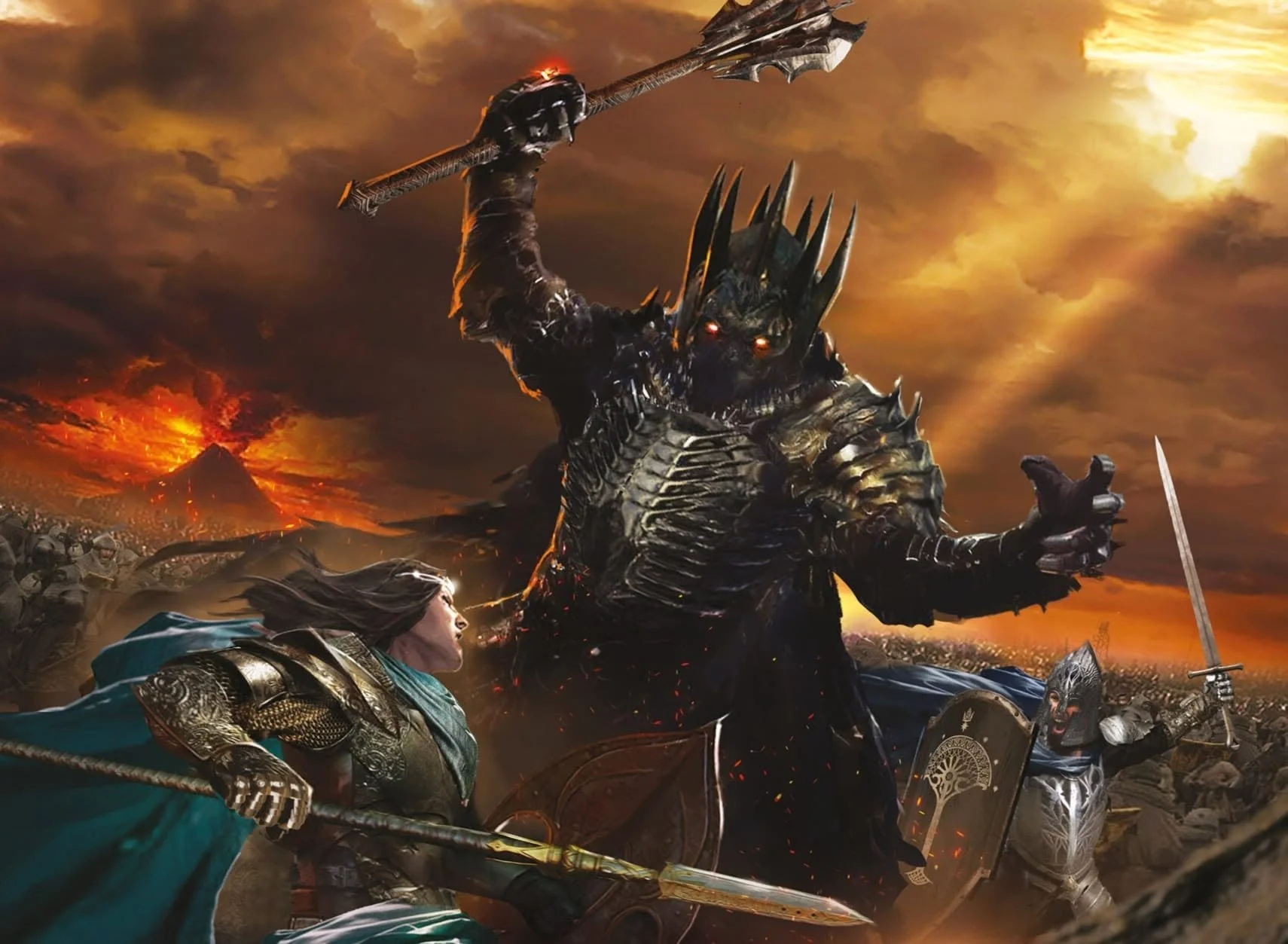
At the start of the 2001 film, The Fellowship of the Rings, director Peter Jackson has crafted a compelling and visual stunning prologue. It distils a great deal of Tolkien’s text and conveys the essential history of the One Ring succinctly. Cinematically it works extremely well but it is sadly far from canonical due to all the practical considerations a film maker has to make when adapting a lore dense text. I have often wondered exactly how Sauron was defeated at the end of the Second Age because Tolkien is somewhat vague in The Lord of the Rings. Gil-galad, Elendil and Isildur all seem to be involved in physically fighting the Dark Lord. Gil-galad died due to being burned by Sauron’s touch. Elendil also died in combat and his sword Narsil broke beneath him. Isildur claimed to have delivered the killing blow after his father was defeated. However, no character in the story provides a definite, linear account of these event.
Tolkien enthusiasts may recollect Athlon Games, a subsidiary of Leyou Technologies, announcing that it was developing a new MMORPG, based upon The Lord of the Rings, back in September 2018. The following summer, it was revealed that Amazon Game Studios was the partner developer for the project. In late 2020, Leyou Technologies (a Hong Kong-based company), was acquired by the Chinese conglomerate Tencent. This triggered a contract clause with the license holder, Middle-earth Enterprises, allowing them to terminate the existing arrangement if a new deal could not be met. Amazon and Tencent were unable to agree upon how to proceed with the project, leading Amazon to withdraw from negotiations. The project was subsequently scrapped. No details or images of the MMO have been released.
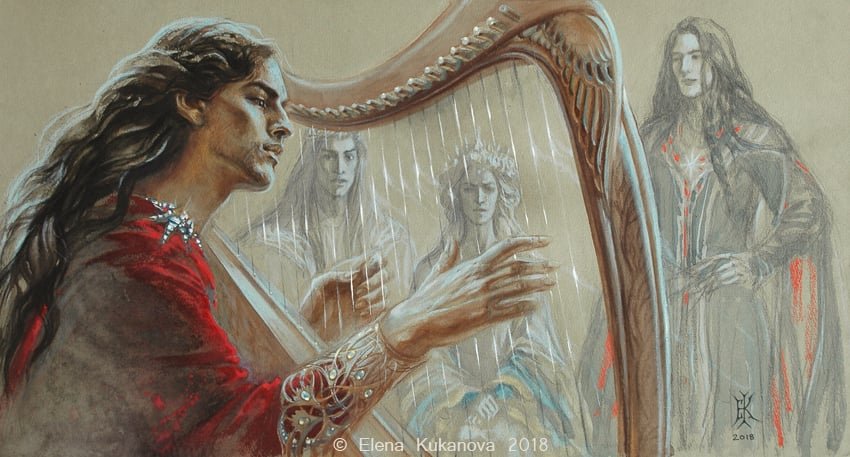
Song is a fundamental aspect of Tolkien's writing, serving the same role as it does in our own cultures. It is a means of documenting history, expressing cultural heritage and maintaining traditions for the people of Middle-earth. The Ents sing lists of lore. The Rohirrim sing of battle and heroic deeds and the Shire folk, of ale and frivolity. Let us not forget that Tolkien’s fictitious world, Arda, was effectively sung into existence via the Ainulindalë, the divine music of creation sung by the Ainur. The cultural significance of song is also a key element of Tolkien’s world building. The songs within the narrative bolster the authenticity of the various cultures of Middle-earth, embedding their history and heritage into the story. Music, rhymes and songs also help define characters. The lighter ones sung by hobbits, provide lighthearted moments, contrasting with the dark and dangerous tones of the larger narrative. It also reinforced their rustic heritage.

I have always found it curious that there haven't been more feature films set in Middle-earth, after the success of Peter Jackson’s The Lord of the Rings trilogy. However, a little research shows a very complex set of rights regarding Tolkien’s work, with different material being controlled and administered by different bodies. Hence, the market has not been saturated with officially licensed material. Thus, when The Lord of the Rings: The War of the Rohirrim was announced to be in production, it aroused a great deal of curiosity both among fans and those with an interest in the wider film industry. To base an entire feature film on something that is effectively just a few paragraphs in the appendices of The Lord of the Rings is quite intriguing. The producers claimed it afforded them greater artistic freedom not to be constrained by an excess of lore. Industry pundits theorised that the film was being produced solely to ensure that wider rights were retained.

Two years ago, The Lord of the Rings: The Rings of Power premiered on Amazon Prime to mixed reviews and a tedious and predictable internet brouhaha. I have no interest in that debacle as I consider it spurious, to say the least. Representation is a commercial imperative for any big budget television production. As for any deviation from the established canon, that’s due to the show being an “adaptation” of Tolkien’s work. At no point were viewers promised a literal interpretation of the source text. Therefore I am only interested in legitimate critiques of the show based upon its production, writing and acting. As far as I’m concerned, the first season was broadly entertaining and had outstanding production values. Overall I enjoyed The Lord of the Rings: The Rings of Power as an exciting and inventive take on Tolkien’s legendarium. Hence, I have been looking forward to the second season, which began today.
Having watched the first two episodes of The Lord of the Rings: The Rings of Power, I wish to express my thoughts on what I’ve seen and my overall impressions so far. I do not think it would be fair to frame this post as a review as the two episodes only constitute 25% of the show’s total content. A formal review of the first season seems more appropriate when I have seen it in its entirety. Before I begin commenting on specific points about the two premier episodes, I wish to point out that I have no problem with “representation” and have expressed my thoughts on this matter in a previous post. It also covers the matter of “adaptation” and how complex texts can at times require augmenting to be made accessible to wider audiences. Hence those viewers who want 100% canonical purity are unrealistic in their expectations. Objections based in racism and sexism can simply be ignored. NB I shall endeavour to keep my thoughts spoiler free.

In February this year, I wrote a blog post about how Middle-earth Enterprises were seeking to auction off the various rights they hold for the works of J.R.R. Tolkien. Today the Embracer Group announced that it was buying these rights as part of an ongoing acquisition strategy. The Swedish video game and media holding company has also purchased Limited Run Games, Tripwire Interactive as well as Middle-earth Enterprises portfolio. They recently acquired premium titles such as Tomb Raider, Deus Ex, and Thief. The Embracer Group currently owns more than 100 studios including Borderlands developer Gearbox, Saber Interactive, and THQ Nordic. Saudi Arabia recently bought a $1 billion stake in Embracer, which is around 8% of the company’s total shares. Embracer’s recent purchasing spree comes months after it acquired Square Enix’s three major Western game studios. In a press release the cost of buying the right to Tolkien’s work is £653,000,000 ($786,000,000).
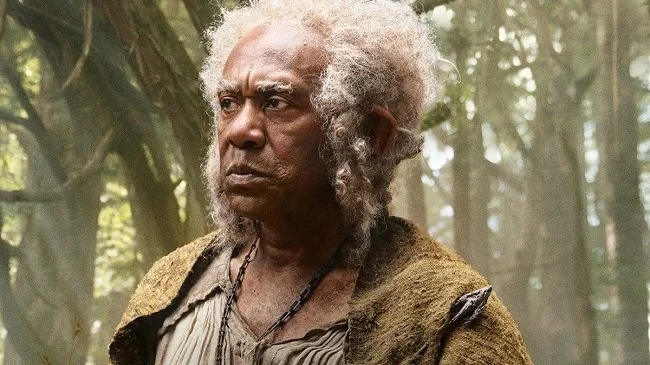
I was perusing my Twitter timeline last night and a tweet appeared from someone who doesn’t seem to care for the casting of Lenny Henry as a hobbit in the upcoming Amazon Prime TV show The Lord of the Rings: The Rings of Power. If you’re not familiar with Lenny Henry he’s a British comedian and actor of Jamaican heritage, who was one of first people of colour to establish himself as part of the cultural mainstream in the UK. He’s funny, smart and well respected. However, this particular individual on social media (we will not dignify them with a name check) was not happy about canonical authenticity being subject to the whims of representation. They tried to portray their objections as legitimate criticism based on a good faith argument, but some of the terminology they used clearly showed their true intent was passive aggressive dog whistle racism.

In 1969 J.R.R. Tolkien sold the motion picture, merchandising, stage and other rights to The Hobbit, The Lord of the Rings and other literary works to United Artists. UA were riding high at the time with the success of In the Heat of the Night and The Graduate. Allegedly Tolkien made the deal to pay off a tax debt, although this may be apocryphal. He was paid £100,000 which is equivalent to £1,680,000 today. He also retained a 7.5% royalty interest that has now been transferred to the Tolkien Estate. UA toyed with the idea of adapting The Lord of the Rings and many cinematic luminaries were associated with the project. In the early seventies British film director John Boorman was tasked with writing a screenplay. Boorman, an established director with a track record of being experimental, set about developing a script with his long term collaborator, Rospo Pallenberg. However, the project was cancelled due to costs and the studio getting “cold feet”.
Finally the first teaser trailer for Amazon Prime’s forthcoming TV show set in the Second Age of Middle-earth has been released. The Lord Of The Rings: The Rings of Power will be released weekly on Amazon’s streaming service commencing September 2nd 2022. The first season consists of eight episodes. The series is a prequel to the events of The Lord of the Rings, depicting "previously unexplored stories" based on Tolkien's works. The show will include such iconic locations as the Misty Mountains, the elf-capital Lindon, and the island kingdom of Númenor. The Lord Of The Rings: The Rings of Power maintains the visual and design aesthetic of the existing Peter Jackson movies. Furthermore, composer Howard Shaw maintains his involvement as does artists and designer John Howe. Apparently, due to the Tolkien Estate being happy with the development of the show, Amazon had gained access to certain elements and passages from The Silmarillion and Unfinished Tales to include in the narrative arc.
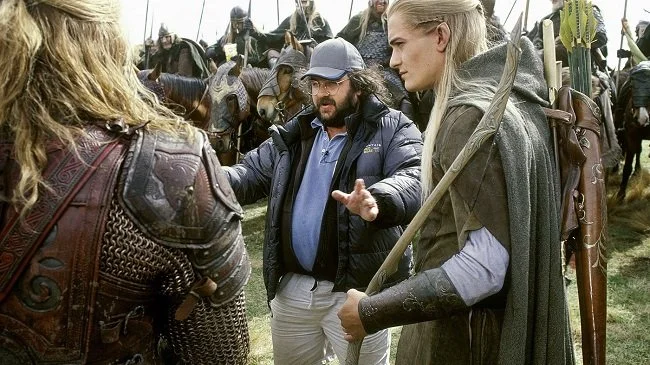
In December it will be the twenty year anniversary of the release of The Fellowship of the Ring. The first entry in Peter Jackson’s trilogy of film adaptations of Professor Tolkien’s iconic novel, The Lord of the Rings. I was utterly swept up in the hype and media frenzy that persisted for three years around these movies between 2001 and 2003. I certainly have fond memories of seeing each film on the first day of its release at the prestigious Leicester Square Odeon in London. Broadly speaking I was very impressed with all three films at the time of their release. However, over the years excitement and fandom has been tempered with a greater degree of critical analysis and appraisal. Having recently watched the Extended Editions of all three films, remastered in 4K, I now think it would be pertinent to revise my thoughts on them and repost them here on Contains Moderate Peril. This initial post is intended more as an overview on the trilogy. I shall write three new in depth reviews in due course.

I have reviewed several audio recordings of J.R.R. Tolkien’s The Lord of the Rings over the years. My personal favourite is the BBC Radio adaptation from 1981, which has a superb cast of British character actors and does a wonderful job of adapting the text without diminishing the scope of the narrative. This is a dramatisation, rather than a straightforward reading of the book. However, if the latter is what you are looking for then the go to version is 1990 recording by Robert Inglis. He provides unique voices for all characters and even sings the songs included in the source text. And then there is the quirky Mind’s Eye Production from 1979, which is another dramatisation. This is a flawed version with a focus upon the character dialogue with much of the lore removed. Yet it has its charm and includes the often omitted Tom Bombadil. However, quite recently I accidentally stumbled upon a fourth adaptation and was surprised not only by the quality of the production but the curious history associated with it.
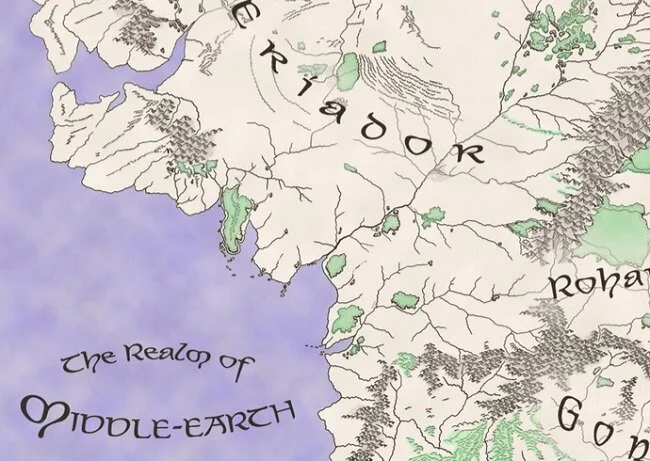
In late 2018 it was announced that Amazon Game Studios and Leyou were collaborating on massively multiplayer online game for PC and consoles set in Middle-earth. Ongoing development is being handled by Athlon Games, a global developer and publisher of free-to-play console and PC games. The studio is a subsidiary of Leyou Technologies Holdings Limited. But beyond the fairly vague press releases that can be found on the Athlon Games website (the last was posted in July 2019), little detail has emerged about the project. There has been unsubstantiated rumours that the project may well tie-in with the forthcoming Amazon Prime TV show that is set in the Second Age of Middle Earth. However, there is little information at present in the public domain to fully substantiate this or any of the other ongoing speculation. Hence, the entire situation raises some interesting questions and I’m sure like me, you have probably pondered some of them. Here are just a few that have crossed my mind.
In recent years there has been a shift in position of both Middle-earth Enterprises and the Tolkien Estate. Saul Zaentz died in 2014 leading to a relaxing in licensing requirements and Christopher Tolkien stepped down as the director of his father’s estate in late 2017, further contributing to increased commercial use of Tolkien’s intellectual property. Since then we have learned that Athlon Games are developing a new MMORPG set in Middle-earth and that Amazon Prime is producing a major TV show set in the Second Age. It would appear that the firm grip that has prevailed over the last forty years is now waning and that Middle-earth Enterprises and the Tolkien Estate are more disposed towards expanding the reach and financial potential of the Tolkien franchise.
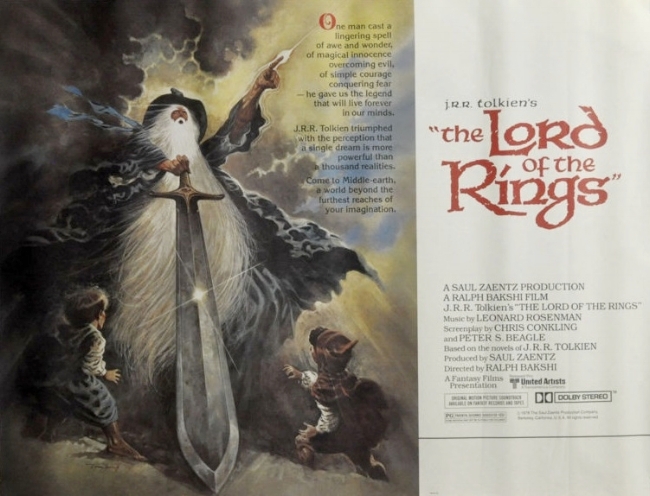
Ralph Bakshi’s 1978 adaptation of Tolkien’s The Lord of the Rings often polarises fan opinion. There is much to admire and there is also much to dislike in this 133-minute animated feature film. However, for many of us, this was our first visual foray into Middle-earth and for good or ill, it had an impact. You’ll certainly see several homages to it in Peter Jackson’s trilogy. And like so many cinematic adaptations of iconic books, The Lord of the Rings journey to the big screen was far from easy. Here are ten anecdotes regarding the film and its production.

The Hobbit (1977) is a curious beast. It’s a made for television animated film, which despite its budgetary constraints, strives to comprehensively adapted one of the most beloved children’s books of the last century. I remember reading an article about this television adaptation of The Hobbit, in Starburst Magazine during the late seventies. There were rumours that this Rankin/Bass production, which had already premièred on US network television, would gain a European cinema release. This was presumably to cash in on the success of Ralph Bakshi's animated feature film adaptation of The Lord of The Rings. However, this never happened to my knowledge. In fact, The Hobbit was not commercially available in the UK until 2001, when Warner Bros. released it on DVD to capitalise on the success of Peter Jackson’s The Fellowship of the Ring.
There are and always will be books that have a clear political agenda or make a very particular statement. Orwell’s 1984 springs to mind as an obvious example. Then there are also books that attract political interpretations by the nature of their plot or the subjects that they explore. Whether the author intended such a debate about the work or not, is a secondary issue. I have always taken Tolkien’s work at face value and to be what he stated they were. Epic and intricate faux histories, free from allegory. Furthermore, I appreciate that the moral position and themes of his work stem from the authors world view, personal experiences as well as the prevailing social dogma of the time. I find it interesting how his work attracts praise and adulation from a wide variety of groups. Catholics will naturally gravitate towards Tolkien’s writings due to his faith and that is the prism through which they will critically view his work. There are of course other examples about how The Hobbit and The Lord of the Rings appeals to different people in different ways. It is a common aspect of fandom.
Canon and lore are sacred cows to many fans. Any deviation from the clearly established is met with scepticism and on occasions outrage. It is the hill they are prepared to die, defending. In the past I have felt equally as strong about this matter as others but over the years I have become increasingly relaxed about such things. I guess once you realise that your childhood memories cannot be ruined, despite what some claim, then you cease to worry as much. If you do not like an adaptation, extrapolation or continuation beyond the canon of a particular IP, then you simply say, “it’s not for me” and move on. Not liking an idea or concept because it doesn’t conform your preconceptions and personal tastes does not give you the right to try and quash it. So overall, I don’t mind Tom Cruise being Jack Reacher. A female Doctor Who is fine with me. I even like the movie adaptation of Raise the Titanic.
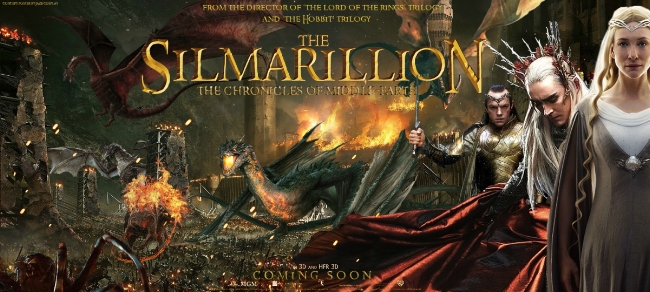
When Peter Jackson finished filming The Hobbit trilogy, there was some idle speculation by fans as to the possibility of a movie adaptation of The Silmarillion. It was meant mainly as a talking point, rather than a serious proposition and there certainly was an enthusiastic response from some quarters. Three years on, the fantasy genre is still a commercially successful genre both at Cinemas and on TV. Furthermore, production studios are regularly looking to existing literary properties that they can convert into viable long term franchises. Bearing all this in mind, is it possible that Tolkien’s complex mythopoeic work could be adapted for either the big or little screen?
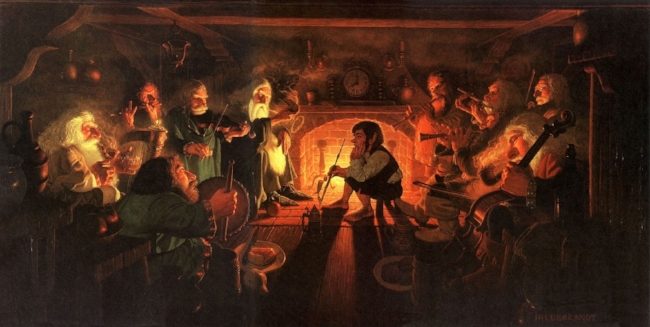
Tolkien's use of song and verse are an integral part of his writings. I am not musically talented myself, nor am I a scholar of song structure but I appreciate how he uses them for plot exposition and character development. In The Lord of the Rings, the medium of song is also used as a means of conveying the enormity of Middle Earth and the wealth of history therein. They give us a sense of the realms lore and heritage, stretching back over millennia. The respective sophistication of each song also reflects the culture that created them. Songs from The Shire are rustic and quaint. The songs of Men are bombastic and bold. Whereas Elven music is often melancholy and complex.
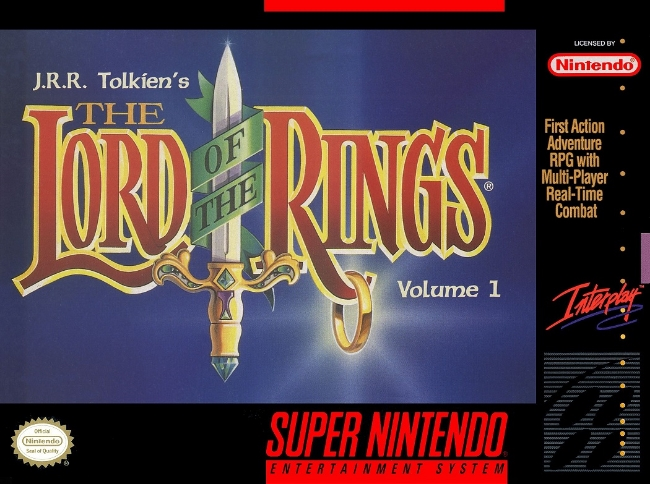
In a fit of nostalgia I recently found myself perusing several retro gaming websites, pondering on some of the titles that I use to play on the Super Nintendo Entertainment. During the early nineties when this platform was my primary source of gaming I use to meticulously research new titles before purchasing. This was the pre-internet age and console cartridges came at a premium price, so you did not want to waste valuable money on a poor game. Magazines featuring previews and in-depth reviews were the main source of information. The other would be your local gaming boutique where you could hang out and discuss such matters with fellow gamers. Broadly this system worked and I enjoyed most of the games I played on the SNES.
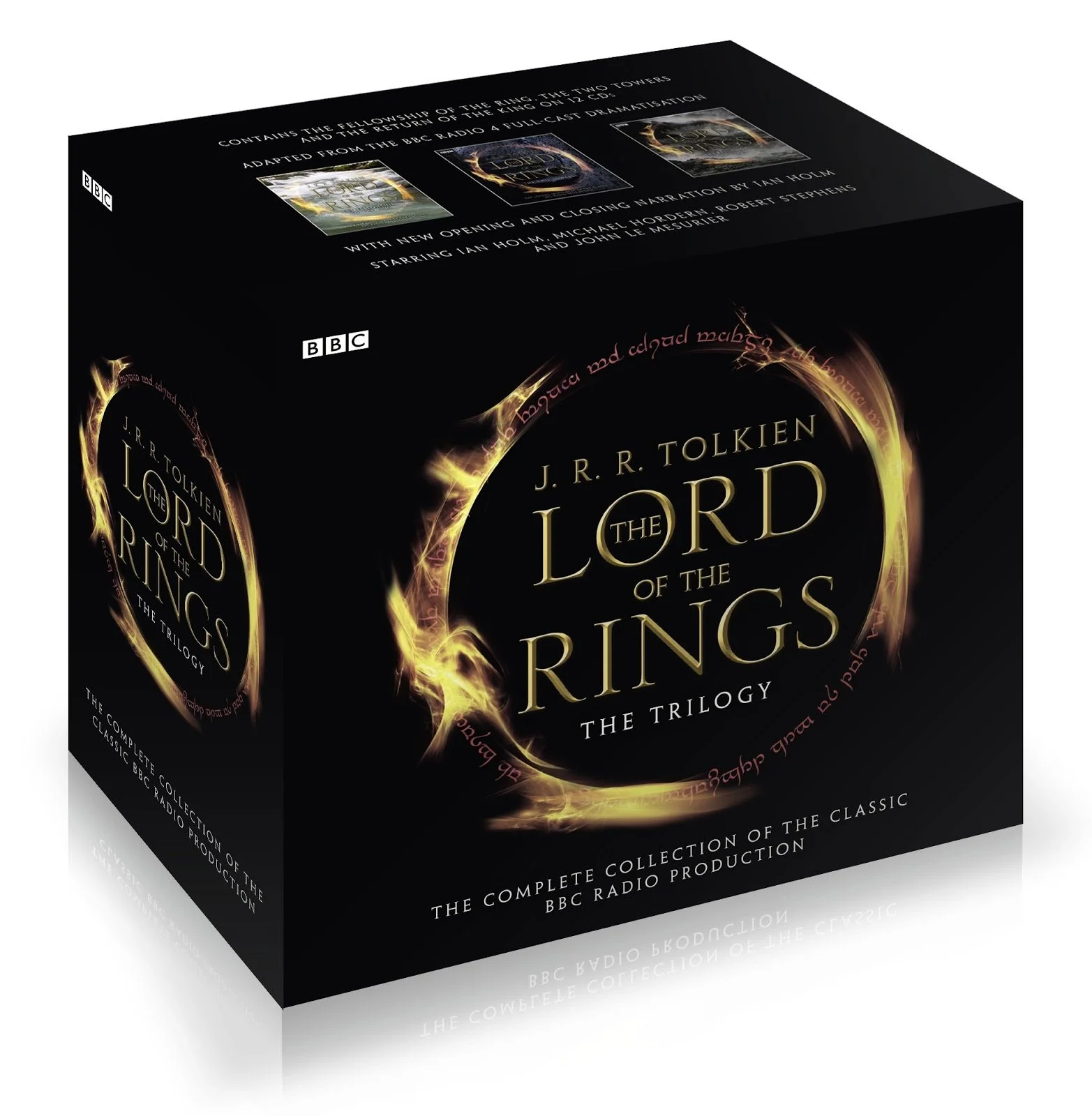
In 1981 BBC Radio 4 produced an ambitious adaptation of The Lord of the Rings, presenting Tolkien’s novel in twenty six, thirty minute episodes. As with all adaptations some material had to be removed, but overall the BBC production was not excessively abridged and followed the plot faithfully. The characterisations and dialogue were extremely well realised and music by composer Stephen Oliver was very much in the style and idiom of Tolkien. This was a production of the highest pedigree and a major event for the BBC at the time. The series was heavily promoted, receiving front page status in The Radio Times, the UK’s premier TV guide and bestselling magazine. Although initial reviews were varied, the series immediately gained a cult following with fans trading episodes recorded on cassette tape. Word of mouth and substantial listening figures soon lead to revised opinions from the press, along with the immortal slogan "Radio is Hobbit 4-ming".
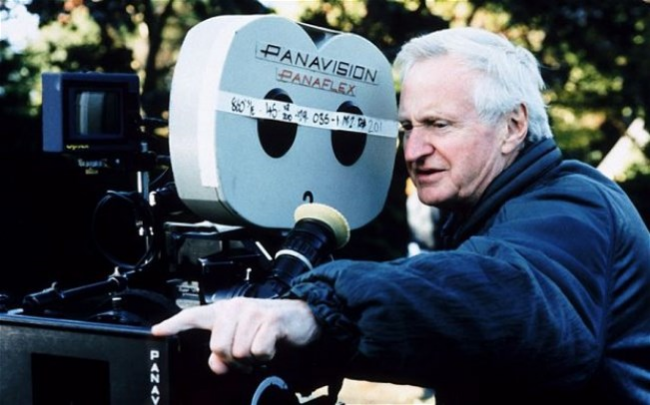
n 1969 JRR Tolkien finally sold the film and merchandising rights of The Lord of the Rings to United Artists for approximately £104,000. A year later the studio asked director John Boorman if he could make the books into a viable film. Boorman, an established director with a track record of being experimental, set about developing a screenplay with his long term collaborator, Rospo Pallenberg. What emerged was a one hundred and fifty minute script and possibly the most radical adaptation of Tolkien's work. Some of the ideas and concepts it contained were extremely innovative but others where simply too radical a divergence from the source text. I’ve collated a few of these for your consideration. If you are familiar with Boorman's 1973 film Zardoz, then you will note both similarities and re-occurring themes.

When discussing the various audio dramatizations of J. R. R. Tolkien's The Lord of the Rings, people often think of the BBC Radio adaptation by default. However it should be noted that it was not the first. An earlier version was made and broadcast in 1979 on US National Public Radio and was subsequently released as an audiobook. It was produced by The Mind's Eye, a company who were responsible for numerous adaptations of classic literature for radio at the time. The script written by Bernard Mayes is a somewhat abridged version of the book. The eleven hour running time focuses significantly on the dialogue, with much of the back history, lore and expositionary narration removed.
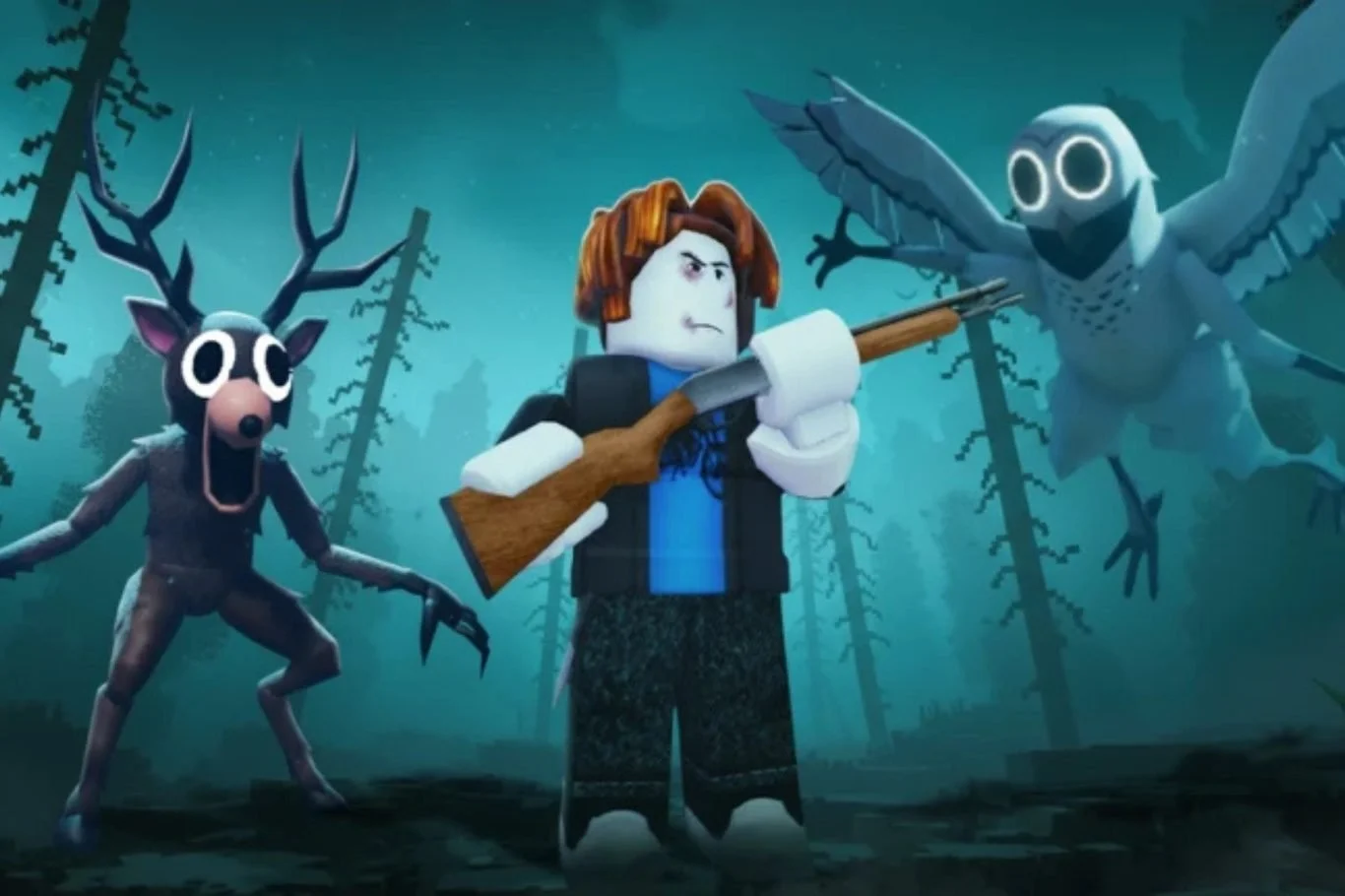
Video Games Are Bad at Explaining Themselves
Video games as a genre are extremely poor at explaining themselves. When you buy a new game you’ll often find little or no information regarding the basic systems and mechanics. The industry assumes that their customers are by default familiar with the fundamentals of playing a modern video game. Hence if a game has a tutorial, it is often based around videos rather than detailed verbal instructions. You are are briefly shown a clip of a specific move being successfully undertaken but it is seldom shown in a wider context. The industry also expects the fan community to take on the role of curating and disseminating information about its games. The move away from forums and bespoke websites to Discord highlights this. Discord is a primarily a real time communication tool and not good at maintaining a historical data archive. If you want an answer to a specific gaming question, you’ll more than likely find it on YouTube in a video made by a fellow gamer.
Video games as a genre are extremely poor at explaining themselves. When you buy a new game you’ll often find little or no information regarding the basic systems and mechanics. The industry assumes that their customers are by default familiar with the fundamentals of playing a modern video game. Hence if a game has a tutorial, it is often based around videos rather than detailed verbal instructions. You are are briefly shown a clip of a specific move being successfully undertaken but it is seldom shown in a wider context. The industry also expects the fan community to take on the role of curating and disseminating information about its games. The move away from forums and bespoke websites to Discord highlights this. Discord is a primarily a real time communication tool and not good at maintaining a historical data archive. If you want an answer to a specific gaming question, you’ll more than likely find it on YouTube in a video made by a fellow gamer.
This issue has been highlighted recently as I’ve watched my grandchildren try new games on my computer. They play primarily on their phones or the Nintendo Switch 2. Hence their major frame of reference are interacting with games via a touch screen or a controller. As a result, PC gaming via a keyboard and mouse is quite abstract for them and also physically difficult for their small hands. The problem is further compounded by their often being no viable tutorial directly available in the games they play. My PC having two monitors helps in so far as you can run a video on one screen while playing a game on another but videos are often a lottery. Information is not always up to date and not everyone who creates YouTube content are skilled communicators. Furthermore, although it is useful to have access to online resources, this does explain or justify why a game such as Fall Guys does not have an integral tutorial?
When playing Roblox with my granddaughters, I often ask them how to do a specific task in games such as 99 Nights in the Forest. Sometimes they’ll know and other times they will not. Most of their knowledge comes from “just trying things” which can be a great way to learn but it can leave you with serious gaps in your knowledge. This matter is compounded as I play with them on the PC, which often has different or even additional controls. Online searches have sometime led to all of us finding out something that we previously didn’t know. Discovering information this way can be fun but it can also be very frustrating. I hit a brick wall today trying to figure out exactly how you used the various game passes in Chivalry 2. I eventually found a Reddit post that cogently explained the specific steps required to activate the pass and how you subsequently accessed unlocked gear. Again, isn’t providing such information incumbent on the developers?
I was going through my bric-a-brac cupboard recently and found the installation disks for several games from the middle 2000s. All had comprehensive manuals. In fact the in-depth instructions that came with the MMORPG The Lord of the Rings Online where so well written, I chose to play the Lore-master class purely on the strength of the written summary. Call of Duty: Modern Warfare 2 (the 2009 version) has an excellent tutorial level dovetailed into the start of the game, where you’re character has to visit the firing range to undertake basic weapons proficiency. It’s an excellent example of seamlessly integrating practical instruction into a game and making it part of the story and overall experience. If you remember such things, it is a stark contrast to how things are done these days. The videos game industry’s casual attitude towards having to explain themselves to their paying customers seems a least, ill considered and at worse, frankly disrespectful.
However, let us end on a positive note. As I was writing this post I collated a list of games that I’ve played over the last twelve months. Most of which were completely new to me at the time. After some consideration, I remembered that those games that made the best effort to school new players in their respective gameplay, were often so called AA titles. Sniper Elite: Resistance has a bespoke level at the start of the game that provides examples of the most essential mechanics and systems. Tainted Grail: The Fall of Avalon integrates a tutorial into the game prologue as you character escapes incarceration. The more I think about it, the biggest offenders for not making any effort to explain themselves are once again, the big triple A game developers. However, the tide of public opinion is beginning to change against this sector of the video game industry. Perhaps this in another potential lesson that can be added to an already lengthy list, that they can learn.
I started playing MMOs in late 2008 by which time the genre was clearly established and dominated by one particular title, World of Warcraft. I chose to play The Lord of the Rings Online, mainly because of my love for the intellectual property the game is based upon. I still play LOTRO today. However, I was very aware of popularity and significance of WoW at the time. It pretty much set the rules for how you design a MMO and it did much to move on from the previous gameplay parameters set by such titles as Ultima Online and EverQuest. It was also the MMO that every other developer was trying to beat. Another compelling factor regarding WoW is that everyone I knew at the time was either actively playing it or had done so at some point. It was for many gamers, the go-to title for socialising. Finally around early 2010, I tried a free trail of WoW to “see what all the fuss was about”. Simply put, I felt that it wasn’t for me.
Over the course of the last 16 years, the MMORPG Star Trek Online has changed greatly. What started as a disjointed, rushed game with unfinished systems and a lack of overall cohesion has now evolved into streamlined MMO with clearly defined systems and very strong narrative arcs. Let it suffice to say that STO makes very good use of its license and the intellectual property it is built upon. Although new content has been continuously added to STO over time and refinements are regularly rolled out, the developer’s have also removed content from the game in the past, that they feel is substandard or too dated in it presentation. Hence in October 2018 Cryptic took out the following eight missions from the game, with the proviso that they would be updated and replaced at a latter date. Until fairly recently, STO players had given up hope on this ever happening and the episodes being reinstated. Eight years is a long time.
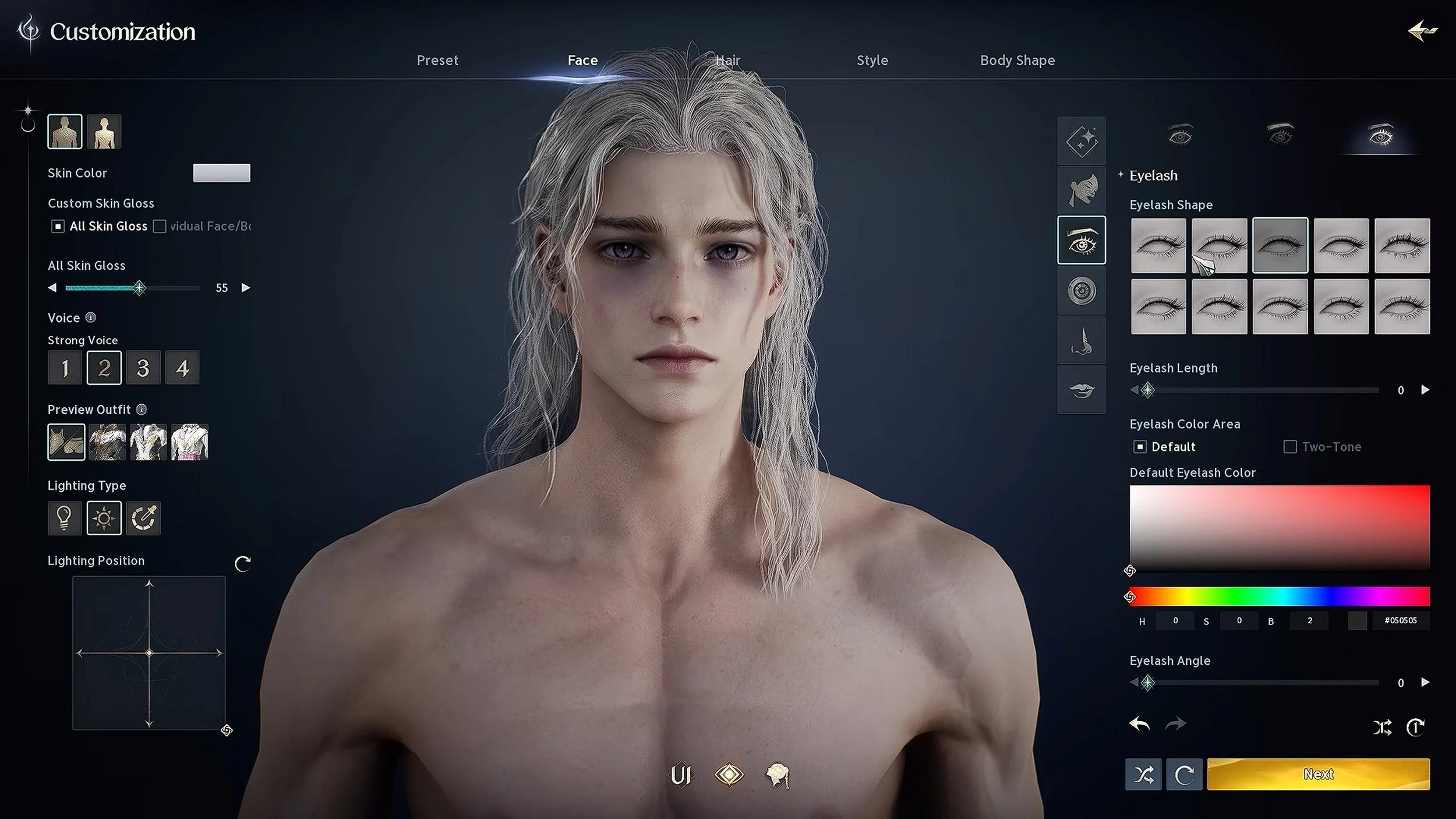
One of the things that I enjoy when playing a new video game is character customisation or character creation. I will spend hours trawling through settings, changing the most minute and consequential aspects of my avatars appearance. I am certain that there is a psychological aspect to this particular game mechanic and that it says something about you as a person. Are your creations shaped just by a need to look good in-game or is there more to it? Are they external manifestations of your sexual preferences or thoughts on body image. Do you treat them as characters from a book that exists in your mind. Do you aspire to recreate the likeness of people you know or admire? Do you strive to make your avatar look like you? Whatever the reasons, it would seem that character creation is something that a lot of gamers enjoy. Hence I am not alone in my borderline obsession. What you look like in-game is equally as important as your character’s name.
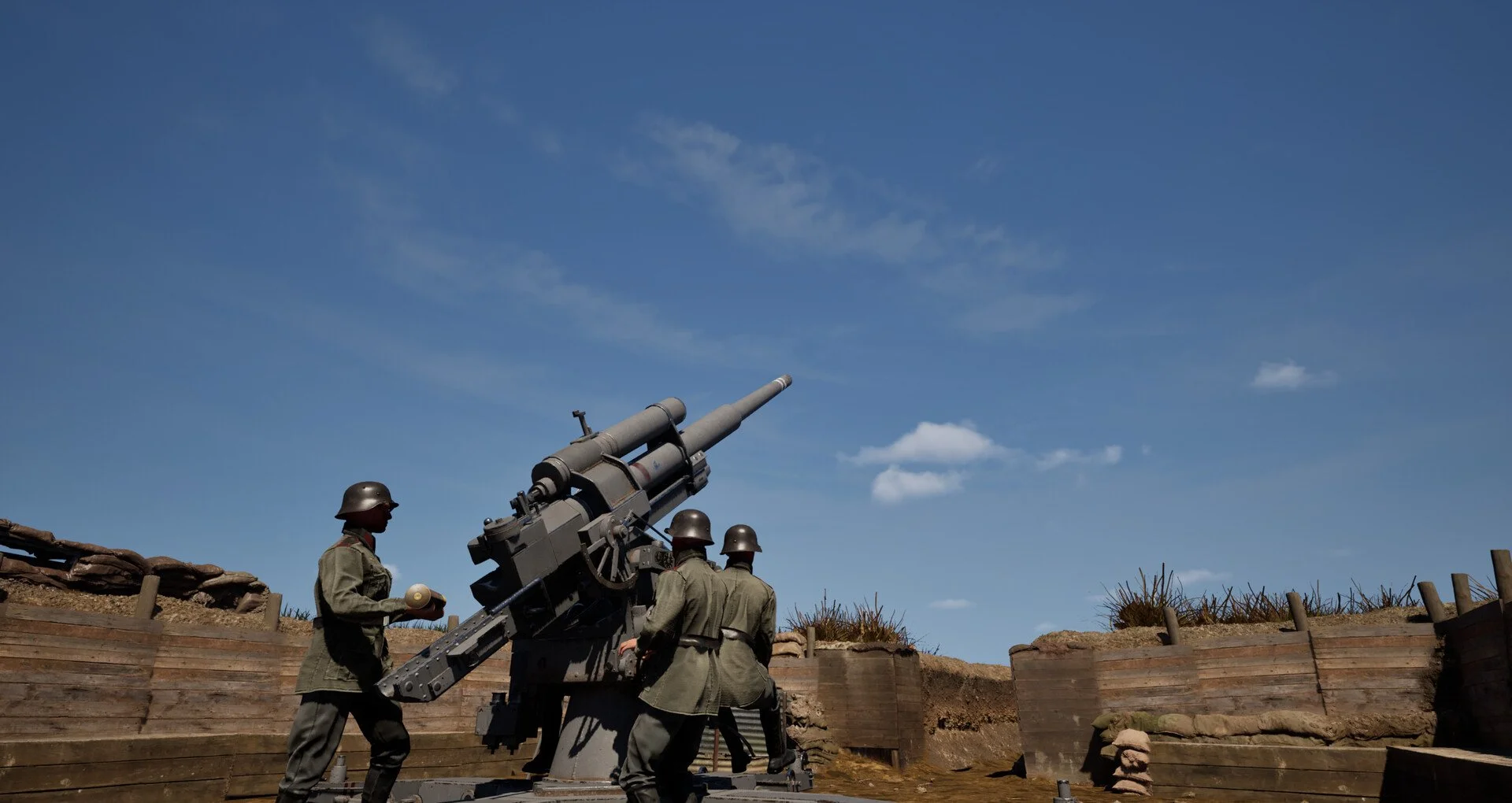
I was playing Battlefield 6 recently and was experimenting with the mortar. If you stick with it and take some time to become familiar with its foibles, it can be an effective weapon. It can suppress the enemy, destroy equipment and provide useful cover for your own team. I remember thinking “I wonder if artillery could sustain a game on its own”. Artillery is an interesting feature in Hell Let Loose, although it is a little more complex in its game mechanics. I believe artillery is also available in Wardogs. I therefore spent a while looking online to see if there was a dedicated artillery simulator available or at least a game where it was a key feature. There nearest thing I found was Iron Nest, a dieselpunk heavy artillery game which looks interesting but isn’t quite what I seek. So I parked this idea and moved. Tonight, while perusing YouTube, I stumble across a teaser trailer for a game called Flak Simulator, currently under development by Horseman Interactive. It appears to be exactly what I am looking for.
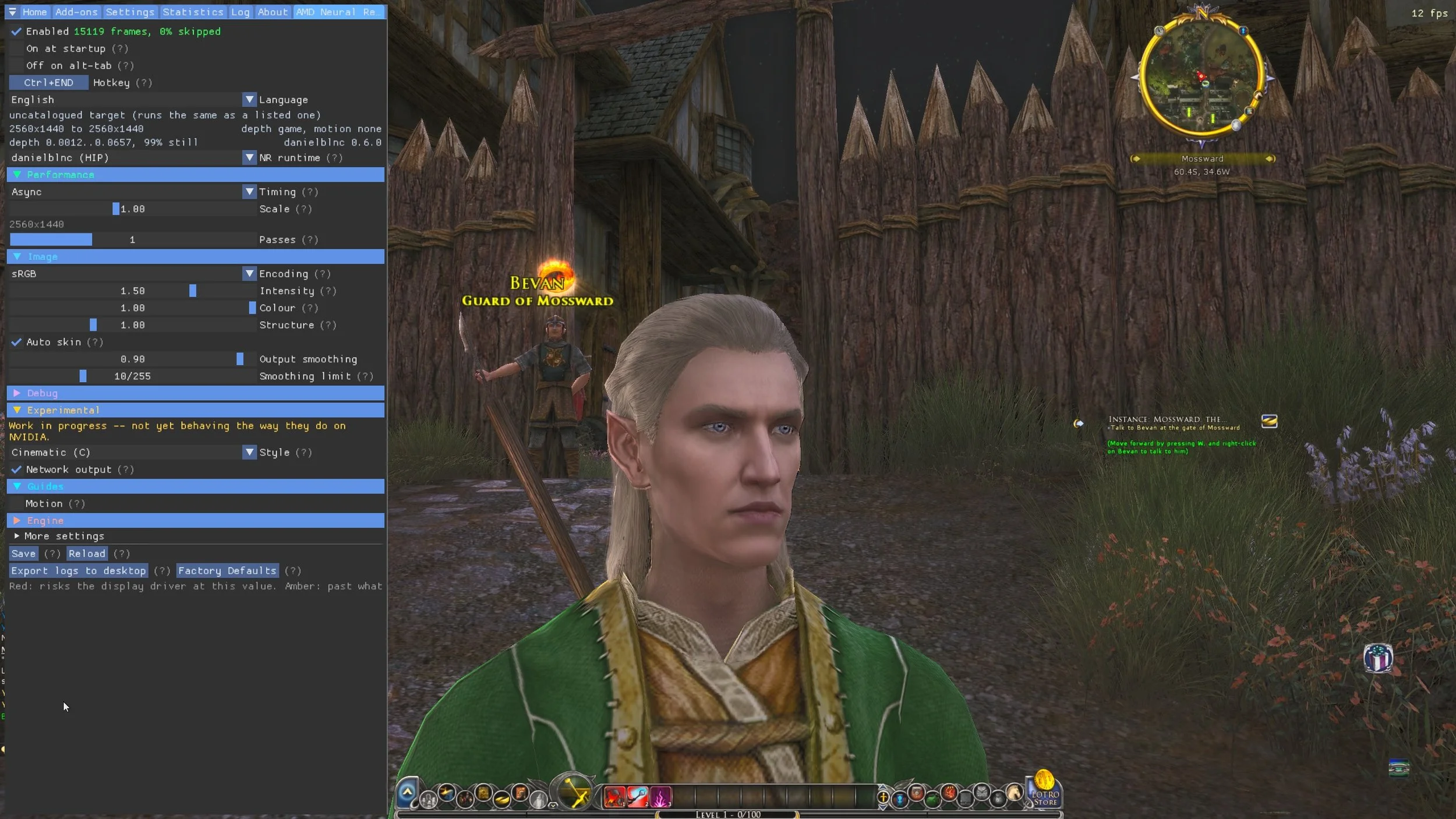
I recently tried to use DLSS 5 Manager with the MMORPG, The Lord of the Rings Online. Unfortunately, things didn’t work out. Today I undertook a similar experiment with AMD Neural Rendering, which is a broadly comparable product. Both utilities use 3D-Guided Neural Rendering, an AI technology that alters how lighting, reflections, and textures look in a game. Instead of just upscaling the image like older versions, DLSS 5 uses an AI network to instantly "re-render" lighting and material responses over the game's layout, achieving photorealistic details that would normally negatively impact a graphics card's performance. Or to put it in less fancy terms, the game graphics are enhanced and modified, although it is highly subjective as to whether the end results are an improvement. However, as a game such as LOTRO is unlikely to ever receive a major graphical overhaul, tools such as these are the nearest players will get to revised graphics.
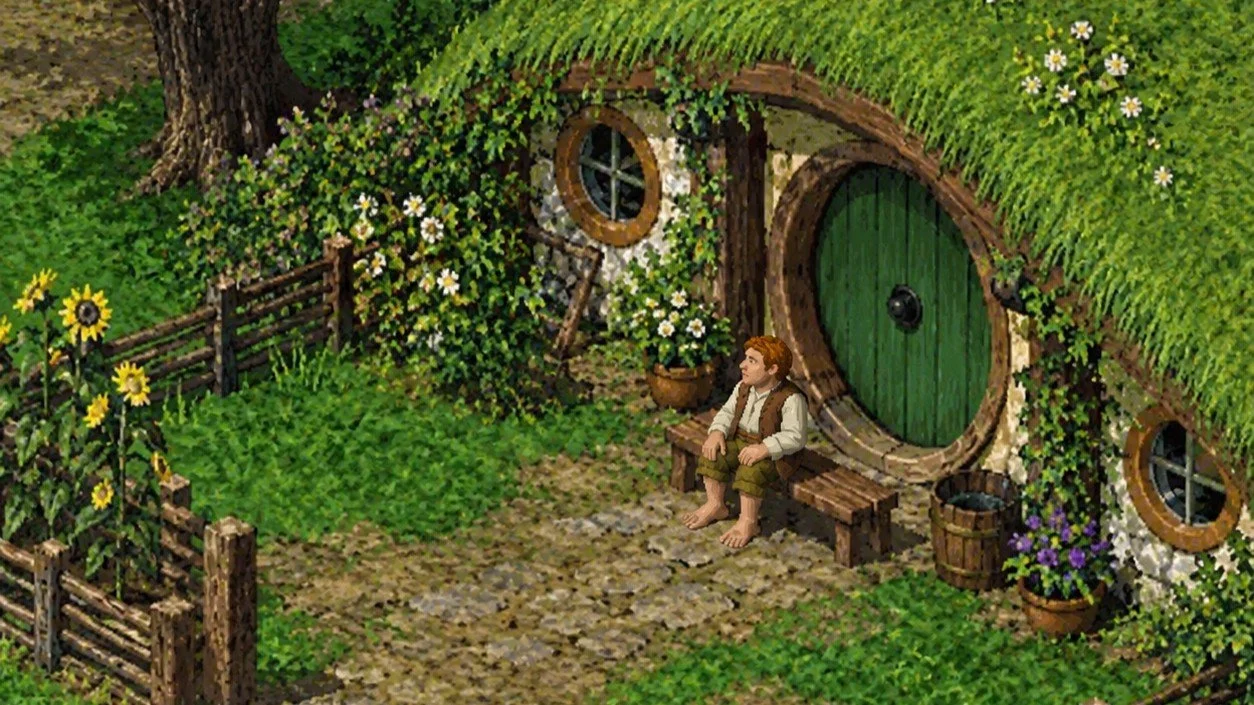
The core game code and engine for the MMORPG, The Lord of the Rings Online, is about 24 years old. LOTRO began originally as Middle-earth Online, developed by Sierra On-Line in 1998. Turbine took over full development of the project in 2003/2004 when their parent company, Vivendi Universal Games, acquired Sierra. The content that had already been developed by Sierra was abandoned and Turbine created a new game using structural elements such as the UI and game engine from their previous release Asheron’s Call 2 from 2002. The Lord of the Rings Online: Shadows of Angmar was officially released in April 2007. Hence, the active public release code is 19 years old. Despite continuous expansion and updates, along with a recent migration to 64-bit architecture, the foundations of LOTRO retains a nearly twenty year old legacy framework. This frequently contributes to modern technical hurdles and engine constraints.
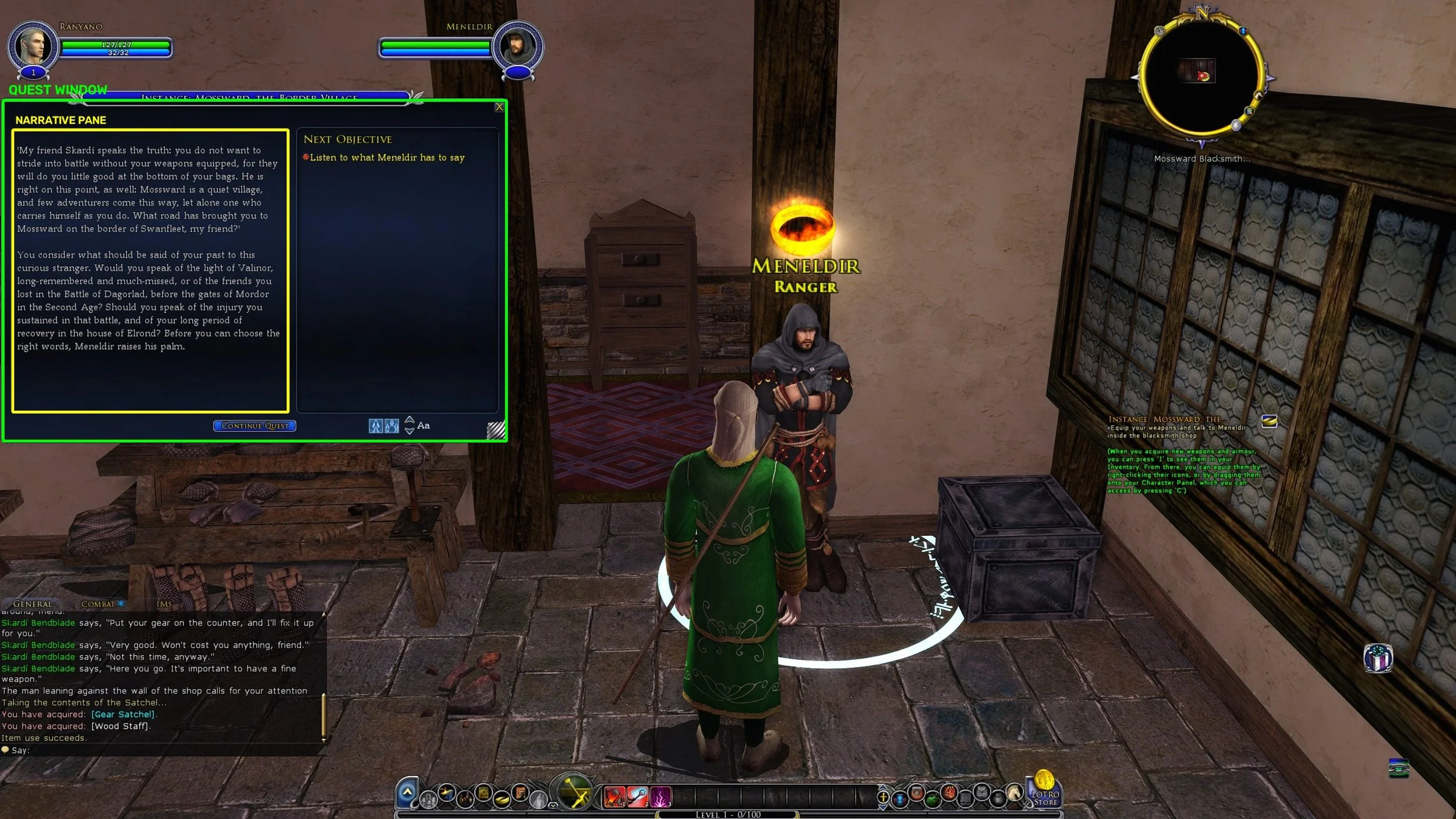
A few years ago, there was a fan created project to provide voice narration of NPC dialogue in the MMORPG, The Lord of the Rings Online. This mainly involved capturing the text in the quest dialogue windows and then sending it to OCR software, before using a text-to-speech program to read it. LOTROVoice as it was known, broadly worked but the creator stopped developing it as it proved troublesome to maintain. However, I recently discovered Khazad Voice TTS which is a separate project that does pretty much the same. I went so far as to install this “immersive AI narrator for LOTRO” after seeing a YouTube video of it being used successfully. Sadly I ran into issues configuring Khazad Voice TTS, because I have two monitors and LOTRO runs on the secondary (by my choice) and not the primary. I couldn’t “lasso” the dialogue windows in LOTRO during the calibration set up, which effectively prevented me from completing the process.
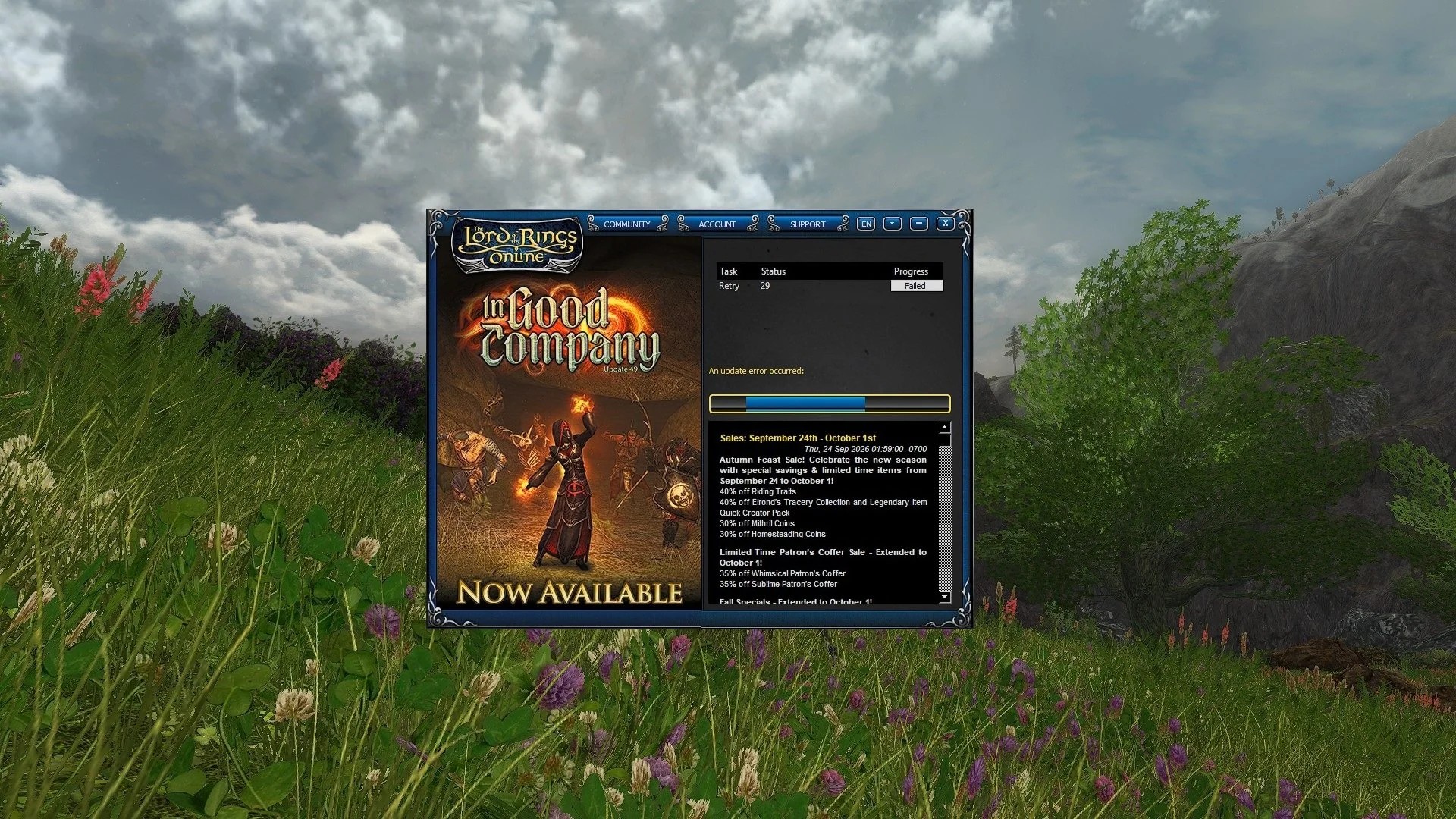
Throughout yesterday and early today, there was an issue logging in to the MMORPG, The Lord of the Rings Online. Upon starting the game launcher, it would attempt to connect to the patch server to download the latest game update. This process would start but then subsequently stall at 33%. The launcher would then attempt to reconnect to the patch server every 60 seconds but could not make any further progress. Some players found that if they left it long enough, it would eventually complete the download and the launcher then progress to the next screen where they could input their username and password. However, for the majority of LOTRO players the problem would simply persists and the launcher would be stuck in a loop. Some players attempted to reinstall the game or use the repair data facility in the launcher but neither of these proved to be successful workarounds. The patch sever needed to be bypassed to resolve the issue.
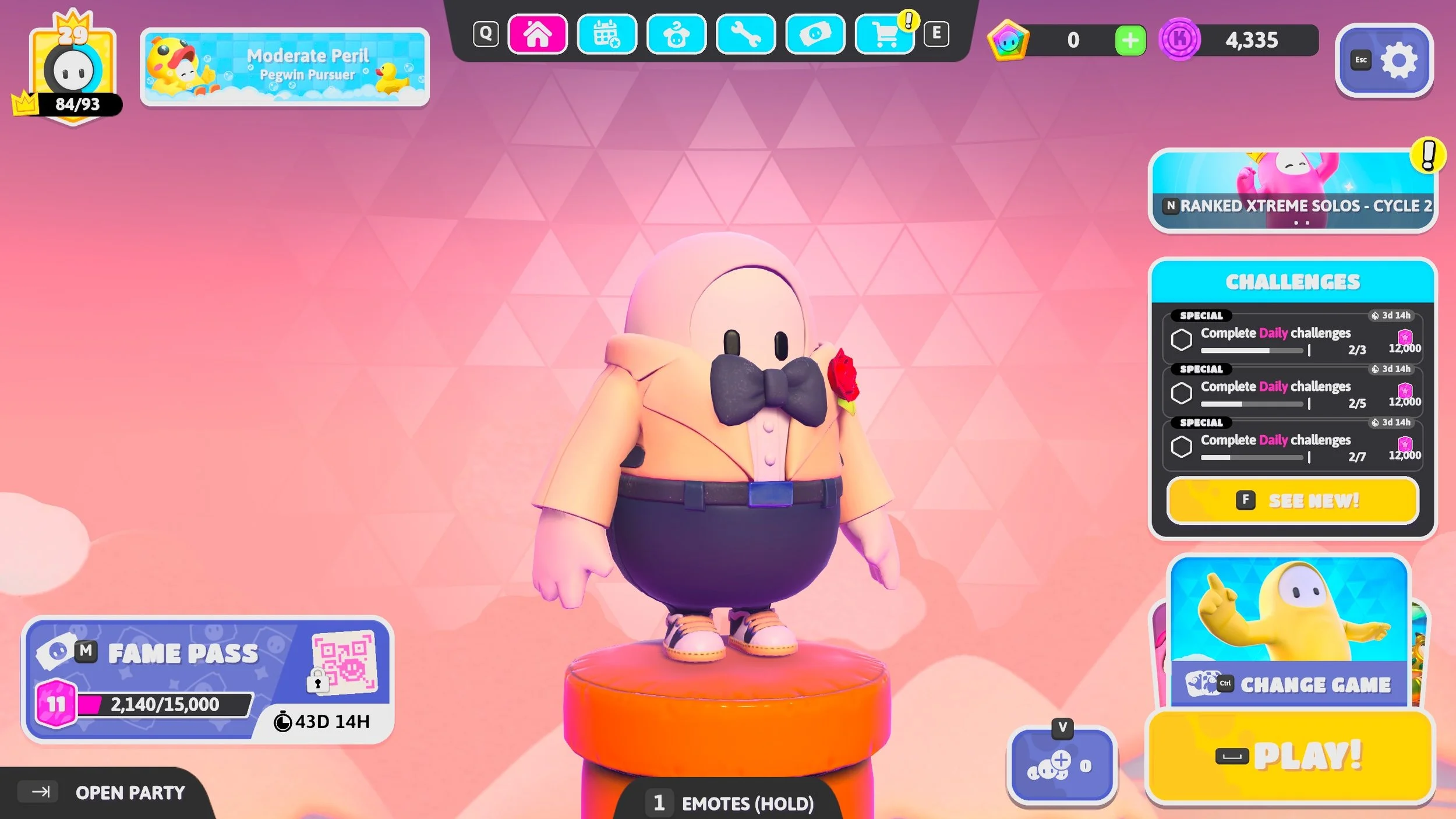
I’ve been playing Fall Guys since its launch in early 2020, during the start of the pandemic. It is a fun, family friendly multiplayer game which is has proven popular with my grandchildren. Despite the game’s acquisition by Epic, it has maintained a sufficient level of popularity that has seen it ported to all major gaming platforms. Fall Guys is free to play but like most multiplayer games, there is a season pass and an in-game store. However, these monetised aspects are not essential to enjoy the game and the overall marketing of emotes and skins is nowhere near as invasive as it is in Roblox. In fact many of the players I see while in-game have default skins, indicating a regular casual player base. However, although game seems to be maintaining its popularity, it has several bugs that appear to be be persistent. Bugs that the developers claim have been resolved. Some can be addressed by players. Other at present cannot.
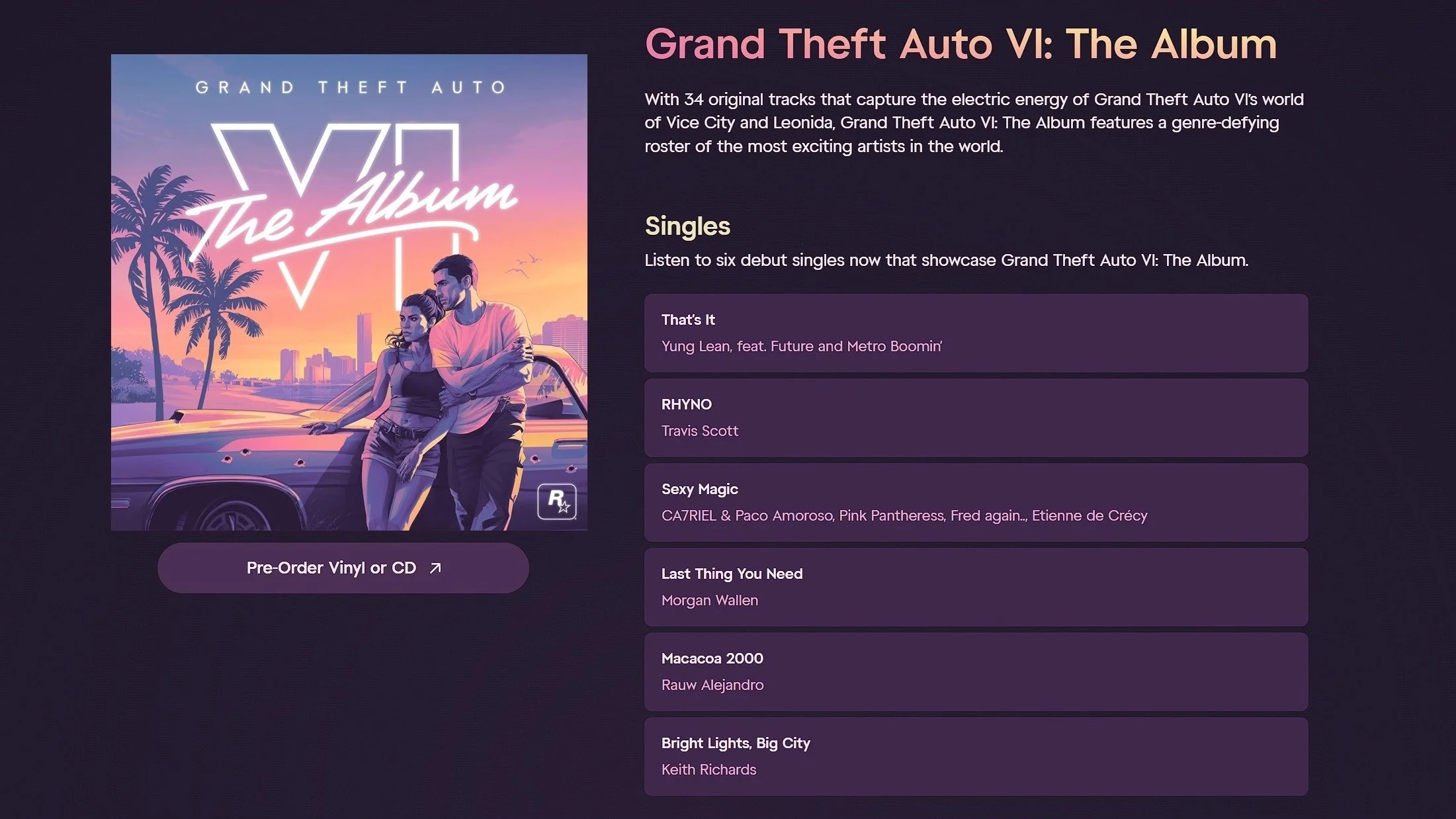
I find the concept of in-game radio stations fascinating. They’re an enjoyable aspect of open world video games and I have discovered several artists this way. They’re certainly a big deal as far as Rockstar Games are concerned, because the music selected for GTA VI is another important facet of the overall marketing campaign. So far, between two trailers and the sprawling extended look on Netflix, it has been determined that Tom Petty, the Pointer Sisters, Sexyy Red, Depeche Mode, Phil Collins, Birdman, Lil Wayne and the Bellamy Brothers are all part of the game soundtrack. That’s a very eclectic selection so far. Furthermore, there will be a 34 track album released on physical media (vinyl and CD) in conjunction with Atlantic Records.

Two years ago I wrote a post about fine tuning your graphics in the MMORPG The Lord of the Rings Online. Apart from installing ReShade and using AMD Adrenalin, the options were somewhat limited, due to the game’s age and multiplayer status. Since then, I’ve been playing LOTRO with the game settings maxed out, a custom ReShade profile to make the colour palette more vivid and Radeon Image Sharpening enabled within the AMD software. The game looks clear, crisp and the draw distance is pretty good for an ageing game but I still wish the graphics could be tweaked further. Hence, I’ve been trawling the internet in a vain attempt to see if I can find any third party utilities that could be used to enhance LOTRO further. During the course of my search I stumbled across DLSS 5 Manager. This is an open-source, intelligent utility and one-click mod installer designed to inject and manage Nvidia's DLSS 5 neural rendering features, ReShade, and OptiScaler into PC games.
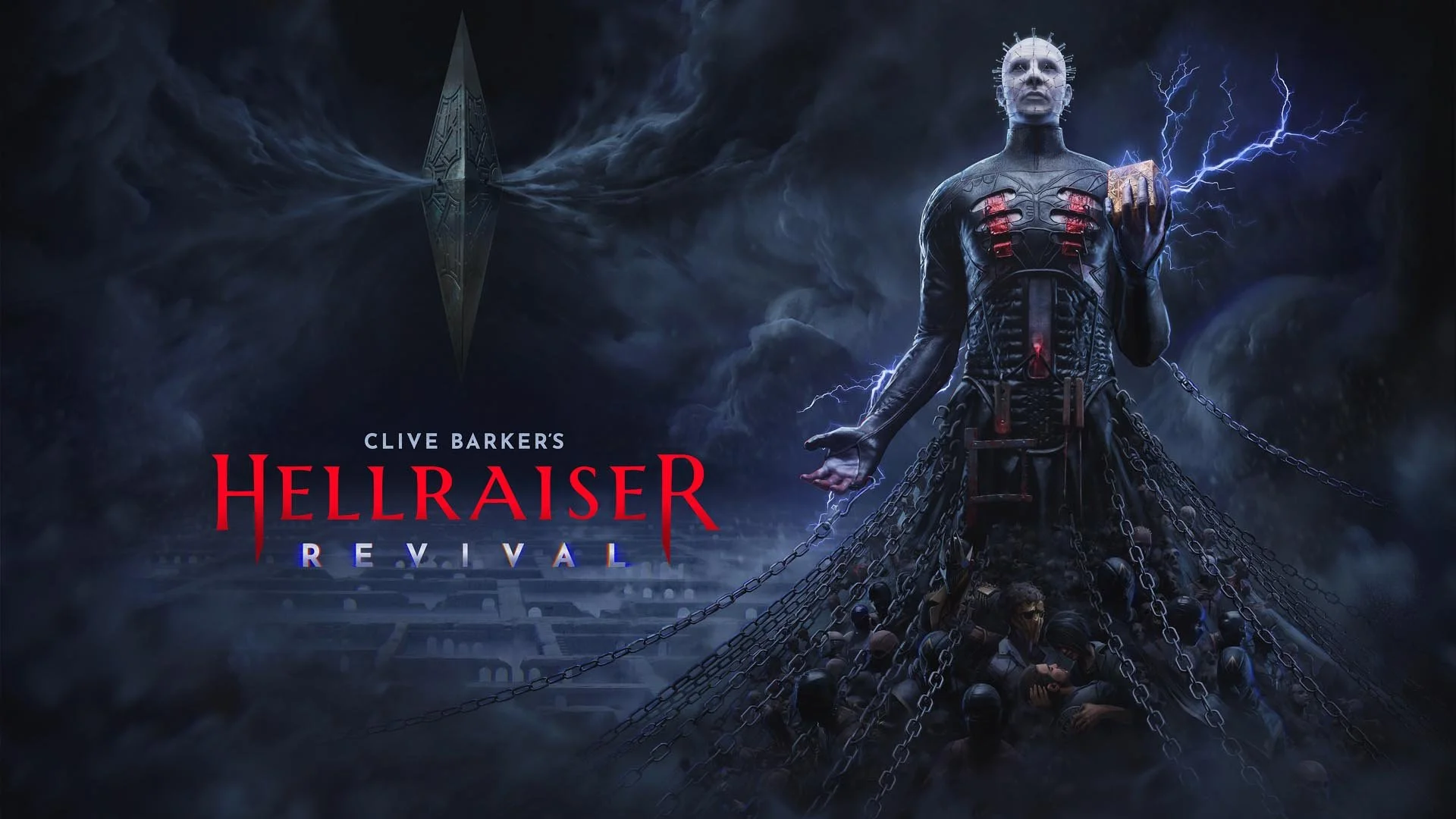
Hellraiser (1987) was one of he most innovative and intelligent horror films of the eighties, with its cerebral and sophisticated exploration of pleasure, pain and the supernatural. Sadly what was a great concept for a single film was turned into yet another horror franchise. The resulting series of increasingly inferior sequels ultimately diminished the central idea. However, in recent years several horror “brands” have found a new lease of life via the medium of video games, so the announcement of Hellraiser: Revival last summer piqued my interest. The fact that author Clive Barker was directly involved certainly raised my expectations. However, even though video games have a history of depicting sex and violence, would the medium be able to fully embrace the true nature of Barker’s original novella and original film. Having played through the newly released demo for Hellraiser: Revival, I believe the answer is a yes.
Are video games becoming easier? It’s a perennial subject that is frequently discussed by those who play them. Often the question of whether they have actually become easier is not the focus of the debate, as it seems to be broadly recognised that it is the case. Instead, discussion of this matter tend to drift into the rectitude of this change. Debate’s of this nature are usually awash with subjective opinions and personal preferences which are then put forward as objective facts. It’s not just a question of video games becoming easier, it’s the fact that making them easier is “wrong” and those who want them as such are “not proper gamers” etc. The hours that have been lost to this pointless, tedious debate are uncountable. However, I digress. Let us return to the matter of video games becoming easier, because although fans discuss this a lot and have plenty to say, you don’t often hear from the developers on this subject.
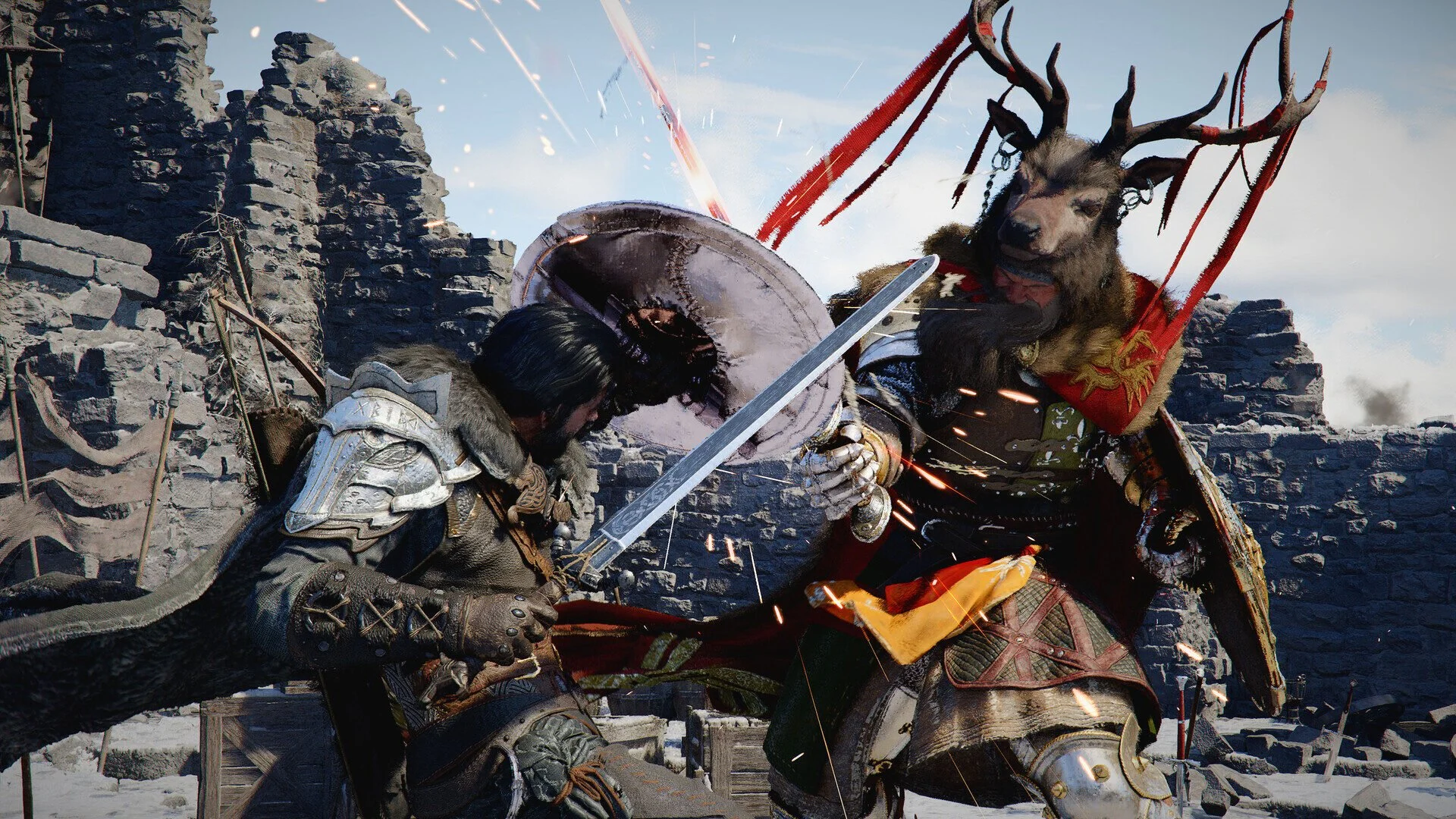
Some video games lend themselves to being set aside and resumed at a later date with zero consequences. These are often casual games with no major goals other than having fun while playing them. Fall Guys is a great example of this. You have a cartoony avatar that participates in zany group races, filled with obstacles. You run, jump, climb but the controls are far from difficult. You may well become skilled but such things are mitigated by the other players as they stumble around. You’re not at the mercy of apex players or “try hards”. It is not a game about winning and mastering techniques. The fun comes from playing it and the unique experience you have each time. I’ve been playing this game, on and off, since it’s launch in 2020 and in that time I have only ever won once (winning requires you to win a series of 4 to six individual races). However, whenever I pick up my controller and play Fall Guys, I have fun and the game lifts my spirits.
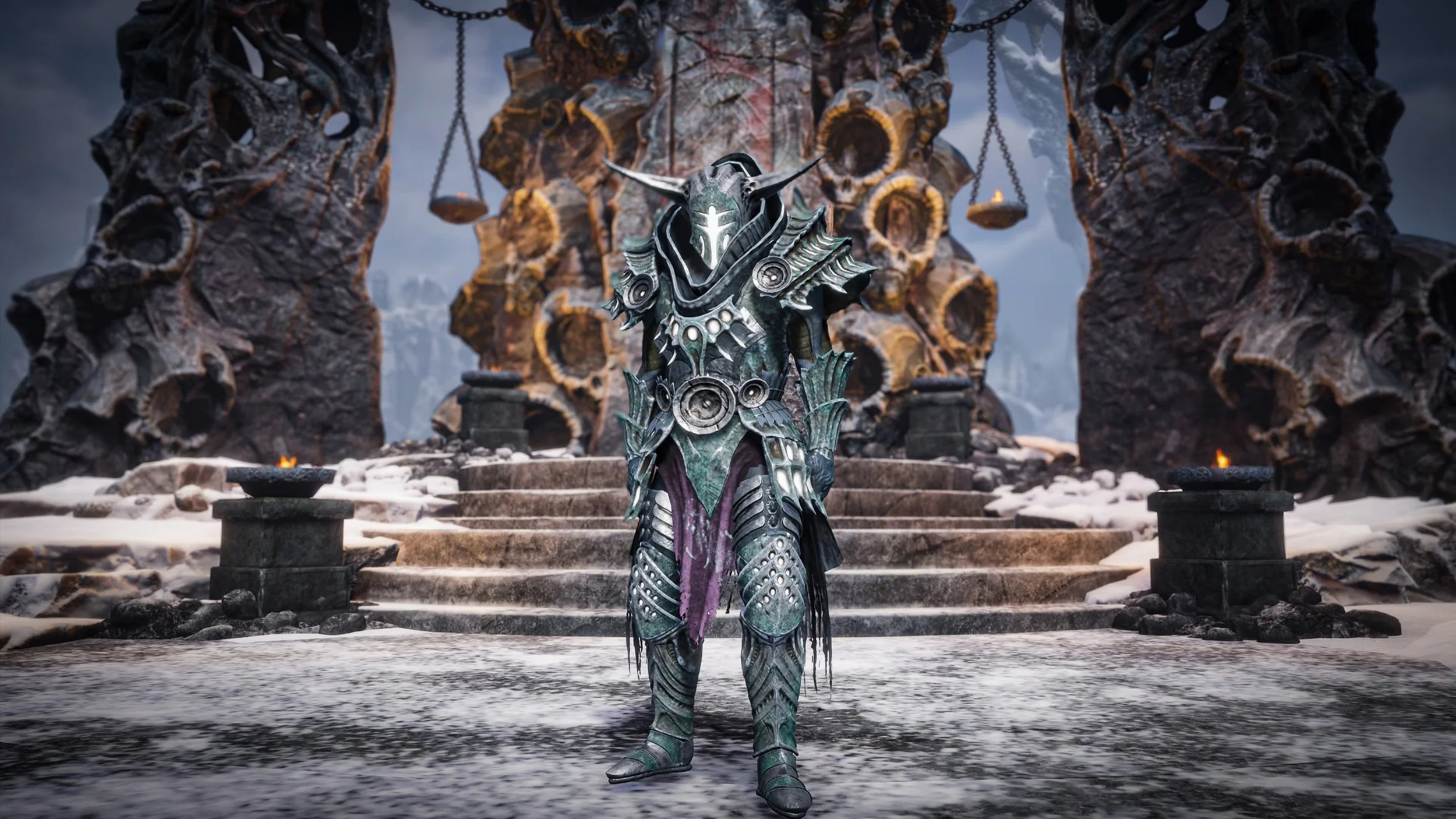
I recently completed the main story in Tainted Grail: The Fall of Avalon. In total I spent about sixty hours playing the game. I began at the start of the year, then took a break for a while but returned to it recently because I wanted to see if I could unlock a specific ending. I did manage to do this. Like so many other RPGs, Tainted Grail: the Fall of Avalon has a central storyline, along with a wealth of side quests, based around factions in specific zones. I think I possibly completed about a two thirds of these. However, once I finished the main story, my interest in the game began to wane. I finally left my character in the last major quest hub in case I wish to return at a future date. I then logged out of the game and uninstalled it from my PC to free up space for whatever I was to play next. In this case its The Sinking City 2. None of this is a negative reflection on Tainted Grail: the Fall of Avalon. I enjoyed the time I spent playing this quirky RPG. I simply had my fill and left to play something else.
On Tuesday 11th April, Aspyr Media rather surprisingly re-released The Lord of the Rings: War in the North, a co-op action-RPG from 2011. This game was delisted in late 2019, possibly due to changing rights ownership or a license expiring. Hence, I was somewhat discombobulated by the return of this title to all major gaming platforms. Mind you, the Embracer Group (through its subsidiary Middle-earth Enterprises) still controls the worldwide commercial and video game licensing rights for The Lord of the Rings and The Hobbit. Furthermore they have explicitly stated that they have plans for more games. It would appear this also means re-releasing and updating old favourites. It is also worth noting that they own Aspyr Media, which is also a bit of a giveaway. Let it suffice to say that this re-release and sparked enthusiastic online debate as to whether any other he Lord of the Rings themed games from the same era will receive a similar makeover. Judging by the internet chatter, there’s potentially a market for them.
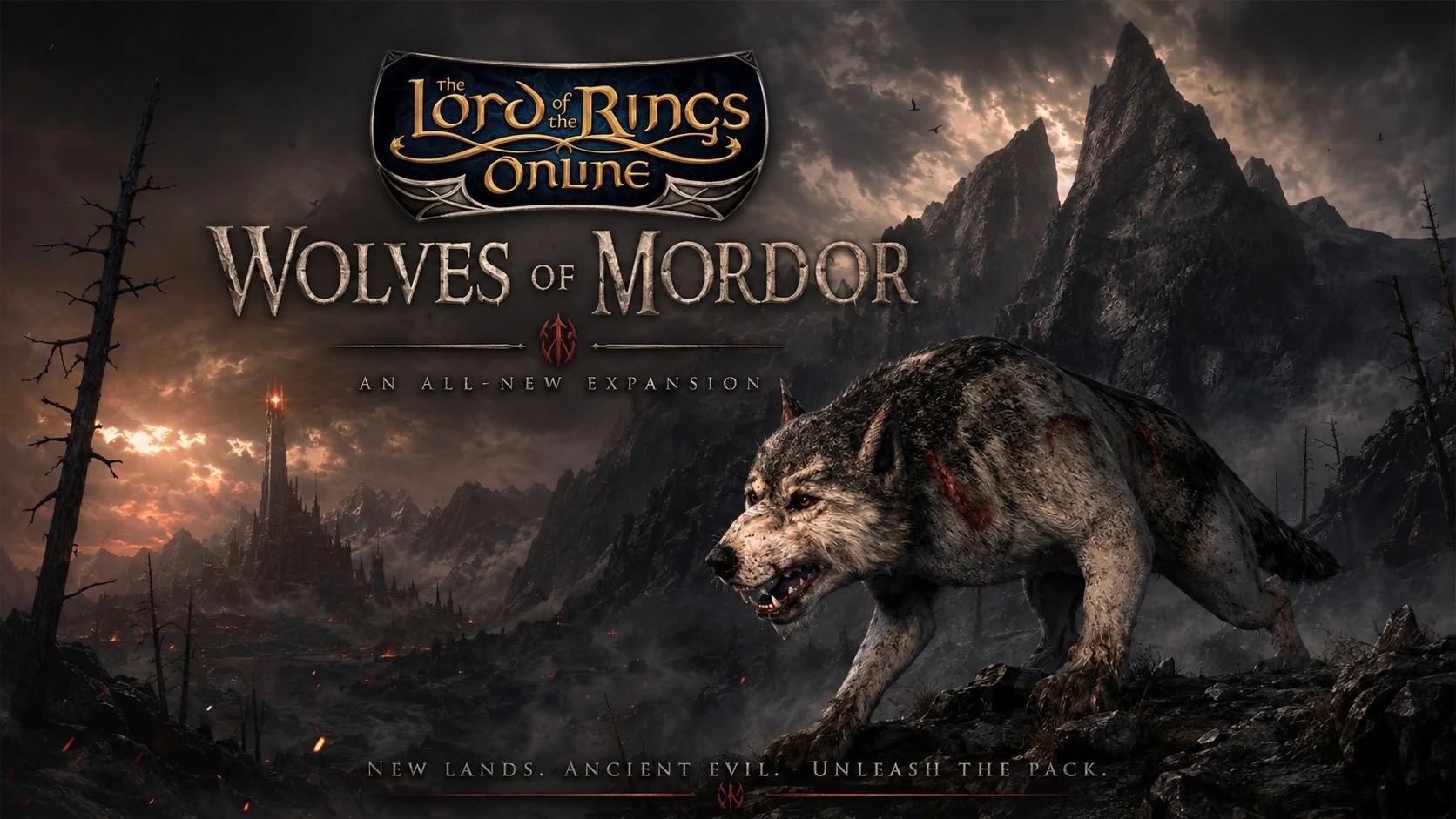
The next expansion for the MMORG, The Lord of the Rings Online, was announced on the 1st August, via the gaming website MMORPG.The Wolves of Mordor, which will launch later in the year, appears ambitious in scope as it will include two new game systems as well as the obligatory story update. This expansion takes place in Draugardh located in the North East of Mordor, beyond the Plateau of Gorgoroth. It includes the new zones of Heledhris, Parth Rhavas and Nan Ogol. These vary environmentally ranging from the arid, volcanic and semi-tropical. Players will encounter the Daugrim in these regions, Werewolves but not in the modern sense. This is not the lycanthropy of Eastern European legends but in the established Tolkien idiom of fell spirits inhabiting the bodies of Wolves. The region also sees the return of the Woses and players can expect to encounter Elves and scouts from Gondor. As ever with LOTRO expansions, there will be new instances as well as a raid.
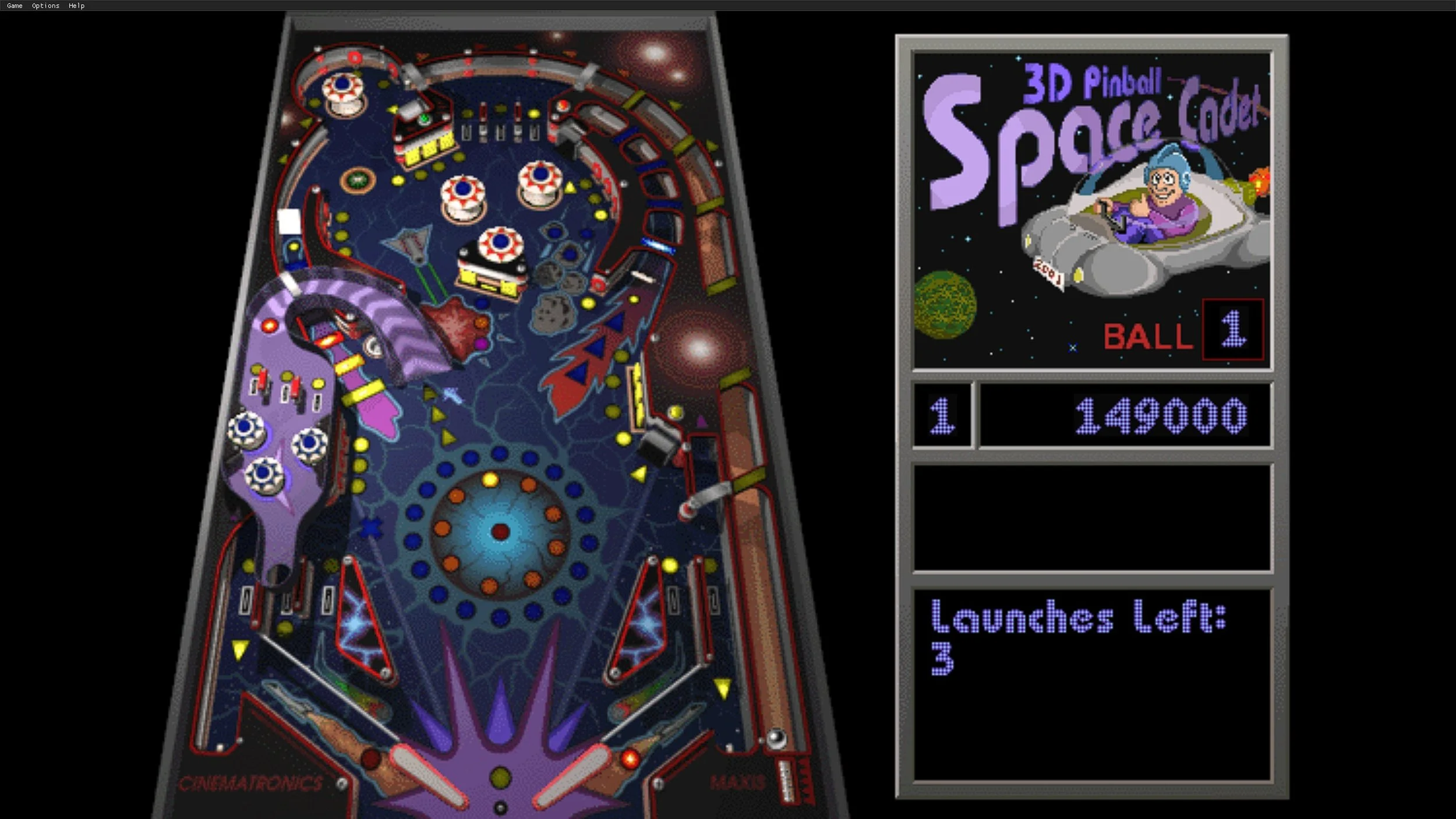
This is a post about the power of nostalgia and how sometimes, interacting with something from your past, be it physically or mentally, can produce a very strong and tangible emotional reaction. In some instances, this can be the result of something that you have specifically set out to do. On other occasions you can wander into a sense of nostalgia purely by chance. Today I experienced a very strong sense of nostalgia while watching a YouTube video and then again when I sought to replicate what I had seen. The video showed someone installing Windows 95 on to an old 486 PC from that era. The Window’s start up sound really touched a nerve (but in a good way) and then when the guy in the video launched Space Cadet 3D Pinball, a game that shipped with the operating system, I felt a strong compulsion to track down a copy and install the game myself, thus revisiting something that was an integral part of my life in 1995.
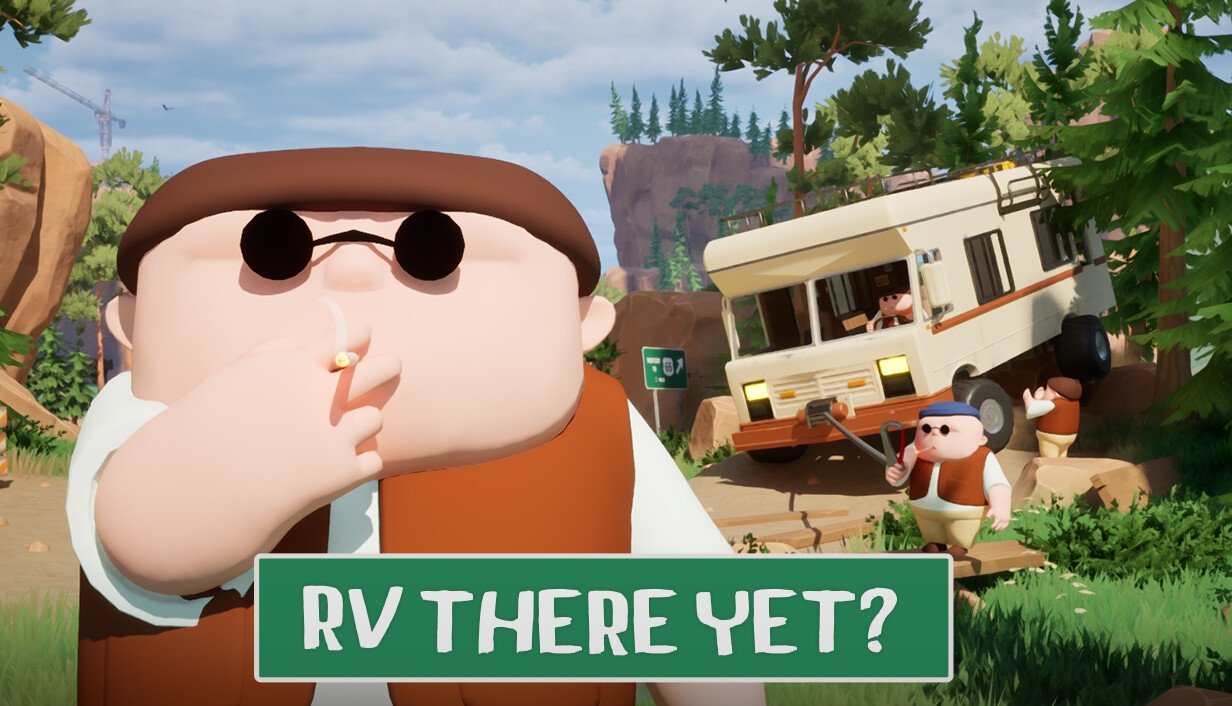
RV There Yet? is possibly the most entertaining game I’ve never played. My vicarious pleasure regarding this title has come exclusively from watching two popular YouTubers, JackFrags and WillFromWork, play through the game over a series of videos. It has been immensely amusing to watch and I have empathised a great deal as the group of four players has struggled with the game’s unpredictable mechanics and their own team’s dynamic. I could go and buy RV There Yet? myself but I doubt if I would ever have a gaming experience anywhere close to what I’ve watched online recently. So in some respects watching these videos has been an interesting alternative as I’ve been entertained, which ultimately is the point of video games. Perhaps there is a deeper philosophical point here that the game developers should reflect upon, as they’ve lost a potential sale. However, that is separate discussion for another day.
I don’t keep up with gaming news as much as I use to but several noteworthy announcement have come to my attention of late. Firstly, there’s an expansion, Songs of the Past, coming for the Witcher III: Wild Hunt in 2027. No doubt this is to pave the way for the Witcher IV. Next, I also found out about Hand of Fate: Horde. I liked this franchise and was saddened to learn that the original studio, Defiant Development, closed. Hence is was a pleasant surprise to see this new game being developed by members of the original studio. The third announcement was regarding Guild Wars 3. A new MMORPG in active development by a major studio is no small feat and is certainly good news for fans of this franchise and the genre per se. However, once you look beyond this news this announcement raises several questions and has certainly given me pause for thought. Let us take a few moments to consider them.
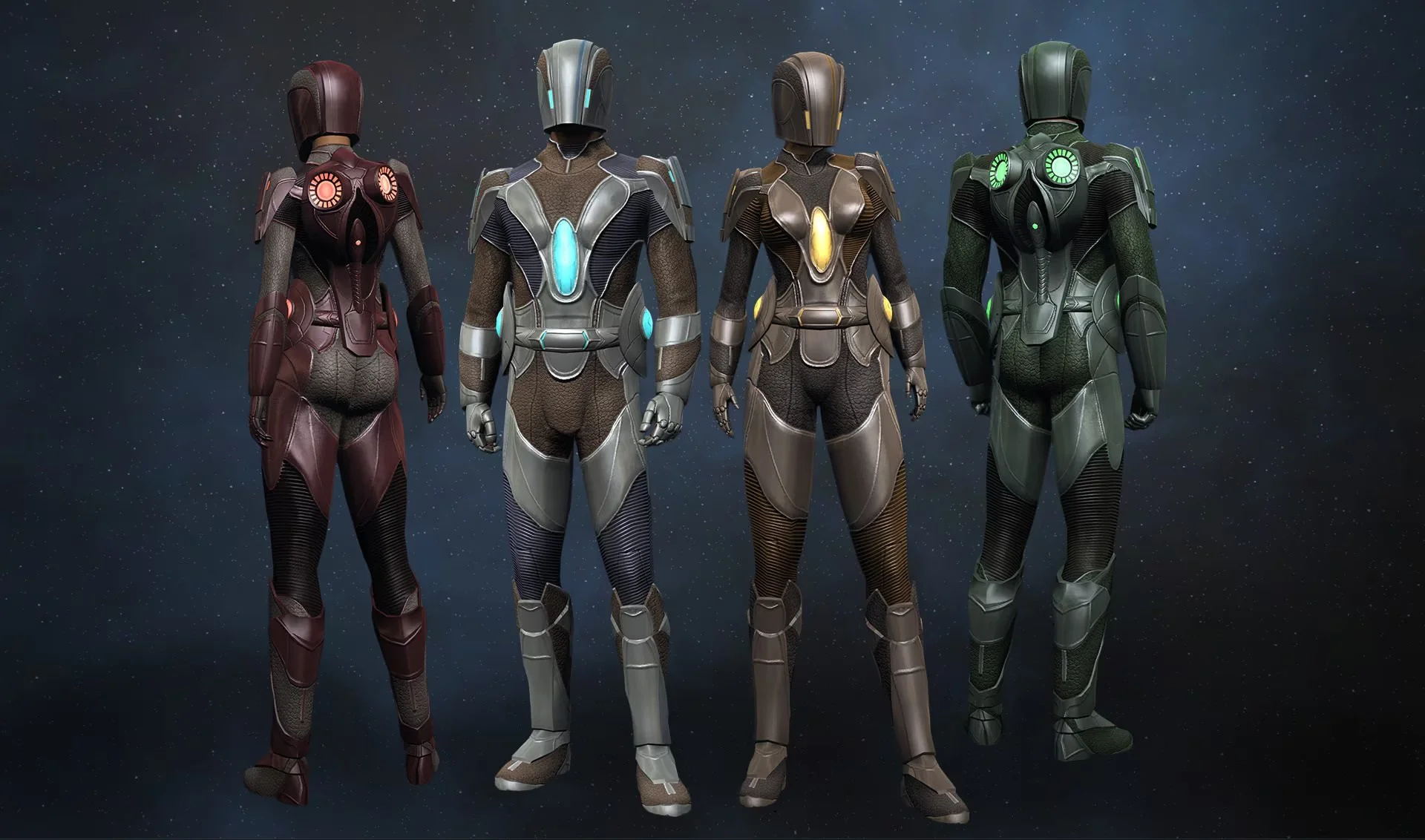
Star Trek Online has many in-game systems that are common to the MMORPG genre. The reputation system is one such example. In STO there are 13 reputation factions. Once a player has reached level 50 they may start progressing through the 6 reputation tiers of each one. Players gain progression through daily projects (20 hours in duration). Hourly projects are also available though they yield less reputation advancement and are limited to three times a day. Hence 20 hour projects are consider by default the most efficient way to gain rep. Projects require 30 Faction Specific Marks (earned via various activities in-game), 15,000 Energy Credits (standard in-game currency) and 2000 Expertise points. The most efficient way to tackle the reputation grind is to build up the necessary resources in advance and then at a designated time each day, start all 13 respective projects. Upon completion projects yield a player bound lockbox containing a random space or ground weapon, a console or Elite Marks which can be used to acquire faction gear.
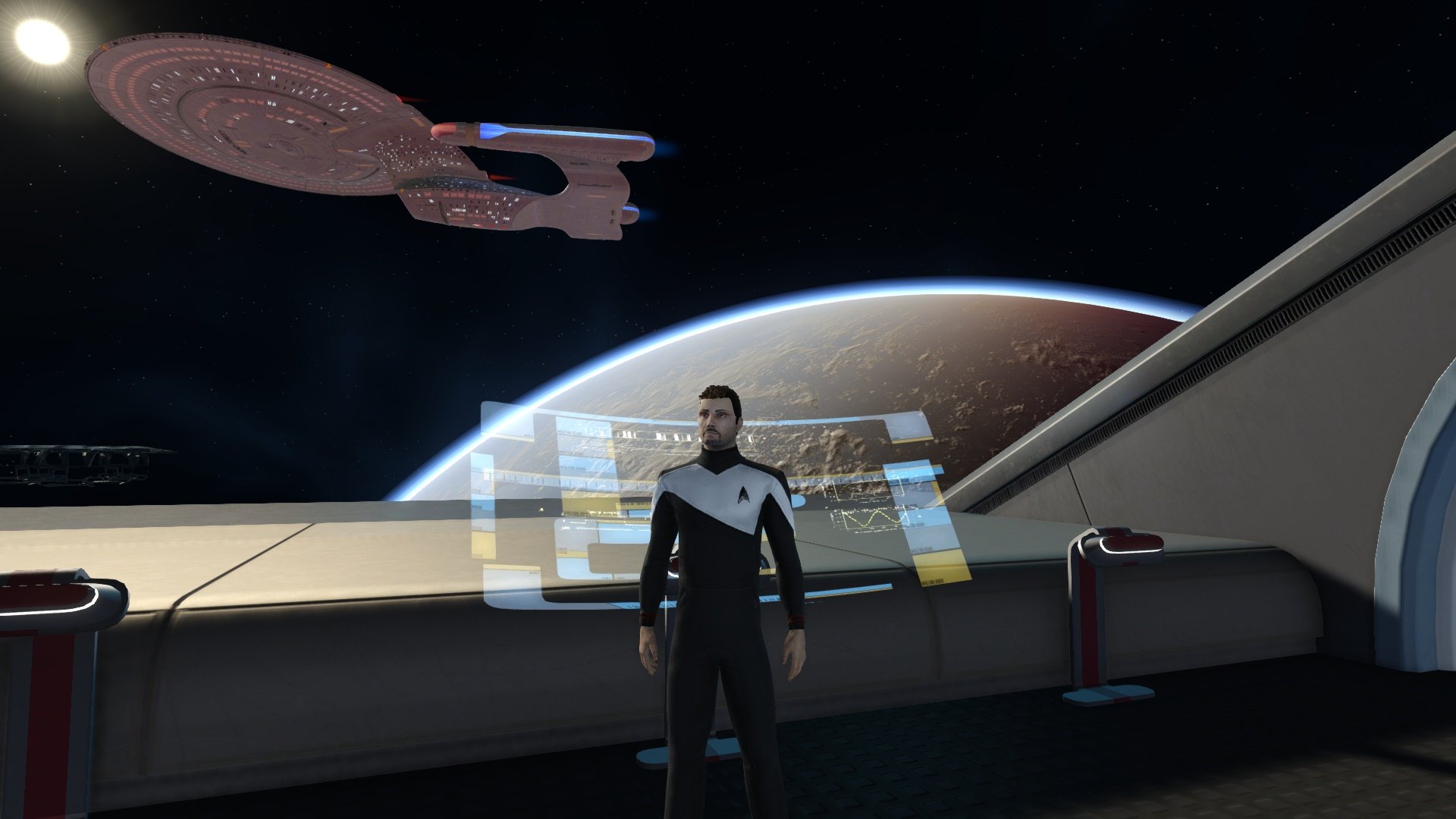
I was recently perusing my archive of old blog posts, when it struck me how much I’ve written about the MMORPG genre over the years. Naturally, there was far more material from between 2008 and 2012 as that was period when I immersed myself in the genre and was very enthusiastic about it. I was at a point in my life when I had the time to dedicate to such games and I was happy to participate in the social aspect of they offered. I would regularly play through group content and spend time socialising online with fellow guild members. My experience remains a textbook example of how online games can be more than the sum of their parts and that where you are at in your life has a major impact upon your overall enjoyment. As I read though various old posts it became clear that my experiences where specific to this particular part of my life and that they cannot be repeated. My relationship with the genre is very different now and that’s fine.
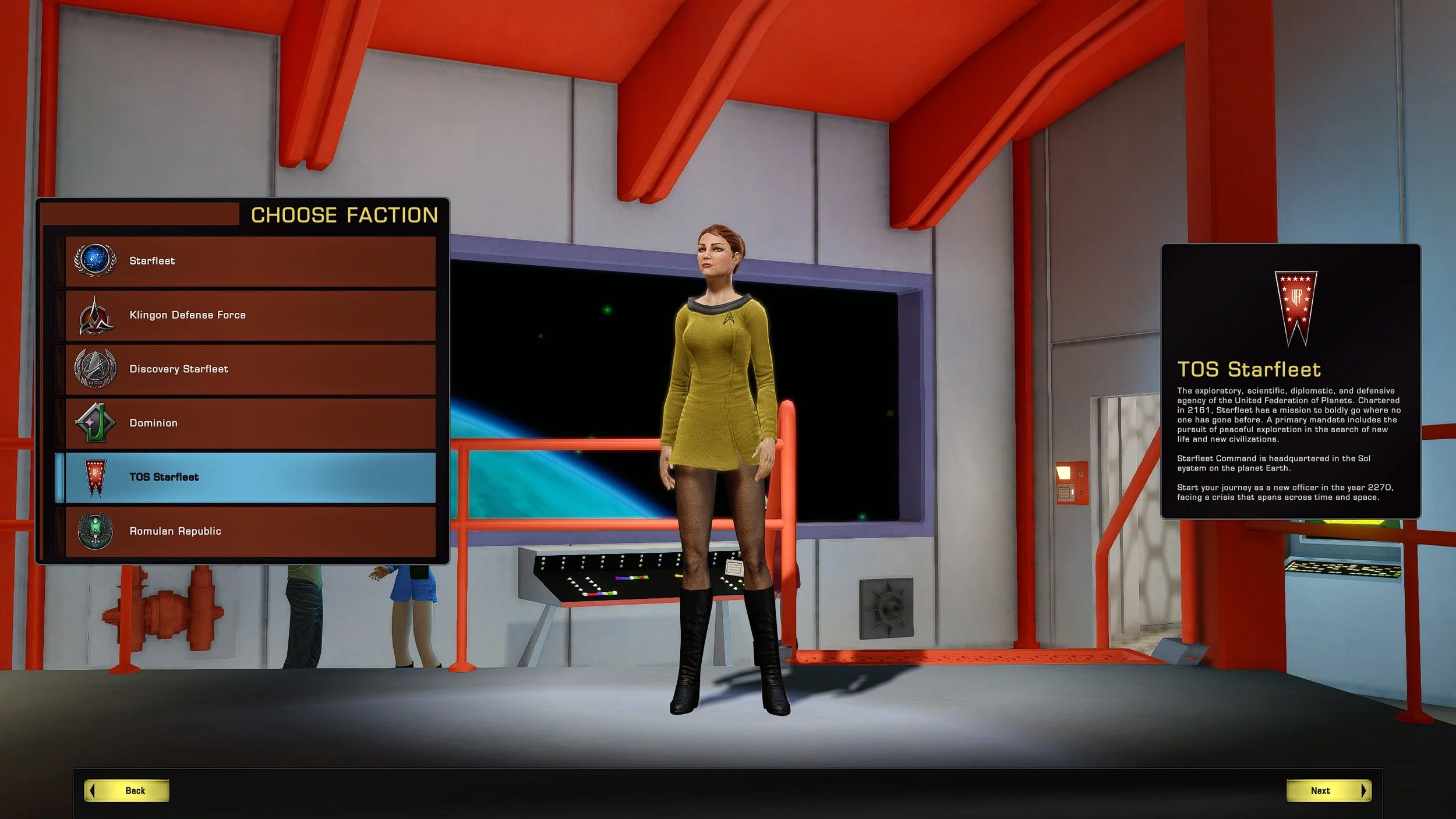
Creating alts is an integral aspect of the MMORPG genre. Many players will create a character of a specific class or faction, play it for a while, lose interest in it or they may decide that it is just not for them. Fortunately it is no effort at all to simply re-roll a new alt and set off once again. Furthermore, lots of players never reach level cap of the MMORPG that there playing. When the going get’s tough, so to speak, you can either soldier on for another 50 levels or simply create a new alt and return to the comfort of tried and tested content. Alts also give you the chance to secure an accolade or achievement that you previously missed. They are also of great benefit to the genres social aspects. Creating a new alt so you can play along with a friend who is just starting is great fun. Developer’s love them too as it means you’re still playing the game.
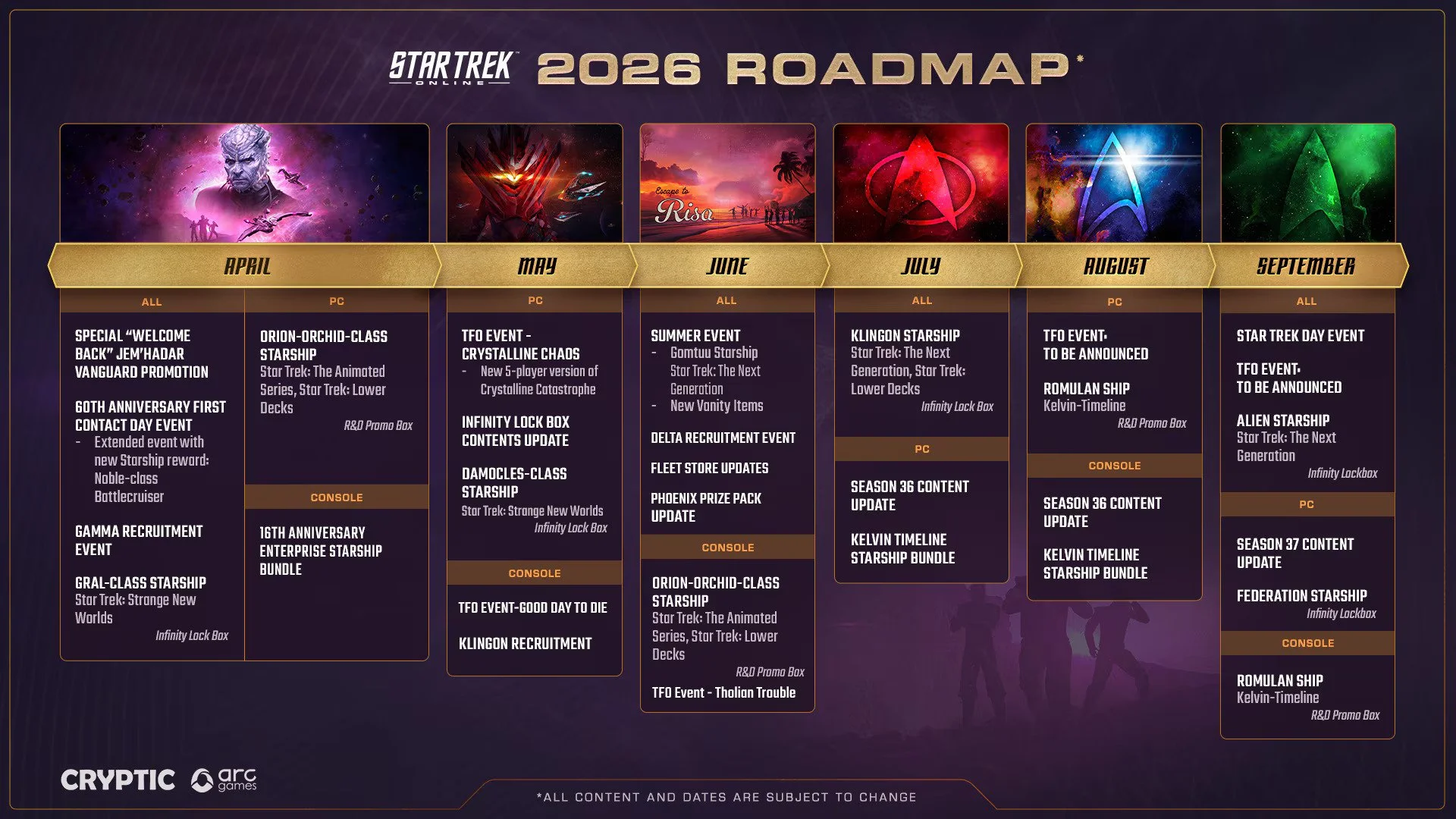
I recently took a break from Crimson Desert choosing instead to to play something familiar and easy going. As I’ve been logging into Star Trek Online daily to participate in the anniversary event, I decided to look through my various alts and see how far they had progressed through the game and what resources they had. At present I have twelve alts. My primary Captain was created in 2015 during the original Delta Recruit Event. I had previously played STO intermittently since its release in January 2010 but I never kept any of those characters. Hence this decade old Tactical Federation Captain has been my main focus when playing. The other eleven alts are the result of other recruitment events or whenever I wanted to try something different, such as playing a specific class or faction. I obviously played a lot of STO during the lockdown as several alts date from that period. Several had maximum reputation across all factions.
The action, open world RPG Crimson Desert has been patched five times since it launched on March 19th and there have also been multiple hotfixes. At first glance this isn’t anything unusual. New games have bugs and issues arise once a game is released and played across a much wider variety of hardware than in QA testing. However, if you read the patch notes that accompany these sizeable downloads it quickly becomes apparent that developer’s Pearl Abyss are not just addressing bugs and software glitches. They are actively engaging with their player base and responding to suggestions and requests from that community. Although this is not a unique approach, what is surprising is the speed and quantity in which these player driven changes are happening. There seems to be an active ongoing process to refine the game and eliminate some of its “rough edges” and the players are contributing to this process with their feedback.
According to my Steam statistics, I last played Starfield on 19th December 2023. I bought the game upon its release in September of that year and played in total for 136 hours. Starfield held my interest for three and a half month and I wrote seven blog posts about various aspects of the game. Although there were some engaging aspects to Starfield, I did feel that that the game was somewhat lacking in systems and content, at that point in its lifecycle. I also think that the marketing and player expectations associated with Starfield were overblown and unrealistic. The shadow of Skyrim looms large over all new Bethesda releases and they don’t seem able to quite recapture that magic. Hence, I inevitably drifted away from Starfield and to another game and was effectively “done” with it. I have not played the game since which seems to validate the theory that game are becoming increasingly more ephemeral.
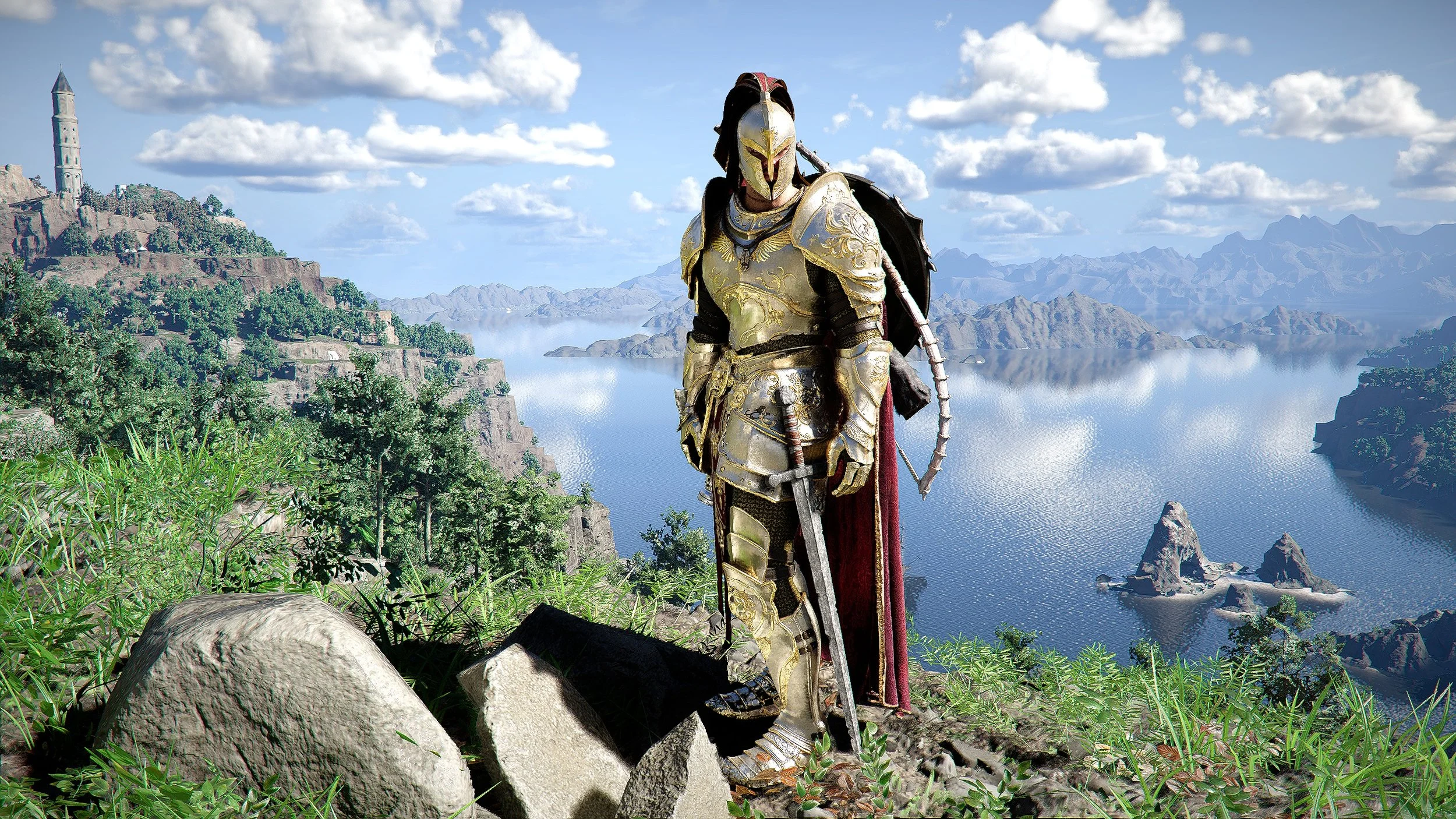
13 days after its release, market analysts estimate that Crimson Desert has already earned $200 million across the four main platforms (PC, PlayStation 5, and Xbox Series X and S). The game is certainly proving popular among gamers with the internet awash with live streams and “let’s play” videos. However, reviews are mixed both among gaming journalists and YouTube influencers. Common complaints about the game include that it is slow to start, the controls are poorly laid out on all platforms and that developer’s Pearl Abyss have done a poor job of explaining most aspects of the game to new players. Although such criticisms are true to a degree, I think these complaints highlight how many gamers are conditioned to expect new titles to follow a specific pattern with regard to pacing, narrative exposition and learning in-game systems. A pattern that Pearl Abyss has chosen to ignore, instead favouring an old school approach.
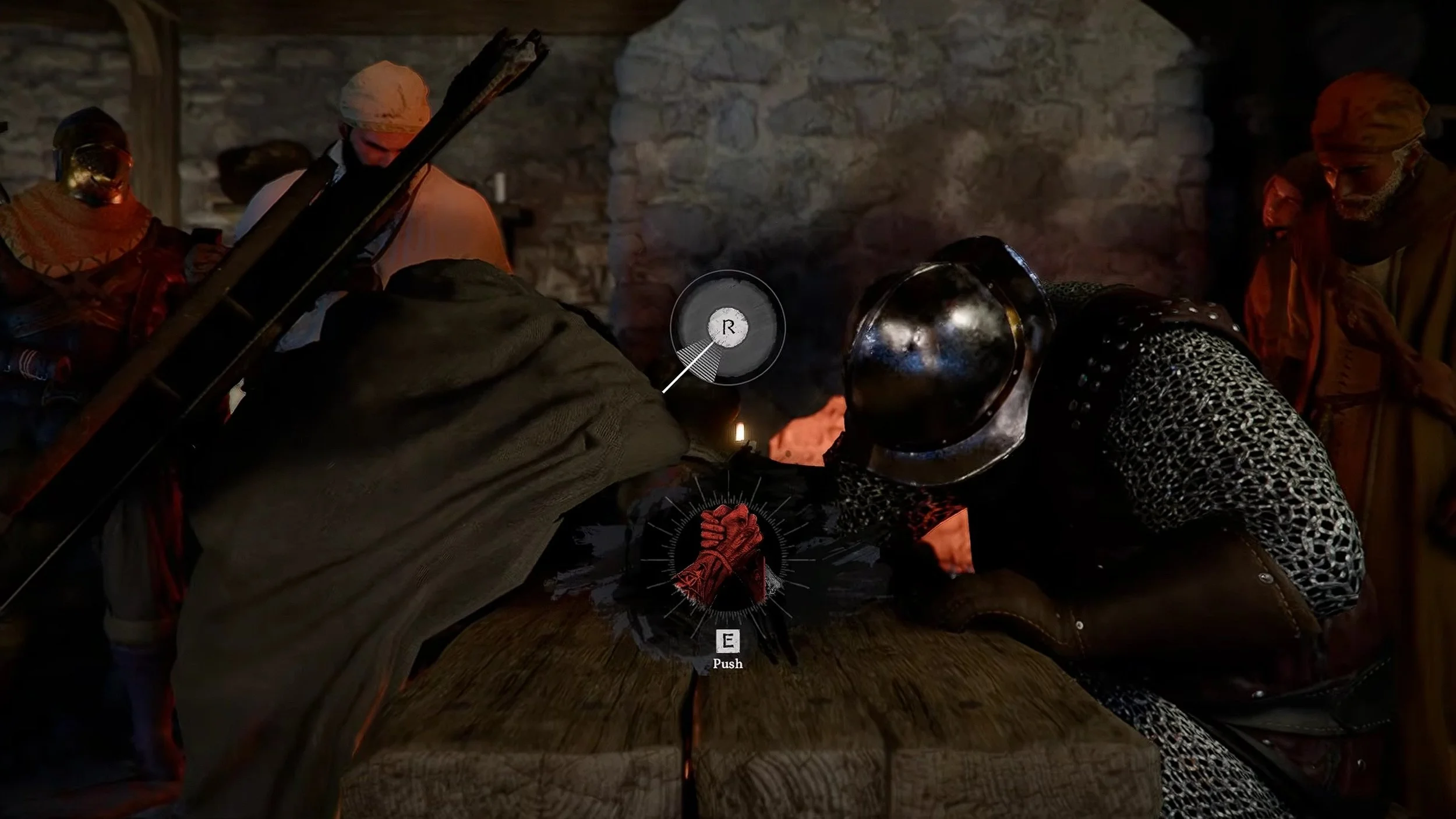
Early on Crimson Desert, the main quest requires the player to enter a tavern and arm wrestle a particularly strong guard. The arm wrestling match consists of a quick time event. If playing on PC you have to rapidly press the “E” key which turns a power meter from white to red. Then a white dial appears above the meter with a rotating hand. When the hand passes over a segment of the dial that is marked by hatching, the player must press the “R” key. The idea being the meter filling with red is you strength building (or waning) and the “R” key prompt indicates when to try and force your opponent’s arm. You will need to to continuously press the “E” key throughout the arm wrestling match and the “R” key about 4 times to win.
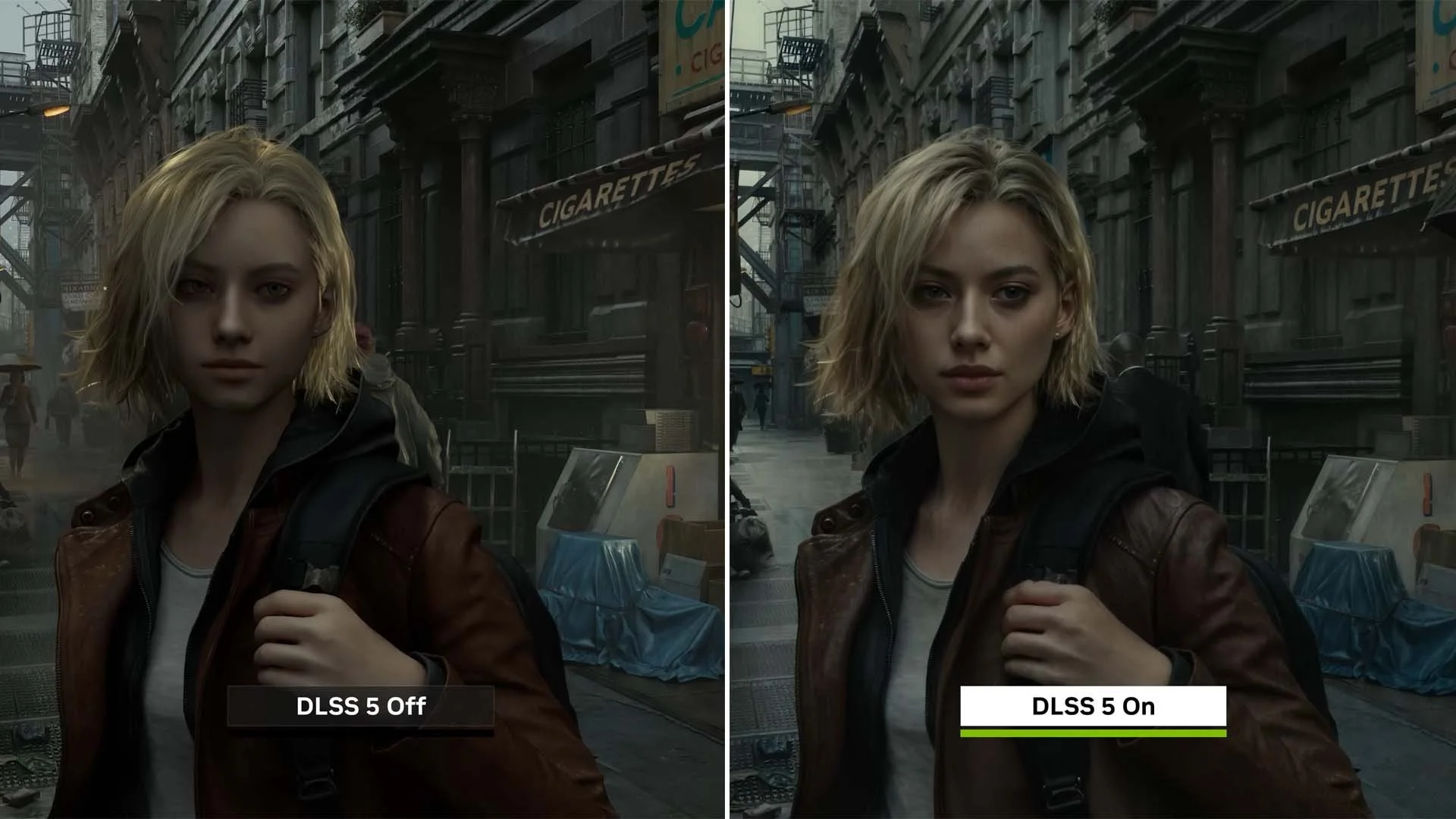
Earlier this week, Nvidia posted a video featuring their latest iteration of DLSS technology (Deep learning super sampling). DLSS 5 is an AI-powered “real-time neural rendering” process and unlike previous versions that focused on improving frame rates through upscaling or frame generation, DLSS 5 uses generative AI to “infuse” frames with photorealistic lighting and material details that the game engine never actually calculated. Let us pause for a moment and consider these words. Material detail that the game engine never actually calculated. Therein lies the rub. If you watch the aforementioned video or peruse the images posted here, it is abundantly clear what the technology does.
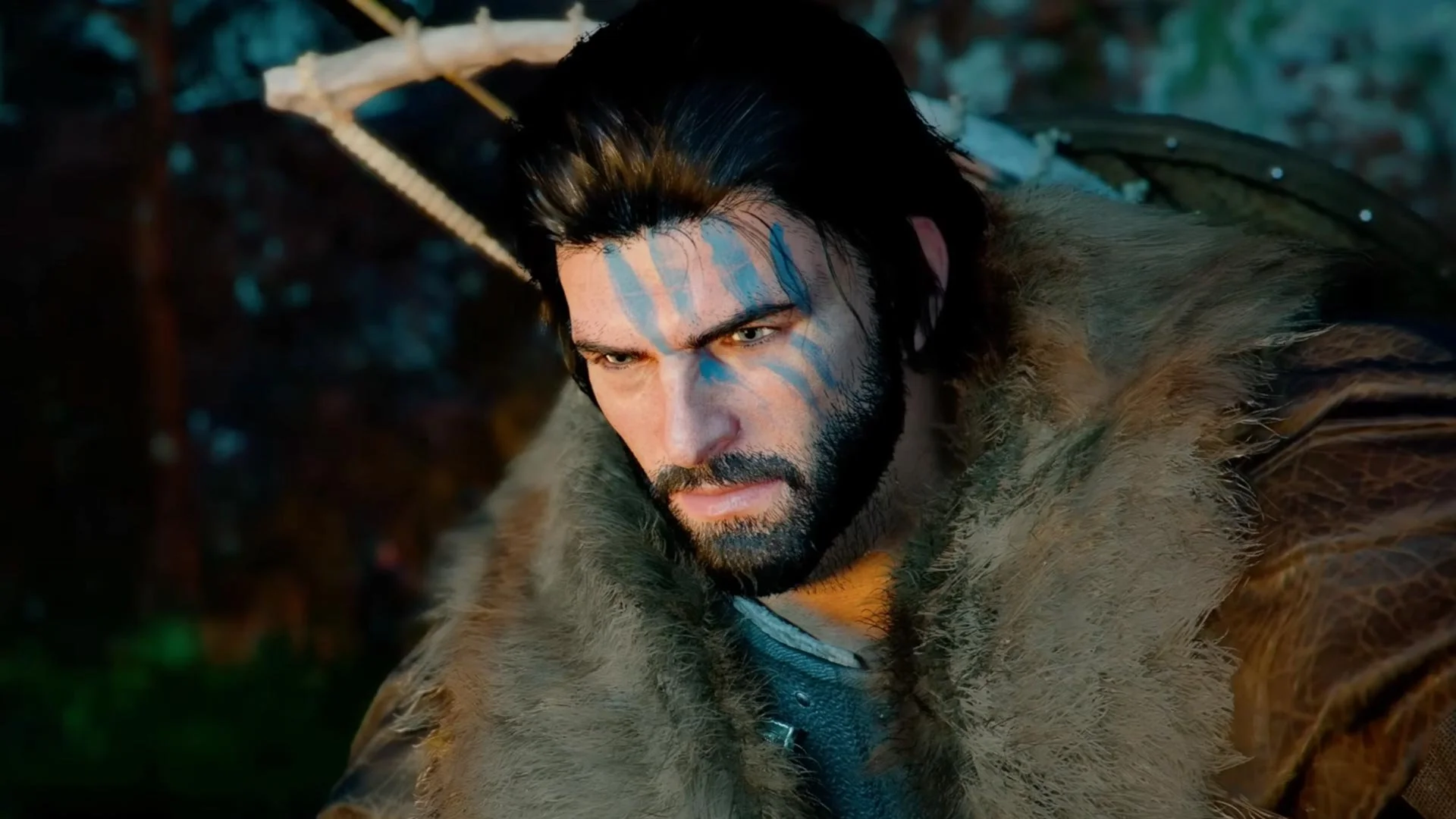
Last night, I spent the first 45 minutes after the launch of Crimson Desert, watching the 92GB pre-downloaded game files slowly decompressing and installing. I finally launched the game at about 10:50 PM GMT. I then waited a further 5 minutes while shaders were downloaded. It took me about 15 minutes or so to read through the various game settings and choose those that are optimal for my PC. I suspect even if you have a beast of a computer, you’re still going to have to spend some time tweaking settings. As for those players like myself with a gaming rig that is somewhere in the middle of the game’s specifications, be prepared to do a lot of fine tuning both within Crimson Desert itself and your Windows settings.
The Elder Scrolls Online and Action Combat
I was recently gifted a copy of Summerset in The Elder Scrolls online by a friend. Naturally this act of generosity lead to me returning to the game. Although I participated in the beta test, I only seriously started playing ESO from January to July last year. I created a High Elf Sorcerer and levelled to the current cap of 50 and then started working on gaining Champion Points, which currently stand at 187. Although I enjoyed the experience, especially from a narrative perspective, I did struggle to a degree with the action combat. It can be a quite a culture shock playing ESO after years of traditional, older MMOs that have a more static combat system. There is a tendency to default to old habits and ways that frequently leads to mistakes. Older MMOs often share common key mappings and system methodologies. ESO often flies in the face of that, so you find yourself having to “unlearn what you have learned” to coin a phrase. It can be done and you can adapt. I managed last year but now, due to the time elapsed, I am now having to do so again.
I was recently gifted a copy of Summerset in The Elder Scrolls online by a friend. Naturally this act of generosity lead to me returning to the game. Although I participated in the beta test, I only seriously started playing ESO from January to July last year. I created a High Elf Sorcerer and levelled to the current cap of 50 and then started working on gaining Champion Points, which currently stand at 187. Although I enjoyed the experience, especially from a narrative perspective, I did struggle to a degree with the action combat. It can be a quite a culture shock playing ESO after years of traditional, older MMOs that have a more static combat system. There is a tendency to default to old habits and ways that frequently leads to mistakes. Older MMOs often share common key mappings and system methodologies. ESO often flies in the face of that, so you find yourself having to “unlearn what you have learned” to coin a phrase. It can be done and you can adapt. I managed last year but now, due to the time elapsed, I am now having to do so again.
With MMOs such as The Lord of the Rings Online or Star Trek Online, combat is based around Tab Targetting. By pressing the tab key you highlight the nearest enemy and if you continue to press, cycle through all potential threats in the immediate vicinity. Once you’ve selected your target of choice you can attack it by using the skills on your hotbar. Due to Hard Locking, unless there’s an algorithm designed to make you occasionally miss, you will never do so. It’s a practical and straight forward form of combat. Hitting your enemy is not exactly difficult, although it can be argued that the expertise lies in the choice of skills used and their specific rotation. Different enemies with different buffs, strengths and weakness need to be approached accordingly.
The FPS genre offers a far more taxing approach to combat. Favouring a No lock system, the player is required to accurately aim a reticule to efficiently land hits upon a target. This is approach requires a level of skill right from the get-go and is very dependent upon the player’s situational awareness and reflexes. It’s one of the reasons I don’t play such games much these days as I have slowed with age. However, MMOs with action combat such as ESO have compromised with both Tab Targetting and No Lock mechanics. Although the tab key will select an enemy, and the reticule has to be aimed, there is a degree of assistance provided. Hence if your aim is slightly off, yet broadly in the right direction, then your attacks will reach the target although there may be a reduction in efficiency, the more your aim is out. This Soft Lock system requires a more mobile approach to combat. Standing your ground and key mashing is far from effective. Soft Lock also means that ranged attacks will ignore obstacles in the way, such as other mobs.
The net result of the fluid combat in ESO is that players have to be aware when to attack and when to defend. Dodging is essential in certain situations. Blocking via the right mouse button is also important in melee combat or close quarter situations. Then there are different types of primary attacks, other than your hotbar skills. The left mouse button governs attack types. Tap it once for light attack and hold it down for heavy. What you have to learn is to how to manage combat for your class. You have to consider your enemy and their skills so you can work out an appropriate strategy. Navigating the PVE content may not be too taxing but much of the group instance content does require a measured approach. Again, old school key mashing tends not to work and will result in death, inconvenience and in extreme cases, rage quitting.
As I’ve already mentioned, it is entirely possible to adapt to this contemporary approach to MMO combat but it require practise. There are lots of common mistakes that are made while trying to embrace this new methodology. Having the reticule on the screen is perhaps the primary difference that old school MMO players may immediately struggle with. I instinctively try to click on skills and instead simply find my character rotating or accidently attacking whatever is nearby. It takes a while to press the “.” key first to bring up the mouse arrow. The simple act of aiming takes a while to become second nature. It can also seem odd swapping between weapons type in mid-combat. However there are certain advantages to be had over old style MMO combat. The reduction in hotbar skills and the nature of action combat means that induction animations tend to be relatively quick and players are less likely to get caught out by Animation Lock. ESO also spares players from excessive and superfluous skills bloat on the hotbar by imposing limits.
Because there has been a year long gap in my playing ESO, when I logged in the other night, I was naturally rusty with regards to basic key mapping and navigating the UI. Furthermore, I had completely forgotten whether I had assigned some of my addons to the keyboard or the mouse. However, I found once again that Dolmen Farming was not only profitable, but useful as a training environment. So I immediately travelled to the Alik’r Desert and spent some time bouncing between the three Dolmen’s that regularly appear there. As for action combat, I have mixed feelings about it. This mobile approach is more credible and suits the idiom of the Elder Scrolls IP. But it does present a slightly higher barrier to entry than older, more static combat systems. Yet it also creates an additional motivation for co-operative play and grouping. If you find that the subtleties of fighting in ESO allude you, there is safety to be found in numbers.
I was recently perusing my archive of old blog posts, when it struck me how much I’ve written about the MMORPG genre over the years. Naturally, there was far more material from between 2008 and 2012 as that was period when I immersed myself in the genre and was very enthusiastic about it. I was at a point in my life when I had the time to dedicate to such games and I was happy to participate in the social aspect of they offered. I would regularly play through group content and spend time socialising online with fellow guild members. My experience remains a textbook example of how online games can be more than the sum of their parts and that where you are at in your life has a major impact upon your overall enjoyment. As I read though various old posts it became clear that my experiences where specific to this particular part of my life and that they cannot be repeated. My relationship with the genre is very different now and that’s fine.
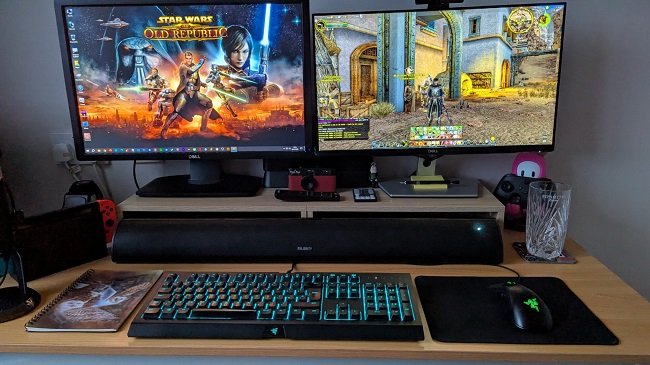
I have two monitors on my desk. The first (which is the primary monitor as far as my PC is concerned), is on the left and the second is on the right. The primary monitor is a 24 Dell U2412M, which has a resolution of 1920 x 1200. It therefore has an aspect ratio of 16:10 which adds a little extra desktop real estate, which I prefer when writing. The second monitor is a 24 inch Dell S2421H with a screen resolution of 1920 x 1080. It has an aspect ratio of 16:9 which is standard FHD. My chair is adjacent to the middle of my desk and I can turn according to each monitor I’m using. I tend to use the primary, larger monitor on the left for tasks such as writing via Google Docs and emails. The second monitor on the right is used for YouTube and gaming. This is because of its FHD format. I also have a Nintendo Switch connected to the second monitor for the same reason.
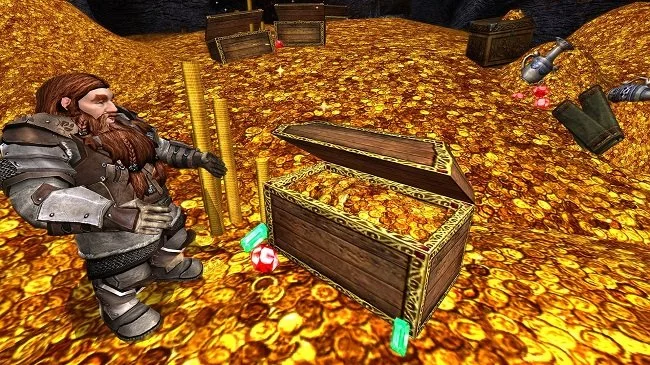
Bree Royce, editor-in chief at Massively Overpowered, recently asked the question “what is the most expensive MMORPG right now”. My first thought was to search through my old draft blog posts and track down an MMO cost analysis I wrote circa 2019. It includes data such as subscription rates and the price of current expansions. There was also information on what were the most popular cash shop items at the time. However, I then read some of the comments that had been left on Bree’s post and I quickly realised that this wasn’t just a matter of financial expenditure. Whether or not an MMO is expensive is also determined by one’s disposable income, respective wealth and personal relationship with money. The latter is perhaps the most important, irrespective whether you consider yourself rich or poor.
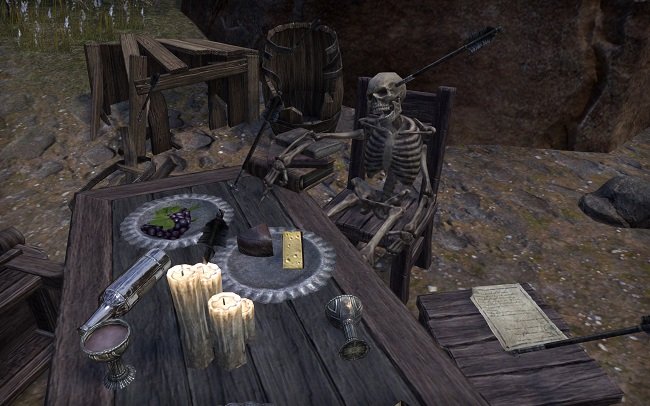
“The MMO genre is rife with its own set of tropes; recurring themes and motifs that have become established and ubiquitous. All of which are ideal material for a hastily produced, lazily conceived, recurring blog post”. Dying in an Massively Multiplayer Online Role-Playing Game is a clear and unambiguous fail state. A means by which to teach the player that they’re doing something wrong and that they need to rethink their strategy. IE Don’t mess with the foul Marmydons unless you have back up and are wielding the Sword of Kagnazax. Dying is a reminder to not get overconfident and maintain situational awareness. It teaches us to ensure you have the right gear and consumables, to be au fait with the mechanics of any fight you’re about to get into and that winning is not a given. Any enterprise that offers a tangible reward will come with potential risks and consequences. If you’re playing in a group then death provides a timely reminder not to rely on Colin.
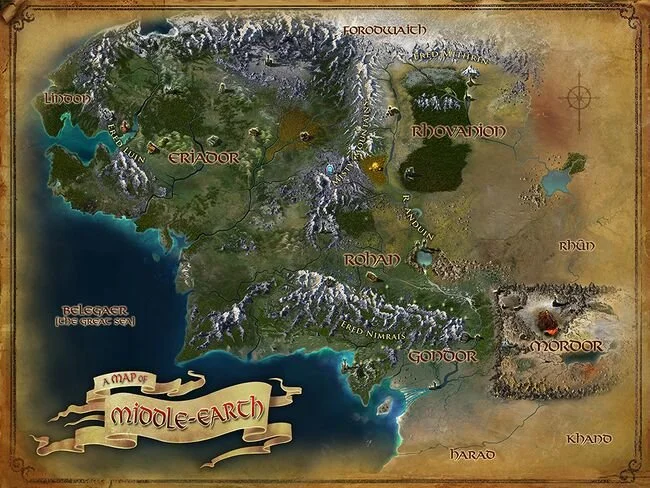
The Lord of the Rings Online was my first major MMORPG. I started playing in late 2008 and quickly discovered that there was a necessity to become familiar with the game world. Although the game provides quick travel options they were not ubiquitous at that point and often a player would simply travel on foot to travel costs down and to take the most direct route. Back in 2008 you could not own a mount until level 30. Hence I began “learning the maps” in the game and to this day still remember how to travel from one side of Moria, to another. The maps in the base game remain clear in my mind as they were so well trodden. Not so those in the regions. There are far more stables with fast mounts present in the game now and so convenience trumps any requirement to become so familiar with newly added zones. Nowadays Standing Stone Games designs new zones that tend to funnel players through them from quest hub to quest hub.
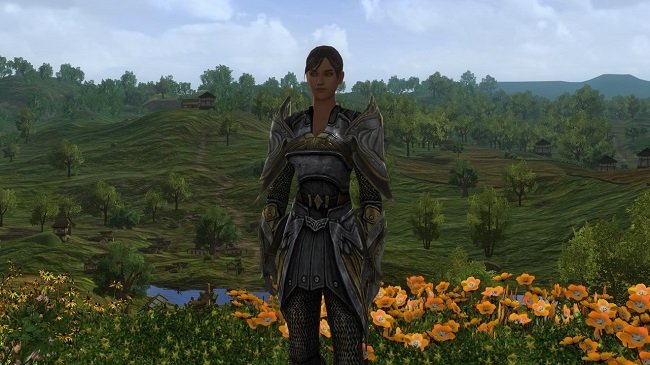
There was a perennial question being discussed over at Massively Overpowered recently. Justin Olivetti asked “why do you play MMOs solo” and as you would expect, there was a wide variety of answers. I have written about this myself in the past, as when I first started playing MMOs, I was very enamoured by the social element and therefore very disposed towards group content. However, that experience between 2008 and 2011, when I played The Lord of the Rings Online most days and dedicated Friday and Saturday nights to raiding, was very much down to circumstances. I had the time and inclination to spend hours online. That is something that I don’t have now. Plus the novelty of the social element has worn a little thin over the years. Nowadays, I do not have the luxury of waiting for a raid group to assemble, nor do I have the tolerance for the inevitable delays that always stem from any kind of human interaction.
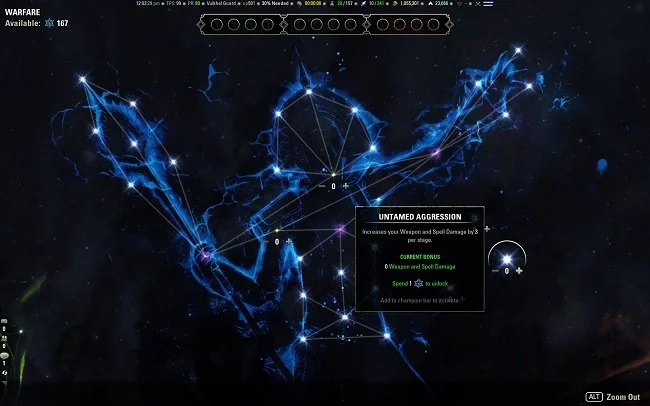
I’m sure I’ve mentioned this issue before in previous video game related posts. But I don’t think I’ve devoted an entire article to the matter, which is what I’m going to do today. So to provide some context, I logged into The Elder Scrolls Online today as I’m fast approaching that point in the year where I spend a few months subscribing to the game. Due to some recent patch, once again all my Champion Points have been refunded. Judging by the change in graphics, it may be that the entire Champion Point system has been updated. Whatever the reason, I have to re-allocate 501points into three skill trees. I wasn’t au fait with the last system, so I followed a build I found online. Now that it has changed, I’ll have to find a new one and copy it. Until I do, my character will be gimped. Shame the game doesn’t offer a selection of generic builds that can be easily implemented at the press of a button.
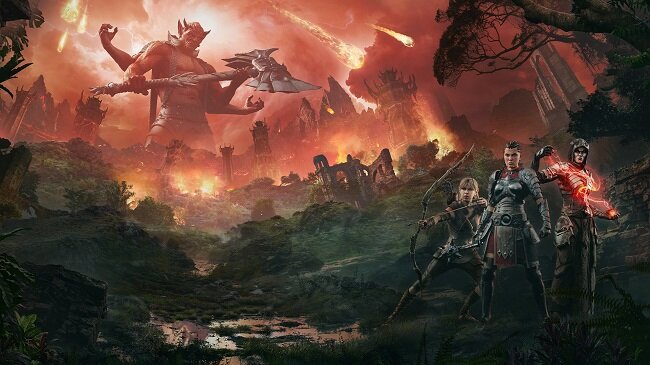
The last installment of A Month in Gaming was at the end of April. I have decided to update this recurring post less often to ensure that I have more to write about than just cataloguing my generic activities in The Lord of the Rings Online and Star Trek Online. The only downside of such an approach is that it invalidates the title but that can’t be helped. Fortunately, I have done more than usual over the last two months. My daily schedule has changed temporarily and I now have a little more leisure time available. Hence I’ve dabbled with several new games as well as using my Nintendo Switch more often. I also took part in a “tag team” playthrough of XCOM 2, which was a very interesting experience. And I finally took the time to go through all my games libraries on the various different platforms to catalogue exactly what I have. I found a few hidden gems but the majority is just “filler” that you find in most video game bundles.
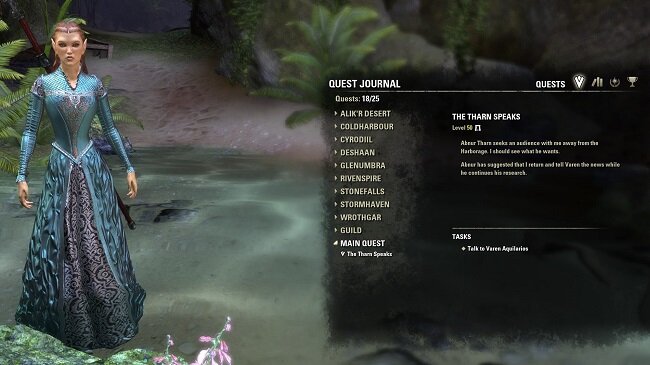
The other day, I was undertaking a daily mission for the Undaunted in The Elder Scrolls Online. I do these to level my companion’s associated skills line. The mission required me to go to a particular delve, set some soul traps and defeat the boss. Nothing unusual there, so off I went. Whenever I go into a delve in ESO, I usually do the quest associated with it. It provides a story and some additional experience points. Thus I arrived in the vicinity of the delve in question and found a note not far away. I read it and accepted the quest assuming it to be the one associated with the delve. To cut a long and confusing story short, it turns out it wasn’t. I discovered this about 20 minutes later when I found myself running around, confused with three separate lots of quest markers on my in-game map. Not for the first time I found myself pondering “where am I and what am I doing”.
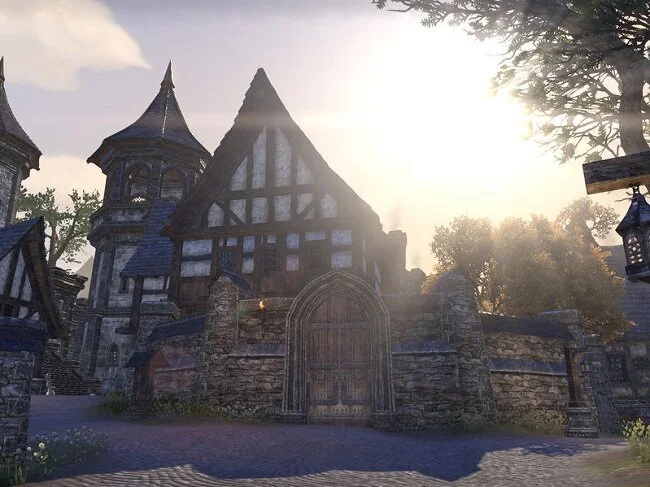
This post is not intended as a player housing guide. There are plenty of those available already. Instead, it is my personal musings on the various factors that have determined my choice of player house in The Elder Scrolls Online. In fact, at the time of writing, I have not yet purchased the house in question. It is dependent not only on a large sum of in-game gold but also a substantial achievement. The house in question is Gardner House in Wayrest. As it is a large player house it costs 1,015,000 gold. Alternatively, it can be bought for 5,700 Crowns, unfurnished. If you want it furnished it will cost 7,100 Crowns. I shall not be buying this property with Crowns as it works out at about £36 or so. I think that price is a little exorbitant especially in light of what I want the house for.
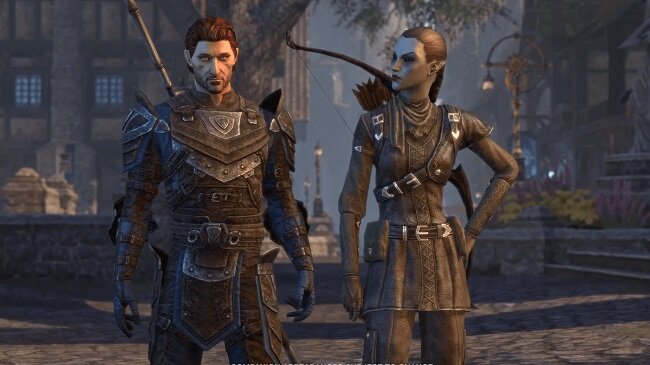
The Blackwood expansion for The Elder Scrolls Online launched a little over a fortnight ago. During that time I have become accustomed to having an AI companion. Not only are they an enjoyable new addition to the MMO, they also have quite a significant impact upon PVE gameplay. Both Mirri Elendis and Bastian Hallix can provide robust support and cover a variety of roles. This is down to the flexibility of the skills system associated with companions. Gear requirements are simpler and a lot easier to manage compared to that of your main character. Levelling is driven by XP gained from combat. Thus, if you go questing with either one of your companions they will level accordingly. They also have personal quests associated with them, ensuring that both companions have an appropriate backstory. The rapport system means that it is prudent to be nice to your AI chum or they’ll leave you for a time.
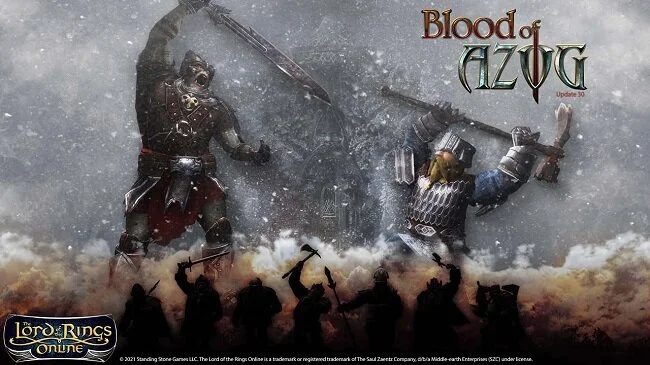
Justin Olivetti posed an honest question on Massively Overpowered yesterday. “Do you have any clue what’s going on in your MMO’s storyline?” he asked and I must admit that my answer varies greatly according to what I’m playing. Yet before I give a more comprehensive response, let me make clear that one of the aspects of the MMO genre that I enjoy the most is its penchant for complex and sprawling narratives. Both The Lord of the Rings Online and Star Trek Online are based upon intellectual properties with in-depth lore and an established canon. I was also drawn to the RPG Skyrim due to its enigmatic story which linked into a much wider history. It was one of the reasons I started playing The Elder Scrolls Online, as every quest seems to have a story that is connected to another. My enjoyment of these dense plots found in the MMO genre stems from my love of reading as a child.
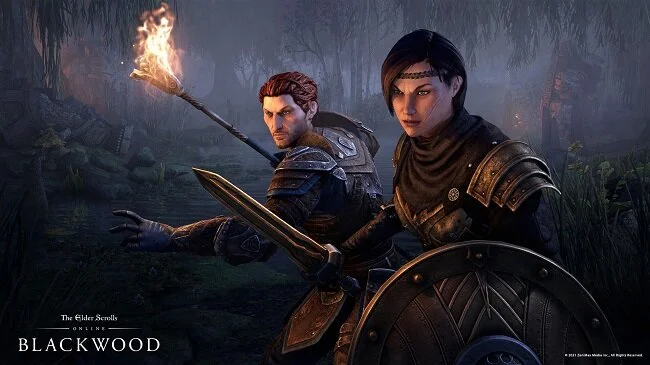
Last night, I finally had sufficient time to log into The Elder Scrolls Online and check out the new Blackwood expansion. The plan was to go straight to the new zone and complete the relevant quests to obtain the two companions that have been added to the game. Unfortunately, life seldom goes to plan as Robert Burns alluded to in his famous quotation. As I haven’t played ESO for a while, I’ve missed several major game updates. Consequently all my champion points have been reset, along with all my skills. So, I had to spend some time trying to remember how my Dragonknight was previously set up. I checked a few screenshots to see what skills were on the hotbars but as they don’t display the name, plus the icons change after morphing a skill, it was tricky trying to reverse engineer my prior build. Eventually I just winged it and managed to blag my way through the two quests.
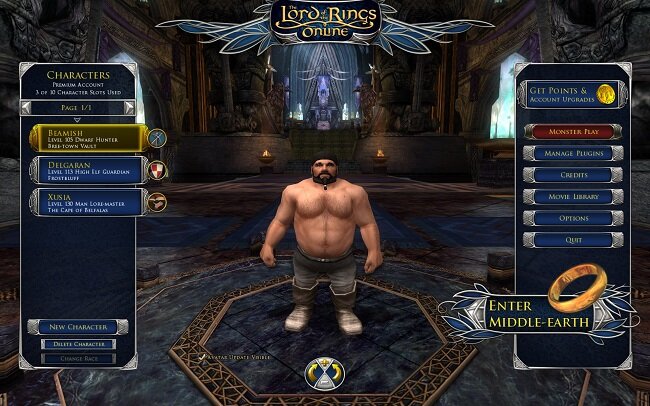
There are many factors that can add to an MMORPGs replayability. Multiple races, classes and factions can all potentially offer a new experience to the player. Some games even have unique stories associated with different types of characters, ensuring that rolling a new alt means that the player doesn’t repeat material they’ve already completed. Many gamers enjoy this aspect of the genre and will experiment with different builds, resulting in a character selection screen filled with numerous alts in various states of progress. However, irrespective of whether you get to experience a new story or if you indeed like the new character you’ve created, there comes a point when you look at your new alts progression and reflect upon the long, long journey to level cap. It is at this point that many alts fall by the wayside. The aforementioned character selection screen is often populated with unfulfilled potential.
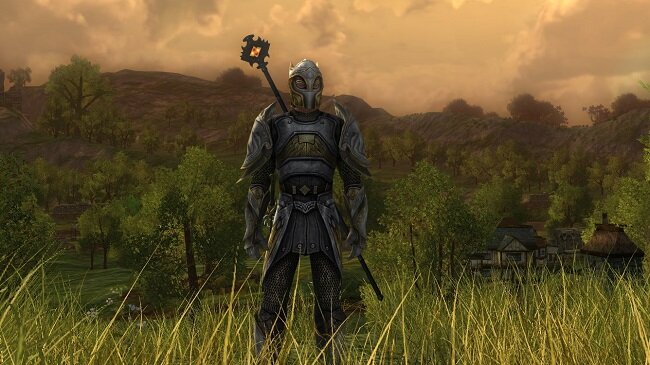
If I may quote myself “The MMO genre is rife with its own set of tropes; recurring themes and motifs that have become established and ubiquitous. All of which are ideal material for a hastily produced, lazily conceived, recurring blog post”. This time round, I would like to discuss the following. The Hero, the Chosen One, the Übermensch. As that is the role that we so often are assigned in this genre. Developers broadly assume that most players want a power fantasy and precious little else is on offer. Hence we find ourselves in a story in which we are destined to do great deeds in a virtual world, whether we wish to or not. I can see the superficial appeal of such a conceit. Most of us are not such overachievers in real life. So a game in which we get to do stuff to the world, instead of the world doing stuff to us has an inherent allure. But like most MMO tropes, unless it is implemented with some panache and creativity, it quickly becomes a tiresome cliche.
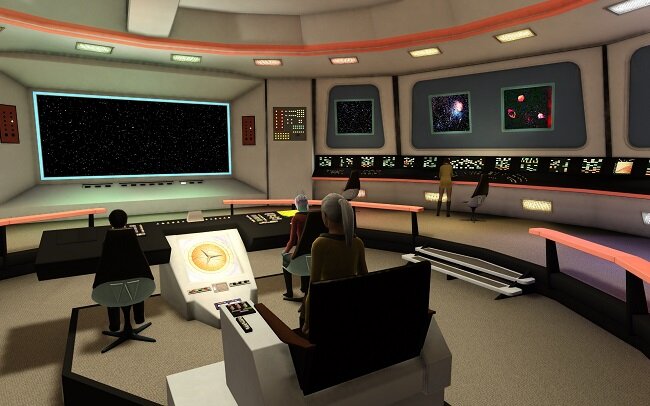
Last year I wrote a post about several “quality-of-life mechanics” found in MMOs. Systems and functionality that just make a game more manageable or convenient. Despite having many features in common, MMOs are far from identical in their interface and controls. If you’re a genre aficionado, then you can usually bluff your way through a new game and decipher how to play it. But for new players, often just trying to figure out how to do a simple thing, like find your skill points, can be an uphill struggle. However, every now and then, you’ll come across some simple functionality in a game that is useful and makes a task much easier. So I have collated another five “quality-of-life mechanics” that I feel are significant and beneficial to the player. Some are very minor but that does not diminish their value. Sometimes, less can indeed be more.
As I mentioned recently in my monthly gaming roundup, I’ve currently stopped playing the three MMORPGs that are my usual gaming mainstay. Namely The Lord of the Rings Online, The Elder Scrolls Online and Star Trek Online. It’s something that I do from time to time when I’m tired of the repetition this genre offers. At present none of these titles has anything on offer that motivates me to play them enthusiastically. Especially LOTRO. I find weddings tedious and self indulgent in real life, so I’m hardly going to get “excited” about a virtual one set in Middle-earth. However, that’s not to say that I’ve lost interest in the MMO genre. I’m merely temporarily burned out at present. I find that after a few months or so, either new content is released that lures me back to these games or I tire of what I’ve been playing in their stead. It’s a cyclical process that I go through from time to time and nothing to worry about.
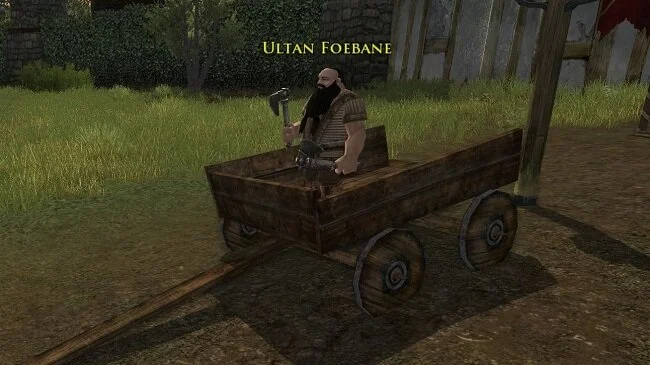
I stopped subscribing to The Lord of the Rings Online in June. I’ve always had a very cyclical relationship with this MMO and at present I feel I need a break from the games somewhat linear formula. Plus the new content scheduled for release centred around the wedding of Aragorn and Arwen doesn’t exactly sound enthralling. So I’ve left my primary character in Langflood and will return to the game later in the year when I feel the need to catch up with content. I have also abandoned the ongoing events in Star Trek Online as they’re getting too repetitive. I would like to see a new longterm story arc rather than just a continuous cycle of short term events and repeatable content. I don’t mind working towards a goal but it has to be something I want and the rewards offered in this MMO are getting a little too generic for my liking. I shall return to the game at some point as I’m a lifetime account holder and I’m curious to see how developer’s Cryptic overhauls the Klingon story arc.

Whenever you use a skill on your hotbar in The Elder Scrolls Online, there is an associated animation as it is inducted and utilised. These animations may vary in length from one to several seconds depending upon their nature. Although these animations add to the ambience of the game, they do come with a direct consequence. The player has to wait for the animation of one skill to complete before they can use another. For those seeking to optimise their performance or DPS output, these delays are an impediment. However, they can be negated through animation cancelling and weaving. Animation cancelling is as it states the stopping of a skill related animated sequence by the use of a follow up action such as bash/tap block/dodgeroll. Weaving is slightly different, in so far as instead of stopping the inducted animation immediately, it allows for the process to be cut short as another animation is started. Typically this is done by using a light attack and then immediately using a skill.

I managed to find a very good deal on the Digital Upgrade version of Greymoor for The Elder Scrolls Online, so I bought it. The key included a pre-order bonus as well as a few other “trinkets and baubles” which clinched the deal. I wasn’t planning on returning to ESO this month plus I still have a bee in my bonnet about playing through the game in narrative order. However, after speaking to friends about the new expansion, I was curious about the new Harrowstorm events that occur in the new zone of Western Skyrim. So I logged into the game and after the obligatory “let’s spend 30 minutes fixing broken addons”, headed over to Solitude and waited for the next Harrowstorm to appear. As ever, Zone Chat is invaluable for determining what is happening and where, so it wasn’t long before I was riding headlong towards the Black Morass Ritual Site ready for my first Harrowstorm.
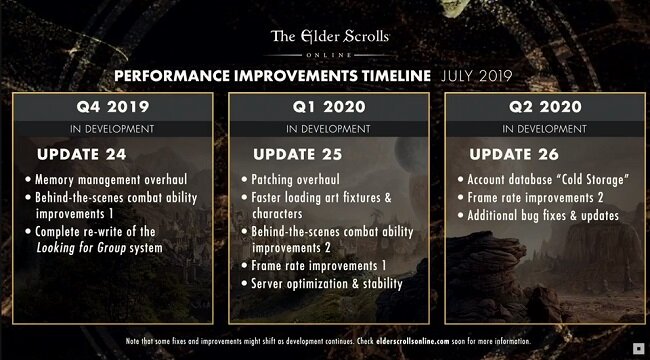
ZeniMax are allegedly addressing some major performance issues with the forthcoming Update 25 for The Elder Scrolls Online. If this latest patch improves loading times, the game’s overall performance and makes updating the client faster, then it will be well received by players. However, Update 25 requires players to reinstall the entire game client due to technical reasons. Furthermore, the patch is not going to be available prior to release on Monday February 24th, so player’s cannot download the necessary files in advance. Unfortunately, as soon as the patch server comes online, all players will have to reinstall the full ESO client and wait accordingly. Considering the disparity between internet connections in the US and Europe, player experience will vary greatly. Some will download the client in hours where others will have to simply leave their PC running and wait all day. Considering the popularity of ESO and the estimated size of its player base, I wouldn’t be surprised if there are queues or connectivity issues.
Over the years I’ve played numerous MMOs (to varying degrees of success). As a genre there are certain game mechanics that are standard and common to most games. Initially during the “golden age” of the MMORPG, there was a focus on collaborative team player. This meant that successfully undertaking group content required a spectrum of players in specific roles. This particular mechanic has diminished over the years but the genre still has numerous common tropes. Quest hubs, reputation factions, gear grinds and vertical levelling are just some that spring to mind. However, many developers in this field attempt to polish and refine these “default” systems, often with interesting results. So I thought I’d cite some specific examples of what I call “quality-of-life mechanics”. Frequently these are bog standard facets common to the MMO genre, that have been polished and refined in a particular game. Small things that just make a game more manageable and provoke a positive reaction as well.
Life is often cyclical, if you don’t believe me go watch The Lion King. I started 2018 playing The Lord of the Rings Online and by writing a post about how gamers collectively seem to repeat the same mistakes. And as the year and indeed the decade ends, I find myself once again playing the Yule Festival in LOTRO and reflecting upon how some games that garnered criticism over their egregious business models, have ended up as huge hits. It would appear that gamers are their own worst enemy. I shall leave the psychological analysis of paradox to others. From my perspective, irrespective of the iniquities of the video game industry and certain quarters of the gaming community, it has been a good year, gaming wise. I have enjoyed my time playing MMOs such as Star Trek Online, The Elder Scrolls Online and the aforementioned LOTRO. These and other titles have entertained me, provided me with an opportunity to unwind as well as affording me some much-needed social interaction. I particularly enjoy Wednesday evenings when I log into my Discord server and then chat and play collaboratively with longstanding gaming friends.
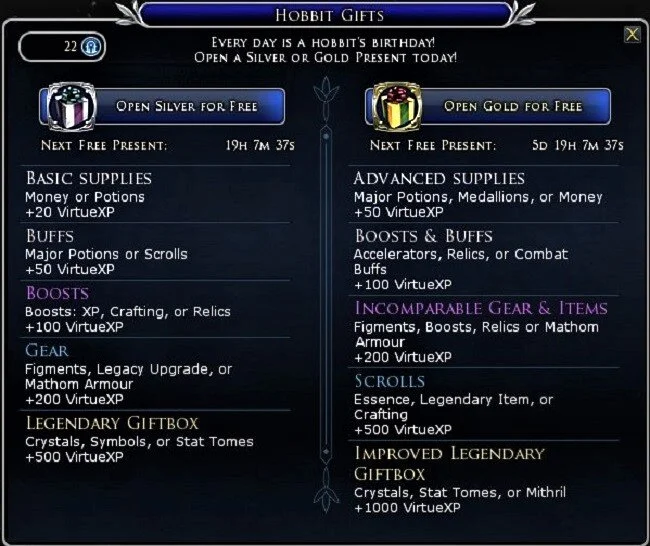
A major challenge for any MMO is to keep players logging in to the game. Obviously, regularly adding content and ensuring that there are sufficient quests, activities and tasks for players to undertake is essential. However, experience has shown that no matter how much content developers add to an MMORPG, players will always veraciously consume it and want more. Hence you need an additional “carrot on a stick”. Something that get’s player sufficiently interested to log into a game, even when they don’t have anything especially compelling to do. Login incentives are designed to do exactly that. They offer of some bauble or trinket that motivates you to log into a game once a day. Hopefully once you login, you may then find something to occupy yourself, either on your own or with fellow guild members. And of course the player who is actively playing may well even purchase something from the in-game store. At the very least, a successful login incentive contributes towards active player statistics. If those figures are presented in the right fashion on paper, they can bolster a declining population.
I was initially going to call this post “crafting can fuck right off” but I felt that was a somewhat bellicose opening gambit and a little hyperbolic. So I’ve toned it down to “the esoteric nature of crafting in MMORPGS”. Now to begin with, I tend not to craft when playing MMORPGs. The effort to reward ratio is often insufficient and I have yet to find a crafting system that is engaging and fun. However, for me the biggest sin that crafting can commit is being deliberately arcane and obtuse “with malice of forethought”, if I may invoke legal analogy. Don’t get me wrong, I have no problem with game systems and mechanics being complicated. Intricacy can be both intriguing and rewarding if presented correctly. However, all too often game developers cross over the line, stepping from “complexity” to “fucking annoying”. For example some card games such as Poker can have complex rules but mastering them transforms the proceedings from random chance into a game of skill. But at the other end of the spectrum there’s Fizzbin, which was invented purely to be frustrating due to its arcane nature. I frequently find that crafting in MMOs is just like Fizzbin. Except they’re not amusing or ironic, just tedious and irritating.
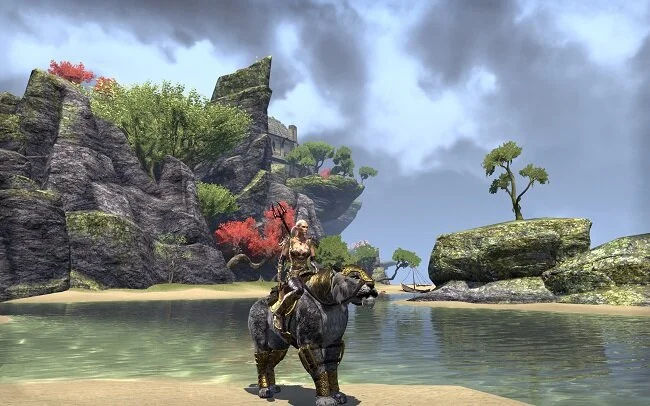
As my first post for International Picture Posting Month, I have decided to share some pictures and thoughts on the MMORPG, The Elder Scrolls Online. Out of the three games from this genre that I currently play, it’s the one that I’m currently enjoying the most. It has plenty of content to play through, the virtual world is immersive and the stories, characters and lore are very detailed and satisfying. As a more recent MMO, the game engine is robust and the visuals are far from dated. The game mechanics are multi-layered but combat is straightforward. There is no obvious skills bloat as you choose what you want on your hotbar. I also greatly enjoy the ambient music and recurring themes that play throughout the game. ESO is both solo and group friendly. You can also greatly augment your UI and the way you interact with the various systems, through the use of addons if you like. Alternatively, if you feel bold enough, then you can go with the default layout. From my perspective, ESO offers a great deal and ticks many of the boxes I favour. Yes it can have its foibles but name me an MMO that doesn’t?
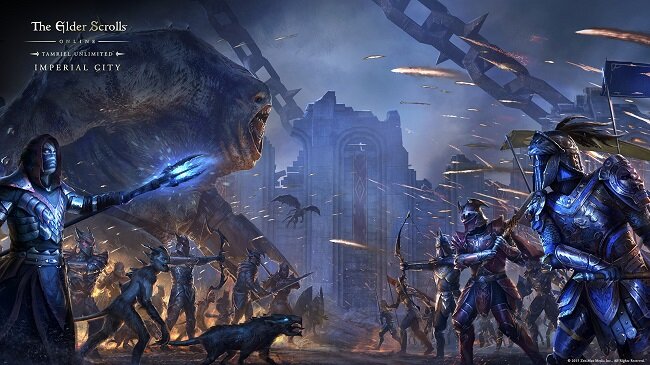
I raised the question in a previous post as to what’s the best way to follow the various stories in The Elder Scrolls Online in an orderly, coherent fashion. After some further research, it would appear that the most practical solution is to play through all the games DLC and chapters in release order. Hence, after finishing the main and faction storylines (in my case the Daggerfall Covenant), the next place to go is The Imperial City. Now I was under the impression that Cyrodiil was just a pure PVP zone but it would appear that there are 8 PVE quests that have a narrative arc. I was most pleased to learn this as I don’t like to miss out on content, especially if it sheds light on the lore and advances existing plot and themes. However, the problem with this series of quests is that despite being PVE content that requires you to kill Daedra mobs, you are still operating within an PVP zone. So you’re at risk of getting picked off by other players of differing factions while undertaking these quests.

Whenever I start a new MMO I tend to research the various classes and make an informed decision about which one to choose as my primary character. This policy has worked out well over the years and therefore compared to other players, I don’t have multiple alts across numerous games. That’s not to say that I’m averse to creating a new character, I simply need a good reason to do so. When I do, its usually because there’s an option to experience a different story. Hence, I currently have three alts in The Elder Scrolls Online. Last night I reached the current level cap of 50 with my Imperial Dragonknight, having recently completed the Daggerfall Covenant storyline. I have now experienced all three faction stories (which I have enjoyed) and more importantly, have learned what is the best way for me to progress through the game. ESO offers players the chance to play the MMO in a manner that suits them. If you want to simply travel Tamriel and do things as you go along, then you may. It’s a very flexible in this respect. But if you want to play in a more structured way, it can be a little confusing navigating a linear path. So here are a few tips I’ve learned the hard way.
Sometime in August 1979, I was travelling with my father by train to London, when I first saw posters advertising the Ralph Bakshi animated version of J. R. R. Tolkien’s The Lord of the Rings. The film had been released in the US the previous November and I aware of its existence because I had read articles about it production in Starburst magazine. Even at the age of 11 I was interested in genre films and television, having been raised on Doctor Who and Ray Harryhausen’s back catalogue of fantasy movies. Furthermore, I was familiar with Tolkien’s first novel, The Hobbit, as my father had read it to me when I was younger. I was impressed by the poster in that way that only an 11 year old can be. Why was Gandalf do gigantic? Also the A rating was enigmatic. Most animated films were usually rated U. Yet despite my interest, I didn’t see The Lord of the Rings at the cinema during the summer holidays.