

Video Games Are Bad at Explaining Themselves
Video games as a genre are extremely poor at explaining themselves. When you buy a new game you’ll often find little or no information regarding the basic systems and mechanics. The industry assumes that their customers are by default familiar with the fundamentals of playing a modern video game. Hence if a game has a tutorial, it is often based around videos rather than detailed verbal instructions. You are are briefly shown a clip of a specific move being successfully undertaken but it is seldom shown in a wider context. The industry also expects the fan community to take on the role of curating and disseminating information about its games. The move away from forums and bespoke websites to Discord highlights this. Discord is a primarily a real time communication tool and not good at maintaining a historical data archive. If you want an answer to a specific gaming question, you’ll more than likely find it on YouTube in a video made by a fellow gamer.
Video games as a genre are extremely poor at explaining themselves. When you buy a new game you’ll often find little or no information regarding the basic systems and mechanics. The industry assumes that their customers are by default familiar with the fundamentals of playing a modern video game. Hence if a game has a tutorial, it is often based around videos rather than detailed verbal instructions. You are are briefly shown a clip of a specific move being successfully undertaken but it is seldom shown in a wider context. The industry also expects the fan community to take on the role of curating and disseminating information about its games. The move away from forums and bespoke websites to Discord highlights this. Discord is a primarily a real time communication tool and not good at maintaining a historical data archive. If you want an answer to a specific gaming question, you’ll more than likely find it on YouTube in a video made by a fellow gamer.
This issue has been highlighted recently as I’ve watched my grandchildren try new games on my computer. They play primarily on their phones or the Nintendo Switch 2. Hence their major frame of reference are interacting with games via a touch screen or a controller. As a result, PC gaming via a keyboard and mouse is quite abstract for them and also physically difficult for their small hands. The problem is further compounded by their often being no viable tutorial directly available in the games they play. My PC having two monitors helps in so far as you can run a video on one screen while playing a game on another but videos are often a lottery. Information is not always up to date and not everyone who creates YouTube content are skilled communicators. Furthermore, although it is useful to have access to online resources, this does explain or justify why a game such as Fall Guys does not have an integral tutorial?
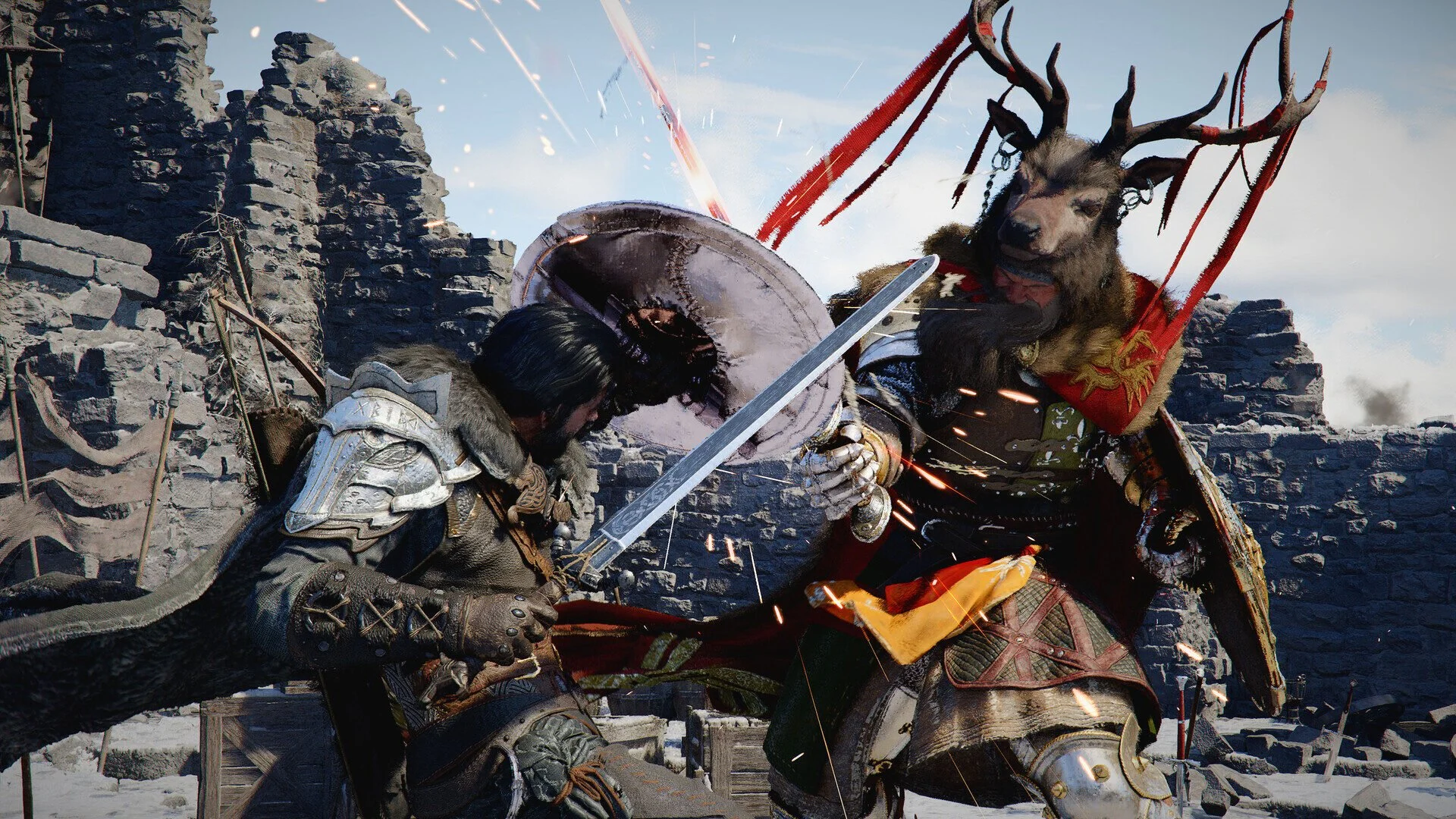
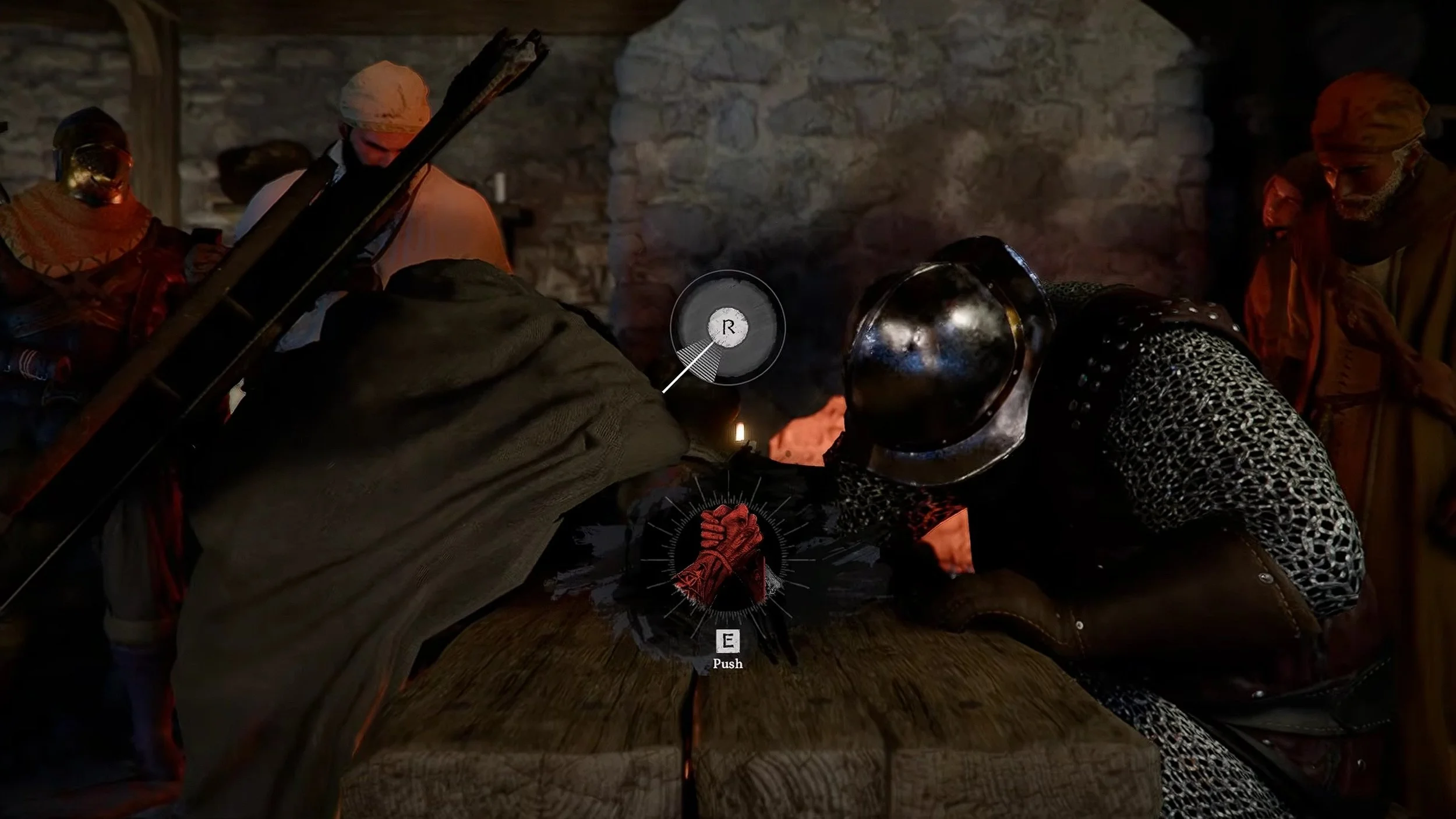
When playing Roblox with my granddaughters, I often ask them how to do a specific task in games such as 99 Nights in the Forest. Sometimes they’ll know and other times they will not. Most of their knowledge comes from “just trying things” which can be a great way to learn but it can leave you with serious gaps in your knowledge. This matter is compounded as I play with them on the PC, which often has different or even additional controls. Online searches have sometime led to all of us finding out something that we previously didn’t know. Discovering information this way can be fun but it can also be very frustrating. I hit a brick wall today trying to figure out exactly how you used the various game passes in Chivalry 2. I eventually found a Reddit post that cogently explained the specific steps required to activate the pass and how you subsequently accessed unlocked gear. Again, isn’t providing such information incumbent on the developers?
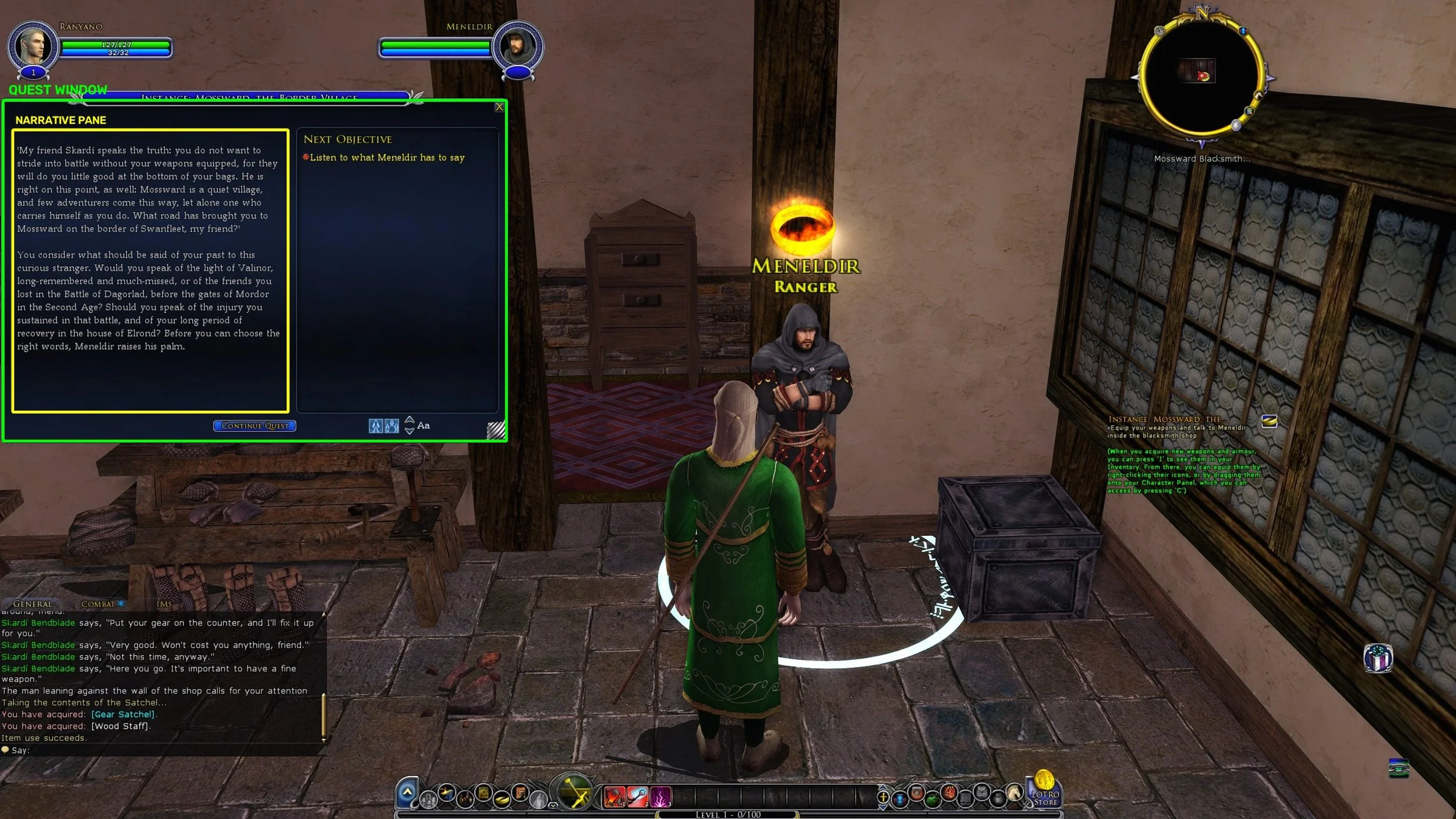
I was going through my bric-a-brac cupboard recently and found the installation disks for several games from the middle 2000s. All had comprehensive manuals. In fact the in-depth instructions that came with the MMORPG The Lord of the Rings Online where so well written, I chose to play the Lore-master class purely on the strength of the written summary. Call of Duty: Modern Warfare 2 (the 2009 version) has an excellent tutorial level dovetailed into the start of the game, where you’re character has to visit the firing range to undertake basic weapons proficiency. It’s an excellent example of seamlessly integrating practical instruction into a game and making it part of the story and overall experience. If you remember such things, it is a stark contrast to how things are done these days. The videos game industry’s casual attitude towards having to explain themselves to their paying customers seems a least, ill considered and at worse, frankly disrespectful.
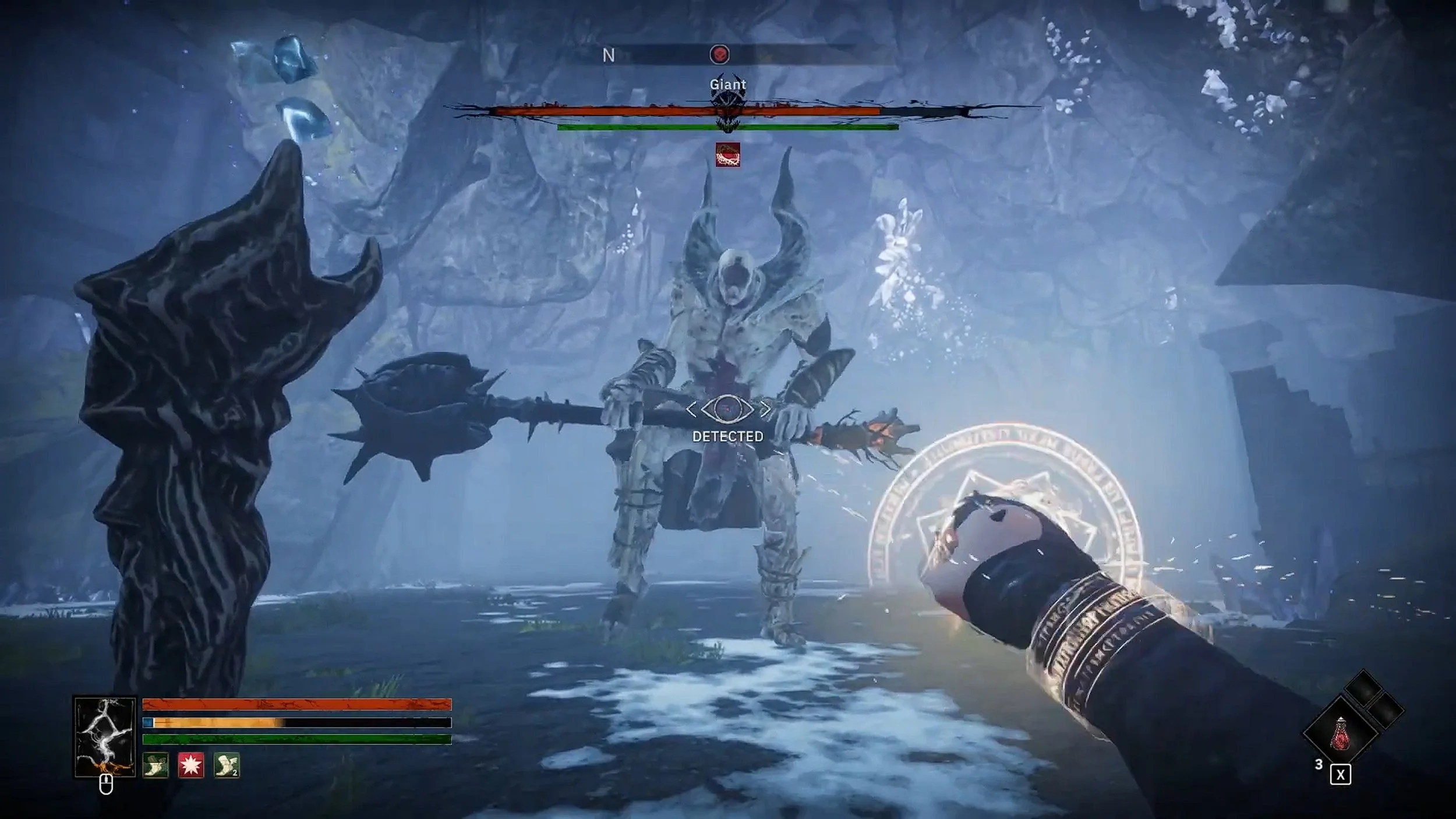
However, let us end on a positive note. As I was writing this post I collated a list of games that I’ve played over the last twelve months. Most of which were completely new to me at the time. After some consideration, I remembered that those games that made the best effort to school new players in their respective gameplay, were often so called AA titles. Sniper Elite: Resistance has a bespoke level at the start of the game that provides examples of the most essential mechanics and systems. Tainted Grail: The Fall of Avalon integrates a tutorial into the game prologue as you character escapes incarceration. The more I think about it, the biggest offenders for not making any effort to explain themselves are once again, the big triple A game developers. However, the tide of public opinion is beginning to change against this sector of the video game industry. Perhaps this in another potential lesson that can be added to an already lengthy list, that they can learn.















Instruction Manuals
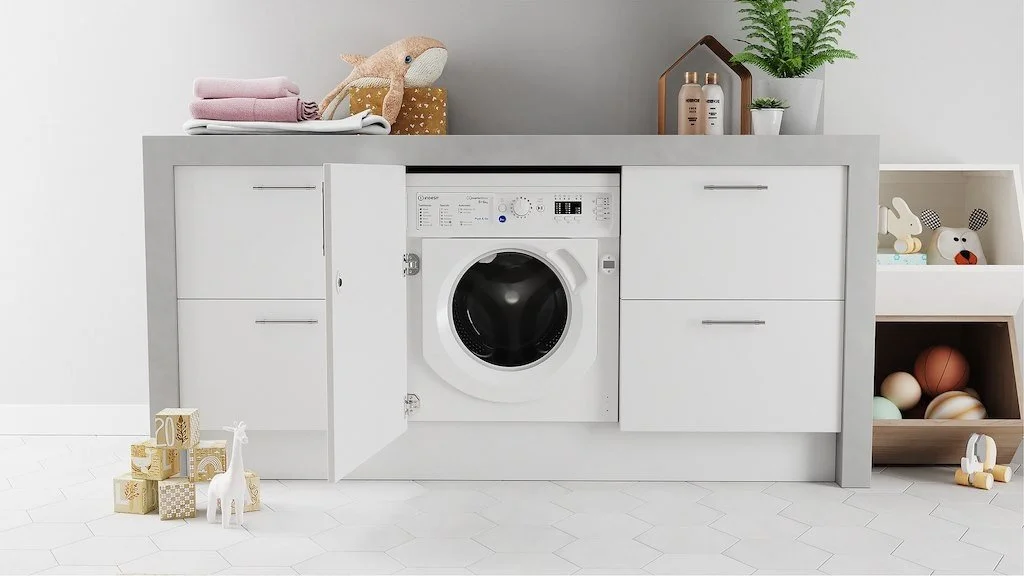
I try not to let the failings of contemporary capitalism get to me but such a mindset is very hard to maintain. From time to time it does just piss you off and you know damn well that there’s nothing you can do about it. So to begin this tale, at the end of November, our Indesit washer/dryer gave up the ghost after a valiant twelve year lifespan. As a result of this household appliance’s stirling work, it was decided to buy another from the same manufacturer. Their website informed me that the model that had just broken was no longer being produced. However, it recommended two newer appliances that had comparable specifications and more importantly the same size. This washer/dryer had to fit into a fitted kitchen unit. To cut a long story short, a model was chosen, purchased, delivered within 48 hours and installed. The broken predecessor was subsequently taken away. The wonders of modern consumer culture!
I try not to let the failings of contemporary capitalism get to me but such a mindset is very hard to maintain. From time to time it does just piss you off and you know damn well that there’s nothing you can do about it. So to begin this tale, at the end of November, our Indesit washer/dryer gave up the ghost after a valiant twelve year lifespan. As a result of this household appliance’s stirling work, it was decided to buy another from the same manufacturer. Their website informed me that the model that had just broken was no longer being produced. However, it recommended two newer appliances that had comparable specifications and more importantly the same size. This washer/dryer had to fit into a fitted kitchen unit. To cut a long story short, a model was chosen, purchased, delivered within 48 hours and installed. The broken predecessor was subsequently taken away. The wonders of modern consumer culture!
The aforementioned process all sounds very good, doesn’t it? Broadly speaking it is. All that there was left to do was to come to grips with the operation of the new washer/dryer. However, there was one small thing that proved to be a major impediment to this process. We didn’t get a physical manual with the appliance. It would appear that getting any printed instructions with white goods nowadays is a thing of the past. To put this succinctly, that is a fucking nuisance. A manual is immediate, by which I mean it is close to hand and can be quickly perused. It is also wholly independent of any other requirement. You just need hands and the ability to read and think, to use it. Sadly, the time, effort and cost it takes to produce a printed manual has been deemed far too excessive and the ruination of the bottom line according to big corporations. So they have been dispensed with.
If you find yourself sans manual for the device you’ve just purchased, fear not. You can always go to the manufacturers website and download a PDF version. All you require is a phone or PC with internet access along with some PDF reading software. You also need to know what the fuck you’re doing. Because all the aforementioned steps come with an assumption of knowledge, experience and a willingness to use technology. Something that a substantial number of customers may not wish to do, or be able to do. Now in my case, I sought out an appropriate PDF version of the instruction manual which I then printed out. Mrs P who is the primary user of the household washer/dryer for “reasons”, doesn’t warm to technology based solutions. Hence presenting here with a printed (and stapled) manual was a step forward in addressing this problem.
Most modern washer/dryers come with a wealth of bespoke washing cycles for all sorts of situations and scenarios. Have you spilt sancerre on your cravat? Do you need to get blood out of your chinos after dismembering a corpse? Are you having to do an emergency wash of whatever your grandson was wearing to get god knows what off his clothes? That sort of thing. However, most households tend to use two or so washes at most, for their daily requirements. The thing is this becomes quite difficult to determine, if the PDF instructions are poorly written/translated and also have graphics missing from the PDF. Graphics that represent the appropriate buttons on the sodding washer/dryer. Oh how we laughed (we fucking didn’t). We managed to guess some functionality but ended up having to watch a YouTube video by a helpful engineer. He had a regional accent.
Let it suffice to say that after an online search, it would seem that a lot of other people who bought the same make and model of washer/dryer, were equally pissed off by the lack of a manual and the utterly shit quality of the PDF instructions. One person was attempting to rewrite and share them online but had been told to “cease and desist” by the manufacturers. The mind boggles. Having online resources is fine in principle, as there are always people who are happy to use their phones. However, online resources should not be the only means of providing instructions for a product. Not everyone uses their phone in such a fashion. Not everyone is familiar with PDF files. Not everyone wants to search for the answers via YouTube. But untrammelled capitalism is self-serving and cuntish by nature. Unless legally compelled to do something it seldom does so by default. Hence my and others desire for printed manuals is ultimately irrelevant. “Grr”. Shakes fist at clouds etc.




I was playing Battlefield 6 recently and was experimenting with the mortar. If you stick with it and take some time to become familiar with its foibles, it can be an effective weapon. It can suppress the enemy, destroy equipment and provide useful cover for your own team. I remember thinking “I wonder if artillery could sustain a game on its own”. Artillery is an interesting feature in Hell Let Loose, although it is a little more complex in its game mechanics. I believe artillery is also available in Wardogs. I therefore spent a while looking online to see if there was a dedicated artillery simulator available or at least a game where it was a key feature. There nearest thing I found was Iron Nest, a dieselpunk heavy artillery game which looks interesting but isn’t quite what I seek. So I parked this idea and moved. Tonight, while perusing YouTube, I stumble across a teaser trailer for a game called Flak Simulator, currently under development by Horseman Interactive. It appears to be exactly what I am looking for.