
Theatrical Version or Director's Cut Part 2
I wrote a post 18 month’s ago regarding whether a directors cut of a film is superior by default to the version originally shown in cinemas. Obviously the answer was no and I then went on to give three examples of films where I think the theatrical release is better to lengthier or substantially altered director’s cut that was subsequently made available at a later date. This time round in this post, I would like to do the complete opposite. I shall provide some examples of films that I think are significantly improved by a longer cut or a substantially, restructured edit. Note some of these examples are technically not a “director’s cuts” but a restoration or reconstruction of the director’s original vision. I shall endeavour to highlight what specific material or broader changes make each respective film “better”. As ever, all of these examples are a matter of subjective opinion and my views are presented as such, not “fact”.
I wrote a post 18 month’s ago regarding whether a directors cut of a film is superior by default to the version originally shown in cinemas. Obviously the answer was no and I then went on to give three examples of films where I think the theatrical release is better to lengthier or substantially altered director’s cut that was subsequently made available at a later date. This time round in this post, I would like to do the complete opposite. I shall provide some examples of films that I think are significantly improved by a longer cut or a substantially, restructured edit. Note some of these examples are technically not a “director’s cuts” but a restoration or reconstruction of the director’s original vision. I shall endeavour to highlight what specific material or broader changes make each respective film “better”. As ever, all of these examples are a matter of subjective opinion and my views are presented as such, not “fact”.
The Abyss: Special Edition (1989/1993) Roughly 27 minutes of material is restored by director James cameron to this underwater drama and alien encounter film. The major difference is the expanded political/apocalyptic subplot. The escalating Cold War tensions are made much more explicit and the NTIs threaten humanity with enormous tidal waves before relenting because of Bud's self-sacrifice. There is also more character material. Consequently, the Special Edition gives the aliens’ actions and the film’s anti-war theme a much clearer rationale. The theatrical ending feels considerably more abrupt. The longer cut turns an underwater first-contact adventure into a much more overt cautionary story about humanity's capacity for self-destruction.
Phase IV: Preview Cut (1974) One of the most cerebral science fiction films of the seventies, Phase IV is about the evolution of ants into an intelligent collective. This revised cut is only about five minutes longer than the theatrical, but those minutes matter enormously. It restores Saul Bass's extraordinary surreal concluding montage depicting humanity's transformation under the ants into a servitor race and the emergence of a strange new world. The restored preview version also contains small additional shots and dialogue and dispenses with explanatory narration added to make the theatrical version easier to understand. The theatrical cut has an enigmatic ending. The preview cut has a genuinely visionary, psychedelic and rather disturbing one. It makes a bold statement.
The Big Red One: The Reconstruction (1980) A hardened sergeant and the four core members of his infantry unit try to survive World War II. This is not strictly a director's cut, because Samuel Fuller died before it was assembled. Richard Schickel's 2004 reconstruction restores about 47 minutes of material, including 15 complete sequences and extensions to many others. The Infantry soldiers' journey across North Africa and Europe during WW II becomes much more episodic and detailed, with greater character development. There is more emphasis on the absurdity, brutality and psychological attrition of warfare. The theatrical version is a lean war film where the Reconstruction feels much more like Fuller's intended autobiographical wartime epic.
Touch of Evil (1958/1998 reconstruction) A Mexican official and his American wife are targeted in a Texas border town by the organised criminals he is investigating. Again, technically a reconstruction rather than a director's cut. Walter Murch and Rick Schmidlin re-edited the film according to the detailed 58-page memo Orson Welles sent Universal after the studio altered his version. Scenes are reordered, studio changes are removed or modified, Welles's elaborate cross-cutting and sound design are restored and the famous opening tracking shot loses the superimposed credits and conventional title music. It isn't radically longer so much as differently constructed. The 1998 version flows more coherently and feels much more recognisably like a Welles film.
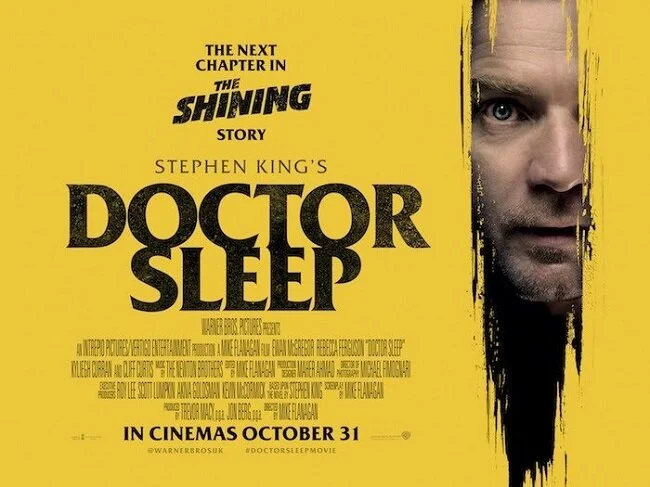
The Shining (1980) Kubrick’s legendary adaptation of a Stephen King novel, about a family that takes a caretaker position at an isolated hotel during winter. This one is unusual because there isn't really a later “director's cut”. Kubrick himself created two theatrical versions. The original American release is around 25 minutes longer than the European version he subsequently prepared. The US cut contains considerably more exposition. Danny being examined by a doctor, more information about Jack's alcoholism and his previous injury of Danny, additional hotel-management scenes, more of Hallorann’s journey back to the Overlook and some extra supernatural material involving Wendy. The American version explains more about the family and Jack's past. The European cut is leaner, faster and more mysterious. Both were personally approved and edited by Kubrick, so neither can really be called the definitive director's cut at the expense of the other. However, the longer cut feels more comprehensive.

Theatrical Version or Director's Cut?
Not all film director’s have the luxury of “final cut”. The right to ensure that the completed version of a film corresponds with their creative vision. Films are commercial undertakings and sometimes the producers, film studio or other interested parties get to assert their wishes over that of the director. Often this can be due to practical considerations such as running time or budget. On occasions, this can be down to major creative and artistic differences. Hence the theatrical release of a film may be considered flawed, unfinished or just plain wrong by the director, if changes have been imposed, regardless of the reasons. Therefore, a director’s cut of a film can offer a significantly different cinematic vision over the original theatrical release. They can present an opportunity to fix perceived problems or just put more narrative meat on the bones. This may lead to a film being critically reappraised.
Not all film director’s have the luxury of “final cut”. The right to ensure that the completed version of a film corresponds with their creative vision. Films are commercial undertakings and sometimes the producers, film studio or other interested parties get to assert their wishes over that of the director. Often this can be due to practical considerations such as running time or budget. On occasions, this can be down to major creative and artistic differences. Hence the theatrical release of a film may be considered flawed, unfinished or just plain wrong by the director, if changes have been imposed, regardless of the reasons. Therefore, a director’s cut of a film can offer a significantly different cinematic vision over the original theatrical release. They can present an opportunity to fix perceived problems or just put more narrative meat on the bones. This may lead to a film being critically reappraised.
However, it is erroneous to assume that a director’s cut is a superior version of a film by default. Sometimes, a filmmakers desire to return to a previous project and make alterations yields no significant results. Some director’s even develop a reputation as “serial tinkerers” who never seem to be satisfied, whatever the results. Francis Ford Coppola’s Apocalypse Now exists formerly in three distinct versions. Oliver Stone has released four versions of his film Alexander (2004). As for George Lucas, he stated in an interview that “films are never completed, they’re only abandoned”. He has famously revisited his body of work several times and not necessarily to their overall benefit. With all this in mind, here are three films, where popular opinion and critical acclaim favours the original theatrical version over the later released director’s cut.
Alien (1979). Ridley Scott is another well known director who always seems to revisit his work and make alterations. His reasons for re-editing vary and sometimes they do yield better movies. However, the original theatrical release of Alien is described by Scott himself as “the best he could possibly have made at the time”. Yet in 2003, he released a “director’s cut” despite stating that this was not his definitive version. The new version restored roughly four minutes of deleted footage, while cutting about five minutes of other material, leaving it approximately a minute shorter than the theatrical cut. The standout changes were to Brett’s death scene which shows more of the xenomorph and the infamous scene where Ripley finds Dallas “cocooned” and puts him out of his misery. Being no more than a fan service, this version has no additional value. In fact it can be argued that it only serves to contradict the xenomorph’s established biology.
Donnie Darko (2001). Richard Kelly had to compromise when making his off kilter science fiction movie. The main one being keeping the running time below two hours. In 2004, director Kelly, re-cut the film, added twenty minutes of previously deleted footage as well as new music and sound effects. This director's cut provides a clearer insight into many of the film's more ambiguous plot elements and makes the previously vague temporal mechanics less esoteric. However, critics and fans alike have stated that the charm of the theatrical release lies in its mysterious and ill defined nature. It is a deliberately enigmatic cinematic journey. Kelly’s second edit may well add clarity but in doing so neuters what so many viewers found endearing. Sometimes, less is indeed more.
The Warriors (1979). Walter Hill’s underrated, stylised gang drama has its roots in the writings of ancient Greek professional soldier Xenophon. The theme of a group of warriors trapped in hostile territory and trying to get home is cleverly transposed to seventies New York City. Made on a tight schedule by a studio that wasn’t especially enamoured with the material, Hill didn’t get to draw the exact parallels he originally wanted. Hence in 2005, he added a new opening scene with a voiceover describing how Xenophon’s army attempted to fight its way out of Persia and return home. He also inserted comic-book splash panel shots as a means to bridge various key scenes in the film. Sadly, this was a little too on the nose and too expository. Recent releases of The Warriors on Blu-ray and UHD have included both versions and the consensus remains that the theatrical release is more efficient, requiring no further embellishment.



I wrote a post 18 month’s ago regarding whether a directors cut of a film is superior by default to the version originally shown in cinemas. Obviously the answer was no and I then went on to give three examples of films where I think the theatrical release is better to lengthier or substantially altered director’s cut that was subsequently made available at a later date. This time round in this post, I would like to do the complete opposite. I shall provide some examples of films that I think are significantly improved by a longer cut or a substantially, restructured edit. Note some of these examples are technically not a “director’s cuts” but a restoration or reconstruction of the director’s original vision. I shall endeavour to highlight what specific material or broader changes make each respective film “better”. As ever, all of these examples are a matter of subjective opinion and my views are presented as such, not “fact”.