
Creator Appreciation Week: Cool Dudes Walking Club
It's Creator Appreciation Week (August 13th – August 19th) for those participating in Blaugust: Festival of Blogging 2023. What does that mean in plain English? It means I am going to write a post specifically about someone or a group of people who create content that I enjoy. Now that is not a short list. I subscribe to dozens of YouTube channels and even more blogs via Feedly. However, it is not practical to try and write about all of these. So I have had to think long and hard about selecting one creator to highlight. It’s quite a difficult choice because I enjoy a multitude of content for different reasons. However, I have chosen one which regularly keeps me entertained, has a good community associated and also offers an element of interaction which is quite unique. It is this last factor which has tipped the balance.
It's Creator Appreciation Week (August 13th – August 19th) for those participating in Blaugust: Festival of Blogging 2023. What does that mean in plain English? It means I am going to write a post specifically about someone or a group of people who create content that I enjoy. Now that is not a short list. I subscribe to dozens of YouTube channels and even more blogs via Feedly. However, it is not practical to try and write about all of these. So I have had to think long and hard about selecting one creator to highlight. It’s quite a difficult choice because I enjoy a multitude of content for different reasons. However, I have chosen one which regularly keeps me entertained, has a good community associated and also offers an element of interaction which is quite unique. It is this last factor which has tipped the balance.
One of my hobbies is walking for pleasure. The UK has a culture of walking and it is often a very practical means of getting about. Then there are the obvious physical and mental health benefits. The former are obvious, the latter not immediately so. Some people do not like being alone with their thoughts or find silence or at least the absence of speech, comforting. I do. Walking affords me a time to think and reflect upon anything I choose. It also allows me to switch off if I wish to. And then there are walks in the countryside. There’s the enjoyment of planning a route and challenging yourself with the distance you walk. Walking can be a fluid situation if a route through a field is untenable, or the weather turns against you. But it is always worth it for the potential views and the opportunity to pursue other interests when out, like photography, painting or wildlife spotting.
Which segues nicely into the Cool Dudes Walking Club. I would like to point out that “dude” is used in a non-gender specific way and that the club is open to all. About seven years ago I was perusing YouTube and found a channel belonging to comedian, actor and writer Marek Larwood. I was aware of his work and subscribed to his channel as it featured (among other things) a series of videos involving excursions to major tourist attractions in London. Let it suffice to say that Marek’s outlook on travel, tourists and generally navigating daily life resonated with me. As he has a keen interest in walking and started producing more related content, he eventually set up a separate YouTube channel. Thus the Cool Dudes Walking Club was born. I subsequently joined, subscribed to the new YouTube channel and became a monthly supporter.
There is a tendency these days for videos to follow a “process”. I don’t mind well made YouTube content but I don’t want the process to crowd out the passion. One of the key things about Marek Larwood’s walking videos is that they are made in an informal fashion but that doesn’t mean that they lack enthusiasm. Marek talks about his gear, gives hints and tips about walking and what he’s hoping to achieve. But it never feels like a hard sell. He also provides anecdotes and information relating to where he is walking and the sights and sounds along the way. Yet it is far from didactic or stilted. In fact the overall tone of most of his videos is the same as if you were walking with your mates. In between the clear love and excitement, there are miscellaneous grumblings about tourists or public footpaths that farmers have purposely blocked. And don’t get Marek started on pigeons. Therefore, the Cool Dudes Walking Club is not only entertaining but very relatable. That is important.
Another aspect of the Cool Dudes Walking Club that I like is the associated community. The comments on YouTube are always pleasant and informative. Often Marek will ask a question in the video such as “do you like “wild” camping? If so, what is wrong with you?” and the responses are honest and again relatable. I think the channel attracts walkers with a laid back mindset who enjoy walking in the moment, rather than those who see this outdoor pursuit as an ironman style challenge. And then there’s the photos. There are a range of Marek keyrings available as club merchandise and an open invitation to take pictures of your “mini Marek” while out walking. Pictures that are sent in feature at the end of videos and they are for me a highlight. People are very creative with their pictures and they often feature very interesting locations.
So these are a few of the reasons why I enjoy being a member of the Cool Dudes Walking Club. It is nice to be part of a community that enjoys a shared hobby, has a welcoming and genuine outlook and is fun to spend time with online. Plus it would be remiss of me not to say that I appreciate Marek’s sense of humour and broader perspective. He is also very good when it comes to extolling the virtues of his walks and their respective locations. I visited both Avebury and the Bembridge Windmill because of his videos. I also empathise with his aspiration to try and make the Cool Dudes Walking Club his primary job. I used to harbour similar hopes regarding writing and this site. Therefore it is nice to see the club membership grow and someone making progress through their own hard work.

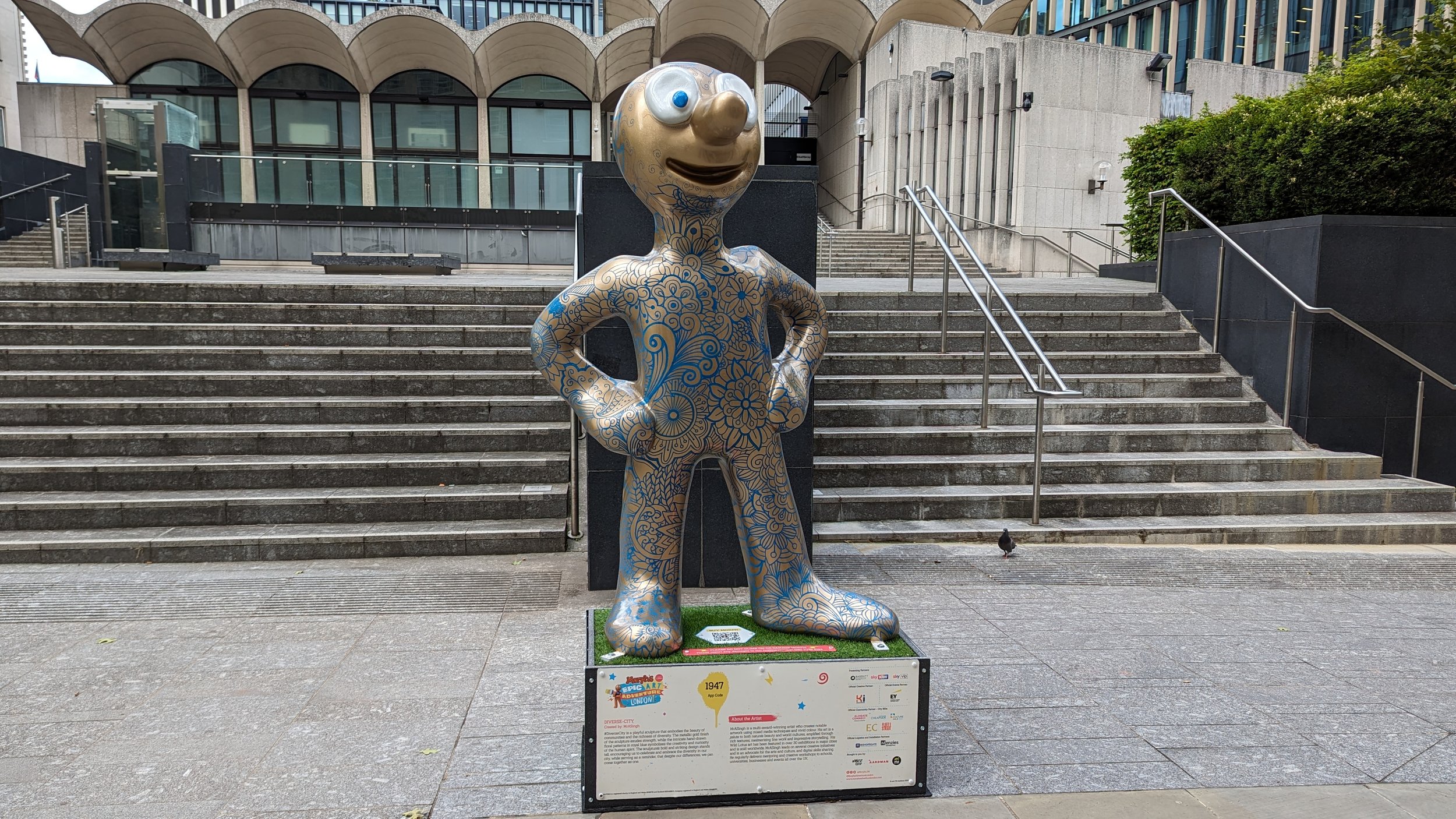
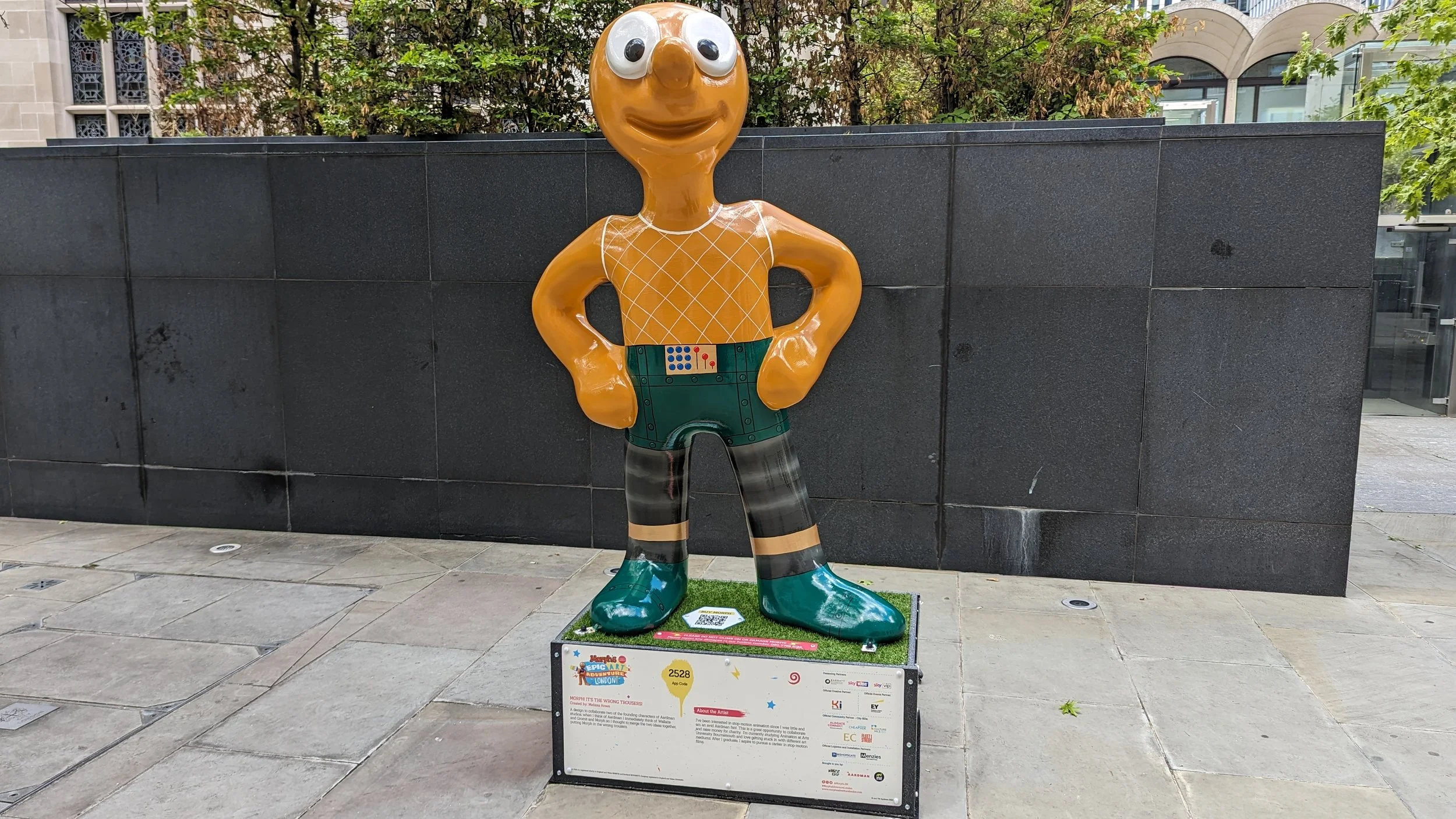
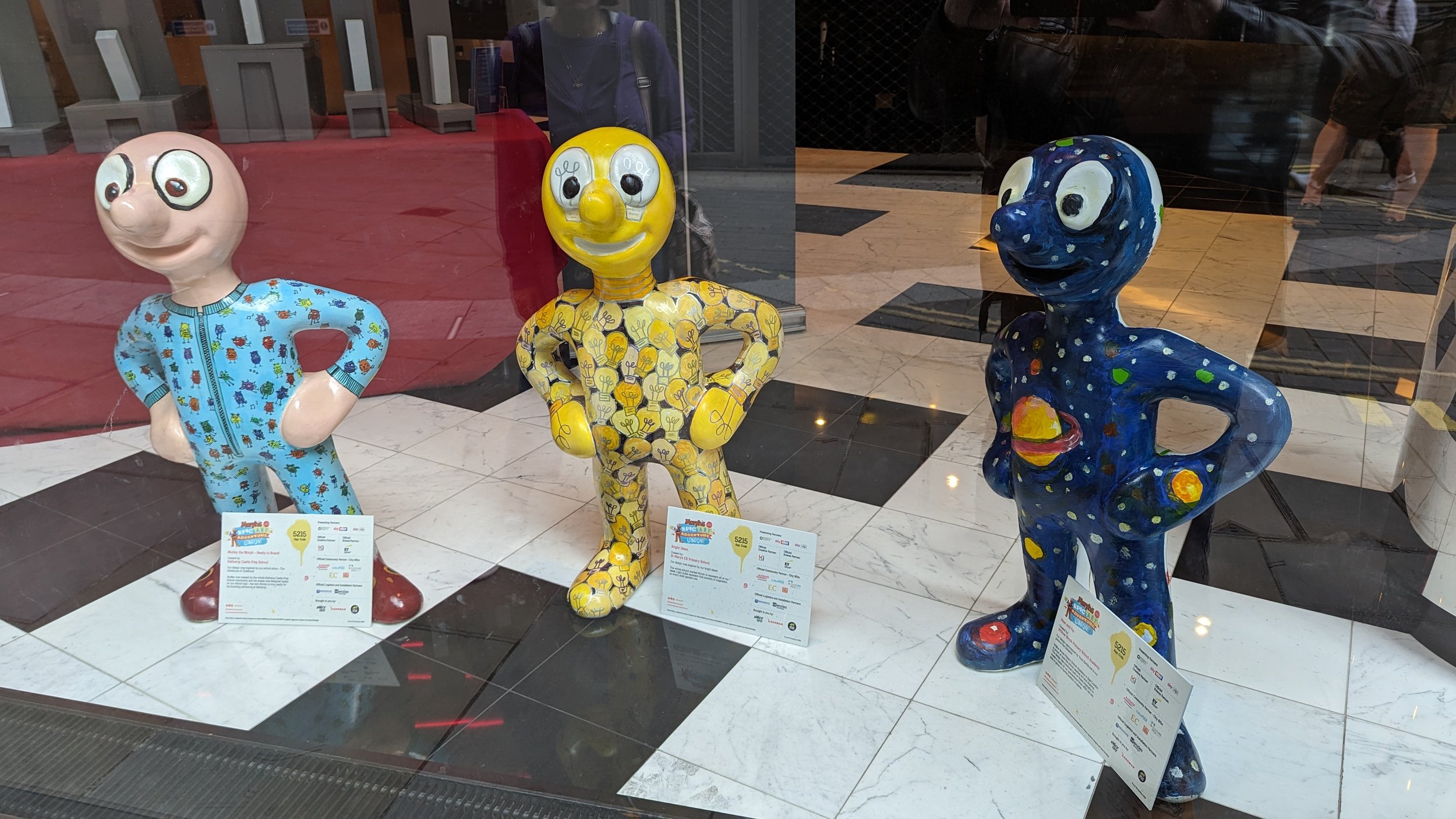
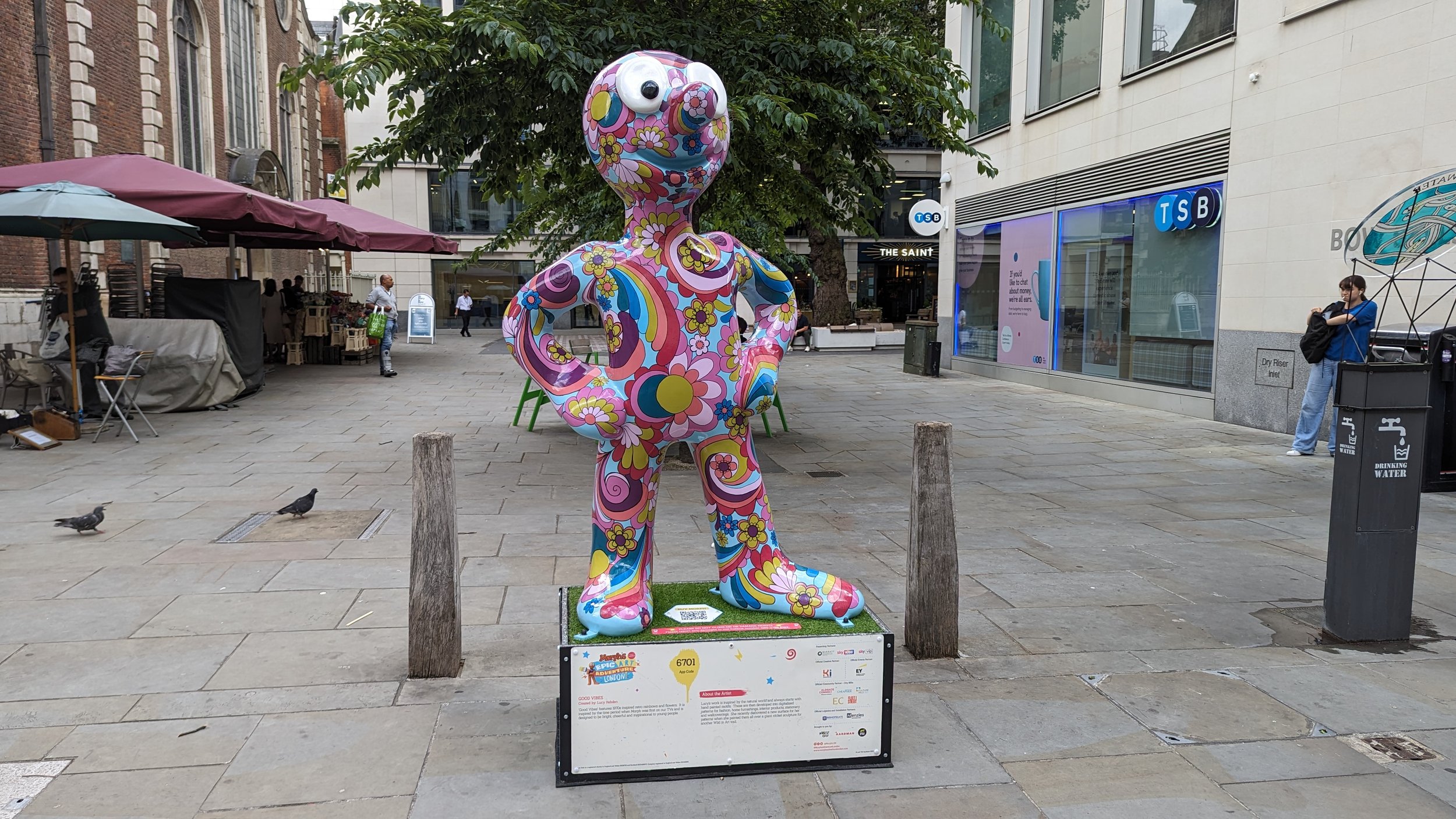
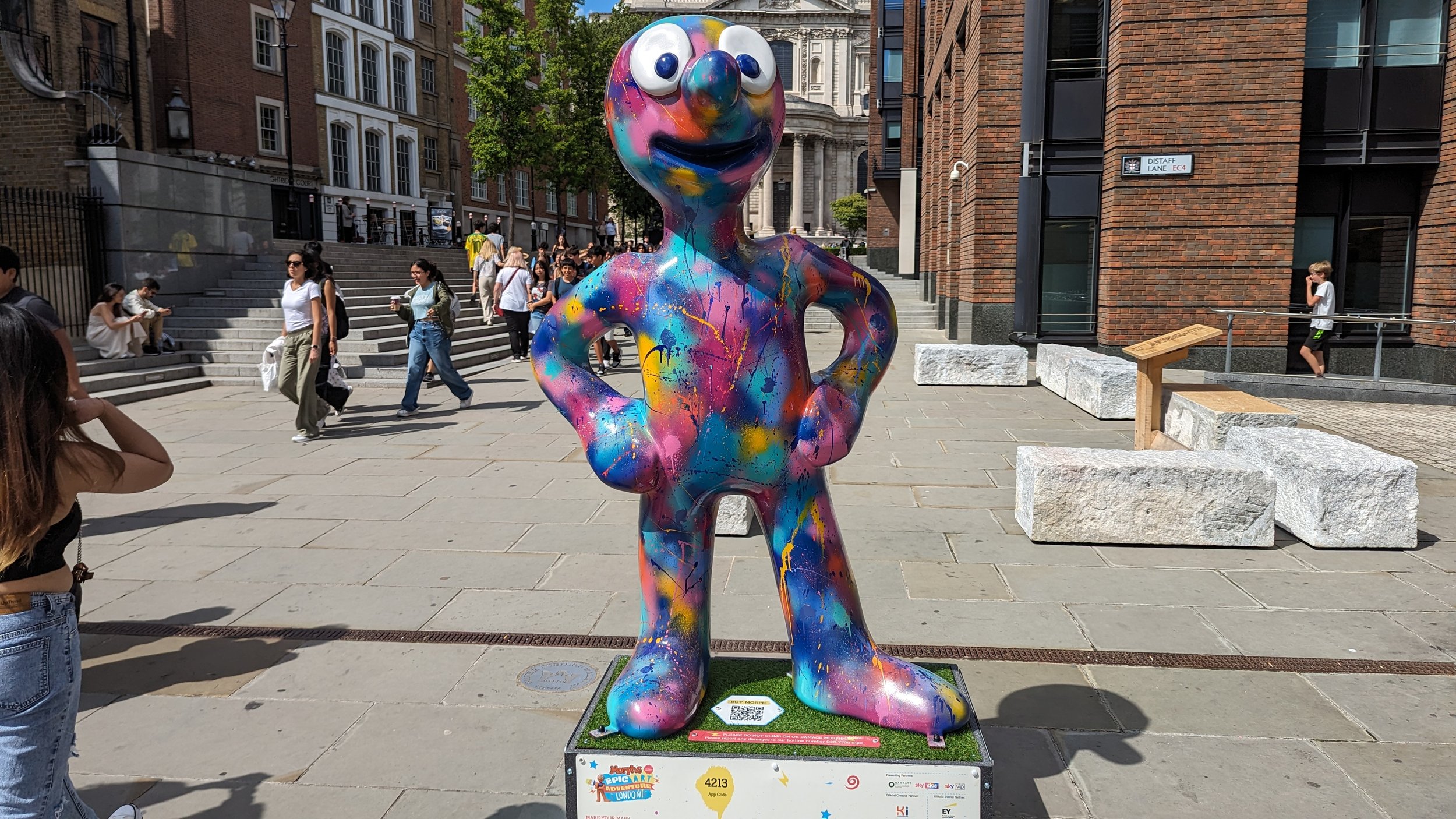
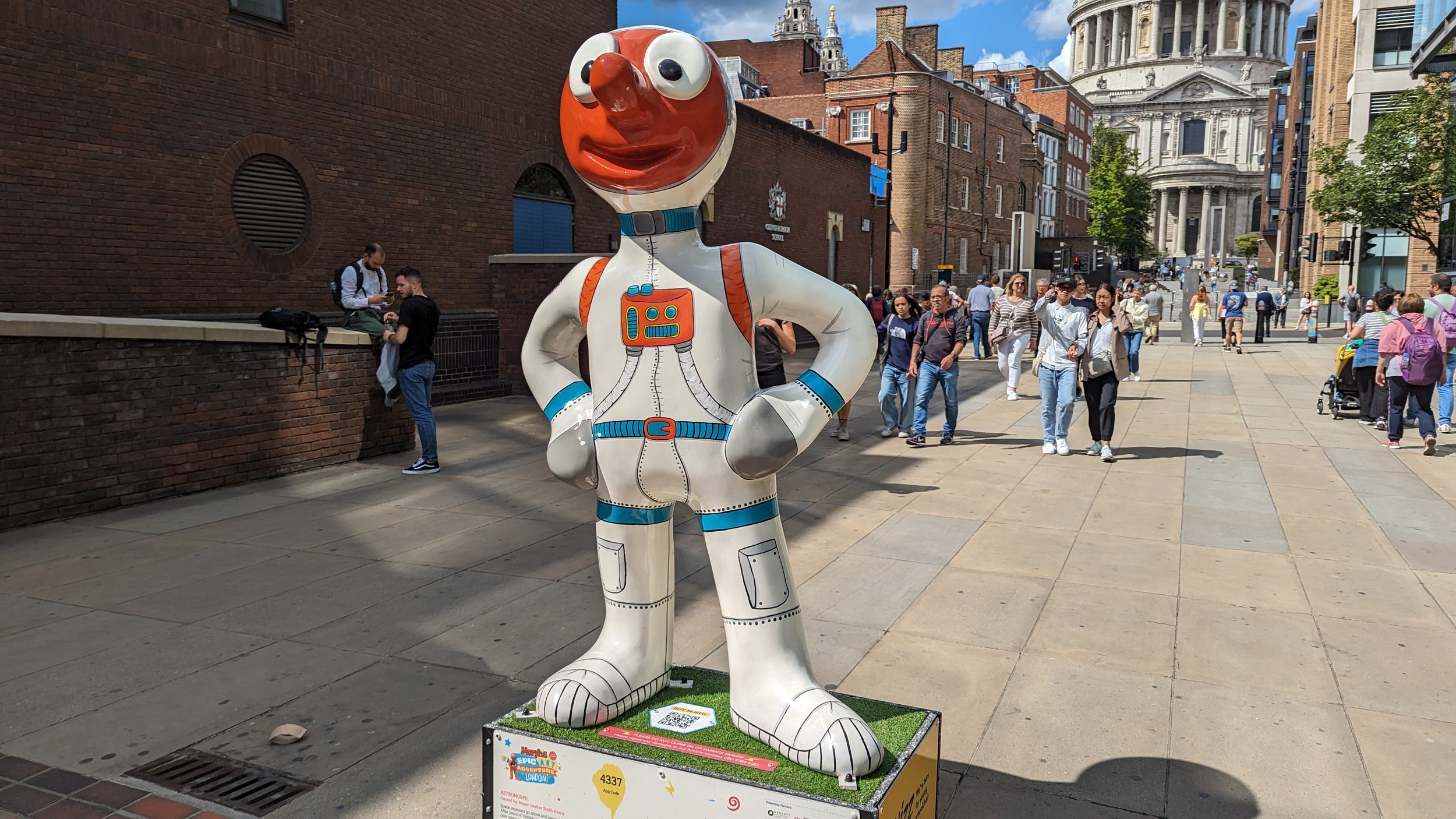
Morph’s Epic Art Adventure in London is a step-free art trail and tourist attraction featuring the iconic animated character Morph. It is hosted by charitable organisation Whizz-Kidz, global event producers Wild in Art and Aardman. The trail features 56 super-sized sculptures of the much-loved children’s TV character, which are set among various iconic London landmarks including St Pauls, Tate Modern, Tower of London, Shakespeare’s Globe and Borough Market. It is a free public art trail and tourist attraction, designed by a variety of artists to excite and inspire people of all ages, whilst increasing public awareness about the need for young wheelchair users to be mobile, enabled and included in society. Morph’s Epic Art Adventure in London runs from June 19th until August 20th 2023.
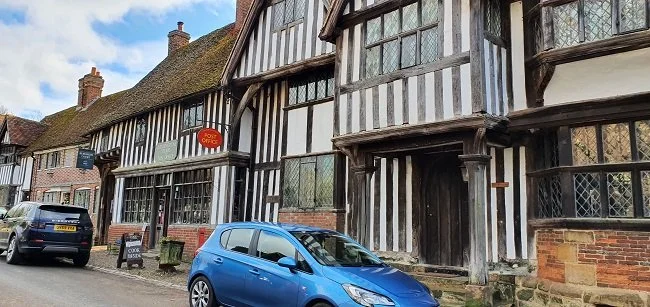
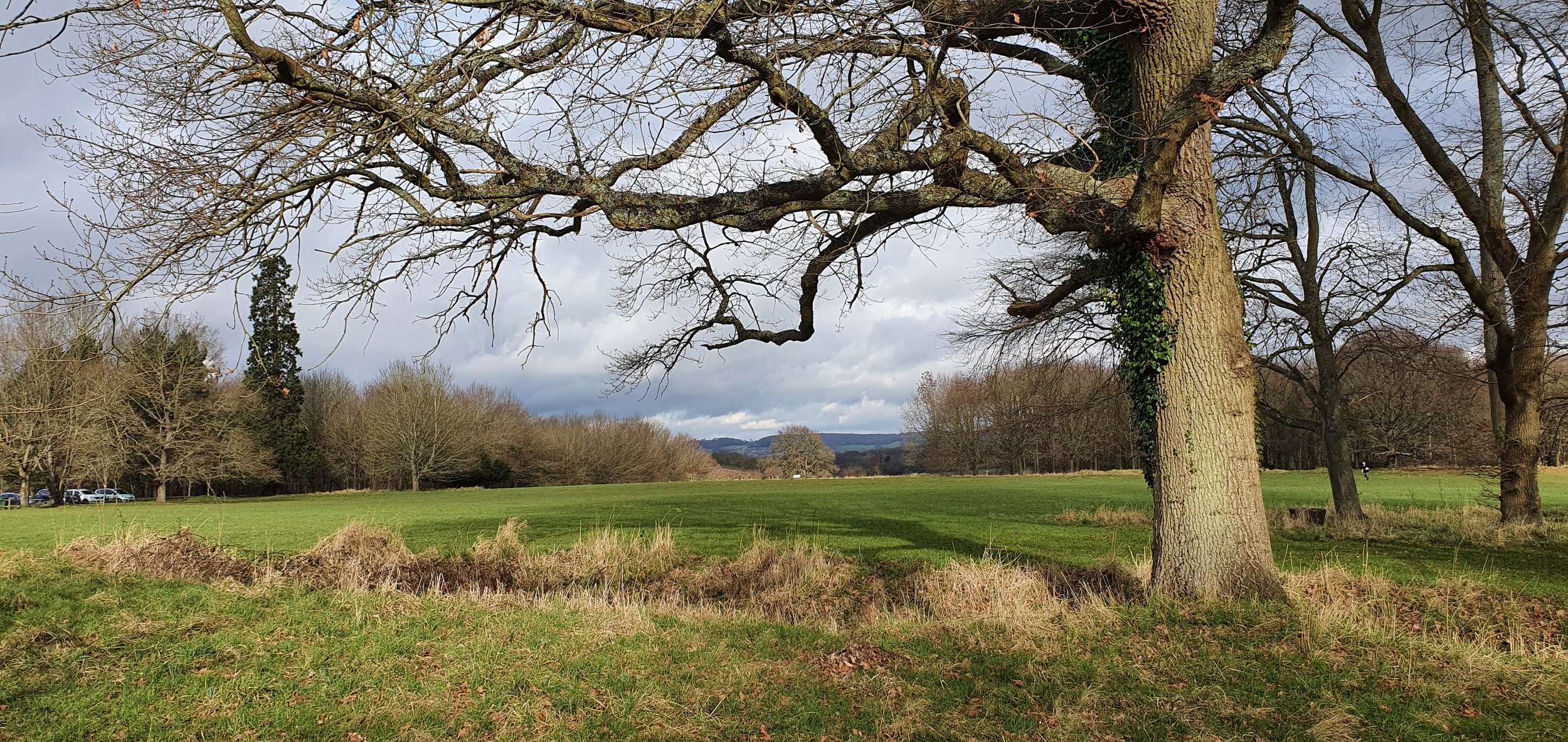
With January already behind us, Mrs P and I decided it was high time we took our first day trip of 2022. So yesterday I spent some time looking online at details of various National Trust sites within an hour or so drive from our home. I also looked at similar places of historical note that are run by other bodies. Sadly, many are either partially or totally closed for the present. It would appear that from January to March many of these sorts of tourist attractions spend time repairing, refurbishing and preparing for forthcoming events. Grounds also have to be maintained. Hence, we were somewhat lacking in choice for suitable destinations. However, as the weather forecast was mild, today we opted to visit the village of Chiddingstone so we could walk in the grounds of the local castle and along the various footpaths in the area.
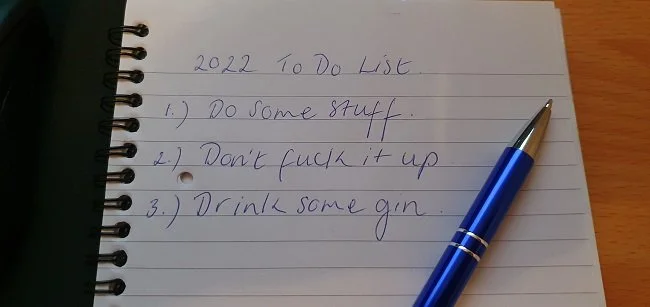
Regular readers will already know my position on New Year’s Resolutions. I think unrealistic, kneejerk commitments to hare-brained schemes that you know damn well won’t ever get done, are crass and tiresome. So let’s not waste each other’s time going down that route. I like sensible, realistic, attainable goals and that is exactly what I am setting myself for 2022. I want to increase my writing output this year because my drafts folder is filled with posts and ideas that haven’t quite been completed. Essentially this comes down to making the time to finish these articles and possibly embracing a somewhat briefer writing style. I’m also going to try and see if I can grow the existing audience for Contains Moderate Peril. I have some ideas as to how to do this and none of them really require any additional resources. It simply comes down to doing the required work and staying motivated. I believe that I meet both of those requirements.

The last few days have been very warm here in the UK. Sadly, this pleasant weather isn’t going to last and in two weeks time it will officially be Autumn. So we decided to make the most of the sunshine and take a trip out to East Sussex. Today’s destination was the village of Burwash, situated in the High Weald of Sussex. This rural community grew in size during the 13th century after King Henry III granted permission for a weekly market. It became a hot spot for smugglers during the 18th and 19th centuries, with contraband coming up from Hastings via the River Dudwell, a tributary of the River Rother. Burwash High Street has been designated a Conservation area by Rother District Council. Many of the period buildings along the High Street have been given listed building status by English Heritage. St Bartholomew’s Church is also of note. Although extensively restored in 1856, the tower dates back to the Norman period.

For the last week the UK has been enjoying some exceptionally warm weather with temperatures reaching 80 degrees Fahrenheit (27 degrees Celsius) and above, here in the South East. For our latest day trip Mrs P and I decided to go somewhere local to reduce driving time and allow us to make an early start. Both of us wanted to achieve our daily step count (10,000 steps which is approximately 5 miles) but be done by mid afternoon before the heat made such activities uncomfortable. So we decided to go to Lesnes Abbey Woods which has a well tended park, gardens and the remains of a 12th century Abbey. It also connects to the Green Chain Walk. We drove there as it is only about twenty minutes away by car. However, we subsequently discovered that a local bus stops right outside the main entrance, so will bear this in mind for future visits.
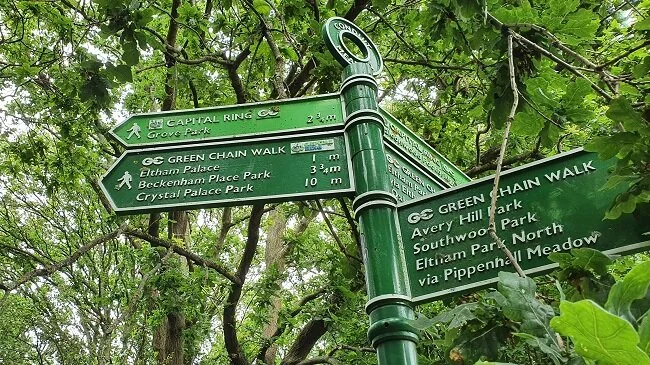
Today’s weather was perfect for walking with light clouds, a gentle breeze and temperatures around 23 Celsius (73 Fahrenheit). So Mrs P and I decided that we’d like to take a leisurely stroll somewhere local. Fortunately, we live in south east London and not far from the Green Chain Walk. This is a network of managed trails and pathways through various woodlands and parks that span four Boroughs. We decided to walk to Avery Hill Park and then follow the Green Chain Walk to Eltham. From there we then walked through the high street to Well Hall and visited the Pleasaunce. Our journey covered a distance of about 4.5 miles or so. We took our time and frequently stopped to enjoy the surroundings. Overall we walked for about 2 hours. We then decided to return home by bus, as the weather had become somewhat overcast.
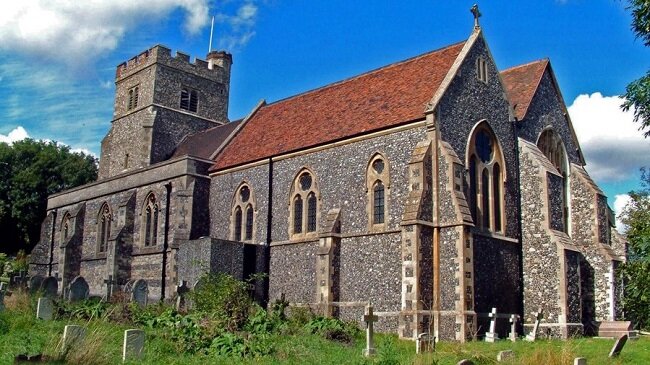
Due to the surprisingly good weather, Mrs P and I paid an impromptu visit to the village of Shorne in Kent yesterday. It’s a small community about 3 miles east of Gravesend. Where most of the new houses are located in a shallow valley, the old village is built upon higher ground and has a great view of the Thames Estuary, stretching from Gravesend to Southend-on-sea. Shorne Wood Country Park is also nearby. This area of woods was once part of the large Cobham Hall Estate. In 1987 it came into the ownership of Kent County Council and was redeveloped for public use. There are several places of interest in Shorne such as Mill Cottages, Mill House and the remains of Shorne Mill. There are also some ancient barrows dating from Neolithic period. However, we had come specifically to visit St Peter and St Paul Church and place flowers on a friend’s grave.

I’ve written previously about walking for pleasure and its respective health benefits. I’ve decided that I wish to do more than just walk locally and for mainly functional reasons. Walking to the shops is good exercise but somewhat lacking in places of interest and areas of natural beauty, unless your definition includes the local Indian Restaurant and betting shop. So in an attempt to expand the scope of my travels, I’ve downloaded a few bespoke walking apps to my phone that are relevant to the local area. The most notable is the BexleyWalks app. Bexley being the London Borough in which I live. Although I enjoyed these suggested walks, they have covered a lot of familiar territory. Yes, it has been interesting to follow the various routes and pause to read about the local area history. But many of the walks are based in an area I’ve lived in for four decades. I need to travel further afield to somewhere I don’t know so well.
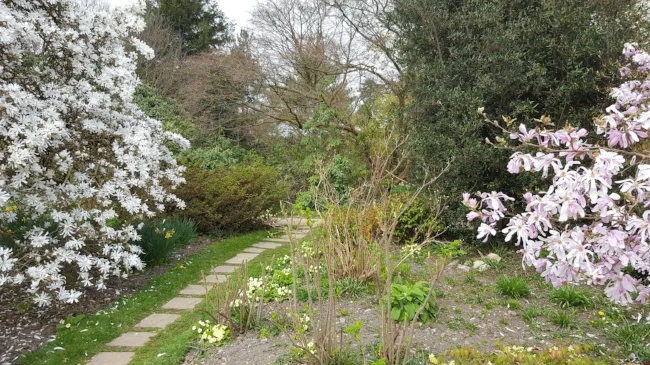
Today I visited Emmetts Garden in Sevenoaks. The Edwardian estate located at Ide Hill and is now owned by the National Trust for Places of Historic Interest or Natural Beauty. The garden, which covers an area of about six acres, is situated on a 600-foot sandstone ridge, overlooking the Weald. It is one of the highest points in Kent, offering an expansive view of the North Downs. The garden was laid out in the late 19th century and was influenced by William Robinson. It contains many exotic rare trees and shrubs from across the world. You can explore the rose and rock gardens, take in the views as well as enjoy flowers and shrubs in spring. In autumn visitors can enjoy the vibrant colours brought about by the changing of the season. The main attraction at this time of year are the Bluebells.
Morph’s Epic Art Adventure in London
Morph’s Epic Art Adventure in London is a step-free art trail and tourist attraction featuring the iconic animated character Morph. It is hosted by charitable organisation Whizz-Kidz, global event producers Wild in Art and Aardman. The trail features 56 super-sized sculptures of the much-loved children’s TV character, which are set among various iconic London landmarks including St Pauls, Tate Modern, Tower of London, Shakespeare’s Globe and Borough Market. It is a free public art trail and tourist attraction, designed by a variety of artists to excite and inspire people of all ages, whilst increasing public awareness about the need for young wheelchair users to be mobile, enabled and included in society. Morph’s Epic Art Adventure in London runs from June 19th until August 20th 2023.
Morph’s Epic Art Adventure in London is a step-free art trail and tourist attraction featuring the iconic animated character Morph. It is hosted by charitable organisation Whizz-Kidz, global event producers Wild in Art and Aardman. The trail features 56 super-sized sculptures of the much-loved children’s TV character, which are set among various iconic London landmarks including St Pauls, Tate Modern, Tower of London, Shakespeare’s Globe and Borough Market. It is a free public art trail and tourist attraction, designed by a variety of artists to excite and inspire people of all ages, whilst increasing public awareness about the need for young wheelchair users to be mobile, enabled and included in society. Morph’s Epic Art Adventure in London runs from June 19th until August 20th 2023.
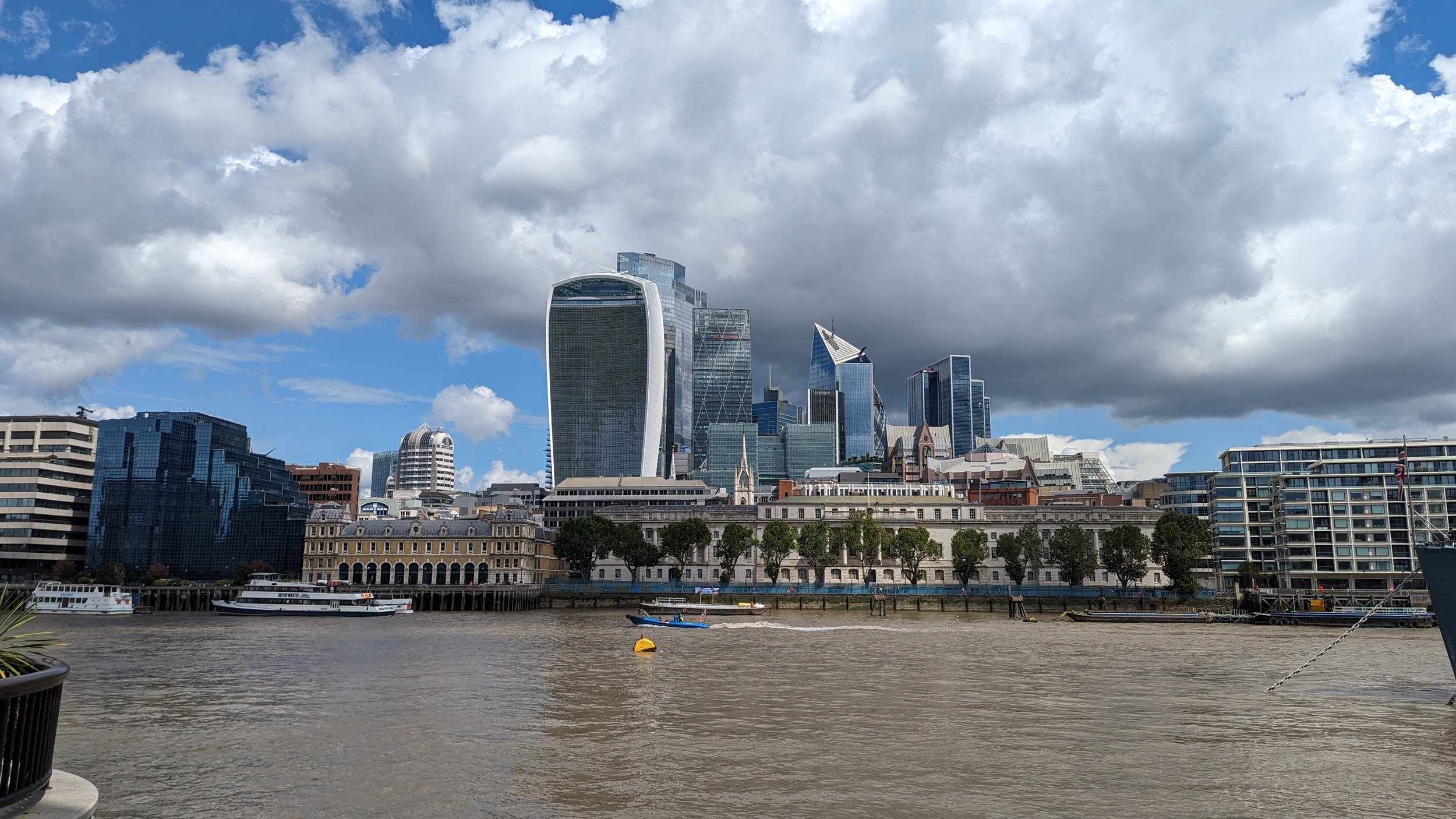
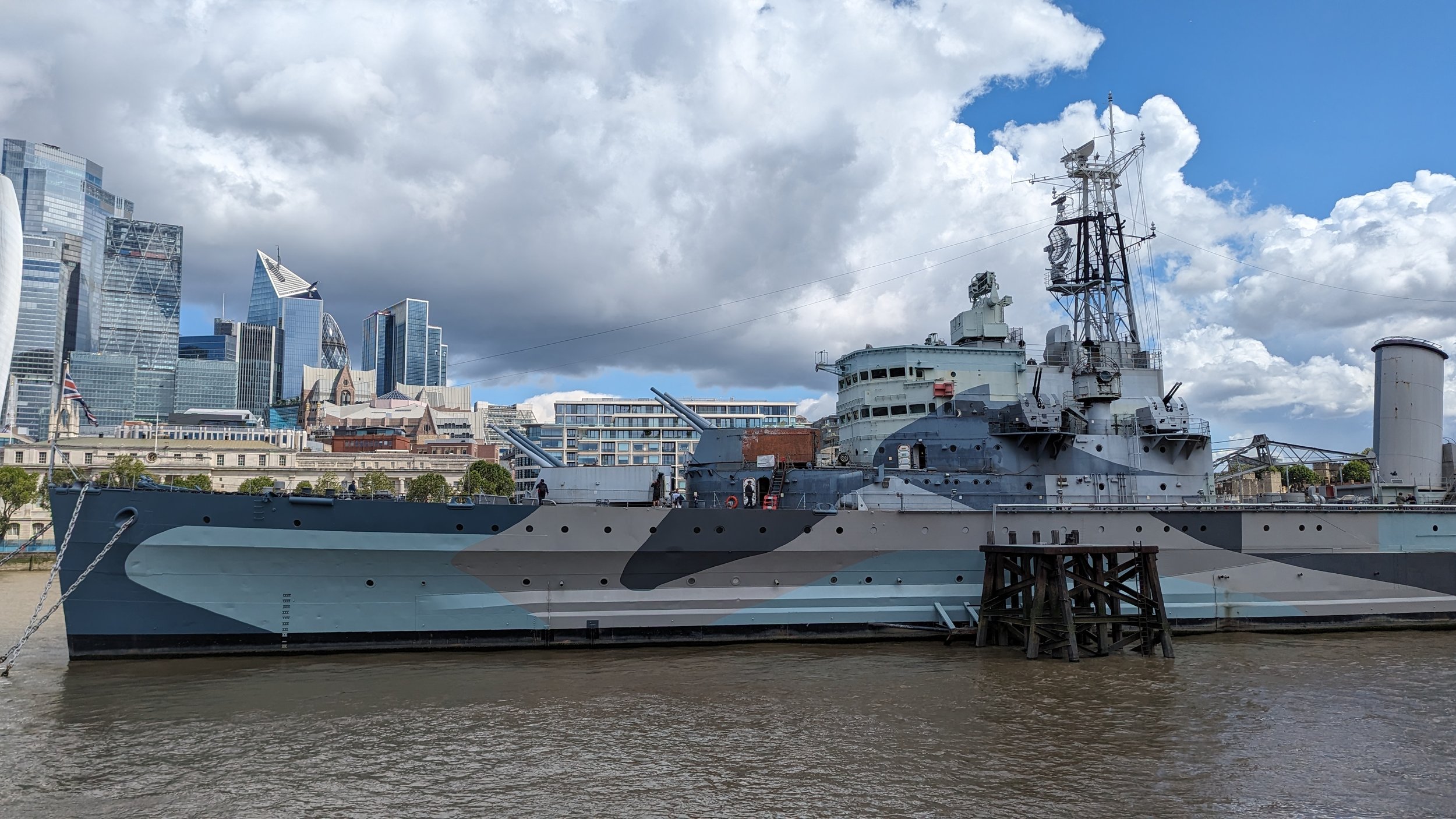
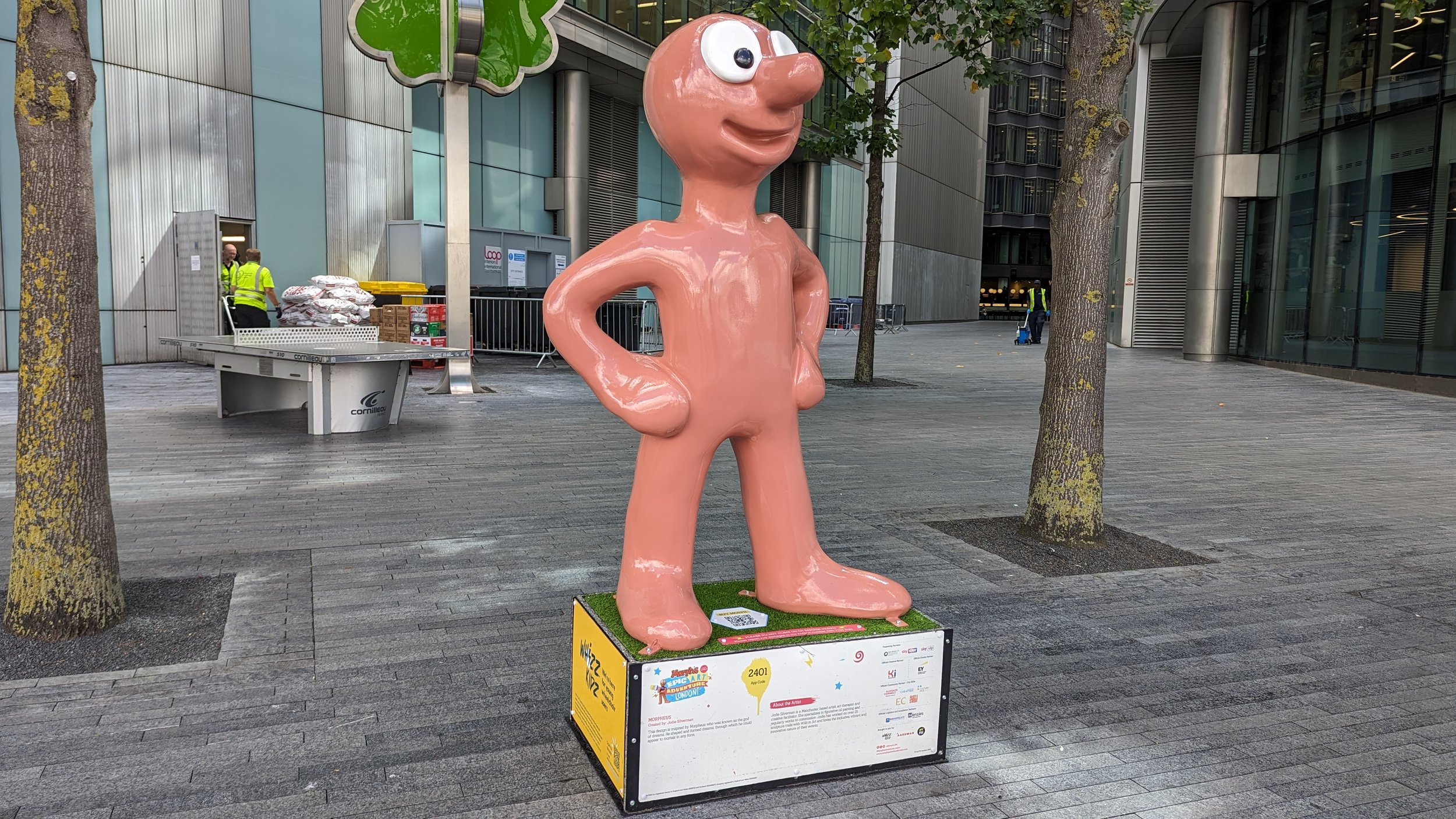
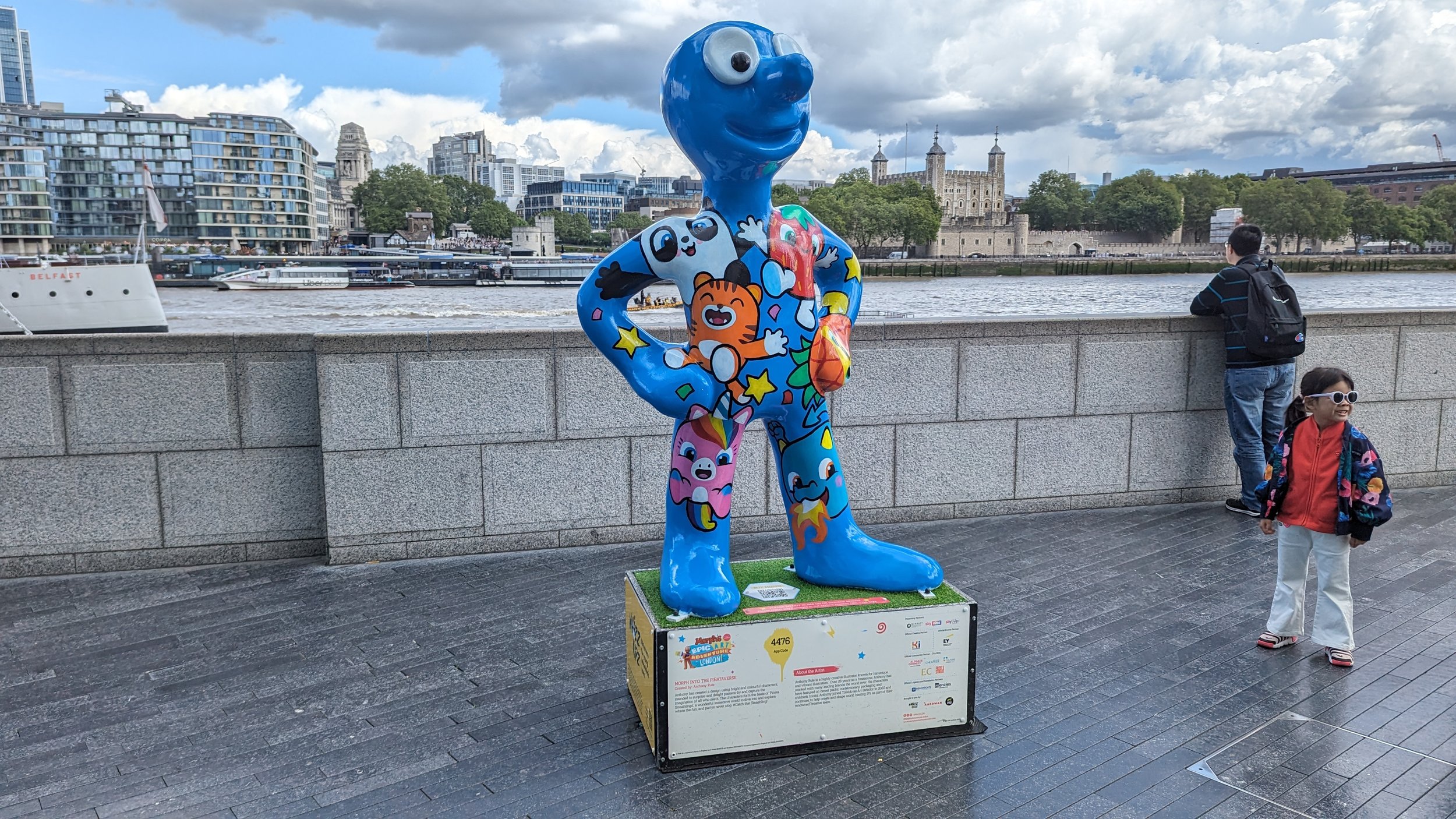
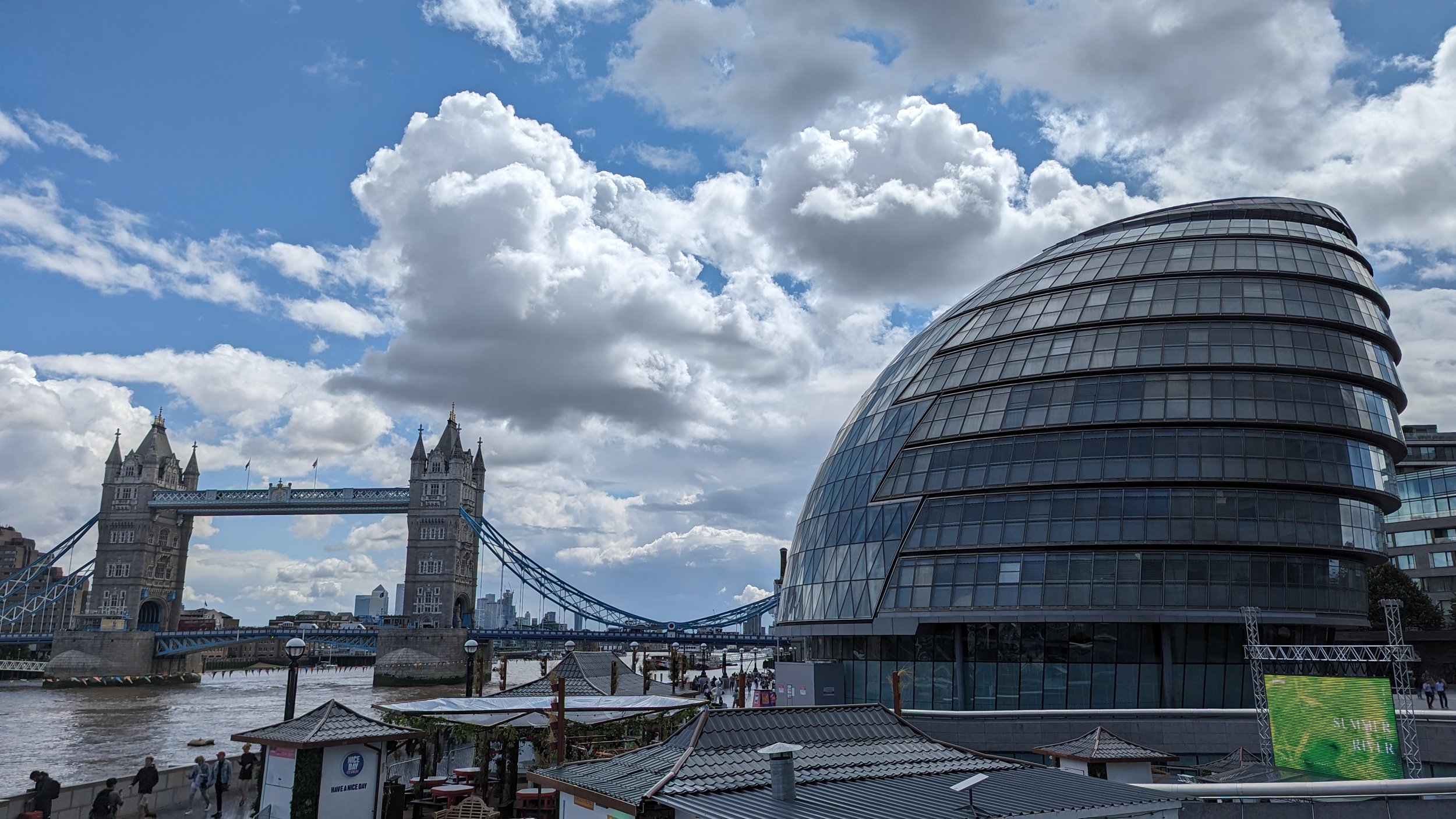
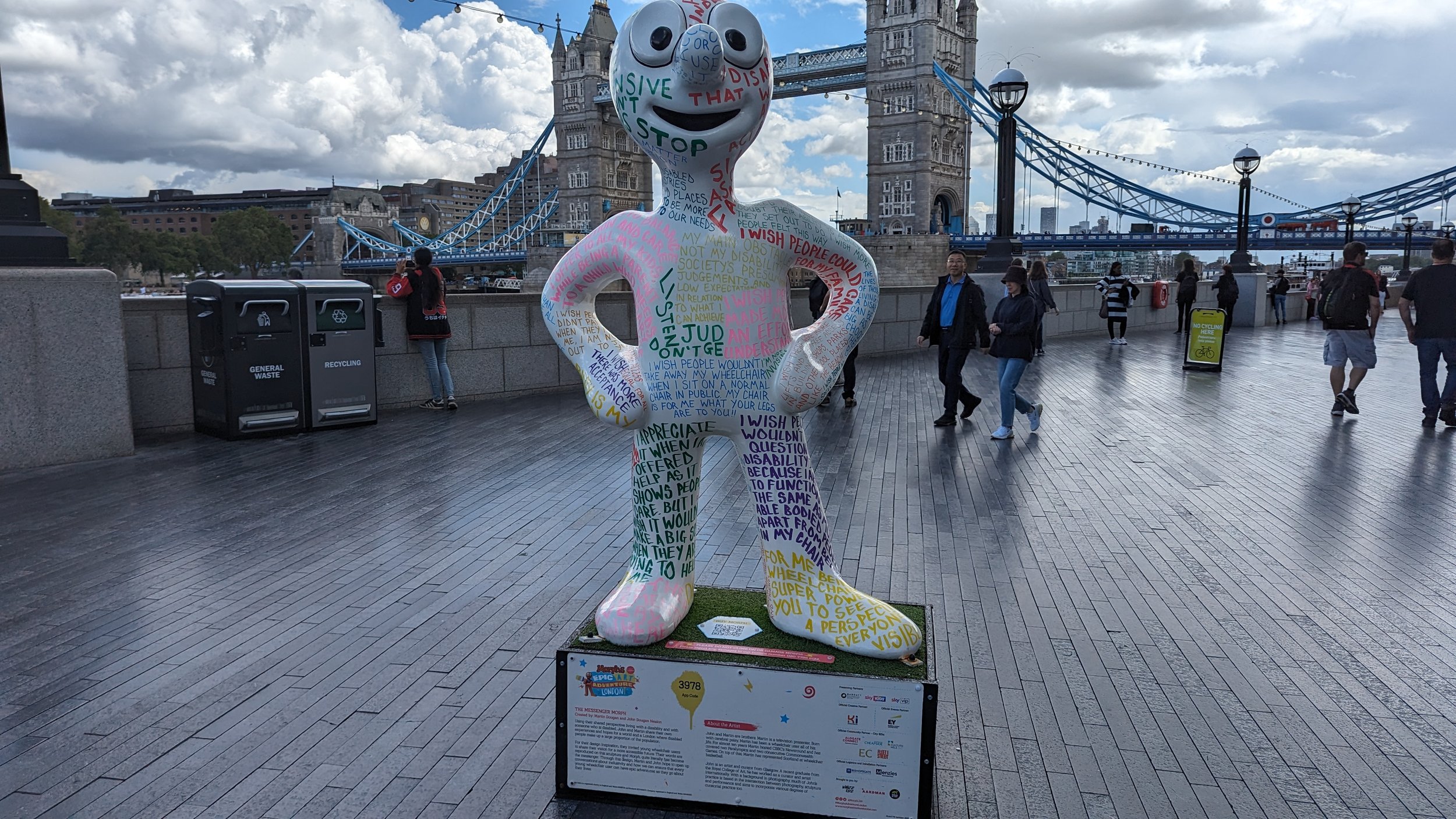
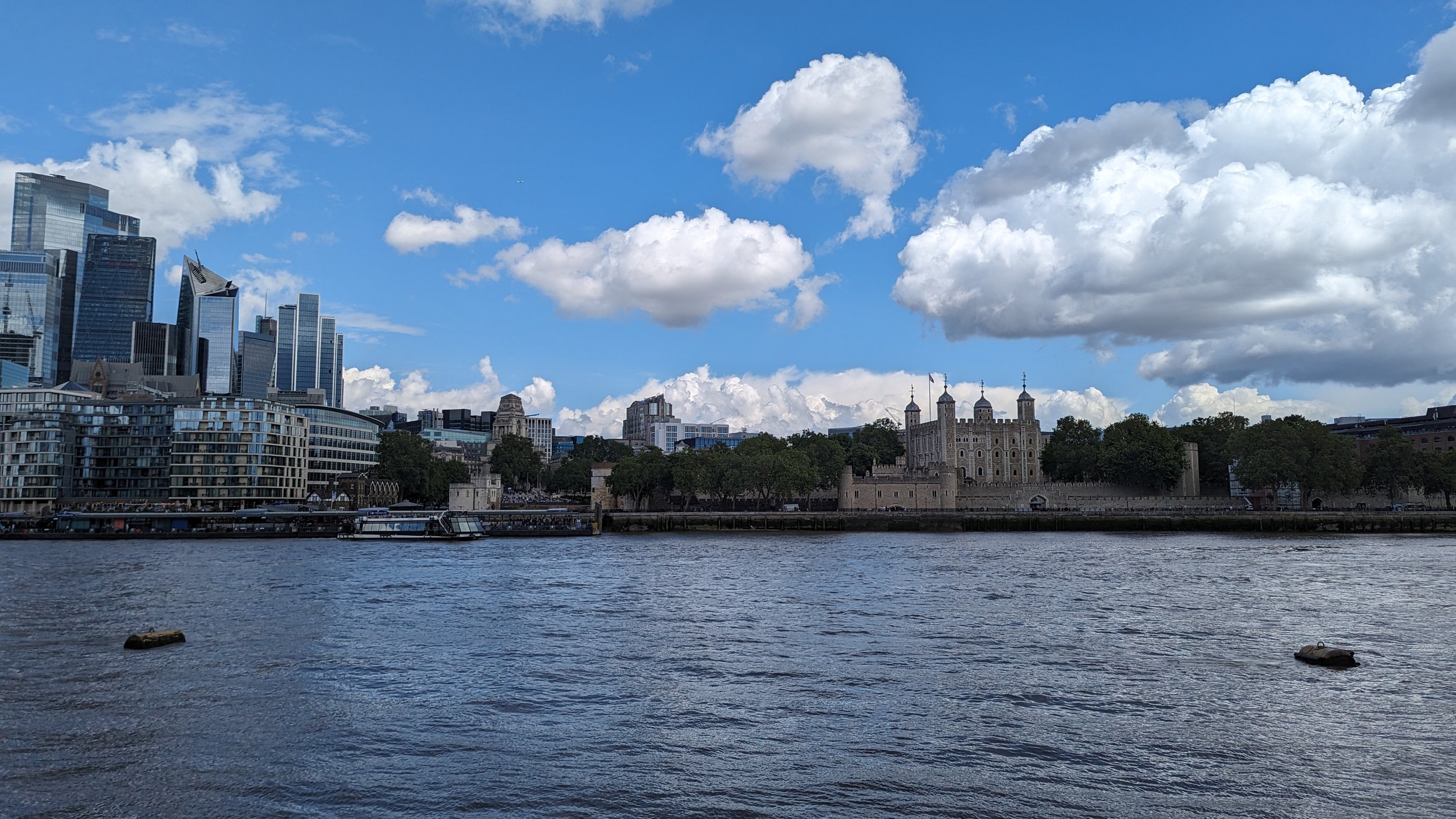
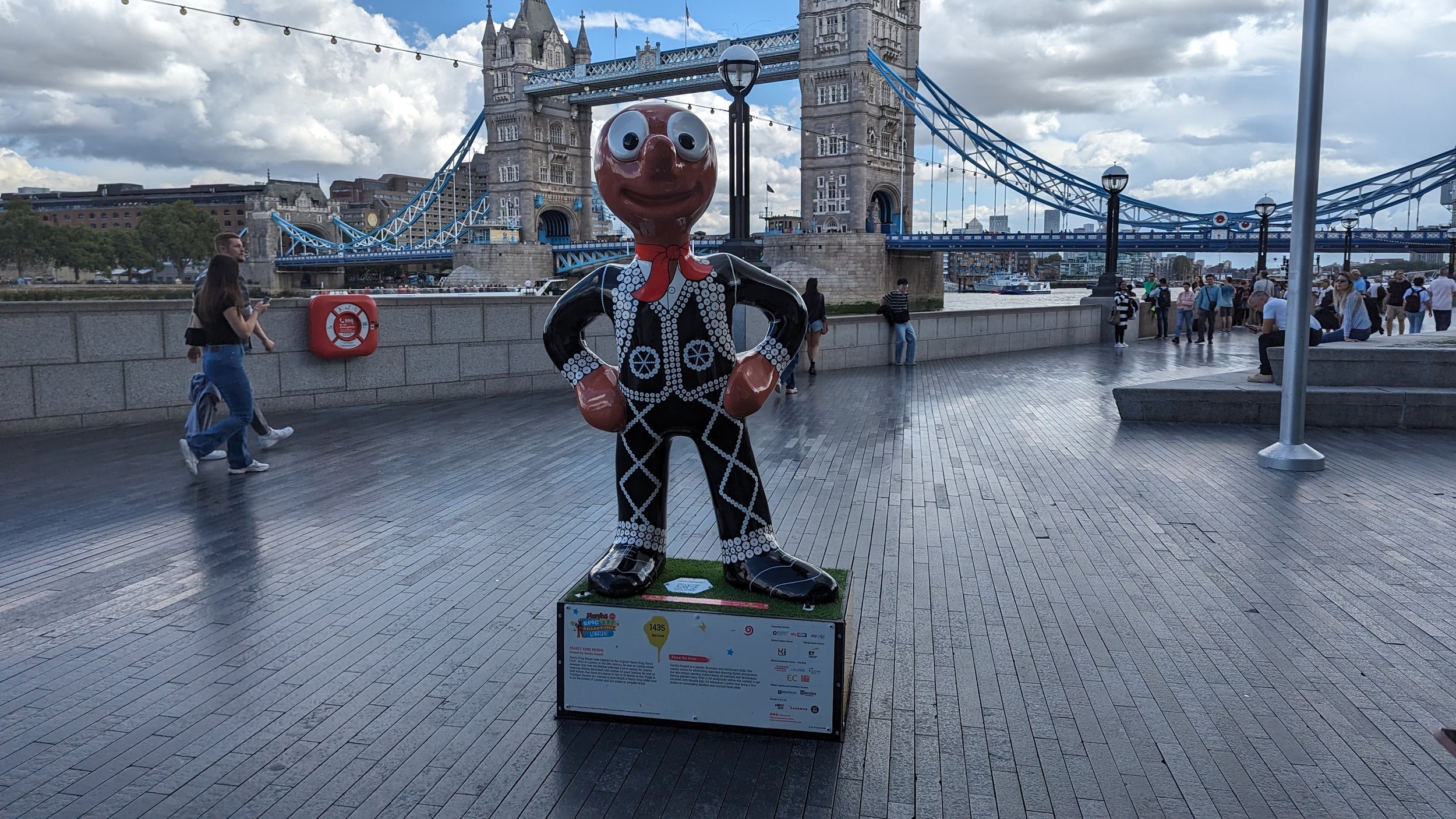
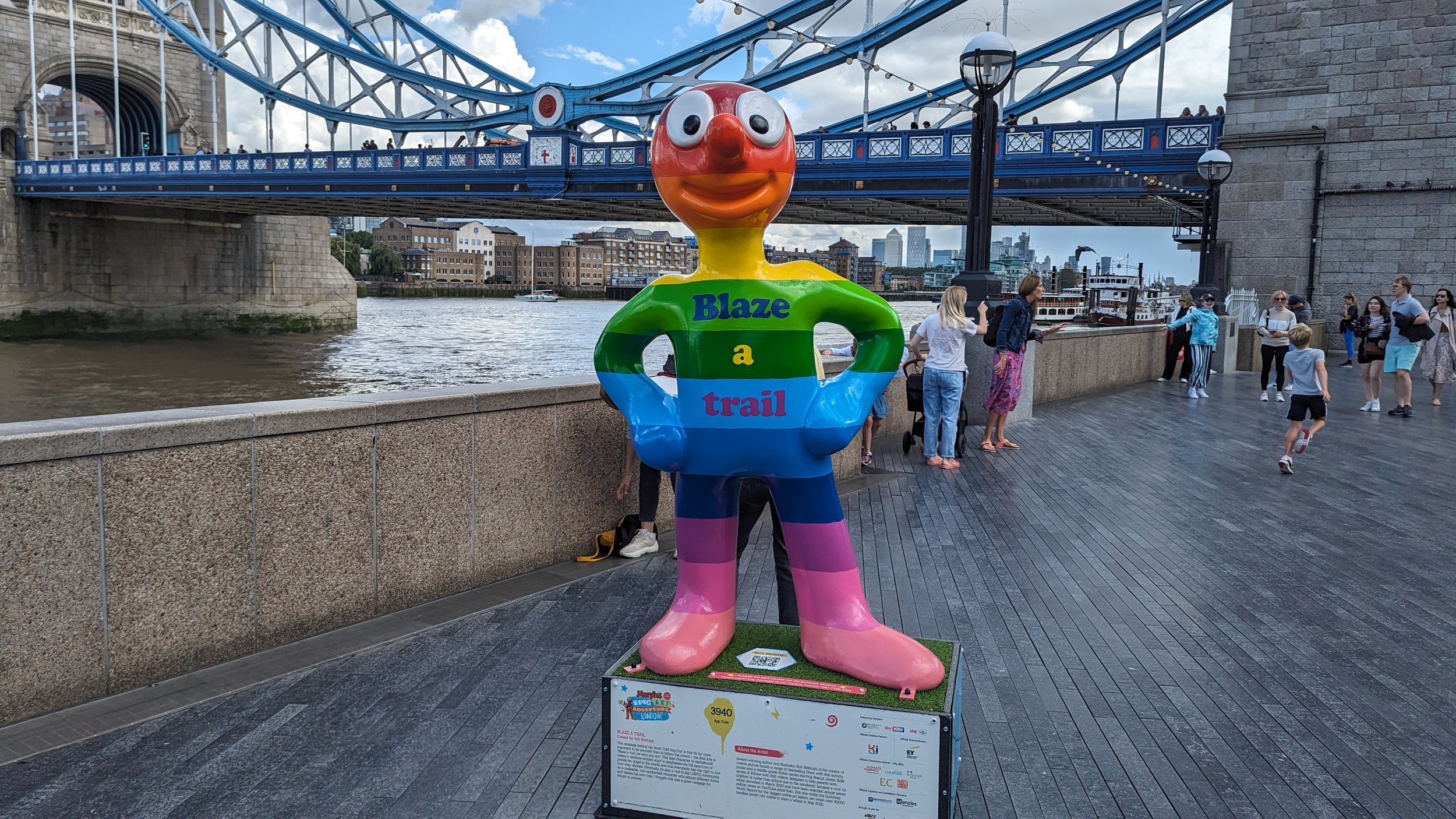
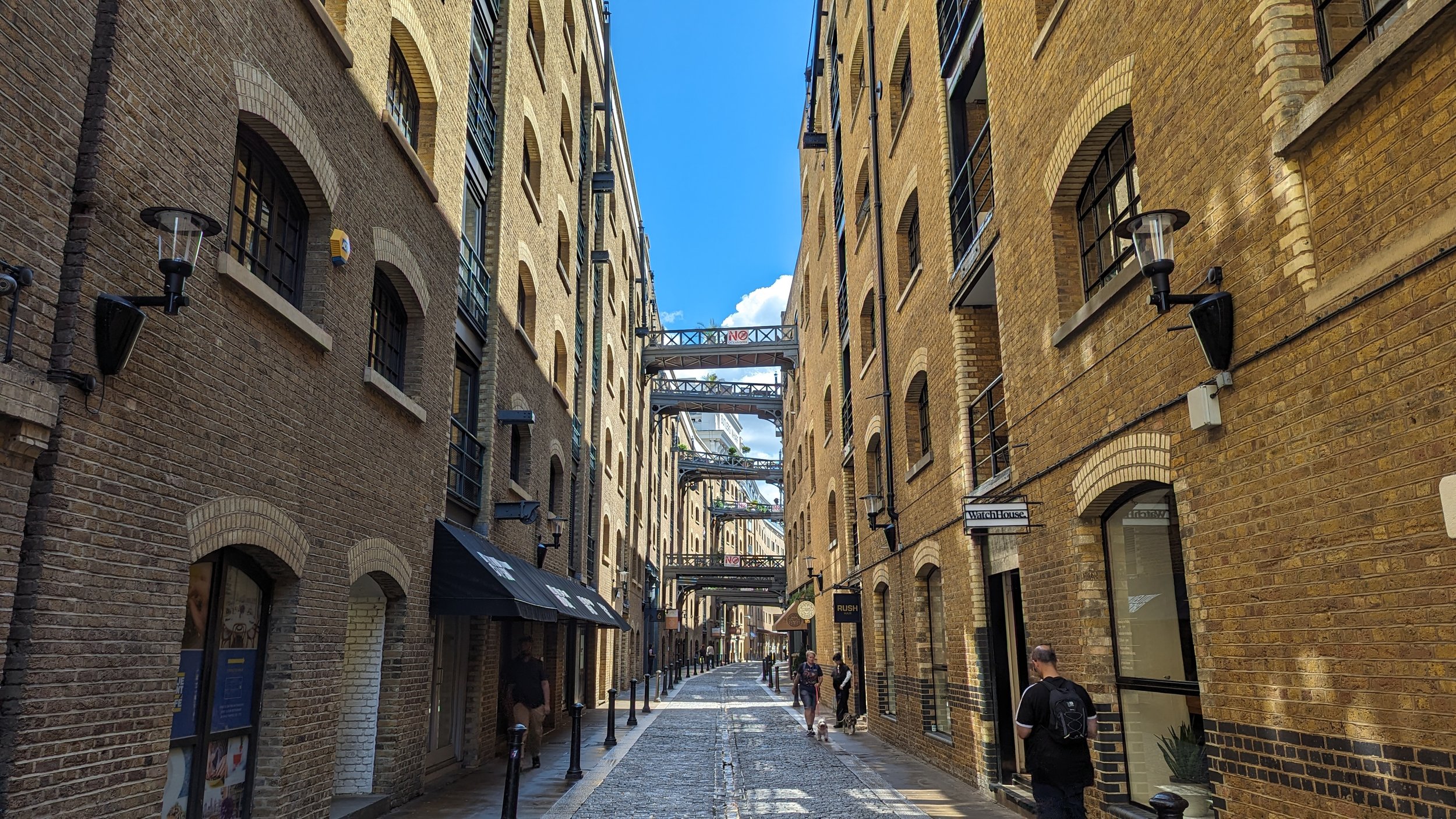
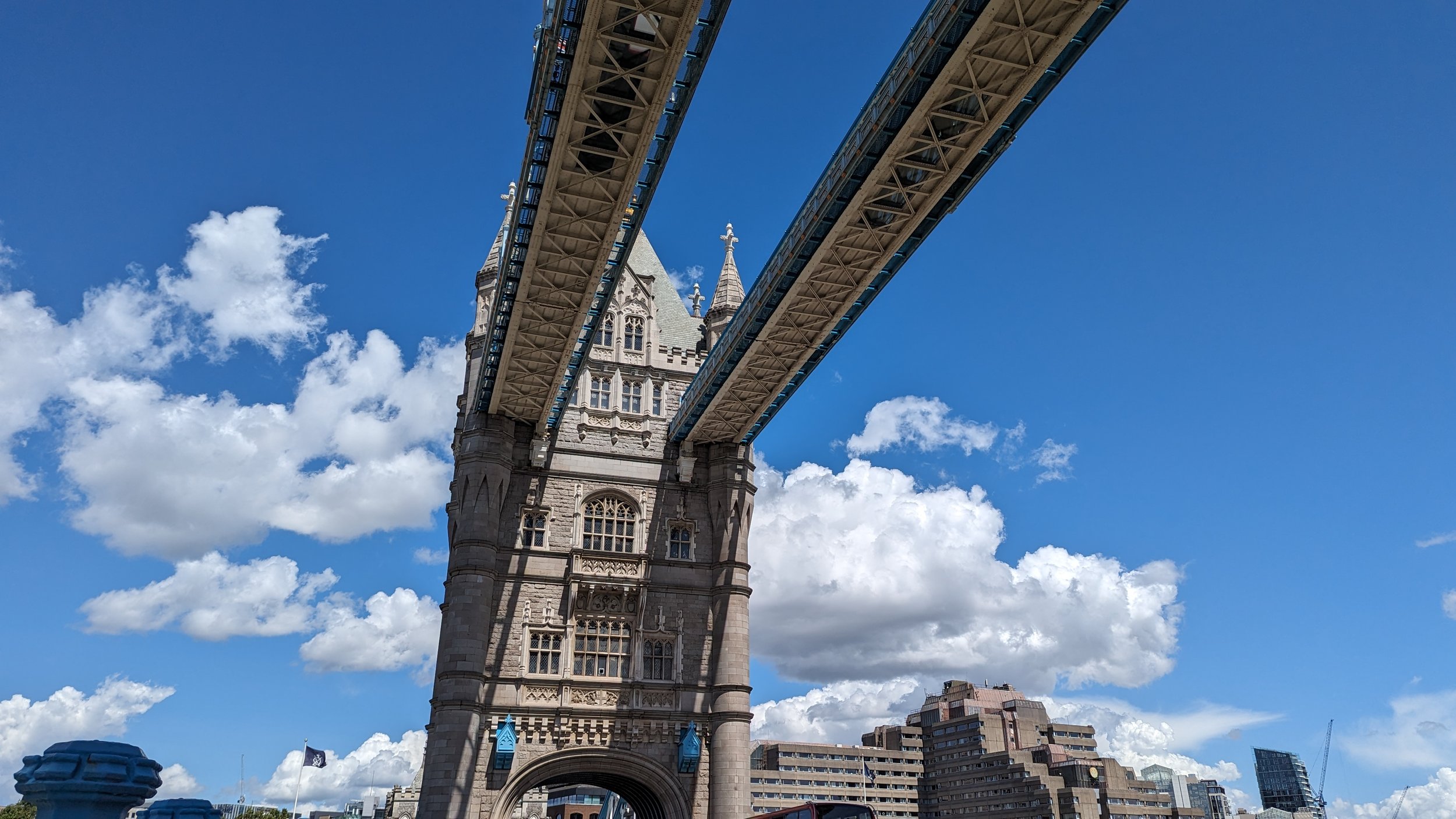
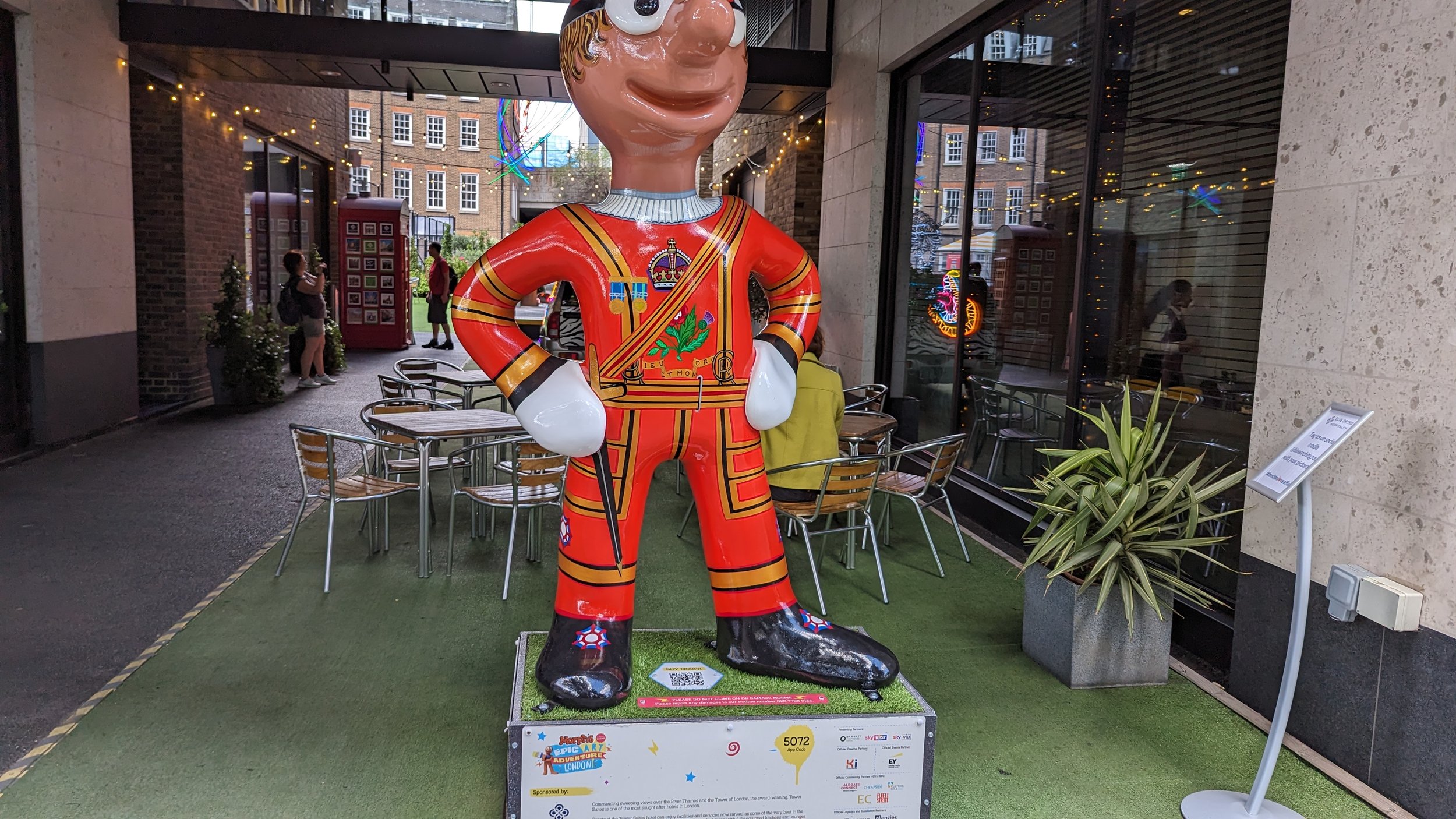
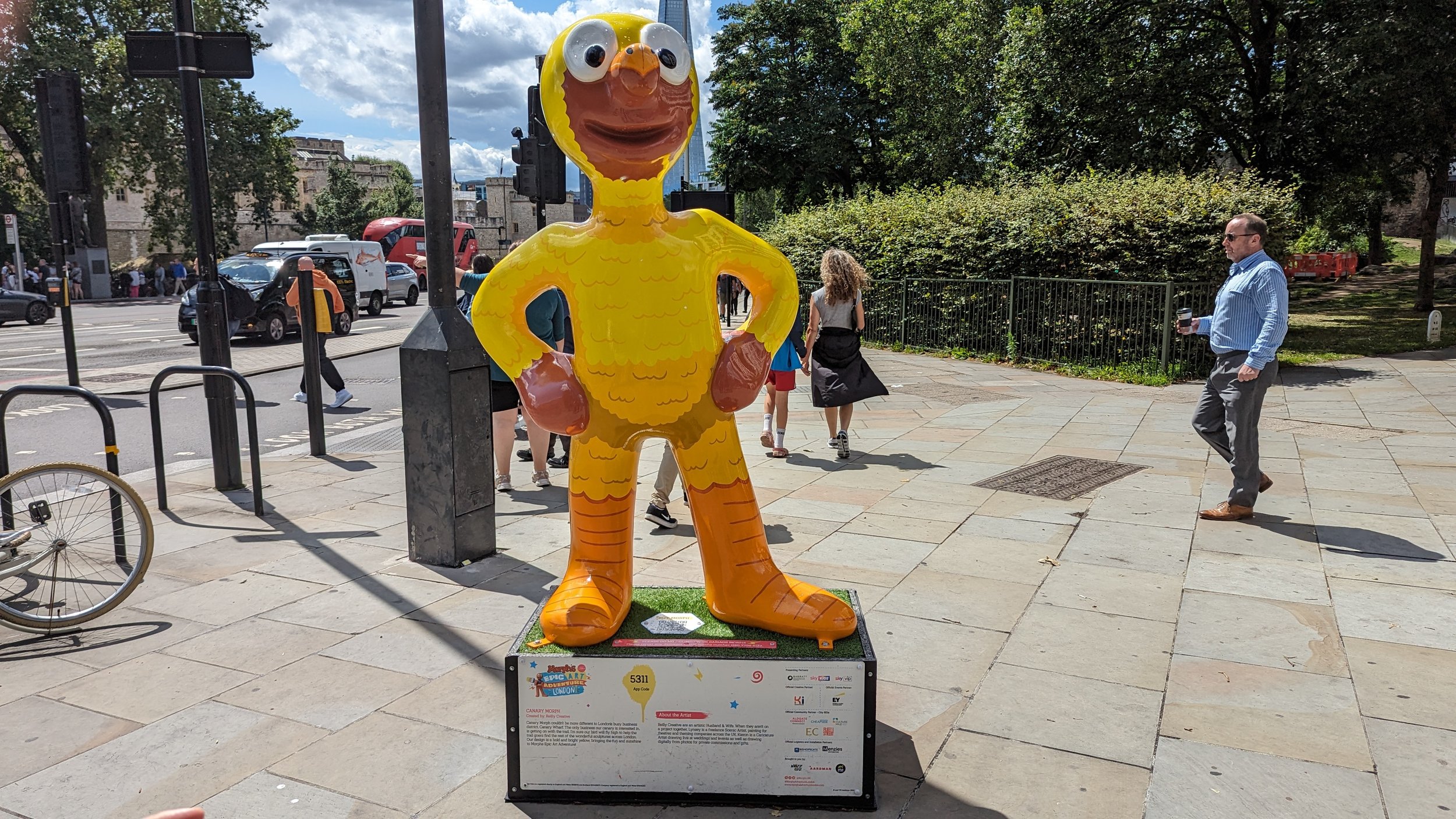
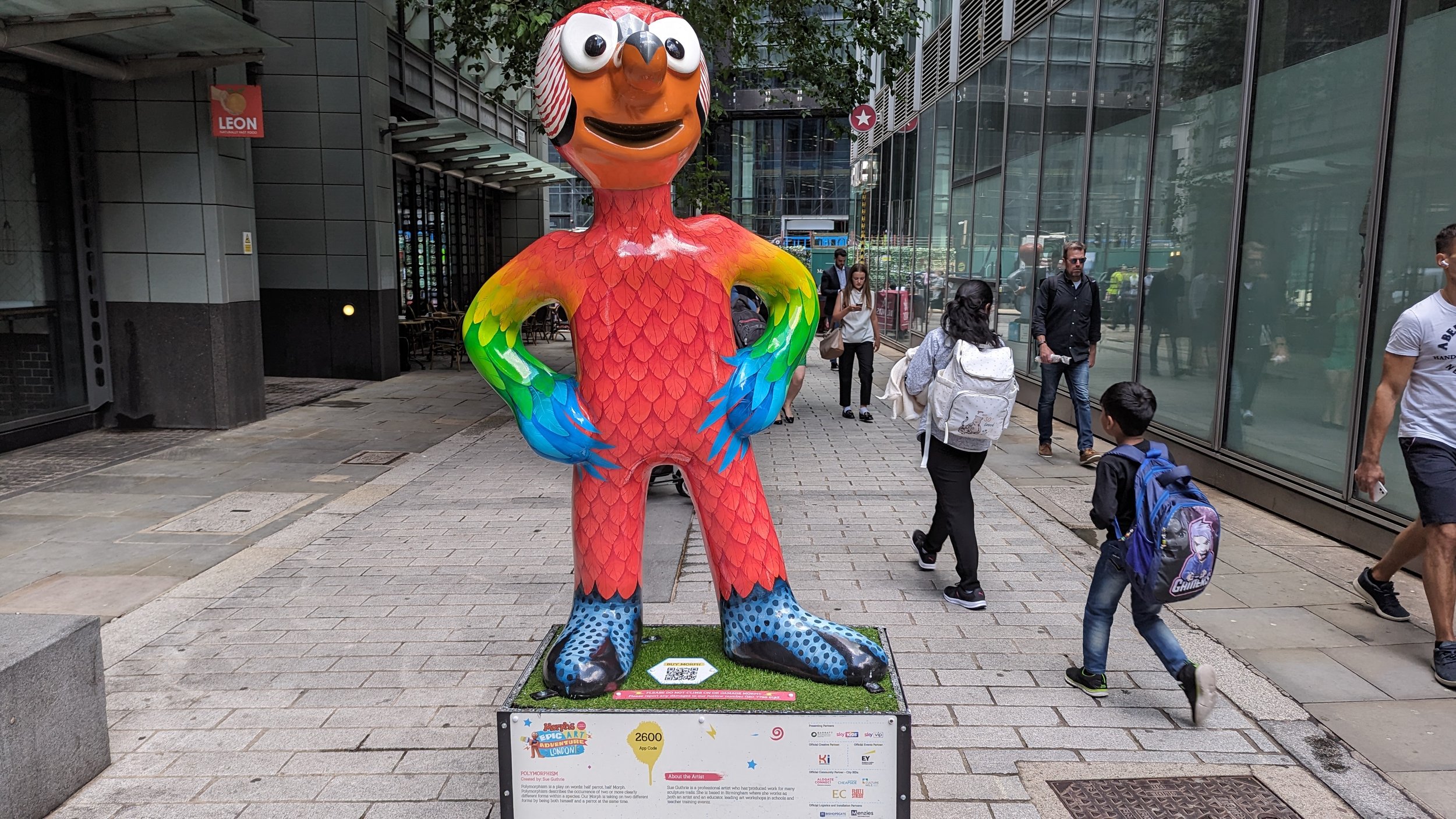
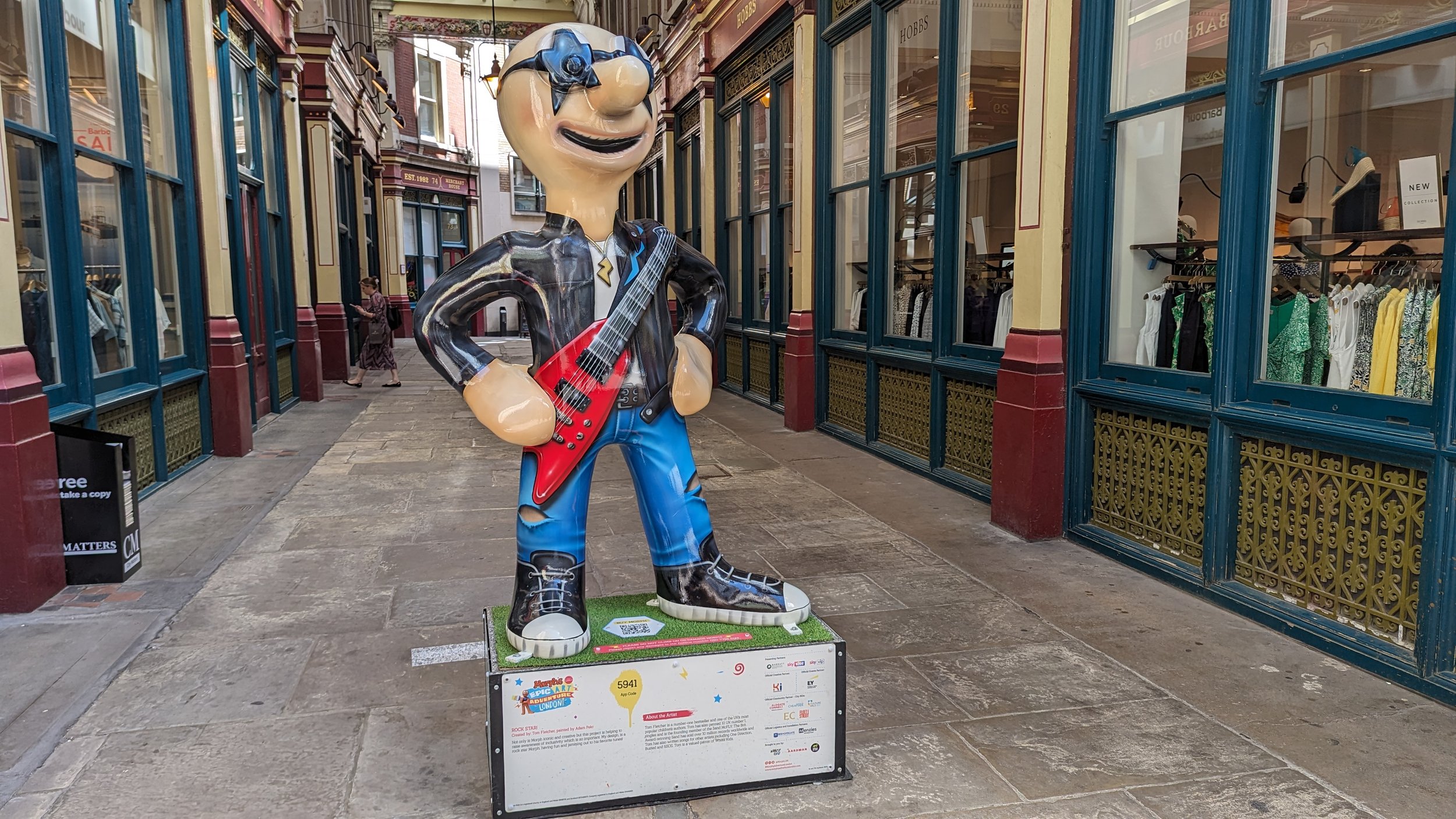
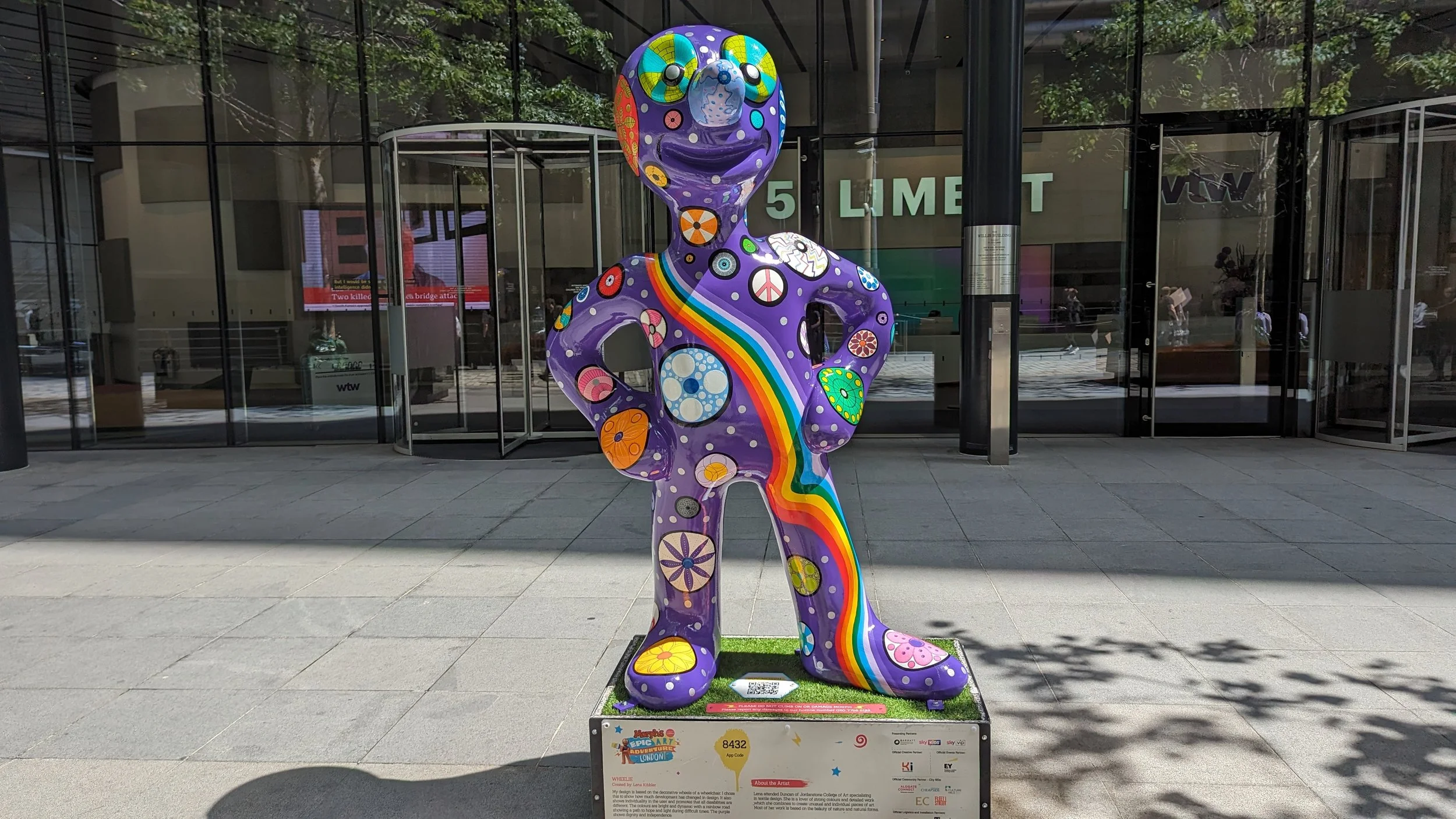
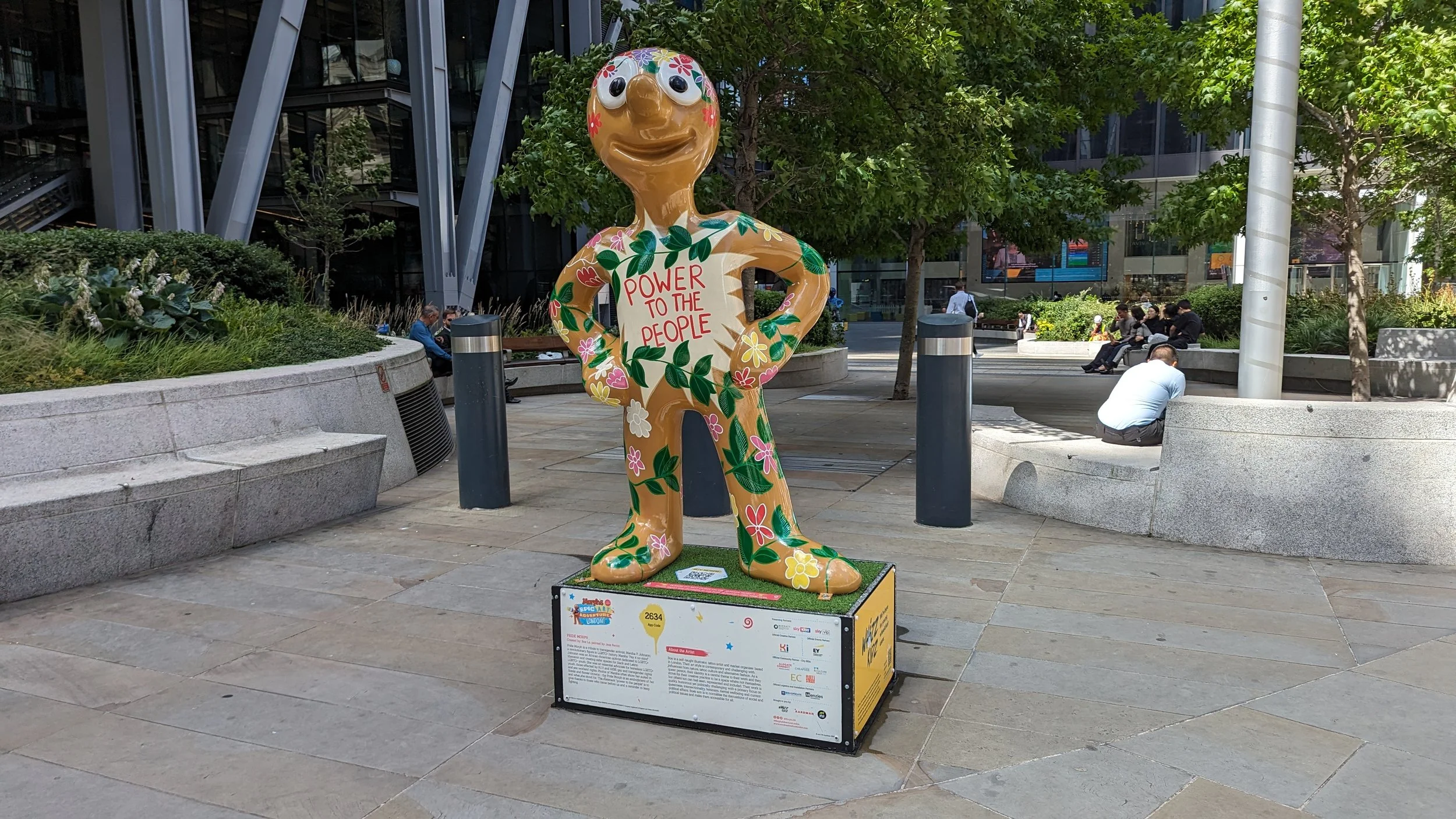
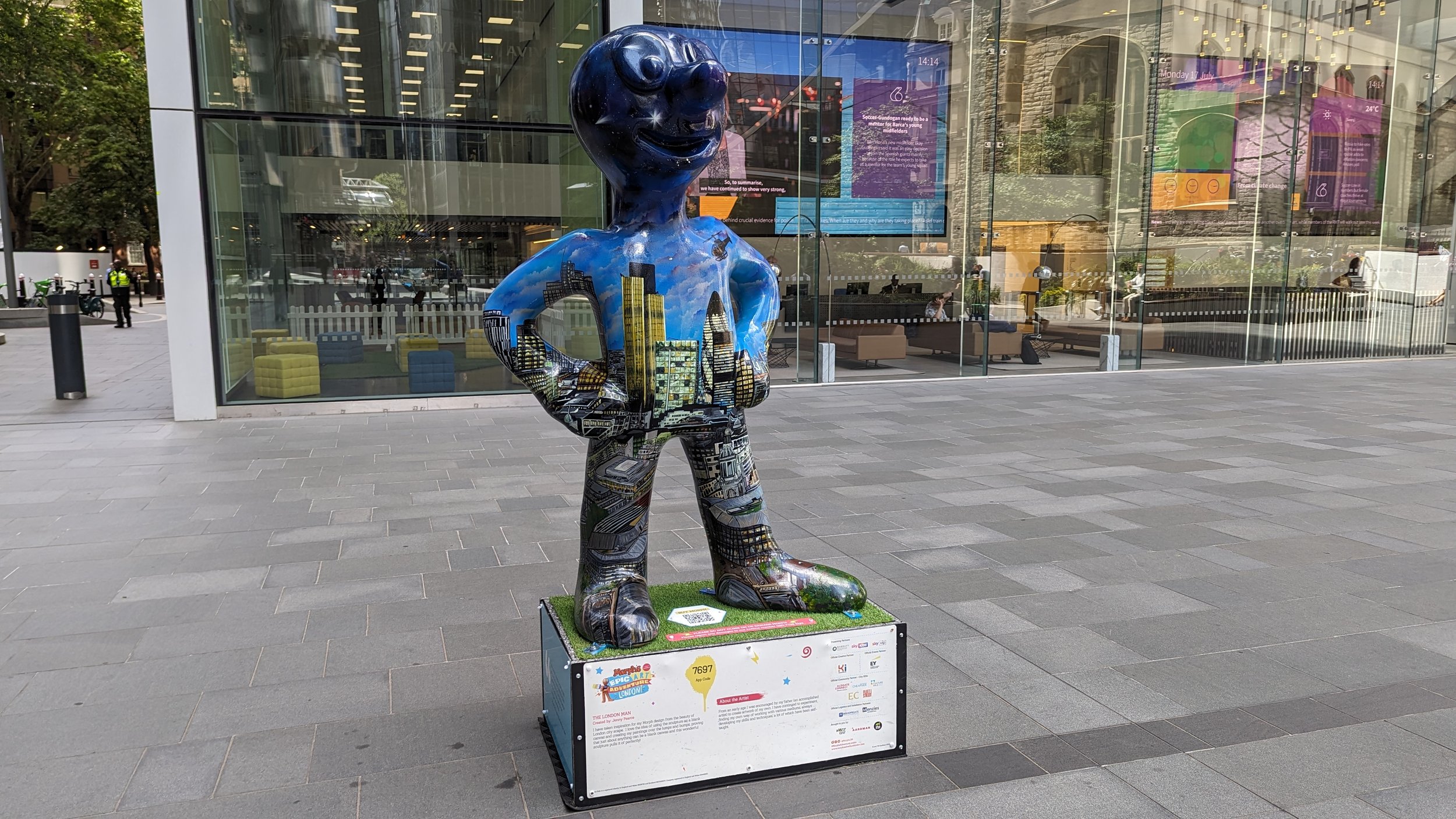
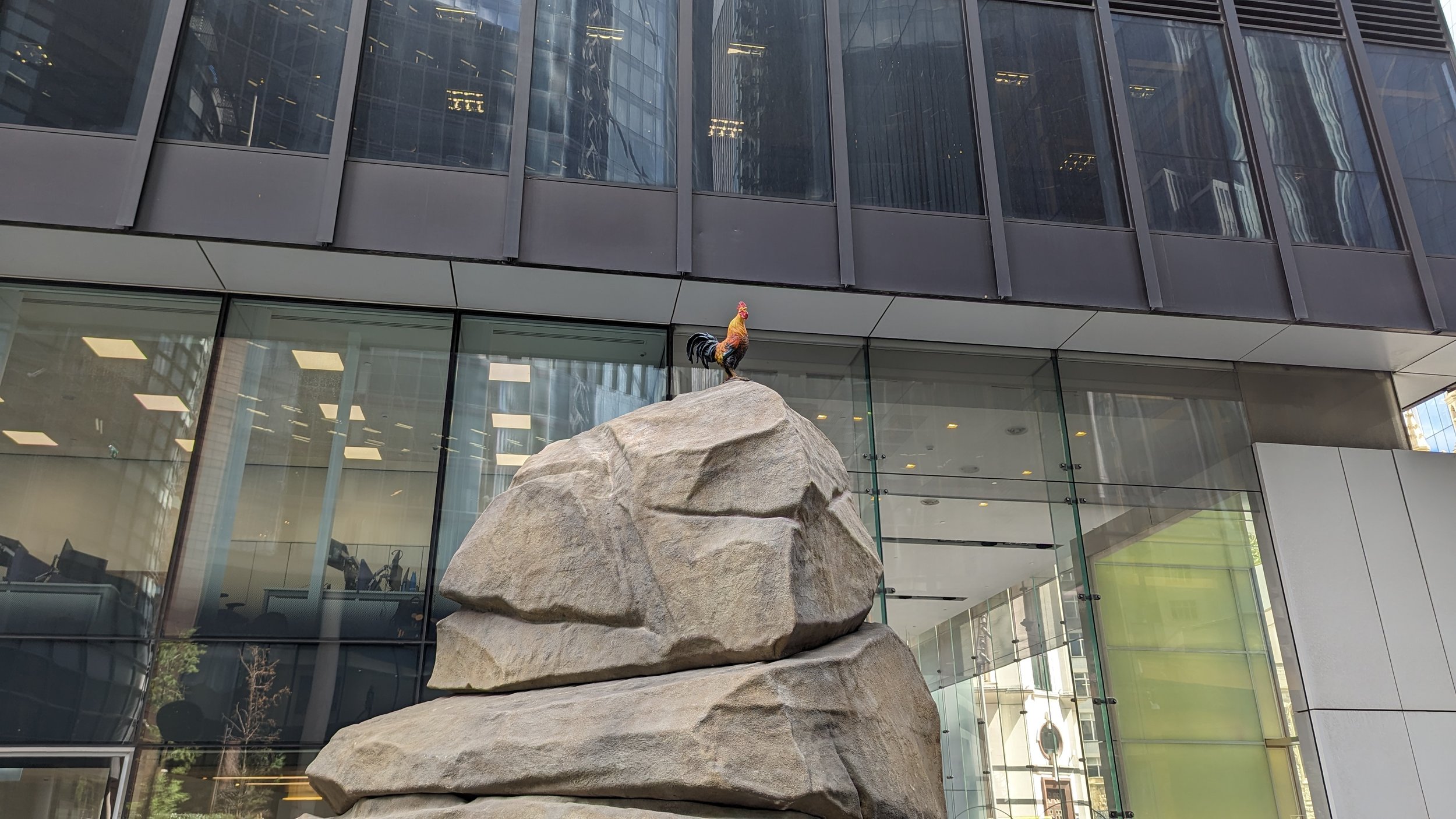
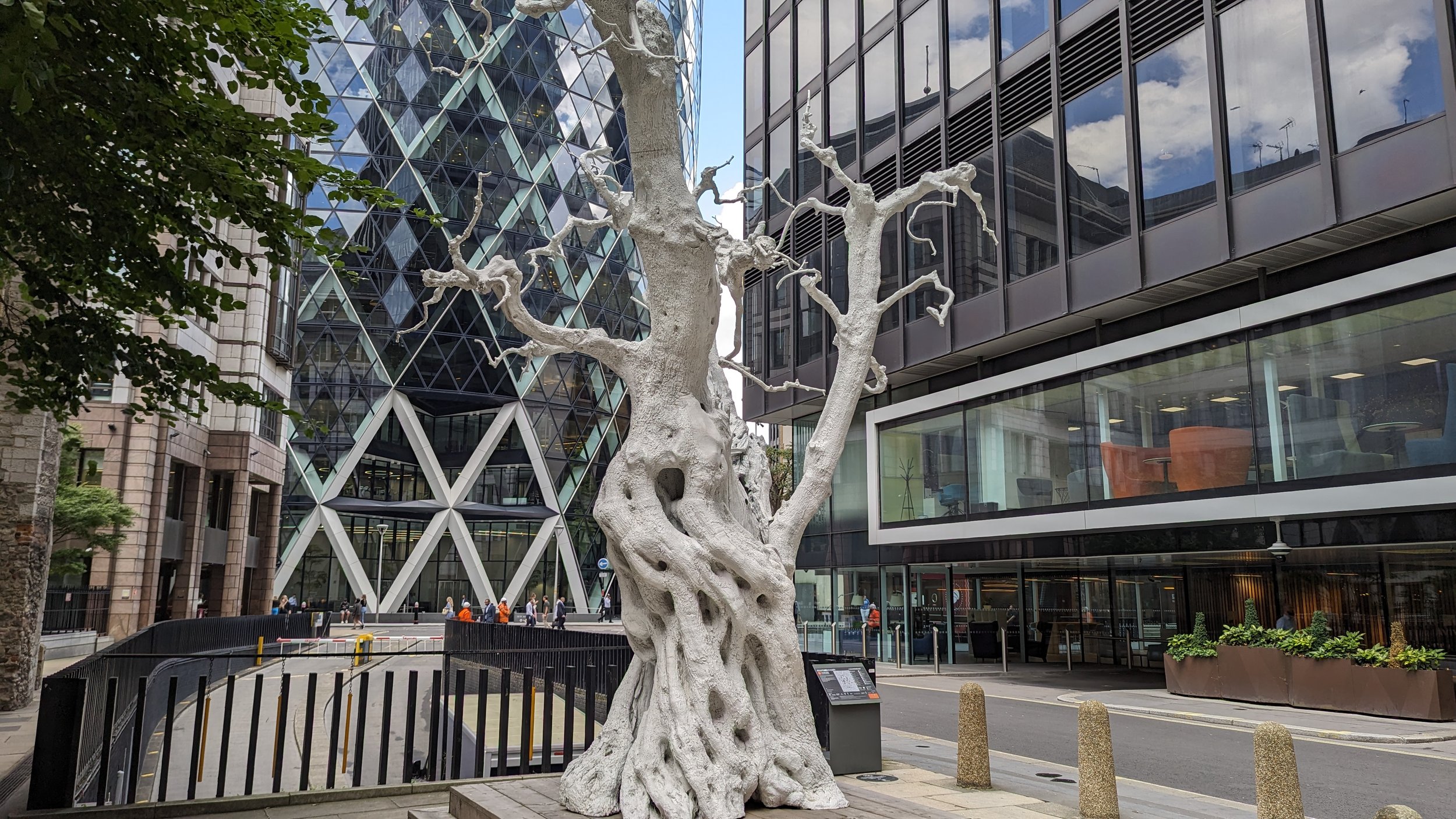
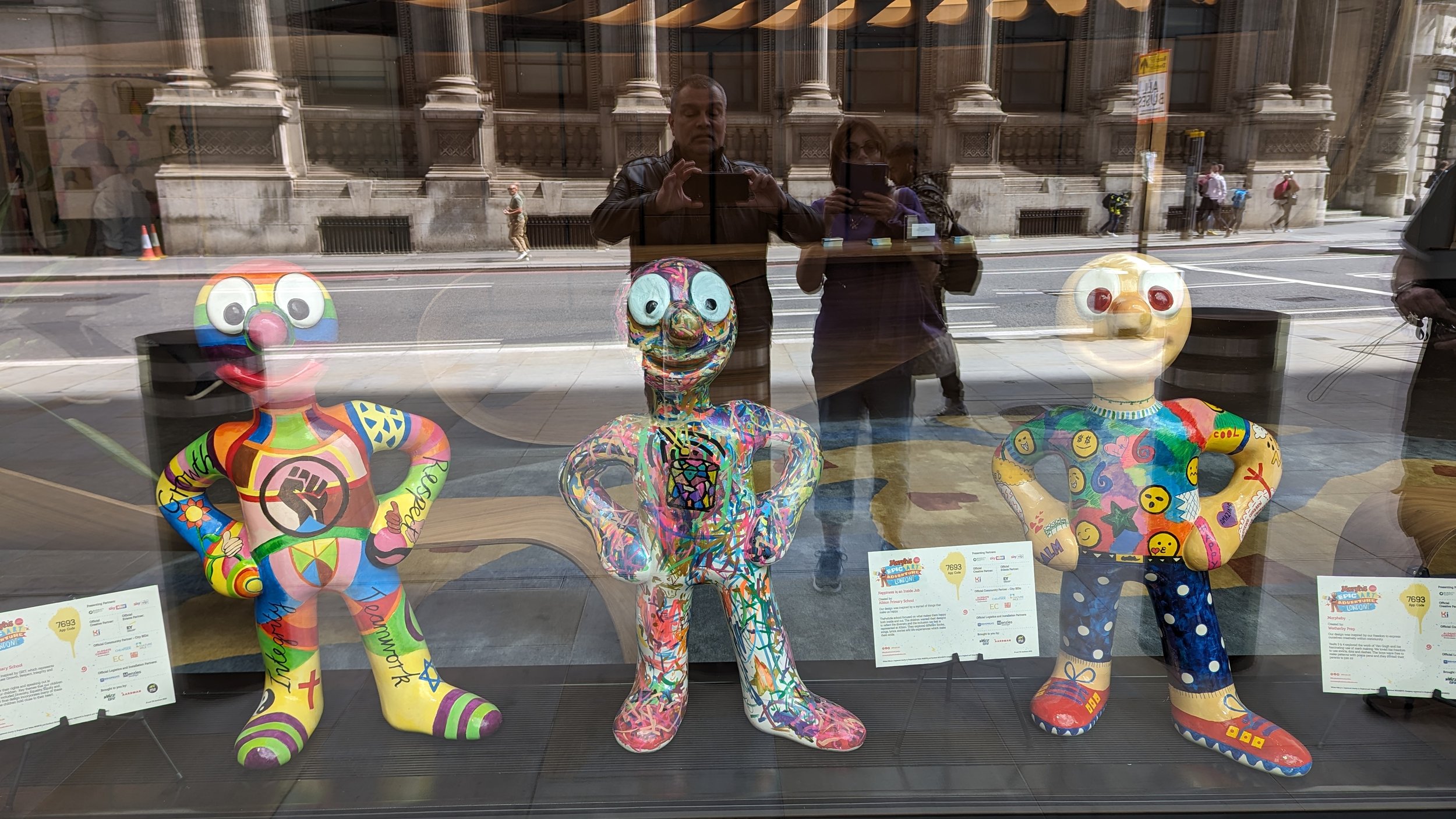
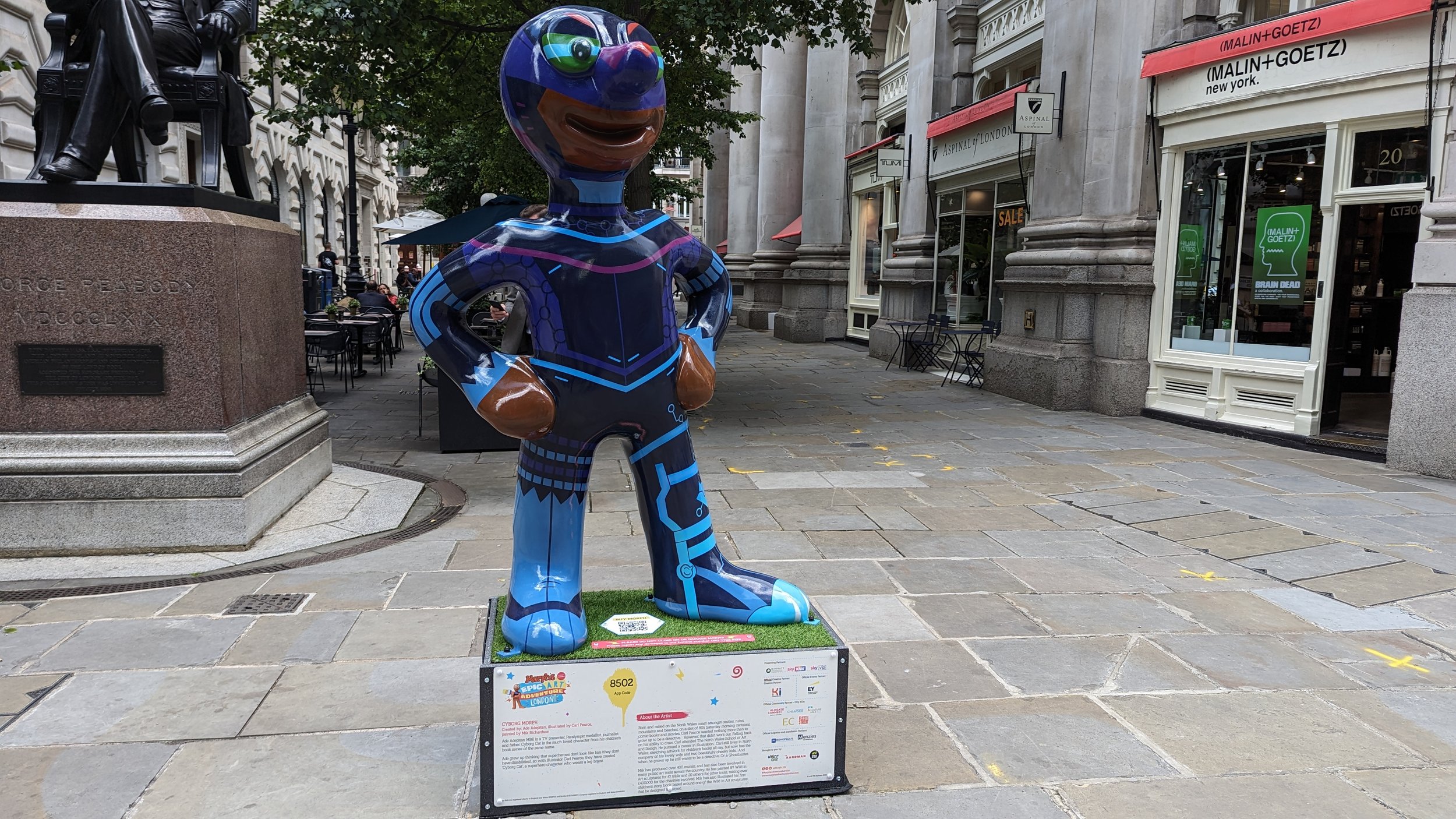
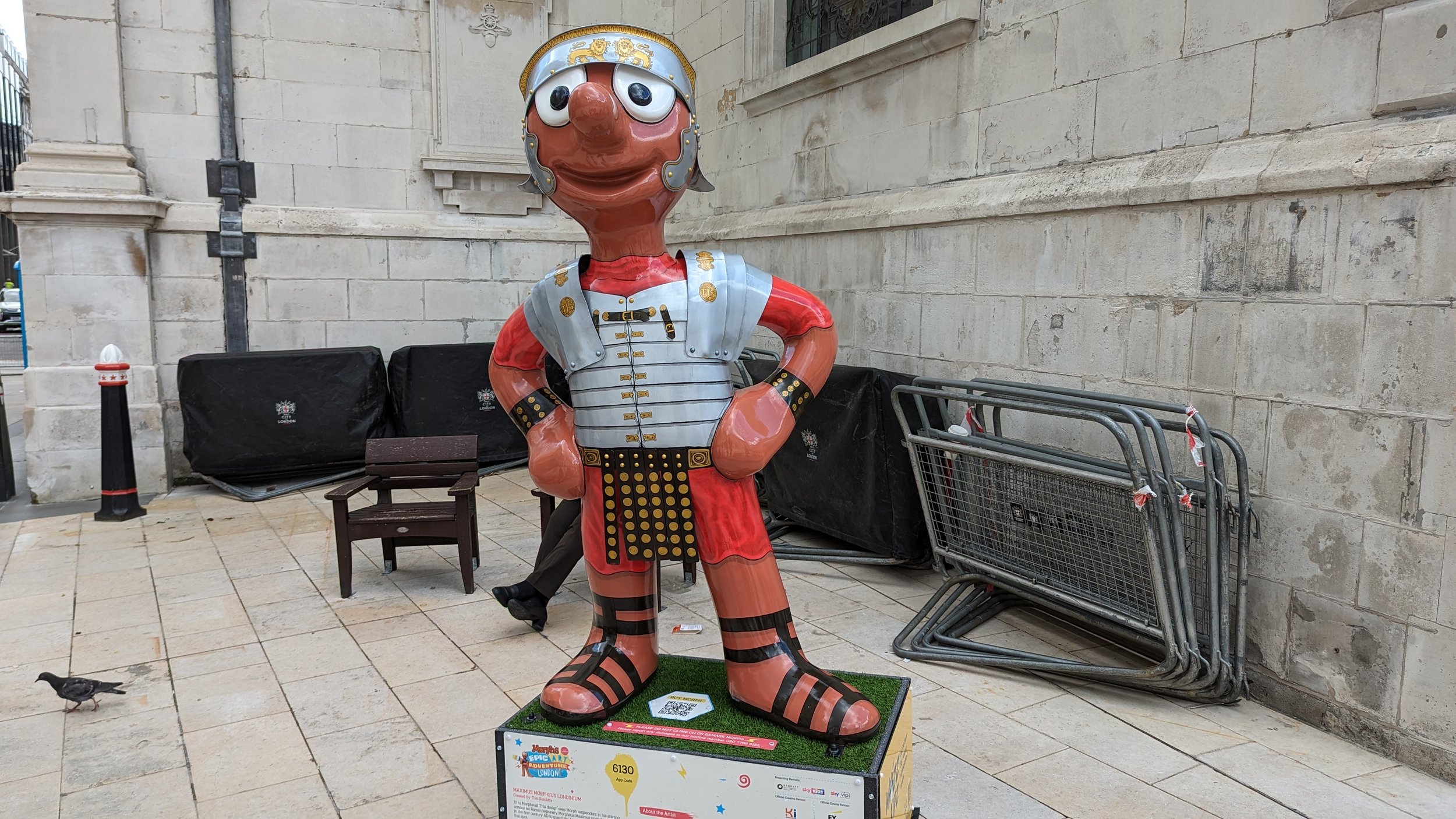
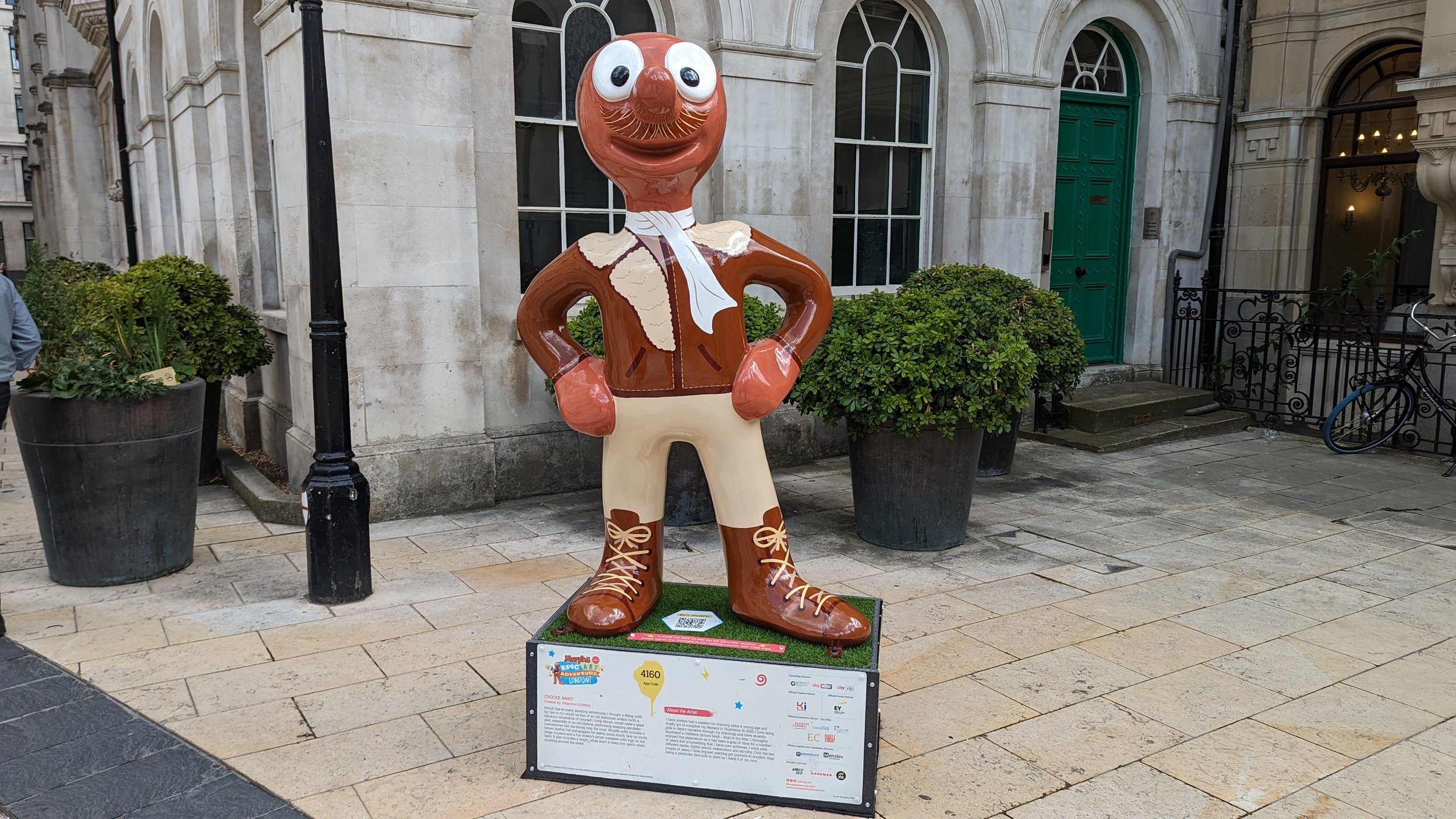
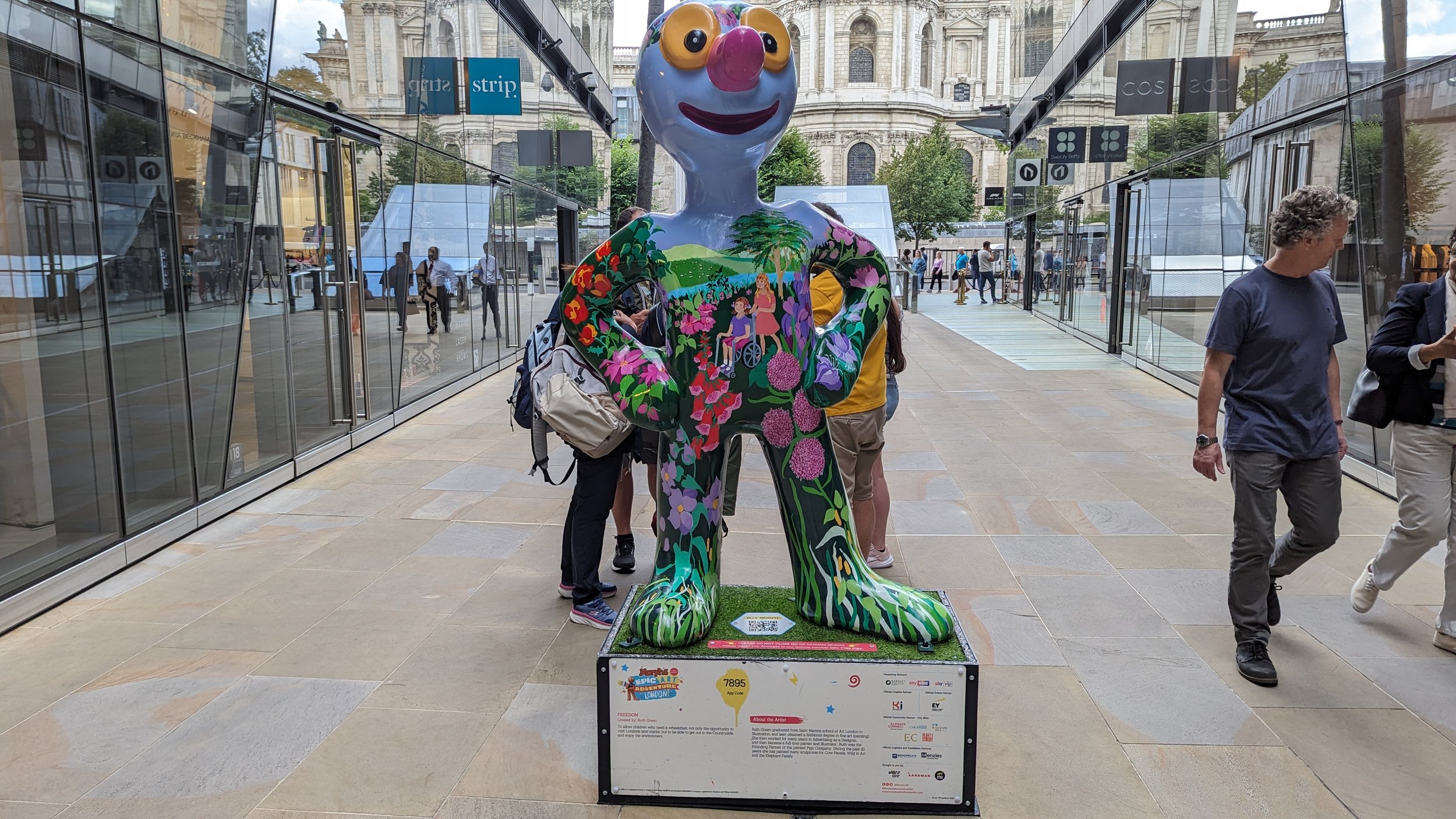
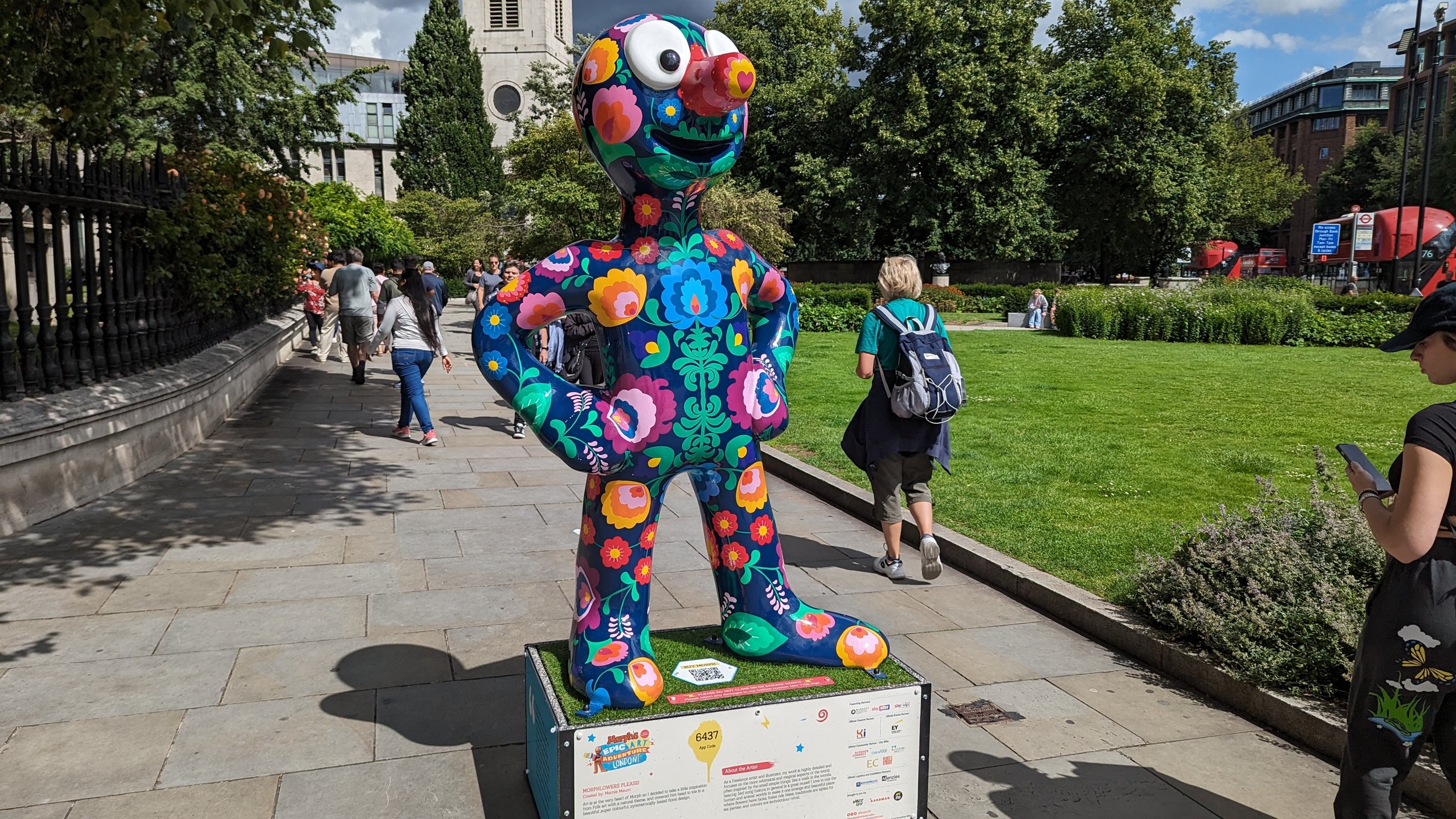
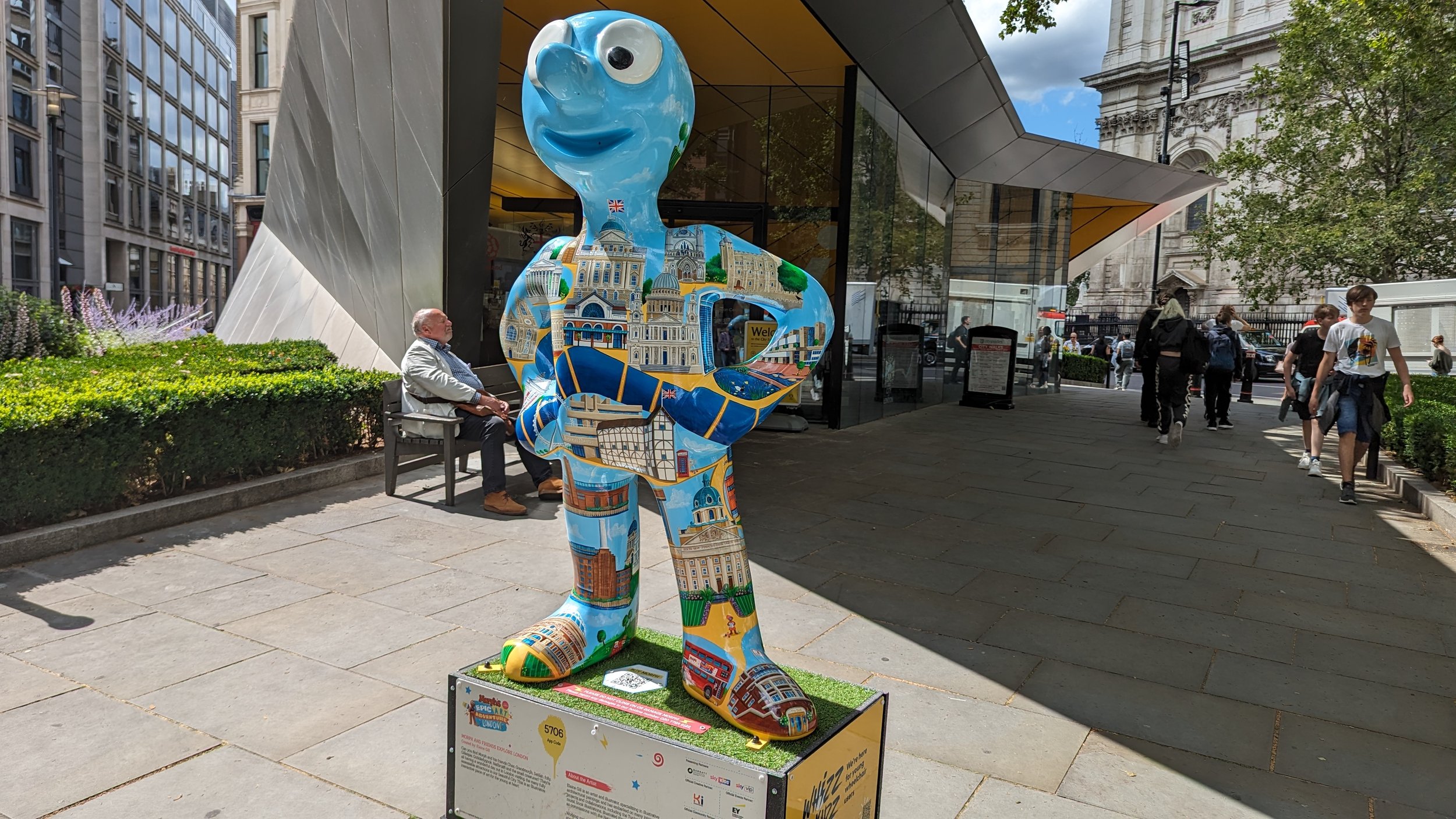
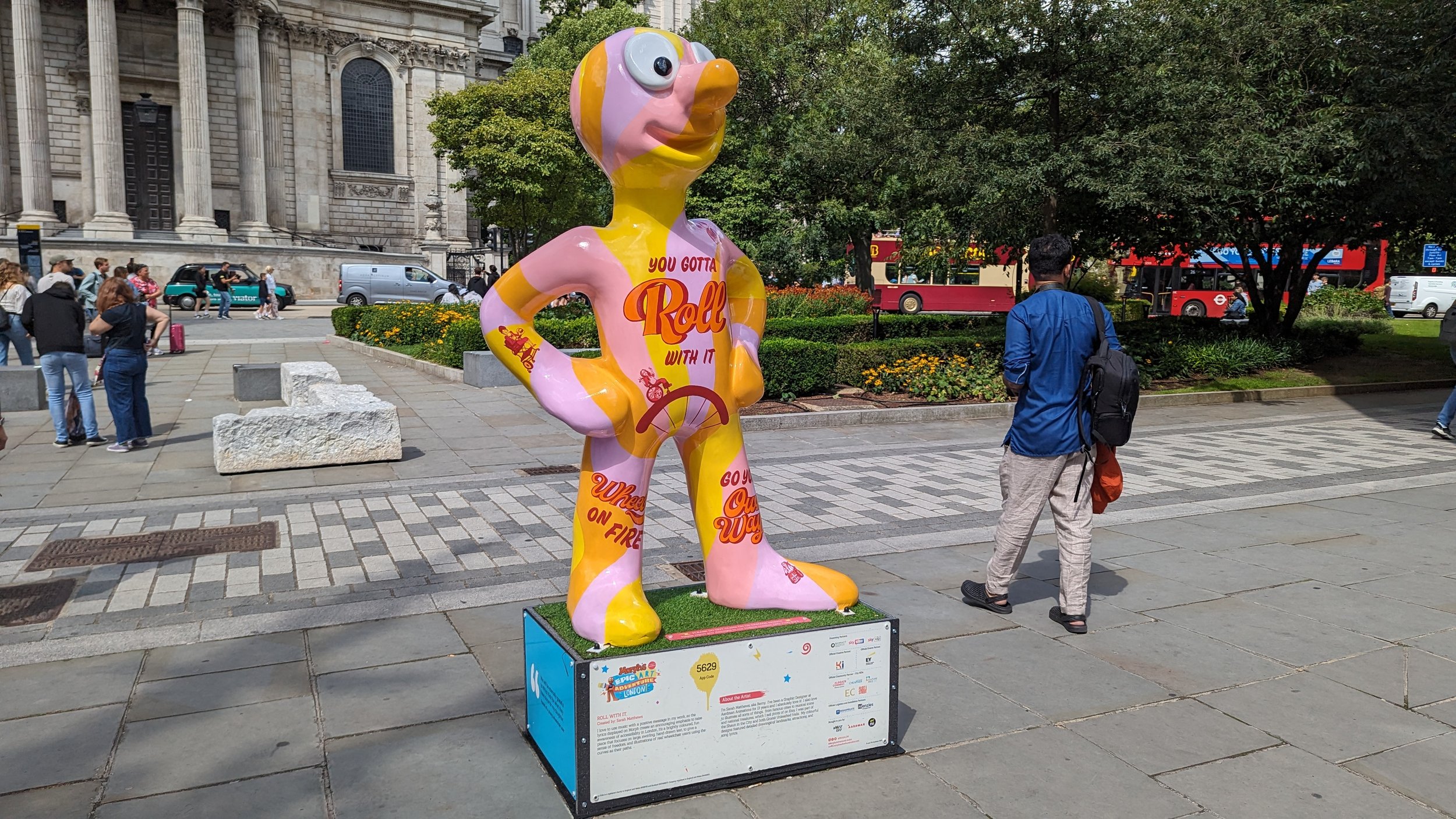
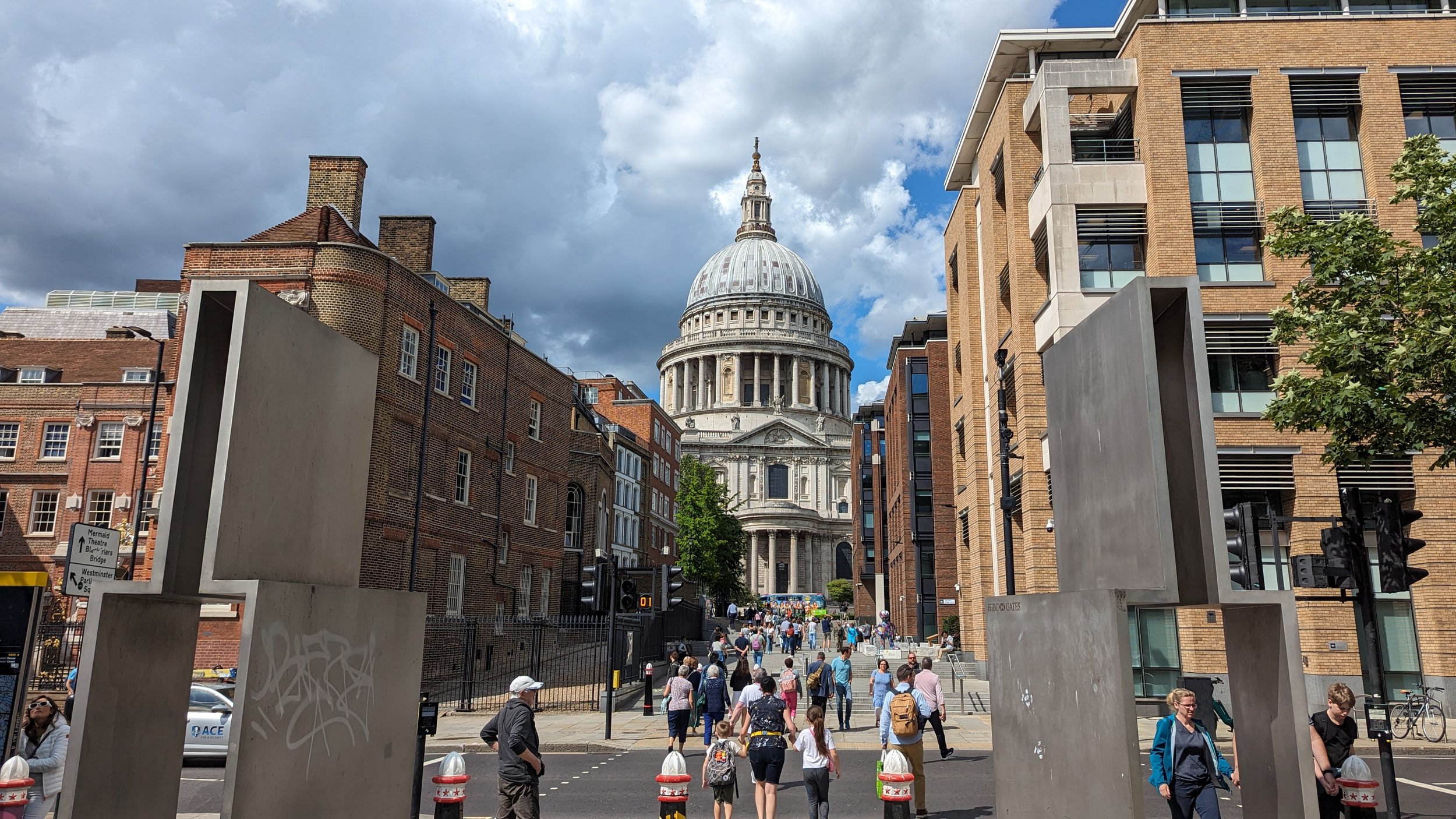
Morph’s Epic Art Adventure in London provides the perfect opportunity to take a leisurely stroll around the capital, take in the sights and see if you can find all 56 of the Morph sculptures. Which is exactly what me and some friends did today.The weather was mainly sunny with a couple of showers but we managed to avoid these by stopping for breakfast at The Pommelers Rest. We managed to track down 37 Morphs between London Bridge and St. Paul’s Cathedral. Because the London Tourist season has begun, it was busy along The Queen’s Walk, Tower Bridge and The Tower of London. However, the crowds were amiable so taking photos wasn’t a problem. By the time we got to Leadenhall Market and the Lloyds building, the crowds of tourists were gone. It was quite tranquil winding through some of the alleys and passages around London’s financial district.
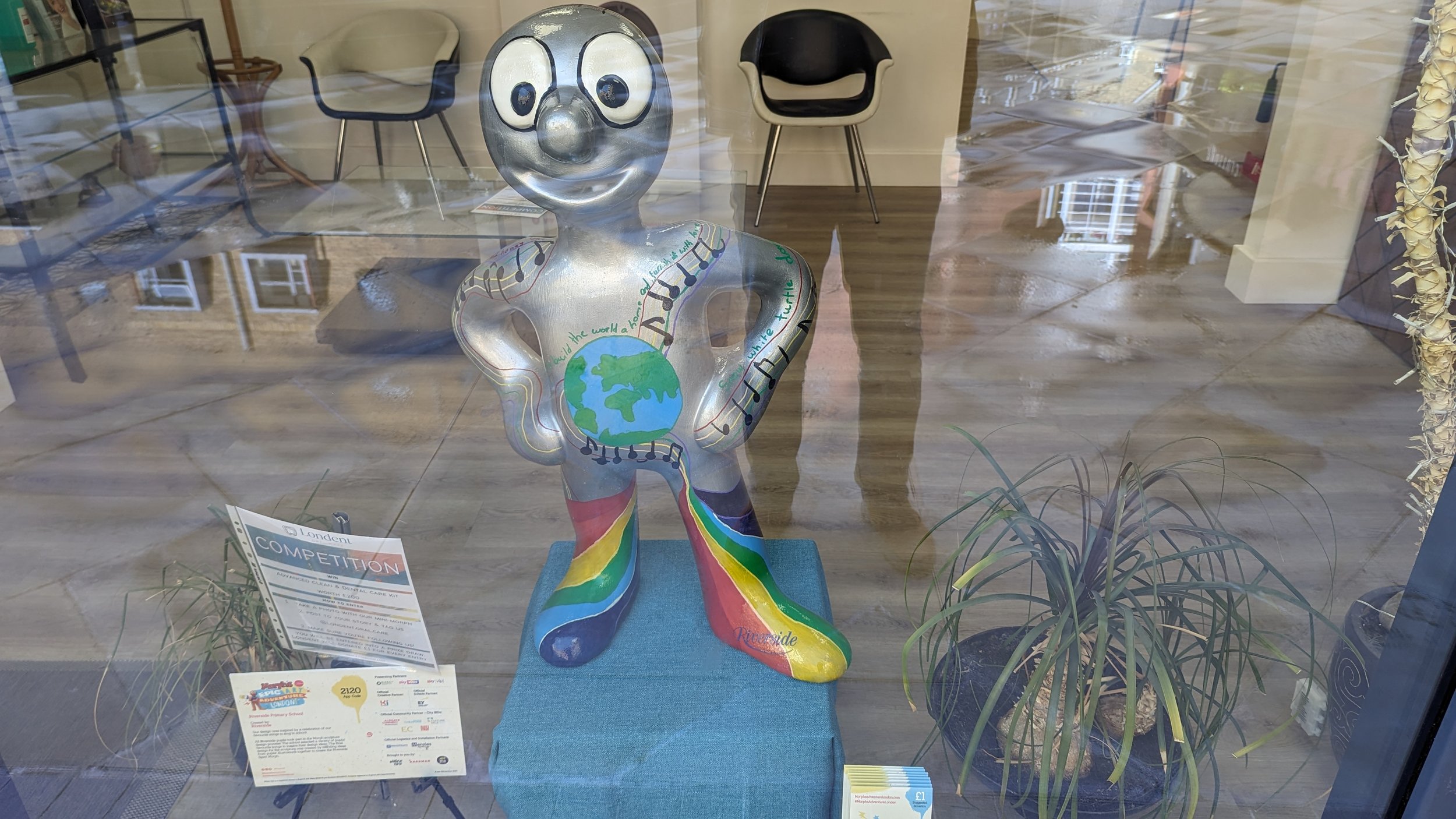
Morph’s Epic Art Adventure in London not only provides the Pokémon-esque pleasure of collecting all the various Morph sculptures, but you also get to see a lot of London’s famous landmarks (as well as some of its not so well known points of interest). Tourists tend not to visit the business heart of London. Yet it is filled with imposing buildings, plazas and quite a lot of artwork. Another standout feature of the day was the camaraderie among those who were also following the trail. We bumped into several people with printed maps or using the phone app to find the various sculptures. Pleasantries were exchanged and often you’d tip one another off about statues that were in the area. Especially the few that were located in shop windows. It was a welcome change to see Londoners actually talking to each other.
We spent over four hours walking around London before we withdrew to The Ship and Shovell for rest and a much deserved pint. Overall, it was a most enjoyable day having walked about 9 miles. I’d certainly recommend Morph’s Epic Art Adventure in London for those in position to walk the trail. The sculptures are most enjoyable and each one is unique, representing a specific theme or aspect of London life. The trail offers an opportunity to see a lot of London’s best locations and is a great way to acquaint yourself with the UK’s capital. You can find as many sculptures as you like but if you’re a completionist, there is an app available with a map with all the various locations marked. And let us not forget the underlying message from this undertaking, which is about making the country more wheelchair friendly and accessible to all.
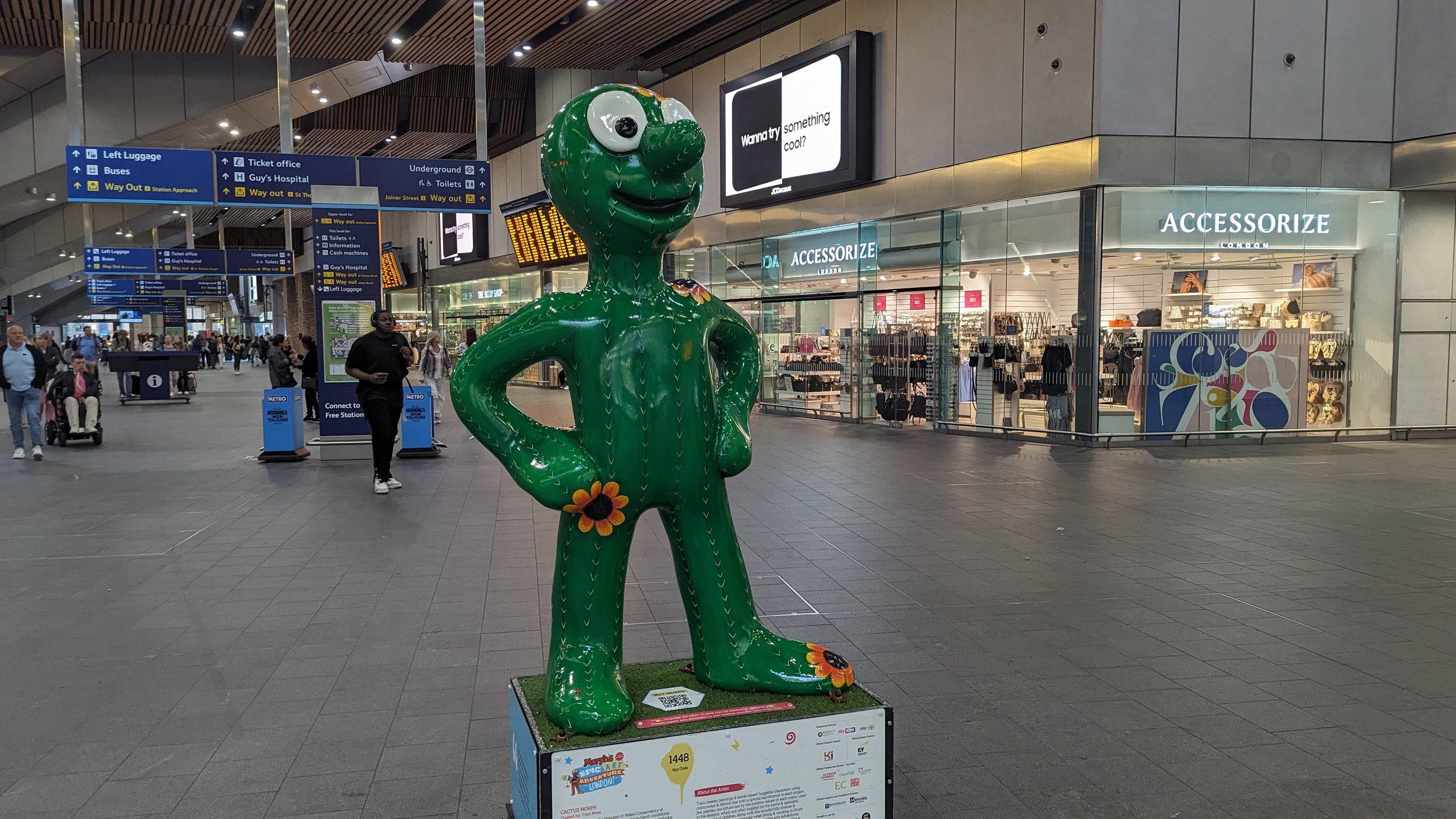
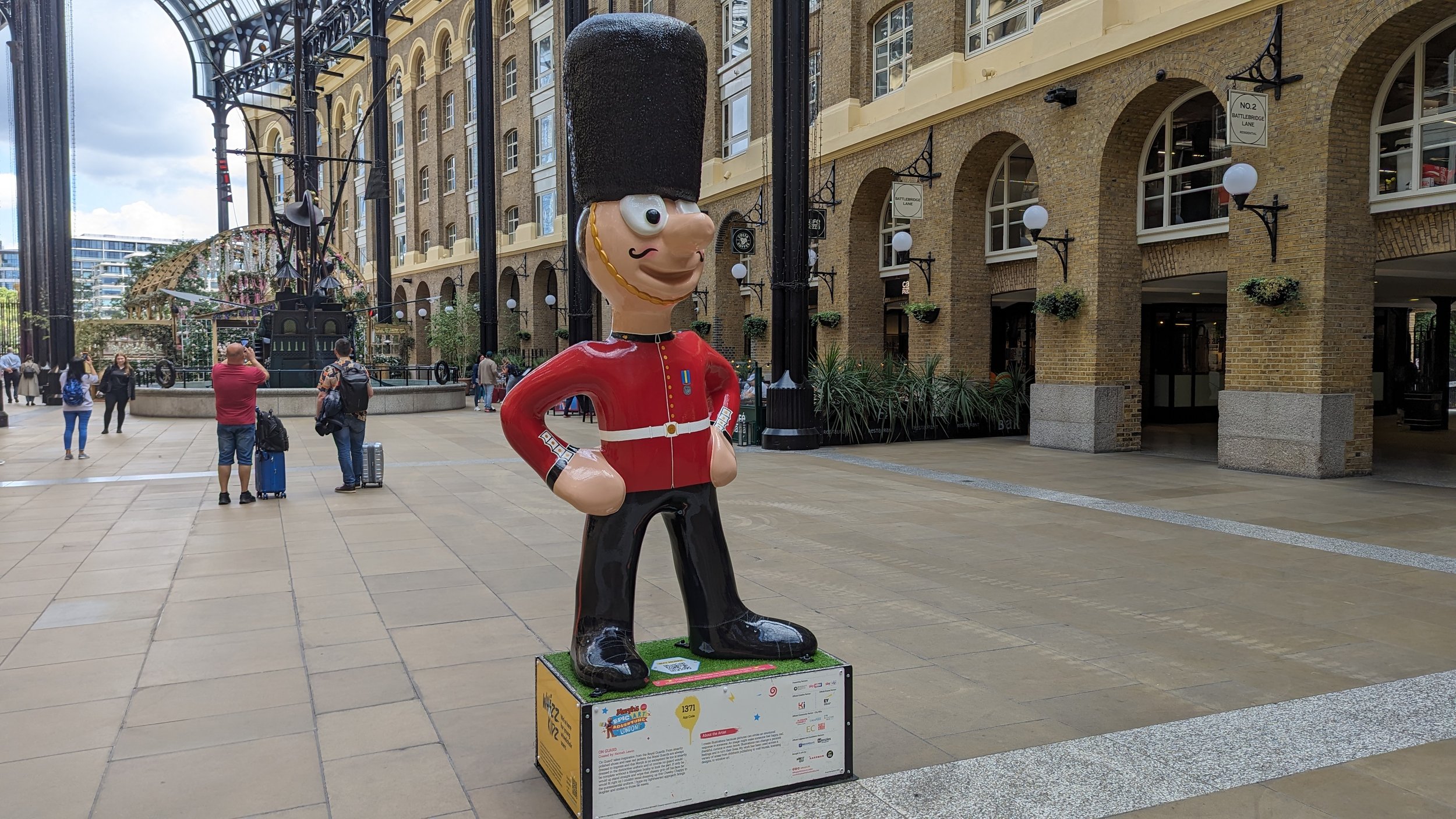
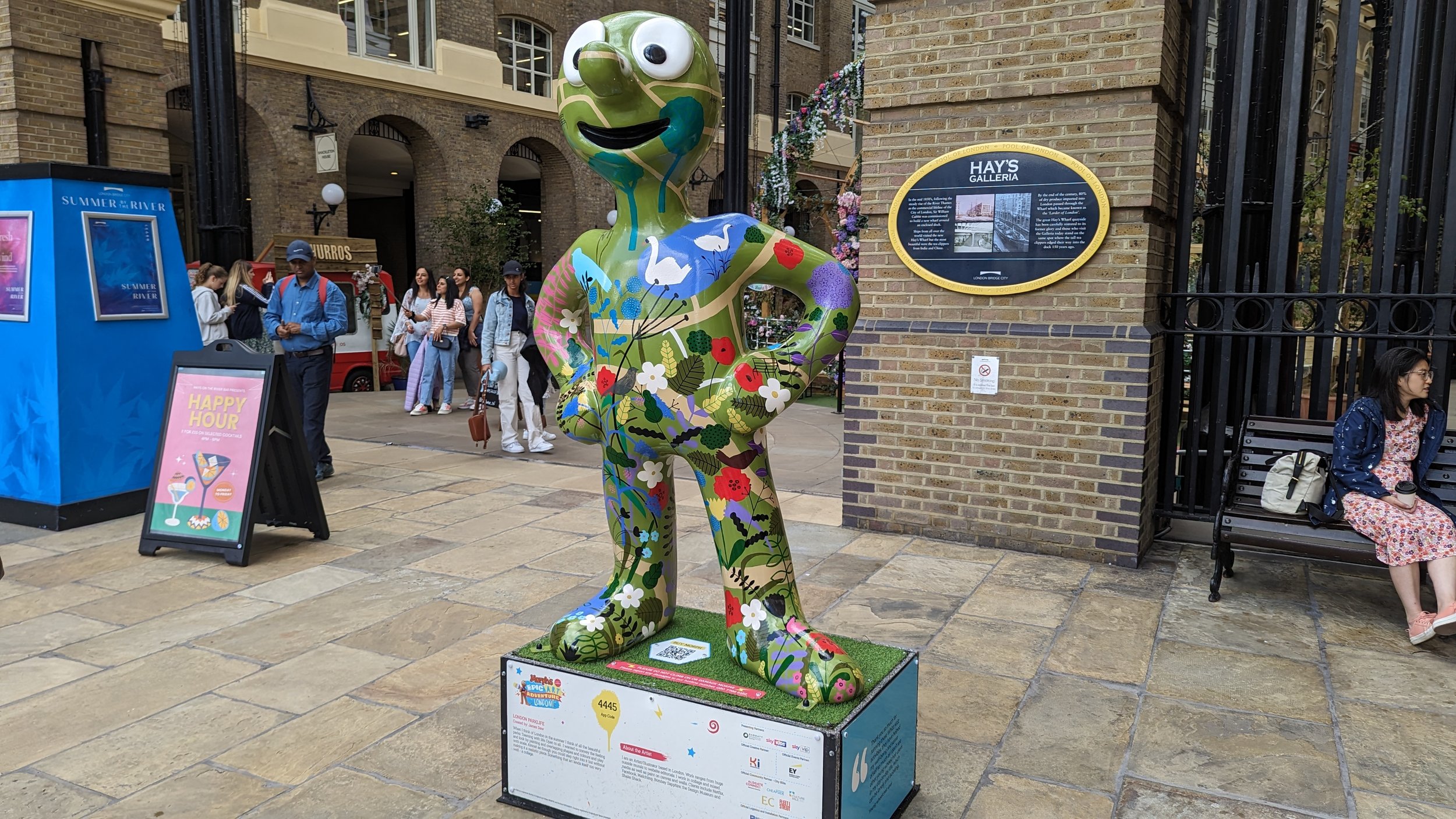






Today I visited the Inside Aardman: Wallace & Gromit and Friends exhibition at the Young V&A Museum at Bethnal Green. The exhibition which celebrates 50 years of Aardman Animations, provides visitors with a unique, behind the scenes view of the art of stop-motion animation. It also explores how Aardman’s iconic characters and worlds are designed, crafted and brought to life. From the initial concept artwork to the final visual effects, this event demonstrates the methods and techniques employed by Aardman. The exhibition features early scripts, sketch artists initial concept art, models, sets and numerous famous puppets. Furthermore this event is firmly pitched at children and families, with a wealth of interactive activities demonstrating the various techniques on display. The curators of the exhibition have also made it clear that they wish to encourage future generation to consider a career in the creative arts.
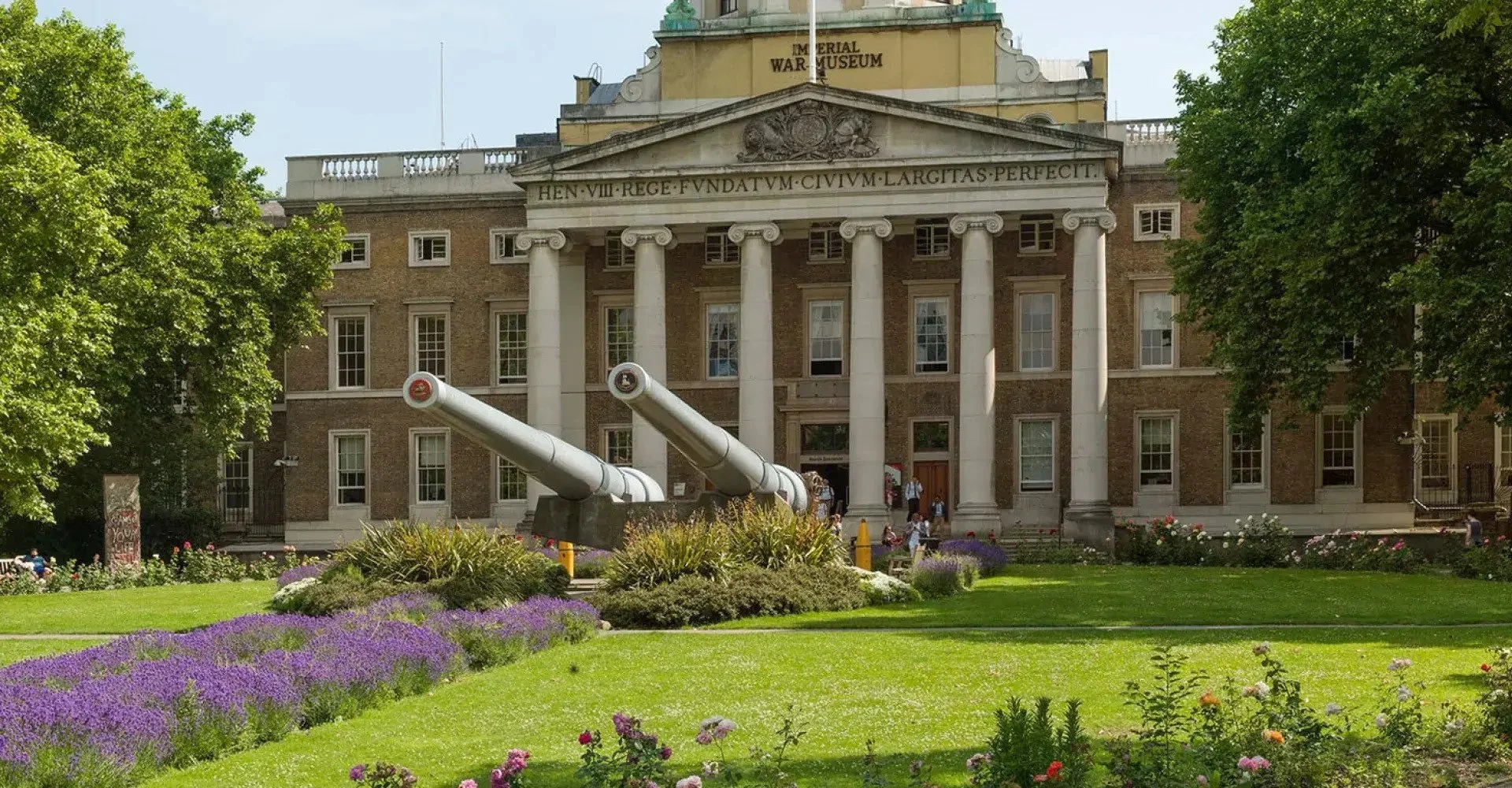
The Imperial War Museum serves as a national museum for Britain. Its main location is in London, complemented by five additional branches across England. Established in 1917 as the Imperial War Museum, its original purpose was to document the civil and military efforts and sacrifices made by the United Kingdom and its Empire during the First World War. Over time, the museum’s scope has broadened to encompass all conflicts involving British or Commonwealth forces since 1914. As of 2012, the museum’s mission is to provide and encourage the study and understanding of the history of modern warfare as well as the “wartime experience”. The IWM as it is now known has its headquarters and primary site is located at Southwark in Central London. The museum is funded by government grants, charitable donations and revenue generated through commercial activity such as retailing, licensing and publishing. General admission is free to IWM London.
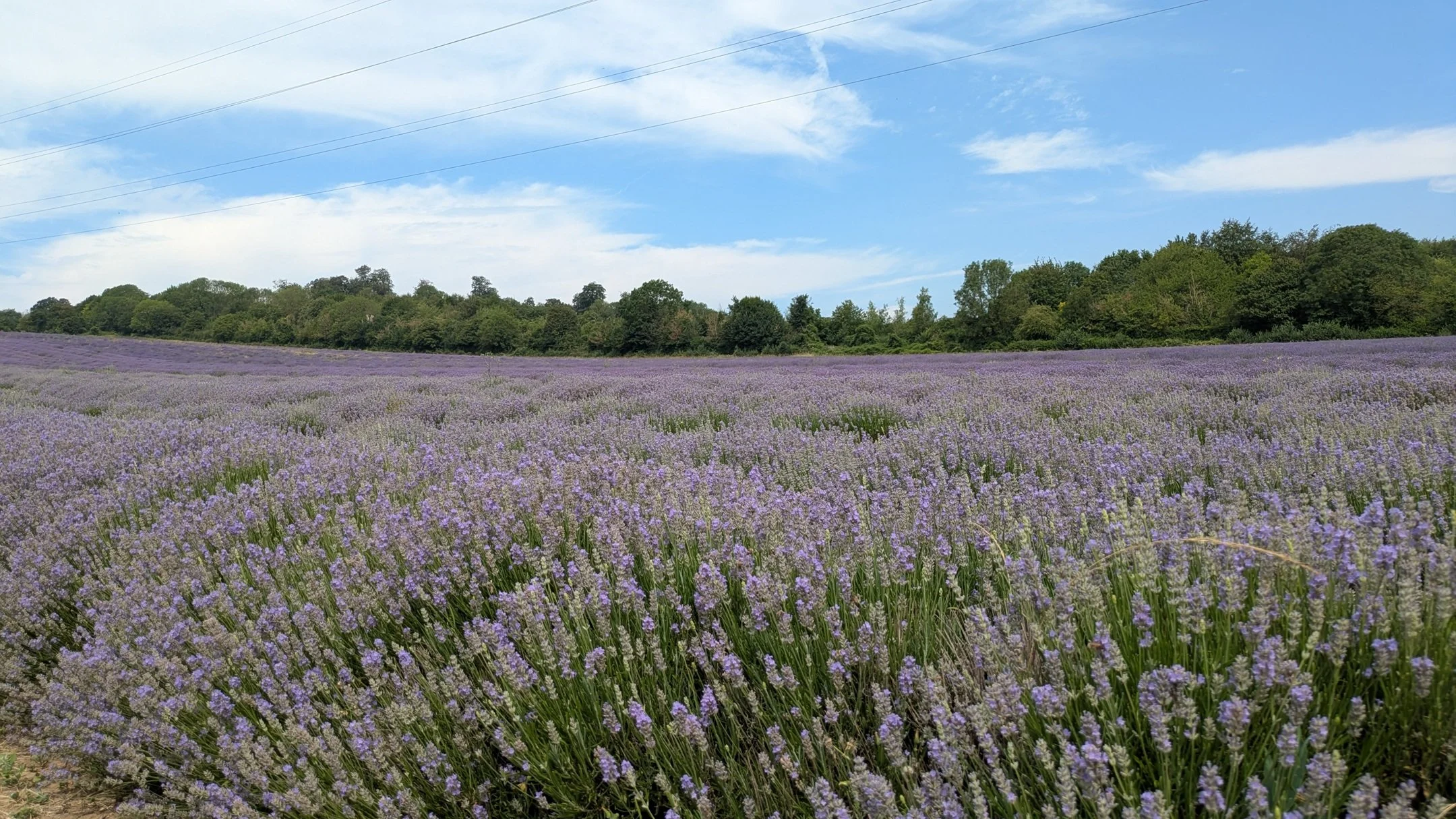
Castle Farm is a family business located near the village of Shoreham in West Kent. The Alexander Family have been farming in the Darenth Valley since 1892 when James Alexander transported 17 milking cows from Ayrshire in Scotland and took up residence in this south-eastern part of England. Castle Farm is a busy, working farm comprising of 1,100 acres. It produces such crops as wheat, barley, rapeseed, hops, apples, pumpkins and lavender. It is also home to a grass-fed herd of beef cattle. However, in recent years it has become well know internationally for its lavender crop. Castle Farm began its lavender enterprise in 1998, producing the essential oils associated with the flower. It is now the largest lavender farm in the UK, growing over 110 acres of the flower. Furthermore, it has become quite a tourist attraction with the farm staff running tours during Summer and the height of lavender season.
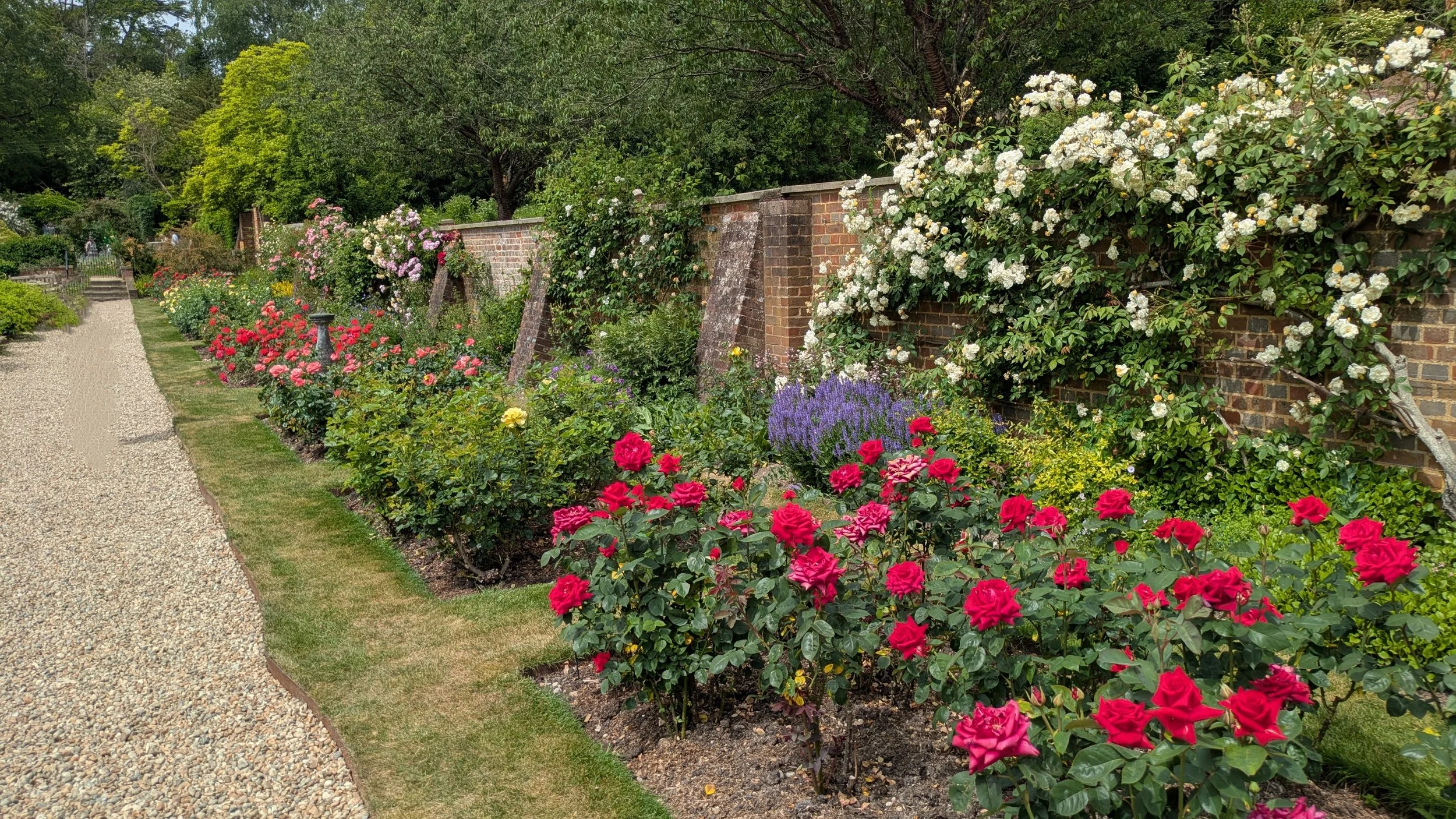
Riverhill Himalayan Gardens are set in the grounds of Riverhill House, a Grade II listed Queen Anne manor house located on the southern edge of Sevenoaks in Kent, England. Riverhill is well known for its stunning and historic gardens as well as its sweeping vistas over the Weald of Kent. The estate has been the residence of the Rogers family since 1840 who currently operate the gardens as a tourist attraction, along with the house and associated facilities as a wedding venue. Visitors can enjoy a walled garden, rose walk and maze as well as other attractions. There is also an excellent trail around the grounds culminating in a view from the top of the hill over the estate. Riverhill Himalayan Gardens, as a supporter of the Surrey Sculpture Society, regularly showcases a selection of sculptures and art pieces throughout its grounds. All are available for purchase if you have deep pockets.
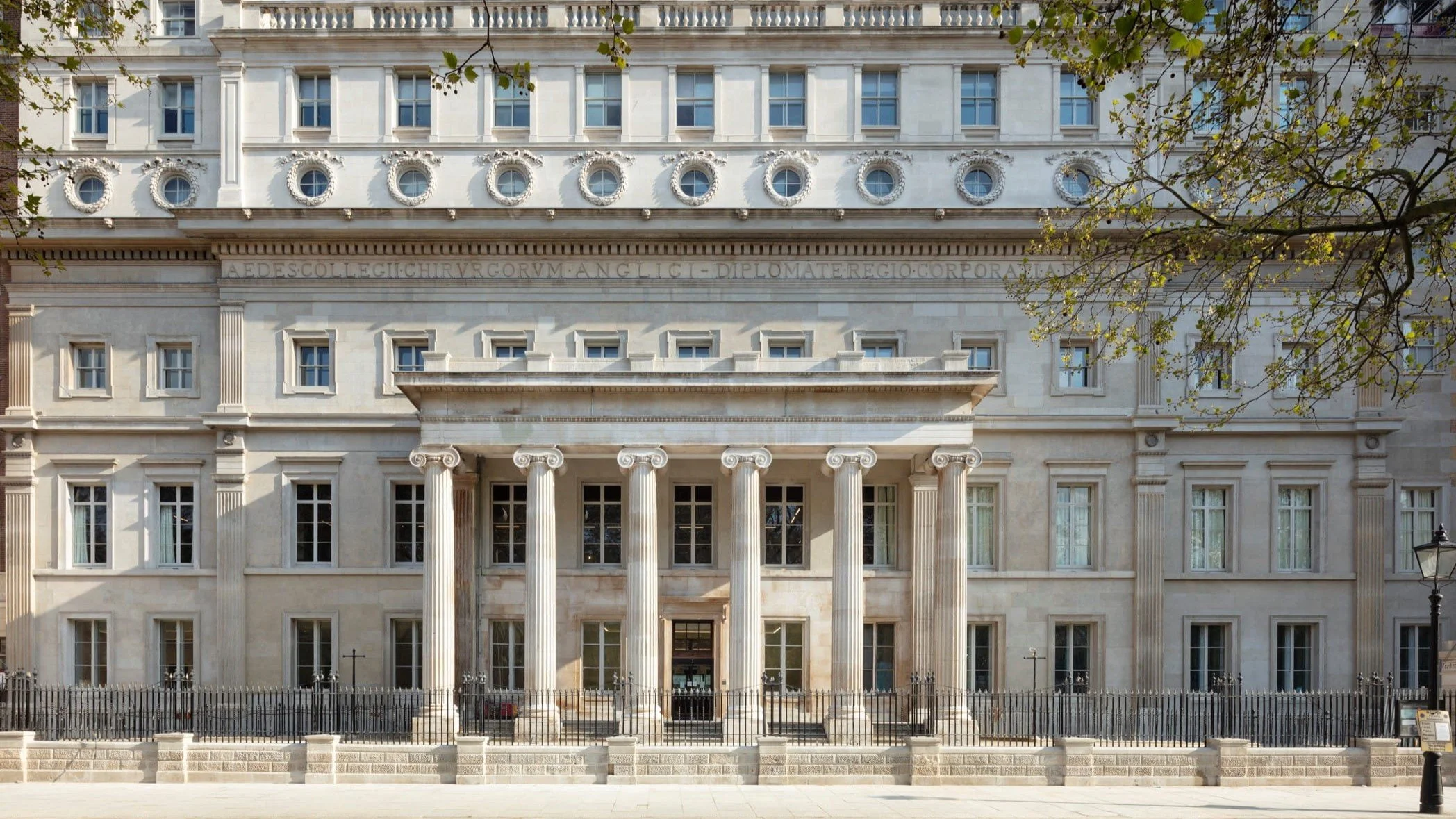
The Hunterian Museum is a museum of anatomical specimens in London, located in the prestigious building of the Royal College of Surgeons of England. The museum is made up primarily of a collection from the 18th century Scottish surgeon John Hunter. Over the years it has since been subsequently supplemented by Odontological material curated by A. E. W. Miles and various natural history exhibits from Richard Owen. In May 2023, the Hunterian Museum reopened following a five-year redevelopment of the Royal College of Surgeons of England’s headquarters at Lincoln’s Inn Fields. The £4.6 million museum project features the exhibition of more than 2,000 anatomical specimens from Hunter’s original collection. In addition to these there are instruments, equipment, models, paintings, and archival materials that document the evolution of surgery from ancient eras to contemporary robot-assisted procedures. The Museum boasts the largest public display of human anatomy in England.
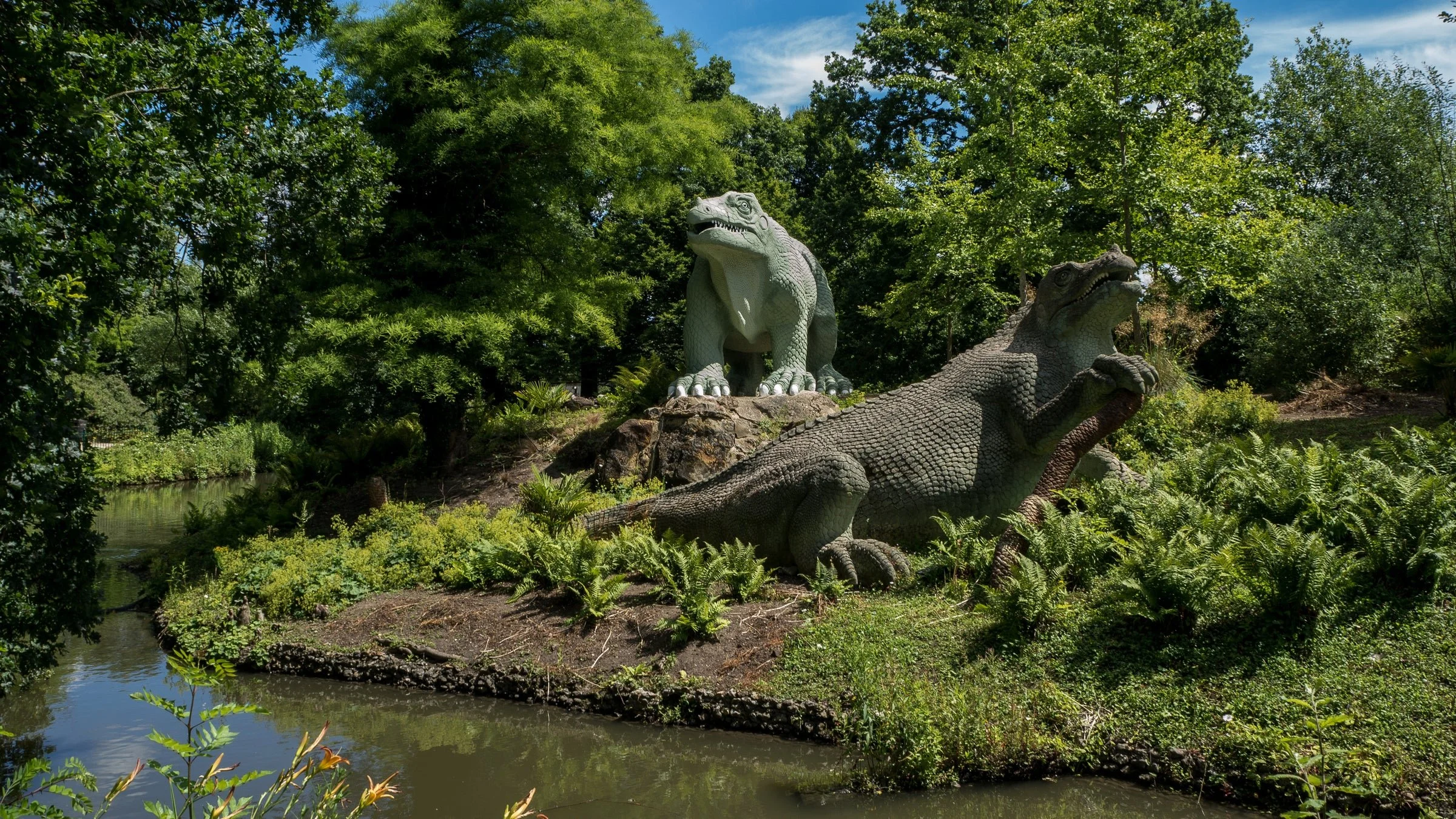
The Crystal Palace Dinosaurs are a collection of sculptures depicting dinosaurs and other extinct species located in Crystal Palace Park, in the London borough of Bromley. These sculptures were originally commissioned in 1852 for display at the Crystal Palace following its relocation from the Great Exhibition held in Hyde Park. They were revealed to the public in 1854 and are the first speculative dinosaur sculptures ever created. Although the models are now considered inaccurate by contemporary standards, they were designed and crafted by Benjamin Waterhouse Hawkins under the scientific guidance of Sir Richard Owen, reflecting the prevailing scientific understanding of the time. The sculptures were designated as Grade II listed buildings in 1973 and underwent extensive restoration in 2002. In 2007 they were elevated to Grade I listed status. As of spring 2026 the dinosaurs are again being renovated as part of a £5 million regeneration of the park.

The benefits of international travel are numerous. These include stress relief, mental health benefits and a chance to escape the drudgery of work. Then there are the cultural aspects that you can immerse yourself in. Going abroad also allows you to learn new language skills as you awkwardly ask for directions. International travel is a chance to make lasting memories and it often gives the traveller a greater appreciation of their own home. At the very least the beer is always better abroad and that is the very definition of “broadening your horizons”. Yet despite all these positive points, there is one unavoidable hassle when comes with travelling abroad. The fact that the country or countries that you’re visiting will invariably use a different electrical plug and socket standard. In an age where a lot of the stuff you bring along with you on holiday needs charging, this can be a very stressful problem to solve.
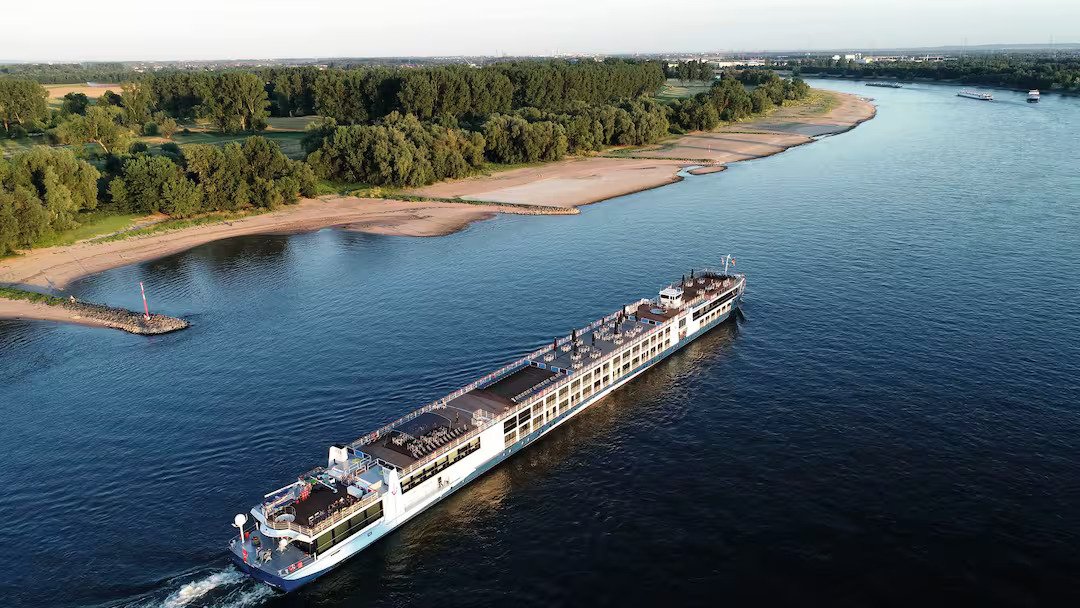
I thoroughly enjoyed our holiday in Croatia last year and it did much to restore my confidence in travelling. Previously my views on visiting other countries had been greatly influenced by the films Raid on Entebbe and Midnight Express. As January was such a bleak month here in the UK, Mrs P and I decided we couldn’t wait until summer for another holiday and so decided to book something for the end of March. So we visited our local Travel Agents and decided upon a river cruise. We’ve been interested in these since we saw a travel show with Susan Calman. River cruises are a horse of a different colour, compared to sea cruises. They’re a great way to visit cities of note, often bringing you right into the heart of them. River cruise ships are a lot smaller with less passengers than ocean faring vessels. They also attract quite different travellers. Let it suffice to say that a sea cruise doesn’t offer the cultural experience that I am looking for.
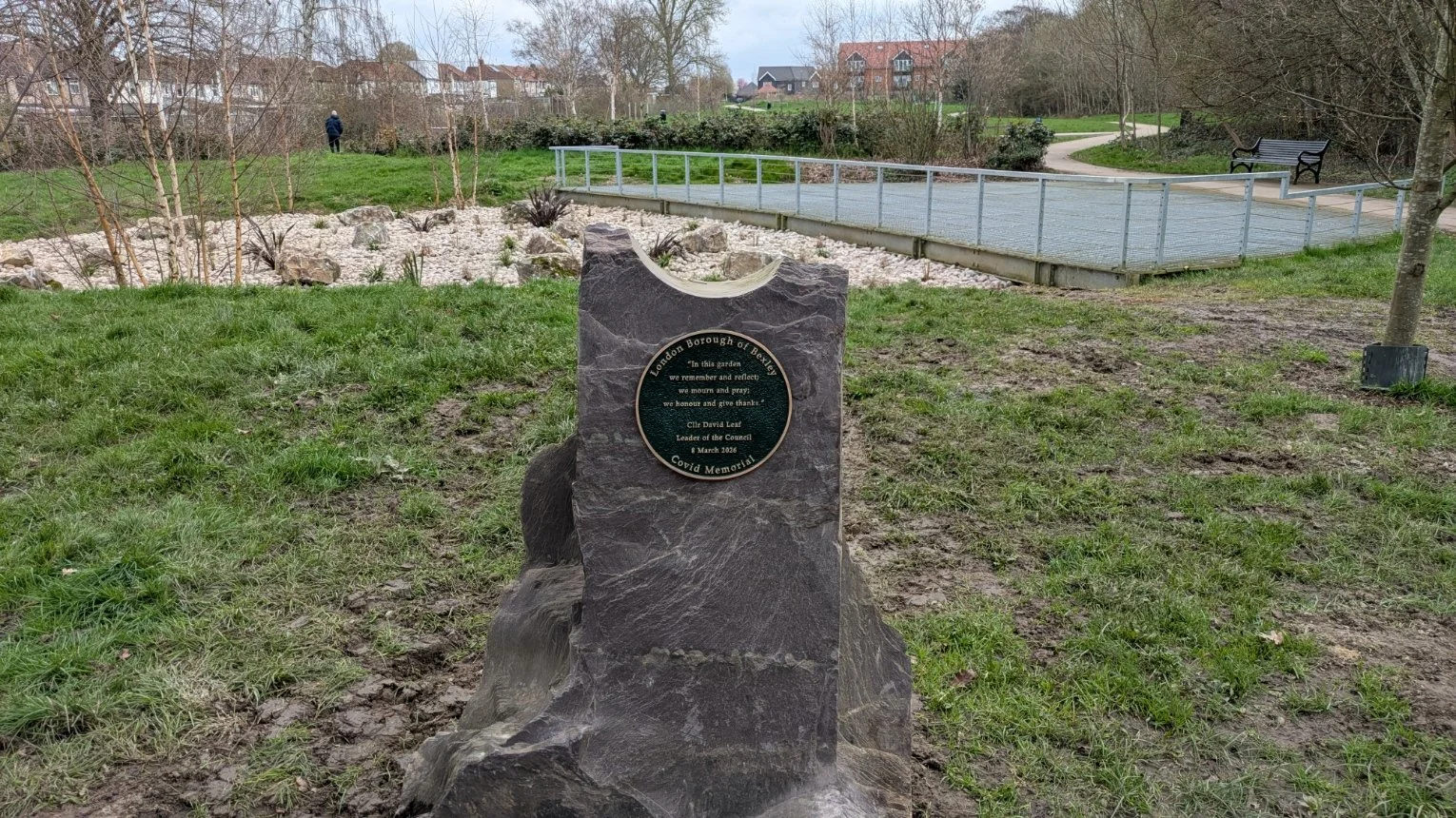
There are approximately 4000 parks and green spaces in Greater London. Bexley Borough alone has over 100. Public parks and green spaces are vital to modern cities, providing essential health, environmental and social benefits. They boost physical and mental wellbeing by reducing stress and providing a place for exercise. Furthermore they enhance urban sustainability, mitigate heat, and provide a sustainable environment for a wildlife. Parks are often a venue for social activities and events and as such are an important part of the local community. Going to the park has always been a part of my life. I live next to Old Farm Park in Sidcup and have made use of this recreational space throughout my life. I used visit with my parents in the seventies, when I was a child. Thirty years later my son, father in-law and I would fly kites there. Now I take my grandchildren to Old Farm Park as it now has a playground.
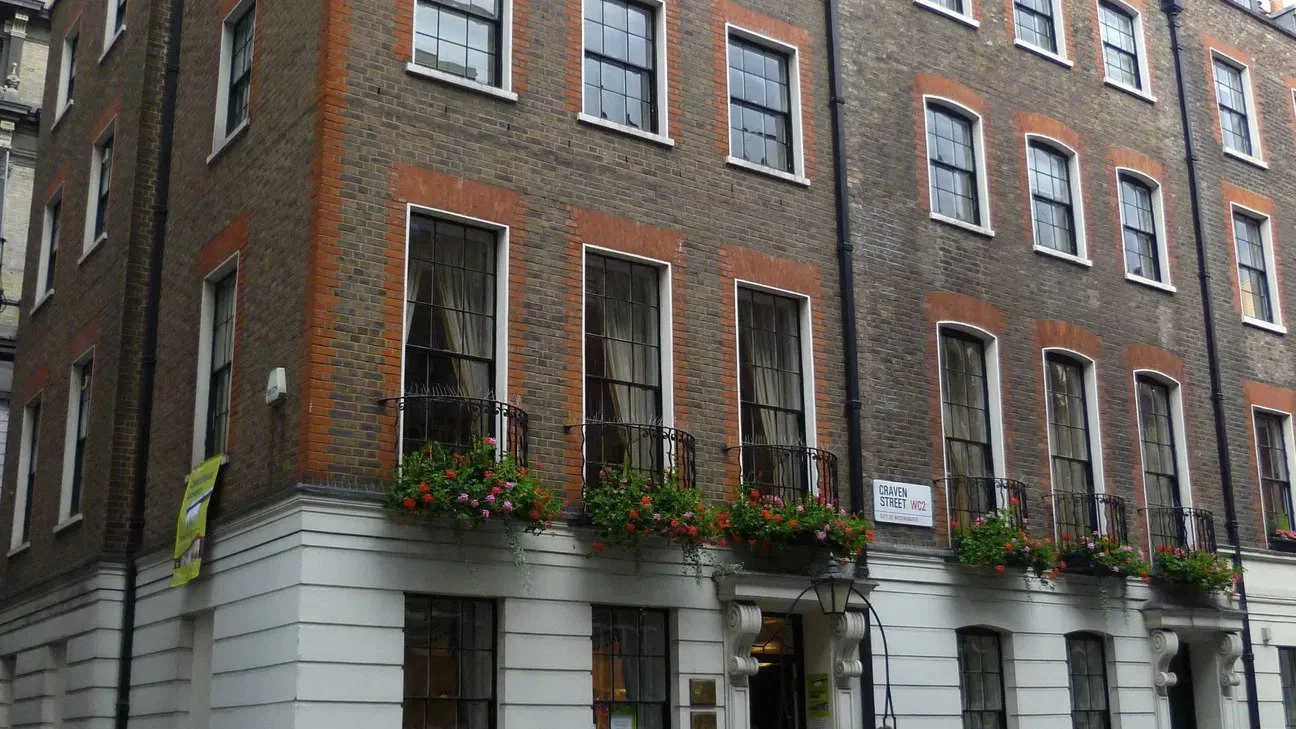
There is no shortage of interesting and good quality museums in London. In many respects tourists and visitors are spoilt for choice. More often than not, it is the most well known institutions such as the British Museum or Victoria and Albert Museum that gain the most attention. However, there are many hidden gems to discover if you take the time to look further. A prime example being The British Optical Association Museum which I had the pleasure of visiting today. The museum’s function is to promote the optometry profession and raise public awareness of its past and ongoing role within society. The museum has a well conserved collection of exhibits and provides a venue for presentations, learning and research services. There is also an excellent tour hosted by museum curator Neil Handley (PhD, AMA, FRSA) in which he gives a concise, interesting and at times a witty overview of the history of optometry in the UK and its current role.

The artillery battery at Capel-le-Ferne was built between 1941 and 1942, following the fall of France, on the orders of Winston Churchill. Located between Dover and Folkestone, the battery consisted of three 8-inch high-performance guns, provided by the Royal Navy. The battery was intended to provide anti-shipping defence in the English Channel. The site was manned by men of the 520 Coast Regiment Royal Artillery. Over the course of World War II, the battery expanded in size, eventually encompassing multiple Nissen huts, several roads and 19 military buildings. Anti aircraft defence was provided by two 40mm Bofors guns. Over the course of the war, the Capel Battery engaged enemy shipping on four separate occasions and also took part in fifteen practice shoots. In 1944, due to the decreased threat, the battery was placed in “care and maintenance”. The guns were removed in 1952 and the building demolished in the early 1980s

There are an estimated 2,500 museums in the UK. This number has grown significantly over time, more than tripling between 1960 and 2017. While it is laudable that so many of these institutions exist, they do not all receive equal interest or publicity. Some museums dominate in their respective fields and drown out others that have a similar theme. With this in mind, I was unaware of the Kent Battle of Britain Museum until a friend recently brought it to my attention. After yesterday’s visit my initial thoughts are what a treasure trove it is. According to the museum’s website it is the world’s largest Battle of Britain collection of memorabilia. This includes planes, uniforms, weapons and related artefacts from over 700 crashed aircraft. Furthermore, the museum tells the story of this battle without bias, choosing to highlight both the historical and the human aspects of the conflict. It is often very poignant.
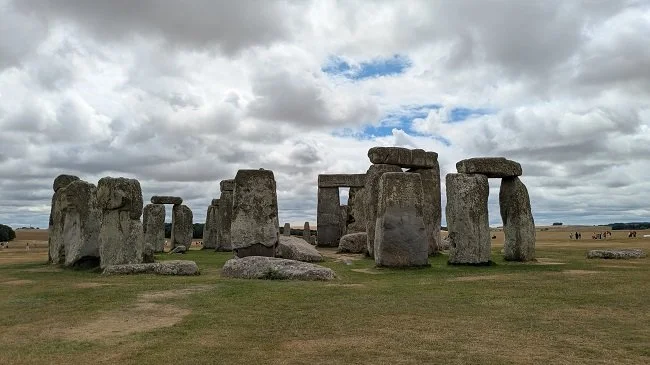
Stonehenge is so much more than just a neolithic, historical structure of note. It is of great spiritual importance to many, representing ceremonial practices and ancient worship. It is also seen as a conduit to a wider connection to the cosmos. It is after all a celestial calendar, according to one of the theories regarding its purpose. It also has a strong significance in pop culture. Hence, due to its history, symbolism, religious connotations and overall sense of mystery it is a UNESCO World Heritage Site and a globally recognised symbol of ancient Britain. As such, it has always been somewhere that I have wished to visit. Today, as we were relatively nearby in Ringwood and the weather was pleasant, Mrs P and I decided to go to Salisbury and see this iconic structure for ourselves.
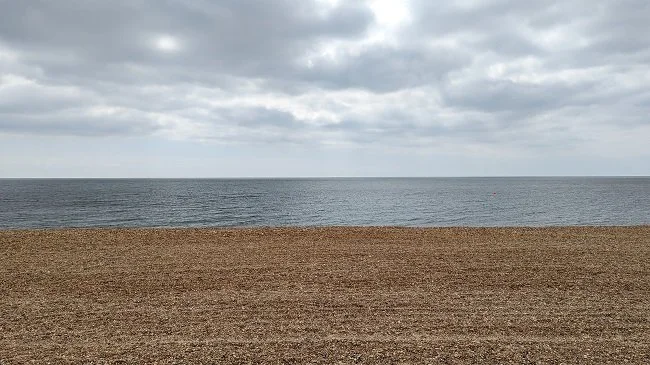
I enjoy visiting the coast. I always have. I find the sight and sounds of the sea very calming and thought provoking. There is something about seeing the ocean stretch out to the horizon and its implied enormity, that gives you a sense of perspective. The UK is a seafaring nation and therefore it is an integral part of our history and national identity. Hence a strong nautical theme and a sense of its importance has bled through into our popular culture. It is therefore quite common for people to have a positive attitude towards the sea and its associated leisure activities. I like to visit the coast at various times of the year and walk along the beach, just listening to the waves, lost in my own thoughts. This is not a hard thing to do in the UK, as no one lives further than 70 miles (113 kilometers) from the coast.
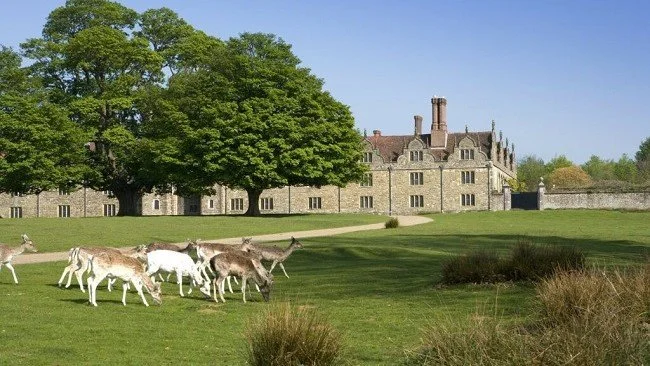
Knole is a country house in England and a former archbishop’s palace that is currently owned by the National Trust. It is located within Knole Park, a 1,000-acre (400-hectare) estate that lies to the south-east of Sevenoaks in west Kent. The existing structure of the house dates back to the mid-15th century, although there were significant expansions in the 16th and particularly in the early 17th centuries. Its Grade I listing signifies its combination of late-medieval to Stuart architectural styles. This is especially evident in its central façade and state rooms. In 2019, a comprehensive conservation initiative titled “Inspired by Knole” was completed to restore and enhance the buildings’ structures. This was beneficial to the preservation of its significant collections. The adjacent deer park has also endured since 1600.
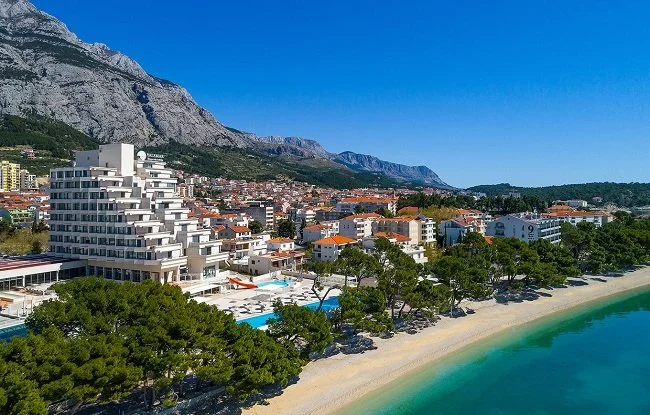
Mrs P and I travelled to Croatia on Friday 13th June for our summer holiday. We spent one week in Makarska, which is located on the Dalmatian coast. My last international holiday was to Malta in 2004. Since then we have done a lot of travelling in the UK and Mrs P has vacationed abroad with other family members. However, she stated last September that she wanted to go “somewhere warm” for our next holiday. So this trip was booked and has been “something to look forward to”, or a source of stress slowly inching closer, depending upon your perspective. In many respects this holiday has been a big deal for me. I don’t enjoy travelling at all with all its accompanying logistical, bureaucratic and “people” issues. However, I have no problem with being elsewhere. I eagerly await teleportation technology to become commonplace. Once I arrived at our hotel, I quickly switched to holiday mode and I am happy to confirm that I thoroughly enjoyed myself.
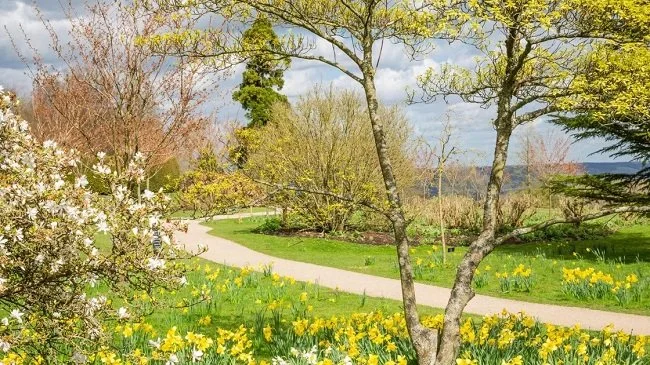
Emmetts Garden is an Edwardian estate situated on Ide Hill, close to Sevenoaks in Kent, UK. After a long and interesting history it is currently under the stewardship of the National Trust. Originally open farmland, the existing house was constructed in1860. The term “emmett” is a local dialect for ant, referencing the large anthills that populated the area until the 1950s. In 1890, the estate was acquired by Frederic Lubbock, a banker with a keen interest in horticulture. His elder brother, John Lubbock, 1st Baron Avebury, was a renowned authority on ants, which may have influenced Frederic's decision to purchase the estate. Today Emmetts Garden is open to the public and features several “hortus conclusus” (walled gardens) and a hillside trail that is famous for its Bluebells in the spring.
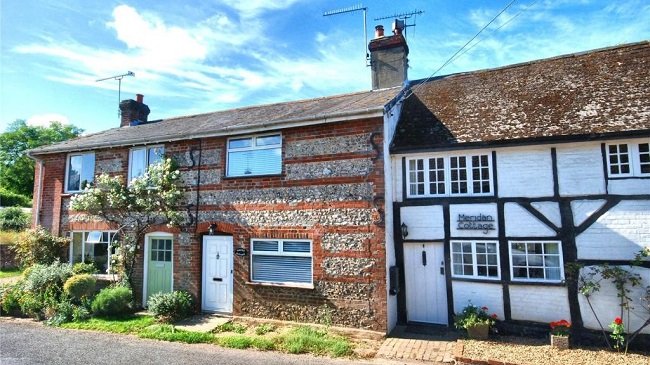
Damerham is a quaint rural village and civil parish located in the New Forest district of Hampshire, England. It is close to the market town of Fordingbridge. Damerham is distinguished by significant Neolithic and Bronze Age burial mounds. Historically, it was home to an Anglo-Saxon religious community and was referenced in the will of Alfred the Great, as it was at that time part of the royal estate. At the time of the Domesday Book in 1086, Damerham was recognized as a prominent settlement under the ownership of Glastonbury Abbey. It was mainly farms and agrarian small holdings. Today, the village still features a riverside mill and the church of Saint George date’s back to the Norman period. There is a church hall that hosts numerous local, seasonal events.
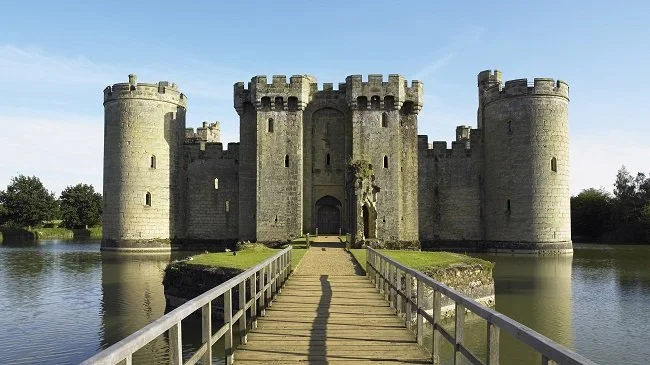
Bodiam Castle is a 14th-century moated castle located near Robertsbridge in East Sussex, England. It was built in 1385 by Sir Edward Dalyngrigge, a former knight of King Edward III. The castle’s primary purpose was to defend the local area against possible French invasion during the Hundred Years' War. Bodiam Castle has a quadrangular design and does not have a keep. All the various chambers and rooms were built adjacent to the outer defensive walls. The four corners and main entrance have towers, all of which feature crenellations. A substantial moat surrounds the castle, which served as a home for the Dalyngrigge family, as well as a seat of power to the manor of Bodiam. The castle remained within the Dalyngrigge family until the line became extinct. It remained a place of strategic importance during the War of the Roses and the English Civil War. It is currently owned and maintained by The National Trust.
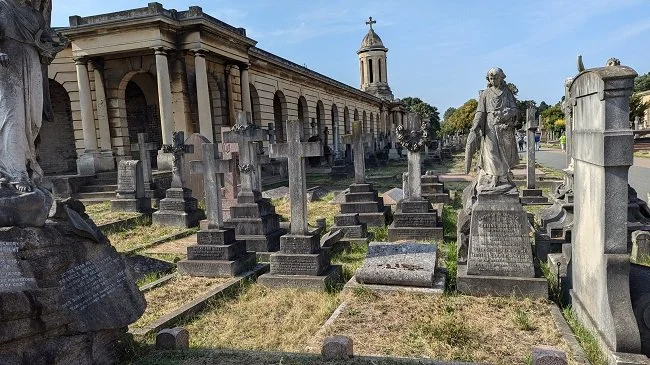
Today I went on an impromptu visit to Brompton Cemetery in West London. Established in 1837, the West of London and Westminster Cemetery (as it was originally known) is a private cemetery initially created as a business venture to capitalise upon the shortage of cemeteries within London. It also sought to cater to the prevailing culture of opulent Victorian funeral rites. However, after proving non profitable, the cemetery was bought by the UK government. It was subsequently incorporated into Crown Property and managed by The Royal Parks. It is one of Britain’s oldest and most distinguished garden cemeteries. There are currently 35,000 monuments, ranging from simple headstones to impressive mausolea. It is home to more than 205,000 resting places. The cemetery is also a haven for flora and fauna, providing a substantial semi rural environment amid urban central London.
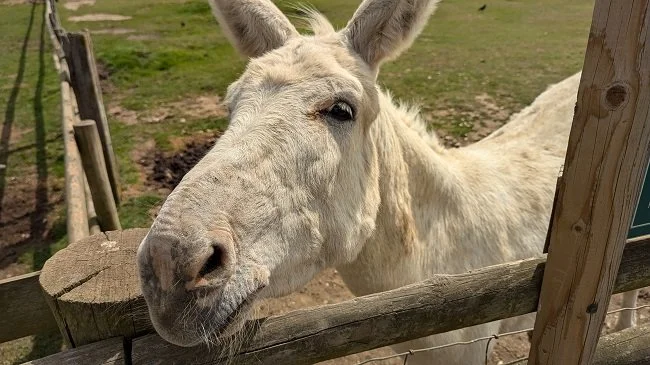
Christmas Tree Farm is a petting zoo, outside the village of Downe in the county of Kent. Despite its rural setting, it is actually only 15 miles from London, making it an ideal visit, as part of a day. The farm is home to a wide selection of domestic farm animals (and a few more exotic ones), all of which can be fed, stroked and lavished with attention by visitors. During the winter months, Christmas Tree Farm hosts Santa’s Grotto and as the name suggests is the place to find the perfect Christmas tree for your home. Entry prices are very reasonable, costing £6 per adult and £4 for children aged between 2 and 16 years old. Buckets of animal feed of varying size are also available for a small fee. There is a leisurely trail around the farm where the various animals are housed in pens and out buildings. There is also a Tea Garden where refreshments are available.
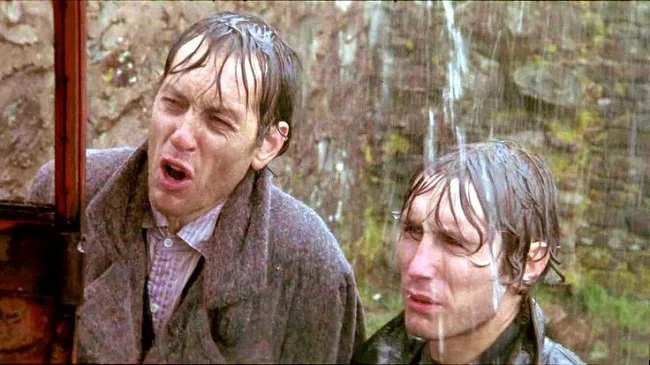
In 1939 legislation was passed in the UK so that all employees had one week’s annual paid holiday per year. By the 1950s this had become two weeks and by the 1980s most people had at least 4 weeks of annual holiday. On top of this paid leave allocation, the UK currently has 8 bank holidays which provides further time off for employees. This culture of increasing amounts of annual leave also broadly coincided with air travel becoming more accessible. The first UK passenger jet service began in 1952. However, its cost excluded most people. However, as larger airliners with increased range became available, cheaper foreign holidays became more and more economically viable. European holidays became a reality in the 1960s and 1970s. By the 1980s long-distance holidays to other continents became ubiquitous and the package holiday became king. It is also worth noting that the Channel Tunnel opened in 1994, making car travel from Britain to Europe easier and more popular.
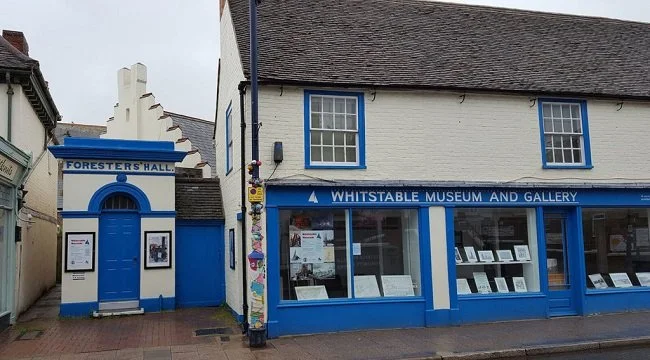
Today I had the pleasure of visiting the Whitstable Museum (or to give its full name Whitstable Community Museum and Gallery). This is a fine example of a local heritage centre that curates and displays artefacts and records that reflect the history and culture of the surrounding area. The museum located in Whitstable, Kent, is home to one of the world's oldest steam engines, as well as historical diving equipment that was developed locally. The history of the local oyster trade which has been an integral part of the community for centuries is also a key feature. Established in 1985, the museum was reopened in 2015 following a major refurbishment. There is also an art gallery featuring the paintings by local artists and artworks on loan from an international network of galleries.
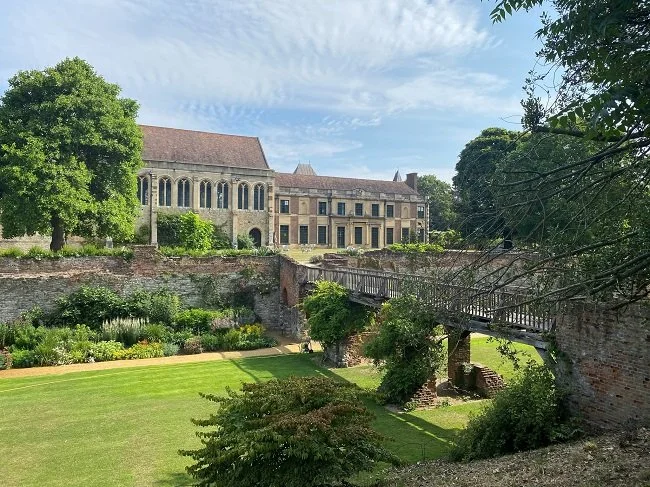
Eltham Palace, located in South East London, was the childhood home of King Henry VIII in 1499. It was later used as a royal nursery for the infant Princess Elizabeth, born on 7th September 1533. It sports sumptuous grounds and ornamental gardens and was famous for its game hunting during the Tudor and Elizabethan periods. In the 1930s’ the property was owned by the Courtauld family, who built a sumptuous Art Deco style mansion and redeveloped the grounds. Today the entire property is owned and managed by English Heritage who have extensively restored much of the estate. It is therefore very fitting that this illustrious venue annually plays host to the Legendary Medieval Joust, during the summer months. Two days of historical pageantry, re-enactments and events for the entire family to enjoy. I last attended in 2015, so it was a welcome pleasure to return again yesterday.
Morph’s Epic Art Adventure in London is a step-free art trail and tourist attraction featuring the iconic animated character Morph. It is hosted by charitable organisation Whizz-Kidz, global event producers Wild in Art and Aardman. The trail features 56 super-sized sculptures of the much-loved children’s TV character, which are set among various iconic London landmarks including St Pauls, Tate Modern, Tower of London, Shakespeare’s Globe and Borough Market. It is a free public art trail and tourist attraction, designed by a variety of artists to excite and inspire people of all ages, whilst increasing public awareness about the need for young wheelchair users to be mobile, enabled and included in society. Morph’s Epic Art Adventure in London runs from June 19th until August 20th 2023.
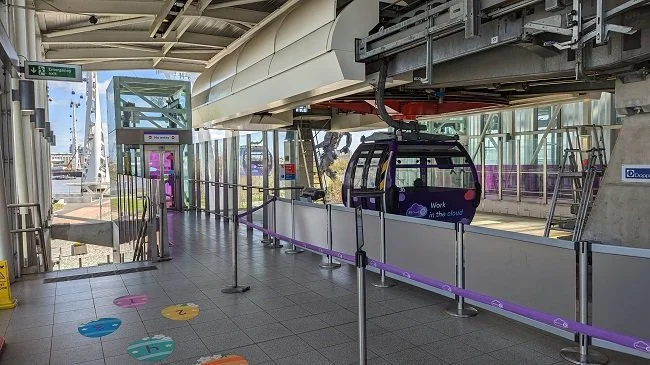
Regardless of whether you deem the IFS Cloud Cable Car a white elephant, a political folly or just a mistake in terms of tourism, it cannot be denied that the view it provides over South East London is impressive. At a height of 90 metres (300 feet), on a bright and sunny day you can see from City Airport to Canary Wharf. Located at Greenwich Peninsula, the IFS Cloud Cable Car (as it is now called) opened in June 2012. It was initially promoted as a viable form of public transport across the Thames, linking North Greenwich and Royal Victoria stations. In October 2012, nearly 100,000 journeys were made. However, after the London Olympics, passenger rates fell and since then IFS Cloud Cable Car has become more of a tourist attraction, rather than an integral means of commuting.
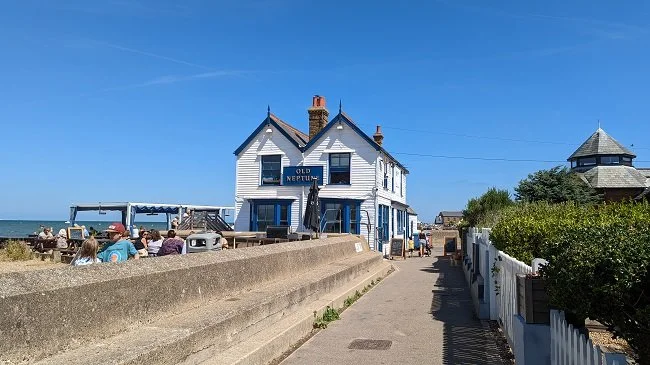
To my surprise I found myself out and about today undertaking another day trip. This time we headed back to the sea and visited Whitstable, a town on the north coast of Kent adjoining the Greater Thames Estuary. It’s 5 miles (8 kilometres) north of Canterbury and 2 miles (3 kilometres) west of Herne Bay. The town was originally recorded in the Domesday Book of 1086, under the name Witenestaple, meaning "the meeting place of the white post", a reference to a local landmark. By the late middle ages Whitstable had become a centre of Thames Estuary fishing, specifically for oysters. Today, the main activities at the harbour are fishing and processing, cargo handling and boat maintenance. The town has shingle/sandy beaches adjacent to the harbour, where swimming and water sports are popular. Whitstable Castle is situated on the border of Whitstable and off the coast is Kentish Flats offshore wind farm, consisting of 30 wind turbines.
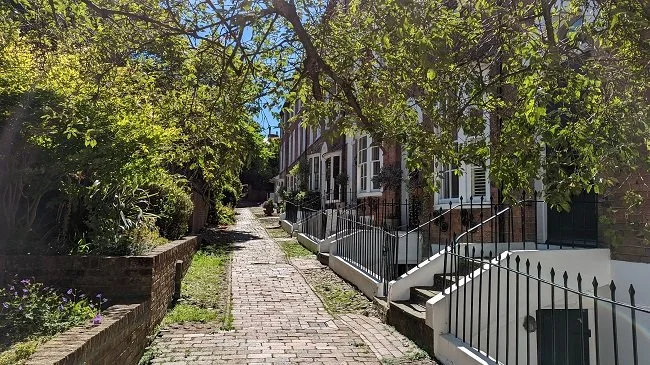
Royal Tunbridge Wells is a town in the county of Kent, 30 miles (50 kilometres) southeast of central London. It is situated on the border with East Sussex on the northern edge of the High Weald. The local sandstone geology is synonymous with a rugged landscape due to erosion and weathering. The town itself was a spa during the Restoration and became a very fashionable resort in the middle of the 18th century. Socialites such as Beau Nash helped make the resort popular when the Pantiles and its chalybeate spring, began attracting visitors who came to “take the waters”. Despite the decline in spa towns after sea bathing grew in popularity, Royal Tunbridge Wells has remained a tourist resort. Today, much of the area's income is generated by tourism. The town has an equitable temperate maritime climate.
Chiddingstone
With January already behind us, Mrs P and I decided it was high time we took our first day trip of 2022. So yesterday I spent some time looking online at details of various National Trust sites within an hour or so drive from our home. I also looked at similar places of historical note that are run by other bodies. Sadly, many are either partially or totally closed for the present. It would appear that from January to March many of these sorts of tourist attractions spend time repairing, refurbishing and preparing for forthcoming events. Grounds also have to be maintained. Hence, we were somewhat lacking in choice for suitable destinations. However, as the weather forecast was mild, today we opted to visit the village of Chiddingstone so we could walk in the grounds of the local castle and along the various footpaths in the area.
With January already behind us, Mrs P and I decided it was high time we took our first day trip of 2022. So yesterday I spent some time looking online at details of various National Trust sites within an hour or so drive from our home. I also looked at similar places of historical note that are run by other bodies. Sadly, many are either partially or totally closed for the present. It would appear that from January to March many of these sorts of tourist attractions spend time repairing, refurbishing and preparing for forthcoming events. Grounds also have to be maintained. Hence, we were somewhat lacking in choice for suitable destinations. However, as the weather forecast was mild, today we opted to visit the village of Chiddingstone so we could walk in the grounds of the local castle and along the various footpaths in the area.
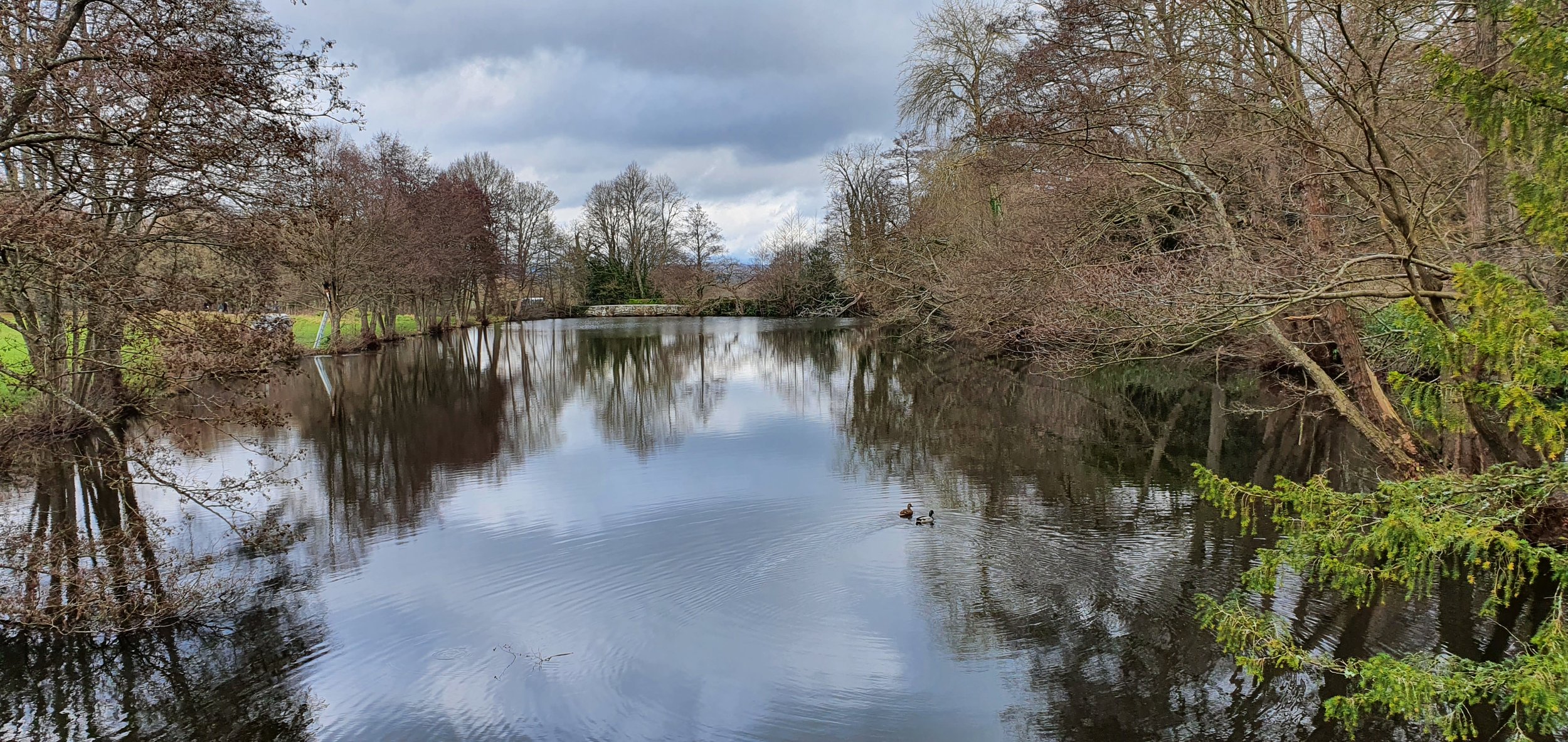
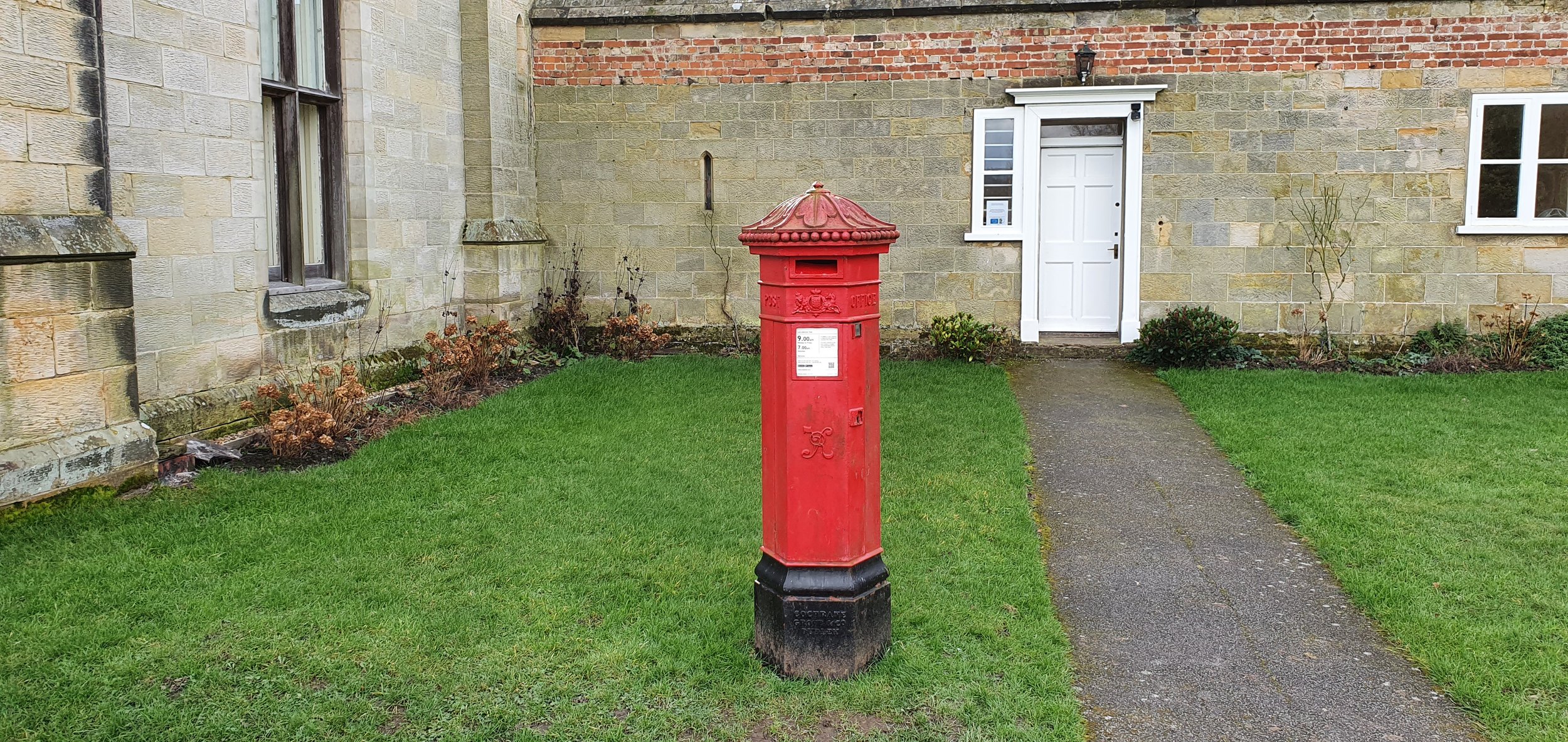
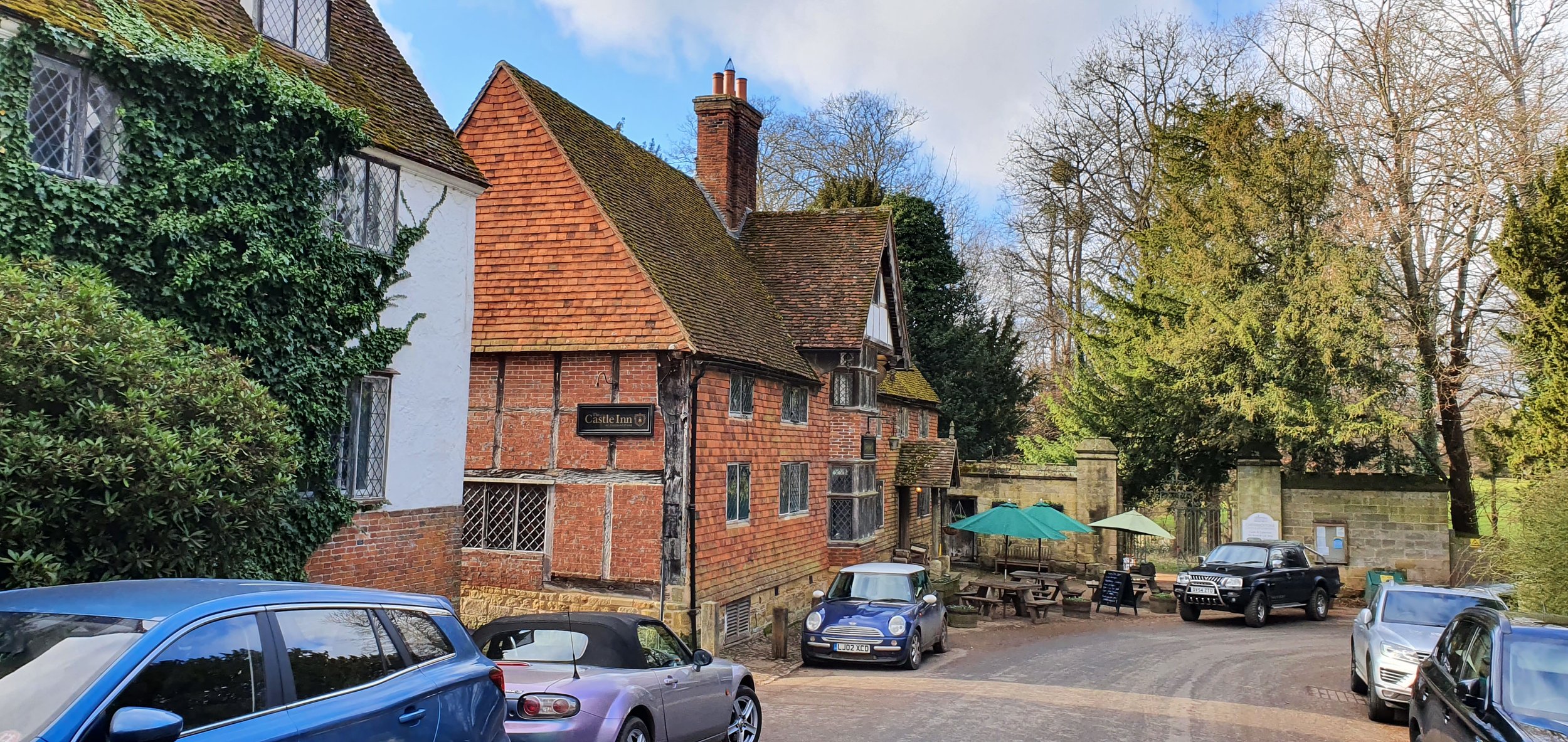
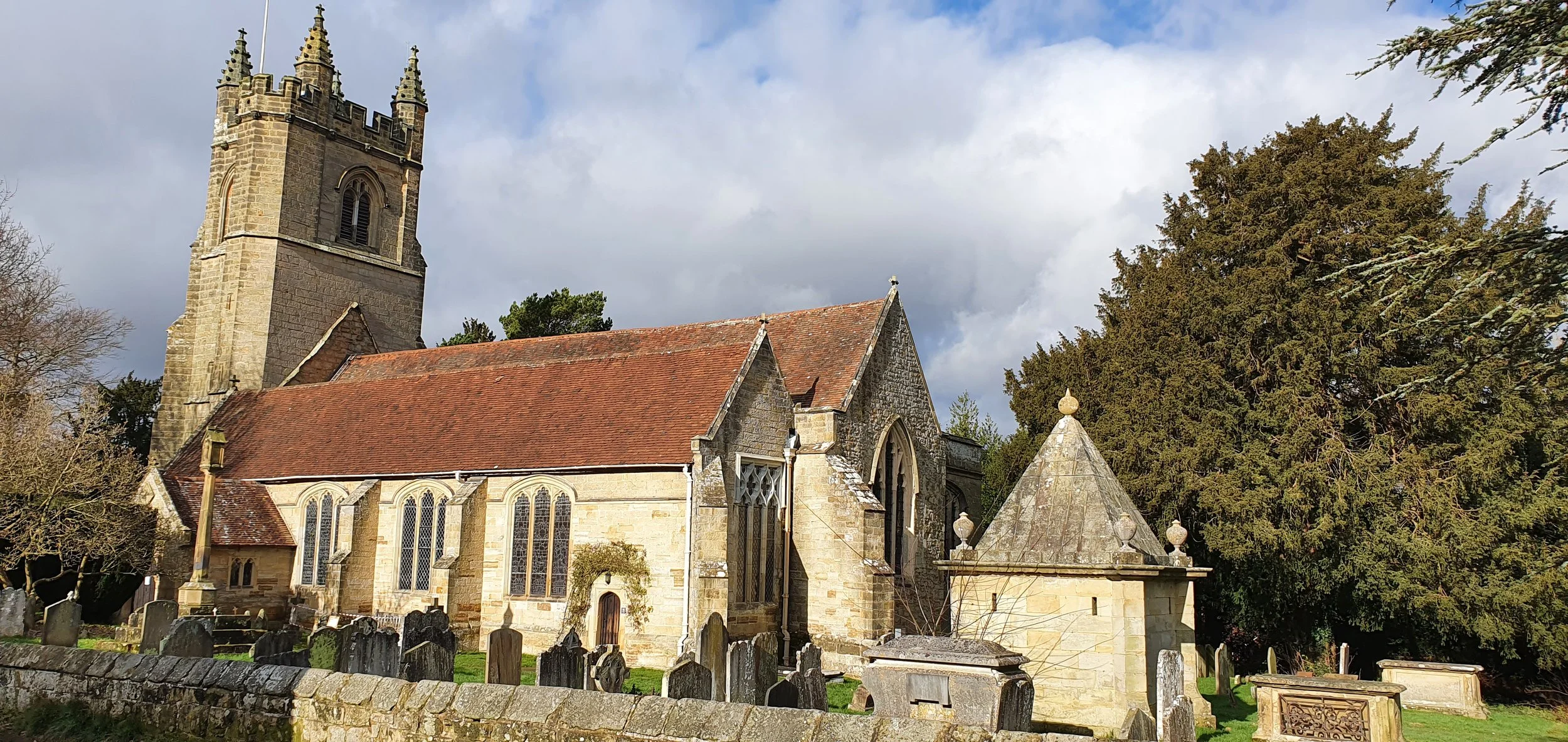
Chiddingstone is a village and civil parish located in Sevenoaks in the county of Kent, England. Located on the River Eden between Tonbridge and Edenbridge, Chiddingstone is unique in that the entire village (apart from the church and Chiddingstone Castle) is owned by the National Trust. It is considered to be the best example of a Tudor one-street village left in the country. Mentioned in the Domesday Book, Chiddingstone has several interesting buildings. The Castle Inn is a 15th-century building, which became a hostelry in 1730. The parish church St. Mary the Virgin is the fourth built upon the site. It was almost destroyed by a lightning fire in 1624. The churchyard has a stone gazebo dating from 1736, built by Henry Streatfeild whose family owned much of the land in the area. The National Trust bought the village in 1939.
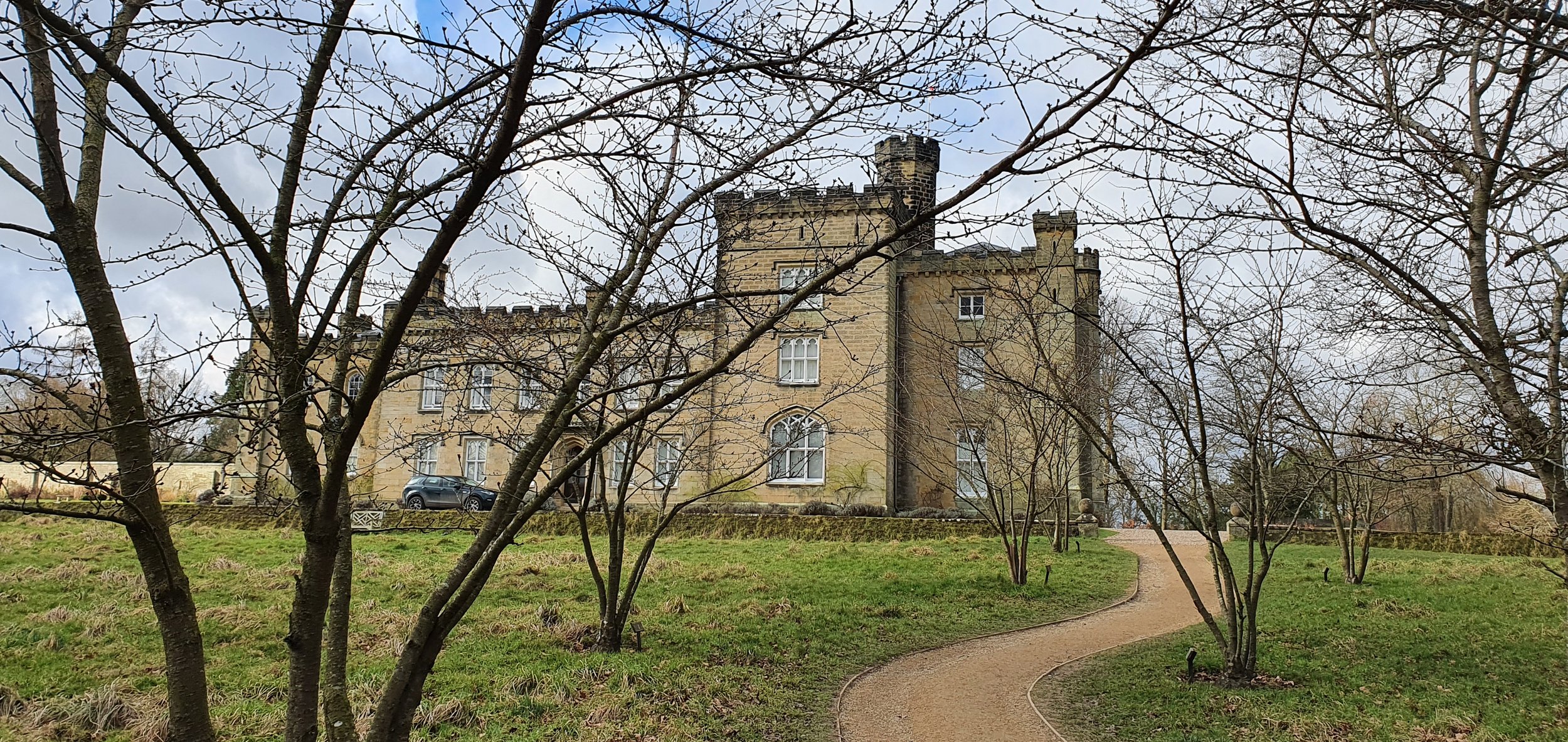
Chiddingstone Castle was built by the Streatfeild family and served as their seat from the early 16th century until the beginning of the 20th century when the family left the castle. Much of the current structure dates from the early 19th century although it incorporates elements of the earlier buildings on the same site. The Castle lake measures around 3.5 hectares and separates the village of Chiddingstone from the grounds of the Castle. It is naturally stocked with wild Carp, Bream and Perch. It held the record for the largest Bream for 37 years, from 1945. Both the castle with it’s collection of painting and artefacts, as well as the grounds and lake are open to the public. The lake is a popular fishing venue and the grounds link with several footpaths in the vicinity, offering woodland walks and trails through the local fields.
Although an extremely picturesque village, access and parking are somewhat limited. The minor roads are not ideal for larger vehicles and some of the views and photo opportunities are blocked by the practical parking requirements of village residents. However, it was still pleasant to walk around the castle grounds today, as well as peruse the village and churchyard. Chiddingstone is a very tranquil place and apart from groundskeepers removing some recent storm damage, it was a pleasure to be away from the sound of traffic. I would have liked to have visited the castle itself but it is the wrong time of the year. In total we only spent about 90 minutes in Chiddingstone. Perhaps including a visit to the neighbouring villages of Chiddingstone Causeway and Charcott would make a more substantive day out.
Today I visited the Inside Aardman: Wallace & Gromit and Friends exhibition at the Young V&A Museum at Bethnal Green. The exhibition which celebrates 50 years of Aardman Animations, provides visitors with a unique, behind the scenes view of the art of stop-motion animation. It also explores how Aardman’s iconic characters and worlds are designed, crafted and brought to life. From the initial concept artwork to the final visual effects, this event demonstrates the methods and techniques employed by Aardman. The exhibition features early scripts, sketch artists initial concept art, models, sets and numerous famous puppets. Furthermore this event is firmly pitched at children and families, with a wealth of interactive activities demonstrating the various techniques on display. The curators of the exhibition have also made it clear that they wish to encourage future generation to consider a career in the creative arts.
The Imperial War Museum serves as a national museum for Britain. Its main location is in London, complemented by five additional branches across England. Established in 1917 as the Imperial War Museum, its original purpose was to document the civil and military efforts and sacrifices made by the United Kingdom and its Empire during the First World War. Over time, the museum’s scope has broadened to encompass all conflicts involving British or Commonwealth forces since 1914. As of 2012, the museum’s mission is to provide and encourage the study and understanding of the history of modern warfare as well as the “wartime experience”. The IWM as it is now known has its headquarters and primary site is located at Southwark in Central London. The museum is funded by government grants, charitable donations and revenue generated through commercial activity such as retailing, licensing and publishing. General admission is free to IWM London.
Castle Farm is a family business located near the village of Shoreham in West Kent. The Alexander Family have been farming in the Darenth Valley since 1892 when James Alexander transported 17 milking cows from Ayrshire in Scotland and took up residence in this south-eastern part of England. Castle Farm is a busy, working farm comprising of 1,100 acres. It produces such crops as wheat, barley, rapeseed, hops, apples, pumpkins and lavender. It is also home to a grass-fed herd of beef cattle. However, in recent years it has become well know internationally for its lavender crop. Castle Farm began its lavender enterprise in 1998, producing the essential oils associated with the flower. It is now the largest lavender farm in the UK, growing over 110 acres of the flower. Furthermore, it has become quite a tourist attraction with the farm staff running tours during Summer and the height of lavender season.
Riverhill Himalayan Gardens are set in the grounds of Riverhill House, a Grade II listed Queen Anne manor house located on the southern edge of Sevenoaks in Kent, England. Riverhill is well known for its stunning and historic gardens as well as its sweeping vistas over the Weald of Kent. The estate has been the residence of the Rogers family since 1840 who currently operate the gardens as a tourist attraction, along with the house and associated facilities as a wedding venue. Visitors can enjoy a walled garden, rose walk and maze as well as other attractions. There is also an excellent trail around the grounds culminating in a view from the top of the hill over the estate. Riverhill Himalayan Gardens, as a supporter of the Surrey Sculpture Society, regularly showcases a selection of sculptures and art pieces throughout its grounds. All are available for purchase if you have deep pockets.
The Hunterian Museum is a museum of anatomical specimens in London, located in the prestigious building of the Royal College of Surgeons of England. The museum is made up primarily of a collection from the 18th century Scottish surgeon John Hunter. Over the years it has since been subsequently supplemented by Odontological material curated by A. E. W. Miles and various natural history exhibits from Richard Owen. In May 2023, the Hunterian Museum reopened following a five-year redevelopment of the Royal College of Surgeons of England’s headquarters at Lincoln’s Inn Fields. The £4.6 million museum project features the exhibition of more than 2,000 anatomical specimens from Hunter’s original collection. In addition to these there are instruments, equipment, models, paintings, and archival materials that document the evolution of surgery from ancient eras to contemporary robot-assisted procedures. The Museum boasts the largest public display of human anatomy in England.
The Crystal Palace Dinosaurs are a collection of sculptures depicting dinosaurs and other extinct species located in Crystal Palace Park, in the London borough of Bromley. These sculptures were originally commissioned in 1852 for display at the Crystal Palace following its relocation from the Great Exhibition held in Hyde Park. They were revealed to the public in 1854 and are the first speculative dinosaur sculptures ever created. Although the models are now considered inaccurate by contemporary standards, they were designed and crafted by Benjamin Waterhouse Hawkins under the scientific guidance of Sir Richard Owen, reflecting the prevailing scientific understanding of the time. The sculptures were designated as Grade II listed buildings in 1973 and underwent extensive restoration in 2002. In 2007 they were elevated to Grade I listed status. As of spring 2026 the dinosaurs are again being renovated as part of a £5 million regeneration of the park.
The benefits of international travel are numerous. These include stress relief, mental health benefits and a chance to escape the drudgery of work. Then there are the cultural aspects that you can immerse yourself in. Going abroad also allows you to learn new language skills as you awkwardly ask for directions. International travel is a chance to make lasting memories and it often gives the traveller a greater appreciation of their own home. At the very least the beer is always better abroad and that is the very definition of “broadening your horizons”. Yet despite all these positive points, there is one unavoidable hassle when comes with travelling abroad. The fact that the country or countries that you’re visiting will invariably use a different electrical plug and socket standard. In an age where a lot of the stuff you bring along with you on holiday needs charging, this can be a very stressful problem to solve.
I thoroughly enjoyed our holiday in Croatia last year and it did much to restore my confidence in travelling. Previously my views on visiting other countries had been greatly influenced by the films Raid on Entebbe and Midnight Express. As January was such a bleak month here in the UK, Mrs P and I decided we couldn’t wait until summer for another holiday and so decided to book something for the end of March. So we visited our local Travel Agents and decided upon a river cruise. We’ve been interested in these since we saw a travel show with Susan Calman. River cruises are a horse of a different colour, compared to sea cruises. They’re a great way to visit cities of note, often bringing you right into the heart of them. River cruise ships are a lot smaller with less passengers than ocean faring vessels. They also attract quite different travellers. Let it suffice to say that a sea cruise doesn’t offer the cultural experience that I am looking for.
There are approximately 4000 parks and green spaces in Greater London. Bexley Borough alone has over 100. Public parks and green spaces are vital to modern cities, providing essential health, environmental and social benefits. They boost physical and mental wellbeing by reducing stress and providing a place for exercise. Furthermore they enhance urban sustainability, mitigate heat, and provide a sustainable environment for a wildlife. Parks are often a venue for social activities and events and as such are an important part of the local community. Going to the park has always been a part of my life. I live next to Old Farm Park in Sidcup and have made use of this recreational space throughout my life. I used visit with my parents in the seventies, when I was a child. Thirty years later my son, father in-law and I would fly kites there. Now I take my grandchildren to Old Farm Park as it now has a playground.
There is no shortage of interesting and good quality museums in London. In many respects tourists and visitors are spoilt for choice. More often than not, it is the most well known institutions such as the British Museum or Victoria and Albert Museum that gain the most attention. However, there are many hidden gems to discover if you take the time to look further. A prime example being The British Optical Association Museum which I had the pleasure of visiting today. The museum’s function is to promote the optometry profession and raise public awareness of its past and ongoing role within society. The museum has a well conserved collection of exhibits and provides a venue for presentations, learning and research services. There is also an excellent tour hosted by museum curator Neil Handley (PhD, AMA, FRSA) in which he gives a concise, interesting and at times a witty overview of the history of optometry in the UK and its current role.
The artillery battery at Capel-le-Ferne was built between 1941 and 1942, following the fall of France, on the orders of Winston Churchill. Located between Dover and Folkestone, the battery consisted of three 8-inch high-performance guns, provided by the Royal Navy. The battery was intended to provide anti-shipping defence in the English Channel. The site was manned by men of the 520 Coast Regiment Royal Artillery. Over the course of World War II, the battery expanded in size, eventually encompassing multiple Nissen huts, several roads and 19 military buildings. Anti aircraft defence was provided by two 40mm Bofors guns. Over the course of the war, the Capel Battery engaged enemy shipping on four separate occasions and also took part in fifteen practice shoots. In 1944, due to the decreased threat, the battery was placed in “care and maintenance”. The guns were removed in 1952 and the building demolished in the early 1980s
There are an estimated 2,500 museums in the UK. This number has grown significantly over time, more than tripling between 1960 and 2017. While it is laudable that so many of these institutions exist, they do not all receive equal interest or publicity. Some museums dominate in their respective fields and drown out others that have a similar theme. With this in mind, I was unaware of the Kent Battle of Britain Museum until a friend recently brought it to my attention. After yesterday’s visit my initial thoughts are what a treasure trove it is. According to the museum’s website it is the world’s largest Battle of Britain collection of memorabilia. This includes planes, uniforms, weapons and related artefacts from over 700 crashed aircraft. Furthermore, the museum tells the story of this battle without bias, choosing to highlight both the historical and the human aspects of the conflict. It is often very poignant.
Stonehenge is so much more than just a neolithic, historical structure of note. It is of great spiritual importance to many, representing ceremonial practices and ancient worship. It is also seen as a conduit to a wider connection to the cosmos. It is after all a celestial calendar, according to one of the theories regarding its purpose. It also has a strong significance in pop culture. Hence, due to its history, symbolism, religious connotations and overall sense of mystery it is a UNESCO World Heritage Site and a globally recognised symbol of ancient Britain. As such, it has always been somewhere that I have wished to visit. Today, as we were relatively nearby in Ringwood and the weather was pleasant, Mrs P and I decided to go to Salisbury and see this iconic structure for ourselves.
I enjoy visiting the coast. I always have. I find the sight and sounds of the sea very calming and thought provoking. There is something about seeing the ocean stretch out to the horizon and its implied enormity, that gives you a sense of perspective. The UK is a seafaring nation and therefore it is an integral part of our history and national identity. Hence a strong nautical theme and a sense of its importance has bled through into our popular culture. It is therefore quite common for people to have a positive attitude towards the sea and its associated leisure activities. I like to visit the coast at various times of the year and walk along the beach, just listening to the waves, lost in my own thoughts. This is not a hard thing to do in the UK, as no one lives further than 70 miles (113 kilometers) from the coast.
Knole is a country house in England and a former archbishop’s palace that is currently owned by the National Trust. It is located within Knole Park, a 1,000-acre (400-hectare) estate that lies to the south-east of Sevenoaks in west Kent. The existing structure of the house dates back to the mid-15th century, although there were significant expansions in the 16th and particularly in the early 17th centuries. Its Grade I listing signifies its combination of late-medieval to Stuart architectural styles. This is especially evident in its central façade and state rooms. In 2019, a comprehensive conservation initiative titled “Inspired by Knole” was completed to restore and enhance the buildings’ structures. This was beneficial to the preservation of its significant collections. The adjacent deer park has also endured since 1600.
Mrs P and I travelled to Croatia on Friday 13th June for our summer holiday. We spent one week in Makarska, which is located on the Dalmatian coast. My last international holiday was to Malta in 2004. Since then we have done a lot of travelling in the UK and Mrs P has vacationed abroad with other family members. However, she stated last September that she wanted to go “somewhere warm” for our next holiday. So this trip was booked and has been “something to look forward to”, or a source of stress slowly inching closer, depending upon your perspective. In many respects this holiday has been a big deal for me. I don’t enjoy travelling at all with all its accompanying logistical, bureaucratic and “people” issues. However, I have no problem with being elsewhere. I eagerly await teleportation technology to become commonplace. Once I arrived at our hotel, I quickly switched to holiday mode and I am happy to confirm that I thoroughly enjoyed myself.
Emmetts Garden is an Edwardian estate situated on Ide Hill, close to Sevenoaks in Kent, UK. After a long and interesting history it is currently under the stewardship of the National Trust. Originally open farmland, the existing house was constructed in1860. The term “emmett” is a local dialect for ant, referencing the large anthills that populated the area until the 1950s. In 1890, the estate was acquired by Frederic Lubbock, a banker with a keen interest in horticulture. His elder brother, John Lubbock, 1st Baron Avebury, was a renowned authority on ants, which may have influenced Frederic's decision to purchase the estate. Today Emmetts Garden is open to the public and features several “hortus conclusus” (walled gardens) and a hillside trail that is famous for its Bluebells in the spring.
Damerham is a quaint rural village and civil parish located in the New Forest district of Hampshire, England. It is close to the market town of Fordingbridge. Damerham is distinguished by significant Neolithic and Bronze Age burial mounds. Historically, it was home to an Anglo-Saxon religious community and was referenced in the will of Alfred the Great, as it was at that time part of the royal estate. At the time of the Domesday Book in 1086, Damerham was recognized as a prominent settlement under the ownership of Glastonbury Abbey. It was mainly farms and agrarian small holdings. Today, the village still features a riverside mill and the church of Saint George date’s back to the Norman period. There is a church hall that hosts numerous local, seasonal events.
Bodiam Castle is a 14th-century moated castle located near Robertsbridge in East Sussex, England. It was built in 1385 by Sir Edward Dalyngrigge, a former knight of King Edward III. The castle’s primary purpose was to defend the local area against possible French invasion during the Hundred Years' War. Bodiam Castle has a quadrangular design and does not have a keep. All the various chambers and rooms were built adjacent to the outer defensive walls. The four corners and main entrance have towers, all of which feature crenellations. A substantial moat surrounds the castle, which served as a home for the Dalyngrigge family, as well as a seat of power to the manor of Bodiam. The castle remained within the Dalyngrigge family until the line became extinct. It remained a place of strategic importance during the War of the Roses and the English Civil War. It is currently owned and maintained by The National Trust.
Today I went on an impromptu visit to Brompton Cemetery in West London. Established in 1837, the West of London and Westminster Cemetery (as it was originally known) is a private cemetery initially created as a business venture to capitalise upon the shortage of cemeteries within London. It also sought to cater to the prevailing culture of opulent Victorian funeral rites. However, after proving non profitable, the cemetery was bought by the UK government. It was subsequently incorporated into Crown Property and managed by The Royal Parks. It is one of Britain’s oldest and most distinguished garden cemeteries. There are currently 35,000 monuments, ranging from simple headstones to impressive mausolea. It is home to more than 205,000 resting places. The cemetery is also a haven for flora and fauna, providing a substantial semi rural environment amid urban central London.
Christmas Tree Farm is a petting zoo, outside the village of Downe in the county of Kent. Despite its rural setting, it is actually only 15 miles from London, making it an ideal visit, as part of a day. The farm is home to a wide selection of domestic farm animals (and a few more exotic ones), all of which can be fed, stroked and lavished with attention by visitors. During the winter months, Christmas Tree Farm hosts Santa’s Grotto and as the name suggests is the place to find the perfect Christmas tree for your home. Entry prices are very reasonable, costing £6 per adult and £4 for children aged between 2 and 16 years old. Buckets of animal feed of varying size are also available for a small fee. There is a leisurely trail around the farm where the various animals are housed in pens and out buildings. There is also a Tea Garden where refreshments are available.
In 1939 legislation was passed in the UK so that all employees had one week’s annual paid holiday per year. By the 1950s this had become two weeks and by the 1980s most people had at least 4 weeks of annual holiday. On top of this paid leave allocation, the UK currently has 8 bank holidays which provides further time off for employees. This culture of increasing amounts of annual leave also broadly coincided with air travel becoming more accessible. The first UK passenger jet service began in 1952. However, its cost excluded most people. However, as larger airliners with increased range became available, cheaper foreign holidays became more and more economically viable. European holidays became a reality in the 1960s and 1970s. By the 1980s long-distance holidays to other continents became ubiquitous and the package holiday became king. It is also worth noting that the Channel Tunnel opened in 1994, making car travel from Britain to Europe easier and more popular.
Today I had the pleasure of visiting the Whitstable Museum (or to give its full name Whitstable Community Museum and Gallery). This is a fine example of a local heritage centre that curates and displays artefacts and records that reflect the history and culture of the surrounding area. The museum located in Whitstable, Kent, is home to one of the world's oldest steam engines, as well as historical diving equipment that was developed locally. The history of the local oyster trade which has been an integral part of the community for centuries is also a key feature. Established in 1985, the museum was reopened in 2015 following a major refurbishment. There is also an art gallery featuring the paintings by local artists and artworks on loan from an international network of galleries.
Eltham Palace, located in South East London, was the childhood home of King Henry VIII in 1499. It was later used as a royal nursery for the infant Princess Elizabeth, born on 7th September 1533. It sports sumptuous grounds and ornamental gardens and was famous for its game hunting during the Tudor and Elizabethan periods. In the 1930s’ the property was owned by the Courtauld family, who built a sumptuous Art Deco style mansion and redeveloped the grounds. Today the entire property is owned and managed by English Heritage who have extensively restored much of the estate. It is therefore very fitting that this illustrious venue annually plays host to the Legendary Medieval Joust, during the summer months. Two days of historical pageantry, re-enactments and events for the entire family to enjoy. I last attended in 2015, so it was a welcome pleasure to return again yesterday.
Morph’s Epic Art Adventure in London is a step-free art trail and tourist attraction featuring the iconic animated character Morph. It is hosted by charitable organisation Whizz-Kidz, global event producers Wild in Art and Aardman. The trail features 56 super-sized sculptures of the much-loved children’s TV character, which are set among various iconic London landmarks including St Pauls, Tate Modern, Tower of London, Shakespeare’s Globe and Borough Market. It is a free public art trail and tourist attraction, designed by a variety of artists to excite and inspire people of all ages, whilst increasing public awareness about the need for young wheelchair users to be mobile, enabled and included in society. Morph’s Epic Art Adventure in London runs from June 19th until August 20th 2023.
Regardless of whether you deem the IFS Cloud Cable Car a white elephant, a political folly or just a mistake in terms of tourism, it cannot be denied that the view it provides over South East London is impressive. At a height of 90 metres (300 feet), on a bright and sunny day you can see from City Airport to Canary Wharf. Located at Greenwich Peninsula, the IFS Cloud Cable Car (as it is now called) opened in June 2012. It was initially promoted as a viable form of public transport across the Thames, linking North Greenwich and Royal Victoria stations. In October 2012, nearly 100,000 journeys were made. However, after the London Olympics, passenger rates fell and since then IFS Cloud Cable Car has become more of a tourist attraction, rather than an integral means of commuting.
To my surprise I found myself out and about today undertaking another day trip. This time we headed back to the sea and visited Whitstable, a town on the north coast of Kent adjoining the Greater Thames Estuary. It’s 5 miles (8 kilometres) north of Canterbury and 2 miles (3 kilometres) west of Herne Bay. The town was originally recorded in the Domesday Book of 1086, under the name Witenestaple, meaning "the meeting place of the white post", a reference to a local landmark. By the late middle ages Whitstable had become a centre of Thames Estuary fishing, specifically for oysters. Today, the main activities at the harbour are fishing and processing, cargo handling and boat maintenance. The town has shingle/sandy beaches adjacent to the harbour, where swimming and water sports are popular. Whitstable Castle is situated on the border of Whitstable and off the coast is Kentish Flats offshore wind farm, consisting of 30 wind turbines.
Royal Tunbridge Wells is a town in the county of Kent, 30 miles (50 kilometres) southeast of central London. It is situated on the border with East Sussex on the northern edge of the High Weald. The local sandstone geology is synonymous with a rugged landscape due to erosion and weathering. The town itself was a spa during the Restoration and became a very fashionable resort in the middle of the 18th century. Socialites such as Beau Nash helped make the resort popular when the Pantiles and its chalybeate spring, began attracting visitors who came to “take the waters”. Despite the decline in spa towns after sea bathing grew in popularity, Royal Tunbridge Wells has remained a tourist resort. Today, much of the area's income is generated by tourism. The town has an equitable temperate maritime climate.
Stuff to do in 2022
Regular readers will already know my position on New Year’s Resolutions. I think unrealistic, kneejerk commitments to hare-brained schemes that you know damn well won’t ever get done, are crass and tiresome. So let’s not waste each other’s time going down that route. I like sensible, realistic, attainable goals and that is exactly what I am setting myself for 2022. I want to increase my writing output this year because my drafts folder is filled with posts and ideas that haven’t quite been completed. Essentially this comes down to making the time to finish these articles and possibly embracing a somewhat briefer writing style. I’m also going to try and see if I can grow the existing audience for Contains Moderate Peril. I have some ideas as to how to do this and none of them really require any additional resources. It simply comes down to doing the required work and staying motivated. I believe that I meet both of those requirements.
Regular readers will already know my position on New Year’s Resolutions. I think unrealistic, kneejerk commitments to hare-brained schemes that you know damn well won’t ever get done, are crass and tiresome. So let’s not waste each other’s time going down that route. I like sensible, realistic, attainable goals and that is exactly what I am setting myself for 2022. I want to increase my writing output this year because my drafts folder is filled with posts and ideas that haven’t quite been completed. Essentially this comes down to making the time to finish these articles and possibly embracing a somewhat briefer writing style. I’m also going to try and see if I can grow the existing audience for Contains Moderate Peril. I have some ideas as to how to do this and none of them really require any additional resources. It simply comes down to doing the required work and staying motivated. I believe that I meet both of those requirements.
I’m 5’11 and weigh 189lbs (13st 7lb/85.7kg). According to the UK NHS BMI calculator I have a BMI of 26.4 which is a little too high. For a person of my height, age and ethnicity I should have a BMI between 18.5 and 25. My weight theoretically should be between 132lbs (9st 6lb/59.8kg) and 179lbs) (12st 11lb/81.1kg). However, BMI index is a disputed and inaccurate measure of body fat content as it does not take into account muscle mass, bone density and overall body composition. Yet the reality remains that at present, my clothes are all a little too snug and the “extra weight” which I carry on my chest gets in the way and has an adverse effect upon my physical activity. Hence I shall be changing my eating habits in the months to come and aiming to lose about 14 to 21lbs. I’ve done this before and I need to do it again. Structured meals, no snacks and a substantial reduction in my alcohol consumption is the way forward. No excuses, just adherence to a sensible regime.
Mrs P bought me a pair of walking shoes as a birthday gift a few weeks ago. Specifically Men’s Trailstorm Mid Waterproof Walking Shoe from Columbia Sportswear. Due to life getting in the way, I only just got around to walking any distance in them. Thankfully my research paid off and they have proven to be a good fit and offer exactly the sort of support that my feet need. Most of the walking that I do is through woodland and grassland, hence I didn’t need heavy footwear for rocky trails and mountain hiking. The Trailstorm is robust, comfortable and able to keep out the elements. Also, having opted for a black pair, they can be worn with a wider variety of clothes without looking too out of place. I intend to do at least one major walk each month this year. I am currently looking at existing trails and paths in my immediate vicinity. London is fortunately filled with plenty of open spaces and parks, so I’m spoilt for choice.
Looking back at last year’s plan I did manage to broadly adhere to it. My writing routine did improve when I got up at a fixed time each morning and started preparing posts for the day ahead. Unfortunately real life messed up my schedule. Keeping a physical “to do” list in a journal certainly paid dividends. Admin tasks and paperwork were kept under control in 2021. Mind you a lot of it was the sort of bureaucracy that you can’t afford to ignore. I even found a podcast to gatecrash and I’m very grateful to both Braxwolf and DJ Pimp Daddy for allowing me to appear on Beyond Bossfights. Sadly my dream to adapt The Golden Voyage of Sinbad into a West End musical still remains unrealised. Obviously this is still due to the pandemic and has nothing to do with my lack of musical ability. This idea remains on the proverbial back burner, along with Twister on a duvet cover and travel kabaddi.

It is obligatory to start these sorts of posts by reiterating the standard mantra that you should not be driven by your websites stats and that the data they contain can be unreliable. Although a sound philosophy in principle, it is actually more nuanced than that. Such data can be useful for growth if used wisely. I have never been coy about trying to increase my readership. For me it seems an integral aspect of blogging. Over the course of 2026, the traffic to Contains Moderate Peril has doubled. A lot of that is down to curious spikes in visits which seems to be AI scraping the entire site. Setting aside these anomalies, more people are reading posts and a lot are doing so via the site’s RSS feed. All of which is fine by me as growing the audience for this blog was a goal for this year, I am quite pleased by this development and the ongoing progress. I hope it continues.

Judging by the posts I’ve read, it would appear that Blaugust 2026: Festival of Blogging has been well received by those who participated in it. That is most satisfying to know, especially in light of the fact that this is the first year the event has been run without our founder who sadly past away in July. It has also become clear that Blaugust is reaching a far wider and diverse audience and most definitely is no longer the exclusive province of bloggers from one particular community. There has been healthy discussions on our Discord server about whether this year event needs to adapt to accommodate the modern blogosphere. Questions such as whether or not there needs to be a dedicated Blaugust website have been raised and explored. Should every site participating have an RSS feed? How, if required, should comments be handled. Inevitably, the subject of the use of AI in blogging still remains a controversial issue.

After a very productive month of writing, we come to the final Blaugust 2026 Group Project writing prompt. It is titled lessons learned and is usually a chance to reflect on the festival and whether or not it has been to one’s satisfaction. Have you achieved your goals? What have you gained from the experience? Those sorts of things. It also poses two further questions; “What is the best piece of advice you’ve ever been given?” and “what’s the best advice you’ve ever given to someone else?” for your consideration. I’ll address the questions shortly. Firstly let’s mull over this years event and assess how it’s gone.

I am intrigued by the growth of the IndieWeb, owning your domain and static websites. I certainly agree with the notion of not relying on big corporations and I have an ongoing project to divest my dependency on software produced by major market players. However, although I own my own domain, my website is hosted by Squarespace. I’ve not really had any problems with them over the last 11 years and I would describe our business relationship as equitable. However, the monthly subscription price has increased over time and is likely to keep on doing so. It has crossed my mind as to whether there is a suitable alternative. However, if I were to migrate Contains Moderate Peril elsewhere I suspect it would be logistically complex and problematic.
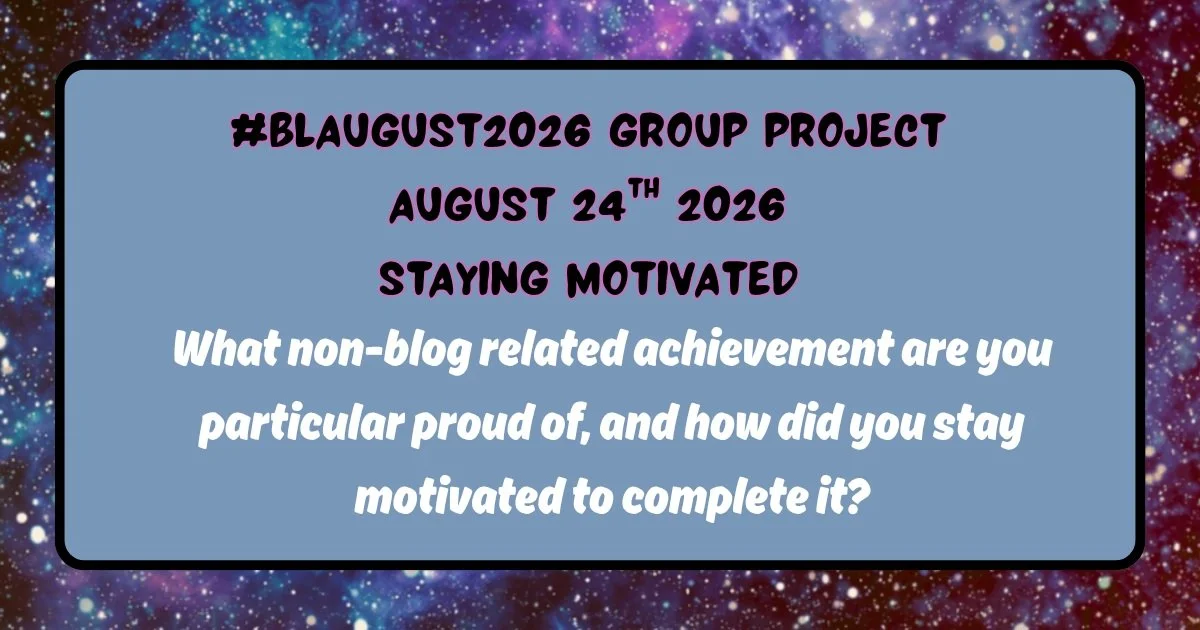
It was my blogging anniversary on the 16th August. I’ve been writing and sharing my post online for 19 years, via various different websites and blogs. This current iteration of Contains Moderate Peril has been around since August 2015. To date it has 2,171 posts including this one. Quantity does not necessarily equate to quality but there are some articles I am proud of and feel that they make their point effectively.
This week’s Blaugust 2026 Group Project writing prompt is an important topic. Namely, staying motivated. I prepared a fairly lengthy post with some advice and ideas to keep people focused and writing. Then I checked it against the post I wrote last year and the year before that, going back to blogging events from 2012. All of these posts broadly said the same thing, so I decided to scrap what I had composed for today and to go with a simpler approach. I shall answer the questions Krikket posed for this writing prompt. Fellow blogger Bhagpuss has also done so and as ever, his thoughts are interesting and well expressed. Here are my answers.

Once again, I have stumbled across an interesting debate that has provided me with an opportunity to write a blog post. Over on the Blaugust Discord Server, I read a comment from AgingGamer regarding RSS feeds and their significance with regard to blogging. This in turn referred me to a post by fyr (don’t you love all these nom de plumes) who wrote at depth about the ongoing community debate about the use of RSS/Atom feeds. The article explored the importance of such feeds with regard to reaching readers and providing accessibility to the disabled. All of which provided me with a great deal of food for thought. Mainly because I use a mainstream website service provider for my online endeavours, so RSS is by default built. I’ve never really considered not having such a facility at my disposal. But the rise in the IndieWeb scene challenges this assumption.

I have written two blog posts today that I have subsequently abandoned. The first was gaming related but when I was about halfway through writing it, I felt like I was covering old ground and just repeating myself. It was also regarding an issue that can’t really be fixed. Namely, how do you ensure that matchmaking in PVP games is done equitably. As there is no solution to this issue at present, or at least not one that all parties can agree on, I decided to ditch it. Similarly a post I was working on about what becomes of my blog if anything happens to me was curtailed. In light of recent events in our community it seemed inappropriate. However, as a result of binning two blog posts, I new idea occurred to me. Do my fellow bloggers self-edit and curtail what they write about? Is your blog totally unfiltered or do you apply a set of rules that determine what content is deemed acceptable?

It is time for the next Blaugust 2026 Group Project writing prompt. This one comes with two lines of enquiry. The first is an opportunity to “introduce yourself”. Over the years, I have written several introductory posts for previous Blaugust events. Rather than repeat myself I’ll just link to the last one, which was posted in August 2023. I haven’t radically charged since then apart from my hair going whiter. The next part of the prompt poses a far more intriguing question. “If you could have one magical power or super power, what would you choose and what would you use it for?”, which offers much for consideration. Having given this proposition much thought here is my response.

A decade ago I wrote a post about blogrolls and the practical and social issues surrounding them. At the time, the version of Squarespace I was using didn’t easily support such things or at least wasn’t able to do so in a manner I liked, so I didn’t have one. Ten years later Squarespace as a hosting platform has far greater functionality, hence I recently decided to add a blogroll. That was in March this year. However it just wasn’t really fit for purpose. So I decided to revise it a few days ago and rather than just have a traditional list of blogs in a side column, I ended up producing a more comprehensive blog directory, which list two hundred plus sites alpha-numerically. I’ve been tinkering with it on and off and I am now finally happy with it. The latest update reflects the international nature of the Blaugust: Festival of Blogging and the fact that we have many blogs written in their native language. Translating text is now an integral function of web browsers, so I see no reason why these blogs should be excluded.

Today’s post is part of the Blaugust 2026 Group project, which features a series of writing prompts set for specific dates throughout the month. The idea being that everyone who wishes to participate can write about the same subject, riff off each other’s posts and enjoy a shared experience. In many respect having a common writing prompt levels the playing field and provides a sense of common purpose among those who take part. Today’s group project prompt asks the question “tell us all about your very first blog”. An unambiguous and interesting question that will hopefully prove enjoyable to write about and informative to others.

I have been writing online for nearly two decades. I don’t claim to be good or accomplished but what I can say with certainty is that the more often you write, the easier it becomes. For those who are new to writing a blog and the Blaugust Festival of Blogging, possibly the biggest hurdle that you now have to get over, is writing your first post of the month. You spent the lead up to this event sorting out your blog templates, fine tuning the backend and possibly banking some ideas. Or you may have decided to just wing it and make it all up as you go along. Both are perfectly valid approaches. However, there is one thing left to do that cannot be put off, avoided or danced around. Writing. At some point you’ve got to do it. Or bail on the event. The proverbial “shit or get off the pot”.

If you take a cursory look at a calendar you will see that the month of July is fast coming to an end. That means that Blaugust 2026 Festival of Blogging starts in a few days time! If you’re participating, or thinking of doing so, the next few days present a golden opportunity to do some practical organising and basic preparation. You don’t have to if you don’t want to. Feel free to just do things as they come, so to speak, if that’s your approach. However, for most of us, it helps if we have some kind of plan in place and make some arrangements in advance. I personally prefer this approach and like to have some ideas for blog posts in the bank. It is also useful to have “options” if something doesn’t go to plan. For those who are new to Blaugust, here are a few ideas regarding preparation that may be of use to you. As ever, your personal mileage may vary and ultimately you are best off adopting a strategy that suits your writing style and personal schedule.
Prior to last year’s Blaugust: Festival of Blogging, I upgraded Contains Moderate Peril to the latest version of Squarespace. There are still some aspects of the site that need fine tuning but overall, I am happy with the appearance of my blog and its respective functionality. With this year’s writing event fast approach, I decided to tackle over the last few days, some of those finer points that need tweaking. I have wanted a post counter on the site for a long time but unfortunately there is no native Squarespace widget for this basic function. I also felt the need to upgrade the blogroll, as the current one didn’t support RSS feeds from certain sites (e.g. Google Blogger) and was dependent upon a third party service, Elfsight, which wasn’t ideal. Both of these issues have now been addressed and I am pleased with the results. There is now a post counter on the Blog Archive page, which seems a logical place to have it and the Blogroll is now far more comprehensive.

Next month the annual Blaugust: Festival of Blogging begins. Roundabout this time each year, I try to write a promotional post to raise awareness of the event and encourage potential participants. However, as I’ve done this quite a few times before, each year it is becomes increasingly difficult to present the essential facts about Blaugust: Festival of Blogging in an interesting fashion. There’s nothing worse than writing a post and feeling that you’re just covering old ground. So, this year, I thought I’d try something different and present the most important information about this annual event, as if it were a conversation between myself and an interested passer by. Feel free to attribute novelty voices for each party in your own head, while you read this. If it helps, try imagining that this discussion is happening between two celebrities or such like. Both may be wearing exotic hats but I digress. On with the scenario.

I read a blog post by Void recently, about finding a new internet home. He wrote about how he and many others have had to pick up their “digital roots” and migrate multiple times over the years, from one platform to another. It is a position I can sympathise with as I have done likewise. Hence I like the idea of having a place online where I hangout by default. My own blog is an anchor for me but it is not quite the same thing as a platform or online portal where I can find all my friends and colleagues, share content and shoot the breeze. It’s a curious thing, because as I typed that last sentence it struck how such a sentiment may seem alien to others. There may well be people who like to have a finger in multiple pies and who are happy to frequent and flit between various social media apps, Discord servers and subreddits. I prefer to focus my efforts on a single instance. A place that suits my requirements, allows me to put down roots and become part of the furniture. Like a virtual Diogenes Club.

Everyday, once I’m up, I sit at my desk in my office, fire up my PC and log into Feedly. I have various RSS feeds grouped by category, which I slowly trawl through and read anything that catches my eye. I have one curated feed named “Blaugust” named after the yearly festival of blogging event. It has over 250 blogs listed, many of which are former participants. Most of these regularly post. Hence there’s a lot to get through and so I don’t read all of them. However there are a few that I always checkout. Mainly because they’re the personal musings of some of our writing community’s oldest and most prodigious members. The sorts of guys and gals who are part of the furniture. They’ve always been there and it feels like they always will. Posting their thoughts, sharing their enthusiasm and spreading the love, so to speak. One of these blogs, is Tales of the Aggronaut. written by Belghast.

For the last few months I have being using Google Gemini. I subscribed so I could access a wider spectrum of services and evaluate it effectively. I also wanted to dispel some of the hysteria that accompanies any conversation about Large Language Models and Artificial Intelligence. The results were initially interesting and Google Gemini proved useful when researching material for blog posts. It is good at providing summaries about well documented subjects. I wrote a post about food banks recently and it distilled a lot of data into a manageable amount, which was ideal for my article. Google Gemini has also produced some visual basic scripting and simple batch files that have allowed me to automate processes on my PC. Such as changing the default monitor, or screen resolution at the click of an icon. However, I found this AI struggled with in-depth software troubleshooting and that its ability to create images varies greatly depending on the subject.

On Friday 26th June, I had another random spike in internet traffic to Contains Moderate Peril. The statistical package that comes with my Squarespace account recorded over 13k visits in less than 24 hours, which is not typical (although I wish it was). However, all of these visits to my blog arrived via the default homepage and spent between 1 and 2 minutes there. Hence, it was obvious that this was not human traffic, as there was no evidence of any searches being made of content that is available on my site, nor of the “visitors” clicking on any of the links on the top menu and viewing other posts. This was undoubtedly AI traffic arriving at the designated homepage and simply parsing the site. I had a similar spate of this sort of web traffic last November. The only difference on that occasion is that the traffic all came from China. This time round it hailed from the US. I suspect that this is something that will happen more often as companies set their AI loose on the net for what is effectively training.

I recently watched a video on Patreon by someone who I actively support as a “content creator” and whose work I enjoy. I shall provide no more detail regarding their identity because they may not want their work referenced with regard to what I am going to say. During the course of their video they briefly referenced the work put into promoting a podcast they are currently producing and the relatively low audience that it has garnered so far. The comments were an aside and most certainly not said with any sense of self-pity. They were simply a statement of fact. Furthermore, I suspect they are far from unique and similar sentiments have been expressed in one way or another by anyone who has created something the published it online, only for it to be lost among the greater white noise” of the wider internet.
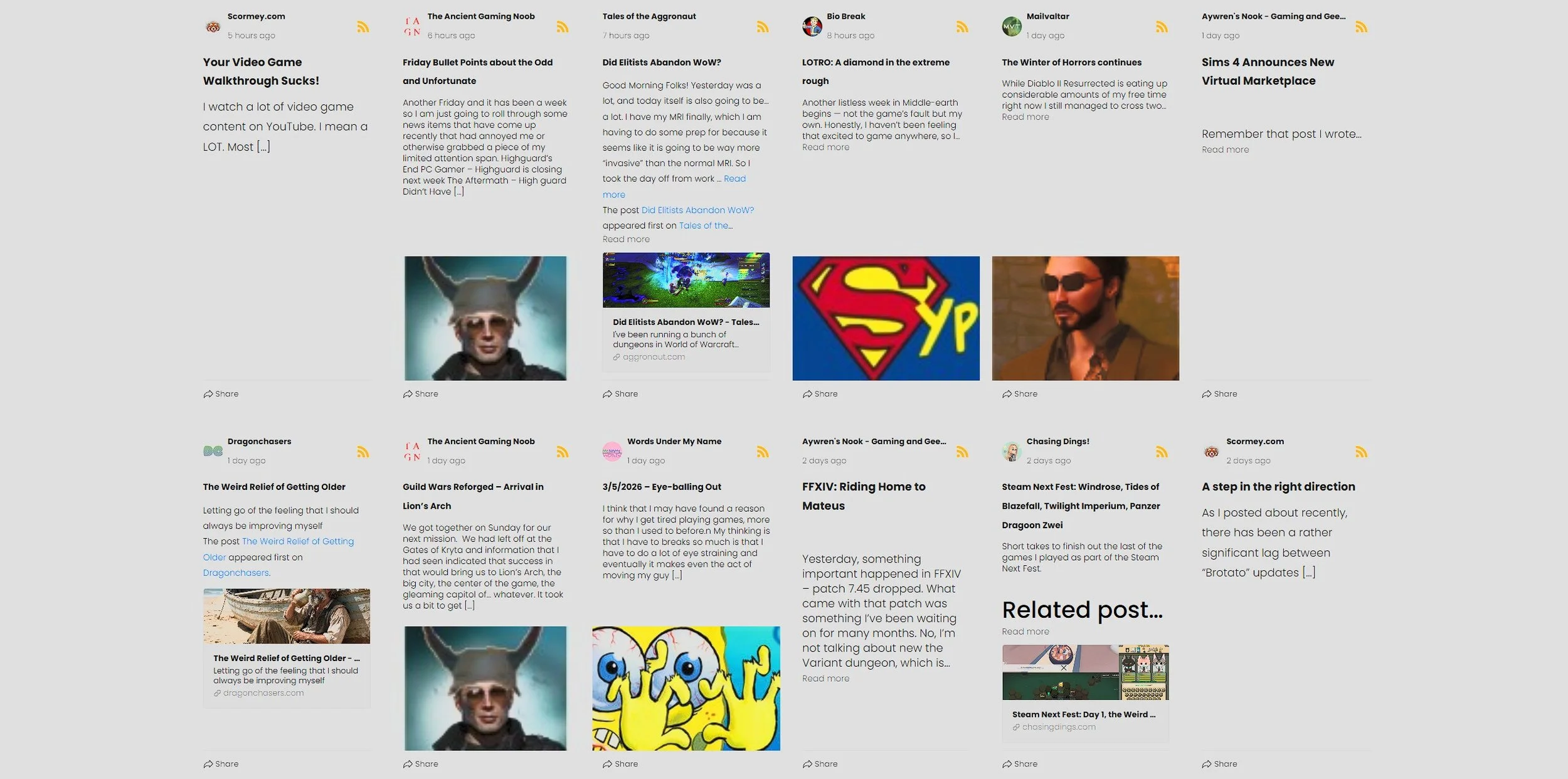
When I first started blogging way back in 2007, I maintained a blogroll of all my colleagues and peers’ websites. At the time this was a common practice and a way to support an expanding community. I considered this such an important aspect of the blogging scene at the time, I created a website to aggregate posts from video game blogs, called The Gaming Blog Nexus. It ran for two years and proved quite useful. However, it was tricky to administer and would frequently break as a lot of the back end widgets and plugins were created and maintained by “gifted amateurs”. I eventually shut it down due to the operating costs. When I moved my own website, Contains Moderate Peril, to Squarespace in 2015 I intended to start maintaining a blogroll once again. However, at that time there was no native support for such a thing on the platform. Hence for the last ten years, I have not had a blogroll on my website, which hasn’t sat well with me.

I was speaking to someone recently about hobbies (fortunately it wasn’t Simon Quinlank) and I mentioned that I have maintained a blog for over a 19 years. When I talked about the ongoing cost they were most surprised, as they had assumed that blogging was something that could be done for free. I guess we’ve become so accustomed to the provision of free online services such as email, that this a reasonable assumption. I pointed out that although it is indeed possible to blog for free using Blogger, it was not the optimal approach, especially if you want to maintain some degree of control over your writing. Naturally, the next question they asked was how much do I spend and I gave them a ballpark figure. All of which reminded me that I wrote a post on this very subject a few years ago. So I’ve decided to revisit the subject and see how much it currently costs to maintain Contains Moderate Peril.

Today I started the slow process of auditing every post that has been published on Contains Moderate Peril since 1st August 2016. The goal is to correct any obvious typos and replace all existing images with larger ones. The Squarespace software upgrade I applied to the website at the end of last year has finally allowed me to establish a standard format that I am happy with. Hence the ongoing audit is the perfect opportunity to apply these style rules to all posts. There are also some technical issues and matters regarding functionality that need to be addressed. I need to determine how to embed YouTube videos in such a way that they automatically scale to fit whatever device is viewing them. Another area which needs improving is the website search facility. This needs refinement so that enquiries can be more specific. Older posts also need to be more accessible, although I am still researching how best to achieve this.

It’s nearly two and half months since the Blaugust: Festival of Blogging event ended. During that time I’ve maintained a fairly regular writing schedule and I post every two days or so. Furthermore, I finally dragged my blog template, kicking and screaming, into the modern era. I tweaked a few pages and updated the content of the “about” page. The next task is to start going through all previous posts and replacing older, low resolution images with larger, more appropriate ones. This process also presents an opportunity to ensure that all posts follow a uniform style. IE Are appropriately categorised, have links to related posts at the bottom and are SEO optimised. This will be a lengthy task so I think the best approach will be to tackle two or three posts a day. Hopefully this will raise the profile of older content, which generates the lion’s hare of traffic to this site.

I use a browser extension called Control Panel for YouTube, which allows me to determine who many videos are displayed on my YouTube homepage and to filter the content that is shown. At present it is configured to display rows of six. Something that I have noticed of late, is the amount of videos with hyperbolic titles and thumbnail images created by AI. Both of which are design choices made to increase engagement. Clickbait titles are contrived to meet current SEO optimisation criteria and as such feature more and more in search results. The fact that they frequently have no relation to the subject I am researching, seems to be neither here nor there. The same issues arise with regard to AI generated images, which again frequently have no bearing on the matter. The fact that more and more content creators do this, infers that it works and is now an essential part of the process you must follow to be seen and featured in search results.

In the last post in this series, I specified the need for a plan with regard to upgrading my blog. Well a plan has emerged, been refined and has now been formally adopted. Rather than migrate Contains Moderate Peril to a new platform and effectively have to rebuild all the content, I am going to upgrade my existing presence on Squarespace. This decision was made for two reasons. Time and money. Migrating to a new platform will take a lot of time and incur additional costs. Upgrading the existing website will take less time and has no cost implications. That is not to say that it will be easy. It has become abundantly clear that the upgrade process will break stuff and that all published posts will have to be manually repaired. Hence my choice boils down to the lesser of two evils.

This year’s Blaugust: Festival of Blogging has reached an end and it would appear that this event has been well received by those who have participated in it. I believe that there were 168 bloggers taking part this year, many of whom have not participated before. Some were new to blogging, where others simply wished to see if they could increase their writing output. As ever there was a wide variety of blog styles and subject matters and it has been most interesting to read new posts every day. I have attempted to leave comments and positive feedback where I can and I hope that some of these new blogs that I’ve discovered continue to write. Well done to everyone who took part. I hope it has been an enjoyable and informative process and that you have learned from it. I know that at least one blogger has determined that writing online is not for them, which is a valuable lesson.
There is currently a group writing prompt available as part of this year’s Blaugust: Festival of Blogging which has piqued my interest. It asks the question “what is the oldest draft post you have” and suggests that it is revived in some manner. I have dozens of draft posts in a folder in my Google Drive. Many are film reviews or film related. The oldest of which dates back to summer 2010. Rather than write a straight forward review of Blake Edwards 1968 comedy The Party, I rather foolishly thought at the time that I’d tackle the issue of whether the film is sufficiently racist to make it beyond the pale. Let it suffice to say that I quickly found myself bogged down in the complexities of the subject and thus never completed the blog post.

I’ve participated in every previous Blaugust: Festival of Blogging event. Prior to that I was involved in the Newbie Blogger Initiative or NBI as it was affectionately known. I have therefore written quite a lot of blogging advice and suggestions over the years. If anyone feels disposed to do so, you can access them all by clicking on the “blogging” option on the top menu of this blog. However, it is important to remember that a lot of the ideas I have advocated and written about over the years are purely subjective. Not all advice or guidance works for everyone. People have different ideas about blogging, different approaches to it and different aspirations. This year has highlighted some quite distinct differences among bloggers which has been most illuminating.
Burwash
The last few days have been very warm here in the UK. Sadly, this pleasant weather isn’t going to last and in two weeks time it will officially be Autumn. So we decided to make the most of the sunshine and take a trip out to East Sussex. Today’s destination was the village of Burwash, situated in the High Weald of Sussex. This rural community grew in size during the 13th century after King Henry III granted permission for a weekly market. It became a hot spot for smugglers during the 18th and 19th centuries, with contraband coming up from Hastings via the River Dudwell, a tributary of the River Rother. Burwash High Street has been designated a Conservation area by Rother District Council. Many of the period buildings along the High Street have been given listed building status by English Heritage. St Bartholomew’s Church is also of note. Although extensively restored in 1856, the tower dates back to the Norman period.
The last few days have been very warm here in the UK. Sadly, this pleasant weather isn’t going to last and in two weeks time it will officially be Autumn. So we decided to make the most of the sunshine and take a trip out to East Sussex. Today’s destination was the village of Burwash, situated in the High Weald of Sussex. This rural community grew in size during the 13th century after King Henry III granted permission for a weekly market. It became a hot spot for smugglers during the 18th and 19th centuries, with contraband coming up from Hastings via the River Dudwell, a tributary of the River Rother. Burwash High Street has been designated a Conservation area by Rother District Council. Many of the period buildings along the High Street have been given listed building status by English Heritage. St Bartholomew’s Church is also of note. Although extensively restored in 1856, the tower dates back to the Norman period.
After perusing the village we travelled on to Bateman’s. Home of the English journalist, poet and novelist Rudyard Kipling. Built in 1634 this Jacobean Wealden mansion was in a state of disrepair by the turn of the twentieth century. Kipling bought it in 1903 along with its 33 acres of land. The house is built of sandstone to a double-pile plan and has two storeys with gables above. Kipling’s daughter bequeathed Bateman’s to the National Trust in 1939. The house is currently designated a Grade I listed building. The ornamental walled gardens and parts of Bateman’s are open to the public and Kipling's Rolls-Royce Phantom I is also on display. There is also a collection of paintings by Edward Poynter, Edward Burne-Jones and James Whistler. The estate features a water mill and turbine powered by the River Dudwell, which Kipling used for the provision of electricity to the house.
The entrance price for an adult to Bateman’s is £12. Parking for the day is £4. As the building is smaller than Chartwell and other larger houses in the charge of the National Trust, there are guides in all major rooms which accommodate about eight to ten people at a time. The guides are most informative and happy to answer questions. It takes approximately an hour to tour the house, which features many items that Kipling brought back from India and his various travels. The grounds of the estate are very well maintained and at present many of the plants are in bloom. There is a clear path around the grounds, so that visiting the various gardens and the water mill takes another hour. Hence Bateman’s is a very pleasing visit for half a day and best combined with exploring the nearby village of Burwash if you wish to fill the afternoon.
Today’s trip was very restful. The fine weather and beautiful gardens provided a very tranquil environment to relax in. As a lot of National Trust visitors are of a senior age group, social distancing and masks are still very much maintained. Batemen’s grounds are also dog friendly as long as your canine chum is kept on a lead. Upon our return home, I finally decided to join the National Trust, something I’ve been meaning to do for a while. Joint membership for two adults costs £120 for a year and can be paid as a single payment or at the rate of £10 a month. Membership provides free entry to over 500 sites, as well as free car parking at most National Trust car parks. As both I and Mrs P enjoy history as well as walking for pleasure, this is a really great deal. Furthermore, National Trust sites often have quality tea rooms and cafes. This means that not only can we get a fix of culture but access to the “finest wines known to humanity”. Or at the very least some nice tea cakes.
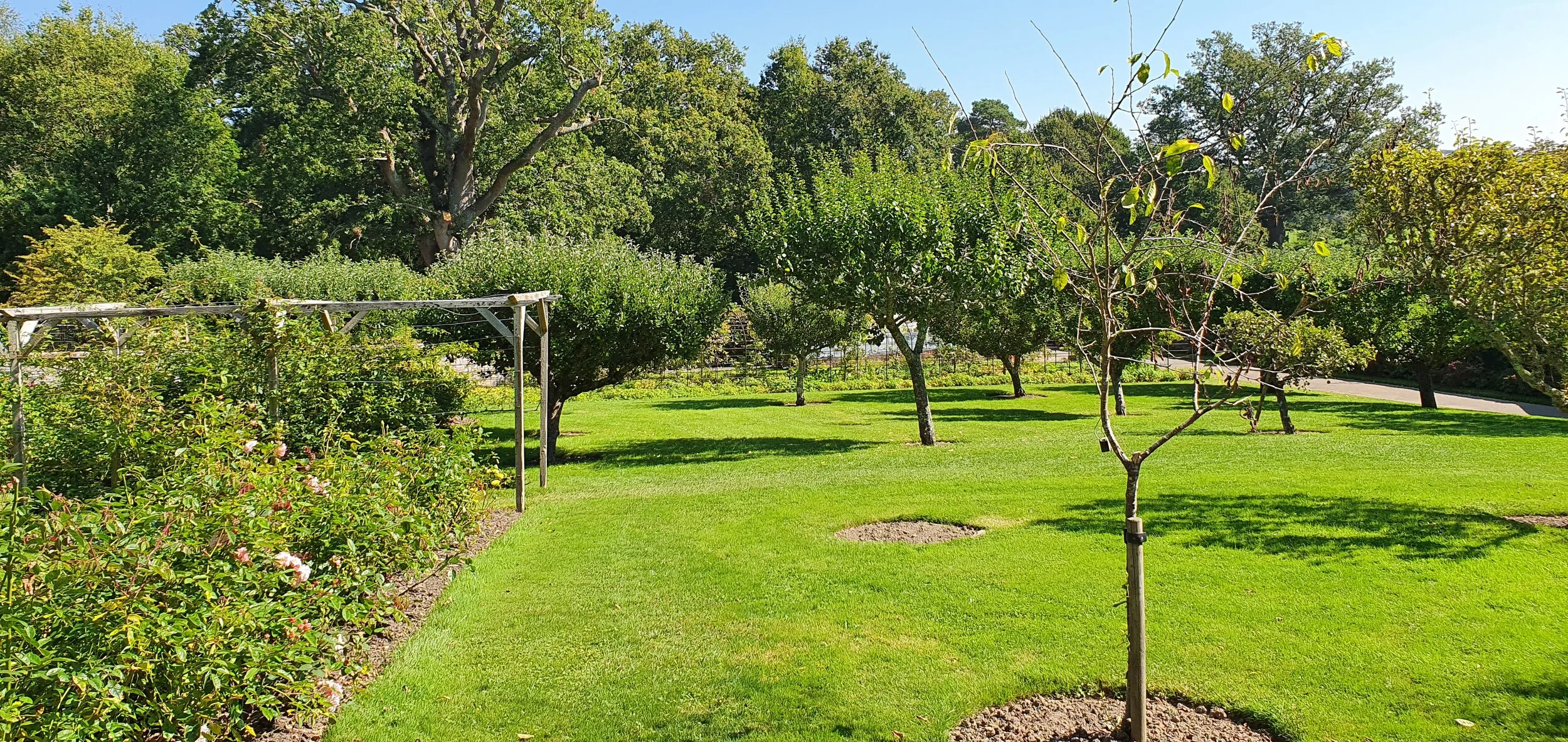
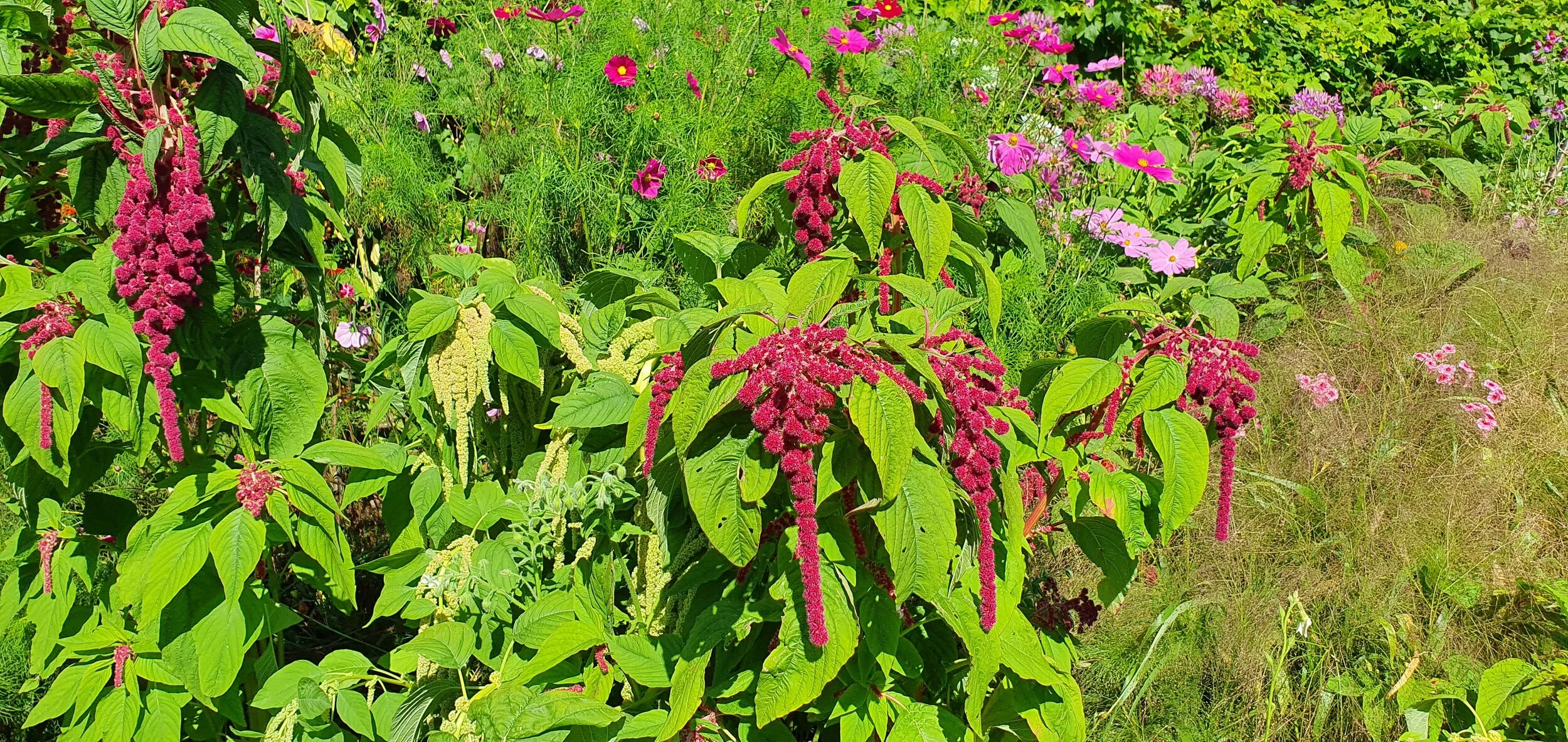
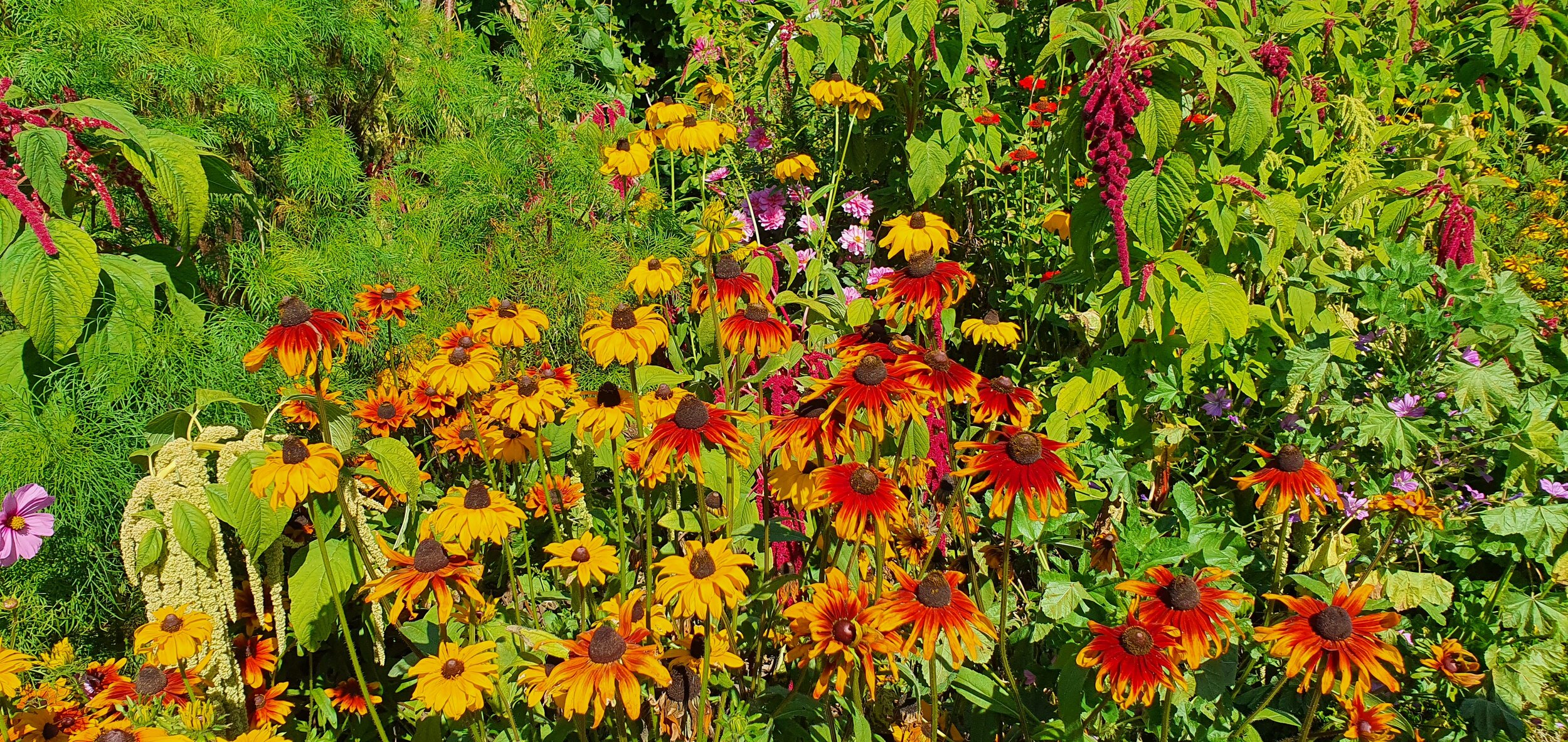
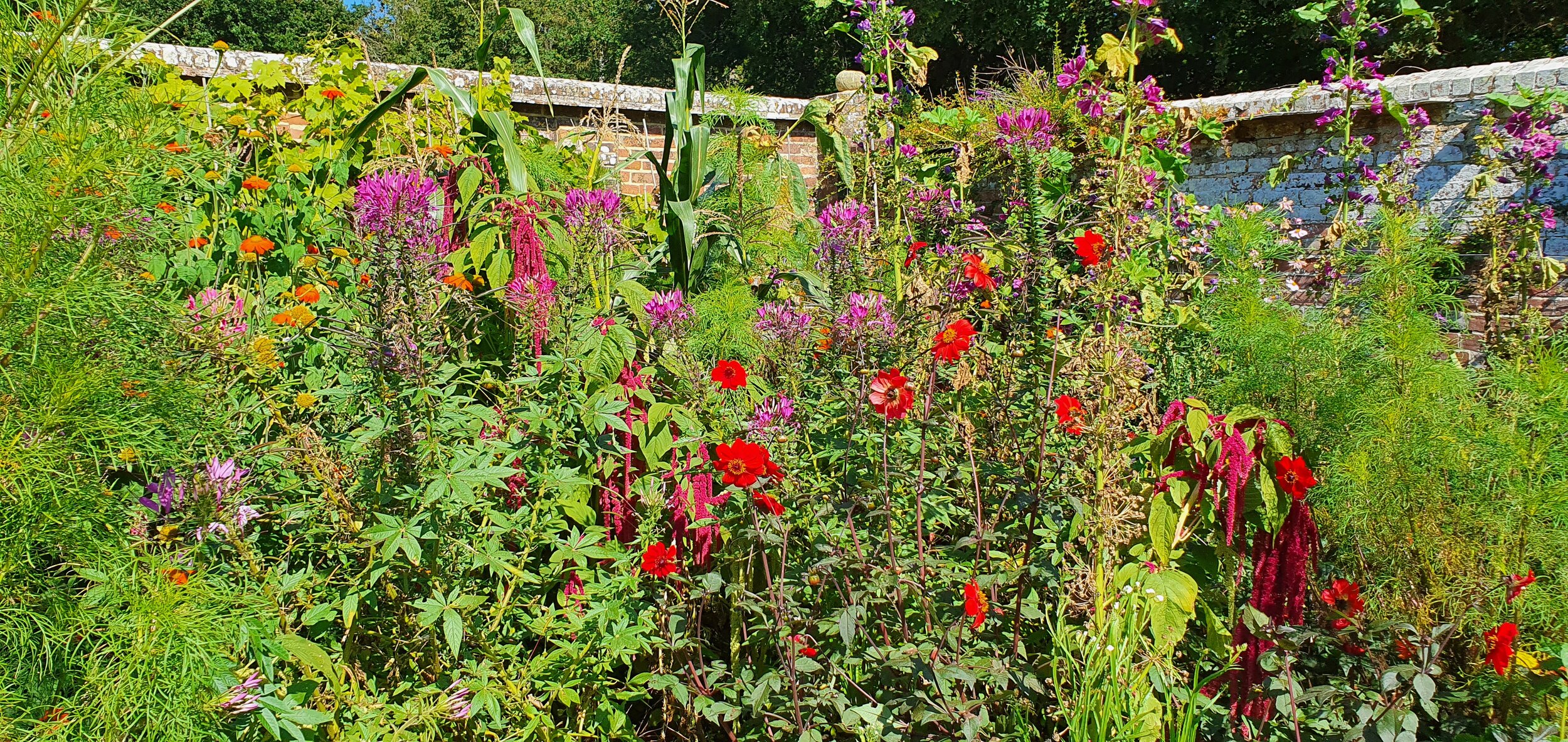
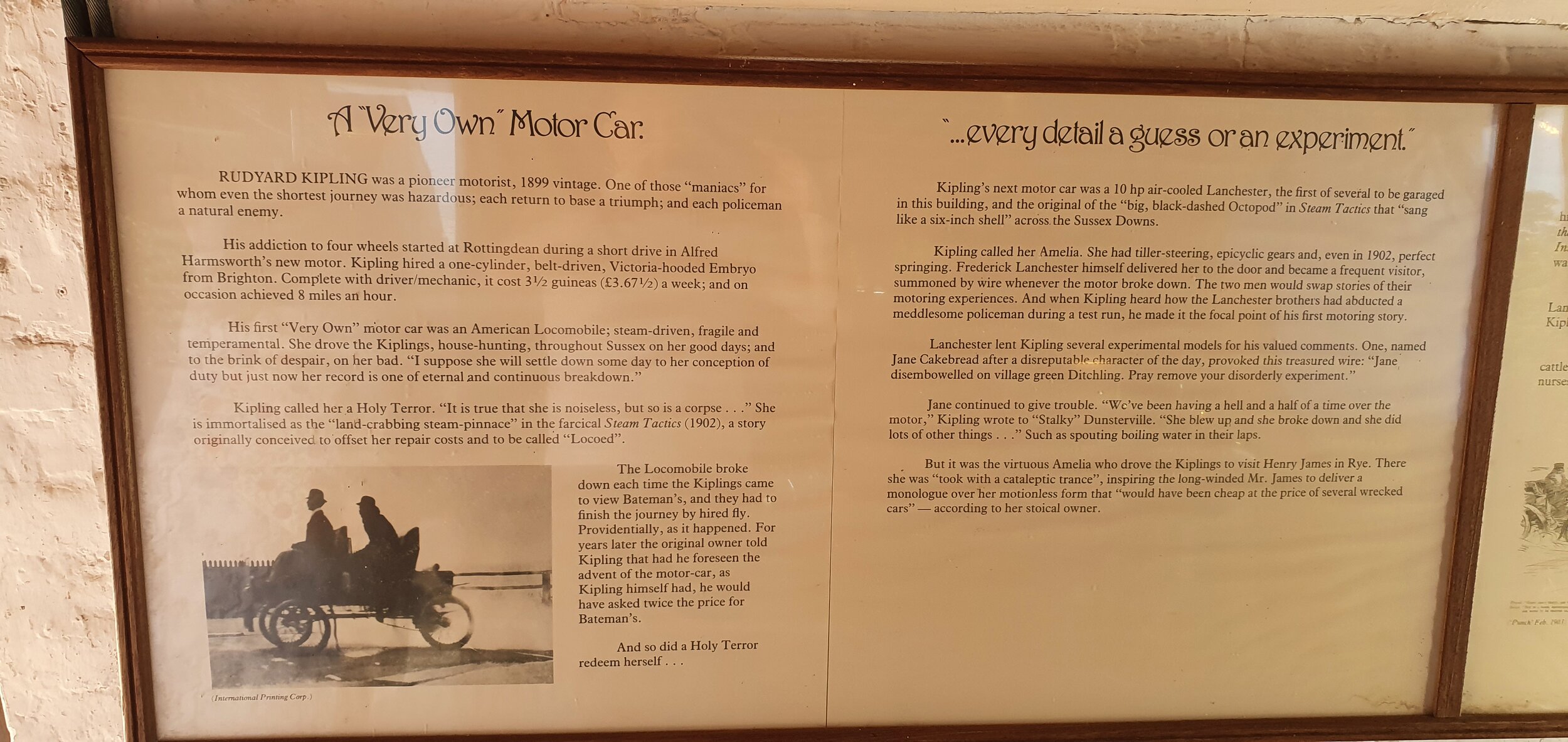
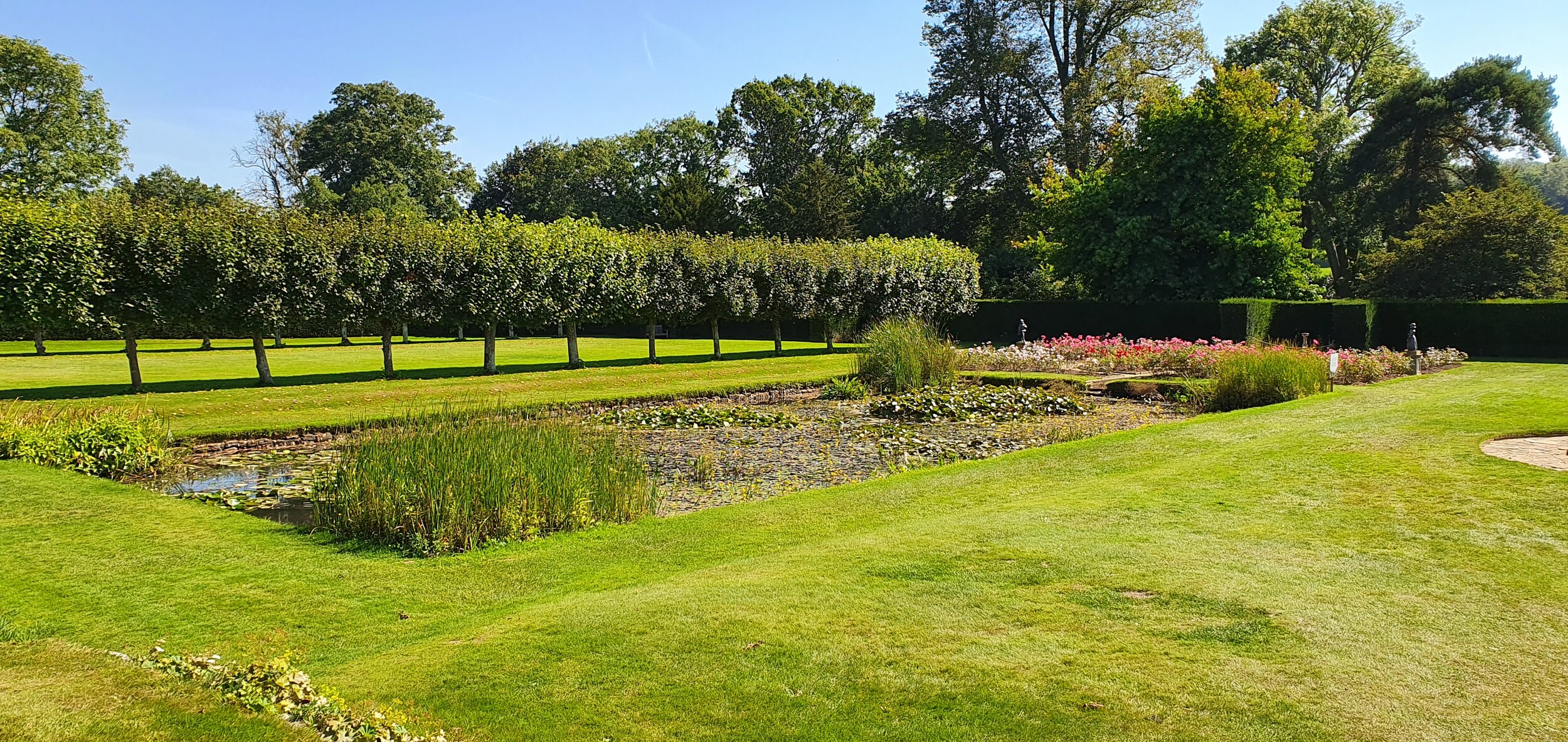
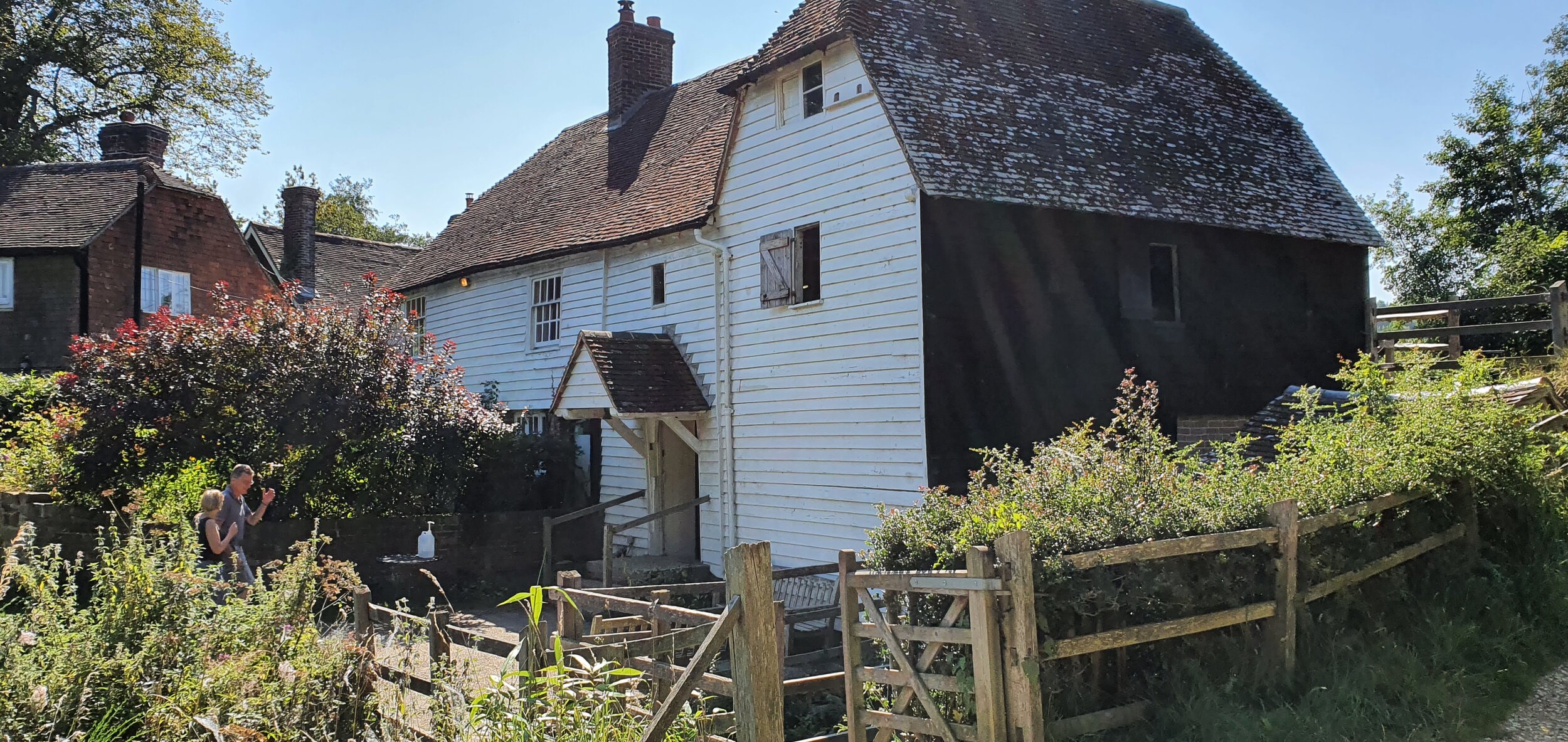
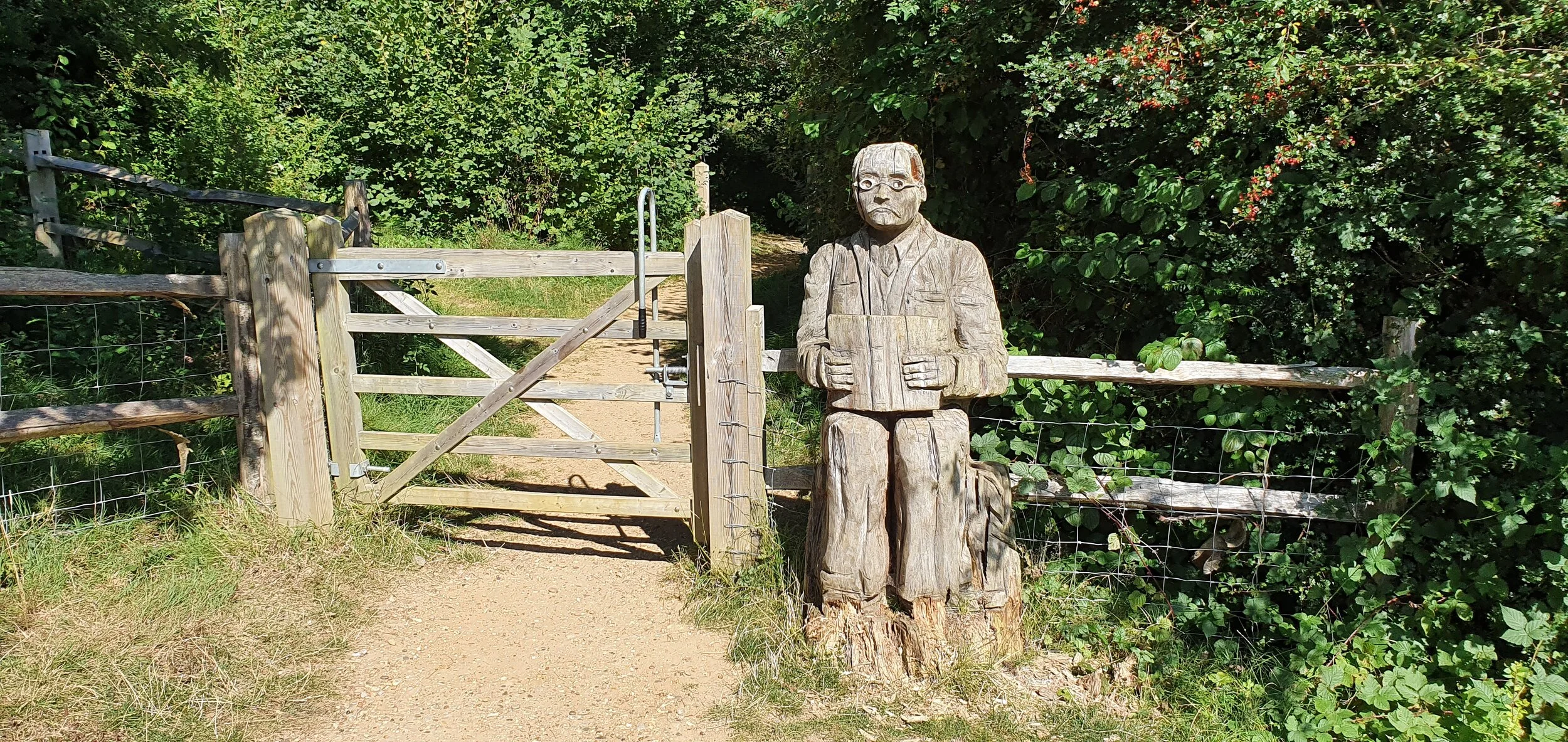
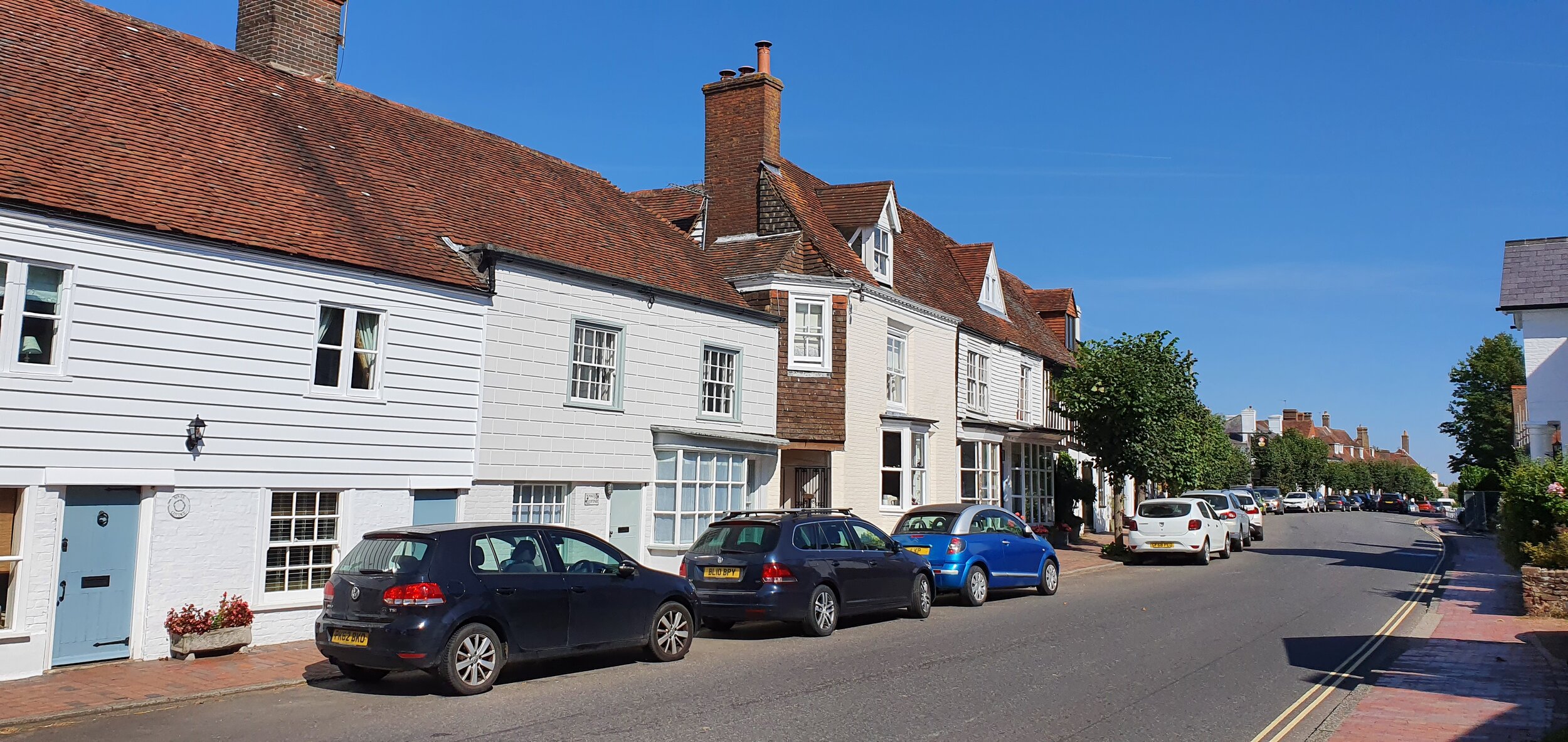
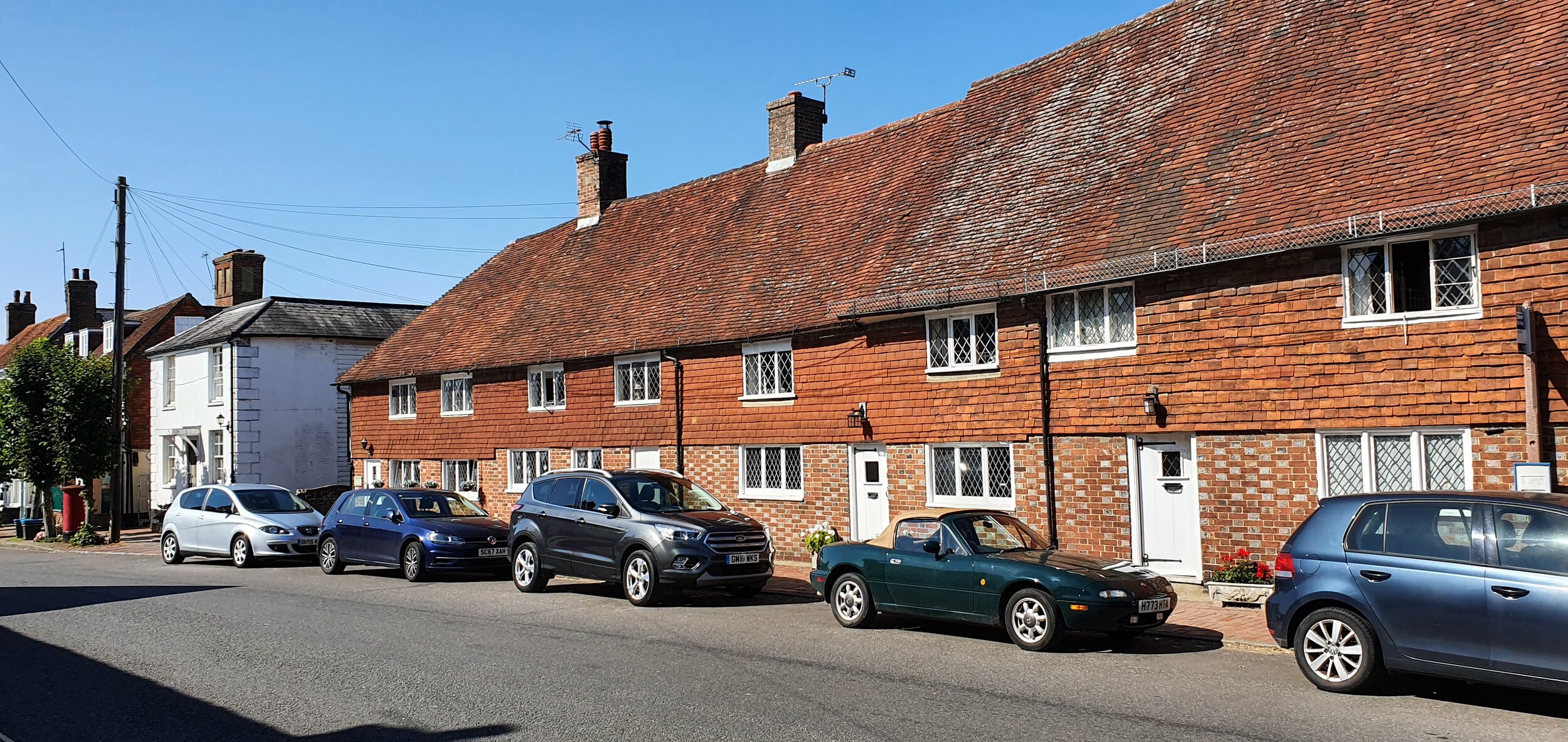
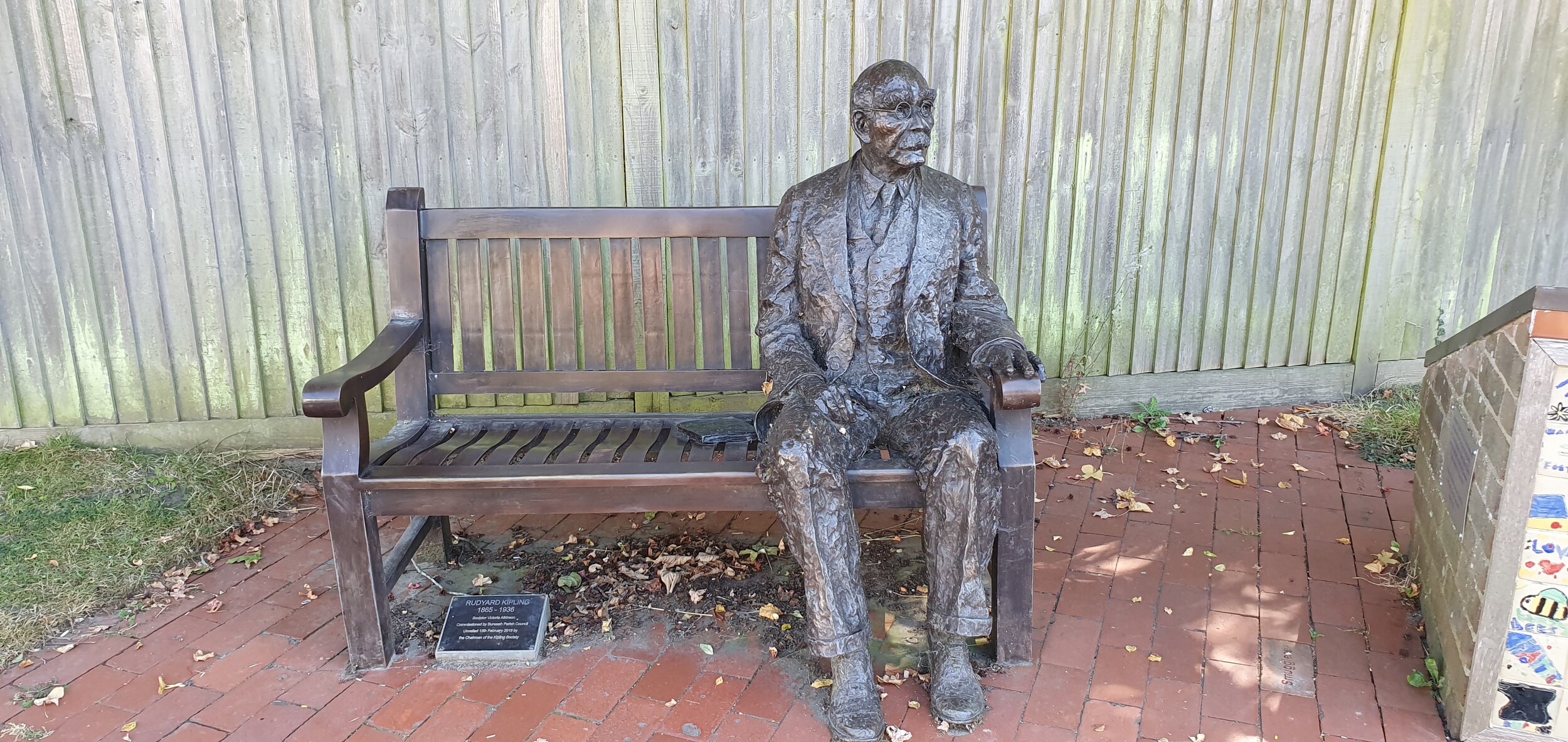
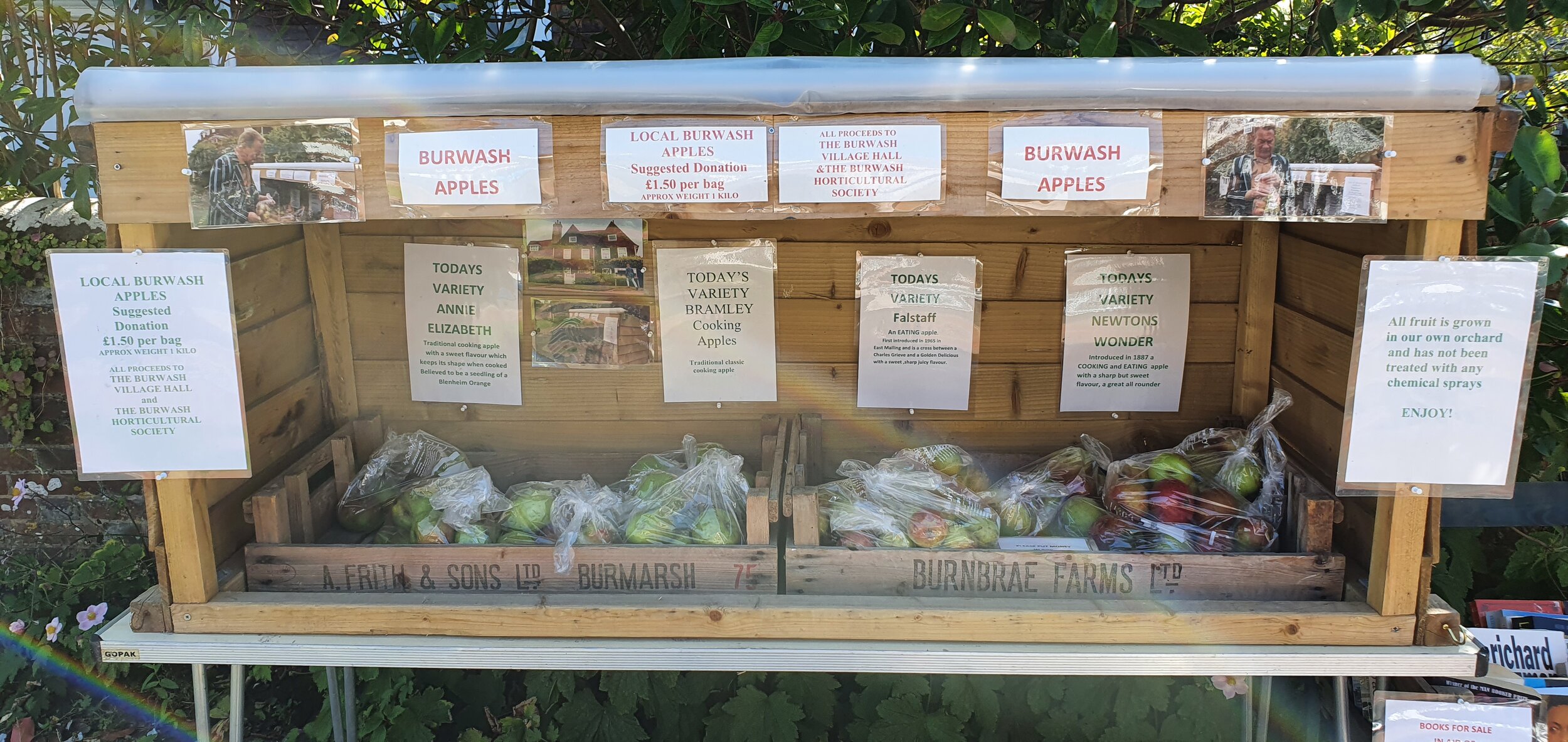
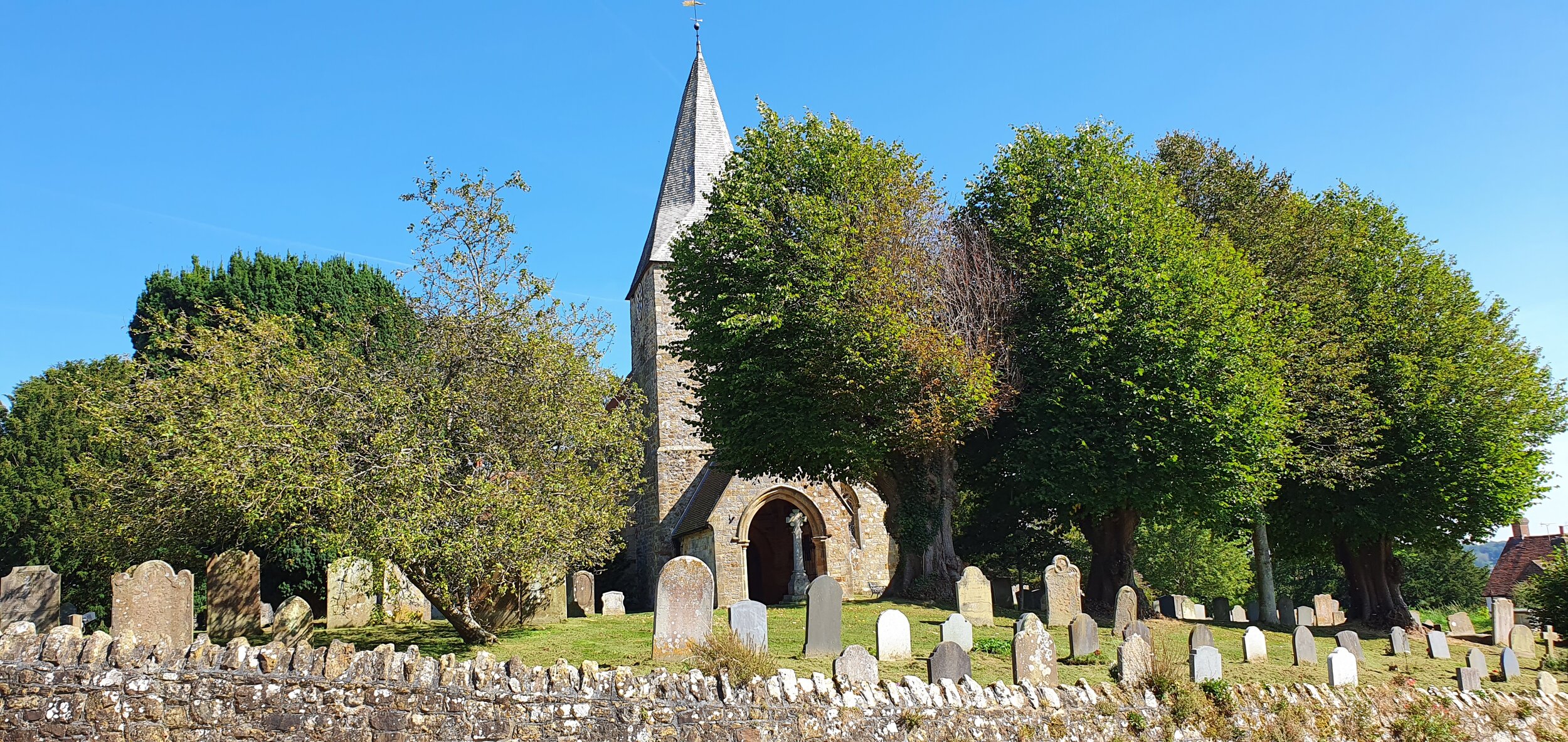
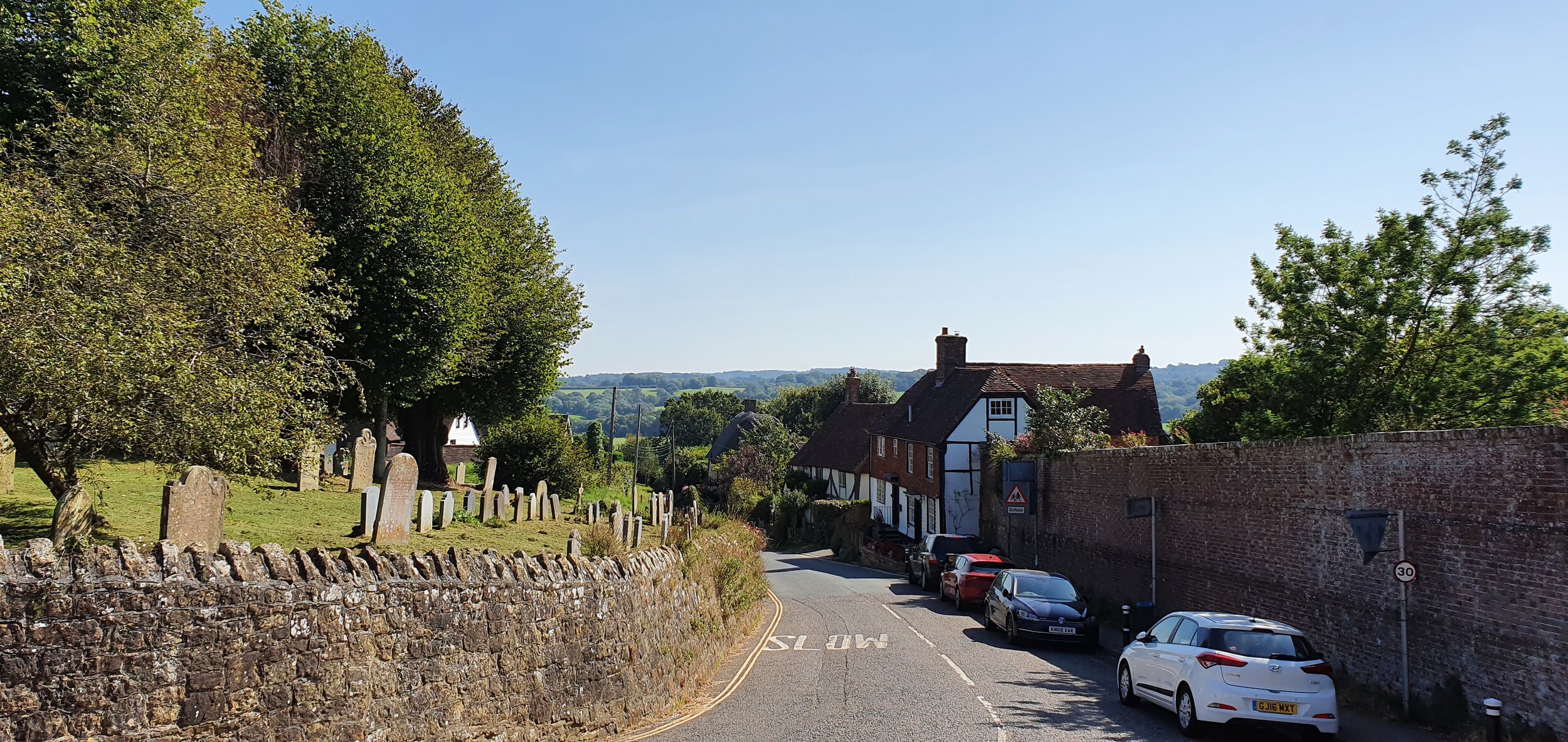
Today I visited the Inside Aardman: Wallace & Gromit and Friends exhibition at the Young V&A Museum at Bethnal Green. The exhibition which celebrates 50 years of Aardman Animations, provides visitors with a unique, behind the scenes view of the art of stop-motion animation. It also explores how Aardman’s iconic characters and worlds are designed, crafted and brought to life. From the initial concept artwork to the final visual effects, this event demonstrates the methods and techniques employed by Aardman. The exhibition features early scripts, sketch artists initial concept art, models, sets and numerous famous puppets. Furthermore this event is firmly pitched at children and families, with a wealth of interactive activities demonstrating the various techniques on display. The curators of the exhibition have also made it clear that they wish to encourage future generation to consider a career in the creative arts.
The Imperial War Museum serves as a national museum for Britain. Its main location is in London, complemented by five additional branches across England. Established in 1917 as the Imperial War Museum, its original purpose was to document the civil and military efforts and sacrifices made by the United Kingdom and its Empire during the First World War. Over time, the museum’s scope has broadened to encompass all conflicts involving British or Commonwealth forces since 1914. As of 2012, the museum’s mission is to provide and encourage the study and understanding of the history of modern warfare as well as the “wartime experience”. The IWM as it is now known has its headquarters and primary site is located at Southwark in Central London. The museum is funded by government grants, charitable donations and revenue generated through commercial activity such as retailing, licensing and publishing. General admission is free to IWM London.
Castle Farm is a family business located near the village of Shoreham in West Kent. The Alexander Family have been farming in the Darenth Valley since 1892 when James Alexander transported 17 milking cows from Ayrshire in Scotland and took up residence in this south-eastern part of England. Castle Farm is a busy, working farm comprising of 1,100 acres. It produces such crops as wheat, barley, rapeseed, hops, apples, pumpkins and lavender. It is also home to a grass-fed herd of beef cattle. However, in recent years it has become well know internationally for its lavender crop. Castle Farm began its lavender enterprise in 1998, producing the essential oils associated with the flower. It is now the largest lavender farm in the UK, growing over 110 acres of the flower. Furthermore, it has become quite a tourist attraction with the farm staff running tours during Summer and the height of lavender season.
Riverhill Himalayan Gardens are set in the grounds of Riverhill House, a Grade II listed Queen Anne manor house located on the southern edge of Sevenoaks in Kent, England. Riverhill is well known for its stunning and historic gardens as well as its sweeping vistas over the Weald of Kent. The estate has been the residence of the Rogers family since 1840 who currently operate the gardens as a tourist attraction, along with the house and associated facilities as a wedding venue. Visitors can enjoy a walled garden, rose walk and maze as well as other attractions. There is also an excellent trail around the grounds culminating in a view from the top of the hill over the estate. Riverhill Himalayan Gardens, as a supporter of the Surrey Sculpture Society, regularly showcases a selection of sculptures and art pieces throughout its grounds. All are available for purchase if you have deep pockets.
The Hunterian Museum is a museum of anatomical specimens in London, located in the prestigious building of the Royal College of Surgeons of England. The museum is made up primarily of a collection from the 18th century Scottish surgeon John Hunter. Over the years it has since been subsequently supplemented by Odontological material curated by A. E. W. Miles and various natural history exhibits from Richard Owen. In May 2023, the Hunterian Museum reopened following a five-year redevelopment of the Royal College of Surgeons of England’s headquarters at Lincoln’s Inn Fields. The £4.6 million museum project features the exhibition of more than 2,000 anatomical specimens from Hunter’s original collection. In addition to these there are instruments, equipment, models, paintings, and archival materials that document the evolution of surgery from ancient eras to contemporary robot-assisted procedures. The Museum boasts the largest public display of human anatomy in England.
The Crystal Palace Dinosaurs are a collection of sculptures depicting dinosaurs and other extinct species located in Crystal Palace Park, in the London borough of Bromley. These sculptures were originally commissioned in 1852 for display at the Crystal Palace following its relocation from the Great Exhibition held in Hyde Park. They were revealed to the public in 1854 and are the first speculative dinosaur sculptures ever created. Although the models are now considered inaccurate by contemporary standards, they were designed and crafted by Benjamin Waterhouse Hawkins under the scientific guidance of Sir Richard Owen, reflecting the prevailing scientific understanding of the time. The sculptures were designated as Grade II listed buildings in 1973 and underwent extensive restoration in 2002. In 2007 they were elevated to Grade I listed status. As of spring 2026 the dinosaurs are again being renovated as part of a £5 million regeneration of the park.
The benefits of international travel are numerous. These include stress relief, mental health benefits and a chance to escape the drudgery of work. Then there are the cultural aspects that you can immerse yourself in. Going abroad also allows you to learn new language skills as you awkwardly ask for directions. International travel is a chance to make lasting memories and it often gives the traveller a greater appreciation of their own home. At the very least the beer is always better abroad and that is the very definition of “broadening your horizons”. Yet despite all these positive points, there is one unavoidable hassle when comes with travelling abroad. The fact that the country or countries that you’re visiting will invariably use a different electrical plug and socket standard. In an age where a lot of the stuff you bring along with you on holiday needs charging, this can be a very stressful problem to solve.
I thoroughly enjoyed our holiday in Croatia last year and it did much to restore my confidence in travelling. Previously my views on visiting other countries had been greatly influenced by the films Raid on Entebbe and Midnight Express. As January was such a bleak month here in the UK, Mrs P and I decided we couldn’t wait until summer for another holiday and so decided to book something for the end of March. So we visited our local Travel Agents and decided upon a river cruise. We’ve been interested in these since we saw a travel show with Susan Calman. River cruises are a horse of a different colour, compared to sea cruises. They’re a great way to visit cities of note, often bringing you right into the heart of them. River cruise ships are a lot smaller with less passengers than ocean faring vessels. They also attract quite different travellers. Let it suffice to say that a sea cruise doesn’t offer the cultural experience that I am looking for.
There are approximately 4000 parks and green spaces in Greater London. Bexley Borough alone has over 100. Public parks and green spaces are vital to modern cities, providing essential health, environmental and social benefits. They boost physical and mental wellbeing by reducing stress and providing a place for exercise. Furthermore they enhance urban sustainability, mitigate heat, and provide a sustainable environment for a wildlife. Parks are often a venue for social activities and events and as such are an important part of the local community. Going to the park has always been a part of my life. I live next to Old Farm Park in Sidcup and have made use of this recreational space throughout my life. I used visit with my parents in the seventies, when I was a child. Thirty years later my son, father in-law and I would fly kites there. Now I take my grandchildren to Old Farm Park as it now has a playground.
There is no shortage of interesting and good quality museums in London. In many respects tourists and visitors are spoilt for choice. More often than not, it is the most well known institutions such as the British Museum or Victoria and Albert Museum that gain the most attention. However, there are many hidden gems to discover if you take the time to look further. A prime example being The British Optical Association Museum which I had the pleasure of visiting today. The museum’s function is to promote the optometry profession and raise public awareness of its past and ongoing role within society. The museum has a well conserved collection of exhibits and provides a venue for presentations, learning and research services. There is also an excellent tour hosted by museum curator Neil Handley (PhD, AMA, FRSA) in which he gives a concise, interesting and at times a witty overview of the history of optometry in the UK and its current role.
The artillery battery at Capel-le-Ferne was built between 1941 and 1942, following the fall of France, on the orders of Winston Churchill. Located between Dover and Folkestone, the battery consisted of three 8-inch high-performance guns, provided by the Royal Navy. The battery was intended to provide anti-shipping defence in the English Channel. The site was manned by men of the 520 Coast Regiment Royal Artillery. Over the course of World War II, the battery expanded in size, eventually encompassing multiple Nissen huts, several roads and 19 military buildings. Anti aircraft defence was provided by two 40mm Bofors guns. Over the course of the war, the Capel Battery engaged enemy shipping on four separate occasions and also took part in fifteen practice shoots. In 1944, due to the decreased threat, the battery was placed in “care and maintenance”. The guns were removed in 1952 and the building demolished in the early 1980s
There are an estimated 2,500 museums in the UK. This number has grown significantly over time, more than tripling between 1960 and 2017. While it is laudable that so many of these institutions exist, they do not all receive equal interest or publicity. Some museums dominate in their respective fields and drown out others that have a similar theme. With this in mind, I was unaware of the Kent Battle of Britain Museum until a friend recently brought it to my attention. After yesterday’s visit my initial thoughts are what a treasure trove it is. According to the museum’s website it is the world’s largest Battle of Britain collection of memorabilia. This includes planes, uniforms, weapons and related artefacts from over 700 crashed aircraft. Furthermore, the museum tells the story of this battle without bias, choosing to highlight both the historical and the human aspects of the conflict. It is often very poignant.
Stonehenge is so much more than just a neolithic, historical structure of note. It is of great spiritual importance to many, representing ceremonial practices and ancient worship. It is also seen as a conduit to a wider connection to the cosmos. It is after all a celestial calendar, according to one of the theories regarding its purpose. It also has a strong significance in pop culture. Hence, due to its history, symbolism, religious connotations and overall sense of mystery it is a UNESCO World Heritage Site and a globally recognised symbol of ancient Britain. As such, it has always been somewhere that I have wished to visit. Today, as we were relatively nearby in Ringwood and the weather was pleasant, Mrs P and I decided to go to Salisbury and see this iconic structure for ourselves.
I enjoy visiting the coast. I always have. I find the sight and sounds of the sea very calming and thought provoking. There is something about seeing the ocean stretch out to the horizon and its implied enormity, that gives you a sense of perspective. The UK is a seafaring nation and therefore it is an integral part of our history and national identity. Hence a strong nautical theme and a sense of its importance has bled through into our popular culture. It is therefore quite common for people to have a positive attitude towards the sea and its associated leisure activities. I like to visit the coast at various times of the year and walk along the beach, just listening to the waves, lost in my own thoughts. This is not a hard thing to do in the UK, as no one lives further than 70 miles (113 kilometers) from the coast.
Knole is a country house in England and a former archbishop’s palace that is currently owned by the National Trust. It is located within Knole Park, a 1,000-acre (400-hectare) estate that lies to the south-east of Sevenoaks in west Kent. The existing structure of the house dates back to the mid-15th century, although there were significant expansions in the 16th and particularly in the early 17th centuries. Its Grade I listing signifies its combination of late-medieval to Stuart architectural styles. This is especially evident in its central façade and state rooms. In 2019, a comprehensive conservation initiative titled “Inspired by Knole” was completed to restore and enhance the buildings’ structures. This was beneficial to the preservation of its significant collections. The adjacent deer park has also endured since 1600.
Mrs P and I travelled to Croatia on Friday 13th June for our summer holiday. We spent one week in Makarska, which is located on the Dalmatian coast. My last international holiday was to Malta in 2004. Since then we have done a lot of travelling in the UK and Mrs P has vacationed abroad with other family members. However, she stated last September that she wanted to go “somewhere warm” for our next holiday. So this trip was booked and has been “something to look forward to”, or a source of stress slowly inching closer, depending upon your perspective. In many respects this holiday has been a big deal for me. I don’t enjoy travelling at all with all its accompanying logistical, bureaucratic and “people” issues. However, I have no problem with being elsewhere. I eagerly await teleportation technology to become commonplace. Once I arrived at our hotel, I quickly switched to holiday mode and I am happy to confirm that I thoroughly enjoyed myself.
Emmetts Garden is an Edwardian estate situated on Ide Hill, close to Sevenoaks in Kent, UK. After a long and interesting history it is currently under the stewardship of the National Trust. Originally open farmland, the existing house was constructed in1860. The term “emmett” is a local dialect for ant, referencing the large anthills that populated the area until the 1950s. In 1890, the estate was acquired by Frederic Lubbock, a banker with a keen interest in horticulture. His elder brother, John Lubbock, 1st Baron Avebury, was a renowned authority on ants, which may have influenced Frederic's decision to purchase the estate. Today Emmetts Garden is open to the public and features several “hortus conclusus” (walled gardens) and a hillside trail that is famous for its Bluebells in the spring.
Damerham is a quaint rural village and civil parish located in the New Forest district of Hampshire, England. It is close to the market town of Fordingbridge. Damerham is distinguished by significant Neolithic and Bronze Age burial mounds. Historically, it was home to an Anglo-Saxon religious community and was referenced in the will of Alfred the Great, as it was at that time part of the royal estate. At the time of the Domesday Book in 1086, Damerham was recognized as a prominent settlement under the ownership of Glastonbury Abbey. It was mainly farms and agrarian small holdings. Today, the village still features a riverside mill and the church of Saint George date’s back to the Norman period. There is a church hall that hosts numerous local, seasonal events.
Bodiam Castle is a 14th-century moated castle located near Robertsbridge in East Sussex, England. It was built in 1385 by Sir Edward Dalyngrigge, a former knight of King Edward III. The castle’s primary purpose was to defend the local area against possible French invasion during the Hundred Years' War. Bodiam Castle has a quadrangular design and does not have a keep. All the various chambers and rooms were built adjacent to the outer defensive walls. The four corners and main entrance have towers, all of which feature crenellations. A substantial moat surrounds the castle, which served as a home for the Dalyngrigge family, as well as a seat of power to the manor of Bodiam. The castle remained within the Dalyngrigge family until the line became extinct. It remained a place of strategic importance during the War of the Roses and the English Civil War. It is currently owned and maintained by The National Trust.
Today I went on an impromptu visit to Brompton Cemetery in West London. Established in 1837, the West of London and Westminster Cemetery (as it was originally known) is a private cemetery initially created as a business venture to capitalise upon the shortage of cemeteries within London. It also sought to cater to the prevailing culture of opulent Victorian funeral rites. However, after proving non profitable, the cemetery was bought by the UK government. It was subsequently incorporated into Crown Property and managed by The Royal Parks. It is one of Britain’s oldest and most distinguished garden cemeteries. There are currently 35,000 monuments, ranging from simple headstones to impressive mausolea. It is home to more than 205,000 resting places. The cemetery is also a haven for flora and fauna, providing a substantial semi rural environment amid urban central London.
Christmas Tree Farm is a petting zoo, outside the village of Downe in the county of Kent. Despite its rural setting, it is actually only 15 miles from London, making it an ideal visit, as part of a day. The farm is home to a wide selection of domestic farm animals (and a few more exotic ones), all of which can be fed, stroked and lavished with attention by visitors. During the winter months, Christmas Tree Farm hosts Santa’s Grotto and as the name suggests is the place to find the perfect Christmas tree for your home. Entry prices are very reasonable, costing £6 per adult and £4 for children aged between 2 and 16 years old. Buckets of animal feed of varying size are also available for a small fee. There is a leisurely trail around the farm where the various animals are housed in pens and out buildings. There is also a Tea Garden where refreshments are available.
In 1939 legislation was passed in the UK so that all employees had one week’s annual paid holiday per year. By the 1950s this had become two weeks and by the 1980s most people had at least 4 weeks of annual holiday. On top of this paid leave allocation, the UK currently has 8 bank holidays which provides further time off for employees. This culture of increasing amounts of annual leave also broadly coincided with air travel becoming more accessible. The first UK passenger jet service began in 1952. However, its cost excluded most people. However, as larger airliners with increased range became available, cheaper foreign holidays became more and more economically viable. European holidays became a reality in the 1960s and 1970s. By the 1980s long-distance holidays to other continents became ubiquitous and the package holiday became king. It is also worth noting that the Channel Tunnel opened in 1994, making car travel from Britain to Europe easier and more popular.
Today I had the pleasure of visiting the Whitstable Museum (or to give its full name Whitstable Community Museum and Gallery). This is a fine example of a local heritage centre that curates and displays artefacts and records that reflect the history and culture of the surrounding area. The museum located in Whitstable, Kent, is home to one of the world's oldest steam engines, as well as historical diving equipment that was developed locally. The history of the local oyster trade which has been an integral part of the community for centuries is also a key feature. Established in 1985, the museum was reopened in 2015 following a major refurbishment. There is also an art gallery featuring the paintings by local artists and artworks on loan from an international network of galleries.
Eltham Palace, located in South East London, was the childhood home of King Henry VIII in 1499. It was later used as a royal nursery for the infant Princess Elizabeth, born on 7th September 1533. It sports sumptuous grounds and ornamental gardens and was famous for its game hunting during the Tudor and Elizabethan periods. In the 1930s’ the property was owned by the Courtauld family, who built a sumptuous Art Deco style mansion and redeveloped the grounds. Today the entire property is owned and managed by English Heritage who have extensively restored much of the estate. It is therefore very fitting that this illustrious venue annually plays host to the Legendary Medieval Joust, during the summer months. Two days of historical pageantry, re-enactments and events for the entire family to enjoy. I last attended in 2015, so it was a welcome pleasure to return again yesterday.
Morph’s Epic Art Adventure in London is a step-free art trail and tourist attraction featuring the iconic animated character Morph. It is hosted by charitable organisation Whizz-Kidz, global event producers Wild in Art and Aardman. The trail features 56 super-sized sculptures of the much-loved children’s TV character, which are set among various iconic London landmarks including St Pauls, Tate Modern, Tower of London, Shakespeare’s Globe and Borough Market. It is a free public art trail and tourist attraction, designed by a variety of artists to excite and inspire people of all ages, whilst increasing public awareness about the need for young wheelchair users to be mobile, enabled and included in society. Morph’s Epic Art Adventure in London runs from June 19th until August 20th 2023.
Regardless of whether you deem the IFS Cloud Cable Car a white elephant, a political folly or just a mistake in terms of tourism, it cannot be denied that the view it provides over South East London is impressive. At a height of 90 metres (300 feet), on a bright and sunny day you can see from City Airport to Canary Wharf. Located at Greenwich Peninsula, the IFS Cloud Cable Car (as it is now called) opened in June 2012. It was initially promoted as a viable form of public transport across the Thames, linking North Greenwich and Royal Victoria stations. In October 2012, nearly 100,000 journeys were made. However, after the London Olympics, passenger rates fell and since then IFS Cloud Cable Car has become more of a tourist attraction, rather than an integral means of commuting.
To my surprise I found myself out and about today undertaking another day trip. This time we headed back to the sea and visited Whitstable, a town on the north coast of Kent adjoining the Greater Thames Estuary. It’s 5 miles (8 kilometres) north of Canterbury and 2 miles (3 kilometres) west of Herne Bay. The town was originally recorded in the Domesday Book of 1086, under the name Witenestaple, meaning "the meeting place of the white post", a reference to a local landmark. By the late middle ages Whitstable had become a centre of Thames Estuary fishing, specifically for oysters. Today, the main activities at the harbour are fishing and processing, cargo handling and boat maintenance. The town has shingle/sandy beaches adjacent to the harbour, where swimming and water sports are popular. Whitstable Castle is situated on the border of Whitstable and off the coast is Kentish Flats offshore wind farm, consisting of 30 wind turbines.
Royal Tunbridge Wells is a town in the county of Kent, 30 miles (50 kilometres) southeast of central London. It is situated on the border with East Sussex on the northern edge of the High Weald. The local sandstone geology is synonymous with a rugged landscape due to erosion and weathering. The town itself was a spa during the Restoration and became a very fashionable resort in the middle of the 18th century. Socialites such as Beau Nash helped make the resort popular when the Pantiles and its chalybeate spring, began attracting visitors who came to “take the waters”. Despite the decline in spa towns after sea bathing grew in popularity, Royal Tunbridge Wells has remained a tourist resort. Today, much of the area's income is generated by tourism. The town has an equitable temperate maritime climate.
Lesnes Abbey Woods
For the last week the UK has been enjoying some exceptionally warm weather with temperatures reaching 80 degrees Fahrenheit (27 degrees Celsius) and above, here in the South East. For our latest day trip Mrs P and I decided to go somewhere local to reduce driving time and allow us to make an early start. Both of us wanted to achieve our daily step count (10,000 steps which is approximately 5 miles) but be done by mid afternoon before the heat made such activities uncomfortable. So we decided to go to Lesnes Abbey Woods which has a well tended park, gardens and the remains of a 12th century Abbey. It also connects to the Green Chain Walk. We drove there as it is only about twenty minutes away by car. However, we subsequently discovered that a local bus stops right outside the main entrance, so will bear this in mind for future visits.
For the last week the UK has been enjoying some exceptionally warm weather with temperatures reaching 80 degrees Fahrenheit (27 degrees Celsius) and above, here in the South East. For our latest day trip Mrs P and I decided to go somewhere local to reduce driving time and allow us to make an early start. Both of us wanted to achieve our daily step count (10,000 steps which is approximately 5 miles) but be done by mid afternoon before the heat made such activities uncomfortable. So we decided to go to Lesnes Abbey Woods which has a well tended park, gardens and the remains of a 12th century Abbey. It also connects to the Green Chain Walk. We drove there as it is only about twenty minutes away by car. However, we subsequently discovered that a local bus stops right outside the main entrance, so will bear this in mind for future visits.
The Abbey of St Mary and St Thomas the Martyr at Lesnes, to use its original name, was founded in 1178 by Richard de Luci, Chief Justiciar of England. This may have been in penance for the murder of Thomas Becket, in which he was involved. It was one of the first monasteries to be closed after the Dissolution of the Monasteries in 1534 and the monastic buildings were all pulled down. Over time the site was a source of salvaged building materials for the local inhabitant. The estate became farmland before being purchased by London County Council in 1930. The land was then repurposed as a park and the stone outline of the Abbey and outlying buildings restored. In recent years the adjacent woodlands have been added to the park and maintained as part of the Green Chain Walk which runs throughout three London Boroughs.
There are multiple entrances to the park in Abbey Road (not that one) and the surrounding streets. To the West there is a substantial children’s playground and outdoor gym that are well maintained and safe. The Abbey ruins are in the centre of the park, along with a walled ornamental garden. There is also a visitors centre with amenities and a function hall that is available for hire. This venue often hosts events and activities for schools. The garden is another popular site for events such as book readings and performance art. The grounds are superbly maintained and the paths are wide, making them very family and wheelchair friendly. For those who enjoy walking there are multiple trails around the grounds and surrounding woods, of varying length and difficulty. There are wooden sculptures to be found along these paths as well as a prehistoric Tumulus.
I was most surprised to find a park and series of walks of this quality right on my own doorstep. Mrs P and I enjoyed Lesnes Abbey Woods immensely and tried several of the more complex trails that traverse the woods. The ruins are also very interesting and are a somewhat incongruous sight amid the surrounding suburban sprawl. The park and woods look out south over Thamesmead where Kubrick filmed A Clockwork Orange and there are now wind turbines along the Thames estuary. If it hadn’t been for the heat, we’d have stayed longer but the woods were quite humid due to the recent heavy rainfall, despite offering shade from the sun. We will certainly return in the not too distant future and investigate the trails we didn’t complete.
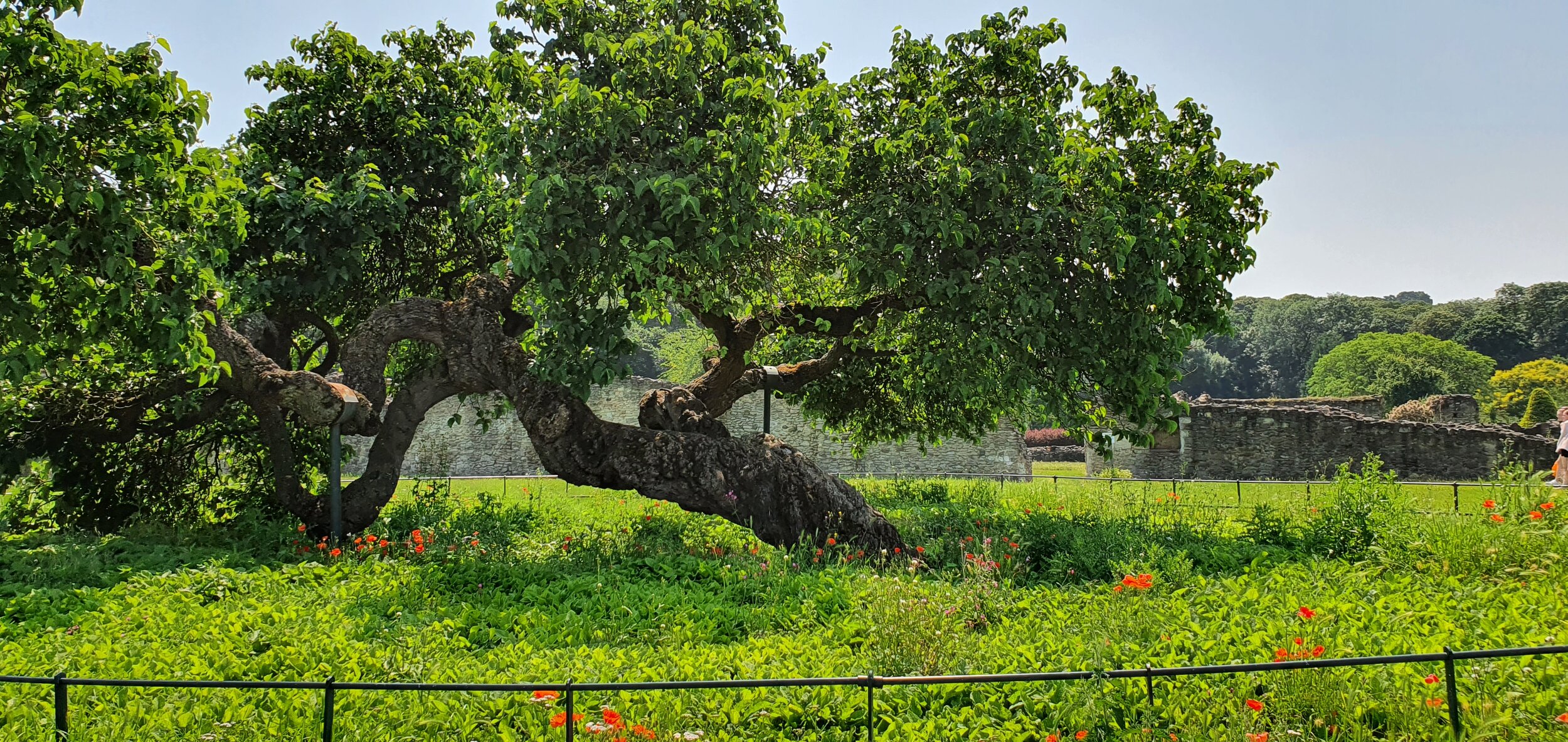
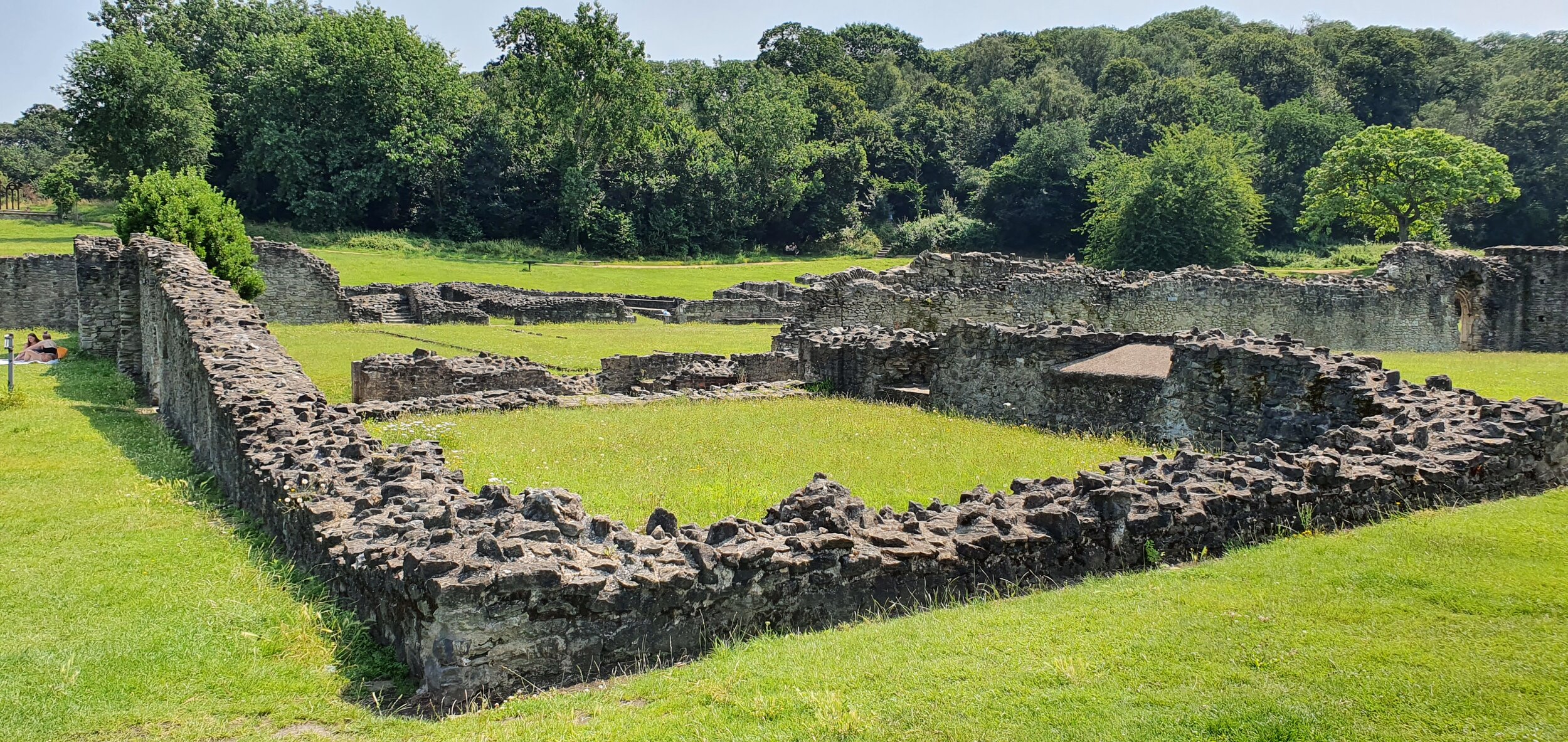
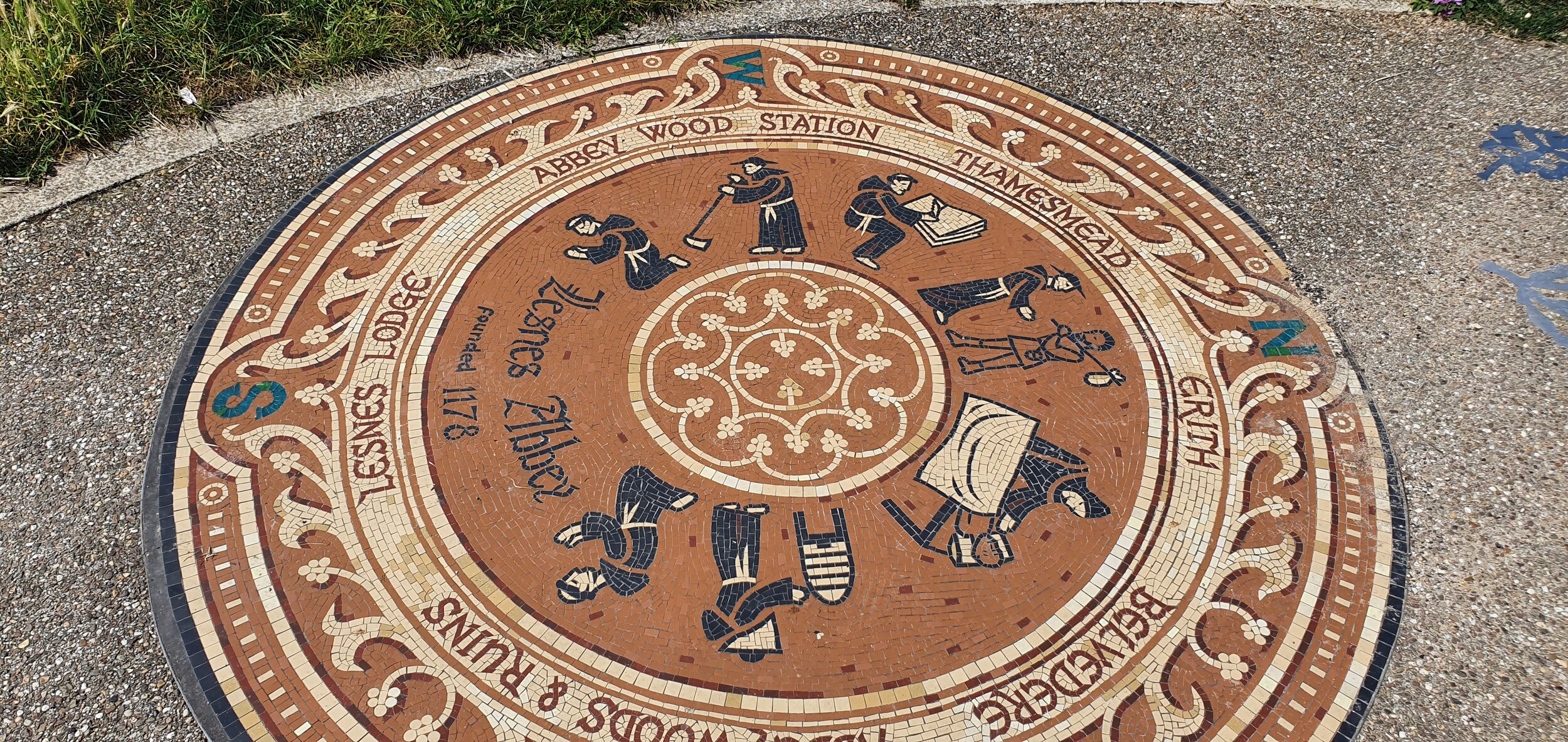
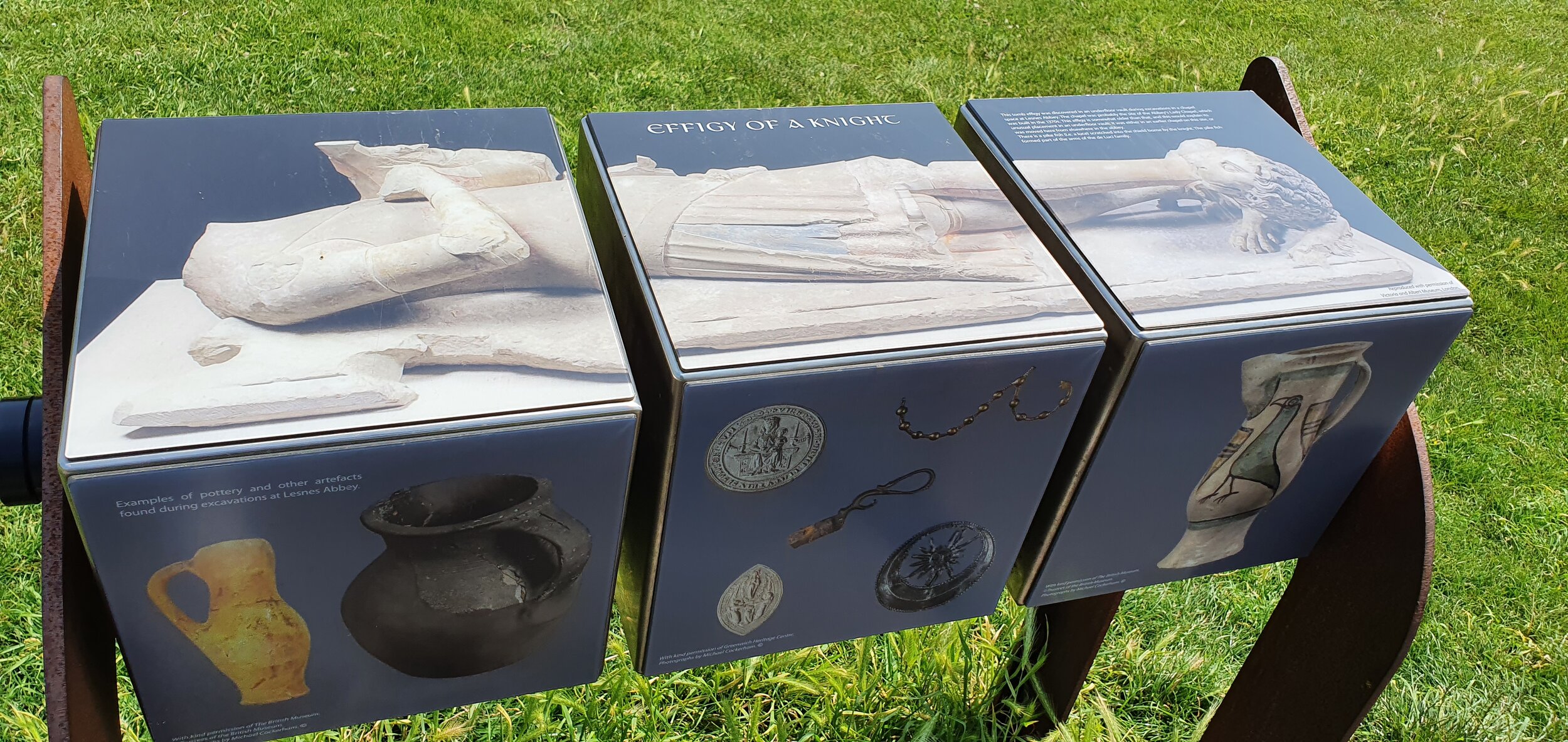
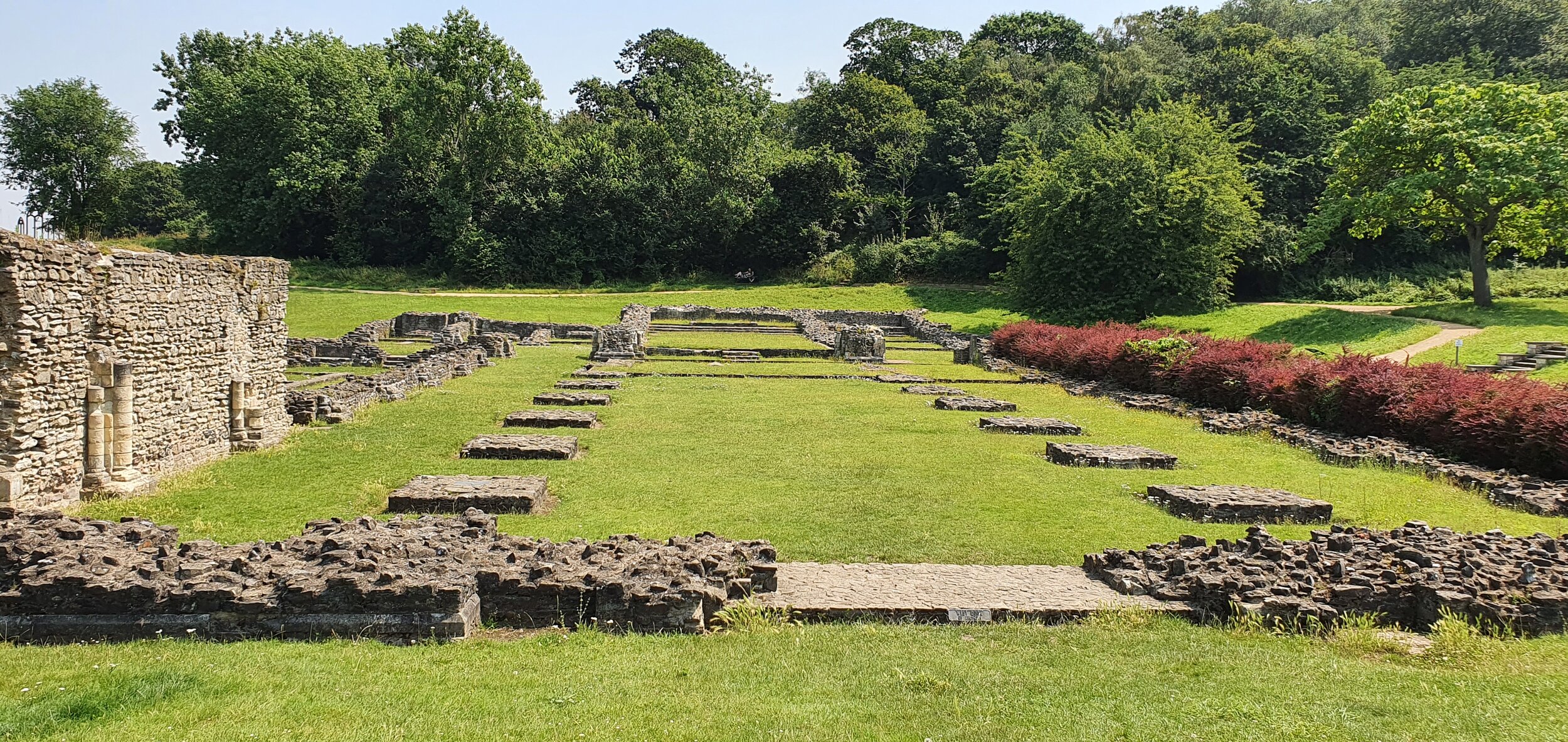
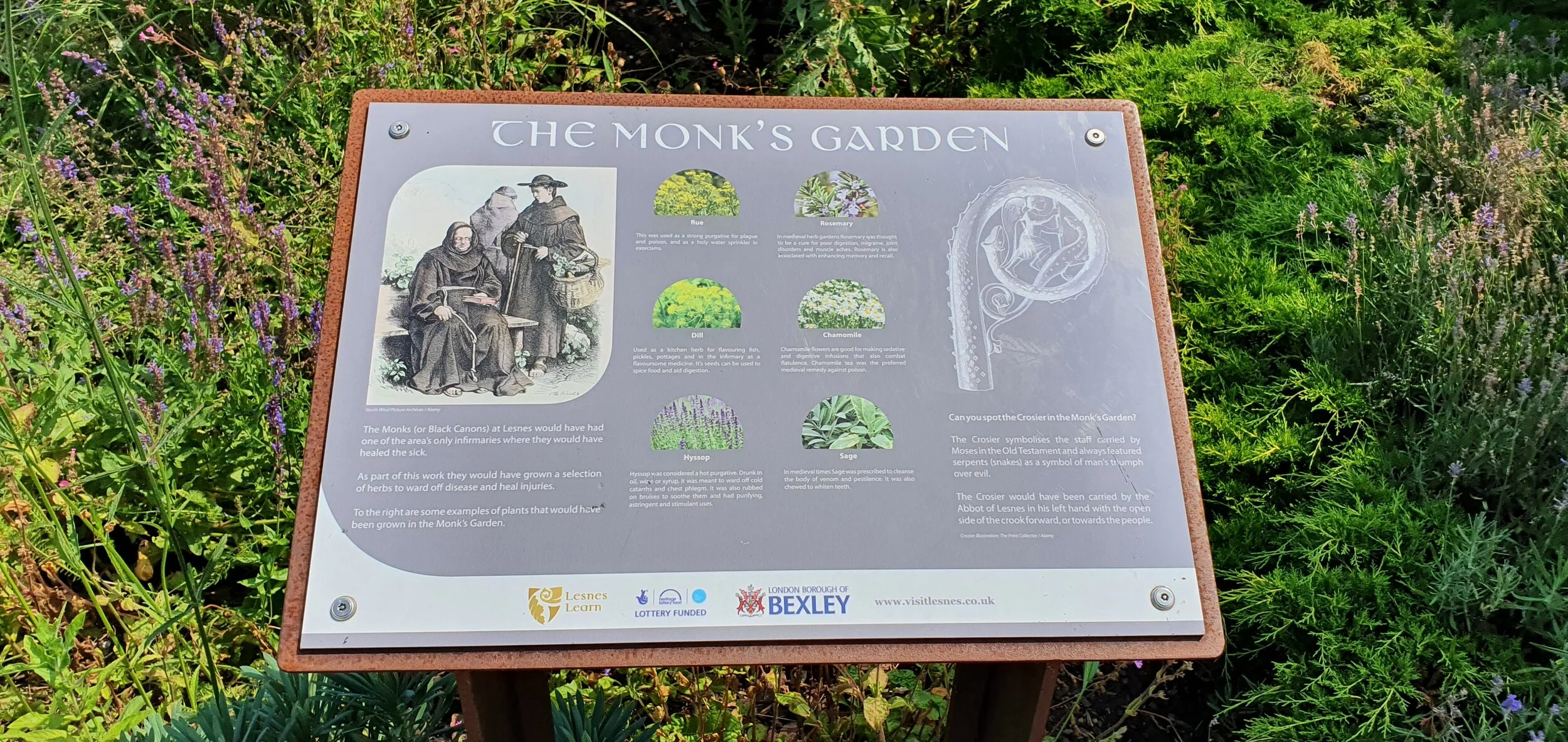
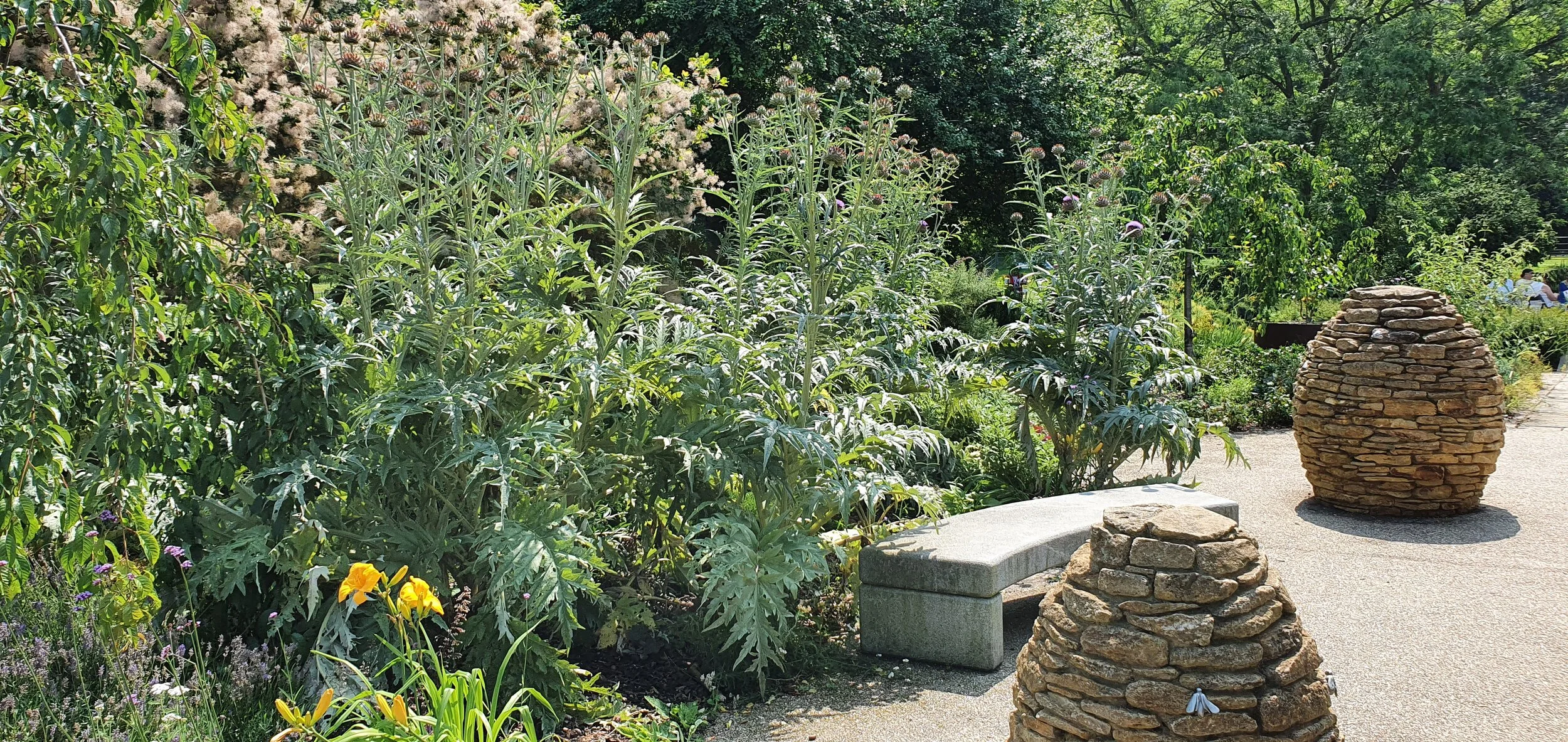
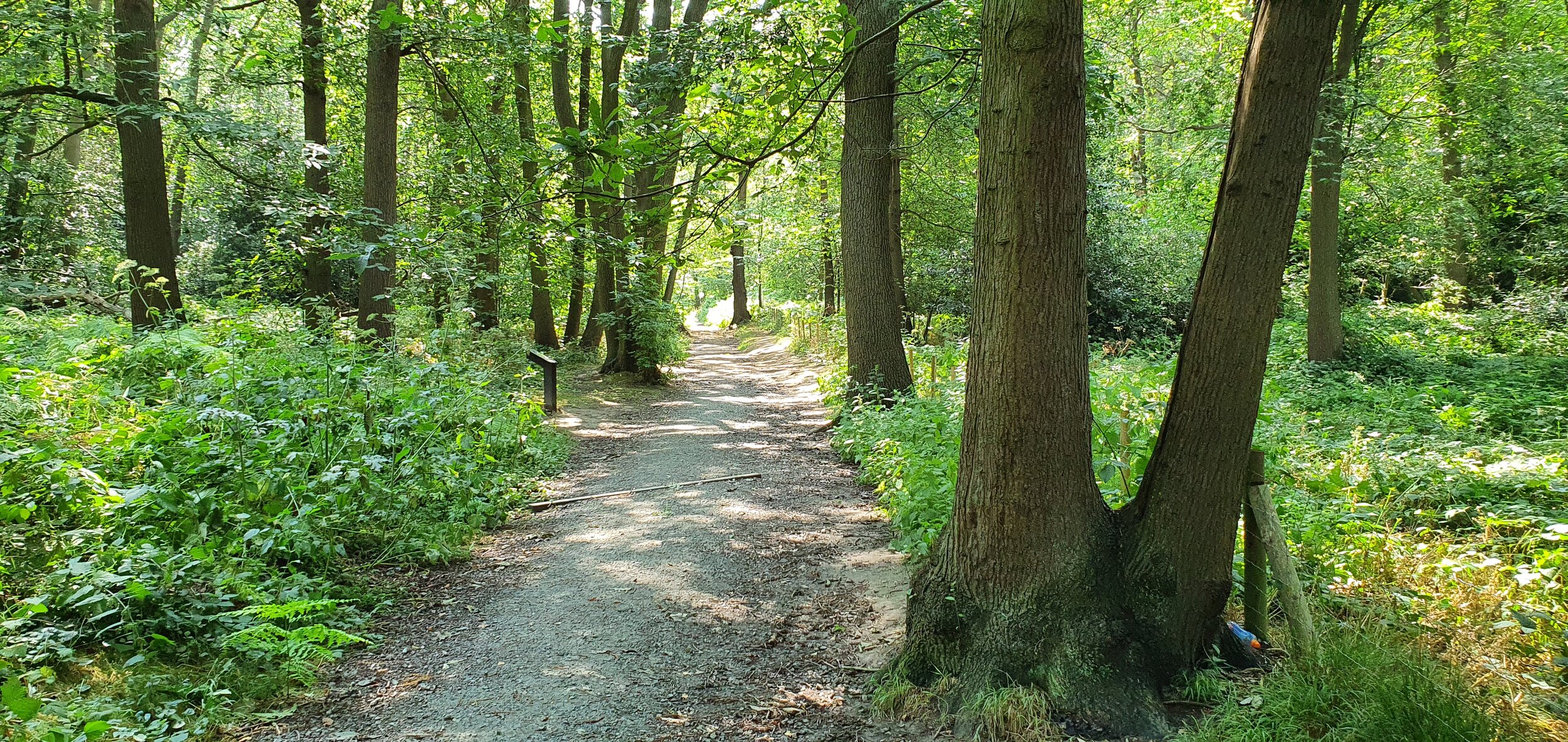
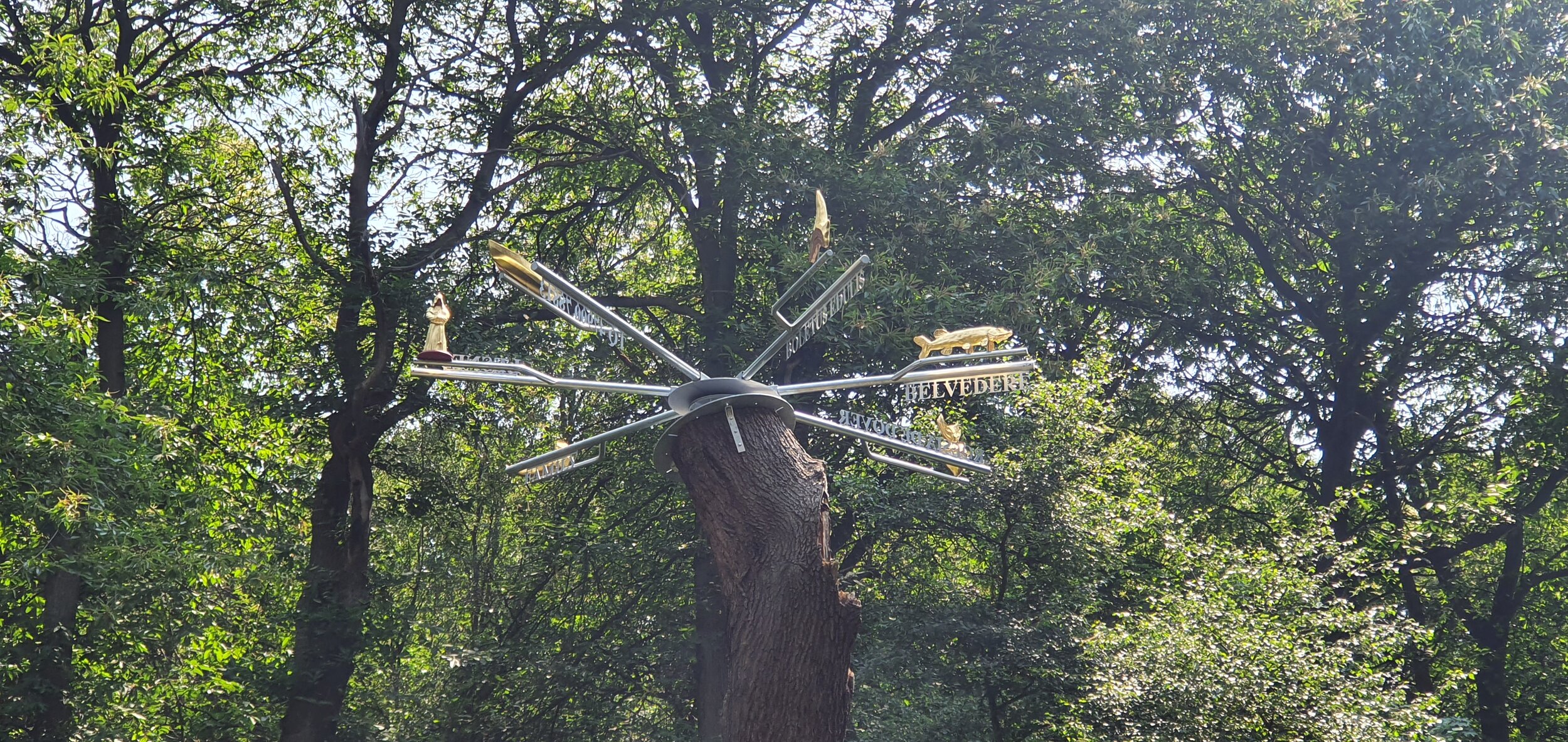
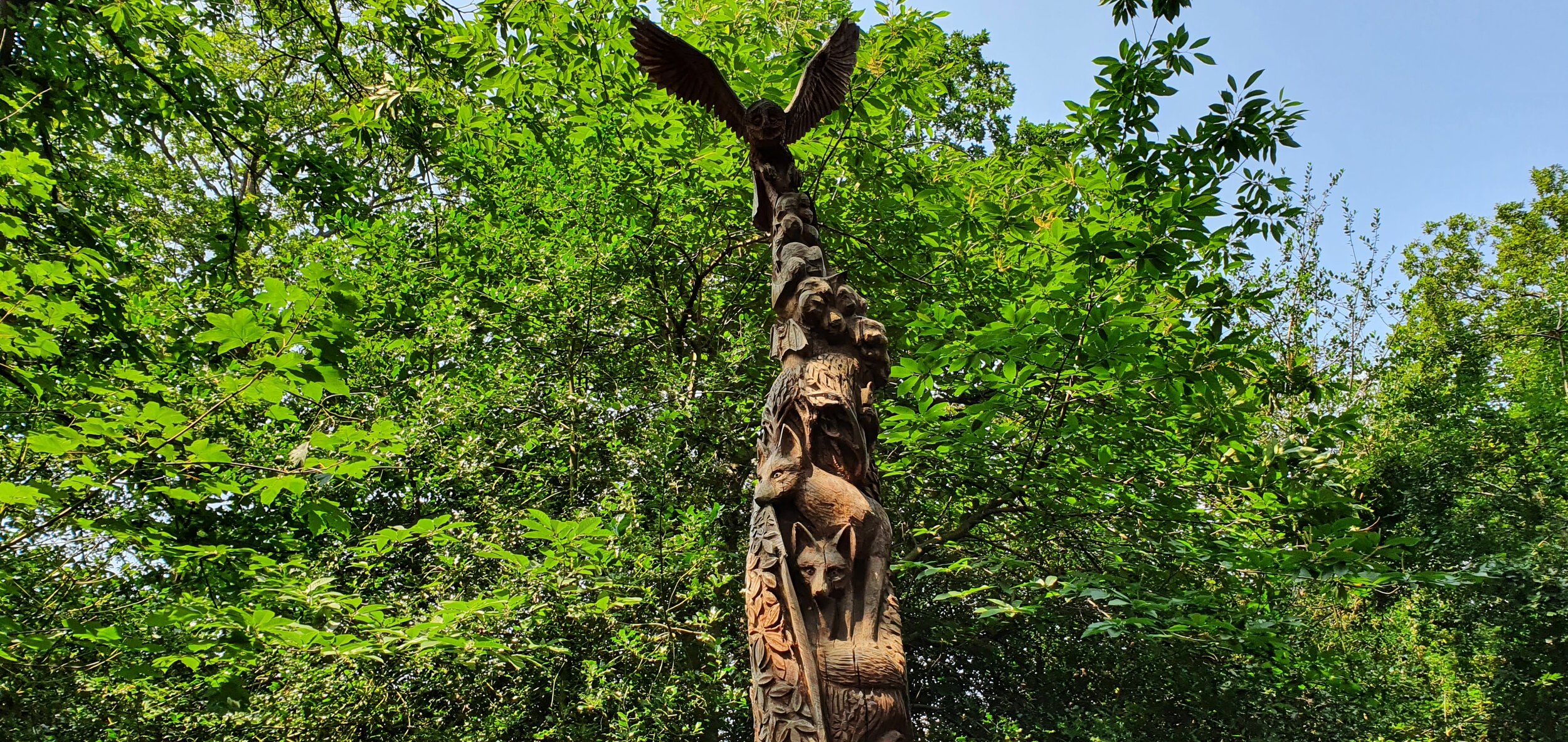
Today I visited the Inside Aardman: Wallace & Gromit and Friends exhibition at the Young V&A Museum at Bethnal Green. The exhibition which celebrates 50 years of Aardman Animations, provides visitors with a unique, behind the scenes view of the art of stop-motion animation. It also explores how Aardman’s iconic characters and worlds are designed, crafted and brought to life. From the initial concept artwork to the final visual effects, this event demonstrates the methods and techniques employed by Aardman. The exhibition features early scripts, sketch artists initial concept art, models, sets and numerous famous puppets. Furthermore this event is firmly pitched at children and families, with a wealth of interactive activities demonstrating the various techniques on display. The curators of the exhibition have also made it clear that they wish to encourage future generation to consider a career in the creative arts.
The Imperial War Museum serves as a national museum for Britain. Its main location is in London, complemented by five additional branches across England. Established in 1917 as the Imperial War Museum, its original purpose was to document the civil and military efforts and sacrifices made by the United Kingdom and its Empire during the First World War. Over time, the museum’s scope has broadened to encompass all conflicts involving British or Commonwealth forces since 1914. As of 2012, the museum’s mission is to provide and encourage the study and understanding of the history of modern warfare as well as the “wartime experience”. The IWM as it is now known has its headquarters and primary site is located at Southwark in Central London. The museum is funded by government grants, charitable donations and revenue generated through commercial activity such as retailing, licensing and publishing. General admission is free to IWM London.
Castle Farm is a family business located near the village of Shoreham in West Kent. The Alexander Family have been farming in the Darenth Valley since 1892 when James Alexander transported 17 milking cows from Ayrshire in Scotland and took up residence in this south-eastern part of England. Castle Farm is a busy, working farm comprising of 1,100 acres. It produces such crops as wheat, barley, rapeseed, hops, apples, pumpkins and lavender. It is also home to a grass-fed herd of beef cattle. However, in recent years it has become well know internationally for its lavender crop. Castle Farm began its lavender enterprise in 1998, producing the essential oils associated with the flower. It is now the largest lavender farm in the UK, growing over 110 acres of the flower. Furthermore, it has become quite a tourist attraction with the farm staff running tours during Summer and the height of lavender season.
Riverhill Himalayan Gardens are set in the grounds of Riverhill House, a Grade II listed Queen Anne manor house located on the southern edge of Sevenoaks in Kent, England. Riverhill is well known for its stunning and historic gardens as well as its sweeping vistas over the Weald of Kent. The estate has been the residence of the Rogers family since 1840 who currently operate the gardens as a tourist attraction, along with the house and associated facilities as a wedding venue. Visitors can enjoy a walled garden, rose walk and maze as well as other attractions. There is also an excellent trail around the grounds culminating in a view from the top of the hill over the estate. Riverhill Himalayan Gardens, as a supporter of the Surrey Sculpture Society, regularly showcases a selection of sculptures and art pieces throughout its grounds. All are available for purchase if you have deep pockets.
The Hunterian Museum is a museum of anatomical specimens in London, located in the prestigious building of the Royal College of Surgeons of England. The museum is made up primarily of a collection from the 18th century Scottish surgeon John Hunter. Over the years it has since been subsequently supplemented by Odontological material curated by A. E. W. Miles and various natural history exhibits from Richard Owen. In May 2023, the Hunterian Museum reopened following a five-year redevelopment of the Royal College of Surgeons of England’s headquarters at Lincoln’s Inn Fields. The £4.6 million museum project features the exhibition of more than 2,000 anatomical specimens from Hunter’s original collection. In addition to these there are instruments, equipment, models, paintings, and archival materials that document the evolution of surgery from ancient eras to contemporary robot-assisted procedures. The Museum boasts the largest public display of human anatomy in England.
The Crystal Palace Dinosaurs are a collection of sculptures depicting dinosaurs and other extinct species located in Crystal Palace Park, in the London borough of Bromley. These sculptures were originally commissioned in 1852 for display at the Crystal Palace following its relocation from the Great Exhibition held in Hyde Park. They were revealed to the public in 1854 and are the first speculative dinosaur sculptures ever created. Although the models are now considered inaccurate by contemporary standards, they were designed and crafted by Benjamin Waterhouse Hawkins under the scientific guidance of Sir Richard Owen, reflecting the prevailing scientific understanding of the time. The sculptures were designated as Grade II listed buildings in 1973 and underwent extensive restoration in 2002. In 2007 they were elevated to Grade I listed status. As of spring 2026 the dinosaurs are again being renovated as part of a £5 million regeneration of the park.
The benefits of international travel are numerous. These include stress relief, mental health benefits and a chance to escape the drudgery of work. Then there are the cultural aspects that you can immerse yourself in. Going abroad also allows you to learn new language skills as you awkwardly ask for directions. International travel is a chance to make lasting memories and it often gives the traveller a greater appreciation of their own home. At the very least the beer is always better abroad and that is the very definition of “broadening your horizons”. Yet despite all these positive points, there is one unavoidable hassle when comes with travelling abroad. The fact that the country or countries that you’re visiting will invariably use a different electrical plug and socket standard. In an age where a lot of the stuff you bring along with you on holiday needs charging, this can be a very stressful problem to solve.
I thoroughly enjoyed our holiday in Croatia last year and it did much to restore my confidence in travelling. Previously my views on visiting other countries had been greatly influenced by the films Raid on Entebbe and Midnight Express. As January was such a bleak month here in the UK, Mrs P and I decided we couldn’t wait until summer for another holiday and so decided to book something for the end of March. So we visited our local Travel Agents and decided upon a river cruise. We’ve been interested in these since we saw a travel show with Susan Calman. River cruises are a horse of a different colour, compared to sea cruises. They’re a great way to visit cities of note, often bringing you right into the heart of them. River cruise ships are a lot smaller with less passengers than ocean faring vessels. They also attract quite different travellers. Let it suffice to say that a sea cruise doesn’t offer the cultural experience that I am looking for.
There are approximately 4000 parks and green spaces in Greater London. Bexley Borough alone has over 100. Public parks and green spaces are vital to modern cities, providing essential health, environmental and social benefits. They boost physical and mental wellbeing by reducing stress and providing a place for exercise. Furthermore they enhance urban sustainability, mitigate heat, and provide a sustainable environment for a wildlife. Parks are often a venue for social activities and events and as such are an important part of the local community. Going to the park has always been a part of my life. I live next to Old Farm Park in Sidcup and have made use of this recreational space throughout my life. I used visit with my parents in the seventies, when I was a child. Thirty years later my son, father in-law and I would fly kites there. Now I take my grandchildren to Old Farm Park as it now has a playground.
There is no shortage of interesting and good quality museums in London. In many respects tourists and visitors are spoilt for choice. More often than not, it is the most well known institutions such as the British Museum or Victoria and Albert Museum that gain the most attention. However, there are many hidden gems to discover if you take the time to look further. A prime example being The British Optical Association Museum which I had the pleasure of visiting today. The museum’s function is to promote the optometry profession and raise public awareness of its past and ongoing role within society. The museum has a well conserved collection of exhibits and provides a venue for presentations, learning and research services. There is also an excellent tour hosted by museum curator Neil Handley (PhD, AMA, FRSA) in which he gives a concise, interesting and at times a witty overview of the history of optometry in the UK and its current role.
The artillery battery at Capel-le-Ferne was built between 1941 and 1942, following the fall of France, on the orders of Winston Churchill. Located between Dover and Folkestone, the battery consisted of three 8-inch high-performance guns, provided by the Royal Navy. The battery was intended to provide anti-shipping defence in the English Channel. The site was manned by men of the 520 Coast Regiment Royal Artillery. Over the course of World War II, the battery expanded in size, eventually encompassing multiple Nissen huts, several roads and 19 military buildings. Anti aircraft defence was provided by two 40mm Bofors guns. Over the course of the war, the Capel Battery engaged enemy shipping on four separate occasions and also took part in fifteen practice shoots. In 1944, due to the decreased threat, the battery was placed in “care and maintenance”. The guns were removed in 1952 and the building demolished in the early 1980s
There are an estimated 2,500 museums in the UK. This number has grown significantly over time, more than tripling between 1960 and 2017. While it is laudable that so many of these institutions exist, they do not all receive equal interest or publicity. Some museums dominate in their respective fields and drown out others that have a similar theme. With this in mind, I was unaware of the Kent Battle of Britain Museum until a friend recently brought it to my attention. After yesterday’s visit my initial thoughts are what a treasure trove it is. According to the museum’s website it is the world’s largest Battle of Britain collection of memorabilia. This includes planes, uniforms, weapons and related artefacts from over 700 crashed aircraft. Furthermore, the museum tells the story of this battle without bias, choosing to highlight both the historical and the human aspects of the conflict. It is often very poignant.
Stonehenge is so much more than just a neolithic, historical structure of note. It is of great spiritual importance to many, representing ceremonial practices and ancient worship. It is also seen as a conduit to a wider connection to the cosmos. It is after all a celestial calendar, according to one of the theories regarding its purpose. It also has a strong significance in pop culture. Hence, due to its history, symbolism, religious connotations and overall sense of mystery it is a UNESCO World Heritage Site and a globally recognised symbol of ancient Britain. As such, it has always been somewhere that I have wished to visit. Today, as we were relatively nearby in Ringwood and the weather was pleasant, Mrs P and I decided to go to Salisbury and see this iconic structure for ourselves.
I enjoy visiting the coast. I always have. I find the sight and sounds of the sea very calming and thought provoking. There is something about seeing the ocean stretch out to the horizon and its implied enormity, that gives you a sense of perspective. The UK is a seafaring nation and therefore it is an integral part of our history and national identity. Hence a strong nautical theme and a sense of its importance has bled through into our popular culture. It is therefore quite common for people to have a positive attitude towards the sea and its associated leisure activities. I like to visit the coast at various times of the year and walk along the beach, just listening to the waves, lost in my own thoughts. This is not a hard thing to do in the UK, as no one lives further than 70 miles (113 kilometers) from the coast.
Knole is a country house in England and a former archbishop’s palace that is currently owned by the National Trust. It is located within Knole Park, a 1,000-acre (400-hectare) estate that lies to the south-east of Sevenoaks in west Kent. The existing structure of the house dates back to the mid-15th century, although there were significant expansions in the 16th and particularly in the early 17th centuries. Its Grade I listing signifies its combination of late-medieval to Stuart architectural styles. This is especially evident in its central façade and state rooms. In 2019, a comprehensive conservation initiative titled “Inspired by Knole” was completed to restore and enhance the buildings’ structures. This was beneficial to the preservation of its significant collections. The adjacent deer park has also endured since 1600.
Mrs P and I travelled to Croatia on Friday 13th June for our summer holiday. We spent one week in Makarska, which is located on the Dalmatian coast. My last international holiday was to Malta in 2004. Since then we have done a lot of travelling in the UK and Mrs P has vacationed abroad with other family members. However, she stated last September that she wanted to go “somewhere warm” for our next holiday. So this trip was booked and has been “something to look forward to”, or a source of stress slowly inching closer, depending upon your perspective. In many respects this holiday has been a big deal for me. I don’t enjoy travelling at all with all its accompanying logistical, bureaucratic and “people” issues. However, I have no problem with being elsewhere. I eagerly await teleportation technology to become commonplace. Once I arrived at our hotel, I quickly switched to holiday mode and I am happy to confirm that I thoroughly enjoyed myself.
Emmetts Garden is an Edwardian estate situated on Ide Hill, close to Sevenoaks in Kent, UK. After a long and interesting history it is currently under the stewardship of the National Trust. Originally open farmland, the existing house was constructed in1860. The term “emmett” is a local dialect for ant, referencing the large anthills that populated the area until the 1950s. In 1890, the estate was acquired by Frederic Lubbock, a banker with a keen interest in horticulture. His elder brother, John Lubbock, 1st Baron Avebury, was a renowned authority on ants, which may have influenced Frederic's decision to purchase the estate. Today Emmetts Garden is open to the public and features several “hortus conclusus” (walled gardens) and a hillside trail that is famous for its Bluebells in the spring.
Damerham is a quaint rural village and civil parish located in the New Forest district of Hampshire, England. It is close to the market town of Fordingbridge. Damerham is distinguished by significant Neolithic and Bronze Age burial mounds. Historically, it was home to an Anglo-Saxon religious community and was referenced in the will of Alfred the Great, as it was at that time part of the royal estate. At the time of the Domesday Book in 1086, Damerham was recognized as a prominent settlement under the ownership of Glastonbury Abbey. It was mainly farms and agrarian small holdings. Today, the village still features a riverside mill and the church of Saint George date’s back to the Norman period. There is a church hall that hosts numerous local, seasonal events.
Bodiam Castle is a 14th-century moated castle located near Robertsbridge in East Sussex, England. It was built in 1385 by Sir Edward Dalyngrigge, a former knight of King Edward III. The castle’s primary purpose was to defend the local area against possible French invasion during the Hundred Years' War. Bodiam Castle has a quadrangular design and does not have a keep. All the various chambers and rooms were built adjacent to the outer defensive walls. The four corners and main entrance have towers, all of which feature crenellations. A substantial moat surrounds the castle, which served as a home for the Dalyngrigge family, as well as a seat of power to the manor of Bodiam. The castle remained within the Dalyngrigge family until the line became extinct. It remained a place of strategic importance during the War of the Roses and the English Civil War. It is currently owned and maintained by The National Trust.
Today I went on an impromptu visit to Brompton Cemetery in West London. Established in 1837, the West of London and Westminster Cemetery (as it was originally known) is a private cemetery initially created as a business venture to capitalise upon the shortage of cemeteries within London. It also sought to cater to the prevailing culture of opulent Victorian funeral rites. However, after proving non profitable, the cemetery was bought by the UK government. It was subsequently incorporated into Crown Property and managed by The Royal Parks. It is one of Britain’s oldest and most distinguished garden cemeteries. There are currently 35,000 monuments, ranging from simple headstones to impressive mausolea. It is home to more than 205,000 resting places. The cemetery is also a haven for flora and fauna, providing a substantial semi rural environment amid urban central London.
Christmas Tree Farm is a petting zoo, outside the village of Downe in the county of Kent. Despite its rural setting, it is actually only 15 miles from London, making it an ideal visit, as part of a day. The farm is home to a wide selection of domestic farm animals (and a few more exotic ones), all of which can be fed, stroked and lavished with attention by visitors. During the winter months, Christmas Tree Farm hosts Santa’s Grotto and as the name suggests is the place to find the perfect Christmas tree for your home. Entry prices are very reasonable, costing £6 per adult and £4 for children aged between 2 and 16 years old. Buckets of animal feed of varying size are also available for a small fee. There is a leisurely trail around the farm where the various animals are housed in pens and out buildings. There is also a Tea Garden where refreshments are available.
In 1939 legislation was passed in the UK so that all employees had one week’s annual paid holiday per year. By the 1950s this had become two weeks and by the 1980s most people had at least 4 weeks of annual holiday. On top of this paid leave allocation, the UK currently has 8 bank holidays which provides further time off for employees. This culture of increasing amounts of annual leave also broadly coincided with air travel becoming more accessible. The first UK passenger jet service began in 1952. However, its cost excluded most people. However, as larger airliners with increased range became available, cheaper foreign holidays became more and more economically viable. European holidays became a reality in the 1960s and 1970s. By the 1980s long-distance holidays to other continents became ubiquitous and the package holiday became king. It is also worth noting that the Channel Tunnel opened in 1994, making car travel from Britain to Europe easier and more popular.
Today I had the pleasure of visiting the Whitstable Museum (or to give its full name Whitstable Community Museum and Gallery). This is a fine example of a local heritage centre that curates and displays artefacts and records that reflect the history and culture of the surrounding area. The museum located in Whitstable, Kent, is home to one of the world's oldest steam engines, as well as historical diving equipment that was developed locally. The history of the local oyster trade which has been an integral part of the community for centuries is also a key feature. Established in 1985, the museum was reopened in 2015 following a major refurbishment. There is also an art gallery featuring the paintings by local artists and artworks on loan from an international network of galleries.
Eltham Palace, located in South East London, was the childhood home of King Henry VIII in 1499. It was later used as a royal nursery for the infant Princess Elizabeth, born on 7th September 1533. It sports sumptuous grounds and ornamental gardens and was famous for its game hunting during the Tudor and Elizabethan periods. In the 1930s’ the property was owned by the Courtauld family, who built a sumptuous Art Deco style mansion and redeveloped the grounds. Today the entire property is owned and managed by English Heritage who have extensively restored much of the estate. It is therefore very fitting that this illustrious venue annually plays host to the Legendary Medieval Joust, during the summer months. Two days of historical pageantry, re-enactments and events for the entire family to enjoy. I last attended in 2015, so it was a welcome pleasure to return again yesterday.
Morph’s Epic Art Adventure in London is a step-free art trail and tourist attraction featuring the iconic animated character Morph. It is hosted by charitable organisation Whizz-Kidz, global event producers Wild in Art and Aardman. The trail features 56 super-sized sculptures of the much-loved children’s TV character, which are set among various iconic London landmarks including St Pauls, Tate Modern, Tower of London, Shakespeare’s Globe and Borough Market. It is a free public art trail and tourist attraction, designed by a variety of artists to excite and inspire people of all ages, whilst increasing public awareness about the need for young wheelchair users to be mobile, enabled and included in society. Morph’s Epic Art Adventure in London runs from June 19th until August 20th 2023.
Regardless of whether you deem the IFS Cloud Cable Car a white elephant, a political folly or just a mistake in terms of tourism, it cannot be denied that the view it provides over South East London is impressive. At a height of 90 metres (300 feet), on a bright and sunny day you can see from City Airport to Canary Wharf. Located at Greenwich Peninsula, the IFS Cloud Cable Car (as it is now called) opened in June 2012. It was initially promoted as a viable form of public transport across the Thames, linking North Greenwich and Royal Victoria stations. In October 2012, nearly 100,000 journeys were made. However, after the London Olympics, passenger rates fell and since then IFS Cloud Cable Car has become more of a tourist attraction, rather than an integral means of commuting.
To my surprise I found myself out and about today undertaking another day trip. This time we headed back to the sea and visited Whitstable, a town on the north coast of Kent adjoining the Greater Thames Estuary. It’s 5 miles (8 kilometres) north of Canterbury and 2 miles (3 kilometres) west of Herne Bay. The town was originally recorded in the Domesday Book of 1086, under the name Witenestaple, meaning "the meeting place of the white post", a reference to a local landmark. By the late middle ages Whitstable had become a centre of Thames Estuary fishing, specifically for oysters. Today, the main activities at the harbour are fishing and processing, cargo handling and boat maintenance. The town has shingle/sandy beaches adjacent to the harbour, where swimming and water sports are popular. Whitstable Castle is situated on the border of Whitstable and off the coast is Kentish Flats offshore wind farm, consisting of 30 wind turbines.
Royal Tunbridge Wells is a town in the county of Kent, 30 miles (50 kilometres) southeast of central London. It is situated on the border with East Sussex on the northern edge of the High Weald. The local sandstone geology is synonymous with a rugged landscape due to erosion and weathering. The town itself was a spa during the Restoration and became a very fashionable resort in the middle of the 18th century. Socialites such as Beau Nash helped make the resort popular when the Pantiles and its chalybeate spring, began attracting visitors who came to “take the waters”. Despite the decline in spa towns after sea bathing grew in popularity, Royal Tunbridge Wells has remained a tourist resort. Today, much of the area's income is generated by tourism. The town has an equitable temperate maritime climate.
Walking for Pleasure: Eltham and Well Hall
Today’s weather was perfect for walking with light clouds, a gentle breeze and temperatures around 23 Celsius (73 Fahrenheit). So Mrs P and I decided that we’d like to take a leisurely stroll somewhere local. Fortunately, we live in south east London and not far from the Green Chain Walk. This is a network of managed trails and pathways through various woodlands and parks that span four Boroughs. We decided to walk to Avery Hill Park and then follow the Green Chain Walk to Eltham. From there we then walked through the high street to Well Hall and visited the Pleasaunce. Our journey covered a distance of about 4.5 miles or so. We took our time and frequently stopped to enjoy the surroundings. Overall we walked for about 2 hours. We then decided to return home by bus, as the weather had become somewhat overcast.
Today’s weather was perfect for walking with light clouds, a gentle breeze and temperatures around 23 Celsius (73 Fahrenheit). So Mrs P and I decided that we’d like to take a leisurely stroll somewhere local. Fortunately, we live in south east London and not far from the Green Chain Walk. This is a network of managed trails and pathways through various woodlands and parks that span four Boroughs. We decided to walk to Avery Hill Park and then follow the Green Chain Walk to Eltham. From there we then walked through the high street to Well Hall and visited the Pleasaunce. Our journey covered a distance of about 4.5 miles or so. We took our time and frequently stopped to enjoy the surroundings. Overall we walked for about 2 hours. We then decided to return home by bus, as the weather had become somewhat overcast.
Eltham lies on a high plateau which gave it a strategic significance in Medieval times. Although it is difficult to see this topographical feature nowadays, as the area has been totally developed by the Greater London sprawl. Its importance throughout early English history is mainly due to it being close to the main route to the English Channel ports in Kent. Several Tudor monarchs intermittently resided at Eltham Palace and hence the area has a lot of associated history. The Well Hall Pleasaunce features several ornamental gardens, a bowling green and various water features. There is a Tudor Barn which dates back to the 16th century that is located towards the north part of the park. It is now a restaurant that caters for park users and is available to hire for private functions. The well maintained grounds are very peaceful despite being next to a main road.
I enjoy walking for pleasure as it often affords an opportunity to escape from the hustle and bustle of urban living. Avery Hill Park was busy today, as the weather was fine and it offers a lot of facilities for family entertainment. However, once you leave the open spaces and follow the various paths, you find things a lot more tranquil. The surrounding trees do much to insulate you from the noise and the trails are mainly used by dog walkers and rambling enthusiasts. The environment is perfect for personal introspection and reflection. There is also plenty of wildlife to observe on the Green Chain walk, as the paths are maintained to have minimal impact upon the surrounding environment. If the current weather persists, we may well take a waterside walk in the next few days along the Thames at Erith. London is fortunate to have so many preserved “green spaces” such as these.
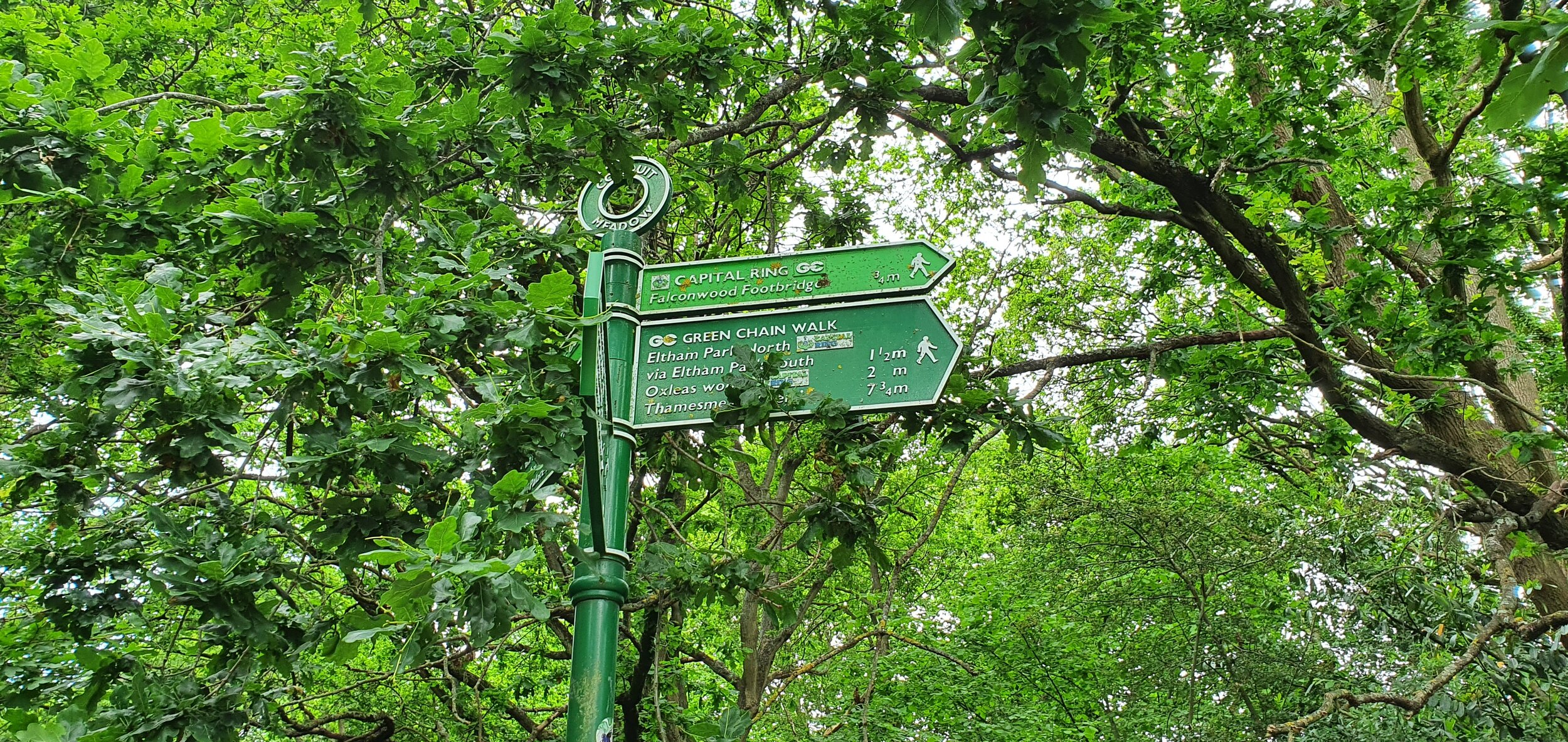
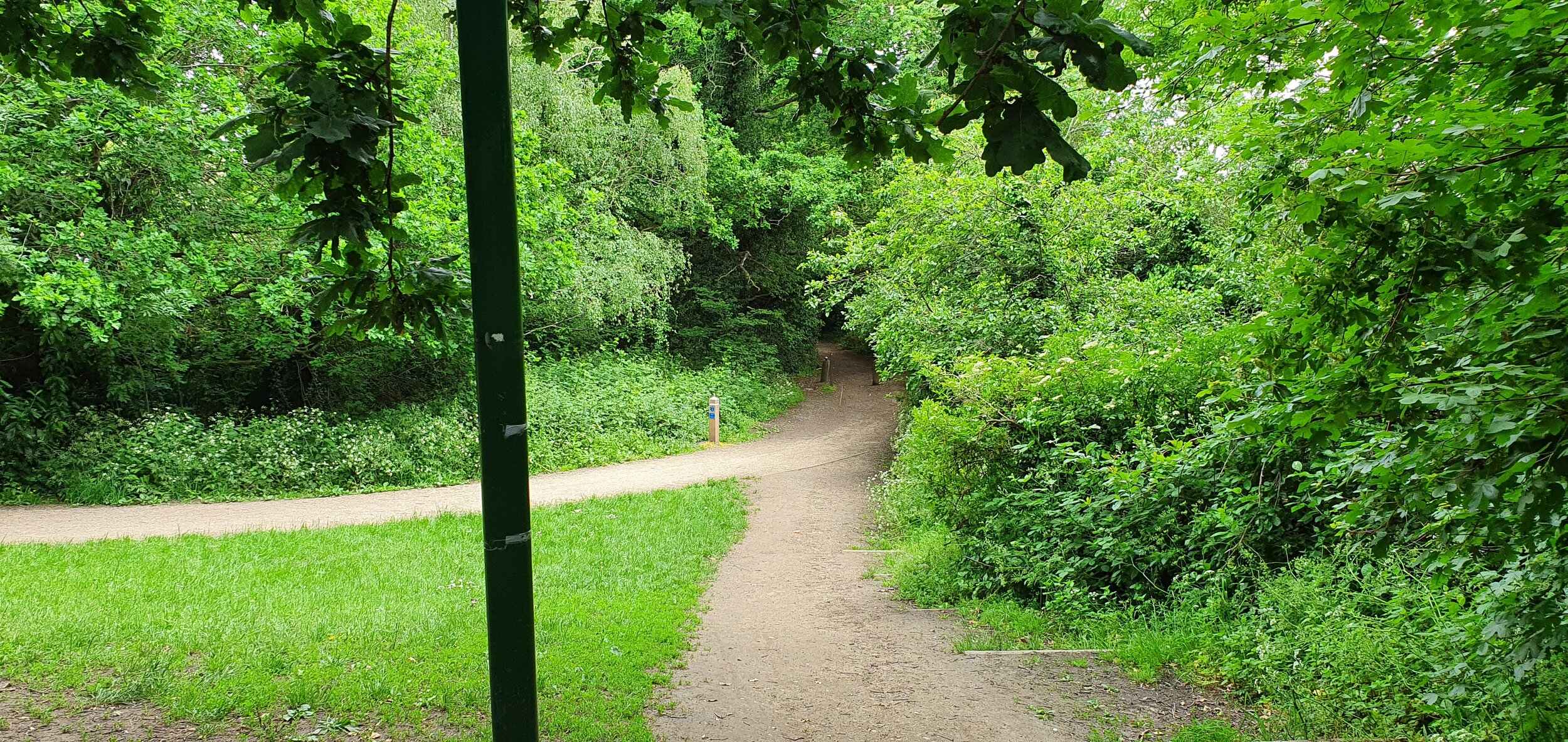
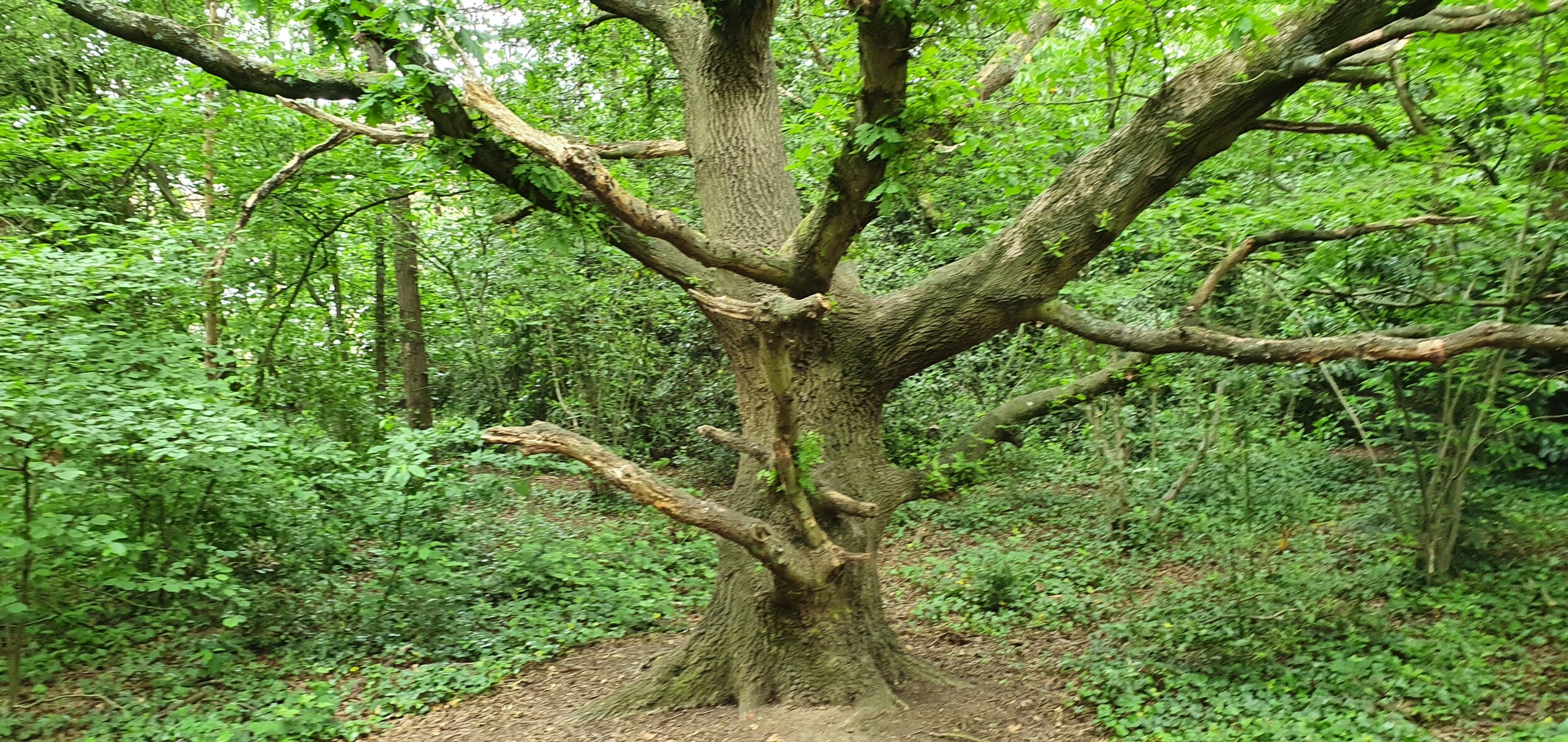
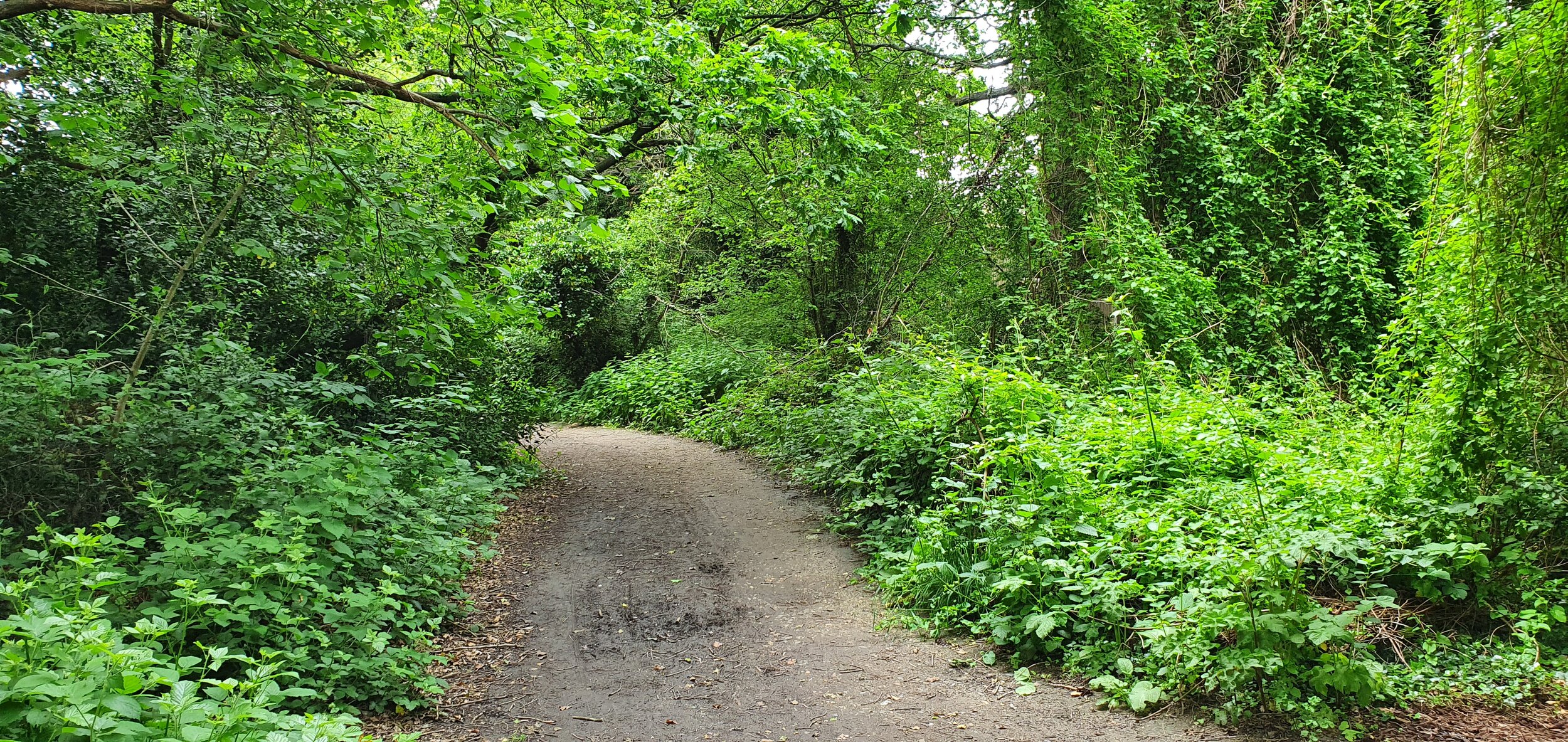
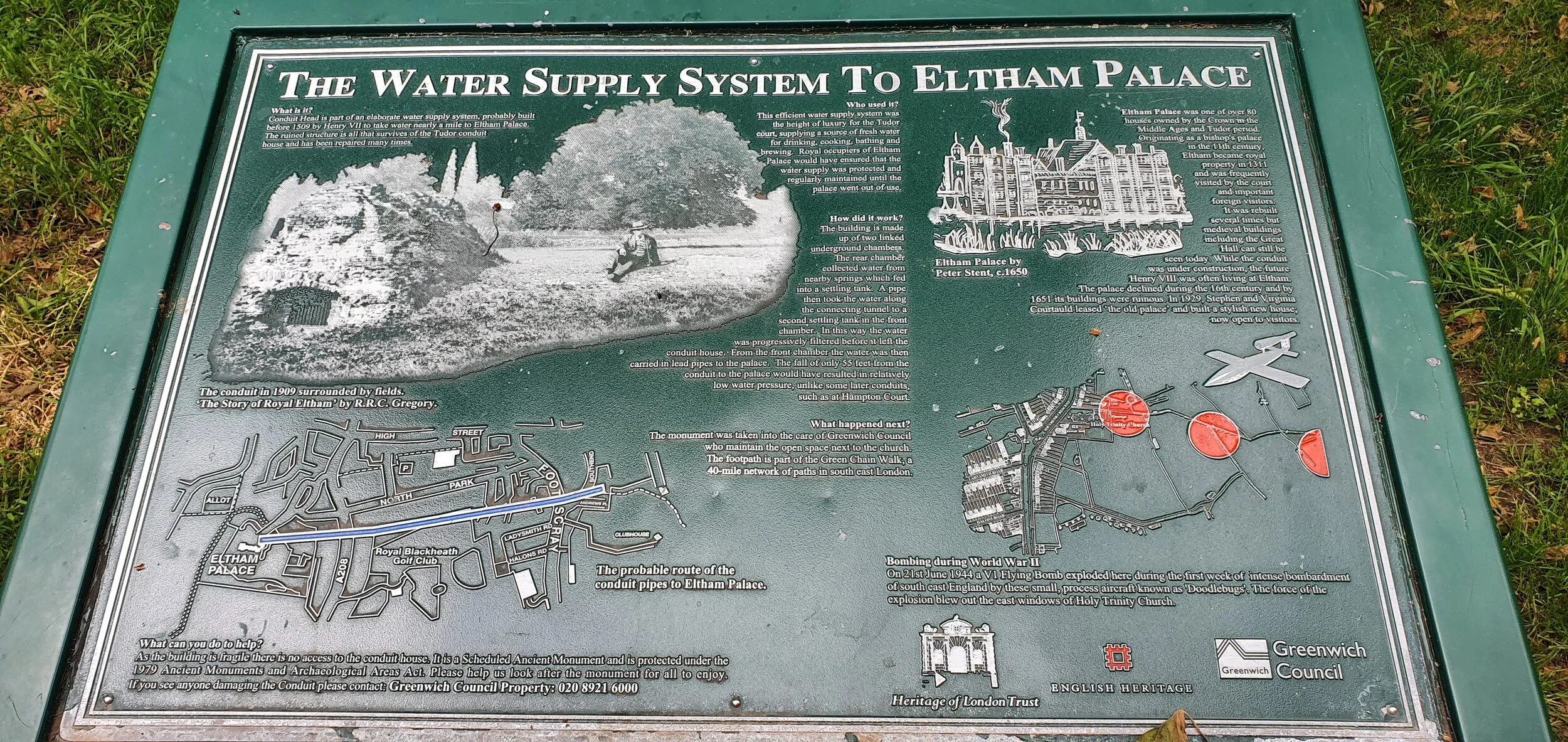
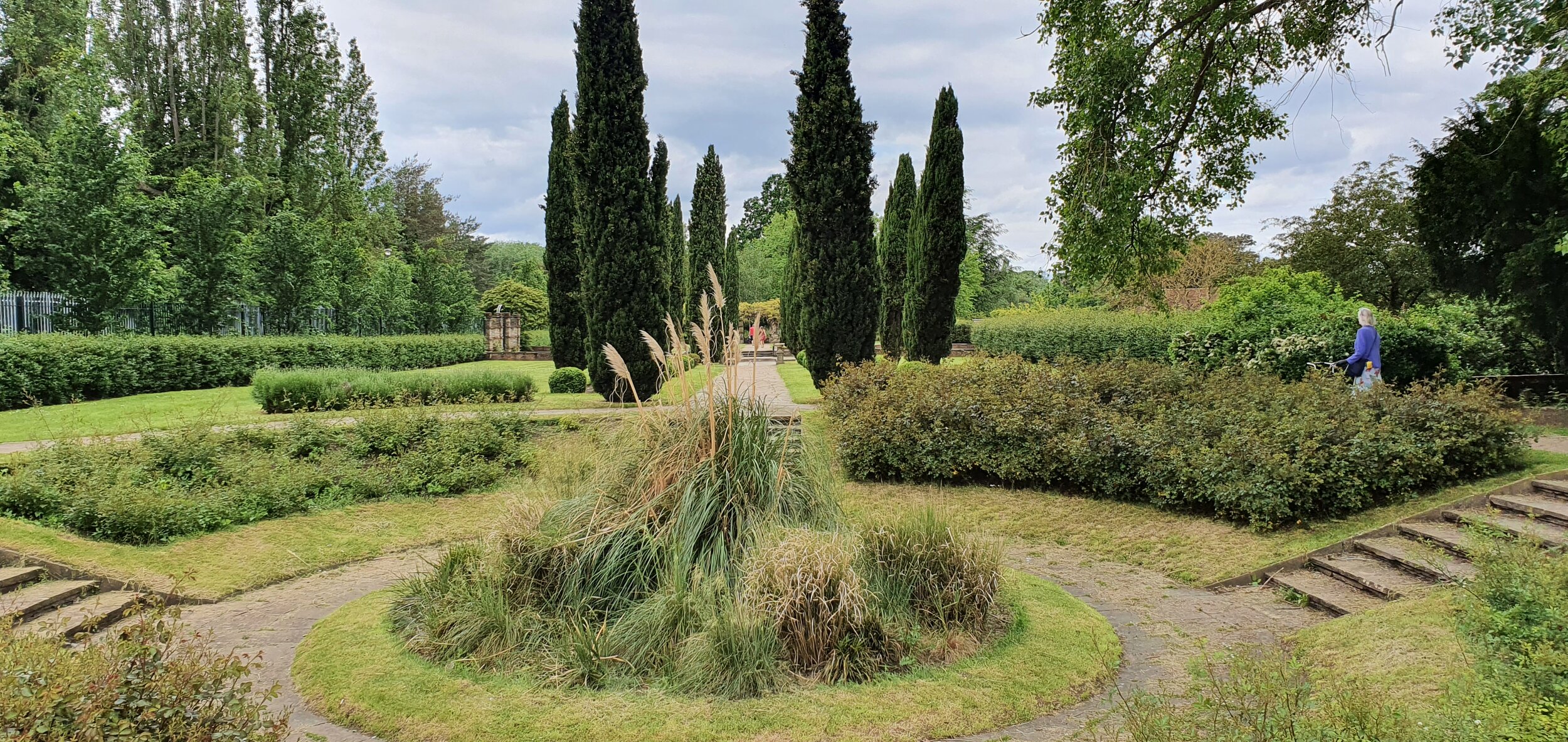
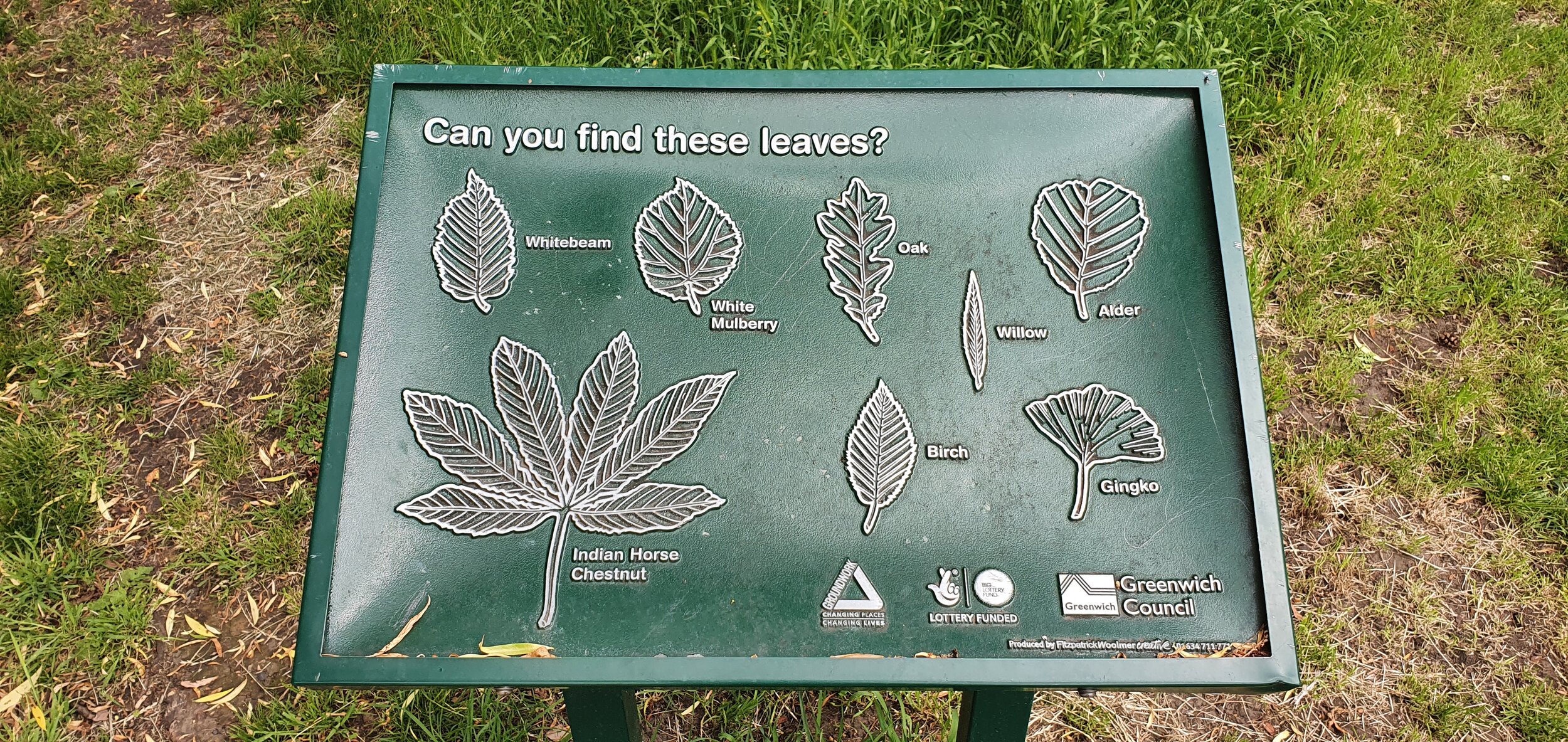
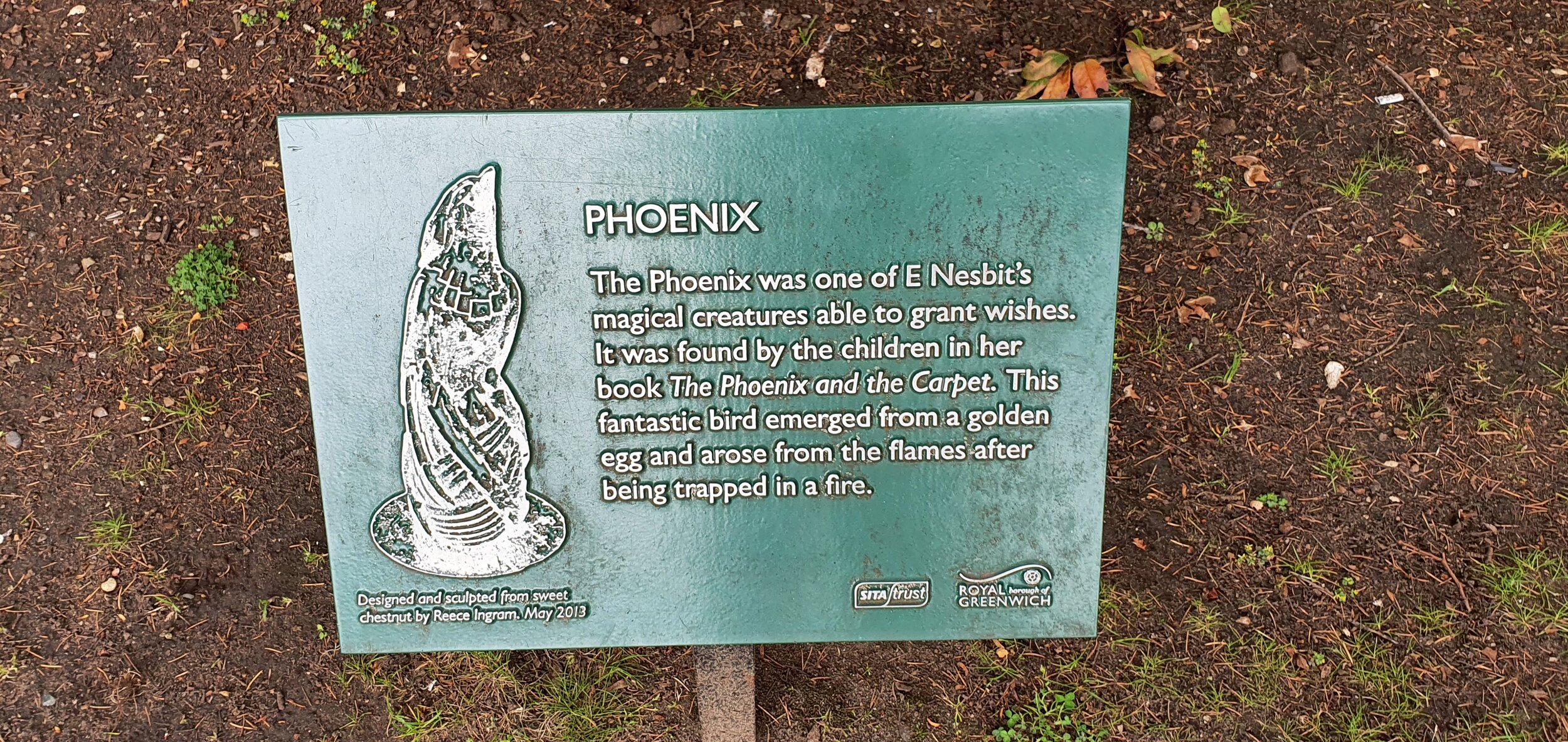
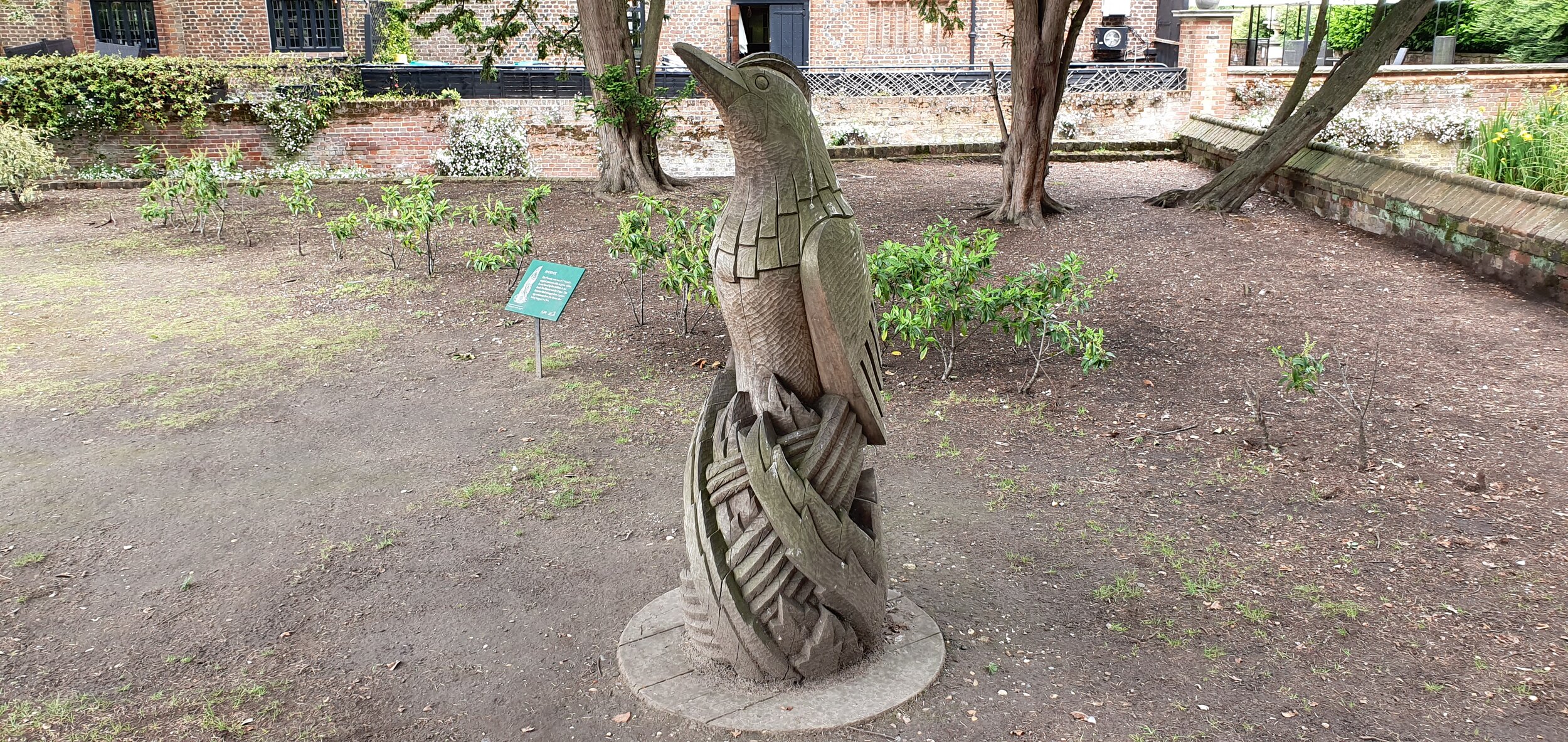
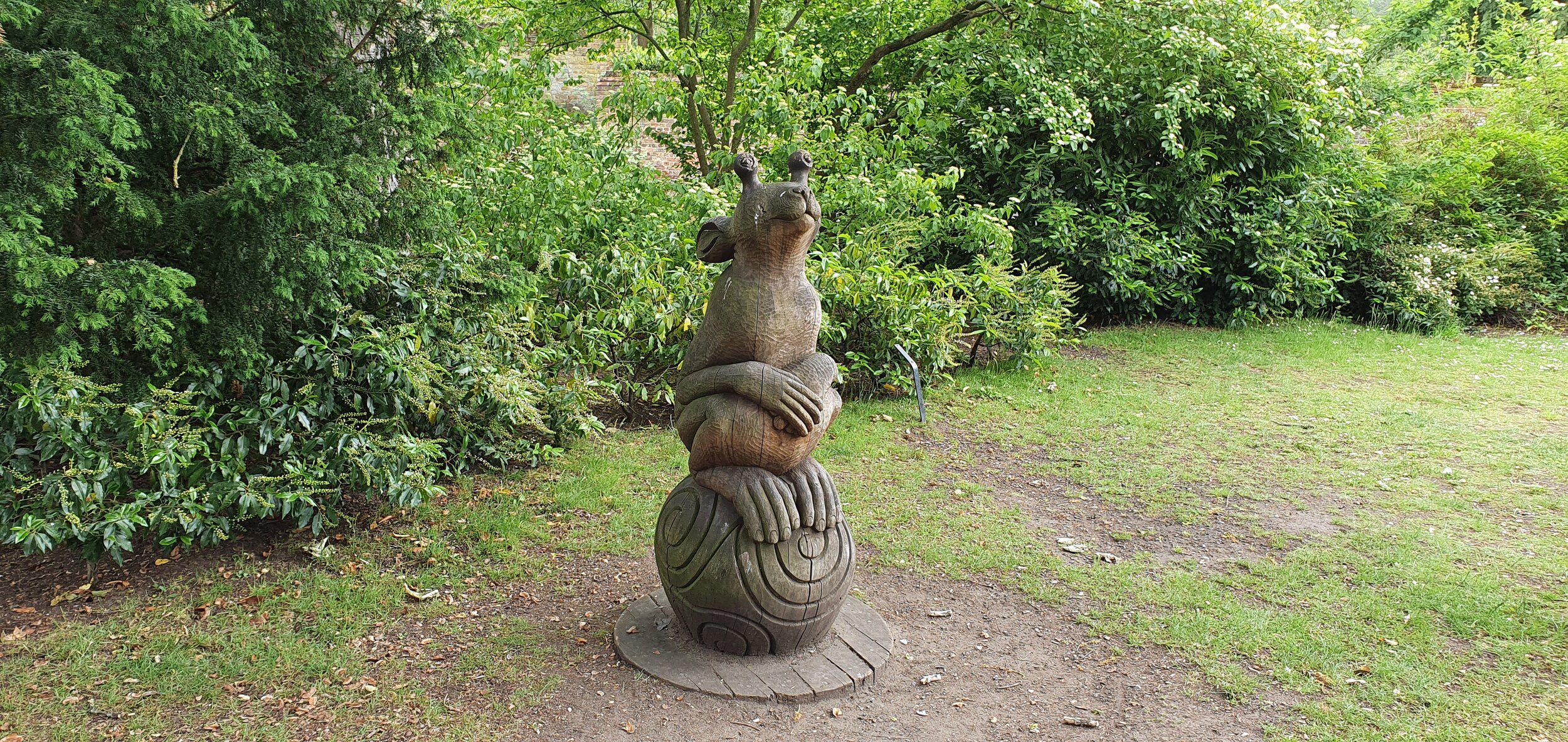
Today I visited the Inside Aardman: Wallace & Gromit and Friends exhibition at the Young V&A Museum at Bethnal Green. The exhibition which celebrates 50 years of Aardman Animations, provides visitors with a unique, behind the scenes view of the art of stop-motion animation. It also explores how Aardman’s iconic characters and worlds are designed, crafted and brought to life. From the initial concept artwork to the final visual effects, this event demonstrates the methods and techniques employed by Aardman. The exhibition features early scripts, sketch artists initial concept art, models, sets and numerous famous puppets. Furthermore this event is firmly pitched at children and families, with a wealth of interactive activities demonstrating the various techniques on display. The curators of the exhibition have also made it clear that they wish to encourage future generation to consider a career in the creative arts.
The Imperial War Museum serves as a national museum for Britain. Its main location is in London, complemented by five additional branches across England. Established in 1917 as the Imperial War Museum, its original purpose was to document the civil and military efforts and sacrifices made by the United Kingdom and its Empire during the First World War. Over time, the museum’s scope has broadened to encompass all conflicts involving British or Commonwealth forces since 1914. As of 2012, the museum’s mission is to provide and encourage the study and understanding of the history of modern warfare as well as the “wartime experience”. The IWM as it is now known has its headquarters and primary site is located at Southwark in Central London. The museum is funded by government grants, charitable donations and revenue generated through commercial activity such as retailing, licensing and publishing. General admission is free to IWM London.
Castle Farm is a family business located near the village of Shoreham in West Kent. The Alexander Family have been farming in the Darenth Valley since 1892 when James Alexander transported 17 milking cows from Ayrshire in Scotland and took up residence in this south-eastern part of England. Castle Farm is a busy, working farm comprising of 1,100 acres. It produces such crops as wheat, barley, rapeseed, hops, apples, pumpkins and lavender. It is also home to a grass-fed herd of beef cattle. However, in recent years it has become well know internationally for its lavender crop. Castle Farm began its lavender enterprise in 1998, producing the essential oils associated with the flower. It is now the largest lavender farm in the UK, growing over 110 acres of the flower. Furthermore, it has become quite a tourist attraction with the farm staff running tours during Summer and the height of lavender season.
Riverhill Himalayan Gardens are set in the grounds of Riverhill House, a Grade II listed Queen Anne manor house located on the southern edge of Sevenoaks in Kent, England. Riverhill is well known for its stunning and historic gardens as well as its sweeping vistas over the Weald of Kent. The estate has been the residence of the Rogers family since 1840 who currently operate the gardens as a tourist attraction, along with the house and associated facilities as a wedding venue. Visitors can enjoy a walled garden, rose walk and maze as well as other attractions. There is also an excellent trail around the grounds culminating in a view from the top of the hill over the estate. Riverhill Himalayan Gardens, as a supporter of the Surrey Sculpture Society, regularly showcases a selection of sculptures and art pieces throughout its grounds. All are available for purchase if you have deep pockets.
The Hunterian Museum is a museum of anatomical specimens in London, located in the prestigious building of the Royal College of Surgeons of England. The museum is made up primarily of a collection from the 18th century Scottish surgeon John Hunter. Over the years it has since been subsequently supplemented by Odontological material curated by A. E. W. Miles and various natural history exhibits from Richard Owen. In May 2023, the Hunterian Museum reopened following a five-year redevelopment of the Royal College of Surgeons of England’s headquarters at Lincoln’s Inn Fields. The £4.6 million museum project features the exhibition of more than 2,000 anatomical specimens from Hunter’s original collection. In addition to these there are instruments, equipment, models, paintings, and archival materials that document the evolution of surgery from ancient eras to contemporary robot-assisted procedures. The Museum boasts the largest public display of human anatomy in England.
The Crystal Palace Dinosaurs are a collection of sculptures depicting dinosaurs and other extinct species located in Crystal Palace Park, in the London borough of Bromley. These sculptures were originally commissioned in 1852 for display at the Crystal Palace following its relocation from the Great Exhibition held in Hyde Park. They were revealed to the public in 1854 and are the first speculative dinosaur sculptures ever created. Although the models are now considered inaccurate by contemporary standards, they were designed and crafted by Benjamin Waterhouse Hawkins under the scientific guidance of Sir Richard Owen, reflecting the prevailing scientific understanding of the time. The sculptures were designated as Grade II listed buildings in 1973 and underwent extensive restoration in 2002. In 2007 they were elevated to Grade I listed status. As of spring 2026 the dinosaurs are again being renovated as part of a £5 million regeneration of the park.
The benefits of international travel are numerous. These include stress relief, mental health benefits and a chance to escape the drudgery of work. Then there are the cultural aspects that you can immerse yourself in. Going abroad also allows you to learn new language skills as you awkwardly ask for directions. International travel is a chance to make lasting memories and it often gives the traveller a greater appreciation of their own home. At the very least the beer is always better abroad and that is the very definition of “broadening your horizons”. Yet despite all these positive points, there is one unavoidable hassle when comes with travelling abroad. The fact that the country or countries that you’re visiting will invariably use a different electrical plug and socket standard. In an age where a lot of the stuff you bring along with you on holiday needs charging, this can be a very stressful problem to solve.
I thoroughly enjoyed our holiday in Croatia last year and it did much to restore my confidence in travelling. Previously my views on visiting other countries had been greatly influenced by the films Raid on Entebbe and Midnight Express. As January was such a bleak month here in the UK, Mrs P and I decided we couldn’t wait until summer for another holiday and so decided to book something for the end of March. So we visited our local Travel Agents and decided upon a river cruise. We’ve been interested in these since we saw a travel show with Susan Calman. River cruises are a horse of a different colour, compared to sea cruises. They’re a great way to visit cities of note, often bringing you right into the heart of them. River cruise ships are a lot smaller with less passengers than ocean faring vessels. They also attract quite different travellers. Let it suffice to say that a sea cruise doesn’t offer the cultural experience that I am looking for.
There are approximately 4000 parks and green spaces in Greater London. Bexley Borough alone has over 100. Public parks and green spaces are vital to modern cities, providing essential health, environmental and social benefits. They boost physical and mental wellbeing by reducing stress and providing a place for exercise. Furthermore they enhance urban sustainability, mitigate heat, and provide a sustainable environment for a wildlife. Parks are often a venue for social activities and events and as such are an important part of the local community. Going to the park has always been a part of my life. I live next to Old Farm Park in Sidcup and have made use of this recreational space throughout my life. I used visit with my parents in the seventies, when I was a child. Thirty years later my son, father in-law and I would fly kites there. Now I take my grandchildren to Old Farm Park as it now has a playground.
There is no shortage of interesting and good quality museums in London. In many respects tourists and visitors are spoilt for choice. More often than not, it is the most well known institutions such as the British Museum or Victoria and Albert Museum that gain the most attention. However, there are many hidden gems to discover if you take the time to look further. A prime example being The British Optical Association Museum which I had the pleasure of visiting today. The museum’s function is to promote the optometry profession and raise public awareness of its past and ongoing role within society. The museum has a well conserved collection of exhibits and provides a venue for presentations, learning and research services. There is also an excellent tour hosted by museum curator Neil Handley (PhD, AMA, FRSA) in which he gives a concise, interesting and at times a witty overview of the history of optometry in the UK and its current role.
The artillery battery at Capel-le-Ferne was built between 1941 and 1942, following the fall of France, on the orders of Winston Churchill. Located between Dover and Folkestone, the battery consisted of three 8-inch high-performance guns, provided by the Royal Navy. The battery was intended to provide anti-shipping defence in the English Channel. The site was manned by men of the 520 Coast Regiment Royal Artillery. Over the course of World War II, the battery expanded in size, eventually encompassing multiple Nissen huts, several roads and 19 military buildings. Anti aircraft defence was provided by two 40mm Bofors guns. Over the course of the war, the Capel Battery engaged enemy shipping on four separate occasions and also took part in fifteen practice shoots. In 1944, due to the decreased threat, the battery was placed in “care and maintenance”. The guns were removed in 1952 and the building demolished in the early 1980s
There are an estimated 2,500 museums in the UK. This number has grown significantly over time, more than tripling between 1960 and 2017. While it is laudable that so many of these institutions exist, they do not all receive equal interest or publicity. Some museums dominate in their respective fields and drown out others that have a similar theme. With this in mind, I was unaware of the Kent Battle of Britain Museum until a friend recently brought it to my attention. After yesterday’s visit my initial thoughts are what a treasure trove it is. According to the museum’s website it is the world’s largest Battle of Britain collection of memorabilia. This includes planes, uniforms, weapons and related artefacts from over 700 crashed aircraft. Furthermore, the museum tells the story of this battle without bias, choosing to highlight both the historical and the human aspects of the conflict. It is often very poignant.
Stonehenge is so much more than just a neolithic, historical structure of note. It is of great spiritual importance to many, representing ceremonial practices and ancient worship. It is also seen as a conduit to a wider connection to the cosmos. It is after all a celestial calendar, according to one of the theories regarding its purpose. It also has a strong significance in pop culture. Hence, due to its history, symbolism, religious connotations and overall sense of mystery it is a UNESCO World Heritage Site and a globally recognised symbol of ancient Britain. As such, it has always been somewhere that I have wished to visit. Today, as we were relatively nearby in Ringwood and the weather was pleasant, Mrs P and I decided to go to Salisbury and see this iconic structure for ourselves.
I enjoy visiting the coast. I always have. I find the sight and sounds of the sea very calming and thought provoking. There is something about seeing the ocean stretch out to the horizon and its implied enormity, that gives you a sense of perspective. The UK is a seafaring nation and therefore it is an integral part of our history and national identity. Hence a strong nautical theme and a sense of its importance has bled through into our popular culture. It is therefore quite common for people to have a positive attitude towards the sea and its associated leisure activities. I like to visit the coast at various times of the year and walk along the beach, just listening to the waves, lost in my own thoughts. This is not a hard thing to do in the UK, as no one lives further than 70 miles (113 kilometers) from the coast.
Knole is a country house in England and a former archbishop’s palace that is currently owned by the National Trust. It is located within Knole Park, a 1,000-acre (400-hectare) estate that lies to the south-east of Sevenoaks in west Kent. The existing structure of the house dates back to the mid-15th century, although there were significant expansions in the 16th and particularly in the early 17th centuries. Its Grade I listing signifies its combination of late-medieval to Stuart architectural styles. This is especially evident in its central façade and state rooms. In 2019, a comprehensive conservation initiative titled “Inspired by Knole” was completed to restore and enhance the buildings’ structures. This was beneficial to the preservation of its significant collections. The adjacent deer park has also endured since 1600.
Mrs P and I travelled to Croatia on Friday 13th June for our summer holiday. We spent one week in Makarska, which is located on the Dalmatian coast. My last international holiday was to Malta in 2004. Since then we have done a lot of travelling in the UK and Mrs P has vacationed abroad with other family members. However, she stated last September that she wanted to go “somewhere warm” for our next holiday. So this trip was booked and has been “something to look forward to”, or a source of stress slowly inching closer, depending upon your perspective. In many respects this holiday has been a big deal for me. I don’t enjoy travelling at all with all its accompanying logistical, bureaucratic and “people” issues. However, I have no problem with being elsewhere. I eagerly await teleportation technology to become commonplace. Once I arrived at our hotel, I quickly switched to holiday mode and I am happy to confirm that I thoroughly enjoyed myself.
Emmetts Garden is an Edwardian estate situated on Ide Hill, close to Sevenoaks in Kent, UK. After a long and interesting history it is currently under the stewardship of the National Trust. Originally open farmland, the existing house was constructed in1860. The term “emmett” is a local dialect for ant, referencing the large anthills that populated the area until the 1950s. In 1890, the estate was acquired by Frederic Lubbock, a banker with a keen interest in horticulture. His elder brother, John Lubbock, 1st Baron Avebury, was a renowned authority on ants, which may have influenced Frederic's decision to purchase the estate. Today Emmetts Garden is open to the public and features several “hortus conclusus” (walled gardens) and a hillside trail that is famous for its Bluebells in the spring.
Damerham is a quaint rural village and civil parish located in the New Forest district of Hampshire, England. It is close to the market town of Fordingbridge. Damerham is distinguished by significant Neolithic and Bronze Age burial mounds. Historically, it was home to an Anglo-Saxon religious community and was referenced in the will of Alfred the Great, as it was at that time part of the royal estate. At the time of the Domesday Book in 1086, Damerham was recognized as a prominent settlement under the ownership of Glastonbury Abbey. It was mainly farms and agrarian small holdings. Today, the village still features a riverside mill and the church of Saint George date’s back to the Norman period. There is a church hall that hosts numerous local, seasonal events.
Bodiam Castle is a 14th-century moated castle located near Robertsbridge in East Sussex, England. It was built in 1385 by Sir Edward Dalyngrigge, a former knight of King Edward III. The castle’s primary purpose was to defend the local area against possible French invasion during the Hundred Years' War. Bodiam Castle has a quadrangular design and does not have a keep. All the various chambers and rooms were built adjacent to the outer defensive walls. The four corners and main entrance have towers, all of which feature crenellations. A substantial moat surrounds the castle, which served as a home for the Dalyngrigge family, as well as a seat of power to the manor of Bodiam. The castle remained within the Dalyngrigge family until the line became extinct. It remained a place of strategic importance during the War of the Roses and the English Civil War. It is currently owned and maintained by The National Trust.
Today I went on an impromptu visit to Brompton Cemetery in West London. Established in 1837, the West of London and Westminster Cemetery (as it was originally known) is a private cemetery initially created as a business venture to capitalise upon the shortage of cemeteries within London. It also sought to cater to the prevailing culture of opulent Victorian funeral rites. However, after proving non profitable, the cemetery was bought by the UK government. It was subsequently incorporated into Crown Property and managed by The Royal Parks. It is one of Britain’s oldest and most distinguished garden cemeteries. There are currently 35,000 monuments, ranging from simple headstones to impressive mausolea. It is home to more than 205,000 resting places. The cemetery is also a haven for flora and fauna, providing a substantial semi rural environment amid urban central London.
Christmas Tree Farm is a petting zoo, outside the village of Downe in the county of Kent. Despite its rural setting, it is actually only 15 miles from London, making it an ideal visit, as part of a day. The farm is home to a wide selection of domestic farm animals (and a few more exotic ones), all of which can be fed, stroked and lavished with attention by visitors. During the winter months, Christmas Tree Farm hosts Santa’s Grotto and as the name suggests is the place to find the perfect Christmas tree for your home. Entry prices are very reasonable, costing £6 per adult and £4 for children aged between 2 and 16 years old. Buckets of animal feed of varying size are also available for a small fee. There is a leisurely trail around the farm where the various animals are housed in pens and out buildings. There is also a Tea Garden where refreshments are available.
In 1939 legislation was passed in the UK so that all employees had one week’s annual paid holiday per year. By the 1950s this had become two weeks and by the 1980s most people had at least 4 weeks of annual holiday. On top of this paid leave allocation, the UK currently has 8 bank holidays which provides further time off for employees. This culture of increasing amounts of annual leave also broadly coincided with air travel becoming more accessible. The first UK passenger jet service began in 1952. However, its cost excluded most people. However, as larger airliners with increased range became available, cheaper foreign holidays became more and more economically viable. European holidays became a reality in the 1960s and 1970s. By the 1980s long-distance holidays to other continents became ubiquitous and the package holiday became king. It is also worth noting that the Channel Tunnel opened in 1994, making car travel from Britain to Europe easier and more popular.
Today I had the pleasure of visiting the Whitstable Museum (or to give its full name Whitstable Community Museum and Gallery). This is a fine example of a local heritage centre that curates and displays artefacts and records that reflect the history and culture of the surrounding area. The museum located in Whitstable, Kent, is home to one of the world's oldest steam engines, as well as historical diving equipment that was developed locally. The history of the local oyster trade which has been an integral part of the community for centuries is also a key feature. Established in 1985, the museum was reopened in 2015 following a major refurbishment. There is also an art gallery featuring the paintings by local artists and artworks on loan from an international network of galleries.

It's Creator Appreciation Week (August 13th – August 19th) for those participating in Blaugust: Festival of Blogging 2023. What does that mean in plain English? It means I am going to write a post specifically about someone or a group of people who create content that I enjoy. Now that is not a short list. I subscribe to dozens of YouTube channels and even more blogs via Feedly. However, it is not practical to try and write about all of these. So I have had to think long and hard about selecting one creator to highlight. It’s quite a difficult choice because I enjoy a multitude of content for different reasons. However, I have chosen one which regularly keeps me entertained, has a good community associated and also offers an element of interaction which is quite unique. It is this last factor which has tipped the balance.
Eltham Palace, located in South East London, was the childhood home of King Henry VIII in 1499. It was later used as a royal nursery for the infant Princess Elizabeth, born on 7th September 1533. It sports sumptuous grounds and ornamental gardens and was famous for its game hunting during the Tudor and Elizabethan periods. In the 1930s’ the property was owned by the Courtauld family, who built a sumptuous Art Deco style mansion and redeveloped the grounds. Today the entire property is owned and managed by English Heritage who have extensively restored much of the estate. It is therefore very fitting that this illustrious venue annually plays host to the Legendary Medieval Joust, during the summer months. Two days of historical pageantry, re-enactments and events for the entire family to enjoy. I last attended in 2015, so it was a welcome pleasure to return again yesterday.
Morph’s Epic Art Adventure in London is a step-free art trail and tourist attraction featuring the iconic animated character Morph. It is hosted by charitable organisation Whizz-Kidz, global event producers Wild in Art and Aardman. The trail features 56 super-sized sculptures of the much-loved children’s TV character, which are set among various iconic London landmarks including St Pauls, Tate Modern, Tower of London, Shakespeare’s Globe and Borough Market. It is a free public art trail and tourist attraction, designed by a variety of artists to excite and inspire people of all ages, whilst increasing public awareness about the need for young wheelchair users to be mobile, enabled and included in society. Morph’s Epic Art Adventure in London runs from June 19th until August 20th 2023.
Regardless of whether you deem the IFS Cloud Cable Car a white elephant, a political folly or just a mistake in terms of tourism, it cannot be denied that the view it provides over South East London is impressive. At a height of 90 metres (300 feet), on a bright and sunny day you can see from City Airport to Canary Wharf. Located at Greenwich Peninsula, the IFS Cloud Cable Car (as it is now called) opened in June 2012. It was initially promoted as a viable form of public transport across the Thames, linking North Greenwich and Royal Victoria stations. In October 2012, nearly 100,000 journeys were made. However, after the London Olympics, passenger rates fell and since then IFS Cloud Cable Car has become more of a tourist attraction, rather than an integral means of commuting.
To my surprise I found myself out and about today undertaking another day trip. This time we headed back to the sea and visited Whitstable, a town on the north coast of Kent adjoining the Greater Thames Estuary. It’s 5 miles (8 kilometres) north of Canterbury and 2 miles (3 kilometres) west of Herne Bay. The town was originally recorded in the Domesday Book of 1086, under the name Witenestaple, meaning "the meeting place of the white post", a reference to a local landmark. By the late middle ages Whitstable had become a centre of Thames Estuary fishing, specifically for oysters. Today, the main activities at the harbour are fishing and processing, cargo handling and boat maintenance. The town has shingle/sandy beaches adjacent to the harbour, where swimming and water sports are popular. Whitstable Castle is situated on the border of Whitstable and off the coast is Kentish Flats offshore wind farm, consisting of 30 wind turbines.
Shorne
Due to the surprisingly good weather, Mrs P and I paid an impromptu visit to the village of Shorne in Kent yesterday. It’s a small community about 3 miles east of Gravesend. Where most of the new houses are located in a shallow valley, the old village is built upon higher ground and has a great view of the Thames Estuary, stretching from Gravesend to Southend-on-sea. Shorne Wood Country Park is also nearby. This area of woods was once part of the large Cobham Hall Estate. In 1987 it came into the ownership of Kent County Council and was redeveloped for public use. There are several places of interest in Shorne such as Mill Cottages, Mill House and the remains of Shorne Mill. There are also some ancient barrows dating from Neolithic period. However, we had come specifically to visit St Peter and St Paul Church and place flowers on a friend’s grave.
Due to the surprisingly good weather, Mrs P and I paid an impromptu visit to the village of Shorne in Kent yesterday. It’s a small community about 3 miles east of Gravesend. Where most of the new houses are located in a shallow valley, the old village is built upon higher ground and has a great view of the Thames Estuary, stretching from Gravesend to Southend-on-sea. Shorne Wood Country Park is also nearby. This area of woods was once part of the large Cobham Hall Estate. In 1987 it came into the ownership of Kent County Council and was redeveloped for public use. There are several places of interest in Shorne such as Mill Cottages, Mill House and the remains of Shorne Mill. There are also some ancient barrows dating from Neolithic period. However, we had come specifically to visit St Peter and St Paul Church and place flowers on a friend’s grave.
St Peter and St Paul Church dates back to Saxon era, although the site has been extended several times over the years. The north aisle was built around the end of the twelfth century. Randall Chapel on the south side of the chancel was added in the late thirteenth century. The south aisle to the nave and its arcade were built in the fifteenth century as were the tower and porch. The Church also boasts some fine stained glass circa eighteen hundred and an opulent font with seven carved panels. The churchyard is still open for burials and had a recent extension in 2000. The older parts have graves dating back three hundred years. The village war memorial stands just inside the main gate. At present the church is having the roof retiled and the exterior is partially obscured by scaffolding. However, all services are being maintained and the visitors are still welcome.
We spent a very pleasant morning in Shorne. After visiting the churchyard we took a leisurely stroll around the village, taking in the various sites. There are several timbered cottages of note and Crown Lane commands a great view over the fields leading down to the estuary. The roads are somewhat steep and there are a few places where the narrow roads are without any pavement, so it is wise to keep on the right, facing the oncoming traffic. After some sight seeing we visited the Rose and Crown; a friendly local pub which dates back to the reign of Henry VII. This is very much the epitome of a rural “public houses” with low timbered ceilings and sedate atmosphere. The perfect place to pause and reflect after a mornings walking. Overall, Shorne is well worth a visit, especially for those who are interested in church history and architecture as well as country walks.
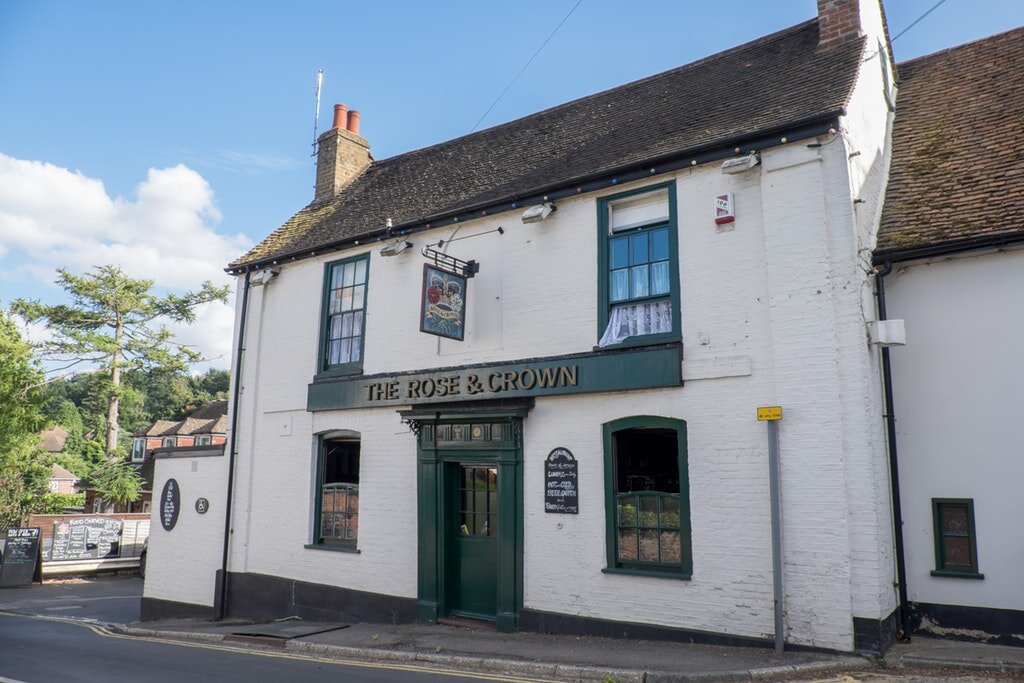
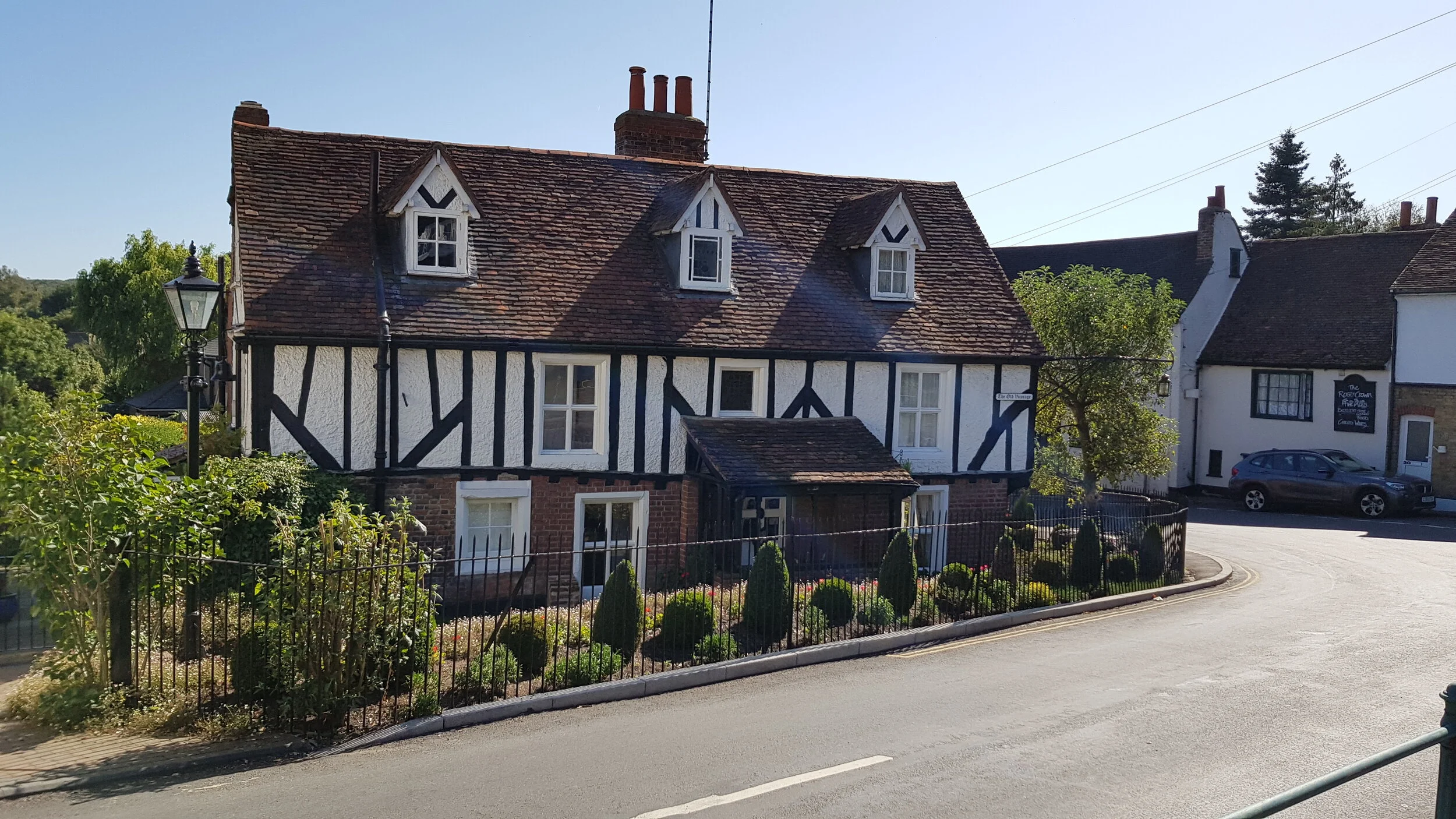
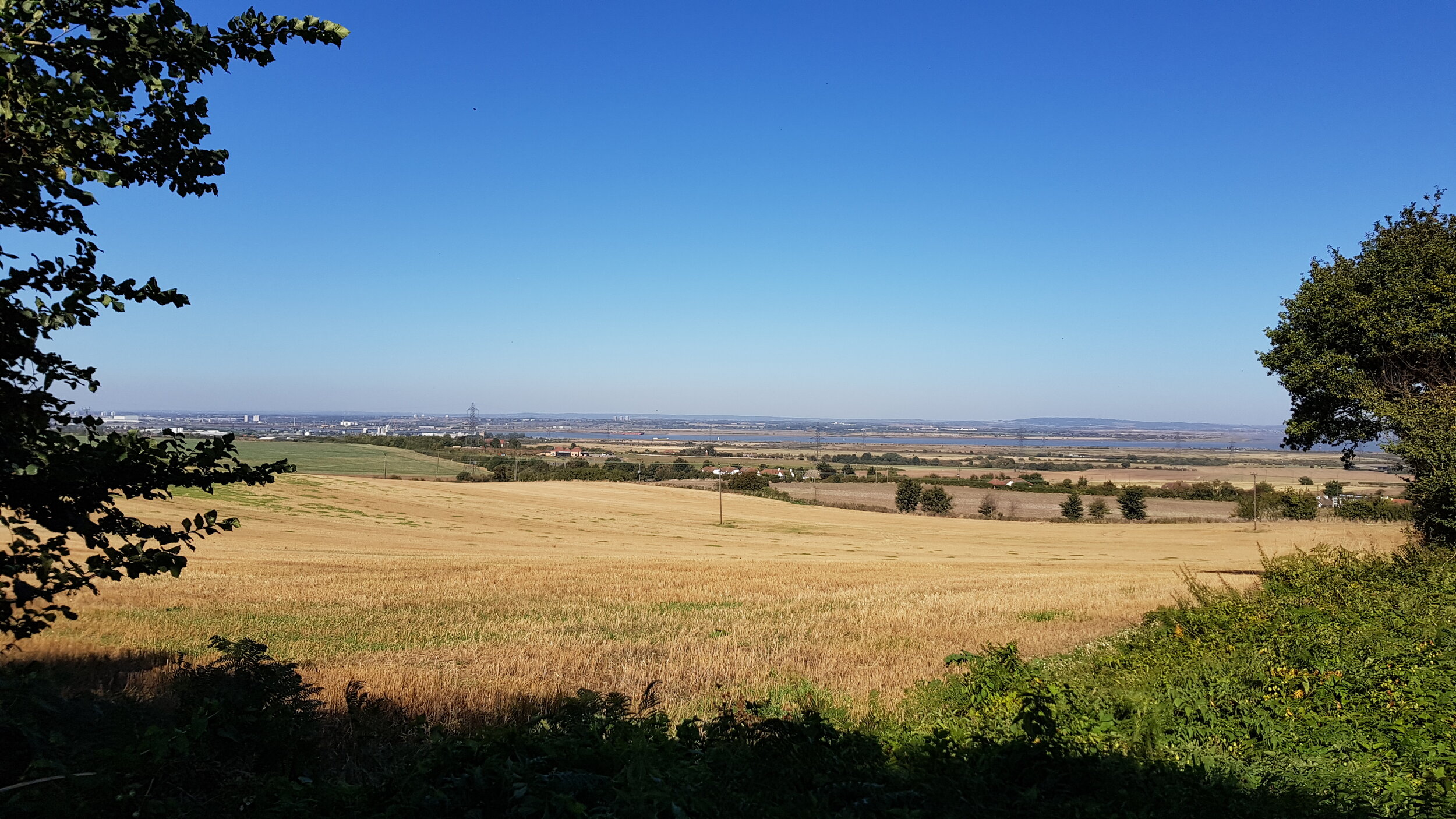
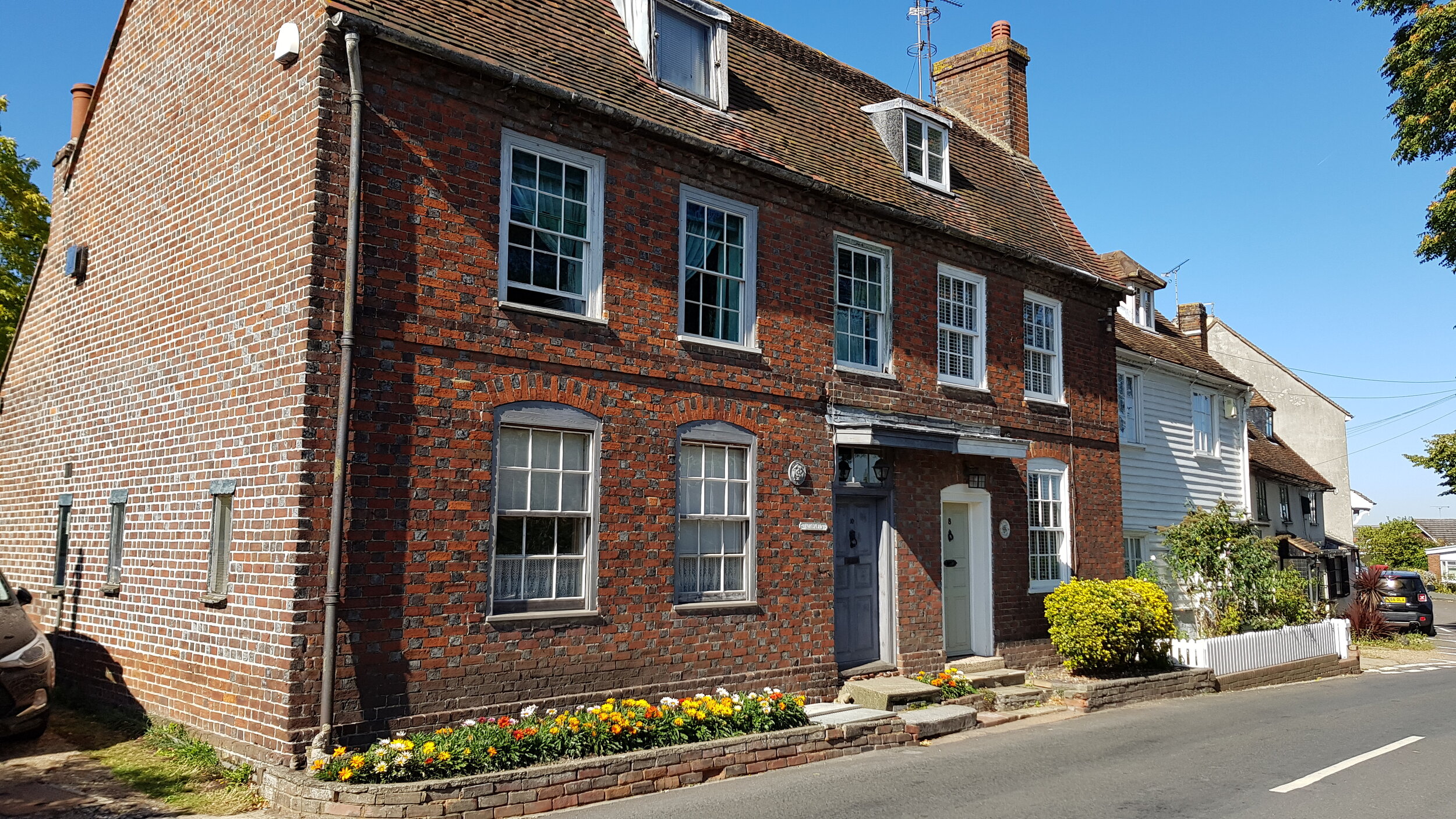
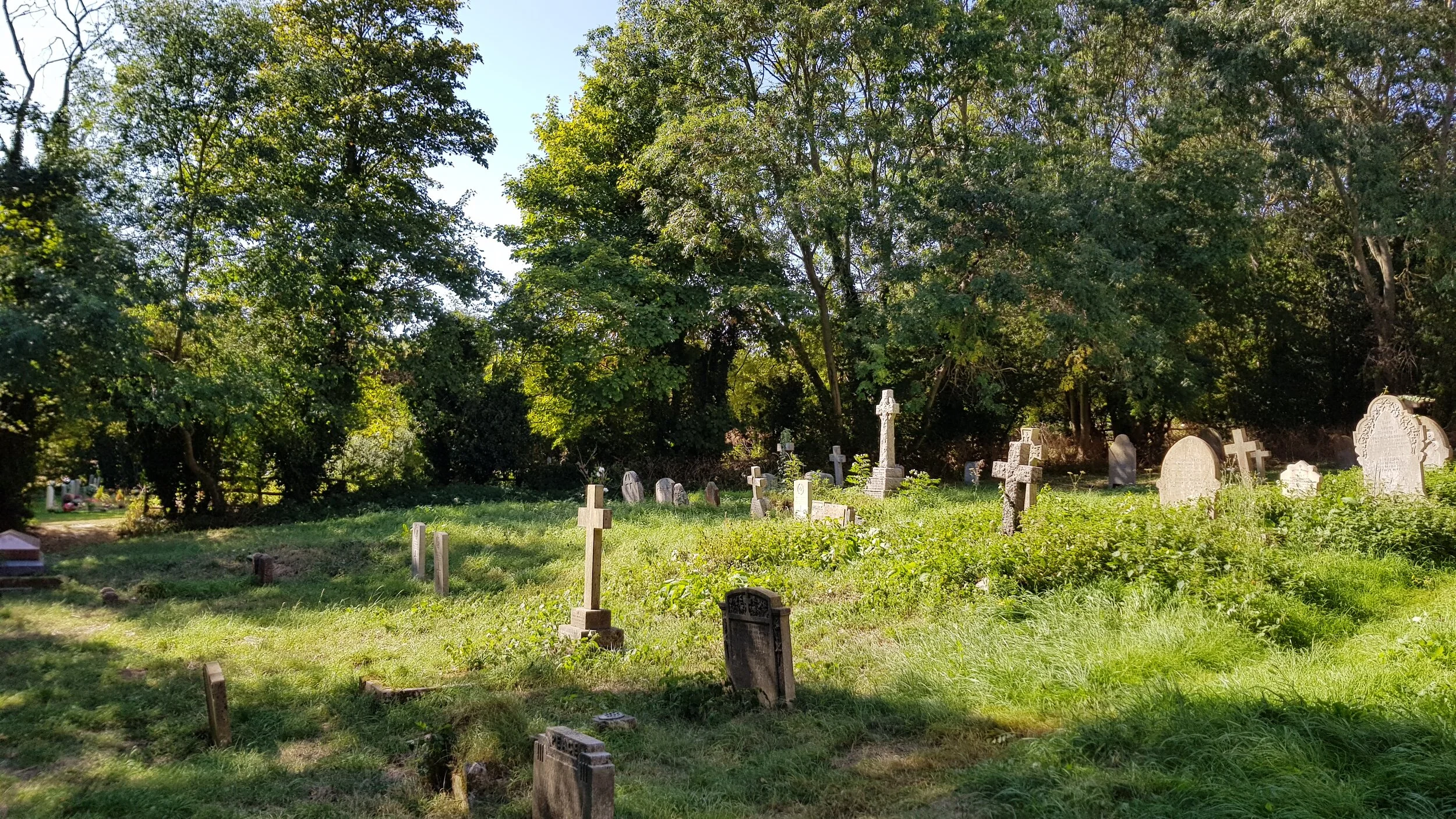
Today I visited the Inside Aardman: Wallace & Gromit and Friends exhibition at the Young V&A Museum at Bethnal Green. The exhibition which celebrates 50 years of Aardman Animations, provides visitors with a unique, behind the scenes view of the art of stop-motion animation. It also explores how Aardman’s iconic characters and worlds are designed, crafted and brought to life. From the initial concept artwork to the final visual effects, this event demonstrates the methods and techniques employed by Aardman. The exhibition features early scripts, sketch artists initial concept art, models, sets and numerous famous puppets. Furthermore this event is firmly pitched at children and families, with a wealth of interactive activities demonstrating the various techniques on display. The curators of the exhibition have also made it clear that they wish to encourage future generation to consider a career in the creative arts.
The Imperial War Museum serves as a national museum for Britain. Its main location is in London, complemented by five additional branches across England. Established in 1917 as the Imperial War Museum, its original purpose was to document the civil and military efforts and sacrifices made by the United Kingdom and its Empire during the First World War. Over time, the museum’s scope has broadened to encompass all conflicts involving British or Commonwealth forces since 1914. As of 2012, the museum’s mission is to provide and encourage the study and understanding of the history of modern warfare as well as the “wartime experience”. The IWM as it is now known has its headquarters and primary site is located at Southwark in Central London. The museum is funded by government grants, charitable donations and revenue generated through commercial activity such as retailing, licensing and publishing. General admission is free to IWM London.
Castle Farm is a family business located near the village of Shoreham in West Kent. The Alexander Family have been farming in the Darenth Valley since 1892 when James Alexander transported 17 milking cows from Ayrshire in Scotland and took up residence in this south-eastern part of England. Castle Farm is a busy, working farm comprising of 1,100 acres. It produces such crops as wheat, barley, rapeseed, hops, apples, pumpkins and lavender. It is also home to a grass-fed herd of beef cattle. However, in recent years it has become well know internationally for its lavender crop. Castle Farm began its lavender enterprise in 1998, producing the essential oils associated with the flower. It is now the largest lavender farm in the UK, growing over 110 acres of the flower. Furthermore, it has become quite a tourist attraction with the farm staff running tours during Summer and the height of lavender season.
Riverhill Himalayan Gardens are set in the grounds of Riverhill House, a Grade II listed Queen Anne manor house located on the southern edge of Sevenoaks in Kent, England. Riverhill is well known for its stunning and historic gardens as well as its sweeping vistas over the Weald of Kent. The estate has been the residence of the Rogers family since 1840 who currently operate the gardens as a tourist attraction, along with the house and associated facilities as a wedding venue. Visitors can enjoy a walled garden, rose walk and maze as well as other attractions. There is also an excellent trail around the grounds culminating in a view from the top of the hill over the estate. Riverhill Himalayan Gardens, as a supporter of the Surrey Sculpture Society, regularly showcases a selection of sculptures and art pieces throughout its grounds. All are available for purchase if you have deep pockets.
The Hunterian Museum is a museum of anatomical specimens in London, located in the prestigious building of the Royal College of Surgeons of England. The museum is made up primarily of a collection from the 18th century Scottish surgeon John Hunter. Over the years it has since been subsequently supplemented by Odontological material curated by A. E. W. Miles and various natural history exhibits from Richard Owen. In May 2023, the Hunterian Museum reopened following a five-year redevelopment of the Royal College of Surgeons of England’s headquarters at Lincoln’s Inn Fields. The £4.6 million museum project features the exhibition of more than 2,000 anatomical specimens from Hunter’s original collection. In addition to these there are instruments, equipment, models, paintings, and archival materials that document the evolution of surgery from ancient eras to contemporary robot-assisted procedures. The Museum boasts the largest public display of human anatomy in England.
The Crystal Palace Dinosaurs are a collection of sculptures depicting dinosaurs and other extinct species located in Crystal Palace Park, in the London borough of Bromley. These sculptures were originally commissioned in 1852 for display at the Crystal Palace following its relocation from the Great Exhibition held in Hyde Park. They were revealed to the public in 1854 and are the first speculative dinosaur sculptures ever created. Although the models are now considered inaccurate by contemporary standards, they were designed and crafted by Benjamin Waterhouse Hawkins under the scientific guidance of Sir Richard Owen, reflecting the prevailing scientific understanding of the time. The sculptures were designated as Grade II listed buildings in 1973 and underwent extensive restoration in 2002. In 2007 they were elevated to Grade I listed status. As of spring 2026 the dinosaurs are again being renovated as part of a £5 million regeneration of the park.
The benefits of international travel are numerous. These include stress relief, mental health benefits and a chance to escape the drudgery of work. Then there are the cultural aspects that you can immerse yourself in. Going abroad also allows you to learn new language skills as you awkwardly ask for directions. International travel is a chance to make lasting memories and it often gives the traveller a greater appreciation of their own home. At the very least the beer is always better abroad and that is the very definition of “broadening your horizons”. Yet despite all these positive points, there is one unavoidable hassle when comes with travelling abroad. The fact that the country or countries that you’re visiting will invariably use a different electrical plug and socket standard. In an age where a lot of the stuff you bring along with you on holiday needs charging, this can be a very stressful problem to solve.
I thoroughly enjoyed our holiday in Croatia last year and it did much to restore my confidence in travelling. Previously my views on visiting other countries had been greatly influenced by the films Raid on Entebbe and Midnight Express. As January was such a bleak month here in the UK, Mrs P and I decided we couldn’t wait until summer for another holiday and so decided to book something for the end of March. So we visited our local Travel Agents and decided upon a river cruise. We’ve been interested in these since we saw a travel show with Susan Calman. River cruises are a horse of a different colour, compared to sea cruises. They’re a great way to visit cities of note, often bringing you right into the heart of them. River cruise ships are a lot smaller with less passengers than ocean faring vessels. They also attract quite different travellers. Let it suffice to say that a sea cruise doesn’t offer the cultural experience that I am looking for.
There are approximately 4000 parks and green spaces in Greater London. Bexley Borough alone has over 100. Public parks and green spaces are vital to modern cities, providing essential health, environmental and social benefits. They boost physical and mental wellbeing by reducing stress and providing a place for exercise. Furthermore they enhance urban sustainability, mitigate heat, and provide a sustainable environment for a wildlife. Parks are often a venue for social activities and events and as such are an important part of the local community. Going to the park has always been a part of my life. I live next to Old Farm Park in Sidcup and have made use of this recreational space throughout my life. I used visit with my parents in the seventies, when I was a child. Thirty years later my son, father in-law and I would fly kites there. Now I take my grandchildren to Old Farm Park as it now has a playground.
There is no shortage of interesting and good quality museums in London. In many respects tourists and visitors are spoilt for choice. More often than not, it is the most well known institutions such as the British Museum or Victoria and Albert Museum that gain the most attention. However, there are many hidden gems to discover if you take the time to look further. A prime example being The British Optical Association Museum which I had the pleasure of visiting today. The museum’s function is to promote the optometry profession and raise public awareness of its past and ongoing role within society. The museum has a well conserved collection of exhibits and provides a venue for presentations, learning and research services. There is also an excellent tour hosted by museum curator Neil Handley (PhD, AMA, FRSA) in which he gives a concise, interesting and at times a witty overview of the history of optometry in the UK and its current role.
The artillery battery at Capel-le-Ferne was built between 1941 and 1942, following the fall of France, on the orders of Winston Churchill. Located between Dover and Folkestone, the battery consisted of three 8-inch high-performance guns, provided by the Royal Navy. The battery was intended to provide anti-shipping defence in the English Channel. The site was manned by men of the 520 Coast Regiment Royal Artillery. Over the course of World War II, the battery expanded in size, eventually encompassing multiple Nissen huts, several roads and 19 military buildings. Anti aircraft defence was provided by two 40mm Bofors guns. Over the course of the war, the Capel Battery engaged enemy shipping on four separate occasions and also took part in fifteen practice shoots. In 1944, due to the decreased threat, the battery was placed in “care and maintenance”. The guns were removed in 1952 and the building demolished in the early 1980s
There are an estimated 2,500 museums in the UK. This number has grown significantly over time, more than tripling between 1960 and 2017. While it is laudable that so many of these institutions exist, they do not all receive equal interest or publicity. Some museums dominate in their respective fields and drown out others that have a similar theme. With this in mind, I was unaware of the Kent Battle of Britain Museum until a friend recently brought it to my attention. After yesterday’s visit my initial thoughts are what a treasure trove it is. According to the museum’s website it is the world’s largest Battle of Britain collection of memorabilia. This includes planes, uniforms, weapons and related artefacts from over 700 crashed aircraft. Furthermore, the museum tells the story of this battle without bias, choosing to highlight both the historical and the human aspects of the conflict. It is often very poignant.
Stonehenge is so much more than just a neolithic, historical structure of note. It is of great spiritual importance to many, representing ceremonial practices and ancient worship. It is also seen as a conduit to a wider connection to the cosmos. It is after all a celestial calendar, according to one of the theories regarding its purpose. It also has a strong significance in pop culture. Hence, due to its history, symbolism, religious connotations and overall sense of mystery it is a UNESCO World Heritage Site and a globally recognised symbol of ancient Britain. As such, it has always been somewhere that I have wished to visit. Today, as we were relatively nearby in Ringwood and the weather was pleasant, Mrs P and I decided to go to Salisbury and see this iconic structure for ourselves.
I enjoy visiting the coast. I always have. I find the sight and sounds of the sea very calming and thought provoking. There is something about seeing the ocean stretch out to the horizon and its implied enormity, that gives you a sense of perspective. The UK is a seafaring nation and therefore it is an integral part of our history and national identity. Hence a strong nautical theme and a sense of its importance has bled through into our popular culture. It is therefore quite common for people to have a positive attitude towards the sea and its associated leisure activities. I like to visit the coast at various times of the year and walk along the beach, just listening to the waves, lost in my own thoughts. This is not a hard thing to do in the UK, as no one lives further than 70 miles (113 kilometers) from the coast.
Knole is a country house in England and a former archbishop’s palace that is currently owned by the National Trust. It is located within Knole Park, a 1,000-acre (400-hectare) estate that lies to the south-east of Sevenoaks in west Kent. The existing structure of the house dates back to the mid-15th century, although there were significant expansions in the 16th and particularly in the early 17th centuries. Its Grade I listing signifies its combination of late-medieval to Stuart architectural styles. This is especially evident in its central façade and state rooms. In 2019, a comprehensive conservation initiative titled “Inspired by Knole” was completed to restore and enhance the buildings’ structures. This was beneficial to the preservation of its significant collections. The adjacent deer park has also endured since 1600.
Mrs P and I travelled to Croatia on Friday 13th June for our summer holiday. We spent one week in Makarska, which is located on the Dalmatian coast. My last international holiday was to Malta in 2004. Since then we have done a lot of travelling in the UK and Mrs P has vacationed abroad with other family members. However, she stated last September that she wanted to go “somewhere warm” for our next holiday. So this trip was booked and has been “something to look forward to”, or a source of stress slowly inching closer, depending upon your perspective. In many respects this holiday has been a big deal for me. I don’t enjoy travelling at all with all its accompanying logistical, bureaucratic and “people” issues. However, I have no problem with being elsewhere. I eagerly await teleportation technology to become commonplace. Once I arrived at our hotel, I quickly switched to holiday mode and I am happy to confirm that I thoroughly enjoyed myself.
Emmetts Garden is an Edwardian estate situated on Ide Hill, close to Sevenoaks in Kent, UK. After a long and interesting history it is currently under the stewardship of the National Trust. Originally open farmland, the existing house was constructed in1860. The term “emmett” is a local dialect for ant, referencing the large anthills that populated the area until the 1950s. In 1890, the estate was acquired by Frederic Lubbock, a banker with a keen interest in horticulture. His elder brother, John Lubbock, 1st Baron Avebury, was a renowned authority on ants, which may have influenced Frederic's decision to purchase the estate. Today Emmetts Garden is open to the public and features several “hortus conclusus” (walled gardens) and a hillside trail that is famous for its Bluebells in the spring.
Damerham is a quaint rural village and civil parish located in the New Forest district of Hampshire, England. It is close to the market town of Fordingbridge. Damerham is distinguished by significant Neolithic and Bronze Age burial mounds. Historically, it was home to an Anglo-Saxon religious community and was referenced in the will of Alfred the Great, as it was at that time part of the royal estate. At the time of the Domesday Book in 1086, Damerham was recognized as a prominent settlement under the ownership of Glastonbury Abbey. It was mainly farms and agrarian small holdings. Today, the village still features a riverside mill and the church of Saint George date’s back to the Norman period. There is a church hall that hosts numerous local, seasonal events.
Bodiam Castle is a 14th-century moated castle located near Robertsbridge in East Sussex, England. It was built in 1385 by Sir Edward Dalyngrigge, a former knight of King Edward III. The castle’s primary purpose was to defend the local area against possible French invasion during the Hundred Years' War. Bodiam Castle has a quadrangular design and does not have a keep. All the various chambers and rooms were built adjacent to the outer defensive walls. The four corners and main entrance have towers, all of which feature crenellations. A substantial moat surrounds the castle, which served as a home for the Dalyngrigge family, as well as a seat of power to the manor of Bodiam. The castle remained within the Dalyngrigge family until the line became extinct. It remained a place of strategic importance during the War of the Roses and the English Civil War. It is currently owned and maintained by The National Trust.
Today I went on an impromptu visit to Brompton Cemetery in West London. Established in 1837, the West of London and Westminster Cemetery (as it was originally known) is a private cemetery initially created as a business venture to capitalise upon the shortage of cemeteries within London. It also sought to cater to the prevailing culture of opulent Victorian funeral rites. However, after proving non profitable, the cemetery was bought by the UK government. It was subsequently incorporated into Crown Property and managed by The Royal Parks. It is one of Britain’s oldest and most distinguished garden cemeteries. There are currently 35,000 monuments, ranging from simple headstones to impressive mausolea. It is home to more than 205,000 resting places. The cemetery is also a haven for flora and fauna, providing a substantial semi rural environment amid urban central London.
Christmas Tree Farm is a petting zoo, outside the village of Downe in the county of Kent. Despite its rural setting, it is actually only 15 miles from London, making it an ideal visit, as part of a day. The farm is home to a wide selection of domestic farm animals (and a few more exotic ones), all of which can be fed, stroked and lavished with attention by visitors. During the winter months, Christmas Tree Farm hosts Santa’s Grotto and as the name suggests is the place to find the perfect Christmas tree for your home. Entry prices are very reasonable, costing £6 per adult and £4 for children aged between 2 and 16 years old. Buckets of animal feed of varying size are also available for a small fee. There is a leisurely trail around the farm where the various animals are housed in pens and out buildings. There is also a Tea Garden where refreshments are available.
In 1939 legislation was passed in the UK so that all employees had one week’s annual paid holiday per year. By the 1950s this had become two weeks and by the 1980s most people had at least 4 weeks of annual holiday. On top of this paid leave allocation, the UK currently has 8 bank holidays which provides further time off for employees. This culture of increasing amounts of annual leave also broadly coincided with air travel becoming more accessible. The first UK passenger jet service began in 1952. However, its cost excluded most people. However, as larger airliners with increased range became available, cheaper foreign holidays became more and more economically viable. European holidays became a reality in the 1960s and 1970s. By the 1980s long-distance holidays to other continents became ubiquitous and the package holiday became king. It is also worth noting that the Channel Tunnel opened in 1994, making car travel from Britain to Europe easier and more popular.
Today I had the pleasure of visiting the Whitstable Museum (or to give its full name Whitstable Community Museum and Gallery). This is a fine example of a local heritage centre that curates and displays artefacts and records that reflect the history and culture of the surrounding area. The museum located in Whitstable, Kent, is home to one of the world's oldest steam engines, as well as historical diving equipment that was developed locally. The history of the local oyster trade which has been an integral part of the community for centuries is also a key feature. Established in 1985, the museum was reopened in 2015 following a major refurbishment. There is also an art gallery featuring the paintings by local artists and artworks on loan from an international network of galleries.
Eltham Palace, located in South East London, was the childhood home of King Henry VIII in 1499. It was later used as a royal nursery for the infant Princess Elizabeth, born on 7th September 1533. It sports sumptuous grounds and ornamental gardens and was famous for its game hunting during the Tudor and Elizabethan periods. In the 1930s’ the property was owned by the Courtauld family, who built a sumptuous Art Deco style mansion and redeveloped the grounds. Today the entire property is owned and managed by English Heritage who have extensively restored much of the estate. It is therefore very fitting that this illustrious venue annually plays host to the Legendary Medieval Joust, during the summer months. Two days of historical pageantry, re-enactments and events for the entire family to enjoy. I last attended in 2015, so it was a welcome pleasure to return again yesterday.
Morph’s Epic Art Adventure in London is a step-free art trail and tourist attraction featuring the iconic animated character Morph. It is hosted by charitable organisation Whizz-Kidz, global event producers Wild in Art and Aardman. The trail features 56 super-sized sculptures of the much-loved children’s TV character, which are set among various iconic London landmarks including St Pauls, Tate Modern, Tower of London, Shakespeare’s Globe and Borough Market. It is a free public art trail and tourist attraction, designed by a variety of artists to excite and inspire people of all ages, whilst increasing public awareness about the need for young wheelchair users to be mobile, enabled and included in society. Morph’s Epic Art Adventure in London runs from June 19th until August 20th 2023.
Regardless of whether you deem the IFS Cloud Cable Car a white elephant, a political folly or just a mistake in terms of tourism, it cannot be denied that the view it provides over South East London is impressive. At a height of 90 metres (300 feet), on a bright and sunny day you can see from City Airport to Canary Wharf. Located at Greenwich Peninsula, the IFS Cloud Cable Car (as it is now called) opened in June 2012. It was initially promoted as a viable form of public transport across the Thames, linking North Greenwich and Royal Victoria stations. In October 2012, nearly 100,000 journeys were made. However, after the London Olympics, passenger rates fell and since then IFS Cloud Cable Car has become more of a tourist attraction, rather than an integral means of commuting.
To my surprise I found myself out and about today undertaking another day trip. This time we headed back to the sea and visited Whitstable, a town on the north coast of Kent adjoining the Greater Thames Estuary. It’s 5 miles (8 kilometres) north of Canterbury and 2 miles (3 kilometres) west of Herne Bay. The town was originally recorded in the Domesday Book of 1086, under the name Witenestaple, meaning "the meeting place of the white post", a reference to a local landmark. By the late middle ages Whitstable had become a centre of Thames Estuary fishing, specifically for oysters. Today, the main activities at the harbour are fishing and processing, cargo handling and boat maintenance. The town has shingle/sandy beaches adjacent to the harbour, where swimming and water sports are popular. Whitstable Castle is situated on the border of Whitstable and off the coast is Kentish Flats offshore wind farm, consisting of 30 wind turbines.
Royal Tunbridge Wells is a town in the county of Kent, 30 miles (50 kilometres) southeast of central London. It is situated on the border with East Sussex on the northern edge of the High Weald. The local sandstone geology is synonymous with a rugged landscape due to erosion and weathering. The town itself was a spa during the Restoration and became a very fashionable resort in the middle of the 18th century. Socialites such as Beau Nash helped make the resort popular when the Pantiles and its chalybeate spring, began attracting visitors who came to “take the waters”. Despite the decline in spa towns after sea bathing grew in popularity, Royal Tunbridge Wells has remained a tourist resort. Today, much of the area's income is generated by tourism. The town has an equitable temperate maritime climate.
More Walking for Pleasure
I’ve written previously about walking for pleasure and its respective health benefits. I’ve decided that I wish to do more than just walk locally and for mainly functional reasons. Walking to the shops is good exercise but somewhat lacking in places of interest and areas of natural beauty, unless your definition includes the local Indian Restaurant and betting shop. So in an attempt to expand the scope of my travels, I’ve downloaded a few bespoke walking apps to my phone that are relevant to the local area. The most notable is the BexleyWalks app. Bexley being the London Borough in which I live. Although I enjoyed these suggested walks, they have covered a lot of familiar territory. Yes, it has been interesting to follow the various routes and pause to read about the local area history. But many of the walks are based in an area I’ve lived in for four decades. I need to travel further afield to somewhere I don’t know so well.
I’ve written previously about walking for pleasure and its respective health benefits. I’ve decided that I wish to do more than just walk locally and for mainly functional reasons. Walking to the shops is good exercise but somewhat lacking in places of interest and areas of natural beauty, unless your definition includes the local Indian Restaurant and betting shop. So in an attempt to expand the scope of my travels, I’ve downloaded a few bespoke walking apps to my phone that are relevant to the local area. The most notable is the BexleyWalks app. Bexley being the London Borough in which I live. Although I enjoyed these suggested walks, they have covered a lot of familiar territory. Yes, it has been interesting to follow the various routes and pause to read about the local area history. But many of the walks are based in an area I’ve lived in for four decades. I need to travel further afield to somewhere I don’t know so well.
Luckily, South East London has the Green Chain Walk. This is a linked system of open spaces covering five London boroughs. Bexley, Bromley, Lewisham, Greenwich and Southwark. The Greater London Council (now the Greater London Authority) created this Green Chain of 300 open spaces to protect them from building activity in 1977. The various paths cover a mixture of urban and rural areas and offer a wealth of sites and places of interest. The 18th century Gothic folly of Severndroog Castle, the Art Deco glamour of Eltham Palace and birdwatching at Southmere, among the boats and fishermen. This also includes numerous parks such as Plumstead common and Oxleas Woods. The walk also includes the wildlife and replica dinosaurs of Crystal Palace Park, Horniman Museum and Gardens and the Thames Barrier. The entirety of the route is well signposted throughout. All signs show the 'G-C' logo and text "Green Chain Walk". There are also numerous apps that can be used to navigate this extensive network.
I’ve also started trawling though websites like meetup.com to see if I can find a local walking group. It would be nice to enjoy walking with a group of like-minded people and I often find that I stick with new projects more consistently when I commit to a third-party group. In the meantime, I’ve joined the Cool Dudes Walking Club, run by comedian and long-time walker Marek Larwood. Marek has documented his walks and day trip for a while on his You Tube channel. In between the quips and humour, I have found them very useful as well as entertaining. Recently he has created a separate channel for his walking activities and has shared several ambitious walks that he has undertaken. This includes a four-day journey around the Isle of Wight coast. Although it is not a walking club in the traditional sense (as of yet there have been no formal group walks organised), it does present an opportunity to interact with other walking enthusiasts on social media. And the perks of membership are outstanding. These include a “Cool Dudes Walking Club pencil, badge, membership card and terrible hand drawn map of Britain”.
Finally, as South East London appears to be enjoying the last vestige of summer, I went for a brief stroll through Old Farm Park. My home backs onto the Western end of this public space, although the Eastern end is still allegedly awaiting development after the council sold the land in 2016. With temperatures reaching a pleasant 67° Fahrenheit (19.44° Celsius), a short stroll round the park proved most enjoyable. Greater London has a lot of infrastructure and housing problems due to the ad hoc fashion it which it has grown during the post war years. However, one thing it doesn’t lack is green spaces. Yet in such times as these, who can say how much longer such precious public resources will remain protected? It’s a terrible cliché to invoke but it’s very much a case of use it or lose it. Whenever local authorities look to sell such land, they frequently try to bolster their position by claiming that the park in question isn’t being used. Therefore it’s essential that the public walk their dogs, hold activities and generally ensure that these local resources are utilised in a high-profile fashion. Which brings me nicely back to my initial point about walking.
Today I visited the Inside Aardman: Wallace & Gromit and Friends exhibition at the Young V&A Museum at Bethnal Green. The exhibition which celebrates 50 years of Aardman Animations, provides visitors with a unique, behind the scenes view of the art of stop-motion animation. It also explores how Aardman’s iconic characters and worlds are designed, crafted and brought to life. From the initial concept artwork to the final visual effects, this event demonstrates the methods and techniques employed by Aardman. The exhibition features early scripts, sketch artists initial concept art, models, sets and numerous famous puppets. Furthermore this event is firmly pitched at children and families, with a wealth of interactive activities demonstrating the various techniques on display. The curators of the exhibition have also made it clear that they wish to encourage future generation to consider a career in the creative arts.
The Imperial War Museum serves as a national museum for Britain. Its main location is in London, complemented by five additional branches across England. Established in 1917 as the Imperial War Museum, its original purpose was to document the civil and military efforts and sacrifices made by the United Kingdom and its Empire during the First World War. Over time, the museum’s scope has broadened to encompass all conflicts involving British or Commonwealth forces since 1914. As of 2012, the museum’s mission is to provide and encourage the study and understanding of the history of modern warfare as well as the “wartime experience”. The IWM as it is now known has its headquarters and primary site is located at Southwark in Central London. The museum is funded by government grants, charitable donations and revenue generated through commercial activity such as retailing, licensing and publishing. General admission is free to IWM London.
Castle Farm is a family business located near the village of Shoreham in West Kent. The Alexander Family have been farming in the Darenth Valley since 1892 when James Alexander transported 17 milking cows from Ayrshire in Scotland and took up residence in this south-eastern part of England. Castle Farm is a busy, working farm comprising of 1,100 acres. It produces such crops as wheat, barley, rapeseed, hops, apples, pumpkins and lavender. It is also home to a grass-fed herd of beef cattle. However, in recent years it has become well know internationally for its lavender crop. Castle Farm began its lavender enterprise in 1998, producing the essential oils associated with the flower. It is now the largest lavender farm in the UK, growing over 110 acres of the flower. Furthermore, it has become quite a tourist attraction with the farm staff running tours during Summer and the height of lavender season.
Riverhill Himalayan Gardens are set in the grounds of Riverhill House, a Grade II listed Queen Anne manor house located on the southern edge of Sevenoaks in Kent, England. Riverhill is well known for its stunning and historic gardens as well as its sweeping vistas over the Weald of Kent. The estate has been the residence of the Rogers family since 1840 who currently operate the gardens as a tourist attraction, along with the house and associated facilities as a wedding venue. Visitors can enjoy a walled garden, rose walk and maze as well as other attractions. There is also an excellent trail around the grounds culminating in a view from the top of the hill over the estate. Riverhill Himalayan Gardens, as a supporter of the Surrey Sculpture Society, regularly showcases a selection of sculptures and art pieces throughout its grounds. All are available for purchase if you have deep pockets.
The Hunterian Museum is a museum of anatomical specimens in London, located in the prestigious building of the Royal College of Surgeons of England. The museum is made up primarily of a collection from the 18th century Scottish surgeon John Hunter. Over the years it has since been subsequently supplemented by Odontological material curated by A. E. W. Miles and various natural history exhibits from Richard Owen. In May 2023, the Hunterian Museum reopened following a five-year redevelopment of the Royal College of Surgeons of England’s headquarters at Lincoln’s Inn Fields. The £4.6 million museum project features the exhibition of more than 2,000 anatomical specimens from Hunter’s original collection. In addition to these there are instruments, equipment, models, paintings, and archival materials that document the evolution of surgery from ancient eras to contemporary robot-assisted procedures. The Museum boasts the largest public display of human anatomy in England.
The Crystal Palace Dinosaurs are a collection of sculptures depicting dinosaurs and other extinct species located in Crystal Palace Park, in the London borough of Bromley. These sculptures were originally commissioned in 1852 for display at the Crystal Palace following its relocation from the Great Exhibition held in Hyde Park. They were revealed to the public in 1854 and are the first speculative dinosaur sculptures ever created. Although the models are now considered inaccurate by contemporary standards, they were designed and crafted by Benjamin Waterhouse Hawkins under the scientific guidance of Sir Richard Owen, reflecting the prevailing scientific understanding of the time. The sculptures were designated as Grade II listed buildings in 1973 and underwent extensive restoration in 2002. In 2007 they were elevated to Grade I listed status. As of spring 2026 the dinosaurs are again being renovated as part of a £5 million regeneration of the park.
The benefits of international travel are numerous. These include stress relief, mental health benefits and a chance to escape the drudgery of work. Then there are the cultural aspects that you can immerse yourself in. Going abroad also allows you to learn new language skills as you awkwardly ask for directions. International travel is a chance to make lasting memories and it often gives the traveller a greater appreciation of their own home. At the very least the beer is always better abroad and that is the very definition of “broadening your horizons”. Yet despite all these positive points, there is one unavoidable hassle when comes with travelling abroad. The fact that the country or countries that you’re visiting will invariably use a different electrical plug and socket standard. In an age where a lot of the stuff you bring along with you on holiday needs charging, this can be a very stressful problem to solve.
I thoroughly enjoyed our holiday in Croatia last year and it did much to restore my confidence in travelling. Previously my views on visiting other countries had been greatly influenced by the films Raid on Entebbe and Midnight Express. As January was such a bleak month here in the UK, Mrs P and I decided we couldn’t wait until summer for another holiday and so decided to book something for the end of March. So we visited our local Travel Agents and decided upon a river cruise. We’ve been interested in these since we saw a travel show with Susan Calman. River cruises are a horse of a different colour, compared to sea cruises. They’re a great way to visit cities of note, often bringing you right into the heart of them. River cruise ships are a lot smaller with less passengers than ocean faring vessels. They also attract quite different travellers. Let it suffice to say that a sea cruise doesn’t offer the cultural experience that I am looking for.
There are approximately 4000 parks and green spaces in Greater London. Bexley Borough alone has over 100. Public parks and green spaces are vital to modern cities, providing essential health, environmental and social benefits. They boost physical and mental wellbeing by reducing stress and providing a place for exercise. Furthermore they enhance urban sustainability, mitigate heat, and provide a sustainable environment for a wildlife. Parks are often a venue for social activities and events and as such are an important part of the local community. Going to the park has always been a part of my life. I live next to Old Farm Park in Sidcup and have made use of this recreational space throughout my life. I used visit with my parents in the seventies, when I was a child. Thirty years later my son, father in-law and I would fly kites there. Now I take my grandchildren to Old Farm Park as it now has a playground.
There is no shortage of interesting and good quality museums in London. In many respects tourists and visitors are spoilt for choice. More often than not, it is the most well known institutions such as the British Museum or Victoria and Albert Museum that gain the most attention. However, there are many hidden gems to discover if you take the time to look further. A prime example being The British Optical Association Museum which I had the pleasure of visiting today. The museum’s function is to promote the optometry profession and raise public awareness of its past and ongoing role within society. The museum has a well conserved collection of exhibits and provides a venue for presentations, learning and research services. There is also an excellent tour hosted by museum curator Neil Handley (PhD, AMA, FRSA) in which he gives a concise, interesting and at times a witty overview of the history of optometry in the UK and its current role.
Walking for Pleasure
Today I visited Emmetts Garden in Sevenoaks. The Edwardian estate located at Ide Hill and is now owned by the National Trust for Places of Historic Interest or Natural Beauty. The garden, which covers an area of about six acres, is situated on a 600-foot sandstone ridge, overlooking the Weald. It is one of the highest points in Kent, offering an expansive view of the North Downs. The garden was laid out in the late 19th century and was influenced by William Robinson. It contains many exotic rare trees and shrubs from across the world. You can explore the rose and rock gardens, take in the views as well as enjoy flowers and shrubs in spring. In autumn visitors can enjoy the vibrant colours brought about by the changing of the season. The main attraction at this time of year are the Bluebells.
Today I visited Emmetts Garden in Sevenoaks. The Edwardian estate located at Ide Hill and is now owned by the National Trust for Places of Historic Interest or Natural Beauty. The garden, which covers an area of about six acres, is situated on a 600-foot sandstone ridge, overlooking the Weald. It is one of the highest points in Kent, offering an expansive view of the North Downs. The garden was laid out in the late 19th century and was influenced by William Robinson. It contains many exotic rare trees and shrubs from across the world. You can explore the rose and rock gardens, take in the views as well as enjoy flowers and shrubs in spring. In autumn visitors can enjoy the vibrant colours brought about by the changing of the season. The main attraction at this time of year are the Bluebells.
Both I and my significant other walk for pleasure as well as the obvious health benefits. We both have targets regarding our daily step counts and try our best to achieve them. The car is therefore often left at home and a lot of trivial journeys, such as those to the local shops are done by foot. As I am also my parent’s carers I find that the various visits to the pharmacy and doctors surgery offer a further opportunity to hit my daily walking quota. Furthermore, the layout of the Greater London suburbs means that walking is frequently an easy option without the have the hassle of having to find a parking space. The county where I live also has a wealth of parks and open spaces. Some are free, where others such as Emmetts Garden, have a modest entry fee.
Today’s visit not only afford us an opportunity to visit a beautiful garden, rich with exotic flowers and trees but it also allowed us to gently exercise in a beautiful environment. Many of the trails within the grounds are tranquil and free from excessive noise. As I’ve written recently, noise for me is one of the great maladies of this century and any chance to be free from it is welcomed. Today’s walk gave me and Karen some quality time to chat as well as reflect in silence upon our own thoughts as well as the inherent beauty of our surroundings. Walking in such an environment is a great way of relaxing and recharging your “batteries”. Modern urban life is extremely frantic and in many ways, has detached us from the natural world. Parks and places of natural beauty are a great way to reconnect.
Walking is a form of exercise that has few barriers to entry. You just need to ensure that you have suitable foot wear for the environment you’re walking in and to be mindful of things like hydration if you’re out in the heat. It can be done solitary or with friends, in silence or while engaged in discussion. It doesn’t have to be “dead time” as I’ll often listen to the radio or podcasts while out walking. As a writer walking affords a chance to martial my thoughts and consider what I wish to explore through my blogging. Walking, unlike other forms of exercise such as the gym with its culture and poseurs, frees you from the tyranny of other people. Thus. I’m a great advocate. The following link to the NHS website, provides a succinct breakdown of the health benefits of walking and effectively how to start. Plus, here’s a gallery of photos from Emmetts Garden, highlighting why it’s a great day out a fine place to take a stroll.
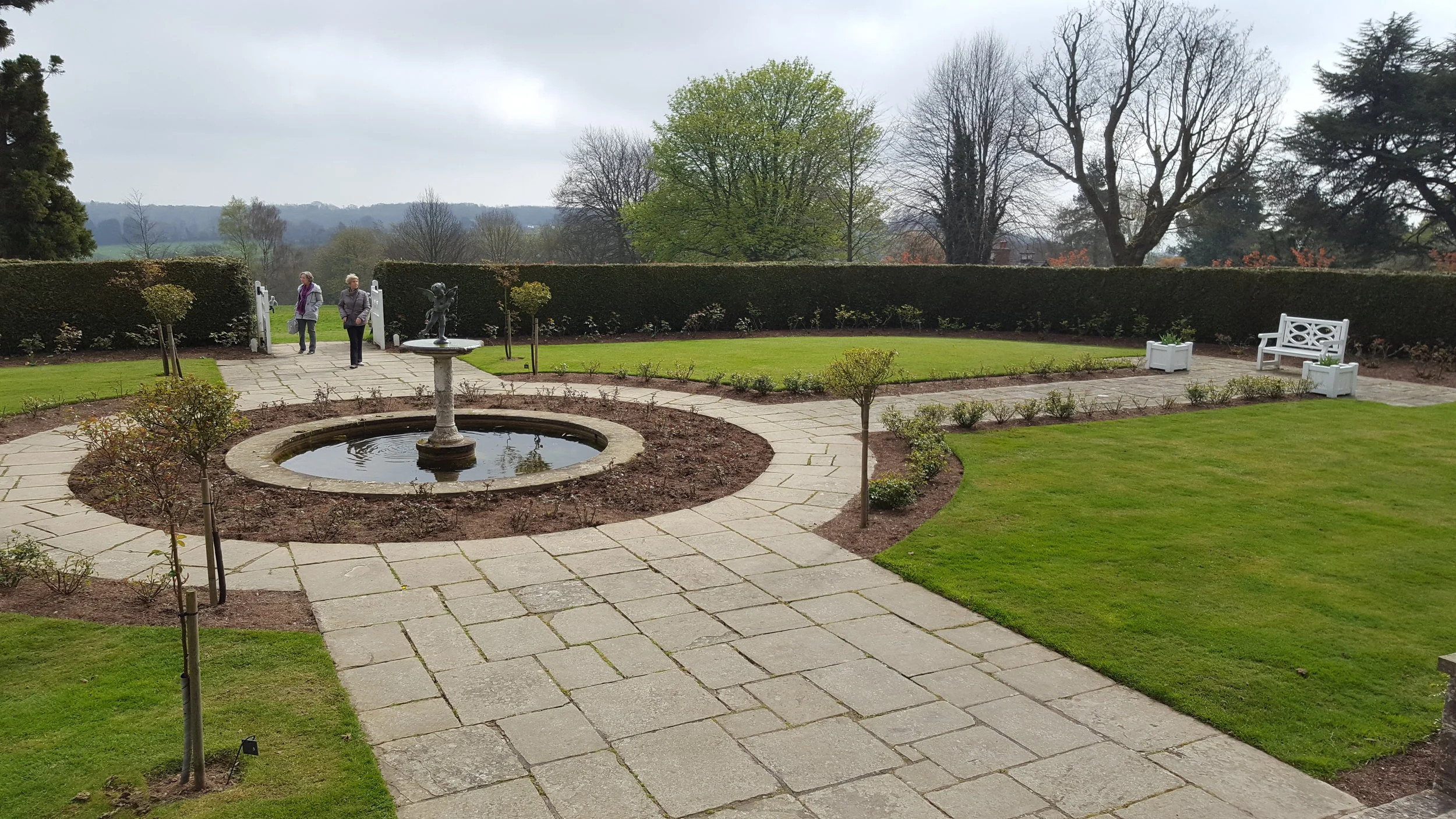
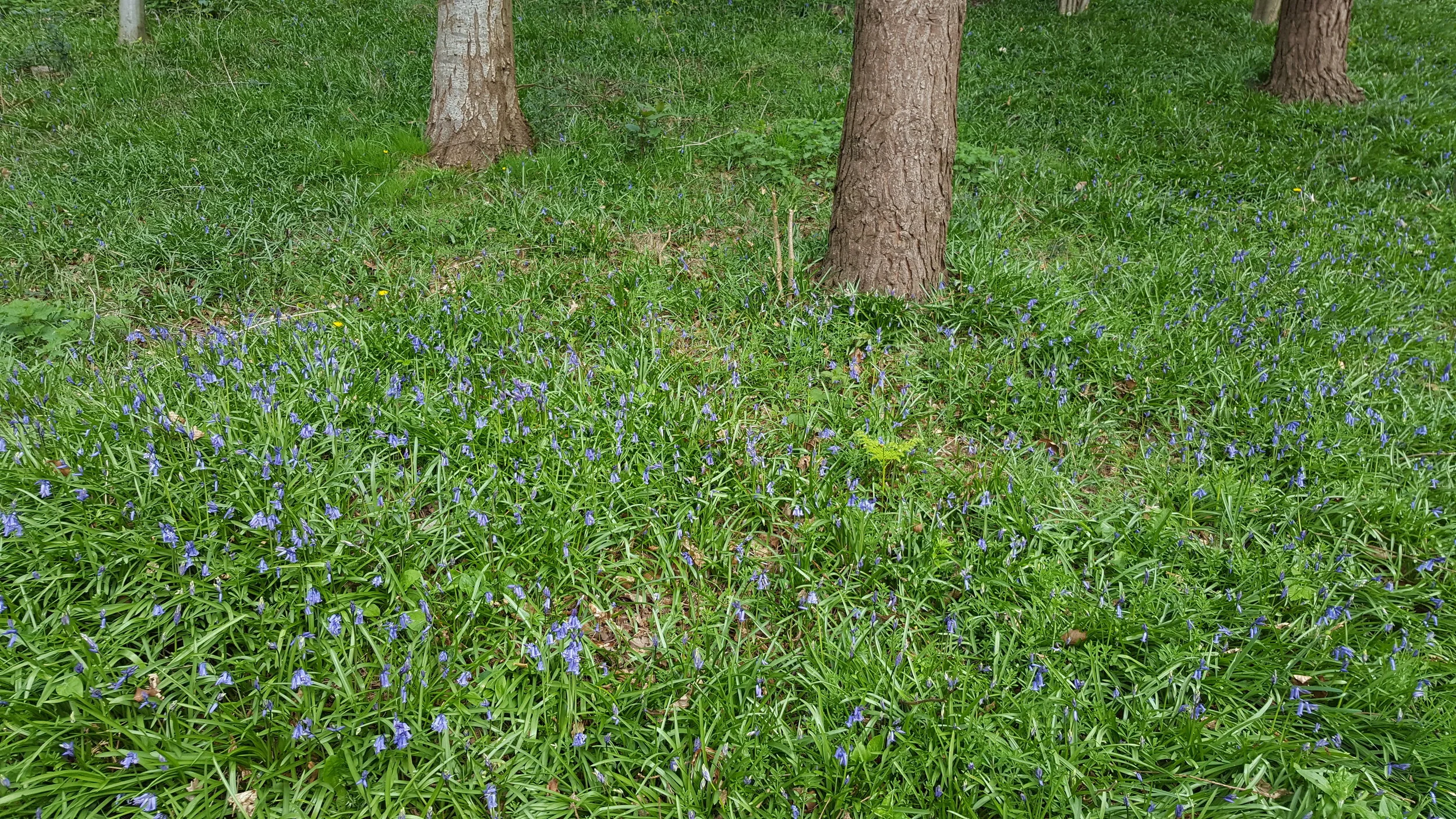
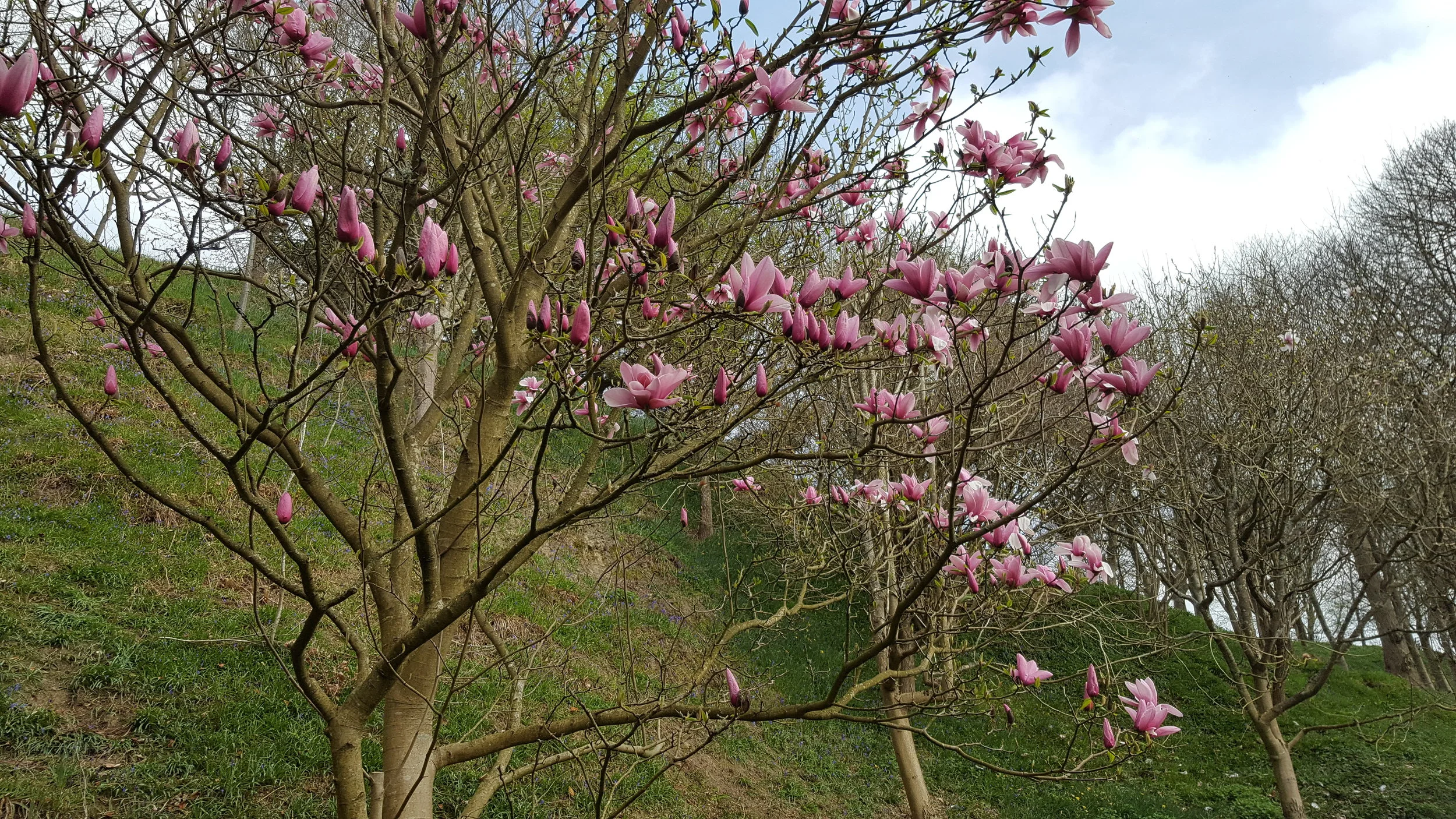
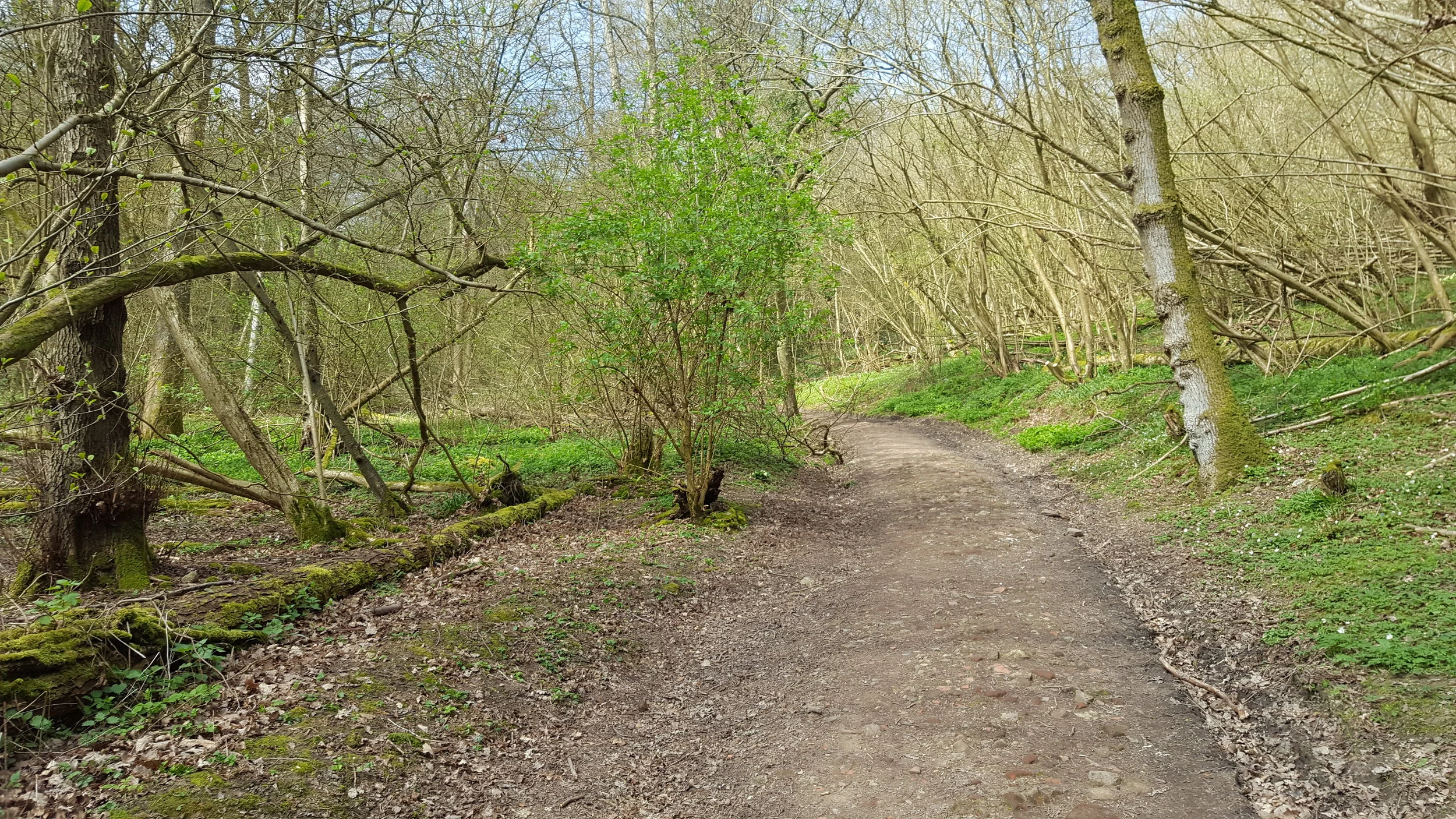
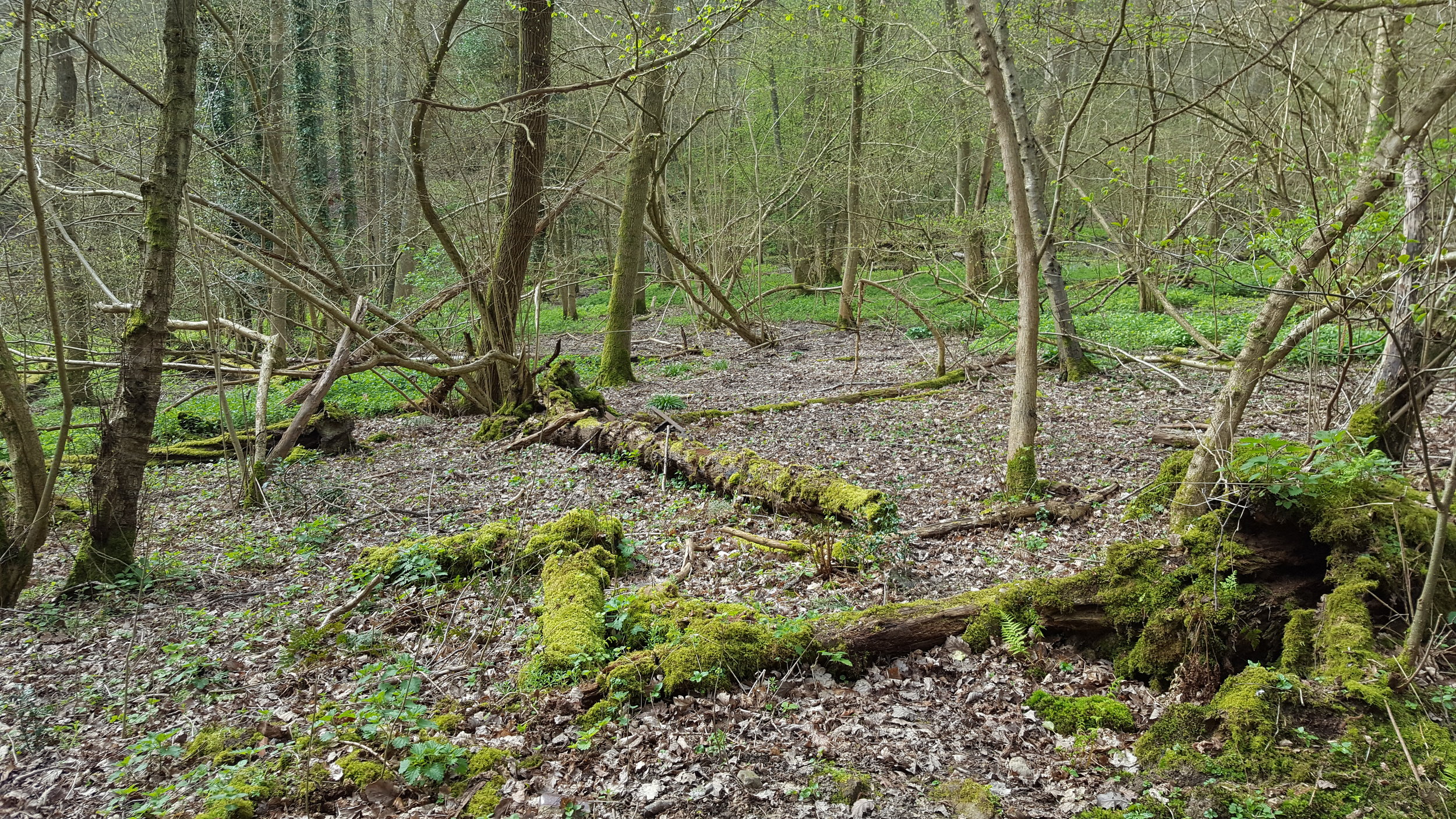
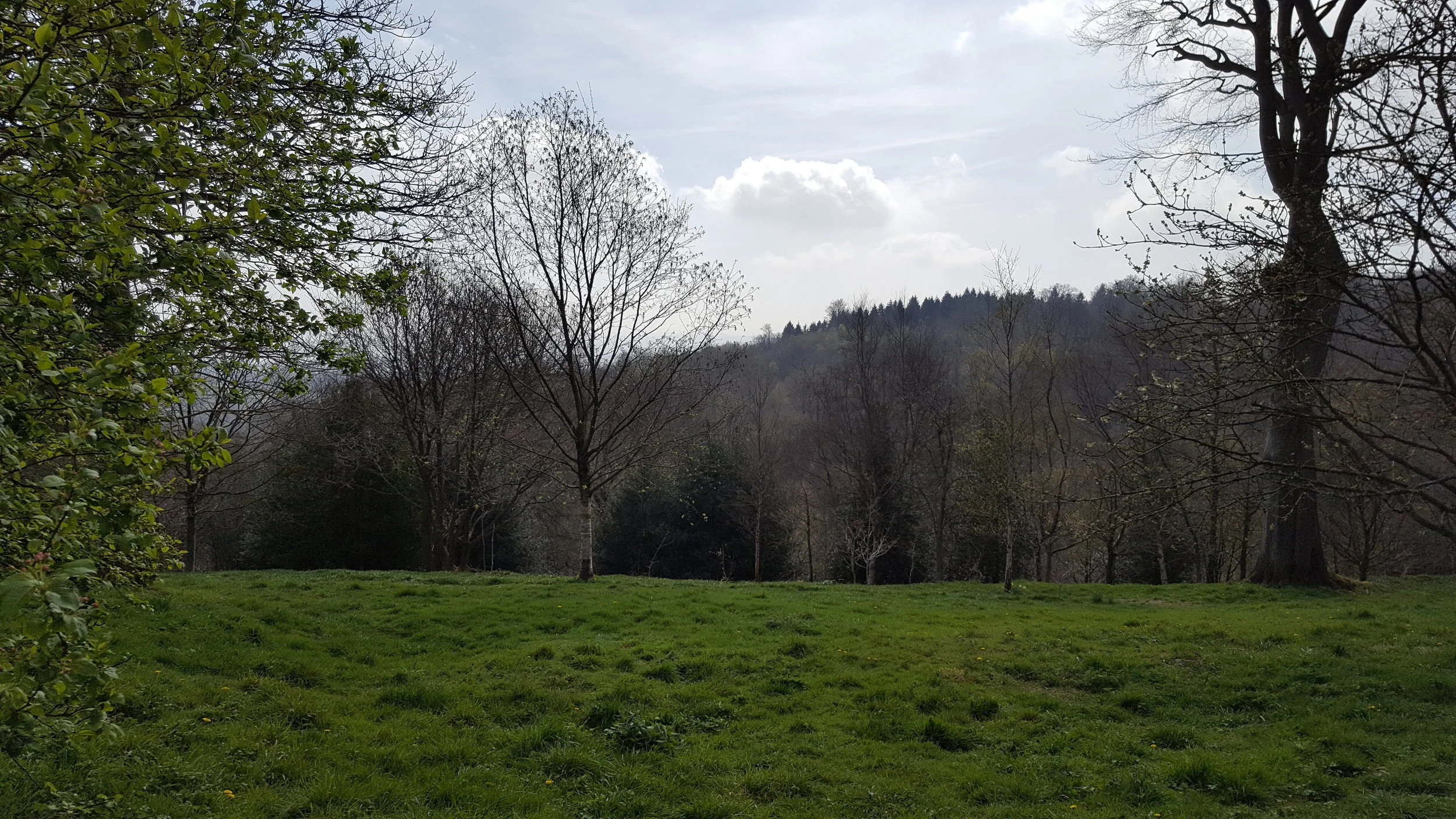
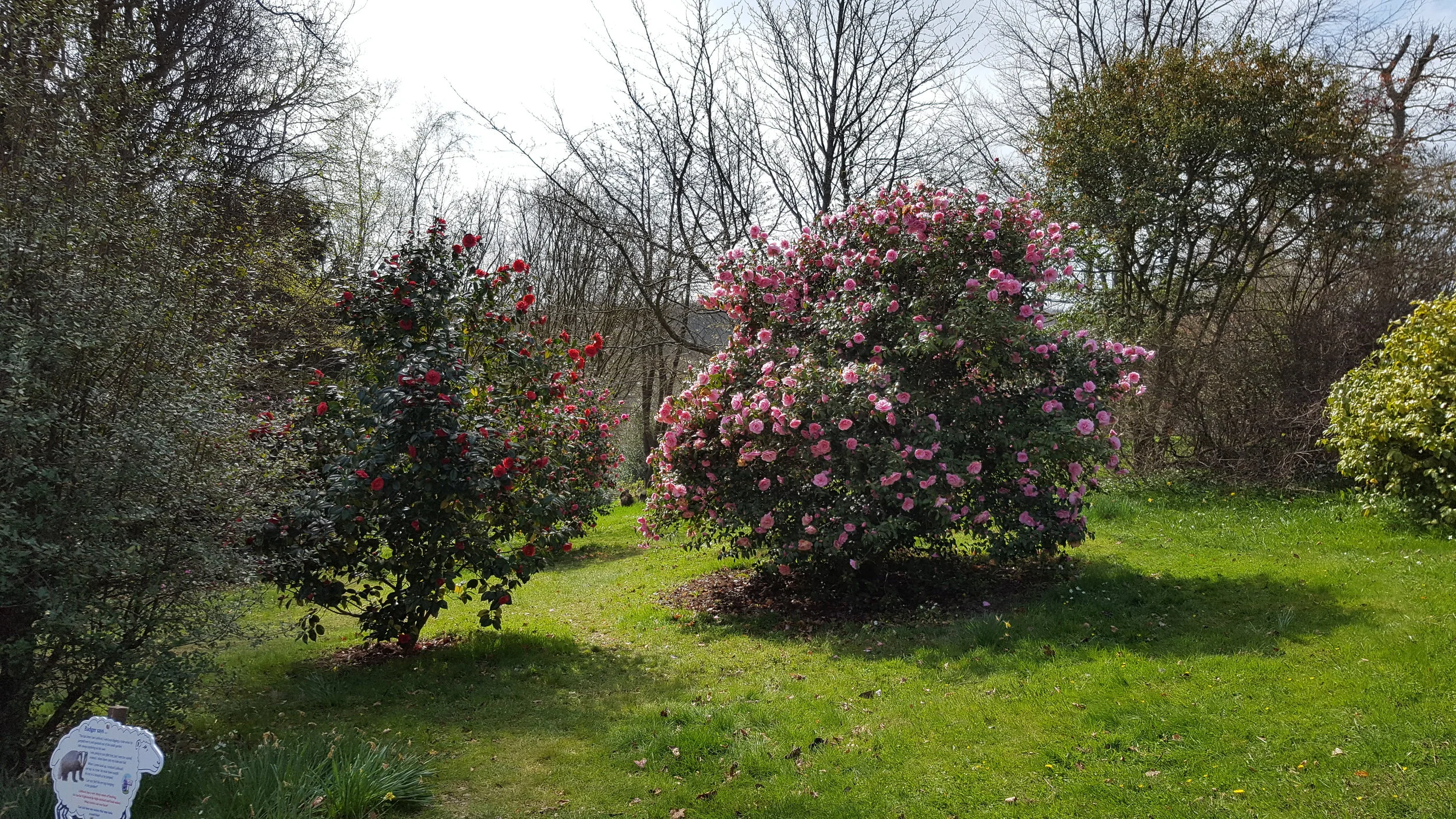
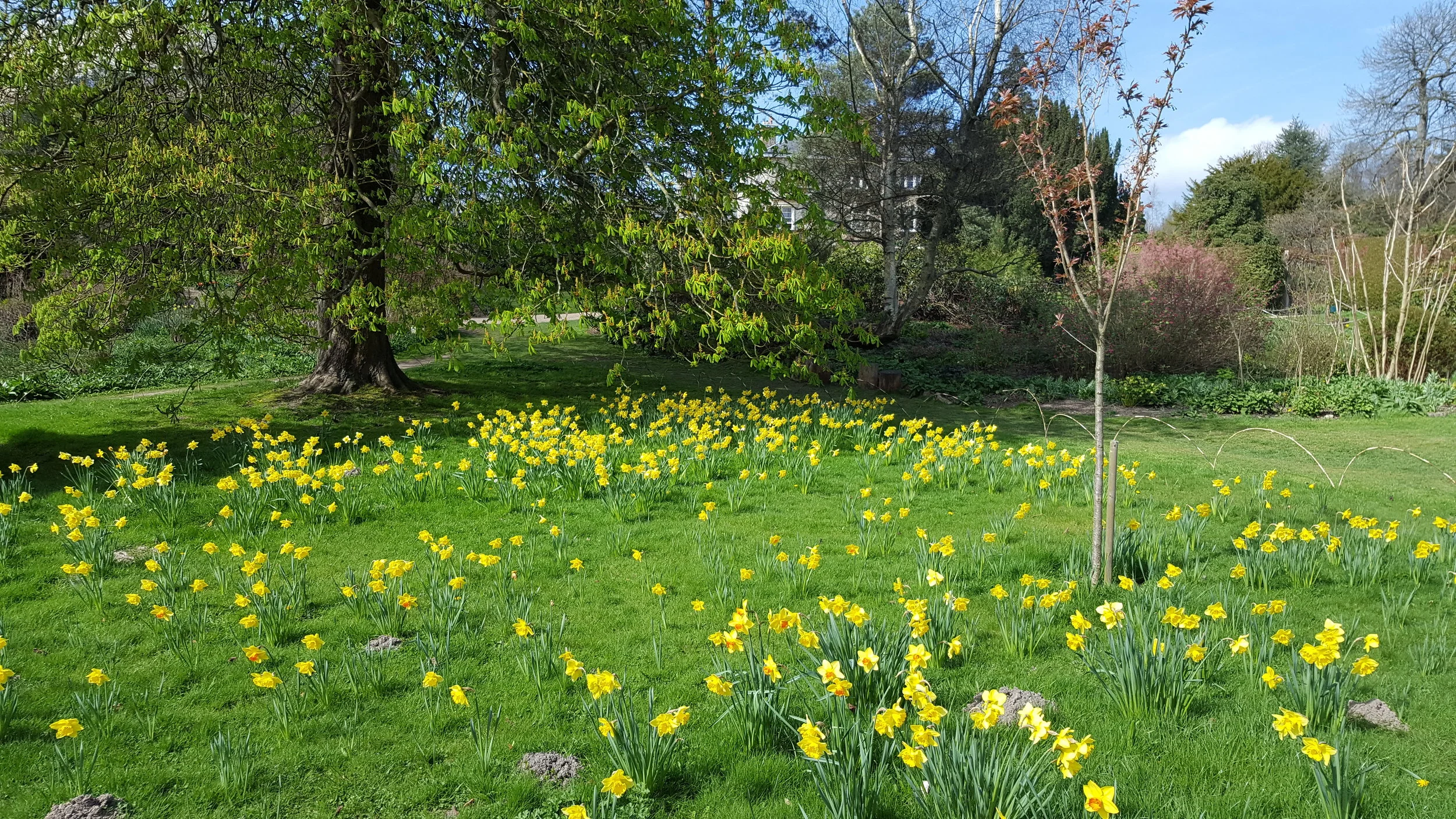
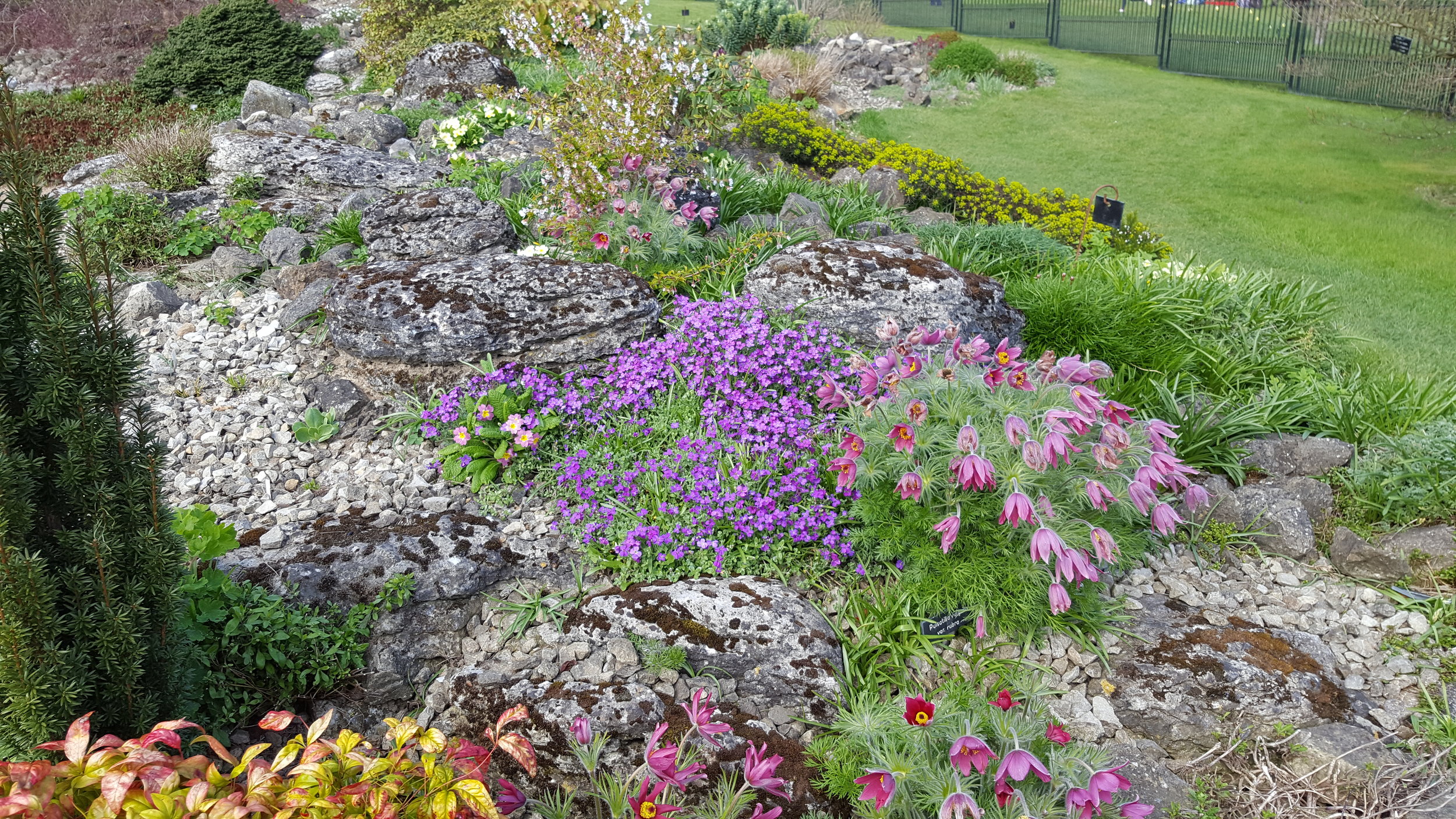
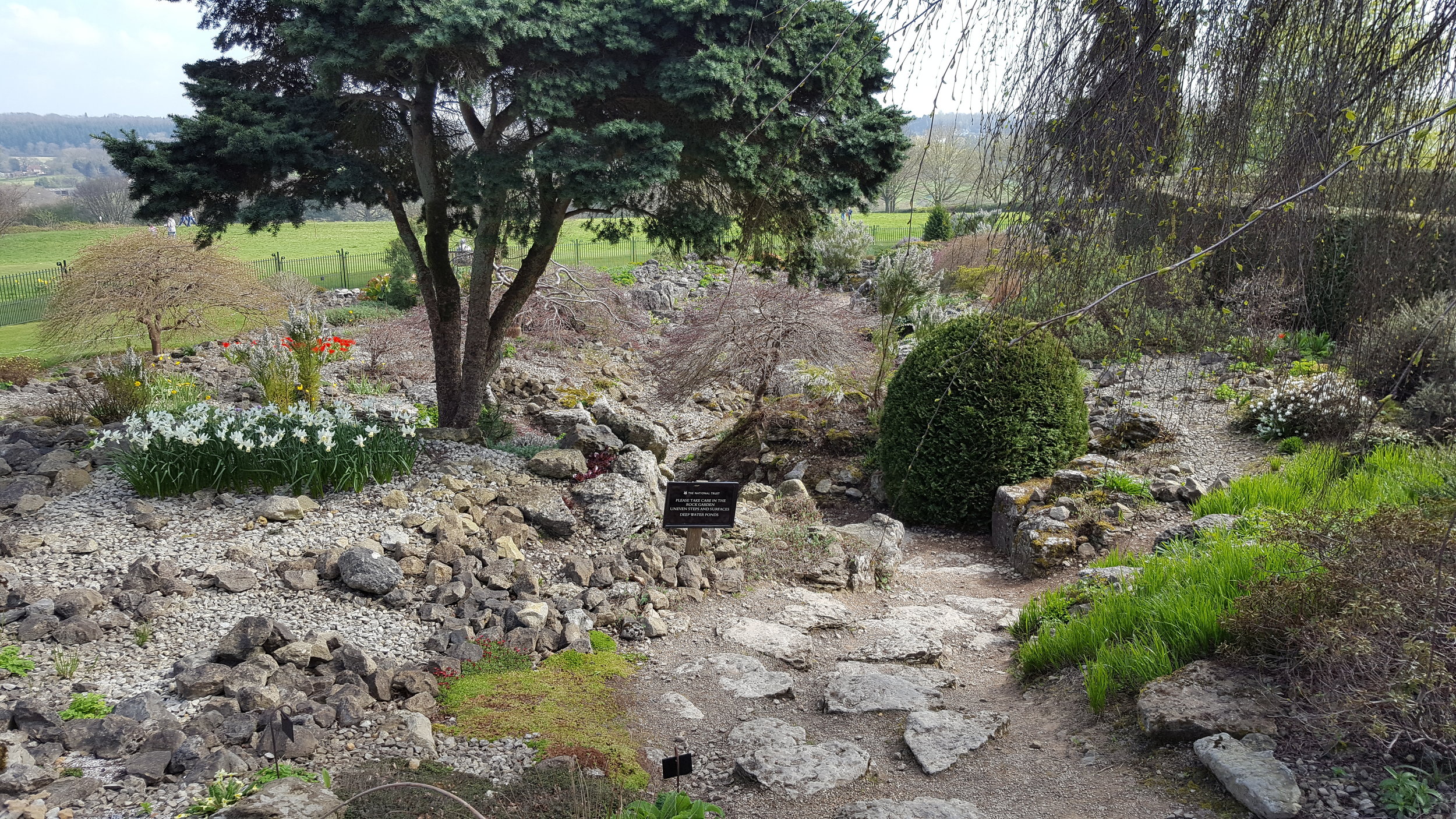
Today I visited the Inside Aardman: Wallace & Gromit and Friends exhibition at the Young V&A Museum at Bethnal Green. The exhibition which celebrates 50 years of Aardman Animations, provides visitors with a unique, behind the scenes view of the art of stop-motion animation. It also explores how Aardman’s iconic characters and worlds are designed, crafted and brought to life. From the initial concept artwork to the final visual effects, this event demonstrates the methods and techniques employed by Aardman. The exhibition features early scripts, sketch artists initial concept art, models, sets and numerous famous puppets. Furthermore this event is firmly pitched at children and families, with a wealth of interactive activities demonstrating the various techniques on display. The curators of the exhibition have also made it clear that they wish to encourage future generation to consider a career in the creative arts.
The Imperial War Museum serves as a national museum for Britain. Its main location is in London, complemented by five additional branches across England. Established in 1917 as the Imperial War Museum, its original purpose was to document the civil and military efforts and sacrifices made by the United Kingdom and its Empire during the First World War. Over time, the museum’s scope has broadened to encompass all conflicts involving British or Commonwealth forces since 1914. As of 2012, the museum’s mission is to provide and encourage the study and understanding of the history of modern warfare as well as the “wartime experience”. The IWM as it is now known has its headquarters and primary site is located at Southwark in Central London. The museum is funded by government grants, charitable donations and revenue generated through commercial activity such as retailing, licensing and publishing. General admission is free to IWM London.
Castle Farm is a family business located near the village of Shoreham in West Kent. The Alexander Family have been farming in the Darenth Valley since 1892 when James Alexander transported 17 milking cows from Ayrshire in Scotland and took up residence in this south-eastern part of England. Castle Farm is a busy, working farm comprising of 1,100 acres. It produces such crops as wheat, barley, rapeseed, hops, apples, pumpkins and lavender. It is also home to a grass-fed herd of beef cattle. However, in recent years it has become well know internationally for its lavender crop. Castle Farm began its lavender enterprise in 1998, producing the essential oils associated with the flower. It is now the largest lavender farm in the UK, growing over 110 acres of the flower. Furthermore, it has become quite a tourist attraction with the farm staff running tours during Summer and the height of lavender season.
Riverhill Himalayan Gardens are set in the grounds of Riverhill House, a Grade II listed Queen Anne manor house located on the southern edge of Sevenoaks in Kent, England. Riverhill is well known for its stunning and historic gardens as well as its sweeping vistas over the Weald of Kent. The estate has been the residence of the Rogers family since 1840 who currently operate the gardens as a tourist attraction, along with the house and associated facilities as a wedding venue. Visitors can enjoy a walled garden, rose walk and maze as well as other attractions. There is also an excellent trail around the grounds culminating in a view from the top of the hill over the estate. Riverhill Himalayan Gardens, as a supporter of the Surrey Sculpture Society, regularly showcases a selection of sculptures and art pieces throughout its grounds. All are available for purchase if you have deep pockets.
The Hunterian Museum is a museum of anatomical specimens in London, located in the prestigious building of the Royal College of Surgeons of England. The museum is made up primarily of a collection from the 18th century Scottish surgeon John Hunter. Over the years it has since been subsequently supplemented by Odontological material curated by A. E. W. Miles and various natural history exhibits from Richard Owen. In May 2023, the Hunterian Museum reopened following a five-year redevelopment of the Royal College of Surgeons of England’s headquarters at Lincoln’s Inn Fields. The £4.6 million museum project features the exhibition of more than 2,000 anatomical specimens from Hunter’s original collection. In addition to these there are instruments, equipment, models, paintings, and archival materials that document the evolution of surgery from ancient eras to contemporary robot-assisted procedures. The Museum boasts the largest public display of human anatomy in England.
The Crystal Palace Dinosaurs are a collection of sculptures depicting dinosaurs and other extinct species located in Crystal Palace Park, in the London borough of Bromley. These sculptures were originally commissioned in 1852 for display at the Crystal Palace following its relocation from the Great Exhibition held in Hyde Park. They were revealed to the public in 1854 and are the first speculative dinosaur sculptures ever created. Although the models are now considered inaccurate by contemporary standards, they were designed and crafted by Benjamin Waterhouse Hawkins under the scientific guidance of Sir Richard Owen, reflecting the prevailing scientific understanding of the time. The sculptures were designated as Grade II listed buildings in 1973 and underwent extensive restoration in 2002. In 2007 they were elevated to Grade I listed status. As of spring 2026 the dinosaurs are again being renovated as part of a £5 million regeneration of the park.
The benefits of international travel are numerous. These include stress relief, mental health benefits and a chance to escape the drudgery of work. Then there are the cultural aspects that you can immerse yourself in. Going abroad also allows you to learn new language skills as you awkwardly ask for directions. International travel is a chance to make lasting memories and it often gives the traveller a greater appreciation of their own home. At the very least the beer is always better abroad and that is the very definition of “broadening your horizons”. Yet despite all these positive points, there is one unavoidable hassle when comes with travelling abroad. The fact that the country or countries that you’re visiting will invariably use a different electrical plug and socket standard. In an age where a lot of the stuff you bring along with you on holiday needs charging, this can be a very stressful problem to solve.
I thoroughly enjoyed our holiday in Croatia last year and it did much to restore my confidence in travelling. Previously my views on visiting other countries had been greatly influenced by the films Raid on Entebbe and Midnight Express. As January was such a bleak month here in the UK, Mrs P and I decided we couldn’t wait until summer for another holiday and so decided to book something for the end of March. So we visited our local Travel Agents and decided upon a river cruise. We’ve been interested in these since we saw a travel show with Susan Calman. River cruises are a horse of a different colour, compared to sea cruises. They’re a great way to visit cities of note, often bringing you right into the heart of them. River cruise ships are a lot smaller with less passengers than ocean faring vessels. They also attract quite different travellers. Let it suffice to say that a sea cruise doesn’t offer the cultural experience that I am looking for.
There are approximately 4000 parks and green spaces in Greater London. Bexley Borough alone has over 100. Public parks and green spaces are vital to modern cities, providing essential health, environmental and social benefits. They boost physical and mental wellbeing by reducing stress and providing a place for exercise. Furthermore they enhance urban sustainability, mitigate heat, and provide a sustainable environment for a wildlife. Parks are often a venue for social activities and events and as such are an important part of the local community. Going to the park has always been a part of my life. I live next to Old Farm Park in Sidcup and have made use of this recreational space throughout my life. I used visit with my parents in the seventies, when I was a child. Thirty years later my son, father in-law and I would fly kites there. Now I take my grandchildren to Old Farm Park as it now has a playground.
There is no shortage of interesting and good quality museums in London. In many respects tourists and visitors are spoilt for choice. More often than not, it is the most well known institutions such as the British Museum or Victoria and Albert Museum that gain the most attention. However, there are many hidden gems to discover if you take the time to look further. A prime example being The British Optical Association Museum which I had the pleasure of visiting today. The museum’s function is to promote the optometry profession and raise public awareness of its past and ongoing role within society. The museum has a well conserved collection of exhibits and provides a venue for presentations, learning and research services. There is also an excellent tour hosted by museum curator Neil Handley (PhD, AMA, FRSA) in which he gives a concise, interesting and at times a witty overview of the history of optometry in the UK and its current role.
The artillery battery at Capel-le-Ferne was built between 1941 and 1942, following the fall of France, on the orders of Winston Churchill. Located between Dover and Folkestone, the battery consisted of three 8-inch high-performance guns, provided by the Royal Navy. The battery was intended to provide anti-shipping defence in the English Channel. The site was manned by men of the 520 Coast Regiment Royal Artillery. Over the course of World War II, the battery expanded in size, eventually encompassing multiple Nissen huts, several roads and 19 military buildings. Anti aircraft defence was provided by two 40mm Bofors guns. Over the course of the war, the Capel Battery engaged enemy shipping on four separate occasions and also took part in fifteen practice shoots. In 1944, due to the decreased threat, the battery was placed in “care and maintenance”. The guns were removed in 1952 and the building demolished in the early 1980s
There are an estimated 2,500 museums in the UK. This number has grown significantly over time, more than tripling between 1960 and 2017. While it is laudable that so many of these institutions exist, they do not all receive equal interest or publicity. Some museums dominate in their respective fields and drown out others that have a similar theme. With this in mind, I was unaware of the Kent Battle of Britain Museum until a friend recently brought it to my attention. After yesterday’s visit my initial thoughts are what a treasure trove it is. According to the museum’s website it is the world’s largest Battle of Britain collection of memorabilia. This includes planes, uniforms, weapons and related artefacts from over 700 crashed aircraft. Furthermore, the museum tells the story of this battle without bias, choosing to highlight both the historical and the human aspects of the conflict. It is often very poignant.
Stonehenge is so much more than just a neolithic, historical structure of note. It is of great spiritual importance to many, representing ceremonial practices and ancient worship. It is also seen as a conduit to a wider connection to the cosmos. It is after all a celestial calendar, according to one of the theories regarding its purpose. It also has a strong significance in pop culture. Hence, due to its history, symbolism, religious connotations and overall sense of mystery it is a UNESCO World Heritage Site and a globally recognised symbol of ancient Britain. As such, it has always been somewhere that I have wished to visit. Today, as we were relatively nearby in Ringwood and the weather was pleasant, Mrs P and I decided to go to Salisbury and see this iconic structure for ourselves.
I enjoy visiting the coast. I always have. I find the sight and sounds of the sea very calming and thought provoking. There is something about seeing the ocean stretch out to the horizon and its implied enormity, that gives you a sense of perspective. The UK is a seafaring nation and therefore it is an integral part of our history and national identity. Hence a strong nautical theme and a sense of its importance has bled through into our popular culture. It is therefore quite common for people to have a positive attitude towards the sea and its associated leisure activities. I like to visit the coast at various times of the year and walk along the beach, just listening to the waves, lost in my own thoughts. This is not a hard thing to do in the UK, as no one lives further than 70 miles (113 kilometers) from the coast.
Knole is a country house in England and a former archbishop’s palace that is currently owned by the National Trust. It is located within Knole Park, a 1,000-acre (400-hectare) estate that lies to the south-east of Sevenoaks in west Kent. The existing structure of the house dates back to the mid-15th century, although there were significant expansions in the 16th and particularly in the early 17th centuries. Its Grade I listing signifies its combination of late-medieval to Stuart architectural styles. This is especially evident in its central façade and state rooms. In 2019, a comprehensive conservation initiative titled “Inspired by Knole” was completed to restore and enhance the buildings’ structures. This was beneficial to the preservation of its significant collections. The adjacent deer park has also endured since 1600.
Mrs P and I travelled to Croatia on Friday 13th June for our summer holiday. We spent one week in Makarska, which is located on the Dalmatian coast. My last international holiday was to Malta in 2004. Since then we have done a lot of travelling in the UK and Mrs P has vacationed abroad with other family members. However, she stated last September that she wanted to go “somewhere warm” for our next holiday. So this trip was booked and has been “something to look forward to”, or a source of stress slowly inching closer, depending upon your perspective. In many respects this holiday has been a big deal for me. I don’t enjoy travelling at all with all its accompanying logistical, bureaucratic and “people” issues. However, I have no problem with being elsewhere. I eagerly await teleportation technology to become commonplace. Once I arrived at our hotel, I quickly switched to holiday mode and I am happy to confirm that I thoroughly enjoyed myself.
Emmetts Garden is an Edwardian estate situated on Ide Hill, close to Sevenoaks in Kent, UK. After a long and interesting history it is currently under the stewardship of the National Trust. Originally open farmland, the existing house was constructed in1860. The term “emmett” is a local dialect for ant, referencing the large anthills that populated the area until the 1950s. In 1890, the estate was acquired by Frederic Lubbock, a banker with a keen interest in horticulture. His elder brother, John Lubbock, 1st Baron Avebury, was a renowned authority on ants, which may have influenced Frederic's decision to purchase the estate. Today Emmetts Garden is open to the public and features several “hortus conclusus” (walled gardens) and a hillside trail that is famous for its Bluebells in the spring.
Damerham is a quaint rural village and civil parish located in the New Forest district of Hampshire, England. It is close to the market town of Fordingbridge. Damerham is distinguished by significant Neolithic and Bronze Age burial mounds. Historically, it was home to an Anglo-Saxon religious community and was referenced in the will of Alfred the Great, as it was at that time part of the royal estate. At the time of the Domesday Book in 1086, Damerham was recognized as a prominent settlement under the ownership of Glastonbury Abbey. It was mainly farms and agrarian small holdings. Today, the village still features a riverside mill and the church of Saint George date’s back to the Norman period. There is a church hall that hosts numerous local, seasonal events.
Bodiam Castle is a 14th-century moated castle located near Robertsbridge in East Sussex, England. It was built in 1385 by Sir Edward Dalyngrigge, a former knight of King Edward III. The castle’s primary purpose was to defend the local area against possible French invasion during the Hundred Years' War. Bodiam Castle has a quadrangular design and does not have a keep. All the various chambers and rooms were built adjacent to the outer defensive walls. The four corners and main entrance have towers, all of which feature crenellations. A substantial moat surrounds the castle, which served as a home for the Dalyngrigge family, as well as a seat of power to the manor of Bodiam. The castle remained within the Dalyngrigge family until the line became extinct. It remained a place of strategic importance during the War of the Roses and the English Civil War. It is currently owned and maintained by The National Trust.
Today I went on an impromptu visit to Brompton Cemetery in West London. Established in 1837, the West of London and Westminster Cemetery (as it was originally known) is a private cemetery initially created as a business venture to capitalise upon the shortage of cemeteries within London. It also sought to cater to the prevailing culture of opulent Victorian funeral rites. However, after proving non profitable, the cemetery was bought by the UK government. It was subsequently incorporated into Crown Property and managed by The Royal Parks. It is one of Britain’s oldest and most distinguished garden cemeteries. There are currently 35,000 monuments, ranging from simple headstones to impressive mausolea. It is home to more than 205,000 resting places. The cemetery is also a haven for flora and fauna, providing a substantial semi rural environment amid urban central London.
Christmas Tree Farm is a petting zoo, outside the village of Downe in the county of Kent. Despite its rural setting, it is actually only 15 miles from London, making it an ideal visit, as part of a day. The farm is home to a wide selection of domestic farm animals (and a few more exotic ones), all of which can be fed, stroked and lavished with attention by visitors. During the winter months, Christmas Tree Farm hosts Santa’s Grotto and as the name suggests is the place to find the perfect Christmas tree for your home. Entry prices are very reasonable, costing £6 per adult and £4 for children aged between 2 and 16 years old. Buckets of animal feed of varying size are also available for a small fee. There is a leisurely trail around the farm where the various animals are housed in pens and out buildings. There is also a Tea Garden where refreshments are available.
In 1939 legislation was passed in the UK so that all employees had one week’s annual paid holiday per year. By the 1950s this had become two weeks and by the 1980s most people had at least 4 weeks of annual holiday. On top of this paid leave allocation, the UK currently has 8 bank holidays which provides further time off for employees. This culture of increasing amounts of annual leave also broadly coincided with air travel becoming more accessible. The first UK passenger jet service began in 1952. However, its cost excluded most people. However, as larger airliners with increased range became available, cheaper foreign holidays became more and more economically viable. European holidays became a reality in the 1960s and 1970s. By the 1980s long-distance holidays to other continents became ubiquitous and the package holiday became king. It is also worth noting that the Channel Tunnel opened in 1994, making car travel from Britain to Europe easier and more popular.
Today I had the pleasure of visiting the Whitstable Museum (or to give its full name Whitstable Community Museum and Gallery). This is a fine example of a local heritage centre that curates and displays artefacts and records that reflect the history and culture of the surrounding area. The museum located in Whitstable, Kent, is home to one of the world's oldest steam engines, as well as historical diving equipment that was developed locally. The history of the local oyster trade which has been an integral part of the community for centuries is also a key feature. Established in 1985, the museum was reopened in 2015 following a major refurbishment. There is also an art gallery featuring the paintings by local artists and artworks on loan from an international network of galleries.
Eltham Palace, located in South East London, was the childhood home of King Henry VIII in 1499. It was later used as a royal nursery for the infant Princess Elizabeth, born on 7th September 1533. It sports sumptuous grounds and ornamental gardens and was famous for its game hunting during the Tudor and Elizabethan periods. In the 1930s’ the property was owned by the Courtauld family, who built a sumptuous Art Deco style mansion and redeveloped the grounds. Today the entire property is owned and managed by English Heritage who have extensively restored much of the estate. It is therefore very fitting that this illustrious venue annually plays host to the Legendary Medieval Joust, during the summer months. Two days of historical pageantry, re-enactments and events for the entire family to enjoy. I last attended in 2015, so it was a welcome pleasure to return again yesterday.
It's Creator Appreciation Week (August 13th – August 19th) for those participating in Blaugust: Festival of Blogging 2023. What does that mean in plain English? It means I am going to write a post specifically about someone or a group of people who create content that I enjoy. Now that is not a short list. I subscribe to dozens of YouTube channels and even more blogs via Feedly. However, it is not practical to try and write about all of these. So I have had to think long and hard about selecting one creator to highlight. It’s quite a difficult choice because I enjoy a multitude of content for different reasons. However, I have chosen one which regularly keeps me entertained, has a good community associated and also offers an element of interaction which is quite unique. It is this last factor which has tipped the balance.