
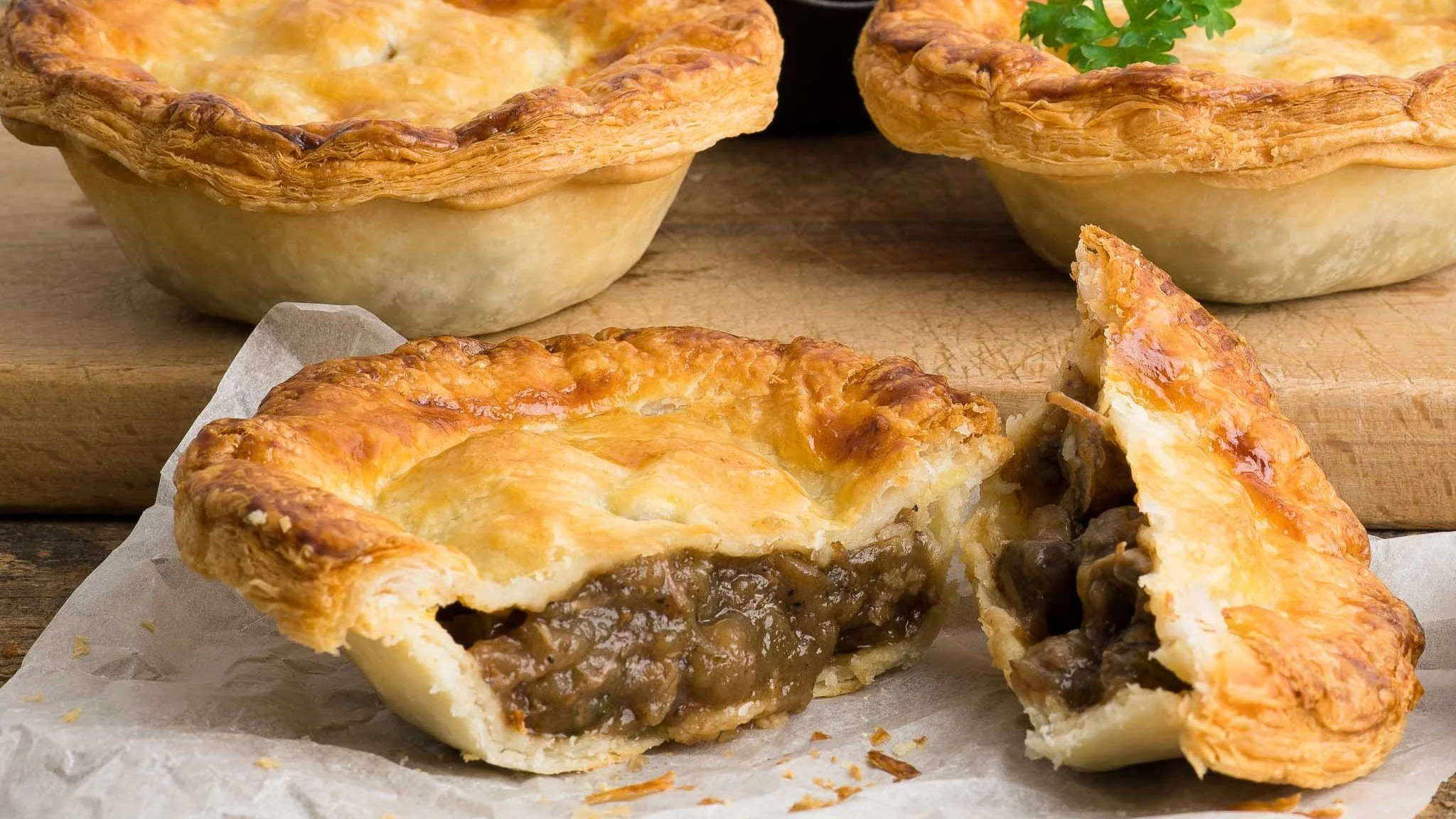
“Who Ate All the Pies?”
When I last wrote about the thorny subject of weight loss, I weighed 188 lbs (13 stone 6 lbs or 85.3 kg). That was in Spring 2022. Let it suffice to say the the optimistic health plan I subsequently embarked upon fell apart like a cheap suit, solely due to me not committing to it in any meaningful way. Since then my weight has slowly and steadily increased. I will avoid any long and tortuous explanations and quasi-justifications. I like my food and lots of it. The fact that my lifestyle has contributed to my ill health, is something that I have willingly tolerated. The pleasure outweighed the consequences. However, in early August a tipping point was finally reached. It wasn’t a theatrical epiphany or anything that can be framed dramatically. I simply woke up one morning and said to myself, “I am tired of constantly feeling like shit”.
When I last wrote about the thorny subject of weight loss, I weighed 188 lbs (13 stone 6 lbs or 85.3 kg). That was in Spring 2022. Let it suffice to say the the optimistic health plan I subsequently embarked upon fell apart like a cheap suit, solely due to me not committing to it in any meaningful way. Since then my weight has slowly and steadily increased. I will avoid any long and tortuous explanations and quasi-justifications. I like my food and lots of it. The fact that my lifestyle has contributed to my ill health, is something that I have willingly tolerated. The pleasure outweighed the consequences. However, in early August a tipping point was finally reached. It wasn’t a theatrical epiphany or anything that can be framed dramatically. I simply woke up one morning and said to myself, “I am tired of constantly feeling like shit”.
To cut a long story short, I went to the Quack. That’s a Doctor, to those unfamiliar with this term. Furthermore, he’s very good and the furthest thing from a “quack”. Consider it a term of endearment. After a useful discussion, it was decided to remove Bisoprolol, which is a betablocker, from my prescription. Within ten days I started feeling a lot better. No more cramps, breathless ness, headaches or fluid retention in my feet. The other thing we talked about, was the need to lose weight. Mine, not his, obviously. So I immediately embarked on a simple weight loss plan. Nothing complex. So many diets are utter bullshit. Losing weight is essentially a question of reducing your calorific intake. Getting your head round this strategy is another matter.
5 weeks ago I weighed 206 lbs (14 stone 10 lbs or 93.44 kg). The excess weight is mainly on the front of my body, from my hips to about halfway up my rib cage. The plan is to eliminate this mainly so I just feel better physically. As the Doctor said, it feels and acts like having a rucksack of between 10-15lbs weight on the front of your body. Hence it will get in the way, make breathing harder and just generally drain your energy. I have focused on this description and the overall diagnosis as a means of motivation. I am driven by health factor primarily as these are harder to argue against when you want to lapse from diet.
Now there are arguments for weight loss couched in looking better and aesthetics but I do not want to go down that rabbit hole. Excessive self criticism of one’s physical appearance is dangerous. There are entire industries predicated upon making you feel shitty about yourself and then trying to sell you suprious products to remedy it. Plus, if you ask me, people are becoming very generic in the way they dress and look these days and it bores the hell out of me. So much for being an individual. But I degress. I am losing weight to improve my health and so my new T-shirts fit me. I don’t want to have to buy new clothes.
Now it is at this point, readers will say “Yeah, yeah, yeah. We heard this all before. You’ve written several posts on this subject and yet here we are again”. To which I say, “that’s very true”. However, there’s a difference this time. Over the last five weeks I’ve lost 9 lbs, bitches. Not quite sure why I added that epithet but nevermind. I now weigh 197 lbs (14 stone 1 lbs or 89.25 kg). Yes that is a tangible and more importantly noticeable achievement. I still broadly look like Alfred Hitchcock in profile but not as bad as I did at the start of last month. I aim is to go further, with the immediate goal of losing another 8 lbs. In the UK we use the archaic measure of a stone (14 lbs) so to lose exactly one of that unit of weight would be a significant.
So what have I done this time to make progress, that I didn’t do in the past. The answer is simple. Don’t pursue a “scorched earth” policy. By which I means don’t cut out absolutely everything and make yourself miserable in the process. You have to have keep something that you enjoy present in your meals. It’s all about portion control and writing it down. Portion control re-educates your stomach to get used to less. Writing everything that you eat down means it’s much harder to lie and bullshit yourself. I started doing this but found it unecessary. Once I started making progress, that was sufficient to keep me moving forward.
The most noticeable change in my diet is a massive reduction in my alcohol intake. I still drink but it’s mainly two nights a week and it is a modest amount. A bottle/can of beer or a glass of wine. I have tried to eliminate bread as much as I can and excessively processed food. I mainly eat fish, or pork along with vegatables and rice. I have the occasional indulgence such as ice cream or some cake. I keep the amount small. Eggs are also good and filling. As are nuts.
Now here is the really important bit. Is there a single, one size fits all approach to weight loss? Not from a dietry perspective. If following a bespoke regime works for you, then do that. However, there is one unequivocally true fact that determines the success of a diet and that is your psychological approach. You must want to lose weight and you must be prepared to accept the immediate short term inconveniences. If you are unsure, unprepared and unwilling to put up with what weight loss entails then you will not succeed.
I like food. I don’t just eat out of necessity. I enjoy, no I revel in every meal or snack I have. It is a great source of pleasure and comfort. I’m sure that’s how I got in this position of being over weight in the first place. In a tumultuous uncertain world, the pleasure of food has been a constant. That is a side issue and a subject for another blog post. I knew going into this diet that I wasn’t going to like it initially and I was going to be as grumpy as fuck. That has been the case. But I stuck with it because waking up feeling awful every day, was a worse option. Furthermore, after a fortnight, I found that I was beginning to adapt to the my new eating regime. I have also found that if I channel my energy and effort in to some other task, then that is beneficial. Writing throughout August helped me a great deal. So I guess another key aspect of finding the overall right approach to weight loss is keeping yourself busy.
So there you have it. I have lost weight and intend to continue to do so. I have considered whether this post comes across as being smug and I broadly think that isn’t the case. As ever, I believe sharing what has worked for me may be of use to someone else. Ultimately for those in a similar position, who want to lose weight for whatever reason, it all comes down to finding your own personal tipping point. Once you reach that, you are already half there because your head is in the right place. Then it’s just a question of starting, perservering and recognising that it’s going to be initally shitty at times but will get better. So if you are about to take the plunge, then good luck to you. If you need any further motivation, remember that the money you save on food or having to buy a new wardrobe, can be spent on some other indulgence. Trading cards, notebook, pens or Ketamine.
NB With regard to the meaning of this post’s title, “Who ate all the pies” is a famous British football terrace chant, used to taunt overweight players or opposing fans (Nobody said UK football was politically correct). The standard lyrics of the chant are as follows:
“Who ate all the pies? Who ate all the pies? You fat bastard, You fat bastard, You ate all the pies!”




NHS Bowel Cancer Test Kit
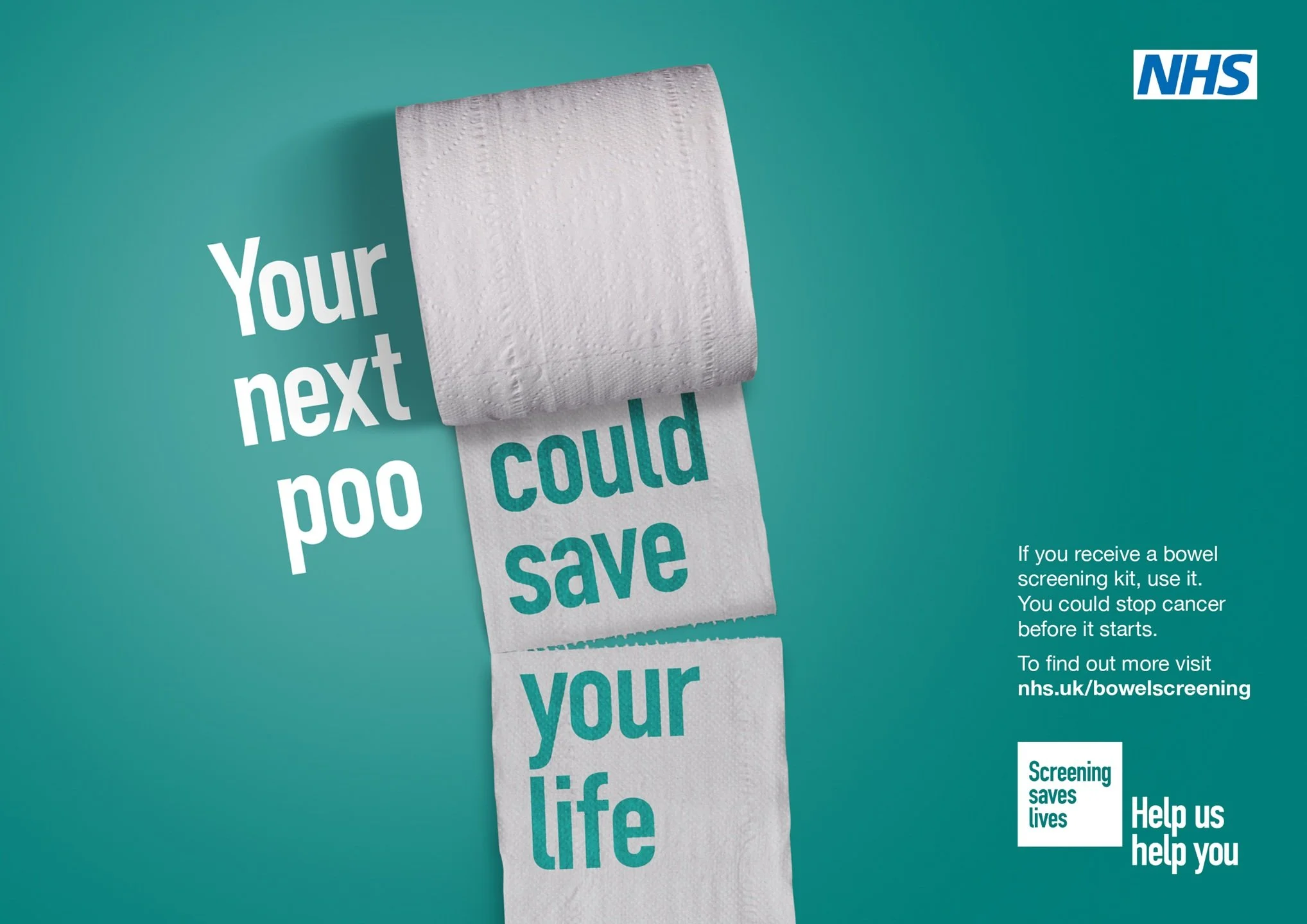
Being a 58 year old man, I welcome any undertaking which can potentially improve my health. One such thing is proactive screening and testing. The UK National Health Service has started doing a lot more of this in recent years, mainly because diagnosing a problem and treating it early is far more efficient and cost effective than retroactive action. Hence this policy and my age is why I was recently sent a NHS Bowel Cancer Test Kit via the post. This screening service takes place every two years for people aged 50 to 74 in the UK. The kit is very quick and simple to use. A sample of your stool is sent via a prepaid return envelope for testing and the entire process is free of charge. Upon receipt, the laboratory test determines whether there is any blood present in your stool, which is a potential indicator of bowel cancer. If detected, an early diagnosis greatly improves any subsequent treatment outcomes.
Being a 58 year old man, I welcome any undertaking which can potentially improve my health. One such thing is proactive screening and testing. The UK National Health Service has started doing a lot more of this in recent years, mainly because diagnosing a problem and treating it early is far more efficient and cost effective than retroactive action. Hence this policy and my age is why I was recently sent a NHS Bowel Cancer Test Kit via the post. This screening service takes place every two years for people aged 50 to 74 in the UK. The kit is very quick and simple to use. A sample of your stool is sent via a prepaid return envelope for testing and the entire process is free of charge. Upon receipt, the laboratory test determines whether there is any blood present in your stool, which is a potential indicator of bowel cancer. If detected, an early diagnosis greatly improves any subsequent treatment outcomes.
Bowel cancer is the fourth most common cancer in the UK. Almost 44,000 people are diagnosed with bowel cancer every year in the UK. More than nine out of ten new cases (94%) are diagnosed in people over the age of 50. But bowel cancer can affect anyone of any age. More than 2,600 new cases are diagnosed in people under the age of 50 every year. However, bowel cancer is treatable and curable especially if diagnosed early. Nearly everyone survives bowel cancer if diagnosed at the earliest stage. However this drops significantly as the disease develops. Early diagnosis saves lives. More than 16,800 people die from bowel cancer in the UK every year. But the number of people dying of bowel cancer has been falling since the 1970s. This is due to earlier diagnosis, better treatment options and the start of the National Bowel Cancer Screening Programme. Hence my willingness to take part in this screening.
The NHS Bowel Cancer Test Kit consists of a sample bottle which has an integral stick built into the lid. You collect a small amount of your stool on the stick and securely seal it in the bottle. A diagram shows you exactly how much you need to collect. The sample bottle is then placed in a robust return envelope and posted back to your local screening centre. The results are sent back to participants usually within two weeks. Most people return negative test results and are invited to be screened again in two years time. If blood is detected in the stool sample, this does not necessarily indicate cancer. However, further tests are usually carried out, such as a colonoscopy to investigate the cause of its presence. Overall, the NHS Bowel Cancer Test Kit is a discreet and efficient means of testing for bowel cancer. It proactively save lives which is a good thing. Hence if you live in the UK and are eligible for such a test, don’t pass up on the opportunity
Trapezius Myalgia
Last Wednesday, I woke up with what I thought to be a crick in my neck on the left hand side. I assumed this was simply due to sleeping awkwardly and so I self medicated with some non-prescription pain relief and judicious use of a heat pad. Unfortunately, the problem has persisted and in the last 24 hours it has become much worse. I awoke this morning at about 5:00 AM and as I sat up in bed, an intense pain ran up the left side of my neck and behind my ear. It took several attempts for me to get out of bed because if I turned my head in either direction or inclined my chin, the pain would again run up the side of my neck. Sitting down, getting up and raising my arms caused similar results. While dressing, I attempted to pull a t-shirt over my head. The pain in my neck on this occasion was so severe that I yelled out loud and nearly blacked out.
Last Wednesday, I woke up with what I thought to be a crick in my neck on the left hand side. I assumed this was simply due to sleeping awkwardly and so I self medicated with some non-prescription pain relief and judicious use of a heat pad. Unfortunately, the problem has persisted and in the last 24 hours it has become much worse. I awoke this morning at about 5:00 AM and as I sat up in bed, an intense pain ran up the left side of my neck and behind my ear. It took several attempts for me to get out of bed because if I turned my head in either direction or inclined my chin, the pain would again run up the side of my neck. Sitting down, getting up and raising my arms caused similar results. While dressing, I attempted to pull a t-shirt over my head. The pain in my neck on this occasion was so severe that I yelled out loud and nearly blacked out.
Mrs P subsequently took me to Princess Royal University Hospital in Farnborough, Kent. It is not my local hospital but we decided to go there because it has both an Urgent Treatment Centre and a comprehensive Emergency Department that are both available 24/7. Furthermore, being a training hospital there are a lot more staff available. Due to traffic and the fact it took a while for me to get in and out of the car, I arrived at the UTC at 7:40 AM. Fortunately, there were only about 10 or so people in the waiting room. After checking in at reception, I was quickly seen by a triage nurse who took note of my symptoms, current medication and wider medical history. Fortunately, as this wasn’t battlefield triage, I was not shot in the head. Instead, I waited for about 90 minutes and was then seen by a doctor who was very thorough in reaching a diagnosis.
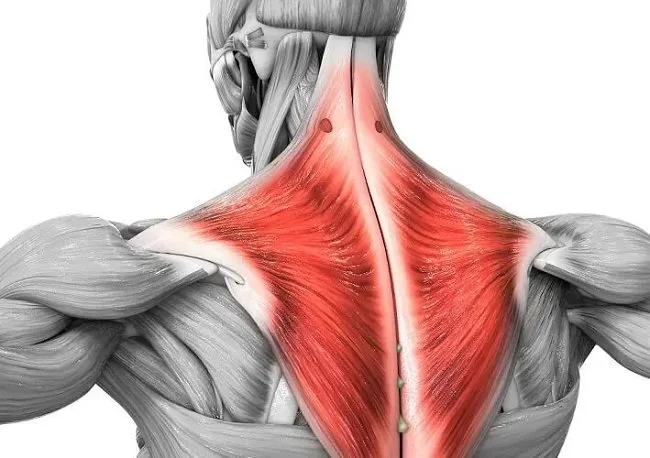
As I didn’t have a fever or persistent vomiting he ruled out meningitis, which was fine by me, as I had even considered that. Because I was in pain when raising my arms and that the pain was specific to my neck, I was concerned that it may be heart related. I suffer from heart disease and take medication for it. Thankfully, I wasn’t having a stroke. Hence the doctor concluded that I have injured my left trapezius muscle, which runs along my neck, connects to the shoulder blade and down to the top of the rib cage. This is known as Trapezius Myalgia and it is not a medical disorder or disease per se but rather a symptom of an existing underlying condition. Hence I shall be having a scan within the next three days to determine what is causing the problem with this specific muscle. IE is it a sprain, tear or something else.
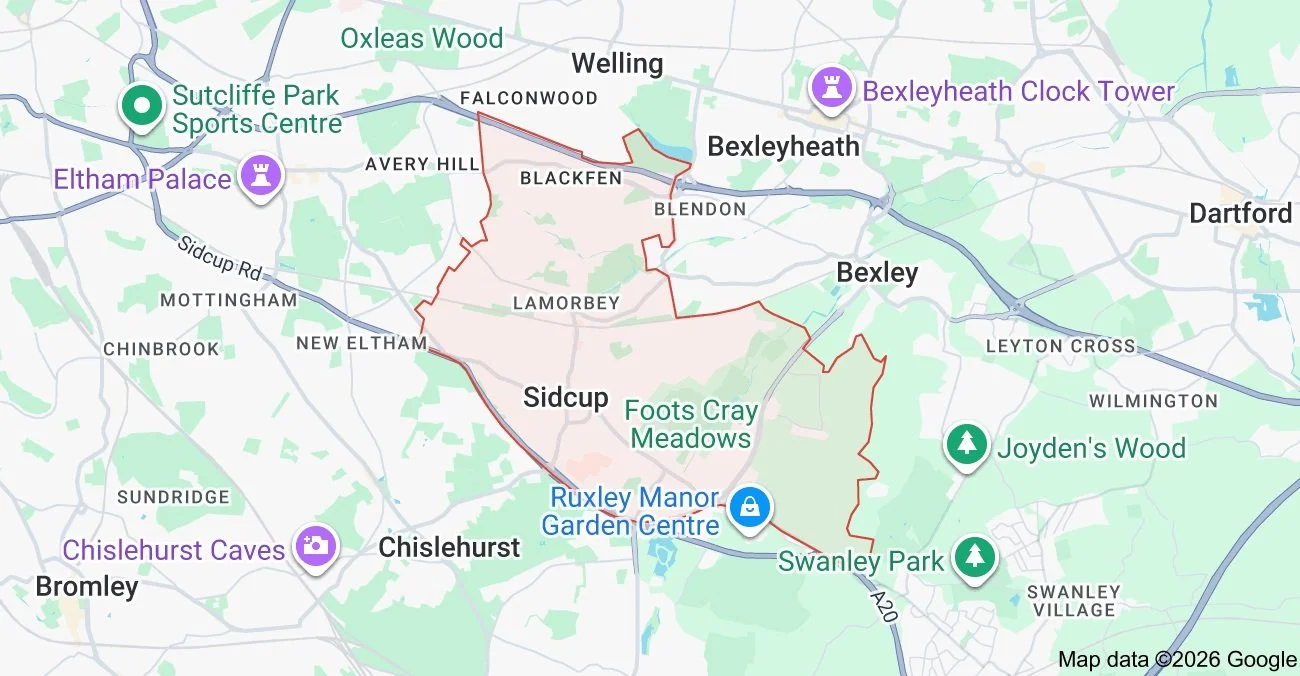
I spent about two hours at the Urgent Treatment Centre and was impressed by its efficiency. I suspect that I arrived at possibly the optimal time of day. Upon returning home, I checked the National Health Service app on my phone and found that the doctor who saw me had already updated my medical history. This had details regarding my Trapezius Myalgia and a list of follow up actions. Due to lines of demarcation and ongoing changes to “business delivery”, he could not make a direct referral to the physiotherapy department at my local hospital. There is now a self referral system in place which has to be done via a specific app. Needless to say, I have now installed this app and completed the requisite questionnaire. I now await a response from the musculoskeletal (MSK) clinic at my local Hospital, Queen Mary’s in Sidcup.
The NHS in the UK tends to be very good at dealing with urgent problems and emergencies. It doesn’t always do so well with follow up clinics and long term health issue management. For example, Mrs P’s records were not migrated when a specific cardiology department database was updated a few years ago, resulting in her effectively falling off everyone’s radar for 66 weeks. I am not especially happy or confident that the ongoing move to make all major medical departments accessible apps, is going to be as successful as the Minister of Health thinks. However, for the present my immediate health concerns have been addressed. My ailment has been diagnosed and I have a supply of opiates to address the immediate pain. The next step is to determine why it happened and what can be done to effectively remedy it. No doubt that will be another blog post.
Coronary Heart Disease
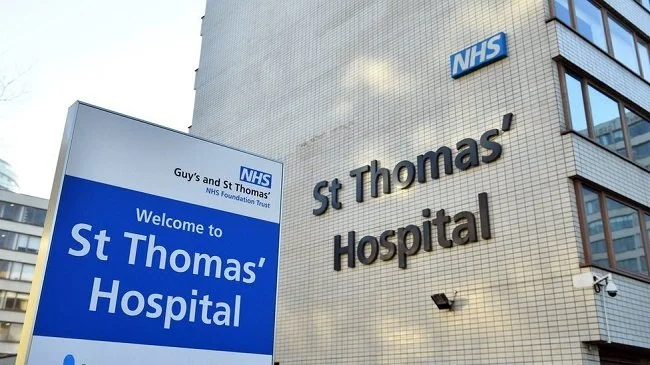
This morning I had an appointment at the Cardiology Outpatients clinic at St. Thomas’ Hospital, in Southwark, London. The hospital, located across the Thames from the Houses of Parliament, is easily accessible from three nearby tube stations (subway), one major train station and numerous buses. As well as having an extensive A&E department, St. Thomas’ also provides a broad range of healthcare services such as maternal medicine, gastrointestinal surgery, ophthalmology, pain medicine and plastic surgery. The hospital specialises in cardiovascular care and was the first to perform a mitral valve replacement on a beating heart. It is also home to nursing and surgical colleges. The current site has served community needs since 1871. The hospital has existed in some shape or form since the 12th century. There is a pleasant ornamental garden outside the main entrance that overlooks the river and Lambeth bridge.
This morning I had an appointment at the Cardiology Outpatients clinic at St. Thomas’ Hospital, in Southwark, London. The hospital, located across the Thames from the Houses of Parliament, is easily accessible from three nearby tube stations (subway), one major train station and numerous buses. As well as having an extensive A&E department, St. Thomas’ also provides a broad range of healthcare services such as maternal medicine, gastrointestinal surgery, ophthalmology, pain medicine and plastic surgery. The hospital specialises in cardiovascular care and was the first to perform a mitral valve replacement on a beating heart. It is also home to nursing and surgical colleges. The current site has served community needs since 1871. The hospital has existed in some shape or form since the 12th century. There is a pleasant ornamental garden outside the main entrance that overlooks the river and Lambeth bridge.
I was at the hospital to have a stress echocardiogram. Two years ago I was diagnosed with coronary arteriosclerosis and this was a routine test to determine if there were any significant changes in my condition. Stress echocardiography is a test that uses ultrasound imaging to show how well your heart muscle is working to pump blood to your body while physical, pharmacological, or electrical stress is applied to the heart. In my case I was given the drug atropine to increase my heart rate, while I squeezed a pair of stress balls. The procedure took about an hour and was a little uncomfortable towards the end, due to the elevated heart rate. Fortunately, the results of the test showed only a minor progression of my ongoing heart disease, which can be managed within my current treatment strategy. The results have been sent to my local GP and I may or may not have my dosage of bisoprolol (beta blocker) increased.
There is absolutely nothing unusual about a man of my age (56) having coronary arteriosclerosis. It is a result of your heart's blood supply being blocked or interrupted by a build-up of fatty substances in the coronary arteries. Over time, the walls of the arteries can become furred up with fatty deposits. Furthermore, heart disease of this kind is caused by lifestyle factors, such as diet, smoking and regularly drinking excessive amounts of alcohol. Due to the fact that processed foods make up a substantial part of our diets nowadays, heart disease is very common in the UK. At present, there are around 7.6 million people living with heart and circulatory diseases. This statistic includes everything from conditions that are inherited, to those that develop later in life, such as coronary heart disease, atrial fibrillation, heart failure, stroke and vascular dementia. Here is some further information from the British Heart Foundation.
Around 4 million males and 3.6 million females are living with heart and circulatory diseases in the UK.
We estimate that in the UK more than half of us will get a heart or circulatory condition in our lifetime.
Around twice as many people are living with heart and circulatory diseases in the UK than with cancer and Alzheimer’s disease combined.
Heart and circulatory diseases cause around a quarter (27 per cent) of all deaths in the UK; that's more than 170,000 deaths a year, or 480 each day – one every three minutes.
Around 49,000 people under the age of 75 in the UK die from heart and circulatory diseases each year.
Whenever discussing medical matters, it is important to maintain an appropriate sense of perspective. Since the British Heart Foundation was established in 1961,the annual number of deaths from heart and circulatory diseases in the UK has fallen by nearly half. The UK is at the forefront of heart disease research and the NHS has a proven track record of diagnosing and treating it. I have found over the last two years that coronary arteriosclerosis is entirely manageable. A few sensible changes in diet and lifestyle, along with some common place medicines help maintain the status quo. I take the following tablets each day. Bisoprolol (25mg), atorvastatin (40mg) and aspirin (75mg). As a result, I can still pursue all the same activities that I always have. Sometimes I have to adjust the pace at which I do things and any activity at floor level is challenging but you simply develop techniques to work around these.
I am very fortunate that I live in the UK and as such medical treatment is free at the point of use. The only costs I have to pay for are my prescription fees, which are subsidised. My medication is supplied bi-monthly and I am charged a flat fee £9.90 per item. Hence I pay £19.80 for the bisoprolol and atorvastatin. I buy aspirin “over the counter” as they are cheaper that way. The only other aspect of my ongoing healthcare is a weight loss regime which is very much a work in progress. I say this because to celebrate the positive results of today’s test, I ended up at our local Italian restaurant, which may seem somewhat contradictory to my ongoing medical needs. However, as my heart consultant pointed out, preventative healthcare is about adjusting and managing lifestyles and not necessarily abandoning them by default. Everything in moderation, including moderation, as Oscar Wilde said.
Accidents
Accidents will happen, as Elvis Costello astutely pointed out. Furthermore they often occur in the most innocuous of fashions, as I shall now tell. Myself and Mrs P were over our local park today with our two and a half year old grandson Oscar. It is located directly behind our home and has a small children’s play area as well as various adult exercise equipment. One of these items is a low, wooden ramp whose highest end is no more than eighteen inches off the ground. Oscar likes to climb on this, run to the end and jump. Naturally, he did this today when we visited. Mrs P then followed suit (at his request) and stepped off onto the soft, child safe surface. Her right knee gave way and she fell over. Despite the short distance and the soft surface, the fall was sufficient to injure her knee, as there was an audible crack. She subsequently could not get up on her own and I had to assist her so she could sit on the aforementioned ramp.
Accidents will happen, as Elvis Costello astutely pointed out. Furthermore they often occur in the most innocuous of fashions, as I shall now tell. Myself and Mrs P were over our local park today with our two and a half year old grandson Oscar. It is located directly behind our home and has a small children’s play area as well as various adult exercise equipment. One of these items is a low, wooden ramp whose highest end is no more than eighteen inches off the ground. Oscar likes to climb on this, run to the end and jump. Naturally, he did this today when we visited. Mrs P then followed suit (at his request) and stepped off onto the soft, child safe surface. Her right knee gave way and she fell over. Despite the short distance and the soft surface, the fall was sufficient to injure her knee, as there was an audible crack. She subsequently could not get up on her own and I had to assist her so she could sit on the aforementioned ramp.
Due to the swelling and the fact that she couldn’t put any weight on her right leg, I had to go to my parents house which is nearby and fetch my late mother’s wheelchair. This proved invaluable. To cut a long story short, we went to the Urgent Care Centre at our local hospital. It is not a full A&E but this is exactly the sort of injury that they deal with. The knee was x-rayed and found to have no bone injuries. However, due to the obvious damage to the soft tissue, Mrs P has been referred to the fracture clinic. In the meantime, her entire right leg from the top of the thigh to the ankle is in a splint. She cannot put weight on it and the pain is intense, even when sitting or lying down. As she cannot move, she requires assistance with visits to the toilet. At present she is taking paracetamol for pain relief but it is proving insufficient. I shall call our local GP tomorrow to see if something more robust can be prescribed. This matter is complicated by Mrs P’s heart condition.
When I reflect on this and other accidents that have befallen my family and friends over the years, I am constantly surprised by their mundane and banal nature. My mother slipped over in the bathroom in November 2019 and broke her upper right arm. She was reaching for a towel to dry her hands. The break was so bad that it had to be pinned. My father hit himself in the face with a spanner while trying to unscrew a particularly difficult engine bolt, resulting in him knocking out a tooth. This was in the seventies when tinkering with your car was an quintessential weekend ritual in suburbia. I sprained my ankle in 2002, when stepping off the curb in Great Newport Street. My foot went black within minutes and I was out of action for at least five days. All of these minor incidents seem to have disproportionate outcomes or long term aftereffects that you wouldn’t immediately associate with such low key beginnings.
Another consideration that springs to mind, is how modern homes and public spaces are far from accommodating if you are not 100% able. Something that the disabled encounter everyday. At present, Mrs P is using a wheelchair for practical reasons. When we were leaving the hospital today, the paving stones outside were in a shocking state making wheelchair use uncomfortable and dangerous. Furthermore, at home when travelling from her bed to the bathroom, the standard doorways in the UK can barely accommodate the width of a wheelchair. We are both grateful that we live in a bungalow and do not have any stairs to navigate. Then there is the issue of care, which often follows in the aftermath of an accident. Both I and Mrs P are retired so we don’t have to worry about taking time off work to look after someone. Not everyone is in such a position or has a partner or family available to help, to begin with.
It would appear that the rule of thumb associated with these sorts of accidents is that they can occur anywhere and at any time. On a personal note I feel that they often go hand-in-hand with the mantra “no good deed goes unpunished”, because such accidents frequently stem from trying to help someone else or doing some kind of favour for another. In a curious validation of this speculation about the banality of accidents, while Mrs P was waiting to be seen in the Urgent Care Centre, one of our neighbours arrived with a cut thumb that required stitches. He sustained his injury as he was ringing his son’s front door. A loose tile caused him to slip and fall into a flower pot. To add insult to injury, the entire incident was caught on his son’s CCTV which overlooks the drive. All of which makes me think there may be something in M.R. James’ short story “The Malice of Inanimate Objects”.






Losing Weight
I weighed myself this morning before writing this post. As of 6:05 AM today I weigh 188 lbs (13 stone 6 lbs or 85.3 kg). To give this data some sort of context I am 5’11 tall and 54 years old. Prior to my more recent weight gain, I have had an athletic build for most of my life. During my twenties and thirties, while I was still a smoker, my weight stayed around 133 lbs. When I quit my 30 a day cigarette habit I gained about 14 lbs or so over the following months and then stayed at that weight for a further decade. Even with the onset of middle age my weight has not been excessive and my build has accommodated any gain quite well. It has only been over the last 5 years that it has increased to a level that I consider to be neither flattering or healthy. This was brought home to me a few days ago when I saw my reflection in a mirror while on holiday. The incident has given me pause for thought and galvanised me to take action.
I weighed myself this morning before writing this post. As of 6:05 AM today I weigh 188 lbs (13 stone 6 lbs or 85.3 kg). To give this data some sort of context I am 5’11 tall and 54 years old. Prior to my more recent weight gain, I have had an athletic build for most of my life. During my twenties and thirties, while I was still a smoker, my weight stayed around 133 lbs. When I quit my 30 a day cigarette habit I gained about 14 lbs or so over the following months and then stayed at that weight for a further decade. Even with the onset of middle age my weight has not been excessive and my build has accommodated any gain quite well. It has only been over the last 5 years that it has increased to a level that I consider to be neither flattering or healthy. This was brought home to me a few days ago when I saw my reflection in a mirror while on holiday. The incident has given me pause for thought and galvanised me to take action.
To cut a long story short my excess weight has all gone on the front of my chest and my neck has thickened. My arms, legs and butt seem to have avoided this process. Currently, my profile is somewhere between Alfred Hitchcock and Mr. Greedy. Hence, bending down is difficult due to this bulk physically being in the way. The excess weight is also slowing me down and I find myself getting breathless when exerting myself. Shirts, T-shirts and jackets are now tight across my chest, restricting my breathing and generally contributing to an ongoing feeling of being uncomfortable. I was diagnosed last year with an irregular heartbeat and I’m sure my increase in weight has contributed to this. Setting aside the obvious health benefits of losing weight, I just don’t like the way I look at present. The world has no shortage of overweight, middle aged white guys and I don’t wish to add to their numbers.
I have always enjoyed my food, a habit I inherited from my father. I look forward to meals and consider them as something to relish, rather than just an arbitrary intake of bodily fuel. However, it is clear to me now that in recent years I have fallen into the trap of recreational eating and to a degree comfort eating. And it would be remiss of me not to state how much alcohol contributes to weight gain. Effectively since the first lockdown in 2020, I have treated day to day life like one continuous bank holiday, with regard to my drinking habits. I don’t think I have a drinking problem in any way. I just enjoy a social pint and drinking is an integral part of the UK cultural landscape. But I need to address this and will be abstaining from all forms of booze till the end of the month. I suspect that this may well be a key factor in any weight loss regime.
Like most things I do in life, I shall be working to a plan. Hence I will be logging meals and adjusting portion sizes. I will maintain a three meal a day regime with a moratorium on eating after 8:00 PM. I’ll use the existing health app on my phone (that goes with my smartband) to track my weight. I tend to adhere to processes and schedules more efficiently if I “gamify” them. Furthermore, I shall post my progress here as I find that writing about the various things going on in my life helps me process them. To clarify my goals, I am looking to lose initially 14 lbs (1 stone, 6.3 kg). If this is achieved easily and in a relatively short period of time (perhaps by the end of August), I may then set myself an additional target if I feel there is scope for further healthy weight loss. As ever I welcome comments and opinions, especially from those who are currently embarking upon a similar weight loss plan. If you are, then good luck.
Looking After Your Mental Wellbeing
Very few people had a “good” 2020. I won’t bore you with a list of my personal woes as I’m sure you have plenty of your own. Plus everything is relative. We shouldn’t compare apples with oranges. Like many people, I now find myself fatigued by the ongoing global events and the conspicuous absence of normality. I like to consider myself quite a robust person. I have endured difficult times in the past and have come through them by remaining calm and focused. However, the nebulous and seemingly never ending nature of the global pandemic is extremely wearing. Let it suffice to say that I feel singularly unmotivated at present. Writing, which is usually a great pleasure, is currently a chore. I am also troubled by something that I personally find most unusual. A sense of sadness. And it doesn’t seem to want to go away.
Very few people had a “good” 2020. I won’t bore you with a list of my personal woes as I’m sure you have plenty of your own. Plus everything is relative. We shouldn’t compare apples with oranges. Like many people, I now find myself fatigued by the ongoing global events and the conspicuous absence of normality. I like to consider myself quite a robust person. I have endured difficult times in the past and have come through them by remaining calm and focused. However, the nebulous and seemingly never ending nature of the global pandemic is extremely wearing. Let it suffice to say that I feel singularly unmotivated at present. Writing, which is usually a great pleasure, is currently a chore. I am also troubled by something that I personally find most unusual. A sense of sadness. And it doesn’t seem to want to go away.
I recently wrote about plans for the New Year and mentioned a personal weight loss and fitness regime. I think I will now add to that a mental health element to try and maintain calm and stable demeanour. Looking after your mental health shouldn’t be a last minute consideration, only to be worried about when things go wrong. It should be treated the same as our physical health and given as much consideration. So I’ve done a little reading online to see if I can find some simple tips to improve my mental wellbeing. There’s plenty of information out there but it’s also a field rife with quackery. Luckily the UK NHS has some practical and straightforward advice. Essentially these are reframe unhelpful thoughts, be in the present, sleep well, connect with others and try to live a physically healthy lifestyle. Sound advice although it may not be as easy to implement it all.
I certainly will extol the merit of reframing unhelpful thoughts. Once you become aware of how you react in specific situations (which may be in a negative way), you can change such behaviour. Cognitive behavioural therapy is simple in principle but it can be life changing. Being in the moment is also a liberating state of mind. I tend not to look any further than the month ahead at present and focus on what is at hand, rather than worry about issues that haven’t yet become a direct problem. Sleep is an issue for me at present. My smart band collates data on the quality of my sleep and it’s not as good as it could be. Essentially my problem is one of relaxation. My mind is often still actively engaged when I should be sleeping. So I’ve been trying to find a way to mentally drop down a gear in the late evening.
“Seek and you will find” as the expression goes. Last night I was idly channel surfing when I stumbled across The Joy of Painting on BBC iPlayer. It’s been a while since I watched this show, yet within minutes the calming tones of Bob Ross and his gentle wordplay (“happy trees”) had defused my tension and replaced it with a sense of composure. This morning I felt that I had enjoyed a better night’s sleep. So I think the key in the future is to try and avoid an excess of “stimulus” after a certain time. I certainly think having a cut off point for social media or watching the news may be beneficial. I’m not advocating going cold turkey and shutting oneself off from the world. But I do think there comes a point in the day where it’s best to put some things back in their respective box and keep others at arm’s length.
I’d be very interested to hear from readers who have their own equivalent to watching Bob Ross as well as whatever methods they use to maintain a healthy state of mind. We are fortunate that we live at a time where talking about one’s mental wellbeing is no longer so difficult. The old school stiff upper lip mindset has been debunked as it often results in emotionally broken people. I hope I can find my sense of mental equilibrium again and see a return of my usual levels of motivation. And let us not forget to share a kind word with those we interact with both online and in day to day life. In these difficult times it is important to be aware that not everyone has the same support networks. Also not everyone will be coping the same and some folk still tend to put on a brave public face. Kenneth Williams said it the best. “Drowning, not waving”. So let us not add to each other’s problems.
Living With Chronic Pain
To begin with, I am not claiming to be living with “chronic” pain in this blog post. I am fully aware of the definition of the term and am fortunate that my current injury does not force me to endure such levels of discomfort. However, my recent experience has provided me with a new insight into something that most of us only notionally know about and have little or no true understanding. I believe I appreciate my Mother’s daily circumstances a lot better now (as well as several friends and colleagues who also live with chronic pain) and finally understand how debilitating both physically and mentally living in constant and acute pain can be. Hence I decided to write this piece. To share my experience with an injury that continuously hurts and to help inform others about the realities of living with chronic pain. Sometimes you need to experience something first hand to fully get the measure of it.
To begin with, I am not claiming to be living with “chronic” pain in this blog post. I am fully aware of the definition of the term and am fortunate that my current injury does not force me to endure such levels of discomfort. However, my recent experience has provided me with a new insight into something that most of us only notionally know about and have little or no true understanding. I believe I appreciate my Mother’s daily circumstances a lot better now (as well as several friends and colleagues who also live with chronic pain) and finally understand how debilitating both physically and mentally living in constant and acute pain can be. Hence I decided to write this piece. To share my experience with an injury that continuously hurts and to help inform others about the realities of living with chronic pain. Sometimes you need to experience something first hand to fully get the measure of it.
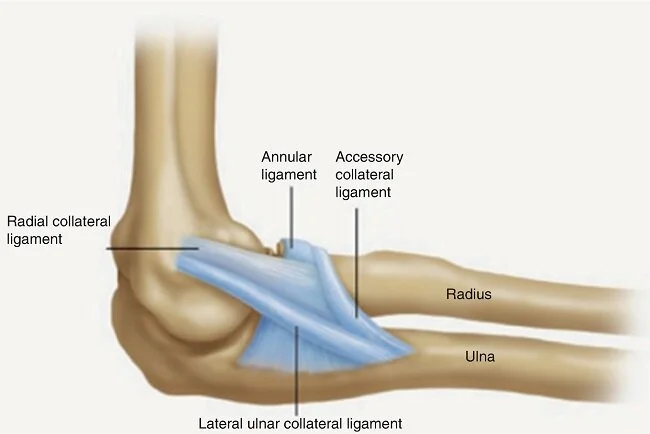
Approximately 8 weeks ago, I was vacuuming my Mother’s bedroom. I needed to move the bed to reach underneath it, so without thinking I grabbed the frame and lifted one end. This is the sort of thing you usually do without thinking because normally, a bed isn’t necessarily that heavy. However, on this occasion I forgot that this is a hospital bed which weighs over 170 lbs (77 kg). To cut a long story short I damaged my radial collateral ligament (RCL) in my left elbow. It hurts when I extend my arm or rotate my wrist. The pain is considerable and continuous. The only practical way to minimise this is to strap the joint tightly with a bandage or sports support and then use a sling with the left arm raised as high as possible. The doctor has recommended resting the limb for the immediate future. As a carer of two disabled parents that is not a viable possibility.
Being in constant pain to the degree that I currently experience is unpleasant and frustrating. The pain is sufficient to be ever present regardless of what activity you’re doing. The most innocuous action can sharply remind you of your injury, making the most mundane, everyday tasks problematic and irritating. Using cutlery is difficult at present. Trying to find a comfortable position to sleep is challenging. Washing and getting dressed takes twice as long as normal due to a new degree of self imposed caution. The net result of these factors is a change in mood and demeanour. It is difficult to be positive and upbeat when you are in pain. You also become aware that because of your mood it may be best to avoid other people. Now all of the above has been sufficient for me to stop and think. Imagine what day to day life is like for those who are experiencing a more intense and continuous level of pain?
My Mother will be 90 years old in October. She has ongoing Rheumatoid arthritis; an affliction that has plagued her since her late sixties. Her ankles, knees and hands are the most affected part of her body, although her shoulders and hips are getting progressively worse. To tackle the levels of pain that she faces each day she is currently prescribed transdermal patches containing 20 micrograms of Buprenorphine, that are changed weekly. These are supplemented with paracetamol. Both drugs combined simply diminish the pain and do not eliminate it. Due to her continual discomfort, lack of mobility and declining faculties, she is often morose and taciturn with a penchant for lachrymosity. It is only in recent weeks that I’ve come remotely close to fully understanding what she endures daily. So if you know anyone with a chronic and painful medical condition, who at times is a little cantankerous and curmudgeonly, think twice before judging them too harshly. Living with pain is a terrible burden from which there is often no respite. I wouldn’t wish it on my worst enemies.
Personal Health
It’s hard to write about ones own personal health issues and how one addresses them without coming across as smug, sanctimonious or oblivious to the fact that it’s all relative. I wrote back in early March about how I was going to try and get my “house in order” by losing weight and also undertaking the NHS Health Check. A six weeks on and progress is being made. However, I would just like to re-iterate that what has proven to work for me, may not do so for others. We all have our own unique relationship with our own health and therefore there is a need to find ways that work for us as individuals. Therefore my dietary regime which seems some what easy to me, may prove to be far too draconian for others. Similarly my exercise targets are also suited to my temperament and limitations. But I hope that by sharing my progress I can at least provide some encouragement to others.
I don’t know why but images like this just annoy me…
It’s hard to write about ones own personal health issues and how one addresses them without coming across as smug, sanctimonious or oblivious to the fact that it’s all relative. I wrote back in early March about how I was going to try and get my “house in order” by losing weight and also undertaking the NHS Health Check. A six weeks on and progress is being made. However, I would just like to re-iterate that what has proven to work for me, may not do so for others. We all have our own unique relationship with our own health and therefore there is a need to find ways that work for us as individuals. Therefore my dietary regime which seems some what easy to me, may prove to be far too draconian for others. Similarly my exercise targets are also suited to my temperament and limitations. But I hope that by sharing my progress I can at least provide some encouragement to others.
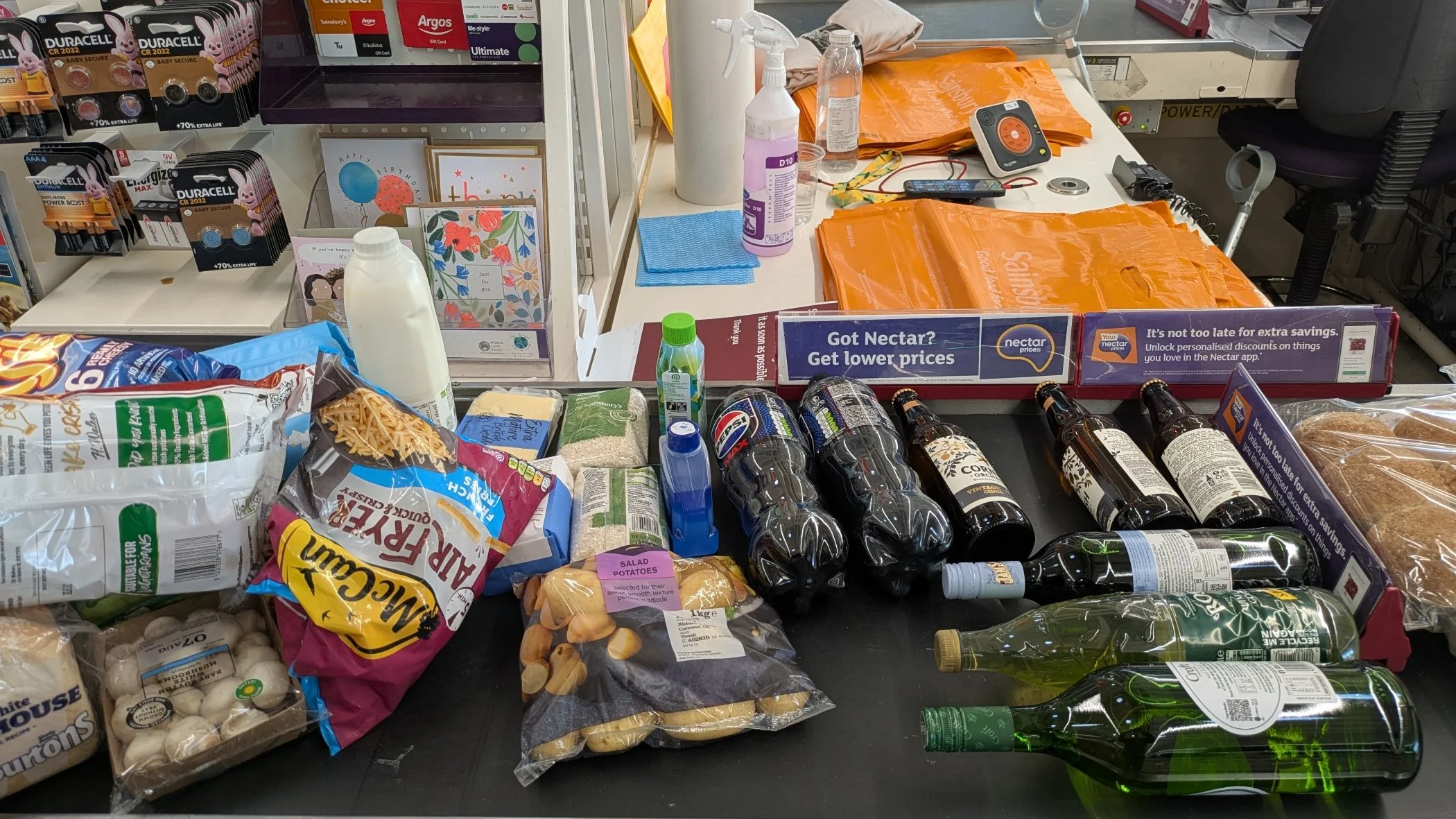
I started March weighing 180.6 lbs (82 kg) which is not excessively obese but is still the wrong side of the line for my personal liking. I am just under six foot and this excess weight has been mainly around the waist. So I decided to remove all random snacking and excessive alcohol from my daily diet. I have structured meals at specific times of the day. Breakfast mainly consists of either eggs, toast and Marmite or some tediously healthy form of cereal. I then have a substantial meal in the late afternoon which is based around fish or chicken along with vegetables. Rice or beans are used as an alternative to potatoes and chips. If I feel hungry in the mid-evening, I now have fruit (mainly apples or pears) as a snack. I drink mainly coffee (with sweeteners) or diet drinks continuously throughout the day. Alcohol is now limited to Wednesday and Saturday evenings.
Kebabs are now verboten . Bummer…
What this regime achieves is a reduction in calorie intake. And let’s face it, the kind of food that’s now eliminated from my daily diet was certainly high in calories. There is also scope within my current eating habits for the occasional treat once a week, such as a takeaway meal or a visit to a restaurant but no more than that. I have also found that years of recreational eating has impaired my personal perception of when I’m hungry. All too often I get the urge to eat “out of habit”, rather than because I’m genuinely in need of sustenance. However, recognising this state of mind is an invaluable step towards addressing the problem. I find that if I keep myself busy (and my life certainly does that) I can effectively ignore this faux sense of hunger. Drinking a beverage can also temporarily assuage thoughts of “being hungry”. And of course the most practical thing one can do to avoid the temptation of snacking is to just not have any in the home.
Controlling food intake is just half of the solution when it comes to weight loss. The other part of the equation is exercise. My exercise of choice is walking. I do a great deal of chores and tend to shop locally, thus providing a reason for daily visits to the shops and carry shopping home. I track my step count with my phone and have a daily step count of 10,000, which I achieve more often than not. On a side note, I bought two new pairs of trainers at the beginning of December, I decided to by alternative brands from that which I usually buy. Sadly the true cost of buying cheap has become clear, as I have worn one pair complete through in just four and a half months, but I digress. I recently had a “NHS Health Check” and was very pleased to find that everything is in order. My kidney and liver function are fine. There’s no signs of heart disease, cancer or insipient dementia. I just need to get my cholesterol level down from 5.3 mmol/l to about 4.0 mmol/l.
Science and stuff…
So overall, the first month of my new health regime has been a success. As of Monday I now weigh 174.2 lbs (79 kg); a loss of 6.4 lbs (2.9 kg) in 5 weeks which isn’t bad going. So I just need to keep going. Ideally, I would like to get my weight down to about 168 lbs (76.2 kg) and keep it there. However, weight loss is one issue. Keeping static at a target weight is another matter altogether. I shall continue to write about this subject from time to time, again in the hope of sharing information and encouraging others. Good luck to all who are currently seeking to lose weight or generally improve their overall health. It is a hard task to initiate and then stick with and there is no “one size fits all” solution. Everyone has to find the way that is right for them. As ever, feel free to comment and share your own perspective on what is a difficult subject.
Personal Health
Personal health as a concept, refers to your overall well-being both physically and mentally. It is about taking charge of your health by making a conscious decision to improve and maintain it. It not only refers to your physical state but the respective wellness of the emotional, intellectual and even spiritual aspects of your life. Sadly it is something that many of us are not very good at dealing with or choose to ignore. All too often good intentions get sidelined by the realities of life. Sadly, physical and mental issues are usually only addressed after something bad has occurred. Furthermore, much of the most basic and practical information needed to improve our personal health is drowned out by the white noise of fads, quackery and those seeking to sell you a “solution”.
Personal health as a concept, refers to your overall well-being both physically and mentally. It is about taking charge of your health by making a conscious decision to improve and maintain it. It not only refers to your physical state but the respective wellness of the emotional, intellectual and even spiritual aspects of your life. Sadly it is something that many of us are not very good at dealing with or choose to ignore. All too often good intentions get sidelined by the realities of life. Sadly, physical and mental issues are usually only addressed after something bad has occurred. Furthermore, much of the most basic and practical information needed to improve our personal health is drowned out by the white noise of fads, quackery and those seeking to sell you a “solution”.
In recent years I have experienced a great deal of illness through my family and have subsequently pondered upon issues that I may not have considered otherwise. As a fifty-one-year-old man I am acutely aware of where I am in terms of the human life cycle and how I am now at a point where I need to get my house in order with regard to my personal health. A problem diagnosed now is a potentially a lot easier to remedy than in a decade’s time. Simply put, I’ve seen what can happen potentially to me and have decided I want to avoid such an outcome. So I saw my GP last week and explained my concerns. Fortunately, the NHS in the UK is becoming more proactive in its healthcare, as it is often more cost effective to do so. Hence my Doctor was happy to help.
As a society we seem to suffer greatly from cognitive dissonance when it comes to our physical health. We live in an age where information about living a healthy lifestyle is readily available. Yet we wilfully choose to ignore it because snacks are tasty, exercise is dull and doing what is right often means denying ourselves, which makes us sad. So we do our own thing and suffer the consequences. And I’m just as guilty as everyone else. However, I have decided to change my lifestyle and intend to do so by sensible and practical increments. I had the sense to quit smoking in 2001 and have never gone back. I couldn’t afford to smoke nowadays. My former thirty a day habit would cost me over £3,500 a year now. The next and most obvious step for me now is to address the issues of weight and exercise.
I presently weigh 180 lbs, which according to the BMI makes we overweight. Now the BMI is a flawed measurement, however a cursory look in a mirror is sufficient verification that I’m carrying some surplus pounds. I need to shift about 6 to 12 lbs to be at a sensible weight for my height (5’ 11”) and build. To do this I’m adopting a two meal a day policy. Breakfast of either cereal, toast or eggs. And a late afternoon meal of fish and vegetables. Snacks and any additional eating outside of those two meals is prohibited. I shall also limit my alcohol consumption to just Wednesday evenings when I talk to friends on Discord. As for exercise, I mainly do this through walking and shall be actively pursuing a target of ten thousand steps a day. I do lots of chores such as shopping and household maintenance for my parents, which also counts towards periods of exercise. I shall be tracking both my weight and step count via my phone and am considering writing regularly about my progress.
I shall be seeing the Practise Nurse at my local surgery this coming week to have my heart and lung function checked. This is all part of the “NHS Health Check” which is intended to “to spot early signs of stroke, kidney disease, heart disease, type 2 diabetes or dementia”. This service is specifically aimed at those over the age of 40. I am cautiously optimistic that there won’t be any surprises in store for me. My GP took my blood pressure which was fine, along with my “sats”. However, if something is discovered it is best to grasps the nettle now. We may not get a choice in the exact time of our death, but we can certainly have a say in the manner of it. I know for some people that may sound somewhat heavy or dour, but life has taught me that we should not avoid certain subjects because they make us feel uncomfortable. Therefore I would urge everyone to reflect upon their health and if you have any concerns, go and see a medical professional about them. Avoid quackery, keep a positive attitude and don’t take the status quo for granted.
Walking for Pleasure
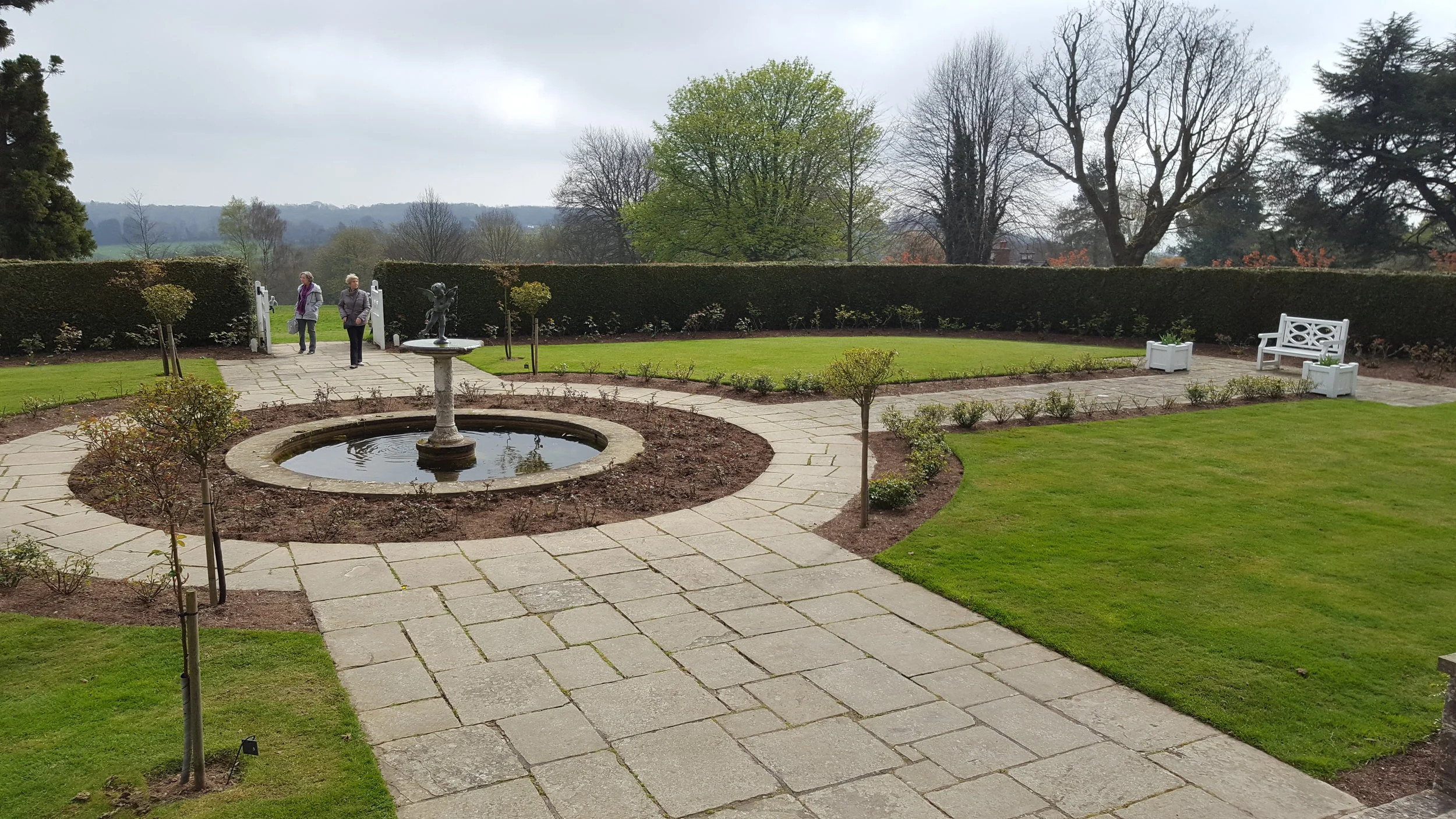
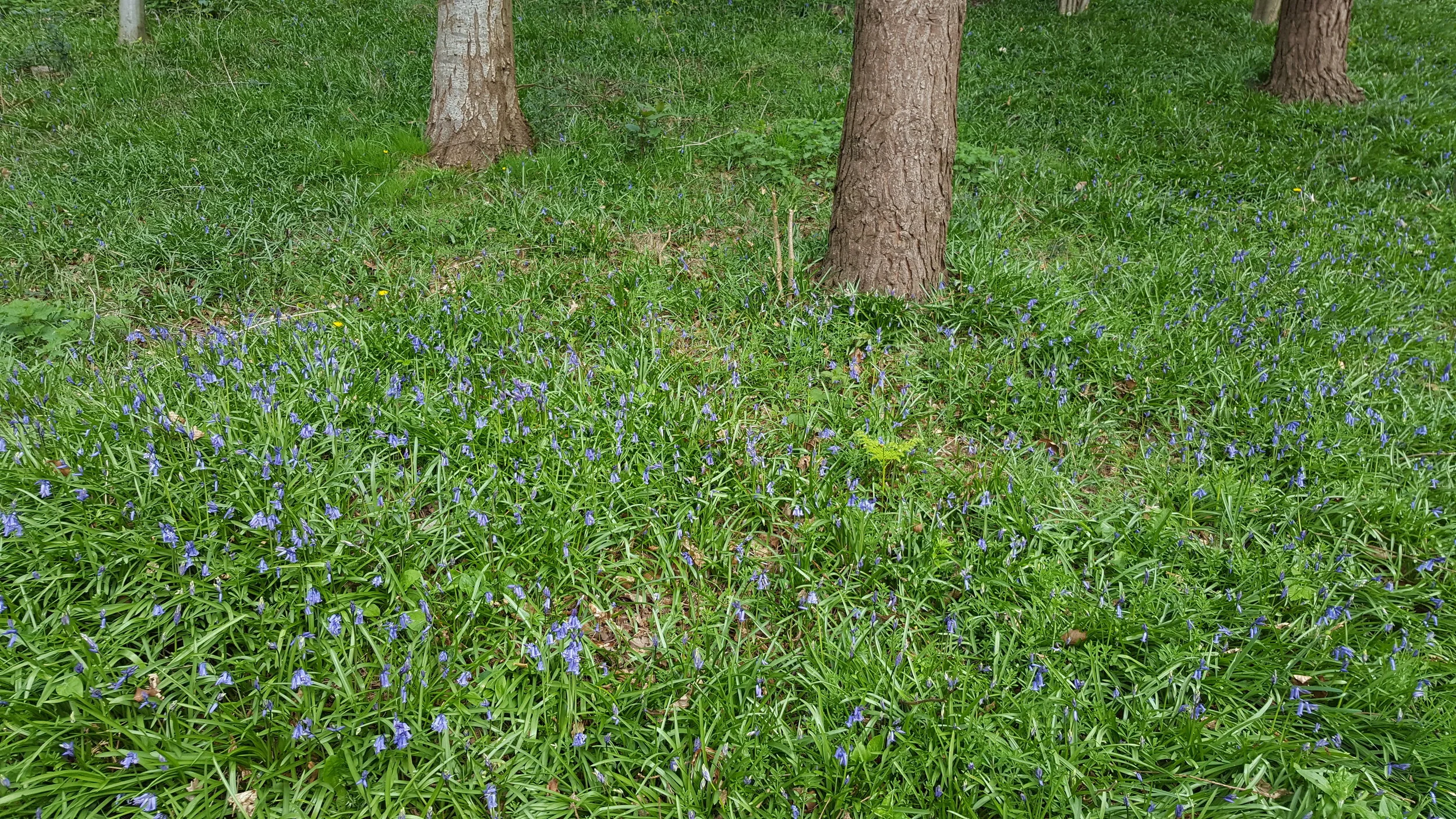
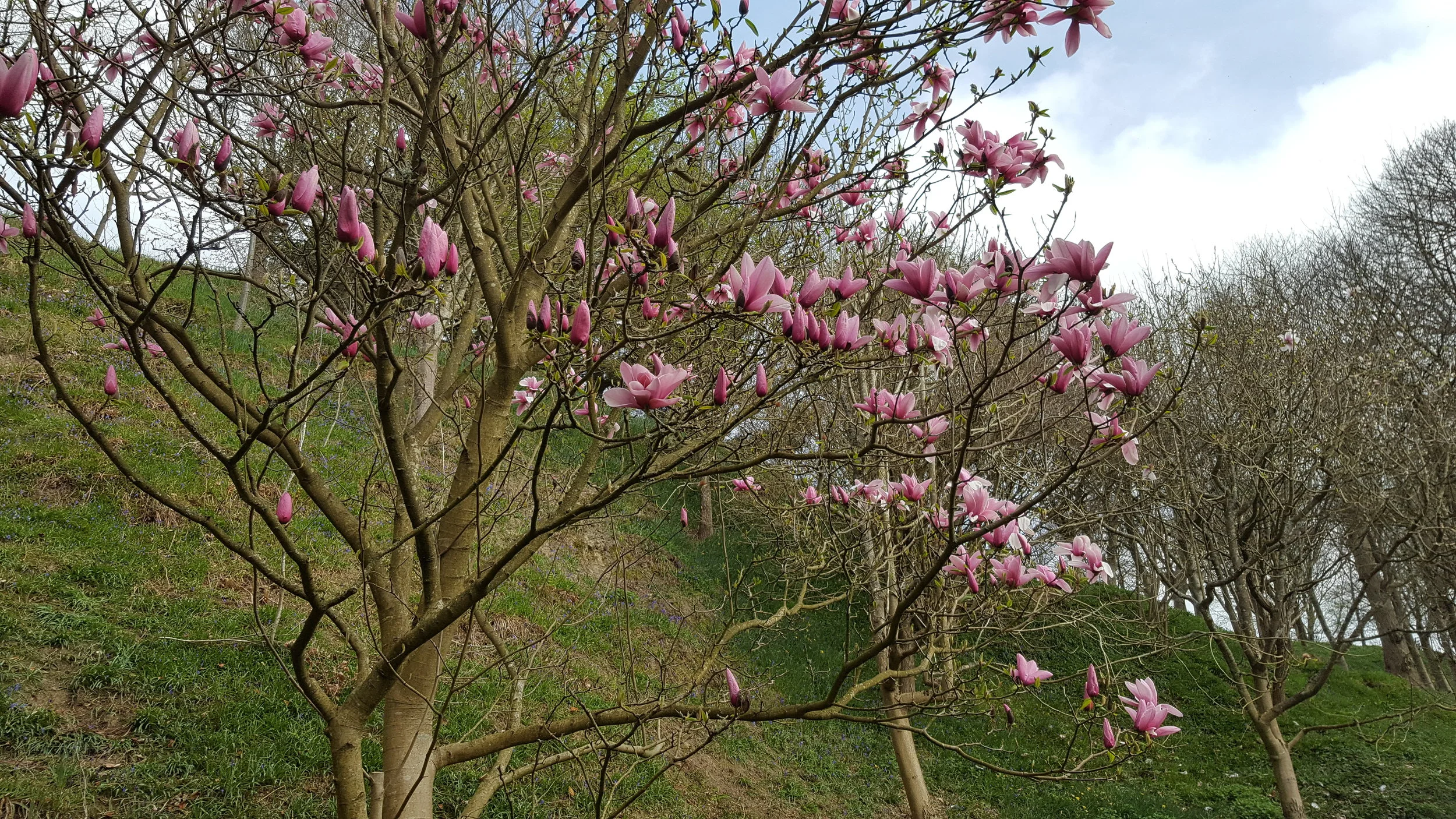
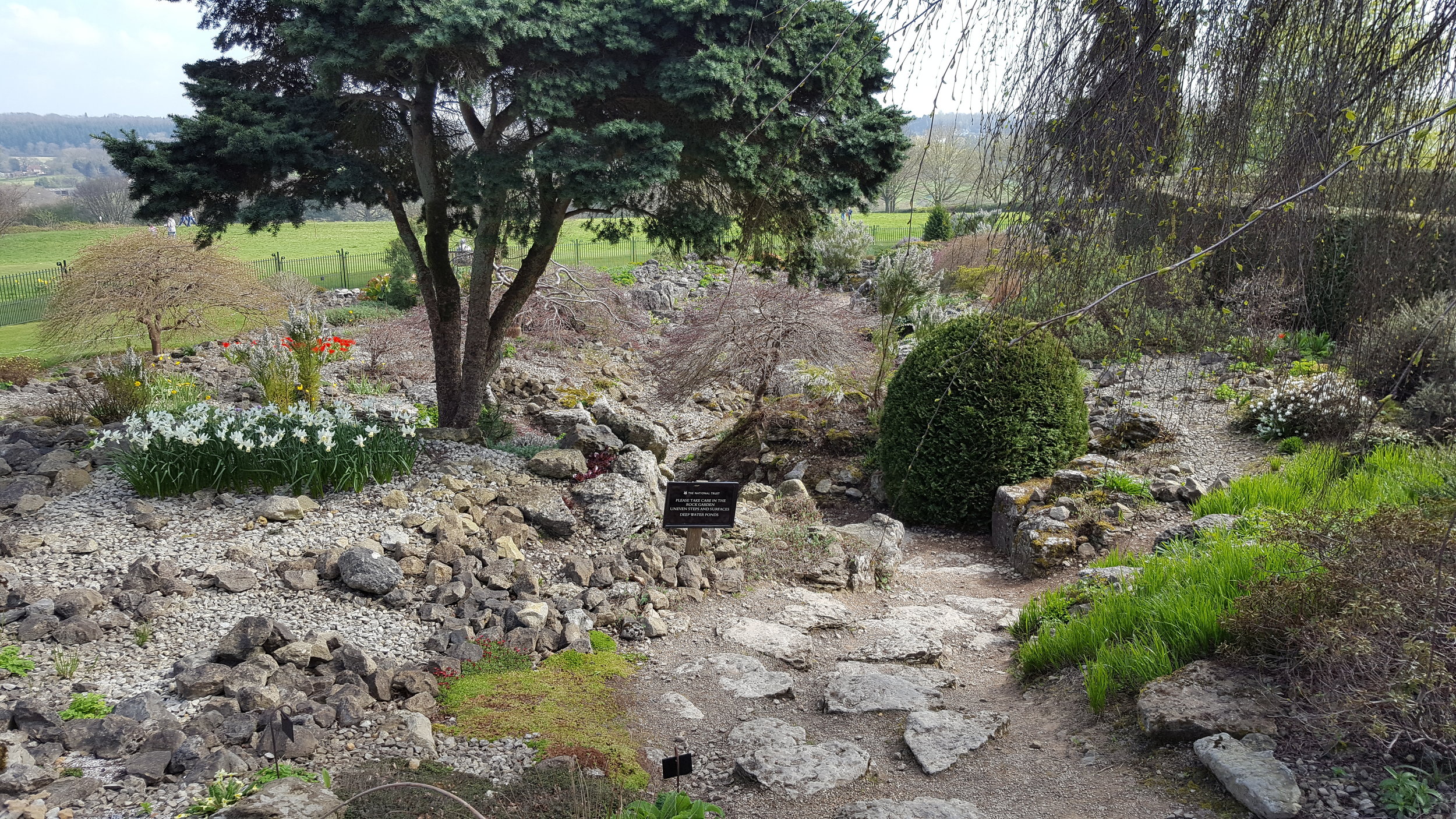
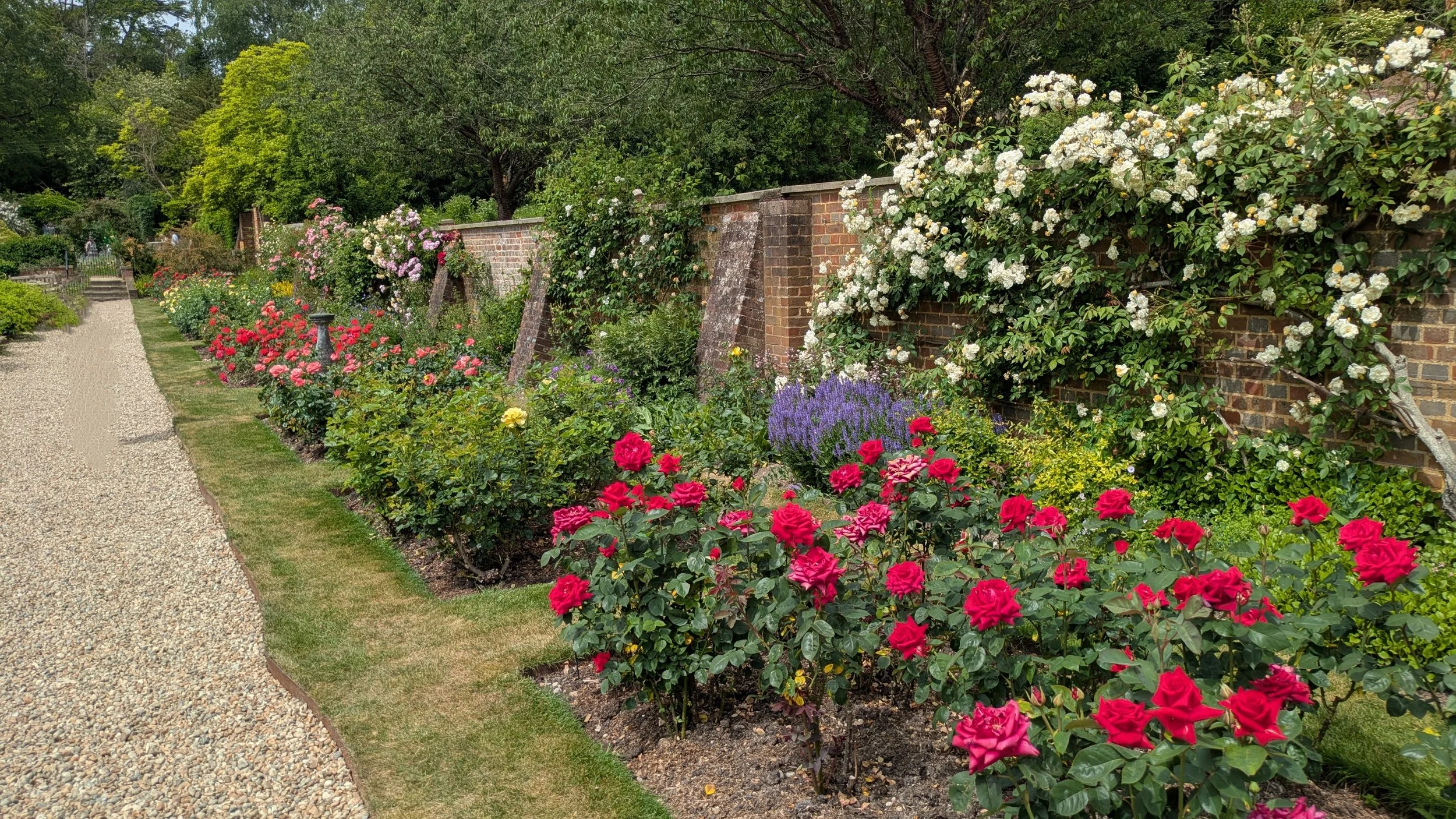
Today I visited Emmetts Garden in Sevenoaks. The Edwardian estate located at Ide Hill and is now owned by the National Trust for Places of Historic Interest or Natural Beauty. The garden, which covers an area of about six acres, is situated on a 600-foot sandstone ridge, overlooking the Weald. It is one of the highest points in Kent, offering an expansive view of the North Downs. The garden was laid out in the late 19th century and was influenced by William Robinson. It contains many exotic rare trees and shrubs from across the world. You can explore the rose and rock gardens, take in the views as well as enjoy flowers and shrubs in spring. In autumn visitors can enjoy the vibrant colours brought about by the changing of the season. The main attraction at this time of year are the Bluebells.
Today I visited Emmetts Garden in Sevenoaks. The Edwardian estate located at Ide Hill and is now owned by the National Trust for Places of Historic Interest or Natural Beauty. The garden, which covers an area of about six acres, is situated on a 600-foot sandstone ridge, overlooking the Weald. It is one of the highest points in Kent, offering an expansive view of the North Downs. The garden was laid out in the late 19th century and was influenced by William Robinson. It contains many exotic rare trees and shrubs from across the world. You can explore the rose and rock gardens, take in the views as well as enjoy flowers and shrubs in spring. In autumn visitors can enjoy the vibrant colours brought about by the changing of the season. The main attraction at this time of year are the Bluebells.
Both I and my significant other walk for pleasure as well as the obvious health benefits. We both have targets regarding our daily step counts and try our best to achieve them. The car is therefore often left at home and a lot of trivial journeys, such as those to the local shops are done by foot. As I am also my parent’s carers I find that the various visits to the pharmacy and doctors surgery offer a further opportunity to hit my daily walking quota. Furthermore, the layout of the Greater London suburbs means that walking is frequently an easy option without the have the hassle of having to find a parking space. The county where I live also has a wealth of parks and open spaces. Some are free, where others such as Emmetts Garden, have a modest entry fee.
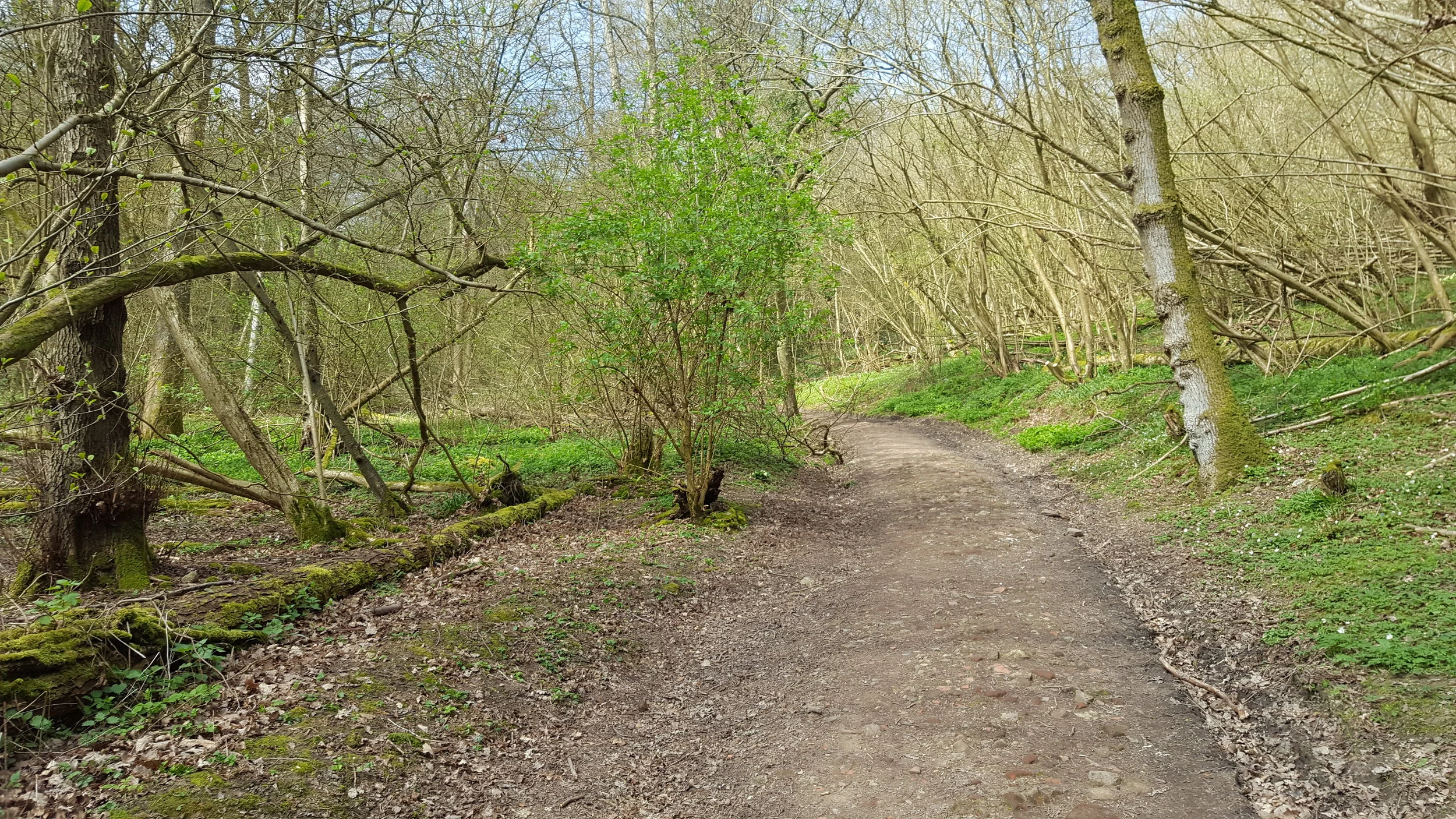
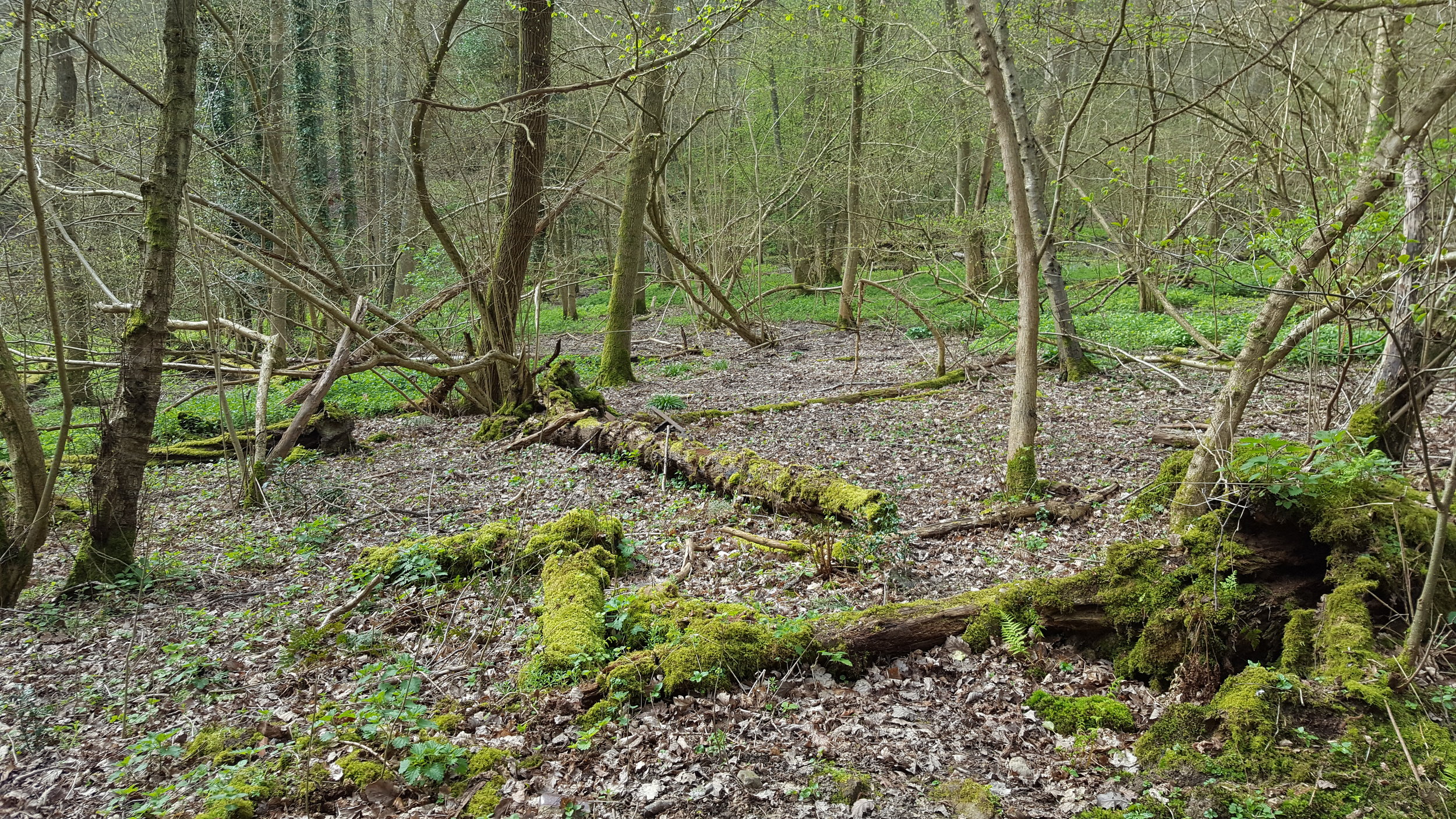
Today’s visit not only afford us an opportunity to visit a beautiful garden, rich with exotic flowers and trees but it also allowed us to gently exercise in a beautiful environment. Many of the trails within the grounds are tranquil and free from excessive noise. As I’ve written recently, noise for me is one of the great maladies of this century and any chance to be free from it is welcomed. Today’s walk gave me and Karen some quality time to chat as well as reflect in silence upon our own thoughts as well as the inherent beauty of our surroundings. Walking in such an environment is a great way of relaxing and recharging your “batteries”. Modern urban life is extremely frantic and in many ways, has detached us from the natural world. Parks and places of natural beauty are a great way to reconnect.
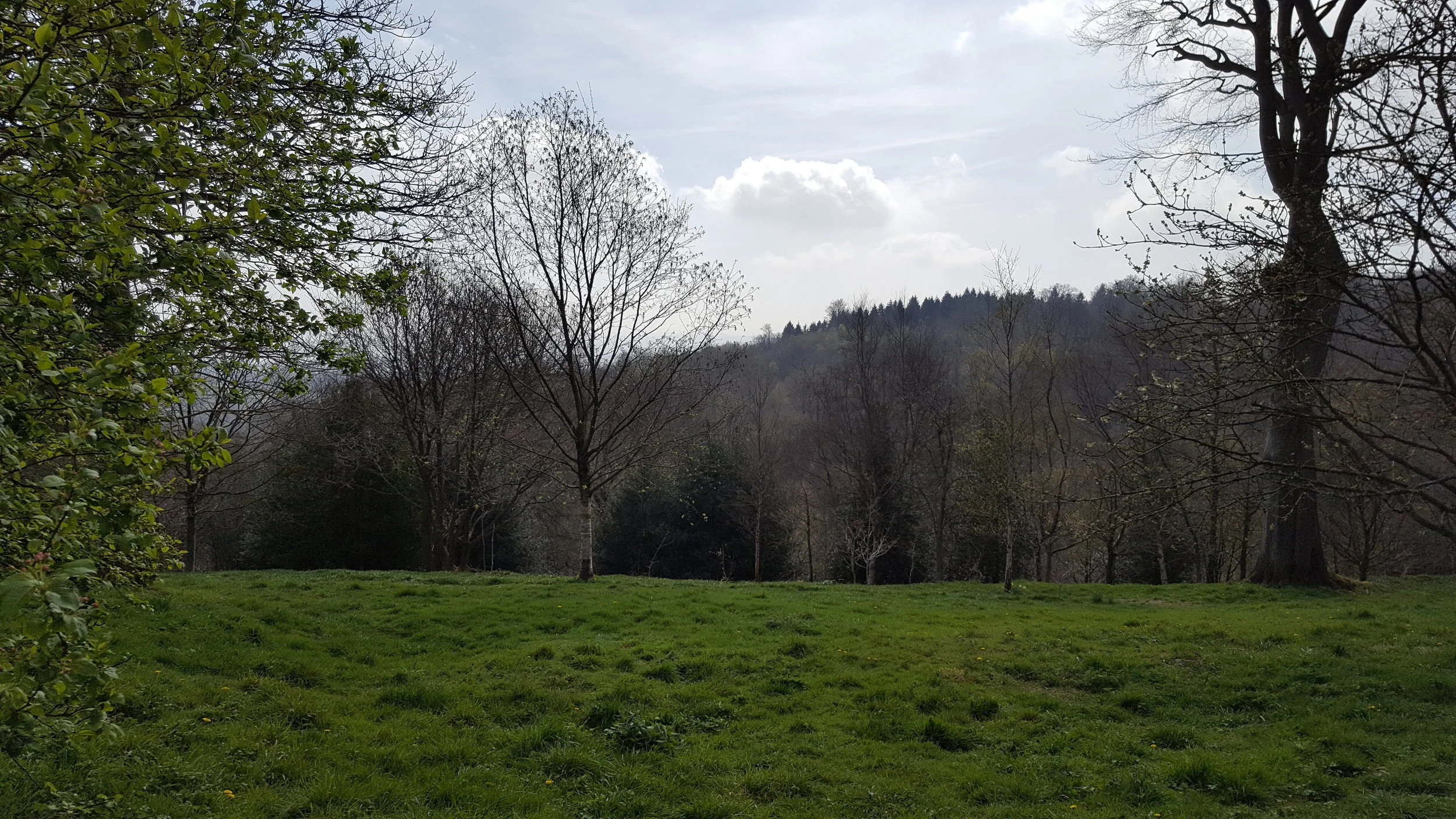
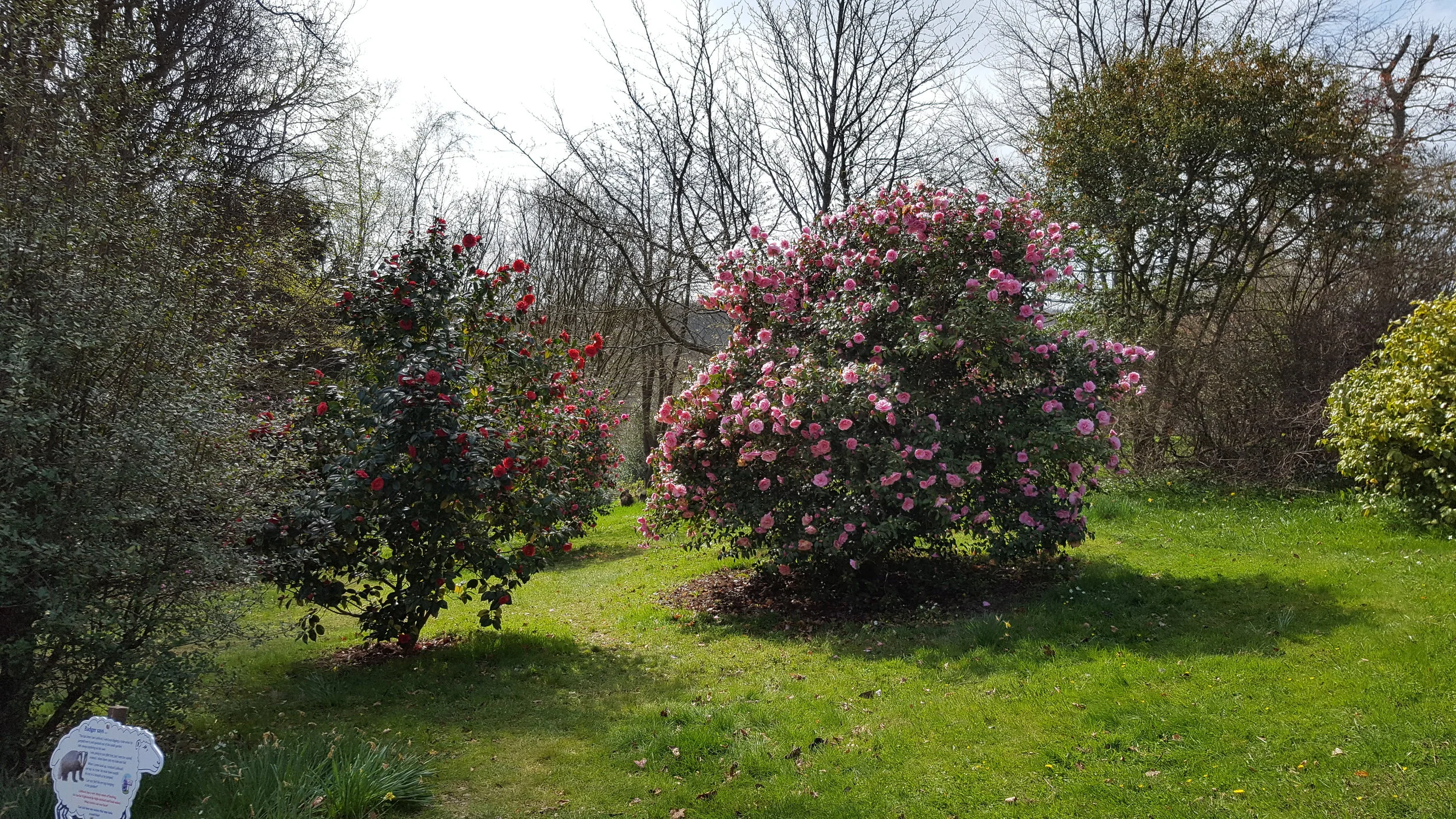
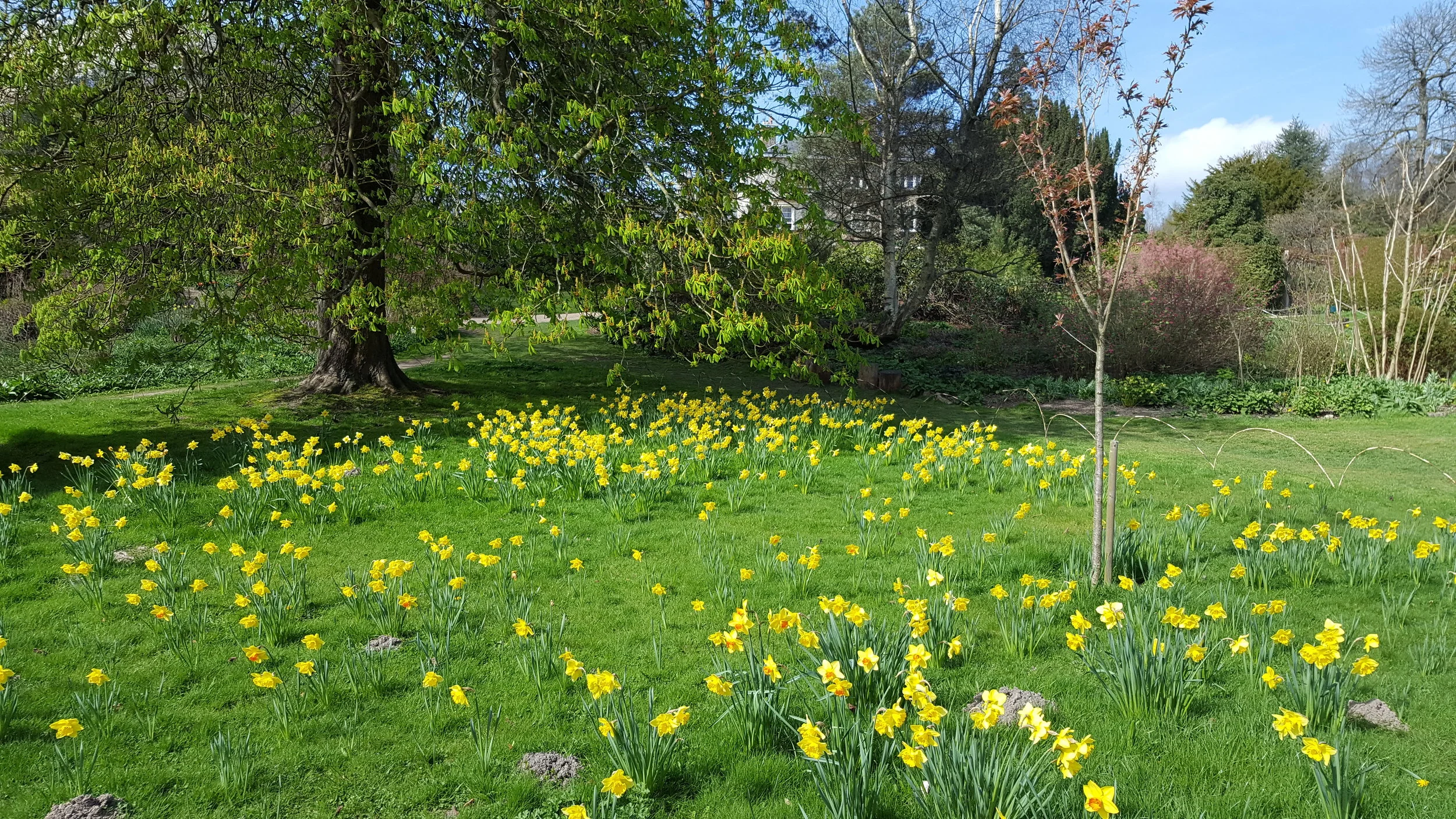
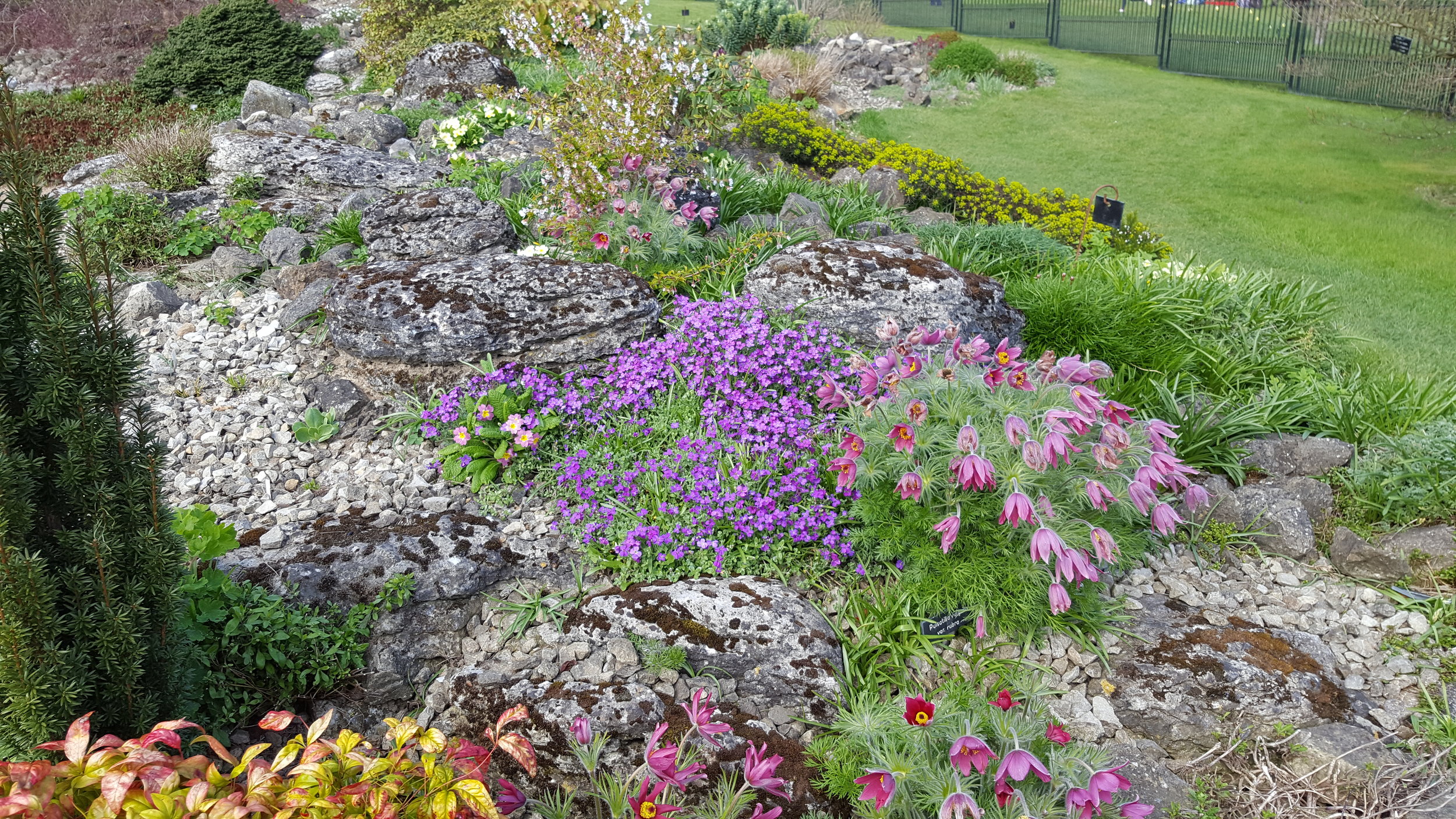
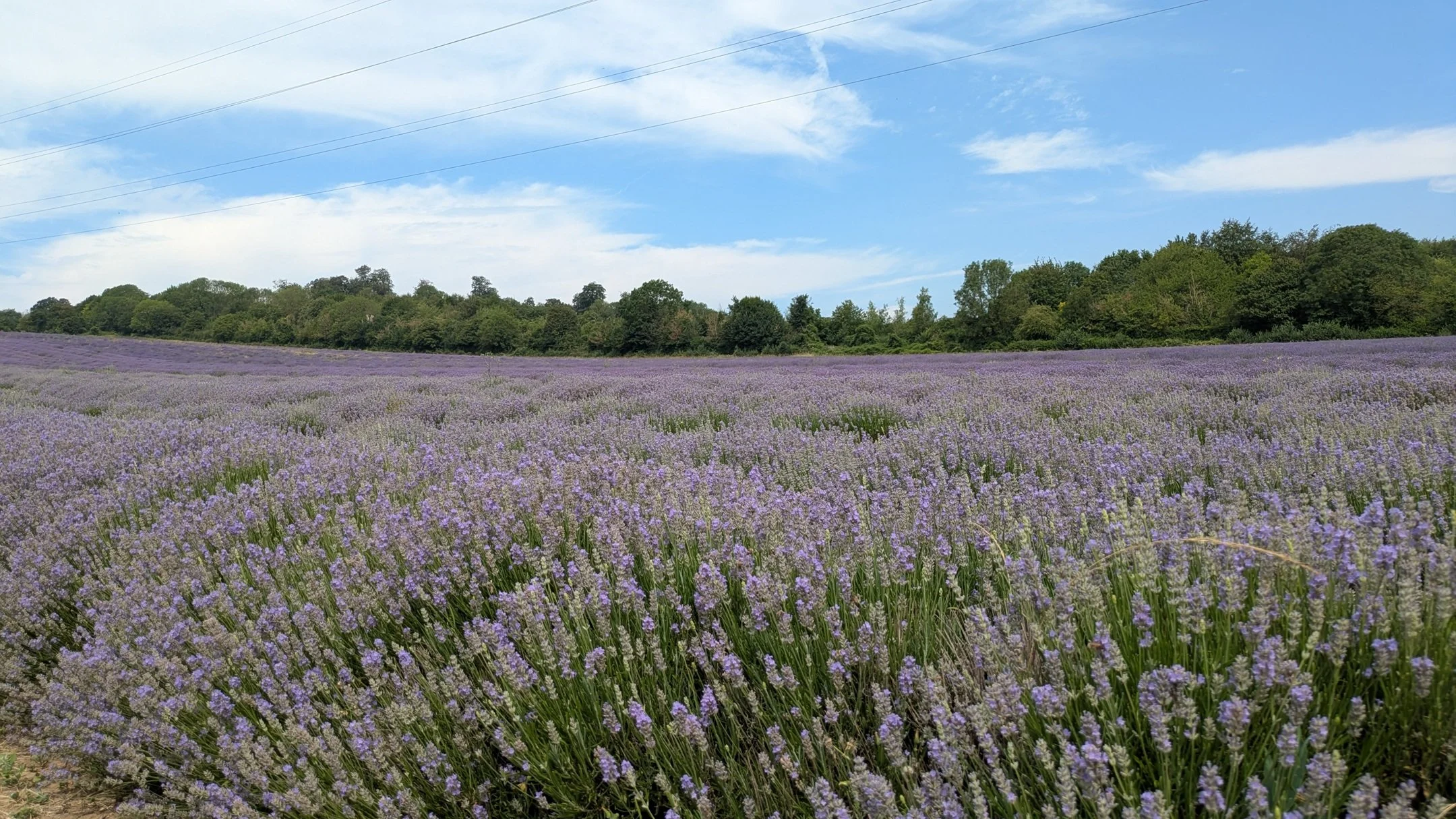
Walking is a form of exercise that has few barriers to entry. You just need to ensure that you have suitable foot wear for the environment you’re walking in and to be mindful of things like hydration if you’re out in the heat. It can be done solitary or with friends, in silence or while engaged in discussion. It doesn’t have to be “dead time” as I’ll often listen to the radio or podcasts while out walking. As a writer walking affords a chance to martial my thoughts and consider what I wish to explore through my blogging. Walking, unlike other forms of exercise such as the gym with its culture and poseurs, frees you from the tyranny of other people. Thus. I’m a great advocate. The following link to the NHS website, provides a succinct breakdown of the health benefits of walking and effectively how to start. Plus, here’s a gallery of photos from Emmetts Garden, highlighting why it’s a great day out a fine place to take a stroll.











Gaming and Personal Health
Gaming and personal health at first glance appear to be mutually exclusive subjects. News coverage about these issues more often than not implies that gaming is detrimental to both ones physical and mental well-being. Apart from titles that utilise motion sensing devices such as the Kinnect and require the player to physically move, gaming is a sedentary pastime. Combine that with a society that has an already broken relationship with food and their own personal health in general and there is scope for a wealth of medical problems.
Gaming and personal health at first glance appear to be mutually exclusive subjects. News coverage about these issues more often than not implies that gaming is detrimental to both ones physical and mental well-being. Apart from titles that utilise motion sensing devices such as the Kinnect and require the player to physically move, gaming is a sedentary pastime. Combine that with a society that has an already broken relationship with food and their own personal health in general and there is scope for a wealth of medical problems.
There are many notable issues associated with prolonged periods of time spent sitting down. Back, posture and circulatory problems immediately spring to mind, as well as conditions such as RSI and eye strain. Then there are wider issues associated with long and regular periods of gaming, such as its impact upon the quality of a person’s diet. This in turn can lead to both weight gain or weight loss. There is also scope for adverse psychological issues such as addiction; although I think this simply manifests itself through the medium of games, rather than directly because of them. Overall, although gaming can be great fun, it does have the potential to have a negative impact upon our well-being.
Outside of the obvious health issues, gaming can also keep you from other activities. Although people are free to live their lives how they see fit, it is broadly recognised that engaging with real life does have positive benefits. I often hear gamers talk about how virtual worlds offer a retreat from the hardships of life and I understand that this can be a useful safety valve. However I do have concerns that if this becomes a preferred environment to real life, then it may well have knock on effects for society in the long run. If people are not engaged with their immediate world, then how can they affect any change? I worry about a return to the Roman ideology of bread and circuses. It is also saddening to think that so many people turn to gaming because they simply do not feel they have a stake in the society.
Like many things in life this issue is a question of trying to strike the right balance; ensuring that you game responsibly, while maintaining a healthy body and mind. This can be quite a challenge. Imposing time limits and a schedule upon gaming takes discipline. We live in a world were self-regulation and denial are frequently avoided and in some quarters even frowned upon. Some people seem content to embrace their cognitive dissonance, rather than address it. Unfortunately it is the gamers that fall victim of their own excesses, that always seem to grab the headlines and shape the wider public perception of gaming.
However it is not all doom and gloom and we should take time to focus on the positive benefits that gaming can have upon your life and personal well-being. Through gaming I have met a wide variety of people from diverse backgrounds. This has been very illuminating and has broadened my personal horizons. We often have friends in real life that mirror our own lifestyles. Gaming can bridge socio-economic divides in ways that other real world activities cannot. Such situations can lead to unlikely friendships and a greater understanding of people who have different points of views and ways of life.
When I first started playing online games, I was initially struck by how many other gamers were dealing with varying degrees of medical, psychological or personal issues. However I have learned since that online gaming is often very beneficial for them. It provides a controlled environment for measured social interaction and a means to build confidence. It can also offer physical and mental therapy, through group activities and simply chatting. Online communities are an invaluable social lifeline for some. The ability to log on and hear a friendly voice can in extreme situations mean the difference between life and death. However it should be noted that the opposite is also true. Sadly online bullying is common and there are predatory individuals who see online gaming communities as acceptable hunting grounds.
Over the years that I’ve greatly benefited from my time spent gaming. I have met a lot of people whose company I enjoy and through my involvement in the wider gaming community, learned a lot of new technical skills that have been transferable to real life. Gaming has also had some negative effects upon me. In recent years I've become self-employed and work from home. This has reduced my levels of exercise and gaming has compounded this further. As a result I am currently embarking upon a personal health plan to get myself back it to shape. So I am playing a little less, attending to my diet and doing more exercise.
Gaming is in many ways is a microcosm of the world we live in, for good or ill. It can teach you things about yourself that have a real world application. From time to time it will remind you that you cannot always succeed or get exactly what you want. It makes you reflect upon what you are good at as well as what you are not. Gaming sometimes plays with a loaded deck, just like life. I may not like all the lessons I’ve been taught but it would be unwise to ignore them. Gaming and personal health do not have to be mutually exclusive. Both can be enjoyed and even work together. Make the right decision and you can enjoy quality gaming along with good health for years to come. The alternative is not so appealing.
When I last wrote about the thorny subject of weight loss, I weighed 188 lbs (13 stone 6 lbs or 85.3 kg). That was in Spring 2022. Let it suffice to say the the optimistic health plan I subsequently embarked upon fell apart like a cheap suit, solely due to me not committing to it in any meaningful way. Since then my weight has slowly and steadily increased. I will avoid any long and tortuous explanations and quasi-justifications. I like my food and lots of it. The fact that my lifestyle has contributed to my ill health, is something that I have willingly tolerated. The pleasure outweighed the consequences. However, in early August a tipping point was finally reached. It wasn’t a theatrical epiphany or anything that can be framed dramatically. I simply woke up one morning and said to myself, “I am tired of constantly feeling like shit”.