
Emmetts Garden
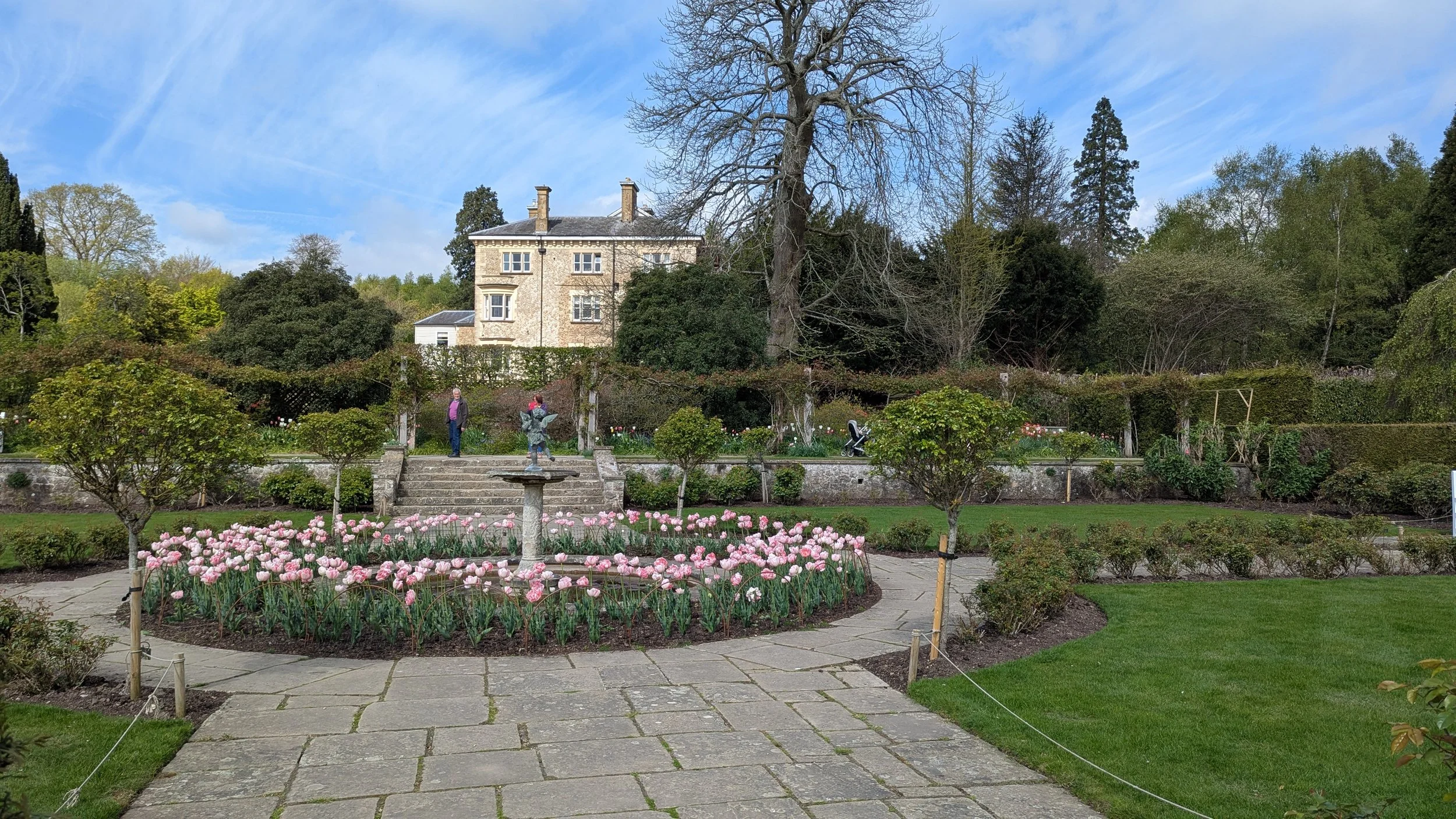
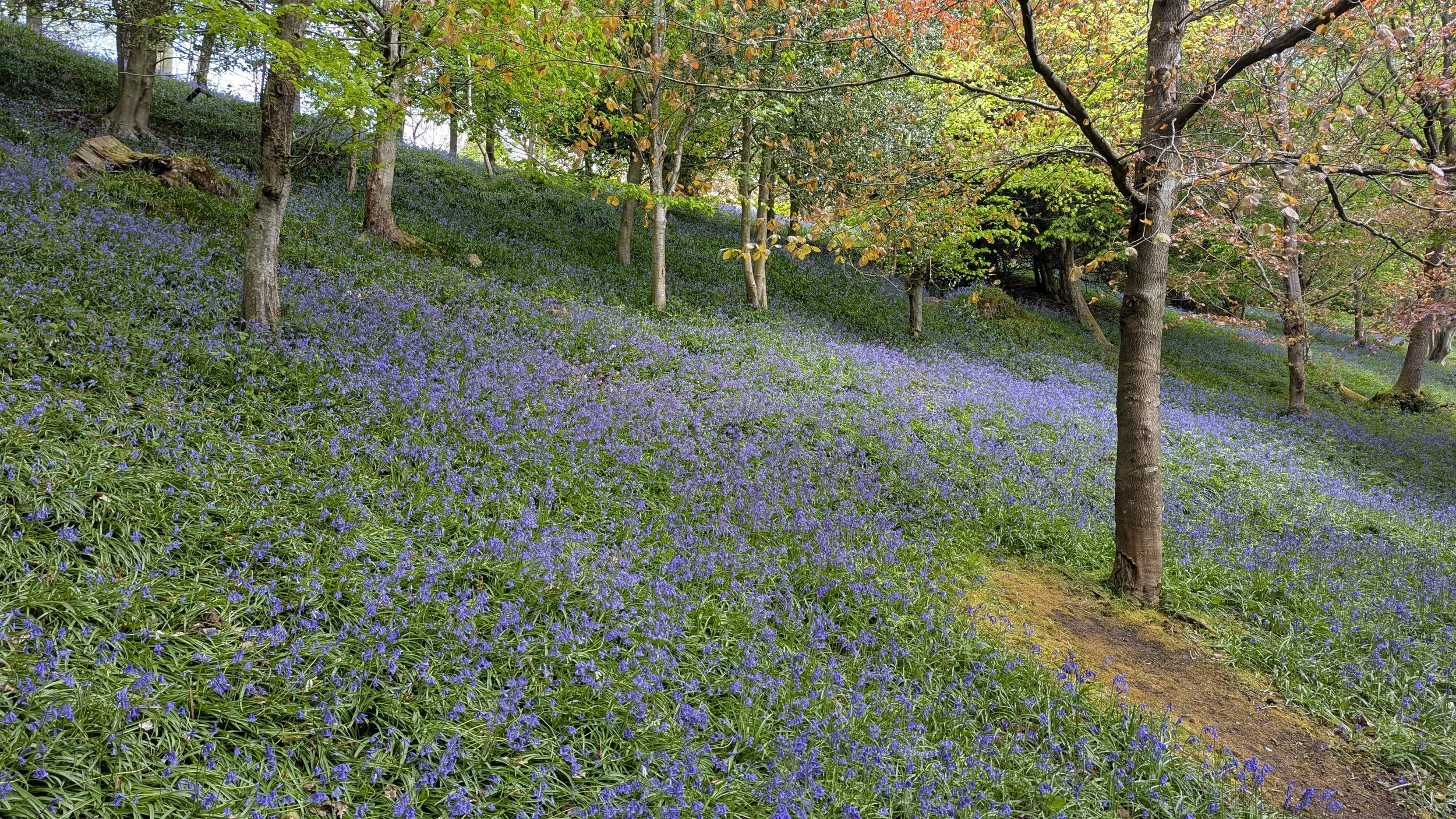
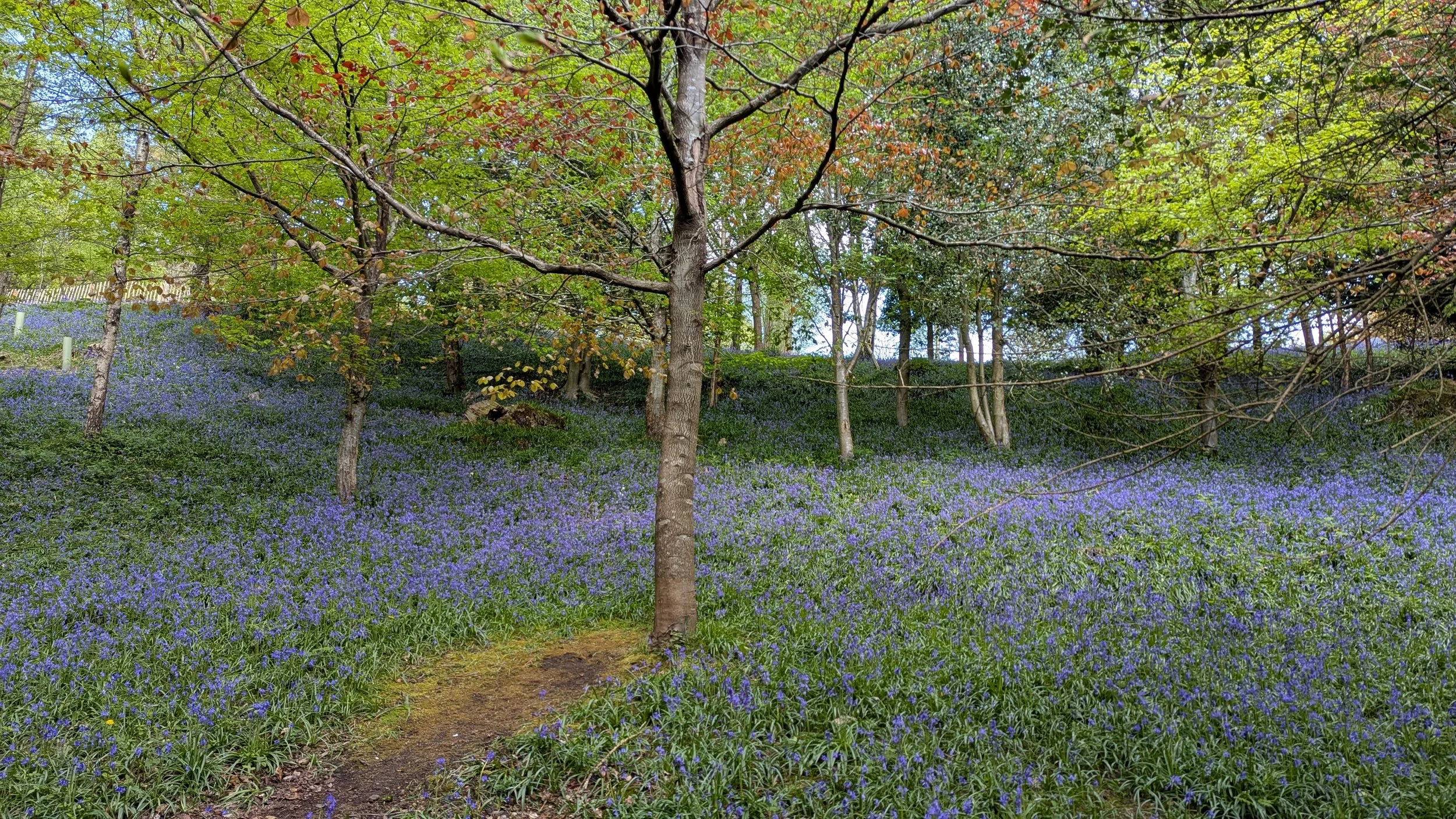
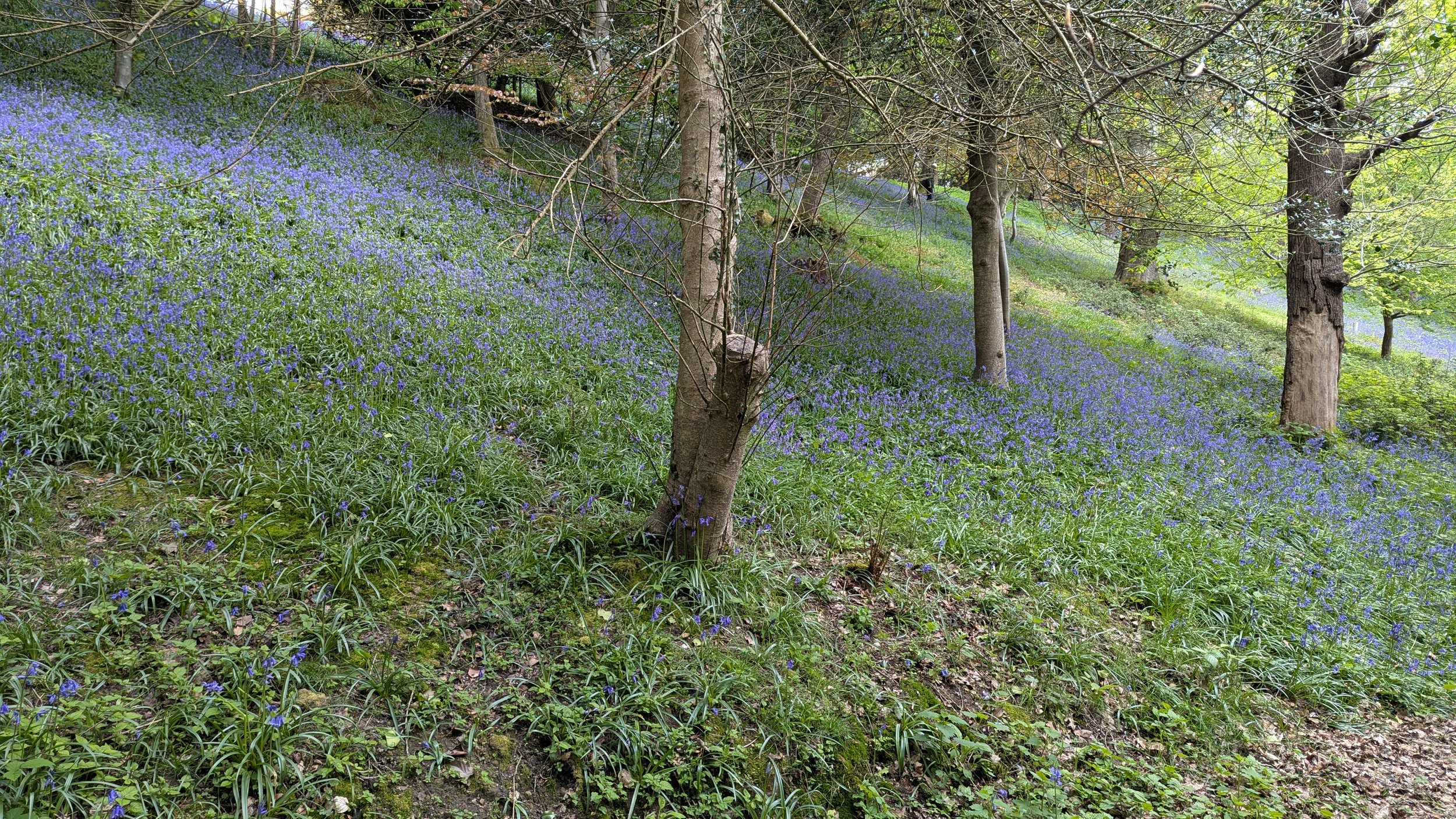
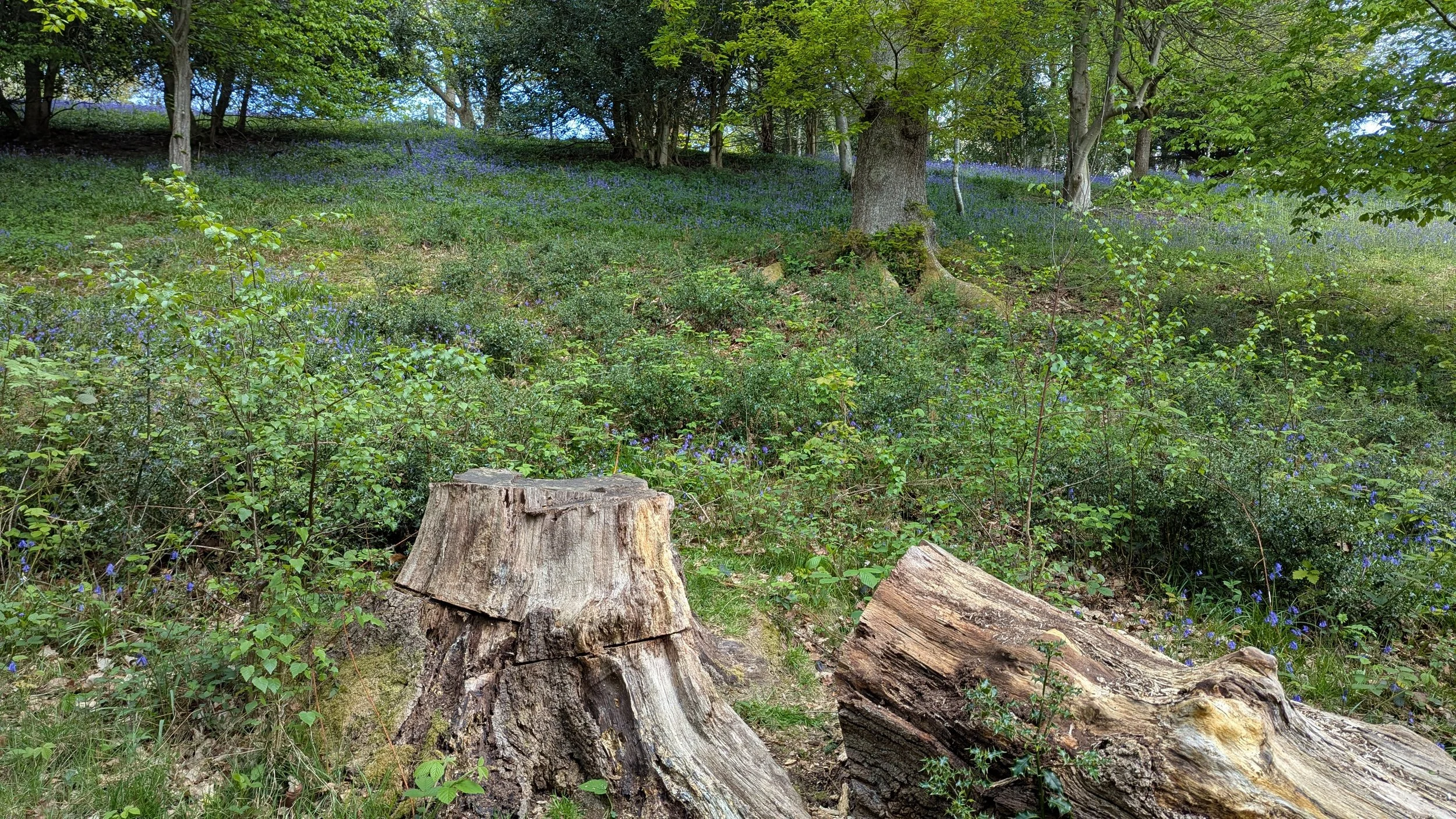
Emmetts Garden is an Edwardian estate situated on Ide Hill, close to Sevenoaks in Kent, UK. After a long and interesting history it is currently under the stewardship of the National Trust. Originally open farmland, the existing house was constructed in1860. The term “emmett” is a local dialect for ant, referencing the large anthills that populated the area until the 1950s. In 1890, the estate was acquired by Frederic Lubbock, a banker with a keen interest in horticulture. His elder brother, John Lubbock, 1st Baron Avebury, was a renowned authority on ants, which may have influenced Frederic's decision to purchase the estate. Today Emmetts Garden is open to the public and features several “hortus conclusus” (walled gardens) and a hillside trail that is famous for its Bluebells in the spring.
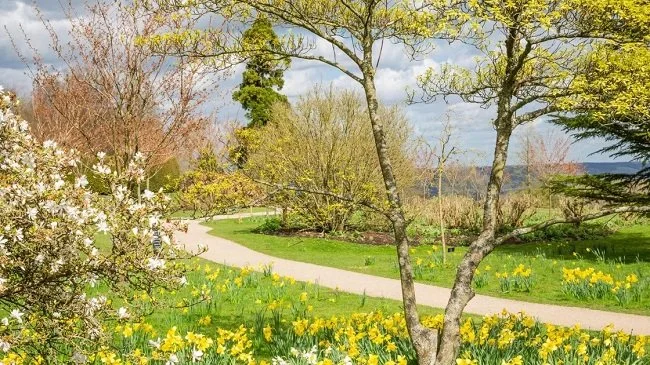
Emmetts Garden is an Edwardian estate situated on Ide Hill, close to Sevenoaks in Kent, UK. After a long and interesting history it is currently under the stewardship of the National Trust. Originally open farmland, the existing house was constructed in1860. The term “emmett” is a local dialect for ant, referencing the large anthills that populated the area until the 1950s. In 1890, the estate was acquired by Frederic Lubbock, a banker with a keen interest in horticulture. His elder brother, John Lubbock, 1st Baron Avebury, was a renowned authority on ants, which may have influenced Frederic's decision to purchase the estate. Today Emmetts Garden is open to the public and features several “hortus conclusus” (walled gardens) and a hillside trail that is famous for its Bluebells in the spring.
The gardens were first designed between 1893 and 1895, inspired by Lubbock's associate William Robinson. They are laid out in the fashionable Edwardian style popularized by Gertrude Jekyll. A shrub garden was added later, between 1900 and 1908. Following Lubbock's passing in 1927, the estate was taken over by American geologist Charles Watson Boise, who made several modifications to the house and gardens while preserving their original character. In 1964, Boise bequeathed Emmetts to the National Trust, which has since worked to uphold the botanical diversity cultivated by both men. Many of the mature trees and shrubs planted by Lubbock were lost in the Great Storm of 1987, but the storm also allowed more light into the gardens, prompting the National Trust to implement a thoughtful replanting initiative.
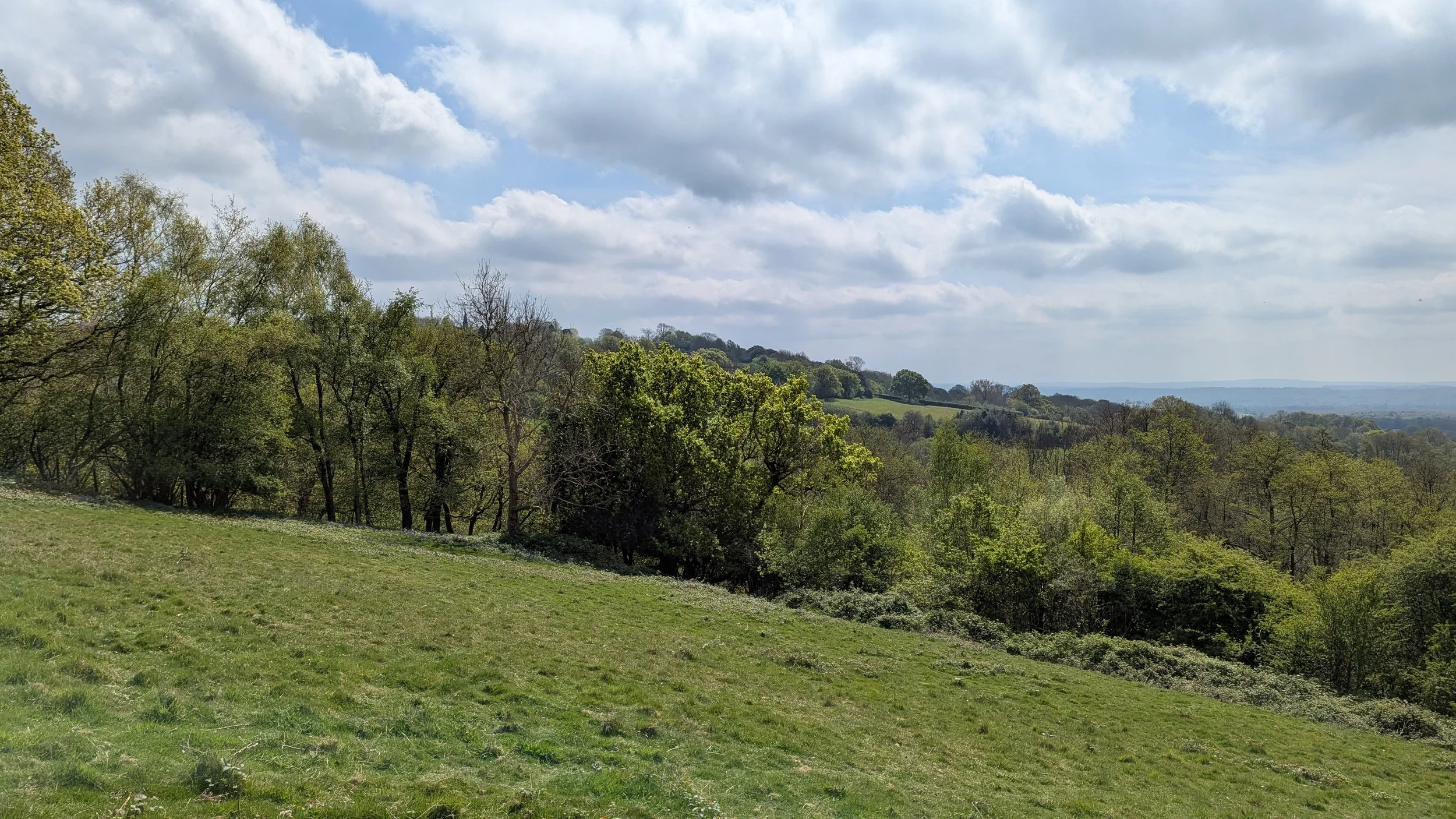
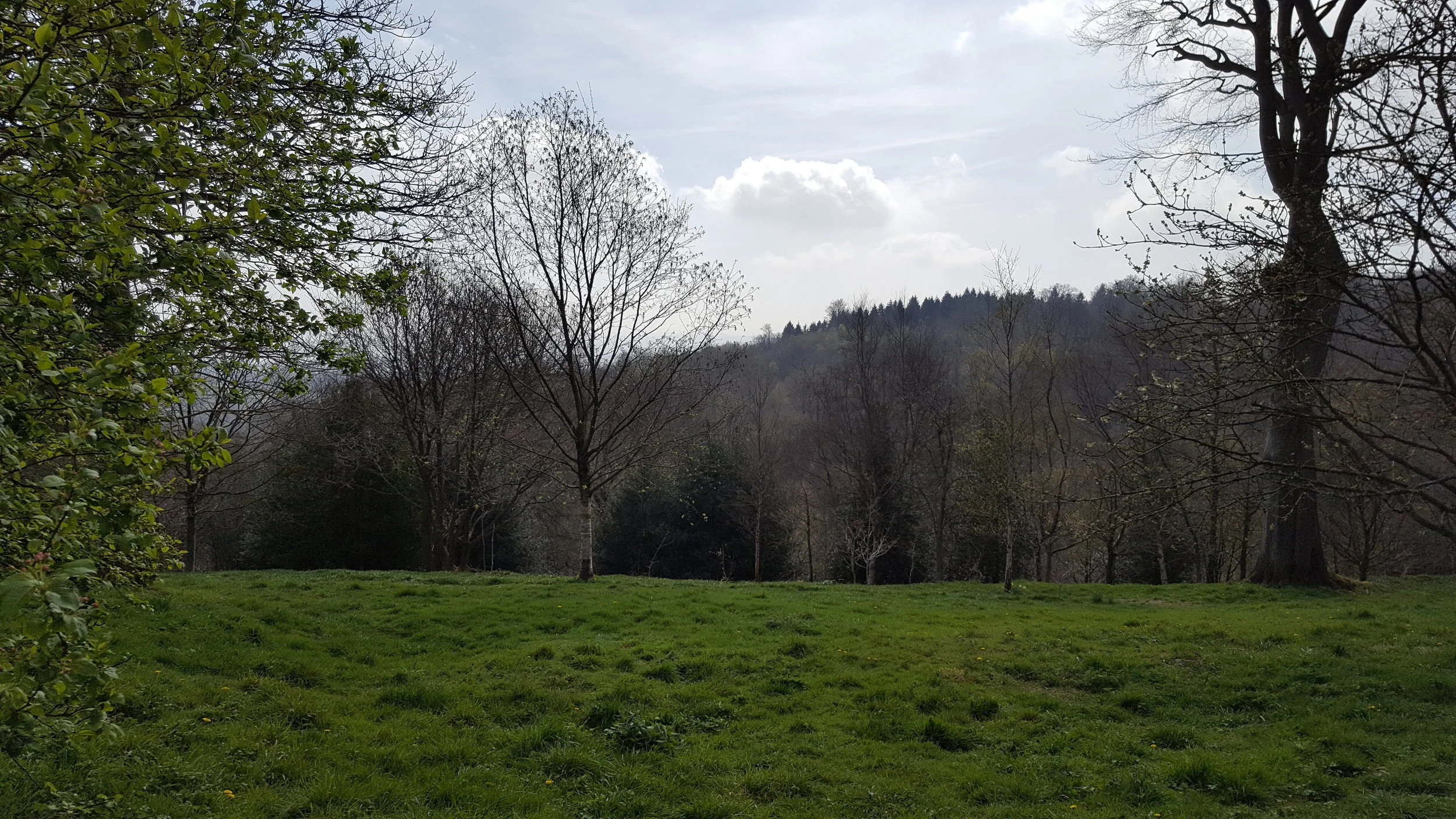
The grounds spans approximately six acres (around 2.5 hectares) and is situated on a prominent 600-foot (180 m) sandstone ridge, providing stunning views of the Weald and the North Downs. It primarily features an arboretum filled with trees and shrubs, including a remarkable 100-foot (30 m) Giant Sequoia (Sequoiadendron giganteum) that survived the storm. Additionally, there is a rose garden adjacent to the Victorian house but this is not accessible to the public. Overall, Emmetts Garden is an excellent site for a spring walk. Those visitors seeking a leisurely pace can stroll around the walled gardens and enjoy the wide variety of plants. Walkers who desire a more robust challenge can take the hillside trail and if done in April will be rewarded by the Bluebells in bloom and an excellent view over Toys Hill.
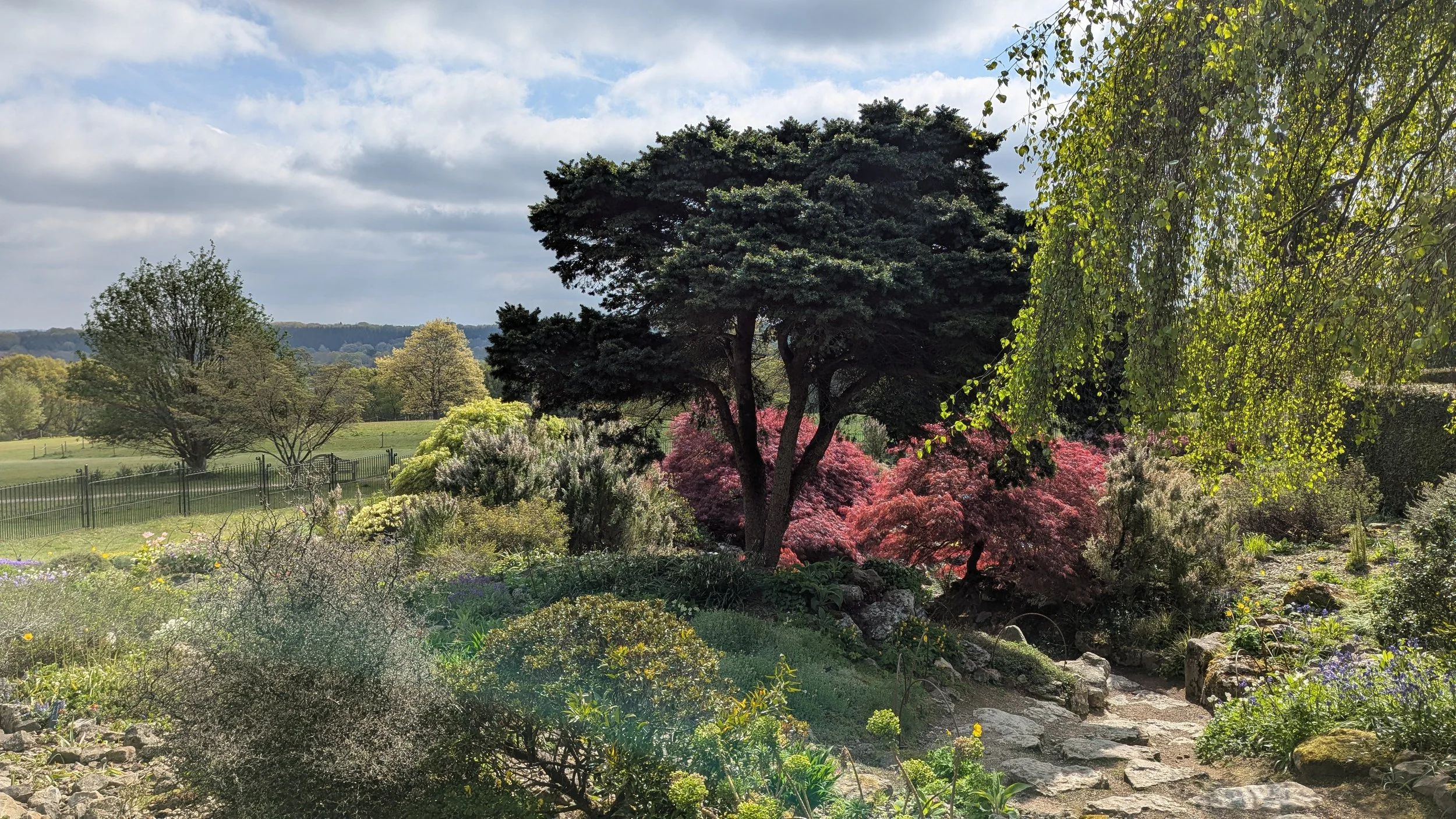

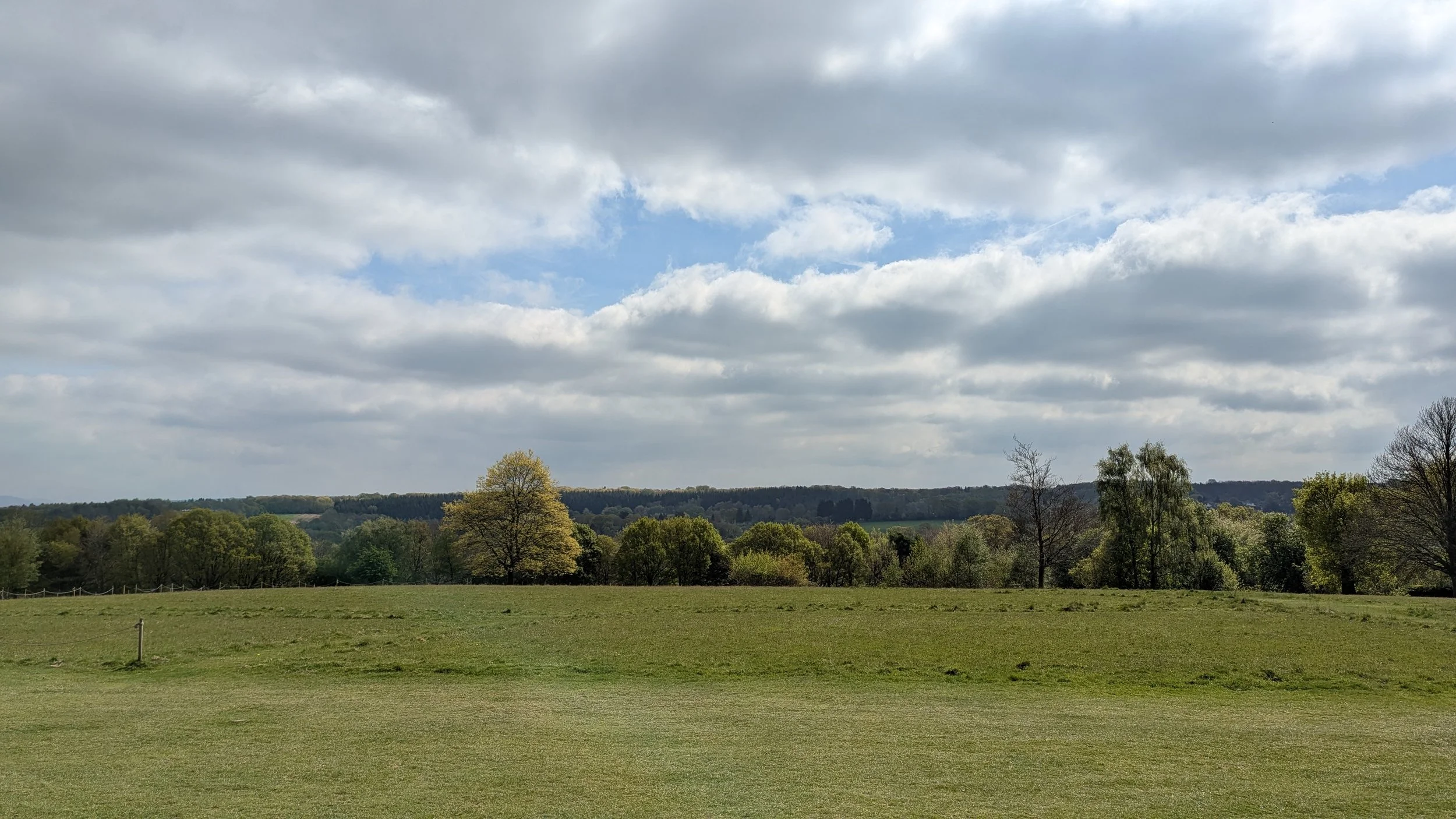
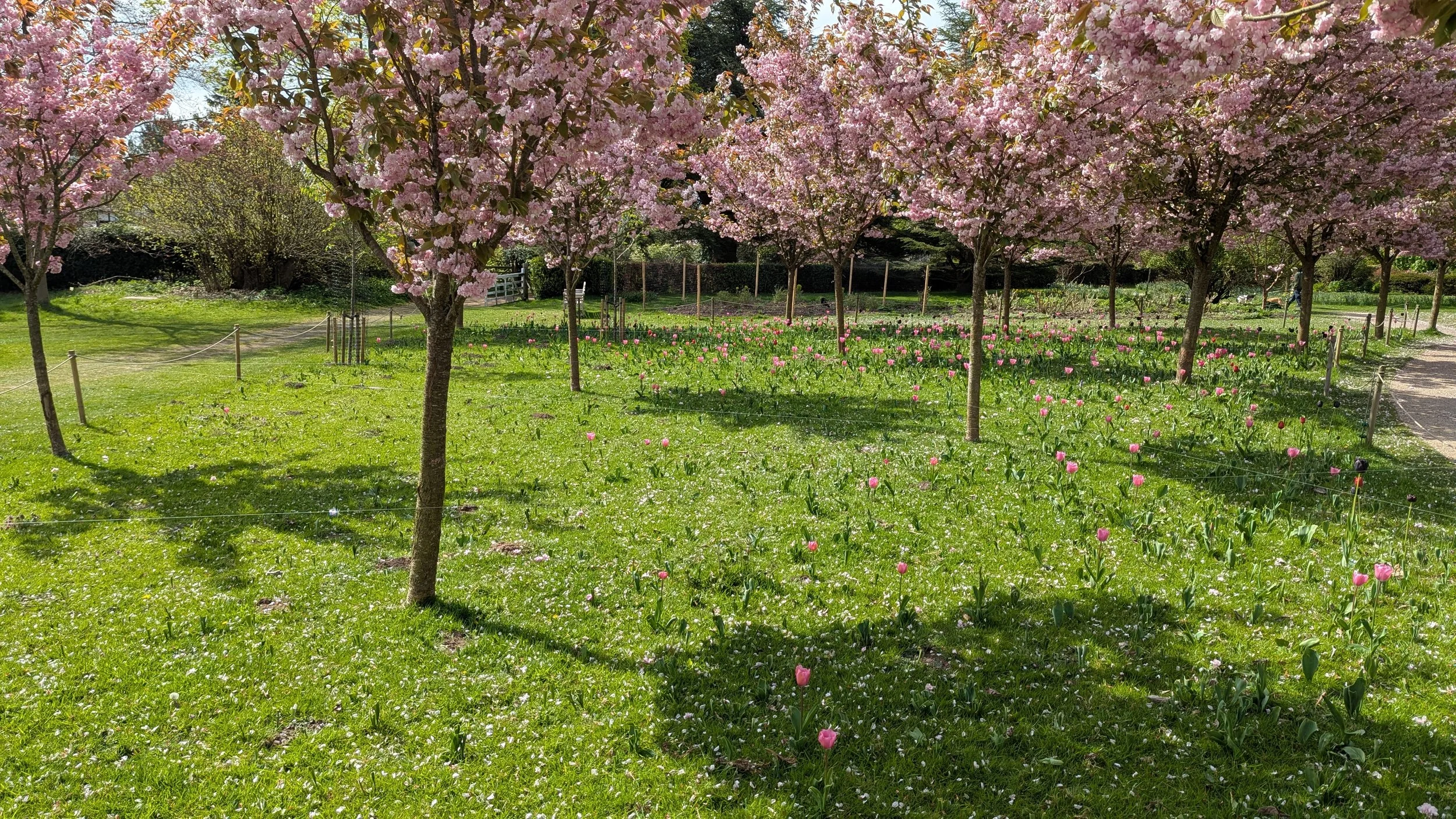

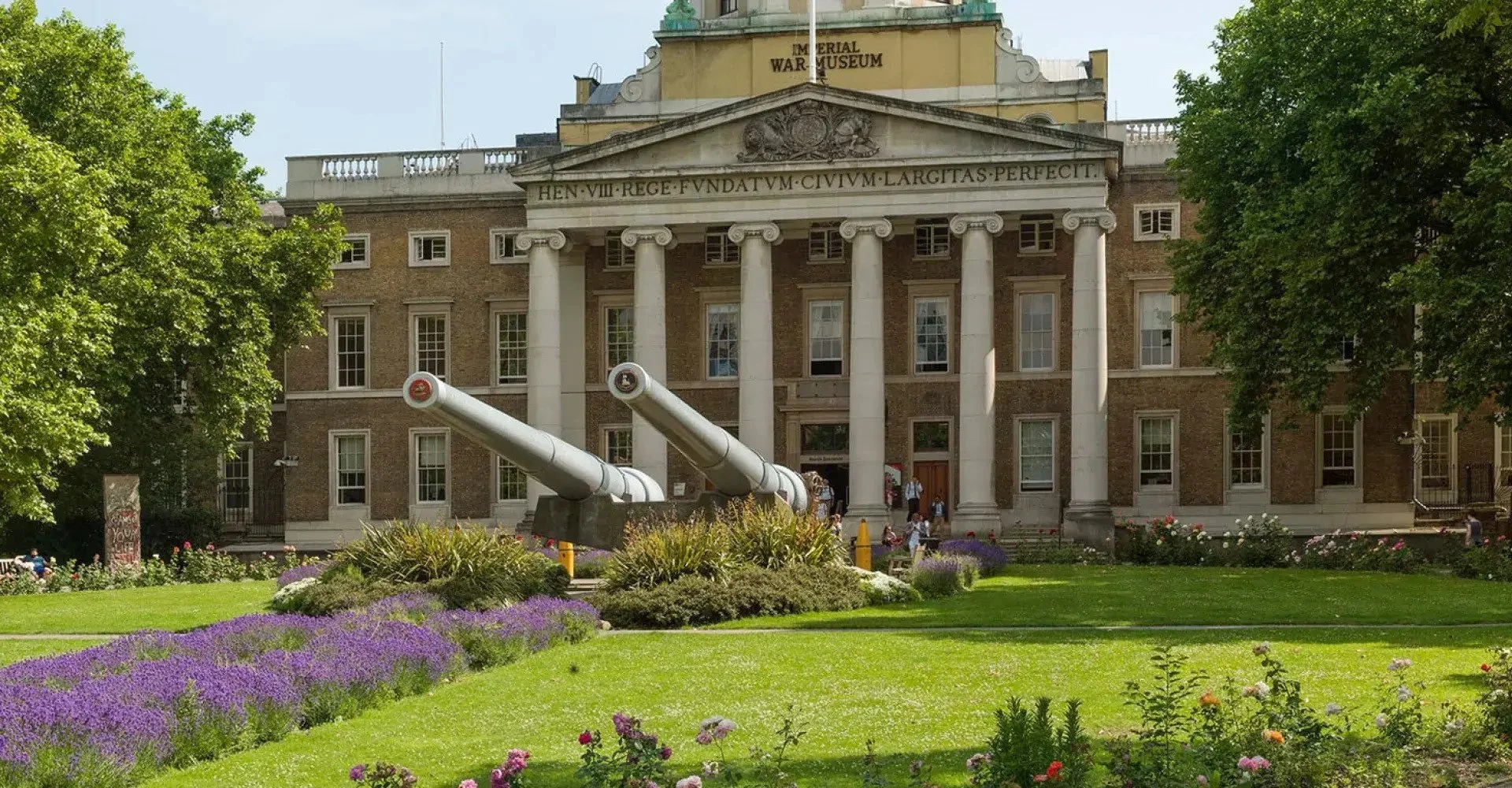
The Imperial War Museum serves as a national museum for Britain. Its main location is in London, complemented by five additional branches across England. Established in 1917 as the Imperial War Museum, its original purpose was to document the civil and military efforts and sacrifices made by the United Kingdom and its Empire during the First World War. Over time, the museum’s scope has broadened to encompass all conflicts involving British or Commonwealth forces since 1914. As of 2012, the museum’s mission is to provide and encourage the study and understanding of the history of modern warfare as well as the “wartime experience”. The IWM as it is now known has its headquarters and primary site is located at Southwark in Central London. The museum is funded by government grants, charitable donations and revenue generated through commercial activity such as retailing, licensing and publishing. General admission is free to IWM London.
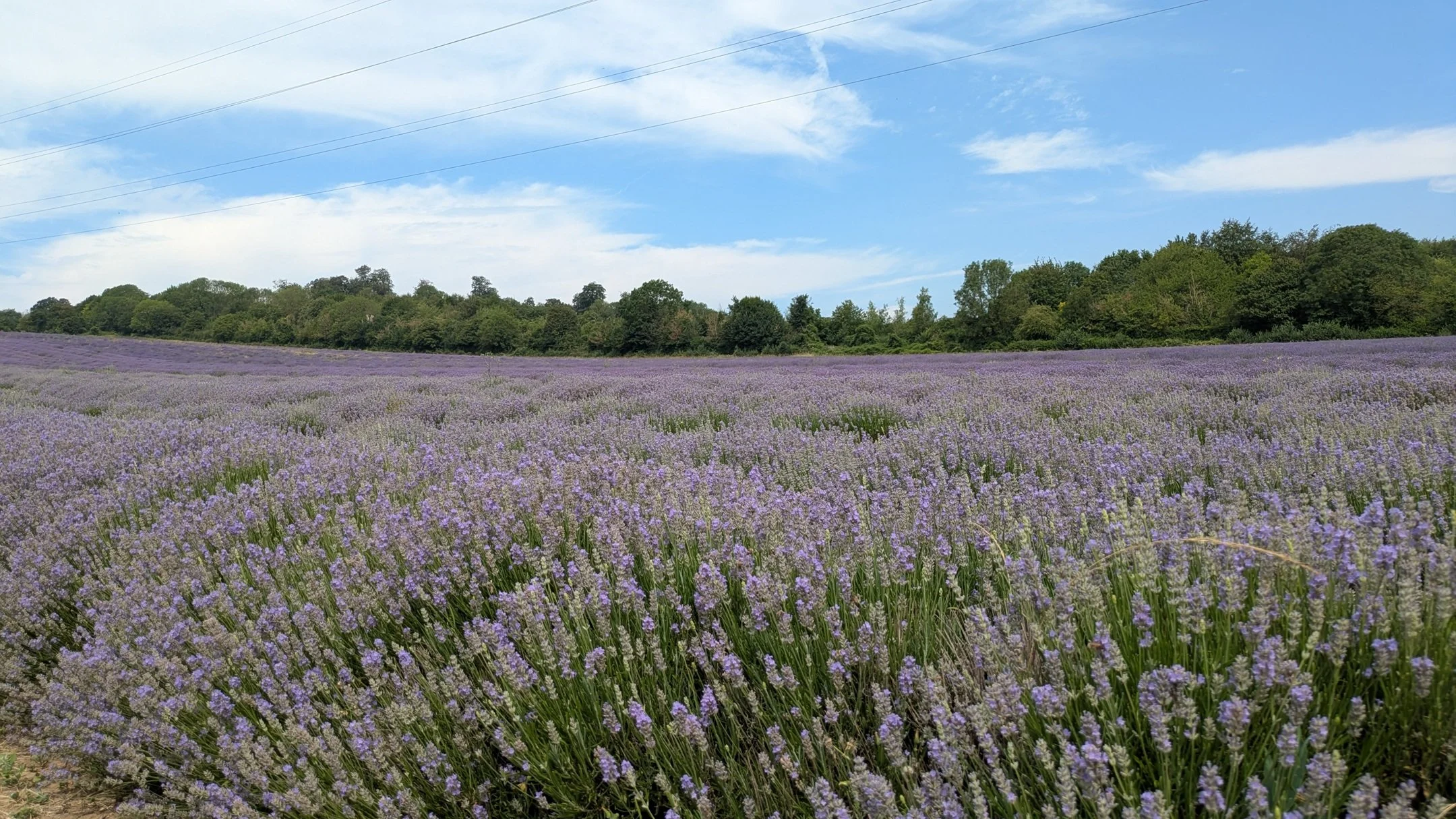
Castle Farm is a family business located near the village of Shoreham in West Kent. The Alexander Family have been farming in the Darenth Valley since 1892 when James Alexander transported 17 milking cows from Ayrshire in Scotland and took up residence in this south-eastern part of England. Castle Farm is a busy, working farm comprising of 1,100 acres. It produces such crops as wheat, barley, rapeseed, hops, apples, pumpkins and lavender. It is also home to a grass-fed herd of beef cattle. However, in recent years it has become well know internationally for its lavender crop. Castle Farm began its lavender enterprise in 1998, producing the essential oils associated with the flower. It is now the largest lavender farm in the UK, growing over 110 acres of the flower. Furthermore, it has become quite a tourist attraction with the farm staff running tours during Summer and the height of lavender season.
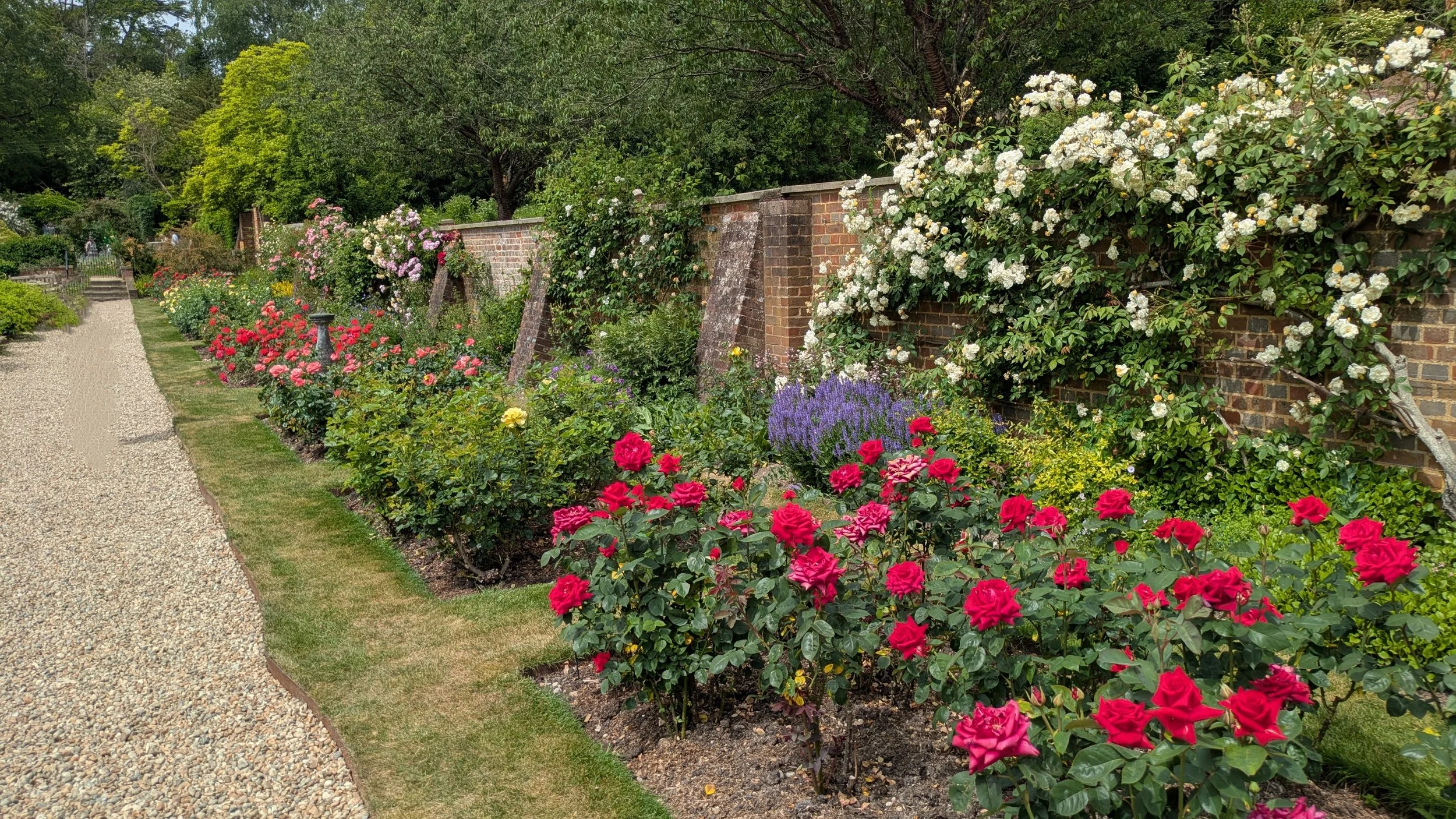
Riverhill Himalayan Gardens are set in the grounds of Riverhill House, a Grade II listed Queen Anne manor house located on the southern edge of Sevenoaks in Kent, England. Riverhill is well known for its stunning and historic gardens as well as its sweeping vistas over the Weald of Kent. The estate has been the residence of the Rogers family since 1840 who currently operate the gardens as a tourist attraction, along with the house and associated facilities as a wedding venue. Visitors can enjoy a walled garden, rose walk and maze as well as other attractions. There is also an excellent trail around the grounds culminating in a view from the top of the hill over the estate. Riverhill Himalayan Gardens, as a supporter of the Surrey Sculpture Society, regularly showcases a selection of sculptures and art pieces throughout its grounds. All are available for purchase if you have deep pockets.
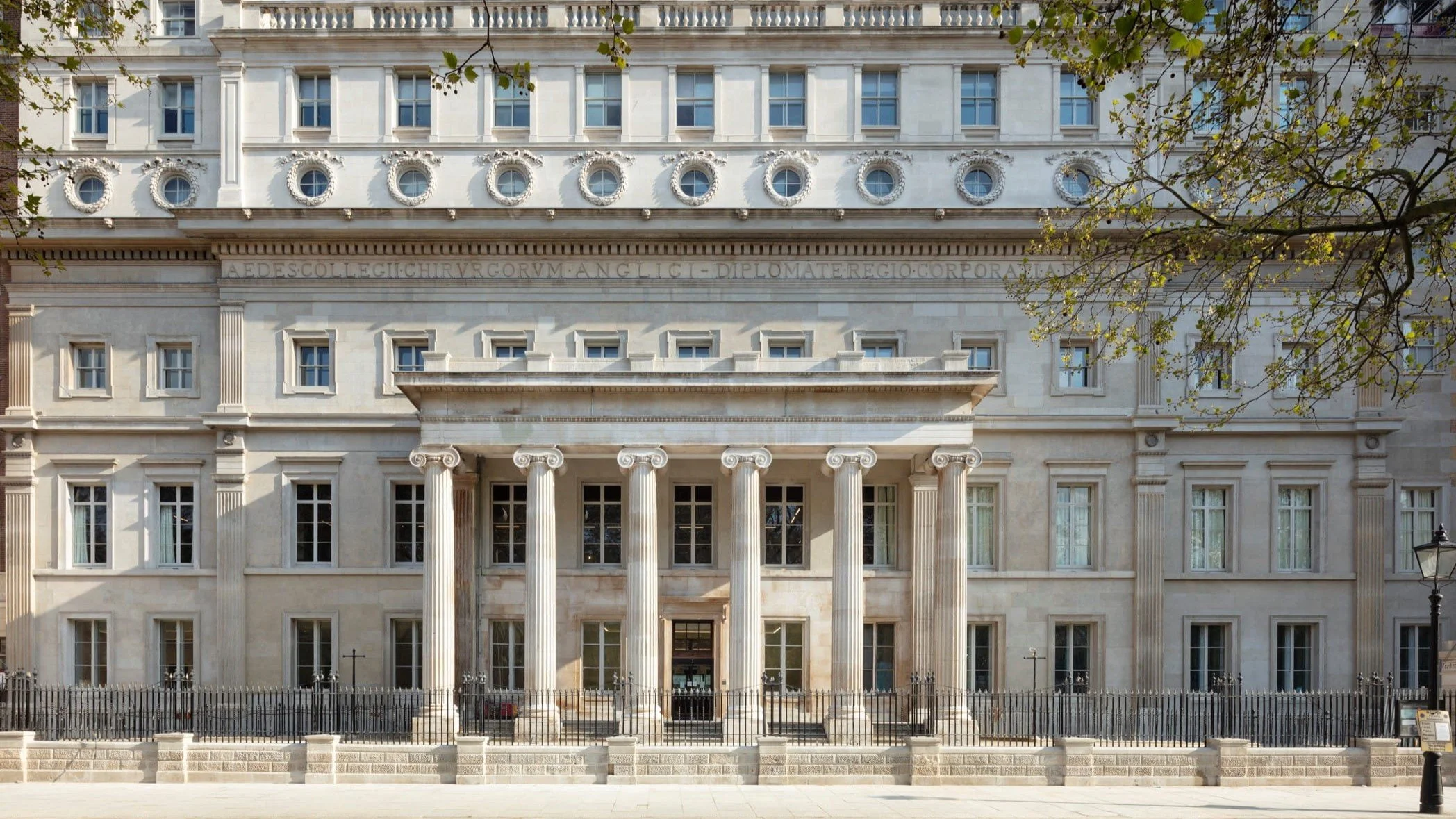
The Hunterian Museum is a museum of anatomical specimens in London, located in the prestigious building of the Royal College of Surgeons of England. The museum is made up primarily of a collection from the 18th century Scottish surgeon John Hunter. Over the years it has since been subsequently supplemented by Odontological material curated by A. E. W. Miles and various natural history exhibits from Richard Owen. In May 2023, the Hunterian Museum reopened following a five-year redevelopment of the Royal College of Surgeons of England’s headquarters at Lincoln’s Inn Fields. The £4.6 million museum project features the exhibition of more than 2,000 anatomical specimens from Hunter’s original collection. In addition to these there are instruments, equipment, models, paintings, and archival materials that document the evolution of surgery from ancient eras to contemporary robot-assisted procedures. The Museum boasts the largest public display of human anatomy in England.
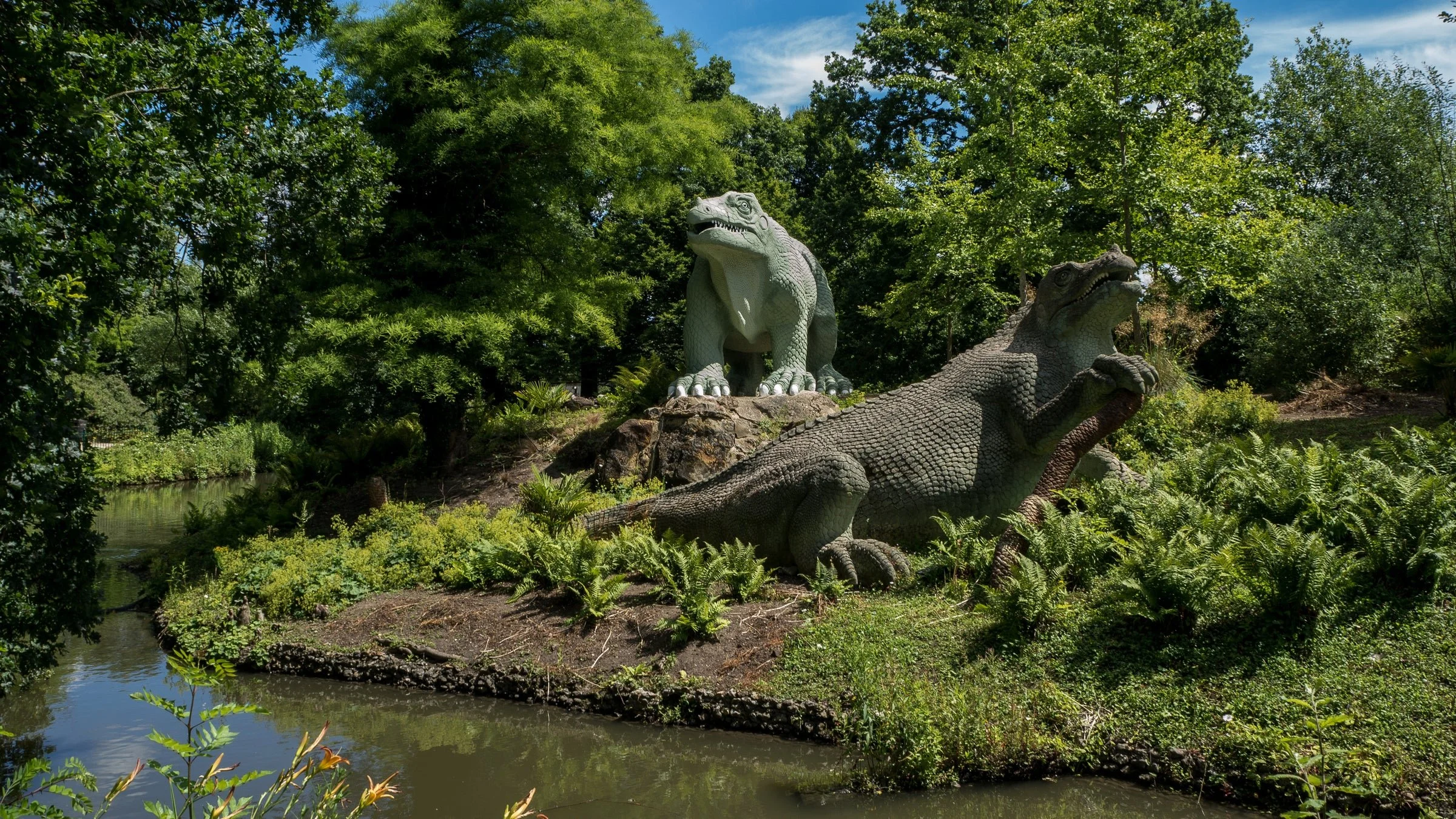
The Crystal Palace Dinosaurs are a collection of sculptures depicting dinosaurs and other extinct species located in Crystal Palace Park, in the London borough of Bromley. These sculptures were originally commissioned in 1852 for display at the Crystal Palace following its relocation from the Great Exhibition held in Hyde Park. They were revealed to the public in 1854 and are the first speculative dinosaur sculptures ever created. Although the models are now considered inaccurate by contemporary standards, they were designed and crafted by Benjamin Waterhouse Hawkins under the scientific guidance of Sir Richard Owen, reflecting the prevailing scientific understanding of the time. The sculptures were designated as Grade II listed buildings in 1973 and underwent extensive restoration in 2002. In 2007 they were elevated to Grade I listed status. As of spring 2026 the dinosaurs are again being renovated as part of a £5 million regeneration of the park.

The benefits of international travel are numerous. These include stress relief, mental health benefits and a chance to escape the drudgery of work. Then there are the cultural aspects that you can immerse yourself in. Going abroad also allows you to learn new language skills as you awkwardly ask for directions. International travel is a chance to make lasting memories and it often gives the traveller a greater appreciation of their own home. At the very least the beer is always better abroad and that is the very definition of “broadening your horizons”. Yet despite all these positive points, there is one unavoidable hassle when comes with travelling abroad. The fact that the country or countries that you’re visiting will invariably use a different electrical plug and socket standard. In an age where a lot of the stuff you bring along with you on holiday needs charging, this can be a very stressful problem to solve.
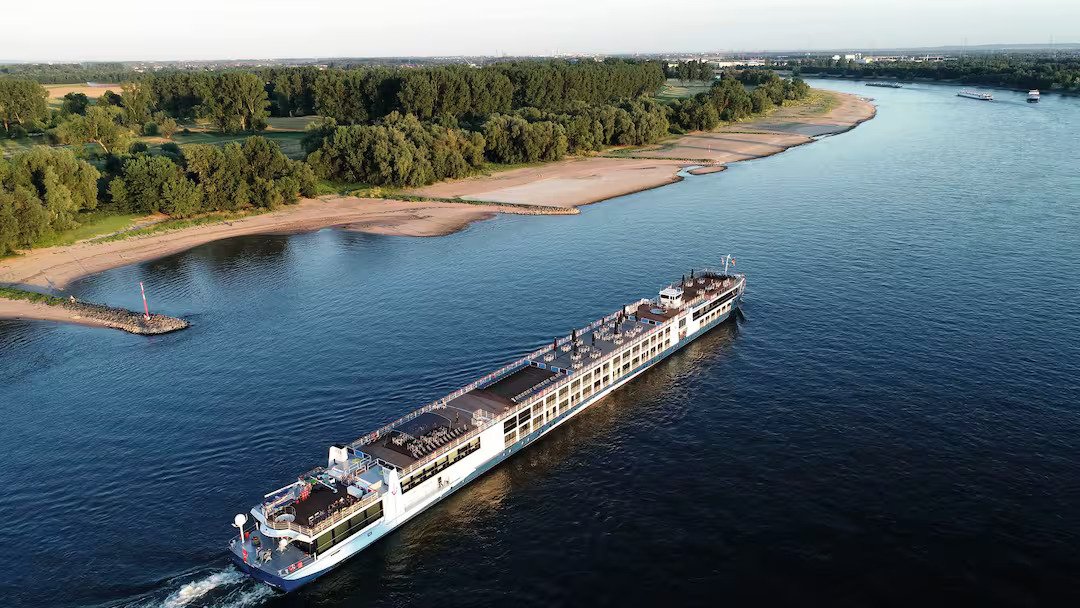
I thoroughly enjoyed our holiday in Croatia last year and it did much to restore my confidence in travelling. Previously my views on visiting other countries had been greatly influenced by the films Raid on Entebbe and Midnight Express. As January was such a bleak month here in the UK, Mrs P and I decided we couldn’t wait until summer for another holiday and so decided to book something for the end of March. So we visited our local Travel Agents and decided upon a river cruise. We’ve been interested in these since we saw a travel show with Susan Calman. River cruises are a horse of a different colour, compared to sea cruises. They’re a great way to visit cities of note, often bringing you right into the heart of them. River cruise ships are a lot smaller with less passengers than ocean faring vessels. They also attract quite different travellers. Let it suffice to say that a sea cruise doesn’t offer the cultural experience that I am looking for.
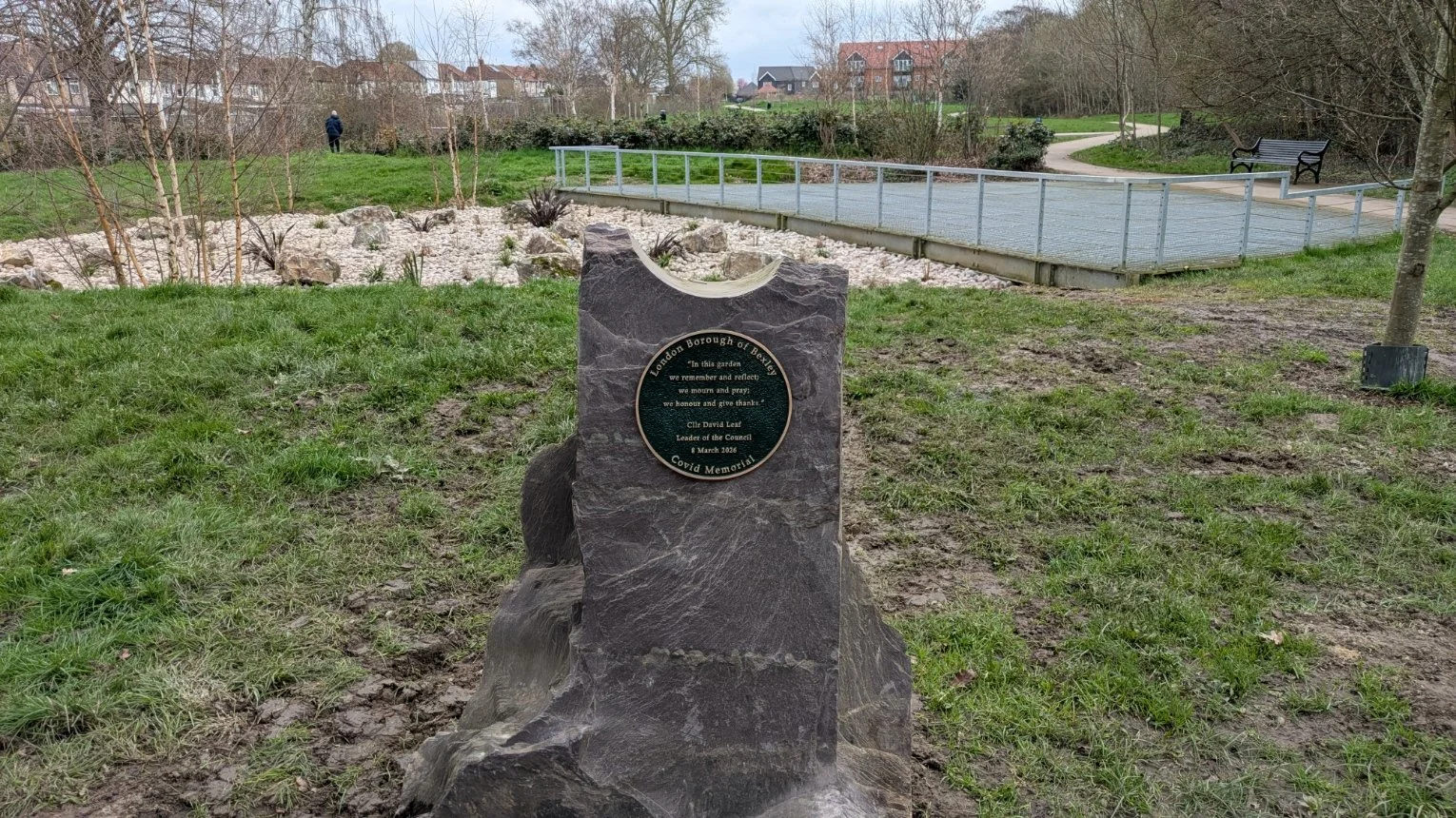
There are approximately 4000 parks and green spaces in Greater London. Bexley Borough alone has over 100. Public parks and green spaces are vital to modern cities, providing essential health, environmental and social benefits. They boost physical and mental wellbeing by reducing stress and providing a place for exercise. Furthermore they enhance urban sustainability, mitigate heat, and provide a sustainable environment for a wildlife. Parks are often a venue for social activities and events and as such are an important part of the local community. Going to the park has always been a part of my life. I live next to Old Farm Park in Sidcup and have made use of this recreational space throughout my life. I used visit with my parents in the seventies, when I was a child. Thirty years later my son, father in-law and I would fly kites there. Now I take my grandchildren to Old Farm Park as it now has a playground.
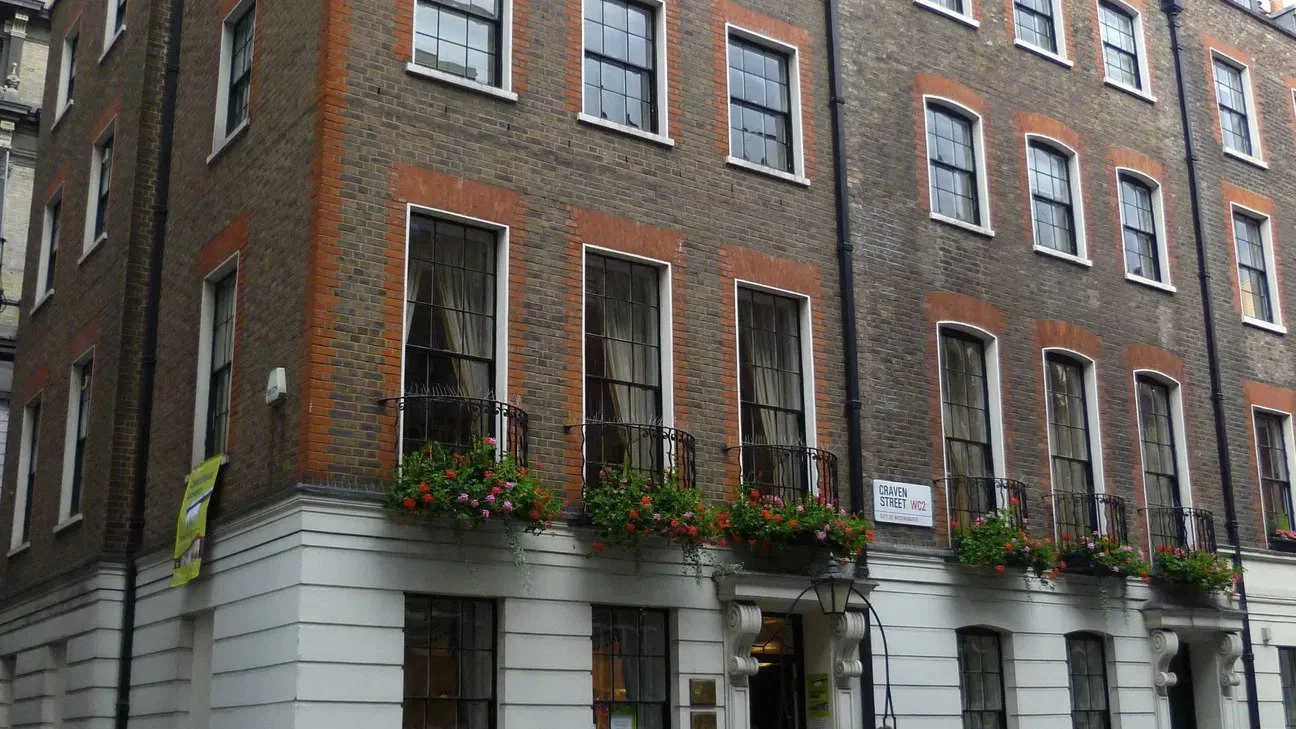
There is no shortage of interesting and good quality museums in London. In many respects tourists and visitors are spoilt for choice. More often than not, it is the most well known institutions such as the British Museum or Victoria and Albert Museum that gain the most attention. However, there are many hidden gems to discover if you take the time to look further. A prime example being The British Optical Association Museum which I had the pleasure of visiting today. The museum’s function is to promote the optometry profession and raise public awareness of its past and ongoing role within society. The museum has a well conserved collection of exhibits and provides a venue for presentations, learning and research services. There is also an excellent tour hosted by museum curator Neil Handley (PhD, AMA, FRSA) in which he gives a concise, interesting and at times a witty overview of the history of optometry in the UK and its current role.

The artillery battery at Capel-le-Ferne was built between 1941 and 1942, following the fall of France, on the orders of Winston Churchill. Located between Dover and Folkestone, the battery consisted of three 8-inch high-performance guns, provided by the Royal Navy. The battery was intended to provide anti-shipping defence in the English Channel. The site was manned by men of the 520 Coast Regiment Royal Artillery. Over the course of World War II, the battery expanded in size, eventually encompassing multiple Nissen huts, several roads and 19 military buildings. Anti aircraft defence was provided by two 40mm Bofors guns. Over the course of the war, the Capel Battery engaged enemy shipping on four separate occasions and also took part in fifteen practice shoots. In 1944, due to the decreased threat, the battery was placed in “care and maintenance”. The guns were removed in 1952 and the building demolished in the early 1980s

There are an estimated 2,500 museums in the UK. This number has grown significantly over time, more than tripling between 1960 and 2017. While it is laudable that so many of these institutions exist, they do not all receive equal interest or publicity. Some museums dominate in their respective fields and drown out others that have a similar theme. With this in mind, I was unaware of the Kent Battle of Britain Museum until a friend recently brought it to my attention. After yesterday’s visit my initial thoughts are what a treasure trove it is. According to the museum’s website it is the world’s largest Battle of Britain collection of memorabilia. This includes planes, uniforms, weapons and related artefacts from over 700 crashed aircraft. Furthermore, the museum tells the story of this battle without bias, choosing to highlight both the historical and the human aspects of the conflict. It is often very poignant.
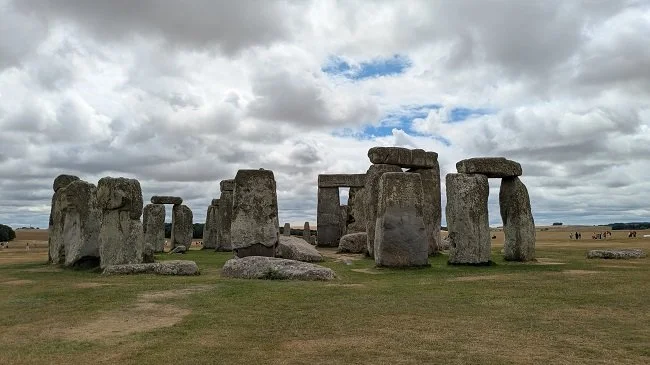
Stonehenge is so much more than just a neolithic, historical structure of note. It is of great spiritual importance to many, representing ceremonial practices and ancient worship. It is also seen as a conduit to a wider connection to the cosmos. It is after all a celestial calendar, according to one of the theories regarding its purpose. It also has a strong significance in pop culture. Hence, due to its history, symbolism, religious connotations and overall sense of mystery it is a UNESCO World Heritage Site and a globally recognised symbol of ancient Britain. As such, it has always been somewhere that I have wished to visit. Today, as we were relatively nearby in Ringwood and the weather was pleasant, Mrs P and I decided to go to Salisbury and see this iconic structure for ourselves.
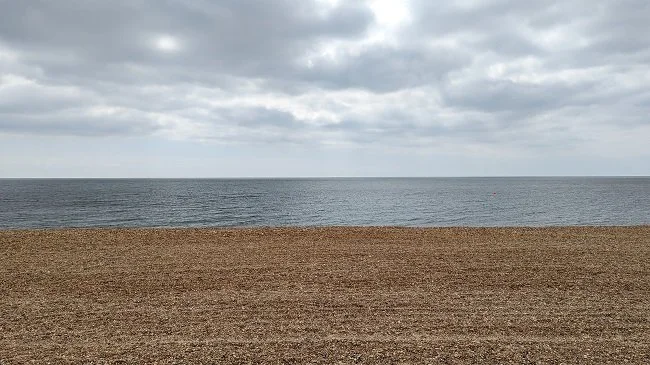
I enjoy visiting the coast. I always have. I find the sight and sounds of the sea very calming and thought provoking. There is something about seeing the ocean stretch out to the horizon and its implied enormity, that gives you a sense of perspective. The UK is a seafaring nation and therefore it is an integral part of our history and national identity. Hence a strong nautical theme and a sense of its importance has bled through into our popular culture. It is therefore quite common for people to have a positive attitude towards the sea and its associated leisure activities. I like to visit the coast at various times of the year and walk along the beach, just listening to the waves, lost in my own thoughts. This is not a hard thing to do in the UK, as no one lives further than 70 miles (113 kilometers) from the coast.
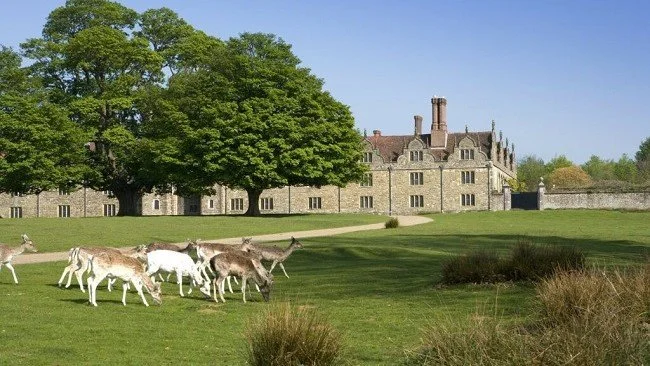
Knole is a country house in England and a former archbishop’s palace that is currently owned by the National Trust. It is located within Knole Park, a 1,000-acre (400-hectare) estate that lies to the south-east of Sevenoaks in west Kent. The existing structure of the house dates back to the mid-15th century, although there were significant expansions in the 16th and particularly in the early 17th centuries. Its Grade I listing signifies its combination of late-medieval to Stuart architectural styles. This is especially evident in its central façade and state rooms. In 2019, a comprehensive conservation initiative titled “Inspired by Knole” was completed to restore and enhance the buildings’ structures. This was beneficial to the preservation of its significant collections. The adjacent deer park has also endured since 1600.
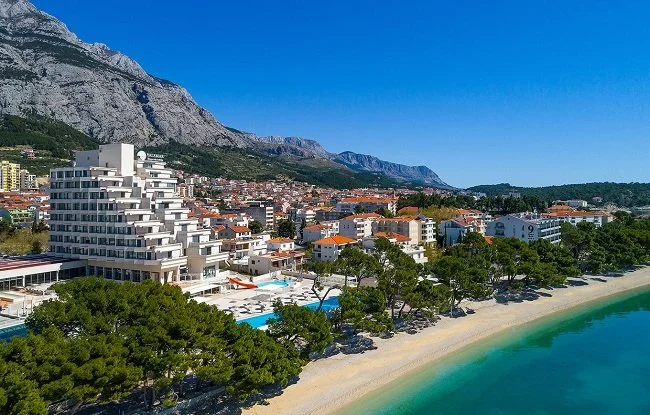
Mrs P and I travelled to Croatia on Friday 13th June for our summer holiday. We spent one week in Makarska, which is located on the Dalmatian coast. My last international holiday was to Malta in 2004. Since then we have done a lot of travelling in the UK and Mrs P has vacationed abroad with other family members. However, she stated last September that she wanted to go “somewhere warm” for our next holiday. So this trip was booked and has been “something to look forward to”, or a source of stress slowly inching closer, depending upon your perspective. In many respects this holiday has been a big deal for me. I don’t enjoy travelling at all with all its accompanying logistical, bureaucratic and “people” issues. However, I have no problem with being elsewhere. I eagerly await teleportation technology to become commonplace. Once I arrived at our hotel, I quickly switched to holiday mode and I am happy to confirm that I thoroughly enjoyed myself.
Emmetts Garden is an Edwardian estate situated on Ide Hill, close to Sevenoaks in Kent, UK. After a long and interesting history it is currently under the stewardship of the National Trust. Originally open farmland, the existing house was constructed in1860. The term “emmett” is a local dialect for ant, referencing the large anthills that populated the area until the 1950s. In 1890, the estate was acquired by Frederic Lubbock, a banker with a keen interest in horticulture. His elder brother, John Lubbock, 1st Baron Avebury, was a renowned authority on ants, which may have influenced Frederic's decision to purchase the estate. Today Emmetts Garden is open to the public and features several “hortus conclusus” (walled gardens) and a hillside trail that is famous for its Bluebells in the spring.
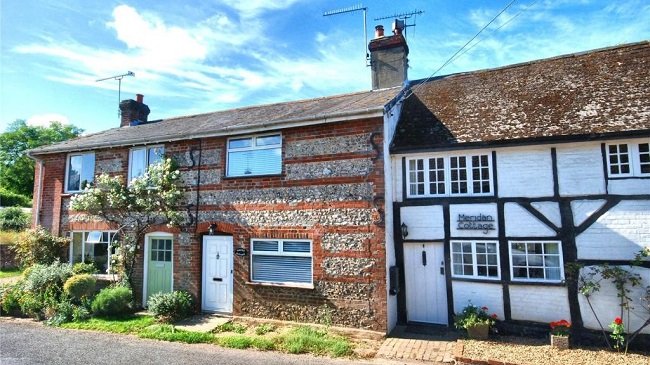
Damerham is a quaint rural village and civil parish located in the New Forest district of Hampshire, England. It is close to the market town of Fordingbridge. Damerham is distinguished by significant Neolithic and Bronze Age burial mounds. Historically, it was home to an Anglo-Saxon religious community and was referenced in the will of Alfred the Great, as it was at that time part of the royal estate. At the time of the Domesday Book in 1086, Damerham was recognized as a prominent settlement under the ownership of Glastonbury Abbey. It was mainly farms and agrarian small holdings. Today, the village still features a riverside mill and the church of Saint George date’s back to the Norman period. There is a church hall that hosts numerous local, seasonal events.
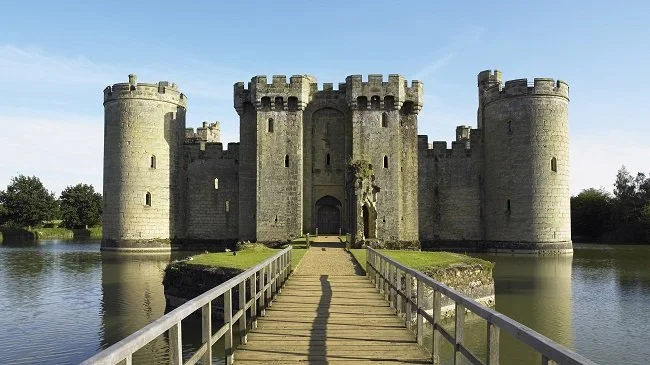
Bodiam Castle is a 14th-century moated castle located near Robertsbridge in East Sussex, England. It was built in 1385 by Sir Edward Dalyngrigge, a former knight of King Edward III. The castle’s primary purpose was to defend the local area against possible French invasion during the Hundred Years' War. Bodiam Castle has a quadrangular design and does not have a keep. All the various chambers and rooms were built adjacent to the outer defensive walls. The four corners and main entrance have towers, all of which feature crenellations. A substantial moat surrounds the castle, which served as a home for the Dalyngrigge family, as well as a seat of power to the manor of Bodiam. The castle remained within the Dalyngrigge family until the line became extinct. It remained a place of strategic importance during the War of the Roses and the English Civil War. It is currently owned and maintained by The National Trust.
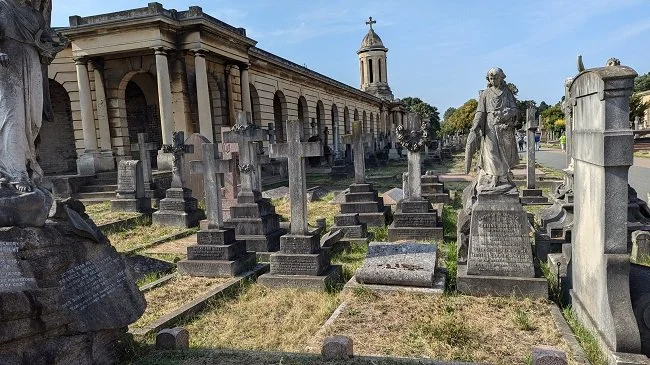
Today I went on an impromptu visit to Brompton Cemetery in West London. Established in 1837, the West of London and Westminster Cemetery (as it was originally known) is a private cemetery initially created as a business venture to capitalise upon the shortage of cemeteries within London. It also sought to cater to the prevailing culture of opulent Victorian funeral rites. However, after proving non profitable, the cemetery was bought by the UK government. It was subsequently incorporated into Crown Property and managed by The Royal Parks. It is one of Britain’s oldest and most distinguished garden cemeteries. There are currently 35,000 monuments, ranging from simple headstones to impressive mausolea. It is home to more than 205,000 resting places. The cemetery is also a haven for flora and fauna, providing a substantial semi rural environment amid urban central London.
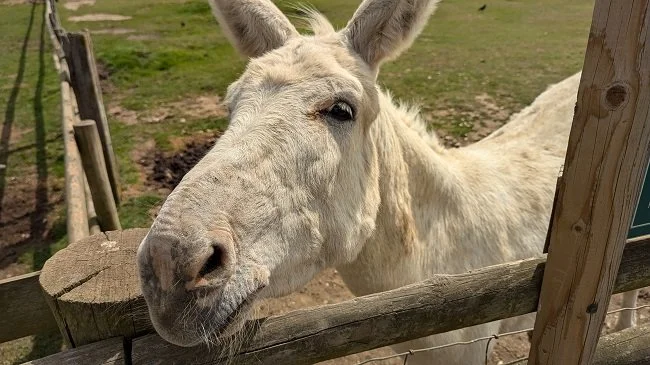
Christmas Tree Farm is a petting zoo, outside the village of Downe in the county of Kent. Despite its rural setting, it is actually only 15 miles from London, making it an ideal visit, as part of a day. The farm is home to a wide selection of domestic farm animals (and a few more exotic ones), all of which can be fed, stroked and lavished with attention by visitors. During the winter months, Christmas Tree Farm hosts Santa’s Grotto and as the name suggests is the place to find the perfect Christmas tree for your home. Entry prices are very reasonable, costing £6 per adult and £4 for children aged between 2 and 16 years old. Buckets of animal feed of varying size are also available for a small fee. There is a leisurely trail around the farm where the various animals are housed in pens and out buildings. There is also a Tea Garden where refreshments are available.
In 1939 legislation was passed in the UK so that all employees had one week’s annual paid holiday per year. By the 1950s this had become two weeks and by the 1980s most people had at least 4 weeks of annual holiday. On top of this paid leave allocation, the UK currently has 8 bank holidays which provides further time off for employees. This culture of increasing amounts of annual leave also broadly coincided with air travel becoming more accessible. The first UK passenger jet service began in 1952. However, its cost excluded most people. However, as larger airliners with increased range became available, cheaper foreign holidays became more and more economically viable. European holidays became a reality in the 1960s and 1970s. By the 1980s long-distance holidays to other continents became ubiquitous and the package holiday became king. It is also worth noting that the Channel Tunnel opened in 1994, making car travel from Britain to Europe easier and more popular.
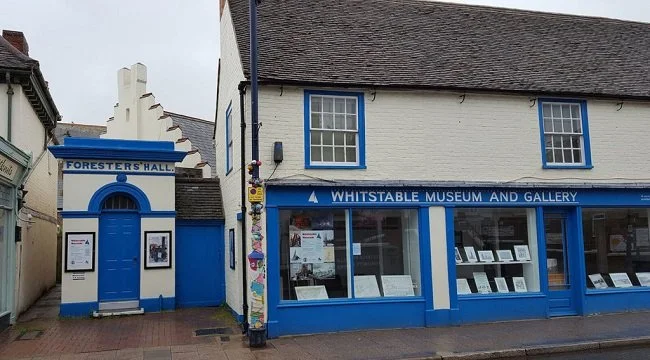
Today I had the pleasure of visiting the Whitstable Museum (or to give its full name Whitstable Community Museum and Gallery). This is a fine example of a local heritage centre that curates and displays artefacts and records that reflect the history and culture of the surrounding area. The museum located in Whitstable, Kent, is home to one of the world's oldest steam engines, as well as historical diving equipment that was developed locally. The history of the local oyster trade which has been an integral part of the community for centuries is also a key feature. Established in 1985, the museum was reopened in 2015 following a major refurbishment. There is also an art gallery featuring the paintings by local artists and artworks on loan from an international network of galleries.
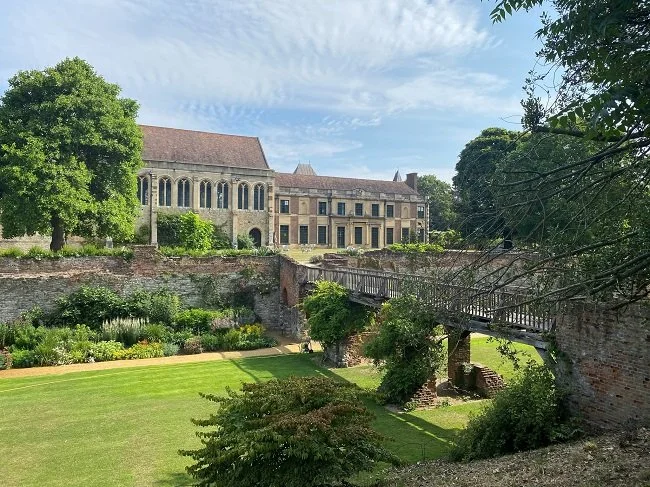
Eltham Palace, located in South East London, was the childhood home of King Henry VIII in 1499. It was later used as a royal nursery for the infant Princess Elizabeth, born on 7th September 1533. It sports sumptuous grounds and ornamental gardens and was famous for its game hunting during the Tudor and Elizabethan periods. In the 1930s’ the property was owned by the Courtauld family, who built a sumptuous Art Deco style mansion and redeveloped the grounds. Today the entire property is owned and managed by English Heritage who have extensively restored much of the estate. It is therefore very fitting that this illustrious venue annually plays host to the Legendary Medieval Joust, during the summer months. Two days of historical pageantry, re-enactments and events for the entire family to enjoy. I last attended in 2015, so it was a welcome pleasure to return again yesterday.

Morph’s Epic Art Adventure in London is a step-free art trail and tourist attraction featuring the iconic animated character Morph. It is hosted by charitable organisation Whizz-Kidz, global event producers Wild in Art and Aardman. The trail features 56 super-sized sculptures of the much-loved children’s TV character, which are set among various iconic London landmarks including St Pauls, Tate Modern, Tower of London, Shakespeare’s Globe and Borough Market. It is a free public art trail and tourist attraction, designed by a variety of artists to excite and inspire people of all ages, whilst increasing public awareness about the need for young wheelchair users to be mobile, enabled and included in society. Morph’s Epic Art Adventure in London runs from June 19th until August 20th 2023.
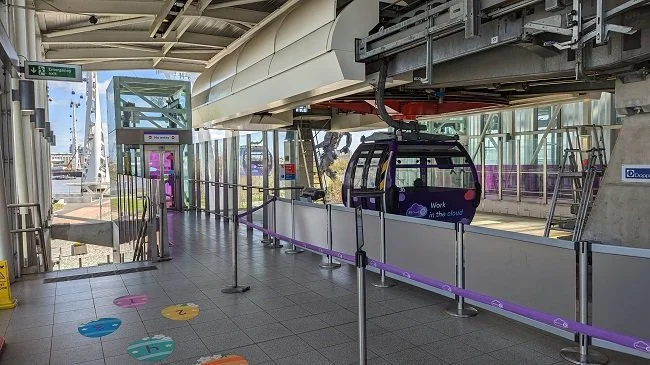
Regardless of whether you deem the IFS Cloud Cable Car a white elephant, a political folly or just a mistake in terms of tourism, it cannot be denied that the view it provides over South East London is impressive. At a height of 90 metres (300 feet), on a bright and sunny day you can see from City Airport to Canary Wharf. Located at Greenwich Peninsula, the IFS Cloud Cable Car (as it is now called) opened in June 2012. It was initially promoted as a viable form of public transport across the Thames, linking North Greenwich and Royal Victoria stations. In October 2012, nearly 100,000 journeys were made. However, after the London Olympics, passenger rates fell and since then IFS Cloud Cable Car has become more of a tourist attraction, rather than an integral means of commuting.
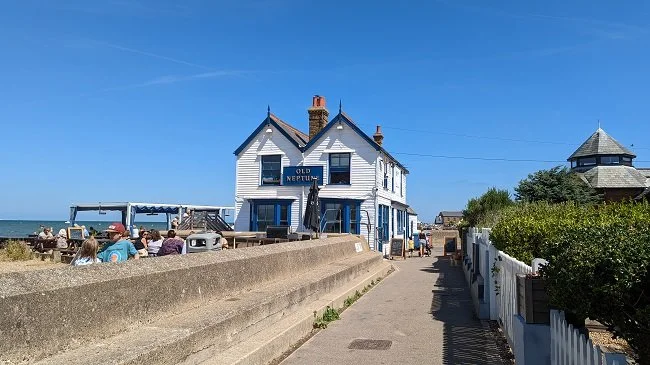
To my surprise I found myself out and about today undertaking another day trip. This time we headed back to the sea and visited Whitstable, a town on the north coast of Kent adjoining the Greater Thames Estuary. It’s 5 miles (8 kilometres) north of Canterbury and 2 miles (3 kilometres) west of Herne Bay. The town was originally recorded in the Domesday Book of 1086, under the name Witenestaple, meaning "the meeting place of the white post", a reference to a local landmark. By the late middle ages Whitstable had become a centre of Thames Estuary fishing, specifically for oysters. Today, the main activities at the harbour are fishing and processing, cargo handling and boat maintenance. The town has shingle/sandy beaches adjacent to the harbour, where swimming and water sports are popular. Whitstable Castle is situated on the border of Whitstable and off the coast is Kentish Flats offshore wind farm, consisting of 30 wind turbines.
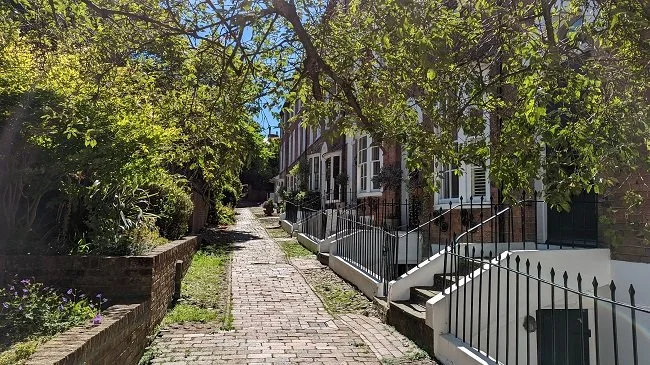
Royal Tunbridge Wells is a town in the county of Kent, 30 miles (50 kilometres) southeast of central London. It is situated on the border with East Sussex on the northern edge of the High Weald. The local sandstone geology is synonymous with a rugged landscape due to erosion and weathering. The town itself was a spa during the Restoration and became a very fashionable resort in the middle of the 18th century. Socialites such as Beau Nash helped make the resort popular when the Pantiles and its chalybeate spring, began attracting visitors who came to “take the waters”. Despite the decline in spa towns after sea bathing grew in popularity, Royal Tunbridge Wells has remained a tourist resort. Today, much of the area's income is generated by tourism. The town has an equitable temperate maritime climate.
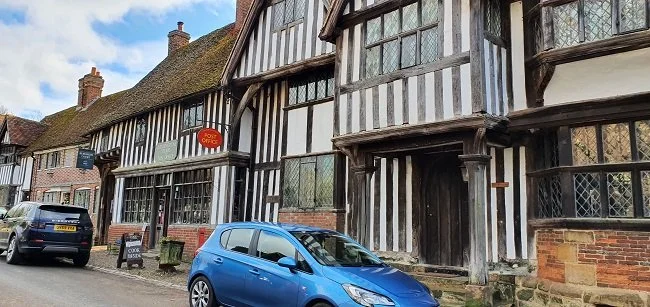
With January already behind us, Mrs P and I decided it was high time we took our first day trip of 2022. So yesterday I spent some time looking online at details of various National Trust sites within an hour or so drive from our home. I also looked at similar places of historical note that are run by other bodies. Sadly, many are either partially or totally closed for the present. It would appear that from January to March many of these sorts of tourist attractions spend time repairing, refurbishing and preparing for forthcoming events. Grounds also have to be maintained. Hence, we were somewhat lacking in choice for suitable destinations. However, as the weather forecast was mild, today we opted to visit the village of Chiddingstone so we could walk in the grounds of the local castle and along the various footpaths in the area.
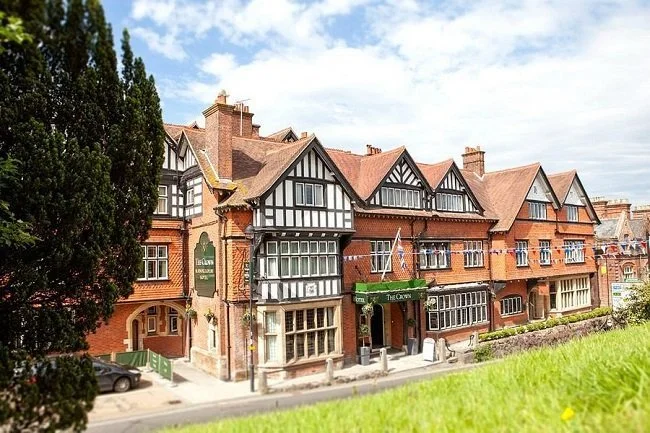
For me, staying in a hotel is always an adventure, as it mainly happens when I’m taking a holiday or a short weekend break. I suspect that travelling habitually for business reasons probably puts a different complexion on the process. It may well dictate what sort of hotels you stay in. More than likely functionality, location and cost trump other more self indulgent factors such as aesthetic and ambience. Mercifully, travel has never been a major part of my working life and so hotels are still a source of excitement as they’re associated with fine meals, interesting scenery and good company. However, such hotels tend to come at a price as they’re catering more for tourism rather than business travel and therefore stays are not a regular occurrence. However, I had the pleasure of a short visit this weekend.
Walking for Pleasure
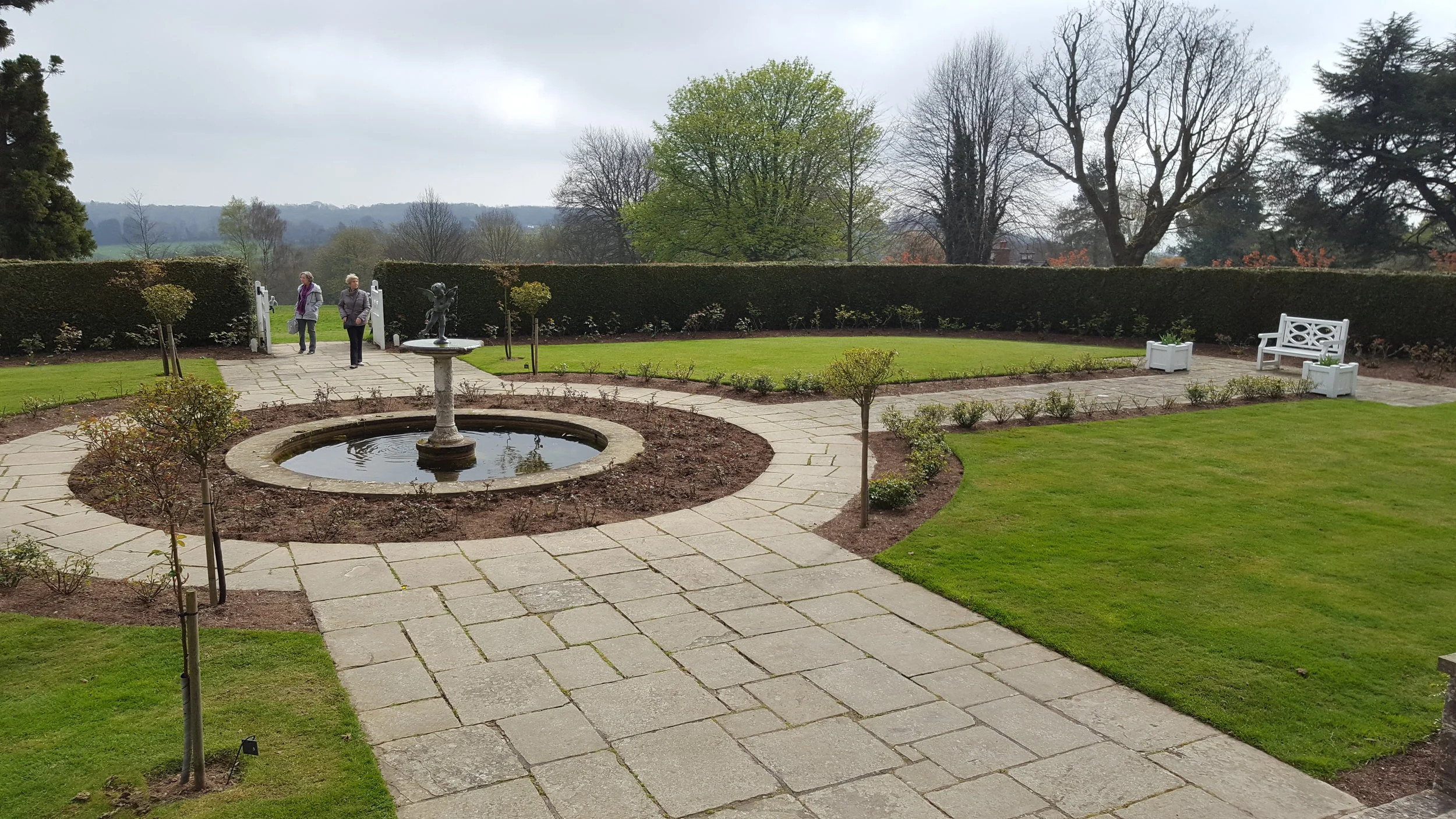
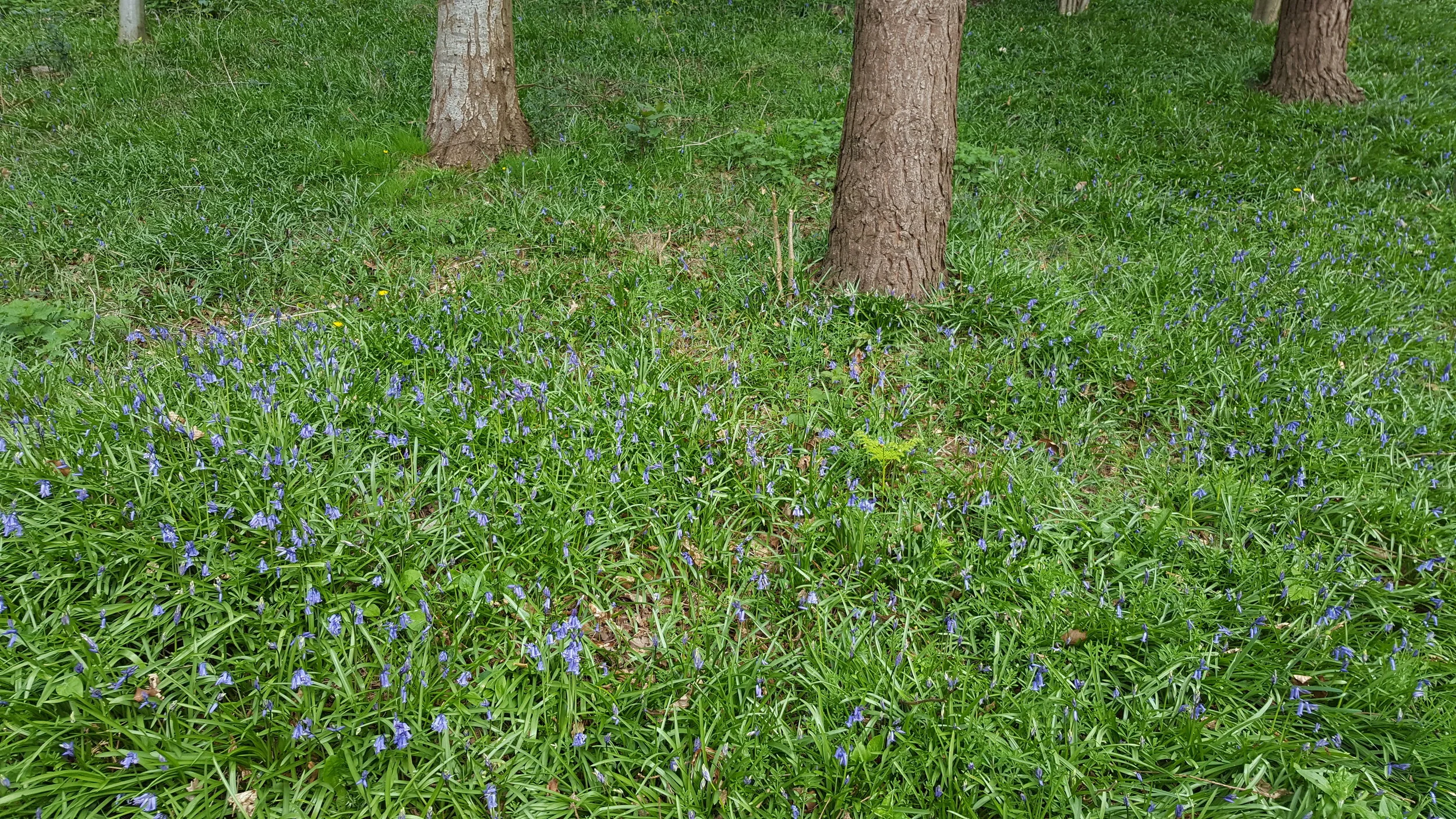
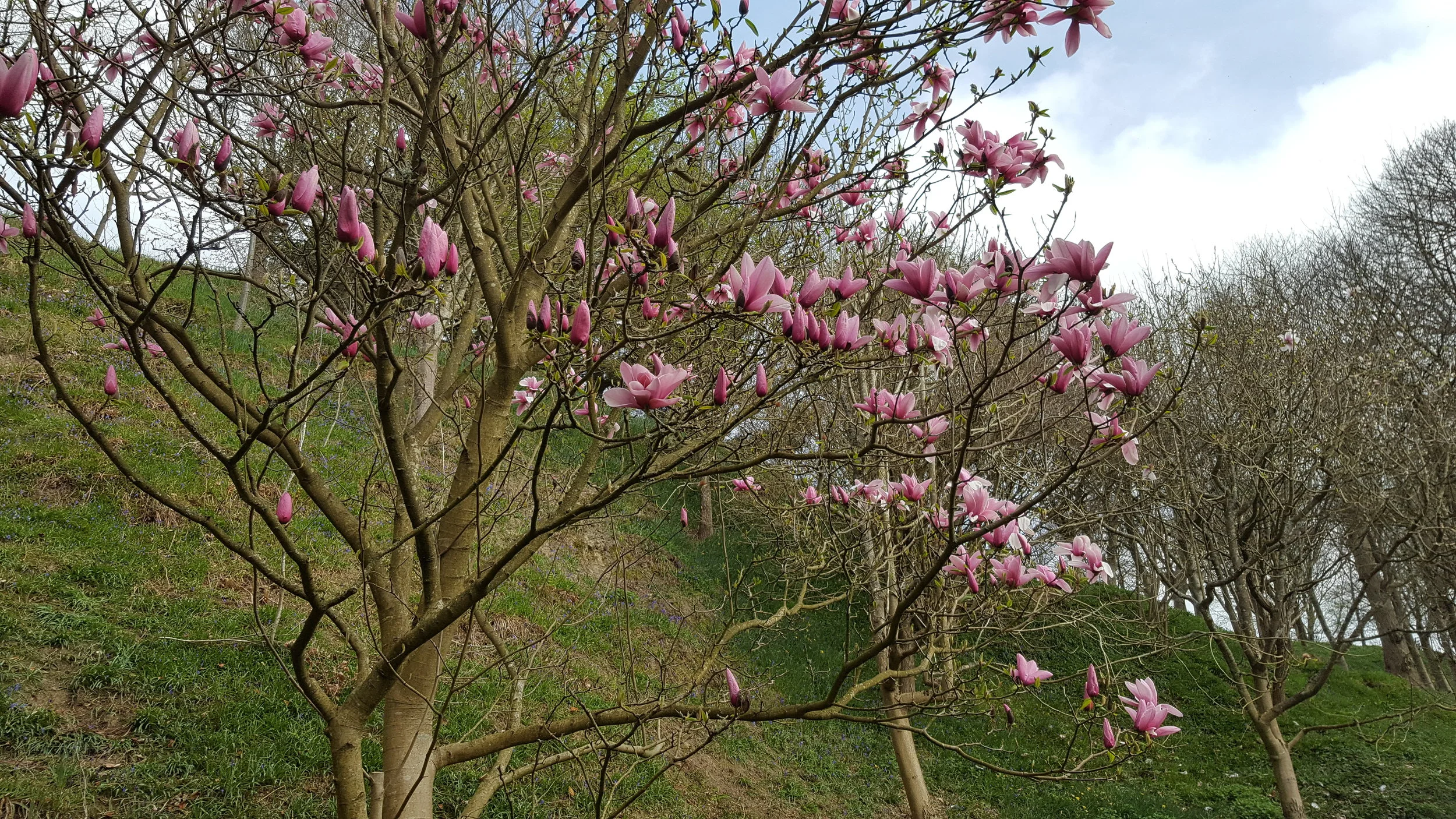
Today I visited Emmetts Garden in Sevenoaks. The Edwardian estate located at Ide Hill and is now owned by the National Trust for Places of Historic Interest or Natural Beauty. The garden, which covers an area of about six acres, is situated on a 600-foot sandstone ridge, overlooking the Weald. It is one of the highest points in Kent, offering an expansive view of the North Downs. The garden was laid out in the late 19th century and was influenced by William Robinson. It contains many exotic rare trees and shrubs from across the world. You can explore the rose and rock gardens, take in the views as well as enjoy flowers and shrubs in spring. In autumn visitors can enjoy the vibrant colours brought about by the changing of the season. The main attraction at this time of year are the Bluebells.
Today I visited Emmetts Garden in Sevenoaks. The Edwardian estate located at Ide Hill and is now owned by the National Trust for Places of Historic Interest or Natural Beauty. The garden, which covers an area of about six acres, is situated on a 600-foot sandstone ridge, overlooking the Weald. It is one of the highest points in Kent, offering an expansive view of the North Downs. The garden was laid out in the late 19th century and was influenced by William Robinson. It contains many exotic rare trees and shrubs from across the world. You can explore the rose and rock gardens, take in the views as well as enjoy flowers and shrubs in spring. In autumn visitors can enjoy the vibrant colours brought about by the changing of the season. The main attraction at this time of year are the Bluebells.
Both I and my significant other walk for pleasure as well as the obvious health benefits. We both have targets regarding our daily step counts and try our best to achieve them. The car is therefore often left at home and a lot of trivial journeys, such as those to the local shops are done by foot. As I am also my parent’s carers I find that the various visits to the pharmacy and doctors surgery offer a further opportunity to hit my daily walking quota. Furthermore, the layout of the Greater London suburbs means that walking is frequently an easy option without the have the hassle of having to find a parking space. The county where I live also has a wealth of parks and open spaces. Some are free, where others such as Emmetts Garden, have a modest entry fee.
Today’s visit not only afford us an opportunity to visit a beautiful garden, rich with exotic flowers and trees but it also allowed us to gently exercise in a beautiful environment. Many of the trails within the grounds are tranquil and free from excessive noise. As I’ve written recently, noise for me is one of the great maladies of this century and any chance to be free from it is welcomed. Today’s walk gave me and Karen some quality time to chat as well as reflect in silence upon our own thoughts as well as the inherent beauty of our surroundings. Walking in such an environment is a great way of relaxing and recharging your “batteries”. Modern urban life is extremely frantic and in many ways, has detached us from the natural world. Parks and places of natural beauty are a great way to reconnect.
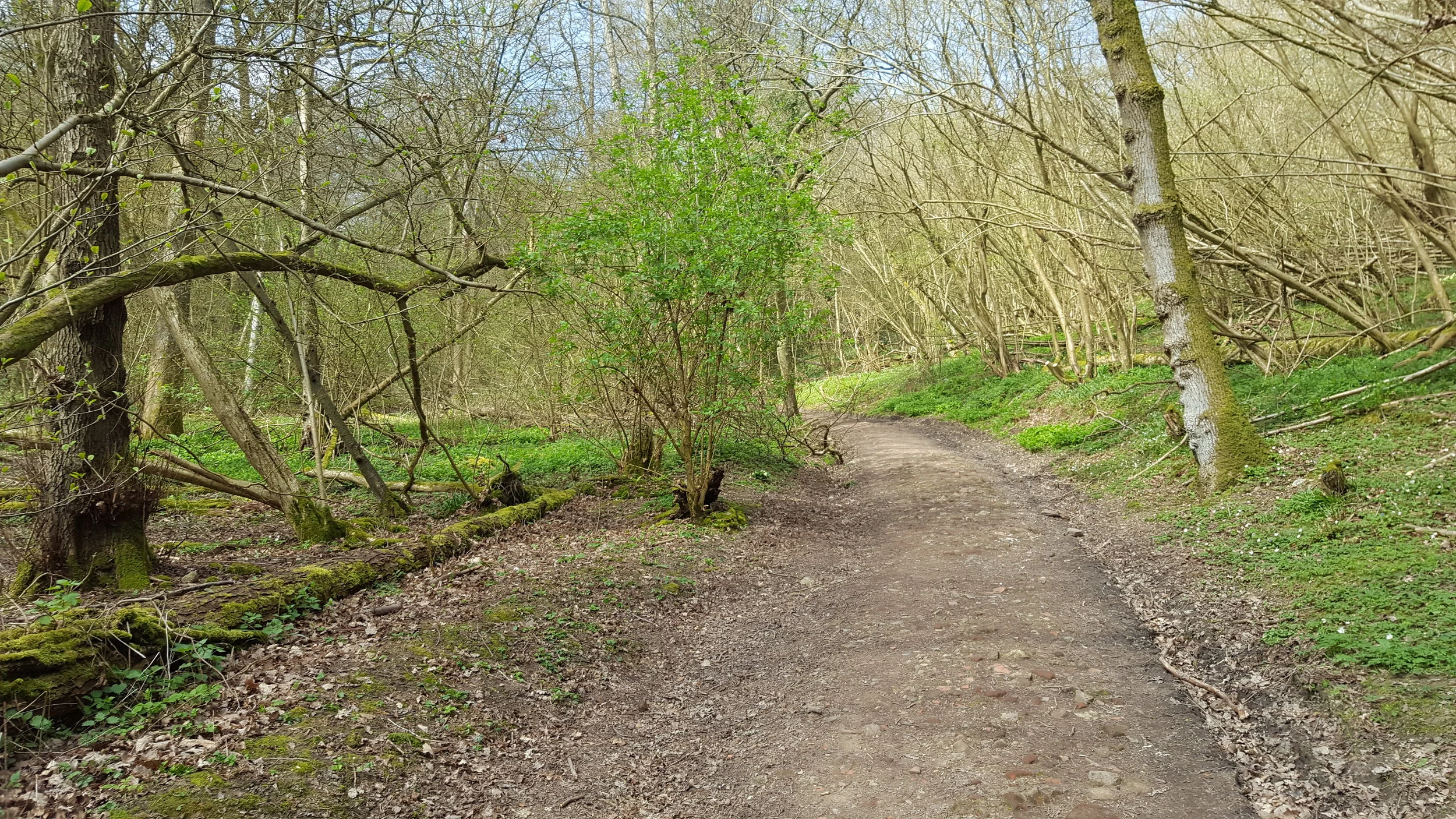
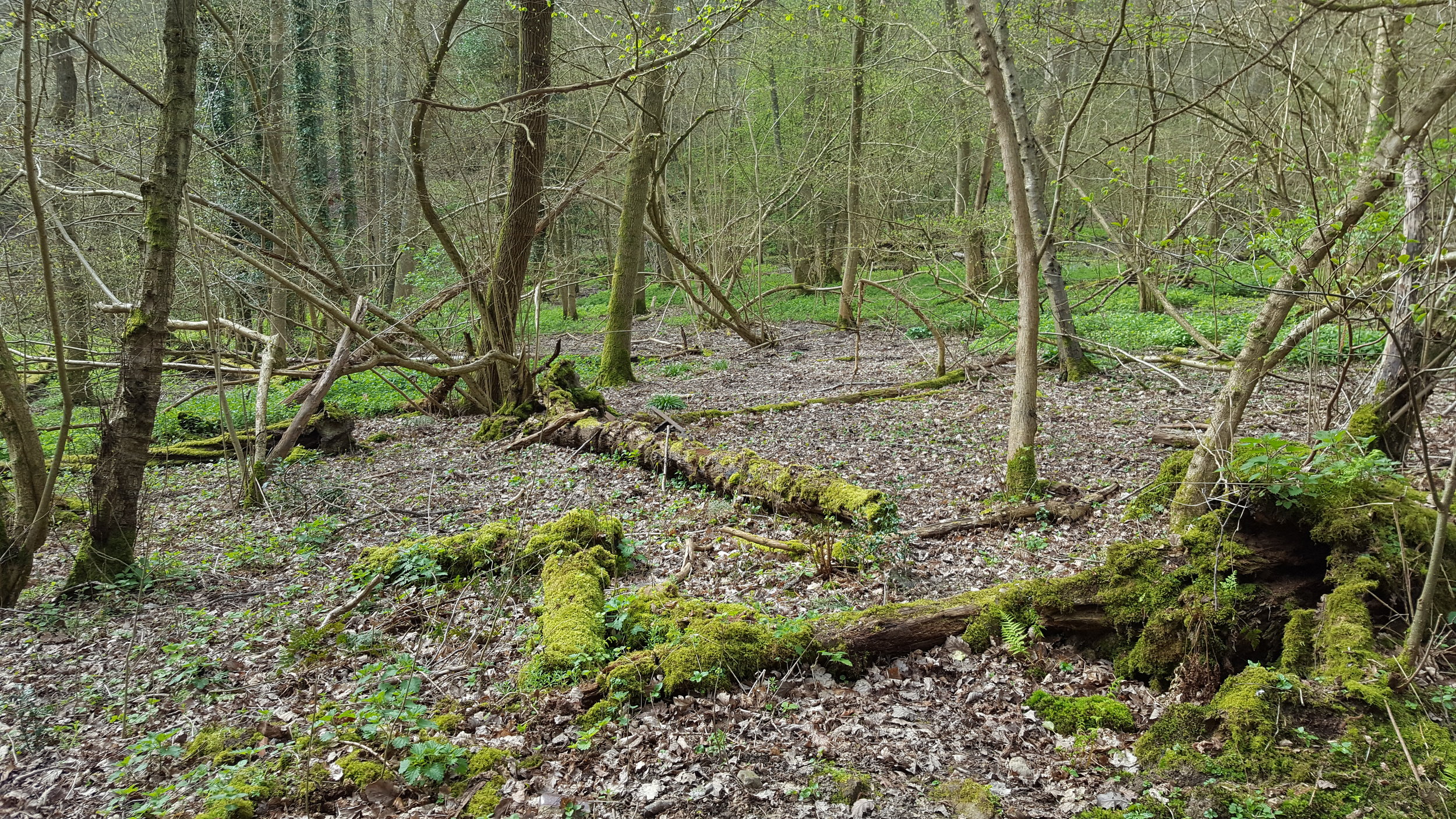
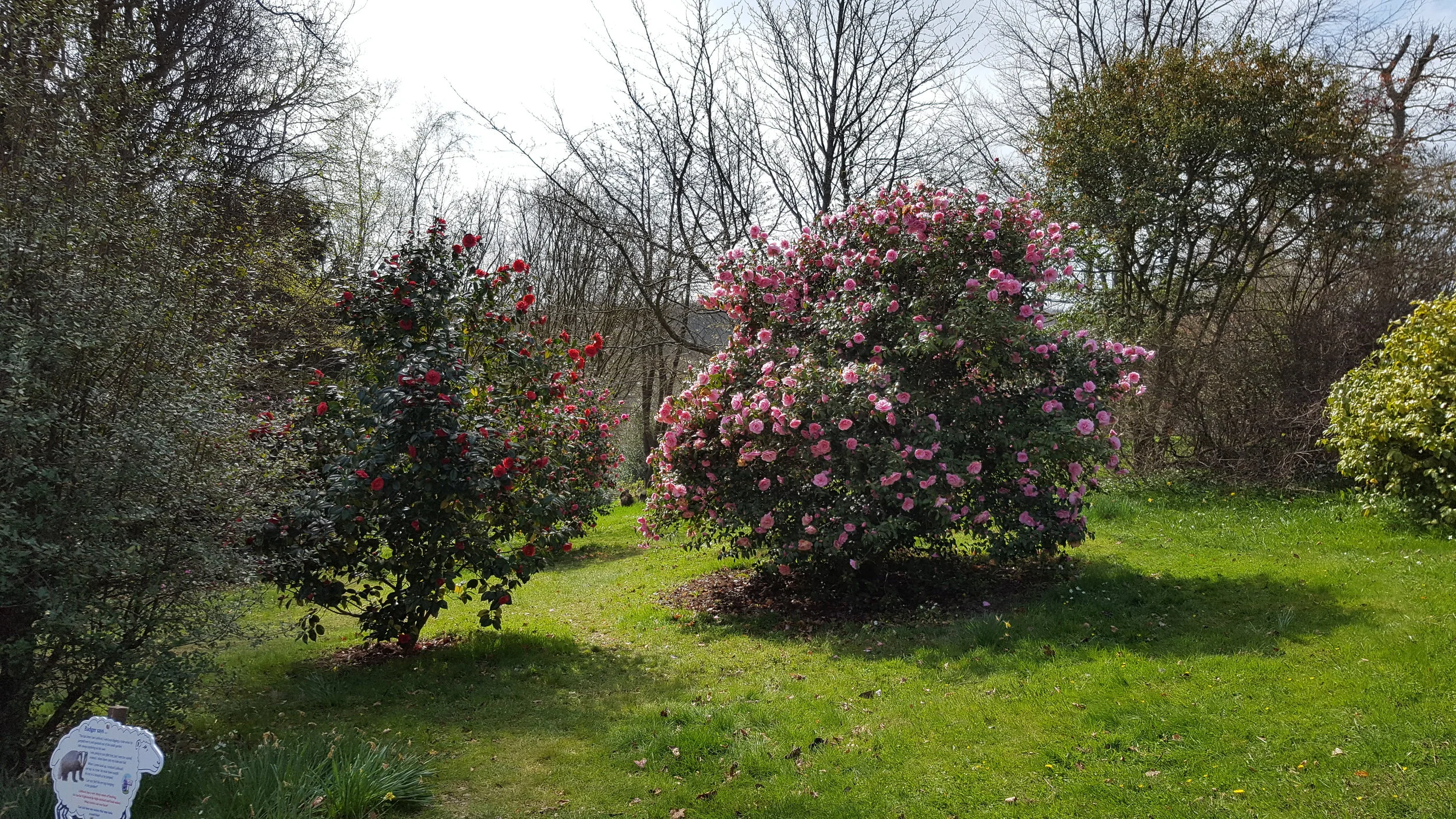
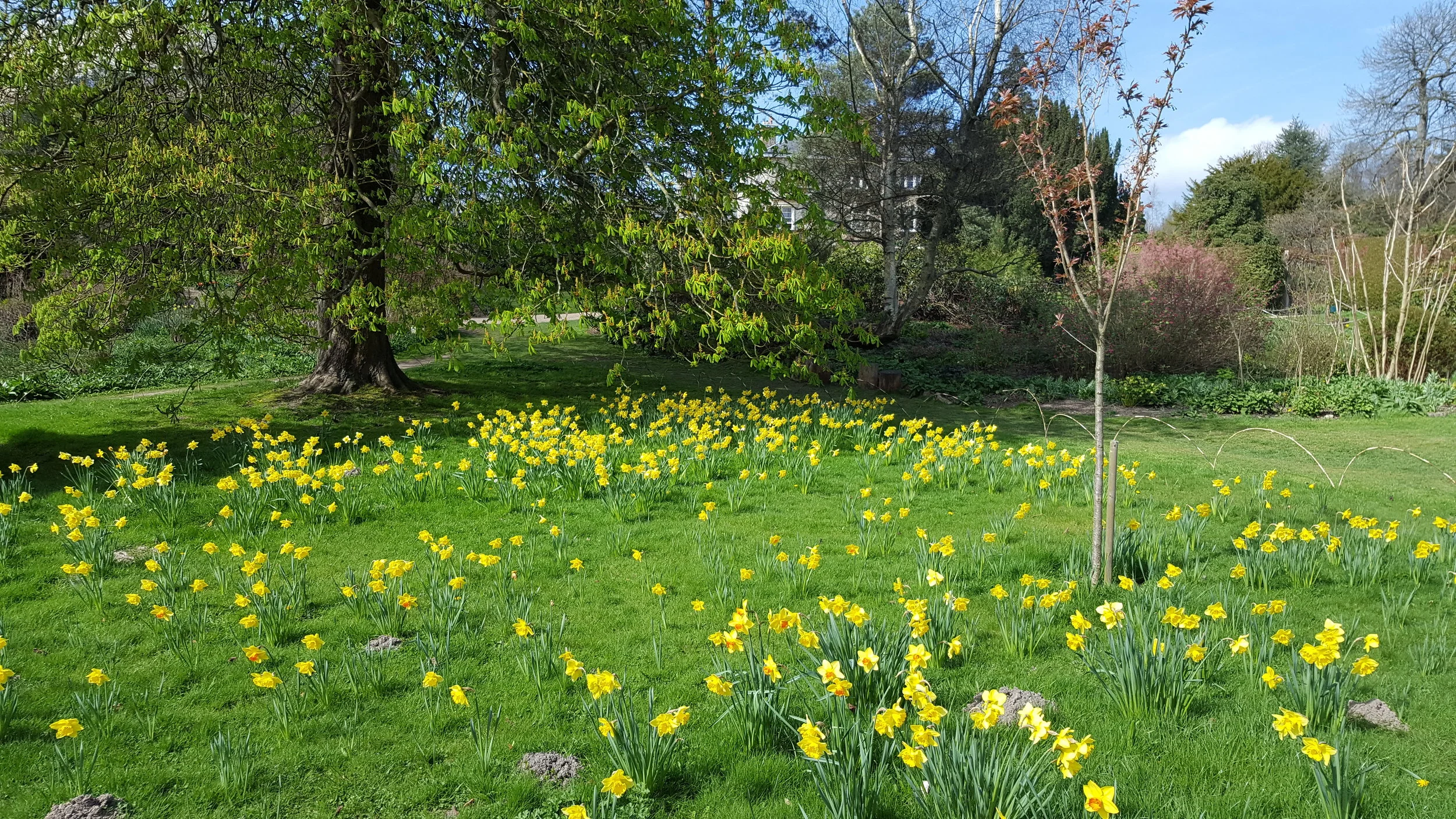
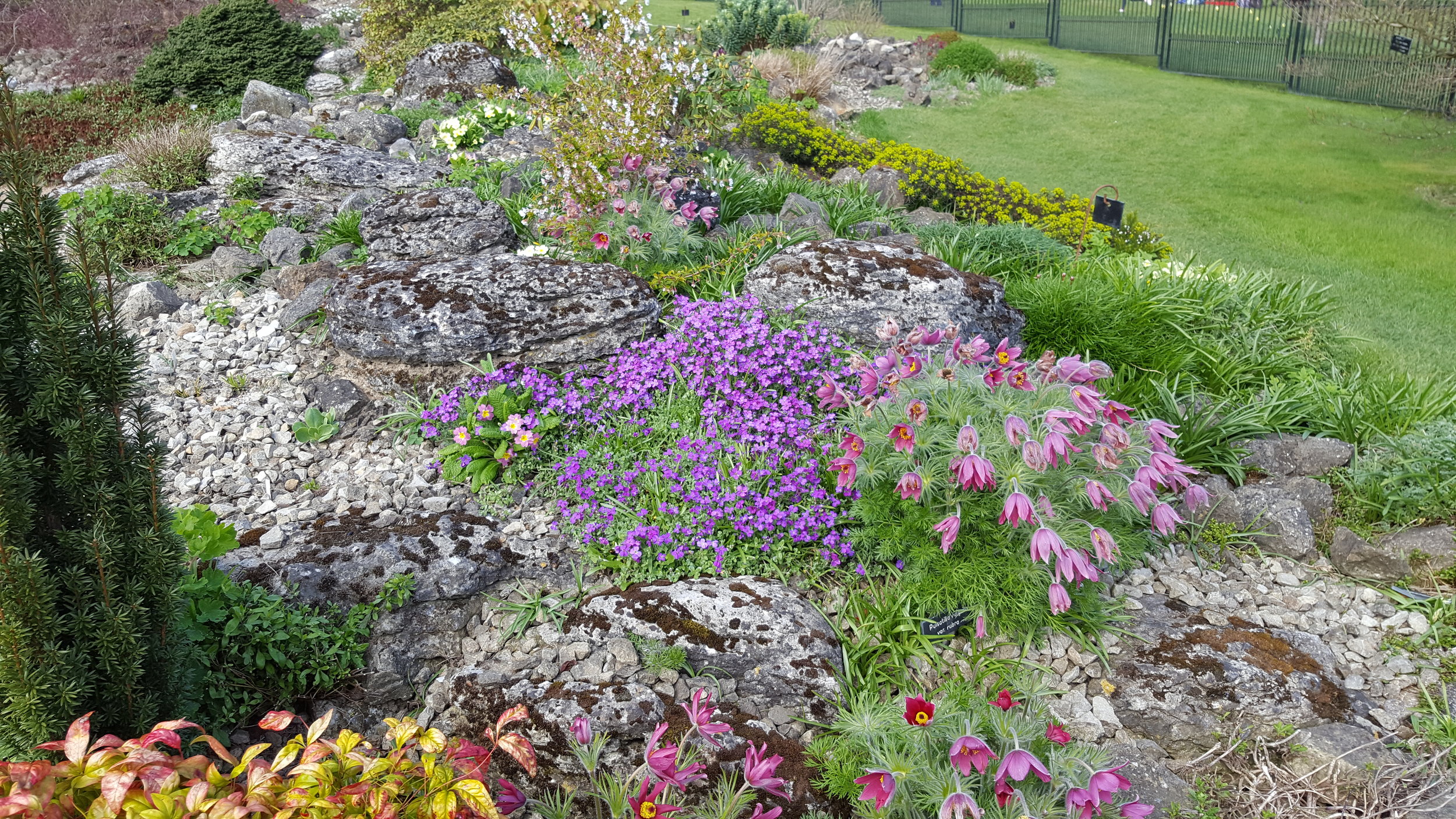
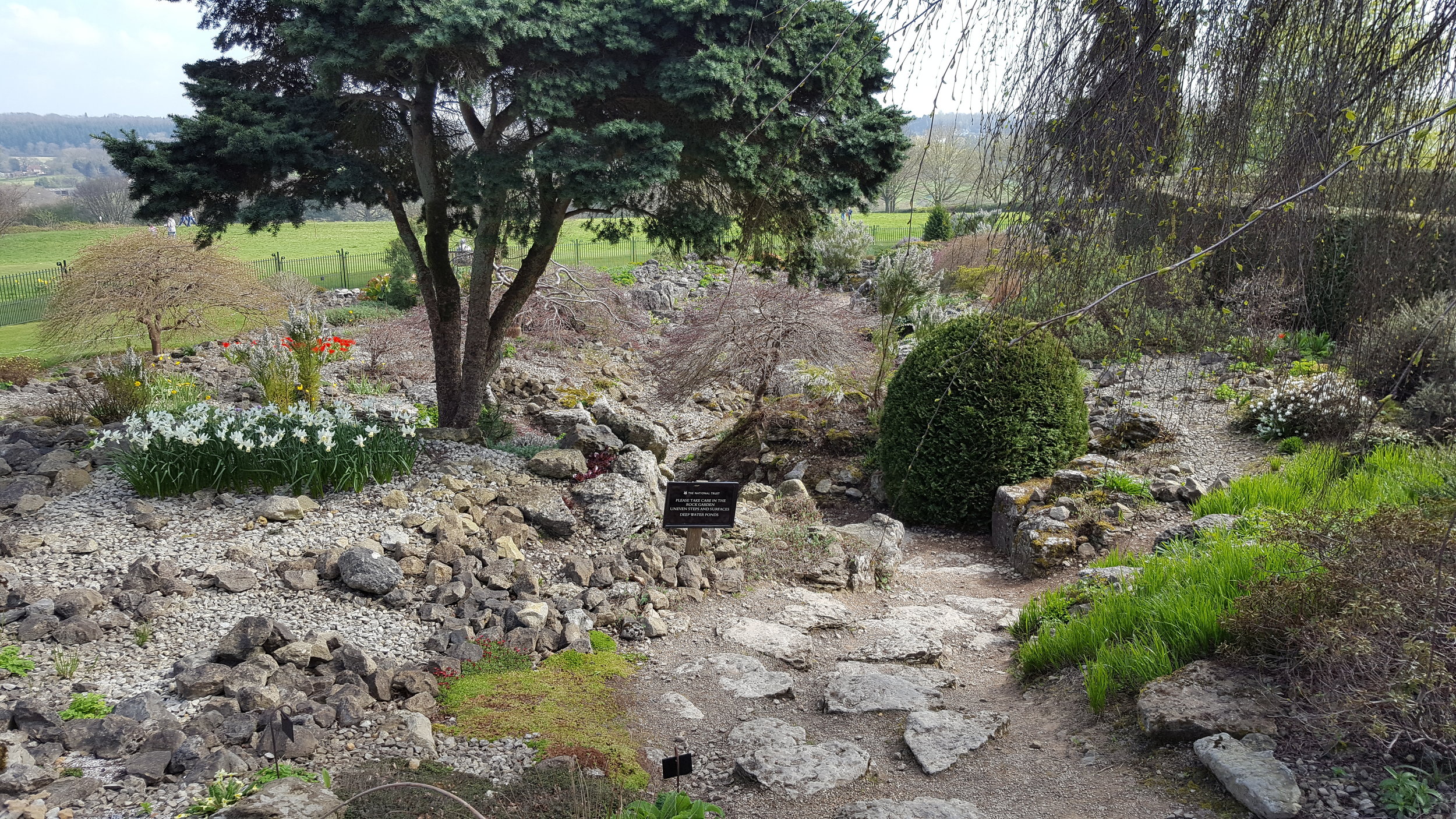
Walking is a form of exercise that has few barriers to entry. You just need to ensure that you have suitable foot wear for the environment you’re walking in and to be mindful of things like hydration if you’re out in the heat. It can be done solitary or with friends, in silence or while engaged in discussion. It doesn’t have to be “dead time” as I’ll often listen to the radio or podcasts while out walking. As a writer walking affords a chance to martial my thoughts and consider what I wish to explore through my blogging. Walking, unlike other forms of exercise such as the gym with its culture and poseurs, frees you from the tyranny of other people. Thus. I’m a great advocate. The following link to the NHS website, provides a succinct breakdown of the health benefits of walking and effectively how to start. Plus, here’s a gallery of photos from Emmetts Garden, highlighting why it’s a great day out a fine place to take a stroll.

Today I visited the Inside Aardman: Wallace & Gromit and Friends exhibition at the Young V&A Museum at Bethnal Green. The exhibition which celebrates 50 years of Aardman Animations, provides visitors with a unique, behind the scenes view of the art of stop-motion animation. It also explores how Aardman’s iconic characters and worlds are designed, crafted and brought to life. From the initial concept artwork to the final visual effects, this event demonstrates the methods and techniques employed by Aardman. The exhibition features early scripts, sketch artists initial concept art, models, sets and numerous famous puppets. Furthermore this event is firmly pitched at children and families, with a wealth of interactive activities demonstrating the various techniques on display. The curators of the exhibition have also made it clear that they wish to encourage future generation to consider a career in the creative arts.
The Imperial War Museum serves as a national museum for Britain. Its main location is in London, complemented by five additional branches across England. Established in 1917 as the Imperial War Museum, its original purpose was to document the civil and military efforts and sacrifices made by the United Kingdom and its Empire during the First World War. Over time, the museum’s scope has broadened to encompass all conflicts involving British or Commonwealth forces since 1914. As of 2012, the museum’s mission is to provide and encourage the study and understanding of the history of modern warfare as well as the “wartime experience”. The IWM as it is now known has its headquarters and primary site is located at Southwark in Central London. The museum is funded by government grants, charitable donations and revenue generated through commercial activity such as retailing, licensing and publishing. General admission is free to IWM London.
Castle Farm is a family business located near the village of Shoreham in West Kent. The Alexander Family have been farming in the Darenth Valley since 1892 when James Alexander transported 17 milking cows from Ayrshire in Scotland and took up residence in this south-eastern part of England. Castle Farm is a busy, working farm comprising of 1,100 acres. It produces such crops as wheat, barley, rapeseed, hops, apples, pumpkins and lavender. It is also home to a grass-fed herd of beef cattle. However, in recent years it has become well know internationally for its lavender crop. Castle Farm began its lavender enterprise in 1998, producing the essential oils associated with the flower. It is now the largest lavender farm in the UK, growing over 110 acres of the flower. Furthermore, it has become quite a tourist attraction with the farm staff running tours during Summer and the height of lavender season.
Riverhill Himalayan Gardens are set in the grounds of Riverhill House, a Grade II listed Queen Anne manor house located on the southern edge of Sevenoaks in Kent, England. Riverhill is well known for its stunning and historic gardens as well as its sweeping vistas over the Weald of Kent. The estate has been the residence of the Rogers family since 1840 who currently operate the gardens as a tourist attraction, along with the house and associated facilities as a wedding venue. Visitors can enjoy a walled garden, rose walk and maze as well as other attractions. There is also an excellent trail around the grounds culminating in a view from the top of the hill over the estate. Riverhill Himalayan Gardens, as a supporter of the Surrey Sculpture Society, regularly showcases a selection of sculptures and art pieces throughout its grounds. All are available for purchase if you have deep pockets.
The Hunterian Museum is a museum of anatomical specimens in London, located in the prestigious building of the Royal College of Surgeons of England. The museum is made up primarily of a collection from the 18th century Scottish surgeon John Hunter. Over the years it has since been subsequently supplemented by Odontological material curated by A. E. W. Miles and various natural history exhibits from Richard Owen. In May 2023, the Hunterian Museum reopened following a five-year redevelopment of the Royal College of Surgeons of England’s headquarters at Lincoln’s Inn Fields. The £4.6 million museum project features the exhibition of more than 2,000 anatomical specimens from Hunter’s original collection. In addition to these there are instruments, equipment, models, paintings, and archival materials that document the evolution of surgery from ancient eras to contemporary robot-assisted procedures. The Museum boasts the largest public display of human anatomy in England.
The Crystal Palace Dinosaurs are a collection of sculptures depicting dinosaurs and other extinct species located in Crystal Palace Park, in the London borough of Bromley. These sculptures were originally commissioned in 1852 for display at the Crystal Palace following its relocation from the Great Exhibition held in Hyde Park. They were revealed to the public in 1854 and are the first speculative dinosaur sculptures ever created. Although the models are now considered inaccurate by contemporary standards, they were designed and crafted by Benjamin Waterhouse Hawkins under the scientific guidance of Sir Richard Owen, reflecting the prevailing scientific understanding of the time. The sculptures were designated as Grade II listed buildings in 1973 and underwent extensive restoration in 2002. In 2007 they were elevated to Grade I listed status. As of spring 2026 the dinosaurs are again being renovated as part of a £5 million regeneration of the park.
The benefits of international travel are numerous. These include stress relief, mental health benefits and a chance to escape the drudgery of work. Then there are the cultural aspects that you can immerse yourself in. Going abroad also allows you to learn new language skills as you awkwardly ask for directions. International travel is a chance to make lasting memories and it often gives the traveller a greater appreciation of their own home. At the very least the beer is always better abroad and that is the very definition of “broadening your horizons”. Yet despite all these positive points, there is one unavoidable hassle when comes with travelling abroad. The fact that the country or countries that you’re visiting will invariably use a different electrical plug and socket standard. In an age where a lot of the stuff you bring along with you on holiday needs charging, this can be a very stressful problem to solve.
I thoroughly enjoyed our holiday in Croatia last year and it did much to restore my confidence in travelling. Previously my views on visiting other countries had been greatly influenced by the films Raid on Entebbe and Midnight Express. As January was such a bleak month here in the UK, Mrs P and I decided we couldn’t wait until summer for another holiday and so decided to book something for the end of March. So we visited our local Travel Agents and decided upon a river cruise. We’ve been interested in these since we saw a travel show with Susan Calman. River cruises are a horse of a different colour, compared to sea cruises. They’re a great way to visit cities of note, often bringing you right into the heart of them. River cruise ships are a lot smaller with less passengers than ocean faring vessels. They also attract quite different travellers. Let it suffice to say that a sea cruise doesn’t offer the cultural experience that I am looking for.
There are approximately 4000 parks and green spaces in Greater London. Bexley Borough alone has over 100. Public parks and green spaces are vital to modern cities, providing essential health, environmental and social benefits. They boost physical and mental wellbeing by reducing stress and providing a place for exercise. Furthermore they enhance urban sustainability, mitigate heat, and provide a sustainable environment for a wildlife. Parks are often a venue for social activities and events and as such are an important part of the local community. Going to the park has always been a part of my life. I live next to Old Farm Park in Sidcup and have made use of this recreational space throughout my life. I used visit with my parents in the seventies, when I was a child. Thirty years later my son, father in-law and I would fly kites there. Now I take my grandchildren to Old Farm Park as it now has a playground.
There is no shortage of interesting and good quality museums in London. In many respects tourists and visitors are spoilt for choice. More often than not, it is the most well known institutions such as the British Museum or Victoria and Albert Museum that gain the most attention. However, there are many hidden gems to discover if you take the time to look further. A prime example being The British Optical Association Museum which I had the pleasure of visiting today. The museum’s function is to promote the optometry profession and raise public awareness of its past and ongoing role within society. The museum has a well conserved collection of exhibits and provides a venue for presentations, learning and research services. There is also an excellent tour hosted by museum curator Neil Handley (PhD, AMA, FRSA) in which he gives a concise, interesting and at times a witty overview of the history of optometry in the UK and its current role.
The artillery battery at Capel-le-Ferne was built between 1941 and 1942, following the fall of France, on the orders of Winston Churchill. Located between Dover and Folkestone, the battery consisted of three 8-inch high-performance guns, provided by the Royal Navy. The battery was intended to provide anti-shipping defence in the English Channel. The site was manned by men of the 520 Coast Regiment Royal Artillery. Over the course of World War II, the battery expanded in size, eventually encompassing multiple Nissen huts, several roads and 19 military buildings. Anti aircraft defence was provided by two 40mm Bofors guns. Over the course of the war, the Capel Battery engaged enemy shipping on four separate occasions and also took part in fifteen practice shoots. In 1944, due to the decreased threat, the battery was placed in “care and maintenance”. The guns were removed in 1952 and the building demolished in the early 1980s
There are an estimated 2,500 museums in the UK. This number has grown significantly over time, more than tripling between 1960 and 2017. While it is laudable that so many of these institutions exist, they do not all receive equal interest or publicity. Some museums dominate in their respective fields and drown out others that have a similar theme. With this in mind, I was unaware of the Kent Battle of Britain Museum until a friend recently brought it to my attention. After yesterday’s visit my initial thoughts are what a treasure trove it is. According to the museum’s website it is the world’s largest Battle of Britain collection of memorabilia. This includes planes, uniforms, weapons and related artefacts from over 700 crashed aircraft. Furthermore, the museum tells the story of this battle without bias, choosing to highlight both the historical and the human aspects of the conflict. It is often very poignant.
Stonehenge is so much more than just a neolithic, historical structure of note. It is of great spiritual importance to many, representing ceremonial practices and ancient worship. It is also seen as a conduit to a wider connection to the cosmos. It is after all a celestial calendar, according to one of the theories regarding its purpose. It also has a strong significance in pop culture. Hence, due to its history, symbolism, religious connotations and overall sense of mystery it is a UNESCO World Heritage Site and a globally recognised symbol of ancient Britain. As such, it has always been somewhere that I have wished to visit. Today, as we were relatively nearby in Ringwood and the weather was pleasant, Mrs P and I decided to go to Salisbury and see this iconic structure for ourselves.
I enjoy visiting the coast. I always have. I find the sight and sounds of the sea very calming and thought provoking. There is something about seeing the ocean stretch out to the horizon and its implied enormity, that gives you a sense of perspective. The UK is a seafaring nation and therefore it is an integral part of our history and national identity. Hence a strong nautical theme and a sense of its importance has bled through into our popular culture. It is therefore quite common for people to have a positive attitude towards the sea and its associated leisure activities. I like to visit the coast at various times of the year and walk along the beach, just listening to the waves, lost in my own thoughts. This is not a hard thing to do in the UK, as no one lives further than 70 miles (113 kilometers) from the coast.
Knole is a country house in England and a former archbishop’s palace that is currently owned by the National Trust. It is located within Knole Park, a 1,000-acre (400-hectare) estate that lies to the south-east of Sevenoaks in west Kent. The existing structure of the house dates back to the mid-15th century, although there were significant expansions in the 16th and particularly in the early 17th centuries. Its Grade I listing signifies its combination of late-medieval to Stuart architectural styles. This is especially evident in its central façade and state rooms. In 2019, a comprehensive conservation initiative titled “Inspired by Knole” was completed to restore and enhance the buildings’ structures. This was beneficial to the preservation of its significant collections. The adjacent deer park has also endured since 1600.
Mrs P and I travelled to Croatia on Friday 13th June for our summer holiday. We spent one week in Makarska, which is located on the Dalmatian coast. My last international holiday was to Malta in 2004. Since then we have done a lot of travelling in the UK and Mrs P has vacationed abroad with other family members. However, she stated last September that she wanted to go “somewhere warm” for our next holiday. So this trip was booked and has been “something to look forward to”, or a source of stress slowly inching closer, depending upon your perspective. In many respects this holiday has been a big deal for me. I don’t enjoy travelling at all with all its accompanying logistical, bureaucratic and “people” issues. However, I have no problem with being elsewhere. I eagerly await teleportation technology to become commonplace. Once I arrived at our hotel, I quickly switched to holiday mode and I am happy to confirm that I thoroughly enjoyed myself.
Emmetts Garden is an Edwardian estate situated on Ide Hill, close to Sevenoaks in Kent, UK. After a long and interesting history it is currently under the stewardship of the National Trust. Originally open farmland, the existing house was constructed in1860. The term “emmett” is a local dialect for ant, referencing the large anthills that populated the area until the 1950s. In 1890, the estate was acquired by Frederic Lubbock, a banker with a keen interest in horticulture. His elder brother, John Lubbock, 1st Baron Avebury, was a renowned authority on ants, which may have influenced Frederic's decision to purchase the estate. Today Emmetts Garden is open to the public and features several “hortus conclusus” (walled gardens) and a hillside trail that is famous for its Bluebells in the spring.
Damerham is a quaint rural village and civil parish located in the New Forest district of Hampshire, England. It is close to the market town of Fordingbridge. Damerham is distinguished by significant Neolithic and Bronze Age burial mounds. Historically, it was home to an Anglo-Saxon religious community and was referenced in the will of Alfred the Great, as it was at that time part of the royal estate. At the time of the Domesday Book in 1086, Damerham was recognized as a prominent settlement under the ownership of Glastonbury Abbey. It was mainly farms and agrarian small holdings. Today, the village still features a riverside mill and the church of Saint George date’s back to the Norman period. There is a church hall that hosts numerous local, seasonal events.
Bodiam Castle is a 14th-century moated castle located near Robertsbridge in East Sussex, England. It was built in 1385 by Sir Edward Dalyngrigge, a former knight of King Edward III. The castle’s primary purpose was to defend the local area against possible French invasion during the Hundred Years' War. Bodiam Castle has a quadrangular design and does not have a keep. All the various chambers and rooms were built adjacent to the outer defensive walls. The four corners and main entrance have towers, all of which feature crenellations. A substantial moat surrounds the castle, which served as a home for the Dalyngrigge family, as well as a seat of power to the manor of Bodiam. The castle remained within the Dalyngrigge family until the line became extinct. It remained a place of strategic importance during the War of the Roses and the English Civil War. It is currently owned and maintained by The National Trust.
Today I went on an impromptu visit to Brompton Cemetery in West London. Established in 1837, the West of London and Westminster Cemetery (as it was originally known) is a private cemetery initially created as a business venture to capitalise upon the shortage of cemeteries within London. It also sought to cater to the prevailing culture of opulent Victorian funeral rites. However, after proving non profitable, the cemetery was bought by the UK government. It was subsequently incorporated into Crown Property and managed by The Royal Parks. It is one of Britain’s oldest and most distinguished garden cemeteries. There are currently 35,000 monuments, ranging from simple headstones to impressive mausolea. It is home to more than 205,000 resting places. The cemetery is also a haven for flora and fauna, providing a substantial semi rural environment amid urban central London.
Christmas Tree Farm is a petting zoo, outside the village of Downe in the county of Kent. Despite its rural setting, it is actually only 15 miles from London, making it an ideal visit, as part of a day. The farm is home to a wide selection of domestic farm animals (and a few more exotic ones), all of which can be fed, stroked and lavished with attention by visitors. During the winter months, Christmas Tree Farm hosts Santa’s Grotto and as the name suggests is the place to find the perfect Christmas tree for your home. Entry prices are very reasonable, costing £6 per adult and £4 for children aged between 2 and 16 years old. Buckets of animal feed of varying size are also available for a small fee. There is a leisurely trail around the farm where the various animals are housed in pens and out buildings. There is also a Tea Garden where refreshments are available.
In 1939 legislation was passed in the UK so that all employees had one week’s annual paid holiday per year. By the 1950s this had become two weeks and by the 1980s most people had at least 4 weeks of annual holiday. On top of this paid leave allocation, the UK currently has 8 bank holidays which provides further time off for employees. This culture of increasing amounts of annual leave also broadly coincided with air travel becoming more accessible. The first UK passenger jet service began in 1952. However, its cost excluded most people. However, as larger airliners with increased range became available, cheaper foreign holidays became more and more economically viable. European holidays became a reality in the 1960s and 1970s. By the 1980s long-distance holidays to other continents became ubiquitous and the package holiday became king. It is also worth noting that the Channel Tunnel opened in 1994, making car travel from Britain to Europe easier and more popular.
Today I had the pleasure of visiting the Whitstable Museum (or to give its full name Whitstable Community Museum and Gallery). This is a fine example of a local heritage centre that curates and displays artefacts and records that reflect the history and culture of the surrounding area. The museum located in Whitstable, Kent, is home to one of the world's oldest steam engines, as well as historical diving equipment that was developed locally. The history of the local oyster trade which has been an integral part of the community for centuries is also a key feature. Established in 1985, the museum was reopened in 2015 following a major refurbishment. There is also an art gallery featuring the paintings by local artists and artworks on loan from an international network of galleries.
Eltham Palace, located in South East London, was the childhood home of King Henry VIII in 1499. It was later used as a royal nursery for the infant Princess Elizabeth, born on 7th September 1533. It sports sumptuous grounds and ornamental gardens and was famous for its game hunting during the Tudor and Elizabethan periods. In the 1930s’ the property was owned by the Courtauld family, who built a sumptuous Art Deco style mansion and redeveloped the grounds. Today the entire property is owned and managed by English Heritage who have extensively restored much of the estate. It is therefore very fitting that this illustrious venue annually plays host to the Legendary Medieval Joust, during the summer months. Two days of historical pageantry, re-enactments and events for the entire family to enjoy. I last attended in 2015, so it was a welcome pleasure to return again yesterday.
Today I visited the Inside Aardman: Wallace & Gromit and Friends exhibition at the Young V&A Museum at Bethnal Green. The exhibition which celebrates 50 years of Aardman Animations, provides visitors with a unique, behind the scenes view of the art of stop-motion animation. It also explores how Aardman’s iconic characters and worlds are designed, crafted and brought to life. From the initial concept artwork to the final visual effects, this event demonstrates the methods and techniques employed by Aardman. The exhibition features early scripts, sketch artists initial concept art, models, sets and numerous famous puppets. Furthermore this event is firmly pitched at children and families, with a wealth of interactive activities demonstrating the various techniques on display. The curators of the exhibition have also made it clear that they wish to encourage future generation to consider a career in the creative arts.