
Being a 58 year old man, I welcome any undertaking which can potentially improve my health. One such thing is proactive screening and testing. The UK National Health Service has started doing a lot more of this in recent years, mainly because diagnosing a problem and treating it early is far more efficient and cost effective than retroactive action. Hence this policy and my age is why I was recently sent a NHS Bowel Cancer Test Kit via the post. This screening service takes place every two years for people aged 50 to 74 in the UK. The kit is very quick and simple to use. A sample of your stool is sent via a prepaid return envelope for testing and the entire process is free of charge. Upon receipt, the laboratory test determines whether there is any blood present in your stool, which is a potential indicator of bowel cancer. If detected, an early diagnosis greatly improves any subsequent treatment outcomes.
Bowel cancer is the fourth most common cancer in the UK. Almost 44,000 people are diagnosed with bowel cancer every year in the UK. More than nine out of ten new cases (94%) are diagnosed in people over the age of 50. But bowel cancer can affect anyone of any age. More than 2,600 new cases are diagnosed in people under the age of 50 every year. However, bowel cancer is treatable and curable especially if diagnosed early. Nearly everyone survives bowel cancer if diagnosed at the earliest stage. However this drops significantly as the disease develops. Early diagnosis saves lives. More than 16,800 people die from bowel cancer in the UK every year. But the number of people dying of bowel cancer has been falling since the 1970s. This is due to earlier diagnosis, better treatment options and the start of the National Bowel Cancer Screening Programme. Hence my willingness to take part in this screening.
The NHS Bowel Cancer Test Kit consists of a sample bottle which has an integral stick built into the lid. You collect a small amount of your stool on the stick and securely seal it in the bottle. A diagram shows you exactly how much you need to collect. The sample bottle is then placed in a robust return envelope and posted back to your local screening centre. The results are sent back to participants usually within two weeks. Most people return negative test results and are invited to be screened again in two years time. If blood is detected in the stool sample, this does not necessarily indicate cancer. However, further tests are usually carried out, such as a colonoscopy to investigate the cause of its presence. Overall, the NHS Bowel Cancer Test Kit is a discreet and efficient means of testing for bowel cancer. It proactively save lives which is a good thing. Hence if you live in the UK and are eligible for such a test, don’t pass up on the opportunity
When I last wrote about the thorny subject of weight loss, I weighed 188 lbs (13 stone 6 lbs or 85.3 kg). That was in Spring 2022. Let it suffice to say the the optimistic health plan I subsequently embarked upon fell apart like a cheap suit, solely due to me not committing to it in any meaningful way. Since then my weight has slowly and steadily increased. I will avoid any long and tortuous explanations and quasi-justifications. I like my food and lots of it. The fact that my lifestyle has contributed to my ill health, is something that I have willingly tolerated. The pleasure outweighed the consequences. However, in early August a tipping point was finally reached. It wasn’t a theatrical epiphany or anything that can be framed dramatically. I simply woke up one morning and said to myself, “I am tired of constantly feeling like shit”.
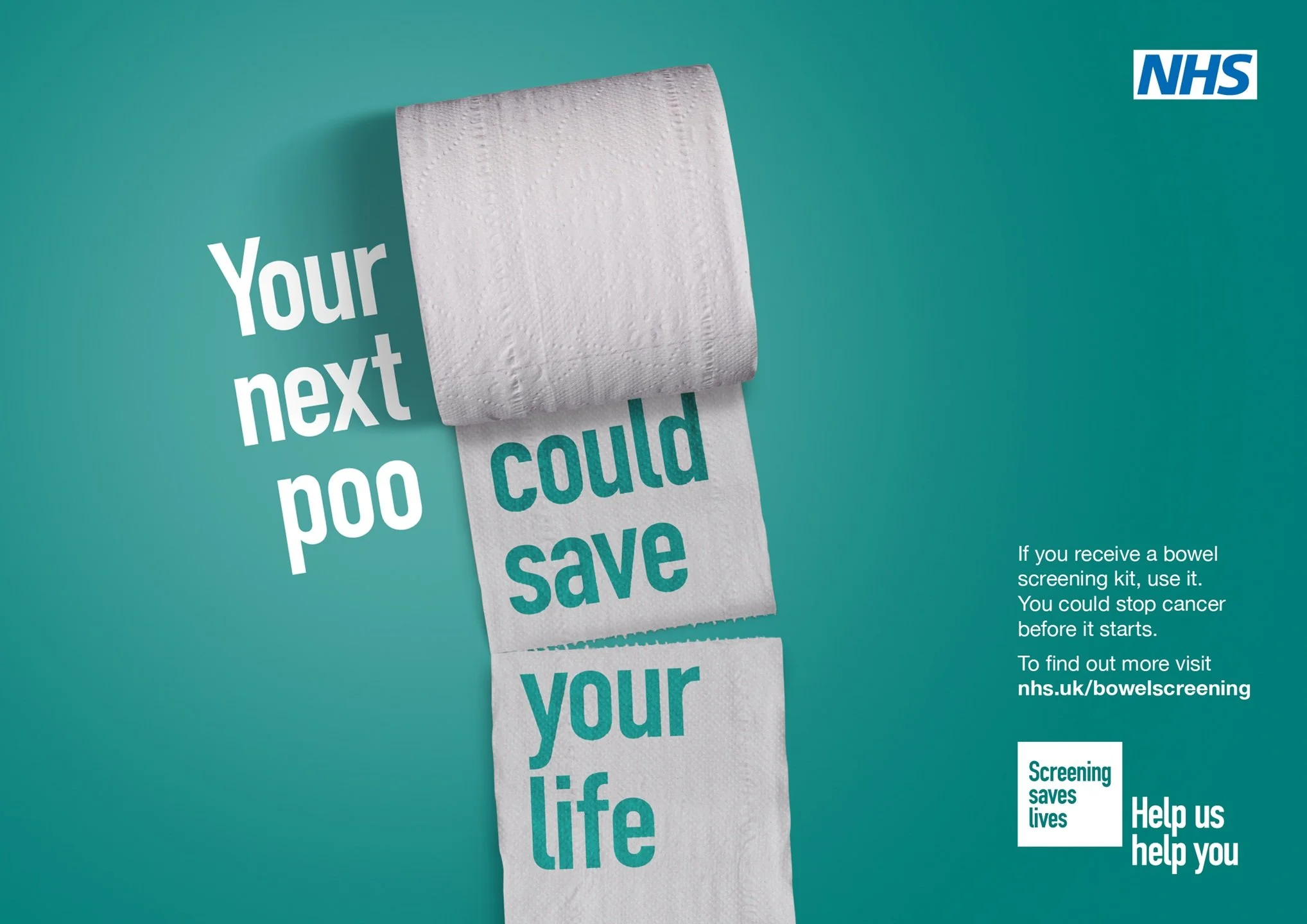
Being a 58 year old man, I welcome any undertaking which can potentially improve my health. One such thing is proactive screening and testing. The UK National Health Service has started doing a lot more of this in recent years, mainly because diagnosing a problem and treating it early is far more efficient and cost effective than retroactive action. Hence this policy and my age is why I was recently sent a NHS Bowel Cancer Test Kit via the post. This screening service takes place every two years for people aged 50 to 74 in the UK. The kit is very quick and simple to use. A sample of your stool is sent via a prepaid return envelope for testing and the entire process is free of charge. Upon receipt, the laboratory test determines whether there is any blood present in your stool, which is a potential indicator of bowel cancer. If detected, an early diagnosis greatly improves any subsequent treatment outcomes.
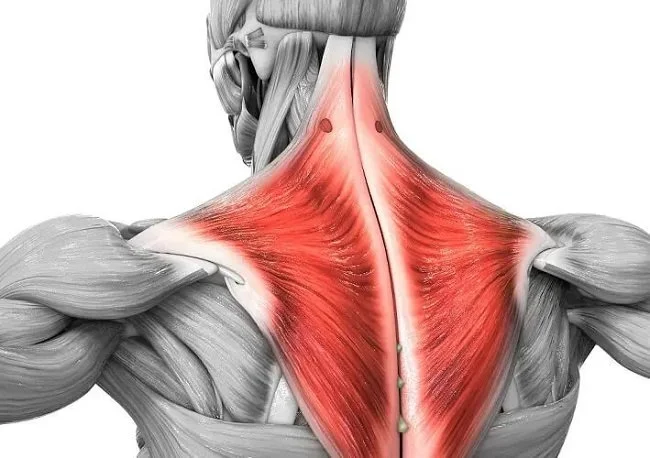
Last Wednesday, I woke up with what I thought to be a crick in my neck on the left hand side. I assumed this was simply due to sleeping awkwardly and so I self medicated with some non-prescription pain relief and judicious use of a heat pad. Unfortunately, the problem has persisted and in the last 24 hours it has become much worse. I awoke this morning at about 5:00 AM and as I sat up in bed, an intense pain ran up the left side of my neck and behind my ear. It took several attempts for me to get out of bed because if I turned my head in either direction or inclined my chin, the pain would again run up the side of my neck. Sitting down, getting up and raising my arms caused similar results. While dressing, I attempted to pull a t-shirt over my head. The pain in my neck on this occasion was so severe that I yelled out loud and nearly blacked out.
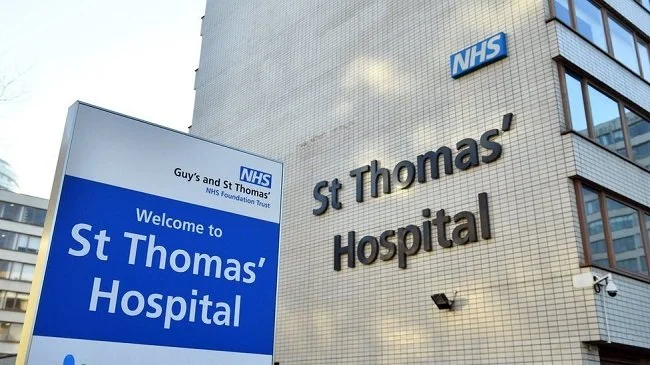
This morning I had an appointment at the Cardiology Outpatients clinic at St. Thomas’ Hospital, in Southwark, London. The hospital, located across the Thames from the Houses of Parliament, is easily accessible from three nearby tube stations (subway), one major train station and numerous buses. As well as having an extensive A&E department, St. Thomas’ also provides a broad range of healthcare services such as maternal medicine, gastrointestinal surgery, ophthalmology, pain medicine and plastic surgery. The hospital specialises in cardiovascular care and was the first to perform a mitral valve replacement on a beating heart. It is also home to nursing and surgical colleges. The current site has served community needs since 1871. The hospital has existed in some shape or form since the 12th century. There is a pleasant ornamental garden outside the main entrance that overlooks the river and Lambeth bridge.

Accidents will happen, as Elvis Costello astutely pointed out. Furthermore they often occur in the most innocuous of fashions, as I shall now tell. Myself and Mrs P were over our local park today with our two and a half year old grandson Oscar. It is located directly behind our home and has a small children’s play area as well as various adult exercise equipment. One of these items is a low, wooden ramp whose highest end is no more than eighteen inches off the ground. Oscar likes to climb on this, run to the end and jump. Naturally, he did this today when we visited. Mrs P then followed suit (at his request) and stepped off onto the soft, child safe surface. Her right knee gave way and she fell over. Despite the short distance and the soft surface, the fall was sufficient to injure her knee, as there was an audible crack. She subsequently could not get up on her own and I had to assist her so she could sit on the aforementioned ramp.
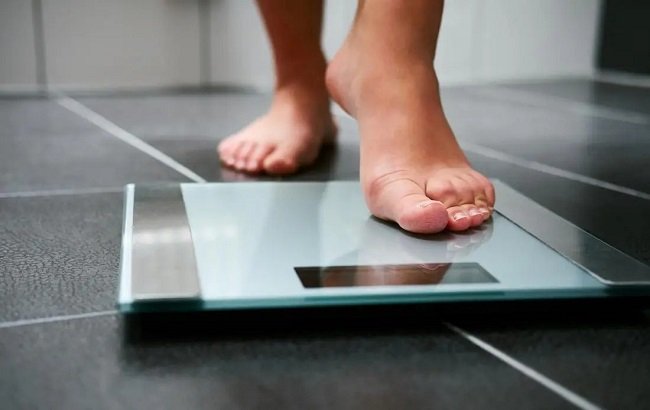
I weighed myself this morning before writing this post. As of 6:05 AM today I weigh 188 lbs (13 stone 6 lbs or 85.3 kg). To give this data some sort of context I am 5’11 tall and 54 years old. Prior to my more recent weight gain, I have had an athletic build for most of my life. During my twenties and thirties, while I was still a smoker, my weight stayed around 133 lbs. When I quit my 30 a day cigarette habit I gained about 14 lbs or so over the following months and then stayed at that weight for a further decade. Even with the onset of middle age my weight has not been excessive and my build has accommodated any gain quite well. It has only been over the last 5 years that it has increased to a level that I consider to be neither flattering or healthy. This was brought home to me a few days ago when I saw my reflection in a mirror while on holiday. The incident has given me pause for thought and galvanised me to take action.
Very few people had a “good” 2020. I won’t bore you with a list of my personal woes as I’m sure you have plenty of your own. Plus everything is relative. We shouldn’t compare apples with oranges. Like many people, I now find myself fatigued by the ongoing global events and the conspicuous absence of normality. I like to consider myself quite a robust person. I have endured difficult times in the past and have come through them by remaining calm and focused. However, the nebulous and seemingly never ending nature of the global pandemic is extremely wearing. Let it suffice to say that I feel singularly unmotivated at present. Writing, which is usually a great pleasure, is currently a chore. I am also troubled by something that I personally find most unusual. A sense of sadness. And it doesn’t seem to want to go away.
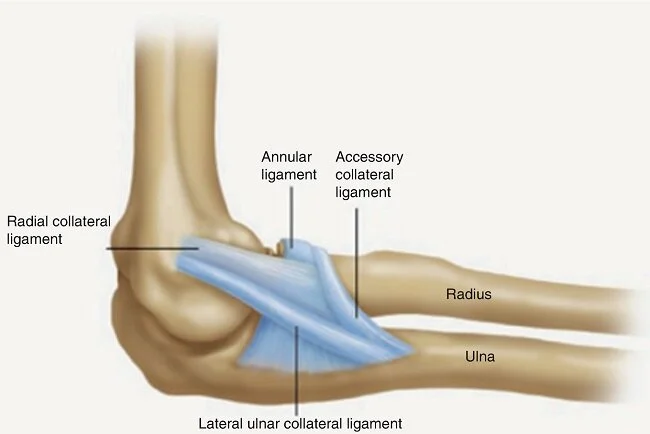
To begin with, I am not claiming to be living with “chronic” pain in this blog post. I am fully aware of the definition of the term and am fortunate that my current injury does not force me to endure such levels of discomfort. However, my recent experience has provided me with a new insight into something that most of us only notionally know about and have little or no true understanding. I believe I appreciate my Mother’s daily circumstances a lot better now (as well as several friends and colleagues who also live with chronic pain) and finally understand how debilitating both physically and mentally living in constant and acute pain can be. Hence I decided to write this piece. To share my experience with an injury that continuously hurts and to help inform others about the realities of living with chronic pain. Sometimes you need to experience something first hand to fully get the measure of it.

It’s hard to write about ones own personal health issues and how one addresses them without coming across as smug, sanctimonious or oblivious to the fact that it’s all relative. I wrote back in early March about how I was going to try and get my “house in order” by losing weight and also undertaking the NHS Health Check. A six weeks on and progress is being made. However, I would just like to re-iterate that what has proven to work for me, may not do so for others. We all have our own unique relationship with our own health and therefore there is a need to find ways that work for us as individuals. Therefore my dietary regime which seems some what easy to me, may prove to be far too draconian for others. Similarly my exercise targets are also suited to my temperament and limitations. But I hope that by sharing my progress I can at least provide some encouragement to others.

Personal health as a concept, refers to your overall well-being both physically and mentally. It is about taking charge of your health by making a conscious decision to improve and maintain it. It not only refers to your physical state but the respective wellness of the emotional, intellectual and even spiritual aspects of your life. Sadly it is something that many of us are not very good at dealing with or choose to ignore. All too often good intentions get sidelined by the realities of life. Sadly, physical and mental issues are usually only addressed after something bad has occurred. Furthermore, much of the most basic and practical information needed to improve our personal health is drowned out by the white noise of fads, quackery and those seeking to sell you a “solution”.
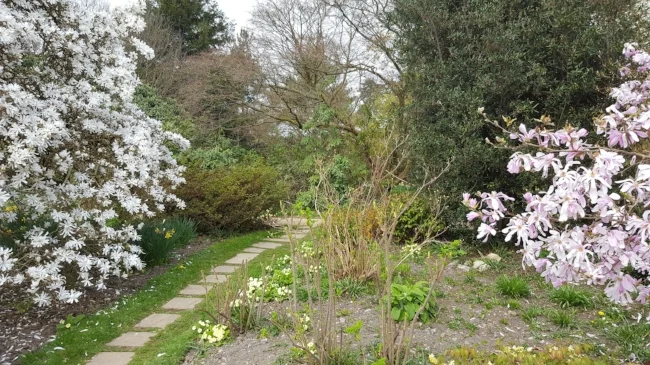
Today I visited Emmetts Garden in Sevenoaks. The Edwardian estate located at Ide Hill and is now owned by the National Trust for Places of Historic Interest or Natural Beauty. The garden, which covers an area of about six acres, is situated on a 600-foot sandstone ridge, overlooking the Weald. It is one of the highest points in Kent, offering an expansive view of the North Downs. The garden was laid out in the late 19th century and was influenced by William Robinson. It contains many exotic rare trees and shrubs from across the world. You can explore the rose and rock gardens, take in the views as well as enjoy flowers and shrubs in spring. In autumn visitors can enjoy the vibrant colours brought about by the changing of the season. The main attraction at this time of year are the Bluebells.

Gaming and personal health at first glance appear to be mutually exclusive subjects. News coverage about these issues more often than not implies that gaming is detrimental to both ones physical and mental well-being. Apart from titles that utilise motion sensing devices such as the Kinnect and require the player to physically move, gaming is a sedentary pastime. Combine that with a society that has an already broken relationship with food and their own personal health in general and there is scope for a wealth of medical problems.

I recently stopped taking beta blockers after a consultation with my Doctor. Seven weeks on and I feel substantially better without them. I strongly advocate prescription reviews, as often the medication you’re taking does not necessarily need to be taken indefinitely. That was certainly the case with me and beta blockers. At the end of my last consultation, my GP asked me to keep a daily record of my blood pressure for a month. I could either do this at home or come into the surgery where there is a suitable device that is free to use. Fortunately I inherited an old but functional OMRON blood pressure monitor from my parents, so I was able to take readings each morning myself. It was while doing this for a month that it struck me; what exactly does all the data that I’m making note of mean exactly? What do systolic and diastolic mean and what is the difference between them? Also, where my readings good or bad?