
A Year in Movies
The last time I wrote A Year in Movies post was back in 2020. That was naturally an unusual year and it certainly had a radical impact upon the film industry and the way new movies are distributed. In many ways the pandemic accelerated the inevitable move towards cross platform, same day releases. 4 years on and it is quite usual for films to have a short cinema release before becoming available on streaming media. They often appear on physical media at the same time. Effectively you can go to the cinema, or simply watch at home on the platform of your choice if you prefer. Rent, buy or subscribe, the film studios still get their pound of flesh and everyone is happy. Sometimes if a film has failed to gain sufficient traction at the cinema, its release will be cut short and it will go to streaming even quicker. Direct to video from the eighties and nineties has been superseded with direct to streaming.
The last time I wrote A Year in Movies post was back in 2020. That was naturally an unusual year and it certainly had a radical impact upon the film industry and the way new movies are distributed. In many ways the pandemic accelerated the inevitable move towards cross platform, same day releases. 4 years on and it is quite usual for films to have a short cinema release before becoming available on streaming media. They often appear on physical media at the same time. Effectively you can go to the cinema, or simply watch at home on the platform of your choice if you prefer. Rent, buy or subscribe, the film studios still get their pound of flesh and everyone is happy. Sometimes if a film has failed to gain sufficient traction at the cinema, its release will be cut short and it will go to streaming even quicker. Direct to video from the eighties and nineties has been superseded with direct to streaming.
My personal cinema experience has greatly improved of late due to the opening of a new local independent cinema in Summer 2023. The Sidcup Storyteller has three screens which are best described as “petit” and “bijou”. However, this is advantageous as it tends not to attract a youthful audience seeking the latest multiplex fodder. Instead customers tend to be of an older age group who still cleave to old school cinema etiquette. The seats are roomy and the sound system is not turned up to 11 but instead is actually configured so dialogue is audible. Films are shown throughout the day which is convenient if you want to grab something to eat afterwards and still be home at a reasonable hour. Ticket prices are acceptable and on average are about £10, although there are often discounts and promotions that can reduce the price as low as £6.30 which is very reasonable.
I went to the cinema 3 times in 2024, which is possibly an all time low. A decade earlier I would go at least once a month and could always find something that I wanted to watch. Sadly this decline all comes down to the content that monopolises cinema chains these days. I’m tired of being charitable and advocating a live and let live policy. Franchise moves are a blight on quality film making. They indirectly condition their audience towards spectacle, rather than dialogue and story. Furthermore, they foster short attention spans. Through no fault of their own modern audiences are often incapable of watching anything outside of a narrow spectrum of material and are effectively cinematically illiterate. It is a sorry state of affairs and ultimately it’s the audience that loses out.
As for the three films that I saw at the cinema this year, they were as follows. One Life about the British humanitarian Nicholas Winton (Anthony Hopkins) and his involvement in the Kindertransport during World War II. It is a very low key film with the focus on performance. It doesn’t overreach itself by being too epic in scope and makes its point perfectly. Back to Black is a biography of singer Amy Winehouse. The plot is somewhat factually spurious but the central performance by Marisa Abela is sound, especially her singing. Finally, the last film of the year was Paddington in Peru. Not quite as good as the first two movies but it is still entertaining, mainly due to the strong supporting cast. Antonio Banderas being especially droll. I considered going to the cinema to see Blitz, Alien Romulus and Gladiator II but ultimately chose to watch them all at home.
Despite a decline in mainstream cinema, there are still plenty of good quality films available. You just have to look a little harder to find them. They are often buried in the streaming menus and need to be sought out. I find that word of mouth from friends and critics that I know and respect is often a reliable heads up. I found Robot Dreams that way, along with Longlegs. Both are entertaining genre offerings but very different films. Another solid film recommended by a reliable source is Juror #2, directed by Clint Eastwood. This was released without much fanfare but it is a no nonsense courtroom drama, filmed in Eastwood usual matter of fact style. It achieves exactly what it sets out to do, delivering a strong indictment of the US legal system. The fact that films such as these three are still made does give me hope that quality mainstream filmmaking is not quite dead and that good stories still appeal to audiences.
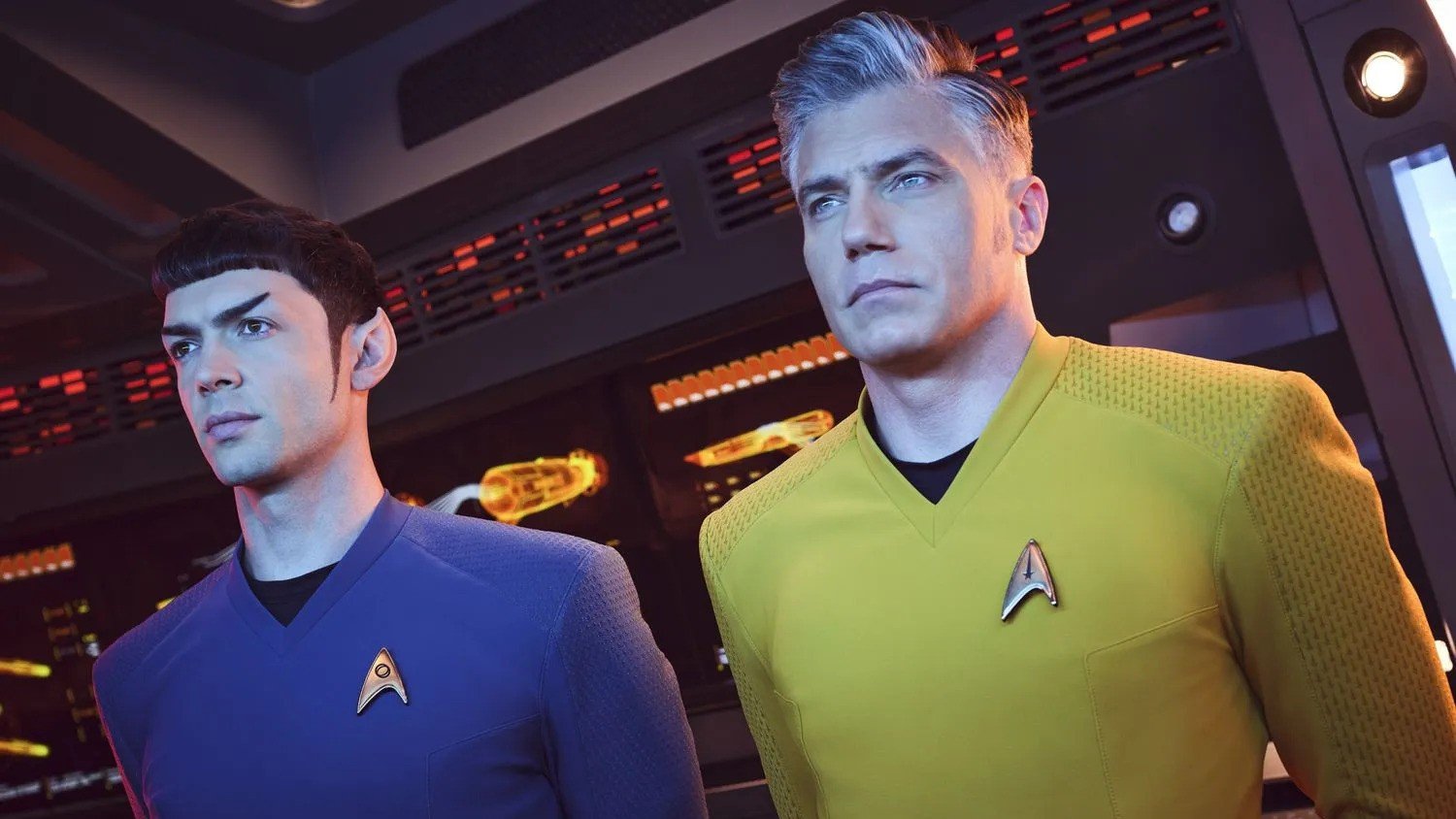
I have not watched as much TV as I usually do, this year. Mainly because I have become a little weary of the ways contemporary TV is produced, especially with regards to streaming shows. Due to the costs, shows such as Star Trek: Strange New Worlds only have 10 episodes per season. Simply put, the season begins to hit its stride and then is abruptly over. This problem (if you see it as such) is then further compounded by there being a significant wait between seasons. In the case of STSNW it was two years between season two and season three. Not all shows fall foul of this. Apple TV produces two seasons of the excellent espionage drama Slow Horses at a time, ensuring a prompt release schedule. However, even this has issues. Due to the complexity of the plots of many contemporary TV shows, something that is a marketing point, some viewers cannot remember the plot after a twelve month hiatus. Network TV shows seldom have these issues with each season being 20 plus episodes long and story arcs that are seldom as complex.
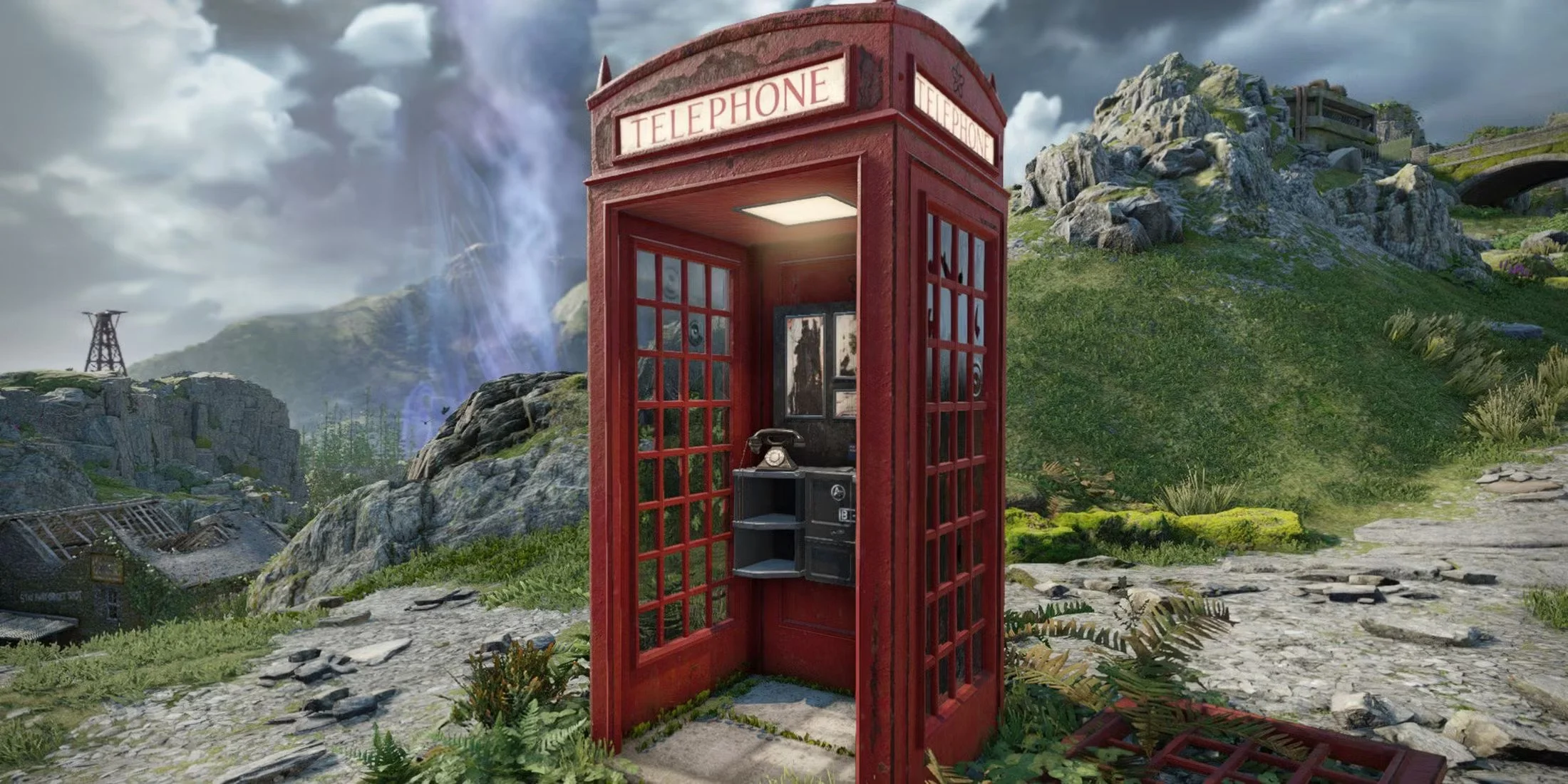
It is customary in a post such as this to list the various games that I’ve played over the last twelve months and share my thoughts on them. Wider analysis of the video game industry is also de rigeur. Unfortunately, I don’t really feel disposed to do either of those two things. My thoughts on the games I’ve played have already been published and can easily be accessed via the links at the bottom of this post. As for the video game industry, it suffers the same flaws as music, TV and cinema. There is creativity and innovation out there but it is often drowned out by mainstream products which are demonstrably inferior due to their inherent mediocrity. As for the business side of things, we once again clearly see the failings of the corporate management class. Sadly, they do not face the consequences of the mistakes that they make.

I began 2025 with a fairly strong writing streak, publishing posts about games, technology and even air fryers. Sadly, this burst of enthusiasm gradually tailed off between April and June. I can’t even recollect if there was any particular “real world” reason for this or whether it was just a case of I wasn’t especially motivated. Fortunately, I started writing again in July in preparation for Blaugust: Festival of Blogging and subsequently wrote throughout the entirety of August. Revamping my blog in September and moving it to the latest version of Squarespace proved a positive move and since then I have kept up a writing schedule of posting to Contains Moderate Peril every second day. At present I have a lot of draft posts pending and I am not struggling to come up with ideas and write in general. I intend to nurture this positive approach and see if I can build upon it in 2026.

Looking back at my various posts regarding “technology” this year, a recurring theme has been my ongoing attempts to replace certain mainstream products with alternatives that do the job in-hand better, don’t require constant updates, aren’t bloated by superfluous functionality and are more cost effective or even ethical. Needless to say, this has proven quite hard. Hence I was unable to find a suitable replacement email client for Microsoft Outlook and end my subscription to Microsoft 365 Personal. The main problem is that most alternative software won’t support my email archive due to differences in the mailbox format. One possible work around is to install an older and therefore, non-subscription version of Outlook but this raises support and compatibility issues. It would be a lot easier to divest myself of a lot of mainstream software if I was starting from scratch.
I created a Bluesky account a little over a year ago. I was initially somewhat sceptical of adopting a third social media messaging platform, because I had become quite comfortable using Mastodon as a replacement for Twitter/X. However, certain individuals that I wished to continue to follow were migrating to Bluesky, so I followed suit. It has always been my long term goal to pick one of these two newer services and make it my sole point of presence in social media terms. So far that hasn’t happened. Hence a year on I find myself juggling three such platforms. Twitter/X, Mastodon and Bluesky. I post links to my blog posts on all of these services. To be honest none of them generate any tangible traffic but this is how you promoted your website or blog 15 years ago and old habits die hard.

In my teenage years, there was a social obligation to go out on New Year’s Eve. This often meant congregating in some dismal pub, queuing at the bar for 30 minutes to get a drink, then trying to find a corner where you could stand and struggle to have a conversation with your friends, above the noise of the crowd. The evening was dull, noisy and often ended in a fight. Then, around 1:00 AM we were summarily turfed out into the street and had to make our way home. Buses always run at this time of year to serve a public need but the “drunk express” was never a pleasant means of transportation. Quite frankly the whole experience was shit but the hubris of youth meant we deluded ourselves that we were having a good time. If someone suggested something similar today, I would laugh in their face. I am happy to spend New Year’s Eve indoors and away from it all.
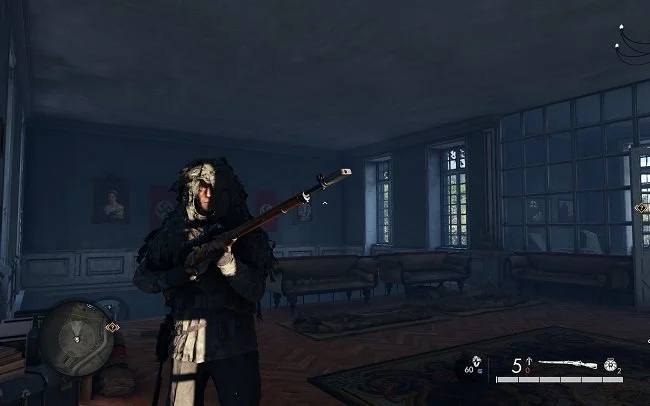
It is customary for me to write an end of year summary of my gaming activities but I suspect that on this occasion it will be somewhat short. For me, 2024 has really hammered home the notion of the ephemeral nature of video games as well as their commercial ubiquity. The moment a game fails to satisfy for whatever reason, rather than complain or worry about it, I just move on to something else. It’s not as if there’s a shortage of games out there. I have a substantial back catalogue of games that Epic and Amazon prime regularly giveaway. I have bought numerous discounted bundles in the past, in the pious hope that I’ll play one of the games included, at some point in the future. Games may well be enjoyable and engaging but many are also disposable. That’s not to say they’re bad. While playing them you are indeed “entertained”. However, when you’re “done”, it’s amazing how you quickly find another and forget what you were previously playing.

The last time I wrote A Year in Movies post was back in 2020. That was naturally an unusual year and it certainly had a radical impact upon the film industry and the way new movies are distributed. In many ways the pandemic accelerated the inevitable move towards cross platform, same day releases. 4 years on and it is quite usual for films to have a short cinema release before becoming available on streaming media. They often appear on physical media at the same time. Effectively you can go to the cinema, or simply watch at home on the platform of your choice if you prefer. Rent, buy or subscribe, the film studios still get their pound of flesh and everyone is happy. Sometimes if a film has failed to gain sufficient traction at the cinema, its release will be cut short and it will go to streaming even quicker. Direct to video from the eighties and nineties has been superseded with direct to streaming.
It is fair to say that we live in an age where we do not lack quality TV. There are numerous shows that have garnered critical acclaim or a strong word of mouth following that are deemed “must see” viewing. No doubt you, like myself, have a long “to do” list of programs that you need to “get round to watching” on top of those shows which are staples of your viewing regime. If you didn’t have enough programmes already to catch up with, we all have friends and family telling us about a “great show” that’s on a platform we don’t subscribe to, that we really need to see. It is quite extraordinary and a far cry from my youth when the UK simply had three terrestrial channels until satellite TV became popular in the late eighties. To paraphrase the former Prime Minister Harold Macmillan “we’ve never had it so good”.
This post is not intended to be a comprehensive review of music per se in 2024. It is simply a few thoughts on what I’ve been listening to over the course of the year and my ever changing relationship with the Terpsichorean muse. As a man in his fifties who has always enjoyed multiple genres of music and it is a comforting presence in day-to-day life. Up to a year ago, I relied upon my own music collection on my PC as the source of music to which I listened. Yet, this meant that I was somewhat locked into my own existing tastes and there was limited scope for me to find new material. This changed last December when I started subscribing to Spotify and since then it has become my primary source of music. It caters to my tastes, which at times are quite niche and it gently introduces me to new material without being too invasive. This has proven most beneficial.

This is my third attempt at writing this post. The first was a little too philosophical, tackling the nature of adult life and how it is a far cry from the childish notions I had about being a “grown up” when I was seven. The second was just a list of the various shit that has gone down in my life over the last twelve months and it felt far too much like whinging. Hopefully this one is more succinct and even handed. 2022 was not a good year, personally speaking. My family and I experienced a lot of health issues and my mother died after a rapid decline. Hence there has been a lot of stress and anxiety which has left me feeling tired and somewhat jaded. Due to the subsequent changes in my personal circumstances, I now find myself at somewhat of a “loose end”. I feel the need to channel my energies into something but I’m not sure exactly what at present.
So far I have written 135 blog posts in 2022. Not much compared to previous years, but frankly I’ve become a little despondent with writing in recent months (I shall expand more upon that in a moment). Hence, since October I have been enjoying a break from regular blogging. I have written sparingly and pursued other leisure activities. Given that my post output has gone down, it would be logical to assume that there has been a commensurate drop in web traffic to Contains Moderate Peril, but this is not the case. Overall, my monthly statistics have remained the same, proving once again that most of my readership find my written content via Google searches, rather than reading new material on a daily basis. This has given me much food for thought and added to my ongoing reflection upon my writing activities.

When I wrote Goodbye 2020 a year ago, I endeavoured to be philosophical and sanguine in my approach. It was a challenging year for all of us and for me it was further compounded by a bereavement. However, I strove to keep matters in perspective and tried to look at things in a broader context. I cannot be as even handed this time. 2021 has been a very difficult year for myself and my family and I will be glad to see the back of it. Nationally speaking, things haven’t been much better. I feel that we’ve squandered the initial progress that the COVID-19 vaccines offered. Obviously, I cannot do anything about the problems that the UK faces in 2022. However, I certainly intend to address some of the issues that I and my immediate family are facing. I am going to tackle some specific problems that need to be laid to rest and set myself some tangible goals to achieve. 2022 isn’t going to be something that just happens and I passively sit back and watch.
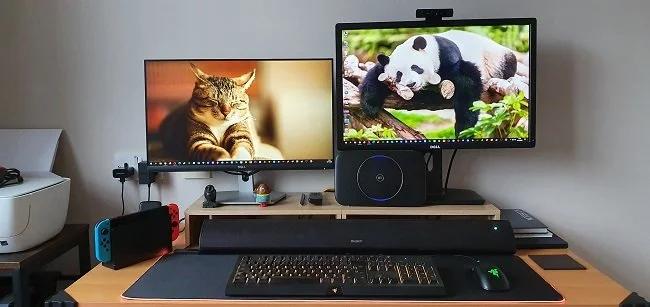
Getting older does have a few benefits. One of them, if you are fortunate enough to embrace the concept, is a degree of self awareness and the ability to be honest with yourself. Over the years I have tried to adjust my technological habits but ultimately I am a creature of habit. My use of technology and consumption of content has been determined by the decades I grew up in. Therefore, I am a PC user and prefer to sit in my office where I write, play games and peruse the internet. I have my desk set up in a way that suits my needs and I can go about my business in comfort. When away from my office, I rely heavily on my phone as an alternative platform. In some instances phone based apps offer a superior experience to the desktop or browser based PC alternatives. Banking being one example. For better or for worse this is how I do things and I am comfortable with these choices.
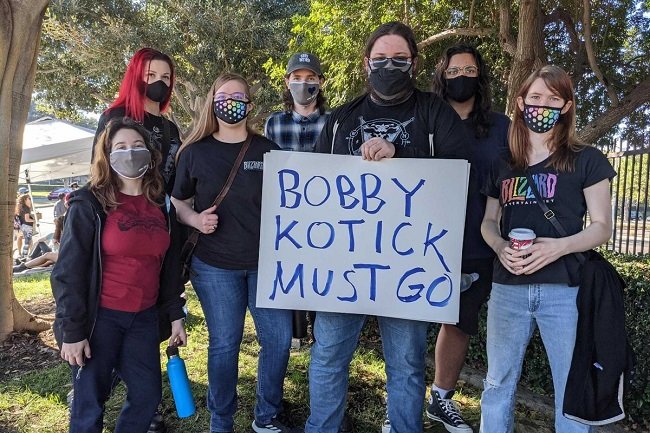
Usually in a post such as this, my primary focus would be writing about the games that I’ve played over the last twelve month and what it was about them that I specifically enjoyed. However, this year I feel that I must address the wider issues that have dominated the news regarding the video games industry. Simply put, several very high profile and successful triple A video game companies have been beset by scandals over the last twelve months. And these have been of such a nature that they have finally laid to rest the myth that some still cling to, that working “in video games” is somehow different from working in more traditional industries because it’s “cool”. It turns out that it has all the same failings as TV, music and film. The people at the top are abusive and broken and maltreat those at the coalface who do all the real work for precious little reward.

I can’t speak for others but my relationship with social media has certainly changed over the last two years. Whenever new internet technologies emerge, there is a brief period when it feels like some sort of new frontier. Often such innovations become a means of empowering the marginalised and the voiceless. For a while new platforms can even be a force for good. But eventually commercial interests creep in along with rules and regulations. Hence, it all inevitably takes a turn for the worst. The frontier is finally tamed and ends up being just another corporate space. Social media is certainly not a forum for discussing social issues or politics, instead being a medium for tribalism and rancour. Because of these factors and others, I have moderated my use of social media and it has proven extremely beneficial to my state of mind.
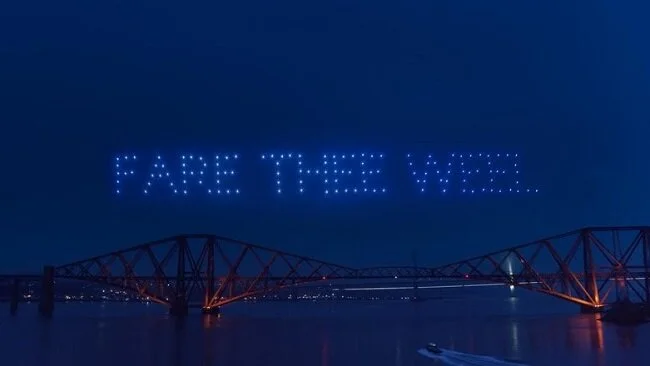
A very wise Vulcan once said “change is the essential process of all existence”. 2020 has demonstrated that unequivocally. How our privileged, pampered lives have altered over the last twelve months. We’ve had to stay at home, curtail our social interactions and reflect upon the meaning of existence. I appreciate that things are relative, so it’s not helpful to compare the concerns that discombobulate people today with the realities that folk had to endure during World War II for example. I won’t trivialise the sense of isolation and desperation some folk have felt over the lockdown. From my own perspective, my life as a carer is regimented and focused, so 2020 hasn’t really “cramped my style” to use an old fashioned phrase. However, several things happened over the course of the year that have had an impact upon myself and my family.
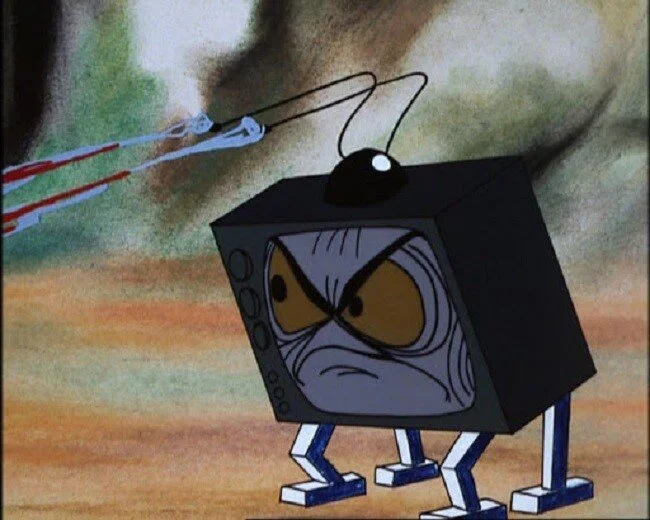
Let it suffice to say that due to current “circumstances”, Mrs P and I have watched a lot more TV this year. However, rather than just reiterate what we’ve viewed, which is already covered in my recurring blog post The Idiot Box, I thought I’d take the time to reflect upon some wider issues. TV has become a major source not only of entertainment but psychological support during this year’s social restrictions. The closure of cinemas for the majority of the past twelve months has meant that TV has had little or no competition. Furthermore, many of the films that may well have drawn audiences away, have come to the smaller screens a lot quicker. Never has so much TV been voraciously consumed. There’s also been a degree of nostalgia as viewers have watched popular shows at broadly similar times, reviving that sense of a shared experience that was so common in the seventies and eighties. However, the pandemic has also caused a slow down in TV production. Will the shortage of new content that many have predicted finally manifest itself next year?
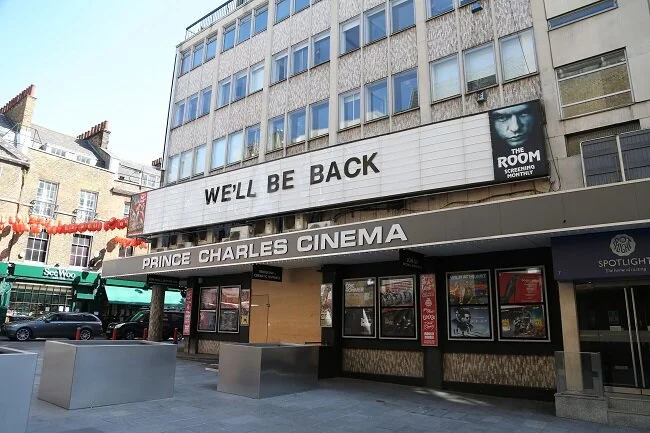
In 2019, I went to the cinema just once to see Star Wars: The Rise of Skywalker. I didn’t write a summary of the films I’d seen throughout that year, as I felt that mainstream releases had become far too formulaic and dull. 2020 has done little to change my perspective. The global pandemic has meant that Cinemas have spent most of the time closed and therefore many of this year’s major film releases have ended up on video on demand services. A few titles remain indefinitely postponed, such as the latest Bond movie No Time to Die, while Sony Pictures wait to see if “normality” resumes. But a film that is sitting on the shelf is not a film making money. Hence, Warner Bros. have announced that all their major releases for 2021 will be across multiple platforms simultaneously, thus ensuring a broader flow of revenue. This has not pleased director’s such as Christopher Nolan who argue passionately regarding the merits of cinema. But I doubt Mr. Nolan has ever had to endure an out of focus screening in the wrong aspect ratio at Cineworld, Rochester, where audiences talk and mess with their phones continuously.
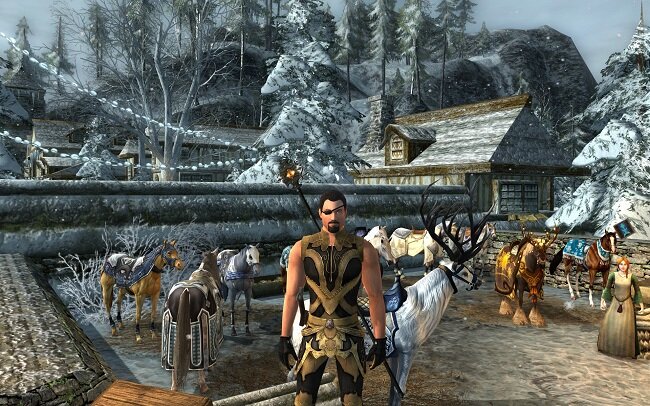
Retrospective posts such as this can be a sprawling mess. There is also potential to cover the same old ground that I’ve covered in my monthly summaries “A Month in Gaming”. So I’ll try to be as succinct as I can. Firstly I won’t dwell too much on the iniquities of the video game industry as I’ve covered that elsewhere. Let it suffice to say that the notion of the “rock star developer” and the ethical publisher have proven false. Buying a triple A mainstream game is as morally compromised as buying a pair of jeans made by child labour. But let’s not get caught up in ethics. That’s another post. The pandemic meant that I, like many others, had far more leisure time this year and hence I spent that time gaming. It’s been a good year for video games publishers and the revenue has rolled in. Have I had fun while playing more games? Yes. The games have proven engaging and they also provide a lot to write about, so it’s a win, win scenario from my perspective.

In my lifetime technology has always been promoted as something that improves our lives, especially at a domestic level. The VCR in the eighties is a prime example of this. It liberated us from having to watch TV at a specific time and place. Then there the personal computer, which brought into our own homes tools, that until that point, had been exclusive to the office. And for all the ill that it brings, the internet has certainly made the world demonstrably smaller. It’s revolutionised shopping and has improved the administration of services. So overall, I still feel that technology is a force for good. However there have been changes. In recent years technology on a domestic level has ceased to be quite as transformative and become more of a disposable commodity. Tech is now a fashion accessory, with a distinct lifecycle and upgrade treadmill. It is fast becoming just another form of superfluous crap to fill your home with.

Despite the tumultuous events of the last twelve months and the accompanying emotional fallout that has followed in their wake, I’ve managed to keep writing throughout 2020. My output has been somewhat inconsistent this year and I’ve noticed some changes in what I write about. This is inevitable as one’s tastes and focus changes naturally change over time. I’m finding it tougher to write enthusiastically about the video games industry per se, as it has hardly covered itself in glory this year. However, I still enjoy writing film reviews although I haven’t set foot inside a cinema for over a year. I suspect that this will remain the case for much of 2021. My writing has broadened in its scope and I find myself writing social commentary about various aspects of life, rather than just posting articles about my hobbies. Sharing my thoughts on the pandemic itself and “caring for the elderly” has proven very cathartic. But as I’ve stated many times before, writing is one of the ways in which I make sense of the world around me.

Last year I tried to write a measured and balanced post about the passing of the year. Sadly this time round my attitude toward the departing 12-month period is somewhat binary. Yes there were a couple of highlights to 2019 but most of it was an uphill struggle and therefore not worth celebrating. It can frankly sod off and won’t be missed. The two high points were my son’s wedding in August and my renewed enthusiasm for blogging that came about due to the Blaugust writing event. But overall 2019 was a repetitive and somewhat depressing grind having to continuously deal with multiple family illnesses, numerous hospital visits and then at the end of the year a bereavement. Yes, these are things that happened to us all eventually and there is no escaping them but I appear to be trapped in this facet of the “circle of life”. Furthermore, until certain situations resolve themselves, I cannot make or implement any long-term plans. 2019 has been in many ways about just treading water.
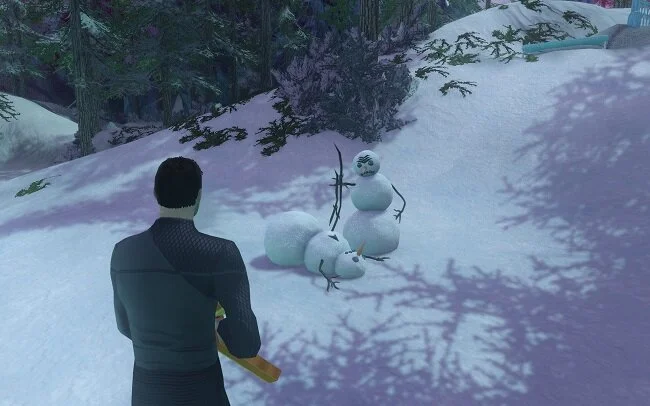
Life is often cyclical, if you don’t believe me go watch The Lion King. I started 2018 playing The Lord of the Rings Online and by writing a post about how gamers collectively seem to repeat the same mistakes. And as the year and indeed the decade ends, I find myself once again playing the Yule Festival in LOTRO and reflecting upon how some games that garnered criticism over their egregious business models, have ended up as huge hits. It would appear that gamers are their own worst enemy. I shall leave the psychological analysis of paradox to others. From my perspective, irrespective of the iniquities of the video game industry and certain quarters of the gaming community, it has been a good year, gaming wise. I have enjoyed my time playing MMOs such as Star Trek Online, The Elder Scrolls Online and the aforementioned LOTRO. These and other titles have entertained me, provided me with an opportunity to unwind as well as affording me some much-needed social interaction. I particularly enjoy Wednesday evenings when I log into my Discord server and then chat and play collaboratively with longstanding gaming friends.

One of the benefits that comes with age (for some people at least), if the gift of realistic expectations. Having reached 51 years, I no longer harbour thoughts that each year will be a rollercoaster ride of excitement, mirth and personal gain. Nor do I count on the stars aligning so that I make my fortune and retire peacefully to the Cayman Islands, to live the life of a tax exile. If New Year’s Eve rolls round and no one has died, I’m not looking at being tried for murder and there’s still gin in the drinks cabinet, then I usually deem the previous twelve months an acceptable year. However, despite even these fairly lose and undemanding criteria I feel compelled to say that 2018 was bollocks and that I won’t be sad to see the back of it.

I did not manage to maintain my writing schedule this year and have not posted everyday as I would’ve liked. I have produced over two hundred and seventy posts but still feel I could have done more. Blaugust was a welcome burst of enthusiasm that I managed to sustain for September and October, but I lost momentum in the run up to Christmas. At least I know what the root cause is which puts me a step nearer to resolving it. Having written several posts in the past about “writers block” and the other perennial excuse of not having anything to write about, I seem to have squarely fallen into both those traps. At present I find that motivating myself is the key problem. If I haven’t started writing something by midday, then it more than often gets left for the day. If I intend to escape this malaise, then I shall have to establish a far stricter writing schedule for 2019 and endeavour to do my writing first thing in the morning, when I am most focused.
Throughout my adult life I have always gone to the cinema as a leisure activity. 2018 has been of note in this regard as it’s the year I’ve been to the cinema the least. I have visited my local multiplex just three times over the last twelve months. It’s not that good quality movies are not made anymore. Far from it. It’s just that they don’t always get released theatrically. Furthermore, the cost to entertainment ratio has simply become too much of a gamble. Standard tickets are priced between £12 to £15 locally and I resent such an outlay for a film that may only be adequate or worse. Perhaps my outlook on pricing is unreasonable but I am not going to pay such money for mediocre entertainment. I don’t expect every movie I see to be a cinematic milestone or genre classic but nor do I expect it to be an exercise in indifference. If I had paid such ticket prices to see The Predator or Death Wish at my local Cineworld, then I would have been singularly annoyed. Mercifully I saw them both at home and therefore at a much lower cost.

The term social media is a broad church. For me it primarily means Twitter as that is the only platform of that ilk that I use regularly. I maintain a presence on Facebook simply to stay in touch with friends who have emigrated to the US. We have a private page where we catch up instead of using the traditional medium of emails. It is more immediate but also more frivolous. If it weren’t for need that it serves, I would have long closed my Facebook account. 2018 was also the year where I tried to continue using Instagram but failed. I don’t tend to catalogue and display my life in the manner that this medium tends to demand and use it mainly to see what my granddaughters have been up to. For me Twitter is the social media platform I feel most comfortable using and feel that I have mastered. I use it to promote my writing and for quips, banter and social interaction. Beyond that I think its benefits are both limited and even questionable.
My relationship with technology has changed over the years and my enthusiasm has tempered greatly. Having worked in the IT field for 25 years (up until 2016), I have been immersed in technological advancement and due to my age have seen a great deal change. I was at one time an early adopter of anything I considered to be potentially beneficial to me and at times have been guilty of acquiring something “new and shiny” simply for its own sake. I have even flirted with that dubious notion of tech as a fashion accessory. But sometimes age does bring wisdom, so nowadays, I’m a firm believer in finding the sweet spot between “the right tool for the job” and “if it isn’t broke, don’t fix it”. Subsequently, 2018 has not seem me acquire a great deal of new technology. However, what I have bought this year or started using has been well received and useful.
A Year in Movies
In 2019, I went to the cinema just once to see Star Wars: The Rise of Skywalker. I didn’t write a summary of the films I’d seen throughout that year, as I felt that mainstream releases had become far too formulaic and dull. 2020 has done little to change my perspective. The global pandemic has meant that Cinemas have spent most of the time closed and therefore many of this year’s major film releases have ended up on video on demand services. A few titles remain indefinitely postponed, such as the latest Bond movie No Time to Die, while Sony Pictures wait to see if “normality” resumes. But a film that is sitting on the shelf is not a film making money. Hence, Warner Bros. have announced that all their major releases for 2021 will be across multiple platforms simultaneously, thus ensuring a broader flow of revenue. This has not pleased director’s such as Christopher Nolan who argue passionately regarding the merits of cinema. But I doubt Mr. Nolan has ever had to endure an out of focus screening in the wrong aspect ratio at Cineworld, Rochester, where audiences talk and mess with their phones continuously.
In 2019, I went to the cinema just once to see Star Wars: The Rise of Skywalker. I didn’t write a summary of the films I’d seen throughout that year, as I felt that mainstream releases had become far too formulaic and dull. 2020 has done little to change my perspective. The global pandemic has meant that Cinemas have spent most of the time closed and therefore many of this year’s major film releases have ended up on video on demand services. A few titles remain indefinitely postponed, such as the latest Bond movie No Time to Die, while Sony Pictures wait to see if “normality” resumes. But a film that is sitting on the shelf is not a film making money. Hence, Warner Bros. have announced that all their major releases for 2021 will be across multiple platforms simultaneously, thus ensuring a broader flow of revenue. This has not pleased director’s such as Christopher Nolan who argue passionately regarding the merits of cinema. But I doubt Mr. Nolan has ever had to endure an out of focus screening in the wrong aspect ratio at Cineworld, Rochester, where audiences talk and mess with their phones continuously.
I am passionate about film and cinema. I recognise that seeing a film with the right audience can certainly add to the overall experience. But I only encounter that sort of environment when I go to The National Film Theatre in London or attend a film festival at some niche, arthouse cinema. Viewing at home has the advantage of being in control of both the environment and audience. It is also a lot more cost effective. Audiences are often more forgiving of an average film, when viewed from the comfort of their own home. Their overall opinion may well be different if they’d have to travel to the cinema and pay a higher price in a potentially less pleasant setting. When it was announced that Mulan was to be shown on Disney + for $30, there were initially complaints from some quarters. But once the public considered the cost of taking an average sized family to the cinema to see this movie, then the value of this price became clear. I believe the quick acceptance and uptake of this alternate means of releasing films is highly significant. Perhaps the film industry is finally experiencing a sea-change in its business model. In the same way the music industry did two decades ago.
Shatter AKA Call Him Mr. Shatter (1975)
The closure of the cinemas has not been an impediment to watching quality films. I am constantly amazed by how even the most niche market and obscure titles now get remastered and a Blu-ray or even UHD release. Hence in 2020, I found myself watching films such as Hannibal Brooks, Shatter and The Light at the Edge of the World; all in high definition and a far cry from the pan and scan VHS copies that I originally saw. What times we live in. A quick perusal of forthcoming releases for 2021 show that this trend is increasing. However, rather than focus on the old, I suppose this post should cover some new content. So begin with I like to mention two films that fell wide of the mark but are interesting as they were early examples of big cinema releases going straight to a major streaming service.
Scoob is an origin story for the perennial Scooby-Doo franchise and was obviously intended to launch a new series of movies. The film is inconsistent and alternates between capturing the spirit of the original sixties TV series and veering into modern CGI self indulgence. It’s undemanding fare for children although hard work for adults. However, it proved a success on VOD and certainly pleased Warner Bros with its performance. The World War II naval drama Greyhound was another early release to streaming TV, this time being bought by Apple TV. I think that if this film had been released theatrically in any other year, it would have been a box office failure. Although a tight and technically accurate recreation of naval tactics against submarines, the story has very little character development and Tom Hanks is left with little to do. However, home viewing as opposed to a trip to the cinema, somewhat cushioned the blow of this disappointment.
Host (2020)
However, some films positively benefited by not having to compete with major studio releases at the cinema. His House found a home on Netflix after debuting at several film festivals at the start of the year. This standout horror film covers a lot of ground, offering not only an atmospheric supernatural tale but also an intelligent analysis of UK immigration policy and those fleeing war torn countries. The horror genre has always been a valuable source of social commentary and His House offers both shocks and a chance for reflection upon one of the most divisive subjects of current time. The global pandemic, despite closing cinemas, has also fuelled the creation of home grown horror. Host, a supernatural drama filmed via Zoom, is a prime example of necessity being the mother of invention. Clever, timely and genuinely scary, this is a standout low budget production and a breath of fresh air for the genre.
Despite there now being several vaccines available, I don’t see daily life returning to normal anytime soon. Here in the UK it looks like the New Year will see another period of strict lockdown as we ride out the second wave of COVID-19. As and when cinemas reopen, it will take a long time before I feel sufficiently confident to return to them. Let us not forget that classic scene in Outbreak where the virus is spread via a cinemas air conditioning. And regardless of whether film director’s like it or not, I think we are even closer to same day release across multiple platforms becoming the standard business practise for new films. Finally viewers will be able to see new movies in a fashion that suits their personal preferences. In the meantime, my viewing “to do” list continues to grow bigger and bigger, although it is now predominantly filled with older material rather than just the new. Let us see what 2021 brings.

I don’t really celebrate New Year’s Eve anymore. By that I mean, I don’t go to the pub or any other social gatherings. Nor do we have guests ourselves. Mrs P often doesn’t stay up to midnight. Mainly because she tends to go to bed relatively early, by default. One year changing to another seems a somewhat arbitrary excuse for a celebration to me. However, I realise that New Year is a big deal for some. I used to work with someone who said, very philosophically, that Christmas was for the children and New Year was for the adults. He was of Scottish antecedents and so New Year’s Eve was of more cultural significance to him. Also if you’ve had a difficult, problematic or traumatic 2025, then I fully understand that you may well be happy to see the back of 2025 and look to 2026 to be a significantly better year. Or at least, not to be as shit.
I have not watched as much TV as I usually do, this year. Mainly because I have become a little weary of the ways contemporary TV is produced, especially with regards to streaming shows. Due to the costs, shows such as Star Trek: Strange New Worlds only have 10 episodes per season. Simply put, the season begins to hit its stride and then is abruptly over. This problem (if you see it as such) is then further compounded by there being a significant wait between seasons. In the case of STSNW it was two years between season two and season three. Not all shows fall foul of this. Apple TV produces two seasons of the excellent espionage drama Slow Horses at a time, ensuring a prompt release schedule. However, even this has issues. Due to the complexity of the plots of many contemporary TV shows, something that is a marketing point, some viewers cannot remember the plot after a twelve month hiatus. Network TV shows seldom have these issues with each season being 20 plus episodes long and story arcs that are seldom as complex.
It is customary in a post such as this to list the various games that I’ve played over the last twelve months and share my thoughts on them. Wider analysis of the video game industry is also de rigeur. Unfortunately, I don’t really feel disposed to do either of those two things. My thoughts on the games I’ve played have already been published and can easily be accessed via the links at the bottom of this post. As for the video game industry, it suffers the same flaws as music, TV and cinema. There is creativity and innovation out there but it is often drowned out by mainstream products which are demonstrably inferior due to their inherent mediocrity. As for the business side of things, we once again clearly see the failings of the corporate management class. Sadly, they do not face the consequences of the mistakes that they make.
I began 2025 with a fairly strong writing streak, publishing posts about games, technology and even air fryers. Sadly, this burst of enthusiasm gradually tailed off between April and June. I can’t even recollect if there was any particular “real world” reason for this or whether it was just a case of I wasn’t especially motivated. Fortunately, I started writing again in July in preparation for Blaugust: Festival of Blogging and subsequently wrote throughout the entirety of August. Revamping my blog in September and moving it to the latest version of Squarespace proved a positive move and since then I have kept up a writing schedule of posting to Contains Moderate Peril every second day. At present I have a lot of draft posts pending and I am not struggling to come up with ideas and write in general. I intend to nurture this positive approach and see if I can build upon it in 2026.
Looking back at my various posts regarding “technology” this year, a recurring theme has been my ongoing attempts to replace certain mainstream products with alternatives that do the job in-hand better, don’t require constant updates, aren’t bloated by superfluous functionality and are more cost effective or even ethical. Needless to say, this has proven quite hard. Hence I was unable to find a suitable replacement email client for Microsoft Outlook and end my subscription to Microsoft 365 Personal. The main problem is that most alternative software won’t support my email archive due to differences in the mailbox format. One possible work around is to install an older and therefore, non-subscription version of Outlook but this raises support and compatibility issues. It would be a lot easier to divest myself of a lot of mainstream software if I was starting from scratch.
I created a Bluesky account a little over a year ago. I was initially somewhat sceptical of adopting a third social media messaging platform, because I had become quite comfortable using Mastodon as a replacement for Twitter/X. However, certain individuals that I wished to continue to follow were migrating to Bluesky, so I followed suit. It has always been my long term goal to pick one of these two newer services and make it my sole point of presence in social media terms. So far that hasn’t happened. Hence a year on I find myself juggling three such platforms. Twitter/X, Mastodon and Bluesky. I post links to my blog posts on all of these services. To be honest none of them generate any tangible traffic but this is how you promoted your website or blog 15 years ago and old habits die hard.
In my teenage years, there was a social obligation to go out on New Year’s Eve. This often meant congregating in some dismal pub, queuing at the bar for 30 minutes to get a drink, then trying to find a corner where you could stand and struggle to have a conversation with your friends, above the noise of the crowd. The evening was dull, noisy and often ended in a fight. Then, around 1:00 AM we were summarily turfed out into the street and had to make our way home. Buses always run at this time of year to serve a public need but the “drunk express” was never a pleasant means of transportation. Quite frankly the whole experience was shit but the hubris of youth meant we deluded ourselves that we were having a good time. If someone suggested something similar today, I would laugh in their face. I am happy to spend New Year’s Eve indoors and away from it all.
It is customary for me to write an end of year summary of my gaming activities but I suspect that on this occasion it will be somewhat short. For me, 2024 has really hammered home the notion of the ephemeral nature of video games as well as their commercial ubiquity. The moment a game fails to satisfy for whatever reason, rather than complain or worry about it, I just move on to something else. It’s not as if there’s a shortage of games out there. I have a substantial back catalogue of games that Epic and Amazon prime regularly giveaway. I have bought numerous discounted bundles in the past, in the pious hope that I’ll play one of the games included, at some point in the future. Games may well be enjoyable and engaging but many are also disposable. That’s not to say they’re bad. While playing them you are indeed “entertained”. However, when you’re “done”, it’s amazing how you quickly find another and forget what you were previously playing.
The last time I wrote A Year in Movies post was back in 2020. That was naturally an unusual year and it certainly had a radical impact upon the film industry and the way new movies are distributed. In many ways the pandemic accelerated the inevitable move towards cross platform, same day releases. 4 years on and it is quite usual for films to have a short cinema release before becoming available on streaming media. They often appear on physical media at the same time. Effectively you can go to the cinema, or simply watch at home on the platform of your choice if you prefer. Rent, buy or subscribe, the film studios still get their pound of flesh and everyone is happy. Sometimes if a film has failed to gain sufficient traction at the cinema, its release will be cut short and it will go to streaming even quicker. Direct to video from the eighties and nineties has been superseded with direct to streaming.
It is fair to say that we live in an age where we do not lack quality TV. There are numerous shows that have garnered critical acclaim or a strong word of mouth following that are deemed “must see” viewing. No doubt you, like myself, have a long “to do” list of programs that you need to “get round to watching” on top of those shows which are staples of your viewing regime. If you didn’t have enough programmes already to catch up with, we all have friends and family telling us about a “great show” that’s on a platform we don’t subscribe to, that we really need to see. It is quite extraordinary and a far cry from my youth when the UK simply had three terrestrial channels until satellite TV became popular in the late eighties. To paraphrase the former Prime Minister Harold Macmillan “we’ve never had it so good”.
This post is not intended to be a comprehensive review of music per se in 2024. It is simply a few thoughts on what I’ve been listening to over the course of the year and my ever changing relationship with the Terpsichorean muse. As a man in his fifties who has always enjoyed multiple genres of music and it is a comforting presence in day-to-day life. Up to a year ago, I relied upon my own music collection on my PC as the source of music to which I listened. Yet, this meant that I was somewhat locked into my own existing tastes and there was limited scope for me to find new material. This changed last December when I started subscribing to Spotify and since then it has become my primary source of music. It caters to my tastes, which at times are quite niche and it gently introduces me to new material without being too invasive. This has proven most beneficial.
This is my third attempt at writing this post. The first was a little too philosophical, tackling the nature of adult life and how it is a far cry from the childish notions I had about being a “grown up” when I was seven. The second was just a list of the various shit that has gone down in my life over the last twelve months and it felt far too much like whinging. Hopefully this one is more succinct and even handed. 2022 was not a good year, personally speaking. My family and I experienced a lot of health issues and my mother died after a rapid decline. Hence there has been a lot of stress and anxiety which has left me feeling tired and somewhat jaded. Due to the subsequent changes in my personal circumstances, I now find myself at somewhat of a “loose end”. I feel the need to channel my energies into something but I’m not sure exactly what at present.
So far I have written 135 blog posts in 2022. Not much compared to previous years, but frankly I’ve become a little despondent with writing in recent months (I shall expand more upon that in a moment). Hence, since October I have been enjoying a break from regular blogging. I have written sparingly and pursued other leisure activities. Given that my post output has gone down, it would be logical to assume that there has been a commensurate drop in web traffic to Contains Moderate Peril, but this is not the case. Overall, my monthly statistics have remained the same, proving once again that most of my readership find my written content via Google searches, rather than reading new material on a daily basis. This has given me much food for thought and added to my ongoing reflection upon my writing activities.
When I wrote Goodbye 2020 a year ago, I endeavoured to be philosophical and sanguine in my approach. It was a challenging year for all of us and for me it was further compounded by a bereavement. However, I strove to keep matters in perspective and tried to look at things in a broader context. I cannot be as even handed this time. 2021 has been a very difficult year for myself and my family and I will be glad to see the back of it. Nationally speaking, things haven’t been much better. I feel that we’ve squandered the initial progress that the COVID-19 vaccines offered. Obviously, I cannot do anything about the problems that the UK faces in 2022. However, I certainly intend to address some of the issues that I and my immediate family are facing. I am going to tackle some specific problems that need to be laid to rest and set myself some tangible goals to achieve. 2022 isn’t going to be something that just happens and I passively sit back and watch.
Getting older does have a few benefits. One of them, if you are fortunate enough to embrace the concept, is a degree of self awareness and the ability to be honest with yourself. Over the years I have tried to adjust my technological habits but ultimately I am a creature of habit. My use of technology and consumption of content has been determined by the decades I grew up in. Therefore, I am a PC user and prefer to sit in my office where I write, play games and peruse the internet. I have my desk set up in a way that suits my needs and I can go about my business in comfort. When away from my office, I rely heavily on my phone as an alternative platform. In some instances phone based apps offer a superior experience to the desktop or browser based PC alternatives. Banking being one example. For better or for worse this is how I do things and I am comfortable with these choices.
Usually in a post such as this, my primary focus would be writing about the games that I’ve played over the last twelve month and what it was about them that I specifically enjoyed. However, this year I feel that I must address the wider issues that have dominated the news regarding the video games industry. Simply put, several very high profile and successful triple A video game companies have been beset by scandals over the last twelve months. And these have been of such a nature that they have finally laid to rest the myth that some still cling to, that working “in video games” is somehow different from working in more traditional industries because it’s “cool”. It turns out that it has all the same failings as TV, music and film. The people at the top are abusive and broken and maltreat those at the coalface who do all the real work for precious little reward.
I can’t speak for others but my relationship with social media has certainly changed over the last two years. Whenever new internet technologies emerge, there is a brief period when it feels like some sort of new frontier. Often such innovations become a means of empowering the marginalised and the voiceless. For a while new platforms can even be a force for good. But eventually commercial interests creep in along with rules and regulations. Hence, it all inevitably takes a turn for the worst. The frontier is finally tamed and ends up being just another corporate space. Social media is certainly not a forum for discussing social issues or politics, instead being a medium for tribalism and rancour. Because of these factors and others, I have moderated my use of social media and it has proven extremely beneficial to my state of mind.
A very wise Vulcan once said “change is the essential process of all existence”. 2020 has demonstrated that unequivocally. How our privileged, pampered lives have altered over the last twelve months. We’ve had to stay at home, curtail our social interactions and reflect upon the meaning of existence. I appreciate that things are relative, so it’s not helpful to compare the concerns that discombobulate people today with the realities that folk had to endure during World War II for example. I won’t trivialise the sense of isolation and desperation some folk have felt over the lockdown. From my own perspective, my life as a carer is regimented and focused, so 2020 hasn’t really “cramped my style” to use an old fashioned phrase. However, several things happened over the course of the year that have had an impact upon myself and my family.
Let it suffice to say that due to current “circumstances”, Mrs P and I have watched a lot more TV this year. However, rather than just reiterate what we’ve viewed, which is already covered in my recurring blog post The Idiot Box, I thought I’d take the time to reflect upon some wider issues. TV has become a major source not only of entertainment but psychological support during this year’s social restrictions. The closure of cinemas for the majority of the past twelve months has meant that TV has had little or no competition. Furthermore, many of the films that may well have drawn audiences away, have come to the smaller screens a lot quicker. Never has so much TV been voraciously consumed. There’s also been a degree of nostalgia as viewers have watched popular shows at broadly similar times, reviving that sense of a shared experience that was so common in the seventies and eighties. However, the pandemic has also caused a slow down in TV production. Will the shortage of new content that many have predicted finally manifest itself next year?
In 2019, I went to the cinema just once to see Star Wars: The Rise of Skywalker. I didn’t write a summary of the films I’d seen throughout that year, as I felt that mainstream releases had become far too formulaic and dull. 2020 has done little to change my perspective. The global pandemic has meant that Cinemas have spent most of the time closed and therefore many of this year’s major film releases have ended up on video on demand services. A few titles remain indefinitely postponed, such as the latest Bond movie No Time to Die, while Sony Pictures wait to see if “normality” resumes. But a film that is sitting on the shelf is not a film making money. Hence, Warner Bros. have announced that all their major releases for 2021 will be across multiple platforms simultaneously, thus ensuring a broader flow of revenue. This has not pleased director’s such as Christopher Nolan who argue passionately regarding the merits of cinema. But I doubt Mr. Nolan has ever had to endure an out of focus screening in the wrong aspect ratio at Cineworld, Rochester, where audiences talk and mess with their phones continuously.
Retrospective posts such as this can be a sprawling mess. There is also potential to cover the same old ground that I’ve covered in my monthly summaries “A Month in Gaming”. So I’ll try to be as succinct as I can. Firstly I won’t dwell too much on the iniquities of the video game industry as I’ve covered that elsewhere. Let it suffice to say that the notion of the “rock star developer” and the ethical publisher have proven false. Buying a triple A mainstream game is as morally compromised as buying a pair of jeans made by child labour. But let’s not get caught up in ethics. That’s another post. The pandemic meant that I, like many others, had far more leisure time this year and hence I spent that time gaming. It’s been a good year for video games publishers and the revenue has rolled in. Have I had fun while playing more games? Yes. The games have proven engaging and they also provide a lot to write about, so it’s a win, win scenario from my perspective.
In my lifetime technology has always been promoted as something that improves our lives, especially at a domestic level. The VCR in the eighties is a prime example of this. It liberated us from having to watch TV at a specific time and place. Then there the personal computer, which brought into our own homes tools, that until that point, had been exclusive to the office. And for all the ill that it brings, the internet has certainly made the world demonstrably smaller. It’s revolutionised shopping and has improved the administration of services. So overall, I still feel that technology is a force for good. However there have been changes. In recent years technology on a domestic level has ceased to be quite as transformative and become more of a disposable commodity. Tech is now a fashion accessory, with a distinct lifecycle and upgrade treadmill. It is fast becoming just another form of superfluous crap to fill your home with.
Despite the tumultuous events of the last twelve months and the accompanying emotional fallout that has followed in their wake, I’ve managed to keep writing throughout 2020. My output has been somewhat inconsistent this year and I’ve noticed some changes in what I write about. This is inevitable as one’s tastes and focus changes naturally change over time. I’m finding it tougher to write enthusiastically about the video games industry per se, as it has hardly covered itself in glory this year. However, I still enjoy writing film reviews although I haven’t set foot inside a cinema for over a year. I suspect that this will remain the case for much of 2021. My writing has broadened in its scope and I find myself writing social commentary about various aspects of life, rather than just posting articles about my hobbies. Sharing my thoughts on the pandemic itself and “caring for the elderly” has proven very cathartic. But as I’ve stated many times before, writing is one of the ways in which I make sense of the world around me.
Last year I tried to write a measured and balanced post about the passing of the year. Sadly this time round my attitude toward the departing 12-month period is somewhat binary. Yes there were a couple of highlights to 2019 but most of it was an uphill struggle and therefore not worth celebrating. It can frankly sod off and won’t be missed. The two high points were my son’s wedding in August and my renewed enthusiasm for blogging that came about due to the Blaugust writing event. But overall 2019 was a repetitive and somewhat depressing grind having to continuously deal with multiple family illnesses, numerous hospital visits and then at the end of the year a bereavement. Yes, these are things that happened to us all eventually and there is no escaping them but I appear to be trapped in this facet of the “circle of life”. Furthermore, until certain situations resolve themselves, I cannot make or implement any long-term plans. 2019 has been in many ways about just treading water.
Life is often cyclical, if you don’t believe me go watch The Lion King. I started 2018 playing The Lord of the Rings Online and by writing a post about how gamers collectively seem to repeat the same mistakes. And as the year and indeed the decade ends, I find myself once again playing the Yule Festival in LOTRO and reflecting upon how some games that garnered criticism over their egregious business models, have ended up as huge hits. It would appear that gamers are their own worst enemy. I shall leave the psychological analysis of paradox to others. From my perspective, irrespective of the iniquities of the video game industry and certain quarters of the gaming community, it has been a good year, gaming wise. I have enjoyed my time playing MMOs such as Star Trek Online, The Elder Scrolls Online and the aforementioned LOTRO. These and other titles have entertained me, provided me with an opportunity to unwind as well as affording me some much-needed social interaction. I particularly enjoy Wednesday evenings when I log into my Discord server and then chat and play collaboratively with longstanding gaming friends.
One of the benefits that comes with age (for some people at least), if the gift of realistic expectations. Having reached 51 years, I no longer harbour thoughts that each year will be a rollercoaster ride of excitement, mirth and personal gain. Nor do I count on the stars aligning so that I make my fortune and retire peacefully to the Cayman Islands, to live the life of a tax exile. If New Year’s Eve rolls round and no one has died, I’m not looking at being tried for murder and there’s still gin in the drinks cabinet, then I usually deem the previous twelve months an acceptable year. However, despite even these fairly lose and undemanding criteria I feel compelled to say that 2018 was bollocks and that I won’t be sad to see the back of it.
I did not manage to maintain my writing schedule this year and have not posted everyday as I would’ve liked. I have produced over two hundred and seventy posts but still feel I could have done more. Blaugust was a welcome burst of enthusiasm that I managed to sustain for September and October, but I lost momentum in the run up to Christmas. At least I know what the root cause is which puts me a step nearer to resolving it. Having written several posts in the past about “writers block” and the other perennial excuse of not having anything to write about, I seem to have squarely fallen into both those traps. At present I find that motivating myself is the key problem. If I haven’t started writing something by midday, then it more than often gets left for the day. If I intend to escape this malaise, then I shall have to establish a far stricter writing schedule for 2019 and endeavour to do my writing first thing in the morning, when I am most focused.
Throughout my adult life I have always gone to the cinema as a leisure activity. 2018 has been of note in this regard as it’s the year I’ve been to the cinema the least. I have visited my local multiplex just three times over the last twelve months. It’s not that good quality movies are not made anymore. Far from it. It’s just that they don’t always get released theatrically. Furthermore, the cost to entertainment ratio has simply become too much of a gamble. Standard tickets are priced between £12 to £15 locally and I resent such an outlay for a film that may only be adequate or worse. Perhaps my outlook on pricing is unreasonable but I am not going to pay such money for mediocre entertainment. I don’t expect every movie I see to be a cinematic milestone or genre classic but nor do I expect it to be an exercise in indifference. If I had paid such ticket prices to see The Predator or Death Wish at my local Cineworld, then I would have been singularly annoyed. Mercifully I saw them both at home and therefore at a much lower cost.
A Year in Movies
Throughout my adult life I have always gone to the cinema as a leisure activity. 2018 has been of note in this regard as it’s the year I’ve been to the cinema the least. I have visited my local multiplex just three times over the last twelve months. It’s not that good quality movies are not made anymore. Far from it. It’s just that they don’t always get released theatrically. Furthermore, the cost to entertainment ratio has simply become too much of a gamble. Standard tickets are priced between £12 to £15 locally and I resent such an outlay for a film that may only be adequate or worse. Perhaps my outlook on pricing is unreasonable but I am not going to pay such money for mediocre entertainment. I don’t expect every movie I see to be a cinematic milestone or genre classic but nor do I expect it to be an exercise in indifference. If I had paid such ticket prices to see The Predator or Death Wish at my local Cineworld, then I would have been singularly annoyed. Mercifully I saw them both at home and therefore at a much lower cost.
Throughout my adult life I have always gone to the cinema as a leisure activity. 2018 has been of note in this regard as it’s the year I’ve been to the cinema the least. I have visited my local multiplex just three times over the last twelve months. It’s not that good quality movies are not made anymore. Far from it. It’s just that they don’t always get released theatrically. Furthermore, the cost to entertainment ratio has simply become too much of a gamble. Standard tickets are priced between £12 to £15 locally and I resent such an outlay for a film that may only be adequate or worse. Perhaps my outlook on pricing is unreasonable but I am not going to pay such money for mediocre entertainment. I don’t expect every movie I see to be a cinematic milestone or genre classic but nor do I expect it to be an exercise in indifference. If I had paid such ticket prices to see The Predator or Death Wish at my local Cineworld, then I would have been singularly annoyed. Mercifully I saw them both at home and therefore at a much lower cost.
2018 has been another year of ongoing change for the movie industry. Netflix continues to release films from established directors that have been made exclusively for their own platform. Two of these of note were Mute directed Duncan Jones and Outlaw King by David Mackenzie. Some of these movies had nominal theatrical releases to raise their profile or possibly to meet the criteria for the various cinematic awards that are bestowed in spring 2019. Just prior to Christmas Netflix released Bird Box directed by Susanne Bier. Apparently, the video on demand service offers very lucrative terms to directors and a degree of creative freedom that is not always available when working with traditional film studios. There is also a more measured and open-minded approach to ideas from Netflix, allowing film makers to pursue more bespoke and niche market products.
Netflix has also become a convenient outlet for studios that have films that they wish to "offload" or have lost commercial faith in. For example, Alex Garland's Annihilation received a limited US release which generated low box office returns. Hence the film was then sold to Netflix rather than released theatrically to the rest of the world. Warner Bros. also sold Mowgli: Legend of the Jungle straight to Netflix, bypassing any kind of theatrical release. Make of that what you will. There also continues to be an ongoing debate about whether Netflix movie needs to have a cinema release to be able to compete with commercially released movies for awards. Such arguments are often driven by passions, adherence to established culture and dare I say a little snobbery. Whatever side of the debate you are on, the way we consume movies is changing and the day of the simultaneous cross platform release is not far off.
Mainstream cinema continued to be dominated by big budget, CGI driven spectacles in 2018. Such movies are frequently filled with action but often woefully lacking in plot, in-depth characters and dramatic impact. The Meg was one of the few examples of a big dumb movie that was fun. Sadly, Skyscraper was just a movie that was big and very, very stupid. Not even Dwayne Johnson’s charisma could save this one. Jurassic World: Fallen Kingdom offered the viewing public yet more dinosaurs and during its second act a distinctly gothic take. Steven Spielberg’s Ready Player One adaptation was a mixed bag which struggled to make it’s mark under the weight of its myriad pop culture references and homages. The Marvel Cinematic Universe lumbered on at the box office with Black Panther and Avengers: Infinity War finding both critical and commercial success. Sadly, my interest in this genre expired several years ago
2018 was certainly a good year for horror movies. Some ill-informed journalists proclaimed that the genre was back, overlooking the fact that movies of this ilk have been cleaning up at the box office habitually for the last two decades. There was a lot of buzz and hyperbole over Hereditary. It is a good movie but far from the genre milestone that some have claimed. A Quiet Place proved to be a solid all-round hit with robust central performances from Emily Blunt and John Krasinski (who also wrote and directed the movie). Unfriended: The Dark Web took the “screen life” genre further forward, proving it to be an interesting medium if intelligently done. However, like the “found footage” format, it may quickly suffer from fatigue if utilised too often. Two other notable horror movies released in 2018 were Halloween and Ghost Stories. The former being a direct sequel to John Carpenter’s original movie and the latter being a film adaptation of Andy Nyman and Jeremy Dyson's stage play. Both were well made, skilfully executed and entertaining.
The traditional action genre was not so well represented in 2018. Major studios remain ambivalent towards ratings higher than PG-13. Hence, The Commuter, a mystery thriller set on a train, focused more upon the convoluted plot rather than violence. It’s all a bit silly and farfetched but broadly saved by his towering presence and soft Irish tones of Liam Neeson. The latest Tomb Raider adaptation starring Alicia Vikander did not find favour with the critics. However, it was competently made and captured the tone of the rebooted games well. Its biggest flaw was not doing anything with its main villain played by Walton Goggins but it had a lot more style and depth than your average super hero movie with which it was competing. I was also greatly surprised by the critical indifference that met The Equalizer 2. It was a well written sequel that still focused on the character of Robert McCall (Denzel Washington) and his struggles. The acting was top notch and there were some finely crafted visceral action scenes. Seldom does the action genre get this cerebral.
I watched the lion’s share of the movies I saw in 2018 at home. It’s something that I have grown use to now and I only like going to the cinema these days if it is at the British Film Institute or somewhere similar. In these instances, the audience are dedicated film fans and thus well behaved throughout the proceedings. I have also grown use to watching movies in 1080p and am somewhat discombobulated when I find myself having to watch a film in standard definition out of necessity. 2019 is also likely to be the year that our household upgrades to 4K, which means replacing the existing TV and Blu-ray player. It will also be interesting to see if the gap between theatrical and home media/VOD release dates get’s any shorter. It currently appears to be between two and three months. As mentioned earlier I believe simultaneous release across all platforms will not be far off. One thing I’m certain off, there will still be plenty of quality films released in 2019. It’s just that the discerning viewer will have to look across an increasing spectrum of platforms to find them.
I don’t really celebrate New Year’s Eve anymore. By that I mean, I don’t go to the pub or any other social gatherings. Nor do we have guests ourselves. Mrs P often doesn’t stay up to midnight. Mainly because she tends to go to bed relatively early, by default. One year changing to another seems a somewhat arbitrary excuse for a celebration to me. However, I realise that New Year is a big deal for some. I used to work with someone who said, very philosophically, that Christmas was for the children and New Year was for the adults. He was of Scottish antecedents and so New Year’s Eve was of more cultural significance to him. Also if you’ve had a difficult, problematic or traumatic 2025, then I fully understand that you may well be happy to see the back of 2025 and look to 2026 to be a significantly better year. Or at least, not to be as shit.
I have not watched as much TV as I usually do, this year. Mainly because I have become a little weary of the ways contemporary TV is produced, especially with regards to streaming shows. Due to the costs, shows such as Star Trek: Strange New Worlds only have 10 episodes per season. Simply put, the season begins to hit its stride and then is abruptly over. This problem (if you see it as such) is then further compounded by there being a significant wait between seasons. In the case of STSNW it was two years between season two and season three. Not all shows fall foul of this. Apple TV produces two seasons of the excellent espionage drama Slow Horses at a time, ensuring a prompt release schedule. However, even this has issues. Due to the complexity of the plots of many contemporary TV shows, something that is a marketing point, some viewers cannot remember the plot after a twelve month hiatus. Network TV shows seldom have these issues with each season being 20 plus episodes long and story arcs that are seldom as complex.
It is customary in a post such as this to list the various games that I’ve played over the last twelve months and share my thoughts on them. Wider analysis of the video game industry is also de rigeur. Unfortunately, I don’t really feel disposed to do either of those two things. My thoughts on the games I’ve played have already been published and can easily be accessed via the links at the bottom of this post. As for the video game industry, it suffers the same flaws as music, TV and cinema. There is creativity and innovation out there but it is often drowned out by mainstream products which are demonstrably inferior due to their inherent mediocrity. As for the business side of things, we once again clearly see the failings of the corporate management class. Sadly, they do not face the consequences of the mistakes that they make.
I began 2025 with a fairly strong writing streak, publishing posts about games, technology and even air fryers. Sadly, this burst of enthusiasm gradually tailed off between April and June. I can’t even recollect if there was any particular “real world” reason for this or whether it was just a case of I wasn’t especially motivated. Fortunately, I started writing again in July in preparation for Blaugust: Festival of Blogging and subsequently wrote throughout the entirety of August. Revamping my blog in September and moving it to the latest version of Squarespace proved a positive move and since then I have kept up a writing schedule of posting to Contains Moderate Peril every second day. At present I have a lot of draft posts pending and I am not struggling to come up with ideas and write in general. I intend to nurture this positive approach and see if I can build upon it in 2026.
Looking back at my various posts regarding “technology” this year, a recurring theme has been my ongoing attempts to replace certain mainstream products with alternatives that do the job in-hand better, don’t require constant updates, aren’t bloated by superfluous functionality and are more cost effective or even ethical. Needless to say, this has proven quite hard. Hence I was unable to find a suitable replacement email client for Microsoft Outlook and end my subscription to Microsoft 365 Personal. The main problem is that most alternative software won’t support my email archive due to differences in the mailbox format. One possible work around is to install an older and therefore, non-subscription version of Outlook but this raises support and compatibility issues. It would be a lot easier to divest myself of a lot of mainstream software if I was starting from scratch.
I created a Bluesky account a little over a year ago. I was initially somewhat sceptical of adopting a third social media messaging platform, because I had become quite comfortable using Mastodon as a replacement for Twitter/X. However, certain individuals that I wished to continue to follow were migrating to Bluesky, so I followed suit. It has always been my long term goal to pick one of these two newer services and make it my sole point of presence in social media terms. So far that hasn’t happened. Hence a year on I find myself juggling three such platforms. Twitter/X, Mastodon and Bluesky. I post links to my blog posts on all of these services. To be honest none of them generate any tangible traffic but this is how you promoted your website or blog 15 years ago and old habits die hard.
In my teenage years, there was a social obligation to go out on New Year’s Eve. This often meant congregating in some dismal pub, queuing at the bar for 30 minutes to get a drink, then trying to find a corner where you could stand and struggle to have a conversation with your friends, above the noise of the crowd. The evening was dull, noisy and often ended in a fight. Then, around 1:00 AM we were summarily turfed out into the street and had to make our way home. Buses always run at this time of year to serve a public need but the “drunk express” was never a pleasant means of transportation. Quite frankly the whole experience was shit but the hubris of youth meant we deluded ourselves that we were having a good time. If someone suggested something similar today, I would laugh in their face. I am happy to spend New Year’s Eve indoors and away from it all.
It is customary for me to write an end of year summary of my gaming activities but I suspect that on this occasion it will be somewhat short. For me, 2024 has really hammered home the notion of the ephemeral nature of video games as well as their commercial ubiquity. The moment a game fails to satisfy for whatever reason, rather than complain or worry about it, I just move on to something else. It’s not as if there’s a shortage of games out there. I have a substantial back catalogue of games that Epic and Amazon prime regularly giveaway. I have bought numerous discounted bundles in the past, in the pious hope that I’ll play one of the games included, at some point in the future. Games may well be enjoyable and engaging but many are also disposable. That’s not to say they’re bad. While playing them you are indeed “entertained”. However, when you’re “done”, it’s amazing how you quickly find another and forget what you were previously playing.
The last time I wrote A Year in Movies post was back in 2020. That was naturally an unusual year and it certainly had a radical impact upon the film industry and the way new movies are distributed. In many ways the pandemic accelerated the inevitable move towards cross platform, same day releases. 4 years on and it is quite usual for films to have a short cinema release before becoming available on streaming media. They often appear on physical media at the same time. Effectively you can go to the cinema, or simply watch at home on the platform of your choice if you prefer. Rent, buy or subscribe, the film studios still get their pound of flesh and everyone is happy. Sometimes if a film has failed to gain sufficient traction at the cinema, its release will be cut short and it will go to streaming even quicker. Direct to video from the eighties and nineties has been superseded with direct to streaming.
It is fair to say that we live in an age where we do not lack quality TV. There are numerous shows that have garnered critical acclaim or a strong word of mouth following that are deemed “must see” viewing. No doubt you, like myself, have a long “to do” list of programs that you need to “get round to watching” on top of those shows which are staples of your viewing regime. If you didn’t have enough programmes already to catch up with, we all have friends and family telling us about a “great show” that’s on a platform we don’t subscribe to, that we really need to see. It is quite extraordinary and a far cry from my youth when the UK simply had three terrestrial channels until satellite TV became popular in the late eighties. To paraphrase the former Prime Minister Harold Macmillan “we’ve never had it so good”.
This post is not intended to be a comprehensive review of music per se in 2024. It is simply a few thoughts on what I’ve been listening to over the course of the year and my ever changing relationship with the Terpsichorean muse. As a man in his fifties who has always enjoyed multiple genres of music and it is a comforting presence in day-to-day life. Up to a year ago, I relied upon my own music collection on my PC as the source of music to which I listened. Yet, this meant that I was somewhat locked into my own existing tastes and there was limited scope for me to find new material. This changed last December when I started subscribing to Spotify and since then it has become my primary source of music. It caters to my tastes, which at times are quite niche and it gently introduces me to new material without being too invasive. This has proven most beneficial.
This is my third attempt at writing this post. The first was a little too philosophical, tackling the nature of adult life and how it is a far cry from the childish notions I had about being a “grown up” when I was seven. The second was just a list of the various shit that has gone down in my life over the last twelve months and it felt far too much like whinging. Hopefully this one is more succinct and even handed. 2022 was not a good year, personally speaking. My family and I experienced a lot of health issues and my mother died after a rapid decline. Hence there has been a lot of stress and anxiety which has left me feeling tired and somewhat jaded. Due to the subsequent changes in my personal circumstances, I now find myself at somewhat of a “loose end”. I feel the need to channel my energies into something but I’m not sure exactly what at present.
So far I have written 135 blog posts in 2022. Not much compared to previous years, but frankly I’ve become a little despondent with writing in recent months (I shall expand more upon that in a moment). Hence, since October I have been enjoying a break from regular blogging. I have written sparingly and pursued other leisure activities. Given that my post output has gone down, it would be logical to assume that there has been a commensurate drop in web traffic to Contains Moderate Peril, but this is not the case. Overall, my monthly statistics have remained the same, proving once again that most of my readership find my written content via Google searches, rather than reading new material on a daily basis. This has given me much food for thought and added to my ongoing reflection upon my writing activities.
When I wrote Goodbye 2020 a year ago, I endeavoured to be philosophical and sanguine in my approach. It was a challenging year for all of us and for me it was further compounded by a bereavement. However, I strove to keep matters in perspective and tried to look at things in a broader context. I cannot be as even handed this time. 2021 has been a very difficult year for myself and my family and I will be glad to see the back of it. Nationally speaking, things haven’t been much better. I feel that we’ve squandered the initial progress that the COVID-19 vaccines offered. Obviously, I cannot do anything about the problems that the UK faces in 2022. However, I certainly intend to address some of the issues that I and my immediate family are facing. I am going to tackle some specific problems that need to be laid to rest and set myself some tangible goals to achieve. 2022 isn’t going to be something that just happens and I passively sit back and watch.
Getting older does have a few benefits. One of them, if you are fortunate enough to embrace the concept, is a degree of self awareness and the ability to be honest with yourself. Over the years I have tried to adjust my technological habits but ultimately I am a creature of habit. My use of technology and consumption of content has been determined by the decades I grew up in. Therefore, I am a PC user and prefer to sit in my office where I write, play games and peruse the internet. I have my desk set up in a way that suits my needs and I can go about my business in comfort. When away from my office, I rely heavily on my phone as an alternative platform. In some instances phone based apps offer a superior experience to the desktop or browser based PC alternatives. Banking being one example. For better or for worse this is how I do things and I am comfortable with these choices.
Usually in a post such as this, my primary focus would be writing about the games that I’ve played over the last twelve month and what it was about them that I specifically enjoyed. However, this year I feel that I must address the wider issues that have dominated the news regarding the video games industry. Simply put, several very high profile and successful triple A video game companies have been beset by scandals over the last twelve months. And these have been of such a nature that they have finally laid to rest the myth that some still cling to, that working “in video games” is somehow different from working in more traditional industries because it’s “cool”. It turns out that it has all the same failings as TV, music and film. The people at the top are abusive and broken and maltreat those at the coalface who do all the real work for precious little reward.
I can’t speak for others but my relationship with social media has certainly changed over the last two years. Whenever new internet technologies emerge, there is a brief period when it feels like some sort of new frontier. Often such innovations become a means of empowering the marginalised and the voiceless. For a while new platforms can even be a force for good. But eventually commercial interests creep in along with rules and regulations. Hence, it all inevitably takes a turn for the worst. The frontier is finally tamed and ends up being just another corporate space. Social media is certainly not a forum for discussing social issues or politics, instead being a medium for tribalism and rancour. Because of these factors and others, I have moderated my use of social media and it has proven extremely beneficial to my state of mind.
A very wise Vulcan once said “change is the essential process of all existence”. 2020 has demonstrated that unequivocally. How our privileged, pampered lives have altered over the last twelve months. We’ve had to stay at home, curtail our social interactions and reflect upon the meaning of existence. I appreciate that things are relative, so it’s not helpful to compare the concerns that discombobulate people today with the realities that folk had to endure during World War II for example. I won’t trivialise the sense of isolation and desperation some folk have felt over the lockdown. From my own perspective, my life as a carer is regimented and focused, so 2020 hasn’t really “cramped my style” to use an old fashioned phrase. However, several things happened over the course of the year that have had an impact upon myself and my family.
Let it suffice to say that due to current “circumstances”, Mrs P and I have watched a lot more TV this year. However, rather than just reiterate what we’ve viewed, which is already covered in my recurring blog post The Idiot Box, I thought I’d take the time to reflect upon some wider issues. TV has become a major source not only of entertainment but psychological support during this year’s social restrictions. The closure of cinemas for the majority of the past twelve months has meant that TV has had little or no competition. Furthermore, many of the films that may well have drawn audiences away, have come to the smaller screens a lot quicker. Never has so much TV been voraciously consumed. There’s also been a degree of nostalgia as viewers have watched popular shows at broadly similar times, reviving that sense of a shared experience that was so common in the seventies and eighties. However, the pandemic has also caused a slow down in TV production. Will the shortage of new content that many have predicted finally manifest itself next year?
In 2019, I went to the cinema just once to see Star Wars: The Rise of Skywalker. I didn’t write a summary of the films I’d seen throughout that year, as I felt that mainstream releases had become far too formulaic and dull. 2020 has done little to change my perspective. The global pandemic has meant that Cinemas have spent most of the time closed and therefore many of this year’s major film releases have ended up on video on demand services. A few titles remain indefinitely postponed, such as the latest Bond movie No Time to Die, while Sony Pictures wait to see if “normality” resumes. But a film that is sitting on the shelf is not a film making money. Hence, Warner Bros. have announced that all their major releases for 2021 will be across multiple platforms simultaneously, thus ensuring a broader flow of revenue. This has not pleased director’s such as Christopher Nolan who argue passionately regarding the merits of cinema. But I doubt Mr. Nolan has ever had to endure an out of focus screening in the wrong aspect ratio at Cineworld, Rochester, where audiences talk and mess with their phones continuously.
Retrospective posts such as this can be a sprawling mess. There is also potential to cover the same old ground that I’ve covered in my monthly summaries “A Month in Gaming”. So I’ll try to be as succinct as I can. Firstly I won’t dwell too much on the iniquities of the video game industry as I’ve covered that elsewhere. Let it suffice to say that the notion of the “rock star developer” and the ethical publisher have proven false. Buying a triple A mainstream game is as morally compromised as buying a pair of jeans made by child labour. But let’s not get caught up in ethics. That’s another post. The pandemic meant that I, like many others, had far more leisure time this year and hence I spent that time gaming. It’s been a good year for video games publishers and the revenue has rolled in. Have I had fun while playing more games? Yes. The games have proven engaging and they also provide a lot to write about, so it’s a win, win scenario from my perspective.
In my lifetime technology has always been promoted as something that improves our lives, especially at a domestic level. The VCR in the eighties is a prime example of this. It liberated us from having to watch TV at a specific time and place. Then there the personal computer, which brought into our own homes tools, that until that point, had been exclusive to the office. And for all the ill that it brings, the internet has certainly made the world demonstrably smaller. It’s revolutionised shopping and has improved the administration of services. So overall, I still feel that technology is a force for good. However there have been changes. In recent years technology on a domestic level has ceased to be quite as transformative and become more of a disposable commodity. Tech is now a fashion accessory, with a distinct lifecycle and upgrade treadmill. It is fast becoming just another form of superfluous crap to fill your home with.
Despite the tumultuous events of the last twelve months and the accompanying emotional fallout that has followed in their wake, I’ve managed to keep writing throughout 2020. My output has been somewhat inconsistent this year and I’ve noticed some changes in what I write about. This is inevitable as one’s tastes and focus changes naturally change over time. I’m finding it tougher to write enthusiastically about the video games industry per se, as it has hardly covered itself in glory this year. However, I still enjoy writing film reviews although I haven’t set foot inside a cinema for over a year. I suspect that this will remain the case for much of 2021. My writing has broadened in its scope and I find myself writing social commentary about various aspects of life, rather than just posting articles about my hobbies. Sharing my thoughts on the pandemic itself and “caring for the elderly” has proven very cathartic. But as I’ve stated many times before, writing is one of the ways in which I make sense of the world around me.
Last year I tried to write a measured and balanced post about the passing of the year. Sadly this time round my attitude toward the departing 12-month period is somewhat binary. Yes there were a couple of highlights to 2019 but most of it was an uphill struggle and therefore not worth celebrating. It can frankly sod off and won’t be missed. The two high points were my son’s wedding in August and my renewed enthusiasm for blogging that came about due to the Blaugust writing event. But overall 2019 was a repetitive and somewhat depressing grind having to continuously deal with multiple family illnesses, numerous hospital visits and then at the end of the year a bereavement. Yes, these are things that happened to us all eventually and there is no escaping them but I appear to be trapped in this facet of the “circle of life”. Furthermore, until certain situations resolve themselves, I cannot make or implement any long-term plans. 2019 has been in many ways about just treading water.
Life is often cyclical, if you don’t believe me go watch The Lion King. I started 2018 playing The Lord of the Rings Online and by writing a post about how gamers collectively seem to repeat the same mistakes. And as the year and indeed the decade ends, I find myself once again playing the Yule Festival in LOTRO and reflecting upon how some games that garnered criticism over their egregious business models, have ended up as huge hits. It would appear that gamers are their own worst enemy. I shall leave the psychological analysis of paradox to others. From my perspective, irrespective of the iniquities of the video game industry and certain quarters of the gaming community, it has been a good year, gaming wise. I have enjoyed my time playing MMOs such as Star Trek Online, The Elder Scrolls Online and the aforementioned LOTRO. These and other titles have entertained me, provided me with an opportunity to unwind as well as affording me some much-needed social interaction. I particularly enjoy Wednesday evenings when I log into my Discord server and then chat and play collaboratively with longstanding gaming friends.
One of the benefits that comes with age (for some people at least), if the gift of realistic expectations. Having reached 51 years, I no longer harbour thoughts that each year will be a rollercoaster ride of excitement, mirth and personal gain. Nor do I count on the stars aligning so that I make my fortune and retire peacefully to the Cayman Islands, to live the life of a tax exile. If New Year’s Eve rolls round and no one has died, I’m not looking at being tried for murder and there’s still gin in the drinks cabinet, then I usually deem the previous twelve months an acceptable year. However, despite even these fairly lose and undemanding criteria I feel compelled to say that 2018 was bollocks and that I won’t be sad to see the back of it.
I did not manage to maintain my writing schedule this year and have not posted everyday as I would’ve liked. I have produced over two hundred and seventy posts but still feel I could have done more. Blaugust was a welcome burst of enthusiasm that I managed to sustain for September and October, but I lost momentum in the run up to Christmas. At least I know what the root cause is which puts me a step nearer to resolving it. Having written several posts in the past about “writers block” and the other perennial excuse of not having anything to write about, I seem to have squarely fallen into both those traps. At present I find that motivating myself is the key problem. If I haven’t started writing something by midday, then it more than often gets left for the day. If I intend to escape this malaise, then I shall have to establish a far stricter writing schedule for 2019 and endeavour to do my writing first thing in the morning, when I am most focused.
Throughout my adult life I have always gone to the cinema as a leisure activity. 2018 has been of note in this regard as it’s the year I’ve been to the cinema the least. I have visited my local multiplex just three times over the last twelve months. It’s not that good quality movies are not made anymore. Far from it. It’s just that they don’t always get released theatrically. Furthermore, the cost to entertainment ratio has simply become too much of a gamble. Standard tickets are priced between £12 to £15 locally and I resent such an outlay for a film that may only be adequate or worse. Perhaps my outlook on pricing is unreasonable but I am not going to pay such money for mediocre entertainment. I don’t expect every movie I see to be a cinematic milestone or genre classic but nor do I expect it to be an exercise in indifference. If I had paid such ticket prices to see The Predator or Death Wish at my local Cineworld, then I would have been singularly annoyed. Mercifully I saw them both at home and therefore at a much lower cost.
A Year in Movies
I have always enjoyed the experience of going to the cinema and I still consider it a great night out. Watching an engaging film with good company and then discussing it afterwards over drinks or a meal is one of life’s great pleasures. Sadly, over the course of 2017 I’ve only gone to see a movie at my local multiplex three times. This has nothing to do with audience behaviour or the standard of my local cinema. Both are surprisingly good. This is all down to the films that dominated cinemas at present. Although I have no major axe to grind with the fantasy genre, I do not wish an exclusive cinematic diet of such material. I have seen sufficient Super Hero movies for the present and have become tired with high concept, blockbuster, CGI driven actionfests. It concerns me that viewers who predominantly watch such movies are missing out on a wealth or broader material that could expand their tastes and horizons. I could also argue that mainstream cinema is becoming increasingly infantilised but perhaps that is best left for another blog post.
I have always enjoyed the experience of going to the cinema and I still consider it a great night out. Watching an engaging film with good company and then discussing it afterwards over drinks or a meal is one of life’s great pleasures. Sadly, over the course of 2017 I’ve only gone to see a movie at my local multiplex three times. This has nothing to do with audience behaviour or the standard of my local cinema. Both are surprisingly good. This is all down to the films that dominated cinemas at present. Although I have no major axe to grind with the fantasy genre, I do not wish an exclusive cinematic diet of such material. I have seen sufficient Super Hero movies for the present and have become tired with high concept, blockbuster, CGI driven actionfests. It concerns me that viewers who predominantly watch such movies are missing out on a wealth or broader material that could expand their tastes and horizons. I could also argue that mainstream cinema is becoming increasingly infantilised but perhaps that is best left for another blog post.
A ticket at my local cinema costs between £9 and £12. Prices vary often according to the movie and its distributor. I paid several pounds more than usual when seeing Star Wars: The Last Jedi for example. There is also the additional cost of travel as well as food and drink to be considered. So, it is not unusual for me to spend £25 even if I just go on my own. Although this is not an exorbitant sum, I do think long and hard about whether the film being seen will be sufficiently entertaining, before committing to buying tickets. All too often the movies do not inspire or enthuse me enough to justify a visit. Furthermore, the gap between a movies theatrical release and its availability for home viewing, seems to be getting shorter and shorter. Blade Runner 2049 was shown in theatres from October 6th. It became available on iTunes on December 26th, less than two months later. Furthermore, some titles if they perform poorly in certain regions will subsequently bypass the cinemas elsewhere and go directly to streaming services. This also happens for films that have faired well at the box office. Sometimes services such as Netflix or Amazon Prime will pay a premium to have access to certain titles early. I was surprised to find The Foreigner starring Jackie Chan appear on UK Netflix from December 15th.
So, bearing all the aforementioned points in mind, I have managed to select three movies I feel are good examples of quality film making in 2017. Of this three, the first one I saw in the cinema upon its release. The other two I saw via VOD. First off, there was Christopher Nolan’s Dunkirk. A minimalist (in so far as dialogue) retelling of the Dunkirk evacuation of 1940, narratively framed within three simple, yet absorbing tales of heroism. An Intelligent and thought-provoking piece of cinema without any nationalist or political posturing, although some tried to erroneously couch it in those terms. Next was Edgar Wright’s old school action thriller Baby Driver. This is a film that works well on multiple levels. It is a wonderful homage to sixties and seventies heist movies. It also a well-crafted thriller and human drama. It has great performances, prefect editing and pacing with an eclectic yet innovative score. Finally, I was surprised and immensely impressed by Vince Vaughn’s performance in Brawl in Cell Block 99. Directed by Craig Zahler (Bone Tomahawk), this character driven drama about a prisoner who is forced to extremes to protect his family and settle a debt, features worryingly credible fights, all framed and edited in a style that flies in the face of the contemporary cinematic aesthetic. Yet it is still the story and acting that dominate the proceedings.
Setting aside the issue of the respective quality of mainstream Hollywood film making, there is another issue that has reached a head in 2017. Professional movie criticism has found itself increasingly at odds with fandom. Furthermore, fandom has become more adversarial in its relationship with film makers. The subtlety and nuance of a well-considered review, written by a cinematically literate critic, has been eclipsed by the arbitrary and two-dimensional nature of review aggregation websites such as Metacritic and Rotten Tomatoes. Distilling a movie into just a mark out of five is not exactly good for engendering balanced and broad cinematic appreciation. Also, such aggregation services can be manipulated to make “a point”. Furthermore, the recent fan furore over Star Wars: The Last Jedi shows that for many viewers, their relationship with film is inherently different from others. They see big movie franchises as vehicles for fan service; things to be crafted to their specific desires. The notion of cinema as art and as such being subject to the vision and whims of its makers, does not sit well with them. This perspective has odd parallels with that erroneous crowdfunding mindset and the misguided notion that simply because you like and financially support something it somehow guarantees creative input. Fandom may well end up being a contributory factor to the death of the blockbuster franchise movie.
It is customary to make prediction regarding the forthcoming year. The only one I feel confident in making is that I shall probably go to the cinema less in 2018. Despite some high-profile failures, the main studios seem to still have nothing but sequels, reboots and big budget tentpole releases lined up for the next twelve months. Thankfully, there is a healthy market for older, obscure and cult movies on home media and streaming. Furthermore, these are often remastered and released in high definition. So, although I may find myself absent from my local multiplex, I doubt if I’ll want for quality entertainment. As for titles that I’m looking forward to, I await Paddington 2 to be released on VOD. I’m also intrigued by Guillermo del Toro's The Shape of Water. I suspect that this may well be a serious Oscar contender. Then of course we should not overlook that both Netflix and Amazon Prime are now making their own feature films. They have both the budgets and the market research to entice known directors to work for them. Again, this change in consumer habits has scope to have a major impact upon film in 2018.
I don’t really celebrate New Year’s Eve anymore. By that I mean, I don’t go to the pub or any other social gatherings. Nor do we have guests ourselves. Mrs P often doesn’t stay up to midnight. Mainly because she tends to go to bed relatively early, by default. One year changing to another seems a somewhat arbitrary excuse for a celebration to me. However, I realise that New Year is a big deal for some. I used to work with someone who said, very philosophically, that Christmas was for the children and New Year was for the adults. He was of Scottish antecedents and so New Year’s Eve was of more cultural significance to him. Also if you’ve had a difficult, problematic or traumatic 2025, then I fully understand that you may well be happy to see the back of 2025 and look to 2026 to be a significantly better year. Or at least, not to be as shit.
I have not watched as much TV as I usually do, this year. Mainly because I have become a little weary of the ways contemporary TV is produced, especially with regards to streaming shows. Due to the costs, shows such as Star Trek: Strange New Worlds only have 10 episodes per season. Simply put, the season begins to hit its stride and then is abruptly over. This problem (if you see it as such) is then further compounded by there being a significant wait between seasons. In the case of STSNW it was two years between season two and season three. Not all shows fall foul of this. Apple TV produces two seasons of the excellent espionage drama Slow Horses at a time, ensuring a prompt release schedule. However, even this has issues. Due to the complexity of the plots of many contemporary TV shows, something that is a marketing point, some viewers cannot remember the plot after a twelve month hiatus. Network TV shows seldom have these issues with each season being 20 plus episodes long and story arcs that are seldom as complex.
It is customary in a post such as this to list the various games that I’ve played over the last twelve months and share my thoughts on them. Wider analysis of the video game industry is also de rigeur. Unfortunately, I don’t really feel disposed to do either of those two things. My thoughts on the games I’ve played have already been published and can easily be accessed via the links at the bottom of this post. As for the video game industry, it suffers the same flaws as music, TV and cinema. There is creativity and innovation out there but it is often drowned out by mainstream products which are demonstrably inferior due to their inherent mediocrity. As for the business side of things, we once again clearly see the failings of the corporate management class. Sadly, they do not face the consequences of the mistakes that they make.
I began 2025 with a fairly strong writing streak, publishing posts about games, technology and even air fryers. Sadly, this burst of enthusiasm gradually tailed off between April and June. I can’t even recollect if there was any particular “real world” reason for this or whether it was just a case of I wasn’t especially motivated. Fortunately, I started writing again in July in preparation for Blaugust: Festival of Blogging and subsequently wrote throughout the entirety of August. Revamping my blog in September and moving it to the latest version of Squarespace proved a positive move and since then I have kept up a writing schedule of posting to Contains Moderate Peril every second day. At present I have a lot of draft posts pending and I am not struggling to come up with ideas and write in general. I intend to nurture this positive approach and see if I can build upon it in 2026.
Looking back at my various posts regarding “technology” this year, a recurring theme has been my ongoing attempts to replace certain mainstream products with alternatives that do the job in-hand better, don’t require constant updates, aren’t bloated by superfluous functionality and are more cost effective or even ethical. Needless to say, this has proven quite hard. Hence I was unable to find a suitable replacement email client for Microsoft Outlook and end my subscription to Microsoft 365 Personal. The main problem is that most alternative software won’t support my email archive due to differences in the mailbox format. One possible work around is to install an older and therefore, non-subscription version of Outlook but this raises support and compatibility issues. It would be a lot easier to divest myself of a lot of mainstream software if I was starting from scratch.
I created a Bluesky account a little over a year ago. I was initially somewhat sceptical of adopting a third social media messaging platform, because I had become quite comfortable using Mastodon as a replacement for Twitter/X. However, certain individuals that I wished to continue to follow were migrating to Bluesky, so I followed suit. It has always been my long term goal to pick one of these two newer services and make it my sole point of presence in social media terms. So far that hasn’t happened. Hence a year on I find myself juggling three such platforms. Twitter/X, Mastodon and Bluesky. I post links to my blog posts on all of these services. To be honest none of them generate any tangible traffic but this is how you promoted your website or blog 15 years ago and old habits die hard.
In my teenage years, there was a social obligation to go out on New Year’s Eve. This often meant congregating in some dismal pub, queuing at the bar for 30 minutes to get a drink, then trying to find a corner where you could stand and struggle to have a conversation with your friends, above the noise of the crowd. The evening was dull, noisy and often ended in a fight. Then, around 1:00 AM we were summarily turfed out into the street and had to make our way home. Buses always run at this time of year to serve a public need but the “drunk express” was never a pleasant means of transportation. Quite frankly the whole experience was shit but the hubris of youth meant we deluded ourselves that we were having a good time. If someone suggested something similar today, I would laugh in their face. I am happy to spend New Year’s Eve indoors and away from it all.
It is customary for me to write an end of year summary of my gaming activities but I suspect that on this occasion it will be somewhat short. For me, 2024 has really hammered home the notion of the ephemeral nature of video games as well as their commercial ubiquity. The moment a game fails to satisfy for whatever reason, rather than complain or worry about it, I just move on to something else. It’s not as if there’s a shortage of games out there. I have a substantial back catalogue of games that Epic and Amazon prime regularly giveaway. I have bought numerous discounted bundles in the past, in the pious hope that I’ll play one of the games included, at some point in the future. Games may well be enjoyable and engaging but many are also disposable. That’s not to say they’re bad. While playing them you are indeed “entertained”. However, when you’re “done”, it’s amazing how you quickly find another and forget what you were previously playing.
The last time I wrote A Year in Movies post was back in 2020. That was naturally an unusual year and it certainly had a radical impact upon the film industry and the way new movies are distributed. In many ways the pandemic accelerated the inevitable move towards cross platform, same day releases. 4 years on and it is quite usual for films to have a short cinema release before becoming available on streaming media. They often appear on physical media at the same time. Effectively you can go to the cinema, or simply watch at home on the platform of your choice if you prefer. Rent, buy or subscribe, the film studios still get their pound of flesh and everyone is happy. Sometimes if a film has failed to gain sufficient traction at the cinema, its release will be cut short and it will go to streaming even quicker. Direct to video from the eighties and nineties has been superseded with direct to streaming.
It is fair to say that we live in an age where we do not lack quality TV. There are numerous shows that have garnered critical acclaim or a strong word of mouth following that are deemed “must see” viewing. No doubt you, like myself, have a long “to do” list of programs that you need to “get round to watching” on top of those shows which are staples of your viewing regime. If you didn’t have enough programmes already to catch up with, we all have friends and family telling us about a “great show” that’s on a platform we don’t subscribe to, that we really need to see. It is quite extraordinary and a far cry from my youth when the UK simply had three terrestrial channels until satellite TV became popular in the late eighties. To paraphrase the former Prime Minister Harold Macmillan “we’ve never had it so good”.
This post is not intended to be a comprehensive review of music per se in 2024. It is simply a few thoughts on what I’ve been listening to over the course of the year and my ever changing relationship with the Terpsichorean muse. As a man in his fifties who has always enjoyed multiple genres of music and it is a comforting presence in day-to-day life. Up to a year ago, I relied upon my own music collection on my PC as the source of music to which I listened. Yet, this meant that I was somewhat locked into my own existing tastes and there was limited scope for me to find new material. This changed last December when I started subscribing to Spotify and since then it has become my primary source of music. It caters to my tastes, which at times are quite niche and it gently introduces me to new material without being too invasive. This has proven most beneficial.
This is my third attempt at writing this post. The first was a little too philosophical, tackling the nature of adult life and how it is a far cry from the childish notions I had about being a “grown up” when I was seven. The second was just a list of the various shit that has gone down in my life over the last twelve months and it felt far too much like whinging. Hopefully this one is more succinct and even handed. 2022 was not a good year, personally speaking. My family and I experienced a lot of health issues and my mother died after a rapid decline. Hence there has been a lot of stress and anxiety which has left me feeling tired and somewhat jaded. Due to the subsequent changes in my personal circumstances, I now find myself at somewhat of a “loose end”. I feel the need to channel my energies into something but I’m not sure exactly what at present.
So far I have written 135 blog posts in 2022. Not much compared to previous years, but frankly I’ve become a little despondent with writing in recent months (I shall expand more upon that in a moment). Hence, since October I have been enjoying a break from regular blogging. I have written sparingly and pursued other leisure activities. Given that my post output has gone down, it would be logical to assume that there has been a commensurate drop in web traffic to Contains Moderate Peril, but this is not the case. Overall, my monthly statistics have remained the same, proving once again that most of my readership find my written content via Google searches, rather than reading new material on a daily basis. This has given me much food for thought and added to my ongoing reflection upon my writing activities.
When I wrote Goodbye 2020 a year ago, I endeavoured to be philosophical and sanguine in my approach. It was a challenging year for all of us and for me it was further compounded by a bereavement. However, I strove to keep matters in perspective and tried to look at things in a broader context. I cannot be as even handed this time. 2021 has been a very difficult year for myself and my family and I will be glad to see the back of it. Nationally speaking, things haven’t been much better. I feel that we’ve squandered the initial progress that the COVID-19 vaccines offered. Obviously, I cannot do anything about the problems that the UK faces in 2022. However, I certainly intend to address some of the issues that I and my immediate family are facing. I am going to tackle some specific problems that need to be laid to rest and set myself some tangible goals to achieve. 2022 isn’t going to be something that just happens and I passively sit back and watch.
Getting older does have a few benefits. One of them, if you are fortunate enough to embrace the concept, is a degree of self awareness and the ability to be honest with yourself. Over the years I have tried to adjust my technological habits but ultimately I am a creature of habit. My use of technology and consumption of content has been determined by the decades I grew up in. Therefore, I am a PC user and prefer to sit in my office where I write, play games and peruse the internet. I have my desk set up in a way that suits my needs and I can go about my business in comfort. When away from my office, I rely heavily on my phone as an alternative platform. In some instances phone based apps offer a superior experience to the desktop or browser based PC alternatives. Banking being one example. For better or for worse this is how I do things and I am comfortable with these choices.
Usually in a post such as this, my primary focus would be writing about the games that I’ve played over the last twelve month and what it was about them that I specifically enjoyed. However, this year I feel that I must address the wider issues that have dominated the news regarding the video games industry. Simply put, several very high profile and successful triple A video game companies have been beset by scandals over the last twelve months. And these have been of such a nature that they have finally laid to rest the myth that some still cling to, that working “in video games” is somehow different from working in more traditional industries because it’s “cool”. It turns out that it has all the same failings as TV, music and film. The people at the top are abusive and broken and maltreat those at the coalface who do all the real work for precious little reward.
I can’t speak for others but my relationship with social media has certainly changed over the last two years. Whenever new internet technologies emerge, there is a brief period when it feels like some sort of new frontier. Often such innovations become a means of empowering the marginalised and the voiceless. For a while new platforms can even be a force for good. But eventually commercial interests creep in along with rules and regulations. Hence, it all inevitably takes a turn for the worst. The frontier is finally tamed and ends up being just another corporate space. Social media is certainly not a forum for discussing social issues or politics, instead being a medium for tribalism and rancour. Because of these factors and others, I have moderated my use of social media and it has proven extremely beneficial to my state of mind.
A very wise Vulcan once said “change is the essential process of all existence”. 2020 has demonstrated that unequivocally. How our privileged, pampered lives have altered over the last twelve months. We’ve had to stay at home, curtail our social interactions and reflect upon the meaning of existence. I appreciate that things are relative, so it’s not helpful to compare the concerns that discombobulate people today with the realities that folk had to endure during World War II for example. I won’t trivialise the sense of isolation and desperation some folk have felt over the lockdown. From my own perspective, my life as a carer is regimented and focused, so 2020 hasn’t really “cramped my style” to use an old fashioned phrase. However, several things happened over the course of the year that have had an impact upon myself and my family.
Let it suffice to say that due to current “circumstances”, Mrs P and I have watched a lot more TV this year. However, rather than just reiterate what we’ve viewed, which is already covered in my recurring blog post The Idiot Box, I thought I’d take the time to reflect upon some wider issues. TV has become a major source not only of entertainment but psychological support during this year’s social restrictions. The closure of cinemas for the majority of the past twelve months has meant that TV has had little or no competition. Furthermore, many of the films that may well have drawn audiences away, have come to the smaller screens a lot quicker. Never has so much TV been voraciously consumed. There’s also been a degree of nostalgia as viewers have watched popular shows at broadly similar times, reviving that sense of a shared experience that was so common in the seventies and eighties. However, the pandemic has also caused a slow down in TV production. Will the shortage of new content that many have predicted finally manifest itself next year?
In 2019, I went to the cinema just once to see Star Wars: The Rise of Skywalker. I didn’t write a summary of the films I’d seen throughout that year, as I felt that mainstream releases had become far too formulaic and dull. 2020 has done little to change my perspective. The global pandemic has meant that Cinemas have spent most of the time closed and therefore many of this year’s major film releases have ended up on video on demand services. A few titles remain indefinitely postponed, such as the latest Bond movie No Time to Die, while Sony Pictures wait to see if “normality” resumes. But a film that is sitting on the shelf is not a film making money. Hence, Warner Bros. have announced that all their major releases for 2021 will be across multiple platforms simultaneously, thus ensuring a broader flow of revenue. This has not pleased director’s such as Christopher Nolan who argue passionately regarding the merits of cinema. But I doubt Mr. Nolan has ever had to endure an out of focus screening in the wrong aspect ratio at Cineworld, Rochester, where audiences talk and mess with their phones continuously.
Retrospective posts such as this can be a sprawling mess. There is also potential to cover the same old ground that I’ve covered in my monthly summaries “A Month in Gaming”. So I’ll try to be as succinct as I can. Firstly I won’t dwell too much on the iniquities of the video game industry as I’ve covered that elsewhere. Let it suffice to say that the notion of the “rock star developer” and the ethical publisher have proven false. Buying a triple A mainstream game is as morally compromised as buying a pair of jeans made by child labour. But let’s not get caught up in ethics. That’s another post. The pandemic meant that I, like many others, had far more leisure time this year and hence I spent that time gaming. It’s been a good year for video games publishers and the revenue has rolled in. Have I had fun while playing more games? Yes. The games have proven engaging and they also provide a lot to write about, so it’s a win, win scenario from my perspective.
In my lifetime technology has always been promoted as something that improves our lives, especially at a domestic level. The VCR in the eighties is a prime example of this. It liberated us from having to watch TV at a specific time and place. Then there the personal computer, which brought into our own homes tools, that until that point, had been exclusive to the office. And for all the ill that it brings, the internet has certainly made the world demonstrably smaller. It’s revolutionised shopping and has improved the administration of services. So overall, I still feel that technology is a force for good. However there have been changes. In recent years technology on a domestic level has ceased to be quite as transformative and become more of a disposable commodity. Tech is now a fashion accessory, with a distinct lifecycle and upgrade treadmill. It is fast becoming just another form of superfluous crap to fill your home with.
Despite the tumultuous events of the last twelve months and the accompanying emotional fallout that has followed in their wake, I’ve managed to keep writing throughout 2020. My output has been somewhat inconsistent this year and I’ve noticed some changes in what I write about. This is inevitable as one’s tastes and focus changes naturally change over time. I’m finding it tougher to write enthusiastically about the video games industry per se, as it has hardly covered itself in glory this year. However, I still enjoy writing film reviews although I haven’t set foot inside a cinema for over a year. I suspect that this will remain the case for much of 2021. My writing has broadened in its scope and I find myself writing social commentary about various aspects of life, rather than just posting articles about my hobbies. Sharing my thoughts on the pandemic itself and “caring for the elderly” has proven very cathartic. But as I’ve stated many times before, writing is one of the ways in which I make sense of the world around me.
Last year I tried to write a measured and balanced post about the passing of the year. Sadly this time round my attitude toward the departing 12-month period is somewhat binary. Yes there were a couple of highlights to 2019 but most of it was an uphill struggle and therefore not worth celebrating. It can frankly sod off and won’t be missed. The two high points were my son’s wedding in August and my renewed enthusiasm for blogging that came about due to the Blaugust writing event. But overall 2019 was a repetitive and somewhat depressing grind having to continuously deal with multiple family illnesses, numerous hospital visits and then at the end of the year a bereavement. Yes, these are things that happened to us all eventually and there is no escaping them but I appear to be trapped in this facet of the “circle of life”. Furthermore, until certain situations resolve themselves, I cannot make or implement any long-term plans. 2019 has been in many ways about just treading water.
Life is often cyclical, if you don’t believe me go watch The Lion King. I started 2018 playing The Lord of the Rings Online and by writing a post about how gamers collectively seem to repeat the same mistakes. And as the year and indeed the decade ends, I find myself once again playing the Yule Festival in LOTRO and reflecting upon how some games that garnered criticism over their egregious business models, have ended up as huge hits. It would appear that gamers are their own worst enemy. I shall leave the psychological analysis of paradox to others. From my perspective, irrespective of the iniquities of the video game industry and certain quarters of the gaming community, it has been a good year, gaming wise. I have enjoyed my time playing MMOs such as Star Trek Online, The Elder Scrolls Online and the aforementioned LOTRO. These and other titles have entertained me, provided me with an opportunity to unwind as well as affording me some much-needed social interaction. I particularly enjoy Wednesday evenings when I log into my Discord server and then chat and play collaboratively with longstanding gaming friends.
One of the benefits that comes with age (for some people at least), if the gift of realistic expectations. Having reached 51 years, I no longer harbour thoughts that each year will be a rollercoaster ride of excitement, mirth and personal gain. Nor do I count on the stars aligning so that I make my fortune and retire peacefully to the Cayman Islands, to live the life of a tax exile. If New Year’s Eve rolls round and no one has died, I’m not looking at being tried for murder and there’s still gin in the drinks cabinet, then I usually deem the previous twelve months an acceptable year. However, despite even these fairly lose and undemanding criteria I feel compelled to say that 2018 was bollocks and that I won’t be sad to see the back of it.
I did not manage to maintain my writing schedule this year and have not posted everyday as I would’ve liked. I have produced over two hundred and seventy posts but still feel I could have done more. Blaugust was a welcome burst of enthusiasm that I managed to sustain for September and October, but I lost momentum in the run up to Christmas. At least I know what the root cause is which puts me a step nearer to resolving it. Having written several posts in the past about “writers block” and the other perennial excuse of not having anything to write about, I seem to have squarely fallen into both those traps. At present I find that motivating myself is the key problem. If I haven’t started writing something by midday, then it more than often gets left for the day. If I intend to escape this malaise, then I shall have to establish a far stricter writing schedule for 2019 and endeavour to do my writing first thing in the morning, when I am most focused.
Throughout my adult life I have always gone to the cinema as a leisure activity. 2018 has been of note in this regard as it’s the year I’ve been to the cinema the least. I have visited my local multiplex just three times over the last twelve months. It’s not that good quality movies are not made anymore. Far from it. It’s just that they don’t always get released theatrically. Furthermore, the cost to entertainment ratio has simply become too much of a gamble. Standard tickets are priced between £12 to £15 locally and I resent such an outlay for a film that may only be adequate or worse. Perhaps my outlook on pricing is unreasonable but I am not going to pay such money for mediocre entertainment. I don’t expect every movie I see to be a cinematic milestone or genre classic but nor do I expect it to be an exercise in indifference. If I had paid such ticket prices to see The Predator or Death Wish at my local Cineworld, then I would have been singularly annoyed. Mercifully I saw them both at home and therefore at a much lower cost.
I don’t really celebrate New Year’s Eve anymore. By that I mean, I don’t go to the pub or any other social gatherings. Nor do we have guests ourselves. Mrs P often doesn’t stay up to midnight. Mainly because she tends to go to bed relatively early, by default. One year changing to another seems a somewhat arbitrary excuse for a celebration to me. However, I realise that New Year is a big deal for some. I used to work with someone who said, very philosophically, that Christmas was for the children and New Year was for the adults. He was of Scottish antecedents and so New Year’s Eve was of more cultural significance to him. Also if you’ve had a difficult, problematic or traumatic 2025, then I fully understand that you may well be happy to see the back of 2025 and look to 2026 to be a significantly better year. Or at least, not to be as shit.