
The Happening (2008)
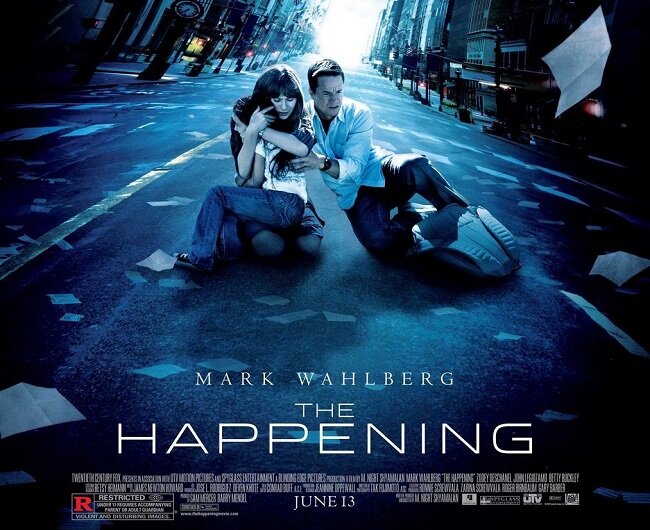
I revisited M Night Shyamalan's The Happening recently to try and determine whether he is indeed suffering from Orson Welles syndrome. IE that he has made all his best work at the beginning of his career. Because he’s never quite recaptured the critical or artistic success of The Sixth Sense, Unbreakable and Signs. I was one of the few that actually liked The Lady in The water but I could see why viewers would assume that he had become a victim of his own style and technique with that particular movie. Casting yourself as an author whose work will reshape society and change the course of history is at the very least, a little egotistical and at worst an act of immense hubris. Then in recent years we have had The Last Airbender and After Earth, both of which have performed poorly. However I thought I'd give The Happening another chance as it remains the directors only R rated movie to date.
I revisited M Night Shyamalan's The Happening recently to try and determine whether he is indeed suffering from Orson Welles syndrome. IE that he has made all his best work at the beginning of his career. Because he’s never quite recaptured the critical or artistic success of The Sixth Sense, Unbreakable and Signs. I was one of the few that actually liked The Lady in The water but I could see why viewers would assume that he had become a victim of his own style and technique with that particular movie. Casting yourself as an author whose work will reshape society and change the course of history is at the very least, a little egotistical and at worst an act of immense hubris. Then in recent years we have had The Last Airbender and After Earth, both of which have performed poorly. However I thought I'd give The Happening another chance as it remains the directors only R rated movie to date.
Elliot (Mark Wahlberg) and Alma Moore (Zooey Deschanel) are a married couple caught up in a mass panic spreading across the East Coast of the US. A wave of inexplicable suicides has started among the general public. They flee from New York with work colleague Julian (John Leguizamo) and his young daughter Jess, only to find that the disaster is spreading further West across the country and becoming more accurate in targeting humans. What was initially assumed to be an act of bio-terrorism turns out to have a far more esoteric answer. Writer and director M Night Shyamalan focuses on the perennial theme of how humans deal with extreme situations and threats to their own mortality. There are also some interesting ideas about the environment and nature being a living entity that responds when the balance is drastically altered. The topical matter of the ongoing decline of the honey bee is also a facet of the plot.
Sadly, while the initial premise is intriguing, its execution adds further weight to the argument that Shyamalan should defer to more accomplished screenwriters capable of developing his ideas more effectively. Despite a reliable cast of character actors, the dialogue is obvious and at times crass, leaving all concerned with little to do except emote sincerely. There is also an air of sanctimony about the screenplay that rather spoils the interesting premise. Once the ecological plot twist is revealed the narrative takes a somewhat didactic tone. The central characters are also somewhat weak and not especially likeable. A rift in the main protagonist's relationship turns out to be only minor. It would have been far more challenging if one was actually an adulterer, thus making their redemption harder to achieve. A greater sense of societal panic is also absent. The film needs clearer examples of social disorder and breakdown to reinforce the magnitude of events
Yet despite these criticisms, there are some sequences that show a great deal of creative flare. There's a shocking scene when construction workers start to hurl themselves from the roof of the building they're working on. A tracking shot following a Police officer's handgun as it is used in subsequent suicides, is also impressively realised. Once again, composer James Newton Howard embellishes Shyamalan's work with an exceptionally clever and subtle score. The two seem to have a very good creative relationship. Upon its initial release, the distributors made much of the film’s rating. Perhaps they saw this as it's only virtue. There is more violence compared to his other work. Given the subject matter this is understandable. Overall The Happening is a missed opportunity. Again I feel that Mr. Shyamalan's work would benefit from an additional writer to strengthen his weaknesses and curb his excesses. Sadly several movies on from The Happening and the same mistakes keep getting made.








24 Hours Without a Smartphone
I left my phone behind while visiting family this week. However, I was told not to worry as someone would drop it off to me. However, I wasn’t told that the person doing this good deed had to work their night shift first. So I had to wait 24 hours. C’est la vie. It was my mistake. In the meantime I had to adjust to life without a phone. Or to be more accurate, adapt to life without a smartphone. So I dug around in my cupboards and found an old handset that used to belong to my Father’s. It's a Maxi-Key model which is designed for the requirements of senior citizens who aren’t good with technology. It has large keys and 8-Bit style ringtones that sound like they come from some insane Super Nintendo game. It is functional so far as I can make and receive text messages and phone calls. However it has none of the internet functionality of my Samsung S10 5G and as a result I have become starkly aware of how much I've grown accustomed to the trappings of the modern smartphone.
I left my phone behind while visiting family this week. However, I was told not to worry as someone would drop it off to me. However, I wasn’t told that the person doing this good deed had to work their night shift first. So I had to wait 24 hours. C’est la vie. It was my mistake. In the meantime I had to adjust to life without a phone. Or to be more accurate, adapt to life without a smartphone. So I dug around in my cupboards and found an old handset that used to belong to my Father’s. It's a Maxi-Key model which is designed for the requirements of senior citizens who aren’t good with technology. It has large keys and 8-Bit style ringtones that sound like they come from some insane Super Nintendo game. It is functional so far as I can make and receive text messages and phone calls. However it has none of the internet functionality of my Samsung S10 5G and as a result I have become starkly aware of how much I've grown accustomed to the trappings of the modern smartphone.
So I found myself in a curious situation where I felt effectively "disconnected" from things. Although it never reached a point where it is anything other than an inconvenience, I am surprised at just how much I missed my smartphone. It really does highlight how we as a society have become dependent on such technology, not only as a practical tool but also as a source of entertainment and possibly a psychological support. I felt very much out of the loop during this 24 hour period and would fret about whether I was missing out on something, although exactly what they may be, I had no idea. When out, I felt the same way I do when I travel without a watch. Which is to say not fully dressed. I have found this entire affair more perplexing because of my age. This malady that I experienced is something I would usually associate with people half my age. I have certainly had to re-appraise my prejudices regarding youth and technology.
A smartphone offers both practical benefits and amusing diversions. Personal preferences determine exactly what apps you install but I’m sure I’m not unique in my phone usage. I often plan my travels via my phone, using rail timetables and Google maps to ensure an optimal journey. I also use my handset for online banking and ad-hoc purchases. It has also helped me find a decent restaurant when visiting places I am not familiar with. Pre-pandemic I would flash a QR code instead of a ticket at a member of staff to get into a movie theatre. On one occasion an intensive search allowed me to track down the premier purveyor of cheese in the South of England. Smartphones have also afforded me a means to waste my time in the most inane and the pointless fashion. I have been guilty in the past of the heinous crime of using one at the dinner table and whilst conversing with someone and not giving the said person my undivided attention. However, this particular outrage is now verboten in the Peril household.
Ultimately this situation (which was relatively short) has afforded me a unique opportunity to reflect upon my smartphone usage. I have taken a day to ponder upon the impact that technology has on social dynamics and human interaction. And having done so, I concluded that I am very glad to have my smartphone back. Have you tried talking to real people? They're absolutely awful! What with their tabloid opinions and garrulous inanities. No I don’t have a hot take on Meghan Markle nor do I give a shit about whether you have a holiday this year. Furthermore I am still peeved by the fact that I had to buy a SIM adaptor kit so that my nano SIM card could fit into my retro handset. The bastards charged me £4 for three pathetic pieces of plastic and a pin. No wonder these companies are rich! And there is absolutely no truth to the rumours that I was especially upset because I couldn’t easily watch videos of Fu Bao the Panda at Everland in South Korea.














Soft Launches
I thought Magic Legends was being beta tested when it appeared on my Arc launcher along with PWE’s other games. Silly me. Apparently, I was mistaken and Magic Legends is being soft launched. Because the game is selling stuff already. To date we have an unoptimized game suffering major performance issues and lag, with the added bonus of an egregious monetisation. People aren’t happy. There are all the technical issues associated with beta testing along with the early introduction of a predatory business model. Bravo. The idea of a soft launch is to maintain a relatively low profile, compared to a traditional hard “the game is totally ready” launch. That way you can tinker with your game client in a reactive fashion and introduce new features, ensuring that you keep your current customers onboard. However, if you do it wrong, you can piss off not only your existing customer base but cause a stink that prejudices future punters.
I thought Magic Legends was being beta tested when it appeared on my Arc launcher along with PWE’s other games. Silly me. Apparently, I was mistaken and Magic Legends is being soft launched. Because the game is selling stuff already. To date we have an unoptimized game suffering major performance issues and lag, with the added bonus of an egregious monetisation. People aren’t happy. There are all the technical issues associated with beta testing along with the early introduction of a predatory business model. Bravo. The idea of a soft launch is to maintain a relatively low profile, compared to a traditional hard “the game is totally ready” launch. That way you can tinker with your game client in a reactive fashion and introduce new features, ensuring that you keep your current customers onboard. However, if you do it wrong, you can piss off not only your existing customer base but cause a stink that prejudices future punters.
There is reason and logic behind soft launches. If you search via Google you’ll find numerous articles about the subject extolling the virtues of this business practice. If implemented correctly, it can yield the following results:
Determine which market you’d like to target on full launch.
Pick the most suitable location for your soft launch accordingly.
Optimize your games online presence.
Measure your success in acquiring new users.
Find out at what point you’ve successfully retained a new user.
Calculate the “Life Time Value” of users.
Evaluate your monetisation model.
Determine how your users like to share your game with others.
Fix any bugs that users report.
However, if you undertake all of these with the subtlety of a blow to the head with a Teflon frying pan, you’ll more than likely fail. Because as you can see, a soft launch is a practise designed primarily to benefit the vendor of the product, rather than the customer. And customers, especially gamers like to be made to feel special (IE told a load of old bollocks). If they realise they’re just a rat in a maze, then they tend to take it personally. Which is why I prefer the old school practise of alpha and beta testing, followed by the launch of a completed product that is good to go. Sadly, that is something we seldom see in the video games genre these days. The industry has become aware that they can get away with things, despite the pushback and opprobrium that comes with pre-orders, soft launches and day one patches.
All too often the lifecycle of a game is as follows. A hyperbolic announcement followed by an excess of hype throughout the development. Early access that is a hot mess followed by a cheeky soft launch of a flawed and incomplete product. The first six months is filled with player hostility until multiple patches eventually lead to a viable release. All sane players opt for the “game of the year edition”. Overall, it’s a very unsatisfactory system. Yet despite all the cogent arguments raised against it, such practises continue to prevail and are indulged because a percentage of gamers are overwhelmed by the hype tsunami and a “take my money now” mindset. Hence it will be interesting to see whether Magic Legends has “pissed on its chips” to coin a British colloquialism, or whether six month from now, all will be forgiven or forgotten. I have a feeling it will be the latter, which is greater news for business but bad news for consumers.






Do We Really Need "Living Worlds"?
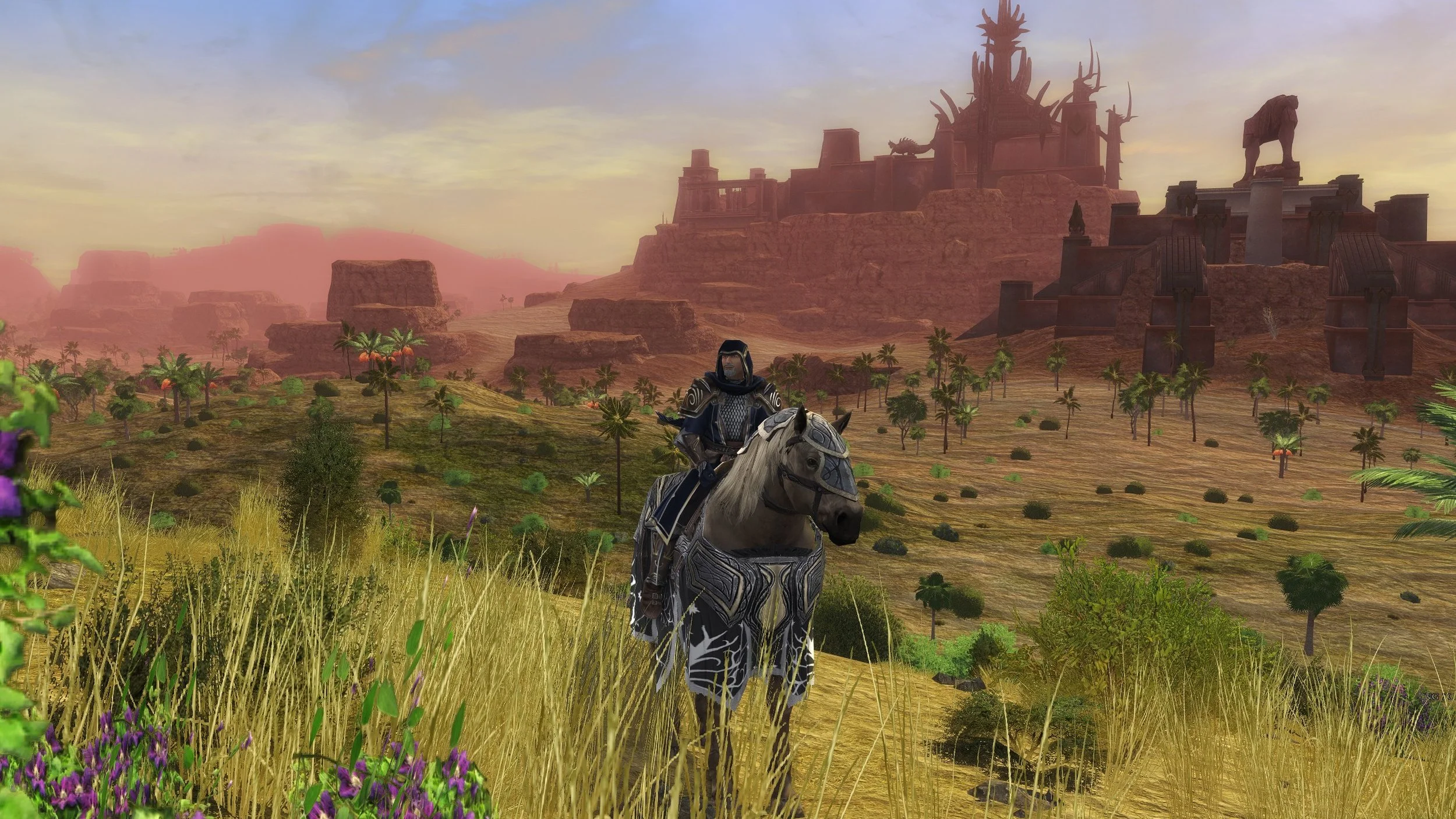
There is a cogent argument to be had that the MMORPG genre has never really hit its full potential. Too many of them do the same thing and there is a long list of features that are conspicuously absent, that players habitually complain about. The debate is further “complicated” (like so many pop culture “debates” are) by one’s own relationship with the genre and what is best described as “personal baggage. Some players will eulogise about older games such as Ultima Online and EverQuest, extolling their lack of features and grindy nature as some sort of character building form of gaming self flagellation. Players with a more contemporary experience of MMOs are subsequently ambivalent towards social interaction and content gating. Hence if you ask a broad spectrum of MMO gamers what features they’d like to see in a new game, you’ll get a commensurate broad spectrum of answers. After 15 years of playing MMOs I’m not sure that I can adequately articulate my own thoughts on improving the genre. We all seem to want some sort of change but beyond that it all gets rather vague.
There is a cogent argument to be had that the MMORPG genre has never really hit its full potential. Too many of them do the same thing and there is a long list of features that are conspicuously absent, that players habitually complain about. The debate is further “complicated” (like so many pop culture “debates” are) by one’s own relationship with the genre and what is best described as “personal baggage. Some players will eulogise about older games such as Ultima Online and EverQuest, extolling their lack of features and grindy nature as some sort of character building form of gaming self flagellation. Players with a more contemporary experience of MMOs are subsequently ambivalent towards social interaction and content gating. Hence if you ask a broad spectrum of MMO gamers what features they’d like to see in a new game, you’ll get a commensurate broad spectrum of answers. After 15 years of playing MMOs I’m not sure that I can adequately articulate my own thoughts on improving the genre. We all seem to want some sort of change but beyond that it all gets rather vague.
Furthermore, it’s not just a question of what players desire. Let us not forget that the video game industry has its pioneers, grandees and sacred cows who still have plenty to say on the state of the genre and the lofty heights it has still not reached. Such luminaries as Raph Koster and Richard Garriott. Although their contributions to the genre cannot be denied, are they really as relevant nowadays as they were a quarter of a century ago? (Wilhelm Arcturus explores this very subject in more depth in a recent post). Whenever I read an interview with such individuals, although they will broadly allude to notions of a future MMO being a truly “living world”, they are always somewhat light on detail. Plus it often comes across that there is an element of age based and institutionalized bias against current trends. I am reminded of old rock stars decrying the state of contemporary music or Martin Scorsese being nonplussed by the popularity of superhero films.
Therefore, as per usual with most matters of debate, it’s not all black and white. However, let us for the sake of argument focus on a common mantra (and one that Mr Koster still evangelises about), the notion of an MMO that is a “living world”. A virtual world in which player actions have a tangible impact. Communities would have to be built from scratch and maintained. Players would be free to pursue any career path they wished. The environment would be seasonal and subject to the caprices of nature. Its ecosystem would have to be managed. The game would develop an economy and a degree of self governance. A living microcosm of our own world that could be accessed from a desktop PC, a console or mobile device. It all sounds both exciting and alluring. Initially. And then when one takes the time to ponder how all of this would pan out, it quickly begins to fall apart. Because some people when free from the restraints of social convention and consequence go native. Hence an unfettered “living world” would possibly soon become a “living hell”.
The sad reality is that any proposed “living world” would have to be heavily regulated and moderated if it wanted to survive in any viable way. More rules would lead to more constraints and so the dream diminishes exponentially as the regulations grow. Furthermore, I’m not sure if providing a complex, virtual alternative to reality is actually a healthy thing for society to begin with. If real life is too bleak, crushing and depressing to cope with, that vast swathes of the population seek to escape from it, then it is indicative that our system of government has failed outright. It may be somewhat melodramatic but a faux world that presents itself as an escape could well end up being a gilded cage. And if we step back for a moment from the theoretical, the Holy Grail of a “living world” is predicated on the fact that people reject what is currently on offer from the MMO genre. Oddly, enough the numbers and revenue generated from existing games seem to fly in the face of such a supposition. Therefore, perhaps the best place to start with improving the MMO genre is to add some desirable yet practical new functionality, rather than jumping off at the deep end and trying to create a virtual Shangri-la. And even if such an environment could be created, do any of us have the time to invest in such a world? I think not.
Choosing a New Game
I want to talk about how we choose a new game from the countless titles that are currently available. I am going to be candid about how I do this as well as my own personal biases and prejudices. Because I am not open to playing any type of game. Like so many other aspects of life, I have very clear likes and dislikes that can only be tempered so far with logic and rational thinking. Video games as far as I’m concerned are supposed to be engaging, entertaining and inherently enjoyable. I don’t mind a degree of challenge and I’ll grind to achieve a specific goal, if I feel the reward to effort ratio is acceptable. I will on occasions attempt to step tentatively out of my comfort zone. However, there are some things that I simply don’t like, so they will not be considered. I think the best analogy for this is food. There are certain meals that I have tried (sometimes several times) and disliked, so they won’t ever be eaten again. Then there are other meals that contain ingredients I dislike or that are cooked in a style that I don’t enjoy. These are also off the proverbial table (no pun intended).
I want to talk about how we choose a new game from the countless titles that are currently available. I am going to be candid about how I do this as well as my own personal biases and prejudices. Because I am not open to playing any type of game. Like so many other aspects of life, I have very clear likes and dislikes that can only be tempered so far with logic and rational thinking. Video games as far as I’m concerned are supposed to be engaging, entertaining and inherently enjoyable. I don’t mind a degree of challenge and I’ll grind to achieve a specific goal, if I feel the reward to effort ratio is acceptable. I will on occasions attempt to step tentatively out of my comfort zone. However, there are some things that I simply don’t like, so they will not be considered. I think the best analogy for this is food. There are certain meals that I have tried (sometimes several times) and disliked, so they won’t ever be eaten again. Then there are other meals that contain ingredients I dislike or that are cooked in a style that I don’t enjoy. These are also off the proverbial table (no pun intended).
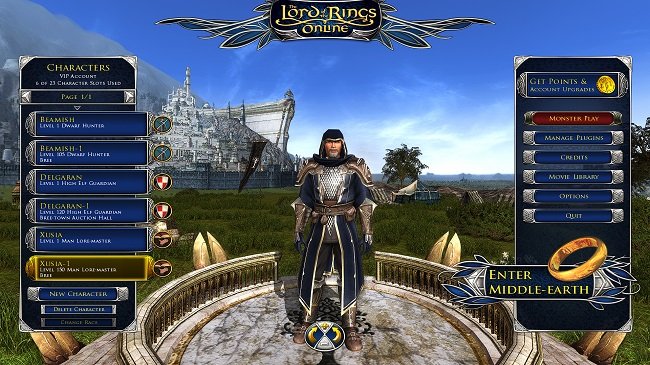
So what games do I like? Well both the NES and SNES have had an impact upon my tastes. I consider the Mario Kart franchise to be nearly perfect. It is accessible and yet challenging. It also makes competitive gaming far more palatable as it is not bombastic or bellicose in either defeat or victory. I also enjoy a well balanced FPS and will certainly recommend CoD Warzone as the epitome of encapsulating that genre well. But my heart belongs to narrative driven RPGs and MMORPGs. I like involving and challenging stories, set in detailed worlds. I also like to have access to games based around major franchises that I revere, which is why I enjoy Star Trek Online and the Lord of the Rings Online so much. I’ve also dabbled with the strategy genre on occasions, along with deck-building games and point and click adventures. I even have a few simulator games in my extensive game selection. However, it should be noted that possibly 80% of said collection remains unplayed.
I can be just as specific about the game genres that I don’t like as I am about the ones I do. I am not a fan of PVP. Although I enjoy the FPS genre as this can be a far more balanced PVP environment. However, too often PVP is predatory and an uphill struggle for new players. I pay money to game developers to be entertained and not to be served up as canon fodder for established players. I don’t care for the mindset and elitist culture that also goes hand in hand with PVP and many other competitive games. Games that are couched in self aggrandisement and vanity are often breeding grounds for the most toxic aspects of gaming culture. I also eschew certain games on aesthetic grounds. The human experience is driven greatly by visual data and the way we interpret the world by how we see it. So to deny that we make decisions about games based upon how they look and the way they’re visually presented is crass. Hence I don’t like the isometric style. Nor do I like the anime visual aesthetic found in many games. I broadly prefer realistic graphics over cartoons, although stylisations can be very appropriate at times.
Therefore, when trawling through YouTube videos advertising forthcoming game releases, it is quite easy for me to quickly and efficiently assess what is and isn’t of interest to me. Plus its important to add that all the above rules are open to occasional contradictions. Hand of Fate and its sequel drew me into a genre that normally I wouldn’t have considered. More interestingly, sometimes there will be a new game that is broadly outside of what I like but it is getting a lot of traction among my peer group. So despite being a mature and grounded 53 year old, I am not immune to FOMO and a lot of other curious psychological phenomena. Naturally, there is an allure to joining your friends and being part of the current “in thing”. I recently succumbed to this and bought Cyberpunk 2077 and the reality of the game quickly shattered the hype and mystique that had prevailed up until launch. I have also written before about how odd it is to have missed the entire World of Warcraft “boat” over the years.
Earlier on I used a food based analogy to describe my likes and dislikes and equate this to video games. Once I have established that I don’t like something it is added to a prescribed list. However, most analogies don’t hold up to close scrutiny and although the part about my process for establishing a preference is accurate, I am far more willing to try new foods than I am video games. Upon mature reflection we all have our own bespoke assessment of what we want and don’t want from a video game because we all have a subjective definition of what actually equates to a game per se. I broadly agree with the notion that it is good to challenge yourself and step outside of one’s personal comfort zone. But you don’t have to do this habitually or else you’ll end up playing more games you dislike than like. I think it’s important to be self aware of one’s tastes and to be realistic about them. Yet the vast amount of free of heavily discounted games available do allow for greater experimentation. As ever there is a middle ground for each of us to find that offers us the best path forward.
Need or Greed?
In the dim and distant past when the world was young and the MMORPG genre still focused on the social element of multiplayer online gaming, there was a curious social etiquette associated with the acquisition of loot, enforced by the “need or greed” rule. This rule works as follows. When an item of loot drops after an enemy mob is killed, all members of the group that killed it have the option to claim the item. Upon doing so, they are presented with a choice of “need or greed”. If one or more persons in a group selects "need", they roll a virtual dice and the person with the highest roll gets the loot. If you choose "greed" when the majority of other players have chosen “need” you are effectively forfeiting any claim upon the loot item. If everyone selects "greed" then again, then there is a virtual dice roll and the player with the highest score receives the item. This system is intended to encourage players not to roll on items that they didn’t need (IE a ranged weapon for a melee character) and to foster an atmosphere of fair play and equanimity.
In the dim and distant past when the world was young and the MMORPG genre still focused on the social element of multiplayer online gaming, there was a curious social etiquette associated with the acquisition of loot, enforced by the “need or greed” rule. This rule works as follows. When an item of loot drops after an enemy mob is killed, all members of the group that killed it have the option to claim the item. Upon doing so, they are presented with a choice of “need or greed”. If one or more persons in a group selects "need", they roll a virtual dice and the person with the highest roll gets the loot. If you choose "greed" when the majority of other players have chosen “need” you are effectively forfeiting any claim upon the loot item. If everyone selects "greed" then again, then there is a virtual dice roll and the player with the highest score receives the item. This system is intended to encourage players not to roll on items that they didn’t need (IE a ranged weapon for a melee character) and to foster an atmosphere of fair play and equanimity.
However, over the years, the social aspect of MMOs has diminished and the validity of the “need or greed” rule is now in question. Gaming has become a lot more transactional and simply put, many players will expect something shiny as a reward after completing group content. Quid pro quo and all that. Hence it is nowadays common practice to roll “need” by default in all looting situations. If an item is not specifically relevant to you but can be sold to a vendor for in-game currency then that is a big incentive. Logically, any opportunity that increases your in-game wealth is desirable, especially in light of how hard it can be to obtain “gold” in some MMORPGs. Furthermore, with the proliferation of auto grouping in games, there is little or no personal connection to the other players. This results in a reduced sense of social obligation as you are not potentially denying a fellow guild mate but just competing against a random stranger.
Therefore, all things considered, isn’t it time that this particular game mechanic was sidelined and replaced with something more functional and socially appropriate? Perhaps the simplest solution (at least with regard to low level loot drops) is to allow them to be claimed by all parties. In the same way that some game developers have now made “ore nodes” and other environmental resources “shared” and non-competitive. Perhaps it may even be time to reconsider the entire game mechanic of “trash loot” within the MMO genre. In the meantime, continuously having to roll on loot in group content is simply a tedious reality that has to be endured. Especially in games that don’t support addons that can discreetly automate the process. However, we live in hope that sooner or later, the MMORPG will finally join the rest of gaming in the 21st century and that “need or greed” will be consigned to the history books.
Fandom: Experiencing the Same Thing Differently
I like films. I have done so since I was a young child, mainly because we watched them as a family. Furthermore, both my parents weren’t just casual viewers. They were fans who were knowledgeable about their hobby. Plus they came from a generation where going to the cinema was a major part of their life and a very accessible pastime. Hence my love of film, filmmaking and analysis. But like any form of fandom, it can often be a very broad church. For example, I may be at a social gathering such as a dinner party or a fundraising event for the Humber and District Catholic River-Wideners Club and I strike up a conversation with a stranger. The stilted conversation turns to film (or more informally “movies) and for a brief moment, there is the possibility of a shared interest. However, if the other party then indicates that they are a committed advocate of the works of Ben Stiller, then that common ground evaporates like a politician's promises after election day.
I like films. I have done so since I was a young child, mainly because we watched them as a family. Furthermore, both my parents weren’t just casual viewers. They were fans who were knowledgeable about their hobby. Plus they came from a generation where going to the cinema was a major part of their life and a very accessible pastime. Hence my love of film, filmmaking and analysis. But like any form of fandom, it can often be a very broad church. For example, I may be at a social gathering such as a dinner party or a fundraising event for the Humber and District Catholic River-Wideners Club and I strike up a conversation with a stranger. The stilted conversation turns to film (or more informally “movies) and for a brief moment, there is the possibility of a shared interest. However, if the other party then indicates that they are a committed advocate of the works of Ben Stiller, then that common ground evaporates like a politician's promises after election day.
Belghast wrote a very interesting blog post today about “subculture and gatekeeping” and how fandom is often very personal as we seek to define ourselves during our teenage years. Hence it can lead to a sense of ownership and even gatekeeping. Tangentially, one sentence in the post stood out for me and is relevant to the theme of this post. "RHCP (Red Hot Chilli Peppers) had sorta been one of those arcane signals of belonging that helped us find more members of our tribe. Even though that “tribe” was contorted as fuck because none of us actually had the exact same ideals or beliefs or even hobbies". That is a succinct description of the point I was making earlier. E.g. “I like movies. You like movies as well? Oh, you like those movies”. Again we return to the concept that fandom as a broad church and that a shared interest does not guarantee that you and the other party will have lots of other things in common. Something I discussed at length in a post about a shared love of Tolkien and how I was surprised when I found out that his work found traction with politicians I’m “at odds” with.
However, differing opinions can be a good thing and provide an alternative perspective upon a shared interest. They can also provide an opportunity to reappraise something. Film criticism is not pure science. One can make comments made upon objective facts, such as how well a film is edited, the quality of the cinematography and other technical aspects of the production. But whether a joke is funny, a character is likeable or a story arc is engaging or not is ultimately very personal and subjective. It comes down to taste and one’s own expectations. Which brings me to the point that sparked this post in the first place. The 1978 conspiracy thriller, Capricorn One. Blogger and writer Syp shared his thoughts on the film over at Mutant Reviewers. They differ from mine and it would appear that the aspects of the film that I specifically like, Syp does not. I like the seventies hard boiled dialogue and focus on verbal exposition. I also didn’t have an issue with the pace of the film.
I briefly spoke to Syp via Twitter regarding this, not to instigate a fanboy bunfight but to determine his perspective and it highlighted some very interesting points for me. Contemporary film and TV has a particular idiom and certainly a very fast pace, compared to material from the eighties and older. Hence if you are watching a TV show from the seventies or a movie from the forties, then it requires a form of mental recalibration so that you’re prepared for the obvious stylistic and technical differences. That is fine if you are approaching the content in a scholarly fashion or for an in depth critical analysis. If you’re simply watching for entertainment, then having to make that shift in perspective is quite a big ask and not necessarily one that is conducive to having fun. It is important to remember that we don’t all have the same relationship with a shared fandom and that we don’t all approach it with the same intent.
Every form of fandom has its own set of self appointed gatekeepers. They’re often also responsible for perpetuating an apocryphal dogma and trying to convince us it’s somehow legitimate. For example, in film fandom there is the cult of Stanley Kubrick in which any deviation from the consensus of his genius is deemed as heresy. Although I will strongly argue positively regarding the technical and thematic talent of the filmmaker, I would not say that all his work is accessible to everyone. The “detonator” for this particular debate being 2001: A Space Odyssey. As far as I’m concerned it is perfectly acceptable not to like a so-called “cinematic great”. I don’t care for Ridley Scott’s Blade Runner. I recognise the skill inherent in its making and I understand it’s cultural significance (like certain literary classics) but I don’t warm to the film.
So today was a timely reminder that the only universal constant in fandom is the inherent difference between fans themselves. I shall continue visiting Mutant Reviewers specifically because they will continue to offer an alternate view to my own, on many films that I love. Furthermore, those views are backed up with valid arguments, which is good because reviews that aren’t are ultimately just a series of unqualified statements. I will also continue to gently encourage people to step outside of their personal boundaries and to give wider material a try. However, I won’t give them a hard time if they do so and subsequently don’t enjoy the experience. Fandom is about shared enjoyment and enthusiasm, although paradoxically, that itself can be used to reinforce hierarchies and can lead to preposterous gatekeeping and the nonsensical “true fan” fallacy. Stay clear of all that. You do you. And if you really like the work of Ben Stiller, then so be it.




LOTRO: Day, Night and Weather Cycle
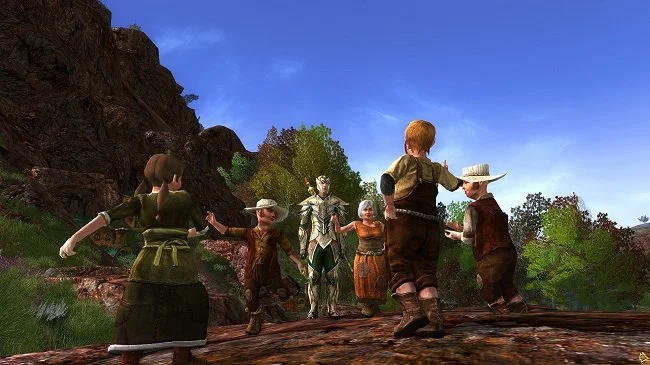
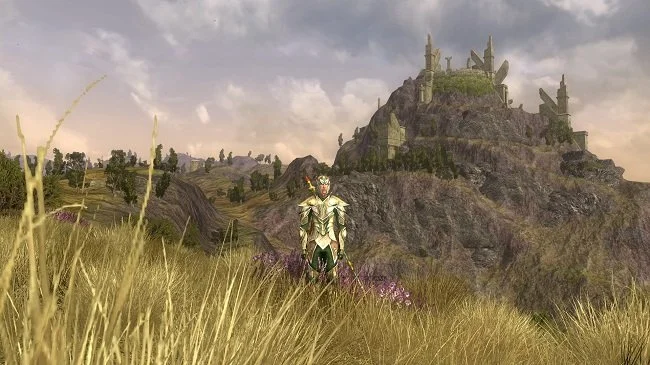
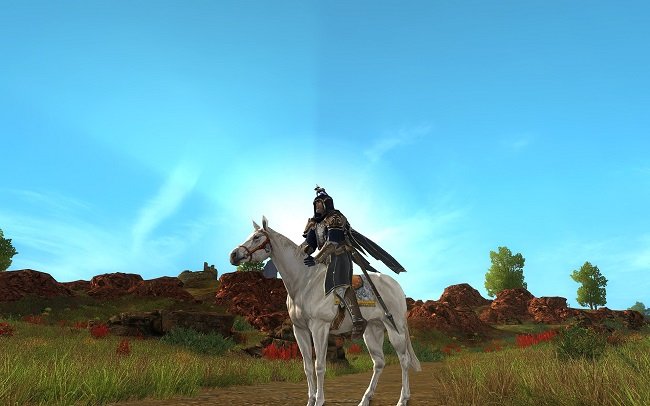
I don’t know about you guys but whenever I log into The Lord of the Rings Online, it’s usually night in the game. This is a curious anomaly that can be somewhat frustrating if it’s the test server and I want to take some screenshots of new content. I put this down to the fact that I usually log in to LOTRO in the evening, here in the UK and I am unfortunately in sync with the Laurelin server night time phase. Sadly, there are no third party addons that can track the in-game time and server reboots always reset the game’s internal clock. However, I do like the fact that the game has a clear day and night cycle, which adds greatly to the overall ambience of LOTRO. Both of these phases have subcategories, all of which persist for specific times. Here is the cycle as it stands at present in the game.
I don’t know about you guys but whenever I log into The Lord of the Rings Online, it’s usually night in the game. This is a curious anomaly that can be somewhat frustrating if it’s the test server and I want to take some screenshots of new content. I put this down to the fact that I usually log in to LOTRO in the evening, here in the UK and I am unfortunately in sync with the Laurelin server night time phase. Sadly, there are no third party addons that can track the in-game time and server reboots always reset the game’s internal clock. However, I do like the fact that the game has a clear day and night cycle, which adds greatly to the overall ambience of LOTRO. Both of these phases have subcategories, all of which persist for specific times. Here is the cycle as it stands at present in the game.
Day Time lasts 1 hour 42 minutes 20 seconds
Dawn = 9 minutes 32 seconds
Morning = 28 minutes 42 seconds
Noon = 17 minutes 47 seconds
Afternoon = 27 minutes 58 seconds
Dusk = 18 minutes 21 seconds
Night Time lasts 1 hour 23 minutes 40 seconds
Gloaming = 9 minutes 30 seconds
Evening = 27 minutes 59 seconds
Midnight = 8 minutes 59 seconds
Late Watches = 19 minutes 1 second
Foredawn = 18 minutes 11 seconds
Apart from giving the virtual Middle-earth a greater sense of realism, could this game mechanic be used for quests? Well initially it was. In an earlier iteration of LOTRO (circa 2007 - 2008) there were several quests that were night time specific. The ghost in Bree was nocturnal and one story arc had you meeting a Brigand infiltrator, again only at night. However, despite this time mechanic adding ambience to the proceedings, it was a nuisance if you received such quests at the wrong time of day. You could find yourself having to wait 90 minutes which is not a lot of fun in an MMO. Unlike single player games that use this mechanic, you cannot advance time in a shared world. Hence these quests were altered to allow access all of the time. It is also why we don’t see NPC and vendors keeping working hours and returning to their homes at night. So sadly, the day and night cycle is purely cosmetic in LOTRO as it now stands.
There are also random weather changes in LOTRO although there is nothing that can be clearly defined as a cycle. Sometimes I’ll log into a zone and it will be raining or overcast but broadly speaking the weather in a place such as Bree is predominantly temperate. Some zones have differing weather for geographical reasons. Naturally, the Misty Mountains are snow covered and the snow fall becomes heavier the higher you climb along the cliff top paths. Other parts of Middle-earth have bespoke weather for thematic reasons. Angmar has a sickly green coloured, overcast sky, reflecting the evil that blights the region. Allegedly the darkened sky is to accommodate the passage of Orcs, who have an aversion to daylight. Again, it would be nice in principle to have some weather themed or dependent quests but gating content behind a mechanic you may have to wait on, is not going to be well received.
The MMORPG genre is filled with game systems and mechanics that have been tentatively introduced and then left unfinished by the developers. Often because of the complexity inherent in such systems or because the idea being “tested” was not liked by all players. Weather cycles and the passage of time are such examples. Both of these could play a more active role if the developers of games such as LOTRO felt so inclined. I would be happy to see the return of quests that were time dependent. It would be nice to have some aesthetic details that only happened at certain times or dates. Such as Elves camping out beneath the stars. Or NPCs that come and go in towns such as Bree. Perhaps even animals that graze in fields by day and are then rounded up and taken to barn at night. Such things would add a lot to a game. But at this point in LOTRO’s lifecycle it is unlikely that resources would be used to develop such content.





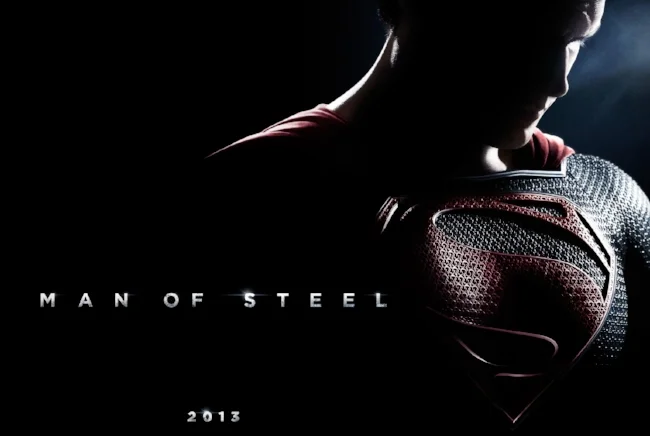
Zack Snyder's Justice League (2021)
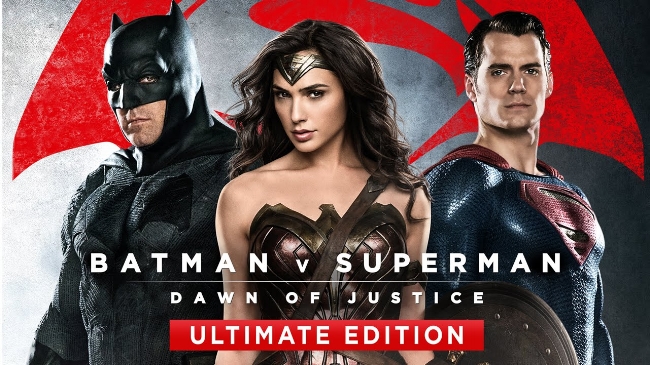
I enjoyed both Man of Steel and Batman v Superman: Dawn of Justice Ultimate Edition and consider them to be more than just standard, visual effects driven blockbusters. Zack Snyder’s exploration of the DC Expanded Universe blends the mythological fantasy of metahumans with a more cerebral dissection of their role in society. The political and philosophical dimensions of their presence is a key theme in both films. As a consequence there is ambiguity, darkness and violence. Snyder certainly has a penchant for visual flair, as seen in previous movies such as 300 and Watchmen. But his directorial style seems to be at odds with the very studios that employ him. Snyder tells a story in however much time it takes. Studios prefer standard running times that lend themselves to as many screenings a day, as possible. Hence there is always a clash of ideas and sadly those that hold the purse strings usually get their way.
I enjoyed both Man of Steel and Batman v Superman: Dawn of Justice Ultimate Edition and consider them to be more than just standard, visual effects driven blockbusters. Zack Snyder’s exploration of the DC Expanded Universe blends the mythological fantasy of metahumans with a more cerebral dissection of their role in society. The political and philosophical dimensions of their presence is a key theme in both films. As a consequence there is ambiguity, darkness and violence. Snyder certainly has a penchant for visual flair, as seen in previous movies such as 300 and Watchmen. But his directorial style seems to be at odds with the very studios that employ him. Snyder tells a story in however much time it takes. Studios prefer standard running times that lend themselves to as many screenings a day, as possible. Hence there is always a clash of ideas and sadly those that hold the purse strings usually get their way.
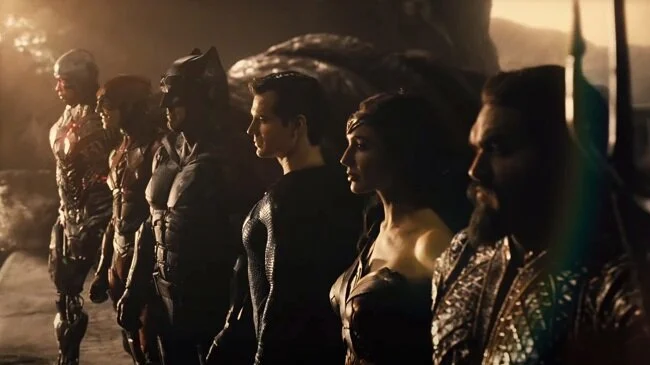
I see no reason to go over the sad circumstances that lead to Zack Snyder leaving the post-production phase of Justice League in 2016. Simply put Warner Bros. wanted the film to be released on schedule and so Joss Whedon was brought onboard to complete the production. 80 pages of rewrites and two month of additional shooting later led to a radically altered movie. It was demonstrably different in style as well as tone and it failed to find an audience. I found it to be ponderous, underwritten and underwhelming. Warner Bros. were far from pleased by the box office returns. Justice League, released in late 2017, merely yielded double its production costs, making $600 million. Roll on 4 years and we now have Zack Snyder's Justice League. A director’s cut of the film which is far more aligned with his original vision. Due to the pandemic, this version has gone direct to subscription services and has not seen a theatrical release. It would’ve been interesting if it would have fared any better at the box office second time round.
Before I start with my thoughts on Zack Snyder's Justice League, let me put my cards on the table. I am not a fully paid up DC aficionado. My exposure to this comic franchise is mainly through previous films. I have no knowledge of the wider lore, nor do I have any personal baggage with regard to personal attachment to characters. I grew up with Christopher Reeves as Superman and his performance was totally applicable to those times. However, that cinematic interpretation is era specific and not necessary now. So I consider myself open minded with regard to this franchise. What I expect from a film such as Zack Snyder's Justice League or indeed any other major franchise movie is for it to be accessible to both existing fans and the general public. Films of this nature need to engage with a much wider audience to be financially successful. Hence I expected Zack Snyder's Justice League to have a coherent narrative. Something the theatrical cut was lacking.
Mercifully, Zack Snyder's Justice League has a very linear and episodic story. In fact it is divided into chapters delineating the plot into specifically themed sections. This not only reflects the essential structure of comics themselves but allows the viewer to digest the sprawling narrative and its respective themes. There is a lot of exposition at various junctures in the story arc so breaking things down in this way again helps with making the plot accessible. Zack Snyder's Justice League is double the running time of the theatrical cut and clocks in at over 4 hours. Effectively all material that Zack Snyder shot has been reinstated and a great deal of it is character backstory. There are also major changes to the film’s visual FX, with villain Steppenwolf having a major makeover. Danny Elfman’s score has also been replaced by a new one by Tom Holkenborg. For a comprehensive breakdown Den of Geek has a very thorough article listing all differences.
The question on everyone’s lips, be they a layperson or a hardcore fan, is whether Zack Snyder's Justice League is better than Joss Whedon’s theatrical version? The answer is most definitely “yes” but that’s not to say that the film isn’t without faults. Perhaps the most positive change that standouts from the new director’s cut is the focus on each character’s motivation. This is especially beneficial for Victor Stone/Cyborg (Ray Fisher) whose backstory was utterly negated in the theatrical release. Here we see the troubled relationship he had with his Father and the tragedy of his Mother’s death and his own near fatal accident. His abilities show him the injustices of the world and how even a man with his powers would struggle to effect meaningful change. His story arc is far more engaging, meaningful and poignant. Similarly Arthur Curry/Aquaman (Jason Mamoa) has more depth to his story and does not come across as simply bellicose as he did in the Whedon version.
Zack Snyder's Justice League also offers a far more rounded and interesting villain this time round. Steppenwolf, voiced by Ciarán Hinds, now boasts a more threatening design and now has significantly more screen time, offering viewers an insight into his motivations and aspirations. Instead of being an arbitrary “bad guy” who is simply there to do “bad things”, we now have a character who is struggling with the internal politics of his own faction. Steppenwolf is a lieutenant who is seeking to advance his position after previously erring in his duties. He needs to get back in the good graces of his master, Darkseid. However, he does not have direct access to him and is forced to communicate via DeSaad, Darkseid's consigliere. Although far from Shakespeare, it is much more engaging to have an antagonist that has some depth to them, rather than just being a thematic placeholder.
However, Zack Snyder's Justice League is not without flaws. It is a little tonally inconsistent when it comes to the depiction of violence. The epic flashback to the Age of Heroes has a surprising amount of bloodshed compared to other sequences. Random acts of violence occur through the remainder of the film and every now and then, one will be somewhat more visceral than others. But perhaps the most incongruous aspect of Zack Snyder's Justice League is the inclusion of yet another vision of an apocalyptic future. This worked very well in Batman v Superman: Dawn of Justice Ultimate Edition, showing a possible timeline in which Superman had gone rogue due to the death of Lois Lane. But considering that a major element of Zack Snyder's Justice League is the necessity to bring Superman back from the dead thus restoring not only a balance of power but reiterating him as a force for good, it seems self defeating to infer the possibility that all of this may be for naught.
Naturally, fans of Zack Snyder’s work and his vision for the DC Expanded Universe, will enjoy this new director’s cut and extol its merits from a fans perspective. I certainly enjoyed it more than the theatrical release and was glad to see the back of the changes that Joss Whedon made. Barry Allen/The Flash (Ezra Millar) is no longer a trite comic foil and the new cut eliminates the rather crass diminishing of Diana Prince/Wonder Woman (Gal Godot) via all the flirting and objectification. For those who may be put off by the prodigious running time, the film now lends itself to being watched in instalments. The 4:3 aspect ratio is somewhat curious, although Snyder has stated that the film was shot open matte to make the framing optimal for the IMAX format. Paradoxically, Zack Snyder's Justice League is currently non-canonical. Joss Whedon’s theatrical cut made tonal and narrative shifts that have been continued into subsequent films. The success of the director’s cut may instigate a major course correction to this franchise. Or not. Studios seldom care about continuity, lore or even logic in comparison to the bottom line.
LOTRO: Buy or Subscribe?
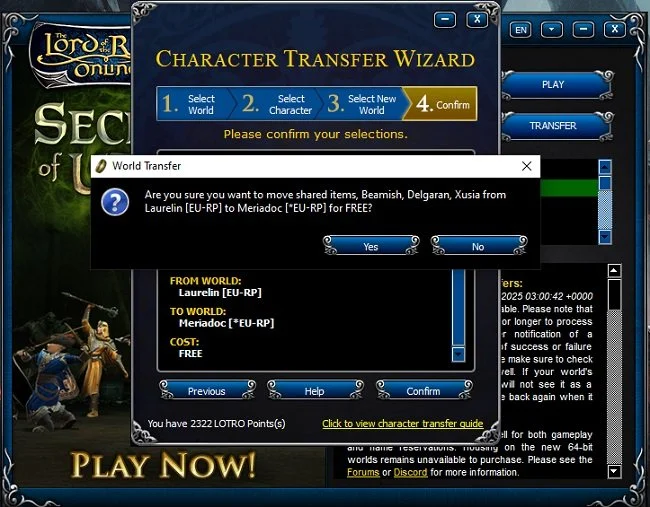
I’ve been playing the MMORPG, Lord of the Rings Online, since December 2007. During that time I have purchased all the expansions that have been released throughout the games lifecycle. Initially, I subscribed to LOTRO as this was the only way to play the game. When Turbine adopted a free-to-play hybrid business model in 2010, I continued with my subscription as it offered a means to access new content (all updates are free to VIP account status players) and provided a monthly stipend of 500 LOTRO points. Naturally, over time one’s relationship with a game changes, especially an MMORPG. So in more recent years I have played LOTRO mainly when there is new content available. Hence I only subscribed on such occasions. Then in 2020, Standing Stone Games, made all the content included in the VIP subscription, free for a limited amount of time. I claimed this offer and found myself the owner of everything in the game up to Update 27: The Great Wedding.
I’ve been playing the MMORPG, Lord of the Rings Online, since December 2007. During that time I have purchased all the expansions that have been released throughout the games lifecycle. Initially, I subscribed to LOTRO as this was the only way to play the game. When Turbine adopted a free-to-play hybrid business model in 2010, I continued with my subscription as it offered a means to access new content (all updates are free to VIP account status players) and provided a monthly stipend of 500 LOTRO points. Naturally, over time one’s relationship with a game changes, especially an MMORPG. So in more recent years I have played LOTRO mainly when there is new content available. Hence I only subscribed on such occasions. Then in 2020, Standing Stone Games, made all the content included in the VIP subscription, free for a limited amount of time. I claimed this offer and found myself the owner of everything in the game up to Update 27: The Great Wedding.
So today’s release of Update 29: The Wildwood raised the question as to whether I should subscribe to LOTRO once again. It only costs £8.99 and I’m certain I could complete all relevant new content within a month. However, another option would be to buy the quest pack for the new content from the LOTRO store (currently priced at 1195 LOTRO points). The decision was an easy one to make as I still had 2000 plus LOTRO points available from past subscriptions and previous points purchases. Hence I bought the quest pack and unlocked all the relevant content. Although all the PVE content in The Wildwoods is level 45 (level cap players get to play scaling missions), I shall still complete it all. Not only does it provide a new story arc to enjoy, it also is a source of virtue deeds. As the virtue level cap has been raised to 74, completing deeds in the new zone is a convenient way to maximise those virtues I have currently equipped on my primary alt.
This situation raises the question as to whether I shall ever subscribe to LOTRO again. I play the MMO mainly when there is new content to experience and once completed I tend to put the game on hold. If I did not own all the prior released content, then subscribing when I do play would be the sensible thing to do. As it stands now, a subscription offers very few tangible benefits. The biggest is the stipend of 500 LOTRO points. However, there is very little in the store that I want. A great deal of items on sale are cosmetic. If I buy anything it tends to be deed and reputation accelerators. As for the benefits of accessing your mail away from a mailbox, it is certainly something I can manage without. I believe that the daily login Hobbit Presents are superior for subscribers but again, I am not aware of anything essential that I am effectively missing out on. And because I have subscribed in the past I do not have to worry about the currency cap, chat restrictions and reduced wardrobe and inventory slots.
I suspect that this situation is far from unique to me. LOTRO has a long established player base. Many of which bought lifetime accounts. Those that didn’t, like myself, really considered last year’s content giveaway by SSG to be the next best thing. Therefore many others must also consider subscribing to be of no major value. Such a scenario may impact upon revenue. Perhaps it is time for SSG to reconsider what VIP status offers players and improve rewards to make subscribing more worthwhile. However, this needs to be something wholly new and beneficial rather than just gating an existing function behind a paywall. Perhaps the new owners, EG7, may have some thoughts on the existing subscription service. Some players spend money in game simply to support SSG but basing your business model on the charity of your players doesn’t strike me as ideal. It will be interesting to see if any changes of this nature occur this year.
Thoughts on Blogging Part 13
I mentioned not so long ago the possibility of a website revamp. I was concerned that the general layout of the blog was not optimal and that readers couldn’t easily find old material. In the past I even went as far as to write a guide to navigating through Contains Moderate Peril and using the categories to find old posts. Well I got a few emails and Twitter DMs about this and it would appear that folk like things just as they are. So I have reviewed my position and decided to leave things as they are at present. I did a little digging though my website stats, both from Squarespace and Google Analytics and it would appear the summary blocks at the bottom of each post are used and that the bounce rate for my site is not exactly as it first appears. Seems that readers do peruse other articles and the search facility is being used more often, especially for finding film reviews. So if it ain’t broke, don’t fix it.
I mentioned not so long ago the possibility of a website revamp. I was concerned that the general layout of the blog was not optimal and that readers couldn’t easily find old material. In the past I even went as far as to write a guide to navigating through Contains Moderate Peril and using the categories to find old posts. Well I got a few emails and Twitter DMs about this and it would appear that folk like things just as they are. So I have reviewed my position and decided to leave things as they are at present. I did a little digging though my website stats, both from Squarespace and Google Analytics and it would appear the summary blocks at the bottom of each post are used and that the bounce rate for my site is not exactly as it first appears. Seems that readers do peruse other articles and the search facility is being used more often, especially for finding film reviews. So if it ain’t broke, don’t fix it.
However, although I no longer have to immediately worry about overhauling my website, I do currently have an issue with productivity. I used to write a blog post everyday but that hasn’t been a regular fixture for six months or more. It’s not that I have a lack of ideas or material. On the contrary, I’ve pages of notes on films that I’ve watched recently that can easily be used for a review. I also have numerous lists of bullet points and prompts for blog posts on gaming and a wide range of other subjects. The main issue at present seems to be a question of motivation and actual physical stamina. The latter is a matter under current medical investigation which I may write about shortly. The issue of motivation is a perennial problem for bloggers. For me, it comes down to a mixture of discipline and routine. I do my best writing in the morning and free from disturbance. Effectively I need to get up and write straight away and sadly I haven’t been doing this.
As previously mentioned, I’ve been using the statistical analysis of traffic to Contains Moderate Peril and have been trying to find out exactly what data it can yield. Squarespace has a default analytical package that produces some interesting information but Google Analytics proves to be the more detailed of the two. Despite now only posting every other day, traffic to the site is growing at present. Popular UK TV station Talking Pictures TV, which broadcasts a lot of vintage, classic and niche market film content, has inadvertently caused an increase in visits to my blog. Many of the films that they show, I have existing reviews for. Viewers are perusing Google, searching about these titles and finding my work. All of which indicates how review posts can have shelf life beyond their immediate publication. Hence an increase in review posts may well prove beneficial in generating further traffic and growing the overall site audience.















Goodbye Politics
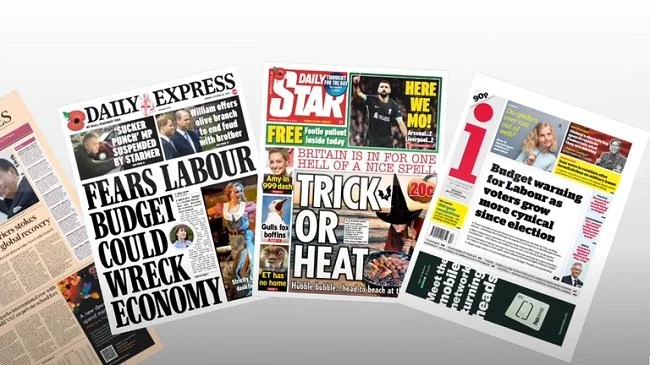
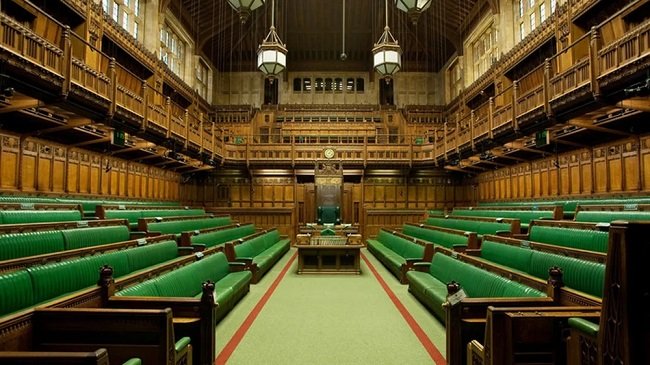
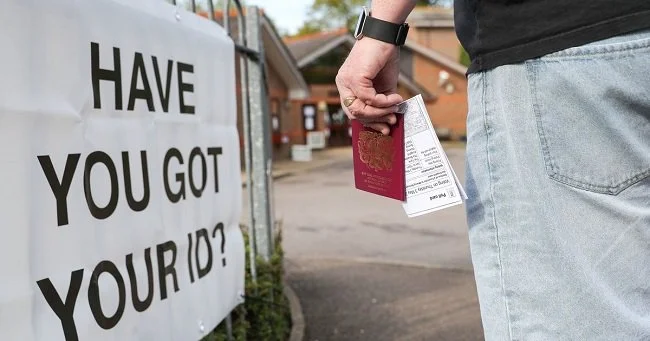
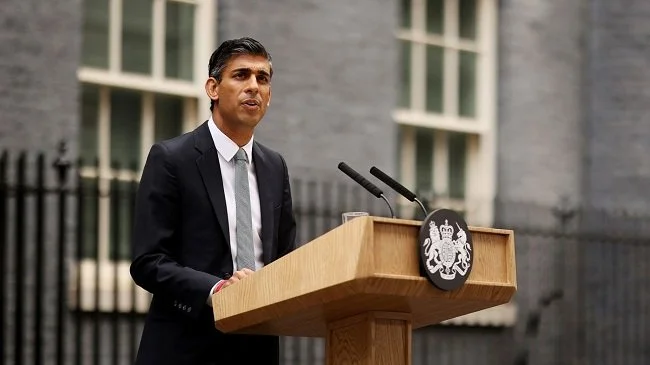
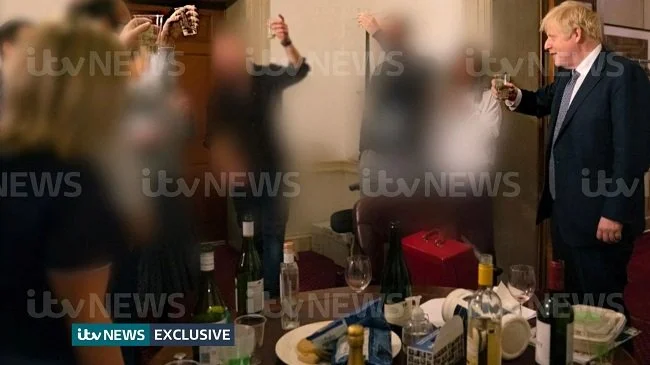
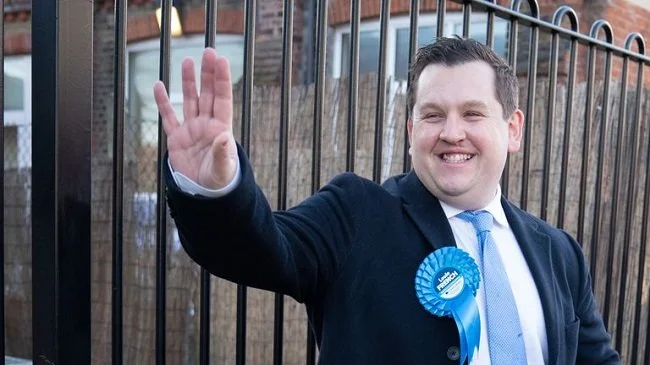
Today, I logged on to Twitter and unfollowed over 50 accounts. These included journalists, social commentators and some everyday folk who are ardent activists. It’s not something I especially wanted to do. In fact clicking the unfollow button for some accounts was especially difficult. But I had to do it. Despite the fact I am a level headed and analytical person, I can no longer tolerate the decline of UK politics and current state of national discourse. Rational debate has been replaced with tribalism and every possible subject conceivable is now presented as a partisan bun fight and you have to pick a side. For over a decade I have been politically homeless because I no longer think that any of the major UK political parties are fit for purpose. No one is interested in any form of national unity, tackling the big issues and equality. There’s a conspicuous lack of tangible, long term plans and policies. Political parties are just self serving lobbyists for specific interest groups. If you aren’t one of them or don’t fit favourably into their world view, you are effectively the enemy.
Today, I logged on to Twitter and unfollowed over 50 accounts. These included journalists, social commentators and some everyday folk who are ardent activists. It’s not something I especially wanted to do. In fact clicking the unfollow button for some accounts was especially difficult. But I had to do it. Despite the fact I am a level headed and analytical person, I can no longer tolerate the decline of UK politics and current state of national discourse. Rational debate has been replaced with tribalism and every possible subject conceivable is now presented as a partisan bun fight and you have to pick a side. For over a decade I have been politically homeless because I no longer think that any of the major UK political parties are fit for purpose. No one is interested in any form of national unity, tackling the big issues and equality. There’s a conspicuous lack of tangible, long term plans and policies. Political parties are just self serving lobbyists for specific interest groups. If you aren’t one of them or don’t fit favourably into their world view, you are effectively the enemy.
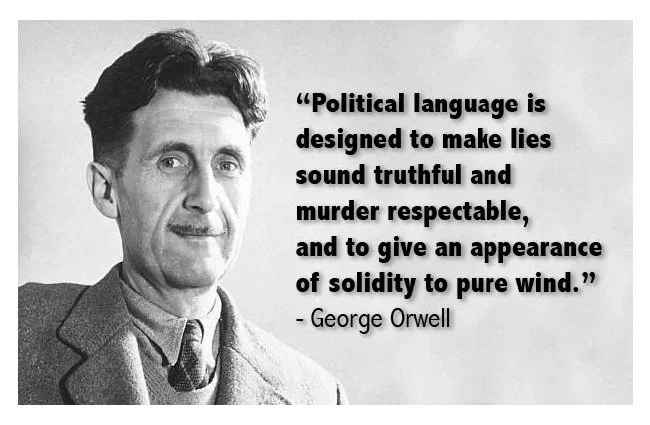
This endless conflict is deliberate and serves a specific purpose. It is essential to the “divide and conquer” ethos that is the foundation of contemporary politics. And if you have an iota of self awareness, decency and an interest in life beyond yourself and your own personal circumstances, it is utterly soul destroying. Because the daily diet of barefaced lies, the never ending refutation of objective reality and the prevailing mean spirited, sociopathic attitude that drives it all is poison. I now find myself in a situation where this unrelenting Orwellian nightmare is having a detrimental effect upon my mental and physical health. The problems that beset the UK are not going to go away anytime soon and are more than likely going to get worse. I believe the UK is following in the cultural and political wake of the US and that we are going to have to endure a period of populists madness before sanity returns.
At present the UK is sitting on a tinderbox of both private and public debt. The “First Past the Post” political system is an unrepresentative relic of the 19th Century that can be gamed and manipulated to political advantage. We have an uncompetitive economy that no longer has traditional industries but has failed to fully embrace the new. The financial sector strangles the real economy along with any means of change. And the electorate have largely abandoned reason in pursuit of dogma and blame culture and the press is dominated by client journalism. Notions of equality, the dissemination of wealth, society, collective responsibility and shared values have all been sacrificed on the altar of individualism, consumerism and capitalism. People no longer agree to disagree. A contrary opinion is a personal attack and cannot be tolerated. The various social groups that make up the UK effectively hate each other and they are not reticent about saying so. Contemporary politics feeds upon this divide and ensures that the status quo prevails, thus serving the needs of those in power.
Hence I am keeping the media circus that is UK news and politics at arm's length from now on. Part of me thinks that’s a terribly selfish thing to do. Because I have the luxury of switching off as my personal circumstances are not as bad as others. There are lots of people who are going to find themselves on the wrong side of the political and social divide in the next decade and it’s going to be a terrible experience for them. And it’s not just going to be the usual social demographics. A lot of folk who thought they were doing okay have been wrong footed by the pandemic and have had to use the welfare state and other institutions that they were previously sceptical about. And they have found them wanting and not as the tabloids told them. Without going into too much personal detail, due to my age I have a couple of options available to me which means I can move out of London and simply try to live out the remainder of my life away from the shitshow that is UK culture wars.
So goodbye politics, I am done with you. I can’t stop thinking about the song Bad Old World by New Model Army. I don’t consider myself in any way to be an ardent activist but it doesn’t sit right with me turning my back in this fashion. However this mess isn’t of my making and I’d argue that it is politics that is failing the public and not vice versa. Some may argue that it’s just a case of sour grapes and that my view is simply born of my “side” not being in charge so to speak but that is just such an intellectually weak argument. My position is driven by the fact that UK politics has simply dispensed with the pretense that it is anything other than self serving. I can’t do anything about these problems democratically at present and I don’t want to have my nose rubbed in the iniquities of the present government on a daily basis. So for the sake of my sanity, I am taking myself out of the arena (if I may quote John Morlar). You wish to do so too. I wouldn’t blame you. In the meantime, god help any politician that knocks on my front door this May, canvassing for votes.












LOTRO: Executive Producer’s Letter February 2021
Rob Ciccolini, posted an Executive Producer’s Letter for the MMORPG The Lord of the Rings Online, yesterday. This road map for 2021 pretty much confirms much of the content he broadly referenced in his recent live stream Q&A session. The letter doesn’t contain any major surprises but it is useful to have a more comprehensive time table for what is coming to the game this year. As ever, he thanked players for their ongoing support for LOTRO and Standing Stone Games endeavours. It is too early to determine whether SSG has successfully improved their communications policy but the letter has been fairly well received on the official forums.
The most immediate content release coming to LOTRO is Update 29: Wildwood which was previewed on the Bullroarer test server last month. As this is an addition to an existing area in the game, this update will be free. This content update, coming this month, will be followed by the Spring Festival, which will feature new seasonal instances featuring Grimbeorn. I tried one of these, again on the test server, and it was suitably droll and whimsical. It involves escorting Grimbeorn’s “Big Bees” around the meadows of Lossarnach so they can pollinate the flowers, while you fend off hordes of Goats!
Rob Ciccolini, posted an Executive Producer’s Letter for the MMORPG The Lord of the Rings Online, yesterday. This road map for 2021 pretty much confirms much of the content he broadly referenced in his recent live stream Q&A session. The letter doesn’t contain any major surprises but it is useful to have a more comprehensive time table for what is coming to the game this year. As ever, he thanked players for their ongoing support for LOTRO and Standing Stone Games endeavours. It is too early to determine whether SSG has successfully improved their communications policy but the letter has been fairly well received on the official forums.
The most immediate content release coming to LOTRO is Update 29: Wildwood which was previewed on the Bullroarer test server last month. As this is an addition to an existing area in the game, this update will be free. This content update, coming this month, will be followed by the Spring Festival, which will feature new seasonal instances featuring Grimbeorn. I tried one of these, again on the test server, and it was suitably droll and whimsical. It involves escorting Grimbeorn’s “Big Bees” around the meadows of Lossarnach so they can pollinate the flowers, while you fend off hordes of Goats!
Next up on the road map, Standing Stone Games are planning to release the first of what they are calling “Further Adventures”. These are quest arcs that make use of the existing Mission system that will feature new stories involving major and minor characters in Middle-earth. The first of which involves Bilbo Baggins. If it is well received by LOTRO players SSG will produce more. They’re also keen for player feedback regarding other characters that could feature in such content.
Summer will see the release of Update 30: Update 30: The Blood of Azog. The next installment of the War of Three Peaks. According to SSG “Durin Stonehelmson prepares to lead the Gabil'akkâ beyond the frozen gates of Mount Gundabad. At the urging of Glóin, Prince Durin sends word to the Lonely Mountain to muster even more Dwarves to Elderslade before the reclamation begins. As you aid in this effort, you'll discover the tale of Hermáth Stormhammer, a hero of the Battle of Azanulbizar. You'll experience important moments in the history of Durin's Folk firsthand, such as the taking of the Oakenshield, the death of Azog, the ever-present danger of Durin's Bane, and more! Update 30 will feature a new Interlude, new Quests, new Missions, and a new Raid in a Quest Pack that is free to VIPs!”
The next major expansion will be launched in Autumn. Specific details are lacking at present but Update 31: Gundabad concludes the story of The Legacy of Durin and the Trials of the Dwarves. Whether the new Brawler class is included in this release remains to be seen The River Hobbit race is conspicuously absent and judging by previous comments made by Rob Ciccolini, will more than likely not be available until 2022. The tailend of this year will see the Legendary Servers, Ithil and Arnor, updated to feature the Mordor expansion. There is ongoing PVMP development, focusing on class balancing and SSG are also tinkering with the Legendary Item system, although it seems to be more of a case of streamlining, rather than a major overhaul.
I, like many other LOTRO players, welcome any news about the games development in its 14th year. An expansion and two content updates is not in any way unsubstantial. However, it has been a while since LOTRO has seen the addition of a wholly new system or game mechanic. Missions, which were added with Update 28, are essentially a variation on an existing theme. Namely solo instances. They do not supply a great deal of narrative content and they are not especially challenging in their present form. LOTRO is at present locked into a cycle of supplying “more of the same”. New content simply see’s new reputation factions, new gear, essences and collectibles added to the game. Familiarity and providing a “set menu” does have its appeal, especially within the MMO genre. A clearly defined progression path with known parameters offers stability to the playerbase.
However if LOTRO truly wants to stay relevant and continue offering players an engaging virtual Middle-earth experience, isn’t it time to focus resources on creating something completely new for the game? Sadly, I cannot see resources being used to develop such a thing. Converting existing content so it can be accessed by console players is a sound business decision opening up a substantial new market. The success of The Elder Scrolls Online and Star Trek Online on Xbox and Playstation prove this. So I assume that this sort of work will take priority over the creation of new mechanics, systems, classes and races. Perhaps there are long term plans for such future development and SSG are focusing on the most immediate needs of the game. I still have a degree of optimism that the acquisition by EG7 may drive some substantial changes. As ever, it’s a question of watching and waiting.
Batman: Return of the Caped Crusaders (2016)
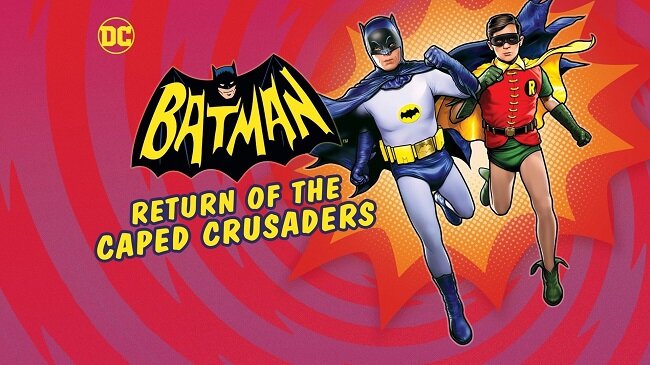
Although I have a passing interest in the franchise per se, I'm not a consummate fan of all things Batman. Hence a lot of content passes me by or I catch up with it years later. So it came as a great surprise when I discovered Batman: Return of the Caped Crusaders; a 2016 release in the ever growing catalogue of DC themed direct to DVD animated films. The movie is a de facto continuation of the sixties TV series, with the original actors reprising their roles (where possible). The cast includes Adam West as Batman, Burt Ward as Robin and Julie Newmar as Catwoman. Due to the death of actors Cesar Romero, Burgess Meredith and Frank Gorshin the voices for The Joker, The Penguin and The Riddler have been provided by Jeff Bergman, William Salyers and Wally Wingert. All of whom do their best to recreate the tone and idiom of the original artists.
Although I have a passing interest in the franchise per se, I'm not a consummate fan of all things Batman. Hence a lot of content passes me by or I catch up with it years later. So it came as a great surprise when I discovered Batman: Return of the Caped Crusaders; a 2016 release in the ever growing catalogue of DC themed direct to DVD animated films. The movie is a de facto continuation of the sixties TV series, with the original actors reprising their roles (where possible). The cast includes Adam West as Batman, Burt Ward as Robin and Julie Newmar as Catwoman. Due to the death of actors Cesar Romero, Burgess Meredith and Frank Gorshin the voices for The Joker, The Penguin and The Riddler have been provided by Jeff Bergman, William Salyers and Wally Wingert. All of whom do their best to recreate the tone and idiom of the original artists.
Bruce Wayne and Dick Grayson are watching their favorite show, Gotham Palace, when it is revealed that one of the bands playing has been replaced by the Joker, the Penguin, the Riddler, and Catwoman. Upon arriving at Gotham City Police Department, they receive a riddle from Commissioner Gordon and Chief O'Hara, which indicates that the villains are robbing the Acme Atomic Energy Laboratory. After a brief fight, the criminals manage to escape with the Replication Ray. Batman tracks the gang to an abandoned TV dinner factory. However, this is a trap as Catwoman plans to make Batman join the villains by scratching him with a substance called "Batnip". An altercation occurs and Catwoman uses her Batnip on Batman. It initially appears to have no effect but later Batman becomes more bellicose and fires Alfred. Using the recently recovered Replication Ray, Batman decides to duplicate himself to crack down on crime in Gotham. Mayhem ensues.
Batman: Return of the Caped Crusaders certainly captures the essence of the 1966 TV show. The character designs are all spot-on. The classic theme music is present and the overall score is composed in the idiom of Nelson Riddle’s original music for the show. And of course we get the onomatopoeia onscreen captions during various fist fights. The story and dialogue are very faithful to the source material with regular use of alliteration as well as Batman's penchant for imparting important life lessons to Robin at regular intervals. The first 20 minutes is very much like an episode of the TV series, with Batman and Robin pursuing their foes, engaging in fisticuffs and escaping contrived death traps. The plot takes an interesting change of direction in the second act, with Batman turning into an insufferable martinet. Overall, the screenplay manages to sustain the viewer’s interest and keep them onboard with the film’s central conceit.
Batman: Return of the Caped Crusaders works well because it isn’t a po-faced superhero action film. Writers Michael Jelenic and James Tucker lovingly poke fun at the source material and include numerous Batman related cameos and homages. Adam West even quotes several lines from Frank Miller's The Dark Knight Returns. No aspect of the original TV show is left unturned, throughout the film’s 78 minute running time. The fight scenes feature the “Dutch tilt”, Robin still has the ability to deduce Riddler's conundrums via the most incongruous logical gymnastics and Batman still sports the most incongruous selection of items on his utility belt. Not once does it feel that the source material is being mocked and the production’s affection for the original TV show is abundantly clear. Hence Batman: Return of the Caped Crusaders is a genuine homage and camp alternative to the somewhat dour, contemporary depictions of the Caped Crusader.








Classic TV Themes: Star Trek
Before we start, no I am not writing about Alexander Courage’s classic main theme for the original Star Trek show. I can add nothing further to that particular discussion and it remains iconic and inspiring, even when distilled down to just the initial fanfare. In this post I want to draw your attention to another piece of music from Star Trek that has permeated its way into popular culture. A cue that when heard, if the listener is familiar with its provenance, will instantly conjure up images of flying drop kicks, ear claps and judo chops. A piece of music that can be added to pretty much any video footage and instantly make it more heroic. Yes, I am talking about what has become generically known as Star Trek “fight music”. Or more specifically, the "The Ancient Battle/2nd Kroykah" cue from Amok Time (S02E01) composed by Gerald Fried. The scene during the koon-ut-kal-if-fee ritual in which Spock fights Kirk on the planet Vulcan for complicated “reasons”.
Before we start, no I am not writing about Alexander Courage’s classic main theme for the original Star Trek show. I can add nothing further to that particular discussion and it remains iconic and inspiring, even when distilled down to just the initial fanfare. In this post I want to draw your attention to another piece of music from Star Trek that has permeated its way into popular culture. A cue that when heard, if the listener is familiar with its provenance, will instantly conjure up images of flying drop kicks, ear claps and judo chops. A piece of music that can be added to pretty much any video footage and instantly make it more heroic. Yes, I am talking about what has become generically known as Star Trek “fight music”. Or more specifically, the "The Ancient Battle/2nd Kroykah" cue from Amok Time (S02E01) composed by Gerald Fried. The scene during the koon-ut-kal-if-fee ritual in which Spock fights Kirk on the planet Vulcan for complicated “reasons”.
Veteran composer Gerald Fried had written scores for Stanley Kubrick (The Killing and Paths of Glory) and had an established reputation for providing quality material for TV, having notably provided incidental music for numerous episodes of The Man from U.N.C.L.E. Fried wrote the music scores for five episodes of the first season of Star Trek. Over the years the "The Ancient Battle/2nd Kroykah" cue has gained a curious cult following. This may be because the music was re-used in many more episodes throughout the second season and became among the most memorable pieces of the entire show. It featured in the Jim Carrey film The Cable Guy and was further referenced again by Michael Giacchino in Star Trek Into Darkness in a fight between Spock and Khan Noonien Singh. It is also used in the Coliseum mission in Star Trek Online.
So here for your edification and enjoyment is the complete "The Ancient Battle/2nd Kroykah" cue by Gerald Fried. It is a very flamboyant piece of music with a very sixties idiom and arrangement (dig the Bass line). For those with a liking for memes, even when played over the most mundane and arbitrary video footage, it immediately elevates the status of that material. Hence you will find YouTube videos of cats fighting and people struggling to put out their bins, with this track playing in accompaniment. I personally like the cue for what it is. It always elicits fond memories of Star Trek TOS which was a staple of my youth. It also reminds me that music was a far more prominent aspect of TV shows back in the sixties and seventies and that a lot more time and effort was spent on writing a score. So grab a Lirpa, rip your T-Shirt at the shoulder and do some forward rolls. It’s time to fight!


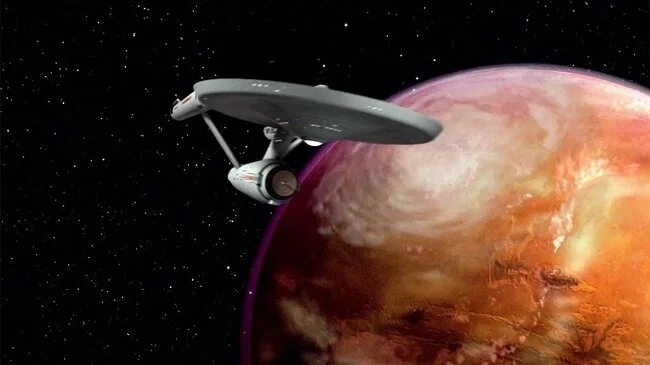


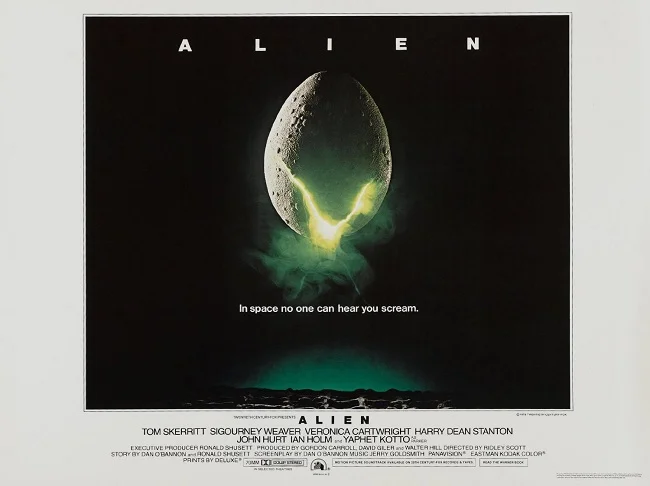

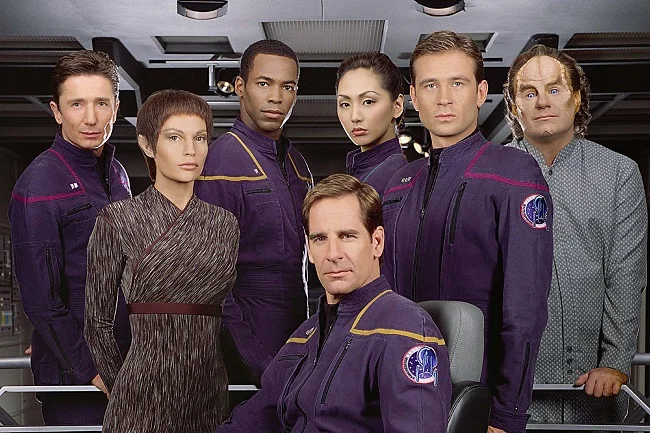
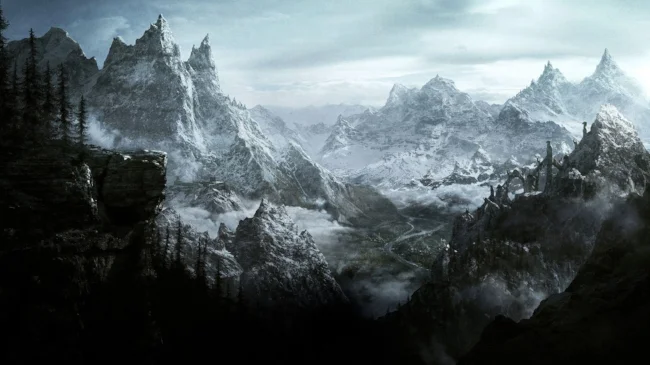


The Demon-Haunted World by Carl Sagan
“For me, it is far better to grasp the Universe as it really is than to persist in delusion, however satisfying and reassuring.”
The problems that beset the modern world are complicated and nuanced. Thus any potential solutions will be equally complex and subtle. There are no quick fixes for issues such as climate change or nuclear proliferation and anyone trying to sell you one is either a charlatan or a fool. In his book, The Demon-Haunted World, Carl Sagan strongly advocates that adopting a scientific approach to thinking is essential in a modern democracy. By this he means questioning ideas critically and requiring evidence based arguments. If something cannot be effectively measured, tested or verified we should be deeply sceptical of it. He even goes so far as to argue that it is patriotic to ask questions and that any person, institution or organisation that avoids such scrutiny should be deemed suspect. Published in 1995 Sagan’s concerns regarding the coming century have proven sadly accurate. A quarter of a century ago, he predicted the rise of misinformation, fake news and alternative facts. When information is controlled and a population lacks critical thinking it becomes "unable to distinguish between what feels good and what’s true".
“For me, it is far better to grasp the Universe as it really is than to persist in delusion, however satisfying and reassuring.”
The problems that beset the modern world are complicated and nuanced. Thus any potential solutions will be equally complex and subtle. There are no quick fixes for issues such as climate change or nuclear proliferation and anyone trying to sell you one is either a charlatan or a fool. In his book, The Demon-Haunted World, Carl Sagan strongly advocates that adopting a scientific approach to thinking is essential in a modern democracy. By this he means questioning ideas critically and requiring evidence based arguments. If something cannot be effectively measured, tested or verified we should be deeply sceptical of it. He even goes so far as to argue that it is patriotic to ask questions and that any person, institution or organisation that avoids such scrutiny should be deemed suspect. Published in 1995 Sagan’s concerns regarding the coming century have proven sadly accurate. A quarter of a century ago, he predicted the rise of misinformation, fake news and alternative facts. When information is controlled and a population lacks critical thinking it becomes "unable to distinguish between what feels good and what’s true".
Presented as a collection of essays The Demon-Haunted World can be read in a linear fashion, or you can select specific chapters as each is broadly self contained. Sagan recounts his own relationship with science in the fifties and sixties and how it enthused him, especially when he learned how to think critically and reason for himself. He then focuses on how such skills are conspicuously absent from Western teaching curriculums, leaving us with a society that is unable and at times unwilling to think independently. He reflects upon how knowledge and academia are often seen as elitist and “uncool”. However, he remains empathetic and non-judgemental throughout, advocating that people are not too stupid too learn but that society has instilled in them a mindset that they can’t, as it’s too hard. Hence he addresses the allure of pseudoscience, horoscopes, crystals, conspiracy theories and his analysis shows that they’re similar to the superstitions that were prevalent in the past.
"The dumbing down of American is most evident in the slow decay of substantive content in the enormously influential media, the 30 second sound bites (now down to 10 seconds or less), lowest common denominator programming, credulous presentations on pseudoscience and superstition, but especially a kind of celebration of ignorance.”
In fact Sagan is incredibly generous in his assessment of many examples of science-woo. He acknowledges that they come from a desire to know the universe and that the methodology is what leads to incorrect conclusions. Another argument he explores is that societal change, especially the move from an industrial economy to a more information based model means that power and decision making is centralised into the hands of smaller groups. This can lead to people refraining from asking questions per se because religious, political, scientific and technological authorities do all the heavy lifting for us. The resultant information is then refracted through the prism of a small group of closely aligned and partisan media that have a monopoly on communication platforms. However, applying the scientific method to our daily thinking is a way to break this cycle.
After forensically dissecting such subjects as possessions, demons, UFOs and reincarnation The Demon-Haunted World then addresses issues stemming from science itself. The misuse and morality of science, especially the misuse of psychiatric authority. It is to Sagan’s credit that he is comfortable applying the same scepticism to both pseudoscience and science itself. But perhaps the best parts of the book and when he offers a simple set of processes that are beneficial to adopt when pondering weighty subjects. What he calls the “baloney detection kit”. Nine intellectual tools, such as Occam’s Razor, to test the validity of a premise, idea or more importantly, political statement. Again it is important to stress that Sagan teaches compassionately, unapologetically and poetically how to ask questions for yourself. He is reassuring and encouraging and not as didactic as one may assume.
“Science is an attempt, largely successful, to understand the world, to get a grip on things, to get hold of ourselves, to steer a safe course. Microbiology and meteorology now explain what only a few centuries ago was considered sufficient cause to burn women to death.”
It is the book’s tone that is a constant delight, considering the weighty and somewhat dry nature of the subject of science based critical thinking. I am a great admirer of Richard Dawkins but although a fine thinker, he is not the diplomat and people person that Sagan was. The unifying ideal that Sagan continuously returns to is the search for answers from all quarters of society, be they scientific or not. However he clearly highlights the failings of contemporary western education and how we are not taught to ask questions. Instead we are told what the current accepted wisdom is and what must be done to arrive at the correct conclusion. He is particularly scathing of the US being a result oriented society, obsessed with grades along with an erroneous concept of what achievement actually is. Furthermore he is mindful of how this coupled with indifferent thinking puts both democracy and freedom at risk. And again, Carl Sagan deduced all this twenty five years ago.
The Demon-Haunted World is a book about finding a sense of wonder in life and that science driven, critical thinking does not diminish that. Sagan was a great communicator and he makes some of the more complex scientific ideas as accessible as they can be made. However, as a scientist he does like to cite multiple examples to illustrate and validate his points, so this is a book that requires focus. Therefore the chapter by chapter approach can serve well. I tackled this book via an audio version, featuring unabridged readings by Cary Elswes, Seth McFarlane, LeVar Burton and Carl Sagan’s wife, Ann Druyan. Overall, I feel that this is one of the most profound and thought provoking books I’ve experienced in recent years. It does highlight growing causes for concern but it also provides a sense of hope. I believe that the scientific method not only equips us as a society to tackle the major issues facing the world but that it can also make us more effective citizens. By questioning and assessing what those in authority advocate, we can determine the validity and rectitude of their claims.
“Claims that cannot be tested, assertions immune to disproof are veridically worthless, whatever value they may have in inspiring us or in exciting our sense of wonder.”



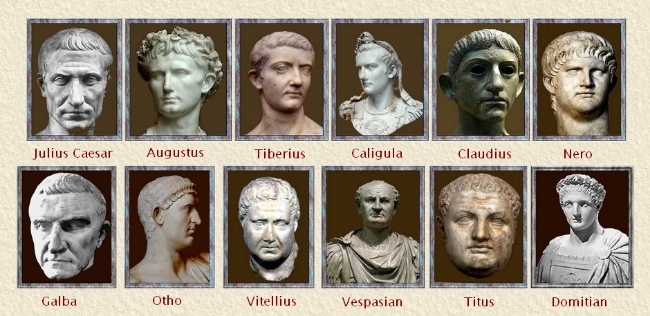
The Idiot Box
Thoughts on TV shows and my current viewing habits.
Things have not returned to normal here in the UK. The first lockdown ended last July but restrictions remained in place. Then we had lockdown 2.0 in November and are currently enduring a third which started in December. Hence I have watched a great deal more TV than usual and not at the expense of any other leisure activity. Mrs P even went so far as to catch up with 11 seasons of NCIS: Los Angeles. A prodigious feat. As ever there is a great deal of quality TV available to choose from. Thankfully, I am now perfectly comfortable in abandoning any show that doesn't keep me engaged. Hence what I’ve listed are shows that I’ve enjoyed and found entertaining. Furthermore, the extra viewing time I’ve had available has also allowed me to give a few shows a second chance.
Thoughts on TV shows and my current viewing habits.
Things have not returned to normal here in the UK. The first lockdown ended last July but restrictions remained in place. Then we had lockdown 2.0 in November and are currently enduring a third which started in December. Hence I have watched a great deal more TV than usual and not at the expense of any other leisure activity. Mrs P even went so far as to catch up with 11 seasons of NCIS: Los Angeles. A prodigious feat. As ever there is a great deal of quality TV available to choose from. Thankfully, I am now perfectly comfortable in abandoning any show that doesn't keep me engaged. Hence what I’ve listed are shows that I’ve enjoyed and found entertaining. Furthermore, the extra viewing time I’ve had available has also allowed me to give a few shows a second chance.
Evil: I briefly touched on this show in September 2019. I watched the first episode which I found intriguing but then waited too long to continue and so it got kicked into the proverbial long grass. However, we resumed watching the show and found it to be quirky, different, genuinely unsettling and absorbing. It touches on many contemporary social concerns such as social media, “incels” and spree killings. All viewed through the prism of an investigative team that works for the Catholic Church. It’s also great to see Michael Emerson playing a bad guy once again.
Des: This drama about the UK serial killer Dennis Nilsen, based on Killing for Company by Brian Masters, eschews the graphic and the grisly, choosing to focus on character and dialogue. The lead performances by David Tennant as Dennis Nilsen, Daniel Mays as Detective Chief Inspector Peter Jay and Jason Watkins as biographer Brian Masters are exemplary. This is another TV show that highlights the administrative nature of old school detective work and the time involved in conducting interviews. There are some interesting facts regarding a political dimension that was brought to bear upon the case, when a foreign national was killed. Des is compelling viewing especially when Tennant quietly recounts his abhorrent crimes and motives.
The Haunting of Bly Manor: I think a lot of people were expecting a comparable experience to The Haunting of Hill House and were therefore somewhat nonplussed by the pace and scope of The Haunting of Bly Manor. Essentially a modern retelling of The Turn of the Screw by Henry James, this character driven drama focuses more upon the uncanny, rather than jumps cares. Set in England during the 1980s the story follows a young American governess who moves into a stately home to care for two orphaned children. The ensemble cast deliver a slow burn, dialogue driven drama which makes a few concessions to modern sensibilities and social politics. I enjoyed its leisurely pace and delighted in the characters but not everyone felt the same way.
Ghosts: I am not a major fan of sitcoms anymore as I believe they have had their heyday (which is a blog post in itself). However, I’ve made an exception with Ghosts as it manages to achieve many things. Not only is it gently funny, it is also genuinely touching at times and handles pathos with maturity. The story centres around a young couple, Alison and Mike Cooper, who inherit a dilapidated property from a distant relative. Alison soon discovers that only she can see the ghostly former residents and hence finds herself as a go-between. It is greater than the sum of its parts, which on paper seem very formulaic, and it’s all very British (in the nicest possible way). Simon Farnaby is especially good as deceased Conservative MP Julian Fawcett. Destined to forever walk the earth without trousers as he died during a sex scandal.
The Crown Season 4: The longer The Crown runs, the more it drops the pretense that it’s docudrama and in fact just a big budget soap opera. Season 4 was especially relevant to me and Mrs P as it covered a period of history that we lived through as adults and have vivid memories of. Covering the election of Margaret Thatcher in 1979 to the end of her Prime Ministership in 1990, The Crown focuses upon her relationship with the Queen and also revels in the tumultuous marriage between Prince Charles and Diana Spencer. It’s all very glossy, stylised and at times melodramatic. If you want historical authority and accuracy, look elsewhere. If your after entertainment and eighties nostalgia, then The Crown Season 4 has it in spades.
TV To Do List:
Star Trek: Discovery Season 3: Frankly, the departure of Captain Pike and Spock from this iteration of Star Trek, greatly diminished my interest in the show. There are some great characters that help sustain my interest, such as Saru and Georgiou, but frankly Michael Burnham is exceedingly wearing. There’s a fine line between passionate and self indulgent and sadly the Discovery’s First Officer is on the wrong side of it. I’ve always liked the strong sense of equality and the tackling of social issues that is inherent in the Trek franchise but it’s becoming so contrived in ST:D that it’s almost becoming a caricature of itself. Star Trek? More like Hug Trek. However, there are still some good ideas to keep me engaged with the remaining 8 episodes I need to watch, plus David Cronenberg turning up in a rare acting role was a welcome surprise.
The Prisoner: There is a growing consensus that this classic TV show from the sixties has become relevant again. Something about how both sides of the tedious but ongoing culture war are fostering a “group think” mentality at the expense of the individual. Irrespective of whether that is the case or not, this is still a great show that makes you think. McGoohan pounds tables and declares he’s a “free man” etc. Superb score as well. The newly remastered prints also look damn good.
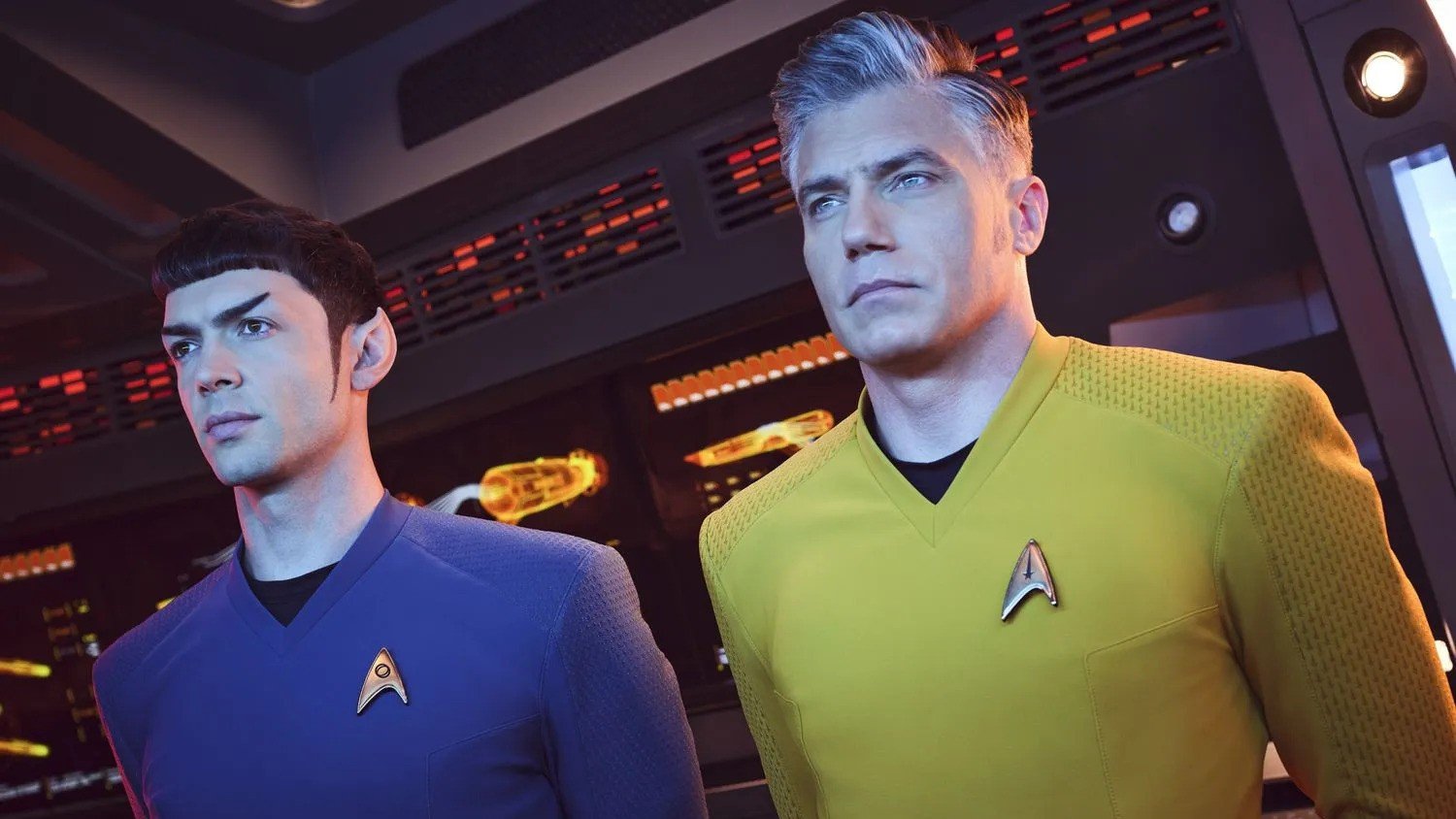
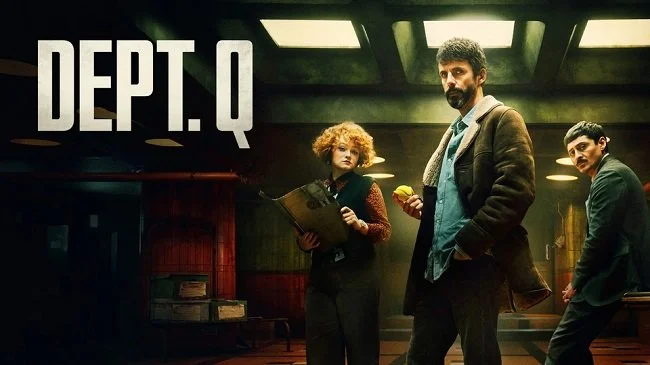

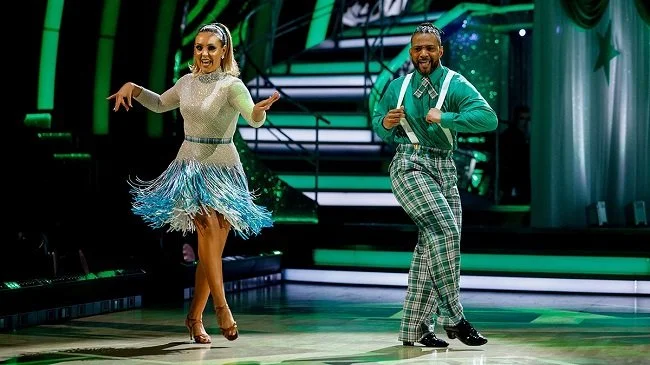

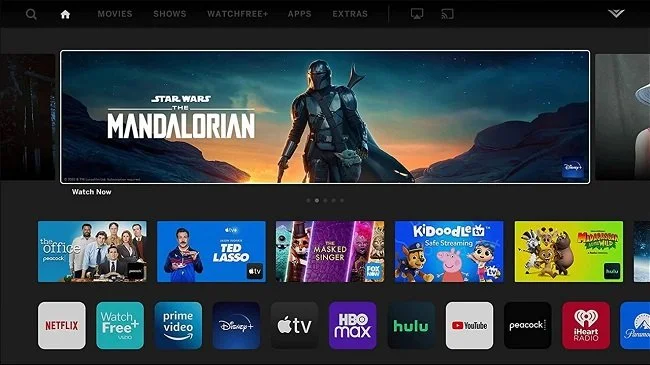


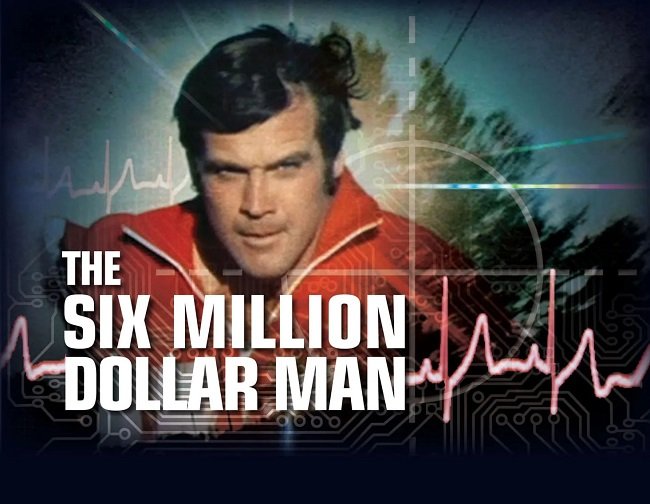

A Month in Gaming
Here we are again. Yet another month has gone by and I find myself writing another instalment of “a month in gaming”. And to be honest, I have very little to say in this particular roundup of my gaming activities. I played Star Trek Online throughout February and created a new Klingon character to take advantage of the ongoing Klingon recruitment event. I have managed to upgrade a Tier 5 D7 and kit it out in such a way that it is fairly robust. And I also created a new Jem’Hadar alt, as they start at level 60 and you are provided with a fully equipped vessel and crew. Nothing fancy but it allows you to get into the endgame content a lot quicker. I may write a more detailed blog post about this at some point. I also played a lot more Fall Guys: Ultimate Knockout as my granddaughters came to stay for a week. I have already expressed my thoughts about the mechanics of that game in a prior post.
Here we are again. Yet another month has gone by and I find myself writing another instalment of “a month in gaming”. And to be honest, I have very little to say in this particular roundup of my gaming activities. I played Star Trek Online throughout February and created a new Klingon character to take advantage of the ongoing Klingon recruitment event. I have managed to upgrade a Tier 5 D7 and kit it out in such a way that it is fairly robust. And I also created a new Jem’Hadar alt, as they start at level 60 and you are provided with a fully equipped vessel and crew. Nothing fancy but it allows you to get into the endgame content a lot quicker. I may write a more detailed blog post about this at some point. I also played a lot more Fall Guys: Ultimate Knockout as my granddaughters came to stay for a week. I have already expressed my thoughts about the mechanics of that game in a prior post.
I briefly dabbled some more with Spiritfarer and Toren. Both are enigmatic and charismatic games which deserve a far more in depth blog post. Sadly due to time restrictions I have not played enough of these two titles to write a proper analysis. What I will say is that they are both intriguing and I wish to return to them as soon as I can. So in default of writing further about what I have been playing, I thought it would be interesting to talk about what I have not played. Because throughout February several titles have appeared regularly in my social media timeline, indicating that many of my friends and peers are playing them. However, due to the genre and type of games they are, I am not. Sometimes, not being part of a shared gaming experience that everyone appears to be enjoying, grants a very interesting perspective. I’ve expressed similar thoughts before regarding World of Warcraft.
Valheim seems to be having a great deal of success at present. This game only appeared on my radar when many of my fellow bloggers started writing about their experiences. At first I thought it was an MMO but as soon as I realised it was a survival and crafting driven title, I quickly decided it was not for me. However, it was pleasant to see it inspiring so many blog posts. These were not only very enlightening but a timely reminder that my fellow bloggers have diverse tastes and we don’t all enjoy the same thing. The other game that has come up a lot is Outriders. The playable demo has attracted a lot of attention and many are surmising that with the demise of Anthem, this title may well find a gap in the market at exactly the right time. Again, this new game is not for me, as I don’t think it offers a shred of originality. I also think my six month stint playing Call of Duty Warzone has fully scratched my “pew pew” itch.
If I had a close group of friends that I regularly played co-op games with, then Outriders may well be a more exciting prospect. I would be far more forgiving of the generic nature and aesthetics of the title. But I haven’t really had access to that sort of online social gaming network for a decade or more and I suspect I don’t have the time to play that way anymore. Valheim has aspects that interest me but I just cannot muster any enthusiasm about resource management in games. I just don’t find that sort of thing exciting. As for tracking game related data via a spreadsheet, well that’s Kryptonite to me. However, I have happily embraced the concept that some games aren’t for everyone. You can’t like everything or play everything. It’s fine not to be part of the latest “thing”. In fact getting that particular monkey off your back is especially liberating.
So what have I got scheduled for March, gaming wise, I hear you say. Well the idea of buying a Nintendo Switch is back on the table. My granddaughters are going to be six in July and they like simple, brightly coloured and “fun” games. Well Nintendo has all that in spades so I may buy a Switch for reasons of suitability and inclusion. They like to watch me play The Elder Scrolls Online but I have reservations about its appropriateness after one of them asked about the “lady with the burnt face and big boobies”. A regime of Mario and Pokemon may be a better idea at present. I also remembered recently that I have the game of the year version of Horizon Zero Dawn. Perhaps I should make time for that in March as I haven’t played a RPG for a while. I suspect that Standing Stone Games will release the next update for The Lord of the Rings Online soon, so it will be nice to return to Middle-earth and touch base with my kin mates. Let’s see what happens in the next 31 days.
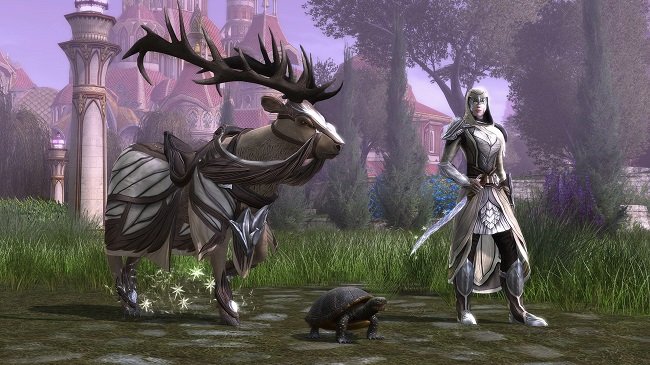
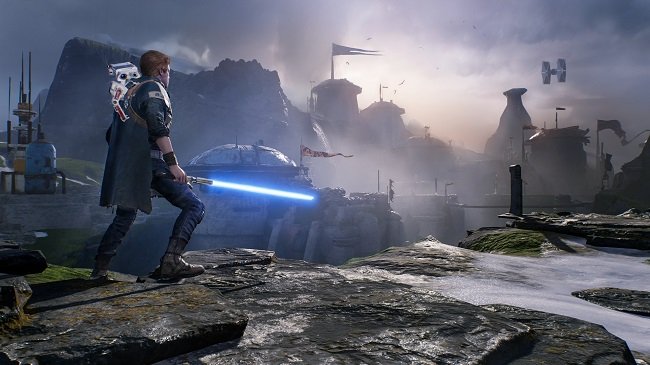
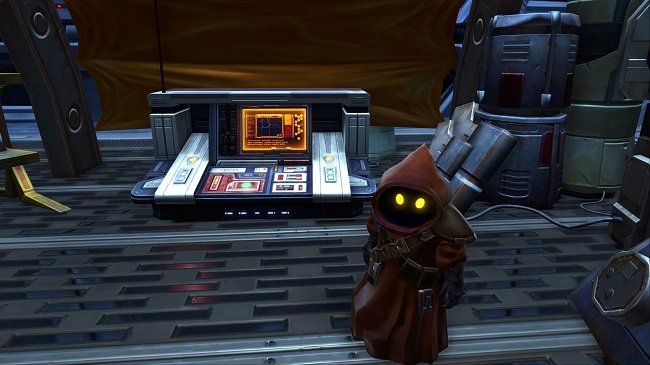
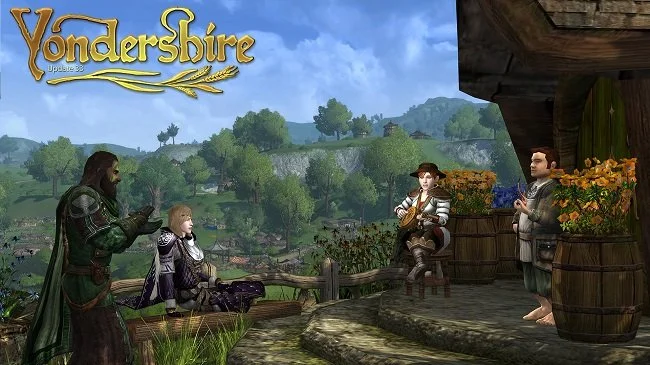
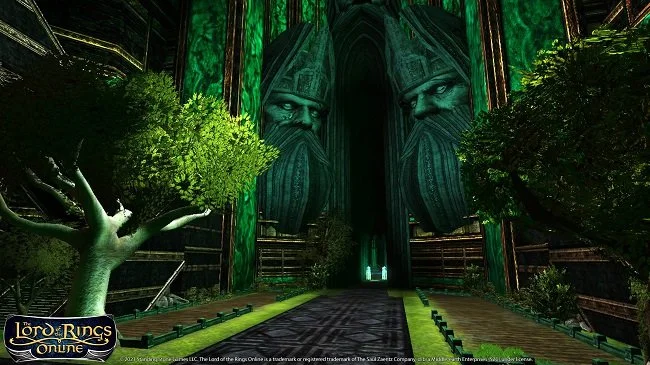
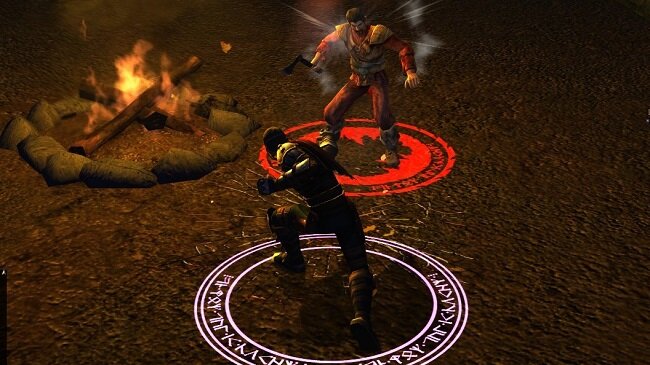
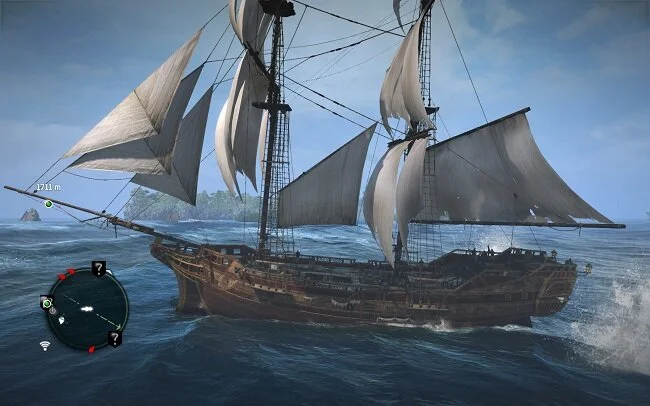
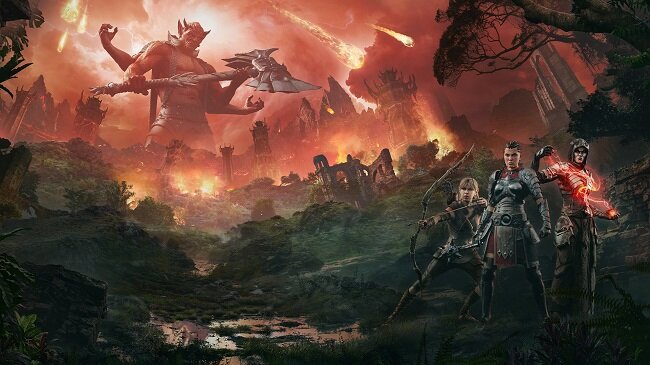

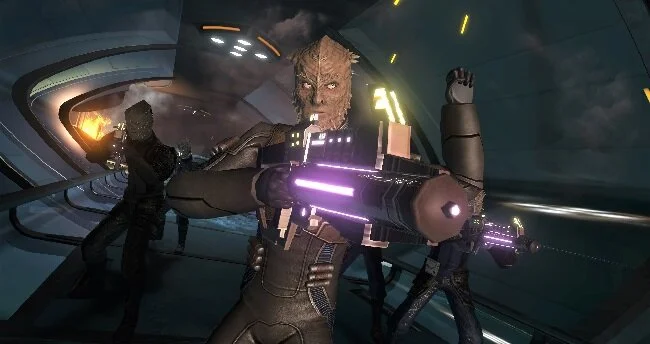
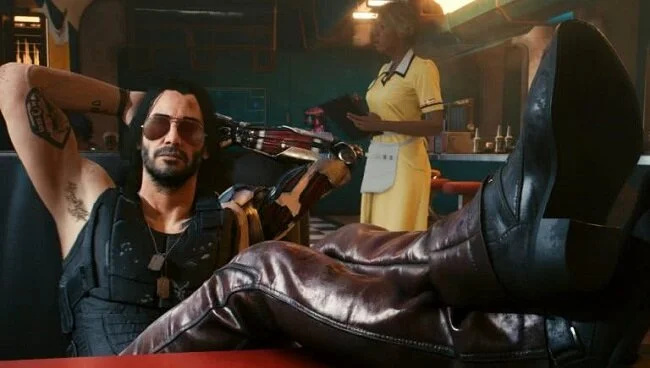
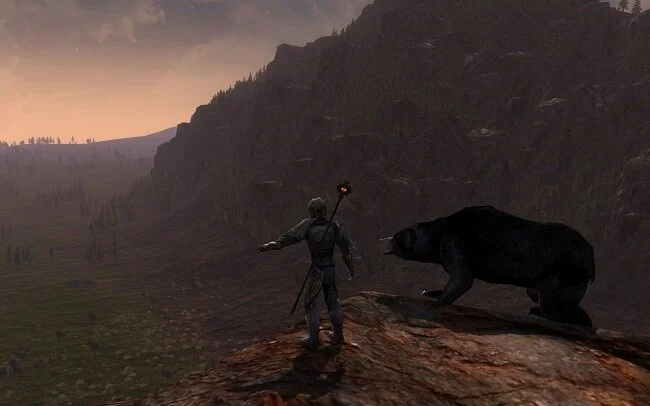
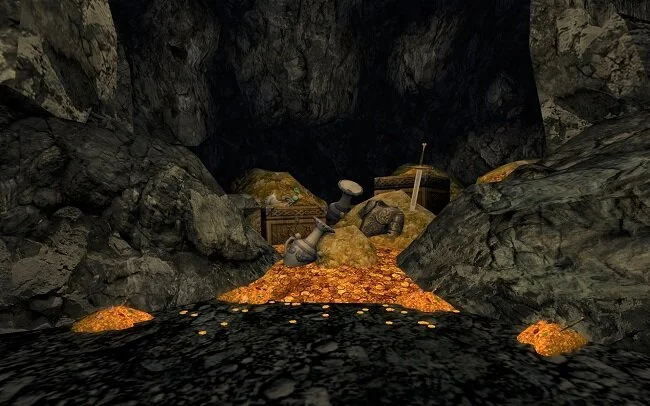
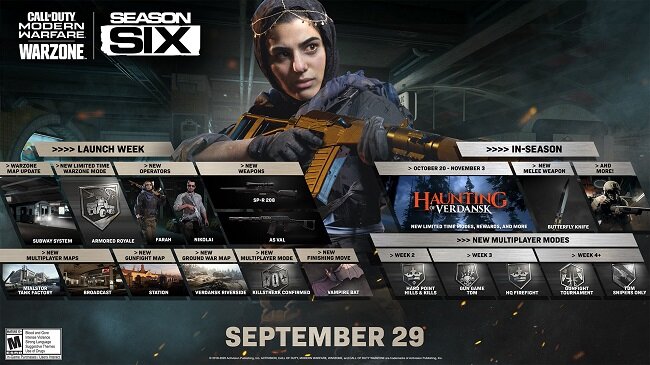
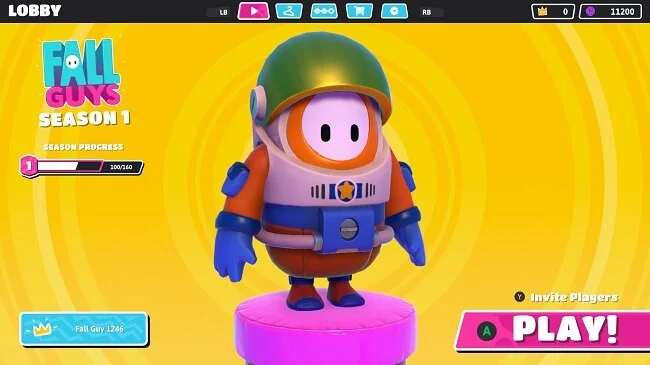
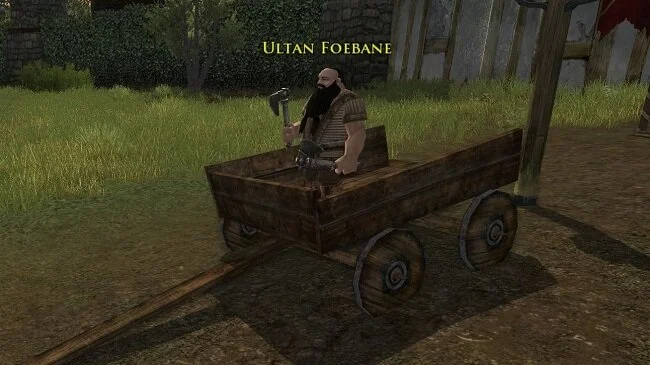
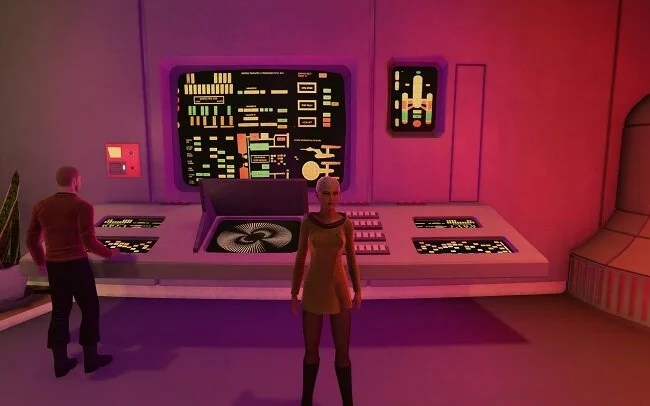

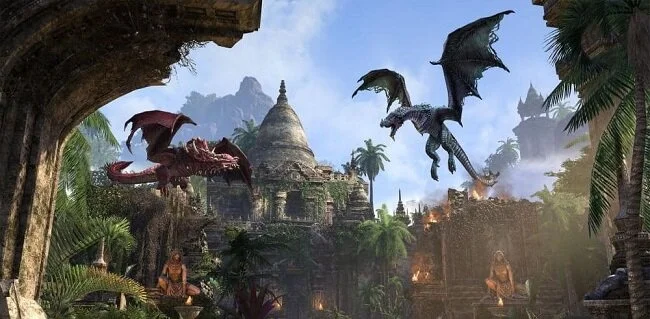
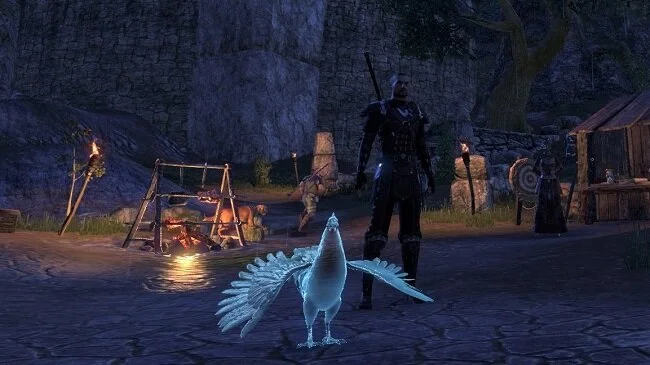
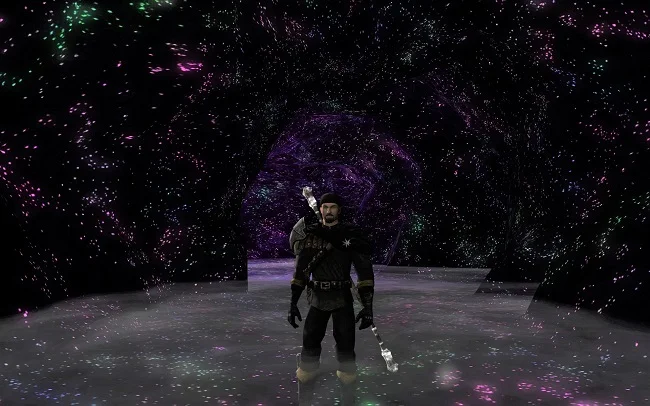
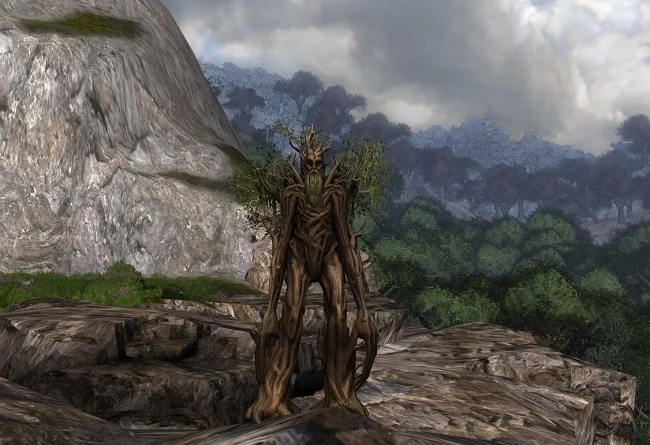
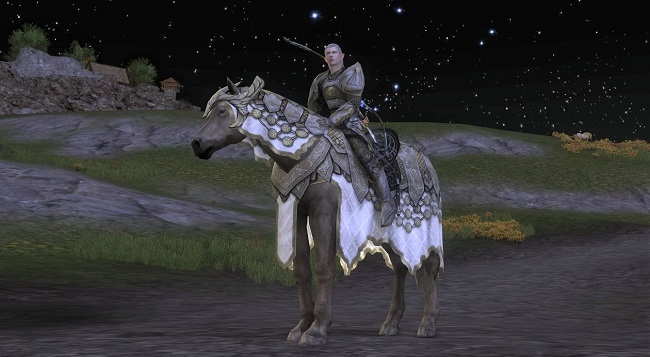
COVID-19 Pandemic 2021 Part 9
Over the last year, the UK government has mishandled many aspects of the COVID-19 Pandemic. However, the ongoing national vaccination program is not one of them. Taking the initiative while the major pharmaceutical companies were still developing their vaccines, the UK government has ordered 407 million doses from multiple manufacturers. The aim is to vaccinate everyone aged 18 or over in the UK with one dose by the end of July. This does not include children until further research is carried out regarding safety. At present the Covid vaccine is not compulsory. Two vaccines, developed by Pfizer-BioNTech and Oxford-AstraZeneca, are currently being used in the UK. A third, from Moderna, has also been approved. All three have proven to be effective at preventing people from becoming seriously ill and dying from Covid-19. The Oxford vaccine offers protection against the “Kent” variant currently dominant in the UK. Early research suggests that the other brands do the same.
Over the last year, the UK government has mishandled many aspects of the COVID-19 Pandemic. However, the ongoing national vaccination program is not one of them. Taking the initiative while the major pharmaceutical companies were still developing their vaccines, the UK government has ordered 407 million doses from multiple manufacturers. The aim is to vaccinate everyone aged 18 or over in the UK with one dose by the end of July. This does not include children until further research is carried out regarding safety. At present the Covid vaccine is not compulsory. Two vaccines, developed by Pfizer-BioNTech and Oxford-AstraZeneca, are currently being used in the UK. A third, from Moderna, has also been approved. All three have proven to be effective at preventing people from becoming seriously ill and dying from Covid-19. The Oxford vaccine offers protection against the “Kent” variant currently dominant in the UK. Early research suggests that the other brands do the same.
As of Thursday, 25th February 2021, 19,177,555 people in the UK have had their first dose of the vaccine. 736,037 have received their second. Studies in England and Scotland have found that within weeks of getting a first dose, the risk of being admitted to hospital falls by at least 75% for the over 80s. There is further evidence that vaccines can reduce the spread of the virus too. Health workers who were vaccinated with one dose reduced their risk of catching the infection by 70%, another study found. It should be noted that the approved vaccines require two doses to provide the best protection against the virus. To ensure a prompt roll-out, the UK's chief medical officers have suggested a 12 week gap between doses. This approach is now supported by the WHO which says giving two doses 8 to 12 weeks apart increases the Oxford vaccine's effectiveness and provides greater protection.
The reason I’ve taken such an interest in this matter is because on Tuesday, 23rd February, I received my first dose of the Pfizer-BioNTech vaccine. Because I am a carer to my disabled Mother, I received a text message from my local Doctor’s Surgery inviting me to book an appointment at my local Hospital. The clinic that has been set up there runs into the evening so I arranged an appointment for 6:50 PM. The entire process was very efficiently handled, with orderly queues, prompt handling of paperwork (you have to sign a consent form) and experienced Nurses handling the vaccination. After receiving the first dose you are required to sit and wait for 15 minutes to ensure you don’t have an adverse reaction. The entire process lasted no more than 45 minutes. The Hospital was also only thirty minutes walk from my home. I received a certificate the size of a business card that states the date and batch number of my first vaccination. It will be updated when I receive my second dose.
Because of my personal circumstances, I know of several people who have died of COVID-19. Before my Mother became immobile, I used to take her once a week to her hair salon. Many of the customers are of a senior age group and I found out recently that a couple known to my Mother died just before Christmas due to the virus. My Son works for Transport For London and due to the nature of the industry, many of his colleagues have caught COVID-19 and some have sadly died as a result. So for my family, this pandemic is not something that just seems to happen to other people. I was ill will COVID-19 last April and it was a thoroughly unpleasant experience. Hence the vaccine rollout throughout the UK is significant to myself and my family. Mrs P, my Mother and Sister are all in high risk categories due to underlying health conditions. Fortunately, to date, all have now had their first vaccinations. This has afforded us a great sense of relief and done much for our respective mental wellbeing.
Although the UK vaccination rollout is currently proceeding well, it must not be seen as a “get out of jail card” and an immediate solution to the pandemic. It is important to keep the existing protocols in place to keep infection rates low and prevent further spread of the virus, while the public is being immunised. It is also concerning that certain sections of the public are ambivalent about having the vaccine. As the grandson of a General Practitioner, I support science and am confident in the scientific method. But it is crass to be dismissive of other people’s fears and concerns. I hope that progress can be made to convince people to take the vaccine or else I fear that COVID-19 will linger as an illness of the poor and minorities. Something that will only create further division and unrest in the UK. In the meantime, I look forward to receiving my second vaccination and am cautiously optimistic that restrictions may be reduced by late Summer.
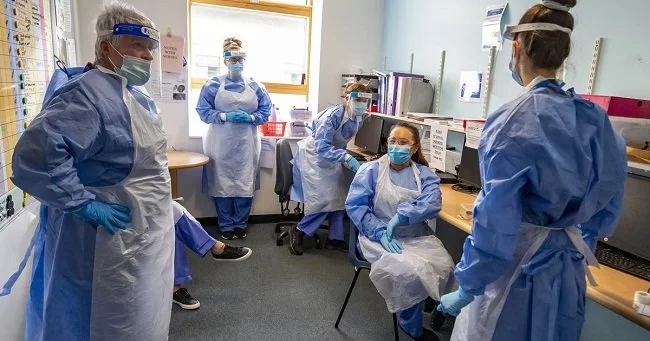



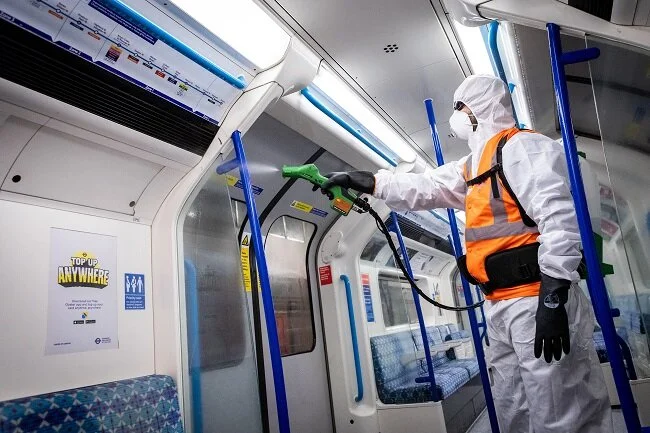

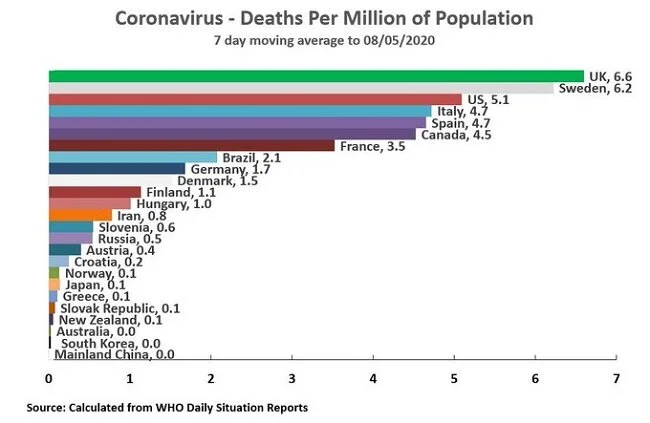


Redesigning Contains Moderate Peril
I moved Contains Moderate Peril over to Squarespace from a hosted WordPress service in August 2015. The main selling points of a platform such as Squarespace are its resilient infrastructure and simplicity to use. Over the last five and a half years there has been no downtime, no software to update, no addons and plugins to manage and no additional charges due to traffic increase. Overall I like the service and therefore do not feel the need to change it. However, I think the site could do with a cosmetic overhaul. At present posts tend to look better on mobile devices than they do on PC. I also think the blog needs some additional functionality added that allows older content to be found more easily. However, I do not want the cosmetic changes to overshadow the content. The design needs to be clean, intuitive and functional. The focus of any blog should always be the writing.
I moved Contains Moderate Peril over to Squarespace from a hosted WordPress service in August 2015. The main selling points of a platform such as Squarespace are its resilient infrastructure and simplicity to use. Over the last five and a half years there has been no downtime, no software to update, no addons and plugins to manage and no additional charges due to traffic increase. Overall I like the service and therefore do not feel the need to change it. However, I think the site could do with a cosmetic overhaul. At present posts tend to look better on mobile devices than they do on PC. I also think the blog needs some additional functionality added that allows older content to be found more easily. However, I do not want the cosmetic changes to overshadow the content. The design needs to be clean, intuitive and functional. The focus of any blog should always be the writing.
I have collated a list of simple visual changes as well as some additional functionality that I wish to see added to Contains Moderate Peril. At present searching the site is a little rudimentary. As a blogger I not only want people to read my current content but to peruse older material. Therefore readers should be offered a selection of related material at the end of a post The system that is currently in place is somewhat basic. Images are important when writings about films or video games and so I want to be able to present pictures in a more versatile fashion than the current format. I would also like to be able to segregate content and be able to present exclusive material for subscribers. Finally, I want a greater degree of social media features. I need to make it easier for readers to leave comments and share posts. I’m also considering unified branding which raises the issue of a new logo.
In the past I have used Fiverr for minor design projects and voiceover recordings. Sadly, my last experience using this service was not a good one and the commissioned work was left incomplete. Hence for this forthcoming redesign, I will be employing a Squarespace specialist to undertake these changes. I have a sensible budget to work with and a short list of suitable candidates. Hopefully these proposed changes can be implemented by May. I have some ideas for some further projects but I think it’s best to focus on this redesign first. As ever with my life, there’s quite a lot going on at present, so I need to concentrate on writing and ensuring that new content is posted as often as possible. In the meantime, if there are any features or functionality that you’d like to see added to Contains Moderate Peril, then please leave a comment.