
Arabian Adventure (1979)
Before I begin, let’s just take a moment to remind ourselves about the notion of historical context. Movies, like so many other aspects of popular culture, reflect the prevailing attitudes of the time they were created. The reason I mention this is because within a few minutes of watching Arabian Adventure, viewers will become abundantly aware that the movie is very much product of British film making from the late seventies. If you are particularly sensitive on such issues as identity and gender politics, as well as historically accurate depictions of cultures and societies then watching this movie may prove jarring. If however, you view it through the prism of historical context and do not try to judge it against contemporary standards, then it may be an easier experience.
Before I begin, let’s just take a moment to remind ourselves about the notion of historical context. Movies, like so many other aspects of popular culture, reflect the prevailing attitudes of the time they were created. The reason I mention this is because within a few minutes of watching Arabian Adventure, viewers will become abundantly aware that the movie is very much product of British film making from the late seventies. If you are particularly sensitive on such issues as identity and gender politics, as well as historically accurate depictions of cultures and societies then watching this movie may prove jarring. If however, you view it through the prism of historical context and do not try to judge it against contemporary standards, then it may be an easier experience.
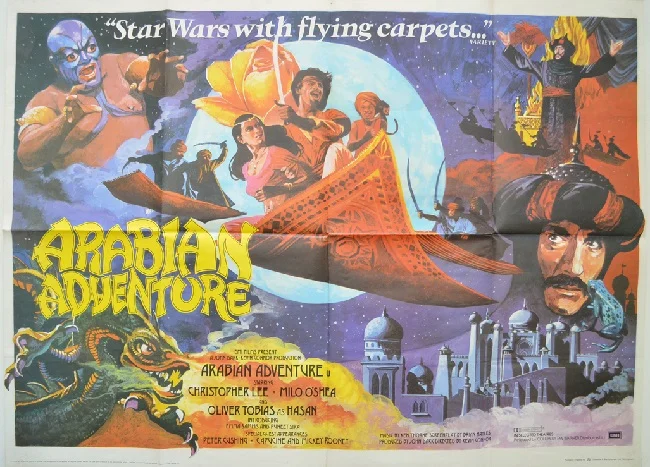
Evil caliph Alquazar (Christopher Lee) offers the hand of his daughter Princess Zuleira (Emma Samms) in marriage to Prince Hasan (Oliver Tobias) if he can complete a perilous quest for a magical rose. With the help of a young street urchin Majeed (Puneet Sira) and his faithful pet monkey, the pair have to face fire breathing monsters, a malevolent genie (Milton Reid) and treacherous swamps to reach their prize. The plot is very simplistic and generic. No archetype is left unturned. Lee smoulders, Tobias is heroic and Samms is just there to look good (it is a shockingly vacuous role for a female lead). Every conceivable cliché associated with Western interpretations of traditional Eastern tales is present and it all comes across as a pastiche of Sinbad, Ali Baba and Aladdin. The cast is conspicuously Caucasian and the production is mainly set bound at Pinewood studios. The optical, miniature and matte painting effects by veterans such as George Gibbs and Cliff Culley are simplistic, entertaining but hardly convincing.
The film was the last of several fantasy movies directed by Kevin Connor and produced by John Dark during the seventies. The previous being The Land That Time Forgot, At the Earth's Core and Warlords of Atlantis. However, despite having the biggest budget of all these productions, it failed to find an audience at the box office. In a post Star Wars world, it all seems a bit twee, lacking in scope and excitement. There’s little to recommend it to modern audiences as it all seems dated, cheap and a little awkward due to the racial and cultural stereotyping. From a movie buffs perspective, Arabian Adventure is a veritable who’s who of stalwarts of the UK film industry from the late seventies. The cinematography is by Alan Hume who would go onto film Return of the Jedi and several Roger Moore Bond films. It’s always nice to see such genre favourites as Shane Rimmer and the great Peter Cushing. But overall the movie is a far cry from Zoltan Korda’s The Thief of Bagdad and its box office failure is mainly due to being in the wrong place at the wrong time, just as audiences taste were changing.


The Problem with MMO Economies Part 2
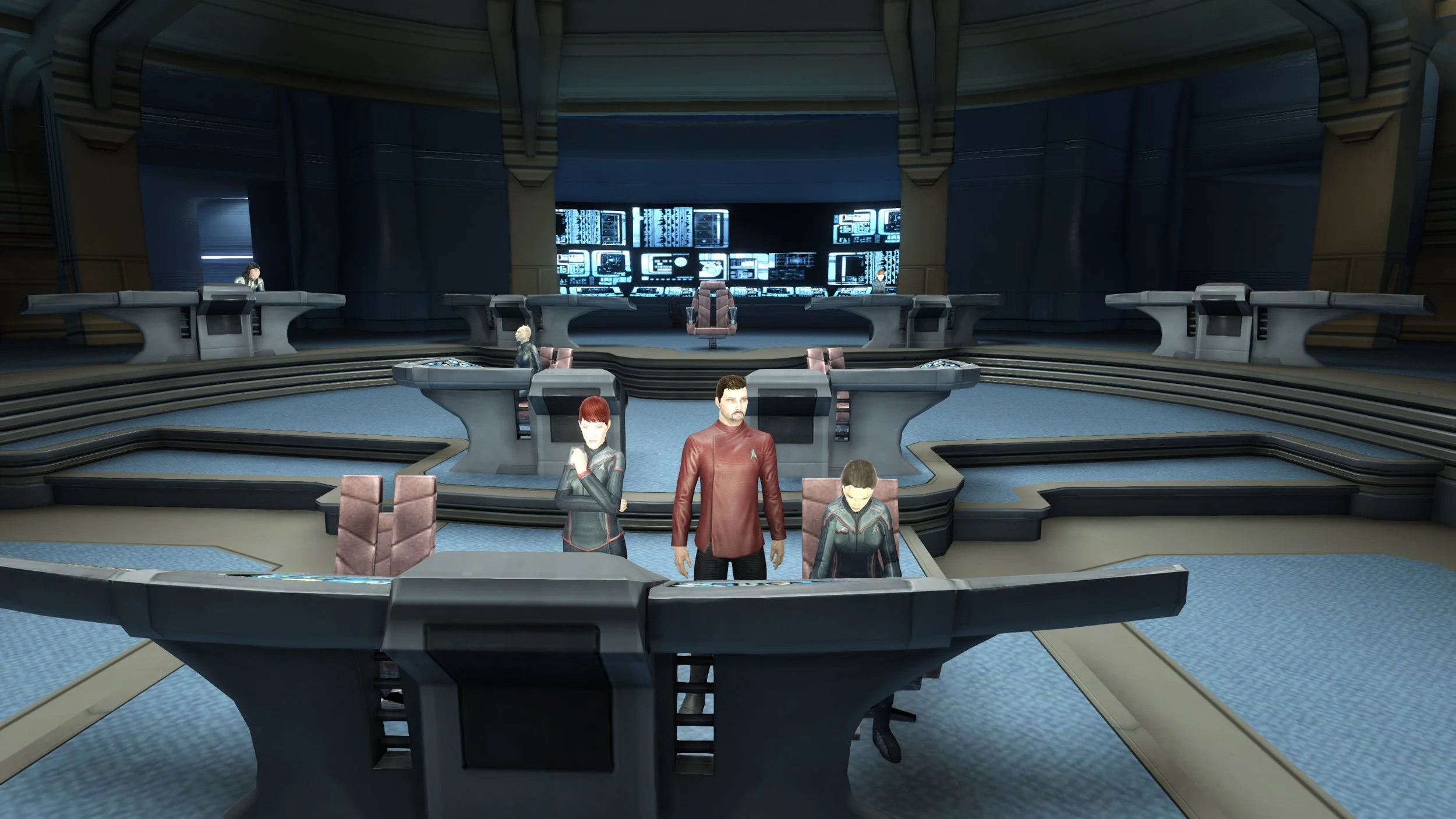
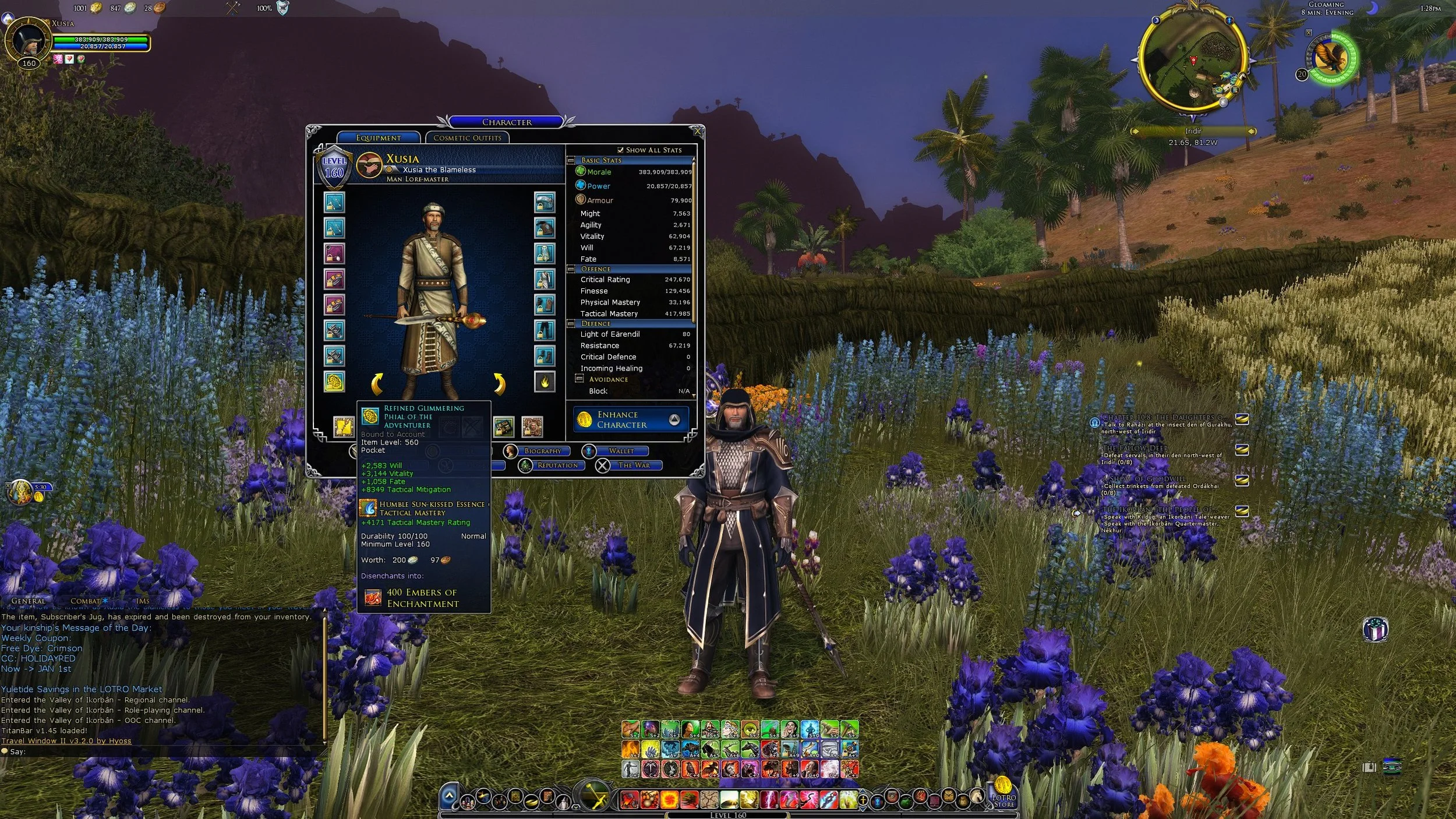
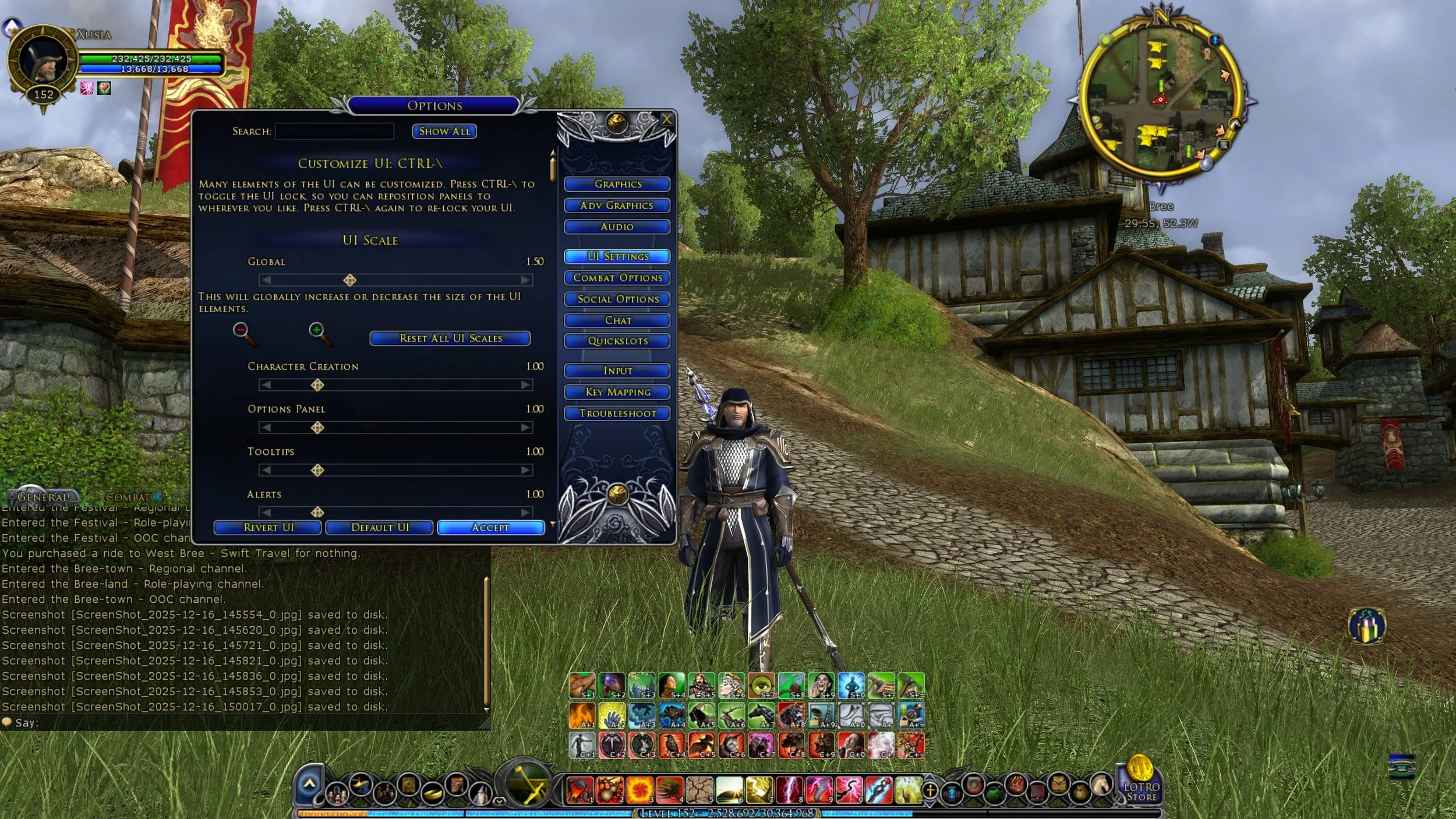
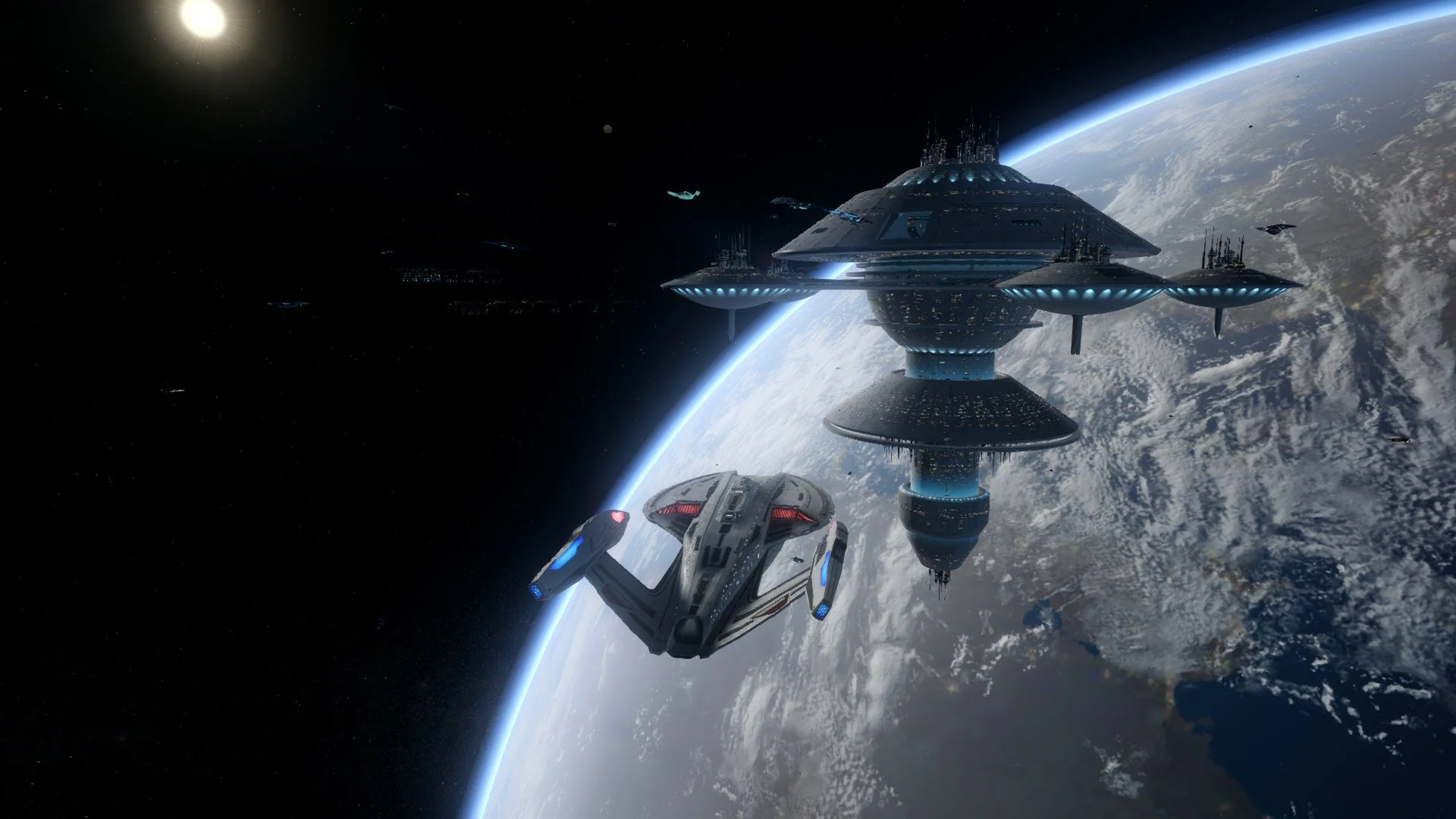
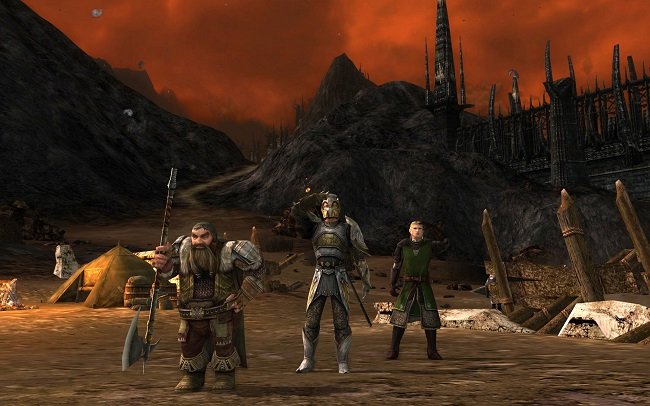
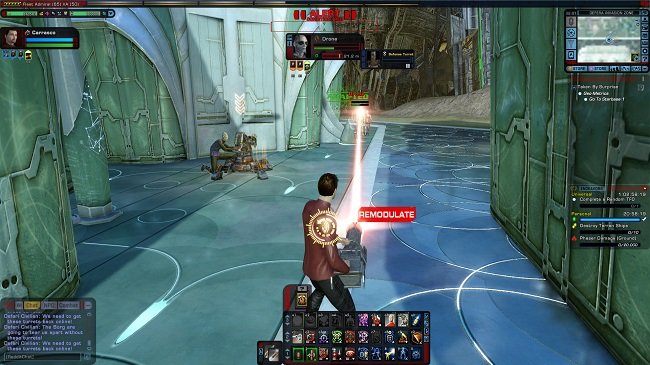
A few years ago, STO developers Cryptic, added a new system to the game that allowed players to re-engineer gear and alter the various modifiers associated with each item. One of the reasons behind this move was to reduce the hyperinflation associated with high end gear that has the most desirable statistics. If players could re-engineer the items that they desired it would undermine the trade in such items on the exchange. Needless to say this plan didn’t succeed and the market did not radically alter. The overall cost of the resources required to successfully re-engineer a piece of equipment ended up being comparable or even more than the price of a similar item being sold on the exchange. Similarly, the legendary progression servers in LOTRO had a brief period of economic stability and fiscal prudence when they were launched. Initially, no one section of the playerbase had more resources than others. A year on and now the same issues of inflation and excessive prices have happened with a tedious sense of inevitability. Can anything be done to stabilise MMO economies?
A few years ago, STO developers Cryptic, added a new system to the game that allowed players to re-engineer gear and alter the various modifiers associated with each item. One of the reasons behind this move was to reduce the hyperinflation associated with high end gear that has the most desirable statistics. If players could re-engineer the items that they desired it would undermine the trade in such items on the exchange. Needless to say this plan didn’t succeed and the market did not radically alter. The overall cost of the resources required to successfully re-engineer a piece of equipment ended up being comparable or even more than the price of a similar item being sold on the exchange. Similarly, the legendary progression servers in LOTRO had a brief period of economic stability and fiscal prudence when they were launched. Initially, no one section of the playerbase had more resources than others. A year on and now the same issues of inflation and excessive prices have happened with a tedious sense of inevitability. Can anything be done to stabilise MMO economies?
If MMO developers wanted to seriously address this matter, it would require designing a game with a far more controlled and regulated in-game economy. It would also require a far more interventionist approach in managing the ebb and flow of in-game resources. IE controlling the availability of specific resources and items, as well as imposing taxes and fees upon auction house transactions. Such an approach would certainly be perceived as “political” from certain quarters of the gaming community and would not be well received. Given the levels of political and socioeconomic illiteracy among some players, it would more than likely play into the ongoing culture wars we see across all levels of society in western democracies. And it can also be argued that “trading” is one of the few social elements left in the MMO genre. Plus it’s also a “game within a game” for many players. If this is fundamentally altered or regulated to the point of “no fun”, then its effectively just another nail in the coffin of the old school concept of the MMORPG. I’m not too sure how many nails the playerbase can endure.
Grinding out rewards and obtaining rare and unique items is a fundamental motivator for many MMO players. For those without the time to pursue such goals, buying these things from the in-game auction house is a credible alternative. There are still a few ships in STO that are demonstrably superior to others. If you are unable or unwilling to spend real world money on multiple loot boxes to get one of these ships, then there is always the exchange and the option to buy what you desire for energy credits. It may well be an immense uphill struggle but it can be done. If you remove such an avenue from the game you are effectively barring certain players from achieving their goal. That sends very clear message to the playerbase and not a positive one. There are already enough obstacles for new players of long established MMOs. If a player feels that they cannot reach their full potential then why should they continue to play. Life isn’t a meritocracy but we broadly seem to like the illusion of one.
Conversely, if resources and rewards are too readily available and easily acquired, it does much to mitigate a great deal of the challenge and motivation to play. It is always fun to log into a MMO test server and instantly receive all the gear you desire from the live server. But the novelty soon wears off. Players like to have goals to work towards and if you negate that you really are pulling the carpet out from under them. I don’t agree with the philosophy that things given freely have no inherent value but I do agree that familiarity breeds contempt. The optimal path is somewhere in between, so let players earn their rewards but make the journey credible. Overall, I don’t know what the long-term solution to this chicken and egg conundrum is, as it requires that developers and players alike must “unlearn what they have learned”. Perhaps it will fall to a small developer to make a bold experiment one day and create a game with an economy that breaks the existing mould. In the meantime I’m sure this problem will persist and we’ll still see regular articles decrying the status quo and asking for something to be done. Gaming like any other aspect of human culture is cyclical.

The Problem with MMO Economies Part 1
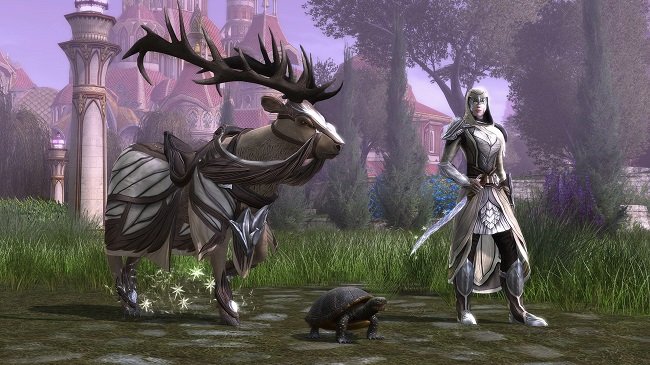
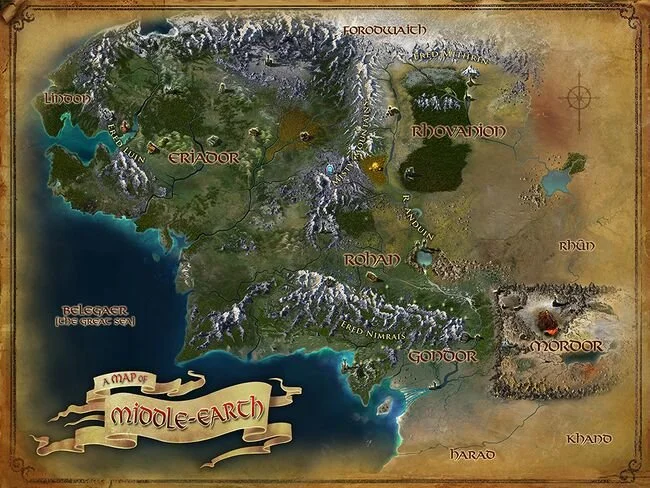
I have a very mixed relationship with MMO economies. In The Lord of the Rings Online I have adequate supplies of in-game gold but most of the items I seek to buy on Auction House are insanely overpriced. In Star Trek Online, earning energy credits is so problematic, the developers have had to add them as part of the daily personal endeavour rewards. Again, there is runaway inflation and the most desirable items such as Tier 6 ships are ridiculously priced. And in The Elder Scrolls Online, the gold slowly builds up over time but the lack of a server wide auction system means that finding and purchasing quality gear at credible prices is an arcane undertaking. There was a point a few years ago when I use to play the LOTRO economy and as a result, I had sufficient means to buy what I wanted. But maintaining that level of wealth and financial leverage is time consuming and requires adhering to a strategy. As I do not play the game, or indeed any other MMO, to that level anymore, my personal wealth in all of them has declined accordingly.
I have a very mixed relationship with MMO economies. In The Lord of the Rings Online I have adequate supplies of in-game gold but most of the items I seek to buy on Auction House are insanely overpriced. In Star Trek Online, earning energy credits is so problematic, the developers have had to add them as part of the daily personal endeavour rewards. Again, there is runaway inflation and the most desirable items such as Tier 6 ships are ridiculously priced. And in The Elder Scrolls Online, the gold slowly builds up over time but the lack of a server wide auction system means that finding and purchasing quality gear at credible prices is an arcane undertaking. There was a point a few years ago when I use to play the LOTRO economy and as a result, I had sufficient means to buy what I wanted. But maintaining that level of wealth and financial leverage is time consuming and requires adhering to a strategy. As I do not play the game, or indeed any other MMO, to that level anymore, my personal wealth in all of them has declined accordingly.
Over the years there have been many articles written about the iniquities of MMO economies and whether anything can be done to run them in a more equitable fashion. For example, last Wednesday, there was an interesting post by Ben Griggs over at Massively Overpowered about the short comings of the Guild Trade system in ESO. Then today, there was a further article about how to acquire in-game wealth in Guild Wars 2, by Bree Royce. Both highlight the recurring problems and complaints that MMO economies regularly generate. A cursory look at the comments on both posts show that there isn’t a prevailing consensus among gamers, as to which is the best way to run an MMO economy. Furthermore, game developers seem to all too often throw in the towel when a games economy starts to get out of control and hyperinflation sets in. It’s as if it is just assumed that this is an inevitable course of events and simply something endemic to the MMORPG genre. And I’m beginning to think that perhaps they are right.
Video games are commercial products. Yes, they can be art as well but MMORPGs are not developed by altruistic, Franciscan monks out of a sense of social obligation. All the resources required to create a game come with a cost. In many ways video games are the ultimate expression of consumerism in western, capitalist countries. The controversies surrounding the monetisation of a leisure activity such as video games, is the epitome of a “first world problem”. However, when you consider the economic factors that determine the creation and sales of video games, it is hardly surprising to find the same dogma perpetuated within the virtual worlds they offer. Therefore, there is little or no will to create a game with a radically different economy to that of the real world to begin with. The mantra that “time is money” has always been the under-pinning ideology of game economies. Those with any advantage in this respect will always find themselves succeeding more than those who have a time deficit. And any MMO that has existed for several years or more, will have a core player base that owns superior resources to that of any newcomers.
Over time MMO developers have often tried a variety of methods to try and mollify these problems. Tinkering with drop rates of valuable items or reducing how often resource nodes spawn. Then there’s binding items to account or to characters. Some games have even put a specific cap on how much in-game gold a player can own. But players always seem to be one step ahead and all too often such restrictions are circumnavigated. Hence, we see bots and scripts implemented by players to farm resources. I’ve even subcontracted out my own resource gathering in LOTRO in the past. You can also find third party websites where rare items are traded for real money. Player in ESO will use the gifting mechanic to achieve sales that can’t be facilitated by traditional means. And if the developers are too vociferous with the bind to character mechanic, then people will just sell accounts. It’s a blunt tool but it works. All of these issues persist because neoliberalism that exists in real life economies, bleeds into the MMO games design.
American Sniper (2014)
It was hardly surprising that the movie adaptation of Chris Kyle's autobiography American Sniper, would cause controversy. The Iraq war, US Foreign Policy and national pride are seldom subjects that are discussed in a calm and measured fashion. And then there are the personal politics of director Clint Eastwood to consider. Hence there were claims from some quarters upon the movie’s release, that it was Islamophobic and counter claims that criticisms of the late Chris Kyle were unpatriotic. There still remain issues regarding the authenticity of events depicted in the source text and subsequently the movies screenplay by Jason Hall. Yet none of these factors have in anyway impacted upon the film's box office returns which currently stands at $247,900,417 worldwide.
It was hardly surprising that the movie adaptation of Chris Kyle's autobiography American Sniper, would cause controversy. The Iraq war, US Foreign Policy and national pride are seldom subjects that are discussed in a calm and measured fashion. And then there are the personal politics of director Clint Eastwood to consider. Hence there were claims from some quarters upon the movie’s release, that it was Islamophobic and counter claims that criticisms of the late Chris Kyle were unpatriotic. There still remain issues regarding the authenticity of events depicted in the source text and subsequently the movies screenplay by Jason Hall. Yet none of these factors have in anyway impacted upon the film's box office returns which currently stands at $247,900,417 worldwide.
American Sniper is directed by Clint Eastwood in his customary minimalist and no-nonsense fashion, allowing us to focus on the subject matter without any unnecessary embellishment. Tom Stern's cinematography is far from flamboyant and appropriately stark. The central performances by Bradley Cooper as Chris Kyle and Sienna Miller as his wife Taya Renae Kyle are both strong and clearly defined. Criticisms about a lack of depth and balance are misplaced as far as I'm concerned. If real people have strong views or convictions should that reality not be reflected in the script? Furthermore this is not a movie about the Iraq War itself and an exploration of the geo-political ramifications. It is simply a soldier’s story, told from his perspective. It is also a drama and not a documentary.
Eastwood has often explored within his movies the theme of violence and the impact it has upon all involved. In this instance he has chosen to focus upon one particular individual. Steven Spielberg, who was at one point associated with adapting this work, has indicated that he would have approached the subject differently. He intended to explore the curious duality between Chris Kyle and "Mustafa", his Iraqi rival and ex-Olympic marksman. Eastwood takes a different path depicting the emotional toll four tours of duty has upon Kyle and his family. Contrary to some opinions there is no triumphalist tone to the proceedings, nor are the action sequences overblown spectacles. They are straight forward and functional, very much in accord with the director’s approach to film making. The Iraqi's that are depicted in the movie are combatants and are treated as such. Beyond that there is no overt agenda against Islam nor does the film adopt any major political stance. The characters on screen certainly have their own views but American Sniper simply depicts them, rather than endorses them.
There are some flaws in the narrative but they are mainly procedural, rather than ideological. I would have liked to have seen more of Kyles home life between tours, as well as some exploration of the controversies surrounding his book. As for the codicil at the movies end regarding the news coverage of his subsequent death and funeral, again I see this as just a reflection of events rather than a specific commentary upon them. Overall these criticisms do not undermine the movie nor detract from the strong performances. However due to the emotive nature of US politics and even the reputation of its director, perceptions and opinions may well possibly have been skewed regarding the movie’s merits and its perspective.
A notable aspect regarding American Sniper is its soundtrack or virtual lack of one. Beyond three credited pieces of music used at strategic points in the story the movie has no overall score. However many viewers have drawn attention to the montage of news footage regarding Chris Kyles funeral shown at the end of the film. It plays out to a track called "The Funeral", composed by the great Ennio Morricone. The piece is a subtle variation of Taps, a tune played at dusk by the US military. The cue called Il Funerale was first used in the spaghetti Western “Il Ritorno di Ringo” AKA The Return of Ringo in 1965. Like so much of the composer’s work, its inherent beauty lends itself to intelligent use in other movies, thus it greatly compliments the final scenes of American Sniper.

Star Trek Online: Awakening
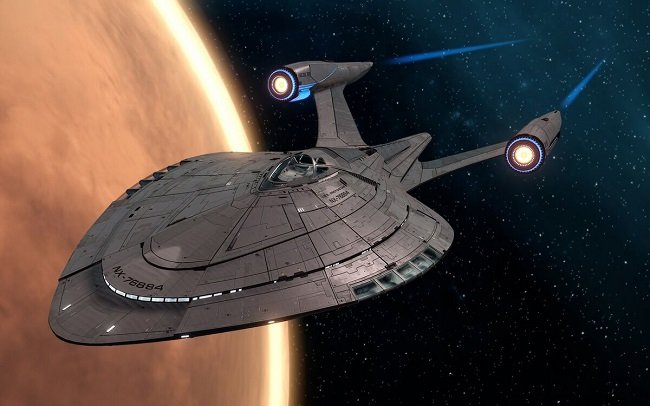
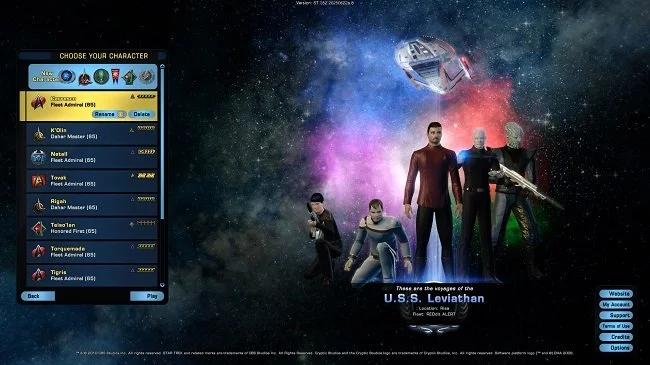
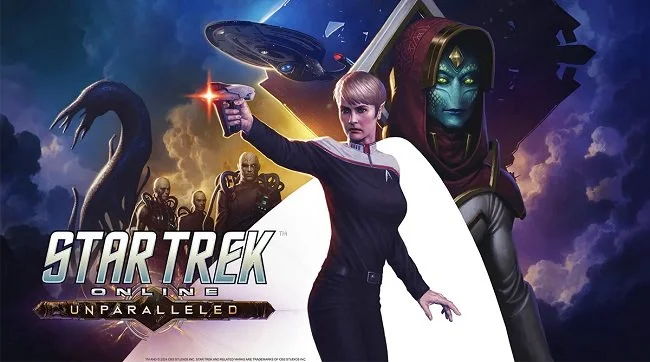
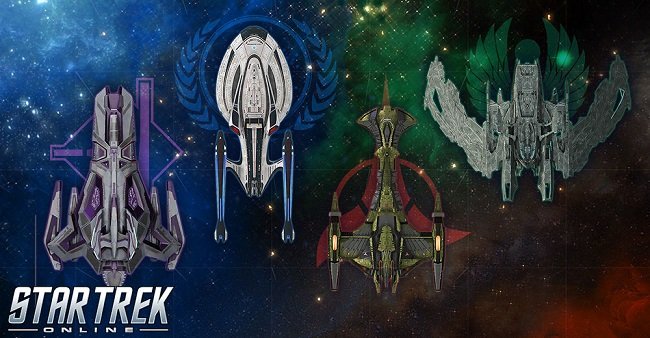
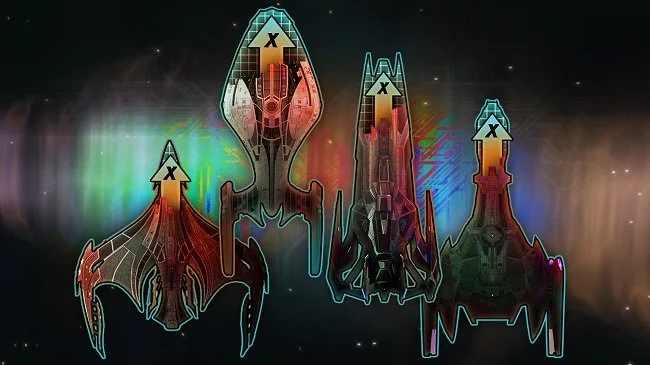
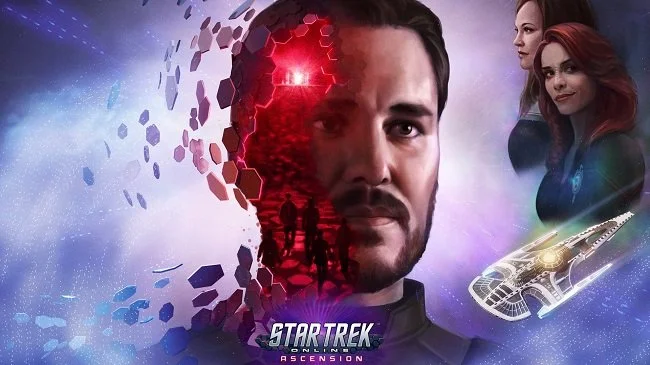
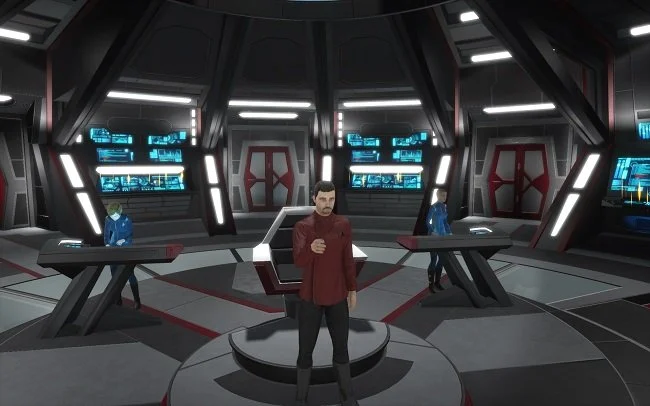
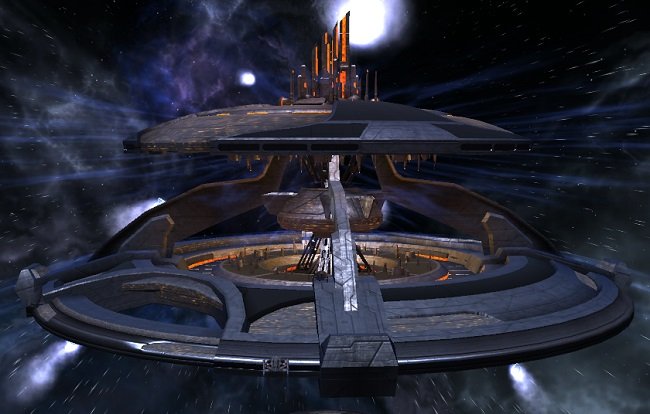
The new story arc Awakening, launched this week in Star Trek Online. The first instalment, Beneath the Skin, saw Star Trek: Discovery actor Anthony Rapp, returning as Commander Paul Stamets in an adventure that takes the player back into the Mycelial Realm. Cryptic have also added a new Task Force Operation, several patrols and numerous of “quality of life” fixes. The event system has now been removed from the reputation panel and added to the mission journal and now tracks progress in a single experience bar. Furthermore there is a new ongoing event which when completed rewards players with an Elachi Qulash Frigate [T6]. The developers have also revised yet another Tier 6 ship skin. This time round they have improved the aesthetics of the Kelvin-Timeline Intel Dreadnought Cruiser (AKA U.S.S. Vengeance from Star Trek Into Darkness).
The new story arc Awakening, launched this week in Star Trek Online. The first instalment, Beneath the Skin, saw Star Trek: Discovery actor Anthony Rapp, returning as Commander Paul Stamets in an adventure that takes the player back into the Mycelial Realm. Cryptic have also added a new Task Force Operation, several patrols and numerous of “quality of life” fixes. The event system has now been removed from the reputation panel and added to the mission journal and now tracks progress in a single experience bar. Furthermore there is a new ongoing event which when completed rewards players with an Elachi Qulash Frigate [T6]. The developers have also revised yet another Tier 6 ship skin. This time round they have improved the aesthetics of the Kelvin-Timeline Intel Dreadnought Cruiser (AKA U.S.S. Vengeance from Star Trek Into Darkness).
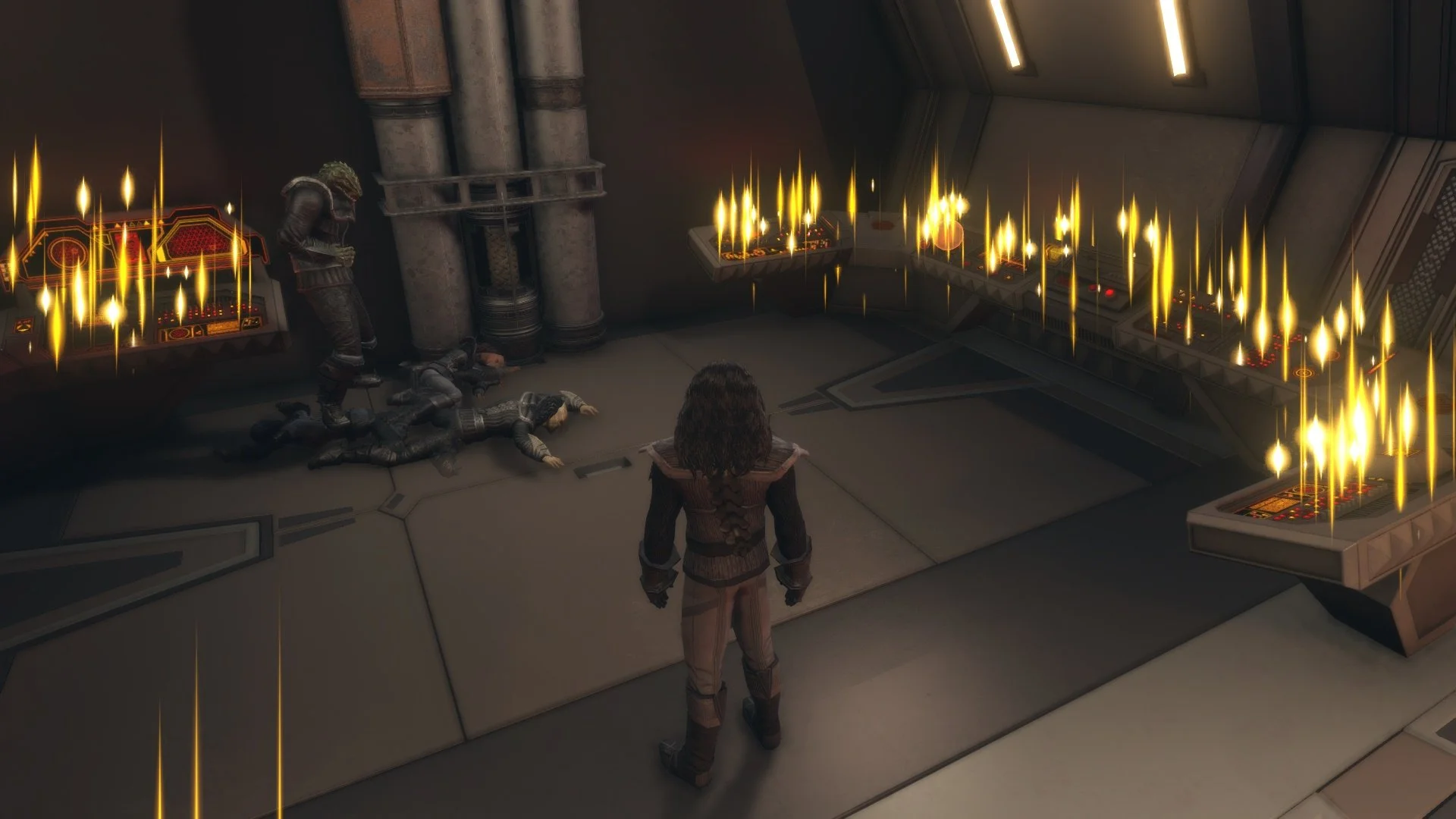
It’s been a while since we had a story update in STO. Although I have enjoyed the various narrative threads of each previous mission set in the Discovery era, they have been somewhat disjointed. Finally in Awakening, the various dots are connected and I suspect that the arc will be concluded. Beneath the Skin sees an assault in Andorian space by rogue 23rd Klingon Matriarch, J’Ula. This results in the creation of a rift between space time and the Mycelial Network. As all data regarding this realm is classified, the player has to call upon the expertise of a holographic Commander Paul Stamets and enter the rift. Probes sent by J’Ula have leaked Hargh'peng radiation and are causing sickness and corruption throughout the Mycelial Realm. Furthermore, in a surprise twist, we discover that the Elachi where native to the fungal zone prior to being subsumed into Iconian servitude.
As ever with STO, the new story is inventive and draws heavily upon multiple threads of established in-game and canonical lore. There are numerous elements to the plot but complexity is not always a stumbling block, if handled well. Cryptic are aware that not all players may be familiar with all the elements from Star Trek: Discovery so there are several instances of characters pausing to deliver substantial quantities of expositionary dialogue. It does at time slow things down but it’s a necessary evil. The presence of Anthony Rapp is a big bonus to the proceedings. He maintains his acerbic, passive aggressive demeanour and at appropriate points delivers some great quips. As ever with Cryptic, they excel with the little things that add to the ambience. The baby Tardigrades are great as they scamper around the Mycelial Network. And the Elachi who was previously a Romulan was a great call back to an earlier story line.
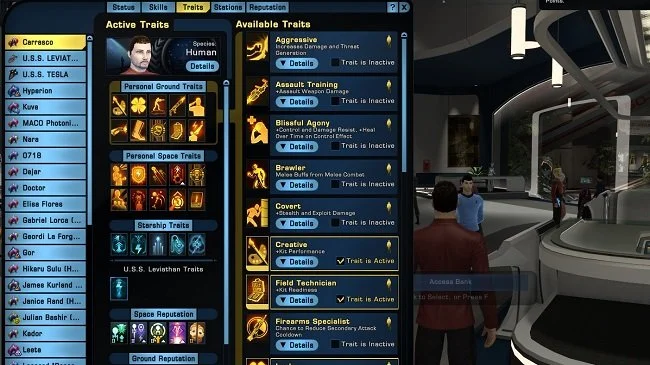
There is sufficient new content to be getting on with for the present. My concerns about a decline in narrative material has been somewhat tempered. The new patrols are more complex than expected and it’s nice to see the return of characters such as the rogue Ferengi entrepreneur Madran and Lukari Captain Kuumaarke. Plus a major bonus to all this is the fact that the latest mission Beneath the Skin rewards the player with an Elachi Bridge Officer, which is the best news I’ve had since I acquired my Holographic James Kurland. And as developers Cryptic are still working on bug fixes and “quality of life” improvements, I shall patiently wait for classic content such as the classic mission “City on the Edge of Never” to be returned to the game. In the meantime, gaming peripherals vendor Steelseries currently have a Star Trek Online giveaway to celebrate the launch of Awakening. Just create a user account and you can claim a free Ferengi Bridge Officer for the Klingon faction, along with a B’Rotlh Bird of Prey Ship [1]. Free stuff is always welcome and its nice to see the KDF getting some love.


Your Computer and You
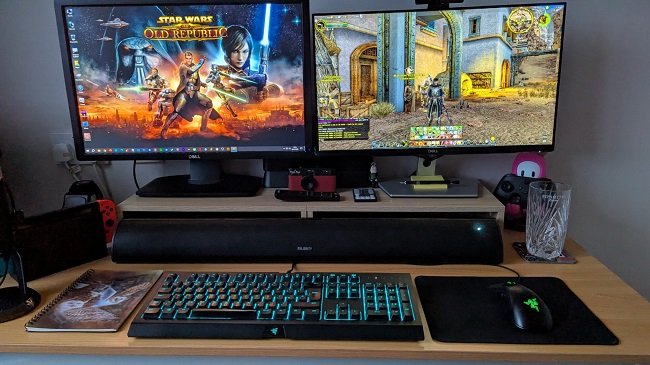
Do you have a favourite mug? I do. It’s nothing special. Just a bog-standard porcelain mug with a picture of a Hare on it. I don’t have any strong sentimental attachment to it. It wasn’t a gift or anything. I just chose it as a replacement for one that broke. I habitually use it, choosing to ignore all the other mugs in the cupboard. Now you may well ask where I’m going with this train of thought. Well, here’s where the foibles of human nature come into play. If my favourite cup happens to be in the dishwasher, I find I do not enjoy my beverages quite as much when drinking from another cup. As I’m not a qualified psychologist, I won’t venture too far into analysing such behaviour. But it’s fair to say that this has got something to do with territoriality and our sense of identity in some way. Another, more complex example of this behaviour would be my desk. It is neat, clean and functional. And then there is my personal computer. I spent several hours upgrading the hardware today. I subsequently spent triple that time, fine tuning, tweaking and arranging everything. Why? Because I like things to be “just so”.
Do you have a favourite mug? I do. It’s nothing special. Just a bog-standard porcelain mug with a picture of a Hare on it. I don’t have any strong sentimental attachment to it. It wasn’t a gift or anything. I just chose it as a replacement for one that broke. I habitually use it, choosing to ignore all the other mugs in the cupboard. Now you may well ask where I’m going with this train of thought. Well, here’s where the foibles of human nature come into play. If my favourite cup happens to be in the dishwasher, I find I do not enjoy my beverages quite as much when drinking from another cup. As I’m not a qualified psychologist, I won’t venture too far into analysing such behaviour. But it’s fair to say that this has got something to do with territoriality and our sense of identity in some way. Another, more complex example of this behaviour would be my desk. It is neat, clean and functional. And then there is my personal computer. I spent several hours upgrading the hardware today. I subsequently spent triple that time, fine tuning, tweaking and arranging everything. Why? Because I like things to be “just so”.
Migrating my existing SSD, HDD and graphics card into the new barebones system I bought from Novatech was very straightforward and surprisingly easy. The PC case is roomy affording plenty of space to work. The cable management was the most time-consuming element of the job. The PC booted up first time and made some software revisions to reflect the hardware change. As expected, the installation of Windows 10 Pro needed reactivation. As the copy I was previously using was a free upgrade from Windows 7, I didn’t have an existing product key easily available. So I bought a new one from an online reseller. The activation process was a nuisance as I couldn’t read the product key that was sent (it was a jpg of an OEM copy). So I spent an hour calling Microsoft, although the matter was eventually resolved, leaving me with an upgraded and fully functional PC. Yet despite ensuring that things such as the respective drive designations remained the same, some minor functionality was altered. Trivial things, such as the Windows Defender icon not appearing in the system tray and the Realtek Audio software being replaced by the default Windows Sound controls.
I first learned all the basic PC, server and network skills from a Siemens Nixdorf engineer back in the early nineties who mentored me. A few years later I passed my MCSE exams. As a result I tend to follow a very particular method when it comes to file naming conventions, how I organise my desktop and customise the Windows. When combined with my own propensity for neatness and order, things such as the missing icons or any unsolicited change to my PC in general really bother me. A lot. For example Discord recently altered the two themes that come with the software. I was perfectly content with the previous light colour scheme with its white central panel and dark sidebars. But that has now gone and I now have a “choice” of two revised themes and I like neither. I also hate it when software tries to do my thinking for me and offers what the developers feel is the “best for me”. I have no problem with such options but I dislike it when they become the default setting.
But I digress. I spent several hours trawling various Microsoft websites, forums and subreddits in attempt to restore my Windows Defender icon to the system tray. The most obvious fixes refused to work and I even started poking around in the Registry. I won’t bore you with all the details but I finally got the problem resolved by a workaround, rather than a legitimate solution. But that’s the nature of IT. And so as I wrap up this blog post, I now have to distil all the above rambling into some sort of cogent point. In many ways your PC is like your home. It is more than just a functional device but something that you can change to reflect your identity. Like furnishings and colour schemes, your PC is a subject to changes driven by your personal tastes. Furthermore, there is great personal comfort to be had in customising your PC and using it in a bespoke fashion that suits you. I feel the same way about unsolicited changes to my PC desktop as I do about someone coming into my lounge and moving my chairs around. It’s all about personal space, territory and possibly an element of being in control; something that is all too absent these days in real life. Some may find this odd but I suspect a lot of people will relate to these sentiments. Now where’s my favourite mug, I need to remove all those “shortcut to” arrows from my icons.
























Yet Another PC Upgrade
There used to be a time when I would jump at the chance to get my hands on some new technology. I was the embodiment of an early adopter, seeking out all that was new and shiny. But things change. New stuff comes with a lot of issues. Compatibility problems, bugs, changes to the UI to name but a few. Age may not necessarily bring wisdom by default but it certainly makes you more indolent. New technology often makes work. Even if you plan everything meticulously, there’s always scope for something to catch you out. Hence, I now try to keep my technical environment functional and stable. If it ain’t broke, don’t fix it. However, and there’s always a “however”, my current PC has an Intel Quad Core i5-3340 3.10GHz processor. It is a third generation Ivy Bridge model circa 2013. As I’ve written in previous posts, everything else has been upgraded but the system’s Achilles Heel remains the processor. And it is showing its age now in terms of performance.
There used to be a time when I would jump at the chance to get my hands on some new technology. I was the embodiment of an early adopter, seeking out all that was new and shiny. But things change. New stuff comes with a lot of issues. Compatibility problems, bugs, changes to the UI to name but a few. Age may not necessarily bring wisdom by default but it certainly makes you more indolent. New technology often makes work. Even if you plan everything meticulously, there’s always scope for something to catch you out. Hence, I now try to keep my technical environment functional and stable. If it ain’t broke, don’t fix it. However, and there’s always a “however”, my current PC has an Intel Quad Core i5-3340 3.10GHz processor. It is a third generation Ivy Bridge model circa 2013. As I’ve written in previous posts, everything else has been upgraded but the system’s Achilles Heel remains the processor. And it is showing its age now in terms of performance.
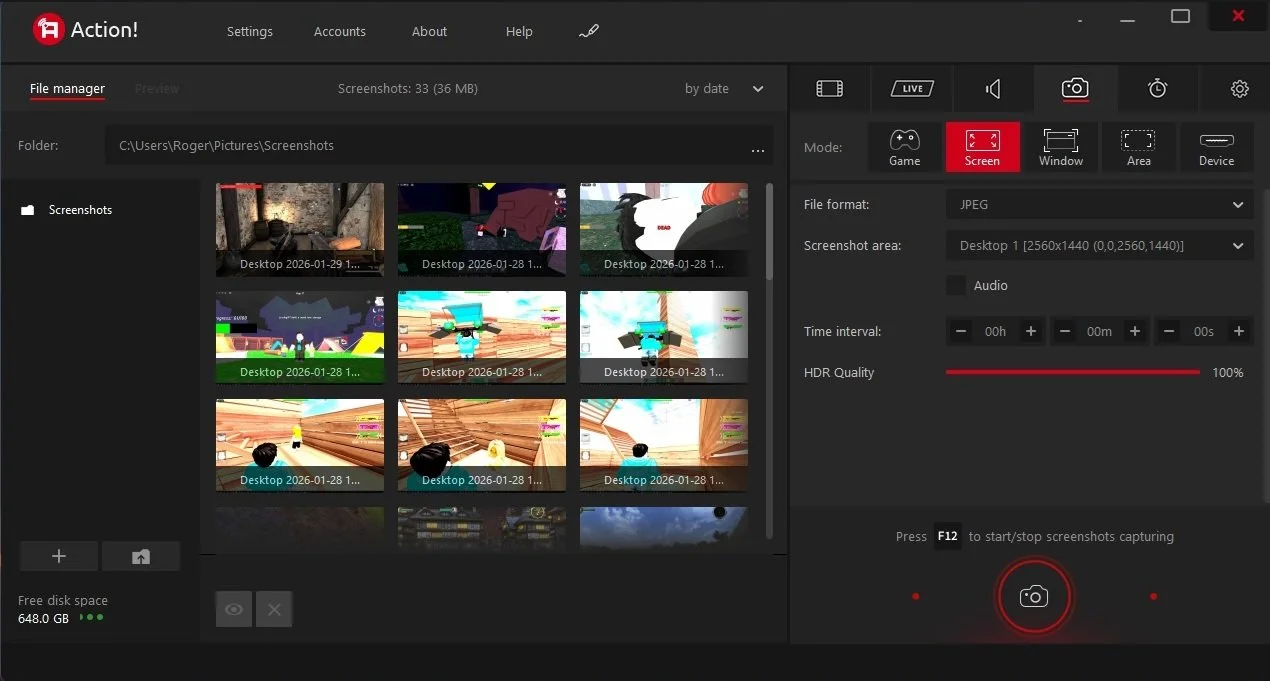
Like many people, I live within a budget. Therefore, simply going to a high street store and buying a new PC, off the shelf, is not really an option. Similarly, even seeking a cheaper deal online is too expensive. A new PC with the sort of specifications I would like would costs about £600 - £700 or thereabout. I am not prepared to take on a debt to obtain such a system. Especially in light of the current and future UK economic climate. So the practical alternative is to upgrade the current processor in my PC. Due to the limitations of the motherboard, that also has to go along with the RAM. Therefore, I have decided to buy a barebones PC. A new case, with a processor, motherboard and RAM bundle. I can migrate the existing solid-state drive, hybrid hard drive and graphics card from my ageing PC, over to the new system as these three components are all relatively new. I have managed to find a good deal on AMD Ryzen 5 3600 Six Core Mid Tower Barebone Bundle.
There has always been a great deal of debate about the respective pros and cons of both Intel and AMD processors. I have owned PCs based around both in the past and have never felt that either was below par. I think that the performance differences mainly impact upon high end users who use their computers for specific tasks. My needs are very straight forward. I write using Microsoft Word, edit podcasts, encode video using Handbrake and play a variety of video games (in HD, not 4K). I do not require a beast of a system to do these things. After some research it became clear that the AMD Ryzen 5 3600 currently offers the best performance for my budget, rather than an Intel i5 option. The increase in performance should be sufficient for the expenditure and will hopefully keep my PC viable for another three years or so. By which time I shall be in better financial situation.
So far, the research and purchasing of new hardware has been a relatively hassle-free process. I took advice from trusted colleagues and used my own common sense. I managed to find a good deal from an established UK online vendor and the barebones system will arrive shortly. However, then the real fun and games starts. I am currently faced with two options. Build the new PC and then completely reinstall Windows 10 and all other software. Or attempt to transplant the current SSD with the operating system already installed into the new base unit. The former is a tedious uphill struggle, especially downloading all the games. But the latter is potentially fraught with problems as Windows 10 OEM is tied to the existing hardware. Changing substantial components such as motherboard and processer will require Windows to be reactivated. Plus there will be numerous drivers issues due to changes to the “hardware abstraction layer”.
Yet I am going to pursue this option so I don’t have to do a clean install of absolutely everything. I am hoping that I can use the windows repair utility to fix the existing installation and I have even taken the precaution of buying a new Windows 10 Pro OEM key, so if need be, I can activate it as a new product. If that fails, then plan B is to just do it all the hard way and reinstall everything. Hopefully, I shall receive the new hardware in the next 24 hours and tackle the nuts and bolts of the upgrade on Friday. Naturally, I shall document this process as I have with previous PC upgrades. Feel free to comment on both my choice of hardware and my overall strategy. As ever I would love to hear from those who have no concept of the term “budget” and how if I spend an extra £100, I can upgrade to the Gruntmaster 6000. Such advice is the gift that keeps on giving.
Selma (2014)
Rather than overreach itself by striving to dramatize the entire career of Martin Luther King, Selma very sensibly focuses on the key event that took in Alabama in 1965. In doing so it provides a snapshot of the internal politics of the civil rights movement, as well as the personal concerns and doubts of Dr. King. Rather than placing key figures upon pedestals, Selma realistically show the complexity both legally and politically of the cultural changes that were taking place. It also shows the human flaws of many of the key protagonists.
Rather than overreach itself by striving to dramatize the entire career of Martin Luther King, Selma very sensibly focuses on the key event that took in Alabama in 1965. In doing so it provides a snapshot of the internal politics of the civil rights movement, as well as the personal concerns and doubts of Dr. King. Rather than placing key figures upon pedestals, Selma realistically show the complexity both legally and politically of the cultural changes that were taking place. It also shows the human flaws of many of the key protagonists.
Directed by Ava DuVernay, Selma is meticulously crafted in every way. It provides a fascinating breakdown of Dr. King’s political manoeuvrings with President Lyndon B. Johnson as well as his dealings with the internal hierarchy of the SCLC. The set pieces are both accurate and compelling showing the brutality that the peaceful protesters faced. Selma also highlights the difference between the press and media of the time and the twenty-four-hour news cultures that we currently live with. The importance of the evening news and the morning papers are shown to be key features to the campaigning. Popular opinion is shown to be galvanised over weeks rather than days.
Selma features a powerful ensemble cast in David Oyelowo, Tom Wilkinson, Tim Roth, Carmen Ejogo and Oprah Winfrey. Their performances are measured and strong, as is the screenplay by Paul Webb. Yet it has to be said that David Oyelowo’s portrayal of Dr. King is the foundation of the movie. He captures the civil rights leader’s oratory style and cadence perfectly and breathes life into a figure we know mainly through his historical legacy. Composer Jason Moran also deserves recognition for his soundtrack which intelligently underpins the unfolding story.
One of greatest strengths of Selma is that it does not lecture its audience. The events shown are largely left to speak for themselves, with any superfluous moral exposition. The murder of Jimmie Lee Jackson is a powerful example of this, playing out with an unflinching sense of inevitability. Director Ava DuVernay also boldly chooses to show a high-profile star such as Oprah Winfrey being beaten by State Troopers. On this occasion the presence of such a well-known figure helps audience connect to the power of the scene and its appalling barbarity.
Selma ends with a traditional postscript in which a summary of subsequent events plays out over a montage of original stills and footage. This succinctly shows that although progress was made as a result of the marches, resulting in new legislation, it still took further work, lobbying and campaigning to achieve all the desired results. Some would argue that the fight for equality in the US is still ongoing. Either way, Selma provides us with a timely reminder regarding the human cost of the day-to-day freedoms that we take for granted and is a fine piece of film making.





Gamers, Ethics and Boycotts
When I’m at my local supermarket with Mrs P, buying our monthly groceries, we often try and purchase fair trade products. This tends to be fruit, vegetables and wine. It’s a nominal gesture towards ethics, done in good faith. However, I suspect we cancel out any collective good we may do by making other consumer decisions, which aren’t so considerate. It’s a curious paradox that consumerism, something that is couched in untrammelled capitalism, can be tempered by the moral proclivities of customers. Some would argue that this is just an afterthought, lip service or virtue signalling (although the latter is an intellectually bankrupt concept to begin with). I just see it as people trying to do something vaguely decent, within the confines of a system that is rife with dubious practices and unethical tendencies. It is virtually impossible to be morally pure while living in a contemporary democracy. Comedian Frankie Boyle best summed this up when he said, “If you get offended by any jokes, by the way, feel free to Tweet your outrage on a mobile phone made by a ten-year-old in China”.
When I’m at my local supermarket with Mrs P, buying our monthly groceries, we often try and purchase fair trade products. This tends to be fruit, vegetables and wine. It’s a nominal gesture towards ethics, done in good faith. However, I suspect we cancel out any collective good we may do by making other consumer decisions, which aren’t so considerate. It’s a curious paradox that consumerism, something that is couched in untrammelled capitalism, can be tempered by the moral proclivities of customers. Some would argue that this is just an afterthought, lip service or virtue signalling (although the latter is an intellectually bankrupt concept to begin with). I just see it as people trying to do something vaguely decent, within the confines of a system that is rife with dubious practices and unethical tendencies. It is virtually impossible to be morally pure while living in a contemporary democracy. Comedian Frankie Boyle best summed this up when he said, “If you get offended by any jokes, by the way, feel free to Tweet your outrage on a mobile phone made by a ten-year-old in China”.
Moving on to video games, once again commentator Jim Sterling has highlighted how some quarters of the industry are just a complete mess. In the latest episode of the Jimquisition, he explores allegations made against indie developer Chucklefish. To cut along story short, it would appear that this company has not financially compensated all of it staff and taken advantage of the “passion” that younger gamers often have for video games and the wider industry. It’s a familiar story, only this time its an indie developer rather than a big, triple A publisher. It shouldn’t come as a shock that greed, along with manipulative and exploitative behaviour are everywhere. It’s just a shame because the indie scene often positions itself to be the moral opposite of the big corporations. Yet here they are having the same vices. Naturally, as this story has blown up, there has been a degree of pushback from fans who have supported Chucklefish over the years. As I’ve stated in the past, rightly or wrongly, a lot of gamers have an odd relationship with game developers and publishers. Many do not view it within the confines of the traditional consumer/vendor dynamic.
Which brings me to my point. I personally have not yet experienced a situation where I have boycotted a specific publisher or developer on the grounds of their business ethics. There are games that I have chosen not to buy because of their business model and monetisation strategy but I have not yet shunned a company that I have previously done business with. I always find statements such as “I’ll never buy one of your games ever again” or “you’ll never see another penny of my money” from gamers on subreddits and forums, to be somewhat melodramatic and unverifiable. However, Jim Sterling’s video has highlighted the fact that unethical business practises are potentially everywhere. I think it likely that sooner, rather than later, I’m going to find a scandal associated with something much closer to home. If for example, Standing Stone Games were tainted by the iniquities of their publisher Daybreak Game Company, how would I react? Would I abandon LOTRO? Or simply stop paying SSG any money? The latter would impact upon my enjoyment of the game but that is the consequence of protesting. Voting with your wallet denies something from all parties.
Considering that most companies do not like negative publicity and like to maintain a “good guy” image irrespective of whether its deserved, is critical press coverage potentially more effective than player boycotts? Or do player communities have more clout than we think. It certainly appeared that player power was responsible for the removal of “pay to win” microtransactions from Star Wars Battlefront II in January 2018. Yet that story was everywhere and even found its way into the mainstream press. Did either side provide the tipping point for EA or was it a perfect storm of both? In the meantime I’m going to continue to monitor the decline in ethics in the video game industry, as it now seems to have become yet another front upon which the ongoing culture war is being fought. If I do, as I have predicted, find myself in a position where I may have to countenance a moral decision to boycott a company or some similar situation, perhaps discussing it as a blog post will provide an easier solution. But as the old adage says, “I’ll cross that bridge when I come to it”.
Gaming Addiction and the World Health Organisation
The World Health Organisation (WHO) is a specialised agency of the United Nations that is concerned with international public health. It was established on 7th April 1948 and is based in Geneva, Switzerland. As a body it has been instrumental in the eradication of smallpox. Its current priorities include communicable diseases, in particular HIV/AIDS, Ebola, malaria and tuberculosis; the mitigation of the effects of non-communicable diseases; sexual and reproductive health, development, and ageing; nutrition, food security and healthy eating; occupational health; substance abuse; and driving the development of reporting, publications, and networking. Recently, unlike other health institutions, WHO has chosen to address the thorny issue of gaming addiction; a condition that is still heavily disputed and lacks a universally agreed definition.
The World Health Organisation (WHO) is a specialised agency of the United Nations that is concerned with international public health. It was established on 7th April 1948 and is based in Geneva, Switzerland. As a body it has been instrumental in the eradication of smallpox. Its current priorities include communicable diseases, in particular HIV/AIDS, Ebola, malaria and tuberculosis; the mitigation of the effects of non-communicable diseases; sexual and reproductive health, development, and ageing; nutrition, food security and healthy eating; occupational health; substance abuse; and driving the development of reporting, publications, and networking. Recently, unlike other health institutions, WHO has chosen to address the thorny issue of gaming addiction; a condition that is still heavily disputed and lacks a universally agreed definition.
WHO formally listed gaming addiction as a mental health condition in May 2019. According to their criteria based upon extensive research, gaming addiction it as a pattern of persistent or recurrent gaming behaviour so severe that it takes "precedence over other life interests". This definition, as stipulated by WHO, correlates with several other countries that have already identified this addiction as a major health issue. There are already private addiction clinics that “treat” this condition and the actions of WHO have certainly brought this particular health issue to the wider public’s attention. By adding gaming addiction to the latest version of the International Classification of Diseases, it removes some of the incredulity that the condition has met from certain health bodies.
The WHO guide contains codes for diseases, signs and symptoms and is used by doctors and researchers worldwide to track and diagnose disease. The guide suggests that abnormal gaming behaviour should be in evidence over a period of at least 12 months "for a diagnosis to be assigned" but has stipulated that period might be shortened "if symptoms are severe". At present the symptoms for gaming addiction include impaired control over gaming (frequency, intensity, duration), increased priority given to gaming and continuation or escalation of gaming despite negative consequences. Some healthcare professionals have welcomed the decision to recognise the condition. Dr Richard Graham, lead technology addiction specialist at the Nightingale Hospital in London said “It is significant because it creates the opportunity for more specialised services. It puts it on the map as something to take seriously”. However, he also stated that he would have sympathy for those who do not think the condition should be medicalised because he did see scope for misdiagnosis at present. "It could lead to confused parents whose children are just enthusiastic gamers."
It is this point that seems to be the biggest stumbling block for the universal acceptance of a medical condition of this nature. How exactly do you verify that the alleged addiction is actually taking up all available “neurological real-estate” and dominating thinking and becoming a total preoccupation for the patient? Because fandom per se can at time mirror these qualities. Subsequently, many psychiatrists currently refer to the Diagnostic and Statistical Manual of Mental Disorders (DSM), in which internet gaming disorder is listed as a "condition for further study", meaning it is not officially recognised. Because of this reasoning and prevailing attitude, it is clear that WHO may find their perspective challenged for the present. However, irrespective of the medical and semantical disputes, the field of game related addiction is still being scrutinised around the world. South Korea has introduced a legislation banning access for children under 16 from online games between midnight and 6:00 AM although effectively enforcing such regulation is difficult.
There has also been a degree of pushback from those in the video games development and retail industry. Naturally, as interested parties they are concerned about misdiagnosis and scope for ill-conceived legislation that may be rushed to address public concerns and tabloid campaigning. The Entertainment Software Association (ESA) trade group released a statement downplaying the WHO's concerns about addiction to video games and stated "Just like avid sports fans and consumers of all forms of engaging entertainment, gamers are passionate and dedicated with their time. Having captivated gamers for more than four decades, more than 2 billion people around the world enjoy video games. The World Health Organisation knows that common sense and objective research prove video games are not addictive. And, putting that official label on them recklessly trivialises real mental health issues like depression and social anxiety disorder, which deserve treatment and the full attention of the medical community. We strongly encourage the WHO to reverse direction on its proposed action."
It is clear that the video game industry is concerned about regulation and the potential impact the public perception of gaming addiction may have on sales. The problem lies in how to reconcile the positions of both WHO and bodies such as ESA. Both groups have genuine concerns. However, self-regulation and consumer concerns can often conflict with corporate interests and we have seen in the past several industries that do have harmful side effects fight tooth and nail to refute such claims. There is also the issue of once a universal definition for gaming addiction has been established, exactly what needs to be done to address the matter. So far, the most practical ideas are based around labelling and providing health warnings both on physical media, its packaging, as well as via digital platforms. Automated messages based upon time spent in-game as well as FAQs on logon screens are other possible avenues. Raising public awareness through labelling and media campaigns has proven beneficial with other health issues such as diet and alcohol consumption.
Another concern regarding gaming addiction is the creation of yet another “label” that can be either misdiagnosed, appropriated incorrectly or used pejoratively by the tabloid press. The symptoms of gaming addiction according to the WHO as they currently stand, could be ascribed to many children. Yet there are those who would argue such behaviour may be down to poor parenting which is theoretically a lot easier to correct. Using handheld devices and consoles as surrogate babysitters is no different from using the TV thirty years ago. There is also the possibility that gaming addiction could become the new “darling” of compensation culture and personal accident claims. I don’t think it is outside the realm of possibility that we could see a substantial class action against a game major publisher at some point. Then of course there is a risk that the average gamer could find themselves tarnished by fear and prejudice associated with gaming addiction, regardless of whether they personally are or not. Many gamers already do not include gaming as a hobby or pastime of their CV, for exactly that reason. It isn’t too much of a stretch to imagine certain quarters of the press trying to label all gamers as potential addicts and an employment risk.
Irrespective of whether you personally agree with the definition of gaming addiction as stated by WHO, I believe that the very fact that they’ve tried to address the issue is a positive thing and that there will now be a lot more research into the condition. In the fullness of time, we may finally arrive at an agreed and succinct set of criteria or we may find the complete opposite is true. That gaming addiction ultimately stems from an addictive personality per se, and that playing games is merely a conduit. Under such circumstance, addiction may occur via any leisure activity, thus exonerating gaming. Either way it is important that such matters are properly understood so appropriate treatments can be established. Also, fully understanding the situation means that the industry can work to accommodate addiction, rather than ignore it or exploit it directly. We may see some governments implement impractical knee-jerk rules and regulations, but we may also see the matter tackled in a mature and measured way by more progressive administrations.
Men in Black: International (2019)
I was very surprised when I saw a trailer for a fourth instalment on the MiB franchise, based on Lowell Cunningham’s 1990 comic book series about secret government agents battling alien infiltration of earth. The third movie from 2012 managed to keep its head above water despite a very troubled production. At the time of its release, I like everyone else, pretty much thought that the series had run its course. Yet we live in the age of belated sequels as well as hard and soft reboots. And although Will Smith’s star may well be waning, Chris Hemsworth is still box office gold. Hence, we saw the release of Men in Black: International this summer. The basic concept of the franchise remains the same but this time the action begins in the London Office and then takes a more international journey with such locations as Marrakesh and Naples. Emma Thompson returns as Agent O and Liam Neeson joins the cast as agent High T.
I was very surprised when I saw a trailer for a fourth instalment on the MiB franchise, based on Lowell Cunningham’s 1990 comic book series about secret government agents battling alien infiltration of earth. The third movie from 2012 managed to keep its head above water despite a very troubled production. At the time of its release, I like everyone else, pretty much thought that the series had run its course. Yet we live in the age of belated sequels as well as hard and soft reboots. And although Will Smith’s star may well be waning, Chris Hemsworth is still box office gold. Hence, we saw the release of Men in Black: International this summer. The basic concept of the franchise remains the same but this time the action begins in the London Office and then takes a more international journey with such locations as Marrakesh and Naples. Emma Thompson returns as Agent O and Liam Neeson joins the cast as agent High T.
After encountering aliens and avoiding having her memory wiped by MiB, Molly Wright (Tessa Thompson) spends years trying to track down the organisation. After infiltrating New York headquarters she is surprisingly given probationary agent status and teamed with Agent H (Chris Hemsworth) The pair find themselves assigned to London, when a duo of shape-shifting intergalactic assassins, known as the Twins, kill a member of alien royalty. Investigations uncovers a missing crystal that may well be a devastating super-weapon of mass destruction. However, it would appear that the Twins may be getting information from within MiB, allowing them to stay one step ahead and avoid capture. Is there a well-placed mole in their midst? Cue copious amounts of chases, CGI driven set pieces and noise. Lots of noise.
Men in Black: International earnestly tries to change the mix and embrace change. Tessa Thompson’s addition to the cast breaks the gender stereotype of the MiB. The screenplay by Arthur Marcum and Matthew Holloway (Iron Man, Punisher: War Zone) explores the idea of aliens as migrants, rather than hostile invaders by default. Yet this interesting concept goes nowhere and the film soon abandons it to focus on the nuts and bolts of its remit. Equally Tessa Thompson who gave an accomplished performance in Boots Riley’s satire Sorry to Bother You, is hardly given anything of note to do. Her character arc follows a similar path to that of Eggsy in Kingsman: The Secret Service. Rafe Spall does his best with a supporting role as the nerdy agent H, sparring with alpha male Hemsworth to provide some comic relief. Everything about Men in Black: International is polished but perfunctory. It has all the ingredients but somehow lacks any originality or vital spark.
I was expecting Chris Hemsworth to carry this movie but all the enthusiasm and spirit that he’s previously shown in the Avengers movies and in the Ghostbusters remake is conspicuously absent. And then there is the spectre of Liam Neeson who fell from grace after making ill-conceived comments at a press conference just prior to the films release. Although I am happy to separate the film from the man, others may not. Overall Men in Black: International is a superfluous entry into the series. It is watchable and can provide a modicum of entertainment if you have some time to kill. But it really has little of note to offer and it doesn’t leave much of an impression. Where viewers may be able to recollect keys moments from the previous instalment with Will Smith and Tommy Lee Jones, I doubt they’ll be able to do the same within a few days of watching Men in Black: International.







Men in Black III (2012)
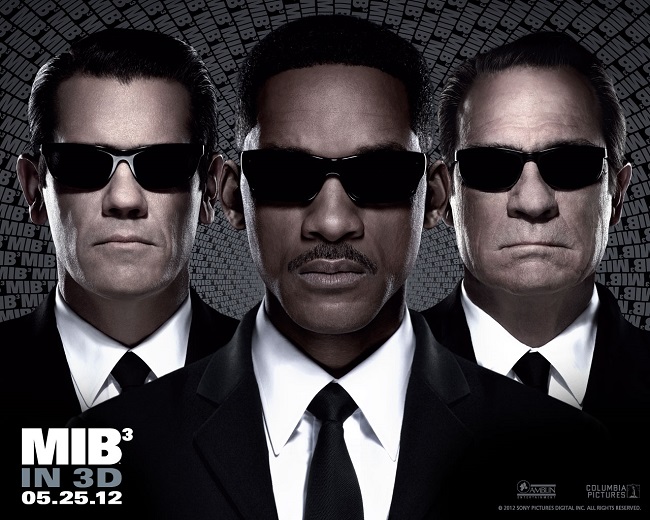
The original Men in Black movie hit our screens back in 1997. It was a box office success and was therefore followed by a mediocre sequel in 2002. It took a decade before we got a third instalment in the franchise. However, the popularity of the two lead actors contributed greatly to the success of this series and so despite well documented production problems Men in Black III was released in 2012. However, the delay between movies did have consequences. Will Smith, despite being an Oscar winner and box office star, had lost his way during this time and was not as popular with audiences. Men in Black III was a timely opportunity to reconnect with his core fans. So to ensure that the film hit all the required beats and stand a better chance of being a success, the Columbia Pictures brought back previous director Barry Sonnenfeld, in hopes of warding off the Hollywood curse of third movie instalments.
The original Men in Black movie hit our screens back in 1997. It was a box office success and was therefore followed by a mediocre sequel in 2002. It took a decade before we got a third instalment in the franchise. However, the popularity of the two lead actors contributed greatly to the success of this series and so despite well documented production problems Men in Black III was released in 2012. However, the delay between movies did have consequences. Will Smith, despite being an Oscar winner and box office star, had lost his way during this time and was not as popular with audiences. Men in Black III was a timely opportunity to reconnect with his core fans. So to ensure that the film hit all the required beats and stand a better chance of being a success, the Columbia Pictures brought back previous director Barry Sonnenfeld, in hopes of warding off the Hollywood curse of third movie instalments.
So how well does this third movie fair? Well the basic formula remain the same. Tommy Lee Jones’ Agent K is dry, irascible and set ups the jokes and Smith’s Agent J provides the pithy punchlines. This time round the plot follows intergalactic criminal Boris the Animal (Jemaine Clement) who escapes from a maximum-security facility and seeks revenge on his arch enemy, Agent K. Using that cinematic get out of jail card, time travel, Boris messes with the present, thus eliminating Tommy Lee Jones from the current timeline. This forces Agent J heading to travel back to the sixties and thus interact with an earlier incarnation of K (Josh Brolin) in an attempt to restore history. This leads to an enjoyable re-iteration of the MiB universe, viewed through the social prism of the 1969.
Now these ideas are all very good on paper, but it soon becomes self-evident that Men in Black III had indeed the production and script problems, throughout the course of its development. The pacing is a little off at times and the focus of the narrative is inconsistent. We get a story that offers many good opportunities and then spends time developing the least of them. However, it is the constant barrage of background details, sight gags, witty asides and pop culture references that save the proceedings. Both in the present and in 1969. That and the fact that although we are deprived of Tommy Lee Jones (he is not in the movie as long as you may think), we are compensated by a note perfect replacement in Josh Brolin. Emma Thompson is as always eminently watchable as Agent O.
Men in Black III is by no means a masterpiece and shows signs of studio interference. But due to the competence of all those involved it manages to rise above its flaws and is a deliver an entertaining and enjoyable experiences. The production quality is still top notch. The effects work is very good and once gain the movie showcases the talents of the great Rick Baker, although some of his remarkable physical effects work was replaced at the last moment with digital alternatives. The dependable charm and charisma of the two leads along with the multiple layers of content are sufficient compensation for the movie’s plot holes and inconsistencies. The fashionable use of the sixties as a setting also gives this third movie a shot in the arm. I don't think this is destined to be considered the best in the franchise but it is by no means the worst.
Real Neat Blogger Awards
I got tagged by fellow blogger, Magimos, as part of the Real Neat Blogger Awards. Now I’m not entirely sure what that is. It’s one of those things where you get asked a bunch of questions, then get to set some yourself and then tag other people to answer them. I certainly don’t mind answering questions. I’ve already written in previous posts how I’m a sucker for internet surveys. But I’m not keen on tagging people. It’s a little invasive for my liking and I’m a stickler for etiquette. By all means ask people if they’d like to participate but never inflict things on people without consent. To me it’s the same as random people cold calling and trying to sell you stuff. Or religious types, knocking on your front door and asking if you’d like to join a Cthulhu cult. So I’ll just write my responses to Magimos questions and then write a few questions of my own, which I’ll leave for other to reflect upon and answer if they see fit.
I got tagged by fellow blogger, Magimos, as part of the Real Neat Blogger Awards. Now I’m not entirely sure what that is. It’s one of those things where you get asked a bunch of questions, then get to set some yourself and then tag other people to answer them. I certainly don’t mind answering questions. I’ve already written in previous posts how I’m a sucker for internet surveys. But I’m not keen on tagging people. It’s a little invasive for my liking and I’m a stickler for etiquette. By all means ask people if they’d like to participate but never inflict things on people without consent. To me it’s the same as random people cold calling and trying to sell you stuff. Or religious types, knocking on your front door and asking if you’d like to join a Cthulhu cult. So I’ll just write my responses to Magimos questions and then write a few questions of my own, which I’ll leave for other to reflect upon and answer if they see fit.
Which one of your posts was the most fun to write? Why? I tend to enjoy writing all of my posts, although that said, sometimes when I’m researching an in-depth film review, I do get a strong sense of satisfaction. I like detail and supporting anecdotes. When writing longform posts about gaming, I enjoy a well-constructed argument that has supporting points and evidence. And as I write initially for myself, I have a tendency to laugh at my own jokes. Hence, I often include all sorts of superfluous pop culture references mainly because they make me smile. As for a favourite post that was most fun to write, I don’t believe I have one yet. May be that is to come.
Do you like milk and sugar in your tea or coffee? I spent nearly a decade working short term contracts and being self-employed. One of the things I quickly learned when regularly attending new work environments, was not to expect any facilities such as a fridge or access to a kitchen. So I trained myself to drink black coffee and to use sweeteners. I would often bring bottled water, instant coffee, a cup and “Sweetex”. An adequate cup of coffee could then be made with a microwave. If the latter was lacking on a lengthy contract, I’d buy one and added it to my expenses. However, now that I have stopped working, I enjoy drinking quality coffee with brown sugar. Oddly, despite being British I tend not to drink tea.
Do you prefer Dogs or Cats? In principle I like both cats and dogs. Pets bring immense joy to people and can be invaluable companions. As a child our family had cats. Mrs P was the opposite and favoured dogs. However, due to a range of factors we have not had pets since then. We have lived in premises where pets were not allowed and have held jobs where accommodating a pet hasn’t been practical. We have reconsidered the situation again recently but the big reason not to have a pet this time is personal health. However, my son has just acquired a kitten, so I can enjoy that by proxy.
What Harry Potter house are you in? (I’m a hufflepuff btw!) Bauhaus? Shit House? The Last House on the Left? Joking aside. I’d probably be in Slytherin just to be different. Bad guys always have more fun.
What’s the weirdest thing you’ve ever eaten? Baby Octopus. Pickled.
The God of Art has elected you to help him with a difficult question. You have to either delete one of your favourite shows/movies/games for ever or create another sequel/part/etc. of your least favourite show/movie/game! What do you do and what do you choose? I know this question was made in good faith, intended to be a fun thought experiment. However, I fundamentally dislike the concept that underpins it. IE The elimination of historical information. There are many aspects or our culture, be they events, concepts or social trends that can be retrospectively deemed problematic by contemporary standards. You cannot simply paint them out of existence and it is extremely dangerous to even countenance such things. The past has to be viewed within context. Also with regard to this question, I’m not too keen on deities of any kind. Except may be Cthulhu (as I’ve mentioned him twice now). So bearing all this in mind, it makes it very hard for me to address the question. Although the Steve Martin remakes of The Pink Panther are utter shite.
What’s your favourite (movie/show/game) antagonist? This is an interesting question because when you think about it, antagonists tend to be far more complex and engaging characters, or at least they are in well written video games, movies and TV shows. So I could go for some cerebral response like Colonel Kurtz (Marlon Brando) in Apocalypse Now. Or how about the actor Michael Ironside? He’s played numerous charismatic bad guys throughout his career. But upon mature reflection, I prefer someone more matter of fact like Jason Vorhees from the Friday the 13th franchise. He’s uncomplicated and very consistent. Oh and let’s give the late great Alan Rickman a mention, as The Sheriff of Nottingham in Robin Hood: Prince of Thieves. He gives a wonderfully theatrical performance and has some killer dialogue.
My questions: Here are my questions that I have set. Some are serious, and others are light-hearted. If anyone sees fit to answer them, do let me know as I’d be interested in reading them.
1. How do you explain your passion for games to those who don't "get it"?
2. Do you have faith in your country’s political institutions?
3. Do you regret anything that you've written or said on a podcast?
4. Do you find common place social conventions, such as going for a drink after work, or inviting colleagues’ round to dinner, a pleasure or a chore? (Feel free to replace examples with something more appropriate to you if required).
5. If you played games as a child, did your parents place any restrictions upon your pastime?
6. You are standing behind someone who is unaware of your presence. Armed only with a seven-inch filleting knife, what is the most efficient way to kill them?
7. Do you consider video game ratings to be important?
8. Do you ever find that your own personal values, principles and ethics put at odds with the wider gaming community?
9. Share a valuable lesson about life that you've learnt the hard way.
10. Is there a blogger or podcaster who has quit the scene or retired that you would like to see make a return?















A Month in Gaming
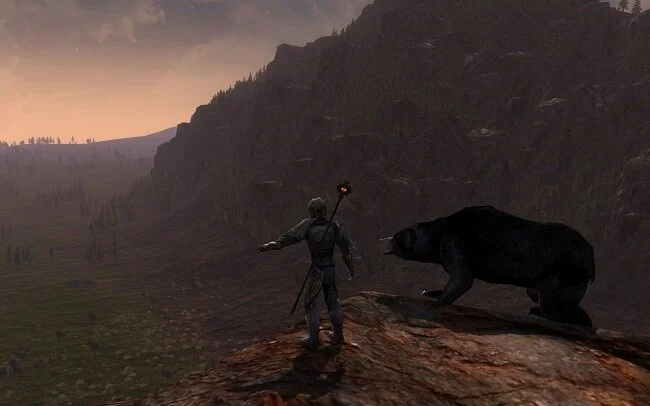
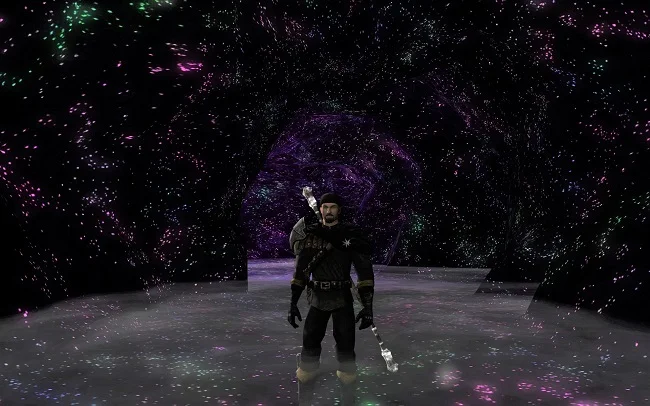
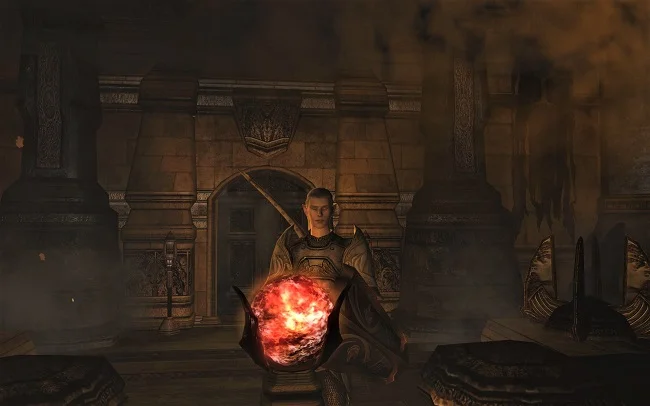
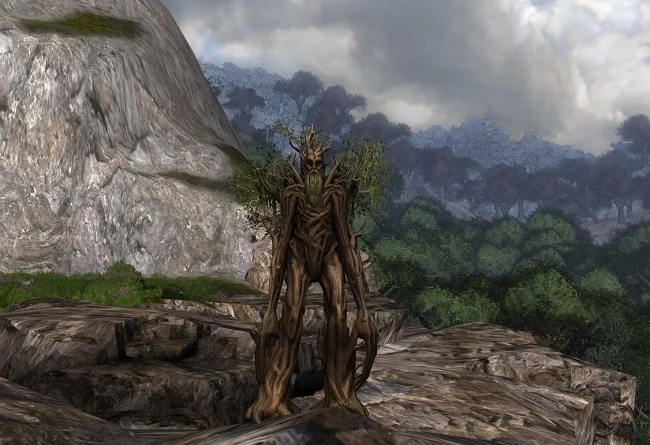
Last month panned out pretty much as I expected. Blaugust and writing daily blog posts took up a fair amount of my leisure time. And then I lost a few days due real-life social activities. What gaming time I had was focused mainly on The Elder Scrolls Online. I’m sorry to say that I’ve ground to a halt in The Lord of the Rings Online. My level 113 Guardian remains at the Black Gates and for the present I simply do not feel disposed towards working my way through Mordor again, which I did just a year ago on my primary character. I have undertaken a few quests with my level cap Lore-master and will endeavour in the weeks ahead to at least complete the Vales of Anduin region. LOTRO at present doesn’t have much of a hold on me, although I may well become more enthusiastic once the next expansion is formerly announced.
Last month panned out pretty much as I expected. Blaugust and writing daily blog posts took up a fair amount of my leisure time. And then I lost a few days due real-life social activities. What gaming time I had was focused mainly on The Elder Scrolls Online. I’m sorry to say that I’ve ground to a halt in The Lord of the Rings Online. My level 113 Guardian remains at the Black Gates and for the present I simply do not feel disposed towards working my way through Mordor again, which I did just a year ago on my primary character. I have undertaken a few quests with my level cap Lore-master and will endeavour in the weeks ahead to at least complete the Vales of Anduin region. LOTRO at present doesn’t have much of a hold on me, although I may well become more enthusiastic once the next expansion is formerly announced.
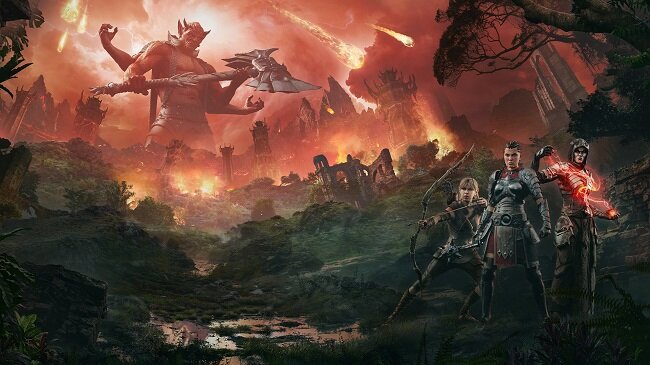
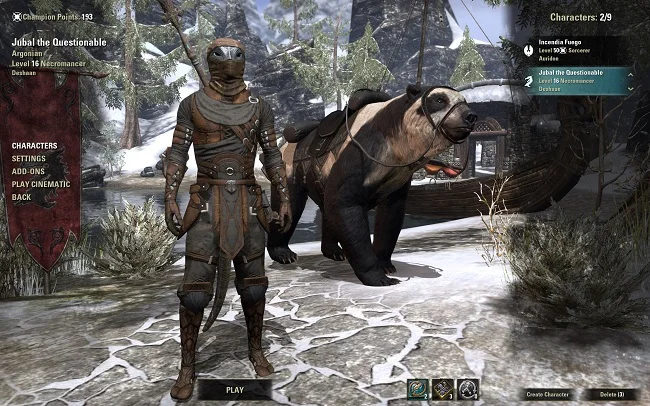
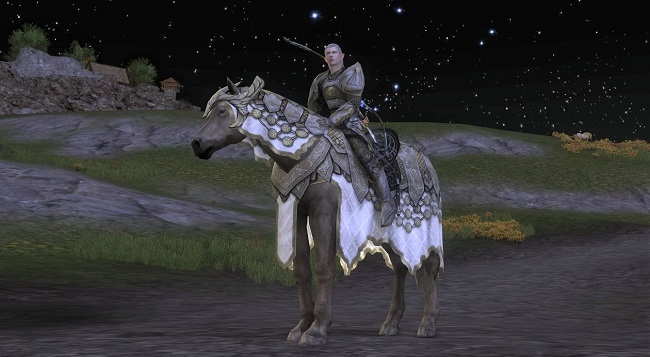
At present ESO is more than keeping me busy. I’m enjoying the Ebonheart Pact main story and have also experimented with my Necromancers skills. I currently have a Magicka build that gets things done and I’m rather pleased that I figured it out for myself. The game is filled with content, engaging zones along with plenty of other players. Furthermore, unlike other MMOs, ESO has accessible group content. I tend to group with two friends and we can tackle delves and even group bosses that can be found in each zone. Then of course there are the Dolmen. ESO is the only MMO that I play where doing something collectively is not an uphill struggle. You form your group, travel to where the action is and get on with it. There are no complexities involved, be they cutscenes or copious amounts of bestowal dialogue. I even got a free mount and non-combat pet for being a Twitch prime customer!
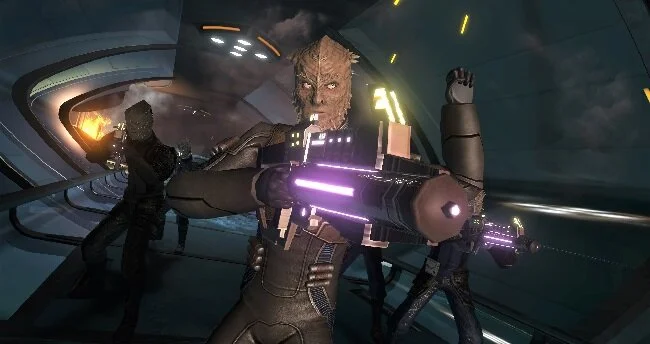
Looking ahead to this month, I have high expectations for the new story mission, Awakening, coming to Star Trek Online on Tuesday 10th of September. I have been critical of late of the way Cryptic seems to be taking a somewhat scattershot approach to modernising the game but new narrative content is new narrative content. The question remains will the new story along with patrols, events and sundry system changes be enough to keep me regularly engaged with STO? I’m not so sure. I must admit I’ve be considering dusting off an old game such as Starfleet Academy or even give the mobile game Star Trek: Fleet Command a try. Although the former is more likely as I bought this classic recently from Good Old Games for a ridiculously cheap rice. Although Star Trek: Fleet Command looks intriguing, I’ve already been burned by the other mobile game Star Trek Timelines. I really enjoyed the concept and the way the missions panned out after you selected your away team. But is had a typical mobile game business model and eventually you hit a brick wall and have to start spending money to progress.
I may also trawl though my back catalogue of games on Steam, the Epic Store, Origins and Uplay and see if there’s anything that immediately takes my fancy. I recently managed to fit in the single player game Mafia. Therefore, I see no reason why I can’t do that again. I certainly feel it will provide some variety to this column which fast seems to be becoming “MMO corner”. Someone mentioned point and click games recently on the Blaugust Discord Server and I’ve suddenly become very nostalgic for the genre. I have keys for the Syberia trilogy somewhere among my game collection. This franchise has quite a following and the games are critically acclaimed. Perhaps I should give them a go. Or maybe I’ll dust off one of the earlier Sherlock Holmes games from Frogwares. Either way both would be interesting experiments as well as providing something to write about.




Thoughts on Blogging Part 10
The end of Blaugust Festival of Blogging 2019 presents the perfect opportunity to write another entry in my “Thoughts on Blogging” series. According to the Blaugust schedule this is the “lessoned learned week”, although I’m not too keen on that specific phrase. It sounds too much like the sort of bogus, sombre platitudes that politicians trot out in the wake of some national tragedy. But such is the nature of semantics and such is the curious fashion in which my mind works. So rather than worry of the wording, I’ll just simply reflect upon the past month and consider what it means for my writing, both present and future. Because I do believe that over the last month, I have had a minor epiphany with regard to my relationship with blogging.
“Dear Sir, please send fish. Best wishes, Binky”
The end of Blaugust Festival of Blogging 2019 presents the perfect opportunity to write another entry in my “Thoughts on Blogging” series. According to the Blaugust schedule this is the “lessoned learned week”, although I’m not too keen on that specific phrase. It sounds too much like the sort of bogus, sombre platitudes that politicians trot out in the wake of some national tragedy. But such is the nature of semantics and such is the curious fashion in which my mind works. So rather than worry of the wording, I’ll just simply reflect upon the past month and consider what it means for my writing, both present and future. Because I do believe that over the last month, I have had a minor epiphany with regard to my relationship with blogging.
A month and half ago, I was feeling unmotivated and not particularly disposed towards writing on a regular basis. Yes, I have had demands on my time and a degree of stress brought about by real world issues. But that’s life. There’s always something going down. And such negative mindsets often end up becoming self-fulfilling prophecy. However, along comes Blaugust offering a shot in the arm (or a kick in the butt), as it always does. I find that groups are better at fostering a sense of enthusiasm and momentum for these sorts of activities. So I got busy writing. I composed a few posts that offered advice in the hope that my experience may be of use to others. I also began writing about the things I enjoy again. Only this time it was mainly due to passion, rather than a sense of obligation. I stayed the course and felt good doing it.
“Good for you”…
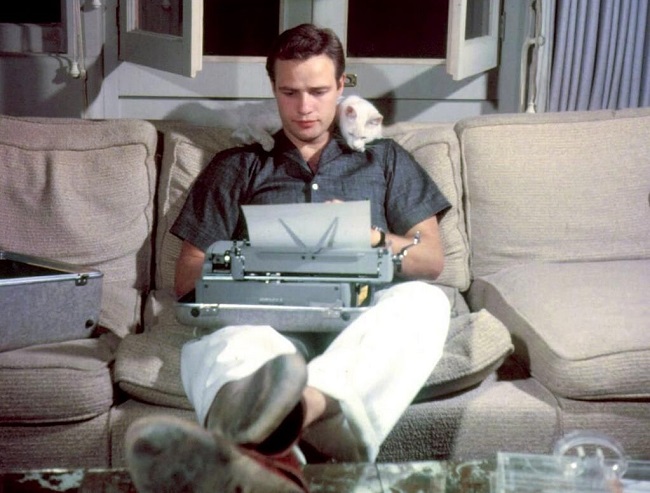
Blaugust has confirmed a few suspicions I’ve harboured about my own style of writing. I don’t do brevity. If a point is complex then take as much time necessary to explain it properly. Write what you believe to be right, not what you think people want to hear. If you find yourself on the wrong side of a prevailing consensus, then so be it. In fact enjoy the perspective. Also, stop wasting your time waiting for that article you’ve always wanted to read, that says that thing that you passionately believe. Just go write it yourself and be done. Blaugust has also once again proven that I work better to a plan and I need to be organised. Time can be found to do things, if you deem them important enough. I believe Scotty said something like this and who am I to contradict the greatest engineer in fiction?
“Bullshit, Mr Han Man”
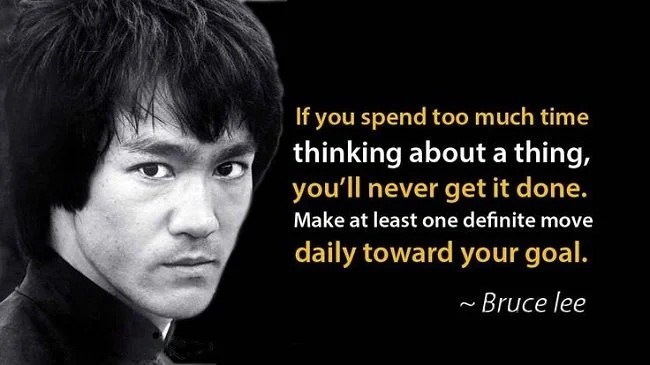
So what next? Well I intend to keep writing. Regularly. I see no reason why I can’t continue as I have throughout August. There’s always a film to review or an article over on Massively Overpowered that is wrong and needs to be rebutted (I jest of course. Or do I?). I’m also going to dust off my notes and get back on track with writing my book. The one that is planned, researched and just needs writing. And I believe that a podcast is due. So I’m going to send out emails invites to pressgang some guests and set a recording date. Life is too short and I’m getting old and need to stop being excessively diplomatic and accommodating to other people. To paraphrase a quote from Enter the Dragon “we forge ourselves in the fire of our will”. So unless I hear cries of “Bullshit, Mr Han Man”, I’m just going to crack on and do my thing. Which is write (with emotional content).


















More Cult Movie Soundtracks
A few years ago, I wrote a post about cult movie soundtracks and how many of these movies are often blessed with a high quality score from an established composer. The subject came up again recently when I was visiting the British Film Institute with friends, and several other examples were discussed. Hence, I thought it would be prudent to write a follow up post with another selection of material, as it continues to amaze me how often the most appalling films can still have outstanding soundtracks. With this idea in mind I've collated five films that are for various reasons are labelled “cult” and have suffered the “slings and arrows of outrageous fortune” over the years. All have scores of interests and note, though for different reasons. I have chosen a track from each soundtrack which I think highlights the musical excellence and integrity of the composers involved. The genres are varied as are the musical styles and nuances of each piece. All clearly demonstrate how a well-conceived score can embellish and enhance a movie, effectively becoming a character in its own right.
A few years ago, I wrote a post about cult movie soundtracks and how many of these movies are often blessed with a high quality score from an established composer. The subject came up again recently when I was visiting the British Film Institute with friends, and several other examples were discussed. Hence, I thought it would be prudent to write a follow up post with another selection of material, as it continues to amaze me how often the most appalling films can still have outstanding soundtracks. With this idea in mind I've collated five films that are for various reasons are labelled “cult” and have suffered the “slings and arrows of outrageous fortune” over the years. All have scores of interests and note, though for different reasons. I have chosen a track from each soundtrack which I think highlights the musical excellence and integrity of the composers involved. The genres are varied as are the musical styles and nuances of each piece. All clearly demonstrate how a well-conceived score can embellish and enhance a movie, effectively becoming a character in its own right.
I've always found it paradoxical that a movie such as Ruggero Deodato's notorious Cannibal Holocaust (1980), features such a haunting score by Riz Ortolani. I won't debate the merits of Cannibal Holocaust here but it’s a very morally ambiguous and controversial piece of cinema. It’s certainly not for those who are easily shocked. Yet its soundtrack underpins the narrative superbly. The opening theme, set against aerial shots of the Amazon rain forest, features a very gentle and haunting refrain. You would think such a piece would be more at home in a romantic drama or even a late seventies commercial. However, it is further repeated at various times during the film, often juxtaposed against scenes of abject barbarity.
Solomon Kane (2009), based on Robert E. Howard’s fictional "dour English Puritan and redresser of wrongs", is an underrated action horror movie. It manages to bely its modest production values to blend atmospheric European locations with a strong cast. The action is robust and James Purefoy carries the story forward and compensates for some of the film’s logistical failings. The tone and spirit of the proceedings is very much in the idiom of Hammer movies such as Captain Kronos. The score by German composer Klaus Badelt is grandiose and focuses on the central character of Kane. The main theme is used with suitable variations to reflect both the bombastic fights sequences and the moments of quiet religious reflection.
How can I possibly write about cult, obscure and trash movie soundtracks without at least one piece by the legendary Ennio Morricone. The maestro seems to have a knack of writing quality material for some awful films. Hundra (1984) is an Italian-Spanish fantasy film co-written and directed by Matt Cimber and starring Laurene Landon. It’s a kind of female Conaneque, sword and sorcery movie with a bogus feminist agenda. Beneath a wafer-thin veneer of gender politics is a generic exploitation movie. The actions scenes are weak, the story is formulaic and the performances are negligible due to the ADR inherent in such international co-productions. Yet the Morricone score stands out. Hundra’s main theme is simple and effective and there’s a chase scene with a whimsical accompaniment.
Lucio Fulci’s first instalment of his “Gates of Hell” trilogy is an atmospheric, off kilter horror outing. City of the Living Dead (1980) features his hallmark excessive gore but unlike his previous movie Zombie 2, the linear narrative is replace with a more dream like story line. Many scenes are visually striking but the plot doesn’t really make logical sense. However there are sufficient maggots raining from the ceiling and actors vomiting up their intestines to keep the audience focused elsewhere. The soundtrack by Italian composer Fabio Frizzi is creepy and uniquely European. The scene in the crypt at the climax of the movie has a great cue that plays as zombies stagger around burning.
If you are not familiar with Michael Mann’s The Keep (1983), then it’s difficult to know where to start. The film is based upon a gothic horror novel by F. Paul Wilson about a group on German soldiers based in a Romanian fortress during World War II, who are picked off one by one by a vampire like creature. Mann’s second feature film took this tale and adapted it into a curious science fiction horror movie. The production was “difficult”, ran over budget and studio executives panicked at the kind of experimental film making that ensued. The movie was taken away from the director, re-edited and released in a very truncated form. It failed at the box office and Mann has subsequently disowned it. It boasts a sophisticated soundtrack by German electronic music band Tangerine Dream. Like the film itself, the score just has to be experienced and digested to be fully appreciated. Similarly, the score has had a troubled life and there has never been an official release that contains all music used. But what remains is intriguing even when listened to outside of the context of the film itself.
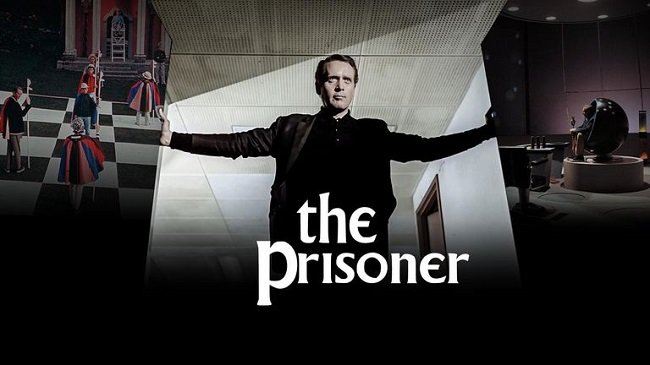

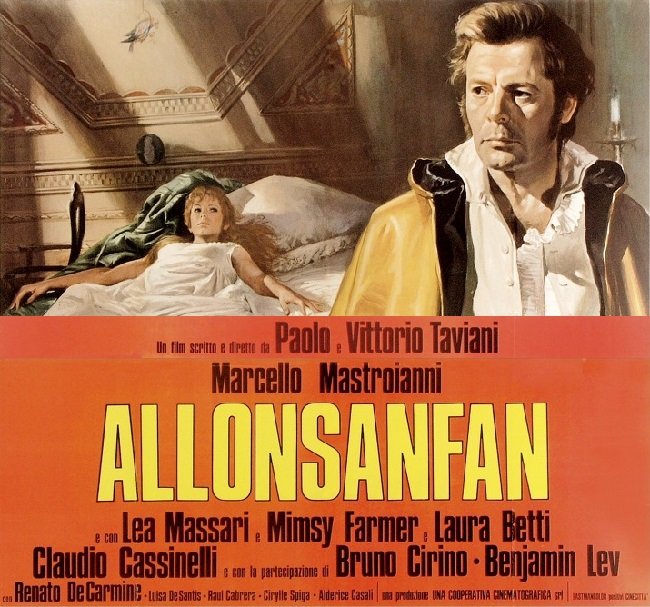
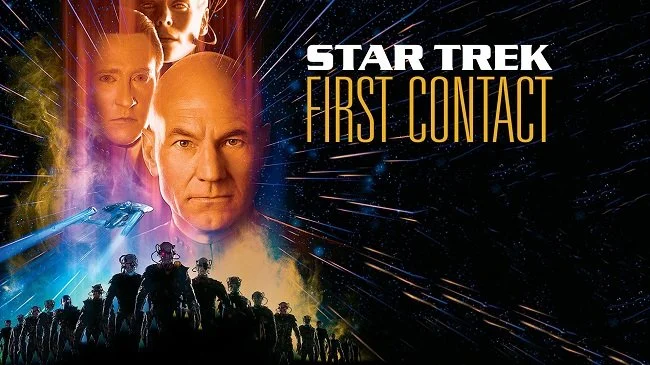
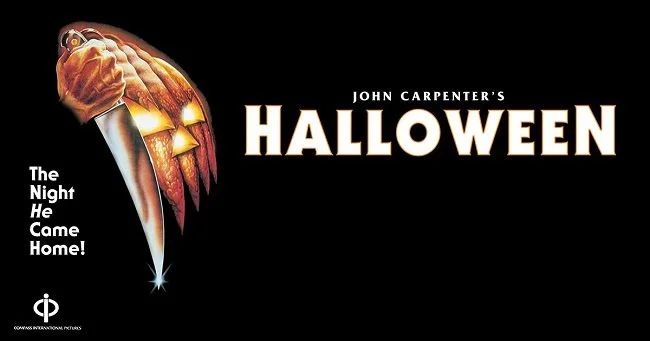
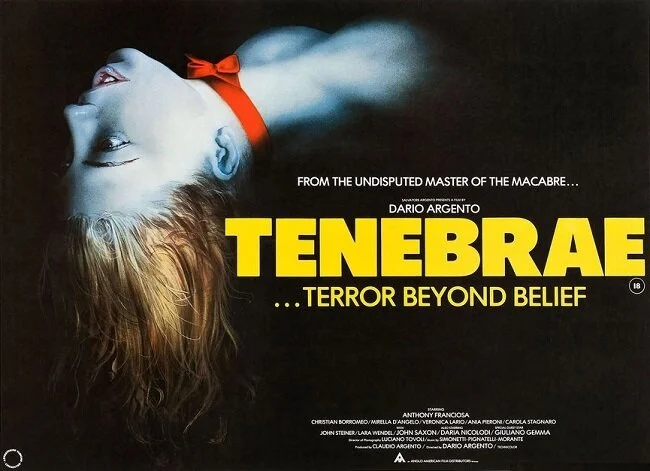
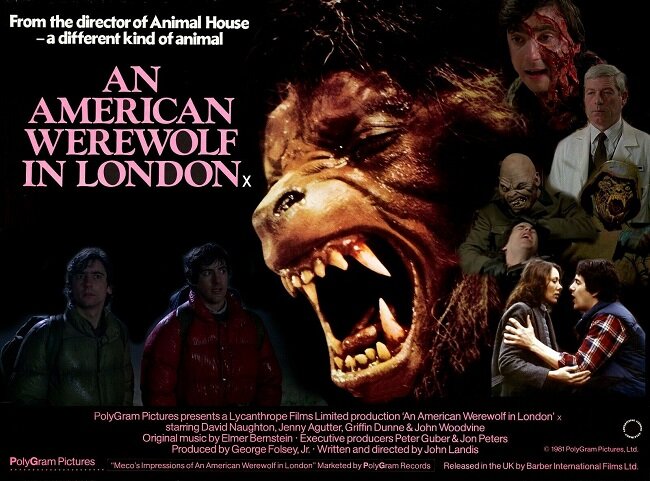


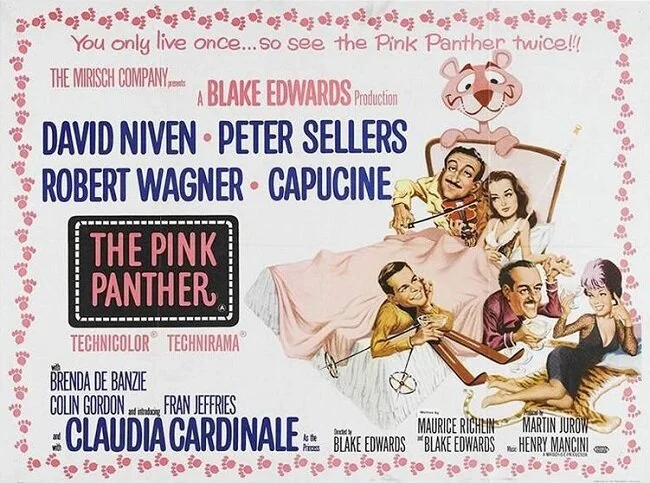
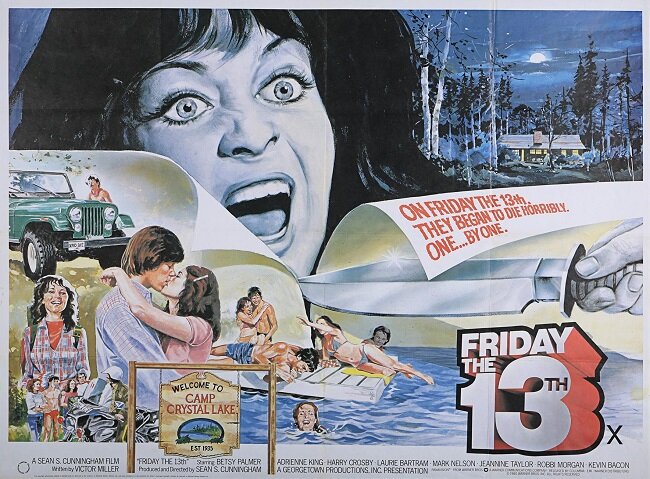

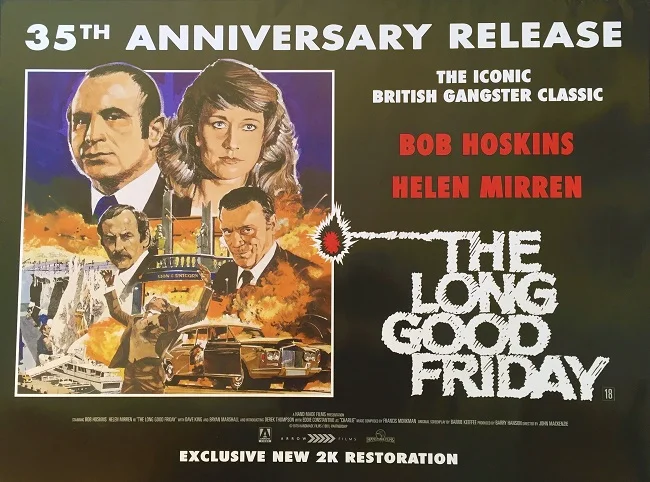
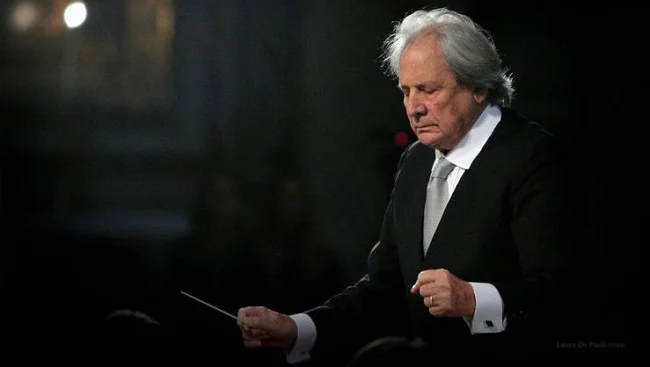
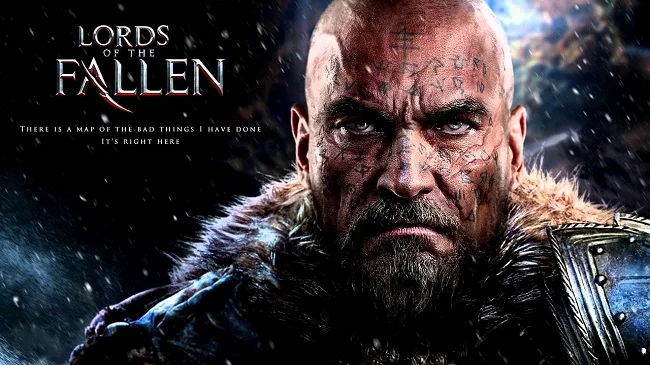
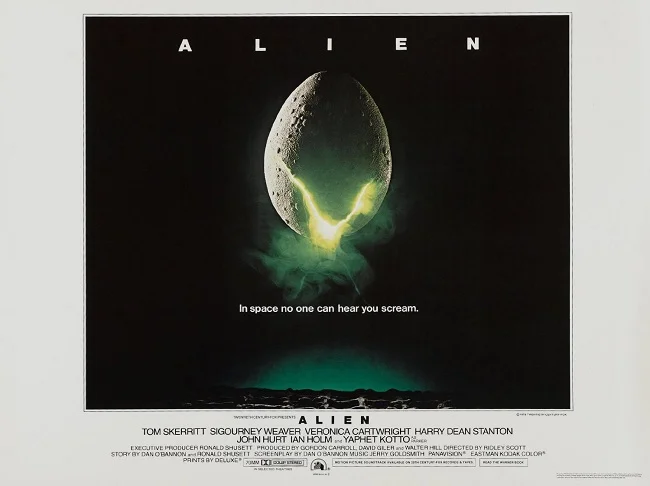

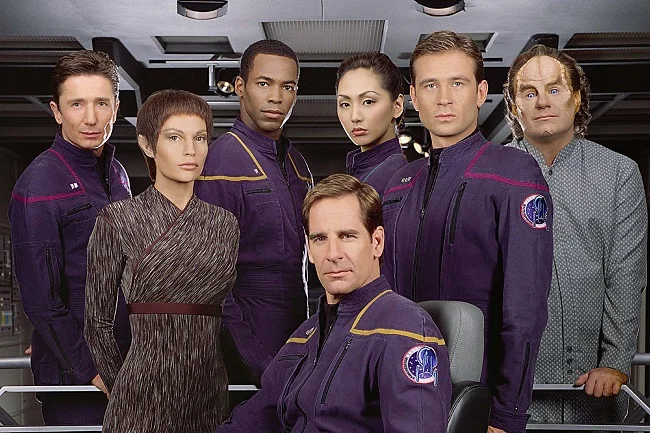
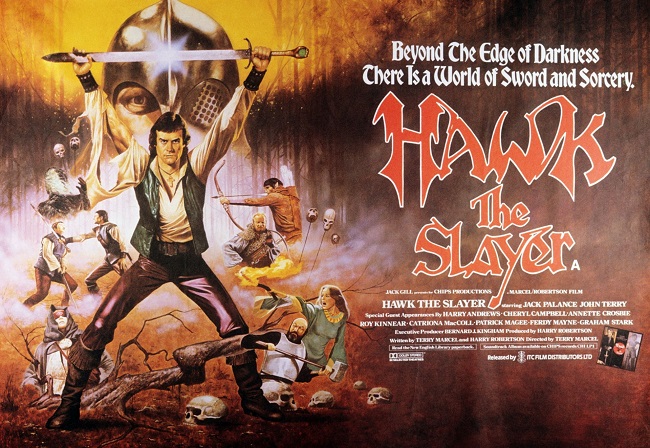
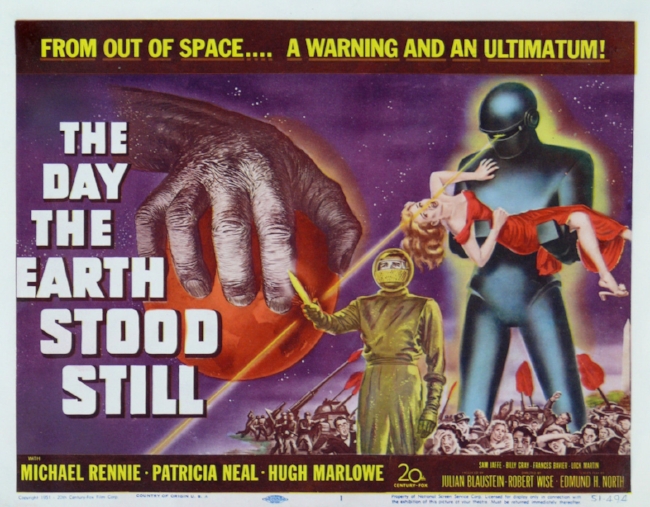
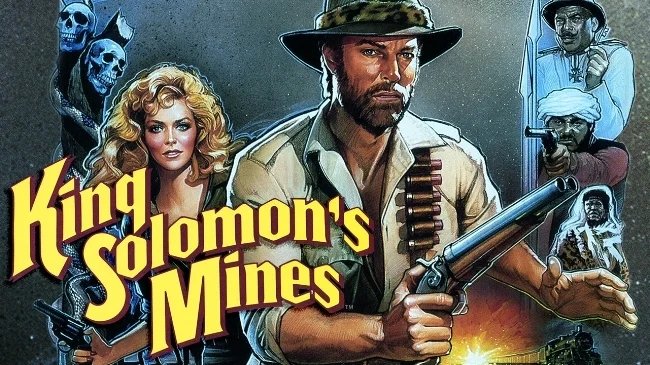



Video Game Avatars and Our Relationship with Them
Blaugust founder Belghast tweeted the following question last night along. “There is a discussion happening elsewhere so I'm curious. For me all of my game characters are just cosmetic shells for the digital "me". Getting the impression I am deeply in the minority here”. Obviously, he’d had encountered at interesting debate about our relationship with the characters we create and utilise to play video games and wanted to explore it further. So I and several others tweeted back our thoughts on the matter, which made for interesting reading. However, even as I was doing so, it became apparent that such a subject needed a blog post for an adequate response. It’s a big subject. Fellow bloggers Rakuno and Shadowz have already posted their take on this weighty topic. I suspect that this will be a very popular subject to explore because it is very personal and subjective.
Blaugust founder Belghast tweeted the following question last night along. “There is a discussion happening elsewhere so I'm curious. For me all of my game characters are just cosmetic shells for the digital "me". Getting the impression I am deeply in the minority here”. Obviously, he’d had encountered at interesting debate about our relationship with the characters we create and utilise to play video games and wanted to explore it further. So I and several others tweeted back our thoughts on the matter, which made for interesting reading. However, even as I was doing so, it became apparent that such a subject needed a blog post for an adequate response. It’s a big subject. Fellow bloggers Rakuno and Shadowz have already posted their take on this weighty topic. I suspect that this will be a very popular subject to explore because it is very personal and subjective.
I mainly play games from the RPG and MMORPG genre for their narratives. I like lore rich stories, especially those that are linked to licensed intellectual properties. What games such as The Witcher 3: Wild Hunt, The Lord of the Rings Online and The Elder Scrolls online offer me is the opportunity to experience a story and have a degree of influence over the outcome. The games are an enhanced form of reading. Instead of visualising realms and characters in my mind, I get to see them first-hand and move freely among them. They speak to me and react to my choices (within the confines of the game). My avatar is the means through which I navigate this environment. Although I may spend time creating a character, giving thought to their appearance and their name, ultimately, they are merely a conduit. A means to experience the story. I do not see them as an extension of myself or imbued with elements of my personality. They have no true agency. Games are not sufficiently sophisticated enough at present, that we can supply our own responses to questions and the NPCs act on them.
Now I’m sure for gamers who embrace roleplay, their relationship with their MMO character is much more complex. Your avatar becomes more than just a three-dimensional, mobile interface with the story. It becomes a part that needs to be acted. A separate dramatic entity. It may be similar to yourself with regard to ethics and morality. But roleplay also offers the scope to explore personalities that are contrary to your own. Then there are those players who like to create a backstory for their character. They may reflect traits that the player does not have themselves. Their avatar may also be radically different from the player. There is the option to play as a different ethnicity or gender. Thus the character can provide both a sense of change as well as empowerment. I can certainly see the appeal of this and how it enhances the escapism that games can offer. However, I am not a trained psychologist so I won’t speculate too much in matters that I’m not qualified to do so. I will leave it to others to discuss projection and such concepts as the “imago”.
Although character creation in an MMO is restricted by the parameters of the game, it is still an act of creation, subject to our personal preferences. We further stamp our likes and dislikes upon it by giving it a name. Names are an intrinsic aspect of identity. Yet the real deciding factor is how we relate to our avatars. Is it merely a functional tool to experience the game or is it a facet of our self? When you play an RPG or MMO are you merely passively observing the narrative or do you see yourself as a protagonist in a play? A method actor who reacts to NPC interactions as if they were as tangible as a real-world experience? I think this is the core of the distinction. Naturally, those who approach gaming with the latter in mind are going to have a far more complex relationship with their avatar. Where gamers who favour the former approach will see things in more practical terms. Like a “bicycle that you are fond of” as Rakuno stated. The emotional connection comes from the fact it facilitated such enjoyable experiences.
I suspect as video games advance and MMOs incorporate ever better AI technology, we may well find ourselves playing games with more complex forms of communication and interaction. At that point your character may well cease to be just a factotum and become something more nuanced. Imagine an MMO where if you behaved poorly, wantonly destroying things and attacking NPCs, the game adapted to your virtual personality. What if it wasn’t just your actions in game that determined this but the way you spoke and the manner in which your character conducted themselves. I suspect such player/character relationships would be far more complex and an absolute field day for “Shrinks”. But for the present, my Argonian Necromancer, Jubal the Questionable, in The Elder Scrolls Online is simply an avatar in the traditional gaming sense. There’s not that much of me there, apart from my love of words and writing which accounts for the dramatic name. Plus I don’t have a tail or a penchant for staying moist.
Staying Motivated
According to the Blaugust Festival of Blogging timetable, the designated writing prompt for week number five is titled “Staying Motivated”. Because at some point, all content creators will find themselves either too tired, unwilling or simply unable to produce any new material. You may well have the time and resources to do so but lack inspiration to actually apply yourself. It’s a perennial question for anyone who writes, live streams or produces videos and podcasts. Like most problems of this nature which are dependent upon personal and subjective factors, it does not have a standard or easy answer. Staying motivated is a personal battle that you have fight by yourself, in your own way. If you find a solution that works for you there’s no guarantee that it will be applicable to others. However, there are some practical steps that can be universally taken that can contribute to staying motivated.
Motivation is a psychological concept and not an actual location
According to the Blaugust Festival of Blogging timetable, the designated writing prompt for week number five is titled “Staying Motivated”. Because at some point, all content creators will find themselves either too tired, unwilling or simply unable to produce any new material. You may well have the time and resources to do so but lack inspiration to actually apply yourself. It’s a perennial question for anyone who writes, live streams or produces videos and podcasts. Like most problems of this nature which are dependent upon personal and subjective factors, it does not have a standard or easy answer. Staying motivated is a personal battle that you have fight by yourself, in your own way. If you find a solution that works for you there’s no guarantee that it will be applicable to others. However, there are some practical steps that can be universally taken that can contribute to staying motivated.
If you truly are just writing for yourself, then there is no requirement for any sort of schedule. It also means the question of motivation is greatly mitigated. But if you do write to interact with your audience, then a schedule is a useful thing for both parties. Therefore set a schedule that you know you can sustain. Be honest and realistic with yourself. If it’s just one post a week, so be it. At least everyone then knows where they stand. Once you’ve got a clear idea of how often you want to write (or whatever it is that you do), find the time and use it. If it helps, prepare some sort of reward such as a tasty snack, gin or ketamine that you don’t get until you’ve achieved your goal.
I find that on occasions, there are days when the writing just flows. On such days I publish a blog post and “bank” anything else I produce for another day. Film reviews tend not to be time sensitive, can be written on the fly and left to build up in my “drafts” folder. These can then be rolled out on days when my writing mojo is waning. Then there are feature columns and recurring blog posts. Articles in which you summarise what you’ve been up to. And again let us not underestimate the popularity of sharing screen captures from games and such like. If you managed to obtain that obscure armour set after grinding out a specific instance, then let people know.
“No lollygagging”
Although I do advocate schedules, I also advise taking breaks from your content creation, when you feel the need. However, if you do regularly produce content then you may want to notify your readership of your pending absence. If people know in advance that you’re taking a break, they’re more likely to return later. If you simply vanish without explanation, then your audience will evaporate over time along with any goodwill. I would also add that if like me, you tend to produce content regularly, don’t take too long a break. In my experience the longer your away, the harder it is to return.
One way to keep busy and stave off any loss in motivation is to collaborate with your fellow blogger, streamers and podcasters etc. Group writing projects can yield interesting results, especially when debating subjects that are contentious or have multiple perspectives. Podcasters and streamers can have guests on their shows or facilitate round table debates. Not only do such projects boost your motivation and strengthen community bonds, they also offer a degree of promotion for your online presence.
To date, no Lion has ever written a blog post of note
For many of the people participating in Blaugust, blogging or whatever other form of content creation you’re pursuing, is a hobby. If treat it as such, in a manner that you can sustain, it will remain so. Pushing yourself beyond what you can reasonably cope with, is the quickest way to fall out of love with the thing that you’re doing. That’s not to say you should shy away from applying yourself and sometimes maintaining a degree of discipline. But you have to find a mode of operation that is right for you. A degree of introspection and honesty is also required so you don’t bite off more than you can chew, or conversely, sell yourself short.
Finally, stay in touch with the community after Blaugust and keep a presence on the Discord server. Being around like-minded people is invaluable for staying engaged and focused. After a busy and engaging event such as Blaugust, it can feel like things grind to halt in the days and weeks afterwards. It is not unusual for many content creators to actually stop if they feel that the support network has gone. But it is still there, so it is important to keep the lines of communication open.


















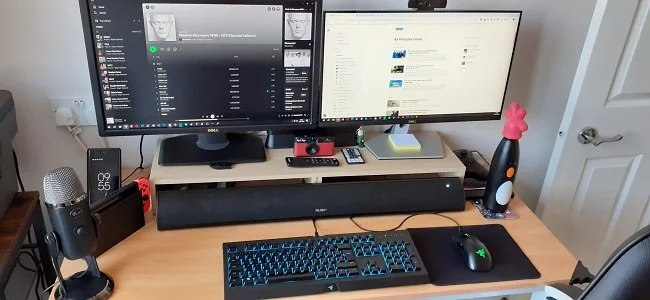
Separating Art from the Artist
In recent years, the #MeToo movement has made it abundantly clear that the film, TV and video games industries are far from idyllic work environments that pop culture implies that they are. Allegations of rape, sexual assault, bullying and general bullshit abound. There have been convictions and such matters are slowly being given the scrutiny they deserve. But it’s an uphill struggle for the victims because vested interests will always resist potential changes to the status quo. There are wider discussions to be had about many artistic and creative industries being glorified “boys clubs” and then there is the culture of “blaming the victim” but those are for another day. I don’t think they’re going to resolve themselves over night, sadly. On this occasion, I would like to reference the composer Jeremy Soule, because he is the latest artist to have serious allegations made against him. Naturally, this has caused a great deal of discussion among his fans. Soule’s work on The Elder Scrolls and Guild Wars franchises is very well regarded. Hence a common refrain that stems from these sorts of situations is “I now feel conflicted about this individual work”. It raises the old chestnut about separating art from the artist.
In recent years, the #MeToo movement has made it abundantly clear that the film, TV and video games industries are far from idyllic work environments that pop culture implies that they are. Allegations of rape, sexual assault, bullying and general bullshit abound. There have been convictions and such matters are slowly being given the scrutiny they deserve. But it’s an uphill struggle for the victims because vested interests will always resist potential changes to the status quo. There are wider discussions to be had about many artistic and creative industries being glorified “boys clubs” and then there is the culture of “blaming the victim” but those are for another day. I don’t think they’re going to resolve themselves over night, sadly. On this occasion, I would like to reference the composer Jeremy Soule, because he is the latest artist to have serious allegations made against him. Naturally, this has caused a great deal of discussion among his fans. Soule’s work on The Elder Scrolls and Guild Wars franchises is very well regarded. Hence a common refrain that stems from these sorts of situations is “I now feel conflicted about this individual work”. It raises the old chestnut about separating art from the artist.
We can all write a long list of disgraced artists if we think about it. People who at one time produced outstanding music, made great films, staged plays or were great philanthropists and benevolent charitable benefactors. Consider Michael Jackson, Woody Allen, Kevin Spacey and Louie C.K. The list sadly keeps growing. It’s a very rude awakening when you discover that people you admire and revere are in fact monsters. Furthermore, this is not a modern problem. Charles Dickens, William S. Burroughs and Charlie Chaplin all had very chequered pasts. So what are we supposed to do when we discover that something that we enjoy is created by a such a person? Well a common answer is that you must take the art and effectively remove it from the context of the artist that created it. But like many notional concepts, trying to put in to practice is harder to do. It is something that requires a willing sense of cognitive dissonance, as well as being able to govern your passion. That is not going to be easy for many people. And then there’s the issue of fandom, which muddies the waters even further. Fans are not always the most self-aware or emotional literate societal group.
I first encountered the concept of separating art from the artist when at school, studying English literature. T.S Eliot stated, “I have assumed as axiomatic that a creation, a work of art, is autonomous,” in 1923. There subsequently followed a new way of appraising literary work, which attempted to make analysis more like a science. The focus was on the words, their meaning and context and the authors relationship with their work was sidelined. This method and variations of it have prevailed for a long time and where still used when I was being educated in the eighties. French literary theorist and philosopher Roland Barthes declared in 1967 that authors doesn’t create a text. The reader does, by reading it. Each new reading effectively reinvents it. Therefore texts have no fixed or definitive interpretation. Oh and it gets even deeper. I have read arguments that film and music are not owned commodities but cultural gifts bestowed upon society. The viewer or listeners opinion has to trump that of the artists, because they have been solicited to give a personal subjective opinion. This theoretically will negate the auteurs ability to control the interpretation of their work and will therefore tempers their institutional power.
But these ideas tend to mainly exist within the confines of the classroom and academia. They are both abstract and cerebral which therefore limits their practical application. Plus there is another issue that stems from our revulsion against fallen artists. There is an inherent cultural assumption that we expect our artists to be virtuous by default. That is not to say that we should be advocating for them to be the opposite but it reveals a societal propensity to put artist on a pedestal by dint of being an artist. Musicians, actors, writer and film makers begin their careers as everyday people, like you and me. Therefore they will have the flaws and failings that we all share. In fact some would argue that their creative abilities draw upon their flaws, vices and failings. Yet the moment success, fame and personal validation are achieved we seem to give artists a cultural free pass. We cosset them and make excuses. Are we actually contributing to the creation of monsters?
Upon reflection it would appear for many people there is no easy way of separating art from the artist. Because our relationship with art is deeply personal, it seems perfectly reasonable to take it personally when someone you admire transgresses. So if you no longer wish to support an artist, then don’t buy any more of their work. If you cannot bring yourself to listen to their music then purge your CD collections. We are not purely rational beings. Art is emotive, so are artists and so are we. But I believe that we have to confine out emotional responses to the likes of Jeremy Soule and Michael Jackson, to just ourselves. I do not advocate that as a society we try to erase the art of those who are in disgrace, due to some perceived collective moral outrage. Hiding from awful events and the things that they touch does not address them. Also it is usually the art we encounter first and not the artists. Hence, we do not know in advance their human failings. And irrespective of what we may know after the fact, if a piece of art touches you can that truly be retrospectively refuted?
So where do I stand on all this? Well I do strive to separate art form the artist. However, that does not mean that I’m an apologist for their crimes. If you want me to write 2,000 words on the films of Roman Polanski, I will do so and focus purely on that. If you also ask me to write a comparable amount of text on his failings as a person, then I can accommodate that as well. When I’m listening to Billie Jean, watching Manhattan or Jeepers Creepers, I do not by default immediately focus upon the creative artist and their iniquities. Nor do I totally banish them from my thoughts. I find my own personal point of emotional and ethical equilibrium. Because although a singer, actor or director may be tainted, that doesn’t have to transfer to my relationship with their work, which was pure initially. If you allow the artist to spoil the art, it negates the contributions of all of those who were also involved in the creative process, which is inherently unfair. The truth is the myth of an auteur is exactly that. But this is my philosophy and my means of coping. We all have to find our own. Ultimately if this dilemma makes you angry, then that is something else that you can lay at the door of the artist that has gone rogue.



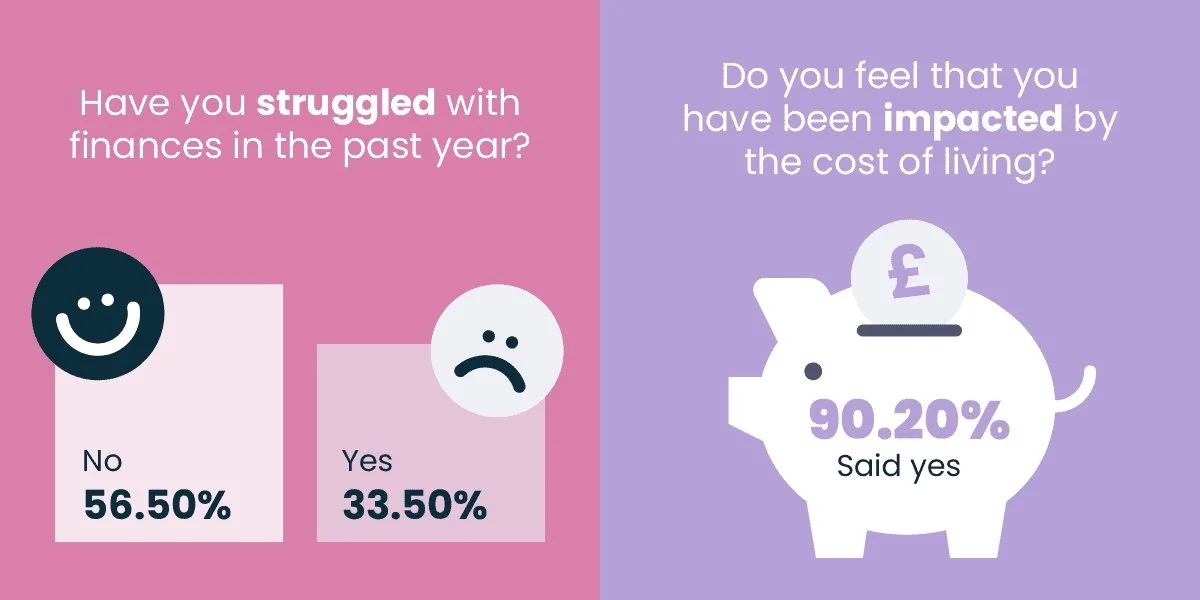


















Further Changes Coming to Star Trek Online
A decade ago the MMO genre tended to favour quite complex game systems. It is what the playerbase expected and allegedly preferred. But tastes and prevailing trends change over time. Plus game developers often see a change in staff and alterations in their creative visions. Hence over time, game systems can become unwieldy, esoteric and frankly annoying. So when a decision is made to refine, rationalise and improve these systems, it can be a complex task to undertake. Furthermore not only are there the practical and logistical realities of having to tackle ageing code, there is also the choppy waters of community relations to navigate. Because regardless whatever you seek to change, there will always be those who will oppose it and consider it an outrage perpetrated upon them, comparable to the Peterloo Massacre.
A decade ago the MMO genre tended to favour quite complex game systems. It is what the playerbase expected and allegedly preferred. But tastes and prevailing trends change over time. Plus game developers often see a change in staff and alterations in their creative visions. Hence over time, game systems can become unwieldy, esoteric and frankly annoying. So when a decision is made to refine, rationalise and improve these systems, it can be a complex task to undertake. Furthermore not only are there the practical and logistical realities of having to tackle ageing code, there is also the choppy waters of community relations to navigate. Because regardless whatever you seek to change, there will always be those who will oppose it and consider it an outrage perpetrated upon them, comparable to the Peterloo Massacre.
For years a common facet of the MMO genre has been factions. A new player made a choice when creating their character to affiliate to a specific faction which would permanently separate them from those who were aligned differently. It makes narrative sense in some respects and certainly suited the prevailing genre attitudes of twenty years ago. But thing change and although some people really dislike that fact, nowadays such dogmatic attitudes towards factions have softened. The One Tamriel update did away with the faction driven regional boundaries in The Elder Scrolls Online in October 2016 and the game is arguably better for it. However, one of the biggest obstacles facing the removal of factions in other games is often lore. And that lore becomes even more immutable when it derives from a third party, licensed intellectual property. Which brings us to the case in question, namely Star Trek Online.
When Star Trek Online launched in 2010, you could play as Federation officers and once you hit level 20, it unlocked the option to play as a Klingon. However, that Klingon alt was by default at level 20. It took a while before this changed so that players could level a Klingon allied character and play though a unique backstory. Over the years other factions have been added to the game including the Romulan Republic. Although there has been a degree of sharing assets and resources, lines of demarcation have remained. Romulan ships can only be used by Romulan characters. The same policy has been maintained for the Klingon Empire. However, Cryptic have decided to remove this restriction from the Romulan faction, as part of their ongoing updating and modernising the game. Cryptic are also overhauling the events service within the game, which up until now has been part of the wider reputation system. The UI is to be amended and event progress is to be tracked as a subset of the mission journal. Instead of working like reputation projects which require daily input, the new interface will display an experience bar. Progress will also be account wide for those players with multiple alts.
Both of these changes seem very reasonable at first glance. The first question most people have asked is whether this restriction will also happen with Klingon ships? Sadly, it would appear that rights holders CBS, have some very particular caveats in their license arrangement, so the answer is “no” for the present. However, being able to fly a Romulan ship on my Federation character, is an interesting proposition, as they have some stout vessels with good stats. From a financial point of view (some would argue Cryptic’s default position) it opens up a whole new range of ships to buy. This change is also a shot in the arm to the Admiralty system, as I can now add more Romulan vessels to my deck. But some players would argue this change comes at the expense of class identity and the relevance of factions per se. STO was initially created around the traditional trinity of DPS, Tank and Healer with its Tactical, Engineering and Science classes. But this has long been abandoned in any meaningful sense. The additions of factions in recent years has also been half hearted. None are truly independent and at some point in levelling, have to ally with either Starfleet or The Empire.
You can argue that there’s a lot to put right in STO. The game still has a lot of bugs, many of which have persisted for years. Cryptic seem to be tackling matters in a somewhat erratic fashion. The current streamlining of the game has seen the loss of The Foundry, older missions “temporarily” removed from the game for updating and Tier 6 ships level scaling so they can be used immediately. Some of these things work, other do not or are a loss to the game. I have never felt that there has been adequate promotion of the Romulan, Klingon or other faction storylines in STO. The game is very much focused on the Starfleet perspective. Cryptic has stated that the numbers show that most players are overwhelmingly Federation orientated but if more effort had been made to promote and maintain the other faction’s storylines and resources, would things have been better? I’d argue that the Romulan Republic story arc is the best in the game from a narrative and lore perspective.
I cannot help but feel that Cryptic have pursued whatever can be added to the game, at the expense of what is already present. The Kelvin Timeline is not exactly popular with core Trek fans yet it was dovetailed into the game. And no sooner had they released the superb Deep Space Nine themed expansion, Victory is Life, it was dismissed and they went hell for leather with the integration of Star Tre: Discovery related content into the narrative. I suspect that they may have a rabbit to pull out of the hat regarding Star Trek: Picard. But that doesn’t bode well for the return of classic missions like City on the Edge of Never and others, which are awaiting a makeover. I applaud Cryptic for trying to bring STO up to the standards of modern MMOs but I’m not sure about the route they’re taking and whether they be able to achieve their goals with their “tinkering”. I also would like to see more narrative content delivered more regularly. As ever, time will tell. Unhappy players vote with their feet sooner or later.