
LOTRO: Releasing the Complete Soundtrack
I have written in the past about the quality of the soundtrack for the MMO The Lord of the Rings Online and how it is far more than an embellishment to the game but a character in itself. Now the developers of LOTRO Standing Stone Games (formerly Turbine) have released over the years a variety of soundtrack CDs and digital downloads, offering a selection of music usually associated with specific expansions for the game. Although these have been well received, they have only provided a percentage of the music that is present in the current release of LOTRO. In the latest build there is approximately 4GB of audio in the game. Admittedly some of this will be dialogue and ambient sounds but the majority of that is music cues in .ogg format. I sure I’m not the only LOTRO aficionado who would like to see a more comprehensive release of the games musical content.
I have written in the past about the quality of the soundtrack for the MMO The Lord of the Rings Online and how it is far more than an embellishment to the game but a character in itself. Now the developers of LOTRO Standing Stone Games (formerly Turbine) have released over the years a variety of soundtrack CDs and digital downloads, offering a selection of music usually associated with specific expansions for the game. Although these have been well received, they have only provided a percentage of the music that is present in the current release of LOTRO. In the latest build there is approximately 4GB of audio in the game. Admittedly some of this will be dialogue and ambient sounds but the majority of that is music cues in .ogg format. I sure I’m not the only LOTRO aficionado who would like to see a more comprehensive release of the games musical content.
When LOTRO was released in 2007, there was a soundtrack CD in the Collector’s Edition. This included 26 tracks from the Shadow of Angmar written by composers Chance Thomas and Steve DiGregorio. A similar CD was then released in the Collector’s Edition of The Mines of Moria expansion. This included 18 tracks. I believe that Turbine also made a digital download available comprising of 61 cues from the base game, shortly after this. Neither of these two official soundtrack CDs were ever made commercially available outside of these boxsets. The digital download is also no longer available. Since 2010, when LOTRO went free-to-play, there have been three further soundtrack CDs released (also available via digital download). Two of which are music written by composer Chance Thomas for the Riders of Rohan and Mordor expansions. Then there’s a tenth anniversary CD and download featuring a compilation of 26 tracks, of mainly previously available material by both composers. Some of these are alternative versions and there are a handful of new cues. These CDs are still available. It should also be noted that composer Steve DiGregorio has posted the soundtrack for the Helm’s Deep expansion and Update 14: Paths of the Dead on his Soundcloud account.
Music rights, licensing and distribution arrangements can be legally complex to administer. I am not privy to the specific arrangements that Standing Stone Games has with regard to the game’s soundtrack and its respective composers. However, the fact that music from the game has been released previously must be a positive sign. What I can say with confidence is that LOTRO’s music is held in very high regard among both fans and wider MMO players, due to its particular high standard and artistic scope. Therefore, if SSG wanted to release a more comprehensive selection of music from the game, that was broken down by region, race or release date, I’m sure it would receive a warm welcome from the player base and more importantly, sell very well. Furthermore, it is a non-egregious form of monetisation that they could continue to perpetuate as the game grows. It remains to be seen if lobbying for such a release will yield any results, but I can’t help but feel that SSG are missing out on an opportunity in this instance.
Are video games becoming easier? It’s a perennial subject that is frequently discussed by those who play them. Often the question of whether they have actually become easier is not the focus of the debate, as it seems to be broadly recognised that it is the case. Instead, discussion of this matter tend to drift into the rectitude of this change. Debate’s of this nature are usually awash with subjective opinions and personal preferences which are then put forward as objective facts. It’s not just a question of video games becoming easier, it’s the fact that making them easier is “wrong” and those who want them as such are “not proper gamers” etc. The hours that have been lost to this pointless, tedious debate are uncountable. However, I digress. Let us return to the matter of video games becoming easier, because although fans discuss this a lot and have plenty to say, you don’t often hear from the developers on this subject.
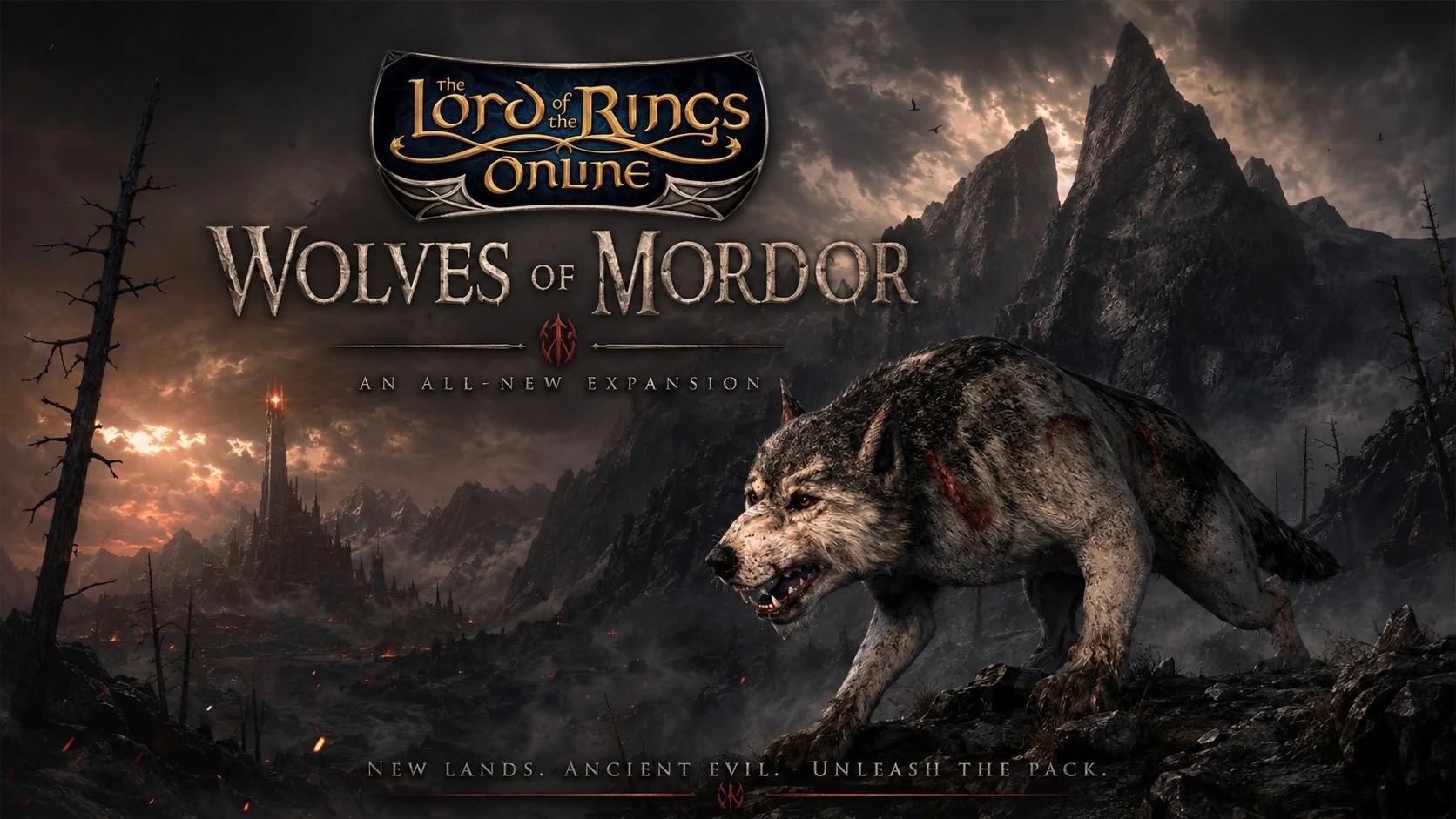
The next expansion for the MMORG, The Lord of the Rings Online, was announced on the 1st August, via the gaming website MMORPG.The Wolves of Mordor, which will launch later in the year, appears ambitious in scope as it will include two new game systems as well as the obligatory story update. This expansion takes place in Draugardh located in the North East of Mordor, beyond the Plateau of Gorgoroth. It includes the new zones of Heledhris, Parth Rhavas and Nan Ogol. These vary environmentally ranging from the arid, volcanic and semi-tropical. Players will encounter the Daugrim in these regions, Werewolves but not in the modern sense. This is not the lycanthropy of Eastern European legends but in the established Tolkien idiom of fell spirits inhabiting the bodies of Wolves. The region also sees the return of the Woses and players can expect to encounter Elves and scouts from Gondor. As ever with LOTRO expansions, there will be new instances as well as a raid.
I was recently perusing my archive of old blog posts, when it struck me how much I’ve written about the MMORPG genre over the years. Naturally, there was far more material from between 2008 and 2012 as that was period when I immersed myself in the genre and was very enthusiastic about it. I was at a point in my life when I had the time to dedicate to such games and I was happy to participate in the social aspect of they offered. I would regularly play through group content and spend time socialising online with fellow guild members. My experience remains a textbook example of how online games can be more than the sum of their parts and that where you are at in your life has a major impact upon your overall enjoyment. As I read though various old posts it became clear that my experiences where specific to this particular part of my life and that they cannot be repeated. My relationship with the genre is very different now and that’s fine.
Video games as a genre are extremely poor at explaining themselves. When you buy a new game you’ll often find little or no information regarding the basic systems and mechanics. The industry assumes that their customers are by default familiar with the fundamentals of playing a modern video game. Hence if a game has a tutorial, it is often based around videos rather than detailed verbal instructions. You are are briefly shown a clip of a specific move being successfully undertaken but it is seldom shown in a wider context. The industry also expects the fan community to take on the role of curating and disseminating information about its games. The move away from forums and bespoke websites to Discord highlights this. Discord is a primarily a real time communication tool and not good at maintaining a historical data archive. If you want an answer to a specific gaming question, you’ll more than likely find it on YouTube in a video made by a fellow gamer.
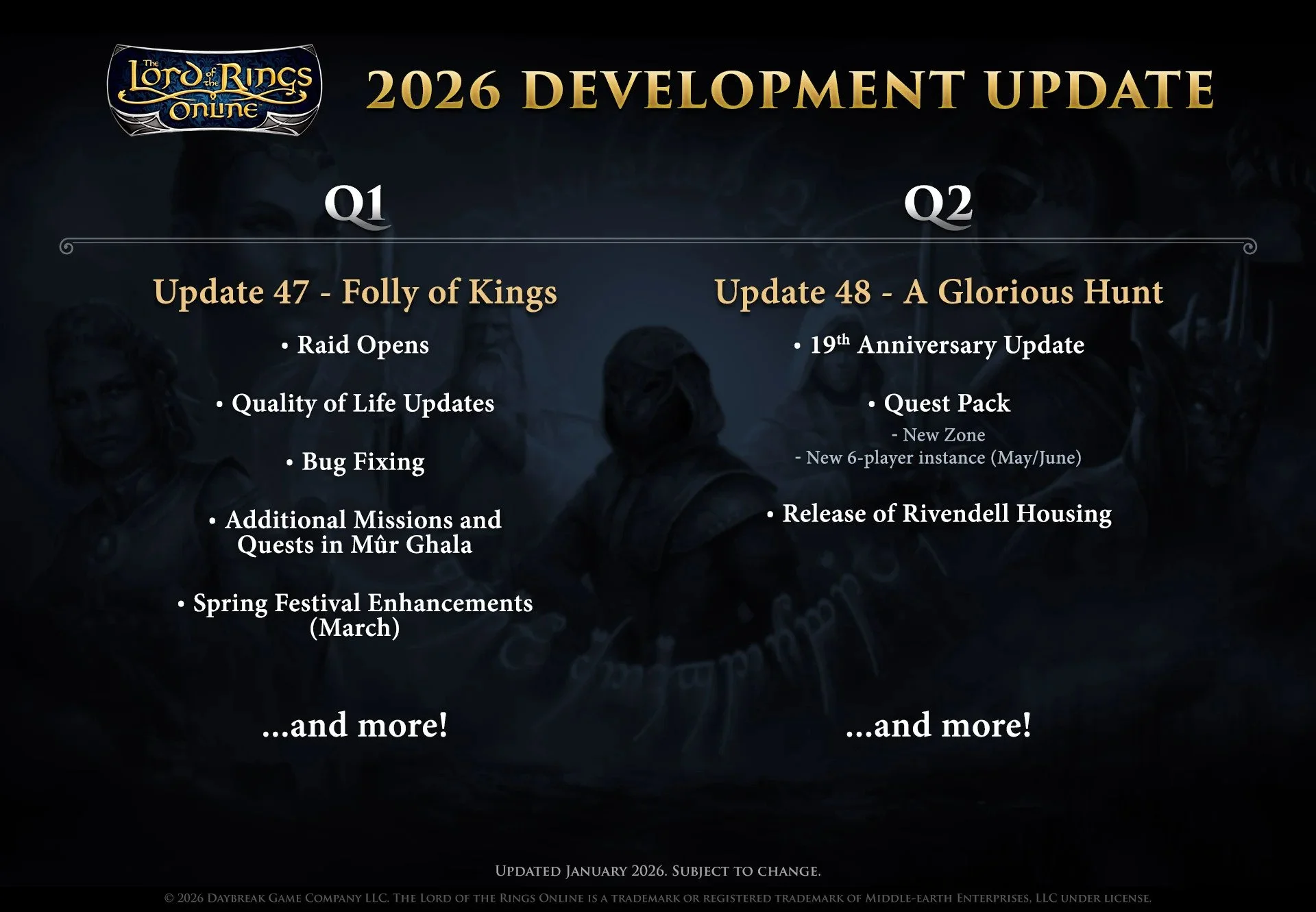
According to the recent “letter to the players”, Standing Stone Games will be adding a new zone to the MMORPG The Lord of the Rings Online in the second quarter of this year. Possibly around May or June. Having spent the last three expansions in the South of Middle-earth exploring the tropical Umbar and the deserts of Harad, I would certainly welcome a change of location. I have gradually warmed to these zones over the last eighteen months but I do find them so incongruous. They are so radically different to the European style content that has been the mainstay of the game for so long. Tolkien’s source text has plenty of detail regarding Eriador and Rhovanion. Information regarding Harad is scarce, hence it has afforded the developers a great deal of artistic freedom. Although exceedingly well realised these tropical zones have taken a while for me to get used to.
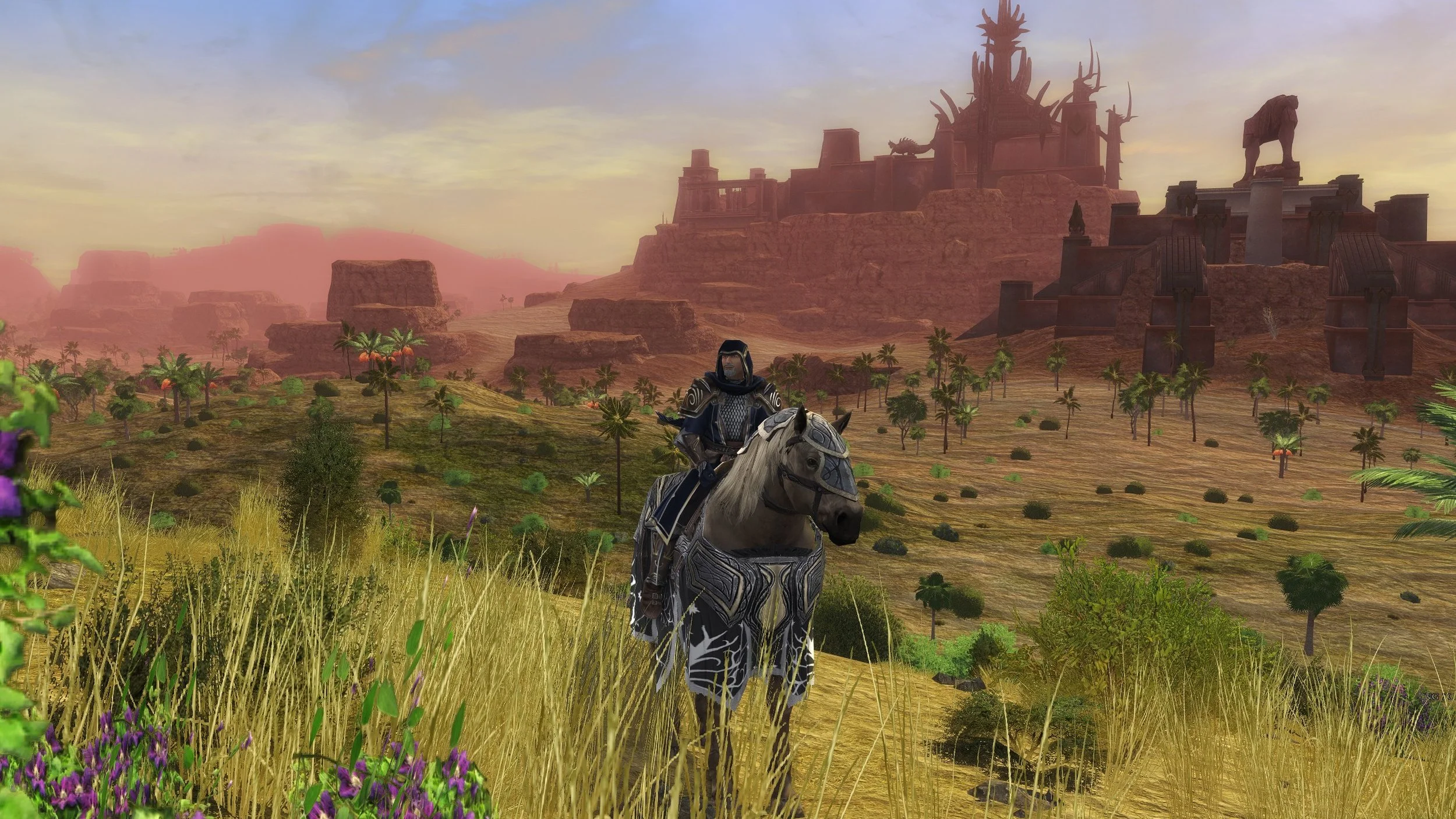
I’m not sure exactly when it started but I’ve recently noticed a graphical bug within the MMORPG The Lord of the Rings Online. This problem often occurs within caves or in areas where there are a lot of rocky surfaces. Hence it has become very apparent in the latest two expansions, set in Umbar and Harad. This graphical glitch causes some surface textures to appear to flash from light to dark intermittently. The resulting strobe effect is hard to ignore and very distracting. Fortunately, a quick online search showed that this is not a problem unique to my installation of LOTRO and is a known problem. Furthermore, there is a very simple workaround, which is to go into the Advanced Graphics setting and uncheck “Per Pixel Lighting”, which immediately remedies the problem. I have no idea why this has recently started to happen but at least it can be resolved.
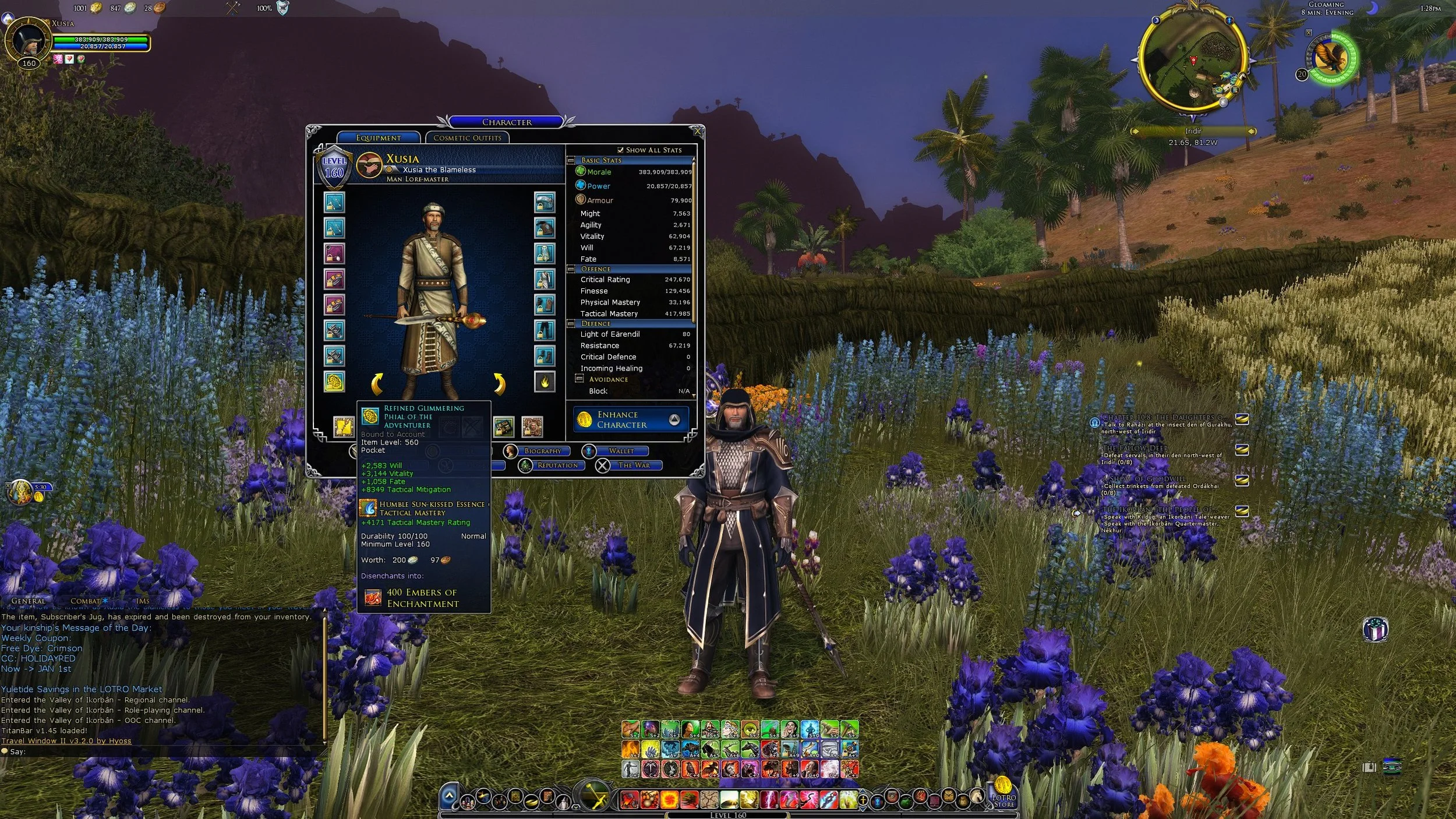
The latest expansion for the MMORPG The Lord of the Rings Online, Kingdoms of Harad, launched on December 3rd. With this release the level cap was raised from 150 to 160. It should also be noted that the cap for virtue traits was also raised from 96 to 100. Naturally these changes meant that there is a requirement to replace all armour and jewellery once the new cap is reached. Similarly Legendary Items have to be reforged and any traceries upgraded or replaced. If you follow the Epic Story it will lead you from quest hub to quest hub. The main quest rewards, along with those from side quests will provide adequate gear as you slowly progress towards the new level cap. The new raids, instances and missions/delvings then provide a means to acquire higher quality level 160 gear. LOTRO and indeed, many other MMOs are consistent in this methodology.
It is customary in a post such as this to list the various games that I’ve played over the last twelve months and share my thoughts on them. Wider analysis of the video game industry is also de rigeur. Unfortunately, I don’t really feel disposed to do either of those two things. My thoughts on the games I’ve played have already been published and can easily be accessed via the links at the bottom of this post. As for the video game industry, it suffers the same flaws as music, TV and cinema. There is creativity and innovation out there but it is often drowned out by mainstream products which are demonstrably inferior due to their inherent mediocrity. As for the business side of things, we once again clearly see the failings of the corporate management class. Sadly, they do not face the consequences of the mistakes that they make.
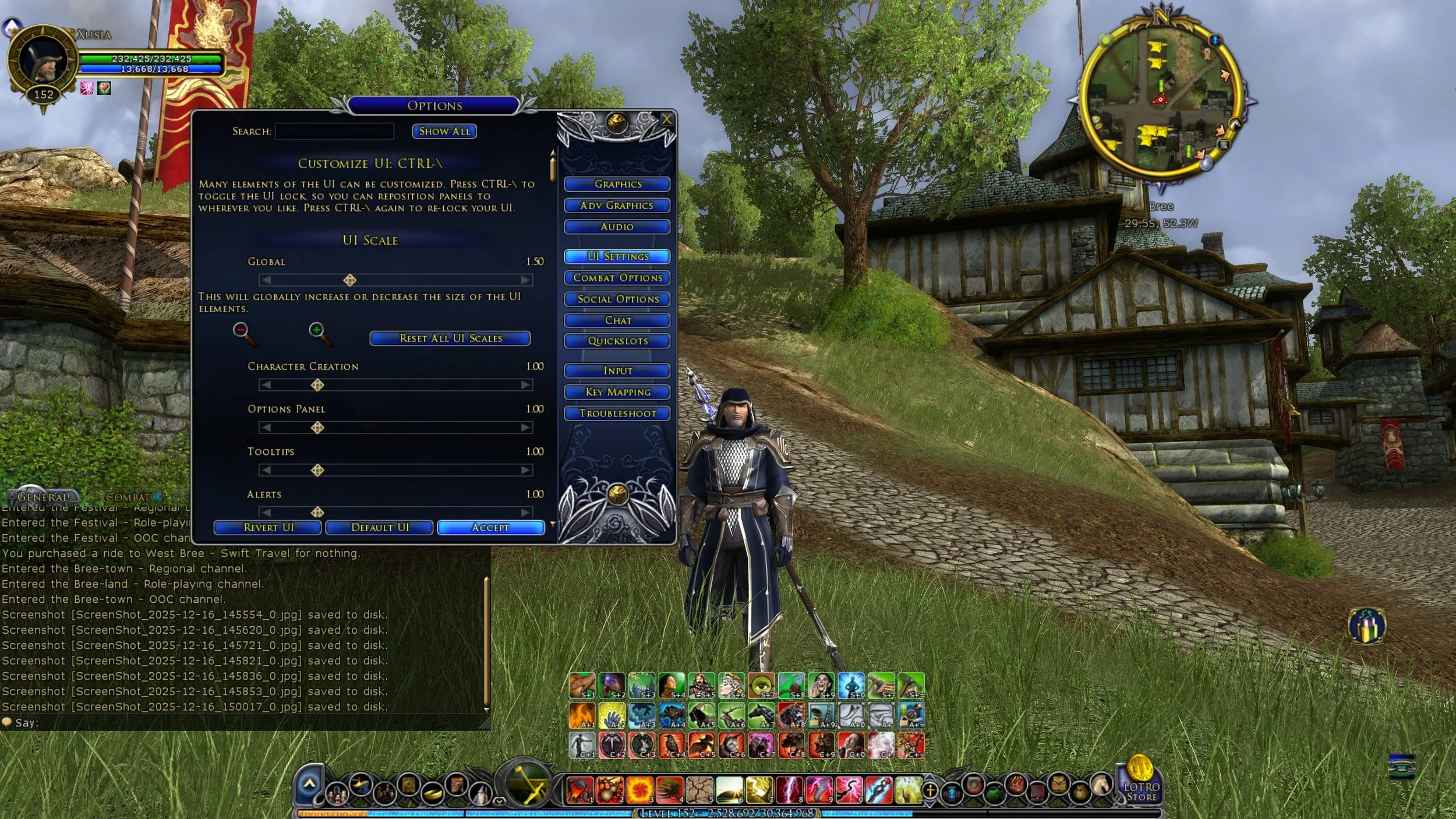
Today Standing Stone Games began beta testing Update 46.1 for the MMORPG The Lord of the Rings Online. The current preview on the Bullroarer test server is mainly for the new instance cluster that comes with the Kingdoms of Harad expansion which launched a few weeks ago. However, it would appear that this latest preview has another feature or note. One that should please LOTRO players. Contrary to what a lot of people thought, myself included, SSG have been working on a scaling UI for 2K and 4K monitors and the results are now available for testing from today Monday 15th through to Friday 19th December. Until now the main workaround to the lack of UI scaling has been to use either Nvidia or AMD graphics software to upscale the game from 1920 x 1080, or a third party app such as LosslessScaling. Having an official solution is a far better option.

Kingdoms of Harad, the 13th expansion for the MMORPG The Lord of the Rings Online, was released today. Highlighting developer’s Standing Stone Games continuing commitment to this eighteen year old game. As 2025 draws to a close, I thought it would be prudent to reflect upon the current state of LOTRO and to consider what may come next year. Two words that I associated with this MMO are stable and consistent. The playerbase is loyal and dependable. Player numbers never greatly decline nor do they notably expand. LOTRO fills a very specific gaming niche and one of the reasons it retains its players is that there is no suitable alternative game. Although there is not a great deal of data in the public domain, it is generally accepted that LOTRO has an older player demographic and that many are consummate Tolkien fans.

The MMORPG The Lord of the Rings Online runs on a broad spectrum of PCs. From archaic laptops to high end gaming rigs, although it may require a bit of tweaking. At present, the optimal way to play the MMO is at a resolution of 1920x1080 (FHD) with the graphics setting maxed out. The graphics are sharp and the UI is readable. However, a growing number of gamers are now using 2K and 4K monitors. You can play LOTRO at higher resolutions such as 2560×1440 (QHD) and 3840x2160 (UHD) and the game looks great. However, the UI does not scale and so is very small on 2K and 4K monitors. The skill icons on the quickslots (shortcut bars) and the in-game text become difficult to see at these resolutions, which deters some players from using them. It is a known issue that Standing Stone Games are attempting to address but it is unlikely to be resolved any time soon.

I recently read a post on Massively Overpowered about skills rotation in the MMORPG genre. I found the subsequent discussion in the comments fascinating. Mainly because I have never used a fixed rotation of skills in any of the MMORPGs that I play. I understand the reasoning behind such things and why some players want to optimise their combat performance. Using one’s skills in a specific order to maximise damage and manage their subsequent cooldown has a logical appeal. In Star Trek Online, some players go so far as to create keybinds for their rotations and assign it to a specific hotkey, which is then continuously pressed throughout combat. However, rotations are a blunt tool that lack flexibility, often being geared towards dealing with a single target or using an area of effect skill against a larger group. They may not be the optimal approach to combat when things do not go to plan.

Tolkien enthusiasts may recollect Athlon Games, a subsidiary of Leyou Technologies, announcing that it was developing a new MMORPG, based upon The Lord of the Rings, back in September 2018. The following summer, it was revealed that Amazon Game Studios was the partner developer for the project. In late 2020, Leyou Technologies (a Hong Kong-based company), was acquired by the Chinese conglomerate Tencent. This triggered a contract clause with the license holder, Middle-earth Enterprises, allowing them to terminate the existing arrangement if a new deal could not be met. Amazon and Tencent were unable to agree upon how to proceed with the project, leading Amazon to withdraw from negotiations. The project was subsequently scrapped. No details or images of the MMO have been released.
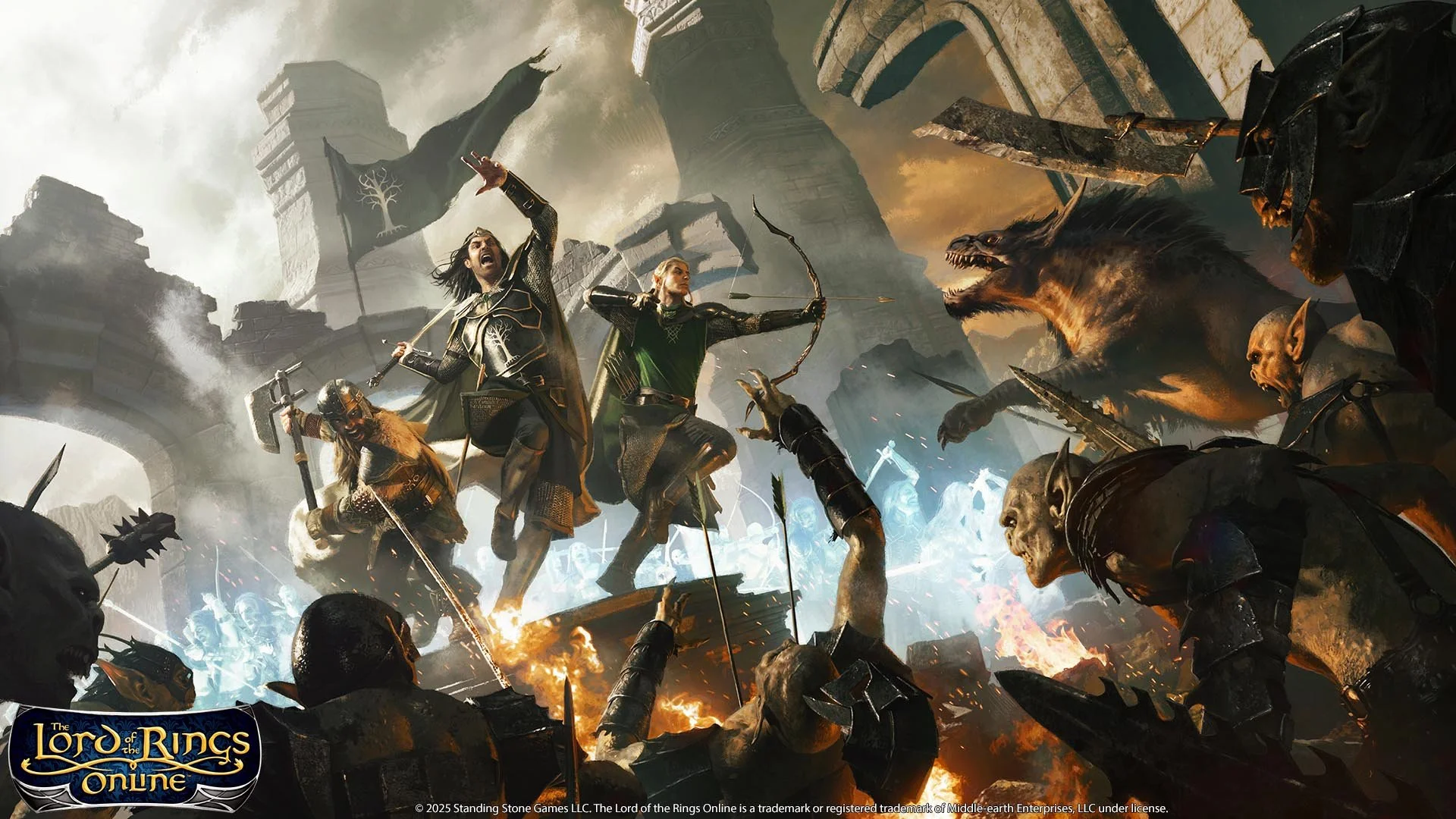
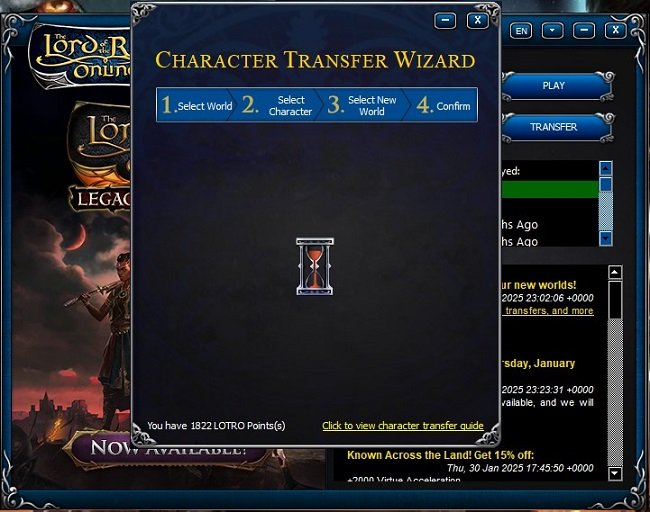
After a six month migration period, Standing Stone Games formally closed all their legacy 32-bit game servers for the MMORPG, The Lord of the Rings Online, on the 31st August 2025. Despite this planned closure being widely discussed via the game’s official forums, professional video game websites and fan blogs, many LOTRO players were unaware of this deadline. Hence many were unable to migrate their respective alts to the new 64-bit servers. Naturally those affected by these closures were upset, especially those with longstanding characters who didn’t relish the prospect of starting from scratch with a new alt. Thankfully, SSG have been true to their word and as of today, have re-opened these “dark worlds” to character transfers. If you have an alt trapped on one of the older game worlds, then now is the time to use the transfer wizard and move them to a new active game world.
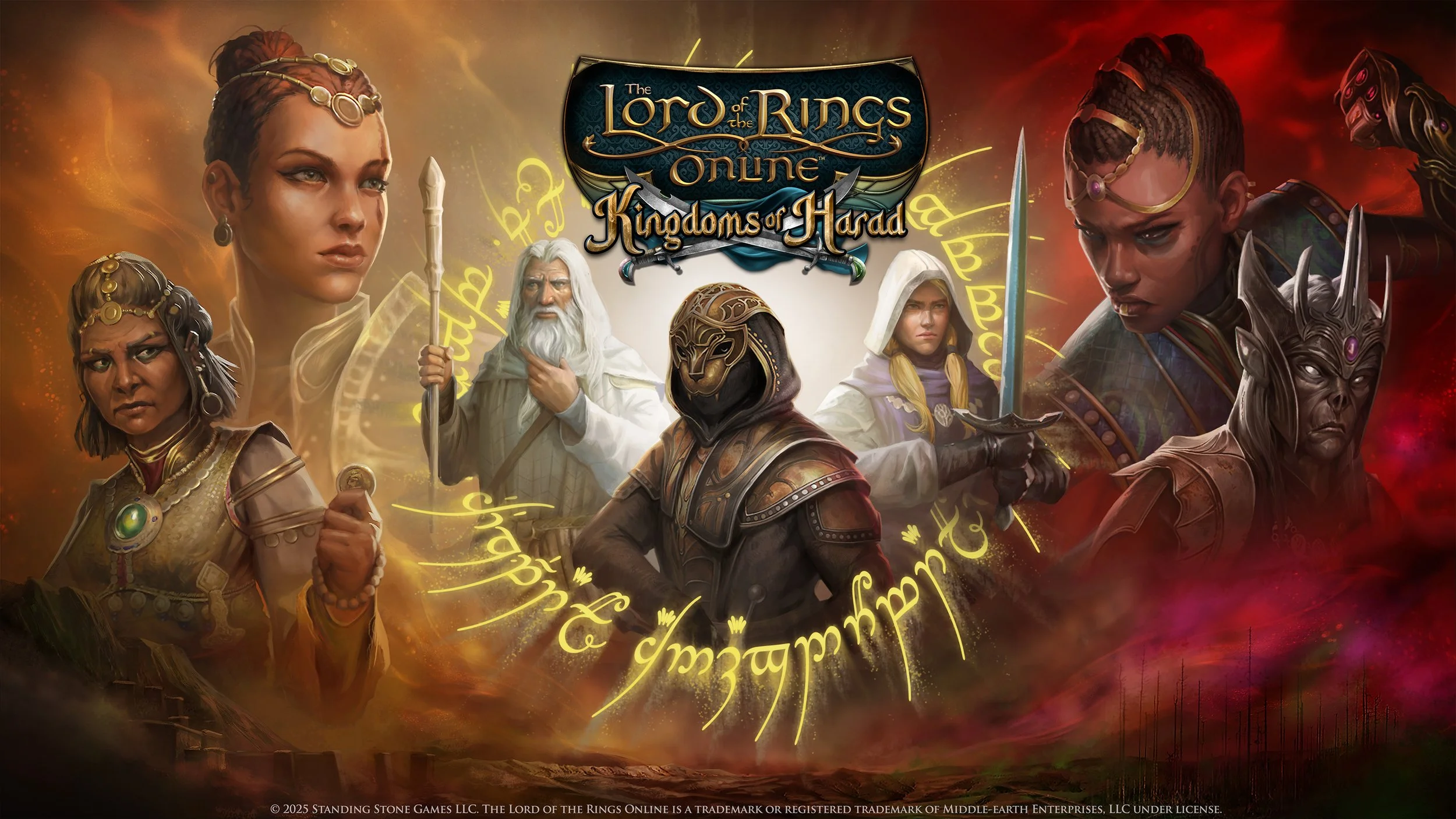
MMORPG announced earlier today and it was subsequently confirmed by Standing Stone games, that the new expansion for The Lord of the Rings Online will be Kingdoms of Harad and that it will launch later in the year. The expansion will see the conclusion of the epic Song of Waves and Wind storyline and the level cap raised from 150 to 160. There will be a new region to explore, Mûr Ghala, comprising four zones. Adagîm, Idagâl, An Shêru and Kighân. The latter contains the main trading hub of Zajâna. Players will travel into the region with Gandalf the White, along with allies of the Kindred of Coins and Mizadi as they seek to counter the regional power struggle brought about by the fall of Sauron. Canonically, this takes place three months after the destruction of the ring, hence King Elessar and Eomer are busy with domestic affairs in their respective kingdoms.
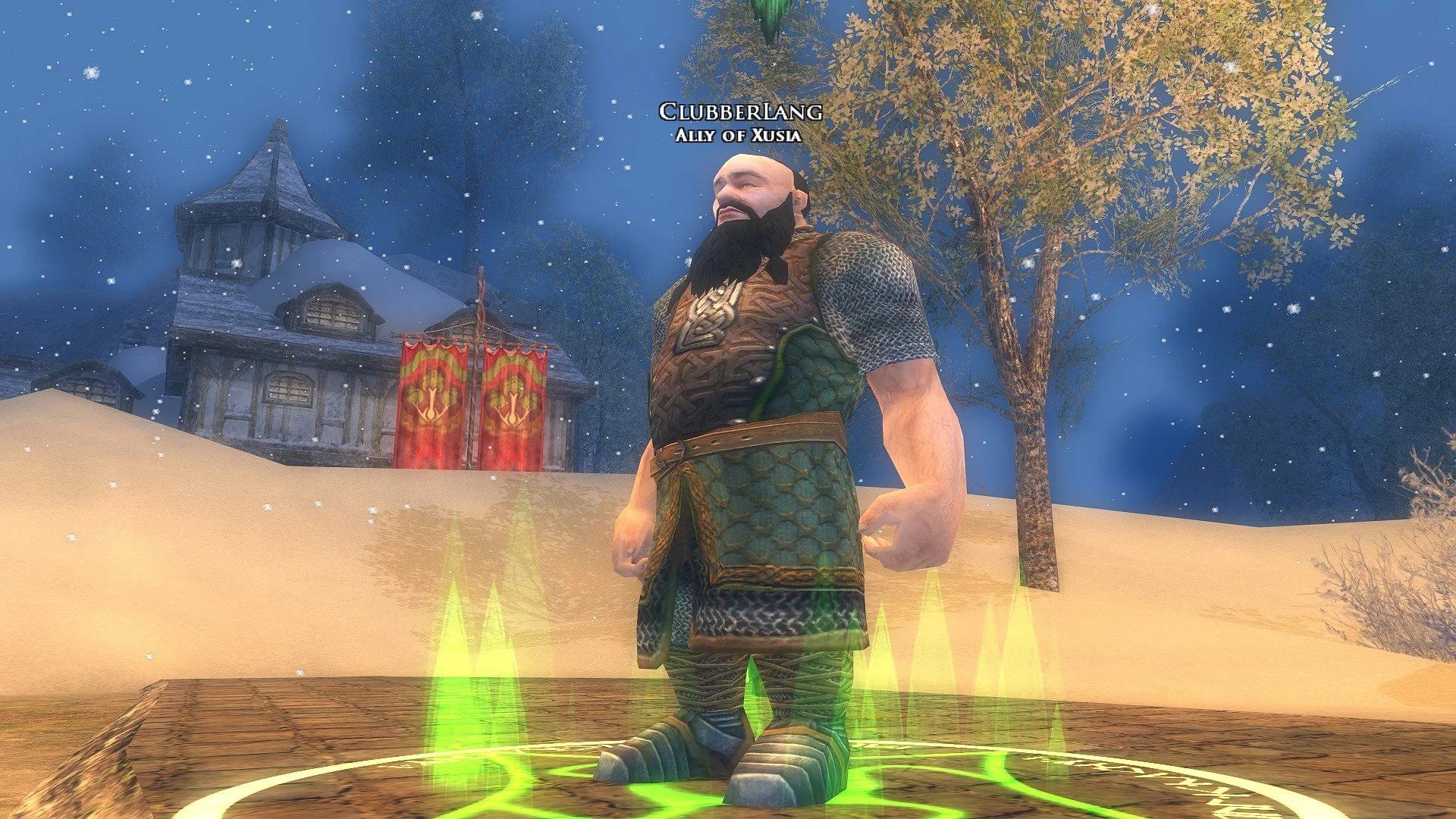
Skirmishes were added to the MMORPG The Lord of the Rings Online, in 2009 with the release of the Siege of Mirkwood expansion. Skirmishes are a repeatable and scalable combat system that allows players to access various instances for solo or group play from anywhere in the in-game world. Players can choose a Skirmish Soldier from a variety of classes to accompany them and provide healing, tank or additional DPS. On paper it’s a great system which is why many other MMOs offer something similar. I recently decided to tinker with my Skirmish Soldier build on my main character to see if I could optimise their performance. As my primary alt is a Lore-master, for the last few years I have had a Warrior as their Skirmish Soldier, to take some of the aggro from attacking mobs. I used the excellent guide by FibroJedi and swapped over a few Training and Personal Traits.

On 2nd August 2025, I was playing the MMORPG The Lord of the Rings Online, on my primary character, a level cap Lore-master. I decided to continue with one of the Allegiance Quest lines, specifically Durin’s Folk. I played through several quests and earned the appropriate tokens that advance the Allegiance system. I then handed these in to the NPC in the Hall Under the Mountain, expecting the next quest in the series “Chapter 3: Gimli’s Request” to be unlocked. An item appeared in my inventory that I then clicked on, which should have bestowed the quest. Unfortunately, nothing happened. Furthermore, the item vanished from my bag and therefore I could not attempt to click it again. I checked the LOTRO Wiki and then looked around the Hall Under the Mountain to see if any NPC had a ring icon above their head. As they did not, I surmised that this was a software glitch and logged a support ticket with Standing Stone Games.
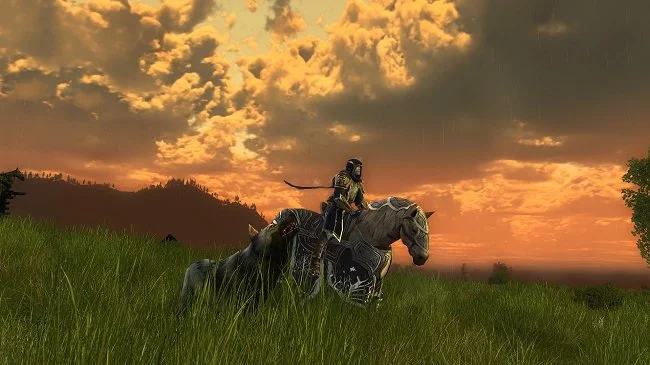
Let’s start with a quote from a classic Walter Hill film, The Warriors. “Can you count, suckers?” says Sirus. The gang leader was referring to the number of Police in New York City at the time. Whereas, for the purpose of this post, I am referencing how many Delving Writs a player needs to acquire 6 pieces of level cap armour in LOTRO. Because, next to the gear you get from endgame instances and raids, Delving gear is a good alternative.. It is marginally better than the items you can get from lootboxes. Hence, Delving armour is a good source of high end gear for the solo player. Through the miracle of mathematics, the number of Delving writs required to acquire a full set of this armour is 9,000. At first glance, that seems like a lot. If you then do some further research to put the number in context, you realise it is indeed a lot and a substantial undertaking.
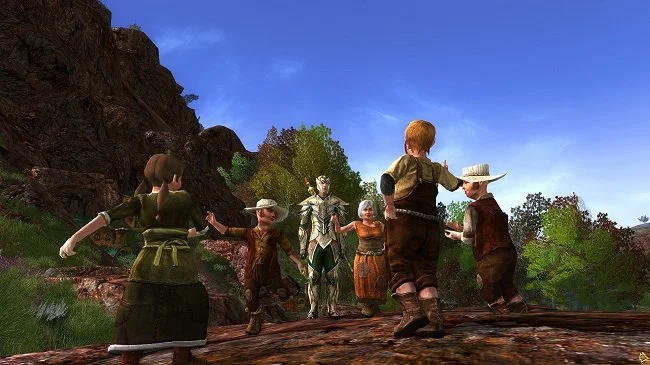
I am currently enjoying a renewed interest in the MMORPG The Lord of the Rings Online since I migrated all my characters from the old 32-bit servers to the new 64-bit replacements. I’ve created a new High Elf Lore-master on Peregrin server and am currently levelling them in a targeted play through of the Epic Story, supplemented by curated side quests. While playing recently, I realised the game UI on this alt wasn’t as I usually have it laid out. So I checked through the various documents on my PC and found a text file I had created many years ago that had a few hints and tips written down. I’ve added a few more and decided to share them as a blog post. I’m sure veteran players will be familiar with many of them but a lot of them are worth repeating. They may prove useful to those new to LOTRO or returning to the game after a long hiatus.
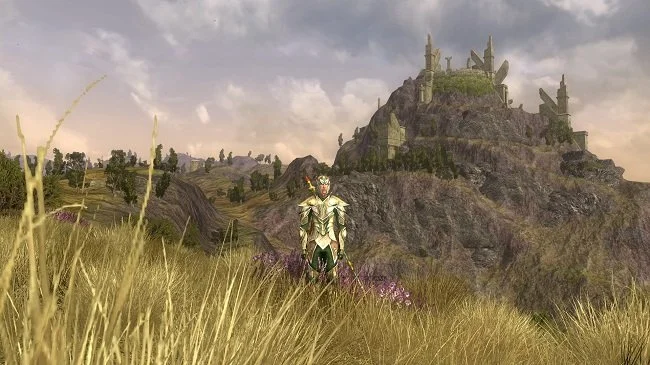
In mid-March, while the server migration debacle raged, I created a new alt for the MMORPG, The Lord of the Rings Online, on Peregrin server. The idea was to play casually through content focusing on enjoyment, rather than worrying about progression. I was to level at a pace that suited me and had no specific plans to develop my alt in any particular way. I have been playing LOTRO since 2008 and have a primary level-cap character that has been my main focus over the years. Hence I have previously experienced all story content from all the expansions and am therefore very familiar with what the game has to offer. Which is why I thought I’d do things differently this time. So I started my new Lore-master in Mossward in Swanfleet, the new starting area added to the game in 2022.
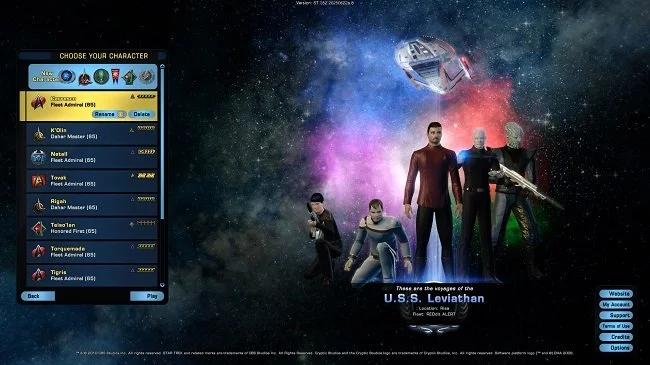
In massively multiplayer online games (MMOs), alts (short for alternate characters), are new characters created by a player in addition to their primary character (often called the “main”). Alts are often encouraged by developers as a means to keep players engaged with their game(s). Sometimes an MMO will actively reward the creation of alts either with access to exclusive content, or with additional skills or items previously unlocked by primary characters. As the myth that an MMO really begins at endgame still persists in gaming culture, some games sell boosts that will instantly raise the level of an alt to that of the current level cap. Creating alts is such a key aspect of the MMO genre, that some games will sell additional character slots, so that players can create further alts beyond the default amount allowed. There are many reasons why players create alts. Let us consider some.
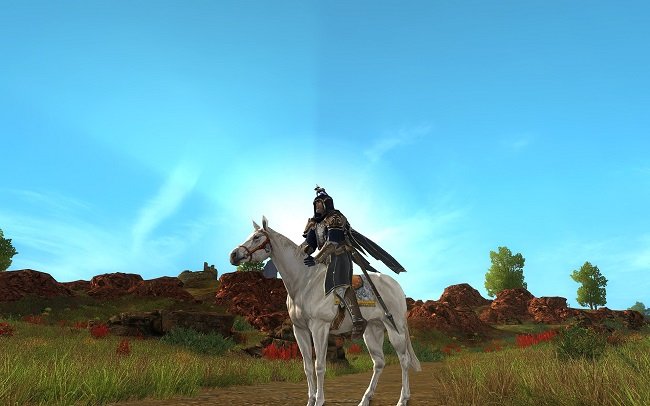
I wrote a while ago that a lot of kinships from the MMORPG, The Lord of the Rings Online, would probably not survive the recent server migration. MMOs are social endeavours by nature, often with strong emotional ties but a lot of kinships (or guilds) have already fallen into decline, simply due to gaming entropy. Hence the migration has seen players leave existing kinships to move to the superior 64-bit servers, resulting in a lot of people who may be potentially looking for a new home. This is exactly what happened to me. I opted to move to Meriadoc server promptly, at the cost of leaving a kinship I have been a member of since 2009. However, the move presented me with an opportunity to remedy this problem myself. I subsequently set up my own kinship and decided to make it available to others.

The dust appears to have settled for the MMORPG The Lord of the Rings Online, after last month’s server transfer debacle. Despite the technical issues arising and subsequent delays to the migration timetable as well as the procurement of in-game housing, LOTRO seems to be enjoying a minor resurgence. Many former players are returning to the game and moving retired alts to new servers, due to the superior performance. The migration issues have also brought a lot of attention to this 18 year old game and it would appear there are many new players trying this Tolkien themed MMO. I was pleasantly surprised to see that a further two 64-bit servers, Grond (EU) and Sting (US), are to be added to the game to meet demand. As I predicted in my previous posts, LOTRO has a habit of bouncing back due to its unique niche in the gaming ecosystem.
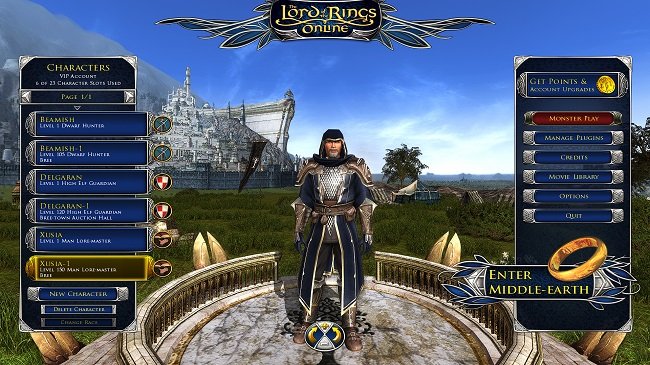
It has not been a good week for the MMORPG, The Lord of the Rings Online and its developer Standing Stone Games. The migration from legacy 32-bit servers to 64-bit servers has not gone smoothly. The transfer queue was overwhelmed by the sheer number of accounts and it has taken far longer than expected to process the backlog of requests. Today has been the fifth day of waiting to see if my 3 main characters from Laurelin server have successfully migrated to their new home on Meriadoc. When I checked this morning, the transfer wizard indicated that my characters were back where they originally came from. I therefore considered repeating the entire process. However, around midday, Community Manager Cordovan indicated that SSG had caught up with transfer requests made around 8:00 AM EST on Sunday 9th March. So I decided to be patient and wait a little longer.
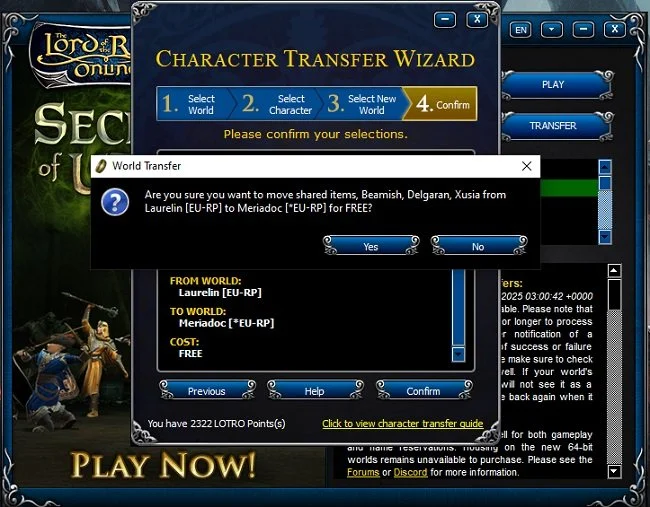
I’ve been busy this weekend, so it wasn’t until late afternoon today that I found time to sit down and attempt to migrate my characters from the old 32-bit server Laurelin, to the new 64-bit server Meriadoc. The “Great Server Migration” has not gone smoothly and the week has been a litany of changing deadlines and unfulfilled expectations. However, developer’s Standing Stone Games, have been “firefighting” issues on a daily basis and communicating regularly with the player base of the MMORPG, The Lord of the Rings Online. Sadly, a lot of players have not responded well to the ongoing technical difficulties and there is subsequently a lot of ill feeling on the official forums. I have chosen to adopt a more pragmatic outlook and to let events run their course.
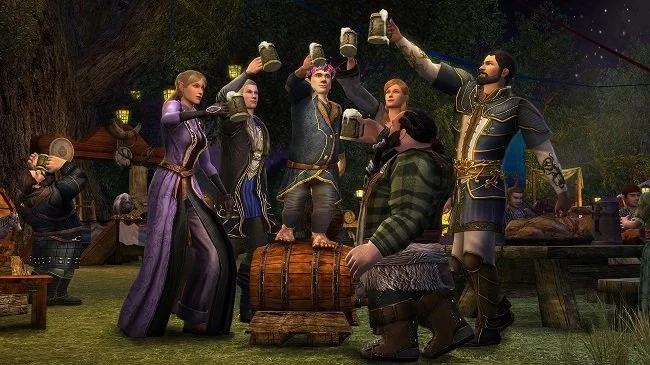
Standing Stone Games were scheduled to open their new 64-bit servers for the MMORPG, The Lord of the Rings Online, today. However, when the free transfer service went live yesterday, it was quickly overwhelmed by the sheer number of players trying to migrate their alts from the older 32-bit servers to the new ones. Eventually SSG had to disable the transfer facility so that they could process the backlog. Hence today’s launch of the new servers has been postponed till tomorrow. In the meantime, the official LOTRO forum’s have gone into meltdown with irate players berating the developers for handling the migration poorly. True to form, SSG have been somewhat defensive and prickly in response to what they see as unjust criticism. Let it suffice to say that neither party has covered themselves in glory and there is a good chance that the technical problems will persist a while longer.

What Massively Overpowered calls LOTRO’s “Great Server Migration” began today. The MMORPG The Lord of the Rings Online has opened 4 new 64-bit servers in conjunction with the 2 existing 64-bit legendary servers and the long term plan is to migrate all current players over to them. Eventually, the 32-bit legacy servers will be shut down, however that is a long way off at present. As of today, VIP players can select a new server, log into it and create new characters with their desired names. These placeholder characters cannot be played at present but can be used to reserve names. Tomorrow, if all goes well, the new servers formally open and free transfers begin. Players can then delete placeholder characters and rename alts that they have migrated, thus restoring desired names. It should be noted that none of this is mandatory and players can remain on the old servers for the present.
I have many pleasant memories associated with playing the MMORPG The Lord of the Rings Online during its first decade. A lot of them are due to the kinship (guild) that I have been a member of since 2009. I started playing LOTRO in December 2008 and it took me a while to find a suitable kinship but once I did, it made logging into the game a real pleasure. I was at a point in my life where I had sufficient time to play the game regularly and take part in kinship organised raids. It was also an added bonus to be able to spend some time and chat with some like minded people. I’m sure such an experience is not unique to me and that many LOTRO players have enjoyed similar periods of time. The lucky ones may still be enjoying a comparable kinship experience today.
Classic Game Themes: The Lord of the Rings Online
One of the most compelling aspects of The Lord of the Rings Online is its soundtrack. The score, mainly written by Chance Thomas and featuring additional material by Stephen DiGregorio, is comparable to that of any major feature film in its scope, sophistication and musical accomplishment. Chance Thomas favours a leitmotif for each race and culture which then vary as the game’s narrative progress. Stephen DiGregorio focuses more upon thematic or ambient pieces that capture the spirit of an area or region. Despite different styles and approaches, both composers contribute to a vivid score that has become an additional character in the overall game over the last decade. Middle-earth is an immense world with an ever-present sense of history and deep lore. The soundtrack for the game taps into this narrative vein and uses it to create a rich and nuanced audio soundscape.
One of the most compelling aspects of The Lord of the Rings Online is its soundtrack. The score, mainly written by Chance Thomas and featuring additional material by Stephen DiGregorio, is comparable to that of any major feature film in its scope, sophistication and musical accomplishment. Chance Thomas favours a leitmotif for each race and culture which then vary as the game’s narrative progress. Stephen DiGregorio focuses more upon thematic or ambient pieces that capture the spirit of an area or region. Despite different styles and approaches, both composers contribute to a vivid score that has become an additional character in the overall game over the last decade. Middle-earth is an immense world with an ever-present sense of history and deep lore. The soundtrack for the game taps into this narrative vein and uses it to create a rich and nuanced audio soundscape.
Over the past ten years, selected material from the games soundtrack have been available on limited edition CDs and digital download. Sadly, a comprehensive release has never been forthcoming. This year’s tenth anniversary saw a new compilation become available, but it contained only a few unreleased tracks. It is a great shame that a more substantial collection has not been produced as I believe there are plenty of dedicated LOTRO fans who would jump at the opportunity to own a comprehensive CD collection of the games entire soundtrack. At present the only way to access all the music contained within the game is data mine it from the installation files. This is a relatively complex task and produces a substantial directory of files in .ogg format, none of which are named.
Because the majority of music that features in LOTRO is written by Chance Thomas, he often becomes the focus of attention when discussing the games soundtrack. His work is of the highest calibre and he certainly seems to have a strong understanding of the musical needs of the game. As a result, his works sometimes eclipses that of Stephen DiGregorio. Personally, I do not consider Stephen’s work to be inferior. There are several of his tracks that I have great affection for. If I have one complaint it is mainly to do with the arrangement, which at times sounds like it is using the most basic of synthesisers and musical sequencers. However, I have often thought that this has been due to budget. Hiring quality composers is more than likely expensive enough. Performing and recording with a full orchestra in a studio is probably prohibitive financially, hence there is a reliance on more economical solutions.
Because of my personal history with LOTRO (it was the first MMORPG that I played) and my enjoyment of the soundtrack, I thought I would post several tracks that are among my favourites. It’s a difficult choice as there is a decade’s worth of material to choose from spanning numerous updates and expansions. There is also a minor issue regarding track names as they can vary depending on what material you have. For example, on the original Shadow of Angmar soundtrack digital download there is a track called “Let us sing together”. This features again on the 10th anniversary CD under the name of “The House of Tom Bombadil”. It’s a minor complaint but it can cause a degree of confusion. Some of the tracks on the anniversary album are also alternative recordings or edited versions of the cues that feature in the game.
Silent Hope plays as you stand on the threshold of Bag End and look out across Hobbiton. Taken from the Shadows of Angmar soundtrack and composed by Chance Thomas, the track is the very essence of LOTRO. Whenever listening to this particular piece of music I always reflect upon Frodo and Sam embarking upon their momentous journey, yet holding on to their inherent Hobbit common sense and decency. It a sublime music cue.
The Hollin Gate is the first track on the Mines of Moria soundtrack by Chance Thomas. It a beautifully realised track that encapsulates the fading Elven beauty of the region. It also has a vaguely portentous quality to it, hinting at the mystery and adventure that lies ahead.
Triumphant Will is from the Helm’s Deep soundtrack by Stephen DiGregorio and plays during several of the Epic Battles. With its harmonious vocalisation and sequential nature is has a hint of Morricone about. This is a track I would very much like to hear performed by a full orchestra and choir as it would improve it immensely.
Corruption and High Treason features on the Riders of Rohan soundtrack and is by Chance Thomas. It’s a subtle variation of the main Rohan theme for the region. When it plays out at night in Snowbourn, it is wonderfully atmospheric, reflecting the earthy beauty of Rohan and the ongoing intrigue of Saruman in the region.
Finally, the last track I’ve chosen has been extracted direct from the game and therefore I do not know its correct name. It is an ambient piece that plays in and around Minas Tirith prior to the Battle of Pelennor Fields. Composed by Stephen DiGregorio it is a wistful and introspective piece reflecting an ailing Gondor. Again, when I listen to it I here shades of the great Morricone in the lead trumpet. A beautiful piece.
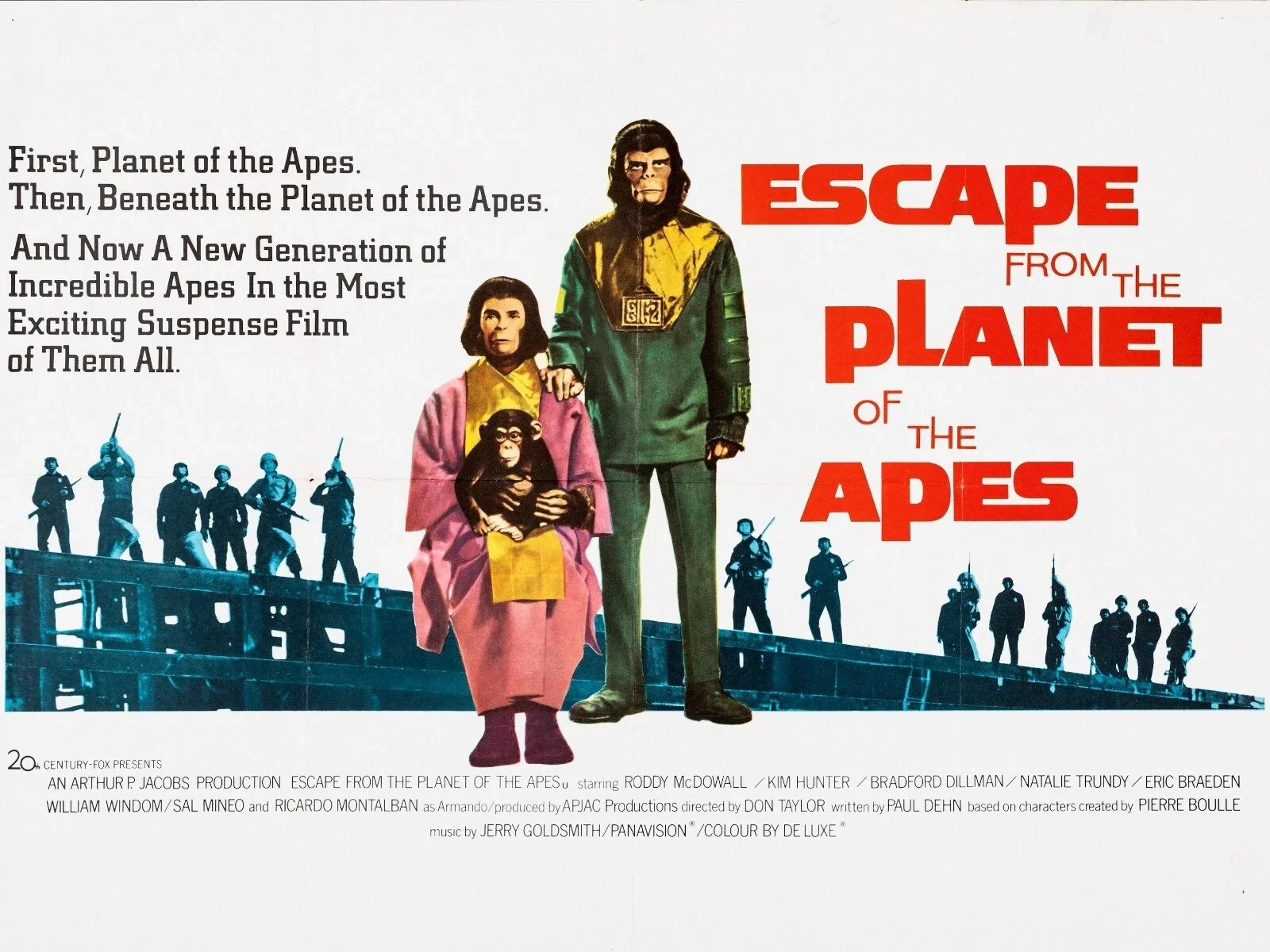
The Planet of the Apes movie franchise took a radical change of course with its third entry in the series. The first two films were set in the future and benefited from high production values to help realise a post apocalyptic earth. However, due to a substantial reduction of budget, Escape from the Planet of the Apes uses a time travel plot device to bring the ape protagonists to present day Los Angeles (1971 in this case). The result is a film with a much smaller narrative scope. However, although it lacks the science fiction spectacle of its predecessors, it features an interesting satirical exploration of celebrity culture and ponders what it is like to be deemed an enemy of the state. As ever, Roddy McDowell and Kim Hunter provide exceptional lead performances as the Chimpanzees Cornelius and Zira. Escape from the Planet of the Apes also captures the pop culture vibe of seventies America.
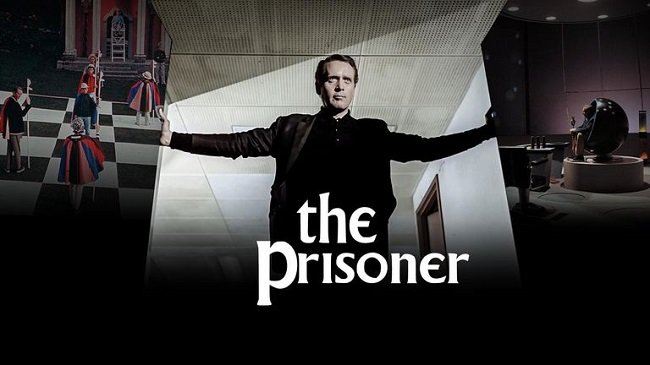
Ronald Erle Grainer (11 August 1922 – 21 February 1981) was a prolific Australian composer who is best remembered for his work in the United Kingdom during the sixties and seventies. He wrote numerous notable scores and theme music for several iconic television shows such as Doctor Who, Steptoe and Son and Tales of the Unexpected. He also composed the soundtrack for several major motion pictures such as Some People (1962), The Assassination Bureau (1969) and The Omega Man (1971). Grainer relocated to London from Australia in 1952 but it was not until 1960 that he gained critical success after writing the music for the popular TV show Maigret. He subsequently received an Ivor Novello award for “Outstanding Composition for Film, TV or Radio”.

The following is about a cultural change. That is not to say that it’s a value judgement or one of those posts you so frequently read by bloggers of a certain age, that essentially boil down to “things were better in my day”. It is merely an observation and like all observations it is not 100% universal. There will always be exceptions to the rule. I am simply painting with broad strokes a general truism for your consideration. My point being that people listen, experience and enjoy music differently these days compared to how they did three to four decades ago. I’m not talking about the science of hearing or anything complex like that. I am merely highlighting the change in the way we choose to experience music and how that has an impact upon its creation and presentation. So like Anne Elk, presenting her theory on the Brontosaurus, here is the axiom at the heart of this post.
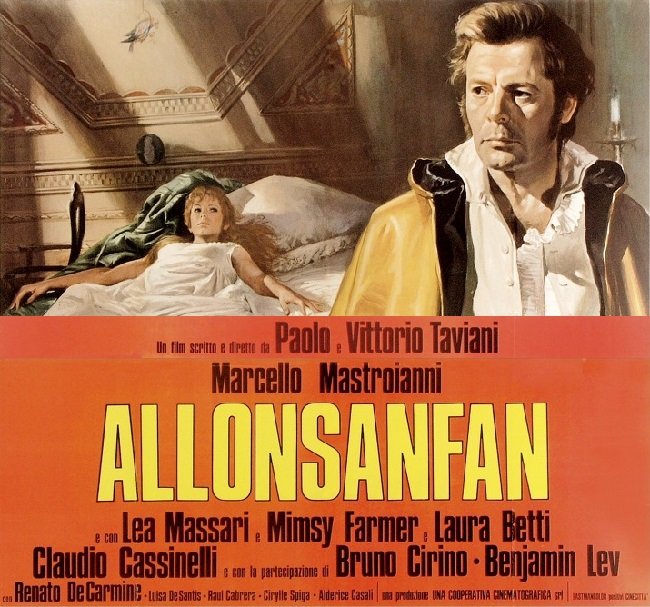
Allonsanfàn (1974) is an Italian historical drama film written and directed by Paolo and Vittorio Taviani. The title of the film derives from the first words of the French Revolutionary anthem La Marseillaise (Allons enfants, IE “Arise, children”). It is also the name of a character in the story. Set against the backdrop of the Italian Unification in early 19th-century Italy, Marcello Mastroianni stars as an ageing revolutionary, Fulvio Imbriani, who becomes disillusioned after the Restoration and endeavours to betray his companions, who are organising an insurrection in Southern Italy. Allonsanfàn is a complex film that is not immediately accessible to those unfamiliar with the intricacies of Italian political history nor the arthouse style of the Taviani brothers. However, it is visually arresting and features a rousing score by Ennio Morricone.
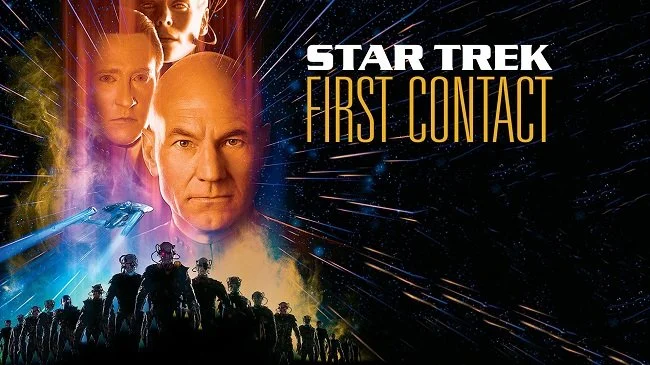
Jerry Goldsmith’s contribution to Star Trek is immense. Yet simply listing the films and TV episodes he wrote music for does not adequately encapsulate the significance of his contribution to the franchise. His majestic, thoughtful and uplifting musical scores provide an emotional foundation that reflects the core ethos of Star Trek. They also create an invaluable sense of continuity that spans multiple shows and movies. Perhaps the most obvious example of this is his iconic title music for Star Trek: The Motion Picture (1979) that was subsequently adopted as the theme tune for Star Trek: The Next Generation. His work was held in such high regard, when Star Trek V: The Final Frontier (1989) ran into production issues, it was thought that a Jerry Goldsmith soundtrack may well elevate the film. Sadly it didn’t but his work on that instalment was outstanding and among his best.
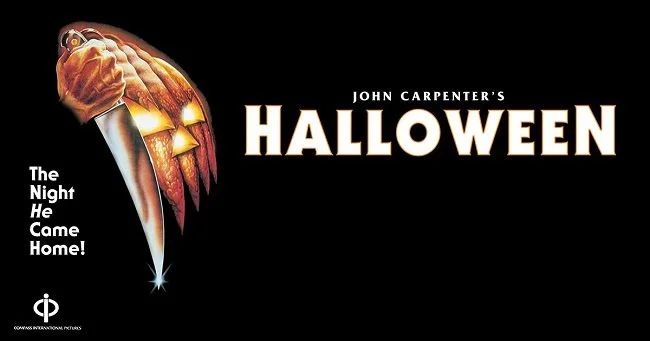
Halloween (1978) is both a genre and cinematic milestone. It made stars of Jamie Lee Curtis and director John Carpenter as well as kickstarting the slasher genre that dominated the box office for the next 15 years. Unlike many of the inferior imitations that followed in its wake, Halloween is not a gorefest but a far more suspenseful and unsettling film. It’s shocks and sinister atmosphere are the result of sumptuous panavision cinematography by Dean Cundey and inventive editing by Tommy Wallace and Charles Bornstein. Another invaluable asset to the film’s effectiveness is John Carpenter minimalistic synth and piano score which perfectly embellishes the film with an air of menace. After 33 years and various re-arrangements in subsequent sequels, the original Halloween Theme is still as effective today as it was when the film was first released.
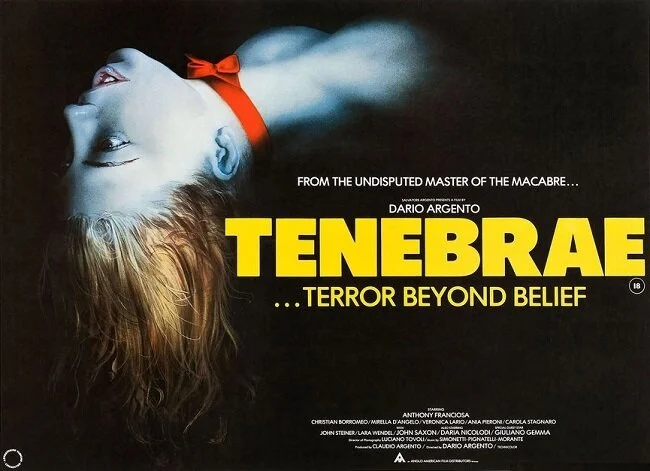
Tenebrae (1982) is probably Dario Argento’s most accessible “giallo” for mainstream audiences. Although violent, it is not as narratively complex as Deep Red (1975) or as bat shit crazy as Phenomena (1985). The story centres on popular American novelist Peter Neal (Anthony Fanciosa) who is in Rome to promote his latest book. Events take a turn for the worst when a series of murders appear to have been inspired by his work. The plot twists and turns, the director explores themes such as dualism along with sexual aberration and blood is copiously spattered across the white walled interiors of modernist buildings. It is slick, disturbing and has a pounding synth and rock score by former Goblin members, Claudio Simonetti, Fabio Pignatelli, and Massimo Morante.
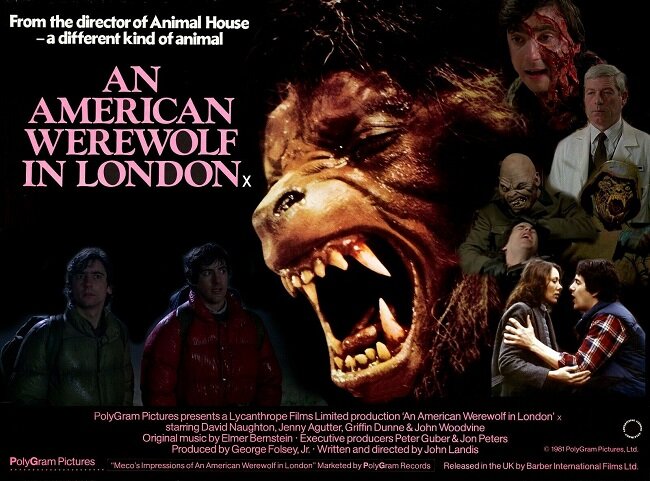
An American Werewolf in London is a genre milestone and one of the few horror films that successfully manages to balance humour and suspense without mitigating the overall tone of the story. 40 years on from its theatrical release it still holds up well with its bitter sweet love story, tragic themes and ground breaking transformation effects by Rick Baker. Director John Landis never really bettered this concise and effective genre outing. It hits the mark in virtually every part of the production. However, there is one aspect of the film that does suffer as a result of the director’s personal choices. Whether it is to the detriment of the overall film is debatable. The point in question is the film’s soundtrack and the director’s focus upon the song Blue Moon by Richard Rodgers and Lorenz Hart.
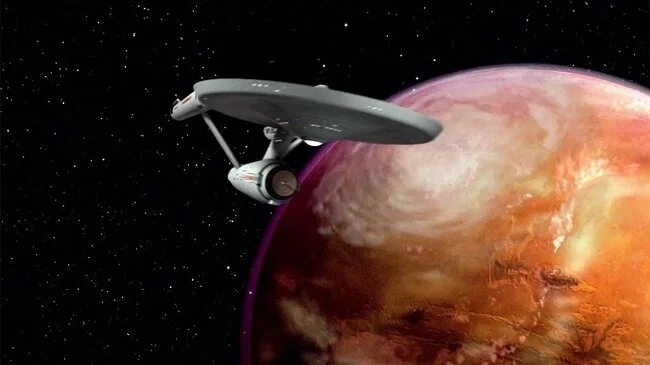
Before we start, no I am not writing about Alexander Courage’s classic main theme for the original Star Trek show. I can add nothing further to that particular discussion and it remains iconic and inspiring, even when distilled down to just the initial fanfare. In this post I want to draw your attention to another piece of music from Star Trek that has permeated its way into popular culture. A cue that when heard, if the listener is familiar with its provenance, will instantly conjure up images of flying drop kicks, ear claps and judo chops. A piece of music that can be added to pretty much any video footage and instantly make it more heroic. Yes, I am talking about what has become generically known as Star Trek “fight music”. Or more specifically, the "The Ancient Battle/2nd Kroykah" cue from Amok Time (S02E01) composed by Gerald Fried. The scene during the koon-ut-kal-if-fee ritual in which Spock fights Kirk on the planet Vulcan for complicated “reasons”.

Classical music has often been used to great effect in cinema since the advent of sound. It has certain advantages over bespoke compositions, in that it can imbue a scene with a sense of gravitas and emotionally connect with viewers who may already be familiar with the piece being played. Legendary director Stanley Kubrick famously rejected Alex North’s score for 2001: A space Odyssey after finding the classical tracks he used for the temporary soundtrack complement the visuals perfectly. Over the years, some particular pieces of classical music have proven to be very popular and flexible, thus appearing in a wide variety of films across multiple genres. Hence, I have chosen two well known tracks that demonstrate this. I would also like to highlight contemporary classical music and have also selected one example that I feel demonstrates how the genre sublimely compliments cinema.
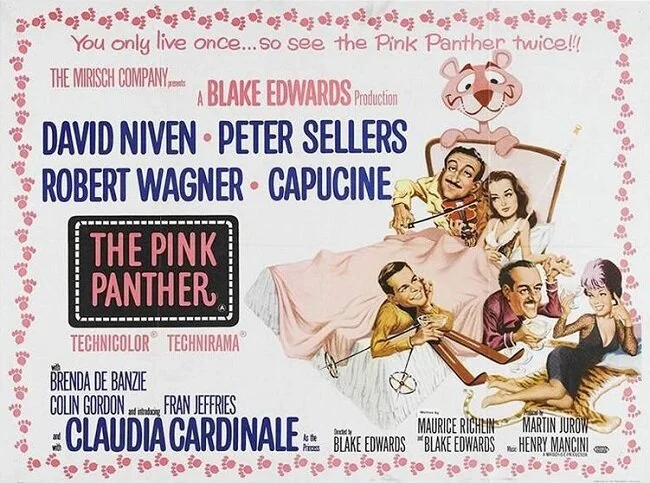
If you mention The Pink Panther (1963) I’d hazard a guess that most people will instantly think of Inspector Clouseau (and possibly throw in a quote in faux French about “Minkeys”) or hum or whistle the iconic theme tune. It’s blend of cool sixties Jazz and Lounge is both classy and evocative. Henry Mancini’s contribution to the Pink Panther franchise is commensurate to that of Peter Sellers and Blake Edwards. If you removed his musical scores from any of the films they would be greatly diminished. In fact one can argue that the movies made in the eighties after Sellers’ death are greatly bolstered by Mancini’s intelligent and accomplished musical accompaniment. The franchise may have run out of steam but Mancini never did so.
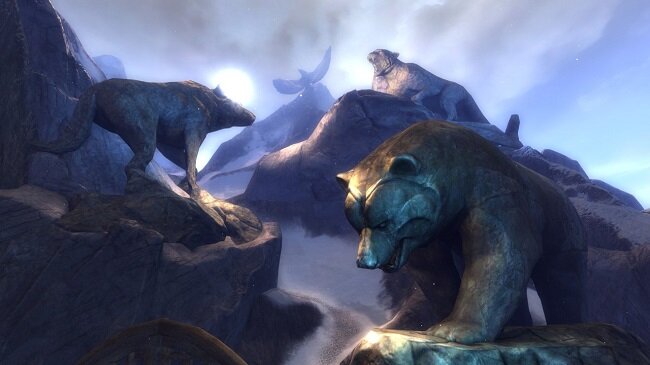
Back in August 2018, I posted seven of my favourite tracks from various video games that I’ve played over the years. I thought recently that it was high time that I did the same again. So here are a further five musical cues that I especially enjoy. All of which contribute greatly to the respective games that they feature in. Unlike film composers, musicians that write for video games do not always enjoy comparable exposure or attention. Yet often they have a more complex remit, having to write material for dozens of hours of content, rather than just two or three. Furthermore, the complete soundtrack to many video games often remain conspicuously absent, with fans having to data mine the game client to find the tracks that they love. Which is why it is important for those that enjoy video game music to show their support. Perhaps then more publishers will release full and comprehensive game soundtracks for digital download.
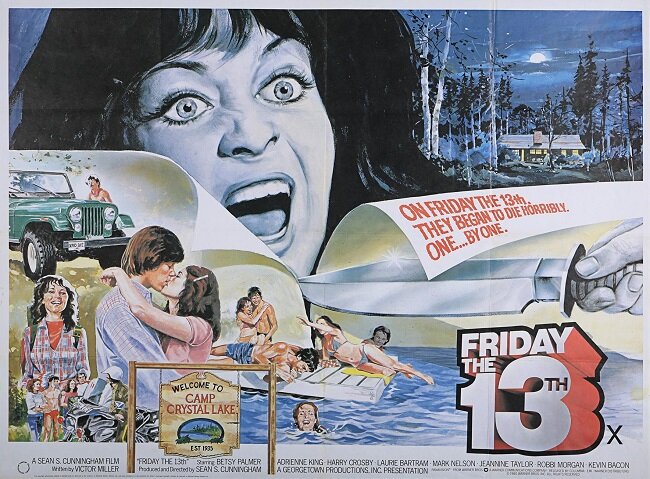
It was Friday the 13th yesterday, so I thought it was about time that I added Harry Manfredini’s iconic score to the annals of Classic Movie Themes. The 1980 slasher movie Friday the 13th has become as legendary in the pantheon of cinematic horror history as John Carpenter’s Halloween. Although there are marked differences between these two films, both use minimalist musical scores extremely effectively to punctuate the proceedings and embellish the overall atmosphere. However, Manfedini did not want to provide viewers with obvious audio cues during scenes of building tension. He preferred to focus his score upon the activities of the franchise's iconic killer, Jason Voorhees, and hence have strong musical cues when he was on screen. This approach meant that he had to use a unique musical motif to denote potential tension, without diminishing its effect on the audience by excessive use of obvious and melodramatic cues.

Game of Death was Bruce Lee’s fourth Hong Kong martial arts movie. Due to the success of his previous films he found himself in a position where he could finally write and direct a project himself. Filmed in late 1972 and early 1973, the film was put on hold midway through production when Hollywood offered him a starring role in Enter the Dragon. He died shortly after completing the US backed movie that made him an international star, so Game of Death remained unfinished. Several years later the rights to the raw footage were sold and recycled for a new movie, that kept the name but bore little resemblance to Lee’s original vision. For most of Game of Death, Kim Tai-jong and Yuen Biao double for Bruce Lee and it is only in the final act that audiences actually get to see about 12 minutes of material that he shot himself. The 1978 release of Game of Death, directed by Robert Clouse, is a mess but remains a cinematic curiosity. The scenes which genuinely feature Bruce Lee are outstanding, even in an abridged form.
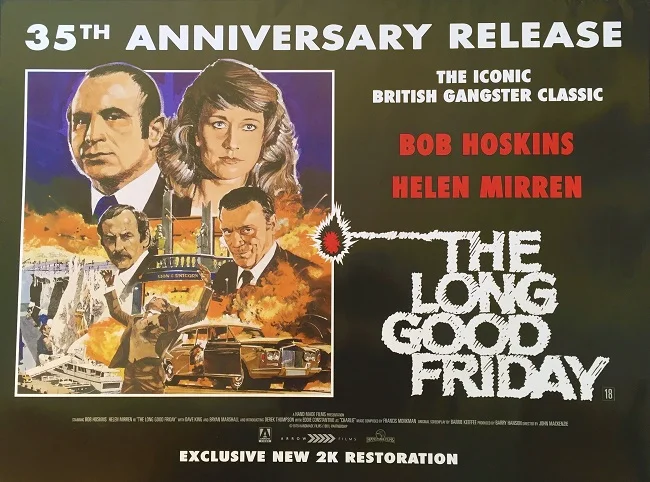
The Long Good Friday not only launched then career of Bob Hoskins but remains a uniquely British take on the gangster genre. Featuring authentic performances and a credible plot, the screenplay touches upon many of the social and political issues of the time; police corruption, the IRA, urban renewal and the decline of industry, along with EEC membership and the free-market economy. It’s a gritty and unrelenting drama that is still relevant today. Furthermore, the film is filled with quotable dialogue and has several stand out scenes that showcase Bob Hoskins’ smouldering performance. It’s also offers of “who’s who” of British character actors and there is one sequence still has the power to shock even today.
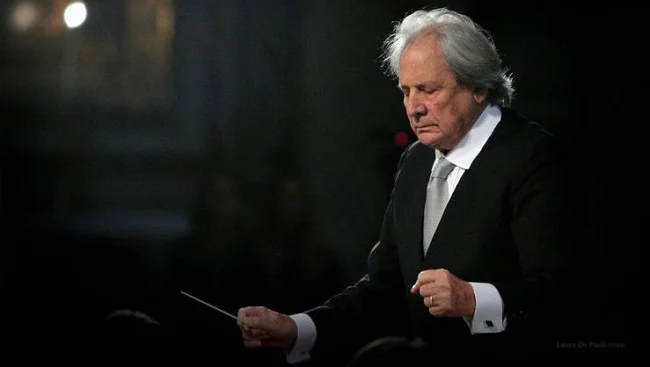
A few years ago, I wrote a post about cult movie soundtracks and how many of these movies are often blessed with a high quality score from an established composer. The subject came up again recently when I was visiting the British Film Institute with friends, and several other examples were discussed. Hence, I thought it would be prudent to write a follow up post with another selection of material, as it continues to amaze me how often the most appalling films can still have outstanding soundtracks. With this idea in mind I've collated five films that are for various reasons are labelled “cult” and have suffered the “slings and arrows of outrageous fortune” over the years. All have scores of interests and note, though for different reasons. I have chosen a track from each soundtrack which I think highlights the musical excellence and integrity of the composers involved. The genres are varied as are the musical styles and nuances of each piece. All clearly demonstrate how a well-conceived score can embellish and enhance a movie, effectively becoming a character in its own right.
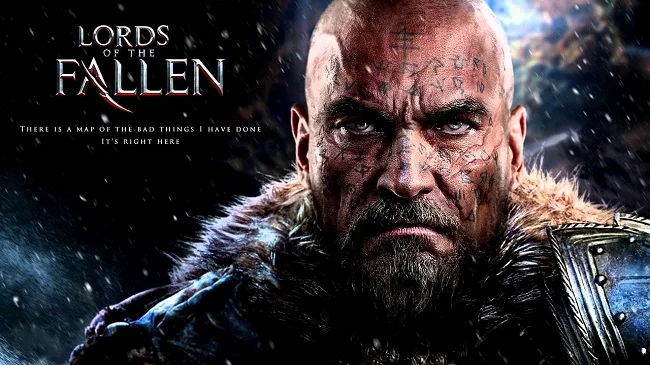
Lords of the Fallen is an action role-playing game from 2014, played from a third-person perspective. It is broadly in the same idiom to Darksiders and Dark Souls with the emphasis on complex and challenging combat. And it is for that reason that I didn’t get on with this title when I bought it in a Steam sale a few years ago. I felt that the long, protracted fights were an impediment to the narrative, which I quite enjoyed. However, the game was designed this way to appeal to the combat focused gamer and “git gud” culture. But I think that it’s important to try different genres of games from time to time and to step occasionally out of your comfort zone. I would cite the Hand of Fate series as a positive example of this. Both of those titles are from a genre I wouldn’t usually consider and playing them turned out to be a very positive experience
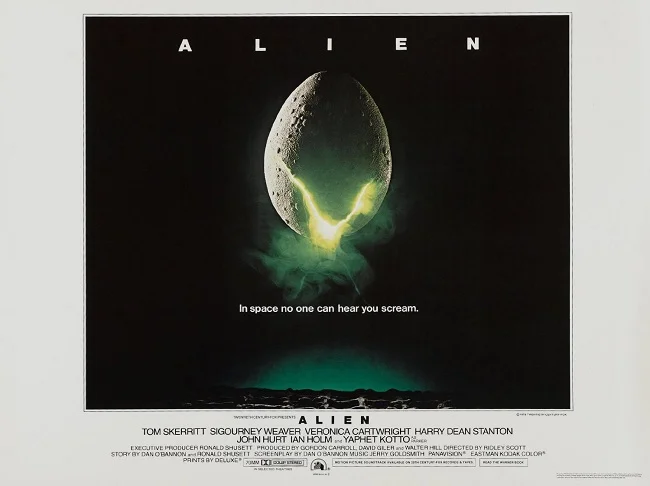
Alien is a unique genre milestone. It challenged the established aesthetic created by 2001: A Space Odyssey of space travel being pristine, clinical and high tech and replaced it with a grimy, industrial quality. The space tug Nostromo is also a conspicuously “blue collar”, civilian venture, underwritten by a large corporation. As for H. R Giger’s xenomorph, it redefined the depiction of extraterrestrial life in movies. Director Ridley Scott brought visual style and atmosphere to particularly unglamorous and dismal setting. He also scared the hell out of audiences at the time with his slow burn story structure and editing style that hints, rather than shows. Overall, Alien is a text book example of how to make a horror movie and put a new spin on a classic and well-trodden concept.

James Horner was a prolific, yet consistently good composer with a broad range of styles. Consider his score for 48 Hrs with its Jazz under currents and then compare it to his grand swashbuckling approach to Krull. They are radically different soundtracks, but both are extremely effective in embellishing their respective motion pictures. That was James Horner great talent. He knew when to be theatrical and bombastic but could also dial it back and be subtle, gentle and delicate. It made his body of work very diverse and memorable.
James Horner, although possessing a very broad and eclectic musical range, was in many respects a very traditional composer. He was certainly au fait with works of such giants as Miklós Rózsa, Korngold and Bernard Herrmann and it often manifested itself in his music through his use of the leitmotif. Perhaps the reason James Horner was so consistently good and crafted so many outstanding pieces of music, is because he never saw his profession as just a means to an end. As he said in an interview once, “I don’t look at this as just a job. I see music as art”.
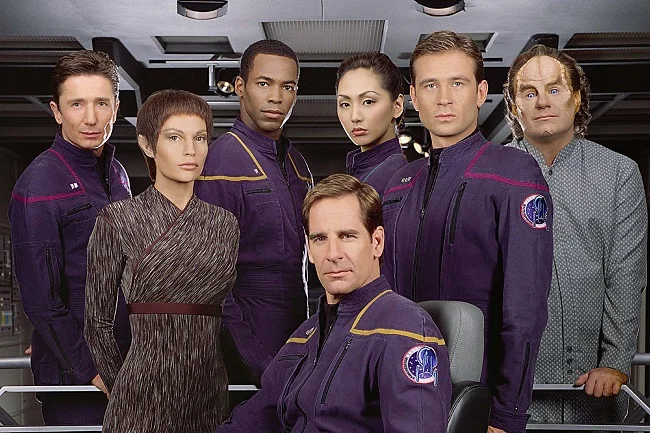
Star Trek: Enterprise was the first show in the Star Trek pantheon to have a song performed by an established artist play over the opening credits, rather than a traditional theme tune. Up until 2001, the franchise had maintained a more formal approach, established with the iconic introduction to the original series composed by Alexander Courage. Needless to say, such a radical departure from established practise brought about consternation and debate among fans. In some respects, you can argue that point about the entire show itself, but that as they say, is an entirely different blog post. Needless to say, the dislike and hatred that the song Where My Heart Will Take Me engendered in certain quarters, lead to a petition to have it removed. Needless to say, this movement failed, and the show continued using it for four seasons. Seventeen years on this particular debacle has now died down and the song is often just referenced ironically by fans as an amusing anecdote and piece of Trek trivia.
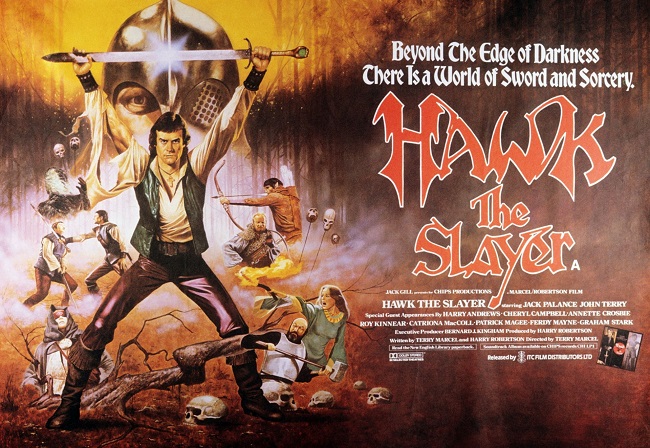
According to Wikipedia “Hawk the Slayer is a 1980 British sword and sorcery adventure film directed by Terry Marcel and starring John Terry and Jack Palance. The film has developed a cult following”. That doesn’t do the movie justice by any reckoning. Hawk the Slayer is a quirky, low budget, high camp fantasy movie that compensates for its budgetary shortcoming by being so preposterously silly. It is loaded with hard boiled, fantasy steeped dialogue that parodies well known genre tropes. It treads a fine line between utter bilge and stupid fun. It is very much a product of its time and is also filled with British character actors. Some viewers will see nothing more than a cheap and cheerful cash-in on the eighties Sword and Sorcery boom. Others will delight at this inventive, stylised and silly fantasy orientated outing. Such is the nature of cult movies.
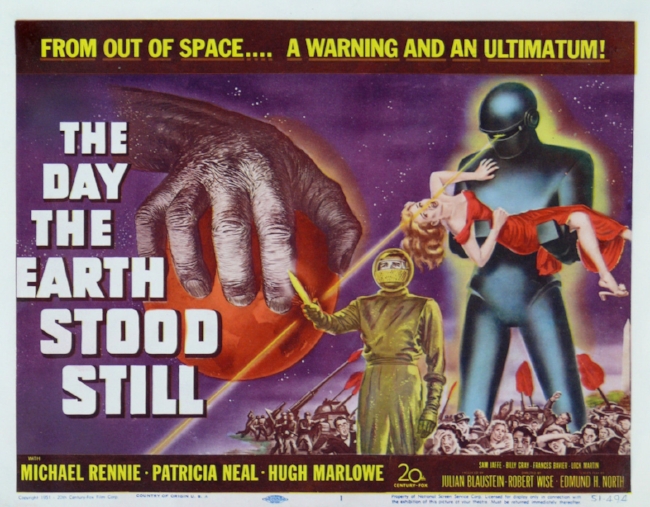
Film producer Julian Blaustein had a long-standing desire to make a film that addressed the fears and concerns of the post war Atomic Age. With the backing from Fox Studio Executive Darryl F. Zanuck, he hired screenwriter Edmund North to adapt the short story Farewell to the Master by Harry Bates. The screenplay provided a moral commentary about the ongoing arms race and featured an alien visitor with Christ like qualities who delivers an apocalyptic message. Veteran director Robert Wise was brought in head the project and a fine cast of established characters actors such as Michael Rennie, Patricia Neal Hugh Marlowe and Sam Jaffe was assembled. The finished movie has proven to be one of the greatest science fiction movies ever; it is The Day the Earth Stood Still made in 1951.
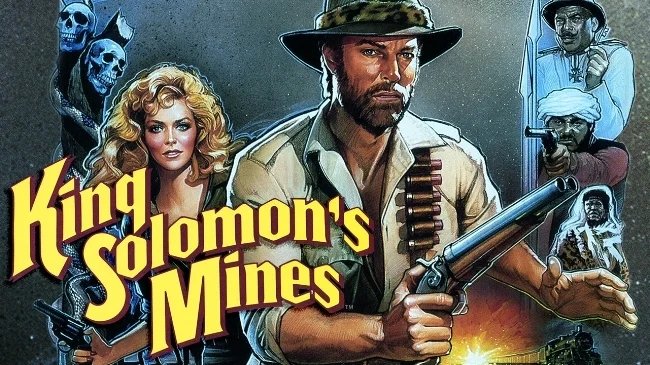
King Solomon’s Mines is a 1985 Cannon Films production based on the pulp works of H. Rider Haggard. It was quickly made to cash in on the ongoing success of Indiana Jones franchise, although the finished movie bears little resemblance to the classic original novel. Like most Cannon movies from that boom era, it was a cheap and fast enterprise that superficially sported a good cast, but ultimately didn’t do much with them. Veteran director J. Lee Thompson favoured a light and comic approach to the material, as the film’s budget could hardly sustain any major notable set pieces. Yet, it proved popular enough at the box office to warrant a sequel the following year. Allan Quatermain and the Lost City of Gold proved to be as equally silly but by then the public’s interest had waned.
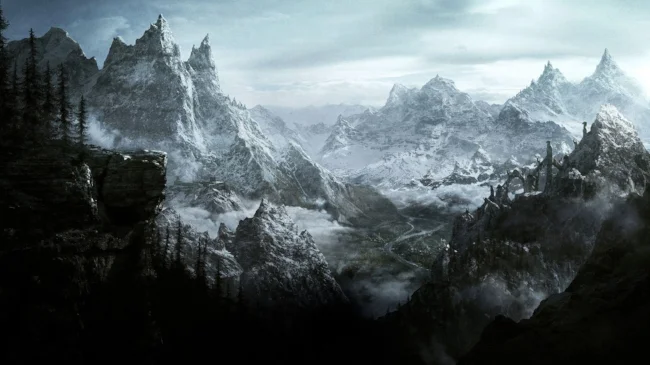
A ten months ago, I wrote about the LOTRO soundtrack and listed some of my favourite tracks. This time round rather than just limit myself to music from one game, I thought it may be more interesting to broaden the remit. So, I have decided to upload seven of my favourite tracks and music cues from various games I have played over the last two decades. As with cinema, the soundtrack of a game plays a very important role. It can make a substantial impact on the players perceptions and enjoyment. The following tracks are examples that I feel have greatly enhanced a game. They’re also ones that I find particularly enjoyable. They are not in any order of preference.

Paul Verhoeven has seldom made a movie without some semblance of controversy associated with it, and his 1992 neo-noir Basic Instinct was no different. Even before its US release, Basic Instinct courted controversy due over its overt sexuality and graphic depiction of violence. It was strongly opposed by gay rights activists, who criticised the film's depiction of homosexual relationships and the portrayal of a bisexual woman as a homocidal narcissistic psychopath. The opening murder with an icepick is still shocking twenty six years later and is an excellent showcase for makeup FX artists Rob Bottin.

You can write pages on Gerry Anderson's 1968 Supermarionation series Joe 90. There's the morally ambiguous premise of giving an emotionally immature nine-year-old the experiences of an adult. Then the psychological effects of allowing him to kill at will. Then there's the perennial issue of scientists prostituting their skills to the intelligence community. One can also reflect upon the absence of any major female characters in the series and how that may impact upon Joe himself. Finally, when one finally arrives she's a gold-digging bitch who tries to exploit Joe’s Dad, Professor McClaine. Joe 90 is certainly a psychiatrist’s dream subject.

Despite the popularity of the TV show in 1965, the two spinoff Thunderbirds feature films were both box offices failures. This has often been attributed to the indifferently written screenplays that seem to have completely missed the sense of suspense that the fifty-minute episodes achieved. Both feature films feel rather slow and like extended episodes rather than big budget extravaganzas. They fail to do anything different with established characters and apart from showcasing more extensive miniature effects in a widescreen format, don’t really have much more to offer. It’s curious that the winning, character driven formula that worked on television was overlooked for these big screen outings.
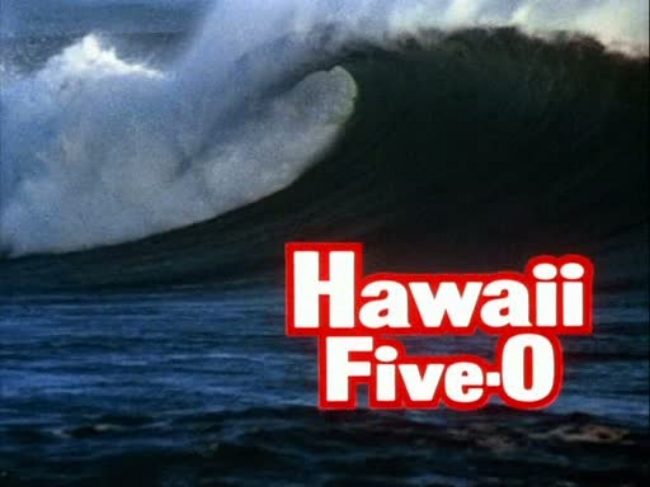
I grew up during the seventies when network TV shows still put a lot of thought and effort into such things as their theme tune. It was a decade littered with memorable tracks that captured the essence of the shows they came from. Many have now become integral aspects of popular culture, leading to countless internet memes as well as becoming the ringtones of choice for many a fortysomething. However, things are very different now. You can have a staggeringly good theme for your show, but it can't possibly be longer than thirty seconds. And don’t think for a moment that viewers can listen to it again at the end, as it has now become standard practice to compress the credits into a third of the TV screen and preview what's coming next, while some link announcer spouts inanities. Mercifully, cable and streaming companies tend to treat their TV shows with greater respect. The lack of commercial advertising ensures a longer program duration and hence more focus on a theme tune. However, network TV still commands big audiences, yet hasn’t in recent years produced any TV show themes of note.
Two years ago I wrote a post about fine tuning your graphics in the MMORPG The Lord of the Rings Online. Apart from installing ReShade and using AMD Adrenalin, the options were somewhat limited, due to the game’s age and multiplayer status. Since then, I’ve been playing LOTRO with the game settings maxed out, a custom ReShade profile to make the colour palette more vivid and Radeon Image Sharpening enabled within the AMD software. The game looks clear, crisp and the draw distance is pretty good for an ageing game but I still wish the graphics could be tweaked further. Hence, I’ve been trawling the internet in a vain attempt to see if I can find any third party utilities that could be used to enhance LOTRO further. During the course of my search I stumbled across DLSS 5 Manager. This is an open-source, intelligent utility and one-click mod installer designed to inject and manage Nvidia's DLSS 5 neural rendering features, ReShade, and OptiScaler into PC games.