April Fool's Day
According to Wikipedia "April Fools' Day or April Fool's Day (sometimes called All Fools' Day) is an annual celebration commemorated on April 1 by playing practical jokes and spreading hoaxes. The jokes and their victims are called April Fools". It appears to be a pan-european custom, with many countries having a broadly similar tradition of playing pranks of creating bogus events. However, little is known about the origins of April Fools and what was its initial historical or social meaning. April Fool’s Day is another tradition that has been subsumed into the mainstream over time. Today various websites, TV stations and newspapers will be churning out faux stories and photoshopped pictures in an attempt to be amusing and join in the "fun". All to varying degrees of success. It can be seen as either mildly amusing or yet another example of the Pavlovian, emotional push button culture that we live in these days. Organised "fun" run by big business, which is soulless, aimed at the lowest common denominator and often achieving the opposite of what is seeks to do.
According to Wikipedia "April Fools' Day or April Fool's Day (sometimes called All Fools' Day) is an annual celebration commemorated on April 1 by playing practical jokes and spreading hoaxes. The jokes and their victims are called April Fools". It appears to be a pan-european custom, with many countries having a broadly similar tradition of playing pranks of creating bogus events. However, little is known about the origins of April Fools and what was its initial historical or social meaning. April Fool’s Day is another tradition that has been subsumed into the mainstream over time. Today various websites, TV stations and newspapers will be churning out faux stories and photoshopped pictures in an attempt to be amusing and join in the "fun". All to varying degrees of success. It can be seen as either mildly amusing or yet another example of the Pavlovian, emotional push button culture that we live in these days. Organised "fun" run by big business, which is soulless, aimed at the lowest common denominator and often achieving the opposite of what is seeks to do.
Many of the traditions that we maintain as a society, began with honest intentions. Such things as public holidays, religious observance or the simple celebration of a group or ideal are prime examples of this. Inevitably the meaning of many of these traditions can become diluted over time. They can become exercises in marketing or tedious institutions perpetuated by those with an agenda. For me April Fool's Day is the embodiment of this concept. An exquisitely unfunny ritual that is inflicted upon us by those who don't realise (or care) that the activity is totally arbitrary. Furthermore, if you criticise it or point out its short comings you are frequently derided. “Don’t you have a sense of humour?” or “why are you being such a kill joy?” But these are pointless deflectionary statements that fail to address legitimate complaint. Sadly such rhetorical tactics are common place these days.
From my perspective, fun, humour and laughter are organic things. I hate the concept of organised corporate fun. That it is something to be martialled and stage managed by self-appointed arbiters. However, one can argue that if you don’t like the hoaxes and false headlines that will no doubts be widespread today, simply limit your online activity. Ultimately, this sort of low-level April Fool’s “japery” is not the main problem. You can argue that it contributes to the infantilization of society and lowers the cultural bar, but it is not alone in doing that. No, what really concerns and infuriates me is that in various offices, schools and other institutions today, people will be using the bogus cover of April Fool’s to “prank” colleagues. And by “prank”, I mean bully, humiliate and just generally harm someone else for their own amusement. In my thirty-year working career, I’ve seen this happen numerous times. Usually in all male environments. It may start with hiding possessions or sabotaging equipment; things designed to inconvenience or confuse. But I’ve also seen people tied to a window pole with roller towel and left.
I despise, loath and abhor "prank culture". It is founded upon psychological torture and bullying, but disingenuously tries to justify itself by usurping the cultural acceptance of humour. The go to mantra of prank perpetrators that "it's just a joke" is an utter lie. Something arbitrarily trotted out to justify being cruel to someone. Any alleged "humorous" endeavour that seeks to take away someone's dignity, holds them up to ridicule or make them feel small is patently not a joke. It is simply recreational spite. Humour, wit and satire are powerful tools and in an unequal society should be used to punch up and not down. Pranking of the type I’ve described can also have a more sinister dimension. It can be motivated by prejudice and bigotry and therefore weaponised. In the case of the individual who was mummified with roller towel, they were ultimately targeted because they were a Jehovah’s Witness.
We live in an age where if someone’s experience does not correlate with our own, there is a tendency to be dismissive of it. I’m sure there are those who will say “I like don’t mind the website hoaxes and the funny news headlines. I’ve never seen or been on the receiving end of an unpleasant prank”. The erroneous conclusion is that I’m over reacting or simply trying to be some sort of “fun police”. But the reality is there are people who have dreaded the approach of April 1st for several weeks now, because they know that someone is planning to mess with them. Conversely there are also appalling people who have been counting down the days to this point in time, because it provides them with a semi-legitimate excuse to persecute someone for their own personal pleasure. April Fool’s Day is frankly one tradition I’d quite happily like to see wither on the vine. It has out lived any usefulness it ever had and is now just a liability.
























Shane Rimmer (1929 - 2019)
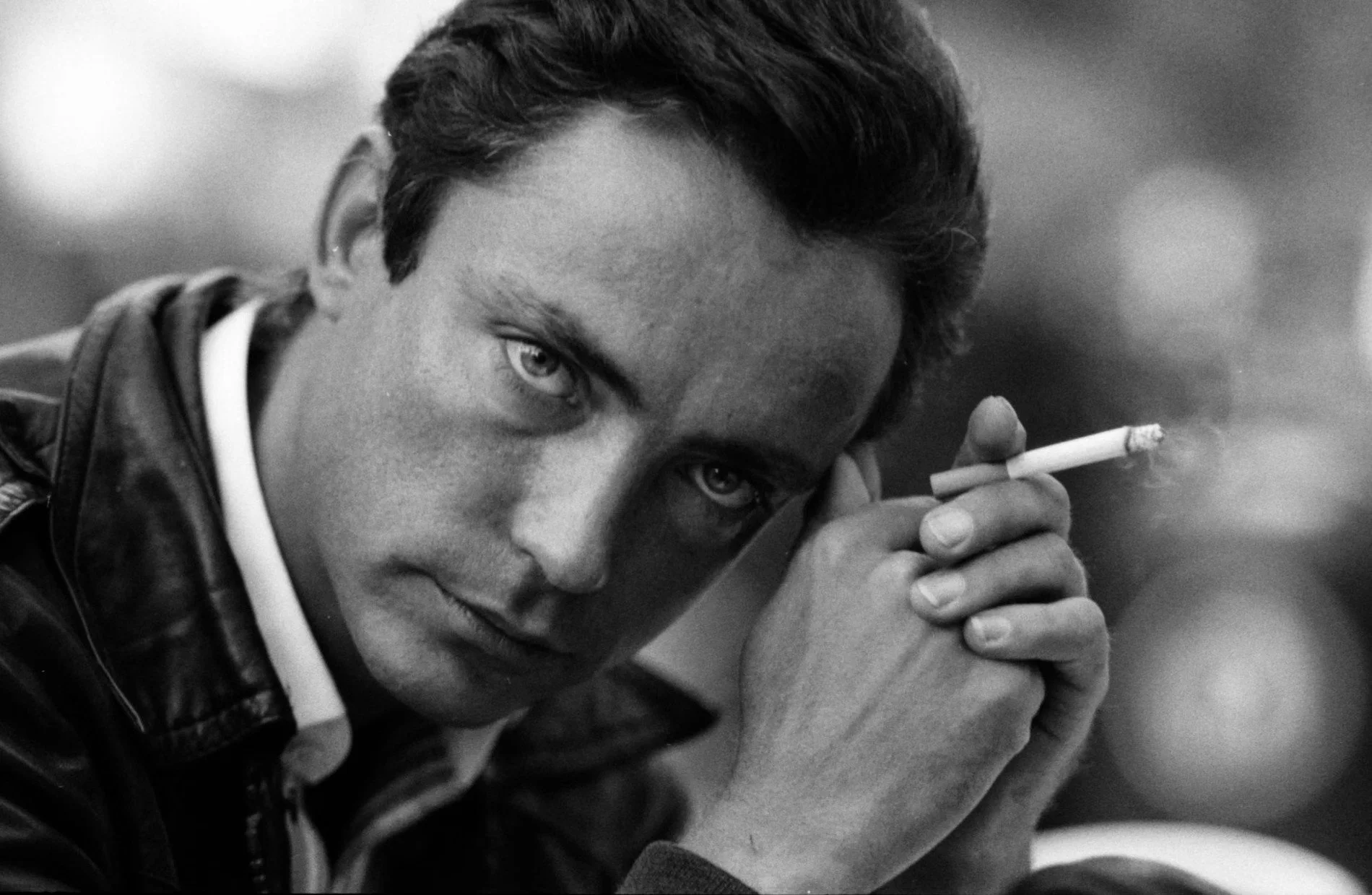
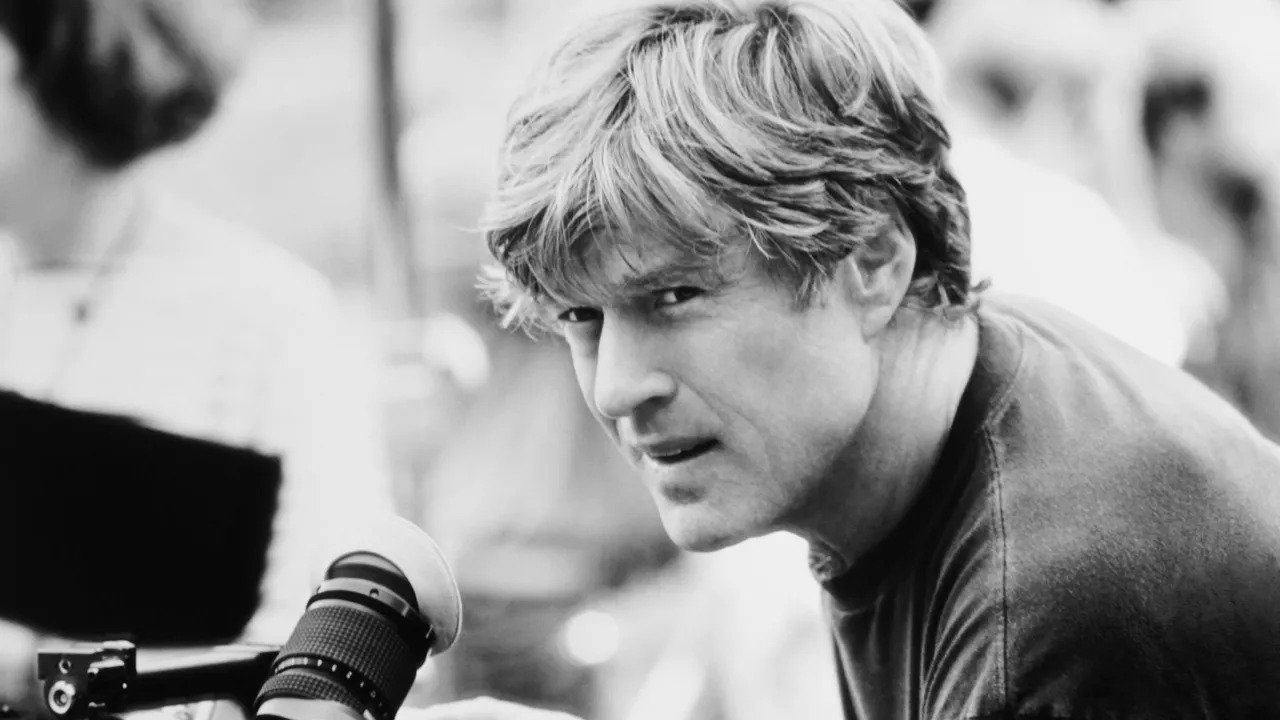
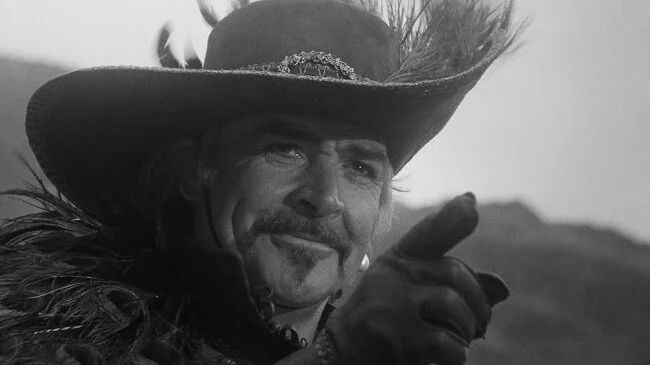
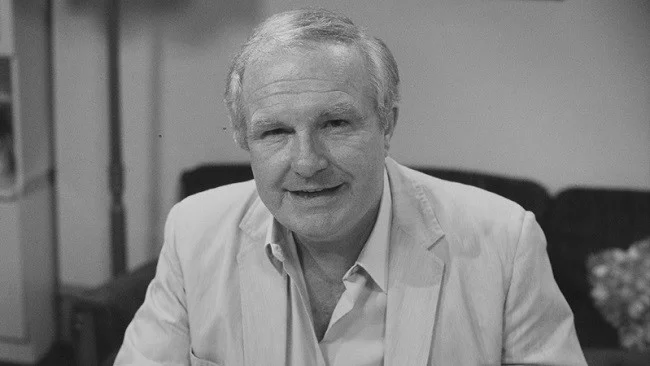
The actor Shane Rimmer died yesterday at the age of 89. Born in Toronto, Canada, on 28th May 1929, Rimmer moved to London in the late 1950s to pursue his acting career. Over the next five decades, he appeared in numerous TV shows such as Doctor Who and The Saint, and in films including Dr Strangelove, Gandhi, Rollerball and Out of Africa. He starred in James Bond film The Spy Who Loved Me and had smaller roles in Star Wars, Superman and Batman movies. If during the seventies and eighties, a British production needed someone to play an American character, he was a one of a handful of "go to" actors who would take the part. Rimmer and fellow US actor Ed Bishop (whose paths regularly crossed) jokingly referred to themselves a "Rent-a-Yanks” as a result of this.
The actor Shane Rimmer died yesterday at the age of 89. Born in Toronto, Canada, on 28th May 1929, Rimmer moved to London in the late 1950s to pursue his acting career. Over the next five decades, he appeared in numerous TV shows such as Doctor Who and The Saint, and in films including Dr Strangelove, Gandhi, Rollerball and Out of Africa. He starred in James Bond film The Spy Who Loved Me and had smaller roles in Star Wars, Superman and Batman movies. If during the seventies and eighties, a British production needed someone to play an American character, he was a one of a handful of "go to" actors who would take the part. Rimmer and fellow US actor Ed Bishop (whose paths regularly crossed) jokingly referred to themselves a "Rent-a-Yanks” as a result of this.
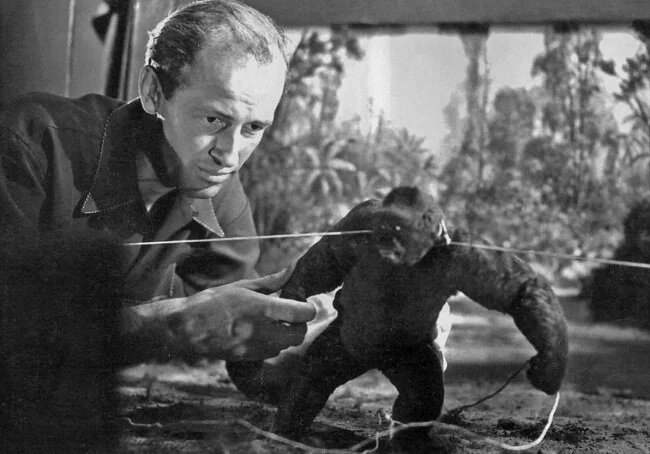
Yet despite having a rich and varied filmography, for many Shane Rimmer will be best remembered as the voice of Scott Tracy in Thunderbirds. The 50-minute screenplays afforded much more time for character development than in previous Gerry Anderson Supermarionation productions. Scott Tracy the second oldest of the five brothers and was one of the most accessible and likeable characters in the show. Rimmer’s voice work did much to imbue Scott Tracey with a sense of fairness, determination and common sense. After Thunderbirds Rimmer continued working with the Anderson on shows such as Joe 90 and Captain Scarlet and the Mysterons and the live action TV series UFO. He also got to satirise the hard-boiled private detective genre when he provided the voice for Dick Spanner. A role he undertook with relish.
As well as acting, Rimmer diversified and wrote several screenplays and stories for TV shows. Furthermore, in his later years he wrote both his autobiography From Thunderbirds to Pterodactyls and dabbled in fiction. Due to his appearances in numerous cult movies and blockbuster genre films, he was a familiar face on the convention circuit. He was a firm favourite among fans and remained active in the fan community right up until recently. He always maintained a pragmatic outlook on all his work and had a wealth of anecdotes to share. He was especially proud of his work on several Bond movies. "The Spy Who Loved Me was a good one all around. It was Roger Moore’s favourite of all the ones he did. You just get a kind of intuitive thing about a movie. It worked very well”.


Broadstairs and Eastbourne
At least once a month, Mrs P and I like to take a day trip and venture out away from suburban London, into the Southern counties of the UK. These excursions are mainly for leisure but they also serve as an opportunity to reconnoitre potential locations for a future move. As present we’re based in South East London, so a two-hour drive provides a wealth of interesting locations across Kent, East and West Sussex and Surrey. Travelling beyond these counties entails a longer drive and thus an overnight stay. Although we are not against such a thing, a simple day trip is more economical so is the more frequent choice. We like to visit English Heritage and National Trust sites, see local points of interest and natural beauty as well as try the local cuisine via local restaurants.
Grand Parade, Eastbourne
At least once a month, Mrs P and I like to take a day trip and venture out away from suburban London, into the Southern counties of the UK. These excursions are mainly for leisure but they also serve as an opportunity to reconnoitre potential locations for a future move. As present we’re based in South East London, so a two-hour drive provides a wealth of interesting locations across Kent, East and West Sussex and Surrey. Travelling beyond these counties entails a longer drive and thus an overnight stay. Although we are not against such a thing, a simple day trip is more economical so is the more frequent choice. We like to visit English Heritage and National Trust sites, see local points of interest and natural beauty as well as try the local cuisine via local restaurants.
Early on in March we decided to visit Broadstairs, which is located on the Isle of Thanet in East Kent. It became a popular seaside resort in the 1850s with the development of the railways. The novelist Charles Dickens drew a great deal of inspiration from the town and its coast when writing David Copperfield. It boasts a lot of traditional architecture as well as an imposing beach front. Sadly the weather when we visited was both cold and wet and didn’t lend itself for much exploration on foot. We walked along the main promenade and took in the views before retreating to the Charles Dickens pub and having a splendid lunch of locally caught fish. We then drove along the coast to see the lighthouse at Joss Bay, and briefly view Kingsgate as well as Botany Bay.
Joss Bay Lighthouse, Broadstairs
Fortunately todays travels were far more successful as we were favoured with unseasonable warm spring weather. Having managed to find convenient and reasonably priced parking, we walked along the Grand Parade which is dominated by imposing Victorian Hotels and the ornamental flower beds which are all currently in bloom. We took in both the pier and then rested outside the Wish Tower, a fortification looking out to sea, that dates from the Napoleonic war. The view from here down across the beach was impressive. Having by now built up an appetite, we dined at the Rostick Restaurant, in Terminus Road. This is a splendid family run Italian establishment, offering traditional cuisine from the Abruzzo region of Southern Italy. The food was excellent, reasonably priced and the service was outstanding.
Later in the afternoon we visited The Story of Eastbourne Museum which provides a succinct overview of the town’s history from Roman times, through to its military significance during the Napoleonic War and then on to the Victorian Age where it established itself as a holiday resort and was extensively developed by the Duke of Devonshire. Finally we looked in at the beach front Pavilion which currently hosts the Eastbourne Remembers exhibition. This is an engaging and clever exploration of the concept of memories; what place they play in our lives and society and how they can be of invaluable historical contribution. It was a thought provoking and interesting way to end the day. Although we only scratched the surface of the various places of interest that Eastbourne (and previously Broadstairs) had to offer, we felt it that it was a day well spent. We are therefore looking forward to next month’s day trip and are already looking for a suitable location.































Why Am I Doing This?
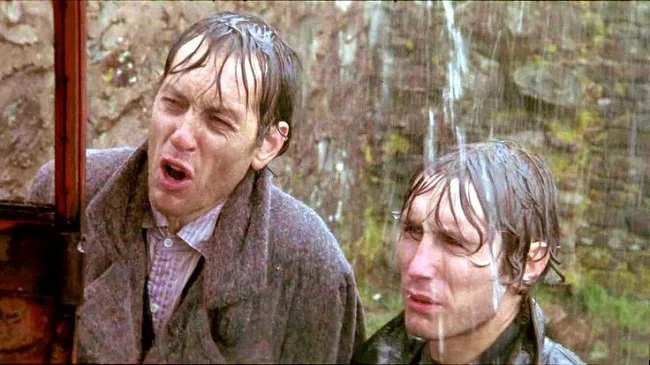
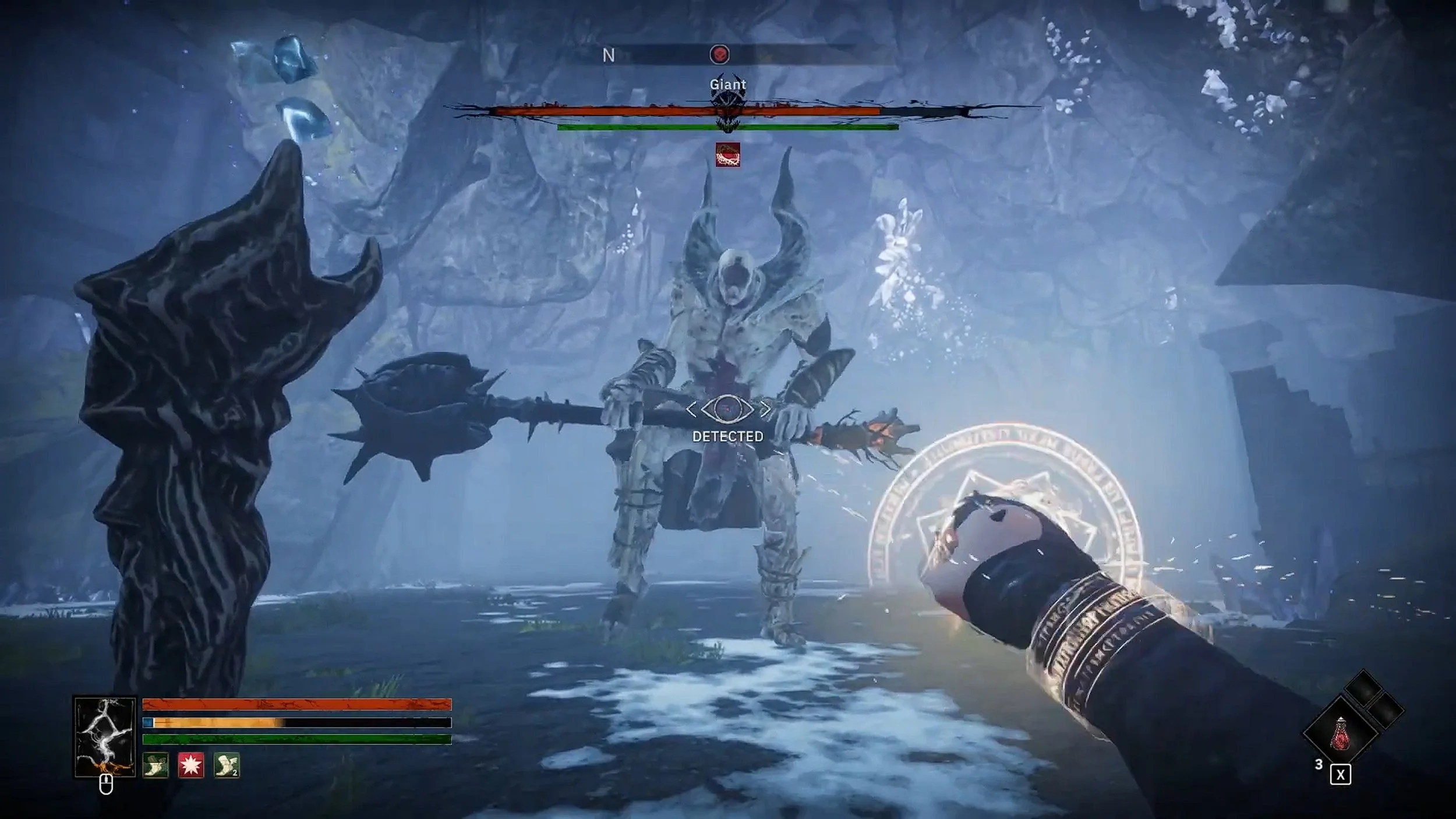
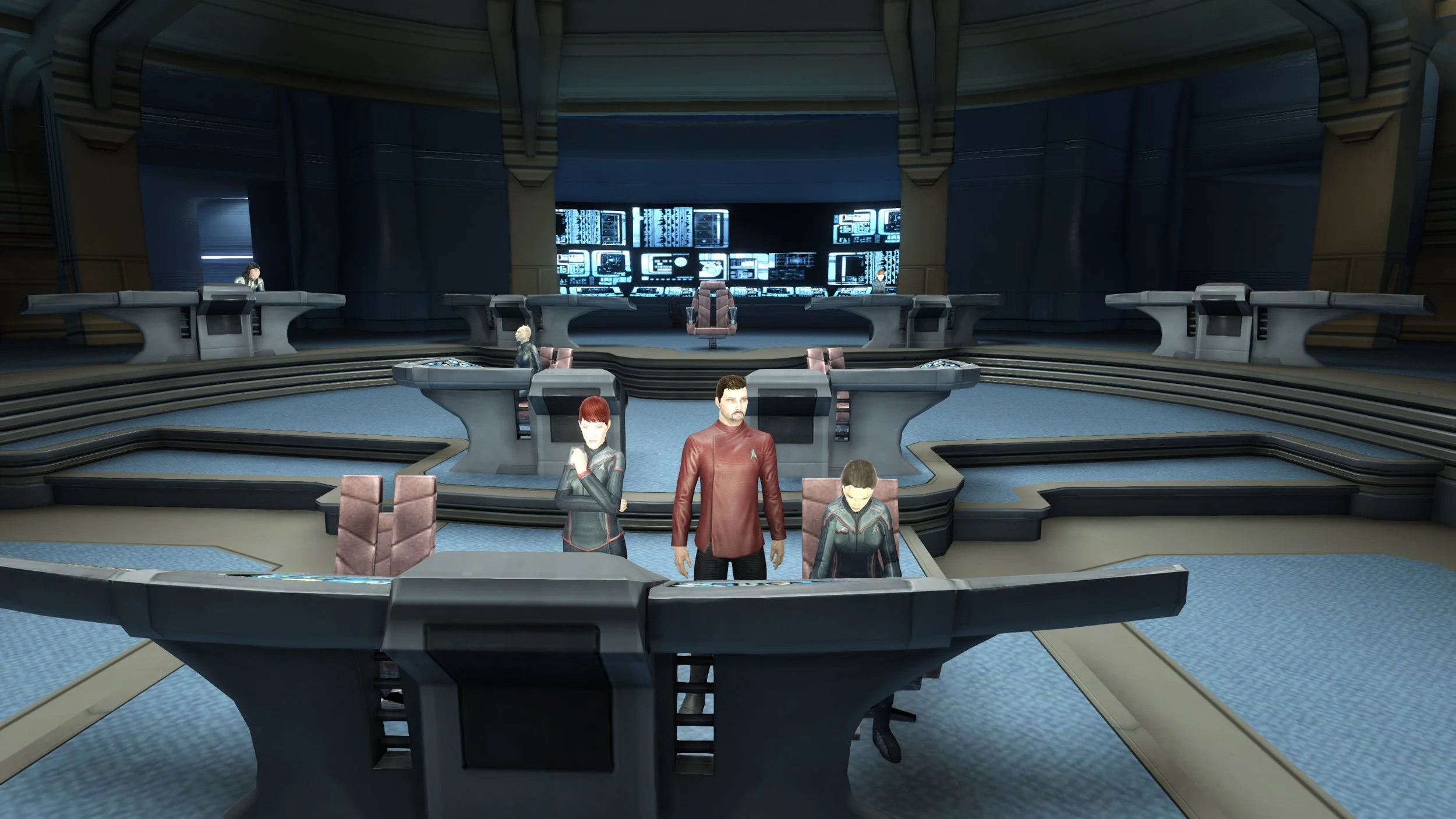
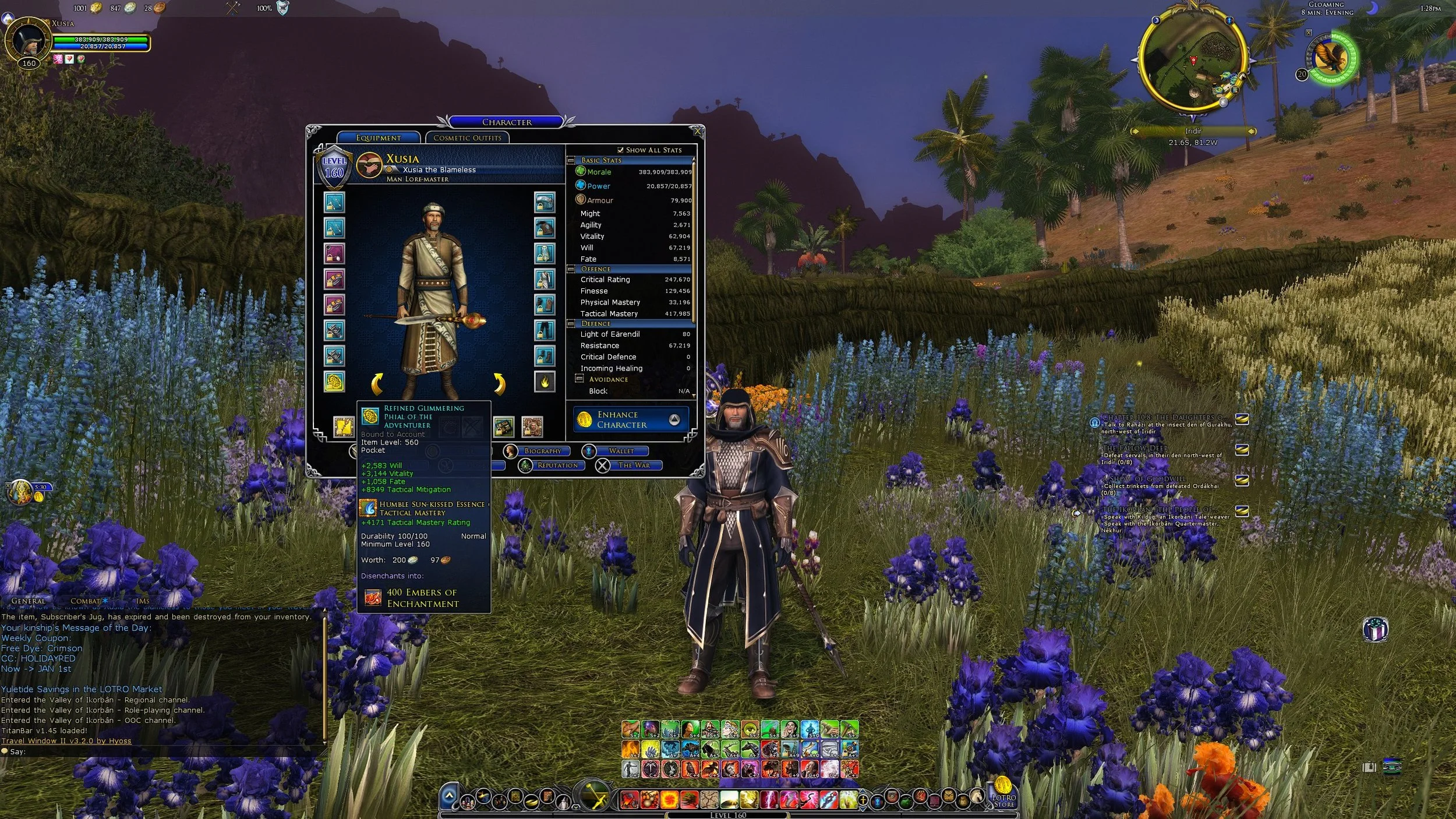
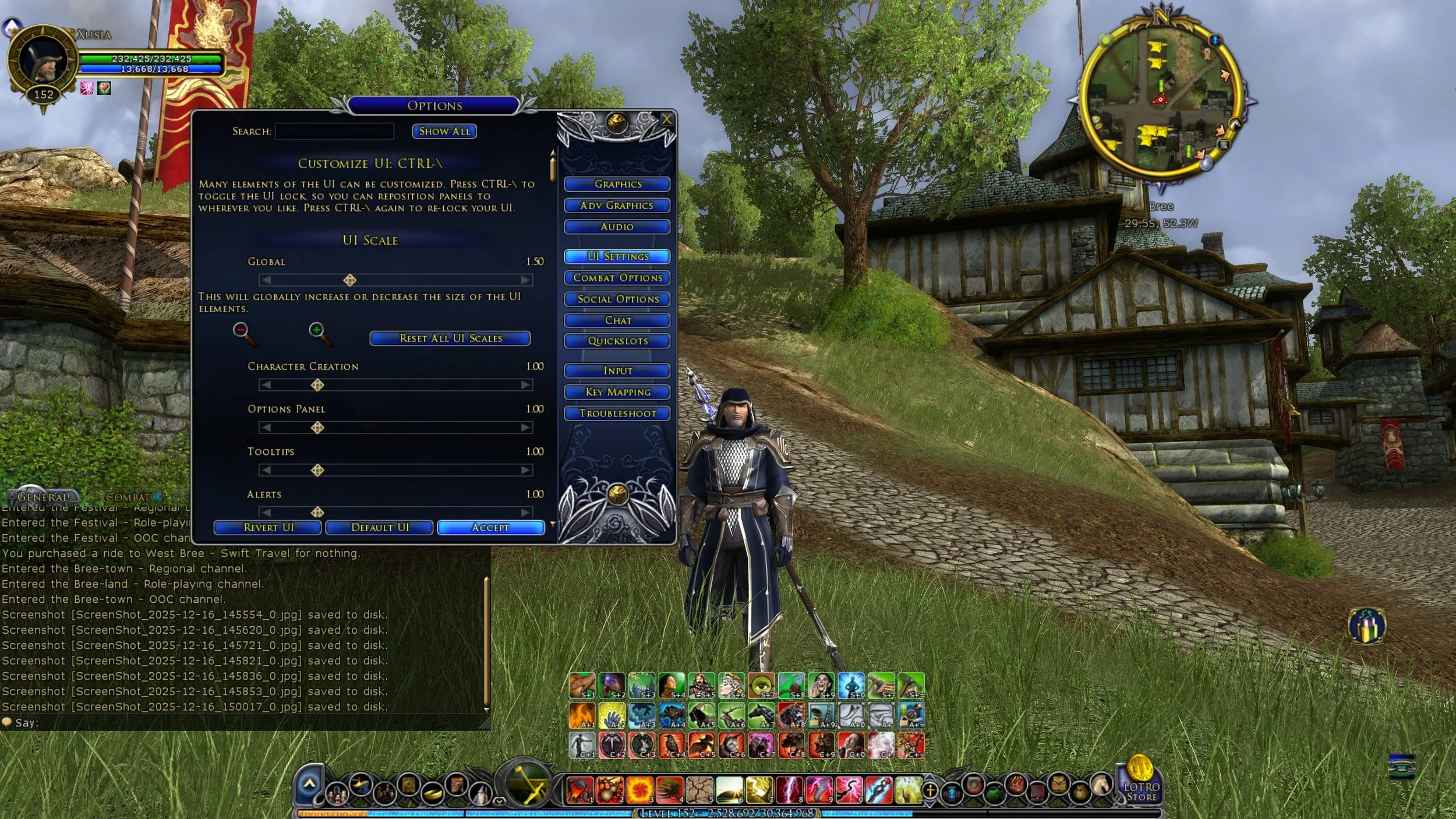
"Why am I doing this?" is the question currently posed over at KeenandGraev.com and it certainly makes for some interesting introspection and personal reflection. Most gamers have at some point found themselves carrying out some arbitrary task in a game, pausing and then musing as to why they have chosen to do something as mundane and possibly even as tedious as “kill 10 rats” or “pick up nails” (yes, I’m looking at you LOTRO). Regardless of whether such mechanics are right or wrong, lazy or “classic”, grinding is an inherent aspect of most video games, especially the MMO genre. Players burn through narrative driven quest content far too quickly, therefore there has to be systems to slow player progress down and make then repeat content. However, the point of the original post isn’t to debate whether grinding is right or wrong. It’s about what you as a player do next when you finally ask yourself this question.
"Why am I doing this?" is the question currently posed over at KeenandGraev.com and it certainly makes for some interesting introspection and personal reflection. Most gamers have at some point found themselves carrying out some arbitrary task in a game, pausing and then musing as to why they have chosen to do something as mundane and possibly even as tedious as “kill 10 rats” or “pick up nails” (yes, I’m looking at you LOTRO). Regardless of whether such mechanics are right or wrong, lazy or “classic”, grinding is an inherent aspect of most video games, especially the MMO genre. Players burn through narrative driven quest content far too quickly, therefore there has to be systems to slow player progress down and make then repeat content. However, the point of the original post isn’t to debate whether grinding is right or wrong. It’s about what you as a player do next when you finally ask yourself this question.
I found the reply from MMO blogger Bhagpuss to be particularly illuminating. “Because” usually works for me”. Sometimes playing an arbitrary game and pursuing the most mundane of tasks is a source of relaxation for players. Not everyone is motivated by the quid pro quo of gear grinding and levelling, although these are powerful motivators. Sometimes just logging into an MMO and crafting, or resource gathering or even just touring the virtual world is an invaluable means of unwinding. Often when playing through such content, gamers will often do other things, such as listen to podcasts. Hence the game is facilitating another activity. Another common occurrence is that when players log into a game and “grind” through repetitive content, they are often logged into Discord and speaking with friends and colleagues. So viewed from a broader perspective the “because” reason that Bhagpuss mentions, is potentially a conduit to wider pastimes or social interaction.
“Look Crusty Fur, there’s some repetitive tasks we can do ad infinitum…
On a slightly more serious note, the “planting crops and watering them” that Keen references in his original post, is the sort of game mechanic that some gamers will use as a coping mechanism during times of stress and anxiety. Losing oneself in a virtual world can be a very appealing prospect when one has a great deal of major real-world problems. The routine and structure of repetitive game play can have therapeutic value. I know many gamers who struggle with depression and other mental health issues who find that games provide a very stabilising influence, keeping them focused and occupied. And on a simpler level, day to day life is hard for many people for economic and logistical reasons. I certainly find a degree of comfort in the mundane at times. Pursuing such goals in an MMO helps block out the tedium and worry associated with contemporary politics.
However, we should all remember that although the question “why am I doing this?” may be a universal constant, our personal responses are subjective. As I’ve written before, one person’s grind is another’s hog heaven. Hence the point when a gamer asks themselves “do I really need to go to Splaticon IV yet again and retrieve the Sword of Kagnazax?” is different for everyone. I certainly know where my own personal lines in the sand are drawn. I view gaming very much in a transactional fashion. I do something because of the reward it offers or the amusement it affords. The moment those criteria are not met, I’ll do something else, although it took me several years to come to terms with this policy. Social obligation and the sunk cost fallacy can be hard habits to break. So overall, I think encouraging gamers to police themselves from time to time by contemplating this question is a good thing, because the tail doesn’t wag the dog.










You Are Not the Intended Customer
After reading a lot of the recent coverage of Google Stadia, I find some of the comments and reactions from existing PC and console gamers just as “interesting” as the actual product itself. As for the basic concept of games running remotely at a datacentre, which does all the “heavy lifting”, we’ve been here before. On Live tried this in the UK back in 2009. They also had bespoke controllers just like Google Stadia but ultimately there was too many people in the UK at the time with low end internet connections, so the business failed. I believe Sony ended up buying all their patents. Obviously, technology has moved on in the last decade and certainly Google has more resources that it can bring to bear on the development of this product. But as I said, I find the way the news of this product was greeted to be of equal interest, because as ever core gamers are blinkered by their own erroneous perspective. They see themselves as the target demographic of any new service or game, which is not the case in this instance.
After reading a lot of the recent coverage of Google Stadia, I find some of the comments and reactions from existing PC and console gamers just as “interesting” as the actual product itself. As for the basic concept of games running remotely at a datacentre, which does all the “heavy lifting”, we’ve been here before. On Live tried this in the UK back in 2009. They also had bespoke controllers just like Google Stadia but ultimately there was too many people in the UK at the time with low end internet connections, so the business failed. I believe Sony ended up buying all their patents. Obviously, technology has moved on in the last decade and certainly Google has more resources that it can bring to bear on the development of this product. But as I said, I find the way the news of this product was greeted to be of equal interest, because as ever core gamers are blinkered by their own erroneous perspective. They see themselves as the target demographic of any new service or game, which is not the case in this instance.
Google Stadia is a service can run top titles on most domestic platforms. Does everyone have a PC or console? No. Does everyone have a TV and a smartphone? Yes (or as near as damnit). So I would hazard a guess that this new service is viewed by Google as a means to expand the reach of games to those who are currently either playing on the margins, or our entrenched in bespoke market such as cell phone games. Google do not seem to be offering anything to core PC gamers, who will more than likely not be interested in such a service. Game mods, high end graphics on “über” gaming rigs, and live streaming are some of the aspects of PC gaming culture that keep it distinctly separate from other video games communities. If anything, Google Stadia could be more of a threat to the console market. However, irrespective of both these issues, if Google can get casual gamers who play mobile games via a phone, to expand the scope of their hobby and start paying to play the latest console/PC titles, they could be on to a winner.
Potentially pitching to this particular quarter of the gaming diaspora, could prove extremely lucrative. Mobile revenue accounts for more than 50% of the global video games market. As of last year that was $65.4 billion. For those who don’t have a console or do not wish to purchase the latest titles at their current retail price, a gaming service such as Google Stadia, pitched at a comparable cost to something like Netflix could be a major hit. Naturally this service will not necessarily appeal to competitive gamers for obvious technical reasons such as lag. Nor will it be embraced by the PC Master Race/professional malcontents/zealous gamer purists who are disdainful of anything outside of their purview. But again, they’re not the target demographic and frankly they’re not a group that endears itself to either marketing departments or the wider gaming community. Gaming has become an everyday pastime in recent years and the term itself has also evolved. Making gaming even more accessible is naturally a logical business goal.
However change always has winners and losers. Although I see the business sense in a service such as Google Stadia, it also represents yet another nail in the coffin of “ownership”. I’m old fashioned and in some respects very much a product of the era I grew up in. I like to pay once for something and move on, and so do not warm to concepts such a recurring charges and live services. But I’m wise enough to understand that markets evolve and that the business models of the past are not immutable. You only have to look at the decline of physical media, especially in the music industry for proof. This is the age of “games as a service” and Google Stadia could potentially be the “killer” product that helps to normalise that, just as iTunes drove a stake through the heart of CD sales and made us all subscribers with virtual collections.
























Larry Cohen (1936 - 2019)
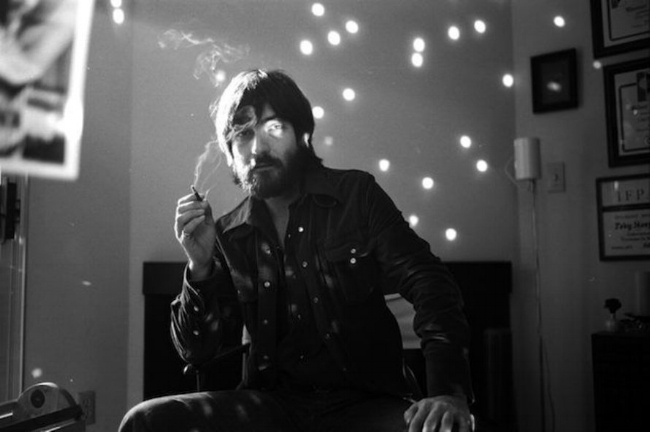
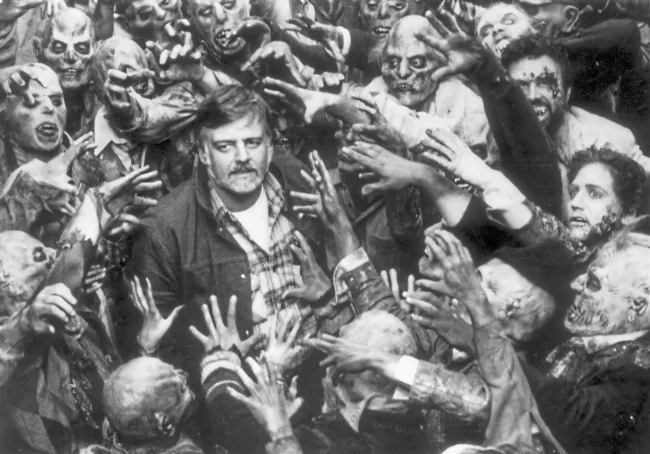
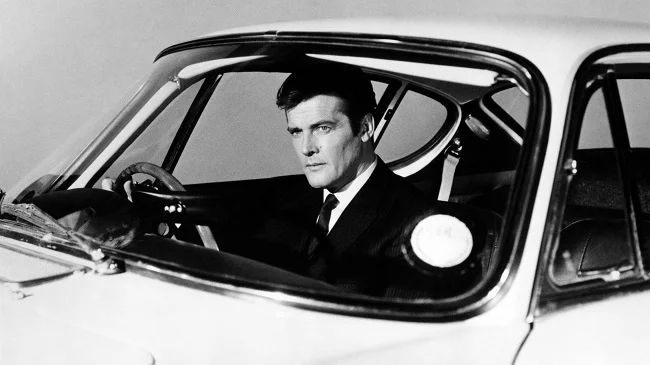
Larry Cohen, the writer and director of such cult films as Black Caesar, It’s Alive and Q: The Winged Serpent, has died aged 77. Cohen was a key figure in the genre movie community during the seventies and eighties, as well as writing scripts and storylines for mainstream TV shows such as The Fugitive and Columbo. He was a rare beast, in so far as he became one of a few writers who became known to wider audiences and fans, and gathered a cult following over time. Guillermo del Toro hailed him as “a true iconoclast and independent” and Edgar Wright wrote thanked him “For so many fun high-concept genre romps with ideas bigger than the budgets, for so many truly inspiring cult movies”.
Larry Cohen, the writer and director of such cult films as Black Caesar, It’s Alive and Q: The Winged Serpent, has died aged 77. Cohen was a key figure in the genre movie community during the seventies and eighties, as well as writing scripts and storylines for mainstream TV shows such as The Fugitive and Columbo. He was a rare beast, in so far as he became one of a few writers who became known to wider audiences and fans, and gathered a cult following over time. Guillermo del Toro hailed him as “a true iconoclast and independent” and Edgar Wright wrote thanked him “For so many fun high-concept genre romps with ideas bigger than the budgets, for so many truly inspiring cult movies”.
Cohen was a pragmatist and a consummate “working” writer. He initially wrote for television and created several popular shows such science fiction series The Invaders. When he moved to independent film making, he saw no shame in embracing exploitation cinema or drive-in movies. Just because a film was pitched at a niche market didn’t mean it had to be poorly written or constructed. His contributions to the blaxploitation genre produced some interesting results such as home-invasion comedy Bone (1972) starring Yaphet Kotto, and the Fred Williamson mobster epic Black Caesar (1973), a remake of the Edward G Robinson classic Little Caesar. He would move to other genres over the course of his career, with such films as the odd supernatural police thriller God Told Me To (1976) and the historical drama The Private Files of J. Edgar Hoover (1977).
Cohen had a definite knack for enticing known box office names into his low-budget projects. His 1974 mutant baby horror movie It’s Alive, featured a score by the great Bernard Herrmann and early special make up effects by Rick Baker. Over the years his work would see him working with such names as José Ferrer, James Earl Jones and David Carradine. He formed a special bond with the character actor Micahel Moriarty who featured in four of his features films. He also directed the legendary Bette Davis’ in Wicked Stepmother (1989) which was to be her final screen role. Often working within the confines of tight budgets, he was a film maker that knew how to get the most bang for his bucks. And if the production values limited his work, he would always bolster them by multi-layered narratives along with a healthy does of satire and social commentary.
The reason why the work of Larry Cohen stands out and certainly resonates with fans is the fact that he didn’t consider certain types of movies or genres beneath him. His body of work proves that you can make a monster movie that is more than just a monster movie. Social commentary, political criticism and generally just making a point is something he believed could be done with any screenplay if the writer is sufficiently adept. Although well known, Cohen did not enjoy the fame of other writers such as Dalton Trumbo or William Goldman. However he saw this as a benefit. He told The New Yorker in 2004 “I just keep turning scripts out”. “Some people, they stop. Even people who’ve had huge successes for years find themselves unemployed, going to film festivals and being told how great they are — but nobody’s giving them a job. It’s better to be me, who never got all that. I’m still working.”

The Lord of the Rings: Gollum in Development
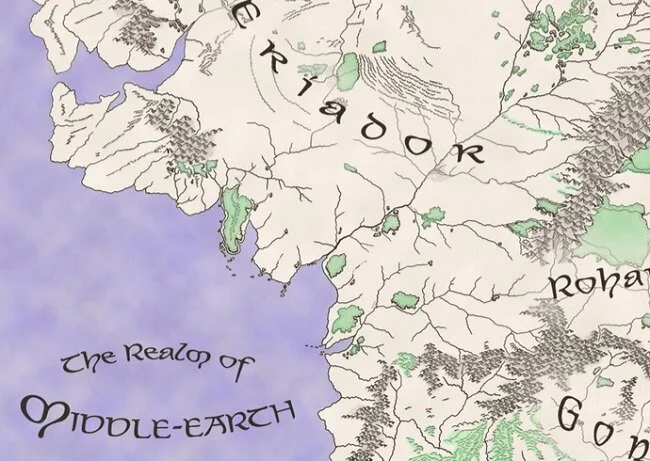
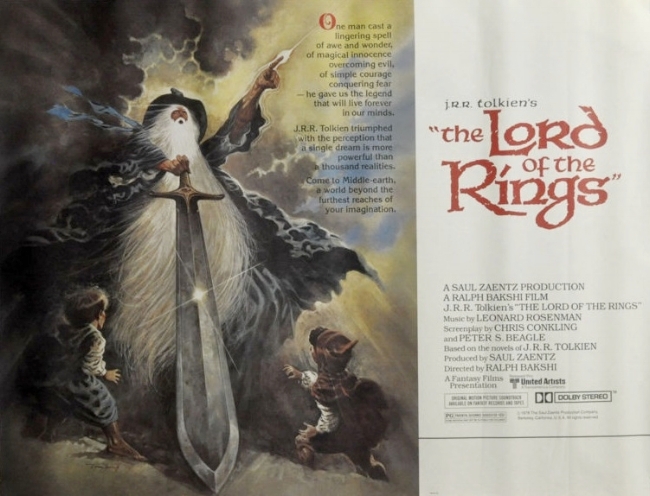
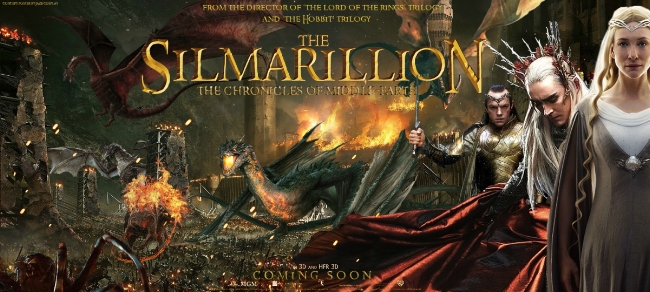
In recent years there has been a shift in position of both Middle-earth Enterprises and the Tolkien Estate. Saul Zaentz died in 2014 leading to a relaxing in licensing requirements and Christopher Tolkien stepped down as the director of his father’s estate in late 2017, further contributing to increased commercial use of Tolkien’s intellectual property. Since then we have learned that Athlon Games are developing a new MMORPG set in Middle-earth and that Amazon Prime is producing a major TV show set in the Second Age. It would appear that the firm grip that has prevailed over the last forty years is now waning and that Middle-earth Enterprises and the Tolkien Estate are more disposed towards expanding the reach and financial potential of the Tolkien franchise.
In recent years there has been a shift in position of both Middle-earth Enterprises and the Tolkien Estate. Saul Zaentz died in 2014 leading to a relaxing in licensing requirements and Christopher Tolkien stepped down as the director of his father’s estate in late 2017, further contributing to increased commercial use of Tolkien’s intellectual property. Since then we have learned that Athlon Games are developing a new MMORPG set in Middle-earth and that Amazon Prime is producing a major TV show set in the Second Age. It would appear that the firm grip that has prevailed over the last forty years is now waning and that Middle-earth Enterprises and the Tolkien Estate are more disposed towards expanding the reach and financial potential of the Tolkien franchise.
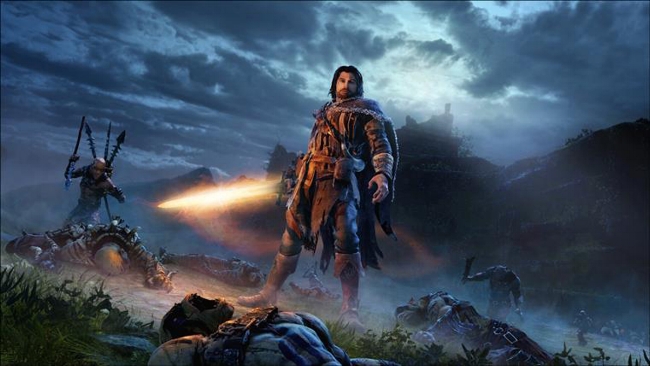
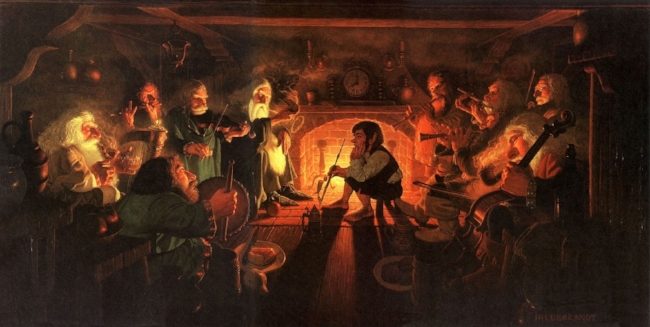
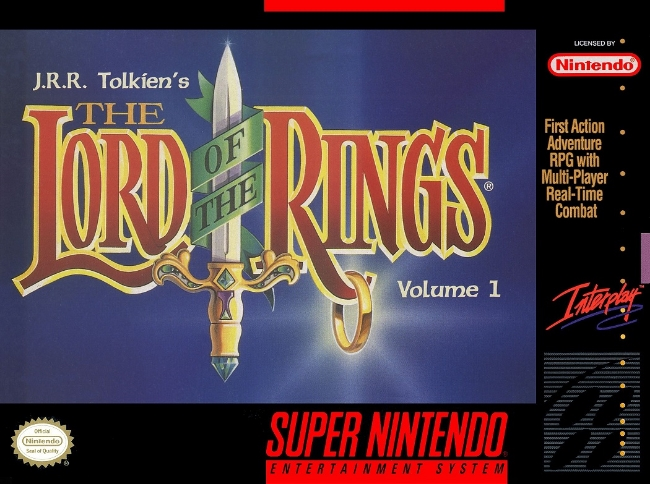
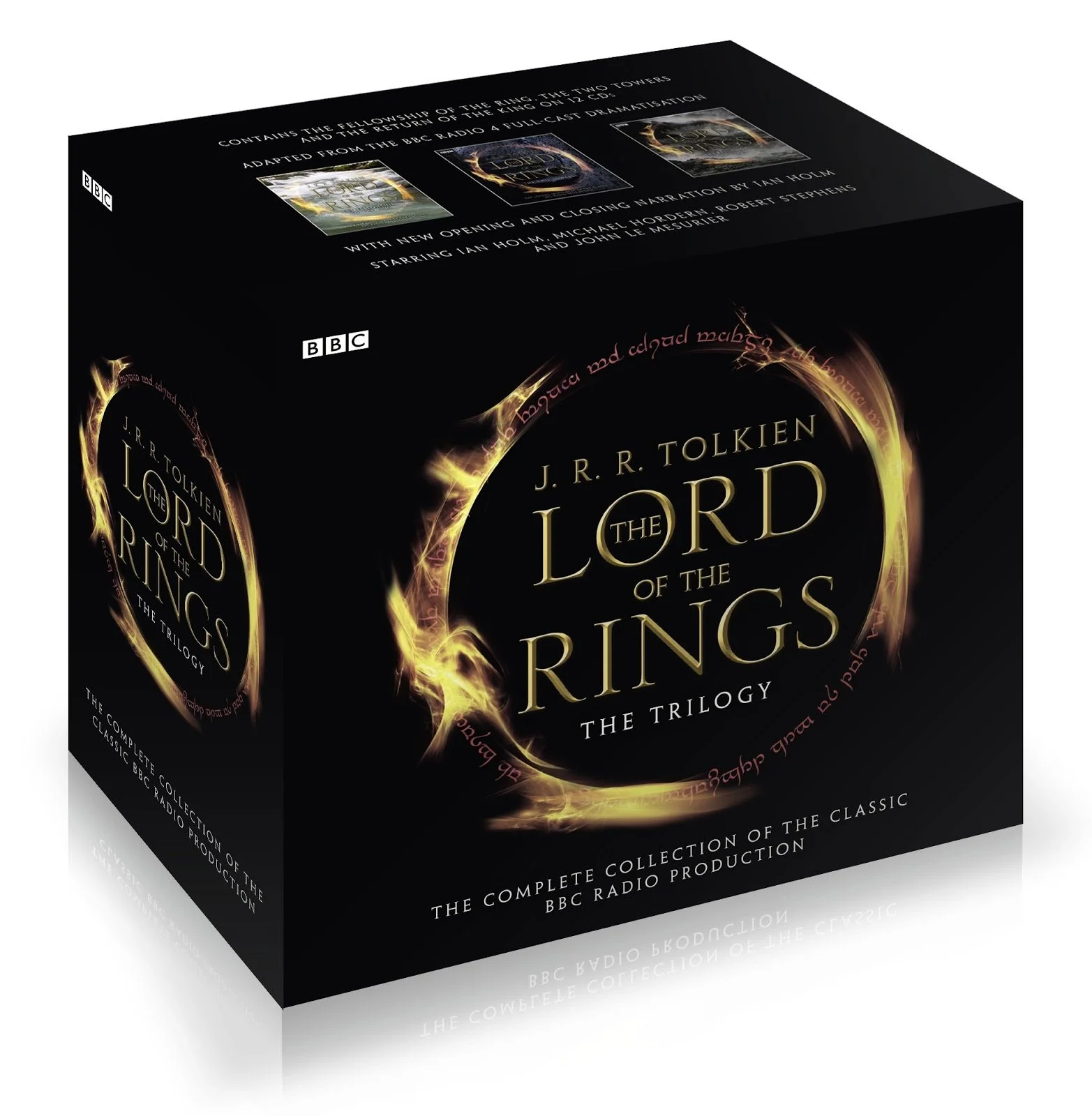
Despite the major canonical deviations made by Monolith Productions with both Middle-earth: Shadow of Mordor and its sequel Shadow of War, both games were substantial commercial and critical successes. Perhaps other studios have seen the creative possibilities that the Middle-earth IP can finally offer, now that both controlling parties are being more flexible in their approach to licensing. That is my pet theory, and perhaps it might explain the recently announced Gollum themed role-playing game that is currently in development by German video game studio Daedalic Entertainment. Of all the characters and scenarios they could have picked, the studio have elected to create a narrative driven game based upon the life of Frodo Baggins’s nemesis and former ring bearer, Sméagol. I’m not sure if this is a bold or insane move.
According to Carsten Fichtelmann, CEO and Co-Founder of Daedalic, “The Lord of the Rings is one of the most epic and renowned stories of all time - it's an honour for us to have the opportunity to work on our own contribution to this universe. In Gollum, players will assume the role of one of the most iconic characters in Middle-earth. We tell Gollum's story from a perspective never seen before, in any storytelling medium, all the while staying true to the legendary books of J.R.R. Tolkien. At a time when the games industry is undergoing structural changes and seeing new business models evolve, we are excited to realize a huge new production based on a story that has stayed fresh and relevant for more than 60 years”. As with most soundbites, it tells us very little about the game itself. Den of Geek managed to speak to Carsten Fichtelmann and Jonas Hüsges (Project Manager and Head of Business Development), although there still isn’t much to tell.
Ken Follett's The Pillars of the Earth
Due to the terms of the licensing agreement, Daedalic Entertainment will be creating their own unique Middle-earth aesthetic and are not pursuing photorealism or the visual style established by the film trilogies. Perhaps they will take the same stylised approach they did with their adaptation of Ken Follet’s Pillars of the Earth. I personally would have no issue with such a choice. The game play will potentially involve stealth, as this is an integral part of Gollum’s character (both with and without The One Ring). So maybe we will see a game mechanic similar to that of Sniper Elite or Ghost of a Tale? It has also been indicated by Daedalic Entertainment that there may be further games to follow as their license covers more that just The Lord of the Rings: Gollum. Tentatively, the game is scheduled for a release in 2021. If this title does bear any similarity of Pillars of the Earth, then it could be released on Linux, macOS, Microsoft Windows, PlayStation 4, Xbox One and iOS.
Age has greatly tempered my position on fandom and I look back at my former zealous, lore-based fundamentalism of multiple popular IPs with a degree of embarrassment and mirth. For example, did Middle-earth: Shadow of Mordor and Shadow of War take massive liberties with the source material? Yes. Did they ruin my enjoyment of Tolkien’s work? No. Did I have fun and enjoy both games? Again, yes. Therefore, however incongruous a Gollum themed role-playing game may sound, I believe there is scope for it to be of interest. Narratively speaking there’s a lot that can be done with the character with and some noticeable gaps in his back story to explore. As for a video game based around stealth and silent kills, we know that if done right, such a concept can definitely work. So I am happy to extend the benefit of the doubt to Daedalic Entertainment and remain cautiously optimistic for The Lord of the Rings: Gollum.







Changeling (2008)
Los Angeles, 1928. A single mother Christine Collins (Angelina Jolie) returns from work to find her nine-year-old son gone. She calls the LAPD who initiate a search. Reverend Gustav Briegleb (John Malkovitch) champions Mrs Collins cause and publicly criticises the LAPD for its endemic corruption and incompetence. Five months later, a boy is found in Illinois who fits the description of the missing boy, Walter. Captain J. J. Jones (Jeffrey Donovan), the head of the LAPD's Juvenile Division, hoping to capitalise on a successful resolution to the case, organises a press conference when reuniting the Mrs Collins with her son. However, Christine quickly denies that the boy is Walter, stating that this child is three inches shorter than her own son. The authorities dismiss her claims and label her hysterical. Matters are further compounded when Mrs Collins joins Reverend Gustav in his public criticism of the police. The establishment subsequently closes ranks and attempts to intimidate and silence her.
Los Angeles, 1928. A single mother Christine Collins (Angelina Jolie) returns from work to find her nine-year-old son gone. She calls the LAPD who initiate a search. Reverend Gustav Briegleb (John Malkovitch) champions Mrs Collins cause and publicly criticises the LAPD for its endemic corruption and incompetence. Five months later, a boy is found in Illinois who fits the description of the missing boy, Walter. Captain J. J. Jones (Jeffrey Donovan), the head of the LAPD's Juvenile Division, hoping to capitalise on a successful resolution to the case, organises a press conference when reuniting the Mrs Collins with her son. However, Christine quickly denies that the boy is Walter, stating that this child is three inches shorter than her own son. The authorities dismiss her claims and label her hysterical. Matters are further compounded when Mrs Collins joins Reverend Gustav in his public criticism of the police. The establishment subsequently closes ranks and attempts to intimidate and silence her.
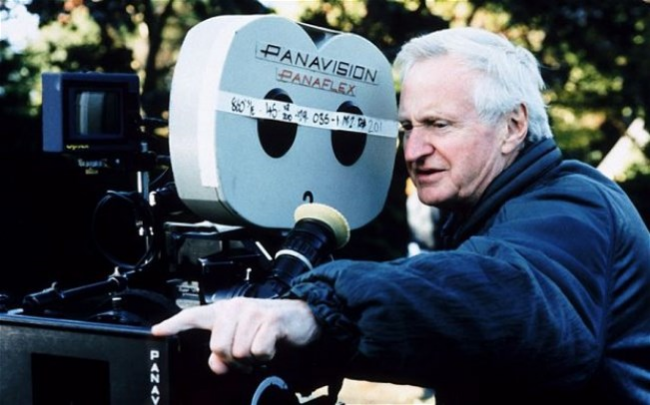
Clint Eastwood's Changeling is a finely crafted, no-nonsense, concise telling of an extraordinary true story. This is hardly surprising when you consider Mr. Eastwood's career and the cinematic greats he learnt his trade from. The influences of the likes of Don Siegal are often evident in his work. In the hands of a lesser director, it would have been so easy for the more sensational aspects of the plot to have turned Changeling into a melodrama. Yet Eastwood’s minimalistic style actually creates a sense of docu-drama and certainly allows for a greater focus upon honest and credible performances from all concerned. The production design by James J. Murakami and minimal use of digital effects does well in capturing the aesthetic of the period and there is a strong sense of atmosphere. Yet these embellish the film and do not get in the way of the story telling.
Angelina Jolie excels in her role as Christine Collins and her performance really should have garnered greater attention at the time. The cast of character actors including John Malkovitch, Michael Kelly and Colm Feore all acquit themselves well. The screenplay by J. Michael Straczynski is focused and credible. It accurately portrays a Mother’s desperation to find her child as well as her shock when the very authorities she trusts to help, turn upon her. It is also interesting to note that the tangential story of the Northcott Murder’s is kept in the background and is not a key focus of the film. This is very much the story of Christine Collins and how she fell victim to a corrupt system, as opposed to an exploration of a “sensational and lurid” child murder case. Eastwood does well in keeping the story within very clear parameters and not casting his net too wide.
Changeling takes an interesting stance with regard to capital punishment and contains a rather clinical depiction of a hanging. Whatever your own personal views on the death penalty, this scene is very powerful and is certainly food for thought. Clint Eastwood has once again proven that he is a director of note and that he has a strong grasp of what constitutes a good story. He has crafted a film that maintains intellectual integrity and doesn't concede to melodrama, despite the “based on real events” moniker that prefixes the film. This is lean, well written, well-acted and focused film making and it not only provides a solid evenings entertainment, but a succinct example of how you make a quality drama.






The Standoff at Sparrow Creek (2018)
Inside a dark, remote warehouse, seven members of an unnamed midwestern militia meet. They’ve all heard via radio or police scanners that an unnamed, armed shooter armed with a modified AR-15 has opened fire on a police funeral. The assailant also plant IEDs and the casualty rate is therefore very high. This means the authorities will be scouring the countryside, raiding all known militia groups and their affiliates in the region. The men’s concern quickly turns to panic when they discover that one of their AR-15 is missing from their weapons cache, along with body armour and explosives. Is one of their own the shooter? Ford (Chris Mulkey), the group’s no-nonsense leader, asks fellow member Gannon (James Badge Dale), a former police interrogator, to question all the men and determine who is responsible. However, matters prove more complicated as Gannon knows that one other member, Noah (Brian Geraghty), is an undercover cop. Can a solution be found before the police inevitably come calling?
Inside a dark, remote warehouse, seven members of an unnamed midwestern militia meet. They’ve all heard via radio or police scanners that an unnamed, armed shooter armed with a modified AR-15 has opened fire on a police funeral. The assailant also plant IEDs and the casualty rate is therefore very high. This means the authorities will be scouring the countryside, raiding all known militia groups and their affiliates in the region. The men’s concern quickly turns to panic when they discover that one of their AR-15 is missing from their weapons cache, along with body armour and explosives. Is one of their own the shooter? Ford (Chris Mulkey), the group’s no-nonsense leader, asks fellow member Gannon (James Badge Dale), a former police interrogator, to question all the men and determine who is responsible. However, matters prove more complicated as Gannon knows that one other member, Noah (Brian Geraghty), is an undercover cop. Can a solution be found before the police inevitably come calling?
The Standoff at Sparrow Creek is a rather unique variation on a what is essentially a Reservoir Dogs scenario, which is in itself is just a modern riff on an Agatha Christie plot. The movie is a claustrophobic, sombre and dialogue driven slow burn. Director Henry Dunham’s presents a series of mind games,bluffs and double bluffs, all of which have a basis in psychology and police interrogation techniques. Gannon explores the men’s pasts and uses different tactics with each one. Morris (Happy Anderson), has a chip on his shoulder about the police, which as Gannon discovers, may be justifiable. Meanwhile Keating (Robert Aramayo), a hyper-intelligent young man who chooses not to speak has an annotated copy of The Catcher in the Rye among his possession. Something that Gannon feels may indicate repressed feelings of superiority. And as these frantic cross examinations play out police band radio indicates that the local attack has inspired other militia groups around the country and that a potential uprising is underway. Should the group try to distance themselves from events or simply embrace what is happening. It is after all what they’ve been preparing for.
The underlying strength of The Standoff at Sparrow Creek is in its central performances from seven distinct character actors. James Badge Dale provides a strong intensity to Gannon yet manages to remain ambiguous in his motivations. Morris (Happy Anderson) is belligerent and bellicose yet has a deeper story to tell when pushed. Hubbel (Gene Jones) also has a tale to tell of an everyday life that slipped out of control over a logistical tragedy. Patrick Fischler is interesting as the technically literate Beckmann, who handles most of the group’s radio communications. This expositionary role provides information from the outside world and is used as a means to up the ante within the sealed warehouse. Writer and director Dunham films the environment effectively, creating atmosphere with backlit wide shots, and cavernous corridors with occasional patches of light. Not only is this an aesthetic choice, possibly driven by the film budget, it contributes to the oppressive themes.
Because the acting is solid and the scenario absorbing, viewers are draw attention away from some of the screenplay’s weaker elements. The director clearly want to make metaphorical point and maintain the movies allegorical quality. Hence the politics of the militia and its members are not fully explored, beyond establishing the narrative. These are disillusioned men, but their wider goals and motivations are left ambiguous. As the plot clearly focuses on the need to protect the group there is naturally a strong bond between them, irrespective of their superficial dislike of each other. Yet this is put aside to make room for the films philosophical point, which comes at the story’s climax. However, irrespective of this deliberate choice by director Henry Dunham, The Standoff at Sparrow Creek remains a memorable directing debut offering a strong, thoughtful and well-acted ninety minutes of drama.
In Time (2011)
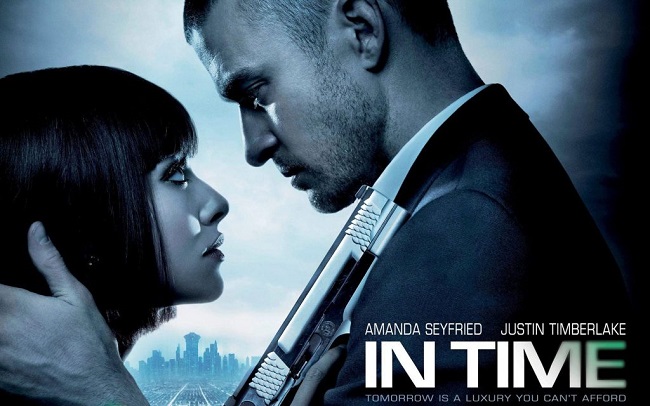
Time is quite literally money in the movie In Time, starring Amanda Seyfried and Justin Timberlake. Written and directed by Andrew Niccol, who previously wrote Gattaca and S1m0ne which both had similar dystopian themes, we are presented with a chilling scenario. What if you had to spend minutes or hours or perhaps days of your life in the same way you spend money? The movie offers a future where the population is genetically programmed to stop aging at twenty-five. If you're rich enough, you can purchase and trade this commodity, adding time to your life, making you effectively immortal. For the poor, the future is a far bleaker with most dying within a year of this hardcoded end date. Every transaction comes with a price in minutes and seconds.
Time is quite literally money in the movie In Time, starring Amanda Seyfried and Justin Timberlake. Written and directed by Andrew Niccol, who previously wrote Gattaca and S1m0ne which both had similar dystopian themes, we are presented with a chilling scenario. What if you had to spend minutes or hours or perhaps days of your life in the same way you spend money? The movie offers a future where the population is genetically programmed to stop aging at twenty-five. If you're rich enough, you can purchase and trade this commodity, adding time to your life, making you effectively immortal. For the poor, the future is a far bleaker with most dying within a year of this hardcoded end date. Every transaction comes with a price in minutes and seconds.
The beginning of In Time establishes a very bleak and divided world which reminded me of Alfonso Cuarón's Children of Men. Director Niccol competently establishes the Timekeepers, the police who enforce time management, as well as Minutemen, thugs who rob you of precious minutes. There are plenty of promising ideas referenced in the first act of the film. However, like so many high concept movies these days, In Time simply fails to develop these themes and elects to pursue a more traditional “chase and romance” approach to its narrative. It is this marked change of direction which derails the movie from its promising start. Viewers au fait with the genre classic Logan’s Run are will quickly predict the direction the film is taking and guess its respective outcome.
This change of gear is not sufficient to rob In Time of all its virtue. There are still some intersecting ideas to be had such as our hero redistributing time among the needy. It’s a minor nod towards the current social trend towards criticising capitalism, but it isn't explored sufficiently. Performances are also surprisingly better than expected. Mr Timberlake is not excessively wooden and has a reliable nemesis in Cillian Murphy. The action is adequately managed within the parameters of a PG-13 rated movie. In Time, like so many recent films, is a production pitched at a specific demographic by film makers. One they think is not that demanding. Thus we have a film that is somewhat superficial and light on content. It may warrant a casual viewing but does not require any in-depth analysis or further consideration.







The Mule (2018)
Clint Eastwood is 88 years old and has a successful career spanning over six decades. During that time he has proved to be one of America’s most bankable box office stars and established himself as an actor and director of note among his peers. If The Mule turns out to be his swansong, then it is certainly a fitting end to a prestigious career. Because in many respects The Mule is a distillation of many of the themes and concepts, we’ve seen in previous Eastwood movies such as Gran Torino and The Unforgiven. Perhaps the core story of an ageing man trying to reconcile himself to a modern world and make peace with it, is in some way Eastwood commenting on the movie industry himself. It is very much his film and his performance underpins the proceedings.
Clint Eastwood is 88 years old and has a successful career spanning over six decades. During that time he has proved to be one of America’s most bankable box office stars and established himself as an actor and director of note among his peers. If The Mule turns out to be his swansong, then it is certainly a fitting end to a prestigious career. Because in many respects The Mule is a distillation of many of the themes and concepts, we’ve seen in previous Eastwood movies such as Gran Torino and The Unforgiven. Perhaps the core story of an ageing man trying to reconcile himself to a modern world and make peace with it, is in some way Eastwood commenting on the movie industry himself. It is very much his film and his performance underpins the proceedings.
Earl Stone (Clint Eastwood) is a dedicated horticulturalist who has spent his life putting work before his family. While competing in a flower show he misses his daughter’s wedding which further strains family ties. However online sales soon take a toll on his cottage industry and Earl finds himself in danger of the bank foreclosing on his house. “The internet has ruined everything” he grumbles. Only his granddaughter Ginny (Taissa Farmiga) has any time for him. After a row with his ex-wife Mary (Dianne Weist) at a family function, Early is approached by one of the guests who suggests that he can get paid for “just driving”. His spotless record, along with his age and ethnicity, make him potentially very useful to the local drug cartel. Caught between a rock and hard place Earl agrees to do just one job and becomes a drug mule.
The Mule is a leisurely movie and despite being set in the violent world of international drugs trafficking, is not steeped in action or mayhem. It is a character driven film in which Eastwood’s performance dominates. Earl is a microcosm of the ongoing societal age divide. He is polite, traditional and struggles with contemporary etiquette. In one scene he helps a stranded African American family whose car has a puncture and clumsily refers to them as “negros”. It’s not something done out of malice and highlights how he’s just a product of his generation. Earl also builds a rapport with the minor foot soldiers of the cartel who he meats when collecting and dropping off his shipments. He asks after their families and discusses trivial everyday things, revealing that for these men are just doing “a job”, often in default of anything else.
Beyond Eastwood’s charismatic performance, some of the other plot elements of The Mule are somewhat perfunctory. The parallel story that sees DEA Agent Colin Bates (Bradley Cooper) tracking the cartel and slowly closing in on its mules is functional but nothing more. The brief scene that Cooper and Eastwood share in a diner where they unwittingly swap homespun philosophy, is a little contrived. Also the machinations of the drug cartel and its internal power struggle is also just a functional plot device. However, the narrative does pick up in the third act where Eastwood and Wiest share several scenes together and reflect upon their failed marriage. It flirts dangerously with excessive sentimentality but mercifully stays on the right side of the line, due to solid acting and an air of earnestness.
The Mule lends itself to comparison with Robert Redford’s recent movie, The Old Man & the Gun. The latter is the better of the two, having a more nuanced plot and allowing the cast to contribute more to the proceedings. But because of the viewing public’s esteem for Clint Eastwood, I’m sure they will overlook the short comings of The Mule. As for the moral lesson that Earl is a “late bloomer” who finally learns that he needs to devote as much time to his family as to his flowers, it is a lesson that we can all reflect upon in todays busy world. Overall, despite a slow pace and numerous narrative digressions along the way, The Mule is a very accessible movie with the usually dour and grouchy Eastwood showing a far more amiable side to his persona. If it were any other actor, this would be a distinctly average movie.
Safe House (2012)
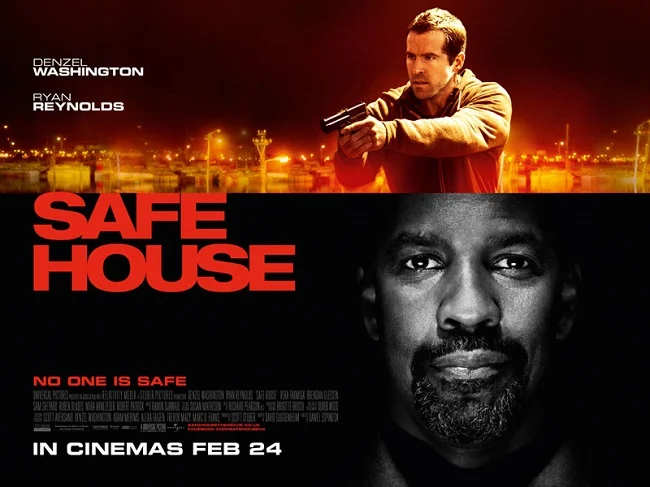
Before we start, I recollect that one well known UK critic described Safe House as sub-Tony Scott, upon its release. Now I’ve always been conflicted over Scott’s back catalogue, as I’ve always found his movies to be hampered by their own unique style. The subtleties of his characters and depth of his themes are all too often drowned out by his frenetic style and fast paced editing. Therefore a comment such as this really sets off alarm bells for me. Having recently watched The Equalizer 2, I wanted a further fix of Denzel Washington in a similar action vehicle. As Safe House was available on Netflix UK, I decided to kill a couple of hours and see what actually constitutes as “sub-Tony Scott”.
Before we start, I recollect that one well known UK critic described Safe House as sub-Tony Scott, upon its release. Now I’ve always been conflicted over Scott’s back catalogue, as I’ve always found his movies to be hampered by their own unique style. The subtleties of his characters and depth of his themes are all too often drowned out by his frenetic style and fast paced editing. Therefore a comment such as this really sets off alarm bells for me. Having recently watched The Equalizer 2, I wanted a further fix of Denzel Washington in a similar action vehicle. As Safe House was available on Netflix UK, I decided to kill a couple of hours and see what actually constitutes as “sub-Tony Scott”.
Frankly it is a mystery to me (and Toyah Wilcox) as to why actors of the calibre of Denzel Washington, Brendan Gleeson and Sam Shepard would deign to grace Daniel Espinosa's distinctly average action thriller, other than because it’s easy money. That is not meant as an insult. Actors have to make a living and regular work in average roles is more practical that infrequent parts in quality dramas. So I understand why generic action fodder such as this can be tempting to good actors. Sadly the presence of such a good cast does little to elevate this film to the standard of Training Day, Man on Fire or The Equalizer.
Rogue ex-CIA operative Tobin Frost (Washington), turns himself into the authorities and is subsequently held in a safe house in Cape Town. Rookie agent Matt Weston (Ryan Reynolds) endures a battle of wits with his enigmatic charge as well as swathes of bad guys queuing to kill Mr Frost. The Cape Town location is interesting initially. I believe the production balked at filming in the Favalas in Rio De Janeiro for security reasons. However, once the story moves to Europe and the US it really does become less engaging and far more formulaic. Denzel Washington is always watchable and brings a degree of gravitas to most pictures he appears in. Reynolds does what he can with a very formulaic role. The remainder of the cast advance the plot in true “Basil Exposition” style.
Safe House provides two hours of car chases, hand-to-hand fighting and sundry mayhem, all courtesy of contemporary film making’s favourite medium; shaky cam and lightning editing. The plot is neither staggeringly crass, nor above average. It simply follows the standard beats that you expect from this genre. For some viewers that is sufficient, providing adequate post-pub home viewing, via video-on-demand. Sadly the allure of the “A” list cast may raise expectations which are ultimately not met. Perhaps Swedish director Daniel Espinosa should have cut one of the more expensive named actors from the production and spent the money into revising the screenplay by David Guggenheim. A twist ending is only really works if you don't see it coming.






Get Your House in Order
Theoretically, the fallout from the Christchurch mass shooting should be far reaching. There is at present an opportunity to address numerous problems and issues while the tragedy still has both political and social momentum. Because “it is the doom of man that he forgets”. 24-hour news culture has severely strained the public’s attention span. Plus it is in the interests of numerous institutions for the news cycle to move on, because current scrutiny is highlighting how culpable they are. The tabloid press, media commentators, tech companies and internet communities have been found wanting for a while and last weeks carnage is now raising questions over their involvement in the growing culture of hate and therefore their potential regulation. This may be the last chance for many to put their own house in order before the establishment does. And considering the knee-jerk, ham-fisted nature of contemporary western politics, the latter is not likely to be either subtle, efficient or even beneficial.
Theoretically, the fallout from the Christchurch mass shooting should be far reaching. There is at present an opportunity to address numerous problems and issues while the tragedy still has both political and social momentum. Because “it is the doom of man that he forgets”. 24-hour news culture has severely strained the public’s attention span. Plus it is in the interests of numerous institutions for the news cycle to move on, because current scrutiny is highlighting how culpable they are. The tabloid press, media commentators, tech companies and internet communities have been found wanting for a while and last weeks carnage is now raising questions over their involvement in the growing culture of hate and therefore their potential regulation. This may be the last chance for many to put their own house in order before the establishment does. And considering the knee-jerk, ham-fisted nature of contemporary western politics, the latter is not likely to be either subtle, efficient or even beneficial.
It sadly did not come as a surprise that Brenton Tarrant is steeped in numerous aspects of the unsavoury side of internet culture. Namely, 8chan, shitposting and the alt-right. A “manifesto” allegedly attributed to him is filled with the usual weaponised use of memes to try and obfuscate and confuse. And then there’s the fact that he was allegedly a gamer and conversant with You Tube sub-culture to consider. While old school politicians, mainstream journalists and senior members of the public struggle to catch up, those of us who are more familiar with fluid and rapidly evolving nature of internet culture are facing the stark reality that it played a part in shaping this killer’s beliefs. Furthermore gaming, online communities and You Tube personalities are some of the many intersecting circles of a wider and ultimately harmful Venn diagram. Memes aren’t necessarily “just harmless, movements such as #gamergate aren’t purely about “ethics in gaming journalism” and when You Tube personalities say racist, sexist or homophobic things, it not just “banter” or “a joke”.
Tarrant stated, “Remember lads, subscribe to PewDiePie!” just before he started shooting. Felix Kjellberg has made a statement disavowing any association with him, his ideology and being “sickened” by his comments. However, Kjellberg has used racist language in the past, as well as given shout-outs to questionable individuals. With 89 million plus YouTube subscribers who are predominantly young, male and white, he has a lot of reach. Then there are other personalities and channels that cater and court this specific demographic. One filled with poorly skilled, disaffected young males, struggling with emotional literacy and social awkwardness. Add to this a growing adversarial culture that eschews nuance and increasing zealotry in previously benign social interactions and pastimes such as fandom and there’s trouble. PC culture has failed and the pendulum has now swung the other way with populist bandwagons such as Brexit and MAGA. A perfect storm has been forming for a while and it appears to have now arrived.
It is both sad and ironic that the old cautionary mantra of “the only thing necessary for the triumph of evil is for good men to do nothing” which has almost become hokey in recent years, has suddenly become alarming relevant again. Online communities, You Tube, Twitch, even game developers have not done enough (if indeed anything) to adequately police and moderate the communities they financially benefit from. They’ve hidden behind “freedom of speech”, claims they are not publishers and generally complained that the technology or man power required to do the job would be too difficult to manage and inefficient. And so we saw both Facebook and You Tube desperately trying to get in control of the continuous reposting of video content of the Christchurch shootings. “Why not just suspend all uploads during such circumstances?” some politicians have asked. The ensuing silence from the tech companies was deafening. And the real answer is money as anyone with a functioning intellect knows.
There are no simple reasons for the rise in hate crimes or easy explanations for such tragic events such as that in Christchurch. Nor are there any quick fixes. Multiple factors have contributed to an ongoing drip, drip, drip of populist rhetoric that have normalised racism, xenophobia and hatred of “the other”. Online culture has evolved quickly from a quirky, backwater niche to an unchecked, unpoliced “frontier town”. We now find that such an environment is dangerous and action needs to be taken. Codes of conduct need to be enforced, moderation is required and we must stop mollifying sanctions with bogus attempts at reform, because we still want everyones money. We all need to play our part and call out those who peddle hatred. We also need to be smart and ensure we don’t throw the baby out with the bath water. With regard to the bigger players such as You Tube and Facebook, if they don’t take real steps now to prevent abuse of their services, they will find control rested away from them and given to the politicians. Not the most desirable solution. The time for “whataboutery” and generally prevaricating is over. There is guilt by association and in some cases blood on the hands of those who profit from the status quo. So to all involved, get you house in order. While you still can. The consequences for not doing so don’t bear thinking about.
Yet More Politics and Video Games
Setting aside Jim Sterling’s showmanship, which may not be to everyone’s taste, he is consistently astute in his ongoing analysis of the Triple A Video Games Industry. Today’s episode of the Jimquisition addresses how major publishers are using political and social issues as the basis for the plots of many of their most popular franchises, while simultaneously denying any political stance or affiliation. He highlights how Terry Spier (the creative director for Red Storm Entertainment who developed The Division 2), and David Cage (the writer and director of Detroit: Become Human), have tied themselves in knots claiming their games are apolitical. It makes for interesting viewing and as ever Sterling’s arguments are compelling and sound. Furthermore, it shows that all the vices and ethical failures of traditional leisure industries such as TV and movies, inevitably bleed into the video games. Namely, wanting to reference “grown up” subjects without being hampered by their accompanying baggage.
Setting aside Jim Sterling’s showmanship, which may not be to everyone’s taste, he is consistently astute in his ongoing analysis of the Triple A Video Games Industry. Today’s episode of the Jimquisition addresses how major publishers are using political and social issues as the basis for the plots of many of their most popular franchises, while simultaneously denying any political stance or affiliation. He highlights how Terry Spier (the creative director for Red Storm Entertainment who developed The Division 2), and David Cage (the writer and director of Detroit: Become Human), have tied themselves in knots claiming their games are apolitical. It makes for interesting viewing and as ever Sterling’s arguments are compelling and sound. Furthermore, it shows that all the vices and ethical failures of traditional leisure industries such as TV and movies, inevitably bleed into the video games. Namely, wanting to reference “grown up” subjects without being hampered by their accompanying baggage.
What many find distasteful is not so much the “having your cake and eating it” attitude, but the underlying cynicism. Game publishers are not just sitting on the fence in this fashion to avoid having to take a stance on complex socio-political issues but doing so because they broadly have no opinion. Ubisoft is not interested in the implosion of western politics or the issue of gun control. Sony Interactive doesn’t have an agenda with regard to racial or gender oppression. But both are happy to exploit them for financial gain. Problems that real people face every day are simply a means to an end and if it became fiscally prudent to abandon such subjects, then I’m sure these companies would do so without hesitation. I am reminded of the concept of exploitation movies and how they differ from films that genuinely explore a subject. Think Penitentiary (1979) versus I Am a Fugitive from a Chain Gang (1932).
It has been argued that game publishers are pursuing a “politically neutral” policy to avoid controversy with specific online groups and avoid a #gamergate style debacle. Certainly the hostility of certain sectors of the video games community is problematic. But I suspect this claim is spurious, as it is founded upon an assumption of ethics. Something that it conspicuous by its absence in the Triple A video games industry. So once again we return to the myth of keeping politics out of gaming and how those who advocate such a position either don’t understand its inherent contradiction, or in the case of the game publishers, simply don’t care. Why let facts and honesty stand in the way of a dollar? And the last point actually highlights how unnecessary this stance is. Even if the publishers admitted to a political perspective, I doubt it would greatly harm sales. Not all genres are dependent upon their narrative to sell. Plus gamers per se suffer acutely from cognitive dissonance.
12 Years of Blogging
In March 2007 I had just started a new contract with Hewlett Packard working on a major office relocation for HM Land Registry. To cut a long story short there were quiet periods in-between the bouts of organised chaos and as I was desk bound, I decided to write a blog to maintain the illusion of being busy. I’ve always enjoyed writing so when the internet came along it seemed logical to use it as a platform. I created several HTML fan pages in the late nineties but when blogs started to become “a thing” I immediately jumped on that band wagon. Prior to 2007 I had created and abandoned several blogs, mainly because I couldn’t find the right subject to maintain my interest. However on this occasion, I decided to go with the old adage “write what you know” and chose to share my life long passion for movies. So I created an account with the now defunct platform of blog.co.uk, called my blog Did I Pay to See That? and have not stopped writing since.
In March 2007 I had just started a new contract with Hewlett Packard working on a major office relocation for HM Land Registry. To cut a long story short there were quiet periods in-between the bouts of organised chaos and as I was desk bound, I decided to write a blog to maintain the illusion of being busy. I’ve always enjoyed writing so when the internet came along it seemed logical to use it as a platform. I created several HTML fan pages in the late nineties but when blogs started to become “a thing” I immediately jumped on that band wagon. Prior to 2007 I had created and abandoned several blogs, mainly because I couldn’t find the right subject to maintain my interest. However on this occasion, I decided to go with the old adage “write what you know” and chose to share my life long passion for movies. So I created an account with the now defunct platform of blog.co.uk, called my blog Did I Pay to See That? and have not stopped writing since.
There are posts elsewhere on this site recounting the circumstances of how the various blogs I’ve run over the years have morphed into Contains Moderate Peril. Certainly the decision to consolidate all my writing projects in one location was the right choice and I marvel at the fact that I’m still regularly writing. But although it can be difficult at times to sit and create content, I find it far more unsettling not to do so. Writing is not only a passion for me but an indispensable form of therapy. The wider world is in a state of flux and the UK seems to be facing an existential crisis at present. Then there’s my own personal situation as I address my ageing parents caring issues. Being able to process all these complexities through the medium of writing is invaluable. I also enjoy the musings and thoughts of others, especially those bloggers that still maintain an in-depth writing style and tackle the bigger issues. I also like the sense of community. It’s still there although it has shrunk in size over time.
While reflecting upon over a decade of blogging, I have concluded that Contains Moderate Peril has certainly peaked and has already had its fifteen minutes of fame. In 2014 the blog and podcast were established in the LOTRO community and among the circle of MMO bloggers. The numbers were good, in fact the volume of website traffic was such that a more expensive hosting package was required. Something I couldn’t afford. However, I was offered sponsorship from HostOnePlus which was both welcome and a compliment. Certainly after migrating the site the statistics reflected the biggest audience I’ve ever had. But as ever, life has a habit of changing things. I was beginning to suffer from burnout and felt it was time for a break. A year later I temporarily stopped blogging and parted ways with HostOnePlus. I resumed again after a short break and relocated Contains Moderate Peril to Squarespace but the forward momentum was lost. Perhaps that was a good thing in a way, as I returned to writing for pleasure, rather than worrying about growth.
When I talk to friends and colleagues and tell them about my writing, I’m often asked if I regret sinking so much of my time into my “hobby”. The answer is always a resounding “no”. I’ve met many people through blogging and podcasting and I put great stock in such friendships. Writing has not only led to me reading more but it has also exposed me to far more diverse content. Maintaining a blog has also meant that I have learned new technical skills and improved how I communicate. And its also been a lot of fun. Riffing off other blogger’s content, exchanging ideas, even agreeing to disagree (something that so many people have forgotten how to do these days), has all been a positive experience. As to the future, I see no reason to stop writing, although there will be interruptions from time to time, brought about by the reality of my life. In the meantime its business as usual. I have three posts outstanding and I’ll get on with them, once I’m done looking at that bird on Mrs Coltart’s roof.























Thoughts on Work Part 1
During the course of my career (1986 – 2016) I have worked in numerous complex social environments. I worked for the UK civil Service and saw the final days of very traditional, formal employment hierarchy. There were people with academic titles such as Doctor or Professor and there were also those with honorary monikers such as Sir. I even met an ex-army officer who clung to the old school etiquette of still being referred to by his former military rank (which was Captain). I was later employed at the London corporate headquarters of a global Indian company. It was fascinating to see the cultural differences along with the class structure and prevailing social dynamics. Over 30 years, I’ve worked for numerous high-profile organisations such as HP, Fujitsu Siemens and Symbian as well as other smaller businesses. All provided gainful employment, acceptable financial remuneration and an opportunity to learn more. However, all of them suffered from two of the most common faults found in contemporary employment; namely office politics and problematic members of staff.
During the course of my career (1986 – 2016) I have worked in numerous complex social environments. I worked for the UK civil Service and saw the final days of very traditional, formal employment hierarchy. There were people with academic titles such as Doctor or Professor and there were also those with honorary monikers such as Sir. I even met an ex-army officer who clung to the old school etiquette of still being referred to by his former military rank (which was Captain). I was later employed at the London corporate headquarters of a global Indian company. It was fascinating to see the cultural differences along with the class structure and prevailing social dynamics. Over 30 years, I’ve worked for numerous high-profile organisations such as HP, Fujitsu Siemens and Symbian as well as other smaller businesses. All provided gainful employment, acceptable financial remuneration and an opportunity to learn more. However, all of them suffered from two of the most common faults found in contemporary employment; namely office politics and problematic members of staff.
When I first started working, I embraced the reality of being the most junior member of staff. That’s not to say I liked it, because I didn’t. But you don’t just turn up to a job at the age of 18 and expect to know everything and go straight to the top of the pay scale. So, I listened, learnt and did what I was contracted to do. But it quickly became apparent that like everything else in life, the work environment was not a level playing field and did not function on logic or even merit. Being competent and reliable was not enough. If you wanted to get ahead it often came down to who you knew, favours owed or cashed in and whether your face fitted. I won’t go on but I’m sure that anyone who has the merest inkling as to what I’m like as a person will know that none of this sat well with me. The old boy network, office politics, dealing with the management bully is all bullshit as far as I’m concerned. I went to work to do my job and do it to the best of my ability. I’d also be civil and diplomatic, not always through choice, but because it made the process more efficient. But this not the way work is by default. All jobs end up employing a percentage of those who cannot or will not do what their contracted to do. And certain types of jobs and position attract the emotionally and socially dysfunctional.
Over the course of my working life, for every three pleasant and agreeable work colleagues, I’d always find another who was either a bully, institutionally racist (or some other kind of irrational prejudice), incompetent or basically just a shit who wanted to make those that they could, utterly miserable. As I’m not a big fan of monolithic hierarchies and chains of command, I looked to see if I could find a means by which I could insulate myself from the iniquities of the modern work place. I ultimately resolved these issues by changing disciplines, electing to move from admin and management, to working in IT. Furthermore, I did this at a time when there was a rapid growth in technology in the workplace. Because I enjoyed this line of work and thrived in it, I progressed from old school, hands on, first line support to IT management and all that came with it. Procurement, change management, network planning, security and recruiting staff for the IT department. The latter was a key element to job satisfaction. I’ve always been happy to be a team player. But it’s much better when you get to pick the team yourself and ensure that those you work with are reliable and sound.
For a while I held several fulltime positions, ran modest sized departments and had the pleasure of focusing on my work, enjoying the intellectual challenge that it offered and kept myself out of the fray that is office politics. In the late nineties there was still an element of uncertainty regarding technology and where it fitted in the hierarchy of the office structure. Were those in IT just jumped up “oily rags” or were we skilled professionals? Most of the companies I worked for erred on the side of caution and favoured the latter. Essentially, as long as the network was running and the technology worked, I found that I was left to my own devices and senior management contented itself with sniping at sales, who would then blame marketing or some such similar permutation. But after the Y2K debacle, the pendulum shifted, and people started wondering if we were not only “oily rags” but con artists as well.
In 2006 I decided to move into contract work as I’d had enough of corporate culture. Pursuing short term, targeted work was not only financially more lucrative it negated a lot of the social and competency issues among work colleagues, or so I thought. Turns out that even on short term contracts you’d find an engineer who seemed to have slipped through the screening process and was useless or problematic in some way. However, what I did find in this work environment was that if a problem was identified, it was dealt with quickly. If someone wasn’t pulling their weight and it got noticed, then a phone call to the agency that supplied them usually remedied the situation. Overall, I enjoyed working in this fashion. If a contract wasn’t especially engaging, I had the piece of mind to know that it wasn’t forever. Broadly most of the work I undertook was enjoyable. I worked on several major system upgrades and new software rollouts for various government departments. However I found working in hospitals the most satisfactory. Helping out the staff in A&E was especially rewarding.
In early 2011, I decided to draw upon my network of colleagues that I’d built up over the years and set up my own consultancy business. The idea was to provide a one stop solutions service to the myriad of small and start-up businesses in The City. I would handle the work that fell within my purview and I had associates who would cover more bespoke requirements. Broadly, it worked. It didn’t make me rich but it was a living and from a work perspective, it was on terms that I felt were equitable. And I believe that’s the most that many of us can expect from our “careers”. Some folk do get to do their dream job and thrive in it. But for many of us, work is a necessary evil and one we try to accommodate as well as we can. It often feels like battle of wills between our own needs and that of the employers. Occasionally you may find yourself in a situation were both parties are in accord but that seldom is the default state. Having now left formal employment to be a carer, I’m often asked if I miss traditional work. I sometime hanker after the intellectual challenge and the satisfaction of problem solving. Also the human element from time to time. But I don’t miss the politics or the “drama” that goes hand in hand with the contemporary work place. That is something I’m pleased to be rid off.



American Gangster: Unrated Extended Version (2007)
What is it with director Ridley Scott and his predilection for multiple edits of his films? Is he indecisive and a consummate tinkerer (like George Lucas) or a victim of studio politics? I suspect none of these are true. So how come there are always multiple cuts of his movies? Do his terms of employment always deny him final edit on a movie? I would think not. A film maker of his stature must surely get far more favourable terms when contract to make a film? Whatever the reason it leaves audience with a problem. How is one exactly to determine which is the best version of any of his films to see? For example, Kingdom of Heaven was greatly improved in its extended format. Yet his revised version of Alien is actually inferior to the original theatrical cut. And don’t even get me started on the plethora of versions of Blade Runner. His penchant for multiple edits therefore makes it difficult to debate his work.
What is it with director Ridley Scott and his predilection for multiple edits of his films? Is he indecisive and a consummate tinkerer (like George Lucas) or a victim of studio politics? I suspect none of these are true. So how come there are always multiple cuts of his movies? Do his terms of employment always deny him final edit on a movie? I would think not. A film maker of his stature must surely get far more favourable terms when contract to make a film? Whatever the reason it leaves audience with a problem. How is one exactly to determine which is the best version of any of his films to see? For example, Kingdom of Heaven was greatly improved in its extended format. Yet his revised version of Alien is actually inferior to the original theatrical cut. And don’t even get me started on the plethora of versions of Blade Runner. His penchant for multiple edits therefore makes it difficult to debate his work.
In 1968, Frank Lucas (Denzel Washington) a driver, bouncer and minor collector, witnesses the death of his crime boss and mentor Bumpy Johnson. The loss of leadership causes unrest in Harlem crime circles. Frank decides to import heroin directly from Bangkok, using US military airplanes from Vietnam to USA. The quality of his drugs along with the lower prices makes Frank Lucas the number one distributor of heroin in USA at the time. Meanwhile, in the Essex County, detective Richie Roberts (Russell Crowe) is studying for the Bar Examination. Due to his service record and tough stance on corruption, he is invited to join and head a Federal Investigation Team and set about bringing down all the biggest dealers in the US. Inevitably his path is destined to cross that of Frank Lucas.
I recently viewed the Unrated Extended version of American Gangster. I had not previously seen the theatrical release so can’t make any comments about major differences and which is the superior cut. What I can say is that it’s a well written drama with very strong central performances. Exactly what you would expect from such a director and cast. However, although the core subject is very interesting, American Gangster does not bring anything radical or new to the genre. It is absorbing, rather low key and driven by the two leads. It is not epic in its scope or especially illuminating with regard to the subject matter. Perhaps therein lies the problem. We have reached a point where we always expect the directors work to be visionary in scope and are therefore somewhat wrong footed when he sets his sights lower.
American Gangster doesn’t make the obvious mistake of glamorising the genre. Its portrayal of drug addiction is ugly and harsh, which is exactly as it should be. For a film that focuses on one of the most violent aspects of American culture, it is quite restrained in its depiction. The sub plot relating to Police corruption at times seems the more intriguing of the multiple story lines. The involvement of US Army personnel and the violation of the war dead, whose caskets are used for smuggling heroin could have been explored further. Considering the magnitude of this particular crime and the reverence with which the US public holds veterans, I had hoped this matter would have been played a greater dramatic part in the proceedings. However, the central performances are exemplary from both Denzel Washington and Russell Crowe, exactly as you would expect, although the films ending does somewhat strain one sense of credibility.
The gangster genre has not performed as well with critics in recent years as it has in the past. For example The Departed did not clinch the Best Film Oscar it so desperately wanted in 2006. The most interesting entries in this field of late have mainly been international releases, such as Mesrine and The Baader Meinhof Complex. All of which have brought a new European perspective to a traditional genre. American Gangster strives to be worthy and certainly covers a lot of ground (especially in the 176-minute Unrated Extended version) yet it strays too far from the historical facts and ultimately despite good performances, feels a little too routine and less than the sum of its parts. The story has many wider sub plots that are insufficiently developed and subsequently squandered. In many respects, the viewer is left wanting to know more despite the strong central performances. Overall, American Gangster is by no means a poor way to spend three hours, but viewers should adjust their expectations accordingly.
13 Assassins (2010)
13 Assassins is one of Takashi Miike's most restrained and mature movies. Set in Feudal Japan and based on true events, a venerable clan suffers under the reign of the cruel young Lord Naritsugu (Goro Inagaki), who commits atrocities at will. Unable to break their oaths, the samurai are torn between duty and shame. Some of the masters in the clan even go so far as to commit Seppuku in protest. Unable to endure the status quo, a plan is formed to gather a small team of the deadliest samurai and assassinate Lord Naritsugu while he is travelling between clan territories. The responsibility falls upon Shinzaemon Shimada (Koji Yakusho) to take on this potentially fatal task. The matter is further complicated by Lord Naritsugu’s personal bodyguard (and Shimada’s former rival) master samurai Hanbei (Masachika Ichimura), who is a force to be reckoned with.
13 Assassins is one of Takashi Miike's most restrained and mature movies. Set in Feudal Japan and based on true events, a venerable clan suffers under the reign of the cruel young Lord Naritsugu (Goro Inagaki), who commits atrocities at will. Unable to break their oaths, the samurai are torn between duty and shame. Some of the masters in the clan even go so far as to commit Seppuku in protest. Unable to endure the status quo, a plan is formed to gather a small team of the deadliest samurai and assassinate Lord Naritsugu while he is travelling between clan territories. The responsibility falls upon Shinzaemon Shimada (Koji Yakusho) to take on this potentially fatal task. The matter is further complicated by Lord Naritsugu’s personal bodyguard (and Shimada’s former rival) master samurai Hanbei (Masachika Ichimura), who is a force to be reckoned with.
The storyline of 13 Assassins plays to the strengths its director. Despite the formality and traditional nature of the story, he still manages to imbue scenes and characters with his hallmark quirks and foibles. The first act clearly established Lord Naritsugi's evil credentials and establishes the moral framework within the story to justify his death. Once the violent introduction is complete, the film settles into a measured second act punctuated with a degree of gallows humour. This relies on the formulaic assembling of the titular assassins, and the planning of Lord Naritsugu's demise. The climax is an epic battle that dominates the final third of the films running time. The action is gritty and credible and the fight scenes although technically accurate are not designed to be excessive balletic in their choreography, like some other Samurai movies.
It is to Miike’s credit that he maintains a strong narrative throughout all three acts. His direction is thoughtful, and he does well with managing a large number of protagonists, many of whom are not especially well defined. The cinematography is gorgeous and makes an interesting counterpoint to the unpleasantness that unfold within the story. There is minimal use of CGI and a reliance on traditional physical effects. This combined with the strength of the script and performances ensures that the film never becomes boring or baggy. Overall, 13 Assassins is a very moral film in a perverse way, with a very surprising conclusion. It maintains the right balance between exploring philosophical themes and providing dynamic escapist entertainment. For those not familiar with the work of Takashi Miike, this movie is a very good starting place.
Star Trek Online: City on the Edge of Never
Out of the original seventy-nine episodes of Star Trek, one of the most respected and beloved is The City of the Edge of Forever. Written by Harlan Ellison the story is one of the more thoughtful and tragic in Trek Canon. It was also the first episode to feature a temporal plotline. Doctor Leonard McCoy (DeForest Kelley) accidently receives an overdose of medication and flees the Enterprise while in a delusional state. Beaming down to an alien planet he uses a temporal gateway (The Guardian of Forever) to travels back in time to earth during the Great Depression. By doing so he accidentally changes history. Captain Kirk (William Shatner) and Spock (Leonard Nimoy) follow him through the gateway to New York in hope of correcting the timeline. While awaiting the arrival of McCoy, Kirk falls in love with Edith Keeler (Joan Collins) who runs the 21st Street Mission. However he and Spock soon determine that to restore the timeline they must allow her to die.
Out of the original seventy-nine episodes of Star Trek, one of the most respected and beloved is The City of the Edge of Forever. Written by Harlan Ellison the story is one of the more thoughtful and tragic in Trek Canon. It was also the first episode to feature a temporal plotline. Doctor Leonard McCoy (DeForest Kelley) accidently receives an overdose of medication and flees the Enterprise while in a delusional state. Beaming down to an alien planet he uses a temporal gateway (The Guardian of Forever) to travels back in time to earth during the Great Depression. By doing so he accidentally changes history. Captain Kirk (William Shatner) and Spock (Leonard Nimoy) follow him through the gateway to New York in hope of correcting the timeline. While awaiting the arrival of McCoy, Kirk falls in love with Edith Keeler (Joan Collins) who runs the 21st Street Mission. However he and Spock soon determine that to restore the timeline they must allow her to die.
One of the most enjoyable elements of the MMORPG Star Trek Online, are the various game missions that reference plot lines and characters from all of the Star Trek franchises. One such mission is City on the Edge of Never which involves the player character travelling to the Gateway system and using the Guardian of Forever to travel through time to 2270 to stop Klingons intent on altering history. The episode has the Guardian projecting a time portal into space, allowing the player to take their vessel through to the past. It also features voice acting by Nimoy which adds further to the sense of nostalgia. City on the Edge of Never is a part of the Klingon War story arc and is certainly one of the more engaging missions. Due to its iconic nature it was well received by reviewers upon the release of STO back in 2010. Kotaku writer Mike Fahey said "This mission might have just made the entire game for me. Everything about it was simply perfect. If Star Trek Online fails for some reason, this mission will always be remembered”.
Sadly this mission, along with several others has been temporarily removed from the game as part of an ongoing content revamp. Cryptic mentioned in a previous Priory One podcast interview that the missions were supposed to get revamped before the end of 2018, but the developer who was undertaking the task is on leave. However, it was still their intention to see the content restored to the game. At present the absence of these missions, especially City on the Edge of Never, does have an impact upon the overall story arc of the Klingon War. The storyline is somewhat briefer and lacking in its original impact. For fans who feel that TOS era specific content is a little thin on the ground in STO, the swift return of these missions couldn’t come sooner. It would also be interesting if Cryptic could expand further upon use of the Guardian of Forever. Some additional scientific research missions under the Vulcan Science Council would be a welcome addition to the game and a pleasant addition to the non-combat related content.

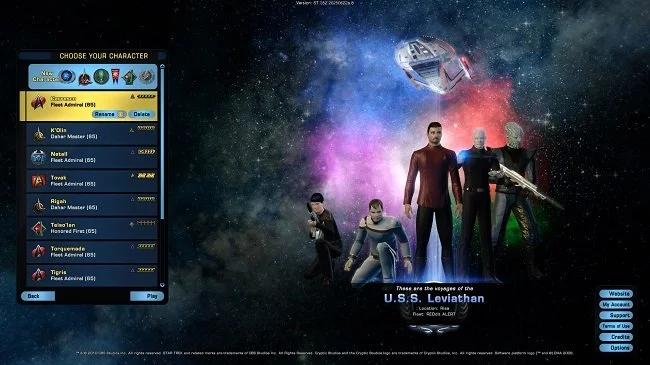



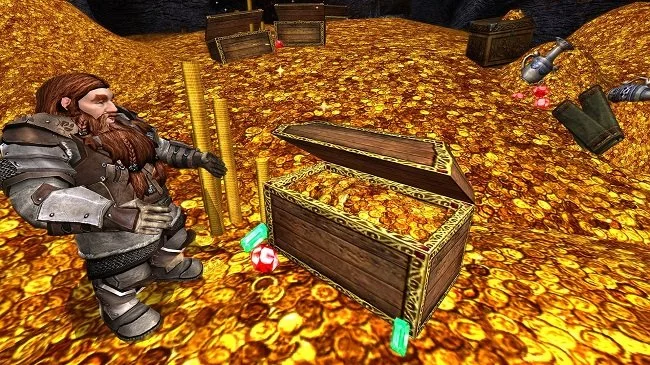
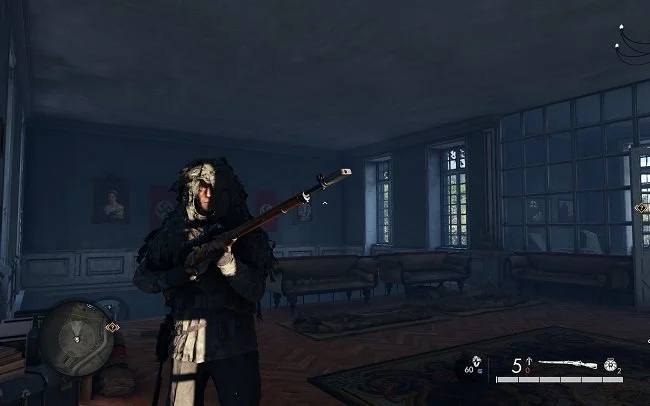
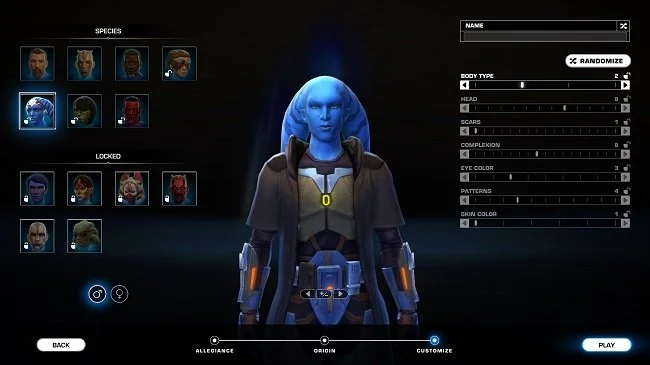

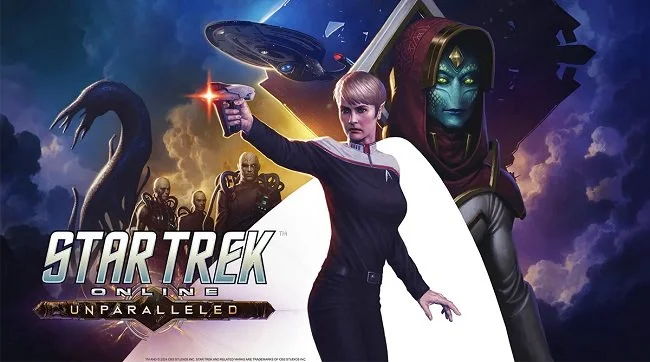

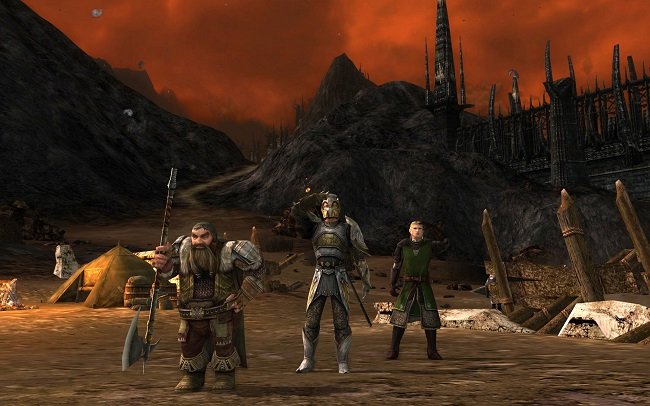
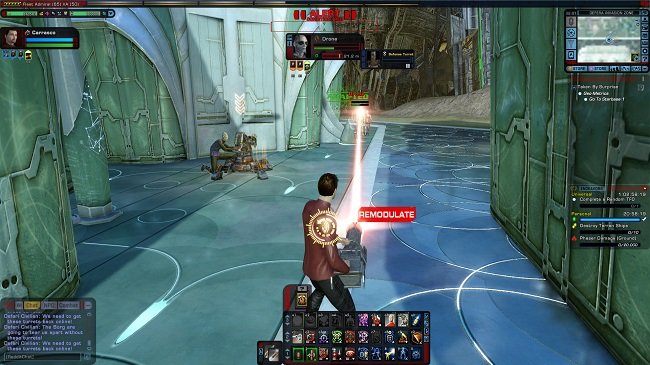
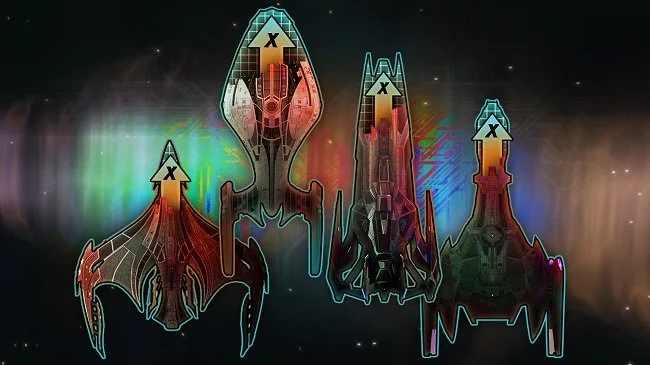
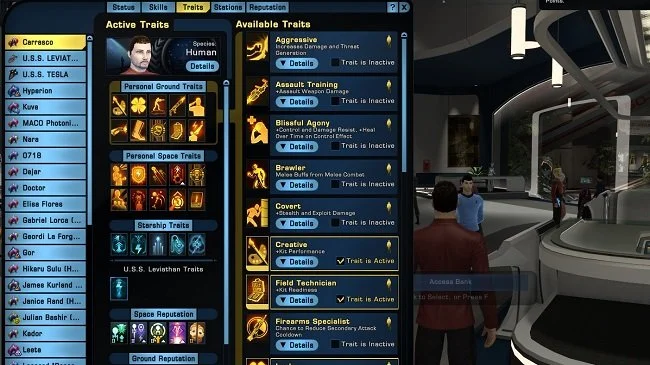
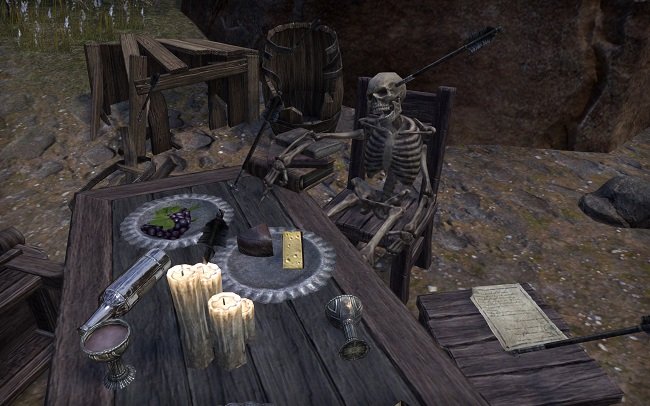


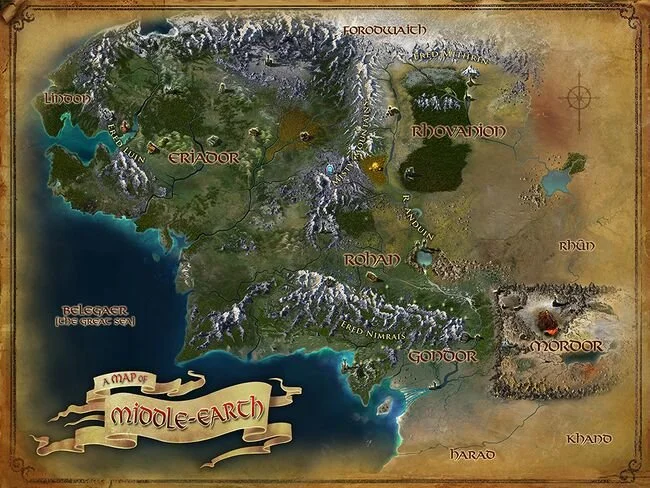
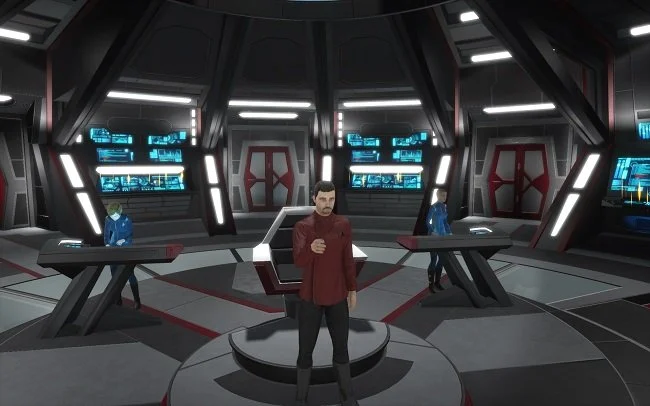

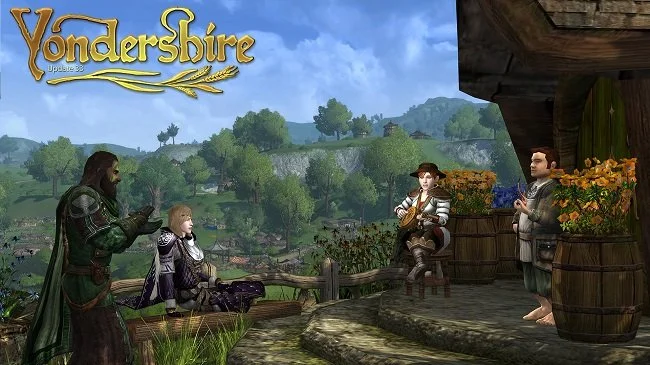
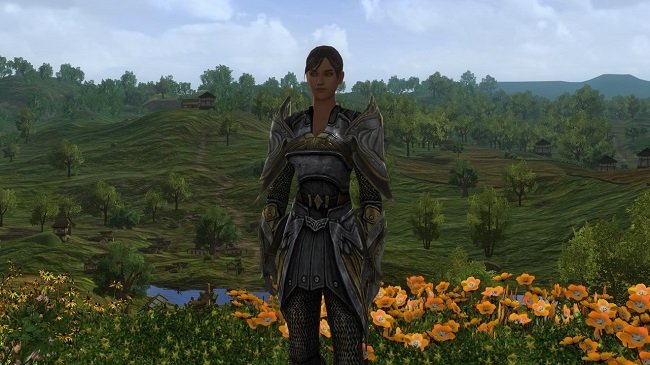
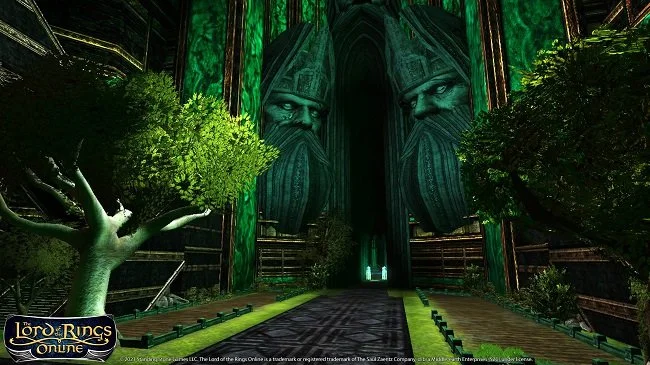

Personal Health
Personal health as a concept, refers to your overall well-being both physically and mentally. It is about taking charge of your health by making a conscious decision to improve and maintain it. It not only refers to your physical state but the respective wellness of the emotional, intellectual and even spiritual aspects of your life. Sadly it is something that many of us are not very good at dealing with or choose to ignore. All too often good intentions get sidelined by the realities of life. Sadly, physical and mental issues are usually only addressed after something bad has occurred. Furthermore, much of the most basic and practical information needed to improve our personal health is drowned out by the white noise of fads, quackery and those seeking to sell you a “solution”.
Personal health as a concept, refers to your overall well-being both physically and mentally. It is about taking charge of your health by making a conscious decision to improve and maintain it. It not only refers to your physical state but the respective wellness of the emotional, intellectual and even spiritual aspects of your life. Sadly it is something that many of us are not very good at dealing with or choose to ignore. All too often good intentions get sidelined by the realities of life. Sadly, physical and mental issues are usually only addressed after something bad has occurred. Furthermore, much of the most basic and practical information needed to improve our personal health is drowned out by the white noise of fads, quackery and those seeking to sell you a “solution”.
In recent years I have experienced a great deal of illness through my family and have subsequently pondered upon issues that I may not have considered otherwise. As a fifty-one-year-old man I am acutely aware of where I am in terms of the human life cycle and how I am now at a point where I need to get my house in order with regard to my personal health. A problem diagnosed now is a potentially a lot easier to remedy than in a decade’s time. Simply put, I’ve seen what can happen potentially to me and have decided I want to avoid such an outcome. So I saw my GP last week and explained my concerns. Fortunately, the NHS in the UK is becoming more proactive in its healthcare, as it is often more cost effective to do so. Hence my Doctor was happy to help.
As a society we seem to suffer greatly from cognitive dissonance when it comes to our physical health. We live in an age where information about living a healthy lifestyle is readily available. Yet we wilfully choose to ignore it because snacks are tasty, exercise is dull and doing what is right often means denying ourselves, which makes us sad. So we do our own thing and suffer the consequences. And I’m just as guilty as everyone else. However, I have decided to change my lifestyle and intend to do so by sensible and practical increments. I had the sense to quit smoking in 2001 and have never gone back. I couldn’t afford to smoke nowadays. My former thirty a day habit would cost me over £3,500 a year now. The next and most obvious step for me now is to address the issues of weight and exercise.
I presently weigh 180 lbs, which according to the BMI makes we overweight. Now the BMI is a flawed measurement, however a cursory look in a mirror is sufficient verification that I’m carrying some surplus pounds. I need to shift about 6 to 12 lbs to be at a sensible weight for my height (5’ 11”) and build. To do this I’m adopting a two meal a day policy. Breakfast of either cereal, toast or eggs. And a late afternoon meal of fish and vegetables. Snacks and any additional eating outside of those two meals is prohibited. I shall also limit my alcohol consumption to just Wednesday evenings when I talk to friends on Discord. As for exercise, I mainly do this through walking and shall be actively pursuing a target of ten thousand steps a day. I do lots of chores such as shopping and household maintenance for my parents, which also counts towards periods of exercise. I shall be tracking both my weight and step count via my phone and am considering writing regularly about my progress.
I shall be seeing the Practise Nurse at my local surgery this coming week to have my heart and lung function checked. This is all part of the “NHS Health Check” which is intended to “to spot early signs of stroke, kidney disease, heart disease, type 2 diabetes or dementia”. This service is specifically aimed at those over the age of 40. I am cautiously optimistic that there won’t be any surprises in store for me. My GP took my blood pressure which was fine, along with my “sats”. However, if something is discovered it is best to grasps the nettle now. We may not get a choice in the exact time of our death, but we can certainly have a say in the manner of it. I know for some people that may sound somewhat heavy or dour, but life has taught me that we should not avoid certain subjects because they make us feel uncomfortable. Therefore I would urge everyone to reflect upon their health and if you have any concerns, go and see a medical professional about them. Avoid quackery, keep a positive attitude and don’t take the status quo for granted.