
LOTRO: Ill Omens Skirmish Event
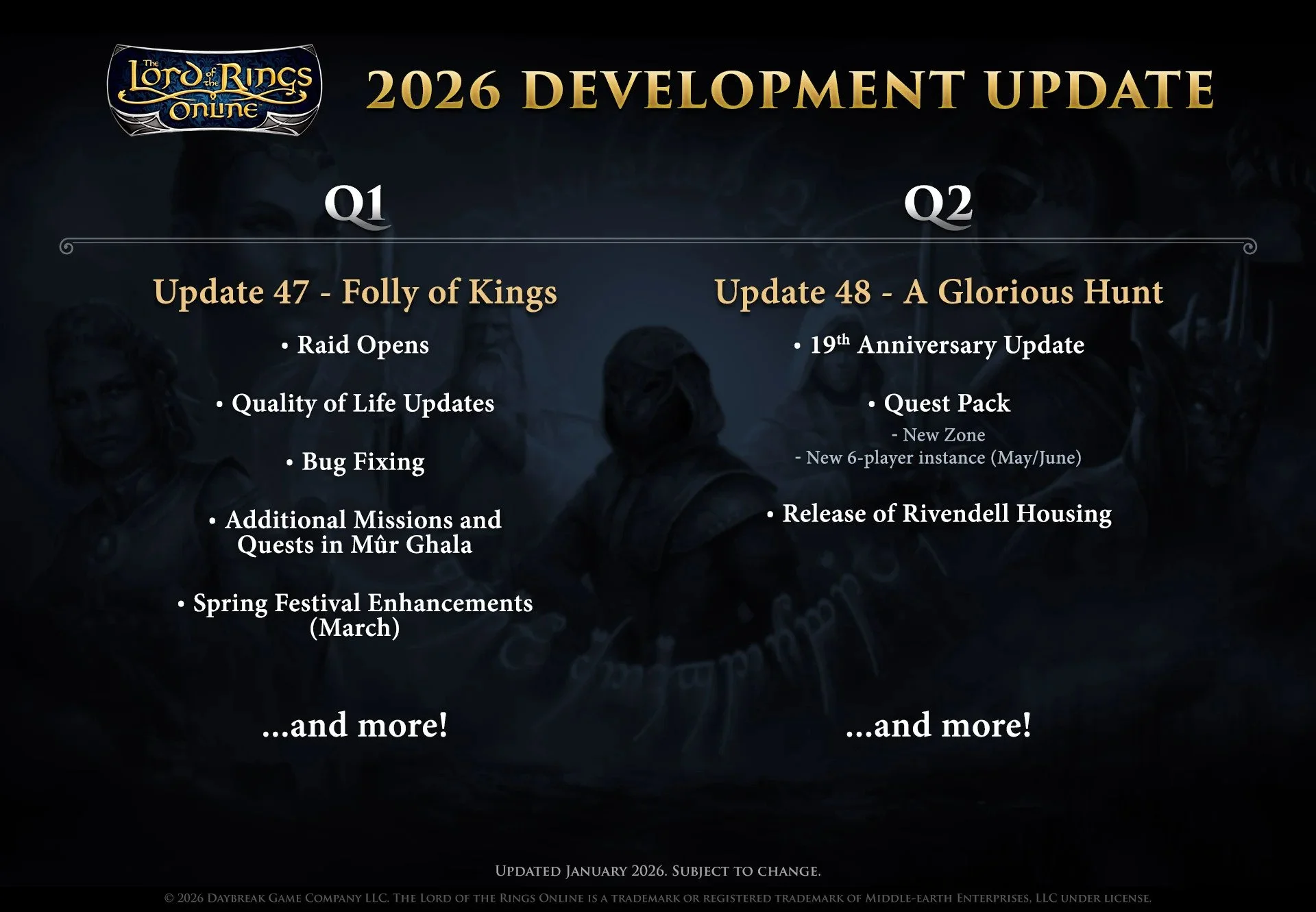
The following was included in last Monday’s LOTRO patch notes (Update 23.3 Release Notes). February 7th brings a new event: “Ill Omens” to Skirmishes throughout the game! Evil stirs in Minas Morgul, and harbingers of the Dead City spread across Middle-earth! Each day, your characters will have the chance to participate in a Skirmish Assault, which will send them to specific sets of existing Skirmishes in search of dangerous new foes. Characters who complete a Skirmish Assault will earn a special currency that can be exchanged for new equipment and cosmetic rewards. As for the most dedicated Skirmishers of Middle-earth, there are several new Deeds and titles to be earned during “Ill Omens”. In addition, characters who complete twelve Skirmish Assaults while the event is active will earn a powerful cap-level statted reward.
The following was included in last Monday’s LOTRO patch notes (Update 23.3 Release Notes). February 7th brings a new event: “Ill Omens” to Skirmishes throughout the game! Evil stirs in Minas Morgul, and harbingers of the Dead City spread across Middle-earth! Each day, your characters will have the chance to participate in a Skirmish Assault, which will send them to specific sets of existing Skirmishes in search of dangerous new foes. Characters who complete a Skirmish Assault will earn a special currency that can be exchanged for new equipment and cosmetic rewards. As for the most dedicated Skirmishers of Middle-earth, there are several new Deeds and titles to be earned during “Ill Omens”. In addition, characters who complete twelve Skirmish Assaults while the event is active will earn a powerful cap-level statted reward.
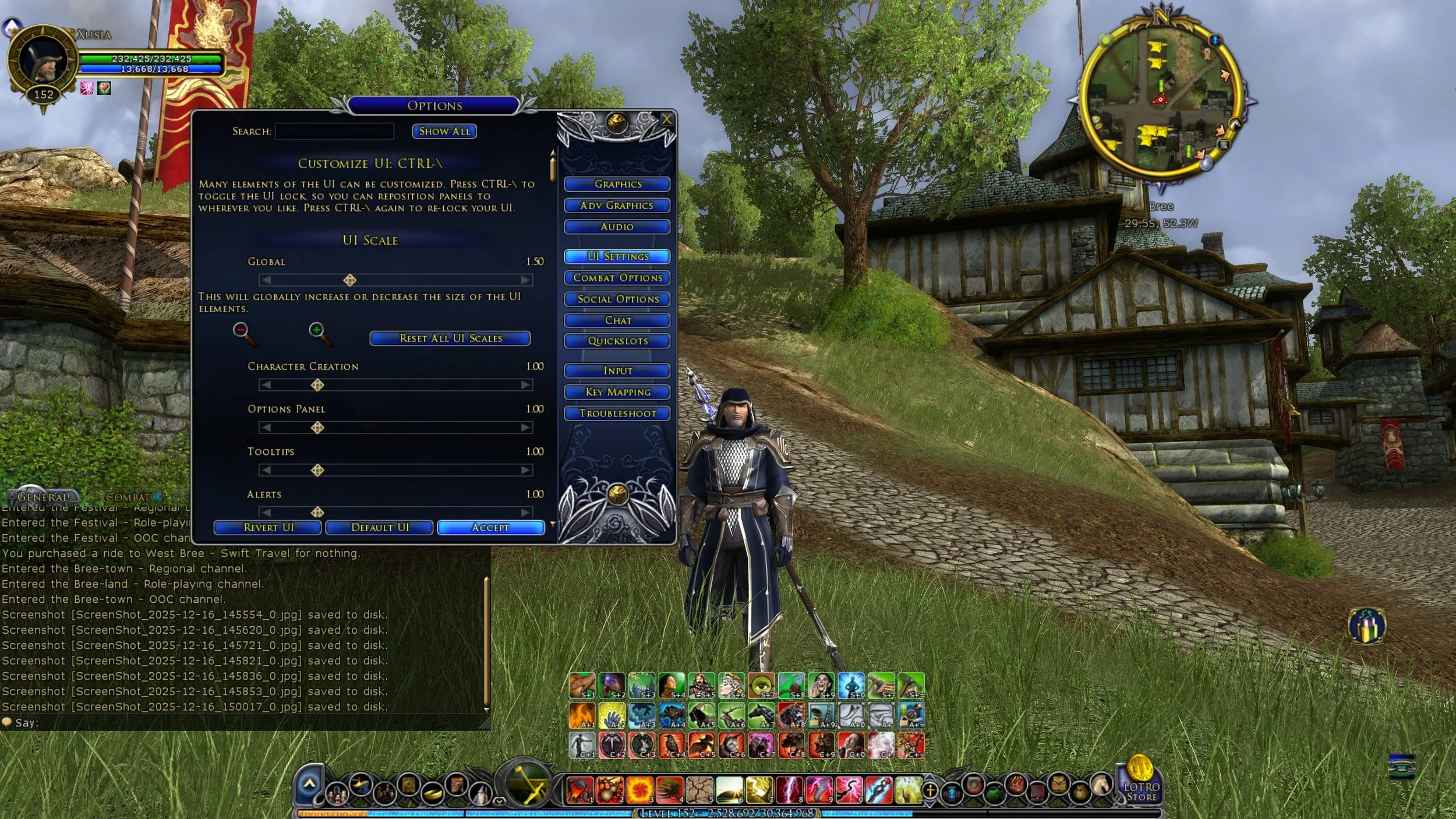
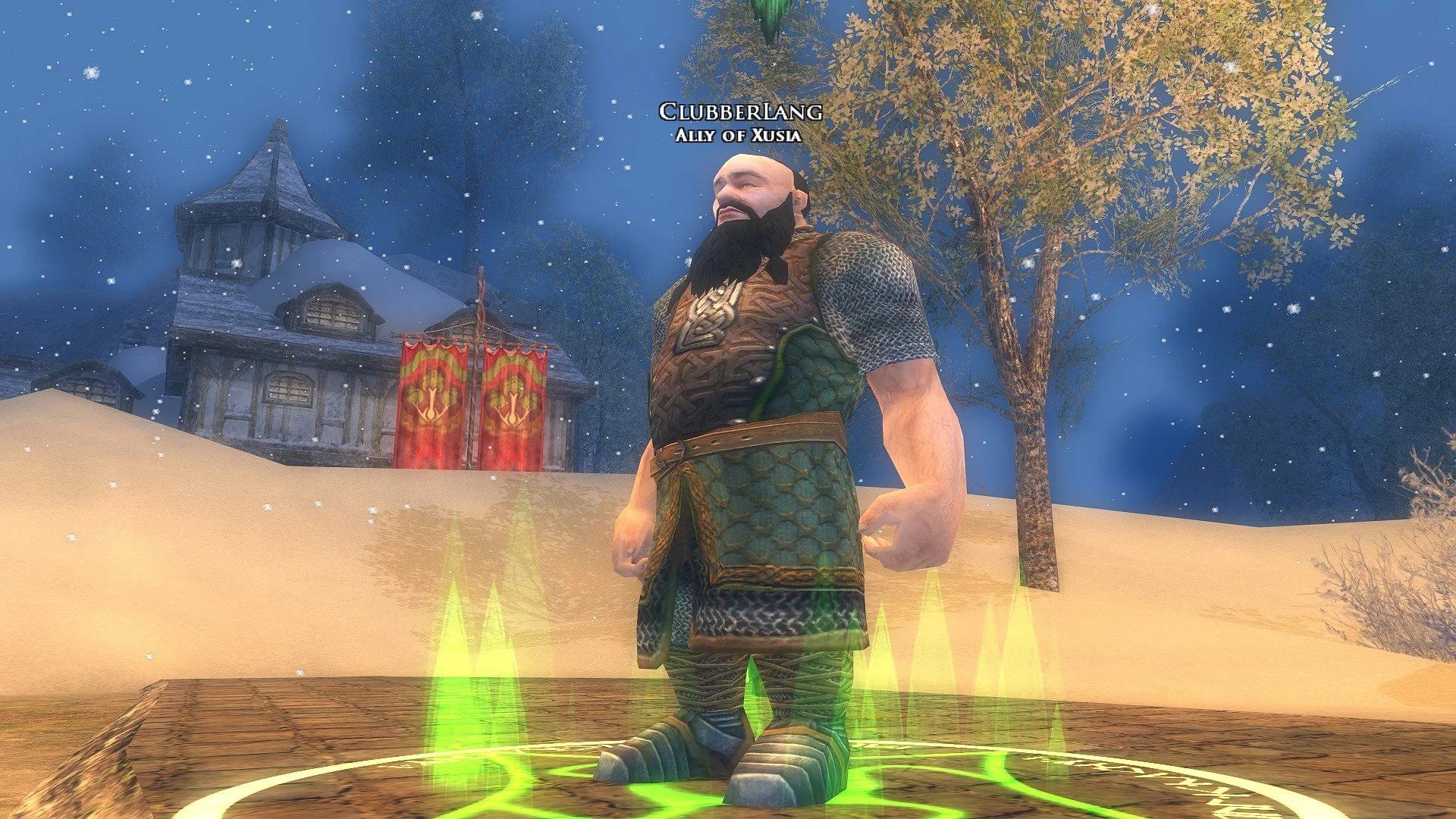
I finally got around to logging into LOTRO today, as I’m preparing my level 64 Guardian to enter Southern Mirkwood. So, after spending some additional points on my skirmish soldiers to boost their statistics, I decided to try the Ill Omens event. A new NPC, Nedda Pinleaf, has been added to the Southern Bree skirmish camp (as well the ones in the Twenty-first Hall and at Ost Galadh) who bestows both a daily and a meta quest. Effectively you’re required to run four out of five specified skirmishes and defeat the “Harbingers of the Dead” that now appear as an additional encounter. Completing this daily event earns you Tokens of Ill Omens which can be used like any other barter currency in the game. As ever the rewards are mainly cosmetic offering pets, cloaks and housing items. After completing 12 daily events successfully, players are rewarded with an Epic Level Essence of their choice.
I subsequently played through Defence of the Prancing Pony on my Guardian (with Archer Skirmish Soldier) and then Thievery and Mischief on my Lore-master (with Warrior Skirmish Soldier) to determine what (if any) difference adding the “Harbingers of the Dead” has made to these skirmishes. Although it is enjoyable to have an additional enemy included in the proceedings, it doesn’t significantly impact upon the difficulty. So far, the Harbingers that I have fought have been statistically comparable to standard encounter bosses. However, they may still present a challenge to the ill prepared player. Furthermore, it should be noted that for the daily quest to be completed you must undertake the required skirmish at your current level. If you reduce the difficulty level via the Instance Finder, then the quest will not register as completed, despite a successful outcome.
I have always enjoyed the Skirmish system in LOTRO and therefore welcome this event that highlights their presence in the game. Skirmishes are great for social, group gaming but can also provide a quick fix for the solo player who wants to get things done. The cosmetic rewards that the Ill Omens event offers are not that important to me, but I do welcome the opportunity to earn some high-end essences. At the current level cap, tweaking your build with replacement essences can make some interesting differences. Plus running skirmishes earns skirmish marks which are invaluable when levelling alts, due to their account wide availability. My Guardian is currently decked out in level 63 skirmish vendor gear. Plus, I think it is prudent to have regular events in an MMO, to keep players engaged. Being able to set achievable short terms goals is a mainstay of my approach to gaming








Are You a Team Player?
There’s an interesting post over on Tobold’s Blog, regarding how he personally had a successful game in World of Tanks, yet because his team mates didn’t perform as well, they failed to meet the overall group reward criteria. This all too familiar anecdote got me thinking about teams and group play mechanics that are still prevalent in many game genres. Over the years I have tempered my attitude towards teaming up with other gamers and being dependent on them to achieve a collective goal. I have moved from a social gaming mindset born out of my initial altruistic experiences playing MMOs, to a far more transactional outlook. I suspect that I’m not the only player who currently thinks this way.
Unless your team is full of incompetent fools…
There’s an interesting post over on Tobold’s Blog, regarding how he personally had a successful game in World of Tanks, yet because his team mates didn’t perform as well, they failed to meet the overall group reward criteria. This all too familiar anecdote got me thinking about teams and group play mechanics that are still prevalent in many game genres. Over the years I have tempered my attitude towards teaming up with other gamers and being dependent on them to achieve a collective goal. I have moved from a social gaming mindset born out of my initial altruistic experiences playing MMOs, to a far more transactional outlook. I suspect that I’m not the only player who currently thinks this way.
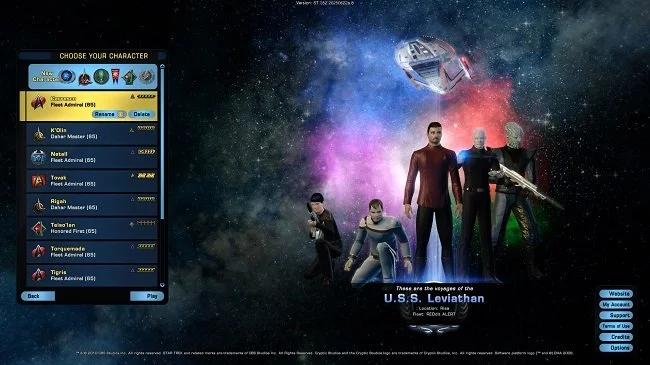
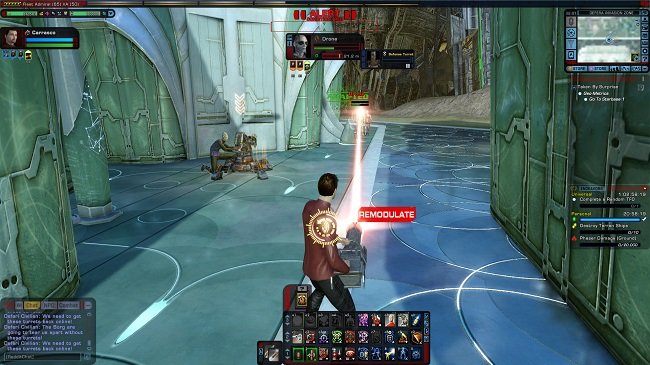
I suspect that the issue that Tobold faced in World of Tanks, was down to auto-grouping and teaming up with random players. I have had similar experiences in Star Trek Online when joining Task Force Operations. Although there is a Team Chat facility it tends not to get used in any useful fashion. Most of the PUGs I join tend to avoid discussing any strategy and assume that players know the accepted method for efficiently clearing the content. Naturally there are times when it’s a free for all and somewhat chaotic and on such occasions a suboptimal outcome is most likely. Such is the nature of PUGs as opposed to grouping with friends and playing co-operatively in a more organised and co-ordinated fashion.
A decade ago, games such as LOTRO required much of the content to be played as a group. Plus, MMOs still had an air of novelty to them and the community was possibly more socially orientated. I have written previously that this was a period of my life that lent itself to such gameplay. I had both the time and inclination to group, form a plan and play towards shared goals. In the case of LOTRO, we had a lot of high tier players in our kinship who were happy to group. So most of the time, instances and, raids usually went well. Therefore, if we failed, it wasn’t a major blow. Sadly, that mindset is no longer the default position. Time is now a premium and so it is desirable to ensure that any group activity is efficient, resulting in a positive outcome.
Gaming has changed in many ways in the last decade. For a while there was an egalitarian air to the MMO genre. The social dynamic was embraced, extolled and acted upon. But as gaming became more commercial and more “business like”, that community vibe slowly dissipated. That’s not to say it doesn’t exist. There are still plenty of social guilds and player who do everything as a team. There just seems to have been a major pendulum swing. I still join guilds in other games I play but they are a means to an end, rather than a specific social choice. Auto-grouping has become my default means of grouping because it’s quick and easy. Overall, I prefer to play solo and endeavour to do as much as I can that way. The main reason for this is time and not wishing to be dependent on others. Grouping despite its social benefits is not always an efficient use of game time.
I guess whether you’re a team player or not, comes down to several things. Are you disposed to such behaviour in real life? Do you play to specifically to interact with people? Do you feel that it’s tactically better to play as a group? Whatever the reasons, I’m not entirely sure that game developers looks at this social imperative in the same way as they use to. Auto-grouping is really just auto-facilitating. It simply allows players to loosely co-operate in the most basic of terms. It’s also a lot easier to implement in a game and thus leads to the ongoing evolution or dilution, depending of your perspective, of the MMO genre. And I’m not much help because I’m on the fence with this issue. There are occasions when I have the time and inclination, that I want full blown, old school group play. But most of the times, I just want to get stuff done via the path of least resistance. What about you? Are you a team player?

Regulate Online Influencers, Community Specialists and Game Ambassadors
Thomas Cheung (AKA Elvine), an employee of Hi-Rez game studio and a partnered Twitch streamer, was arrested last weekend in Brookhaven, Georgia in connection an ongoing child sex investigation. Police charged him with using a computer service “to seduce, solicit, lure or entice” a minor, which is a felony in the state. Cheung is a prominent member of the World of Warcraft community and is generally a known "influencer" in specific gaming quarters. As a result of the ongoing investigation and charges, his corporate sponsors, SteelSeries, have withdrawn their support and Hi-Rez studios are distancing themselves from Cheung who was a community specialist for both Smite and Paladins Strike. Obviously, it is not appropriate to speculate and comment unduly on an ongoing criminal investigation, but I would like to articulate some wider points. With an issue as harrowing and sensitive as child sex abuse, it is understandable to tread cautiously and choose one’s words wisely. We certainly wish to avoid arbitrary “knee jerk” reactions as these tend to do more harm than good. But we must not shy away from big issues such as this although it is something that the gaming industry has been doing for too long.
Thomas Cheung (AKA Elvine), an employee of Hi-Rez game studio and a partnered Twitch streamer, was arrested last weekend in Brookhaven, Georgia in connection an ongoing child sex investigation. Police charged him with using a computer service “to seduce, solicit, lure or entice” a minor, which is a felony in the state. Cheung is a prominent member of the World of Warcraft community and is generally a known "influencer" in specific gaming quarters. As a result of the ongoing investigation and charges, his corporate sponsors, SteelSeries, have withdrawn their support and Hi-Rez studios are distancing themselves from Cheung who was a community specialist for both Smite and Paladins Strike. Obviously, it is not appropriate to speculate and comment unduly on an ongoing criminal investigation, but I would like to articulate some wider points. With an issue as harrowing and sensitive as child sex abuse, it is understandable to tread cautiously and choose one’s words wisely. We certainly wish to avoid arbitrary “knee jerk” reactions as these tend to do more harm than good. But we must not shy away from big issues such as this although it is something that the gaming industry has been doing for too long.
In real life, any significant gathering of people sadly attracts criminality and predators. In the UK the Police regularly remind people attending events such as carnivals, concerts, or even demonstrations to be mindful. Furthermore, it has also become apparent that organisations that deal with people, especially those who are marginalised or vulnerable, similarly attract of percentage of individuals whose motivations are far from good. Hence, we saw last year a scandal involving the Red Cross and a small percentage of their aid workers who were also exploiting sexually the very people they were supposed to be helping. And of course, any social or sporting activity that involves children has to be especially careful as to who they employ. I myself have volunteered to do charitable work in the past and had to give plenty of advance notice to afford the organisers time to do suitable background checks.
Due to some very hard and tragic lessons in recent years, dealing with others or representing an organisation in a public environment has to be regulated, policed and reviewed to ensure the safety and welfare of all parties. We as a society have reticently grown to accept this. Many of us don’t want to think the worst of our teachers, social workers, sports coaches or scout leaders by default, but it is irresponsible not to make provision to ensure that predators don’t slip through the net. But although this sort of social auditing has become common place in the real world, it still seems to be neglected, overlooked or in some instance deliberately sidelined online. Gaming and other internet-based leisure industries still maintain a close and profitable relationship with third party “influencers”. Tapping into popular social media personalities and having them become ambassadors for your game or service is immensely beneficial. Yet it is becoming increasingly clear that many of these affiliate staff are not in anyway scrutinised, checked or held to any sort of standard or accountability. Such a rash policy is inevitably going to end in tears. Perhaps it already has and we’re simply going to find out when the fallout becomes public knowledge.
Big business seldom does the right thing as a default choice. Yes, there are a few examples of ethical companies out there, but I am not disposed towards thinking this is the norm. Far from it. Which is why in the real world we have regulatory bodies, legislation and processes that ensure that business does the right thing, whether they like it or not. It is time that similar institutions and procedures are introduced to ensure that online businesses and communities are held to a similar degree of accountability. It is bad enough that a games developer can “unwittingly” associates itself with Twitch Streamer who turns out to be a racist, because they could be bothered to invest in a more formal employment relationship which would guarantee security checks. But potentially enabling a sexual predator for similar reasons of “fiscal prudence” and general indifference, a disgraceful nadir in free market irresponsibility. And for those “libertarians” that eschew any governance on principle, consider this. If the games industry doesn’t get its house in order voluntarily or embrace measured changes, they may face the worse kind of panic legislation and witch hunt culture next time something really bad happens. If you make money off the backs of a community that you cultivate and nurture, you have a duty of care, especially so if that community includes minors. It infuriates me that online business, especially gaming is always playing catch up due to having dodged real-world rules. Redress the balance and proactively put this situation right.























Overlord (2018)
For the first ten minutes or so, World War II action horror movie Overlord ticks a lot of boxes. The film has a surprisingly high budget ($38,000,000) for a niche genre product and as a result has a handsome production design. The cinematography by Laurie Rose and Fabian Wagner is striking, capturing the beauty of the French countryside as well as framing the various unpleasantness in a suitably Teutonic fashion. The visual effects both digital and practical are also of a high calibre, further adding to the authentic atmosphere. Yet despite all these positive points, Overlord is a somewhat slow and underwhelming affair, running fifteen to twenty minutes too long. Like so many modern movies, the focus of the production is on spectacle, rather than on character and script. Hence Overlords fails to meet its potential and makes for a somewhat frustrating viewing experience due to it squandering such a good opportunity.
For the first ten minutes or so, World War II action horror movie Overlord ticks a lot of boxes. The film has a surprisingly high budget ($38,000,000) for a niche genre product and as a result has a handsome production design. The cinematography by Laurie Rose and Fabian Wagner is striking, capturing the beauty of the French countryside as well as framing the various unpleasantness in a suitably Teutonic fashion. The visual effects both digital and practical are also of a high calibre, further adding to the authentic atmosphere. Yet despite all these positive points, Overlord is a somewhat slow and underwhelming affair, running fifteen to twenty minutes too long. Like so many modern movies, the focus of the production is on spectacle, rather than on character and script. Hence Overlords fails to meet its potential and makes for a somewhat frustrating viewing experience due to it squandering such a good opportunity.
On the eve of D-Day, a squad of crack paratroopers (are there any other type?) are tasked with destroying a German radio tower in an old church in France. Their plane is shot down before they can reach their target, leaving only four survivors; Corporal Ford (Wyatt Russell) and soldiers Boyce (Jovan Adepo), Tibbet (John Migaro), and Chase (Iain De Caestecker). A local villager, Chloe (Mathilde Ollivier), offers them shelter in her house where she looks after her younger brother and sick aunt. The unit subsequently learns how many of locals have been taken away to the laboratory under the church by SS Hauptsturmführer Wafner (Pilou Asbæk). What are the nature of the experiments that are conducted there by Dr. Schmidt (Erich Redman)? It soon becomes clear that the Third Reich is seeking to create a Übermensch, using a strange tar that is found under the foundations of the old church. Can Corporal Ford and his men foil this sinister (and extremely formulaic) plan and destroy the radio transmitter before the allied invasion commences?
Overlord is written by Billy Ray who has penned successful screenplays for The Hunger Games and Captain Phillips. During the movie’s production, genre writer Mark L. Smith was brought in to “polish” the existing script. Smith had previously garnered attention with his work on The Revenant. Sadly, despite their efforts the film’s dialogue, story and pacing are distinctly off. Now as this is a genre movie that expects us to embrace the concept of mutant Nazi’s, I’m not going to be too picky about some of the film’s historical inaccuracies. This is not meant to be an authentic historical recreation but an entertaining horror movie, so let’s not get bogged down in issues such as racial segregation that are conspicuously absent from the plot. No Overlords main failing is that not much happens for the first half of the movie. We’re simply presented with characters, a setting and a hint of sinister events. All of which could be established far quicker.
The two main antagonists are sadly two dimensional. For example, how do the writers establish that SS Hauptsturmführer Wafner is “evil”? By having him attempt to rape the only female character within five minutes of him being introduced into the narrative. As for our Mengele-esque Doctor Schmidt, he wanders around with a blood-stained apron and barks orders to verify his “baddy” credentials. It really is extremely lazy writing and a waste of a good cast. Everyone involved seems to be a cut above the standard journeyman genre actors that usually populate such movies. If the writers had taken some of the slack out of the initial story set up, they could have used the screen time to flesh out the various characters back stories. Especially the Nazis. Introducing racial tensions or focusing on the fact that one of the soldiers is a Jew could also have provided some further depth and interest in the proceedings.
There are some good action set pieces in Overlord but most of them are just regular combat sequences. The mutants have surprisingly little to do and appear on screen far too infrequently to be taken to heart as a tangible threat. The science, ideology and human suffering behind these ongoing experiments is never really explored. We briefly see a few “subjects” that have out lived their usefulness, put to the torch but as we don’t know who they were, the drama of the scene is diminished. When the horror elements finally do kick in, they are suitably grim and turned up to eleven. The cast do their best to engage with the story and are surprisingly polished given the paucity of the material. The quality of the production, along with dogged determination of certain cast members to deliver a “performance” irrespective of the scripts failing, is just enough to get things over the finishing line. Although not a complete dog’s dinner, you can’t help but feel that there is a part of the jigsaw missing from Overlord, and if that piece was found and added, you’d be left with a far superior movie.









The Idiot Box
There are many aspects of TV and film that I wish to discuss here on Contains Moderate Peril, but they don’t all require and in-depth post or detailed review. Therefore, it seems practical to create a recurring editorial piece in which I can address these more concise and conversational pieces. Hence you are reading “The Idiot Box” which is my new means to quickly summarise and touch upon what I’m currently watching. Because I do the bulk of my film viewing at home now via VOD and no longer that much at the cinema, this recurring post will deal with movies as well as television. I’ll still be producing long form reviews because I enjoy doing so and they also constitutes a substantial percentage of traffic to this site. This virtual column is more of a “friendly chat” about my viewing habits as well as what’s popular, as you would have with your friends down the pub. So, let us begin with a few thoughts about some of the shows I’m currently enjoying.
There are many aspects of TV and film that I wish to discuss here on Contains Moderate Peril, but they don’t all require and in-depth post or detailed review. Therefore, it seems practical to create a recurring editorial piece in which I can address these more concise and conversational pieces. Hence you are reading “The Idiot Box” which is my new means to quickly summarise and touch upon what I’m currently watching. Because I do the bulk of my film viewing at home now via VOD and no longer that much at the cinema, this recurring post will deal with movies as well as television. I’ll still be producing long form reviews because I enjoy doing so and they also constitutes a substantial percentage of traffic to this site. This virtual column is more of a “friendly chat” about my viewing habits as well as what’s popular, as you would have with your friends down the pub. So, let us begin with a few thoughts about some of the shows I’m currently enjoying.
Season 2 of Star Trek: Discovery is proving very entertaining and certainly seems to be pulling the show back towards what I’d broadly describe as classic Trek territory. And by classic, I mean the broader themes and idiom of TNG, DS9 and Voyager. There is sufficient information in the public domain to show that there was a lot of creative differences behind the scenes during the production of season one. All things considered it’s surprising that the first 15 episodes came out as well as they did. Now that the show appears to be enjoying a more stable environment, it seems to be returning to the fold with regard to narrative and intent, while maintaining its aesthetic differences. And I like it. I like it a lot. I also managed to catch up with Star Trek: Short Treks and found these to be entertaining and informative. “The Brightest Star” episode was particularly poignant, exploring how Saru made first contact with Starfleet and the ramifications that act had upon his own future.
The Punisher is also enjoying its second season and once again it is proving that the key to successfully exploring vigilantism is to focus on character, motive and consequences. Some episodes are deliberately slow but that’s fine with me. I like knowing the backstory of key characters such as Krista Dumont, Billy Russo's Therapist and John Pilgrim, the shows new antagonist. The show also maintains it’s hard hitting action scenes, with Castle meeting out a particularly vicious beating to a Russian thug, using gym weights. It really made me wince. I am, however, curious to see if there will be a third season and if so whether it can sustain the quality of the narrative. There have been doubts of late as to whether Disney will claw back the rights from Netflix (along with others) and seek to develop them for their own pending VOD service.
Finally, I wanted to reference Amazon prime’s Homecoming with Julia Roberts, as I found this such a fascinating show. I especially liked they way the production used different aspect ratios to denote separate timelines in the plot. It was a very clever device that further embellished the ending of the story. Another facet of the show that was unusual was the varying lengths of each episode. Some ran for an hour, where others only half that time. Yet the plot was demonstrably advanced forward in each instalment. Rather than compose an original score for the entire season, the showrunners decided to used cues from classic films to suit the mood of each episode. For me, a consummate fan of film soundtracks, it was a delight to try and workout each episode where the music came from. Homecoming was a well written, thought provoking production bolstered by solid performances. It was also a self-contained story, so I find it odd that there is talk of a further season, unless it is a tangential sequel.













The Three Stooges (2012)
I had mixed feelings about whether The Three Stooges could be successfully re-imagined and revitalised for a modern audience. When the first trailer was released it seemed to highlight the major differences between the old school slapstick humour of the forties with the worldly adult style of present comedy movies. However, as more information came out regarding the production and it became clear that the Farrelly Brothers are consummate fans of the source material, I began to revise my expectations. After finally having caught up with the movie, six years after its theatrical release, I am afraid all my initial fears have proven true and that The Three Stooges falls into all the traps I anticipated it would. That is not to say that the film is not without merits, but overall it fails to deliver in a manner that pleases all parties.
I had mixed feelings about whether The Three Stooges could be successfully re-imagined and revitalised for a modern audience. When the first trailer was released it seemed to highlight the major differences between the old school slapstick humour of the forties with the worldly adult style of present comedy movies. However, as more information came out regarding the production and it became clear that the Farrelly Brothers are consummate fans of the source material, I began to revise my expectations. After finally having caught up with the movie, six years after its theatrical release, I am afraid all my initial fears have proven true and that The Three Stooges falls into all the traps I anticipated it would. That is not to say that the film is not without merits, but overall it fails to deliver in a manner that pleases all parties.
First off let me make it clear that the casting of Sean Hayes, Will Sasso and Chris Diamantopoulos as Larry, Curly and Moe is spot on and their performances are exceptional. They have successfully captured the style, idiom and physical technique of the original trio and are very funny in themselves. I cannot fault their work. However, the story that the actors have to hang their performance on, is weak, poorly paced and littered with asides that don't work. The depiction of the Catholic Church, nuns and orphanages is lazy and tired. To cater to contemporary tastes there is a degree of cruder material and sexual under current to a lot of the humour. The problem is that it seems out of place and doesn't fit well into the narrative. Therefore, there is a tonal tug of war between slapstick gags that you expect from this franchise and the earthier humour you find in other Farrelly Brothers movies.

I love comedian Larry David, but his character Sister Mary-Mengele has little to do and nowhere to go. Plus naming a nun after a Nazi war criminal really isn't exactly going to have the target audience rolling in the aisles is it? In fact, a lot of the humour centred around the antagonists and support characters seems out of place in a movie that is marketed heavily towards kids. For example, I laughed a lot at Larry (Sean Hayes) giving a dolphin a Heimlich Manoeuvre, but when the offending peanut is then shot out of its blow hole and into a Lion’s testicles, it become an embellishment of a very different nature. The final act which involves Moe appearing on a reality TV show fails as a concept. I can see why it was used as a plot device to try and bridge the cultural divides between prospective audience members, but it just doesn’t work.
The Three Stooges also has another major obstacle to overcome in so far as we now live in extremely litigious times, in a culture dominated by health and safety. The movie ends with a coda in which the directors, the Farrelly Brothers played by male models, explain that all of the Stooges physical hijinks are stunts and should not be imitated. It really does further derail an already flawed production. In the UK, the BBFC still expressed concern over some of the slapstick violence and as a result the distributors elected to re-edit the movie and remove some of the problematic scenes so they could secure a lower rating for theatrical release. The Blu-ray release for the United Kingdom is uncut, however.
The box office taking for The Three Stooges were not bad. The movie recouped its production costs and turned a profit. Whether this means we will see a second movie, I do not know for sure. However, because the lead actors are so good, I would not actually mind giving them a second chance, as long as a greater effort was placed on finding a suitable comedy vehicle for them. Therefore, if you do decide to watch The Three Stooges, then do curb your expectations and focus on the central performances. Try to tune out the wider comedy as it is very poor and at odds with central theme. Then you may then be rewarded with an enjoyable tribute act to Larry, Curly and Moe. However, a sequel will certainly need to be more than just a homage.



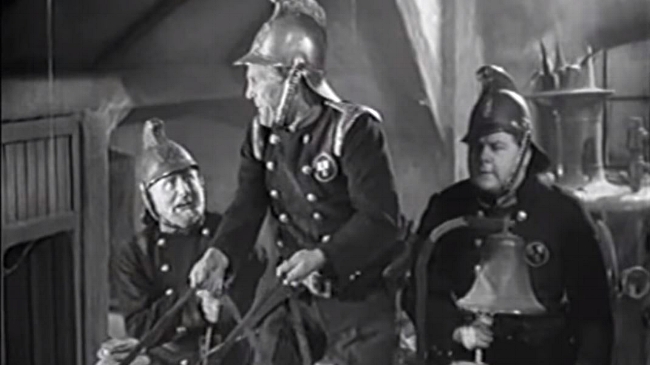


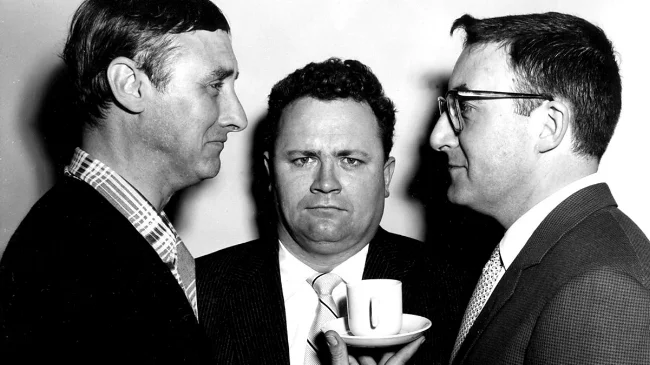
Anthem Open Demo
Before I start with my thoughts on the actual nuts and bolts of Anthem, let me just say that it’s nice that the concept of “the demo” still exists. There was a time when I use to buy various computer magazines in the late nineties, and they would all have a cover disk filled with game demos. I discovered many great games that way (MDK, Hidden and Dangerous), simply by having access to a few levels of a new title. Game developers seem ambivalent towards the concept of “try before you buy” these days. More often than not we get early access instead, which is not the same thing at all. But a functional demo that gives you a decent representation of the full product is a far better proposition. For the gamer at least. Because if you play it and like it, then you are sold. Unlike early access where you may see a product with prospects but whether it comes to fruition is another thing entirely. However, demos are a double edge sword, because may also come to a clear and unequivocal conclusion that you don’t like the game in question, or that is simply not for you.
Before I start with my thoughts on the actual nuts and bolts of Anthem, let me just say that it’s nice that the concept of “the demo” still exists. There was a time when I use to buy various computer magazines in the late nineties, and they would all have a cover disk filled with game demos. I discovered many great games that way (MDK, Hidden and Dangerous), simply by having access to a few levels of a new title. Game developers seem ambivalent towards the concept of “try before you buy” these days. More often than not we get early access instead, which is not the same thing at all. But a functional demo that gives you a decent representation of the full product is a far better proposition. For the gamer at least. Because if you play it and like it, then you are sold. Unlike early access where you may see a product with prospects but whether it comes to fruition is another thing entirely. However, demos are a double edge sword, because may also come to a clear and unequivocal conclusion that you don’t like the game in question, or that is simply not for you.
Because so many gamers see criticism and analysis as a personal attack on their opinions and therefore an assault upon themselves, let me make this first point very clear. I do not think Anthem is a bad game (from what I have seen). At its core, it is a fun, exciting experience. It does exactly what it sets out to do and appears to do it well. Got that? Good. Because a lot of the other stuff, IE the story, the characters, and the overall aesthetic are arbitrary. Again, let me stress they are not bad, just adequate. Up to a standard to coin a phrase. But far from unique, not outstanding or in any other way exceptional. I have written in the past about the misrepresentation of the word “adequate” and that not every game has to be a genre milestone. But this is a BioWare game being published by EA. It’s got multimillion-dollar, big bollocks, in your face, hyped up bullshit written all over it in large neon letters. If you want the full experience (Legion of Dawn Edition) it will cost you £70, all but a penny. Call me old fashioned but if I part with that amount of cash, I want more than what I’ve described.
Earlier today, I fired up the demo and quickly got into the game. There were no logon or server issues this time round. I found myself in a Fort Tarsis and quickly got funnelled to the expositonary NPC and quest bestower. As Anthem uses the Frostbite Engine, everything looks fancy although I found a lot of the production design to be somewhat generic. As it’s a limited demo I repeatedly got onscreen messages telling me that I cannot interact with NPCs and items. Nope BioWare wanted me to go get in my Javelin exo-suit and sod off and start shooting stuff. Now I noted that this first part of the game was all in first person. Whether that is the case in the full release I do not know. Let it suffice to say that if all the RPG elements are conducted in such a manner, then that’s another stumbling block for me. So, I subsequently donned my fancy armour and found myself with three other random players out in the combat zone. Everyone promptly ran off in different directions and started experimenting with the game controls. I was hoping there would be some semblance of a tutorial but no, you just have to figure shit out for yourself. It is however very intuitive and easy to work out.
Well let me save both you and I a lot of time. If you played Destiny 1 or 2 then the combat is pretty much the same. The only difference here is that you have thrusters to fly for limited periods and you have the benefits of a third person view. You have two ancillary weapons, which on the ranger class javelin are explosive projectiles and you have a melee skill. The game is fluid, requires situational awareness and robust twitch skills. The added verticality adds to the challenge requiring you to get above and behind enemies and objects, hover, shoot and move on. If you are young with good reactions, have played other games that require you to interact with similar three-dimensional environments and are adept with keyboard and mouse, or a games controller, then the combat in Anthem will really appeal to you. If you are of an older group, you may find it harder to keep up with the game. I played overall for three hours and during that time quickly got the measure of the game. Because while everyone else was flying around, shooting mobs and efficiently traversing the environment, I was adjusting my pince-nez, sipping my Amontillado, trying not to be distracted by the garrulous in-game voice over and trying to determine which key did what.
The thing is with Anthem, a player such as I will probably have to work twice as hard to train myself not to over steer, get disorientated and fall behind the group. Because the combat is pretty much the foundation of the game experience, you need to be proficient to get the most out of the game. I don’t think its strength will lie with its narrative, characters and production design. As I said, these are all adequate (from what I could see) but nothing more. A decade ago I would have been happy to put in the time and the effort to improve my performance and prove a point. But not now. I play to have fun primarily and if I’m not up to the task, then I am happy to move on. I don’t blame the game or myself and I’m not under any obligation to “git gud” to embrace some spurious philosophy that the only good game is a competitive challenge. So Anthem is not for me. Let those who enjoy the demo, purchase the full edition and go have their fun. I’ll find mine somewhere else. As for those who are expecting the much lauded BioWare storytelling experience, I’d be interested to know in a few months from now as whether it’s there or not.
Thoughts on Blogging Part 6
As January comes to an end, I am pleased that I have so far managed to maintain a daily writing schedule. I hope that I can continue in this vein throughout February. As ever the actual process of sitting and writing has proven a somewhat mixed bag so far this year. Some days the word simply spill out of me and a blog post potentially writes itself. On others, composing just three coherent paragraphs is like pulling teeth and much time is spent procrastinating and getting side tracked. But a mixture of self-discipline and a degree of pride have helped oil the creative wheels and kept the content flowing. Whether any of it is any good is for others to decided. However, it was nice to find one of my posts quoted in an article over at Massively Overpowered. It means that at least someone is reading my work and pondering upon the points therein. Writing is after all a means of communication and sharing ideas so it is rewarding to know that you’re not just yelling into the wind all the time.
As January comes to an end, I am pleased that I have so far managed to maintain a daily writing schedule. I hope that I can continue in this vein throughout February. As ever the actual process of sitting and writing has proven a somewhat mixed bag so far this year. Some days the word simply spill out of me and a blog post potentially writes itself. On others, composing just three coherent paragraphs is like pulling teeth and much time is spent procrastinating and getting side tracked. But a mixture of self-discipline and a degree of pride have helped oil the creative wheels and kept the content flowing. Whether any of it is any good is for others to decided. However, it was nice to find one of my posts quoted in an article over at Massively Overpowered. It means that at least someone is reading my work and pondering upon the points therein. Writing is after all a means of communication and sharing ideas so it is rewarding to know that you’re not just yelling into the wind all the time.
I like to write about a broad spectrum of subjects, but naturally I self-edit my posts and so some content remains unpublished. I try not to do too much politics or social issues although I’m not averse to expressing an opinion. But sometimes you have to refrain from “indulging” yourself and focus on the meat and potatoes of your writing. For me that is still movies and video games. I have no problem with constructive criticism and analysis of the things I enjoy, but I am cognisant of not perpetuating a continuously negative narrative. Hence, I endeavour to be as even handed as one can be, despite being human and therefore having personal bias. Frankly it’s just lazy writing to sit in the balcony and barrack the stage continuously. Yet as a culture, in recent years we’ve become far more focused on what we don’t like, what we’re against and what we think is beyond the pale. Actually expressing positive sentiments or extolling the virtues of something you enjoy is bizarrely frowned upon in some quarters or seen as sappy.
Moving forward into 2019, I have several ideas regarding developing further recurring themed posts. At present I use Thoughts on Blogging and Diary of a Podcaster as means to provide commentary on both mediums as well as update readers about my own endeavours in these areas. I also use the Classic Themes posts as a vehicle to explore my love of film, TV and video game music. After some thinking I’m considering writing regularly about various common tropes and archetypes that occur in movies. I also had an idea about a similar game related series of articles, where I could focus on mainstays of the industry and how certain mechanics become established. I’ve also reflected upon my need to write more about books, graphic novels, obscure TV shows from my childhood and a wealth of other topics. But all such ideas have to be realistically tempered by the time I have available and my desire to pursue other interests. All things considered, I should be able to sustain my writing schedule for the next month. But ideas for content is only half the equation. The other is motivation. That is a far more nebulous commodity. However, one positive thing to consider is that February is a shorter month than others.

























Star Trek Online: Ninth Anniversary and Stuff
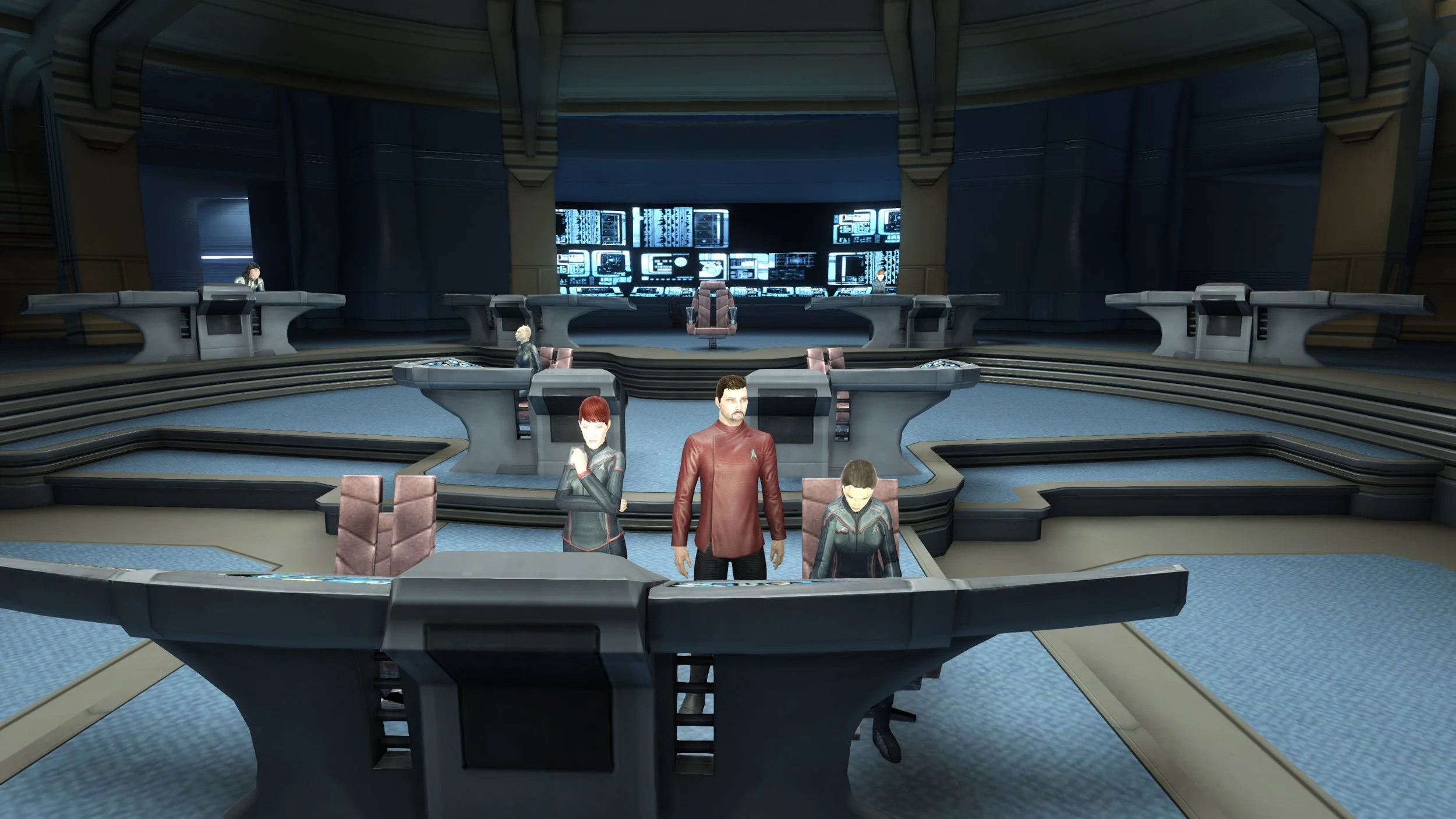
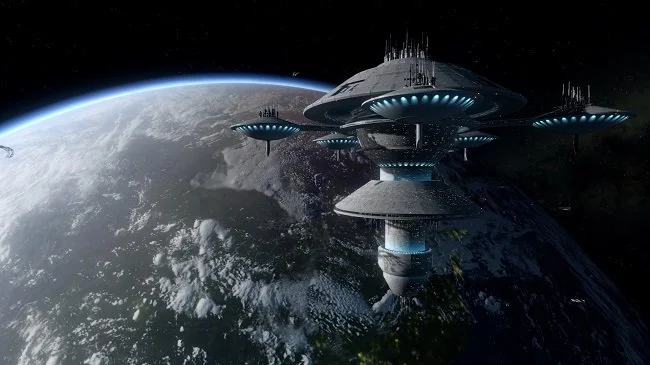
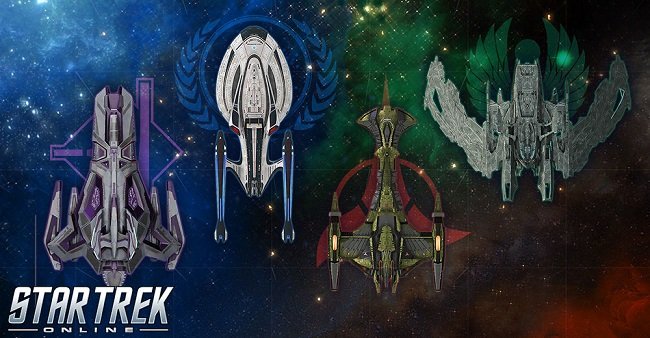
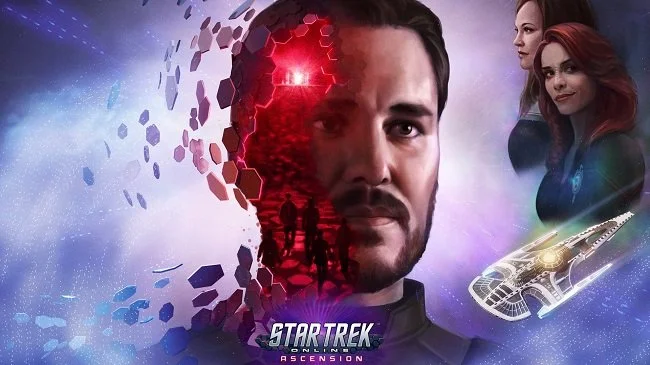
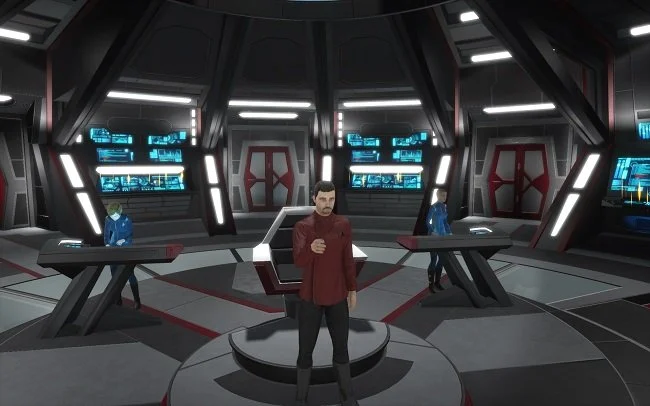
I have suffixed the title of this post “and stuff” so I can address several Star Trek Online related thoughts in a single blog post. Despite the fact that I frequently play STO it is does oddly get neglected in my writing. So, let us start with the issue of the ninth anniversary. As ever Q is back with the anniversary event and once again, we are stabilising Omega Molecules. This year’s reward is a Tier 6 Vulcan T’Pau Scout Ship. There are also emotes and sundry other items to earn during the duration of the festivities, but I more interested in the anniversary itself. Not many MMOs make it to nine years and if they do, they aren’t necessarily in as good shape as STO. The game has a stable and loyal playerbase and is currently tied-in to Star Trek: Discovery. Further established Trek actors are supplying voice acting and the game seems to be doing well across both PC and consoles. Like LOTRO, STO uses the IP well and seems to “fill in the gaps” in the existing lore as well as expand and extrapolate established canon. One of the best things about STO is that there’s always something to do in-game as well as new content in the pipeline. Perhaps this along with the handling of the IP is why the game endures.
I have suffixed the title of this post “and stuff” so I can address several Star Trek Online related thoughts in a single blog post. Despite the fact that I frequently play STO it is does oddly get neglected in my writing. So, let us start with the issue of the ninth anniversary. As ever Q is back with the anniversary event and once again, we are stabilising Omega Molecules. This year’s reward is a Tier 6 Vulcan T’Pau Scout Ship. There are also emotes and sundry other items to earn during the duration of the festivities, but I more interested in the anniversary itself. Not many MMOs make it to nine years and if they do, they aren’t necessarily in as good shape as STO. The game has a stable and loyal playerbase and is currently tied-in to Star Trek: Discovery. Further established Trek actors are supplying voice acting and the game seems to be doing well across both PC and consoles. Like LOTRO, STO uses the IP well and seems to “fill in the gaps” in the existing lore as well as expand and extrapolate established canon. One of the best things about STO is that there’s always something to do in-game as well as new content in the pipeline. Perhaps this along with the handling of the IP is why the game endures.
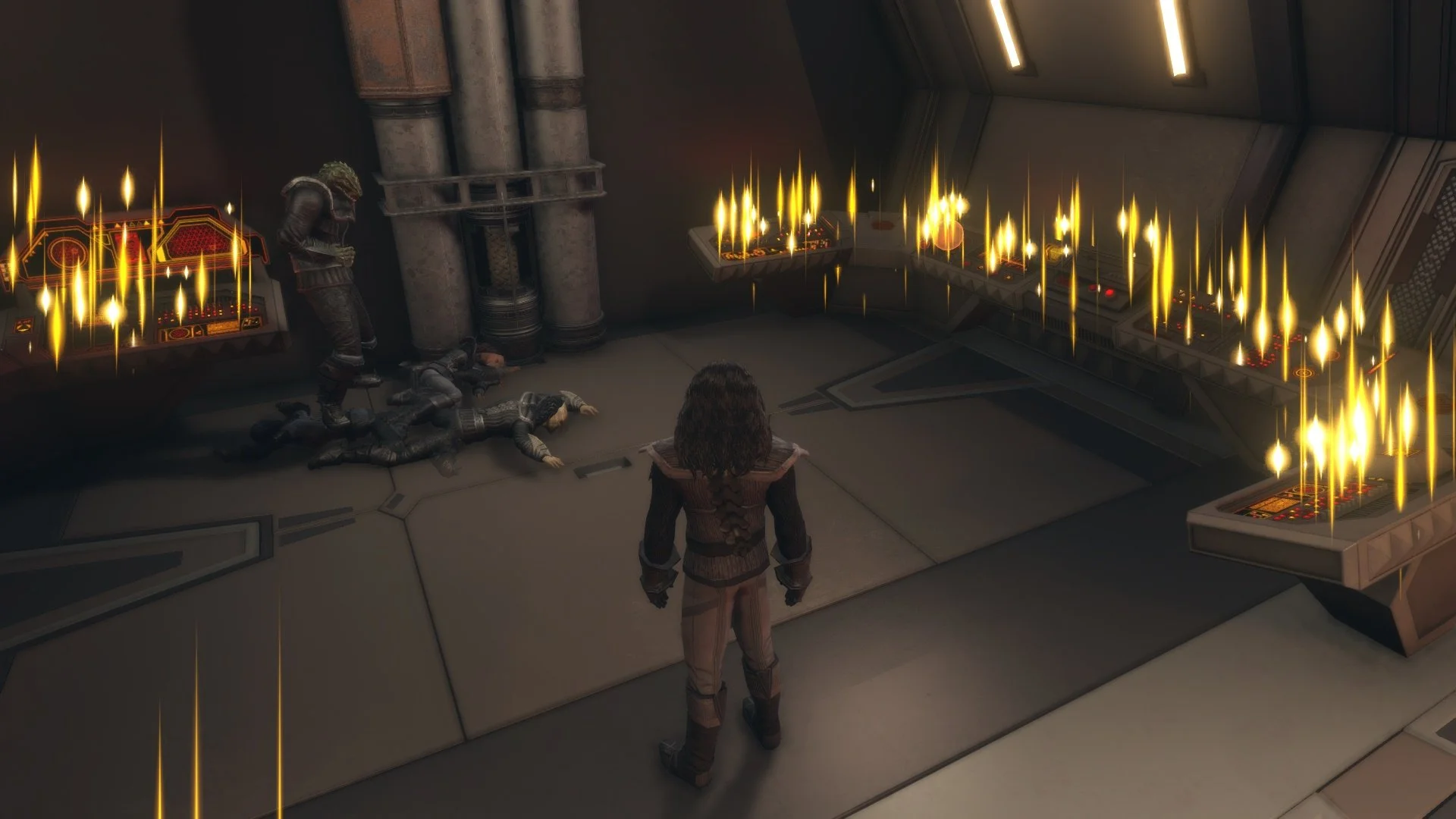
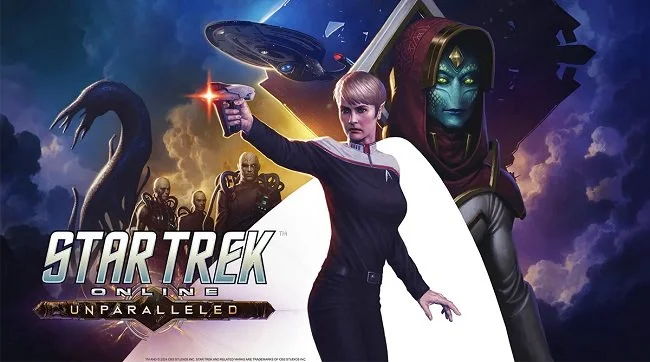
In October last year, Cryptic released a new Star Trek: Discovery themed “starting experience” that allows players to create characters from 2256. As ever there’s a fairly involved narrative which references Klingon lore from that era and the war with the Federation. There’s the added bonus of Jeffrey Combs playing Captain Thy'kir Shran, the great-grandson of Thy'lek Shran from Star Trek: Enterprise. However, due to the main story of STO being set in 2409, the writers have to once again fall back on that old tried and tested Trek “get out of jail card”, time travel. Hence, Agent Daniels makes a further appearance and uses more temporal shenanigans to bridge the timelines. It’s an acceptable plot device if you’re new to the game, but it’s already been previously used in 2016 in the Agents of Yesterday expansion. Plus, if you don’t create a new character and play through this specific tutorial, the follow up story set in the twenty fifth century that is available to established alts, is a little confusing to say the least.
Now I happen to enjoy Star Trek: Discovery and am therefore happy to have content from this era along with voice acting from Mary Wiseman added to the game. But there is a downside to this. In an attempt to streamline and coherently curate all the previous episodes of STO, Cryptic have had to alter their running order. Some stories have been taken out of the chronological sequence and categorised as Side Content: The Galaxy at Large. If you are a dedicated trek fan who starts playing the MMO from scratch, you may have to play a fair amount of content across multiple factions before everything falls into place. After nine years that game does seem to be sagging under its irregular narrative growth. But despite these occasional quirks the stories available do all have a strong Trek feel to them. Last summers Victory is Life expansion contained some of the best written material outside of the shows themselves. It certainly tapped into the best elements of Star Trek: Deep Space Nine. It’s a shame it is not officially canonical.
Another issue that Cryptic have been trying to address of late is encouraging players to participate more in the various group PVE missions or Task Force Operations as they have been renamed. This content provides among other rewards, rep tokens which are required for reputation faction advancement. In the past it would be difficult for players to find a group for some of the less popular TFOs, so the developers came up with the Universal Endeavor system. This offers daily TFO challenges along with bespoke rewards. They also added a facility to join a random TFO with enhanced loot. As of the 23rd January and the start of the 16th STO season, Personal Endeavors have been added to the game, offering three random tasks that can be completed by replaying missions, running TFO or visiting the various battlezones in the game. If you are presented with a task that is not to your liking, you can reroll another using tokens that are given as part of the Personal Endeavors rewards. The system also provides perk points that can be spent to unlock account-wide bonuses that apply to all characters equally. For the casual player this offers an enjoyable challenge, where the dedicated min-maxer will have yet a further set of options to tweak their build.
After a year of trying a variety of ships in STO I have returned to my Tucker Tactical Miracle Worker Cruiser. The prevailing game meta has changed once again and frankly I’m not quite au fait with the latest popular theories, so I have opted for a lore-based phaser beam weapons and selected gear for a standard Auxiliary to Battery build. Everything equipped is Mark XV and upgraded to Epic level. As I no longer have any DPs parsers installed and I’m not inclined to go down the rabbit hole, I have no idea what my “official numbers” are like, but stuff dies and dies quickly, and I no longer fly like a complete fool which helps a lot. Overall, I find myself well placed at present to enjoy STO. I bought the game on launch and it took both me and Cryptic a while to find our respective feet. I played the game on and off during it’s first four years and it wasn’t until the launch of the Delta Recruitment Event in May 2015 that it fully got a hold on me. By then a lot had been done to file down the rough edges. STO still has some that need attention but I’m glad that nine years on the game is still alive and kicking. I mean what other MMO has Horta combat pets or Gorn’s in Hawaiian shirts?


Too Many Online Game Stores?
I first created a Steam account and started purchasing games via digital download in January 2010. Back then, Steam pretty much had a monopoly on the market, and it was both novel and convenient to be able to purchase what seemed like “anything” just from one outlet and then download it and play, at any time of day. And then the rest of the video games industry woke up and decided they wanted a slice of the pie that was at the time exclusive to Valve. Hence, over the last eight years all the major “Triple A” publishers have developed their own game launcher software and online stores. This has led to titles being withdrawn from sale via Steam and a gradual fracturing of the market. That’s not to say that Steam is no longer a viable service. On the contrary. It still has a diverse range of products and there are always deals to be had. But it is no longer the first port of call when buying games online.
I first created a Steam account and started purchasing games via digital download in January 2010. Back then, Steam pretty much had a monopoly on the market, and it was both novel and convenient to be able to purchase what seemed like “anything” just from one outlet and then download it and play, at any time of day. And then the rest of the video games industry woke up and decided they wanted a slice of the pie that was at the time exclusive to Valve. Hence, over the last eight years all the major “Triple A” publishers have developed their own game launcher software and online stores. This has led to titles being withdrawn from sale via Steam and a gradual fracturing of the market. That’s not to say that Steam is no longer a viable service. On the contrary. It still has a diverse range of products and there are always deals to be had. But it is no longer the first port of call when buying games online.
The recent news that Epic Games is “aggressively” competing with Steam, with exclusive titles like Metro Exodus and major discounts on popular games, has put this issue of Online Game Stores back on my radar. I bought Assassin’s Creed: Odyssey last December so had to install Uplay to play it and keep it updated. There’s been a recent patch for Star Wars: Battlefront II, so I’ve also had to download Origins to check out the game. I need Battle.net to play Overwatch and Destiny 2 as well as Galaxy to efficiently manage the titles I’ve purchased from Good Old Games. And due to my curiosity over Epic Games market expansion, I ended up creating an account and using their software to peruse their wares. In total I have 6 bespoke client launchers and their associated online stores currently installed on my PC. All of which have logon and payment credentials that need to be securely managed. The dream of a one stop option via Steam has long gone.
If I step back and look at this situation from a business perspective, then I can see why the major publishers want their own specific presence in the online sales market. Furthermore a “theory” from fellow games blogger Wilhelm Arcturus may shed some light specifically on the Epic Games expansion. “The fun rumor I saw was that Tencent (which owns Epic and Riot) pushed Epic into creating this store, with all sorts of developer incentives, to hit back at Valve for bringing Steam to China with PWE rather than them. Big if true”. However, although I may be aware of businesses needs, they are not a major concern of mine. I identify more as a consumer than a “gamer” and I’m ultimately just looking to indulge my pastime as cheaply and efficiently as possible. Having multiple game launchers and stores to choose from has both benefits and inconveniences for me. I can potentially get good deals but also have to compartmentalise my gameplay to specific platforms. This means multiple friends lists, multiple social tools and multiple marketing emails. None of which are deal breakers, but low-level nuisances are still nuisances none the less.
My biggest concern about the current proliferation of online game stores is one of licensing and reciprocal arrangements with third parties. Video on demand services have gone the same way in recent years and I now find myself using several services with various add-ons. I often find that movies and TV shows that I’ve added to my “watchlist” vanish after a time as the licensing contract comes to an end. So far this has tended to be relatively low level content and I have not been inconvenienced over it. However, if Netflix stopped carrying Star Trek then the service would instantly become redundant as far as I’m concerned. Nothing like this has happened to me game wise yet. Although Steam stopped selling certain EA titles once they launched their own platform, I have not lost access to Mass Effect 1 and 2 that I bought from them. However, I am not fool enough to think that such a situation is beyond the realm of possibility. Business arrangements change, as does regional law. So I am cautious when it comes to what games I buy because I no longer believe I’ll have indefinite access to them As for online game stores, yes there are too many of them but I suspect they will ultimately just contribute to the further marginalisation of the market and may not yield the result their corporate owners hope for.
The Varying Quality of You Tube Content
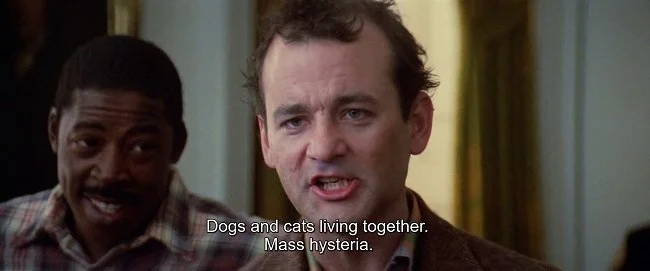
"The ability to speak does not make you intelligent". Qui-Gon Jinn
I’m sure this has happened to many of you before. You’re playing a video game and you have a particular question regarding it. How do I reach a specific location on the map? Is there an optimal build for a certain class? Where can I get a certain item? A quick Google search returns multiple results but most of them are videos rather than text-based answers, so you opt to watch one to get the answer that you seek. However, you then notice that your simple enquiry somehow merits a video that lasts twelve minutes. You then spend your precious time enduring a rambling diatribe from someone who clearly hasn’t scripted a succinct explanation. If you’re lucky you may get the answer that you seek, or you may end up wasting your time entirely. Should you perhaps watch another video? Needless to say, you eventually go back and read one of the written answers.
"The ability to speak does not make you intelligent". Qui-Gon Jinn
I’m sure this has happened to many of you before. You’re playing a video game and you have a particular question regarding it. How do I reach a specific location on the map? Is there an optimal build for a certain class? Where can I get a certain item? A quick Google search returns multiple results but most of them are videos rather than text-based answers, so you opt to watch one to get the answer that you seek. However, you then notice that your simple enquiry somehow merits a video that lasts twelve minutes. You then spend your precious time enduring a rambling diatribe from someone who clearly hasn’t scripted a succinct explanation. If you’re lucky you may get the answer that you seek, or you may end up wasting your time entirely. Should you perhaps watch another video? Needless to say, you eventually go back and read one of the written answers.
The written word is a great medium for imparting information and answering questions. But video is often considered an easier and more convenient option. It’s quicker and potentially easier to create and you can embrace the old Hollywood adage, “Show, don’t tell”. When I was an active Guild Wars 2 player, You Tube videos were the most immediate way to find out how you reach a specific Vista, especially if it involved a complex jumping puzzle. However, there was an important caveat involved. Whether you got a quick and accurate answer came down to the quality of the video, how well it was edited, and whether the author was adept at expressing themselves clearly. And this pretty much rings true for any kind of instructional video, be it for wiring a plug or co-ordinating a twelve-man raid in an MMORPG. Sadly, one of the few things that You Tube, and the democratisation of video production hasn’t achieved is any form of automated quality control. Simply put not everyone is cut out to be a teacher and the ability to record a video doesn’t mean that it will be good by default.
Instructional videos are a “lottery”, to say the least.
For the sake of this discussion, let us focus exclusively on game related You Tube content and that which is specifically meant to explain a mechanic, system or such like. IE any material that is intended to be instructional. The key to producing a good video of this kind is twofold. The video content has to clearly show the thing that is being discussed and explained. Presentation is key. It needs to be unambiguous and focused. Next the accompanying narration has to be factually accurate, easy to understand and engaging. The former of these two skills can be easily learned. There is a wealth of advice and guidance available on the technicalities of producing professional videos. The latter requirement, which is a form of public speaking, is not so easy to pick up. In fact, for some it is nigh on impossible. Hence, there is a broad spectrum of quality when it comes to You Tube content of this kind. Speaking casually, as you would with friends, using banter, patois and colloquialism are fine on “let’s plays” or for live streaming. This very personal style of discourse can be a source of appeal. But I believe it has no place when it comes to providing instruction.
And therein lies the rub as the expression goes. Simply put there are far too many You Tube videos where the subject matter is poorly framed, and the creator has no discernible oratorial skills. Inarticulate ramblings and poorly expressed points are sadly common place. Plus, there is absolutely no excuse for being dull. Yet You Tube is awash with poorly made content that often proves to be an absolute chore to sit through. I appreciate that many content creators are driven by enthusiasm, but I also suspect that a percentage are motivated by dreams of internet fame or a chance to make a fast buck. Greed often seems to trump quality control and enthusiasm is no substitute for talent. Furthermore, irrespective of the sophisticated algorithms that You Tube has at its disposal, it doesn’t have yet have the tools to automatically determine the quality of content. Which means that unless you have a prior familiarity with a content creators work and trust it, watching any video for instructional reasons is a crapshoot.
Bluster, hyperbole and calumny do not equate to quality public speaking.
Now I want to make it quite clear that I'm not in any way advocating that people should be denied the chance to create You Tube content. I firmly believe in the individual’s right to express themselves within the confines of the law, regardless of whether their videos are shit or borderline David Attenborough. However, the moment you place something in the public domain then you are inviting criticism. We live in a media saturated age and the wider public are extremely tech savvy and expect content to be to a certain standard by default. Therefore, a lot of existing content creators really do need to raise their game and produce work to a higher standard. Basic literacy helps. So does not speaking like you’re recovering from a major head trauma. You Tube also needs to introduce a more sophisticated means of providing feedback, other than the arbitrary thumbs up or down, so that content creators have a fighting chance of knowing what needs to be improved. However, You Tube doesn’t like to spend money on human moderation, so this situation is sadly not likely to change any time soon.




Classic Movie Themes: Star Trek II The Wrath of Khan
James Horner was a prolific, yet consistently good composer with a broad range of styles. Consider his score for 48 Hrs with its Jazz under currents and then compare it to his grand swashbuckling approach to Krull. They are radically different soundtracks, but both are extremely effective in embellishing their respective motion pictures. That was James Horner great talent. He knew when to be theatrical and bombastic but could also dial it back and be subtle, gentle and delicate. It made his body of work very diverse and memorable.
James Horner, although possessing a very broad and eclectic musical range, was in many respects a very traditional composer. He was certainly au fait with works of such giants as Miklós Rózsa, Korngold and Bernard Herrmann and it often manifested itself in his music through his use of the leitmotif. Perhaps the reason James Horner was so consistently good and crafted so many outstanding pieces of music, is because he never saw his profession as just a means to an end. As he said in an interview once, “I don’t look at this as just a job. I see music as art”.
James Horner was a prolific, yet consistently good composer with a broad range of styles. Consider his score for 48 Hrs with its Jazz under currents and then compare it to his grand swashbuckling approach to Krull. They are radically different soundtracks, but both are extremely effective in embellishing their respective motion pictures. That was James Horner great talent. He knew when to be theatrical and bombastic but could also dial it back and be subtle, gentle and delicate. It made his body of work very diverse and memorable.
James Horner, although possessing a very broad and eclectic musical range, was in many respects a very traditional composer. He was certainly au fait with works of such giants as Miklós Rózsa, Korngold and Bernard Herrmann and it often manifested itself in his music through his use of the leitmotif. Perhaps the reason James Horner was so consistently good and crafted so many outstanding pieces of music, is because he never saw his profession as just a means to an end. As he said in an interview once, “I don’t look at this as just a job. I see music as art”.
James Horner was very much part of my cinematic youth, having written the soundtracks for many of my favourite movies. I first encountered his work when I saw Battle Beyond the Stars and was immediately captivated by its bold and brass driven title theme. It was this particular soundtrack that brought him to the attention of Paramount Studios and led to him composing his seminal score for Star Trek II: The Wrath of Khan with its graceful nautical themes. The film's director Nicholas Meyer famously quipped that Horner had been hired because the studio couldn't afford to use the first film's composer Jerry Goldsmith again. By the time Meyer returned to the franchise with Star Trek VI: The Undiscovered Country, the director found that he couldn't afford Horner either.


Shout at the Devil (1976)
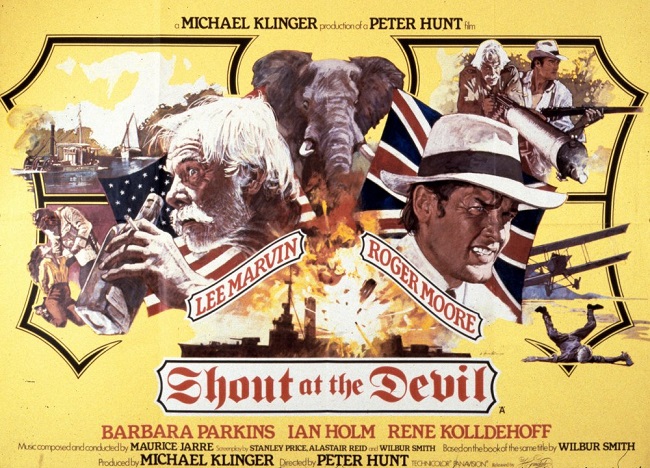
Adapted from the novel by Wilbur Smith, Shout at the Devil is the sort of big budget, sprawling, period set high adventure movie that has fallen out of vogue in recent decades. Its main attraction are its stars, location and robust action scenes. Crafted by former Bond director and long-time editor Peter Hunt, this is a full on, no nonsense character driven drama of the kind that were common place during the seventies. Sometimes the enormity of these sorts of productions meant that something suffered by omission. Be it a weak script, excessive set pieces or too many cameos by an all-star cast. Shout at the Devil broadly manages to avoid such pitfalls. There is however a notable tonal shift in the story about halfway through the film, which does take events in a different direction.
Adapted from the novel by Wilbur Smith, Shout at the Devil is the sort of big budget, sprawling, period set high adventure movie that has fallen out of vogue in recent decades. Its main attraction are its stars, location and robust action scenes. Crafted by former Bond director and long-time editor Peter Hunt, this is a full on, no nonsense character driven drama of the kind that were common place during the seventies. Sometimes the enormity of these sorts of productions meant that something suffered by omission. Be it a weak script, excessive set pieces or too many cameos by an all-star cast. Shout at the Devil broadly manages to avoid such pitfalls. There is however a notable tonal shift in the story about halfway through the film, which does take events in a different direction.
Set in East Africa in 1913 prior to WWI, Flynn O’Flynn (Lee Marvin) is a disreputable American of Irish descent exploiting the “riches” of the African continent. A poacher of ivory and a shameless con man, Flynn and his mute right-hand man Mohammed (Ian Holm) coerce an English Gentleman Sebastian Oldsmith (Roger Moore), into becoming a partner in their ivy poaching trade. This takes them into German colonial territory where they run afoul of Commander Fleischer (Rene Kolldehoff). Barely escaping they return to Flynn’s comfortable lodge located in the African bush. Sebastian meets and falls in love with Flynn’s daughter Rosa (Barbara Parkins) and the two marry and have a baby. The poaching continues but when war breaks out, Fleischer is granted unlimited local power and seeks revenge upon Flynn and Sebastian. He raids Flynn’s lodge but when he finds both Flynn and Sebastian absent, his troops massacre the staff and kill Rosa’s child. Devastated by events Flynn, Sebastian and Rosa undertake guerrilla missions on behalf of British navy. They discover that a German war ship is being hidden in the region and that it is being repaired before returning to sea. Furthermore, they learn that the work is being over seen by Fleischer, providing them with an opportunity for retribution.
The international version of Shout at the Devil has a running time of 150 minutes. This version restores a half hour of footage removed from the American theatrical release. The movie is well paced and has a clear narrative arc. Michael Reed's cinematography is sumptuous and makes the most of African locations. Maurice Jarre's score is suitably rousing and very much of its time. There is also some exceeding good miniature work by Derek Meddings who recreates a very convincing German Battleship. There is also genuine on-screen chemistry between Roger Moore and Lee Marvin. Moore plays straight man to Marvin's scenery-chewing character and the movie has a very jovial light-hearted tone initially. The first raid into German territory depicts the German Commander as a bumbling fool. Yet when Fleischer seeks revenge the plot takes a far more sinister and violent turn. The killing of a child is quite jarring, although far from graphic. The action scenes that follow also ramp up the casual violence. One notable scene has sheet steel being hauled across the savannah on wagons by dozens of native levy troops. In the ensuing gun battle, the wagons crush several people and sliding plate steel decapitates one unfortunate individual.
Shout at the Devil was shot in between The Man with the Golden Gun and The Spy Who Loved Me and boasts a great deal of talent from the Bond franchise. Peter Hunt had edited the early Bond films and directed On Her Majesty's Secret Service. Although Roger Moore and Peter Hunt had never worked on a 007 film together, Moore did star in Hunt's previous adventure film Gold. Other Bond veterans involved in the production were main titles designer Maurice Binder, cinematographer Michael Reed and camera operators Alec Mills and Alan Hume. The movie has a very authentic quality due to the bulk of the production being shot on location. Sadly, this authenticity also extends to the poaching scene. Although no animals were directly harmed during the production, the film does use footage of a genuine elephant hunt and it proves hard to watch for those with modern sensibilities. Also, Caucasian actors playing other ethnicities is anachronistic.
One of the marked differences between modern movies and those from the sixties and seventies, is that contemporary films are often made to a specific rating. Hence every aspect of the film be it themes, dialogue, sex and violence are contrived in advance to be in accord with this. A movie such as Shout at the Devil would be pitched at a broad audience upon its release and would often veer from one idiom to another to accommodate different tastes. Hence you get a comedy fist fight or a humorous scene in which the local natives plead poverty to avoid paying taxes. And if the screenplay required it then you would quickly find yourself dealing with much heavier and dramatic adult themes, which in this case means infanticide, trauma and revenge. I’m not saying it doesn’t work or that it’s a deal breaker, but it is quite a noticeable change to the contained and measured approach of modern PG-13 rated movies.
Shout at the Devil is both an entertaining movie and a snapshot of the British film industry of the times. Elements of the production have dated and have to be judge contextually, if you don’t wish to balk at them. Any film based in twentieth century colonial history is naturally going to be challenging with respect to subjects such a racism and exploitation. Yet on the plus side, the movie does feature two genuine film greats at the height of their careers and their performances do much to carry the story. The films “broad church” approach means that its not stayed or safe and it has capacity to surprise when it decides to become darker. So, if you want an old school adventure movie with an epic scope and explosive climax, along with all the baggage from the era when it was made, then Shout at the Devil has it in spades. Just ensure that you see the international cut of the film in high definition to fully do the production justice.







Screenshots
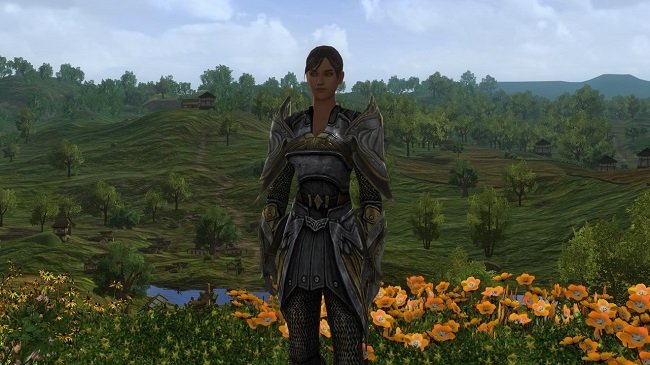
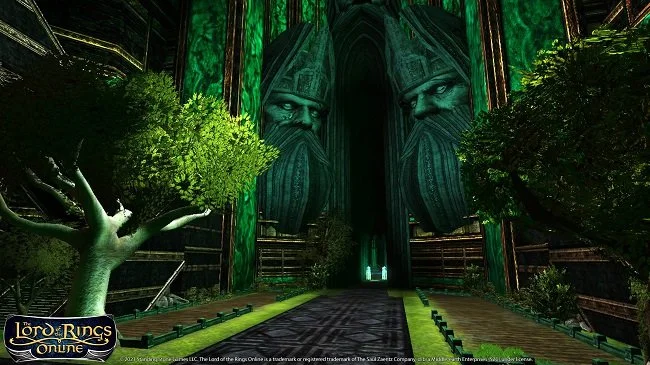
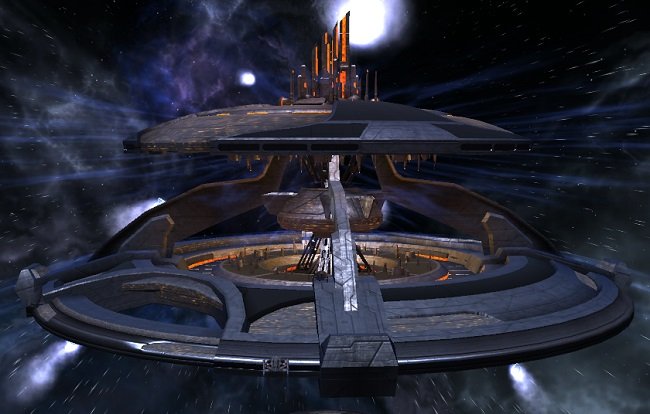
There is a strong social element to video games, regardless of the genre. Gamers like to share their thoughts and opinions with others via forums, blogs and videos because of their common interest. So, it is hardly surprising that video game enthusiasts like to take screenshots and preserve a record of their activities. Subsequently, the ability to capture an image from a game has now become an integral aspect of gaming culture and many titles now have a dedicated screenshot facility. This may range from a simple screenshot key to a comprehensive photo mode in which you can pause the game and pan the camera around the game environment. It’s a far cry from two decades ago when players would often have to rely on bespoke third-party programs such as FRAPS to take screenshots, or simply use the PrtScn button and then paste the image into a photo editor.
There is a strong social element to video games, regardless of the genre. Gamers like to share their thoughts and opinions with others via forums, blogs and videos because of their common interest. So, it is hardly surprising that video game enthusiasts like to take screenshots and preserve a record of their activities. Subsequently, the ability to capture an image from a game has now become an integral aspect of gaming culture and many titles now have a dedicated screenshot facility. This may range from a simple screenshot key to a comprehensive photo mode in which you can pause the game and pan the camera around the game environment. It’s a far cry from two decades ago when players would often have to rely on bespoke third-party programs such as FRAPS to take screenshots, or simply use the PrtScn button and then paste the image into a photo editor.
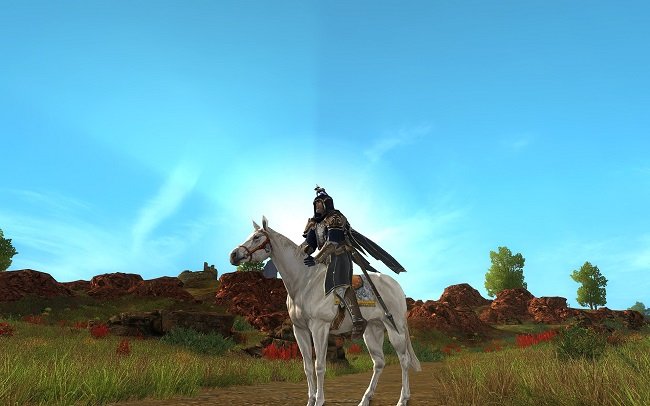
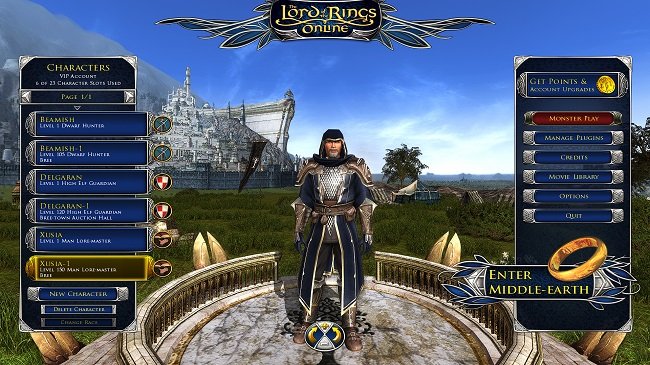
The MMO genre, with their rich persistent worlds, lends itself greatly to screenshots. Often the environments and the graphical design is reason enough to capture images. I have done this often in games such as LOTRO and STO and have folders filled with pictures of landscapes, vistas or battles. Screen captures also provide a convenient means to document achievements and social activities. Players will often take a group picture after a successful raid or at in-game events such as festivals. The convenience of this system also makes it ideal for collating data regarding builds and equipment. Taking a screenshot of your skills tree and how you’ve spent your points is so much easier than meticulously transcribing the details. And as game preservation and history becomes a more important subject, images taken over a period of years can be invaluable in documenting change. I have several hundred LOTRO screenshots taken over a period of nine years. Many show features and systems that have been altered or replaced.
There are specific aspects that contribute to a good screenshot. Like photography, these are based in composition, lighting and creativity. Furthermore, such images can be enhanced using standard photo editing software. Tweaking the brightness or contrast can make a difference and improve the overall presentation. However, in recent years, some games have gone a stage further and introduced a far more comprehensive photo mode that does more than just capture what is initially apparent. I first encountered this facility in Middle-earth: Shadow of Mordor. The player can pause the game at any time during proceedings, and then move the “camera” around the environment to either see the subject form an alternative angle, or as a means to explore aspects of the world not immediately clear. Different elements can be made the focus, while others reduced in clarity. The game UI can be removed, and the finished image framed with specific borders if chosen. There is a similar functionality in Assassin’s Creed: Odyssey and it produces some compelling screenshots.
However, there can be some problems associated with taking screenshots. Some contemporary triple A games have started using anti-tamper software that blocks third party apps such as FRAPS. I have experienced this with such titles as Star Wars: Battlefront II and Ghost Recon: Wildlands. One solution is to take a screen capture using the in-game overlay that is built into the client launcher, such as Origins or Uplay. The down side to this is that you have to customise settings of each launcher if you want to use a standard screen capture key. Alternatively, if you have a Nvidia graphics card then GeForce Experience software offers a universal screenshot facility. This not only works for games but can capture images from your desktop as well as videos played via VLC Player or similar software. But regardless of the technicalities as to how you take your screenshots, ultimately, they are a distillation of all the reasons why we game. Like conventional photographs they are a means of capturing a moment for posterity, that can later be shared and reflected upon.
The Last Hunter (1980)
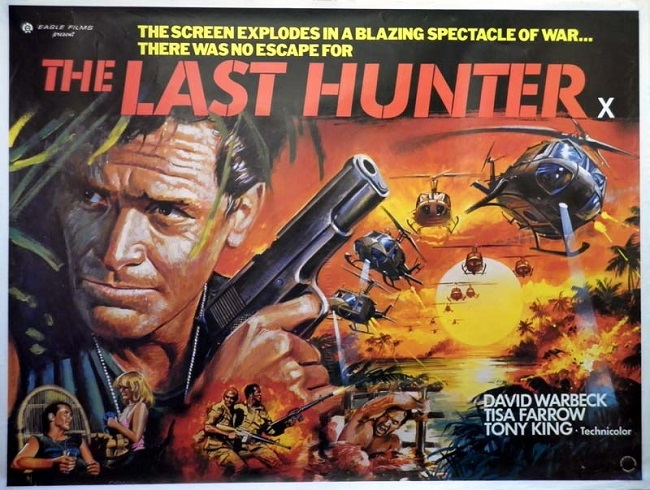
There are many films about war. There are many films about the Vietnam war. A few have transcended mere historical depiction and managed to capture the utter horror and political insanity of the situation, along with the tragic human cost. And then there are those which simply seek to use the setting as a vehicle for an exploitation movie, in the hope of making a fast buck. The Last Hunter (L'ultimo cacciatore) falls firmly into the second camp. This Italian "macaroni combat" movie (yes, I didn’t know that’s a thing either) offers a straight forward tale of an incursion behind enemy lines by an officer charged with destroying a radio transmitter, broadcasting anti-US propaganda. It is violent, action packed and surprisingly honest about what sort of film it is. You’ll find no pretentious philosophical musings here. Just explosions, rotting corpses and Viet Cong booby traps.
There are many films about war. There are many films about the Vietnam war. A few have transcended mere historical depiction and managed to capture the utter horror and political insanity of the situation, along with the tragic human cost. And then there are those which simply seek to use the setting as a vehicle for an exploitation movie, in the hope of making a fast buck. The Last Hunter (L'ultimo cacciatore) falls firmly into the second camp. This Italian "macaroni combat" movie (yes, I didn’t know that’s a thing either) offers a straight forward tale of an incursion behind enemy lines by an officer charged with destroying a radio transmitter, broadcasting anti-US propaganda. It is violent, action packed and surprisingly honest about what sort of film it is. You’ll find no pretentious philosophical musings here. Just explosions, rotting corpses and Viet Cong booby traps.
Directed by veteran Italian film maker Antonio Margheriti (and billed as Anthony Dawson on English language prints), The Last Hunter is a well-made (by Italian cash-in genre standards) exploitation war movie, with a solid international cast and good action set pieces. Margheriti had a background in miniature effects and the film features several scenes of this kind, such as the rail yard bombing at the start and the jungle cave demolition in the films second act. The dialogue is functional (and all dubbed in post-production like so many Italian movies of this kind) and the story efficiently moves the actors from set piece to set piece. There’s even the bonus of a minor twist in the movies climax. David Warbeck is suitably grizzled and burnt out as Captain Morris and Tisa Farrow fills the roll of the “plucky news reporter” embedded with the unit. There’s also wise cracking banter between Tony King and Bobby Rhodes as the units African-American representation. Connoisseurs of eighties Italian genre movies will delight at the cast and the additional inclusion of John Steiner as a suitably deranged Major.
Being an Italian movie of the times, there are copious acts of violence including a graphic gunshot to the eye, a partial decapitation and a leg amputation. There’s also a lot of crude barrack room humour and an attempted rape, but hey that’s how these movies roll. It almost as if there’s a check list being followed. The location cinematography in the Philippines gives the proceedings an authentic feel and like so many Italian movies from this decade, the soundtrack by Franco Micalizzi is contemporary, funky and far more interesting than some traditional orchestral scores. As this movie is not designed to be a cerebral undertaking it has to be judged on what it has to offer. And on that basis, then The Last Hunter is a better than average ninety plus minutes of Italian exploitation cinema. It is also a good steeping stone into the wider works of director Antonio Margheriti. If you enjoy this movie you may wish to try, Codename: Wild Geese (three guesses which movie this rips off), Command Leopard and Killer Fish. All have an interesting international cast, miniatures effects work along with either gore or action.
The Last Hunter Bonus Track: Music from the opening night club scene.
LOTRO: Taking Stock of Progress
On Tuesday 27th November 2018, I created a new High Elf Guardian on Laurelin server. To date I have spent 122 hours 46 minutes 32 seconds on this character and have currently reached level 60, exactly halfway through current level cap of 120 in LOTRO. It has been a busy but very enjoyable two months. Overall the experience has revitalised my interest in LOTRO and the MMO genre. I have written several blog posts recently, highlighting the changes that have been made to the base game and first expansion over the years. Let it suffice to say that both Shadows of Angmar and Mines of Moria now offer a fast path through the games main content. My current levelling experience has been radically different to that I had when I started playing LOTRO back in 2008 and 2009. I believe it took me then nine months to reach the level cap of 60 on my primary alt. I achieved this just prior to the release of Siege of Mirkwood in September 2009.
On Tuesday 27th November 2018, I created a new High Elf Guardian on Laurelin server. To date I have spent 122 hours 46 minutes 32 seconds on this character and have currently reached level 60, exactly halfway through current level cap of 120 in LOTRO. It has been a busy but very enjoyable two months. Overall the experience has revitalised my interest in LOTRO and the MMO genre. I have written several blog posts recently, highlighting the changes that have been made to the base game and first expansion over the years. Let it suffice to say that both Shadows of Angmar and Mines of Moria now offer a fast path through the games main content. My current levelling experience has been radically different to that I had when I started playing LOTRO back in 2008 and 2009. I believe it took me then nine months to reach the level cap of 60 on my primary alt. I achieved this just prior to the release of Siege of Mirkwood in September 2009.
I am currently working through the Mines of Moria Epic Story but have already been given the prologue quests for the Siege of Mirkwood. At present I am taking stock of my progress through the game and planning ahead. I may take time to focus on deeds to increase my virtue traits and to ensure I’ve unlocked all my racial skills. I am also managing the Legendary Item system without actually using the weapons. As I progress through the game, I intend to level several LIs and then deconstruct them, thus ensuring that when I reach level 100, I can craft a First Age Guardians sword and belt and add the legacies that I want. Once this is done, I shall make use of the imbuing mechanic and then effectively forget about my Legendary Weapons apart from occasional upgrades. Having access to the account wide barter wallet has also allowed me to equip superior gear. I purchased The Shield Bearer’s Armour Set, early this week using Medallions of Moria I had earned nine years ago on my Lore-master. I intend to ensure my character is a robust as possible before travelling to Southern Mirkwood.
After doing some research it would appear that the Siege of Mirkwood has remained unaltered since its release. Therefore, there is going to be a noticeable change in level progression as I play through the PVE content. The mob density is high and the XP from quests is more than likely not going to be as generous as it has been up until now. I therefore wish to ensure that my character is as robust as they can be when entering this zone. If memory serves, I believe that Mirkwood was also the first expansion that made key quests and instances solo friendly. One of the most noticeable differences I’ve found with Shadows of Angmar and Mines of Moria since I first played through them, is how the need to group has been sidelined. It’s still there as an option but it’s no longer the only way to progress. I completed The Drowned Treasury instance this week and could happily solo my way through it, due to the “inspiration buff” and my over powered build. It was quite a contrast to my first play through in 2009, where I was assisted by my kinship. Back then, even with six experienced players, it proved quite a challenge.
The two aspects that made LOTRO special for me back when I first started playing, where the social dynamic and the underlying narrative. This was my first MMORPG and I was at a point in my life where I could accommodate the grouping requirement. Hence, I really enjoyed doing instances and activities with a close group of friends. Second time around and nearly a decade later this social imperative is no longer a necessity. I’d argue that actually finding another five people to join a fellowship to tackle an instance such as The Drowned Treasury would be a “big ask”. However, the story is still there, and it has been very rewarding to experience it a second time round and savour it’s details as well as the way so much of it dovetails into the existing canon. So, as I embark upon the next stage of my ongoing LOTRO journey, there is still much to look forward to. However, it is fair to say that although the experience will more than likely be fun, it will be subtly different this time round. Because time changes things. Both MMOs and people
When MMOs Die
Have you ever wondered exactly what happens when an MMO shuts down? Let's not use the phrase "shuttered" as it’s a public relations term intended to mitigate and defuse the reality of the situation. It is intended to take the sting out of the notion of a game closing; evoking imagery of a well-respected family business, closing up shop for the last time and retiring to Cheshire to keep bees. No that will not do at all, so we won't use it here. "Shut down" is far more accurate. It cuts to the chase, accommodating the economic and legal reasons, which are often the primary reason that a game is closing. It also has a far more definitive ring to it, where “shuttered” leaves room for hope. After all the shutters can come back down from the closed family business, if beekeeping doesn’t work out.
Have you ever wondered exactly what happens when an MMO shuts down? Let's not use the phrase "shuttered" as it’s a public relations term intended to mitigate and defuse the reality of the situation. It is intended to take the sting out of the notion of a game closing; evoking imagery of a well-respected family business, closing up shop for the last time and retiring to Cheshire to keep bees. No that will not do at all, so we won't use it here. "Shut down" is far more accurate. It cuts to the chase, accommodating the economic and legal reasons, which are often the primary reason that a game is closing. It also has a far more definitive ring to it, where “shuttered” leaves room for hope. After all the shutters can come back down from the closed family business, if beekeeping doesn’t work out.
So back to the original question, what is it actually like when a substantial MMORPG finally shuts down? I'm sure we all understand the fundamental concepts involved. The logistics of it are no different from when you're playing an active game online and it's taken down for patching. You receive a succession of on-screen notifications and then you're disconnected. What I'm talking about here is the emotional impact it has upon players and social groups. What is it like to be logged in to your game of choice in those final moments? To be surrounded by your friends in a virtual world that you love and have invested so much time into, knowing that within minutes it will be gone forever? To be moments away from a form of virtual bereavement and subsequent online homelessness?
The answer is ultimately very subjective. Most mature adults have an idea of their own emotional literacy and can probably imagine how they would react in a given situation. I can fully understand how heart breaking it could be for some players to see an integral part of their social life ignominiously dispensed with at the flick of a metaphorical switch. As for myself, I would see it as an inevitability and would therefore deal with it with a degree of emotional detachment. I would also ensure that I was "there when the lights went out”, just so I could experience first-hand what the final moments were actually like. Plus, there may be some last-minute fun and games as the developers turn on various events and gated activities or release a horde of mobs into the world. At the very least, the situation would certainly merit a blog post.
WildStar closed last November and a year prior to that so did Marvel Heroes. Other games such as Vanguard and Wizardry Online have also been shut down in recent years, all of which were for financial, licensing or administrative restructuring issues. All of these games had an active player base, that enjoyed and supported the games right up until the last moment. Subsequently, a cursory search online will produce a wealth of videos, screenshots and eulogies made by those who have become displaced by MMO closures and are still mourning their passing. If you have never played an MMO to any extent, then it will all seem a little perfunctory and a bit of a storm in a teacup to you. For those that have spent hours of their life in a virtual world, with friends they’ve made along the way, it is a far more emotionally compelling matter.
I'm a firm believer in the old adage "forewarned is forearmed". It may not come as any surprise to those who know me that I've made all the necessary arrangements for my own funeral. That's how I run my life. So, for me watching videos of the last moments of any MMO is a pertinent reminder that a similar fate will eventually come to those that I currently play. However, not everyone is like me and some people don't like to continence such things. Each to their own. We all deal with things in our own fashion. However, I would advise active MMO players to watch the video below, regarding WildStar, and subsequently reflect upon it. Perhaps it may teach us to be a little more appreciative of the games we currently enjoy, because time and tide waits for no man or MMO.
The Lucas Legacy
I was perusing the net recently and came across a story about how a Star Wars fan film that had built up a head of steam online, has been slapped with a copyright strike from Disney. Nothing unusual there as the company is virtually legendary with respect to its litigious proclivities. However, someone over a Lucasfilm interceded and got the strike lifted, because the fan film creator had allegedly sought prior permission and supposedly received it. George Lucas has always maintained an equitable attitude towards fan usage of the Star Wars IP, something he tried to impress upon Disney when he sold the rights to them back in 2012. But it is very difficult to have a balanced discussion about George Lucas as the man is such a paradox. On one hand he is possibly one of the greatest contributors to twentieth century pop culture and has influenced a generation of film makers, writers and fans. On the other he is the man who single headedly has managed to queer his own pitch, with the way he has continuously tinkered with his body of work and appended it with supplemental material that many deemed substandard or to the detriment of the original. He is also still vilified in some quarters for his business arrangement with Disney.
I was perusing the net recently and came across a story about how a Star Wars fan film that had built up a head of steam online, has been slapped with a copyright strike from Disney. Nothing unusual there as the company is virtually legendary with respect to its litigious proclivities. However, someone over a Lucasfilm interceded and got the strike lifted, because the fan film creator had allegedly sought prior permission and supposedly received it. George Lucas has always maintained an equitable attitude towards fan usage of the Star Wars IP, something he tried to impress upon Disney when he sold the rights to them back in 2012. But it is very difficult to have a balanced discussion about George Lucas as the man is such a paradox. On one hand he is possibly one of the greatest contributors to twentieth century pop culture and has influenced a generation of film makers, writers and fans. On the other he is the man who single headedly has managed to queer his own pitch, with the way he has continuously tinkered with his body of work and appended it with supplemental material that many deemed substandard or to the detriment of the original. He is also still vilified in some quarters for his business arrangement with Disney.
Lucas announced back in October 2012 an interview with the New York Times, that he was "retiring" from the sort of film making he had become closely associated with over the last three decades. He was however still going to pursue creating more "personal" films. He also made some fairly broad statements about getting mainstream Hollywood to buy into his last project Red Tails and the movie industries overall inadequacies in dealing with issues of race and African-American history in films per se. He took time to pointedly described how he had to finance Red Tails himself. Sadly, the movie was met with relative indifference at the box office and garnered the usual criticism associated with his work. IE too much emphasis on spectacle and not enough attention of characters and script. Since then Lucas has not produced any major cinematic works and has continued to pursue his philanthropic and charitable endeavours.
There are some who feel that Mr. Lucas is a misunderstood film maker who has suffered at the hands of a rabid and unreasonable fan base and a system that hates him for bypassing their rules. Then there are those who simply see him as a gifted technician, well versed in the mechanics of film making but lacking in the narrative skills shown by the true “greats”. As per usual, the truth more than likely lies somewhere in between these two positions and is far more nuanced. As for his last movie Red Tails (which he produced and then took over the reshoots from incumbent director Anthony Hemmingway), it’s a distinctly average film. It is visually impressive as you would expect, but the story is incredibly formulaic, and the characters are weak. The issue of racism is not given the depth or intelligence required to explore it effectively and the dialogue is unconvincing. Whether the films reception was a key factor in Lucas choosing to semi-retire from the wider industry, is up for debate. For decades he has been a prisoner of his own success and at times it does seems like he still struggles to come to terms with it all. “On the Internet, all those same guys that are complaining I made a change are completely changing the movie … I’m saying: ‘Fine. But my movie, with my name on it, that says I did it, needs to be the way I want it. Why would I make any more when everybody yells at you all the time and says what a terrible person you are?”
Although I fully understand and even agree in principle with his sentiments, such a position is purely an ideological one and is not very practical in reality. Star Wars has become an integral part of popular culture and although there is no legal precedence, the public feel that they have some collective emotional ownership of it and are therefore not going to take an even-handed view to alterations and new material (as the Disney movies have shown). Lucas should have learnt from others who have participated in films and TV that has grown bigger than themselves. You come to terms with it and try to work within the confines that it sets, or you simply withdraw. Lucas may think that the restraints of the Star Wars phenomenon has limited his options and thus he has not had the critical success he looked for. I think more blame can be attributed to his skills set. The original trilogy although overall his own work, had the creative input of additional screenwriters and directors to smooth the rough edges and curb his excesses. The prequels did not and therefore their ideas and visual style were marred by poor dialogue and turgid stories. In fact, I would draw a parallel between George Lucas's career and that of M. Night Shyamalan. Both are talents that possibly require the counterbalance of a third party to reach their full potential.
Of course, George Lucas has not fully retired and has provided himself with a get out of jail card, with the ongoing development of a fifth Indiana Jones film. However, it should be noted that he is only involved as an executive producer and is not contributing to the story. Yet regardless of any future film output, his long-term legacy is clearly established and of considerable magnitude. He created a mythology for a generation that had none and has been instrumental in pushing back the technical boundaries of the film industry. He has demonstrated that the mainstream studios do not need to have it their own way all the time and he has influenced an inordinate amount of people globally to pursue their creative dreams. However, it can be argued that he has also set a precedent of style over substance and spectacle over narrative. Yet, whatever your opinion on the man and his work, we have not heard the last of him. Lucas is by nature a “fixer” and I suspect he has something he still wants to put right or follow up upon before he’s “done”.
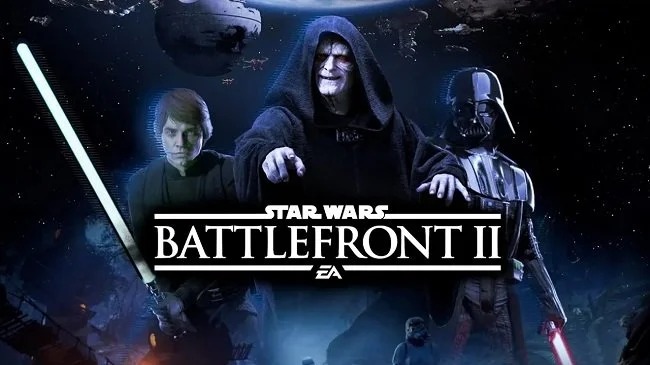
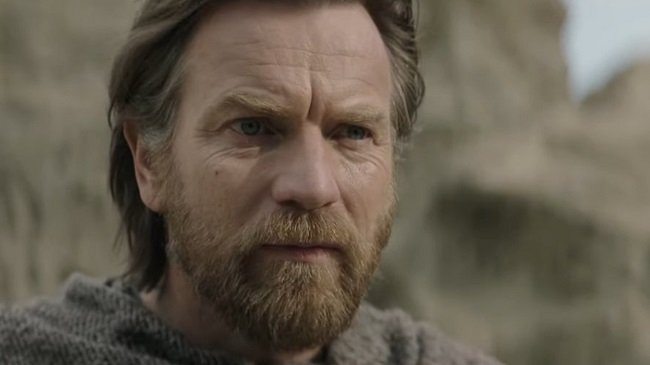









Nightwing (1979)
The seventies saw a minor boom in creature feature films after the box office success of Jaws. Hence, we had movies such as Orca (1977), Tentacles (1977), The Pack (1977) and Piranha (1978). If an animal could eat you or potentially pose any threat to people, someone somewhere would make a movie about it. Usually a bad one. A few of these even dared to stray into other hot topics of the time such as pollution and protecting the environment. Some would even invoke mysticism and folk lore to facilitate their protagonists. Nightwing is one such curious genre hybrid which combines vampire bats, shale oil mining and Native American culture in its clumsy and unsubtle plot. It’s a somewhat odd undertaking, directed by Arthur Hiller. His previous work included Love Story (1970) and Silver Streak (1976), so he was not the first person you’d expect to see associated with such material. The film doesn’t work well as either a horror movie or an exploration of social issues, but like so many movies from this era, it is of interest mainly due to its sheer incongruity.
The seventies saw a minor boom in creature feature films after the box office success of Jaws. Hence, we had movies such as Orca (1977), Tentacles (1977), The Pack (1977) and Piranha (1978). If an animal could eat you or potentially pose any threat to people, someone somewhere would make a movie about it. Usually a bad one. A few of these even dared to stray into other hot topics of the time such as pollution and protecting the environment. Some would even invoke mysticism and folk lore to facilitate their protagonists. Nightwing is one such curious genre hybrid which combines vampire bats, shale oil mining and Native American culture in its clumsy and unsubtle plot. It’s a somewhat odd undertaking, directed by Arthur Hiller. His previous work included Love Story (1970) and Silver Streak (1976), so he was not the first person you’d expect to see associated with such material. The film doesn’t work well as either a horror movie or an exploration of social issues, but like so many movies from this era, it is of interest mainly due to its sheer incongruity.
Youngman Duran (Nick Mancuso), a deputy on an Indian reservation in New Mexico, investigates the death of several horses on a local ranch. The bodies are covered in small bites, drained of blood and there is a strong smell of ammonia. Tribal Council chairman Walker Chee (Stephen Macht) is keen to keep the matter quiet, as he is trying to negotiate the mining rites to oil shale deposits that have recently been discovered in nearby canyons. Canyons that also happen to be sacred to the local population. Abner Tasupi (George Clutesi), an ageing medicine man and Duran’s uncle, tells him he’s unleashed forces that will remove the White Man from the land and restore things to how they use to be. Duran dismisses such ideas, but as further death occurs including his uncle, begins to think otherwise. However, the arrival of British scientist Philip Payne (David Warner) points to a more tangible answer. The caves in Maskai Canyon are home to a swarm of deadly vampire bats he’s been tracking.
Nightwing efficiently sets out its stall within the first fifteen minutes. The audience is presented with a beleaguered law enforcment official, a corrupt business man and an obsessed scientist. This is quickly followed by a heavy dose ersatz Indian mysticism and the ubiquitous love interest, via local nurse Anne Dillon (Kathryn Harrold), who runs the town clinic. It’s all formulaic content that’s common to genre movies. There is also an attempt to address some deeper issues regarding the treatment of indigenous peoples by the Federal Government, as well as some nods towards institutional racism. But it’s far from convincing and or subtle. Especially in light of the fact that so few of the main cast are of the correct ethnicity. The film then proceeds to offset the subsequent vampire bat attacks with wider supernatural explanations, but never fully commits to them. The use of datura root as a hallucinogenic offers a “get out of jail card” to the film’s mystic elements.
As for the vampire bat attacks, they’re initially kept off screen until the first major set piece of the movie. This involves a group of Christian missionaries who are visiting the reservation and considering making a substantial charitable investment. It is one of the better plot elements. The attack takes place at night around the camp fire and features animatronic bats created by Carlo Rambaldi (E.T and the 1976 version of King Kong). There is also an optical overlay of a swarm of bats that further adds to the scene. It doesn’t quite work and certainly the rather static close ups of Rambaldi’s bats are far from convincing. However, the effects work is of interest due to the technical limitations of the time. Certainly, the blood flows in this sequence with the victims panicking. One falls into the camp fire while another hides under the camper van, only for it to run over her. Later in the movie Duran, Payne and Dillon construct an anti-bat cage from steel scaffolding and wire mesh. The technical shortcomings of the animatronics are more apparent here.
There are some genre stalwarts in the cast. David warner is suitable driven and even has a Jaws-eque monologue about the inherent “evil” of vampire bats. Sadly, his character has little back story. Strother Martin also appears as the local store owner as does Charles Hallahan as one of the Christian missionaries. But overall the screenplay by Martin Cruz Smith, Steve Shagan and Bud Shrake does the bear minimum and lacks any depth, or standout features. Although the desert locations are strikingly shot at times by Charles Rosher Jr. there is no overt sense of danger from the environment. Nightwing may well have benefitted from a more experienced genre director at the helm, who could have focused more upon the horror elements, rather than trying to expand the scope of the story into wider socio-political themes. However, I still find movies of this kind that hail from the pre-digital age to be of interest. The seventies were a far more experimental time for cinema and studios were prepared to try different things and straddle multiple genres. Nightwing should therefore be filed under such.
LOTRO: The Downside to Fast Levelling
NB. This post is a direct continuation of previous one, posted on 2nd January. As I’ve stated many times before in prior posts, there is a tangible sense of reward to be found in levelling in an MMORPG. Gaining experience and progressing from one level to another, inching further to the in-game cap, is a clear and uncomplicated goal. It’s far from a complex process. You play through content, gain loot and XP and then after a while, “ding”, you hit the next level and revel in a sense of achievement. There are naturally other goals to pursue that are more difficult to achieve, such as gaining a specific set of raid armour or obtaining maximum rep with all factions. But for many players, simply progressing by level per day (or some permutation thereof) is sufficient to keep them happy and make them feel that they are making headway within a specific game. And at present, this is exactly the approach that I take with LOTRO when playing on my new Guardian. Last night I reached level 57, while questing in Nanduhirion.
NB. This post is a direct continuation of previous one, posted on 2nd January. As I’ve stated many times before in prior posts, there is a tangible sense of reward to be found in levelling in an MMORPG. Gaining experience and progressing from one level to another, inching further to the in-game cap, is a clear and uncomplicated goal. It’s far from a complex process. You play through content, gain loot and XP and then after a while, “ding”, you hit the next level and revel in a sense of achievement. There are naturally other goals to pursue that are more difficult to achieve, such as gaining a specific set of raid armour or obtaining maximum rep with all factions. But for many players, simply progressing by level per day (or some permutation thereof) is sufficient to keep them happy and make them feel that they are making headway within a specific game. And at present, this is exactly the approach that I take with LOTRO when playing on my new Guardian. Last night I reached level 57, while questing in Nanduhirion.
Due to the drastically nerfed levelling curve and major revamp of both Shadows of Angmar and Mines of Moria, LOTRO players can fast path through a lot of the classic content if they see fit. Hence, I have focused mainly on the Epic Story and have subsequently powered through Moria to Dimrill Dale. Along the way, the legendary Item system has become available to me and I recently began levelling my second LI one-handed sword (Level 57). Now to cut along story short, the LI system is excessively complex and time consuming as well as being further hindered by different tiers of weapons. This makes any LI under level 100 somewhat redundant as they have a finite lifespan. Furthermore, some of the regular weapons I’m receiving as quest rewards have superior specifications that those on the LI I’m currently levelling. Therefore, until my Guardian hits level 100, I am levelling LI weapons but not equipping them. I will continue to use the Guardian’s Belt LI as there is no alternative to this. However, my approach pretty much sidelines the LI system for the meantime, making it a minor source of adjustment rather than a major game focus.
I’ve also noted that for a while now, low tier essences have dropped from time to time when playing through PVE content. However, I have not seen any quest rewards that offer socketed armour, nor has any randomly dropped. According to the LOTRO-Wiki the essence system becomes available at level 50, yet I have not seen any obvious means of using it at present. For the meantime I am finding a lot of the gear offered by quests to be more than satisfactory and as I have access to shared resources via the barter wallet, I can purchase specific sets from class vendors if I wish. Prior to entering Moria I purchased the High-protector's Armour (Item Level 50) from the Guardian Trainer in Rivendell. I have swapped out a few pieces but have retained four to maintain the set bonus. Again, I find that an aspect of the game that use to require some care and attention before making a choice has now been trivialised due to the wealth of options and shear volume of good quality quest rewards.
It is also worth noting that my brief flirtation with crafting has now ground to a halt. Unlocking the various tiers of the Metalsmith profession is far from difficult but the problem lies with the items required for critical success when crafting. For example, you don’t often find multiple copies of the Supreme Metalsmith's Journal available on Auction House. You therefore have to either pursue the Scholar profession on another alt or look towards your kinship for assistance. However, as both these options appear to fly in the face of the breakneck speed of progression through the game, you can simply opt not to craft and suffer no major inconvenience. And that sentiment is one that seems to prevail in the current iteration of LOTRO. It may well change when players reach Southern Mirkwood, as that area has not been revamped to my knowledge. But certainly, up until level 60 the levelling curve continues to marginalise certain game systems. It’s a shame in a way because all of these aspects of the game will play a key role at higher levels and many players will find that they may have some catching up to do at some point. Myself included. However, as I treat the MMO genre as a “live in the moment” experience, I’ll worry about such problems as and when they become apparent.