The Cat Lady's House
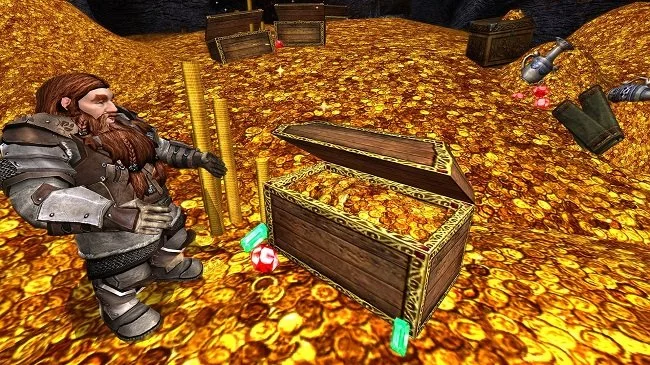
Earlier in the year I wrote about the Abandoned Graveyard that is located in Bree-land and how LOTRO has several curious locations that appear to be residual abandoned quest lines. Someone today left a comment and mentioned The Cat lady’s House in Bree. For those who are not familiar with landmark, it can be found as you enter Bree via the Eastern gate. As you proceed up the hill, you pass the stable to your left and the forge of Flint Oakhewer to you right. After the forge, there is a flight of stone steps going up through several terraces of houses. This is the Scholar’s Stair. At the top of the stair the passage widens. To the right is a door with a cat outside. It is opposite the recently added Scholars Hall.
Earlier in the year I wrote about the Abandoned Graveyard that is located in Bree-land and how LOTRO has several curious locations that appear to be residual abandoned quest lines. Someone today left a comment and mentioned The Cat lady’s House in Bree. For those who are not familiar with landmark, it can be found as you enter Bree via the Eastern gate. As you proceed up the hill, you pass the stable to your left and the forge of Flint Oakhewer to you right. After the forge, there is a flight of stone steps going up through several terraces of houses. This is the Scholar’s Stair. At the top of the stair the passage widens. To the right is a door with a cat outside. It is opposite the recently added Scholars Hall.
Once inside you will find a lot more cats. The house is full of them. Four of them are named. These are Oliver, Horatio, Wink and Sylvester. At first glance, this may seem like nothing more than a piece of whimsy or a developer’s in-joke. Or you may think that this is another example of the quest hub that was removed from the game, such as the abandoned graveyard. However, The Cat Lady’s House does play a functional role in LOTRO. It is a specific destination in one of the sub quest of the infamous “Chicken Run”, or what the developer more formally refers to as chicken session play. If you are unfamiliar with this mini game then the following link below will provide you with all the details.
There are still a lot of unanswered questions regarding The Cat Lady’s House. It does seem to be a rather large embellishment just to provide a NPC (Wink the cat) for a solitary quest. So perhaps it did have greater significance during the games development. What is the purpose of Oliver and Horatio? Note also the creepy picture on the wall. It seems a little out of place does it not? Does it have any wider significance? Also, who and where is the Cat Lady herself? Or was the name simply added so the location wasn’t called the cat house which has other connotations. It should also be noted that according to the LOTRO Wiki the house used to be only accessible by drinking from the Inn League Keg. Your character would land inside the house drunk and would have to hearth home.
The LOTRO Wiki also indicates that The Cat Lady’s House is linked to several Spring Festival quests. One of which involves some poor love-sick NPC in the Bree market, who wants you to deliver some flowers. Due to a mistake with the address, the quest takes the player to The Cat Lady’s House and allegedly she is in. Sadly, I cannot confirm whether this particular quest is still active. Either way, the entire location is a very nice embellishment to LOTRO. Like so many others, this dates back to games launch. I am not aware of any similar examples being included in more recent content. The last jovial embellishment that I remember is the “Killer Rabbit” homage to Monty Python and the Holy Grail, in The Wailing Hills in Enedwaith. The game does seem to be getting more functional with each expansion and update. So please take note Standing Stone Games and indulge yourself from time to time. Including such whimsy adds to the games overall fun.




Cloverfield (2008)
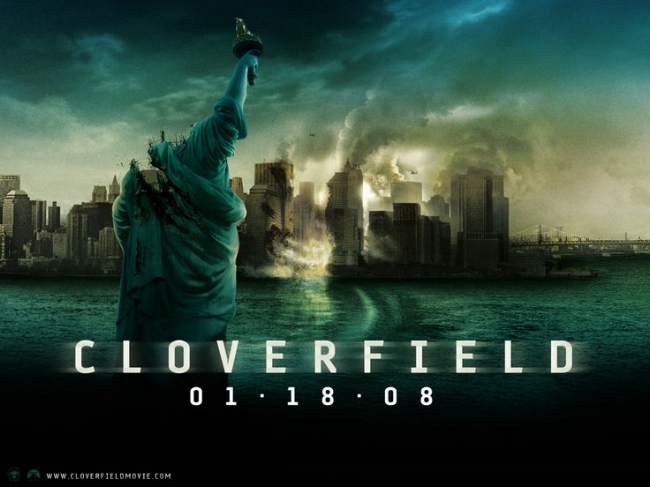
I did my best to avoid the hype surrounding the initial release of Cloverfield. Such media saturation and public interest can often cloud the issue of whether the actual film is any good. Five years later and having watched the movie twice, once in the theatre and once at home, I am still somewhat conflicted about this movie. The use of hand held video cameras is both a boon and a bane. The constant movement of the image has proven to cause motion sickness for some viewers, although this is not so overwhelming when viewed on a smaller screen at home. Yet the medium of news footage mixed with handheld cameras does create a palpable sense of immediacy. This helps immensely when trying to sell a fantastic concept, such as the one that Cloverfield features.
I did my best to avoid the hype surrounding the initial release of Cloverfield. Such media saturation and public interest can often cloud the issue of whether the actual film is any good. Five years later and having watched the movie twice, once in the theatre and once at home, I am still somewhat conflicted about this movie. The use of hand held video cameras is both a boon and a bane. The constant movement of the image has proven to cause motion sickness for some viewers, although this is not so overwhelming when viewed on a smaller screen at home. Yet the medium of news footage mixed with handheld cameras does create a palpable sense of immediacy. This helps immensely when trying to sell a fantastic concept, such as the one that Cloverfield features.
Well let's get the obvious out of the way first. Yes, this film is potentially an act of national catharses over the events of 9/11. In the same way that the 1954 Godzilla (Gojira) was the Japanese way of dealing with the Atomic Bombing at the end of the war. The hand-held mockumentary style does lend and element of contemporary credibility to the proceeding. However more discerning film fans will be familiar with this technique in several other productions, such as The Blair Witch Project, The Last Broadcast, Ghostwatch, Cannibal Holocaust, REC and Diary Of The Dead. The film also utilises the classic plot device of only hinting at the monster. The fleeting glimpses caught between the skyscrapers of the Manhattan skyline are extremely well done and certainly contribute to the sense of horror and unease.
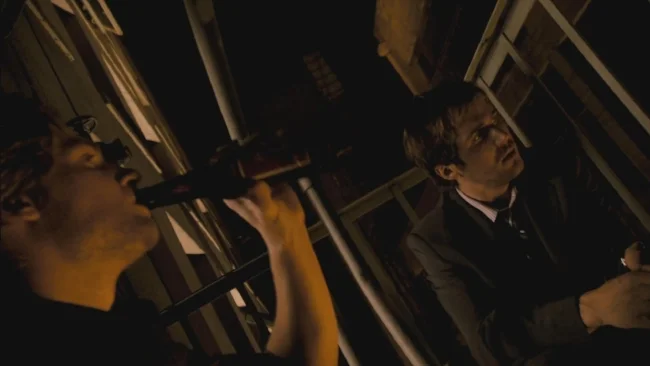
The story moves at a fast pace and the movie has a near perfect plot to running time ratio. It does not out stay its welcome and concludes in a fashion one would expect from such a genre production. There is little or no information given out in relation to the nature of the creature that has appeared or where it has hailed from. This works well, as the central theme is not the monster per se, but how people and governments deal with cataclysmic events. It is both scary and shocking but the violence is never overstated. But where Cloverfield fails is with its central characters. They are not as under developed as you would expect. They are simply unlikeable. In an effort to appeal to the target audience demographics, the producers focus on quartet of young "yuppies". Sadly, they are shallow and crass people. The women scream and the men just bellow, unable to deal with the unfolding events. This is not implausible, just depressingly credible. It's a shame that the makers of this film did not show as much flare and imagination for their central protagonists as they did with the visual effects and production design.
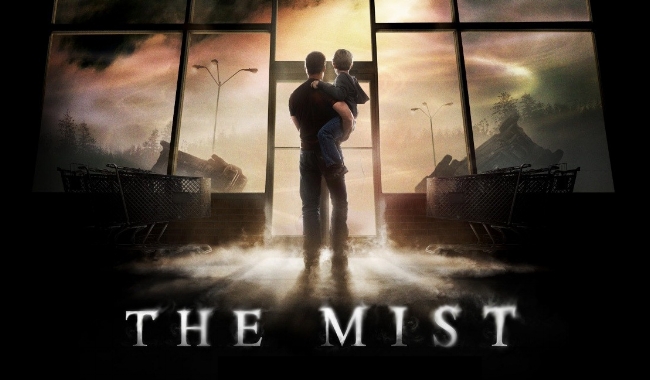
Now the actual creature itself, as mentioned above, remains cunningly hidden for the bulk of the film. It is quite ironic that a creature of such size can remain so well hidden in the densely built urban environment of New York. There is a particularly good aerial shot that shows the creature striding between buildings and subject to an air strike from a Stealth bomber. It is hinted that it is eating people that cross its path, a fact that is later more overtly established when the beats is revealed to our gaze in Central park. I personally think that this was a mistake and that the once clearly observed, the well-designed creature loses some of its mystique. I'm sure that the production team were also influenced to the work of H.P. Lovecraft and the Cthulhu Mythos. Similar giant alien beasts are briefly seen in Frank Darabont's The Mist. There is also a secondary threat brought about by the creature in the shape of parasites that are shaken loose from its body. These arthropods are the size of a dog and their bite presents another set of problems.
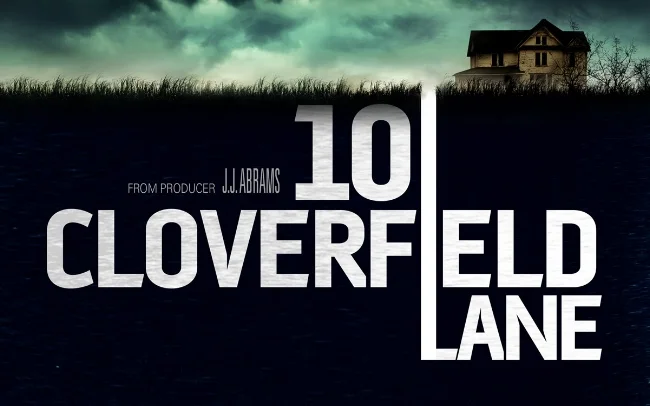
Overall, Cloverfield is a very enjoyable film. It is scary enough to appeal to a range of audiences and maintains a steady pace that carries the narrative beyond the obvious flaws and plot holes. Slightly older viewers and Europeans may find the American youth a little grating but after the opening plot exposition, we are fully immersed in the ongoing disaster. We then have an exhilarating ride for the remaining hour. Hence the movie is recommended as an example of well-produced populist entertainment and as a better example of the found footage genre. It should be noted that the 2016 film 10 Cloverfield Lane is not a direct sequel per se but more of a tangential follow up. Allegedly a third film is being made that will bring the various plot threads of all movies together.


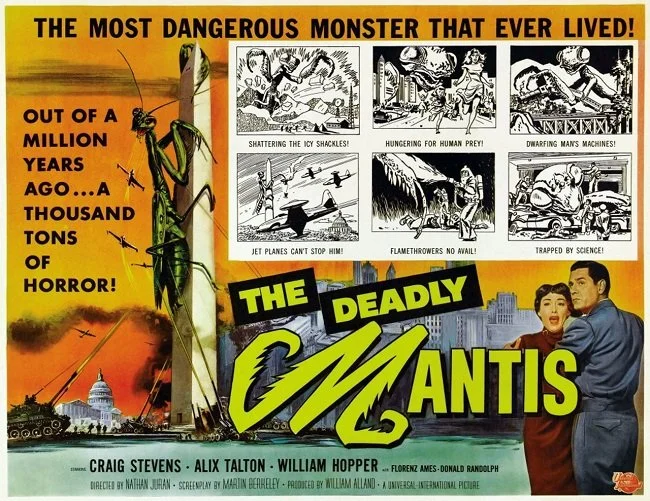
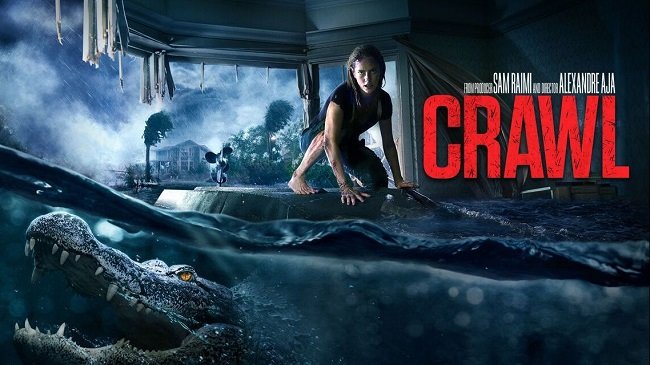
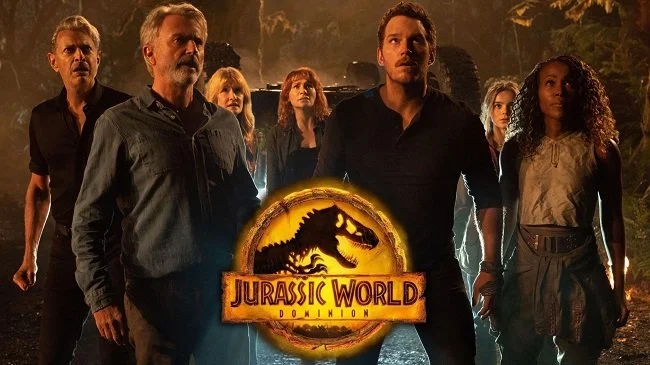
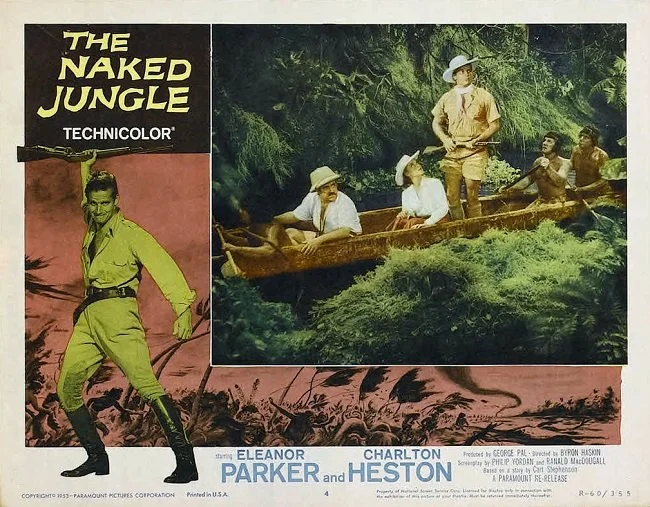
MMO Burnout
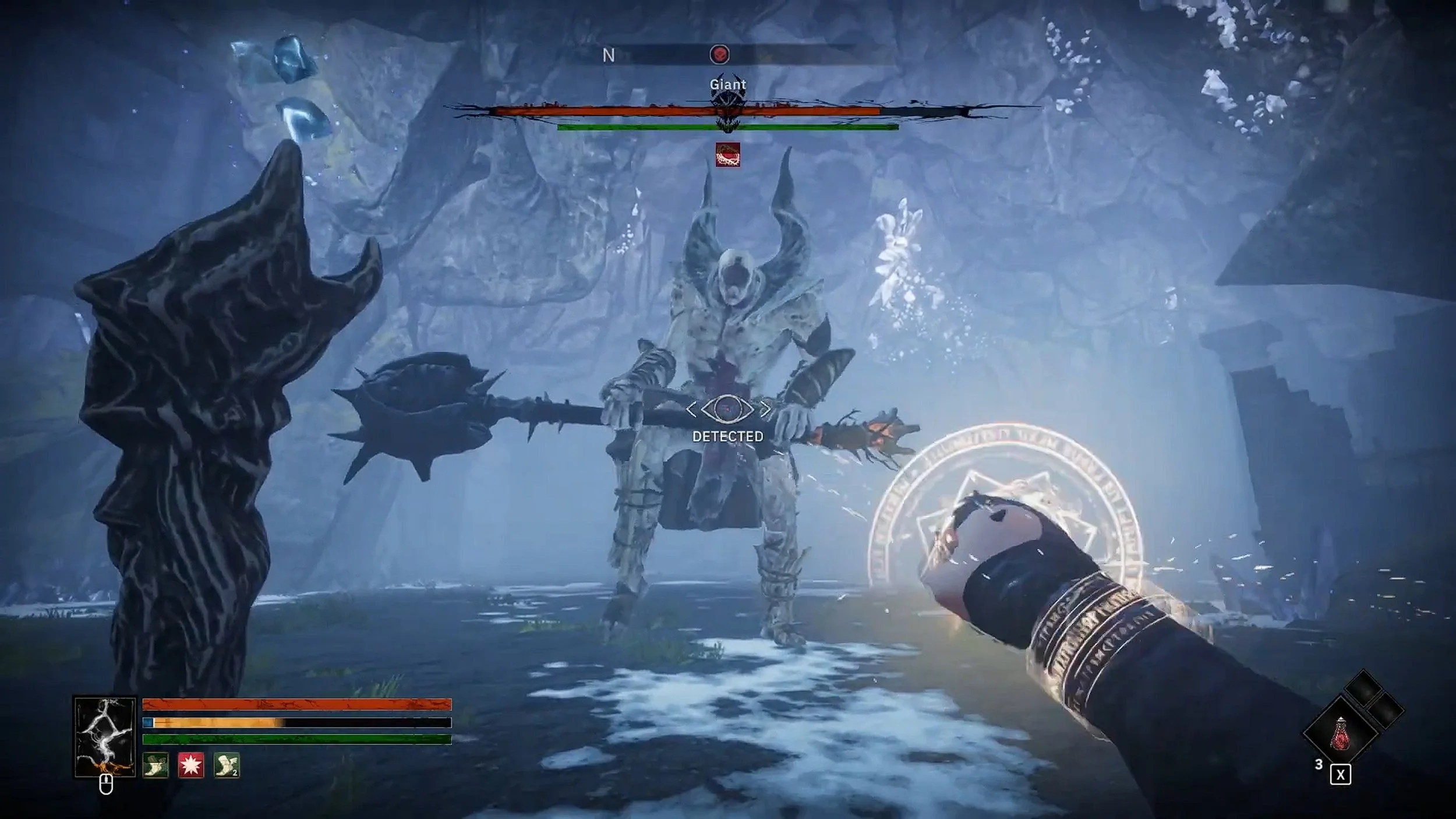
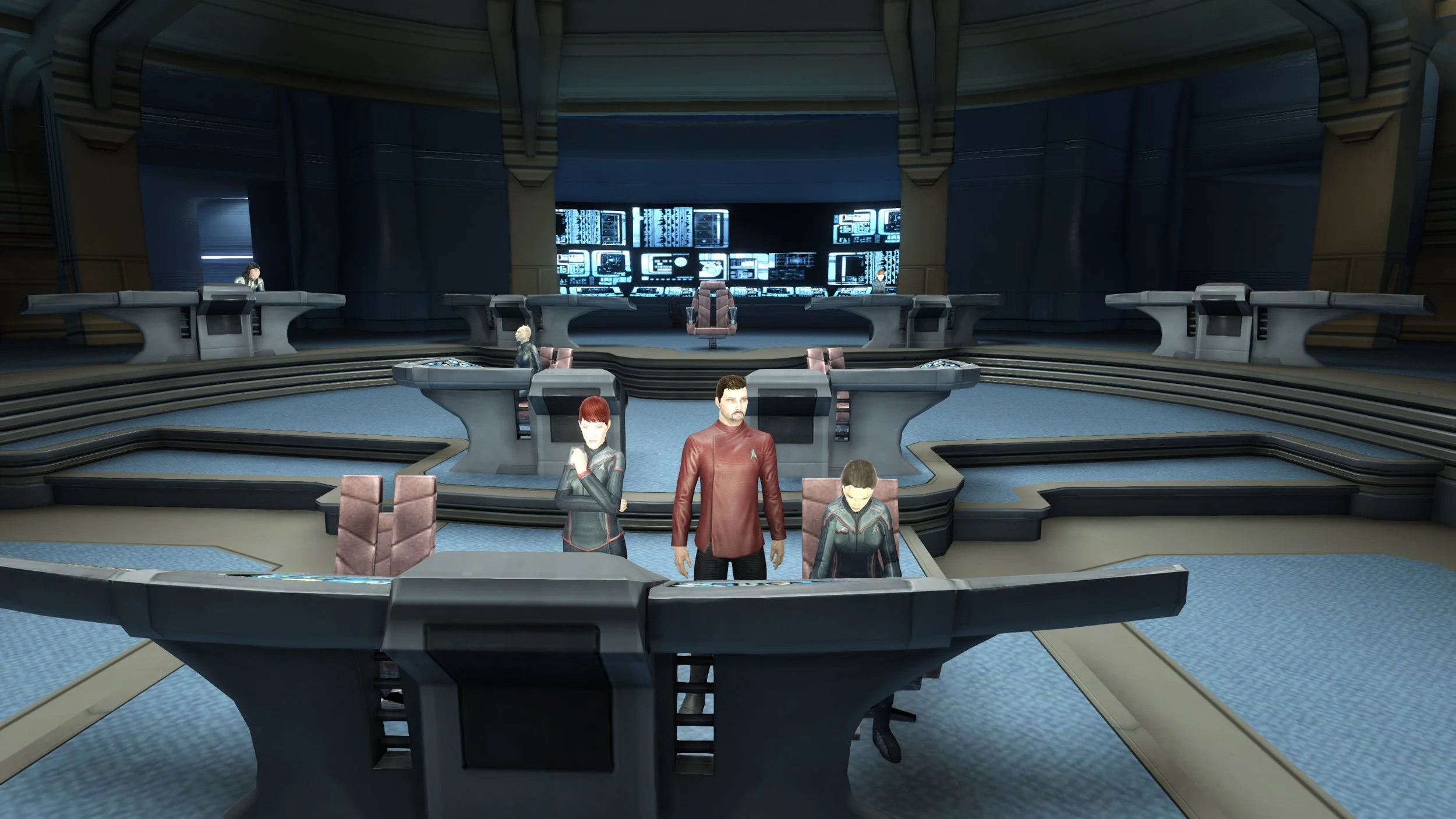
Although I have played numerous other online games, LOTRO has been my main MMO for the last nine years years. I have invested a great deal of time into it, which is hardly surprising as that is the entire raison d'etre of the genre. I recently purchased the Mordor expansion for the game which offers a wealth of new content. Yet despite having all this available I have done precious little in the game of late and have made no significant progress. Currently, I have Guilds Wars 2, The Elder Scrolls Online, Secret World Legends and Star Trek Online installed on my PC. I have dabbled with them all over the last few weeks, trying to rekindle a sense of enjoyment and pursue content that I have not completed. Sadly, none of them seem to hold my interest. I log in to them in the hope that something will grab my attention but I always seem to find myself just kicking my heels and aimlessly wandering through zones with no sense of focus.
Although I have played numerous other online games, LOTRO has been my main MMO for the last nine years years. I have invested a great deal of time into it, which is hardly surprising as that is the entire raison d'etre of the genre. I recently purchased the Mordor expansion for the game which offers a wealth of new content. Yet despite having all this available I have done precious little in the game of late and have made no significant progress. Currently, I have Guilds Wars 2, The Elder Scrolls Online, Secret World Legends and Star Trek Online installed on my PC. I have dabbled with them all over the last few weeks, trying to rekindle a sense of enjoyment and pursue content that I have not completed. Sadly, none of them seem to hold my interest. I log in to them in the hope that something will grab my attention but I always seem to find myself just kicking my heels and aimlessly wandering through zones with no sense of focus.
The social side of MMOs can also be an issue at times. You log in to a game hoping to find something you wish to do, only to be met with a barrage of welcomes and offers to join groups or participate in some collective event. In different circumstances, this can be a wonderful thing. The restorative properties of friendship can wash away the ills of a bad day and can replace a dark mood with a good humour. However, there are occasions when the attention can be somewhat overwhelming. There have been times when I’ve been upon the verge of logging in to an MMO but after reflecting upon athe gauntlet of upbeat cheerfulness that lays ahead, I’ve decided to do something else instead. Joking aside, there are times when socialising can be wearing and you just want to be left alone.
The consensus seems to be among gamers, as we get older we become far more particular about how we spend our time. I have purchased several games this year that I knew from the beginning would have a relatively short lifespan. Single player games often present a core campaign, online multiplay and DLC over a six-month period. You can effectively complete a game and gain a sense of closure that you’ve had your fill. Sniper Elite 4 has provided me with a solid five months of entertainment. I’ve progressed through all the content that I care to play through and have no desire to pursue it any further. Conversely, I have also returned to Middle-earth: Shadow of Mordor, in anticipation of the sequel that comes out in October. I have managed to complete a campaign that previously alluded me and now feel that I’m ready to move on.
It is this sense of finality, short and limited gameplay as well as the option to play alone, that MMOs cannot compete with at present. Gamers are fickle creatures. There are times when I want to invest time, work towards long term goals and chat with my fellow man. Yet after doing those very things for three to six months they can become somewhat smothering. Sometimes virtual worlds are a welcome respite from the daily tragedy and horror on real life. Yet I still cannot help but think that it is not healthy to make them too much of a focus and a permanent substitute for real world engagement. I tend not to regret the time I have spent gaming, yet from time to time, I do question the hours required to make progress. Often this happens when a new mechanic or goal is introduced into a game and I calculate exactly how many days it will take to achieve it.
As I am currently without an MMO, I find myself in need of an alternative distraction. However, when I look at the various titles that are currently available through a vendor such as Steam, the first thing that strikes me is the interchangeable and homogeneous nature of them all. This is hardly a revelation as most industries tend to follow tried and tested formulas. At present, mainstream films and music are staggeringly bland and uninventive, so it is almost inevitable that the gaming industry should follow suit. This perfunctory style is a major obstacle for me. For example, after pondering on whether to try Black Desert, I concluded that it simply didn't have sufficient difference from any other MMO to warrant a purchase. And of course, at times like this, EVE: Online raises its head once again, offering a wealth of perceived opportunities. Yet the reality of the situation is that I do not want to take on a game with such a steep learning curve. Neither do I have the time required to be successful at such a game.
So, it would appear that I’m currently suffering from a gaming, specifically MMO "burnout". Perhaps fatigue would be a better term on reflection. Although I have currently tired to a degree of the MMO genre, I still find myself interested in gaming. What I find trying is that I cannot seem to find that many titles, both new and old, to get excited about, especially MMOs. As a genre, they have so much potential but are simply hamstrung by a lack of vision and innovation. Perhaps single player game with co-op are the answers. Furthermore, I’m tired of the noticeable disparity in game engines between MMOs and other genres of game. I appreciate that developers have to lower the bar for entry to lower specified PCs but too many MMOs look and more importantly play as if they hail from a different era. It would be nice to have an MMORPG that had the combat of either For Honor or Middle-earth: Shadow of Mordor.
Fortunately, I have not put all my eggs in one basket and made my online activities the focus of all my friendships and socialising. This can be a real issue for some people when confronted with potential burnout, as loyalties and social ties can compound the problem. Gaming by its very nature can be indulged in to a far greater degree than say fishing or other traditional hobbies. It is not seasonal and is accessible 24/7.You don't have to go anywhere, prepare in advance and be mindful of things like the weather. Subsequently, unless we consciously decide to regulate ourselves it will simply swallow all our leisure time. Burnout is not a term I associate with train spotting, stamp collecting or campanology. As gaming continues to become a more mainstream activity, burnout is a phrase I think we shall hear more often.

The Woman in Black (2012)
James Watkins’ 2012 adaptation of The Woman in Black is quite a radical adaptation of Susan Hill’s story, yet it still manages to remain true to its central themes. Jane Goldman of Kick-Ass, X-Men: First Class fame, has crafted a screenplay which is both innovative yet strangely traditional. She boldly revises the central character from contented husband to desolate widower; a move that adds a very bleak under current to the story. The more ghoulish elements of the narrative have been greatly enhanced and the film works the best when the eponymous character makes an appearance via jump scares. Despite a modest budget of $15 million, The Woman in Black went to make over $127,730,736 worldwide making it the most financially successful British horror film in 20 years.
James Watkins’ 2012 adaptation of The Woman in Black is quite a radical adaptation of Susan Hill’s story, yet it still manages to remain true to its central themes. Jane Goldman of Kick-Ass, X-Men: First Class fame, has crafted a screenplay which is both innovative yet strangely traditional. She boldly revises the central character from contented husband to desolate widower; a move that adds a very bleak under current to the story. The more ghoulish elements of the narrative have been greatly enhanced and the film works the best when the eponymous character makes an appearance via jump scares. Despite a modest budget of $15 million, The Woman in Black went to make over $127,730,736 worldwide making it the most financially successful British horror film in 20 years.
The biggest asset and potentially the biggest stumbling block for The Woman in Black upon its release was the casting of Daniel Radcliffe. Could the actor make a credible transition into adult roles and leave the emotional baggage of his cinematic past behind him? For me, the answer is a definite yes. He is pleasantly plausible as the young lawyer, Arthur Kipps, mourning the recent loss of his wife and struggling with his relationship with his only child. Commissioned to administer the estate of Eel Marsh, he soon experiences supernatural goings on at house and finds a local village consumed with fear over an unusually high child death rate. Considering his performance is geared to be predominantly reactive to his surroundings, he acquits himself well.
There is a strong supporting cast, with Ciarán Hinds as Sam Daily, a local landowner who strives to rationalise the ongoing events until it becomes impossible to reject their true cause. His wife played by Janet McTeer, convincingly depicts a fey and traumatised mother. The production design follows in the Hammer tradition of appearing sumptuous irrespective of the budget and the cinematography of Tim Maurice-Jones is exceptionally atmospheric. One of the strongest assets of The Woman in Black is that it is maintains a pervasive atmosphere of disquiet. Director Watkins creates an unsettling atmosphere that is cleverly punctuated with the jolts the genre requires. In his previous film Eden Lake he showed a great understanding of the threat of violence, a skill he refines here using terror and discord instead.
The only minor misstep The Woman in Black makes is its ending, which revises the books original nihilistic outcome and offers a more redemptive conclusion. It’s still a stark ending to the story but it offers a degree of hope and emotional closure. Perhaps the producers felt this alteration would make the film more marketable for the international market. Certainly, the casting of Daniel Radcliffe did attract a younger demographic and the consensus was that an excessively downbeat ending my not be viable for such an audience. However, this tonal change, it is certainly not enough to spoil the proceeding hour and a half, which provides exactly the sort of thrill and shocks that movies of this idiom should do. Furthermore, the critical and popular success of The Woman in Black has most certainly helped make the Hammer brand accessible to a new audience. Let us hope the production company continue to produce films of this calibre.








Diary of a Podcaster Part 7
Back in April I decided to relaunch the Contains Moderate Peril podcast for reasons of brand continuity. At the time, I was hoping to get back in to the podcasting saddle and return to producing weekly shows. However, the recording session was fraught with technical problems with Zencastr crashing regularly. I was left with nine separate audio tracks that weren’t in sync which made editing a major problem. There then followed a wealth or real-world issues that I had to address that meant for the next three months the podcast was put on hold. Finally, at the beginning of August I managed to complete the post production work on the show and publish it via Squarespace. I was hoping that using this existing website as a host for the show would save some money and reduce the work load. However, like most plans, it didn’t exactly work out that way
Back in April I decided to relaunch the Contains Moderate Peril podcast for reasons of brand continuity. At the time, I was hoping to get back in to the podcasting saddle and return to producing weekly shows. However, the recording session was fraught with technical problems with Zencastr crashing regularly. I was left with nine separate audio tracks that weren’t in sync which made editing a major problem. There then followed a wealth or real-world issues that I had to address that meant for the next three months the podcast was put on hold. Finally, at the beginning of August I managed to complete the post production work on the show and publish it via Squarespace. I was hoping that using this existing website as a host for the show would save some money and reduce the work load. However, like most plans, it didn’t exactly work out that way
Although the podcast hosting service that Squarespace offers is functional, it does lack some of the features of other vendors provide. I had to create another blog within the current site specifically for podcast posts. If I had used the existing one the RSS feed would list all published audio files, regardless of whether they were podcasts or not. There is no way to segregate specific files via the use of enclosures. Once I had created an additional blog page it generated a new RSS feed containing just the show details. Within the Squarespace control panel, I set up all the usual syndication details regarding the podcast along with the relevant artwork. The RSS feed was now ready for use and could be submitted to iTunes.
I’ve been a member of The Game and Entertainment Network since its creation back in October 2014. Like many podcast networks, time has taken a toll upon its membership and the shows it syndicates. So, I decided to do a little housekeeping and retire some of the older podcast that are not currently active and tidy up the homepage. I successfully re-instated the Contains Moderate Peril podcast. Within minutes, the show appeared as part of the TGEN RSS feed and was subsequently listed on the various podcasting platform where TGEN has a presence. I then addressed then matter of submitting the new show directly to iTunes. However, this has proven problematic. The Contains Moderate Peril podcast was previously active up until early 2015 and had an established presence on apple’s popular platform. That existing account still exists but has been flagged as deleted. To cut a long story short trying to either amend the old show details to reactivate it on iTunes or submitting another show with the same name causes problems.
To date I am still in contact with customer services trying to resolve this problem. Staff have been helpful but because support is handled exclusively via email it is a somewhat ponderous process. In the meantime, I’ve been trying to address other areas associated with the podcast. As mentioned earlier, podcast hosting on Squarespace is functional but lacking in some features. At present, it doesn’t offer any specific statistical analysis or traffic details. Now I consider this to be a major failing as I want at the very least to be able to ascertain how many listeners the podcast will have in the months to come. Producing a podcast is time consuming and hard. Simply put I want to know my audience size to ensure that such efforts are justified. So, at present I am trying to see if there’s an easy way to do basic stat tracking via a third party.
I am hopeful that these issues will be resolved by the end of the month. If hosting the podcast on Squarespace proves impractical, then I may have to migrate the show to another host. The downside of this is that it will incurs costs which I’m trying to minimise at present. My recent housekeeping over at The Game and Entertainment Network has also got me thinking about its current membership and whether this can be built upon. As it is a collaborative undertaking there is a need for me to liaise with colleagues and the site owner. I hope I can rekindle some enthusiasm among my fellow podcasters as working collectively comes with many benefits. As ever time will tell whether things improve or not.

















Blogging: Ten Years On
I was digging around in my email archive today trying to find something or other, when I found a receipt from the now defunct blog.co.uk hosting service. It was dated Friday 10th August 2007. So, it would appear that I have been blogging in some shape or form for a decade now. There have been a few disruptions along the way but broadly speaking, I’ve been writing every day for ten years now. I like to think that my writing style has improved over that time and the website traffic would seem to indicate that my output is relatively popular. All things considered I still enjoy writing about a broad spectrum of subjects and see no reason to stop at present. So, I guess that means I may well continue writing for another ten years.
I was digging around in my email archive today trying to find something or other, when I found a receipt from the now defunct blog.co.uk hosting service. It was dated Friday 10th August 2007. So, it would appear that I have been blogging in some shape or form for a decade now. There have been a few disruptions along the way but broadly speaking, I’ve been writing every day for ten years now. I like to think that my writing style has improved over that time and the website traffic would seem to indicate that my output is relatively popular. All things considered I still enjoy writing about a broad spectrum of subjects and see no reason to stop at present. So, I guess that means I may well continue writing for another ten years.
Writing a blog is a very personal undertaking and peoples motivation to write varies. Many often cite an enjoyment of writing itself. It can be argued that a true purist blogger, who is not in any way driven by matters of ego, would not care if their blog remained unread and wouldn’t concern themselves with statistics and traffic. However, I think such people only exist as a notional concept. Many of us also write as a means to communicate our passion for something and to share that with others. Therefore, an audience, comments and feedback are important. Sadly, social media has altered the way in which readers communicate with writers. I am fortunate enough to still receive positive feedback but most of it now come’s via Twitter rather than as comments left on individual posts.
Another thing that has changed over the last decade is the overall perception of blogging. Like so many online activities, blogging was initially a distinctly separate form of writing compared to traditional platforms and outlets. The most obvious difference was that it was a very democratic medium open to anyone. Ironically its greatest asset has also become its greatest weakness but that’s a separate debate. Sadly, like so many new mediums, after an initial period of innovation blogging has become subsumed by the mainstream and the corporate. Blogs are no longer seen exclusively as havens of independent thought and creativity. White noise and marketing nonsense have now muddied the water.
Then there is the culture of expectations to consider. Joe public has got use to “free content”. A fellow blogger who wrote a popular MMO fansite, once told me that they considered their writing as a public service in a way. I do not think the remark was a reflection of their vanity. It simply showed that they enjoyed participating in a wider community. However, they also remarked that once you embark down that road, especially if you are receiving a high level of traffic, it can turn your passion in to a chore. When this blogger did indeed hang up their spurs it was met with mixed reactions from their readership. A sizeable group where far from pleased that they were no longer going to getting their daily fix of “free content” and took a rather peremptory stance on the matter.
Another myth that has finally been laid to rest in recent years is that you can get rich from blogging. That ship has well and truly sailed. The advent of adblockers, combined with an overabundance of free content means that advertising revenue has dried up. If a site such as Massively Overpowered has to supplement its advertising revenue with Patreon donations and merchandise, then it’s highly unlikely that a solo blogger is going to clean up in any way, shape or form. Blogs can still be invaluable in generating a brand and maintaining an online presence but you’ll be lucky if you do anything more than break even financially. Running a blog is an indulgence in some respects and so costs money like any other. You can pursue a free account but that comes with its own set of risks.
So, after ten years of blogging, I remain enthusiastic about writing and am content with the material that I’ve produced. I’m considering returning to a book project that stalled last year due to personal circumstances. It’s a work of non-fiction about cinema and my personal experience thereof. It has been meticulously planned and structured. All I need to do now is to knuckle down and write the remaining 50% of the text. There’s no reason why this can’t be achieved with a well-disciplined schedule and a healthy dose of focus. I also see no reason to stop blogging every day. Irrespective whether some audiences have drifted away from long form criticism, I am still committed to writing and consuming material of that kind. Who knows, I may still be here in another decade’s time still pondering about the state of blogging.




















The World's End (2013)
I was quite surprised by Edgar Wright's The World's End. Not by the fact that it is very funny, impeccably made, cinematically literate, with a cast of Britain's finest character actors. But by its very melancholic tone and sense of introspection. Behind the clever comedy and science fiction trappings, there is a rather pertinent examination of nostalgia and that fortysomething obsession with recapturing one’s youth. In some respects, the concept can be broadened into a wider notion of a nation that is still obsessed with its glory days. It should also be noted that this is not a romantic or rose-tinted exploration of the aforementioned themes.
I was quite surprised by Edgar Wright's The World's End. Not by the fact that it is very funny, impeccably made, cinematically literate, with a cast of Britain's finest character actors. But by its very melancholic tone and sense of introspection. Behind the clever comedy and science fiction trappings, there is a rather pertinent examination of nostalgia and that fortysomething obsession with recapturing one’s youth. In some respects, the concept can be broadened into a wider notion of a nation that is still obsessed with its glory days. It should also be noted that this is not a romantic or rose-tinted exploration of the aforementioned themes.
The story centres around a group of school friends who reunite to reattempt a failed pub crawl they undertook twenty years earlier. Right from the outset, director Edgar Wright does something different to his last two instalments of the "Cornetto Trilogy". This time the central characters of Gary (Simon Pegg) and Andy (Nick Frost) are not best buddies and in fact have quite a prickly relationship. Gary is also not an especially likeable individual (but he is funny), having never moved on from his adolescence. The rest of the group consists of a superb ensemble cast of estate agent Oliver (Martin Freeman), car salesman Peter (Eddie Marsan) and Steven (Paddy Considine) who has a "26-year-old girl friend".
The ill-conceived reunion takes a very different turn when it becomes apparent that the village of Newton Haven, has been taken over by android replicants. This provides the production a wealth of opportunities to reference classic science fiction movies and novels (often with a very British slant). This includes John Wyndham's The Midwich Cuckoos, Don Siegel's Invasion of the Bodysnatchers and Doctor Who. The more you look the more you'll find. However, it is at this point in the plot when the movie changes direction, that The World's End becomes a little less polished and a bit more hit and miss. The action scenes work fine, especially the bar stool fight sequence, yet there is a sense that may be the movie is trying a little too hard.
Although the popularity of Pegg and Frost will make this movie accessible to an international market, this is still a very British movie. Where Rosamund Pike has made Hollywood productions such as Jack Reacher, the same cannot be said of the wonderful Mark Heap. Brits will recognise many a face. I'm not so sure the rest of the world will. Yet to have tried to avoid the foibles of British culture, such as roundabouts, social drinking, and English slang would have made for a weaker film. Although this is a movie with substantial amounts of CGI and set pieces, it is also a work of thoughtful self-examination through the prism of British self-deprecation. The codacil at the end of The World's End may not to all liking but is worth pondering upon.
The final part in any series, be it one as tenuous as the “Cornetto Trilogy", is always hamstrung to a degree of repetition, potential over familiarity and the practical restrictions a conclusion brings. The World's End is still a quality piece of film making from a genuinely talented team. It manages to avoid most of those pitfalls. Be warned there is some very choice language banded about including that particular word that some folk deem to be the worse. The frenetic nature of the final act does not diminish the movie which is still exceedingly and consistently funny. Finally, full marks to the writers for referencing the "Starbucking" of the UK pub industry. At least it is a malady that hasn't affected Edgar Wright's film making.

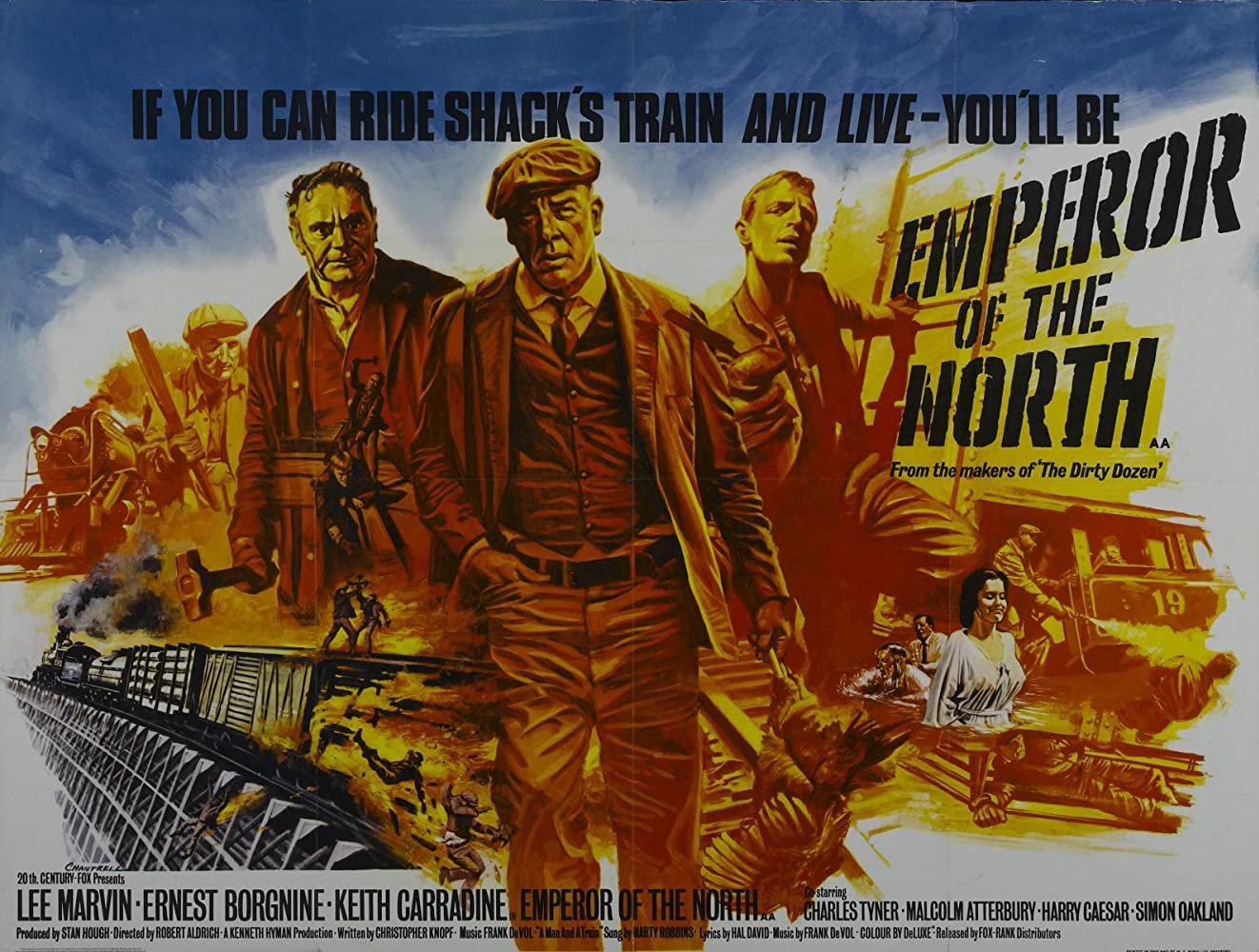
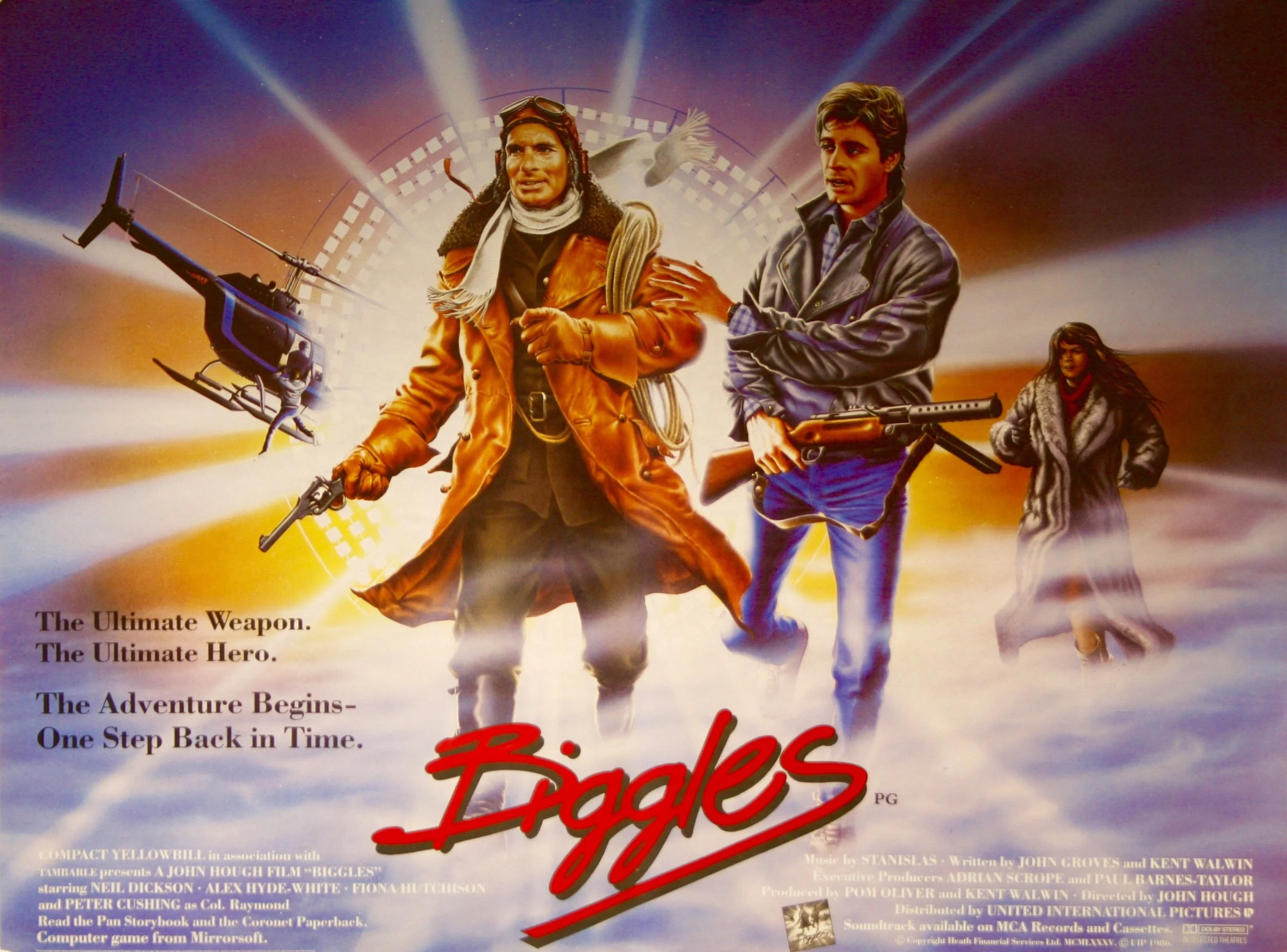
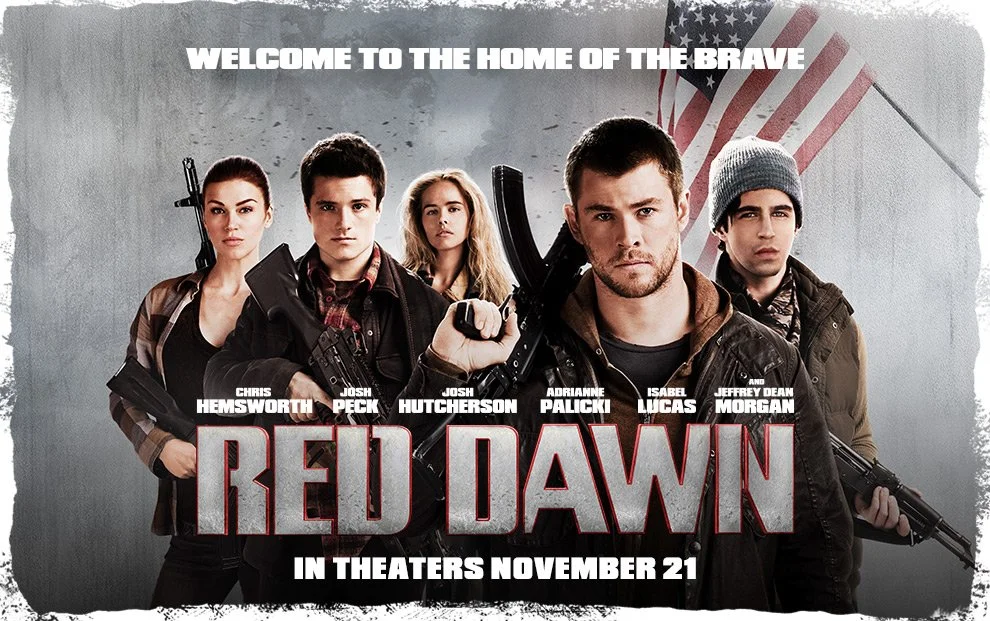
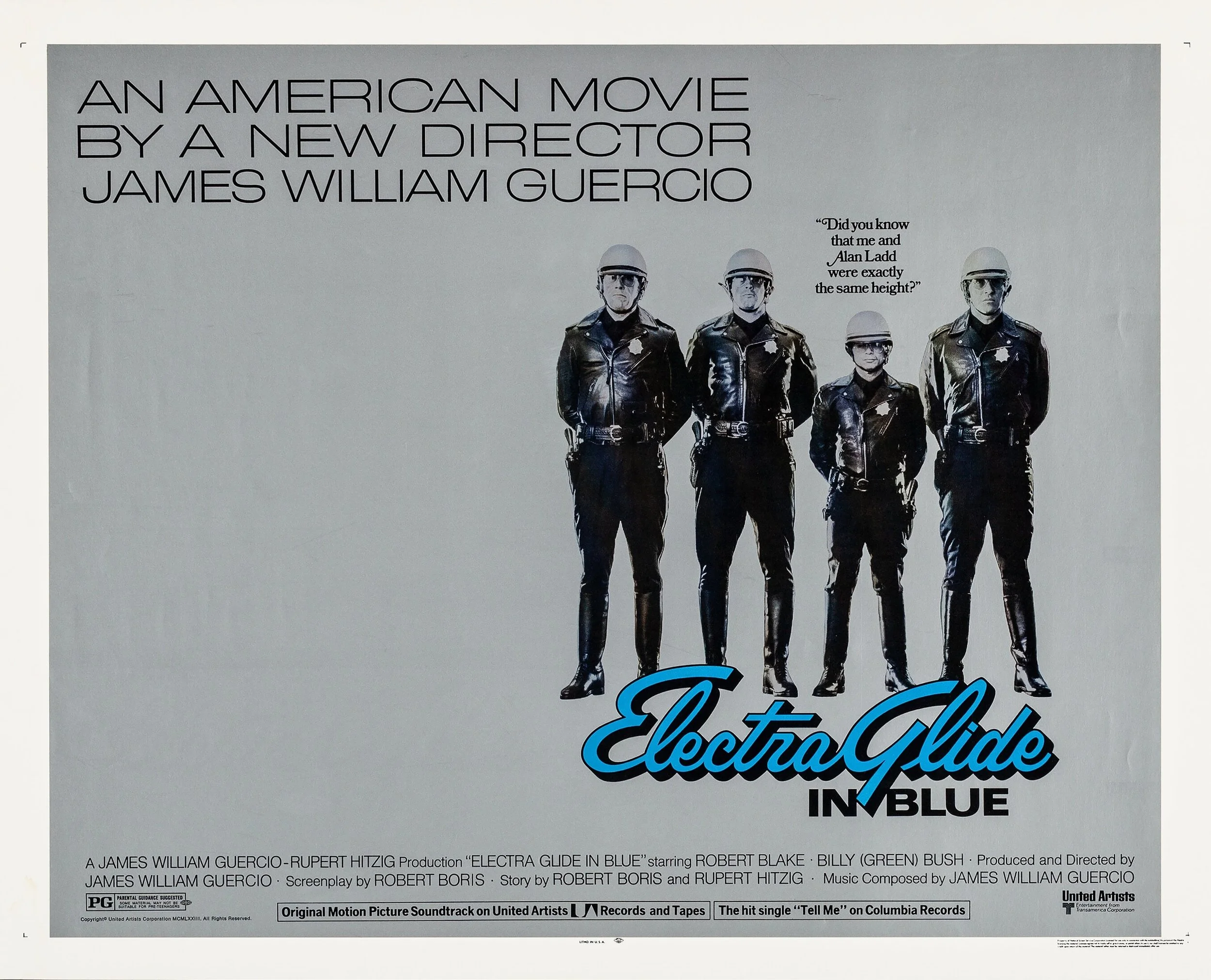


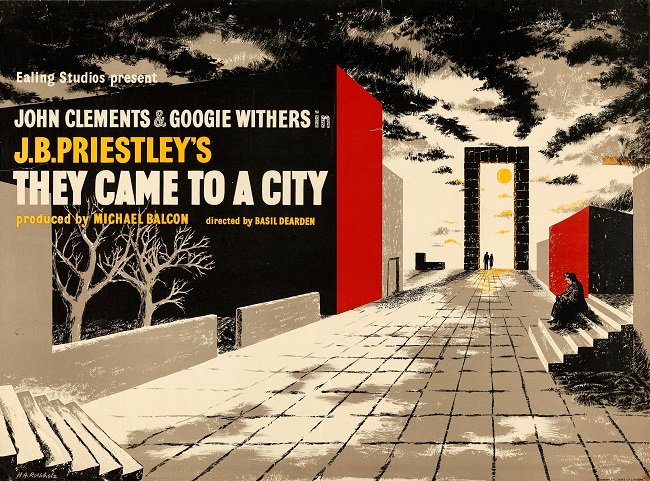
Dark Skies (2013)
Consider the Bourbon biscuit. It comprises of two dark chocolate biscuits sandwiching a chocolate fondant. It is a straight forward recipe made from standard elements. Yet multiple companies manufacture the Bourbon biscuit and they're all slightly different in texture and taste due to minor variations in the base ingredients. You can make the same point about baked beans. Dark Skies is the cinematic equivalent of these products. It is competently made, offers what you know and expect in a slightly different fashion. That doesn't sound such a bad thing, does it? Well let me put it another way. It's generic and predictable.
Consider the Bourbon biscuit. It comprises of two dark chocolate biscuits sandwiching a chocolate fondant. It is a straight forward recipe made from standard elements. Yet multiple companies manufacture the Bourbon biscuit and they're all slightly different in texture and taste due to minor variations in the base ingredients. You can make the same point about baked beans. Dark Skies is the cinematic equivalent of these products. It is competently made, offers what you know and expect in a slightly different fashion. That doesn't sound such a bad thing, does it? Well let me put it another way. It's generic and predictable.
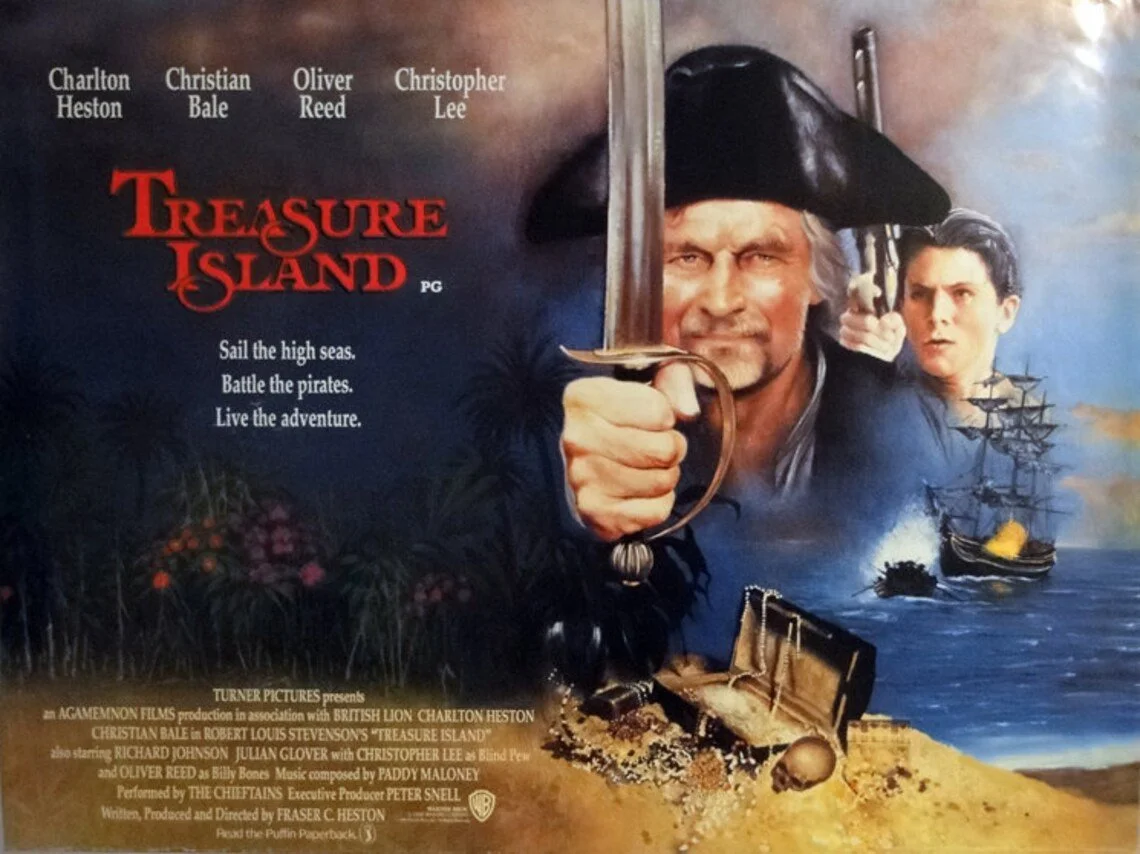
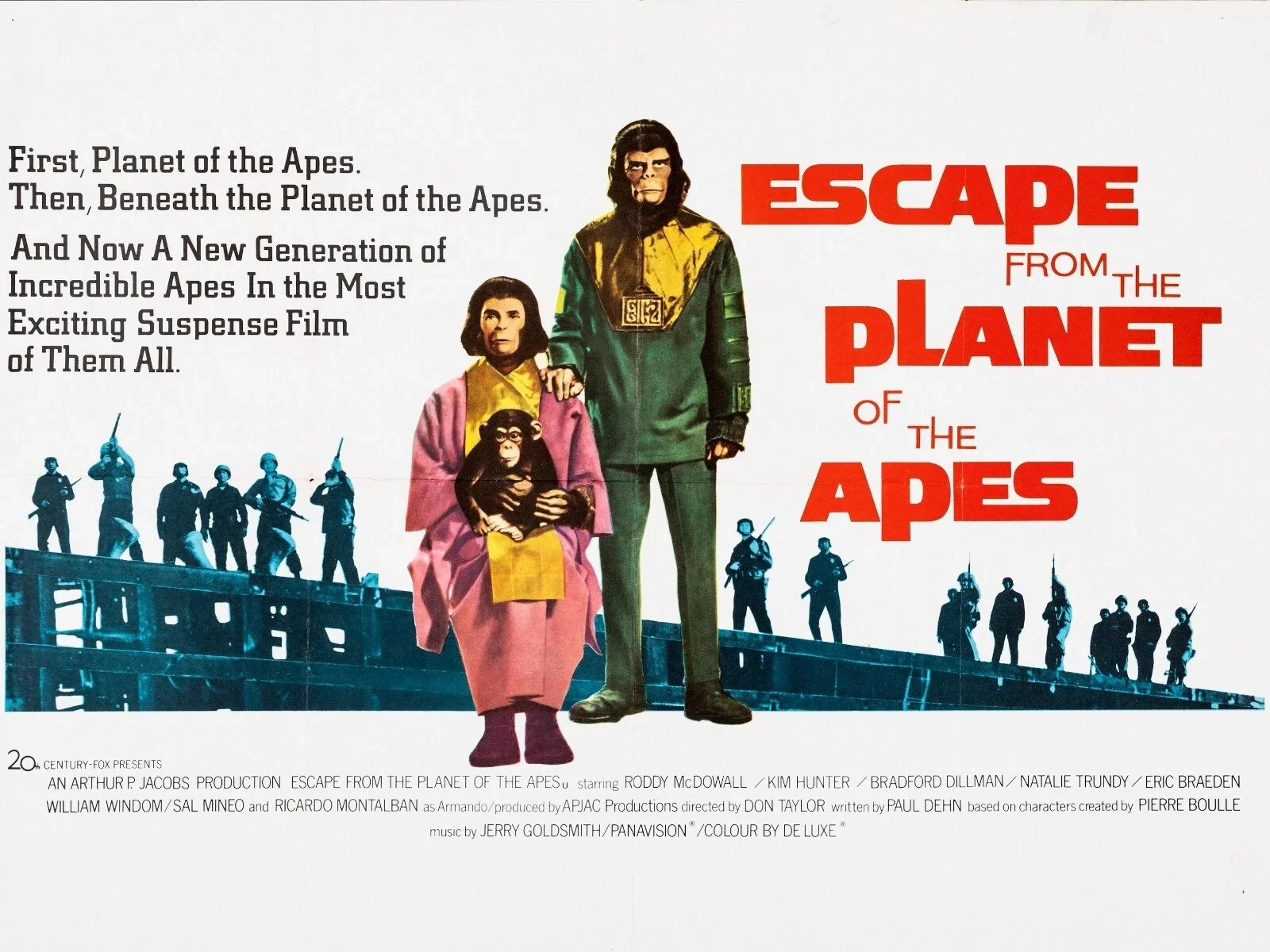
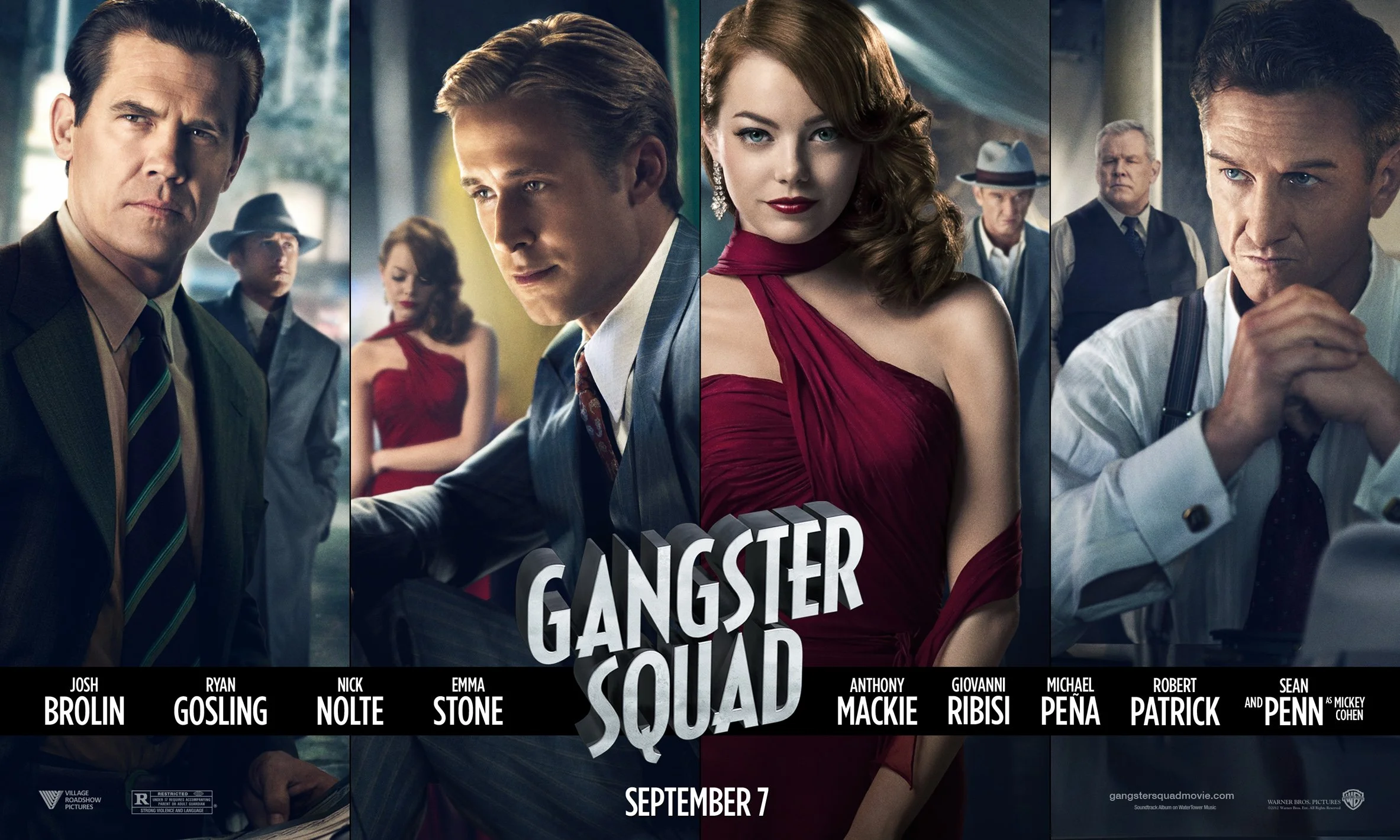
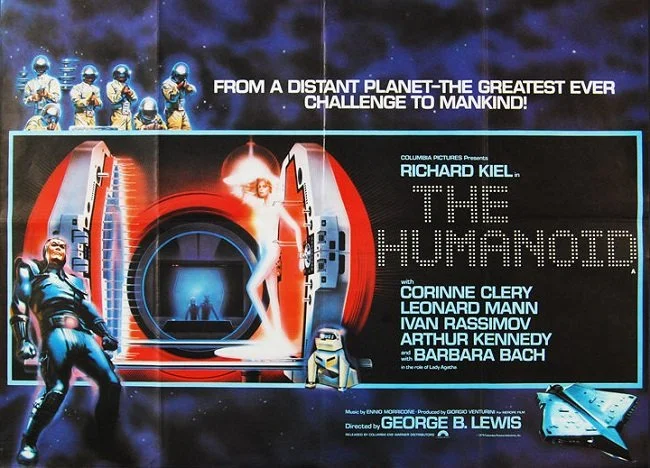
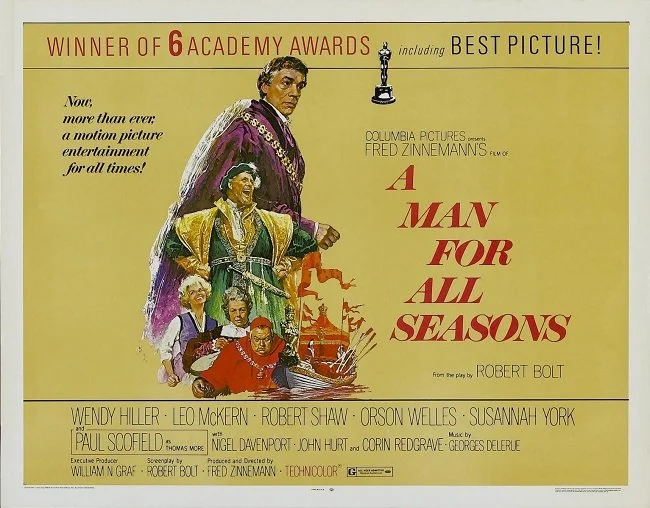
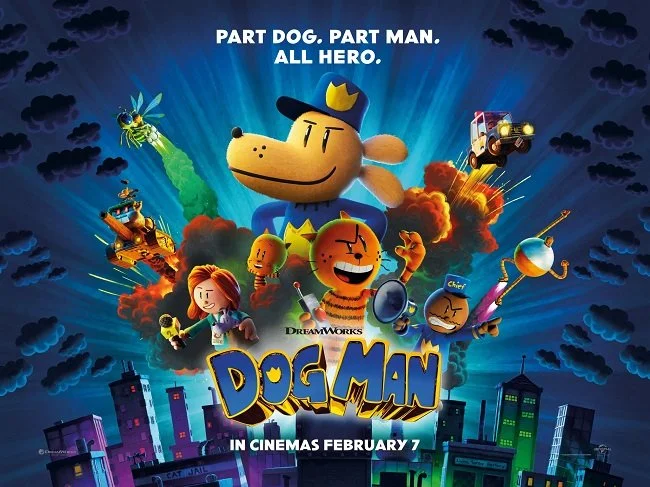
Please ignore the movie poster. Dark Skies is certainly not a new horror phenomenon. It simply dovetails a home-invasion plot-line into a wider alien menace story and punctuates the proceedings with some neat but rather obviously telegraphed jolts. Furthermore, a lot of the best scenes are very derivative of existing genre classics. I suspect that once again it will come down to the viewers age or genre familiarity as to whether they spot them. The "vegetable" incident in the kitchen for example is not a million miles away from the fridge scene in Close Encounters and the geometric crockery stacking, is very reminiscent of the chairs in Poltergeist. Need I go on? Okay I will. They did the thing with the birds flying into the windows in Red Lights.
There are flashes of inspiration from Director Scott Stewart. The central family within the plot seem to be a microcosm of American Middle-Class angst, particularly in the current economic climate. Josh Hamilton’s performance as the marginalised head of the household is very plausible. Keri Russell has a more conventional role as his estate agent wife and traditional protective mother figure. But as always with such movies these days, the production seems to be far more concerned about making clever set pieces and smart twists, which despite the effort are not entirely successful. It beggars belief that when dealing with the subject of aliens and the infinite possibilities that such a theme offers, Hollywood is still locked in this arbitrary depiction of all extraterrestrial life as "greys".
So, we return to the Bourbon biscuit analogy once again. Despite their inherent culinary shortcomings, they do serve a purpose and are adequate in default of anything else. That pretty much sums up Dark Skies. If you watch this movie at home, when you are in an undemanding mood, accompanied by a cup of [insert beverage of choice here] then it may satisfy. However, the more familiar you become with a specific genre and with all its associated tropes and memes, the more it becomes apparent that Dark Skies is distinctly average and no more.
Happy Birthday Hitch
Today is the 118th anniversary of the birth of Sir Alfred Hitchcock. The internet is subsequently awash with editorials and retrospective analysis of his work. The great man himself is always worth scrutinizing, so you'll also find a great many articles that explore his "inner demons" and such like. Such is the extent of Sir Alfred Hitchcock’s reputation and associated apocrypha, that we were given the cinematic biopic Hitchcock, starring Sir Anthony Hopkins in 2012. Not bad for someone who has been dead for thirty-seven years and who's last movie was made in 1976. I doubt if many of today's film directors will leave such a legacy and have their careers pawed over in the decades to come.
Today is the 118th anniversary of the birth of Sir Alfred Hitchcock. The internet is subsequently awash with editorials and retrospective analysis of his work. The great man himself is always worth scrutinizing, so you'll also find a great many articles that explore his "inner demons" and such like. Such is the extent of Sir Alfred Hitchcock’s reputation and associated apocrypha, that we were given the cinematic biopic Hitchcock, starring Sir Anthony Hopkins in 2012. Not bad for someone who has been dead for thirty-seven years and who's last movie was made in 1976. I doubt if many of today's film directors will leave such a legacy and have their careers pawed over in the decades to come.
I won't waste my or your time providing a potted biography of Hitchcok nor critiquing his work, because there are plenty of existing online resources that can provide those services. What I will say is if you are a fan of quality cinema and are not familiar with the work of Alfred Hitchcock then you are doing yourself a disservice. Hitchcock was an innovator of using visual effects and cinematography to their maximum effect, yet it was never at the expense of the story. He was a clever observer of people and the human condition and could quickly weave a narrative that had the audience emotionally invested and in a state of suspense. In a nutshell, he fully understood every facet of cinema and how to use them to create accessible and compelling stories.
A matte painting by artist Matthew Yuricich from North by Northwest 1959
Hitchcock was also a great showman who understood about the power of the press and marketing. Furthermore, Hitch happily bought into the cult of his own personality. Watch the trailer below in which he walks around the set of Psycho making oblique references to the more salacious elements of the plot. Hitchcock manages to suggest enough to pique even the most casual viewers interest and play upon their desire for titillation. If only we had trailers presented in such a comparable style today by similar genuine auteur film makers. Sadly, the current state of mainstream Hollywood doesn’t provide an environment for such personalities to flourish.
Alfred Hitchcock's influence has been extensive among subsequent directors. David Lynch, Brian DePalma, Dario Argento, David Croneberg are but a few of those who have openly praised his work and exhibited homages to Hitchcock in their own material. And let us not forget the great partnership between Hitch and the composer Bernard Herrmann. Hermann crafted eight outstanding scores for the master including the iconic Psycho. The jarring strings of the shower scene have now transcended cinema and become a pop culture reference for anything vaguely horrific. Few creative endeavours have such an impact upon public perceptions.
So, in this age of video on demand and such like, there really is no excuse for remaining oblivious to one of the world’s finest film makers. Why not settle yourself down in a comfy chair, dim the light and partake of one of Alfred Hitchcock's classics. There's plenty to choose from, depending upon your tastes. Be warned, even by today's standard these films are not always family friendly, often containing a strong sexual under current. In his later work, some of the violence is still quite disturbing. But as Hitch said himself "In films murders are always very clean. I show how difficult it is and what a messy thing it is to kill a man"
Sinister (2012)
Scott Derrickson’s Sinister is a curious blending of genres and classic plot devices. It certainly has some interesting ideas at the centre of its plot. Ethan Hawke plays a true-crime writer Ellison Oswalt, looking for his next big story and desperate to find fame again. After discovering a box full of Super 8 home movies in the attic of his new house, matters start to take a turn for the worst. The films appear to depict the real murders of several families and investigations lead to a series of strange unsolved crime and the possible involvement of supernatural forces. Could a pagan deity known as Bughuul, who allegedly preys upon the souls of children, be responsible? Is Oswalt’s own family in danger? Do bears conduct their personal business in deciduous forests?
Scott Derrickson’s Sinister is a curious blending of genres and classic plot devices. It certainly has some interesting ideas at the center of its plot. Ethan Hawke plays a true-crime writer Ellison Oswalt, looking for his next big story and desperate to find fame again. After discovering a box full of Super 8 home movies in the attic of his new house, matters start to take a turn for the worst. The films appear to depict the real murders of several families and investigations lead to a series of strange unsolved crime and the possible involvement of supernatural forces. Could a pagan deity known as Bughuul, who allegedly preys upon the souls of children, be responsible? Is Oswalt’s own family in danger? Do bears conduct their personal business in deciduous forests?
Sinister is a film of two very distinct halves. The opening set-up and subsequent plot exposition is technically well done, atmospheric and unnerving. The use of Super-8 film to show the murdered families, works very well and is constructed in a genuinely creepy manner. The found-footage sequences are a plot device within the main story, rather than the basis of the entire movie. This is by far the films best asset. Yet the tipping point comes when Bughuul physically manifests itself and the inferred threat becomes more immediate and less mysterious. At this point, Sinister becomes a far more perfunctory horror movie and heads towards a rather obvious bleak ending.
It saddens me to be so critical of Sinister, as watching a R rated horror movie is quite a rare experience these days. It’s a shame that the entire film could not be as convincingly scripted and compellingly filmed as the first half. Similar tonal inconsistencies featured in Director Scott Derrickson’s earlier movie, The Exorcism of Emily Rose. That too suffered dramatically once it made the conscious decision to show the supernatural rather than imply it. However, Sinister does benefit from Ethan Hawke who brings a little more to the role than expected and there are some adequate scares along the way. Yet these can't quite compensate for formulaic denouement, leaving viewers with a distinct feeling that Sinister has not reached its full potential.
Furthermore, whoever was responsible for the video marketing campaign for this movie certainly hasn’t done it any favours. The entire plot and virtually every scare were included in the various trailers and TV promos, totally mitigating any potential suspense the movie may have had upon release. It must be very frustrating for jobbing directors such as Scott Derrickson. Not only are they hamstrung by the commercial demands of the producers but any tricks that they may have up their sleeves are shamelessly given away by the marketing campaign. Yet despite these shortcomings the public found sufficient merit in Sinister to generate a healthy box office return. Thus, we were subsequently regaled with Sinister 2 in 2015. Sadly, it was not an improvement.
Is Co-op Gaming King?
“Is the popularity of smaller-scale co-op (games) hurting MMORPGs?” This interesting question was posted on Massively Overpowered today as part of their regular Massively Overthinking feature. The subject was explored by members of the writing team then thrown over to reader comments, many of which were very thought provoking. The subject was similar to one we debated recently on the Contains Moderate Peril podcast. That focused on whether traditional MMO players were now outsiders within their own genre of choice. Both of these discussions are about change and a shift in player habits. And change is frequently unsettling and potentially comes at the expense of something else.
“Is the popularity of smaller-scale co-op (games) hurting MMORPGs?” This interesting question was posted on Massively Overpowered today as part of their regular Massively Overthinking feature. The subject was explored by members of the writing team then thrown over to reader comments, many of which were very thought provoking. The subject was similar to one we debated recently on the Contains Moderate Peril podcast. That focused on whether traditional MMO players were now outsiders within their own genre of choice. Both of these discussions are about change and a shift in player habits. And change is frequently unsettling and potentially comes at the expense of something else.
A good MMORPG offers a complex persistent world that can be explored and enjoyed both as a solo player and as part of a group. A decade ago, the genre was very much focused on group run content and I have spent many a rewarding evening running dungeons with my guild mates. These sorts of social activities foster close bonding with fellow players and can be extremely uplifting. Yet raiding culture is by its nature time consuming and requires a lot of organising and commitment. Co-op play in other genres of games can offer the same sort of fix but without half as much baggage.
Running The Rift in LOTRO a decade ago meant everyone turning up on time, with the right gear and consumables. Everyone needed to know their job. Even the most casual of raid groups would have to give up a lot of time and if someone fumbled the ball it meant you got nothing for all your work, bar the fun you had. Teaming with your friends in Overwatch is quick and simple. Within minutes you’re in the middle of the action. You can play as casually or as hardcore as you like. If you fail epically, you still get XP points that can unlock loot creates. Such co-op games may not have the immersive world trappings of an MMO but they offer all the fun without the grind. No wonder so many players gravitate towards them.
I enjoy MMOs but play them differently today than how I did ten years ago. I have written recently about how Sniper Elite 4, For Honor and Overwatch can be great fun when played co-operatively with friends and for me I think this is the future. Co-op scratches that social gaming itch but in a manner that allows you to filter out much of the less desirable elements you find in MMOs. The risk of toxic team mates is far less and you aren’t faced with complex barriers to entry. There’s no need to wait for players to change their gear or empty their bags. Where the MMO player is still martialling his team mates, fifteen minutes after the raid was due to begin, the co-op player is knee deep in action, making the most of their precious game time.
If you look back over the last fifty years of popular culture, you’ll find a long list of popular genres, formats and mediums that have bitten the dust. It is sad but ultimately how markets work. Musicals and Westerns came and went as the most popular movie genres. TV saw the rise and fall of the Variety show. The FPS genre moved beyond the confines of World War II and MMOs evolved from open virtual worlds to tightly scripted and managed theme parks. All of these things happened because the public wanted something else that offered them better value for their time and money. At present, co-op games appear to be king by offering what the MMO genre either can’t or won’t. Developers working with such titles should take note but I’m not sure if there’s time left to fix this.
“I'd Like to Have an Argument, Please”
This post has been fermenting for a while. I’ve postponed writing it because I've gotten somewhat tired of constantly “spitting in the wind”. Because that is what speaking out on certain subjects frequently feels like these days. There is a sense of tedious inevitability that any post on sexism, racism or any form of marginalisation will eventually lead to a torrent of vile, ill-informed and just plain dumb comments. The list of subjects “best avoided” seems to be getting bigger each day. Politics, religion and social issues have now been joined by the likes of economics, education and healthcare. But it doesn’t end there. Critiquing a book, movie, TV show or game can be deemed contentious and open a can of worms. Frankly, soliciting comments on any subject via social media seems to be courting disaster these days. The sad reality is that some people just revel in being vile and trying to hurt others. It puts me in mind of that quote from Platoon "Hell is the impossibility of reason". And you'll find precious little reason on the internet.
This post has been fermenting for a while. I’ve postponed writing it because I've gotten somewhat tired of constantly “spitting in the wind”. Because that is what speaking out on certain subjects frequently feels like these days. There is a sense of tedious inevitability that any post on sexism, racism or any form of marginalisation will eventually lead to a torrent of vile, ill-informed and just plain dumb comments. The list of subjects “best avoided” seems to be getting bigger each day. Politics, religion and social issues have now been joined by the likes of economics, education and healthcare. But it doesn’t end there. Critiquing a book, movie, TV show or game can be deemed contentious and open a can of worms. Frankly, soliciting comments on any subject via social media seems to be courting disaster these days. The sad reality is that some people just revel in being vile and trying to hurt others. It puts me in mind of that quote from Platoon "Hell is the impossibility of reason". And you'll find precious little reason on the internet.
Two things have occurred recently that prompted me to write this post. One is the ongoing decline of both the Official and Unofficial LOTRO forums. The other was a minor twitter exchange I was involved in recently. A simple comment made in reply to a political pundit, meant that my timeline was subsequently flooded by an argument that went on for hours, as all parties chased their own tails and frothed at the mouth. As for the two LOTRO forums, they’ve become so polarised that they now mirror each other with their own militancy and are effectively different sides of the same coin. Both of these events are far from unique. It happens every day (“no matter what you say”, according to Tom Jones). Yet they got me thinking why does it have to always be this way and is there anything that can be done?
Well I believe there is. However, don't go looking for a miracle cure in this post because I don’t claim to have one. What I am suggesting is fairly basic and certainly requires lots of time. In a nutshell, keep writing and debating. Don't throw in the towel. I know it's very tempting sometimes, hence my spitting in the wind reference. Yet if we do, then the only information that will remains out there in the public domain is misinformation. Therefore, we should not shy away from speaking out on difficult matters. In fact, I would go so far as to say that it is our duty to do so. Sooner or later you have to pick a side. The alternative is to do nothing and watch it all go to hell in a hand basket (other portmanteaus and porterage devices are available). Here are few thoughts on what specifically can be done.
Research and a well-constructed argument: Debating is a skill. There is a process applied to discussing and arguing a point, the same way as mathematics and grammar have specific rules. Unfortunately, most folk either aren’t ware of them or feel their opinions are not subject to such criteria and so are happy to jump in to arguments feet first. It's a shame more schools do not teach critical thinking as it is an invaluable skill that can be brought to bear on so many aspects of life. However, it is prudent to consider that logic and objectivity cannot always be imposed upon a debate. Emotions do play a part and cannot necessarily be set aside. Especially if you have first-hand experience of the very matter being debated.
I believe it was the blogger Tobold who stated, "There cannot be any meaningful discussion of any subject if you start out by declaring only one side of the argument as valid". That is perhaps true of some subjects, especially if you are debating a matter that hinges on subjectivity and personal taste. However, in a debate regarding a subject such as equality, I cannot logically see any argument to validate a contrary stance. There are no degrees of equality. You either believe in it and live by it as a concept or you don’t. I guess the same can be said regarding certain scientific discussions, where specific rules and concepts are established. Mind you that doesn’t stop some people. But that raises a different matter where some individuals like to play devil’s advocate just for the fun of it.
Life is not simple: If you are intending to hold forth on a particular subject, it never does any harm to remember that most problems are what they are because of their complexity. Which is a nuisance because contemporary society really doesn't like or do “complex”. Listen to most radio phone-ins, read any internet forum or just glance through a tabloid newspaper and you'll find many of the most difficult and contentious problems the world currently faces, distilled in to some rather glib and factually questionable sound-bites. Furthermore, the public lap these up because they're easy to remember and trot out. It's far less hassle to spout some superficial nonsense you gleaned from the pages of the Daily Bastard, than spend time researching a subject and actually having to think and analyse data.
So, bear this in mind when you tackle a big issue when blogging etc. Question whether you are in a position to make a substantive point. Do your research and ensure you link to the sources you quote. Check the credentials of those supplying data and statistics. Is it a reputable organisation? Do they have any reason to be bias? Too often I see links in comments and forum threads that lead to questionable sources. Therefore, ensure that when you write about complex issues you don't make the mistake of inferring that it's a binary situation and easy to fix. Unless of course it is.
Change takes time: The previous point dovetails nicely in to this one. Progress is a long and often arduous path. Entrenched social attitudes and ideologies do not change overnight. Often, it’s a generational thing. For example, my parents were born in the 1930s and both have specific views on social status, race, religion, politics, patriotism and that other old favourite drugs. A quarter of the world was part of the British Empire during their most formative years and this era definitely shaped their world view. They have made some changes over the years but on some matters their beliefs remain strong. No amount of arguing will ever change that. However, such views are not so endemic with my own or my son’s generation. Simply put, some of the more unsavoury views from my parents’ generation will die with them. Change doesn't always come by winning "hearts and minds".
However, as with complexity, many people these days can't be doing with "long waits". Thus, we live in a time where knee-jerk reactions and crass, ill-conceived quick fixes abound. Why should gaming be any different from politics? All I can really say to the ardent campaigner or blogger with a strong social conscience, is it helps to cultivate some patience. Actually, you’ll need a lot. Bucket loads.
Be measured and fair: If for example, you as a gamer want to lobby the games industry with regard to the depiction of women in games. There is a requirement for you to engage with those who are either directly a part of the problem or those who seem to be indifferent to it. It's all about winning the middle ground and generating a head of steam. This process needs to be handled with subtlety and tact. Although passion is inspiring and anger can be power (or so The Clash said), step too far over the line and your perceived militancy (whether it is real or not) will work against you. It scares people and it may even drive those you need on-board to the other "side" of the debate. So, pick your battles, be firm, measured but always remain civil.
Another thing to be considered is the use of knowledge. Some gamers (and bloggers) are not as smart as others. Some folk are smart but driven by their emotions. It can therefore be easy sometimes for the intelligent or knowledgeable party to run rings around the other. Be careful in how you "wear" your intelligence. There's being clever and then there's wanting to be seen as being clever. Crushing a person publicly through Vulcan like logic does not necessarily mean that they will immediately recant their views and embrace yours. Quite the opposite. You may have made matters worse. Just watch them dig their heels in. You can be smart and make your point without being condescending or smug. However, that can be a difficult path to tread. Like it or loathe it, dealing with people in these situations requires a degree of diplomacy.
I sure we can all think of other points to add to the list. There's also an element of finding an approach that is right for you. Then of course there is always the option to simply not blog about some aspects of gaming or to stray in to certain areas of debate. However, I don’t think remaining “neutral” is a permanent option. Sooner or later you’ll get dragged in through tortuous logic as “opting to not have an opinion is tacit approval of status quo”. That being said, as a blogger, podcaster or streamer you are not obliged to discuss thorny issues if you don’t want to. That is your (and Bobby Brown’s) prerogative and you are free to create content in the manner that makes you happy. I am merely suggesting that if you feel the need to do express a view that may court debate, then you should not be deterred by the facts that it is hard to engage with some groups and that change takes time and work.
As I get older I do find that my passions have tempered over time. I do not find the need to go on that many demonstrations, nor to hold an "absolute" opinion on everything under the sun. I do tend to focus on more immediate issues that affect myself and my family (like the closure of my local A&E) rather than wider international matters. But even in my most sceptical of moments, I cannot truly advocate a total withdrawal of interaction on social issues. Because that means handing the floor over to the idiot brigade and therein lies madness. Plus, if we all did that then blogging would be a lot less interesting. Oh, and don’t forget that an argument is a connected series of statements intended to establish a proposition. It’s an intellectual process. Contradiction is just the automatic gainsaying of any statement the other person makes.




















Being Elmo: A Puppeteer's Journey (2011)
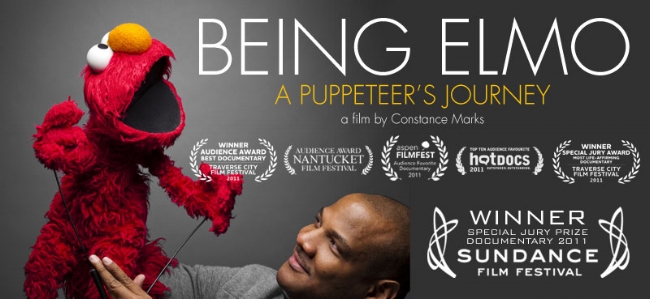
Constance Marks’ documentary explores the story of Kevin Clash, the man who effectively "was" Seasame Street's Elmo until 2014. The film charts Kevin Clash's rise from his modest beginnings in Baltimore to his success as a globally famous character and a major player in the Henson family of puppeteers. The documentary manages to maintain a good balance between examining the mechanics of puppetry and focusing on the human impact of Kevin's work. Like so many documentaries of these type, it clearly shows that achieving your dreams always comes with a cost and is often immensely arduous. It also reveals the complexity of something we take for granted and possibly trivialise, namely puppetry. Filmed in 2011 the documentary does not cover Kevin Clash’s resignation from “Seasame Workshop” three years later.
Constance Marks’ documentary explores the story of Kevin Clash, the man who effectively "was" Seasame Street's Elmo until 2014. The film charts Kevin Clash's rise from his modest beginnings in Baltimore to his success as a globally famous character and a major player in the Henson family of puppeteers. The documentary manages to maintain a good balance between examining the mechanics of puppetry and focusing on the human impact of Kevin's work. Like so many documentaries of these type, it clearly shows that achieving your dreams always comes with a cost and is often immensely arduous. It also reveals the complexity of something we take for granted and possibly trivialize, namely puppetry. Filmed in 2011 the documentary does not cover Kevin Clash’s resignation from “Seasame Workshop” three years later.
With a subject such as this, it would be very easy for director Constance Mark to substitute narrative for sentiment but this is conspicuously avoided. A very emotive scene in which a terminally ill child meets Elmo is handled extremely well, focusing on Kevin Clash's professionalism. It is his job to make his or rather Elmo’s fans happy and that is what he does. It is emotional trauma such as this along with the practical logistics of spending hours contorted behind sets with your arm held up for hours, that shows what a difficult job puppetry is. The documentary even briefly touches upon the notion of the puppeteer surrendering their identity to the puppet, highlighting a curious aspect of this particular career path.
Perhaps the most pertinent criticism that can be made about Being Elmo: A Puppeteer's Journey, is that it leans a little too much towards veneration and as a result do get the full measure of the man. Kevin loves his work and is highly motivated. Elmo is very much a character about love and giving. Perhaps the documentary could have explored more precisely his motivation and the consequences of being so "giving". There is a brief reference to an ex-wife but the viewer simply has to assume the exact circumstances that led to their breakup. I'm not advocating that the man's personal life should have been laid bare but it would have been interesting to have looked beyond his professional life.
Clash has stated since the documentary that his sexuality and ethnicity were pertinent to his work. I tend to avoid armchair psychology, but there's no argument that there's is a lot of Kevin in Elmo and vice versa. The documentary makes that self-evident. However, it is curious that some African-American adults have been surprised when they’ve met him. I wonder exactly what they were expecting? As for the children, perhaps they are the best arbiters of Kevin's talent. They tend to speak and interact directly with Elmo, even when Kevin is clearly operating him. He is simply ignored. It provides compelling proof of the power of both puppetry and love.









The Imitation Game (2014)
Where Mike Leigh's Mr. Turner is a series of vignettes from the painter’s life, The Imitation Game is a far more traditional biopic. Norwegian film director Morten Tyldum follows a tried and tested formula with his story arc, moving from points A to B to C, intercutting with flashbacks to reveal a specific plot theme. Yet such an approach is the perfect means to tell the story of British cryptanalyst Alan Turing, who helped break the Enigma code during the Second World War. It provides a stable foundation for the strong lead performances that drives the movie and compensate for the narratives conceits.
Where Mike Leigh's Mr. Turner is a series of vignettes from the painter’s life, The Imitation Game is a far more traditional biopic. Norwegian film director Morten Tyldum follows a tried and tested formula with his story arc, moving from points A to B to C, intercutting with flashbacks to reveal a specific plot theme. Yet such an approach is the perfect means to tell the story of British cryptanalyst Alan Turing, who helped break the Enigma code during the Second World War. It provides a stable foundation for the strong lead performances that drives the movie and compensate for the narratives conceits.
There have been complaints about the veracity of Graham Moore's adaptation of Andrew Hodges biography of Turing. However, The Imitation Game is a drama and not a documentary and the medium of cinema requires dramatic punctuation, so I am happy to forgive some of the stories contrivances. Was Turing truly broken hearted by a failed relationship at school? Did one of the codebreaking team have to put their own brother in harm’s way in order to maintain secrecy? More than likely not but such plot devices certainly do not detract from the central story of one man's obsession and struggle with his own personal demons.
Benedict Cumberbatch is compelling as Alan Turing, playing him as someone who is most definitely on the spectrum. A modern audience will seize upon this justification for Turing's obtuse behaviour. Keira Knightley provides a sympathetic performance as Joan Clarke: a woman with a prodigious intellect who is frustrated by the patriarchal culture of the times. The platonic relationship between the two leads is credibly realised. The movie also has an authentic feel to it due to Óscar Faura's Cinematography and the measured production design of Maria Djurkovic. There is sufficient detail to establish that this is war time Britain but we are not belaboured by an excess of CGI.
With regard to Turing's sexuality, the matter is explored sufficiently to advance the narrative but beyond that, no more is done. Critics have picked up on the fact that there's a lack of any conviction upon this matter throughout the movie. Perhaps this was a practical concession made to make the film more "accessible" for the US market. As a result, The Imitation Game is a very professionally made, absorbing but somewhat calculated biopic. Despite this it does provide an interesting overview into a significant period of war time history and one of the UK's unsung heroes. If that inspires people to explore the subjects further, then that is a good thing.
“We're All Journalists Now”
The "bloggers versus the gaming press" debate still lumbers on, despite years of discussion. The matter has now become more complex, due to the popularity of live streaming and You Tube personalities. Ultimately, this entire matter is a subset of the larger argument regarding citizen journalism and its conflict with the fourth estate. I recently read Scott Gant’s book We're All Journalists Now: The Transformation of the Press and Reshaping of the Law in the Internet Age which explores this very matter in-depth. The author has a very interesting attitude toward the democratisation of journalism, which he expresses eloquently. Many of the points that he makes are directly applicable to other fields of journalism and are not exclusive to traditional “news”.
The "bloggers versus the gaming press" debate still lumbers on, despite years of discussion. The matter has now become more complex, due to the popularity of live streaming and You Tube personalities. Ultimately, this entire matter is a subset of the larger argument regarding citizen journalism and its conflict with the fourth estate. I recently read Scott Gant’s book We're All Journalists Now: The Transformation of the Press and Reshaping of the Law in the Internet Age which explores this very matter in-depth. The author has a very interesting attitude toward the democratisation of journalism, which he expresses eloquently. Many of the points that he makes are directly applicable to other fields of journalism and are not exclusive to traditional “news”.
I am still of the opinion that professional and amateur writers complement each other and can be of equal value to the community. This is especially true of gaming related writing. Conventional game news informs and promotes across a broad spectrum of content. Amateur and fan blogs provide subjective detail and a greater degree of depth on the issues. As a gamer, ensuring that you have a mix of commercial sites and blogs in your feed reader, increases the likelihood of you being adequately informed. Obviously, blogs are not always subject to the same editorial scrutiny as professional writing. Thus, there can be issues regarding grammar and logical arguments. However, literary failings do not by default, invalidate an opinion or well-conceived idea. Conversely, working to a formalized style and standard of writing, as well as editorial guidelines can potentially remove eloquence or a writer’s style and replace it with uniformity. As for common sense and logical arguments, an editor and a team of writers can fail to observe these as equally as a single blogger. Thus, there is good and bad in both camps.
Until recently I had a substantial list of fan blogs that I read every day. Some regularly offered exceptionally good think pieces, comparable to professional journalism. Sadly, many of these writers have retired from the scene. There also seems to be a drop in long form writing and in-depth analysis among many of the commercial games news sites. It appears that both the pro and amateur writing scene has fallen victim to a malady that has spread across mainstream news. Namely, tribal, populist writing which eschews facts and data and instead slavishly retrofits content to support a specific mindset or agenda. Gaming has become very binary and entrenched, the same as politics. Bucking the trend can have consequences and subsequently many games bloggers have become tired of the toxic comments, twitter outrage and quit. The commercial sites often pick a side and thereafter pursue vociferously a specific ideological line. As with national newspapers, it leads to a partisan environment in which impartiality and logical debate do not thrive.
I still advocate the democratization of writing and publishing and do feel that “we’re all journalists now” to a degree. However, I also think that bloggers, streamers and You Tube personalities can also fall prey to the same failings of mainstream journalism. Commercial forces can impact heavily upon editorial decisions and shape the narratives in camps. We should not overlook other dubious motivations such as ego and “popularity” which can also have a negative effect upon content creation. Yet despite these issues, I still feel that the writings and musings of my peers is beneficial. I also think that collating daily gaming news is a daunting and unenviable task and am therefore grateful to the professional sites that aggregate such content. As for partisan, spurious and inflammatory games writing, we should reject it pointedly and publicly. Be it from professional outlets or from fans. If we want content of a higher caliber we should lead by example as well as demand it from others. Aim for the standard you wish to see elsewhere and it will be to the advantage of both "bloggers” and the “gaming press".
Classic Game Themes: Guild Wars 2
Jeremy Soule's score for Guild Wars 2 is an integral part of the games charm and appeal. It enhances the world of Tyria and is a character in its own right. As a player, whenever you visit one of the vast cities or travel the rolling countryside, it is Soule's music that breathes life into the finely crafted world that ArenaNet have made. Upon the games launch in 2012, the soundtrack for Guild Wars 2 was released in a four-disc box set, via Soule's own record label DirectSong. Sadly, this was a limited pressing and is now out of print. Copies now change hands for exceedingly large sums of money.
Jeremy Soule's score for Guild Wars 2 is an integral part of the games charm and appeal. It enhances the world of Tyria and is a character in its own right. As a player, whenever you visit one of the vast cities or travel the rolling countryside, it is Soule's music that breathes life into the finely crafted world that ArenaNet have made. Upon the games launch in 2012, the soundtrack for Guild Wars 2 was released in a four-disc box set, via Soule's own record label DirectSong. Sadly, this was a limited pressing and is now out of print. Copies now change hands for exceedingly large sums of money.
The score for Guild Wars 2 has a high production value and displays a great attention to detail. The compositional quality of each piece included on the four-disc set are musically and stylistically diverse. There are many stand-out pieces that do more than just provide ambient background atmosphere. This is game soundtrack writing of the highest calibre. It is musically literate, thoughtful and rousing. Sadly, Jeremy Soule was not involved with the soundtrack for the 2015 expansion pack, Heart of Thorns.
The track I have chosen in many ways encapsulates all the positive attributes of the soundtrack. Dawn in Shaemoor plays in the human starter zone of Queensdale and is a beautiful example of the quality of Soule's work. It has a very haunting feel to it and sets the tone for the game.






Alien: Covenant (2017)
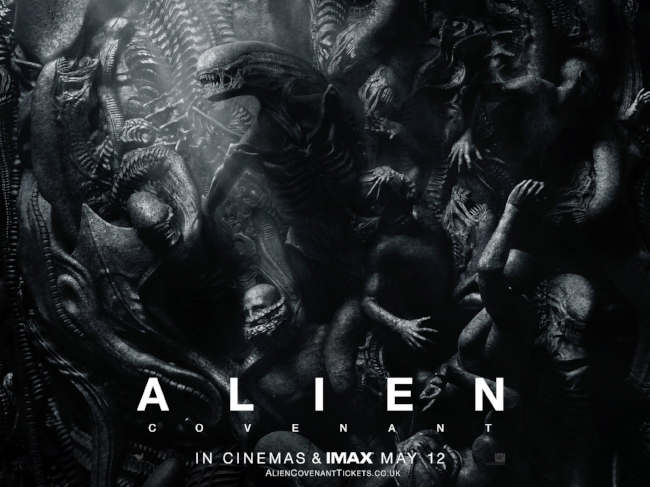
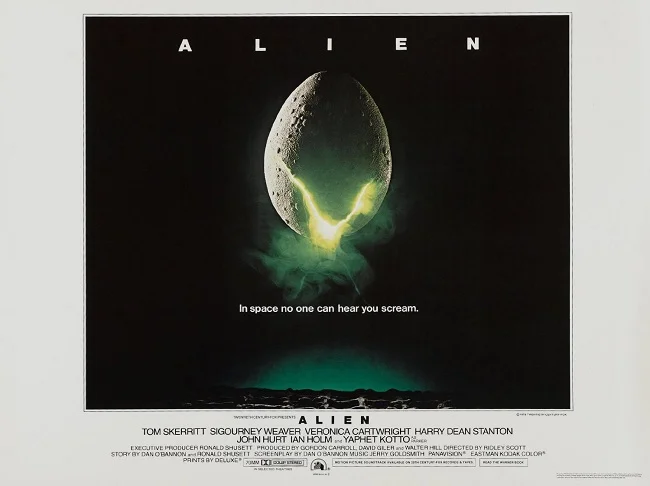
The enigma of the Xenomorph in the Alien franchise is diminished once you start to rationalise its heritage. Sadly, that’s exactly what Alien: Covenant has chosen to do. It jettisons the mystery of the original 1979 movie and pulls back the curtain, so wisely put in place thirty-eight years ago, to reveal a rather lacklustre explanation to the Xenomorph’s origin. Having spent nearly $100 million and employed a production team of some of the finest talent that money can buy, the resulting movie is not bad per se, just crushingly superfluous. After watching Alien: Covenant this week, my overall reaction can be distilled down to a deep sigh of indifference and a shrug of the shoulders.
The enigma of the Xenomorph in the Alien franchise is diminished once you start to rationalise its heritage. Sadly, that’s exactly what Alien: Covenant has chosen to do. It jettisons the mystery of the original 1979 movie and pulls back the curtain, so wisely put in place thirty-eight years ago, to reveal a rather lacklustre explanation to the Xenomorph’s origin. Having spent nearly $100 million and employed a production team of some of the finest talent that money can buy, the resulting movie is not bad per se, just crushingly superfluous. After watching Alien: Covenant this week, my overall reaction can be distilled down to a deep sigh of indifference and a shrug of the shoulders.
Ridley Scott, now in his autumn years, strikes me as a film maker who is more enamoured with the technical, logistical and business aspects of film making. He appears to have a good handle on navigating the choppy waters of studio politics and certainly thrives within the complex process of crafting a big budget, effects driven movies. Yet his body of work has become very hit and miss in recent years and for me it is only The Martian that stands outs as being of note. Frankly, the will to make further Alien movies seems to be driven primarily by the potential box office and Scott’s presence has done precious little to move the franchise forward. He has now delivered two movies that frankly undermine the existing canon, rather than expand upon it.
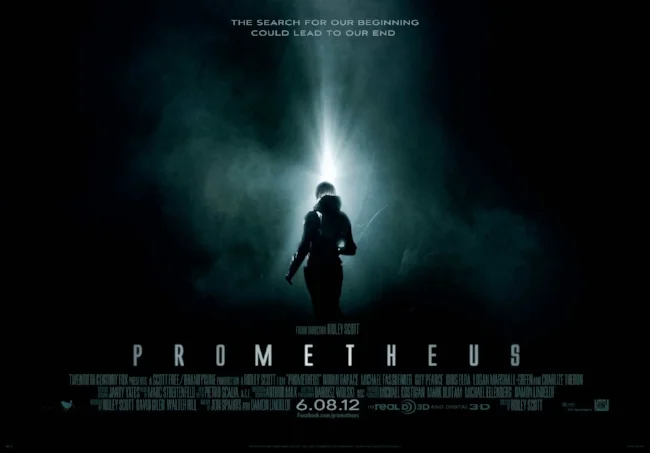
Much of Alien: Covenant is a pastiche of what has gone before. At times Ridley Scott is plagiarising himself and not in an especially knowing way. He squanders a good cast by giving them precious little to do. Again, most characters serve little purpose other than to die. Katherine Waterston as Janet "Danny" Daniels has scope to be a credible protagonist but is sadly relegated to running, pointing and explaining the plot. Comparing her to Ellen Ripley is unfair because the actor is never given the opportunity to explore the role. Michael Fassbender appears twice this time round playing both a new android named Walter as well as David, who we last saw decapitated by an Engineer in Prometheus. Sadly, despite Fassbenders acting talent, the character remains a contrived and uninspiring foil. Remove the mirth and satire from Marvin, the Paranoid Android from The Hitchhiker's Guide to the Galaxy and you are left with the scope of Fassbender’s role.
Alien was a stripped down, minimalist, science fiction horror movie. It had a tangible air of claustrophobia and bucked some of the usual trends of the genre. The crew of the Nostromo were mainly blue-collar workers, not academics or soldiers. Their concerns were primarily those of their social economic group. Pay, job security and just getting the task done. Their practical story contrasted the esoteric nature of what they encountered. The crashed ship, the space jockey and the alien eggs were all deliberately unexplained and all the more enthralling because of that. Was the Xenomorph a simple predator or a highly evolved creature that natural selection had chosen to rationalise? Where was it from? Was it intelligent? These unanswered questions gave the beast gravitas. The answers that Alien: Covenant has chosen to provide undo this.
There are joyless action scenes, routine jump scares and some arbitrary sex and violence to be had in Alien: Covenant. The production design, cinematography and overall aesthetic screams A list production but the story that plays out is so utterly uncompelling and lacklustre. Ultimately the movie fails because it over thinks the source material. Rob Zombie made a similar mistake when he remade John Carpenter’s Halloween. He tried to explain a force of nature and by giving Michael Myers a detailed backstory of abuse and sadness, he turned the embodiment of the supernatural in to just another sociopath created by society. Alien: Covenant has effectively done the same. The Xenomorph has gone from being an abstract vessel for our subconscious fears to just a laboratory experiment by a disgruntled individual. From high concept to arbitrary in less than four decades. Sad.
Prometheus (2012)
I have written many times in recent years about how big titles get announced by the gaming industry, of the ensuing hype up that leads up to launch day and then the subsequent disappointment on purchase. It is a malady that has afflicted the movie industry for decades and has become increasingly more common in the last decade. Hype has a curious link with reputation. There are a handful of directors in contemporary Hollywood who when they add their name to a production, people take notice. Ridley Scott is one of these. His body of work pretty much guarantees he can make whatever he wants, be it a commercial undertaking or a ludicrous vanity project. However, the downside to being a film maker of this stature is that you are not so easily exposed to proper scrutiny by your peers. No one stops you from making a mistake because you are supposed to know what you are doing. They let you do what you want. Which is bad.
I have written many times in recent years about how big titles get announced by the gaming industry, of the ensuing hype up that leads up to launch day and then the subsequent disappointment on purchase. It is a malady that has afflicted the movie industry for decades and has become increasingly more common in the last decade. Hype has a curious link with reputation. There are a handful of directors in contemporary Hollywood who when they add their name to a production, people take notice. Ridley Scott is one of these. His body of work pretty much guarantees he can make whatever he wants, be it a commercial undertaking or a ludicrous vanity project. However, the downside to being a film maker of this stature is that you are not so easily exposed to proper scrutiny by your peers. No one stops you from making a mistake because you are supposed to know what you are doing. They let you do what you want. Which is bad.
So, am I saying that Prometheus is a mistake per se? No. However, I am saying that mistakes have been made with regard to narrative and the plot direction of the movie. Scott himself has been open about how during the initial pre-production he and screenwriters Jon Spaihts and Damon Lindelof wished to take the story off on a tangent, rather than make a specific prequel to Alien. This in itself is not necessarily a bad thing to do as long as it is done robustly and intelligently. Prometheus is very much a film of two halves as it strives to embrace a weighty theme, namely the origins of life on earth. It sets the scene for a philosophical and theological exploration of the subject in the first act. However, it fails to sustain this momentum and in the second hour lapses into a far less ambitious, somewhat formulaic, creature feature. The narrative become confused, vague and is eventually sidelined.
There is still much to commend in Prometheus. There are good performances from the cast, despite the fact that they are not given half as much to go on as they should have. Michael Fassbender's portrayal of the Android David is outstanding and is by far the best character in the movie. The production design is handsome and Scott has not in any way lost his visual flair. There are some quite clever parallels to his original movie and he re-imagines certain iconic scenes in an inventive fashion, rather than becoming self plagiarising. There are also some solid action sequences and a liberal dose of gore. One scene involving a quasi-caesarian is not for the squeamish. Yet despite positive aspects one is left feeling that Prometheus is not as good as a film as it could be.
What is on offer is adequate and entertaining but no more than that. Although it is unreasonable to expect this movie to be equal of the 1979 original, it is not unreasonable to expect better material from Ridley Scott. Prometheus should have had a weightier story and stuck to either to its philosophical theme or remained a pure horror in space. As it is it fails to tread the path between the two. Since the release of the film on home media, the deleted scenes available on DVD and Blu-ray clearly show where the problem lies. Too much expositionary material was cut from the film. The producers wanted an action driven movie. They got one but sadly at the expense of narrative and character development. If all the deleted material was re-instated back in to Prometheus it would be a far more thoughtful, coherent movie. Sadly, Scott has now stated that the theatrical cut of the film is his definitive edition.
On a final note, Prometheus suffers from a common problem found in contemporary fill making; that of an excessively loud soundtrack. Dialogue is difficult to hear one moment and the score and ambient sound effects are deafening the next. I had to watch the film with subtitles enabled to fully pick up on all the nuances of the dialogue. This issue contributed to making a frustrating movie, somewhat more annoying. However, if you are simply looking for a high budget, science fiction thriller, then Prometheus, despite its flaws, may well satisfy. Those who are more invested in the Alien franchise may not be so forgiving and best prepare themselves for disappointment. Because Prometheus feels like a failed opportunity, it beggars the question, do we really need any further movies in this series? If they cannot offer anything new that takes the overall concept forward, perhaps the answer is no?
LOTRO: Mordor and Beyond
Well, I waited till this afternoon before buying the Mordor expansion for LOTRO. Unlike the song, a day really didn’t make that much difference. In true and traditional Standing Stone Games style there were still problems, glitches and hassles to be found twenty-four hours on from the launch. In fact, there’s a hot fix to be deployed tomorrow to iron some of these out. Yet, in spite of all these minor niggles, tonight I found myself officially entering Mordor, ten years after the launch of LOTRO and eight years on from my subscribing to the game. I must admit as the game wrapped up the original story and I said cheer-bye to Frodo and the rest of The Fellowship of the Ring, I did feel a sense of great satisfaction as I reflected on what my character had achieved on behalf of the free peoples of Middle-earth. Why even Gandalf himself thanked me for my courage and effort. And then a message appeared in chat, stating “You’ve earned 5 LOTRO Points”. The irony wasn’t lost and I then went on to ponder exactly why I’ve spent years being a butler to all the NPCs I’ve met in LOTRO.
Well, I waited till this afternoon before buying the Mordor expansion for LOTRO. Unlike the song, a day really didn’t make that much difference. In true and traditional Standing Stone Games style there were still problems, glitches and hassles to be found twenty-four hours on from the launch. In fact, there’s a hot fix to be deployed tomorrow to iron some of these out. Yet, in spite of all these minor niggles, tonight I found myself officially entering Mordor, ten years after the launch of LOTRO and eight years on from my subscribing to the game. I must admit as the game wrapped up the original story and I said cheer-bye to Frodo and the rest of The Fellowship of the Ring, I did feel a sense of great satisfaction as I reflected on what my character had achieved on behalf of the free peoples of Middle-earth. Why even Gandalf himself thanked me for my courage and effort. And then a message appeared in chat, stating “You’ve earned 5 LOTRO Points”. The irony wasn’t lost and I then went on to ponder exactly why I’ve spent years being a butler to all the NPCs I’ve met in LOTRO.
Joking aside, I did enjoy the final interlude where you play once again as Gollum. Standing Stone Games did somewhat stretch the lore to accommodate the player being present at Sam and Frodo’s rescue. However, it does bring a sense of closure to the player. The subsequent epilogue in The Field of Cormallen set up the premise for the next Epic Book nicely. Overall, the cutscenes were well conceived and showed sufficient of the end of the story without over egging matters. The destruction of Barad-dûr, the demise of the Ring Wraiths and the rescue of Frodo and Sam by the eagles were functional. Once again, the developers work well within the technical restrictions of a decade old game engine. It’s just a shame that they couldn’t have created a more exciting launch trailer. The hastily cobbled together effort that was created using in-game footage was very lacklustre and was far from the most effective marketing tool.
At the time of writing there are still some technical glitches with the new character animations. There are clipping and tearing issues especially with certain types of hats and hair. It was very noticeable of my primary character. There were also delays to some players receiving the Aria of the Valar level boost. I’m sure these matters will be addressed but once again it would have been preferable if these had been sorted prior to launch. The current gaming culture of early access, releasing unfinished content and fixing on the fly is hardly edifying for the game community. It is a lazy, finance driven concept that doesn’t take in to account such matters as professionalism and public perception. The LOTRO player base has proven its tolerance time and time again over the years. I’m sure they would have accommodated a delay or better still a later launch date, if it meant that they got a more polished product.
I was fortunate enough to have received the Aria of the Valar when I logged in to the game today. Not everyone has been as lucky. I applied this boost to level 105 to my Dwarf Hunter. He was currently languishing at level 50 something and loitering in Lothlorien, having simply run through Moria. As I wasn’t relishing revisiting such areas as Mirkwood and Dunland and have always fancied an alternative character at level cap, it seemed like the sensible thing to do. The boost provides adequate gear, although none of it is designed for essences and three Third Age legendary items. Virtues are also increased but not to cap and you are also given a modest quantity of skills points. These are mainly the ones you would acquire if you played through the Epic Story. All things considered it’s not a bad service and allows you to go directly to Mordor adequately equipped. However, it is no more than that and shouldn’t be considered a “pay to win” item. After using the Aria of the Valar my Dwarf Hunter had a Physical Mastery rating of 70K.
So finally, the wait is over. LOTRO has now reached the end of the accepted canonical story and is now moving in to wholly original territory, narratively speaking. It feels like a very major step in the games overall life. Yet the more I look around at LOTRO, the reality is that nothing has significantly changed. The new Allegiance system is merely an adaptation of the existing reputation mechanic. Similarly, the Light of Earendil/Shadow of Mordor System appears to be a regional buff/debuff mechanic, not to different to from the old Radiance/Gloom system. Although the Mordor expansion offers LOTRO player a lot more content, it is still just “more of the same”. For many this will be an acceptable arrangement but I can’t help but think that it would be to the game’s advantage if they introduced something truly innovative. Sadly, I think the reality is that the game is simply too old to support anything too complex.
Although I have bought the Mordor expansion and am happy to play through the new quests, I will more than likely move on to pastures new, once I’ve hit the new level cap. Then it’s a question of waiting to see what the next update has to offer. For those that stay it is then a question of levelling alts and repeating content. Due to the social nature of the game and its community, it is the player created content and activities that binds people to this virtual Middle-earth. Standing Stone Games provides the theatre and the players craft their own experiences with their friends and kinships. Although this on paper seems like a very equitable arrangement, I can’t help but feel that it excuses Standing Stone Games from pushing themselves. Rather than taking a proactive role in creating new innovative content, they seem more like paternal “groundskeepers” charged with maintaining a fertile environment for others. Although it’s a valid position I wonder if its sustainable now LOTRO moves beyond Mordor. What do players want next and can the developers provide it for them?
The Return of the Contains Moderate Peril Podcast
Finally, after several months of diversions and distractions, I’ve managed to produce a new podcast. As I mentioned in a previous post, the Burton & Scrooge Podcast has been officially retired and for practical reasons of brand consolidation, the Contains Moderate Peril Podcast has been reinstated and will become the official show for this website. However, it should be noted that this latest episode is specifically designed to be a technical test meant to validate our RSS feed for submission to iTunes. Once this logistical issue has been dealt with and the podcast is accessible on all major platforms, then further episodes of the show will be scheduled for Autumn.
Finally, after several months of diversions and distractions, I’ve managed to produce a new podcast. As I mentioned in a previous post, the Burton & Scrooge Podcast has been officially retired and for practical reasons of brand consolidation, the Contains Moderate Peril Podcast has been reinstated and will become the official show for this website. However, it should be noted that this latest episode is specifically designed to be a technical test meant to validate our RSS feed for submission to iTunes. Once this logistical issue has been dealt with and the podcast is accessible on all major platforms, then further episodes of the show will be scheduled for Autumn.
Episode 174 of Contains Moderate Peril was originally recorded in late April this year and features guest appearances by long time contributors Brian and Sean. However, due to a multitude of real world matters, the show was temporarily shelved and it has only been in the last few days that I’ve been in a position to rectify the technical problems that beset the recording and produce a final edit. All things considered I am happy with the final results and think we have produced three talking points that are still interesting and relevant, despite the three-month gap.
Moving forward, there will be several changes to future episodes of podcast. First and foremost, my good friend Brian will be taking a sabbatical. Simply put, he has pressing real world matters to attend at present. I shall miss his input greatly having regularly recorded with him since 2010. However, change is an inevitability and is something that should be embraced, rather than rejected. So, I shall be continuing the show on my own and with the occasional guest from time to time. Like the website itself, I shall be broadening the content, so don’t be surprised to find a more diverse spectrum of topics explored. I certainly want to cover more film related material in future episodes as well as explore current news items.
Like the Contains Moderate Peril website, I have clear aspirations to grow the audience for the podcast. However, I have set myself some very specific criteria for this undertaking. If the show fails to meet them then I will cease producing the podcast. Although I enjoy creating material and engaging with listeners, there is ultimately an effort to result ratio to consider. Yet as I am currently taking advice with regard to the marketing and promotion of the Contains Moderate Peril Podcast, I remain confident that the show will find a wider audience than previously. I would urge those who enjoy the podcast to retweet links, leave favourable reviews on appropriate platforms and to recommend the show to your friends and colleagues. For the present, you will find the latest episode of Contains Moderate Peril on our "podcast" page, which can be accessed via the menu, above the logo at the top of this page or by clicking here.