Experimenting With YouTube Part 2
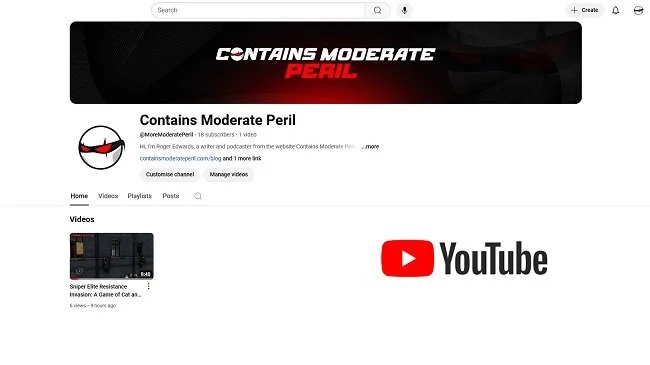
I spent most of this morning and afternoon editing video content I captured while playing Sniper Elite Resistance. I assembled 26 minutes of highlights and then recorded a narration. After adding appropriate branding for Contains Moderate Peril, I then uploaded the finished video to YouTube. Sadly, the picture quality was problematic, often becoming pixelated and blocky when there was rapid movement. The volume of my narration was also too low, so I decided to delete the video from my channel. I was somewhat disappointed by this outcome and initially thought that the day had been a waste of time. However, as I write this post, it becomes very clear that this is just part of the learning curve. I have given some thought to the problem and I believe I have determined why this video was not up to the standard of the previous one. Ultimately, this is an invaluable lesson.
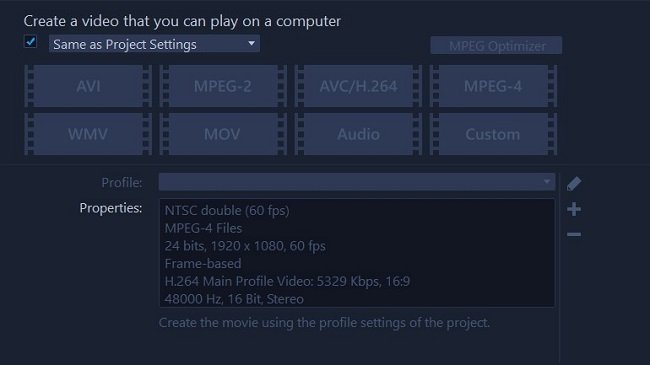
In my last post on this subject, I mentioned how I was having problems with audio desync when editing video captured by OBS Studio. This was due to the video material having a variable frame rate. Hence I moved over to XSplit Broadcaster because users on Reddit stated it produced video with a continuous bit rate. Sadly, this change appears to have cured one problem and caused another. The raw video footage captured by XSplit Broadcaster plays fine when editing and there are no audio issues. However, when I encoded the final edit, the results were poor quality. I used exactly the same encoding settings as I did last time, which produced a viable video that I successfully uploaded to YouTube. That was not the case this time. The only element of my production process that changed was the video capture software. I shall therefore switch back to OBS Studio.
There is no guarantee that this is the correct solution to the problem. There are many variables involved in this process and the problem may lie elsewhere. However, swapping back to OBS Studio is a logical step. The software has been updated since I last used it and if the issue with variable frame rates returns, I can always use third party software to resolve the issue and re-encode any video to a constant frame rate of 60 FPS. In the meantime, this project remains a work in progress, so I have come to terms with the possibility that further technical issues may occur along the way. I shall do some further research online, to see if anyone has had a similar problem. Then I’ll record some more game highlights, repeat my production process and see if the video quality improves. I’ll share my results in the next post in this series, as that’s what it now appears to be.

I made a throwaway quip yesterday on social media about reaction videos on YouTube. I was specifically complaining about those made about music videos and how there is a growing trend among “content creators” to mute the audio and obscure the video of the very material they are reacting to. This is due to concerns over a copyright strike by the rights holders of the original content and the threat of potential demonetisation to those making the reaction video. What you are left with is 5 minutes of a rather tiresome, charisma vacuum watching a blurred video while listening to “elevator music”. What a world we live in. Why even bother posting such content? If there is any value to be found in reaction videos, then surely it lies in the shared experience of both the person in the video reacting and their viewers?
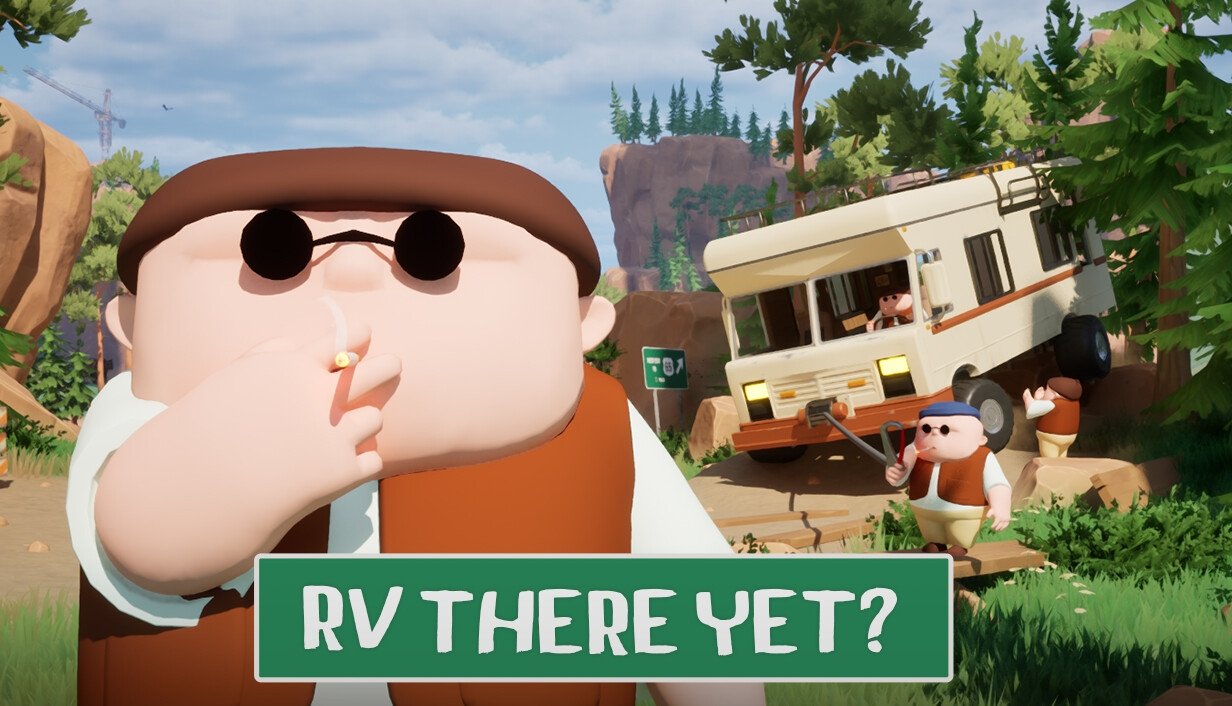
RV There Yet? is possibly the most entertaining game I’ve never played. My vicarious pleasure regarding this title has come exclusively from watching two popular YouTubers, JackFrags and WillFromWork, play through the game over a series of videos. It has been immensely amusing to watch and I have empathised a great deal as the group of four players has struggled with the game’s unpredictable mechanics and their own team’s dynamic. I could go and buy RV There Yet? myself but I doubt if I would ever have a gaming experience anywhere close to what I’ve watched online recently. So in some respects watching these videos has been an interesting alternative as I’ve been entertained, which ultimately is the point of video games. Perhaps there is a deeper philosophical point here that the game developers should reflect upon, as they’ve lost a potential sale. However, that is separate discussion for another day.
I recently watched a video on Patreon by someone who I actively support as a “content creator” and whose work I enjoy. I shall provide no more detail regarding their identity because they may not want their work referenced with regard to what I am going to say. During the course of their video they briefly referenced the work put into promoting a podcast they are currently producing and the relatively low audience that it has garnered so far. The comments were an aside and most certainly not said with any sense of self-pity. They were simply a statement of fact. Furthermore, I suspect they are far from unique and similar sentiments have been expressed in one way or another by anyone who has created something the published it online, only for it to be lost among the greater white noise” of the wider internet.
Have you noticed how politicians, pundits and media commentators will often throw around phrases and buzzwords when discussing the news and other major political talking points? “Cultural Marxism” and “Metropolitan Elite” are two examples that spring to mind. Often it is clear that the person using these phrases has no idea what they mean or what their provenance is. Perhaps you’ve thought that it would be useful to learn more about these terms or the background behind certain institutions or movements. If this is the case then I wholeheartedly recommend the Origin Story podcast. To quote from their website “What are the real stories behind the most misunderstood and abused ideas in politics? From Conspiracy Theory to Woke to Centrism and beyond, Ian Dunt and Dorian Lynskey dig into the astonishing secret histories of concepts you thought you knew”.
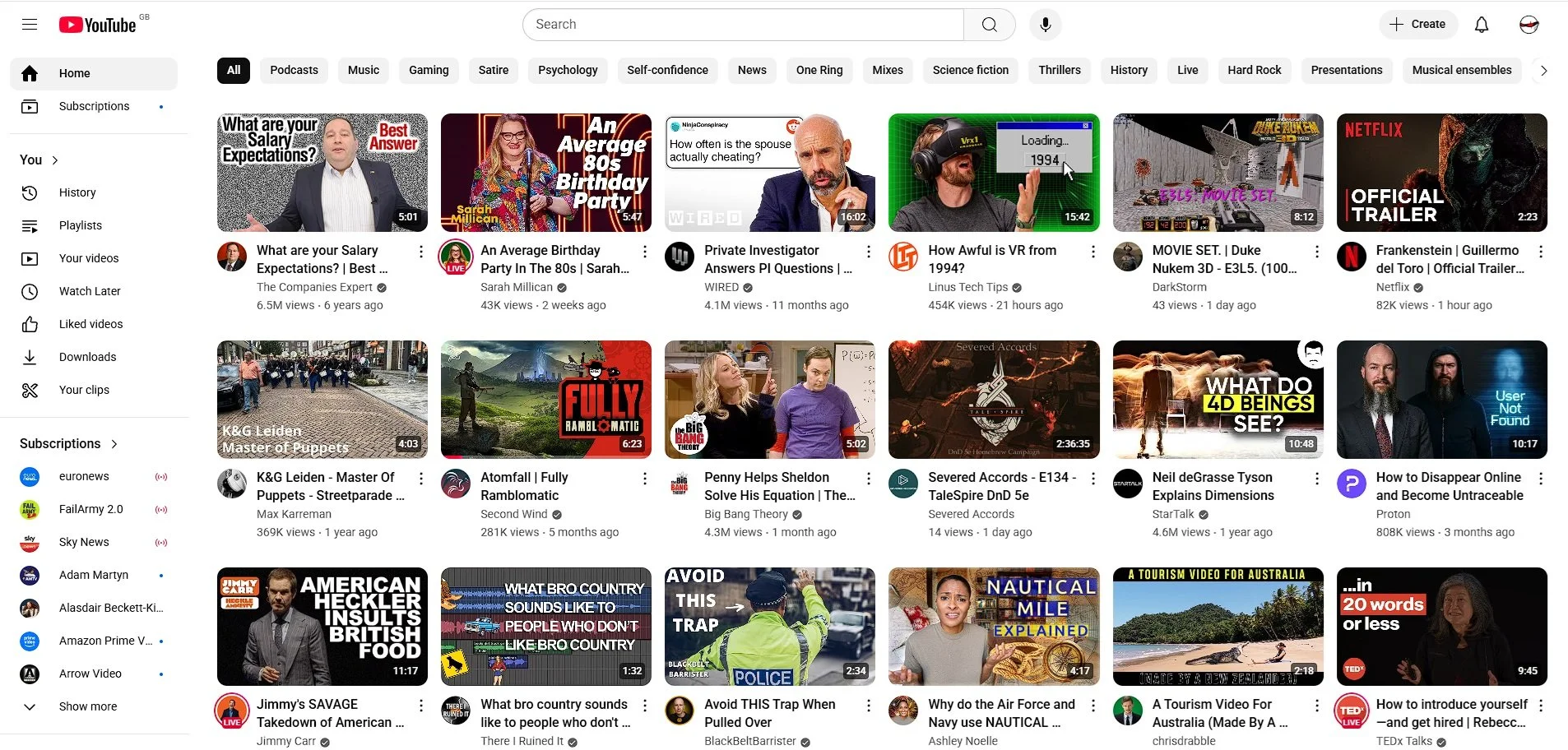
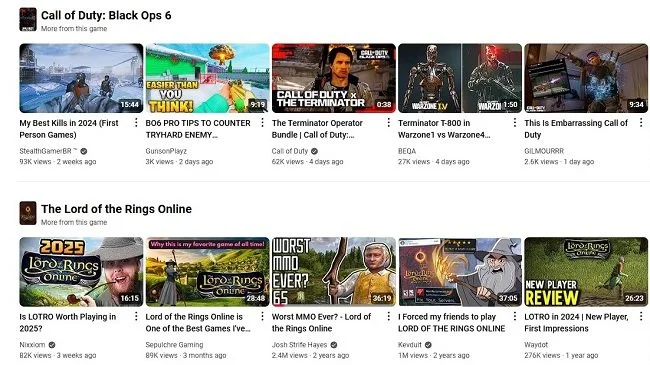
I use a browser extension called Control Panel for YouTube, which allows me to determine who many videos are displayed on my YouTube homepage and to filter the content that is shown. At present it is configured to display rows of six. Something that I have noticed of late, is the amount of videos with hyperbolic titles and thumbnail images created by AI. Both of which are design choices made to increase engagement. Clickbait titles are contrived to meet current SEO optimisation criteria and as such feature more and more in search results. The fact that they frequently have no relation to the subject I am researching, seems to be neither here nor there. The same issues arise with regard to AI generated images, which again frequently have no bearing on the matter. The fact that more and more content creators do this, infers that it works and is now an essential part of the process you must follow to be seen and featured in search results.
I spent most of this morning and afternoon editing video content I captured while playing Sniper Elite Resistance. I assembled 26 minutes of highlights and then recorded a narration. After adding appropriate branding for Contains Moderate Peril, I then uploaded the finished video to YouTube. Sadly, the picture quality was problematic, often becoming pixelated and blocky when there was rapid movement. The volume of my narration was also too low, so I decided to delete the video from my channel. I was somewhat disappointed by this outcome and initially thought that the day had been a waste of time. However, as I write this post, it becomes very clear that this is just part of the learning curve. I have given some thought to the problem and I believe I have determined why this video was not up to the standard of the previous one. Ultimately, this is an invaluable lesson.
I recently wrote a post about how I wanted to have a go at producing some gaming videos for YouTube. “How hard can it be?” I asked rhetorically, knowing that there would probably be a lot more to the process than meets the eye. Two weeks on and I can report back that there is indeed a learning curve but it is not insurmountable. I managed to figure out how to record a video game, edit it and then add a narration as well as a simple animated logo. Furthermore, I succeeded in doing this without spending a lot of money. I bought some video editing software and a year’s subscription to XSplit Broadcaster but got a really good deal on both. In total I paid £41, which is very reasonable. Hence yesterday, I posted my first video on the officially relaunched Contains Moderate Peril YouTube channel.
The notion of live streaming or recording video game playthroughs is now a clearly established part of popular culture. It is something you can do while sitting on your sofa, watching TV in your lounge. A decade ago, people were far more sceptical about it and would scratch their head and ask “why would you want to watch someone else play a game”? Yet here we are in 2025 and 15% of YouTube content is about video games. Furthermore 20 out of the top 100 content creators are producing video game related material. As of last year, YouTube videos about games were generating 6 billion monthly views, on average. Where there are views, there’s advertising. Hence there’s the potential to make a lot of money, which only encourages further growth.
I am not going to discuss the history of internet advertising, or the moral or ethical concerns that go hand in hand with it. There is a basic argument that people who make content want to get paid and I suspect that most people appreciate this, at least in principle. However, there is a counter argument regarding the way advertising is managed. For example, how many adverts is acceptable during the course of say a live stream of a YouTube video. Also there is a discussion to be had about what kind of adverts are shown and whether they need to be integrated into the content in a more equitable manner. However, that is not what this post is about. I am going to start from the logical and honest position that many of us use ad blockers. We do so because we find advertising crass and invasive. I guess there is a degree of cognitive dissonance regarding their use, versus the ethics of the matter but humans are like that. We are contradictory by nature.
Another week, another internet “drama”. I don’t actively seek this shit out. It just bleeds through into my social media timeline with tedious regularity. This latest debacle is regarding the popular (by which I mean over 15 million subscribers) technology product review YouTube channel, Linus Tech Tips. There have been claims of factual inaccuracies in recent reviews and a focus in getting content produced quickly at the expense of quality. Then a former employee made allegations of a toxic work environment and sexual harassment. As a result there has been a great deal of “online outrage” from those who assumed up until now that Linus Tech Tips was a bastion of integrity. Then there was the formal reply video from Linus Tech Tips about the allegations, which made matters worse by joking about the situation and running ads. As a result the YouTube channel has suspended video production for a week. You can read more details on this situation on the Forbes website.
I was perusing the various YouTube channels that I subscribe to recently, enjoying a broad range of high quality content, when I suddenly realised that the majority of them had some sort of optional monetisation scheme associated with them. By realised I mean that it suddenly clicked with me that so many people are trying to raise funds to pay for their production costs. It’s certainly something I can identify with. I’ve been running a blog since 2007 and even that can be a money pit. There’s domain registrations, hosting costs, design work etc. It was even more expensive when I was producing a podcast. That incurred further hosting expenses and then there was the hardware to buy. So I fully appreciate the situation that many YouTubers find themselves in. They spend their own precious time and money creating quality material that many consume assuming that it is all just “free”.
Last year, when I was looking for some suitable video editing software, I found that people would often recommended DaVinci Resolve. It is indeed an outstanding tool but totally beyond my needs. It is also a beast to run and occupies a substantial percentage of real estate on your SSD, so I dismissed this option for practical reasons. Let it suffice to say that finding a suitable product that met my requirements was quite difficult. Video editors often seem to be either quick and easy tools for clipping content on the fly, such as Bandicut (which is great for exactly that purpose) or huge, professional quality behemoths, used by people who work in the appropriate industry. DaVinci Resolve is a textbook example of this. It begs the question what products occupy the middle ground, assuming they exist.