
MMO Tropes: Alts
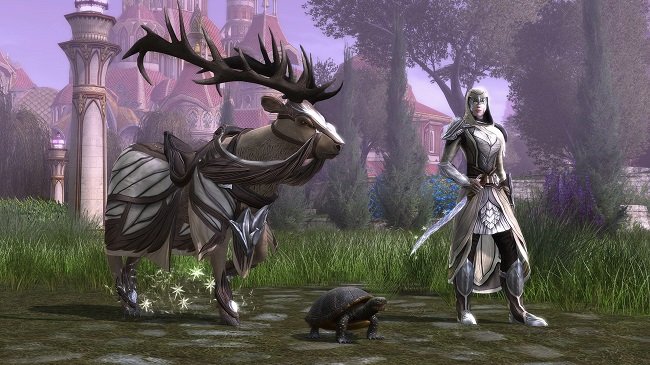
In massively multiplayer online games (MMOs), alts (short for alternate characters), are new characters created by a player in addition to their primary character (often called the “main”). Alts are often encouraged by developers as a means to keep players engaged with their game(s). Sometimes an MMO will actively reward the creation of alts either with access to exclusive content, or with additional skills or items previously unlocked by primary characters. As the myth that an MMO really begins at endgame still persists in gaming culture, some games sell boosts that will instantly raise the level of an alt to that of the current level cap. Creating alts is such a key aspect of the MMO genre, that some games will sell additional character slots, so that players can create further alts beyond the default amount allowed. There are many reasons why players create alts. Let us consider some.
In massively multiplayer online games (MMOs), alts (short for alternate characters), are new characters created by a player in addition to their primary character (often called the “main”). Alts are often encouraged by developers as a means to keep players engaged with their game(s). Sometimes an MMO will actively reward the creation of alts either with access to exclusive content, or with additional skills or items previously unlocked by primary characters. As the myth that an MMO really begins at endgame still persists in gaming culture, some games sell boosts that will instantly raise the level of an alt to that of the current level cap. Creating alts is such a key aspect of the MMO genre, that some games will sell additional character slots, so that players can create further alts beyond the default amount allowed. There are many reasons why players create alts. Let us consider some.
Trying different classes: Many MMOs offer diverse classes, races and specialisations. Alts allow players to experience these without abandoning their main character.
Experiencing alternative gameplay: Alts can offer a fresh perspective on the game world, allowing players to engage in different activities, storylines, or even roleplay.
Farming resources: In some MMOs, alts can be used to gather more resources, complete daily quests, or participate in other activities. These often offer rewards such as items or currency, which can benefit the player's main character.
Socialising: Alts can be used to play with different groups of friends, or to participate in content that requires a specific group of classes.
Avoiding burnout: Playing the same character for extended periods can lead to burnout, and alts can provide a break from the routine.
Roleplaying: Some players create alts for roleplaying purposes, developing unique backstories and personalities for each character.
Increased and unique rewards: Some MMOs offer rewards for having multiple characters, such as bonus experience, unique items or account wide unlocks.
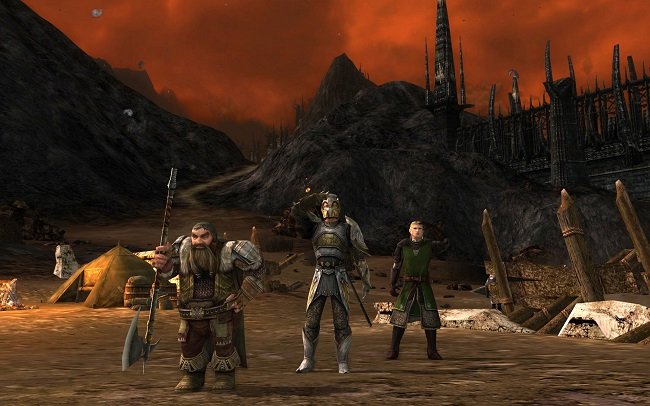
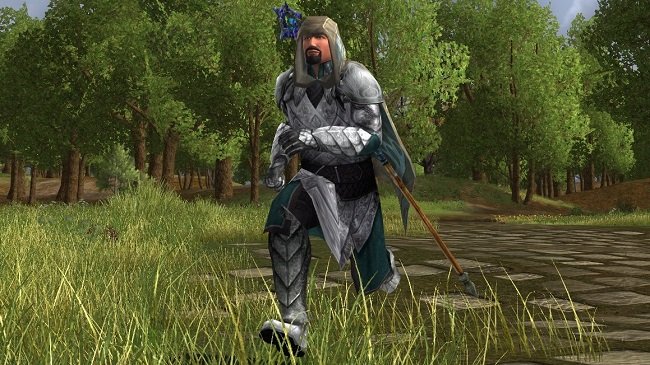
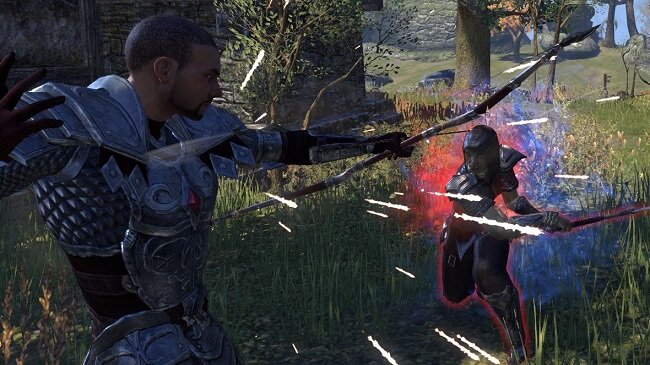
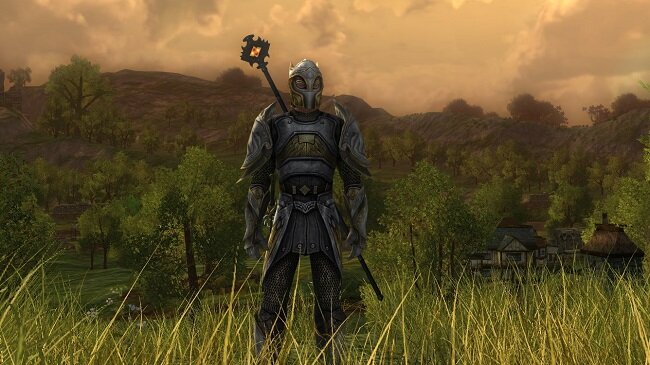
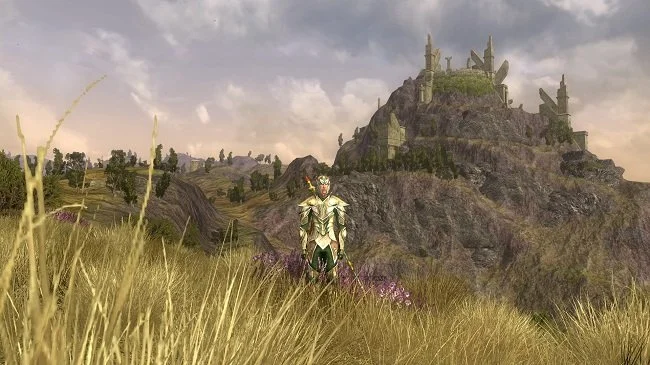
The MMO genre handles the issue of alts in a broad fashion. Some older games such as Age of Conan (now Conan Unchained) only have one path through game content. If you roll a new alt you will still have to play through content you have already experienced. The Lord of the Rings Online takes a different approach with your character’s race determining their starter area. This offers a degree of difference for alts, although the storylines come together after a certain level. Guild Wars 2 takes a similar approach, again favouring race specific starters areas. In The Elder Scrolls Online, new characters begin in a tutorial area called Coldharbour's Wailing Prison, then are sent to their alliance's starting zone. After the tutorial, players can explore their alliance’s respective zone and choose which quests to pursue. Players then have the option to explore other alliances’ zones later.
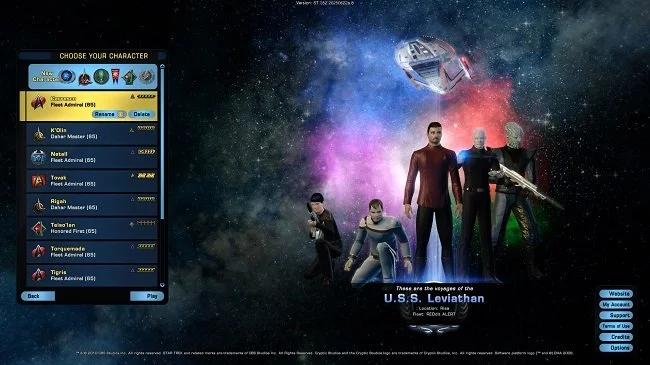
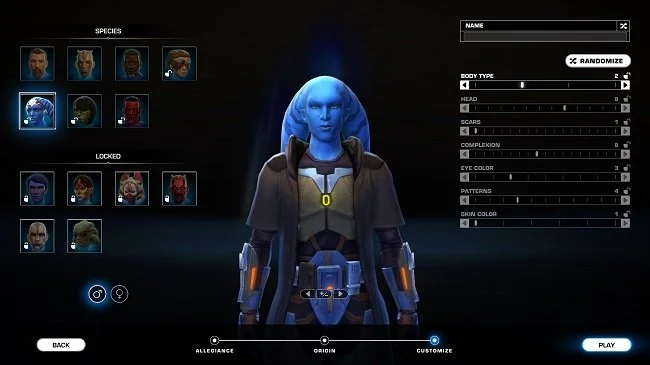
Star Wars: The Old Republic takes a far bolder approach to alts. The starting area for each character is determined by their chosen class. There are four starting planets shared between two classes. However, every class has a completely unique story that runs throughout the duration of the base game. This greatly improves the games replayability across the eight classes. Similarly, the MMO Star Trek Online offers bespoke stories across its six main factions before the stories converge into a unified episodic arc. The game also has regular events that unlock account wide rewards. Someone who has played the game regularly with a primary character, has the benefit of being able to access numerous bonuses and items whenever they create a new alt. Items, such as ships, bought in the cash shop are also available to all alts.
Alts are often encouraged and in some specific titles an integral part of that game’s lifecycle. The MMO genre certainly has a requirement for players to roll alts. They offer increased variety, engagement and sometimes additional resources within the game world. Where other genres struggle with replayability, MMOs fare far better via the medium of alts. However, alts are not a foolproof solution to player engagement. Alts often end up abandoned, especially if the new class on offer is not a good fit for a player’s style. Many are experiments or something undertaken on a whim. Many are created purely for storage or to perform specific tasks, such as resource farming. But some choice is better than no choice and alts are an opportunity to try new things. Whether we personally take advantage of them or not, it is a positive thing that they exist.


Politicians
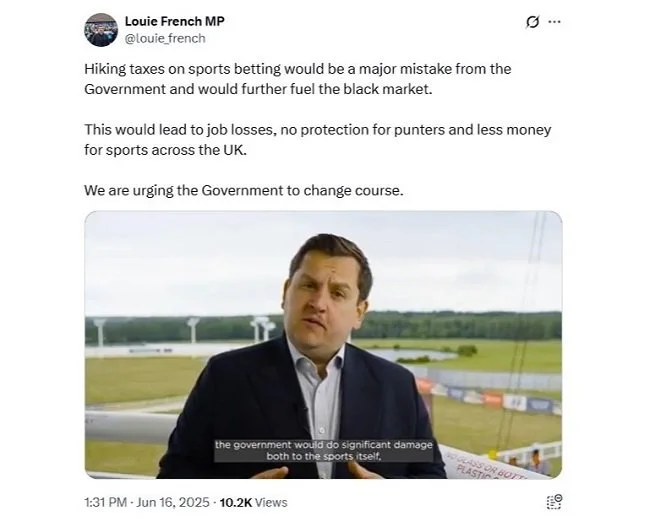
I still maintain a legacy presence on Twitter/X and I follow my local MP (member of Parliament) Louie French. It’s not something I especially relish as I am not a supporter of the Conservative party (or any other) and I did not vote for him in the last election. I just like to know what he is up to as he is the political representative for our constituency. As the Conservatives are out of power at present, to all intent and purposes, Mr French is a backbench MP although he has a minor position as Shadow Parliamentary Undersecretary (Culture, Media and Sport). However, with that being said he is hardly a key member of the shadow cabinet. Hence he focuses on constituency work and that which is generated by his shadow posting. He will also lend his voice, when required, to any major policy decision or statement made by his party.
I still maintain a legacy presence on Twitter/X and I follow my local MP (member of Parliament) Louie French. It’s not something I especially relish as I am not a supporter of the Conservative party (or any other) and I did not vote for him in the last election. I just like to know what he is up to as he is the political representative for our constituency. As the Conservatives are out of power at present, to all intent and purposes, Mr French is a backbench MP although he has a minor position as Shadow Parliamentary Undersecretary (Culture, Media and Sport). However, with that being said he is hardly a key member of the shadow cabinet. Hence he focuses on constituency work and that which is generated by his shadow posting. He will also lend his voice, when required, to any major policy decision or statement made by his party.
Like most contemporary parliamentary representatives he uses social media as a major communication tool. Hence it is a valuable source of information. I can also look on the UK parliamentary website and see when he has spoken in the House of Commons, any bills he is associated with or advocates for, as well as his overall voting record. There is also a list of interests that he has declared, most of which are declarations of meetings and hospitality via the sports industry as that is his current shadow brief. All the above is occasionally supplemented by news reports or newspaper articles in which Mr French features. All of which provides a constituent such as I, a useful means to assess how well our MP is performing. I try to set aside my personal bias regarding his political party of choice and their historical legacy to which he has contributed.
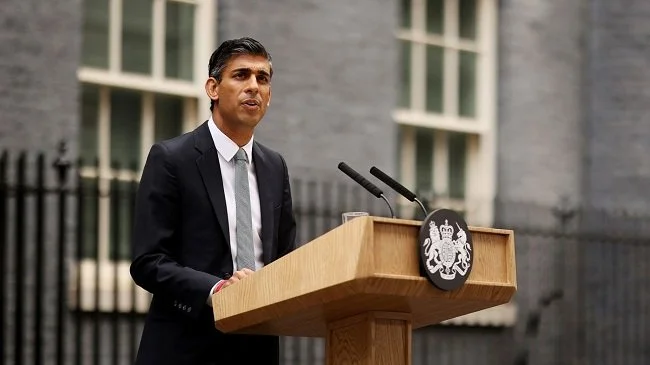
After reflecting upon all of the information at my disposal regarding my local MP, I am struck by how generic, superficial and tediously partisan his political activities and communications are. Every point made is always couched within a statement that seeks to blame others and ruffle the feathers of the electorate. Any point of contention or debate pertaining to services or activities in London is always portrayed as the fault of the current mayor Sadiq Khan, a Labour party politician. This always comes with an undercurrent of dog whistle racism although I sure it would be denied. It simply seems to be a standard political tool if you are on the right of politics. Essentially Mr French conducts his politics in trite, factually dubious, soundbites. It is always simplistic, partisan and imbued with a false sense of rectitude and misplaced confidence.
The tragedy of this situation is that it is representative of the broader manner in which politics is conducted nationally in the UK. There are few exceptional politicians these days. The defining term that springs to mind of our overall political representation is mediocrity. Gone are the days where your MP was well educated, well versed in business or statecraft and conducted themselves with decorum and dignity. Too many contemporary MPs seem to be ill equipped across multiple disciplines to do the job in hand. They all seem to indulge in the worst sort of political communication, which makes it impossible for them to be able to express an opinion or answer a question in case it comes back to haunt them at a future date. They are disingenuous, often petulant and petty when rightly challenged to justify their position and more often than not utterly forgettable. Politics is simply a stepping stone in a wider career and is not driven by passion, ideology or love of one’s country.
I am reminded of the following quote from the BBC comedy Yes Minister/Yes Prime Minister. In which the fictional Prime Minister James Hacker (played superbly by Paul Eddington) rails against his backbenchers and MPs per se. It is as relevant now as it was back in 1986 when the episode was first broadcast. “Being an MP is a vast subsidised ego trip. It's a job for which you need no qualifications, no compulsory hours of work, no performance standards. A warm room and subsidised meals for a bunch of self-opinionated windbags and busybodies who suddenly find people taking them seriously because they got letters MP after their names”. If we wish to improve the calibre of our national politics, then we need to start by establishing a set of standards and criteria that prospective MPs must meet.














Thoughts on Holidays
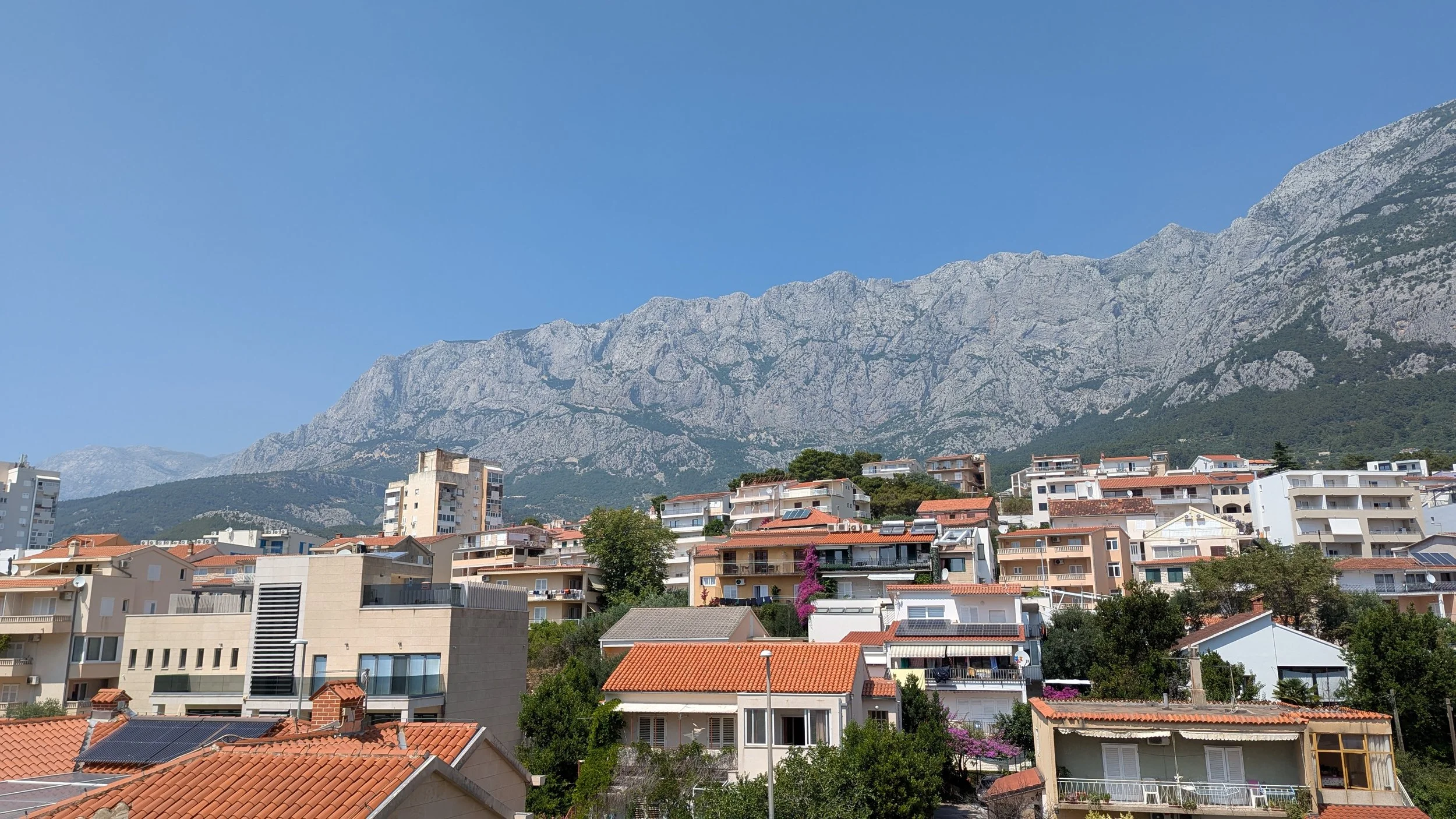
Mrs P and I travelled to Croatia on Friday 13th June for our summer holiday. We spent one week in Makarska, which is located on the Dalmatian coast. My last international holiday was to Malta in 2004. Since then we have done a lot of travelling in the UK and Mrs P has vacationed abroad with other family members. However, she stated last September that she wanted to go “somewhere warm” for our next holiday. So this trip was booked and has been “something to look forward to”, or a source of stress slowly inching closer, depending upon your perspective. In many respects this holiday has been a big deal for me. I don’t enjoy travelling at all with all its accompanying logistical, bureaucratic and “people” issues. However, I have no problem with being elsewhere. I eagerly await teleportation technology to become commonplace. Once I arrived at our hotel, I quickly switched to holiday mode and I am happy to confirm that I thoroughly enjoyed myself.
Mrs P and I travelled to Croatia on Friday 13th June for our summer holiday. We spent one week in Makarska, which is located on the Dalmatian coast. My last international holiday was to Malta in 2004. Since then we have done a lot of travelling in the UK and Mrs P has vacationed abroad with other family members. However, she stated last September that she wanted to go “somewhere warm” for our next holiday. So this trip was booked and has been “something to look forward to”, or a source of stress slowly inching closer, depending upon your perspective. In many respects this holiday has been a big deal for me. I don’t enjoy travelling at all with all its accompanying logistical, bureaucratic and “people” issues. However, I have no problem with being elsewhere. I eagerly await teleportation technology to become commonplace. Once I arrived at our hotel, I quickly switched to holiday mode and I am happy to confirm that I thoroughly enjoyed myself.
I knew that travelling from London Gatwick, even in the earlier hours of the morning, was going to be stressful. The airport is busy 24 hours a day. So I took the precaution of booking a room at the Premier Inn the day before our flight, so we didn’t have to get a taxi at “stupid o’clock”. Hence we spent the afternoon and evening relaxing in the bar and restaurant on Thursday and retired at a sensible time, as we had to get up at 3:00 AM the next day. Early Friday morning we dropped off our baggage and went through security. Both of which were extremely busy. Fortunately, I had booked us into an airport lounge, so we didn’t have to wait in the public area which was already heaving by 5:00 AM. The seating in the lounge was comfy and there was a buffet available. It certainly helped reduce my stress levels. It was also very close to our departure gate, so all we had to do was relax and wait. I indulged my hobby of “people watching”, which proved most illuminating as it so often does.
Boarding the plane old school
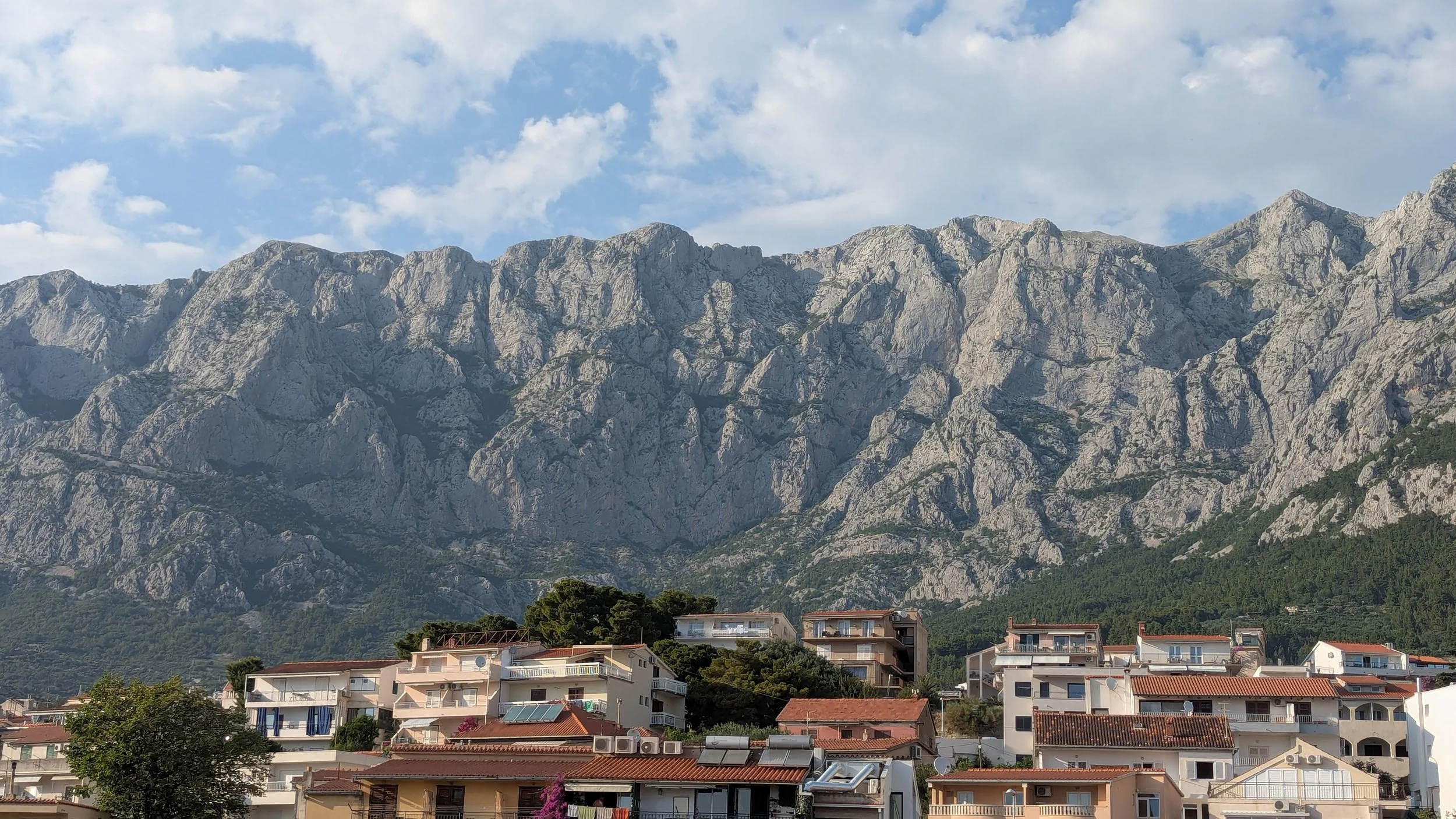
Our flight was fine once it actually took off. Two hours fifteen minutes is hardly an arduous journey. My beef is with how long it takes getting passengers on and off the plane and the time that is lost waiting to take off. As ever with holidays to warmer climates, we were greeted by a wall of heat as we stepped off the plane. The average temperature in Croatia in June is usually 24°C (76°F). Due to a heatwave across the Mediterranean, it was often 27°C (81°F) during our stay. There was a rep from the holiday company waiting at Split airport and we were quickly directed to the coach that took us to our hotel. What I didn’t realise is that the Dalmatian coast is on the other side of a mountain range and so we subsequently had another two hour journey. However, this did afford an opportunity to spend some time familiarising myself with the Croatian landscape which is similar to that of Greece and Cypress, but more verdant.
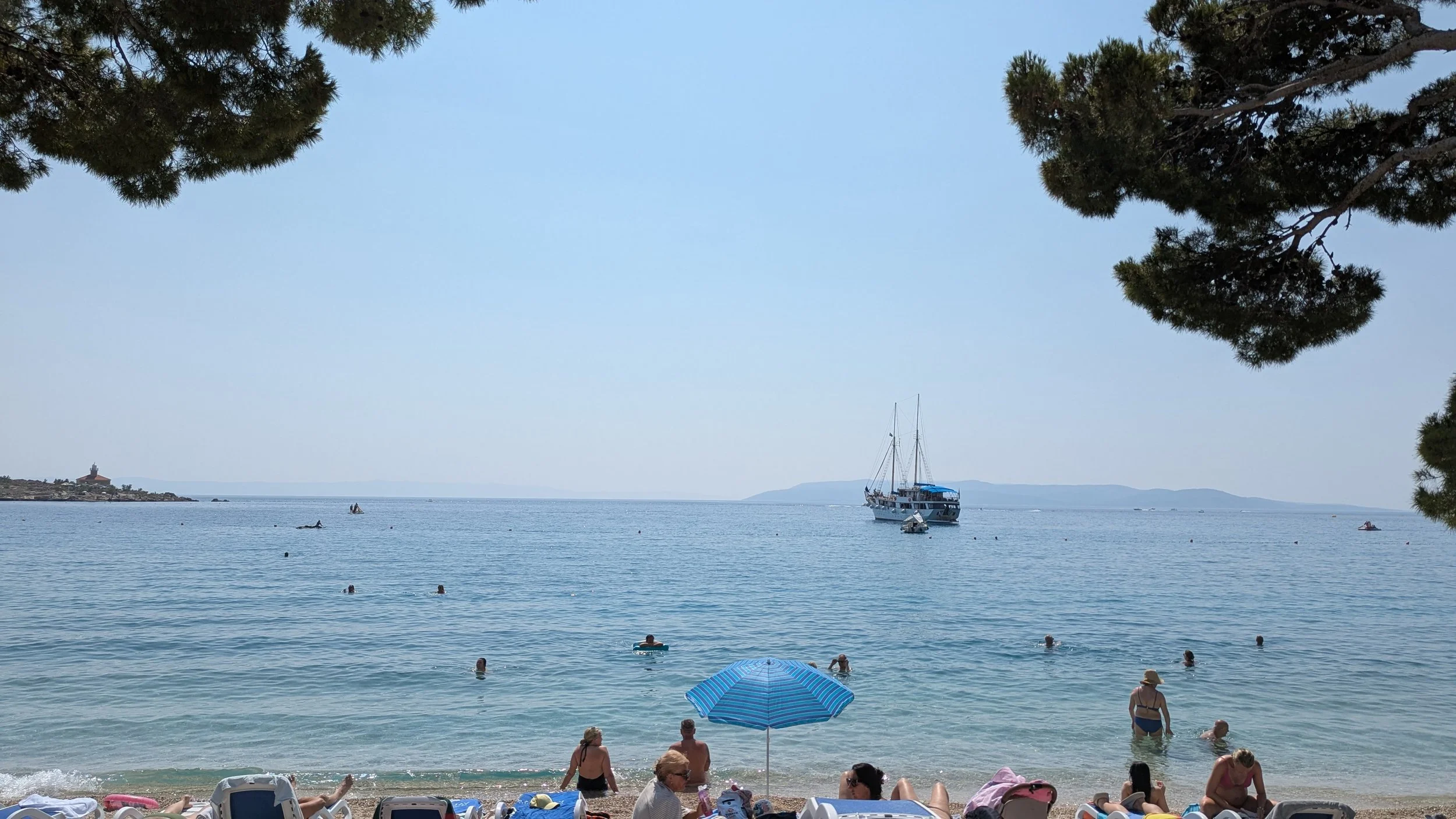
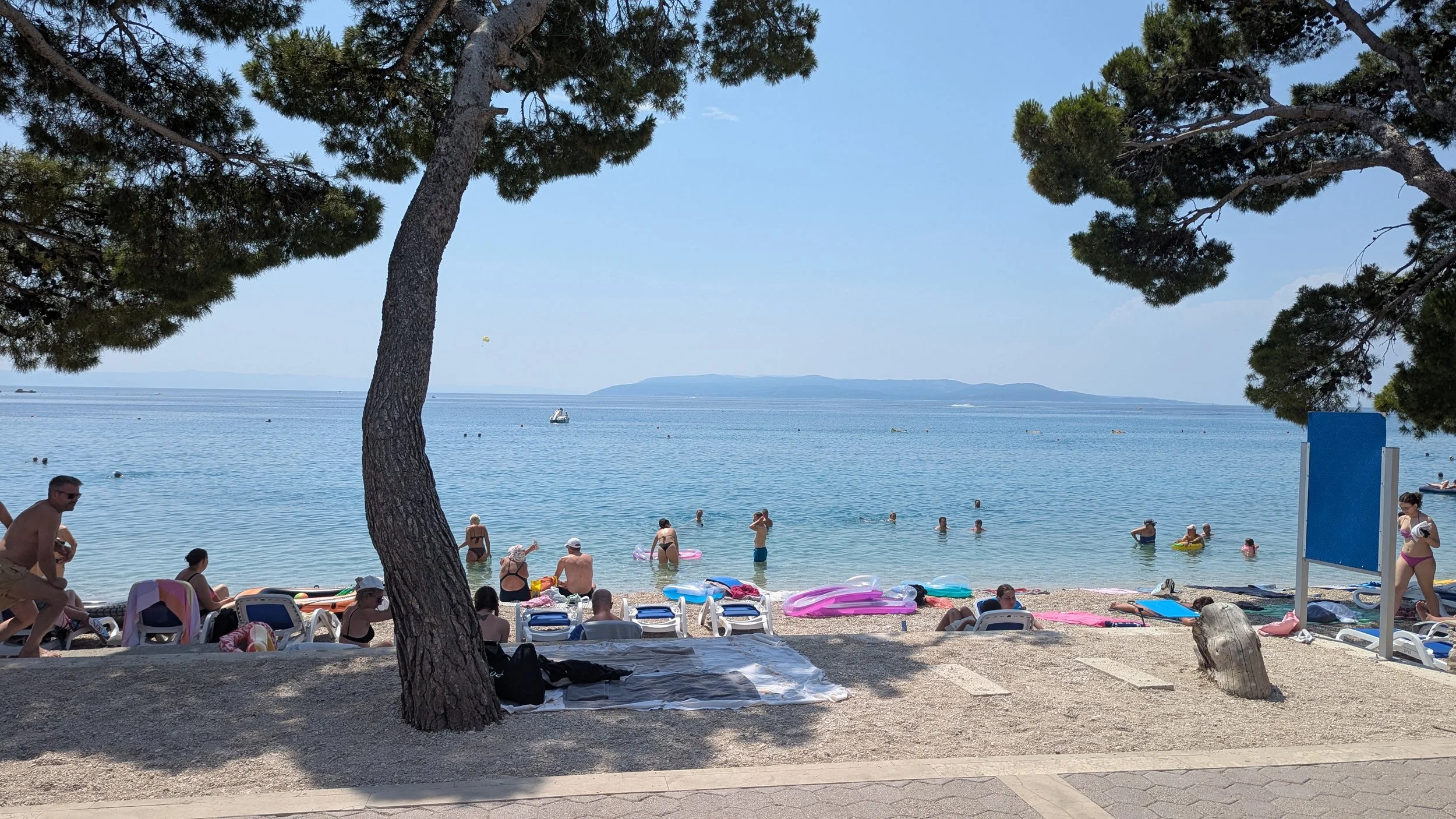
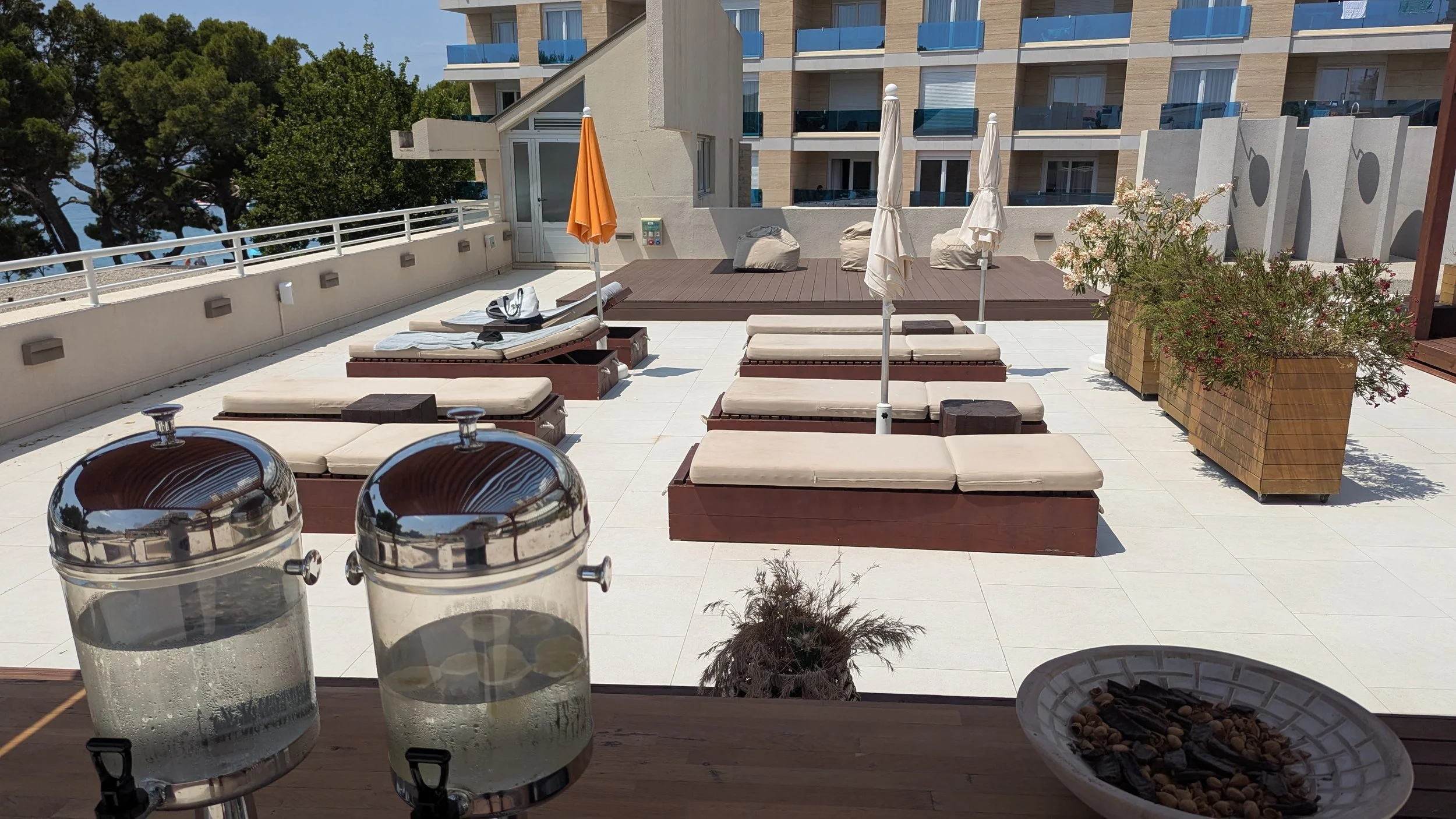
According to their website, the Valamar Meteor Hotel is “stylish, bright and brimming with facilities” and I am happy to concur. Set next to a shady pebble beach near the heart of Makarska, this four star hotel features gorgeous outdoor and indoor pools, as well as a sun terrace overlooking the Adriatic sea. The stylish and contemporary furnished air conditioned rooms and suites offer views of either the sea or mountain. Immaculately presented with incredibly friendly and helpful staff, this is one of the best hotels I have ever stayed in. There are plenty of activities available for both adults and children, as well as excursions and tours. The bar and the main restaurant were outstanding. The latter offers the most extensive breakfast and dinner buffets I have encountered. Local delicacies, Mediterranean cuisine and simple staples were all available. I felt incredibly relaxed all the time and there were absolutely no language issues.
Krka National Park
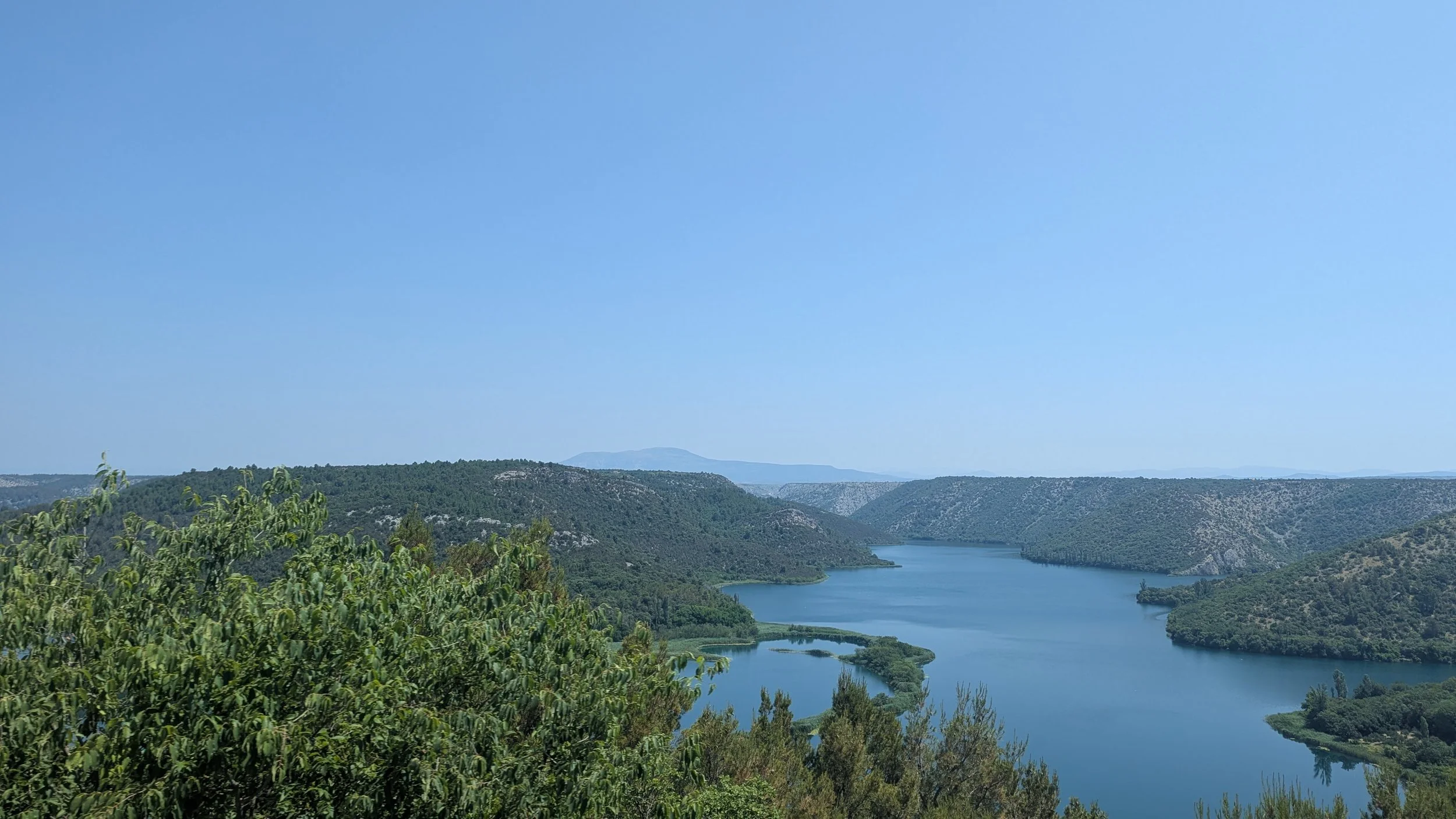
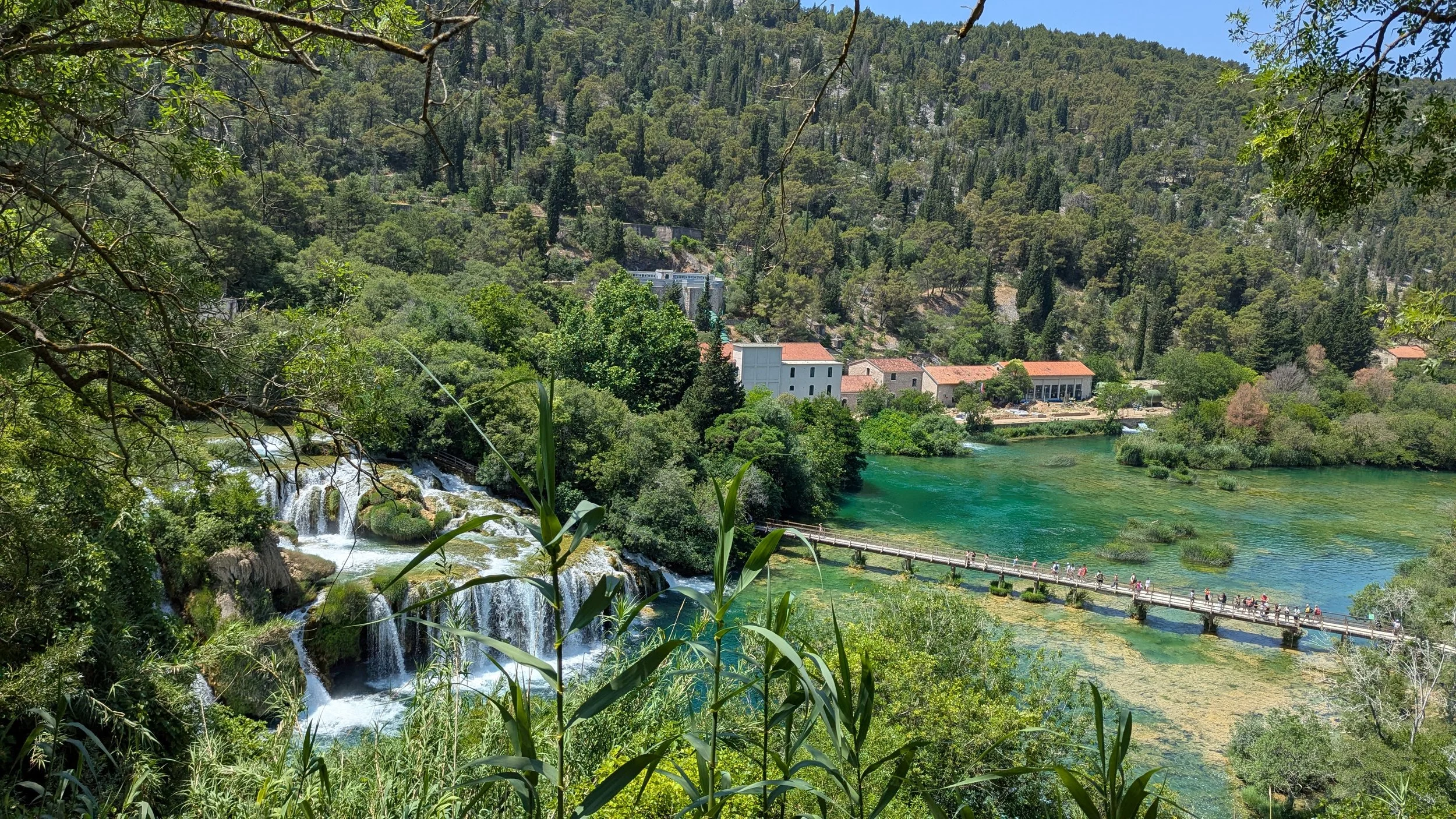
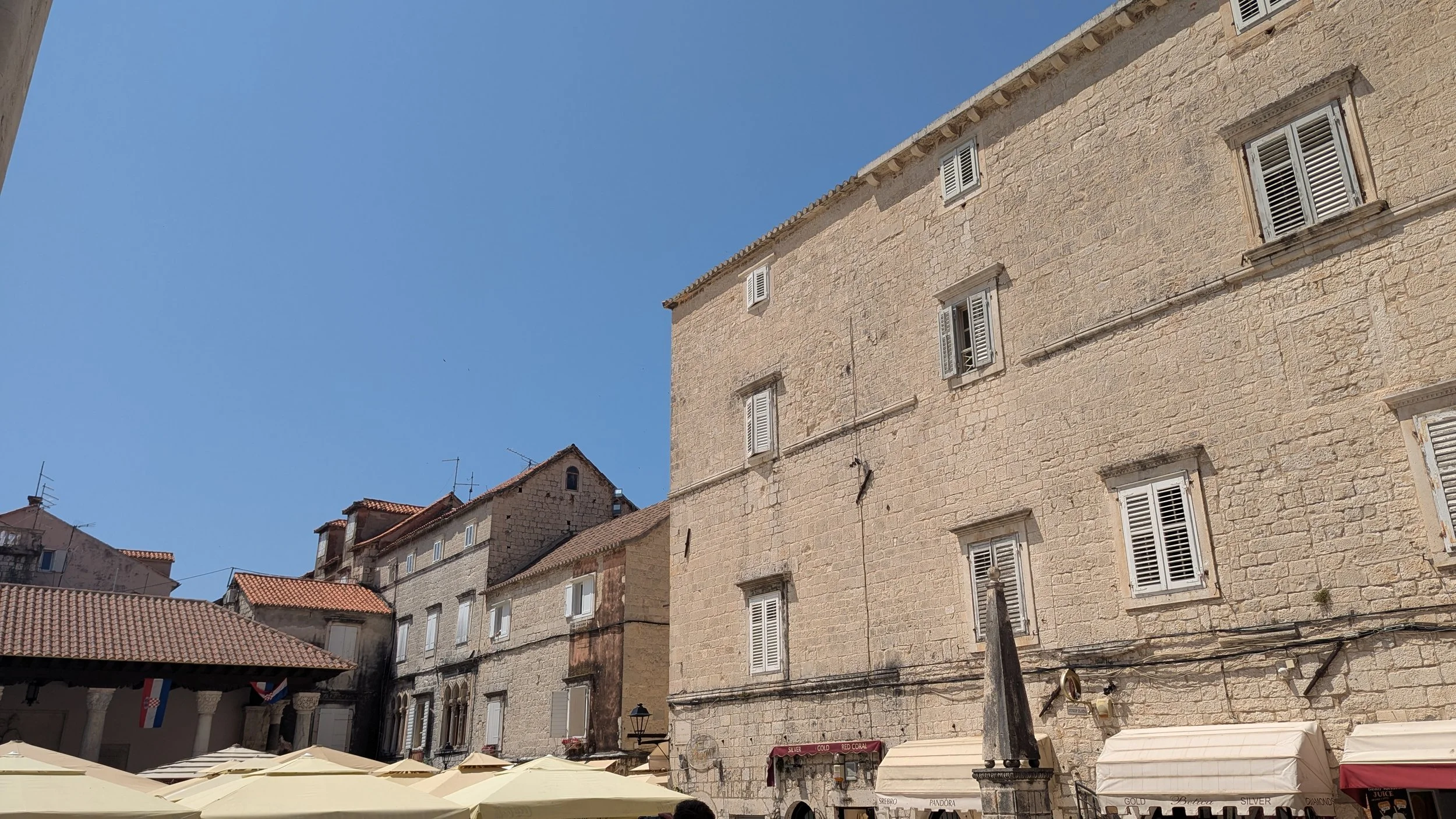
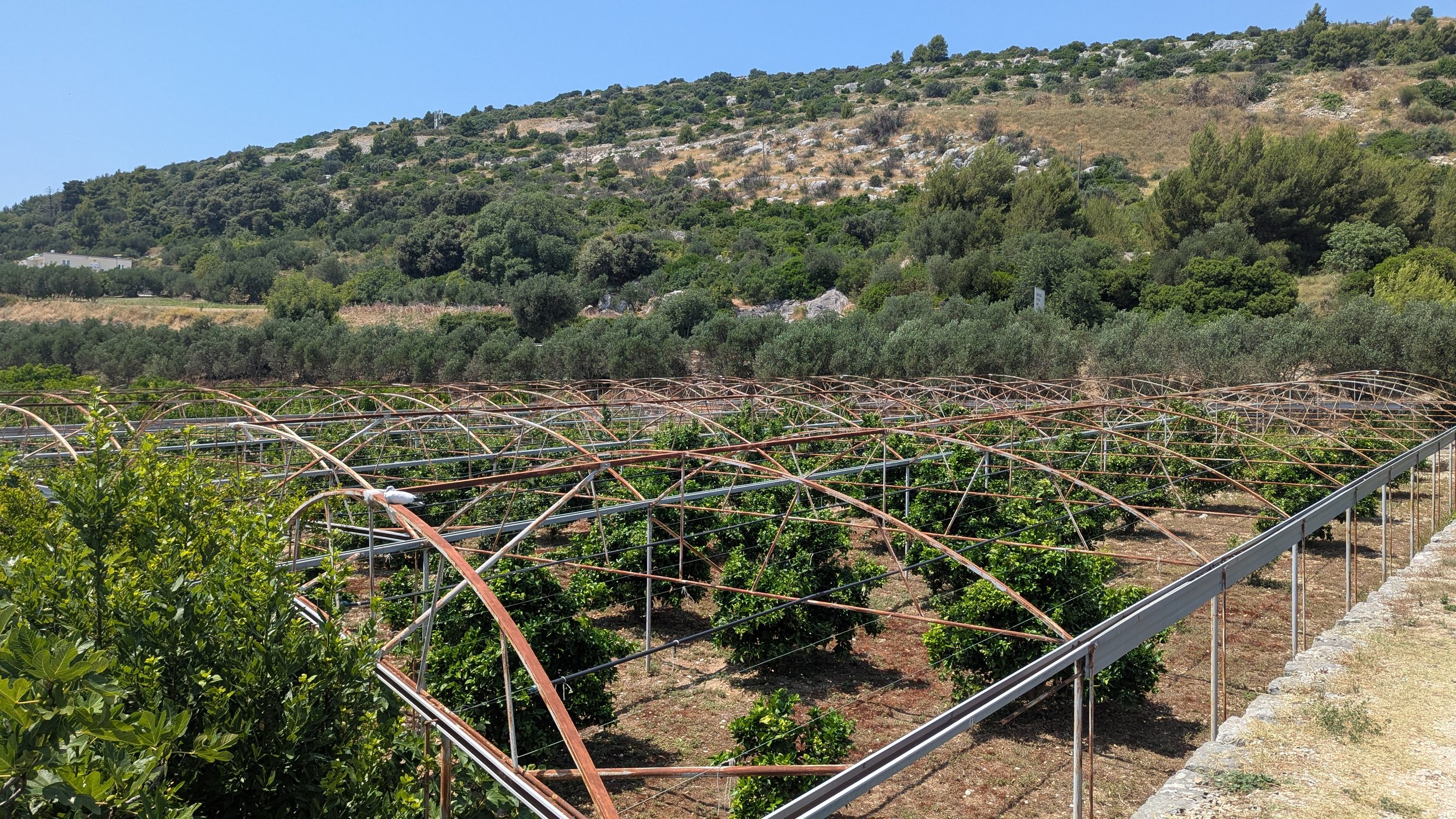
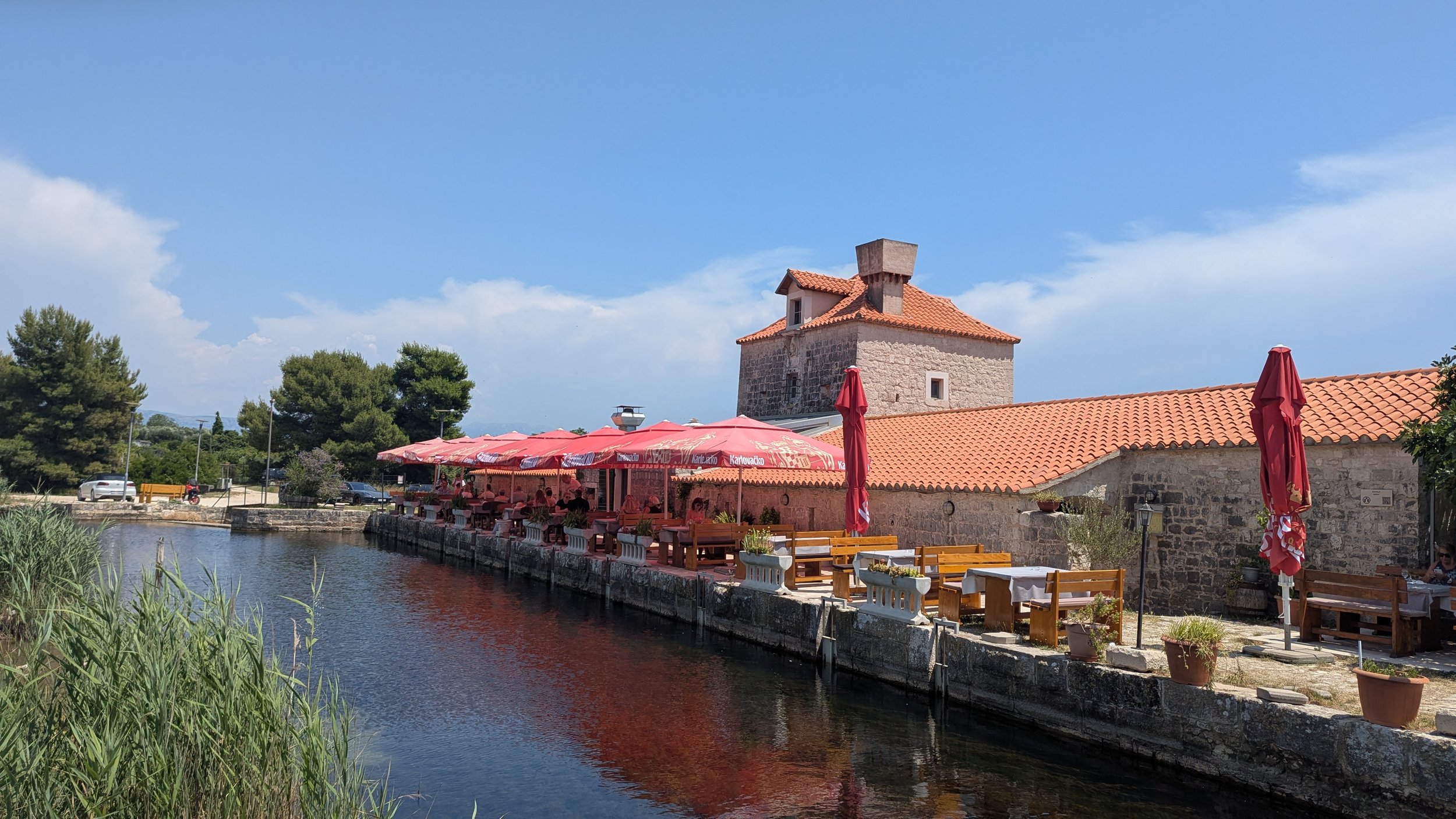
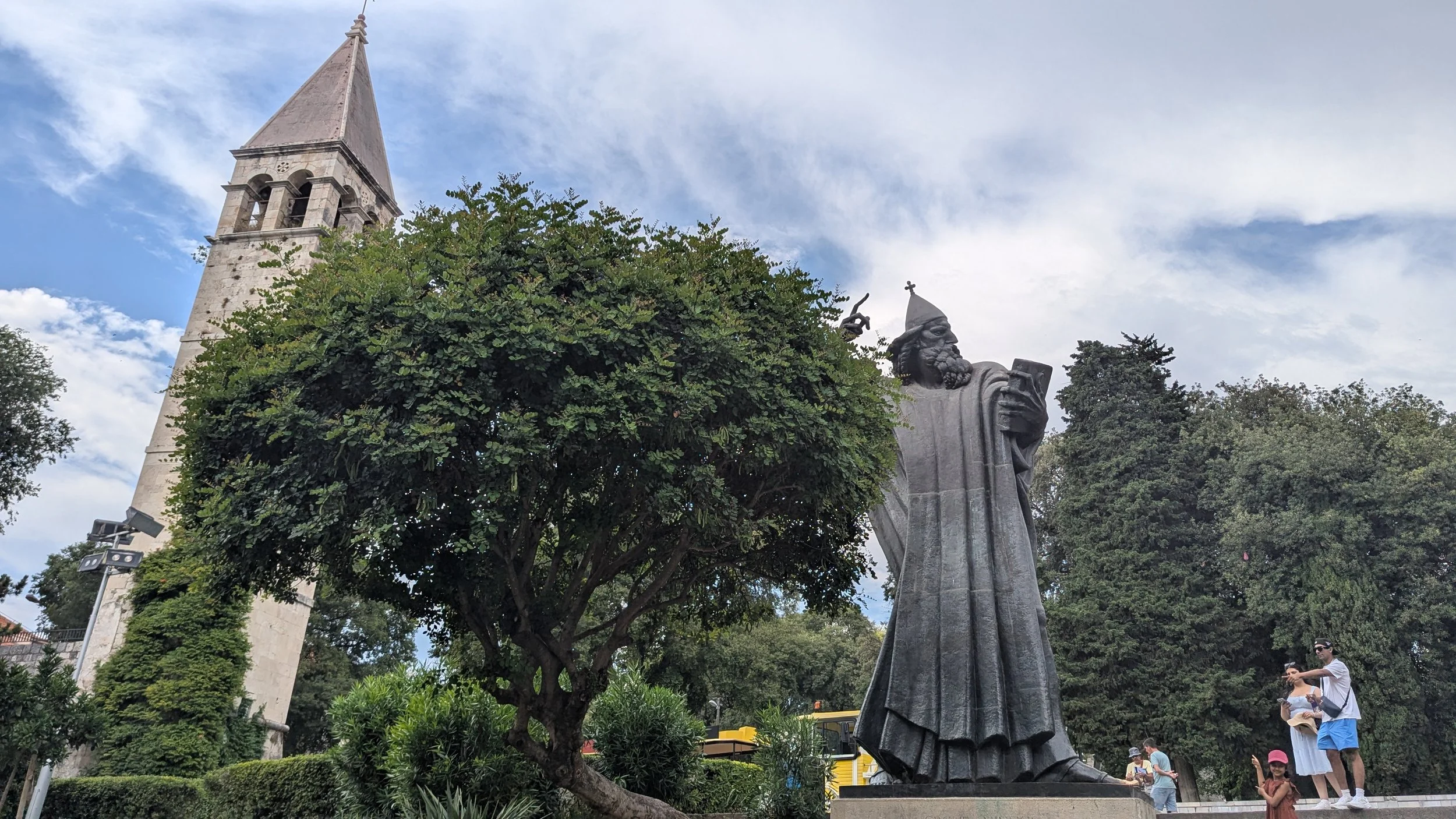
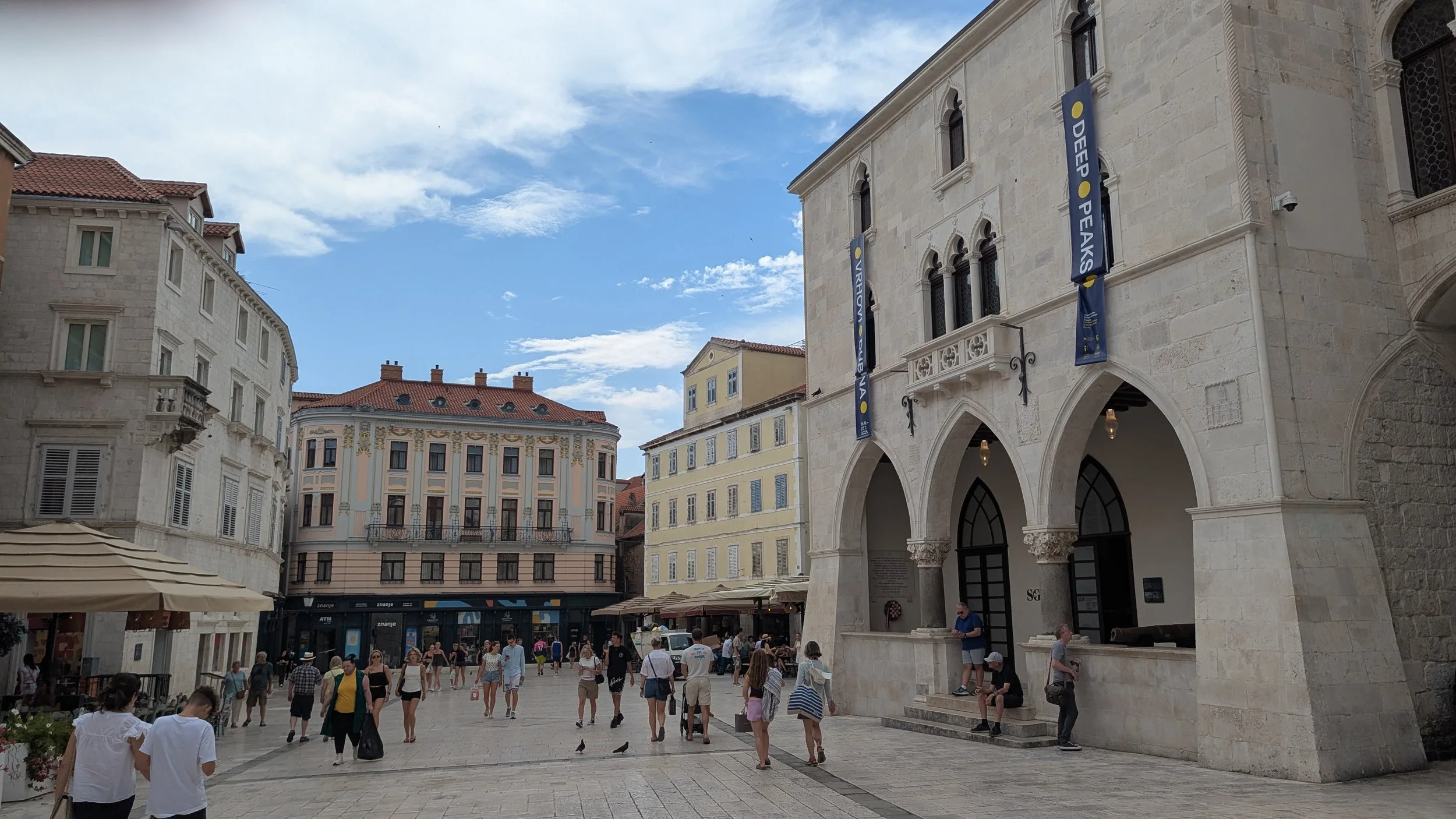
Mrs P likes to sun herself on holidays. I will do this to a degree but will go walkabout when I’ve had my fill. Thankfully, the hotel had a game lounge furnished with half a dozen PlayStation 5s. There was often musical entertainment in the evenings and it was to a surprisingly good standard. We went on several excursions during the week. One to Krka National Park which was most impressive with its abundance of waterfalls. We also went on a tour of Trogir and Split. I particularly liked the Cathedral of Saint Domnius and the remains of Emperor Diocletian’s Palace. An unexpected place of interest was a visit to the Olive Museum and later a trip to an olive farm. In such modern times it is easy to forget the importance of certain traditional industries and their significance to the history and economy of a country or region.
The Dalmatian Coast
The whole point of a holiday is to rest, relax and do things you may not do in the course of your daily life. My week in Croatia satisfied all these needs. On one occasion I left the hotel and walked through the town of Makarska. It was similar to any community with supermarkets and pharmacies. Being a resort there were a lot of shops selling souvenirs and such like and numerous restaurants. The cost of living is lower than that of the UK, giving me the brief illusion during my stay of being wealthy. The other stand out feature of Makarska was how clean and well maintained it is. But as 23% of Croatia’s GDP comes from tourism, such high standards seem self explanatory. Overall, this holiday has certainly done much to revise my views on international travel. It ultimately comes down to doing your research and making a discerning choice. I’m already considering where to go next and I may not wait until next year.



























Playing Against Bots in Warzone
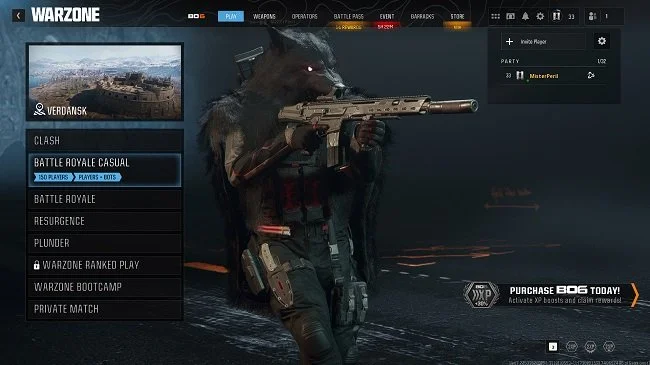
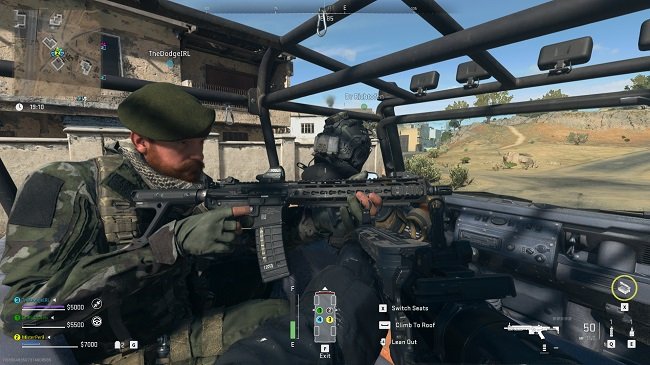
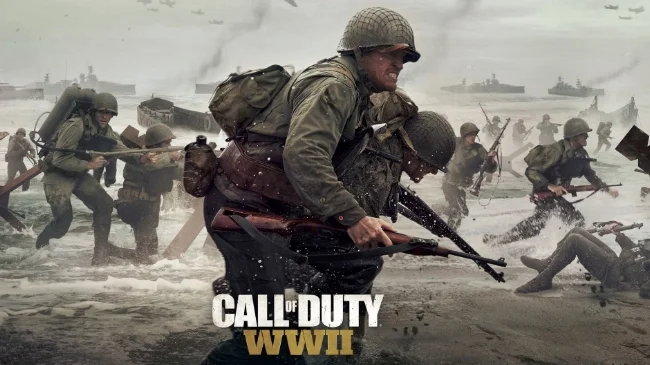
Warzone added a new “casual mode” to its Battle Royale at the start of Season 4. This reduced the number of real players in-game and substituted them with AI bots. The ratio is approximately one fifth real players, four fifths bots. This new mode for Battle Royale solos, duos and quads was well received, especially among the mainstream players who are more focused on fun than progression. Veteran players who still wanted the challenge of playing against real players were free to continue playing the traditional BR modes. Hence all parties were pleased as they were both being catered for. However, and there is always a “however” when it comes to Call of Duty, the developers saw fit to remove the standard solo Battle Royale mode, leaving just the Battle Royale Casual mode with AI bots. Subsequently, a lot of players were perplexed and annoyed, as taking away choice is seldom good customer service. As a result of subsequent backlash, the mode was added back to the game mid-season.
Warzone added a new “casual mode” to its Battle Royale at the start of Season 4. This reduced the number of real players in-game and substituted them with AI bots. The ratio is approximately one fifth real players, four fifths bots. This new mode for Battle Royale solos, duos and quads was well received, especially among the mainstream players who are more focused on fun than progression. Veteran players who still wanted the challenge of playing against real players were free to continue playing the traditional BR modes. Hence all parties were pleased as they were both being catered for. However, and there is always a “however” when it comes to Call of Duty, the developers saw fit to remove the standard solo Battle Royale mode, leaving just the Battle Royale Casual mode with AI bots. Subsequently, a lot of players were perplexed and annoyed, as taking away choice is seldom good customer service. As a result of subsequent backlash, the mode was added back to the game mid-season.
After several months of consistently playing the new casual mode, I wanted to share my thoughts on replacing players with bots. It is in many respects both a boon and a bane. The principle is sound enough, replacing veteran players with less skilled bots ensures that new or less skilled players (IE the majority of the playerbase) don’t get repeatedly stomped on and thus driven from the game. However, the way the bots behave in-game is inconsistent, resulting in some rather anomalous behaviour. As there is no data publicly available regarding how the bots “work”, all I can provide are my own observations. Overall the bots mimic player behavior. If a bot sees you, it will engage. It will also pursue you but it can be lost. They will use skills such as air strikes and mortar attacks to flush players out. However, they also use some unique abilities to keep the game play “engaging”.
I play Warzone cautiously. I often go to specific locations on the map which are easier to defend or can be used for cover. I will often wait in elevated positions observing and not directly engaging in firefights happening around me. Theoretically, such a strategy should leave me unassailed except by the occasional and genuinely random incursion by a bot. But this is not the case. After a while of what the game probably classifies as inactivity, bots often appear close by. I suspect that they simply spawn near me. Similarly, the moment I collect my loadout of choice from a drop, this will often trigger a bot attack, irrespective of whether I’m in an “active area” or not. It would also appear that as your kill count against the bots goes up, the bots themselves become harder to kill. That is not to say that they become more skillful but they seem to increase their ability to be “bullet sponges”.
Another matter worth considering is that of server tick rate. Warzone has a tick rate of 20Hz, meaning the game server updates player actions and the overall game state 20 times per second. This is lower than many other popular first-person shooters, which then contributes to issues such as hit registration and perceived lag. Simply put, I can start shooting at a bot (or a real player if need be) who then returns fire but I lose the exchange. The killcam then shows the opposite of what happened with the bot firing first. Even when you take into account the type of weapons being used and their respective quality, this seems to happen a little too often. You can engage a bot who has demonstrably inferior weapons and still get “short changed”. As a player, you instinctively know when you’ve encountered this problem and the fact that it’s a known issue that persists due to infrastructure costs, makes it more annoying.
Overall, playing in a casual manner against bots and a handful of players works quite well. From time to time you’ll find a skilled real player who plays this mode to effectively troll the other players. So far I have not found that to be a common experience. Personally, I would like it if we had the option of playing a private Warzone game, exclusively against bots that you could vary the skill settings. It would finally dispense with the risk of anyone abusing voice or text chat, which is still an issue. As it stands at the moment, the casual mode is acceptable and fun, as long as you’re aware of the concessions the developer’s have made to make the game feel like a regular Warzone game. Hence you will get bots behaving as described and don’t get to play exclusively on your own terms. If you embrace this trade off then you can enjoy casual mode.



Darkness Falls (2003)
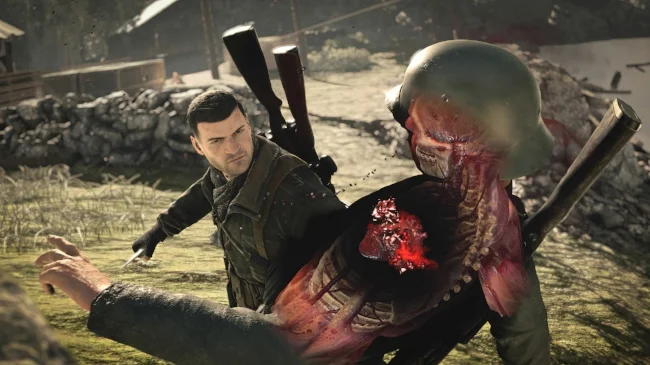
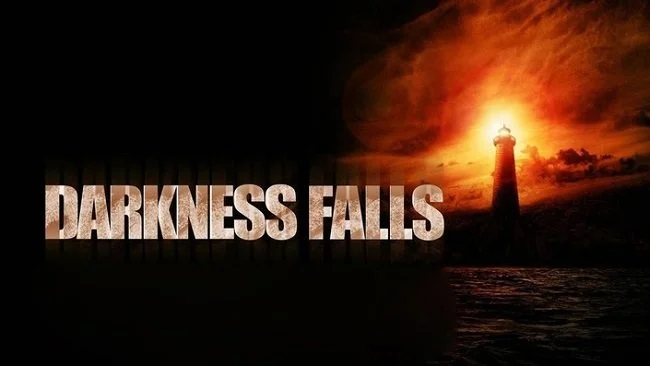
During 1836, in the town of Darkness Falls, Maine, an elderly widow Matilda Dixon is adored by the town’s children as she gives them a gold coin whenever they lose a tooth. One day, after a house fire, Matilda is left burned and sensitive to sunlight, so she starts wearing a china mask. When two children are reported missing, Matilda is blamed by some locals, dragged from her home and hung. She curses the town, stating that whenever a child loses their last tooth, she would come for it. If the child looks at her, she will kill them. The missing children are subsequently found, so the citizens cover up their unjust lynching. In 1990, young Kyle Walsh awakes one night to find Matilda Walsh standing over him. Kyle’s mother is killed and he is blamed for her death and institutionalised. 12 years later, Kyle (Channey Kley) is released and tries to warn the town of the imminent danger when lightning disables the power supply. He is ignored by all until the deaths begin.
During 1836, in the town of Darkness Falls, Maine, an elderly widow Matilda Dixon is adored by the town’s children as she gives them a gold coin whenever they lose a tooth. One day, after a house fire, Matilda is left burned and sensitive to sunlight, so she starts wearing a china mask. When two children are reported missing, Matilda is blamed by some locals, dragged from her home and hung. She curses the town, stating that whenever a child loses their last tooth, she would come for it. If the child looks at her, she will kill them. The missing children are subsequently found, so the citizens cover up their unjust lynching. In 1990, young Kyle Walsh awakes one night to find Matilda Walsh standing over him. Kyle’s mother is killed and he is blamed for her death and institutionalised. 12 years later, Kyle (Channey Kley) is released and tries to warn the town of the imminent danger when lightning disables the power supply. He is ignored by all until the deaths begin.
Directed by Jonathan Liebesman, Darkness Falls is a functional horror vehicle which focuses more upon jump scares and tension, rather than explicit horror. It has a lean running time of 86 minutes and efficiently gets from A to B narratively. However, this is at the expense of any wider detail other than the immediate plot at hand. The studio allegedly excised what it considered to be superfluous backstory, character development and ambiguity about the supernatural threat, preferring a short sharp shock over a slow burn. Also, the inspiration for this feature length movie was a short film, again raising the question about there being sufficient material to sustain the story. As it stands, the characters sequentially appear on screen, providing the bare minimum of exposition before the film segues into a series of set pieces. The ending is functional, providing a suitable climax and closure.
The cast and performances are acceptable by genre standards. The most generous thing that can be said is that the characters are mostly harmless and the one annoying individual is dispatched very quickly. The score by Tyler Bates is not especially memorable but is eminently suitable for such generic cinema fare. The minor highlight of the film is Stan Winston’s creature design. Winston was brought in, as he often was, to replace another effects company whose concepts were deemed “unsatisfactory”. However, it is something audiences only get to see in the final ten minutes of the film. Overall, it would appear that the studio decision to edit the film down to the bone, has turned a potentially interesting horror movie into a merely adequate one. As it stands, Darkness Falls is the sort of film you watch when you’re tired and can’t be bothered to put something else on.











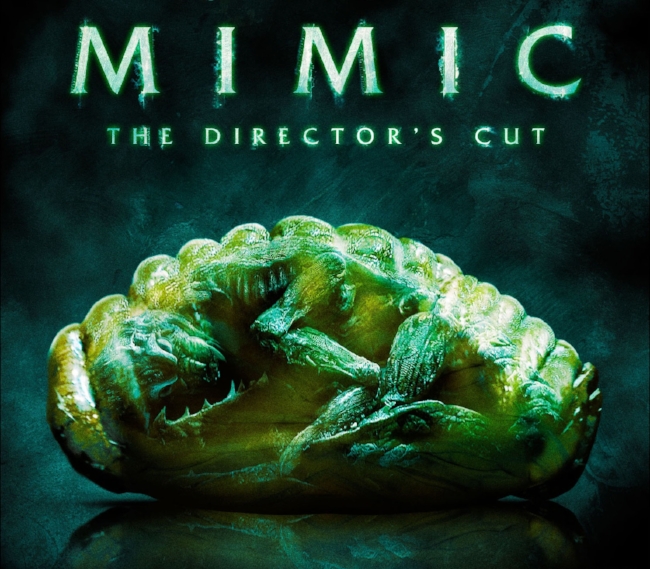


The Humanoid (1979)
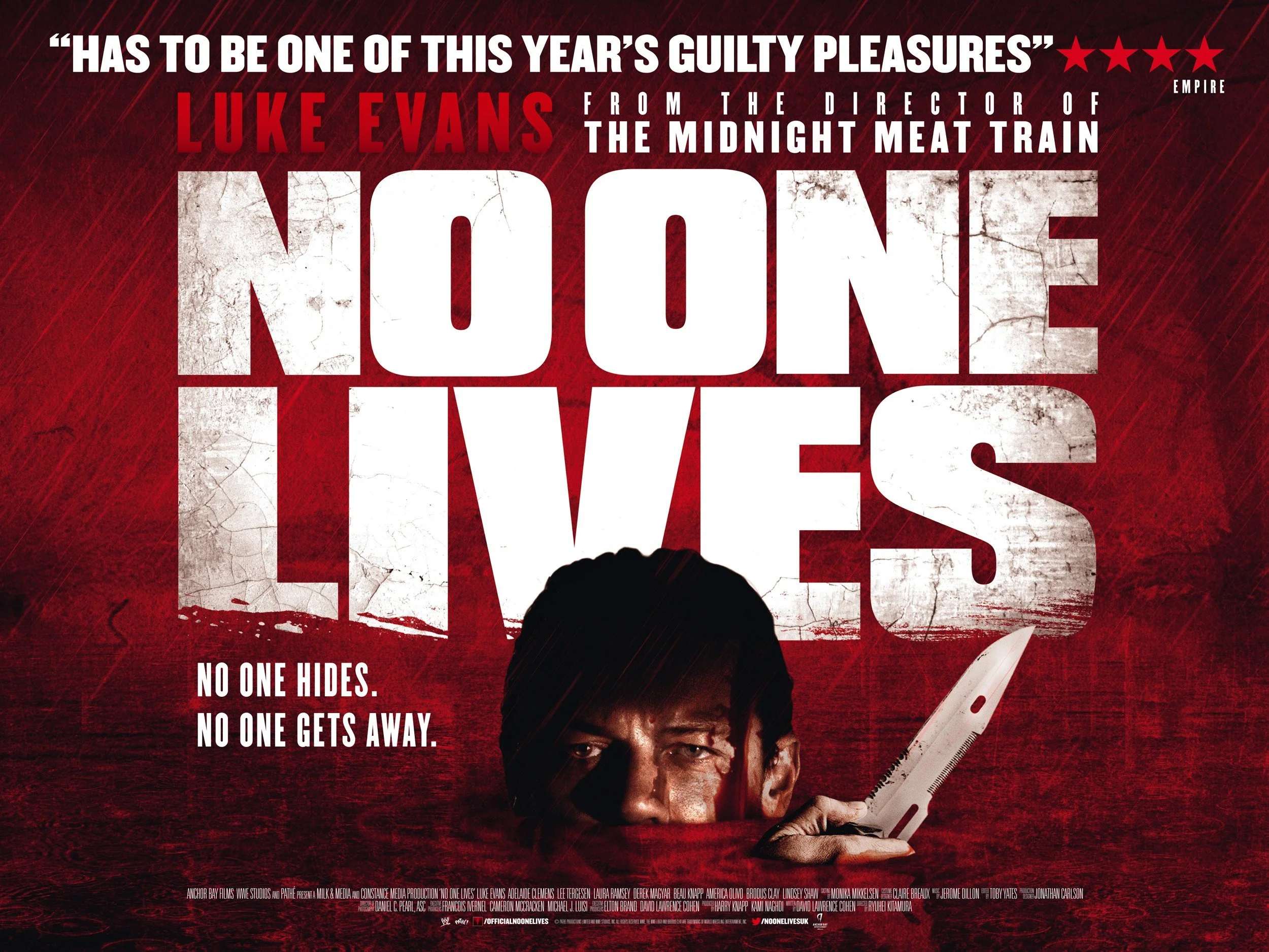
The Humanoid is one of many international Star Wars knock-offs that flooded cinemas in the late seventies and early eighties. Like so many others, it is derivative (even to the extent of replicating specific scenes from George Lucas’ movie), replete with awful dialogue and has somewhat basic production values. However, it does have an interesting cast including Richard Kiel, Barbara Bach, Arthur Kennedy and Corinne Cléry. Kiel gained a lot of media attention after his appearance as the steel-toothed villain Jaws in the 1977 Bond film, The Spy Who Loved Me. His stature made him the perfect fit for the titular character in this Italian science fiction production. Sadly, beyond a curious lineup of actors, The Humanoid has little to distinguish it from so many similar movies. For example, if you’ve seen Starcrash then you’ll be adequately prepared for this film.
The Humanoid is one of many international Star Wars knock-offs that flooded cinemas in the late seventies and early eighties. Like so many others, it is derivative (even to the extent of replicating specific scenes from George Lucas’ movie), replete with awful dialogue and has somewhat basic production values. However, it does have an interesting cast including Richard Kiel, Barbara Bach, Arthur Kennedy and Corinne Cléry. Kiel gained a lot of media attention after his appearance as the steel-toothed villain Jaws in the 1977 Bond film, The Spy Who Loved Me. His stature made him the perfect fit for the titular character in this Italian science fiction production. Sadly, beyond a curious lineup of actors, The Humanoid has little to distinguish it from so many similar movies. For example, if you’ve seen Starcrash then you’ll be adequately prepared for this film.
In the future, the planet Metropolis (formerly Earth) is a utopia led by a leader called The Great Brother. Peace is threatened when Lord Graal (Ivan Rassimov) escapes from a prison satellite in a stolen warship. He attacks the Grovan Institute on Metropolis and steals a rare and powerful element called Kapitron. The only survivor of the raid is a scientist, Barbara Gibson (Corinne Cléry), who is warned of the imminent danger by her mysterious pupil Tom Tom (Marco Yeh). Meanwhile, Lord Graal travels to his hidden base on the planet Noxon where he is joined by Lady Agatha (Barbara Bach), the world's tyrannical queen. She has enlisted the help of a mad scientist Dr. Kraspin (Arthur Kennedy) who plans to make an army of unstoppable supersoldiers called “Humanoids”, using the stolen Kapitron. He targets a passing spaceship, piloted by Golob (Richard Kiel), as his first test subject.
The Humanoid being an Italian exploitation movie, is a prime example of “what you see is what you get”. If you are expecting a film with comparable production values to Star Wars, then more fool you. The visual effects are mainly miniatures by industry stalwart, Anthonio Margheriti. Rather than optical compositing there are a lot of “in camera” techniques used. There are a few matte paintings and some rather good foreground models by the legendary Emilio Ruiz del Río. The score is by Ennio Morricone. The costume design, like so many Italian films from this era, is striking. Lord Graal’s troops have a S&M vibe to them. However, Kip, the film’s novelty robot dog is somewhat clunky and lacks credibility. There is also a lot of low level violence, with endless laser shootings and high falls. During a torture scene where a nameless victim has their life essence drained by a fiendish machine, there’s some nudity thrown in for “reasons”.
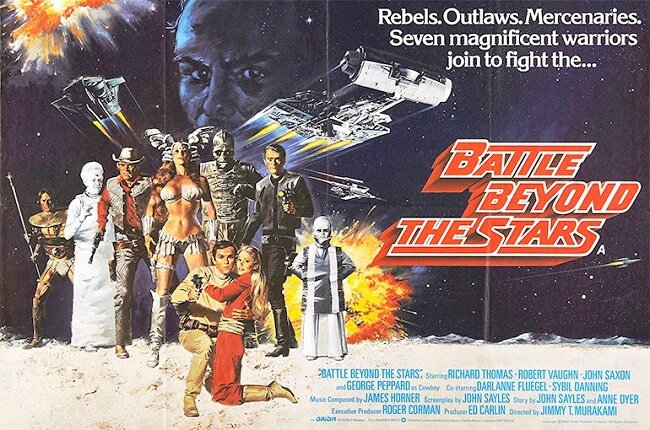
If you enjoy the curious subgenre that is Italian ripoff movies or flirt with the spurious notion that some films are so bad, they’re good, then you may well enjoy The Humanoid. The dialogue added in post production is ripe and performances are all turned up to eleven. Richard Kiel amiably lumbers through his role and the film does not overstay its welcome. The curious subplot regarding Tom Tom has a surprising resolution, which may elicit a cry of “what the hell has that got to do with the price of Brussel Sprouts?” from viewers. Or you may not give a shit. Director Aldo Lado doesn’t exactly distinguish himself with this movie although he had previously filmed several gallos that were well received. The Humanoid is very much a niche product and should be watched accordingly. Casual viewers may be better off watching Battle Beyond the Stars instead.
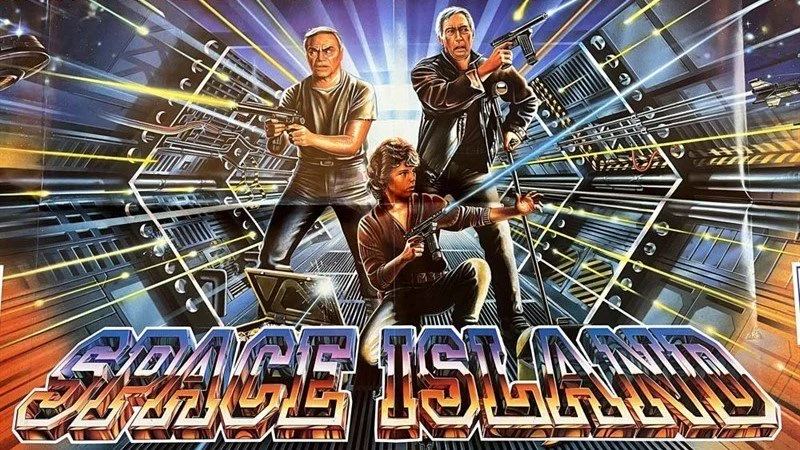
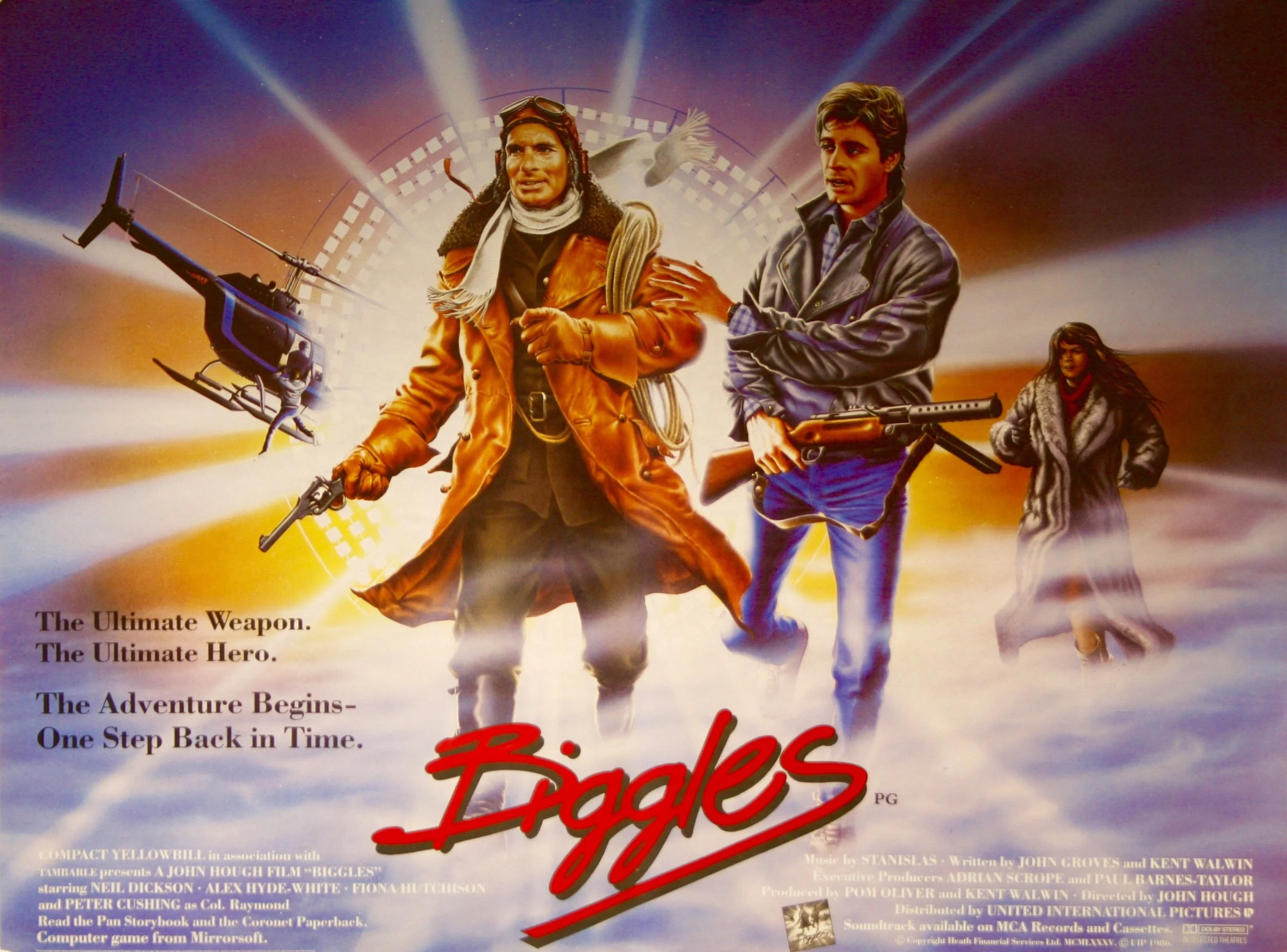
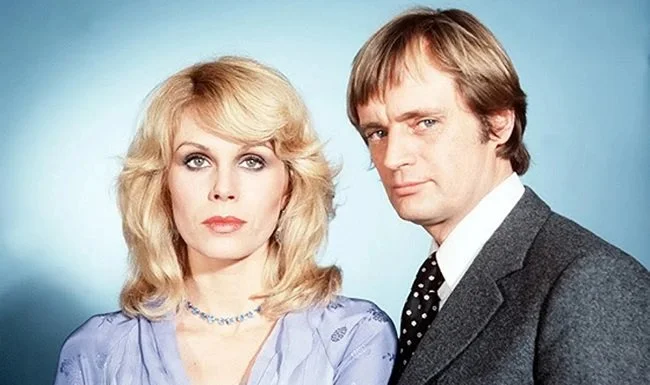








A Man For All Seasons (1966)
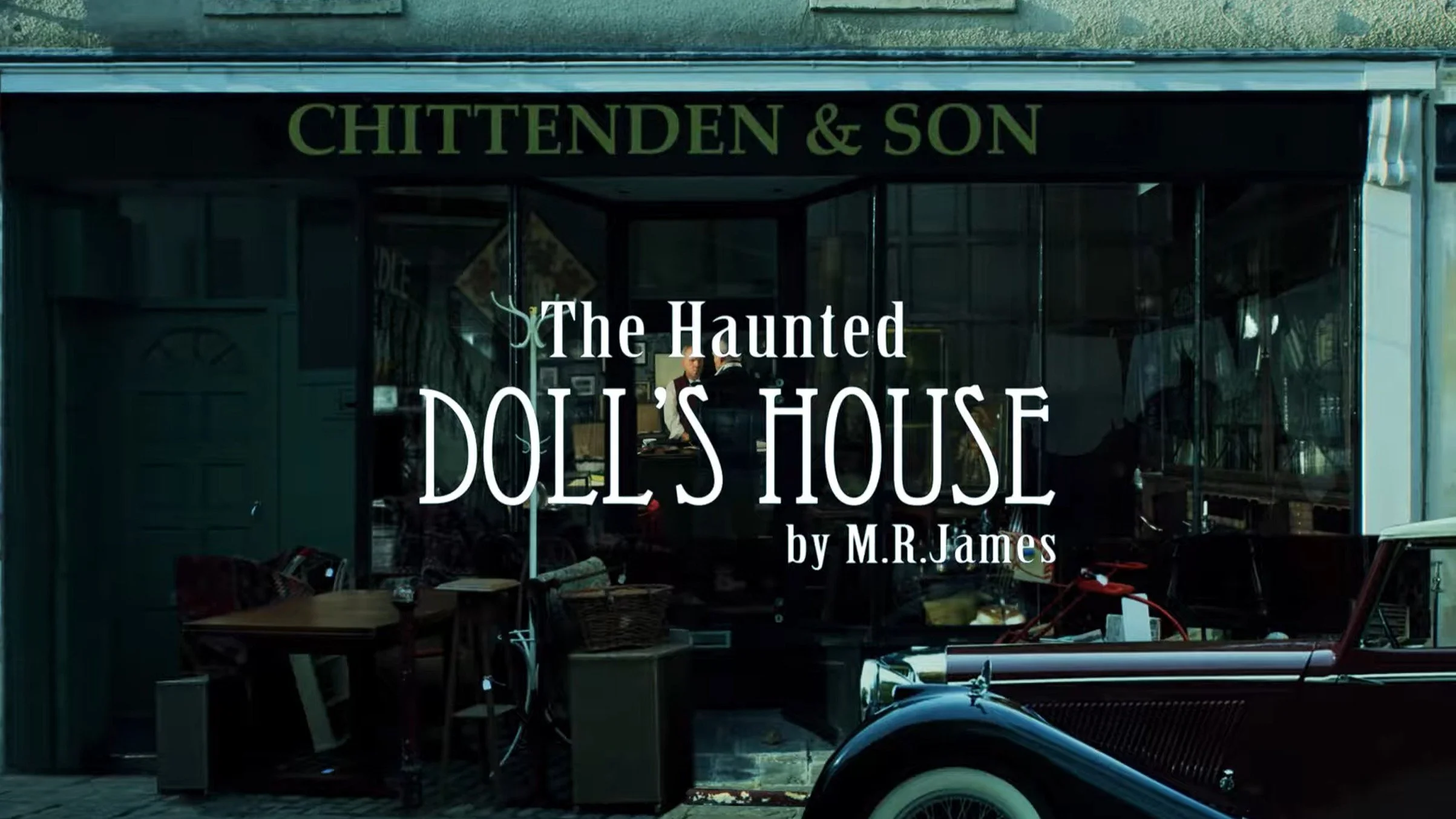
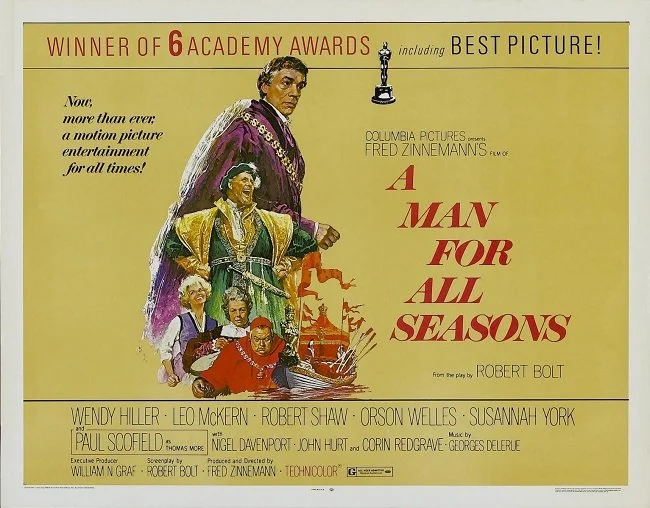
Contemporary viewer’s may be perplexed by a film such as A Man For All Seasons. Why make a two our motion picture about a Tudor lawyer, statesman and scholar and their subsequent moral objection to the reigning monarchs marital status? Yet, during the sixties, it was entirely possible for a mainstream studio to produce a film based upon a stage play that dramatised such specific historical events. Furthermore, a film like this that relied upon strong performances and an intelligent script (and little more) could find a mainstream audience and be both a critical and commercial success. Nowadays, such productions still exist but they are now mainly the province of streaming services. Furthermore, the cinematic format has been replaced by that of a high budget TV show, which explores the topic at hand over an eight to ten hour running time.
Contemporary viewer’s may be perplexed by a film such as A Man For All Seasons. Why make a two our motion picture about a Tudor lawyer, statesman and scholar and their subsequent moral objection to the reigning monarchs marital status? Yet, during the sixties, it was entirely possible for a mainstream studio to produce a film based upon a stage play that dramatised such specific historical events. Furthermore, a film like this that relied upon strong performances and an intelligent script (and little more) could find a mainstream audience and be both a critical and commercial success. Nowadays, such productions still exist but they are now mainly the province of streaming services. Furthermore, the cinematic format has been replaced by that of a high budget TV show, which explores the topic at hand over an eight to ten hour running time.
Directed by Fred Zinnemann (High Noon, From Here to Eternity) and adapted by Robert Bolt from his own play, A Man For All Seasons explores Sir Thomas More’s relationship with King Henry VIII at the time of the monarch’s divorce from Catherine of Aragon and remarriage to Anne Boleyn. A devout Roman Catholic, Sir Thomas More (Paul Scofield) has a crisis of conscience regarding the legality of the divorce and the subsequent break with the Church of Rome. The King (Robert Shaw) holds More in high regard and does not want to compel him to support his position, preferring that his public approval is given freely. Sadly it is not, leading to More risking his liberty and safety on a matter of principle. The screenplay is articulate and intelligent, placing great weight upon the importance of spiritual peril. The fate of one’s immortal soul was far from a trivial concern in Tudor England. There was no separation of church and state at the time and religion was an integral part of every aspect of life.
A Man For All Seasons is filled with outstanding British actors of the time, such as Leo McKern, Dame Wendy Hiller, Nigel Davenport and Susannah York. A young John Hurt makes his mark as the career driven Richard Rich. But it is Paul Scofield who dominates the proceedings as a man of principle trying to steer a fateful course without betraying his values. His failure to accommodate the political imperatives of the time is both laudable and tragic. His performance is poignant and dignified. The film is very much an exploration of the concept of identity and personal integrity. Director Fred Zinnemann wisely eliminates some of the Brechtian elements of the play, focusing on a more linear narrative and traditional presentation. He also skilfully uses historical locations in Oxfordshire and Hampshire to double for Hampton Court Palace and Parliament.
The film does make several changes to historical events as a means of providing the story with a more conventional cinematic arc. The screenplay features a more detailed backstory with regard to Richard Rich (John Hurt), the solicitor-general and his prior association with More. However, the nature of Rich’s perjury during More’s trial is in accord with historians’ consensus on events. The film stresses the point that Rich has accommodated Thomas Cromwell, the King’s most senior minister, and has been subsequently made attorney-general of Wales. This prompts a pithy retort from More “Why, Richard, it profits a man nothing to give his soul for the whole world, but for Wales”? Robert Bolts liberally peppers the script with similarly acerbic, yet erudite exchanges. It is one of the major elements that gives such a straightforward plot its weight and gravitas.
A Man For All Seasons is a well honed, efficient historical drama and thoughtful exploration of the frequent incompatibility of personal moral rectitude with any sort of long established political institution. Be it the Church or the monarchy. At the start of the film Cardinal Wolsey (Orson Welles) regrets he did not serve God as well as he served his king. Sir Thomas More, on the other hand, states before his execution that he remains “His majesty's good servant...but God's first”. It is a most thought provoking juxtaposition. The film also stands as a masterclass in acting and remains a textbook example of the art of writing a good screenplay. A Man For All Seasons went on to win six Academy Awards at a time when such awards were still credible and relevant. It is also worth noting that it was the sixth highest grossing film in North America in 1966.

Phones and Battery Bulge
Three months ago, I wrote a blog post regarding how I wasn’t going to replace my phone because I was pretty much done with the endless treadmill that is “upgrade culture”. At the time my Google Pixel 6 was three years old but continued to serve all my smartphone needs. So I signed up for a new “SIM only” contract with Vodafone and went about my business, feeling somewhat pleased with myself. However, “needs must when the devil vomits into your kettle”, to quote Blackadder. I recently noticed that the screen on my phone was coming away from the main enclosure. There was a distinct curve along the right hand edge, as if there was something inside the phone applying pressure outwards. Sadly, that is precisely what was happening. I searched online to see if this was a known issue and was subsequently introduced to the problem known as battery bulge.
Three months ago, I wrote a blog post regarding how I wasn’t going to replace my phone because I was pretty much done with the endless treadmill that is “upgrade culture”. At the time my Google Pixel 6 was three years old but continued to serve all my smartphone needs. So I signed up for a new “SIM only” contract with Vodafone and went about my business, feeling somewhat pleased with myself. However, “needs must when the devil vomits into your kettle”, to quote Blackadder. I recently noticed that the screen on my phone was coming away from the main enclosure. There was a distinct curve along the right hand edge, as if there was something inside the phone applying pressure outwards. Sadly, that is precisely what was happening. I searched online to see if this was a known issue and was subsequently introduced to the problem known as battery bulge.
Battery bulge, often referred to as “swelling”, is a condition where a lithium-ion battery case expands or deforms due to the build-up of gases inside. This is a result of the battery's internal components degrading over time or being damaged. It can also occur if the battery becomes excessively hot. The most common reason is overcharging. Since the advent of wireless induction charging, phones often spend time being charged regardless of whether the battery is fully drained. This continuous process can accelerate the battery's deterioration. Although any device powered by a lithium-ion battery can suffer from this problem, it would appear that the Pixel 6 is particularly prone to it. Furthermore, the process cannot be reversed and the only solution is to replace the battery. If left, the swelling can potentially damage components within the phone or crack the screen. The faulty battery is also a fire hazard.
When I investigated having my phone repaired, the overall cost was sufficiently high to make it more economically prudent to buy a new handset. Hence, I ordered a new unlocked Pixel 8a, which arrived today. I have already wirelessly migrated all my apps and data onto the new phone, which was a very straightforward and easy process. Reconnecting my Google Watch was not so seamless. Despite a transfer option being available, it failed and I had to do a hard reset of the watch and reconnect to the Pixel 8a from scratch. It is also worth noting that although apps are copied over, you have to log back into them all before you can use them. I have three banking apps, 10 email accounts and a dozen or so other services that are password protected. Hence migrating to a new phone is not quite as easy as the marketing claims. However, compared to setting up a new PC it’s a walk in the proverbial park.
Thanks to battery bulge, I had to spend £380 on a new handset and Spigen case, which wasn’t something I was anticipating. However, I am sufficiently old enough to have learned that all technology has a shelf life and often it is a lot shorter than you expect. So there’s no point crying over spilt milk, as the saying goes. My Pixel 6 lasted two and a half years. However, I have learned a lesson and as a result I shall now only be charging my phone when the battery is exhausted. I suspect that the habit of constantly topping it up via a charging cradle, when the battery is over 50%, contributes to reducing its overall lifespan. In fact, I think I shall be reviewing the charging habits of all of the electrical items that I own. Devices that run on lithium-ion batteries are ubiquitous in our homes these days. Although broadly safe, they all have the potential to be a fire hazard if managed incorrectly, so more care is needed.





















Some Video Games Are Better Watched Than Played
I have written about “games we cannot play” several times over the years. By this I mean video games that we lack the skill, coordination and patience to master. For example, I often struggle with video games that are primarily designed for consoles and are therefore intended to be played via a game controller. I also don’t want to have to spend an excess of time (a very subjective thing) to learn how to play a video game. Hence there are games that I am interested in but have accepted that I will never play because I cannot or will not do what is required to play them effectively. However, in this post I want to discuss a tangential point. Games which have the potential to be exceptionally entertaining but that entertainment depends on a lot of factors that exist outside of the game itself. Hence you may never get the experience you desire which is often the one that was marketed.
I have written about “games we cannot play” several times over the years. By this I mean video games that we lack the skill, coordination and patience to master. For example, I often struggle with video games that are primarily designed for consoles and are therefore intended to be played via a game controller. I also don’t want to have to spend an excess of time (a very subjective thing) to learn how to play a video game. Hence there are games that I am interested in but have accepted that I will never play because I cannot or will not do what is required to play them effectively. However, in this post I want to discuss a tangential point. Games which have the potential to be exceptionally entertaining but that entertainment depends on a lot of factors that exist outside of the game itself. Hence you may never get the experience you desire which is often the one that was marketed.
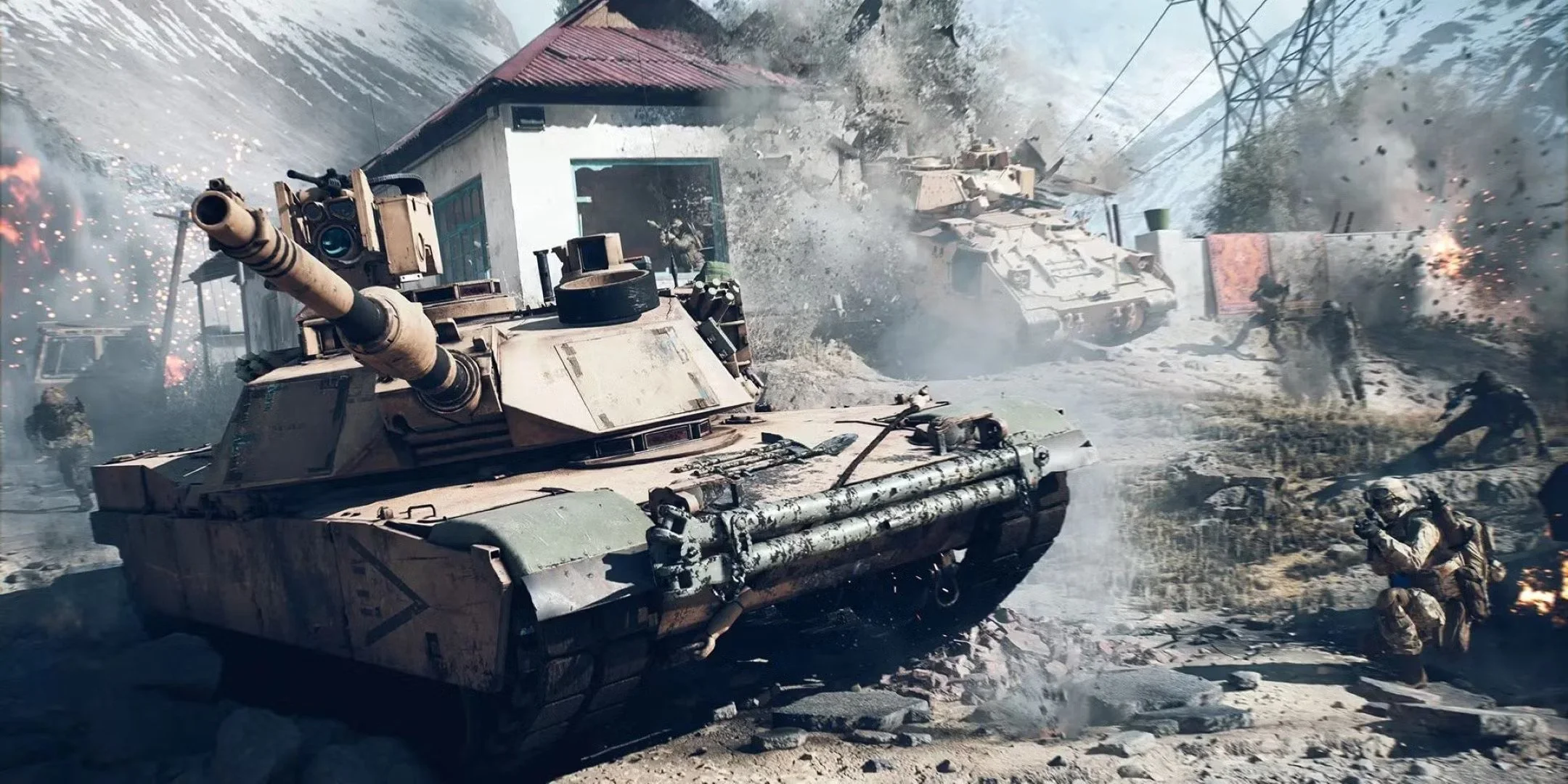
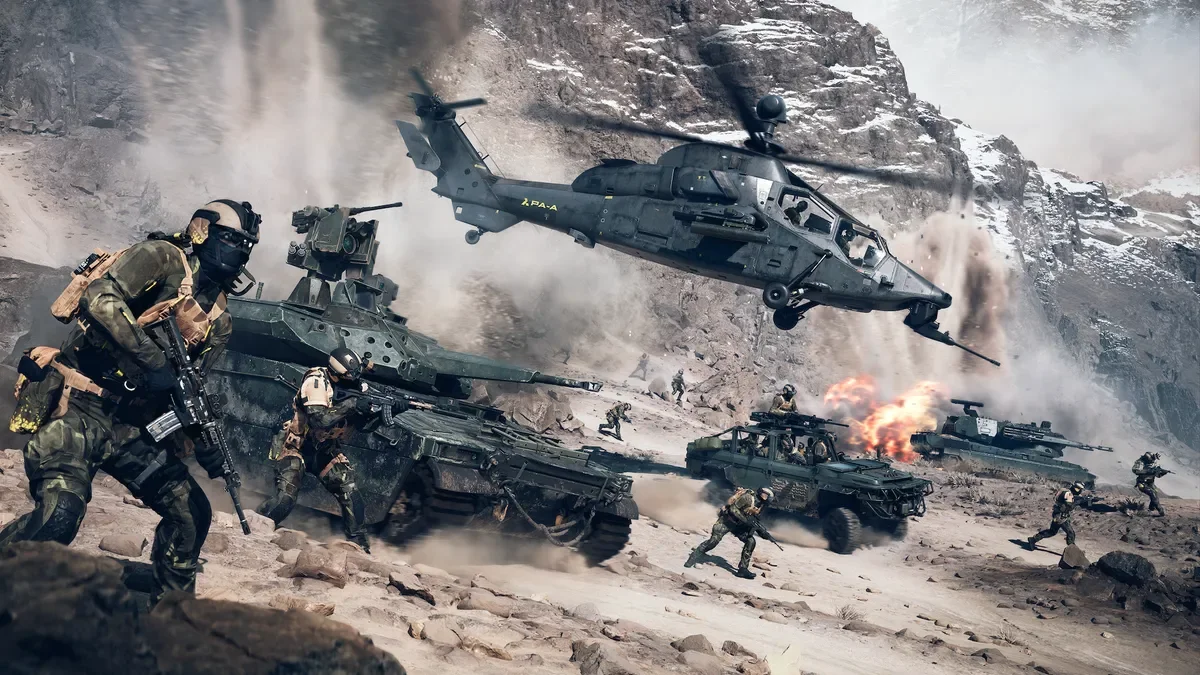
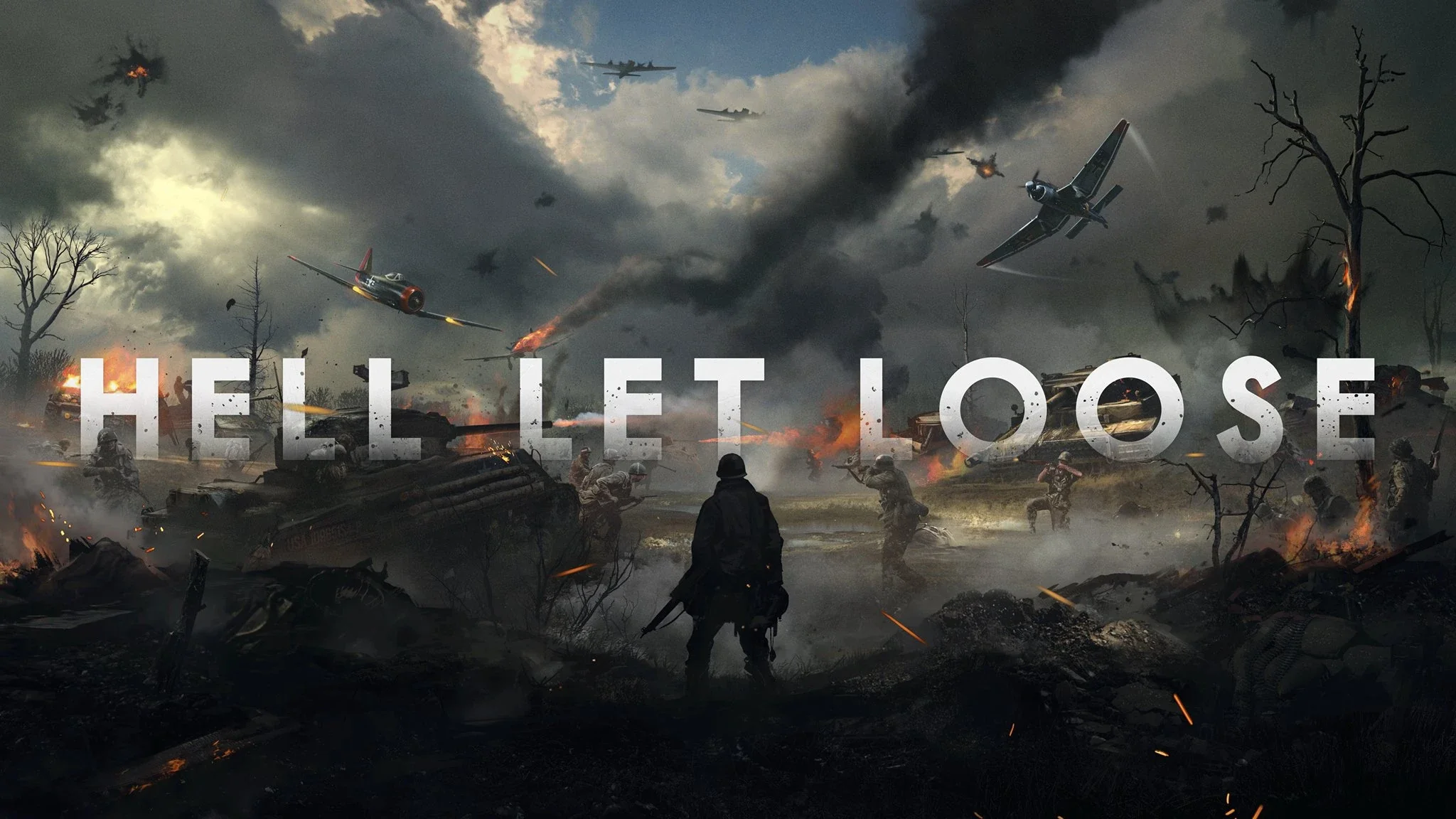
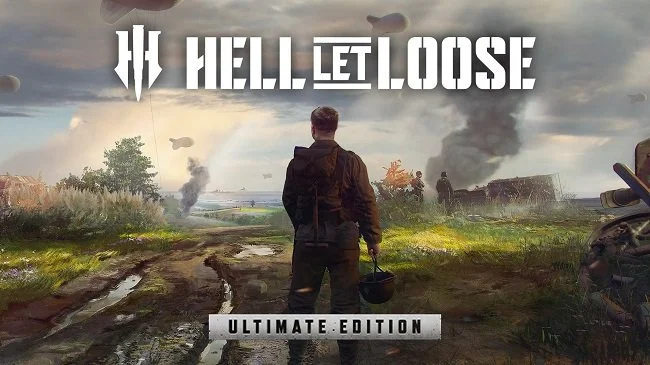
For me, the most recent example of this phenomena came about from watching a YouTube channel that collates “humourous” video game clips. A lot of these came from Hell Let Loose, a 2021 multiplayer tactical first-person shooter developed by Expression Games and Cover 6 Studios and published by Team17. Players fight in iconic battles of the Western, North African and Eastern Fronts of World War II at the platoon level. Voice chat is key to game play and the emphasis is upon realism and system complexity. It is quite different to Battlefield and comparable franchises. The various clips that I watched suggested a game featuring tactical gun battles. Players defending building or flanking defences and overwhelming the enemy. There were great plays featuring tanks, flamethrowers and creeping artillery barrages. People seemed to be having a lot of fun and judging by the voice chat, the community is mature, civil and friendly.
Enthused by what I had seen, I looked around online for a deal and found that I could purchase Hell Let Loose and the majority of its DLC for about £30 or so. However, something told me to wait and do a little more research. After all, this was clearly a game with a lot of systems and therefore it obviously had a steep learning curve. So I started being a lot more selective in my YouTube searches as well as digging around in various subreddits. The extra research was well worth it. In a nutshell, all the things I had seen in video highlights were exactly that. For many new players Hell Let Loose is essentially spawning into a squad, not knowing what class to select or how to play and being ignored by veteran players or simply being on a server devoid of them. The most common experience appears to be trying to get to where you think the action is and getting shot out of nowhere as you run there.
Essentially to get the most out of the game you need to have friends that already play it, are well versed in its systems and who are based on a server that has regular events and is well moderated. It requires a substantial investment of time, just the same as raiding in an MMORPG, or “getting gud” in a battle royale FPS game. You can potentially play for months and never experience the sort of gameplay you’ll see on YouTube. The game offers entertaining possibilities but it does not guarantee them. It is exactly the same with other titles such as For Honor, Chivalry II and Heroes & Generals. In fact this genre usually has a disclaimer along the lines of “game experience may change during online play”. As a result, I’ve learned that some video games are better watched than played. Hell Let Loose is one of these.







Ten Pointless Facts about Me
This post is inspired by Axxuy, who recently replied to an open post by Forking Mad. It’s a simple set of questions and a convenient writing prompt for those occasional slow days. Now some folk can get quite “sniffy” about these sorts of posts. Perhaps they think they’re too insubstantial or too easy or something. Irrespective of whether such assertions are true or not, I would like to point out that one of the most popular posts on Contains Moderate Peril is a similar sort of internet questionnaire, titled “Would You Rather - The Gaming Edition”. Originally posted in late August 2021, it has been read over 18,000 times. Now I’m not advocating shameless “ambulances chasing” and “jumping on bandwagons” but I am reminded of the old adage, “if the shit fits, wear it”. Hence, you’ll find no prejudice against internet questionnaires on this blog. Here are ten pointless facts about me.
This post is inspired by Axxuy, who recently replied to an open post by Forking Mad. It’s a simple set of questions and a convenient writing prompt for those occasional slow days. Now some folk can get quite “sniffy” about these sorts of posts. Perhaps they think they’re too insubstantial or too easy or something. Irrespective of whether such assertions are true or not, I would like to point out that one of the most popular posts on Contains Moderate Peril is a similar sort of internet questionnaire, titled “Would You Rather - The Gaming Edition”. Originally posted in late August 2021, it has been read over 18,000 times. Now I’m not advocating shameless “ambulances chasing” and “jumping on bandwagons” but I am reminded of the old adage, “if the shit fits, wear it”. Hence, you’ll find no prejudice against internet questionnaires on this blog. Here are ten pointless facts about me.
Q: Do you floss your teeth?
A: I use a very specific brand and size of disposable interdental brushes. This is due to my teeth being quite close together and having gum related problems in the past. It is exceedingly important to look after your teeth.
Q: Tea, coffee, or water?
A: Despite being a Brit, I am not a big tea drinker. If it is socially expedient to accept a cup when offered one I will do so. Especially if it is accompanied with biscuits. I drink black coffee in the morning but am not part of the “cult of coffee”. I have a bottle of water on the go, whenever I am sitting at my desk. I also drink Pepsi Max regularly.
Q: Footwear preference?
A: As I am now retired, I only wear formal footwear occasionally. I therefore have several pairs of Oxford shoes for weddings, holidays and court appearances. Most of the time I wear desert boots, my hiking boots and Sketchers slip-ins, depending on time of year and where I am going.
Q: Favourite dessert?
A: Why have one favourite? I like Tiramisu, Profiteroles, Cheesecake, any desserts based upon alcohol and loads more. However, sometimes when in a restaurant, rather than have a dessert after my meal, I’ll opt for a selection of cheeses.
Q: The first thing you do when you wake up?
A: Visit the bathroom and empty my bladder. I am 57. I tend to get up immediately once I’m awake and get showered and dressed. Once I’ve done this I ready for whatever the day has to throw at me.
Q: Age you'd like to stick to?
A: I have enjoyed most of the age groups I’ve passed through. I think I had the most fun in my twenties and thirties. However, I think I felt most content and at peace with myself and life during my forties. My fifties so far have been more sedate and my body hurts from time to time. But the good thing about my current age is that I don’t have to put up with anyones bullshit anymore and I am happy to point this fact out to offenders.
Q: How many hats do you own?
A: One. A knitted beanie hat in green, featuring the logo of The Cool Dudes Walking Club.
Q: Describe the last photo you took
A: A picture of a bottle of wine that we enjoyed while out for a meal. I often use the camera on my phone as a means of remembering things. Products I want to buy again, things that I’m curious about etc. I also photo the electricity meter whenever I’m submitting a reading to our utilities supplier, in case they try something shady.
Q: Worst TV show
A: I am not a fan of reality TV as a genre. We give far too much air time to fools and people that reflect the least credit on us as a species. We no longer venerate knowledge, honesty and integrity. Galactica 1980 was also quite shit.
Q: As a child, what was your aspiration for adulthood?
A: To be an adult, or at least to have access to the things I thought or imagined that adults did. My parents always encouraged me to read and didn’t mind what books I chose. Hence I soon abandoned children’s literature and started to read mainstream fiction. It seemed that adulthood had a lot to offer and I grew impatient with the trappings of a child’s life. When I finally reached adulthood I discovered its realities. I now reflect upon the old adage that “youth is wasted on the young”.












The Return of Star Wars Battlefront II and Error Code: 721
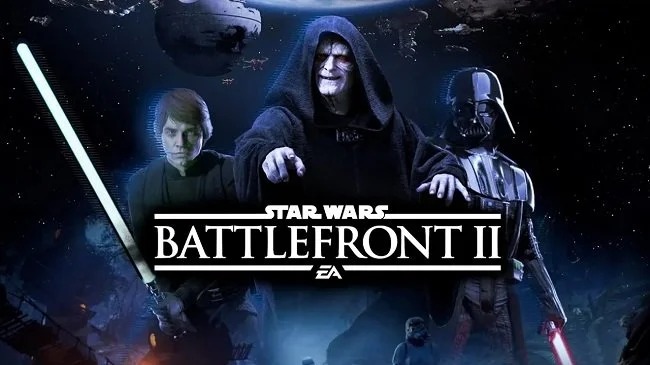
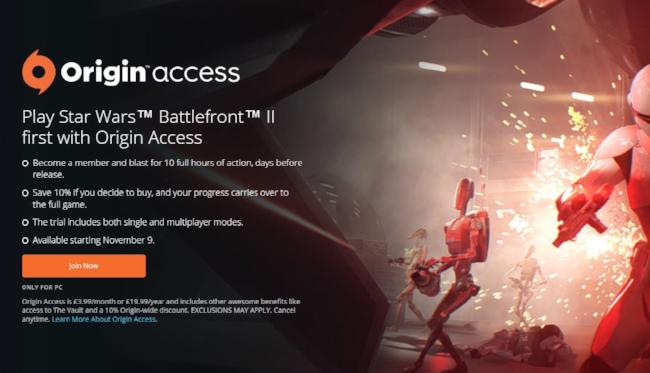
There has been a resurgence of people playing Star Wars Battlefront II recently. Possibly because the game was discounted on many outlets on May 4th and may be due to the success of Andor season 2. There’s a lot more people streaming it as well as videos on YouTube. Whatever the reason, it is always good to see a deserving game enjoying a renaissance. Star Wars Battlefront II was blighted at launch, back in November 2017 by some egregious business decisions and it took nearly a year for the game to recover from the negative publicity and player animosity. Setting this historical debacle aside for one moment, there was always a handsome and engaging game to be found. One that used the licensed intellectual property well. Which is why I recently reinstalled the game and resumed playing its multiplayer mode.
There has been a resurgence of people playing Star Wars Battlefront II recently. Possibly because the game was discounted on many outlets on May 4th and may be due to the success of Andor season 2. There’s a lot more people streaming it as well as videos on YouTube. Whatever the reason, it is always good to see a deserving game enjoying a renaissance. Star Wars Battlefront II was blighted at launch, back in November 2017 by some egregious business decisions and it took nearly a year for the game to recover from the negative publicity and player animosity. Setting this historical debacle aside for one moment, there was always a handsome and engaging game to be found. One that used the licensed intellectual property well. Which is why I recently reinstalled the game and resumed playing its multiplayer mode.
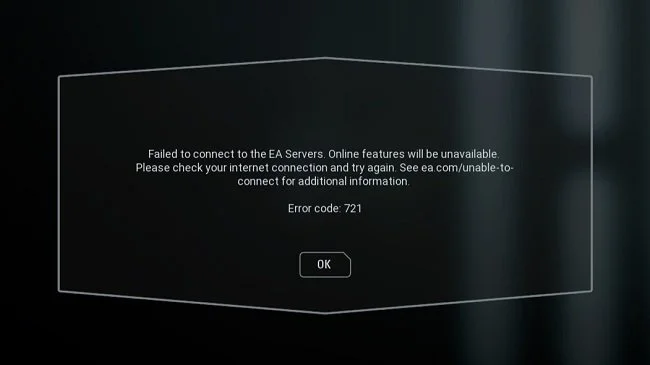
However, the welcome return of this old favourite has also been accompanied by another not so pleasant reappearance. Namely the dreaded “Error Code:721”. This error code in Star Wars Battlefront II typically indicates a failure to connect to the EA servers. It is a bug that has plagued the game throughout its lifecycle. Furthermore because Star Wars Battlefront II is no longer being actively patched by EA the error code has made its presence felt once again, now that people have resumed playing. While it's often only a temporary server issue often linked to the number of people playing, some users have found success with the following troubleshooting steps to work round the problem.
Check the EA Servers: Wait for a bit to see if the issue is a general server outage.
DirectX12: Ensure DirectX12 is disabled in the game's video settings and that Windows Defender isn't blocking it.
EA App: If playing on PC, try launching the game through the EA app and adding "-dx11" to the advanced launch box.
Persistence: Keep attempting to connect to the game by repeatedly clicking the "Connect" button.
Restart: Rebooting your PC or console might resolve the issue.
Verify Game Files: On PC, you can verify the game files through the EA app to ensure they are not corrupted.
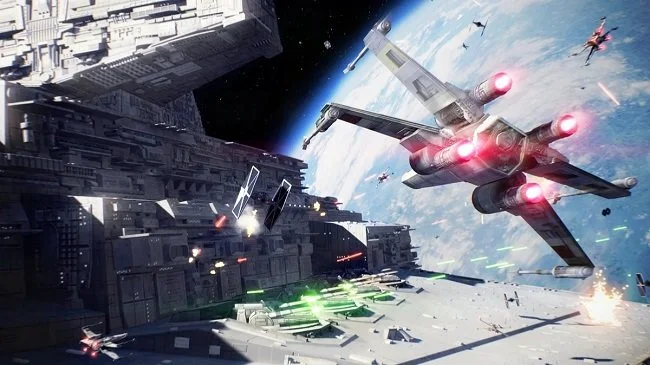
I find that the best way to beat this bug is by hammering the “connect” option and eventually my game client will be flagged as being online. Hopefully if you’re having a similar issue, one of the above suggestions will work for you. As for Star Wars Battlefront II, it is still worth playing. All lootbox mechanics have been removed and cosmetics skins are now unlocked by gameplay milestones. There are a variety of game modes and you can play in either first or third person, depending upon your preference. It should be noted that you can also shoot Ewoks. At present the servers are active and there is no major difficulty finding a multiplayer game. Eight years on the game is still visually stunning and exudes the Star Wars aesthetic. Furthermore, the recent renewed interest in may well create momentum for a Star Wars Battlefront III.



Thoughts on Andor
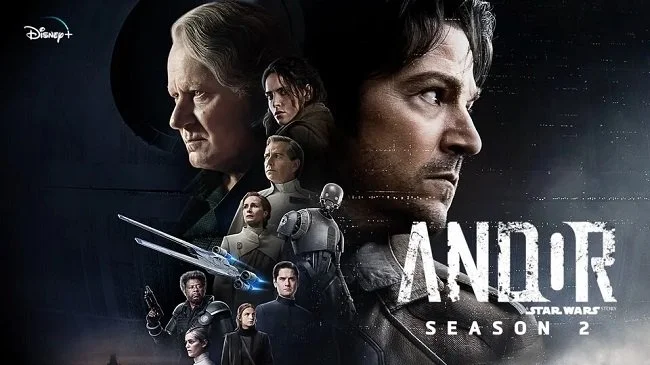
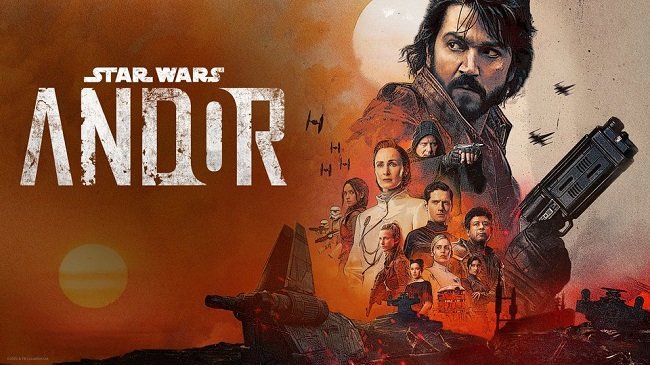
Season 2 of Andor has received praise from both critics and fans alike. It finally seems to have put to bed the common argument that Star Wars as a franchise has traditionally been light on narrative depth, character development and the exploration of the themes that its main story is predicated upon. Andor shows the realities of opposing authoritarian regimes and exists within shades of grey, rather than purille, binary positions. Many have drawn parallels with the current state of geopolitics, especially that of the United States. I certainly found the second season of Andor to be engaging and thought provoking. I also enjoyed the performances of many of the British actors who by default are cast in all the major Empire roles. I thought Anton Lesser was especially noteworthy as a senior officer in the Imperial Security Bureau.
Season 2 of Andor has received praise from both critics and fans alike. It finally seems to have put to bed the common argument that Star Wars as a franchise has traditionally been light on narrative depth, character development and the exploration of the themes that its main story is predicated upon. Andor shows the realities of opposing authoritarian regimes and exists within shades of grey, rather than purille, binary positions. Many have drawn parallels with the current state of geopolitics, especially that of the United States. I certainly found the second season of Andor to be engaging and thought provoking. I also enjoyed the performances of many of the British actors who by default are cast in all the major Empire roles. I thought Anton Lesser was especially noteworthy as a senior officer in the Imperial Security Bureau.
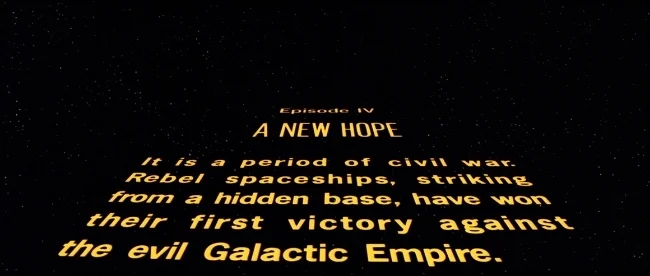
Setting aside for a moment the praise for Andor, I do think there is a rather interesting fact that has contributed to the show’s mainstream and critical success. For this iteration of Star Wars to be embraced by a wider and possibly more cerebral audience, it appears to have shed many of the science fantasy tropes that have been integral to the franchise’s appeal for decades. Namely, the Jedi Knights, the Sith and the force. Andor leans into the technological aesthetic that is synonymous with Star Wars but ignores the quasi religious presence of the Jedi and the Sith. Their theological battles are conspicuously absent. What you are left with is a clever parable about an authoritarian regime, and the resistance against it. Although very entertaining Andor is far more akin to the BBC show Secret Army from 1977, than being just more Star Wars. There are also shades of John le Carré.
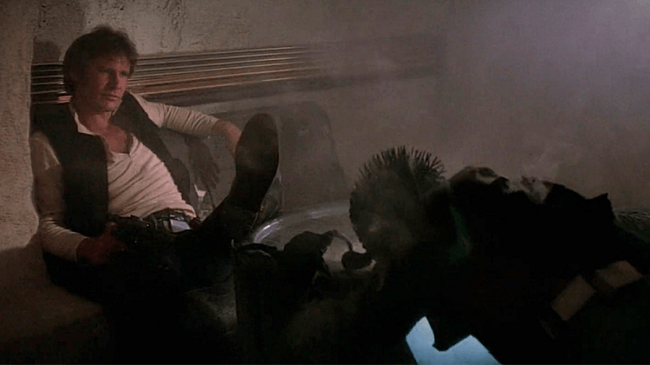
George Lucas dealt in clear archetypes and the medium of high adventure when he conceived and originally wrote Star Wars. I don’t believe he ever intended the source material to be anything more than “modern legends”. A vehicle for traditional morality tales. I do not doubt that he drew upon contemporary sociopolitical events for inspiration but I in no way think that Star Wars was intended to be a indepth exploration of them. Which is why Andor is such a different beast. It is a good show but it is effectively using the aesthetic and lore of Star Wars to pitch to an alternative audience and in a very different way. Just as Christopher Nolan’s Batman films took a stylised property with a broad spectrum of prior interpretations and crashed it headlong into “reality”. Andor is very much Star Wars evolved. However, will that ongoing process eventually be to the detriment of the original content?










Semantic Bleaching
Last week, I was in a department store with Mrs P and my Grandson, when we stumbled across a range of toys called Fugglers. They are effectively a range of child friendly monster plushies, rather than genuinely terrifying mutation action figures. The manufacturers spuriously claim that the franchise name is a compound word of funny and ugly. However, anyone conversant with contemporary slang will immediately think of the phrase “fugly” which means fucking ugly. I’m sure the manufacturers of Fugglers have made it clear that their product is not in any way drawing upon this phrase, but only a fool would believe such a disingenuous stance. The name has obviously been chosen because it courts controversy by default. Yay marketing etc.
Last week, I was in a department store with Mrs P and my Grandson, when we stumbled across a range of toys called Fugglers. They are effectively a range of child friendly monster plushies, rather than genuinely terrifying mutation action figures. The manufacturers spuriously claim that the franchise name is a compound word of funny and ugly. However, anyone conversant with contemporary slang will immediately think of the phrase “fugly” which means fucking ugly. I’m sure the manufacturers of Fugglers have made it clear that their product is not in any way drawing upon this phrase, but only a fool would believe such a disingenuous stance. The name has obviously been chosen because it courts controversy by default. Yay marketing etc.
Setting aside any debate over Fugglers, I am far more interested in the cultural phenomenon of taking an existing term that has a specific meaning to one generation and co-opting and repurposing it for another. For example, the word “pimp” has undergone such a transformation over the last twenty years or so. I grew up with the term meaning “a man who controls prostitutes and arranges clients for them, taking a percentage of their earnings in return”. Broadly speaking pimps were bad guys. I immediately think of Albert Popwell in the film Magnum Force, pouring drain cleaner down a womens throat because the “bitch was holding out on him”. Today, my granddaughters will happily tell me that they’ve pimped their bedroom, by which they mean they’ve decorated it in a flamboyant fashion.
“Hello Mr. Green”
Overtime, the meaning of words can change. This organic process is oblivious to our own personal likes and dislikes. Such is the nature of language. Today, I learned while listening to the podcast Strong Message Here, that this process of repurposing words and claiming to remove the stigma of any prior definition is called “semantic bleaching”. It is something that happens often enough that it now has a formal term. However, the labelling and quantifying of this process doesn’t not necessarily make it a good thing. I’m sure there will be those who think that Fugglers and other examples of semantic bleaching are just “a bit of fun” and that it’s not a “big deal”. It can also be argued that this is another facet of the trivialisation of language, the erosion of a shared reality and the infantilisation of society. Yay people etc.












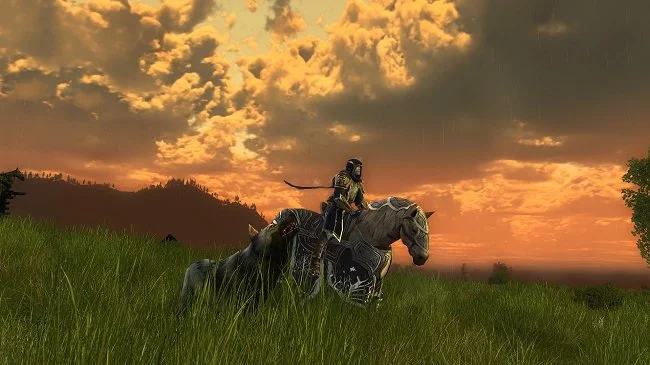
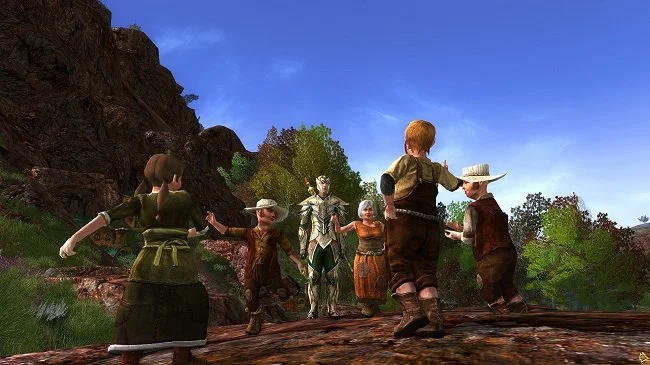
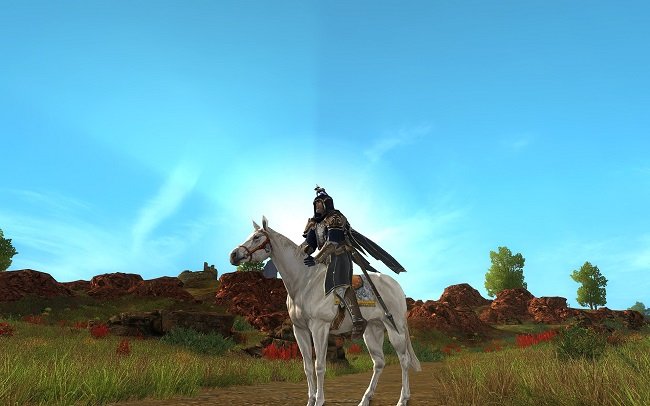
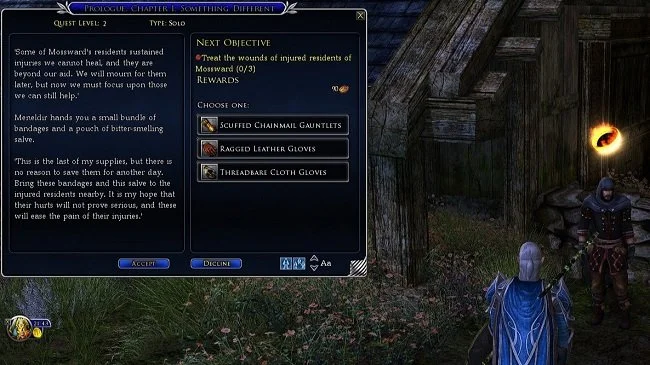
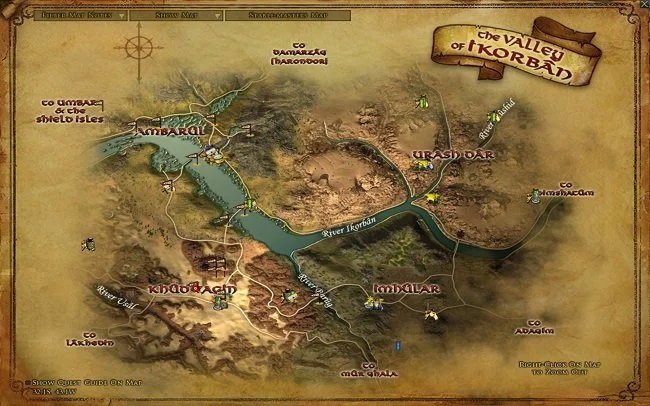
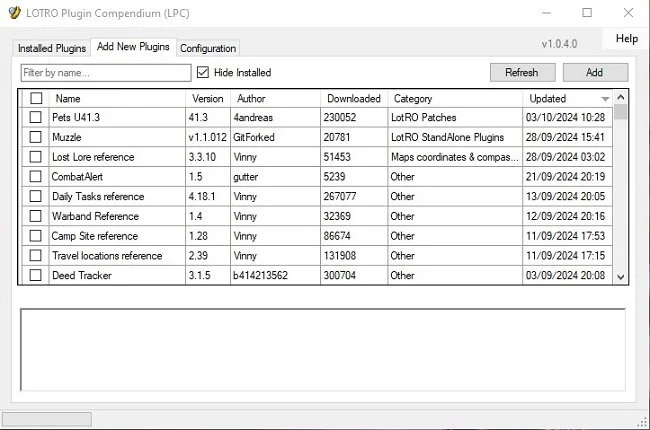
LOTRO: Rebuilding Kinships
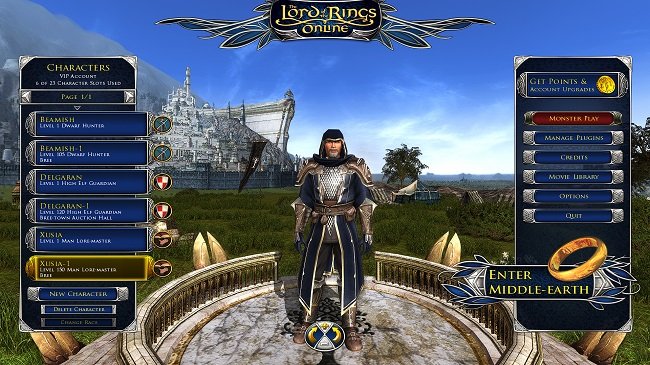
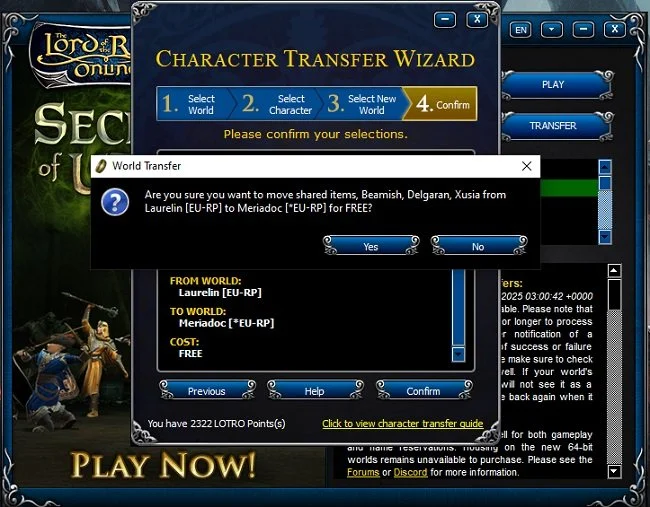
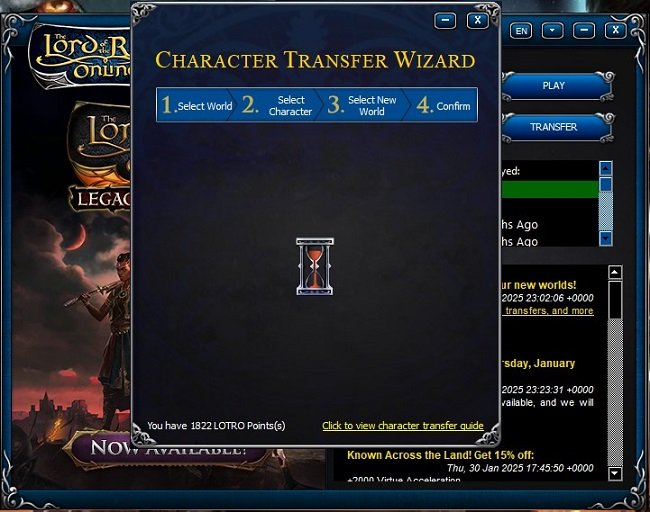
I wrote a while ago that a lot of kinships from the MMORPG, The Lord of the Rings Online, would probably not survive the recent server migration. MMOs are social endeavours by nature, often with strong emotional ties but a lot of kinships (or guilds) have already fallen into decline, simply due to gaming entropy. Hence the migration has seen players leave existing kinships to move to the superior 64-bit servers, resulting in a lot of people who may be potentially looking for a new home. This is exactly what happened to me. I opted to move to Meriadoc server promptly, at the cost of leaving a kinship I have been a member of since 2009. However, the move presented me with an opportunity to remedy this problem myself. I subsequently set up my own kinship and decided to make it available to others.
I wrote a while ago that a lot of kinships from the MMORPG, The Lord of the Rings Online, would probably not survive the recent server migration. MMOs are social endeavours by nature, often with strong emotional ties but a lot of kinships (or guilds) have already fallen into decline, simply due to gaming entropy. Hence the migration has seen players leave existing kinships to move to the superior 64-bit servers, resulting in a lot of people who may be potentially looking for a new home. This is exactly what happened to me. I opted to move to Meriadoc server promptly, at the cost of leaving a kinship I have been a member of since 2009. However, the move presented me with an opportunity to remedy this problem myself. I subsequently set up my own kinship and decided to make it available to others.
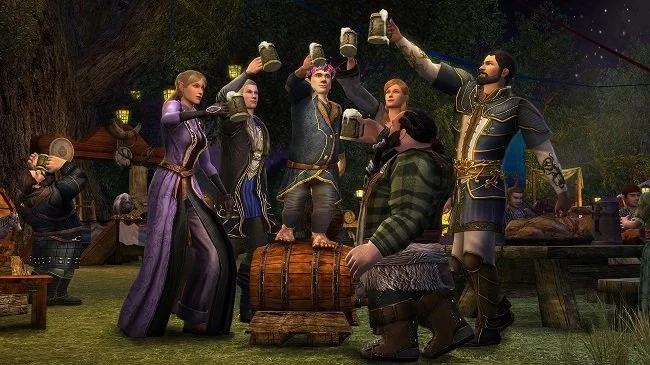
It should be noted that the Contains Moderate Peril kinship is primarily intended to be a rallying point, rather than a fully functional social entity. Somewhere to hang out in-game as it were. However, if people want to organise activities and group content, that’s fine by me. So far, several of my old kinmates from Laurelin server have joined while they attempt to round up other wayward members. They may move on in time, which is fine. They may also choose to stay, which is also fine. As I’m sure there is a growing diaspora of 32-bit refugees at present in LOTRO, I thought it would be a good idea to extend an open invitation to any players looking for an intermediate kinship. At the very least Contains Moderate Peril kinship can offer some company as well as a cool kin name under your in-game title.
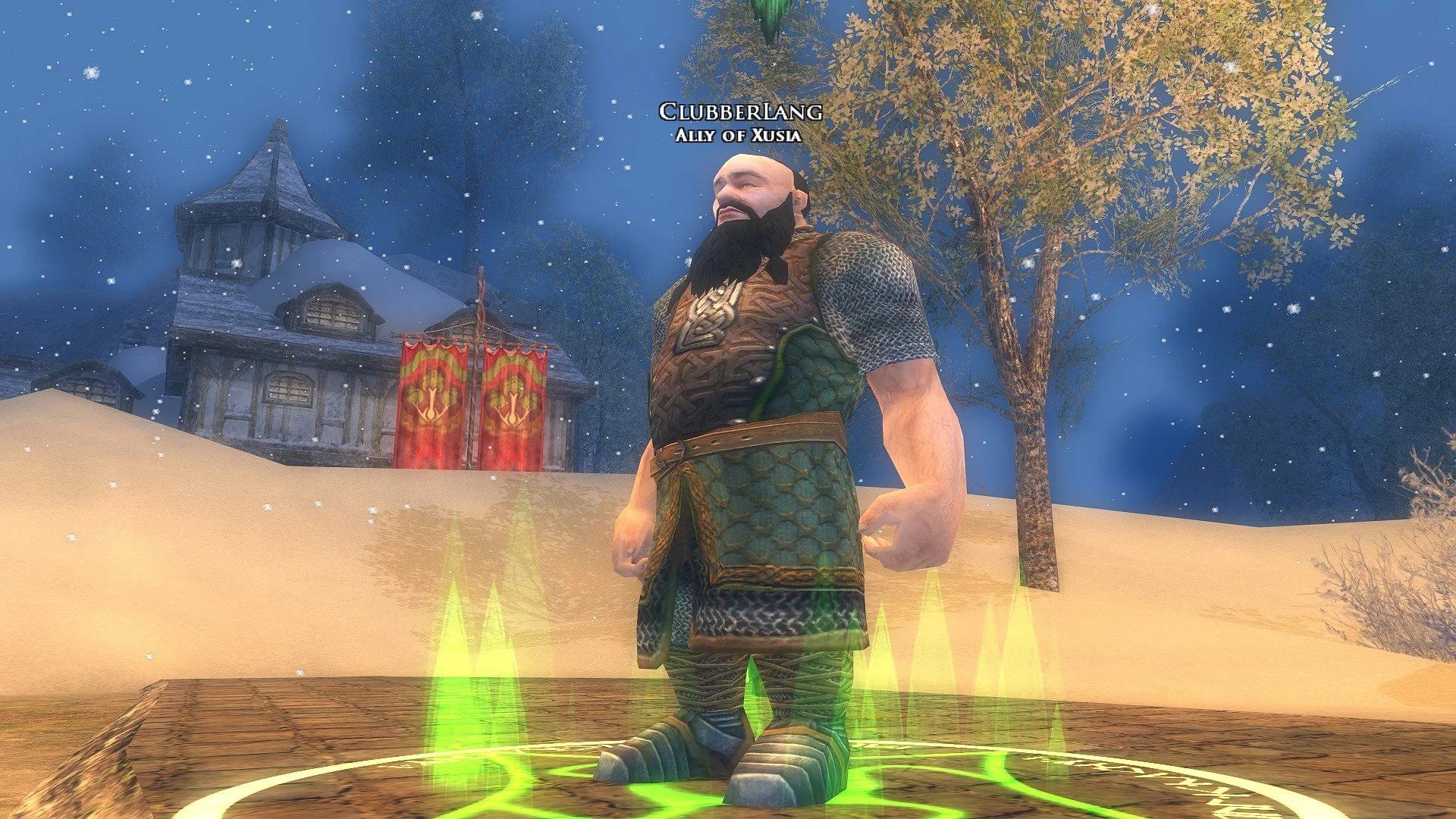
If any of this appeals to you and you’d like to join the Contains Moderate Peril kinship, add the following names to your LOTRO friends list. Tercano on Peregrin server and Xusia on Meriadoc server. I’m afraid I don’t have any specific hours that I play. I tend to log into LOTRO whenever the fancy takes me. Hence if you see me online then just send me a direct message and I’ll add you to the kinship on the fly. The server migration certainly seems to have reinvigorated The Lord of the Rings Online despite some of the problems that arose. I see a lot of posts on the official forums and reddit regarding new and returning players. Rather than drifting around Standing Stone Games’ virtual Middle-earth aimlessly, why not join our kinship, so you can meander about with like minded company.




Warzone: Verdansk Spoilt in Less Than a Month
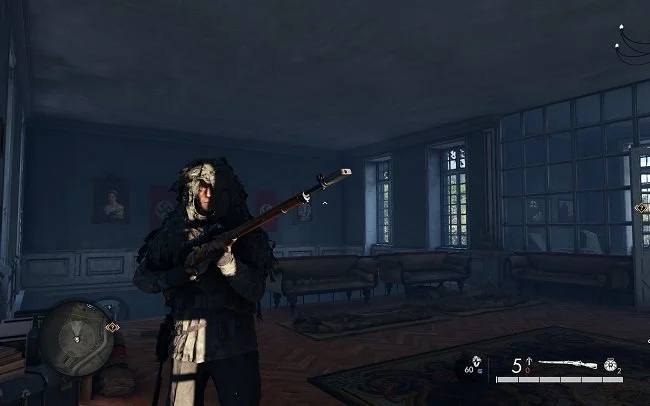
When the Battle Royale Call of Duty: Warzone launched on March 10th 2020, the Verdansk map was one of the key elements of the game’s success. The subsequent lockdown due to the global pandemic was also a major shot in the arm for the game, with so many gamers being home. The Verdansk map along with the gameplay mechanics of the game at the time were a perfect combination and so Warzone was “just so”. It allowed both skilled and unskilled players to play together, without one group dominating the other. Gunfights could be intense but there were periods of downtime when traversing the map. Players also couldn’t continuously respawn if defeated, so there was a requirement to play with a degree of caution and strategy. I enjoyed the game immensely despite not being the biggest fan of PVP based gaming. It was a broadly equitable experience but sadly it didn’t remain that way.
When the Battle Royale Call of Duty: Warzone launched on March 10th 2020, the Verdansk map was one of the key elements of the game’s success. The subsequent lockdown due to the global pandemic was also a major shot in the arm for the game, with so many gamers being home. The Verdansk map along with the gameplay mechanics of the game at the time were a perfect combination and so Warzone was “just so”. It allowed both skilled and unskilled players to play together, without one group dominating the other. Gunfights could be intense but there were periods of downtime when traversing the map. Players also couldn’t continuously respawn if defeated, so there was a requirement to play with a degree of caution and strategy. I enjoyed the game immensely despite not being the biggest fan of PVP based gaming. It was a broadly equitable experience but sadly it didn’t remain that way.
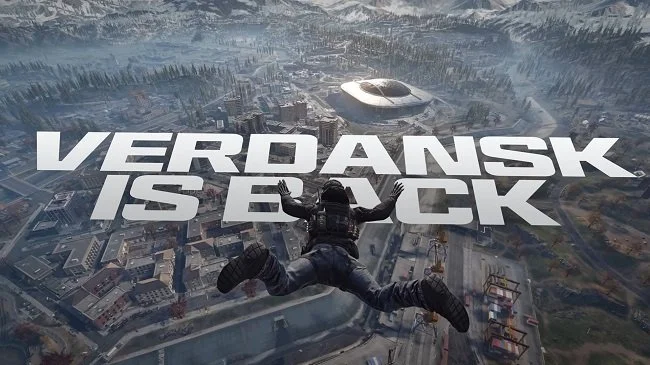
I won’t cover old ground. Warzone has been a dog’s dinner in all its various iterations since the halcyon days of Verdansk. Its faults and flaws are well known and hence there has been a decline in players over time. Which is why the developers decided to bring back the Verdansk map in the hope of turning the tide of the game’s fortune. As you would expect there was a lot of excitement and scepticism regarding this announcement. Would this simply be the old map with the current game mechanics in place or would the developers strive to adjust all aspects of Warzone to make it more akin to the 2020 experience? Well to cut a long story short, Verdansk returned to Warzone on April 3, 2025, as part of Season 3 of Black Ops 6 and to everyone's amazement it was as near a return to the state of play that existed in 2020 that the developers could manage.
It is hard for me to impress upon casual readers the significance of this development. It genuinely felt that the powers that be had actually listened to the player base and considered their requests. Gone were the redeployment drones and the constant opportunities to quickly move around the maps. Weapons choice and vehicles suddenly mattered again and the insane pace of the game was slowed down. Even the omni-movement system was tweaked. Getting “downed” and sent to the Gulag suddenly had consequences once more. Overall the game changes meant that both experienced and casual players had sufficient factors working in their favour. After watching some videos I reinstalled Warzone and was pleasantly surprised at how it felt like “the good old days”. You could play, have fun but also time to think, as opposed to being in an unrelenting pressure cooker.
But (and there is always a but when it comes to Call of Duty), despite all the positive player feedback, Black Ops 6 Season 3 Reloaded was released on May 1st, 2025 and pretty much undid all the previous good work. Bugs, weapon imbalance and a massive influx of cheaters have effectively derailed the return of Verdansk. There is a major lag issue that some players are using to their advantage and armour plates are simply not registering. The game’s hit box system is also messed up, removing any degree of certainty when a player decides to fire their weapon. Server stability continues to be problematic with disconnects and data desynchronisation. Simply put, this update has diminished the game and effectively given a reason for returning players to leave once again. Perhaps the saddest aspect of this sorry tale is that no one is really that surprised and the return of Verdansk has failed in less than a month.
When Technology Fails
I had a novel experience (at least for me) this morning. I went to the cashpoint (that’s an ATM for those outside the UK) at my local supermarket, only to find it out of service. I had an imminent haircut appointment and no cash to pay my barber, who doesn’t take card payments. Fortunately, the supermarket did “cashback” so I bought a loaf of bread and some milk, paid £23 for them and was given £20 in cash. It’s a useful facility that I have never used until today. Usually I just make sure that I have a float of cash available but today the cashpoint being unavailable threw a spanner in the works. If the store did not do “cashback” then I would have had to reschedule my haircut. This minor hiccup got me thinking about our dependence on technology in our daily lives. A point that was further brought home, as my barber told me he had recently visited Spain and was affected by the national power outage.
I had a novel experience (at least for me) this morning. I went to the cashpoint (that’s an ATM for those outside the UK) at my local supermarket, only to find it out of service. I had an imminent haircut appointment and no cash to pay my barber, who doesn’t take card payments. Fortunately, the supermarket did “cashback” so I bought a loaf of bread and some milk, paid £23 for them and was given £20 in cash. It’s a useful facility that I have never used until today. Usually I just make sure that I have a float of cash available but today the cashpoint being unavailable threw a spanner in the works. If the store did not do “cashback” then I would have had to reschedule my haircut. This minor hiccup got me thinking about our dependence on technology in our daily lives. A point that was further brought home, as my barber told me he had recently visited Spain and was affected by the national power outage.
If you weren’t aware, on Monday April 28th, at 12:33 PM, a blackout caused widespread disruption across Spain and Portugal. Although the exact cause is still unclear, the incident occurred when approximately 15 gigawatts of electricity generation capacity, representing 60% of Spain's power demand at that moment, was lost within a mere five seconds. This outage resulted in millions being left without electricity, affecting trains, traffic signals, ATMs, phone services, and internet connectivity throughout the Iberian Peninsula. By Tuesday morning, nearly all electrical services in Spain and Portugal had been restored, yet inquiries into the underlying cause have continued. Just take a moment to consider the ramifications of such a blackout and the impact it would have on your life, if such a thing happened to you.

Let us not forget the faulty patch that was released last July by cybersecurity vendor Crowdstrike, that crippled countless Microsoft Windows computers across the globe. Like the power outage in Spain, it shutdown everything from airline travel and financial institutions to hospitals and businesses online. Crowdstrike quickly deployed a fix, but the recovery from the outage took considerable time, as Crowdstrike’s solution needed to be applied manually on a per-machine basis. I was going for a meal with my sister that day and had booked a table in advance. The restaurant was very shrewd and called me along with every other customer as soon as the outage hit their payment system, to inform me that they were dealing exclusively with cash payment that day. Fortunately my “belt and braces” approach to money saved me any inconvenience.
Legitimate technical problems notwithstanding, we have to be cognisant these days of the very real threat that cyber terrorism poses, utilizing technology to cause harm, inspire fear, and potentially disrupt critical infrastructure. Most countries have already experienced cyberattacks for political or ideological purposes. So far such attacks have been contained and hence have not had as much media attention as perhaps they should. However, it seems inevitable that a major attack is due, especially in the current global political climate. As and when it does occur I suspect that the UK population is ill equipped to deal with the consequences. Not that there is much one can do anyway. Beyond keeping a supply of cash and maintaining a stockpile of essential items. All of which raises the question about our societal dependence on technology. Sadly such a debate will only occur after something catastrophic happens.
Emmetts Garden
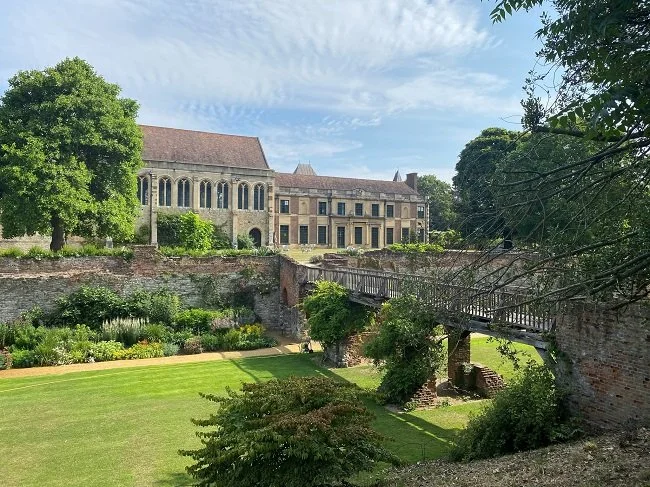
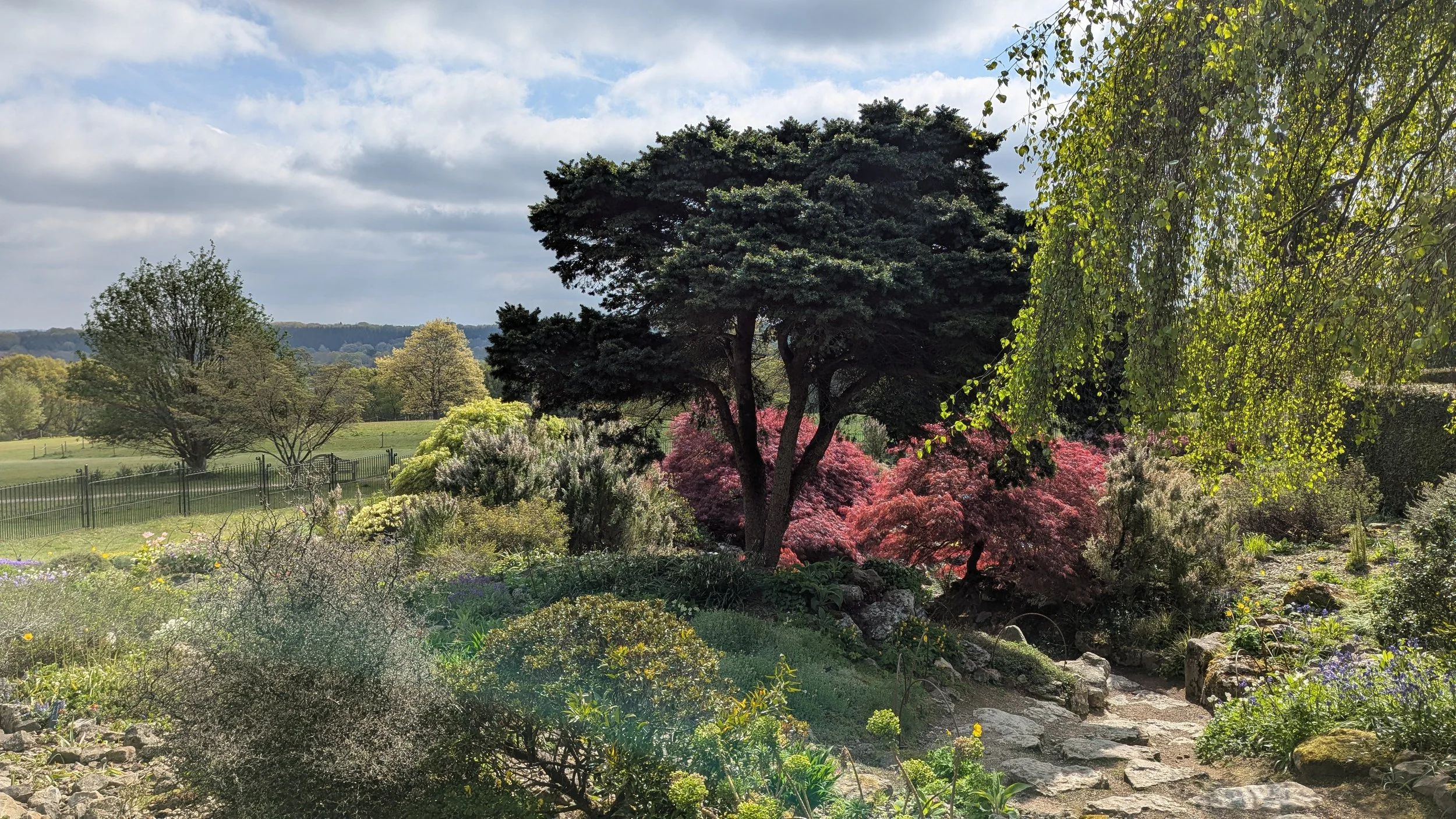
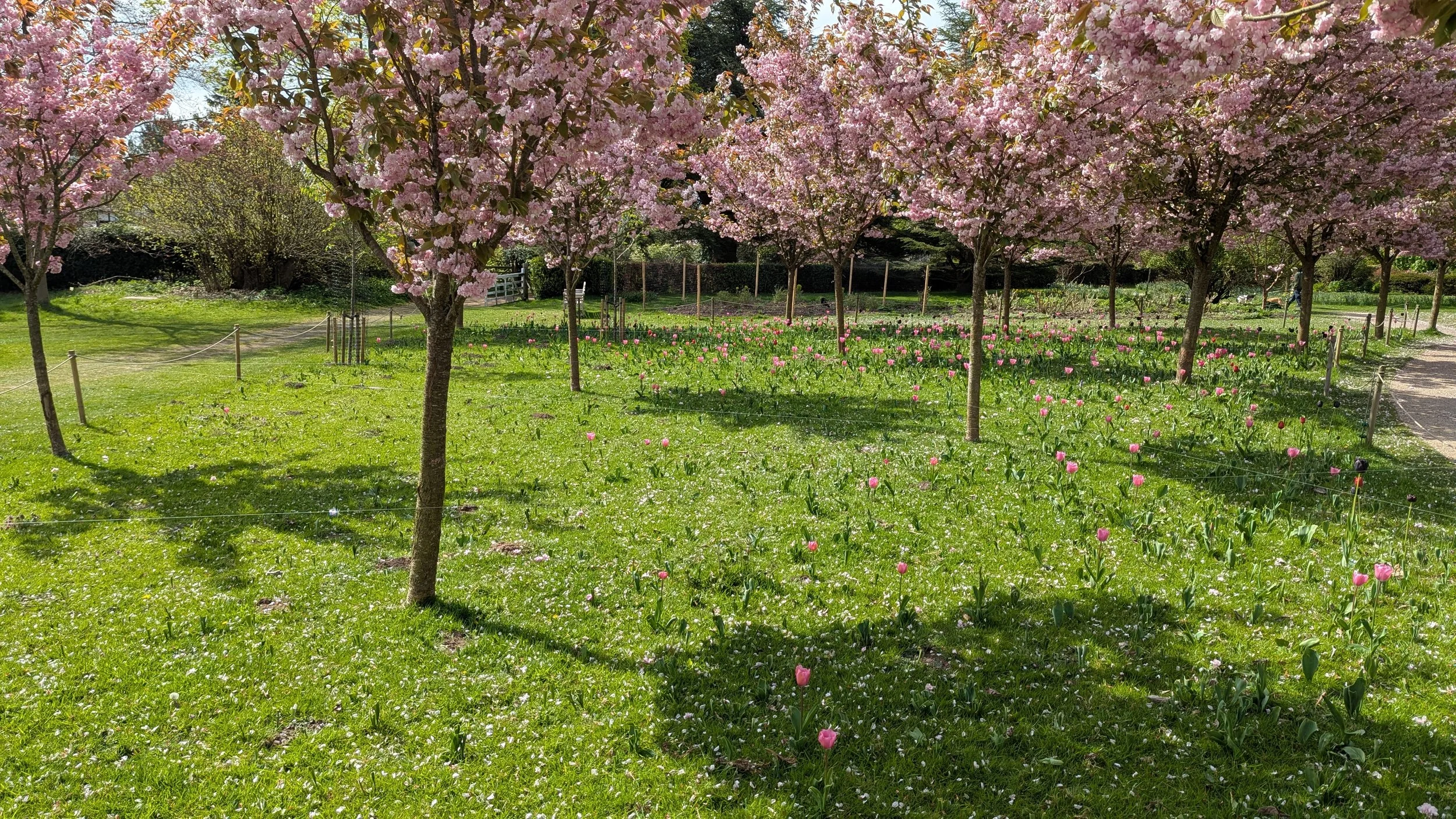
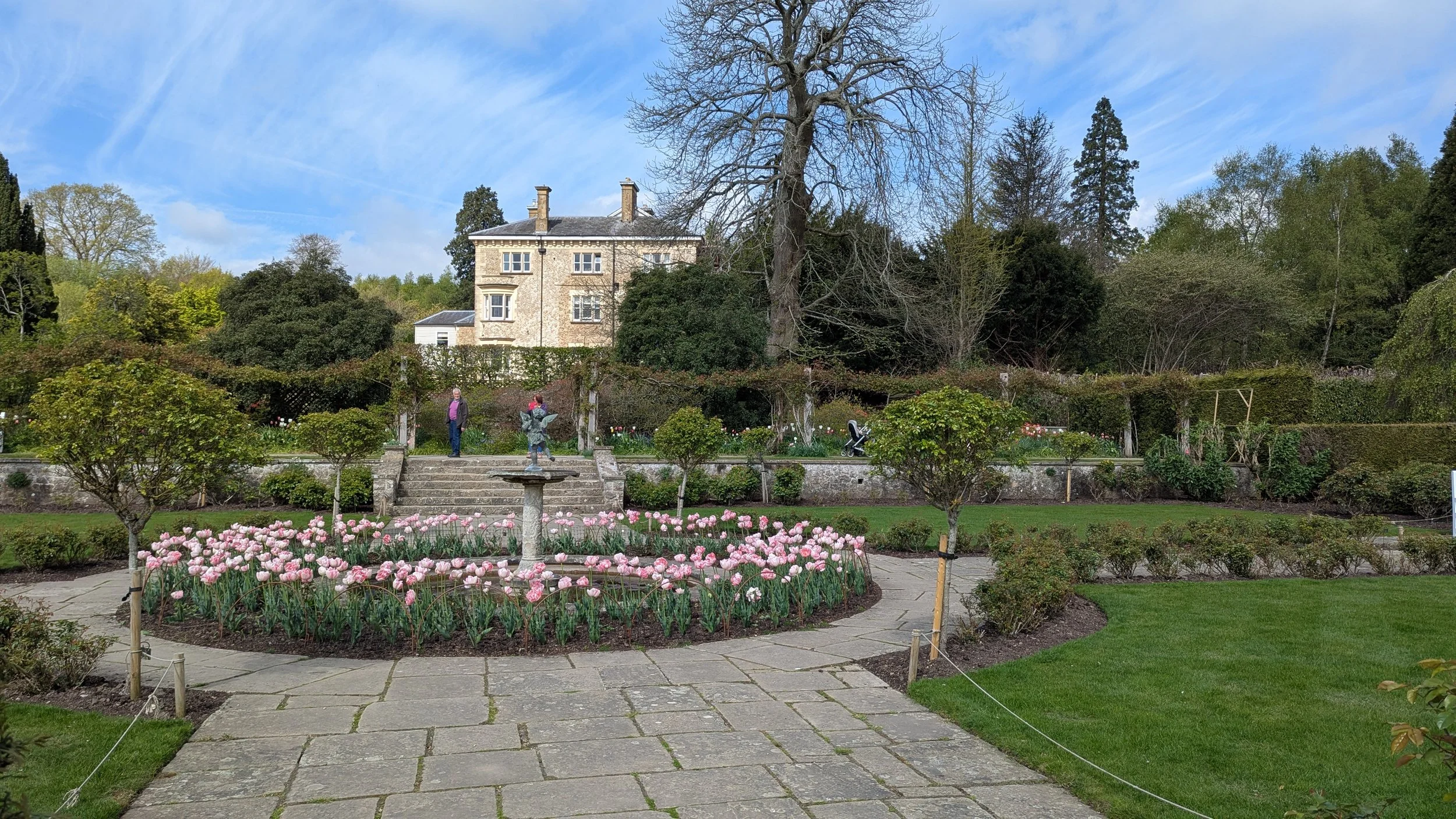
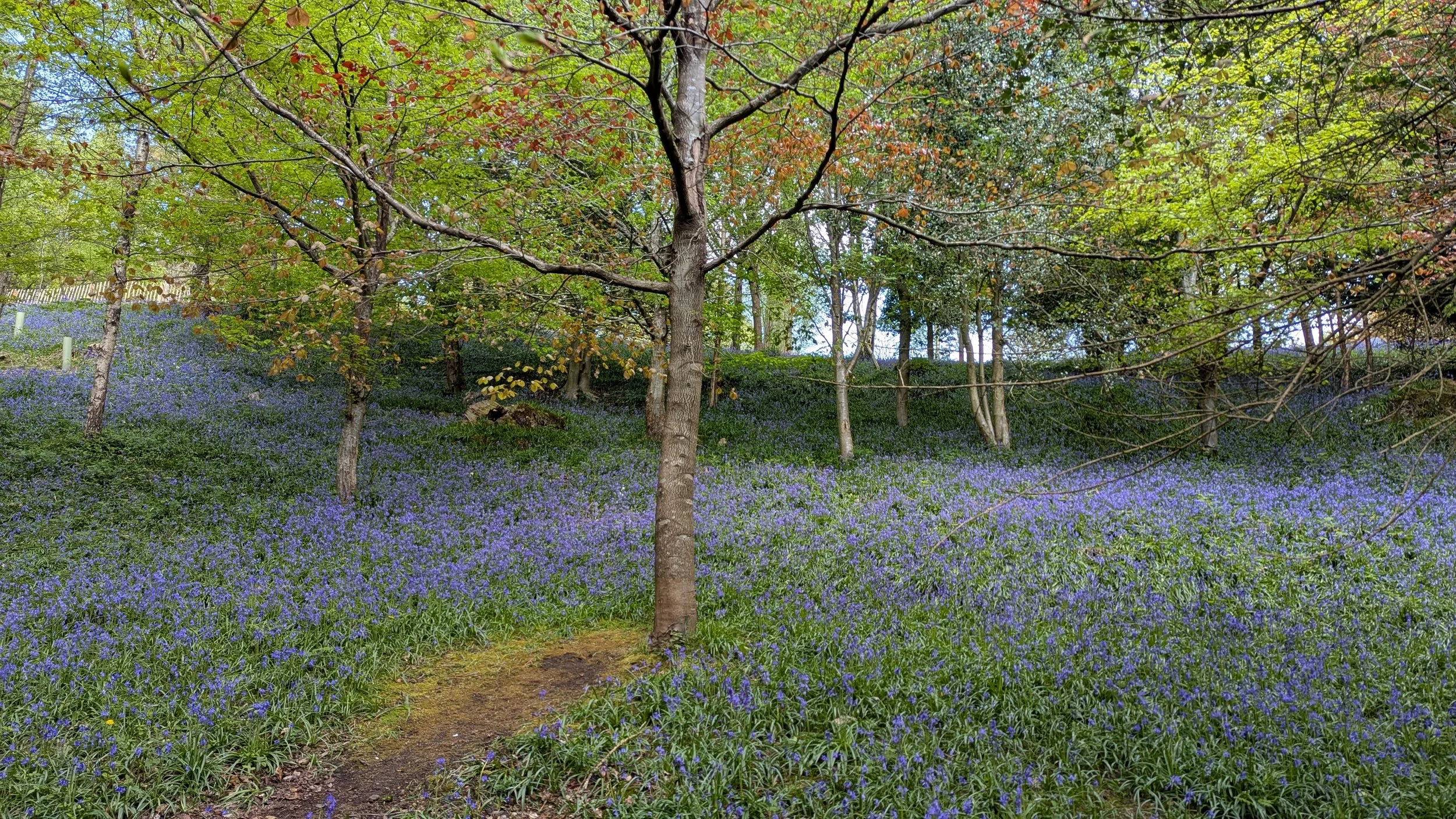
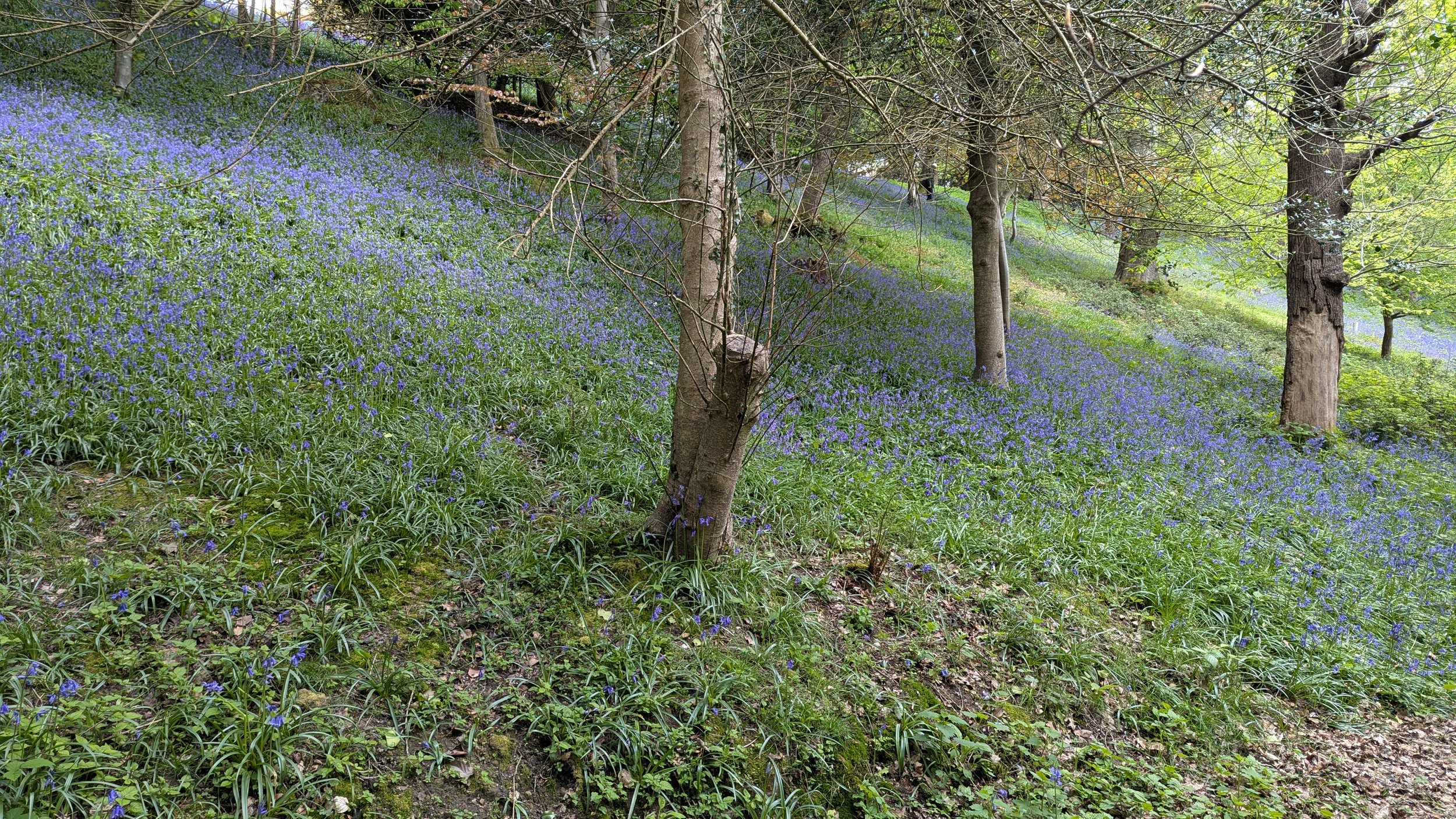
Emmetts Garden is an Edwardian estate situated on Ide Hill, close to Sevenoaks in Kent, UK. After a long and interesting history it is currently under the stewardship of the National Trust. Originally open farmland, the existing house was constructed in1860. The term “emmett” is a local dialect for ant, referencing the large anthills that populated the area until the 1950s. In 1890, the estate was acquired by Frederic Lubbock, a banker with a keen interest in horticulture. His elder brother, John Lubbock, 1st Baron Avebury, was a renowned authority on ants, which may have influenced Frederic's decision to purchase the estate. Today Emmetts Garden is open to the public and features several “hortus conclusus” (walled gardens) and a hillside trail that is famous for its Bluebells in the spring.
Emmetts Garden is an Edwardian estate situated on Ide Hill, close to Sevenoaks in Kent, UK. After a long and interesting history it is currently under the stewardship of the National Trust. Originally open farmland, the existing house was constructed in1860. The term “emmett” is a local dialect for ant, referencing the large anthills that populated the area until the 1950s. In 1890, the estate was acquired by Frederic Lubbock, a banker with a keen interest in horticulture. His elder brother, John Lubbock, 1st Baron Avebury, was a renowned authority on ants, which may have influenced Frederic's decision to purchase the estate. Today Emmetts Garden is open to the public and features several “hortus conclusus” (walled gardens) and a hillside trail that is famous for its Bluebells in the spring.
The gardens were first designed between 1893 and 1895, inspired by Lubbock's associate William Robinson. They are laid out in the fashionable Edwardian style popularized by Gertrude Jekyll. A shrub garden was added later, between 1900 and 1908. Following Lubbock's passing in 1927, the estate was taken over by American geologist Charles Watson Boise, who made several modifications to the house and gardens while preserving their original character. In 1964, Boise bequeathed Emmetts to the National Trust, which has since worked to uphold the botanical diversity cultivated by both men. Many of the mature trees and shrubs planted by Lubbock were lost in the Great Storm of 1987, but the storm also allowed more light into the gardens, prompting the National Trust to implement a thoughtful replanting initiative.
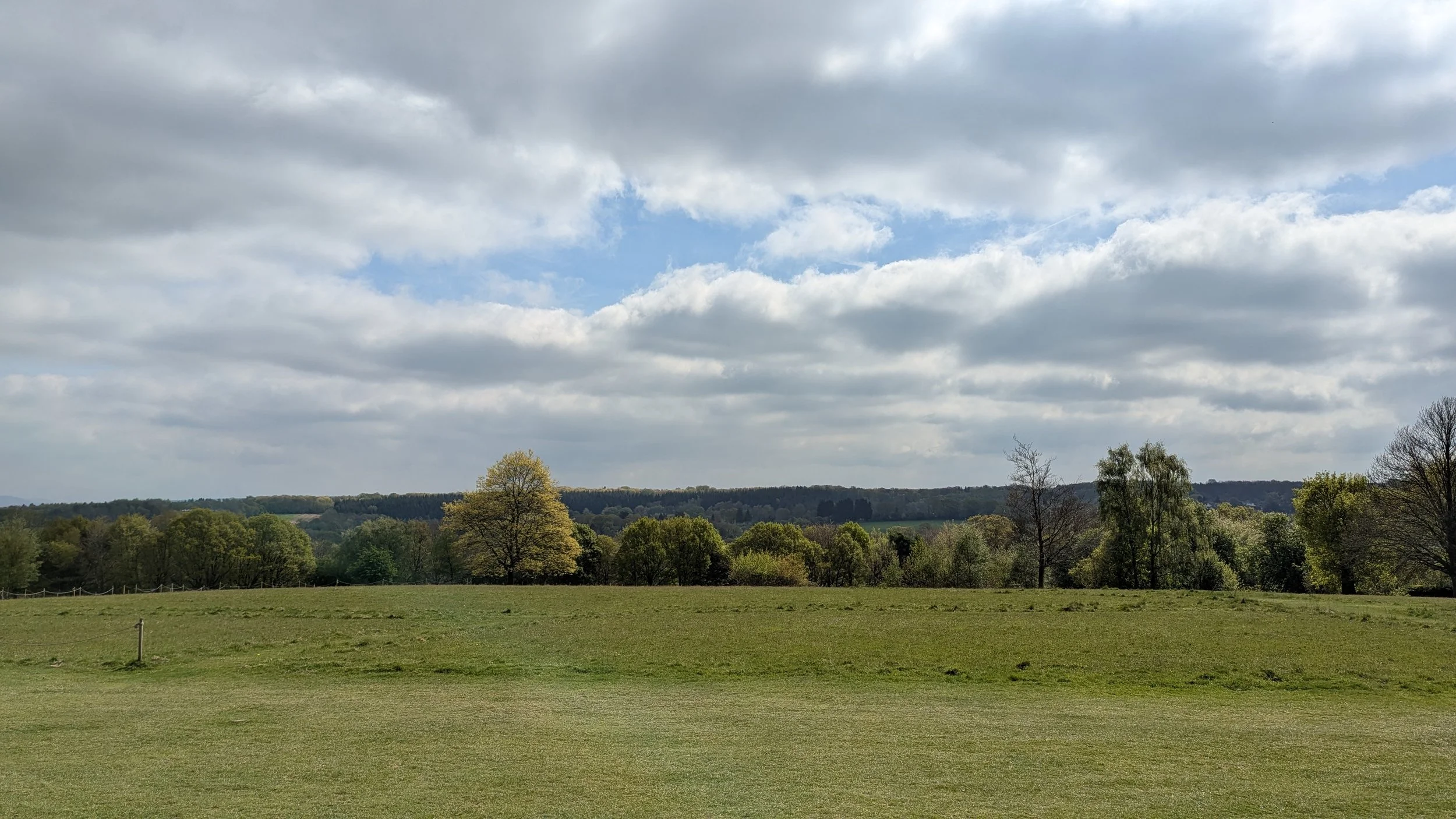
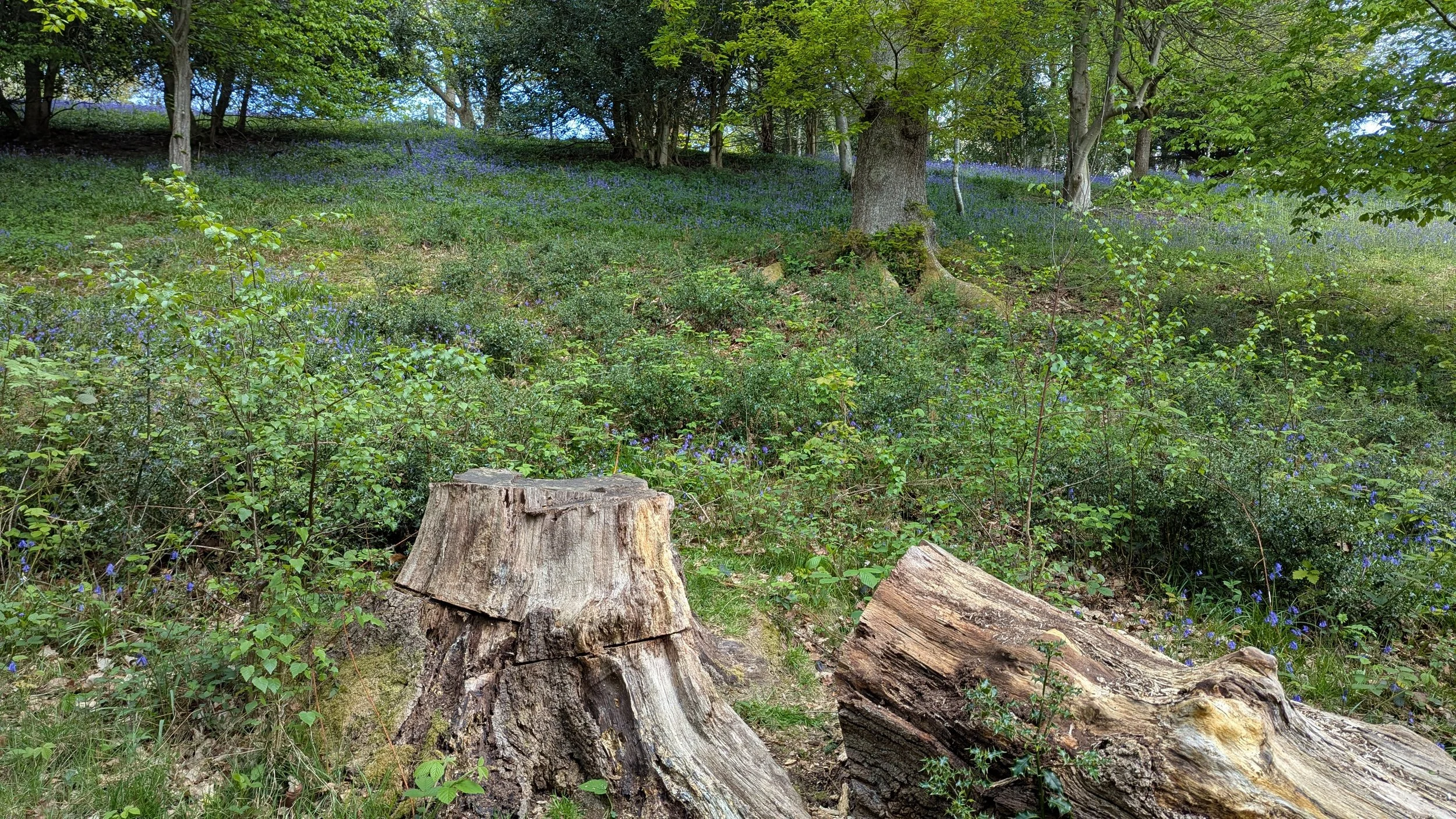
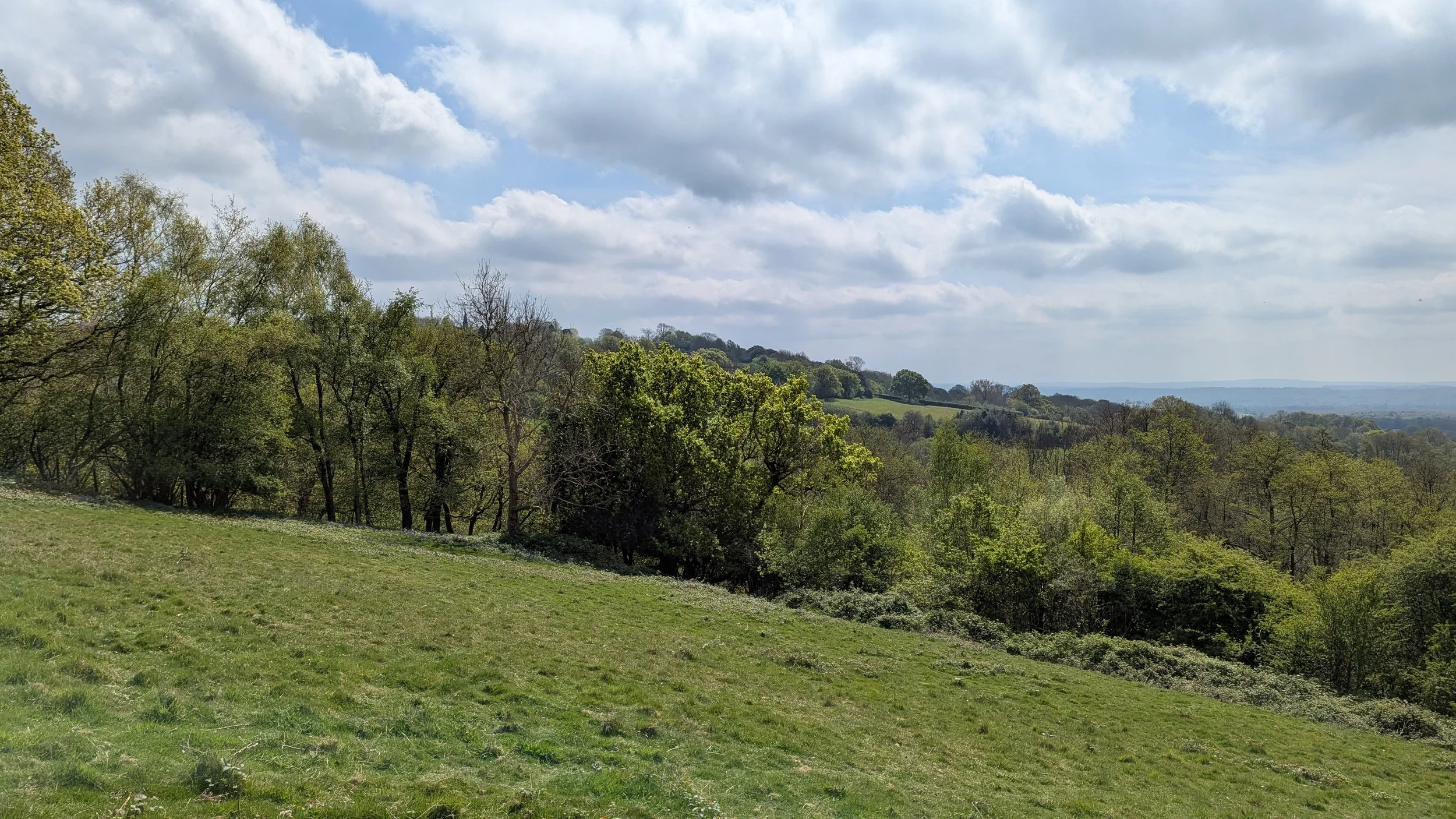
The grounds spans approximately six acres (around 2.5 hectares) and is situated on a prominent 600-foot (180 m) sandstone ridge, providing stunning views of the Weald and the North Downs. It primarily features an arboretum filled with trees and shrubs, including a remarkable 100-foot (30 m) Giant Sequoia (Sequoiadendron giganteum) that survived the storm. Additionally, there is a rose garden adjacent to the Victorian house but this is not accessible to the public. Overall, Emmetts Garden is an excellent site for a spring walk. Those visitors seeking a leisurely pace can stroll around the walled gardens and enjoy the wide variety of plants. Walkers who desire a more robust challenge can take the hillside trail and if done in April will be rewarded by the Bluebells in bloom and an excellent view over Toys Hill.



Thoughts on Blogging Part 22
Back in March 2019 I wrote a blog post about the operating costs of running this website. I went into detail with regard to hosting and domain costs, as well as the other software and hardware used to write posts and at that point produce a podcast. Let it suffice to say that five years on, those costs have all increased. If we’re just looking at maintaining a blog simply in terms of hosting and the domain registration, it costs about £20 a month to run Contains Moderate Peril. Theoretically, if I want to reduce those costs I could dispense with a specific domain name and use a free blogging service. However, I feel that such a compromise comes with its own set of problems, such as advertising and a lack of control (to a degree) over your content. I therefore choose to pay to mitigate these concerns. If I then wish to do more, such as produce a podcast, create videos for YouTube or live stream, then those costs increase.
Back in March 2019 I wrote a blog post about the operating costs of running this website. I went into detail with regard to hosting and domain costs, as well as the other software and hardware used to write posts and at that point produce a podcast. Let it suffice to say that five years on, those costs have all increased. If we’re just looking at maintaining a blog simply in terms of hosting and the domain registration, it costs about £20 a month to run Contains Moderate Peril. Theoretically, if I want to reduce those costs I could dispense with a specific domain name and use a free blogging service. However, I feel that such a compromise comes with its own set of problems, such as advertising and a lack of control (to a degree) over your content. I therefore choose to pay to mitigate these concerns. If I then wish to do more, such as produce a podcast, create videos for YouTube or live stream, then those costs increase.
Now there’s nothing unusual about a hobby having a cost. If you fish, play golf or even spot trains, then you’ll end up spending money in the pursuit of your interest. However, blogging and content creation online is often about being part of or indeed creating a community. There is often a strong social dynamic running through what you do and motivating you. One of the major aspects of online culture during the early days of the internet was a sense of community and creating resources that were accessible to others. Sadly, that ethos seems to be in retreat and the internet is far more transactional these days, with content being commodified. Although the democratisation of media still exists, increasing online operating costs will slowly begin to exclude people. Such a thing may seem at first glance, inconsequential, but if you consider the matter it is not such a good prospect.
However, equality of access is ultimately a different blog post to the one I am writing. Of late my thoughts about blogging and wider content creation have mainly been about scheduling versus available time. I began the year with aspirations to write more often and also produce some video content. I was even considering a weekly 30 minute podcast, hosted just by me. None of that has come to pass because other issues have come up and there just aren’t enough hours in the day. It irks me to a degree but not as much as it did a decade ago. You ultimately do what you can do and be content with it. Another matter that concerns me is the template that Contains Moderate Peril currently uses. It is ten years old and beginning to look its age. However, replacing it would mean having to manually adjust 1,930 plus posts. Sooner or later that is a nettle that needs to be grasped.
Finally, although I am not going to stop blogging, I am continuously reminded that I can get more eyes on my posts via other platforms. I’ve mentioned before about how posts on Reddit provide detailed metrics and that a well received article can get thousands of views in an hour. Recently, I wrote a review via Google for a local restaurant and posted a few accompanying photos. I subsequently received notification via my phone that over 25,000 people had read that review. I appreciate that to a degree this is a bit like comparing apples with oranges but I would love to write a blog post on my own site that generated those sorts of numbers. But that’s not how blogs work. They have to be discovered and give the reader a reason to stick around. Reddit already has an audience, gathered in one place. Ready and waiting to consume material.















Yet More Games We Cannot Play
Despite being over 5 years old, there still seems to be an active community playing Battlefield V. Having recently watched some multiplayer videos on YouTube, I decided to buy the game and have a go. Mainly because I had a hankering to fly a BF-109. Mercifully, this enterprise only cost me £5 because as you’ve probably guessed by the title of this post, things didn't go well. Although not as complex as a flight simulator, the controls for flying a plane in Battlefield V are involved. The main obstacle for me is turning the plane, which requires using both thumbsticks on the Xbox controller that I use. I tend to oversteer and lose control of the plane. I’m sure the problem can be overcome with practice but therein lies the rub. It would take a great deal of time and patience. Weeks, maybe months. I’m not going to invest in such an undertaking for something that is just a transient amusement.
Despite being over 5 years old, there still seems to be an active community playing Battlefield V. Having recently watched some multiplayer videos on YouTube, I decided to buy the game and have a go. Mainly because I had a hankering to fly a BF-109. Mercifully, this enterprise only cost me £5 because as you’ve probably guessed by the title of this post, things didn't go well. Although not as complex as a flight simulator, the controls for flying a plane in Battlefield V are involved. The main obstacle for me is turning the plane, which requires using both thumbsticks on the Xbox controller that I use. I tend to oversteer and lose control of the plane. I’m sure the problem can be overcome with practice but therein lies the rub. It would take a great deal of time and patience. Weeks, maybe months. I’m not going to invest in such an undertaking for something that is just a transient amusement.
This is a shame because flying around, blowing shit up in a BF-109 looks a lot of fun and really cool but the reality of gaming is that we can’t be good at everything and some titles are simply beyond our reach to master or more often than not, simply require effort beyond that we’re prepared to make. Sometimes a game can elude us because of one or two simple mechanics. Things that can fundamentally alter the overall game experience for some players, tipping the balance from challenging but rewarding to a massive pain in the ass. One of the reasons I didn’t buy the latest iteration of Call of Duty was because of the omni-movement system. For me it added an excessive layer of complexity and was something else that benefitted gamers with more nimble fingers and faster reactions. The Skill Based Match Making was also a pain, with inconsistent grouping and player manipulation.
However, a problematic mechanic doesn’t necessarily exclude you from a game forever. For example I really enjoyed the second and third instalments of The Witcher franchise but simply couldn’t cope with the combat system in the first game. It seemed to me to be staggeringly unintuitive and quickly became a source of annoyance. I ended up watching someone else play through the game on YouTube, so I could see the story completed, rather than do it myself. However, the game is currently getting remade and it would appear that the combat systems in the remake will be brought in line with that of the later iterations of The Witcher. If this is the case, then the game will finally be accessible to me, which would be nice. Yet I am old enough and wise enough to realise that the list of games I cannot play will continue to grow over time. Mainly due to me.

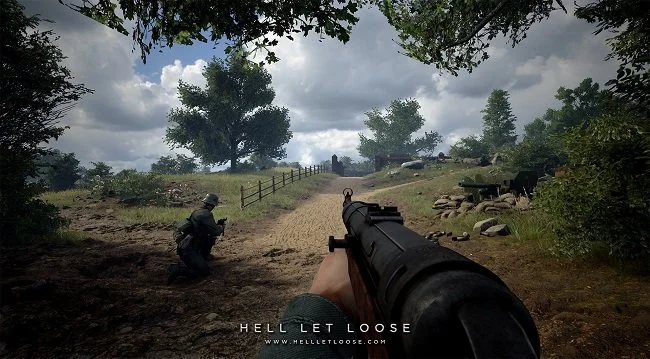
LOTRO: Moving on From the Server Migration
The dust appears to have settled for the MMORPG The Lord of the Rings Online, after last month’s server transfer debacle. Despite the technical issues arising and subsequent delays to the migration timetable as well as the procurement of in-game housing, LOTRO seems to be enjoying a minor resurgence. Many former players are returning to the game and moving retired alts to new servers, due to the superior performance. The migration issues have also brought a lot of attention to this 18 year old game and it would appear there are many new players trying this Tolkien themed MMO. I was pleasantly surprised to see that a further two 64-bit servers, Grond (EU) and Sting (US), are to be added to the game to meet demand. As I predicted in my previous posts, LOTRO has a habit of bouncing back due to its unique niche in the gaming ecosystem.
The dust appears to have settled for the MMORPG The Lord of the Rings Online, after last month’s server transfer debacle. Despite the technical issues arising and subsequent delays to the migration timetable as well as the procurement of in-game housing, LOTRO seems to be enjoying a minor resurgence. Many former players are returning to the game and moving retired alts to new servers, due to the superior performance. The migration issues have also brought a lot of attention to this 18 year old game and it would appear there are many new players trying this Tolkien themed MMO. I was pleasantly surprised to see that a further two 64-bit servers, Grond (EU) and Sting (US), are to be added to the game to meet demand. As I predicted in my previous posts, LOTRO has a habit of bouncing back due to its unique niche in the gaming ecosystem.
There was also a recent update to the 2025 LOTRO roadmap. Lead systems designer Alan “Orion” Maki provided a breakdown of the game’s current priorities. The 18th anniversary festival is to be revised to include mission scaling and new rewards. Update 44: Crown of Hamat is due this month and will include new story quests, missions and a 6-player instance. The raid, Temple of Utug-bûr, has been delayed. The reputation perk system for VIP players is also included in the update. In Q3, the Hunter and Burglar classes will be updated, along with the Birding and Fishing hobbies. In Q4, there will be a new expansion for the game. This will include four new zones, a new raid and yet another increase to level cap from 150 to 160. There is also a wealth of updates to the kinship system as well as the temporarily removed deed log revision. Just remember that all of these can be subject to change for “reasons”.
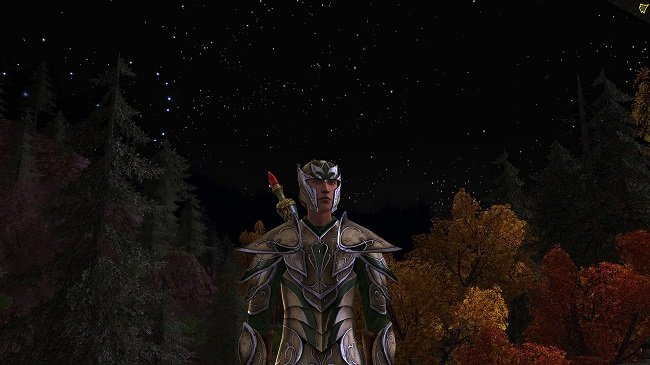
With regard to my own ongoing LOTRO experience, I am finding Meriadoc server to be a very agreeable place. Having successfully moved my primary character there, the performance improvement is clearly notable. I have experienced no tangible lag while traversing the virtual world. Locations such as Minas Tirith which used to be notorious for rubberbanding are now stable and manageable. It is also interesting to see a lot more players out and about in all zones. It is a timely reminder that this is a multiplayer game. On my previous server Laurelin, I could go for days in some zones without seeing another player. Another plus point on Meriadoc is that it didn’t take long for the in-game economy to take off. I also created a new alt on Peregrin server, so I have a character to take to the various events that will no doubt find a home there.
All things considered, LOTRO does appear to be back to business as usual. If SSG can resolve the housing issue and ensure that players who have recently migrated can re-acquire their house of choice, then I’m sure that the status quo that has prevailed for so long will return. The revised roadmap has plenty of new content scheduled which is reassuring to the playerbase. The game is far from stagnant. SSG also has a habit of quietly tinkering with legacy issues in the background, while developing the bread and butter content of the game. They tend to take as much time as they need to get the job done and sensibly play their cards close to their chest. Hence there is still hope that issues such as UI scaling will be addressed in the long term and that the group finder will be overhauled. Let’s see how the rest of 2025 pans out.