
Playing Against Bots in Warzone
Warzone added a new “casual mode” to its Battle Royale at the start of Season 4. This reduced the number of real players in-game and substituted them with AI bots. The ratio is approximately one fifth real players, four fifths bots. This new mode for Battle Royale solos, duos and quads was well received, especially among the mainstream players who are more focused on fun than progression. Veteran players who still wanted the challenge of playing against real players were free to continue playing the traditional BR modes. Hence all parties were pleased as they were both being catered for. However, and there is always a “however” when it comes to Call of Duty, the developers saw fit to remove the standard solo Battle Royale mode, leaving just the Battle Royale Casual mode with AI bots. Subsequently, a lot of players were perplexed and annoyed, as taking away choice is seldom good customer service. As a result of subsequent backlash, the mode was added back to the game mid-season.
Warzone added a new “casual mode” to its Battle Royale at the start of Season 4. This reduced the number of real players in-game and substituted them with AI bots. The ratio is approximately one fifth real players, four fifths bots. This new mode for Battle Royale solos, duos and quads was well received, especially among the mainstream players who are more focused on fun than progression. Veteran players who still wanted the challenge of playing against real players were free to continue playing the traditional BR modes. Hence all parties were pleased as they were both being catered for. However, and there is always a “however” when it comes to Call of Duty, the developers saw fit to remove the standard solo Battle Royale mode, leaving just the Battle Royale Casual mode with AI bots. Subsequently, a lot of players were perplexed and annoyed, as taking away choice is seldom good customer service. As a result of subsequent backlash, the mode was added back to the game mid-season.
After several months of consistently playing the new casual mode, I wanted to share my thoughts on replacing players with bots. It is in many respects both a boon and a bane. The principle is sound enough, replacing veteran players with less skilled bots ensures that new or less skilled players (IE the majority of the playerbase) don’t get repeatedly stomped on and thus driven from the game. However, the way the bots behave in-game is inconsistent, resulting in some rather anomalous behaviour. As there is no data publicly available regarding how the bots “work”, all I can provide are my own observations. Overall the bots mimic player behavior. If a bot sees you, it will engage. It will also pursue you but it can be lost. They will use skills such as air strikes and mortar attacks to flush players out. However, they also use some unique abilities to keep the game play “engaging”.
I play Warzone cautiously. I often go to specific locations on the map which are easier to defend or can be used for cover. I will often wait in elevated positions observing and not directly engaging in firefights happening around me. Theoretically, such a strategy should leave me unassailed except by the occasional and genuinely random incursion by a bot. But this is not the case. After a while of what the game probably classifies as inactivity, bots often appear close by. I suspect that they simply spawn near me. Similarly, the moment I collect my loadout of choice from a drop, this will often trigger a bot attack, irrespective of whether I’m in an “active area” or not. It would also appear that as your kill count against the bots goes up, the bots themselves become harder to kill. That is not to say that they become more skillful but they seem to increase their ability to be “bullet sponges”.
Another matter worth considering is that of server tick rate. Warzone has a tick rate of 20Hz, meaning the game server updates player actions and the overall game state 20 times per second. This is lower than many other popular first-person shooters, which then contributes to issues such as hit registration and perceived lag. Simply put, I can start shooting at a bot (or a real player if need be) who then returns fire but I lose the exchange. The killcam then shows the opposite of what happened with the bot firing first. Even when you take into account the type of weapons being used and their respective quality, this seems to happen a little too often. You can engage a bot who has demonstrably inferior weapons and still get “short changed”. As a player, you instinctively know when you’ve encountered this problem and the fact that it’s a known issue that persists due to infrastructure costs, makes it more annoying.
Overall, playing in a casual manner against bots and a handful of players works quite well. From time to time you’ll find a skilled real player who plays this mode to effectively troll the other players. So far I have not found that to be a common experience. Personally, I would like it if we had the option of playing a private Warzone game, exclusively against bots that you could vary the skill settings. It would finally dispense with the risk of anyone abusing voice or text chat, which is still an issue. As it stands at the moment, the casual mode is acceptable and fun, as long as you’re aware of the concessions the developer’s have made to make the game feel like a regular Warzone game. Hence you will get bots behaving as described and don’t get to play exclusively on your own terms. If you embrace this trade off then you can enjoy casual mode.
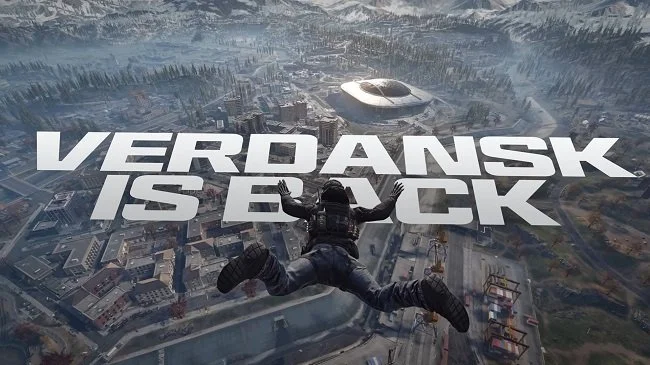
When the Battle Royale Call of Duty: Warzone launched on March 10th 2020, the Verdansk map was one of the key elements of the game’s success. The subsequent lockdown due to the global pandemic was also a major shot in the arm for the game, with so many gamers being home. The Verdansk map along with the gameplay mechanics of the game at the time were a perfect combination and so Warzone was “just so”. It allowed both skilled and unskilled players to play together, without one group dominating the other. Gunfights could be intense but there were periods of downtime when traversing the map. Players also couldn’t continuously respawn if defeated, so there was a requirement to play with a degree of caution and strategy. I enjoyed the game immensely despite not being the biggest fan of PVP based gaming. It was a broadly equitable experience but sadly it didn’t remain that way.

I decided to play Call of Duty today as I wanted some undemanding entertainment. I was not surprised when the game client began an update, as I have not played for about three months. Hence, there was obviously new content to install. However, when I saw the size of the download, I knew this was more than just a season update. I therefore checked the Battle.net client and discovered that the game was installing Black Ops 6, the latest version of Call of Duty that is released on 25th October. A game I have decided not to buy for a multitude of reasons. Fortunately, you can modify your game installation on the fly, so I unchecked a few boxes and the download stopped. However, I was annoyed by the hubris of this “download by default” policy, so I decided to uninstall my existing installation of Modern Warfare 3 as it is no longer a mainstay of my gaming activities.
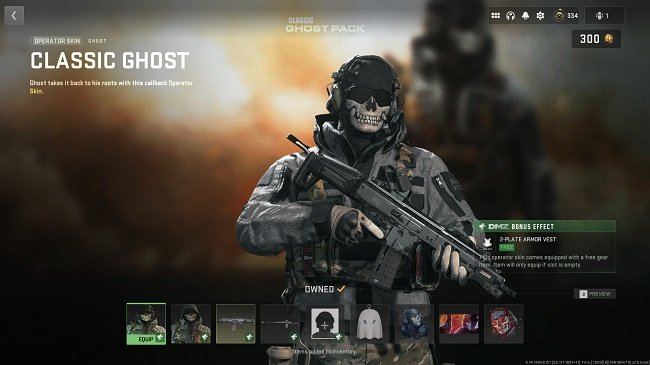
For those who are not familiar with this latest niche piece of “gaming outrage”, it regards the extraction shooter Warzone 2.0 DMZ, which is part of the Call of Duty franchise. When you enter the game (either solo or in a squad), you use gear that you have previously collected. A key part of the game is looting and upgrading your weapon, bullet proof vest (there are 3 tiers) and sundry support items. If you die, then you lose all the equipment you are currently carrying. With this in mind, Activision have recently added two purchasable gear bundles to the game store. One comes with a medium size backpack by default. The other comes with a 2 plate vest (tier 2) and two weapons that only have a 15 minute cooldown. This does offer a degree of convenience. Furthermore, the second bundle is tied to the Ghost operator skin, who within the game’s canon is an iconic figure. Hence there has been a great deal of debate over the rectitude of these bundles.

I don’t mind buying an occasional bundle from the store in DMZ, although it is often the weapon blueprint that determines my choice. Today I bought Overgrown 2, which includes the Ghillie Monster operator skin, to see if it offered any significant advantage. However, as I am not what you would call a “top tier” player, my subsequent experience and anecdotal evidence is hardly compelling. If you go prone in the desert, a shrubbery or among general herbidacious flora then it does offer a degree of camouflage. However, in suburban areas and the outlying villages of Al Mazrah, you look like a Wookie on a daytrip and I can’t see any advantage. So upon reflection, two questions spring to mind. Firstly, do any of the skins currently available in the game offer any tangible benefits? If not is it just a question of operator skins are 100% cosmetic and just about tickling a players fancy and getting them to put their hand in their pockets.
Here we are again with another summary of my gaming activities in recent months. Or in this case since last September. It’s been a while but I’ve been on a blogging hiatus until recently. However, I’ve kept myself busy gaming wise and often I find the hunt for news video games, just as entertaining as I do playing them. Perhaps that could be a future blog post. Back to the matter in hand. Gaming wise, pretty much all things related to the MMORPG genre are currently on the back burner. I’ll give specifics later but I am taking a break from these for the present. I am currently looking at trying games outside my usual comfort zone and also trying to test whether you can or cannot teach an old dog new tricks. Fortunately, the answer appears to be yes you can. Enough summation, on to the specifics.
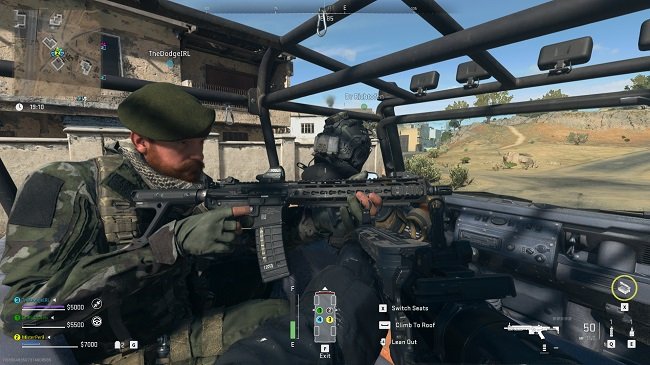
I like an analogy as a literary device, so here’s one for you. Video games are like parties. How so? In the following ways. They quite never live up to your expectations. The best ones are the ones you never go to, according to the “anecdotes” you’re told afterwards. And there’s always someone crying and throwing up at 2:00 AM. Okay, the last one isn’t quite relevant but the overall sentiment of the first two is sound. The reason I have used this visual metaphor is because both parties and multiplayer video games sell themselves on the alleged quality of their respective social dynamic. They supposedly offer you fun with your friends and a unique, memorable experience. However, the reality is a lot more lacklustre. Warzone 2.0 DMZ is a prime example. What enjoyment there is to be had in playing this game is offset by the iniquities of many of its players as they race to the proverbial bottom.
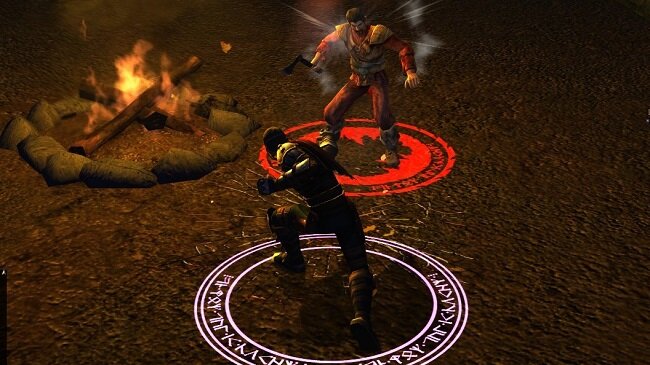
September has been and gone and the nights are now drawing in. Usually this time of year is ideal for gaming but sadly I’ve had a lot on over the last 30 days and as a result there’s been precious little time for gaming or indeed writing. Such is life. When I did have some leisure time, MMOs were the easiest way to get a quick gaming fix, as per usual. Standing Stone Games announced that the next expansion for The Lord of the Rings Online would be released in November and that a revision of the Legendary Item system would be coming prior to that. Hence I took a look at the beta builds on the Bullroarer test server and then started prepping my various alts on the live servers, to get ready for this major change. I also managed to complete the latest event in Star Trek Online. However, beyond these straightforward tasks I didn’t really get to do much more.
Video games can offer a great opportunity for personal growth. If you are the sort of player who likes to prove themselves and continuously test one’s mettle, then some titles can provide the challenge required to be the best of the best. Hence many games are competitive, have league tables and other formal structures for measuring success. It is one of the reasons why esports have become so popular. But this desire to excel and master a particular play style extends beyond competitive games. For some players part of a games allure is understanding the numbers and stats that drive the game mechanics. Because these are often the key to optimising your build and maximising DPS output. Hence you will find skilled and learned players in a variety of games across multiple genres. Although they are often motivated for different reasons, they all strive to be elite players.

I originally climbed aboard the Call of Duty bandwagon in 2009 when Modern Warfare 2 came out. I enjoyed the campaign and the multiplayer so much I promptly bought the first instalment. I then stuck with the franchise up until 2013. I didn’t especially like Ghosts, although I enjoyed the option to play as a dog which was different. Overall I was somewhat tired of the FPS genre from then on and so didn’t keep up with any further releases. For me the best iteration of the game was Black Ops in 2010. The campaign had a densely plotted story and the multiplayer was extremely polished. The multiplayer maps were well conceived allowing for fluid and engaging gameplay. Six years on and I recently got an itch to play Call of Duty again. The soft reboot of the franchise with Modern warfare in November 2019 promised a return to basics. The recent inclusion of a battle royale mode with the release of Warzone finally clinched the deal. So I bought a discounted version of the standard game recently and dived back in.
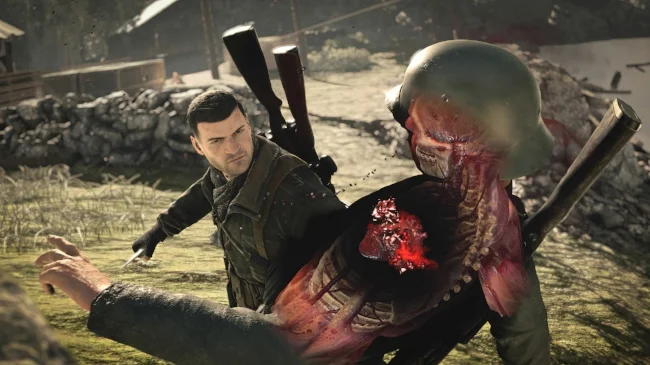
I have enjoyed Sniper Elite 4 and all of the sundry DLC immensely since its release in Spring. The game presents an interesting alternative to the traditional shooter with its stealth based level design. The latest instalment, Obliteration (the third part of an ongoing story), is set in an empty Bavarian town and has an intricate map with an authentic period feel. It offers opportunities for both long range sniping and close quarters stealth kills. Overall, I have found that the franchise provides engaging and complex gameplay, as well as satisfying the players baser need for blood and violence. However, playing this and other similar titles got me thinking. It would appear that World War II, one of the defining periods of the last century that still has ramifications today, is in certain quarters now simply a setting, a plot device or a Hitchcockian MacGuffin. Is the broader subtext of this major event now irrelevant to a generation of players because they have no immediate connection to this period in history? If that is the case, exactly when does it become acceptable for something of this magnitude, to be trivialised in this manner (if that is indeed the case).
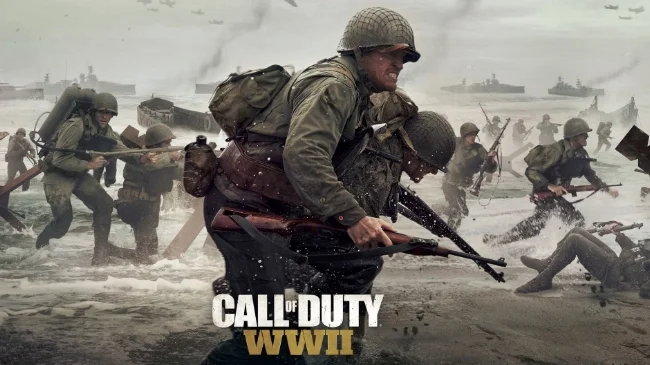
I took advantage of the current summer sales and pre-ordered the next instalment of Call of Duty, succinctly named WWII, due to be released in Autumn. After straying far from the established model, it’s nice to see CoD returning to its roots. The Second World War is a tried and tested formula and will no doubt be well received by fans of the franchise. As I have said before, COD is not a revolutionary product and as far as I know has never claimed to be. It provides a standard formula with sufficient variation, which is commercially viable and demonstrably popular. Those gamers that constantly rail against these games are on a hiding to nothing. You might as well complain about pop music being mainstream and accessible.
Warzone: Verdansk Spoilt in Less Than a Month
When the Battle Royale Call of Duty: Warzone launched on March 10th 2020, the Verdansk map was one of the key elements of the game’s success. The subsequent lockdown due to the global pandemic was also a major shot in the arm for the game, with so many gamers being home. The Verdansk map along with the gameplay mechanics of the game at the time were a perfect combination and so Warzone was “just so”. It allowed both skilled and unskilled players to play together, without one group dominating the other. Gunfights could be intense but there were periods of downtime when traversing the map. Players also couldn’t continuously respawn if defeated, so there was a requirement to play with a degree of caution and strategy. I enjoyed the game immensely despite not being the biggest fan of PVP based gaming. It was a broadly equitable experience but sadly it didn’t remain that way.
When the Battle Royale Call of Duty: Warzone launched on March 10th 2020, the Verdansk map was one of the key elements of the game’s success. The subsequent lockdown due to the global pandemic was also a major shot in the arm for the game, with so many gamers being home. The Verdansk map along with the gameplay mechanics of the game at the time were a perfect combination and so Warzone was “just so”. It allowed both skilled and unskilled players to play together, without one group dominating the other. Gunfights could be intense but there were periods of downtime when traversing the map. Players also couldn’t continuously respawn if defeated, so there was a requirement to play with a degree of caution and strategy. I enjoyed the game immensely despite not being the biggest fan of PVP based gaming. It was a broadly equitable experience but sadly it didn’t remain that way.
I won’t cover old ground. Warzone has been a dog’s dinner in all its various iterations since the halcyon days of Verdansk. Its faults and flaws are well known and hence there has been a decline in players over time. Which is why the developers decided to bring back the Verdansk map in the hope of turning the tide of the game’s fortune. As you would expect there was a lot of excitement and scepticism regarding this announcement. Would this simply be the old map with the current game mechanics in place or would the developers strive to adjust all aspects of Warzone to make it more akin to the 2020 experience? Well to cut a long story short, Verdansk returned to Warzone on April 3, 2025, as part of Season 3 of Black Ops 6 and to everyone's amazement it was as near a return to the state of play that existed in 2020 that the developers could manage.
It is hard for me to impress upon casual readers the significance of this development. It genuinely felt that the powers that be had actually listened to the player base and considered their requests. Gone were the redeployment drones and the constant opportunities to quickly move around the maps. Weapons choice and vehicles suddenly mattered again and the insane pace of the game was slowed down. Even the omni-movement system was tweaked. Getting “downed” and sent to the Gulag suddenly had consequences once more. Overall the game changes meant that both experienced and casual players had sufficient factors working in their favour. After watching some videos I reinstalled Warzone and was pleasantly surprised at how it felt like “the good old days”. You could play, have fun but also time to think, as opposed to being in an unrelenting pressure cooker.
But (and there is always a but when it comes to Call of Duty), despite all the positive player feedback, Black Ops 6 Season 3 Reloaded was released on May 1st, 2025 and pretty much undid all the previous good work. Bugs, weapon imbalance and a massive influx of cheaters have effectively derailed the return of Verdansk. There is a major lag issue that some players are using to their advantage and armour plates are simply not registering. The game’s hit box system is also messed up, removing any degree of certainty when a player decides to fire their weapon. Server stability continues to be problematic with disconnects and data desynchronisation. Simply put, this update has diminished the game and effectively given a reason for returning players to leave once again. Perhaps the saddest aspect of this sorry tale is that no one is really that surprised and the return of Verdansk has failed in less than a month.
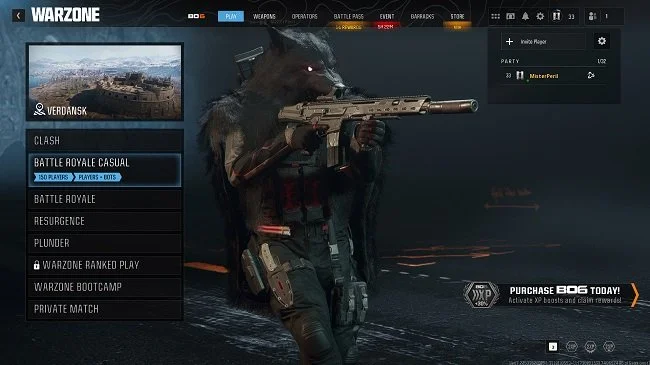
Warzone added a new “casual mode” to its Battle Royale at the start of Season 4. This reduced the number of real players in-game and substituted them with AI bots. The ratio is approximately one fifth real players, four fifths bots. This new mode for Battle Royale solos, duos and quads was well received, especially among the mainstream players who are more focused on fun than progression. Veteran players who still wanted the challenge of playing against real players were free to continue playing the traditional BR modes. Hence all parties were pleased as they were both being catered for. However, and there is always a “however” when it comes to Call of Duty, the developers saw fit to remove the standard solo Battle Royale mode, leaving just the Battle Royale Casual mode with AI bots. Subsequently, a lot of players were perplexed and annoyed, as taking away choice is seldom good customer service. As a result of subsequent backlash, the mode was added back to the game mid-season.
When the Battle Royale Call of Duty: Warzone launched on March 10th 2020, the Verdansk map was one of the key elements of the game’s success. The subsequent lockdown due to the global pandemic was also a major shot in the arm for the game, with so many gamers being home. The Verdansk map along with the gameplay mechanics of the game at the time were a perfect combination and so Warzone was “just so”. It allowed both skilled and unskilled players to play together, without one group dominating the other. Gunfights could be intense but there were periods of downtime when traversing the map. Players also couldn’t continuously respawn if defeated, so there was a requirement to play with a degree of caution and strategy. I enjoyed the game immensely despite not being the biggest fan of PVP based gaming. It was a broadly equitable experience but sadly it didn’t remain that way.
I decided to play Call of Duty today as I wanted some undemanding entertainment. I was not surprised when the game client began an update, as I have not played for about three months. Hence, there was obviously new content to install. However, when I saw the size of the download, I knew this was more than just a season update. I therefore checked the Battle.net client and discovered that the game was installing Black Ops 6, the latest version of Call of Duty that is released on 25th October. A game I have decided not to buy for a multitude of reasons. Fortunately, you can modify your game installation on the fly, so I unchecked a few boxes and the download stopped. However, I was annoyed by the hubris of this “download by default” policy, so I decided to uninstall my existing installation of Modern Warfare 3 as it is no longer a mainstay of my gaming activities.
For those who are not familiar with this latest niche piece of “gaming outrage”, it regards the extraction shooter Warzone 2.0 DMZ, which is part of the Call of Duty franchise. When you enter the game (either solo or in a squad), you use gear that you have previously collected. A key part of the game is looting and upgrading your weapon, bullet proof vest (there are 3 tiers) and sundry support items. If you die, then you lose all the equipment you are currently carrying. With this in mind, Activision have recently added two purchasable gear bundles to the game store. One comes with a medium size backpack by default. The other comes with a 2 plate vest (tier 2) and two weapons that only have a 15 minute cooldown. This does offer a degree of convenience. Furthermore, the second bundle is tied to the Ghost operator skin, who within the game’s canon is an iconic figure. Hence there has been a great deal of debate over the rectitude of these bundles.
I don’t mind buying an occasional bundle from the store in DMZ, although it is often the weapon blueprint that determines my choice. Today I bought Overgrown 2, which includes the Ghillie Monster operator skin, to see if it offered any significant advantage. However, as I am not what you would call a “top tier” player, my subsequent experience and anecdotal evidence is hardly compelling. If you go prone in the desert, a shrubbery or among general herbidacious flora then it does offer a degree of camouflage. However, in suburban areas and the outlying villages of Al Mazrah, you look like a Wookie on a daytrip and I can’t see any advantage. So upon reflection, two questions spring to mind. Firstly, do any of the skins currently available in the game offer any tangible benefits? If not is it just a question of operator skins are 100% cosmetic and just about tickling a players fancy and getting them to put their hand in their pockets.
Here we are again with another summary of my gaming activities in recent months. Or in this case since last September. It’s been a while but I’ve been on a blogging hiatus until recently. However, I’ve kept myself busy gaming wise and often I find the hunt for news video games, just as entertaining as I do playing them. Perhaps that could be a future blog post. Back to the matter in hand. Gaming wise, pretty much all things related to the MMORPG genre are currently on the back burner. I’ll give specifics later but I am taking a break from these for the present. I am currently looking at trying games outside my usual comfort zone and also trying to test whether you can or cannot teach an old dog new tricks. Fortunately, the answer appears to be yes you can. Enough summation, on to the specifics.
I like an analogy as a literary device, so here’s one for you. Video games are like parties. How so? In the following ways. They quite never live up to your expectations. The best ones are the ones you never go to, according to the “anecdotes” you’re told afterwards. And there’s always someone crying and throwing up at 2:00 AM. Okay, the last one isn’t quite relevant but the overall sentiment of the first two is sound. The reason I have used this visual metaphor is because both parties and multiplayer video games sell themselves on the alleged quality of their respective social dynamic. They supposedly offer you fun with your friends and a unique, memorable experience. However, the reality is a lot more lacklustre. Warzone 2.0 DMZ is a prime example. What enjoyment there is to be had in playing this game is offset by the iniquities of many of its players as they race to the proverbial bottom.
September has been and gone and the nights are now drawing in. Usually this time of year is ideal for gaming but sadly I’ve had a lot on over the last 30 days and as a result there’s been precious little time for gaming or indeed writing. Such is life. When I did have some leisure time, MMOs were the easiest way to get a quick gaming fix, as per usual. Standing Stone Games announced that the next expansion for The Lord of the Rings Online would be released in November and that a revision of the Legendary Item system would be coming prior to that. Hence I took a look at the beta builds on the Bullroarer test server and then started prepping my various alts on the live servers, to get ready for this major change. I also managed to complete the latest event in Star Trek Online. However, beyond these straightforward tasks I didn’t really get to do much more.
Video games can offer a great opportunity for personal growth. If you are the sort of player who likes to prove themselves and continuously test one’s mettle, then some titles can provide the challenge required to be the best of the best. Hence many games are competitive, have league tables and other formal structures for measuring success. It is one of the reasons why esports have become so popular. But this desire to excel and master a particular play style extends beyond competitive games. For some players part of a games allure is understanding the numbers and stats that drive the game mechanics. Because these are often the key to optimising your build and maximising DPS output. Hence you will find skilled and learned players in a variety of games across multiple genres. Although they are often motivated for different reasons, they all strive to be elite players.
I originally climbed aboard the Call of Duty bandwagon in 2009 when Modern Warfare 2 came out. I enjoyed the campaign and the multiplayer so much I promptly bought the first instalment. I then stuck with the franchise up until 2013. I didn’t especially like Ghosts, although I enjoyed the option to play as a dog which was different. Overall I was somewhat tired of the FPS genre from then on and so didn’t keep up with any further releases. For me the best iteration of the game was Black Ops in 2010. The campaign had a densely plotted story and the multiplayer was extremely polished. The multiplayer maps were well conceived allowing for fluid and engaging gameplay. Six years on and I recently got an itch to play Call of Duty again. The soft reboot of the franchise with Modern warfare in November 2019 promised a return to basics. The recent inclusion of a battle royale mode with the release of Warzone finally clinched the deal. So I bought a discounted version of the standard game recently and dived back in.
I have enjoyed Sniper Elite 4 and all of the sundry DLC immensely since its release in Spring. The game presents an interesting alternative to the traditional shooter with its stealth based level design. The latest instalment, Obliteration (the third part of an ongoing story), is set in an empty Bavarian town and has an intricate map with an authentic period feel. It offers opportunities for both long range sniping and close quarters stealth kills. Overall, I have found that the franchise provides engaging and complex gameplay, as well as satisfying the players baser need for blood and violence. However, playing this and other similar titles got me thinking. It would appear that World War II, one of the defining periods of the last century that still has ramifications today, is in certain quarters now simply a setting, a plot device or a Hitchcockian MacGuffin. Is the broader subtext of this major event now irrelevant to a generation of players because they have no immediate connection to this period in history? If that is the case, exactly when does it become acceptable for something of this magnitude, to be trivialised in this manner (if that is indeed the case).
I took advantage of the current summer sales and pre-ordered the next instalment of Call of Duty, succinctly named WWII, due to be released in Autumn. After straying far from the established model, it’s nice to see CoD returning to its roots. The Second World War is a tried and tested formula and will no doubt be well received by fans of the franchise. As I have said before, COD is not a revolutionary product and as far as I know has never claimed to be. It provides a standard formula with sufficient variation, which is commercially viable and demonstrably popular. Those gamers that constantly rail against these games are on a hiding to nothing. You might as well complain about pop music being mainstream and accessible.
Goodbye Call of Duty
I decided to play Call of Duty today as I wanted some undemanding entertainment. I was not surprised when the game client began an update, as I have not played for about three months. Hence, there was obviously new content to install. However, when I saw the size of the download, I knew this was more than just a season update. I therefore checked the Battle.net client and discovered that the game was installing Black Ops 6, the latest version of Call of Duty that is released on 25th October. A game I have decided not to buy for a multitude of reasons. Fortunately, you can modify your game installation on the fly, so I unchecked a few boxes and the download stopped. However, I was annoyed by the hubris of this “download by default” policy, so I decided to uninstall my existing installation of Modern Warfare 3 as it is no longer a mainstay of my gaming activities.
I decided to play Call of Duty today as I wanted some undemanding entertainment. I was not surprised when the game client began an update, as I have not played for about three months. Hence, there was obviously new content to install. However, when I saw the size of the download, I knew this was more than just a season update. I therefore checked the Battle.net client and discovered that the game was installing Black Ops 6, the latest version of Call of Duty that is released on 25th October. A game I have decided not to buy for a multitude of reasons. Fortunately, you can modify your game installation on the fly, so I unchecked a few boxes and the download stopped. However, I was annoyed by the hubris of this “download by default” policy, so I decided to uninstall my existing installation of Modern Warfare 3 as it is no longer a mainstay of my gaming activities.
I have a very specific mindset when it comes to technology and my relationship with it. A key aspect of which can be summed up by the old adage “the tail doesn’t wag the dog”. With regard to software, be it the operating system on my PC, apps, or games, I don’t like updates or fundamental changes being made without me being aware of them in advance. I want to know in advance what the patches are for and what they do as a consequence. Furthermore, I don’t like any changes that attempt to “do my thinking for me”. Everything that is installed on my PC is there for a reason and configured in such a fashion that suits my personal preferences. Hence, I do not like any software that decides to do its own thing and flies in the face of this policy. I’ll decide if a program starts when I turn on my PC and whether I want additional icons added to my desktop real estate. It is also down to me when something can or cannot monopolise my internet connection.
As for Call of Duty, the last year has been an interesting journey. Warzone teetered on the edge of returning to its glory days but the game was once again thrown off balance by specific weapons being overpowered, the tedium of an unavoidable loadout meta and a losing battle against those who cheat. I was one of the few players that enjoyed the open world approach to zombies mode and one of the reasons I’m not buying Black Ops 6 is due to the return of the round based matches. As I’ve said many times before, not only of Call of Duty but of many other competitive games, the experience the average player has is so far removed from that of a high end, content creator on YouTube. I have seldom found any of the group content to be anything other than a chaotic experience, defined by poor communication and unpleasant team mates. I’ve regularly read of players helping out others and representing the community well but have never met any.
Fortunately for me and not necessarily so for Activision Blizzard, there’s always something else to play. There are plenty of comparable games to Call of Duty and the sub genre of extraction shooters is certainly growing. Sometimes, when I uninstall a game I have a pang of sadness, especially if it has been a noteworthy experience such as Red Dead Redemption 2. However, more often than not, it feels the opposite. Call of Duty is somewhere in the middle of those two extremes. It was certainly fun for a while but ultimately the developers made choices that weren’t for me. Such is life. You can’t please everyone. However, the community is a different matter and despite several claims that cheating and trolling are being addressed, no discernible change is apparent so far. Hence its time to find something else to play, although there is always the risk of leaving one shitty community, only to join a new one. Such is the nature of contemporary gaming.
I have written in the past about the video games we cannot play. The ones that require a keen understanding of a game’s mechanics, along with a strong degree of manual dexterity and situational awareness. Being 58 years old, I tend to have neither the co-ordination necessary to succeed or the patience to master such complex skill requirements. With this in mind, I recently watched a YouTube video for Chivalry 2 and thought, that looks like fun. The fact that it showed someone picking up a chicken and throwing it at an opponent is neither here nor there. However, after watching a few more videos I realised that combat in the game was complex and that, as usual, the reality of playing such a game would be different from my expectations. Hence, I came very close to not buying Chivalry 2. However, I eventually decided that I would, so I bought it for just under £10 from an online vendor.
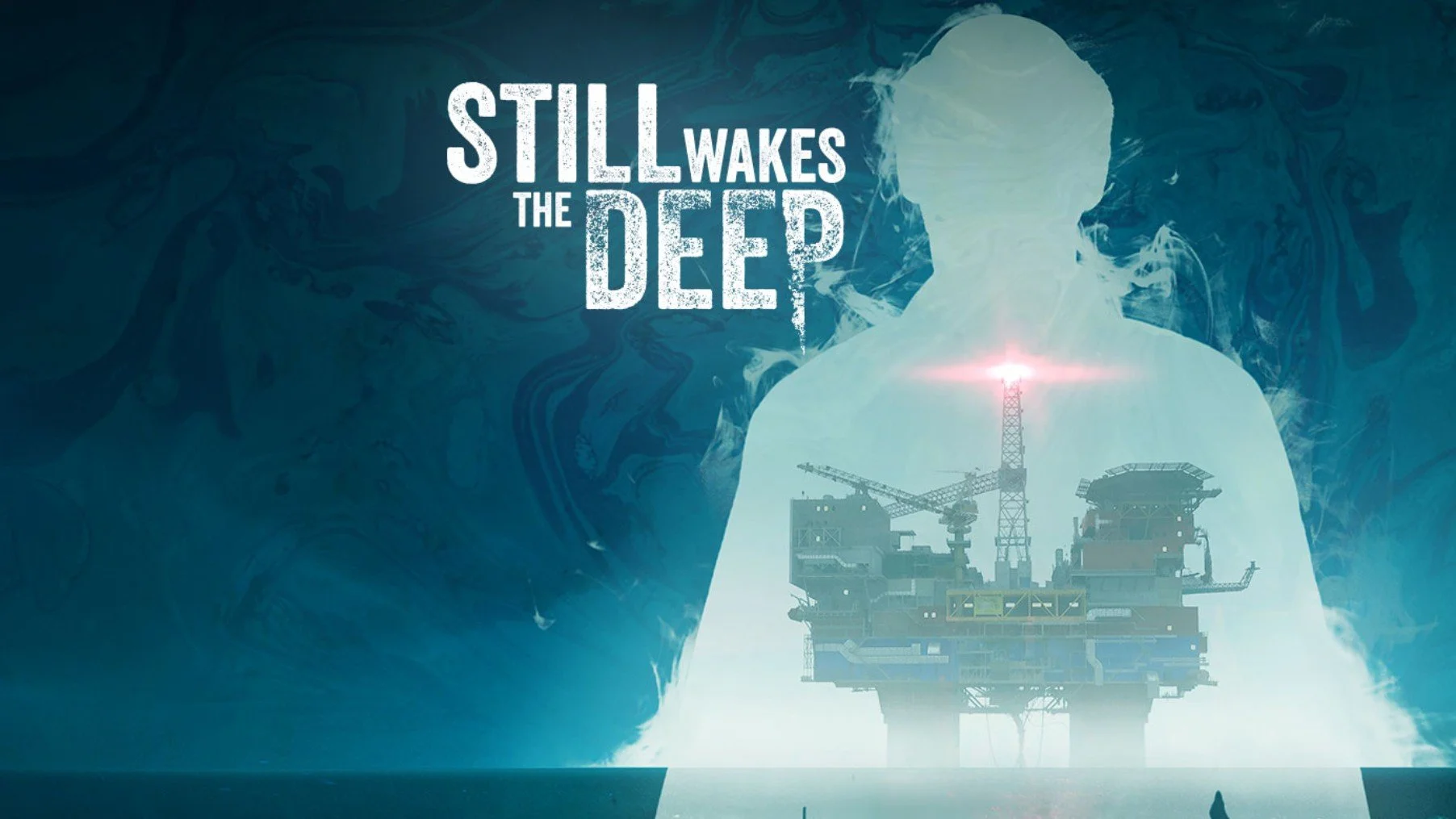
In the wake of Disco Elysium, I’ve been playing through several other games that have a focus on narrative and plot. I began with Call of Cthulhu which I shall write about in a separate post. Let it suffice to say that although I enjoyed the game, I wasn’t quite satisfied. This is not necessarily the game’s fault, as it makes a good attempt at depicting Lovecraftian Cosmic Horror. It’s just that any game following hard on the heels of one of the best RPG’s I’ve ever played, is likely to come up short in comparison. So I looked through my game library and found that I had Still Wakes The Deep, which enjoys a good reputation for having a strong story. I subsequently played through the game over two late night sessions and was left suitably impressed. So much so that I’ve bought the additional DLC, Siren’s Rest, in the hope that it maintains the quality of its predecessor.
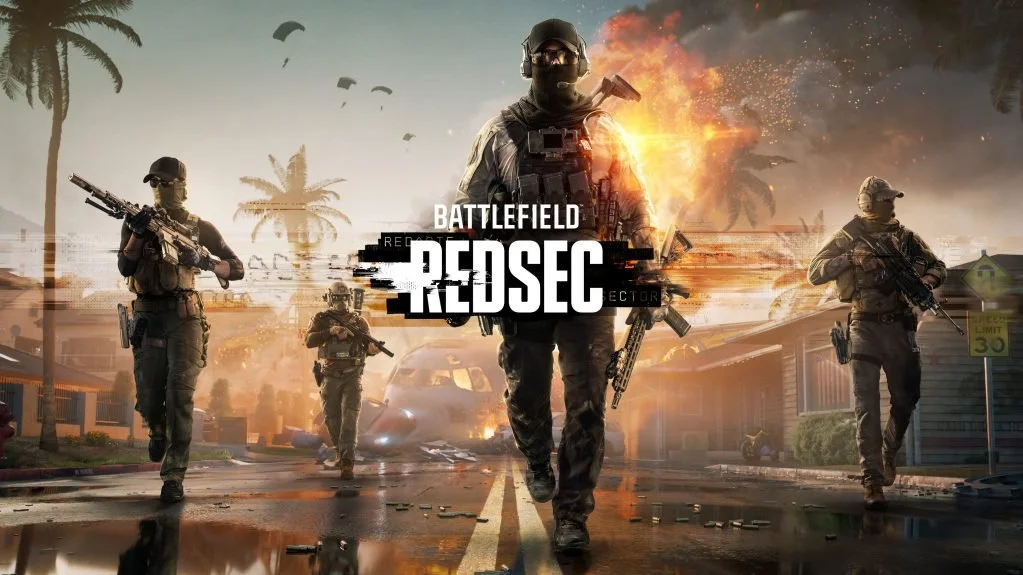
The Battlefield 6 Battle Royale game mode, known officially as Battlefield REDSEC, was released today at 15;00 on all platforms. REDSEC, which is short for “Redacted Sector,” offers an interesting take on the Battle Royale genre, blending familiar elements from games such as Fortnight and Warzone, while maintaining those unique aspects of Battlefield. Hence, you will find missions, loot crates and an ever decreasing environment, as well as the squad class dynamics and the destructible environment. The map offers both urban areas as well as open countryside thus supporting multiple play styles. Furthermore, REDSEC includes two additional modes. Gauntlet and Portal. Although it has launched alongside the first season of Battlefield 6 (which comes with an optional season pass), REDSEC is available to download as a standalone mode and is free-to-play.

One aspect of Battlefield 6 that some players struggle with is unlocking and levelling up new weapons. Players begin the game with a selection of weapons from each class but you then have to actively play with each of them to unlock specific attachments via Mastery XP. Further weapons become available as players gain experience and increase their overall Career Rank. Players who are well versed in playing the FPS genre will naturally progress faster. The downside to this is that new players equipped with a base weapon end up going up against seasoned players with superior firearms. Both Mastery and Career Rank XP are doled out according to team and individual performance in each game you play. It is a slow grind for players to unlock weapon and vehicle resources. Double XP tokens go some way to address this issue but they do not mitigate the progression speed, which exists by design.
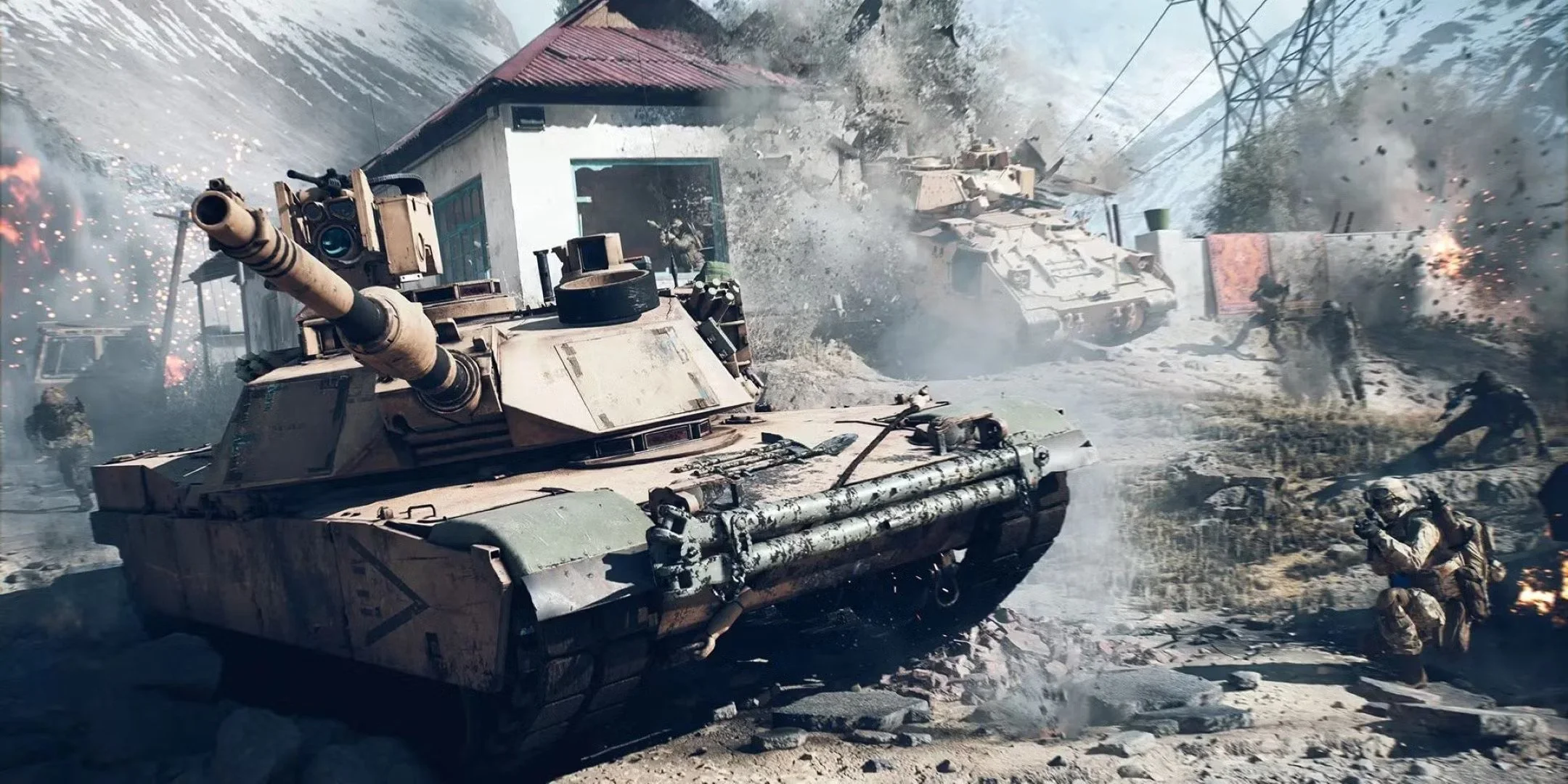
Multiplayer gameplay in Battlefield 6 is often fast, chaotic and disorientating. There are numerous controls to learn and game mechanics to familiarise yourself with. It can be a struggle at times to try and navigate your keyboard while under fire. Often you will lose in a gunfight simply because you don’t know about something important that could help you out or save your life. Like many other online games, it all comes down to experience. So here are some further tips regarding gameplay, settings and online etiquette, that will broaden your knowledge of Battlefield 6 and hopefully improve your online experience. As ever these tips are in no particular order. Some may be self-evident, others not. They’re written from the perspective of a PC player but are applicable to all platforms.
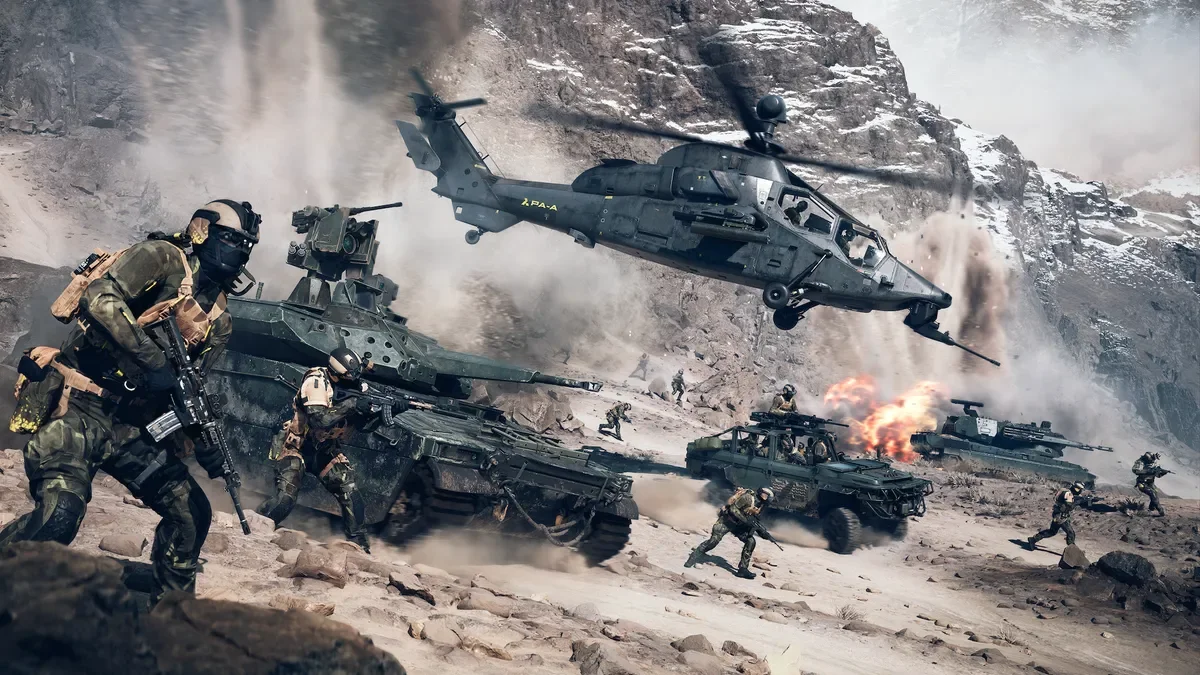
Although Battlefield 6 is a straightforward and self-explanatory multiplayer FPS, there are a great deal of controls, systems and game mechanics to master. Simply learning your controller or keyboard layout takes some time. There is also a lot of information about the game that, if known, can greatly improve your online experience. These can range from simple changes to default settings to understanding how weapons handle in-game and how to control them effectively. Hence, I thought it would be useful to new or returning players, to collate a list of tips for Battlefield 6. Some are quite obvious where others may not be quite so well known. They’re in no particular order. Hopefully you’ll find them useful.
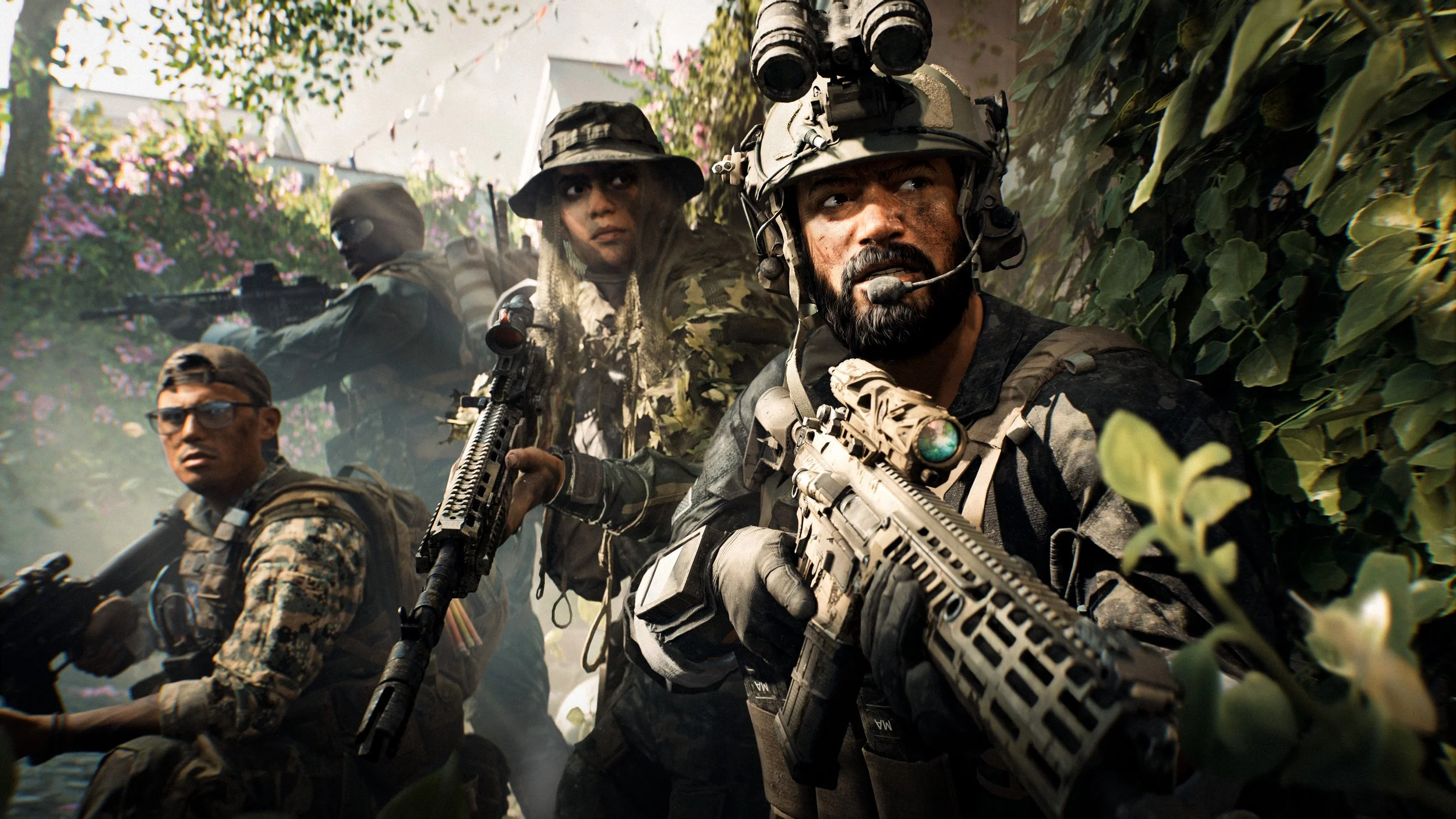
When Battlefield 2042 launched on 19th November 2021, it was a complete dog’s dinner. There were technical issues, including widespread bugs, poor performance and inconsistent hit registration. The launch was also criticized for the removal of core gameplay features like the class system, a scoreboard, and a server browser, which led to the game being considered unfinished and incomplete at release. Although developers, Battlefield Studios, worked hard to address many of the issues arising from the launch, the net result was that the franchise’s reputation was harmed. However, the beta testing of Battlefield 6 throughout August this year, has done much to restore the franchise’s good standing with a game that has clearly returned to a formula that works.
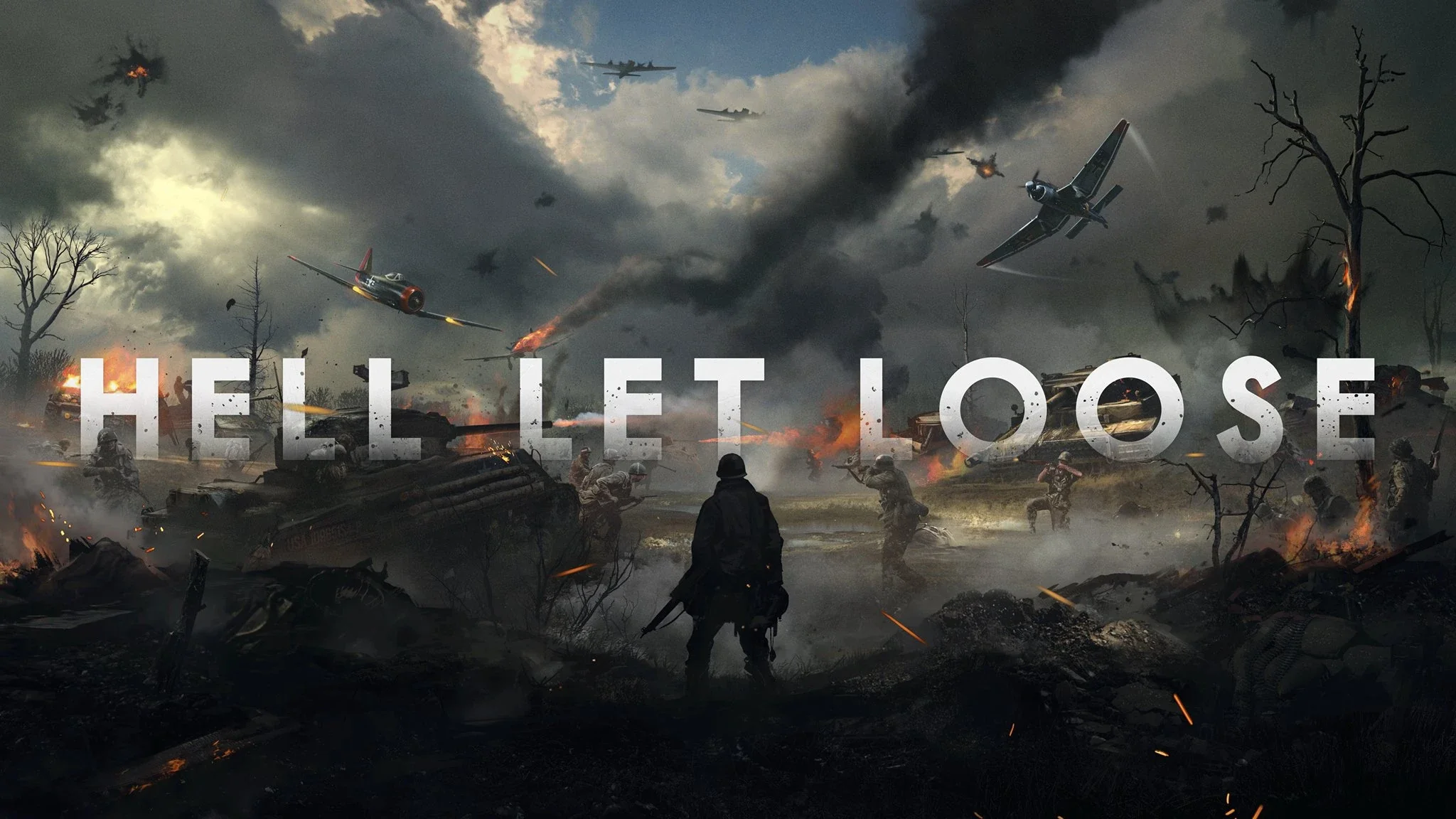
I bought Hell Let Loose last night. A decision I suspect that I shall regret. Despite the fact that I know that the YouTube videos of this game are carefully curated and therefore not truly representative of the reality of its gameplay, I felt compelled to try this World War II multiplayer tactical first-person shooter. From time to time I find a game that really appeals to me as a concept and I want to play it. However, more often than not these are online multiplayer games and as such the human element is distinctly “variable”. Hence the idealised gameplay that I imagine is a far cry from what playing the game is really like. I’m sure I am not alone in this mindset. Sometimes I have to just “get it out of my system” and the only real way to do that is buy the game in question, be disappointed and then move on.

The second Battlefield 6 Open Beta test started earlier today. A 7.6GB download added additional maps, new game modes and also resolved some technical issues. I was able to select my second monitor to display the game this time round and also made some basic performance related tweaks. The colour grading is still an issue for me and I struggle at times to correctly identify players and objects at distance due to the muted palette. Minor gripes aside, the game still performs well and all the game modes have something to offer. King of the Hill and some of the other close quarters maps are a little too intense for my skill level but I still had fun with projectiles and explosives. I still prefer the Conquest mode with its bigger maps and greater variety of gameplay options.
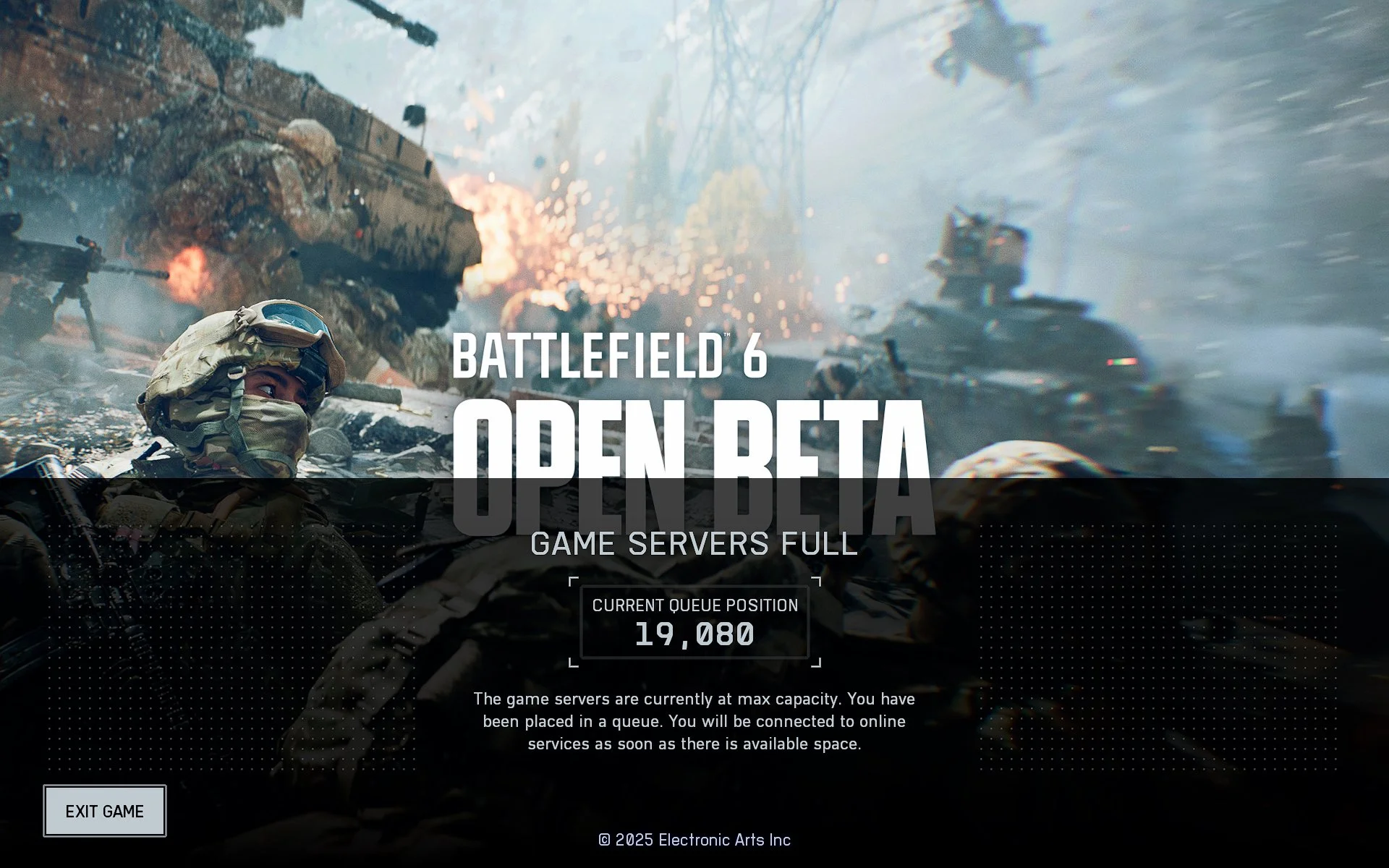
I spent several hours today trying Battlefield 6 during its first Open Beta weekend. Trying being an apt word as I experienced some technical difficulties during that time. There were server queues as there often are during test periods, which took 5-10 minutes to clear. I also found that when a multiplayer game ended the client would often freeze, requiring me to use the task manager to shutdown the .exe file . As I then had to restart the entire game it meant having to rejoin the server queue again. Furthermore, despite various methods, I could not get Battlefield 6 to display on my second monitor. Although there is a clear option within the graphics settings, I could not get the game to output to my Dell S2421H monitor. If I used the Windows + Shift + → key combination, the game would briefly appear on the second monitor then instantly snap back to the first. I also could not take any screen captures or use OBS to capture video. I believe this is down to the game’s anticheat software.
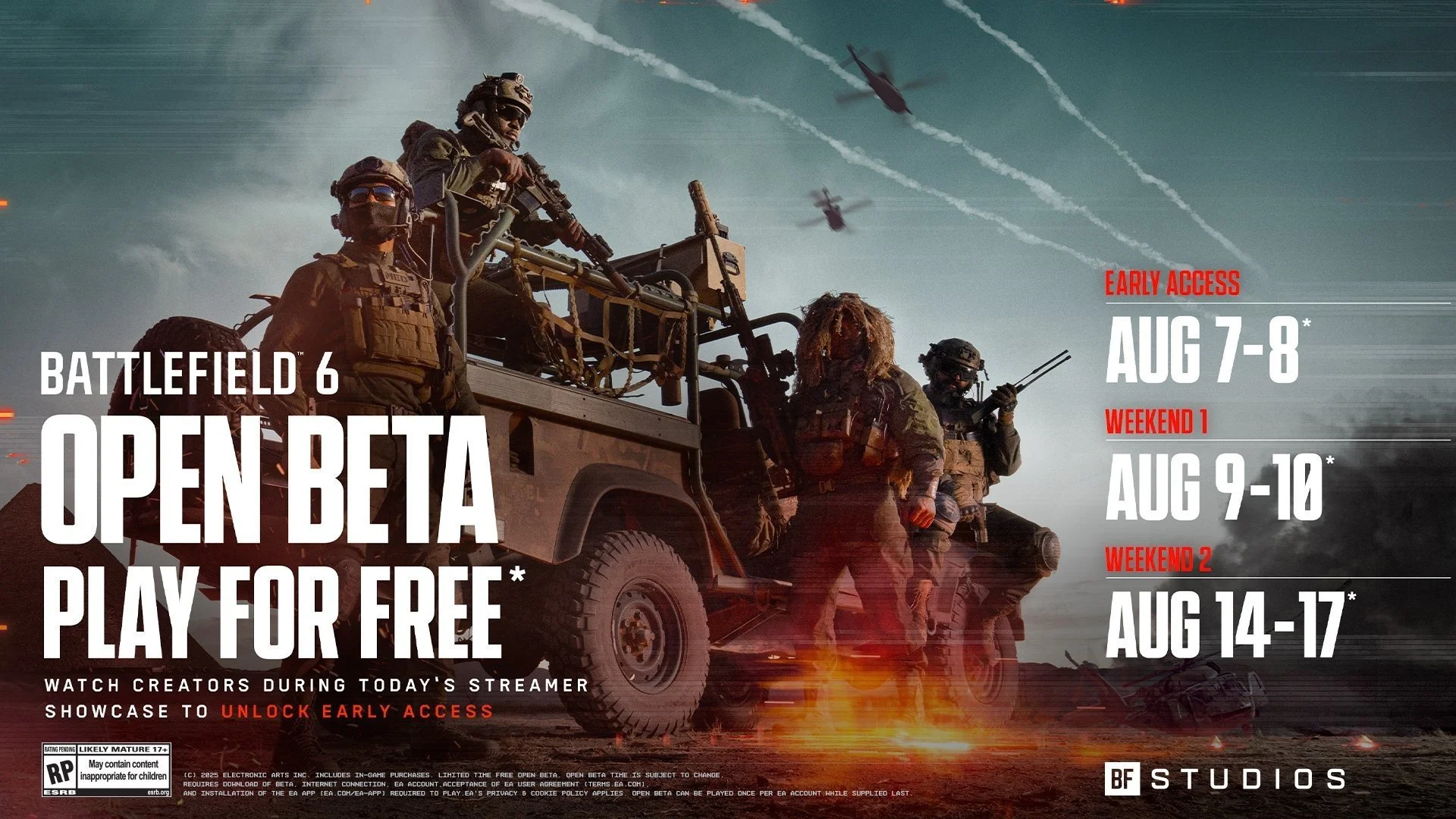
I was reading through my RSS feed this morning and found a post by Heartless Gamer, regarding how Battlefield 6 requires Secure Boot enabled on your PC. If it is not, then the game will not launch and you’ll get an error message. Naturally, this raised several questions. First off, what is Secure Boot and do I have it on my PC? Well apparently it is a security feature that protects a computer from malware during the startup process, by verifying the digital signatures of bootloaders and other software components before they are allowed to run. By using the msinfo32 command in the Run Window, I determined that I do indeed have it and went directly to the BIOS and enabled it. The next question to address was, why have I not been invited to the open beta for Battlefield 6? I subsequently checked the EA Game Launcher and discovered that I had. So I installed the game.
Warzone added a new “casual mode” to its Battle Royale at the start of Season 4. This reduced the number of real players in-game and substituted them with AI bots. The ratio is approximately one fifth real players, four fifths bots. This new mode for Battle Royale solos, duos and quads was well received, especially among the mainstream players who are more focused on fun than progression. Veteran players who still wanted the challenge of playing against real players were free to continue playing the traditional BR modes. Hence all parties were pleased as they were both being catered for. However, and there is always a “however” when it comes to Call of Duty, the developers saw fit to remove the standard solo Battle Royale mode, leaving just the Battle Royale Casual mode with AI bots. Subsequently, a lot of players were perplexed and annoyed, as taking away choice is seldom good customer service. As a result of subsequent backlash, the mode was added back to the game mid-season.
I have written about “games we cannot play” several times over the years. By this I mean video games that we lack the skill, coordination and patience to master. For example, I often struggle with video games that are primarily designed for consoles and are therefore intended to be played via a game controller. I also don’t want to have to spend an excess of time (a very subjective thing) to learn how to play a video game. Hence there are games that I am interested in but have accepted that I will never play because I cannot or will not do what is required to play them effectively. However, in this post I want to discuss a tangential point. Games which have the potential to be exceptionally entertaining but that entertainment depends on a lot of factors that exist outside of the game itself. Hence you may never get the experience you desire which is often the one that was marketed.
There has been a resurgence of people playing Star Wars Battlefront II recently. Possibly because the game was discounted on many outlets on May 4th and may be due to the success of Andor season 2. There’s a lot more people streaming it as well as videos on YouTube. Whatever the reason, it is always good to see a deserving game enjoying a renaissance. Star Wars Battlefront II was blighted at launch, back in November 2017 by some egregious business decisions and it took nearly a year for the game to recover from the negative publicity and player animosity. Setting this historical debacle aside for one moment, there was always a handsome and engaging game to be found. One that used the licensed intellectual property well. Which is why I recently reinstalled the game and resumed playing its multiplayer mode.
When the Battle Royale Call of Duty: Warzone launched on March 10th 2020, the Verdansk map was one of the key elements of the game’s success. The subsequent lockdown due to the global pandemic was also a major shot in the arm for the game, with so many gamers being home. The Verdansk map along with the gameplay mechanics of the game at the time were a perfect combination and so Warzone was “just so”. It allowed both skilled and unskilled players to play together, without one group dominating the other. Gunfights could be intense but there were periods of downtime when traversing the map. Players also couldn’t continuously respawn if defeated, so there was a requirement to play with a degree of caution and strategy. I enjoyed the game immensely despite not being the biggest fan of PVP based gaming. It was a broadly equitable experience but sadly it didn’t remain that way.
I decided to play Call of Duty today as I wanted some undemanding entertainment. I was not surprised when the game client began an update, as I have not played for about three months. Hence, there was obviously new content to install. However, when I saw the size of the download, I knew this was more than just a season update. I therefore checked the Battle.net client and discovered that the game was installing Black Ops 6, the latest version of Call of Duty that is released on 25th October. A game I have decided not to buy for a multitude of reasons. Fortunately, you can modify your game installation on the fly, so I unchecked a few boxes and the download stopped. However, I was annoyed by the hubris of this “download by default” policy, so I decided to uninstall my existing installation of Modern Warfare 3 as it is no longer a mainstay of my gaming activities.
For those who are not familiar with this latest niche piece of “gaming outrage”, it regards the extraction shooter Warzone 2.0 DMZ, which is part of the Call of Duty franchise. When you enter the game (either solo or in a squad), you use gear that you have previously collected. A key part of the game is looting and upgrading your weapon, bullet proof vest (there are 3 tiers) and sundry support items. If you die, then you lose all the equipment you are currently carrying. With this in mind, Activision have recently added two purchasable gear bundles to the game store. One comes with a medium size backpack by default. The other comes with a 2 plate vest (tier 2) and two weapons that only have a 15 minute cooldown. This does offer a degree of convenience. Furthermore, the second bundle is tied to the Ghost operator skin, who within the game’s canon is an iconic figure. Hence there has been a great deal of debate over the rectitude of these bundles.

I have always dismissed hunting games as “not my thing”. Perhaps that stems from my ambivalent views about hunting per se. Yet after recently watching a YouTube video for The Hunter: Call of the Wild, I revised my opinion. The footage showed a slow and thoughtful game and I was also surprised to see that there was a campaign with a story. Hence I decided to step outside of my comfort zone and give the game a try. The base edition can be purchased for £20 on Steam and there is a wealth of optional DLC. I bought a bundle that included some additional maps, weapons packs and a dog that can be used for tracking. I also bought a quad bike as this is invaluable for traversing the open world, which is enormous. As ever with steam, the installation was easy and hassle free and within an hour I found myself exploring Layton Lake District, which is based upon the Pacific Northwest geographic region.
I like an analogy as a literary device, so here’s one for you. Video games are like parties. How so? In the following ways. They quite never live up to your expectations. The best ones are the ones you never go to, according to the “anecdotes” you’re told afterwards. And there’s always someone crying and throwing up at 2:00 AM. Okay, the last one isn’t quite relevant but the overall sentiment of the first two is sound. The reason I have used this visual metaphor is because both parties and multiplayer video games sell themselves on the alleged quality of their respective social dynamic. They supposedly offer you fun with your friends and a unique, memorable experience. However, the reality is a lot more lacklustre. Warzone 2.0 DMZ is a prime example. What enjoyment there is to be had in playing this game is offset by the iniquities of many of its players as they race to the proverbial bottom.
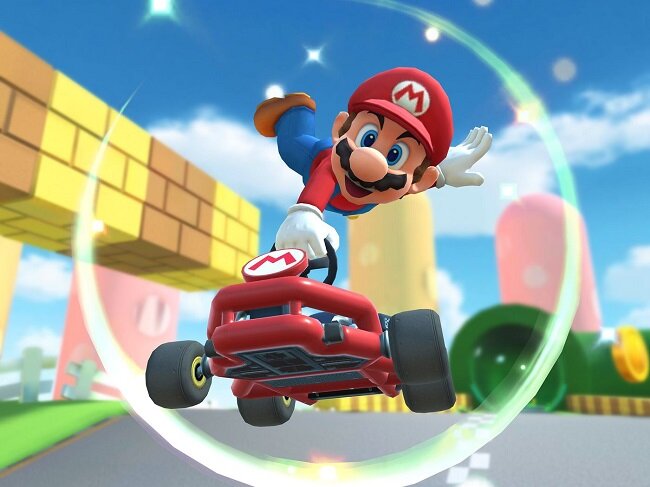
I want to talk about how we choose a new game from the countless titles that are currently available. I am going to be candid about how I do this as well as my own personal biases and prejudices. Because I am not open to playing any type of game. Like so many other aspects of life, I have very clear likes and dislikes that can only be tempered so far with logic and rational thinking. Video games as far as I’m concerned are supposed to be engaging, entertaining and inherently enjoyable. I don’t mind a degree of challenge and I’ll grind to achieve a specific goal, if I feel the reward to effort ratio is acceptable. I will on occasions attempt to step tentatively out of my comfort zone. However, there are some things that I simply don’t like, so they will not be considered. I think the best analogy for this is food. There are certain meals that I have tried (sometimes several times) and disliked, so they won’t ever be eaten again. Then there are other meals that contain ingredients I dislike or that are cooked in a style that I don’t enjoy. These are also off the proverbial table (no pun intended).
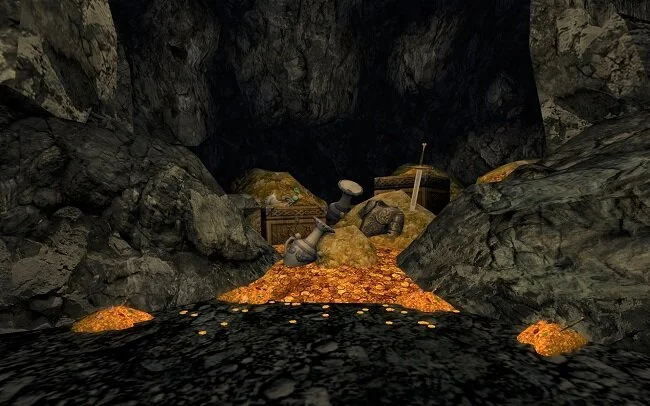
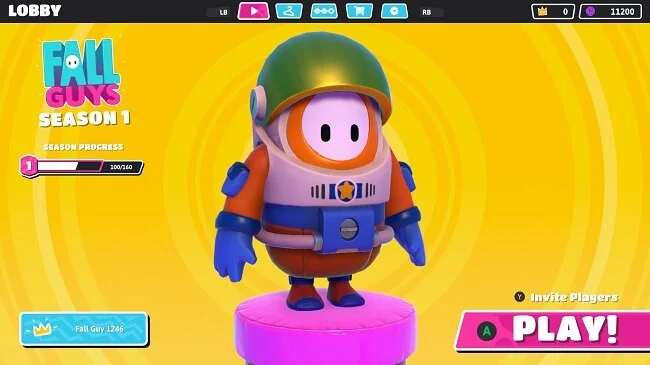
The last 31 days have gone by really fast, or at least that’s the way it feels. Despite having bought several new games recently and acquired yet more for free from the Epic Store, I did not embark on anything new throughout October. Due to the unexpectedly prompt release of the new “mini expansion” for The Lord of the Rings Online and the launch of a new event in Star Trek Online, I found myself focused upon the MMORPG genre, yet again. And after playing continuously for six months, Call of Duty Modern Warfare/Warzone has finally begun to lose its lustre. I didn’t especially enjoy the Halloween event, not that there was anything inherently wrong with it. It just wasn’t for me. I played a little Fall Guy: Ultimate Knockout but quickly discovered that the “season” system is just another gear treadmill, although the gear in this instance are novelty cosmetic outfits. I don’t want to be tied to too many games in this fashion (it’s bad enough with MMOs), so this is another title that has been relegated to occasional play when the fancy takes me.
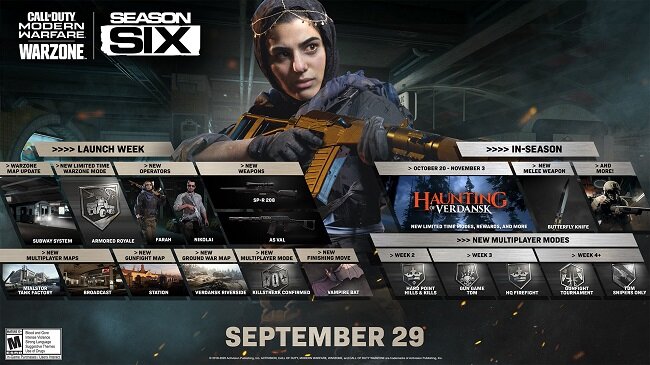
September has been a difficult month. A family crisis and subsequent bereavement meant that gaming got pushed down the daily agenda. However, after the various chores and duties were done I did need some downtime and means to relax. Hence I did play some games in a limited fashion. Nothing fancy, just stuff like Fall Guys: Ultimate Knockout and Gang Beasts, which are light-hearted and undemanding. I also took the time to log on to The Lord of the Rings Online test server and check out the preview of the forthcoming “mini-expansion”. Not only was this informative but it provided material for a blog post. But overall I didn’t really achieve anything substantial with my gaming throughout September. Gaming was relegated to being just a convenient diversion from the immediate problems I’ve been facing but as such, it did fulfil that role well.
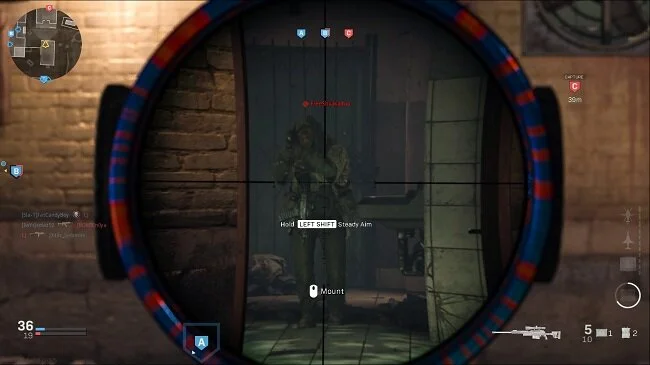
Developers do like to gate access to the best gear and equipment in video games. Often there will be an achievement or deed required to unlock the object that you desire. Now I have no objection to this concept in principle. It’s just that every now and then, the criteria required to access an item is beyond my abilities. Take Call of Duty Modern Warfare/Warzone. Infinity Ward recently added the Rytec AMR to the game. It is a semi-automatic sniper rifle that can use thermite and explosive rounds. It has a significantly higher rate-of-fire than the HDR and AX-5, and performs better at range than the Dragunov. I’ve been itching to get my hands on this weapon for a while. However, to unlock it, you have to complete the following achievement. "Get 2 quickscope kills using sniper or marksman rifles in 15 different matches". For me this is effectively one of the labours of Hercules.
I’m still somewhat shocked that August has been and gone. Even by 2020 standards it’s been an odd month. Due to illness in the family, my schedule has been turned on its head and subsequently there has not been as much time for gaming as I’ve previously enjoyed. However, I tried to put what time I had to good use. I attempted to return to the MMORPG The Lord of the Rings Online once again, to see if I could continue through the epic story. Sadly, the game has run into further server related issues, just as it did last month. Standing Stone Games community manager Jerry Snook was a little “snippy” in responding to players' concerns and at present there are no details regarding what the problem is and when it will be resolved. If this issue persists I suspect that it is going to do some genuine harm to both the player base and community relations. I hope matters improve for SSG and LOTRO over September.
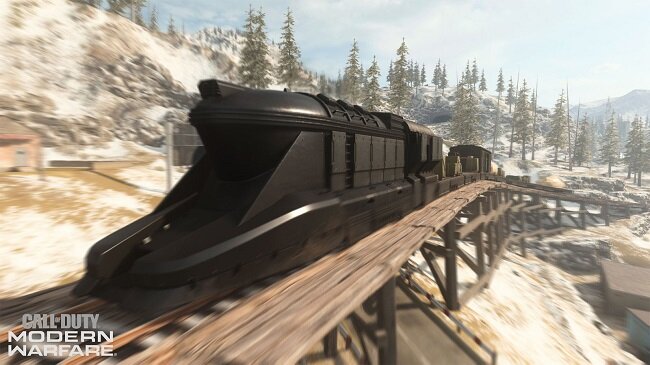
Adding a train to a Battle Royale game is hardly a new concept. Both Apex Legends and PlayerUnknown’s Battleground have successfully done this. So it was only a matter of time before one was added to Call of Duty Warzone. We were tipped off by the addition of train tracks last season. The launch of Season 5 this week finally made the “choo choo” a reality. I must admit, I’m quite surprised at how adding something as straightforward as a freight train has reinvigorated the game. That and the fact that you can now access the stadium seems to have really enthused the playerbase. Since Tuesday, whenever you play Warzone or one of its variants, a large number of players head straight to the stadium or the station where the armoured freight train starts its journey around the map. As a result of this, new players or those who aren’t so skilled in combat can navigate the outlying areas of Verdansk with a greater degree of freedom and safety. Everyone else is at either of those locations.
Video games can offer a great opportunity for personal growth. If you are the sort of player who likes to prove themselves and continuously test one’s mettle, then some titles can provide the challenge required to be the best of the best. Hence many games are competitive, have league tables and other formal structures for measuring success. It is one of the reasons why esports have become so popular. But this desire to excel and master a particular play style extends beyond competitive games. For some players part of a games allure is understanding the numbers and stats that drive the game mechanics. Because these are often the key to optimising your build and maximising DPS output. Hence you will find skilled and learned players in a variety of games across multiple genres. Although they are often motivated for different reasons, they all strive to be elite players.
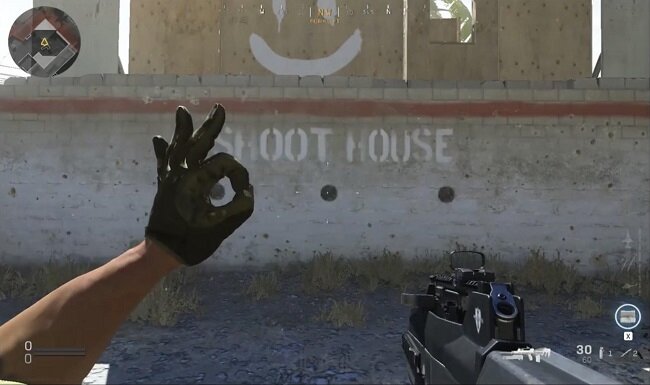
Call of Duty: Modern Warfare and Warzone have a wealth of customisation and cosmetics options. One of which is the ability to assign hand gestures to your character. These can be used as a means of giving instructions when playing in a squad but more often they’re just used for fun or humorously. Players will use them after a kill or sometimes make them part of a trick shot, such as making a gesture with the left hand while firing from the hip with the right. I’ve not noticed a lot of use of gestures while playing nor do I use them myself. It takes all my concentration to stay alive. However, they do seem to feature in the various CoD clip shows I watch on YouTube, so they’re more of an affectation used by “top tier” players. Recently, developers’ Infinity Ward removed the OK gesture from the game. This minor change was not mentioned in the patch notes and the gesture was replaced with a new one called "crush".
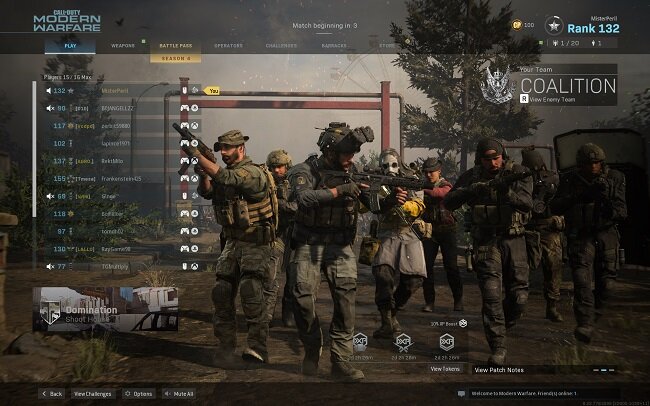
I was watching a YouTube video recently of someone trying the new Fennec SMG in Call of Duty Modern Warfare Multiplayer. It was a 5 versus 5 game and the player who made the video was clearly quite skilled. After quickly racking up multiple kills, 3 of the enemy team left mid game. He laughed and pointed out that they had “rage quit”, although that is just conjecture. They may have left the game for a multitude of reasons (a point I shall return to later). As ever this video began a train of thought which I would now like to explore. Multiplayer games often go hand in hand with a lot of informal social etiquette. Much of which stems from the original MMOs from two decades ago. However, these conventions are not in any way mandatory or enshrined in any games terms of service. Yet quitting in the middle of a multiplayer game is still frowned upon in certain quarters, often being seen as an act of selfishness and childish anger. However, like everything in life, I think it’s not as simple as that.
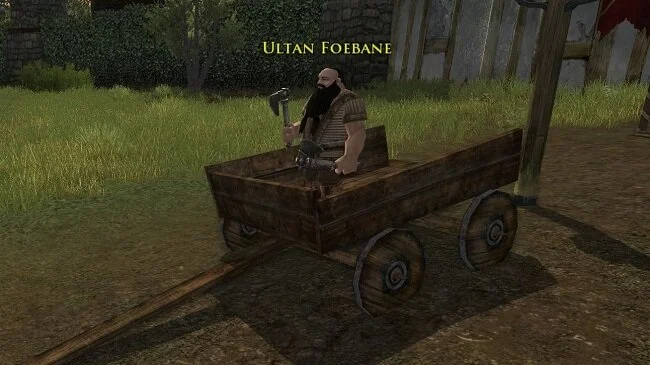
I stopped subscribing to The Lord of the Rings Online in June. I’ve always had a very cyclical relationship with this MMO and at present I feel I need a break from the games somewhat linear formula. Plus the new content scheduled for release centred around the wedding of Aragorn and Arwen doesn’t exactly sound enthralling. So I’ve left my primary character in Langflood and will return to the game later in the year when I feel the need to catch up with content. I have also abandoned the ongoing events in Star Trek Online as they’re getting too repetitive. I would like to see a new longterm story arc rather than just a continuous cycle of short term events and repeatable content. I don’t mind working towards a goal but it has to be something I want and the rewards offered in this MMO are getting a little too generic for my liking. I shall return to the game at some point as I’m a lifetime account holder and I’m curious to see how developer’s Cryptic overhauls the Klingon story arc.
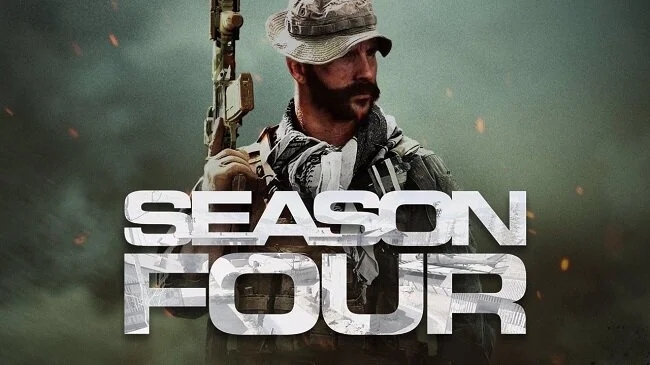
Setting aside the debate regarding the rectitude of the Battle Pass system in Call of Duty Modern Warfare, I certainly enjoyed Season 3. I managed to find multiplayer games that suit my ability along with loadouts that allow me to hit something every once in a while. It was very much a learning process but from April 12th to June10th, I slowly improved my performance and re-acquainted myself with the fact that the FPS genre can be fun. I finally got to try a Battle Royale game and was pleasantly surprised by how accessible they are. However, (and there’s always a however) Activision Blizzard seem to be hell bent on losing the good will they seemed to have gained in recent months. Today’s release of Season 4 has been blighted by major performance issues with the patch servers. Furthermore, the developers still insist in removing certain maps and game modes to promote new ones. This “lottery” which results in a lack of choice for many players is especially galling when you’ve just bought the new Battle Pass.
DMZ and "Pay to Win"
For those who are not familiar with this latest niche piece of “gaming outrage”, it regards the extraction shooter Warzone 2.0 DMZ, which is part of the Call of Duty franchise. When you enter the game (either solo or in a squad), you use gear that you have previously collected. A key part of the game is looting and upgrading your weapon, bullet proof vest (there are 3 tiers) and sundry support items. If you die, then you lose all the equipment you are currently carrying. With this in mind, Activision have recently added two purchasable gear bundles to the game store. One comes with a medium size backpack by default. The other comes with a 2 plate vest (tier 2) and two weapons that only have a 15 minute cooldown. This does offer a degree of convenience. Furthermore, the second bundle is tied to the Ghost operator skin, who within the game’s canon is an iconic figure. Hence there has been a great deal of debate over the rectitude of these bundles.
For those who are not familiar with this latest niche piece of “gaming outrage”, it regards the extraction shooter Warzone 2.0 DMZ, which is part of the Call of Duty franchise. When you enter the game (either solo or in a squad), you use gear that you have previously collected. A key part of the game is looting and upgrading your weapon, bullet proof vest (there are 3 tiers) and sundry support items. If you die, then you lose all the equipment you are currently carrying. With this in mind, Activision have recently added two purchasable gear bundles to the game store. One comes with a medium size backpack by default. The other comes with a 2 plate vest (tier 2) and two weapons that only have a 15 minute cooldown. This does offer a degree of convenience. Furthermore, the second bundle is tied to the Ghost operator skin, who within the game’s canon is an iconic figure. Hence there has been a great deal of debate over the rectitude of these bundles.
Like many multiplayer games, there is a broad spectrum of player skill in DMZ. If you are at one end, then these so-called “pay to win” bundles are not required. Skilled players will maintain multiple operator slots (you can have up to 5) with appropriate gear for a variety of tasks. If you’re at the other end or approaching the middle of the skill spectrum, then the 2 plate vest, 15 minute cooldown weapons and medium bag cosmetic skins offer a practical benefit. And that benefit is one of convenience. A player doesn’t start the game immediately feeling vulnerable and having to search for better gear. However, I seriously doubt that the benefits offered matter little to top tier players. In my experience high end players and those of lesser skill seldom cross paths. When I play DMZ I find myself grouped with players of commensurate skill to my own. IE Distinctly average.
Ultimately, I find that the arguments against these “pay to win” bundles are mainly ideological. Objections are usually made by players that consider the game to be primarily about skill, leaderboards, hierarchies and perceived status. The sort of gamers that see DMZ as competitive and treat it like a sport, with the assumption of associated rules and player etiquette. Although players who think this way are entitled to their opinion, they need to realise that not all the playerbase feel the same way. Many, myself included, consider online gaming a recreational service. I play for entertainment and fun. I also pay money for this service and therefore expect a degree of “quid pro quo”. That’s not to say I want frictionless gaming, but I don’t expect my fun to metaphorically be sacrificed on the altar of more skillful players’ philosophy.
I therefore fully expect Activision to continue to monetise the game in this fashion and to take it as far as they can before there is a genuine mutiny. In a perfect world there would be no “pay to win” and players would be far more appropriately segregated to ensure that they were provided with a more equitable gaming experience. But we live in an imperfect world, and developers always prefer the path of least resistance as opposed to doing something labour intensive. So it is pointless to expect anything so egalitarian as a removal of “pay to win” items.
Finally, it never ceases to amaze me how so many gamers temporarily suspend their default consumerism and libertarian outlook and expect a meritocratic and altruistic approach from the video game industry. An industry that in many ways is the embodiment of the worst excesses of modern capitalism. They will complain about fairness, morality and ethics in the video games they play righteous indignation. Something they fail to do in other aspects of their real lives on a daily basis. Say no to “pay to win” in Warzone 2.0 DMZ but fuck universal healthcare because that’s “socialism”. Such is the cognitive dissonance of Gamers (™).
Warzone added a new “casual mode” to its Battle Royale at the start of Season 4. This reduced the number of real players in-game and substituted them with AI bots. The ratio is approximately one fifth real players, four fifths bots. This new mode for Battle Royale solos, duos and quads was well received, especially among the mainstream players who are more focused on fun than progression. Veteran players who still wanted the challenge of playing against real players were free to continue playing the traditional BR modes. Hence all parties were pleased as they were both being catered for. However, and there is always a “however” when it comes to Call of Duty, the developers saw fit to remove the standard solo Battle Royale mode, leaving just the Battle Royale Casual mode with AI bots. Subsequently, a lot of players were perplexed and annoyed, as taking away choice is seldom good customer service. As a result of subsequent backlash, the mode was added back to the game mid-season.
When the Battle Royale Call of Duty: Warzone launched on March 10th 2020, the Verdansk map was one of the key elements of the game’s success. The subsequent lockdown due to the global pandemic was also a major shot in the arm for the game, with so many gamers being home. The Verdansk map along with the gameplay mechanics of the game at the time were a perfect combination and so Warzone was “just so”. It allowed both skilled and unskilled players to play together, without one group dominating the other. Gunfights could be intense but there were periods of downtime when traversing the map. Players also couldn’t continuously respawn if defeated, so there was a requirement to play with a degree of caution and strategy. I enjoyed the game immensely despite not being the biggest fan of PVP based gaming. It was a broadly equitable experience but sadly it didn’t remain that way.
I decided to play Call of Duty today as I wanted some undemanding entertainment. I was not surprised when the game client began an update, as I have not played for about three months. Hence, there was obviously new content to install. However, when I saw the size of the download, I knew this was more than just a season update. I therefore checked the Battle.net client and discovered that the game was installing Black Ops 6, the latest version of Call of Duty that is released on 25th October. A game I have decided not to buy for a multitude of reasons. Fortunately, you can modify your game installation on the fly, so I unchecked a few boxes and the download stopped. However, I was annoyed by the hubris of this “download by default” policy, so I decided to uninstall my existing installation of Modern Warfare 3 as it is no longer a mainstay of my gaming activities.
For those who are not familiar with this latest niche piece of “gaming outrage”, it regards the extraction shooter Warzone 2.0 DMZ, which is part of the Call of Duty franchise. When you enter the game (either solo or in a squad), you use gear that you have previously collected. A key part of the game is looting and upgrading your weapon, bullet proof vest (there are 3 tiers) and sundry support items. If you die, then you lose all the equipment you are currently carrying. With this in mind, Activision have recently added two purchasable gear bundles to the game store. One comes with a medium size backpack by default. The other comes with a 2 plate vest (tier 2) and two weapons that only have a 15 minute cooldown. This does offer a degree of convenience. Furthermore, the second bundle is tied to the Ghost operator skin, who within the game’s canon is an iconic figure. Hence there has been a great deal of debate over the rectitude of these bundles.
I don’t mind buying an occasional bundle from the store in DMZ, although it is often the weapon blueprint that determines my choice. Today I bought Overgrown 2, which includes the Ghillie Monster operator skin, to see if it offered any significant advantage. However, as I am not what you would call a “top tier” player, my subsequent experience and anecdotal evidence is hardly compelling. If you go prone in the desert, a shrubbery or among general herbidacious flora then it does offer a degree of camouflage. However, in suburban areas and the outlying villages of Al Mazrah, you look like a Wookie on a daytrip and I can’t see any advantage. So upon reflection, two questions spring to mind. Firstly, do any of the skins currently available in the game offer any tangible benefits? If not is it just a question of operator skins are 100% cosmetic and just about tickling a players fancy and getting them to put their hand in their pockets.
Here we are again with another summary of my gaming activities in recent months. Or in this case since last September. It’s been a while but I’ve been on a blogging hiatus until recently. However, I’ve kept myself busy gaming wise and often I find the hunt for news video games, just as entertaining as I do playing them. Perhaps that could be a future blog post. Back to the matter in hand. Gaming wise, pretty much all things related to the MMORPG genre are currently on the back burner. I’ll give specifics later but I am taking a break from these for the present. I am currently looking at trying games outside my usual comfort zone and also trying to test whether you can or cannot teach an old dog new tricks. Fortunately, the answer appears to be yes you can. Enough summation, on to the specifics.
I like an analogy as a literary device, so here’s one for you. Video games are like parties. How so? In the following ways. They quite never live up to your expectations. The best ones are the ones you never go to, according to the “anecdotes” you’re told afterwards. And there’s always someone crying and throwing up at 2:00 AM. Okay, the last one isn’t quite relevant but the overall sentiment of the first two is sound. The reason I have used this visual metaphor is because both parties and multiplayer video games sell themselves on the alleged quality of their respective social dynamic. They supposedly offer you fun with your friends and a unique, memorable experience. However, the reality is a lot more lacklustre. Warzone 2.0 DMZ is a prime example. What enjoyment there is to be had in playing this game is offset by the iniquities of many of its players as they race to the proverbial bottom.
September has been and gone and the nights are now drawing in. Usually this time of year is ideal for gaming but sadly I’ve had a lot on over the last 30 days and as a result there’s been precious little time for gaming or indeed writing. Such is life. When I did have some leisure time, MMOs were the easiest way to get a quick gaming fix, as per usual. Standing Stone Games announced that the next expansion for The Lord of the Rings Online would be released in November and that a revision of the Legendary Item system would be coming prior to that. Hence I took a look at the beta builds on the Bullroarer test server and then started prepping my various alts on the live servers, to get ready for this major change. I also managed to complete the latest event in Star Trek Online. However, beyond these straightforward tasks I didn’t really get to do much more.
Video games can offer a great opportunity for personal growth. If you are the sort of player who likes to prove themselves and continuously test one’s mettle, then some titles can provide the challenge required to be the best of the best. Hence many games are competitive, have league tables and other formal structures for measuring success. It is one of the reasons why esports have become so popular. But this desire to excel and master a particular play style extends beyond competitive games. For some players part of a games allure is understanding the numbers and stats that drive the game mechanics. Because these are often the key to optimising your build and maximising DPS output. Hence you will find skilled and learned players in a variety of games across multiple genres. Although they are often motivated for different reasons, they all strive to be elite players.
I originally climbed aboard the Call of Duty bandwagon in 2009 when Modern Warfare 2 came out. I enjoyed the campaign and the multiplayer so much I promptly bought the first instalment. I then stuck with the franchise up until 2013. I didn’t especially like Ghosts, although I enjoyed the option to play as a dog which was different. Overall I was somewhat tired of the FPS genre from then on and so didn’t keep up with any further releases. For me the best iteration of the game was Black Ops in 2010. The campaign had a densely plotted story and the multiplayer was extremely polished. The multiplayer maps were well conceived allowing for fluid and engaging gameplay. Six years on and I recently got an itch to play Call of Duty again. The soft reboot of the franchise with Modern warfare in November 2019 promised a return to basics. The recent inclusion of a battle royale mode with the release of Warzone finally clinched the deal. So I bought a discounted version of the standard game recently and dived back in.
I have enjoyed Sniper Elite 4 and all of the sundry DLC immensely since its release in Spring. The game presents an interesting alternative to the traditional shooter with its stealth based level design. The latest instalment, Obliteration (the third part of an ongoing story), is set in an empty Bavarian town and has an intricate map with an authentic period feel. It offers opportunities for both long range sniping and close quarters stealth kills. Overall, I have found that the franchise provides engaging and complex gameplay, as well as satisfying the players baser need for blood and violence. However, playing this and other similar titles got me thinking. It would appear that World War II, one of the defining periods of the last century that still has ramifications today, is in certain quarters now simply a setting, a plot device or a Hitchcockian MacGuffin. Is the broader subtext of this major event now irrelevant to a generation of players because they have no immediate connection to this period in history? If that is the case, exactly when does it become acceptable for something of this magnitude, to be trivialised in this manner (if that is indeed the case).
I took advantage of the current summer sales and pre-ordered the next instalment of Call of Duty, succinctly named WWII, due to be released in Autumn. After straying far from the established model, it’s nice to see CoD returning to its roots. The Second World War is a tried and tested formula and will no doubt be well received by fans of the franchise. As I have said before, COD is not a revolutionary product and as far as I know has never claimed to be. It provides a standard formula with sufficient variation, which is commercially viable and demonstrably popular. Those gamers that constantly rail against these games are on a hiding to nothing. You might as well complain about pop music being mainstream and accessible.
How Important is Your Operator Skin?
I don’t mind buying an occasional bundle from the store in DMZ, although it is often the weapon blueprint that determines my choice. Today I bought Overgrown 2, which includes the Ghillie Monster operator skin, to see if it offered any significant advantage. However, as I am not what you would call a “top tier” player, my subsequent experience and anecdotal evidence is hardly compelling. If you go prone in the desert, a shrubbery or among general herbidacious flora then it does offer a degree of camouflage. However, in suburban areas and the outlying villages of Al Mazrah, you look like a Wookie on a daytrip and I can’t see any advantage. So upon reflection, two questions spring to mind. Firstly, do any of the skins currently available in the game offer any tangible benefits? If not is it just a question of operator skins are 100% cosmetic and just about tickling a players fancy and getting them to put their hand in their pockets.
I don’t mind buying an occasional bundle from the store in DMZ, although it is often the weapon blueprint that determines my choice. Today I bought Overgrown 2, which includes the Ghillie Monster operator skin, to see if it offered any significant advantage. However, as I am not what you would call a “top tier” player, my subsequent experience and anecdotal evidence is hardly compelling. If you go prone in the desert, a shrubbery or among general herbidacious flora then it does offer a degree of camouflage. However, in suburban areas and the outlying villages of Al Mazrah, you look like a Wookie on a daytrip and I can’t see any advantage. So upon reflection, two questions spring to mind. Firstly, do any of the skins currently available in the game offer any tangible benefits? If not is it just a question of operator skins are 100% cosmetic and just about tickling a players fancy and getting them to put their hand in their pockets.
As to the tangible, practical benefits of specific operator skins, I am not aware of any hard data on the matter. The only observations I can bring to bear on the subject are those born out of common experience. IE What we can all see. As previously mentioned, ghillie suits do offer some camouflage in appropriate areas, depending on their respective colour. Similarly outfits that are predominantly black have benefits in darker areas and at extreme range. Ashika Island with its underground network and closely packed buildings favours darker coloured operator skins. Traditional operator skins featuring regular camouflage military apparel also follow suit. But these minor benefits do not make a player undetectable. A thermal scope on a weapon or a handheld spotter device reveals players regardless.
All the benefits listed above are situational and as DMZ feature a multitude of ecosystems, a green ghillie suit will only be beneficial in a limited amount of regions. It will potentially stand out due to contrast in others. And it is this latter point that may be the Achilles Heel of purely cosmetic operator skins. Especially those operator skins that are excessively colourful, and flamboyant. As Call of Duty frequently licences content from major pop culture franchises, there is currently a Shredder (from teenage Mutant Ninja Turtles) operator skin available in the game. Although it is very striking and I can see the appeal, it stands out like a sore thumb in most in-game environments. Another consideration regarding non-standard operator skins is that they are more prone to clipping through walls, which can be fatal.
Overall, I think that the potential benefits of certain operator skins are modest and that as ever, it is the skill of the player that is the greatest factor in their success. I personally like the option to customise the look of my character in any video game I play and have my own particular preferences. Hence I have no objection to a broad selection of operator skins in the in-game store when playing DMZ. I won’t necessarily purchase “novelty” skins such as Rambo, John McClane and RoboCop, which were available in the previous version of Warzone. But I don’t have any “ideological problem” with such content being available in the game. Video games are a leisure activity and therefore they should be fun. The FPS genre has a tendency to attract some players who take it all very seriously, which can be wearisome. A little levity goes a long way.
Warzone added a new “casual mode” to its Battle Royale at the start of Season 4. This reduced the number of real players in-game and substituted them with AI bots. The ratio is approximately one fifth real players, four fifths bots. This new mode for Battle Royale solos, duos and quads was well received, especially among the mainstream players who are more focused on fun than progression. Veteran players who still wanted the challenge of playing against real players were free to continue playing the traditional BR modes. Hence all parties were pleased as they were both being catered for. However, and there is always a “however” when it comes to Call of Duty, the developers saw fit to remove the standard solo Battle Royale mode, leaving just the Battle Royale Casual mode with AI bots. Subsequently, a lot of players were perplexed and annoyed, as taking away choice is seldom good customer service. As a result of subsequent backlash, the mode was added back to the game mid-season.
When the Battle Royale Call of Duty: Warzone launched on March 10th 2020, the Verdansk map was one of the key elements of the game’s success. The subsequent lockdown due to the global pandemic was also a major shot in the arm for the game, with so many gamers being home. The Verdansk map along with the gameplay mechanics of the game at the time were a perfect combination and so Warzone was “just so”. It allowed both skilled and unskilled players to play together, without one group dominating the other. Gunfights could be intense but there were periods of downtime when traversing the map. Players also couldn’t continuously respawn if defeated, so there was a requirement to play with a degree of caution and strategy. I enjoyed the game immensely despite not being the biggest fan of PVP based gaming. It was a broadly equitable experience but sadly it didn’t remain that way.
I decided to play Call of Duty today as I wanted some undemanding entertainment. I was not surprised when the game client began an update, as I have not played for about three months. Hence, there was obviously new content to install. However, when I saw the size of the download, I knew this was more than just a season update. I therefore checked the Battle.net client and discovered that the game was installing Black Ops 6, the latest version of Call of Duty that is released on 25th October. A game I have decided not to buy for a multitude of reasons. Fortunately, you can modify your game installation on the fly, so I unchecked a few boxes and the download stopped. However, I was annoyed by the hubris of this “download by default” policy, so I decided to uninstall my existing installation of Modern Warfare 3 as it is no longer a mainstay of my gaming activities.
For those who are not familiar with this latest niche piece of “gaming outrage”, it regards the extraction shooter Warzone 2.0 DMZ, which is part of the Call of Duty franchise. When you enter the game (either solo or in a squad), you use gear that you have previously collected. A key part of the game is looting and upgrading your weapon, bullet proof vest (there are 3 tiers) and sundry support items. If you die, then you lose all the equipment you are currently carrying. With this in mind, Activision have recently added two purchasable gear bundles to the game store. One comes with a medium size backpack by default. The other comes with a 2 plate vest (tier 2) and two weapons that only have a 15 minute cooldown. This does offer a degree of convenience. Furthermore, the second bundle is tied to the Ghost operator skin, who within the game’s canon is an iconic figure. Hence there has been a great deal of debate over the rectitude of these bundles.
I don’t mind buying an occasional bundle from the store in DMZ, although it is often the weapon blueprint that determines my choice. Today I bought Overgrown 2, which includes the Ghillie Monster operator skin, to see if it offered any significant advantage. However, as I am not what you would call a “top tier” player, my subsequent experience and anecdotal evidence is hardly compelling. If you go prone in the desert, a shrubbery or among general herbidacious flora then it does offer a degree of camouflage. However, in suburban areas and the outlying villages of Al Mazrah, you look like a Wookie on a daytrip and I can’t see any advantage. So upon reflection, two questions spring to mind. Firstly, do any of the skins currently available in the game offer any tangible benefits? If not is it just a question of operator skins are 100% cosmetic and just about tickling a players fancy and getting them to put their hand in their pockets.
Here we are again with another summary of my gaming activities in recent months. Or in this case since last September. It’s been a while but I’ve been on a blogging hiatus until recently. However, I’ve kept myself busy gaming wise and often I find the hunt for news video games, just as entertaining as I do playing them. Perhaps that could be a future blog post. Back to the matter in hand. Gaming wise, pretty much all things related to the MMORPG genre are currently on the back burner. I’ll give specifics later but I am taking a break from these for the present. I am currently looking at trying games outside my usual comfort zone and also trying to test whether you can or cannot teach an old dog new tricks. Fortunately, the answer appears to be yes you can. Enough summation, on to the specifics.
I like an analogy as a literary device, so here’s one for you. Video games are like parties. How so? In the following ways. They quite never live up to your expectations. The best ones are the ones you never go to, according to the “anecdotes” you’re told afterwards. And there’s always someone crying and throwing up at 2:00 AM. Okay, the last one isn’t quite relevant but the overall sentiment of the first two is sound. The reason I have used this visual metaphor is because both parties and multiplayer video games sell themselves on the alleged quality of their respective social dynamic. They supposedly offer you fun with your friends and a unique, memorable experience. However, the reality is a lot more lacklustre. Warzone 2.0 DMZ is a prime example. What enjoyment there is to be had in playing this game is offset by the iniquities of many of its players as they race to the proverbial bottom.
September has been and gone and the nights are now drawing in. Usually this time of year is ideal for gaming but sadly I’ve had a lot on over the last 30 days and as a result there’s been precious little time for gaming or indeed writing. Such is life. When I did have some leisure time, MMOs were the easiest way to get a quick gaming fix, as per usual. Standing Stone Games announced that the next expansion for The Lord of the Rings Online would be released in November and that a revision of the Legendary Item system would be coming prior to that. Hence I took a look at the beta builds on the Bullroarer test server and then started prepping my various alts on the live servers, to get ready for this major change. I also managed to complete the latest event in Star Trek Online. However, beyond these straightforward tasks I didn’t really get to do much more.
Video games can offer a great opportunity for personal growth. If you are the sort of player who likes to prove themselves and continuously test one’s mettle, then some titles can provide the challenge required to be the best of the best. Hence many games are competitive, have league tables and other formal structures for measuring success. It is one of the reasons why esports have become so popular. But this desire to excel and master a particular play style extends beyond competitive games. For some players part of a games allure is understanding the numbers and stats that drive the game mechanics. Because these are often the key to optimising your build and maximising DPS output. Hence you will find skilled and learned players in a variety of games across multiple genres. Although they are often motivated for different reasons, they all strive to be elite players.
I originally climbed aboard the Call of Duty bandwagon in 2009 when Modern Warfare 2 came out. I enjoyed the campaign and the multiplayer so much I promptly bought the first instalment. I then stuck with the franchise up until 2013. I didn’t especially like Ghosts, although I enjoyed the option to play as a dog which was different. Overall I was somewhat tired of the FPS genre from then on and so didn’t keep up with any further releases. For me the best iteration of the game was Black Ops in 2010. The campaign had a densely plotted story and the multiplayer was extremely polished. The multiplayer maps were well conceived allowing for fluid and engaging gameplay. Six years on and I recently got an itch to play Call of Duty again. The soft reboot of the franchise with Modern warfare in November 2019 promised a return to basics. The recent inclusion of a battle royale mode with the release of Warzone finally clinched the deal. So I bought a discounted version of the standard game recently and dived back in.
I have enjoyed Sniper Elite 4 and all of the sundry DLC immensely since its release in Spring. The game presents an interesting alternative to the traditional shooter with its stealth based level design. The latest instalment, Obliteration (the third part of an ongoing story), is set in an empty Bavarian town and has an intricate map with an authentic period feel. It offers opportunities for both long range sniping and close quarters stealth kills. Overall, I have found that the franchise provides engaging and complex gameplay, as well as satisfying the players baser need for blood and violence. However, playing this and other similar titles got me thinking. It would appear that World War II, one of the defining periods of the last century that still has ramifications today, is in certain quarters now simply a setting, a plot device or a Hitchcockian MacGuffin. Is the broader subtext of this major event now irrelevant to a generation of players because they have no immediate connection to this period in history? If that is the case, exactly when does it become acceptable for something of this magnitude, to be trivialised in this manner (if that is indeed the case).
I took advantage of the current summer sales and pre-ordered the next instalment of Call of Duty, succinctly named WWII, due to be released in Autumn. After straying far from the established model, it’s nice to see CoD returning to its roots. The Second World War is a tried and tested formula and will no doubt be well received by fans of the franchise. As I have said before, COD is not a revolutionary product and as far as I know has never claimed to be. It provides a standard formula with sufficient variation, which is commercially viable and demonstrably popular. Those gamers that constantly rail against these games are on a hiding to nothing. You might as well complain about pop music being mainstream and accessible.
A Month in Gaming
Here we are again with another summary of my gaming activities in recent months. Or in this case since last September. It’s been a while but I’ve been on a blogging hiatus until recently. However, I’ve kept myself busy gaming wise and often I find the hunt for news video games, just as entertaining as I do playing them. Perhaps that could be a future blog post. Back to the matter in hand. Gaming wise, pretty much all things related to the MMORPG genre are currently on the back burner. I’ll give specifics later but I am taking a break from these for the present. I am currently looking at trying games outside my usual comfort zone and also trying to test whether you can or cannot teach an old dog new tricks. Fortunately, the answer appears to be yes you can. Enough summation, on to the specifics.
Here we are again with another summary of my gaming activities in recent months. Or in this case since last September. It’s been a while but I’ve been on a blogging hiatus until recently. However, I’ve kept myself busy gaming wise and often I find the hunt for news video games, just as entertaining as I do playing them. Perhaps that could be a future blog post. Back to the matter in hand. Gaming wise, pretty much all things related to the MMORPG genre are currently on the back burner. I’ll give specifics later but I am taking a break from these for the present. I am currently looking at trying games outside my usual comfort zone and also trying to test whether you can or cannot teach an old dog new tricks. Fortunately, the answer appears to be yes you can. Enough summation, on to the specifics.
LOTRO Update 34: Before the Shadow. Let me state for the record that I still consider The Lord of the Rings Online to be a robust and entertaining realisation of Middle-earth. It has kept me entertained since late 2008. If you are new to the game there is a ton of content, a huge amount of lore references and a supportive and friendly community. But the last update had very little to offer veteran players. The new content was aimed at level 1 to 32 players. So apart from a new story, nothing much of note was added to the game for those with level cap characters and that is pretty much why I’m tired of this game. All it ever offers is “more of the same”.
Due to changes within EG7, I suspect a lot of the promised updates like the graphics overhauls and the console version will never be carried out and LOTRO is fated to remain essentially as it is. No major new systems or gameplay mechanics will be added. Just variations on existing content. For me that is no longer sufficient to hold my interest. Hence I played through some of Update 34: Before the Shadow when it was released last November but after a few days I just stopped logging in. I didn’t feel especially upset. In fact it felt like the right response. When you’re done, you’re done.
Red Dead Redemption 2. I returned to this RPG in January and picked up exactly where I left off in 2020. The plot was still familiar to me so it really was a seamless continuation. I played through the main story and was amazed at what a compelling experience it was. As I’ve already written a blog post about this remarkable game I won’t repeat myself too much but I consider this to be one of the best video games ever. Great game play, a compelling narrative and a feeling of immense satisfaction when you reach the end. It also keeps you thinking and reflecting upon it for days afterwards. As all great art does.
Hogwarts Legacy. Controversy aside, I really enjoyed this game. It offered everything I personally wanted from a Hogwarts themed video game. I was surprised at the quality of some of the companion side quests, especially the Sebastian Sallow story arc. I will happily return to the game if further DLC is released and I may at a future date play through the entire thing again with a new character. If they are in another house there are some unique storylines. In the meantime, the only content left to me to do is some completionist, busy work, so for the present I’ve finished with this title. It did provide over 70 hours of entertainment.
Sniper Elite 5. Nowadays, most games have a relatively short life cycle. One year is usual, so I was quite surprised to discover that Sniper Elite 5 was to get a second season pass with another “years worth” of content. New maps, new weapons, new cosmetic skins. Some may argue it’s all a bit thin but I just fundamentally like the concept behind this game. Slow, measured and tactical driven gameplay for those who want it. For those who like to run and gun, that is still an option. This fifth iteration of the game has really refined the sniping mechanics and the weapons customisation means you really can create a loadout that suits your need and style. I like the stealthy approach and setting booby traps and the game excels at this. Invasion mode where another player can gatecrash your game and hunt you down, still keeps me on my toes. I’ll happily play for another year.
Star Trek Online. What I like about this MMORPG is that you know exactly where you stand with it. You can complain about the monetisation, the ground combat and “lack of diplomatic missions” but the game doesn’t lie to you about its nature. STO is the gaming embodiment of a quid pro quo. If you grind a new event, you get a reward. If you grind all the events scheduled throughout the year, you get a bigger reward. There’s always something to do in this game. If you have time to kill, then you can play through all story arcs on all factions. There’s a lot. Alternatively, if you just have 30 minutes of gaming time, why not do the latest Task Force Operation? This is why STO is always in my gaming rotation.
Warzone 2.0 DMZ. I ended up buying a new graphics card because of Call of Duty: Modern Warfare II, when it was released last November. The latest iteration of the franchise also saw the release of a new version of Warzone, its free multiplayer counterpart. I’m simply not a good enough player to get the most out of the battle royale mode but the new DMZ variant, which is an extraction shooter, is damn compelling. Yes the game is flawed at present and a lot of the community are sociopathic but occasionally you get a game that hits the spot perfectly. You find a good squad, play in a coordinated fashion and gain some phat loot. And any fool that crosses your path, gets wrecked. You then exfil in the helicopter, under the cover of smoke, back in time for corn flakes. These are the days when gaming is good.
The Hunter: Call of the Wild. Finally, I bought this hunting game after watching a “let’s play” video on YouTube and am happy to report that it is a very interesting alternative take on the "first person shooter" genre. The game is slow, methodical and surprisingly immersive. It rewards patience. I didn’t think this genre would have any appeal for me but it is certainly holding my interest at present. It also has a substantial playerbase and community on reddit who are happy to share tips and information. I wasn’t expecting any of this which is an added bonus.

I find the concept of in-game radio stations fascinating. They’re an enjoyable aspect of open world video games and I have discovered several artists this way. They’re certainly a big deal as far as Rockstar Games are concerned, because the music selected for GTA VI is another important facet of the overall marketing campaign. So far, between two trailers and the sprawling extended look on Netflix, it has been determined that Tom Petty, the Pointer Sisters, Sexyy Red, Depeche Mode, Phil Collins, Birdman, Lil Wayne and the Bellamy Brothers are all part of the game soundtrack. That’s a very eclectic selection so far. Furthermore, there will be a 34 track album released on physical media (vinyl and CD) in conjunction with Atlantic Records.

Two years ago I wrote a post about fine tuning your graphics in the MMORPG The Lord of the Rings Online. Apart from installing ReShade and using AMD Adrenalin, the options were somewhat limited, due to the game’s age and multiplayer status. Since then, I’ve been playing LOTRO with the game settings maxed out, a custom ReShade profile to make the colour palette more vivid and Radeon Image Sharpening enabled within the AMD software. The game looks clear, crisp and the draw distance is pretty good for an ageing game but I still wish the graphics could be tweaked further. Hence, I’ve been trawling the internet in a vain attempt to see if I can find any third party utilities that could be used to enhance LOTRO further. During the course of my search I stumbled across DLSS 5 Manager. This is an open-source, intelligent utility and one-click mod installer designed to inject and manage Nvidia's DLSS 5 neural rendering features, ReShade, and OptiScaler into PC games.
Hellraiser (1987) was one of he most innovative and intelligent horror films of the eighties, with its cerebral and sophisticated exploration of pleasure, pain and the supernatural. Sadly what was a great concept for a single film was turned into yet another horror franchise. The resulting series of increasingly inferior sequels ultimately diminished the central idea. However, in recent years several horror “brands” have found a new lease of life via the medium of video games, so the announcement of Hellraiser: Revival last summer piqued my interest. The fact that author Clive Barker was directly involved certainly raised my expectations. However, even though video games have a history of depicting sex and violence, would the medium be able to fully embrace the true nature of Barker’s original novella and original film. Having played through the newly released demo for Hellraiser: Revival, I believe the answer is a yes.
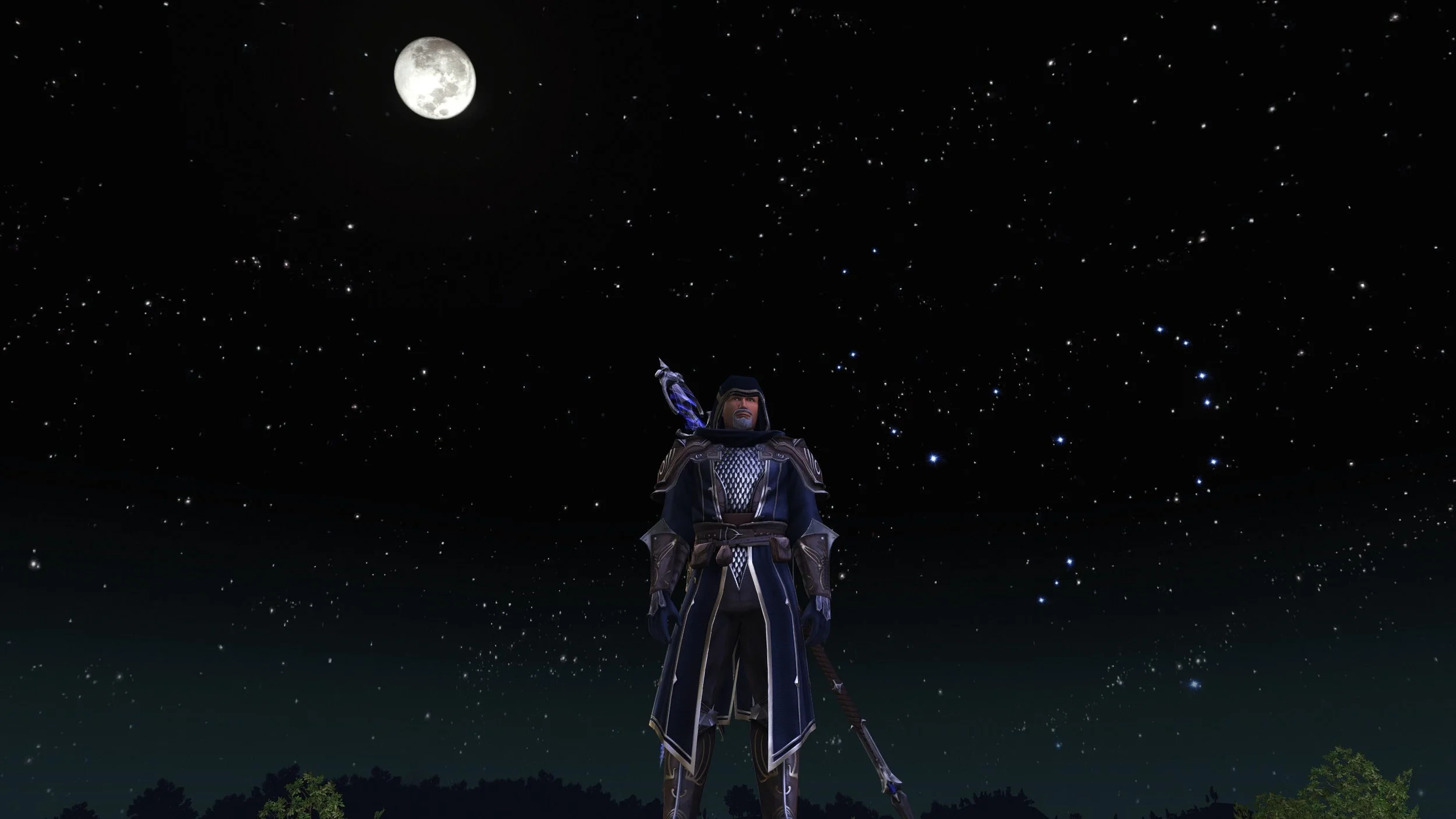
Are video games becoming easier? It’s a perennial subject that is frequently discussed by those who play them. Often the question of whether they have actually become easier is not the focus of the debate, as it seems to be broadly recognised that it is the case. Instead, discussion of this matter tend to drift into the rectitude of this change. Debate’s of this nature are usually awash with subjective opinions and personal preferences which are then put forward as objective facts. It’s not just a question of video games becoming easier, it’s the fact that making them easier is “wrong” and those who want them as such are “not proper gamers” etc. The hours that have been lost to this pointless, tedious debate are uncountable. However, I digress. Let us return to the matter of video games becoming easier, because although fans discuss this a lot and have plenty to say, you don’t often hear from the developers on this subject.
Some video games lend themselves to being set aside and resumed at a later date with zero consequences. These are often casual games with no major goals other than having fun while playing them. Fall Guys is a great example of this. You have a cartoony avatar that participates in zany group races, filled with obstacles. You run, jump, climb but the controls are far from difficult. You may well become skilled but such things are mitigated by the other players as they stumble around. You’re not at the mercy of apex players or “try hards”. It is not a game about winning and mastering techniques. The fun comes from playing it and the unique experience you have each time. I’ve been playing this game, on and off, since it’s launch in 2020 and in that time I have only ever won once (winning requires you to win a series of 4 to six individual races). However, whenever I pick up my controller and play Fall Guys, I have fun and the game lifts my spirits.
I recently completed the main story in Tainted Grail: The Fall of Avalon. In total I spent about sixty hours playing the game. I began at the start of the year, then took a break for a while but returned to it recently because I wanted to see if I could unlock a specific ending. I did manage to do this. Like so many other RPGs, Tainted Grail: the Fall of Avalon has a central storyline, along with a wealth of side quests, based around factions in specific zones. I think I possibly completed about a two thirds of these. However, once I finished the main story, my interest in the game began to wane. I finally left my character in the last major quest hub in case I wish to return at a future date. I then logged out of the game and uninstalled it from my PC to free up space for whatever I was to play next. In this case its The Sinking City 2. None of this is a negative reflection on Tainted Grail: the Fall of Avalon. I enjoyed the time I spent playing this quirky RPG. I simply had my fill and left to play something else.

On Tuesday 11th April, Aspyr Media rather surprisingly re-released The Lord of the Rings: War in the North, a co-op action-RPG from 2011. This game was delisted in late 2019, possibly due to changing rights ownership or a license expiring. Hence, I was somewhat discombobulated by the return of this title to all major gaming platforms. Mind you, the Embracer Group (through its subsidiary Middle-earth Enterprises) still controls the worldwide commercial and video game licensing rights for The Lord of the Rings and The Hobbit. Furthermore they have explicitly stated that they have plans for more games. It would appear this also means re-releasing and updating old favourites. It is also worth noting that they own Aspyr Media, which is also a bit of a giveaway. Let it suffice to say that this re-release and sparked enthusiastic online debate as to whether any other he Lord of the Rings themed games from the same era will receive a similar makeover. Judging by the internet chatter, there’s potentially a market for them.
The next expansion for the MMORG, The Lord of the Rings Online, was announced on the 1st August, via the gaming website MMORPG.The Wolves of Mordor, which will launch later in the year, appears ambitious in scope as it will include two new game systems as well as the obligatory story update. This expansion takes place in Draugardh located in the North East of Mordor, beyond the Plateau of Gorgoroth. It includes the new zones of Heledhris, Parth Rhavas and Nan Ogol. These vary environmentally ranging from the arid, volcanic and semi-tropical. Players will encounter the Daugrim in these regions, Werewolves but not in the modern sense. This is not the lycanthropy of Eastern European legends but in the established Tolkien idiom of fell spirits inhabiting the bodies of Wolves. The region also sees the return of the Woses and players can expect to encounter Elves and scouts from Gondor. As ever with LOTRO expansions, there will be new instances as well as a raid.
This is a post about the power of nostalgia and how sometimes, interacting with something from your past, be it physically or mentally, can produce a very strong and tangible emotional reaction. In some instances, this can be the result of something that you have specifically set out to do. On other occasions you can wander into a sense of nostalgia purely by chance. Today I experienced a very strong sense of nostalgia while watching a YouTube video and then again when I sought to replicate what I had seen. The video showed someone installing Windows 95 on to an old 486 PC from that era. The Window’s start up sound really touched a nerve (but in a good way) and then when the guy in the video launched Space Cadet 3D Pinball, a game that shipped with the operating system, I felt a strong compulsion to track down a copy and install the game myself, thus revisiting something that was an integral part of my life in 1995.
RV There Yet? is possibly the most entertaining game I’ve never played. My vicarious pleasure regarding this title has come exclusively from watching two popular YouTubers, JackFrags and WillFromWork, play through the game over a series of videos. It has been immensely amusing to watch and I have empathised a great deal as the group of four players has struggled with the game’s unpredictable mechanics and their own team’s dynamic. I could go and buy RV There Yet? myself but I doubt if I would ever have a gaming experience anywhere close to what I’ve watched online recently. So in some respects watching these videos has been an interesting alternative as I’ve been entertained, which ultimately is the point of video games. Perhaps there is a deeper philosophical point here that the game developers should reflect upon, as they’ve lost a potential sale. However, that is separate discussion for another day.
I don’t keep up with gaming news as much as I use to but several noteworthy announcement have come to my attention of late. Firstly, there’s an expansion, Songs of the Past, coming for the Witcher III: Wild Hunt in 2027. No doubt this is to pave the way for the Witcher IV. Next, I also found out about Hand of Fate: Horde. I liked this franchise and was saddened to learn that the original studio, Defiant Development, closed. Hence is was a pleasant surprise to see this new game being developed by members of the original studio. The third announcement was regarding Guild Wars 3. A new MMORPG in active development by a major studio is no small feat and is certainly good news for fans of this franchise and the genre per se. However, once you look beyond this news this announcement raises several questions and has certainly given me pause for thought. Let us take a few moments to consider them.
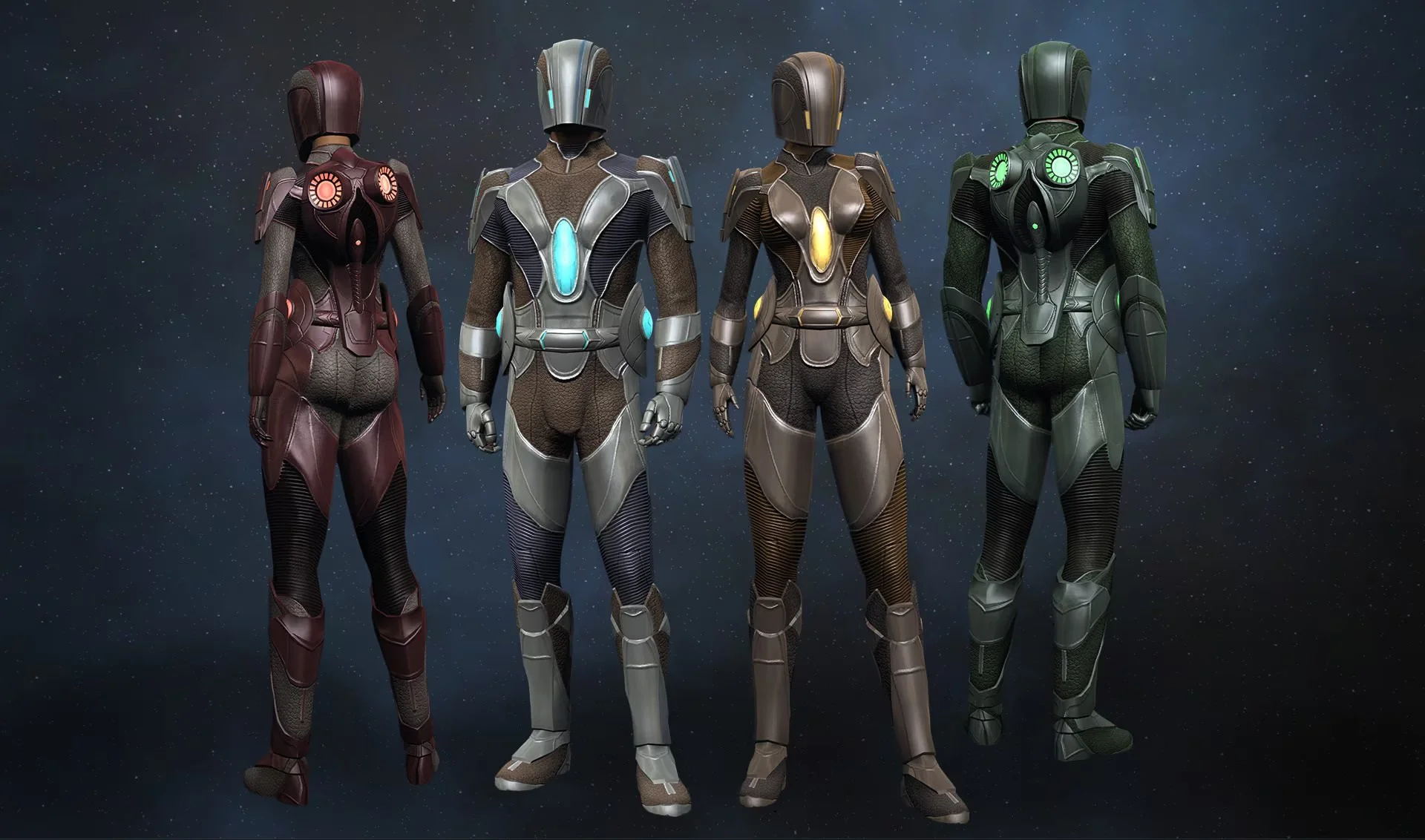
Star Trek Online has many in-game systems that are common to the MMORPG genre. The reputation system is one such example. In STO there are 13 reputation factions. Once a player has reached level 50 they may start progressing through the 6 reputation tiers of each one. Players gain progression through daily projects (20 hours in duration). Hourly projects are also available though they yield less reputation advancement and are limited to three times a day. Hence 20 hour projects are consider by default the most efficient way to gain rep. Projects require 30 Faction Specific Marks (earned via various activities in-game), 15,000 Energy Credits (standard in-game currency) and 2000 Expertise points. The most efficient way to tackle the reputation grind is to build up the necessary resources in advance and then at a designated time each day, start all 13 respective projects. Upon completion projects yield a player bound lockbox containing a random space or ground weapon, a console or Elite Marks which can be used to acquire faction gear.
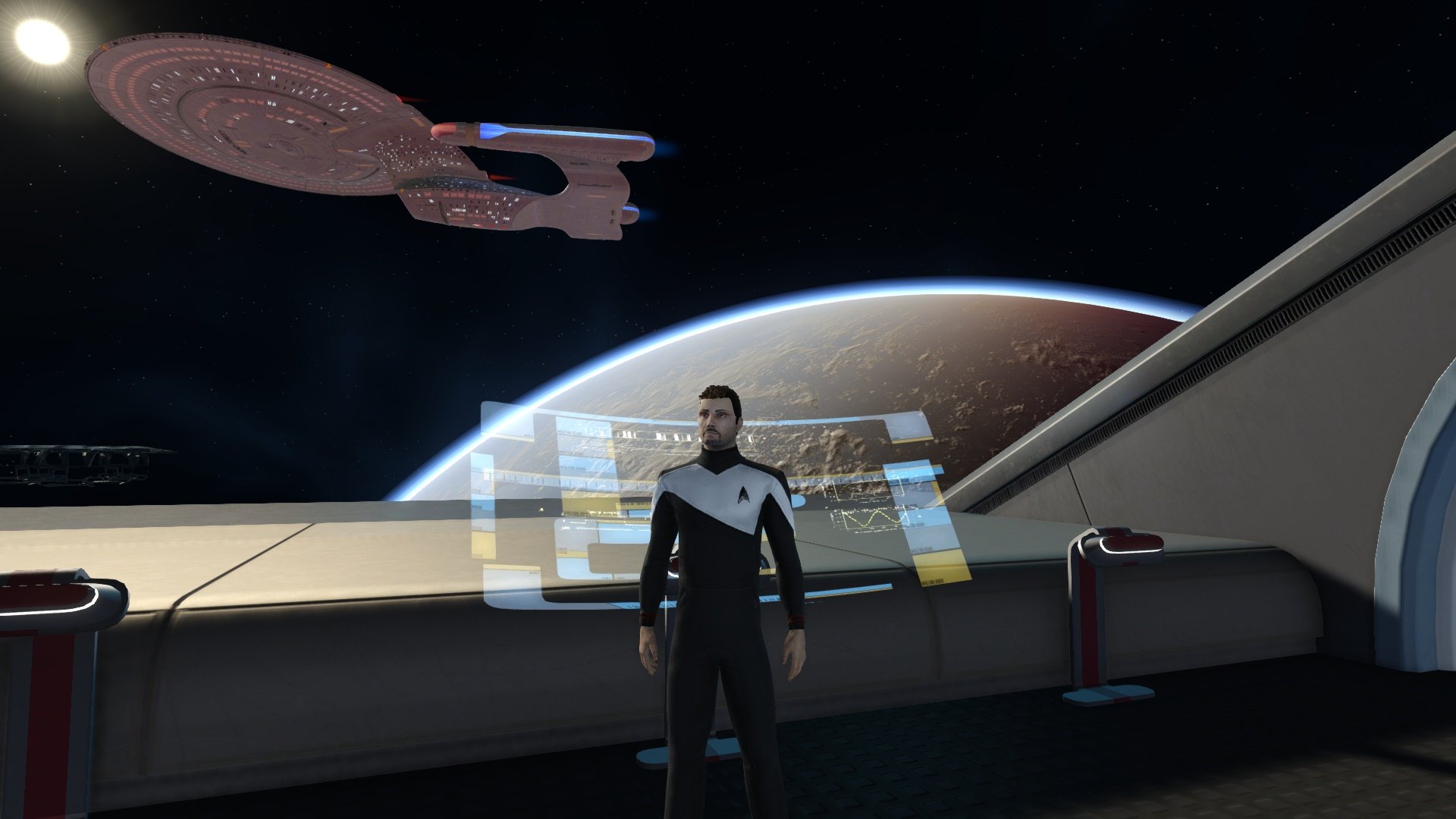
I was recently perusing my archive of old blog posts, when it struck me how much I’ve written about the MMORPG genre over the years. Naturally, there was far more material from between 2008 and 2012 as that was period when I immersed myself in the genre and was very enthusiastic about it. I was at a point in my life when I had the time to dedicate to such games and I was happy to participate in the social aspect of they offered. I would regularly play through group content and spend time socialising online with fellow guild members. My experience remains a textbook example of how online games can be more than the sum of their parts and that where you are at in your life has a major impact upon your overall enjoyment. As I read though various old posts it became clear that my experiences where specific to this particular part of my life and that they cannot be repeated. My relationship with the genre is very different now and that’s fine.
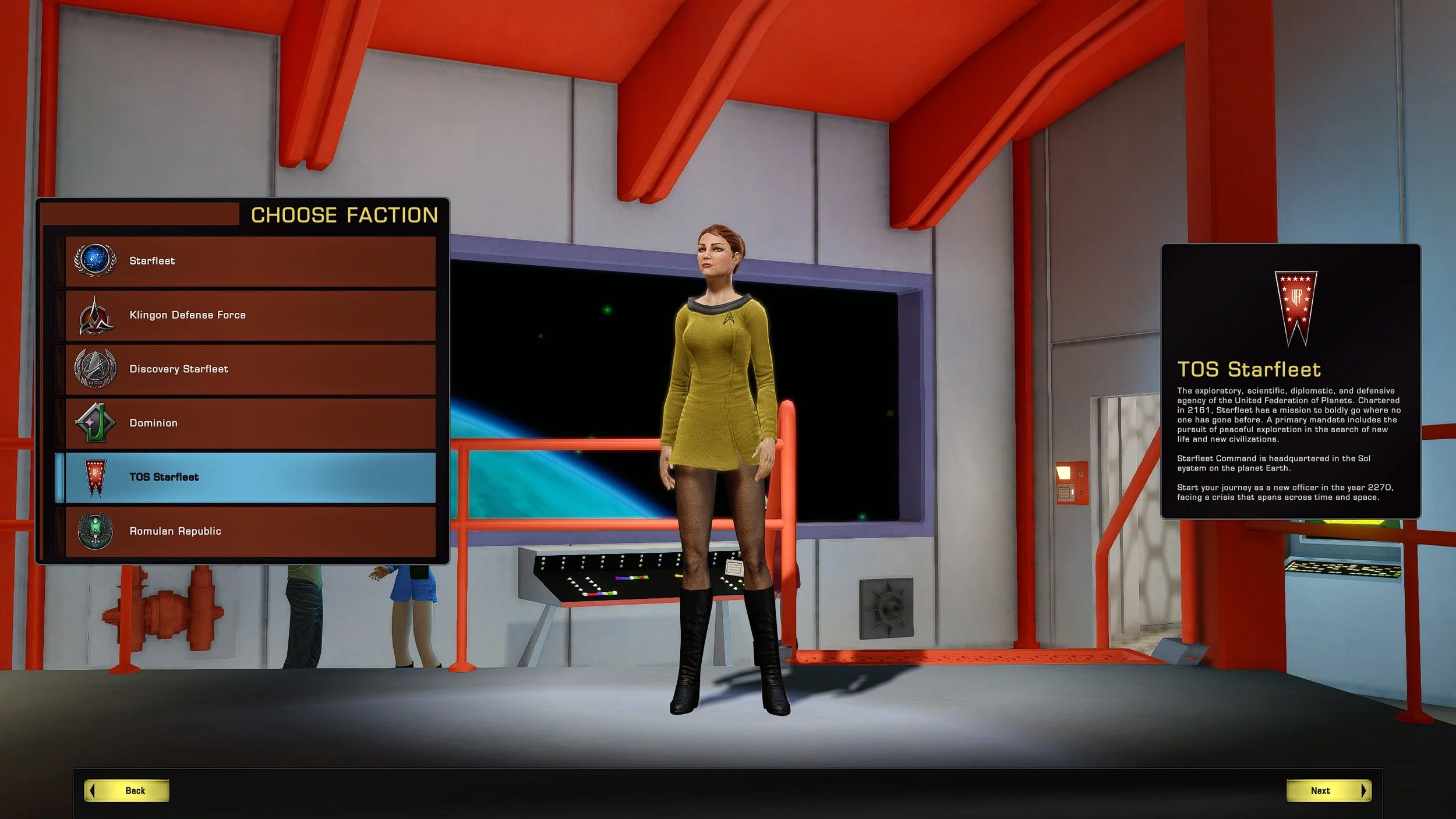
Creating alts is an integral aspect of the MMORPG genre. Many players will create a character of a specific class or faction, play it for a while, lose interest in it or they may decide that it is just not for them. Fortunately it is no effort at all to simply re-roll a new alt and set off once again. Furthermore, lots of players never reach level cap of the MMORPG that there playing. When the going get’s tough, so to speak, you can either soldier on for another 50 levels or simply create a new alt and return to the comfort of tried and tested content. Alts also give you the chance to secure an accolade or achievement that you previously missed. They are also of great benefit to the genres social aspects. Creating a new alt so you can play along with a friend who is just starting is great fun. Developer’s love them too as it means you’re still playing the game.
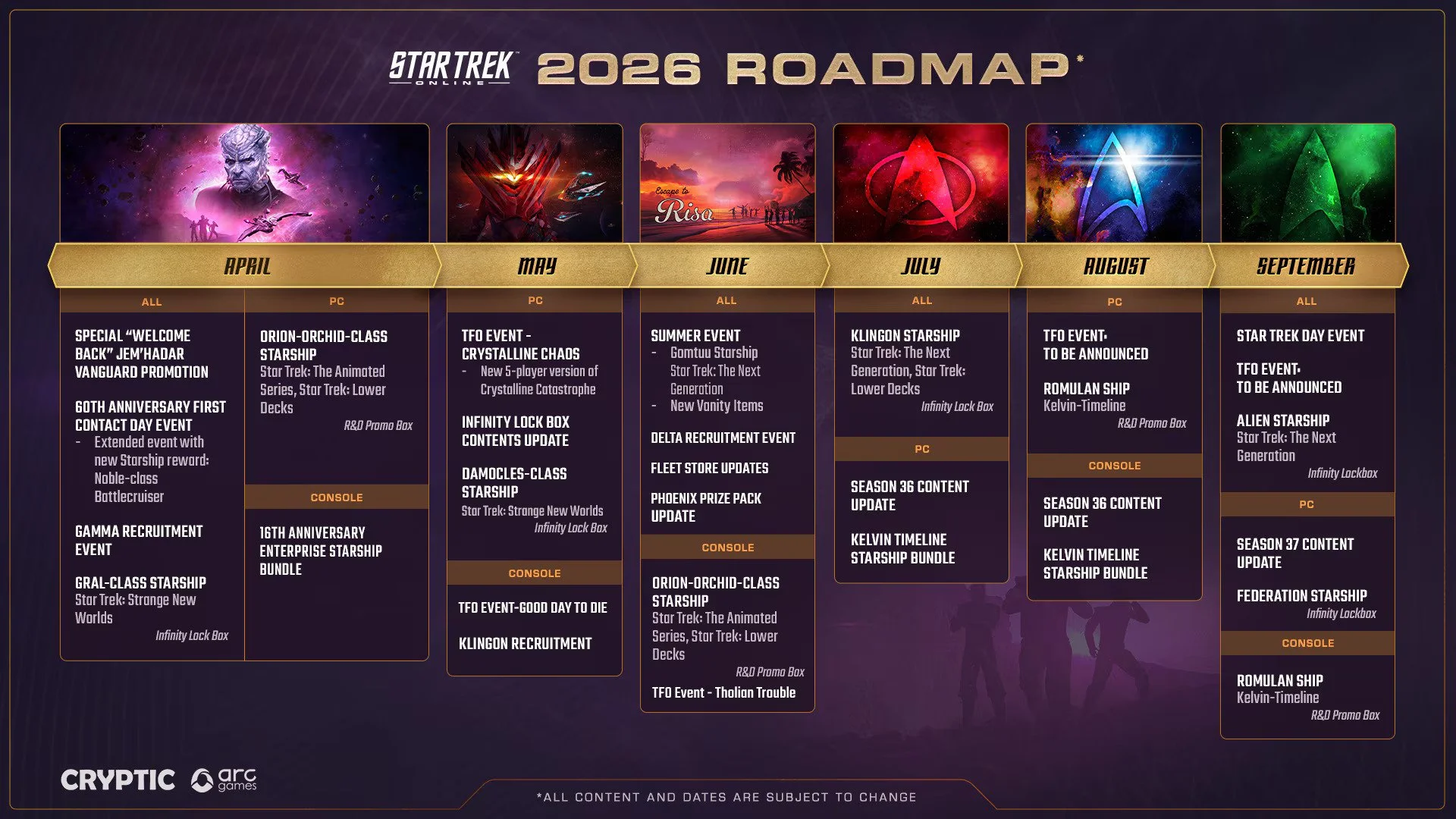
I recently took a break from Crimson Desert choosing instead to to play something familiar and easy going. As I’ve been logging into Star Trek Online daily to participate in the anniversary event, I decided to look through my various alts and see how far they had progressed through the game and what resources they had. At present I have twelve alts. My primary Captain was created in 2015 during the original Delta Recruit Event. I had previously played STO intermittently since its release in January 2010 but I never kept any of those characters. Hence this decade old Tactical Federation Captain has been my main focus when playing. The other eleven alts are the result of other recruitment events or whenever I wanted to try something different, such as playing a specific class or faction. I obviously played a lot of STO during the lockdown as several alts date from that period. Several had maximum reputation across all factions.
The action, open world RPG Crimson Desert has been patched five times since it launched on March 19th and there have also been multiple hotfixes. At first glance this isn’t anything unusual. New games have bugs and issues arise once a game is released and played across a much wider variety of hardware than in QA testing. However, if you read the patch notes that accompany these sizeable downloads it quickly becomes apparent that developer’s Pearl Abyss are not just addressing bugs and software glitches. They are actively engaging with their player base and responding to suggestions and requests from that community. Although this is not a unique approach, what is surprising is the speed and quantity in which these player driven changes are happening. There seems to be an active ongoing process to refine the game and eliminate some of its “rough edges” and the players are contributing to this process with their feedback.
According to my Steam statistics, I last played Starfield on 19th December 2023. I bought the game upon its release in September of that year and played in total for 136 hours. Starfield held my interest for three and a half month and I wrote seven blog posts about various aspects of the game. Although there were some engaging aspects to Starfield, I did feel that that the game was somewhat lacking in systems and content, at that point in its lifecycle. I also think that the marketing and player expectations associated with Starfield were overblown and unrealistic. The shadow of Skyrim looms large over all new Bethesda releases and they don’t seem able to quite recapture that magic. Hence, I inevitably drifted away from Starfield and to another game and was effectively “done” with it. I have not played the game since which seems to validate the theory that game are becoming increasingly more ephemeral.
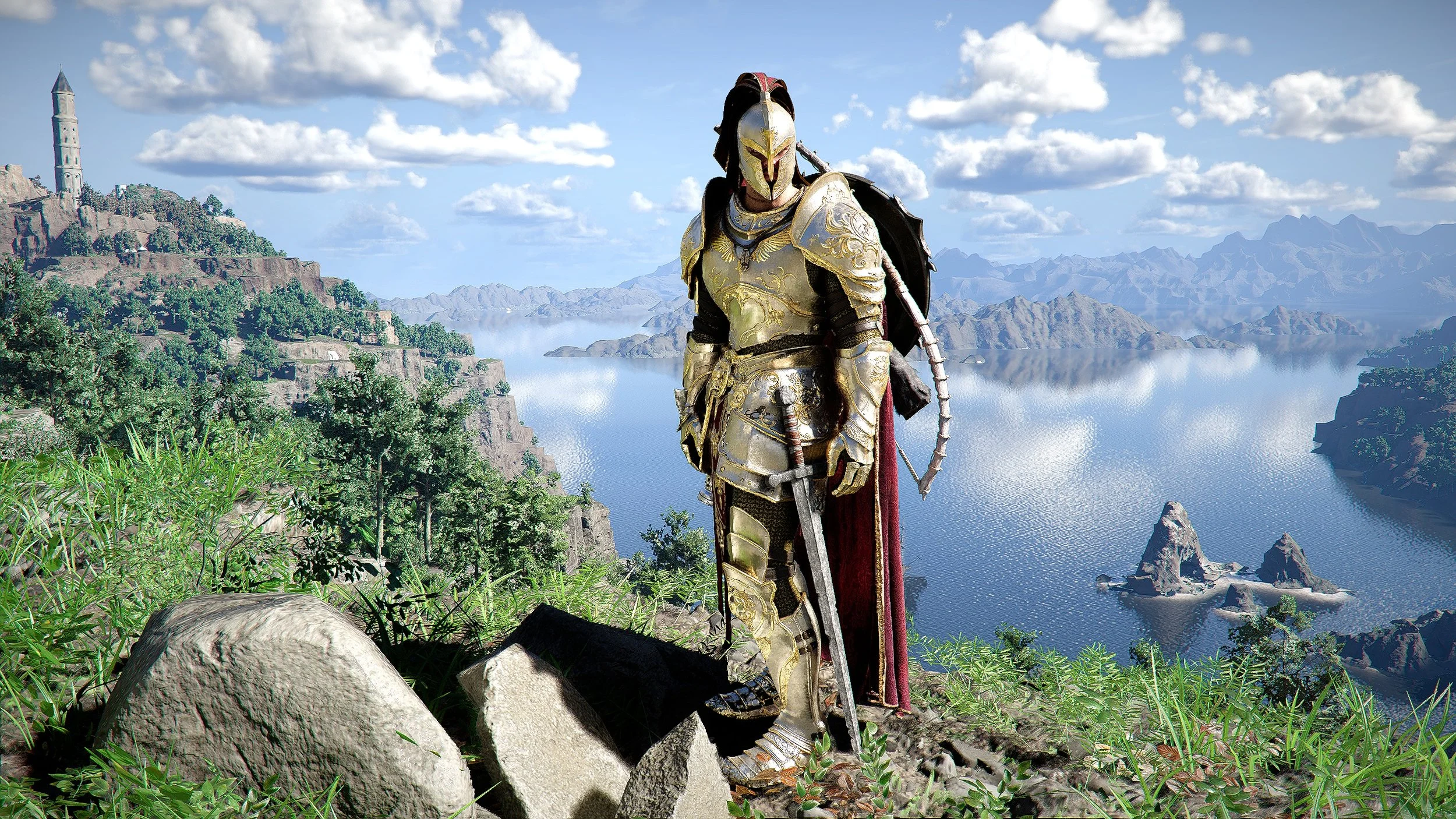
13 days after its release, market analysts estimate that Crimson Desert has already earned $200 million across the four main platforms (PC, PlayStation 5, and Xbox Series X and S). The game is certainly proving popular among gamers with the internet awash with live streams and “let’s play” videos. However, reviews are mixed both among gaming journalists and YouTube influencers. Common complaints about the game include that it is slow to start, the controls are poorly laid out on all platforms and that developer’s Pearl Abyss have done a poor job of explaining most aspects of the game to new players. Although such criticisms are true to a degree, I think these complaints highlight how many gamers are conditioned to expect new titles to follow a specific pattern with regard to pacing, narrative exposition and learning in-game systems. A pattern that Pearl Abyss has chosen to ignore, instead favouring an old school approach.
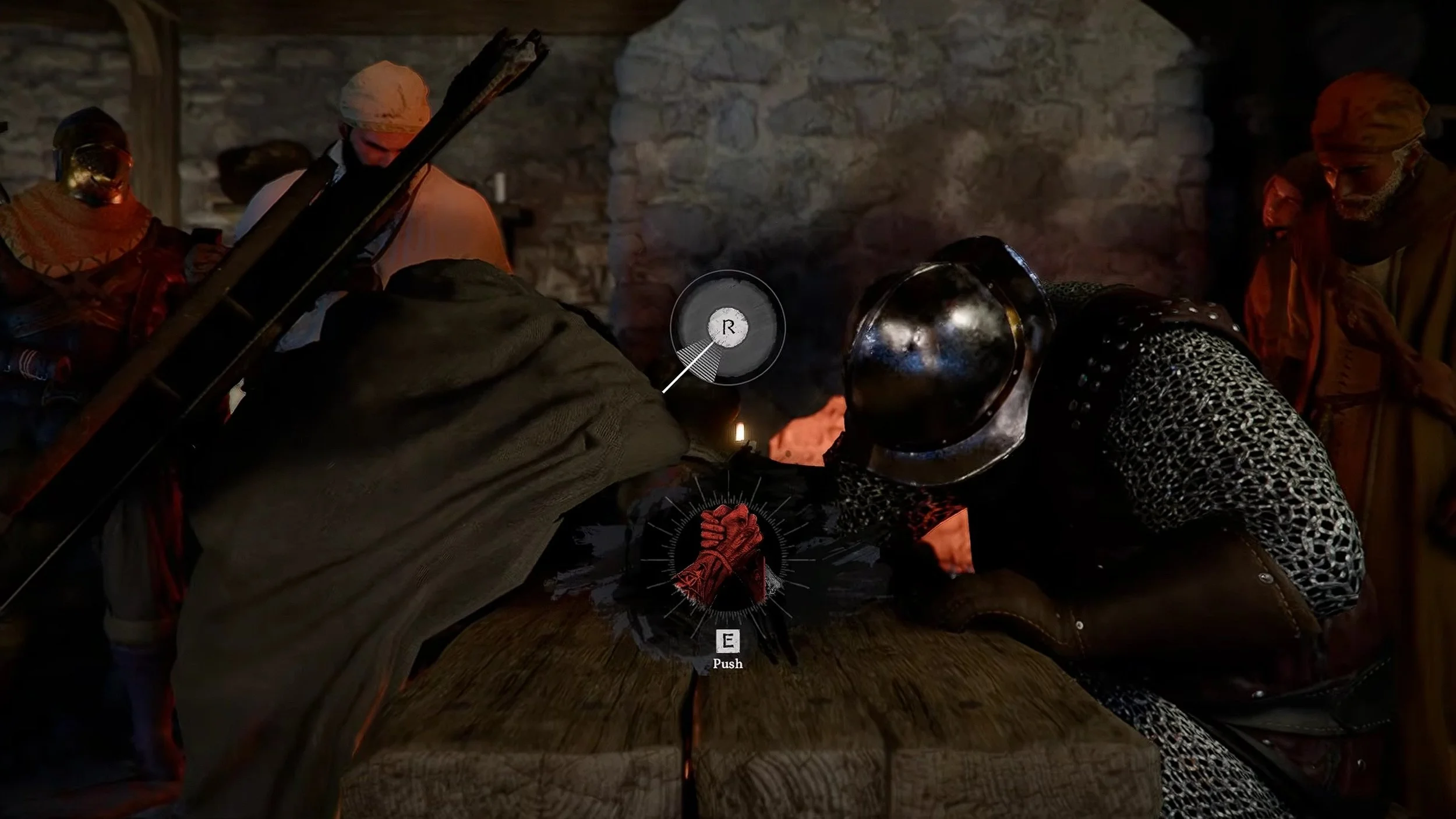
Early on Crimson Desert, the main quest requires the player to enter a tavern and arm wrestle a particularly strong guard. The arm wrestling match consists of a quick time event. If playing on PC you have to rapidly press the “E” key which turns a power meter from white to red. Then a white dial appears above the meter with a rotating hand. When the hand passes over a segment of the dial that is marked by hatching, the player must press the “R” key. The idea being the meter filling with red is you strength building (or waning) and the “R” key prompt indicates when to try and force your opponent’s arm. You will need to to continuously press the “E” key throughout the arm wrestling match and the “R” key about 4 times to win.
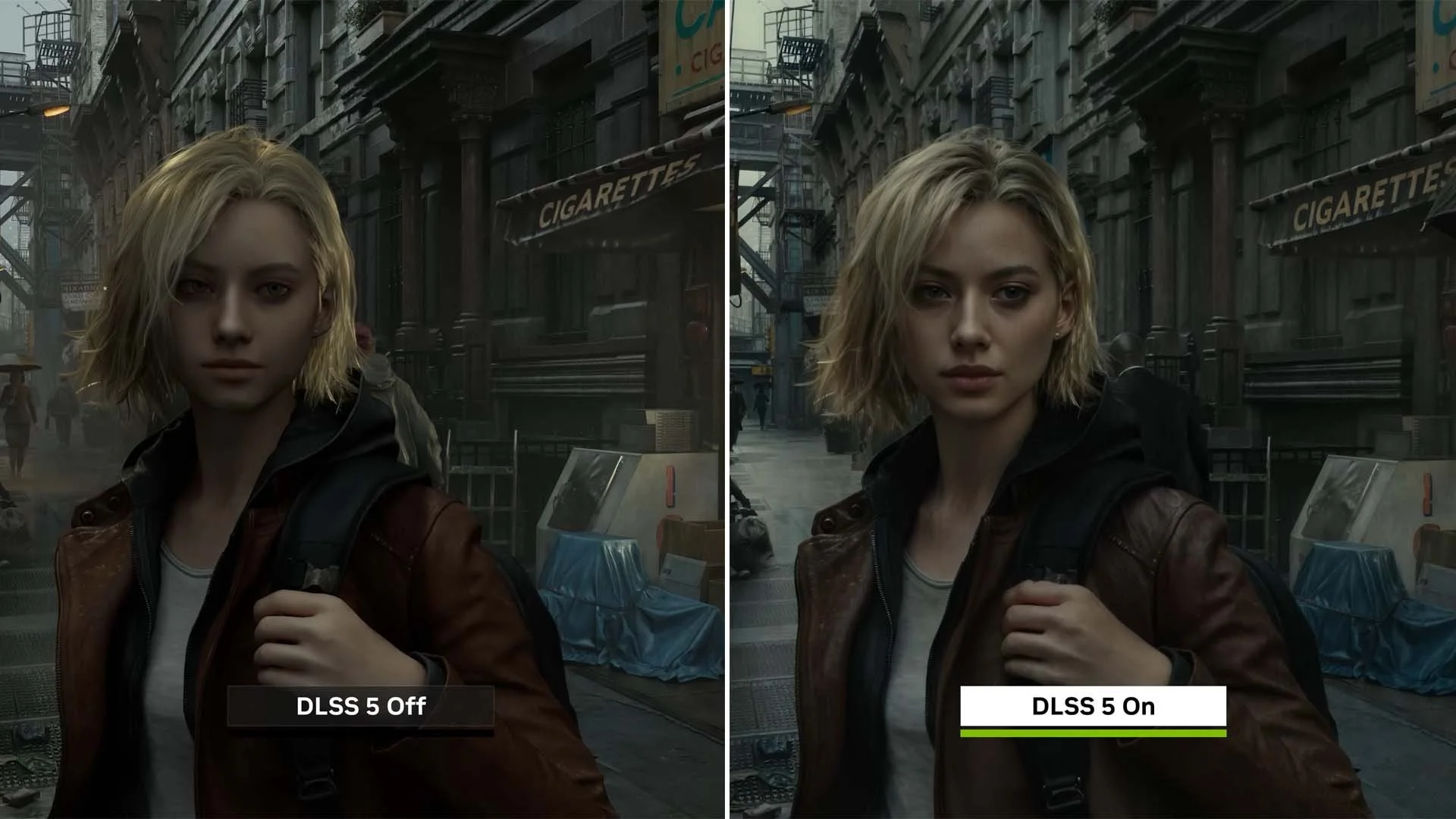
Earlier this week, Nvidia posted a video featuring their latest iteration of DLSS technology (Deep learning super sampling). DLSS 5 is an AI-powered “real-time neural rendering” process and unlike previous versions that focused on improving frame rates through upscaling or frame generation, DLSS 5 uses generative AI to “infuse” frames with photorealistic lighting and material details that the game engine never actually calculated. Let us pause for a moment and consider these words. Material detail that the game engine never actually calculated. Therein lies the rub. If you watch the aforementioned video or peruse the images posted here, it is abundantly clear what the technology does.
Last night, I spent the first 45 minutes after the launch of Crimson Desert, watching the 92GB pre-downloaded game files slowly decompressing and installing. I finally launched the game at about 10:50 PM GMT. I then waited a further 5 minutes while shaders were downloaded. It took me about 15 minutes or so to read through the various game settings and choose those that are optimal for my PC. I suspect even if you have a beast of a computer, you’re still going to have to spend some time tweaking settings. As for those players like myself with a gaming rig that is somewhere in the middle of the game’s specifications, be prepared to do a lot of fine tuning both within Crimson Desert itself and your Windows settings.
I have been aware of the online interest around the open world action game Crimson Desert for a while now. One of the things that has intrigued me about it is the scope of the game. The word “hype” has been bandied about by a few gaming websites. However, from what I have observed, developers Pearl Abyss have not been excessively hyperbolic themselves, with regard to the manner in which the game’s systems and mechanics have been marketed. Now that the press embargo has been lifted, the pre-release reviews seem to confirm that everything we’ve seen in promotional videos in the run up to the launch, is in fact present in the game. So far the initial critical response has been very positive and it has been hinted that the game may well be a genre milestone. Perhaps Crimson Desert is just a rare example of a game that has not had a rushed development and isn’t launching prematurely for business reasons.
Video games as a genre are extremely poor at explaining themselves. When you buy a new game you’ll often find little or no information regarding the basic systems and mechanics. The industry assumes that their customers are by default familiar with the fundamentals of playing a modern video game. Hence if a game has a tutorial, it is often based around videos rather than detailed verbal instructions. You are are briefly shown a clip of a specific move being successfully undertaken but it is seldom shown in a wider context. The industry also expects the fan community to take on the role of curating and disseminating information about its games. The move away from forums and bespoke websites to Discord highlights this. Discord is a primarily a real time communication tool and not good at maintaining a historical data archive. If you want an answer to a specific gaming question, you’ll more than likely find it on YouTube in a video made by a fellow gamer.
I have written in the past about the video games we cannot play. The ones that require a keen understanding of a game’s mechanics, along with a strong degree of manual dexterity and situational awareness. Being 58 years old, I tend to have neither the co-ordination necessary to succeed or the patience to master such complex skill requirements. With this in mind, I recently watched a YouTube video for Chivalry 2 and thought, that looks like fun. The fact that it showed someone picking up a chicken and throwing it at an opponent is neither here nor there. However, after watching a few more videos I realised that combat in the game was complex and that, as usual, the reality of playing such a game would be different from my expectations. Hence, I came very close to not buying Chivalry 2. However, I eventually decided that I would, so I bought it for just under £10 from an online vendor.
I decided to pursue a magic and spellcasting build in the RPG Tainted Grail: The Fall of Avalon after the story prologue. During the opening section of the game, the player is presented with a sufficient range of weapons to determine which type suits them best, although you can change at any time during the game. For me, casting spells feels right and is fun. Plus I have fond memories of the magic system in Two Worlds II and Skyrim. So once I started playing through the first zone, I started putting attribute and skill points into the appropriate trees to bolster my spells strengths and frequency. I also chose gear that would bolster those statistics further. The results have been surprising, as magic and spellcasting is not presented in the usual “glass cannon” style you find in some other RPGs. Here it offers robust DPS output and with the right gear and spell combination, a strong degree of survivability.
I originally bought Warhammer: Dark Omen in the summer of 1998. I played a demo copy via a magazine cover disc, which was a common means of promotion and marketing back then. Although I was at that point, unfamiliar with the Warhammer Universe, I found this game to be an excellent point of entry. The story did an excellent job of introducing players to “The Old World”, the political and power structure and major characters. I instantly liked both the aesthetic and the lore. Warhammer: Dark Omen was also the first real-time tactical wargame that I played and I spent numerous hours playing through the campaign. Overall, the game was a critical success, particularly on PC, but it struggled commercially upon its initial release and didn’t quite find the audience that it deserved. However, it has achieved status as a “cult classic” among gamers, leading to a recent re-release on GOG in late 2025.
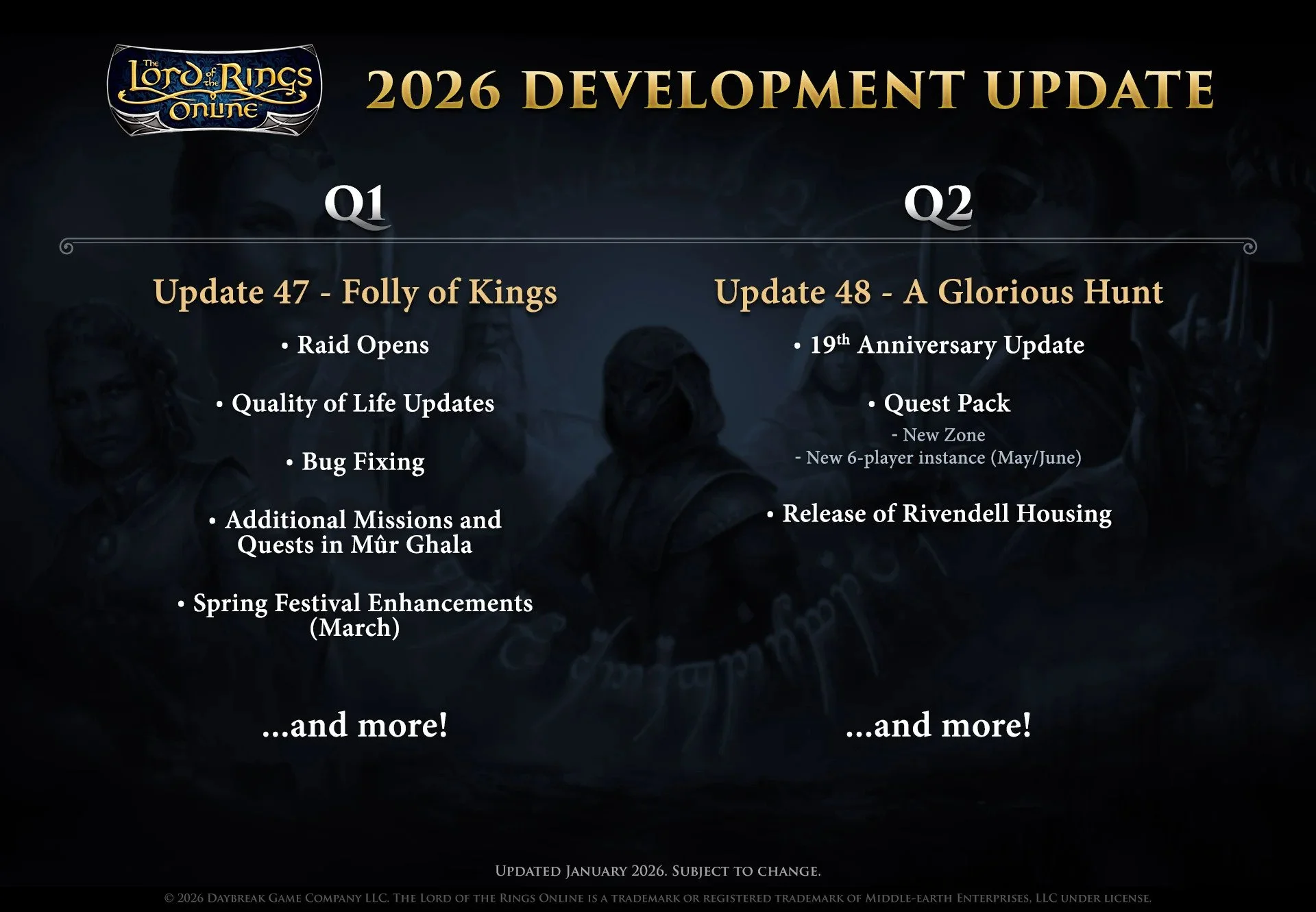
According to the recent “letter to the players”, Standing Stone Games will be adding a new zone to the MMORPG The Lord of the Rings Online in the second quarter of this year. Possibly around May or June. Having spent the last three expansions in the South of Middle-earth exploring the tropical Umbar and the deserts of Harad, I would certainly welcome a change of location. I have gradually warmed to these zones over the last eighteen months but I do find them so incongruous. They are so radically different to the European style content that has been the mainstay of the game for so long. Tolkien’s source text has plenty of detail regarding Eriador and Rhovanion. Information regarding Harad is scarce, hence it has afforded the developers a great deal of artistic freedom. Although exceedingly well realised these tropical zones have taken a while for me to get used to.
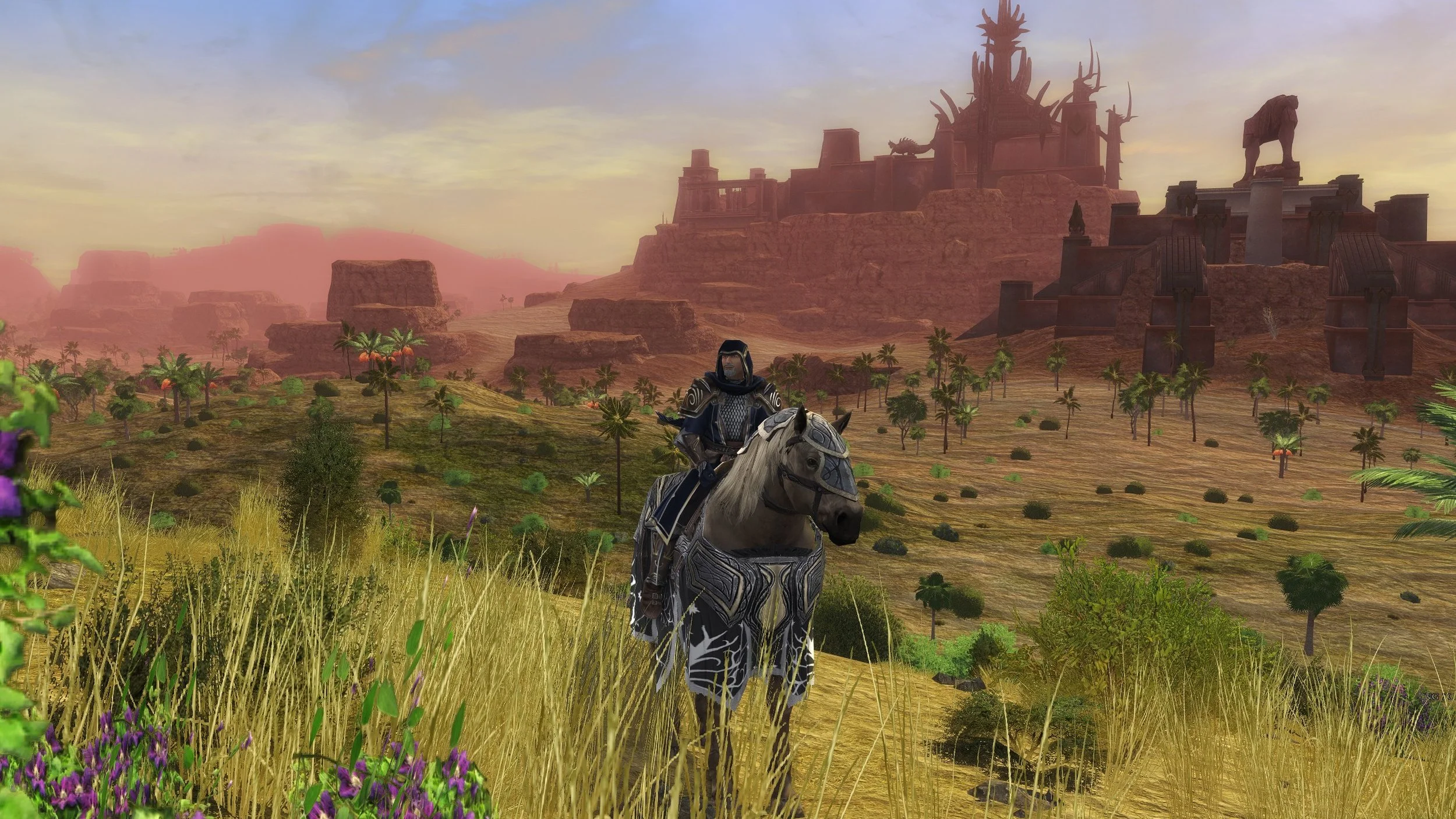
I’m not sure exactly when it started but I’ve recently noticed a graphical bug within the MMORPG The Lord of the Rings Online. This problem often occurs within caves or in areas where there are a lot of rocky surfaces. Hence it has become very apparent in the latest two expansions, set in Umbar and Harad. This graphical glitch causes some surface textures to appear to flash from light to dark intermittently. The resulting strobe effect is hard to ignore and very distracting. Fortunately, a quick online search showed that this is not a problem unique to my installation of LOTRO and is a known problem. Furthermore, there is a very simple workaround, which is to go into the Advanced Graphics setting and uncheck “Per Pixel Lighting”, which immediately remedies the problem. I have no idea why this has recently started to happen but at least it can be resolved.
Warzone 2.0 DMZ
I like an analogy as a literary device, so here’s one for you. Video games are like parties. How so? In the following ways. They quite never live up to your expectations. The best ones are the ones you never go to, according to the “anecdotes” you’re told afterwards. And there’s always someone crying and throwing up at 2:00 AM. Okay, the last one isn’t quite relevant but the overall sentiment of the first two is sound. The reason I have used this visual metaphor is because both parties and multiplayer video games sell themselves on the alleged quality of their respective social dynamic. They supposedly offer you fun with your friends and a unique, memorable experience. However, the reality is a lot more lacklustre. Warzone 2.0 DMZ is a prime example. What enjoyment there is to be had in playing this game is offset by the iniquities of many of its players as they race to the proverbial bottom.
I like an analogy as a literary device, so here’s one for you. Video games are like parties. How so? In the following ways. They quite never live up to your expectations. The best ones are the ones you never go to, according to the “anecdotes” you’re told afterwards. And there’s always someone crying and throwing up at 2:00 AM. Okay, the last one isn’t quite relevant but the overall sentiment of the first two is sound. The reason I have used this visual metaphor is because both parties and multiplayer video games sell themselves on the alleged quality of their respective social dynamic. They supposedly offer you fun with your friends and a unique, memorable experience. However, the reality is a lot more lacklustre. Warzone 2.0 DMZ is a prime example. What enjoyment there is to be had in playing this game is offset by the iniquities of many of its players as they race to the proverbial bottom.
For those who are unfamiliar with this latest permutation of Call of Duty: Warzone, DMZ is a squad or solo based incursion into a large open world map. You enter with basic gear and weapons and loot on the fly as you travel the zone. There are contracts that award both cash and weapons. These may be securing and uploading intel, rescuing a hostage or eliminating other squads. The map is populated by AI bots that are no joke and there are also vehicles that can be used to traverse the region. Each round lasts 25 minutes and once a player has gained sufficient loot or completed what they wish to achieve, there are “exfil” locations on the map where the player can summon air transport and leave. These are often contested by AI bots and other players looking for easy pickings. It’s a well conceived gaming scenario with a lot of scope for fun. Theoretically.
If you peruse YouTube, you’ll find plenty of videos showing top tier gamers playing Warzone 2.0 DMZ very effectively in squads. They complete lots of contracts, run rings round the AI bots and eliminate any other operators (other players) they encounter. It can be very entertaining to watch the game played well. However (and there is always a however) I, and many other players, will never get to experience the game in such a fashion. I don’t know anyone who plays Warzone 2.0 DMZ and hence I have to join squads with random players or go solo. The latter is fun but does put you at a disadvantage. There is safety in numbers and squadmates can revive you if you are “downed”. But random squads are exactly that, random, and therefore an utter lottery. If you use voice chat (not everyone does), then there's no guarantee that everyone speaks the same language. Even if you do, there’s a good chance that not everyone wants to do the same thing, hence making the group invalid. Hence random squads are often a massive gamble.
I’ve played a lot of Warzone 2.0 DMZ recently and have kept a simple log of how well each game has gone. After a hundred plus games, about 1 in 10 has proven to be a positive experience. By this I mean that players have been communicative (IE we agreed where to go and what to do), helpful and very mindful that not everyone has the same level of skill. Gear and weapons were shared and we successfully extracted from the DMZ. So far I had about ten games in which I felt I experienced Warzone 2.0 DMZ as the developers intended. For the other ninety or so times, it has been chaotic and ended in someone picking a unnecessary fight with the AI bots or another squad of operators. Yes XP has been earned, but it is frustrating to lose a decent loadout due to poor planning or someone just biting off more than they can chew. IE charging into an area before spotting the AI bots or driving a vehicle when you’re not especially good at it. Some games have lasted no more than five minutes.
I’ve written in the past about whether it is realistic to have expectations of other players when “pugging”. I believe I used Task Force Operations in Star Trek Online as an example and I concluded that it’s best to expect the worst. The difference in this case is that grouping is an optional extra in STO, where in Warzone 2.0 DMZ it is pretty much the raison d'etre of the entire game. Playing collaboratively with others yields superior results than going it alone. Yet “pugging” in Warzone 2.0 DMZ is often an awful experience, especially if you have voice and proximity chat enabled. So many of the players are puerile, bellicose, unco-operative and socially dysfunctional that it leeches a great deal of joy out of the gameplay. Text chat is equally as bad filled with abuse, prejudice and the arrogant hubris and ill manners that so often goes hand in hand with youth. The community has very little class and even its ubiquitous victory cry of “let’s go” is as vacuous as it is trite.
Warzone 2.0 DMZ can still be a source of enjoyment and entertainment. Even if you “pug” and expect the worst, you can still sometimes be pleasantly surprised when another player does bother to revive you or drives back to pick you up when you’re separate from the group in a firefight. Running 20 or 30 indifferent or bad games still presents an opportunity to learn the map and to become familiar with key locations such as ammunition depots etc. You quickly learn not to be hamstrung by your own high standards. That’s not to say you should be an asshole like most other players, but if your squadmates are making poor decisions or being a liability it is perfectly okay to go do your own thing. Overall, if you’re not in a position to play with friends, then temper your expectations about Warzone 2.0 DMZ and autogroup. Turn off voice chat and expect the worst. Anything more is an added bonus. Warzone 2.0 DMZ can be a good game, in spite of its players.
Warzone added a new “casual mode” to its Battle Royale at the start of Season 4. This reduced the number of real players in-game and substituted them with AI bots. The ratio is approximately one fifth real players, four fifths bots. This new mode for Battle Royale solos, duos and quads was well received, especially among the mainstream players who are more focused on fun than progression. Veteran players who still wanted the challenge of playing against real players were free to continue playing the traditional BR modes. Hence all parties were pleased as they were both being catered for. However, and there is always a “however” when it comes to Call of Duty, the developers saw fit to remove the standard solo Battle Royale mode, leaving just the Battle Royale Casual mode with AI bots. Subsequently, a lot of players were perplexed and annoyed, as taking away choice is seldom good customer service. As a result of subsequent backlash, the mode was added back to the game mid-season.
When the Battle Royale Call of Duty: Warzone launched on March 10th 2020, the Verdansk map was one of the key elements of the game’s success. The subsequent lockdown due to the global pandemic was also a major shot in the arm for the game, with so many gamers being home. The Verdansk map along with the gameplay mechanics of the game at the time were a perfect combination and so Warzone was “just so”. It allowed both skilled and unskilled players to play together, without one group dominating the other. Gunfights could be intense but there were periods of downtime when traversing the map. Players also couldn’t continuously respawn if defeated, so there was a requirement to play with a degree of caution and strategy. I enjoyed the game immensely despite not being the biggest fan of PVP based gaming. It was a broadly equitable experience but sadly it didn’t remain that way.
I decided to play Call of Duty today as I wanted some undemanding entertainment. I was not surprised when the game client began an update, as I have not played for about three months. Hence, there was obviously new content to install. However, when I saw the size of the download, I knew this was more than just a season update. I therefore checked the Battle.net client and discovered that the game was installing Black Ops 6, the latest version of Call of Duty that is released on 25th October. A game I have decided not to buy for a multitude of reasons. Fortunately, you can modify your game installation on the fly, so I unchecked a few boxes and the download stopped. However, I was annoyed by the hubris of this “download by default” policy, so I decided to uninstall my existing installation of Modern Warfare 3 as it is no longer a mainstay of my gaming activities.
For those who are not familiar with this latest niche piece of “gaming outrage”, it regards the extraction shooter Warzone 2.0 DMZ, which is part of the Call of Duty franchise. When you enter the game (either solo or in a squad), you use gear that you have previously collected. A key part of the game is looting and upgrading your weapon, bullet proof vest (there are 3 tiers) and sundry support items. If you die, then you lose all the equipment you are currently carrying. With this in mind, Activision have recently added two purchasable gear bundles to the game store. One comes with a medium size backpack by default. The other comes with a 2 plate vest (tier 2) and two weapons that only have a 15 minute cooldown. This does offer a degree of convenience. Furthermore, the second bundle is tied to the Ghost operator skin, who within the game’s canon is an iconic figure. Hence there has been a great deal of debate over the rectitude of these bundles.
I don’t mind buying an occasional bundle from the store in DMZ, although it is often the weapon blueprint that determines my choice. Today I bought Overgrown 2, which includes the Ghillie Monster operator skin, to see if it offered any significant advantage. However, as I am not what you would call a “top tier” player, my subsequent experience and anecdotal evidence is hardly compelling. If you go prone in the desert, a shrubbery or among general herbidacious flora then it does offer a degree of camouflage. However, in suburban areas and the outlying villages of Al Mazrah, you look like a Wookie on a daytrip and I can’t see any advantage. So upon reflection, two questions spring to mind. Firstly, do any of the skins currently available in the game offer any tangible benefits? If not is it just a question of operator skins are 100% cosmetic and just about tickling a players fancy and getting them to put their hand in their pockets.
Here we are again with another summary of my gaming activities in recent months. Or in this case since last September. It’s been a while but I’ve been on a blogging hiatus until recently. However, I’ve kept myself busy gaming wise and often I find the hunt for news video games, just as entertaining as I do playing them. Perhaps that could be a future blog post. Back to the matter in hand. Gaming wise, pretty much all things related to the MMORPG genre are currently on the back burner. I’ll give specifics later but I am taking a break from these for the present. I am currently looking at trying games outside my usual comfort zone and also trying to test whether you can or cannot teach an old dog new tricks. Fortunately, the answer appears to be yes you can. Enough summation, on to the specifics.
I like an analogy as a literary device, so here’s one for you. Video games are like parties. How so? In the following ways. They quite never live up to your expectations. The best ones are the ones you never go to, according to the “anecdotes” you’re told afterwards. And there’s always someone crying and throwing up at 2:00 AM. Okay, the last one isn’t quite relevant but the overall sentiment of the first two is sound. The reason I have used this visual metaphor is because both parties and multiplayer video games sell themselves on the alleged quality of their respective social dynamic. They supposedly offer you fun with your friends and a unique, memorable experience. However, the reality is a lot more lacklustre. Warzone 2.0 DMZ is a prime example. What enjoyment there is to be had in playing this game is offset by the iniquities of many of its players as they race to the proverbial bottom.
September has been and gone and the nights are now drawing in. Usually this time of year is ideal for gaming but sadly I’ve had a lot on over the last 30 days and as a result there’s been precious little time for gaming or indeed writing. Such is life. When I did have some leisure time, MMOs were the easiest way to get a quick gaming fix, as per usual. Standing Stone Games announced that the next expansion for The Lord of the Rings Online would be released in November and that a revision of the Legendary Item system would be coming prior to that. Hence I took a look at the beta builds on the Bullroarer test server and then started prepping my various alts on the live servers, to get ready for this major change. I also managed to complete the latest event in Star Trek Online. However, beyond these straightforward tasks I didn’t really get to do much more.
Video games can offer a great opportunity for personal growth. If you are the sort of player who likes to prove themselves and continuously test one’s mettle, then some titles can provide the challenge required to be the best of the best. Hence many games are competitive, have league tables and other formal structures for measuring success. It is one of the reasons why esports have become so popular. But this desire to excel and master a particular play style extends beyond competitive games. For some players part of a games allure is understanding the numbers and stats that drive the game mechanics. Because these are often the key to optimising your build and maximising DPS output. Hence you will find skilled and learned players in a variety of games across multiple genres. Although they are often motivated for different reasons, they all strive to be elite players.
I originally climbed aboard the Call of Duty bandwagon in 2009 when Modern Warfare 2 came out. I enjoyed the campaign and the multiplayer so much I promptly bought the first instalment. I then stuck with the franchise up until 2013. I didn’t especially like Ghosts, although I enjoyed the option to play as a dog which was different. Overall I was somewhat tired of the FPS genre from then on and so didn’t keep up with any further releases. For me the best iteration of the game was Black Ops in 2010. The campaign had a densely plotted story and the multiplayer was extremely polished. The multiplayer maps were well conceived allowing for fluid and engaging gameplay. Six years on and I recently got an itch to play Call of Duty again. The soft reboot of the franchise with Modern warfare in November 2019 promised a return to basics. The recent inclusion of a battle royale mode with the release of Warzone finally clinched the deal. So I bought a discounted version of the standard game recently and dived back in.
I have enjoyed Sniper Elite 4 and all of the sundry DLC immensely since its release in Spring. The game presents an interesting alternative to the traditional shooter with its stealth based level design. The latest instalment, Obliteration (the third part of an ongoing story), is set in an empty Bavarian town and has an intricate map with an authentic period feel. It offers opportunities for both long range sniping and close quarters stealth kills. Overall, I have found that the franchise provides engaging and complex gameplay, as well as satisfying the players baser need for blood and violence. However, playing this and other similar titles got me thinking. It would appear that World War II, one of the defining periods of the last century that still has ramifications today, is in certain quarters now simply a setting, a plot device or a Hitchcockian MacGuffin. Is the broader subtext of this major event now irrelevant to a generation of players because they have no immediate connection to this period in history? If that is the case, exactly when does it become acceptable for something of this magnitude, to be trivialised in this manner (if that is indeed the case).
I took advantage of the current summer sales and pre-ordered the next instalment of Call of Duty, succinctly named WWII, due to be released in Autumn. After straying far from the established model, it’s nice to see CoD returning to its roots. The Second World War is a tried and tested formula and will no doubt be well received by fans of the franchise. As I have said before, COD is not a revolutionary product and as far as I know has never claimed to be. It provides a standard formula with sufficient variation, which is commercially viable and demonstrably popular. Those gamers that constantly rail against these games are on a hiding to nothing. You might as well complain about pop music being mainstream and accessible.
A Month in Gaming
September has been and gone and the nights are now drawing in. Usually this time of year is ideal for gaming but sadly I’ve had a lot on over the last 30 days and as a result there’s been precious little time for gaming or indeed writing. Such is life. When I did have some leisure time, MMOs were the easiest way to get a quick gaming fix, as per usual. Standing Stone Games announced that the next expansion for The Lord of the Rings Online would be released in November and that a revision of the Legendary Item system would be coming prior to that. Hence I took a look at the beta builds on the Bullroarer test server and then started prepping my various alts on the live servers, to get ready for this major change. I also managed to complete the latest event in Star Trek Online. However, beyond these straightforward tasks I didn’t really get to do much more.
September has been and gone and the nights are now drawing in. Usually this time of year is ideal for gaming but sadly I’ve had a lot on over the last 30 days and as a result there’s been precious little time for gaming or indeed writing. Such is life. When I did have some leisure time, MMOs were the easiest way to get a quick gaming fix, as per usual. Standing Stone Games announced that the next expansion for The Lord of the Rings Online would be released in November and that a revision of the Legendary Item system would be coming prior to that. Hence I took a look at the beta builds on the Bullroarer test server and then started prepping my various alts on the live servers, to get ready for this major change. I also managed to complete the latest event in Star Trek Online. However, beyond these straightforward tasks I didn’t really get to do much more.
I toyed with the idea of playing New World. I had taken part in an earlier beta test and found elements of the game to be quite appealing. I especially enjoyed the combat which I felt was both fluid and had a sense of physicality. Yet the minimal plot, voice acting and general “old school” approach made the overall game feel somewhat archaic to me. And so I decide not to purchase it and get swept up in the excitement of a new MMO launch. However, it can be very interesting to observe such a phenomenon. Many of my blogging colleagues have been documenting their experiences and it can be very interesting reading multiple perspectives upon different aspects of the game. Plus the perennial question of what is a “good MMO launch” has been raised once again. Personally I am too old and impatient to have to deal with logon queues and for daily, rolling patches to fix content.
I did manage to log into Call of Duty: Modern Warfare. Rather than play Warzone, I opted for Team Deathmatch with AI bots. I cranked up the difficulty and it proved quite taxing but on the plus side, it was nice to be able to play a game without any angry commentary in chat and more importantly people cheating with aimbots, or rage quitting the game and closing it for everyone as they were hosting. I am a big advocate of multiplayer games having AI bots as an alternative to live play. Playing against bots means you can practice and work upon your skills as well as just enjoy gameplay at a level that you can cope with. For many players it is potentially the only time that they’ll be able to access certain weapons, kill streaks and such like. Although playing with others is an integral part of such games as CoD:MW, it is always good to have options that don’t make your enjoyment totally dependent on others
Sadly, I am not using my Nintendo Switch much as I expected. I assumed that the handheld device would easily lend itself to short bursts of intermittent gameplay, which reflects my current schedule. But this doesn’t seem to be the case, although I do think this comes down to the sort of games one has. I may need to buy some new titles that lend themselves to casual gameplay, or 30 minute sessions over a long period of time. Perhaps the RPG Disco Elysium will fit that bill. I think the most I did in September with my Switch was update the software. At least now it supports bluetooth earbuds.
As for October, I’m not sure If it is wise to make any major gaming plans. I am toying with the idea of using an old hard drive to upgrade to Windows 11, to see how it performs. If there are any major issues I can easily return the original drive without any inconvenience. I guess that LOTRO and STO will fill the gaming gap, as per usual. As and when I get more time, I may look around for something new to play. It may be time to step outside of my comfort zone and try something different. The last few times I’ve done this the results have been positive.
Here we are again with another summary of my gaming activities in recent months. Or in this case since last September. It’s been a while but I’ve been on a blogging hiatus until recently. However, I’ve kept myself busy gaming wise and often I find the hunt for news video games, just as entertaining as I do playing them. Perhaps that could be a future blog post. Back to the matter in hand. Gaming wise, pretty much all things related to the MMORPG genre are currently on the back burner. I’ll give specifics later but I am taking a break from these for the present. I am currently looking at trying games outside my usual comfort zone and also trying to test whether you can or cannot teach an old dog new tricks. Fortunately, the answer appears to be yes you can. Enough summation, on to the specifics.
I last wrote a post in this series in June. Back then I wanted a break from MMOs as I had invested heavily in Star wars: the Old Republic and The Lord of the Rings Online. Because I was still enjoying the Star Wars vibe, I decided to try Jedi: Fallen Order. Sadly, despite the story showing a lot of promise, the PC version of the game handles poorly and the controls are sluggish. Often it felt like my character was wading through mud and there was a tangible amount of skills lag. So I uninstalled it and moved on to something else. One of the odd things about gaming is that despite amassing a library of free and discounted titles, we often end up buying something new, instead of playing that which we already own. And that is exactly what I did. I purchased Stray amid all the excitement surrounding the game, but to date I still haven’t played it. Make of that what you will.
Usually I keep subscribing to an MMORPG, even if I’m not playing it that much. I like to have options in case I decide to log in on a whim. Especially if an absent friend returns to a particular game presenting an opportunity to catch up. However, the current economic climate is no longer something that I can ignore. Although far from having a low income, the current ongoing increase in the cost of living is becoming apparent, so I have been fiscally prudent and cancelled my monthly subscriptions to Star Wars: The Old Republic and The Lord of the Rings Online. Both have provided me with a lot of entertainment over the last three to four months but until new content becomes available, I can happily dispense with them for the meantime. Not only have I saved £17.98 on subscriptions, I shall no longer be making ad hoc purchases of in-game currencies. Something I have been doing a lot more than usual of late.
I have confined my gaming to three MMORPGs in recent months and have not strayed into anything new. Time has been an issue due to a great deal of change in my domestic life. Hence The Lord of the Rings Online, Star Wars: The Old Republic and Star Trek Online have proven suitable for my needs. Being able to log into a game and commence an activity without any complicated preamble is convenient and currently suits my schedule down to the ground. I will be buying Sniper Elite 5 at the end of the month as this is a franchise that has always proven entertaining and engaging. While recently perusing the various game launchers I have installed, I took the opportunity to remove several games that I’m no longer playing or that have proven to be a “five minute wonder”. Hence I said goodbye to GreedFall, Tom Clancy’s Ghost Recon: Breakpoint and Days Gone. Their removal is no reflection upon their quality.
It’s been a while since I’ve written an instalment of A Month in Gaming. Over Christmas and New Year I was busy with family issues and it’s only in January that I’ve started anything approaching a regular gaming schedule. The novelty of Forza Horizon 5 has run its course and I’ve grown tired of the game’s upbeat tone and neverending activities that litter the in-game map. It’s nice that the game tries hard to engage with you but it reaches a point where you never get a time to stop, think and take stock. I couldn’t find anything else included in the Xbox Game Pass which especially excited me. There were a few titles that did take my fancy but I then discovered that I already own them elsewhere via Steam or Epic Games. So I decided to cancel my subscription. I still think that the Xbox Game Pass for PC is very good value and my failure to find anything that I like is my problem and not Microsoft’s fault.
September has been and gone and the nights are now drawing in. Usually this time of year is ideal for gaming but sadly I’ve had a lot on over the last 30 days and as a result there’s been precious little time for gaming or indeed writing. Such is life. When I did have some leisure time, MMOs were the easiest way to get a quick gaming fix, as per usual. Standing Stone Games announced that the next expansion for The Lord of the Rings Online would be released in November and that a revision of the Legendary Item system would be coming prior to that. Hence I took a look at the beta builds on the Bullroarer test server and then started prepping my various alts on the live servers, to get ready for this major change. I also managed to complete the latest event in Star Trek Online. However, beyond these straightforward tasks I didn’t really get to do much more.
Again this is more a case of two months in gaming. Furthermore although I was quite active in July, I was less so in August as the Blaugust 2021 Festival of Blogging event consumed the lion share of my leisure time. The majority of my gaming time is usually mid to late evening. Although Mrs P and I do many activities together, there are times when she will want to watch something I don’t, be engrossed in a book or out with friends. These occasions present sizable windows of time to focus upon a video game, which is especially useful for the MMORPG and RPG genres. However, I often have to choose whether to use this time exclusively for gaming or some other recreational activities such as writing. Another foible of my video game time management is trying to arrange things so I can undertake recurring, daily quests in a game early in the morning. I will often tackle such content in Star Trek Online, as soon as I get up.
The last installment of A Month in Gaming was at the end of April. I have decided to update this recurring post less often to ensure that I have more to write about than just cataloguing my generic activities in The Lord of the Rings Online and Star Trek Online. The only downside of such an approach is that it invalidates the title but that can’t be helped. Fortunately, I have done more than usual over the last two months. My daily schedule has changed temporarily and I now have a little more leisure time available. Hence I’ve dabbled with several new games as well as using my Nintendo Switch more often. I also took part in a “tag team” playthrough of XCOM 2, which was a very interesting experience. And I finally took the time to go through all my games libraries on the various different platforms to catalogue exactly what I have. I found a few hidden gems but the majority is just “filler” that you find in most video game bundles.

I usually write this recurring post at the beginning of each month, reflecting upon my gaming activities over the previous thirty odd days. I refrained from writing an instalment at the beginning of April as I really didn’t feel I had much to say. However, now that a further month has elapsed, I believe sufficient has happened for me to continue. I do worry that these posts get repetitive and simply writing “ I played MMO A or B” is not sufficiently engaging. Luckily, I do feel that I have more to say this time round as I’ve broadened my gaming horizons recently and feel that I’ve done more, compared to other months. So let me begin with my return to console gaming. Something I haven’t done since 1999 when I purchased a Sega Dreamcast. After some procrastination, I’ve finally bought a Nintendo Switch and it has proven quite a hit not only with me but my grandchildren.
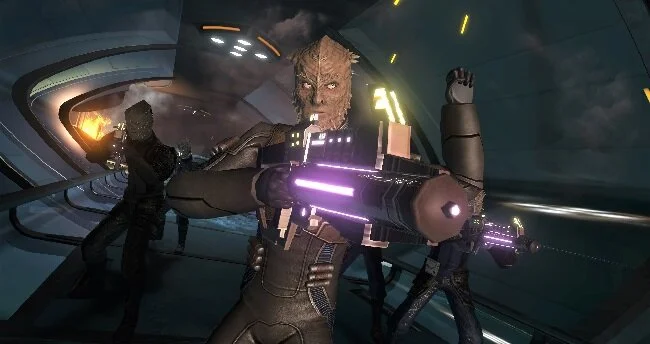
Here we are again. Yet another month has gone by and I find myself writing another instalment of “a month in gaming”. And to be honest, I have very little to say in this particular roundup of my gaming activities. I played Star Trek Online throughout February and created a new Klingon character to take advantage of the ongoing Klingon recruitment event. I have managed to upgrade a Tier 5 D7 and kit it out in such a way that it is fairly robust. And I also created a new Jem’Hadar alt, as they start at level 60 and you are provided with a fully equipped vessel and crew. Nothing fancy but it allows you to get into the endgame content a lot quicker. I may write a more detailed blog post about this at some point. I also played a lot more Fall Guys: Ultimate Knockout as my granddaughters came to stay for a week. I have already expressed my thoughts about the mechanics of that game in a prior post.
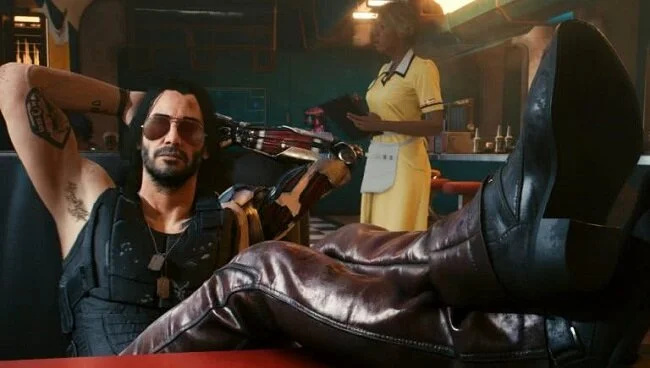
I last wrote A Month in Gaming post in December. Quite a lot has changed over the last two months. I have abandoned Cyberpunk 2077 as it has totally failed to hold my interest. I just couldn’t get on with the first person perspective. I also stopped playing Neverwinter, despite the game having many appealing elements. Sometimes, when you start an MMORPG that has been running for years, you feel so “behind the curve” that the prospect of catching up with everyone at the endgame is too daunting. And because the Call of Duty franchise has a yearly lifecycle, a new iteration of the game was released in November. Black Ops Cold War subsequently replaced the reboot of Modern Warfare and a lot of the new games content subsequently bled through in the free Battle Royale version. I’d been playing Warzone since last April and it was beginning to get a little stale. So I didn’t buy the latest Battle Pass and decided to move on. And then there’s The Lord of the Rings Online. Let it suffice to say I have completed as much of the latest “mini expansion” as I require and the game is now “on hold”.
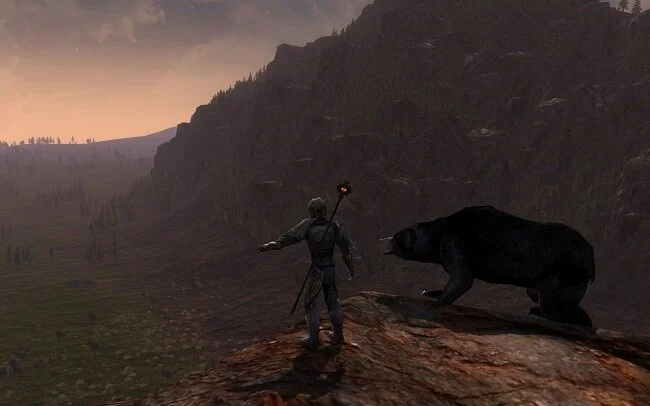
November proved to be a very productive month, gaming wise. I had to self isolate for 14 days, due to coming into contact with someone who had tested positive for COVID-19. Hence I had far more leisure time than usual. For a second month I applied myself to progressing through the new “mini expansion” in The Lord of the Rings Online. The new zone is a two phase map. The first is Elderslade, a mountainous region to the North of the Wells of Langflood. This area contains mainly story quests. The second phase, called War of Three Peaks, is the same zone but during a period of open war between the Dwarves and the Orcs. Quests here are mainly repeatable slayer and achievement quests. I did not discover this until I had completed the first round, so to speak, only to be offered exactly the same quests again by an NPC. As I had reached maximum rank in reputation for this new faction and there were no rewards of any note for me to spend my barter currency upon, I simply stopped playing through this content.
The last 31 days have gone by really fast, or at least that’s the way it feels. Despite having bought several new games recently and acquired yet more for free from the Epic Store, I did not embark on anything new throughout October. Due to the unexpectedly prompt release of the new “mini expansion” for The Lord of the Rings Online and the launch of a new event in Star Trek Online, I found myself focused upon the MMORPG genre, yet again. And after playing continuously for six months, Call of Duty Modern Warfare/Warzone has finally begun to lose its lustre. I didn’t especially enjoy the Halloween event, not that there was anything inherently wrong with it. It just wasn’t for me. I played a little Fall Guy: Ultimate Knockout but quickly discovered that the “season” system is just another gear treadmill, although the gear in this instance are novelty cosmetic outfits. I don’t want to be tied to too many games in this fashion (it’s bad enough with MMOs), so this is another title that has been relegated to occasional play when the fancy takes me.
September has been a difficult month. A family crisis and subsequent bereavement meant that gaming got pushed down the daily agenda. However, after the various chores and duties were done I did need some downtime and means to relax. Hence I did play some games in a limited fashion. Nothing fancy, just stuff like Fall Guys: Ultimate Knockout and Gang Beasts, which are light-hearted and undemanding. I also took the time to log on to The Lord of the Rings Online test server and check out the preview of the forthcoming “mini-expansion”. Not only was this informative but it provided material for a blog post. But overall I didn’t really achieve anything substantial with my gaming throughout September. Gaming was relegated to being just a convenient diversion from the immediate problems I’ve been facing but as such, it did fulfil that role well.
I’m still somewhat shocked that August has been and gone. Even by 2020 standards it’s been an odd month. Due to illness in the family, my schedule has been turned on its head and subsequently there has not been as much time for gaming as I’ve previously enjoyed. However, I tried to put what time I had to good use. I attempted to return to the MMORPG The Lord of the Rings Online once again, to see if I could continue through the epic story. Sadly, the game has run into further server related issues, just as it did last month. Standing Stone Games community manager Jerry Snook was a little “snippy” in responding to players' concerns and at present there are no details regarding what the problem is and when it will be resolved. If this issue persists I suspect that it is going to do some genuine harm to both the player base and community relations. I hope matters improve for SSG and LOTRO over September.
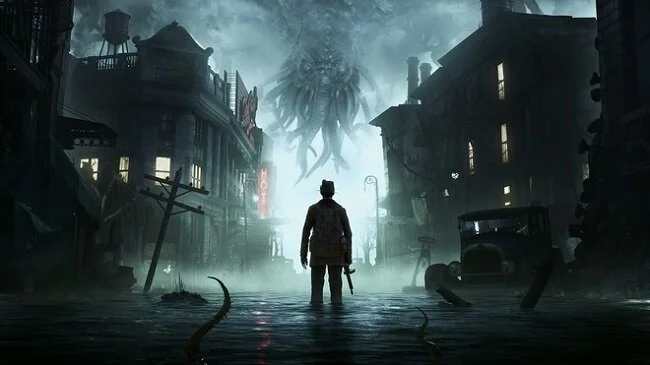
As I mentioned in the last instalment of “A Month in Gaming”, I was toying with the idea of buying Ghost Recon Breakpoint. However, I have decided against that. Yes the game may well be a third person, co-operative shooter but ultimately it’s yet more explosions and military hardware fetishism, which isn’t anything new. I have more than enough of that at present with Call of Duty Modern Warfare/Warzone. I also don’t feel disposed towards giving Ubisoft any of my money at the moment, until they get their house in order. I am so tired of continuously reading about how shitty the video game industry is to work in. It’s difficult to protest in a meaningful way but I guess for the present not buying a product is as good a way as any. So rather than purchasing any further games, I decided in July to play at least one of the many titles I’ve got in my existing library.
I stopped subscribing to The Lord of the Rings Online in June. I’ve always had a very cyclical relationship with this MMO and at present I feel I need a break from the games somewhat linear formula. Plus the new content scheduled for release centred around the wedding of Aragorn and Arwen doesn’t exactly sound enthralling. So I’ve left my primary character in Langflood and will return to the game later in the year when I feel the need to catch up with content. I have also abandoned the ongoing events in Star Trek Online as they’re getting too repetitive. I would like to see a new longterm story arc rather than just a continuous cycle of short term events and repeatable content. I don’t mind working towards a goal but it has to be something I want and the rewards offered in this MMO are getting a little too generic for my liking. I shall return to the game at some point as I’m a lifetime account holder and I’m curious to see how developer’s Cryptic overhauls the Klingon story arc.
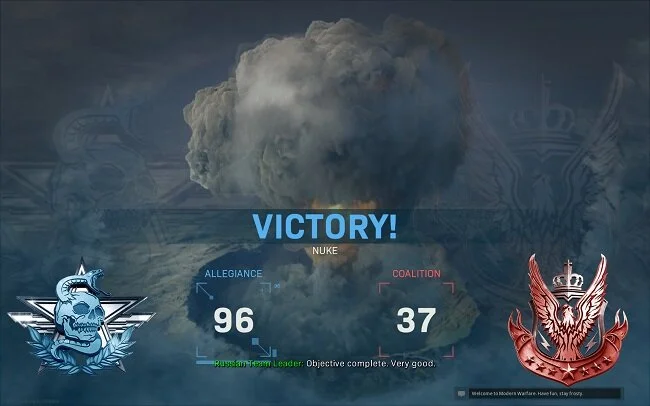
I see by the financial data that is currently available and being pawed over by industry pundits, that April was a very good month for the video games publishers. Quelle surprise. Who would have thought it? The increase in leisure time has certainly meant that even I have had a greater opportunity than usual to invest in playing video games. And as I predominantly play the MMORPG genre that has proven to be a boon. Or at least it was initially. After two month plus that is fast becoming a bane. MMOs are great when you have new content to play through, stories to discover, goals to achieve and systems and items to advance. But once you’ve done all these things and find yourself doing dailies just out of obligation and a way to kill time, then it may well be time to move on to something else.
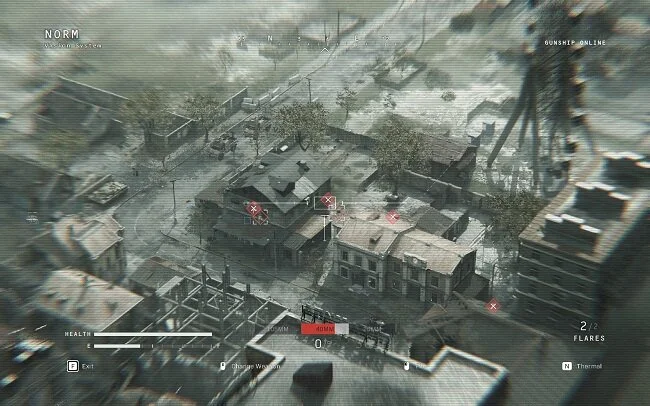
April has been an usual month. The ongoing lockdown here in the UK (and elsewhere in the world) has afforded me more gaming time than usual. The policy of social distancing has reduced my caring duties to just three hours a day. Hence I and many others like me have much more leisure time available. I initially thought that this situation would be the perfect time to try some of the many of the games that I have stockpiled over the years. However, despite trawling through many titles, I still failed to find anything that immediately took my fancy. So I decided to take stock of my overall gaming activities and whether it was time to revise them and try something new. And by new I don’t just mean just buying a new game but taking a step out of my current comfort zone into a genre I don’t usually play. So that’s exactly what I did and the results have been very interesting.
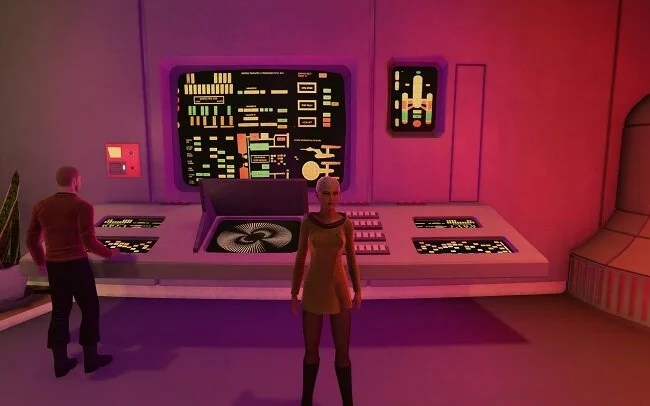
The problem I find with monthly gaming articles is that they tend to cover ground that I’ve already written about over the last 4 weeks in other blog posts, only in less detail. So here is the brief version of my gaming activities throughout February. I played through the entirety of the Star Trek Online 10th Anniversary event and received the new hybrid Tier 6 ship. I enjoyed the new 2 part feature episode and have managed to maintain a schedule of doing “odds and sods” to keep myself busy. STO is currently my primary game. I’ve ground to a halt in The Lord of the Rings Online, as soon as I start questing in Minas Morgul itself. It is simply too uninspiring and grindy an area. So I’ve focused on completing deeds for virtue experience and daily repeatable quests for Anfalas Scrolls of Empowerment. Due to constraints upon my schedule, I decided to temporarily stop my subscription to ESO Plus, as I simply do not have the time to invest in The Elder Scrolls Online at present. ESO is a good game and deserves attention when played. Committing to multiple MMOs at once is always a mistake.

So much for the New Year. January has now been and gone and 2020 just seems to be barrelling along. As ever, due to my real world commitments, I’ve been pushed for time over the last thirty one days. Therefore, most of my gaming has been targeted “binge” sessions conducted late at night. However, I do find playing through episodic content over several hours to be a very productive means of making progress in MMOs. So overall January has been an enjoyable experience, game wise. Due to my circumstances, I have deferred starting any new single player games and have focused primarily on two titles; The Lord of the Rings Online and Star Trek Online. Sadly, The Elder Scrolls Online has been relegated to being played just once a week, usually on a Wednesday night when I meet up online with friends. My exploration of Vvardenfell will have to wait until later in the year, as I cannot sustain three MMOs to any great degree.
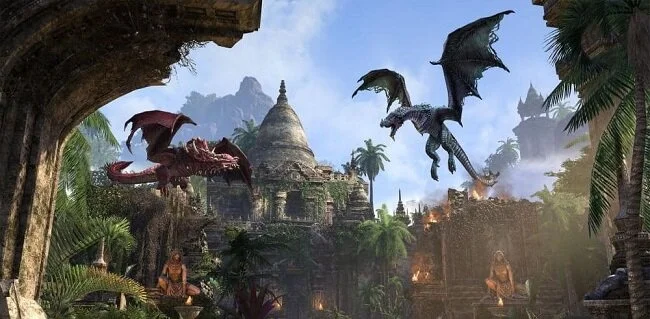
October has been and gone. And as ever the MMORPG genre has been the mainstay of my gaming activities over the last thirty days. Furthermore, it has been a productive month. I managed to complete the Daggerfall Covenant narrative arc, along with the main story on my Dragonknight in The Elder Scrolls Online. I find that completing Coldharbour is the biggest obstacle in progressing. It’s an atmospheric zone but once you’ve experienced it, it doesn’t really lend itself to repeat playing. But having done all this my Dragonknight hit level cap. I had taken the precaution of buying appropriate gear ahead of this achievement, so I managed to acquire some decent armour and jewellery that provide robust set bonuses. Despite focusing mainly on ESO, I did manage to progress further in The Lord of the Rings Online. I got as far as the Wolf Denes in the Vales of Anduin update. I also took the time to visit the LOTRO test server and checked out the Minas Morgul expansion preview. As for Star Trek Online my daily visits have been focused upon completing Task Force Operations and grinding for a free ship (again).
September saw The Elder Scrolls Online becoming my primary gaming focus. No real surprises there as I’ve been having so much fun of late with this MMORPG. I managed to get my Argonian Necromancer to level cap and then had the fun task of trying to equip them suitably. I don’t quite know why this aspect of gaming appeals to me so much but I just get a real kick out of trawling around looking for appropriate gear. I tend to enjoy it in all the MMOs I play. There’s just something inherently satisfying about equipping a new piece of armour or jewellery and seeing your stats noticeably increase. This process is even more enjoyable in ESO as there isn’t any server wide auction house, so you have to travel around from region to region, individually checking each guild trader you find. It really is virtual shopping. Once I managed to find the right gear for this character, I promptly created a new Imperial Dragon Knight and started playing through the Daggerfall Covenant storyline as it the one faction I haven’t yet completed. Oh and in ESO cosmetic pet news, the ghost chicken (official name Spectral Chicken) is outstanding.
Last month panned out pretty much as I expected. Blaugust and writing daily blog posts took up a fair amount of my leisure time. And then I lost a few days due real-life social activities. What gaming time I had was focused mainly on The Elder Scrolls Online. I’m sorry to say that I’ve ground to a halt in The Lord of the Rings Online. My level 113 Guardian remains at the Black Gates and for the present I simply do not feel disposed towards working my way through Mordor again, which I did just a year ago on my primary character. I have undertaken a few quests with my level cap Lore-master and will endeavour in the weeks ahead to at least complete the Vales of Anduin region. LOTRO at present doesn’t have much of a hold on me, although I may well become more enthusiastic once the next expansion is formerly announced.
Contrary to my last A Month in Gaming post, I did actually end up buying a discount copy of Elsweyr and returning to The Elder Scrolls Online. And I’m rather glad that I did, because it has provided a welcome change of scene and an opportunity to do something different. However, you can’t just fire up ESO and dive right in. No sir. The first thing you have to do is update all your addons and if your starting a new alt (which I decided to do), ensure that your key mappings and custom settings are ported over. This process was a pain in the butt; however it did inspire a couple of blog posts. Creating a new alt is the perfect way to reacquaint yourself with ESO after a lengthy absence. In my case it has been 12 months. I decided to try the new Necromancer class and so far, it has proven to be both fun and rewarding. Rather than try to do a thousand things at once, I just started the Elsweyr main story and doggedly pursued it. The narrative is enjoyable and it was fun to see Cadwell as part of the plot focus. For practical reasons I’ve re-subscribed to ESO plus to unlock various DLC and I intend to continue playing for the next month or so.
This post should have been published two weeks ago but as ever, real life just keeps getting in the way. As expected, June proved to be a busy month, however, I managed to organise my leisure time pretty well, affording me an opportunity to not only play my two current MMOs but also experiment with some other games. At present my caring commitment keep me busy from about 10:30 AM to about 5:00 PM. I tend to get up round about 7:00 AM so if I promptly have a shower, dress and eat, I can usually create a two-hour window in the morning to either tackle admin and paperwork or undertake dailies in games such as The Lord of the Rings Online or Star Trek Online. I can also find several hours in the evening as Mrs Peril tends to go to bed earlier than I. Therefore practical time management has proven beneficial over the last four weeks.
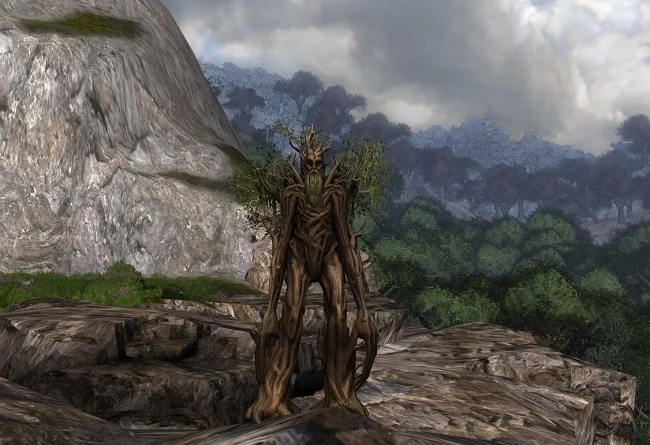
As I suspected in my last post, my gaming activities were somewhat curtailed throughout May due to both my parents being ill. However, the time I did manage to spend in-game was both therapeutic and relaxing. For me, I’ve never really seen gaming as escapism, although I appreciate it certainly is for others. One of the aspects it offers, along with a degree of challenge and entertainment, is a release from stress and the pressures of one’s daily life. Perhaps that is why I enjoyed Sniper Elite V2 Remastered so much, because not only is it a thoroughly absorbing game, it also provides a sense of catharsis. I’ve already written about the game in some detail, along with my thoughts about the ongoing “remaster versus remake” debate. However, I would add that I enjoyed it so much I re-installed the sequel, Sniper Elite III, which I haven’t played since it’s release in 2014. This also proved to be an enjoyable undertaking, again for the self-same reasons.
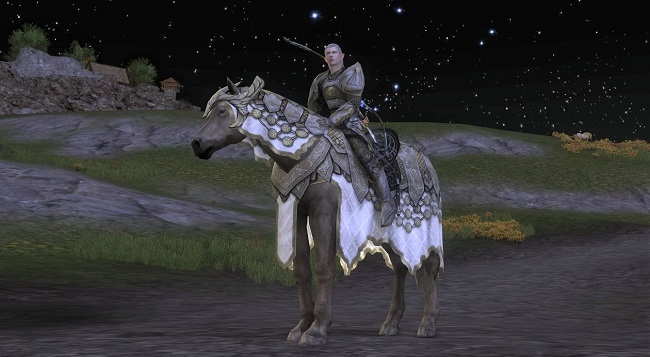
So what have I been up to in April gaming wise? Oh, yes there was this. Mounted combat for the Guardian class is awful. There. I said it. As I’m not a LOTRO “altoholic” my only previous experience with mounted combat was with my Lore-master. Most of their skills are ranged which makes the fights less tedious and time consuming. And you get a combat pet which helps the proceeding slightly, but overall, it’s not that much fun. However fighting via your war steed with a Guardian is a ponderous grind. You have to be in close proximity to your foe to hit them and half the time they are running around you, conspicuously out of range. Sure there’s a skill that brings them next to you for a short period of time but as a level 85 Guardian’s DPS output is distinctly average at this point in the levelling curve, it’s a long, arduous slog to kill anything. My solution has been to summon my skirmish soldier who is an Archer and to use them in conjunction with my own bow to shoot down mounted foes while on foot. This still takes time but is quicker than doing it from horse back.
Never the Twain Shall Meet?
Video games can offer a great opportunity for personal growth. If you are the sort of player who likes to prove themselves and continuously test one’s mettle, then some titles can provide the challenge required to be the best of the best. Hence many games are competitive, have league tables and other formal structures for measuring success. It is one of the reasons why esports have become so popular. But this desire to excel and master a particular play style extends beyond competitive games. For some players part of a games allure is understanding the numbers and stats that drive the game mechanics. Because these are often the key to optimising your build and maximising DPS output. Hence you will find skilled and learned players in a variety of games across multiple genres. Although they are often motivated for different reasons, they all strive to be elite players.
Video games can offer a great opportunity for personal growth. If you are the sort of player who likes to prove themselves and continuously test one’s mettle, then some titles can provide the challenge required to be the best of the best. Hence many games are competitive, have league tables and other formal structures for measuring success. It is one of the reasons why esports have become so popular. But this desire to excel and master a particular play style extends beyond competitive games. For some players part of a games allure is understanding the numbers and stats that drive the game mechanics. Because these are often the key to optimising your build and maximising DPS output. Hence you will find skilled and learned players in a variety of games across multiple genres. Although they are often motivated for different reasons, they all strive to be elite players.
I have been playing video games in some shape or form since the coin-op days of the eighties. But I have never been anything more than an average player. Plus I am motivated primarily by having fun and have never seen any game as some sort of personal trial or path to spiritual enlightenment. That’s not to say that I don’t try and attempt to improve. I just know that I won’t progress beyond a certain level of ability because the fun to work ratio will no longer be to my liking. And I’m not alone in this and have written before about how I believe the majority of gamers are “average” with regard to skill. Which brings me to my point. If you look at the skilled, top tier gamers and the average players in terms of a venn diagram, then there’s not a lot of overlap. Depending on the genre of game, I think that overlap reduces even further.
I joined a kinship (guild) in The Lord of the Rings Online in 2009 and I’m still in it. It has some extremely knowledgeable players who are skilled at multiple classes. Occasionally we will do group content and these players will “coach” (or even carry) the less able players. They are often already familiar with the dungeon or raid in question because they’ve completed it numerous time’s with their skilled peers. They spend the majority of their time with players of comparable abilities. When they do help out with what I shall politely call “The B Team”, I often become acutely aware of the disparity in skill and DPS. Hence the Ralph Wiggum meme at the top of this post. And once the group content is done they politely withdraw and go back to “swimming at the deep end of the pool”. The social panel in LOTRO tells players where their friends and colleagues are and whether they’re in a group. These folk are always busy doing the “hard stuff”.
At least in the MMO genre, you may occasionally encounter top tier players. I find that in other genres such as FPS games, there is clear segregation based on skill. When I play Call of Duty Modern Warfare Multiplayer, I will frequently play game styles and specific maps that do much to level the playing field. The small confined space of the “Shipment” map means that there’s scope to get by on luck and sporting a loadout that allows you to fire from the hip. Although I do encounter good players who are well versed in tactics and have good reactions, there is a chance to counter them. But I find that the players I encounter in Battle Royale and Plunder mode are broadly comparable to myself. Let it suffice to say that the quality of players I see in the various YouTube clip shows that I watch, have never crossed my path. Not that I’m complaining. Players should be grouped with those of similar skill.
Now I’m not advocating that this naturally occurring segregation of gamers based upon skill is a bad thing. Skilled players mainly prefer the company of their peers. Average players do not like being “target practise” and “cannon fodder” for the elite. And both groups are paying customers and as such should be afforded an experience that they enjoy. But it is curious how gaming is often spoken of as a shared experience and something that a wide variety of people have in common, when the reality is far more compartmentalised. Most MMO players have never participated in a raid. Many of those who enjoy the Battle Royale genre have yet to win a game. The reality is that a lot of video game content is never played, exotic weapons remain locked and achievements, accolades and deeds are left incomplete. Although we are united by the fact that we all play video games, that is where the common ground both starts and ends.
I find the concept of in-game radio stations fascinating. They’re an enjoyable aspect of open world video games and I have discovered several artists this way. They’re certainly a big deal as far as Rockstar Games are concerned, because the music selected for GTA VI is another important facet of the overall marketing campaign. So far, between two trailers and the sprawling extended look on Netflix, it has been determined that Tom Petty, the Pointer Sisters, Sexyy Red, Depeche Mode, Phil Collins, Birdman, Lil Wayne and the Bellamy Brothers are all part of the game soundtrack. That’s a very eclectic selection so far. Furthermore, there will be a 34 track album released on physical media (vinyl and CD) in conjunction with Atlantic Records.
Two years ago I wrote a post about fine tuning your graphics in the MMORPG The Lord of the Rings Online. Apart from installing ReShade and using AMD Adrenalin, the options were somewhat limited, due to the game’s age and multiplayer status. Since then, I’ve been playing LOTRO with the game settings maxed out, a custom ReShade profile to make the colour palette more vivid and Radeon Image Sharpening enabled within the AMD software. The game looks clear, crisp and the draw distance is pretty good for an ageing game but I still wish the graphics could be tweaked further. Hence, I’ve been trawling the internet in a vain attempt to see if I can find any third party utilities that could be used to enhance LOTRO further. During the course of my search I stumbled across DLSS 5 Manager. This is an open-source, intelligent utility and one-click mod installer designed to inject and manage Nvidia's DLSS 5 neural rendering features, ReShade, and OptiScaler into PC games.
Hellraiser (1987) was one of he most innovative and intelligent horror films of the eighties, with its cerebral and sophisticated exploration of pleasure, pain and the supernatural. Sadly what was a great concept for a single film was turned into yet another horror franchise. The resulting series of increasingly inferior sequels ultimately diminished the central idea. However, in recent years several horror “brands” have found a new lease of life via the medium of video games, so the announcement of Hellraiser: Revival last summer piqued my interest. The fact that author Clive Barker was directly involved certainly raised my expectations. However, even though video games have a history of depicting sex and violence, would the medium be able to fully embrace the true nature of Barker’s original novella and original film. Having played through the newly released demo for Hellraiser: Revival, I believe the answer is a yes.
Are video games becoming easier? It’s a perennial subject that is frequently discussed by those who play them. Often the question of whether they have actually become easier is not the focus of the debate, as it seems to be broadly recognised that it is the case. Instead, discussion of this matter tend to drift into the rectitude of this change. Debate’s of this nature are usually awash with subjective opinions and personal preferences which are then put forward as objective facts. It’s not just a question of video games becoming easier, it’s the fact that making them easier is “wrong” and those who want them as such are “not proper gamers” etc. The hours that have been lost to this pointless, tedious debate are uncountable. However, I digress. Let us return to the matter of video games becoming easier, because although fans discuss this a lot and have plenty to say, you don’t often hear from the developers on this subject.
Some video games lend themselves to being set aside and resumed at a later date with zero consequences. These are often casual games with no major goals other than having fun while playing them. Fall Guys is a great example of this. You have a cartoony avatar that participates in zany group races, filled with obstacles. You run, jump, climb but the controls are far from difficult. You may well become skilled but such things are mitigated by the other players as they stumble around. You’re not at the mercy of apex players or “try hards”. It is not a game about winning and mastering techniques. The fun comes from playing it and the unique experience you have each time. I’ve been playing this game, on and off, since it’s launch in 2020 and in that time I have only ever won once (winning requires you to win a series of 4 to six individual races). However, whenever I pick up my controller and play Fall Guys, I have fun and the game lifts my spirits.
I recently completed the main story in Tainted Grail: The Fall of Avalon. In total I spent about sixty hours playing the game. I began at the start of the year, then took a break for a while but returned to it recently because I wanted to see if I could unlock a specific ending. I did manage to do this. Like so many other RPGs, Tainted Grail: the Fall of Avalon has a central storyline, along with a wealth of side quests, based around factions in specific zones. I think I possibly completed about a two thirds of these. However, once I finished the main story, my interest in the game began to wane. I finally left my character in the last major quest hub in case I wish to return at a future date. I then logged out of the game and uninstalled it from my PC to free up space for whatever I was to play next. In this case its The Sinking City 2. None of this is a negative reflection on Tainted Grail: the Fall of Avalon. I enjoyed the time I spent playing this quirky RPG. I simply had my fill and left to play something else.
On Tuesday 11th April, Aspyr Media rather surprisingly re-released The Lord of the Rings: War in the North, a co-op action-RPG from 2011. This game was delisted in late 2019, possibly due to changing rights ownership or a license expiring. Hence, I was somewhat discombobulated by the return of this title to all major gaming platforms. Mind you, the Embracer Group (through its subsidiary Middle-earth Enterprises) still controls the worldwide commercial and video game licensing rights for The Lord of the Rings and The Hobbit. Furthermore they have explicitly stated that they have plans for more games. It would appear this also means re-releasing and updating old favourites. It is also worth noting that they own Aspyr Media, which is also a bit of a giveaway. Let it suffice to say that this re-release and sparked enthusiastic online debate as to whether any other he Lord of the Rings themed games from the same era will receive a similar makeover. Judging by the internet chatter, there’s potentially a market for them.
The next expansion for the MMORG, The Lord of the Rings Online, was announced on the 1st August, via the gaming website MMORPG.The Wolves of Mordor, which will launch later in the year, appears ambitious in scope as it will include two new game systems as well as the obligatory story update. This expansion takes place in Draugardh located in the North East of Mordor, beyond the Plateau of Gorgoroth. It includes the new zones of Heledhris, Parth Rhavas and Nan Ogol. These vary environmentally ranging from the arid, volcanic and semi-tropical. Players will encounter the Daugrim in these regions, Werewolves but not in the modern sense. This is not the lycanthropy of Eastern European legends but in the established Tolkien idiom of fell spirits inhabiting the bodies of Wolves. The region also sees the return of the Woses and players can expect to encounter Elves and scouts from Gondor. As ever with LOTRO expansions, there will be new instances as well as a raid.
This is a post about the power of nostalgia and how sometimes, interacting with something from your past, be it physically or mentally, can produce a very strong and tangible emotional reaction. In some instances, this can be the result of something that you have specifically set out to do. On other occasions you can wander into a sense of nostalgia purely by chance. Today I experienced a very strong sense of nostalgia while watching a YouTube video and then again when I sought to replicate what I had seen. The video showed someone installing Windows 95 on to an old 486 PC from that era. The Window’s start up sound really touched a nerve (but in a good way) and then when the guy in the video launched Space Cadet 3D Pinball, a game that shipped with the operating system, I felt a strong compulsion to track down a copy and install the game myself, thus revisiting something that was an integral part of my life in 1995.
RV There Yet? is possibly the most entertaining game I’ve never played. My vicarious pleasure regarding this title has come exclusively from watching two popular YouTubers, JackFrags and WillFromWork, play through the game over a series of videos. It has been immensely amusing to watch and I have empathised a great deal as the group of four players has struggled with the game’s unpredictable mechanics and their own team’s dynamic. I could go and buy RV There Yet? myself but I doubt if I would ever have a gaming experience anywhere close to what I’ve watched online recently. So in some respects watching these videos has been an interesting alternative as I’ve been entertained, which ultimately is the point of video games. Perhaps there is a deeper philosophical point here that the game developers should reflect upon, as they’ve lost a potential sale. However, that is separate discussion for another day.
I don’t keep up with gaming news as much as I use to but several noteworthy announcement have come to my attention of late. Firstly, there’s an expansion, Songs of the Past, coming for the Witcher III: Wild Hunt in 2027. No doubt this is to pave the way for the Witcher IV. Next, I also found out about Hand of Fate: Horde. I liked this franchise and was saddened to learn that the original studio, Defiant Development, closed. Hence is was a pleasant surprise to see this new game being developed by members of the original studio. The third announcement was regarding Guild Wars 3. A new MMORPG in active development by a major studio is no small feat and is certainly good news for fans of this franchise and the genre per se. However, once you look beyond this news this announcement raises several questions and has certainly given me pause for thought. Let us take a few moments to consider them.
Star Trek Online has many in-game systems that are common to the MMORPG genre. The reputation system is one such example. In STO there are 13 reputation factions. Once a player has reached level 50 they may start progressing through the 6 reputation tiers of each one. Players gain progression through daily projects (20 hours in duration). Hourly projects are also available though they yield less reputation advancement and are limited to three times a day. Hence 20 hour projects are consider by default the most efficient way to gain rep. Projects require 30 Faction Specific Marks (earned via various activities in-game), 15,000 Energy Credits (standard in-game currency) and 2000 Expertise points. The most efficient way to tackle the reputation grind is to build up the necessary resources in advance and then at a designated time each day, start all 13 respective projects. Upon completion projects yield a player bound lockbox containing a random space or ground weapon, a console or Elite Marks which can be used to acquire faction gear.
I was recently perusing my archive of old blog posts, when it struck me how much I’ve written about the MMORPG genre over the years. Naturally, there was far more material from between 2008 and 2012 as that was period when I immersed myself in the genre and was very enthusiastic about it. I was at a point in my life when I had the time to dedicate to such games and I was happy to participate in the social aspect of they offered. I would regularly play through group content and spend time socialising online with fellow guild members. My experience remains a textbook example of how online games can be more than the sum of their parts and that where you are at in your life has a major impact upon your overall enjoyment. As I read though various old posts it became clear that my experiences where specific to this particular part of my life and that they cannot be repeated. My relationship with the genre is very different now and that’s fine.
Creating alts is an integral aspect of the MMORPG genre. Many players will create a character of a specific class or faction, play it for a while, lose interest in it or they may decide that it is just not for them. Fortunately it is no effort at all to simply re-roll a new alt and set off once again. Furthermore, lots of players never reach level cap of the MMORPG that there playing. When the going get’s tough, so to speak, you can either soldier on for another 50 levels or simply create a new alt and return to the comfort of tried and tested content. Alts also give you the chance to secure an accolade or achievement that you previously missed. They are also of great benefit to the genres social aspects. Creating a new alt so you can play along with a friend who is just starting is great fun. Developer’s love them too as it means you’re still playing the game.
I recently took a break from Crimson Desert choosing instead to to play something familiar and easy going. As I’ve been logging into Star Trek Online daily to participate in the anniversary event, I decided to look through my various alts and see how far they had progressed through the game and what resources they had. At present I have twelve alts. My primary Captain was created in 2015 during the original Delta Recruit Event. I had previously played STO intermittently since its release in January 2010 but I never kept any of those characters. Hence this decade old Tactical Federation Captain has been my main focus when playing. The other eleven alts are the result of other recruitment events or whenever I wanted to try something different, such as playing a specific class or faction. I obviously played a lot of STO during the lockdown as several alts date from that period. Several had maximum reputation across all factions.
The action, open world RPG Crimson Desert has been patched five times since it launched on March 19th and there have also been multiple hotfixes. At first glance this isn’t anything unusual. New games have bugs and issues arise once a game is released and played across a much wider variety of hardware than in QA testing. However, if you read the patch notes that accompany these sizeable downloads it quickly becomes apparent that developer’s Pearl Abyss are not just addressing bugs and software glitches. They are actively engaging with their player base and responding to suggestions and requests from that community. Although this is not a unique approach, what is surprising is the speed and quantity in which these player driven changes are happening. There seems to be an active ongoing process to refine the game and eliminate some of its “rough edges” and the players are contributing to this process with their feedback.
According to my Steam statistics, I last played Starfield on 19th December 2023. I bought the game upon its release in September of that year and played in total for 136 hours. Starfield held my interest for three and a half month and I wrote seven blog posts about various aspects of the game. Although there were some engaging aspects to Starfield, I did feel that that the game was somewhat lacking in systems and content, at that point in its lifecycle. I also think that the marketing and player expectations associated with Starfield were overblown and unrealistic. The shadow of Skyrim looms large over all new Bethesda releases and they don’t seem able to quite recapture that magic. Hence, I inevitably drifted away from Starfield and to another game and was effectively “done” with it. I have not played the game since which seems to validate the theory that game are becoming increasingly more ephemeral.
13 days after its release, market analysts estimate that Crimson Desert has already earned $200 million across the four main platforms (PC, PlayStation 5, and Xbox Series X and S). The game is certainly proving popular among gamers with the internet awash with live streams and “let’s play” videos. However, reviews are mixed both among gaming journalists and YouTube influencers. Common complaints about the game include that it is slow to start, the controls are poorly laid out on all platforms and that developer’s Pearl Abyss have done a poor job of explaining most aspects of the game to new players. Although such criticisms are true to a degree, I think these complaints highlight how many gamers are conditioned to expect new titles to follow a specific pattern with regard to pacing, narrative exposition and learning in-game systems. A pattern that Pearl Abyss has chosen to ignore, instead favouring an old school approach.
Early on Crimson Desert, the main quest requires the player to enter a tavern and arm wrestle a particularly strong guard. The arm wrestling match consists of a quick time event. If playing on PC you have to rapidly press the “E” key which turns a power meter from white to red. Then a white dial appears above the meter with a rotating hand. When the hand passes over a segment of the dial that is marked by hatching, the player must press the “R” key. The idea being the meter filling with red is you strength building (or waning) and the “R” key prompt indicates when to try and force your opponent’s arm. You will need to to continuously press the “E” key throughout the arm wrestling match and the “R” key about 4 times to win.
Earlier this week, Nvidia posted a video featuring their latest iteration of DLSS technology (Deep learning super sampling). DLSS 5 is an AI-powered “real-time neural rendering” process and unlike previous versions that focused on improving frame rates through upscaling or frame generation, DLSS 5 uses generative AI to “infuse” frames with photorealistic lighting and material details that the game engine never actually calculated. Let us pause for a moment and consider these words. Material detail that the game engine never actually calculated. Therein lies the rub. If you watch the aforementioned video or peruse the images posted here, it is abundantly clear what the technology does.
Last night, I spent the first 45 minutes after the launch of Crimson Desert, watching the 92GB pre-downloaded game files slowly decompressing and installing. I finally launched the game at about 10:50 PM GMT. I then waited a further 5 minutes while shaders were downloaded. It took me about 15 minutes or so to read through the various game settings and choose those that are optimal for my PC. I suspect even if you have a beast of a computer, you’re still going to have to spend some time tweaking settings. As for those players like myself with a gaming rig that is somewhere in the middle of the game’s specifications, be prepared to do a lot of fine tuning both within Crimson Desert itself and your Windows settings.
I have been aware of the online interest around the open world action game Crimson Desert for a while now. One of the things that has intrigued me about it is the scope of the game. The word “hype” has been bandied about by a few gaming websites. However, from what I have observed, developers Pearl Abyss have not been excessively hyperbolic themselves, with regard to the manner in which the game’s systems and mechanics have been marketed. Now that the press embargo has been lifted, the pre-release reviews seem to confirm that everything we’ve seen in promotional videos in the run up to the launch, is in fact present in the game. So far the initial critical response has been very positive and it has been hinted that the game may well be a genre milestone. Perhaps Crimson Desert is just a rare example of a game that has not had a rushed development and isn’t launching prematurely for business reasons.
Video games as a genre are extremely poor at explaining themselves. When you buy a new game you’ll often find little or no information regarding the basic systems and mechanics. The industry assumes that their customers are by default familiar with the fundamentals of playing a modern video game. Hence if a game has a tutorial, it is often based around videos rather than detailed verbal instructions. You are are briefly shown a clip of a specific move being successfully undertaken but it is seldom shown in a wider context. The industry also expects the fan community to take on the role of curating and disseminating information about its games. The move away from forums and bespoke websites to Discord highlights this. Discord is a primarily a real time communication tool and not good at maintaining a historical data archive. If you want an answer to a specific gaming question, you’ll more than likely find it on YouTube in a video made by a fellow gamer.
I have written in the past about the video games we cannot play. The ones that require a keen understanding of a game’s mechanics, along with a strong degree of manual dexterity and situational awareness. Being 58 years old, I tend to have neither the co-ordination necessary to succeed or the patience to master such complex skill requirements. With this in mind, I recently watched a YouTube video for Chivalry 2 and thought, that looks like fun. The fact that it showed someone picking up a chicken and throwing it at an opponent is neither here nor there. However, after watching a few more videos I realised that combat in the game was complex and that, as usual, the reality of playing such a game would be different from my expectations. Hence, I came very close to not buying Chivalry 2. However, I eventually decided that I would, so I bought it for just under £10 from an online vendor.
I decided to pursue a magic and spellcasting build in the RPG Tainted Grail: The Fall of Avalon after the story prologue. During the opening section of the game, the player is presented with a sufficient range of weapons to determine which type suits them best, although you can change at any time during the game. For me, casting spells feels right and is fun. Plus I have fond memories of the magic system in Two Worlds II and Skyrim. So once I started playing through the first zone, I started putting attribute and skill points into the appropriate trees to bolster my spells strengths and frequency. I also chose gear that would bolster those statistics further. The results have been surprising, as magic and spellcasting is not presented in the usual “glass cannon” style you find in some other RPGs. Here it offers robust DPS output and with the right gear and spell combination, a strong degree of survivability.
I originally bought Warhammer: Dark Omen in the summer of 1998. I played a demo copy via a magazine cover disc, which was a common means of promotion and marketing back then. Although I was at that point, unfamiliar with the Warhammer Universe, I found this game to be an excellent point of entry. The story did an excellent job of introducing players to “The Old World”, the political and power structure and major characters. I instantly liked both the aesthetic and the lore. Warhammer: Dark Omen was also the first real-time tactical wargame that I played and I spent numerous hours playing through the campaign. Overall, the game was a critical success, particularly on PC, but it struggled commercially upon its initial release and didn’t quite find the audience that it deserved. However, it has achieved status as a “cult classic” among gamers, leading to a recent re-release on GOG in late 2025.
According to the recent “letter to the players”, Standing Stone Games will be adding a new zone to the MMORPG The Lord of the Rings Online in the second quarter of this year. Possibly around May or June. Having spent the last three expansions in the South of Middle-earth exploring the tropical Umbar and the deserts of Harad, I would certainly welcome a change of location. I have gradually warmed to these zones over the last eighteen months but I do find them so incongruous. They are so radically different to the European style content that has been the mainstay of the game for so long. Tolkien’s source text has plenty of detail regarding Eriador and Rhovanion. Information regarding Harad is scarce, hence it has afforded the developers a great deal of artistic freedom. Although exceedingly well realised these tropical zones have taken a while for me to get used to.
I’m not sure exactly when it started but I’ve recently noticed a graphical bug within the MMORPG The Lord of the Rings Online. This problem often occurs within caves or in areas where there are a lot of rocky surfaces. Hence it has become very apparent in the latest two expansions, set in Umbar and Harad. This graphical glitch causes some surface textures to appear to flash from light to dark intermittently. The resulting strobe effect is hard to ignore and very distracting. Fortunately, a quick online search showed that this is not a problem unique to my installation of LOTRO and is a known problem. Furthermore, there is a very simple workaround, which is to go into the Advanced Graphics setting and uncheck “Per Pixel Lighting”, which immediately remedies the problem. I have no idea why this has recently started to happen but at least it can be resolved.
Call of Duty Modern Warfare
I originally climbed aboard the Call of Duty bandwagon in 2009 when Modern Warfare 2 came out. I enjoyed the campaign and the multiplayer so much I promptly bought the first instalment. I then stuck with the franchise up until 2013. I didn’t especially like Ghosts, although I enjoyed the option to play as a dog which was different. Overall I was somewhat tired of the FPS genre from then on and so didn’t keep up with any further releases. For me the best iteration of the game was Black Ops in 2010. The campaign had a densely plotted story and the multiplayer was extremely polished. The multiplayer maps were well conceived allowing for fluid and engaging gameplay. Six years on and I recently got an itch to play Call of Duty again. The soft reboot of the franchise with Modern warfare in November 2019 promised a return to basics. The recent inclusion of a battle royale mode with the release of Warzone finally clinched the deal. So I bought a discounted version of the standard game recently and dived back in.
I originally climbed aboard the Call of Duty bandwagon in 2009 when Modern Warfare 2 came out. I enjoyed the campaign and the multiplayer so much I promptly bought the first instalment. I then stuck with the franchise up until 2013. I didn’t especially like Ghosts, although I enjoyed the option to play as a dog which was different. Overall I was somewhat tired of the FPS genre from then on and so didn’t keep up with any further releases. For me the best iteration of the game was Black Ops in 2010. The campaign had a densely plotted story and the multiplayer was extremely polished. The multiplayer maps were well conceived allowing for fluid and engaging gameplay. Six years on and I recently got an itch to play Call of Duty again. The soft reboot of the franchise with Modern warfare in November 2019 promised a return to basics. The recent inclusion of a battle royale mode with the release of Warzone finally clinched the deal. So I bought a discounted version of the standard game recently and dived back in.
This post is not intended as a review. There have been plenty of those already. What I mainly want to do is share a few thoughts on the way Call of Duty Modern Warfare handles the various kinds of multiplayer modes. The campaign is acceptable and does what it’s supposed to do. Does it go out of its way to be controversial? Yes but the franchise has form for this. But let’s face it, these games are bought for their multiplayer component and that is where the franchise strength and innovation has always been. At present (Season 3) there are over forty multiplayer maps available in the game. Some of these are small and deliberately confined, offering rapid gameplay for small teams (2vs2). Then there are medium maps offering a more traditional multiplayer experience. Some of these are remakes of classic maps from CoD4, CoD MW2 and CoD MW3. And then there are the larger ground war maps, designed for 64 players in total. These offer a far more tactical approach to the game, rather than pure run and gun gameplay.
Out of all game modes, I enjoy Team Deathmatch the most. For me this is the most purest multiplayer experience to be found in CoD MW, unburdened with complexity or gimmicks. However in the latest instalment of the game, the degree of my enjoyment is very dependent upon which map is being played. Some such as Azhir Cave or Hackney Yard offer a sufficient variety of environments to afford the player a good choice in loadouts. These maps provide fluid gameplay but the players still have a choice of strategy. This is CoD MW at its best. However, the dial gets turned up to 11 on many of the smaller maps such as Gulag Showers. These are fine if they are played with the correct size team but if utilised with larger populations they become just a frenzied free-for-all. Spawn, spray gun fire, die, rinse and repeat. It’s manic gameplay that means that everyone will get a number of kills simply by random chance. And then there’s the Ground War maps which work best if each team plays in a collaborative and coordinated manner. Or else you spend half your time just trying to find where everyone else is at. Alternatively you can dig in and camp.
Then there’s the Plunder Mode, where the objective is to collect cash hidden around the map and then arrange for its collection. The principle is sound but the reality of the situation is not the same as the concept that is sold during the tutorial. The matches often take far too long. They’re limited to either 30 minutes maximum (which is forever in this fast paced genre) or until either squad has collectively banked $1 million. All too often the majority of players are concentrated in one area of the map, focusing on the same stash of money. These fights again just become a free for all, which makes them initially amusing but such an approach gets old quickly. Unlike the Warzone multiplayer experience there is no mechanic that forces the gameplay along or advances the situation. As a result Plunder Mode often descends into a “wee stooshie”, robbing players who crave a more measured approach of any measured fun.
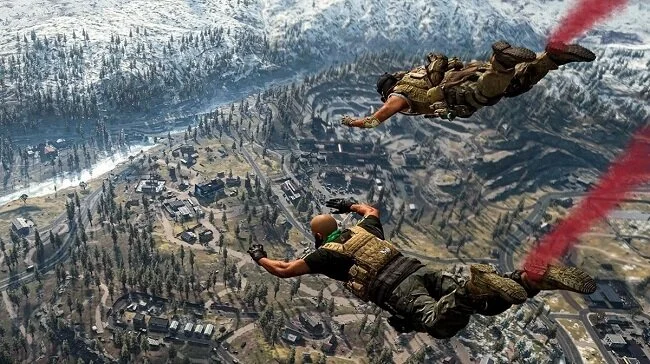
Finally, Warzone is a surprisingly good attempt at the Battle Royale genre from the Call of Duty developers. It manages to add just enough innovation to the formula to make it sufficiently different from other games. The standout mechanic is the chance to re-enter the game, if you die early on. You respawn in the Gulag Showers map armed with just a sidearm and go one on one with another player. The victor is redeployed in the Warzone. Then there’s the looting in the actual combat zone itself, which is streamlined and equitable in the initial stages of the game. However, there is the ability to have prebuilt loadouts air dropped into the game and this can make a sizable difference to proceedings. Experienced players therefore tend to end the latter stages of the game better geared and with useful killstreaks and buffs. Warzone also works better with team based gameplay as this encourages a more proactive approach to exploring the map and seeking out the enemy.
As ever with multiplayer games, the wild card in the proceedings is the human element. If you play with a group of friends then you’ll more than likely find the engaging gameplay you seek. Play with strangers and it becomes far more of a lottery. Players will abandon pick up groups if they underachieve or differ in skill. Playing Warzone with 150 solo players is also a challenge. The sensible thing to do is the aim for where you think the centre of the ever decreasing circle will be, grab a weapon and find somewhere to dig in. You can frequently find yourself in the last remaining 20 players this way but it doesn’t make for the most compelling gameplay. Also joining a game populated by experienced players who know the maps well and have unlocked optimal loadouts can also make Team Deathmatch an uphill struggle. The flaw in most of the multiplayer permutations in CoD MW is that you have to play a lot to unlock resources and learn your way around before you get the most out of the game. Hence newer players may well become despondent at being cannon fodder and thus leave the game.
However, CoD MW has a saving grace that can throw a lifeline to new players who find themselves battling the learning curve. There is a multiplayer practise mode which allows you to play against bots of varying difficulty. It allows you to customise your loadout (and there is an insane amount of scope to customize your weaponry), pick a specific map and experiment with the various game modes. Furthermore, the AI of the bots is quite challenging. There is also a tutorial for Warzone, although it is confined to a specific part of the map (The Quarry) and doesn’t offer the scope of the other multiplayer practise modes. I would certainly recommend practise mode, especially for those players who dislike live PVP and its associated “culture”. Overall, Call of Duty Modern Warfare offers exactly what it claims to and if approached with the right mindset, will provide varying degrees of entertainment. If you have friends you can play with, then you’ll experience the best that the franchise can offer. As ever dedicated servers are sorely missed and every now and then you’ll have a poor game due to the players or the host quitting. The developers also need to come up with an incentive for players to stick around until the end of the match. However such issues have always been inherent with any sort of PvP. If you bear all of this in mind then the latest instalment of CoD can offer you hours of entertainment.
I find the concept of in-game radio stations fascinating. They’re an enjoyable aspect of open world video games and I have discovered several artists this way. They’re certainly a big deal as far as Rockstar Games are concerned, because the music selected for GTA VI is another important facet of the overall marketing campaign. So far, between two trailers and the sprawling extended look on Netflix, it has been determined that Tom Petty, the Pointer Sisters, Sexyy Red, Depeche Mode, Phil Collins, Birdman, Lil Wayne and the Bellamy Brothers are all part of the game soundtrack. That’s a very eclectic selection so far. Furthermore, there will be a 34 track album released on physical media (vinyl and CD) in conjunction with Atlantic Records.
Two years ago I wrote a post about fine tuning your graphics in the MMORPG The Lord of the Rings Online. Apart from installing ReShade and using AMD Adrenalin, the options were somewhat limited, due to the game’s age and multiplayer status. Since then, I’ve been playing LOTRO with the game settings maxed out, a custom ReShade profile to make the colour palette more vivid and Radeon Image Sharpening enabled within the AMD software. The game looks clear, crisp and the draw distance is pretty good for an ageing game but I still wish the graphics could be tweaked further. Hence, I’ve been trawling the internet in a vain attempt to see if I can find any third party utilities that could be used to enhance LOTRO further. During the course of my search I stumbled across DLSS 5 Manager. This is an open-source, intelligent utility and one-click mod installer designed to inject and manage Nvidia's DLSS 5 neural rendering features, ReShade, and OptiScaler into PC games.
Hellraiser (1987) was one of he most innovative and intelligent horror films of the eighties, with its cerebral and sophisticated exploration of pleasure, pain and the supernatural. Sadly what was a great concept for a single film was turned into yet another horror franchise. The resulting series of increasingly inferior sequels ultimately diminished the central idea. However, in recent years several horror “brands” have found a new lease of life via the medium of video games, so the announcement of Hellraiser: Revival last summer piqued my interest. The fact that author Clive Barker was directly involved certainly raised my expectations. However, even though video games have a history of depicting sex and violence, would the medium be able to fully embrace the true nature of Barker’s original novella and original film. Having played through the newly released demo for Hellraiser: Revival, I believe the answer is a yes.
Are video games becoming easier? It’s a perennial subject that is frequently discussed by those who play them. Often the question of whether they have actually become easier is not the focus of the debate, as it seems to be broadly recognised that it is the case. Instead, discussion of this matter tend to drift into the rectitude of this change. Debate’s of this nature are usually awash with subjective opinions and personal preferences which are then put forward as objective facts. It’s not just a question of video games becoming easier, it’s the fact that making them easier is “wrong” and those who want them as such are “not proper gamers” etc. The hours that have been lost to this pointless, tedious debate are uncountable. However, I digress. Let us return to the matter of video games becoming easier, because although fans discuss this a lot and have plenty to say, you don’t often hear from the developers on this subject.
Some video games lend themselves to being set aside and resumed at a later date with zero consequences. These are often casual games with no major goals other than having fun while playing them. Fall Guys is a great example of this. You have a cartoony avatar that participates in zany group races, filled with obstacles. You run, jump, climb but the controls are far from difficult. You may well become skilled but such things are mitigated by the other players as they stumble around. You’re not at the mercy of apex players or “try hards”. It is not a game about winning and mastering techniques. The fun comes from playing it and the unique experience you have each time. I’ve been playing this game, on and off, since it’s launch in 2020 and in that time I have only ever won once (winning requires you to win a series of 4 to six individual races). However, whenever I pick up my controller and play Fall Guys, I have fun and the game lifts my spirits.
I recently completed the main story in Tainted Grail: The Fall of Avalon. In total I spent about sixty hours playing the game. I began at the start of the year, then took a break for a while but returned to it recently because I wanted to see if I could unlock a specific ending. I did manage to do this. Like so many other RPGs, Tainted Grail: the Fall of Avalon has a central storyline, along with a wealth of side quests, based around factions in specific zones. I think I possibly completed about a two thirds of these. However, once I finished the main story, my interest in the game began to wane. I finally left my character in the last major quest hub in case I wish to return at a future date. I then logged out of the game and uninstalled it from my PC to free up space for whatever I was to play next. In this case its The Sinking City 2. None of this is a negative reflection on Tainted Grail: the Fall of Avalon. I enjoyed the time I spent playing this quirky RPG. I simply had my fill and left to play something else.
On Tuesday 11th April, Aspyr Media rather surprisingly re-released The Lord of the Rings: War in the North, a co-op action-RPG from 2011. This game was delisted in late 2019, possibly due to changing rights ownership or a license expiring. Hence, I was somewhat discombobulated by the return of this title to all major gaming platforms. Mind you, the Embracer Group (through its subsidiary Middle-earth Enterprises) still controls the worldwide commercial and video game licensing rights for The Lord of the Rings and The Hobbit. Furthermore they have explicitly stated that they have plans for more games. It would appear this also means re-releasing and updating old favourites. It is also worth noting that they own Aspyr Media, which is also a bit of a giveaway. Let it suffice to say that this re-release and sparked enthusiastic online debate as to whether any other he Lord of the Rings themed games from the same era will receive a similar makeover. Judging by the internet chatter, there’s potentially a market for them.
The next expansion for the MMORG, The Lord of the Rings Online, was announced on the 1st August, via the gaming website MMORPG.The Wolves of Mordor, which will launch later in the year, appears ambitious in scope as it will include two new game systems as well as the obligatory story update. This expansion takes place in Draugardh located in the North East of Mordor, beyond the Plateau of Gorgoroth. It includes the new zones of Heledhris, Parth Rhavas and Nan Ogol. These vary environmentally ranging from the arid, volcanic and semi-tropical. Players will encounter the Daugrim in these regions, Werewolves but not in the modern sense. This is not the lycanthropy of Eastern European legends but in the established Tolkien idiom of fell spirits inhabiting the bodies of Wolves. The region also sees the return of the Woses and players can expect to encounter Elves and scouts from Gondor. As ever with LOTRO expansions, there will be new instances as well as a raid.
This is a post about the power of nostalgia and how sometimes, interacting with something from your past, be it physically or mentally, can produce a very strong and tangible emotional reaction. In some instances, this can be the result of something that you have specifically set out to do. On other occasions you can wander into a sense of nostalgia purely by chance. Today I experienced a very strong sense of nostalgia while watching a YouTube video and then again when I sought to replicate what I had seen. The video showed someone installing Windows 95 on to an old 486 PC from that era. The Window’s start up sound really touched a nerve (but in a good way) and then when the guy in the video launched Space Cadet 3D Pinball, a game that shipped with the operating system, I felt a strong compulsion to track down a copy and install the game myself, thus revisiting something that was an integral part of my life in 1995.
RV There Yet? is possibly the most entertaining game I’ve never played. My vicarious pleasure regarding this title has come exclusively from watching two popular YouTubers, JackFrags and WillFromWork, play through the game over a series of videos. It has been immensely amusing to watch and I have empathised a great deal as the group of four players has struggled with the game’s unpredictable mechanics and their own team’s dynamic. I could go and buy RV There Yet? myself but I doubt if I would ever have a gaming experience anywhere close to what I’ve watched online recently. So in some respects watching these videos has been an interesting alternative as I’ve been entertained, which ultimately is the point of video games. Perhaps there is a deeper philosophical point here that the game developers should reflect upon, as they’ve lost a potential sale. However, that is separate discussion for another day.
I don’t keep up with gaming news as much as I use to but several noteworthy announcement have come to my attention of late. Firstly, there’s an expansion, Songs of the Past, coming for the Witcher III: Wild Hunt in 2027. No doubt this is to pave the way for the Witcher IV. Next, I also found out about Hand of Fate: Horde. I liked this franchise and was saddened to learn that the original studio, Defiant Development, closed. Hence is was a pleasant surprise to see this new game being developed by members of the original studio. The third announcement was regarding Guild Wars 3. A new MMORPG in active development by a major studio is no small feat and is certainly good news for fans of this franchise and the genre per se. However, once you look beyond this news this announcement raises several questions and has certainly given me pause for thought. Let us take a few moments to consider them.
Star Trek Online has many in-game systems that are common to the MMORPG genre. The reputation system is one such example. In STO there are 13 reputation factions. Once a player has reached level 50 they may start progressing through the 6 reputation tiers of each one. Players gain progression through daily projects (20 hours in duration). Hourly projects are also available though they yield less reputation advancement and are limited to three times a day. Hence 20 hour projects are consider by default the most efficient way to gain rep. Projects require 30 Faction Specific Marks (earned via various activities in-game), 15,000 Energy Credits (standard in-game currency) and 2000 Expertise points. The most efficient way to tackle the reputation grind is to build up the necessary resources in advance and then at a designated time each day, start all 13 respective projects. Upon completion projects yield a player bound lockbox containing a random space or ground weapon, a console or Elite Marks which can be used to acquire faction gear.
I was recently perusing my archive of old blog posts, when it struck me how much I’ve written about the MMORPG genre over the years. Naturally, there was far more material from between 2008 and 2012 as that was period when I immersed myself in the genre and was very enthusiastic about it. I was at a point in my life when I had the time to dedicate to such games and I was happy to participate in the social aspect of they offered. I would regularly play through group content and spend time socialising online with fellow guild members. My experience remains a textbook example of how online games can be more than the sum of their parts and that where you are at in your life has a major impact upon your overall enjoyment. As I read though various old posts it became clear that my experiences where specific to this particular part of my life and that they cannot be repeated. My relationship with the genre is very different now and that’s fine.
Creating alts is an integral aspect of the MMORPG genre. Many players will create a character of a specific class or faction, play it for a while, lose interest in it or they may decide that it is just not for them. Fortunately it is no effort at all to simply re-roll a new alt and set off once again. Furthermore, lots of players never reach level cap of the MMORPG that there playing. When the going get’s tough, so to speak, you can either soldier on for another 50 levels or simply create a new alt and return to the comfort of tried and tested content. Alts also give you the chance to secure an accolade or achievement that you previously missed. They are also of great benefit to the genres social aspects. Creating a new alt so you can play along with a friend who is just starting is great fun. Developer’s love them too as it means you’re still playing the game.
I recently took a break from Crimson Desert choosing instead to to play something familiar and easy going. As I’ve been logging into Star Trek Online daily to participate in the anniversary event, I decided to look through my various alts and see how far they had progressed through the game and what resources they had. At present I have twelve alts. My primary Captain was created in 2015 during the original Delta Recruit Event. I had previously played STO intermittently since its release in January 2010 but I never kept any of those characters. Hence this decade old Tactical Federation Captain has been my main focus when playing. The other eleven alts are the result of other recruitment events or whenever I wanted to try something different, such as playing a specific class or faction. I obviously played a lot of STO during the lockdown as several alts date from that period. Several had maximum reputation across all factions.
The action, open world RPG Crimson Desert has been patched five times since it launched on March 19th and there have also been multiple hotfixes. At first glance this isn’t anything unusual. New games have bugs and issues arise once a game is released and played across a much wider variety of hardware than in QA testing. However, if you read the patch notes that accompany these sizeable downloads it quickly becomes apparent that developer’s Pearl Abyss are not just addressing bugs and software glitches. They are actively engaging with their player base and responding to suggestions and requests from that community. Although this is not a unique approach, what is surprising is the speed and quantity in which these player driven changes are happening. There seems to be an active ongoing process to refine the game and eliminate some of its “rough edges” and the players are contributing to this process with their feedback.
According to my Steam statistics, I last played Starfield on 19th December 2023. I bought the game upon its release in September of that year and played in total for 136 hours. Starfield held my interest for three and a half month and I wrote seven blog posts about various aspects of the game. Although there were some engaging aspects to Starfield, I did feel that that the game was somewhat lacking in systems and content, at that point in its lifecycle. I also think that the marketing and player expectations associated with Starfield were overblown and unrealistic. The shadow of Skyrim looms large over all new Bethesda releases and they don’t seem able to quite recapture that magic. Hence, I inevitably drifted away from Starfield and to another game and was effectively “done” with it. I have not played the game since which seems to validate the theory that game are becoming increasingly more ephemeral.
13 days after its release, market analysts estimate that Crimson Desert has already earned $200 million across the four main platforms (PC, PlayStation 5, and Xbox Series X and S). The game is certainly proving popular among gamers with the internet awash with live streams and “let’s play” videos. However, reviews are mixed both among gaming journalists and YouTube influencers. Common complaints about the game include that it is slow to start, the controls are poorly laid out on all platforms and that developer’s Pearl Abyss have done a poor job of explaining most aspects of the game to new players. Although such criticisms are true to a degree, I think these complaints highlight how many gamers are conditioned to expect new titles to follow a specific pattern with regard to pacing, narrative exposition and learning in-game systems. A pattern that Pearl Abyss has chosen to ignore, instead favouring an old school approach.
Early on Crimson Desert, the main quest requires the player to enter a tavern and arm wrestle a particularly strong guard. The arm wrestling match consists of a quick time event. If playing on PC you have to rapidly press the “E” key which turns a power meter from white to red. Then a white dial appears above the meter with a rotating hand. When the hand passes over a segment of the dial that is marked by hatching, the player must press the “R” key. The idea being the meter filling with red is you strength building (or waning) and the “R” key prompt indicates when to try and force your opponent’s arm. You will need to to continuously press the “E” key throughout the arm wrestling match and the “R” key about 4 times to win.
Earlier this week, Nvidia posted a video featuring their latest iteration of DLSS technology (Deep learning super sampling). DLSS 5 is an AI-powered “real-time neural rendering” process and unlike previous versions that focused on improving frame rates through upscaling or frame generation, DLSS 5 uses generative AI to “infuse” frames with photorealistic lighting and material details that the game engine never actually calculated. Let us pause for a moment and consider these words. Material detail that the game engine never actually calculated. Therein lies the rub. If you watch the aforementioned video or peruse the images posted here, it is abundantly clear what the technology does.
Last night, I spent the first 45 minutes after the launch of Crimson Desert, watching the 92GB pre-downloaded game files slowly decompressing and installing. I finally launched the game at about 10:50 PM GMT. I then waited a further 5 minutes while shaders were downloaded. It took me about 15 minutes or so to read through the various game settings and choose those that are optimal for my PC. I suspect even if you have a beast of a computer, you’re still going to have to spend some time tweaking settings. As for those players like myself with a gaming rig that is somewhere in the middle of the game’s specifications, be prepared to do a lot of fine tuning both within Crimson Desert itself and your Windows settings.
I have been aware of the online interest around the open world action game Crimson Desert for a while now. One of the things that has intrigued me about it is the scope of the game. The word “hype” has been bandied about by a few gaming websites. However, from what I have observed, developers Pearl Abyss have not been excessively hyperbolic themselves, with regard to the manner in which the game’s systems and mechanics have been marketed. Now that the press embargo has been lifted, the pre-release reviews seem to confirm that everything we’ve seen in promotional videos in the run up to the launch, is in fact present in the game. So far the initial critical response has been very positive and it has been hinted that the game may well be a genre milestone. Perhaps Crimson Desert is just a rare example of a game that has not had a rushed development and isn’t launching prematurely for business reasons.
Video games as a genre are extremely poor at explaining themselves. When you buy a new game you’ll often find little or no information regarding the basic systems and mechanics. The industry assumes that their customers are by default familiar with the fundamentals of playing a modern video game. Hence if a game has a tutorial, it is often based around videos rather than detailed verbal instructions. You are are briefly shown a clip of a specific move being successfully undertaken but it is seldom shown in a wider context. The industry also expects the fan community to take on the role of curating and disseminating information about its games. The move away from forums and bespoke websites to Discord highlights this. Discord is a primarily a real time communication tool and not good at maintaining a historical data archive. If you want an answer to a specific gaming question, you’ll more than likely find it on YouTube in a video made by a fellow gamer.
I have written in the past about the video games we cannot play. The ones that require a keen understanding of a game’s mechanics, along with a strong degree of manual dexterity and situational awareness. Being 58 years old, I tend to have neither the co-ordination necessary to succeed or the patience to master such complex skill requirements. With this in mind, I recently watched a YouTube video for Chivalry 2 and thought, that looks like fun. The fact that it showed someone picking up a chicken and throwing it at an opponent is neither here nor there. However, after watching a few more videos I realised that combat in the game was complex and that, as usual, the reality of playing such a game would be different from my expectations. Hence, I came very close to not buying Chivalry 2. However, I eventually decided that I would, so I bought it for just under £10 from an online vendor.
I decided to pursue a magic and spellcasting build in the RPG Tainted Grail: The Fall of Avalon after the story prologue. During the opening section of the game, the player is presented with a sufficient range of weapons to determine which type suits them best, although you can change at any time during the game. For me, casting spells feels right and is fun. Plus I have fond memories of the magic system in Two Worlds II and Skyrim. So once I started playing through the first zone, I started putting attribute and skill points into the appropriate trees to bolster my spells strengths and frequency. I also chose gear that would bolster those statistics further. The results have been surprising, as magic and spellcasting is not presented in the usual “glass cannon” style you find in some other RPGs. Here it offers robust DPS output and with the right gear and spell combination, a strong degree of survivability.
I originally bought Warhammer: Dark Omen in the summer of 1998. I played a demo copy via a magazine cover disc, which was a common means of promotion and marketing back then. Although I was at that point, unfamiliar with the Warhammer Universe, I found this game to be an excellent point of entry. The story did an excellent job of introducing players to “The Old World”, the political and power structure and major characters. I instantly liked both the aesthetic and the lore. Warhammer: Dark Omen was also the first real-time tactical wargame that I played and I spent numerous hours playing through the campaign. Overall, the game was a critical success, particularly on PC, but it struggled commercially upon its initial release and didn’t quite find the audience that it deserved. However, it has achieved status as a “cult classic” among gamers, leading to a recent re-release on GOG in late 2025.
According to the recent “letter to the players”, Standing Stone Games will be adding a new zone to the MMORPG The Lord of the Rings Online in the second quarter of this year. Possibly around May or June. Having spent the last three expansions in the South of Middle-earth exploring the tropical Umbar and the deserts of Harad, I would certainly welcome a change of location. I have gradually warmed to these zones over the last eighteen months but I do find them so incongruous. They are so radically different to the European style content that has been the mainstay of the game for so long. Tolkien’s source text has plenty of detail regarding Eriador and Rhovanion. Information regarding Harad is scarce, hence it has afforded the developers a great deal of artistic freedom. Although exceedingly well realised these tropical zones have taken a while for me to get used to.
I’m not sure exactly when it started but I’ve recently noticed a graphical bug within the MMORPG The Lord of the Rings Online. This problem often occurs within caves or in areas where there are a lot of rocky surfaces. Hence it has become very apparent in the latest two expansions, set in Umbar and Harad. This graphical glitch causes some surface textures to appear to flash from light to dark intermittently. The resulting strobe effect is hard to ignore and very distracting. Fortunately, a quick online search showed that this is not a problem unique to my installation of LOTRO and is a known problem. Furthermore, there is a very simple workaround, which is to go into the Advanced Graphics setting and uncheck “Per Pixel Lighting”, which immediately remedies the problem. I have no idea why this has recently started to happen but at least it can be resolved.
The Trivialisation of World War II?
I have enjoyed Sniper Elite 4 and all of the sundry DLC immensely since its release in Spring. The game presents an interesting alternative to the traditional shooter with its stealth based level design. The latest instalment, Obliteration (the third part of an ongoing story), is set in an empty Bavarian town and has an intricate map with an authentic period feel. It offers opportunities for both long range sniping and close quarters stealth kills. Overall, I have found that the franchise provides engaging and complex gameplay, as well as satisfying the players baser need for blood and violence. However, playing this and other similar titles got me thinking. It would appear that World War II, one of the defining periods of the last century that still has ramifications today, is in certain quarters now simply a setting, a plot device or a Hitchcockian MacGuffin. Is the broader subtext of this major event now irrelevant to a generation of players because they have no immediate connection to this period in history? If that is the case, exactly when does it become acceptable for something of this magnitude, to be trivialised in this manner (if that is indeed the case).
I have enjoyed Sniper Elite 4 and all of the sundry DLC immensely since its release in Spring. The game presents an interesting alternative to the traditional shooter with its stealth based level design. The latest instalment, Obliteration (the third part of an ongoing story), is set in an empty Bavarian town and has an intricate map with an authentic period feel. It offers opportunities for both long range sniping and close quarters stealth kills. Overall, I have found that the franchise provides engaging and complex gameplay, as well as satisfying the players baser need for blood and violence. However, playing this and other similar titles got me thinking. It would appear that World War II, one of the defining periods of the last century that still has ramifications today, is in certain quarters now simply a setting, a plot device or a Hitchcockian MacGuffin. Is the broader subtext of this major event now irrelevant to a generation of players because they have no immediate connection to this period in history? If that is the case, exactly when does it become acceptable for something of this magnitude, to be trivialised in this manner (if that is indeed the case).
If memory serves, in early 2010 EA ran into some PR problems during the run up to the launch of Medal of Honor, when it was revealed that in the multiplayer mode players could play as the Taliban. Needless to say, this decision was robustly challenged by sections of the “popular” press, politicians and many bodies representing servicemen and their families. Eventually, EA capitulated and changed the multiplayer game so that the enemy was known as the Opposing Force or OP4 in military jargon. If we dispense with the tabloid hyperbole and faux moral outrage from blustering politicians, it would appear that the main objection to this situation was that there are still many servicemen and women as well as their families that have suffered directly or indirectly at the hands of the Taliban. It is the current and ongoing human connection to the associated events in Afghanistan that were problematic and thus causes potential public outrage.
So, it would seem that time and an emotional link to the matter in hand, decides whether a historical event is either a bonafide setting for a game or nothing more than tasteless exploitation. Because when you apply these criteria to World War II then we find that many people, especially those under twenty-five, have no living relatives that served or grew up during that era. Hence the passage of time renders these profoundly important events into abstract, textbook history. Effectively it becomes something to be read about, but with no immediate bearing on one’s current existence, although obviously the complete opposite is true. This sense of disconnection with the past is further compounded by socio-political and economic change. Culturally speaking contemporary London, as seen through the eyes of a twentysomething, is a world apart from what my Father’s generation experienced, seventy plus years earlier.
Both my Grandfathers served during World War II. One was an Army Surgeon and the other served in the Eighth Army. My Father was born in 1929 and lived in South London during the Blitz. For him and his peers, World War II was a defining point in his life. He still uses to this day the phrase “before the War” as a means to reference the societal difference between then and now. I grew up in the seventies knowing many men and women who had served. There was a Theology teacher at one of my schools who had spent several years in a Japanese P.O.W camp. One of our neighbours when I was growing up, was a veteran and a member of The Burma Star Association. I would conservatively estimate that for at least four decades after the end of World War II, British society was still tangibly experiencing its fallout in some shape or form.
Yet, time and tide wait for no man. Call of Duty will be releasing their latest instalment of their game in November this year and the franchise is returning to its roots with a World War II setting. Due to the immense popularity of this FPS, a substantial percentage of players who are young, will be introduced to a historical setting that they are not overly familiar with. What will they make of the Normandy landings, the scale of the loss of life and the fundamental causes for World War II itself? Will they simply see the Germans as “baddies” by cultural default? Has the inherent evil of Nazi policies and of Hitler himself any immediate significance, or are they now nothing more than clichéd exemplars of stereotypical notions of evil. Have the passage of time and popular culture simply neutered them of their potency?
As I stated at the start of this post, this article stems from a train of thought and still remains a point to ponder, rather than a working theory. Such a subject needs to be explored by greater thinkers than I and no doubt have been. Already I’m pondering counterpoints to my own assertion. For example, I grew up at a time when a substantial number of comics still had stories set in World War II. Precious few were of any note. Where these also contributing to the trivialisation process I have suggested? What about the films and TV dramas that filled theatres and broadcasting schedules during the post war decades? Are comedies such as 'Allo 'Allo! or Hogan's Heroes artistically justified or potentially just as offensive and exploitative as games such as Sniper Elite (assuming you see them in such terms)?
As someone who tries to avoid the binary or a tendency towards knee-jerk responses, these are all difficult questions to answer. Especially at a time when rationality has been usurped by the cult of virtue signalling and an addiction to “finding offense”. I would like to think that common sense may prevail but even that seems to be a term that we cannot agree upon these days. As for the trivialisation of World War II and potentially many other important events and causes, I think that it will remain a hotly debated topic. If you’re looking for games publishers to act and think responsibly then I’m sure the majority will disappoint you. Morality seldom deters and as we have seen, change is usually only embraced if there is risk to the bottom line. As for myself, I have sufficient gumption not to allow the depiction of World War II in video games to impact upon my real-world perspective of those historical events themselves. Yet I still have a nagging feeling from time to time that something about these titles is somehow “troubling”.
I find the concept of in-game radio stations fascinating. They’re an enjoyable aspect of open world video games and I have discovered several artists this way. They’re certainly a big deal as far as Rockstar Games are concerned, because the music selected for GTA VI is another important facet of the overall marketing campaign. So far, between two trailers and the sprawling extended look on Netflix, it has been determined that Tom Petty, the Pointer Sisters, Sexyy Red, Depeche Mode, Phil Collins, Birdman, Lil Wayne and the Bellamy Brothers are all part of the game soundtrack. That’s a very eclectic selection so far. Furthermore, there will be a 34 track album released on physical media (vinyl and CD) in conjunction with Atlantic Records.
Two years ago I wrote a post about fine tuning your graphics in the MMORPG The Lord of the Rings Online. Apart from installing ReShade and using AMD Adrenalin, the options were somewhat limited, due to the game’s age and multiplayer status. Since then, I’ve been playing LOTRO with the game settings maxed out, a custom ReShade profile to make the colour palette more vivid and Radeon Image Sharpening enabled within the AMD software. The game looks clear, crisp and the draw distance is pretty good for an ageing game but I still wish the graphics could be tweaked further. Hence, I’ve been trawling the internet in a vain attempt to see if I can find any third party utilities that could be used to enhance LOTRO further. During the course of my search I stumbled across DLSS 5 Manager. This is an open-source, intelligent utility and one-click mod installer designed to inject and manage Nvidia's DLSS 5 neural rendering features, ReShade, and OptiScaler into PC games.
Hellraiser (1987) was one of he most innovative and intelligent horror films of the eighties, with its cerebral and sophisticated exploration of pleasure, pain and the supernatural. Sadly what was a great concept for a single film was turned into yet another horror franchise. The resulting series of increasingly inferior sequels ultimately diminished the central idea. However, in recent years several horror “brands” have found a new lease of life via the medium of video games, so the announcement of Hellraiser: Revival last summer piqued my interest. The fact that author Clive Barker was directly involved certainly raised my expectations. However, even though video games have a history of depicting sex and violence, would the medium be able to fully embrace the true nature of Barker’s original novella and original film. Having played through the newly released demo for Hellraiser: Revival, I believe the answer is a yes.
Are video games becoming easier? It’s a perennial subject that is frequently discussed by those who play them. Often the question of whether they have actually become easier is not the focus of the debate, as it seems to be broadly recognised that it is the case. Instead, discussion of this matter tend to drift into the rectitude of this change. Debate’s of this nature are usually awash with subjective opinions and personal preferences which are then put forward as objective facts. It’s not just a question of video games becoming easier, it’s the fact that making them easier is “wrong” and those who want them as such are “not proper gamers” etc. The hours that have been lost to this pointless, tedious debate are uncountable. However, I digress. Let us return to the matter of video games becoming easier, because although fans discuss this a lot and have plenty to say, you don’t often hear from the developers on this subject.
Some video games lend themselves to being set aside and resumed at a later date with zero consequences. These are often casual games with no major goals other than having fun while playing them. Fall Guys is a great example of this. You have a cartoony avatar that participates in zany group races, filled with obstacles. You run, jump, climb but the controls are far from difficult. You may well become skilled but such things are mitigated by the other players as they stumble around. You’re not at the mercy of apex players or “try hards”. It is not a game about winning and mastering techniques. The fun comes from playing it and the unique experience you have each time. I’ve been playing this game, on and off, since it’s launch in 2020 and in that time I have only ever won once (winning requires you to win a series of 4 to six individual races). However, whenever I pick up my controller and play Fall Guys, I have fun and the game lifts my spirits.
I recently completed the main story in Tainted Grail: The Fall of Avalon. In total I spent about sixty hours playing the game. I began at the start of the year, then took a break for a while but returned to it recently because I wanted to see if I could unlock a specific ending. I did manage to do this. Like so many other RPGs, Tainted Grail: the Fall of Avalon has a central storyline, along with a wealth of side quests, based around factions in specific zones. I think I possibly completed about a two thirds of these. However, once I finished the main story, my interest in the game began to wane. I finally left my character in the last major quest hub in case I wish to return at a future date. I then logged out of the game and uninstalled it from my PC to free up space for whatever I was to play next. In this case its The Sinking City 2. None of this is a negative reflection on Tainted Grail: the Fall of Avalon. I enjoyed the time I spent playing this quirky RPG. I simply had my fill and left to play something else.
On Tuesday 11th April, Aspyr Media rather surprisingly re-released The Lord of the Rings: War in the North, a co-op action-RPG from 2011. This game was delisted in late 2019, possibly due to changing rights ownership or a license expiring. Hence, I was somewhat discombobulated by the return of this title to all major gaming platforms. Mind you, the Embracer Group (through its subsidiary Middle-earth Enterprises) still controls the worldwide commercial and video game licensing rights for The Lord of the Rings and The Hobbit. Furthermore they have explicitly stated that they have plans for more games. It would appear this also means re-releasing and updating old favourites. It is also worth noting that they own Aspyr Media, which is also a bit of a giveaway. Let it suffice to say that this re-release and sparked enthusiastic online debate as to whether any other he Lord of the Rings themed games from the same era will receive a similar makeover. Judging by the internet chatter, there’s potentially a market for them.
The next expansion for the MMORG, The Lord of the Rings Online, was announced on the 1st August, via the gaming website MMORPG.The Wolves of Mordor, which will launch later in the year, appears ambitious in scope as it will include two new game systems as well as the obligatory story update. This expansion takes place in Draugardh located in the North East of Mordor, beyond the Plateau of Gorgoroth. It includes the new zones of Heledhris, Parth Rhavas and Nan Ogol. These vary environmentally ranging from the arid, volcanic and semi-tropical. Players will encounter the Daugrim in these regions, Werewolves but not in the modern sense. This is not the lycanthropy of Eastern European legends but in the established Tolkien idiom of fell spirits inhabiting the bodies of Wolves. The region also sees the return of the Woses and players can expect to encounter Elves and scouts from Gondor. As ever with LOTRO expansions, there will be new instances as well as a raid.
This is a post about the power of nostalgia and how sometimes, interacting with something from your past, be it physically or mentally, can produce a very strong and tangible emotional reaction. In some instances, this can be the result of something that you have specifically set out to do. On other occasions you can wander into a sense of nostalgia purely by chance. Today I experienced a very strong sense of nostalgia while watching a YouTube video and then again when I sought to replicate what I had seen. The video showed someone installing Windows 95 on to an old 486 PC from that era. The Window’s start up sound really touched a nerve (but in a good way) and then when the guy in the video launched Space Cadet 3D Pinball, a game that shipped with the operating system, I felt a strong compulsion to track down a copy and install the game myself, thus revisiting something that was an integral part of my life in 1995.
RV There Yet? is possibly the most entertaining game I’ve never played. My vicarious pleasure regarding this title has come exclusively from watching two popular YouTubers, JackFrags and WillFromWork, play through the game over a series of videos. It has been immensely amusing to watch and I have empathised a great deal as the group of four players has struggled with the game’s unpredictable mechanics and their own team’s dynamic. I could go and buy RV There Yet? myself but I doubt if I would ever have a gaming experience anywhere close to what I’ve watched online recently. So in some respects watching these videos has been an interesting alternative as I’ve been entertained, which ultimately is the point of video games. Perhaps there is a deeper philosophical point here that the game developers should reflect upon, as they’ve lost a potential sale. However, that is separate discussion for another day.
I don’t keep up with gaming news as much as I use to but several noteworthy announcement have come to my attention of late. Firstly, there’s an expansion, Songs of the Past, coming for the Witcher III: Wild Hunt in 2027. No doubt this is to pave the way for the Witcher IV. Next, I also found out about Hand of Fate: Horde. I liked this franchise and was saddened to learn that the original studio, Defiant Development, closed. Hence is was a pleasant surprise to see this new game being developed by members of the original studio. The third announcement was regarding Guild Wars 3. A new MMORPG in active development by a major studio is no small feat and is certainly good news for fans of this franchise and the genre per se. However, once you look beyond this news this announcement raises several questions and has certainly given me pause for thought. Let us take a few moments to consider them.
Star Trek Online has many in-game systems that are common to the MMORPG genre. The reputation system is one such example. In STO there are 13 reputation factions. Once a player has reached level 50 they may start progressing through the 6 reputation tiers of each one. Players gain progression through daily projects (20 hours in duration). Hourly projects are also available though they yield less reputation advancement and are limited to three times a day. Hence 20 hour projects are consider by default the most efficient way to gain rep. Projects require 30 Faction Specific Marks (earned via various activities in-game), 15,000 Energy Credits (standard in-game currency) and 2000 Expertise points. The most efficient way to tackle the reputation grind is to build up the necessary resources in advance and then at a designated time each day, start all 13 respective projects. Upon completion projects yield a player bound lockbox containing a random space or ground weapon, a console or Elite Marks which can be used to acquire faction gear.
I was recently perusing my archive of old blog posts, when it struck me how much I’ve written about the MMORPG genre over the years. Naturally, there was far more material from between 2008 and 2012 as that was period when I immersed myself in the genre and was very enthusiastic about it. I was at a point in my life when I had the time to dedicate to such games and I was happy to participate in the social aspect of they offered. I would regularly play through group content and spend time socialising online with fellow guild members. My experience remains a textbook example of how online games can be more than the sum of their parts and that where you are at in your life has a major impact upon your overall enjoyment. As I read though various old posts it became clear that my experiences where specific to this particular part of my life and that they cannot be repeated. My relationship with the genre is very different now and that’s fine.
Creating alts is an integral aspect of the MMORPG genre. Many players will create a character of a specific class or faction, play it for a while, lose interest in it or they may decide that it is just not for them. Fortunately it is no effort at all to simply re-roll a new alt and set off once again. Furthermore, lots of players never reach level cap of the MMORPG that there playing. When the going get’s tough, so to speak, you can either soldier on for another 50 levels or simply create a new alt and return to the comfort of tried and tested content. Alts also give you the chance to secure an accolade or achievement that you previously missed. They are also of great benefit to the genres social aspects. Creating a new alt so you can play along with a friend who is just starting is great fun. Developer’s love them too as it means you’re still playing the game.
I recently took a break from Crimson Desert choosing instead to to play something familiar and easy going. As I’ve been logging into Star Trek Online daily to participate in the anniversary event, I decided to look through my various alts and see how far they had progressed through the game and what resources they had. At present I have twelve alts. My primary Captain was created in 2015 during the original Delta Recruit Event. I had previously played STO intermittently since its release in January 2010 but I never kept any of those characters. Hence this decade old Tactical Federation Captain has been my main focus when playing. The other eleven alts are the result of other recruitment events or whenever I wanted to try something different, such as playing a specific class or faction. I obviously played a lot of STO during the lockdown as several alts date from that period. Several had maximum reputation across all factions.
The action, open world RPG Crimson Desert has been patched five times since it launched on March 19th and there have also been multiple hotfixes. At first glance this isn’t anything unusual. New games have bugs and issues arise once a game is released and played across a much wider variety of hardware than in QA testing. However, if you read the patch notes that accompany these sizeable downloads it quickly becomes apparent that developer’s Pearl Abyss are not just addressing bugs and software glitches. They are actively engaging with their player base and responding to suggestions and requests from that community. Although this is not a unique approach, what is surprising is the speed and quantity in which these player driven changes are happening. There seems to be an active ongoing process to refine the game and eliminate some of its “rough edges” and the players are contributing to this process with their feedback.
According to my Steam statistics, I last played Starfield on 19th December 2023. I bought the game upon its release in September of that year and played in total for 136 hours. Starfield held my interest for three and a half month and I wrote seven blog posts about various aspects of the game. Although there were some engaging aspects to Starfield, I did feel that that the game was somewhat lacking in systems and content, at that point in its lifecycle. I also think that the marketing and player expectations associated with Starfield were overblown and unrealistic. The shadow of Skyrim looms large over all new Bethesda releases and they don’t seem able to quite recapture that magic. Hence, I inevitably drifted away from Starfield and to another game and was effectively “done” with it. I have not played the game since which seems to validate the theory that game are becoming increasingly more ephemeral.
13 days after its release, market analysts estimate that Crimson Desert has already earned $200 million across the four main platforms (PC, PlayStation 5, and Xbox Series X and S). The game is certainly proving popular among gamers with the internet awash with live streams and “let’s play” videos. However, reviews are mixed both among gaming journalists and YouTube influencers. Common complaints about the game include that it is slow to start, the controls are poorly laid out on all platforms and that developer’s Pearl Abyss have done a poor job of explaining most aspects of the game to new players. Although such criticisms are true to a degree, I think these complaints highlight how many gamers are conditioned to expect new titles to follow a specific pattern with regard to pacing, narrative exposition and learning in-game systems. A pattern that Pearl Abyss has chosen to ignore, instead favouring an old school approach.
Early on Crimson Desert, the main quest requires the player to enter a tavern and arm wrestle a particularly strong guard. The arm wrestling match consists of a quick time event. If playing on PC you have to rapidly press the “E” key which turns a power meter from white to red. Then a white dial appears above the meter with a rotating hand. When the hand passes over a segment of the dial that is marked by hatching, the player must press the “R” key. The idea being the meter filling with red is you strength building (or waning) and the “R” key prompt indicates when to try and force your opponent’s arm. You will need to to continuously press the “E” key throughout the arm wrestling match and the “R” key about 4 times to win.
Earlier this week, Nvidia posted a video featuring their latest iteration of DLSS technology (Deep learning super sampling). DLSS 5 is an AI-powered “real-time neural rendering” process and unlike previous versions that focused on improving frame rates through upscaling or frame generation, DLSS 5 uses generative AI to “infuse” frames with photorealistic lighting and material details that the game engine never actually calculated. Let us pause for a moment and consider these words. Material detail that the game engine never actually calculated. Therein lies the rub. If you watch the aforementioned video or peruse the images posted here, it is abundantly clear what the technology does.
Last night, I spent the first 45 minutes after the launch of Crimson Desert, watching the 92GB pre-downloaded game files slowly decompressing and installing. I finally launched the game at about 10:50 PM GMT. I then waited a further 5 minutes while shaders were downloaded. It took me about 15 minutes or so to read through the various game settings and choose those that are optimal for my PC. I suspect even if you have a beast of a computer, you’re still going to have to spend some time tweaking settings. As for those players like myself with a gaming rig that is somewhere in the middle of the game’s specifications, be prepared to do a lot of fine tuning both within Crimson Desert itself and your Windows settings.
I have been aware of the online interest around the open world action game Crimson Desert for a while now. One of the things that has intrigued me about it is the scope of the game. The word “hype” has been bandied about by a few gaming websites. However, from what I have observed, developers Pearl Abyss have not been excessively hyperbolic themselves, with regard to the manner in which the game’s systems and mechanics have been marketed. Now that the press embargo has been lifted, the pre-release reviews seem to confirm that everything we’ve seen in promotional videos in the run up to the launch, is in fact present in the game. So far the initial critical response has been very positive and it has been hinted that the game may well be a genre milestone. Perhaps Crimson Desert is just a rare example of a game that has not had a rushed development and isn’t launching prematurely for business reasons.
Video games as a genre are extremely poor at explaining themselves. When you buy a new game you’ll often find little or no information regarding the basic systems and mechanics. The industry assumes that their customers are by default familiar with the fundamentals of playing a modern video game. Hence if a game has a tutorial, it is often based around videos rather than detailed verbal instructions. You are are briefly shown a clip of a specific move being successfully undertaken but it is seldom shown in a wider context. The industry also expects the fan community to take on the role of curating and disseminating information about its games. The move away from forums and bespoke websites to Discord highlights this. Discord is a primarily a real time communication tool and not good at maintaining a historical data archive. If you want an answer to a specific gaming question, you’ll more than likely find it on YouTube in a video made by a fellow gamer.
I have written in the past about the video games we cannot play. The ones that require a keen understanding of a game’s mechanics, along with a strong degree of manual dexterity and situational awareness. Being 58 years old, I tend to have neither the co-ordination necessary to succeed or the patience to master such complex skill requirements. With this in mind, I recently watched a YouTube video for Chivalry 2 and thought, that looks like fun. The fact that it showed someone picking up a chicken and throwing it at an opponent is neither here nor there. However, after watching a few more videos I realised that combat in the game was complex and that, as usual, the reality of playing such a game would be different from my expectations. Hence, I came very close to not buying Chivalry 2. However, I eventually decided that I would, so I bought it for just under £10 from an online vendor.
I decided to pursue a magic and spellcasting build in the RPG Tainted Grail: The Fall of Avalon after the story prologue. During the opening section of the game, the player is presented with a sufficient range of weapons to determine which type suits them best, although you can change at any time during the game. For me, casting spells feels right and is fun. Plus I have fond memories of the magic system in Two Worlds II and Skyrim. So once I started playing through the first zone, I started putting attribute and skill points into the appropriate trees to bolster my spells strengths and frequency. I also chose gear that would bolster those statistics further. The results have been surprising, as magic and spellcasting is not presented in the usual “glass cannon” style you find in some other RPGs. Here it offers robust DPS output and with the right gear and spell combination, a strong degree of survivability.
I originally bought Warhammer: Dark Omen in the summer of 1998. I played a demo copy via a magazine cover disc, which was a common means of promotion and marketing back then. Although I was at that point, unfamiliar with the Warhammer Universe, I found this game to be an excellent point of entry. The story did an excellent job of introducing players to “The Old World”, the political and power structure and major characters. I instantly liked both the aesthetic and the lore. Warhammer: Dark Omen was also the first real-time tactical wargame that I played and I spent numerous hours playing through the campaign. Overall, the game was a critical success, particularly on PC, but it struggled commercially upon its initial release and didn’t quite find the audience that it deserved. However, it has achieved status as a “cult classic” among gamers, leading to a recent re-release on GOG in late 2025.
According to the recent “letter to the players”, Standing Stone Games will be adding a new zone to the MMORPG The Lord of the Rings Online in the second quarter of this year. Possibly around May or June. Having spent the last three expansions in the South of Middle-earth exploring the tropical Umbar and the deserts of Harad, I would certainly welcome a change of location. I have gradually warmed to these zones over the last eighteen months but I do find them so incongruous. They are so radically different to the European style content that has been the mainstay of the game for so long. Tolkien’s source text has plenty of detail regarding Eriador and Rhovanion. Information regarding Harad is scarce, hence it has afforded the developers a great deal of artistic freedom. Although exceedingly well realised these tropical zones have taken a while for me to get used to.
I’m not sure exactly when it started but I’ve recently noticed a graphical bug within the MMORPG The Lord of the Rings Online. This problem often occurs within caves or in areas where there are a lot of rocky surfaces. Hence it has become very apparent in the latest two expansions, set in Umbar and Harad. This graphical glitch causes some surface textures to appear to flash from light to dark intermittently. The resulting strobe effect is hard to ignore and very distracting. Fortunately, a quick online search showed that this is not a problem unique to my installation of LOTRO and is a known problem. Furthermore, there is a very simple workaround, which is to go into the Advanced Graphics setting and uncheck “Per Pixel Lighting”, which immediately remedies the problem. I have no idea why this has recently started to happen but at least it can be resolved.
Running Around Shooting Things
I took advantage of the current summer sales and pre-ordered the next instalment of Call of Duty, succinctly named WWII, due to be released in Autumn. After straying far from the established model, it’s nice to see CoD returning to its roots. The Second World War is a tried and tested formula and will no doubt be well received by fans of the franchise. As I have said before, COD is not a revolutionary product and as far as I know has never claimed to be. It provides a standard formula with sufficient variation, which is commercially viable and demonstrably popular. Those gamers that constantly rail against these games are on a hiding to nothing. You might as well complain about pop music being mainstream and accessible.
I took advantage of the current summer sales and pre-ordered the next instalment of Call of Duty, succinctly named WWII, due to be released in Autumn. After straying far from the established model, it’s nice to see CoD returning to its roots. The Second World War is a tried and tested formula and will no doubt be well received by fans of the franchise. As I have said before, COD is not a revolutionary product and as far as I know has never claimed to be. It provides a standard formula with sufficient variation, which is commercially viable and demonstrably popular. Those gamers that constantly rail against these games are on a hiding to nothing. You might as well complain about pop music being mainstream and accessible.
Over the years I played numerous FPS franchises such as Doom, Quake and Battlefield. Recently I’ve strayed in to cooperative variants such as Overwatch and For Honor. They all have their respective merits and downsides. But they all have to be offset against my relative lack of skill with the FPS genre. Map familiarity, optimising your load out and effective tactics are required skills if you want to get the most from the games. Skills that I lack. As a result, many of these titles have never fully satisfied me and lived up to the frenetic experience that the marketing depicted. However, COD, particularly the Treyarch produced instalments, have not fallen into this category.
The barriers to success are lower due to the mechanics of the game. Weapons physics and map designs are less esoteric and there is also an opportunity for luck. Even the most myopic of players will be presented with a chance to get kill sooner or later, even if it is simply by a player spawning in front of you. What some see as dumbing down is the foundation of the games appeal. For those that want a more challenging experience there are harder game modes. But for those that don't want a strict learning curve or the intricacies of more sophisticated games, COD provides a quick fix. There is also the offline multiplayer option in some instalment for those who wish to play against bots.
I have spent time in various incarnations of Battlefield where the multiplayer experience has been very good. But that has often been dependent on the server I was playing on. I have also had times when endless running across the map only to be shot the moment I arrived at the action, became very trying. The way certain players monopolise some of the vehicles is also a pain at times. Simply put, being a poor player inhibits your enjoyment of the game. With CoD, this simply doesn't arise as often. You may at times chance across some tedious troll but this can be addressed with the judicious use of the mute button. Overall you can jump into the action and quickly start enjoying the game without having to think to hard or worry about tactics. Overwatch has a similar accessibility about it. If you desire a greater challenge you can always find it with the variety of options these games offer.
The FPS genre provides a variety of products, catering to a broad range of tastes. Each has its place in the market and arguing that one is better than another seems as senseless to me as saying apples are better than oranges. There are times when I will knuckle down and attempt to up my game when playing something like Red Orchestra 2 Heroes of Stalingrad. It often helps in a more complex environment to be part of an organised team. On other occasions, I am happy to take a more leisurely approach because sometimes, all I want to do is run around and shoot things. It is then that I recapture that enjoyment I had when playing Unreal Tournament, back in 1999. Because isn't having fun what gaming is supposed to be about?
I find the concept of in-game radio stations fascinating. They’re an enjoyable aspect of open world video games and I have discovered several artists this way. They’re certainly a big deal as far as Rockstar Games are concerned, because the music selected for GTA VI is another important facet of the overall marketing campaign. So far, between two trailers and the sprawling extended look on Netflix, it has been determined that Tom Petty, the Pointer Sisters, Sexyy Red, Depeche Mode, Phil Collins, Birdman, Lil Wayne and the Bellamy Brothers are all part of the game soundtrack. That’s a very eclectic selection so far. Furthermore, there will be a 34 track album released on physical media (vinyl and CD) in conjunction with Atlantic Records.
Two years ago I wrote a post about fine tuning your graphics in the MMORPG The Lord of the Rings Online. Apart from installing ReShade and using AMD Adrenalin, the options were somewhat limited, due to the game’s age and multiplayer status. Since then, I’ve been playing LOTRO with the game settings maxed out, a custom ReShade profile to make the colour palette more vivid and Radeon Image Sharpening enabled within the AMD software. The game looks clear, crisp and the draw distance is pretty good for an ageing game but I still wish the graphics could be tweaked further. Hence, I’ve been trawling the internet in a vain attempt to see if I can find any third party utilities that could be used to enhance LOTRO further. During the course of my search I stumbled across DLSS 5 Manager. This is an open-source, intelligent utility and one-click mod installer designed to inject and manage Nvidia's DLSS 5 neural rendering features, ReShade, and OptiScaler into PC games.
Hellraiser (1987) was one of he most innovative and intelligent horror films of the eighties, with its cerebral and sophisticated exploration of pleasure, pain and the supernatural. Sadly what was a great concept for a single film was turned into yet another horror franchise. The resulting series of increasingly inferior sequels ultimately diminished the central idea. However, in recent years several horror “brands” have found a new lease of life via the medium of video games, so the announcement of Hellraiser: Revival last summer piqued my interest. The fact that author Clive Barker was directly involved certainly raised my expectations. However, even though video games have a history of depicting sex and violence, would the medium be able to fully embrace the true nature of Barker’s original novella and original film. Having played through the newly released demo for Hellraiser: Revival, I believe the answer is a yes.
Are video games becoming easier? It’s a perennial subject that is frequently discussed by those who play them. Often the question of whether they have actually become easier is not the focus of the debate, as it seems to be broadly recognised that it is the case. Instead, discussion of this matter tend to drift into the rectitude of this change. Debate’s of this nature are usually awash with subjective opinions and personal preferences which are then put forward as objective facts. It’s not just a question of video games becoming easier, it’s the fact that making them easier is “wrong” and those who want them as such are “not proper gamers” etc. The hours that have been lost to this pointless, tedious debate are uncountable. However, I digress. Let us return to the matter of video games becoming easier, because although fans discuss this a lot and have plenty to say, you don’t often hear from the developers on this subject.
Some video games lend themselves to being set aside and resumed at a later date with zero consequences. These are often casual games with no major goals other than having fun while playing them. Fall Guys is a great example of this. You have a cartoony avatar that participates in zany group races, filled with obstacles. You run, jump, climb but the controls are far from difficult. You may well become skilled but such things are mitigated by the other players as they stumble around. You’re not at the mercy of apex players or “try hards”. It is not a game about winning and mastering techniques. The fun comes from playing it and the unique experience you have each time. I’ve been playing this game, on and off, since it’s launch in 2020 and in that time I have only ever won once (winning requires you to win a series of 4 to six individual races). However, whenever I pick up my controller and play Fall Guys, I have fun and the game lifts my spirits.
I recently completed the main story in Tainted Grail: The Fall of Avalon. In total I spent about sixty hours playing the game. I began at the start of the year, then took a break for a while but returned to it recently because I wanted to see if I could unlock a specific ending. I did manage to do this. Like so many other RPGs, Tainted Grail: the Fall of Avalon has a central storyline, along with a wealth of side quests, based around factions in specific zones. I think I possibly completed about a two thirds of these. However, once I finished the main story, my interest in the game began to wane. I finally left my character in the last major quest hub in case I wish to return at a future date. I then logged out of the game and uninstalled it from my PC to free up space for whatever I was to play next. In this case its The Sinking City 2. None of this is a negative reflection on Tainted Grail: the Fall of Avalon. I enjoyed the time I spent playing this quirky RPG. I simply had my fill and left to play something else.
On Tuesday 11th April, Aspyr Media rather surprisingly re-released The Lord of the Rings: War in the North, a co-op action-RPG from 2011. This game was delisted in late 2019, possibly due to changing rights ownership or a license expiring. Hence, I was somewhat discombobulated by the return of this title to all major gaming platforms. Mind you, the Embracer Group (through its subsidiary Middle-earth Enterprises) still controls the worldwide commercial and video game licensing rights for The Lord of the Rings and The Hobbit. Furthermore they have explicitly stated that they have plans for more games. It would appear this also means re-releasing and updating old favourites. It is also worth noting that they own Aspyr Media, which is also a bit of a giveaway. Let it suffice to say that this re-release and sparked enthusiastic online debate as to whether any other he Lord of the Rings themed games from the same era will receive a similar makeover. Judging by the internet chatter, there’s potentially a market for them.
The next expansion for the MMORG, The Lord of the Rings Online, was announced on the 1st August, via the gaming website MMORPG.The Wolves of Mordor, which will launch later in the year, appears ambitious in scope as it will include two new game systems as well as the obligatory story update. This expansion takes place in Draugardh located in the North East of Mordor, beyond the Plateau of Gorgoroth. It includes the new zones of Heledhris, Parth Rhavas and Nan Ogol. These vary environmentally ranging from the arid, volcanic and semi-tropical. Players will encounter the Daugrim in these regions, Werewolves but not in the modern sense. This is not the lycanthropy of Eastern European legends but in the established Tolkien idiom of fell spirits inhabiting the bodies of Wolves. The region also sees the return of the Woses and players can expect to encounter Elves and scouts from Gondor. As ever with LOTRO expansions, there will be new instances as well as a raid.
This is a post about the power of nostalgia and how sometimes, interacting with something from your past, be it physically or mentally, can produce a very strong and tangible emotional reaction. In some instances, this can be the result of something that you have specifically set out to do. On other occasions you can wander into a sense of nostalgia purely by chance. Today I experienced a very strong sense of nostalgia while watching a YouTube video and then again when I sought to replicate what I had seen. The video showed someone installing Windows 95 on to an old 486 PC from that era. The Window’s start up sound really touched a nerve (but in a good way) and then when the guy in the video launched Space Cadet 3D Pinball, a game that shipped with the operating system, I felt a strong compulsion to track down a copy and install the game myself, thus revisiting something that was an integral part of my life in 1995.
RV There Yet? is possibly the most entertaining game I’ve never played. My vicarious pleasure regarding this title has come exclusively from watching two popular YouTubers, JackFrags and WillFromWork, play through the game over a series of videos. It has been immensely amusing to watch and I have empathised a great deal as the group of four players has struggled with the game’s unpredictable mechanics and their own team’s dynamic. I could go and buy RV There Yet? myself but I doubt if I would ever have a gaming experience anywhere close to what I’ve watched online recently. So in some respects watching these videos has been an interesting alternative as I’ve been entertained, which ultimately is the point of video games. Perhaps there is a deeper philosophical point here that the game developers should reflect upon, as they’ve lost a potential sale. However, that is separate discussion for another day.
I don’t keep up with gaming news as much as I use to but several noteworthy announcement have come to my attention of late. Firstly, there’s an expansion, Songs of the Past, coming for the Witcher III: Wild Hunt in 2027. No doubt this is to pave the way for the Witcher IV. Next, I also found out about Hand of Fate: Horde. I liked this franchise and was saddened to learn that the original studio, Defiant Development, closed. Hence is was a pleasant surprise to see this new game being developed by members of the original studio. The third announcement was regarding Guild Wars 3. A new MMORPG in active development by a major studio is no small feat and is certainly good news for fans of this franchise and the genre per se. However, once you look beyond this news this announcement raises several questions and has certainly given me pause for thought. Let us take a few moments to consider them.
Star Trek Online has many in-game systems that are common to the MMORPG genre. The reputation system is one such example. In STO there are 13 reputation factions. Once a player has reached level 50 they may start progressing through the 6 reputation tiers of each one. Players gain progression through daily projects (20 hours in duration). Hourly projects are also available though they yield less reputation advancement and are limited to three times a day. Hence 20 hour projects are consider by default the most efficient way to gain rep. Projects require 30 Faction Specific Marks (earned via various activities in-game), 15,000 Energy Credits (standard in-game currency) and 2000 Expertise points. The most efficient way to tackle the reputation grind is to build up the necessary resources in advance and then at a designated time each day, start all 13 respective projects. Upon completion projects yield a player bound lockbox containing a random space or ground weapon, a console or Elite Marks which can be used to acquire faction gear.
I was recently perusing my archive of old blog posts, when it struck me how much I’ve written about the MMORPG genre over the years. Naturally, there was far more material from between 2008 and 2012 as that was period when I immersed myself in the genre and was very enthusiastic about it. I was at a point in my life when I had the time to dedicate to such games and I was happy to participate in the social aspect of they offered. I would regularly play through group content and spend time socialising online with fellow guild members. My experience remains a textbook example of how online games can be more than the sum of their parts and that where you are at in your life has a major impact upon your overall enjoyment. As I read though various old posts it became clear that my experiences where specific to this particular part of my life and that they cannot be repeated. My relationship with the genre is very different now and that’s fine.
Creating alts is an integral aspect of the MMORPG genre. Many players will create a character of a specific class or faction, play it for a while, lose interest in it or they may decide that it is just not for them. Fortunately it is no effort at all to simply re-roll a new alt and set off once again. Furthermore, lots of players never reach level cap of the MMORPG that there playing. When the going get’s tough, so to speak, you can either soldier on for another 50 levels or simply create a new alt and return to the comfort of tried and tested content. Alts also give you the chance to secure an accolade or achievement that you previously missed. They are also of great benefit to the genres social aspects. Creating a new alt so you can play along with a friend who is just starting is great fun. Developer’s love them too as it means you’re still playing the game.
I recently took a break from Crimson Desert choosing instead to to play something familiar and easy going. As I’ve been logging into Star Trek Online daily to participate in the anniversary event, I decided to look through my various alts and see how far they had progressed through the game and what resources they had. At present I have twelve alts. My primary Captain was created in 2015 during the original Delta Recruit Event. I had previously played STO intermittently since its release in January 2010 but I never kept any of those characters. Hence this decade old Tactical Federation Captain has been my main focus when playing. The other eleven alts are the result of other recruitment events or whenever I wanted to try something different, such as playing a specific class or faction. I obviously played a lot of STO during the lockdown as several alts date from that period. Several had maximum reputation across all factions.
The action, open world RPG Crimson Desert has been patched five times since it launched on March 19th and there have also been multiple hotfixes. At first glance this isn’t anything unusual. New games have bugs and issues arise once a game is released and played across a much wider variety of hardware than in QA testing. However, if you read the patch notes that accompany these sizeable downloads it quickly becomes apparent that developer’s Pearl Abyss are not just addressing bugs and software glitches. They are actively engaging with their player base and responding to suggestions and requests from that community. Although this is not a unique approach, what is surprising is the speed and quantity in which these player driven changes are happening. There seems to be an active ongoing process to refine the game and eliminate some of its “rough edges” and the players are contributing to this process with their feedback.
According to my Steam statistics, I last played Starfield on 19th December 2023. I bought the game upon its release in September of that year and played in total for 136 hours. Starfield held my interest for three and a half month and I wrote seven blog posts about various aspects of the game. Although there were some engaging aspects to Starfield, I did feel that that the game was somewhat lacking in systems and content, at that point in its lifecycle. I also think that the marketing and player expectations associated with Starfield were overblown and unrealistic. The shadow of Skyrim looms large over all new Bethesda releases and they don’t seem able to quite recapture that magic. Hence, I inevitably drifted away from Starfield and to another game and was effectively “done” with it. I have not played the game since which seems to validate the theory that game are becoming increasingly more ephemeral.
13 days after its release, market analysts estimate that Crimson Desert has already earned $200 million across the four main platforms (PC, PlayStation 5, and Xbox Series X and S). The game is certainly proving popular among gamers with the internet awash with live streams and “let’s play” videos. However, reviews are mixed both among gaming journalists and YouTube influencers. Common complaints about the game include that it is slow to start, the controls are poorly laid out on all platforms and that developer’s Pearl Abyss have done a poor job of explaining most aspects of the game to new players. Although such criticisms are true to a degree, I think these complaints highlight how many gamers are conditioned to expect new titles to follow a specific pattern with regard to pacing, narrative exposition and learning in-game systems. A pattern that Pearl Abyss has chosen to ignore, instead favouring an old school approach.
Early on Crimson Desert, the main quest requires the player to enter a tavern and arm wrestle a particularly strong guard. The arm wrestling match consists of a quick time event. If playing on PC you have to rapidly press the “E” key which turns a power meter from white to red. Then a white dial appears above the meter with a rotating hand. When the hand passes over a segment of the dial that is marked by hatching, the player must press the “R” key. The idea being the meter filling with red is you strength building (or waning) and the “R” key prompt indicates when to try and force your opponent’s arm. You will need to to continuously press the “E” key throughout the arm wrestling match and the “R” key about 4 times to win.
Earlier this week, Nvidia posted a video featuring their latest iteration of DLSS technology (Deep learning super sampling). DLSS 5 is an AI-powered “real-time neural rendering” process and unlike previous versions that focused on improving frame rates through upscaling or frame generation, DLSS 5 uses generative AI to “infuse” frames with photorealistic lighting and material details that the game engine never actually calculated. Let us pause for a moment and consider these words. Material detail that the game engine never actually calculated. Therein lies the rub. If you watch the aforementioned video or peruse the images posted here, it is abundantly clear what the technology does.
Last night, I spent the first 45 minutes after the launch of Crimson Desert, watching the 92GB pre-downloaded game files slowly decompressing and installing. I finally launched the game at about 10:50 PM GMT. I then waited a further 5 minutes while shaders were downloaded. It took me about 15 minutes or so to read through the various game settings and choose those that are optimal for my PC. I suspect even if you have a beast of a computer, you’re still going to have to spend some time tweaking settings. As for those players like myself with a gaming rig that is somewhere in the middle of the game’s specifications, be prepared to do a lot of fine tuning both within Crimson Desert itself and your Windows settings.
I have been aware of the online interest around the open world action game Crimson Desert for a while now. One of the things that has intrigued me about it is the scope of the game. The word “hype” has been bandied about by a few gaming websites. However, from what I have observed, developers Pearl Abyss have not been excessively hyperbolic themselves, with regard to the manner in which the game’s systems and mechanics have been marketed. Now that the press embargo has been lifted, the pre-release reviews seem to confirm that everything we’ve seen in promotional videos in the run up to the launch, is in fact present in the game. So far the initial critical response has been very positive and it has been hinted that the game may well be a genre milestone. Perhaps Crimson Desert is just a rare example of a game that has not had a rushed development and isn’t launching prematurely for business reasons.
Video games as a genre are extremely poor at explaining themselves. When you buy a new game you’ll often find little or no information regarding the basic systems and mechanics. The industry assumes that their customers are by default familiar with the fundamentals of playing a modern video game. Hence if a game has a tutorial, it is often based around videos rather than detailed verbal instructions. You are are briefly shown a clip of a specific move being successfully undertaken but it is seldom shown in a wider context. The industry also expects the fan community to take on the role of curating and disseminating information about its games. The move away from forums and bespoke websites to Discord highlights this. Discord is a primarily a real time communication tool and not good at maintaining a historical data archive. If you want an answer to a specific gaming question, you’ll more than likely find it on YouTube in a video made by a fellow gamer.
I have written in the past about the video games we cannot play. The ones that require a keen understanding of a game’s mechanics, along with a strong degree of manual dexterity and situational awareness. Being 58 years old, I tend to have neither the co-ordination necessary to succeed or the patience to master such complex skill requirements. With this in mind, I recently watched a YouTube video for Chivalry 2 and thought, that looks like fun. The fact that it showed someone picking up a chicken and throwing it at an opponent is neither here nor there. However, after watching a few more videos I realised that combat in the game was complex and that, as usual, the reality of playing such a game would be different from my expectations. Hence, I came very close to not buying Chivalry 2. However, I eventually decided that I would, so I bought it for just under £10 from an online vendor.
I decided to pursue a magic and spellcasting build in the RPG Tainted Grail: The Fall of Avalon after the story prologue. During the opening section of the game, the player is presented with a sufficient range of weapons to determine which type suits them best, although you can change at any time during the game. For me, casting spells feels right and is fun. Plus I have fond memories of the magic system in Two Worlds II and Skyrim. So once I started playing through the first zone, I started putting attribute and skill points into the appropriate trees to bolster my spells strengths and frequency. I also chose gear that would bolster those statistics further. The results have been surprising, as magic and spellcasting is not presented in the usual “glass cannon” style you find in some other RPGs. Here it offers robust DPS output and with the right gear and spell combination, a strong degree of survivability.
I originally bought Warhammer: Dark Omen in the summer of 1998. I played a demo copy via a magazine cover disc, which was a common means of promotion and marketing back then. Although I was at that point, unfamiliar with the Warhammer Universe, I found this game to be an excellent point of entry. The story did an excellent job of introducing players to “The Old World”, the political and power structure and major characters. I instantly liked both the aesthetic and the lore. Warhammer: Dark Omen was also the first real-time tactical wargame that I played and I spent numerous hours playing through the campaign. Overall, the game was a critical success, particularly on PC, but it struggled commercially upon its initial release and didn’t quite find the audience that it deserved. However, it has achieved status as a “cult classic” among gamers, leading to a recent re-release on GOG in late 2025.
According to the recent “letter to the players”, Standing Stone Games will be adding a new zone to the MMORPG The Lord of the Rings Online in the second quarter of this year. Possibly around May or June. Having spent the last three expansions in the South of Middle-earth exploring the tropical Umbar and the deserts of Harad, I would certainly welcome a change of location. I have gradually warmed to these zones over the last eighteen months but I do find them so incongruous. They are so radically different to the European style content that has been the mainstay of the game for so long. Tolkien’s source text has plenty of detail regarding Eriador and Rhovanion. Information regarding Harad is scarce, hence it has afforded the developers a great deal of artistic freedom. Although exceedingly well realised these tropical zones have taken a while for me to get used to.
I’m not sure exactly when it started but I’ve recently noticed a graphical bug within the MMORPG The Lord of the Rings Online. This problem often occurs within caves or in areas where there are a lot of rocky surfaces. Hence it has become very apparent in the latest two expansions, set in Umbar and Harad. This graphical glitch causes some surface textures to appear to flash from light to dark intermittently. The resulting strobe effect is hard to ignore and very distracting. Fortunately, a quick online search showed that this is not a problem unique to my installation of LOTRO and is a known problem. Furthermore, there is a very simple workaround, which is to go into the Advanced Graphics setting and uncheck “Per Pixel Lighting”, which immediately remedies the problem. I have no idea why this has recently started to happen but at least it can be resolved.
Warzone added a new “casual mode” to its Battle Royale at the start of Season 4. This reduced the number of real players in-game and substituted them with AI bots. The ratio is approximately one fifth real players, four fifths bots. This new mode for Battle Royale solos, duos and quads was well received, especially among the mainstream players who are more focused on fun than progression. Veteran players who still wanted the challenge of playing against real players were free to continue playing the traditional BR modes. Hence all parties were pleased as they were both being catered for. However, and there is always a “however” when it comes to Call of Duty, the developers saw fit to remove the standard solo Battle Royale mode, leaving just the Battle Royale Casual mode with AI bots. Subsequently, a lot of players were perplexed and annoyed, as taking away choice is seldom good customer service. As a result of subsequent backlash, the mode was added back to the game mid-season.