
Not Playing Baldur’s Gate 3
I have written in the past about games that have proved popular or critically successful that pass you by. You simply weren’t aware of them or their success at the time of their release. You missed all the marketing and hype. It’s easily enough done as there’s so much white noise associated with gaming these days. You subsequently stumble across these popular games later and much to your surprise, discover their merits long after everyone else has. I have also written about what it is like to be the proverbial “odd one out” by not being part of a major gaming group. Not playing World of Warcraft is a prime example of this phenomenon. Exploring both these subjects inevitably leads to discussions about hype, gaming consensus and FOMO. This time I want to talk about a game that has recently gained a great deal of traction in the gaming community and has also caused a great deal of debate. A game that some of its more enthusiastic supporters are calling a new “industry standard”.
I have written in the past about games that have proved popular or critically successful that pass you by. You simply weren’t aware of them or their success at the time of their release. You missed all the marketing and hype. It’s easily enough done as there’s so much white noise associated with gaming these days. You subsequently stumble across these popular games later and much to your surprise, discover their merits long after everyone else has. I have also written about what it is like to be the proverbial “odd one out” by not being part of a major gaming group. Not playing World of Warcraft is a prime example of this phenomenon. Exploring both these subjects inevitably leads to discussions about hype, gaming consensus and FOMO. This time I want to talk about a game that has recently gained a great deal of traction in the gaming community and has also caused a great deal of debate. A game that some of its more enthusiastic supporters are calling a new “industry standard”.
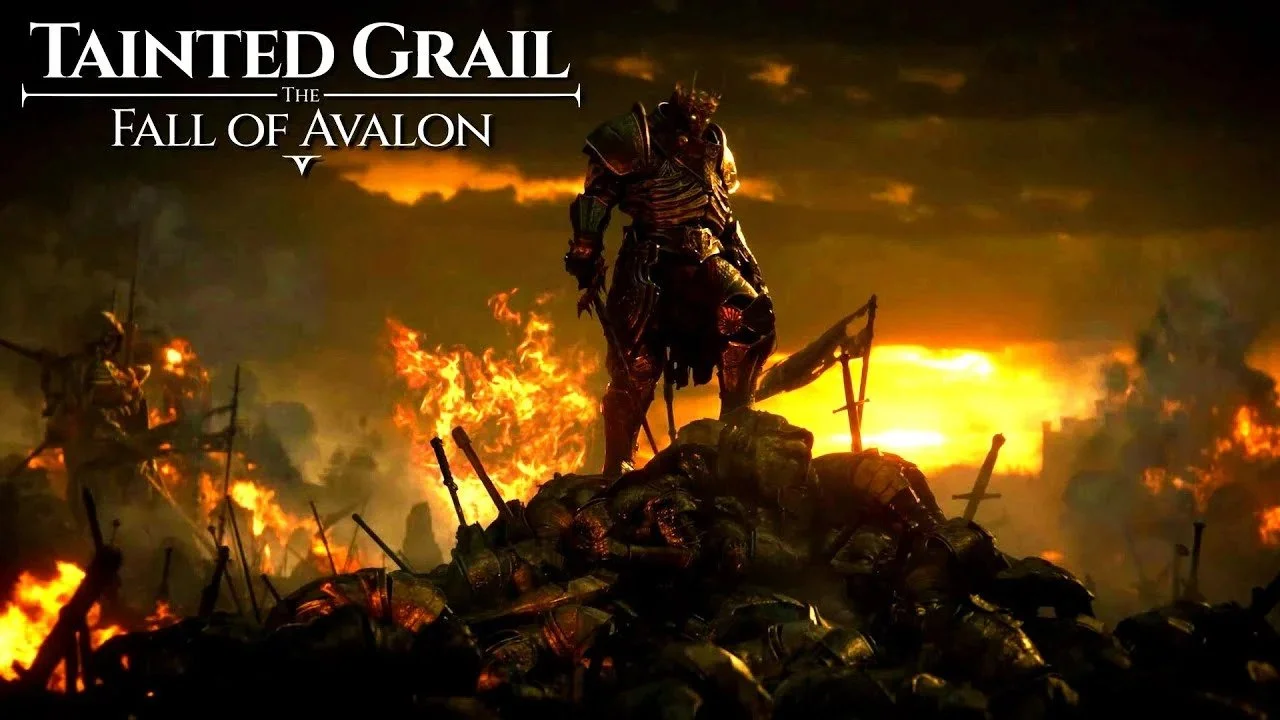
I am of course talking about Baldur’s Gate 3, the role-playing video game developed and published by Larian Studios. It would appear that this third instalment in this popular franchise has found universal acclaim, with a Metacritic score of 97/100. Critics and gamers alike have praised the quality of the writing as well as the in-depth depiction of the continent of Faerûn from Dungeons & Dragons. The degree in which the players can make their own choices and the complexity of the dialogue trees has become a focal point of praise, as it offers (or appears to offer) the player an immense amount of freedom. The production quality, voice acting, character animations and environmental detail have all been cited as being groundbreaking. Then there is the game's implementation of the Dungeons & Dragons 5th edition ruleset, which has been well received. Many thought this would be hard to implement effectively.
I only really started paying attention to the buzz associated with Baldur’s Gate 3 a few days ago. I read some reviews from websites that I deem “sound”, then I watched some gameplay footage on YouTube. I also watched this week’s Jimquisition, as I find James Stephanie Sterling’s take on the video games industry to be in accord with my own. From what I have seen and understood, it would appear that Baldur’s Gate 3 has a lot going for it and offers a many of the things that I like in the RPG genre. I enjoy being able to customise and fine tune my avatar in a game. I also really like the dynamics and practical benefits that companions bring. The more dialogue options a game has the better. If a game forces me into a choice I’m not entirely invested in, it quickly kills my sense of immersion and mitigates my enjoyment. And I also love games that have a good story, told well. So many triple A titles these days shoot themselves in the foot due to piss poor writing.
In many respects Baldur’s Gate 3 seems like a game that I would like. Sadly, upon further inspection, there are some key elements of the game that aren’t for me. The turn based combat, which is a standout feature of the game, is not something I like at all. The dice rolling mechanic to determine the outcome of specific activities is another aspect that I feel is too random and unjust. Dungeons & Dragons was never a major aspect of my childhood and so I have no emotional attachment to it. In light of which, viewed as a whole Baldur’s Gate 3 is not for me. Despite the many pros, there are also some fundamental cons. About 50% of the game’s core mechanics fall outside of what I enjoy or am interested in. That is not a minor obstacle. Therefore, this entire gaming phenomenon will pass me by as a result of my own personal choice and that is absolutely fine by me.
One of the benefits of being an older gamer, is that I am now more discerning and less susceptible to hype, peer pressure and FOMO. I’ve bought too many games on a whim over the years, often because others were playing them and there was an emerging “scene” associated with these titles that I wanted to experience. I would persist at a game to see if I could overcome my “dislike” of it and mitigate whatever the barriers were to enjoyment. Such a strategy never worked. Sometimes you have to listen to your gut and go with your initial reaction. You can’t like everything. You can’t play everything. In fact I’d argue that sometimes being detached from specific genres, iconic titles and types of fandom has distinct benefits. As does just letting things pass you by and not being on the gaming news cycle treadmill. If you’re currently enjoying Baldur’s Gate 3, then that’s fine. I’m doing something else and that’s fine too.








Creator Appreciation Week: Cool Dudes Walking Club
It's Creator Appreciation Week (August 13th – August 19th) for those participating in Blaugust: Festival of Blogging 2023. What does that mean in plain English? It means I am going to write a post specifically about someone or a group of people who create content that I enjoy. Now that is not a short list. I subscribe to dozens of YouTube channels and even more blogs via Feedly. However, it is not practical to try and write about all of these. So I have had to think long and hard about selecting one creator to highlight. It’s quite a difficult choice because I enjoy a multitude of content for different reasons. However, I have chosen one which regularly keeps me entertained, has a good community associated and also offers an element of interaction which is quite unique. It is this last factor which has tipped the balance.
It's Creator Appreciation Week (August 13th – August 19th) for those participating in Blaugust: Festival of Blogging 2023. What does that mean in plain English? It means I am going to write a post specifically about someone or a group of people who create content that I enjoy. Now that is not a short list. I subscribe to dozens of YouTube channels and even more blogs via Feedly. However, it is not practical to try and write about all of these. So I have had to think long and hard about selecting one creator to highlight. It’s quite a difficult choice because I enjoy a multitude of content for different reasons. However, I have chosen one which regularly keeps me entertained, has a good community associated and also offers an element of interaction which is quite unique. It is this last factor which has tipped the balance.
One of my hobbies is walking for pleasure. The UK has a culture of walking and it is often a very practical means of getting about. Then there are the obvious physical and mental health benefits. The former are obvious, the latter not immediately so. Some people do not like being alone with their thoughts or find silence or at least the absence of speech, comforting. I do. Walking affords me a time to think and reflect upon anything I choose. It also allows me to switch off if I wish to. And then there are walks in the countryside. There’s the enjoyment of planning a route and challenging yourself with the distance you walk. Walking can be a fluid situation if a route through a field is untenable, or the weather turns against you. But it is always worth it for the potential views and the opportunity to pursue other interests when out, like photography, painting or wildlife spotting.
Which segues nicely into the Cool Dudes Walking Club. I would like to point out that “dude” is used in a non-gender specific way and that the club is open to all. About seven years ago I was perusing YouTube and found a channel belonging to comedian, actor and writer Marek Larwood. I was aware of his work and subscribed to his channel as it featured (among other things) a series of videos involving excursions to major tourist attractions in London. Let it suffice to say that Marek’s outlook on travel, tourists and generally navigating daily life resonated with me. As he has a keen interest in walking and started producing more related content, he eventually set up a separate YouTube channel. Thus the Cool Dudes Walking Club was born. I subsequently joined, subscribed to the new YouTube channel and became a monthly supporter.
There is a tendency these days for videos to follow a “process”. I don’t mind well made YouTube content but I don’t want the process to crowd out the passion. One of the key things about Marek Larwood’s walking videos is that they are made in an informal fashion but that doesn’t mean that they lack enthusiasm. Marek talks about his gear, gives hints and tips about walking and what he’s hoping to achieve. But it never feels like a hard sell. He also provides anecdotes and information relating to where he is walking and the sights and sounds along the way. Yet it is far from didactic or stilted. In fact the overall tone of most of his videos is the same as if you were walking with your mates. In between the clear love and excitement, there are miscellaneous grumblings about tourists or public footpaths that farmers have purposely blocked. And don’t get Marek started on pigeons. Therefore, the Cool Dudes Walking Club is not only entertaining but very relatable. That is important.
Another aspect of the Cool Dudes Walking Club that I like is the associated community. The comments on YouTube are always pleasant and informative. Often Marek will ask a question in the video such as “do you like “wild” camping? If so, what is wrong with you?” and the responses are honest and again relatable. I think the channel attracts walkers with a laid back mindset who enjoy walking in the moment, rather than those who see this outdoor pursuit as an ironman style challenge. And then there’s the photos. There are a range of Marek keyrings available as club merchandise and an open invitation to take pictures of your “mini Marek” while out walking. Pictures that are sent in feature at the end of videos and they are for me a highlight. People are very creative with their pictures and they often feature very interesting locations.
So these are a few of the reasons why I enjoy being a member of the Cool Dudes Walking Club. It is nice to be part of a community that enjoys a shared hobby, has a welcoming and genuine outlook and is fun to spend time with online. Plus it would be remiss of me not to say that I appreciate Marek’s sense of humour and broader perspective. He is also very good when it comes to extolling the virtues of his walks and their respective locations. I visited both Avebury and the Bembridge Windmill because of his videos. I also empathise with his aspiration to try and make the Cool Dudes Walking Club his primary job. I used to harbour similar hopes regarding writing and this site. Therefore it is nice to see the club membership grow and someone making progress through their own hard work.





Accidents
Accidents will happen, as Elvis Costello astutely pointed out. Furthermore they often occur in the most innocuous of fashions, as I shall now tell. Myself and Mrs P were over our local park today with our two and a half year old grandson Oscar. It is located directly behind our home and has a small children’s play area as well as various adult exercise equipment. One of these items is a low, wooden ramp whose highest end is no more than eighteen inches off the ground. Oscar likes to climb on this, run to the end and jump. Naturally, he did this today when we visited. Mrs P then followed suit (at his request) and stepped off onto the soft, child safe surface. Her right knee gave way and she fell over. Despite the short distance and the soft surface, the fall was sufficient to injure her knee, as there was an audible crack. She subsequently could not get up on her own and I had to assist her so she could sit on the aforementioned ramp.
Accidents will happen, as Elvis Costello astutely pointed out. Furthermore they often occur in the most innocuous of fashions, as I shall now tell. Myself and Mrs P were over our local park today with our two and a half year old grandson Oscar. It is located directly behind our home and has a small children’s play area as well as various adult exercise equipment. One of these items is a low, wooden ramp whose highest end is no more than eighteen inches off the ground. Oscar likes to climb on this, run to the end and jump. Naturally, he did this today when we visited. Mrs P then followed suit (at his request) and stepped off onto the soft, child safe surface. Her right knee gave way and she fell over. Despite the short distance and the soft surface, the fall was sufficient to injure her knee, as there was an audible crack. She subsequently could not get up on her own and I had to assist her so she could sit on the aforementioned ramp.
Due to the swelling and the fact that she couldn’t put any weight on her right leg, I had to go to my parents house which is nearby and fetch my late mother’s wheelchair. This proved invaluable. To cut a long story short, we went to the Urgent Care Centre at our local hospital. It is not a full A&E but this is exactly the sort of injury that they deal with. The knee was x-rayed and found to have no bone injuries. However, due to the obvious damage to the soft tissue, Mrs P has been referred to the fracture clinic. In the meantime, her entire right leg from the top of the thigh to the ankle is in a splint. She cannot put weight on it and the pain is intense, even when sitting or lying down. As she cannot move, she requires assistance with visits to the toilet. At present she is taking paracetamol for pain relief but it is proving insufficient. I shall call our local GP tomorrow to see if something more robust can be prescribed. This matter is complicated by Mrs P’s heart condition.
When I reflect on this and other accidents that have befallen my family and friends over the years, I am constantly surprised by their mundane and banal nature. My mother slipped over in the bathroom in November 2019 and broke her upper right arm. She was reaching for a towel to dry her hands. The break was so bad that it had to be pinned. My father hit himself in the face with a spanner while trying to unscrew a particularly difficult engine bolt, resulting in him knocking out a tooth. This was in the seventies when tinkering with your car was an quintessential weekend ritual in suburbia. I sprained my ankle in 2002, when stepping off the curb in Great Newport Street. My foot went black within minutes and I was out of action for at least five days. All of these minor incidents seem to have disproportionate outcomes or long term aftereffects that you wouldn’t immediately associate with such low key beginnings.
Another consideration that springs to mind, is how modern homes and public spaces are far from accommodating if you are not 100% able. Something that the disabled encounter everyday. At present, Mrs P is using a wheelchair for practical reasons. When we were leaving the hospital today, the paving stones outside were in a shocking state making wheelchair use uncomfortable and dangerous. Furthermore, at home when travelling from her bed to the bathroom, the standard doorways in the UK can barely accommodate the width of a wheelchair. We are both grateful that we live in a bungalow and do not have any stairs to navigate. Then there is the issue of care, which often follows in the aftermath of an accident. Both I and Mrs P are retired so we don’t have to worry about taking time off work to look after someone. Not everyone is in such a position or has a partner or family available to help, to begin with.
It would appear that the rule of thumb associated with these sorts of accidents is that they can occur anywhere and at any time. On a personal note I feel that they often go hand-in-hand with the mantra “no good deed goes unpunished”, because such accidents frequently stem from trying to help someone else or doing some kind of favour for another. In a curious validation of this speculation about the banality of accidents, while Mrs P was waiting to be seen in the Urgent Care Centre, one of our neighbours arrived with a cut thumb that required stitches. He sustained his injury as he was ringing his son’s front door. A loose tile caused him to slip and fall into a flower pot. To add insult to injury, the entire incident was caught on his son’s CCTV which overlooks the drive. All of which makes me think there may be something in M.R. James’ short story “The Malice of Inanimate Objects”.





















LOTRO: River-hobbits Preview
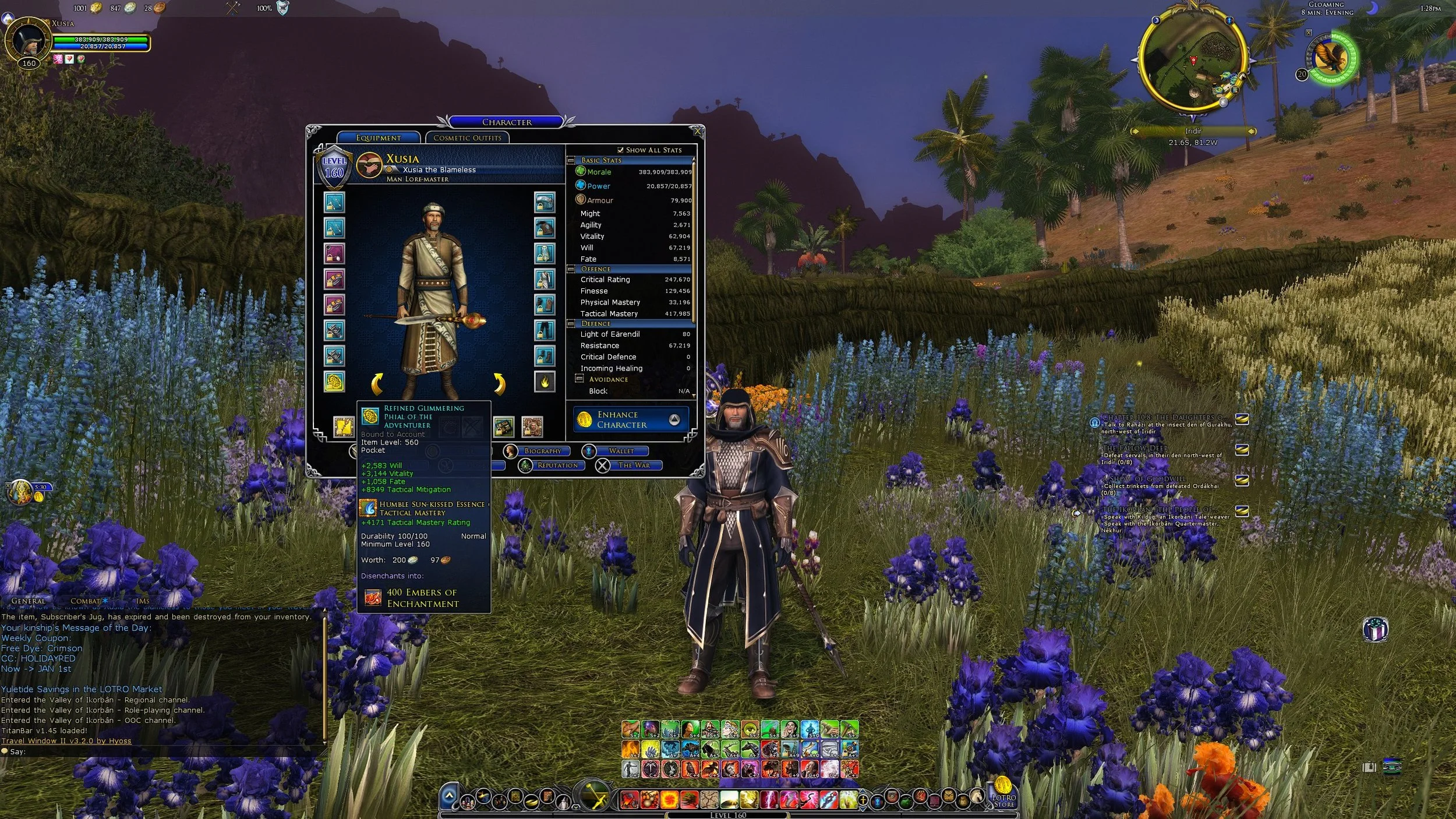
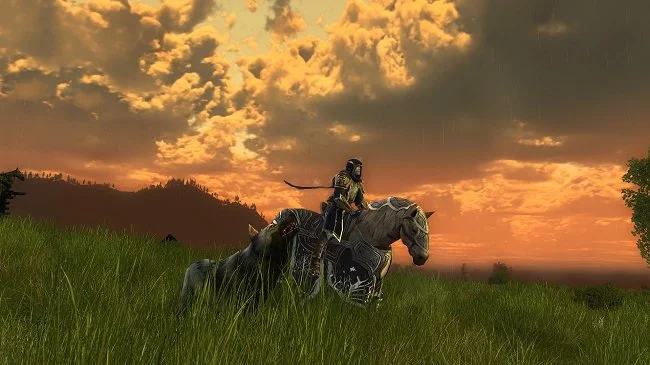
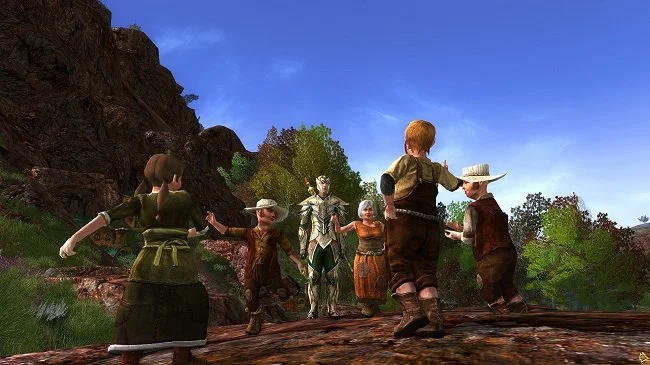
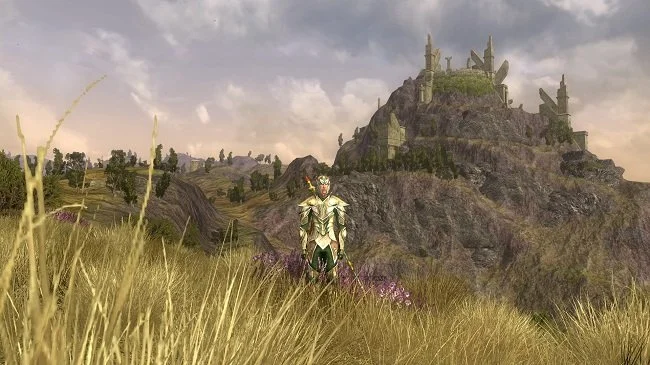
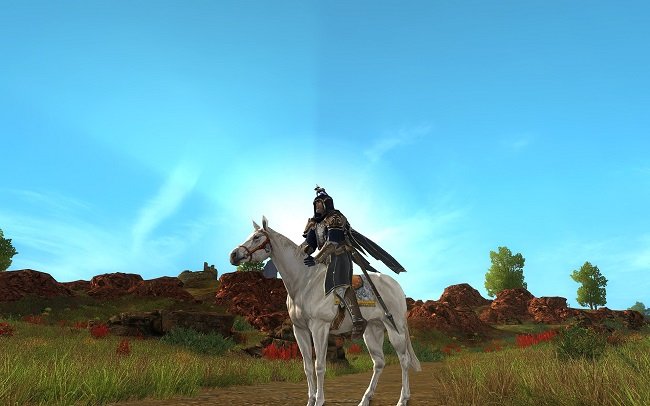
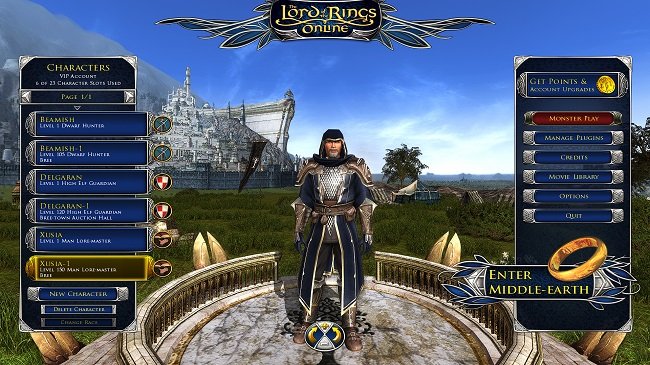
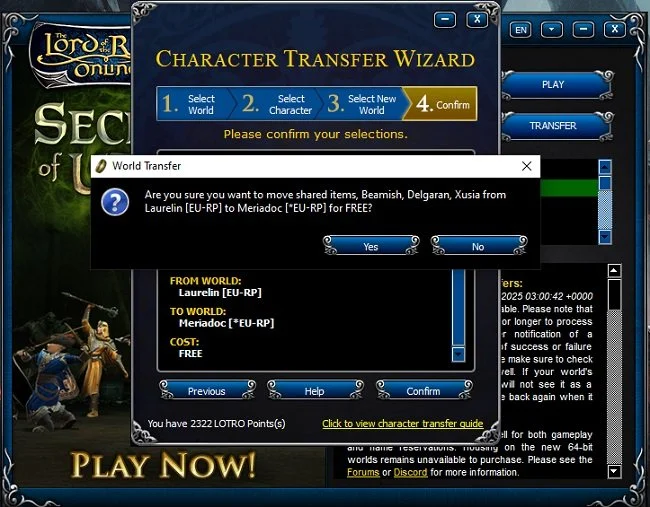
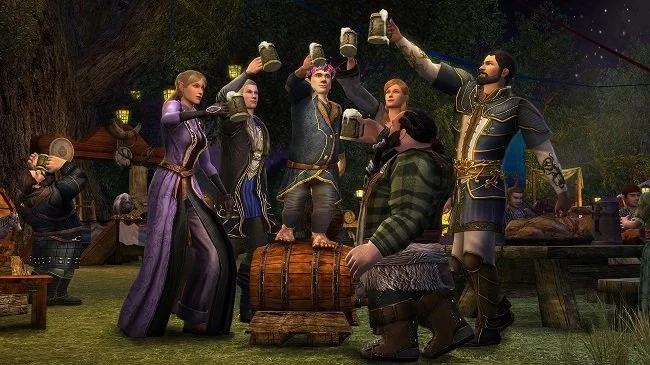
There have been four test previews of Update 37 for the MMORPG, The Lord of the Rings Online, recently on the Bullroarer test server. I only managed to briefly log in on the 1st of August, specifically to check out the new River-hobbit race. During my brief time on Bullroarer I investigated their respective character creation options and after quickly throwing together a new alt, logged into the game itself. Because I have been absent from both LOTRO and the official forums of late, I was not aware of any of the details surrounding River-hobbits. I was somewhat surprised that they hailed from Lyndelby in the Wells of Langflood. As I was short on time, I didn’t play through the new bespoke starter story associated with the new race. I logged out with the intention of returning during the next beta test but sadly I missed it. Hence I have spent the last few days reading several blogs and the official game forums to find out more about River-hobbits and how well they’ve been received so far.
There have been four test previews of Update 37 for the MMORPG, The Lord of the Rings Online, recently on the Bullroarer test server. I only managed to briefly log in on the 1st of August, specifically to check out the new River-hobbit race. During my brief time on Bullroarer I investigated their respective character creation options and after quickly throwing together a new alt, logged into the game itself. Because I have been absent from both LOTRO and the official forums of late, I was not aware of any of the details surrounding River-hobbits. I was somewhat surprised that they hailed from Lyndelby in the Wells of Langflood. As I was short on time, I didn’t play through the new bespoke starter story associated with the new race. I logged out with the intention of returning during the next beta test but sadly I missed it. Hence I have spent the last few days reading several blogs and the official game forums to find out more about River-hobbits and how well they’ve been received so far.
Let it suffice to say, River-hobbits as they exist after 4 rounds of testing, have not met with universal acclaim. Broadly speaking I would say opinion on the official forums is equally divided on the matter. However, I tend to be ambivalent of this particular platform as it is not sufficiently representative of the wider LOTRO community. There are a lot of personalities who regularly contribute and participate in the various discussions there who struggle with objective criticism and acceptance of contrary opinions. That notwithstanding, based upon what I’ve seen and more importantly read so far, the objections raised are as follows.
The current River-hobbit character models are not sufficiently “hobbit” like. They look more akin to scaled down human assets.
The representation of River-hobbits seems to be canonically problematic and the associated in-game lore seems deliberately ambiguous.
The overall level and quality of development of this new race seems to be “minimal”. IE Too many reused and repurposed in-game assets. Indifferent writing and insufficient effort being put into the undertaking.
All of which tallies with what I’ve seen so far of River-hobbits. I was surprised to see how “un-hobbit like” the character models were when I logged into the test server at the beginning of the month. I was somewhat disappointed that Lyndelby had been chosen as the starter location for the new race. This remote and deliberately hidden village is already established via a prior update and is clearly an agrarian settlement. There is a river for irrigation purposes but the environment does not immediately seem an ideal fit for this new race. For me, River-hobbits conjures up images of a community specifically linked with waterways. IE One that uses boats, fishes and has homes on the river bank or on a boardwalk. Perhaps even a few adventurous denizens have houseboats.
One of the reasons that I have drifted away from LOTRO is that it never seems to be able to step beyond the technical and creative confines it has made for itself. I applaud wholeheartedly the fact that new content is continuously added to the game. But it is always “more of the same”. No more, no less. I appreciate that trying to do something radical with a game running on code from before 2007 is not easy. Yet, the developers seem to have a mindset of not even trying to think outside the box. Using the blanket excuse of “old code and technical difficulties” to absolve themselves from trying anything new is far from edifying. But it can be argued that Standing Stone Games have always been their own worst enemy. In the meantime let us wait and see if any further meaningful changes are made to River-hobbits. I suspect that after 4 beta tests, apart from some aesthetic tweaks, what you currently see will be what you get in the final release. How it is received by regular players will be interesting.



Needful Things: Extended TV Cut (1993)
Fraser C. Heston’s 1993 adaptation of Stephen King’s Needful Things did not fare well upon release. Despite having a robust cast of character actors and good production values, it was neither a critical nor commercial success. In more recent years there has been a growing critical reassessment of the film and its lack of success has mainly been attributed to audience fatigue. The eighties and nineties saw a wealth of King adaptations on both the big and small screen. It is also worth noting that condensing the sprawling and character filled books of Stephen King is an incredibly difficult thing to achieve within the parameters of a two hour movie. Which is why the TV miniseries has often proved a more successful format. Which brings me to the extended version of Needful Things that was prepared for television shortly after its theatrical release.
Fraser C. Heston’s 1993 adaptation of Stephen King’s Needful Things did not fare well upon release. Despite having a robust cast of character actors and good production values, it was neither a critical nor commercial success. In more recent years there has been a growing critical reassessment of the film and its lack of success has mainly been attributed to audience fatigue. The eighties and nineties saw a wealth of King adaptations on both the big and small screen. It is also worth noting that condensing the sprawling and character filled books of Stephen King is an incredibly difficult thing to achieve within the parameters of a two hour movie. Which is why the TV miniseries has often proved a more successful format. Which brings me to the extended version of Needful Things that was prepared for television shortly after its theatrical release.
The plot of Needful Things is straightforward. A new antique shop opens in the quiet coastal town of Castle Rock and its charismatic owner, Leland Gaunt (Max von Sydow) has an uncanny ability of discerning his customer needs and providing them with some item that is their heart’s desire. Yet these transactions are often dependent upon a “small service” to be carried out and it is not long before the seeds of discontent are sowed in Castle Rock. As arguments become feuds and feuds end in murder, Sheriff Alan J. Pangborn (Ed Harris) becomes increasingly suspicious of Leland Gaunt and his shop “Needful Things”. As ever with Stephen King, the literary strength of this story stems from the plausibility of his characters and the credibility of small town life that he depicts. These sumptuous details that exist on the page usually have to be cut to the bone when adapting for film. It certainly was a criticism levelled at the theatrical release of Needful Things.
However, shortly after a disappointing box office release, Cable TV network TBS commissioned distributor Columbia Pictures and director Fraser C. Heston to create a longer miniseries edit of three hours, that could air in a four-hour TV time slot with commercial breaks. Hence an hour of previously unused material was added back into the film which mainly extends or appends existing scenes. We see far more of the relationship between Sheriff Pangborn and his fiance, Polly Chalmers (Bonnie Bedelia). There is more exposition of Leland Gaunt manipulating young Brian Rusk (Shane Meier) and the feud between Wilma Jerzyck (Valri Bromfield) and Nettie Cobb (Amanda Plummer) goes through several stages of escalation before ending in murder. The most standout new material is an entire subplot about Cora Rusk (Lisa Blount) who becomes infatuated with a bust of Elvis Presley.
Director Fraser C. Heston integrates the new material skillfully into the extended TV cut subtly changing the pacing and making this version of Needful Things a much slower burn. It remains very much Max von Sydow’s film and the atmosphere increases noticeably when he is on screen. His performance is effortlessly sinister and charming. As this was a version prepared for nineties television there have been some concessions made to that medium. Some profanity has been replaced with alternative, less extreme dialogue but the violence from the theatrical edit remains. The extended TV cut is also presented in an aspect ratio of 4:3 to fit the television sets of the time. Fraser C. Heston has stated that this longer edit is not a director's cut and that he prefers the theatrical edit. Although still flawed, it certainly provides an alternate take on one of Stephen King’s best stories.
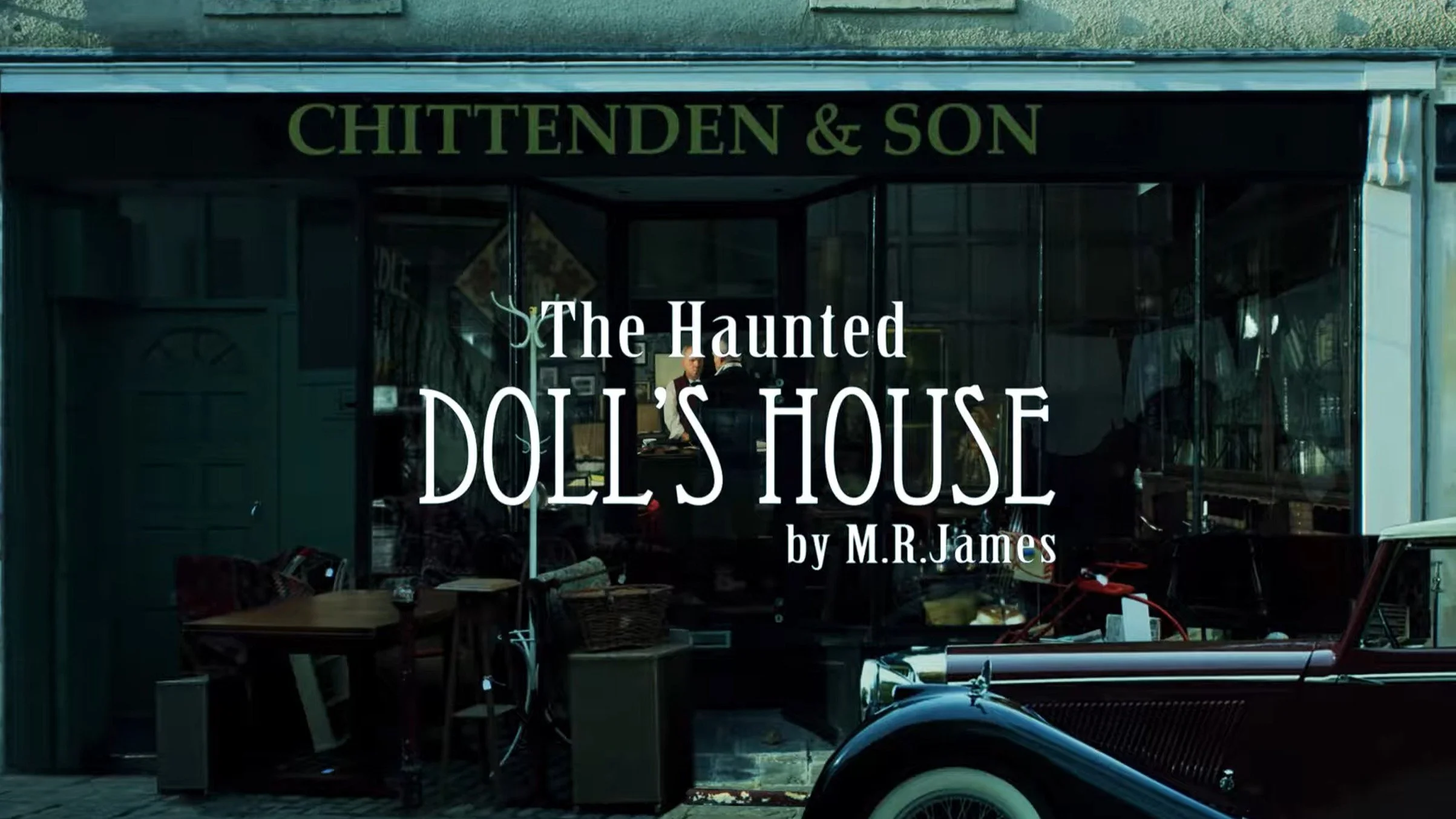
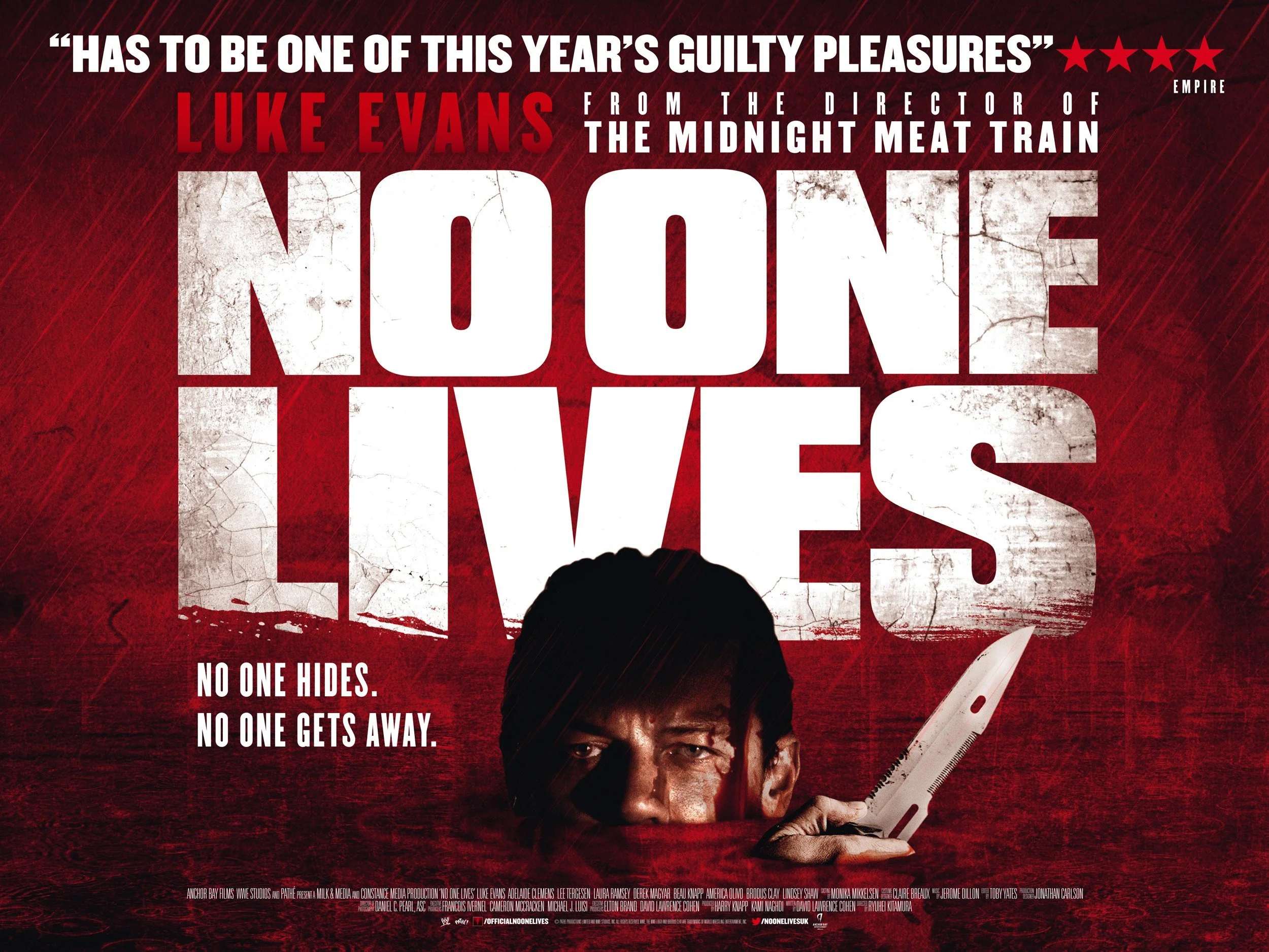
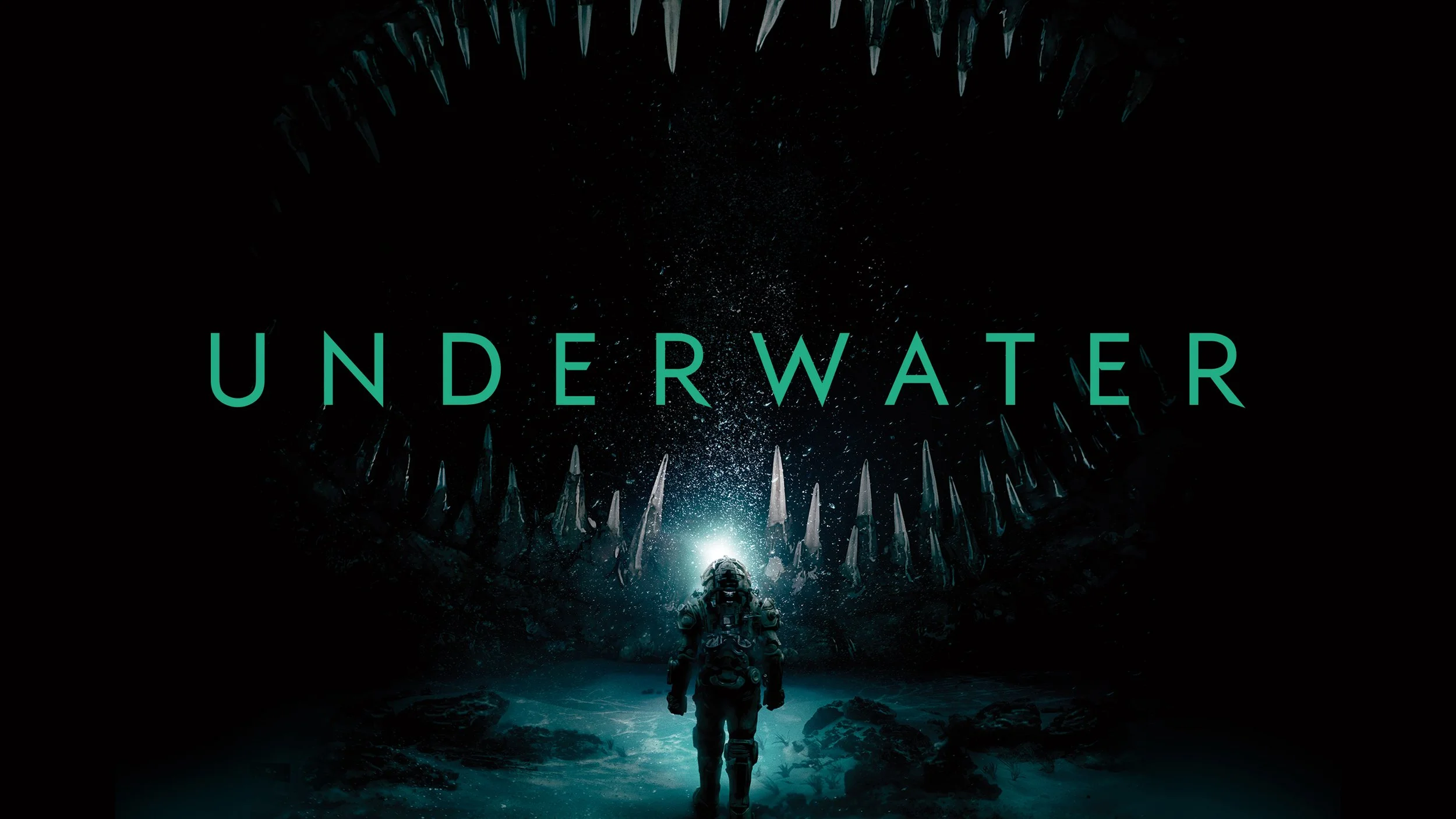
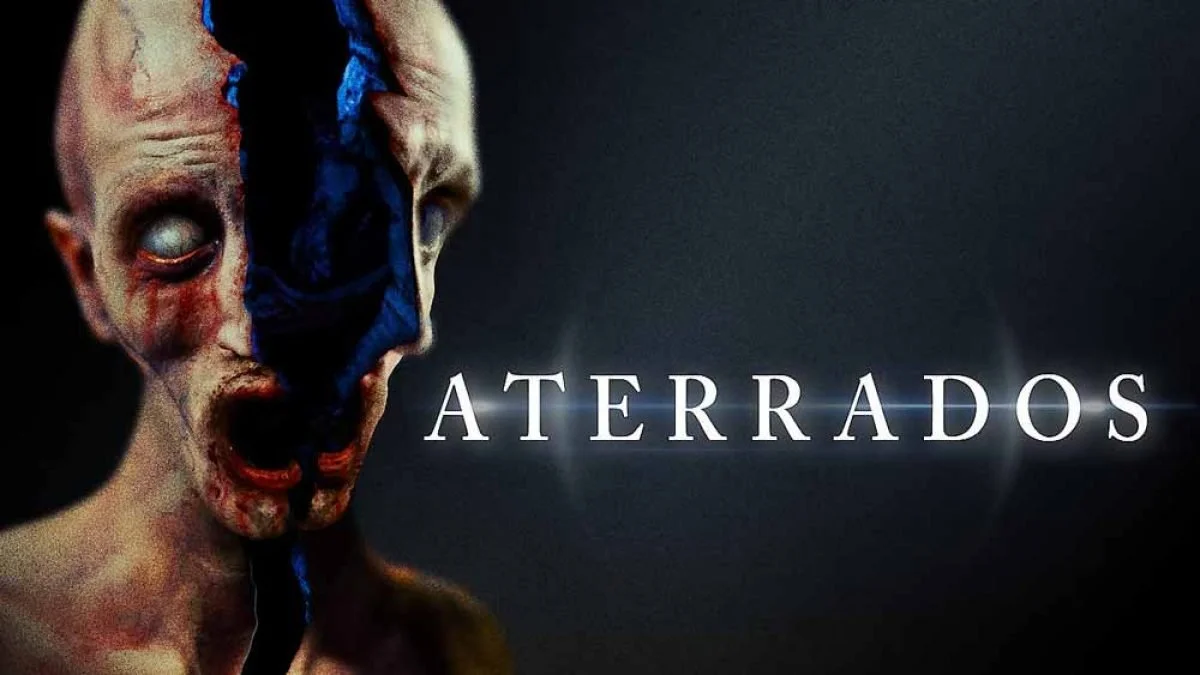









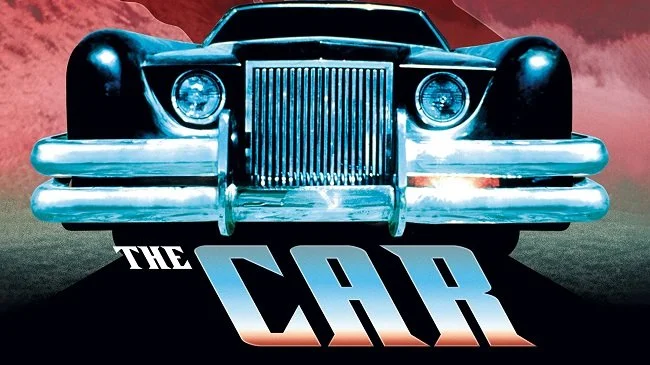
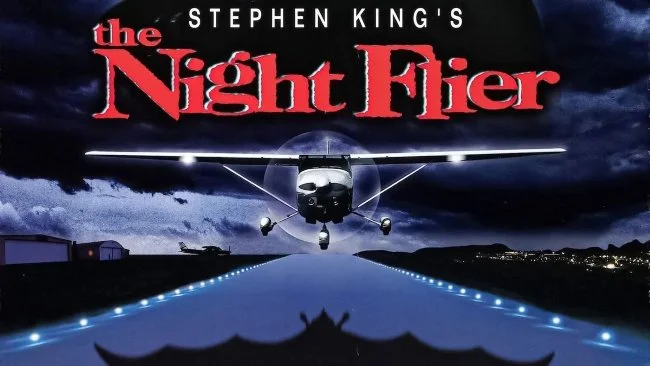
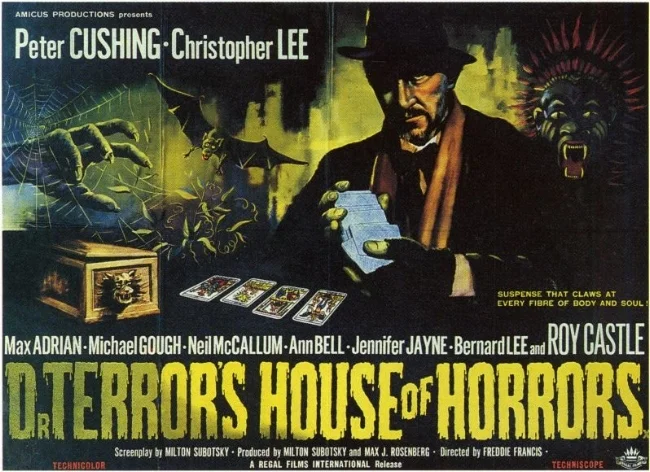

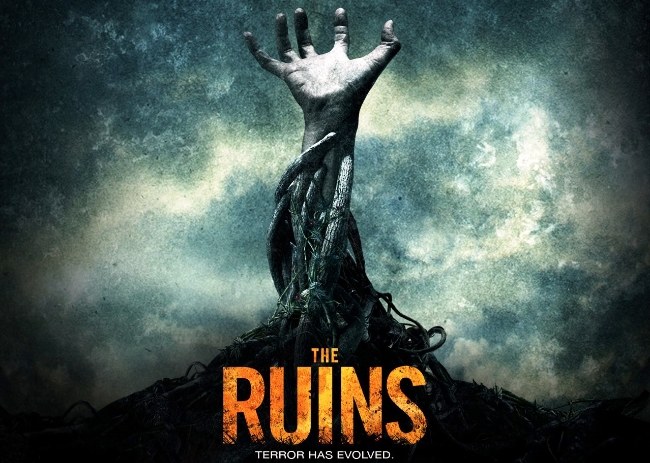
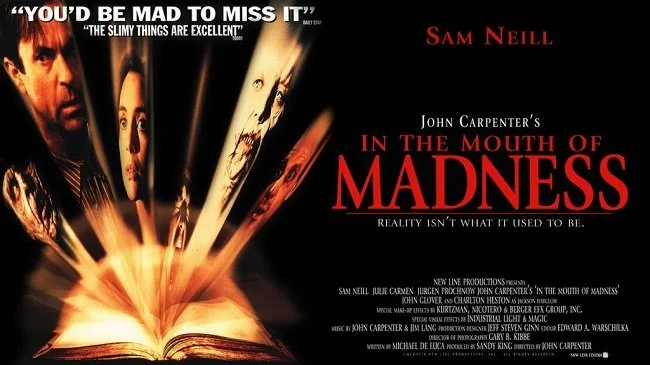
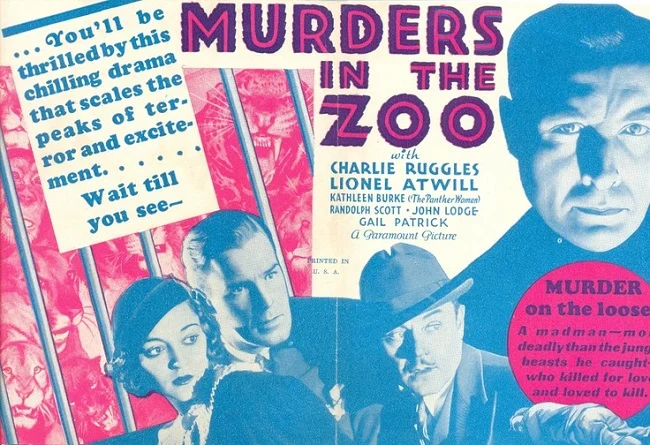
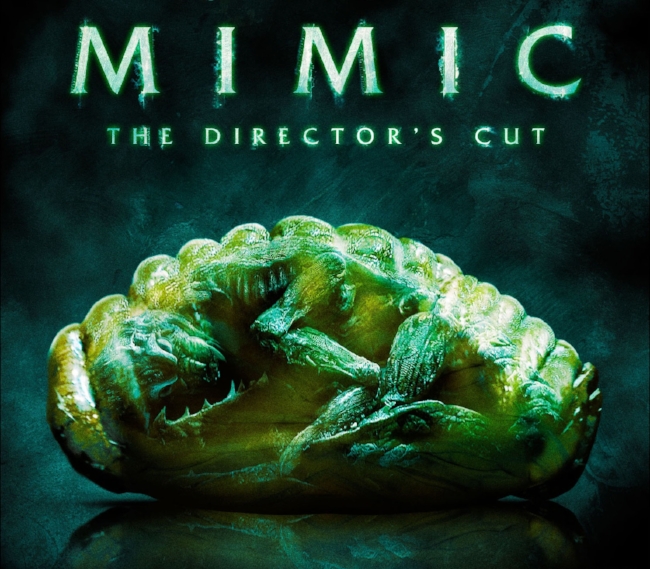
London
You would think that writing about London would be easy. It’s the capital of the United Kingdom after all. However, like so many things in life the devil is in the detail. London is a more complex beast. For example you have the City of London that is the ceremonial county and local government district. Nowadays the City of London is mainly used in reference to the central business district that resides there, similar to Wall Street in the US. Then you have London as it exists within the tourist industry, which encompasses the Borough of Westminster and such iconic attractions as Buckingham Palace, The UK Parliament and Tower Bridge. However, for the benefit of this post, I shall be using the term Greater London. It contains thirty two London Boroughs and is governed by The Greater London Authority. If this is still confusing, then this area is surrounded by the M25 London orbital Motorway. Anywhere inside that area is considered Greater London.
You would think that writing about London would be easy. It’s the capital of the United Kingdom after all. However, like so many things in life the devil is in the detail. London is a more complex beast. For example you have the City of London that is the ceremonial county and local government district. Nowadays the City of London is mainly used in reference to the central business district that resides there, similar to Wall Street in the US. Then you have London as it exists within the tourist industry, which encompasses the Borough of Westminster and such iconic attractions as Buckingham Palace, The UK Parliament and Tower Bridge. However, for the benefit of this post, I shall be using the term Greater London. It contains thirty two London Boroughs and is governed by The Greater London Authority. If this is still confusing, then this area is surrounded by the M25 London orbital Motorway. Anywhere inside that area is considered Greater London.
According to Wikipedia, Greater London has an area of 1,569 km2 (606 sq mi) and a population of 8,889,375. Over time the various towns and villages have grown and expanded to the point where the entire area is almost entirely urbanised. I live in Sidcup in the south east of Greater London. Bexleyheath, Chislehurst and Bromley are neighbouring districts but if you drive through all these areas, there are no obvious lines of demarcation. Such divisions exist only on maps or manifest in themselves more esoterically via the price of housing. Although Greater London is an expansive urban area, the density of population varies throughout and outlying suburban areas are less hectic. Despite the expanse of housing, Greater London has a substantial amount of parks and areas of natural outstanding beauty. The river Thames flows from west to east through the middle of Greater London.
Greater London in many respects can be considered a city state and certainly is unique in comparison to other UK cities. It is the centre of the UK’s wealth, political power and culture. Greater London is home to 12.5% of the UK population and creates 22% of the country’s Gross Domestic Product (GDP). Roughly £500 billion a year. Greater London has an allegedly educated population with 60% of workers having a degree. It is also a very multicultural and diverse place. Over 300 different languages are spoken and there are cultural influences from around the world. All of which, when added to the history and pageantry associated with the capital, contribute to making Greater London an exciting and vibrant place. If you are seeking entertainment, culture, the arts, good food, open spaces or just to explore a place that is simultaneously modern as well as old, then Greater London can offer it all.
Although I genuinely believe all these positive things about Greater London, it is a very polarised place. Wealth is far from spread equally with rich boroughs residing next door with the most deprived. Property prices are very high and as the population increases, insufficient new housing is being built. Despite having a very efficient public transport system, Greater London still struggles to deal with the daily commute as workers travel from the suburbs to the city centre. There is increasing demand upon all local resources, such as roads, schools and hospitals. Life expectations and healthcare is not consistent across the various boroughs and it all comes down to wealth. Plus where there is poverty, there is more crime. Aside from these weighty issues, there are smaller concerns that can also change your perspective. Every part of Greater London is getting busier. The growth in population in the outlying suburban areas means more cars, more congestion and more noise.
The problems confronting Greater London are far from unique. Most major cities in the UK and possibly Europe face the same issues. There never seems to be a comprehensive plan to deal and facilitate inevitable growth. I travel up to central London two or three times a year and although I always enjoy myself, I am always amazed by the sheer number of people going about their business. Yet for some, it is that very quality that they find invigorating. The hustle and bustle of the city and its nightlife are part of its allure. Which is why I was happy to work and play in central London 20 years ago. Age, however, changes one’s perspective. As a result, I am beginning to tire of the excessive traffic in my own street. The ambient noise produced by so many people that persist wells into the night. The delays that incur when trying to get a doctor’s appointment. Again I return to the possibility of moving out of Greater London and finding a new home in a more rural setting. Time will tell.

Listening to Music
The following is about a cultural change. That is not to say that it’s a value judgement or one of those posts you so frequently read by bloggers of a certain age, that essentially boil down to “things were better in my day”. It is merely an observation and like all observations it is not 100% universal. There will always be exceptions to the rule. I am simply painting with broad strokes a general truism for your consideration. My point being that people listen, experience and enjoy music differently these days compared to how they did three to four decades ago. I’m not talking about the science of hearing or anything complex like that. I am merely highlighting the change in the way we choose to experience music and how that has an impact upon its creation and presentation. So like Anne Elk, presenting her theory on the Brontosaurus, here is the axiom at the heart of this post.
The following is about a cultural change. That is not to say that it’s a value judgement or one of those posts you so frequently read by bloggers of a certain age, that essentially boil down to “things were better in my day”. It is merely an observation and like all observations it is not 100% universal. There will always be exceptions to the rule. I am simply painting with broad strokes a general truism for your consideration. My point being that people listen, experience and enjoy music differently these days compared to how they did three to four decades ago. I’m not talking about the science of hearing or anything complex like that. I am merely highlighting the change in the way we choose to experience music and how that has an impact upon its creation and presentation. So like Anne Elk, presenting her theory on the Brontosaurus, here is the axiom at the heart of this post.
Most people no longer listen to an album by a band or artist, in its designated order. Assuming that they listen to an album in its entirety at all. Most people curate their own playlists nowadays, drawing from multiple sources. They cherry pick the music they like and ignore those tracks they deem just average or worse. Hence the idea of listening to an album from start to finish is to a degree, obsolete. Perhaps the idea of the album itself is equally anachronistic. All of which pretty much negates the existence of the concept album. These changes in the way we listen to (or should I say consume) music has also had an impact upon radio stations and especially upon the relevance of the traditional notion of the DJ. All of which was brought home to me today, when I decided to listen to the 1976 synth-based ambient album Oxygène by Jean Michel Jarre. Something I last listened to about forty years ago.
Originally created as a concept album (“an album whose tracks hold a larger purpose or meaning collectively than they do individually” according to Wikipedia), Oxygène was intended to be listened to continuously for 40 minutes, playing the tracks in chronological order. Naturally, the nature of vinyl recordings and playback greatly governed this habit. The idea was to not only enjoy each specific piece of music but to see them as an interconnected whole that conveyed a wider message. The concept album was a means of bridging the gap between popular music genres and more formal musical compositions, by applying concepts used by the classics. This could be a common or recurring motif, an operatic structure or just a semblance of a narrative structure in the various lyrics. The definition of the concept album is purposely vague, yet you’ll know one if you hear one.
Based upon my own experience, I started my love affair with popular music in the early eighties and on into the late nineties. Like so many others, my teenage years were defined by a need to find some sort of identity and that was often linked to the music you liked and its associated culture. Fortunately, although there were specific genres that I liked, I was happy to explore others and have maintained this philosophy all my life. However, back then in the eighties, there were less distractions and demands upon our leisure time.Therefore, when I listened to music, I was not doing anything else at the time. I was focused upon listening and digesting what I heard. It required a degree of application that rewarded you in a different way to casual listening.
It is also worth noting that some albums were created to be listened to in a specific way. There is a clear arc to the track listing on The Beatles Sgt. Pepper's Lonely Hearts Club Band and Pink Floyd’s The Wall. Naturally, the listener is not bound by such notions and is free to ignore such things if they wish. But it does raise the question, that by listening to the songs out of order and context, do you diminish the musician's artistic vision? However, if you have grown up in a world where such habits as just listening to music and doing so in a linear fashion aren’t the norm, it probably seems all rather alien. Amazon Music has embraced the random playlist concept to such a degree, it won’t play an album in order, even if you own it. For many people, the old fashioned notion of an album has been replaced by exchanging or downloading carefully curated playlists. It could be argued that such things are conceptual in principle themselves.
We all have our own unique relationship with music, especially that we enjoy in our most formative years. For some, it is an integral aspect of their life, identity and the way in which they process the world. For others, to paraphrase Karl Pilkington “music is just something to sing along to” while you do something else. It is disposable and no more than the sum of its parts. Whatever your perspective, we all “do” music differently these days. The fact that the very term “listening” seems to have been replaced with “consume” implies a radical change in perception. As does the way so many of us experience the music we like. In our own, niche online communities, oblivious and indifferent to anything that is not within the confines of our taste. Whether any of these points mean anything or not, you’ll have to decide for yourself. Maybe we’ve become liberated, as opposed to having lost something. Perhaps nothing has changed at all. Regardless, I still enjoyed spending 40 minutes listening to Oxygène today.




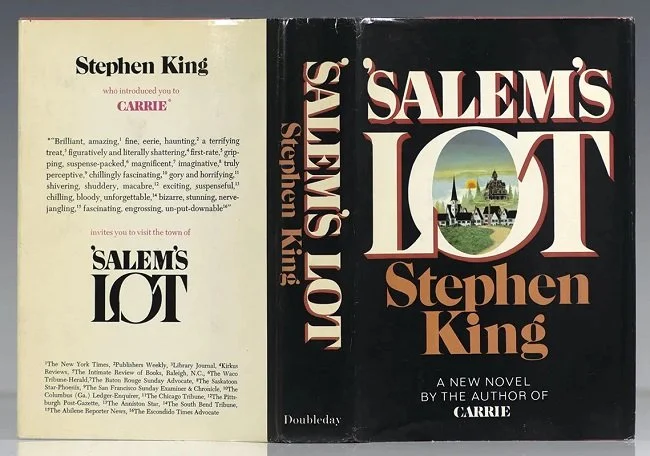
Salem's Lot by Stephen King (1975)
When a book is as well known, well loved and as critically revered as Stephen King’s Salem’s Lot, it seems somewhat redundant to write yet another review of it. I doubt I can add anything significant or original to say about its virtues and merits. So I won’t attempt to do so. I’ll simply share some thoughts on the book in question and leave it at that. Firstly, I read the novel in 1981 when it was more than half a decade old. I had already seen the 1979 television mini-series, directed by Tobe Hooper, which I had enjoyed immensely. Luckily, I had an exceptionally good English teacher at school at the time, who impressed upon me the challenges involved in adapting books for TV or film. Hence, when I actually sat down to read Salem’s Lot I expected it to be distinctly different to what I had seen already. And it was. An utterly enthralling story, that absorbed me totally and scared me shitless. It left a profound mark upon me. Last month, approximately 41 years later, I read it again and enjoyed it even more.
When a book is as well known, well loved and as critically revered as Stephen King’s Salem’s Lot, it seems somewhat redundant to write yet another review of it. I doubt I can add anything significant or original to say about its virtues and merits. So I won’t attempt to do so. I’ll simply share some thoughts on the book in question and leave it at that. Firstly, I read the novel in 1981 when it was more than half a decade old. I had already seen the 1979 television mini-series, directed by Tobe Hooper, which I had enjoyed immensely. Luckily, I had an exceptionally good English teacher at school at the time, who impressed upon me the challenges involved in adapting books for TV or film. Hence, when I actually sat down to read Salem’s Lot I expected it to be distinctly different to what I had seen already. And it was. An utterly enthralling story, that absorbed me totally and scared me shitless. It left a profound mark upon me. Last month, approximately 41 years later, I read it again and enjoyed it even more.
Salem’s lot contains a lot of the hallmarks of why people love King’s writing. He has an uncanny ability to depict everyday people with their flaws, quirks and vices. He will often devote a lot of time exploring the thoughts and feelings of characters, which often are not entirely necessary to expedite the plot but it just adds to credibility of the world he has created. In the case of Salem’s Lot, the town is ultimately defined by its people and not just the detailed description of the buildings and local geography. Hence King devotes a lot of time to interesting vignettes about Dud Rogers who runs the town dump, telephone repairman Corey Bryant and the graveyard digger, Mike Ryerson. The novel is at its best when getting to know the townsfolk, especially as things gradually take a turn for the worse. I appreciated this aspect of the book so much more the second time round, whereas my younger self craved the horror and panic of the book’s latter stages.
When the vampire infection begins to spread, King manages to generate a palpable sense of creeping dread. The vampires are not just a clumsy plot device but are wily and sophisticated foes. This is made worse by the close knit nature of the community and the fact that people are being hunted by those they know. The story fosters a keen sense of hopelessness, as it becomes clear that the remote and insular nature of Salem’s Lot is working against the interests of our protagonists, author Ben Mears, college graduate Susan Norton, school teacher Matt Burke, doctor Jimmy Cody, local boy Mark Petrie and local priest Father Callahan. The story reaches its peak when the vampire threat feels overwhelming both physically and spiritually. The ending is far from black and white and although it addresses and resolves some issues, it does not neatly conclude all the story lines. It implies a successful conclusion to a battle but not necessarily a definitive victory.
Salem’s Lot is a great example of vintage Stephen King, succinctly highlighting why he was a rising star at the time. The novel is a microcosm of the time it was written, capturing the neurosis and world weariness of the US public in the years after Watergate and the Vietnam war. It is about disillusionment and a fear of the future. A concern that forces are abroad that are unchecked and uncontrollable. It is also a metaphor for the continuous battle of wills between rural and urban America. Even the parochial town of Salem’s Lot is a bastion of modernity compared to the ancient and sinister powers of Kurt Barlow. But perhaps the jewel in the crown of this novel is King’s ability to capture the realities and cultural distinction of living in a small town. Salem’s Lot remains a milestone in horror writing and in American literature per se. It is a book I would recommend not only to horror enthusiasts but to anyone who enjoys well crafted characters. If you are a student of writing then Salem’s Lot has a lot to teach.







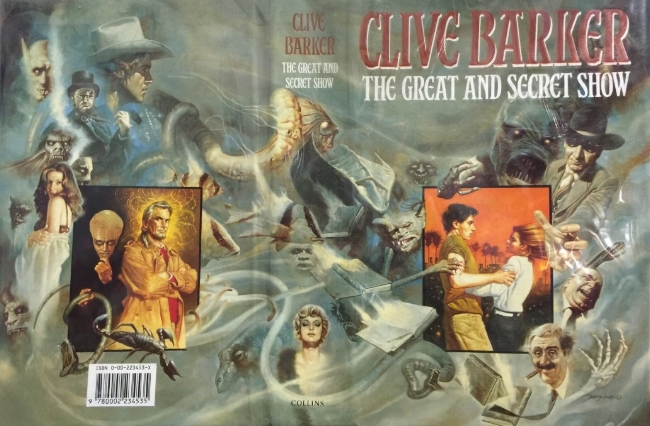
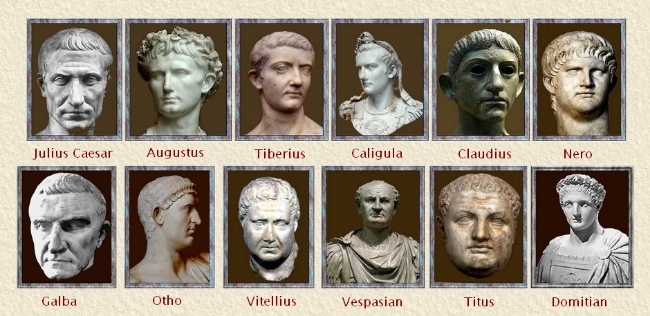
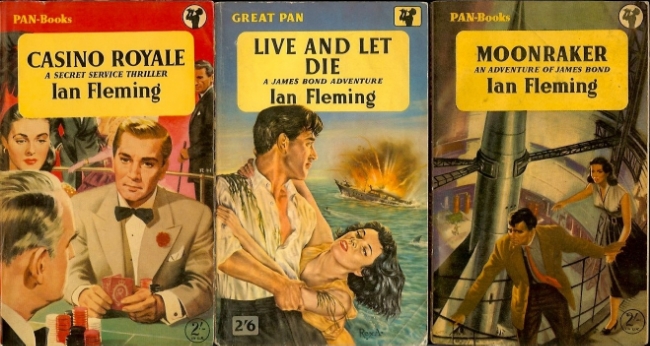
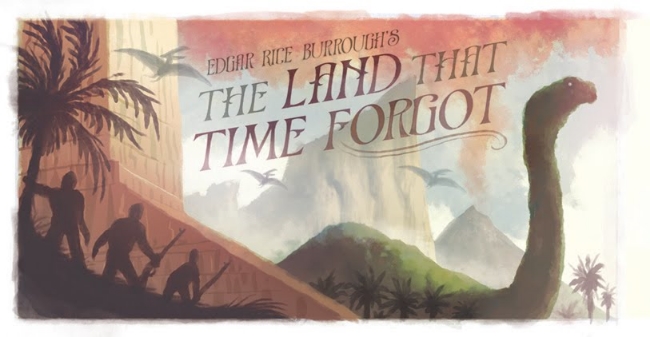


Reinstalling a Game to Recapture the Past
Think of a game that you’ve played in the past that impressed you greatly and left a marked impression upon you. A game which you feel is a real genre milestone or is at the very least, a personal favourite out of all the games that you’ve played in your lifetime. A game that has a special space in your heart. Of which you have many fond memories that are as clear to you now as when you first played it. A game in which you invested a significant amount of time, potentially at the expense of other hobbies and pastimes. Time you gave freely because you were so enamoured by what you were experiencing. In the context of this blog post, I shall be referring to The Elder Scrolls V: Skyrim for the PC. However, that is simply a point of reference for the benefit of my writing. Hopefully, the points that I make will be just as relevant and applicable for any other title you may have in mind.
Think of a game that you’ve played in the past that impressed you greatly and left a marked impression upon you. A game which you feel is a real genre milestone or is at the very least, a personal favourite out of all the games that you’ve played in your lifetime. A game that has a special space in your heart. Of which you have many fond memories that are as clear to you now as when you first played it. A game in which you invested a significant amount of time, potentially at the expense of other hobbies and pastimes. Time you gave freely because you were so enamoured by what you were experiencing. In the context of this blog post, I shall be referring to The Elder Scrolls V: Skyrim for the PC. However, that is simply a point of reference for the benefit of my writing. Hopefully, the points that I make will be just as relevant and applicable for any other title you may have in mind.
I started playing Skyrim about 18 months after its original release. I bought the Legendary Edition which included all the DLC. This delay meant that I also benefited from a wealth of online guides and wikis, ensuring that I had a smooth and problem free gaming experience. I had played other RPGs prior to Skyrim but it became immediately apparent to me that this game was unique. It offered an enigmatic and expansive open world to explore, filled with a multitude of quests and interesting characters. Every story, no matter how simple, always seemed to have the scope to become something much bigger and it often did. The NPCs were charismatic and compelling. I still remember when I first encountered M'aiq the Liar in a remote mountain region. I was so surprised to find him there and was immediately drawn into the quirky dialogue options.
Such things and much more contributed to Skyrim’s spell. Like encountering the Dark Brotherhood, your first battle with a dragon and exploring the streets and alleyways of Whiterun. Then there were the NPCs following their daily routine. They would haggle with you and remember your custom. Then as night fell, they will shut their shops and return to their homes. The wildlife would then come out. The herbivores would graze and the predators would hunt them. Enemies lurked in the shadows if you went exploring. If you remain in the safety of a tavern, minstrels sang and strangers told tall tales. All of which made you feel that the world was alive. It was immersive and enthralling. And then you were hit by the technical mastery of it all. And when I realised that Christopher Plummer and Max Von Sydow were providing voices for two of the main characters, I realised that video games were just as significant as film.
I spent over 300 hours playing Skyrim. When I finally finished I had played through pretty much all the story content available in the game and the only material left were procedurally generated quests. Like many others before me, I extended the lifespan of the game by adding multiple mods and playing through fan generated material. It was wild and exciting to be able to customise an RPG in such a fashion. To be able to make tangible changes that would improve your gaming experience, such as redesigning the UI, or to just have fun adding a top hat to a mud crab. Yet despite all this potential, I eventually moved on to another game. For gamers the grass is always greener elsewhere and there’s always something new just around the corner. Skyrim became a revered memory in my personal gaming history. A genre classic whose virtues and merits I’d happily extol.
The other day I was scrolling through the list of recommendations that YouTube in its infinite wisdom thinks are of interest to me. I saw an instructional video that showed you how to install what are considered to be the most essential mods for Skyrim. These included changes to lighting, textures, UI and such like. The thrust of the video was if you wish to return to Skyrim, just install the base game, add the mods in bulk and you will be able to play a contemporary iteration of the game, quickly and efficiently. To cut a long story short the video elicited a strong sense of nostalgia and I felt a tangible craving to be able to play Skyrim and recapture those feelings that I had previously experienced. It was like remembering a past lover and briefly tapping into the associated emotions. I actually went to bed that night musing on a video game and the way it had made me feel. I wondered whether it could do so again.
The reality of a new day brought fresh clarity to my thoughts and I was able to see beyond my own cravings for the past. I concluded that after downloading the base game of Skyrim and then adding the wealth of mods, I was going to log into the game on a high of nostalgia. But I surmised that shortly afterwards, I would find myself faced with familiar content and nothing more. The nostalgia would vanish because it is not solely tied to the game itself. It was born of a multitude of other factors that existed when I first played. The fact that I was relatively new to the RPG genre and hadn't played other Elder Scrolls games. Then there were more esoteric aspects to consider. Where I was in my life at the time. The time I had at my disposal. The fact that I still had a very naive relationship with games and projected much of myself upon them. Skyrim was and remains special but it was the experience of playing it in its totality that was unique and not just the game. Like a long, hot and eventful summer of my youth, it could not be recaptured.
And so I decided not to install the game and attempt to recapture my past. I had a feeling that to do so would be a fool’s errand. A lot of time and effort spent to arrive at a conclusion that was glaringly obvious already. I think this was indeed the right choice for me and I am content to leave things as they are. Skyrim will remain a fond memory. Unsullied, undiluted but a memory no less. Life is predicated upon change, which is why memories are so important. I console myself that I shouldn’t worry about not being able to re-experience the enjoyment I got from Skyrim, because there will be new experiences to come in the future. Other games that will feel equally as revolutionary and comparable milestones. The entire process is cyclical. Furthermore, I shall adopt the same policy with regard to The Witcher III: Wild Hunt and Red Dead Redemption 2. Let the past remain the past. Strive too hard for nostalgia and you risk breaking its illusion.
Blaugust 2023: A Personal Introduction
The first thing that springs to mind with such a post is the song “Introduce Yourself” by Faith No More, from their 1987 album of the same name. Ah, the power of word association. I was twenty back in 1987. Young, optimistic, trying to figure out what I wanted to do in life. I finally joined the UK civil service the following year as it was a practical solution to an unresolved question. But I digress. My personal employment history is not the point of this post as I don’t think I am personally defined by my line of work. So what actually does define a person? Their actions? The company they keep? John Saxon’s character, Roper, in the film Enter the Dragon.said “a man's strength can be measured by his appetites. Indeed, a man's strength flows from his appetites”. But he was wearing flared trousers so I remain sceptical of such a philosophy. As for me, I like to write. Always have done.
Faith No More were a “popular beat combo” from the 80s and 90s
The first thing that springs to mind with such a post is the song “Introduce Yourself” by Faith No More, from their 1987 album of the same name. Ah, the power of word association. I was twenty back in 1987. Young, optimistic, trying to figure out what I wanted to do in life. I finally joined the UK civil service the following year as it was a practical solution to an unresolved question. But I digress. My personal employment history is not the point of this post as I don’t think I am personally defined by my line of work. So what actually does define a person? Their actions? The company they keep? John Saxon’s character, Roper, in the film Enter the Dragon.said “a man's strength can be measured by his appetites. Indeed, a man's strength flows from his appetites”. But he was wearing flared trousers so I remain sceptical of such a philosophy. As for me, I like to write. Always have done.
I have written several posts in the past extolling the virtues of blogging. It serves a different purpose to other forms of content creation, affording a very personal means of communicating and expressing yourself. It is also invaluable for collating your thoughts and processing the world around you. It has a very cathartic quality and certainly will provide a form of self therapy if that is what you’re seeking. I also think there is a political dimension to writing. Too often these days we are encouraged to immerse ourselves in the trivial or get angry about bogus problems and false narratives. Writing is a means to see beyond such spurious things. To escape the confines of the boundaries set by others. It also challenges the status quo by sharing your own thoughts and opinions with others. And if that all sounds a little too pretentious or highfalutin for you, it’s also good fun.
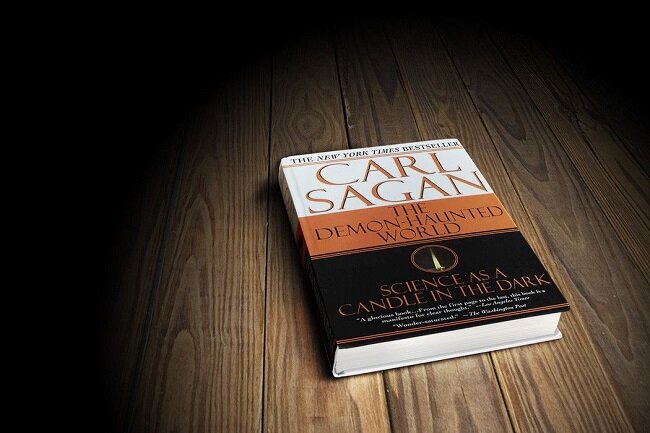
Carl Sagan was a clever fellow
That’s the pitch out of the way, let’s talk about other things I like doing. I am a man of a certain age (55) and I enjoy traditional comforts, such as good food and wine. I don’t obsess over food and its associated cultural baggage, as in the modern idiom. I just like a “spot of lunch” and welcome meals from both ends of the culinary spectrum. I like reading and learning stuff. By that I mean proper stuff, not crazy bullshit posted on YouTube by some whack job. I recently finished The Dragons of Eden by Carl Sagan which was most illuminating. I try to read at least one book a month and nowadays tend to favour non-fiction over fiction, although I’m partial to some William Hope Hodgson. I am a big fan of cinema and watch films from all countries and all periods of time. It is an artform I take seriously and I cannot survive on a diet of superhero movies. I also like to walk for pleasure and regularly blog about my various day trips and holidays. I’m also a very political animal but am not affiliated to any specific party or ideology.
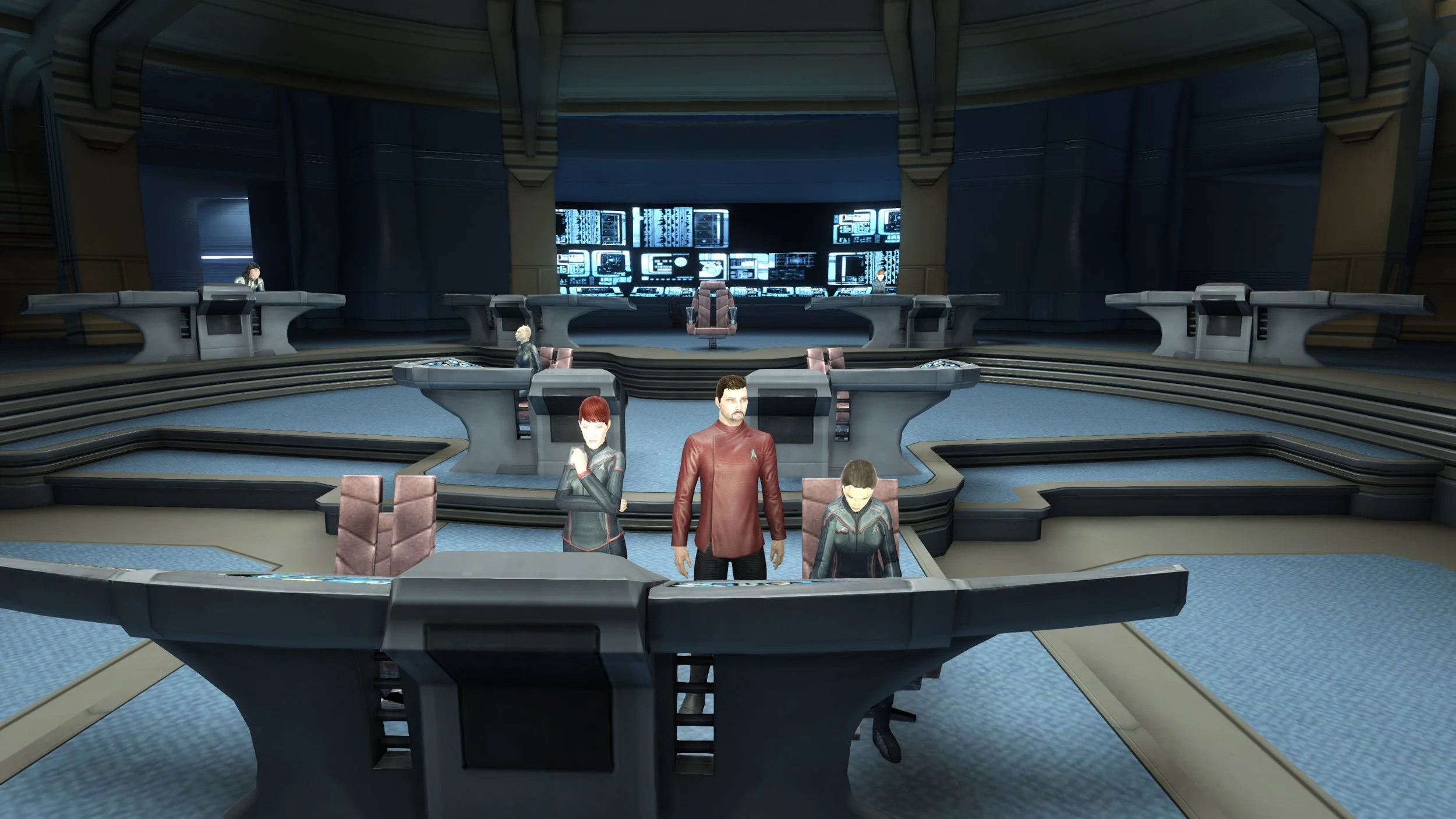
I have retired early, after a traumatic six years caring for my sick parents. I have plenty to keep myself occupied and seldom find myself at a loose end. It is my ambition now to ride out the remaining years of my life with the minimum amount of hassle and bullshit. I keep my expectations low and as a result I enjoy the simple pleasures in life, such as an unexpected sandwich and a chance encounter with a friendly cat at a bus stop. I laugh a lot as it is free and makes me feel slightly better about all the terrible things I see, that I’m powerless to change. All of the worst people I’ve encountered in life have lacked a sense of humour. I try hard not to hate things and people as such feeling tend to have a detrimental effect on everything. However, I agree with what Doctor M’Benga said recently in an episode of Star Trek: Strange New Worlds. “There are some things in this world that don’t deserve forgiveness”. I also think that there’s only one correct way to put the toilet paper on the holder. The Spanish Inquisition burned people for less.
Doctor M’Benga is possibly the most interesting character in Star Trek: Strange New Worlds
So that’s me. Well some of me at least. I don’t consider myself a complicated individual. But I like to think I have some depth to me. I hope you are enjoying Blaugust, especially if you’re one of the new people who signed up at the start of the month. I sincerely hope you find support, inspiration and camaraderie within the Blaugust community and that you also find your niche. There’s a lot of experience out there to draw upon and hopefully a lot of positive affirmation coming your way. If I can offer just one piece of advice to anyone who is grappling with blogging at the present, it is that if you keep doing something, learn from your mistakes and just persevere then you will get better at it. Unless you are the UK government but that’s another story.























Prohibition (2011)
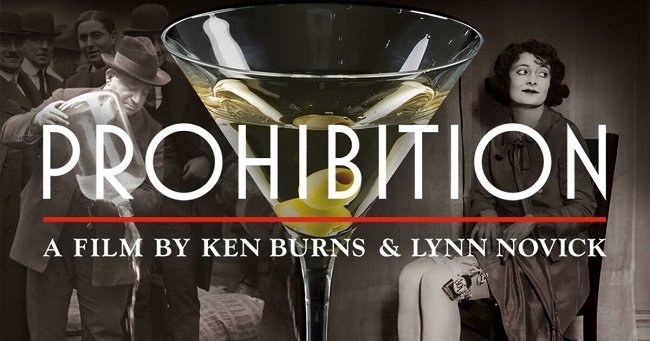
Despite being an analysis of the past there is a portentous air about Ken Burns and Lynn Novick’s Prohibition. A fascinating five-and-a-half-hour documentary produced for PBS in 2011. The history of this disastrous experiment, the banning of alcoholic beverages, is a textbook example of how the transactional nature of US politics can be effectively used upon “wedge” issues. Prohibition follows the format and style of Burns previous documentaries such as the Civil War (1990) and The War (2007) with the wider subject broken down and analysed according to protagonists, events and the political background. Specific historical figures and key players are followed throughout the documentary’s narrative, giving viewers a sense of focus. Hence we meet the hatchet-wielding Carrie Nation, Wayne Wheeler from the Anti-Saloon League and media savvy gangsters like Al Capone. It is interesting to note that some themes continue from Burns’ previous work, such as the political and cultural conflict between native-born Americans and European immigrants. The rural heartlands versus the big cities.
Despite being an analysis of the past there is a portentous air about Ken Burns and Lynn Novick’s Prohibition. A fascinating five-and-a-half-hour documentary produced for PBS in 2011. The history of this disastrous experiment, the banning of alcoholic beverages, is a textbook example of how the transactional nature of US politics can be effectively used upon “wedge” issues. Prohibition follows the format and style of Burns previous documentaries such as the Civil War (1990) and The War (2007) with the wider subject broken down and analysed according to protagonists, events and the political background. Specific historical figures and key players are followed throughout the documentary’s narrative, giving viewers a sense of focus. Hence we meet the hatchet-wielding Carrie Nation, Wayne Wheeler from the Anti-Saloon League and media savvy gangsters like Al Capone. It is interesting to note that some themes continue from Burns’ previous work, such as the political and cultural conflict between native-born Americans and European immigrants. The rural heartlands versus the big cities.
The first episode, “A Nation of Drunkards,” explores the growth of the temperance movement in preindustrial America as a pushback against alcoholism and specifically, “the saloon” as a source of public drunkenness, domestic abuse and poverty. Americans were a nation of drinkers right from the start. Mainly because brewing was the primary means of making water drinkable. However, an influx of European immigrants to the major cities introduced new drinking customs that fueled the problem. Hence many brewers and distillers were established to meet demand. The temperance movement grew in power and managed to restrict alcohol sales in Maine in 1851. Yet the alcohol lobby was slow to react to this existential threat, assuming that the tax revenue raised on alcohol negated any attempt of a national prohibition. However,the ratification of the 16th Amendment and the introduction of income tax in 1913 paved the way for a political push for a nationwide ban. In 1919 the 18th Amendment prohibiting the manufacture, sale or importing of alcohol was ratified.
The second part of Prohibition, is “A Nation of Scofflaws” (the origin of this and many other words is a fascinating aspect of the series). Legal scholar, Noah Feldman, succinctly observes “To pass a law, in the real world, means nothing. To enforce the law means everything.” To enforce the new constitutional amendment, the administration created the Volstead Act but it was vague and underfinanced, with an inadequate number of law enforcement officials tasked with stopping the drinking habits of millions of Americans. It is here that Mr. Burns and Ms. Novick, play their hand well. The criminal opportunities that arose from prohibition were staggering. Rather than overwhelm viewers with a tsunami of data, they elect to focus on a handful of well known bootleggers to make their point. The scenes of violence stemming from organised crime are well known but the deaths and illnesses caused by unregulated and potentially poisonous alcohol are not so well publicised.
The utter failure of the 18th Amendment is addressed in the final instalment, “A Nation of Hypocrites”. It documents the run up to its repeal in 1933. Again a perfect storm of events set the political chess board in such a fashion that repeal was not only possible but politically expedient. The great depression and subsequent economic fallout required the tax revenue that alcohol brought. Plus, there was an increasing concern that a nation of willing law breakers was detrimental to democracy. So an additional amendment was made to negate the effects of the 18th. It was expected to be a long and drawn out process but self-correction was remarkably quick in governmental terms. Historian Catherine Gilbert Murdock muses upon how a political lobbying success ultimately failed due to its own intransigence. “The dry movement in the late 1920s had an opportunity to capitalise on its success and modify the most egregious issues within the Volstead Act and the enforcement of prohibition, but refused to. In their extremism, they eliminated all moderate support.” Perhaps if the excesses of prohibition had been mollified, the act would have lasted much longer.
As ever with Ken Burns’ documentaries, the historians and experts that provide insight and analysis are complemented by a broad selection of quotes from correspondence and period texts, by all the major parties. Peter Coyote narrates in a focused and engaging fashion. Prohibition also features the voice talents of John Lithgow, Sam Waterston and Samuel L. Jackson. What Prohibition does successfully is make its point without bludgeoning the viewer with the obvious lessons for those who currently seek to legislate personal and moral behaviour. Burns and Novick let the story of the 18th Amendment speak for itself. The message is not that laws based on restricting rights of citizens, as opposed to protecting them, are ultimately destined to fail. It’s that social engineering of this nature can result in far more problematic consequences. Prohibition is fascinating viewing and extremely relatable, due to the ubiquity of drinking in so many cultures.















Going to the Supermarket
When I was a child growing up in the seventies, my parents used local shops such as the grocers, butchers and bakers for their regular shopping needs. All were small, independent, family run businesses. Sadly, those days are long gone. Nowadays, most of us go to a supermarket or local store of some kind, for our respective shopping requirements. The frequency of such visits may depend on your pay cycle and whether you prefer to shop daily, weekly or monthly. In the UK, store loyalty has been an important factor for many years. More recently, because of the cost of living crisis, many shoppers are now going to stores where it is more economical. Store and brand loyalty are being tested and not necessarily winning. The march of online shopping has also stalled, as convenience is no longer trumping cost. Things are changing and changing fast. Who said retail was dull?
Sainsbury’s Crayford
When I was a child growing up in the seventies, my parents used local shops such as the grocers, butchers and bakers for their regular shopping needs. All were small, independent, family run businesses. Sadly, those days are long gone. Nowadays, most of us go to a supermarket or local store of some kind, for our respective shopping requirements. The frequency of such visits may depend on your pay cycle and whether you prefer to shop daily, weekly or monthly. In the UK, store loyalty has been an important factor for many years. More recently, because of the cost of living crisis, many shoppers are now going to stores where it is more economical. Store and brand loyalty are being tested and not necessarily winning. The march of online shopping has also stalled, as convenience is no longer trumping cost. Things are changing and changing fast. Who said retail was dull?
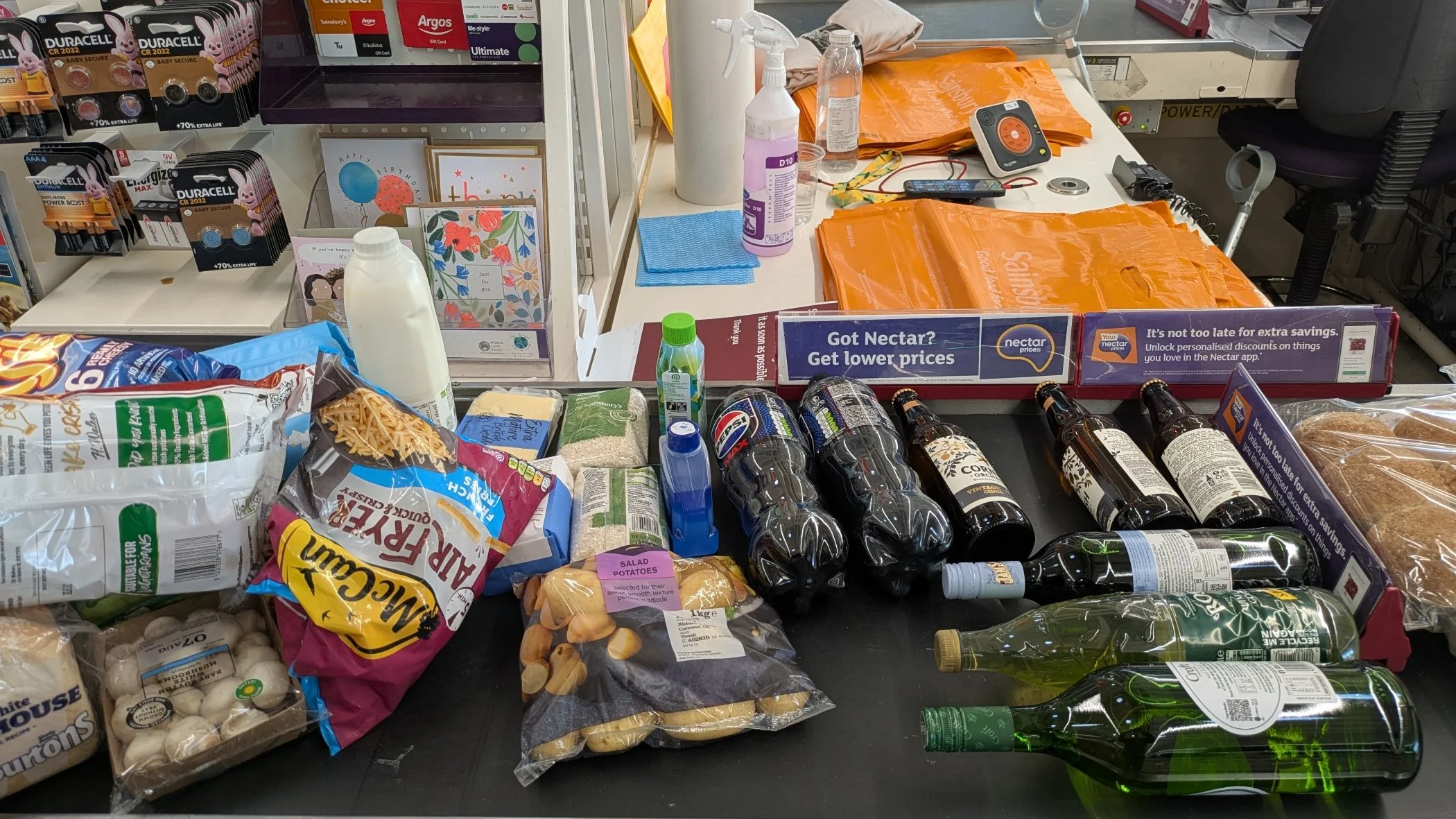
Mrs P and I go to Sainsbury’s at Crayford twice a month. We supplement these major shopping expeditions with additional ad hoc visits to smaller, local stores. Sainsbury’s is the second biggest supermarket chain in the UK with an annual turnover of £33 billion. It occupies the top tier of the UK supermarket industry, although its appeal has broadened in recent years as it has aggressively expanded its discount policy. We usually shop at the Crayford branch because it is the biggest store in the area and the largest in the UK of this particular chain. There are several advantages to using this particular store. It does not require a pound coin to unlock the shopping trolley. More importantly, due to its size the Crayford Sainsbury’s carries a much broader range of stock than smaller local stores, which focus mainly on what sells the most.
A selection of mushrooms
Like many people, we have a shopping routine. We go armed with a list of items we know that we require but we also investigate most isles to find any interesting special offers. We work our way through the store in a logical fashion so unlike The Clash, we’re never lost in the supermarket. There are some products that we always buy a specific brand of, such as coffee, sausages, eggs. However, in recent years we have become less entrenched in such practices and experiment a lot. Stores own brands have improved greatly both at the luxury and “value” end of the market. We therefore buy a lot of products that are Sainsbury’s own brand. As a retired couple, we prepare about two thirds of our weekly meals from scratch. The rest tend to be ready meals or frozen foods for convenience. Quality is a key factor when we shop. We would rather pay a little more for something that is good, than endure a cheaper and potentially inferior product.
After we finish perusing the shelves we will sometimes go to the mezzanine floor of Crayford Sainsbury’s, as it has a clothing department. This is especially good for children’s clothes and school uniforms. Again a lot of the products are exclusive to Sainsbury’s who have their own clothing range by Tu. I often buy t-shirts, socks, fleeces and hoodies here as the prices are significantly cheaper than branded names, yet the quality is good. There is also a substantial home section in the Caryford store which sells bedding, towels, kitchenware and electrical goods. I often find myself drifting towards the stationary much to Mrs P’s chagrin. When we finally have everything we need, we opt to use the traditional checkouts manned by a member of staff, rather than self service, which I strongly oppose. We have a specific bag packing regime that I still have yet to fully master, again much to Mrs P’s annoyance. It is somewhere between atomic weight and the Dewey Decimal system.
Cheese
Store snobbery and store loyalty are major factors in the UK supermarket hierarchy. The UK is a country riven by social distinctions and it permeates everything including where you shop and what you buy. We go to Sainsbury’s mainly because of food quality and choice. There is a wide variety of fresh fruit and vegetables available. Often this extends into multiple choices of specific items, such as mushrooms. I have a liking for cheese and the store stocks many types from all over the UK and Europe. The meat and fish is sourced mainly from the UK and is excellent quality. Another factor that is important to us is the range of product sizes. Smaller households do not always require the same quantity of a product and it is nice to be able to buy the amount that you need and no more. In the past Sainsbury’s used to charge a premium for its upmarket standing but in recent years they have attempted to price match other stores. Customers with store loyalty cards often can buy popular products at noticeably cheaper prices.
However, although I don’t mind going shopping at the store in person, I do find that the volume of customers can be an impediment at times. But then again the human factor is the Achilles Heel of most business enterprises. Hence Mrs P and I tend to go early in the morning in the middle of the week, when crowds are less. Also, during the pandemic, I very much enjoyed the convenience of home deliveries and still use them to bulk buy specific items like 2 litre bottles of carbonated drinks, wine and beer. Although the latter items do greatly increase the cost of shopping. On average a couple in the UK spend about £280 - £300 a month on food shopping. We spend nearer £450 a month, although that total is higher due to alcohol which is currently increasing in price. We also buy more than two people need due to ad hoc visits by grandchildren.
Red wine
Although it is customary to talk about quality and choice with regard to supermarkets, in reality most people in the UK shop where they can afford, as opposed to where they’d actually like. However, German chains Aldi and Lidl have recently upset the status quo by courting the discount market, yet still providing good quality products. In the seventies, where you shopped was very much a social marker. This is no longer the case and stores such as Aldi have a very eclectic customer base. We go there exclusively for household cleaning products, with their own brands of washing detergent and fabric conditioner being excellent but far more economical than leading brands. The UK is also at a turning point with regard to food supply, having left the EU. Just in time supply chains are no longer just in time and the country is having to rethink its sourcing strategy. In the meantime food inflation is high. As a result customers are being a lot more canny about what they buy and where from.
Hype and Starfield
Hype.
Noun: Extravagant or intensive publicity or promotion.” His first album hit the stores amid a storm of hype”.
Verb: Promote or publicise (a product or idea) intensively, often exaggerating its benefits.
“An industry quick to hype its products”,
Until recently I have gone out of my way to avoid any promotional material regarding Starfield, the forthcoming RPG from Bethesda Game Studios. However, as the September 6th release date is approaching, I finally decided to watch the following YouTube video in order to make a measured judgement about exactly what the game has to offer. Let it suffice to say that if you take the video at face value, then Starfield is potentially a revolutionary video game. However, upon mature reflection and sober consideration, I have chosen not to take the claims made in the video as gospel. As far as I’m concerned this is not regular marketing, as it goes beyond the scope of briefing potential buyers about the product. Instead I would define the videos as pure and unabashed hype, as specified in the two definitions at the start of this post. And hype is a very problematic phenomenon.
Hype.
Noun: Extravagant or intensive publicity or promotion.” His first album hit the stores amid a storm of hype”.
Verb: Promote or publicise (a product or idea) intensively, often exaggerating its benefits. “An industry quick to hype its products”,
Until recently I have gone out of my way to avoid any promotional material regarding Starfield, the forthcoming RPG from Bethesda Game Studios. However, as the September 6th release date is approaching, I finally decided to watch the following YouTube video in order to make a measured judgement about exactly what the game has to offer. Let it suffice to say that if you take the video at face value, then Starfield is potentially a revolutionary video game. However, upon mature reflection and sober consideration, I have chosen not to take the claims made in the video as gospel. As far as I’m concerned this is not regular marketing, as it goes beyond the scope of briefing potential buyers about the product. Instead I would define the videos as pure and unabashed hype, as specified in the two definitions at the start of this post. And hype is a very problematic phenomenon.
Marketing video games has always been dependent upon effectively generating and harnessing fan expectation. The game that doesn’t elicit any player excitement has a pretty steep hill to climb. However, most games can be marketed by a mixture of in-game footage and invoking the aspirational qualities the advertising company seeks to imbue it with. Sadly in recent years there has been an increasing propensity to over promise and under deliver. Bogus claims are made about the scope of a game, in respect of what it does and doesn’t include. Sometimes, bespoke demos are released that are of a different quality to the final product. Hence the past decade has seen a litany of underwhelming, incomplete and at times plain broken video games. Some haven’t even been released beyond alpha testing, despite languishing in development for years. Therefore it is not surprising that many gamers feel that Starfield will follow suit.
But the blame for the current culture of excessive marketing hype cannot be laid solely at the door of advertising agencies. Gamers themselves are also culpable in this symbiotic process. After numerous examples of games that promised the earth and delivered little and the resulting fallout, you would think that a canny customer base would be more sceptical and unwilling to buy into any new false narrative. Yet as The Amazing Randi found out, debunking a bogus claim does not necessarily result in a consumer epiphany. Despite the debacle of No Man’s Sky and Cyberpunk 2077, many gamers will temporarily cease to function as reasoning adults and will work themselves up into a frenzy of hysterical expectation, like a child on Christmas Eve. It is a staggeringly unedifying spectacle and incredibly self defeating.
When writing about such a subject and a cycle of events that is broadly acknowledged to be counterproductive to all concerned, it is customary to end on a positive note. Usually this takes the form of an expectation of change for the better. There is a hope that one day, all parties will learn from their experience and adjust their behaviour accordingly. However, I do not think we are at that point yet or that it is going to happen any time soon. There is a strong chance that Starfield is not going to live up to the hype. Bethesda Game Studios may well end up with egg on its face yet again, as it did with Fallout 76 and the infamous “canvas bag” debacle. If that is the case, it will be virtually impossible to feel any sympathy for those gamers who decry the potential lacklustre nature of the game, having embraced the hype. In such a situation the phrase “a plague upon both your houses” comes to mind. As does “rinse and repeat”.
10 Questions from ChatGPT and Cosmopolitan
Great, it’s internet question time once again. Regular readers will already know that I really like these sorts of things. Unlike Sparks, I do have the time to answer questionnaires. Despite the fact that such articles are often considered lightweight writing, I do believe that even the most vacuous line of enquiry can yield an interesting post. This time round I have a diverse set of questions from two very different sources. The first five are courtesy of ChatGPT, which seems just as capable of asking sublimely asinine questions as real people. The next five come from Cosmopolitan. A publication and website that you wouldn’t immediately associate with me. However, out of the various questions available on both sites, I have chosen ten that I think have scope for reasoned debate and interesting answers. Thanks very much to UltrViolet and Hamatti for providing the aforementioned lines of enquiry.
Great, it’s internet question time once again. Regular readers will already know that I really like these sorts of things. Unlike Sparks, I do have the time to answer questionnaires. Despite the fact that such articles are often considered lightweight writing, I do believe that even the most vacuous line of enquiry can yield an interesting post. This time round I have a diverse set of questions from two very different sources. The first five are courtesy of ChatGPT, which seems just as capable of asking sublimely asinine questions as real people. The next five come from Cosmopolitan. A publication and website that you wouldn’t immediately associate with me. However, out of the various questions available on both sites, I have chosen ten that I think have scope for reasoned debate and interesting answers. Thanks very much to UltrViolet and Hamatti for providing the aforementioned lines of enquiry.
Q: If you could teleport to any place on Earth right now, where would you go and what adventures would you have there?
A: I am a very bad traveller. I dislike the hassle and discomfort associated with modern travel. I hate being confined in a car for more than 3 hours and I simply am not wealthy enough to travel by any other means in the manner I would like. IE First class. The idea of a Star Trek transporter to travel around the world really appeals to me. The inconvenience associated with travel is instantly negated. You could visit somewhere exotic first thing in the morning and then return home within hours if it suited you. Instant access to the culture of the world. Some people may argue that the hardships of travel are part of the experience but I say “go piss up a rope”.
Q: You're given the ability to rewrite the ending of your favourite movie or book – how would you change it, and what new twists would you introduce?
A: I would change the first act of 2001: A Space Odyssey. When the ape picks up the bone, instead of using it as a club, it would have been far more amusing if he’d fashioned it into a primitive flute and regaled the other group of apes at the watering hole with a jaunty folk tune. Then from that point on, the entire film became a musical.
Q: If you were granted the ability to talk to animals for a day, which animal would you choose to converse with first, and what would you ask them?
A: Considering how abominably we treat animals, both wild and domesticated, I think it would be staggeringly arrogant to assume that they would wish to talk to us in the first place. As a society our relationship with nature is utterly broken and we have also infantilised our interactions with pets. I think it would be far more beneficial to all concerned if we left animals alone, rather than subject them to our garrulous inanities.
Q: If you could swap lives with any celebrity for a week, who would it be and how would you handle their fame and responsibilities?
A: I would swap lives with the most egregious but wealthy celebrity I could find and during my week, speak out and support the sort of social and political issues that would normally be an anathema to them. I would also give huge sums of money to charities and invest substantially in the sort of lobbying that they usually revile. It makes me smile just thinking about it.
Q: What's the most adventurous dish you've ever tried, and how did your taste buds react to this bold culinary experience?
A: In the early 2000s, I went to the Coq d'Argent restaurant in the City of London (which is the financial district of London). It serves traditional French dishes alongside bespoke and innovative dishes by Executive Head Chef, Damien Rigollet. It is the embodiment of high end dining and the fanciest restaurant I’ve been to in my life. For my starter I had Escargots de Bourgogne, which is snails from Burgundy served in garlic and parsley butter. The snails were served in their shells and I was handed what looked like a set of tools used by a gynaecologist. If you’ve had seafood before such as oysters or mussels, then snails are very similar. They are all molluscs. Overall it was very nice and the only hassle was getting the blighters out of the shells.
Q: Before making a telephone call, do you ever rehearse what you are going to say? Why?
A: I do this with complex phone enquiries, such as querying a bill with a utility company. I try to ensure that I keep my inquiry short, factually correct and easy to understand. On the occasions when I call a radio phone in show, I again work out and rehearse the basics of what I am going to say, so I don’t sound like a confused, incoherent, rambling asshole.
Q: Do you have a secret hunch about how you will die?
A: I have more than a hunch. My Dad’s side of the family tends to live long but die of cancer. My Mum’s side mainly suffers from heart disease. I have already been diagnosed with such and I suspect from my cavalier attitude to drinking and dining well, that my fate will be similar.
Q: Is there something that you’ve dreamed of doing for a long time? Why haven’t you done it?
A: The older I have become, the more passionate I have become about politics in the UK. The country is broken and unequal, with an unfair, non representative voting system. People have often said of late, “you seem very motivated and engaged, why don’t you get involved?” to which I reply, sadly, “no”. I approach socioeconomic and cultural problems from a basis of rationality, critical thought and practicality. Politics does not accommodate these at present. It is tribal, ideological and far too self serving. I would simply crash and burn if I tried to become engaged with the system as it currently exists.
Q: How do you feel about your relationship with your mother?
A: I had a very good relationship with my late mother. We were very similar, which is why we could clash at times but similarly, we could appreciate each other’s perspective. She had an excellent sense of humour and I admired her ability to constantly lift herself up, when she was down. The last few years of her life were tragic and it broke my heart that she had to endure such a physical and mental decline. I miss her laughter and singing. And the way her cheeks would always go red when she had a drop of whisky. She’d say “look at me. I’ve got a face like a fireman’s arse”.
Q: What, if anything, is too serious to be joked about?
A: Easy one this. Nothing. Context and motive are everything. That’s not to say that we should wade into any subject that we have no first hand experience of and think we have a free pass. But if a salient point can be made about a heinous subject via the medium of humour, from someone who knows about it, then that is okay with me. Offence can be the collateral damage of free speech and it’s a price worth paying. The easily offended should remember the words of stoic philosophers that being offended is actually a choice you make and if you choose not to be, then it has no sway over you.













MMO Tropes: Death
“The MMO genre is rife with its own set of tropes; recurring themes and motifs that have become established and ubiquitous. All of which are ideal material for a hastily produced, lazily conceived, recurring blog post”. Dying in an Massively Multiplayer Online Role-Playing Game is a clear and unambiguous fail state. A means by which to teach the player that they’re doing something wrong and that they need to rethink their strategy. IE Don’t mess with the foul Marmydons unless you have back up and are wielding the Sword of Kagnazax. Dying is a reminder to not get overconfident and maintain situational awareness. It teaches us to ensure you have the right gear and consumables, to be au fait with the mechanics of any fight you’re about to get into and that winning is not a given. Any enterprise that offers a tangible reward will come with potential risks and consequences. If you’re playing in a group then death provides a timely reminder not to rely on Colin.
I use to be alive until I took an arrow to the cerebral cortex
“The MMO genre is rife with its own set of tropes; recurring themes and motifs that have become established and ubiquitous. All of which are ideal material for a hastily produced, lazily conceived, recurring blog post”. Dying in an Massively Multiplayer Online Role-Playing Game is a clear and unambiguous fail state. A means by which to teach the player that they’re doing something wrong and that they need to rethink their strategy. IE Don’t mess with the foul Marmydons unless you have back up and are wielding the Sword of Kagnazax. Dying is a reminder to not get overconfident and maintain situational awareness. It teaches us to ensure you have the right gear and consumables, to be au fait with the mechanics of any fight you’re about to get into and that winning is not a given. Any enterprise that offers a tangible reward will come with potential risks and consequences. If you’re playing in a group then death provides a timely reminder not to rely on Colin.
Over the course of its evolution, the MMORPG genre has handled death in many different ways. There’s the scorched earth policy of permadeath, in which your in-game character dies for good. You lose everything you’ve accrued and have to create a new character and start from scratch. Then there was the infamous “corpse run”, in which your character’s spirit spawns at a designated point on the in-game map and has to return to their own dead body to re-animate it. In the meantime, any passing player can pilfer your loot from your unattended cadaver. However, such draconian rules have fallen out of favour with modern MMOs, although you will still find them in many classic games that still linger online. Death is now treated as a minor penalty that temporarily inconveniences you. It may incur damage to your gear but it is no longer the setback that it used to be.
I’ve spent many a happy hour plummeting to my death in LOTRO
In the Lord of the Rings Online, death is politely called “defeat” and occurs when your morale reaches zero. While defeated your character remains immobile, unable to use any skills. You may then use a self-revive which has a two hour cooldown by default, assuming that the immediate area is safe. If however you cannot or do not wish to self-revive, you may “retreat” which will teleport you to the nearest rally point, which is a circle of stones in a safe area. This disadvantage of “retreating” is that it may take you a substantial distance from your previous location. This is particularly problematic if you are in an instance. However, if you are playing in a group you may be revived by a fellow player, if they are of a class that can revive others. It is not the best or worst example of death mechanics in an MMO but it can be managed. You can purchase an account unlock that reduces the two hour cooldown on “revive” to one or purchase additional consumable “revives” by using in-game currency.
Death is managed in a far more equitable fashion in Star Trek Online. During ground combat, if you are inconvenienced by dying you can simply respawn at the last unlocked respawn point. However, more often than not, your character is accompanied by your “away team”. This is a group of four NPC companions or “bridge officers”. While dead you may request “help”, in which case one will come and revive you. Depending upon the intensity of the ongoing combat, your companions may well all heroically die trying to save you. However, if you ensure that you have a holographic or android NPC on your away team, these have the ability to self-reboot. Hence if your entire group is wiped out, one will self-revive and then revive everyone else. Conversely, space combat in STO handles dying far more simply. There is a short 10 second cooldown and then you can opt to respawn in the combat zone.
“He’s dead, Jim. Oh shit, it is Jim”
I have always liked the way that Guild Wars 2 has made reviving others a key social aspect of the game. Each player can use a self-revive when “downed”, the stage between zero health and “defeat”. Alternatively, while “downed” if you manage to kill an enemy you will “rally” back to a state of health. However, once dead, they can either retreat to the nearest waypoint or look to an ally or the kindness of passing strangers to revive you. In dynamic events, where there are lots of players, it is commonplace to help players who are “downed” or “defeated” as it is practical to have as many functional players attacking a target as possible. There are traits in the game that improve reviving speed and potency. Gear can be augmented with runes, some of which can improve revival mechanics.
The Elder Scrolls Online dispenses with the intermediate stage of being “downed” and once your health is exhausted, you are officially dead. At this point, you can retreat to the nearest wayshrine or self-revive using a soul gem. Soul gems are consumable items that are initially empty. However, if the player slots the right skills, they are filled with the souls of enemies they defeat. Hence soul gems come with a cost. The player has to either make them themselves or buy them pre-made from the in-game store. Reviving yourself with a soul gem will grant you a spectral form for a short time that is unable to attack or be attacked, before returning to full health. This allows the player to strategically reposition themselves. Soul gems can also be used to revive other players. However, unlike Guild Wars 2, as you are using a resource with a value, players may not always be disposed to help you.
A poultry-geist
Most people are not overly enamoured by death mechanics. However, during solo PVE gameplay, it is broadly tolerated. However, in my experience, this changes significantly during group content. I jokingly mentioned earlier about death in instances or raids. It is a fact that players do not warm to dying in an MMO when it is due to the incompetence of another player. Group content in MMOs requires a substantial investment of time and resources. Death may lead to a wipe and failure to obtain the loot you desire. Which means when Colin fucks up and you all die, tempers will flare. It can ruin a game. Colin notwithstanding, death is a legacy penalty left over from the original hardcore days of MMOs. Its relevance seems to have diminished with age and continues to do so in this era of “live services”. It may eventually vanish from the genre as it ultimately stands in the way of player gratification. Unhappy players tend not to play or pay. Business doesn’t like that.
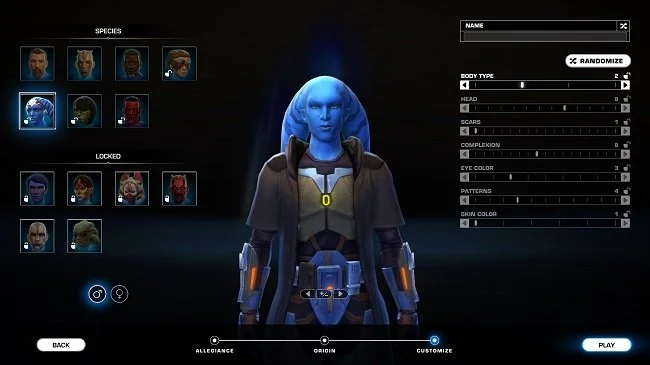

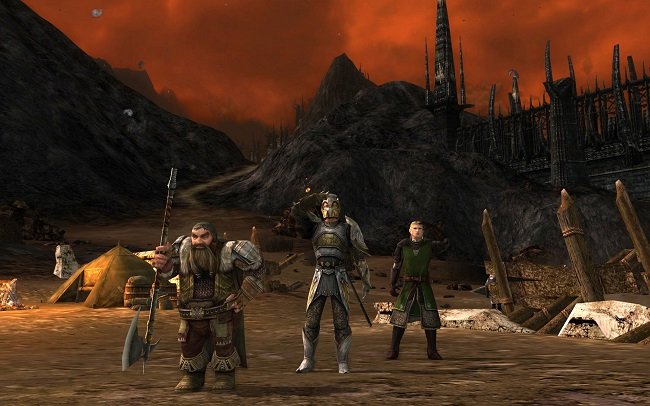
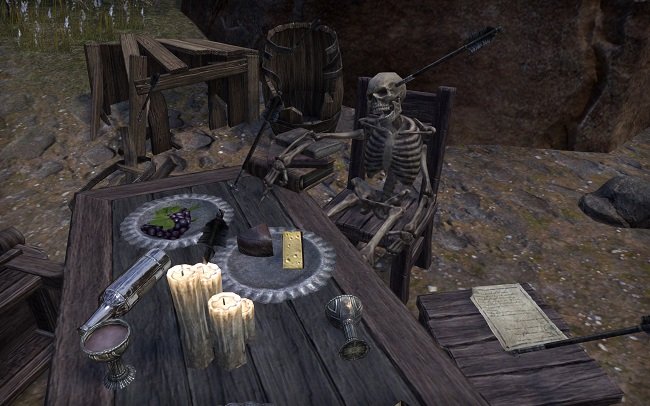
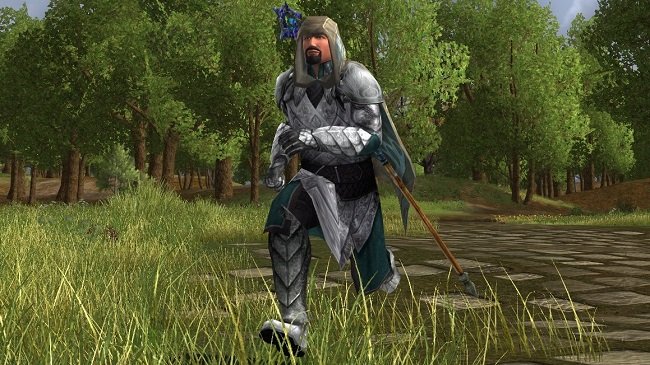
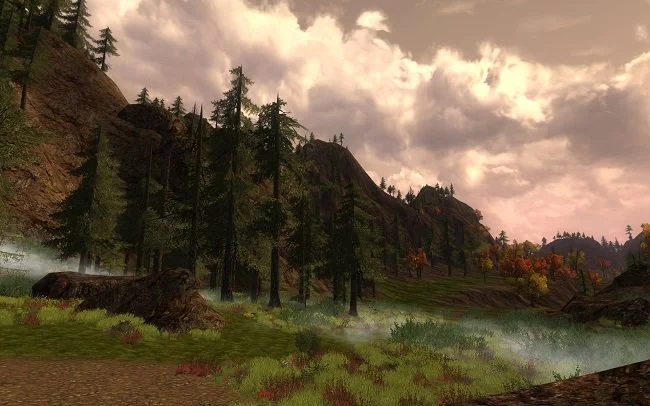
Welcome to Blaugust 2023
Blaugust Festival of Blogging is finally here. A month long celebration of blogging and bloggers that is open to all. The idea is to encourage those who are just starting out with writing online or those who are returning to the scene after a break. It is also about those who already write online content and who might be feeling a little burned out, renewing their enthusiasm. Blaugust is a community driven event that encourages people to express themselves in the way that is best for them. It doesn’t advocate a “one size fits all” approach and is very much about horses for courses. There is advice, support and activities available and participants are at liberty to do as much or as little as they wish. Blaugust has been running for a decade now and I’ve participated in all previous events as I find it an invaluable experience, each time.
This will make sense if you read the post
Blaugust Festival of Blogging is finally here. A month long celebration of blogging and bloggers that is open to all. The idea is to encourage those who are just starting out with writing online or those who are returning to the scene after a break. It is also about those who already write online content and who might be feeling a little burned out, renewing their enthusiasm. Blaugust is a community driven event that encourages people to express themselves in the way that is best for them. It doesn’t advocate a “one size fits all” approach and is very much about horses for courses. There is advice, support and activities available and participants are at liberty to do as much or as little as they wish. Blaugust has been running for a decade now and I’ve participated in all previous events as I find it an invaluable experience, each time.
So far over 30 people have signed up for this year’s event and are actively participating. The Blaugust Discord Server has been busy with lots of new faces and the conversation has got off to a flying start. As someone who has been writing online for 16 years, I find the excitement and enthusiasm of all the new participants very invigorating. Blaugust always provides a welcome shot in the arm and reinvigorates my writing mojo, so to speak. It’s also very uplifting to spend time with those who are taking their first steps online. I get the same pleasure from this as I do when I watch a classic movie that I’m very familiar with with someone who’s seeing it for the first time. Seeing new bloggers gain confidence, improve their style and increase their output is most gratifying. The written word is a powerful tool and it is important to make sure it is available to all.
The Magnificent Seven reference coming up
Now it is customary during the beginning of Blaugust to write a post or two offering advice based upon your own experience. I have done that many times over the years on a wealth of topics. Blog rolls, drafting posts, your writing voice, whether to allow comments, website traffic and statistics, motivation, writing schedules and much more. All of which are valid points to consider when blogging. However, today I am going to give just one very straightforward piece of advice. One that is somewhat obvious but is paradoxically the hardest to do. And that is, once you’ve set up your blog with a fancy theme, loads of plug-ins and a quirky domain name, sooner or later you have got to sit down and actually write something. “No shit”, I hear you say. But let’s be honest, wasting time and putting writing off is something we all do to a greater or lesser degree. Procrastination is the thief of time and an international pastime.
How often have you found yourself with lots of ideas buzzing around your brain that you think would make a “crackerjack” blog post. That’s a niche market pop culture reference for fans of The Magnificent Seven but I digress. So there you are filled with creativity and enthusiasm with time on your hands. So naturally you head to your desk, cracking your knuckles in anticipation of the literary masterpiece you are about to bestow upon humanity. And then you sit down to write the damn post and suddenly your keyboard might as well be kryptonite or a two day old fox turd. Immediately that bird on Mrs Coltart’s roof that you can see through the window, has just become the most fascinating thing in the entire universe. You realise that you may have a library book to take back, or you’ve run out of oregano, so you have to go to the store, or else you’ll be condemned to eat bland meals for all eternity.
Prepare for some wisdom comparable to Dear Drooper
Congratulations you’ve just done what 100% of all other bloggers have done. Fear not the solution is easy. You just have to fucking write, you long-eared galoot (other kinds of galoots are available). Yep, that’s the answer. Put your ass in a chair, write some lines, expand upon them and voila, you’ve written a blog post. It doesn’t have to be Shakespeare, it doesn’t have to change the course of history and it doesn’t even have to be of interest to anyone but you if you want. But to be a blogger you do have to write. It’s essential to the concept. Now let us not get into an argument about writer’s block. I do recognise that it is a thing. But it never has been and never will be about not being able to think about what to write. There are endless subjects to inspire you and explore. Writer’s block is about being motivated to write and not wanting to write. There will be times when your heart’s not in it. But you can’t allow something quite so capricious to undermine your writing intentions all the time.
Now if you don’t want to write, then fine, don’t. That’s your prerogative as Bobby Brown said originally before everyone else copied him. Just don’t whine about it later, that you haven’t written anything if you didn’t actually sit down and write something. This is the most practical and sage-like advice I can give to anyone who wants to blog or create any content online. You have to knuckle down and just get on with it, sooner or later. How many other tasks accommodate such a nebulous excuse? I didn’t take out that festering pile of recycling because I am swathed in melancholic pathos. Bullshit. Nope you have to apply yourself to write. Or else you’ll just be forever on the sidelines trying to convince others (and yourself) exactly how good at writing you could be, if it wasn’t for the metropolitan elites, global warming and other “reasons”. The Farage Defense as I call it but that’s a separate blog post.
Legendary Joust at Eltham Palace
Eltham Palace, located in South East London, was the childhood home of King Henry VIII in 1499. It was later used as a royal nursery for the infant Princess Elizabeth, born on 7th September 1533. It sports sumptuous grounds and ornamental gardens and was famous for its game hunting during the Tudor and Elizabethan periods. In the 1930s’ the property was owned by the Courtauld family, who built a sumptuous Art Deco style mansion and redeveloped the grounds. Today the entire property is owned and managed by English Heritage who have extensively restored much of the estate. It is therefore very fitting that this illustrious venue annually plays host to the Legendary Medieval Joust, during the summer months. Two days of historical pageantry, re-enactments and events for the entire family to enjoy. I last attended in 2015, so it was a welcome pleasure to return again yesterday.
Eltham Palace, located in South East London, was the childhood home of King Henry VIII in 1499. It was later used as a royal nursery for the infant Princess Elizabeth, born on 7th September 1533. It sports sumptuous grounds and ornamental gardens and was famous for its game hunting during the Tudor and Elizabethan periods. In the 1930s’ the property was owned by the Courtauld family, who built a sumptuous Art Deco style mansion and redeveloped the grounds. Today the entire property is owned and managed by English Heritage who have extensively restored much of the estate. It is therefore very fitting that this illustrious venue annually plays host to the Legendary Medieval Joust, during the summer months. Two days of historical pageantry, re-enactments and events for the entire family to enjoy. I last attended in 2015, so it was a welcome pleasure to return again yesterday.
This weekend’s Medieval Joust was an excellent example of the important work that institutions like English Heritage and The National Trust carry out with regard to maintaining British history and culture. It was also one of the most entertaining days out I've had for a long time. The Legendary Medieval Joust features a broad mixture of events ranging from exhibitions of hand to hand combat and falconry, as well as two bouts of exhibition jousting. For those looking for more sedate activities, the musical group Archaedium provides traditional music, and there’s an historically appropriate arts and crafts fair, providing insights into spinning and embroidery. Visitors can purchase a range of traditional food and drink, as well as jewellery and other handicrafts.
Before the first bout of jousting began, each knight held court outside their tent as they donned their armour. They spoke with great knowledge about their harness (A Middle English term, derived from Old French word “harneis”, meaning "military equipment") which weighed 70 lbs plus. They also showed great patience and good humour as they addressed a wealth of questions from the children, who hung on their every word. The joust itself followed the traditional rules and incorporated a lot of the associated pageantry. Being a display tournament the lances had non-lethal tips made from balsa as well as rounded pommels. However, it is still worth considering that each knight is riding a war-horse weighing over a ton, galloping at approximately 25 mph. That kinetic energy has to go somewhere.
Later on in the day there was an excellent exhibition of martial techniques which demonstrated the realities of Mediaeval hand to hand combat. It is a world apart from the stylised approach that the film industry takes and paints a very bleak and brutal picture of how fights were conducted. This also provided an opportunity to see the complexity and respective art of the hand crafted armour and weapons. All of which have all been faithfully recreated from period texts. This was nicely contrasted by the rather elegant and civilised world of falconry. The commentary provided by the lead falconer was both engaging and informative. The birds of prey were captivating as they flew low above the audience. Like so many of the day's activities, there was an opportunity for audience participation. There was also an innovative demonstration involving falconry and a kite.
The Legendary Medieval Joust also offered some great family entertainment in the guise of Tom Fool the Jester. He staged two amusing shows during the course of the day which appealed to both old and young alike. Mixing wordplay and slapstick along with fire eating, he proved a hit with the crowd. Tom Fool also provided his invaluable cheerleading services to the joust, keeping the crowd vocally engaged with the proceedings. It is also worth noting how accessible all the historians, re-enactment groups and entertainers were. All seemed more than happy to answer questions, pose for photographs and provide hands-on demonstrations of their respective arts and crafts. It was also very reassuring to see such an event so well attended, especially by so many families.
Despite occasional bouts of rain, those attending the event remained good humoured and enthusiastic. Again I would like to reiterate how well organised and run this event is by English Heritage. The activities were evenly distributed throughout the course of the day and each one was located in part of the Palace grounds affording the public a clear view. The highlight of the day was the joust itself, which is an incredible feat of horsemanship and martial prowess. It was even more enjoyable as last year’s Legendary Medieval Joust was cancelled twice. First due to excessive heat last summer and then due to the death of the Queen in the autumn. Hopefully, the success of this year’s event at Eltham Palace means that it will continue next summer. It provides not only invaluable historical insight but great entertainment.
Pictures courtesy of Paul King.



















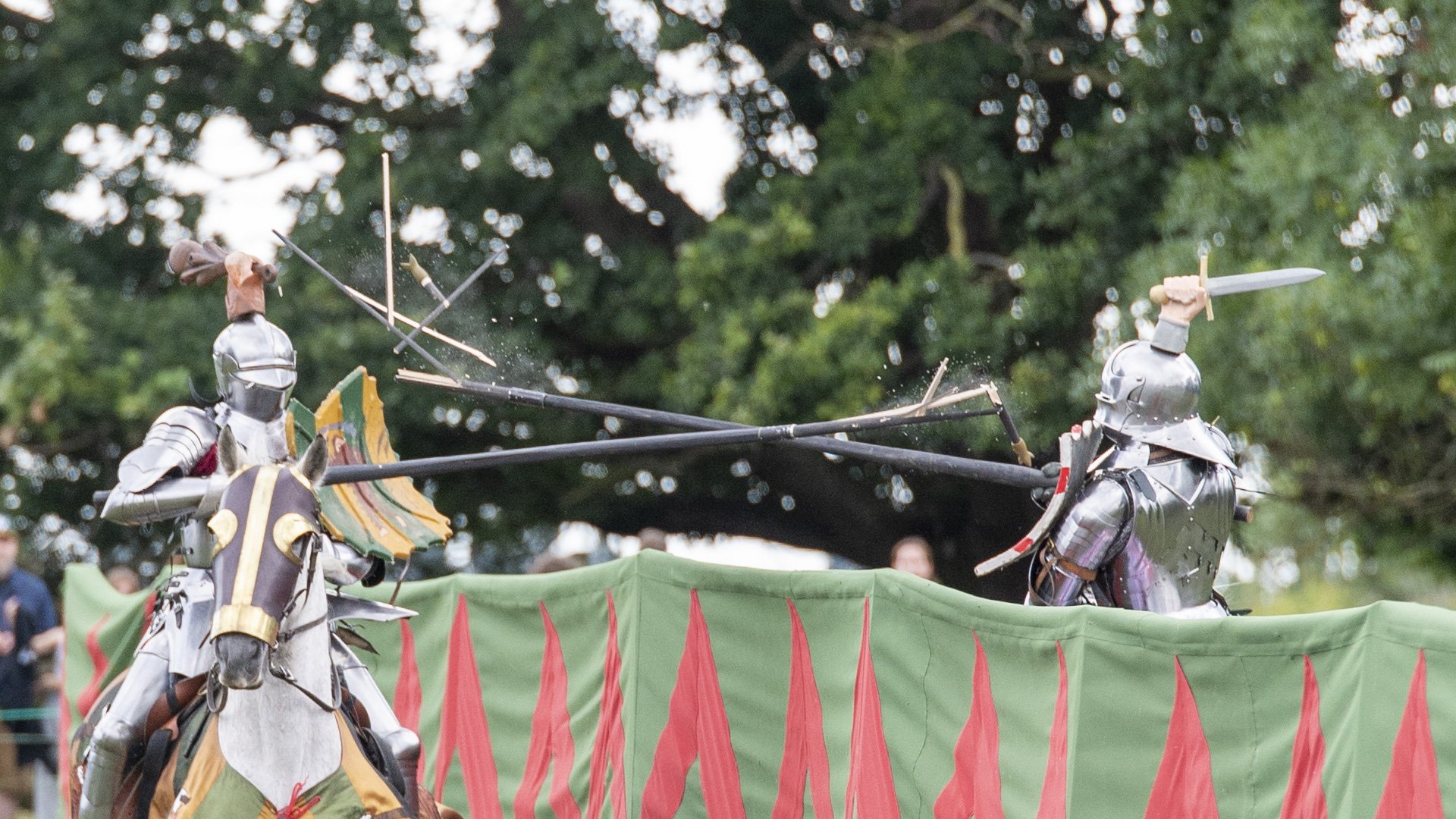
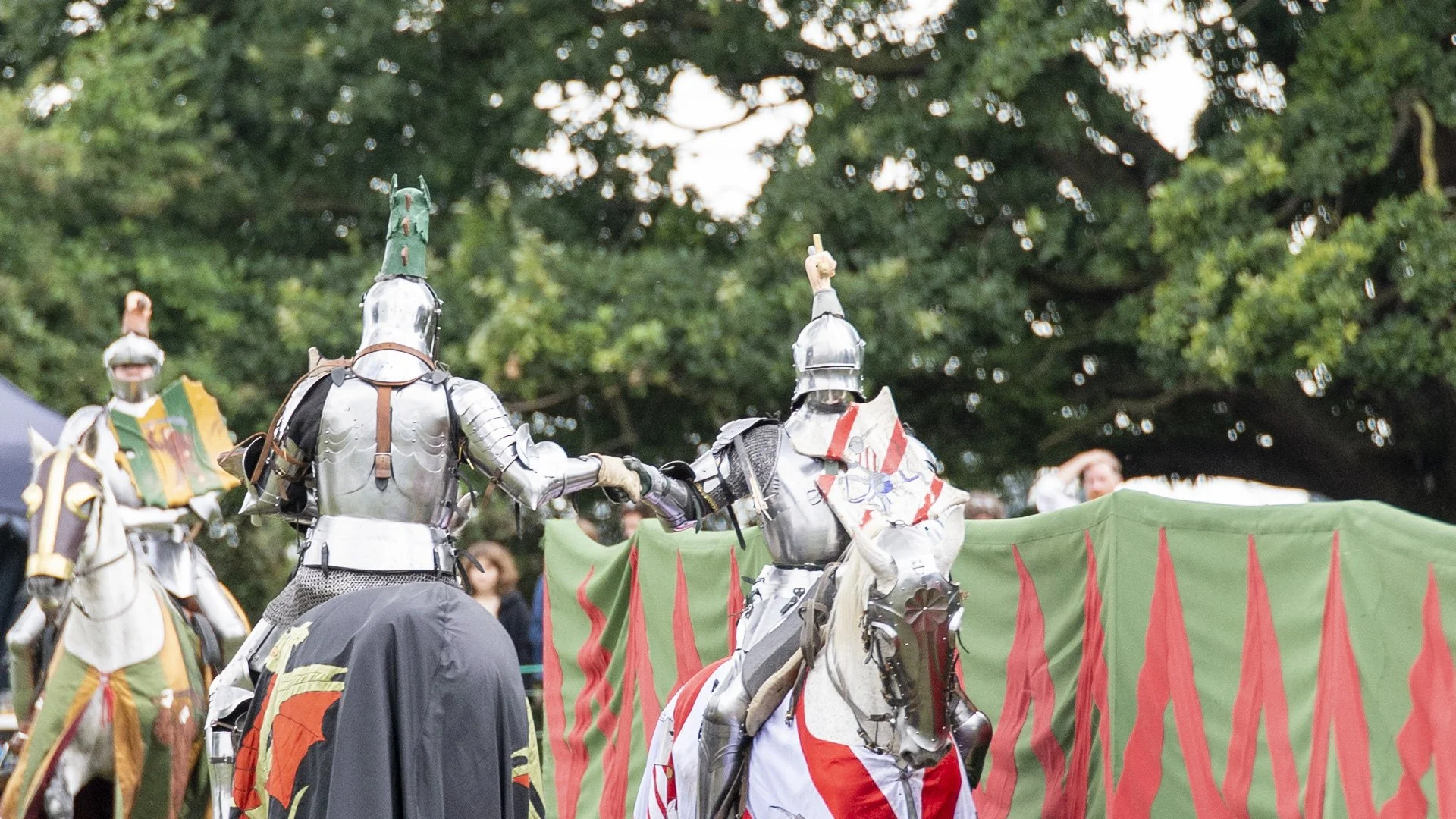




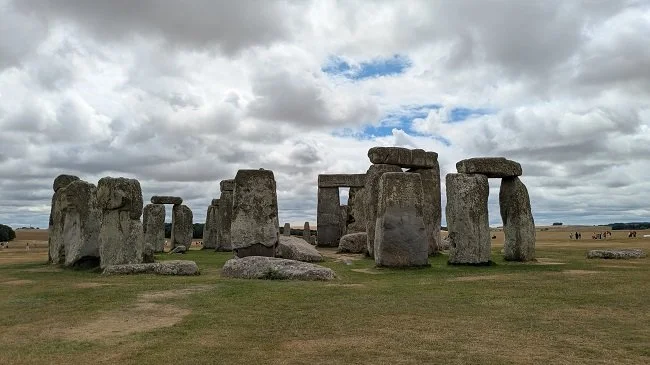
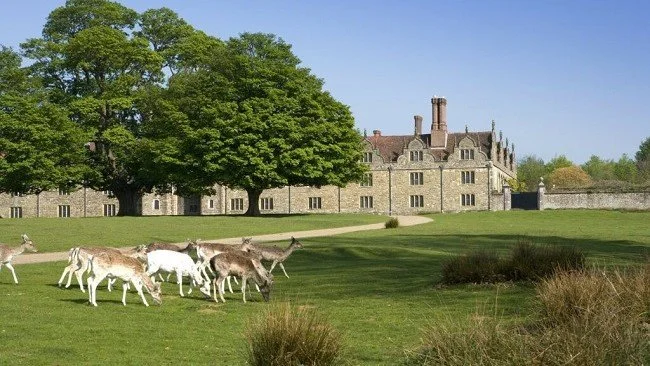
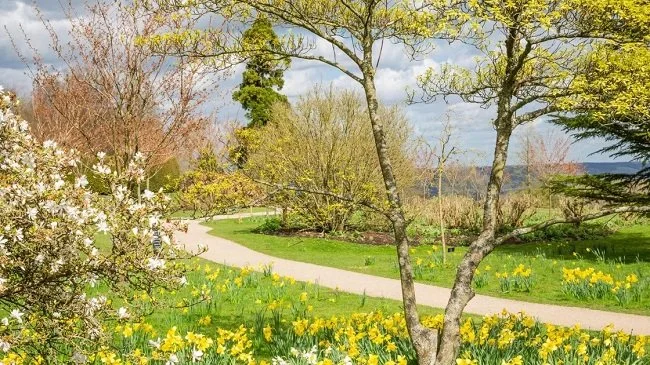

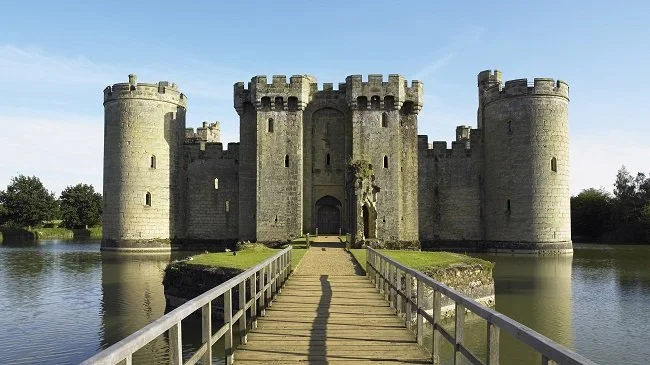

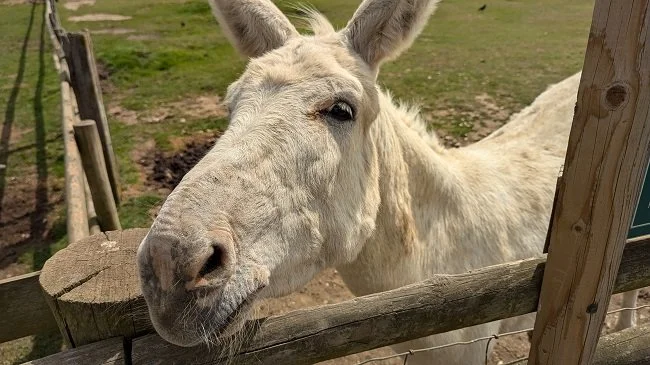
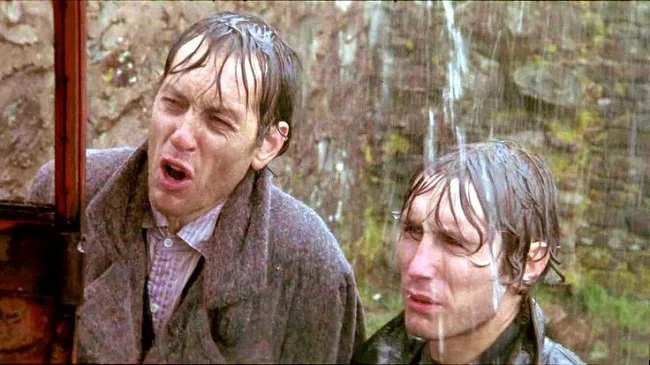
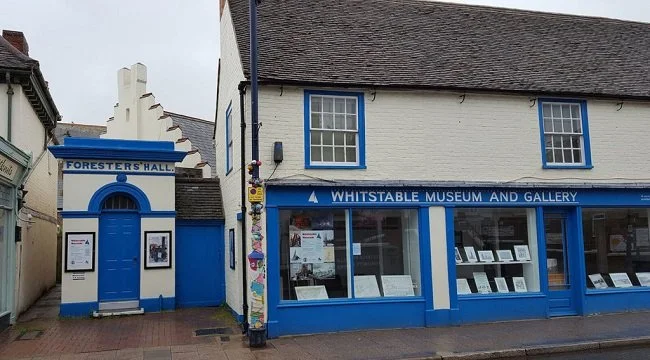
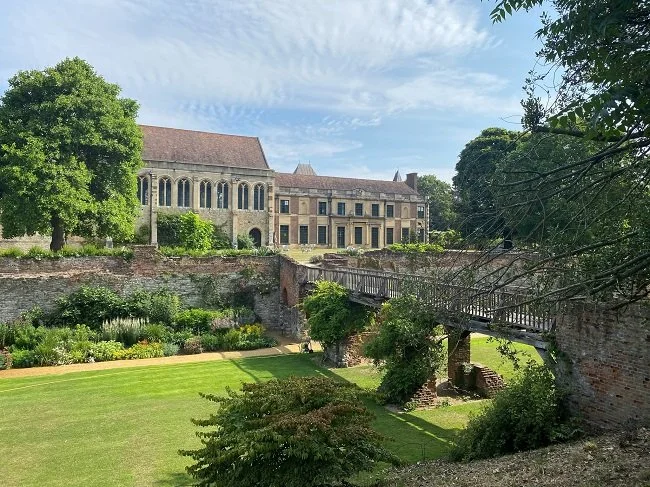

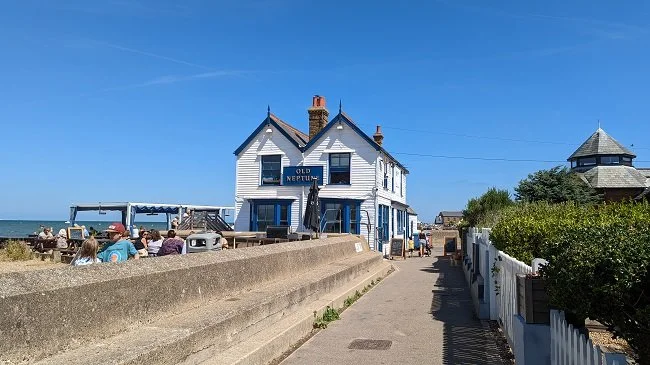
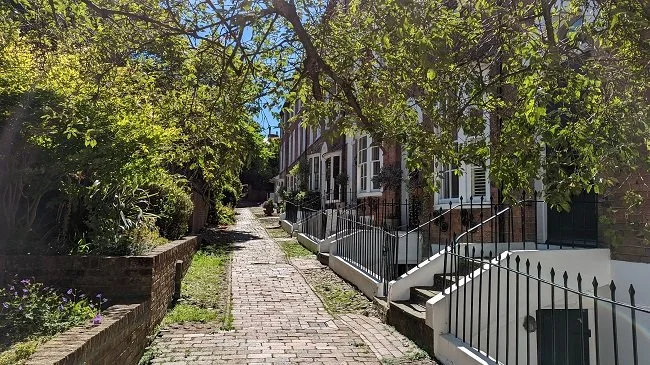
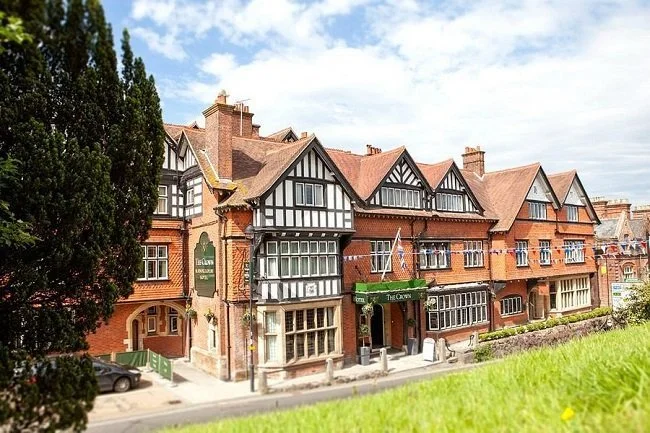
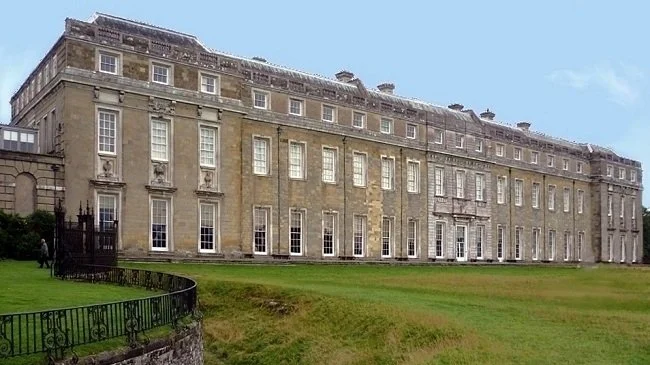
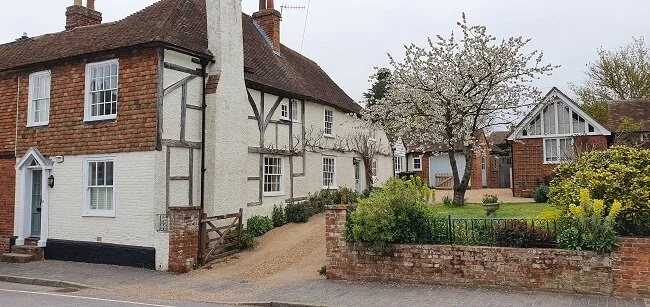


The Full English Breakfast
One of the pleasures I enjoy in life, especially when I’m dining out or staying in a hotel, is having a Full English Breakfast. I like the fact that each one is unique, with potential additional ingredients and regional variations. But then there is the comfort of the familiar and knowing that key aspects of the dish will be present. It is also nice when elements are locally sourced which often means that they stand out. In Norfolk recently, the sausages included in my Full English Breakfast were exceptional. When in Hampshire, I find that the bacon is thicker cut and cured in a manner unique to the county. It is these aspects that make the Full English Breakfast such a pleasant and interesting dish. I also find that having such a robust and substantive breakfast is a great way to start the day and keeps me energised until mid-afternoon.
The Crown, Lyndhurst
One of the pleasures I enjoy in life, especially when I’m dining out or staying in a hotel, is having a Full English Breakfast. I like the fact that each one is unique, with potential additional ingredients and regional variations. But then there is the comfort of the familiar and knowing that key aspects of the dish will be present. It is also nice when elements are locally sourced which often means that they stand out. In Norfolk recently, the sausages included in my Full English Breakfast were exceptional. When in Hampshire, I find that the bacon is thicker cut and cured in a manner unique to the county. It is these aspects that make the Full English Breakfast such a pleasant and interesting dish. I also find that having such a robust and substantive breakfast is a great way to start the day and keeps me energised until mid-afternoon.
The "traditional" Full English Breakfast, if there is such a thing, is more of a dish than a specific meal. It includes fried bacon (traditionally back bacon but streaky is acceptable), poached, fried or scrambled eggs, fried or grilled tomatoes, fried mushrooms, and sausages. Black pudding, baked beans and “bubble and squeak” are also often included. Sauté potatoes or Hash browns and even chips have been added in recent years. Fried bread or toast is served as well. In the North of England, fried or grilled oatcakes sometimes replace fried bread. The breakfast is usually served with tea or coffee, as well as fruit juices. Breakfast cereals are an optional entrée, as are croissants. In the past, alternative main dishes such as kippers, kedgeree and devilled kidneys were often included. Like many popular dishes, there are many variations, however the core elements remain constant.
The Old Railway Station, Petworth
The Full English Breakfast is a mainstay of British cuisine. The fried and substantive nature of the dish has not always found favour internationally where lighter breakfasts are often favoured. However, in the UK, this “fry-up” has grown in popularity and is viewed with cultural pride, similar to fish and chips and curry. It can be found almost anywhere in the country, from the humblest of local cafés to high end hotels and restaurants. It is that ubiquity that has rehabilitated its reputation. The roots of the dish date back to at least the 18th century and the essential elements have been consumed one way or another further back than then. However, the Full English Breakfast only began to gain traction as a popular start to the day, in the 20th century.
Some of its constituent elements found in the Full English Breakfast date back to the Bronze Age. Bread, for example, was a staple in Egypt and Sumeria as well as ancient Greece and Rome. However, tomatoes and potatoes were only introduced to the UK, from the New World, in the 1500s. By the mid 1700s hot bacon and eggs was established as a breakfast staple among the middle classes. Travel writer Patrick Brydone first referred to eating “an English breakfast at his lordship’s” while visiting a peer of the realm. Sir Kenelm Digby mentions in a recipe how “two poached eggs with a few fine dry-fryed collops of pure Bacon, are not bad for break-fast”. At the time, eggs were regarded as luxury items on a par with chicken itself. It was not until the early 20th century when animal farming increased that eggs became part of Victorians breakfast. The eating of eggs and bacon grew in popularity as the urban population sought to imitate the lifestyle of a country estate.
The Crab and Lobster, Bembridge
The spread of the Full English Breakfast after World War I may be due to the increase in popularity in cookery columns in newspapers and in books. Contrary to modern dietary advice, the Full English Breakfast was advocated as “healthy eating”.The actual name became popular after World War II as British Army general Bernard Montgomery was said to have started every day with such a dish during the campaign in North Africa. By the late 1950s, after the end of rationing in the UK, it became the basic breakfast on offer in most UK hotels. Over the following decades additional elements were added such as leftover potatoes, which were fried. Mushrooms, tomatoes, baked beans and black pudding similarly became regular additions. A few items such as kidneys as well as gravy, fell out of favour over time and have vanished from the dish.
The Full English Breakfast is now perceived not only as an essential aspect of British cuisine but part of the UK’s culture. It is one of the few British meals to have found favour with non-Brits and as a nation, we are proud and protective of it. It was once a meal reserved for the affluent but is now a dish accessible and enjoyed by people from all walks of life. Furthermore it continues to evolve, as Hash browns are now a regular addition to the existing classic elements. There are also vegan and vegetarian variants served, however contradictory that may seem. In many ways, the Full English Breakfast is a microcosm of the UK itself and a reflection of its diverse identity. As the nation continues to change, so does the dish. Hence, the Full English Breakfast of the next century may be very different from the one we enjoy now.
MMO Tropes: Running All the Way
“The MMO genre is rife with its own set of tropes; recurring themes and motifs that have become established and ubiquitous. All of which are ideal material for a hastily produced, lazily conceived, recurring blog post”. I was in London recently, idly walking to the Natural History Museum in South Kensington, when a group of tourists started running for no discernable reason. Someone I was with asked “ I wonder why they’re running” and I replied “perhaps they think they’re in an MMO”. The quips fell on deaf ears but that is a cross I often have to bear. This anecdote highlights one of the points of this post. Namely, why do our avatars in the MMORPG genre run by default? I would also like to discuss the manner in which MMOs address the issue of travel around an ever expanding virtual world. Is fast travel lazy? Our mounts a boon or a bane?
“The MMO genre is rife with its own set of tropes; recurring themes and motifs that have become established and ubiquitous. All of which are ideal material for a hastily produced, lazily conceived, recurring blog post”. I was in London recently, idly walking to the Natural History Museum in South Kensington, when a group of tourists started running for no discernable reason. Someone I was with asked “ I wonder why they’re running” and I replied “perhaps they think they’re in an MMO”. The quips fell on deaf ears but that is a cross I often have to bear. This anecdote highlights one of the points of this post. Namely, why do our avatars in the MMORPG genre run by default? I would also like to discuss the manner in which MMOs address the issue of travel around an ever expanding virtual world. Is fast travel lazy? Our mounts a boon or a bane?
Although MMOs are often proud of the size and scale of the virtual world’s they’ve created, getting around is time consuming and at times a chore. Hence, running in an MMO is usually the most expedient way of travelling. It’s not mandatory though, which is why you will sometimes see role players walking everywhere for realism. The trade off is that it takes longer and you look like a fool doing it. Each to their own. When you’re new to a game, discovering and exploring a major quest hub, such as Minas Tirith in The Lord of the Rings Online, is a source of enjoyment. However, roll on a few weeks and it soon becomes a nuisance that has to be managed and endured. Mercifully, most MMOs have various means of fast travel, via waypoints, shrines, or stables. This is done for convenience, although some will argue it comes at the expense of immersion.
As many MMOs are fantasy based, animal or beast themed mounts can provide a suitable, lore friendly means to travel around. Although fast travel from point to point is convenient, riding around and exploring the immediate environment can be a major point of appeal for an MMO. LOTRO does this very well as Standing Stone Games’ virtual Middle-earth is one of the biggest gaming maps available. The world is diverse and richly designed and there are many iconic places to discover. The Elder Scrolls Online similarly offers a varied and immersive open world to explore. Cryptic’s Star Trek Online handles the vastness of the galaxy well. Sector Space is big and takes a degree of time to traverse. This situation does improve once you hit the level cap and can access Quantum Slipstream drive which allows for much faster short bursts of speed. Star Wars: The Old Republic has a far more practical point to point, hyperspace travel system but I never liked the way it cost you money for fuel.
Another thing to consider about running in MMOs is that it does have some tactical applications beyond its functional use. For example, depending upon “aggro mechanics” it is possible in some games to run past or even through a group of mobs without alerting them. Even if you do trigger enemies, in many MMOs you can outrun them although such things do come with an element of risk. For example, in LOTRO it is entirely possible to run through Moria (with an alt at the same level of the content) from the West to East gates and survive, as long as you know the most expedient route. Then there are the practical benefits of a strategic withdrawal. Remember, “he who fights and runs away, lives to fight another day”. Temporary running buffs can also be useful when “retreating to victory”.
Single player games seem to handle travel differently and certainly have some advantages. I envy the fact that a game like Grand Theft Auto V or Red Dead Redemption 2 provide the players with access to public transport. I especially like riding the train between towns in RDR2 as it is very restful and highlights for a few minutes the detail of the open world. Similarly, using the L Train in GTA V adds to the illusion of a living city. It would be nice to see something like that in the MMOs genre. I also liked the way in LA Noire, if you don’t want to drive the car yourself from case to case, you simply use the passenger door and your NPC companion would be the designated driver. All goes to show that you can approach the matter of getting from A to B with a degree of creativity, rather than just running all the way.
British Slang Words and Phrases
After receiving critical acclaim in the UK, the 1980 gangster film The Long Good Friday was revised to make the dialogue more accessible to American audiences. A few lines of dialogue were re-recorded to tone down the East End slang. A glossary of terms was also added at the start of the film, including such phrases as “manor” (precinct, area, patch, turf) and “ponce” (pimp or fool). Conversely, this has seldom happened with regard to American TV shows and films exported around the world, due to the ubiquitous nature of US pop culture. Nowadays, you would think the internet would have bridged this linguistic divide but it would appear not. I still see a lot of YouTube videos explaining British slang and traditional phrases. Never being one to pass up the opportunity to jump on a passing bandwagon, I thought I’d tackle 15 British slang words and phrases for your edification and the sake of an easy blog post.
After receiving critical acclaim in the UK, the 1980 gangster film The Long Good Friday was revised to make the dialogue more accessible to American audiences. A few lines of dialogue were re-recorded to tone down the East End slang. A glossary of terms was also added at the start of the film, including such phrases as “manor” (precinct, area, patch, turf) and “ponce” (pimp or fool). Conversely, this has seldom happened with regard to American TV shows and films exported around the world, due to the ubiquitous nature of US pop culture. Nowadays, you would think the internet would have bridged this linguistic divide but it would appear not. I still see a lot of YouTube videos explaining British slang and traditional phrases. Never being one to pass up the opportunity to jump on a passing bandwagon, I thought I’d tackle 15 British slang words and phrases for your edification and the sake of an easy blog post.
A Few Sandwiches Short of a Picnic: A lighthearted but ultimately pejorative term for someone who may be below average intelligence or who has a bonafide mental health issue. “You must forgive Colin, he’s a few sandwiches short of a picnic”.
Anorak: An anorak is a lightweight, waterproof jacket with a hood. The kind you may take if you go hiking. In the UK it is often associated with geeks, nerds or those with niche market interests. Hence “anorak” is used as a collective term for such individuals. Especially if there is any sort of obsession over details or data. “Colin is a bit of an anorak. He spots trains”.
Blag: To obtain something, be it an object or service, by persuasion, craftiness or guile. “Colin’s brother is a booking agent so we managed to blag some free tickets”. Blag can also mean to steal. “Colin got arrested. He blagged the local post office”.
Bog standard: Basic, entry level, ordinary. “Colin’s phone is a bog standard model”.
Butchers: An example of traditional Cockney rhyming slang. Butcher’s hook = Look. “Colin, go outside and have a butchers and see if the coast is clear”. The phrase is comparable to “look-see”.
Cheeky: As well as its formal definition, cheeky can mean to do something in an unplanned and somewhat self-indulgent fashion. “On the way back from the sales meeting, Colin and I stopped off for a cheeky pint”.
Chugger: A contraction of “charity mugger”. IE someone who represents a charity and engages in conversation with you in a public place, to try and convince you to sign up to some sort of monthly recurring donations. “Me and Colin got rushed by a chugger outside the kebab shop”. These bastards even knock on your front door, in the UK.
Doddle: An undertaking that you initially thought would be complex, difficult or arduous that subsequently proves to be easy and simple. “I thought it was going to be hard getting rid of Colin’s body, but we just threw it in the lake. It was a doddle”.
Dog's Dinner: A location, situation or undertaking that is either messy, chaotic, or poorly planned ending in disaster. “Colin’s desk is a total dog’s dinner”. Alternatively “Colin totally messed up the hotel booking, the menu and the evening’s entertainment. The convention was a total dog’s dinner”.
Gutted: To be bitterly disappointed or upset about something. “Colin was gutted that his favourite Kabaddi team had lost the regional final”.
Minging: Foul smelling. It can also mean that someone is not very attractive. “Colin’s kitchen was minging after he had cooked kippers for breakfast”. Alternatively “Who’s that with Colin? They’re minging”.
Pear Shaped: A plan or situation has gone awry. “It’s all gone pear-shaped. Colin has served red wine with the fish and we haven’t got enough cake forks”.
Shirty: To get annoyed, bellicose or bombastic with someone or something. “Colin got shirty with the Police Officer when he asked him why he was naked”.
Throw Your Toys Out of the Pram: To lose your temper. This can range from a childish tantrum to finally losing your cool after constant provocation. It is a verbal metaphor of a toddler throwing its toys out of a stroller when it can’t get its own way. “I borrowed Colin’s pen to get wax out of my ear. When he found out he really threw his toys out of the pram”.
Wind Up: To tease, goad or provoke someone. Usually just for fun. “We spent the morning winding Colin up until he tried to stab us”.
I hope this has proved informative and useful. Coming up in the next instalment of British Slang Words and Phrases, I will explain the significance and problems associated with thinking you’re “Jake the Peanut”. I’ll also explore exactly what is involved in getting “Leo Sayer’d”. We will also stray North of the border to clarify the differences between a “Wee Stooshie” and a “Wee Rammie”. Feel free to leave any comments below, especially if you have your own regional variation of any of the terms and phrases featured in this post. Or you wish to try and use any of them in a sentence of your own contrivance. Until next time, TTFN.