LOTRO on Consoles
When EG7 bought the Daybreak Game Company over a year ago, they mentioned in a subsequent investor report that a console port was being considered for the MMORPG The Lord of the Rings Online. This was met with a degree of scepticism by the player community who saw it mainly as speculative marketing. However, one year on and EG7 has referenced a potential console version yet again. Their Q3 2021 investor report lists a “release on consoles” as a medium term goal. The fact that this idea has been mentioned twice within a 12 month period is interesting. Investor reports are public information so EG7 no doubt knew that this “talking point” would find its way into the wider gaming press. It certainly means that the concept now warrants some serious consideration from LOTRO players.
When EG7 bought the Daybreak Game Company over a year ago, they mentioned in a subsequent investor report that a console port was being considered for the MMORPG The Lord of the Rings Online. This was met with a degree of scepticism by the player community who saw it mainly as speculative marketing. However, one year on and EG7 has referenced a potential console version yet again. Their Q3 2021 investor report lists a “release on consoles” as a medium term goal. The fact that this idea has been mentioned twice within a 12 month period is interesting. Investor reports are public information so EG7 no doubt knew that this “talking point” would find its way into the wider gaming press. It certainly means that the concept now warrants some serious consideration from LOTRO players.
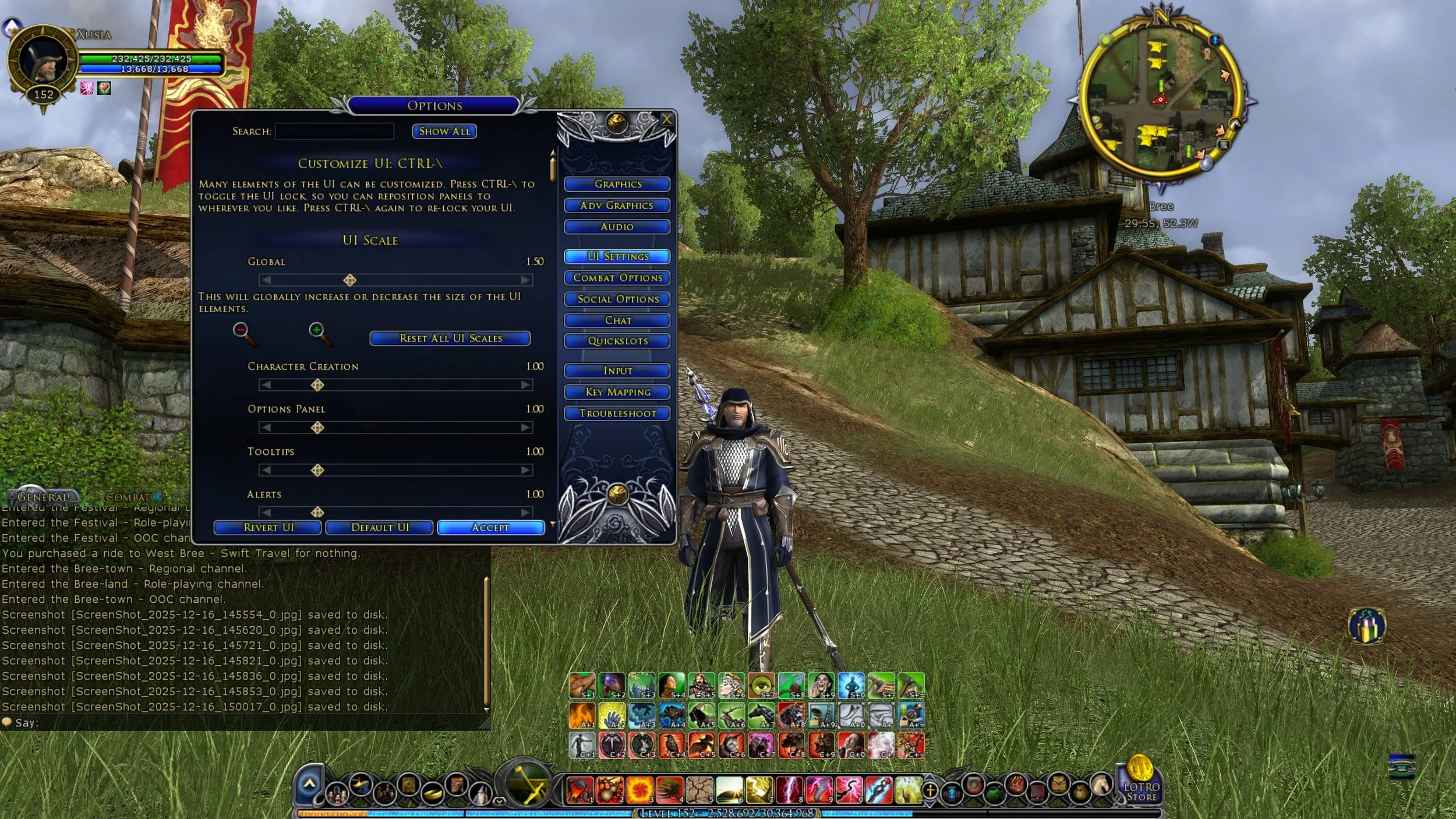
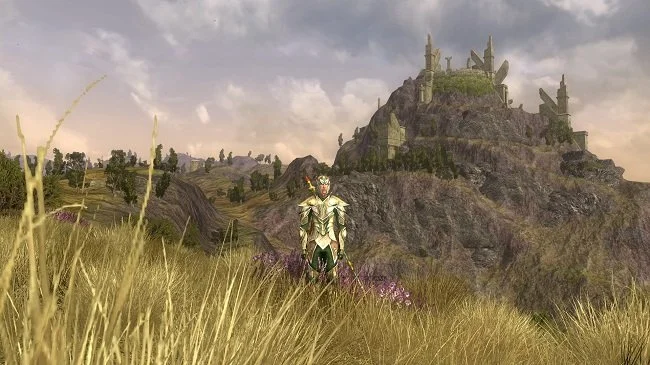
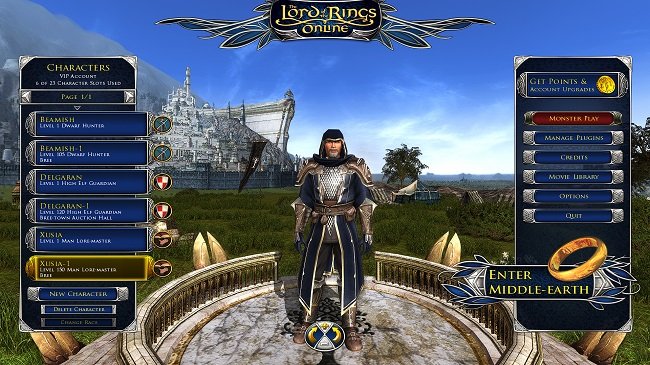
From a technical perspective porting an ageing Windows based MMORPG from 2007 over to the latest generation of consoles is a major project. The UI as it exists in the game at present is cluttered and doesn’t scale well for higher resolutions. Plus the layout of skills is designed for point and click mouse access. The game textures also do not fare well at 4K plus the character models and animations are somewhat dated. Then there are issues regarding lag, hitching that are zone specific. Also tearing, the draw distance, the environmental “pop in”, clipping, loading times and possibly a hundred other issues. And if you are fixing all of these fundamental issues, wouldn’t it be wise to also address LOTRO’s long standing lack of comprehensive voice acting? Will a modern console audience want to play a game that still heavily relies on text driven dialogue?
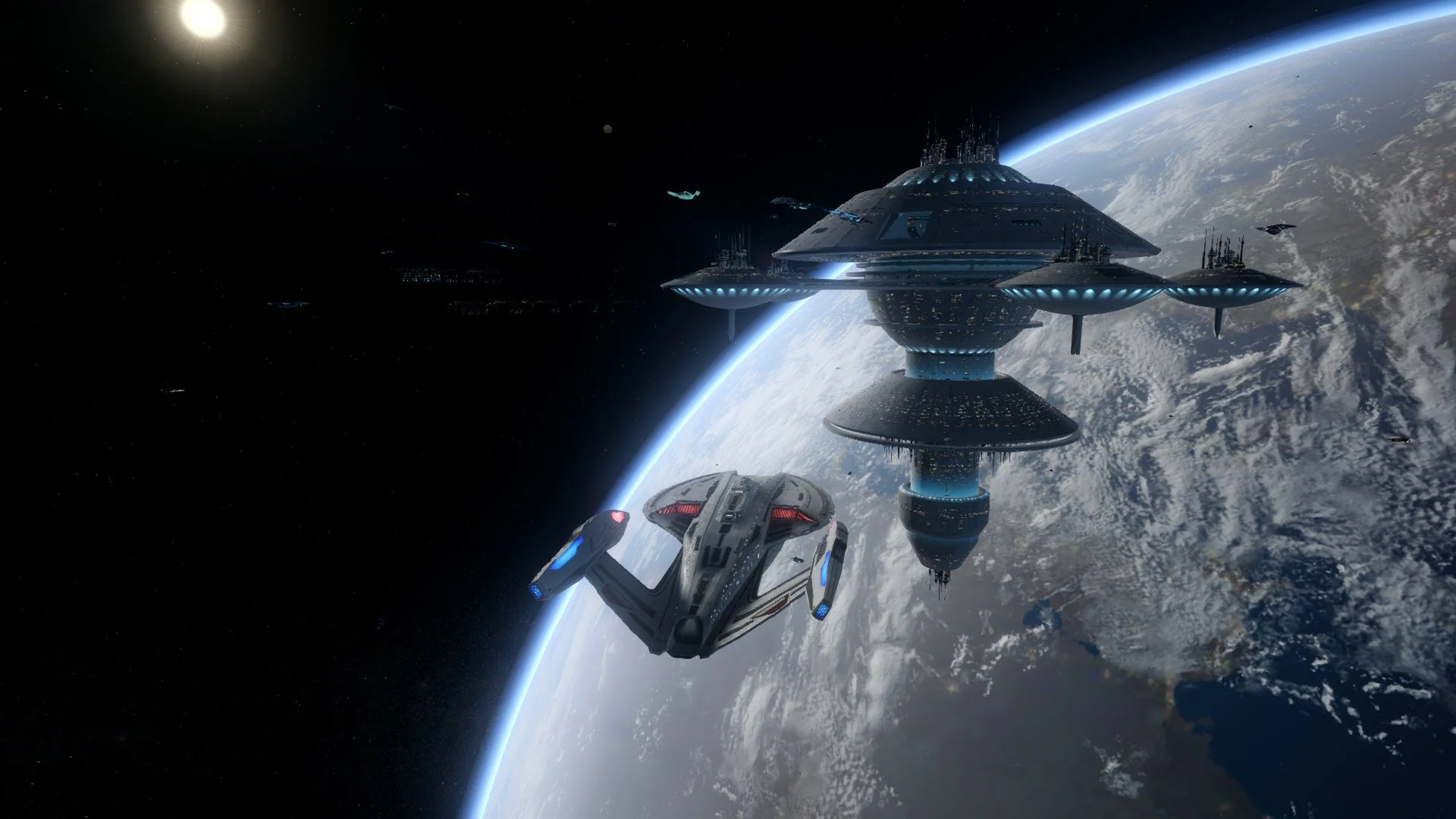
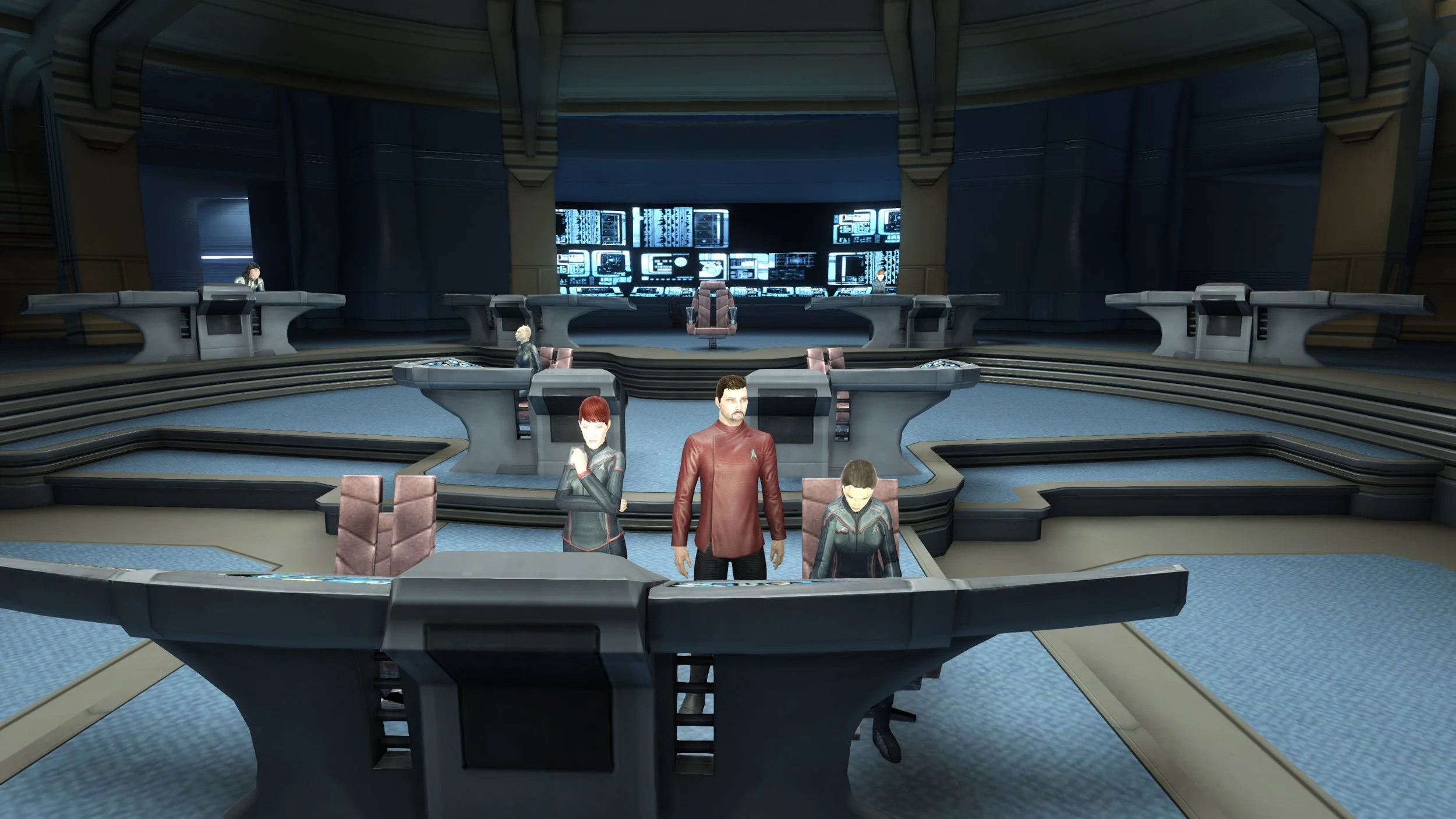
Then there are further issues stemming from a successful conversion to both the latest Playstation and Xbox consoles. It is doubtful that crossplay is going to be implemented as it hasn’t been done so for other MMOs that have been converted. Both Star Trek Online and The Elder Scrolls Online have separate servers to accommodate console players. Thus a port for LOTRO would also require a new server system to support the game which no doubt comes at a significant cost. It can be argued that LOTRO’s PC server environment is lacking at present which raises the question as to whether there would be any changes to this infrastructure. In fact the more one thinks about this “project” the more it seems like a very capital intensive undertaking. Such an investment would have to be driven by some pretty compelling financial predictions. EG7 has referenced several times the potential interest the IP may receive due to the Amazon Prime Middle-earth television production that launches next year. Is that itself a big enough incentive?
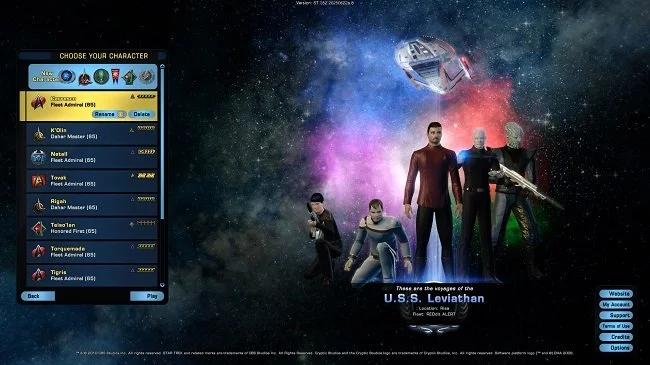
However, there is an alternative train of thought to consider inlight of the choice of words EG7 have used in their latest investor report. Specifically “a major revamp to upgrade the visuals, modernize the experience”. Modernizing the experience may simply mean making the games overall graphics and systems work on the consoles. Cryptic have successfully done this for Star Trek Online by condensing menus, automating some skills and decluttering the UI. Their port to consoles has not essentially changed the gameplay or radically altered experiences between those playing STO on a PC and those on an Xbox or Playstation. Yet, there is scope to interpret “modernize the experience” as something akin to Star Wars: Galaxies New Game Enhancements (NGE). A revamp of that classic MMO that profoundly changed the game by taking a reductionist approach. Are EG7 implying that to port a game such as LOTRO it needs to be overhauled at source IE PC level first and then converted? Such a prospect is potentially troubling.
In the meantime, a console conversion remains a “mid-term” goal for EG7. One that I’m sure will be dependent upon ongoing revenue growth and senior staff being invested in the project. Something else to consider is that EG7 owns several game development studios such as Big Blue Bubble, Piranha Games and Toadman. A project of this kind would involve more than just Standing Stone Games. Although SSG have managed to keep the LOTRO alive and ticking over in the last few years, they have not exactly taken the game forward or in any way improved its standing. Bringing the game to a new player base such as console players presents a perfect opportunity to reset community relationships. However, all of this is a long way off, assuming that it ever comes to fruition. For the present the prudent LOTRO player would be best served focusing on playing the existing game and keeping an eye on the more immediate situation.




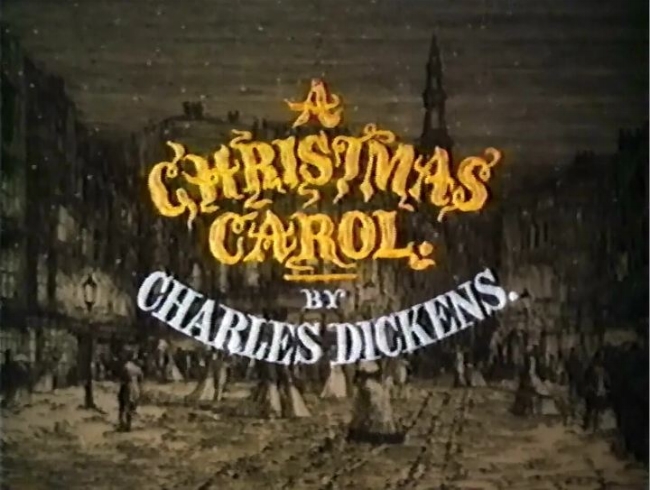
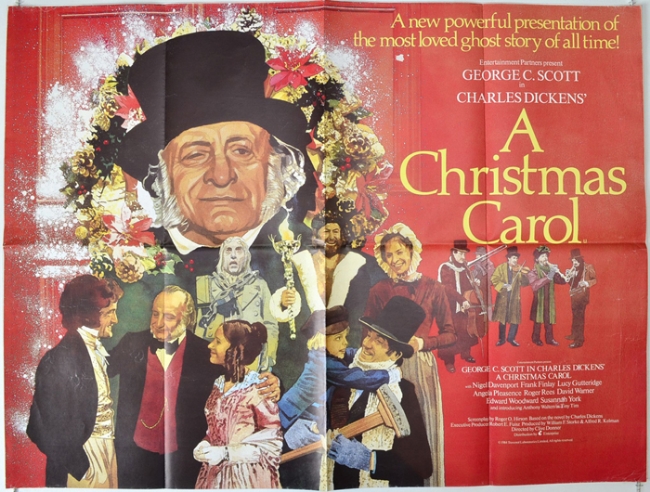
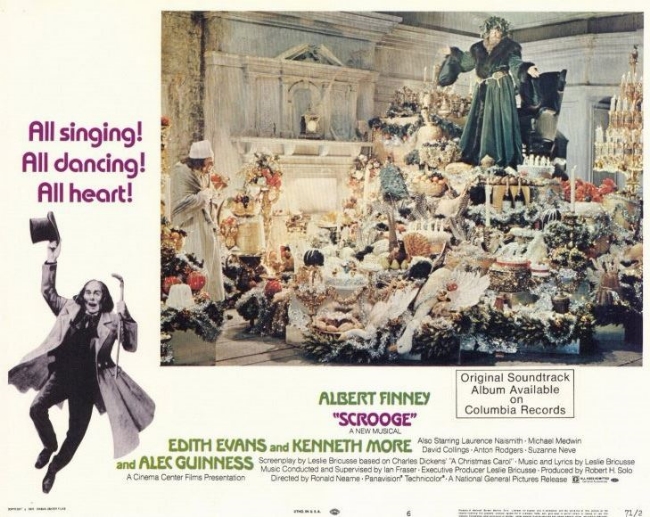
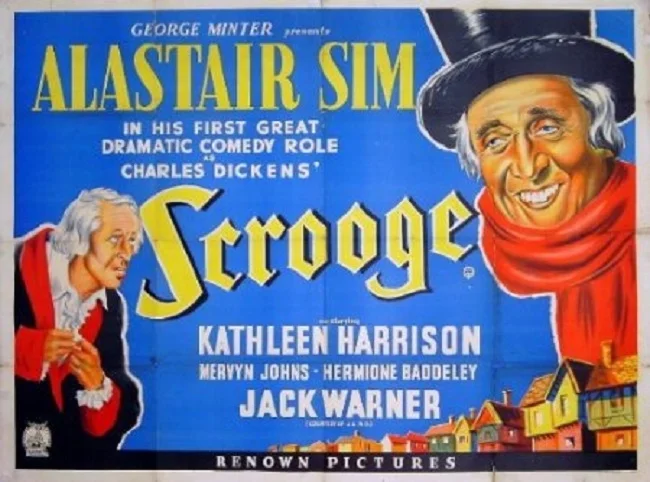
A Christmas Carol (1977)
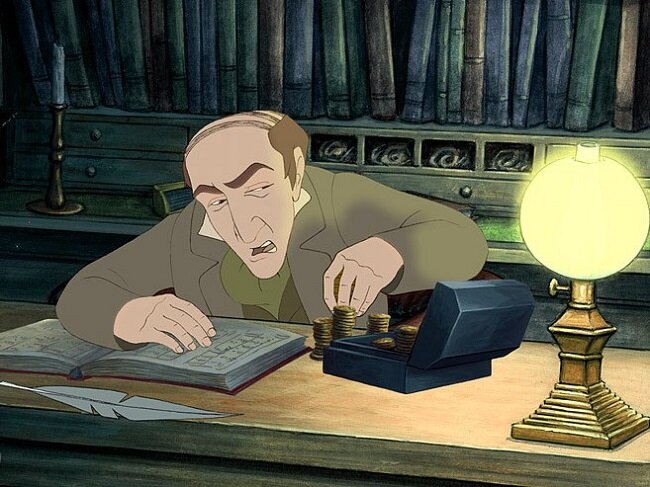
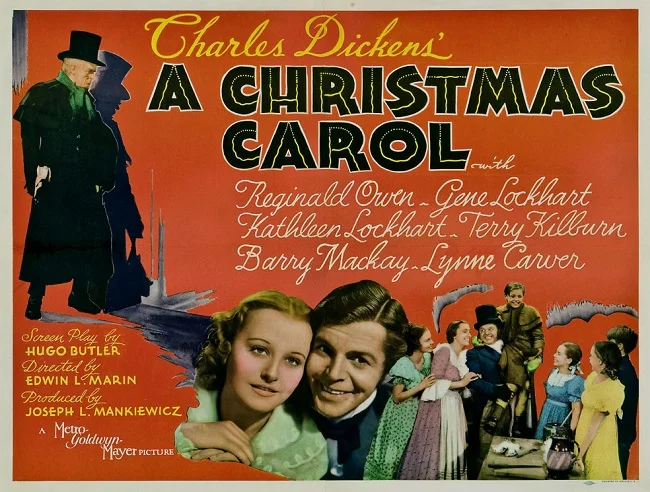
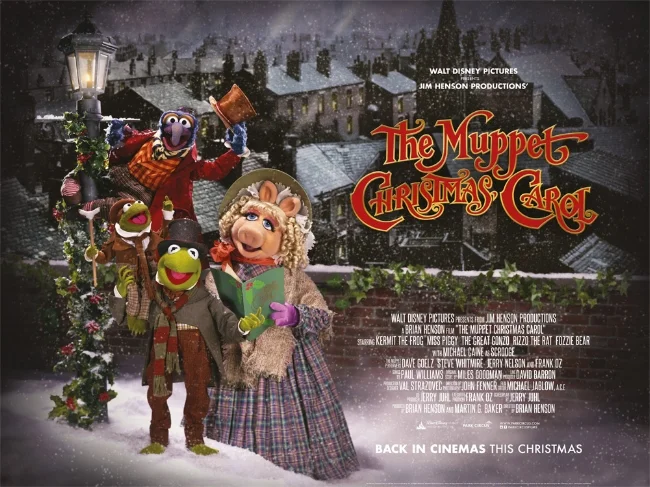
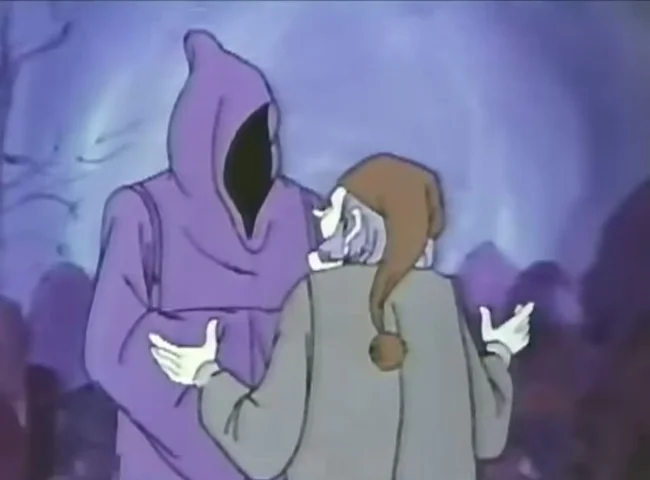
This BBC production from 1977 packs a lot into its 60 minute running time. Succinctly dramatised by Elaine Morgan, this adaptation focuses on the essential themes and key scenes of Dickens’ book. Shot on video, as many BBC dramas were at the time and confined entirely to studio sets, this low budget production makes use of chroma key visual effects. The snow bound countryside, the dark staircase in Scrooge’s apartment and the London skyline are all line drawings, with the cast composited in the foreground. Hence this version of A Christmas Carol feels like an episode of Doctor Who from the same decade. However, the production has one trump card to play with its robust cast of British character actors from the era. Fine performances from the likes of John Le Mesurier, Bernard Lee and Zoe Wanamaker more than compensate for the budgetary restrictions and short duration.
This BBC production from 1977 packs a lot into its 60 minute running time. Succinctly dramatised by Elaine Morgan, this adaptation focuses on the essential themes and key scenes of Dickens’ book. Shot on video, as many BBC dramas were at the time and confined entirely to studio sets, this low budget production makes use of chroma key visual effects. The snow bound countryside, the dark staircase in Scrooge’s apartment and the London skyline are all line drawings, with the cast composited in the foreground. Hence this version of A Christmas Carol feels like an episode of Doctor Who from the same decade. However, the production has one trump card to play with its robust cast of British character actors from the era. Fine performances from the likes of John Le Mesurier, Bernard Lee and Zoe Wanamaker more than compensate for the budgetary restrictions and short duration.
Michael Horden brings an element of befuddlement to his portrayal of Ebeneezer Scrooge. He is also petty, acerbic and somewhat cowardly. All of which feels very authentic and in the spirit of the source text. His interaction with Jacob Marley (John Le Mesurier) is very faithful to the book and Le Mesurier brings a genuinely weary element to his performance. The Ghost of Christmas Past (Patricia Quinn) is depicted very much as described in the text, with bright light emanating from them and carrying a hat similar to a candle extinguisher. She focuses on Scrooge’s abandonment at school and his failed engagement. Fezziwig is more of a footnote to this part of the story. Similarly the Ghost of Christmas Present (Bernard Lee) wastes no time and quickly highlights Bob Cratchit’s poverty and Tiny Tim’s ill health. Nephew Fred’s party is distilled down to its bare essentials. The Ghost of Christmas Yet to come is depicted as a traditional hooded figure. The cleaning woman and undertaker discuss Scrooge’s failing while his dead body is laid out on the bed, rather than at the pawnbrokers.
The time limitations of an hour mean that some elements of the story are lost. Yet despite the efficiency of this summarisation, some minor embellishments still make it to the screen. Marley’s face appears in the tiles surrounding the fireplace. We see Belle happily married years later on the night of Marley’s death. Mankind’s children, ignorance and want, are briefly depicted. And there’s a scene in which a family in debt to Scrooge learns of his death. All of which add to the character of this production and make it feel more than just another arbitrary adaptation. It is a shame that the commissioning editor did not see fit to make this a 90 minute production, so it could have taken a little more time to savour its emotional highs and lows. As it stands this is a quaint but engaging TV version, which may appeal more to the Dickens aficionado or those wanting a quick fix of the classic story.





Catch Us If You Can (1965)
Catch Us If You Can is a very curious cinematic vehicle for the popular sixties band, The Dave Clark Five. At first glance, especially during the opening credits, it comes across as a zany comedy in a similar idiom to The Beatles’ A Hards Days Night. However, within 15 minutes the plot takes an unexpected turn and the film becomes a rather well observed analysis of sixties youth marketing and the perennial subject of “the price of fame”. The songs are not played by the band on screen but are instead just part of the overall musical soundtrack. It’s a very different approach but that seems to be the defining quality of the film. It is not as expected, which is both its primary virtue and its main failing. The fact that this film was released under the title of Having a Wild Weekend just makes things more confusing. It is certainly not for everyone but that can be said about many of the films directed by John Boorman. Catch Us If You Can marks his cinematic debut.
Catch Us If You Can is a very curious cinematic vehicle for the popular sixties band, The Dave Clark Five. At first glance, especially during the opening credits, it comes across as a zany comedy in a similar idiom to The Beatles’ A Hards Days Night. However, within 15 minutes the plot takes an unexpected turn and the film becomes a rather well observed analysis of sixties youth marketing and the perennial subject of “the price of fame”. The songs are not played by the band on screen but are instead just part of the overall musical soundtrack. It’s a very different approach but that seems to be the defining quality of the film. It is not as expected, which is both its primary virtue and its main failing. The fact that this film was released under the title of Having a Wild Weekend just makes things more confusing. It is certainly not for everyone but that can be said about many of the films directed by John Boorman. Catch Us If You Can marks his cinematic debut.
A group of London stuntmen are contracted to work for an advertising agency that is shooting a commercial for the Meat Industry at Smithfield market. Steve (Dave Clark) finds the arthouse approach to the filming tiresome and after a take, decides to drive off in an E-type Jaguar that is being used for the shoot. The actress and model starring in the commercial, Dinah (Barbara Ferris), decides to come with him in defiance of her mentor, the advertising executive Leon Zissell (David de Keyser), The two go searching for some meaning to their lives. Steve seeks out his mentor Louie who trained him in Judo when he was a youth. Dinah wants to go to a deserted resort island off the coast of Devon. Meanwhile, Zissell sees an opportunity to turn their impromptu excursion into a major publicity stunt and claims Dinah has been kidnapped. Steve’s friends attempt to keep Zissell’s henchmen and publicity machine away from the couple while they make their journey.
Over the course of an hour and a half, the story veers from the superficial to philosophical self examination. This ranges from scuba diving in a London open air pool, to debating counterculture with a group of hippies living in a Ministry of Defence village. There are times when you ponder whether you should be laughing at events and dialogue, or whether it is all in earnest. I can’t help but think it’s the latter and that Boorman was trying to give audiences something different. A critique of the very culture they consumed and were part of. Hardly surprising when you realise that the screenplay is by the playwright Peter Nichols. The ending of the film is rather poignant but also somewhat bleak. Those expecting the traditional boy meets girl, boy gets girl narrative will need to look elsewhere. This is more of a case of girl leaves boy, for older controlling man because they’re locked in a strange interdependent, symbiotic relationship.
Another noteworthy point is that this film isn’t scared to fly in the face of the squeaky clean image that the Beatles perpetuated in their feature films. It touches upon drugs, although the lead character doesn’t use them and there’s an undercurrent of unrequited love. There’s a curious vignette where Dinah and Steve meet an eccentric married couple played by Robin Bailey and the marvellous Yootha Joyce. There is a strong element of concealed passion as they flirt with their young counterparts. Is it sexual or is it a longing for youth and its accompanying optimism. Again the dialogue takes an existential turn as the cast reflect upon the nature of hope. “The young are callously hopeful. I’m Not. Then you should be, to set us an example”. These subtle adult themes appear not to have escaped the notice of the contemporary ratings board. Hence the current UK re-release of the film is rated 12 by the BBFC.
Setting aside the rather bespoke nature of the film the essential question one inevitably has to ask is does it work? Yes it does within the confines of its remit but it makes for ponderous viewing. I’m not sure that fans of The Dave Clark Five expected or wanted a film of this nature. It’s not unreasonable to assume that they wanted a wacky comedy in the idiom of Help, where the band play exaggerated and witty versions of themselves. Instead they got a drama about a group of stuntmen, a possessive advertising executive and an oppressed model. Dave Clark is filled with existential angst and is brooding but it hardly makes him a compelling lead. The rest of the band make sardonic quips but have far less screen time. However, sixties cinema was open to experimentation and Catch Us If You Can is certainly a horse of a different colour. It wrong foots viewer expectations in the same way Mrs. Brown You’ve Got a Lovely Daughter does.





Old Bexley and Sidcup By-election Part 3
The Conservative Party successfully held onto their “safe seat” of Old Bexley and Sidcup in yesterday’s closely watched by-election. However their overall majority was reduced by more than half amid a very low voter turnout. Conservative councillor Louie French becomes the country’s newest MP after winning 11,189 votes, more than 50 per cent of those cast, in the seat previously held by the former cabinet minister James Brokenshire. Mr Brokenshire died in October from lung cancer aged 53. The closest challenger was Labour’s Daniel Francis, who secured 6,711 as the Tory majority fell from nearly 19,000 to 4,478, the equivalent of a vote share swing of 10 per cent to Labour. Turnout in the constituency was just 34%, down from the almost 70% who voted in the 2019 general election.
The Conservative Party successfully held onto their “safe seat” of Old Bexley and Sidcup in yesterday’s closely watched by-election. However their overall majority was reduced by more than half amid a very low voter turnout. Conservative councillor Louie French becomes the country’s newest MP after winning 11,189 votes, more than 50 per cent of those cast, in the seat previously held by the former cabinet minister James Brokenshire. Mr Brokenshire died in October from lung cancer aged 53. The closest challenger was Labour’s Daniel Francis, who secured 6,711 as the Tory majority fell from nearly 19,000 to 4,478, the equivalent of a vote share swing of 10 per cent to Labour. Turnout in the constituency was just 34%, down from the almost 70% who voted in the 2019 general election.
The results subsequently saw positive statements made by both the Conservatives and Labour. Mr French stated that such a victory for a sitting government was “almost unheard of”. Ellie Reeves MP, Labour's political lead for the 2021 Old Bexley and Sidcup by-election, remarked “There’s been a 10% swing over to Labour this evening”. Reform UK, formerly the Brexit Party, came third with 6.6% of the vote, with the party's leader and candidate Richard Tice describing it as a "massive result". Speaking after the results were announced, Mr Tice claimed “The reduction in the Conservatives’ majority in Old Bexley and Sidcup is a rejection of Boris Johnson personally because the Prime Minister is now viewed as a liability, not an asset in Tory heartlands”. The Green Party and Liberal Democrats both lost their deposits as they polled under 5% of the votes.
Old Bexley and Sidcup by-election 2021 results:
Louie French (Con) 11,189 (51.48%, -13.06%)
Daniel Francis (Lab) 6,711 (30.88%, +7.40%)
Richard Tice (Reform) 1,432 (6.59%)
Jonathan Rooks (Green) 830 (3.82%, +0.62%)
Simone Reynolds (Lib Dem) 647 (2.98%, -5.31%)
Elaine Cheeseman (Eng Dem) 271 (1.25%)
John Poynton (UKIP) 184 (0.85%)
Richard Hewison (Rejoin) 151 (0.69%)
David Kurten (Heritage) 116 (0.53%)
Carol Valinejad (CPA) 108 (0.50%)
Mad Mike Young (Loony) 94 (0.43%)
Although the retention of the constituency is a relief for the Conservative Party, the reduction in majority and the dismal voter turnout cannot be ignored. It is extremely disheartening to see two thirds of the electorate deciding not to bother to vote. COVID-19 and poor weather are convenient excuses but both those factors did not deter voters two years ago in the General Election of 12th December 2019. Brexit was a pressing political issue at the time but the demographics of a constituency such as Old Bexley and Sidcup means that they usually make an effort to vote. Hence such voter apathy is food for thought. Doorstep canvassing by all parties discovered a growing sense of disillusionment with the lack of political direction of the government and the inadequacy of the Prime Minister himself. Yet that despondency did not translate into votes for alternative parties.
As a floating voter who has no strong political attachment to either of the two main parties, I have reached a point where none of the choices available on the ballot paper seem appropriate or desirable. I did vote in this election but it had zero impact, due to the “winner takes all” approach that is entrenched in the UK’s political system. Unless you live in a marginal seat, voting against a majority incumbent is effectively redundant. Therefore, with a vote that feels meaningless and a paucity of parties to choose from, I fully understand why people turn their backs on politics. Especially the under 30 year olds. All the canvassing that I saw taking place seemed to be undertaken by the over 40s and pitched at a similar age demographic and above. All too often, UK politics just seems to be a form of lobbying for specific socioeconomic groups. Sadly, I do not see the situation improving anytime soon.
As for Louie French, it will be interesting to follow his voting record in parliament in the months to come to see where he fits within the spectrum of modern Conservatism. At present, as a new MP he is naturally focused upon the needs of his constituents. In his victory speech Mr French stated he will “work tirelessly to repay the trust you put in me”. But I am more intrigued to learn what his position is on several major forthcoming pieces of legislation, such as the UK Online Safety Bill and the new Policing Bill with its potential restrictions regarding the right to protest. I think his voting intentions along with the way he conducts his MPs finances will provide a measure of the man. I also suspect that despite the current drop in the overall majority for this MP, this may well increase in two year’s time when the next General Election is held.

















Forza Horizon 5: The Joy of Segregating Players
Sometimes ignorance can be bliss. Certain games are a lot more enjoyable when you play them with the minimum amount of prior knowledge and little or no expectations beyond looking for fun. Having recently watched Chris “Wolfy” Neal stream the open world driving game Forza Horizon 5, I created an Xbox account and installed it. Furthermore, thanks to fellow blogger Wilhelm Arcturus, I secured a deal on the Xbox Game Pass. The first month of the subscription was just £1. So for the last week I’ve been driving around a virtual representation of Mexico, indulging in all sorts of vehicular shenanigans. My driving skills are negligible beyond a basic understanding of how to accelerate, brake and steer using a Xbox controller. I am oblivious of the back story of this franchise and unfamiliar with the game’s seasons. But I’ve managed to figure things out as I go along (a major coup). And most importantly I’m having fun.
Sometimes ignorance can be bliss. Certain games are a lot more enjoyable when you play them with the minimum amount of prior knowledge and little or no expectations beyond looking for fun. Having recently watched Chris “Wolfy” Neal stream the open world driving game Forza Horizon 5, I created an Xbox account and installed it. Furthermore, thanks to fellow blogger Wilhelm Arcturus, I secured a deal on the Xbox Game Pass. The first month of the subscription was just £1. So for the last week I’ve been driving around a virtual representation of Mexico, indulging in all sorts of vehicular shenanigans. My driving skills are negligible beyond a basic understanding of how to accelerate, brake and steer using a Xbox controller. I am oblivious of the back story of this franchise and unfamiliar with the game’s seasons. But I’ve managed to figure things out as I go along (a major coup). And most importantly I’m having fun.
There are various types of races to undertake as you journey through the open world environment in Forza Horizon 5. Urban street races, formal events at race tracks and cross country competitions through multiple environments. Then there’s the story campaign. There are also accolades to acquire, vehicles to collect and customise. The cars themselves feel authentic and handle realistically. Their respective stats are easy to understand, so it doesn’t take long to find a vehicle that suits your driving style and needs. You even get XP points just through randomly driving around, going off road and causing mayhem. If you are a high end player then you can immerse yourself in the game data and crank the difficulty up to maximum. But if you favour a more casual approach, then you can dial it down and dive right into the game without having to digest tons of instructions. By and large Forza Horizon 5 doesn’t punish you for being a bad driver. If you mess up a checkpoint while racing and don’t want to endure the time penalty, you can simply “rewind” the race and correct your mistake.
Forza Horizon 5 has a great deal going for it. The graphics are superb, especially the draw distance. You really do get a sense of the size of the open world. The story is quite satirical if you feel disposed to apply yourself to it. It seems to gently mock large scale, prestigious sporting events. The radio stations are also rather droll and have a fairly broad spectrum of musical styles. But for me, the best aspect of the game is its live and let live attitude. The gameplay caters to everyone's needs. Über competitive players can do all the things that they get off on and can confine their online, multiplayer experience to those of a similar mindset and skill. I can happily splash about in the proverbial shallow end, free from hassle. The races I participate in are sufficiently taxing for me. Sometimes I win and others I fail. I don’t even know for sure if I’m racing other players or bots at times. There’s no chat, so there’s no bragging or trolling. Or perhaps there is and I just haven’t discovered it yet. The thing is I’m doing things my way and no one is interfering. It’s such a pleasant change.
When driving around, I see other players but again I’m not sure whether they’re real or not. I don’t have to compete for XP nodes (which are signs that you have to destroy to obtain the benefit from). Nor do I have to worry about someone else discovering a “barn find” before me. I did several tag team races recently which were part of an event, so I was definitely with other players but it was not a problem. I suspect there is some sort of skills based matchmaking going on behind the scenes, so I wasn’t participating with other players that were markedly superior. Simply put this game works so well because it gives each player what they want and that is effectively segregation from those better or worse than you. If you want to improve, you crank up the difficulty and you’ll find yourself mixing with those who are seeking to do the same.
I’m not sure if Forza Horizon 5 is going to be my new long term game of choice. I suspect that it will keep me amused for a few weeks and then I’ll move on. That’s fine with me and one of the benefits of the Xbox Game Pass. It means I can try something else. So far this has been an interesting deviation out of my standard gaming comfort zone. I certainly think a lot of other game developers could learn from the way Forza Horizon 5 handles difficulty, player interactions and how to keep someone busy in an open world without pissing them off. I can dabble with the main campaign, tinker with my favourite car, race in a way that I don’t have my fun spoiled by others or my own lack of skill. If I do multiplayer activities then it seems to be in an equitable fashion. And I stumbled into this fortunate situation through a mixture of chance and whim. It’s all been a welcome reminder as to why I love gaming when it’s done right, while at the same time highlighting that the genre’s Achilles Heel is all too often its own community.

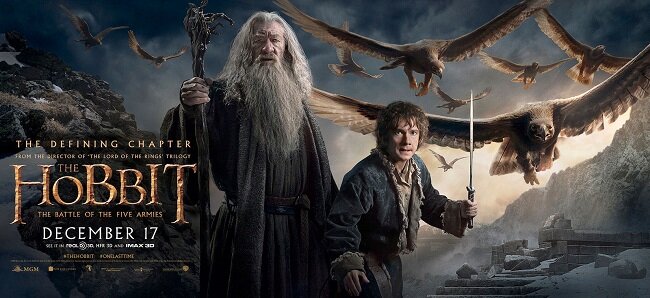
The Hobbit: The Battle of the Five Armies Extended Edition (2014)
This December marks the 20th anniversary of the release of The Fellowship of the Ring, the first instalment of Peter Jacksons' adaptation of J.R.R. Tolkien’s iconic novel, The Lord of the Rings. To celebrate this occasion, I shall post new reviews of the extended edition of all three films, as well as those of The Hobbit trilogy, which were made a decade later.
The Battle of the Five Armies is noticeably shorter than it's two predecessors, mainly because there is insufficient narrative to sustain the proceedings. Even the extended edition which adds a further 20 minutes to the running time, increasing it to 164 minutes, is mainly driven by one ongoing action sequence which is the titular battle. After the somewhat languid pace of the first movie and the bloated excess of the second, this further change of pace seems somewhat perplexing. Despite the more economical running time, events occur very rapidly. Perhaps a little too rapidly. It can be cogently argued that it somewhat diminishes the impact of some of them. Perhaps the biggest issue being the demise of Smaug. It comes promptly at the start of The Battle of the Five Armies and although spectacular, it quickly negates a major plot element.
This December marks the 20th anniversary of the release of The Fellowship of the Ring, the first instalment of Peter Jacksons' adaptation of J.R.R. Tolkien’s iconic novel, The Lord of the Rings. To celebrate this occasion, I shall post new reviews of the extended edition of all three films, as well as those of The Hobbit trilogy, which were made a decade later.
The Battle of the Five Armies is noticeably shorter than it's two predecessors, mainly because there is insufficient narrative to sustain the proceedings. Even the extended edition which adds a further 20 minutes to the running time, increasing it to 164 minutes, is mainly driven by one ongoing action sequence which is the titular battle. After the somewhat languid pace of the first movie and the bloated excess of the second, this further change of pace seems somewhat perplexing. Despite the more economical running time, events occur very rapidly. Perhaps a little too rapidly. It can be cogently argued that it somewhat diminishes the impact of some of them. Perhaps the biggest issue being the demise of Smaug. It comes promptly at the start of The Battle of the Five Armies and although spectacular, it quickly negates a major plot element.
Smaug is killed by Bard but his body falls on Lake Town leaving it in utter ruin. The survivors of Esgaroth are aided by the Wood Elves and both parties subsequently seek restitution from the Dwarves. The men of Lake Town hold the Dwarves accountable for their current situation and the Elves who harbour a longstanding grudge regarding outstanding debts that the Dwarves have not paid. However, Thorin refuses to help which leads to a diplomatic impasse. He summons his cousin Dain from the Iron Hills to provide reinforcements. In the meantime Azog then springs his trap and lays siege to Erebor and all camped outside, resulting in the battle between Dwarves, Elves, Men and Orcs. The film does resolve the major storylines, yet it does feel both a little rushed and contrived. Again the screenplay feels the need to reference and link to future events featured in The Lord of the Rings.
Lore purists will find The Battle of the Five Armies the hardest to stomach because Peter Jackson really does indulge his penchant for narrative simplification, restructuring events and the fetishization of weapons, armour and fantasy combat. The Fili, Tauriel, Legolas love triangle and associated fallout is simply too contrived and unengaging. The White Council's assault on Dol Guldur featuring a 92 year old Christopher Lee beating seven bells out of the Ringwraiths, although thoroughly amusing, does raise an eyebrow. The fact that you can conveniently ride from Lake Town to Mount Gundabad in a day and that Middle-earth is populated with Frank Herbert style giant worms, may also come as a surprise to the faithful. The less said about Beorn free falling from an eagle and turning into a Werebear on the way down, the better.
As I have mentioned in my previous reviews, the depiction of Thorin in these movies is woefully lacking, turning him into a broody, pouting, inaccessible caricature. This time round for want of a better description, Thorin goes a bit "Macbeth". I'll give credit where credit is due and state that Richard Armitage does provide a good performance. But the screenplay doesn't really do the character justice and the plot device about the "Dragon's sickness" is arbitrary to say the least. Yet every now and then, there are sequences and passages of dialogue that come directly from the book. Once again, for everything that Peter Jackson gets right, there's also something that is way off the mark. The pivotal point of the movie should have been Thorin's death but it lacks any emotional impact and is only saved by the presence of Martin Freeman.
Dain Ironfoot (Billy Connolly) makes an impressive entrance riding a War Boar and has an expanded role in the extended version. Beorn and Radagast appear briefly but serve no major purpose than to provide reinforcements to the climactic battle. And what on earth possessed Peter Jackson to kill off Stephen Fry so quickly in the story and yet keep Alfrid Lickspittle as some crass source of so-called comic relief? Mercifully, we still have stalwart performances from Martin Freeman and Sir Ian McKellen who do much of the heavy lifting. Lee Pace proves to be a more interesting character this time round, as Thranduil's motives prove to be less binary than those of Thorin Oakenshield. He tempers his desires for restitution when he sees the extent of the Elven dead and sees the folly of his actions.
As ever the set pieces are immaculately produced and push the violence levels for this kind of movie to the limit. They stay on the right side of the ratings board mainly because the bulk of the decapitations, impalements and bludgeonings happen to non-humans. The death of more central characters tend to be more discrete. The main problem with the frenetic action is that it strives to continuously outdo itself, resulting in scenes that tax the audience's credibility even for this genre of movie. For example Legolas climbs a flight of stone steps leading to a crumbling tower, literally as they fall away beneath him, proving that Elves are indifferent to the laws of physics. A better director would restrain themselves, rather than allow such self indulgence and excess. Also some of the mutilated Orcs and Trolls seem more at home in Clive Barker’s Hellraiser than in Tolkien’s The Hobbit.
If you like the aesthetic that Peter Jackson has created over the years, as well as grandiose spectacle, then The Battle of the Five Armies will prove to be an entertaining diversion. If you want anything more, then prepare to be disappointed. I find it ironic that a trilogy of movies about the adventures of Bilbo Baggins, seems so content to include so little of him on screen. By changing the shift of the story from his perspective, to that of the wider events in Middle-earth, something very important has been lost from these sprawling adaptations. Peter Jackson and his team may well be very knowledgeable in the works of Professor Tolkien but I do wonder if he has fully understood them. As I've said before, these movies are very much Jacksons’ interpretation of The Hobbit. I wonder if there would have been a greater emotional depth and perception of the source text, if these films had been directed by Guillermo del Toro as they were originally intended?


Supporting Content Creators
I was perusing the various YouTube channels that I subscribe to recently, enjoying a broad range of high quality content, when I suddenly realised that the majority of them had some sort of optional monetisation scheme associated with them. By realised I mean that it suddenly clicked with me that so many people are trying to raise funds to pay for their production costs. It’s certainly something I can identify with. I’ve been running a blog since 2007 and even that can be a money pit. There’s domain registrations, hosting costs, design work etc. It was even more expensive when I was producing a podcast. That incurred further hosting expenses and then there was the hardware to buy. So I fully appreciate the situation that many YouTubers find themselves in. They spend their own precious time and money creating quality material that many consume assuming that it is all just “free”.
I was perusing the various YouTube channels that I subscribe to recently, enjoying a broad range of high quality content, when I suddenly realised that the majority of them had some sort of optional monetisation scheme associated with them. By realised I mean that it suddenly clicked with me that so many people are trying to raise funds to pay for their production costs. It’s certainly something I can identify with. I’ve been running a blog since 2007 and even that can be a money pit. There’s domain registrations, hosting costs, design work etc. It was even more expensive when I was producing a podcast. That incurred further hosting expenses and then there was the hardware to buy. So I fully appreciate the situation that many YouTubers find themselves in. They spend their own precious time and money creating quality material that many consume assuming that it is all just “free”.
The democratisation of journalism and video production that the internet has brought over the last 25 years has not been without negative consequence. Trying to get paid for any sort of creative gig is an uphill struggle these day. There’s always someone who’ll undercut you, making it very much a buyers market. If you’re unsure about this point, just go look on Fiverr. And of course there’s that tedious mantra of offering “exposure”, which is still trotted out as a bullshit excuse for not paying you for you’re hard work. The gig economy is not all that it’s cracked up to be. So-called “free content” has damaged the notion that good quality videos, podcasts and longform essays have an inherent value. Furthermore, livestreaming and it’s interactive community elements is often seen as appealing to some viewers, as they get their egos stroked as the make a donation. The bottom line is if you produce content on a regular basis, getting any sort of financial return is a challenge.
I am not a wealthy man by any definition. I gave up self employment in 2016 to become a carer to my parents. I have sufficient funds to get by but I have to live within a monthly budget. However, I recently decided that I should try and be more supportive of those who are producing so much of the material that I regularly enjoy. After crunching some numbers I concluded I could afford to subscribe to two YouTube creators. I really wish I could afford more. I would love to be able to be an online philanthropist. However, my personal financial reality means that its just two. I then spent the next 24 hours pondering who to pick. Again, I felt I was short-changing those who weren’t chosen. I currently subscribe to 76 YouTube channels. But eventually I made a decision based upon the following simple metric. Whose videos do I look forward to the most?
As I am a consummate film fan, I am always on the look for interesting film criticism and analysis. There are lots of YouTube channels that provide this, especially when it comes to genre and cult material. But it can be a bit of an echo chamber at times and hard to find a source offering a different perspective. However, Dark Corners Reviews has successfully managed to fill that gap, offering droll reviews of various low budget genre movies as well as incredibly detailed retrospectives of classic actors and film makers. The former are entertaining due to presenter Robin Bailes’ dry sense of humour. The latter are extremely satisfying for the serious film aficionado. Robin is a free lance writer and very knowledgeable on the subjects he discuses. Material of this quality puts some of the extras I’ve seen on officially sanctioned DVDs to shame. Hence I signed up on Patreon to the Acolyte tier, affording me early access to content and additional videos.
In the last few years, I have started taking walking for pleasure more seriously. At present I do a lot of urban walking or I use the Green Chain Walk; a linked system of open spaces covering five London boroughs. My long term goal is to tackle some of the more iconic walks around the UK. But it is a pastime that requires some thought and planning. Hence I found Marek Larwood’s Cool Dudes Walking Club. Marek regularly publishes videos documenting his experiences, which are both informative and incredibly restful. His blog has a very useful gear guide and his entire approach to walking is very accessible and down to earth. Too many enthusiast videos on YouTube seem to fetishize the paraphernalia around their chosen hobby or use it as a means of posturing. Marek’s seems to find the right balance between preparation, equipment and having fun. So again, I subscribed via YouTube, choosing the Super Cool Dude tier.
It seem woefully inadequate to only support two content creators but I would argue that two is better than none. As someone who creates content myself, as well as consuming large swathes of material made by others, I understand the need to see beyond the myth of free content. I benefit on a daily basis through the hard work of others. So hence the two subscriptions. Financially, it works out as the equivalent of subscribing to one or two online games, or a couple of pints of beer a month. So if you, like me, enjoy a lot of online content and look forward to new material each week, please consider supporting some of those folk who work hard to produce it. Nothing is free. Making a contribution is always appreciated and at the very least helps content creators to meet their production costs. Please do what you can. You’ll feel better for it.





















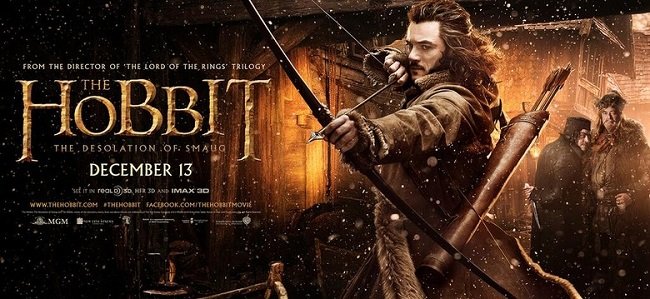
The Hobbit: The Desolation of Smaug Extended Edition (2013)
This December marks the 20th anniversary of the release of The Fellowship of the Ring, the first instalment of Peter Jacksons' adaptation of J.R.R. Tolkien’s iconic novel, The Lord of the Rings. To celebrate this occasion, I shall post new reviews of the extended edition of all three films, as well as those of The Hobbit trilogy, which were made a decade later.
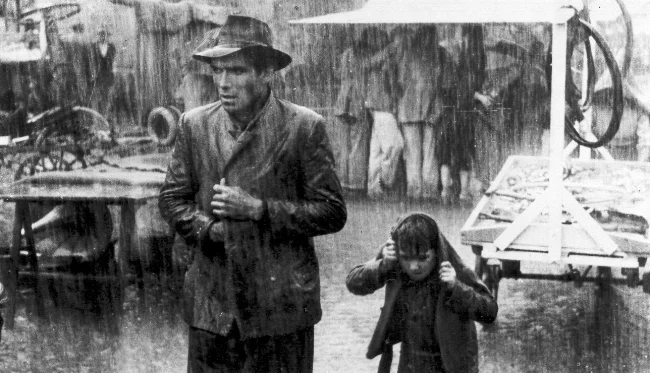
I love the medium of film immensely. I like a wide range of genres and will happily watch weighty human dramas as well as the worst sort of trashy exploitation fodder. The key to reconciling such widely differing types of cinema is to judge them within their own context. Therefore don't compare the respective worth of Citizen Kane with The Golden Voyage of Sinbad, or Bicycle Thieves with The Medusa Touch. So because of the nature of Peter Jackson's adaptation of The Hobbit, I am prepared to make concessions to the fact that it is a big budget fantasy blockbuster franchise. Also the source material from which the film derives is quite sparse, often being nothing more than footnotes, or summations of history. Thus there is scope for a lot of "adaptation", artistic license and creativity. Jackson got a lot of this right with The Lord of the Rings trilogy, over a decade ago. I do not believe that to be the case this time round.
This December marks the 20th anniversary of the release of The Fellowship of the Ring, the first instalment of Peter Jacksons' adaptation of J.R.R. Tolkien’s iconic novel, The Lord of the Rings. To celebrate this occasion, I shall post new reviews of the extended edition of all three films, as well as those of The Hobbit trilogy, which were made a decade later.
I love the medium of film immensely. I like a wide range of genres and will happily watch weighty human dramas as well as the worst sort of trashy exploitation fodder. The key to reconciling such widely differing types of cinema is to judge them within their own context. Therefore don't compare the respective worth of Citizen Kane with The Golden Voyage of Sinbad, or Bicycle Thieves with The Medusa Touch. So because of the nature of Peter Jackson's adaptation of The Hobbit, I am prepared to make concessions to the fact that it is a big budget fantasy blockbuster franchise. Also the source material from which the film derives is quite sparse, often being nothing more than footnotes, or summations of history. Thus there is scope for a lot of "adaptation", artistic license and creativity. Jackson got a lot of this right with The Lord of the Rings trilogy, over a decade ago. I do not believe that to be the case this time round.
The Desolation of Smaug sets off at breakneck pace and continues at that speed throughout it's 186 minute running time. The extended edition is 25 minutes longer than the theatrical version. Again most of the new material is embellishments and does not significantly alter the storyline. Many of the new characters that are introduced are quite intriguing because the screenwriters have been effectively handed a blank canvas, due to the original text being so vague or simplistic (remember that Tolkien's book is a children's story). Thus we meet Beorn (Mikael Persbrandt) the skin-changer along with his Bear alter ego. This bold interpretation has him the last of his race, after being hunted for sport by the Orcs. The Elven King Thranduil, played by Lee Pace, is a greatly expanded role. He is shown as a ruler keen to secure his kingdom’s borders from the ills of the world and possibly someone who blames the Dwarves of Erebor indirectly for a family death. His riding an Elk is a wonderful visual embellishment and conceit. However, not all of the new ideas work. I found the concept of “the tombs of the ringwraiths” to be fundamentally lore breaking and foolish.
Modern film making, especially with regard to digital effects and editing afford directors far more visual freedom. As a result, the cinematography of Andrew Lesnie never remains still. He is unquestionably the master of crane and tracking shot, but it beggars the question are they always required? Would the story arc really suffer that much, if the pace slowed just for a while, to allow the viewer to digest the events that have happened so far? Tolkien certainly understood this issue of pace in his writing. Blame can also be laid at the door of editor Jabez Olssen, who constructs action scenes that are so fluid and rapidly cut together they are difficult to follow at times. And there are many such scenes in The Desolation of Smaug and they divert the story progression significantly.
After escaping the Orc, the Dwarves journey through Mirkwood only to be captured by the Elven King Thranduil (Lee Pace). Bilbo's battle with the spiders is concisely distilled. I loved the way he could understand their language when he put on the ring. Jackson excels at little embellishments like this. However, conversely his efforts to bolster the continuity with the previous trilogy can also be somewhat heavy handed. Bilbo's struggle with the allure of his newly found "precious" are far from subtle. The Dwarves' captivity and escape is deftly handled and I was even happy to go along with the introduction of Tauriel (Evangeline Lilly). I gritted my teeth and rolled with the return of Legolas (Orlando Bloom) and the contrived interaction he had with Gimli's Father, Gloin. The introduction of the Bard (Luke Evans) and the expanded role he plays within the story is quite inventive. I think it helps having him as a quasi Robin Hood figure with the Lake Town community makes him more plausible as a future leader. Stephen Fry’s cameo as the Master was indulgent but droll. The addition of Alfrid Lickspittle (Ryan Gage) as a comic foil is not so successful.
It was about two thirds into the movie that I began to feel that the narrative was becoming too ponderous and drawn out. It began to sag under the weight of its self satisfied approach. This was no longer Peter Jackson's adaptation of Tolkien’s The Hobbit, but simply Peter Jackson's The Hobbit. A lot of the “creative ideas” were not working and by the time the plot reached Smaug, I was fast losing interest. Tauriel “spiritual romance” with injured Kili (Aidan Turner) was stilted and frankly poorly written. Gandalf's excursion into Dol Guldur was melodramatic and contrived, especially the unnecessary manner that Sauron reveals himself to be the Necromancer. The idea of introducing Bolg, son of Azog as a second tier bad guy, to me just showed that the screenwriters (Peter Jackson, Fran Walsh and Philippa Boyens) are tying themselves in knots with their desire to dovetail in everything and anything from a lore perspective.
Now on the subject of Smaug “the chiefest and greatest of all calamities”, I must praise all at Weta Digital for creating the most awesome and truly terrifying dragon since Vermithrax Pejorative from Dragonslayer. Benedict Cumberbatch is perfect voice casting and I was initially impressed with the scenes between him and Bilbo. They captured the spirit of the book superbly. Sadly the director’s need for yet another inexorably long action scene that wasn't in the least required, soon killed my interest. Hence we had the preposterous attempts by Thorin and company to try and kill Smaug by smothering him in molten gold. The very climax of The Desolation of Smaug, that should have been the film’s crowning glory, was for me quite the opposite. I actually found myself wishing for the final thirty minutes of the movie to end as soon as possible.
The second movie in any trilogy is always a very difficult beast to master. There is a requirement for characters to grow and evolve. In box office terms there is a need to provide not just more of the same but increase the sense of spectacle. If done well you will potentially have a movie that is better than the first. Consider The Empire Strikes Back, Spiderman 2 or Aliens. Unfortunately this cannot be said of The Desolation of Smaug. New characters are lost in a cacophony of action scenes and mayhem. Be warned this movie pushes what you can get away within the PG-13 rating. And there are too many clumsy nods to The Lord of the Rings. It seems at times like a list of essential similarities, tropes and idioms is being ticked off. With regard to Jackson’s blank cheque to expand on story points and fill in the so-called blanks, there reached a point where I thought that he had simply strayed too far from what was canonically acceptable.
Like the previous film, one of my main criticisms is based upon the portrayal of certain characters. Bilbo has precious little to do in this instalment. Furthermore the significance of actions and his personal growth is not explored sufficiently. In the book it is this part of the story where the Dwarves begin to deem him a hobbit of merit and value his contributions to their quest. This theme is conspicuously lacking in The Desolation of Smaug. Also again I protest at Jackson's interpretation of Thorin Oakenshiled. In this film he becomes borderline unlikeable. The entire approach is just too binary and formulaic. This is a character that I am supposed to revere, admire and feel for. Again, as with the previous film, those feelings are reserved for Balin instead, played by the superb Ken Stott.
Raiders of the Lost Ark and movies like it have proven that blockbusters can be populist, stylish and entertaining as well as commercially successful. The Desolation of Smaug did indeed clean up at the box office. However it is a very self indulgent piece of cinema and sadly the embodiment of style over substance. Yes, I enjoyed facets of the production and found elements to praise. However, I will not allow my affection for the original book or for Peter Jackson's previous trilogy to colour my judgement. I have to call a spade a spade and say that The Desolation of Smaug is too focused on being a spectacle, at the expense of the story and cast. The extended edition does precious little to remedy this. It is too loud and sprawling and certainly will test the casual viewer’s patience.
Not Every Film Needs a Sequel
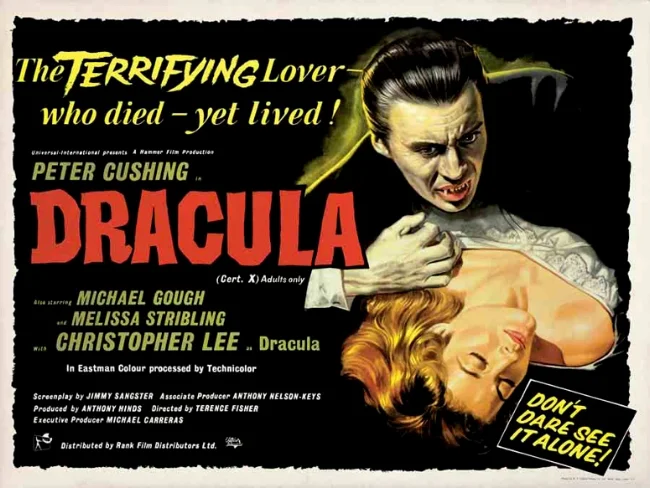
Sequels are not a modern cinematic invention, nor are lucrative film franchises. Son of Kong (1933) followed King Kong (1933) within a year. Universal ran a horror movie franchise starting with Dracula in 1931 which ran until 1956, ending with The Creature Walks Among Us. However, although striking it rich at the box office has always been the focus of mainstream Hollywood filmmaking, the studio system of the so-called golden age at least was committed towards making quality cinema and films were not just about brand recognition. As well as seeking big hits the major studios were also content to produce smaller budget films that were moderately successful. However, this approach changed substantially in the late sixties and early seventies when the major film studios of Hollywood were bought by corporations. Creativity and entertainment were subsequently tempered by a business strategy that saw art as a product to be sold and marketed.
Sequels are not a modern cinematic invention, nor are lucrative film franchises. Son of Kong (1933) followed King Kong (1933) within a year. Universal ran a horror movie franchise starting with Dracula in 1931 which ran until 1956, ending with The Creature Walks Among Us. However, although striking it rich at the box office has always been the focus of mainstream Hollywood filmmaking, the studio system of the so-called golden age at least was committed towards making quality cinema and films were not just about brand recognition. As well as seeking big hits the major studios were also content to produce smaller budget films that were moderately successful. However, this approach changed substantially in the late sixties and early seventies when the major film studios of Hollywood were bought by corporations. Creativity and entertainment were subsequently tempered by a business strategy that saw art as a product to be sold and marketed.
That’s not to say that good films haven’t been made since then, just that the current ethos makes things harder. The bloated structure inherent in modern business, means that as a script or concept passes through every corporate fiefdom, where “value is added” as everyone desperately tries to justify their existence in the chain of command. At present mainstream Western filmmaking is risk averse, while seeking infinite growth. Hence franchises, brand recognition, reboots, sequels and anything other than an original idea is looked to as a source of potential box office success. Perhaps the apex of this business strategy is the Marvel Cinematic Universe. A sprawling chain of films, more akin to a product line of toys. They are well made, formulaic and entirely self serving while marketed as a fan service. They certainly are entertaining to their fans but they are also profoundly changing the way films are perceived among those who have grown up with them.
I belong to a film related Discord server. One that tries to promote a broad spectrum of films from all countries and times. There was recently a big discussion around John Carpenter’s The Thing (1982) and it was very interesting to read the thoughts and opinions of those younger viewers who were not initially familiar with it. They knew it only by its reputation as being a horror movie milestone. After a specific weekend when everyone endeavoured to watch the film, the discussion picked up anew. Some of the reactions were quite surprising. A common “complaint” was that the nature of the mutating lifeform was never clarified in any detail. IE What was it, where did it come from and what did it want. Another recurring comment was regarding the ending. “Oh you can’t leave the story there. What happened next?” or words to that effect. And then there was the furious over analysis of the most trivial of plot points. Turns out people were looking for Easter eggs. Someone even watched the credits to see if there was a post credit sequence.
Simply put, there seems to be a broad cultural difference in one’s expectations about a film, based upon one’s age group and overall exposure to film. Because episodic cinema is now an integral aspect of big franchises, I understand why some people would see this as the industry standard. Yet not every story needs a further instalment. All too often sequels that try to extend a successful standalone film into a bigger franchise, just dilute the quality of the narrative. There are a few exceptions to this rule. Mad Max 2, Aliens and Psycho II, but by and large sequels tend to just tread familiar territory and add little that is new. A good standalone film is like a snapshot of life. In our own lifetime, we may have one single event that is radically different from daily life but once it passes, we return to the safe mundanity of our daily routine. The stories in films are somewhat like this. Unless of course you’re John McClane.
If a film is conceived from its pre-production to be the first in a franchise, then it has an impact on the way the story and the character arcs develop. Some instalment will inevitably be stronger and more compelling than others. The final film in a series also has to contend with meeting audiences expectations, which is a difficult thing to do. Another pitfall associated with any franchise is whether there will even be an end to the story, due to the law of diminishing box office returns. A regular film tells a complete story or provides as previously stated, a snapshot of a fictional world. The viewer at least has the satisfaction of having seen a complete and self contained cinematic work. Consider Akira Kurosawa’s Seven Samurai. It has a near perfect story arc which concludes in a definitive fashion. There is no need for a sequel because the film isn’t just about the characters or the deeds that they undertake. Its artistic merit resides within experiencing the film itself. Everything that there is to be gained is there already.
You Can’t Sit on the Fence Forever
I was recently reading a post published on Massively Overpowered about Activision Blizzard CEO, Bobby Kotick. The majority of comments were not well disposed towards the man, especially in light of the fact that previous allegations made against him regarding harassment and intimidation have been settled out of court. However, there were one or two comments that flew in the face of the overall opprobrium. That’s not to say that they were supportive of Mr Kotick. They were from people who wanted to “just play games” and effectively not have to be exposed to any discussion or judgement upon the iniquities of the video games industry. It’s a common refrain from some gamers. They wish to keep the realities of the world out of the games that they play. To treat an MMO, FPS shooter or strategy games as a form of leisure devoid of any socio-political implications. Something they can immerse themselves in for a while to “escape the stress of real life”. It’s a concept that seems fair enough in principle but when considered in practical terms is abstract and unworkable.
I was recently reading a post published on Massively Overpowered about Activision Blizzard CEO, Bobby Kotick. The majority of comments were not well disposed towards the man, especially in light of the fact that previous allegations made against him regarding harassment and intimidation have been settled out of court. However, there were one or two comments that flew in the face of the overall opprobrium. That’s not to say that they were supportive of Mr Kotick. They were from people who wanted to “just play games” and effectively not have to be exposed to any discussion or judgement upon the iniquities of the video games industry. It’s a common refrain from some gamers. They wish to keep the realities of the world out of the games that they play. To treat an MMO, FPS shooter or strategy games as a form of leisure devoid of any socio-political implications. Something they can immerse themselves in for a while to “escape the stress of real life”. It’s a concept that seems fair enough in principle but when considered in practical terms is abstract and unworkable.
Take a good hard look at the world around you. It is built upon free market capitalism and consumerism. Video games are a microcosm of such ideologies. An amusing diversion that you pay to access. That is why millions of dollars are spent developing them. Because a game that blends the right amount of psychological manipulation with user engagement, can hit the jackpot and yield a handsome return on investment. Some gamers are so invested in their game of choice, especially the MMO community, they lose sight of the fact that they’re consumers paying for a product. They see it as some sort of commensurate relationship between artist and patron and the video game industry is happy to perpetuate this fallacy. Sadly, video games are not inviolate, existing in their own ethically and politically neutral separate reality. They are made by people, working within a corporate hierarchy and as such are entwined with the inherent problems of such a system.
Video games are not any different from electronics, clothes and many other consumer items we buy on a regular basis. Those manufacturing them are poorly paid and have little or no benefits, while the prodigious profits that are generated are funnelled to the top of the corporate structure. Sadly, video games are far from free from the taint of modern business practises. And as consumers, we are contributing to these problems, irrespective of whether we are ideologically supportive of the system that causes them or not. You can as a gamer “just play games” if that is what you want to do but willful ignorance does not negate the iniquities of the triple A video games industry. Nor does it absolve you, or indeed any of us, of the fact that we’re supporting a business model that is discriminatory to people not too dissimilar to ourselves.
Now there is a rather tedious and ill conceived argument that usually gets trotted out in such situations. The one that states that you can’t voice any sort of criticism regarding exploitative business practises, while still using the services they provide. IE “best give up your mobile phone, cheap clothes and consumer goods and go live in a cave”. The notion being that there is an element of hypocrisy or at least cognitive dissonance to such a stance. All that is notionally correct, that does not invalidate the rectitude of the argument against bad corporate practises. Furthermore, one doesn’t have to wait for a consensus of universal moral perfection before seeking societal change. Change is made from within the imperfect system. Take a look at Western history over the last and current century. Civil rights and equality were fought for despite a substantial percentage of the population thinking that it wasn’t their problem. Perhaps they just “wanted to play games” or whatever the equivalent soundbite was at the time?
Maintaining a civilised, fair and equitable society is hard work. It requires rules and regulations to ensure that an acceptable standard of life exists for all. It also needs citizens to “give a shit”. Now I don’t expect everyone to be an activist 24/7. But there is a price for living in an orderly society. Jury service, voting and on occasion realising that helping and supporting others with their struggles is beneficial for our collective good. If you are content to live in a world where the prevailing mantra is “fuck it, it’s not my problem”, don’t be surprised if sooner or later someone will try and take something away from you. You can’t sit on the fence forever. Let us not forget the wise words of Martin Niemöller. So returning to the original point of discussion, I hope that ongoing pressure from both the public and staff results in meaningful change at Activision Blizzard. It’s in everyone’s best interests that it does.



LOTRO: Thoughts on Fate of Gundabad
I’ve spent the last week catching up with recent content in The Lord of the Rings Online. I started the Update 30: Blood of Azog and struggled with the PVE quests, due to the stats nerf and LI change. I got to level 132 and then decided to replace my two Legendary Weapons on my Lore-master. I would like to thank Linawillow for their advice via social media. So much for the new system being easier to understand and implement. I now have new LIs that have boosted my stats sufficiently enough for me to deal with the mobs above 130. Hence I completed the story set in the Battle of Azanulbizar, which was very well conceived and implemented. It has a great deal of canonical detail and is engagingly presented. By the time I finished the Epic Story and side quests in the area, my character had reached level 136, so I decided to go straight to Gundabad.
I’ve spent the last week catching up with recent content in The Lord of the Rings Online. I started the Update 30: Blood of Azog and struggled with the PVE quests, due to the stats nerf and LI change. I got to level 132 and then decided to replace my two Legendary Weapons on my Lore-master. I would like to thank Linawillow for their advice via social media. So much for the new system being easier to understand and implement. I now have new LIs that have boosted my stats sufficiently enough for me to deal with the mobs above 130. Hence I completed the story set in the Battle of Azanulbizar, which was very well conceived and implemented. It has a great deal of canonical detail and is engagingly presented. By the time I finished the Epic Story and side quests in the area, my character had reached level 136, so I decided to go straight to Gundabad.
As I usually participate in the Bullroarer test preview of new content for LOTRO, I was already aware of the vertical dimension that is an integral part of the Delvings of Gundabad. Mattugard and Deepscrave are very reminiscent of Moria and one needs to reconcile oneself to the reality of navigating around such an environment. Thankfully, being several levels higher than the content of the area helps. So I have taken my time to explore these areas and have just taken quests as and when they’ve been offered. At present, there are lots of other players in the area, so if you do run into any difficulty or get lost, you are not without support. Whether you actually like the labyrinthine design is a matter of personal taste. If you stick to the main routes through the area, you will miss a great deal of discovery deeds. I find the best approach is to explore specific areas between stables and to be systematic in your approach.
To make my exploration of the entire zone a little easier, I used my supply of Mithril Coins to unlock access to all the new stables. I visited them using slow travel, as this also unlocks discovery deeds as you pass through an area. It also allows you to reconnoitre and determine the level and variety of mobs, without taking any unnecessary risks. When I do get into combat, although my new LI can deal significant damage, my moral takes quite a hit. I checked into this and it would appear that my armour and jewellery is now lacking. I last re-geared my primary alt back in January 2020, using lockboxes. I think it may be time to do this again but it makes sense to do so when I hit the new 140 level cap. By then I should have sufficient barter currency to buy reputation gear or alternatively, spend some money on lockboxes.
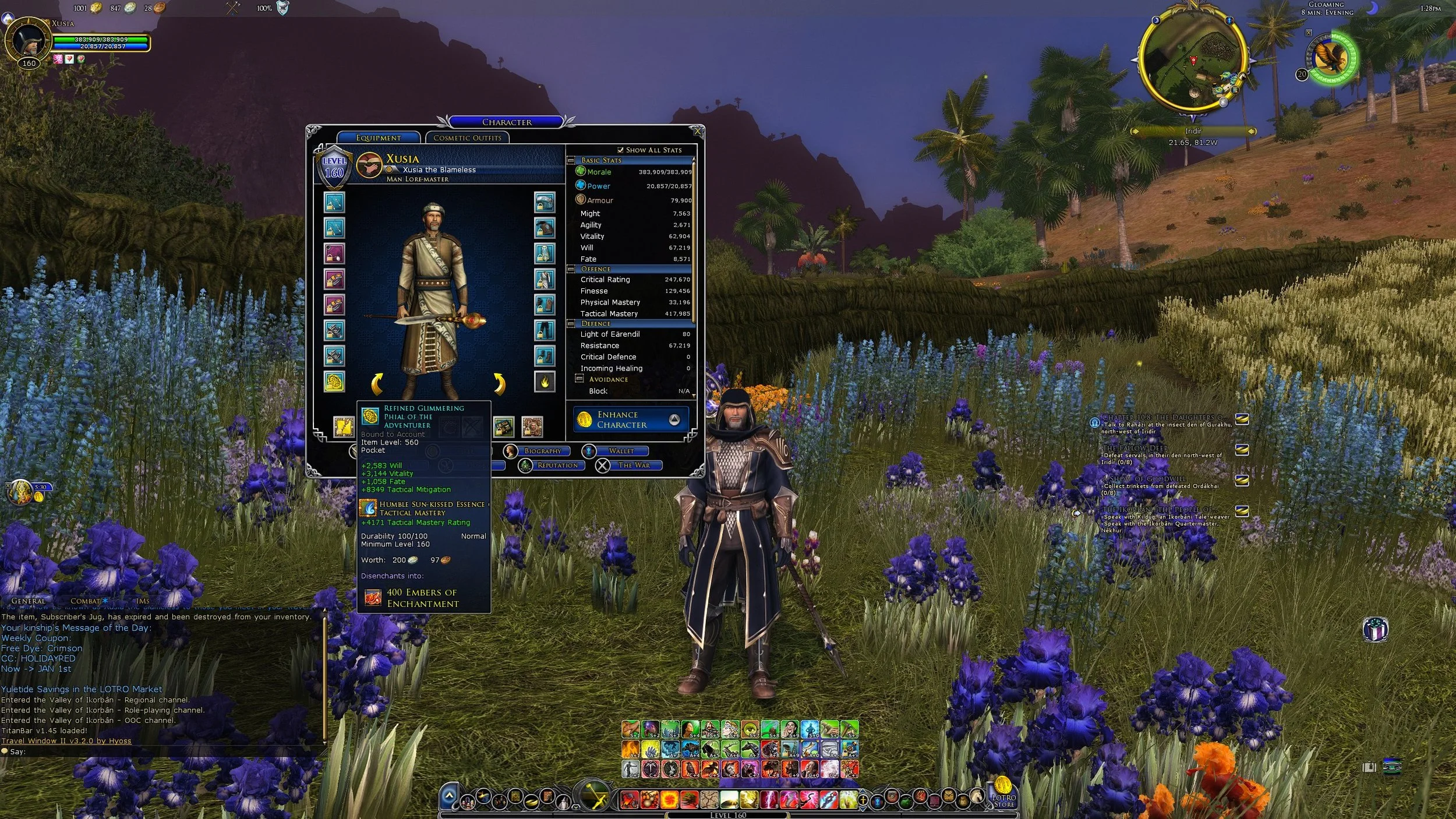
I have never been especially knowledgeable about the statistical side of LOTRO. I know what type of stats are beneficial to my class but I am not au fait with the minutiae of the system. Hence I tend to rely on how combat “feels”. It’s difficult to quantify but I tend to know when a fight is hard or more importantly, getting away from me. The new LI system has certainly boosted my stats and I now feel in control again but when I look at my alt’s stats in the character panel, the power creep is getting silly. I have over a million Tactical Mastery at present. This will no doubt increase further when I get to level cap. I can’t help but feel that when numbers become this big, they begin to fail to convey anything tangible to the average player. I wonder if LOTRO would benefit from a level “squish” as we saw recently in World of Warcraft or some other recalibration of stats.
One of the things I often find frustrating with the MMORPG genre is the gear cycle. Superior gear is usually gated behind reputation status, barter tokens or is just awarded when the player reaches the current level cap. This comes from a historical design choice where you earned intermediate gear at level cap and then went on to do group content such as raids to get the better gear. But very few players follow that route now. Hence it seems redundant to be awarded with the best gear once you hit level cap and have nothing else to do. Sadly LOTRO is still locked in this model. You need robust gear as you’re levelling and not having access to any is an impediment. This is why I didn’t start playing through Gundabad content until I was level 136. It means I will reach the new cap of 140 and re-equip my main character and then play through the remaining half of the expansion with an optimal build. I regularly inspect other players in my journeys and sometimes marvel at how they’ve come so far while indifferently equipped.
I was surprised to see that the Allegiance system has had a further faction added with this expansion. You can now affiliate with the Zhélruka, whose main hub is in the Hall of Vérnozal in Gundabad, which is convenient. There is a fast travel skill with a 5 minute cooldown which is invaluable if you’re currently questing in this region. Unlike the Mordor-expansion allegiances, the Zhélruka allegiance is scalable, allowing players with a minimum level of 20 and above to participate. It uses the Missions system, rather than zone specific PVE content that the previous allegiances did. It came as a pleasant surprise that developers SSG had added another. However, I’m not so well disposed toward the increase in virtue traits. These now cap at 80 which is a significant increase. I finally got the five that I currently have slotted on my primary character to level 75 a few months ago. I am somewhat peeved that I have to get on that particular treadmill again.
Returning to the subject of the new LI system, one of the consequences of this major revamp is that there is now a great deal of redundant NPCs throughout Middle-earth and a lot of superfluous rewards. The User Interface also retains some outdated features which will be confusing for players just beginning to use the Legendary Item system. It will be interesting to see if SSG makes an effort to remove these obsolete aspects of the game at some future point. There are also a lot of old items that still need to be replaced. I have half a dozen relic removal scrolls which I assume I will be able to exchange at some point for traceries removal scrolls. I suspect that there will be some players who will require a great deal of compensation, especially for store bought items
As I mentioned in a previous post, Fate of Gundabad is very much a question of more of the same. This seems to be the business model that Standing Stone Games have chosen and I suspect they are not going to change. If you are a returning player, then Fate of Gundabad will offer you a familiar experience. One that is reassuring and enjoyable as you know what the game has to offer but you’ll have a new story to immerse yourself in. If you are a regular player then that familiarity, untempered with time away from the game, may feel a lot more like repetition. As ever the story is well written and thought provoking. Bill Champagne’s soundtrack is sublime and he uses many of his established leitmotifs very effectively. There is a palpable atmosphere in Glooming Tarn, especially when the sombre and portentous music cues start to play. But overall, when looked at objectively, Fate of Gundabad is essentially just treading familiar ground.
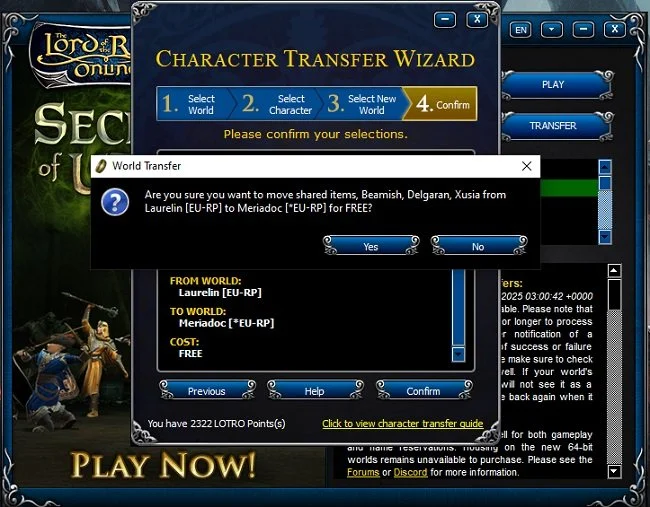
Regardless of my views on Fate of Gundabad, the expansion is certainly proving successful. The volume of players online on Laurelin server has meant that the dynamic layering system is active in most zones. In one respect this is indicative of an expansion that is engaging with players and finding an audience. Sadly the downside to this are server performance issues. Lag is a common place, especially when interacting with Mission NPCs. There are also delays with skill inductions and connecting to the chat server. It can be quite an impediment at times. No doubt SSG will address these issues in the weeks to come. Overall despite following a tried and tested formula, Fate of Gundabad is the strongest expansion LOTRO has seen for a while. It has a wide variety of maps, several ways to level and a robust narrative. The polish will come over the next few patches. But as the main story about the line of Durin comes to an end, it does raise the question where does the game go from here?
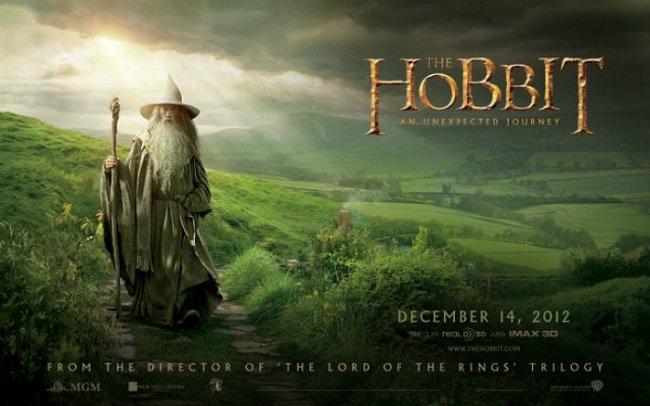
The Hobbit: An Unexpected Journey Extended Edition (2012)
This December marks the 20th anniversary of the release of The Fellowship of the Ring. The first instalment of Peter Jacksons' adaptation of J.R.R. Tolkien’s iconic novel, The Lord of the Rings. To celebrate this occasion, I shall post new reviews of the extended edition of all three films, as well as those of The Hobbit trilogy, which were made a decade later.
Firstly let me start by saying I think the word unexpected is very apt in respect of the first instalment of Peter Jackson's three part adaptation of Tolkien's prequel to The Lord of the Rings. It is genuinely surprising how well parts of the narrative had been adapted and interpreted. Similarly there are other aspects that are less successful. Overall the good outweighs the bad but only the most ardent fanboy or girl would think the movie flawless. When one considers its problematic production along with the change of directors, this is quite an achievement. I wonder how much of Guillermo del Toro’s material survived into Peter Jacksons, Fran Walsh and Philippa Boyens revised screenplay? Secondly, a decade on from The Lord of the Rings, there has been a further move away from physical visual effects and filming on photographic film. Both of these changes are noticeable in An Unexpected Journey but the presence of Peter Jackson and his very specific style of filmmaking maintains a very strong sense of continuity.
This December marks the 20th anniversary of the release of The Fellowship of the Ring. The first instalment of Peter Jacksons' adaptation of J.R.R. Tolkien’s iconic novel, The Lord of the Rings. To celebrate this occasion, I shall post new reviews of the extended edition of all three films, as well as those of The Hobbit trilogy, which were made a decade later.
Firstly let me start by saying I think the word unexpected is very apt in respect of the first instalment of Peter Jackson's three part adaptation of Tolkien's prequel to The Lord of the Rings. It is genuinely surprising how well parts of the narrative had been adapted and interpreted. Similarly there are other aspects that are less successful. Overall the good outweighs the bad but only the most ardent fanboy or girl would think the movie flawless. When one considers its problematic production along with the change of directors, this is quite an achievement. I wonder how much of Guillermo del Toro’s material survived into Peter Jacksons, Fran Walsh and Philippa Boyens revised screenplay? Secondly, a decade on from The Lord of the Rings, there has been a further move away from physical visual effects and filming on photographic film. Both of these changes are noticeable in An Unexpected Journey but the presence of Peter Jackson and his very specific style of filmmaking maintains a very strong sense of continuity.
Many of the production staff who worked on the original trilogy are present again for The Hobbit. Artists John Howe and Alan Lee as well as cinematography by Andrew Lesnie ensure that there’s a seamless continuation of the established aesthetic of Middle-earth. Howard Shore's magnificent score utilises leitmotifs we have previously heard in The Lord of the Rings trilogy. Furthermore, his new material is very strong and introduces some very portentous themes for the new characters. The film is technically superb but one expects nothing less from this film maker. Therefore I would like to focus more upon the narrative than the production design, because The Hobbit has been greatly expanded to accommodate its trilogy format. Is the story treated appropriately and presented in a way that will please both consummate fans and newcomers alike?
Broadly speaking I’d say yes. At least in this first instalment, An Unexpected Journey. If you are a Tolkien purist then you may be disappointed or upset by some of the changes that have been made. I sympathise with this perspective but understand the fact that Peter Jackson has to make the story accessible to a wider audience and that cinema is a very different medium to the written page. The key word is “adaptation” and the fact that film requires archetypes who have clear and traditional story arcs. Therefore characters and lore are altered to provide us with a definite hero and villain. That is not to say that the script deviates radically from the book, as it does not. The nuts and bolts of the story are there. But as with The Lord of the Rings, characters have to be refined and events compressed or augmented to satisfy the required tropes of cinematic “high adventure”.
Hence we just get a far more heroic Thorin Oakenshield played by an exuberant and somewhat bombastic Richard Armitage. The character is simplified and presented as someone to root for. He is an exiled King whose family has suffered death and ruin. We also get a specific enemy to boo and hiss in the form of albino orc Azog. The role of Radagast the Brown (Sylvester McCoy) is expanded upon and acts as a conduit between the central plot and the backstory of the rise of the Necromancer in Dol Guldur. McCoy’s performance is mercurial and quite engaging. Once again Ian McKellen dominates the screen as Gandalf, a role he seems sublimely suited for. The casting of Martin Freeman as the young Bilbo Baggins is similarly perfectly conceived. He plays the hobbit with an air of curiosity and confusion, as he strays from his comfortable home in The Shire, out into the wider and more dangerous world.
However I do think that An Unexpected Journey has a pacing issue. We start with a rather traditional framing device in which old Bilbo (Ian Holm) is writing his memoirs on the eve of his going away birthday as depicted in The Fellowship of the Ring. The story then shows the fall of Dale and Erebor to the Dragon Smaug (who is teased and not fully seen). Finally after establishing the entire point of Bilbo’s forthcoming adventure to retake Erebor, events turn to a younger Bilbo (Martin Freeman) and his subsequent meeting with Gandalf. Introducing the twelve dwarves is another problematic aspect of the film. Some are granted a fair amount of screen time where others are hastily added to the narrative. The use of songs directly from the text is another embellishment that although is laudable from a lore standpoint, is questionable from a cinematic perspective. It takes a while for the movie to get under way from Bag End. It's curious because Peter Jackson has managed to take lengthy passages of text in the past and condense them quickly and efficiently without any dramatic loss. Consider the Council of Elrond in The Fellowship of the Ring.
With regard to the expansion of text, some of it works very well. I found myself pleasantly surprised by Sylvester McCoy's portrayal of Radagast (although I still think the Bunny Sled is a bridge too far) as well as the depiction of the White Council. I loved the way Gandalf rolled his eyes at the arrival of Saruman (Christopher Lee) and the way that Galadriel (Cate Blanchett) clearly holds Mithrandir in high regard. The film also greatly benefits from its mainly British and Antipodean cast. The commonalities between cultures, idioms and dialect aids the realisation of Tolkien's written work. The humour present in the film is not out of place, especially in the way that Elves and Dwarves do not get along. However, where An Unexpected Journey succeeds the best is in the way it handles the most iconic scenes from the book. Bilbo's encounter with Gollum (Andy Serkis) is truly menacing and a highlight of the film. The exchange of riddles is superbly realised and the chemistry between the two performers is palpable.
Peter Jackson has gained a reputation over the years for being able to craft complex and frenetic action scenes. It has become a selling point. Sadly my biggest criticism about An Unexpected Journey, is that there are possibly too many action scenes, with some too close together. The escape from the Great Goblin (Barry Humphries) is a very complex and extravagant set piece. Blink and you’ll miss what’s happening as Goblin limbs and heads fly left, right and centre. As soon as Bilbo and the Dwarves escape the Misty Mountains there is immediately another fiery denouement, as Thorin and company climb a copse of fir trees to avoid a Azog and a pack of wargs. Although technically well implemented it is somewhat taxing to the senses and after a while actually becomes quite dull. I appreciate the need to end the film on a high point and dramatic climax but again there persists this sense of uneven pacing. I must add that the ending is tempered by a wonderful codicil involving Smaug that is certainly a wonderful taster of things to come.
I am a Tolkien fan and also someone who enjoys quality film making. Sometimes you have to curb your enthusiasm for much beloved source material, as the requirements of film as a medium are specific and different. “Show don’t tell” is the defining mantra of cinema which can be difficult when adapting lore heavy, narrative books. There are flaws in An Unexpected Journey but they do not derail the entire story. The film is still very creative and can be exciting. It is also quite strong in content with quite hard edged action sequences. At its heart still lies director Peter Jackson's love for the Professor's work and despite moments of indulgence, this still comes across. Compromise is not always a dirty word and in this case is possibly a necessary tool in bringing this story to as wide an audience as possible. However, Jackson still makes the mistake of reducing complex and venerable characters to somewhat binary representations. Thorin is not easy to warm too and it is Balin (Ken Stott) who comes across as far more sympathetic, likeable and wise.
The extended edition of An Unexpected Journey includes 13 minutes of additional material to the theatrical release, which brings the running time to 182 minutes. The extra scenes are mainly embellishments and I would argue that they do not dramatically alter the tone and feel of the film. My thoughts are mostly the same for both the theatrical and extended edition. I suspect the uneven pacing that I’ve referenced stems from Peter Jacksons’ extrapolation of the story. The White Council scenes are a great idea but they also smack of a need to “join the dots” between this trilogy and the former. The flashback to the Battle of Azanulbizar is also well conceived as a means to give weight to the recurring theme of the misfortunes of Durin’s folk and to bolster the kingly nature of Thorin. However, the fact that Thorin is subsequently somewhat bellicose undermines this. However, Martin Freeman stands out and often compensates for the excessive action scenes. Existing Tolkien fans are probably better disposed to this new trilogy by default. However, although entertaining, there is a somewhat forced quality to this adaptation of The Hobbit. Casual viewers may well find it a little too self serving.
JFK Revisited: Through the Looking Glass (2021)
I am not a fan of conspiracy theories, nor those who are heavily invested in them. There are many reasons to repudiate such ideas but for me the main one is just a simple observation on human nature. Any major conspiracy, plot or cover up requires large swaths of people to participate and remain quiet about the facts. Yet one of the most common attributes of the human condition is peoples total inability to shut up. Simply put, most conspiracy theories don’t hold water because someone would have blabbed. Hence, documentaries about how the moon landings were faked or how 9/11 was an “inside job” tend not to “butter any parsnips” with me. However, JFK Revisited: Through the Looking Glass is a surprisingly different beast. I was surprised by its measured approach and its inferred conclusion. Has old age mellowed the filmmaker Oliver Stone?
I am not a fan of conspiracy theories, nor those who are heavily invested in them. There are many reasons to repudiate such ideas but for me the main one is just a simple observation on human nature. Any major conspiracy, plot or cover up requires large swaths of people to participate and remain quiet about the facts. Yet one of the most common attributes of the human condition is peoples total inability to shut up. Simply put, most conspiracy theories don’t hold water because someone would have blabbed. Hence, documentaries about how the moon landings were faked or how 9/11 was an “inside job” tend not to “butter any parsnips” with me. However, JFK Revisited: Through the Looking Glass is a surprisingly different beast. I was surprised by its measured approach and its inferred conclusion. Has old age mellowed the filmmaker Oliver Stone?
The assassination of John F. Kennedy, the 35th President of the United States, in 1963 was a landmark event. The murder of a serving president is no small beer and it has left a deep scar on the psyche of America. Especially in light of JFK’s policy of domestic reform and diplomatic engagement with the nation’s supposed “enemies”. Almost immediately after the tragic events it became apparent that there were inconsistencies in the evidence gathered from the subsequent investigation. These have never really gone away or been satisfactorily explained, so it was inevitable that legitimate reservations by both the press and the public would eventually lead to conspiracy theories concerning the true nature of the shooting. Then in 1991, filmmaker Oliver Stone explored the subject in-depth with his drama JFK.
Thirty years later, the director and writer returns to the subject with the documentary JFK Revisited: Through the Looking Glass. Due to a great deal of information now being formally declassified by the US government and available for public scrutiny, new information has come to light that seems to indicate a specific culprit. It would appear that a great deal of evidence was amassed by the Warren Commission which investigated the assassination and anything that didn’t support the clear narrative of “a lone gunman, working alone” was simply kept out of the final report. It is this information that is scrutinised and presented in this two hour documentary. The first part, narrated by Whoopi Goldberg, focuses on the new evidence. The second part, narrated by Donal Sutherland, explores the potential motives of the suspected party.
As for the finger of blame, it points squarely at the CIA. Furthermore, it does so in the most unsensational manner. By the time JFK Revisited: Through the Looking Glass reaches its conclusion, the evidence seems to be tediously plausible. There are no hyperbolic theories about secret organisations or complex plots financed by foreign powers to shoot the president. Just a rather credible assertion that the head of the CIA and a few hawkish senior members of the military didn’t like Kennedy’s policies or political leanings. The fact that he wanted to curtail US involvement in Vietnam was seen as unacceptable, unpatriotic and very bad for the economy. Hence the documentary implies that existing CIA assets were used and that Lee Harvey Oswald was specifically chosen because he could be conveniently disavowed and presented as a crank, as he was approaching the end of his operational use.
JFK Revisited: Through the Looking Glass does get a little over excited at times. The documentary does seem in a hurry to supply fact after fact for the viewer’s edification. A pause in the narrative from time to time would help audiences digest what they are being presented. Regardless of the pace this documentary is never dull, nor does it adopt the strident tone that those who immerse themselves in conspiracy theories often do. Even if you don’t agree with the manner in which the new evidence is interpreted, JFK Revisited: Through the Looking Glass most definitely shows that the overall 1963/4 investigation was flawed and therefore questionable. And because many politicians, journalists and writers have been sceptical for so long, the overall “conclusion” seems very plausible because it is not in any way unreasonable or extreme. Oliver Stone is also right that the debacle over JFK still has an impact on US politics today. He claims that Trump is a symptom of the ongoing fallout.






LOTRO: The Beginning of the End
The recent Fate of Gundabad expansion for the MMORPG The Lord of the Rings Online, has increased the game's level cap from 130 to 140. Mobs of 130 or above have seen a significant statistical increase. Hence if you play through PVE content or undertake an on level skirmish, you may well struggle to defeat your enemies. To compensate for this, if you create a new Legendary Item and replace your old weapons, you will see a boost in DPS that allegedly allows you to deal with the stronger mobs. In principle, this seems like an equitable quid pro quo. However, this is a very significant change to the game. What I and many other players find “surprising” is that the developers, Standing Stone Games, have done precious little to publicise this change in game dynamics. At present there is a major lack of information both in-game and on the official forums.
The recent Fate of Gundabad expansion for the MMORPG The Lord of the Rings Online, has increased the game's level cap from 130 to 140. Mobs of 130 or above have seen a significant statistical increase. Hence if you play through PVE content or undertake an on level skirmish, you may well struggle to defeat your enemies. To compensate for this, if you create a new Legendary Item and replace your old weapons, you will see a boost in DPS that allegedly allows you to deal with the stronger mobs. In principle, this seems like an equitable quid pro quo. However, this is a very significant change to the game. What I and many other players find “surprising” is that the developers, Standing Stone Games, have done precious little to publicise this change in game dynamics. At present there is a major lack of information both in-game and on the official forums.
Today I finally decided to try and replace my existing Legendary Items on my primary character. Replacing my maxed out, First Age Lore-master staff and book is not some trivial change. These two items have been with me for three to four years and have had a substantial amount of time and resources lavished upon them. The moment I unequip them I see a significant drop in my character’s stats. Hence it is very important to me that any new weapon is at the very least comparable to that which it is replacing. However, I found trying to understand the new LI system extremely difficult. I managed to purchase a new Lore-master staff and book and reforge them to my current level of 132. However, no information was offered regarding the realities of purchasing, equipping and managing traceries. Furthermore, no guidance is offered as to their respective interchangeability, set bonuses and restrictions.
Hence, there is scope for errors. Such errors cost in-game resources such as Ancient Scripts. These resources are scarce and can only be obtained by investing time and effort into the game. So players will have to either take a calculated risk and live with their choices, or simply leave their current LI alone until they can find the answers and reassurance they need. So far, the only people providing answers are the LOTRO community themselves. LOTRO Players have a guide on their website and it is useful insofar as how the new LI system works. However, if you want class specific advice then that is harder to come by. It may appear in the weeks to come when some of the more analytical LOTRO players write guides and post FAQ videos. However, for a player such as myself, until I feel confident enough to create new LIs, I won’t be touching this aspect of the game. As my character is effectively gimped if I keep using my old weapons, there is no point in playing as I cannot progress in a manner I find enjoyable.
So to summarise, one of the most important aspects of this MMO has been changed with virtually no support from the developers. The information vacuum potentially leaves players confused, unsure and frustrated as to what to do next. The resulting statistical imbalance makes progress to the new level cap extremely difficult. Now is it just me or is this a massive mistake on behalf of Standing Stone Games? To say that this course of action is an act of poor community relations is an understatement. Being impeded from playing a game by the game itself is ludicrous. It also tends not to make customers happy. If I can’t make any progress with my new LI build in the next few days, I’ll just go and play something else. That means the money I was going to spend on lockboxes when I hit the new level cap will be spent elsewhere. Standing Stone Games loss could well be Cryptics gain.
I have played LOTRO regularly since 2008. It is not a perfect MMO but it has its some unique points. The intellectual property is one and the community is the other. The game itself is big and sprawling, with numerous very well conceived storylines. Every now and then a reference, character or geographical feature will just strike a chord with the player and in those moments the game is at its best. However, LOTRO is also repetitive. Nothing really new has been added to the game in years. LOTRO survives by offering variations on a theme, more of the same and ultimately being the only multiplayer virtual Middle-earth game available at present. Depending upon your perspective, players are either part of an unique, exclusive, niche market experience or simply over a barrel.
The relationship between any game developer and its players should be an equitable one. Sadly, this has not been the case with LOTRO for a long time. Put simply the community does far too much heavy lifting with regard to the games promotion and the sharing of knowledge. It is also far too forgiving of SSG failings which in recent years have been many. Community relations are poor as are communications. The games monetisation is becoming increasingly questionable and this latest debacle over LIs has been tediously predictable. I and many other players saw it coming a mile off. The question now that I and other LOTRO players have to consider is how much more are we prepared to tolerate? Because SSG seems hellbent on making the same mistakes again and again. And their intransigence further diminishes the ever decreasing fun that the game offers.
Even if I can find a prompt solution to my LI problem and resume playing, I am faced with an expansion that really doesn’t offer anything intrinsically new. I essentially get the conclusion to a story and the opportunity to replace all my gear once again. Or I can create a new alt and play through content that I’m very familiar with. There is no alternative levelling path, no new systems to explore and master, nor any fun mini-games. LOTRO is like a restaurant that has an interesting theme but sadly hasn’t radically altered its menu for 14 years. For some that may well be a selling point. For others, such as I, it’s beginning to become less and less appealing. In many respects the most saddening aspect of this change in relationship is the air of indifference from SSG. I shall give it a week or two but it may be time for me to part company with LOTRO. If that is the case, I shall be genuinely sad as the fault will not lie with me.
Classic Movie Themes: Halloween
Halloween (1978) is both a genre and cinematic milestone. It made stars of Jamie Lee Curtis and director John Carpenter as well as kickstarting the slasher genre that dominated the box office for the next 15 years. Unlike many of the inferior imitations that followed in its wake, Halloween is not a gorefest but a far more suspenseful and unsettling film. It’s shocks and sinister atmosphere are the result of sumptuous panavision cinematography by Dean Cundey and inventive editing by Tommy Wallace and Charles Bornstein. Another invaluable asset to the film’s effectiveness is John Carpenter minimalistic synth and piano score which perfectly embellishes the film with an air of menace. After 33 years and various re-arrangements in subsequent sequels, the original Halloween Theme is still as effective today as it was when the film was first released.
Halloween (1978) is both a genre and cinematic milestone. It made stars of Jamie Lee Curtis and director John Carpenter as well as kickstarting the slasher genre that dominated the box office for the next 15 years. Unlike many of the inferior imitations that followed in its wake, Halloween is not a gorefest but a far more suspenseful and unsettling film. It’s shocks and sinister atmosphere are the result of sumptuous panavision cinematography by Dean Cundey and inventive editing by Tommy Wallace and Charles Bornstein. Another invaluable asset to the film’s effectiveness is John Carpenter minimalistic synth and piano score which perfectly embellishes the film with an air of menace. After 33 years and various re-arrangements in subsequent sequels, the original Halloween Theme is still as effective today as it was when the film was first released.
John Carpenter wanted a unique sound for Halloween despite the production’s modest budget. When composing the main theme he used the uncommon 5/4 time beat for a bongo drum and transferred that to piano, which resulted in the iconic melody. This uncommon sound works extremely well, clearly establishing a mood and tone that suits the film. Yet it also holds up well as a standalone piece of music. When used in the film, it is a practical audio cue to alert the audience to the presence of The Shape and potential onscreen danger. Yet the piece does not diminish in power, despite its repetition.The staccato piano rhythm with additional synthesizer chords combine to produce an evocative and infinitely flexible cue. It creates a palpable atmosphere for the film and its antagonist, yet it isn’t weighed down by excessive musical complexity.
30 years later and Halloween (2018) has proved to be a very interesting belated sequel. It features a new score by Carpenter, alongside his son, Cody Carpenter and godson Daniel Davies. The soundtrack revises the main theme and classic elements from the original as well as adding several new tracks. There is a broader use of contemporary synthesizers this time, as well as some interesting experimentation with guitar sounds. They add a real edge to a score which proves to be anything but an exercise in nostalgia. There is one cue that encapsulates the best elements of both the old and the new. The Shape Hunts Allyson. Featuring tremulous keyboards and punctuated witty grinding guitars and synths it captures an onscreen chase superbly. A variation of this cue was subsequently used at the climax of Halloween Kills (2021) and again is superbly effective in its powerful simplicity.
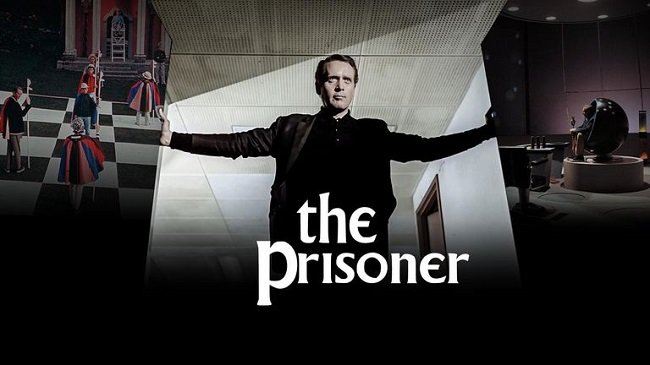

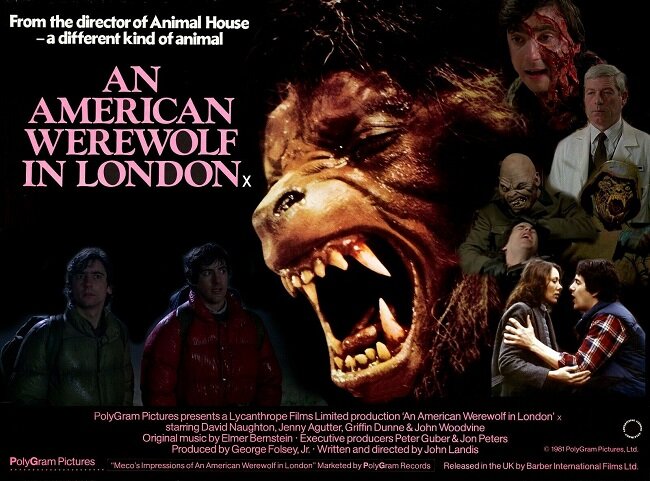


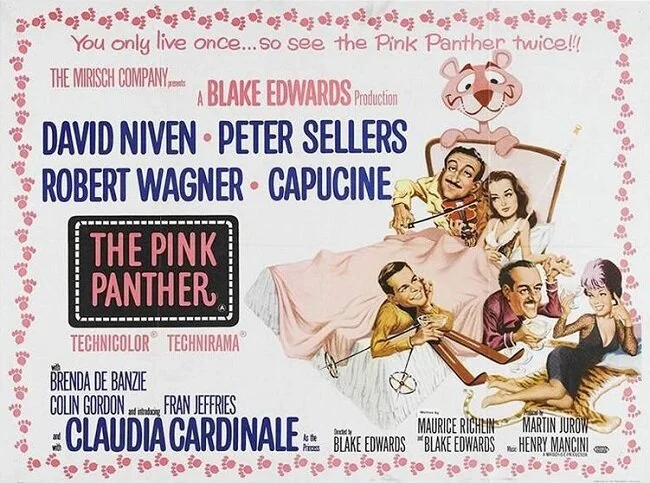
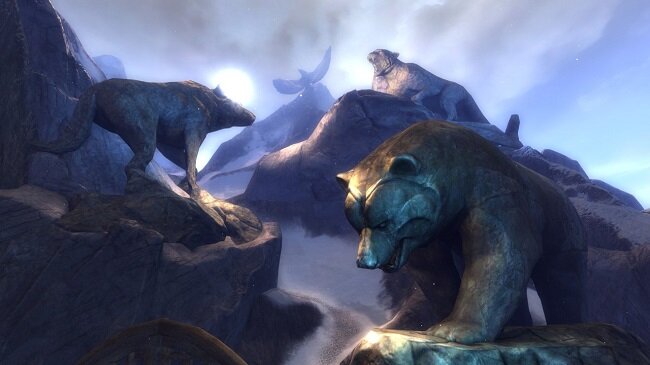
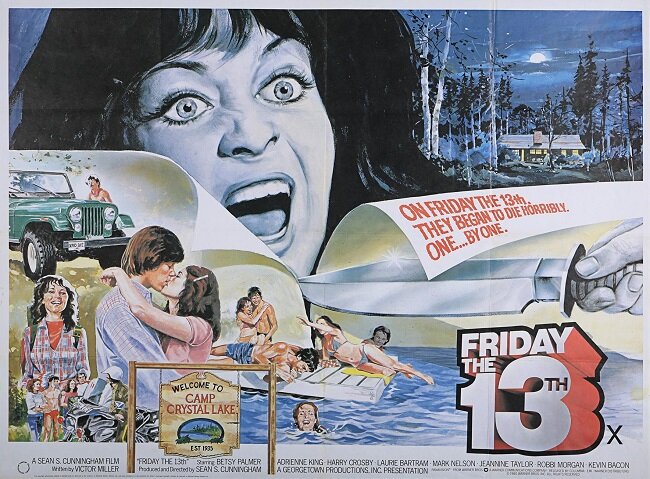

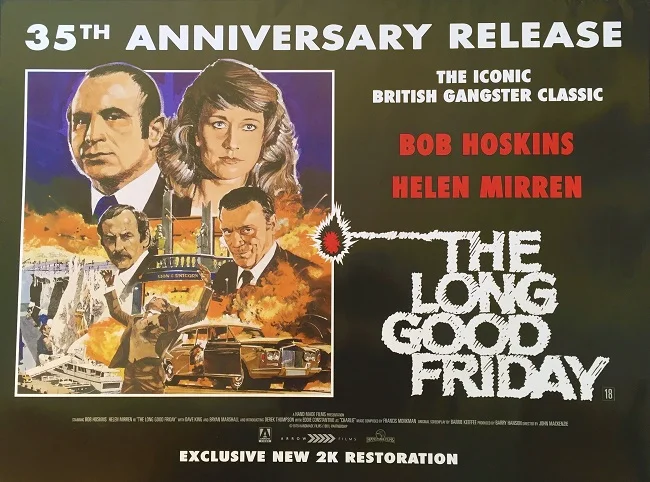
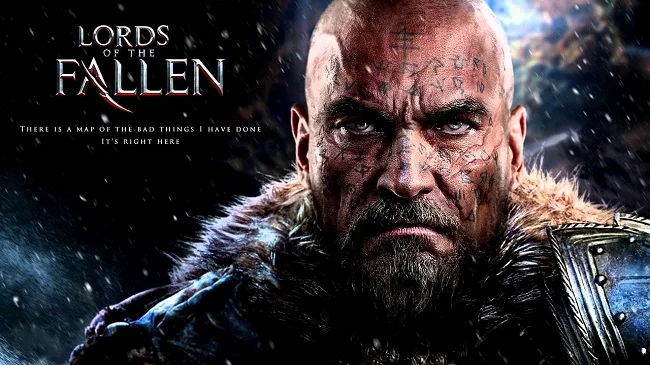
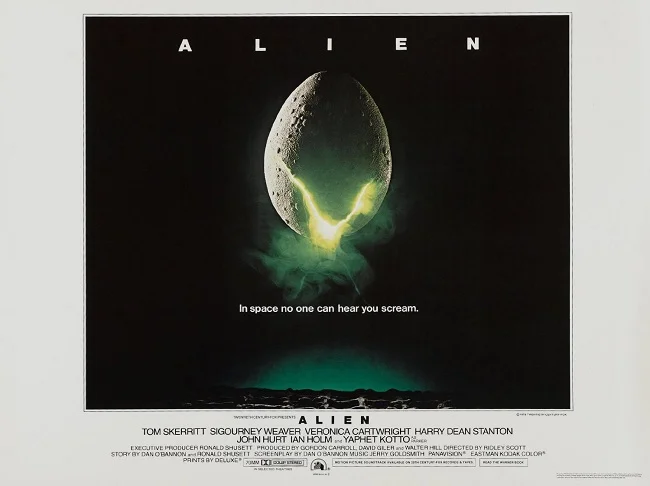

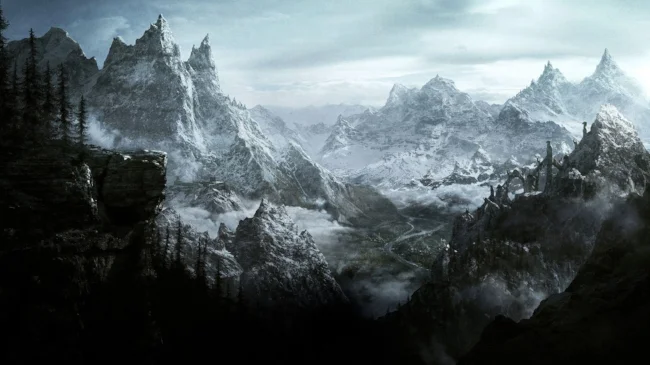


The Idiot Box
Thoughts on TV shows and my current viewing habits.
The last instalment of The Idiot Box was back in March. Since then Mrs P and I have watched several new shows and tried to diversify our viewing. She has had better luck than I. The issue for me is one of narrative complexity and genre saturation. Some popular shows are very straightforward in both their structure and their intellectual scope. A great deal of “police procedurals” fall into this category. The weekly stories essentially come down to “who is the murderer” with a side helping of the protagonist's ongoing “personal life”. I am currently watching the latest season of NCIS and it struck me how little credible investigative work the team now does. In the last episode that I watched, one of the central character’s mother-in-law was witness to a murder on a cruise ship. The plot was contrived, convoluted and more like that of a soap opera. Such content can be fun but it’s somewhat unsatisfying if viewed to excess.
Thoughts on TV shows and my current viewing habits.
The last instalment of The Idiot Box was back in March. Since then Mrs P and I have watched several new shows and tried to diversify our viewing. She has had better luck than I. The issue for me is one of narrative complexity and genre saturation. Some popular shows are very straightforward in both their structure and their intellectual scope. A great deal of “police procedurals” fall into this category. The weekly stories essentially come down to “who is the murderer” with a side helping of the protagonist's ongoing “personal life”. I am currently watching the latest season of NCIS and it struck me how little credible investigative work the team now does. In the last episode that I watched, one of the central character’s mother-in-law was witness to a murder on a cruise ship. The plot was contrived, convoluted and more like that of a soap opera. Such content can be fun but it’s somewhat unsatisfying if viewed to excess.
And at the other end of the spectrum we have shows that revel in their adult themes and mature content. The Alienist falls into this category. For those unfamiliar with this drama it is set in the late 19th century in New York. Newly appointed police commissioner Teddy Roosevelt calls upon Dr. Laszlo Kreizler (Daniel Bruhl), a criminal psychiatrist, and John Moore (Luke Evans), a newspaper illustrator, to conduct a secret investigation into a child prostitute serial killer. Joining them in the probe is Sara Howard, Roosevelt's headstrong secretary (Dakota Fanning). It is superbly written, with a solid cast and great production values. The stories are very interesting due to the historical setting and the emerging science, technology and social changes. But due to the nature of the investigation, the story explores poverty, sexual abuse and other human failings. Hence it is very bleak and a little bit squalid. Although thought provoking and dramatic, it is a challenging watch.
All of which raises the question, where are the shows that fall between these two extremes? Well they are out there. You just have to do quite a bit of searching and be prepared to try a variety of content on the understanding that you may not like it and end up abandoning it. I also think that a lot of UK and European TV shows occupy this middle ground due to budget and audience demographics. UK “police procedurals” tend to be a lot less hyperbolic and frenetic, compared to their US counterparts. The focus is far more on narrative depth to compensate for other potential constraints upon the production.
All things considered, I did manage to find some interesting new shows to watch. Some are quite cerebral and a couple I would categorise as the viewing equivalent of comfort eating. Here is a brief summary of what I’ve been watching since Easter to the present.
The Equalizer: This reboot of the eighties TV show is more akin to the two recent movies, than the original source material. It is in many ways utterly preposterous, with its flamboyant hero Robyn McCall (Queen Latifah) using her ex-CIA experience to right wrongs, along with her convenient team of skilled helpers. The show is certainly not afraid of addressing social issues and the realities of being an African-American. Yet it is quite sincere, easy entertainment, carried by the personality of its lead actor.
Clarice: This was a very interesting tangential sequel to The Silence of the Lambs, in which the subsequent career of Clarice Starling was explored. Starling, who is struggling to come to terms with her encounter with Buffalo Bill, finds herself part of a new Federal Taskforce that specialises in dealing with violent criminals. A subsequent investigation uncovers a high level conspiracy in which a major pharmaceutical corporation is committing murders under the pretence that they’re the work of a serial killer. This was a clever show with some interesting socio-political points to make. Sadly it was not renewed for a second season.
Unforgotten Season 4: There is obviously a great deal of mental and emotional strain involved in investigating murders, especially “cold cases”. Unforgotten depicts this intelligently and honestly. Season 4 had another harrowing story arc, outstanding performances and a hard hitting ending. Police work is not databases, car chases and eleventh hour psychological interrogations and last minute confessions. It’s foot work, lateral thinking and compassion. Unforgotten has all these in spades.
Debris: This was one of the smartest science fiction TV shows to come along for a while. It worked best when it’s internal lore was vague; the moment you clarify things it can undermine some of the inherent mystery. Sadly, this intriguing concept by J. H. Wyman (Fringe) about debris from an alien vessel and its strange powers, was cancelled, once again due to the TV network not understanding and having any faith in the show. The same thing happened with Wyman’s previous TV series, Almost Human.
The War: The military and tactical aspects of World War II has been thoroughly explored over the years, with The World at War possibly being the definitive TV documentary. Ken Burns’ takes a different approach examining events from the perspective of four US towns and how WWII impacted upon their economy, lives and world view. It is the personal stories of soldiers and their families that make this show so interesting. The recollections of Daniel Inouye (who won the Medal of Honor and went on to be a US Senator) are particularly poignant and stand out.
Endeavour: Season 8 appears to be the last in this prequel series to Inspector Morse. Morse is dangerously close to becoming an alcoholic and destroying his career. Fred Thursday’s son goes AWOL in Northern Ireland causing domestic strife. Oxford continues to have complicated murders and showrunner Russel Lewis still litters his scripts with niche market pop culture references, which are a delight. After three episodes the season reaches a definitive crossroads clearly linking one show with the other. It’s been a tremendous journey but all things must end.
Dan Brown’s The Lost Symbol: This TV show plays out just like the three big screen adaptations of Dan Brown’s other books. There’s lots of frenetic running between historic locations and pseudo-academia flying about to solve arcane clues. Ashley Zukerman plays a young Robert Langdon (played by Tom Hanks in the movies). It’s all a bit silly but if you want entertainment that isn’t too taxing, it’s a pleasant enough way to spend 42 minutes.
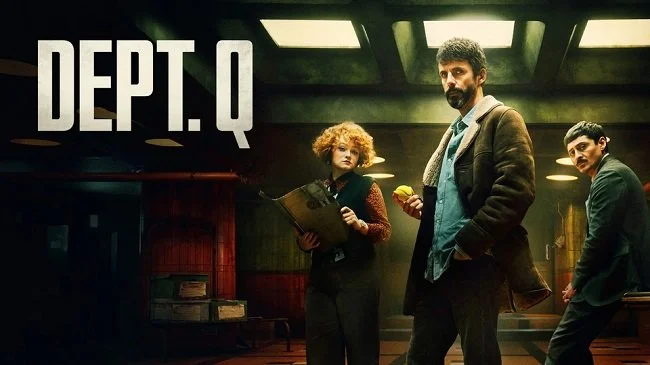
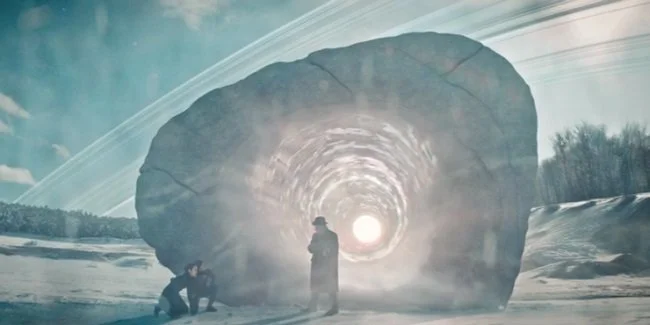
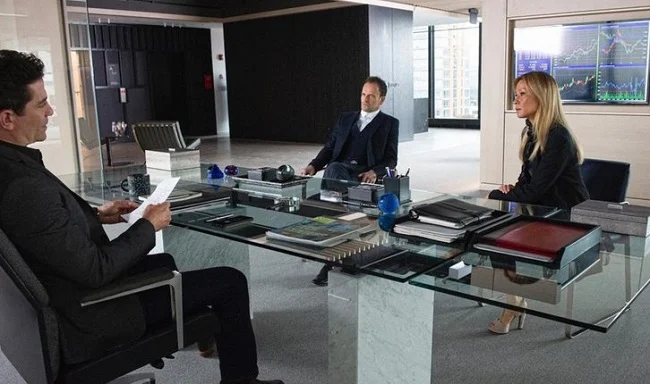

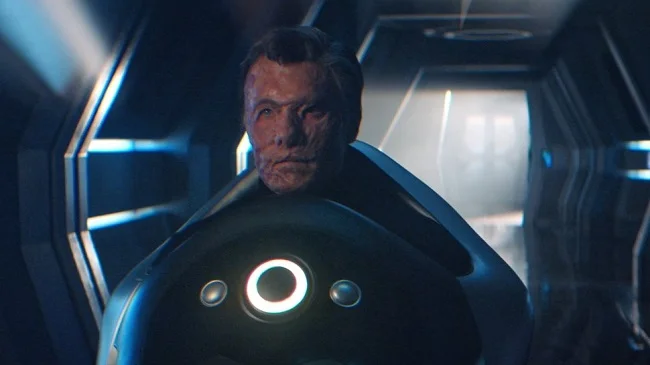
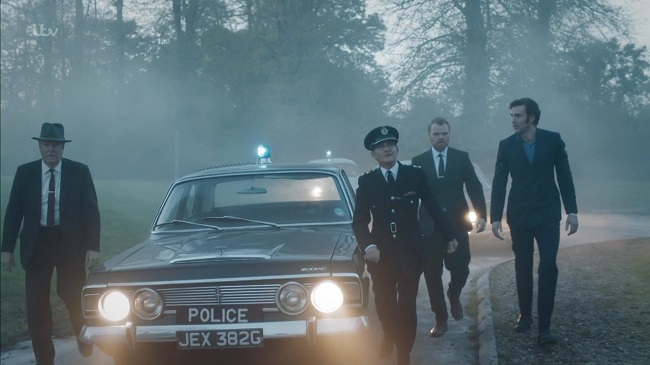

Finch (2021)
On paper Finch has little originality. The moment I read the plot synopsis and saw the first trailer I instantly thought of other such films as Silent Running, Short Circuit and Chappie. However, irrespective of its derivative concept and the fact it channels many of the major tropes of the genre, it does have three cards to play. Namely strong performances by Tom Hanks, Caleb Landry Jones and canine actor Seamus. Although not a genre milestone, Finch is a curiously pleasant post apocalyptic road movie. Despite travelling through the sun bleached vistas of a ravaged America, the story focuses on the three protagonists and their relationship. It is no small feat to find genuine sentiment in such a harsh environment and indeed in such a genre but Finch proves to be an engaging emotional journey. Once again the most effective explorations of the human condition are often through characters who are conspicuously not.
On paper Finch has little originality. The moment I read the plot synopsis and saw the first trailer I instantly thought of other such films as Silent Running, Short Circuit and Chappie. However, irrespective of its derivative concept and the fact it channels many of the major tropes of the genre, it does have three cards to play. Namely strong performances by Tom Hanks, Caleb Landry Jones and canine actor Seamus. Although not a genre milestone, Finch is a curiously pleasant post apocalyptic road movie. Despite travelling through the sun bleached vistas of a ravaged America, the story focuses on the three protagonists and their relationship. It is no small feat to find genuine sentiment in such a harsh environment and indeed in such a genre but Finch proves to be an engaging emotional journey. Once again the most effective explorations of the human condition are often through characters who are conspicuously not.
After a solar flare has destroyed the ozone layer, the planet Earth is a largely-uninhabitable wasteland scorched by ultraviolet radiation and subject to extreme weather events. Robotics engineer Finch Weinberg (Tom Hanks), lives with his dog Goodyear and a drone-robot Dewey in an underground laboratory in St. Louis. Whenever he ventures outside to search for supplies he is forced to wear an environment suit. Dying of radiation sickness, Finch builds an advanced humanoid robot to take care of his dog Goodyear once he dies. When a massive storm approaches St. Louis and threatens their safety, Finch, Jeff (as the robot name’s itself) Goodyear and Dewey head for San Francisco in a campervan. Due to their hasty departure, Jeff has only assimilated 72 percent of the data uploaded to him, leaving him with the mental capacity of a child. Despite his deteriorating health, Finch tries to teach Jeff about life and how to protect Goodyear. He also emphasises the dangers of the world that they live in.
Finch has solid production values and presents a credible vision of a world blighted by climate change. The CGI FX are at times understated, focusing on extreme weather and sun baked environments. Jo Willems cinematography and is both sweeping when dealing with the landscape and intimate when focusing on Finch and Jeff’s relationship. The screenplay by Craig Luck and Ivor Powell alludes to numerous big ideas and themes and is intelligent in subtle ways. The storm that drives Finch and his companions from his home is scheduled to last 40 days; a suitably biblical period of time. Yet despite the scope of the setting, Finch is content to think small in so far as characters and motivation. This is a story of a man with his own Father issues, struggling to become one himself. At the heart of the film is the perennial notion that when we come close to losing our own humanity, we find it again from the most unlikely sources. Performances are spot on and Hanks manages to smooth out some of the screenplays rough edges by the sheer weight of his on screen personality .
Some critics have focused upon what they see is a lack of jeopardy in the story. The fundamentals of survival are not focused upon as an ongoing problem. Food, water and power are not used to incur a sense of threat for the sake of the plot. The one encounter with humans is kept remote and we never directly see them. We hear their movement and finally they manifest themselves as the drivers of a car pursuing Finch. The film prefers to dwell on Finch’s fear of his fellow man, rather than the direct danger of his pursuers. The only time we get a wider understanding of man’s inhumanity to man is during a flashback sequence and that is mitigated to a degree by the idea that people do terrible things when hungry. What I believe that some reviews have overlooked is the fact that Jeff and Goodyear will be left alone when Finch dies and that is the central narrative source of concern.
I have no problems with sentiment in films if it is handled well. Too often it is not and US cinema has a penchant for mawkish, contrived, button pushing pathos rather than the more difficult, organically generated type. Fortunately director Miguel Sapochnik manages to avoid such pitfalls and when emotions come to a head, they are sincere and heartwarming. It makes a change to see the depiction of an artificial lifeform as an eager and curious child, as opposed to a psychotic killer or minor deity sent to save us. Overall, Finch is quite a satisfying post apocalyptic adventure, driven by characters and performances, rather than action and spectacle. Although it draws upon many familiar ideas, it still manages to provide an entertaining two hours and ends on a suitably upbeat note. It may also serve as a suitable starting point for viewers seeking similar genre offerings.
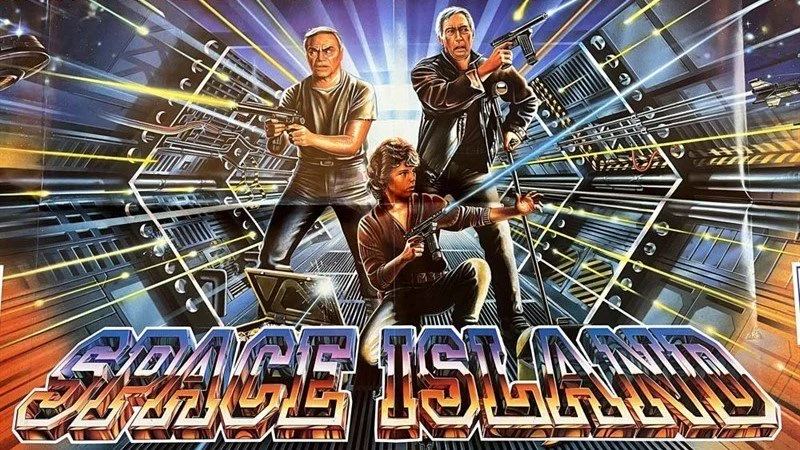
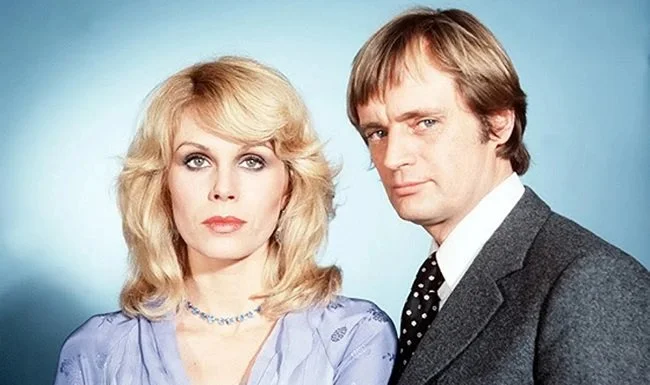


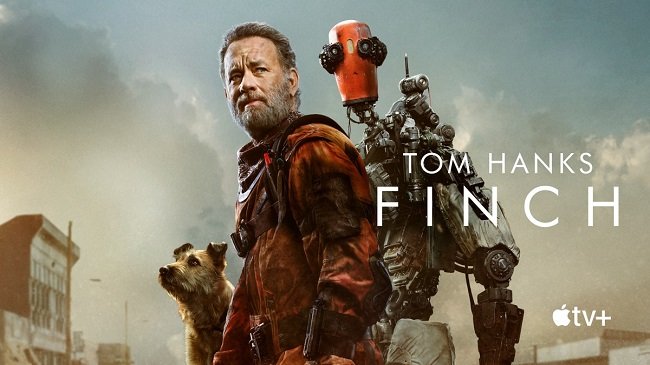
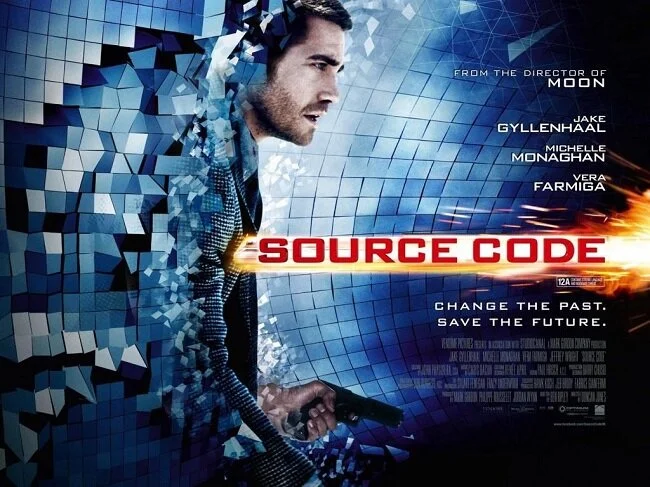
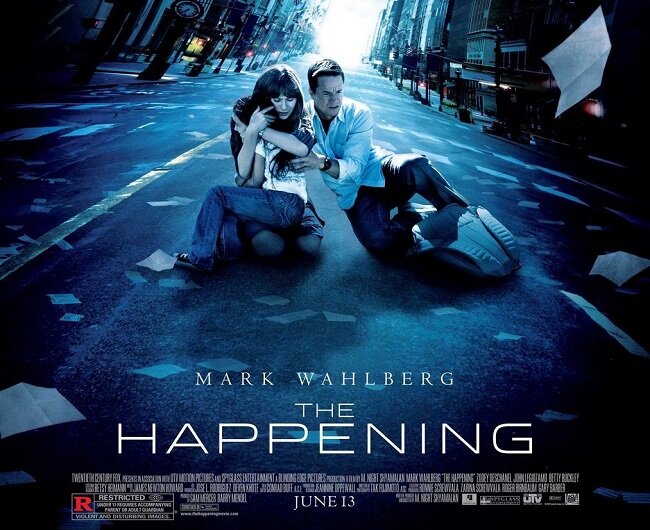



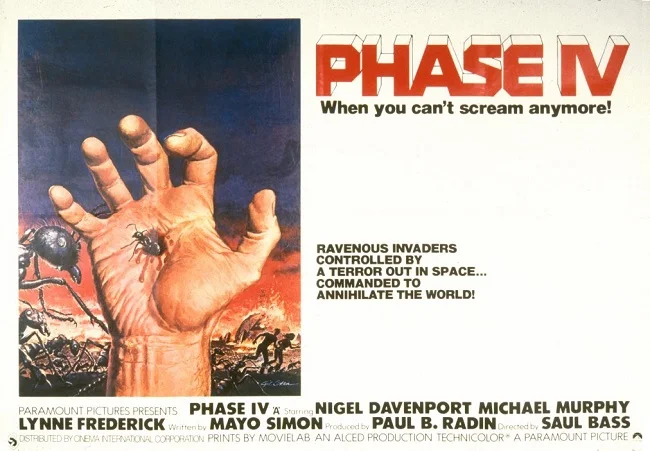


Staying in Hotels
For me, staying in a hotel is always an adventure, as it mainly happens when I’m taking a holiday or a short weekend break. I suspect that travelling habitually for business reasons probably puts a different complexion on the process. It may well dictate what sort of hotels you stay in. More than likely functionality, location and cost trump other more self indulgent factors such as aesthetic and ambience. Mercifully, travel has never been a major part of my working life and so hotels are still a source of excitement as they’re associated with fine meals, interesting scenery and good company. However, such hotels tend to come at a price as they’re catering more for tourism rather than business travel and therefore stays are not a regular occurrence. However, I had the pleasure of a short visit this weekend.
For me, staying in a hotel is always an adventure, as it mainly happens when I’m taking a holiday or a short weekend break. I suspect that travelling habitually for business reasons probably puts a different complexion on the process. It may well dictate what sort of hotels you stay in. More than likely functionality, location and cost trump other more self indulgent factors such as aesthetic and ambience. Mercifully, travel has never been a major part of my working life and so hotels are still a source of excitement as they’re associated with fine meals, interesting scenery and good company. However, such hotels tend to come at a price as they’re catering more for tourism rather than business travel and therefore stays are not a regular occurrence. However, I had the pleasure of a short visit this weekend.
It’s been a somewhat tough year, so Mrs P and I decided to visit some family down in Hampshire and thought we’d push the boat out and stay at The Crown Manor House Hotel in Lyndhurst. This prestigious 15th century listed Hotel is an independently owned Grade I listed building. The four star establishment is located in the heart of Lyndhurst Village, which considers itself the unofficial capital of the New Forest. As well as the charming period architecture and ambience, the hotel has numerous real log fires and a tranquil garden. The staff are extremely attentive and the award winning restaurant serves a variety of locally sourced food. Our compact double room was cozy, quiet and had a surprisingly spacious ensuite bathroom. The room had some quaint foibles due to its age, such as an uneven floor that caused the bed to list to one side but it certainly didn’t impact upon our sleep.
As an occasional hotel staying aficionado, I thought it would be useful to collate a list of things that are essential to a good overnight stay. Here are three important points that I abide by each time I stay away from home.
First off, when booking your room, see if you can secure one that does not overlook the main road or the car park. These are often the source of noise and constant comings and goings, so are best avoided if possible. This sort of information can be gleaned if you book over the phone as opposed to using a website. Similarly, having the room at the end of a corridor can also help mitigate noise made by other guests.
Hotel showers can be complicated with modern fittings. If you wish to avoid being scalded with a high pressure jet of steam or frozen by a waterfall of icy water, you may wish to investigate how the plumbing works prior to using it. Experiment with water temperature before stepping into the shower and once you have found an equitable water temperature setting, leave it as it is.
Breakfast is an integral part of any hotel stay. If you favour a traditional, full English breakfast, then set aside all notions of courtesy and etiquette. Buffets are no laughing matter and you have to negotiate your way around them efficiently and promptly to ensure you get an optimal selection of culinary delights. Reconnoitre the buffet prior to use. Familiarise yourself with the various hotplates, tureens and containers so you can access them with ease. Never worry about taking the last piece of black pudding. If the person behind you tuts, stare them down. They should have got up earlier. Remember, never take more than you need from a buffet but have no shame regarding returning for a second helping.
I really enjoyed our hotel stay this weekend and it was a welcome break from my usual routine. I enjoy being a guest and feel comfortable and at ease in a hotel environment. Not everyone does. Some folk prefer the familiarity of home. I just appreciate the brief respite from looking after another and having the roles reversed. I briefly considered pushing the boat out and booking a three day break over the Christmas season. However, after discussing the matter with Mrs P, we decided it would be better value to have several weekend breaks in 2022, which would cost the same as a single seasonal stay. Plus this gives us several trips to look forward to next year. As we shall not be doing any major international travel in the immediate future, I am happy to adjust my expectations and confine my leisure activities to the UK.














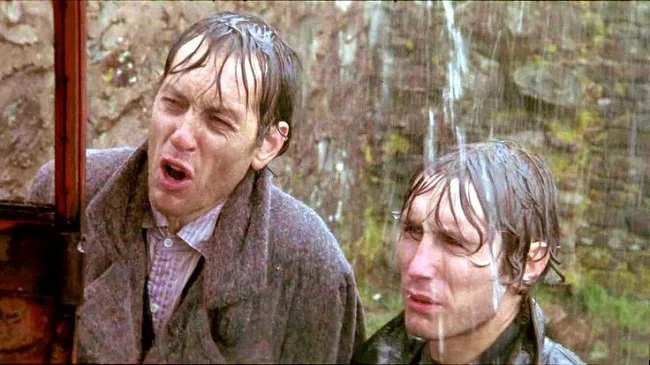

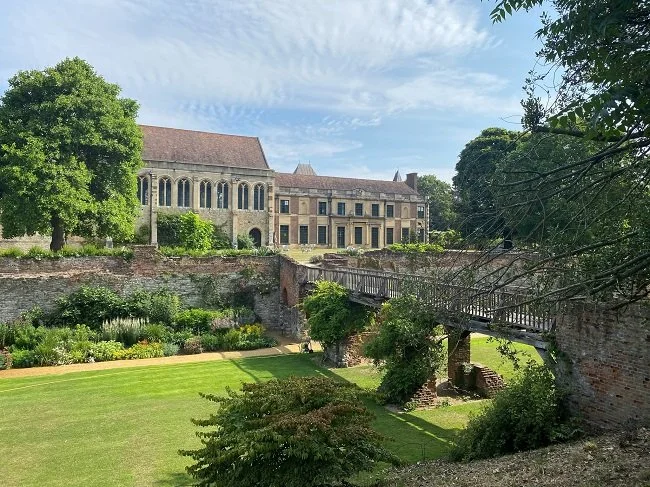







“Play-to-Earn” is Not a New Concept
Do you remember the days when you bought a game and then played it and that was the full extent of your financial dealings with the company that had produced it? I do. Sadly those days have pretty much gone. As video games have become a more mainstream leisure activity, the business model associated with them has similarly evolved. Microtransactions introduced charges for additional content, which then paved the way for the “live service”. Video games have ceased to be standalone products and become yet another online leisure amenity that requires continuous payment to access. I’m sure developers working at the coalface of video games still harbour sincere desires to make a “good game” but it is clear that is not the goal of the big triple A publishers that finance them.
Do you remember the days when you bought a game and then played it and that was the full extent of your financial dealings with the company that had produced it? I do. Sadly those days have pretty much gone. As video games have become a more mainstream leisure activity, the business model associated with them has similarly evolved. Microtransactions introduced charges for additional content, which then paved the way for the “live service”. Video games have ceased to be standalone products and become yet another online leisure amenity that requires continuous payment to access. I’m sure developers working at the coalface of video games still harbour sincere desires to make a “good game” but it is clear that is not the goal of the big triple A publishers that finance them.
A cursory internet search quickly yields data regarding how the major video game publishers such as EA, Activision and Ubisoft are heavily invested in technology and patents that can be used to squeeze more money from their customer base. They have no earnest interest in producing good games but are more focused on how the product can make the player behave. They desire titles that yield a constant flow of revenue and their actions thus far show that they are not constrained by ethics and morality. They are happy to exploit those with addictive personalities, the neural divergent and the young. Hence it will come as no surprise that the industry titans are now turning their attention to blockchain technology and NFTs as a means to make their next generation of products even more financially lucrative.
Essentially the presence of these two latest buzzwords is a sign that the likes of EA, Activision and Ubisoft are preparing for “play-to-earn” gaming. Consider, if you will, the latest generation of “live service” games in which in-game currencies, items, services and even characters are subject to a predetermined scarcity. And that these virtual goods will have a real monetary value and are thus tradeable. The money earned by players will then unlock further content and thus the cycle perpetuates. Naturally the publishers will take a percentage of all transactions and therein lies the foundation of their new business model. What I find surprising about such proposals is not their very existence but the fact that the video games industry have only just got around to considering them?
For those gamers who may balk at the ethics of such a business model, it has existed to a varying degree for decades already. Since the turn of the century, the MMORPG genre has unofficially traded in-game resources for real money. Gold selling being the obvious example but there are other variations. Entire player accounts are traded online, as well as other non-account bound in-game items. However, all the money generated from such transactions at present goes to third parties. “Play-to-earn” ensures that the revenue stays with the publishers. And if you’re a “doubting Thomas” who feels that ethics and morality will trump capitalism, this idea has already been tried previously. Diablo III had a real money auction house in 2012 which ran for nearly two years. Consider that to be a beta test for Blizzard.
Therefore, I don’t think there is any doubt that “Play-to-earn” is coming. It already exists within Facebook gaming and some mobile games. However, I don’t think we’re going to wake up tomorrow and find that the triple A gaming landscape has changed overnight. Where loot boxes have trodden the fine line between gambling legislation and “surprise mechanics”, “play-to-earn”, with its trading in virtual commodities, will more than likely attract the attention of most countries' tax systems. Sorting out the legal aspects of such a game mechanic will be no small beer. But given the potential revenue that could be generated, I’m sure those video games publishers involved will lobby governments robustly to ensure that such games can exist legitimately. As for those gamers who are furiously clutching their pearls (or Mario plushies) in horror of the very notion of “play-to-earn”, there is an equal number who will see a means to make money, outside of traditional employment. Just like Twitch and YouTube afford similar opportunities.
It is this latter point that I would like to explore further. Let us embark on a thought experiment. First off, we must not just assume in our arrogance that European countries and North America are the sole target for “play-to-earn” games. In fact it is likely that they’ll initially launch in countries with less rigorous or “evolving” legislative procedures in place. Emerging economies with existing levels of poverty and cheap labour spring to mind. Naturally such an environment offers a potential means of income for those seeking employment. Thus when such games finally launch in Western countries they may well already have an established in-game economy up and running. Once again, rich consumers will initially seek to profit from the fruits of others labour. However, in a decade or so, the employment landscape in Europe and North America may not be the same as it is now. We may have a substantial level of unemployment due to technological advances and automation. “Play-to-earn” games may well be looked upon more favourably.
To summarise, “play-to-earn” as a concept is not new and may not be as unpalatable as some gamers would have you believe. All industries are subject to customer churn and therefore those gamers thinking that their departure from gaming sends some kind of message, may find themselves ignored by the major publishers, as and when they roll out games with real economies. However, the legality of managing such games is at present the biggest obstacle. Some political parties and institutions won’t like the concept of virtual work houses emerging as a means of providing employment. However, capitalism always seems to get its way eventually. Furthermore, by the time “play-to-earn” becomes any kind of reality, the current generation of gamers will probably be so conditioned to the iniquities of the industry, that they won’t offer any major ideological opposition.
Broadening Your Cinematic Horizons
I haven’t been to the cinema since December 2019 when I saw the last Star Wars: The Rise of Skywalker. Increasing ticket prices, along with the pandemic have kept me away. But perhaps the biggest contributory factor to my ongoing cinematic abstinence has been just a lack of interesting films being released. My local multiplex has become a platform for mainly big cinematic franchises. Compared to the seventies and eighties, there is considerably less choice regarding the types of films being shown. I am not saying that a broad variety of films are no longer being made, because that is not the case. What has changed is the medium by which we view them. Human dramas, art house films, comedies and many other genres that don’t command major box office taking are no longer being shown theatrically and are finding a home elsewhere.
I haven’t been to the cinema since December 2019 when I saw the last Star Wars: The Rise of Skywalker. Increasing ticket prices, along with the pandemic have kept me away. But perhaps the biggest contributory factor to my ongoing cinematic abstinence has been just a lack of interesting films being released. My local multiplex has become a platform for mainly big cinematic franchises. Compared to the seventies and eighties, there is considerably less choice regarding the types of films being shown. I am not saying that a broad variety of films are no longer being made, because that is not the case. What has changed is the medium by which we view them. Human dramas, art house films, comedies and many other genres that don’t command major box office taking are no longer being shown theatrically and are finding a home elsewhere.
This change in the way consumers access “content” has already happened within both the TV and music industries. Previously, a broad, centralised market which meant a common exposure to a variety of material has now shifted to niche platforms, channels and stations. The perennial business mantra of “greater choice” has led to audiences finding what they like but at the cost of being aware of any other kind of material. With regard to cinema such changes also have consequences. The segregation of content to specific platforms means that at the very least you’re limiting your choice to big cinematic franchises and tentpole releases. However, at worst, it leads to a form of cinematic ignorance which then contributes to a decline in the art of filmmaking. Hollywood is not known for taking risks. Until superhero movies stop making them money, that is what they’re going to continue to produce.
I count myself fortunate, as I was raised during the seventies and the three major UK TV channels used to regularly show old movies and by that I mean material from the early thirties to the late sixties. It would often take several years for major cinematic releases to get their first broadcast on analog, terrestrial television. In the eighties, video rental subsequently bridged the gap affording an opportunity to watch more recent material within the home. Hence I had a great deal of exposure to a very broad range of films. In an age where there were no video games or internet, often I would watch something with my parents out of default of anything else to do. Yet like watching “Top of the Pops”, the UKs premier music show at the time, I was presented with a wide variety of genres. As a result, I became accustomed to differing acting styles that evolved over the years as well as the pace of editing.
Two other factors secured my love of film and made it more than just a casual pastime for me. The first was joining the film club at school. I was again very fortunate to go to a senior school that focused not only on academia but the arts as well. One chemistry teacher had an abiding love of cinema and used to show fairly recent films. Afterwards there would be a discussion about the plot and the techniques used. It was a most illuminating experience. The second was joining the British Film Institute and attending screenings of classic films at the National Film Theatre on the London Southbank. It was here that I saw such giants of cinema as Ray Harryhausen and Vic Armstrong. Enjoying such events with an audience of like minded people is also a key factor and something I’ll discuss further in this post. Cinema is not a lone experience. Much of its enjoyment comes from the group experience and then discussing things afterwards.
As someone who enjoys cinema and all manner of films, I like to encourage those who are similarly disposed towards the medium to broaden their cinematic horizons. This is not driven by elitist snobbery but more of a sense of “why miss out on so much good stuff”? For example, if you like cheese why just limit yourself to cheddar? If such a philosophy seems reasonable to you and you would like to become more experimental in your viewing habits, here are a few suggestions that may help you achieve that endeavour.
Do not put arbitrary limits upon what you will or won’t watch. That’s not to say that you should throw caution to the wind. Still exercise some sense of choice but temper it. If you like contemporary horror, then why not try one from the nineties or an earlier period? Take measured steps, rather than jump into the deep end but do step outside of your usual comfort zone.
Context is king. Film reflects the prevailing social views and conventions of the time. Culture has changed greatly over the last 100 hundred years. Therefore, modern audiences will often be confronted with opinions and ideologies that are very different to what they are now. Hence it helps greatly to cultivate a sense of detachment when watching older films. You can enjoy or at least appreciate the artistry of a film such as Gone With the Wind, without endorsing its dated racial representations and social philosophies. Film in many ways are invaluable historical documents (not as in Galaxy Quest, though) and a window on the past.
Watching a film as part of a group can radically change the overall viewing experience. Charlie Chaplin viewed alone can seem very dated, repetitive and even unfunny. But watching the same material with friends or as part of a wider audience can change the dynamic. Horror and comedy produce discernable emotions and we pick up on that both consciously and subconsciously. You may well find Chaplin far more approachable in such an environment. With this in mind, join a film club. Alternatively, watch a live stream and participate in a shared experience that way. Talk and discuss both before and after watching a film (but never during).
Seek out informed people on social media. Learning about the provenance of a classic film or finding out about its troubled production history can really add to your enjoyment. It also helps to become familiar with the basics of filmmaking. If you understand the essentials of editing, framing shots, script writing, narrative arcs and styles of acting, it allows you to appreciate why some films are either venerated or reviled.
Eschew film snobbery. Cinema can be high art, mainstream entertainment and exploitative trash. It is perfectly feasible to be able to like and find merit in all of these manifestations. Also, don’t feel obliged to slavishly join the prevailing consensus of so-called “classics”. Don’t be deliberately contrary but if you don’t feel especially moved by a much loved film, then that’s fine. Just remember that the reverse is true. People are allowed to dislike the films you hold dear. Judge films on their own merit and within an appropriate context. Don’t make the mistake of comparing apples with oranges. One can admire Citizen Kane as well as enjoy the fun inherent in Treasure of the Four Crowns but to directly hold one up against the other is illogical.
If possible, find streaming platforms or TV channels that curate content that suits your needs. If you’re based in the UK then I wholeheartedly recommend Talking Pictures TV. It shows a wealth of old, obscure and even cult material. We also have the benefit of living in an age where most content can be watched in high definition. Seek out broadcasts and streams that show films in their correct aspect ratio, preferably without adverts and on screen graphics. However, don’t miss an opportunity to see something just because it’s not presented in an optimal fashion.
Finally, a love of film is like many other hobbies; inherently social. Talk about what you’ve watched and enjoyed. Write a blog, make videos on YouTube, or just chat on Twitter. Word of mouth and recommendations from friends can lead you to discover some real hidden gems (and a few turkeys). Don’t be afraid to experiment. If something doesn’t grab your attention then stop watching and try something else. Watching a film isn’t a legally binding contract in which once started, you’re compelled to continue to the end. As I said previously, why limit yourself. There are so many good films out there, from all over the world, covering every aspect of the human condition.