
The Idiot Box
Thoughts on TV shows and my current viewing habits.
The last instalment of The Idiot Box was back in March. Since then Mrs P and I have watched several new shows and tried to diversify our viewing. She has had better luck than I. The issue for me is one of narrative complexity and genre saturation. Some popular shows are very straightforward in both their structure and their intellectual scope. A great deal of “police procedurals” fall into this category. The weekly stories essentially come down to “who is the murderer” with a side helping of the protagonist's ongoing “personal life”. I am currently watching the latest season of NCIS and it struck me how little credible investigative work the team now does. In the last episode that I watched, one of the central character’s mother-in-law was witness to a murder on a cruise ship. The plot was contrived, convoluted and more like that of a soap opera. Such content can be fun but it’s somewhat unsatisfying if viewed to excess.
Thoughts on TV shows and my current viewing habits.
The last instalment of The Idiot Box was back in March. Since then Mrs P and I have watched several new shows and tried to diversify our viewing. She has had better luck than I. The issue for me is one of narrative complexity and genre saturation. Some popular shows are very straightforward in both their structure and their intellectual scope. A great deal of “police procedurals” fall into this category. The weekly stories essentially come down to “who is the murderer” with a side helping of the protagonist's ongoing “personal life”. I am currently watching the latest season of NCIS and it struck me how little credible investigative work the team now does. In the last episode that I watched, one of the central character’s mother-in-law was witness to a murder on a cruise ship. The plot was contrived, convoluted and more like that of a soap opera. Such content can be fun but it’s somewhat unsatisfying if viewed to excess.
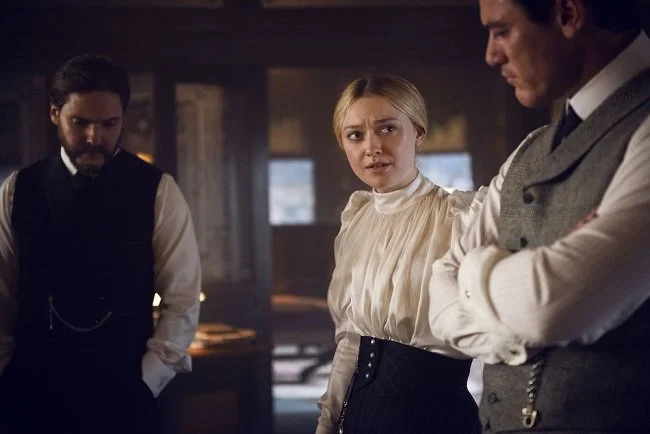
And at the other end of the spectrum we have shows that revel in their adult themes and mature content. The Alienist falls into this category. For those unfamiliar with this drama it is set in the late 19th century in New York. Newly appointed police commissioner Teddy Roosevelt calls upon Dr. Laszlo Kreizler (Daniel Bruhl), a criminal psychiatrist, and John Moore (Luke Evans), a newspaper illustrator, to conduct a secret investigation into a child prostitute serial killer. Joining them in the probe is Sara Howard, Roosevelt's headstrong secretary (Dakota Fanning). It is superbly written, with a solid cast and great production values. The stories are very interesting due to the historical setting and the emerging science, technology and social changes. But due to the nature of the investigation, the story explores poverty, sexual abuse and other human failings. Hence it is very bleak and a little bit squalid. Although thought provoking and dramatic, it is a challenging watch.
All of which raises the question, where are the shows that fall between these two extremes? Well they are out there. You just have to do quite a bit of searching and be prepared to try a variety of content on the understanding that you may not like it and end up abandoning it. I also think that a lot of UK and European TV shows occupy this middle ground due to budget and audience demographics. UK “police procedurals” tend to be a lot less hyperbolic and frenetic, compared to their US counterparts. The focus is far more on narrative depth to compensate for other potential constraints upon the production.
All things considered, I did manage to find some interesting new shows to watch. Some are quite cerebral and a couple I would categorise as the viewing equivalent of comfort eating. Here is a brief summary of what I’ve been watching since Easter to the present.
The Equalizer: This reboot of the eighties TV show is more akin to the two recent movies, than the original source material. It is in many ways utterly preposterous, with its flamboyant hero Robyn McCall (Queen Latifah) using her ex-CIA experience to right wrongs, along with her convenient team of skilled helpers. The show is certainly not afraid of addressing social issues and the realities of being an African-American. Yet it is quite sincere, easy entertainment, carried by the personality of its lead actor.
Clarice: This was a very interesting tangential sequel to The Silence of the Lambs, in which the subsequent career of Clarice Starling was explored. Starling, who is struggling to come to terms with her encounter with Buffalo Bill, finds herself part of a new Federal Taskforce that specialises in dealing with violent criminals. A subsequent investigation uncovers a high level conspiracy in which a major pharmaceutical corporation is committing murders under the pretence that they’re the work of a serial killer. This was a clever show with some interesting socio-political points to make. Sadly it was not renewed for a second season.
Unforgotten Season 4: There is obviously a great deal of mental and emotional strain involved in investigating murders, especially “cold cases”. Unforgotten depicts this intelligently and honestly. Season 4 had another harrowing story arc, outstanding performances and a hard hitting ending. Police work is not databases, car chases and eleventh hour psychological interrogations and last minute confessions. It’s foot work, lateral thinking and compassion. Unforgotten has all these in spades.
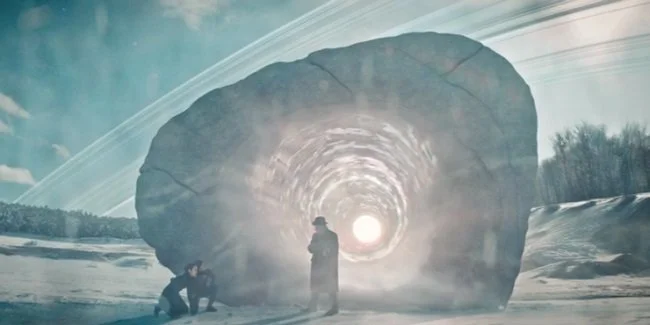
Debris: This was one of the smartest science fiction TV shows to come along for a while. It worked best when it’s internal lore was vague; the moment you clarify things it can undermine some of the inherent mystery. Sadly, this intriguing concept by J. H. Wyman (Fringe) about debris from an alien vessel and its strange powers, was cancelled, once again due to the TV network not understanding and having any faith in the show. The same thing happened with Wyman’s previous TV series, Almost Human.
The War: The military and tactical aspects of World War II has been thoroughly explored over the years, with The World at War possibly being the definitive TV documentary. Ken Burns’ takes a different approach examining events from the perspective of four US towns and how WWII impacted upon their economy, lives and world view. It is the personal stories of soldiers and their families that make this show so interesting. The recollections of Daniel Inouye (who won the Medal of Honor and went on to be a US Senator) are particularly poignant and stand out.
Endeavour: Season 8 appears to be the last in this prequel series to Inspector Morse. Morse is dangerously close to becoming an alcoholic and destroying his career. Fred Thursday’s son goes AWOL in Northern Ireland causing domestic strife. Oxford continues to have complicated murders and showrunner Russel Lewis still litters his scripts with niche market pop culture references, which are a delight. After three episodes the season reaches a definitive crossroads clearly linking one show with the other. It’s been a tremendous journey but all things must end.
Dan Brown’s The Lost Symbol: This TV show plays out just like the three big screen adaptations of Dan Brown’s other books. There’s lots of frenetic running between historic locations and pseudo-academia flying about to solve arcane clues. Ashley Zukerman plays a young Robert Langdon (played by Tom Hanks in the movies). It’s all a bit silly but if you want entertainment that isn’t too taxing, it’s a pleasant enough way to spend 42 minutes.



The Idiot Box
Thoughts on TV shows and my current viewing habits.
The last instalment of Idiot Box was back in September 2019. Despite the Christmas holidays and being very busy in general, I have managed to watch some good TV shows over the last five month. As ever, there has been plenty of quality material to choose from and I still have an ever growing “watchlist” for all the content I cannot currently accommodate. It is interesting to note that most of the shows I watch are via streaming services. Out of the various titles I discuss in this post, only one was viewed via digital terrestrial network television. Furthermore, we started watching an hour after the broadcast commenced, so that we could bypass the commercial breaks. Watching anything in this fashion is my least favourite means of viewing television and because it happens so infrequently, it is quite jarring when it occurs.
Thoughts on TV shows and my current viewing habits.
The last instalment of Idiot Box was back in September 2019. Despite the Christmas holidays and being very busy in general, I have managed to watch some good TV shows over the last five month. As ever, there has been plenty of quality material to choose from and I still have an ever growing “watchlist” for all the content I cannot currently accommodate. It is interesting to note that most of the shows I watch are via streaming services. Out of the various titles I discuss in this post, only one was viewed via digital terrestrial network television. Furthermore, we started watching an hour after the broadcast commenced, so that we could bypass the commercial breaks. Watching anything in this fashion is my least favourite means of viewing television and because it happens so infrequently, it is quite jarring when it occurs.
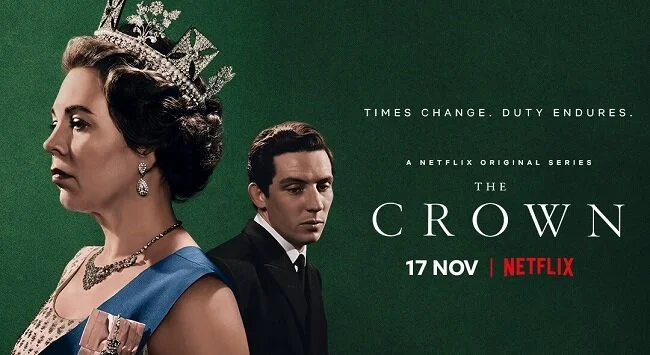
The Crown: The third season of this prestigious Netflix show covers historical events from 1964 to 1977 and the role the UK Monarchy had to play in them. These begin with Harold Wilson's election as prime minister and ending with the Queens Silver Jubilee. The Aberfan disaster was a standout episode and explored how the precedence of Royal visits in such situations, was established. There was a greater focus on Prince Charles and family interferences in both his investiture as Prince of Wales and his personal relationship with Camila Shand. The change of cast to more mature actors was seamless and the standard of writing remained high and insightful. I find myself oddly invested in this show mainly because it covers a period of time during which I was growing up. Many of the historical events that are depicted, I was aware of as a child but had little interest or understanding of their significance. To see them in a wider context now is most illuminating.
The Witcher: My initial point of contact with this franchise was via their video game adaptations. However as television is an entirely different medium, I adjusted my expectations accordingly. Broadly I enjoyed the first season of The Witcher, although I was initially confused by its non-linear timeline. The character development was more in depth than I was expecting and rather than being given swathes of exposition about the “Continent” and its history and customs, the viewer was simply exposed to elements of these as the story unfolded. There was a lot of sexual content in the show but it is entirely relevant to the proceedings. Witchcraft is often entwined with human sexuality and free from the restrictive dogma of traditional religions. By the last episode I was left with my interests piqued and clearly wanting more. And as for casting Henry Cavill, it worked out fine as far as I’m concerned.
COBRA: This UK set drama proved to be far better than the sum of its parts. The initial premise set out in the first episode appeared to frame the narrative as a disaster story with borderline science fiction elements (the calamity afflicting the UK in the story being a solar storm). However, it quickly changed into a political thriller about civil unrest brought about by power outages. It touched upon many “hot topics” such as migrant detentions, anti-establishment sentiments and the economic and social divide between London and other parts of the UK. It was odd and vaguely compelling to see Robert Carlyle as a Conservative Prime Minister and David Haig was excellent as duplicitous and scheming Home Secretary. There were also some rather good low key CGI visual effects that worked very well. As I said, it was all unexpectedly entertaining.
Star Trek Picard: Star Trek has always reflected the world in which we live. During the sixties TOS channeled many optimistic, inclusive and progressive narratives which were still prevalent in the post Kennedy years. TNG was broadcast while such events as the fall of The Berlin Wall took place. Thus the show often explored concepts of reunification and forging uneasy truces. For me, what I like about STP is not only the central character, who is still multifaceted and engaging but the bold storyline in which the Federation has lost it ways due to an excess of “politics”. It is a world weary show, where social contracts have failed and the future has lost its utopian status. It isn’t to everyone's taste and it is clear that a lot of people just wanted more TNG in an identical idiom. However, that is not what Patrick Stewart wanted to do, so that is not what they got. I like it and am interested to see where it goes and whether any optimism will manifest itself.
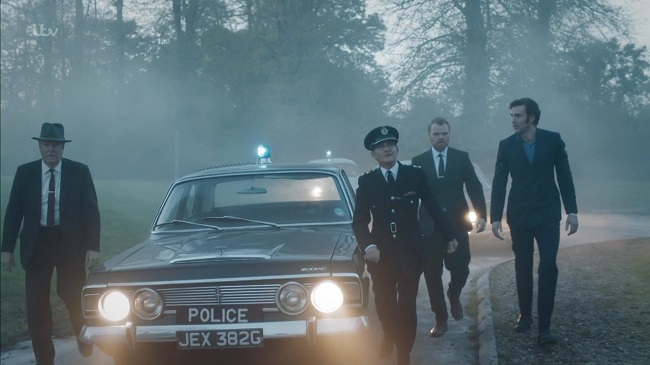
Endeavour: The latest season of Endeavour sees the arrival of the seventies and a serial murderer prowling the towpath of the local canal. Is this one brutal muder to many for DI Fred Thursday? The cumulative effect of investigating violent crime seems to be taking its toll and also causing division between Thursday and Morse. Season seven covers a lot of ground in just three episodes and strays into rather bleak and unhappy territory, especially for Chief Inspector Bright. As ever, it is smart with lots of pop culture references and superb performances. I suspect that next year’s season will be the last of this period police drama.
Unforgotten: Because Endeavour came and went so quickly, Mrs P and I decided to revisit the first series of Unforgotten. We subsequently watched all available seasons and eagerly await the series four which is currently being filmed. What make’s this show so different from others is that the actual solving of the crime is only half of the narrative. The other 50% of the story is the “emotional splash damage” and “fallout” caused by investigating these cold cases. The level of technical accuracy in depicting real policing is outstanding and the acting is always top drawer. The central characters of Detectives Cassie Stuart and Sunil "Sunny" Khan (played by Nichola Walker and Sanjeev Bhaskar) are both credible and likeable. Over 18 episodes we get an insight into their very normal personal lives and an understanding of the emotional stress that solving historical cases causes to all involved. Often the subjects explored are incredibly sad and disturbing but the writing is so measured and intelligent that events never spills into melodrama, nor denigrate the difficult subjects.
As an addendum to this post, we abandoned a couple of shows that we were watching previously. We stopped watching Instinct as it really didn’t have anything new to say. I suspect that is why it was cancelled by the network. We also stopped viewing Evil, mainly because of time constraints. We may return to it later on in the year. I decided not to proceed with season 2 of Project Blue Book. Despite a good cast and fine production values, the show just seemed to be retreading familiar ground and not offering anything different within the confines of the “alien conspiracy” sub genre. Time is always precious therefore I strongly advocate dispensing with shows you’re not enjoying.








Thoughts on TV shows and my current viewing habits.
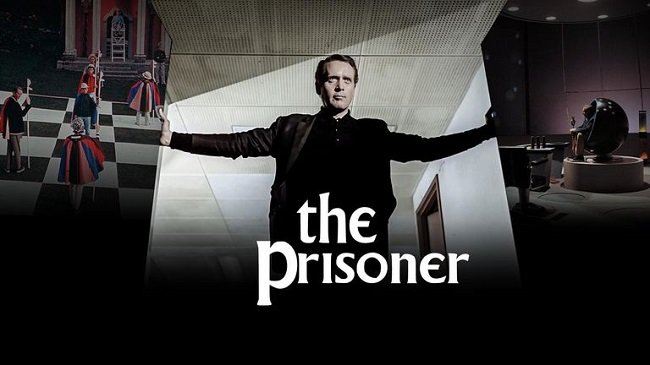
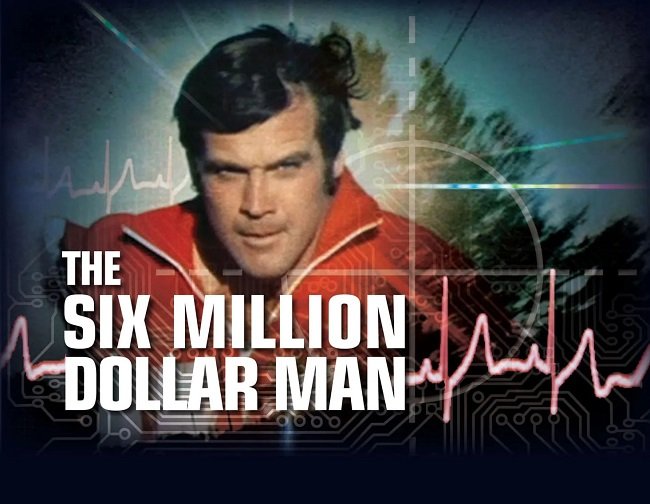
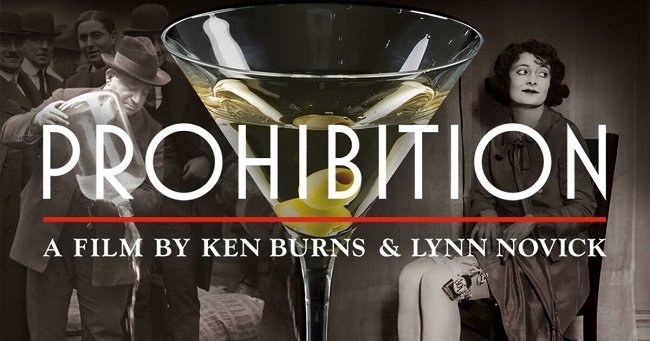
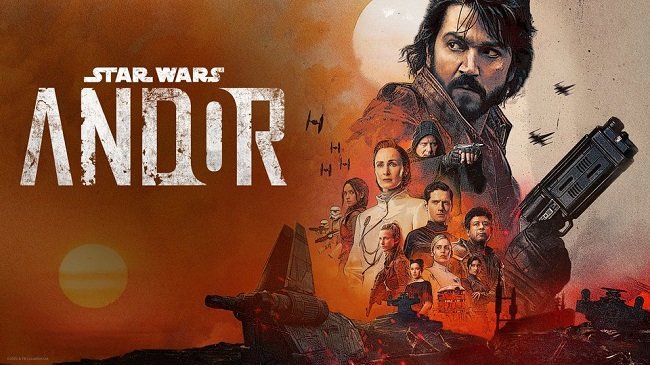
This so-called recurring post is certainly becoming quite irregular, as It’s been over a year since I wrote the last instalment of The Idiot Box. I noted back then how I was watching less television and to be frank that hasn’t really changed. Although there are plenty of well written and entertaining shows out there, too often choosing to watch one effectively places you in an opened ended social contract. For example, I watched the first season of The Agency, which is a superior espionage drama. It ended with the main story completed and a few plot lines open for another season. A second season has just been released and I have learned from a blog post by Wilhelm Arcturus, that this season ends on a cliffhanger. Oh dear. Do I really want to get on another TV show treadmill? Nope. I like TV shows that have self-contained seasons. So I guess I’ll be skipping The Agency. Shame. I liked the Jack Black cover of a U2 song that they use on the title credits.