
Blaugust 2026 Participant Survey Results
I felt that this years Blaugust: Festival of Blogging was a success and I personally enjoyed it a great deal. However, I also thought it prudent to seek the opinion of others who took part in the event, as ultimately that is what it’s all about. Hence I posted the Blaugust 2026 Participant Survey at the beginning of September and left it online for 3 weeks. The questions were straightforward and unambiguous. Did you enjoy the festival. Did you participate in the group writing prompts. Did you achieve your writing goals. Then there where questions about what additions, if any, you’d like to see added to Blaugust in the future. All pretty standard stuff for a post event questionnaire. Well the results have been analysed and here is a summary of the results. The intention is to see if there are any specific trends revealed in the feedback and to then discuss any potential course of action as a result. As ever feel free to leave comments below.
I felt that this years Blaugust: Festival of Blogging was a success and I personally enjoyed it a great deal. However, I also thought it prudent to seek the opinion of others who took part in the event, as ultimately that is what it’s all about. Hence I posted the Blaugust 2026 Participant Survey at the beginning of September and left it online for 3 weeks. The questions were straightforward and unambiguous. Did you enjoy the festival. Did you participate in the group writing prompts. Did you achieve your writing goals. Then there where questions about what additions, if any, you’d like to see added to Blaugust in the future. All pretty standard stuff for a post event questionnaire. Well the results have been analysed and here is a summary of the results. The intention is to see if there are any specific trends revealed in the feedback and to then discuss any potential course of action as a result. As ever feel free to leave comments below.
Survey base: 40 responses received.
Executive summary:
The survey presents a strongly positive picture of Blaugust 2026. Participants enjoyed the event. Most said it encouraged them to publish more and a large majority indicated that they expect to return. The strongest message is not that Blaugust needs reinvention, but that its existing identity should be preserved while participation, discovery and community access are made easier.
Stats Overview:
First-ever Blaugust 41.0%
Enjoyment rated 4 or 5 out of 5 84.6%
Blaugust encouraged more publishing 87.2%
Information clarity rated 4 or 5 84.6%
Likelihood of returning rated 4 or 5 82.1%
Read/commented on other participants’ blogs 71.8%
Key findings:
1. New participants had an especially good experience.
Sixteen of the 39 participant respondents were taking part for the first time. Every one of those first-time participants rated their enjoyment 4 or 5 out of 5. Fifteen rated the information and guidance 4 or 5, and fourteen rated their likelihood of returning 4 or 5. This suggests Blaugust remains effective at bringing new bloggers into the community.
2. Blogs and bloggers are the main attraction.
The most common motivations were discovering new blogs (53.8%), meeting or interacting with other bloggers (51.3%), supporting the Blaugust community (48.7%) and encouraging more frequent blogging (48.7%). Only 7.7% identified weekly prompts or Group Projects as a main reason for taking part. Free-text answers also repeatedly highlighted discovery, comments, interaction and the satisfaction of writing more.
3. Community is strong but Discord creates an access divide.
Overall, 69.2% rated the sense of community 4 or 5. The difference between Discord users and non-users is notable: 18 of 19 respondents who joined Discord discussions rated community 4 or 5, compared with 9 of 20 who did not. This does not prove that Discord causes the difference but it strongly suggests that the fullest community experience is easier to access there. Several respondents dislike or avoid Discord, while others value it highly.
4. A permanent Blaugust website is strongly supported.
Six respondents independently used their single requested improvement to ask for a central website, permanent home or clearer central source of information, with related comments appearing elsewhere in the survey. The common concern is that information is currently spread between organiser blogs and Discord. There was one dissenting response suggesting a website was unnecessary unless Discord became impractical but the overall signal is clear and that a permanent site addresses a need identified by participants themselves.
5. Prompts and Group Projects are useful extras, not the core event.
Almost half of respondents (46.2%) did not use the weekly prompts, and another 25.6% found them only occasionally useful. Group Projects were positively received by many of those who noticed and joined them, but 35.9% were not aware of them at all. The evidence favours keeping both as optional additions rather than expanding them at the expense of the central blogging challenge.
6. Participants want Blaugust to remain centred on blogging.
The largest group (41.0%) wanted Blaugust to remain primarily a challenge encouraging regular blogging. Another 20.5% wanted the same core challenge with greater emphasis on community activities, while 15.4% were open to other forms of online creativity provided blogging remained central. Only one respondent selected the option proposing a broader online creative/community event. The survey therefore supports experimentation around the edges but not a move away from blogging as the festival’s defining purpose.
7. More community activity is welcome, but should focus on connecting bloggers.
Responses on additional activities were balanced: 35.9% wanted definitely or probably more, while exactly 35.9% preferred roughly the same amount as in 2026. The most popular possible addition was blog-discovery or “meet another blogger” activity (46.2%), followed by commenting challenges (28.2%). Only 5.1% expressed interest in podcast or video discussions. This suggests that “more community” mainly means better ways of connecting blogs and bloggers rather than adding new media formats.
8. Keep the 31-post ideal, but continue emphasising flexibility.
Some respondents regard 31 posts in 31 days as an important part of the event’s identity, while others value the modern approach of recognising lower achievement tiers. The two positions can coexist: retain 31 posts as the iconic stretch challenge, while making it clear that useful participation does not depend on reaching that total.
9. AI policy needs clarity rather than an assumed consensus.
Six participant respondents explicitly raised AI in the “one thing to change” question. Views ran in opposing directions. Some wanted a firmer anti-AI stance, while others favoured a more permissive or nuanced approach. A useful recurring distinction was between AI used as a tool and AI used to generate the work itself. The survey does not establish a consensus on policy but it does show that ambiguity creates friction and should be resolved before Blaugust 2027.
Overall conclusion:
Participants are not asking for Blaugust to be reinvented. The clearest message is to preserve what it is at present, make it easier to find and understand and create more ways for bloggers to discover and interact with one another. Furthermore, the request for a permanent Blaugust website is currently being addressed and will be in place and active before the next festival of blogging.
Old Bexley and Sidcup By-election Part 3
The Conservative Party successfully held onto their “safe seat” of Old Bexley and Sidcup in yesterday’s closely watched by-election. However their overall majority was reduced by more than half amid a very low voter turnout. Conservative councillor Louie French becomes the country’s newest MP after winning 11,189 votes, more than 50 per cent of those cast, in the seat previously held by the former cabinet minister James Brokenshire. Mr Brokenshire died in October from lung cancer aged 53. The closest challenger was Labour’s Daniel Francis, who secured 6,711 as the Tory majority fell from nearly 19,000 to 4,478, the equivalent of a vote share swing of 10 per cent to Labour. Turnout in the constituency was just 34%, down from the almost 70% who voted in the 2019 general election.
The Conservative Party successfully held onto their “safe seat” of Old Bexley and Sidcup in yesterday’s closely watched by-election. However their overall majority was reduced by more than half amid a very low voter turnout. Conservative councillor Louie French becomes the country’s newest MP after winning 11,189 votes, more than 50 per cent of those cast, in the seat previously held by the former cabinet minister James Brokenshire. Mr Brokenshire died in October from lung cancer aged 53. The closest challenger was Labour’s Daniel Francis, who secured 6,711 as the Tory majority fell from nearly 19,000 to 4,478, the equivalent of a vote share swing of 10 per cent to Labour. Turnout in the constituency was just 34%, down from the almost 70% who voted in the 2019 general election.
The results subsequently saw positive statements made by both the Conservatives and Labour. Mr French stated that such a victory for a sitting government was “almost unheard of”. Ellie Reeves MP, Labour's political lead for the 2021 Old Bexley and Sidcup by-election, remarked “There’s been a 10% swing over to Labour this evening”. Reform UK, formerly the Brexit Party, came third with 6.6% of the vote, with the party's leader and candidate Richard Tice describing it as a "massive result". Speaking after the results were announced, Mr Tice claimed “The reduction in the Conservatives’ majority in Old Bexley and Sidcup is a rejection of Boris Johnson personally because the Prime Minister is now viewed as a liability, not an asset in Tory heartlands”. The Green Party and Liberal Democrats both lost their deposits as they polled under 5% of the votes.
Old Bexley and Sidcup by-election 2021 results:
Louie French (Con) 11,189 (51.48%, -13.06%)
Daniel Francis (Lab) 6,711 (30.88%, +7.40%)
Richard Tice (Reform) 1,432 (6.59%)
Jonathan Rooks (Green) 830 (3.82%, +0.62%)
Simone Reynolds (Lib Dem) 647 (2.98%, -5.31%)
Elaine Cheeseman (Eng Dem) 271 (1.25%)
John Poynton (UKIP) 184 (0.85%)
Richard Hewison (Rejoin) 151 (0.69%)
David Kurten (Heritage) 116 (0.53%)
Carol Valinejad (CPA) 108 (0.50%)
Mad Mike Young (Loony) 94 (0.43%)
Although the retention of the constituency is a relief for the Conservative Party, the reduction in majority and the dismal voter turnout cannot be ignored. It is extremely disheartening to see two thirds of the electorate deciding not to bother to vote. COVID-19 and poor weather are convenient excuses but both those factors did not deter voters two years ago in the General Election of 12th December 2019. Brexit was a pressing political issue at the time but the demographics of a constituency such as Old Bexley and Sidcup means that they usually make an effort to vote. Hence such voter apathy is food for thought. Doorstep canvassing by all parties discovered a growing sense of disillusionment with the lack of political direction of the government and the inadequacy of the Prime Minister himself. Yet that despondency did not translate into votes for alternative parties.
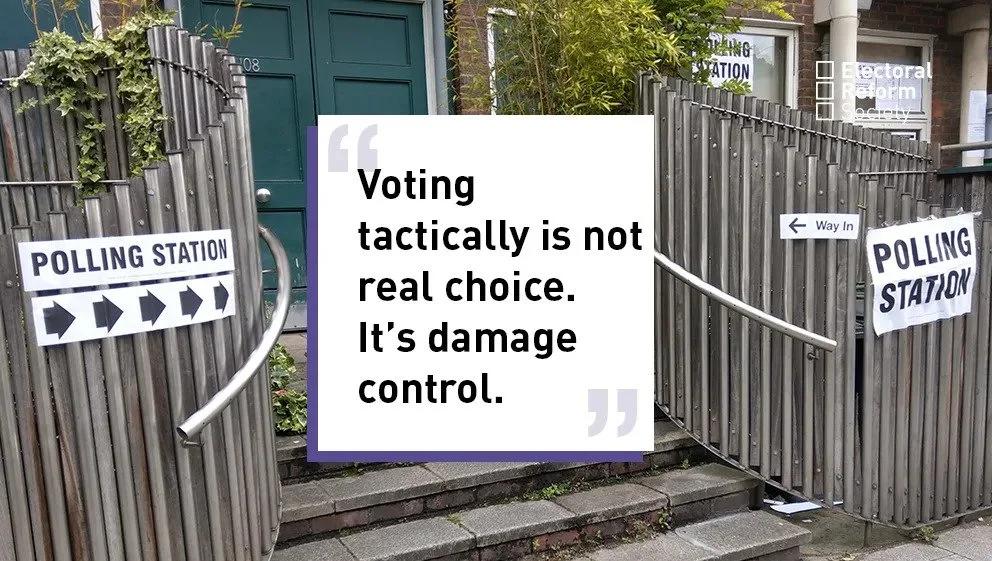
As a floating voter who has no strong political attachment to either of the two main parties, I have reached a point where none of the choices available on the ballot paper seem appropriate or desirable. I did vote in this election but it had zero impact, due to the “winner takes all” approach that is entrenched in the UK’s political system. Unless you live in a marginal seat, voting against a majority incumbent is effectively redundant. Therefore, with a vote that feels meaningless and a paucity of parties to choose from, I fully understand why people turn their backs on politics. Especially the under 30 year olds. All the canvassing that I saw taking place seemed to be undertaken by the over 40s and pitched at a similar age demographic and above. All too often, UK politics just seems to be a form of lobbying for specific socioeconomic groups. Sadly, I do not see the situation improving anytime soon.
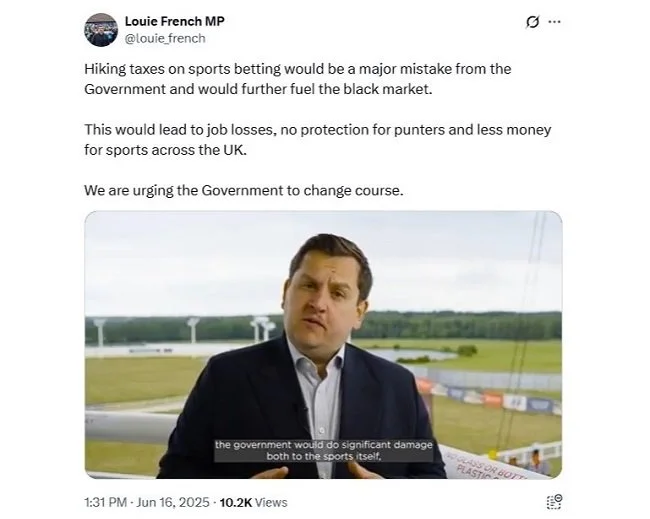
As for Louie French, it will be interesting to follow his voting record in parliament in the months to come to see where he fits within the spectrum of modern Conservatism. At present, as a new MP he is naturally focused upon the needs of his constituents. In his victory speech Mr French stated he will “work tirelessly to repay the trust you put in me”. But I am more intrigued to learn what his position is on several major forthcoming pieces of legislation, such as the UK Online Safety Bill and the new Policing Bill with its potential restrictions regarding the right to protest. I think his voting intentions along with the way he conducts his MPs finances will provide a measure of the man. I also suspect that despite the current drop in the overall majority for this MP, this may well increase in two year’s time when the next General Election is held.
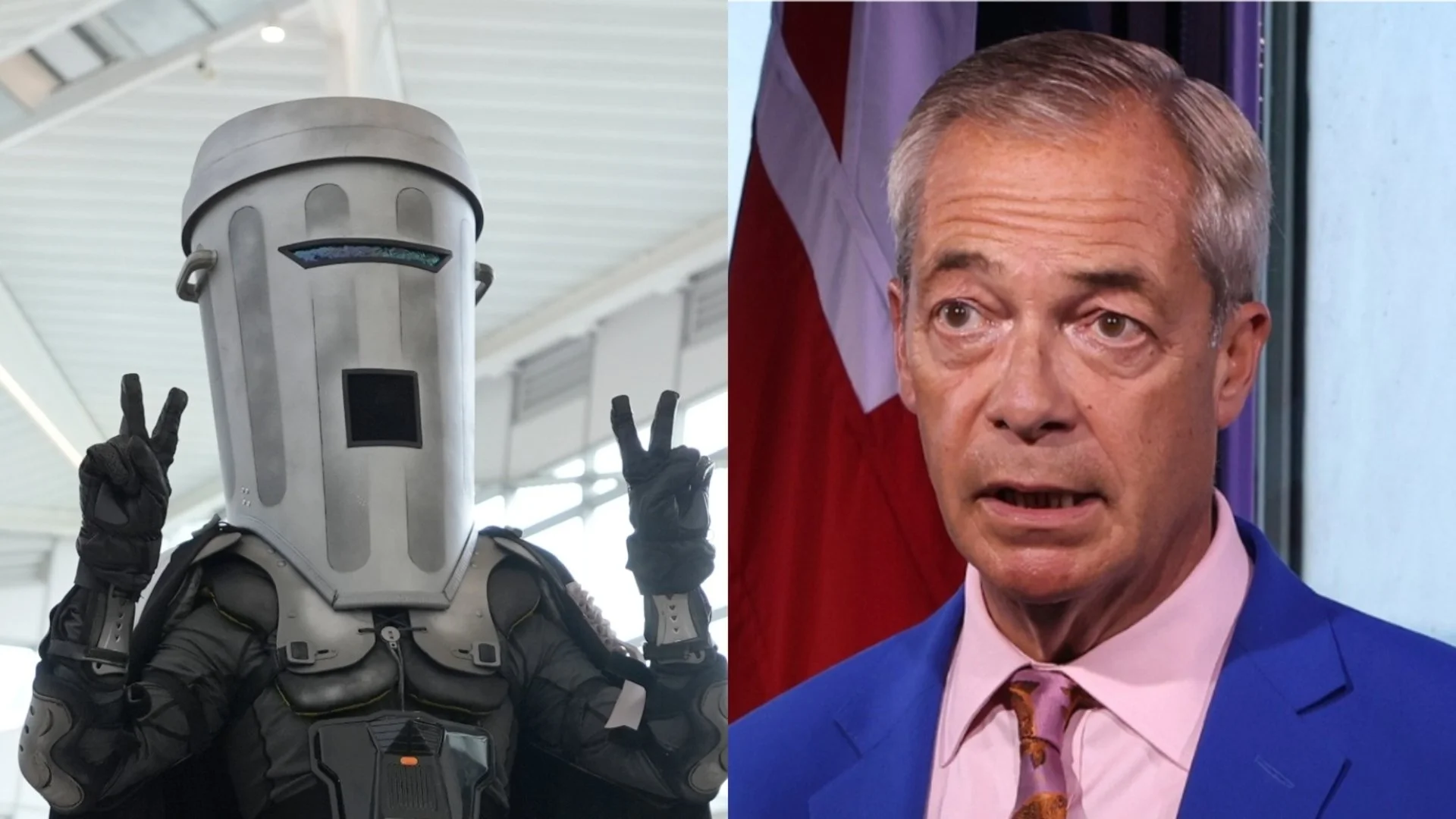
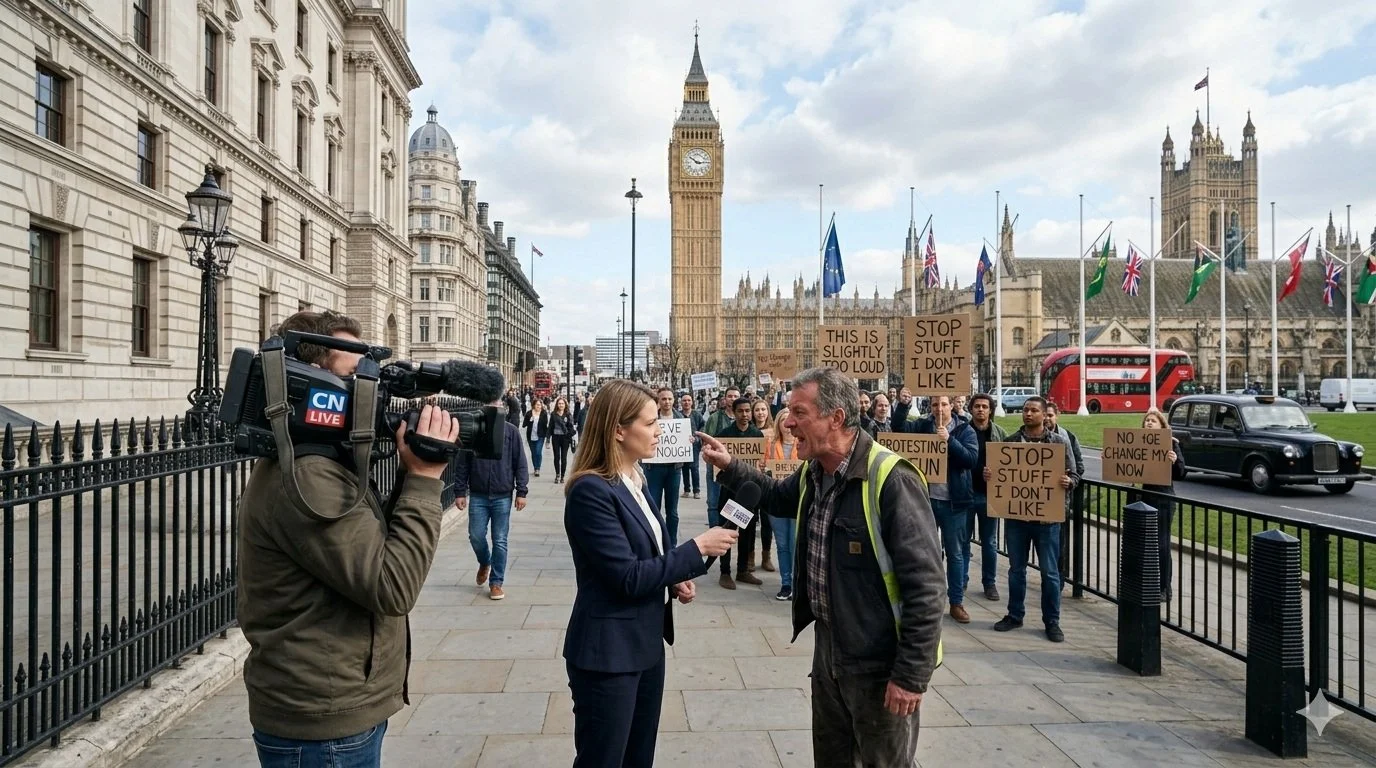
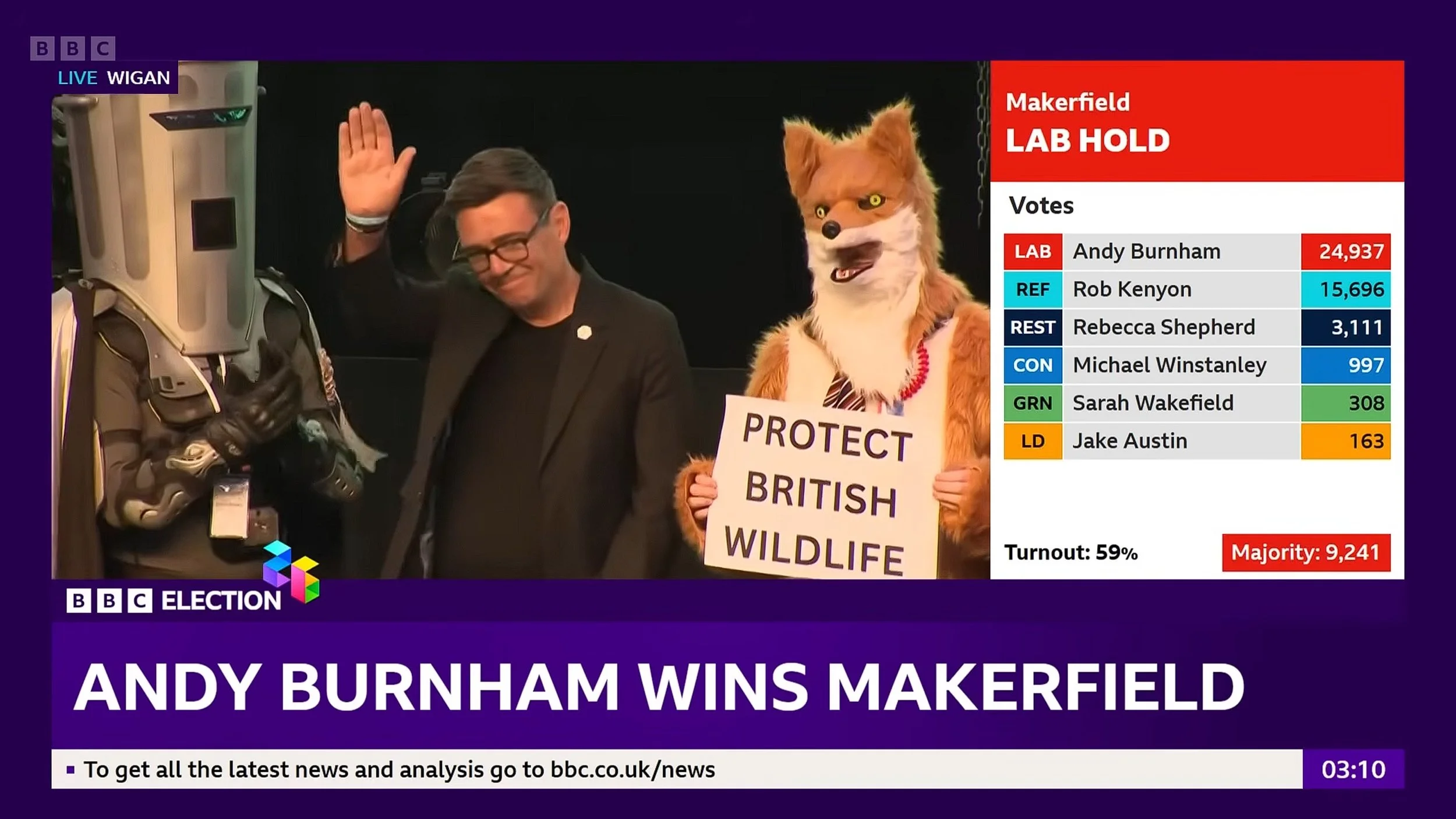



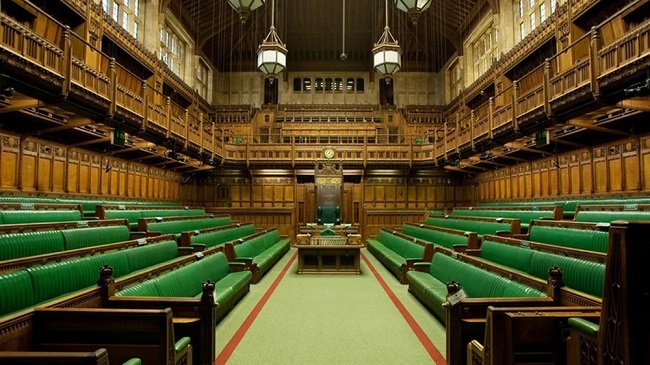
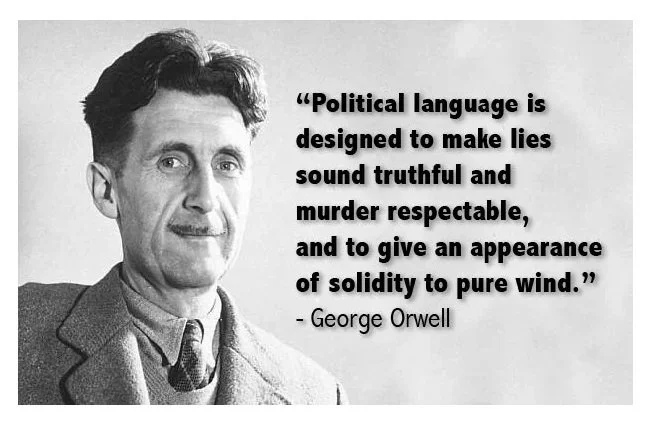
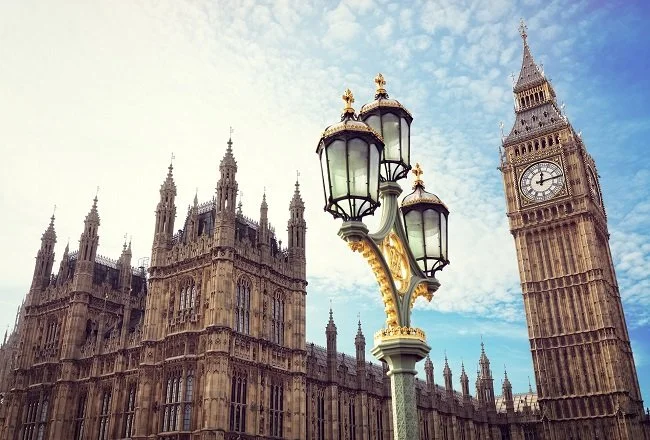


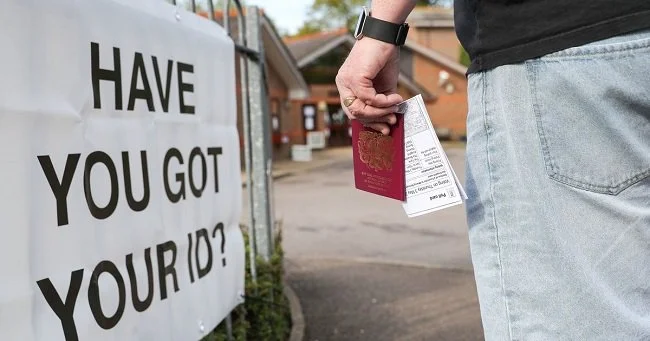




If you visit the websites for such UK tabloid newspapers as the Daily Express or the Daily Mail you will no doubt encounter prominent stories about Megan Markle, Nigel Farage and “immigrants”. If these two august institutions are short of column inches, they’ll run a piece about how some former celebrity has had the unmitigated gall and temerity to get old. I mean WTF? How dare they do what human beings are genetically disposed to do. It’s outrageous. Similarly, head over to the Unherd website and you’ll find foam flecked tirades regarding spurious points of contention over dubious subjects. Often the topic being harangued is incredibly niche and I’ve never heard of it before or even considered it being a thing. These sort of talking points are not about informing, debating and most certainly aren’t about thinking. They exist to provoke reactions.