Laptops Have Changed
I am spending more and more time at my Mother’s house due to my caring duties. Hence I recently determined that I need a laptop so I can continue to write during some of the slacker moments. For a while I’ve been using my sister’s but to put it succinctly it’s an obsolete piece of shit that runs slower than a rusty abacus. So I decided to buy a Chromebook as they offer a means to do what I need to do but on a fiscally prudent budget. However, due to a complicated administrative error that I can’t be bothered to go into here, I have ended up with a more traditional laptop running Windows 10. Mercifully this has not cost me anymore than I initially planned to spend, so ultimately I have come out ahead in this situation. Hence, I now own a Dell Inspiron 15 3000. It has a 15.6” Full HD display, an AMD Ryzen 5 3500U processor, Radeon Vega 8 graphics, 8 GB RAM and a 256 GB SSD. Not a bad spec, considering I was originally intending to get a Chromebook.
I am spending more and more time at my Mother’s house due to my caring duties. Hence I recently determined that I need a laptop so I can continue to write during some of the slacker moments. For a while I’ve been using my sister’s but to put it succinctly it’s an obsolete piece of shit that runs slower than a rusty abacus. So I decided to buy a Chromebook as they offer a means to do what I need to do but on a fiscally prudent budget. However, due to a complicated administrative error that I can’t be bothered to go into here, I have ended up with a more traditional laptop running Windows 10. Mercifully this has not cost me anymore than I initially planned to spend, so ultimately I have come out ahead in this situation. Hence, I now own a Dell Inspiron 15 3000. It has a 15.6” Full HD display, an AMD Ryzen 5 3500U processor, Radeon Vega 8 graphics, 8 GB RAM and a 256 GB SSD. Not a bad spec, considering I was originally intending to get a Chromebook.
I haven’t owned a laptop for about 15 years. Man, how things have changed. My new laptop is a fairly thin and surprisingly quiet device. It is also relatively light. I can remember a time when manufacturers would sometimes attempt to cram a full size, top-of-the-range processor into a huge and ungainly chassis in their pursuit of performance. It would seem that physical media drives are now consigned to the history books, as this laptop is conspicuously lacking any peripherals of this nature. The damn thing also spoke to me when I booted it up for the first time, with Cortana kicking in and making some soothing comment about taking care of configuring things. And then there’s the ubiquity of the internet. It is assumed that this shiny new laptop will be immediately connected to a high speed, wireless internet connection so that the operating system can update itself and I can then have swathes of meaningless bullshit pumped to my desktop.
Therefore, the streamlined modern laptop with its lack of peripherals (beyond an external mouse) is a lightweight affair. I found my Father’s old laptop bag and have started using it. The modest sized AC adapter doesn’t add too much to the overall weight and so carrying the laptop between houses is hardly a chore. In the past I have purchased outsized rucksacks and struggled under the excessive load of my laptop like a Bolivian pack mule. I suppose this improvement in portability is another marketing point, although I don’t feel disposed towards taking my laptop with me everywhere and “working on the fly”. For me a busy McDonalds is hardly a conducive environment for writing but each to their own. Certainly the 1080p display is convenient for watching either YouTube or my own collection of film and TV content. Apparently this laptop also has Bluetooth, so it is easy to connect earbuds. Again functionality such as this or a webcam used to be considered as additional, whereas now it is just standard.
I suppose the biggest change underpinning laptops is their perceived function and more to the point, how they go about providing that. In the past (and by this I mean in my experience between 2000 and 2010) the laptop was a means to provide all the functions of your desktop PC and office network but at home or on the move. Hence there were numerous peripherals that would go hand in hand with a top of the range laptop. Nowadays, the laptop is more of a conduit that assumes by default the presence of the internet, so that the device can connect to the cloud resources we all rely upon these days. Gone are the requirements of local installations of important software, as we now use web based apps. Such an approach certainly takes a load off the laptop per se but it also means that the user is dependent on the internet and any loss of service greatly impacts upon productivity. As the title of this post states, laptops have changed.














LOTRO: Problems With the Revised Legendary Item Systems
NB. If you have a strong feeling of deja vu while reading this post, it’s not just you. Most of the points raised here were mentioned previously a few weeks ago when I wrote about my experiences during the beta testing of Update 30.3 on Bullroarer server. I’m sure long time LOTRO players will not be at all surprised by what is discussed in this post.
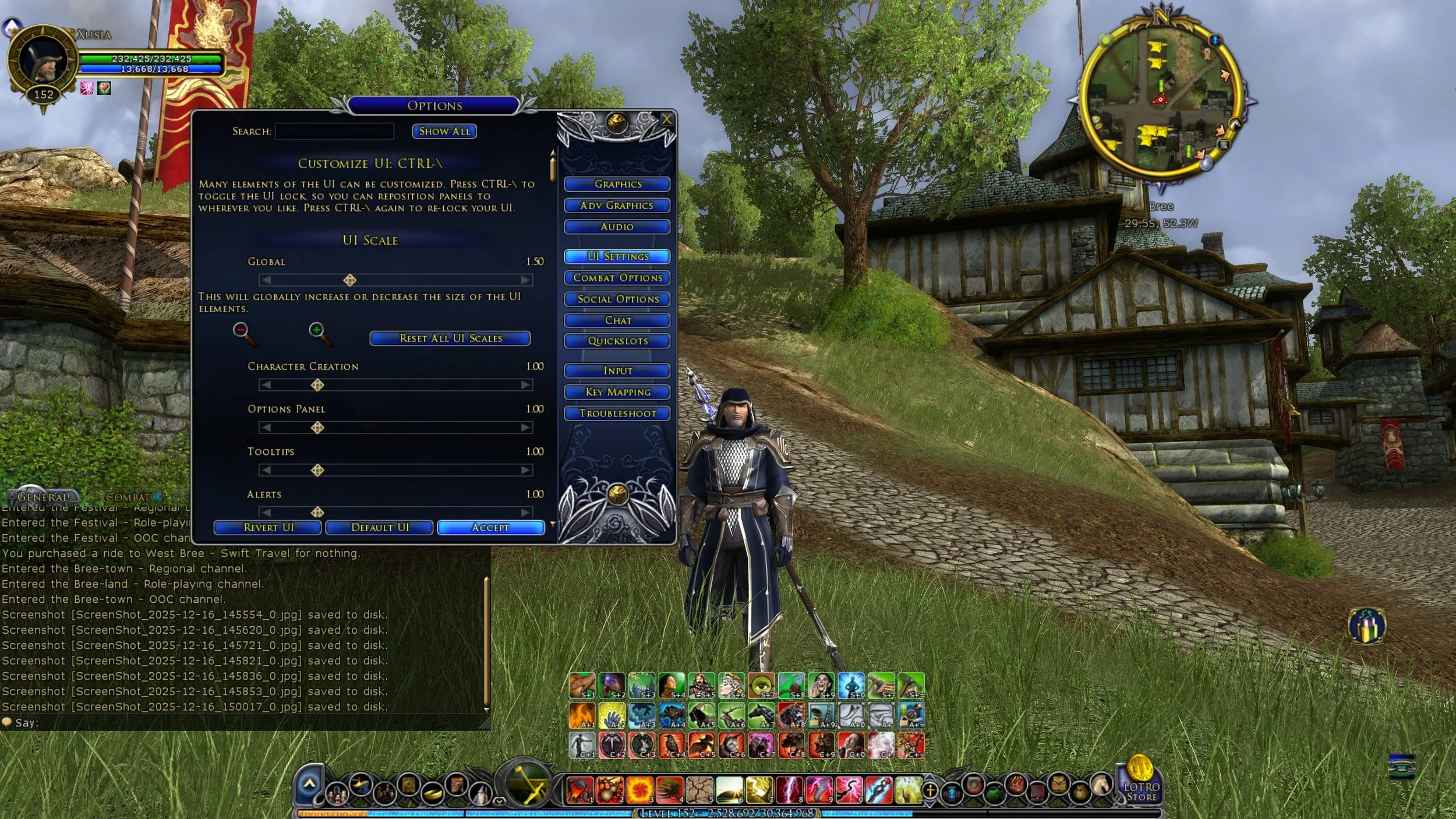
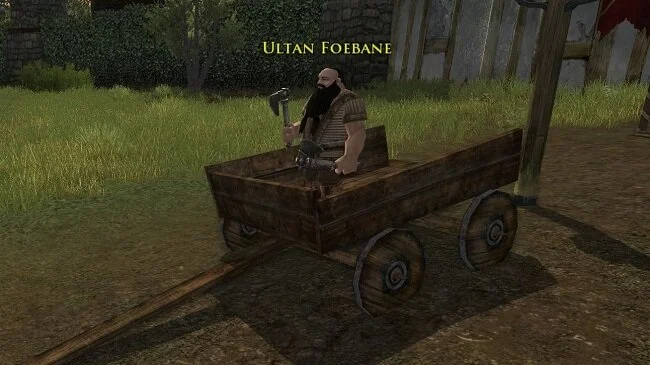
Developer’s Standing Stone released Update 30.3 for the MMORPG The Lord of the Rings Online today. This includes the new Brawler class and the revised Legendary Item system. The latter has proven to be problematic. Firstly, there has been no support information from SSG as to how the new system works. There is no in-game tutorial or quest that orientates the player. In fact unless a player opens up the LI window and discovers that there is a new “appraise” button added to the UI, they could easily continue playing totally oblivious to the revised system. Secondly, all the bugs and glitches that were highlighted by players on the test server have not been addressed and have been ported over to the live servers. Unless you are the type of player who is heavily invested in the game and has kept abreast of the various threads about the revised LI system on the official forums, you will have to muddle through the best you can. Furthermore, you will be at risk of making mistakes, wasting valuable in-game resources and potentially gimping your new LI.
NB. If you have a strong feeling of deja vu while reading this post, it’s not just you. Most of the points raised here were mentioned previously a few weeks ago when I wrote about my experiences during the beta testing of Update 30.3 on Bullroarer server. I’m sure long time LOTRO players will not be at all surprised by what is discussed in this post.
Developer’s Standing Stone released Update 30.3 for the MMORPG The Lord of the Rings Online today. This includes the new Brawler class and the revised Legendary Item system. The latter has proven to be problematic. Firstly, there has been no support information from SSG as to how the new system works. There is no in-game tutorial or quest that orientates the player. In fact unless a player opens up the LI window and discovers that there is a new “appraise item” button added to the UI, they could easily continue playing totally oblivious to the revised system. Secondly, all the bugs and glitches that were highlighted by players on the test server have not been addressed and have been ported over to the live servers. Unless you are the type of player who is heavily invested in the game and has kept abreast of the various threads about the revised LI system on the official forums, you will have to muddle through the best you can. Furthermore, you will be at risk of making mistakes, wasting valuable in-game resources and potentially gimping your new LI.
What makes this situation even more frustrating is that it was utterly predictable. SSG has a track record of ignoring player feedback, committing to deadlines and launching broken updates. This course of action always ends in a community management disaster which is further exacerbated by the developer's tone deaf, highhanded approach to dealing with PR problems and their total inability to learn from past mistakes. I and many other long time LOTRO enthusiasts find the latter to be the most egregious offense. The way the company seems to deliberately set itself at odds with its players (who are also customers) and then blithely walks inexorably into a problem of their own making is staggering. Ultimately, such behaviour sends a very clear message. There is clearly a conflict of interests somewhere in the chain of command and it is proving detrimental to the games evolution and customer relations.
I spent most of the evening talking to kinfolk as well as fellow LOTRO players on Discord and Twitter trying to ascertain whether I had missed some key information regarding Update 30.3 and important LI revision. Sadly, I concluded after several hours that this wasn’t the case. There is no easily accessible in-game resource that either provides directly, or points towards a guide for the new LI system. Eventually I found a useful document, created by Helcawen as a means to help orientate their kinship members. It is an informative guide but is still subject to change as it reflects the “broken” system as it currently is. Apparently SSG have made one post on the new LI system but unless you are especially adept at using the official forums it’s hardly easy to find. However, there is no shortage of player feedback cataloguing the issues that they are discovering about the new LI system.
Many of the resources that are used in the new LI system, such as XP runes, have to be used in a specific order or else the player doesn’t get the maximum benefit from them. Then there is the cap on resources such as Ancient Scripts which means you are forced to spend them before you can acquire any more. And then there is the increase in options to spend Mithril Coins to unlock and upgrade resources. Not only has this become more prevalent but the system is currently broken with Tracery levels exceeding the level of the LI that they’re used in. It would also appear that the most powerful Traceries are exclusive to lootboxes. But for me, the biggest problem is with replacing a Legendary Item that has been maxed out. Simply put, you do not get sufficient resources to create a commensurate replacement. Considering the time, effort and money that I’ve put into my existing LI this is an unacceptable situation and a deal breaker.
Assuming that SSG are going to “fix” the new LI system, I don’t think I shall touch my level cap Lore-master staff and book l currently have on my primary character. I shall wait until the Fate of Gundabad expansion launches in November and ensure I’ve reached the new level cap of 140 before I make any important changes. I shall also be watching very carefully how SSG handles this situation because my patience is finally exhausted with them and their cavalier attitude. If I cannot replace my LI with something comparable then I see no reason to keep playing. As a paying customer, I don’t like downgrades of service or having something taken from me. For years players have debated the future of LOTRO and pondered its fate. I believe that SSG have reached a point where their actions are directly harming the game and alienating players. They’ve been warned time and time again about the consequences of their actions. If things go ill for them, then they are the architect of their own demise and deserve no sympathy.



Old Bexley and Sidcup By-election Part 1
Last week James Brokenshire, MP for the constituency of Old Bexley and Sidcup, died of lung cancer at the age of 53. He had held this parliamentary seat since 2010 and maintained a strong majority throughout the 2015, 2017 and 2019 general elections. Hence the constituency of Old Bexley and Sidcup is considered a “safe seat” for the Conservative Party. In fact it has only ever returned MPs from that party since its creation in 1983. As a result of Mr Brokenshire’s death, there will now be a by-election held in the constituency of Old Bexley and Sidcup to return a new MP to parliament. What makes this local election a little more interesting than usual, is that it will not be taking place against a wider ongoing national election. Therefore, there is scope that local issues may well play a greater part in the electioneering of all participating parties.
Last week James Brokenshire, MP for the constituency of Old Bexley and Sidcup, died of lung cancer at the age of 53. He had held this parliamentary seat since 2010 and maintained a strong majority throughout the 2015, 2017 and 2019 general elections. Hence the constituency of Old Bexley and Sidcup is considered a “safe seat” for the Conservative Party. In fact it has only ever returned MPs from that party since its creation in 1983. As a result of Mr Brokenshire’s death, there will now be a by-election held in the constituency of Old Bexley and Sidcup to return a new MP to parliament. What makes this local election a little more interesting than usual, is that it will not be taking place against a wider ongoing national election. Therefore, there is scope that local issues may well play a greater part in the electioneering of all participating parties.
The parliamentary procedure for holding a by-election are as follows. The Chief Whip of the political party whose MP held the vacant seat starts the process by “moving the Writ”. This is a motion requesting “that the Speaker do issue his Warrant to the Clerk of the Crown to make out a new Writ for the electing of a Member to serve in this present Parliament for the constituency of .... in the room of…”. The Speaker puts the question to MPs to decide whether to agree to the motion. If MPs agree it becomes an Order for the Speaker. The Speaker then issues a Warrant to the Clerk of the Crown who then sends the writ to the Returning Officer, who is responsible for the administration of the by-election. A new Writ is usually issued within three months of the vacancy. The by-election timetable is between 21 and 27 working days from the issuing of the writ.

As the current UK government enjoys a majority of over 80 seats, there is no pressing political need to hold this by-election as soon as possible. Therefore it seems logical that it will more than likely happen in early 2022. However, nothing is in tablets of stone so there is a possibility it could take place prior to Christmas, as did the last General election in 2019. A more important factor than the prospective date, is the issue of the candidates fielded by each respective party. As mentioned previously, Old Bexley and Sidcup is a safe seat for the Conservative Party. Hence, it is broadly expected that whoever becomes the Conservative candidate will subsequently win the by-election, due to the established voting patterns of the constituents. Old Bexley and Sidcup is a predominantly white, middle-class suburb of South-East London and as such is seen as a Tory “heartland”.
Like any political party, the Conservatives have their own unique set of rules with regard to candidate selection. In the past, Conservative party selection was largely in the control of the local Constituency Associations, however there was an approved list held at party HQ to be considered. In recent years the approved list has been replaced and a more equitable assessment board convened ensuring greater ethnic diversity and more female representation. However, local Constituency Associations still have a major say in candidate selection. Therefore under normal circumstances, there shouldn’t be any controversy surrounding the new Conservative candidate. However, the current Prime Minister Boris Johnson isn’t known for being a “stickler for the rules”. There is a degree of concern among the constituents of Old Bexley and Sidcup, as to whether a candidate could be “imposed” and parachuted into a convenient safe seat.
Time will tell as to what happens next. There is scope for the entire by-election to be a straightforward and uncontroversial process. Equally, things may go the opposite way. UK politics have become very unsettled in the last six years, Traditional voting patterns, party loyalties and general public opinions have shifted and not necessarily along traditional party lines. Furthermore, the Conservative party has radically changed since 2019. Many moderate MPs did not stand for re-election in the last general election. Although Old Bexley and Sidcup may still be a Tory safe seat, that doesn’t mean that the constituency is by default, well disposed toward Boris Johnson and his particular brand of politics. It will be interesting to see if such sentiments are reflected in the by-election.



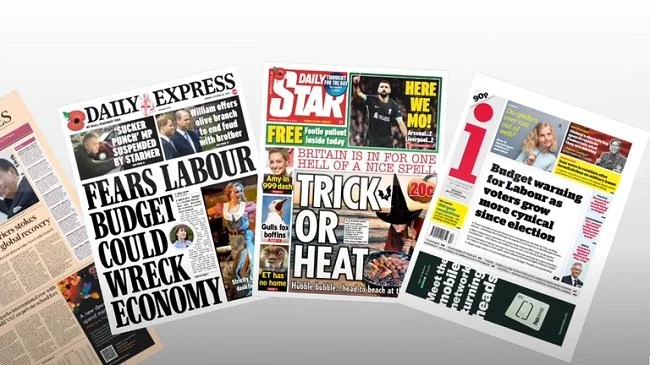
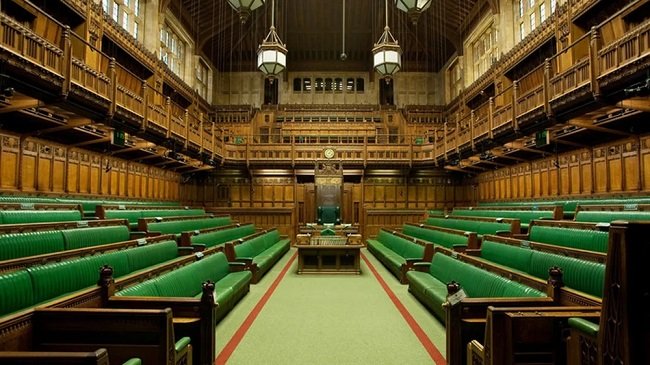
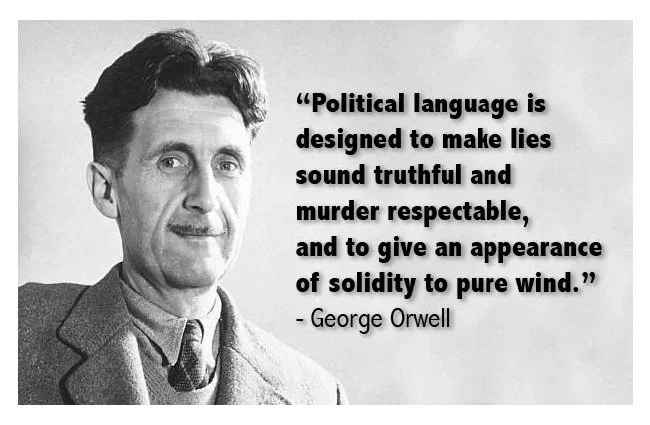



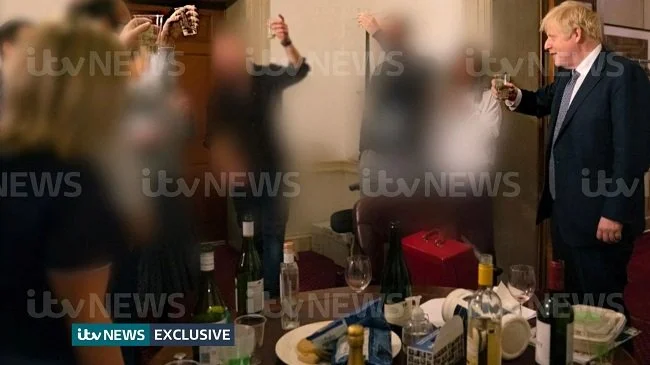

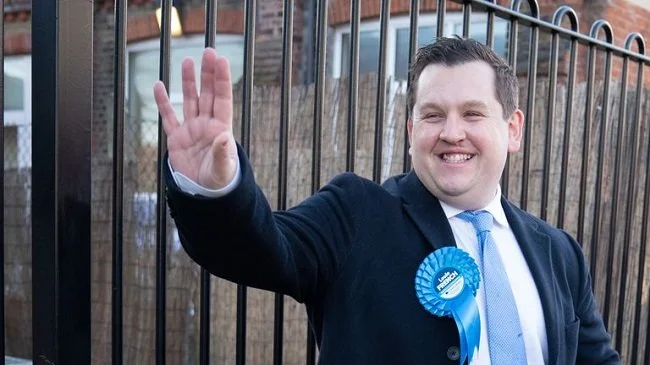
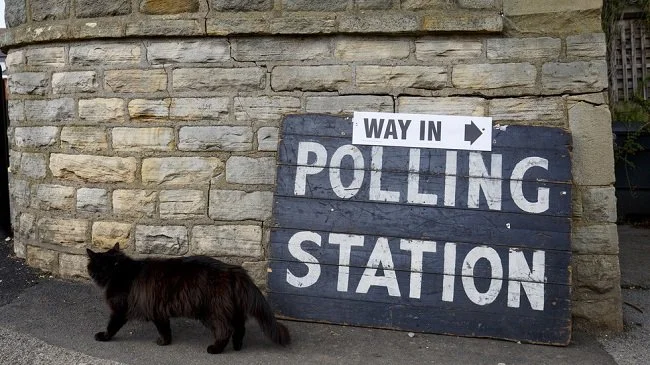
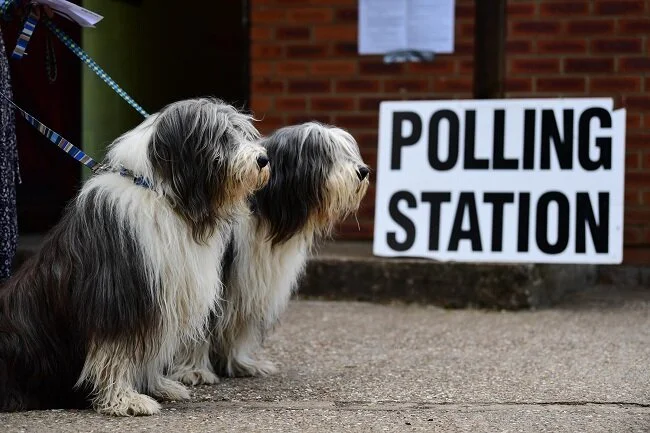



Up and Down Voting User Comments
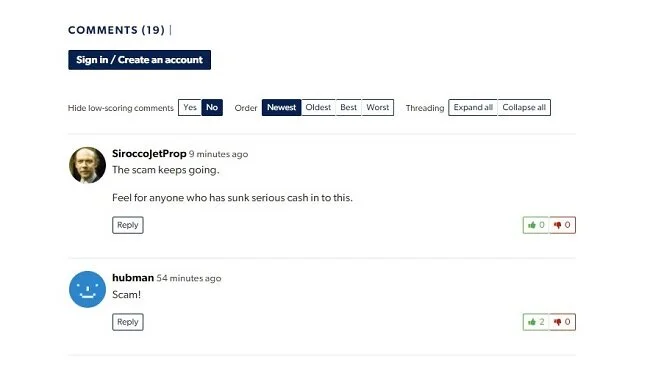
I was reading an article on Eurogamer this morning when I noticed that like so many other websites, it allows readers to vote user comments either up or down. It is a functionality that has become increasingly more commonplace in recent years. I would hazard a guess that Reddit set the trend for this so-called “social tool” and is the source of its ubiquity. If, like me, you are someone who finds the rectitude of this system “questionable”, you can set the filtering options in such a fashion so you can effectively disable the results of up or down voting. But that means taking a few minutes of your time to alter the comment settings, which means that a lot of people simply won’t bother to do it. Thus a lot of readers will miss out on content that their peers have deemed to be of little or no value, irrespective of whether or not that is actually the case. I find this a very disturbing concept and the ongoing use of up or down voting a worrying trend.
I was reading an article on Eurogamer this morning when I noticed that like so many other websites, it allows readers to vote user comments either up or down. It is a functionality that has become increasingly more commonplace in recent years. I would hazard a guess that Reddit set the trend for this so-called “social tool” and is the source of its ubiquity. If, like me, you are someone who finds the rectitude of this system “questionable”, you can set the filtering options in such a fashion so you can effectively disable the results of up or down voting. But that means taking a few minutes of your time to alter the comment settings, which means that a lot of people simply won’t bother to do it. Thus a lot of readers will miss out on content that their peers have deemed to be of little or no value, irrespective of whether or not that is actually the case. I find this a very disturbing concept and the ongoing use of up or down voting a worrying trend.
So what is the philosophy behind up and down voting of reader comments? Well those that oversee its implementation will tell you that it is a process for discovering and promoting the best comments that readers have submitted, therefore maximizing engagement and increasing the value of the content and the overall user experience. A more cynical take is that such systems are a means by which you can gamify leaving comments. The interactive element may not necessarily yield the up voting of the best comments but it encourages user interaction and increasing clicks, which means greater exposure to paid posts and advertisements. The associated dopamine rush that comes with up or down voting, or posting a comment that proves popular is tangible and makes it far more likely that readers will return. You’ve added fun but fun does not necessarily equate with value.
But the road to hell is paved with good intentions. Up and down voting comments only allows the best and most useful comments to rise to the top if the readers vote without personal bias and all approach the process with an ethical and altruistic outlook. Naturally this is not the case nine times out of ten. Up and down votes more often than not are just used as a dislike option, with people voting comments down simply because they don't agree or care for them. The process then becomes a means of controlling and silencing dissenting opinions. Thus, popularity eventually trumps validity and relevance. Critical thinking goes into decline. Websites become tribal echo chambers and so the culture wars tediously rumble on. All fun is subsequently leached out of all human interaction and so the world becomes just a little bit shittier each day, until life becomes an inescapable black hole of despair.
It can be argued that most means of airing opinions are ultimately subject to some sort of editing. The letters page of a newspaper selects what it deems are pertinent comments. The television talk show also maintains a degree of control over what is discussed and how. Yet editors are usually accountable to some degree for their decisions and are ultimately driven by a policy from their owners or shareholders. The up and down voting is simply driven by the capricious whims of “the crowd”, which I find even more concerning. Although being able to avoid things that you don’t like sounds initially quite alluring, it is actually counterproductive and hinders a broad and well balanced world view. It can also be used as an unscrupulous political tool that trivialises debate and public discourse. Sadly, because it allows people to ”stick it to the fascists”, or alternatively “own the liberals”, I don’t see up and down voting comments going away anytime soon.
MMO Tropes: “Kill Ten Rats” and Fetch Quests
“The MMO genre is rife with its own set of tropes; recurring themes and motifs that have become established and ubiquitous. All of which are ideal material for a hastily produced, lazily conceived, recurring blog post”.
The MMORPG genre is a curious subset of video games. Not only is it predicated on violence against the individual, institutions and “others”, as so many video games are but also species-specific genocide and general mass extinction of fauna and flora. It is easy to understand how this gaming specific trope came about. Early MMOs often had very little or no narrative driven quests and players simply levelled their characters by gaining XP from any sort of combat. Be that against other players, mobs or general in-game wildlife. What is far more perplexing is why such an arbitrary mechanic still persists in the modern MMO. Is it simply due to “laziness” and the fact that it’s easy to implement and rely upon? Or is there more to it than that?
“The MMO genre is rife with its own set of tropes; recurring themes and motifs that have become established and ubiquitous. All of which are ideal material for a hastily produced, lazily conceived, recurring blog post”.
The MMORPG genre is a curious subset of video games. Not only is it predicated on violence against the individual, institutions and “others”, as so many video games are but also species-specific genocide and general mass extinction of fauna and flora. It is easy to understand how this gaming specific trope came about. Early MMOs often had very little or no narrative driven quests and players simply levelled their characters by gaining XP from any sort of combat. Be that against other players, mobs or general in-game wildlife. What is far more perplexing is why such an arbitrary mechanic still persists in the modern MMO. Is it simply due to “laziness” and the fact that it’s easy to implement and rely upon? Or is there more to it than that?
Two decades or so ago, early MMOs and indeed the RPG genre needed to establish certain concepts to new players. Mechanics that now are so well known that they are even understood outside of gaming in wider popular culture. Specifically the idea of progression and levelling your character (not to be confused with “levelling up” and other nebulous political soundbites). Giving a new player a simple task to demonstrate levelling and XP gain, while they are still within the game tutorial is a logical learning tool. It clearly equates completing a task with the gaining of XP and thus increasing in level. Tutorials in MMOs tend to be within very controlled environments, so the player can tentatively undertake the task free from risk. Often these safe areas at the start of games take place in dungeons or a castle, thus the liquidation of rodents as an object lesson does not seem out of place.
And because the MMO genre is utterly self plagiarizing, this simple instructional mechanism quickly became commonplace, then ubiquitous, then a standing joke and eventually a tedious played out meme. Many MMOs have transplanted the “kill quests” from its functional place in the tutorial and made it a mainstay of PVE questing. Sometimes a great deal of effort will be put into contriving a narrative to justify such tasks but all too often it is just bandied about as filler content. Some games have even tried to make “kill ten rats” into something ironic and self-deprecating but these attempts to satirise the genre seldom work. A dull and uninteresting task can remain a dull and uninteresting task, especially if no effort has been put into the “packaging”.
“Kill ten rats” has morphed over time and has become subsumed into another MMO hardy perennial; the fetch quest. This is a mission that sends a player to a remote area(s) of the game world to collect a selection of items that are required for “reasons”. Often the desired object(s) are in a contested area that is densely populated by mobs, thus making acquiring them difficult, tedious or both. Frequently upon returning to the quest bestower, a follow up mission is provided in which you have to return once again to the contested area to collect further materials. Again, this was cutting edge MMO content two decades ago but nowadays, it is simply seen as an unnecessary and uninspired grind. Players are very familiar with the various tricks of the trade that game developers use and so such content doesn’t in any way enthuse those having to carry it out.
What both of these game mechanics highlight are the inherent limitations of what you can do within the confines of an MMO. Although the term MMO is appended with RPG, often these games do not have the technical sophistication of their single player cousins. Hence MMOs weighted towards progression systems, resource management, varying your build and so forth. As far as interaction goes within the game world, it is often based on “click” on a NPC for narrative, or a resource for collection, or on a mob to initiate combat. Stories, voice acting, narrative choices and cutscenes are the veneer applied to these things to make them engaging. A good game essentially asks you to “kill ten rats” but in such a way that it doesn’t feel like “killing ten rats”. Sometimes the developers get away with it. Other times they don’t. The latter is never a good thing.
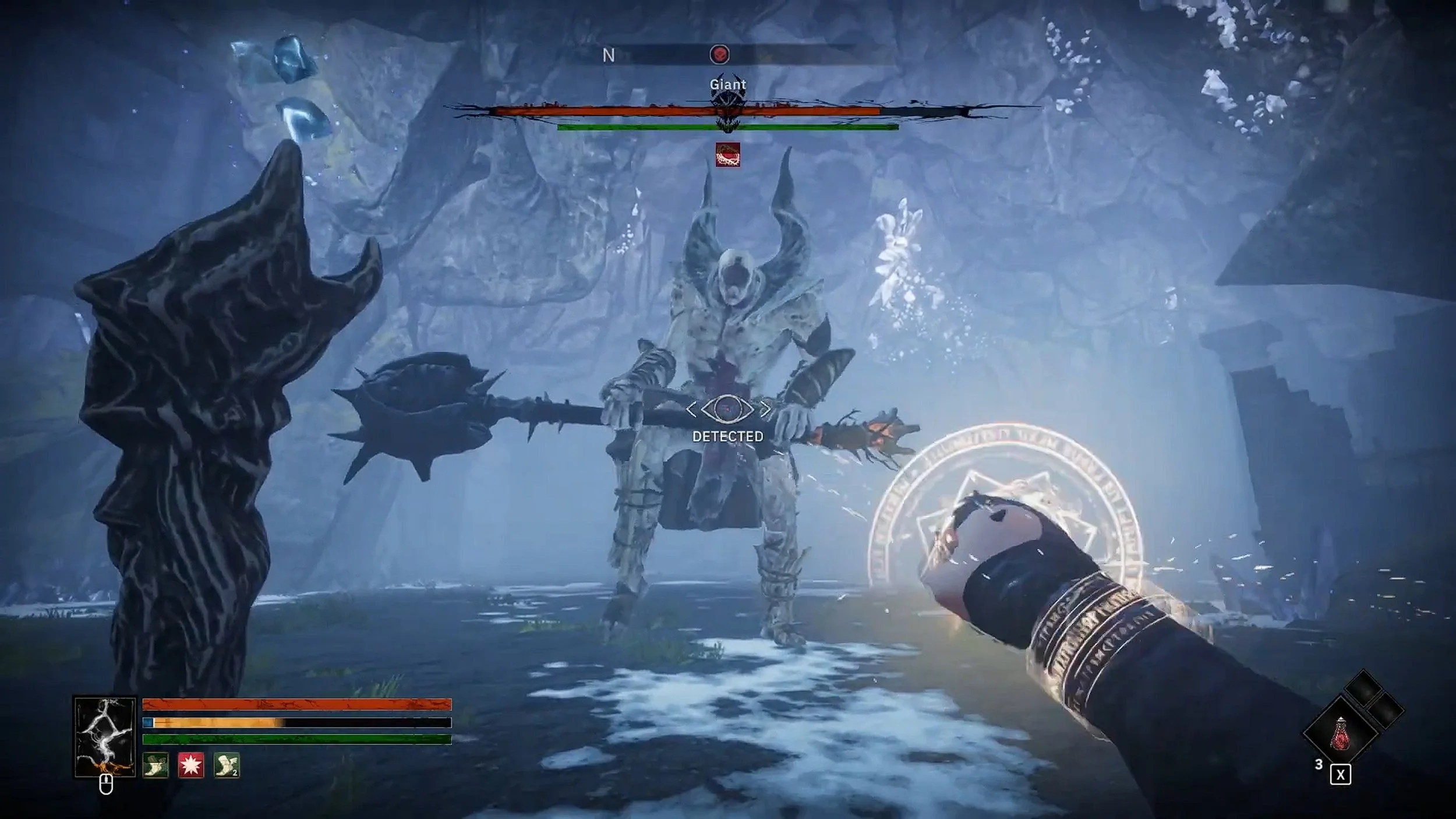


Arthur C. Clarke's Mysterious World (1980)
Television programmes that deal with the so-called supernatural, mysterious and the unexplained are commonplace these days. They fill the schedules of channels that used to broadcast quality wildlife, historical and scientific documentaries. All too often these shows focus on the sensational nature of their subject matter and lack any real objectivity, analysis and scientific rigour. The idea is not to impartially explore a subject to determine its veracity but to simply provide a degree of spectacle for as broad a viewing demographic as possible. However, that was not always the case. Back in 1980, Yorkshire Television produced Arthur C. Clarke's Mysterious World. A high profile exploration thirteen-part British television series looking at unexplained phenomena from around the world. The presence of Clarke, who introduced and book-ended the various subjects the show explored, brought a degree of impartiality and credibility to the proceedings.
Television programmes that deal with the so-called supernatural, mysterious and the unexplained are commonplace these days. They fill the schedules of channels that used to broadcast quality wildlife, historical and scientific documentaries. All too often these shows focus on the sensational nature of their subject matter and lack any real objectivity, analysis and scientific rigour. The idea is not to impartially explore a subject to determine its veracity but to simply provide a degree of spectacle for as broad a viewing demographic as possible. However, that was not always the case. Back in 1980, Yorkshire Television produced Arthur C. Clarke's Mysterious World. A high profile exploration thirteen-part British television series looking at unexplained phenomena from around the world. The presence of Clarke, who introduced and book-ended the various subjects the show explored, brought a degree of impartiality and credibility to the proceedings.
Arthur C. Clarke's Mysterious World was not intended to be a highbrow exploration of the subject nor was it designed just to infer the truth of the various mysteries that it focused upon. It was meant to provide an overview on well known subjects such as UFOs and the Loch Ness monster, providing first hand anecdotes, potential scientific explanations and logical conjectures. If there wasn’t a definitive explanation to a mystery Clarke would state this as being the case. However his standing in the scientific community meant that he wasn’t providing a tacit endorsement of supernatural theory and fringe beliefs. As each episode was only twenty five minutes long, they were not attempting to be the last word on the matter. However this approach found a comfortable mainstream, centre ground that the viewers found acceptable.
In the first episode, Clarke himself set out his approach to analysing each mystery. Each was categorised as either a mystery of the first, second or third kind. The first being phenomena which were mysterious to our ancestors but are now understood, such as a solar eclipse. The second being phenomena which are as yet unexplained but where we have several clues that suggest a potential answer or credible theory. Ball lightning was cited as an example of this. Finally the third was applicable to those phenomena for which we have no rational explanation. The various cases were then explored in short segments of eight minutes duration, narrated by Gordon Honeycombe. Eyewitnesses often recounted their experiences and then experts and academics would attempt to rationalise what had happened. The eye witnesses did have an opportunity for rebuttal and then Clarke himself would pronounce upon the matter in an independent manner.
Over the course of the thirteen episode season, Arthur C. Clarke's Mysterious World looked at the following mysteries. Sea monsters, Bigfoot and the Yeti, stone circles, the Tunguska event, UFOs as well as subjects such as Nazca lines, megalithic structures and phenomena such as raining fish and the “canals of Mars”. All of which had not been solely catalogued by one show before and brought into the UK viewers collective consciousness. The enigmatic opening credits featuring the Mitchell-Hedges Crystal “skull of doom” certainly left an impression, especially with younger viewers such as myself. Usually such material was looked down upon by UK critics yet the presence of a respected writer and academic such as Clarke who appeared to have a genuine interest in these phenomena, did seem to temper peoples scepticism. Viewing figures were sufficient to lead to two follow up series. Arthur C. Clarke's World of Strange Powers in 1985 and Arthur C. Clarke's Mysterious Universe in 1994.
I recently revisited Arthur C. Clarke's Mysterious World and found it to be just as engaging as I remember. It is presented in the formal style of the time with interviews and simple graphics. Clarke, often filmed in Sri Lanka, is even handed and measured in his thoughts and conclusions. Unlike the sensational hyperbole that is deliberately employed in contemporary shows. Due to the age of the series, some of the mysteries discussed have now been determined as hoaxes or have been relegated from their status as mysteries of the third kind, to the second. This includes the previously mentioned “skull of doom” which has been found to date from the 19th century and is not a three thousand year old artefact. Overall, Arthur C. Clarke's Mysterious World still maintains its original remit. Exploring mysteries with a degree of scepticism while still enjoying their inherent appeal and excitement. It’s a shame that so many modern shows can’t find this balance.










A Month in Gaming
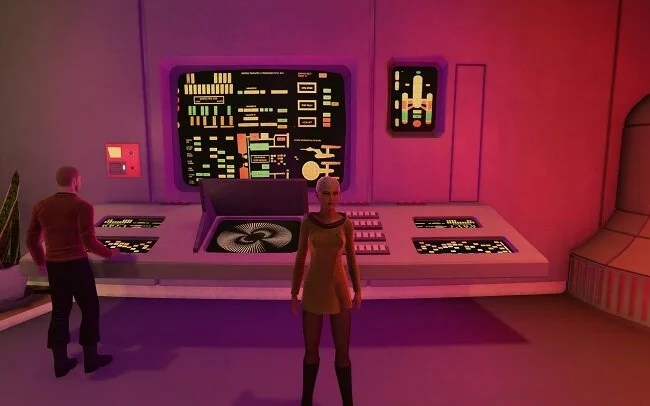
September has been and gone and the nights are now drawing in. Usually this time of year is ideal for gaming but sadly I’ve had a lot on over the last 30 days and as a result there’s been precious little time for gaming or indeed writing. Such is life. When I did have some leisure time, MMOs were the easiest way to get a quick gaming fix, as per usual. Standing Stone Games announced that the next expansion for The Lord of the Rings Online would be released in November and that a revision of the Legendary Item system would be coming prior to that. Hence I took a look at the beta builds on the Bullroarer test server and then started prepping my various alts on the live servers, to get ready for this major change. I also managed to complete the latest event in Star Trek Online. However, beyond these straightforward tasks I didn’t really get to do much more.
September has been and gone and the nights are now drawing in. Usually this time of year is ideal for gaming but sadly I’ve had a lot on over the last 30 days and as a result there’s been precious little time for gaming or indeed writing. Such is life. When I did have some leisure time, MMOs were the easiest way to get a quick gaming fix, as per usual. Standing Stone Games announced that the next expansion for The Lord of the Rings Online would be released in November and that a revision of the Legendary Item system would be coming prior to that. Hence I took a look at the beta builds on the Bullroarer test server and then started prepping my various alts on the live servers, to get ready for this major change. I also managed to complete the latest event in Star Trek Online. However, beyond these straightforward tasks I didn’t really get to do much more.
I toyed with the idea of playing New World. I had taken part in an earlier beta test and found elements of the game to be quite appealing. I especially enjoyed the combat which I felt was both fluid and had a sense of physicality. Yet the minimal plot, voice acting and general “old school” approach made the overall game feel somewhat archaic to me. And so I decide not to purchase it and get swept up in the excitement of a new MMO launch. However, it can be very interesting to observe such a phenomenon. Many of my blogging colleagues have been documenting their experiences and it can be very interesting reading multiple perspectives upon different aspects of the game. Plus the perennial question of what is a “good MMO launch” has been raised once again. Personally I am too old and impatient to have to deal with logon queues and for daily, rolling patches to fix content.
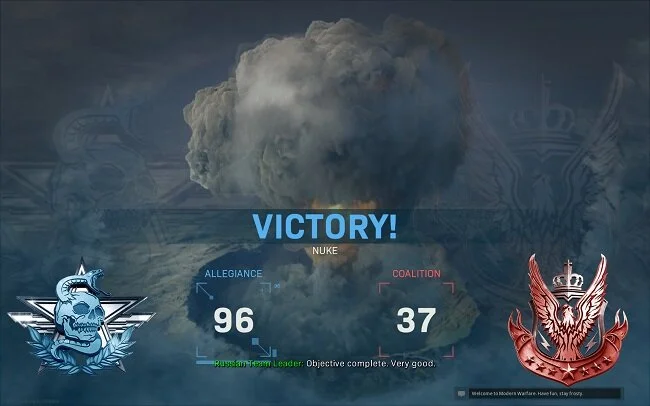
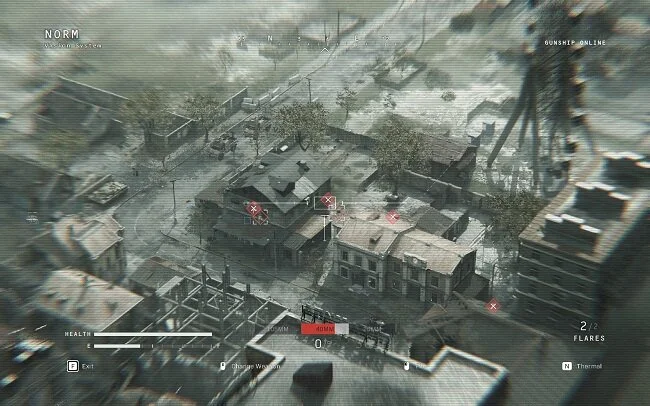
I did manage to log into Call of Duty: Modern Warfare. Rather than play Warzone, I opted for Team Deathmatch with AI bots. I cranked up the difficulty and it proved quite taxing but on the plus side, it was nice to be able to play a game without any angry commentary in chat and more importantly people cheating with aimbots, or rage quitting the game and closing it for everyone as they were hosting. I am a big advocate of multiplayer games having AI bots as an alternative to live play. Playing against bots means you can practice and work upon your skills as well as just enjoy gameplay at a level that you can cope with. For many players it is potentially the only time that they’ll be able to access certain weapons, kill streaks and such like. Although playing with others is an integral part of such games as CoD:MW, it is always good to have options that don’t make your enjoyment totally dependent on others
Sadly, I am not using my Nintendo Switch much as I expected. I assumed that the handheld device would easily lend itself to short bursts of intermittent gameplay, which reflects my current schedule. But this doesn’t seem to be the case, although I do think this comes down to the sort of games one has. I may need to buy some new titles that lend themselves to casual gameplay, or 30 minute sessions over a long period of time. Perhaps the RPG Disco Elysium will fit that bill. I think the most I did in September with my Switch was update the software. At least now it supports bluetooth earbuds.
As for October, I’m not sure If it is wise to make any major gaming plans. I am toying with the idea of using an old hard drive to upgrade to Windows 11, to see how it performs. If there are any major issues I can easily return the original drive without any inconvenience. I guess that LOTRO and STO will fill the gaming gap, as per usual. As and when I get more time, I may look around for something new to play. It may be time to step outside of my comfort zone and try something different. The last few times I’ve done this the results have been positive.



LOTRO: Bullroarer Update 30.3 and Legendary Item Conversion
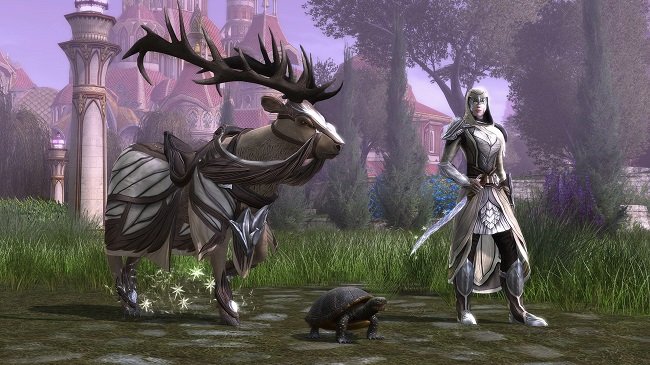
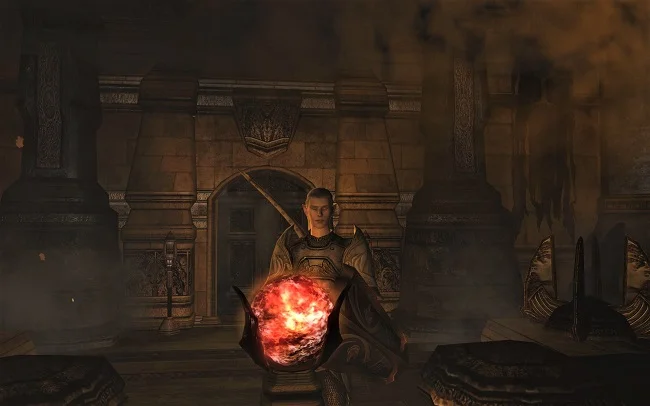
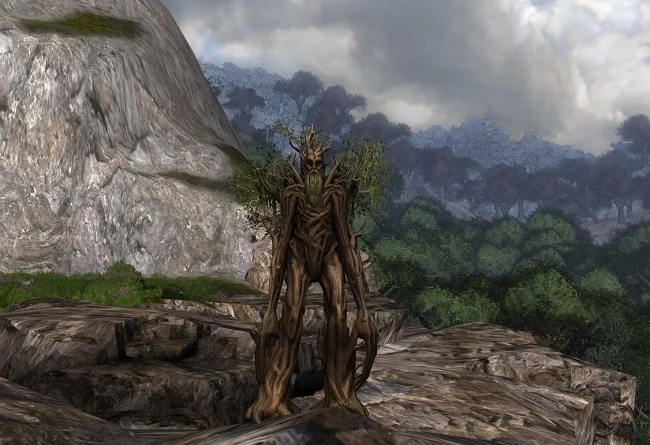
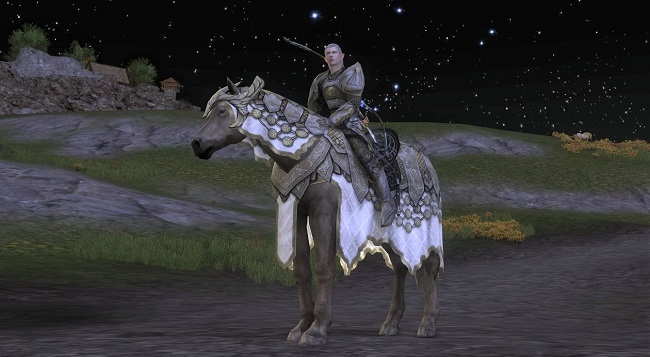
Bullroarer Update 30.3 - Beta 3 is currently live on The Lord of the Rings Online test server. This latest build focuses on Brawler Class and New Legendary Item System. As a player whose primary character (a level cap Lore-master) has two Legendary Items that are currently “maxed out”, I have been very interested in the revisions that developer’s Standing Stone Games have been working on. However, having logged into the test server last night and tried the new system, I now have reservations regarding the current build and concerns regarding several issues associated with converting an existing LI to a new one. I will try to keep my thoughts on the matter as clear and as simple as possible because despite changes, the new LI system is still very arcane. The average LOTRO player who struggles with the intricacies of the current game mechanics may possibly find the revised process just as complex.
Bullroarer Update 30.3 - Beta 3 is currently live on The Lord of the Rings Online test server. This latest build focuses on Brawler Class and New Legendary Item System. As a player whose primary character (a level cap Lore-master) has two Legendary Items that are currently “maxed out”, I have been very interested in the revisions that developer’s Standing Stone Games have been working on. However, having logged into the test server last night and tried the new system, I now have reservations regarding the current build and concerns regarding several issues associated with converting an existing LI to a new one. I will try to keep my thoughts on the matter as clear and as simple as possible because despite changes, the new LI system is still very arcane. The average LOTRO player who struggles with the intricacies of the current game mechanics may possibly find the revised process just as complex.
Therefore, before I commence my summary of what I see as being the key problems, I would strongly urge those players who are already au fait with the existing LI system to read the thread on this current test build, over on the official LOTRO forums. Many of the posts there are made by long time, experienced players who share similar concerns to mine. They have supplied lots of data and technical analysis to substantiate the perceived problems.
Upon logging into Bullroarer (after having copied my level cap Lore-master), I opened the Legendary Item window to find that my Lore-master staff (which was maxed out and imbued) was missing. This is a known bug in the build. Some crafted weapons do not register. So I then converted my First Age Lore-master book (again imbued and fully maxed out), using the handy button at the bottom right hand corner of the LI window. I received 66 Enhanced Runes (Lvl 121), 4800 Ancient Script, 240 Enhanced Runes (Lvl 121), 8 Fragmented Morgul Traceries. Now to cut a long story short, the new constituent parts provided, when applied to a new LI were not sufficient to create a replacement weapon of commensurate quality. I tried this and when I equipped the new weapon and compared my characters stats on a before and after basis, they were not the same. The drop was between 15% to 20% which is quite significant.
The main point of contention appears to be with the current conversion compensation. There have been examples of non-imbued level cap LIs yielding the same rewards as imbued maxed out FA LIs. This obviously needs to be addressed. Then there is the wider issue of compensation for existing items associated with the old LI system. Shards, empowerment scrolls, crystals, relic boxes, runes, legacy replacement scrolls, scrolls of combination, legacy replacement scrolls and the like. All of which will be rendered obsolete when this update launches. Players will expect something back in return for these, especially for items bought from the LOTRO store. And another point of contention is when is the optimal time to convert your existing LIs? When Update 30.3 officially launches on October 13th or will it be wiser to wait until after Fate of Gundabad expansion launches on November 10th when players have reached the new level cap?
There are two weeks left until the proposed launch of the New Legendary Item System. Naturally anything currently being beta tested can potentially be changed. However, SSG has a track record of not always fixing systems and mechanics in beta and often releases updates that are still flawed. I would also argue that this revised system for LIs is still convoluted and doesn’t lend itself to being easily understood. I worry that players are going to log into LOTRO to find that the new LI system does not provide them with a commensurate weapon compared to what they already have and that there may not be adequate compensation for obsolete items. Let us remember that LIs require a significant investment of time, resources and for some player money. The last thing SSG needs are players that feel that something has been taken away from them.
Therefore, let us hope that these issues are remedied in the next fortnight and that SSG takes onboard the feedback that players are currently giving them. If more time is required, then the launch of Update 30.3 needs to be pushed back. Risking a debacle that may even eclipse the one that happened in 2013 when the skills tree was introduced, is a foolish and unnecessary risk. Yet I cannot help but feel that SSG are blithely walking into yet another problem of their own making. In the meantime I am going to level some additional LIs in the remaining two weeks to create additional resources for a suitable new weapon. If I ultimately find myself in a situation where I am demonstrably “hobbled”, statistically speaking, by the coming changes and have to repeat the work that I’ve already done, then it may be time for LOTRO and I to part company. I’m sure I’m not the only person considering this.
LOTRO: Following an Established Formula or Demonstrating a Lack of Vision?
Standing Stone Games have announced that Fate of Gundabad, the next expansion for the MMORPG The Lord of the Rings Online, will launch on November 10th. Pre-orders are now available and like the last three expansions, the latest will be available in three different versions. A Standard Edition which retails for £30. A Collector’s Edition with some additional items priced at £60. And then there’s the so-called Ultimate Fan Bundle which is loaded with trinkets and baubles. This costs £100. Whether the more costly versions offer anything tangible and of “value” is obviously subjective and is already up for debate. However, there are no real surprises here. This pricing model has been established since August 2017 and the release of Mordor. And the game content is similarly formulaic.
Standing Stone Games have announced that Fate of Gundabad, the next expansion for the MMORPG The Lord of the Rings Online, will launch on November 10th. Pre-orders are now available and like the last three expansions, the latest will be available in three different versions. A Standard Edition which retails for £30. A Collector’s Edition with some additional items priced at £60. And then there’s the so-called Ultimate Fan Bundle which is loaded with trinkets and baubles. This costs £100. Whether the more costly versions offer anything tangible and of “value” is obviously subjective and is already up for debate. However, there are no real surprises here. This pricing model has been established since August 2017 and the release of Mordor. And the game content is similarly formulaic.
Fate of Gundabad will contain new PVE quests, raids and instances. There will be new reputation factions and because of the increase of level cap from 130 to 140, new gear to obtain. A new class, the Brawler, will be included (where in the past we’ve had new races), as well as new crafting levels to earn and recipes to gain. Effectively, players of LOTRO will be getting more of what they have already. Variations on existing themes. In the past I’ve used the analogy of a fast food franchise, where you know what you’re getting and it is always consistent. This comparison is not meant in a derogatory manner and simply highlights what developers SSG are offering. However, LOTRO is 14 years old and the game is showing its age. Nothing radically different has been added to the game for a long time. Are SSG following an established formula or simply showing a lack of vision?
Not so long ago when EG7 acquired Daybreak Game Company, there was a brief period of optimism, mainly due to the promising statements made by then CEO Robin Flodin. However, he’s now left the company and the acting CEO is Ji Ham, who has been CEO of Daybreak for the last six years. The success of Ji Ham’s tenure at Daybreak is debatable. The perspective of a gamer who has seen beloved titles closed or left in maintenance mode will naturally differ from an investor who is focused purely on the bottom line. I am curious to see whether titles such as LOTRO will get any of the upgrades that were referenced in last year’s investor presentation from EG7. Or whether energies will be diverted elsewhere, now that Flodin has left the scene. Remember that EG7 are currently developing a triple A MMO based upon a licensed property.
I have a great fondness for LOTRO but my relationship with the MMO has certainly changed over time. I now find myself in a position where I am not very enthusiastic for this forthcoming expansion. It isn’t offering anything new, other than a new class. In the past resources, staffing and a host of other reasons have been cited as to why SSG haven’t done anything radical with LOTRO under their tenure as developers. I now think that they no longer have the in-house skills and expertise that they did a decade ago. Therefore they produce “more of the same” because that’s all they have the capacity to do. All things considered, it may be time to replace the fast food analogy I’ve previously applied to LOTRO. It’s now like meeting up with an old school friend who hasn’t moved on in life and is still doing the same things they did back in the day. Mind you, couldn’t the same observation be applied to most ardent players of LOTRO?
Bloodbath at the House of Death (1984)
During the early eighties Kenny Everett was one of the most popular comedians on UK television. His mix of “zany” characters, slapstick and innuendo filled the gap between traditional comedians and their sketch show format and the anarchy of the new alternative comedy scene. Therefore his foray into feature films in 1984 was a logical progression of his growing success. Bloodbath at the House of Death was conceived as a satire on the Hammer Horror genre, although the script by Barry Cryer and Ray Cameron touched upon everything from An American Werewolf in London, Alien, The Amityville Horror, The Legend of Hell House and The Entity. Featuring a solid cast of British character actors and a cameo appearance by the great Vincent Price, on paper the film had all the trappings of a potential box office success. Sadly, it failed to meet expectations and was savaged by the UK press who used it as a means to attack Kenny Everett for his perceived transgressions.
During the early eighties Kenny Everett was one of the most popular comedians on UK television. His mix of “zany” characters, slapstick and innuendo filled the gap between traditional comedians and their sketch show format and the anarchy of the new alternative comedy scene. Therefore his foray into feature films in 1984 was a logical progression of his growing success. Bloodbath at the House of Death was conceived as a satire on the Hammer Horror genre, although the script by Barry Cryer and Ray Cameron touched upon everything from An American Werewolf in London, Alien, The Amityville Horror, The Legend of Hell House and The Entity. Featuring a solid cast of British character actors and a cameo appearance by the great Vincent Price, on paper the film had all the trappings of a potential box office success. Sadly, it failed to meet expectations and was savaged by the UK press who used it as a means to attack Kenny Everett for his perceived transgressions.
In 1975 Headstone Manor, a "businessman's weekend retreat and girls summer camp", is waylaid by a group of satanic monks who kill all 18 residents. Eight years later, Doctor Lukas Mandeville (Kenny Everett) and Doctor Barbara Coyle (Pamela Stephenson) are sent to investigate radioactive readings in the area that have been traced to Headstone Manor. The manor is known by locals as the House of Death. Along with fellow scientists Elliot Broome (Gareth Hunt), Stephen Wilson (Don Warrington), John Harrison (Jone Fortune), Sheila Finch (Sheila Steafel), Henry Noland (John Stephen Hill) and Deborah Kedding (Cleo Rocos), Mandeville and Coyle set up their equipment in the house and await any developments. Meanwhile the Sinister Man (Vincent Price), a 700-year-old Satanic priest, prepares a rite in the nearby woods to purge the house of its unwanted guests.
The most obvious flaw in Bloodbath at the House of Death is its poor script, which is a surprise considering the involvement of veteran writer and comedian Barry Cryer. A satire of this nature needs a constant barrage of visual and verbal gags, as well as the humour derived from the main story. Blazing Saddles achieves this perfectly. Here there just aren’t enough jokes and out of those on offer, many fail to land. There are a few scenes that show promise. Mandeville and Coyle visit a local pub which is very much in the idiom of The Slaughtered Lamb from An American Werewolf in London. He gets into an argument with the barmaid regarding exactly how many people were murdered at Headstone Manor. More and more people join in, calculators are used and the confusion grows. It all culminates in a drunken song in which the entire pub recounts the murders to the tune of The 12 Days of Christmas. Sadly these sort of well conceived vignettes are few and far between.
All too often Bloodbath at the House of Death falls back on easy gags. Doctor Coyle encounters an amorous poltergeist which provides an opportunity for some nudity. There are also some cheap gore effects which are presented more for amusement than shock, such as a decapitation by can opener. The presence of Vincent Price (telling one of his underlings to “piss off”) does a little to elevate the proceedings but he is gone too quickly. And of course, this being the eighties we have two upper class comedy homosexual scientists, because that is “funny” by default. Why Kenny Everett, a gay man himself, accommodated such a pointless embellishment is somewhat odd. The final twenty minutes of the film in which doppelgängers of all the scientists attempt to kill and replace the originals leads to a lot of confusion and at one point a major continuity error. The head of the BBFC at the time, James Ferman, thought the reels had been shown out of order.
Hence, with the greatest will in the world, Bloodbath at the House of Death cannot be held up as an overlooked classic. This low budget production seems to have been made rather quickly to capitalize upon Kenny Everett’s success and therein probably explains the lacklustre screenplay. However, as mentioned earlier, the film was pilloried by the UK press far beyond it’s obvious failings. This is due to Kenny’s appearance in 1983 at the Young Conservatives Conference, prior to the general election held later that year. Goaded by Michael Winner, Kenny made several quips that although funny, were not really appropriate for such an event. Poe faced members of the establishment then deliberately took them out of context and turned upon him. The film provided a further opportunity to continue this public scolding the following year. Thus, Bloodbath at the House of Death was quickly withdrawn from UK cinemas due to poor performance. It now serves as an interesting cinematic curiosity. An example of how success on TV doesn’t always translate to the big screen.









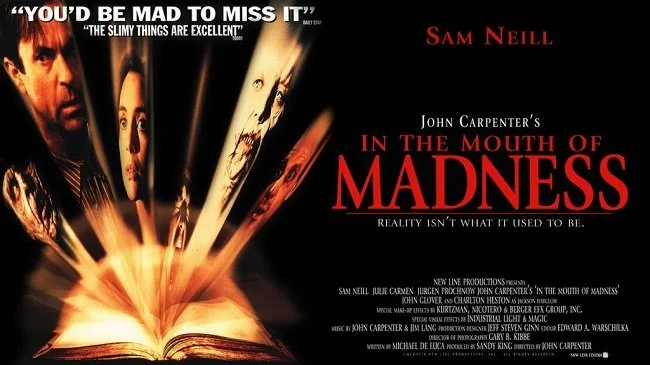
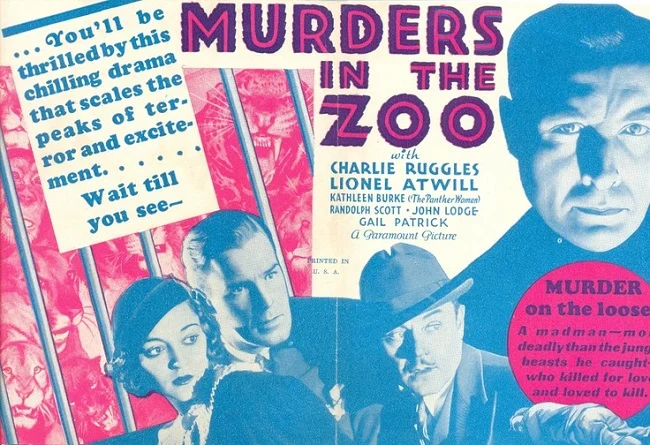
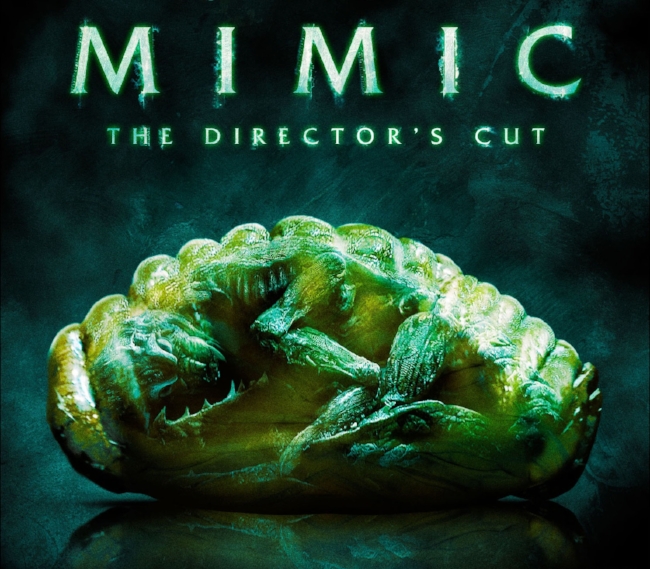
Night of the Animated Dead (2021)
George A. Romero’s Night of the Living Dead is a true genre milestone that is praised not only by horror film fans but mainstream critics alike. If you are interested in watching an intelligent, well researched and entertaining documentary about the film’s provenance and cultural impact then I thoroughly recommend Birth of the Living Dead (2013) by Rob Kuhn. It tells you pretty much all you need to know about why this classic film is so important. As for Night of the Living Dead itself, it still holds up well after 53 years. It is the immediacy and relatability of the premise and overall story that still makes the film relevant. The zombies are purely a “MacGuffin” and the real focus of the plot is how people behave under pressure in life threatening situations. It’s a film about how we can react to the same situation differently and how cultural baggage and the need for people to be “right”, hinders co-operation and thwarts progress.
George A. Romero’s Night of the Living Dead is a true genre milestone that is praised not only by horror film fans but mainstream critics alike. If you are interested in watching an intelligent, well researched and entertaining documentary about the film’s provenance and cultural impact then I thoroughly recommend Birth of the Living Dead (2013) by Rob Kuhn. It tells you pretty much all you need to know about why this classic film is so important. As for Night of the Living Dead itself, it still holds up well after 53 years. It is the immediacy and relatability of the premise and overall story that still makes the film relevant. The zombies are purely a “MacGuffin” and the real focus of the plot is how people behave under pressure in life threatening situations. It’s a film about how we can react to the same situation differently and how cultural baggage and the need for people to be “right”, hinders co-operation and thwarts progress.
The legacy of Night of the Living Dead is far reaching. It turned zombies from a minor horror subset into an entire genre of their own and propagated the idea of the “zombie apocalypse”. A plot device that can be used to scrutinise and explore all the various facets of the human condition or to provide an endless litany of gore and body horror. The central premise of Romero’s film lends itself to reinvention and interpretation. It has already been officially “remade” in 1990 which added an interesting feminist angle to the story. And there have been numerous unofficial remakes and variations on the same theme from all over the globe. All add something to the basics of the story. Which brings me on to Night of the Animated Dead (2021). The title clearly sets out the film’s pitch. This is an animated feature film remake which closely follows the narrative structure of the original.
According to director Jason Axxin “This is a remake of the original movie. It’s essentially a way to make a classic more accessible to modern audiences. This is in color and there’s a lot more gore and violence. If you were ever hesitant to watch the original film, this is the version to see. It’s a fast-paced roller coaster ride of violence”. Frankly I find this statement and its premise somewhat spurious. Is Night of the Living Dead really outside of a modern audience's frame of reference? If so, that doesn’t say a lot for the average cinema goer. However, if we are to take Axxin’s comments in good faith, the only credible comparison I can come up with is that this version of Night of the Living Dead is intended to be the cinematic equivalent of a Reader’s Digest Condensed Books. A streamlined and somewhat lurid distillation of Romero’s vision. It is also devoid of any character and is possibly the most redundant film I’ve seen since Gus Van Sant’s remake of Psycho in 1998.
Despite having a competent voice cast, featuring Dulé Hill, Katharine Isabelle, Josh Duhamel, Nancy Travis, James Roday Rodriguez, Jimmi Simpson and Will Sasso, the animation style lacks any distinction or innovation. Classic scenes are lovingly recreated but the overall design slavishly adheres to that of the 1968 film and therefore fails to add anything new and say anything different. The minimalist style doesn’t really bring the story or themes into sharp relief and the character designs are somewhat lacking. The screenplay is credited to John A. Russo who wrote the original, as it is a verbatim summary of the 1968 version. The score by Nima Fakhrara is used sparingly and is evocative of the library music that Romero used. As for the “gore” it lacks any real impact due to its rather crude realisation. It comes off as a rather unnecessary embellishment.
I appreciate that there were probably budgetary restrictions that had an impact on the production. Setting aside such considerations, Night of the Animated Dead provides a simplified, less nuanced version of Night of the Living Dead. It hits all the essential beats of Romero’s classic but offers nothing beyond that other than its own inherent novelty. The animation is functional but far from accomplished. That said, Night of the Animated Dead is not an utter disaster. It manages to hold your interest. However, a film being mildly engaging due to its pointlessness is not really a great selling point. If you are a diehard horror fan who is curious to see an ill conceived project, then by all means watch Night of the Animated Dead. But I cannot recommend it in any way as a substitute to the original. At best it is just a minor footnote that serves to highlight the merits of the 1968 version and the talent of George A. Romero.








Star Trek Online: Playing the Story Arcs in Order
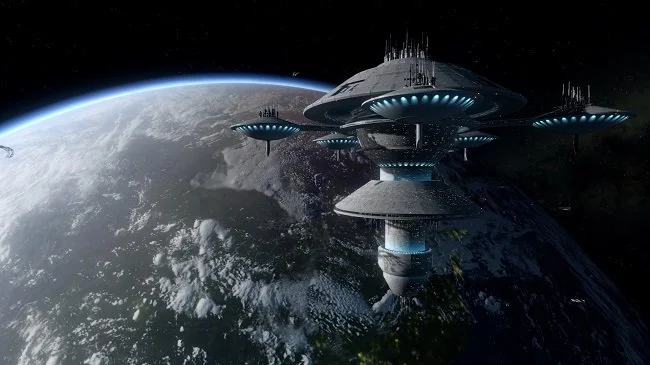
Over the course of its eleven year lifespan, Star Trek Online has evolved from a rushed, incomplete MMO to a far more coherent product. Cryptic have done much over the years to revise the game and make it a more linear experience. However, these changes have not been without consequence. One of which is that the central storylines are now somewhat confused. This is because several missions have been removed from the game and several story arcs have been consolidated. Cryptic have stated that some of these missing missions will be remastered and returned at some point, although as time passes, this becomes less likely. Others which served as wrappers to story arcs have been replaced by alternative content produced in later revisions. The net result is that new players may find the various stories somewhat difficult to follow due to gaps in the plot or content being offered in the wrong order. That is not a good thing for a game founded on an intellectual property driven by complex, interconnected stories and themes.
Over the course of its eleven year lifespan, Star Trek Online has evolved from a rushed, incomplete MMO to a far more coherent product. Cryptic have done much over the years to revise the game and make it a more linear experience. However, these changes have not been without consequence. One of which is that the central storylines are now somewhat confused. This is because several missions have been removed from the game and several story arcs have been consolidated. Cryptic have stated that some of these missing missions will be remastered and returned at some point, although as time passes, this becomes less likely. Others which served as wrappers to story arcs have been replaced by alternative content produced in later revisions. The net result is that new players may find the various stories somewhat difficult to follow due to gaps in the plot or content being offered in the wrong order. That is not a good thing for a game founded on an intellectual property driven by complex, interconnected stories and themes.
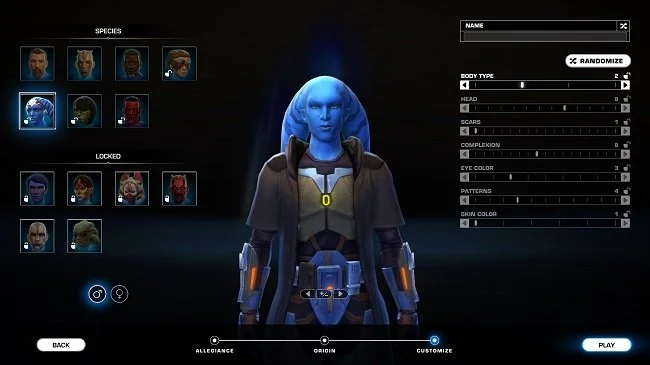
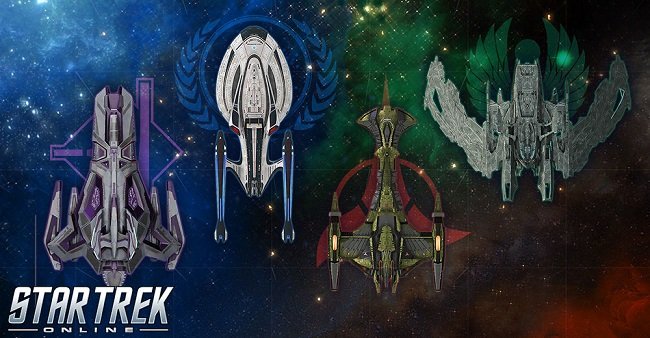
There are six playable factions available in STO. Klingon Defence Force, Discovery era Starfleet, Dominion, TOS era Starfleet, Romulan Republic and Starfleet. All have an initial story arc that is unique to that particular faction. Once this is complete the following missions are then universal to all. Because the greatest proportion of players in the game are 25th century Starfleet aligned, I will focus upon the changes and current state of the missions that are available to this faction. Upon creating a Starfleet character, a new player must complete the initial game tutorial which is a story arc containing a chain of five missions. Upon completion, further missions are available via the mission journal, under the “episodes” tab. Missions scale to the player's current level. Missions do not have to be played in order, however for the sake of this blog post the assumption is that the new player wishes to follow the story.
As a 25th century Starfleet aligned player, after the tutorial the first major mission chain is the Klingon War. This has been redeveloped several times over the years and some content has been removed, pending a remaster. I shall write specifically about these missing episodes in a future blog post. In its present state the Klingon War is now shorter and more succinct but lacks a suitable climax for it’s main protagonist Admiral B’vat. Furthermore, a smaller mission chain within the Klingon War has been moved from the main episode menu and placed under the “available” tab. Cryptic decided at the beginning of season 15 (October 2018) to downgrade several mission chains to “side content”. A poor choice as these stories are far from trivial. Hence for story continuity I would advise the new player to proceed with the Spectres storyline immediately after completing the Klingon War. The game prompts players to do this by highlighting the side content missions under the banner of The Galaxy at Large.
The next major mission chain that features under the “episodes” tab in the mission journal is Romulan Mystery. This arc focuses on the collapse of the Romulan Star Empire after the Hobus disaster and the fledgling breakaway Romulan Republic. There is an interesting prequel storyline called Wasteland (sadly designated as “side content”) that again can be found under the “available” tab within the mission journal. This takes the player to Nimbus III, the so-called planet of galactic peace. This six mission chain introduces several important characters such as the Reman leader Obisek and head of the Tal Shiar, Colonel Hakeev. It also provides a useful mission reward; Nimbus Pirate Distress Call. This is a unique reusable Ship Device, which summons three support vessels: a Tuffli-class freighter, a Breen Chel Grett-class Cruiser and an Orion Corsair-class Flight Deck Carrier for a short period of time. NB. If you play STO as a Romulan, the Wasteland story is incorporated into the main Romulan Mystery arc, thus validating the point that this is not trivial content and shouldn’t be designated “side content”.
After the Romulan Mystery, the next mission chain focuses on the True Way; a group of Cardassian extremists that don’t agree with the peace treaty that the Cardassian Union signed with the Federation after the Dominion war. The Cardassian Struggle explores several interesting ideas, such as residual Jem’Hadar forces in the Alpha Quadrant and a splinter link of Changelings. Immediately after the Cardassian Struggle story arc, again the player who is interested in continuity should return to the so-called “side content” missions and play through the Lost Dominion. The story addresses the issue of a Dominion fleet that was temporarily diverted in time by the Prophets, when they used the Bajoran Wormhole during the Dominion war. The returning Jem’Hadar fleet is unaware that the war is over and still determined to carry out their mission and capture Deep Space Nine.
The next story in chronological order after Lost Dominion, is Cold War which again has been relegated to “side content” status. This features the Breen and their ongoing harassment of a minor warp capable race called the Deferi who seek help from the Federation. It soon becomes apparent that Preserver relics located on the Deferi homeworld are of interest to the Breen forces. This is an enjoyable story arc with a different adversary and a plot device that calls back to the Star Trek TOS era. The mission rewards offers a space set of Breen themed equipment that all do cold damage. At one point players could gain a Breen Tactical Bridge Officer by completing the episode “Cold Storage”. Sadly that option has now been removed from the game and the Breen Tactical Bridge Officer is now only available as a store item as part of a rather expensive bundle.
After completing the Cold War arc, players can continue to work through all the remaining content in the order it is presented in the “episodes” tab of the Mission Journal. A new player that plays through all content listed above with a 25th century Federation character will experience the most coherent narrative that is available at present. However, to truly learn all nuances of the overarching Iconian plot which was the mainstay of all STO content up to late 2015, you need to play through the unique story content that is available for each faction. There are elements of this story that can only be found in the Romulan and Klingon arcs. An important quality of life tip I’d recommend to anyone playing from scratch is to go into the game’s settings and disabled “auto hail” so you do not get continuously bombarded with mission bestowal prompts. Like many MMOs, STO has changed throughout its lifespan and the storylines do have continuity and chronological errors. If you bear this in mind it will ease some of the anomalies as and when they are encountered.

Star Trek Online: Bugs
All video games have bugs of some sort. It is impossible to release such complicated products without some technical issues getting past “quality assurance”. With regard to contemporary triple A releases, pre-sales and unmovable release dates means that games often launch in a quasi-finished state and are therefore marred by major problems. Hence we frequently see substantial “day one patches”. But such is the nature of the video games industry. Bugs, glitches and flaws are part of the landscape and we as gamers live in hope that they’ll get fixed over a titles lifecycle. Except they are often not. Take The Elder Scrolls V: Skyrim for example. It has been released on multiple platforms since its release in 2011 and yet the same bugs still persist in every iteration. And it’s no different in the MMORPG genre. If you want further evidence of this, look no further than Star Trek Online.
“Captain's log, Stardate 5630.8. Today I fell out of my ship.”
All video games have bugs of some sort. It is impossible to release such complicated products without some technical issues getting past “quality assurance”. With regard to contemporary triple A releases, pre-sales and unmovable release dates means that games often launch in a quasi-finished state and are therefore marred by major problems. Hence we frequently see substantial “day one patches”. But such is the nature of the video games industry. Bugs, glitches and flaws are part of the landscape and we as gamers live in hope that they’ll get fixed over a titles lifecycle. Except they are often not. Take The Elder Scrolls V: Skyrim for example. It has been released on multiple platforms since its release in 2011 and yet the same bugs still persist in every iteration. And it’s no different in the MMORPG genre. If you want further evidence of this, look no further than Star Trek Online.
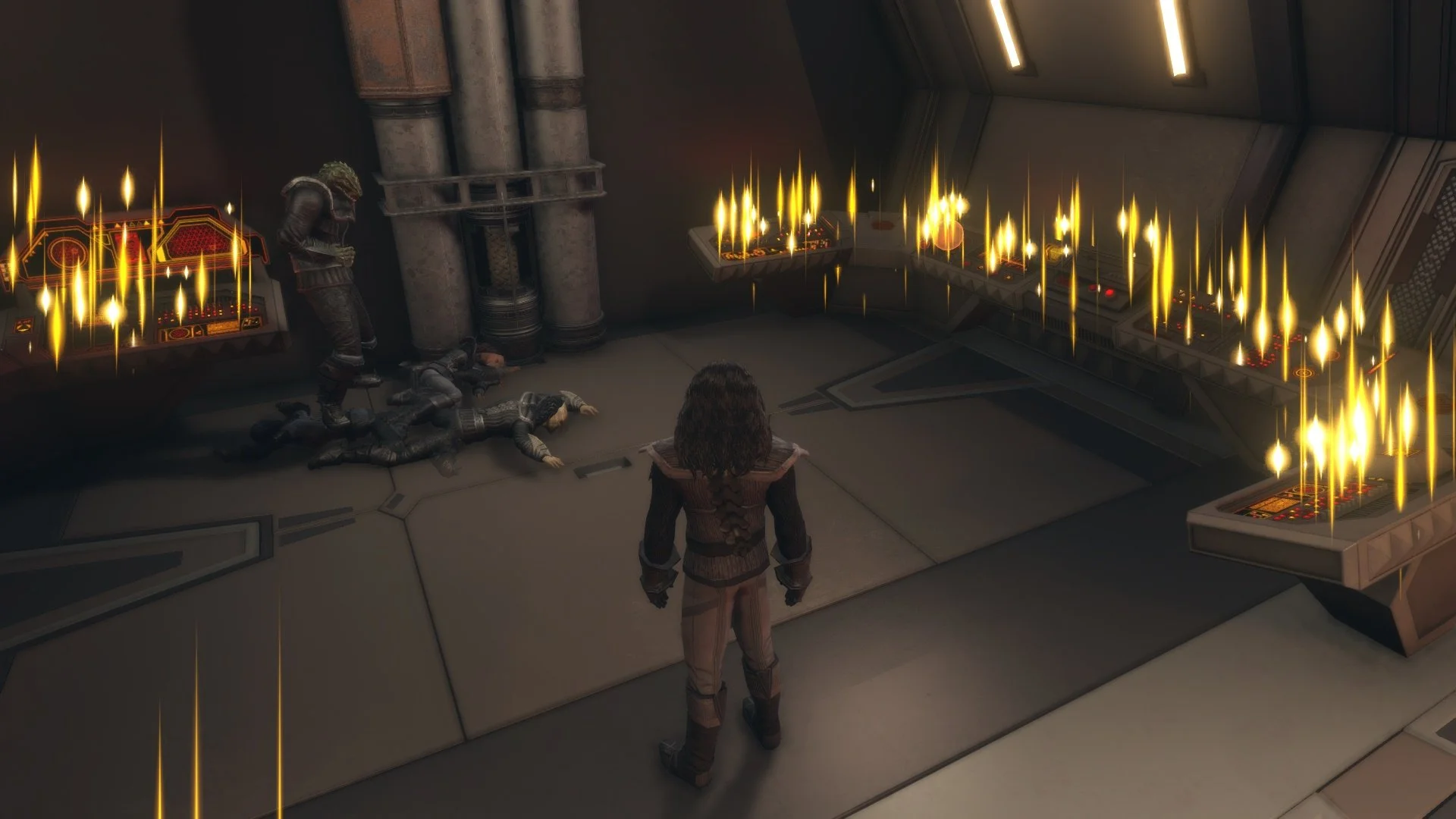
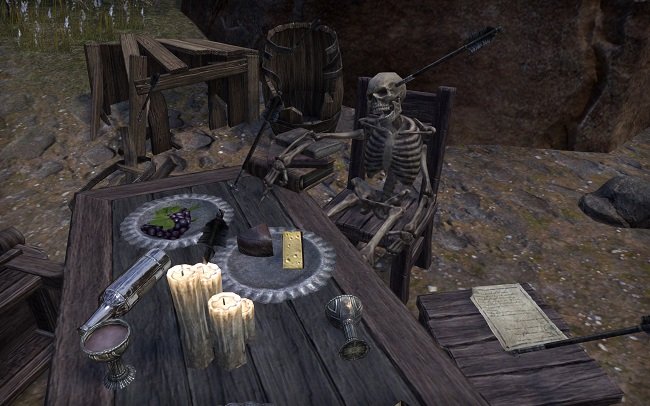
Star Trek Online is a game that uses the licensed intellectual property that it is founded upon very well. At present, the game is re-running the Temporal Agent Recruitment event, in which if you create a new character from the 23rd century, you receive allsorts of account wide benefits. Being a child of the seventies, I was raised on repeats of Star Trek TOS. So this event is a major incentive for me. The story missions set in this era are extremely enjoyable and touch upon the lore from many classic episodes such as Galileo Seven, Arena and Journey to Babel. Yet the game is blighted with bugs. Bugs the developer’s Cryptic still haven’t gotten around to fixing. Dialogue doesn’t always match the in-game subtitles. Mobs will spawn or glitch into walls or other parts of the environment. And missions simply fail to advance. Sometimes a problem can be cleared by changing phases but more often than not, the player has to abandon the instance and start the mission from scratch.
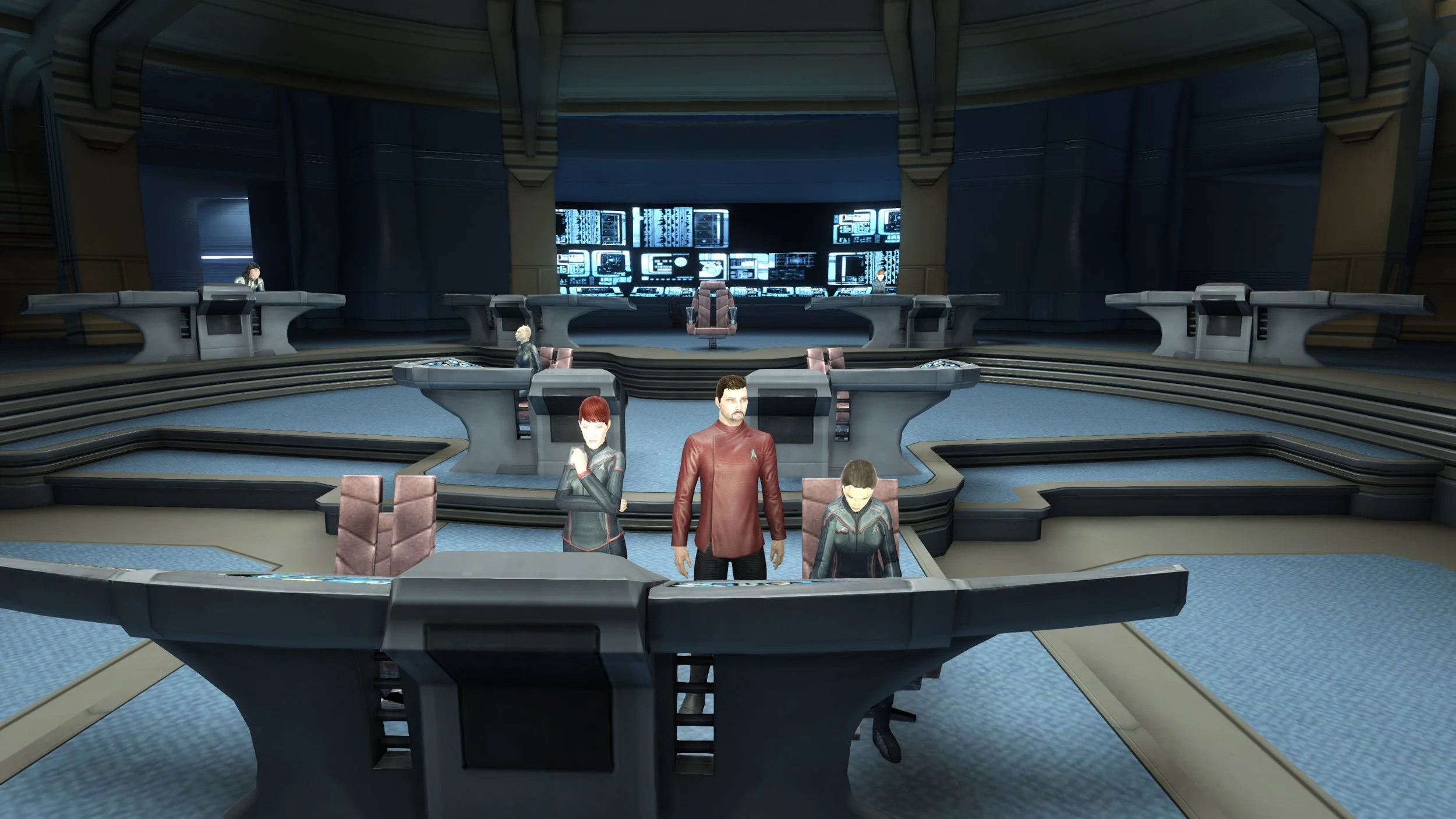
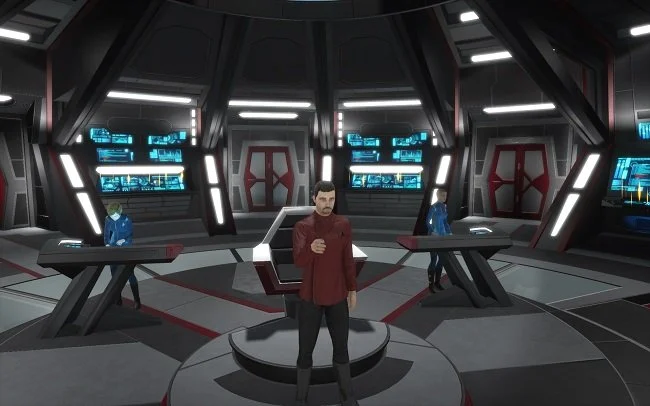
Oddly it is the minor glitches, rather than the major issues, that prove to be deal breakers. For example, the latest episode Firewall has some technical issues. It crashed the entire game when I first tried to play it last night and many other players in my Fleet (Guild) had performance issues. Mobs were not spawning and checkpoints would fail to trigger. Now Cryptic will patch these problems ASAP. Broadly, the playerbase is understanding of these sorts of problems, mainly because they’re so common. Yet many old glitches remain overlooked. If I visit the interior of my ship, many of the crew who are seated, clip through their chairs and are embedded in the floor. Part of the wall in the shuttle hangar is missing and your character can fall through this. After a few moments of free falling they then respawn on the floor of the Bridge. Plus for some reason the game currently gets my alt’s name wrong with NPCs referring to someone else. To me, these long term environmental glitches are far worse than flaws in new content.
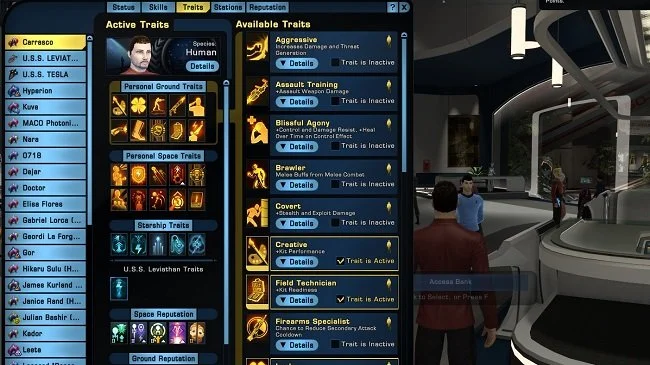
One of the reasons that Star Trek Online has never truly hit “the big time”, despite having a killer IP, is because it’s always been rough around the edges. Cryptic seems to have a reputation for creating products that lack polish. STO could certainly benefit from a long list of bugs being fixed, such as traits resetting, exchange filters not working and animation glitches. But such a task would mean not producing any new content for about a year. Sadly, development within the MMO genre has to be targeted and that often leads to either compromises or a hobson’s choice. It’s a damn shame that Cryptic can’t get the game’s house in order. Star Trek Online 2.0 could then be marketed a lot more proactively. But I don’t think the status quo is going to change and beyond immediate fire fighting, long term bugs are going to remain. Thus my 23rd century crew will remain embedded in the floor and I’ll just have to do my best not to fall out of my ship.
The First World War (2003)
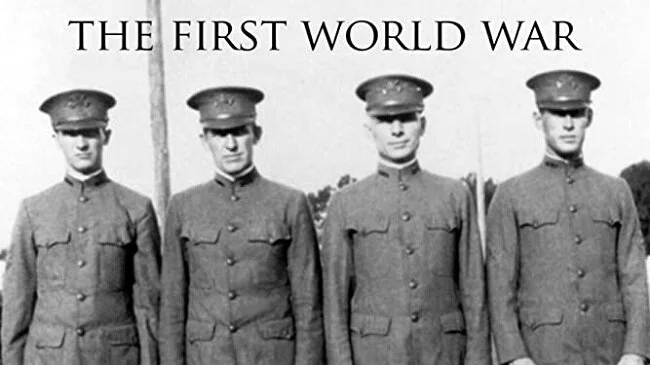
Over the years I have seen many documentaries about World War II. Although I do not claim in any way to be an expert, I believe I have a good grasp on the causes and the course of that six year conflict. However, it recently struck me that I could not say the same about World War I. In my youth I watched a repeat showing of the BBC documentary series The Great War (1964) but I remember very little of its prodigious 26 episodes. The one thing that stood out were the interviews with veterans. So I was very pleased when perusing BritBox over the weekend to find the 2003 documentary The First World War, based upon the book of the same name by Professor Hew Strachan. This ten part analysis takes a global view of the conflict, rather than excessively focusing upon the Western Front and also debunks a lot of the apocryphal ideas and notions that have persisted over the years. I found it so compelling that I binged watched the entire thing over two evenings.
Over the years I have seen many documentaries about World War II. Although I do not claim in any way to be an expert, I believe I have a good grasp on the causes and the course of that six year conflict. However, it recently struck me that I could not say the same about World War I. In my youth I watched a repeat showing of the BBC documentary series The Great War (1964) but I remember very little of its prodigious 26 episodes. The one thing that stood out were the interviews with veterans. So I was very pleased when perusing BritBox over the weekend to find the 2003 documentary The First World War, based upon the book of the same name by Professor Hew Strachan. This ten part analysis takes a global view of the conflict, rather than excessively focusing upon the Western Front and also debunks a lot of the apocryphal ideas and notions that have persisted over the years. I found it so compelling that I binged watched the entire thing over two evenings.
Rather than just overwhelm the viewer with an endless chronology of events, The First World War tackles a specific facet of the conflict in each episode. For example Jihad deals with events from the perspective of The Turkish Ottoman Empire and Blockade focuses upon U-Boat activities, the Battle of Jutland and other naval aspects of the war. It is a very manageable approach allowing for subjects to be explored without swamping the viewer. There is plenty of archive footage highlighting the points being made and the narrative is further supplemented by extracts from letters, journals and government records. The narration by Jonathan Lewis is measured, especially when discussing the staggering death and casualty figures. The documentary does not pull any punches when dealing with atrocities or the inherent carnage involved with war on such a scale. The stark black and white photographs and newsreel footage are often very shocking.
What I found most illuminating is the way The First World War eschews the binary approach that many previous documentaries have taken. It frequently shows the complexity and nuance surrounding so many aspects of the war. The intricate alliances between the various superpowers of the time are far from simple and the ethnic tensions within the Austro-Hungarian Empire are very involved. Key players such as Archduke Franz Ferdinand of Austria are revealed to be quite different from previous perceptions. The relationship between the United States and the British Empire is also shown to be far from cordial with the US benefitting immensely from loans and commerce with both England and Germany. Perhaps the most revealing arguments are those regarding military strategy. The cliché of Lions led by Donkeys is not shattered but is certainly tempered by the end of the series. Failures were at times due to incompetence but often many other factors conspired to derail events.
Yet despite the global perspective and geopolitical analysis, The First World War maintains a very personal and human perspective throughout its 8 hour plus running time. A letter to a family member or an anecdote about playing cards continuously reminds us that the mind boggling numbers of dead and wounded were all real people with family and lives waiting for them back home. The show also stresses how this war set in motion events that would return to haunt the world in less than twenty years hence. Yet it also genuinely tries to highlight some of the benefits that did occur after the armistice of 1918. The European Empires began to give way to nation states and democratic self governance. With a subject as big as World War I there are still some gaps in the history. I would have liked to have learned more about the role of Greece and the perspective of such countries as Canada, Australia and India. But overall The First World War is a very comprehensive and thoughtful exploration of events and is certainly a superb starting point for those seeking an intelligent overview on the subject.

The Thomas Crown Affair (1968)
Millionaire businessman Thomas Crown (Steve McQueen) arranges for four men to steal $2,660,527.62 from a Boston bank. The men, who have never met before or seen Crown, successfully carry out the robbery. A fifth man then transports the stolen money and dumps it in a cemetery trash can. Crown retrieves the money, flies to Geneva and deposits it in a Swiss bank account. Eddy Malone (Paul Burke), the Boston police detective in charge of the case makes no progress until the bank’s insurance company assigns him one of their top investigators, Vicki Anderson (Faye Dunaway). Anderson thinks like a thief and works based upon her instincts. Looking through the evidence, she deduces that Crown is the culprit, potentially committing crimes just for amusement. Anderson subsequently meets Crown socially. Despite the situation and their respective positions, they are immediately attracted to each other and begin a relationship.
Millionaire businessman Thomas Crown (Steve McQueen) arranges for four men to steal $2,660,527.62 from a Boston bank. The men, who have never met before or seen Crown, successfully carry out the robbery. A fifth man then transports the stolen money and dumps it in a cemetery trash can. Crown retrieves the money, flies to Geneva and deposits it in a Swiss bank account. Eddy Malone (Paul Burke), the Boston police detective in charge of the case makes no progress until the bank’s insurance company assigns him one of their top investigators, Vicki Anderson (Faye Dunaway). Anderson thinks like a thief and works based upon her instincts. Looking through the evidence, she deduces that Crown is the culprit, potentially committing crimes just for amusement. Anderson subsequently meets Crown socially. Despite the situation and their respective positions, they are immediately attracted to each other and begin a relationship.
The Thomas Crown Affair is neo noir and a microcosm of Hollywood progressive cinema from the late sixties. It has a French cinematic aesthetic in its lighting and framing. Haskell Wexler’s cinematography is very fluid. The film makes extensive use of split screen and "multi-dynamic image technique", images shifting on moving panes. Director Norman Jewison directs confidently and with style focusing often on what is not being said, rather than what is. McQueen and Dunaway are charismatic and beautiful. They exude sex appeal and the pair carry what is essentially a dialogue light love story, through their onscreen presence. Noel Harrison’s performance of the song, The Windmills of Your mind, is suitably haunting and alludes to the complexities of Thomas Crown’s personality. It is all very arty, drawing upon all the prevailing cinematic trends and tropes of the time.
All of which is why I found The Thomas Crown Affair to be an interesting example of filmmaking from the sixties, rather than being an interesting film per se. Pop culture has evolved and the concept of the millionaire playboy and their “jet set” lifestyles is no longer universally admired and desired. Millionaires are now more often and not seen as Bond villains or at the very least, socially and emotionally dysfunctional. Hence the premise of The Thomas Crown Affair is dated with its self indulgent playboy master criminal. The more interesting aspect of the screenplay by Alan Trustman is the exploration of the “burden of wealth” and how having everything means you have nothing. Sadly, this is not explored sufficiently, as is the subplot about Crown’s dead wife. The bittersweet ending does work well and still rings very true. But the journey to this point is far too enamoured with presentation rather than feelings.
Perhaps the most problematic aspect of The Thomas Crown Affair is the soundtrack by French composer Michael Legrand. Norman Jewison originally wanted Henry Mancini to write the score for the film but he was unavailable and so recommended Legrand. His jazz heavy music was intentionally written for the rough cut of the film. Hence it had to be edited to fit on screen events in the final cut, which further makes the music an incongruous match. Plus jazz is a very broad church, musically speaking. Lalo Schifrin’s score for Bullitt, released the same year as The Thomas Crown Affair, is still cool as hell and funky. Legrands’ approach is far less melodic and far more kinetic. It is often very intrusive and frankly distracting. It ultimately makes a problematic film, even harder to watch for a modern audience. I may give the 1999 remake a watch to see if it handles the subject any better.
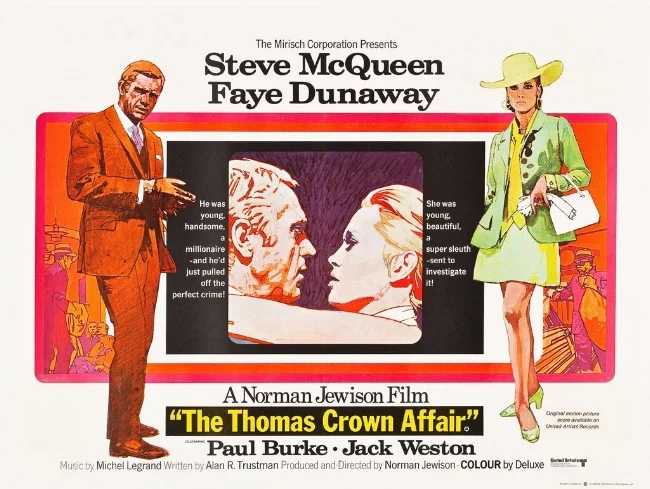
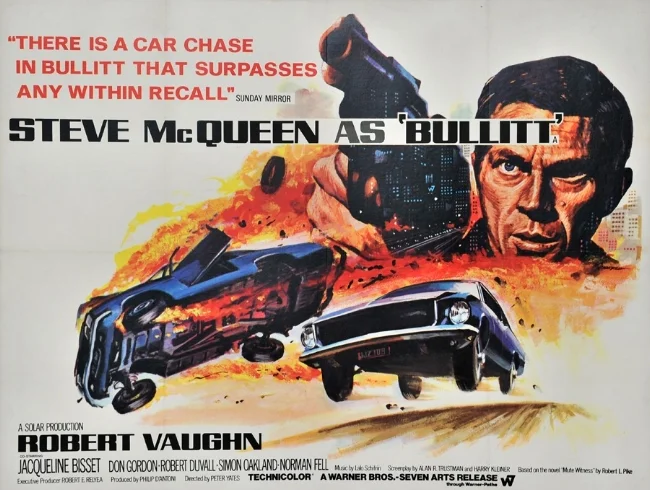
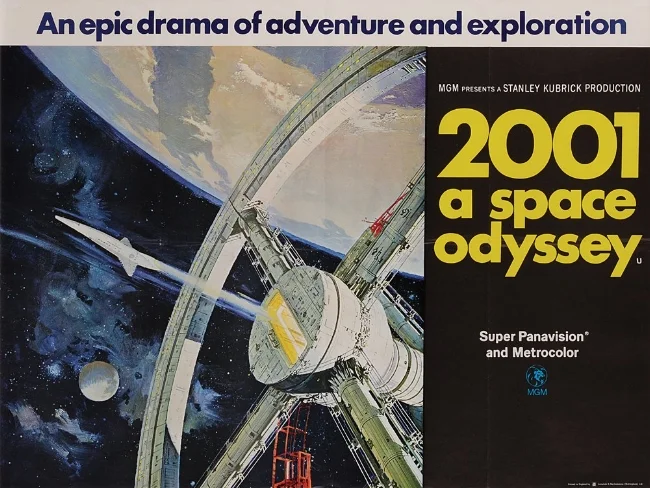
LOTRO: Brawler Class Preview
Standing Stone Games are currently previewing the new Brawler class and major revisions to the Legendary Items system on the Bullroarer test server. So I decided to take a look today. As ever, they have made it very clear that both of these are very early builds and therefore subject to change. In fact some elements of this “first look” have not even been fully integrated into the game. For example, the quest arc prior to entry to Moria is still linked to the existing Legendary Item system and as of yet has no suitable rewards for the Brawler class. Players using the test server need to visit the Eyes and Guard tavern in Archet to obtain a suitable LI. It is also the same for Brawler related gear. Most quest lines do not at present provide suitable gear for this new class. Also many icons and tooltips associated with both Brawlers and LIs are temporary placeholders or recycle existing content.
Standing Stone Games are currently previewing the new Brawler class and major revisions to the Legendary Items system on the Bullroarer test server. So I decided to take a look today. As ever, they have made it very clear that both of these are very early builds and therefore subject to change. In fact some elements of this “first look” have not even been fully integrated into the game. For example, the quest arc prior to entry to Moria is still linked to the existing Legendary Item system and as of yet has no suitable rewards for the Brawler class. Players using the test server need to visit the Eyes and Guard tavern in Archet to obtain a suitable LI. It is also the same for Brawler related gear. Most quest lines do not at present provide suitable gear for this new class. Also many icons and tooltips associated with both Brawlers and LIs are temporary placeholders or recycle existing content.
The Brawler is a melee class. It is supposed to be “inspired” by Helm Hammerhand. Brawlers do not rely upon standard weapons but instead use Battle Gauntlets and heavy armour. The main focus for Brawlers is damage per second, off-tanking and providing support. Any race in Middle-earth can be a Brawler with the exception of Beornings, which are their own hybrid race and class combination. They have two primary lines of specialisation. The blue line (The Fulcrum) is for tanking and support. The red line (The Maelstrom) is a damage specific line. The yellow skill tree (The Fundament) is to augment and bolster the other two. As with the Champion class, which generates and uses Fervour, the Brawler gains and expends Mettle. There is a meter on the skillsbar. Brawler skills include light and heavy attacks, buffs and debuffs, self heals and special AoE attacks.
Rather than create a Brawler and auto level straight to 130, I decided to play through the tutorial and progress through Bree-land for a while. That way I could assess and come to grips with the basic skills as they were earned. Despite this being a very early build the Brawler plays quite well at present. The basic skills of heavy and light attacks are done as different kinds of punches. The animations are okay and it all feels quite tangible. Your blows do damage and the mobs react to them in a timely fashion. However, beyond the actual mechanics, it is very much a matter of taste as to whether you find this sort of fisticuffs “appropriate” in a MMORPG such as The Lord of the Rings Online. I personally find it somewhat incongruous that the Brawler class has been extended to Elves and Hobbits. Punching your way through early content seems plausible but is it credible to “beat” one’s way into Mordor?
As for Legendary Items 2.0, I only took a cursory look at this new system. The streamlining of weapons with four types of socketed items (“traceries”) that accommodate growth without having to replace the weapon is a step in the right direction. But because I’ve never fully come to grips with the existing LI system I cannot assess whether the new systems offer commensurate results to what I have already. Ultimately I need to be able to compare the stats that I have on my primary character on Laurelin, to those on Bullroarer. I am assuming that at some point when the LI changes are approved, players on the live server will get a replacement weapon or a refund of points. If we have to start from scratch without any recompense there will be “community problems”. Essentially, I expect my stats to remain the same when the new LI system is released. If I lose anything or feel that something is not a like for like replacement, I will consider SSG to have failed.
The other two things of note associated with this preview is that SSG have announced the name of the next expansion for LOTRO. It will be Fate of Gundabad. I hope it is more substantive than War of Three Peaks. It is also interesting to see that Bullroarer opened a day early exclusively for “content creators”. It’s something that lots of other game developers do, so it’s not in any way anomalous but I personally wasn’t aware of any major, heavy hitting LOTRO streamers. I always got the impression it is a somewhat niche market and no one had audiences in the 100K range. As for the wider issue of this preview itself, I think it’s too early to really make a definitive assessment as to the success or failure of either the Brawler Class and the revised LI system. I will certainly check again when the second preview goes live and there is more information available and better in-game integration.
Burwash
The last few days have been very warm here in the UK. Sadly, this pleasant weather isn’t going to last and in two weeks time it will officially be Autumn. So we decided to make the most of the sunshine and take a trip out to East Sussex. Today’s destination was the village of Burwash, situated in the High Weald of Sussex. This rural community grew in size during the 13th century after King Henry III granted permission for a weekly market. It became a hot spot for smugglers during the 18th and 19th centuries, with contraband coming up from Hastings via the River Dudwell, a tributary of the River Rother. Burwash High Street has been designated a Conservation area by Rother District Council. Many of the period buildings along the High Street have been given listed building status by English Heritage. St Bartholomew’s Church is also of note. Although extensively restored in 1856, the tower dates back to the Norman period.
The last few days have been very warm here in the UK. Sadly, this pleasant weather isn’t going to last and in two weeks time it will officially be Autumn. So we decided to make the most of the sunshine and take a trip out to East Sussex. Today’s destination was the village of Burwash, situated in the High Weald of Sussex. This rural community grew in size during the 13th century after King Henry III granted permission for a weekly market. It became a hot spot for smugglers during the 18th and 19th centuries, with contraband coming up from Hastings via the River Dudwell, a tributary of the River Rother. Burwash High Street has been designated a Conservation area by Rother District Council. Many of the period buildings along the High Street have been given listed building status by English Heritage. St Bartholomew’s Church is also of note. Although extensively restored in 1856, the tower dates back to the Norman period.
After perusing the village we travelled on to Bateman’s. Home of the English journalist, poet and novelist Rudyard Kipling. Built in 1634 this Jacobean Wealden mansion was in a state of disrepair by the turn of the twentieth century. Kipling bought it in 1903 along with its 33 acres of land. The house is built of sandstone to a double-pile plan and has two storeys with gables above. Kipling’s daughter bequeathed Bateman’s to the National Trust in 1939. The house is currently designated a Grade I listed building. The ornamental walled gardens and parts of Bateman’s are open to the public and Kipling's Rolls-Royce Phantom I is also on display. There is also a collection of paintings by Edward Poynter, Edward Burne-Jones and James Whistler. The estate features a water mill and turbine powered by the River Dudwell, which Kipling used for the provision of electricity to the house.
The entrance price for an adult to Bateman’s is £12. Parking for the day is £4. As the building is smaller than Chartwell and other larger houses in the charge of the National Trust, there are guides in all major rooms which accommodate about eight to ten people at a time. The guides are most informative and happy to answer questions. It takes approximately an hour to tour the house, which features many items that Kipling brought back from India and his various travels. The grounds of the estate are very well maintained and at present many of the plants are in bloom. There is a clear path around the grounds, so that visiting the various gardens and the water mill takes another hour. Hence Bateman’s is a very pleasing visit for half a day and best combined with exploring the nearby village of Burwash if you wish to fill the afternoon.
Today’s trip was very restful. The fine weather and beautiful gardens provided a very tranquil environment to relax in. As a lot of National Trust visitors are of a senior age group, social distancing and masks are still very much maintained. Batemen’s grounds are also dog friendly as long as your canine chum is kept on a lead. Upon our return home, I finally decided to join the National Trust, something I’ve been meaning to do for a while. Joint membership for two adults costs £120 for a year and can be paid as a single payment or at the rate of £10 a month. Membership provides free entry to over 500 sites, as well as free car parking at most National Trust car parks. As both I and Mrs P enjoy history as well as walking for pleasure, this is a really great deal. Furthermore, National Trust sites often have quality tea rooms and cafes. This means that not only can we get a fix of culture but access to the “finest wines known to humanity”. Or at the very least some nice tea cakes.



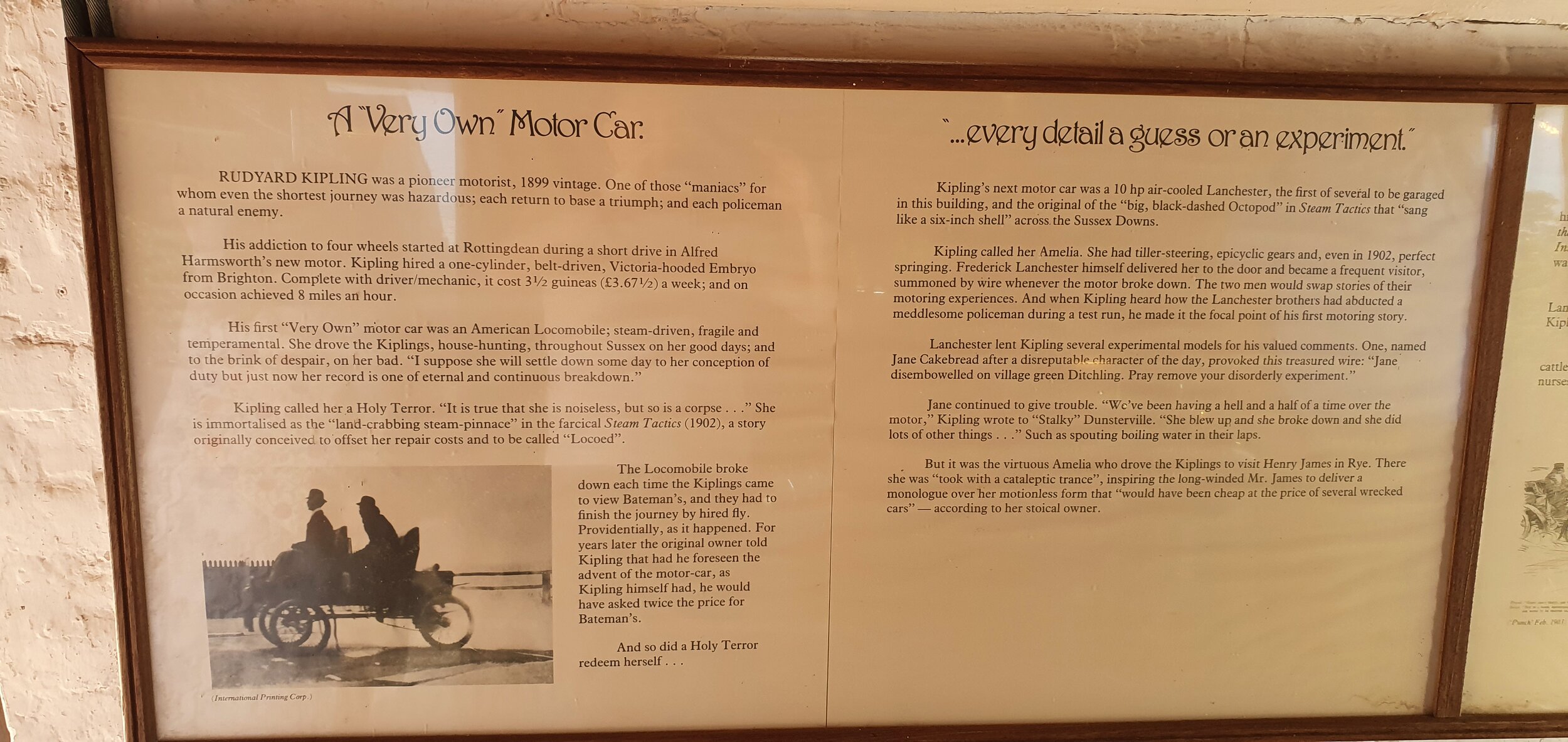
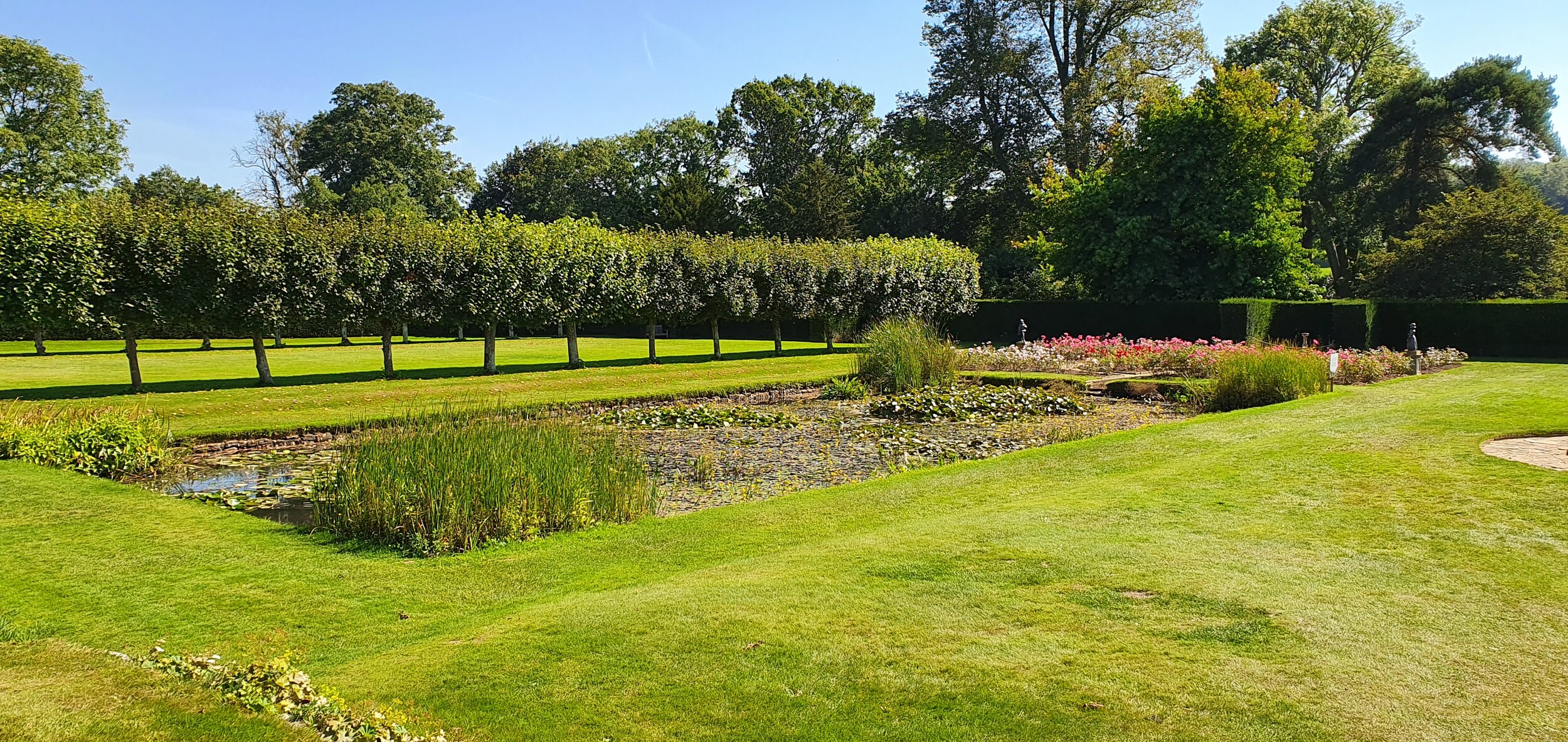
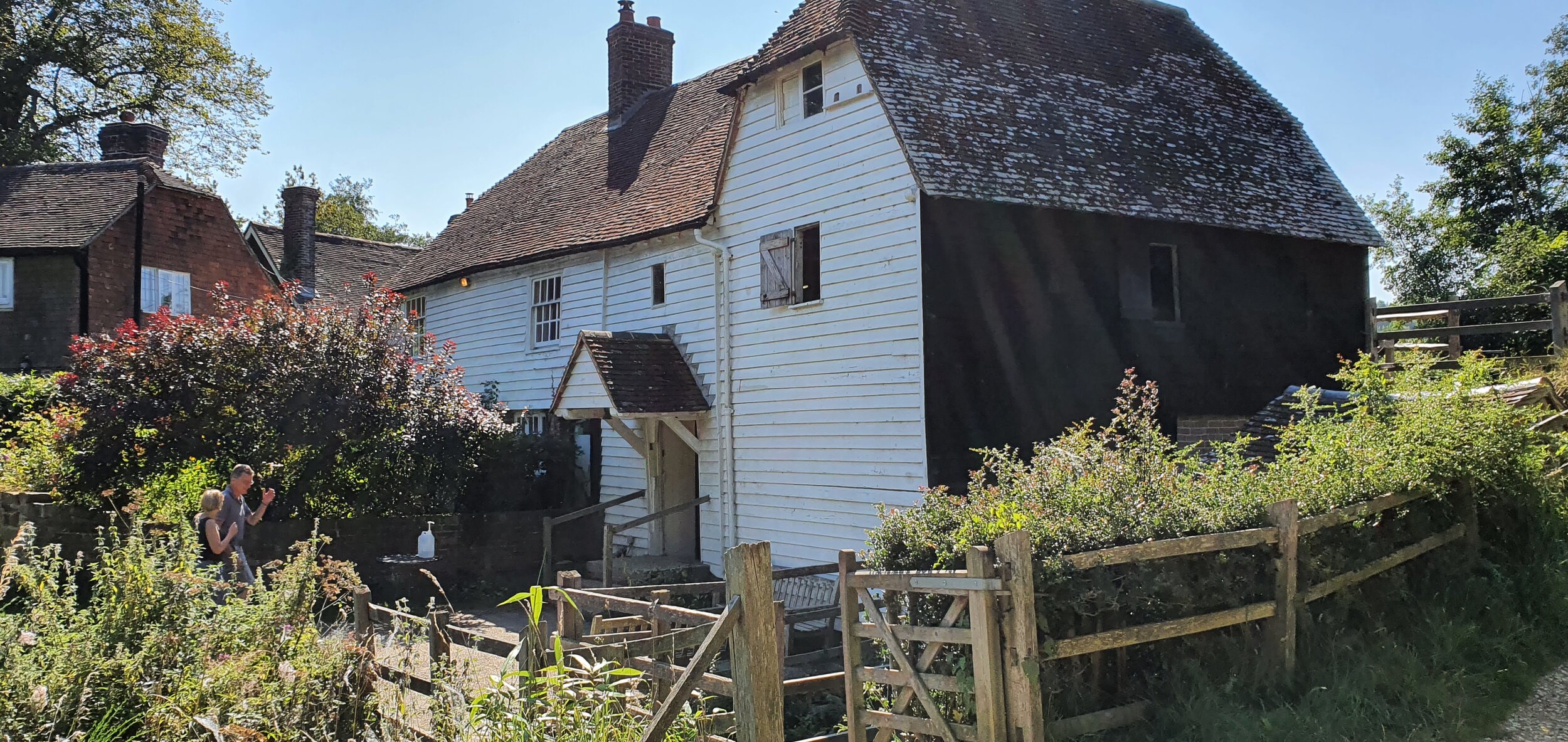
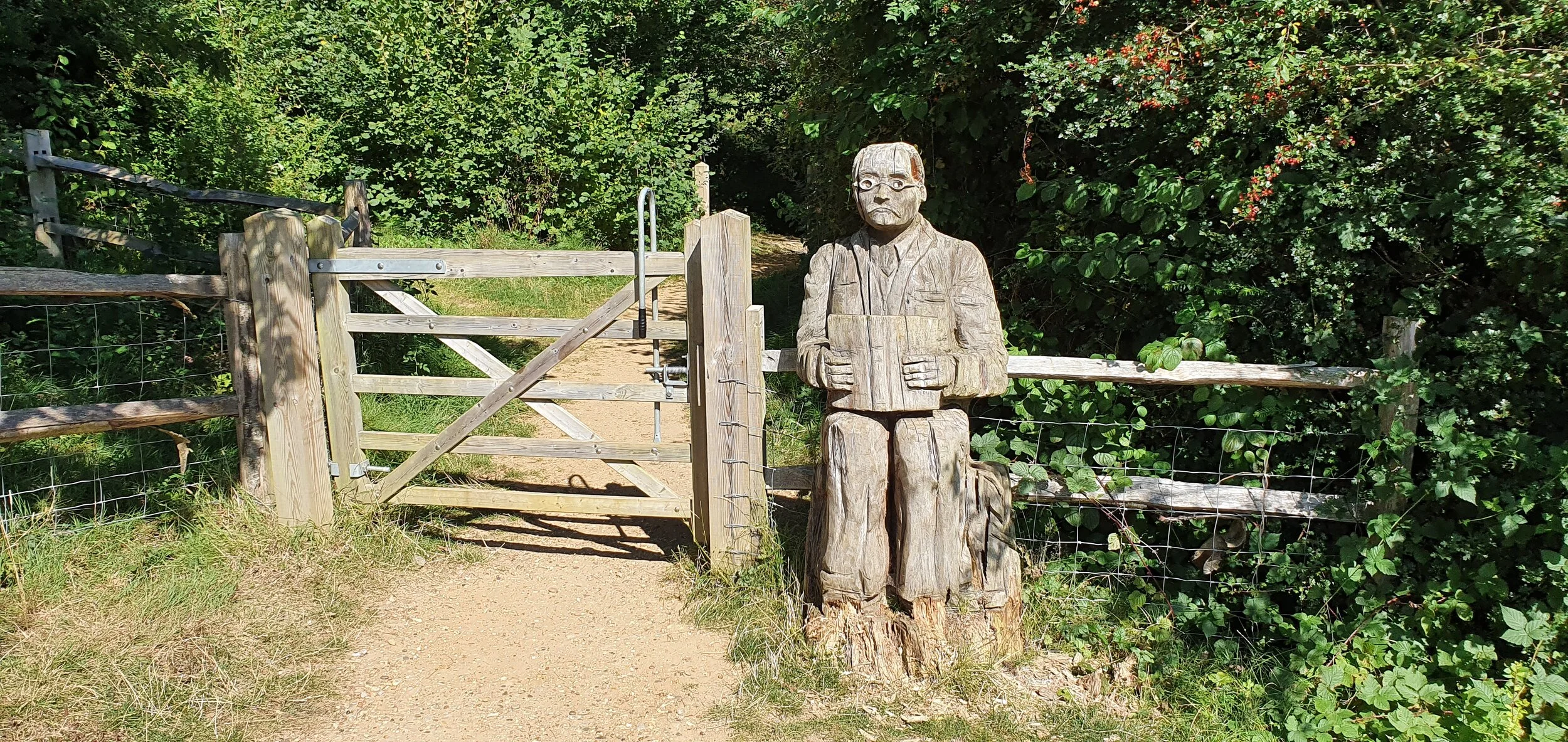

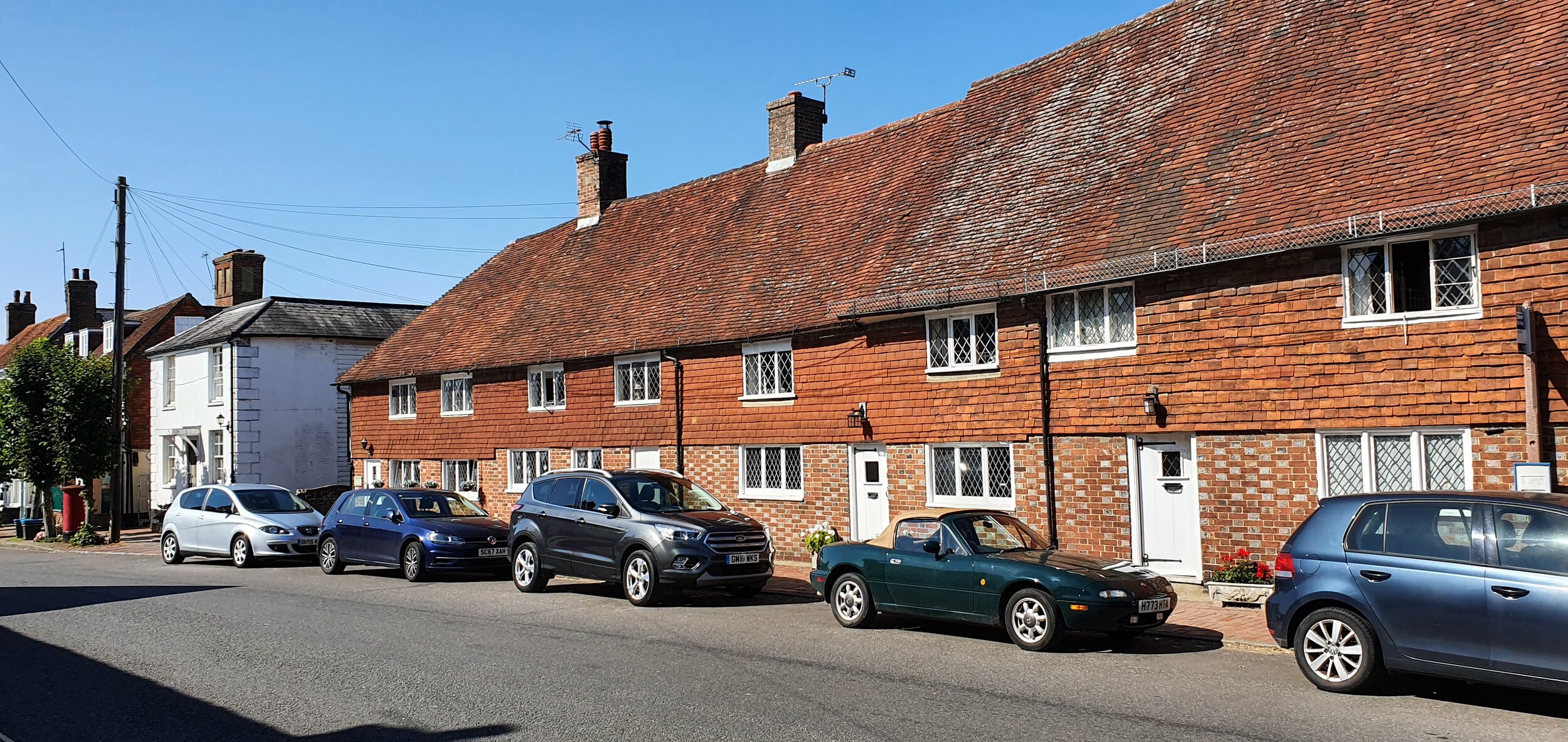








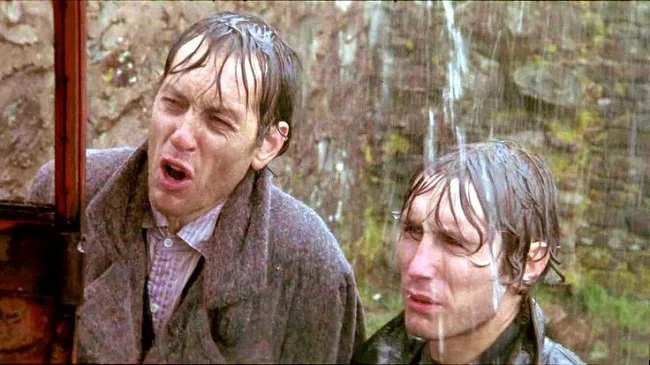




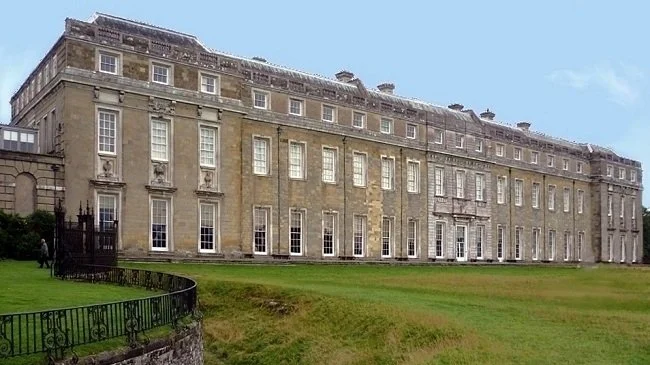


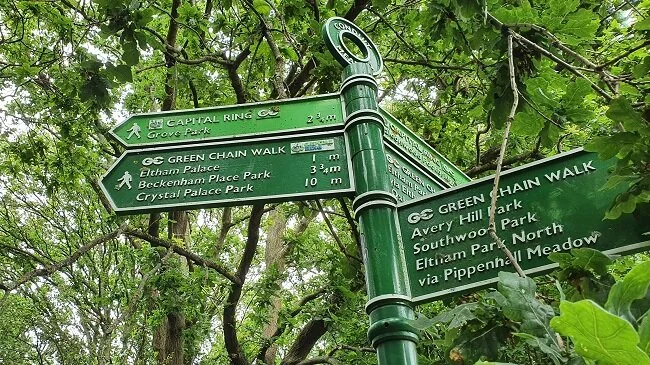

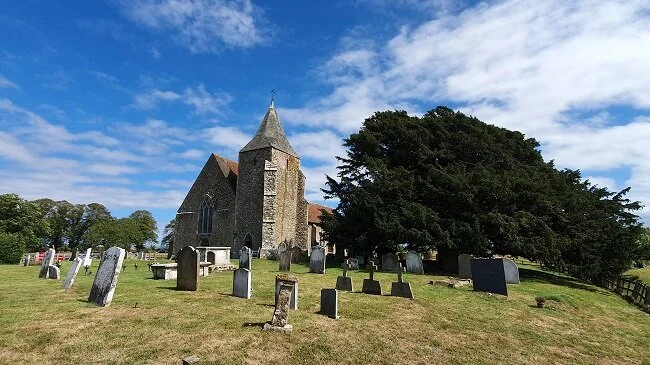


Do We “Share” Too Much?
During my lifetime there have been many major cultural changes in the UK. These range from the decriminalisation of homosexuality in 1967, to the decline of the Church of England. Then at the other end of the spectrum you have the waning of social conventions and etiquette. People no longer wear hats and Sunday has ceased to be a more sedate day of the week. Such is the nature of change. Society does not remain static. One aspect of life that has radically altered is the concept of privacy. By this I mean what personal details and information we share with friends, neighbours, work colleagues and the state. Because nowadays, such information seems to be much more freely given. A lot more people seem to wear their hearts on their sleeves. Certainly social media has contributed greatly to this behavioural change.
During my lifetime there have been many major cultural changes in the UK. These range from the decriminalisation of homosexuality in 1967, to the decline of the Church of England. Then at the other end of the spectrum you have the waning of social conventions and etiquette. People no longer wear hats and Sunday has ceased to be a more sedate day of the week. Such is the nature of change. Society does not remain static. One aspect of life that has radically altered is the concept of privacy. By this I mean what personal details and information we share with friends, neighbours, work colleagues and the state. Because nowadays, such information seems to be much more freely given. A lot more people seem to wear their hearts on their sleeves. Certainly social media has contributed greatly to this behavioural change.
Here are two contrasting examples that hopefully highlight my point. I remember doing a day-long IT contract back in 2014 for a small company in central London. I arrived on site and the receptionist was my point of contact and acted as liaison. By the end of the day, that person had shared most of their life history with me and freely given information that I frankly didn’t think should be in the public domain. Yet to them, it was just “having a chat”. Now let’s compare this anecdote with another. During my childhood, Mr and Mrs Wright lived two doors away from my home. They were a nice retired couple, who were always be busy in their garden. They were friendly and happy to talk to a small child. They would make friendly small talk with my parents. They even did some childminding on a couple of occasions. To my knowledge, neither me nor my parents knew anything beyond the obvious about that pleasant old couple.
This is how things were back in the seventies and eighties. You did not share personal information. You would talk to your neighbours and peers but you wouldn’t volunteer information such as your political allegiances and personal ideologies. In fact how people voted was considered deeply private and folks would say “that’s why it’s called a secret ballot”. Sometimes during the run up to an election a neighbour may place a poster in their window, declaring their personal affiliation and it would often become a talking point. But broadly speaking people avoided discussing politics and religion as relationships remained much more amicable that way. Other taboo subjects were talking about how much you earned and certainly one’s sexuality. This state of affairs persisted not only in one’s local neighbourhood but at work place. Even the national census was far more discrete, compared to today, during these decades.
Yet we seem to have gone full circle and currently live in a world where people will happily state on social media their thoughts and opinions on absolutely any subject matter. Every activity, be it shopping or a holiday, is meticulously photographed and shared. You can look at some people’s social media accounts and know every aspect of their life. From the state of their sex life to how itchy their haemorrhoids are. And it’s catching. I like to post a few pictures on twitter when I’m out and about. However, it is a question of degrees and some folk take it to extremes. And this wealth of personal data is of immense corporate value, providing essentially free market research. It is also of use politically, as we have seen in recent elections and referendums. Targeting those of a specific mindset or affiliation can result in a sufficient percentage change to swing an outcome.
And so we come to the recent departure of John Gibson from his role as CEO of Tripwire Interactive. Mr Gibson tweeted recently “Proud of #USSupremeCourt affirming the Texas law banning abortion for babies with a heartbeat. As an entertainer I don’t get political often. Yet with so many vocal peers on the other side of this issue, I felt it was important to go on the record as a pro-life game developer”. If you’re not familiar with this new piece of legislation, there’s an excellent summation over at The Book of Jen. As a result of this statement which was not well received by Tripwire as a company, Mr Gibson has now moved on to pastures new. This situation raises numerous points of interest. Mr Gibson is entitled to his opinion and thus this matter plays into current debates about cancel culture. However, aside from the various arguments regarding free speech, political activism and such like, could not all of this have all been avoided if people just left certain aspects of their life at home? Again we come back to the culture of “sharing” personal data and opinions.
Life does seem to have gotten a lot more partisan in recent years. Trump and Brexit are just two examples of social fault lines that still divide communities. If you meet someone and within a few hours know every aspect of their life and beliefs then it may well prejudice your opinion against them. Knowing someone’s faith or political outlook may determine whether they become a personal friend or not. Yet I cannot help but think that is an erroneous outlook. There are some people who are totally defined by their beliefs such as The Pope and Peter Tatchell. But for a lot of us, this is not the case and many of the things we may believe or feel are not integral to our identity. Why miss out on a potential friend just because he votes a different way to you once every four years? It’s a shit choice to begin with.
So maybe society would benefit to a degree if we tended to share a little less. I personally would welcome a work environment where staff were civil but we didn’t know the minutiae of each other's lives. As for game developers; if equality and diversity were actively pursued in both the product range and the workforce, there would be no need for polarising statements. Actions speak louder from words. Perhaps we should all take time out to reflect upon our social media presence and reconsider exactly what information we are sharing. It certainly seems to be a growing source of problems. That is not to say I want a return to the days where certain groups feel it better to not be seen. Everyone has a right to “be”. We just need to stop “sharing” quite as much, because knowledge is power and that power can be used equally for or against you. Also, the wise man listens while the fool chatters.







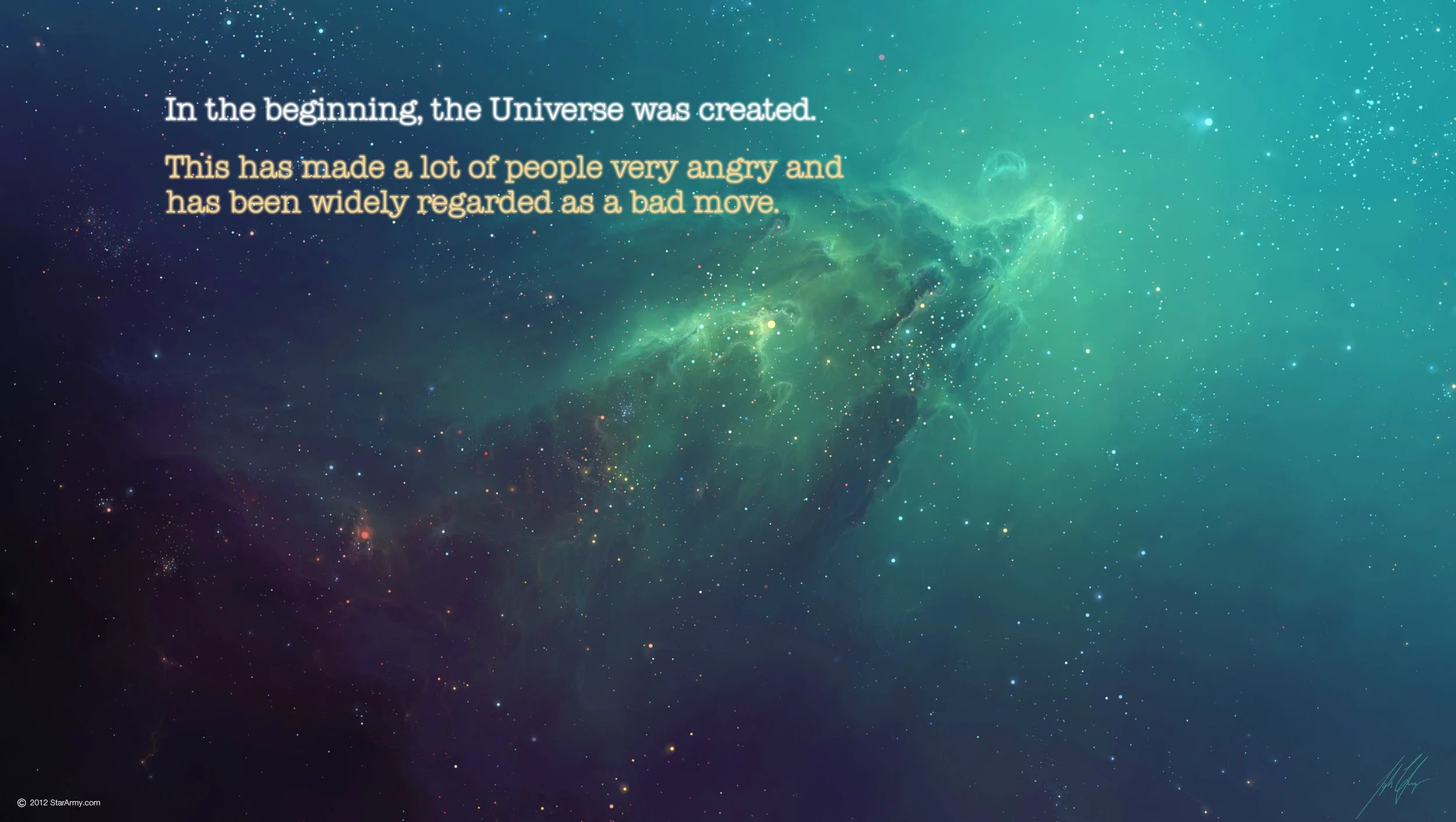


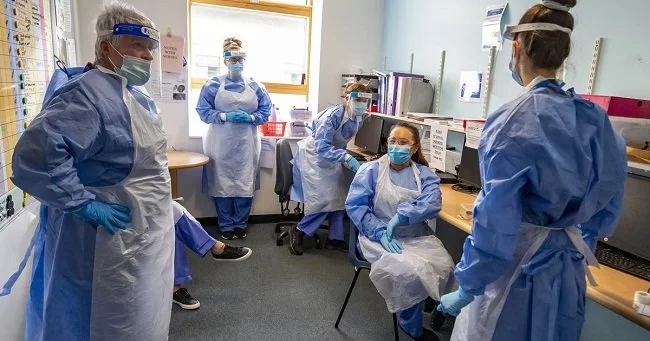
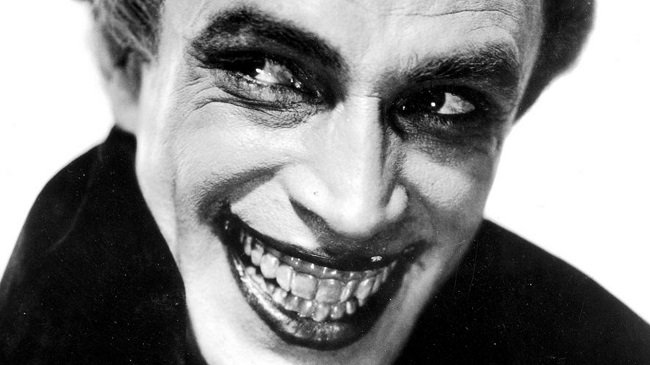
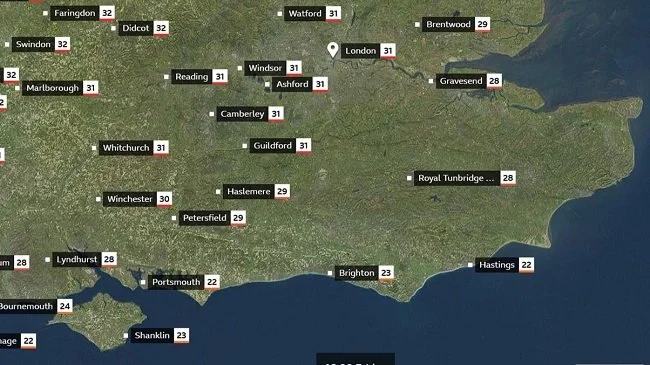



The Silmarillion by J. R. R. Tolkien - Read by Martin Shaw (1998)
Let’s not be coy about this. J. R. R. Tolkien’s The Silmarillion is not in any way a light read. It has a complex narrative, filled with staggering amounts of lore to digest. I certainly wouldn’t recommend it to anyone as their first point of entry into the Tolkien Legendarium. I think this is a book that you tackle after The Hobbit and The Lord of the Rings, if you are sufficiently enamoured with the threads of a wider backstory that are alluded to in both those volumes. If that is the case then brace yourself. However, despite its sprawling histories and dense genealogies, The Silmarillion is an incredibly rewarding book. There is an air of majesty surrounding the epic stories it contains and its themes about the eternal struggle between the dark and the light are timeless. Due to the immense detail that Tolkien lavishes upon the text, Middle-earth feels like a genuine living, breathing world. A world of languages, culture, geography and history. To date it has never been equalled.
Let’s not be coy about this. J. R. R. Tolkien’s The Silmarillion is not in any way a light read. It has a complex narrative, filled with staggering amounts of lore to digest. I certainly wouldn’t recommend it to anyone as their first point of entry into the Tolkien Legendarium. I think this is a book that you tackle after The Hobbit and The Lord of the Rings, if you are sufficiently enamoured with the threads of a wider backstory that are alluded to in both those volumes. If that is the case then brace yourself. However, despite its sprawling histories and dense genealogies, The Silmarillion is an incredibly rewarding book. There is an air of majesty surrounding the epic stories it contains and its themes about the eternal struggle between the dark and the light are timeless. Due to the immense detail that Tolkien lavishes upon the text, Middle-earth feels like a genuine living, breathing world. A world of languages, culture, geography and history. To date it has never been equalled.
The Silmarillion is the jewel in the crown of J.R.R. Tolkien’s imaginative writing, a collection of narratives ranging in time from the Elder Days of Middle-earth, through the Second Age and the rise of Sauron, to the end of the War of the Ring. The Ainulindalë is a myth of the Creation. In the Valaquenta the nature and powers of the gods is described. Quenta Silmarillion is set in an age when Morgoth was the first Dark Lord and dwelt in Middle-earth. The Elves made war upon him in his impenetrable fortress in Angband for the recovery of the Silmarils. Three jewels containing the last remaining pure light of Valinor, seized by Morgoth and set in his iron crown. The Akallabêth recounts the downfall of the great island kingdom of Númenor at the end of the Second Age. Of the Rings of Power tells of the great events at the end of the Third Age, as told in The Lord of the Rings.
The Silmarillion is a history, albeit an invented one. The book is not linear, nor is it always chronological. It blends expository mythological texts with more traditional story-telling. Despite this structure, it is hard not to feel a sense of awe at the totality of Tolkien’s visions. The book is a prodigious chronicle, highlighting events and individuals with a scope too large to easily summarise. Needless to say, it can often be difficult to keep track of all the characters. Often one story dovetails or impacts upon another, so that it frequently feels like a single narrative rather than a collection of smaller stories. There are events such as the founding of great cities, establishing dynasties, the sundering of peoples and the inevitable waging of war. Throughout these events there is tragedy, beauty, torture, escapes, murders and betrayals. Some characters are noble where others are blighted by hubris, although it often goes ill for them. Although these tales are long and complex, they’re never dull.
The HarperCollins audiobook, recorded in 1998 by British actor Martin Shaw, is possibly the most accessible way for relatively new fans of Tolikien’s writings to tackle The Silmarillion. Shaw narrates with a strong degree of reverence that borders on religious solemnity, guiding listeners carefully through epic battles and epochal events, as well as the legions of protagonists, antagonists and side characters. Shaw skilfully handles the difficult pronunciations of Tolkien's invented languages and inspires a frisson of pleasure when he breaks the straight narration to slip into character voices. The measured pacing of his reading is invaluable to the listener in allowing them to reflect upon the unfolding story and then digest it. I would also recommend listening to this audiobook while having a map of Beleriand to hand. Seeing the geography of the regions discussed is a major asset in understanding the events described. The Silmarillion read by Martin Shaw is currently available on Audible and would make a welcome addition to any Tolkien fan’s library.
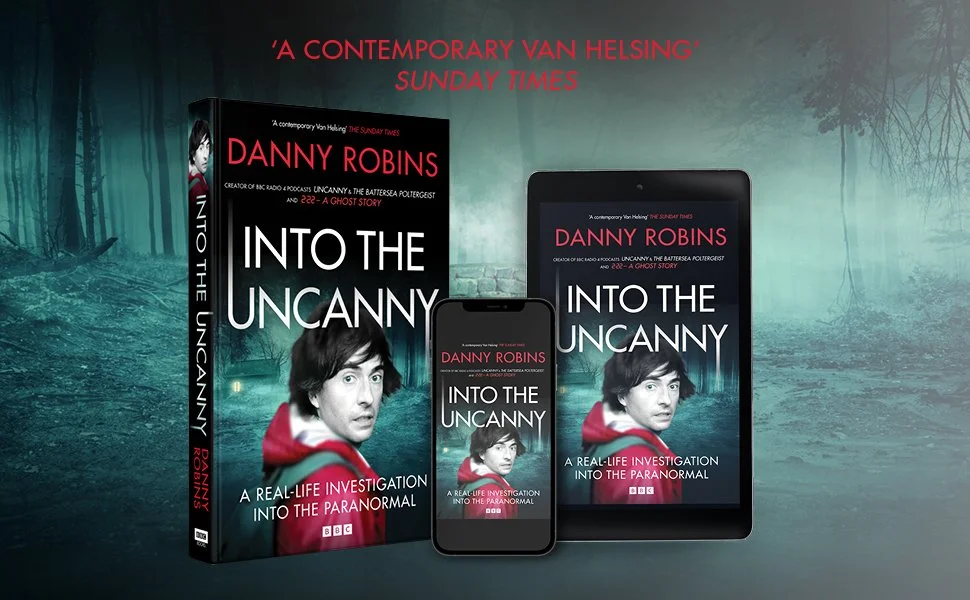




COVID-19 Pandemic 2021 Part 10
I last wrote about the pandemic in February. Six months on the lockdown and most major restrictions have now been rescinded and life is returning to normal. COVID-19 cases are still occurring with many still requiring hospitalisation. The question of whether they’ll be another wave in Winter still remains, although the government has announced a programme of booster vaccinations. At the time of writing the United Kingdom has currently administered 91.2 million doses of the various vaccines. 43 million people are now fully vaccinated which is 64.6% of the population. The current focus is upon the 16 to 24 age group and there are currently plans and ongoing consultation to extend the vaccinations to school age children. All of which is happening against a background where the pandemic is slowly being pushed out of the news agenda. The UK government is certainly keen to move on and a substantial percentage of the public no longer wish to be constrained by COVID-19 protocols.
I last wrote about the pandemic in February. Six months on the lockdown and most major restrictions have now been rescinded and life is returning to normal. COVID-19 cases are still occurring with many still requiring hospitalisation. The question of whether they’ll be another wave in Winter still remains, although the government has announced a programme of booster vaccinations. At the time of writing the United Kingdom has currently administered 91.2 million doses of the various vaccines. 43 million people are now fully vaccinated which is 64.6% of the population. The current focus is upon the 16 to 24 age group and there are currently plans and ongoing consultation to extend the vaccinations to school age children. All of which is happening against a background where the pandemic is slowly being pushed out of the news agenda. The UK government is certainly keen to move on and a substantial percentage of the public no longer wish to be constrained by COVID-19 protocols.
I had my second vaccination (Pfizer-BioNTech) on 12th May and to date, all my immediate family are fully vaccinated. Since April there has been an ongoing schedule of restrictions being lifted. By May I was no longer having to cut my own hair and just before Summer most shops and businesses started to re-open. At present there are no longer limits on meeting up with friends, attending sporting events and other outdoor activities, pubs and restaurants are conducting business as usual and there is no longer a legal compulsion to wear face masks. The latter is now on a “recommended” basis, although the major rail networks still insist upon it. However, the majority of the public appear to have simply abandoned this safety measure and I often find that I am the only one wearing a mask in the supermarket queue. The only aspect of life that is still not running as normal is international travel. Hence the majority of people are not taking a foreign holiday this year.
I personally am still very cautious regarding relaxing measures against COVID-19. I went to a local pub this week and was pleased to see that the tables and seating were still sensibly distanced. Food and drink could be ordered at the bar but not consumed there. I was also pleased that similar arrangements were in place at the Bistro I went to tonight. COVID-19 is still a threat. A point that was brought home when a good friend and his wife both contracted the virus recently, despite being double vaccinated. The latter required hospitalisation but has thankfully now been discharged. Yet for a lot of people this pandemic is now “over”, simply because they want it to be so. Conversely, COVID-19 is still being used as a get out of jail card to excuse any delay, disruption or cancellation of a service, whether it’s justified or not. And there is still a vocal fringe group of anti-vaxxers making themselves a thorough nuisance with their disruptive demonstrations and constant misinformation.
Some more optimistic people other than me, hoped that there would be some major social change brought about from the pandemic. The focus upon essential workers raised the question as to whether their terms and conditions of employment would be improved. They haven’t and despite its hollow praise, the government only offered a 1% pay rise to nurses. Working from home has finally risen above its previous image, where it was often perceived as a means of skiving. However, although some businesses are going to continue to pursue a policy of work away from the office, the “working revolution” that many expected hasn’t happened. In fact, as the more sceptical among us predicted, the status quo has quickly returned and any opportunity for major socio political change has been lost. Such is the state of the UK and COVID-19 at present. Despite being a landmark, global event of historical importance, it’s amazing how quickly some people wish to forget.