More British Slang Words and Phrases
About a year ago, I wrote a post about British slang words and phrases. Using fifteen examples, I endeavoured to explain their definition, provenance and the context in which they are commonly used. I then provided an example sentence of each word or phrase for reference. This proved such a popular post (it didn’t), that I thought it would be beneficial if I gave some further examples (Again I didn’t. I just needed to write a quick blog post, with minimal effort). So here is another selection of slang words and phrases that are used in common parlance in the UK, for your amusement, edification and consideration. Some are relatively self explanatory. Others are somewhat tenuous and arcane in their origins.
Manor is a UK slang term for turf or territory
About a year ago, I wrote a post about British slang words and phrases. Using fifteen examples, I endeavoured to explain their definition, provenance and the context in which they are commonly used. I then provided an example sentence of each word or phrase for reference. This proved such a popular post (it didn’t), that I thought it would be beneficial if I gave some further examples (Again I didn’t. I just needed to write a quick blog post, with minimal effort). So here is another selection of slang words and phrases that are used in common parlance in the UK, for your amusement, edification and consideration. Some are relatively self explanatory. Others are somewhat tenuous and arcane in their origins.
All Right: A generic greeting that is used between friends and acquaintances. The standard response is to say “all right” back. It is not an invitation to say no and then list in detail all the reasons why you’re not all right. “All right Colin”. “All right Geoff”.
Dodgy: A person or object that is questionable or suspect in some fashion. The guy down the pub who sells stolen gear out of his van is what you’d call dodgy. Food can also be so. “Blimey Colin, you stink. Was that kabab you had last night dodgy?”
Faffing About: To waste precious time, expending an excessive amount of effort on a relatively simple task. “Oi Colin, stop faffing about. How long does it take to put on a clean duvet cover?”
Innit: A contraction of the phrase “isn't it” or “is it not”. Often used in a rhetorical fashion at the end of a sentence. Similar to how a bellicose American would say “Am I right?”
Jake the Peanut: A loud, brash, over confident person (usually a man) who suffers from the Dunning-Kruger effect. The same as Jack the Lad, Charlie Potato and Billy Big Bollocks. “Look at Colin with his Ray-Bans and corduroy flares. He thinks he’s Jake the Peanut”.
Kip: To sleep. “Colin, don’t forget to put some cream on the cat’s piles. I’m gonna have a kip for an hour”.
Leo Sayer’d: To be intoxicated by alcohol and sing in a high pitched manner, similar to the popular vocalist Leo Sayer.
Mate: An informal term of respect used when addressing a man or woman without using their name. Used instead of the more formal sir or madam. “Oi mate. You can’t park there”.
Muppet: An informal noun for stupid or foolish person. “Colin, flush the toilet after using it, you muppet”.
Pissed: To be intoxicated by alcohol. Not angry as in the US sense of the word. “Colin’s well pissed after that bottle of floor polish”.
Skive: To avoid work or duty by leaving early. “Where’s Colin? Has he skived off down the pub?”
Slag Off: To talk to someone in a deliberately rude or derogatory fashion. “Why are you always slagging off Colin?”
Taking the Piss: To mock or make fun of. “Colin’s fed up with everyone constantly taking the piss out of him”.
Wee Stooshie: A Scottish term for a small brawl. A difference of opinion that ends in violence. Often fueled by alcohol. “I see Colin had a wee stooshie with the Salvation Army band that were playing in the High Street”.
The English language is constantly evolving and as a result, words continuously come and go from the national lexicon. It can be argued that you can ascertain a person’s age by some of the phrases and slang that they use. Possibly their respective socioeconomic group as well. Posh folk (by which I mean the monied and titled upper classes) do seem to have a completely separate dialect. As do the under twenty fives but that has always been the case. As for the above words and phrases, I would hazard a guess that readers from Australia and New Zealand will find similarities between UK slang and their own. Europeans, who are often multilingual, will probably be likely to adapt to the curious foibles of colloquial English. As ever, please feel free to leave your thoughts below and share any interesting phrases or expressions of your own.


















Coronary Heart Disease
This morning I had an appointment at the Cardiology Outpatients clinic at St. Thomas’ Hospital, in Southwark, London. The hospital, located across the Thames from the Houses of Parliament, is easily accessible from three nearby tube stations (subway), one major train station and numerous buses. As well as having an extensive A&E department, St. Thomas’ also provides a broad range of healthcare services such as maternal medicine, gastrointestinal surgery, ophthalmology, pain medicine and plastic surgery. The hospital specialises in cardiovascular care and was the first to perform a mitral valve replacement on a beating heart. It is also home to nursing and surgical colleges. The current site has served community needs since 1871. The hospital has existed in some shape or form since the 12th century. There is a pleasant ornamental garden outside the main entrance that overlooks the river and Lambeth bridge.
This morning I had an appointment at the Cardiology Outpatients clinic at St. Thomas’ Hospital, in Southwark, London. The hospital, located across the Thames from the Houses of Parliament, is easily accessible from three nearby tube stations (subway), one major train station and numerous buses. As well as having an extensive A&E department, St. Thomas’ also provides a broad range of healthcare services such as maternal medicine, gastrointestinal surgery, ophthalmology, pain medicine and plastic surgery. The hospital specialises in cardiovascular care and was the first to perform a mitral valve replacement on a beating heart. It is also home to nursing and surgical colleges. The current site has served community needs since 1871. The hospital has existed in some shape or form since the 12th century. There is a pleasant ornamental garden outside the main entrance that overlooks the river and Lambeth bridge.
I was at the hospital to have a stress echocardiogram. Two years ago I was diagnosed with coronary arteriosclerosis and this was a routine test to determine if there were any significant changes in my condition. Stress echocardiography is a test that uses ultrasound imaging to show how well your heart muscle is working to pump blood to your body while physical, pharmacological, or electrical stress is applied to the heart. In my case I was given the drug atropine to increase my heart rate, while I squeezed a pair of stress balls. The procedure took about an hour and was a little uncomfortable towards the end, due to the elevated heart rate. Fortunately, the results of the test showed only a minor progression of my ongoing heart disease, which can be managed within my current treatment strategy. The results have been sent to my local GP and I may or may not have my dosage of bisoprolol (beta blocker) increased.
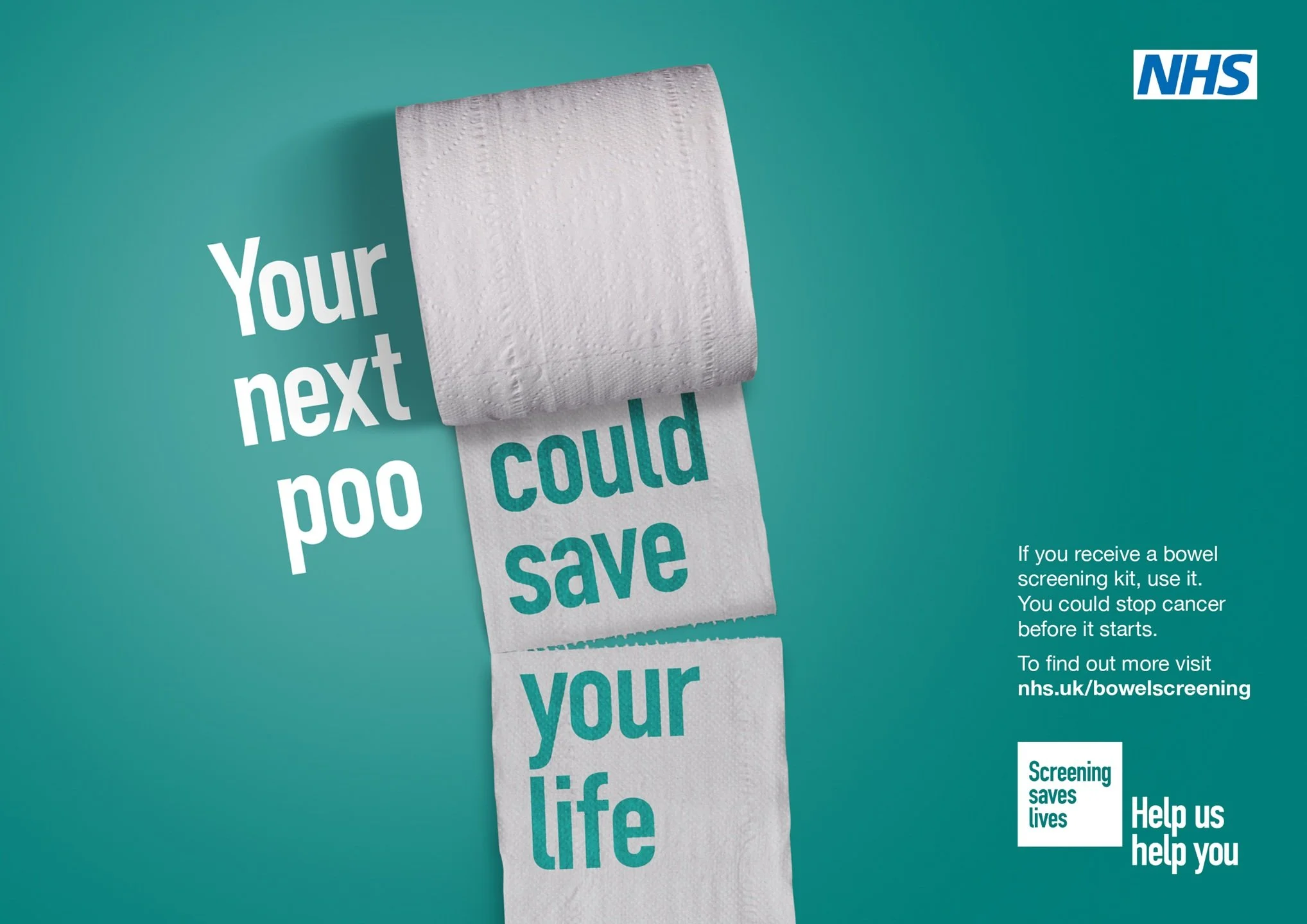
There is absolutely nothing unusual about a man of my age (56) having coronary arteriosclerosis. It is a result of your heart's blood supply being blocked or interrupted by a build-up of fatty substances in the coronary arteries. Over time, the walls of the arteries can become furred up with fatty deposits. Furthermore, heart disease of this kind is caused by lifestyle factors, such as diet, smoking and regularly drinking excessive amounts of alcohol. Due to the fact that processed foods make up a substantial part of our diets nowadays, heart disease is very common in the UK. At present, there are around 7.6 million people living with heart and circulatory diseases. This statistic includes everything from conditions that are inherited, to those that develop later in life, such as coronary heart disease, atrial fibrillation, heart failure, stroke and vascular dementia. Here is some further information from the British Heart Foundation.
Around 4 million males and 3.6 million females are living with heart and circulatory diseases in the UK.
We estimate that in the UK more than half of us will get a heart or circulatory condition in our lifetime.
Around twice as many people are living with heart and circulatory diseases in the UK than with cancer and Alzheimer’s disease combined.
Heart and circulatory diseases cause around a quarter (27 per cent) of all deaths in the UK; that's more than 170,000 deaths a year, or 480 each day – one every three minutes.
Around 49,000 people under the age of 75 in the UK die from heart and circulatory diseases each year.
Whenever discussing medical matters, it is important to maintain an appropriate sense of perspective. Since the British Heart Foundation was established in 1961,the annual number of deaths from heart and circulatory diseases in the UK has fallen by nearly half. The UK is at the forefront of heart disease research and the NHS has a proven track record of diagnosing and treating it. I have found over the last two years that coronary arteriosclerosis is entirely manageable. A few sensible changes in diet and lifestyle, along with some common place medicines help maintain the status quo. I take the following tablets each day. Bisoprolol (25mg), atorvastatin (40mg) and aspirin (75mg). As a result, I can still pursue all the same activities that I always have. Sometimes I have to adjust the pace at which I do things and any activity at floor level is challenging but you simply develop techniques to work around these.
I am very fortunate that I live in the UK and as such medical treatment is free at the point of use. The only costs I have to pay for are my prescription fees, which are subsidised. My medication is supplied bi-monthly and I am charged a flat fee £9.90 per item. Hence I pay £19.80 for the bisoprolol and atorvastatin. I buy aspirin “over the counter” as they are cheaper that way. The only other aspect of my ongoing healthcare is a weight loss regime which is very much a work in progress. I say this because to celebrate the positive results of today’s test, I ended up at our local Italian restaurant, which may seem somewhat contradictory to my ongoing medical needs. However, as my heart consultant pointed out, preventative healthcare is about adjusting and managing lifestyles and not necessarily abandoning them by default. Everything in moderation, including moderation, as Oscar Wilde said.







No Blade of Grass (1970)
During the seventies, the growing environmental concerns of the general public were beginning to appear as plot themes in both mainstream and independent film making. The science fiction genre proved the most practical medium for this with films such as Zero Population growth and Soylent Green. Cornel Wilde’s No Blade of Grass takes a different approach using an ecological disaster as the premise for a survival movie. As with Wilde’s previous movies The Naked Prey and Beach Red, the message is delivered clearly and with all the subtlety of a kick in the groin. Yet the director’s honesty carries weight as he boldly depicts how the trappings of modern civilisation are quickly stripped away in the face of impending disaster. Perhaps it was this candour that upset sections of the viewing public, who didn’t wish to confront the fragility of their own society or dwell upon their own potential for violence. Certainly the film’s distributor MGM were sufficiently bothered by what they saw, that they re-edited the movie prior to release to tone down some of the stronger content.
During the seventies, the growing environmental concerns of the general public were beginning to appear as plot themes in both mainstream and independent film making. The science fiction genre proved the most practical medium for this with films such as Zero Population growth and Soylent Green. Cornel Wilde’s No Blade of Grass takes a different approach using an ecological disaster as the premise for a survival movie. As with Wilde’s previous movies The Naked Prey and Beach Red, the message is delivered clearly and with all the subtlety of a kick in the groin. Yet the director’s honesty carries weight as he boldly depicts how the trappings of modern civilisation are quickly stripped away in the face of impending disaster. Perhaps it was this candour that upset sections of the viewing public, who didn’t wish to confront the fragility of their own society or dwell upon their own potential for violence. Certainly the film’s distributor MGM were sufficiently bothered by what they saw, that they re-edited the movie prior to release to tone down some of the stronger content.
Based on John Christopher’s novel The Death of Grass published in 1956, No Blade of Grass starts with a new strain of virus that has devastated the rice crops in Asia causing a major regional famine. Soon a mutation appears in Europe infecting all types of grasses including all grain crops. The subsequent food shortages rapidly lead to social disorder, looting and possibly even cannibalism. The UK parliament start to consider desperate measures to cope with the situation. Architect and war veteran John Custance (Nigel Davenport) decides to flee London along with his wife Ann (Jean Wallace), young son Davey, teenage daughter Mary (Lyn Fredrick) and her scientist boyfriend Roger Burnham (John Hamill). They intend to travel to Westmorland in Cumbria where John's Brother, David (Patrick Holt), has a farm. Many trials and tribulations beset them as they travel north and the group quickly find themselves having to adapt both physically and morally to a rapidly changing and hostile world.
John Custance is an archetypal alpha male and embodiment of the British officer class. He is pragmatic and is quick to adapt to the deteriorating situation. But he has moral and ethical limits. So when he forms a curious relationship with a young man called Pirrie (Anthony May), it is for a very specific reason. Pirrie is a sociopath who will happily turn a gun on anyone that impedes the ongoing plan. John determines he’s a necessary tool who can do some tasks that he may balk at. This becomes very clear when we first meet Pirrie at the local gun shop where he works. He doesn’t hesitate to shoot his boss and throw in his lot with John Custance when he learns of his plan to leave London. It is this initial instance of lawlessness that marks the families rapid moral decline. Later, after having been robbed themselves, the Custance family kill a couple in a farmhouse who refuse to give them shelter. “We have to fight to live, do you understand that?” John tells his young son and his friend. “Like the Westerns?” one replies. “Yes, like that”.
No Blade of Grass is very heavy handed with its themes and moral pronunciations. At the start of the film, the affluent dine in a restaurant while a news report on TV shows the realities of the ongoing famines elsewhere in the world. There are montages of stock footage showing pollution and sick animals to hammer home the message that this is a self-inflicted catastrophe. But like the director’s other films there is an earnestness to the proceedings. Sadly this gets somewhat lost in along the way due to the film’s exploitation trappings. There are numerous shootouts between civilians and the Army as well as other acts of violence. And then there’s a gratuitous double rape. The movie even manages to include footage of a real childbirth before a climactic battle between our group of survivors and a motorcycle gang, complete with Viking helmets. Wilde also uses flashforwards as well as flashbacks, colour filters and slow motion to make his point. There is even a bleak but charming folk song performed by Roger Whittaker that plays over the start and end credits.
Violence is a reoccurring theme in all of Cornel Wilde’s films. As a director he often depicts that violence is key to survival and can galvanise people into action to forge something greater. However it can also lead to self-destruction and comes at a cost. John Custance learns that there is a price to pay for collaborating with the likes of Pirrie and that often manifests itself as human collateral damage. Social collapse and the realities of returning to a neo-feudal existence do not seem to be compatible with John’s old-world principles and ideals. His attempts to “preserve the heritage of man’s greatness” bear little fruit at the end of the film. He secures a safe place to live in the remote North of England but it takes a great deal of slaughter to do so. Furthermore the motley group of survivors he picks up along the way still harbour all the flaws of the old world, such as racial prejudice, greed and notions of exceptionalism. No Blade of Grass is a clumsy and somewhat lurid piece of film making. It certainly won’t be to everyone’s taste yet it is an interesting curiosity.






















Gamergate: Ten years On
Usually 10 year anniversaries are pleasant things to celebrate. Sadly that is not the case with Gamergate, which took place a decade ago this month. For me, this curious and unpleasant debacle was something that happened online and it didn’t impact upon my life directly. I wasn't threatened in any way, I didn't receive a tide of abuse and I didn't have to quit social media or my job. However for some people, that is exactly what did happen. I, like many others, just stood on the margins as events unfolded and looked on, agog as this exquisite car crash of a “movement” that proceeded to shoot itself and the wider gaming community collectively through the foot. It is no coincidence that this happened as gaming was becoming a mainstream pastime and slowly shedding a lot of the negative connotations associated with it. Gamergate purposely arrested that process.
Usually 10 year anniversaries are pleasant things to celebrate. Sadly that is not the case with Gamergate, which took place a decade ago this month. For me, this curious and unpleasant debacle was something that happened online and it didn’t impact upon my life directly. I wasn't threatened in any way, I didn't receive a tide of abuse and I didn't have to quit social media or my job. However for some people, that is exactly what did happen. I, like many others, just stood on the margins as events unfolded and looked on, agog as this exquisite car crash of a “movement” that proceeded to shoot itself and the wider gaming community collectively through the foot. It is no coincidence that this happened as gaming was becoming a mainstream pastime and slowly shedding a lot of the negative connotations associated with it. Gamergate purposely arrested that process.
If you’re not au fait with Gamergate, Wikipedia has a substantive page about the affair that provides a comprehensive overview. To summarise, Gamergate originally claimed to be an informal online campaign that was lobbying for apolitical video games’ journalism. I don't dispute that there were some advocates who were focused on the failings of games journalism at the time but they were quickly drowned out by the bellicose rhetoric of others with a far less pleasant agenda. Gamergate quickly became a decentralised harassment campaign and a clear political backlash against feminism, diversity, representation and any form of progressivism in video game culture and communities. With hindsight and in light of the information that has subsequently come to light, Gamergate was part of the wider culture wars that have been stoked by right in the US for the last twenty years.
There were some positive aspects to Gamergate. Primarily that there was a market for diverse video games and game studios. Also that representation was not an impediment to sales. In fact by embracing such a philosophy you could potentially increase sales. It also proved that video games were not the exclusive prerogative of white males, although so much of the unpleasant pushback came from that group. Gamergate also shone a light upon the video games industry that proved it to be as problematic as any other leisure industry. The workplace was all too often toxic, prejudicial and exploitative. Misogyny was all too common. Gamergate was ultimately no different from comparable debacles that the music, film and TV industries have experienced over the years, highlighting identical problems. Gamergate also afforded many gamers an opportunity to see the entire industry for what it really is. IE Just as flawed as any other.
Ten years on has anything changed as a result of Gamergate? I’d argue no. Gamers are a broad group of people, from multiple socio-economic groups. Apart from the common theme of a shared pastime, it would be illogical to expect there to be a consensus on major political, social and cultural issues. Hence there are gamers that still advocate and enjoy the benefits of inclusive gaming as there are those opposed to such perceived liberalism. At the time, Gamergate was a rude awakening for many gamers who were shocked to find that numerous bloggers, YouTube personalities and internet friends, were not on “the same page” as they were. A decade later, it is not quite so surprising. Many influencers happily wear their hearts on their sleeve and I would argue that it’s a lot easier to identify who is who these days.
Upon reflection Gamergate was an inevitability. Too many gamers for too long erroneously thought that the gaming community was a unique flower. They failed to see that any activity will become a cultural battleground, once it becomes big enough. There appears to be a critical mass for any community and once exceeded, division and rancour always emerge. Perhaps it's just another integral aspect of the human condition. That's not to say that we should give up on pushing for change. The video games industry should be able to accommodate everyone’s needs. However, we need to recognise that big business is seldom a meritocracy. If left to its own devices it will seldom stray beyond the path of least resistance. As for the gamers in favour of Gamergate ten years ago, they’re still out there and their views haven’t changed. If anything they’re more confident and vocal. But that means there is less ambiguity nowadays. To see where someone stands, all one has to do is look.
The Case for a Written UK Constitution
The United Kingdom is one of the few democratic countries in the world that does not have a single, written constitution. Others include Canada, New Zealand and Israel. To date, its constitution is a combination of written and unwritten sources, including statutes, common law, conventions and somewhat esoterically, royal prerogatives. The reason for this is predominantly historical. Since 1688, Britain has not experienced a revolution or regime change, which often leads to a constitutional initiative, such as the American or the French Revolution. Britain’s constitution has evolved slowly over time under relative stability and as such, it has never been deemed necessary to list the fundamental laws and principles of the country's political system.
The United Kingdom is one of the few democratic countries in the world that does not have a single, written constitution. Others include Canada, New Zealand and Israel. To date, its constitution is a combination of written and unwritten sources, including statutes, common law, conventions and somewhat esoterically, royal prerogatives. The reason for this is predominantly historical. Since 1688, Britain has not experienced a revolution or regime change, which often leads to a constitutional initiative, such as the American or the French Revolution. Britain’s constitution has evolved slowly over time under relative stability and as such, it has never been deemed necessary to list the fundamental laws and principles of the country's political system.
The current constitution is deficient for three reasons. Its lack of clarity, its failure to properly protect fundamental rights and the inadequacy of the current devolution settlement for Scotland and Wales. Firstly, the fact that the UK’s constitution is not codified in a single document means that the place of certain key governmental mechanisms lack clarity. For example, the legal status of referendums has never been properly set out. Secondly, although Britain does have a Human Rights Act, that legislation does not enjoy the same status as a list of fundamental rights in a codified constitution. As it is not entrenched, it does not have any special protection and can be amended or overturned. The current devolution settlement requires a written constitution that properly sets out the position of the devolved administrations of Scotland and Wales and their respective powers.
Bearing this in mind, here are some arguments in favour of the UK adopting a written constitution:
Clarity and Accessibility:
A written constitution would provide a clear and easily accessible document outlining the fundamental principles and rights of all UK citizens. This can enhance public understanding of their rights and the functioning of the government. It would also provide those in government with clear parameters within which they have to work.
Legal Certainty:
A formal constitution would bring legal certainty, as it would serve as a supreme law that can be referred to in all legal disputes. This contrasts with the current situation where constitutional principles are dispersed among various sources which often leads to confusion and misinterpretation (both willful and accidental).
Protection of Rights:
Explicitly enumerating individual rights within the framework of a written constitution, would provide a stronger legal basis for citizens to challenge any encroachments on their rights. This may contribute to a more robust protection of civil liberties and greater public awareness of said rights.
Limitation of Government Power:
A clearly written, unambiguous constitution could establish clear checks and balances on the powers of different branches of government. Thus limiting the potential for abuse of power and ensuring a more effective separation of powers.
Modernisation and Adaptability:
Another key benefit of a written constitution, is the ability to be able to make relevant amendments and updates that reflect changing societal values and circumstances. This adaptability is often considered crucial in a rapidly evolving world. New socio-political issues, especially those driven by technology and the global environment, often need to be addressed as quickly as they emerge.
International Reputation:
Having a written constitution could enhance the UK's international reputation by aligning its governance structure with the constitutional norms followed by most democratic nations. Many international institutions are built upon mutually held ideas and concepts. Enshrining commonly held values and ideas often affords diplomatic, political and commercial benefits.
Citizen Engagement:
Having a clear constitution can positively impact civic education and engagement. Citizens can become more aware of the mechanics of government as well as their constitutional rights and responsibilities. A better informed electorate can make more effective political choices and become more active in local and national government.
Reducing Constitutional Uncertainty:
The lack of a written constitution can lead to uncertainty, particularly during times of constitutional crisis. The events arising from the Brexit referendum and the political deadlock that reached a peak in 2019 being a clear example. Having a clear and precise constitutional framework could provide a clear route for resolving such situations.
Judicial Review:
A written constitution would enhance the role of the judiciary in interpreting and enforcing constitutional principles through judicial review. This would therefore provide a strong mechanism for holding the government accountable, aiding or sanctioning them when circumstances required. It would also facilitate definitive answers on constitutional interpretation, far more efficiently.
Symbolic Value:
It can be argued that there is a positive, symbolic value to adopting a written constitution. It signals a commitment to transparency, democracy and the rule of law. It provides a cultural foundation upon which to build and a degree of social stability in knowing that certain principles are enshrined in law.
It is important to note that this is not an exhaustive list and opinions on this matter will naturally vary. There are also arguments against adopting a written constitution, with some people favouring the flexibility and evolutionary nature of the UK's current constitutional arrangements. The debate over whether the UK should have a written constitution continues and any constitutional change would likely be a significant and complex process.














Google Pixel Watch
Four years ago I bought a Huawei Band 4 Pro smart band. At the time, I quite liked the idea of tracking health data and thought it would be useful as part of an exercise regime. I also bought a Fitbit Inspire 2 for Mrs P. However, after a while we both felt that our relationship with these devices, specifically the data they generated, was somewhat “arse about face”. IE We would find ourselves, walking around the lounge just to reach our step count target. We also felt that our smart bands were effectively nagging us rather than encouraging us. Needless to say, we both ended up ignoring a lot of the information that was being collated. Eventually Mrs P went back to using a regular wristwatch, while I soldiered on using my Huawei Band 4 Pro just as a timepiece. Then I started having problems with the strap. Or to be more precise the plastic clips that attached it kept breaking. I ended up buying about five replacements over a year and half.
Four years ago I bought a Huawei Band 4 Pro smart band. At the time, I quite liked the idea of tracking health data and thought it would be useful as part of an exercise regime. I also bought a Fitbit Inspire 2 for Mrs P. However, after a while we both felt that our relationship with these devices, specifically the data they generated, was somewhat “arse about face”. IE We would find ourselves, walking around the lounge just to reach our step count target. We also felt that our smart bands were effectively nagging us rather than encouraging us. Needless to say, we both ended up ignoring a lot of the information that was being collated. Eventually Mrs P went back to using a regular wristwatch, while I soldiered on using my Huawei Band 4 Pro just as a timepiece. Then I started having problems with the strap. Or to be more precise the plastic clips that attached it kept breaking. I ended up buying about five replacements over a year and half.
So about a fortnight ago I decided to replace it. This was done on a whim without any major research. I wanted something closer to a traditional wristwatch, preferring that shape to the more rectangular smart band. So I read a few reviews on Amazon and decided upon a Google Pixel watch as I already have a Pixel 6 phone. Plus there was a good deal to be had at the time, so I bought the watch without much more thought. It arrived promptly and I then went about the process of setting it up, which judging by the simple diagrams in the accompanying literature, was supposed to be a proverbial “piece of cake”. Lies. Utter lies. To begin with, just pairing the watch with my phone was not as “quick and easy” as Google would have you believe. I have often found that Bluetooth is as temperamental as a cat deciding whether it wants to go outside or not. On this occasion that was exactly the case.
Next came updating the watch software. This too was a time consuming process. The software was downloaded via my phone (which was connected to the home wifi) and then transferred to the watch via Bluetooth. The phrase dawdling springs to mind. However, after an hour or two, these issues were all addressed and I finally put the damn thing on my wrist so I could tell the time. Then all the beeping started. This is because Google in their infinite wisdom has enabled every alert that the watch can possibly generate by default. Hence I was assailed by a litany of messages congratulating me on my ability to walk, having oxygen in my bloodstream and generally not being dead. Next, when the watch synchronised with my phone, I was bombarded further by every alert that infernal device produces. Oh how we laughed.
Finally, I opened the app for the watch on my phone and decided to tweak a few settings. This meant having a few YouTube videos beforehand, which is always a source of deep joy for me, due to my untrammelled love of humanity. We are truly blessed that so many fine orators and critical thinkers dain to share their wisdom with us lesser mortals via this medium. But I digress. Two week’s on I have a functional watch that tracks a multitude of data but doesn’t badger me about it incessantly. It does alert me of new emails , X and Mastodon notifications and new replies on Discord but I have chosen these notifications. So now instead of me endless checking my phone, I lavish attention on my watch instead. I feel like a Dick Tracy tribute act. Oh did I mention it needs charging every 24 hours? I could get 5 days or so out of my old smart band. But at least the strap doesn’t keep breaking.
























LOTRO: The Lore-master is Broken
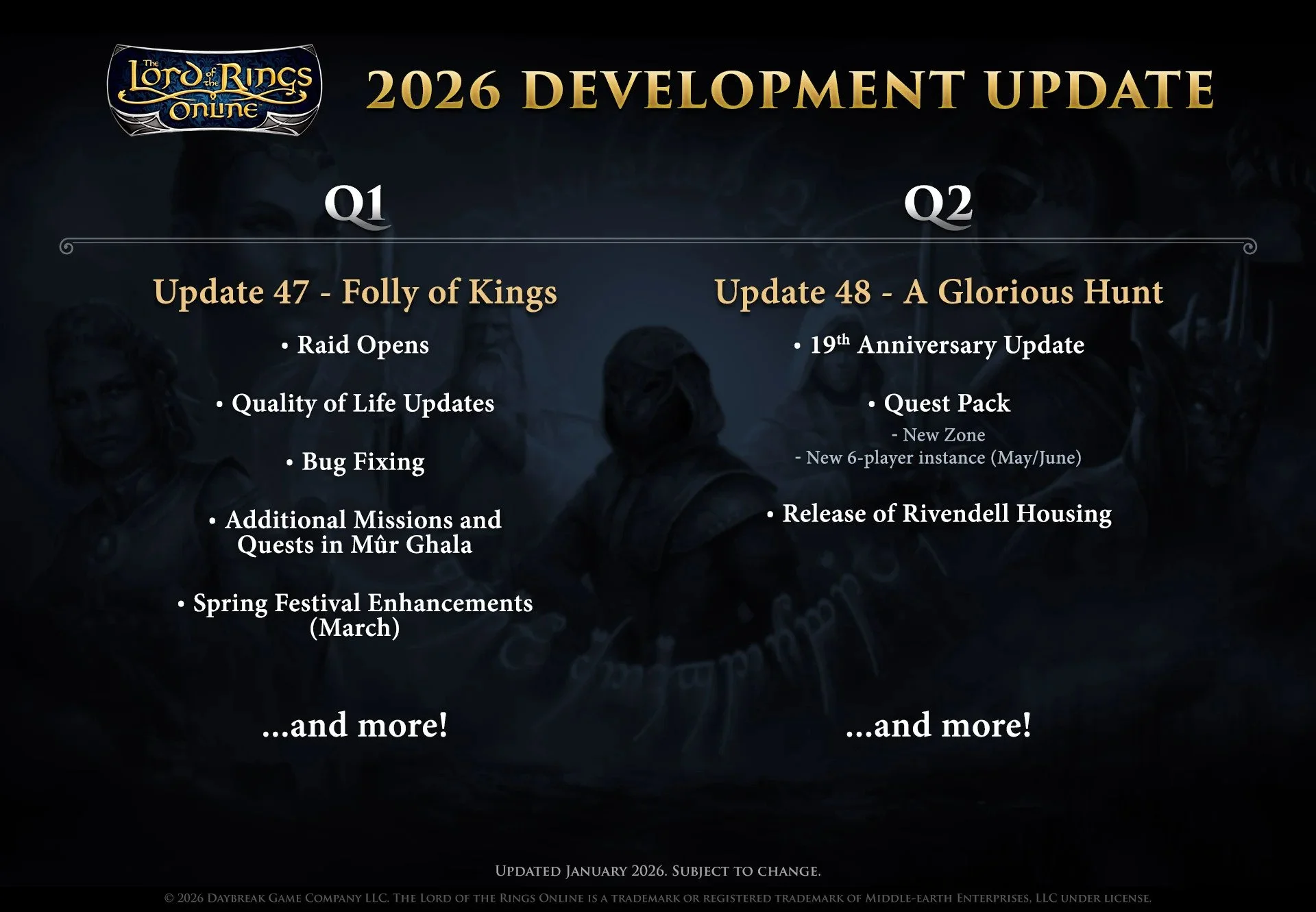
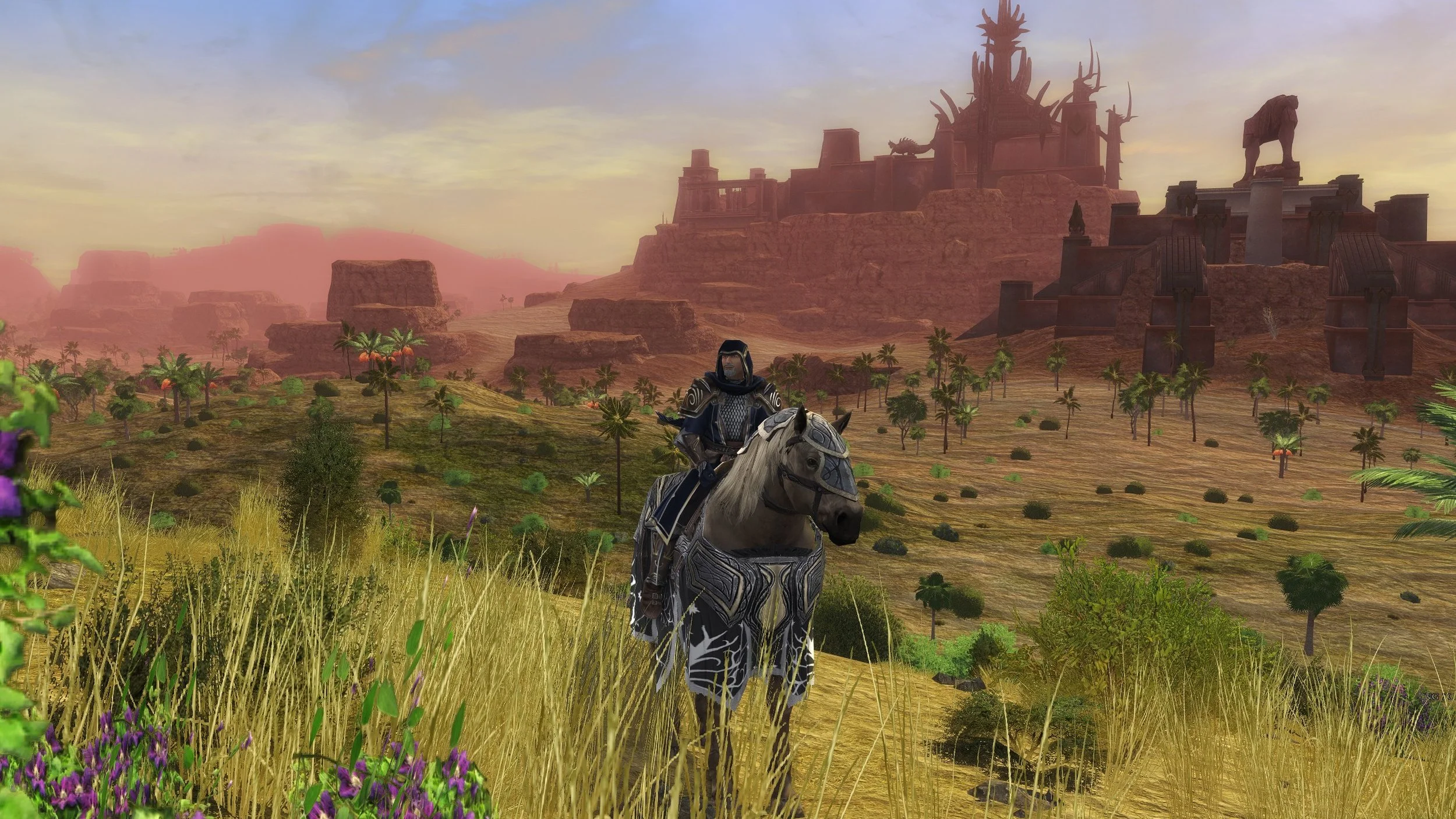
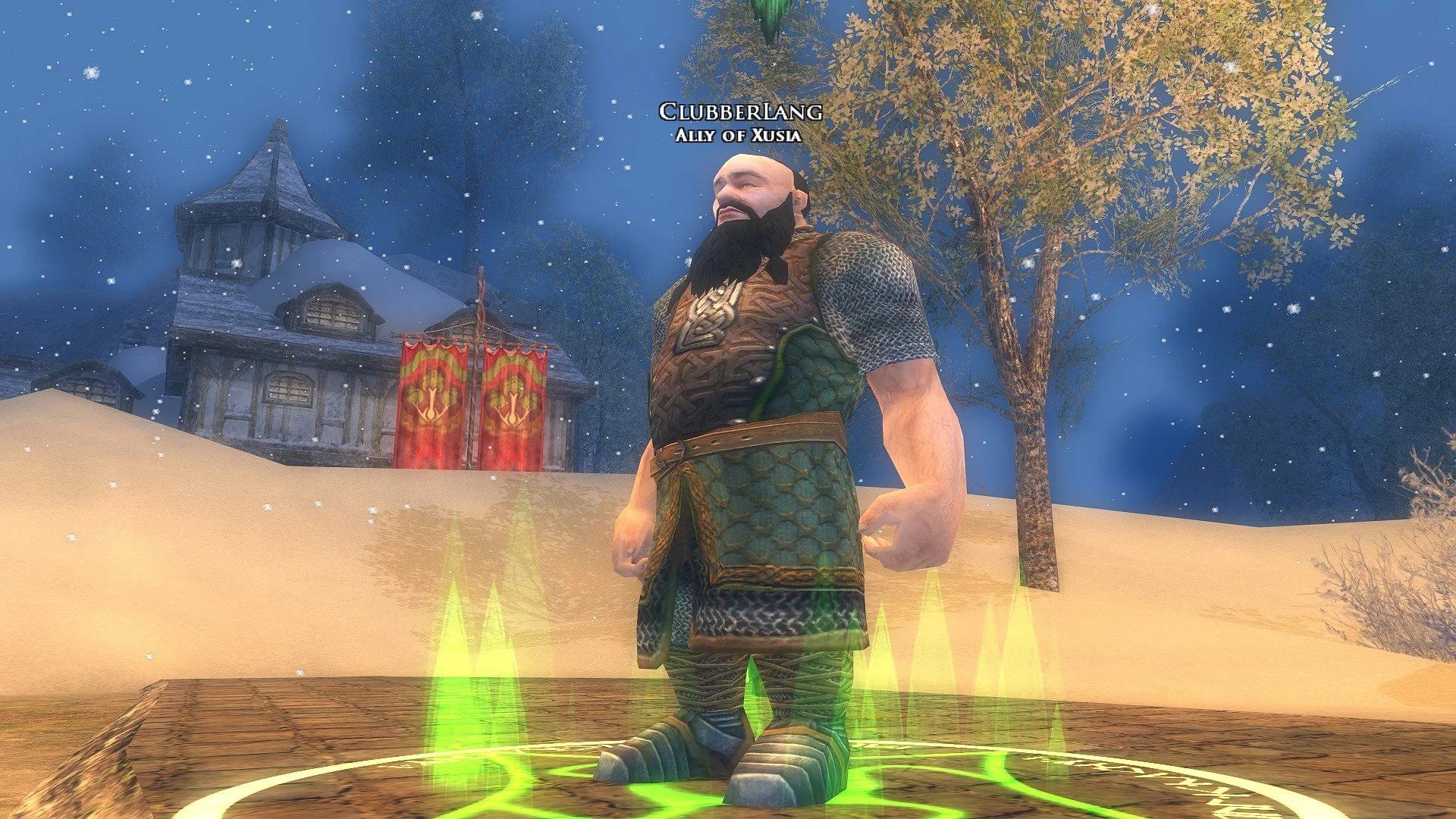
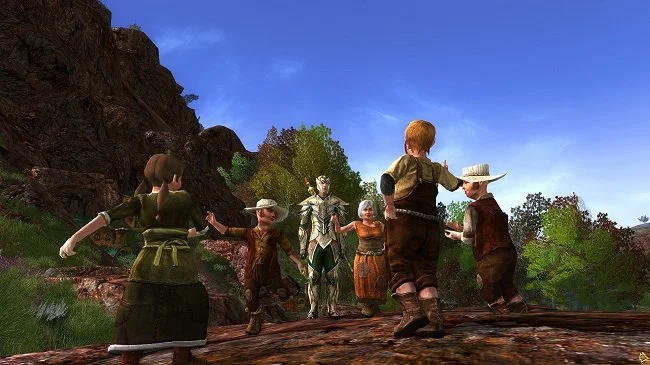
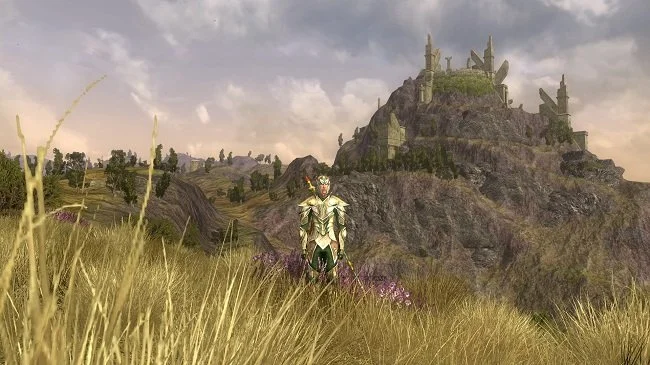
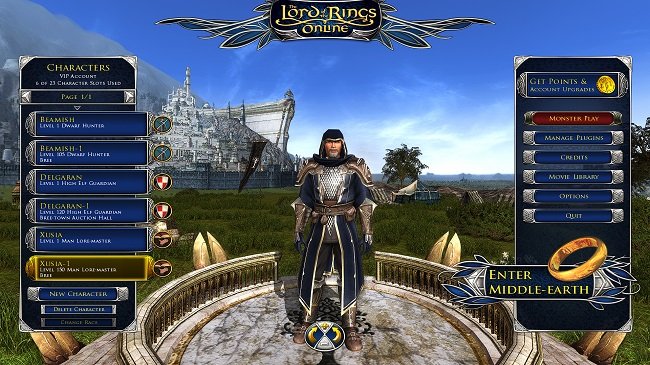
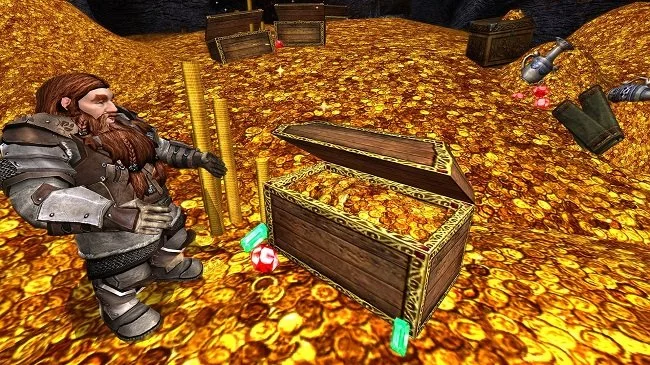
I started playing The Lord of the Rings Online on On Monday 22nd December 2008. I still have the receipt in the box set that I bought, which included the base game Shadows of Angmar and the newly released expansion, Mines of Moria (it had been out about a month). This was my first MMORPG and unlike many other gamers, I had not previously played World of Warcraft. Hence, this was very much a new experience for me. I spent a lot of time pondering what race and class I would play and after reading the game manual thoroughly, (remember them?) I decided upon a human Lore-master. This proved to be a wise decision because I immediately took to the class with its mixture of ranged fire attacks and combat pets. As I am not an “altoholic” this has been my primary character in LOTRO for the last 15 plus years. I have played through every update and expansion with this Lore-master. A total time investment of 7 months, 1 week, 3 days and 5 hours.
I started playing The Lord of the Rings Online on On Monday 22nd December 2008. I still have the receipt in the box set that I bought, which included the base game Shadows of Angmar and the newly released expansion, Mines of Moria (it had been out about a month). This was my first MMORPG and unlike many other gamers, I had not previously played World of Warcraft. Hence, this was very much a new experience for me. I spent a lot of time pondering what race and class I would play and after reading the game manual thoroughly, (remember them?) I decided upon a human Lore-master. This proved to be a wise decision because I immediately took to the class with its mixture of ranged fire attacks and combat pets. As I am not an “altoholic” this has been my primary character in LOTRO for the last 15 plus years. I have played through every update and expansion with this Lore-master. A total time investment of 7 months, 1 week, 3 days and 5 hours.
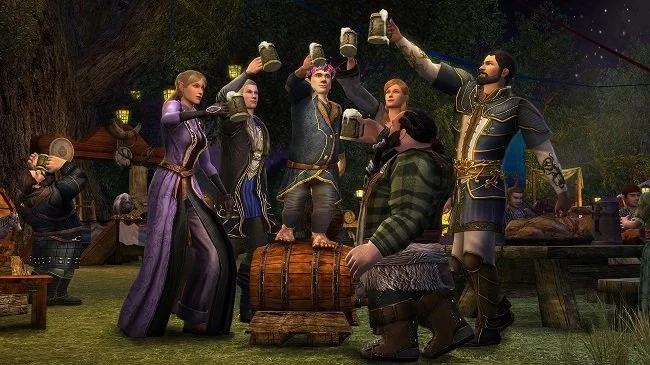
Over the years I have enjoyed both the good times and bad times with LOTRO. There have been occasions when I have indulged in marathon sessions and other times when I’ve taken several months break from the game. But because of my love of Tolkien and my connection with the character that I’ve created, I always return. Over the years our Fellowship (guild) has waxed and waned. Many friends have come and gone from the game and sadly, some have passed away. Such is the nature of communities within the MMO genre. 15 years has also seen a lot of changes in the games development. Systems have been added and game mechanics have been changed. Mounted combat and epic battles proved unsuccessful. The change from a flexible trait system to a generic skills tree proved problematic. Yet despite various bumps along the way, the road continues to go on and on for LOTRO.
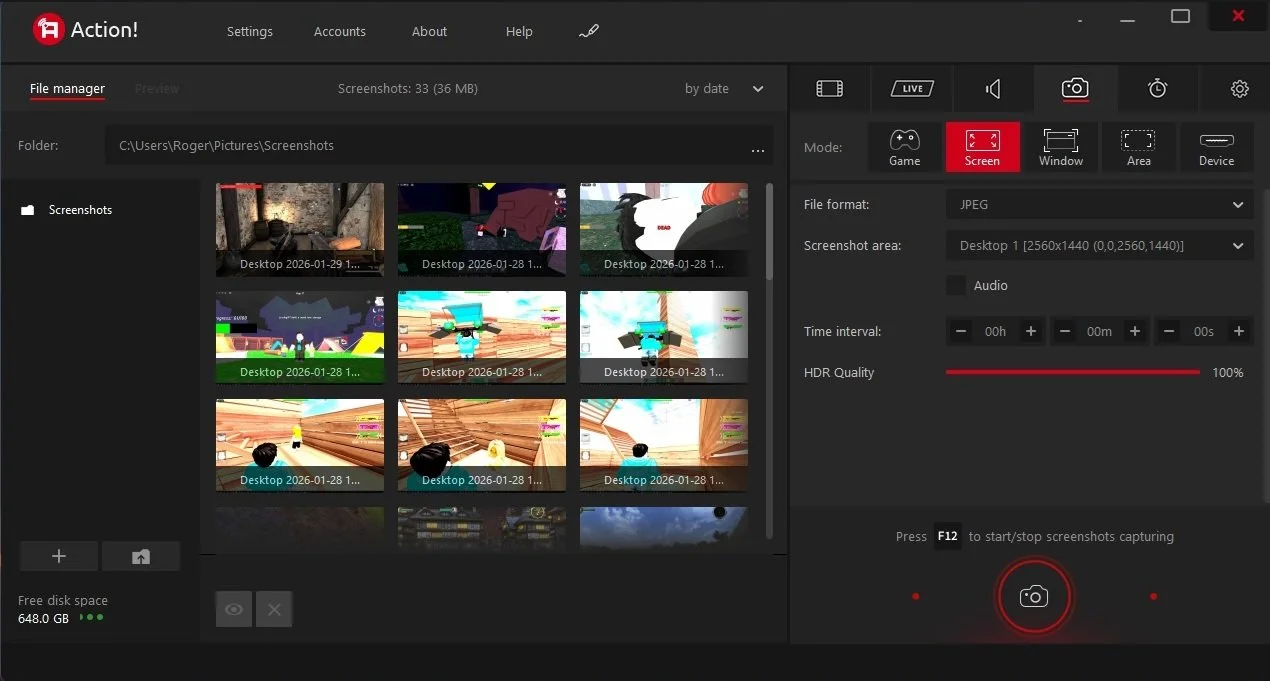
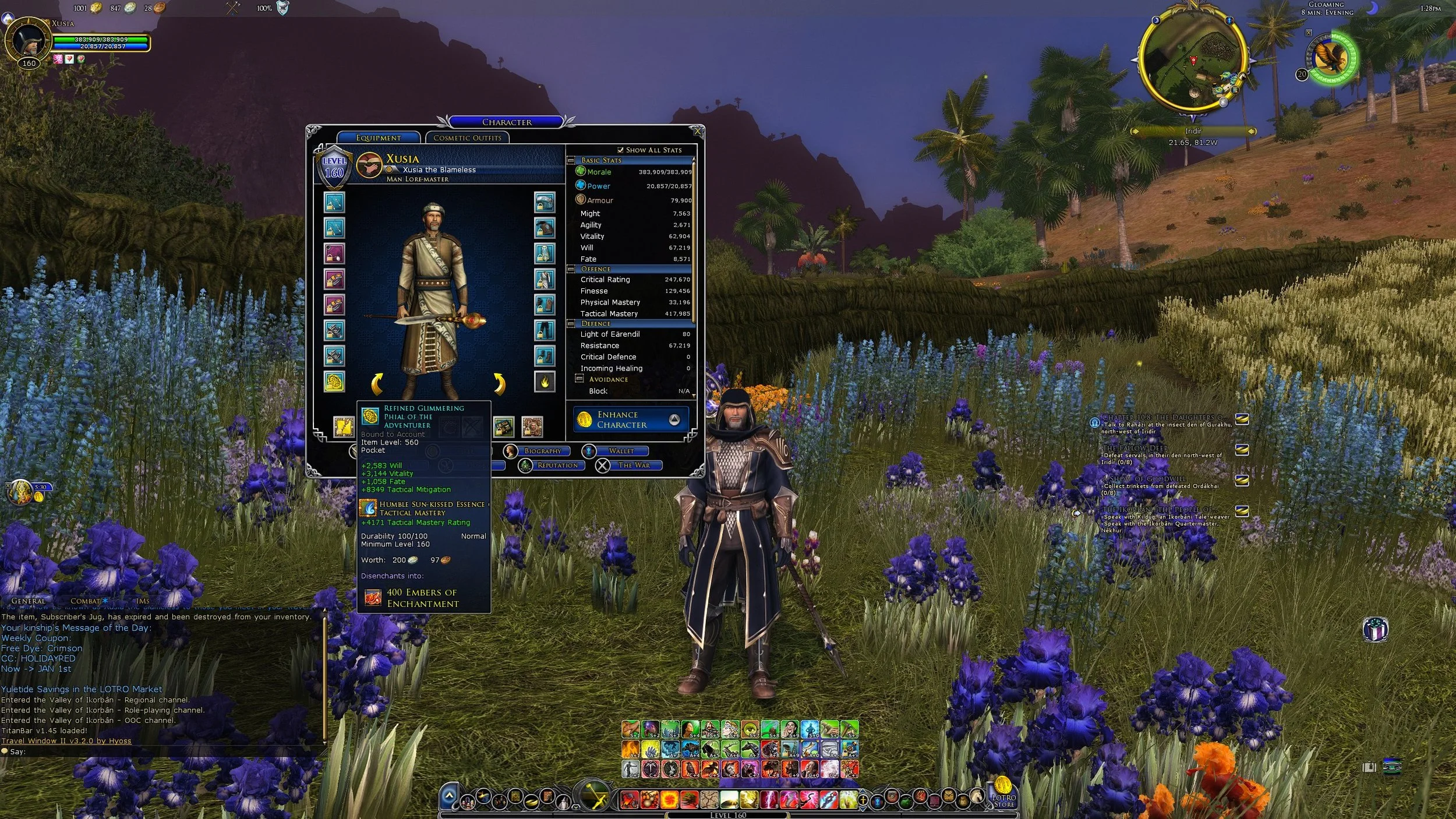
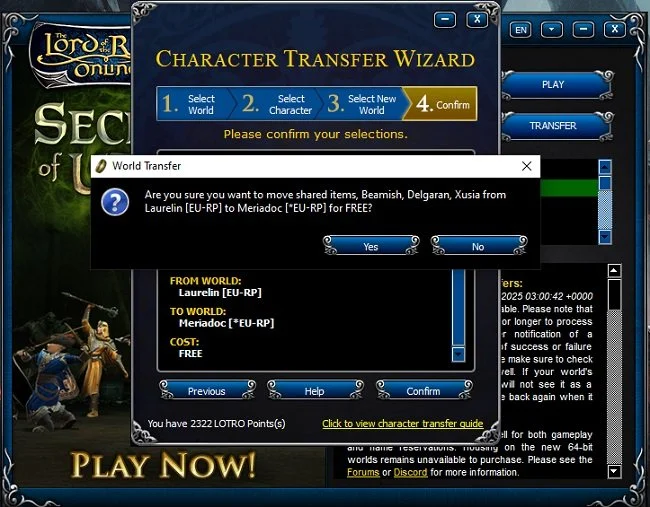
On July 31st, I logged into LOTRO as Update 41: On the Wing was being released that afternoon. I had been away from the game for several months and read that there were to be some class changes included in the latest patch. I took screen captures of my current build, so I could quickly return to it after any system reset. I then logged out, with a view to returning later. It was not until a few days ago that I logged back into LOTRO and I quickly discovered that developers, Standing Stone Games, hadn’t made minor adjustments to the Lore-master class but had radically retooled it. In the past I would have known chapter and verse about this matter well in advance. Nowadays, I have a more casual relationship with the game, so I was blissfully ignorant of the changes. Needless to say, I wasn’t the only player who was confused and frustrated by this decision to alter a class in this fashion.
I won’t belabour casual readers with an excess of detail but all classes in LOTRO have the option to spend their skill points in three distinct skill trees. All of which offer different abilities and play styles. These are colour coded. Blue is weighted towards buffing the Lore-master pets and making them a major focus of gameplay. Red is DPS specific, buffing most fire skills and such like. Yellow line is designed to make all Lore-master buffs and de-buffs more robust and is the favoured skills tree option for those playing group content. All of these have now been nerfed by SSG with certain skills being combined or removed altogether. The most egregious changes are to the red line option. The option that I’ve always favoured. Combat pets which could previously be summoned until manually dismissed, are now relegated to short term skills. You summon them, they fight for a short period and then vanish. These skills now have long cooldowns. Considering that the Lore-master is a pet class, this decision is illogical. It also spoils having these pets as companions when out of combat.
As a mature gamer, I am not prone anymore to gaming related tantrums. They are unseemly and ultimately change nothing. But as a player of LOTRO with 15 years plus standing, who has solely played the Lore-master class for that period, I am “disappointed”. Something that wasn’t broken to begin with has been diminished and is now demonstrably inferior to how it used to be. The irony is this isn’t the first time such decisions have been made during LOTRO’s lifespan and I suspect that it will happen again. SSG developers have a habit of being tone deaf to players’ likes and dislikes and indifferent to any upset or inconvenience they cause. They have an unedifying habit of “always knowing better”, regardless of whether they do or not. As for me, I spent a little time experimenting with the new red line build and then abandoned it. I have not at present chosen an alternative option and have logged out, with no immediate plans to return anytime soon. Nothing remains the same forever but this was a crass decision by the developers and it has now degraded mine and other players’ gaming experience. Bravo SSG, bravo.










Stop Overthinking and Write
This post is an experiment, insofar that I haven’t planned it. That is the central theme of the piece. Sometimes, when you have an idea, just run with it. Don’t overthink things. Don’t obsess over style. Don’t worry about mistakes. Just get your ideas down and see where they take you.
This post is an experiment, insofar that I haven’t planned it. That is the central theme of the piece. Sometimes, when you have an idea, just run with it. Don’t overthink things. Don’t obsess over style. Don’t worry about mistakes. Just get your ideas down and see where they take you.
Usually, I will write following a process. An idea is developed through points or arguments. These are then collated into a logical order with a summary added at the end. It’s a formal approach that I picked up from my science lessons at school. Back then, writing up an experiment had a specific structure. You first defined what the experiment was investigating. Next, you espoused your theory or predictions. Then you noted how you conducted the experiment. After that, you analysed the results. Then finally you drew your conclusions. It is a tried and tested method. It also works well when debating a point or critiquing something such as a film, book or piece of art. But it isn’t appropriate for all kinds of writing, as its rigidity can cause restrictions.
For example, if I were writing about my day and what I’ve done, a far less formal style of writing is beneficial. A stream of consciousness comes to mind. I could structure a post listing the day’s events in chronological order but that would be rather dry. Nope, I think burbling away in a light hearted manner is far more appropriate. You can also go off at tangents, as our thought processes so often do. For example, I mentioned my science lessons at school. I’m now reflecting as I write, upon anecdotes from my school days. For example, how in 1983, we built a full size, working replica of a ballista in our classical history class. It only got fired once, then the local police got involved. Happy days.
Another great thing about writing from the hip, is that you can adopt a far more conversational tone. You don’t have to worry too much about the rules of grammar. I often equate posts written in this manner to be like talking to your friends down the pub or at some other informal gathering. And if you really want to be bold, you can write your own inner monologue down verbatim.
“Is that wise?”
“What do you mean?”
“Well you may come off looking like a nut.”
“Nonsense. One of the benefits of talking to yourself is you don’t put up with any stupidity”
“Are you sure about that?”
Sometimes you have to be self disciplined. If you want to get some writing done, you need to avoid distractions, knuckle down and just get on with it. I often find that on the days when I’m procrastinating, once I actually start typing things get better. It’s a bit like getting into a swimming pool that you suspect may be a little cold. Once you get in, there’s a bit of an initial shock and then you acclimatise. At least with blogging there’s no risk of getting a verruca. If there is, you’re doing it wrong.
There are numerous different approaches to writing, all of which have their own merits. It’s a question of trying them all and finding what works for you. There is no one size fits all when it comes to maintaining a personal blog. Experiment with everything from style to your writing environment. Just don’t fall into the trap of overthinking your point when writing, or how you want to say it. Think efficiently but not excessively. The most important thing to do is just to write. Get your thoughts down on the virtual page and then revise and polish them afterwards.
N.B. I wrote this post in 23 minutes. Which is very quick for me. Hopefully it makes the point I was driving at. Don’t overthink. Just write.


























Hot Fuzz (2007)
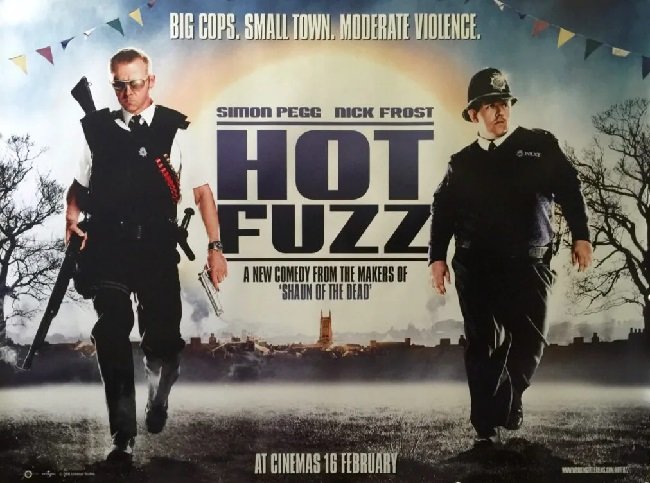
PC Nicholas Angel (Simon Pegg) is an exemplary Police Officer, with a strict adherence to the letter of the law. As a result of making the rest of the London Metropolitan Police look bad, he is transferred to the rural town of Sandford, Gloucestershire. On arrival, Angel finds that the local Inspector, Frank Butterman (Jim Broadbent), takes a far more laissez-faire approach to policing. His colleagues are incompetent and he is further hampered by the Neighbourhood Watch Alliance (NWA), who prioritise low crime statistics over law enforcement due to their desire to win the title of “Village of the Year”. Furthermore, Angel is partnered with the Inspector’s son, Constable Danny Butterman (Nick Frost), who is infatuated with “buddy cop” movies and is in awe of Angel’s London experience. “Have you ever fired two guns while jumping through the air?” However, a sudden spate of grisly accidents lead Angel to believe that there's more to the seemingly tranquil and picture-perfect community than meets the eye.
PC Nicholas Angel (Simon Pegg) is an exemplary Police Officer, with a strict adherence to the letter of the law. As a result of making the rest of the London Metropolitan Police look bad, he is transferred to the rural town of Sandford, Gloucestershire. On arrival, Angel finds that the local Inspector, Frank Butterman (Jim Broadbent), takes a far more laissez-faire approach to policing. His colleagues are incompetent and he is further hampered by the Neighbourhood Watch Alliance (NWA), who prioritise low crime statistics over law enforcement due to their desire to win the title of “Village of the Year”. Furthermore, Angel is partnered with the Inspector’s son, Constable Danny Butterman (Nick Frost), who is infatuated with “buddy cop” movies and is in awe of Angel’s London experience. “Have you ever fired two guns while jumping through the air?” However, a sudden spate of grisly accidents lead Angel to believe that there's more to the seemingly tranquil and picture-perfect community than meets the eye.
Hot Fuzz, co-written and directed by Edgar Wright, is at first glance a satire on the buddy cop and action genres that dominated Hollywood during the eighties and nineties. Upon closer scrutiny, it also has wry takes on the Agatha Christie “whodunit”, folk horror and slasher movies. Thematically, there are references, asides and homages to such classic films as Dirty Harry, The Wicker Man and multiple John Woo titles. Stylistically, Hot Fuzz uses many visual techniques common in the work of director Tony Scott. Edgar Wright cleverly takes these elements and effectively uses them in the incongruous setting of a rural UK town. It is the depiction of these US and Hong Kong action movie tropes through the lens of British comedy with its uniquely dry perspective that makes these conceits work so well.
Hot Fuzz is bolstered by an excellent cast of UK character actors, such as Timothy Dalton, Edward Woodward and Billie Whitelaw, many of whom are sending up former roles they are well known for. Dalton particularly relishes his role as a moustache twirling villain who runs the town’s supermarket. There is also a very clear chemistry between Simon Pegg and Nick Frost which helps them navigate the clever and knowing script. The humour is broad, including slapstick, wordplay and dark satire. Yet despite its tongue in cheek nature, the film manages to tread that fine line between homage and plagiarism. There is also a very intelligent score by David Arnold, that draws on the established overwrought idiom of the action genre.
Peter Jackson uncredited cameo
Due to the amount of detail found in Hot Fuzz, the film holds up well to multiple viewings. Pausing playback to read a sign in a shop window or some other minor detail will often yield a hidden gag. Sadly, the frenetic editing and the hand cranked camera work do become somewhat tiresome after a time. The film’s two hour running time could have been tightened to something ten minutes shorter. Due to the ubiquitous nature of the action movie genre, Hot Fuzz is just a little too on the nose at times, hence it doesn’t quite hit the mark as assuredly as Wright’s previous film, Shaun of the Dead. However, these are minor quibbles. If you’re in the market for a film somewhere between the Bad Boys franchise and Inspector Morse, then Hot Fuzz has much to offer. A convoluted plot, a cast shamelessly sending themselves and the genre up, car chases, shootouts and so many throw away lines. “He’s not Judge Judy and executioner”.







Blogging and AI
This year’s Blaugust: Festival of Blogging has been presented with a very curious and contemporary conundrum. To put it succinctly, one of the participants uses AI to generate their blog posts. Hence, there is now a debate among the Blaugust community as to whether this is appropriate or not. At first glance, participating in an event that exists to promote creative writing with content written via a third party AI or Large Language Models, seems contradictory. Yet upon further reflection, such technological services are ultimately tools, albeit complex ones. Is it therefore right to take a fundamentalist stance against their use? Seeking a new perspective on this matter, I thought it would be novel to ask this question of an AI, itself. So I put the following question to ChatGenie. I found its response most interesting.
This year’s Blaugust: Festival of Blogging has been presented with a very curious and contemporary conundrum. To put it succinctly, one of the participants uses AI to generate their blog posts. Hence, there is now a debate among the Blaugust community as to whether this is appropriate or not. At first glance, participating in an event that exists to promote creative writing with content written via a third party AI or Large Language Models, seems contradictory. Yet upon further reflection, such technological services are ultimately tools, albeit complex ones. Is it therefore right to take a fundamentalist stance against their use? Seeking a new perspective on this matter, I thought it would be novel to ask this question of an AI, itself. So I put the following question to ChatGenie. I found its response most interesting.
Question: I'm participating in an online event that promotes blogging. Should we allow AI generated blog posts?
ChatGenie’s Answer:
Whether or not to allow AI-generated blog posts in your event is a complex question with no easy answer. Here's a breakdown of the arguments for and against, to help you make an informed decision:
Arguments for allowing AI-generated blog posts:
Accessibility: AI can help anyone create content, even those without strong writing skills. This expands participation and democratises blogging.
Efficiency: AI can generate content quickly, allowing participants to focus on other aspects of their blog or business.
Experimentation: Allowing AI posts can be a way to explore new avenues in content creation and explore the potential of AI in the blogging world.
Arguments against allowing AI-generated blog posts:
Authenticity: AI-generated content lacks the human touch, personal voice, and original insights that often define good blogging. It can feel formulaic and impersonal.
Ethical Concerns: There are ongoing debates about the ethics of AI-generated content and its potential impact on human creativity and jobs.
Quality Control: AI-generated content can be inconsistent in quality, leading to potential issues with accuracy, factual errors, and plagiarism.
Lack of Engagement: Readers might find AI-generated content less engaging and less likely to comment or interact with it, potentially harming the event's overall community aspect.
Possible Solutions:
Clearly define rules and guidelines: Be transparent about what constitutes an acceptable blog post and whether AI use is allowed. Consider setting specific limitations, such as requiring human editing or original content contributions.
Focus on human interaction: Emphasise aspects of the event that encourage collaboration, discussion, and peer-to-peer learning. This can help create a more engaging and authentic experience, regardless of how the content is generated.
Offer different categories: Consider having separate categories for AI-generated content and human-written content, allowing participants to choose which they prefer to engage with.
Promote transparency: Encourage participants to disclose if their posts are AI-generated, allowing readers to make informed choices about what they consume.
Ultimately, the decision to allow AI-generated blog posts is yours. Consider your event's goals, target audience, and values, and choose an approach that aligns with your vision.
I consider ChatGenie’s response to be both logical and measured. While drafting this post, I wrote several bullet points regarding the pros and cons of allowing AI created posts into an event such as Blaugust. They were remarkably similar to the AI’s reply. However, being a writer of 17 years standing, I think it is fair to say I have a proverbial “horse in this race”. Hence, I don’t actually feel the need to be impartial and reasonable on this occasion. However, there is a major point to be addressed before we get to my personal view. Blaugust is the brainchild of Belghast from Tales of the Aggronaut. It therefore falls to him to adjudicate on this matter and as he didn’t stipulate that AI generated content was excluded from the event, it will remain this year. I suspect there will be caveats set for next year’s Blaugust.
So where do I stand in this debate? I am against AI generated blogs participating in Blaugust. I have written many times that one of the main attractions I like about blogging is getting to know the author via their work. One’s use of language and cultural references as well as our overall blogging voice are very revealing. I would go so far as to say that through some strange psychological form of osmosis, something of the author bleeds into their written work. That is not the case with AI generated content which is an imperfect facsimile of multiple peoples prose. AI produces an approximation, a caricature, even a bastardisation of human writing. As a concept, AI produced writing is a classic example of the culture of “cakeism” that exists in western society today. It embodies the conceit of wanting to have the kudos associated with a creative process, without having to do any of the work.
Sadly, I am fully aware that I am swimming against the tide on this matter. Hence I have no intention of making this a proverbial hill to die on. I shall simply curse in vain like King Lear and then move on and take comfort in my own writing. It may be imperfect but it is authentic. As for the argument that AI generated content is a tool, I shall concede the point that it is. But like most tools, how it is used defines how it is perceived. A hammer wielded with great skill can carefully break a rock, revealing a gem of unsurpassed beauty inside. Or it can be savagely used by the secret police to smash the teeth from the dissident’s mouth. Literally and figuratively crushing dissent. I suspect that AI will ultimately devalue creative writing which will become an increasingly rare and niche market product. Which is why I advise those who enjoy genuine writing to live in the moment and to savour the current status quo.
My Current Writing Environment
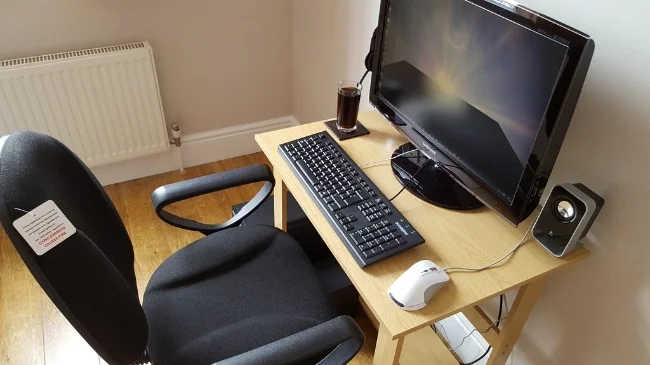
During the course of previous Blaugust events, I’ve discussed my writing environment several times. Where and how you write is a subject that is worth revisiting because having a place where you can work unimpeded is an important factor in blogging regularly and successfully. Some people are very easy going when it comes to when and where they write. They will blog on a phone or tablet while commuting, or on their laptop while eating lunch in their work cafeteria. Others prefer a quiet office, free from distractions where they can collate their thoughts in comfort. I personally favour the latter and use the spare bedroom in our bungalow as an office. Looking back over my prior posts, it is clear that my physical writing environment seems to be growing over time. Curiously, despite acquiring more peripherals, the basic tools that I use to write have broadly remained the same for the last decade or so.
During the course of previous Blaugust events, I’ve discussed my writing environment several times. Where and how you write is a subject that is worth revisiting because having a place where you can work unimpeded is an important factor in blogging regularly and successfully. Some people are very easy going when it comes to when and where they write. They will blog on a phone or tablet while commuting, or on their laptop while eating lunch in their work cafeteria. Others prefer a quiet office, free from distractions where they can collate their thoughts in comfort. I personally favour the latter and use the spare bedroom in our bungalow as an office. Looking back over my prior posts, it is clear that my physical writing environment seems to be growing over time. Curiously, despite acquiring more peripherals, the basic tools that I use to write have broadly remained the same for the last decade or so.
I subscribe to Office 365 primarily to have access to Outlook, which I use to manage eleven email accounts. It is a hangover from my working days and although there are alternatives products, I just like the functionality that Outlook offers and the fact that I’m very familiar with it. However, despite having Office 365 I don’t use Word as my primary means of writing blog posts. I use Google Drive for this and have it as one of the tabs that opens by default when I launch Google Chrome. Subsequently it is easy to start a new document or return to one that requires editing. Complete documents can be downloaded and archived in Word format. Google Drive also has the advantage of being readily accessible on other devices, which prior to my retirement was very useful when travelling between multiple sites. I use Microsoft Paint to resize images and if a picture needs any tinkering or fine tuning, I use whatever free online tools are available.
I have recently added the extension New Tab Draft to Google Chrome. This adds the functionality of Notepad to a new tab opened in your web browser. This is excellent for writing notes, copying text and removing formatting. Furthermore any text written persists after closing your browser. It is stored safely in Chrome Local Storage not via the cloud. Before anyone takes umbrage at my use of Google Chrome, I also have Firefox, Edge and Opera installed on my PC. All are used for specific tasks. Opera is especially useful as it has a basic VPN functionality. I run AdBlocker Ultimate to keep the scourge of pop-ups at bay and manage my password via Bitwarden. I previously used LastPass. Archive Page is another extension that I find very useful. This is a public means of archiving news posts and retrieving them. It is excellent for accessing posts that are gated behind paywalls.
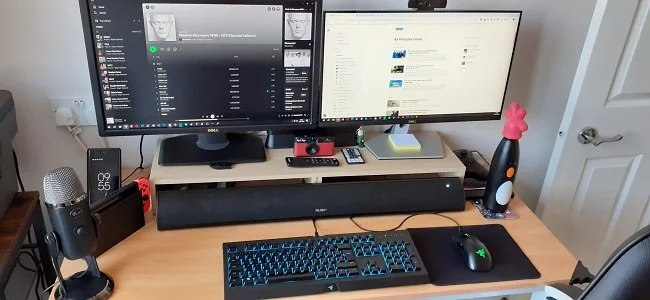
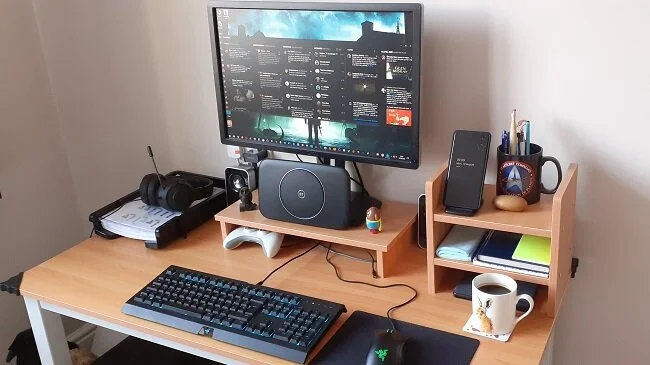
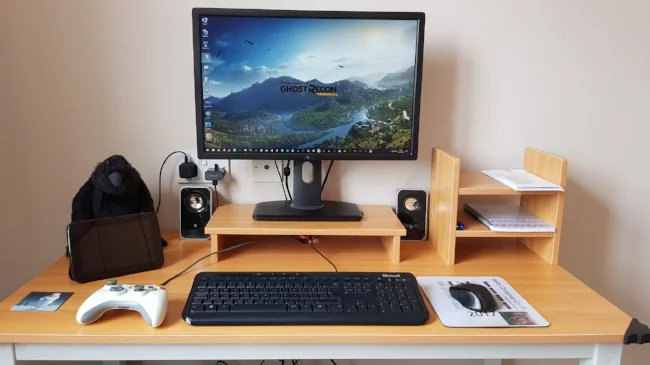
I still have the same desk I bought four years ago. I have two FHD monitors and a fairly decent soundbar for my audio needs. We recently upgraded our internet connection and received a new router which sits behind my screens out of the way. There is a Yeti X microphone gathering dust on my desk, along with a Nintendo Switch. I have a wireless Xbox controller for the games I deem require it. There is also a charging cradle for my phone. Next to the desk is a small table with a Brother multifunction wireless laser printer (MFC-L2710DW). It’s a black and white only model but it suits my needs and is cheap to run. I have a pair of Sony bluetooth headphones which also doubles as a gaming headset. As I am a fastidious creature, I have a USB vacuum cleaner and a keyboard cleaning kit. My desk is a dust magnet and so I clean it weekly.
I always keep a notebook to hand and I have my trusty Feather’s McGraw water bottle so that I can stay hydrated. There’s a coaster for cups of coffee or bottles of beer. Over time, ornaments, novelty items and lucky gonks have been removed from my desk. This decluttering process has mainly been driven by my grandson, who is now banned from my office unsupervised. He likes to spin in my computer chair and mess with my shit. I used to buy fancy mouse mats and at one point had one of those ones that takes up most of your desk and has LEDs around the edge. However I find that fabric mouse mats get dirty quickly, so I now buy multipacks of them and change them every quarter. My wired Razer keyboard and mouse are holding up well despite my heavy handling. I’ve written before about how I get through a lot of peripherals.
My PC is not just for writing. I use it for gaming, listening to music, watching films and perusing the internet and keeping an eye on social media. It is a multipurpose tool which tends to be turned on first thing in the morning and turned off just before bed. As a concession to old school administration, I have an “in tray” on the shelf under my printer where any mail that I receive is stored. It remains there until it is actioned and then it is filed away in a box file. I favour a closed door policy when writing as I like to be free from distractions and able to concentrate. I tend to write notes first and then flesh them out and put them in a relevant order. Some posts will take less than an hour to write and others several. I find the act of writing very calming, even if it’s a subject that troubles me. I suspect the comfort of my environment contributes to my writing process and is thus part of the overall catharsis.

Photography and the Camp Snap
Like most children in the seventies, I was introduced to photography through the medium of “holiday snaps”. I was given a basic camera that used 110 film cartridges as a birthday present and quickly grew to love the uncomplicated nature of the device. You just looked through the basic viewfinder and pressed the shutter button. It really didn’t require much more thought than that. Once you had used your film, you had the additional fun of sending it off to be developed and either collecting your photos a few days later, or having them sent via the post. Like most hobbies, my interest led to further research and I quickly became aware that photography was a far more complex and formal undertaking. One that was expensive and riddled with snobbery. And so just like my youthful flirtation with painting, the technicalities and accepted protocols associated with photography ultimately killed my interest.
Kodak Pocket Instamatic camera
Like most children in the seventies, I was introduced to photography through the medium of “holiday snaps”. I was given a basic camera that used 110 film cartridges as a birthday present and quickly grew to love the uncomplicated nature of the device. You just looked through the basic viewfinder and pressed the shutter button. It really didn’t require much more thought than that. Once you had used your film, you had the additional fun of sending it off to be developed and either collecting your photos a few days later, or having them sent via the post. Like most hobbies, my interest led to further research and I quickly became aware that photography was a far more complex and formal undertaking. One that was expensive and riddled with snobbery. And so just like my youthful flirtation with painting, the technicalities and accepted protocols associated with photography ultimately killed my interest.
Thirty years later, photography for the masses got a reset with the advent of the digital camera and their incorporation into the mobile/cell phone. It certainly has been liberating with regard to making photography more accessible to the masses. Its immediate nature means that pictures can be shared easily and reproduced physically quickly and cheaply. Yet, as ever with technological advancements, when one set of problems are solved, others are created. Having a high resolution screen means that prior to taking a photo, you have the option of obsessing over composing the image. Then once taken, you can edit the picture with a myriad of tools. You can remove elements from photos on the fly and even add people to an event they didn’t even attend. Hence, many images posted online are not an authentic reflection of what they apparently depict.
Camp Snap digital camera
Which brings me neatly onto the Camp Snap digital camera. A simple point and shoot device which has no complex settings and most importantly a screen. The philosophy behind the Camp Snap is very straightforward as the following quote from the company website makes clear. “Camp Snap cameras are designed to help you stay present in the moment and fully engage with their surroundings, without being distracted by screen time. Our innovative camera technology provides a fun and interactive way for you to capture your memories, while encouraging a focus on socialising and exploring the great outdoors. At Camp Snap, we are committed to creating products that inspire adventure, foster creativity, and encourage you to unplug and experience the world around them”.
I recently bought a Camp Snap camera and have found the lack of a screen very liberating. It fits easily in a pocket and has accompanied me on several day trips to places of interest. If something interests me I just look through the viewfinder and snap away. The results have been interesting. Although I like formality and structure, I do find that it can be an impediment at times. More complex cameras require a lot more thought and experience to be used effectively. It is this high benchmark that is a potential barrier to entry and can discourage people from photography per se. The Camp Snap bypasses much of this and puts you and not the technology in charge. Yes, the cameras respective specifications are somewhat limited (Vintage Film Style quality vibrant colour digital or printable photos. 8MP F/1.8 f=4.8mm (35mm equiv.) 1/3.2" sensor) but that was exactly the case in my youth when using Kodak Pocket Instamatic cameras.
Furthermore, I recently discovered an online photography club, based around Camp Snap. The Crap Camera Club created by actor, writer and comedian Marek Larwood, is a forum for uncomplicated and spontaneous photography with an aim of having fun, sharing your photos and building a like minded community. They have an active Facebook group where you can share photos and take part in bi-monthly themed challenges. It’s a friendly place and a lot of fun. The complete opposite of many of the more formal photographic based communities you find online. For legal reasons it is important to stress that it is the club that is crap and not the camera in any way, shape or form. It should also be noted the Crap Camera Club has a superb theme tune. More clubs need theme tunes.
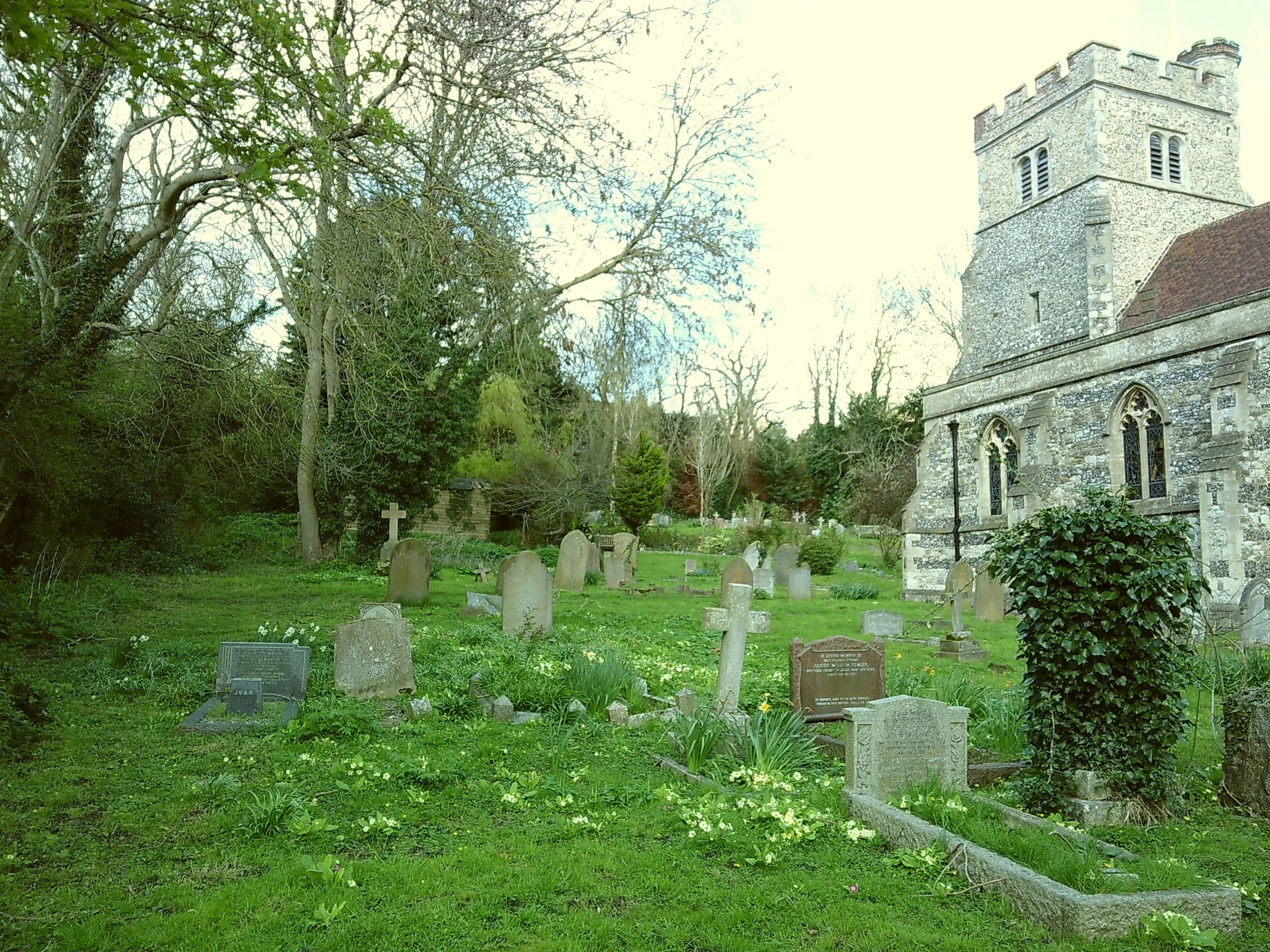
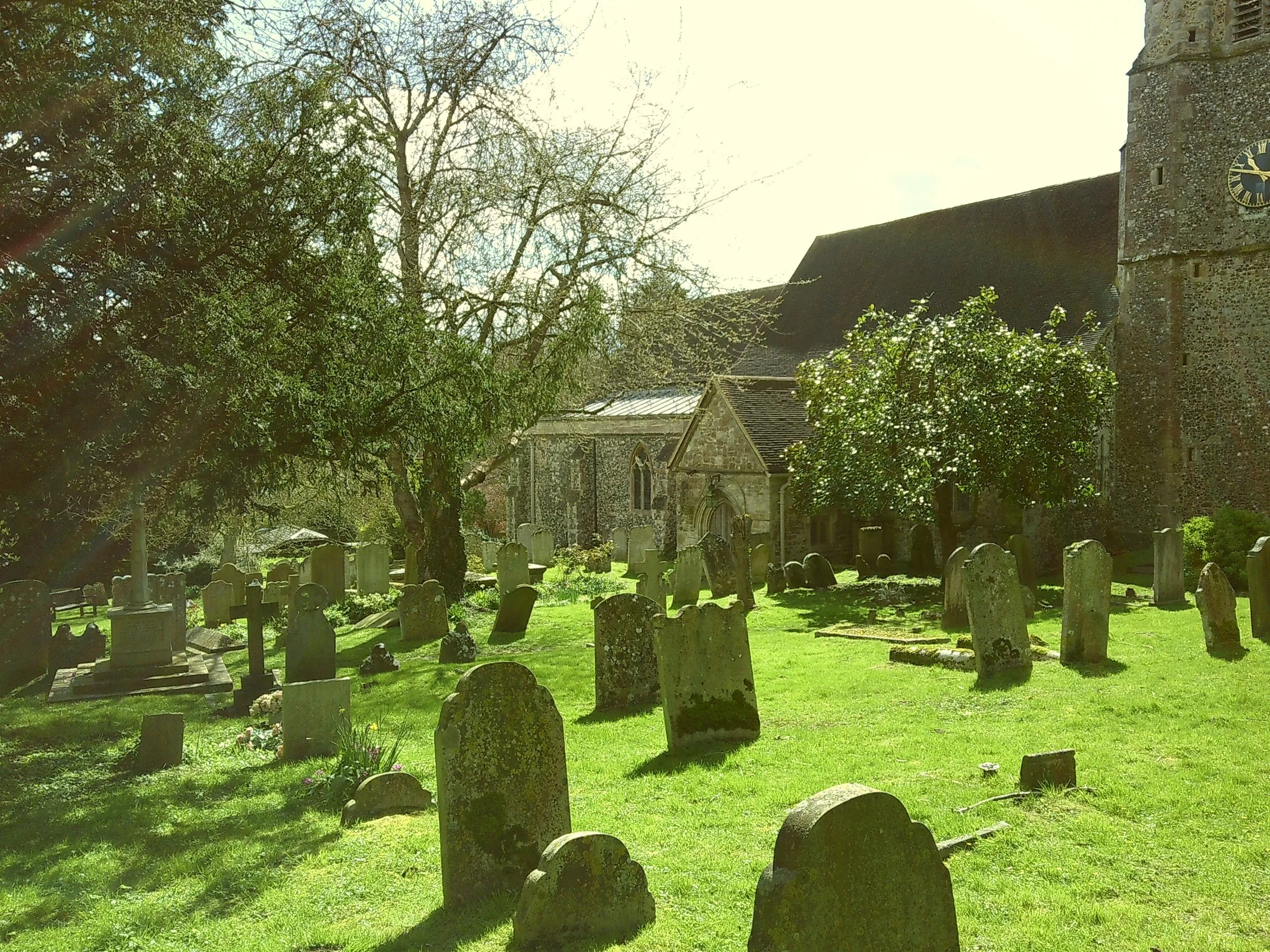
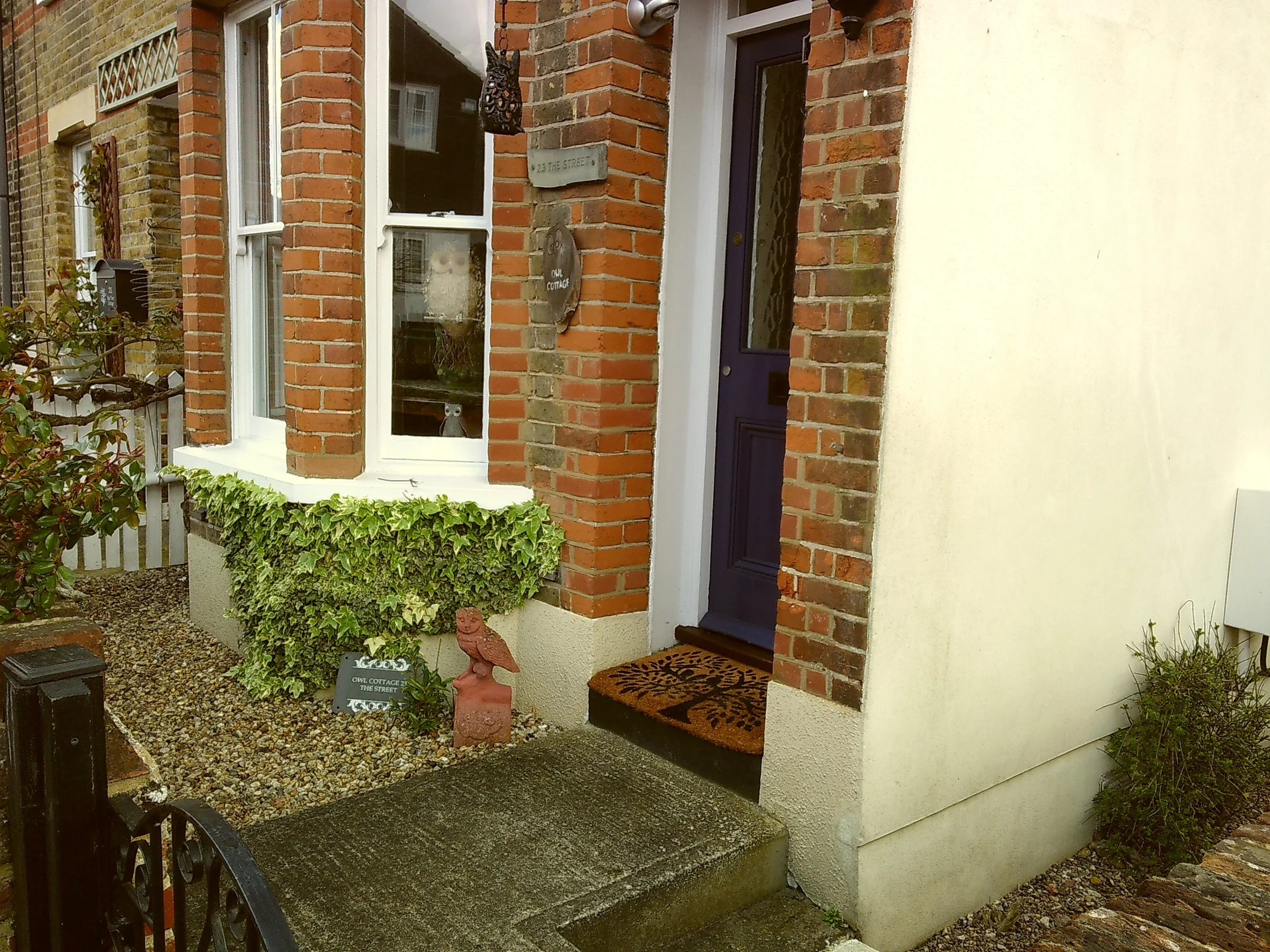
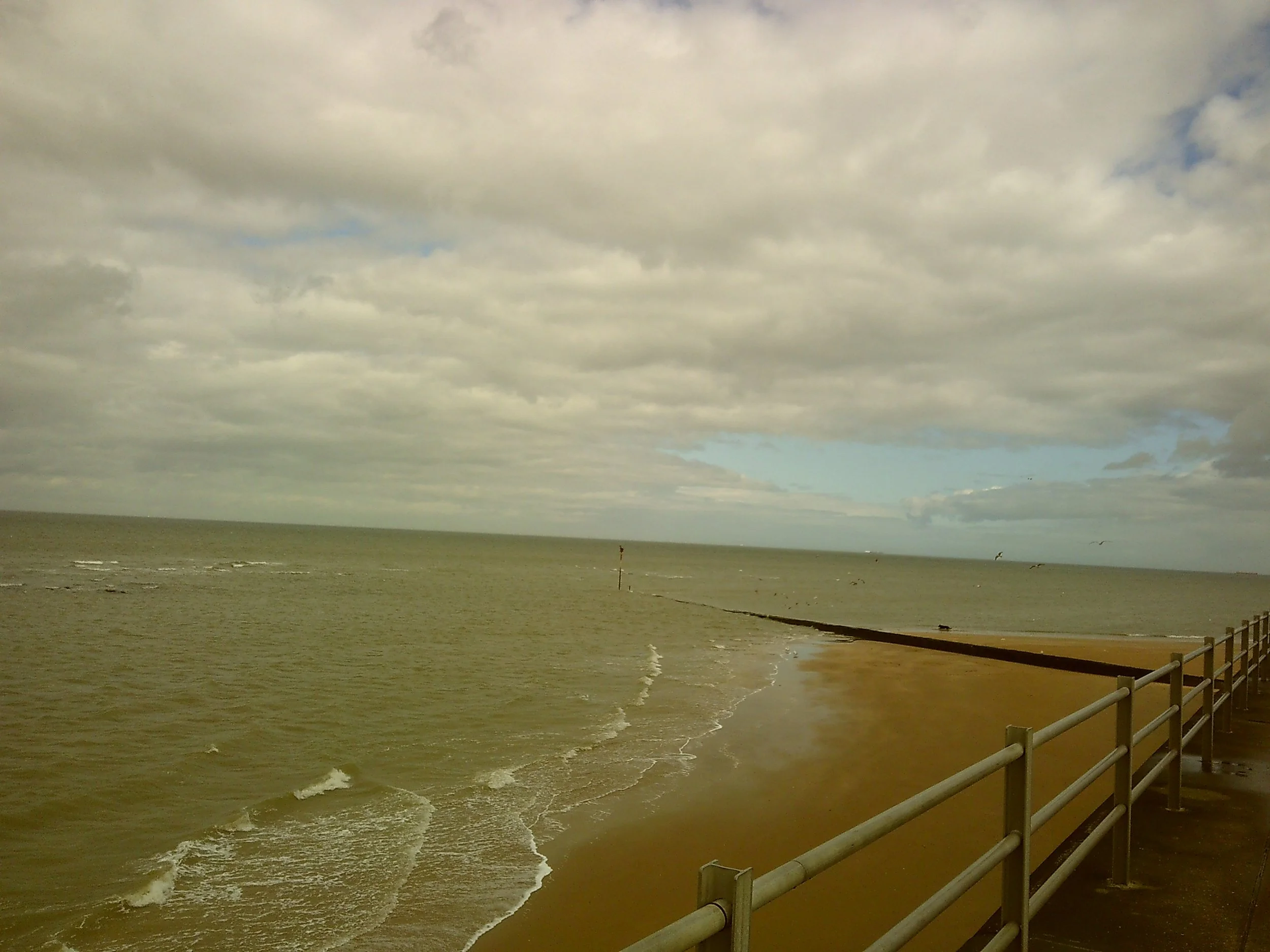
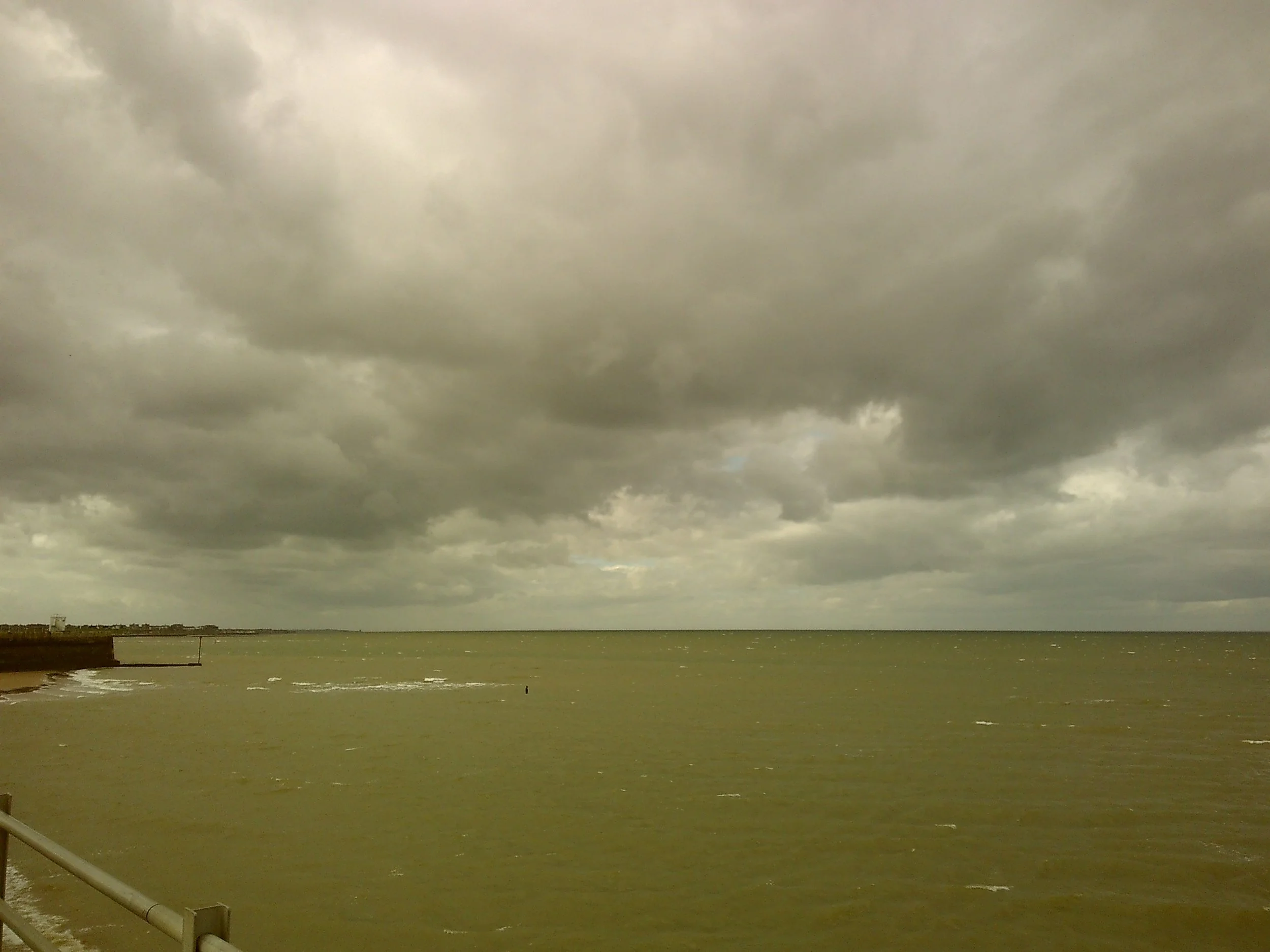
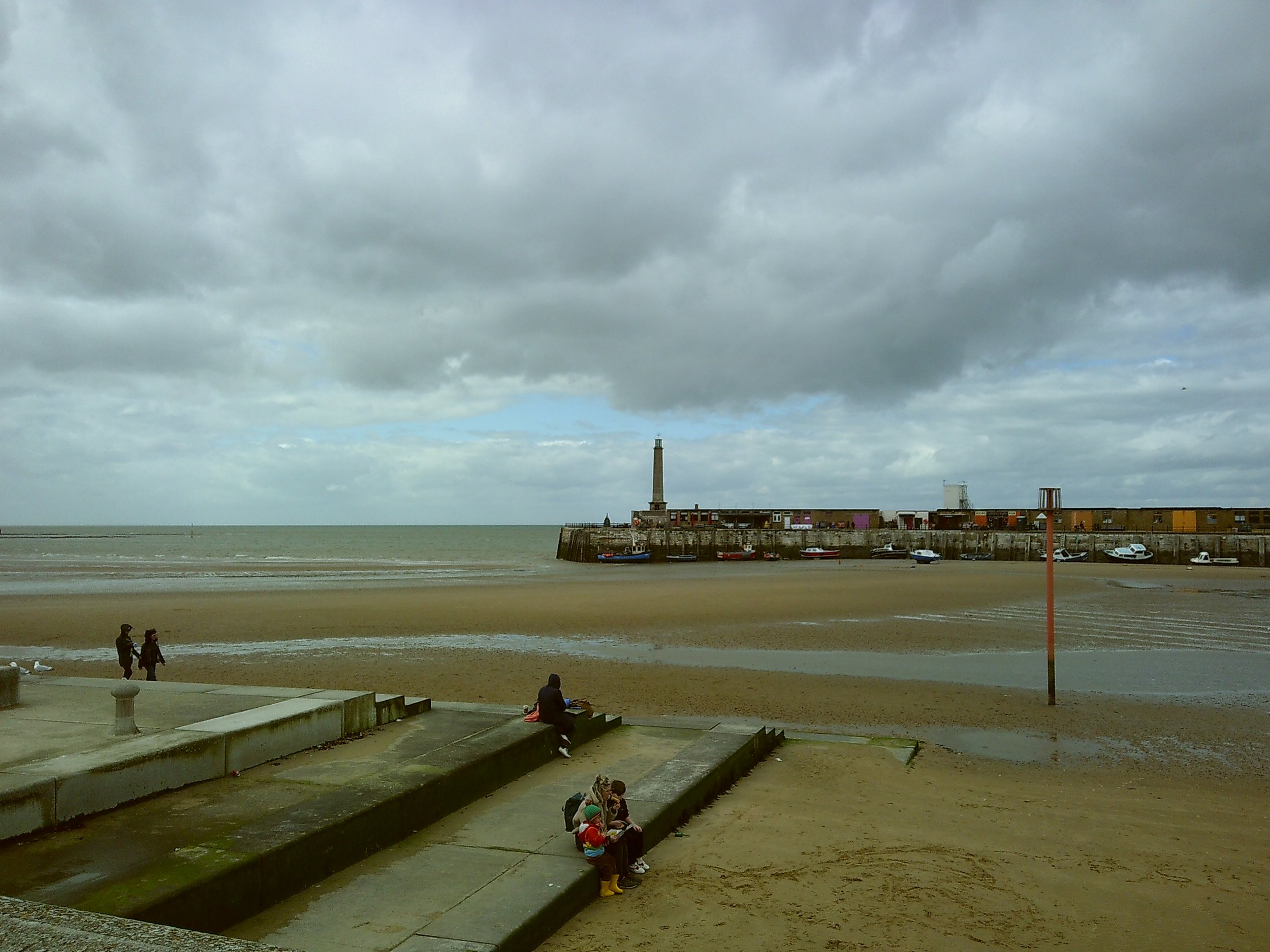
Hobbies do not have to become Iron Man challenges but modern pop culture seems to have a nasty habit of turning things that are intended to be fun, into ponderous chores. The Camp Snap flies in the face of this. I recently took a trip out to the village of Shorne in Kent and took a few pictures of St Peter’s and Paul’s Church and the surrounding grounds, as well as the Turner Gallery in Margate. I found it easy to take a few pictures on the fly. If I saw something I found visually interesting, rather than over analyse things, I just looked through the viewfinder and took the shot. Being a digital camera, you don’t have to worry about taking multiple pictures, affording those new to photography a fighting chance of getting at least one good shot. I was happy with the results which I have posted in the gallery below. The Camp Snap will not be for everyone but I think it fills a gap in the market, offering both young and old alike, a means to recapture the casual freedom of “holiday snaps” and hassle free photography.






Christmas Tree Farm
Christmas Tree Farm is a petting zoo, outside the village of Downe in the county of Kent. Despite its rural setting, it is actually only 15 miles from London, making it an ideal visit, as part of a day. The farm is home to a wide selection of domestic farm animals (and a few more exotic ones), all of which can be fed, stroked and lavished with attention by visitors. During the winter months, Christmas Tree Farm hosts Santa’s Grotto and as the name suggests is the place to find the perfect Christmas tree for your home. Entry prices are very reasonable, costing £6 per adult and £4 for children aged between 2 and 16 years old. Buckets of animal feed of varying size are also available for a small fee. There is a leisurely trail around the farm where the various animals are housed in pens and out buildings. There is also a Tea Garden where refreshments are available.
Christmas Tree Farm is a petting zoo, outside the village of Downe in the county of Kent. Despite its rural setting, it is actually only 15 miles from London, making it an ideal visit, as part of a day. The farm is home to a wide selection of domestic farm animals (and a few more exotic ones), all of which can be fed, stroked and lavished with attention by visitors. During the winter months, Christmas Tree Farm hosts Santa’s Grotto and as the name suggests is the place to find the perfect Christmas tree for your home. Entry prices are very reasonable, costing £6 per adult and £4 for children aged between 2 and 16 years old. Buckets of animal feed of varying size are also available for a small fee. There is a leisurely trail around the farm where the various animals are housed in pens and out buildings. There is also a Tea Garden where refreshments are available.
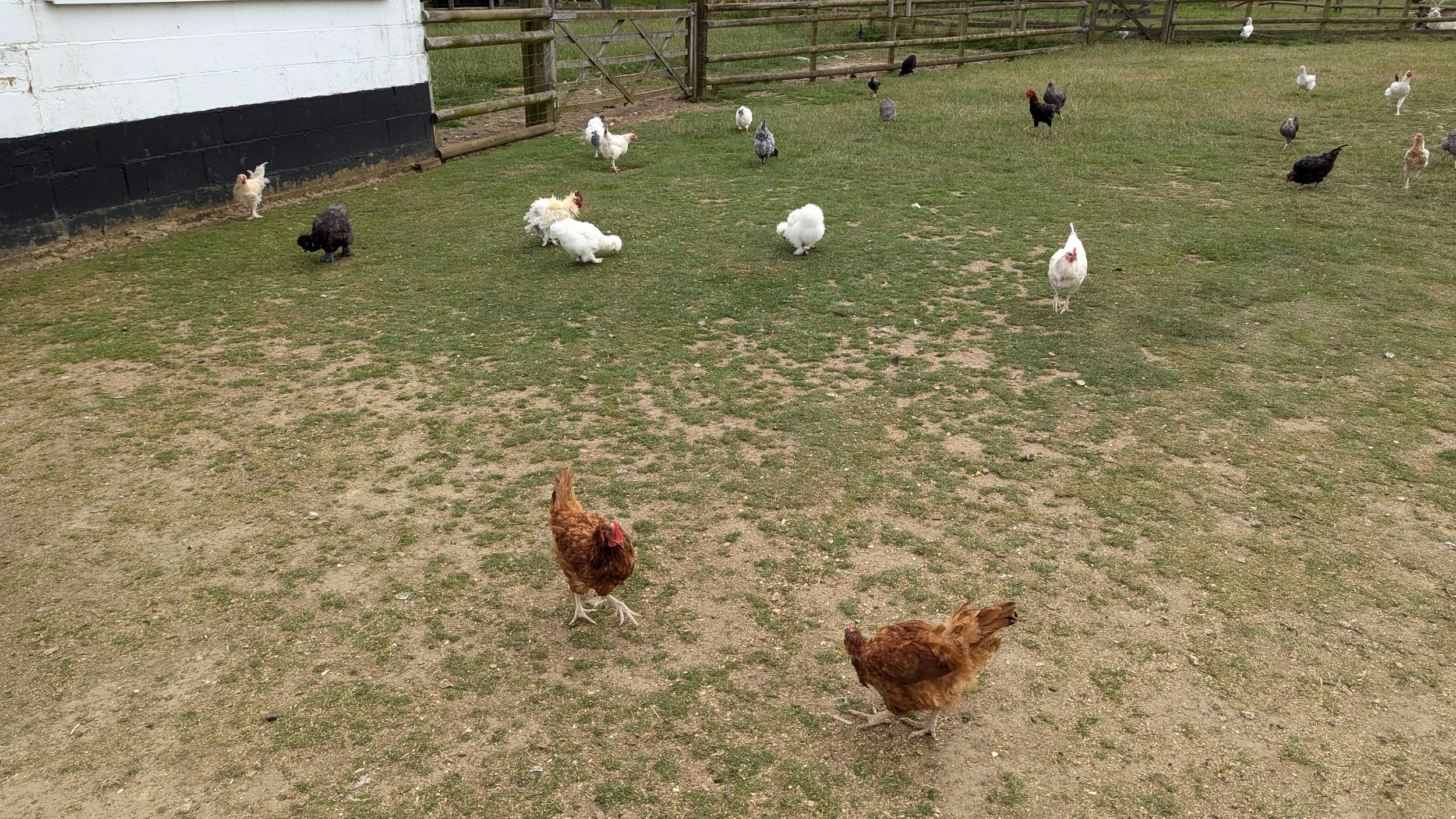
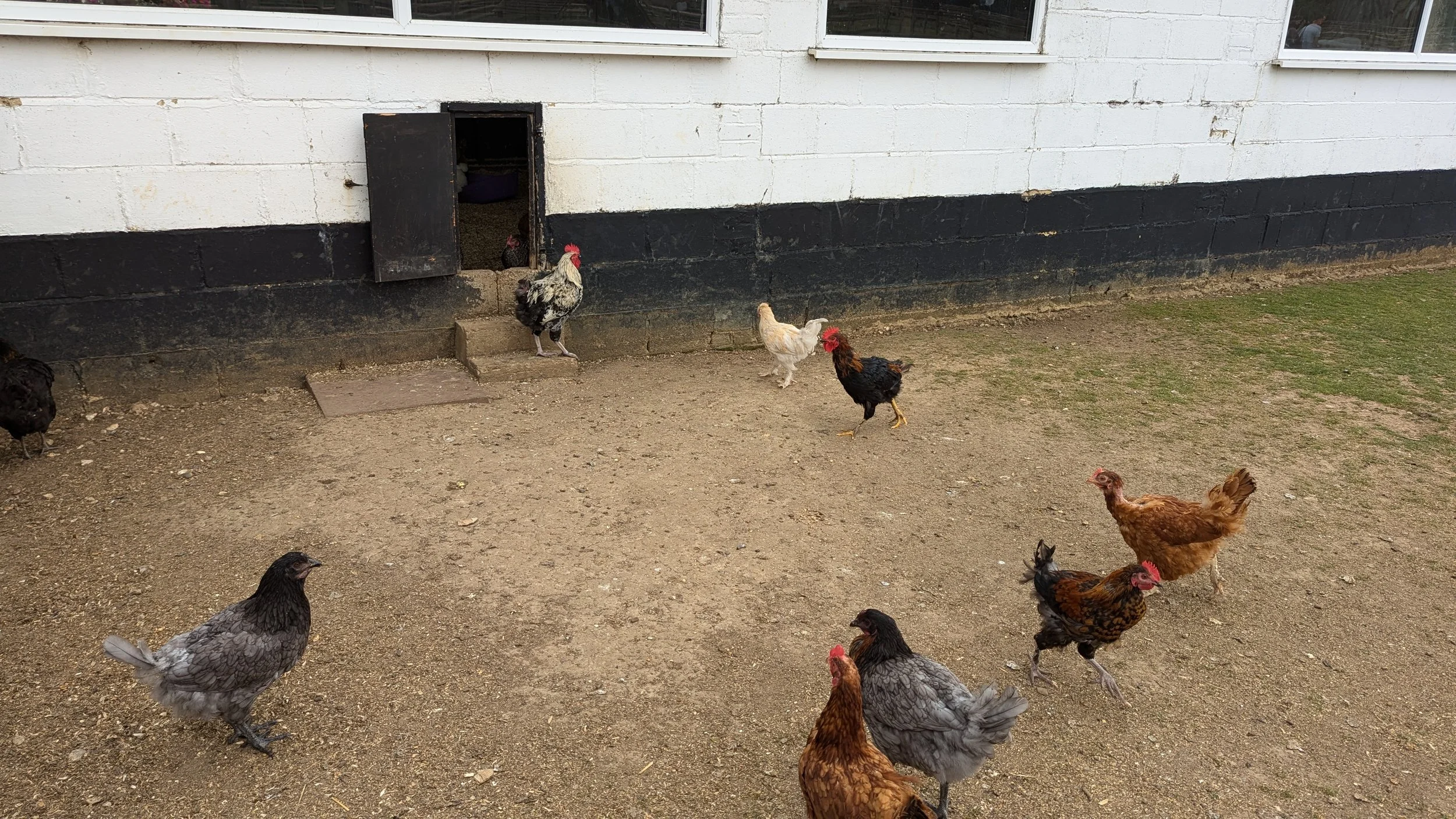
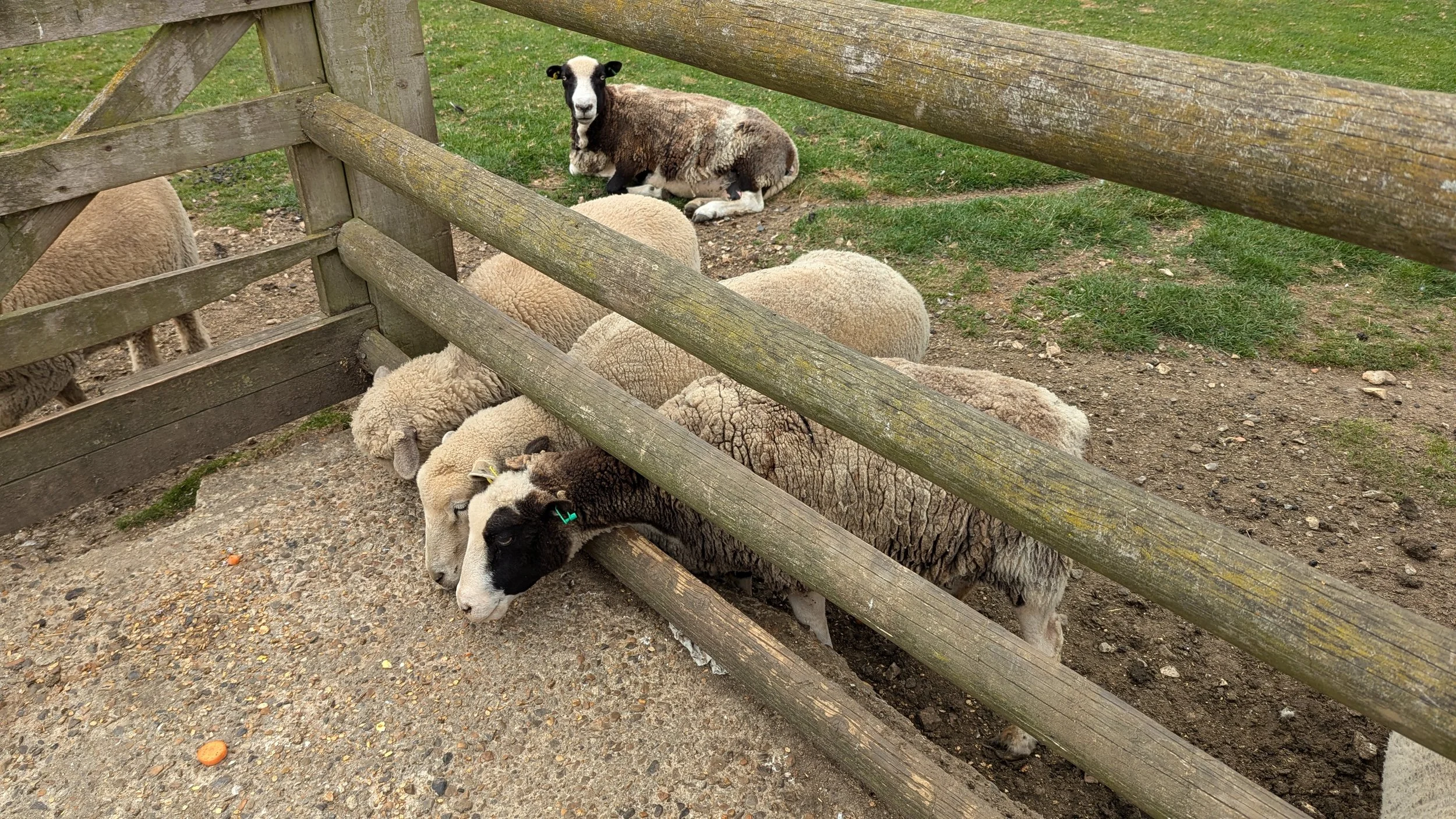
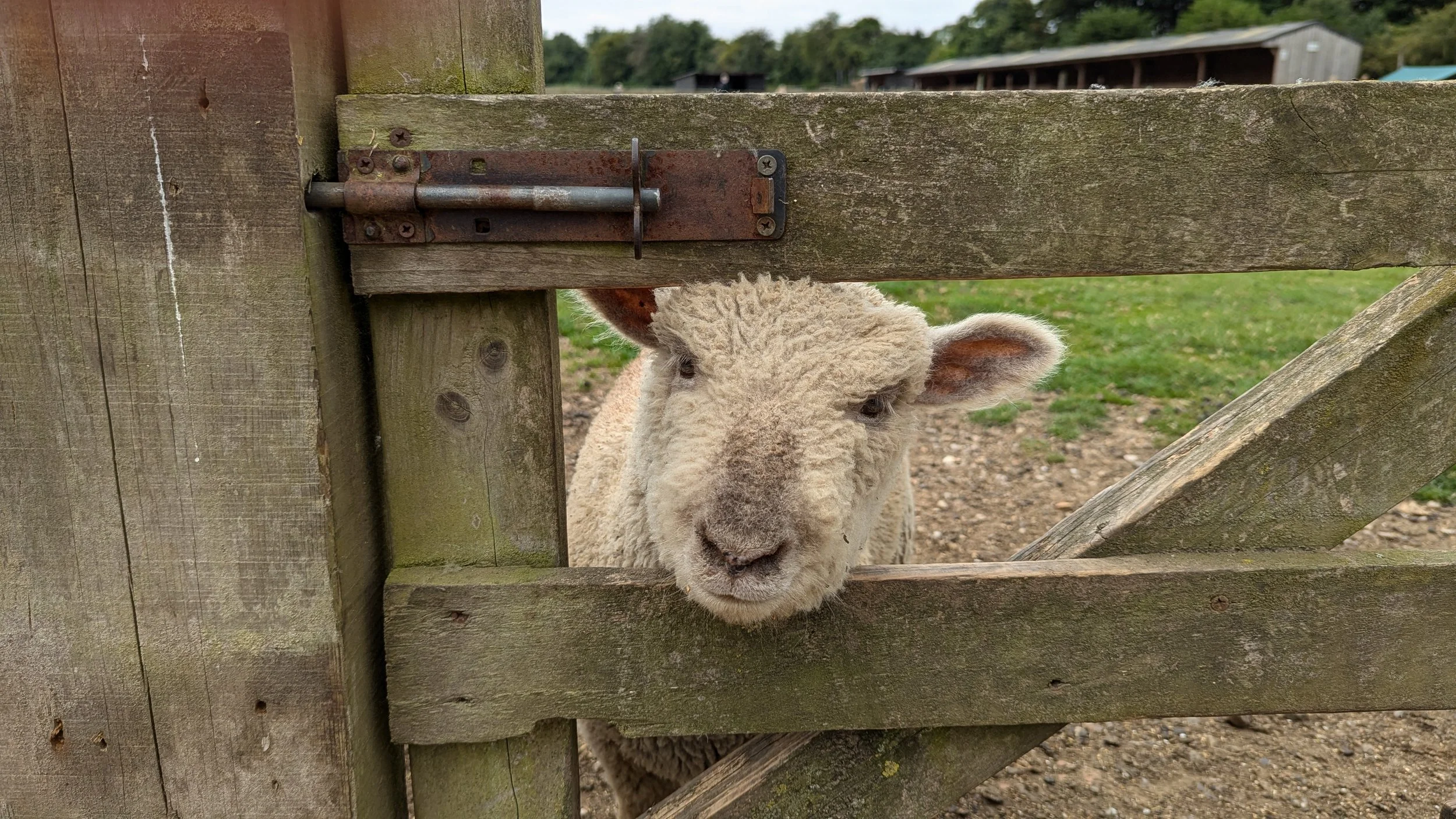
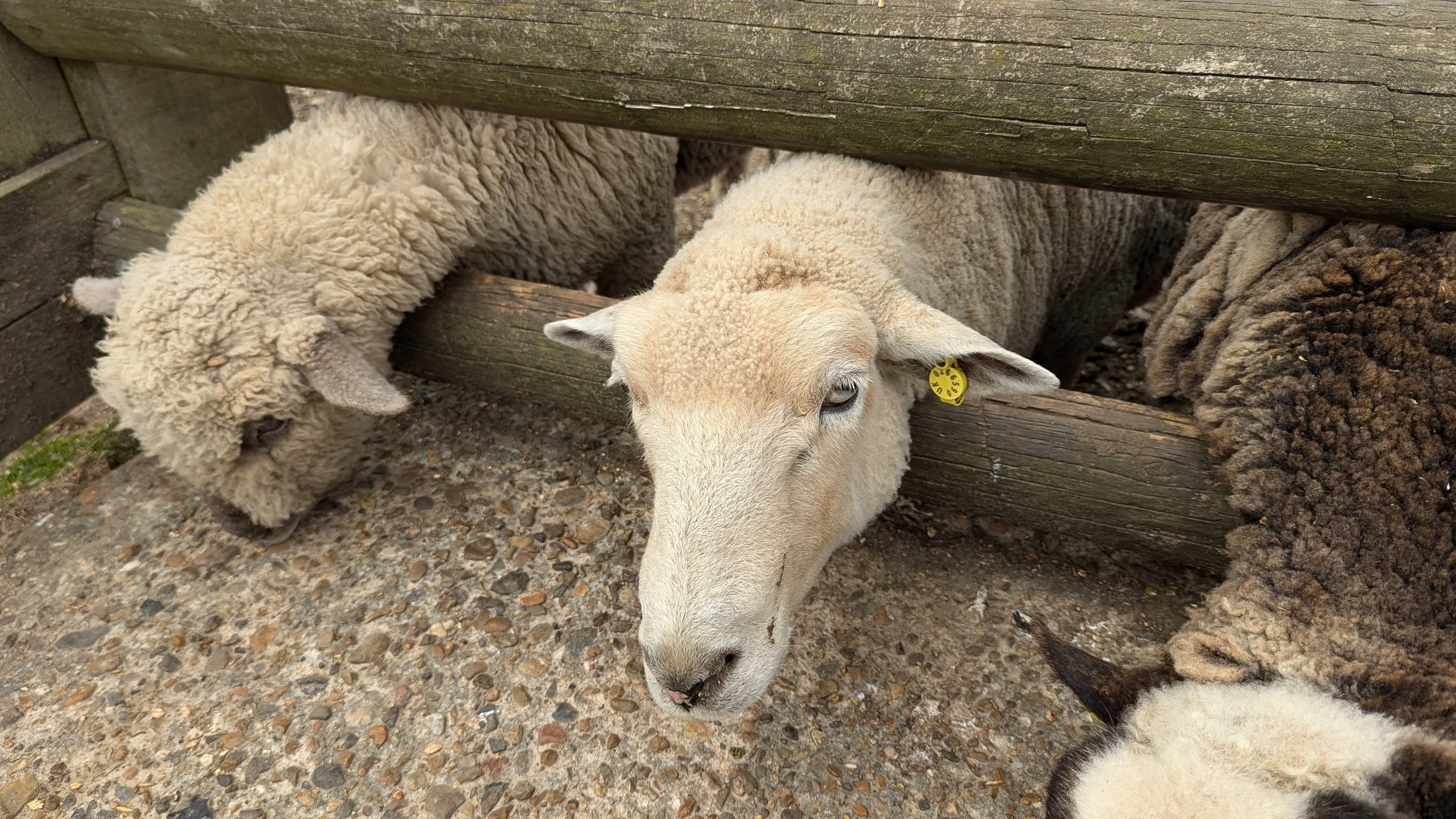
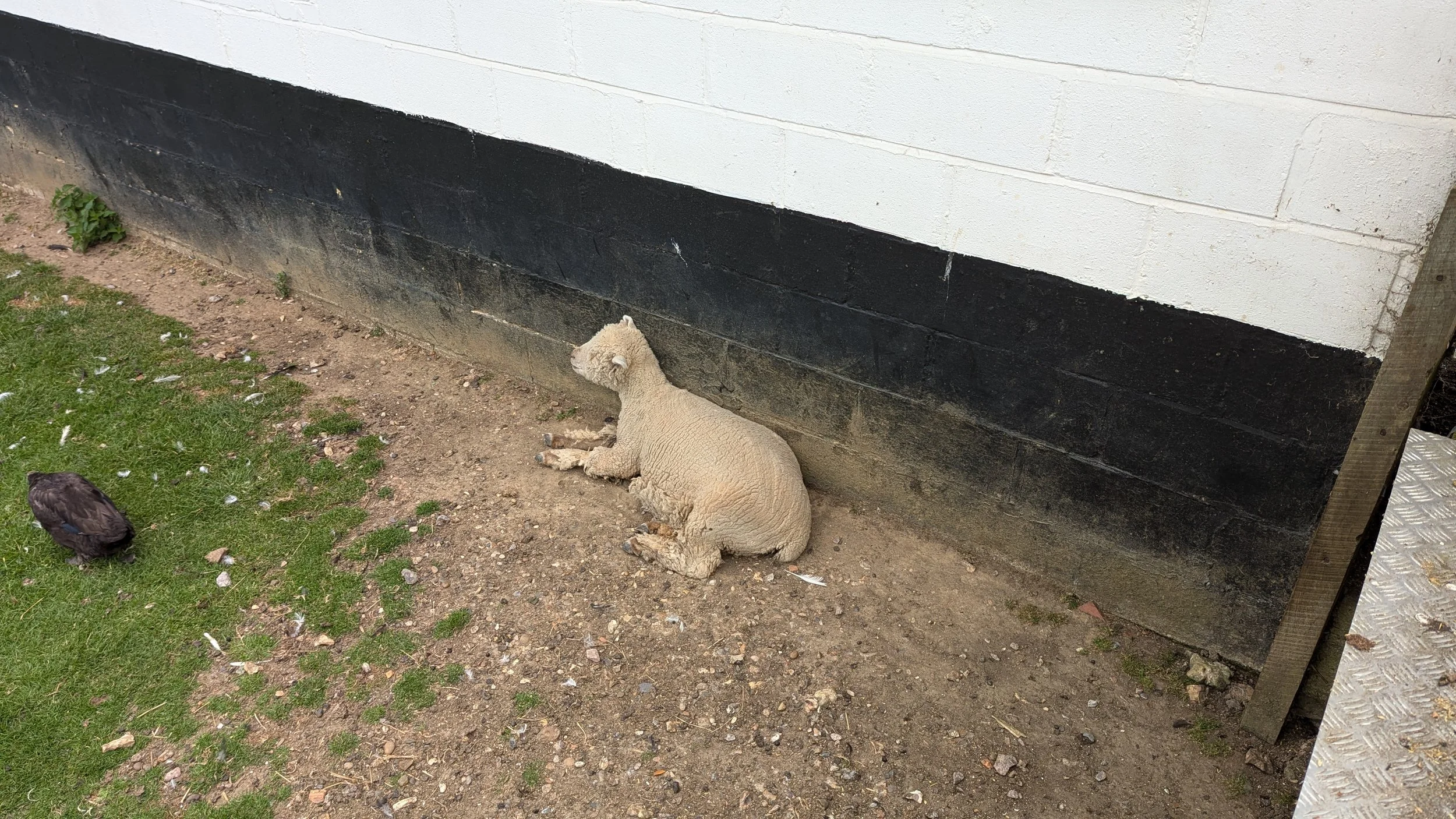
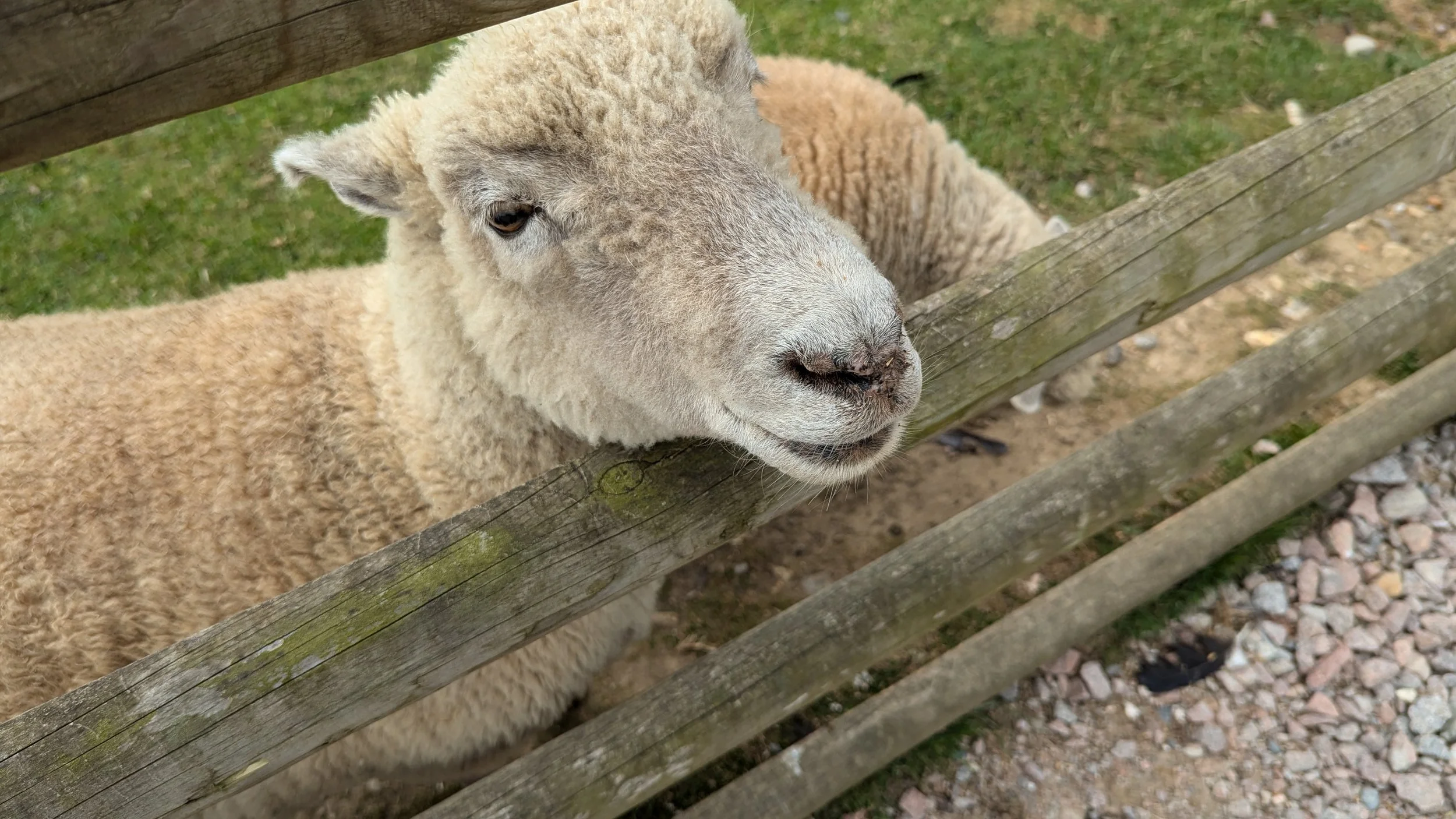
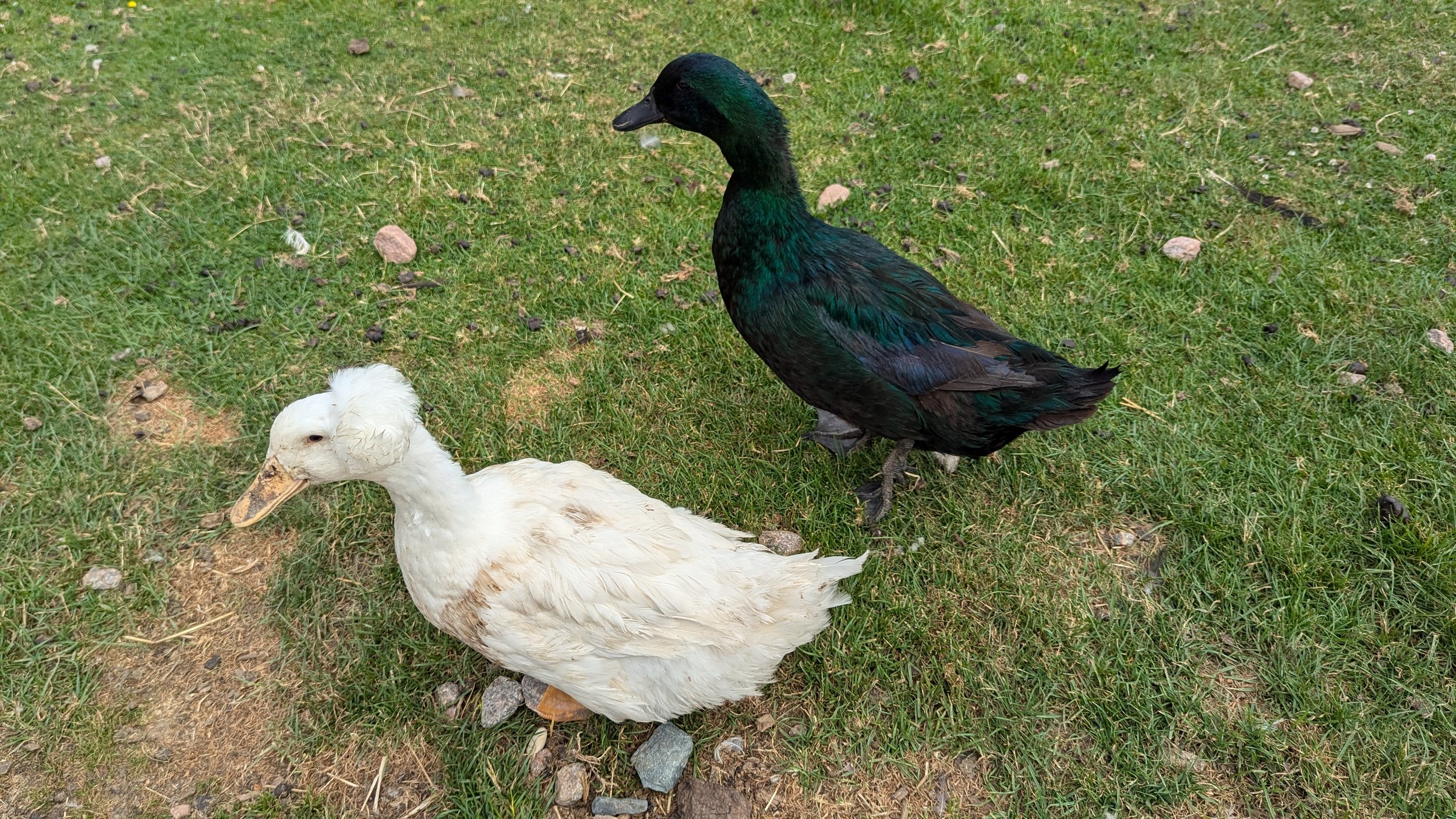
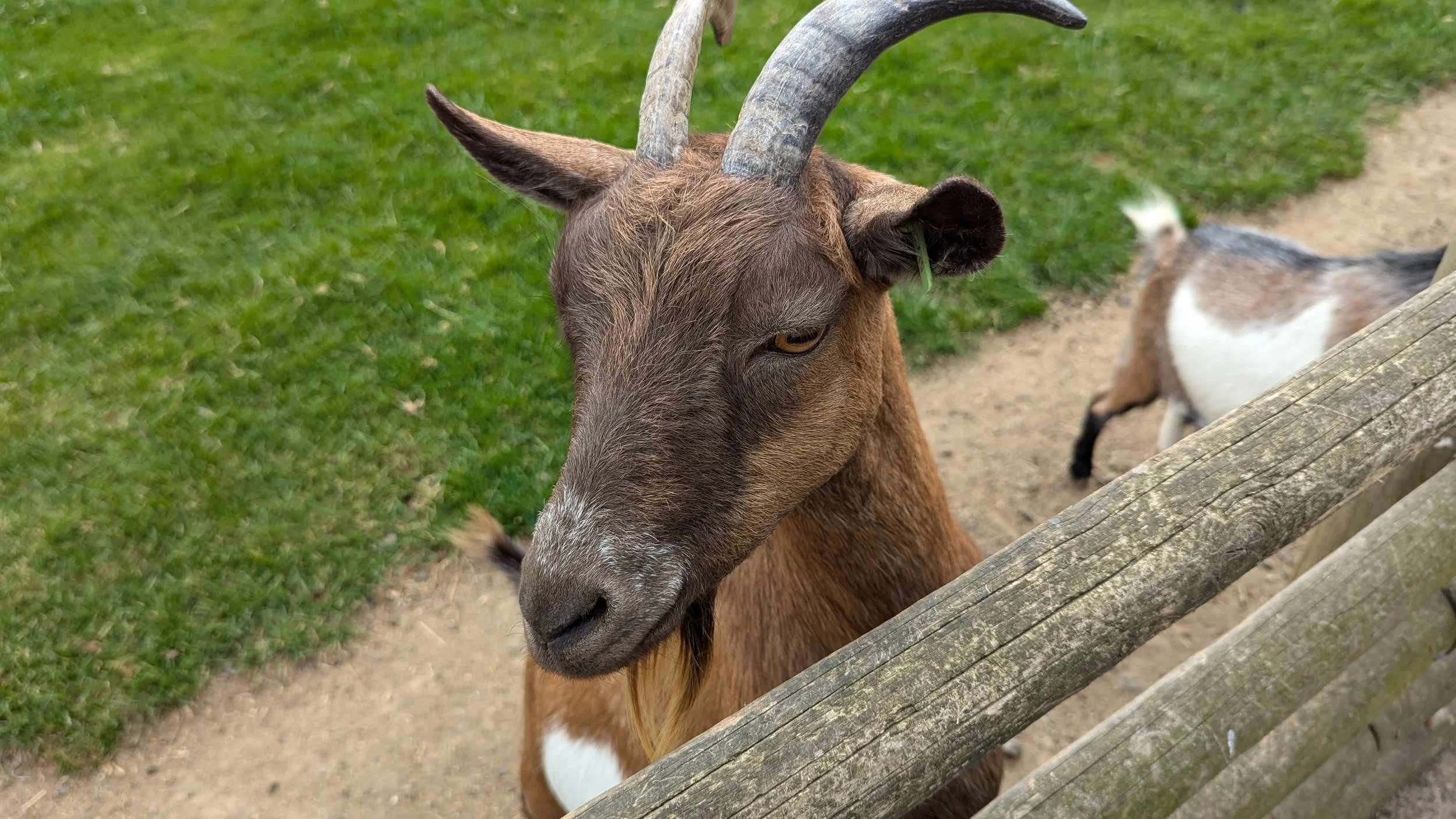
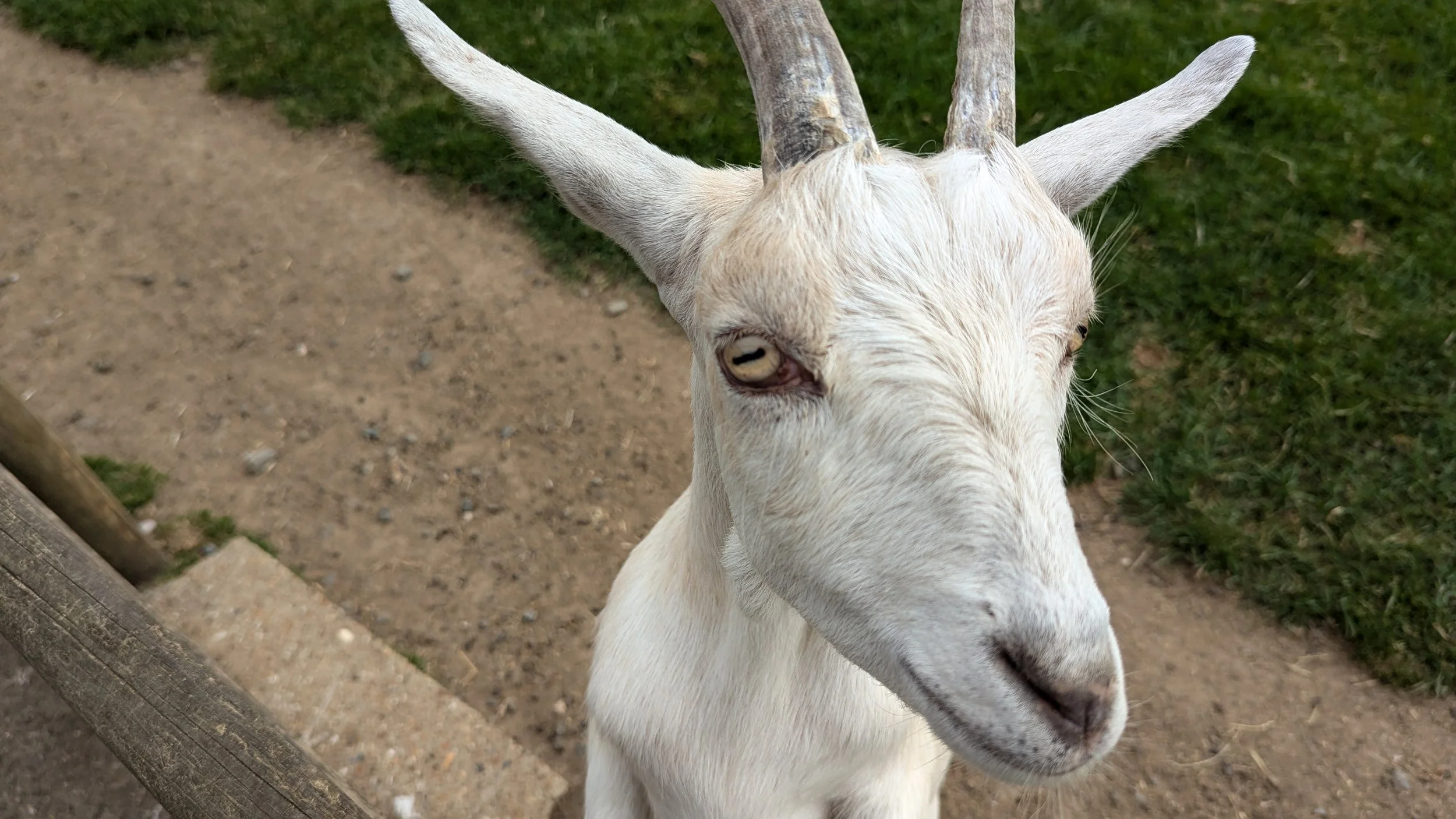
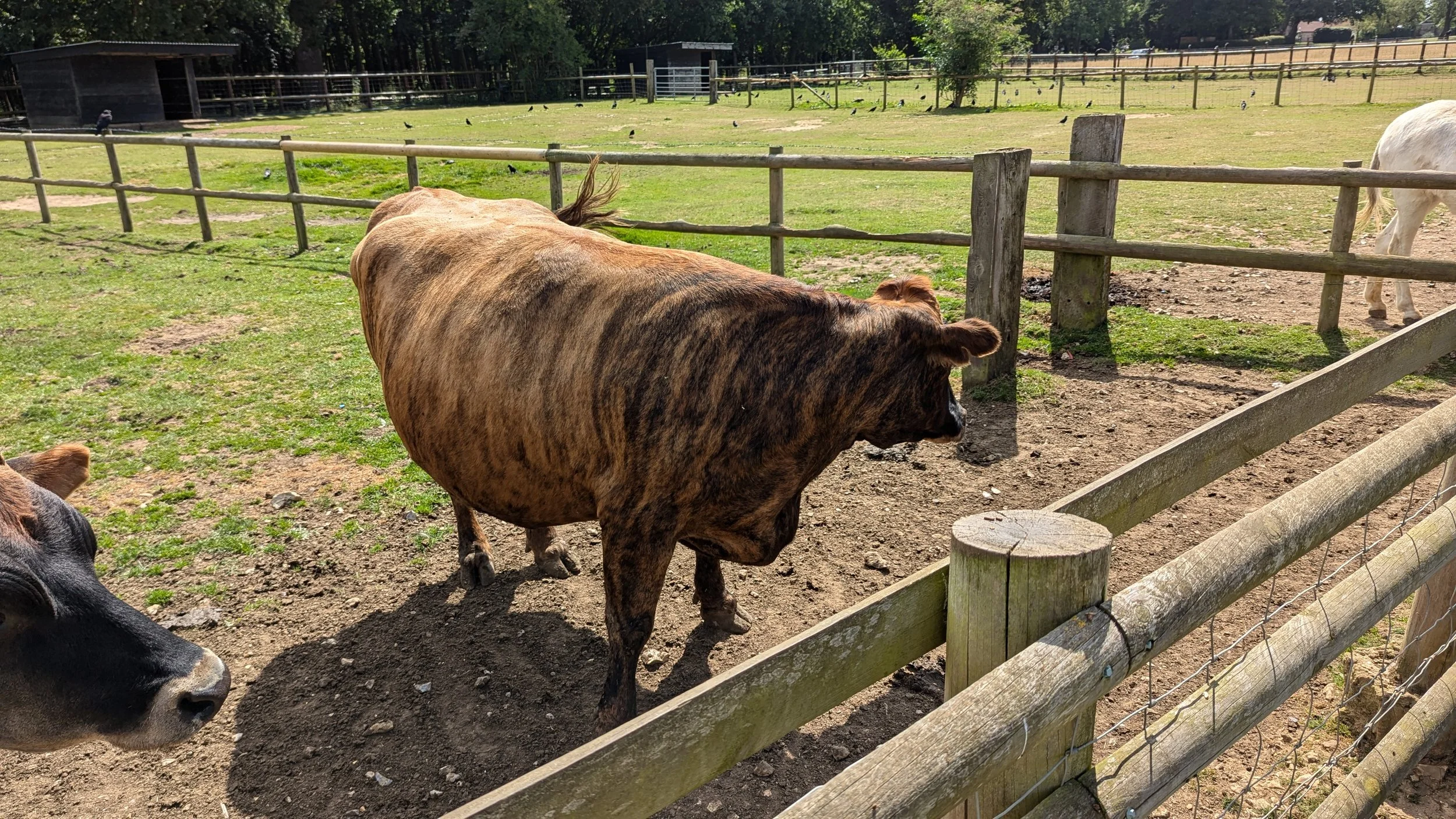
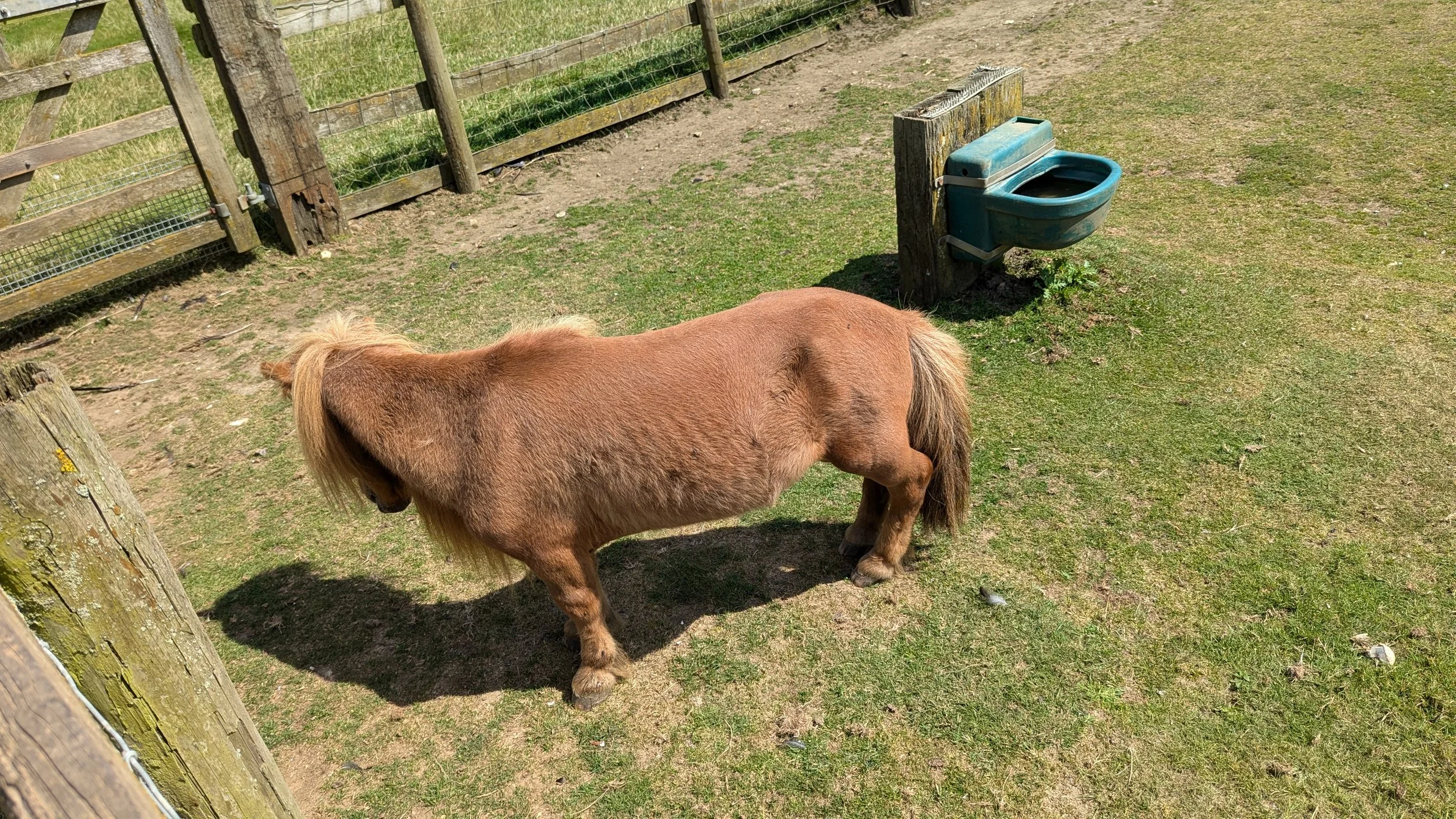
Myself and Mrs P were on grandparent duty today, looking after our grandson Oscar, who is 3. One of the main advantages of entertaining Oscar is his age. Unlike our twin granddaughters who are nine, Oscar’s aspirations and likes are far easier to cater for. Hence our visit to Christmas Tree Farm. Upon arrival, Oscar was most excited to see chickens, especially those varieties that have “hairy legs”, or feathers on their feet to you or I. He also enjoyed the “sheepey” and was relatively content to feed and stroke them. However, as we progressed around the farm it became apparent he was wary of any animal that was bigger than him. He still enjoyed looking at them but would not feed them. The animals are extremely tame and associate human visitors with being fed. They actively come to the fences and solicit petting and feeding by whinnying, stamping their feet or standing with their mouths open.
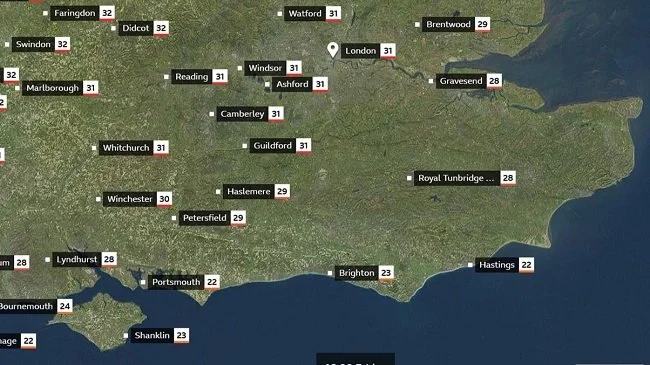
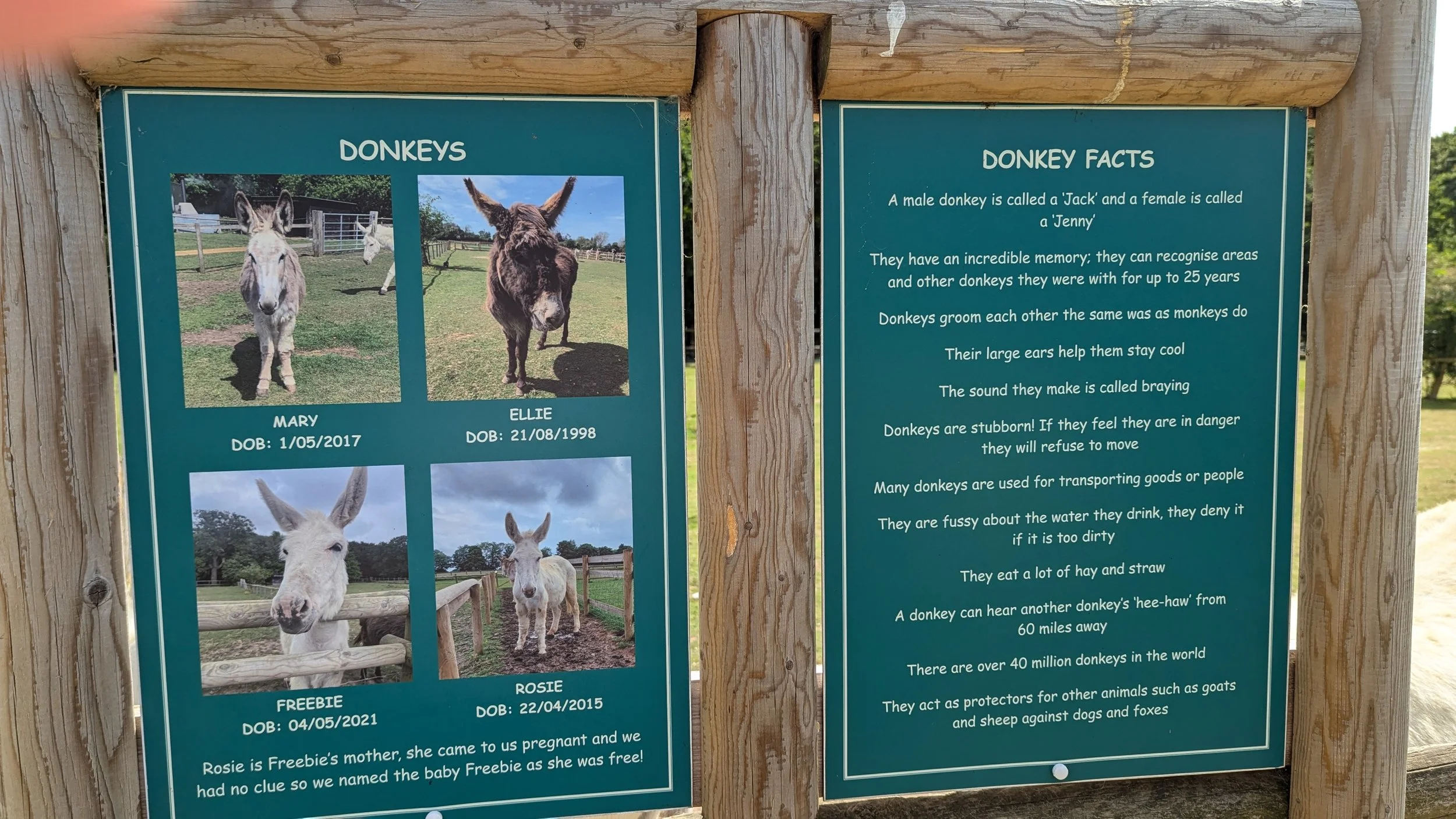
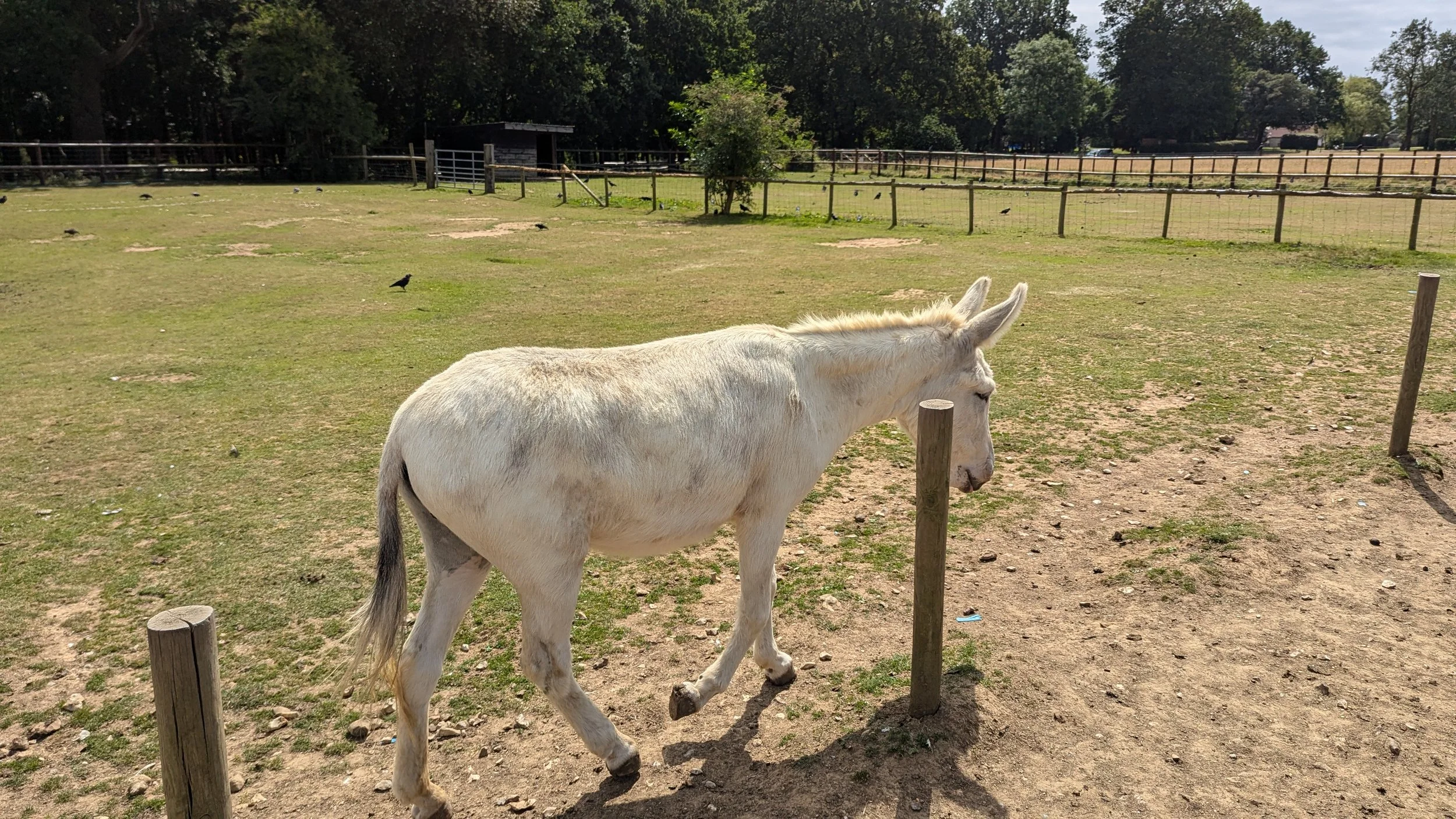
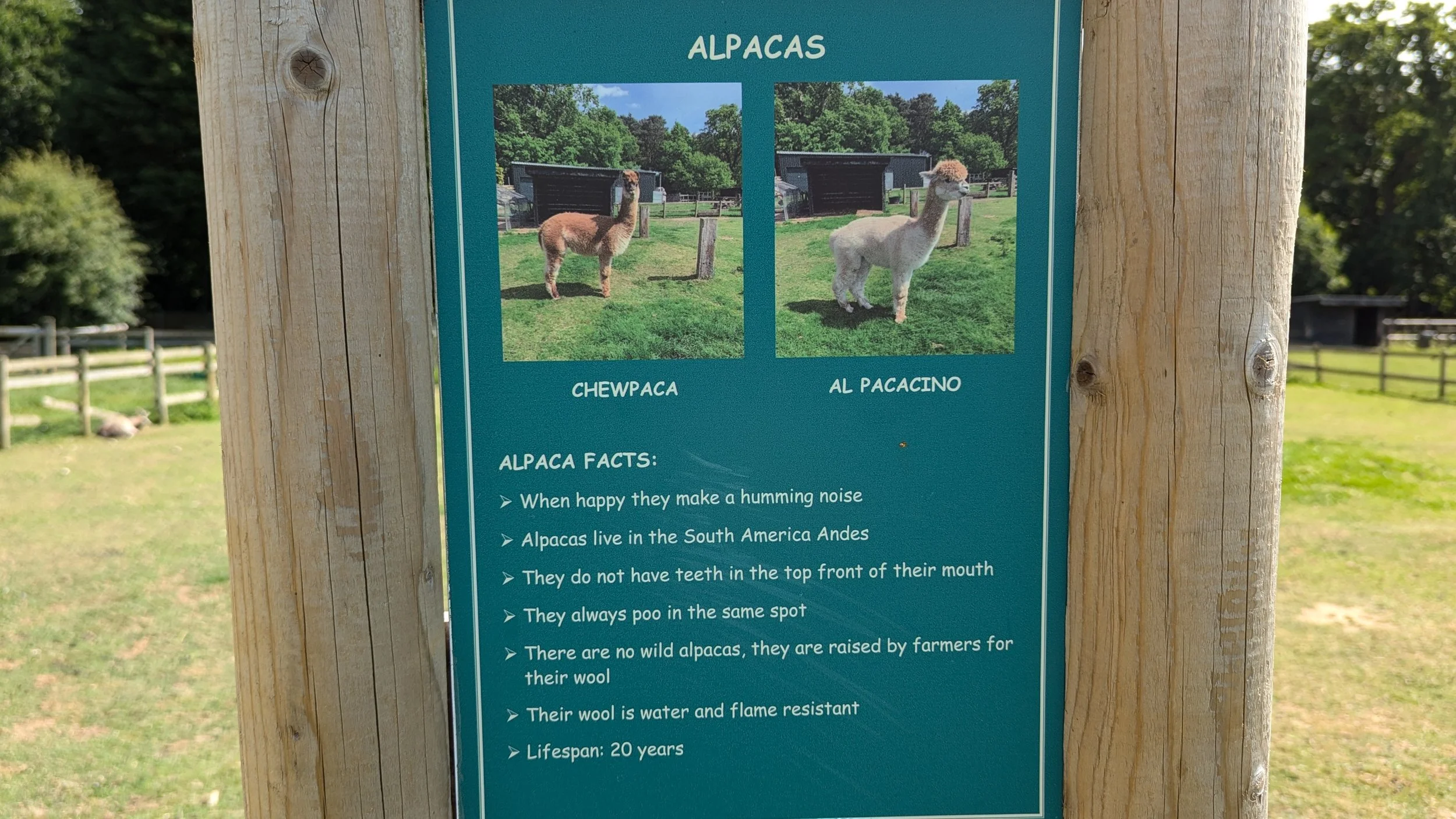
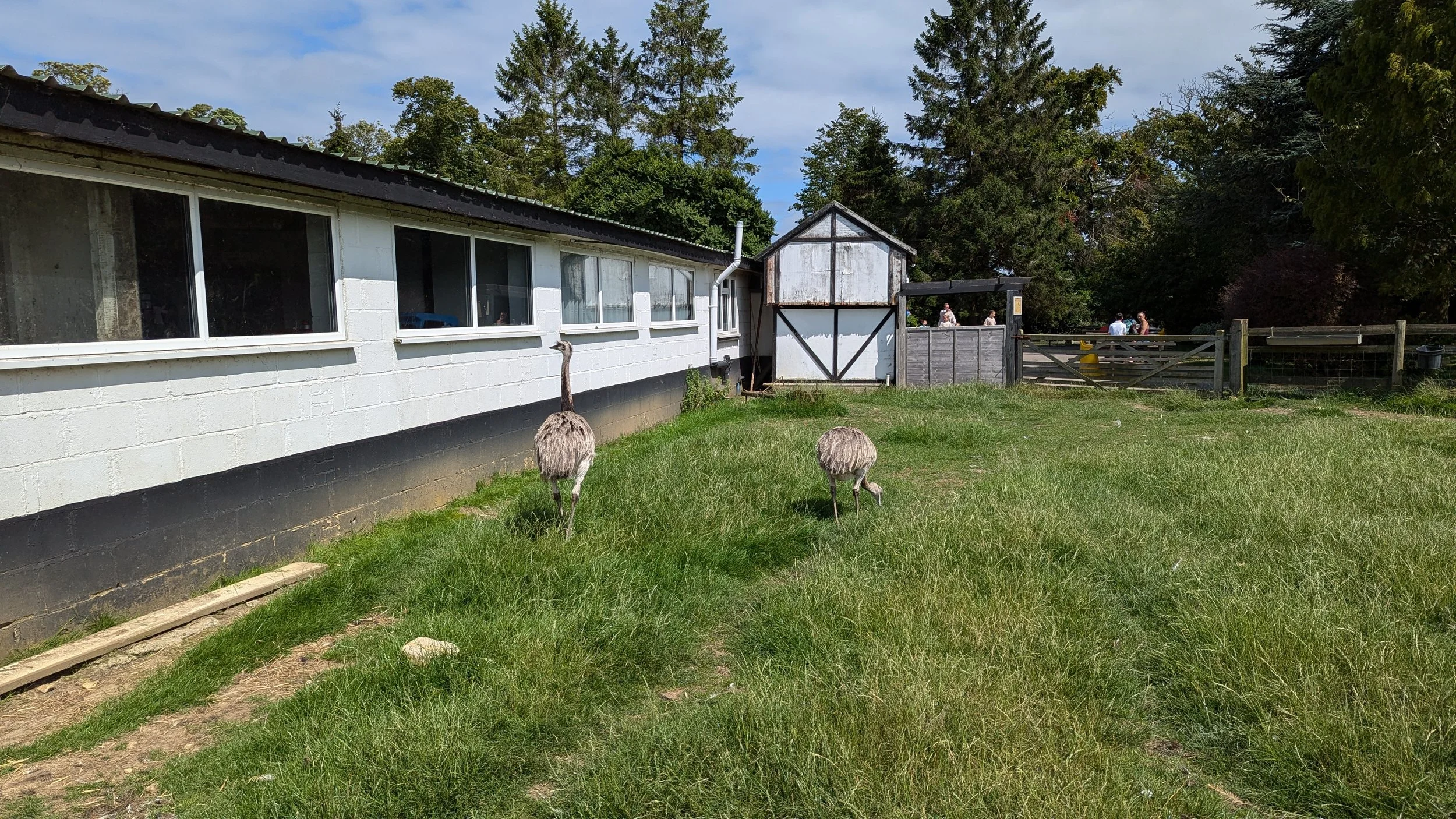
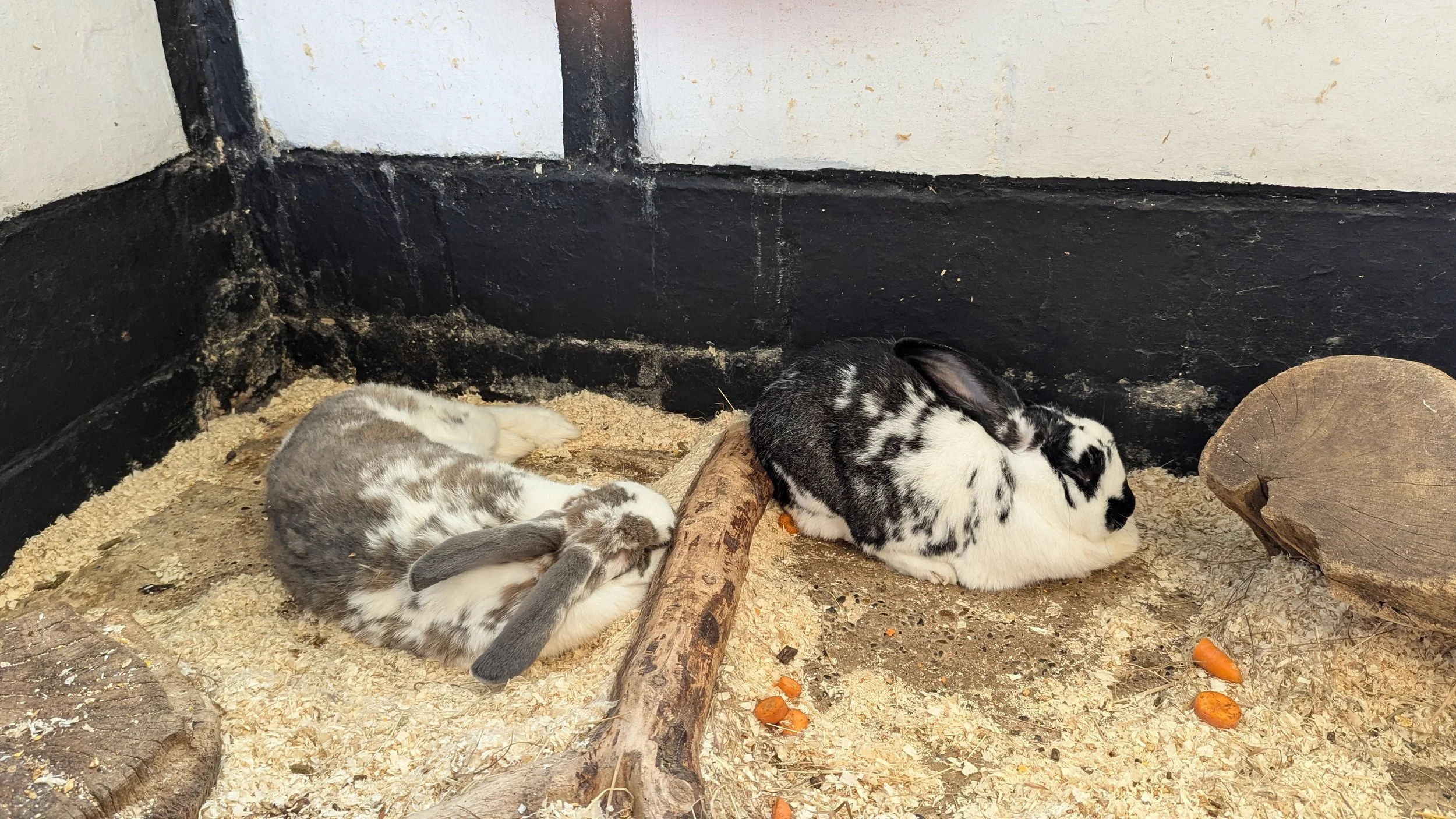
The weather was a pleasant 25° Celsius (77° Fahrenheit) with some clouds, making it a very enjoyable day for a walk. As well as chicken and sheep, there are pigs, goats, Shetland ponies, donkeys, cows, alpacas and rheas. In the outbuildings there are also rabbits and ferrets. The bucket of feed which consisted of grain and chopped root vegetables lasted for the majority of the walk. You have to be careful as some of the larger animals will try to make off with it. If visiting it is wise to wear appropriate footwear, as it can get muddy. Also, as this is a farm with animals, expect that organic aroma that is associated with livestock. We spent an enjoyable 75 minutes walking around Christmas Tree Farm and I thoroughly recommend it as part of a day out. Children these days are far more removed from nature and the farming industry. Christmas Tree Farm is an ideal medium for reacquainting them with both.

































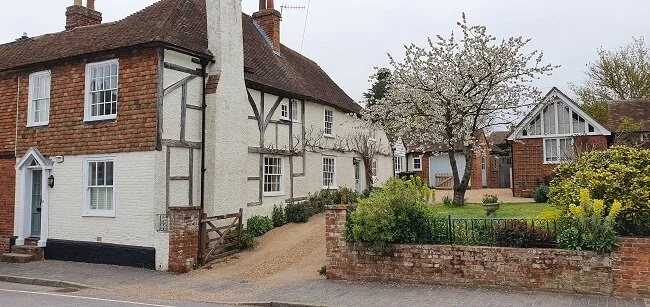

Holidays
In 1939 legislation was passed in the UK so that all employees had one week’s annual paid holiday per year. By the 1950s this had become two weeks and by the 1980s most people had at least 4 weeks of annual holiday. On top of this paid leave allocation, the UK currently has 8 bank holidays which provides further time off for employees. This culture of increasing amounts of annual leave also broadly coincided with air travel becoming more accessible. The first UK passenger jet service began in 1952. However, its cost excluded most people. However, as larger airliners with increased range became available, cheaper foreign holidays became more and more economically viable. European holidays became a reality in the 1960s and 1970s. By the 1980s long-distance holidays to other continents became ubiquitous and the package holiday became king. It is also worth noting that the Channel Tunnel opened in 1994, making car travel from Britain to Europe easier and more popular.
“We’ve gone on holiday by mistake”
In 1939 legislation was passed in the UK so that all employees had one week’s annual paid holiday per year. By the 1950s this had become two weeks and by the 1980s most people had at least 4 weeks of annual holiday. On top of this paid leave allocation, the UK currently has 8 bank holidays which provides further time off for employees. This culture of increasing amounts of annual leave also broadly coincided with air travel becoming more accessible. The first UK passenger jet service began in 1952. However, its cost excluded most people. However, as larger airliners with increased range became available, cheaper foreign holidays became more and more economically viable. European holidays became a reality in the 1960s and 1970s. By the 1980s long-distance holidays to other continents became ubiquitous and the package holiday became king. It is also worth noting that the Channel Tunnel opened in 1994, making car travel from Britain to Europe easier and more popular.
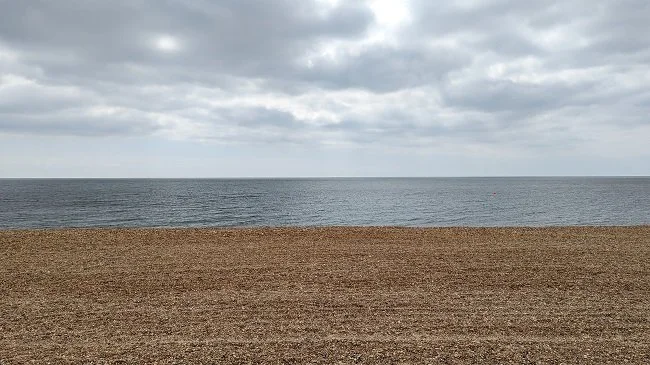
After that potted history of the growth of holidays in the UK, allow me to move onto the main point of this post. Whether you actually like holidays and their respective importance in your life. I grew up in the seventies and early eighties. As a child, going away for a holiday was not a yearly event. I can vaguely remember three major holidays that occurred up to the age of ten. One was in Cornwall when I was about 4 or 5 years old. The other two were both to the Isle of Wight, in 1975 and 1977. All were self catering holidays in rented cottages. We dined in for most of the time we were away. I believe there was one or two meals in a restaurant, which was a rare treat. I believe all holidays were due to my father getting a tax rebate, as he did a lot of contract work as well as teaching. I recollect talking to friends at school at the time and holidays within the UK were very much the norm. International travel did not become commonplace within my peer group, until the eighties.
Sandown, Isle of Wight. Circa early 1970s
Hence, because holidays were not a regular occurrence during my youth, I have reached adulthood without considering them an essential part of my life. My son, his wife and all their friends who are all in their late twenties and early thirties, take a contrary view. They think their civil rights have been violated if they don’t have at least two holidays abroad a year. But this is the culture of today. The average UK household spent £2000 on holidays in 2023. For context, the average UK salary is £34,963 per annum. From the various enquiries that I have made of friends and families, as to why they consider holidays so essential, it seems to come down to three main reasons. For rest, to experience new places and to be indulged. The latter is the one that intrigues me the most. I believe that social media is a major factor here. We see how the rich and famous live and we not only want but expect that life too. Many people believe “they’re worth it”.
I take a far more measured view towards holidays, as I’m sure you expected. I like travelling within the UK, staying in hotels and visiting places of interest, taking in the sights and enjoying local cuisine. I am happy to do that abroad, in principle. But the main impediment to that is travelling by plane. It is not something that I enjoy at all mainly because the type of travel that I can afford is not to my liking. I could travel in a more comfortable manner but that would make travelling as expensive as the holiday itself. I am also very “particular” about where I go. I am cognisant of the UK’s global historical legacy as well as the fact that certain elements of our society do not make a good impression abroad. Current geopolitical problems also determine where I will or won’t travel to. Then there is my own personal comfort zone. I’m not good at languages so I tend to rely heavily on nations that choose to speak English for the benefit of tourists.
Dalmatian Coast, Croatia
Which brings me to the root of this blog post. Mrs P declared recently she wants to go abroad next year. Somewhere where it’s sunny but not excessively so. Humidity as well as insects that feast on your flesh are also a consideration. Once these requirements are met she is happy to relax by a pool and spend the majority of time within the hotel or resort if need be. Sadly, I find the prospect of a week of doing just this extremely dull. Furthermore, if I am going to spend £1,500 plus per person to travel abroad, I have much higher expectations of its entertainment prospects. However, due to the sheer variety of holidays available these days, a suitable compromise that pleases both parties is possible. So far we have decided to travel in June, prior to the school term ending. We have found a hotel which meets Mrs P’s criteria and also has a lot of culture and points of interest nearby. Tours are available from the hotel, which means I then have to do very little apart from travel from A to B. As for the destination, it looks like we’re going to the Dalmatian Coast in Croatia.
Travel does broaden the mind. There are many places in Europe and the wider world that I’d love to visit. However travelling is a pain in the butt. I would happily choose to be anaesthetised, if it meant I could avoid the prospect of enduring several hours on a plane but this is not a service that airlines offer at present. Sometimes for reasons of diplomacy, you have to go somewhere which isn’t your first choice and possibly do some stuff you’re not really that invested in. Such is the nature of holidays. I can at least take my laptop as wifi is ubiquitous these days. I’d be interested to hear your thoughts on holidays and travel, as where you live has an impact on where you tend to go. Neighbouring countries are convenient by nature. Then there is the matter of the US which is so vast, negates the need to travel abroad. Feel free to leave comments.
Raph Koster and Stars Reach
Let’s talk about Raph Koster and his proposed MMORPG Stars Reach. I am aware of the man’s pedigree within the video game industry and what his legacy is perceived to be. I never played Ultima Online and never got beyond a demo of Star Wars Galaxies so my opinion of his work and gaming philosophy mainly comes from what he has written, rather than what I’ve learned through experiencing his games. And what he has made clear time and time again is that he doesn’t like the current cultural norms surrounding the MMORPG genre. He favours a philosophy of player agency and collectivism as a means to harmoniously manage virtual worlds. He has even asserted that encouraging players to take an active role in addressing the emerging communities needs in a virtual world, may encourage reciprocal action in the real world. If you want chapter and verse on his ideas and theories, do visit the Stars Reach YouTube channel and his personal website.
Let’s talk about Raph Koster and his proposed MMORPG Stars Reach. I am aware of the man’s pedigree within the video game industry and what his legacy is perceived to be. I never played Ultima Online and never got beyond a demo of Star Wars Galaxies so my opinion of his work and gaming philosophy mainly comes from what he has written, rather than what I’ve learned through experiencing his games. And what he has made clear time and time again is that he doesn’t like the current cultural norms surrounding the MMORPG genre. He favours a philosophy of player agency and collectivism as a means to harmoniously manage virtual worlds. He has even asserted that encouraging players to take an active role in addressing the emerging communities needs in a virtual world, may encourage reciprocal action in the real world. If you want chapter and verse on his ideas and theories, do visit the Stars Reach YouTube channel and his personal website.
I’m often more interested in the video games industry itself, than I am in the games they produce. This is very much the case, so far, with Stars Reach. As a concept and an attempt to break the existing MMORPG mould, it is a fascinating proposal. But from what I’ve seen so far, the graphics alone are sufficient to put me off. I like eye candy. I make no bones about that. Eyesight is a cornerstone of human experience and therefore I find it rather crass when people try to discount that. We are hardwired to make decisions based on visual data, so please don’t upbraid me for my disdain of “cartoony” graphics. If you’re attempting to make a genre defining title, then I expect it to be made using the Unreal 5 or the Frostbite engine. However, setting aside my personal tastes, I am fascinated by what Raph Koster is proposing. Partly because the ideas are indeed bold but also because I get the distinct vibe of a serious artist about to make a change of direction that may not work out the way they think. Like Bowie with Tin machine.
Raph Koster eschews the theme park elements of MMOs. He favours dynamic worlds that have finite resources and realistic ecosystems. Hence players will need to be mindful of how they use resources. To stop such virtual worlds being a race to the bottom, Mr Koster wants the playerbase to work collectively and cooperatively in his game. “Players form economic dependencies on each other’s characters by advancing in diverse specializations and skills, all of which draw from the common exhaustible resource pools available in each zone, thereby creating a Tragedy of the Commons problem to navigate as a group”. All of which are valid ideas in principle. I have no doubt that if you round up a dozen or so like minded players who agree on the philosophical precepts of the game and give them alpha access, it will yield potentially positive results. But Stars Reach is intended as a commercial product and therefore needs to appeal to fairly broad demographics. From those who want to farm guinea pigs, to those who want to shoot guinea pig farmers in the face and steal their flock.
To put it politely, I do feel that Mr Koster’s philosophical views do come across as a little naive. Players may well want greater agency in their MMO gaming but do they really want a simulator that has the potential to produce all the bureaucratic and hierarchical problems that are inherent in the real world. Democratic decisions tacitly require the notion of “the loser's consent” to be considered legitimate. That is something that is fast vanishing in the real world. Hence, I find it unlikely that such a quality will be more abundant in a video game community. The moment a committee of gamers in Stars Reach place a restriction upon a specific form of action that negatively impacts other players, there will be problems. If you please the guinea pig farmers, you’ll piss off the face shooters and vice versa. And unlike the real world, in-game hassles can be avoided by simply voting with your feet. I therefore see a possible future where everytime Stars Reach implements a major change, it is followed by a major online brouhaha and then a patch to rectify the problem.
Another point to consider is what sort of gamer will be attracted to Stars Reach. I suspect it may be of interest to people who look to MMOs as a refuge from the real world. Players that just want to spend time in a virtual environment where they insulate themselves from the iniquities of daily life and bask in the pleasure of an idealised environment. Some may be vulnerable and fragile. Which then makes Stars Reach a massive target for predatory gamers who take pleasure from causing upset to others. Suddenly the face shooters and guinea pig farmers become bullies and their victims. We’ve seen it happen before with unchecked PVP. Something else to ponder is that Mr Koster is proposing a game under pinned with a specific sociopolitical ideology. There is a culture war going on at present and if Stars Reach got any sort of traction, especially with the youth audience, it would certainly run the risk of being attacked from within by groups with opposing political opinions and goals.
Obviously this post is purely speculative, based on what information there is about the game at present. Games change during their development, as do people. It may be a case that as and when Stars Reach does get released, its aspirations may have changed substantially as many of the ideas were tried in earlier builds and failed. It may be the game is launched true to Mr Koster’s vision but due to its nature, simply becomes a niche product that exists adjacent to mainstream games. A video game version of a kibbutz. Or it could even turn into the biggest video game controversy and shit show since gamergate. Either way there is scope for this to be a fascinating journey. Assuming that Raph Koster has read the room correctly and that sufficient people desire what he is proposing. Alternatively, even if he is wrong, failed endeavours can still yield much that is useful. At the very least the journey that is commencing will more than likely inspire many a blog post among the gaming community.
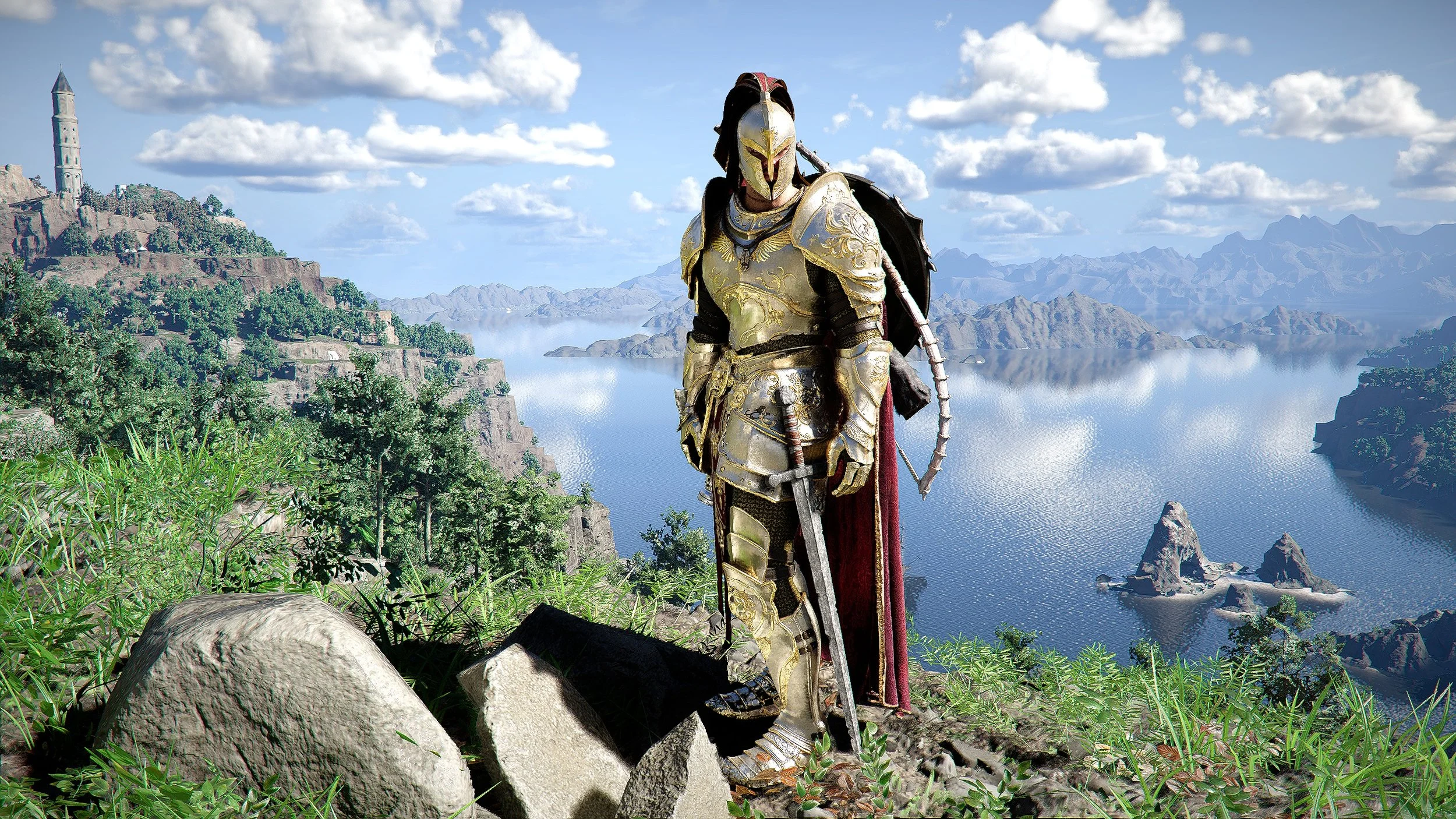


MMO Tropes: Loot
“The MMO genre is rife with its own set of tropes; recurring themes and motifs that have become established and ubiquitous. All of which are ideal material for a hastily produced, lazily conceived, recurring blog post”. One of the integral game mechanics of the MMORPG genre is the acquisition of loot. As you travel your virtual world of choice, committing random murder against all forms of flora and fauna, you acquire miscellaneous items by looting the corpses of the slain or stealing from houses and NPCs. Oh it’s a glamorous genre, the MMORPG. These random items can be crafting resources such as hides or ore. They may be food items or healing potions that provide some kind of statistical buff. If you’re fortunate, they may be gear that corresponds with your class or specific build, providing a much needed upgrade. Loot may also be the in-game currency, thus boosting your respective wealth. As you can see, loot comes in all shapes and sizes but how important is it?
Where is the phat loot?
“The MMO genre is rife with its own set of tropes; recurring themes and motifs that have become established and ubiquitous. All of which are ideal material for a hastily produced, lazily conceived, recurring blog post”. One of the integral game mechanics of the MMORPG genre is the acquisition of loot. As you travel your virtual world of choice, committing random murder against all forms of flora and fauna, you acquire miscellaneous items by looting the corpses of the slain or stealing from houses and NPCs. Oh it’s a glamorous genre, the MMORPG. These random items can be crafting resources such as hides or ore. They may be food items or healing potions that provide some kind of statistical buff. If you’re fortunate, they may be gear that corresponds with your class or specific build, providing a much needed upgrade. Loot may also be the in-game currency, thus boosting your respective wealth. As you can see, loot comes in all shapes and sizes but how important is it?
Loot has multiple purposes as a game mechanic. For many players of MMOs, looting is their primary means of earning in-game currency. Loot is farmed and then sold, providing “gold” that can be spent on other requirements. It is a cornerstone of MMO economies. Many of which are fair and equitable when a game is launched, only to go off the rails as players learn how to game the system. But that is another blog post. Returning to the matter of loot, its acquisition goes beyond the practical in some games, instead providing the actual raison d'etre for playing. Games such as the Diablo franchise are an exemplar of this concept and let us not forget that there is an entire genre of games that falls under the banner of “looter shooters”. There is something that appeals to many gamers on a very fundamental level, with regard to acquiring what is colloquially called “phat loot”. I can remember grinding for ages to get a 1st age weapon in The Lord of the Rings Online circa 2009. I was beside myself when I finally got one. I enjoyed it for a week until an expansion invalidated it with new and superior gear.
The Captain wasn’t happy with the quality of the loot
However, not all loot is equal. MMOs usually have various types of loot on an ever increasing scale of rarity and importance. Quality gear and useful item upgrades tend to be scarce, often tied to high level bosses or harder missions. Low value items are commonplace and are accurately labelled “vendor trash”. Many MMOs struggle to get the balance right when it comes to the quality and frequency of loot drops. Star Trek Online is a terrible offender when it comes to this. Specific missions have very good gear rewards but random loot acquired while fighting random mobs is usually of no value at all. It is often pointless low level items and selling them yields little financial reward. Conversely, in The Lord of the Rings Online, a level cap player can make a lot of gold, just by farming zones ten or so levels below them. Especially if they are pursuing deeds, such as killing 200 of a particular species.
MMOs also have another source of loot. Namely raids. These complex, time consuming group events have always been the favoured means for game developers of this genre, to gate the best quality gear. For many years MMO players would invest hours of their time, participating in raids in the hope of getting an opportunity to roll on a unique item. Yes, you read that right. Often there was only one item of high end gear in the loot. It may not have even been relevant to your class at all. If so you got nothing. If it was something you could use, then there was usually a random number generating facility in the chat window and you rolled a virtual dice. The person with the highest number got the item. Everyone else went home with nothing. Assuming the raid leader didn’t steal it for themselves, and then quit the game and the guild. As you can imagine this was the very definition of “fun”. If any old school gamer tries to convince you that MMOs were meritocracies back in the day, tell them to remove themselves to the nearest body of water.
Cheech and Chong themed cosmetic skins and weapon blueprint
However, things change. Video games have become more popular and game developers have gotten wise to the fact that a lot of their paying customers are buying an experience and an entertainment service. They don’t care about punishing rules and failure conditions. Hence we now live in an era where quality loot can be bought. It is a phenomenon that isn’t to everyone’s liking but again we need to step back from our own preferences and see video games as the transactional business that they are. Call of Duty sells weapon blueprints that are often superior to those available in the base game. Star Trek Online has a multitude of ships available in-game but the most desirable are those from lock boxes. As for me, whenever The Lord of the Rings Online raises the level cap, thus invalidating your current gear, I just spend my monthly subscriber stipend on loot boxes and be done with it, rather than re-gear by grinding.
Most people like getting loot when playing MMOs. Or at least they like the concept. Not necessarily the way the mechanic is implemented. I have often thought that we get superior gear at the wrong time. You don’t need it when you hit level cap (unless you buy into the maxim that the real game only begins at level cap) but rather as you’re levelling. Personally, I like upgradeable loot and the ability to keep a much loved item, as seen in Star War: The Old Republic. However it is implemented, loot is a constant in the MMO genre and that is unlikely to change. I don’t think any specific game has a system that is 100% perfect. Perhaps that all seeing oracle and minor deity, Raph Koster, will bring forth a definitive loot related game mechanic in his up and coming game, Stars Reach. Until then we’ll just have to endure the systems that we have. Now please excuse me, I have to sell 3 hides, a kumquat and a rusty ear trumpet for 4 gold.

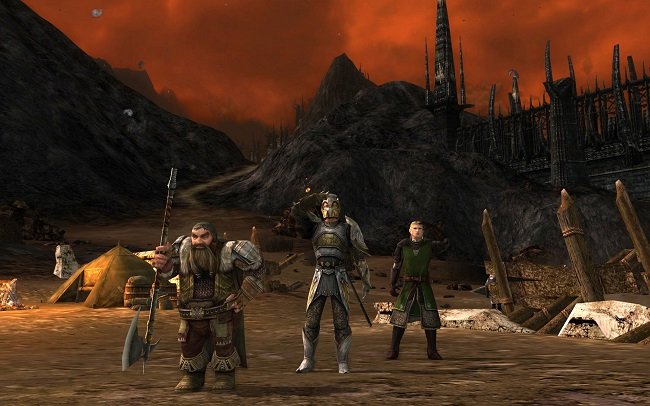
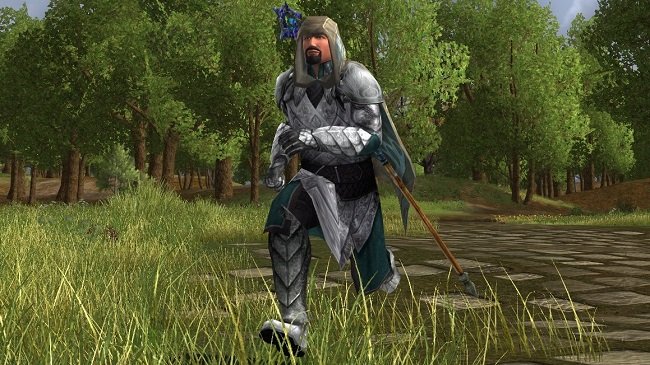
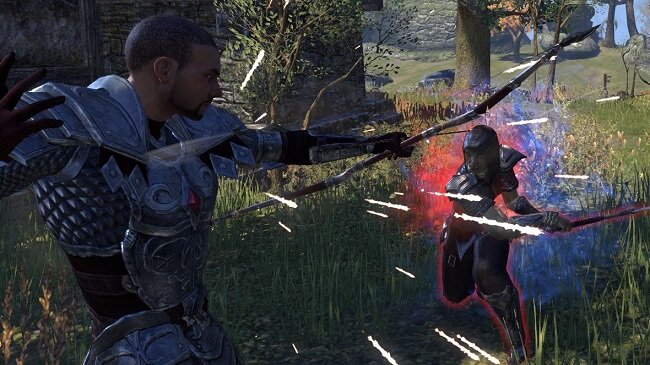
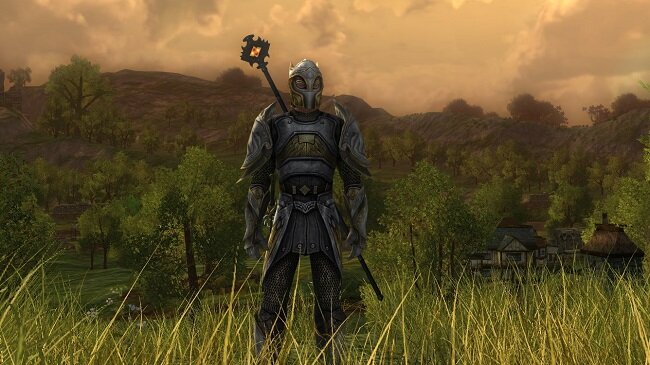
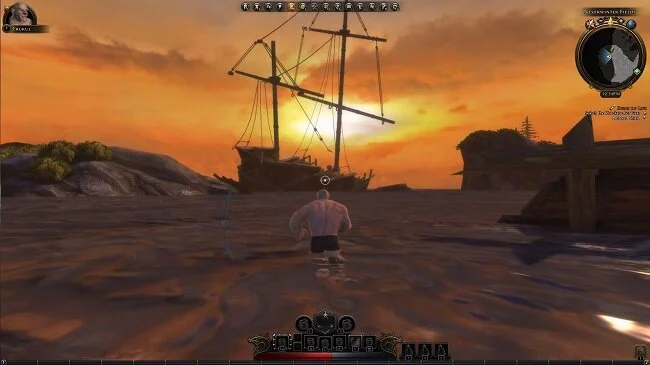
Blaugust and Me
I wrote a personal introduction for Blaugust last year which still serves its purpose, so I hope you’ll forgive me for not repeating such a post. I thought instead I’d talk a little about Blaugust and my relationship with blogging. I have always enjoyed writing, both creatively and analytically, since school. I was very fortunate to have had several very good English teachers that fostered in me a love of verbal expression and good books. It was therefore only logical that I kept journals and diaries in my younger days and when the internet came along, moved onto writing online. This August, I will have been blogging in some shape or form for 17 years. This blog, Contains Moderate Peril, has existed in several previous iterations. The current site, hosted via Squarespace, has been around for nine years. I believe it has over a thousand posts of varying quality. Then there’s the podcast that accompanied the blog for many years. That is currently on an extended hiatus but who knows, it may make a return one day.
Writing is tiring
I wrote a personal introduction for Blaugust last year which still serves its purpose, so I hope you’ll forgive me for not repeating such a post. I thought instead I’d talk a little about Blaugust and my relationship with blogging. I have always enjoyed writing, both creatively and analytically, since school. I was very fortunate to have had several very good English teachers that fostered in me a love of verbal expression and good books. It was therefore only logical that I kept journals and diaries in my younger days and when the internet came along, moved onto writing online. This August, I will have been blogging in some shape or form for 17 years. This blog, Contains Moderate Peril, has existed in several previous iterations. The current site, hosted via Squarespace, has been around for nine years. I believe it has over a thousand posts of varying quality. Then there’s the podcast that accompanied the blog for many years. That is currently on an extended hiatus but who knows, it may make a return one day.
As you can see, I like writing and enjoy having a specific site for my thoughts and ideas. For me that is one of the main attractions of blogging. It is a means to process one’s thoughts about the world we live in. It is also a means of sharing ideas and mutual pleasures with other like minded people. I have met many people through blogging and remain on agreeable terms with many of them, years on. In fact I would go so far as to say that when Contains Moderate Peril gained some traction circa 2014 and the podcast had a modest audience, these were among the best times I’ve had. However, that was due to a perfect storm of events which were unique to that period. Things have moved on now, as they always do. Blogging is still an excellent pastime but I feel that for me, that period of time between 2010 and 2015 was a golden era.
If you need to take a break then do so
However, blogging regularly takes time and commitment. It often has to compete with other real world issues. Hence we can find ourselves suffering from fatigue and burnout. Or it may be a case of after a while, we just want to do something else. On two occasions I have taken an extended break from blogging. I took three months off in early 2016 and recently stepped away for nine months. Although I didn’t have the stamina at the time to sustain a regular writing regime, the moment I stopped I immediately started to miss it. Which brings me back to Blaugust. Its timely arrival presents me with a perfect opportunity to get back into writing. I shall see if I can produce a daily post for the entire month. I already have about a dozen draft posts waiting in the wings. Furthermore we seem to have gained a particularly enthusiastic and communicative group of new participants this year which is a real boon.
I am fortunate to be in a position where I can focus quite a lot of energy and more importantly time, into Blaugust. I have effectively retired (early) and am currently spared the treadmill of full time employment. I have a spare bedroom that I use as an office and it provides a suitable writing environment. Beyond the festival of blogging, I would like to develop some long standing writing goals that I’ve had outstanding for several years. I have a non-fiction book that has been mapped out and prepped, that I would like to move forward with. I just need to bite the bullet and start putting the meat on the bones. I would also like to see if it is possible to grow the audience of Contains Moderate Peril, back to the levels it enjoyed a decade ago. That however is a more complex proposition, as the blog had the promotional advantage of an accompanying podcast. However, let’s not get ahead of ourselves. Let’s concentrate on the next 30 days of Blaugust first.
Preparing for Blaugust 2024
Because I have taken a nine month break from maintaining this blog, I thought it would be a good idea to give Contain Moderate Peril a makeover prior to Blaugust: Festival of Blogging commencing on 1st August. Initially I intended to outsource the work but the cost was prohibitive. So I made some changes to the existing blog template myself and had a new logo created via a designer from Fiverr. The changes are sufficient to quash my subconscious concerns and I am now in a position where I won’t obsess (too much) with the look and feel of the site. There is still some work to be done. I have to repost all previous instalments of “Walter Watches”” and ensure that the existing domain for that site points to its new home here. I also have to tweak the blog archive page, so that older content can be found easily. There are over a thousand posts published but it is immediately apparent.
Because I have taken a nine month break from maintaining this blog, I thought it would be a good idea to give Contain Moderate Peril a makeover prior to Blaugust: Festival of Blogging commencing on 1st August. Initially I intended to outsource the work but the cost was prohibitive. So I made some changes to the existing blog template myself and had a new logo created via a designer from Fiverr. The changes are sufficient to quash my subconscious concerns and I am now in a position where I won’t obsess (too much) with the look and feel of the site. There is still some work to be done. I have to repost all previous instalments of “Walter Watches”” and ensure that the existing domain for that site points to its new home here. I also have to tweak the blog archive page, so that older content can be found easily. There are over a thousand posts published but it is immediately apparent.
Although I often write “from the hip”, I also keep a lot of draft posts. Whenever I get an idea that I think may make a suitable blog post I make a note of it and then when I’m sitting at my desk, I create a new document via Google Drive. Some of the draft posts get developed and published quite quickly but others sit in development hell and never see the light of day. Today, I trawled through the drafts folder and expunged those proto-posts that I feel have missed the boat, are unsuitable or no longer interest me. I also added some new draft ideas that came from talking to other bloggers on the Blaugust Discord server. There’s also a lot of mileage in responding to someone else's blog post. It’s a great way of sharing ideas and highlighting other writers' blogs. It is also handy if you’re having one of those days where you’re running low on your own ideas.
Another preparation I made in getting ready for Blaugust was adding all the new participants of this year’s festival to Feedly. I currently have 177 blogs listed in this RSS aggregator but not all are maintained. Some have definitely gone to the wall, so at some point I need to prune them. However, that notwithstanding, it is pleasant and reassuring to see such a substantive quantity of blogs still active. I’m sure there will be more to add over the course of the forthcoming month, as Blaugust always attracts numerous late arrivals. I always try to trawl through Feedly each morning and see what’s new. During Blaugust I also endeavour to leave a comment on all participant blogs as a sign of solidarity and encouragement. I find that comments on my own posts are always a shot in the arm, as it means that at least a handful of people are reading my output. It’s nice to know that I’m not just shouting into the void.
Finally, in the lead up to Blaugust, the community Discord server has gotten busier. I appreciate that not everybody likes this medium but I find it most useful and agreeable. It is nice to meet new and returning bloggers, offer support and encouragement and just swap stories about our respective experiences when it comes to writing. Furthermore, we have a very diverse community who write about a multitude of different subjects. Hence group discussions can provide a wide variety of perspectives. I also find that the Discord server really does create a sense of community. For me that is what is at the heart of Blaugust. Encouraging writing by creating an online community. Hence I am looking forward to tomorrow’s start of this year’s festival of blogging. I hope all who are taking part enjoy the experience as well.
Starting a Blog
I’m sure if I search through the various posts on blogging that I’ve written over the years, I’ll find one pretty much identical to this. But good advice bears repeating. Plus, as the years go by, there are more options available to new bloggers. So here’s some simple, straightforward and candid advice for those who are considering starting a blog. Some of it is universal and you’ll find similar tips on most sites about blogging. Others derive from my personal experiences of writing online over the last 17 years and being part of a community of bloggers. I do not claim to be an expert but I also do not see myself as a “noob”. My advice is exactly that. Advice. It’s purely optional and at the end of the day “you do you”.
I’m sure if I search through the various posts on blogging that I’ve written over the years, I’ll find one pretty much identical to this. But good advice bears repeating. Plus, as the years go by, there are more options available to new bloggers. So here’s some simple, straightforward and candid advice for those who are considering starting a blog. Some of it is universal and you’ll find similar tips on most sites about blogging. Others derive from my personal experiences of writing online over the last 17 years and being part of a community of bloggers. I do not claim to be an expert but I also do not see myself as a “noob”. My advice is exactly that. Advice. It’s purely optional and at the end of the day “you do you”.
First off, before you type a word or consider setting up a blog. Consider the following. A blog that is public can be read by others. It probably won’t get a lot of traffic to begin with but it is in the public domain. Also, nothing on the internet truly goes away. Deleted blogs persist. What I’m driving at is the very act of blogging requires you to put yourself out there. You are sharing of yourself and by dint of the fact that your blog is available to read, you are tacitly inviting people to interact with you, consider you and even judge you. If you are not comfortable with that, then don’t do it. I am not saying that the moment you publish your first post, you’ll receive a tsunami of abuse, co’s you won’t but you’re dealing with people on the internet, so there is scope for things to go south. So choose wisely as the Grail Knight said.
Decide in advance of blogging what you would like to write about, what your goals are and whether you are going to wing it or work to a schedule. These points are connected to a degree, so it helps to have a clear idea before you start. If you’re just writing for your own pleasure and to share your experiences, then a fancy name, specific niche and timetable are not required. If you have your heart set on being the definitive source online about Etruscan pottery, then you need to choose a title that is relevant and then write prodigiously about that subject to build up your audience. For many of us, we are writing mainly for enjoyment, so there aren’t too many big decisions to be made beforehand. But it doesn’t do any harm to consider your options before you begin.
Pick a means of blogging that suits your needs. I would suggest that you choose a free platform or one at least with a free tier of service to begin with. Don’t spend a penny on blogging until you know that it is for you. You can always upgrade and add fancy features at a later date. If you’re the sort of person who gets side tracked or obsessive over design issues, try a blogging service such as Bear or Blot. Both offer simple, plain and unadorned blogging so you can just write, publish and shake it all out. Too many bloggers (and I include myself in this category) will draft plans, fret over logos and templates, plan schedules and generally channel all their energy into the backend of their blog, only to find they have nothing left in the tank when it comes to writing.
Be honest with yourself about what you want from blogging. Many bloggers are not bothered about statistics and traffic. If you’re not then your blogging will be a lot happier. However, there is nothing wrong with wanting to grow an audience and obviously, if you have aspirations of monetisation then numbers and the size of your readership matter. It is a question of tempering your dreams and being realistic about expectations. Growth requires promotion and marketing, although regularly posting new material also helps with regard to Google ranking. SEO also has an impact, like it or not. For the people who are somewhere in between these two positions, it is nice sometimes just to know that your posts are being read by someone and positively received. But even that requires a degree of self promotion and the most obvious means is social media. Blogging communities such as the Blaugust Discord server are also very beneficial. Don’t forget to network.
Modern life is complex with multiple demands on our time. Work, family and real life take priority for obvious reasons. Therefore, you need to figure out when and where you can write. You also need to find a suitable writing environment, if possible. You know the kind. Free from distraction. Once you’ve sorted out a specific time and place to write, then you write. Sounds crass to even say that, doesn’t it? But it is the key to blogging, spookily enough. I’ve said it before and I’ll say it again, writer’s block as it is generally perceived, is not really a thing.
Yes, I said it. Writer’s block isn’t a case of “I can’t write at the moment”. It’s just a case of “I don’t want to write at the moment”. Now before everyone gets shitty with me about this point, I am not referring to the days when some folk find themselves without the spoons to write. That is different. That is a wider mental health issue and not specific to writing. On such spoonless days, not only will you not write, you won’t go shopping or do the laundry. I’m talking about the days when you sit down to write and your heart is just not in it. So you give yourself a free pass claiming writer’s block and go do something else. Come on, that’s bullshit. Do you think plumbers get plumbers block? No, they get on with the job whether they want to or not. Blogging requires a degree of self discipline. I’m not saying it has to be a chore but you do have to apply yourself sometimes. Or else you just won’t produce anything and blogs need content, do they not?
So to review all the above points, if you have decided to write, then figure out what you want to write about and then where. Once you’ve got these things sorted, then just get on with it. I don’t think it has to be any more complex than that and if it is, then I politely suggest that it is you and not blogging per se, that is making it so. Once you’ve got your head in the right place so you can write, then doing so becomes a lot easier. Some days it will feel hard and you may not be exactly happy with your results. Yet these days count and if you can power through them you’ll be a better writer for doing so. And then there’s the days when it’s just like turning on a tap and the words and creativity just spill out of you. Those days are the most satisfying. So, with all this in mind, go start a blog. Or if you have one already and it’s been put on the back burner, then go write something now. Happy blogging.
Thinking Out Loud
Simply put, I got fed up with my ongoing diet last week, so I came off the wagon. There were a few glasses of wine too many and a couple of meals that were larger than the new prescribed portion size. As a result, my weight has remained the same as last week’s. On mature reflection, I am glad it didn’t gain weight as that would be very counterproductive. Weight loss and trying to change your diet are difficult tasks and somewhat joyless. Mainly because you are denying yourself pleasure. However, I don’t like what I see when I look in the mirror, so if I wish to regain my former status as a minor deity and sexual Tyrannosaurus (in my mind), then I need to get back on track.
This is yet another post where I write a series of random thoughts, gathered under the title “Thinking Out Loud”. The fourth, if we’re counting, which we’re not. I tend to do this on Mondays but that’s not legally binding.
The Diet (Again)
Simply put, I got fed up with my ongoing diet last week, so I came off the wagon. There were a few glasses of wine too many and a couple of meals that were larger than the new prescribed portion size. As a result, my weight has remained the same as last week’s. On mature reflection, I am glad it didn’t gain weight as that would be very counterproductive. Weight loss and trying to change your diet are difficult tasks and somewhat joyless. Mainly because you are denying yourself pleasure. However, I don’t like what I see when I look in the mirror, so if I wish to regain my former status as a minor deity and sexual Tyrannosaurus (in my mind), then I need to get back on track.
Digital Terrestrial Television
I seldom watch live television these days, although it is something I did all the time as a child. However, there was no other option at the time until the advent of the VCR. Nowadays I use on demand, streaming services most of the time. Especially those paid services without any advertising and on screen graphics. However, because I am a “belt and braces” sort of person, I recently bought a USB digital terrestrial TV tuner for my PC, in case the internet ever goes down. We still have a roof antenna (although it is in the loft) and there’s an outlet in the spare room that I use as an office. Hence, it was no effort to run a cable from the socket, to the USB device and then to my PC.
I don’t know how bad digital terrestrial TV is in your country but it is pretty poor here in the UK. I’m not talking about the prestige channels such as BBC or Channel 4. I mean the cheap, filler stations that fill the extremities of the TV guide. Most of these channels are in standard definition, with poor digital compression and colour grading. There are far too many adverts, so you sometimes only get 9 minutes of actual content before the next commercial break. As for the actual programs, they tend to be low grade reality shows such as “cooking with ghosts”, or cheap cosy crime dramas about a barista who solves murders by night. If these channels broadcast old classic shows, they’re often edited for content so they can be shown at any time of day. Such is the reality of so-called “free” content. If you’re not paying, this is what you get.
Cleaning the Wheelie Bins
Upon adulthood, regardless of whether you cohabitate or live alone, you quickly discover that there are chores that need to be done. Clothes don’t miraculously wash themselves. You have to go grocery shopping to some degree. If you don’t clean your home, it will become verminous. Hence, we usually get into a routine of dealing with these tasks. How effective this is comes down to you as a person. However, not all chores are immediately apparent or even expected. We have 4 wheelie bins provided by the local council, to handle our rubbish and recycling requirements. Due to the hot weather we’ve had of late, these have all needed cleaning because they contained more maggots than a Lucio Fulci movie. Needless to say this chore fell to me.
Armed with a garden hose, an old mop and a couple litres of disinfectant, I set about keeping this sinister plague at bay. It certainly wasn’t a glamorous job. Nor was it something I ever envisaged doing when younger. Along with unblocking toilets, cleaning up fox shit, removing all spiders from the house, clearing leaves from the guttering and expressing the cat’s anal glands when they’re blocked. No wonder kids don’t want to grow up these days. Due to the internet, they know that adulthood isn’t half as good as it’s cracked up to be.
The Ubiquity of AI
I built a new PC in January which meant a fresh install of Windows 10. My policy regarding this operating system is comparable to one I have regarding my own body. Namely, I don’t install anything that isn’t necessary (I’m not sure if that analogy quite works). Hence I tend to check the various updates that Microsoft regularly shunts out, to ensure that I’m only installing essential patches, rather than superfluous new features. Sadly, this is not a process you can 100% control. Which explains how I found Microsoft Copilot installed on my PC, after an alleged minor update,
Now I am not at present pathologically against AI. Artificial intelligence is a tool and like any tool, it is the manner in which it is used which foremost dictates how it is perceived. Currently, AI seems to be running rampant like a schoolyard craze among kids. The world and his wife is trying to crowbar such services into their business model. All too often the results are not good and are subsequently withdrawn. Take courier company DPD for example and its customer service chatbot. AI is also saturating other markets. Take the freelance marketplace Fiverr. A lot of the design work on offer is now AI generated and frankly shit. YouTube is awash with AI generated content which is generic, simplistic and utterly bland. As for AI voiceovers, they are excruciatingly stilted.
I make it my business now to opt out of any potential AI scraping of material that I produce. Today, I went into my Twitter/X settings to ensure that the Grok AI couldn’t parse my tweets for training purposes. I have done the same with my Squarespace website. Again, I want to keep a level head about AI but suspect that senior management in a lot of major businesses see it as a means of bypassing services that previously they’d have to pay for. It’s not so much AI per se that’s the problem but AI in the hands of unreconstructed capitalism.