
LOTRO: Bullroarer Update 33 - Yondershire Beta #1
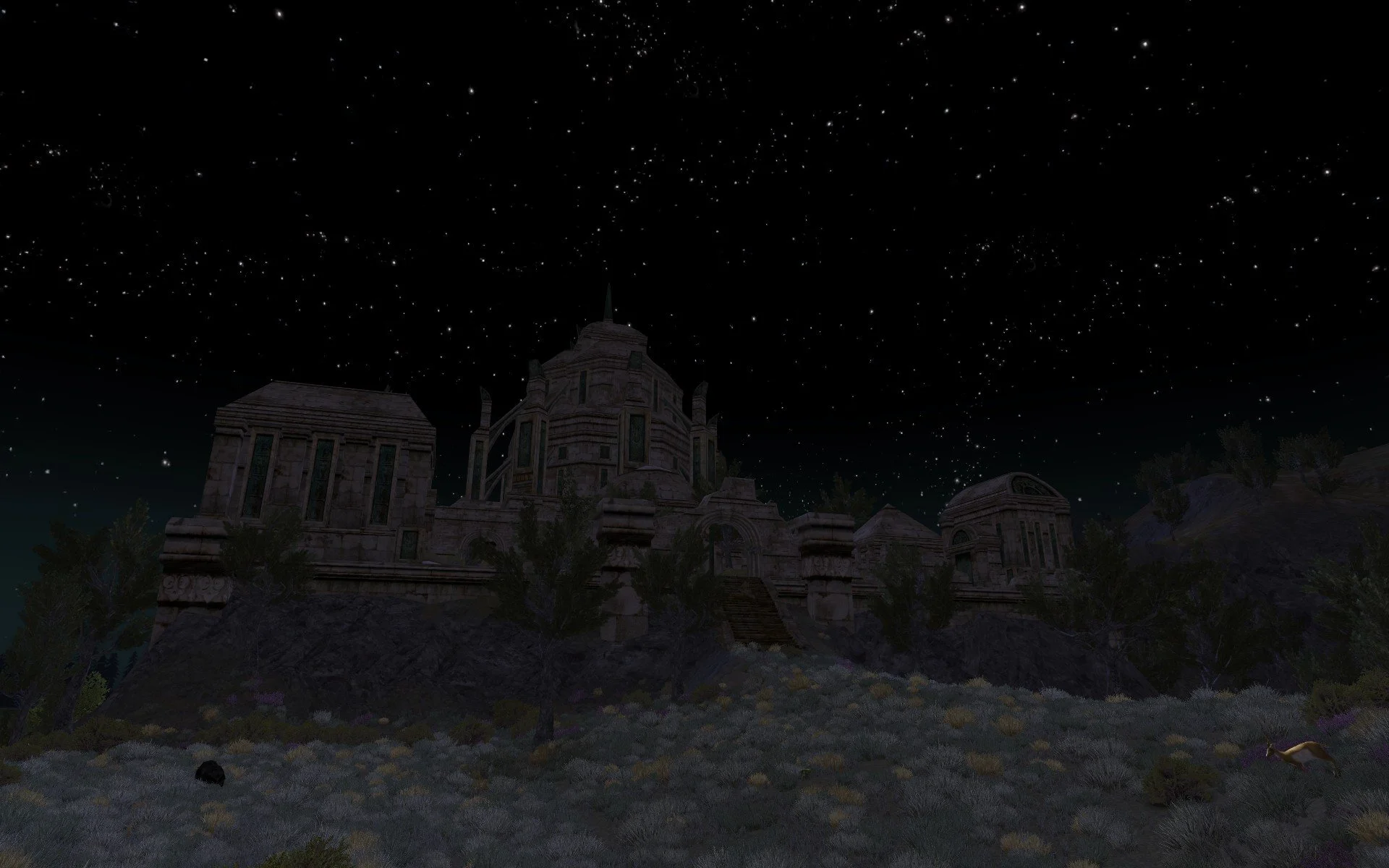
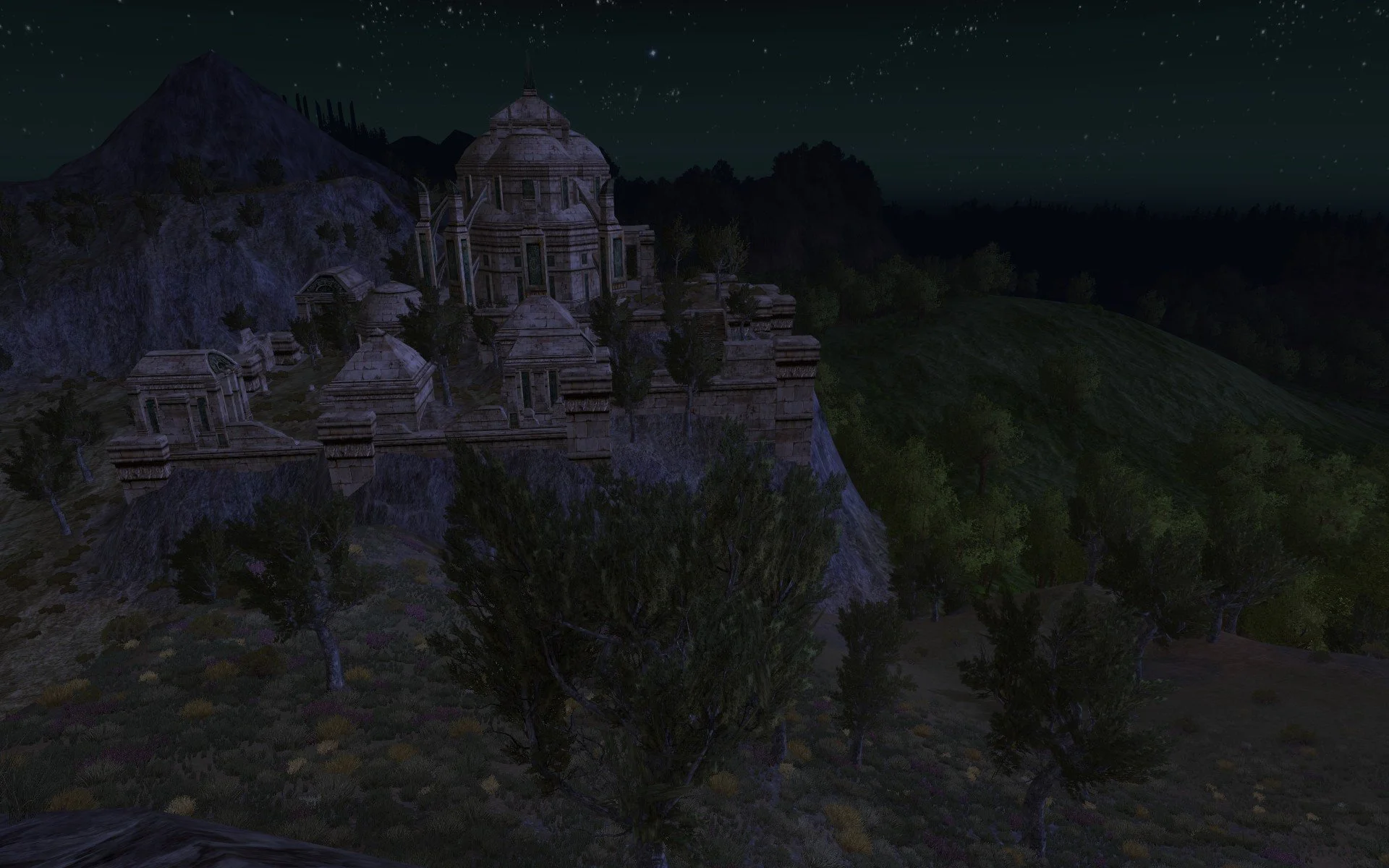
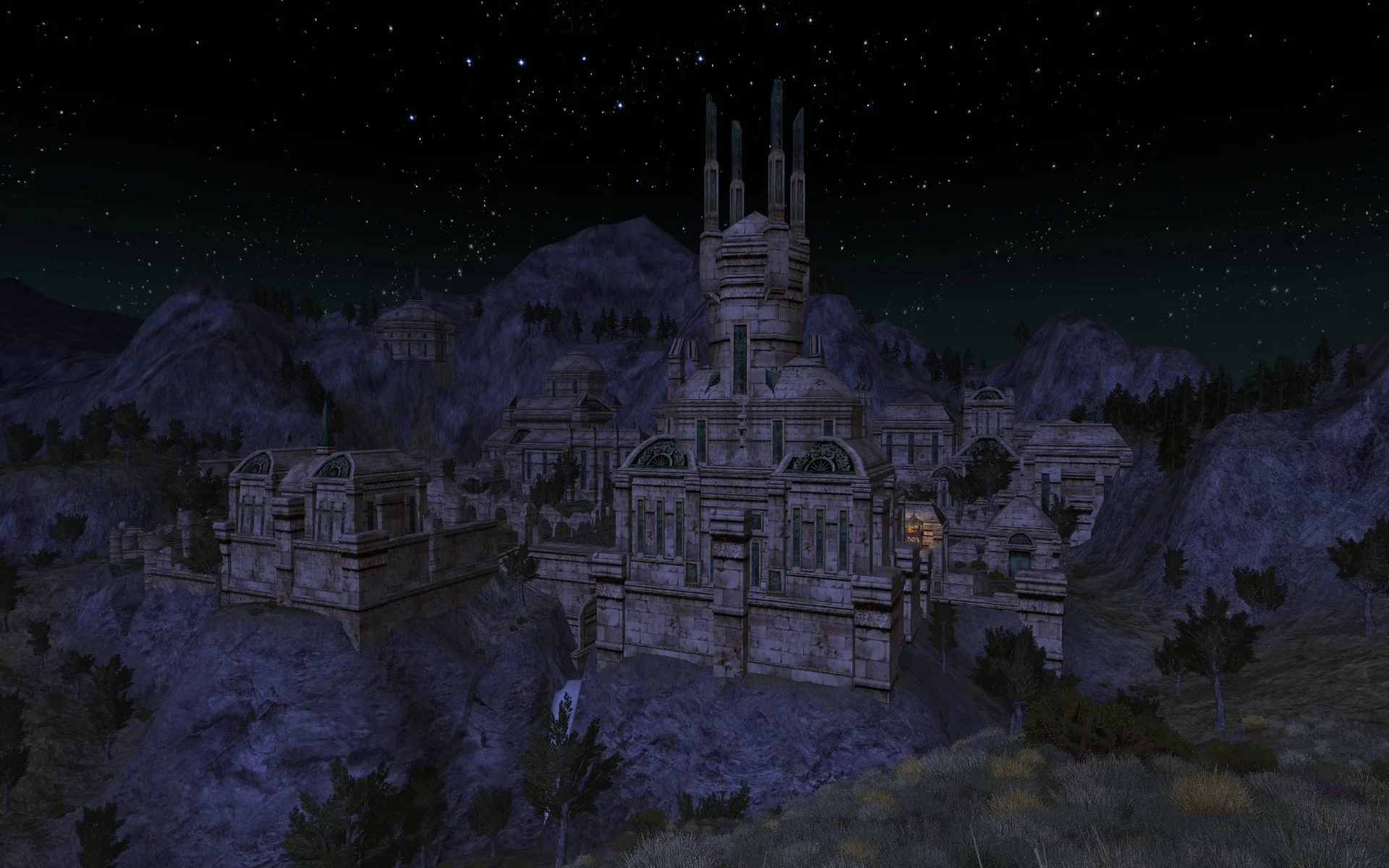
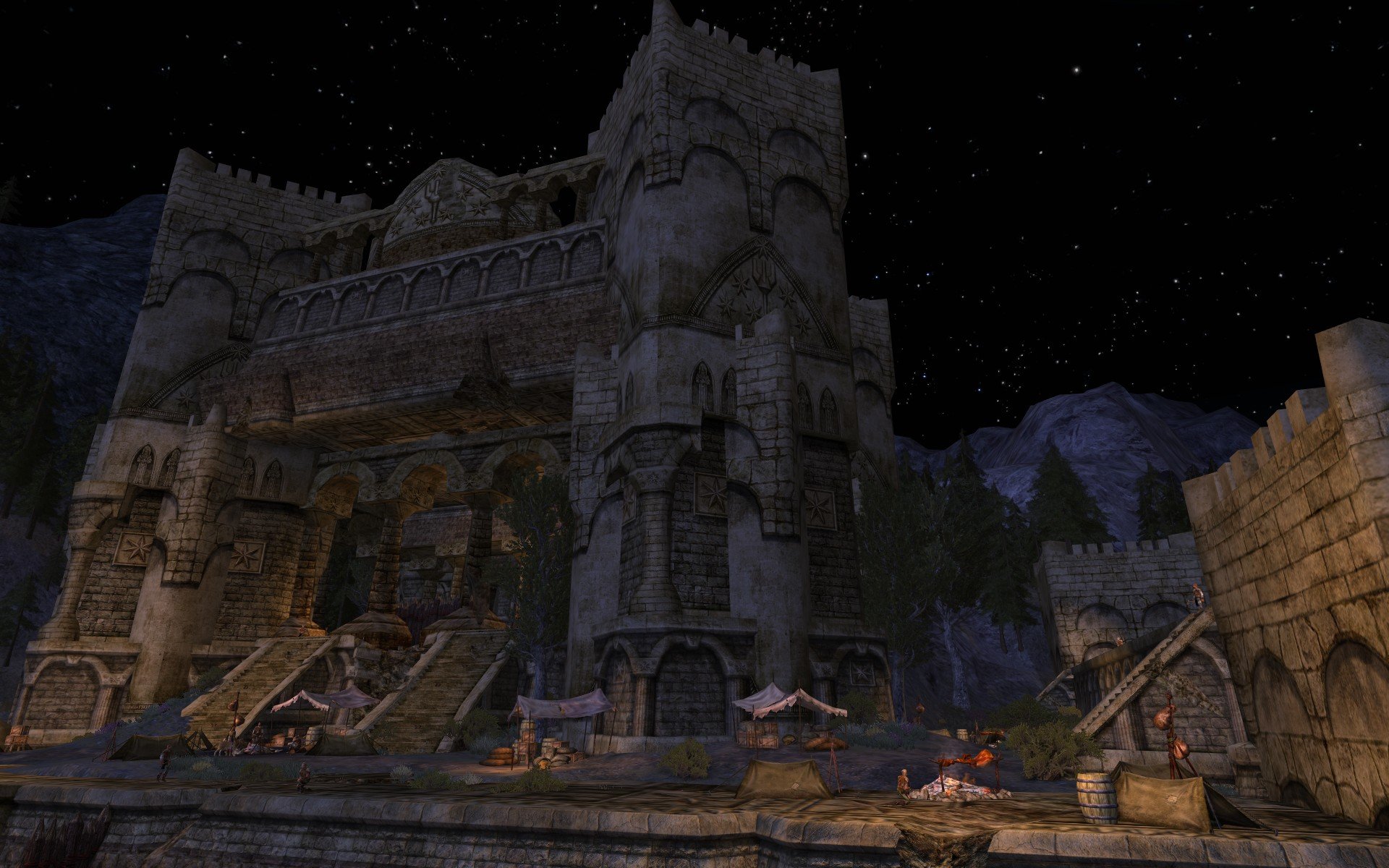
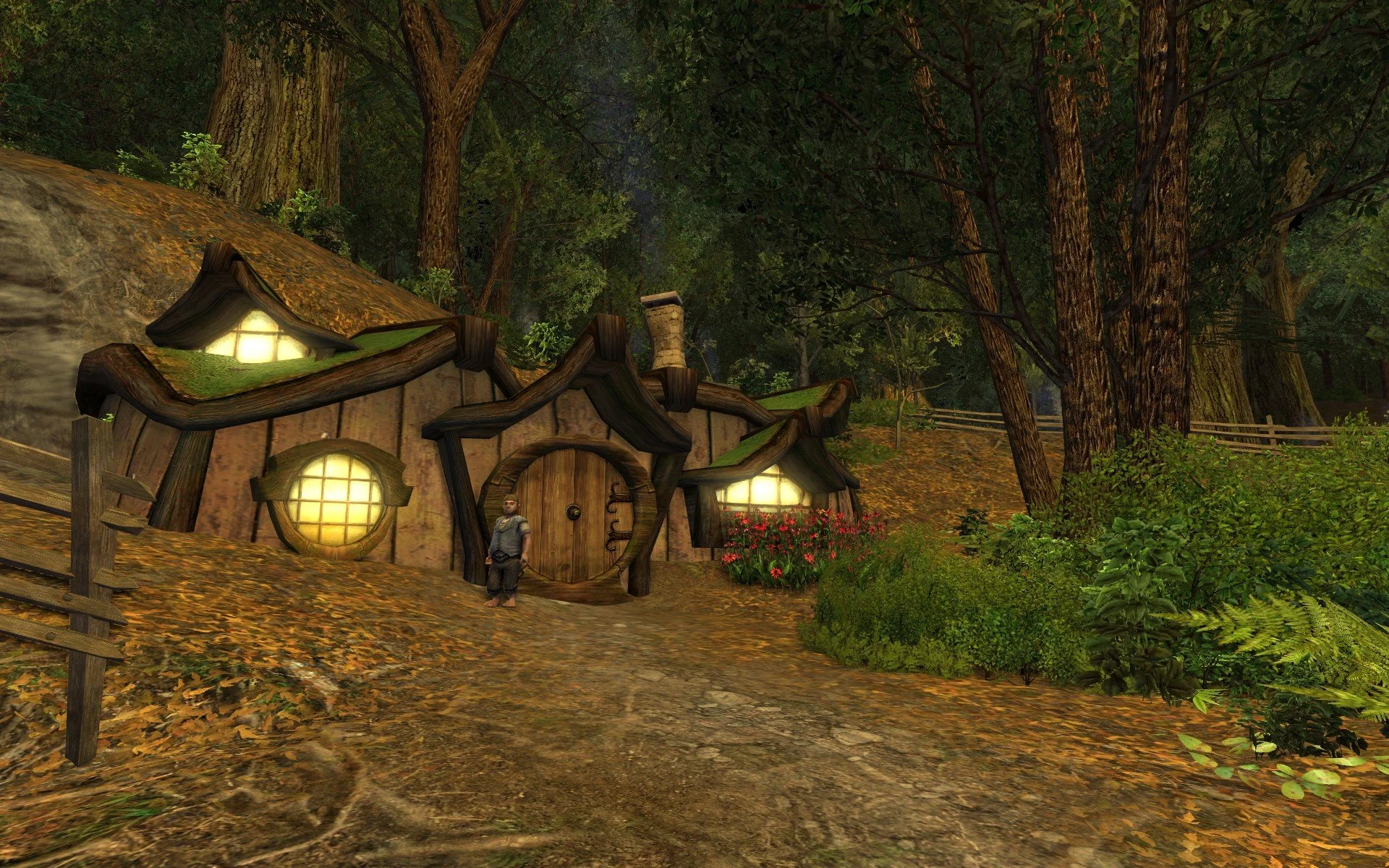
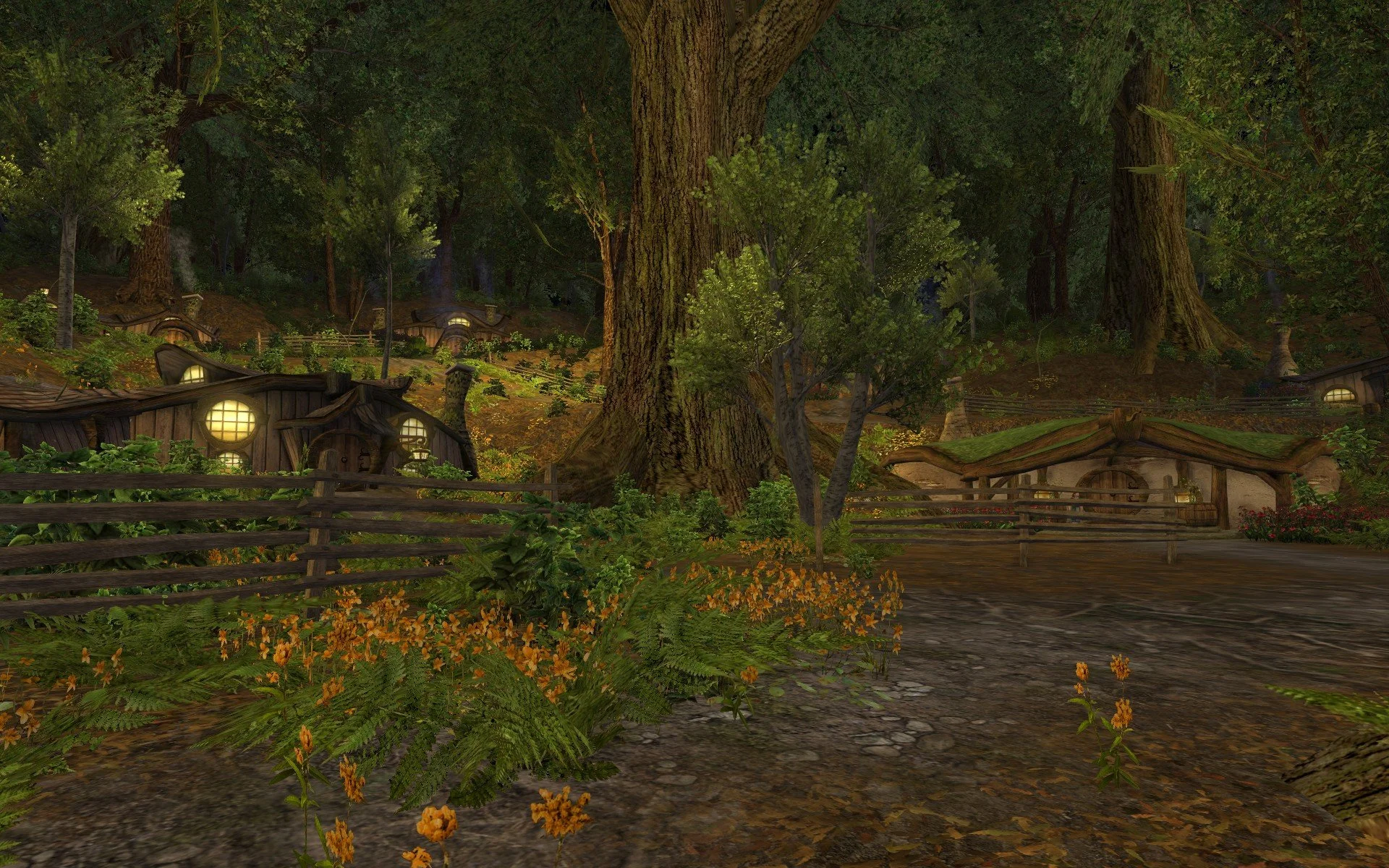
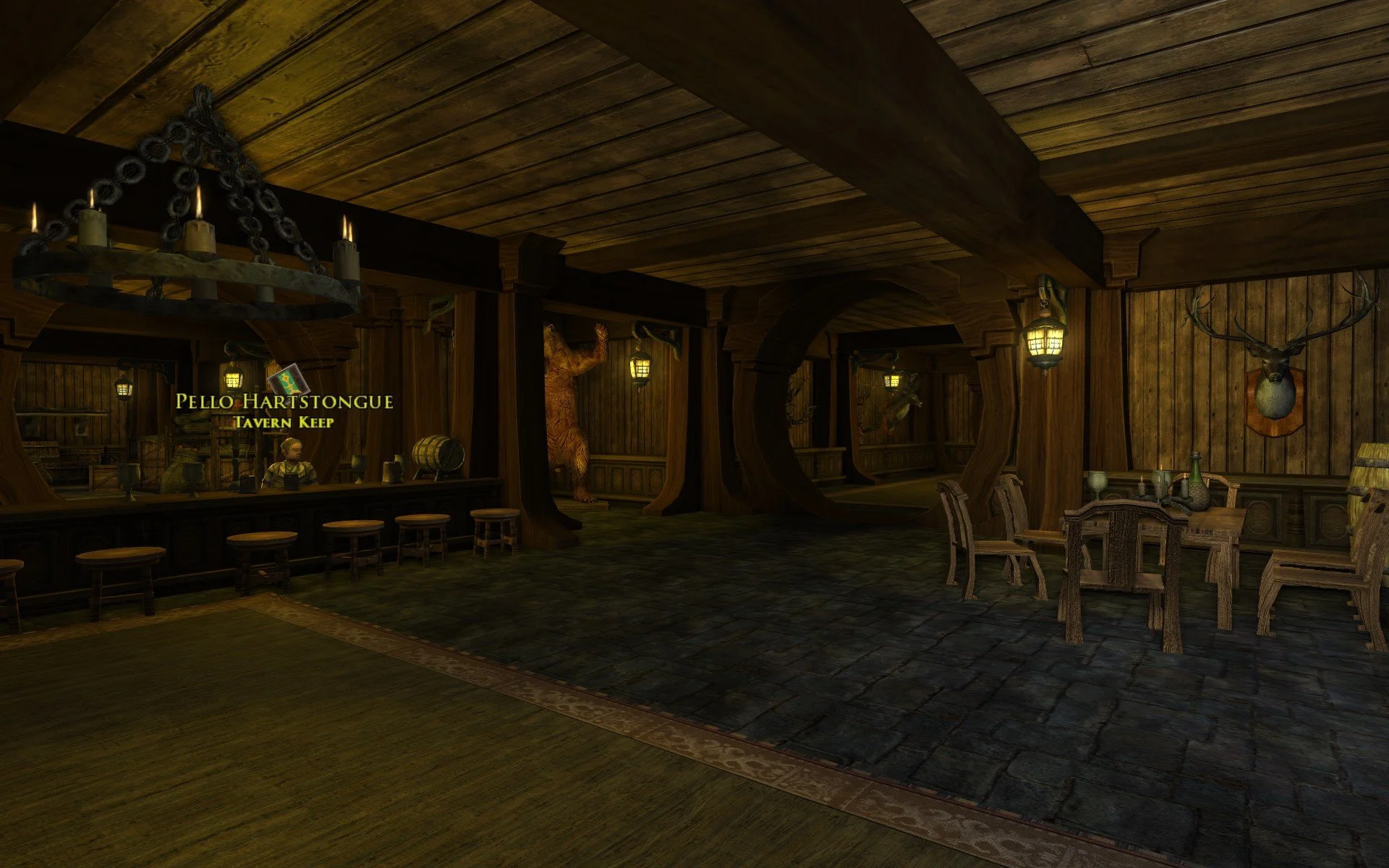
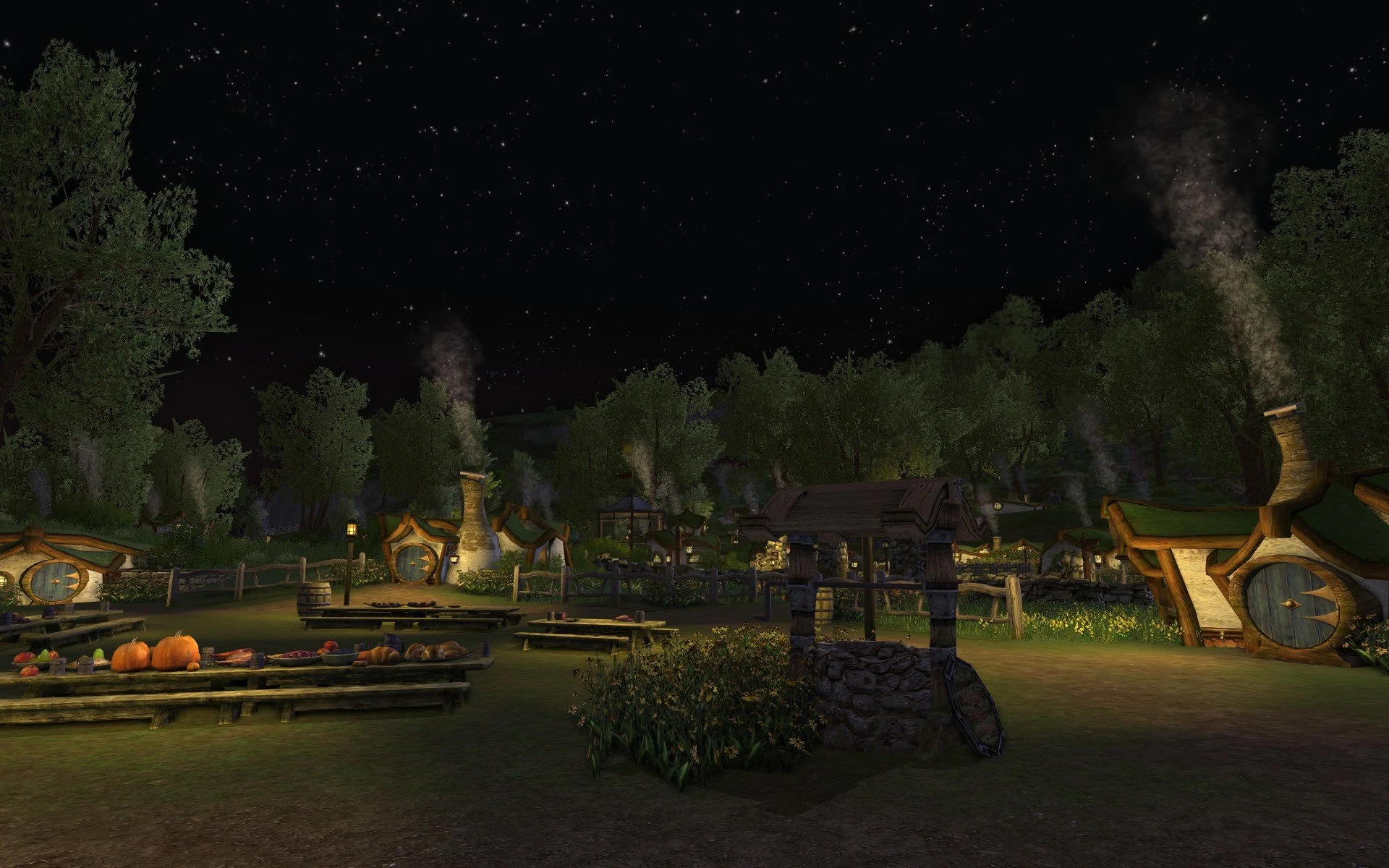
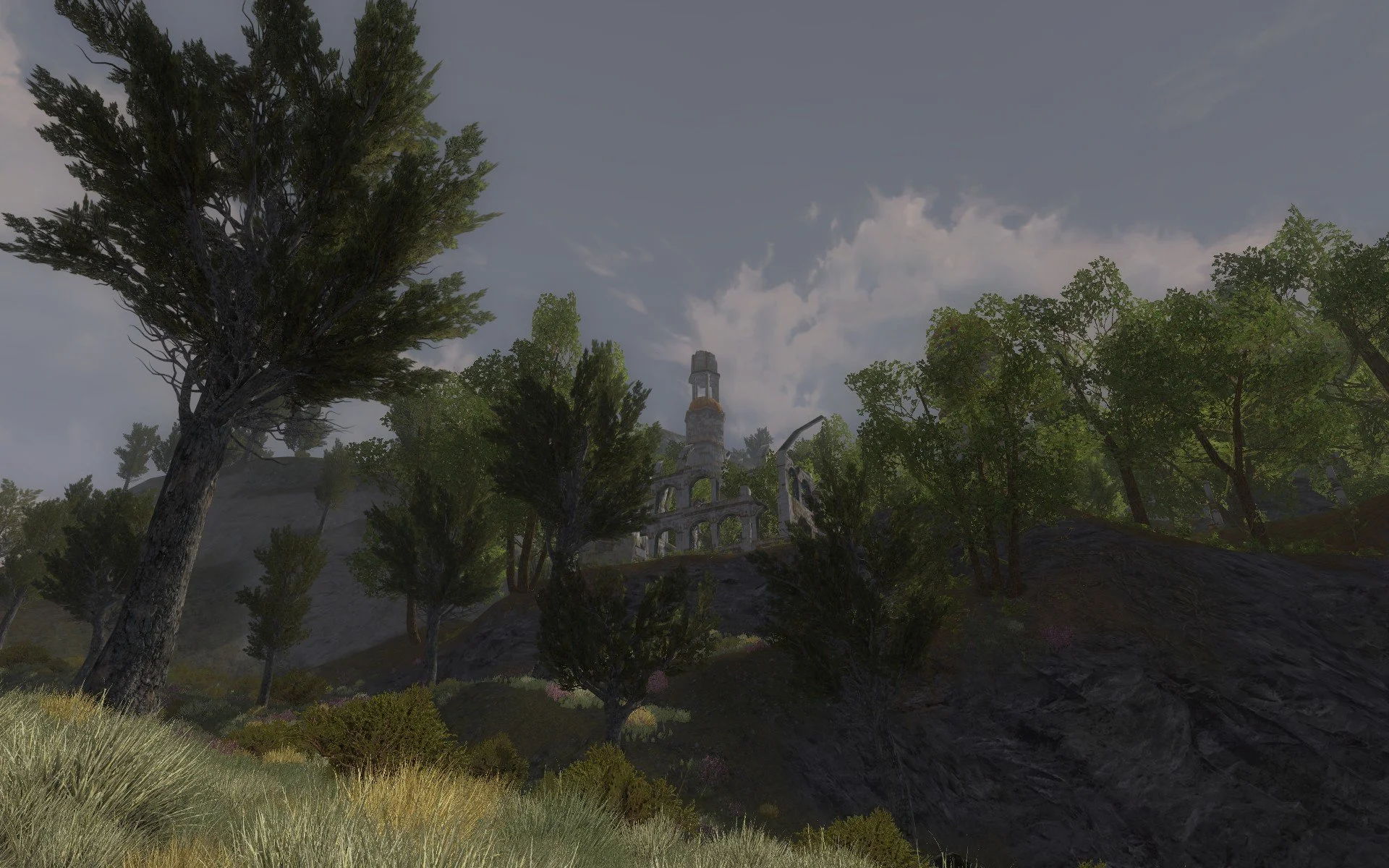
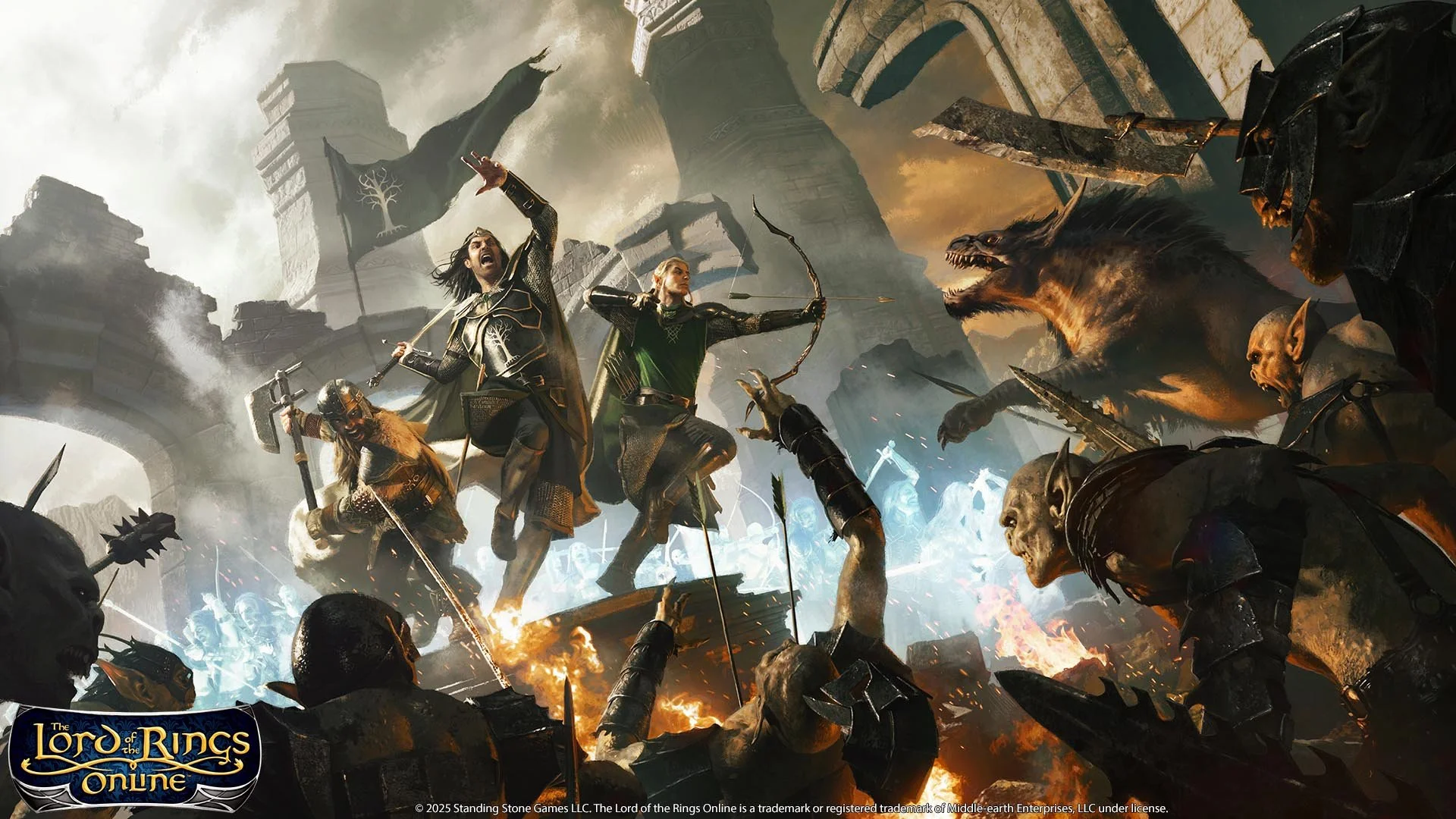
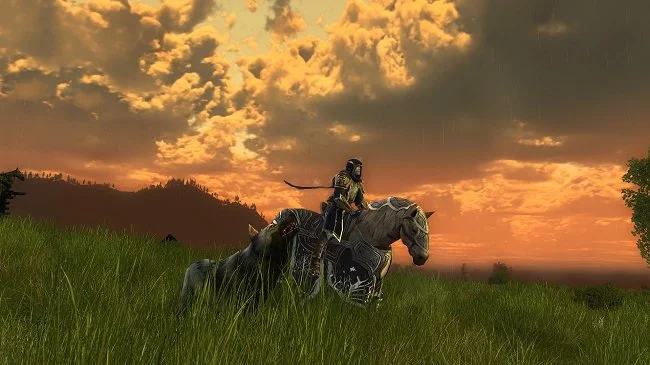
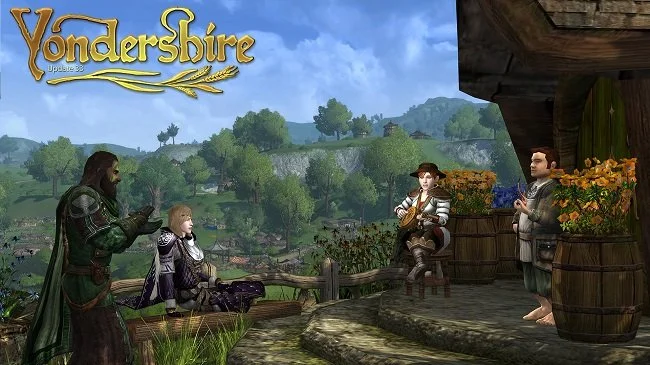
The first preview of Update 33 for the MMORPG The Lord of the Rings Online has been available on the Bullroarer test server for the last three days. The update features the new region of Yondershire which connects the North-west of The Shire with Ered Luin. Yondershire has a challenge level 20-23 and continues with Standing Stone Games recent trend of not just adding level cap content to the game. Yondershire can be reached by travelling West out of Little Delving or North-west out of Needlehole through Rushock Gate. Alternatively, if you are travelling South-east out of Ered Luin then follow the Eastway. If returning from Evendim, travel South-west out of Oatbarton through Bullroarer's Sward. At present a map of the new zone is not available in the current test build. However it is not too difficult to get orientated, due to the way Yondershire neatly fills the gap between The Shire and Ered Luin.
The first preview of Update 33 for the MMORPG The Lord of the Rings Online has been available on the Bullroarer test server for the last three days. The update features the new region of Yondershire which connects the North-west of The Shire with Ered Luin. Yondershire has a challenge level 20-23 and continues with Standing Stone Games recent trend of not just adding level cap content to the game. Yondershire can be reached by travelling West out of Little Delving or North-west out of Needlehole through Rushock Gate. Alternatively, if you are travelling South-east out of Ered Luin then follow the Eastway. If returning from Evendim, travel South-west out of Oatbarton through Bullroarer's Sward. At present a map of the new zone is not available in the current test build. However it is not too difficult to get orientated, due to the way Yondershire neatly fills the gap between The Shire and Ered Luin.
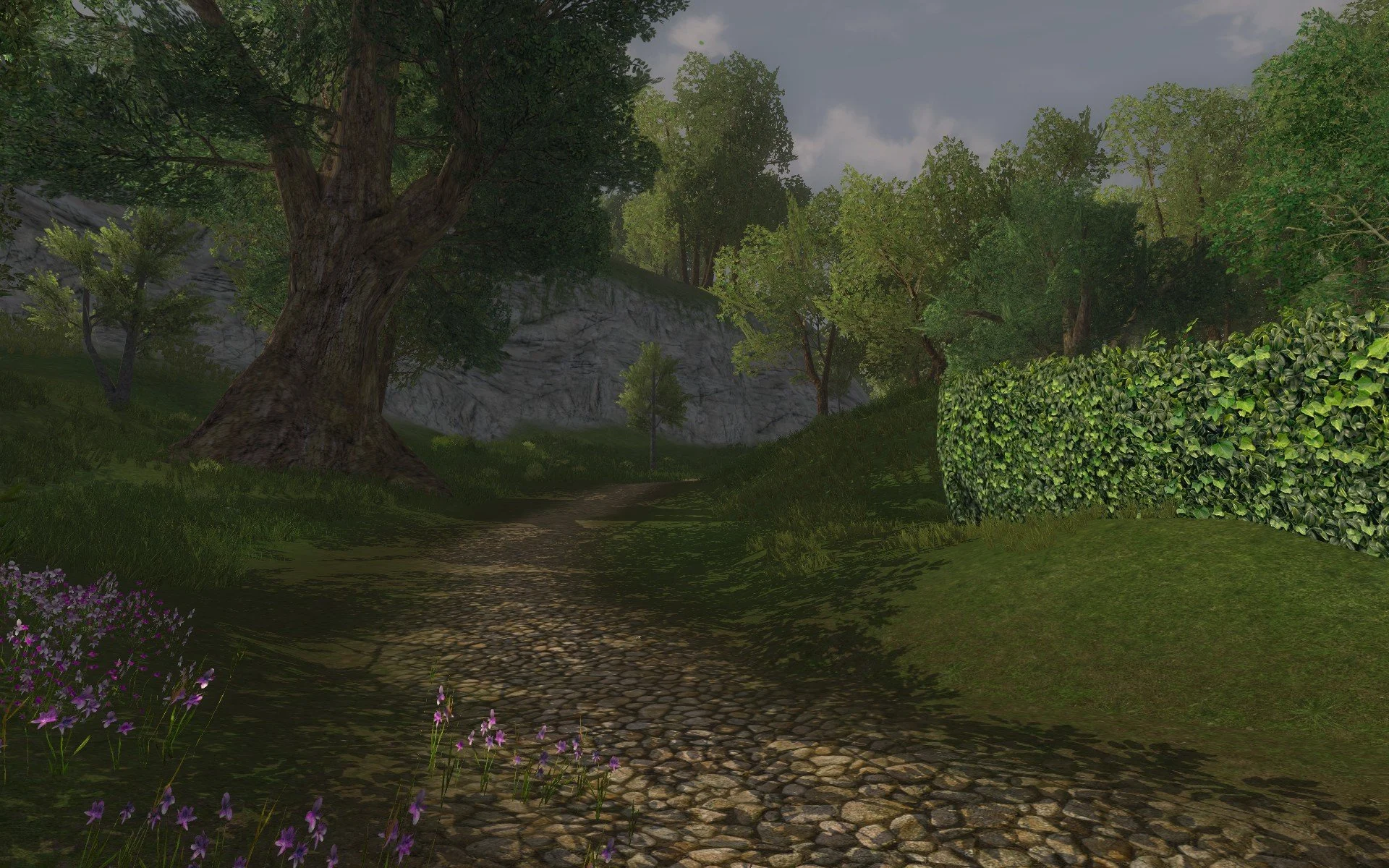
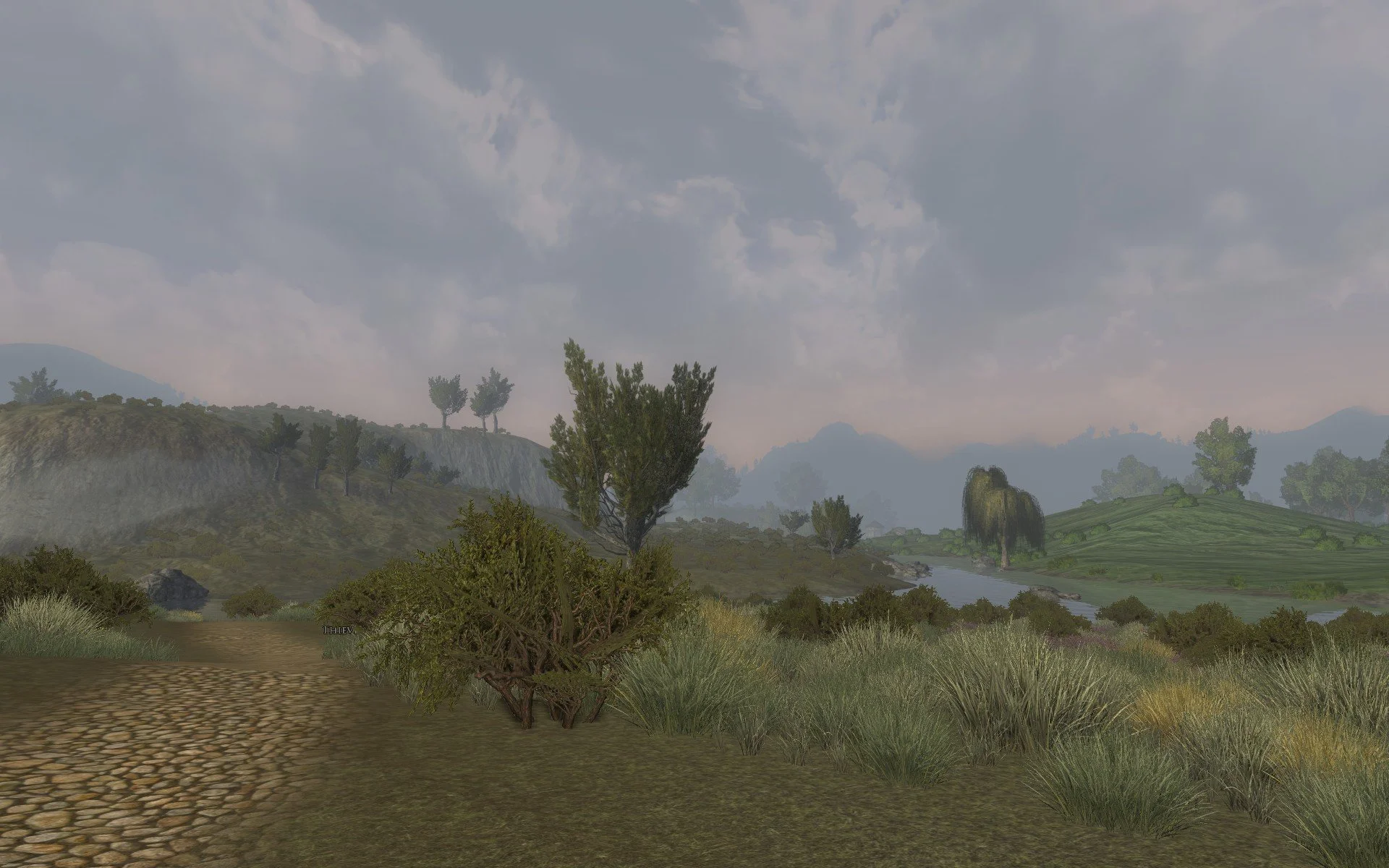
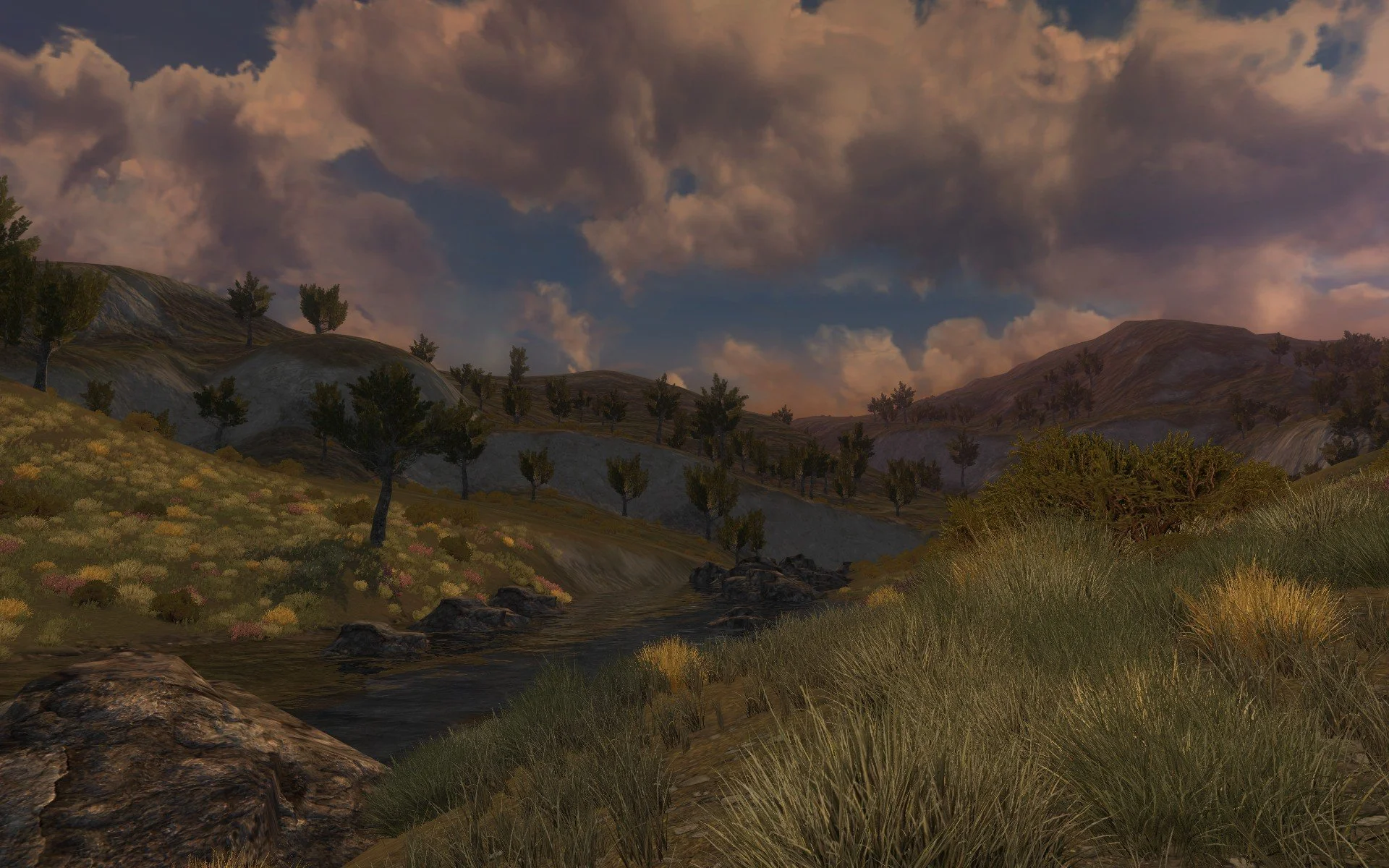
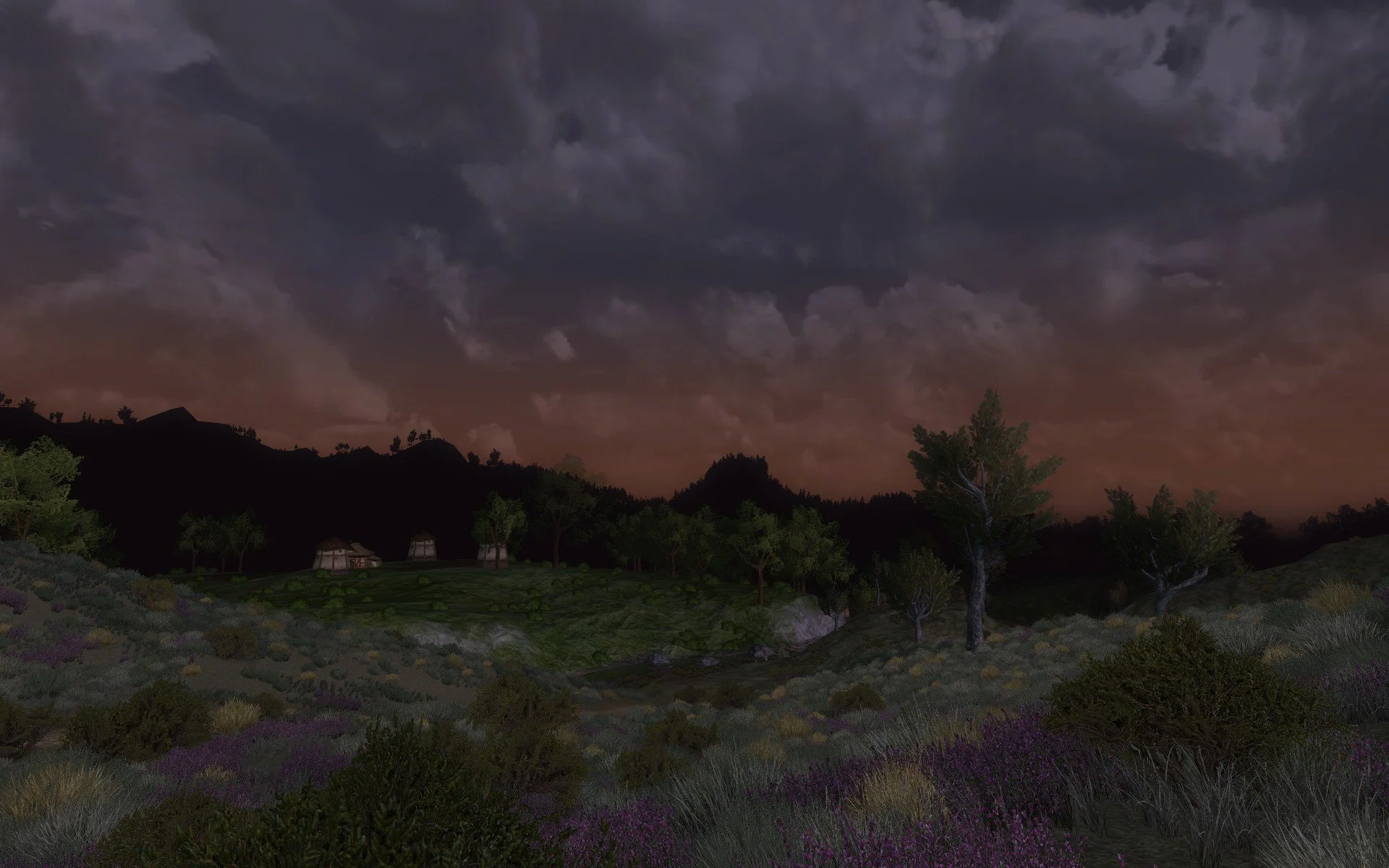
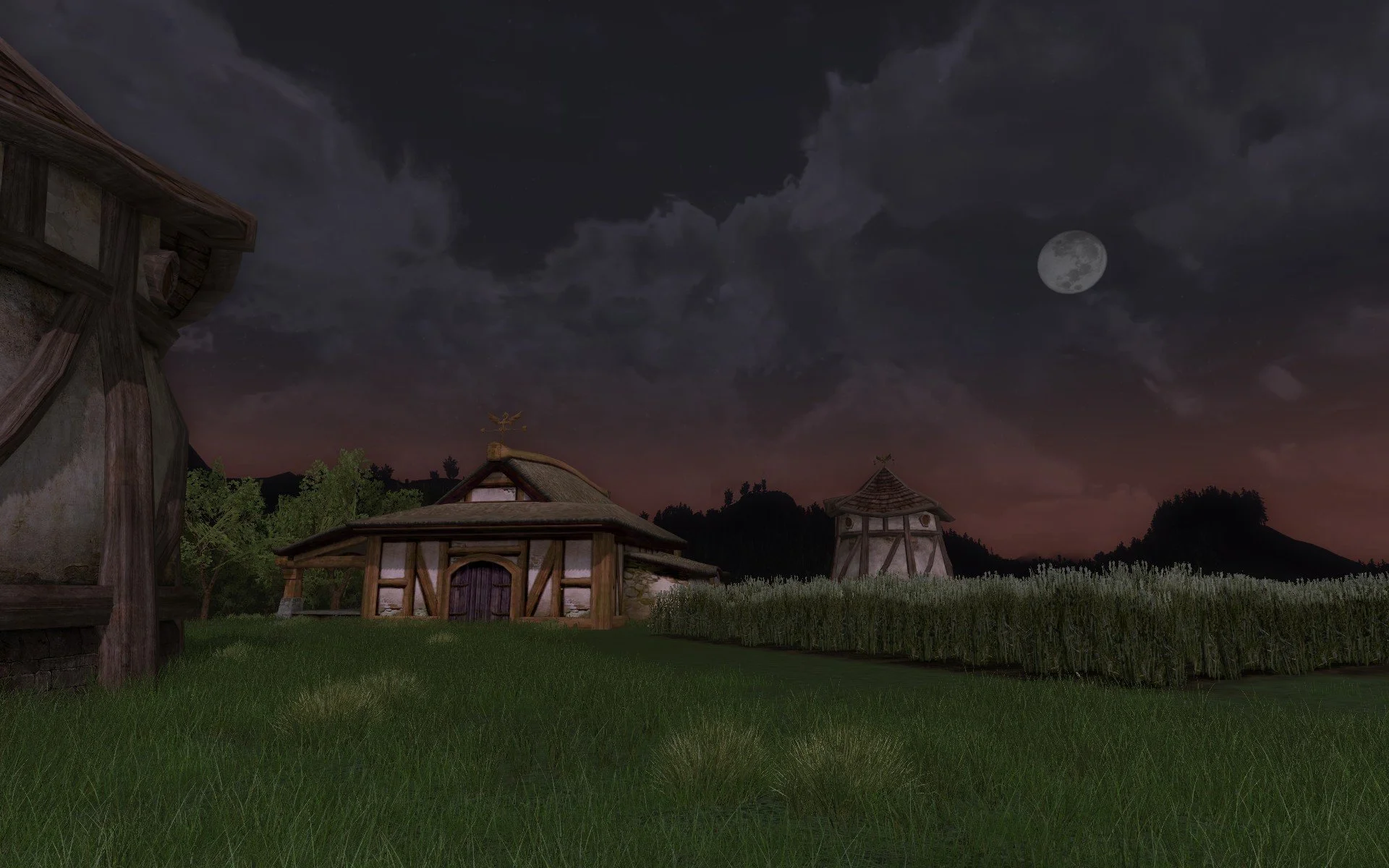
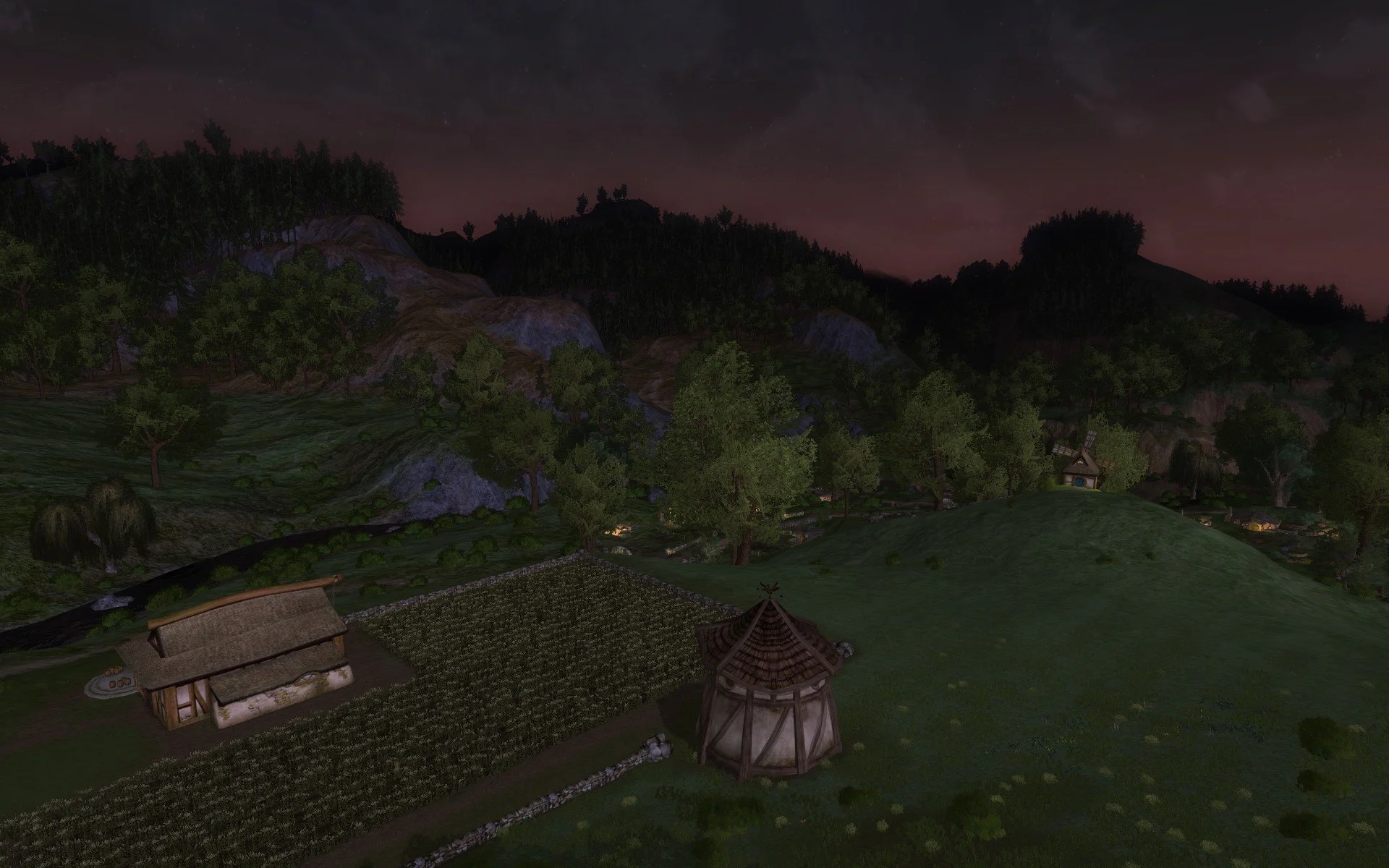
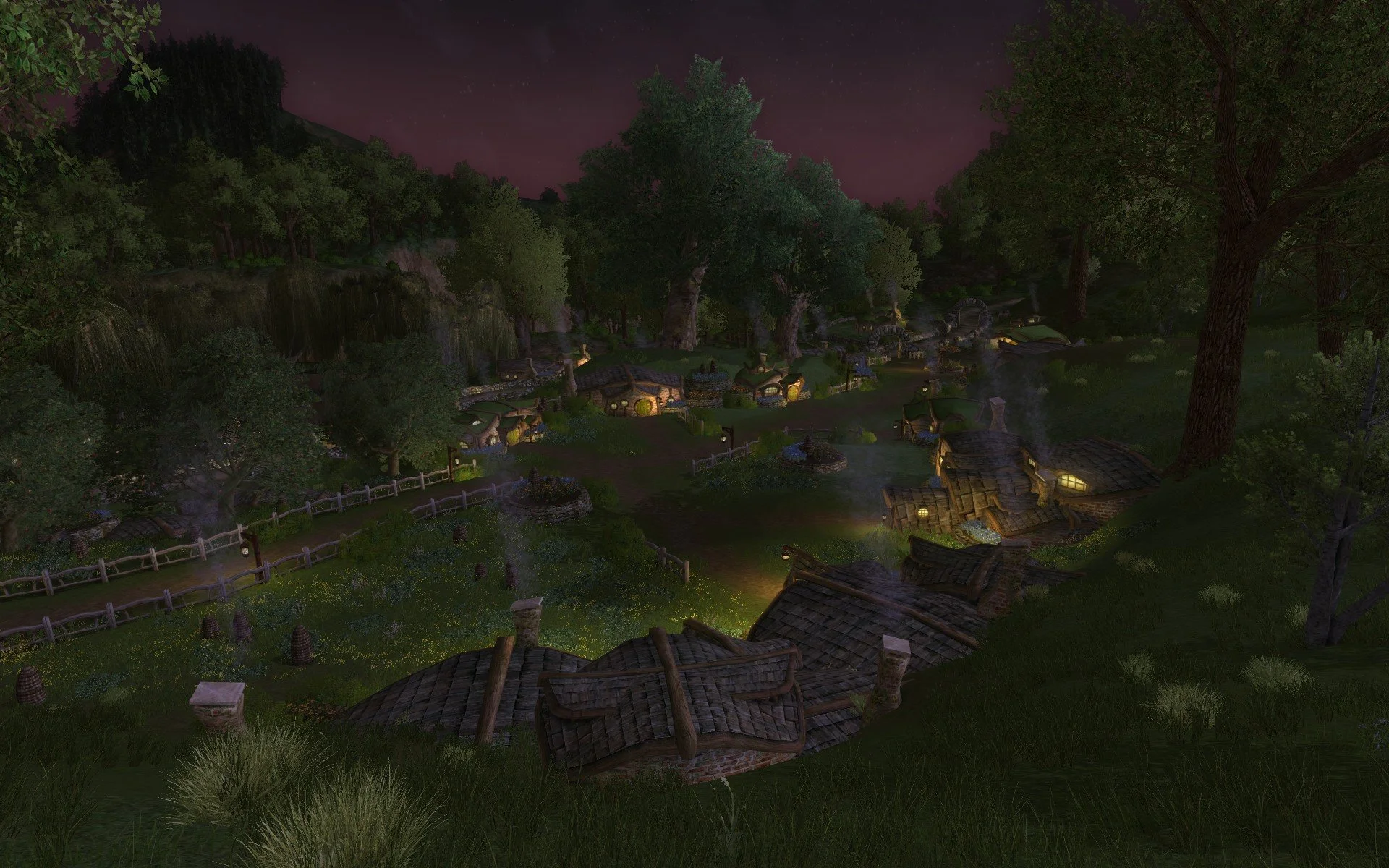
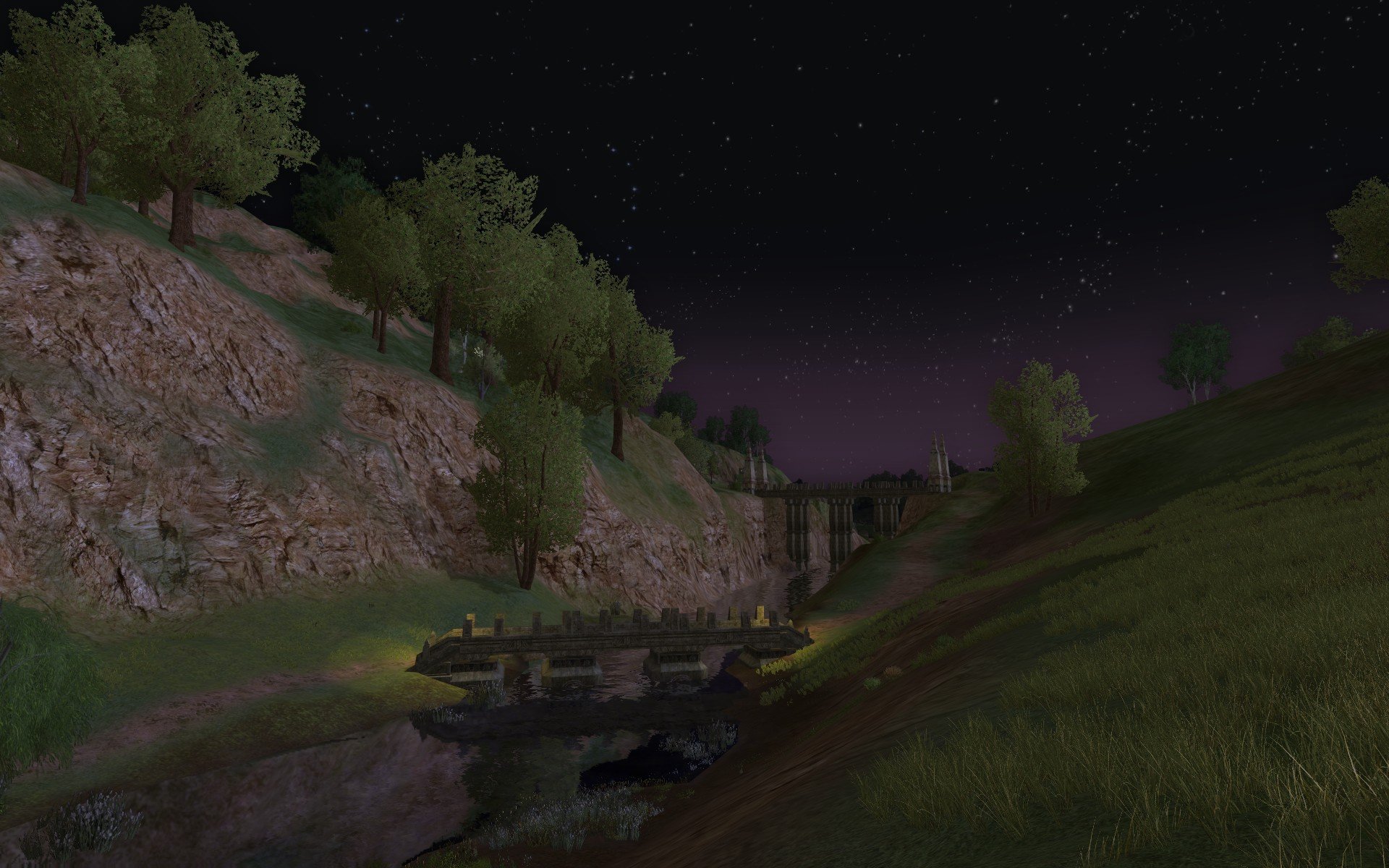
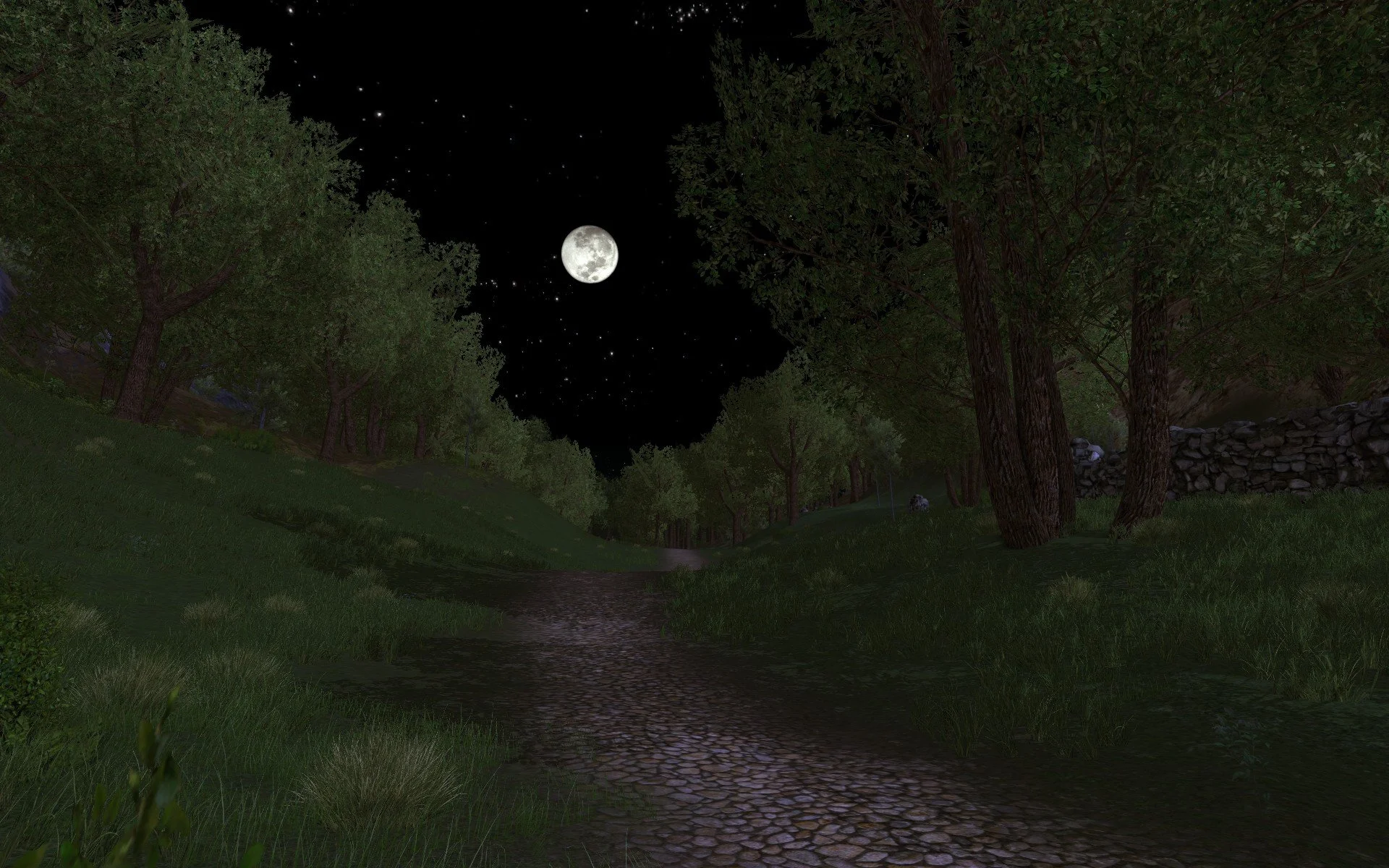
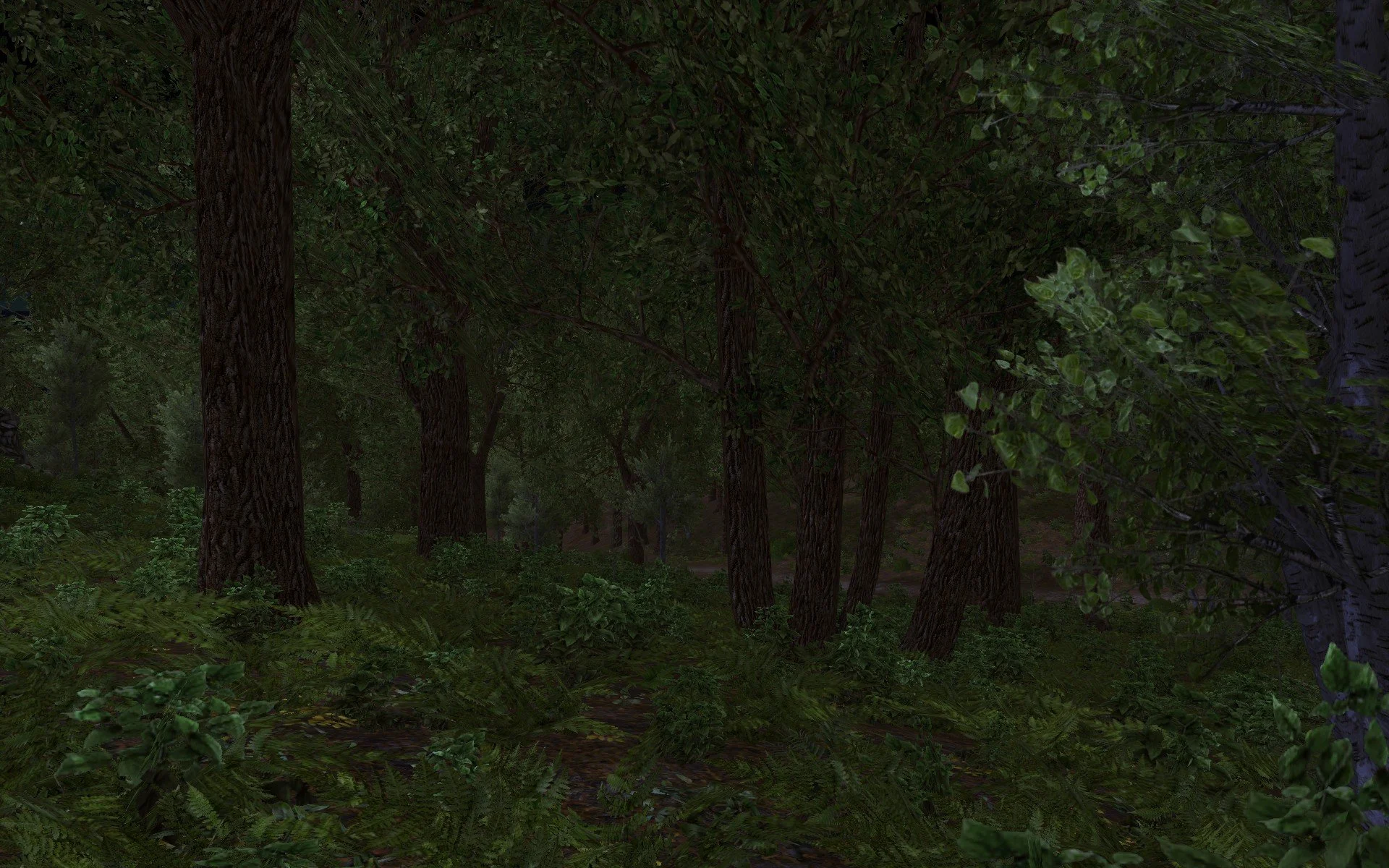
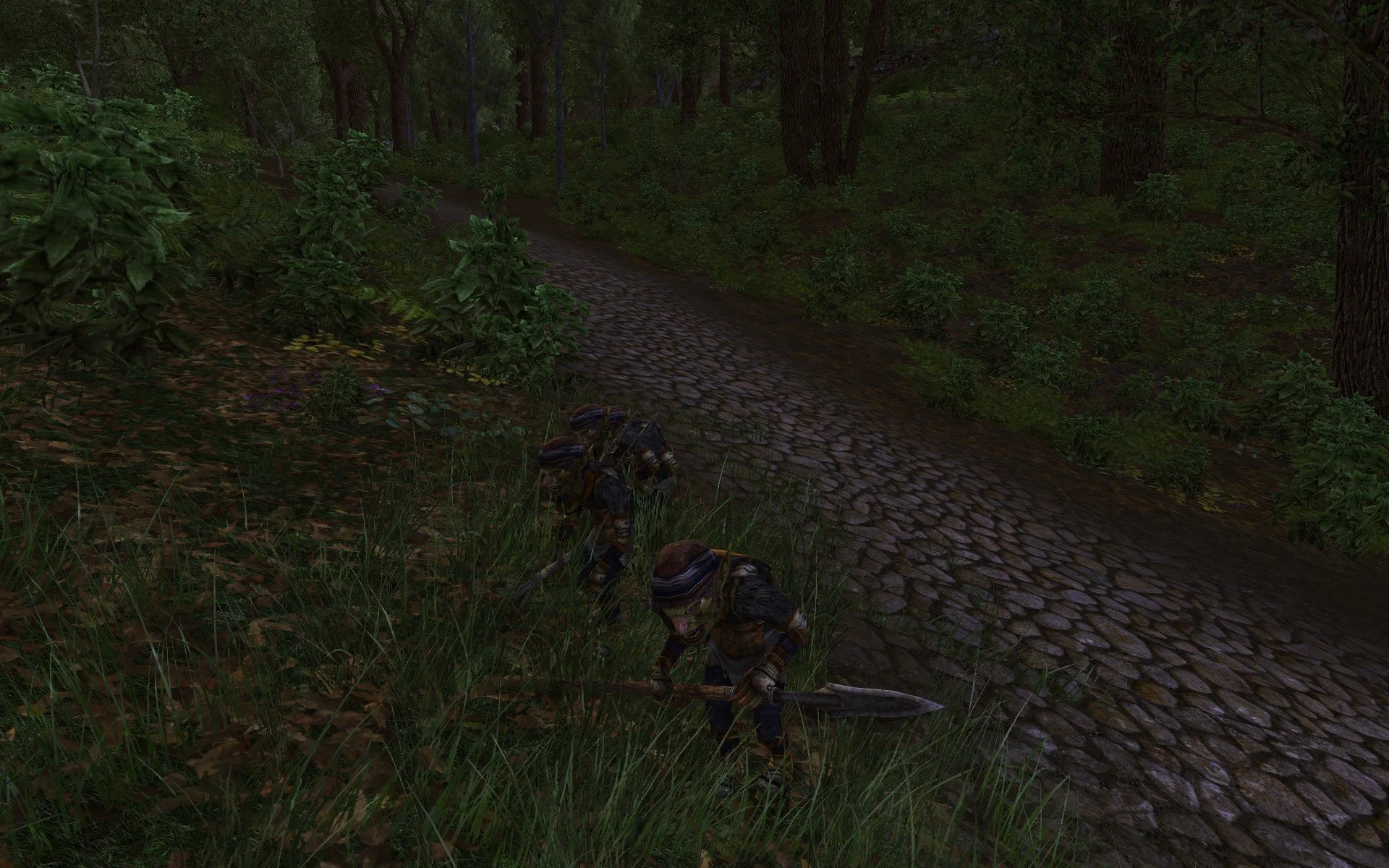
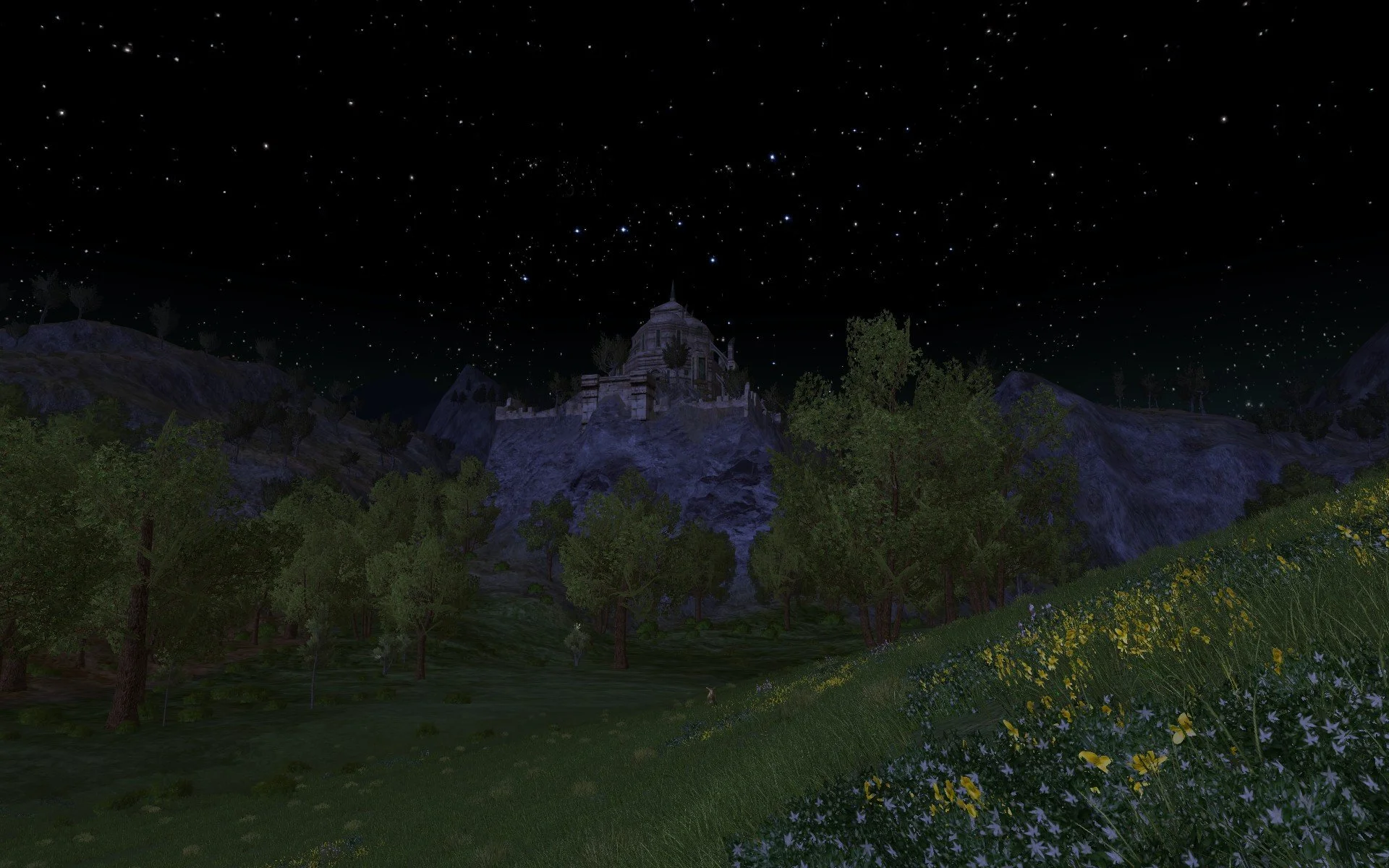
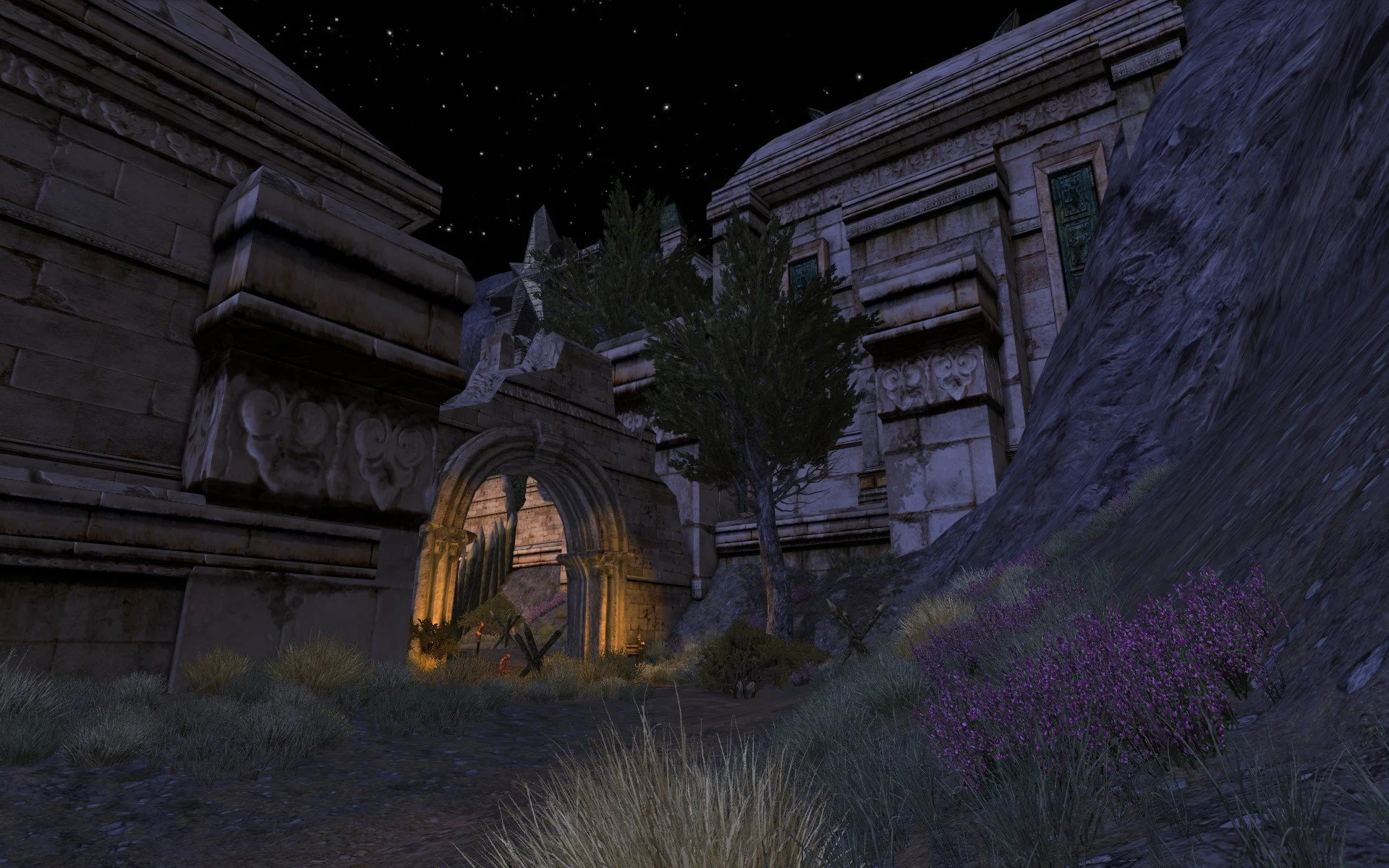
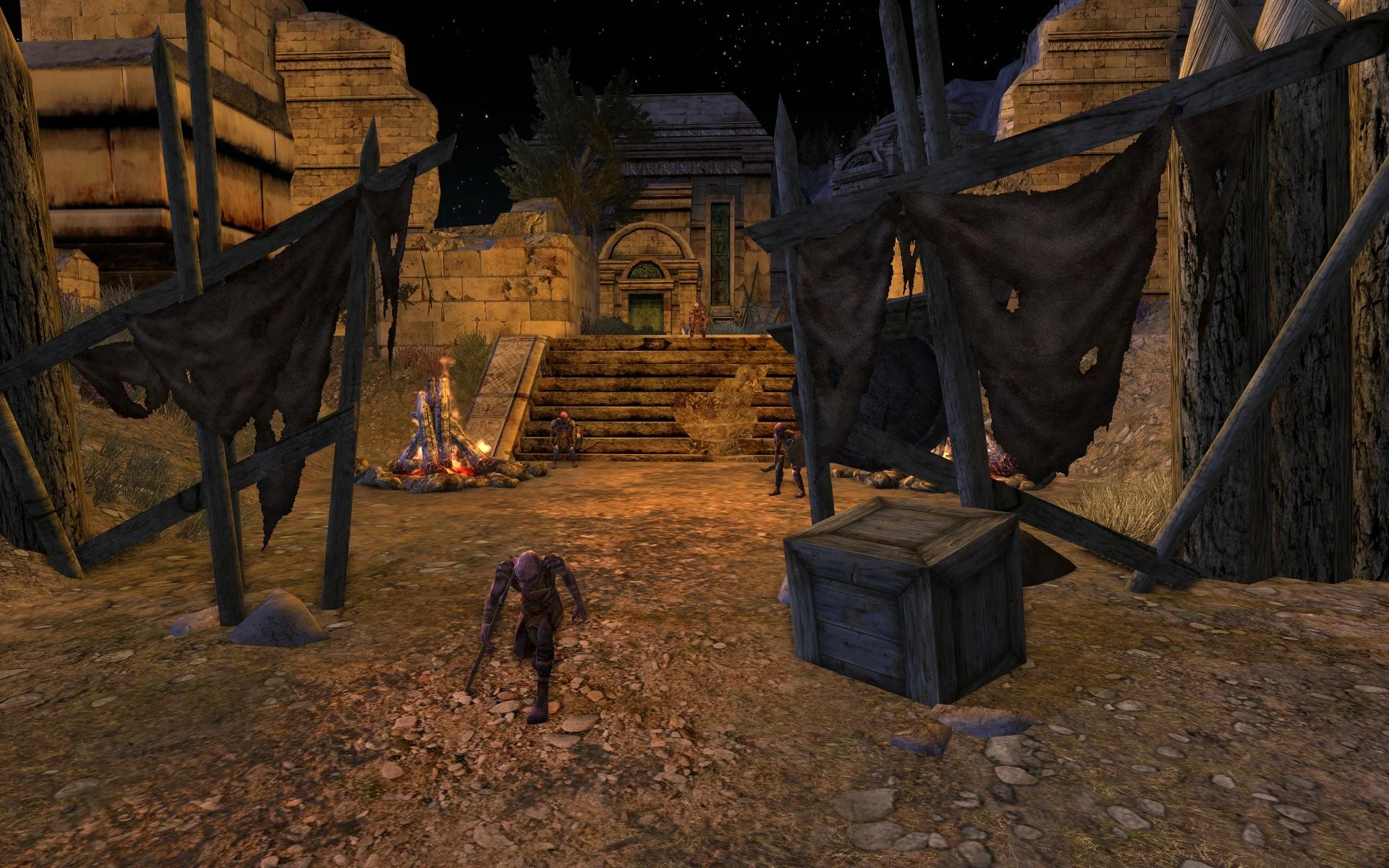
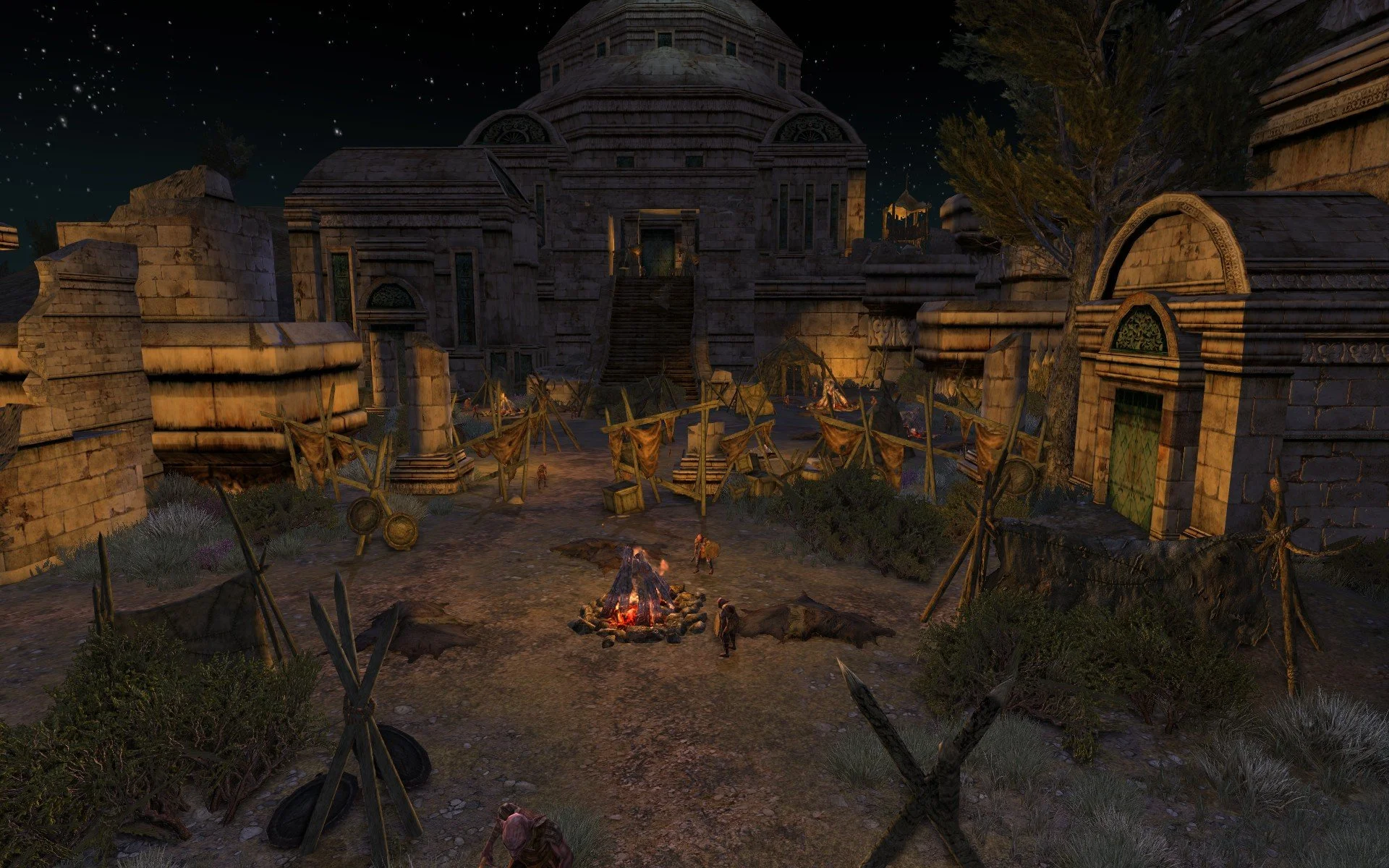
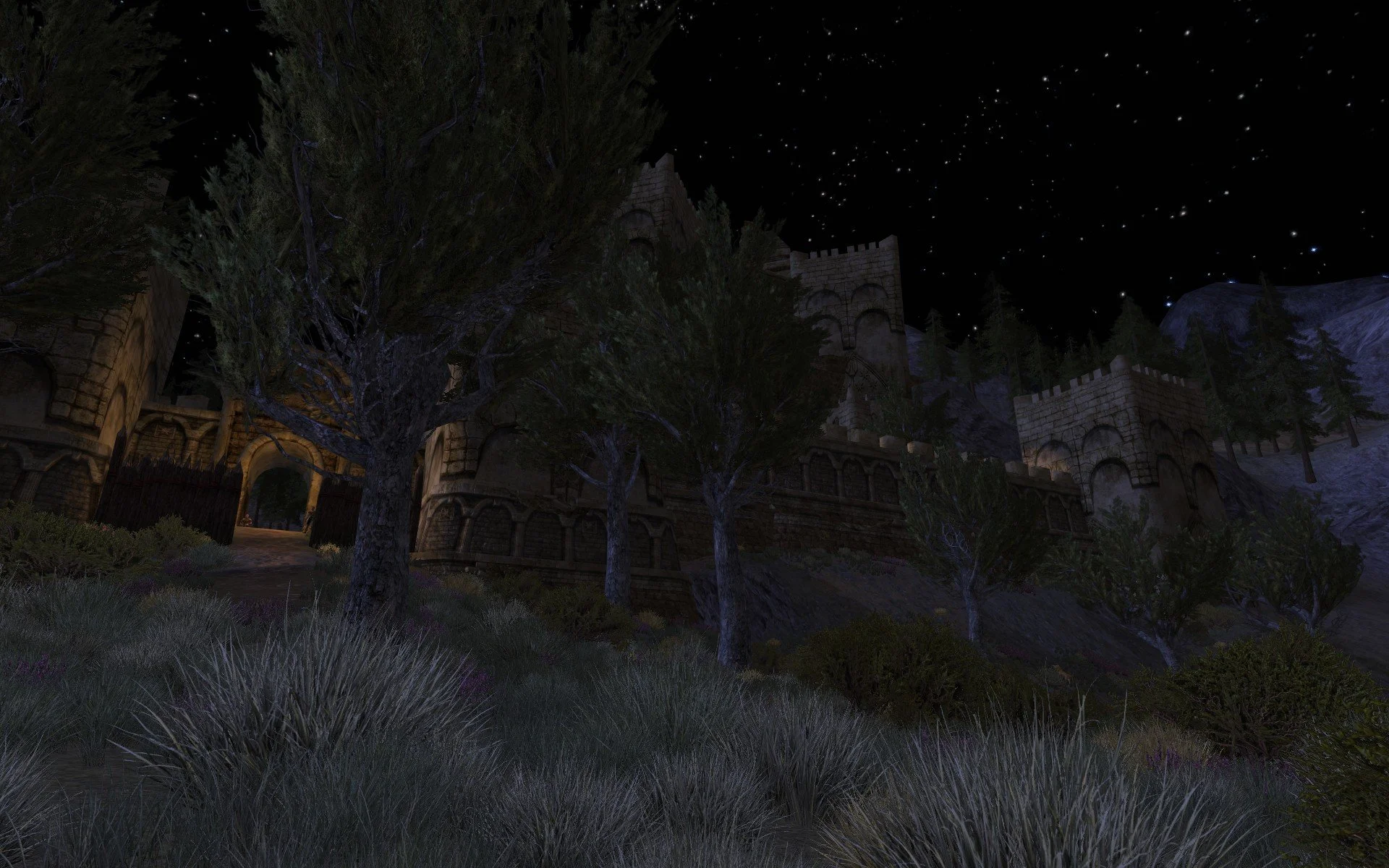
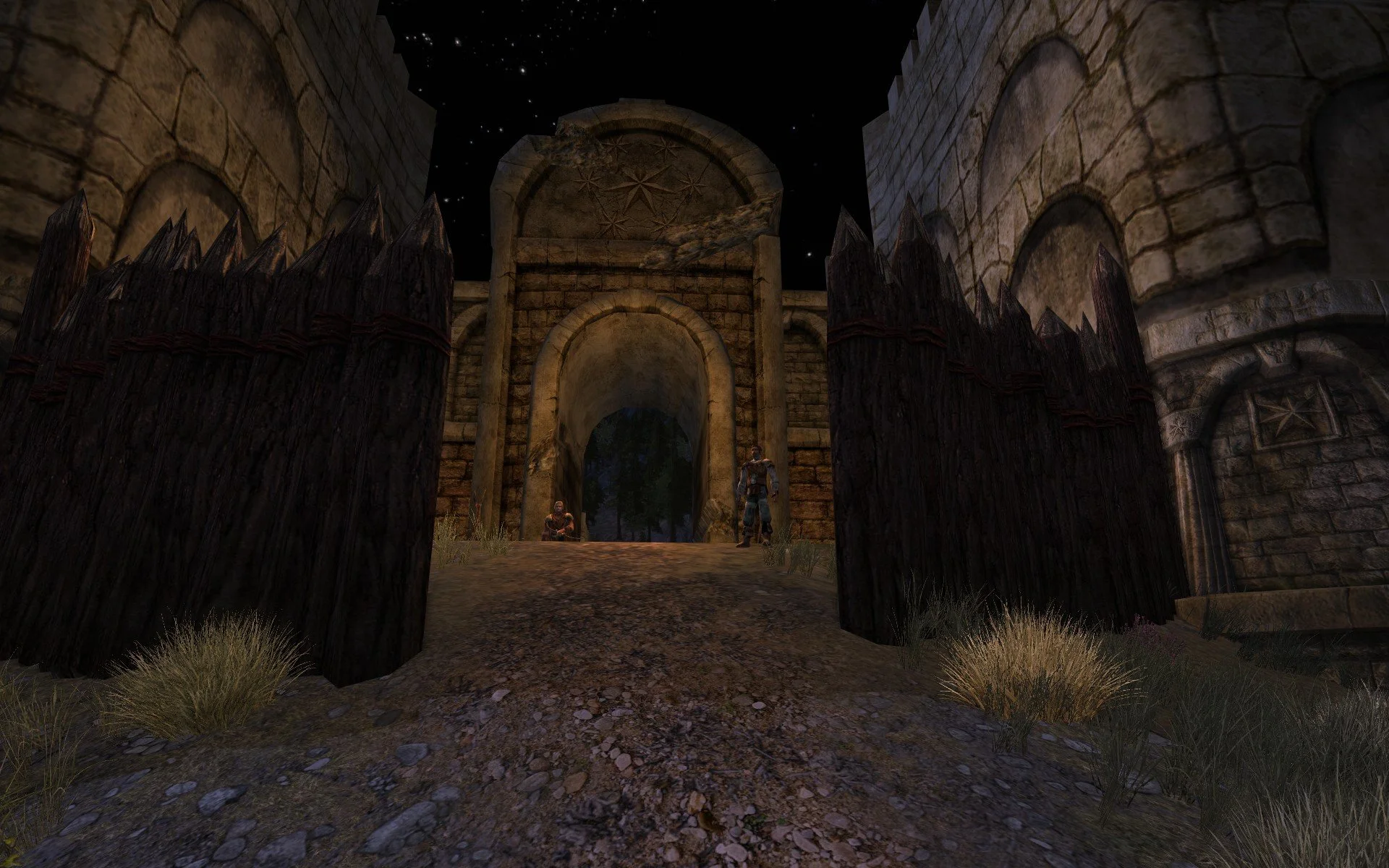
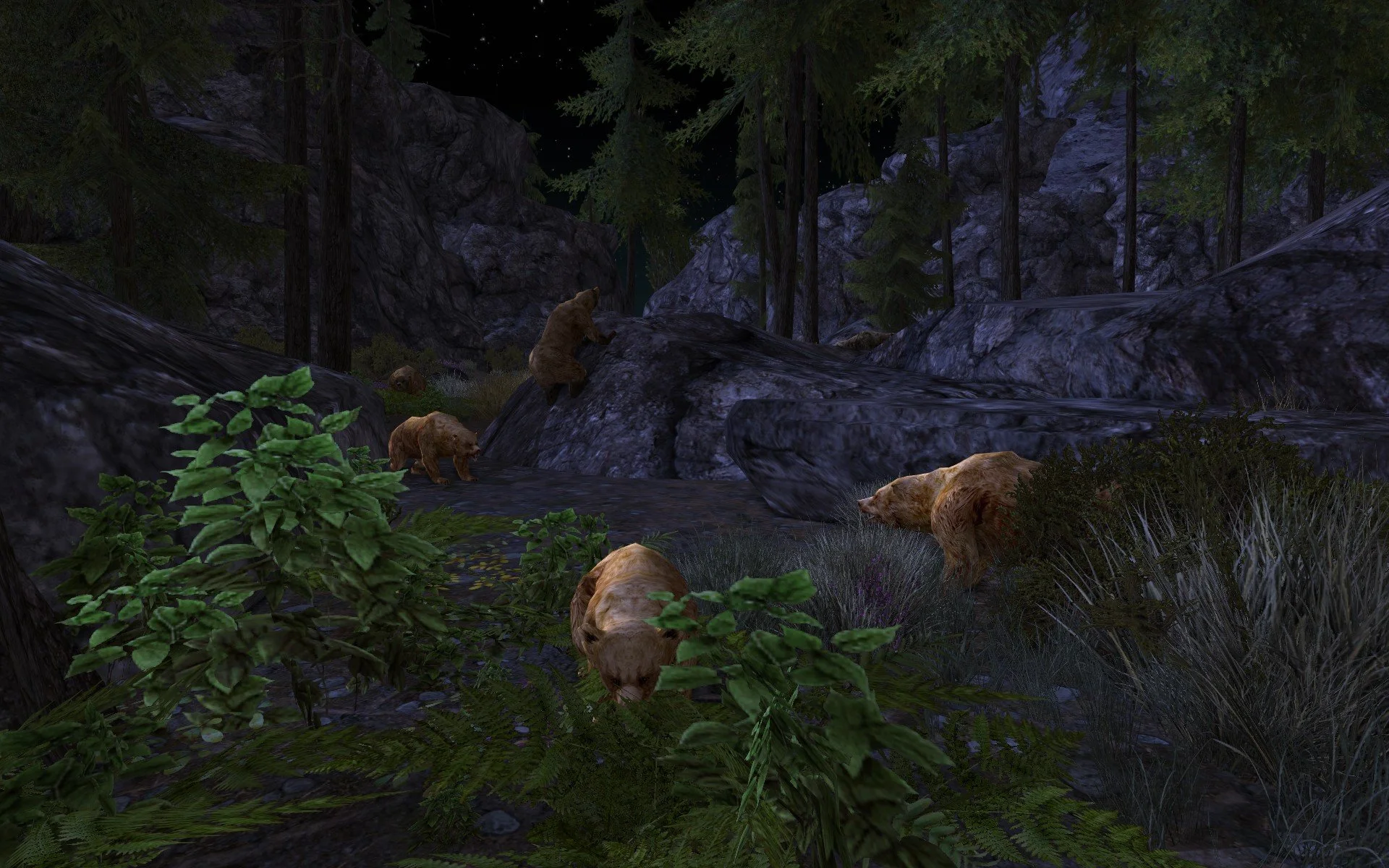
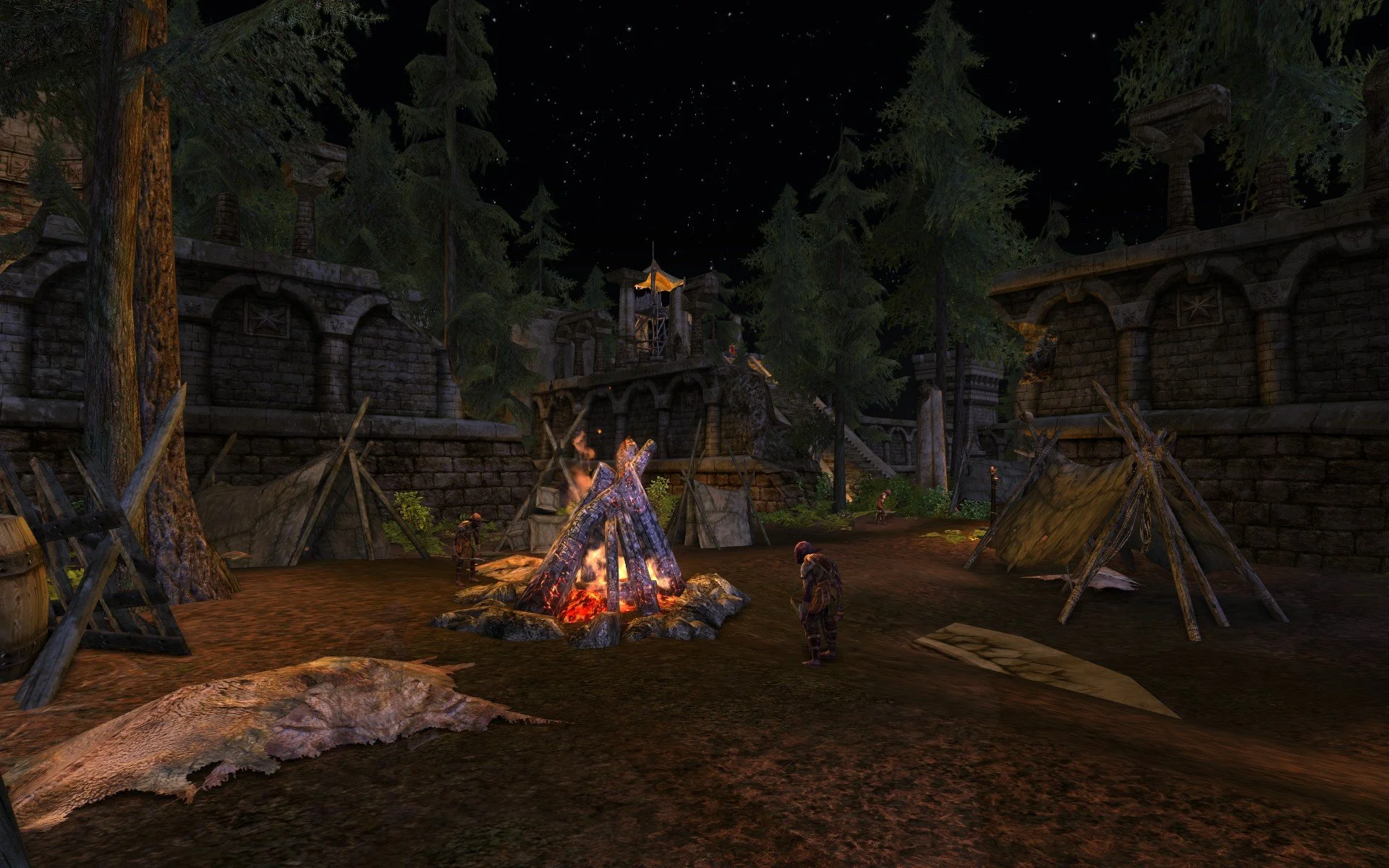
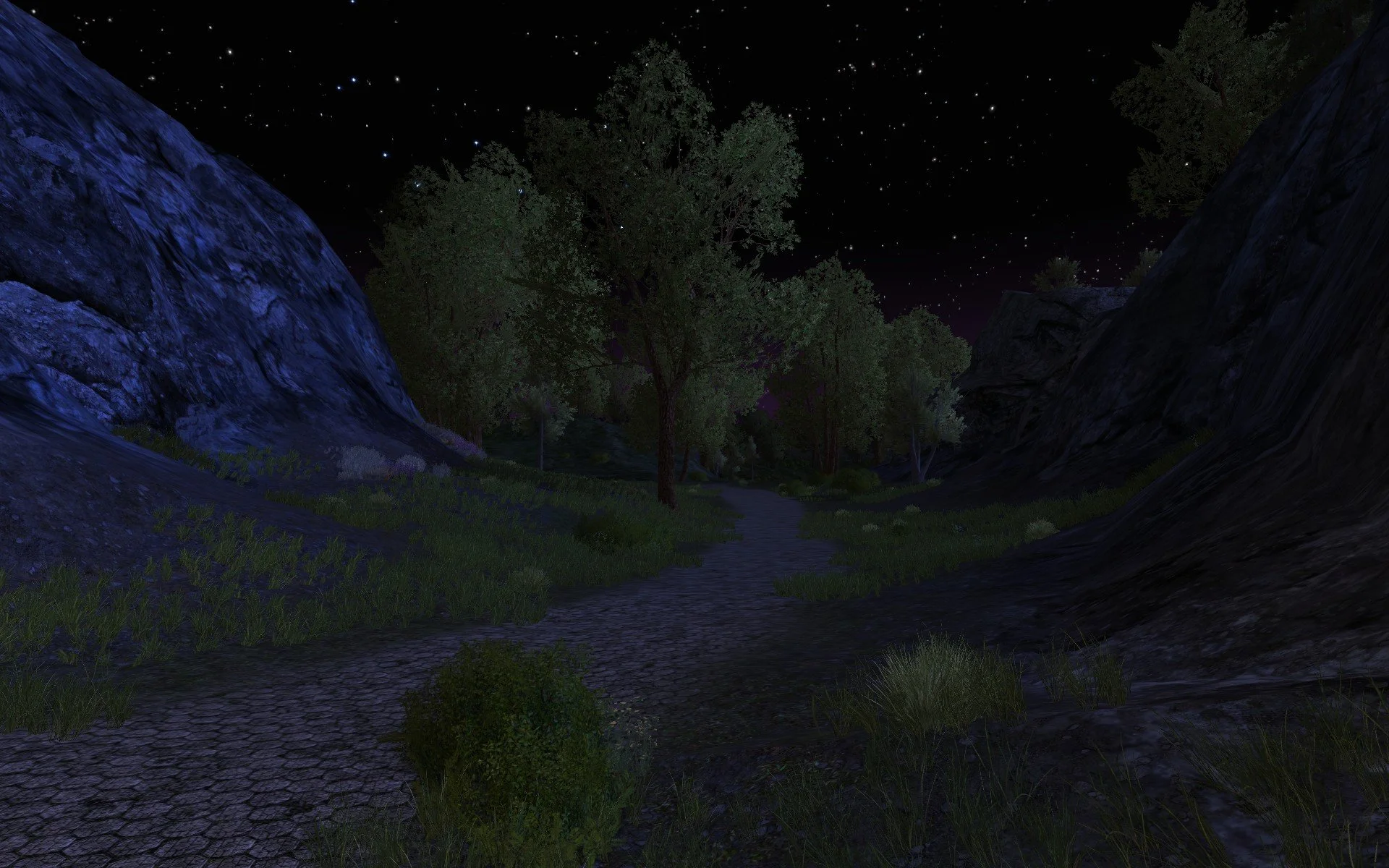
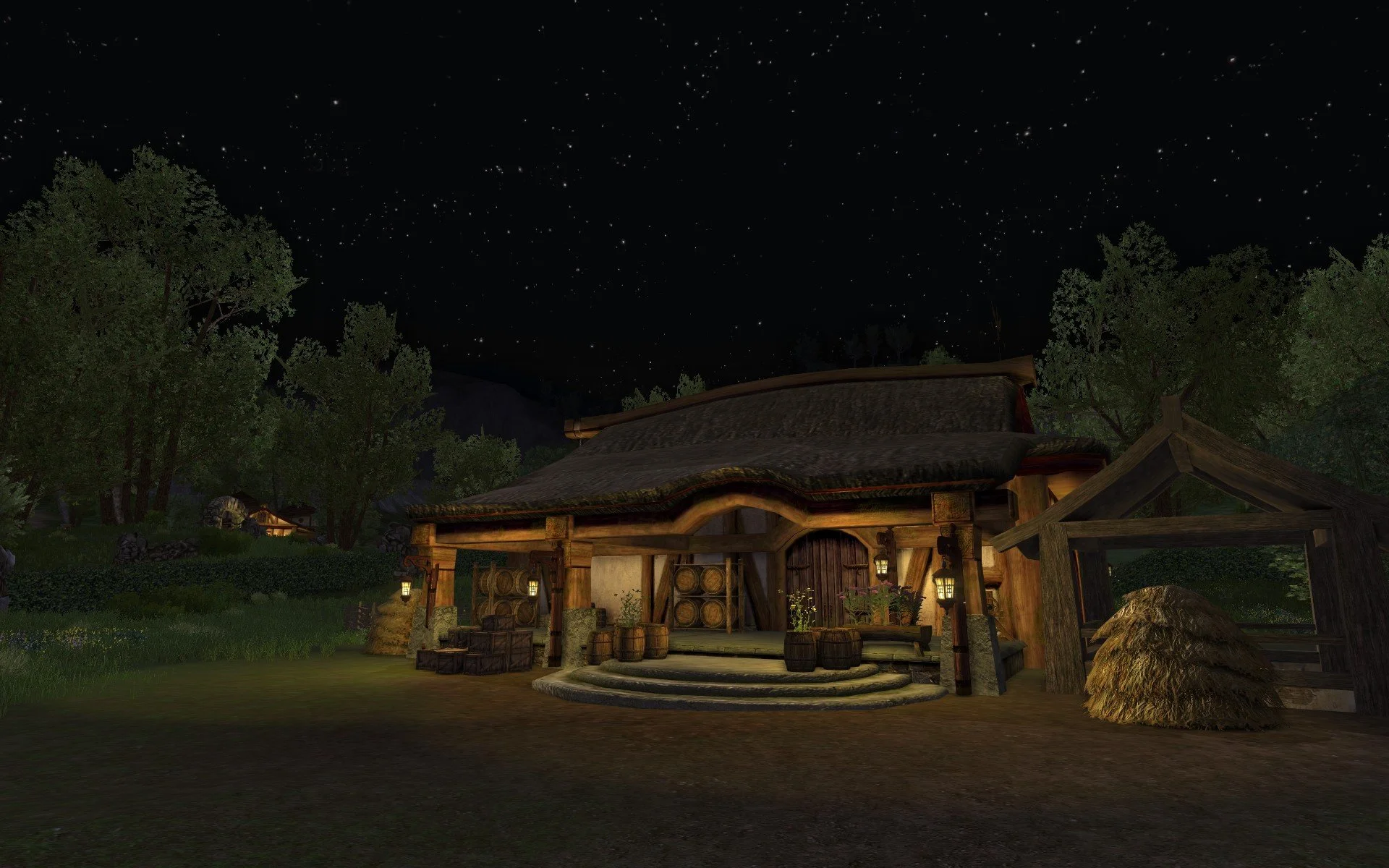
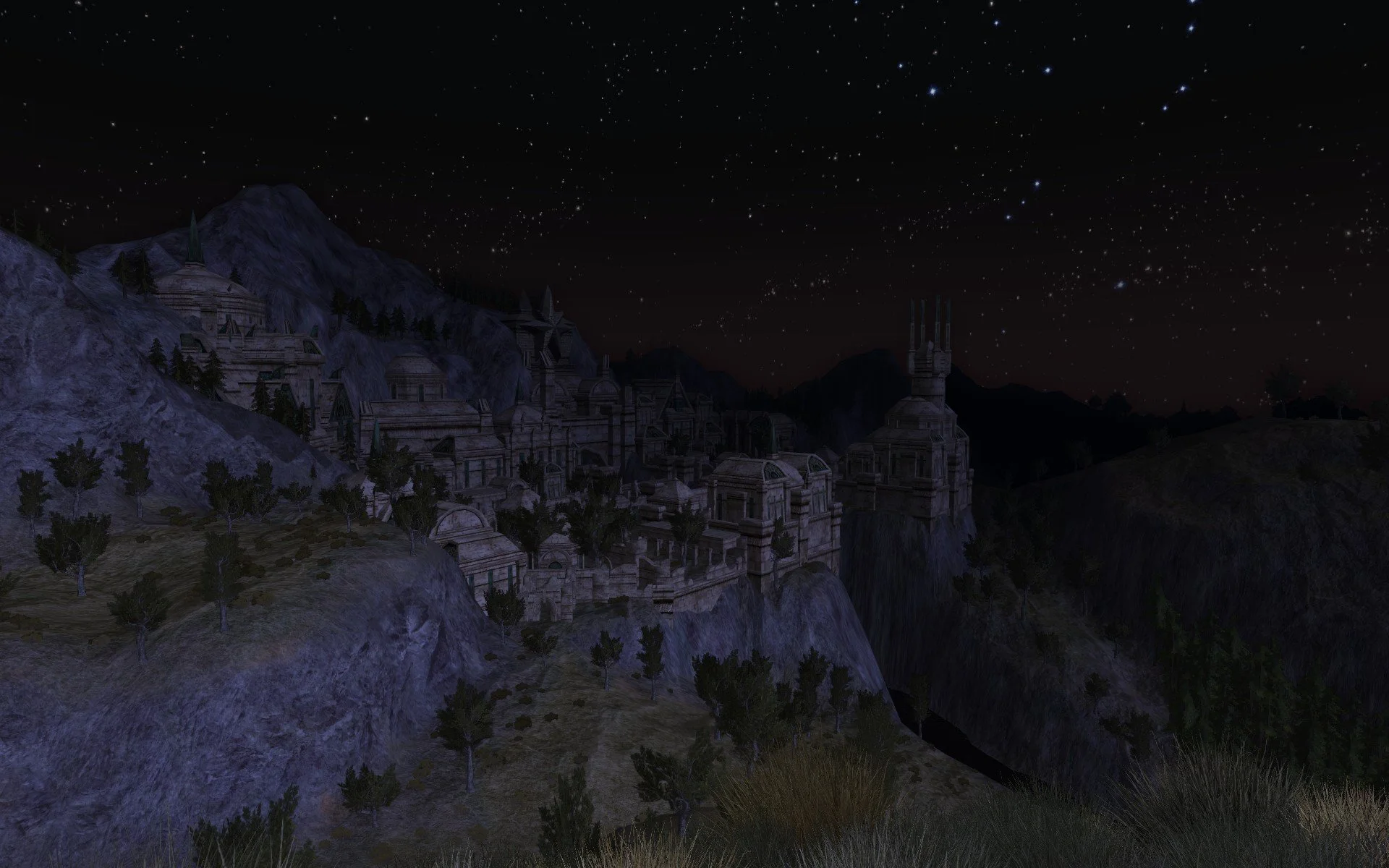
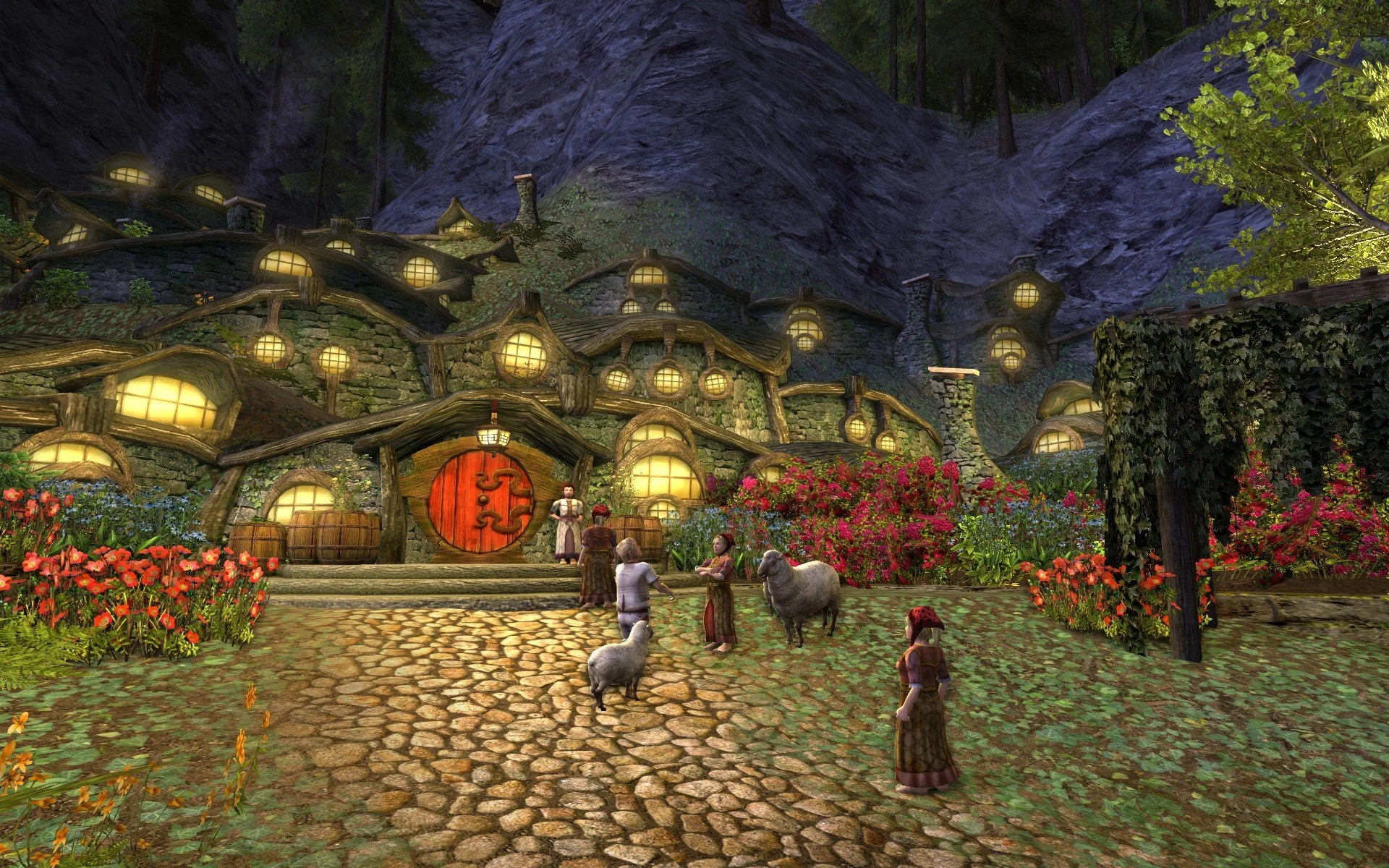
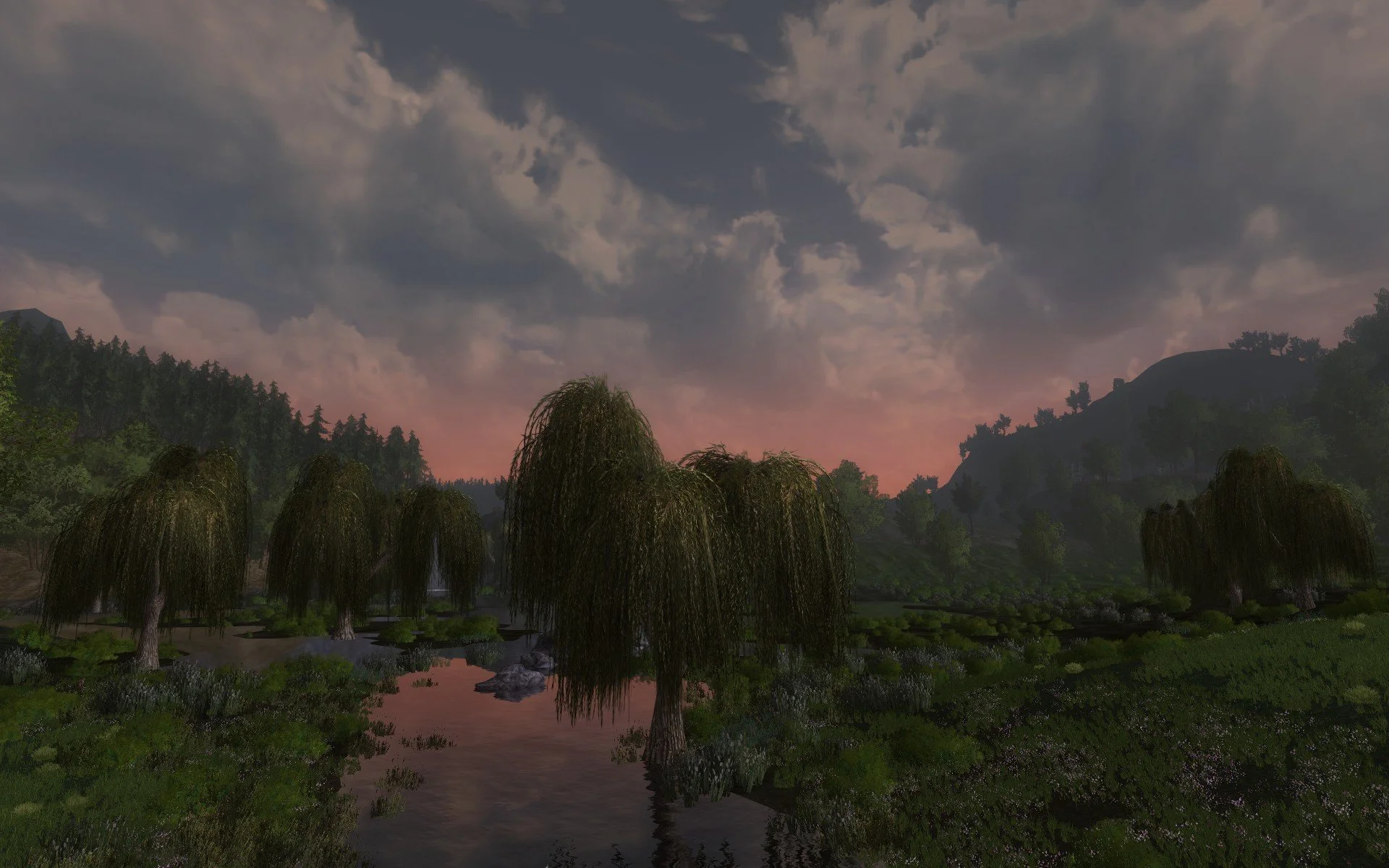
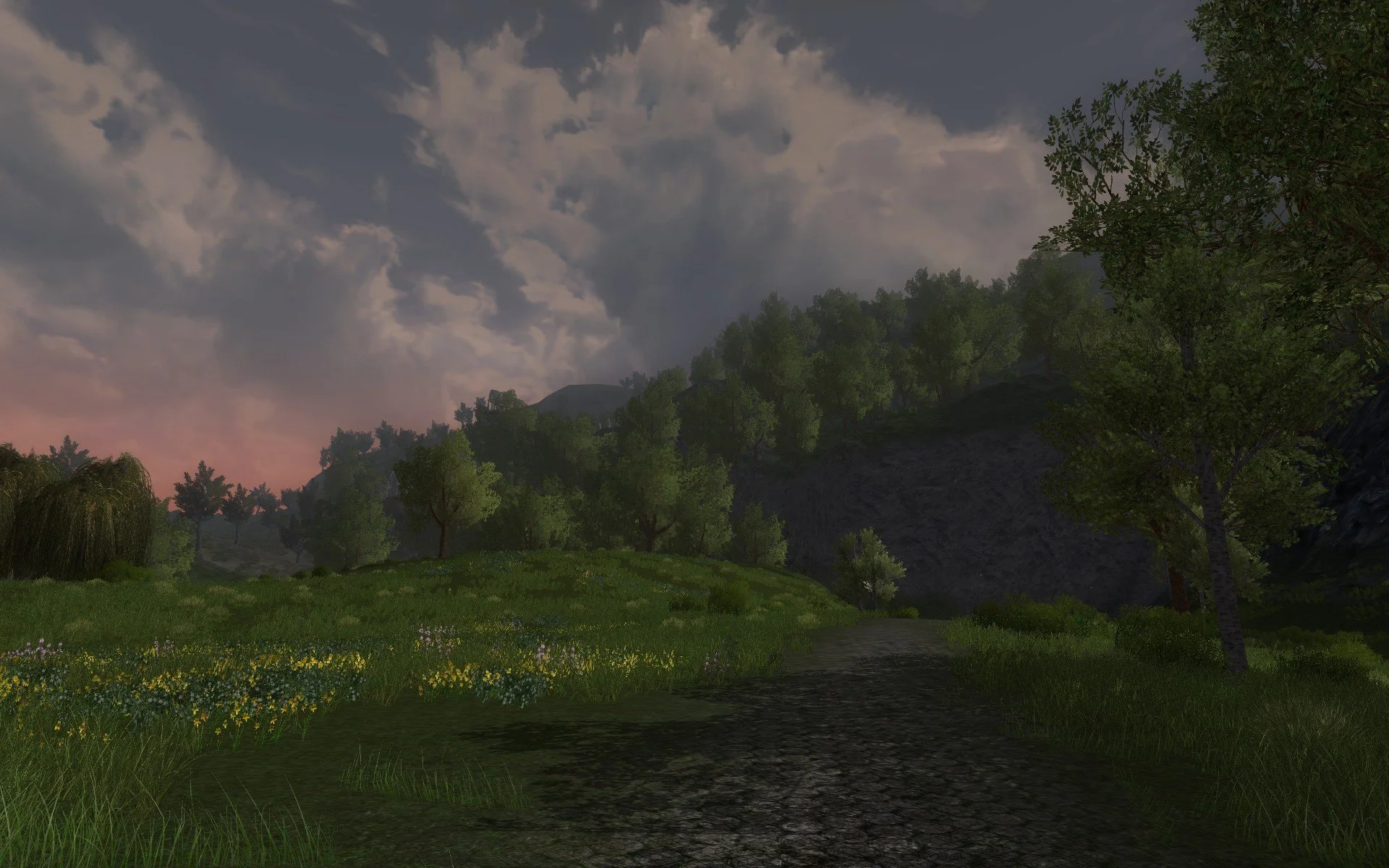
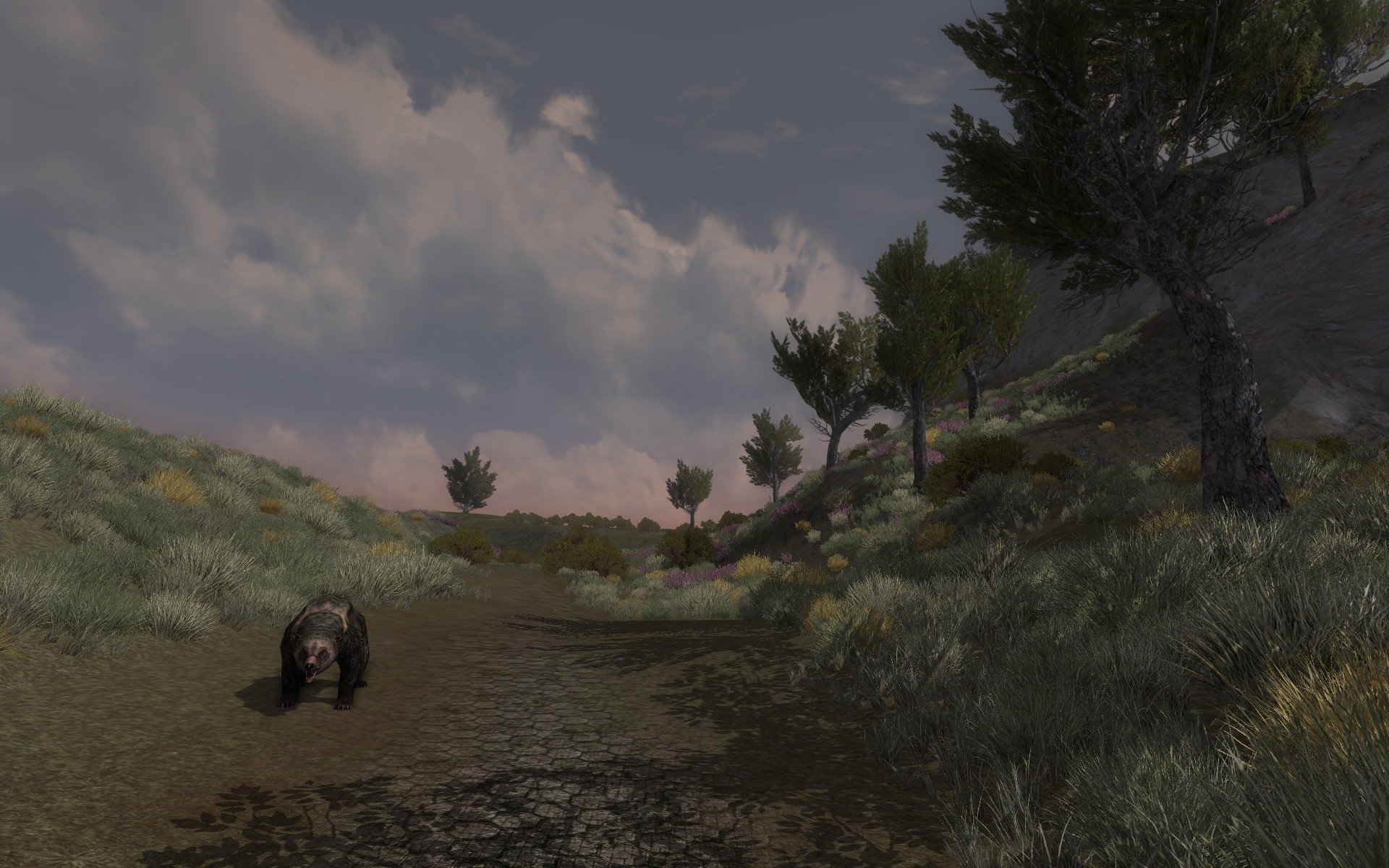
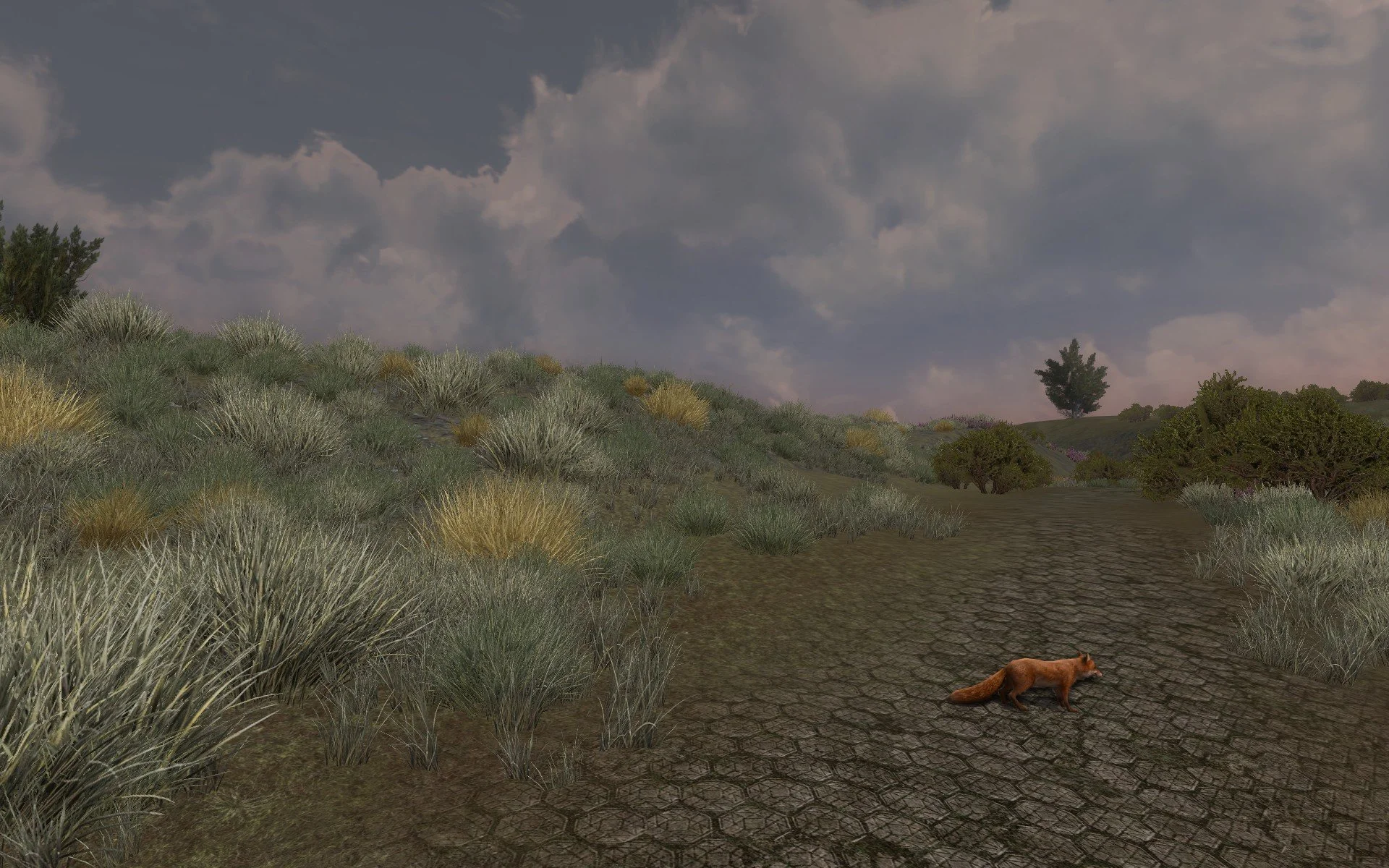
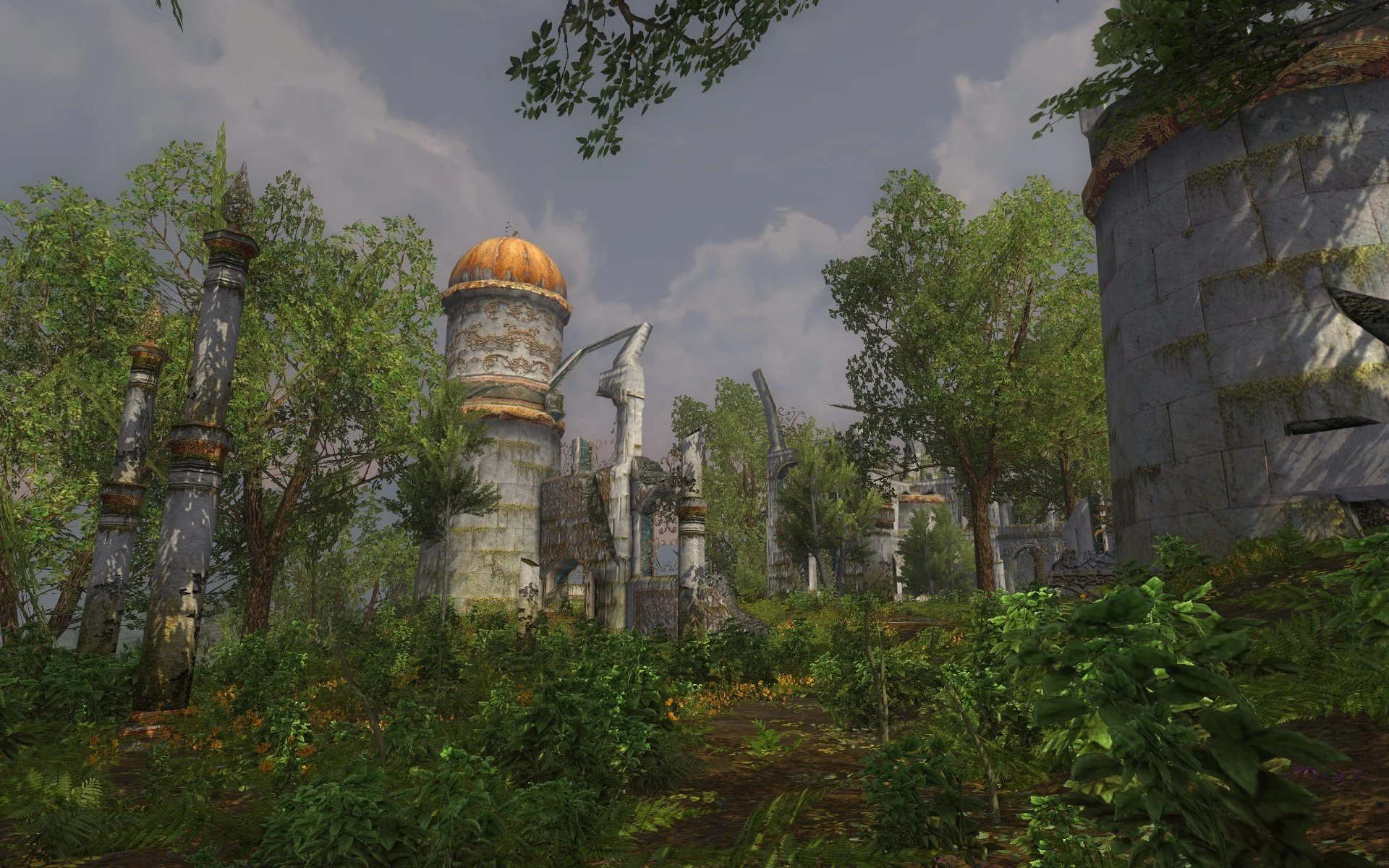
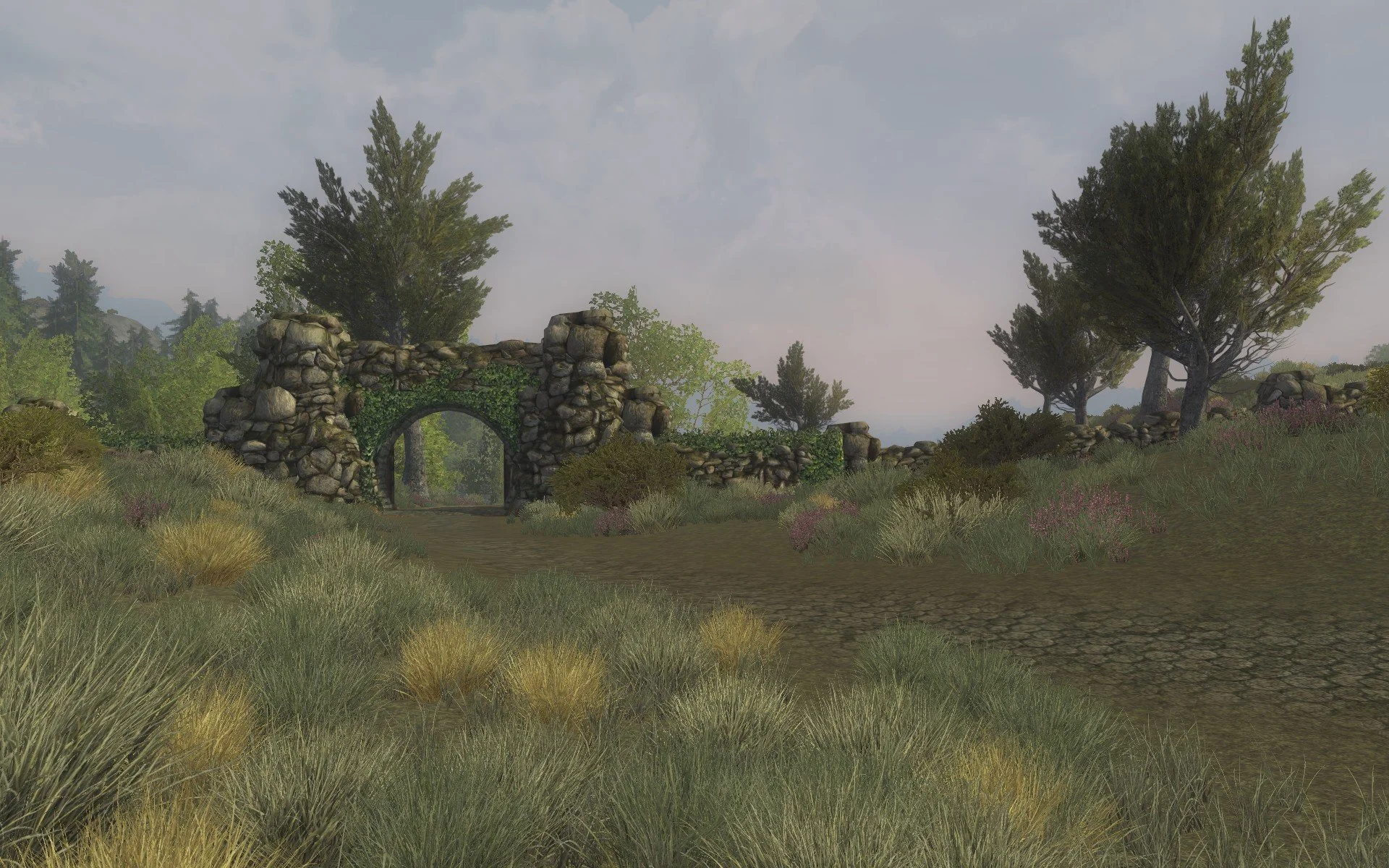
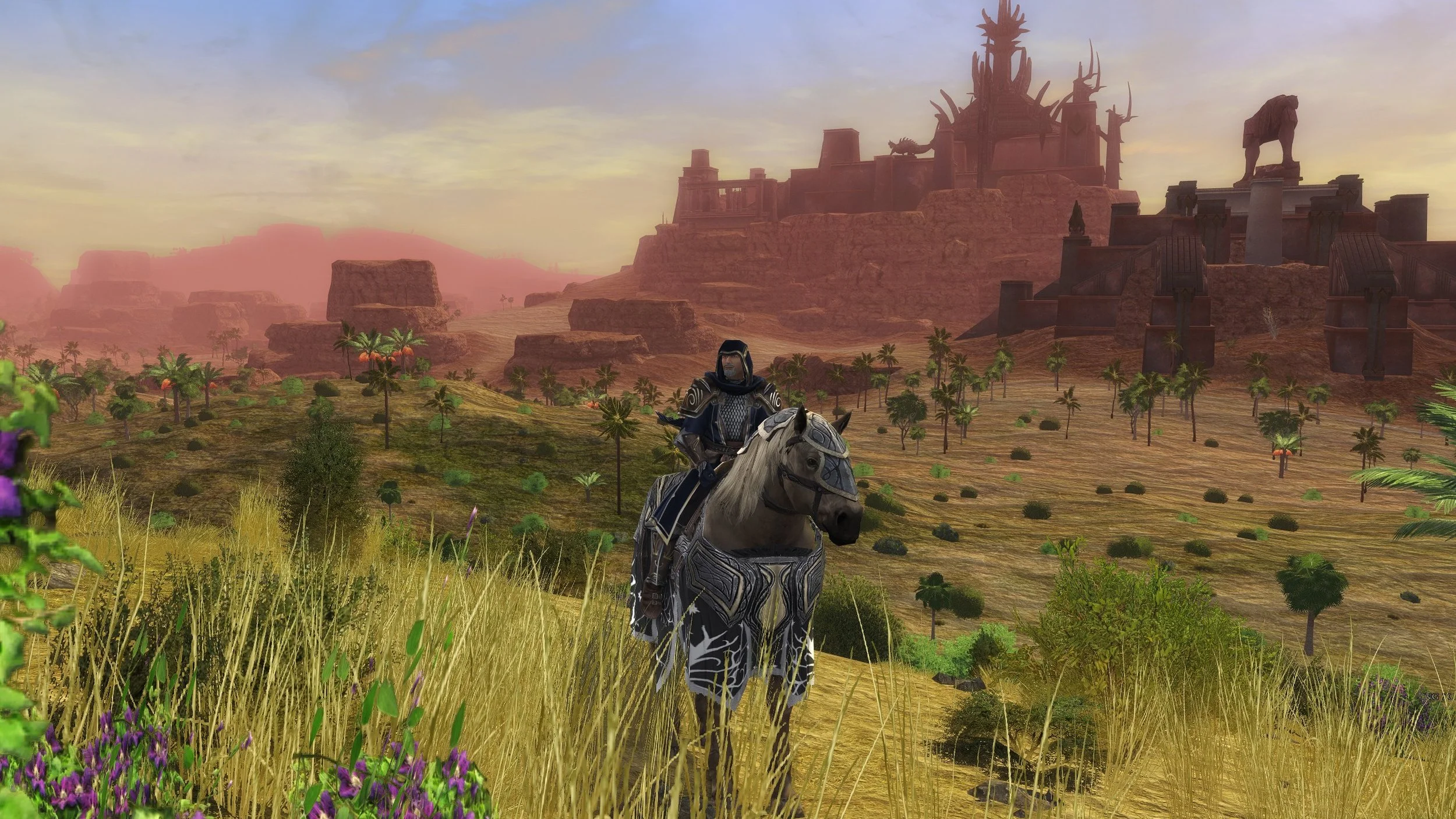
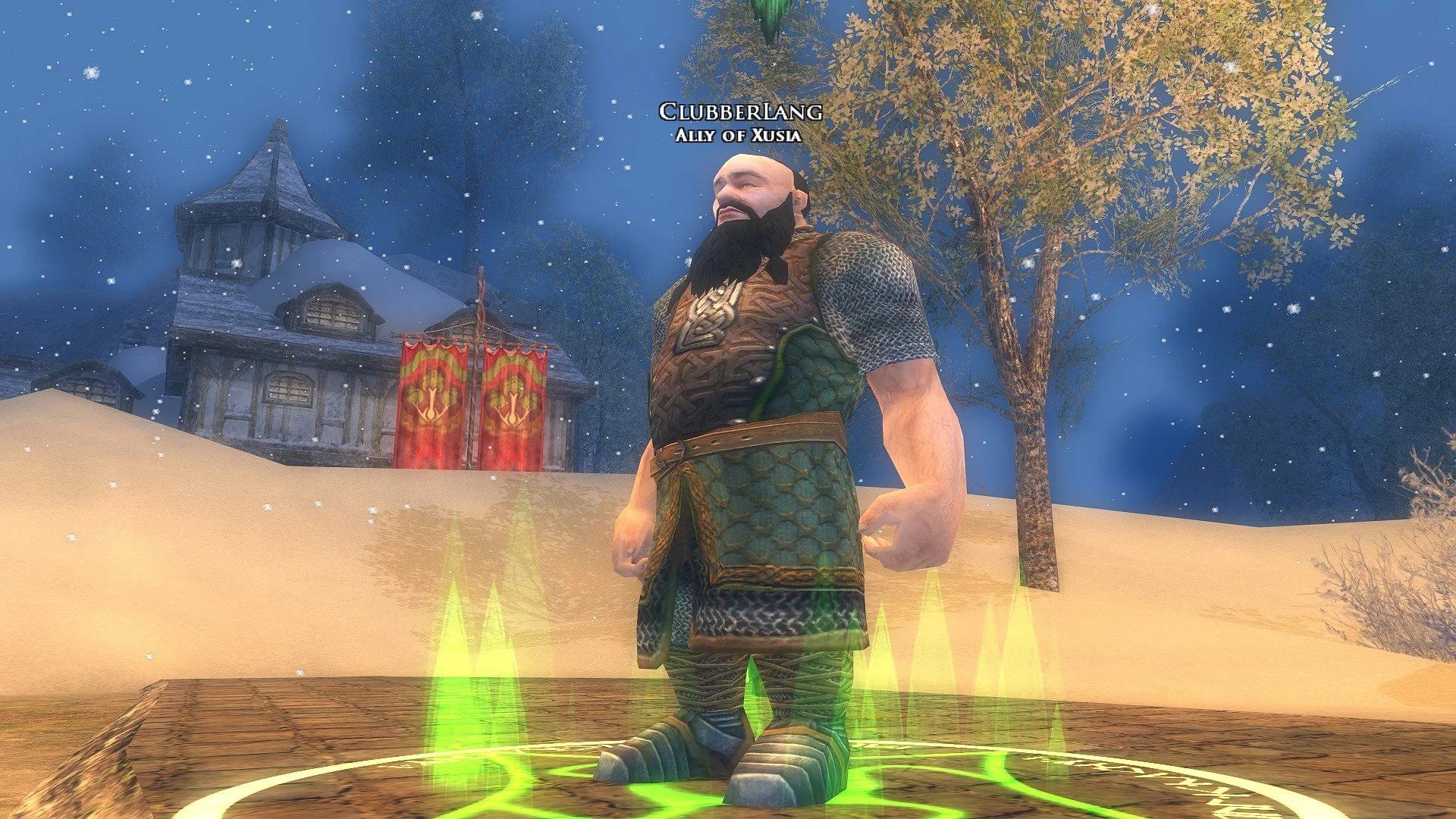
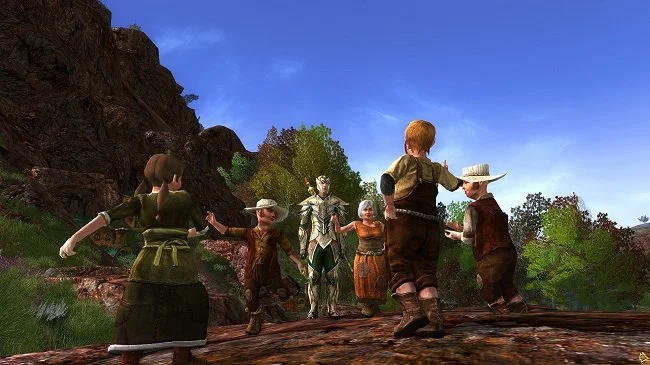
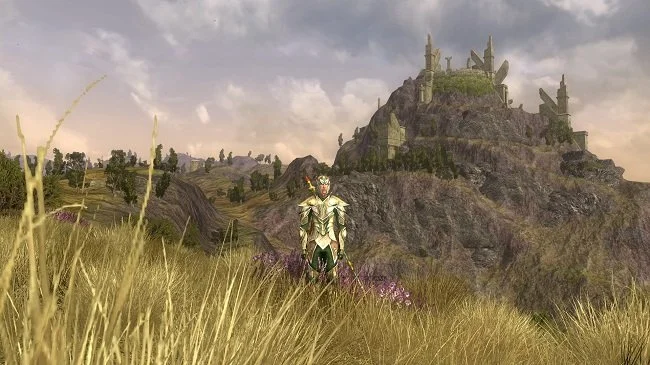
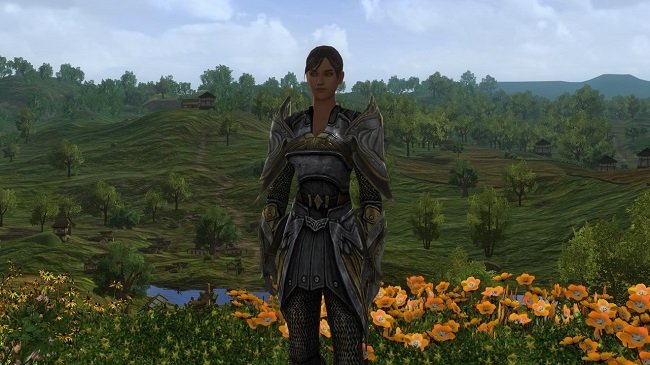
The terrain is very similar to the more temperate Westerly part of Ered Luin and there are also some similarities with The Lone-lands. There are four Hobbit settlements in Yondershire. Nobottle and Tighfield are farming communities set among well tilled fields. Gamwich and Long Cleeve are located within wooded areas. Willows groves and streams also feature in the zone. So far the flora and fauna is comparable to The Shire with Bears, Wolves, Shrews and Flies. Yondershire also features both Arnorian and Elvish ruins, populated by Ruffians or Goblins. There are also roaming bands of Boggarts. Several ruins cannot be directly accessed in this build but this may well change in the future. Yondershire is a large zone which maintains a sense of continuity with The Shire but also manages to feel more rustic and remote. I suspect this is SSG’s intention.
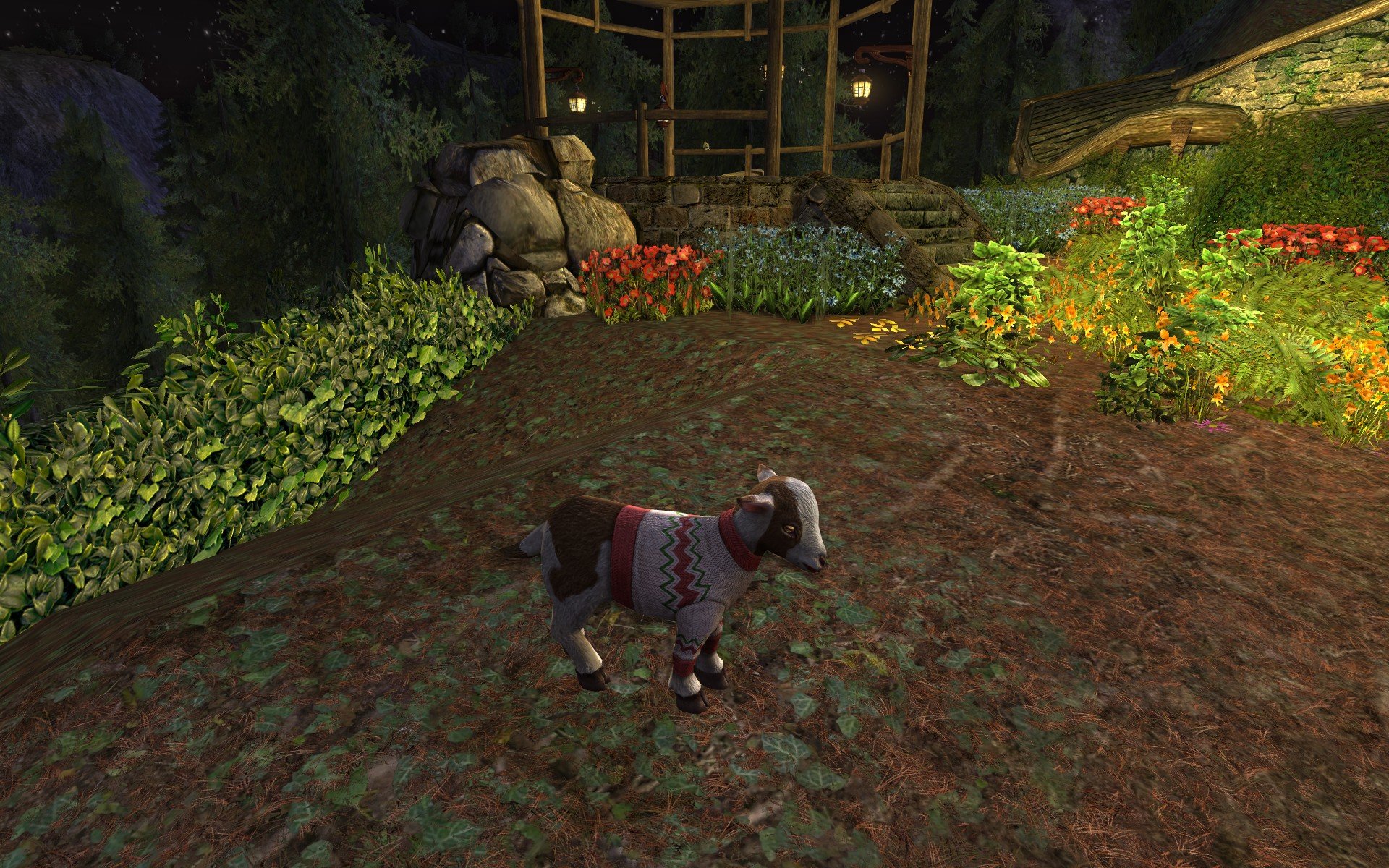
As ever, although I am content to visit new regions that are coming to live servers, I tend not to play any of the associated quests. Hence I cannot comment much on the playable content of Yondershire. However, judging by the amount of domesticated livestock there is roaming around I suspect that there may well be some lighthearted quests involving rounding up various animals. It should be noted that Bingo Boffin offers a quest as you enter Yondershire from Needlehole which appears to send the player straight to Nobottle. Whether this is the start of another adventure for him remains to be seen. So far Yondershire appears to be an large and interesting zone that fits perfectly between the existing regions of Ered Luin and The Shire. Not a bad achievement when you consider that SSG are trying to seamlessly dovetail new material into content that is 15 years old.



LOTRO: Producer's Letter March 2022
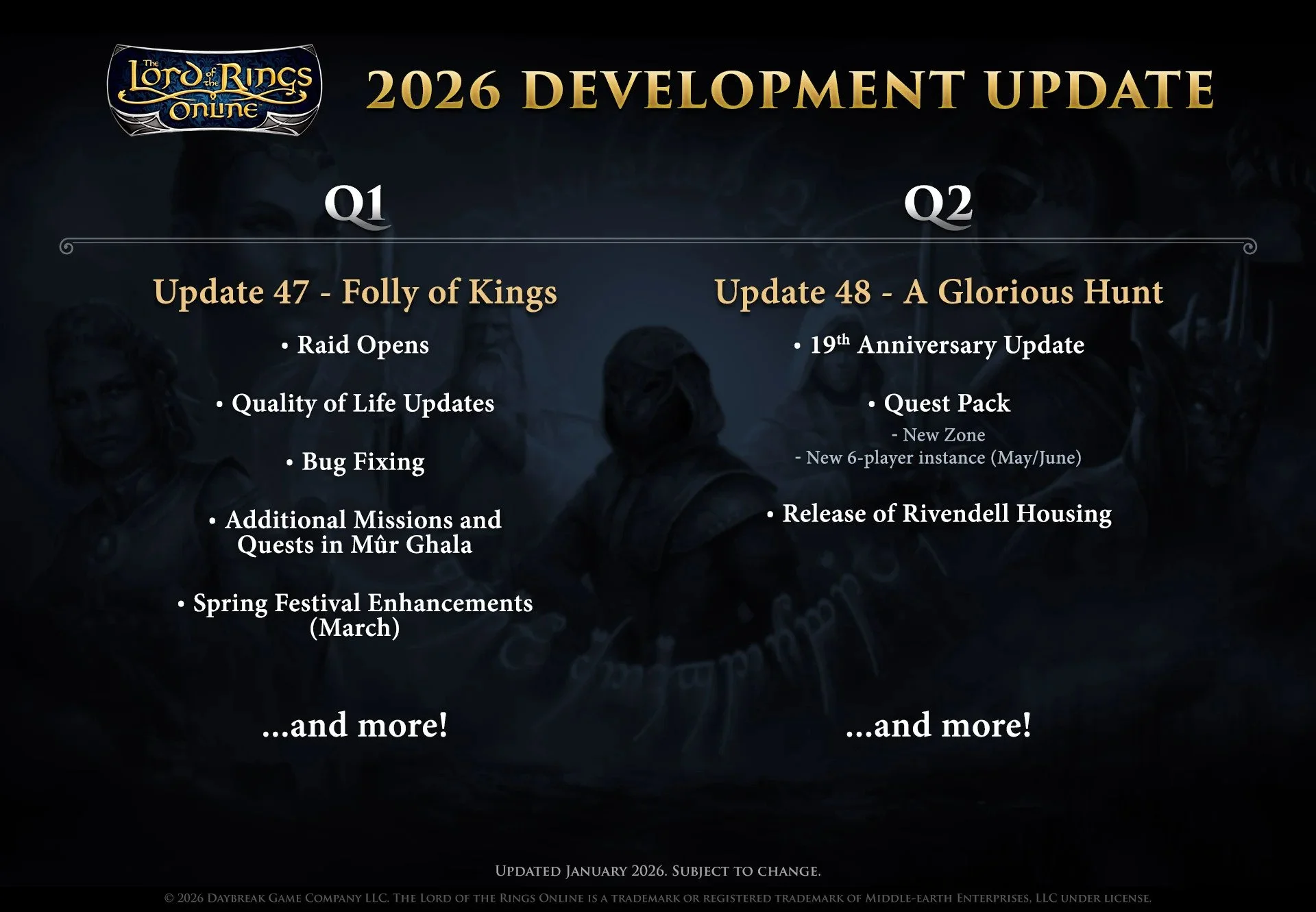
According to Oleg Brodskiy (AKA Raninia) in his latest Producer's Letter for the MMORPG The Lord of the Rings Online, there are some major changes coming in April. These are part of the ongoing restructuring of the game’s monetisation. Previously, in the last content update, the Premium Wallet, Gold Currency Cap, and Virtue, Race, and Class trait slots were made free to all players (prior to this, all were chargeable unlocks). In Update 33, which will be coming in April, “all quests, areas, instances, and expansions released between the original launch of LOTRO back in 2007 and up to – and including! - the release of Helm’s Deep will be available for free to everyone”. Furthermore, subscribers will be able to access the standard versions of the Mordor, Minas Morgul, and War of Three Peaks expansions.
According to Oleg Brodskiy (AKA Raninia) in his latest Producer's Letter for the MMORPG The Lord of the Rings Online, there are some major changes coming in April. These are part of the ongoing restructuring of the game’s monetisation. Previously, in the last content update, the Premium Wallet, Gold Currency Cap, and Virtue, Race, and Class trait slots were made free to all players (prior to this, all were chargeable unlocks). In Update 33, which will be coming in April, “all quests, areas, instances, and expansions released between the original launch of LOTRO back in 2007 and up to – and including! - the release of Helm’s Deep will be available for free to everyone”. Furthermore, subscribers will be able to access the standard versions of the Mordor, Minas Morgul, and War of Three Peaks expansions.
Another change is that the following classes Rune-keepers, Wardens, Beornings as well as the High Elves race will be free to all players. All were previously tied to the purchase of expansions and as those are now to be accessible free of charge, Standing Stone Games thought it fair to follow suit with these. To put these changes into perspective, from April F2P players will now be able to play through all the games content, at no cost, up to level 95. Players who do not wish to subscribe after level 95 will still have to buy the last three expansions. However, subscribers will be able to play through all of the game’s content, apart from the latest expansion Fate of Gundabad. These changes finally resolve the issue of content gating which has been a major source of complaint from new and returning players for years.
The next update will also see the addition of a new area within The Shire. “The northern region known as the Yondershire, a sparsely populated region of moor, thicket, and fen that has long been home to Hobbit recluses and troublemakers. Since the time of Bullroarer Took, the Yondershire has squabbled with the more comfortable parts of the Shire. The upstart Lotho Sackville-Baggins aims to bully the local Hobbits, but they’re none too keen on his designs. Explore the Yondershire, and experience some more delightful Hobbit adventures, our first expansion of the Shire in years”. April will also see the return of the Anniversary Festival as LOTRO reaches 15 years old. A new instance, A Flurry of Fireworks, will be added to the existing events.
These forthcoming changes have been very well received by the LOTRO community. The streamlining of content access and previous changes regarding removing the cost key quality of life items now means that the game is extremely friendly to new and returning players. Many people play MMOs to be with friends and to play through content together. Hence many games such as The Elder Scrolls Online have level scaling content so players of different levels can still play together equitably. LOTRO at present does not have this facility and due to the previous gating of content behind paid expansions, it would often feel that there was a huge gulf separating players from their friends if they were of differing levels. These changes certainly help address this with the prospect of not having to pay for any content up to level 95. It will be interesting to see if there will be an influx of new and returning players in April.
Complex Lore and Enigmatic Themes
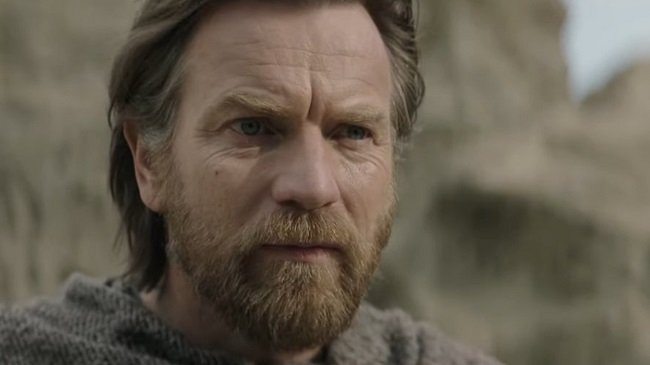
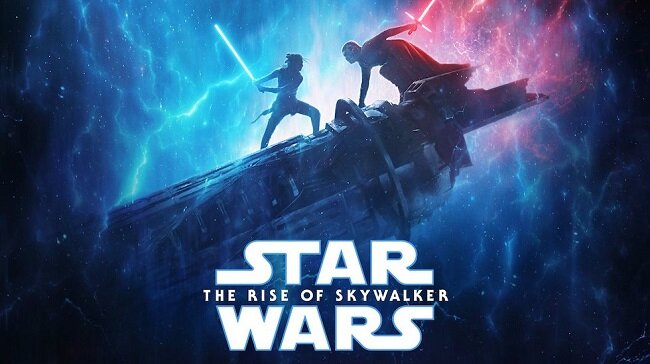
I recently watched the first trailer for the new Obi-Wan Kenobi television show that is premiering on Disney + in May. I am interested in this latest instalment in the Star Wars franchise and curious as to whether Liam Neeson will make an appearance. I also watched a 20 minute fan video in which they “analysed” the entire trailer. They discussed the content of this 2 minute preview and then did a great deal of speculating about potential themes and characters that may feature in the show. They were clearly enthusiastic about what they had seen and were very knowledgeable about the subject. This resonated with me, as I like to be well versed about the things I enjoy. However, it is worth remembering that fandom can tip into obsession and gatekeeping. Hence I feel there is a subject to explore here.
I recently watched the first trailer for the new Obi-Wan Kenobi television show that is premiering on Disney + in May. I am interested in this latest instalment in the Star Wars franchise and curious as to whether Liam Neeson will make an appearance. I also watched a 20 minute fan video in which they “analysed” the entire trailer. They discussed the content of this 2 minute preview and then did a great deal of speculating about potential themes and characters that may feature in the show. They were clearly enthusiastic about what they had seen and were very knowledgeable about the subject. This resonated with me, as I like to be well versed about the things I enjoy. However, it is worth remembering that fandom can tip into obsession and gatekeeping. Hence I feel there is a subject to explore here.
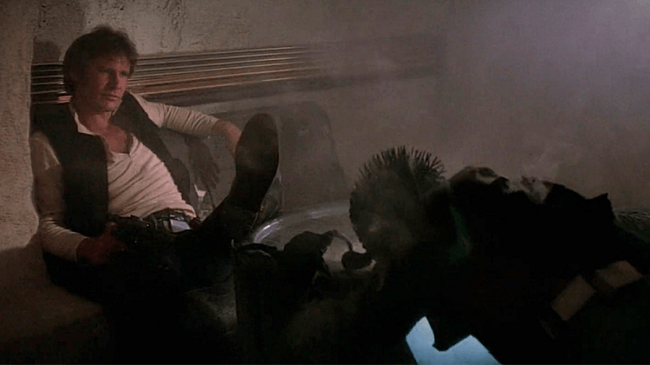
Fantasy, science fiction and similar hybrid genres thrive on world building and lore. These facets give them credibility and breathe life into fictional worlds and people. They also provide parallels with our own lives which provides a means for us to connect to them. Star Wars, despite all the technology, offers a universe that looks used and lived in. Middle-earth is steeped in history and complex societies. Again despite obvious differences there are commonalities in the hierarchies, rituals and personal aspirations of the protagonists. And as well as lore, there are also enigmas. Fantasy and science fiction are often rife with things that are strange and ill defined. Often these are mystical and symbolic. The Force, Tom Bombadil and Jason Voorhees are prime examples of this. Successful fantasy and science fiction find the right balance between detailed lore and enigmatic themes.
Achieving this balance is very difficult. The original Star Wars trilogy handled the arcane and esoteric nature of the Force well. It was broadly defined as an energy field created by all life that connected everything in the universe. However, the specifics of this were vague and nebulous which played well with the concept that the Jedi were more of a religious and philosophical order than a paramilitary organisation. However, when the prequels introduced the concept of Midi-chlorians it somewhat diminished the enigma surrounding the Force and it suddenly just became yet more technobabble. It is interesting to note that this addition to the franchise’s lore was not well received by fans. It was subsequently not alluded to in later films and television shows, indicating that the producers and writers felt it was a mistake.
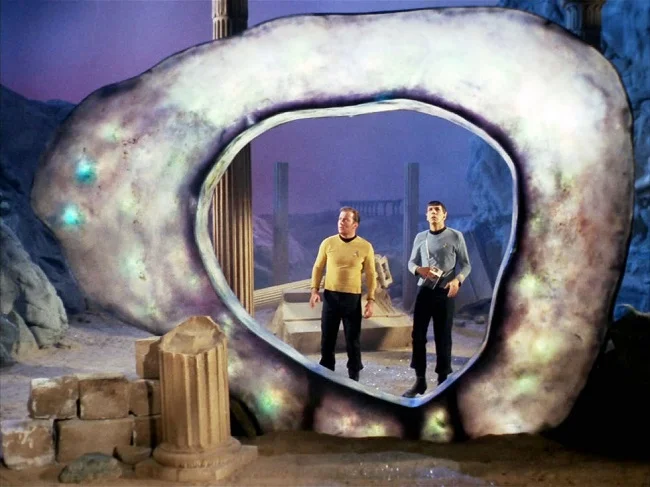
Another genre example of lore versus enigma is the difference in Klingon anatomy between the original series and the revival shows. The main reason is simple. There wasn’t a budget for complex prosthetics in the sixties show. However, from Star Trek: The Motion Picture onwards, Klingons acquired their forehead ridges as a way to make them more alien. This however left a lore contradiction, which was beautifully alluded to in the episode “Trials and Tribble-ations” of Star Trek: Deep Space Nine. Several crew members from the 24th century including Worf, find themselves on Deep Space Station K7 in the 23rd century, during the events of “Trouble with Tribbles”. Upon seeing the Klingons from the previous era, one of the crew asks Worf why there’s a physical difference. He enigmatically replies “We do not discuss it with outsiders”. This beautifully vague but droll answer works perfectly. Sadly it was ruined a few years later when an episode of Star Trek: Enterprise explained away the difference as a genetic experiment that went wrong.
However, it is not always an excess of lore that can quash the soul from a popular show or film. Sometimes being deliberately too vague, refusing to expedite the plot and simply replacing one mystery with two others can be very frustrating. It may also be due to the writers being out of their depth or making things up as they go along. Lost encapsulated this for me and the show’s manipulative narrative quickly killed my interest. Don’t get me wrong, I don’t like to be spoon fed stories and explanations and I don’t mind thinking when watching. The ending of John Carpenter’s The Thing is enigmatic and quite bleak but I consider it a perfect conclusion to the film. However, perhaps the television show that really stepped over the line for not making any real effort to explain itself and turning the enigma “up to 11” is The Prisoner. It’s still a great show to watch and is very thought provoking but the final episode doesn’t deliver a stone cold conclusion. Something that people who watched it originally still seethe over.
We live in a culture of binge watching TV shows which some viewers dissect and analyse. The interconnected nature of the Marvel Cinematic Universe is a prime example of this and it does it extremely well. But not all television shows and films are like this and do not require such scrutiny. I worry that some viewers are so invested in searching for what they think may be hidden or trying to pre-empt an unfolding narrative, that they miss being in the moment and simply enjoying the show as it happens. Excessive analysis often leads to disappointment. It is important to remember that what you’re watching is a writer(s) thoughts on how a narrative should move forward. They are not obliged to try to make what’s in your or my head. Therefore I see both lore and enigmatic themes as an embellishment to a good fantasy or science fiction show or film. Things to be enjoyed but not the “be-all and end-all” of the production. If either becomes the major focus of either the writers or fans then it will end up undermining the central narrative and themes.








New Phone, New Tariff
Technically, I don’t need a new phone. The Samsung Galaxy S10 5G I have already works fine and despite being over 2 years old is still a robust handset. However, my current contract with Vodafone has expired. So I have decided not only to upgrade my phone but to revise my phone tariff. The latter was based upon call and data usage from when I was still working fulltime and reflected how I used my phone back in 2015. Nowadays, I have more incoming calls than outgoing and communicate mainly by text and WhatsApp. I use very little data outside of my home and when I do, I use a lot of the free Wi-Fi coverage that is available locally. Hence I have chosen a new package that suits my phone use and doesn’t come with superfluous trinkets and baubles that I’ll never use.
Technically, I don’t need a new phone. The Samsung Galaxy S10 5G I have already works fine and despite being over 2 years old is still a robust handset. However, my current contract with Vodafone has expired. So I have decided not only to upgrade my phone but to revise my phone tariff. The latter was based upon call and data usage from when I was still working fulltime and reflected how I used my phone back in 2015. Nowadays, I have more incoming calls than outgoing and communicate mainly by text and WhatsApp. I use very little data outside of my home and when I do, I use a lot of the free Wi-Fi coverage that is available locally. Hence I have chosen a new package that suits my phone use and doesn’t come with superfluous trinkets and baubles that I’ll never use.
I was paying £52 a month for my previous tariff which came with 5G coverage, 5GB of data and unlimited local calls and texts. I have now managed to cut this down to £24 a month. The data allowance has been reduced to 2GB but as I seldom use this, it makes no difference. I still have the unlimited calls and texts and this tariff is devoid of free subscriptions to Disney + and Spotify. Furthermore, 5G coverage in my local area has improved substantially in the last two years and is still included. I have also broken with my tradition and decided not to get a Samsung handset. I have chosen a Google Pixel 6 mainly out of curiosity. If I find that the handset is not to my liking I can always resume using my old phone and sell the new one. However, from what I’ve read the Google Pixel 6 should suit my needs and not present any major problems.
It is curious how in the space of 15 years, smartphones have gone from functional technology to fashion accessories, as well as an integral part of our daily lives. I must admit, if I do not have my phone with me when I’m out and about, I do feel anxious and “undressed”. It is a similar feeling to when I’m not wearing my watch, although I suspect that may be a generational thing. Overall, I am happy with the new phone tariff I have secured. A saving of this magnitude is beneficial, especially in light of the ongoing cost of living in the UK. If I do find myself returning to the job market later this year, which is a real possibility, then this tariff is sufficiently flexible to accommodate any changes to my call pattern and overall phone usage.



















Getting Stuck in Video Games
Before I begin, this post comes with a massive caveat. In fact let’s go so far as to say it is a massive, highly polished and lavishly tooled caveat. There are gamers out there that play video games to challenge themselves and to be the best. Some do it for bragging rights. Others just do it for their own self satisfaction. This is fine. You do you. As long as your gameplay and gaming philosophy doesn’t impact anyone else negatively, then that’s fine. Let me state for the record that I am not that kind of gamer and this post is aimed very much at the average person who plays for entertainment, fun and to unwind. You know, the majority of people who play video games. So any responses to this post that fall into the “git gud” school of thought are irrelevant and can politely “go forth and multiply. Now we have established our frame of reference, let us proceed.
Before I begin, this post comes with a massive caveat. In fact let’s go so far as to say it is a massive, highly polished and lavishly tooled caveat. There are gamers out there that play video games to challenge themselves and to be the best. Some do it for bragging rights. Others just do it for their own self satisfaction. This is fine. You do you. As long as your gameplay and gaming philosophy doesn’t impact anyone else negatively, then that’s fine. Let me state for the record that I am not that kind of gamer and this post is aimed very much at the average person who plays for entertainment, fun and to unwind. You know, the majority of people who play video games. So any responses to this post that fall into the “git gud” school of thought are irrelevant and can politely “go forth and multiply. Now we have established our frame of reference, let us proceed.
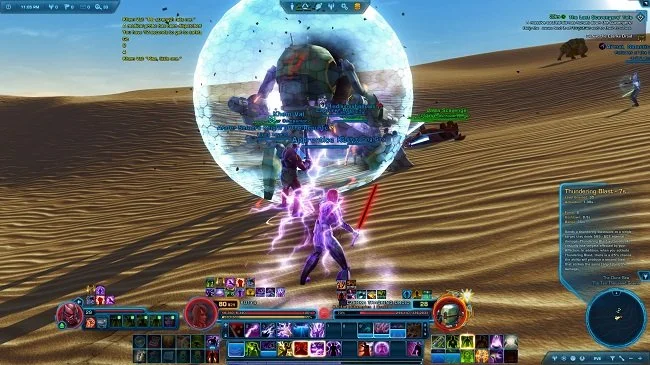
Every now and then all of us who play video games to varying degrees, will encounter a task, mission or boss fight in our game of choice that they cannot complete. It may be due to not having the right gear or an unexpected increase in difficulty. And if we are brutally honest with ourselves, it may all come down to our own reactions and lack of dexterity. Whatever the reason, it is never a good thing to encounter. For example, recently while playing Star Wars: The Old Republic (specifically Knights of the Fallen Empire. Chapter XII: Visions in the Dark) I got stuck on a boss fight. The NPC, Vaylin, uses ranged and melee force attacks. You have to avoid ground based AoE attacks and do damage at close quarters, as they have a force bubble that reflects damage. I play a class that does ranged DPs (Smuggler) but this fight is better suited to a Jedi. The story restrictions means there’s no companion present to do healing. So I lost health faster than I could do damage. Hence I died. A lot.
Now this is a classic example of how a “one size fits all” boss fights can leave some classes at a distinct disadvantage. I don’t mind a challenge to a degree and don’t expect things to be continuously tickety-boo in games. However, there comes a point where having to repeat something that you are patently struggling with, ceases to be enjoyable. Due to the way SWTOR is designed, if I couldn’t complete this bossfight, I could not progress any further through the expansion. From a business perspective, this is not a good situation. An unhappy customer is likely to stop playing and paying. I came dangerously close to this. I was frustrated and also annoyed because I take a very transactional approach to gaming. I am not paying to challenge myself and to be the “best I can be”. I am paying to be entertained. I don’t expect to be impeded by a game.
Now I would like to draw your attention to several single player games that I have played that take a very proactive approach to “players getting stuck”. Call of Duty Modern Warfare 2 politely asks whether you would like to lower the difficulty setting, if you keep getting your butt kicked. Ghost Recon: Breakpoint, as well as many other big, action RPGs, has a “Story Mode” which radically dials down the difficulty of the content to allow players to focus on the narrative. Now SWTOR does have three modes of difficulty but sadly it doesn’t seem to be a finely tuned system. Even in the basic story mode, there are several fights throughout the game that are disproportionately hard. They seem to penalise some classes. So perhaps there needs to be more than just a choice of difficulty.
I eventually completed this problematic content in SWTOR. It took 17 attempts. I succeeded mainly by luck and using a medpack and came out the other end with just 7% health. I don’t consider this to be a moral victory and even now, when reflecting upon this experience it antagonises me. Simply put, this is poor game design. Games are a business and I see no merit in pissing off customers and driving them away. I believe the games should track how many times you have failed and adjust accordingly. Offering an optional buff seems the most expedient solution. At the very least the developers could offer the player the option to skip content. Getting stuck in a game is not just bad for the player, it is bad for business. Don’t punish the player. Facilitate the player.

Windows 11
I recently bought a new laptop which shipped with Windows 10 preinstalled. As I use this device mainly for writing and web browsing, I deemed it the perfect test environment for Windows 11. I have very few programs (sorry, I believe we now have to universally refer to them as “apps”, regardless of the platform) installed, there was minimal risk of running into compatibility issues. So I duly installed the free upgrade and to date there’s been no major problems. So far there have been some minor changes associated with contextual menus but nothing that I’d label a deal breaker. I can live with the visual changes and such like. I look forward to experimenting with the installation of Android apps which this version of Windows is supposed to support. Overall, this upgrade has been a success.
I recently bought a new laptop which shipped with Windows 10 preinstalled. As I use this device mainly for writing and web browsing, I deemed it the perfect test environment for Windows 11. I have very few programs (sorry, I believe we now have to universally refer to them as “apps”, regardless of the platform) installed, there was minimal risk of running into compatibility issues. So I duly installed the free upgrade and to date there’s been no major problems. So far there have been some minor changes associated with contextual menus but nothing that I’d label a deal breaker. I can live with the visual changes and such like. I look forward to experimenting with the installation of Android apps which this version of Windows is supposed to support. Overall, this upgrade has been a success.
However, and there always seems to be a however, that was not the case with Mrs P’s new laptop. That model shipped with Windows 11 in S Mode. According to the Microsoft website “Windows 11 in S mode is a version of Windows 11 that's streamlined for security and performance, while providing a familiar Windows experience. To increase security, it allows only apps from the Microsoft Store, and requires Microsoft Edge for safe browsing”. Which explained why I couldn’t install Mozilla Firefox. I suppose I can see the logic of having such a facility, especially for those who are not especially tech savvy. However, for someone like myself who is very particular about how they configure a laptop or desktop PC, this mode was nothing short of infuriating. It requires creating a Microsoft account and changing your settings online to disable this mode. Something else I wasn’t entirely happy about.
From what I’ve learned from some online research, the main differences between Windows 10 and 11 are mainly in advanced features, design and aesthetics. It would appear that the fundamental architecture is the same. A summary of new features and functionality is as follows:
Design and interface
Android app integration
Better virtual desktop support
Easier transition from monitor to laptop
Microsoft Teams added to the Taskbar
Widgets
Enhanced touchscreen, voice and pen support
Xbox tech to improve gaming
As I stated earlier, upgrading my laptop to Windows 11was a calculated risk that paid off with minimal problems. At present my desktop PC in my office is still running Windows 10 and due to the wealth of games and other software that is installed, I am reluctant to upgrade when there is scope for far greater inconvenience if things do not go well. Hence, I shall defer changing operating systems for a while longer, having learned over the years the hard lessons of being an early adopter. At some point I obviously will have to upgrade but by then if there are any “issues” associated with Windows 11, they will hopefully have been rectified. As I’ve stated before, it would be nice if Windows per se had the facility to disable or uninstall the features that you don’t use or need.
Revisiting Star Wars: The Old Republic Part 2
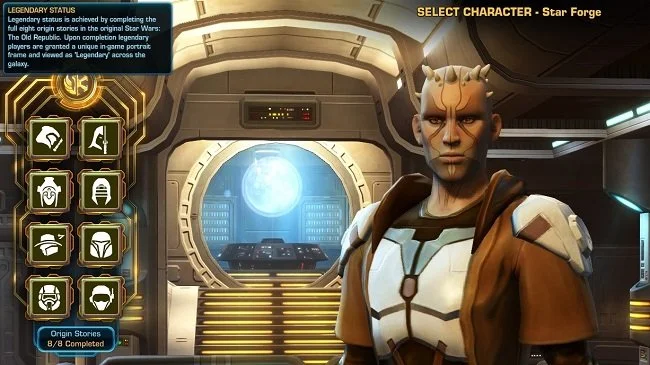
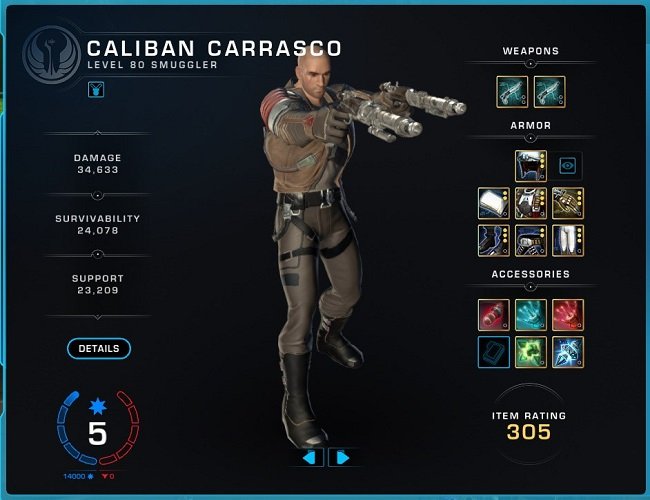
I returned to the MMORPG Star Wars: The Old Republic a month ago. After a few days orienting myself as to how to play my primary character, I quickly got back on the levelling treadmill and started playing through all the story content that I’ve missed since 2013. Yesterday, I reached the new level cap of 80 and spent some time and money trying to get the best gear I can from the Galactic Trade Network. I’m not especially concerned about having the best build I possibly can but I don’t want to gimp myself. Hopefully I made appropriate choices. I now have a healthy item rating of 305, for what it’s worth. Broadly speaking, I haven’t run into too many tricky situations as I’ve levelled, although every now and then there’s a boss fight that seems disproportionately one sided. The Ugnaught Leader in “Little Boss” being one example with their annoying one hit kill, knock back.
I returned to the MMORPG Star Wars: The Old Republic a month ago. After a few days orienting myself as to how to play my primary character, I quickly got back on the levelling treadmill and started playing through all the story content that I’ve missed since 2013. Yesterday, I reached the new level cap of 80 and spent some time and money trying to get the best gear I can from the Galactic Trade Network. I’m not especially concerned about having the best build I possibly can but I don’t want to gimp myself. Hopefully I made appropriate choices. I now have a healthy item rating of 305, for what it’s worth. Broadly speaking, I haven’t run into too many tricky situations as I’ve levelled, although every now and then there’s a boss fight that seems disproportionately one sided. The Ugnaught Leader in “Little Boss” being one example with their annoying one hit kill, knock back.
In my previous post, I posed the question as to whether I’d maintain my enthusiasm for SWTOR for a month and whether the Star Wars “feels” would remain. I’m happy to report that both of these aspects of the game have prevailed. However, that is not to say that I’m not without some criticisms. SWTOR does a shocking job of explaining itself to its players and I habitually have to have a web browser open on my second monitor so I can find out about something mundane. Some of the barter items and reward systems are impenetrable. I may well be sitting on multiple sources of good gear but I am conspicuously ignorant if this is the case. The game also takes liberties with reasonable assumptions that players will naturally make. I had to find a way to shut down a forcefield in one Chapter of Knights of the Fallen Empire and the first three power couplings were clearly in the vicinity of the bunker and easy to find. The fourth was obtusely placed a substantial distance away, rather than cunningly hidden. Stuff like that is annoying.
Boss fights are often painfully slow,as I mentioned in a previous post. However, the end fight with Revan at the end of the second expansion, took this to a whole new level. I was simultaneously fascinated and bored by how staggeringly unengaging this climactic fight was. Another beef I have with SWTOR is starting a mission, only to find that it’s gated in some way or dependent on group content. This is frequently the case with Alliance Specialists and Companion Recruitment missions. Some require World Boss trophies and one was gated behind a yearly event. Again this is very annoying and I see no reason why these criteria aren’t clearly flagged in advance. However, I do applaud the game for the sheer number of companions you can access. I like to change mine regularly, depending upon my mood. I am especially fond of Blizz and Gus Tuno. I also appreciate the fact that I no longer have to acquire gear for them.
I have spent some time playing the PVE space missions, where you use your personal ship. I have progressed exactly as far as I did when I last played and have found that the same problems thwart my progress. Sadly my reactions are too slow in specific missions and I collide with too many objects, which is frustrating because I quite enjoy these “on rails” space battles. I haven’t yet looked into Galactic Starfighter although I intend to give it a go. PVP is not usually my thing but I just want to see how equitable they make this aspect of SWTOR. Will a new player be grouped with players of a similar ability or will we just get “thrown to the Wolves”? We shall see. At the very least it will provide me with material for another blog post. Overall, I am pleased that SWTOR has managed to keep me engaged. That’s mainly down to the well written stories and interesting characters. And it must be said that this MMO has one of the best soundtracks in the genre. It certainly has kept those Star Wars “feels” coming.


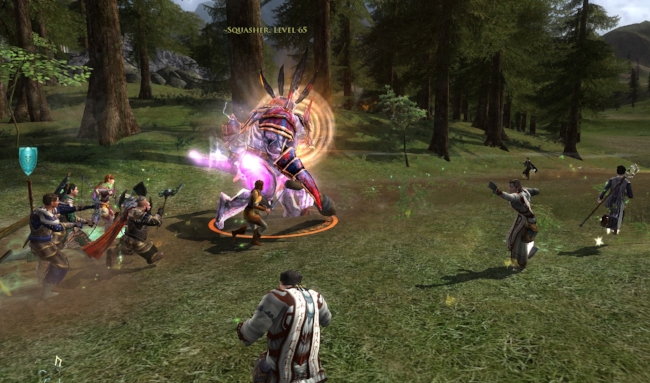
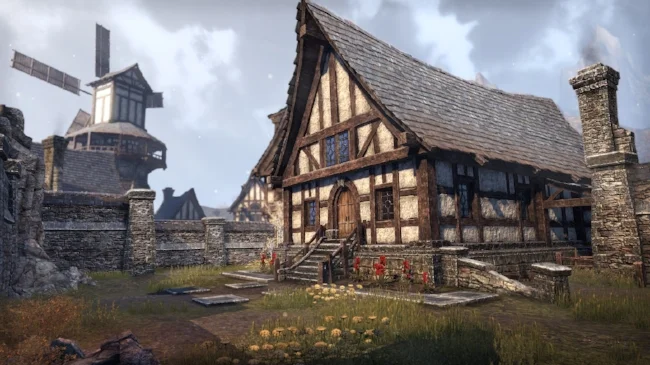

What are You Doing and Where are You Going?
The title for this post is a quote from The Hobbit by J.R.R. Tolkien. I’ve used it as a verbal cue to try and give readers an overview of the point I’m striving to convey. Because I want to talk about modern life in western civilization, specifically its complexity and increasing uncertainty. If you’re extremely wealthy you can mitigate these two points but I’m working on the premise that most of the people who read Contains Moderate Peril are not. The blogging community, of which I am a participant, is a diverse group but from what I’ve observed it’s not populated by millionaires. In fact most of the people I know, both online and in person, are just holding down a job, trying to keep a roof over their head and pay the bills. Often they’re doing the job they do in default of anything else and they’re at the very least ambivalent towards it. The pandemic has also brought home how fragile so-called “normality” is. Modern politics are also volatile and life in general just doesn’t seem as certain as it was twenty years ago.
The title for this post is a quote from The Hobbit by J.R.R. Tolkien. I’ve used it as a verbal cue to try and give readers an overview of the point I’m striving to convey. Because I want to talk about modern life in western civilization, specifically its complexity and increasing uncertainty. If you’re extremely wealthy you can mitigate these two points but I’m working on the premise that most of the people who read Contains Moderate Peril are not. The blogging community, of which I am a participant, is a diverse group but from what I’ve observed it’s not populated by millionaires. In fact most of the people I know, both online and in person, are just holding down a job, trying to keep a roof over their head and pay the bills. Often they’re doing the job they do in default of anything else and they’re at the very least ambivalent towards it. The pandemic has also brought home how fragile so-called “normality” is. Modern politics are also volatile and life in general just doesn’t seem as certain as it was twenty years ago.
We all approach life and deal with its respective slings and arrows in our own way. I am of an age where I was culturally indoctrinated to have a plan. They were very popular in the seventies and eighties. Everyone seemed to have one. Paul Simon, Leonid Brezhnev, Baldrick to name but a few. As a child, the plan that my parents had for me was pretty much the standard one from that era. Go to school and get an education and good qualifications. Find a suitable career. If you’re not sure about a career, then get a good intermediary job. Find a suitable partner and get married. Buy a home, have children and try to improve your lot in life. It was pretty much the white, middle class equivalent of the Xenomorph’s life cycle from Alien. By and large I broadly tried to follow this strategy but I found that reality constantly got in the way and tried to obstruct both me and everyone else who was trying to navigate life’s choppy waters.
So here I am at the age of 54. Life has changed for both my family and me a lot in the last eight years in ways that I never really imagined. This is documented in other posts so I won’t cover old ground here. Returning to the title of this piece, I find myself at a time in my life where I am considering “what am I doing and where and I going?”, so to speak. There are many reasons why we all get philosophically introspective at times. Society expects us to have an orderly trajectory to our lives, passing certain milestones along the way. However, many of these expectations are unrealistic and unattainable, so we then devote an excess of our time and energy examining our perceived failures. It is hardly a recipe for personal happiness and contentment. The information age has also opened our eyes to the reality of our relationship with the government. The various social contracts that are supposed to exist between citizens and state are all broken. Working hard does not necessarily pay off, neither does “doing the right thing”.
It is therefore not unusual to wish for a fairer and stable world. A world where opportunities exist for all, a job pays sufficient to keep a roof over your head and there is equality before the law. Sadly, that is not the case. Here in the UK the political system is broken and taken advantage of. It’s binary nature and tribal culture often means people vote for what they believe is the least worst of two “evils”. Hence people end up directly and indirectly voting at times against their own interests. At present we have a politically and intellectually weak government who are greedy, petty and dangerous. We are isolated internationally during the midst of the biggest geopolitical problem since World War II. The immediate future for the UK is not good politically, economically or socially. It is more upsetting knowing that some of these problems we inflicted upon ourselves.
So returning to the original question of “what are you doing and where are you going?” I have a major decision ahead of me this year. My caring commitments will be coming to an end in April and I have to determine whether I shall be returning to the job market, or whether my personal finances will allow me to officially retire. I suspect that the latter may not be possible and the prospect of the modern work environment doesn’t fill me with joy. My long term plan is to move out of London and attempt to keep the world’s problems at arms length. I just want to live out the remainder of my days in as much peace and quiet as possible. However, that seems more and more like an aspiration rather than a definitive plan, especially if I am reliant upon a job. It seems like no one can escape uncertainty these days. Being free from worry seems to be becoming a prerogative exclusive to the rich. It would be nice to end this post on a positive note but I cannot think of one.


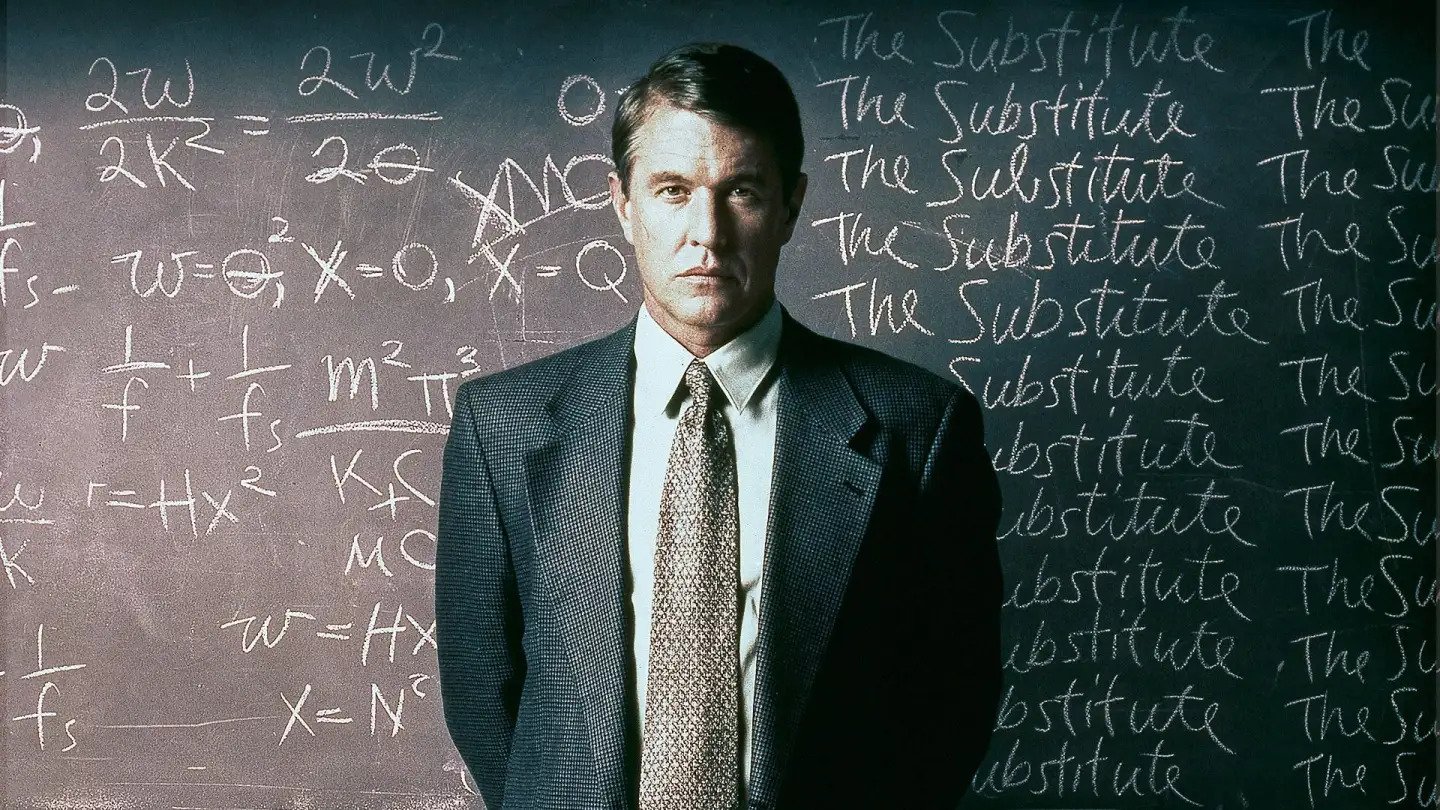

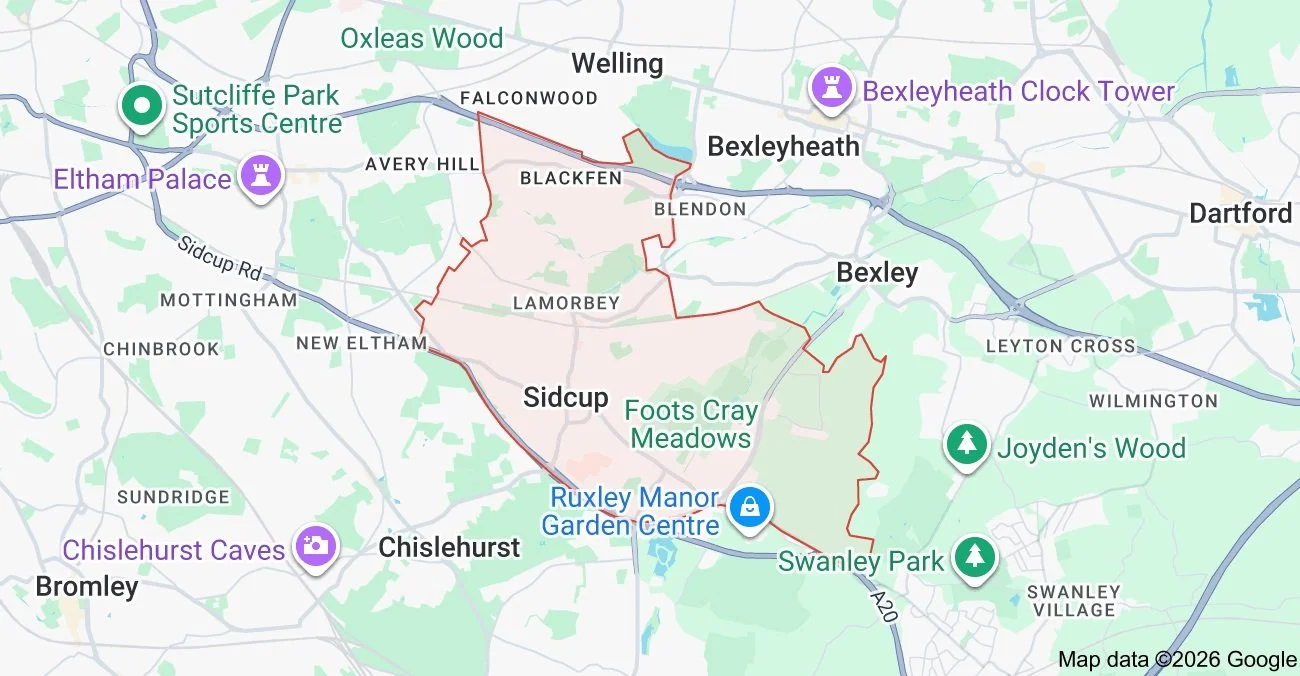
















Upgrade Culture
Prior to her retirement in 2014, Mrs P bought a HP laptop (HP 15-g094sa). The model was chosen based upon her needs and budget. The fact that it was purple was also a contributory factor. This laptop came with Windows 8 installed and over the years has been upgraded to Windows 10. Being an older model it has a HDD rather than a SSD. However, given what it is used for, IE emails and online shopping and nothing else, it has always been able to cope with the task in hand. 8 years later the specifications should still be adequate to do these specific things (AMD Quad-Core A8-6410 APU). Sadly, the continued growth of Windows 10 has meant that the operating system has gotten bigger and more bloated with features. Hence this laptop struggles with updates, often spending 30 minutes or more each time it’s turned on, which is possibly only once a week. Overall, it is no longer the useful and convenient tool that it was when bought.
Prior to her retirement in 2014, Mrs P bought a HP laptop (HP 15-g094sa). The model was chosen based upon her needs and budget. The fact that it was purple was also a contributory factor. This laptop came with Windows 8 installed and over the years has been upgraded to Windows 10. Being an older model it has a HDD rather than a SSD. However, given what it is used for, IE emails and online shopping and nothing else, it has always been able to cope with the task in hand. 8 years later the specifications should still be adequate to do these specific things (AMD Quad-Core A8-6410 APU). Sadly, the continued growth of Windows 10 has meant that the operating system has gotten bigger and more bloated with features. Hence this laptop struggles with updates, often spending 30 minutes or more each time it’s turned on, which is possibly only once a week. Overall, it is no longer the useful and convenient tool that it was when bought.
Recently, Google sent an email regarding it ceasing support for older email clients that don’t conform to the latest security protocols. Mrs P’s laptop has an installation of Microsoft Office 2010 and Outlook will no longer be able to download directly from her gmail account in May. Combined with the performance issues caused by the ever increasing heft of Windows 10, I recommended that the laptop was replaced and Office 365 installed. To cut a long story short a new HP laptop has been purchased (HP 14s-dq2019na). This new model based on an Intel Core i3 processor is more than adequately specified to run Windows 10 and I will probably take the opportunity to upgrade to Windows 11. However, this costly undertaking, which also comes with a requirement to migrate data, has purely been driven by Microsoft and Google. Considering what the laptop is used for, the original specifications of the first model should still be adequate. This is all down to upgrade culture.
Upgrade culture seems to be driven by several factors. The ever growing software which reduces performance in return for superfluous functionality. The myth that anything new is by default superior, despite the fact that in the mobile phone and tablet market we’ve seen a slow down in significant performance increases between new hardware releases. And then there’s the “accessorisation” of technology. Tech is no longer just functional, it’s fashionable, aspirational and inspirational, as well as other bullshit marketing terms. Apparently, I’m due a mobile phone upgrade roundabout now. There’s nothing wrong with the Samsung Galaxy S10 5G that I currently own. I’ve had this since December 2019 and the phone is in good condition and performs just as well as it did back then. Anything new will simply have a fancier camera, although I dispute claims that I need better than I have already. Other sellings points will more than likely be gimmicks or that is how I perceive them. A screen that folds is not essential for me.
I am aware that I could install an alternative operating system on Mrs P’s laptop and it would potentially run as good as it did back in 2014 but that is not ideal for someone who is not especially confident with tech per se. Ultimately, we’re fortunate to be in the position to afford a replacement laptop although it is somewhat galling when one considers that the requirement to upgrade has been forced upon the user for “questionable” reasons. If Microsoft and other companies insist upon expanding the functionality of their software, it would be nice to be able to selectively remove the “stuff” you don’t want. Especially if it has an impact upon your systems performance. But I suppose that a free product such as Windows is not going to allow that sort of control and empowerment to be available to customers. It would impact hardware sales and upset an established business model. So we continue to upgrade continuously, while our obsolete tech piles up, awaiting recycling. The phrase “unsustainable” comes to mind for some reason.
Thanks Google Page Experience Update For Desktop
Last Tuesday, I noticed a drop in traffic to Contains Moderate Peril. As I’m currently only writing every other day, I assumed that it is normal to have occasions when visits to the site may decrease. However the decline has persisted and to date, works out broadly as a 20% reduction of traffic to my blog. At present, I have a lot going on in my life so blogging and website growth are not my highest priorities. However, I am a firm believer in cause and effect and so a situation like this must be down due to other external factors, rather than just the capricious nature of my readership. So I searched online to see if Google had made any changes and I subsequently found that they had rolled out an algorithm update starting on Tuesday 22nd February 2022. Apparently Google Page Experience Update For Desktop “is designed to highlight pages that offer great user experiences. Page experience remains one of many factors our systems take into account. Given this, sites generally should not expect drastic changes”. I beg to differ.
Last Tuesday, I noticed a drop in traffic to Contains Moderate Peril. As I’m currently only writing every other day, I assumed that it is normal to have occasions when visits to the site may decrease. However the decline has persisted and to date, works out broadly as a 20% reduction of traffic to my blog. At present, I have a lot going on in my life so blogging and website growth are not my highest priorities. However, I am a firm believer in cause and effect and so a situation like this must be down due to other external factors, rather than just the capricious nature of my readership. So I searched online to see if Google had made any changes and I subsequently found that they had rolled out an algorithm update starting on Tuesday 22nd February 2022. Apparently Google Page Experience Update For Desktop “is designed to highlight pages that offer great user experiences. Page experience remains one of many factors our systems take into account. Given this, sites generally should not expect drastic changes”. I beg to differ.
Please feel free to search about Google Page Experience Update For Desktop and to read exactly what it’s supposed to do and how it “works”. I have and it is simply beyond my skill set to fully comprehend it. From what I can ascertain it’s supposed to ensure that the best content continues to appear in search results, which is the usual corporate mantra. My real concern is whether it’s fair and if the system can be manipulated. Will smaller content creators be able to equitably compete with the big players. Well, it looks like the answer is “no”. I am not the only person to see a drop in traffic. I have found several posts over at SEO subreddit and they squarely point the finger at Google for this change. There also seems to be growing concern over Google’s continued push for standardised criteria governing content creation. If your site doesn’t entirely comply with these it will have difficulty being found. Sadly, a poorer quality site that is compliant, will rank higher in search results.
Statistics are not the defining reason why I and many other people write online. But let us not be coy. Finding an audience is important and you cannot do that if your website is not visible. However, whether anyone finds Contains Moderate Peril ultimately is a matter out of my hands. I could slavishly follow the prevailing content writing styles and SEO trends in an attempt to “game the system”. However, I like to write in the same manner in which I express myself in real life. Having to conform to a specific regulated standard to reach a broader readership is a double edged sword. You may gain accessibility but at the expense of nuance, maturity and character. Personal blogs are often not just about the content but the content creator as well. However, all of this is academic while we deal with the reality of Google Page Experience Update For Desktop. Perhaps it is naïve to expect an equitable process and a level playing field from a corporate entity such as Google.





















Playing MMOs Solo
There was a perennial question being discussed over at Massively Overpowered recently. Justin Olivetti asked “why do you play MMOs solo” and as you would expect, there was a wide variety of answers. I have written about this myself in the past, as when I first started playing MMOs, I was very enamoured by the social element and therefore very disposed towards group content. However, that experience between 2008 and 2011, when I played The Lord of the Rings Online most days and dedicated Friday and Saturday nights to raiding, was very much down to circumstances. I had the time and inclination to spend hours online. That is something that I don’t have now. Plus the novelty of the social element has worn a little thin over the years. Nowadays, I do not have the luxury of waiting for a raid group to assemble, nor do I have the tolerance for the inevitable delays that always stem from any kind of human interaction.
It’s just me versus Middle-earth
There was a perennial question being discussed over at Massively Overpowered recently. Justin Olivetti asked “why do you play MMOs solo” and as you would expect, there was a wide variety of answers. I have written about this myself in the past, as when I first started playing MMOs, I was very enamoured by the social element and therefore very disposed towards group content. However, that experience between 2008 and 2011, when I played The Lord of the Rings Online most days and dedicated Friday and Saturday nights to raiding, was very much down to circumstances. I had the time and inclination to spend hours online. That is something that I don’t have now. Plus the novelty of the social element has worn a little thin over the years. Nowadays, I do not have the luxury of waiting for a raid group to assemble, nor do I have the tolerance for the inevitable delays that always stem from any kind of human interaction.
Hence the primary reason I play MMOs solo is simply to be able to progress at my own pace and not having to be dependent on others in any other way, shape or form. The advantages are obvious, as are the disadvantages. I may well be able to clear through PVE content, level efficiently and manage my gear progression, but I also miss a substantial part of the game. I haven’t participated in any major group content in LOTRO for over a decade. The last raid I did was Draigoch’s Lair in 2011. But that is the price you pay for solo gameplay. By playing on my own I get to use my time efficiently. Raiding is a long, drawn out process that doesn’t come with any guarantees. It is this aspect of MMOs that bothers me. If I invest my time into something, I want to walk away with some sort of reward. Raids do not always hand out loot in an equitable fashion. Playing through PVE content on your own gives you clear and achievable goals.
“Can you tell me where Bagel Street is?”
At present I play four MMOs. In LOTRO I have been in the same guild (or Kinship as it’s known in this game) since 2009. I know many of the other members and it is still active but certainly not to the degree it was a decade ago. In Star Trek Online I have my various alts in the respective Reddit based Fleets (guilds) such as Reddit Alert. I will chat with other members but I don't really know anyone nor ever group with them to play through content. I am in the Fleet simply for the benefits of accessing Fleet resources. which are mainly gear based in STO. With regard to Star Wars The Old Republic, I am in a guild which I created myself. This was mainly to stop me from getting swamped by guild invites from other players when the game first launched. It has two active members, myself and podcast co-host Brian. Beyond having a novelty name (Shaved Wookies) it serves no purpose. Due to my intermittent playing of The Elder Scrolls Online I see no reason to join a guild in that game.
The most social interaction I have in an MMORPG at present is in STO. Task Force Operations are five man missions which last between 5 and 15 minutes depending on the ability of the group. When selecting the TFO of your choice you are then auto-grouped and ported immediately to the appropriate instance. More often than not there is no communication between players in Team Chat. Sometimes players will deliberately go AFK and wait just to get the TFO reward. Every now and then someone will say “hi” to the group. On other occasions someone will try and give instructions but that seldom goes well. But such is the state of solo gameplay in most MMOs. You only talk and group with people if you want to and if there’s no compelling reason, then you don’t. Any game where your progress is dependent upon others is a game that I’ll more than likely not play.

The King's Man (2021)
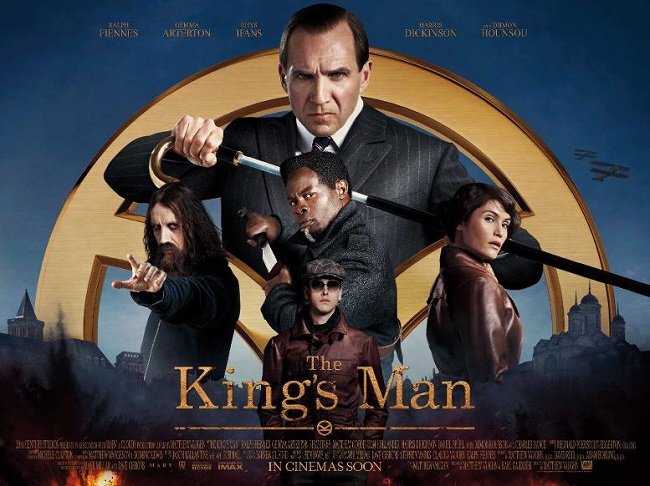
As a collection of history's worst tyrants and criminal masterminds gather to plot a war to wipe out millions, one man must race against time to stop them. Discover the origins of the very first independent intelligence agency in The King's Man. Based on the Comic Book “The Secret Service” by Mark Millar and Dave Gibbons. 20th Century Studios
Matthew Vaughn’s The King’s Man is an inconsistent film, both narratively and tonally. It veers between serious themes and stylised, hyperbolic action. At times it does quite a good job of exploring such complex subjects as global politics, mechanised warfare and colonialism. Sadly it then wrenches the viewer out of these cerebral reveries as it lapses into the sort of over the top action sequences that were notable in the two earlier films. It’s a shame because The King’s Man gets so many other aspects of the production right. The casting is very interesting, especially Ralph Fiennes as the “pacifist” Duke of Oxford. He is actually a very good fit for the action genre. Djimon Hounsou and Gemma Arterton are given little backstory beyond being respectively the faithful manservant and the family nanny but both are notable due to their own inherent acting chops and personal charisma. Rhys Ifans obviously has a great time as Grigori Rasputin, ensuring all the man’s vices are robustly depicted.
As a collection of history's worst tyrants and criminal masterminds gather to plot a war to wipe out millions, one man must race against time to stop them. Discover the origins of the very first independent intelligence agency in The King's Man. Based on the Comic Book “The Secret Service” by Mark Millar and Dave Gibbons. 20th Century Studios
Matthew Vaughn’s The King’s Man is an inconsistent film, both narratively and tonally. It veers between serious themes and stylised, hyperbolic action. At times it does quite a good job of exploring such complex subjects as global politics, mechanised warfare and colonialism. Sadly it then wrenches the viewer out of these cerebral reveries as it lapses into the sort of over the top action sequences that were notable in the two earlier films. It’s a shame because The King’s Man gets so many other aspects of the production right. The casting is very interesting, especially Ralph Fiennes as the “pacifist” Duke of Oxford. He is actually a very good fit for the action genre. Djimon Hounsou and Gemma Arterton are given little backstory beyond being respectively the faithful manservant and the family nanny but both are notable due to their own inherent acting chops and personal charisma. Rhys Ifans obviously has a great time as Grigori Rasputin, ensuring all the man’s vices are robustly depicted.
The problem lies with The King’s Man essentially trying to do too much and cover too much ground in its 130 minute running time. First it’s a father-son film and then it’s a revisionist history drama like Trantino’s Inglourious Basterds. Then it hastily tries to establish the backstory of the Kingsman Independent Intelligence Service. As a result director Matthew Vaughn struggles to maintain a consistent style and tone. He does provide some creative flourishes especially with the subplot relating to Conrad Oxford, the Duke’s son who wishes to serve his country and play his part in World War I. There is a sense of impending doom as Conrad (Harris Dickinson) heads towards an inevitable personal tragedy but the way it manifests itself is quite a surprise. This culminates in a genuinely moving scene at the end of the film’s second act. However, it is quickly mitigated by the directors interpretation of historical events and choosing to depict the tragedy and slaughter of WW I as a petty squabble between an international family.
The King’s Man is certainly a better film than its predecessor; Kingsman: The Golden Circle (2017). That was a poorly conceived project, ruined by the presence of Eltom John and the mean spirited way in which Merlin (Mark Strong) was so ignominiously killed off. Although Matthew Vaughn is clearly a creative film director who has a natural affinity to genre source material, he does strike me as someone who would be well served by a trusted associate who knows him well enough to curb his excesses. Both previous films in this series were blighted by some singularly unpalatable and obsolete sexual humour that would be more at home in a seventies “eroitic adventure” such as Confessions of a Window Cleaner. This error is not repeated in The King’s Man but instead Vaughn often comes a little too close to trivialising the human tragedy of WWI. There’s also a mid-credit coda that is very ill judged, especially in light of more recent events. Watch with discretion and be prepared to “hold your nose” if you are overly politically sensitive. The action is good.







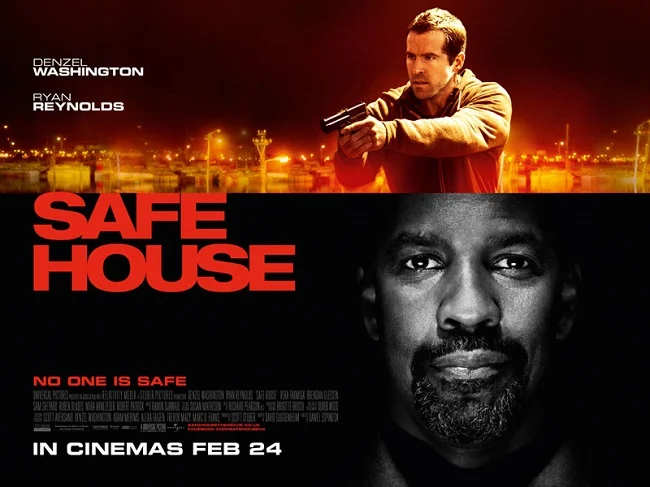
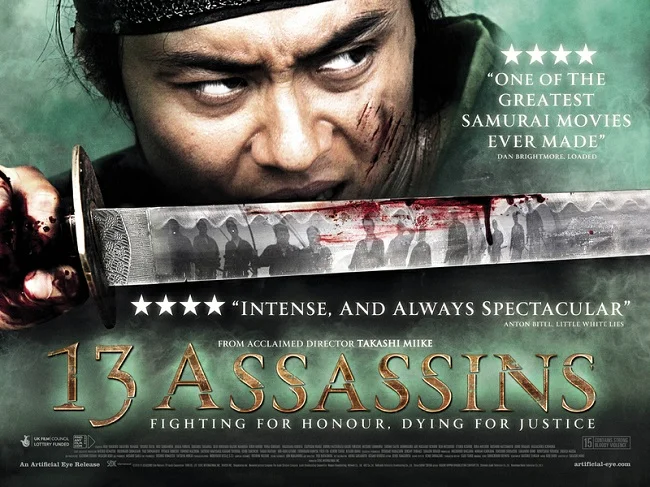
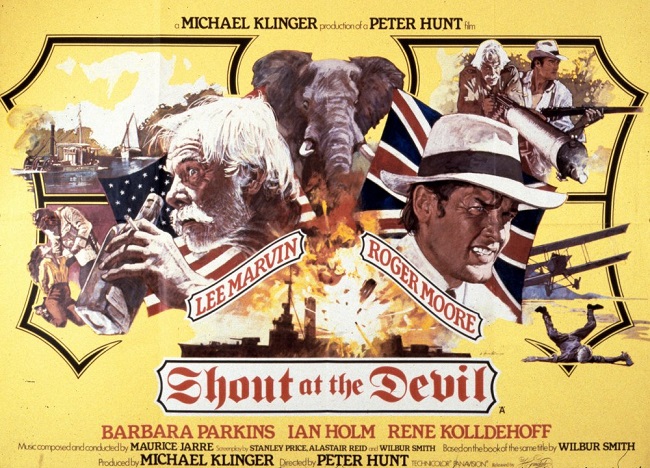
Combat in Video Games: How Long is Too Long?
Many video games involve some sort of combat. It is a quintessential mechanic. The moral and ethical rectitude of this is a subject for another blog post and is not something I wish to discuss here. This post is about combat itself and specifically the amount of time that you have to spend to defeat an enemy. It may sound a somewhat trivial point but it becomes quite an important issue once you start playing a game for any length of time. Like many game mechanics, it often comes down to a matter of personal taste? Which then makes it a difficult matter to find the right balance from a game development point of view. If you make combat too brief, players will say it trivialises the game and diminishes the sense of challenge. Make combat too long and you’ll run the risk of boring your playerbase and driving them away. This is very much a “damned if you do, damned if you don’t situation.
Many video games involve some sort of combat. It is a quintessential mechanic. The moral and ethical rectitude of this is a subject for another blog post and is not something I wish to discuss here. This post is about combat itself and specifically the amount of time that you have to spend to defeat an enemy. It may sound a somewhat trivial point but it becomes quite an important issue once you start playing a game for any length of time. Like many game mechanics, it often comes down to a matter of personal taste? Which then makes it a difficult matter to find the right balance from a game development point of view. If you make combat too brief, players will say it trivialises the game and diminishes the sense of challenge. Make combat too long and you’ll run the risk of boring your playerbase and driving them away. This is very much a “damned if you do, damned if you don’t situation.
Perhaps an example would be useful. I was recently playing Star Wars: The Old Republic and had to fight the final boss in a Flashpoint. They were a Mandalorian and the combat took place in an arena with a panelled floor. During the fight the floor would open to reveal flames. A droid would occasionally appear with a grappling hook and drag my character towards it, exposing them to further fire damage. Because I was tackling this Flashpoint solo, I had a combat droid that tanked for me. Hence I would stand on the periphery of the action, doing ranged DPS while my Companion healed. I would have to destroy the droid when it spawned and ensure I avoided fire damage. This was a manageable process. However, it took a while to take down the boss. Most of the fight consisted of slowing watching their health bar decrease. It took over 5 minutes to complete and became tedious very quickly.
This highlights my point well. I appreciate that if developers accurately depicted the use of blaster weapons and lightsabers, then most fights would be a succession of one shot kills. Hence accurately depicting such weapons has to be tempered with a sensible reduction in damage to make the fights more challenging. Plus one has to remember that SWTOR is over a decade old and therefore its combat style is based upon the prevailing combat style of that time. There’s a lot of skills bloat, tab targeting and static combat. However, bearing all this in mind, a five minute boss fight or indeed any sort of fight of that duration as a single player activity is excessively long. Especially in light of the fact that I wasn’t in any major danger of failing. The main point of contention was simply the time it took to do damage. Watching a health meter go down slowly is not fun. Neither are ponderous combat mechanics or dealing with bullet sponges.
The main reason I stopped playing The Secret World was due to the tiresome combat mechanics, especially when using firearms. My objections hinged upon the time that it took to kill an enemy. In more contemporary games, such as The Elder Scrolls Online, combat is faster and critical chance and severity seem to play a more equitable role in proceedings. Boss fights tend to be faster paced. You have to be more mobile and cognisant of the damage that you’re taking. However, the combination of the right skills and a healthy dose of critical success means that the overall combat experience is more satisfying without being unnecessarily protracted. There’s a fine line between managing a fight and finding success and just endless plodding through a rotation of skills and then healing, like some uninspired line dance. Again I must reiterate that this is a very subjective experience. What I consider to be too long for me, may not be so for you.
I have adjusted my build after reaching level 70 in SWTOR and I may run the very same Flashpoint again to see if combat is any quicker with increased stats. I suspect that the downscaling mechanics in the game means that the fight will still drag on regardless. Which then raises the question as to whether I want to continue playing because combat is a substantial part of gameplay. If fighting through waves of mobs becomes a dull chore, it does somewhat mitigate the point of playing, which is supposed to be a fun activity. I appreciate that combat should not be a walk in the park and that skill and being situationally aware should all play a part. But slowly wearing down a DPS sponge is not the same thing. I want to be moderately challenged, not bored. Finding the correct pace of combat is a challenge and I wish I knew what the answer was. Sadly many developers don’t seem to know either.
No Time to Die (2021)
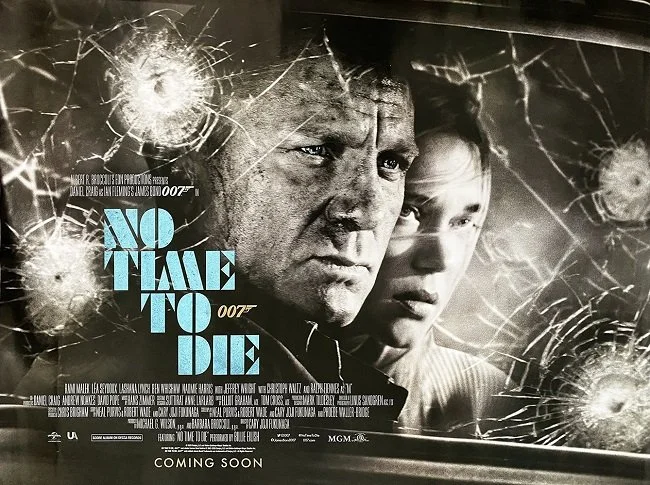
Bond has left active service and is enjoying a tranquil life in Jamaica. His peace is short-lived when his old friend Felix Leiter from the CIA turns up asking for help. The mission to rescue a kidnapped scientist turns out to be far more treacherous than expected, leading Bond onto the trail of a mysterious villain armed with dangerous new technology.
Universal Pictures
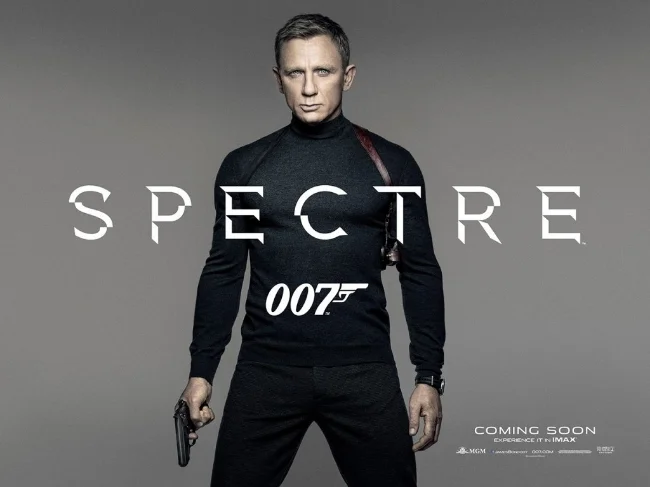
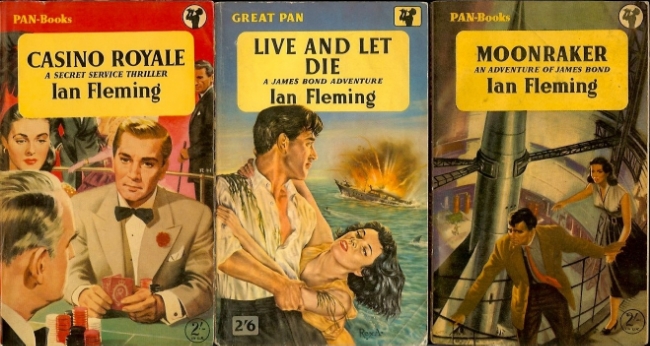
The twenty fifth Bond film is a horse of a different colour but then again that adage could be applied to the last five instalments of the franchise. Bond has never had a continuous story arc or any major narrative continuity until Daniel Craig’s tenure as 007. Two Roger Moore films briefly alluded to Bond’s previous marriage as depicted in On Her Majesty's Secret Service (1969). However, we should remember that Casino Royale (2006) was effectively a reboot of the entire franchise depicting Bond’s first mission as a recently commissioned 00 agent. As well as the tonal shift in the franchise regarding humour, violence and the role of agents in a modern world, the last five films have taken a far more personal interest into Bond. It has very much been about him as opposed to just his actions. Therein lies the rub as they say. Some fans have not warmed to this sort of character analysis, although the box office clearly shows that it has gone down well with the wider audience.
Bond has left active service and is enjoying a tranquil life in Jamaica. His peace is short-lived when his old friend Felix Leiter from the CIA turns up asking for help. The mission to rescue a kidnapped scientist turns out to be far more treacherous than expected, leading Bond onto the trail of a mysterious villain armed with dangerous new technology.
Universal Pictures
The twenty fifth Bond film is a horse of a different colour but then again that adage could be applied to the last five instalments of the franchise. Bond has never had a continuous story arc or any major narrative continuity until Daniel Craig’s tenure as 007. Two Roger Moore films briefly alluded to Bond’s previous marriage as depicted in On Her Majesty's Secret Service (1969). However, we should remember that Casino Royale (2006) was effectively a reboot of the entire franchise depicting Bond’s first mission as a recently commissioned 00 agent. As well as the tonal shift in the franchise regarding humour, violence and the role of agents in a modern world, the last five films have taken a far more personal interest into Bond. It has very much been about him as opposed to just his actions. Therein lies the rub as they say. Some fans have not warmed to this sort of character analysis, although the box office clearly shows that it has gone down well with the wider audience.
No Time to Die is by far the most intimate Bond movie to date. This is about Bonds relationship with Dr. Madeleine Swann (Léa Seydoux) and the void in his life when they part acrimoniously. The story explores perennial themes of how people in specific lines of work sacrifice so much of themselves. For every action set piece, and there are plenty of these, there are an equal amount of dramatic scenes in which Bond searches his soul and considers his future. The Bond of the seventies and eighties was seldom this thoughtful but this is clearly the way the franchise has been going since 2006. Director Cary Joji Fukunaga clearly is enamoured with On Her Majesty's Secret Service and references it with the use of subtle dialogue homages. “We have all the time in the world” Bond states at the beginning of the film and it’s not long before Louis Armstrong’s iconic song is played. Later, perceptive viewers will hear a clever reworking of John Barry’s famous instrumental theme from the 1969 film, as M expedites the plot. Hans Zimmer’s score is suitably intelligent and musically literate.
There are several extremely good vehicular stunt sequences in No Time to Die, as well as some solid hand to hand fights which are bone crunching and gritty. Although the gunfights are relatively bloodless, there is a realistic and callous quality to them. Rami Malek is notable as Lyutsifer Safin and provides the audience with a more interesting Bond villain than usual. His motivations are not about “world domination” but are far more personal. His enforcer, Primo (played by Muay Thai martial artist champion Dali Benssalah) is far from charismatic but has some very effective fight sequences. No Time to Die does not skimp on action, globe trotting or conspicuous product placement. The regular cast of Ralph Fiennes, Naomie Harris, Rory Kinnear and Ben Wishaw are as ever, robust and stalwart and it is interesting to see the franchise embracing modernity and featuring Lashana Lynch as Nomi; the latest agent to bear the number 007.
The success of whether No Time to Die resonates with viewers ultimately hinges upon whether one buys into the concept of a more personal Bond movie. It’s all a far cry from the self deprecating humour and two dimensional characterisation of the Roger Moore era. Eon productions seem to have learned a lot from the Jason Bourne films and the importance of a lead character with a soul, rather than just a series of action set pieces and an archetype as a hero. I was initially thrown by the tone of No Time to Die but upon reflection it is a rather sophisticated and appropriate ending to Bond’s story arc which started with Casino Royale. I suspect this film may find wider approval upon subsequent viewings and in time be appraised in a comparable manner to On Her Majesty's Secret Service. It will be interesting to see what direction the franchise takes with the 26th instalment. However, before that happens a new Bond needs to be found. I suspect that won’t be a walk in the park, either logistically or critically.


Star Wars: The Old Republic - Currency Caps
This post is a public service announcement. One that I’m making because of a lesson I learned the hard way. I am talking specifically about the two currency caps as they currently stand in the MMORPG Star Wars: The Old Republic. I’m sure many long term players will be aware of the current status quo. However, there may be many others who are not. If I can stop someone from making the same mistake that I made, so much the better. I would also like to highlight how developer’s BioWare has done very little to address these in-game issues. When using a vendor in SWTOR, if you are approaching the currency cap, you do get a message in the chat window. If you are not aware of the currency cap, or do not see the message and you’re moving Credits between characters then there is scope for problems. There should be a far more clear in-game alert.
This post is a public service announcement. One that I’m making because of a lesson I learned the hard way. I am talking specifically about the two currency caps as they currently stand in the MMORPG Star Wars: The Old Republic. I’m sure many long term players will be aware of the current status quo. However, there may be many others who are not. If I can stop someone from making the same mistake that I made, so much the better. I would also like to highlight how developer’s BioWare has done very little to address these in-game issues. When using a vendor in SWTOR, if you are approaching the currency cap, you do get a message in the chat window. If you are not aware of the currency cap, or do not see the message and you’re moving Credits between characters then there is scope for problems. There should be a far more clear in-game alert.
Free-to-Play and Preferred Players (those who have previously subscribed then cancelled or bought Cartel Coins) have a Credit cap of 1 million Credits. Anything you earn over that is held in Escrow. This is pretty much standard practice for most MMORPGs. The important factor here is that there is an Escrow facility, so that surplus Credits are not lost. However, a subscribing player can hold a maximum of 4,294,000,000 Credits in their inventory. If a player is selling items or moving Credits between characters by in-game mail, then they need to be aware of this cap. Once you have hit the currency cap, if you open an in-game mail and remove any attached Credits, they will be deleted. There is not any form of Escrow in this case. I was not aware of this and opened several mails recently, transferring the Credits directly to my character’s inventory. I ended up deleting a substantial amount of Credits, much to my annoyance.
According to a discussion on the SWTOR forums, this issue stems directly from the way the game was written in 2010. “It is a programming limit. The highest possible number in a 32 bit integer is 2^32-1 = 4,294,967,295”. I’m quoting here as this is not my field of expertise, however, I have no reason to doubt this explanation. I’m sure this limitation was perfectly reasonable when the game launched over a decade ago. Inflation is always an issue with MMO economies and you only have to look at prices of high end gear or cosmetic items on the Galactic Trade Network (the auction house) to see how costs have spiralled. Hence, it is not unusual that dedicated players of SWTOR have substantial amounts of Credits that they’ve built up over the years through trading and speculating. In the meantime, it is unlikely that BioWare is going to address this issue, which raises the question as to whether there’s a workaround?
Legacy Stronghold Storage that players have in their Stronghold does not have the same limitations as the player inventory. Through reading the SWTOR subreddit, it would appear that the Legacy Stronghold Storage is “likely a 64 bit float, so it can hold ridiculous numbers but starts rounding down the lowest digits once you're past 15 zeroes”. Hence players who wish to store more than 4,294,000,000 Credits, need to transfer them from their inventory to their Legacy Stronghold Storage in suitably sized increments. For convenience it may be wise to place one’s mailbox close to the Legacy Stronghold Storage in your Stronghold. Although it can store larger sums, this doesn’t address the practicalities involved in moving around Credits, nor the trading of items with a price over the Credit cap. High value items have to be sold face-to-face and payment made in multiple parts. Again, BioWare and the game does little to appraise the player of these restrictions, so be aware and act with caution.
Star Wars: The Old Republic - Legacy of the Sith
As well as a new central story, Legacy of the Sith has also introduced some major system changes to the MMORPG Star Wars: The Old Republic. From my own perspective as a returning casual player, these changes are measured and appropriate. Firstly, my Smuggler has had some of their skills rationalised. Some buffs which you previously chose to use, such as Smuggler’s Luck, are now passive skills. Other minor skills, such as Flash Grenade, have been removed. I don’t consider any of these changes to undermine the class and welcome the decluttering of my quickbars. Perhaps more advanced players may take a different view. Change is not always welcome, especially if it removes choice. I however approve of these alterations and the way the UI has been redesigned to display your gear, outfit, combat style, loadouts and companion details.
As well as a new central story, Legacy of the Sith has also introduced some major system changes to the MMORPG Star Wars: The Old Republic. From my own perspective as a returning casual player, these changes are measured and appropriate. Firstly, my Smuggler has had some of their skills rationalised. Some buffs which you previously chose to use, such as Smuggler’s Luck, are now passive skills. Other minor skills, such as Flash Grenade, have been removed. I don’t consider any of these changes to undermine the class and welcome the decluttering of my quickbars. Perhaps more advanced players may take a different view. Change is not always welcome, especially if it removes choice. I however approve of these alterations and the way the UI has been redesigned to display your gear, outfit, combat style, loadouts and companion details.
Secondly, another major addition to SWTOR in this expansion is Combat Styles. Prior to Legacy of the Sith, each class had two advanced classes, with three disciplines to choose from as they progressed through the game. My primary character in SWTOR is a Smuggler that has chosen the Gunslinger advanced class. I have then selected a DPS focused discipline by allocating points into a skills tree. Now I can select a second Combat Style (the new term for an additional advanced class) and hot swap between them. There are some limitations. As a Smuggler I can only choose Combat Styles from the Trooper and Bounty-hunter and Agent class. Similarly Jedi and Sith characters can only choose from each other. This new system offers a great deal of flexibility and variety. Once a player has completed chapter 3 they are offered a second Combat Style. New characters are now offered this option upon creation.
At present I have decided not to rush into choosing a second Combat Style. I am still trying to refine my current default one and determine what is the optimal skill rotation. When playing MMOs I tend to focus on one task at a time. I recently completed the Makeb story arc from Rise of the Hutt Cartel. Although I accepted the Seeker Droid and Macrobinocular missions I have yet to undertake them as I find that travelling back and forth between multiple tasks detrimental to following the various narratives. I decided to do some solo Flashpoints but found accessing them a little confusing. I wasn’t sure where to find the appropriate NPC to bestow them but eventually discovered I could access some via the Groupfinder panel. I recently discovered the Swtorista website and it has become an invaluable resource. SWTOR, like many other MMOs, doesn't do especially well at providing essential information in-game.
From my personal perspective, I have chosen a good time to return to SWTOR. I have managed to refamiliarize myself with the game and my existing characters skills quite quickly. The latest expansion has rationalised those skills making combat easier. I have a wealth of content ahead of me. SWTOR is also a very solo friendly MMO which suits me as I do not have the time to join a guild and participate in social gaming. My next goal is to play through Shadow of Revan. I am currently level 63 and will see if I can reach the level cap just by playing through the main stories of the game. I am also trying to keep abreast of the lore, which can get confusing at times. My Gunslinger defeated Darth Malgus on Ilum but it would appear that he returns in later expansions. This is why I try to do content in chronological order to maintain narrative continuity.
The Idiot Box
Thoughts on TV shows and my current viewing habits
Last November, CBS chose not to make season 4 of Star Trek Discovery available on Netflix. Netflix has been the home of this show outside of the US, for the past four years. This is due to Paramount + being launched in Europe sometime in 2022 and CBS wants to keep such a popular franchise on their own streaming platform. Naturally fans were unhappy. Then to add insult to injury CBS pulled all prior seasons of Star Trek Discovery from Netflix. However, due to the negative feedback, a last minute deal was made with Pluto TV; a streaming service which offers 110+ live TV channels on its UK platform and hundreds of on-demand films and TV episodes. It’s a free service supported by adverts and it lacks the polish and presentation of Netflix. I don’t consider it an optimal way to watch a show such as Star Trek Discovery. This is a timely reminder how licensed content can “vanish” from your platform of choice.
Thoughts on TV shows and my current viewing habits
Last November, CBS chose not to make season 4 of Star Trek Discovery available on Netflix. Netflix has been the home of this show outside of the US, for the past four years. This is due to Paramount + being launched in Europe sometime in 2022 and CBS wants to keep such a popular franchise on their own streaming platform. Naturally fans were unhappy. Then to add insult to injury CBS pulled all prior seasons of Star Trek Discovery from Netflix. However, due to the negative feedback, a last minute deal was made with Pluto TV; a streaming service which offers 110+ live TV channels on its UK platform and hundreds of on-demand films and TV episodes. It’s a free service supported by adverts and it lacks the polish and presentation of Netflix. I don’t consider it an optimal way to watch a show such as Star Trek Discovery. This is a timely reminder how licensed content can “vanish” from your platform of choice.
So much for what I haven’t been watching. Here’s a summary of the shows that I have managed to watch in the last three months.
Stay Close is a British mystery drama miniseries based on the 2012 novel by Harlan Coben. The story has been relocated from the US to the UK and I was quite surprised how well this change works. Megan Pierce (Cush Jumbo) is a suburban mum living in the suburb, harbouring a secret. Michael Broome (James Nesbitt) is a detective still haunted by a cold case from seventeen years ago. Their paths cross when a new missing person's case impacts upon both their pasts. Stay Close is involving, convoluted and entertaining although I doubt real life crime is ever this complex.
Four Lives. This three part drama follows the true story of the families of four young gay men. Anthony Walgate, Gabriel Kovari, Daniel Whitworth and Jack Taylor were murdered by Stephen Port between in 2014 and 2015. There deaths were not initially treated as murders or connected and the police investigation was a litany of incompetence and institutional prejudice. Sheridan Smith stars as Sarah Sak, the mother of Anthony Walgate who campaigned tirelessly to get justice for her son. There’s also a compelling performance by comedian and writer Stephen Merchant as the killer Stephen Port.
Universe. Professor Brian Cox tries to make the complexities of the universe accessible to the general public in this four part series. It treads a difficult path, trying to make the impenetrable and at times abstract science understandable to the layman. It takes time to dwell on the majesty of the universe but in doing so comes across as ponderous at times. Perhaps a shorter running time for each episode would have helped. It’s always a pleasure to see the BBC producing science content but this worthy show does fall between two stools.
After Life. Season 3 of Ricky Gervais’s black comedy drama was a necessary codicil to the story arc. There was a need for closure regarding the fate of specific characters such as Postman Pat (Joe Wilkinson) and Kath (Diane Morgan). I personally still found it funny and applaud the realities of life that Gervais does not shy away from. I believe it played better with viewers than it did with the critics who seem at times too focused on analysis, context and intent rather than just experiencing the show.
Reacher. I’ve not read any of the Jack Reacher books but was aware that a lot of fans were not happy with the casting of Tom Cruise in the two feature films. This eight part television adaptation of the first Jack Reacher novel, Killing Floor, does exactly what it’s supposed to. Ex-Military Policemen, Jack Racher, visits the town of Margrave, Georgia, and becomes embroiled in a murderous conspiracy by a gang of counterfeiters. Reacher is deadpan, the dialogue is hard boiled and the action scenes are gritty. Alan Ritchson looks the part and is very likeable. The show doesn’t reinvent the wheel but delivers on its promise. It’s all very binge watchable, which is what everyone I know who’s watched it has done. I’d happily watch another season.
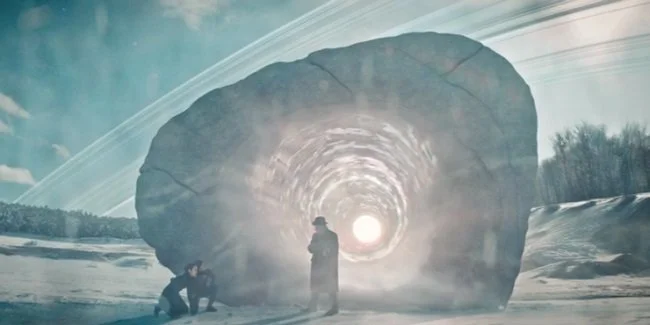
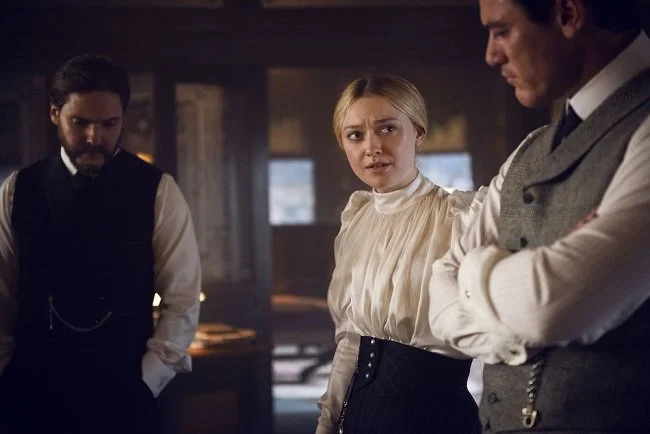
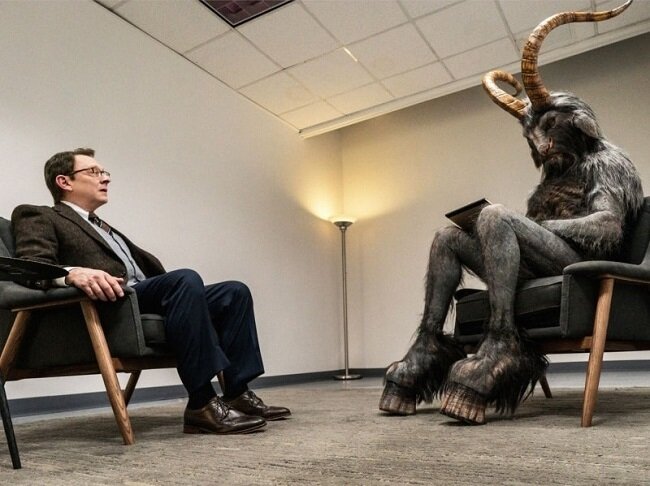

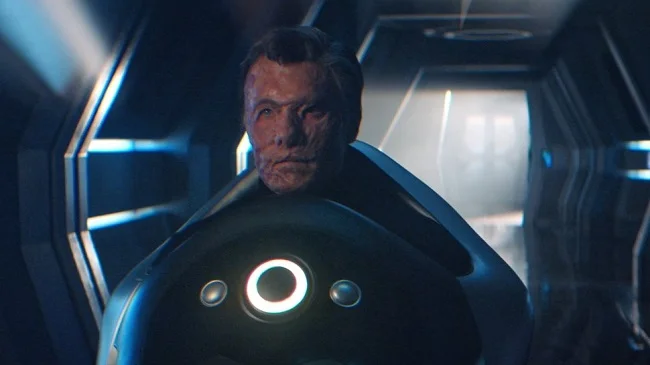
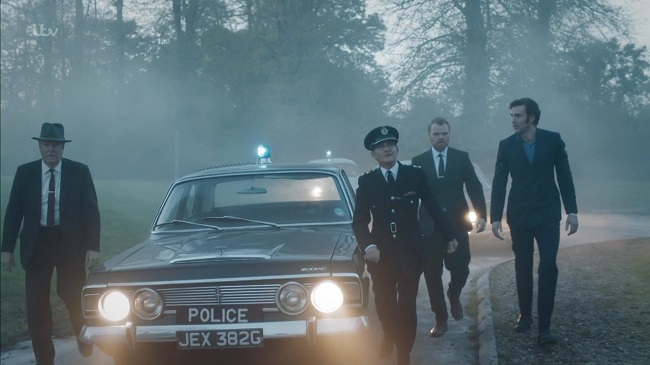

Middle-earth Enterprises to Auction Off Rights
In 1969 J.R.R. Tolkien sold the motion picture, merchandising, stage and other rights to The Hobbit, The Lord of the Rings and other literary works to United Artists. UA were riding high at the time with the success of In the Heat of the Night and The Graduate. Allegedly Tolkien made the deal to pay off a tax debt, although this may be apocryphal. He was paid £100,000 which is equivalent to £1,680,000 today. He also retained a 7.5% royalty interest that has now been transferred to the Tolkien Estate. UA toyed with the idea of adapting The Lord of the Rings and many cinematic luminaries were associated with the project. In the early seventies British film director John Boorman was tasked with writing a screenplay. Boorman, an established director with a track record of being experimental, set about developing a script with his long term collaborator, Rospo Pallenberg. However, the project was cancelled due to costs and the studio getting “cold feet”.
In 1969 J.R.R. Tolkien sold the motion picture, merchandising, stage and other rights to The Hobbit, The Lord of the Rings and other literary works to United Artists. UA were riding high at the time with the success of In the Heat of the Night and The Graduate. Allegedly Tolkien made the deal to pay off a tax debt, although this may be apocryphal. He was paid £100,000 which is equivalent to £1,680,000 today. He also retained a 7.5% royalty interest that has now been transferred to the Tolkien Estate. UA toyed with the idea of adapting The Lord of the Rings and many cinematic luminaries were associated with the project. In the early seventies British film director John Boorman was tasked with writing a screenplay. Boorman, an established director with a track record of being experimental, set about developing a script with his long term collaborator, Rospo Pallenberg. However, the project was cancelled due to costs and the studio getting “cold feet”.
In 1976 United Artists sold most of their rights to Tolkien's work to the Saul Zaentz Company. Zaentz, an established film producer best known for One Flew Over the Cuckoo's Nest, then established Tolkien Enterprises to manage the rights that he'd acquired. Two years later, he produced Ralph Bakshi’s animated adaptation of The Lord of the Rings. The company name was later changed to Middle-earth Enterprises to avoid confusion with the Tolkien Estate. Over the next two decades Middle-earth Enterprises entered into various licensing and merchandising deals for both video and tabletop role-playing games. In 1997,a deal was struck with New Line Cinema for a live-action film adaptation of The Lord of the Rings. The trilogy of films released between 2001 and 2003, made over $3 billion at the box office. A further trilogy of films were made between 2013 and 2015, based upon The Hobbit.
Since the success of Peter Jackson’s films, you would have thought that Middle-earth Enterprises would have capitalised more upon the intellectual property that they controlled. Yet Saul Zaentz was quite a Tolkien purist and along with Christopher Tolkien (Tolkien’s son), was not keen to see the brand “debased”. However, Zaentz died in 2014 and in his last years Christopher Tolkien stepped from the Tolkien Estate, down due to ill health. Tolkien’s grandchildren apparently have a more innovative approach to the running of the Tolkien Estate. Hence in 2017, they made a deal with Amazon for the global television rights for The Lord of the Rings. Jeff Bezos is a consummate fan of Tolkien and beat Netflix and HBO in the bidding war for the TV rights, paying $250,000,000. Apparently, the Tolkien Estate is so pleased with the development of The Lord of the Rings: The Rings of Power that they have provided access to material from The Silmarillion and Unfinished Tales.
Which brings us neatly to yesterday’s announcement by Middle-earth Enterprises that they are to auction off the rights they own pertaining to Tolkien’s work. Episodic, big budget, fantasy television shows are a very lucrative business. If you want verification then cast your mind back to a popular HBO series based upon the works of George R.R. Martin. Hence, with The Lord of the Rings: The Rings of Power due for release in September of this year, Middle-earth Enterprises obviously thought it was the right time to sell their rights. Note that these include merchandise and video games. Two lines of business that have great commercial potential. It is logical to assume that Amazon will want to acquire these rights as it will compliment their existing Tolkien based portfolio perfectly. Middle-earth Enterprises rights are currently valued at $2 billion.
However, business is seldom black and white. I’m sure there may well be other interested parties such as Disney, Netflix or HBO. They may be “curious” about the intellectual property and what it can yield. Or they may be interested in curtailing the business ambitions of a competitor. Buying rights, intellectual properties and patents and then sitting on them is a thing. It’s not always about your own products but sometimes stopping other people’s. Furthermore, if Amazon do buyout Middle-earth Enterprises, what impact would that have upon existing licensed products? Daedalic Entertainment is currently developing a Gollum themed game. And then there is the long standing MMORPG, The Lord of the Rings Online. If the licence that Standing Stone Games currently rely upon isn’t renewed then it would mean the closure of the game. Yes, we’ve endured such shenanigans before. But last time Amazon wasn’t involved.
It’s also worth remembering that Amazon were developing their own MMORPG in conjunction with Athlon Games. However Athlon Games were bought out by Tencent Holdings and Amazon was “unable to secure terms to proceed with this title”. This raises some interesting questions. Was the game completed? What has happened to the code? Was it scuttled purely due to legal issues IE who got what percentage? If these “problems” were resolved, IE Amazon bought out Tencent’s stake, could the game go ahead? If Amazon did launch its own MMORPG based upon Tolkien’s work, would they want a competitor? Remember that Star Wars: Galaxies was closed to clear the path for Star Wars: The Old Republic. The auctioning of Middle-earth Enterprises rights at this time is not a coincidence. I have a suspicion that when the dust settles Amazon will be holding all the cards. And where there’s a winner there’s also a loser or losers.
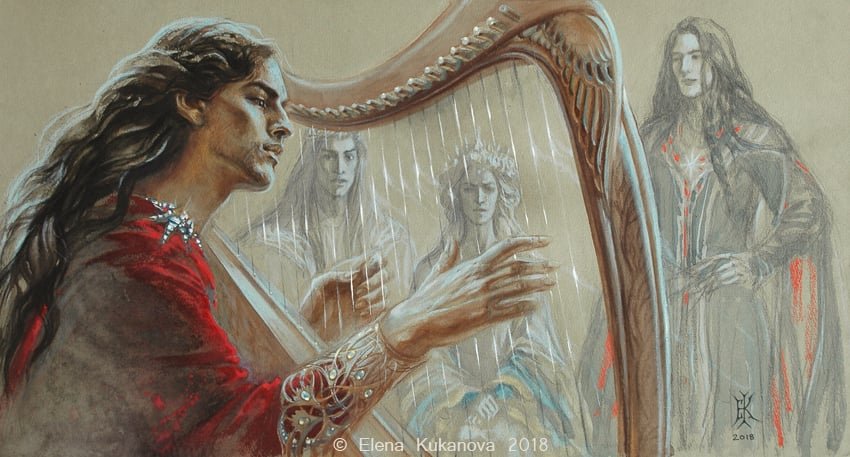


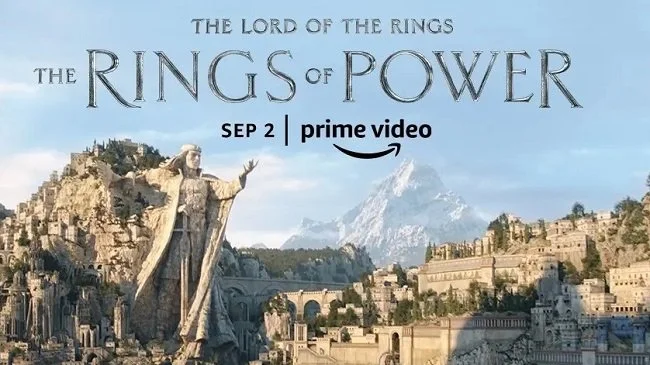

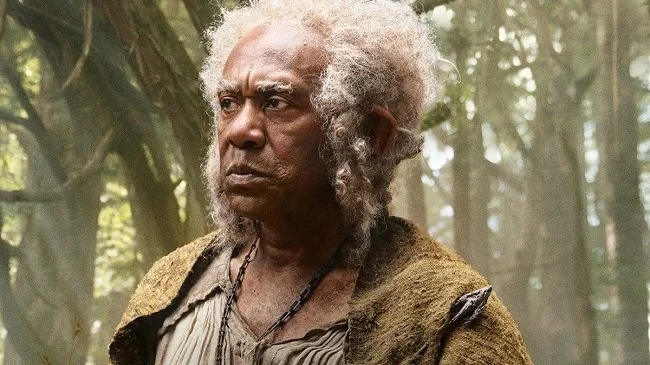
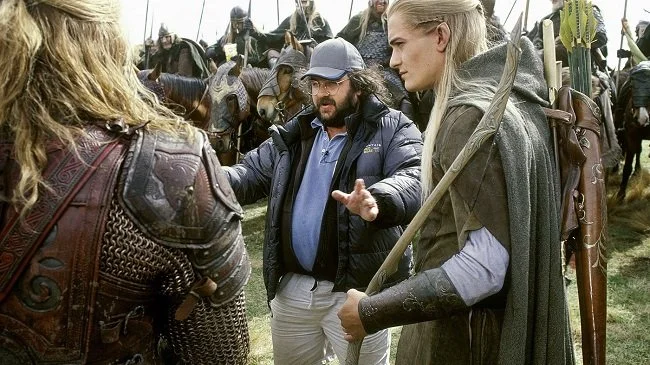

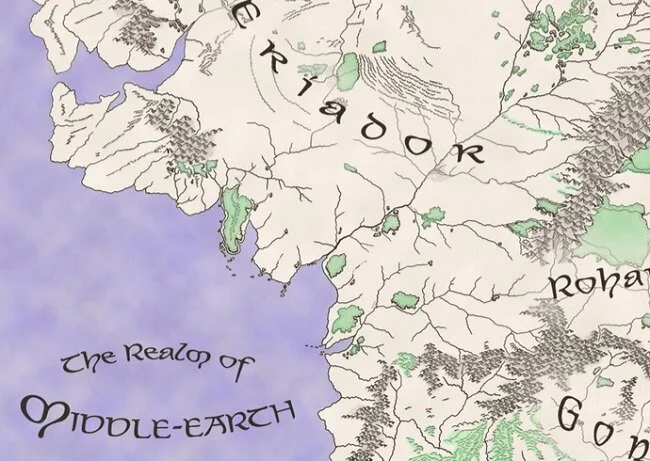

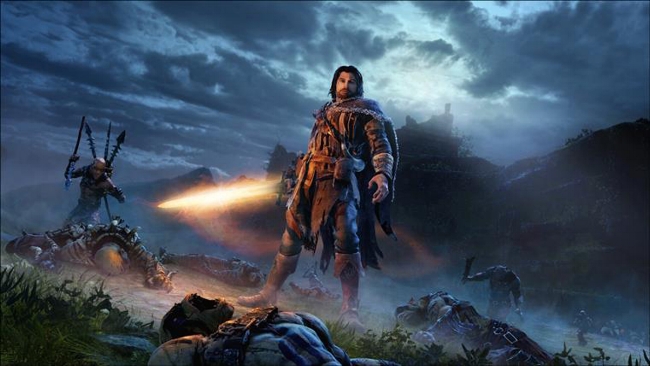
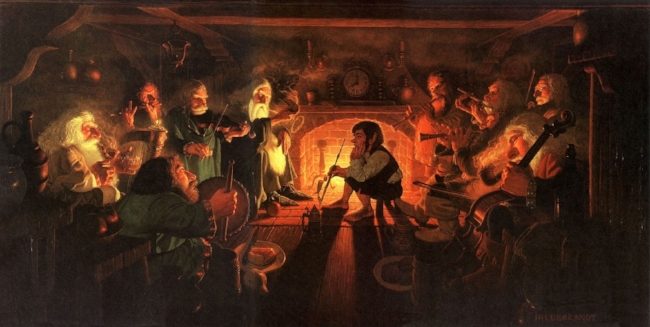

The Book of Boba Fett (2022)
As of today, the final episode of The Book of Boba Fett has aired on Disney + and this spinoff show from The Mandalorian has finished its first season. It has been a curious seven part story and not at all what I was expecting. Initially focusing upon the trials and tribulations of the iconic Bounty Hunter Boba Fett as he fights for Jabba the Hutt’s former territory, the story creatively explained what happened to him after he was swallowed by the Sarlacc. However, the plot took an unexpected turn focusing upon the fate of Din Djarin and Grogu from The Mandalorian, before the climatic final instalment. It’s certainly been an entertaining ride but the show’s somewhat eclectic nature has been a little confusing. Having a dedicated story about Boba Fett and then undermining it by focusing upon other iconic characters seems somewhat contradictory. Thankfully, the final episode put both shows back on track.
As of today, the final episode of The Book of Boba Fett has aired on Disney + and this spinoff show from The Mandalorian has finished its first season. It has been a curious seven part story and not at all what I was expecting. Initially focusing upon the trials and tribulations of the iconic Bounty Hunter Boba Fett as he fights for Jabba the Hutt’s former territory, the story creatively explained what happened to him after he was swallowed by the Sarlacc. However, the plot took an unexpected turn focusing upon the fate of Din Djarin and Grogu from The Mandalorian, before the climatic final instalment. It’s certainly been an entertaining ride but the show’s somewhat eclectic nature has been a little confusing. Having a dedicated story about Boba Fett and then undermining it by focusing upon other iconic characters seems somewhat contradictory. Thankfully, the final episode put both shows back on track.
I am still of the opinion that as a franchise, Star Wars works best on TV in an episodic format. George Lucas often cited cliffhanger serials such as Flash Gordon and Buck Rogers as a source of inspiration. The reason that The Mandalorian works so much better than the last three Star Wars feature films is because the writing is consistent. The former was obviously conceived and planned in advance by a single writer/showrunner and their support team. Whereas the movies seemed to be “made up as they went along”. The changes in writers and directors clearly had a negative impact on the way the franchise was received by viewers. It ultimately seemed to self plagiarise and contradict its own lore. This has not been the case with The Mandalorian and now The Book of Boba Fett which seem to be very aware of established lore and adept at drawing upon it.
I am not a scholar of Star Wars lore and have watched only the feature films and very little of the animated shows. Nor have I read many of the books, graphic novels and comics which have flooded the market over the last 25 years. Much of these are no longer canonical. Hence, my viewing of The Mandalorian and The Book of Boba Fett has not been hampered by an excess of fan based baggage. I have watched these shows for entertainment first and fandom second. Broadly speaking I have enjoyed them and they deliver what I want and expect from the franchise. They certainly feel more like direct “relatives” of the original trilogy than the three Disney feature films. Creator and writer Jon Favreau seems to grasp how Star Wars works better than J.J. Abrams. I haven’t liked all aspects of these shows. The Mod gang of Mos Espa was a homage too far in my opinion but it’s not a deal breaker.
Some folk seem to have a problem with the idea of Boba Fett’s character arc and the franchise reinventing him as a “good guy”. I do not. There are lots of both fictional and historical characters that have changed due to personal circumstances as well as the political and social realities of the world. As so much of The Book of Boba Fett seems to be couched in Western mythology, I’ll cite Wyatt Earp or Pat Garrett as examples. Plus there is human nature to consider. Many real soldiers tire of their profession and look to escape it all in later life. Plus if you consider the character of Boba Fett just on the strength of his appearances in The Empire Strikes Back and Return of the Jedi, then there isn’t really a lot of backstory or narrative depth. He is a bounty hunter and beyond that pretty much nothing is established. That’s a blank canvas as far as I can see.
One of the most enjoyable aspects of The Book of Boba Fett has been the way the show draws heavily and not too subtly upon a lot of classic cinema. Some of these homages are quite obvious where others are more low key. Certainly the entirety of Boba Fett’s time among the Tusken tribe, is straight out of A Man Called Horse. The idea of the outlander who is adopted by a tribe and then eventually becomes its ruler is an established literary trope. The Pyke Syndicate spice train attack was also a major nod to David Lean’s Lawrence of Arabia. There are also numerous references both big and small to the works of Akira Kurosawa and Sergio Leone, especially with the introduction of Cad Bane. Then we had a bomb in a club which was straight out of Brian De Palma’s The Untouchables and you’d have to have a bag over your head not to spot the King Kong reference in the season finale.
I consider all of these cinematic references to be a good thing. If it encourages younger Star Wars fans to watch these films and widen their knowledge of cinema, then I deem that to be a good thing. Overall I found The Book of Bobba Fett entertaining. It does Star Wars “well”. I’ve read some reviews that imply that the show is poking fun at fans and that it isn’t as deep as the original movies. I consider this perspective to be risible. Star Wars is a lot of things but it has never been “deep”. It is effectively a Western style soap opera set in space. It has always been entertaining, popular entertainment. It deals in archetypes and established tropes but it has never been a cerebral competitor to other popular franchises like Tolkien’s legendarium or Frank Herbert’s work. The existing TV format seems to be a perfect fit for the franchise and I hope it continues in this idiom. No more bloated films driven by focus groups and corporate memos, thank you.



Revisiting Star Wars: The Old Republic
Star Wars is an interesting franchise in the way it elicits such a strong emotional reaction among those that venerate it. To cut a long story short, I recently reinstalled Star Wars: The Old Republic and the moment I reactivated one of my previous characters and logged into the game I was immediately smitten with what I can only describe as Star Wars “feels”. There is something about the aesthetic associated with the franchise, both visually and musically (the latter is in many ways unique to Star Wars) which taps into my subconscious and prompts a wave of nostalgia. The Star Wars theme is a unique piece of music, insofar as whenever I hear it, it never fails to make me feel like a ten year old boy again. A boy who was enamoured with the Star Wars universe. Perhaps I still am on some level.
Star Wars is an interesting franchise in the way it elicits such a strong emotional reaction among those that venerate it. To cut a long story short, I recently reinstalled Star Wars: The Old Republic and the moment I reactivated one of my previous characters and logged into the game I was immediately smitten with what I can only describe as Star Wars “feels”. There is something about the aesthetic associated with the franchise, both visually and musically (the latter is in many ways unique to Star Wars) which taps into my subconscious and prompts a wave of nostalgia. The Star Wars theme is a unique piece of music, insofar as whenever I hear it, it never fails to make me feel like a ten year old boy again. A boy who was enamoured with the Star Wars universe. Perhaps I still am on some level.
The reason I mention this is because nostalgia and having an emotional attachment to Star Wars certainly contributed to my decision to download the 45GB client for SWTOR. And let us not forget the very selective way our memory works. Hence I was focused on all the positive aspects of this MMORPG, such as the detailed stories, the immersive worlds and the allure of the franchise. There is something very satisfying in firing a blaster pistol in SWTOR and the fact that it makes exactly the same noise as they do in the movies. Returning to this game is at first like returning to a favourite restaurant. Familiarity is indeed comforting. I was pleased to see my previous characters just as I left them. A level 50 Smuggler from 2011 and a level 54 Bounty Hunter from 2013. I rolled a new Smuggler and it didn’t take long for me to orientate myself and remember how the controls work. The sumptuous soundtrack washed over me and I was briefly floating in a sea of nostalgia and joy. Several days later I have a more realistic attitude towards the game.
You to can run through endless corridors
Never let emotions and sentiment get in the way of critical thinking. SWTOR had some major flaws at launch and despite 10 years of updates, expansions and streamlining, there are still issues today. The game suffers from skills bloat, especially with regard to the original content. Modern action combat in MMOs has seen a rationalisation of skills, usually on one quickbar. SWTOR swamps you in skills, most of which are of varying relevance. Then there are the expansive planetary maps. Travelling from A to B can be exhausting sometimes, becoming a chore. Often you feel that it’s busy work for its own sake as you fight your way across Alderaan or Corellia just to get to a quest location. And then there is the perennial MMO problem of getting the gear progression right, as you level. At present my new Smuggler is level 22 and although I am adequately healed by my companion, my twin blasters feel somewhat lacklustre. It takes a little too long to kill enemies with gear from quest rewards. Yet modifying weapons is financially prohibitive at this level.
However, these criticisms stem from the fact that the base game was released in 2011 and SWTOR certainly follows the MMO trends of that time. However, much has been done to try and rectify this. The levelling experience has changed immensely and a player can progress through the game just by undertaking their class story. I remember back in 2011/12 having to do every quest available to try and get as much XP as possible. And developer’s BioWare has made many quality of life improvements over the past decade. Quick travel is now on a 6 minute cooldown instead of 30 minutes. You can port out of a story instance now conveniently back to a safe haven without having to fight all the way on foot. Taxi travel and personal speeders are cheaper and more accessible. The game also uses a lot of “standard” mechanics so if you’ve played other MMOs or, like me, have been away for a while, it is not too difficult to pick up where you left off.
Galactic Starfighter is not as bad as you think
As for content and activities, there are now so many additional things to do. Strongholds, the player housing system, is enjoyable and very intuitive to figure out. There’s the Galactic Starfighter system as well, along with all the other raids and instances that have built up overtime. And if you like to tinker with armour and weapons you do so to your heart’s content. One of the first things I did was investigate the cosmetic options for both my new alt and their companion. I also seem to have qualified for a lot of “free stuff” over the years as I had over a dozen in-game mail alerts waiting for me when I first logged in. All of which had some sort of trinket and bauble attached. To my surprise I still had 3,500 Cartel Coins available from my previous time subscribing. The in-game store is filled with desirable items, from armour and mounts to cosmetic clothing and house furnishings. I bought a jetpack!
No one told me they had jetpacks
For me, perhaps the most compelling aspect of SWTOR is the story telling. You can hide the chat window and play this game as a single player RPG if you see fit. I did this back in 2011 and took exactly the same approach when I returned to the game a few days ago. I rolled a new Smuggler so I could familiarise myself once again with the class skills. Having done this I am now using my original level 50 character as I want to play through The Rise of the Hutt Cartel expansion, rather than repeat older content. Furthermore, I seem to have returned to SWTOR at exactly the right time, as there is a new expansion, Legacy of the Sith, due on the 15th February. So far I have subscribed for a month (as it removes a lot of the impediments that blight a free account) and it will be interesting to see if my enthusiasm for SWTOR is sustained longer than 31 days and whether those Star Wars “feels” remain.