Quest Bestowal in MMOs
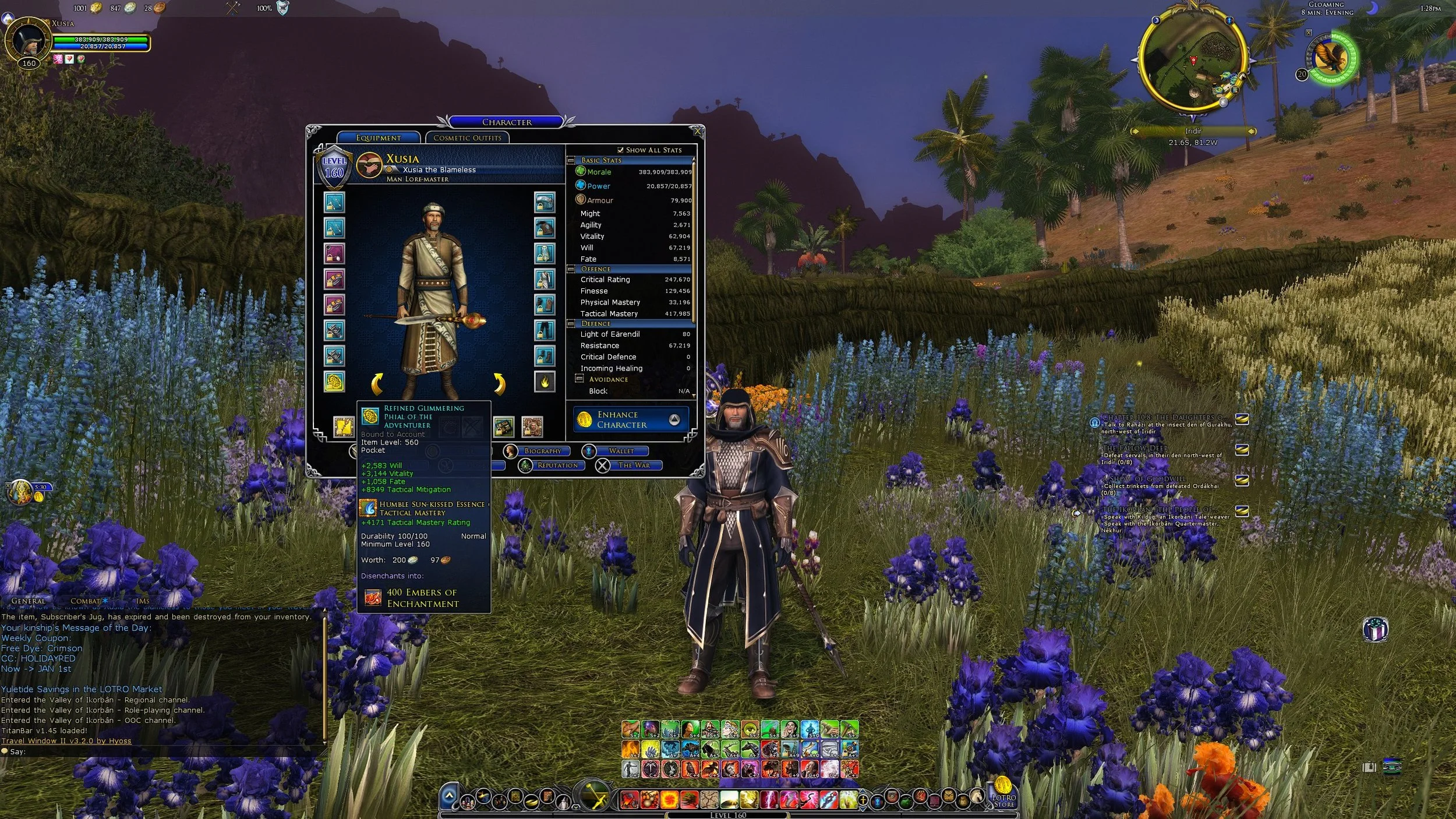
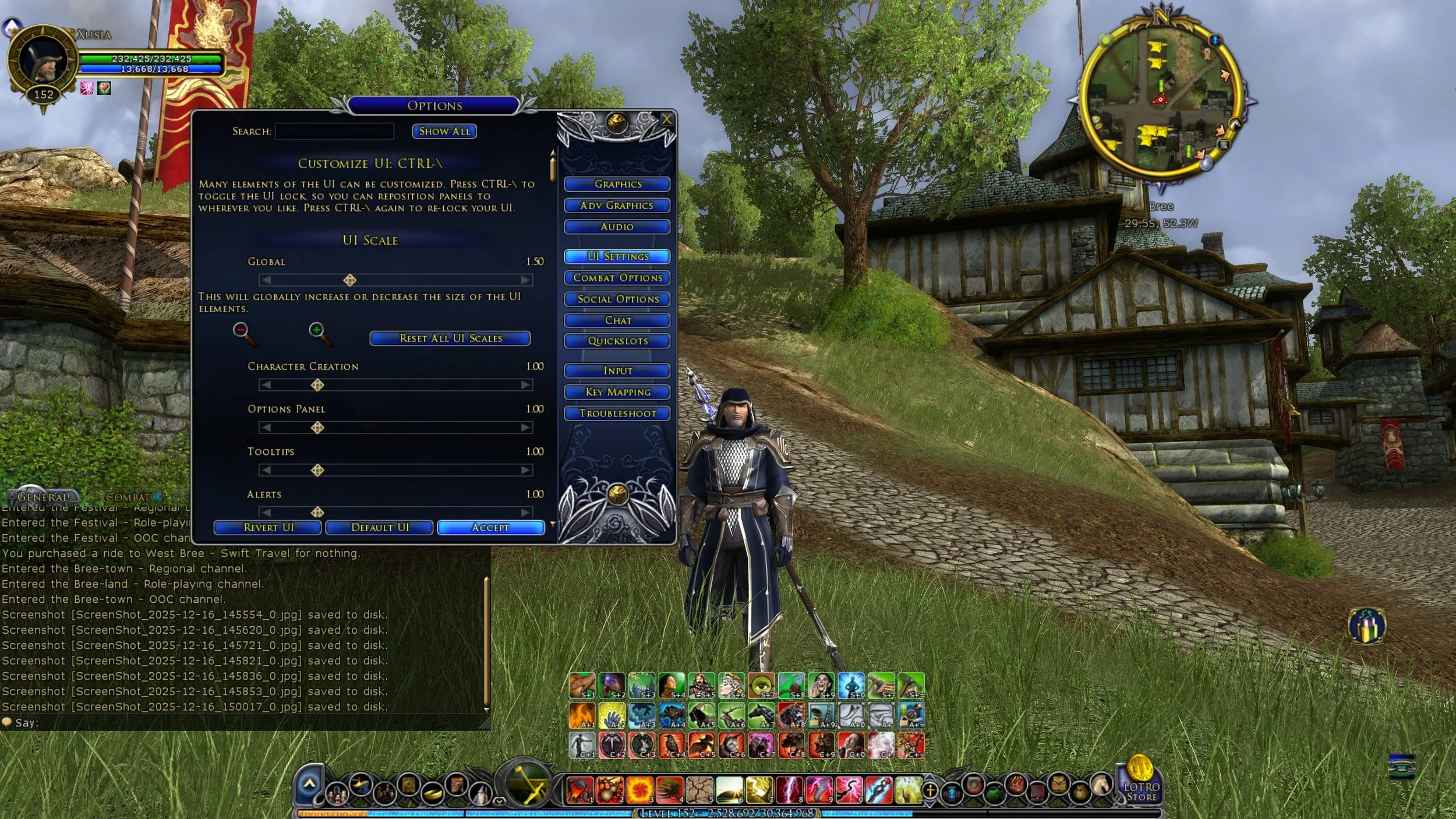
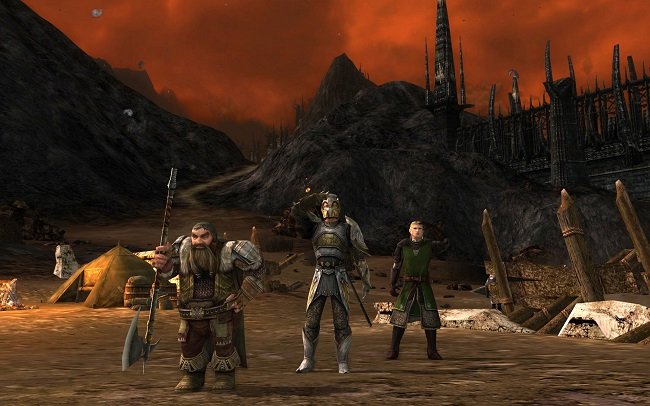
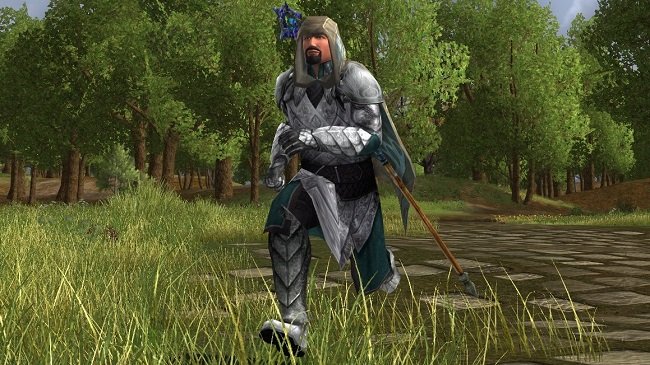
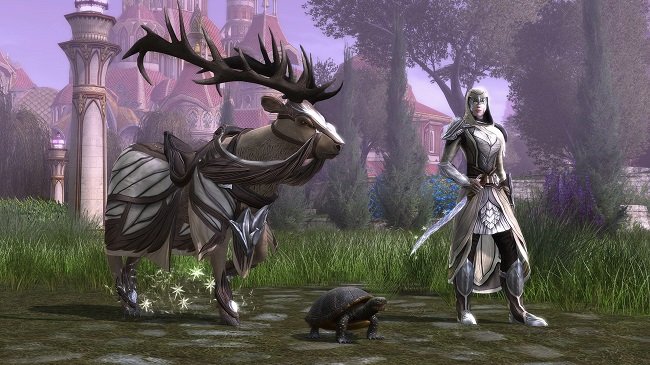
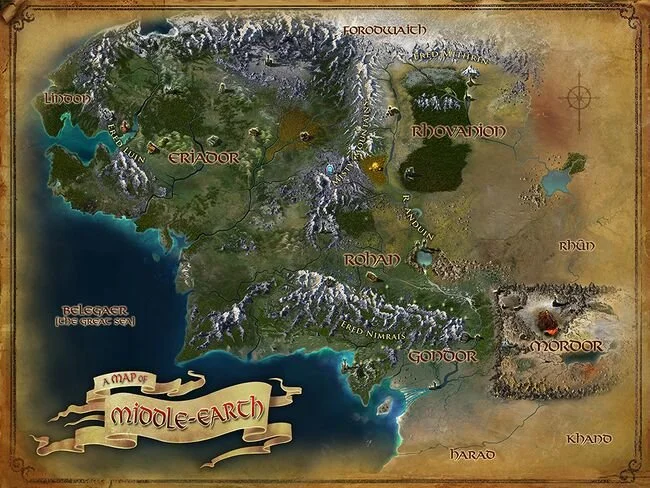
When playing a massively multiplayer online role-playing game, such as The Lord of the Rings Online, acquiring quests is a very straightforward process. Key locations such as towns, villages or anywhere with a stable are usually quest hubs. Non-playable characters denote that they have quest(s) available by having a glowing ring icon above their heads. It’s not subtle but you’d have to have a bag over your head to miss such an obvious clue. Most MMOs have some version of this bestowal system. A clearly visible means to show that an NPC or object is the starting point for a quest. It’s a rather unsophisticated system but it gets the job done. Hence it has been around for quite a while in the genre (silence, dissenting old school gamers, blathering on about how in the good old days, MMOs didn’t have quests).
When playing a massively multiplayer online role-playing game, such as The Lord of the Rings Online, acquiring quests is a very straightforward process. Key locations such as towns, villages or anywhere with a stable are usually quest hubs. Non-playable characters denote that they have quest(s) available by having a glowing ring icon above their heads. It’s not subtle but you’d have to have a bag over your head to miss such an obvious clue. Most MMOs have some version of this bestowal system. A clearly visible means to show that an NPC or object is the starting point for a quest. It’s a rather unsophisticated system but it gets the job done. Hence it has been around for quite a while in the genre (silence, dissenting old school gamers, blathering on about how in the good old days, MMOs didn’t have quests).
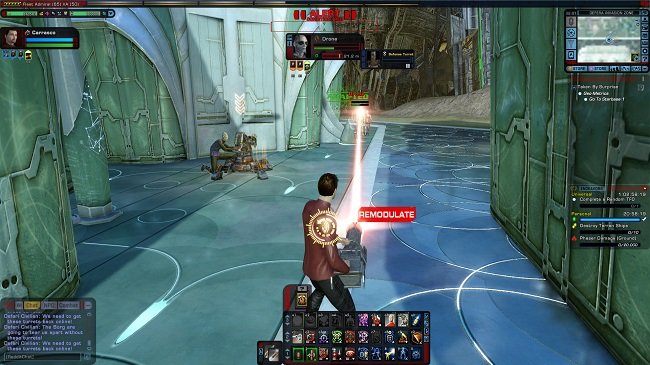
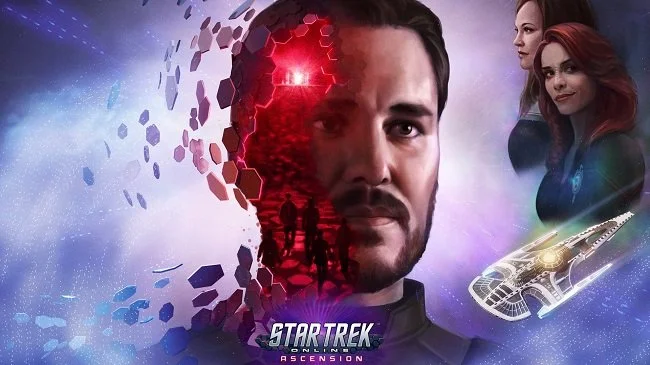
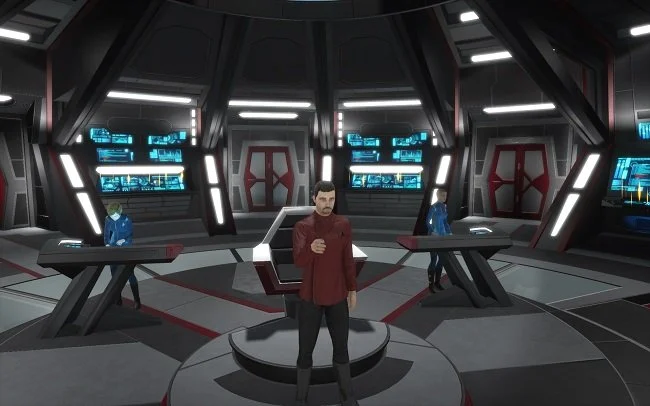
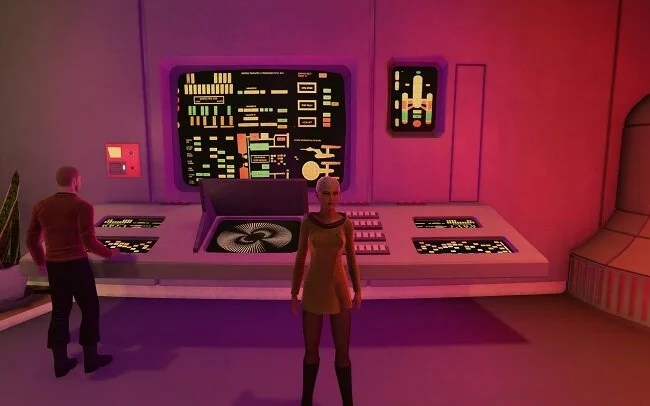
Now this functional process has limitations. Quest giving NPCs tend to be static for practical reasons. You don’t want them perambulating around the town, making you have to search them out. So while those not bestowing quests can have all sorts of fancy animations to try and bring the illusion of life to area, quest giving NPCs just stand around, breaking the immersion that other aspects of the game have worked so hard to build. Plus in LOTRO, there is seldom any voice acting beyond the first line of the quest bestowal text. Therefore, it’s a somewhat dull process. In the MMO Star Trek Online, NPCs will sometime hail you while you’re in-sector space, as a means to imparting a mission. It certainly seems more natural and is totally in the correct idiom of the intellectual property. Plus, as a gamer, if you find this process intrusive, you can turn it off. Hence, different developers have tried to polish this quest giving system and make it more dynamic and feel more natural. ZeniMax have certainly tried a different approach with The Elder Scrolls Online. But it comes with its own consequences.
Even if you own just the base version of ESO, you notice that not all quest bestowals come via the traditional NPC, lounging around and lollygagging in the various towns and ports of Tamriel (although the game certainly has these). You may be riding past a farm, only for an NPC to come running out and declare that “Brother Numpsie* has been kidnapped by the foul Myrmidons” or some such standard fantasy-based reason. This mixture of proactive solicitation, along with voice acting is initially quite compelling. You may find yourself diverging from your current course of action to rescue the imperilled individual. Certainly this approach to quest bestowals suits an open world where players my just want to go out and explore, rather than follow a clearly delineated plan. However, this process can become a nuisance. At present, whenever I enter the Mages Guild, I am greeted by Arch-Mage Shalidor who invites me to participate in the next part of a quest line. I am frequently pursued in most towns by an Orc courier named Stuga, who tells me how long she’s been looking for me. Nag, nag, nag.
Joking aside, this interactive game mechanic can get a little wearisome. If you accept some quests it will remedy the problem of the quest givers overt diligence. But on occasions this can lead to immediate instanced content, so you may not wish to accept them. I am currently looking into the various game’s settings in ESO to see if there is a way of disabling or at least controlling this process. I bet there’s an addon to address it, somewhere. Oddly enough, ESO has another alternative way of starting quests or at least the main storylines of all major DLC. Wrapper missions can be launched from the Collections tab in-game. You don’t have to be in a zone and seek out the NPC who starts things. However, it would seem that no game has yet managed to design a creative quest bestowal system that doesn’t have some sort of drawback, limitation or even nuisance factor. Again I can hear the true sandbox devotees shouting about the why there has to even be a requirement of quests per se? But I like narrative driven content and don’t want to put my faith in emergent content. So until the developers improve the situation, I’ll continue to ask Billy No-Mates in LOTRO if they have any quests, and get chased round Tamriel, Benny Hill style, by the Prophet and Abnur Tharn.
*There seems to be a conspicuous lack of consensus with regard to how you spell Numpsie.






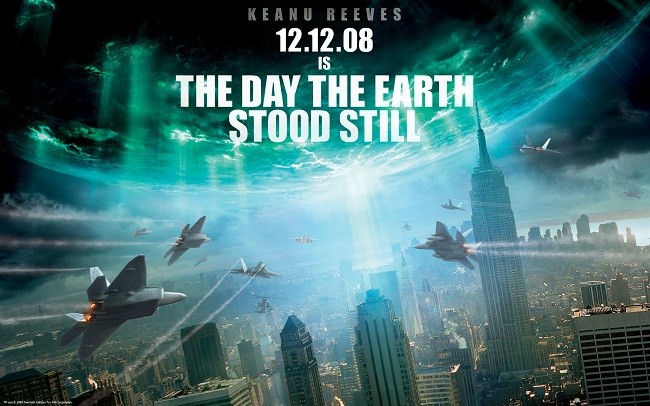
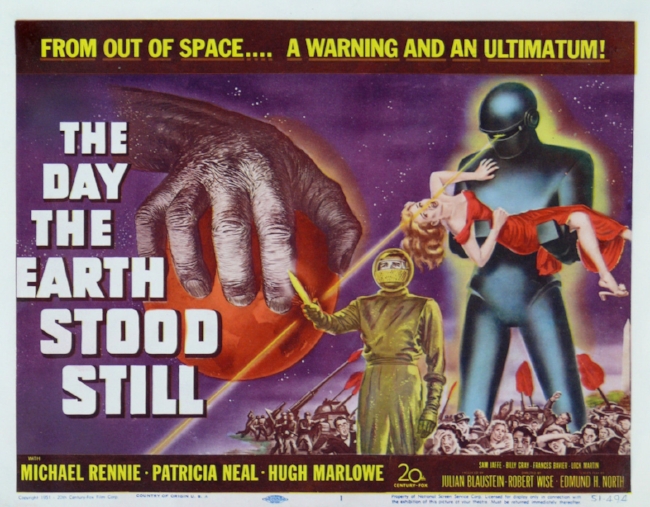
The Day the Earth Stood Still (2008)
Fellow blogger and all round good guy Murf, posted an ode to Bill & Ted’s Excellent Adventure today. It is clearly a movie that he enjoys (Go read his review). He references how due to this movie (along with others), as well as being a decent person in real life, that actor Keanu Reeves enjoys a great deal of goodwill from fans and pop culture cognoscenti. Which is a good thing for Mr Reeves, because goodwill often means that folk are prepared to overlook past transgressions and misdemeanours. And in cinematic terms, Keanu has had a few. The Day the Earth Stood Still is definitely one of them. Now I’ve questioned before the wisdom and merits of writing a predominantly negative film review and believe me my thoughts on The Day the Earth Stood Still are most definitely so. However, I think that something positive can still be gained from scrutinising this film. It can be held up as a textbook example of how not to remake a classic.
Fellow blogger and all round good guy Murf, posted an ode to Bill & Ted’s Excellent Adventure today. It is clearly a movie that he enjoys (Go read his review). He references how due to this movie (along with others), as well as being a decent person in real life, that actor Keanu Reeves enjoys a great deal of goodwill from fans and pop culture cognoscenti. Which is a good thing for Mr Reeves, because goodwill often means that folk are prepared to overlook past transgressions and misdemeanours. And in cinematic terms, Keanu has had a few. The Day the Earth Stood Still is definitely one of them. Now I’ve questioned before the wisdom and merits of writing a predominantly negative film review and believe me my thoughts on The Day the Earth Stood Still are most definitely so. However, I think that something positive can still be gained from scrutinising this film. It can be held up as a textbook example of how not to remake a classic.
In a prologue sequence set in 1928, a solitary mountaineer encounters a glowing sphere. He loses consciousness after touching it and upon waking, he notices a scar on his hand where a sample of his DNA has been taken. Moving on to the present day, Dr. Helen Benson (Jennifer Connelly) is summoned to a military facility along with several other scientists when an alien spacecraft arrives in New York City. Aboard is a human-like alien (who looks like the earlier mountaineer) and a giant robot of immense size and power called Gort. The alien identifies himself as Klaatu (Keanu Reeves) and states he has “come to save the Earth”. The US Secretary of Defense Regina Jackson (Kathy Bates) sees him as a threat decides to have him interrogated more robustly. Dr. Benson considers this unethical and decides to facilitate Klaatu’s escape. However, when she learns exactly what his words mean, she tries to convince him to rethink his views on humanities iniquities and change his intentions.
When you consider this production’s budget, the quality of the support cast, along with the advances in visual effects, this movie could have been so much better. Director Scott Derrickson is far from a genre hack and I consider his previous work on The Exorcism of Emily Rose, Sinister, Doctor Strange to be of interest. I think his concept of retelling Robert Wise’s classic 1951 movie as a more benevolent tale, rather than an imperious threat, is a valid idea. Yet all these good intentions are lost due to a woefully inept screenplay by David Scarpa. One can’t help but feel that the narrative scope of the film tries too hard and that several well-intentioned casting decisions were ultimately a bad choice. Dr Benson’s stepson, played by Jaden Smith, is supposed to be conflicted due to the premature death of his father but comes off as simply intransigent and annoying. And then there is Keanu Reeves decision to try and play Klaatu in a similar disconnected idiom to David Bowie, in The Man Who Fell to Earth. Instead of being an understated performance it simply fails to convey any depth and conviction.
I’m a fan of unconventional casting when it works but Professor Barnhardt, played by a curiously deadpan John Cleese, whose character has won a Nobel prize for his work on "biological altruism” is too much of a stretch. As for the plot device of paranoid politicians, well if you want it to have any semblance of dramatic impact, then you really have to try and do something different with it. Sadly, such inspiration is sadly lacking and we’re just presented with the usual paranoid clichés about the military and our elected officials. Hence by the time the movie reaches its finale and the Robot Gort, transforms into a swarm of all consuming insect like nano-machines, the spectacular denouement lacks any emotional impact. Given what the audience has witnessed over the proceeding hour, I’m sure most right-minded people would say “fuck it, let humanity die, the bastards”. But at the last moment, Klaatu reverses his decision and sacrifices himself for the sake of humanity, thus ending an emotionally lacklustre and tonally deaf film.
The Day the Earth Stood Still lacks the portentous quality of its predecessor. Klaatu is no longer a biblical judge but a vaguely indifferent administrator, who is inconvenienced by humanity as he vacuum packs earth’s wildlife. Gort is robbed of his metaphorical status and is simply relegated to a MacGuffin designed to facilitate a spectacular ending. And the screenplay, instead of making the audience reflect upon the consequences of mankind’s propensity for violence and destruction, simply pays lip service to the environmental crisis and a few other token social issues. There is no conviction or gravitas present. Nor is there a soundtrack comparable to that of the original by Bernard Herrmann. This is big budget Hollywood science fiction, trying to be politically and socially relevant but refracted though the prism of a big studio that doesn’t really grasp either of those things. But returning to the original point, Keanu Reeves has firmly put this behind him and risen above it, thanks to impart to the John Wick Trilogy. Movies such as this have indefinitely stalled less fortunate actors’ careers.








Classic Game Themes: Lords of the Fallen
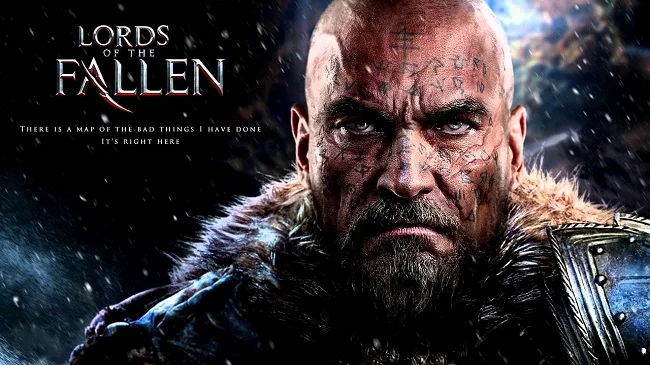
Lords of the Fallen is an action role-playing game from 2014, played from a third-person perspective. It is broadly in the same idiom to Darksiders and Dark Souls with the emphasis on complex and challenging combat. And it is for that reason that I didn’t get on with this title when I bought it in a Steam sale a few years ago. I felt that the long, protracted fights were an impediment to the narrative, which I quite enjoyed. However, the game was designed this way to appeal to the combat focused gamer and “git gud” culture. But I think that it’s important to try different genres of games from time to time and to step occasionally out of your comfort zone. I would cite the Hand of Fate series as a positive example of this. Both of those titles are from a genre I wouldn’t usually consider and playing them turned out to be a very positive experience
Lords of the Fallen is an action role-playing game from 2014, played from a third-person perspective. It is broadly in the same idiom to Darksiders and Dark Souls with the emphasis on complex and challenging combat. And it is for that reason that I didn’t get on with this title when I bought it in a Steam sale a few years ago. I felt that the long, protracted fights were an impediment to the narrative, which I quite enjoyed. However, the game was designed this way to appeal to the combat focused gamer and “git gud” culture. But I think that it’s important to try different genres of games from time to time and to step occasionally out of your comfort zone. I would cite the Hand of Fate series as a positive example of this. Both of those titles are from a genre I wouldn’t usually consider and playing them turned out to be a very positive experience.
One aspect of Lords of the Fallen that did stand out for me, was the score by Norwegian composer Knut Avenstroup Haugen. Haugen is best known for his association with video game developers Funcom and writing the soundtrack for Age of Conan. His work on that MMO was very broad in scope, encompassing inspiration from a wide variety of world cultures. However, his approach for Lords of the Fallen is quite different. The main title cue is a simple track which blends ethereal vocalisations and strings with a strong percussive beat. This surprisingly versatile leitmotif is subsequently used in interesting variations throughout the game. This very clear musical style reflects the games central theme of an individual on a path of self-discovery and bolsters it very effectively.
To highlight how well Knut Avenstroup Haugen uses the concept of the leitmotif in Lords of the Fallen, here are three tracks from the game’s soundtrack album. “Winter’s Kiss (Theme from Lords of the Fallen)” which establishes the central musical concept. “Sacrifice” which presents a robust variant as the main character progresses through the game’s narrative. And finally, “Atonement” which beautifully adapts the main theme to a triumphant and emotional end piece. It should be noted that the score Lords of the Fallen was nominated for the Hollywood Music in Media Awards by critics. This was due to its adaptable simplicity which lends itself to significant variation and interpretation.









Can LOTRO Modernise Any Further?
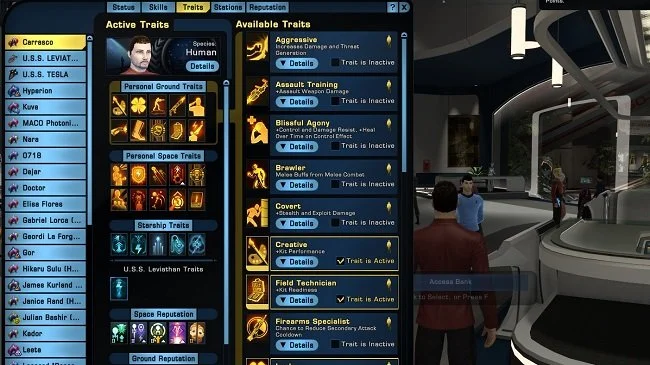
A while back Syp wrote a blog post over on his personal website Bio Break, in which he discussed how The Lord of the Rings Online had avoided the “complexity trap” he feels affects other MMORPGs over time. It’s a sentiment I broadly concur with. The 12-year-old game has now reached a point where it has a fixed set of systems. Developers Standing Stone Games continue to produce regular PVE content in the form of quests, instances and raids. But they haven’t added a major new component to the game since the introductions of Epic Battles. Instead they have refined and fine-tuned existing facets of the game. Consider the recent overhaul of the Virtue Trait system. The basic functionality remains but the way a player advances their chosen virtues has been streamlined and now provides more tangible benefits. Overall, LOTRO has settled into a comfortable niche. New content is forthcoming but is very much a case of “same meat, different gravy”.
Has the Lord of the Rings Online avoided the “complexity trap”?
A while back Syp wrote a blog post over on his personal website Bio Break, in which he discussed how The Lord of the Rings Online had avoided the “complexity trap” he feels affects other MMORPGs over time. It’s a sentiment I broadly concur with. The 12-year-old game has now reached a point where it has a fixed set of systems. Developers Standing Stone Games continue to produce regular PVE content in the form of quests, instances and raids. But they haven’t added a major new component to the game since the introductions of Epic Battles. Instead they have refined and fine-tuned existing facets of the game. Consider the recent overhaul of the Virtue Trait system. The basic functionality remains but the way a player advances their chosen virtues has been streamlined and now provides more tangible benefits. Overall, LOTRO has settled into a comfortable niche. New content is forthcoming but is very much a case of “same meat, different gravy”.
Now Syp’s post logically raises the question could LOTRO be more complex? Is it possible to add a radical new mechanic to the game at this stage in its lifecycle? Because LOTRO is an old game by industry standards. It may have launched in 2007 but the code is older due to the games longwinded development process. As a developer, SSG has two main problems as a result of this. Can the game technically be altered in a major capacity and is there the expertise in house to undertake such a project. Because that latter is a regular issue for many companies. Staff come and go and that means expertise can be lost. It is a major reason why Cryptic closed The Foundry in Star Trek Online. I believe it is also why no new skirmishes were forthcoming in LOTRO for a long time. Something the developers have now addressed through the hiring of new staff. Furthermore, SSG have surprised their playerbase by successfully managing to produce a 64-bit client for the game. Although it remains a work in progress, considering the technical hurdles, this was quite a coup.
But before we embark upon this thought experiment, let us take a moment to reflect upon what LOTRO does that is quite advanced by the standards of the genre. It is the only MMO that I play that has auto-looting direct to your bags. All the other’s want me to press at least one key to select lootable items. LOTRO just hoovers them up. The game also has vendors that you can add to your house. There is also a tinker that can be summoned to a campfire to fix broken armour. Both of these services set a precedence that could potentially be expanded. LOTRO also offers a thorough personal transportation system. The reputation based “return” skills cover a surprisingly wide percentage of the game’s zones. However, I don’t think the game could accommodate a loss or consolidation of skills to become more of an action combat-based game. I think this would be a far too controversial. Rather than changing class and race attributes, it would be better to focus more on what you can done in the “wider world”.
So exactly what new systems or mechanics would be beneficial to a MMORPG such as LOTRO? My immediate answer is dynamic, public events in relevant zones, that can be justified from a lore perspective. Next it would be good to see some sort of scaling content system. A mechanic that allows a max level player to revisit older zones and adjust to the right level. This is something The Elder Scrolls Online does very well. The levelling of content is seamless and there are plenty of World Bosses, Dungeons and Dolmen to complete. Furthermore, they are all clearly marked on the zone map. LOTRO is halfway there with some similar systems, such as roving threats for example. But they need to be easier to find. Similarly too many instances in LOTRO are tied to discovery or specific quest lines. Accessibility and promotion are lacking. And let us not overlook the state of housing in LOTRO, which remains mainly a glorified storage service. The Cape of Belfalas housing has some pleasant leisurely quests but they are not repeatable. Housing needs to offer players a reason to spend time in the neighbourhood. I would also advocate improving the skirmish soldier system, to make them more versatile companions, rather than the blunt tool that they currently are.
Zone Guides in The Elder Scrolls Online offer more than just a simple map
Naturally I have barely scratched the surface, with regard to ideas to improve LOTRO and expand its scope and complexity. But I believe there is a focal point, that if addressed properly, would potentially lead to further improvements. A lot of the game’s existing functionality is hidden or too esoteric. The UI needs to be made “smarter”. To be able to provide more information, make suggestions be more proactive. Again I’d say look to ESO and its zone guides. Something similar in LOTRO would ensure that players got the most out of the content they’ve purchased. An optional list that let’s players know if there are any quests or places of interest that they haven’t completed or discovered. A lore book of some kind may also be useful. The existing skill trees need to do more than just inform a player of what they can earn. I would welcome suggestions regarding specific class builds based upon player preferences. I know that a great deal of useful information exists outside of many MMOs, curated by fans. But I’ve always felt that tabbing out of a game is counterproductive. Can this information not be brought in-game?
Finally, as we’re considering complexity, let us reflect upon social interaction. It is still a regular lament from certain quarters that the MMO genre is losing its social element. So why not address this issue by incentivising kinships with some additional perks. STO has gear and other items that are only accessible by joining a fleet and running fleet projects. Again, the more you think about it, the more it becomes clear that this is an aspect of LOTRO that could be expanded and improved. However, if there ever was a concerted move to broaden the complexity and scope of LOTRO it would have to be done within specific parameters. Or else there would come a point where it would be easier to just create a new game. So bearing all of this in mind, is any of this likely to happen? Well if you had asked me a few years ago, I would have said “no”. But the pipe dream of the 64-bit client has now become a reality, so who can say? Perhaps, there is hope after all. But perhaps the biggest obstacle to any potential change to LOTRO would be the playerbase itself. Trying to find a consensus would be extremely difficult. So may be SSG have decided on a policy of “if it isn’t broke, don’t fix it”. I wouldn’t blame them.






Star Trek Online: The Problem with the Latest Roadmap
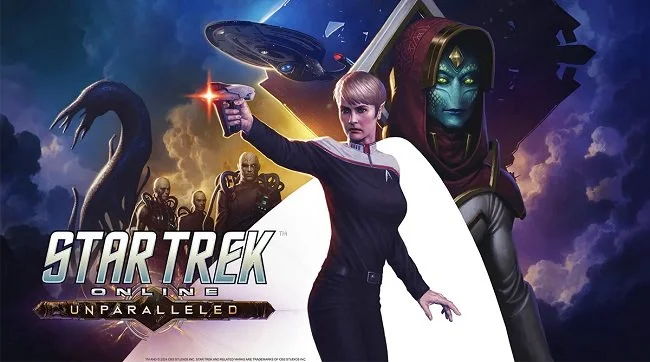
Game developers enjoy a “roadmap”, don’t they? I always get snippy about marketing speak as it’s an industry I have zero respect or tolerance for. Perhaps such a position is a cliché? But I digress. Cryptic recently released their latest roadmap for Star Trek Online, after their successful appearance at the Star Trek: Las Vegas convention. At first glance it promises a lot of content which is its purpose. But if you take a minute or two to digest the list of forthcoming material, it soon becomes clear that it is predominantly group Task Force Operations. Apart from one new story episode, Awakening, it is decidedly light on narrative material. Now Cryptic have constantly tinkered with the story arc of STO over the years and have also experimented with the format in which its presented. Hence terms such as “featured episode” have become ambiguous. But if you look beyond the semantics, there seems to have been fewer story driven missions being this year.
Game developers enjoy a “roadmap”, don’t they? I always get snippy about marketing speak as it’s an industry I have zero respect or tolerance for. Perhaps such a position is a cliché? But I digress. Cryptic recently released their latest roadmap for Star Trek Online, after their successful appearance at the Star Trek: Las Vegas convention. At first glance it promises a lot of content which is its purpose. But if you take a minute or two to digest the list of forthcoming material, it soon becomes clear that it is predominantly group Task Force Operations. Apart from one new story episode, Awakening, it is decidedly light on narrative material. Now Cryptic have constantly tinkered with the story arc of STO over the years and have also experimented with the format in which its presented. Hence terms such as “featured episode” have become ambiguous. But if you look beyond the semantics, there seems to have been fewer story driven missions being this year.
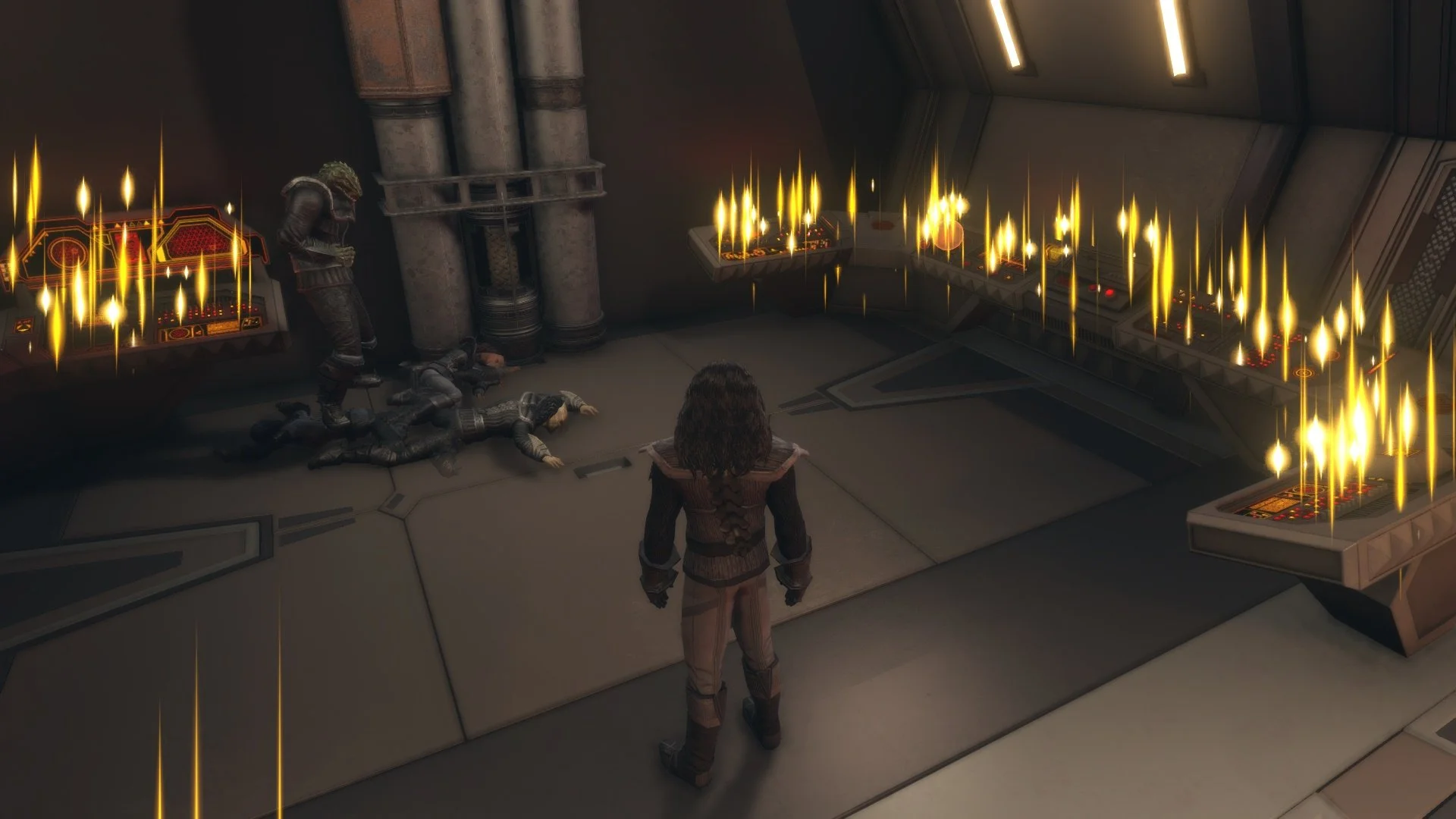
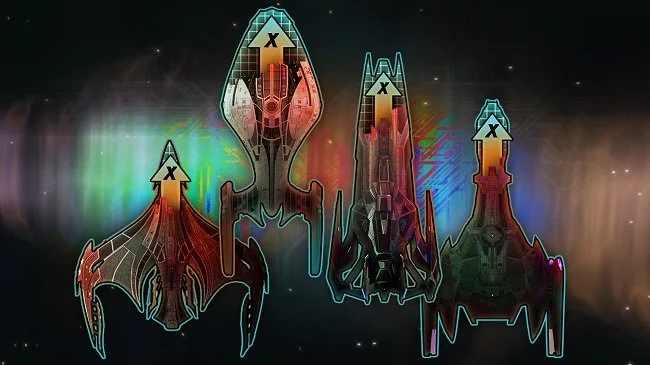
For me, the appeal of STO is centred upon the IP and the way Cryptic has successfully continued stories and themes from the various television shows. When I returned to the game during the Delta Recruit Event of 2015, the story was building up to the Iconian War. Content came thick and fast and the plot was gripping. The post war narrative of New Dawn was also regularly added to. But the pace has slowed noticeably. Although I am pleased to see Star Trek: Discovery themed storylines the release schedule has been ponderous. I had virtually forgotten about Ju’la the renegade Klingon and her theft of mycelium technology. This dearth of story content is further compounded by the fact that several stories have been removed from the game for “retooling” and Cryptic have still not put them back. It’s a little frustrating because new players do not get the full story arcs that were present in the game 18 months ago.
Although I welcome new content, Task Force Operations are not full stories. They are repeatable events with just a wrapper of dialogue and a smattering of cutscenes. They may well offer an opportunity to earn tokens for a specific item but they eventually run the risk of becoming repetitive and dull after a time. They’re supposed to be an addition to the big story arcs, not a substitute for them. Therefore I hope that the current roadmap is a temporary holding pattern and that at some point soon, they’ll be an announcement regarding a new expansion with a lot more narrative content. Or at the very least, the missing content will be returned to the game, with new wrappers and subtle tweaks, so that the various story arcs are fully restored. I am not hopeful that STO will tie in with the new Star Trek: Picard show. I suspect that certain members of the Star Trek alumni are either too expensive to hire or just won’t play ball.
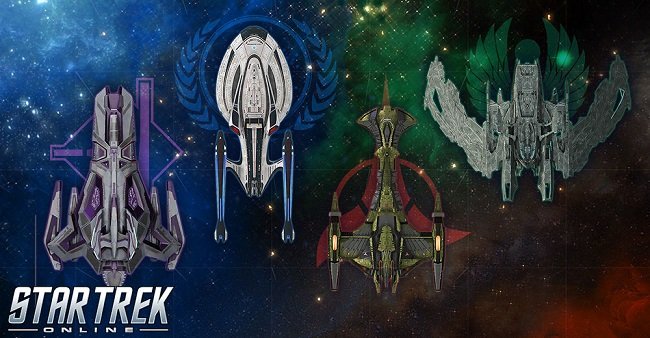
In the meantime, I am slowly winding down my activities in the game, now that I’ve finished the Summer festival and got the ship. I shall just be checking in a few times a week. Last night I started the Arena of Sompek event mainly because I’m interested in the reward, the Section 31 Heavy Phaser Rifle. However, I’m not sure if I’ll be able to stay the course due to waning interest. If I fail to earn the requisite number of tokens in time, I can buy 10 from the C-Store. It’s a curious business model that seems to undermine the point of playing the repeatable event. But all these minor niggles notwithstanding, it is clear that I’m running out of things to do in STO. Phoenix Prize Packs are currently available for the next seven days. Having earned sufficient Dilitium (400,000 refined) over the last few months, I purchased 100 packs yesterday. All I wanted from these were the Phoenix Tech Upgrades. I ended up with 175 of them and applied them to my current build. Now all items are Mark XV and Epic (Gold) quality.
It is common for content to ebb and flow in the MMORPG genre and for players to come and go accordingly. I have argued in the past that STO usually has sufficient to keep one busy but it does feel that things are slowing to a degree. If you roll an alt, then three of the factions available have a partially bespoke storyline. Therefore you will get some different content before you find yourself playing missions that are universal to all. There are still residual patrol missions dotted about the various sectors of the galaxy and if you investigate via the STO Wiki, you’ll find some interesting minor missions tucked away in the game. But I think I may be heading for a break, as I don’t know if I want to create a seventh character. I have never played STO socially, although I am in the Reddit Alert Fleet. Hence there are no ties with friends to keep me logging in. Perhaps that is part of the problem.


The Pleasure of Internet Questionnaires
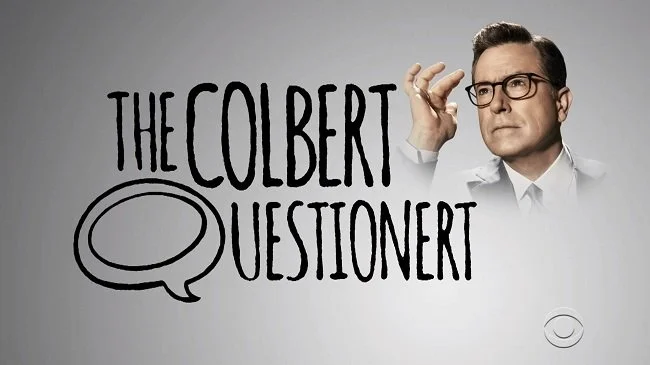
Naithin over at Time to Loot has compiled a Blaugust related internet questionnaire. As I’ve made clear in the past, I have a weakness for these sorts of things and will happily indulge the most peculiar enquiries. I’m not really sure why I like to do questionnaires. Perhaps I feel at some level that even the crassest or vacuous of questions can yield a good or at least entertaining answer. Not that I’m saying that Naithin’s questions are any of those things. In fact I think they are quite engaging. The other thing about questionnaires is that I can make a really obscure and impenetrable pop culture reference about the band Sparks. So here are my responses to the all of them in full. An unedited stream of consciousness or load of bollocks, depending upon your perspective. I hope some of the other Blaugust participants also take part. It will be interesting to compare notes, so to speak.
Naithin over at Time to Loot has compiled a Blaugust related internet questionnaire. As I’ve made clear in the past, I have a weakness for these sorts of things and will happily indulge the most peculiar enquiries. I’m not really sure why I like to do questionnaires. Perhaps I feel at some level that even the crassest or vacuous of questions can yield a good or at least entertaining answer. Not that I’m saying that Naithin’s questions are any of those things. In fact I think they are quite engaging. The other thing about questionnaires is that I can make a really obscure and impenetrable pop culture reference about the band Sparks. So here are my responses to the all of them in full. An unedited stream of consciousness or load of bollocks, depending upon your perspective. I hope some of the other Blaugust participants also take part. It will be interesting to compare notes, so to speak.
What hobbies or interests do you have that you might not regularly include on your blog?
I used to paint and draw a lot when I was younger. It something that runs in the family on my Dad’s side. I joined the school art club as a teenager and would have happily taken an art exam at GCE O Level but it was not to be. When I later became a Father, I would draw with my son but when he got older, it once again fell by the wayside. It’s a hobby that has returned now that I’m a Grandfather. I like to do simple line drawings with a pencil and if I paint, I favour water colours. However, at present I’m mainly called upon to draw Peppa Pig and such like. It’s a very relaxing pastime and if I’m in the right frame of mind, I don’t mind sharing my doodles online. May be one day I may take a formal course and learn to draw human anatomy properly. Oh and I’m also a big fan of travel Kabaddi.
Are you learning any skills at the moment? If not, what would you like to learn?
For the majority of my adult life I have worked with information technology and as such, a lot of the skills I have gained have been self-taught. I suspect it is the nature of the industry and the people who work in it. Blogging has been a learning experience, although I have always enjoyed writing in some shape or form. Running a blog has given me a modicum of basic design skills, as well as a simple overview in relevant coding. When I started the Contains Moderate Peril podcast, that was another area in which I had to learn on the fly. Recording, editing and other aspects of post-production are skills I have picked up via You Tube and other internet resources. I like to learn how to do things and see life an ongoing opportunity for self-improvement. This year, the latest “project” has been live streaming. It has both technical and communication-based challenges. Yet so far, the results have been okay. Well, no one’s filled a restraining order.
If you were invited on a one-way trip to Mars to establish a new colony, would you go?
No. I want to live the remainder of my life in peace, comfort and relative solitude. I’ll leave the one-way ticket to Mars to those who are qualified and who want to contribute to the greater good. I’ve paid my societal “dues”. I was a trade union member; I’ve been on demonstrations protesting about burning injustices and I’ve done jury service. Over the years I have also regularly given to charity and tried to think of others interests when voting. So although I like science, Professor Brian Cox and the concept of space exploration, Mars can basically fuck off. Michael Palin likes to travel, send him.
What is the one thing that you most want readers to come away from your blog with? A feeling, thought, or understanding.
The British Broadcasting Corporation was founded upon the principles of “inform, educate and entertain”. I do not consider Contains Moderate Peril to be in any capacity commensurate with that august institution but I certainly believe in their abiding sentiments. When I write a detailed film review or a long from post critiquing an aspect of the video games industry, I hope that I have made some lucid and salient points as well as given the reader pause for thought in an engaging fashion. I aspire to make my written output appealing on some level, so that people will leave comments, or interact with me and others on social media. I feel that I am part of a community and that I act as an ambassador in some capacity. May be if people like what they’ve read, it will encourage them to get involved. I put a great deal of stock in writing and would encourage all to avail themselves of its positive merits.
What excites you most about having a blog?
The fact that I have a corner of the world where I can order my thoughts and then share theme. It also presents an opportunity to engage with others on what I consider to be a fairly level playing field. I sure a psychiatrist would have a field day analysing my motivations, but I suspect having a blog is a symbolic act. A means of trying to impose a little order on a universe that is hell bent on doing things its own way. A blog is also a socially acceptable means of controlling one’s “look at me” genes, which we all have to a greater or lesser degree. Plus it can be used as a front for exchanging covert messages, according to an episode of NCIS I recently watched.
If you could make one thing from a book, TV show or movie real, and in your possession, what would it be?
Definitely the One Ring. On second thoughts a phaser. Actually loads of shit from Star Trek. Falkor the Luckdragon. No sod that, Vermithrax Pejorative from Dragonslayer instead. A Glaive. No not some fool polearm, I mean like from Krull. Or maybe the Lament Configuration. Nope, that could be painful. Howabout Thunderbird 2? Gizmo from Gremlins. Or a friendly Cylon. Like the one in that episode of Galactica 1980, when Starbuck was marooned and rebuilt a broken one to be his companion. I wouldn’t say no to a real Hitchhiker’s Guide to the Galaxy. So many possibilities. A more practical answer would be a number Swiss bank account with an undisclosed sum of money that was set aside for CIA wet work and accidently forgotten about. Fuck it, I’d settle for a suitcase full of used £20 notes. Or an endless supply of gin.
They say everyone has at least one book in them — if you were to write a book, what would it be about?
Oh I have a book currently in development hell. I drafted the basic structure, its various chapters and what they will cover over three years ago. I have detailed notes along with all the various data sources that are to be referenced. I researched in-depth how you craft a non-fiction book and spent about nine months laying down the foundations. And then I fell victim to a common malady among writers. I got despondent because it was taking too long and then got distracted with my other projects that could yield more immediate results. But the book is going to be dusted off and put firmly back on the agenda, because I have spoken to a few people who work in publishing and they think it could be a viable undertaking. So at some point soon, I will have to pull my finger out and just apply myself to writing the damn thing. As for the subject matter, it’s about my personal relationship with cinema over the course of five decades. It’s squarely aimed at film nerds.












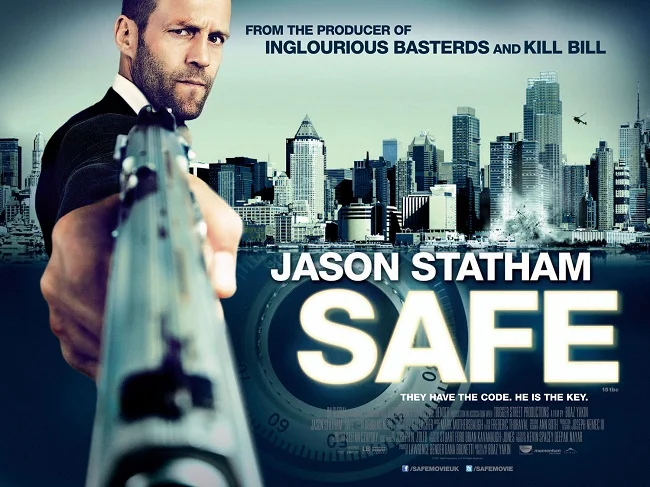
Safe (2012)
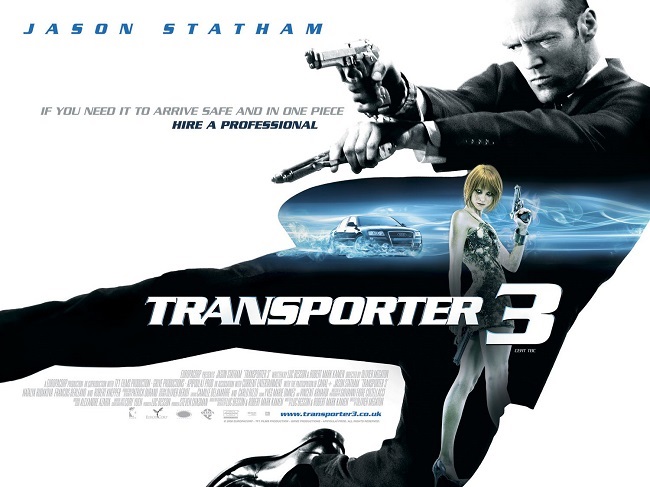
During the eighties there was a clear league table of action movie stars. By the mid-nineties this system fell into decline and the Hollywood lacked any clearly defined exponents of the genre. A decade later, due to the success of Luc Besson’s Transporter films, Jason Statham became a bankable box office star in this field. When you look at Statham's early work in Lock, Stock and Two Smoking Barrels it is hard to envisage the "mockney geezer" as an international action star. Yet he has successfully stepped into the role and enjoys a large following. I enjoy his work as he has a likeable on-screen persona. My 88-year-old Mum likes him to because "he wears nice suits". The action genre seldom reaches such a diverse demographic.
During the eighties there was a clear league table of action movie stars. By the mid-nineties this system fell into decline and the Hollywood lacked any clearly defined exponents of the genre. A decade later, due to the success of Luc Besson’s Transporter films, Jason Statham became a bankable box office star in this field. When you look at Statham's early work in Lock, Stock and Two Smoking Barrels it is hard to envisage the "mockney geezer" as an international action star. Yet he has successfully stepped into the role and enjoys a large following. I enjoy his work as he has a likeable on-screen persona. My 88-year-old Mum likes him to because "he wears nice suits". The action genre seldom reaches such a diverse demographic.
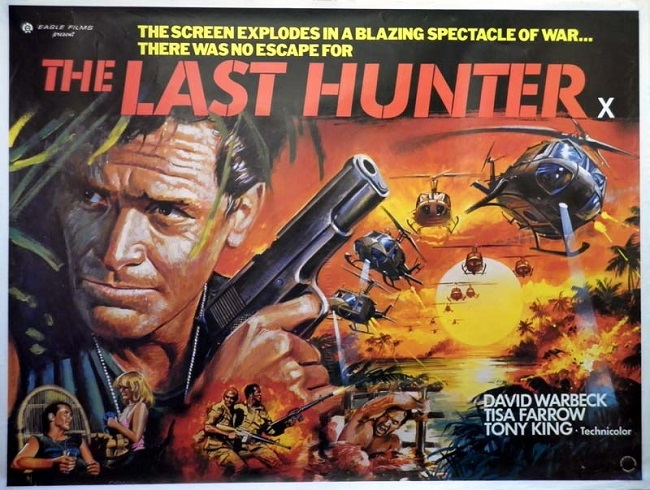
Safe is a throwback movie. It's central plot theme is very seventies. It seems to be an integral part of the action movie stars rite of passage, that at some point they have to make a movie involving a child (special needs is optional), a pet or sundry exotic animal. Therefore, when I saw the trailer for Safe, the first thing I thought of was Bruce Willis in Mercury Rising. The similarities are quite apparent. In Safe, Statham plays Luke Wright, a New York law enforcer turned cage fighter whose wife has been killed by the Russian mob. He encounters on Mei (Catherine Chan) on the subway and intervenes when she is attacked by assassins. The eleven-year-old maths prodigy is the key to crime boss Han Jiao (James Hong) accounts system and therefore a huge liability in the wrong hands. Wright swears to protect her and so the bodies start piling up.
Director Boaz Yakin’s script is again very old school. It depicts a very modern Manhattan as a hotbed of corruption as you would see in many seventies’ movies such as Serpico. The entire bureaucracy is on the take from the mayor (Chris Sarandon) down to the street cops. It should also be noted that even with the required suspension of disbelief needed to watch such movies, Safe taxes credibility to the extreme with the level of mayhem that ensues. The dialogue is ripe and the acting consists of the cast shouting at each other in-between chewing the scenery. With regard to the action scenes, there are an adequate amount of set pieces, with hand to hand combat and sundry shootings. Nothing is exceptional but nor is anything substandard. Movies such as Safe require a liberal helping of action and sufficient is supplied. But there is nothing of note. Do not go expecting a bravura ending like in Wanted: Dead or Alive.
Yet despite these numerous faults, Safe bowls along under the power of its own insane internal logic. It also does exactly what it says on the side of the tin and somehow manages to entertain on a basic level. A lot of this comes down to Jason Statham. He has the ability to carry a film such as this. It is far from his finest work but overall, it’s acceptable. And so Safe simply joins the ever-growing list of tolerable action movies that are ideal for late night consumption, sans any major critical analysis. Don’t get me wrong, I don’t see that as a bad thing. As I’ve said on numerous occasions, not every film can be a critical success or a genre milestone. Material such as this fills a very particular niche in the market, serves a specific function and has its fans.








Celebrating Difference
The great things about Blaugust Festival of Blogging is that it’s a truly international event. For me that a big part of its appeal. Because although English may well be the universal language of all participants, it is not necessarily their first language. Hence a great deal of a writer’s native culture can bleed though into their posts. Rather than advocating a homogeneous approach to writing in which an international standard is enforced, I much prefer people writing as it naturally occurs to them, in the same way I enjoy and regional accents. In the internet age, it’s easy to think that there exists a universal, international pop culture. At a very simple level that may be true. Gaming is a major pastime all over the world. But look beyond the obvious and you’ll find that all countries have their own cultural foibles and idiosyncrasies. And that is one of the reasons I love to read other people’s blogs because I get to share in these.
Rabbits are tasty. Cats, not so much…
The great things about Blaugust Festival of Blogging is that it’s a truly international event. For me that a big part of its appeal. Because although English may well be the universal language of all participants, it is not necessarily their first language. Hence a great deal of a writer’s native culture can bleed though into their posts. Rather than advocating a homogeneous approach to writing in which an international standard is enforced, I much prefer people writing as it naturally occurs to them, in the same way I enjoy and regional accents. In the internet age, it’s easy to think that there exists a universal, international pop culture. At a very simple level that may be true. Gaming is a major pastime all over the world. But look beyond the obvious and you’ll find that all countries have their own cultural foibles and idiosyncrasies. And that is one of the reasons I love to read other people’s blogs because I get to share in these.
Back in the days when Contains Moderate Peril was relatively successful and had a wee bit of a following, it became very apparent through analysing the stats that the readership was international. As soon as that fact came to light, I decided to consider this when writing and hopefully have done so ever since. I tend to write in an informal British manner, similar to how I speak. I use a lot of phrases, colloquialisms and slang, as well as frequently making pop culture references. Why? Because this how I express myself. But I try to explain things along the way because not everything I write will be immediately accessible to international readers. So I put quotation marks around certain phrases and on occasions include links that explains them. I endeavour to do my best to clarify the foibles of UK society, its cultural habits and mindsets. Because pop culture is possibly the United States greatest export and has found its way on to most nations TV, the realities of daily life in America is far from impenetrable. I cannot say the same about German, Dutch, Kenyan or Bangladeshi culture.
Minder. A popular UK TV show from the 80s. Some of the slang may be impenetrable to international viewers. “I’ve got dodgy plates, Tel. Had’em since I was a saucepan”.
I admire anyone who has language skills. It is something we do very poorly in the UK. Less than a third of the nation is bilingual. I suppose due to English being a global language there is a sense of hubris that we shouldn’t even try. My French is very bad and my German negligible. Oddly the only language I ever seemed to get on with other than English was Latin but that’s a separate blog post. Anyone who not only learns English, which is notoriously awkward with its plethora of contradictory rules but also writes it, has achieved linguistically far more than me. I had the pleasure of working with a German engineer back in 1998 called Hendrich. He spoke textbook English but very quickly learned that it didn’t really equip him for day-to-day spoken English. He wanted to know slang and those curious turn of phrases that all countries develop. I confused him once, when we were working late and I said it was time to “knock it on the head”, which means to stop what you’re doing. “Whose head shall we knock?” he replied. Needless to say he found a means to learn informal English. He started supporting the local football team and by interacting with others quickly expanded his vocabulary.
So my advice to new bloggers who are starting out, is always keep in mind that although English may be a common language, the subtleties of your daily life are not. Don’t drive the character from your prose by slavishly writing in Standard International English (or American English). Please reference aspects of your countries culture both big and small and explain them where necessary. It brings so much more to your blog posts. In an age of growing fear regarding “difference”, we can learn a great deal about each other by reading each other’s writing. Yes, there are minor differences such as what side of the road you drive, measurement, the age at which you can do things such as vote or drink. But our overriding similarities also become abundantly clear. Also, if there’s something you’ve read that you don’t understand and you’d like an explanation then definitely ask. I will happily answer such questions about my writing, if you want clarification regarding what is a “chugger”, a “wee stooshie” or what you have to do to get totally “Leo Sayered”.




















Phase IV (1974)
Every now and then, a mainstream film studio employs an artisan director to helm some sort of experimental or vanity project. The studio executives often have very little understanding of the film maker or their body of work, beyond that their artistically respected by their peers. Hence there is the corporate hope that the resulting production will be both critically acclaimed and financially successful. However, what all too often happens is that the said director goes off and indulges themselves, or simply does what they’re hired to do and delivers a finished picture that is beyond the intellectual horizons of the studio. Sphincter’s subsequently tighten among executives; the director is denied final cut and the film is taken a way and re-edited in the hope of rendering it more commercially viable. In the worse cases, a second director is brought onboard and new material shot in the hope of “saving” the picture. The net result is usually acrimony among all involved parties and a film that fails to make its money back at the box office.
Every now and then, a mainstream film studio employs an artisan director to helm some sort of experimental or vanity project. The studio executives often have very little understanding of the film maker or their body of work, beyond that their artistically respected by their peers. Hence there is the corporate hope that the resulting production will be both critically acclaimed and financially successful. However, what all too often happens is that the said director goes off and indulges themselves, or simply does what they’re hired to do and delivers a finished picture that is beyond the intellectual horizons of the studio. Sphincter’s subsequently tighten among executives; the director is denied final cut and the film is taken a way and re-edited in the hope of rendering it more commercially viable. In the worse cases, a second director is brought onboard and new material shot in the hope of “saving” the picture. The net result is usually acrimony among all involved parties and a film that fails to make its money back at the box office.
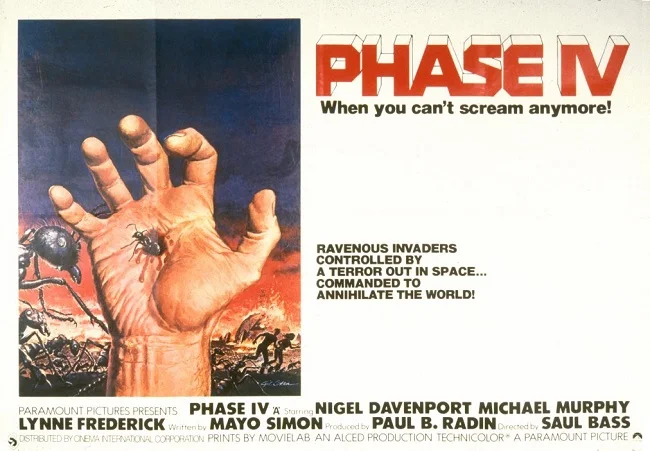
Phase IV is a textbook example of this phenomenon. It’s a cerebral science fiction movie with the emphasis on plot and the big ideas that underpin it. There are no major action driven set pieces, tempestuous romances or excessive sex and violence. It has a somewhat clinical setting, matter of fact performances by the two leads and the wider theme about next stage in human evolution has a lot in common with Kubrick’s 2001: A Space Odyssey. Plus the film originally ended with an experimental montage that depicts the next stages in human and myrmecine symbiosis. Needless to say this was the final straw for the studio who had already gotten cold feet. The montage was edited out and Phase IV was given a limited release and arbitrarily marketed as a “creature feature” which it patently is not. The film died at the box office and has only in recent years found the audience that it deserves, through showings at film festivals and broadcast on stations favoured by movie enthusiasts.
The creative talent behind Phase IV was Saul Bass. Bass is best known as a graphic designer who created numerous classic motion-picture title sequences, film posters, and corporate logos. During his career he collaborated with such cinematic luminaries as Alfred Hitchcock, Otto Preminger, Billy Wilder, Stanley Kubrick and Martin Scorsese. After acting as a “visual consultant” on pictures such as Spartacus and dabbling in short film making, it was inevitable that Bass would want to turn his hand to a full-length motion picture. Paramount Pictures, seeing an opportunity offered him a deal and Bass set about developing Phase IV. Being an artist first and foremost, Bass was not going to produce an arbitrary science fiction movie. He saw a much greater potential in Mayo Simon’s screenplay and instead decided to explore much deeper themes, other than the basic man versus nature premise.
The film starts with an unspecific stellar event, which visually implies some sort of alignment of celestial bodies and the release of some form of energy. Scientists theorise upon the consequences of these events. Dr. Ernest D. Hubbs (Nigel Davenport), notices a rapid change in ant activities in the Arizona desert. It would appear that all-natural predators of ants in the immediate area have mysteriously died and that multiple species of ants are co-operating instead of fighting. Furthermore, they have built several large, geometrically intricate towers, instead of their traditional mounds. This unusual behaviour generates both concern and curiosity among the scientific community, who fund Dr Hubbs to research the matter further. A computerised laboratory is established close to the ant towers and fellow scientist and cryptologist James Lesko (Michael Murphy) joins Hubbs as he aggressively investigates the ant’s behaviour.
In many ways the real star of Phase IV is wildlife photographer the Ken Middleham, who shot the insect sequences. Nowadays such material would more than likely be computer generated but back in 1974, these things were done the hard way. And so we get intricate shots inside of the ant’s nest and later on it the film, of the ants crawling around inside the computer equipment and air conditioning units in Hubb’s laboratory. By forming chains they deliberately short out equipment. Middleham cleverly focuses on noticeably different types of ants so they can be clearly identified by the audience, making several key characters in the proceedings. Because the subject matter is handled in an intelligent manner, the idea of a hive mind remains credible. The concept of a queen ant that ingests the very toxins designed to kill her so she can breed a new generation that are immune, is quite disturbing and atmospherically handled. The film also has an eerie electronic score by Brian Gascoigne which enhances the off-kilter mood.
Phase IV was the first and last feature film to be made by Saul Bass. He returned to his regular line of work after this project. The poor marketing, studio interference and meant that the film simply didn’t find the right audience. The US theatrical poster clearly shows an attempt to sell this thoughtful and well-crafted film as a monster movie. Those who paid expecting a more violent version of The Naked Jungle must have been bitterly disappointed. However, in more recent years the film has been re-evaluated by critics, especially since the director’s death. In 2012 the missing end montage was found, remastered and shown along with the theatrical print at several US film festivals. Perhaps it may be re-integrated into the film at some point in the future for Blu-ray release. Phase IV will certainly be of interest to those with a passion for obscure and more intellectually driven film making. Comparable films are seldom made by big studios these days and when they are, still often share the same fate.
Topics, Talking Points and Ideas for Blog Posts
According to the Blaugust schedule, its “Topic Brainstorming Week”. I shall interpret this literally and see if I can come up with some hints and tips about what to write about. Because at some point, all bloggers (and potentially other content creators) will sit down in their preferred environment, crack their knuckles and then remain with their hands poised over the keyboards, waiting for inspiration to strike like a thunderbolt. And sometimes nothing comes, or more to the point none of the ideas you come up with particularly inspire you. And therein in lies the reality of blogging. Not every post is a labour of love, a literary milestone or of social significance like the Gettysburg Address (feel free to insert an alternative regionally relevant stirring speech here. I prefer Henry V Act 3, Scene 1 myself). Sometimes, you have to pick something straight forward to write about and produce three or so paragraphs of adequate material. It may not be Shakespeare but it doesn’t have to be “filler” either.
According to the Blaugust schedule, its “Topic Brainstorming Week”. I shall interpret this literally and see if I can come up with some hints and tips about what to write about. Because at some point, all bloggers (and potentially other content creators) will sit down in their preferred environment, crack their knuckles and then remain with their hands poised over the keyboards, waiting for inspiration to strike like a thunderbolt. And sometimes nothing comes, or more to the point none of the ideas you come up with particularly inspire you. And therein in lies the reality of blogging. Not every post is a labour of love, a literary milestone or of social significance like the Gettysburg Address (feel free to insert an alternative regionally relevant stirring speech here. I prefer Henry V Act 3, Scene 1 myself). Sometimes, you have to pick something straight forward to write about and produce three or so paragraphs of adequate material. It may not be Shakespeare but it doesn’t have to be “filler” either.
Reviews, virtual diaries and streams of consciousness: I don’t do brevity very well. If I write a film review that’s under five hundred words, I feel I’ve not done the subject justice. However, that’s on me and is simply a foible of my personality. Short, succinct posts can be good Therefore, brief reviews, or initial impressions or simple musings on a game, TV show, movie, book, or news item about the video game industry can make excellent blog posts. Keeping diaries about the games you’re playing, the item you’re knitting or the plant that you’re growing can also fun and straight forward. Streams of consciousness about your day can also be very engaging. Two good examples are Belghast’s daily posts and Jamie’s “What’s Occurring” You Tube channel. You’d be surprised how global readers like to get to know about you, where you live and what your life is like.
Riffing off other posts, think pieces and open debates: I make no bones about this, I regularly read the various columns, editorials and “soap box” post over at Massively Overpowered and then use them as a starting point for a blog post. Because they have exactly the same dilemma as the non-professional writer. IE coming up with interesting posts on a regular basis. So why not let them do the heavy lifting? At least they get paid. Another avenue to explore is think pieces. Is there a game mechanic that is ubiquitous, that you don’t like? Do you have an idea for an alternative? Then write about it. Why not dissect and analyse the machinations of the video games industry? When writing about what you love, you can focus or either the small or the big picture. Furthermore, when tackling a big subject, it isn’t essential to have all the answers. Throwing open a question to debate is great for comments or another blogger picking up the gauntlet and continuing the discussion.
Guides, FAQs and walkthroughs: Now these can be blogging gold, if done to the right standard. Take a website such as Dulfy’s MMO Guides. It has over time become one of the de facto MMO gaming sites, just through dogged determination in covering the things that gamers want to know about. There is great deal of information out there pertaining to games and other leisure activities that people assume is “well known”. But that is not always the case. Therefore writing the most basic of tips can be very useful to others. I recently wrote about the various libraries of data that addons in ESO are dependent on. You can update the addon but if you don’t update the reciprocal library, things still won’t work. This simple post has been well received. Therefore, never worry about sharing information or personal experiences. There’s always someone who will find it useful.
Screenshots, funny videos and “chummy posts”: As I mentioned earlier, not every post you write has to be “weighty”. A substantial amount of your potential readers don’t want to have to wade through 3,000 words of long form analysis. Sometimes a simple screenshot taken at the end of a major raid, or of an achievement or cosmetic item will delight your audience. People often invest their time into certain hobbies and pastimes as a way to unwind. Therefore a humorous post, or a funny screen capture can really hit the spot. I’ve mentioned before that I don’t care for the mantra “you are your own brand” but I cannot deny its truth. If you produce easy going content that’s light and entertaining, you’ll find your niche. Sometimes your readership or audience are following you because of your personality. A cheerful post may be what someone who is having a bad day is exactly looking for.
Naturally, this post has only scratched the surface of ideas for potential posts. Contrary to what some may think, there is always something to write about. Writers block is frankly an excuse and a lot of quality writers who I respect, calmly and rationally assert that is can be addressed and overcome. I’m interested to see what ideas some of the other Blaugust mentors come up with for “Topic Brainstorming Week”. But ultimately, this is something that has to be addressed by each individual blogger or content creator. You have to eventually grasp the nettle and produce something. And once done, you’ll find that writing (insert comparable activity here that is relevant to you) becomes a lot easier. That’s not to say it should become a job but producing anything creatively requires some effort and application. It’s not always a walk in the park. But the more you do the better you become.
Stout-Axe Dwarves and Race Changes Coming to LOTRO
Some interesting news came out of Gen Con 2019, where Standing Stone Games recently held their Dungeons & Dragons Online/The Lord of the Rings Online “meet up”. According to Draculetta who attended the social event, Severlin AKA Rob Ciccolini, Lead Producer for LOTRO stated that Stout-Axe Dwarves were to be added to the game as a new playable race. Furthermore, the ability to change the race of existing characters was also coming to the game. It was later clarified that the race change ability was subject to the existing class restrictions. Hence an existing Hobbit Guardian could become an Elf if the player so desires. But races such as Hobbits and Dwarves are still excluded from certain classes such as Captain or Lore-master. Although this was a very informal setting, the statement has been seen as a formal announcement and SSG have not said anything to the contrary so far.
Some interesting news came out of Gen Con 2019, where Standing Stone Games recently held their Dungeons & Dragons Online/The Lord of the Rings Online “meet up”. According to Draculetta who attended the social event, Severlin AKA Rob Ciccolini, Lead Producer for LOTRO stated that Stout-Axe Dwarves were to be added to the game as a new playable race. Furthermore, the ability to change the race of existing characters was also coming to the game. It was later clarified that the race change ability was subject to the existing class restrictions. Hence an existing Hobbit Guardian could become an Elf if the player so desires. But races such as Hobbits and Dwarves are still excluded from certain classes such as Captain or Lore-master. Although this was a very informal setting, the statement has been seen as a formal announcement and SSG have not said anything to the contrary so far.
The ability to change race, once you have created a character, is not anything unusual by genre standards. Many other MMORPG offer such a service but it is certainly a useful facility to have. New players may find that a certain race is not to their liking and the ability to change rather than start from scratch is therefore welcome. High end players may also wish to change race if it gives them a statistical improvement or tactical bonus. And then there will be some players who may simply want to change just to see what difference it makes. However, regardless of how this ability is used, it goes without saying that this is going to be a chargeable premium store item. I wouldn’t be surprised if a “race change token” is included in one or two of the different permutations of the next LOTRO expansion. SSG is a creature of habit so I don’t think its unreasonable to assume that previous business practises established with Mordor, will continue next Minas Morgul themed expansion.
As for the merits of adding Stout-Axe Dwarves to LOTRO, I’m not so sure. I thought the edition of High Elves didn’t really add any major value to the game. If you’re a lore enthusiast, then the distinction between Elves and High Elves may well be of interest but for many players, it really is a case of “same meat, different gravy”. I suspect the same may be so regarding the Stout-Axe Dwarves. They already exist as characters in the game, having been introduced with the Mordor expansion in July 2017. The Dwarves were enslaved by Sauron after they refused to relinquish one of the Seven Rings of Power. They were subsequently liberated by Gimli and have returned to Erebor to try and find their place in Middle-earth. It’s a great story line, but I’m not sure what this playable race can offer that isn’t already available via the regular Dwarves. However, you should never underestimate the Dwarf enthusiast LOTRO player. Perhaps this race may prove popular.
I am curious as to how SSG are going to integrate this new race into the game. At present the Stout-Axes enter the LOTRO storyline at level 105. Their history is unknown outside of Mordor up until this point, so I’m not sure if SSG can cunningly and seamlessly dove tail the Stout-Axes into the existing starter areas of the game. Perhaps they may be a race that starts at level 105 and aren’t intended to be retrofitted into older content. I’m also curious about the availability of this new race as its accessibility is bound to be gated financially. Again I suspect that they may be bundled with the middle tier and top tier of the next expansion. At a later date, they may well be sold in the store for LOTRO points. If this supposition is correct, there may well be an outcry form the LOTRO playerbase. Similar to when High Elves weren’t included in the Standard Edition of Mordor. No doubt a more definitive press release will be forthcoming soon.
A Month in Gaming
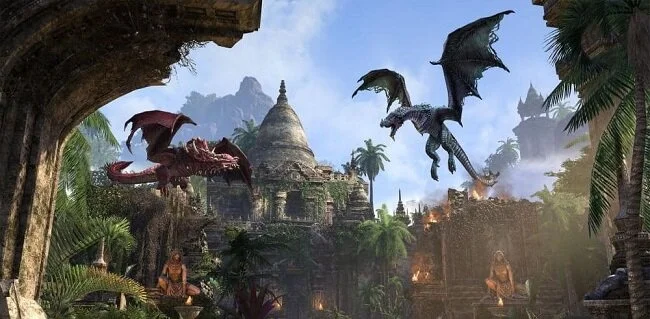
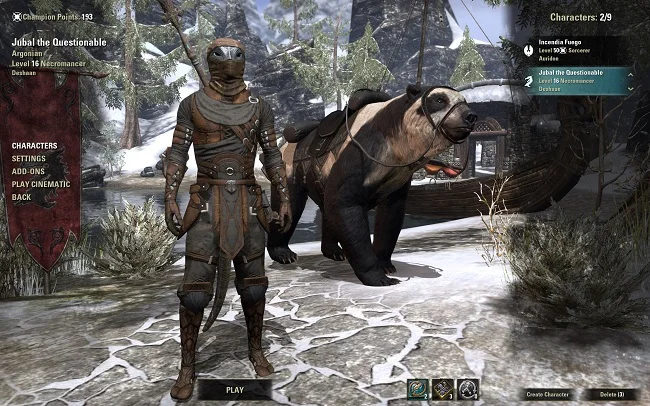
Contrary to my last A Month in Gaming post, I did actually end up buying a discount copy of Elsweyr and returning to The Elder Scrolls Online. And I’m rather glad that I did, because it has provided a welcome change of scene and an opportunity to do something different. However, you can’t just fire up ESO and dive right in. No sir. The first thing you have to do is update all your addons and if your starting a new alt (which I decided to do), ensure that your key mappings and custom settings are ported over. This process was a pain in the butt; however it did inspire a couple of blog posts. Creating a new alt is the perfect way to reacquaint yourself with ESO after a lengthy absence. In my case it has been 12 months. I decided to try the new Necromancer class and so far, it has proven to be both fun and rewarding. Rather than try to do a thousand things at once, I just started the Elsweyr main story and doggedly pursued it. The narrative is enjoyable and it was fun to see Cadwell as part of the plot focus. For practical reasons I’ve re-subscribed to ESO plus to unlock various DLC and I intend to continue playing for the next month or so.
Contrary to my last A Month in Gaming post, I did actually end up buying a discount copy of Elsweyr and returning to The Elder Scrolls Online. And I’m rather glad that I did, because it has provided a welcome change of scene and an opportunity to do something different. However, you can’t just fire up ESO and dive right in. No sir. The first thing you have to do is update all your addons and if your starting a new alt (which I decided to do), ensure that your key mappings and custom settings are ported over. This process was a pain in the butt; however it did inspire a couple of blog posts. Creating a new alt is the perfect way to reacquaint yourself with ESO after a lengthy absence. In my case it has been 12 months. I decided to try the new Necromancer class and so far, it has proven to be both fun and rewarding. Rather than try to do a thousand things at once, I just started the Elsweyr main story and doggedly pursued it. The narrative is enjoyable and it was fun to see Cadwell as part of the plot focus. For practical reasons I’ve re-subscribed to ESO plus to unlock various DLC and I intend to continue playing for the next month or so.
Having successfully completed the Summer Event in Star Trek Online and earned the Tier 6 ship, I’ve decided to reduce my involvement with this MMO for a while. I’m somewhat bored with just grinding out repeatable daily missions for perk points and don’t have much to do at present. I completed Tier 6 reputation with Discovery Legends so am now just left with levelling alts until new content arrives. As the latest featured episode, Awakening, is not due for release for over a month (10th September) I’ve decided to just log in once or twice a week to farm some Dilithium and ensure I don’t get kicked from my various fleets due to inactivity. I’ll keep reading the subreddit and ensure that I don’t miss any news from Star Trek Las Vegas 2019. Just because I’m not actively playing a game, doesn’t mean I don’t want to know what’s going on in the wider community.
In some respects it a broadly a similar story with The Lord of the Rings Online. Since last November I’ve been steadily levelling a new High Elf Guardian and also playing through any new content added to the game with my level cap Lore-master. I’m beginning to slow down now mainly because my Guardian is fast approaching Mordor. I won’t say I dislike the zone but it is fair to say it is a radically different area to other parts of Middle-earth. There is a major gear check circa level 112 and the game feels demonstrably harder. Because I played through that area, this time last year, the stories and themes are still very fresh in my mind, so I don’t feel such a pressing need to push on. I shall again probably just log in a couple of time a week to finish playing through the Vales of the Anduin with my primary character. Hopefully there will be some news released soon regarding the next expansion for the game.
I suspect that my overall gaming activities will be somewhat curtailed this August. I’m involved in the Blaugust Festival of Blogging Event which is going to monopolise a fair amount of my leisure time. Also my son is getting married so I’m away from home for three days out of thirty-one. What I’m thinking of doing is trawling through my Steam and Epic Store game collections to see if there are any simple titles that I can explore that aren’t major time sinks. Such a project could also potentially provide good material for a blog post. As for gaming goals for August, I’m hoping that Blaugust may lead to some social gaming between those participating in the event. The initial hurdle is trying to find a game that everyone has and that is conducive to team play. I must admit it’s been a while since I played collaboratively with “new people” and the prospect sounds quite enticing. Let’s hope that some common ground can be found and that differing time zones can be overcome.




Leave a Comment
It’s the first day of the month and the Blaugust 2019 Festival of Blogging is currently underway. So far there have been numerous posts from established bloggers, offering sound advice and encouragement to those participating in this annual event. However, I wish to focus on one specific aspect of blogging that appears to be on the wane at present. Something that can be invaluable to the new and enthusiastic blogger. And as Blaugust is no longer solely focused on writing, this is also applicable to podcasters, live streamers and You Tubers (I hate that phrase, but it appears to be an accepted collective term, so let’s roll with it). The thing I am alluding to is audience feedback or put more plainly, reader comments. Yes, the thoughts and musings of those who consume your work, left on your site, blog or channel, in the form of a few lines of text. They can be both praising or damning. Supportive, insulting or sometimes incomprehensible. But at least they indicate that someone thinks sufficient of your work to leave some sort of statement.
This looks strangely familiar…
It’s the first day of the month and the Blaugust 2019 Festival of Blogging is currently underway. So far there have been numerous posts from established bloggers, offering sound advice and encouragement to those participating in this annual event. However, I wish to focus on one specific aspect of blogging that appears to be on the wane at present. Something that can be invaluable to the new and enthusiastic blogger. And as Blaugust is no longer solely focused on writing, this is also applicable to podcasters, live streamers and You Tubers (I hate that phrase, but it appears to be an accepted collective term, so let’s roll with it). The thing I am alluding to is audience feedback or put more plainly, reader comments. Yes, the thoughts and musings of those who consume your work, left on your site, blog or channel, in the form of a few lines of text. They can be both praising or damning. Supportive, insulting or sometimes incomprehensible. But at least they indicate that someone thinks sufficient of your work to leave some sort of statement.
People write and produce online content for a multitude of different reasons. The pleasure of creating something, sharing a common interest and engaging with others are just some of the many motivations that come to mind. But at some point, the following question occurs to all content creators. “Is anyone actually reading, watching or listening to this?” or some such variation. And it’s a totally justifiable enquiry, because content creation does not exist in a vacuum. If you’re writing for example, the basic premise of such an undertaking is that its intended to be read. If you therefore write continuously, eventually you will want some feedback. Do people enjoy your work? Do they find it useful? Is it relatable? Or is it an unmitigated disaster and an affront to all sentient life? Content creation and its consumption is a bilateral process. A writer, podcaster or streamer cannot grow if they have no idea how their material is received.
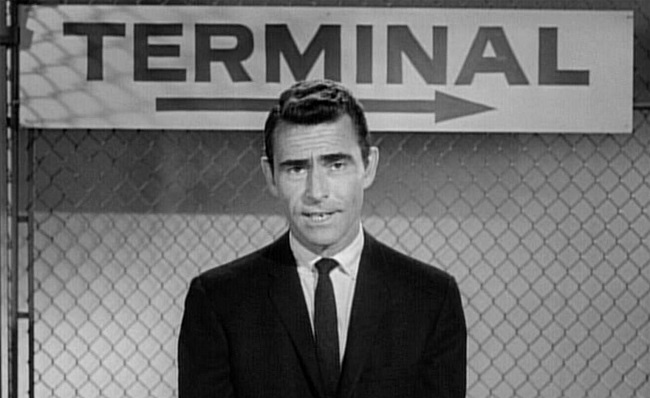
Rod Serling thinks you should support writers by leaving them feedback…
Sadly, despite the internet being filled with people who have an opinion on absolutely everything, getting them to leave a simple comment on your blog is comparable to asking them to undertake one of the labours of Hercules. Admittedly, some blogging sites can be a bit picky about verification and logging in, which does discourage some people from sharing their thoughts. But I think the problem is more due to a cultural shift and the fact that people will use social media to leave feedback and make recommendations these days. I find that readers of Contains Moderate Peril prefer to discuss the various posts, leave feedback and question my parentage via Twitter. The advantage being there are no additional logon credential required and a link to an article can be referenced publicly. Engagement is immediate. I do still get comments left via the site but they are far from common place. It can be a little frustrating at times especially when statistics tell you that a post has been well received.
So in light of this situation I would like to do the following. Here is a list of new bloggers who have embarked upon the Blaugust experience. I would urge readers as a sign of solidarity and goodwill to visit these sites and leave a comment, to encourage and motivate these good people. You’d be surprised what a shot in the arm, a positive comment can be.
· Remus: ..in the mind..
· Tea: Cooler on the internet
· TheRoyalFamily: Dating Sims on the Holodeck
· Serum7six: Enjoying Overload
· everwake: Everwake’s Internet Journey
· Dan/Magimos/Magi: Indiecator
· Kaylriene: Kaylriene
· Sita Dulip: Synthetic Dulips
"Rest in Peace"
From time to time, when an actor, film maker or creative artists dies, I will write a brief post about my appreciation of their work. Nothing hyperbolic, stating how they’ve been a major influence in my life. Just a few simple thoughts about how I and society perceived them and what I enjoy about their careers. If I was more of a sports fan or strongly affiliated to a specific political ideology, I suppose I’d cover more sports men and women, politicians and public figures. But I write about what I like, so naturally those in the film and television industry feature more. I don’t consider my personal musings to be anything more than just that. Western society is still very uncomfortable with the subject of death, plus the partisan nature of the internet can also lead to odd reactions when people express grief or remorse over “celebrities”. Comments like “you didn’t know them” or accusations of virtue signalling often accompany genuine expressions of sympathy and sadness. But I retain a somewhat old fashioned and possibly even quaint notion that if someone’s work has brought me pleasure and enjoyment, it seems only logical and polite to acknowledge that.

From time to time, when an actor, film maker or creative artists dies, I will write a brief post about my appreciation of their work. Nothing hyperbolic, stating how they’ve been a major influence in my life. Just a few simple thoughts about how I and society perceived them and what I enjoy about their careers. If I was more of a sports fan or strongly affiliated to a specific political ideology, I suppose I’d cover more sports men and women, politicians and public figures. But I write about what I like, so naturally those in the film and television industry feature more. I don’t consider my personal musings to be anything more than just that. Western society is still very uncomfortable with the subject of death, plus the partisan nature of the internet can also lead to odd reactions when people express grief or remorse over “celebrities”. Comments like “you didn’t know them” or accusations of virtue signalling often accompany genuine expressions of sympathy and sadness. But I retain a somewhat old fashioned and possibly even quaint notion that if someone’s work has brought me pleasure and enjoyment, it seems only logical and polite to acknowledge that.
I’ve been somewhat busy of late and subsequently have missed during the month of July the immediate opportunity to write about several actors passing (don’t really like that phrase but its socially acceptable, so we’ll go with it). Hence, I decided to create a regular “column” to coin an old print media term, so I can ensure that I don’t miss covering anyone I want to in the future. It won’t be anything very different to the individual tributes I’ve written previously. It will just sometimes cover several people for reasons of editorial convenience. In this post I’d like to quickly reference the death of three actors and present a few thoughts on their respective body of work.
Freddie Jones (12th September 1927 – 9th July 2019): Freddie Jones was a stalwart of British Television during my youth in the seventies. He was versatile and could easily slip into a broad spectrum of roles from The Emperor Claudius in the BBC Drama The Caesars to Sir George Uproar in the children’s comedy, The Ghosts of Motley Hall. As I got older, I became aware of his wider work in film and was both shocked and impressed with his powerful performance as circus ringmaster Bytes in The Elephant Man. Jones unlike some actors with a more traditional and formal background, was not averse to appearing in genre movies. During the eighties he provided notable support in Dune, Firestarter and Firefox. If you’ve read any other novels by Craig Thomas, Jones was perfect for the spymaster Kenneth Aubrey. But for me, my fondest memories are of Freddie Jones playing the seer Ynyr in Krull. He excelled in these sorts of roles where he played venerable and slightly irascible characters, who would share their wisdom and steer events. His ability to project his voice, robustly deliver his lines and then pause and display inner reflection where hallmarks of his acting skills.
David Hedison (20th May 1927 – 18th July 2019): Roundabout the age of 11, If I got home from school on time and didn’t dawdle, I’d be in time to watch reruns of Voyage to the Bottom of the Sea. It was the sort of show that the younger me found engaging. Submarines, undersea monsters, action and peril. David Hedison played Captain Lee Crane co-starring with Richard Basehart. Despite not doing as much TV and cinema after the show was cancelled, Hedison often appeared in the things that I watched. North Seas Hijack, The Naked Face and the questionable Meggido: The Omega Code 2. The common link was Roger Moore whom he worked with on Live and Let Die. David Hedison had the distinction of playing CIA operative Felix Leiter on two occasions. On the second he fell foul of a shark in License to Kill. His body was left on a couch with a note stating, “he disagreed with something that ate him”. Although he enjoyed the role, he didn’t feel it did much for his career. "Felix is a fairly one-dimensional character, you never get into any depth. It was running around, bang bang, getting wet, screaming and yelling, and all kinds of fun, but not serious acting". Hedison also played the scientist André Delambre in the original version of The Fly.
Rutger Hauer (23rd January 1944 - 19th July 2019): I think the great Guillermo del Toro summed up the best exactly what made the late Rutger Hauer so special. Describing him as "an intense, deep, genuine and magnetic actor that brought truth, power and beauty to his films". Naturally the role of Roy Batty in Blade Runner tends to be what most people instantly recall when thinking of the actor and to a degree, this iconic performance does tend to eclipse his other work. But let us not overlook his charismatic and worrying performance as John Ryder in The Hitcher. Hauer excelled in these niche and quirky roles. He brought an inherent charm and air of menace when playing characters on the edge. Naturally a lot of his earlier work in Dutch cinema is not as well known to mainstream audience but collaborations with Paul Verhoeven established him as a serious and versatile actor. His international film and television work reflected this status but his US film output was often more action orientated. Yet as an actor Hauer seemed to be happy with both perceptions of him and would commit entirely to whatever material he chose. And he certainly chose some eclectic material. Recently he appeared in the low-key British sitcom Porters, where he played a quirky, philosophical hospital orderly. If I had to choose a standout performance from his body of work, although I’d be tempted to go with his dry and amusing role in Blind Fury, I feel that he demonstrated his acting chops whole heartedly in the TV miniseries, Escape from Sobibor. Despite the constraints of television at the time, this was a difficult subject and Hauer delivers with conviction. Oh and he had the coolest kiss-off line in Wanted: Dead or Alive, when he dispatched Gene Simmons.

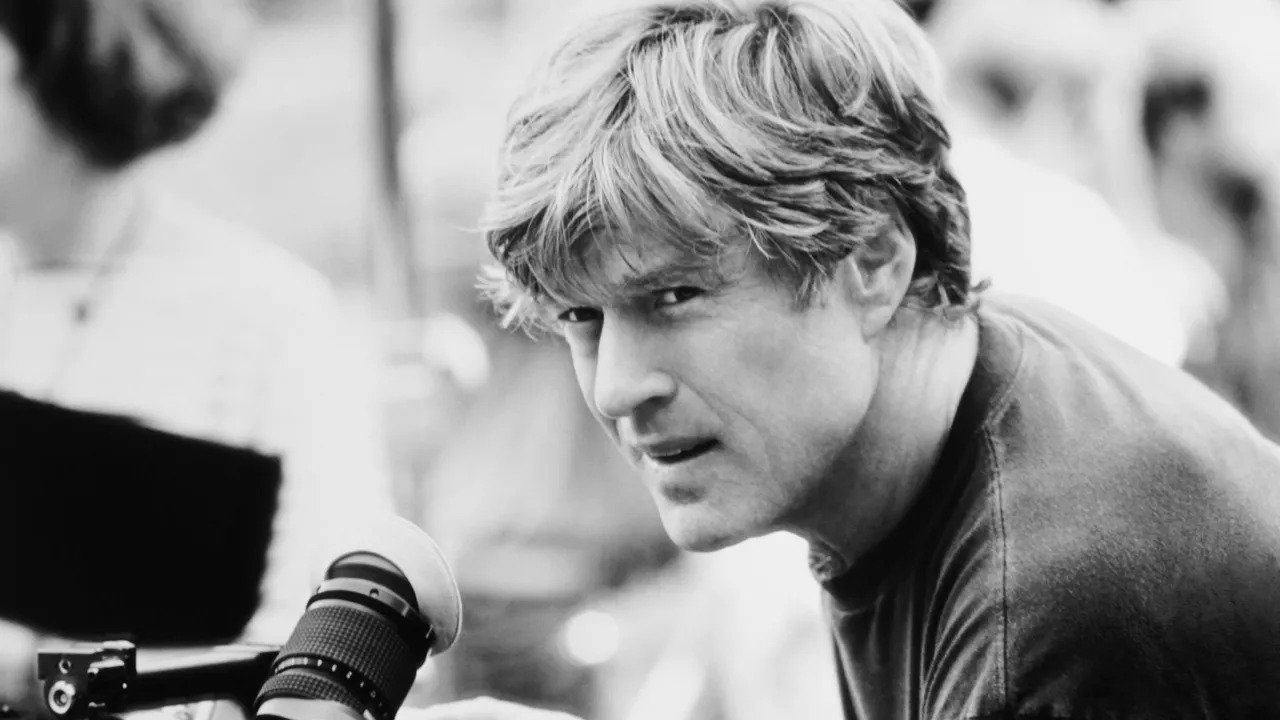
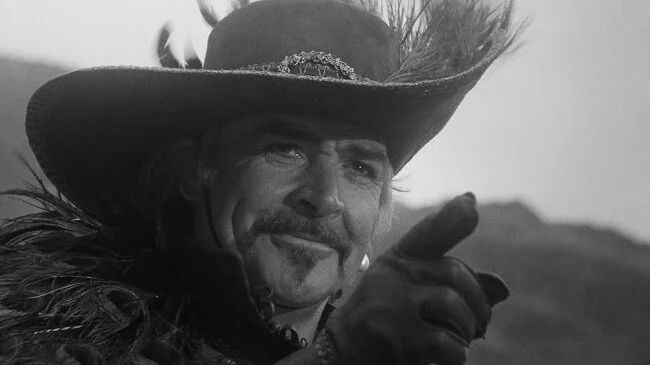



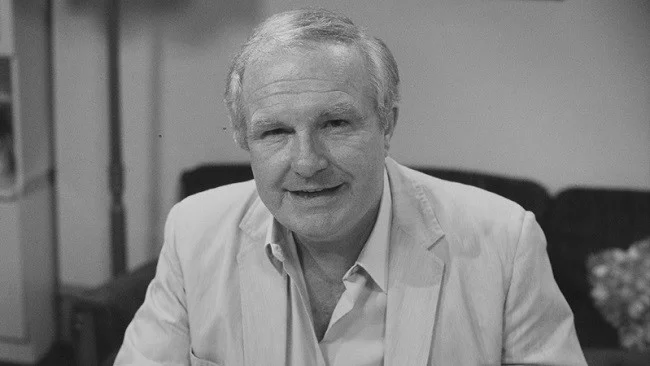
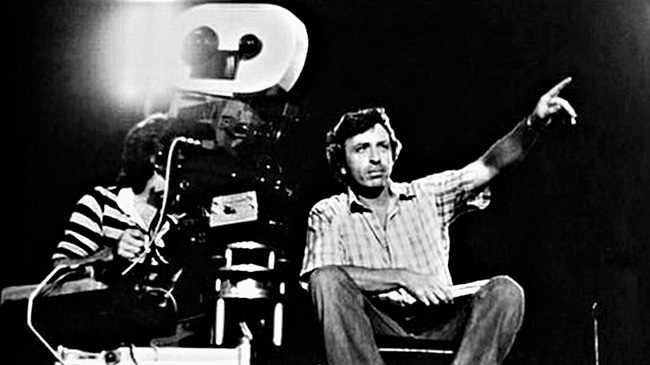
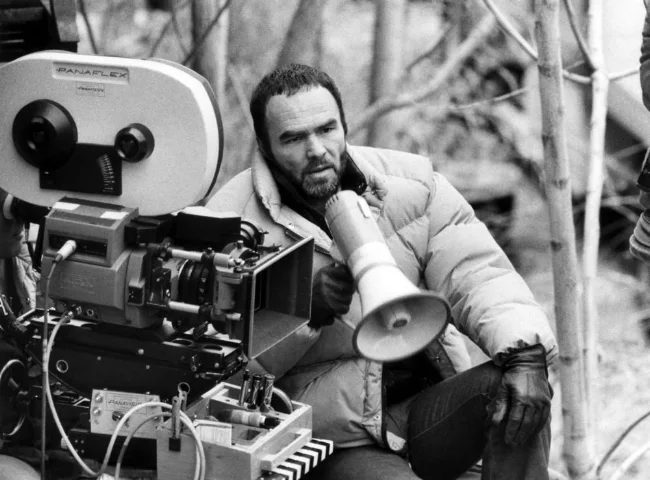
The Changing Face of MMOs
The above promotional video for Guild Wars 2 (dated July 19th, 2011) came up in an online discussion recently. The game as it exists today is radically different to this eight-year-old marketing presentation. It got me thinking about MMOs, how they evolve and those that have fallen from grace. Naturally the spectre of World of Warcraft looms large in such a discussion, because for many years this was the game to beat. Subsequently the market was awash with clones, which proved to be an unwise business tactic. The tumultuous life of Star Wars: The Old Republic along with the closure of Warhammer: Online, Vanguard and recently WildStar indicates that more of the same is not necessarily what players want or at the least, insufficient to keep them engaged. Guild Wars 2 initially deviated noticeably from the perceived wisdom but then contradicted its own ideology out of necessity to remain financially viable. Subsequent expansions have proven far more “traditional”. A decade on from the MMO boom, the genre has had to become far more niche to survive. MMOs exist and make money, but the are no longer seen as cash cows.
The promotional video for Guild Wars 2 (dated July 19th, 2011) featured below, came up in an online discussion recently. The game as it exists today is radically different to this eight-year-old marketing presentation. It got me thinking about MMOs, how they evolve and those that have fallen from grace. Naturally the spectre of World of Warcraft looms large in such a discussion, because for many years this was the game to beat. Subsequently the market was awash with clones, which proved to be an unwise business tactic. The tumultuous life of Star Wars: The Old Republic along with the closure of Warhammer: Online, Vanguard and recently WildStar indicates that more of the same is not necessarily what players want or at the least, insufficient to keep them engaged. Guild Wars 2 initially deviated noticeably from the perceived wisdom but then contradicted its own ideology out of necessity to remain financially viable. Subsequent expansions have proven far more “traditional”. A decade on from the MMO boom, the genre has had to become far more niche to survive. MMOs exist and make money, but the are no longer seen as cash cows.
So what has changed? Well for a broad overview, I’d recommend watching a selection of episodes of The Jimquisition; Jim Sterling’s show that critiques the video games industry. He regularly explores the main problems that are endemic with mainstream, triple A games publishing. But one particular issue seems to be the root cause. Although game developers may well have artistic intentions and want to create a content that delights audiences, such motives are subordinate to the commercial requirements of the publisher and their shareholders. The industry is primarily focused on what sells and how to monetise any new product to ensure increasing financial growth. Hence after numerous efforts to make a WoW clone, most companies have discovered that such projects take too long to develop, cost to much up front and don’t have the adequate return on investment in the short term. Hence you seldom see such grandiose projects in development anymore. But what about Star Citizen, I hear you say. Yes indeed, what about it, I say in return? I’ll let you know when there’s an open beta and a release date on the horizon.
Now to clarify, the MMO market does have regional differences. In the China and South Korea large budget titles are still produced and prove viable, but this is due to major differences in the core market. The player base often embrace mechanics rejected in the West and monetisation is perceived differently. Hence many titles remain conspicuously absent from the North American and Europeans markets. Therefore, in recent years MMOs have had to adapt in the West to such an extent that the term itself is now being redefined. Older notions about persistent, immersive worlds, filled with group activities and nurturing communities have been replaced with more flexible concepts. Such as any game that supports a large body of players in an open world or instanced set of maps. Thus GTA Online, The Division 1 and 2, as well as the Destiny franchise find themselves as part of ever growing MMO Venn Diagram. Naturally old school purest protest, but from the industry perspective, “money talks and bullshit walks”.
Therefore, I am not optimistic about there ever being any weighty IP based MMORPG projects that are of a traditional nature. Perhaps the last big MMO was indeed The Elder Scrolls Online. The website Massively Overpowered lists numerous MMOs in development but the reality is that many of these are doomed to failure. Crowd funded vanity projects or indulgences by gifted fans or old school development staff who haven’t quite adjusted to the realities of the contemporary market. Titan after all got canned and parts of it became Overwatch. Amazon Game Studio’s New World may not get beyond its recent Alpha Test and could be augmented into something else with a more marketable IP. Hence, we are left with a handful of titles that are established and survive purely on the whims of their playerbase. New content costs money to develop but will bring in some profit. But to reduce content output risks bored players who’ll go elsewhere. If a publisher is content with the realities of their projected revenue, then games can tick over. However, if they seek all the money in Christendom, then things may go ill.
Perhaps the MMORPG has had its day in the sun. A cursory look at other leisure industries shows that trends come and go. Different genres of movies and music rise and fall, proving lucrative for a while and then fading away. When you compare the likes of Ultima Online with Guild Wars 2 there is a considerable gulf in mechanics and systems. Would the former sell well today? Fifteen years of changing consumer tastes may well put pay to such time-consuming games. With time being such a precious commodity these days, is there room for such a genre as the old school MMO? I played The Lord of the Rings Online heavily between 2008 and 2011, mainly because it was a period of my life where I was available to do so. I simply cannot do something comparable today. Furthermore older players who lived through the era of subscription models are often averse to modern monetisation methods. Live services are not embraced by this demographic, where younger players who prefer the quick fix nature of competitive multiplayer games are not so concerned. All of which leaves me increasingly disposed towards the idea that the MMO genre is going to be relegated to the sidelines in the years to come. A few will exist in their own bubbles of fandom, but they will be a relic of the past. Just like cinematic musicals, westerns and “poodle perm” rock.
Preparing for Blaugust 2019
According to the schedule (which is purely for guidance and not a metaphorical gun to your head) Blaugust 2019 Festival of Blogging starts today. This is “prep week”; a golden opportunity to get all your ducks in a row. Now there’s nothing to stop you going into the event blind and winging it. For some content creators, that’s how they roll. However, for most of us, it helps if we have some kind of plan in place and have figured some stuff out in advance. For me this is important as I have a fluid day-to-day schedule and I’m also away for three days due to my son’s wedding. So I thought I’d share my approach to Blaugust, in the hope that it may be helpful to others. Like most things in life, there is no “one size fits all approach”, so you may want to temper my methods and adapt them to your own. You know your own strengths and weaknesses better than I. But the underlying point is still sound. Doing some degree of preparation for Blaugust will certainly help you.
According to the schedule (which is purely for guidance and not a metaphorical gun to your head) Blaugust 2019 Festival of Blogging starts today. This is “prep week”; a golden opportunity to get all your ducks in a row. Now there’s nothing to stop you going into the event blind and winging it. For some content creators, that’s how they roll. However, for most of us, it helps if we have some kind of plan in place and have figured some stuff out in advance. For me this is important as I have a fluid day-to-day schedule and I’m also away for three days due to my son’s wedding. So I thought I’d share my approach to Blaugust, in the hope that it may be helpful to others. Like most things in life, there is no “one size fits all approach”, so you may want to temper my methods and adapt them to your own. You know your own strengths and weaknesses better than I. But the underlying point is still sound. Doing some degree of preparation for Blaugust will certainly help you.
Strategy and planning: Blaugust is about creating content, so why not start collating ideas and brainstorming. If you have established regular columns or intend to do so, then these will be invaluable in bolstering your post count. Providing a diary of your progress in a game is useful and straight forward to write. As for ideas, create a list and write what you want to cover. Then add bullet points about what you want to convey and discuss with each idea. These can then be fleshed out into paragraphs. Impose structure via opening and closing statements and voila, you have a blog post or at least the first draft. Your list of ideas can then become the framework of your posting schedule. If you’re stuck for ideas then the schedule posted by Belghast (see above) offers writing prompts. If you favour writing about specifc things, then do so. I find movie reviews the easiest to write so will prepare some in advance. Also, if possible don’t just write on the fly. Plan when and where you write for best results
Motivation and the reality of regular writing: I strongly encourage all Blaugust participants to communicate with others on the Blaugust Discord Server. Don’t feel reticent about sharing your content there. You have to promote your work to some degree to get people to come and read it. You may well get visitors and comments due to the buzz surrounding the event. But be realistic in your expectations. The key to building an online presence is to publish content regularly. Potentially, this is the most valuable lesson that Blaugust can teach you. Every post doesn’t have to be an in-depth essay or a literary milestone. Three paragraphs is sometimes all that’s needed to make your point, convey an idea or express a sentiment. Remember it is your blog and you should do things your way and in a manner that you’re comfortable with. Don’t overreach yourself but don’t sell yourself short either. Realistically consider what you can produce and then strive to do so.
Expect the unexpected: As well as being a tagline for the TV show Terrahawks, this is also sound advice about Blaugust. No plan is bullet proof and sadly at times, shit happens. A major news story in the area that you write about may appear and you may want to digress from your schedule and get on that bandwagon. Also, one of your fellow bloggers or even yourself, may make a particularly cogent post that subsequently gets other writers riffing off it. You may then feel it prudent to follow up the discussion with another post on that subject. Plus life may derail you and prevent you from writing or at least interfere with your plan. There is even a possibility that you may discover that whatever content creation that you’re pursuing, is not for you after all. Blaugust is a learning curve and despite what you may think, it still has the potential to teach you something. Sometimes you have to do something to determine whether it’s right or not for you.
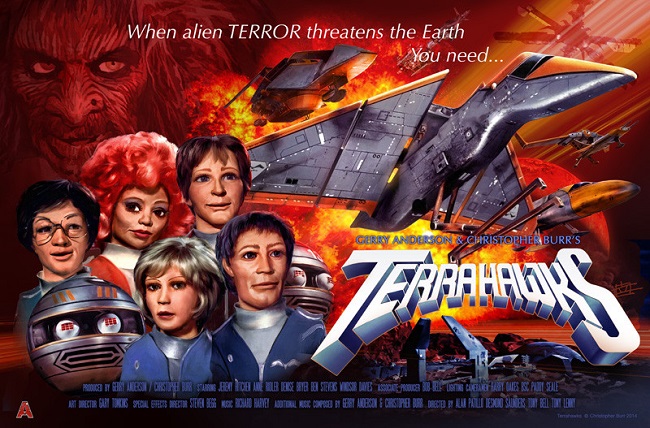
It never hurts to be organised and for many, imposing a degree of structure upon a month-long writing event, will make it far easier to navigate. Yet, there does come a point when you have to stop fine tuning your plan, which can sometimes become a diversion in itself, and just get on with writing, podcasting, streaming etc. It’s a bit like getting into the swimming pool when on holiday. The water looks inviting but you know it will strike cold. Once in experience tells us it will be fine but the main obstacle is just diving or climbing in. For many, the first Blaugust post is the equivalent of this but once it’s done you may wonder why you worried about it so much. So take the plunge, stay in touch with other participants and see where the month ahead takes you. If you get stuck then help is at hand. I won’t say “you miss 100% of the shots you don’t take” because that is a logical fallacy. But I will quote from The Lord of the Rings. As Gaffer Gamgee said, “It's the job that's never started as takes longest to finish".
“Have Your Say”, Comments and Online Discourse
This is a big subject and there’s absolutely no way that I can do justice to it in this meagre blog post. I’m going to reference several aspects of online discourse in an attempt to highlight what I see as a major cultural shift that has happened in the last two decades. I’ll be reflecting upon my own experiences which may differ from yours. Geography, communities and culture plays a part in all this and what I observe from my “window upon the world”, may not be identical to yours. But I believe that human interaction is changing; shifting on its axis and will continue to do so. Furthermore, that the liberating benefits of social media have come with several consequences and not all of them good. Am I advocating that things return exactly as they were? No. But I feel that the pendulum has swung from one extreme to another, where the most equitable position is somewhere between these two.
“Unfortunately I don’t respect your opinion Colin, as you’re a barely literate imbecile who has a poor grasp on both contemporary social issues and reality”
This is a big subject and there’s absolutely no way that I can do justice to it in this meagre blog post. I’m going to reference several aspects of online discourse in an attempt to highlight what I see as a major cultural shift that has happened in the last two decades. I’ll be reflecting upon my own experiences which may differ from yours. Geography, communities and culture plays a part in all this and what I observe from my “window upon the world”, may not be identical to yours. But I believe that human interaction is changing; shifting on its axis and will continue to do so. Furthermore, that the liberating benefits of social media have come with several consequences and not all of them good. Am I advocating that things return exactly as they were? No. But I feel that the pendulum has swung from one extreme to another, where the most equitable position is somewhere between these two.
During my youth newspapers were king. Television news was not a 24-hour interactive process, but a passive medium designed to impart data primarily. Leonard Parkin didn’t give a shit whether the story he’d just read had you foaming at the mouth or whooping with delight like a troupe of Mandrills at a watering hole. Nope, he and other news readers were just there to tell you the news. Therefore, if you had something to say, you’d write a letter to your newspaper of choice. It would then be subject to the scruples of an editor with regard to content, tone and length. Thus, those letters published were civil at least in tone. Social etiquette and old-world notions about manners tended to keep any exchange of views relatively polite. Passion could still run high but ultimately no one called each other a cunt. At least not via the letters page. If your age has meant that you missed the era of writing a “strongly worded letter to The Times”, then its importance as a form of debate may be lost on you. But it was such a mainstay of public discourse, that it even became a trope of TV comedy and satire. Monty Python frequently had sketches based upon such angry epistles.
“Dear Sir, I would like to complain in the strongest terms at your inference that writing letters is in some way anachronistic”…
Nowadays, the forum for such debates is either the comments section of a news website or Twitter itself. It’s easy to see how this situation came about. Continuous news coverage has created an appetite for constant content. Input from your audience is a handy form of “filler”. Also, a popular comments section is an added attraction for a website and can in itself be a source of traffic. Initially when this kind of functionality was first rolled out, it usually produced benign content. However, the key to any sort of efficient community management is moderation. When applied in a sober and mature fashion, civilised discourse prevails. If neglected, then you’ll soon find an environment dominated by bellicose, pernicious rhetoric, with no other purpose other than to kill debate. And the thing about moderation is that it needs to be done by people rather than AI. It requires a particular set of social skills and a measured and reasoned mindset. Furthermore, like anything in life, if you want the best you have to pay for it. Sadly, spending money on community moderation is not seen as a priority by those who control budgets.
As well as the above, here are some additional factors that have contributed to where we find ourselves today. Educational standards have changed. There are still schools and exam systems that provide intellectual rigour but there has also been a cultural shift towards learning to pass a specific exam. This is not the same as fostering a questioning mindset and providing the tools to facilitate such a philosophy. This manifests itself mainly as a decline in critical thinking and debating skills which is then further compounded by a growth in emotional dysfunction. Discussing popular topical points has become emotive, tribal and dogmatic. An opposing view is not just a contrary opinion but a personal attack upon you and your values. Social media has extended an unchecked platform to all comers, eliminating the traditional requirement of “knowing what you are talking about” that excluded certain people from older mediums such as TV and print media. Facts and data have been replaced with feelings because they are subjective, personal and far harder to disprove.
The “edifying” comments section of the LBC news radio station website
So where does all this leave us as a society? Well for many it means that they’re less likely to express an opinion, for fear of finding themselves accused of something or in the centre of a major, aggressive and contentious argument. For some that is the desired result, as it effectively puts them in charge of the narrative. It’s a lot easier to drive people away than to have to cogently debate with them. In the long term replacing intelligent, measured discussion with an arbitrary culture war, means that people will simply stay within the confines of likeminded communities. This ultimately leads to social division and compounds matters. And another problem from both a business and socio-political perspective is that the loudest opinion gets heard and acted upon, irrespective of its veracity, rectitude or overall support. Twitter outrage is a far cry from national outrage but the two are often conflated.
But it should be noted that “have your say culture” is very good for business. Content creators of all kinds often feel the need to solicit public opinion under this banner because it generates interest. Are they genuinely interested in the thoughts of opinions of the likes of you and I? I suspect not. But inviting people to “join the debate” is an incentive to visit a site. It generates traffic and is a form of marketing. Would talent-based reality shows be as popular if the public couldn’t vote on the outcome? More than likely not. Social media has had a profound impact upon society in the past decade. It has broken down barriers, removed gate keepers and given everyone a voice. It can be argued that in principle that is a good thing. Yet although everyone is entitled to an opinion, they are not all of equal merit. And some ideas and concepts are best left outside of the spotlight. Yet by inviting all to have their say, many institutions have fallen prey to the fallacy of balance and all views should always be offered with an alternative by default. Therein lies madness
“Please send in your comments, so we can judge you”
This malady blights all communities. I have referenced news websites and political forums but you’ll find the same problem in the gaming community. Write a post about the most inane and innocuous aspects of an MMORPG and there’s a good chance someone will purposely misconstrue your words or simply start an argument because they just don’t like the cut of your jib. As to the solution now that this particular genie is out of the bottle, I suspect it will take a long time to put it back or domesticate it. There is no quick fix, so the best approach is a robust and concerted policy of moderation. “Have your say” culture has in many ways circumnavigated the traditional existing social etiquette so we have to make it the cultural norm again. I am reminded of the campaign against drinking and driving that ran in the UK for nearly two decades. The message through advertising was relentlessly hammered home and over time by a form of cultural osmosis it became broadly the social norm again. Perhaps that’s how we curb the negative aspects of folk having their say. Let us not forget that there are positives to be had from shared experiences.


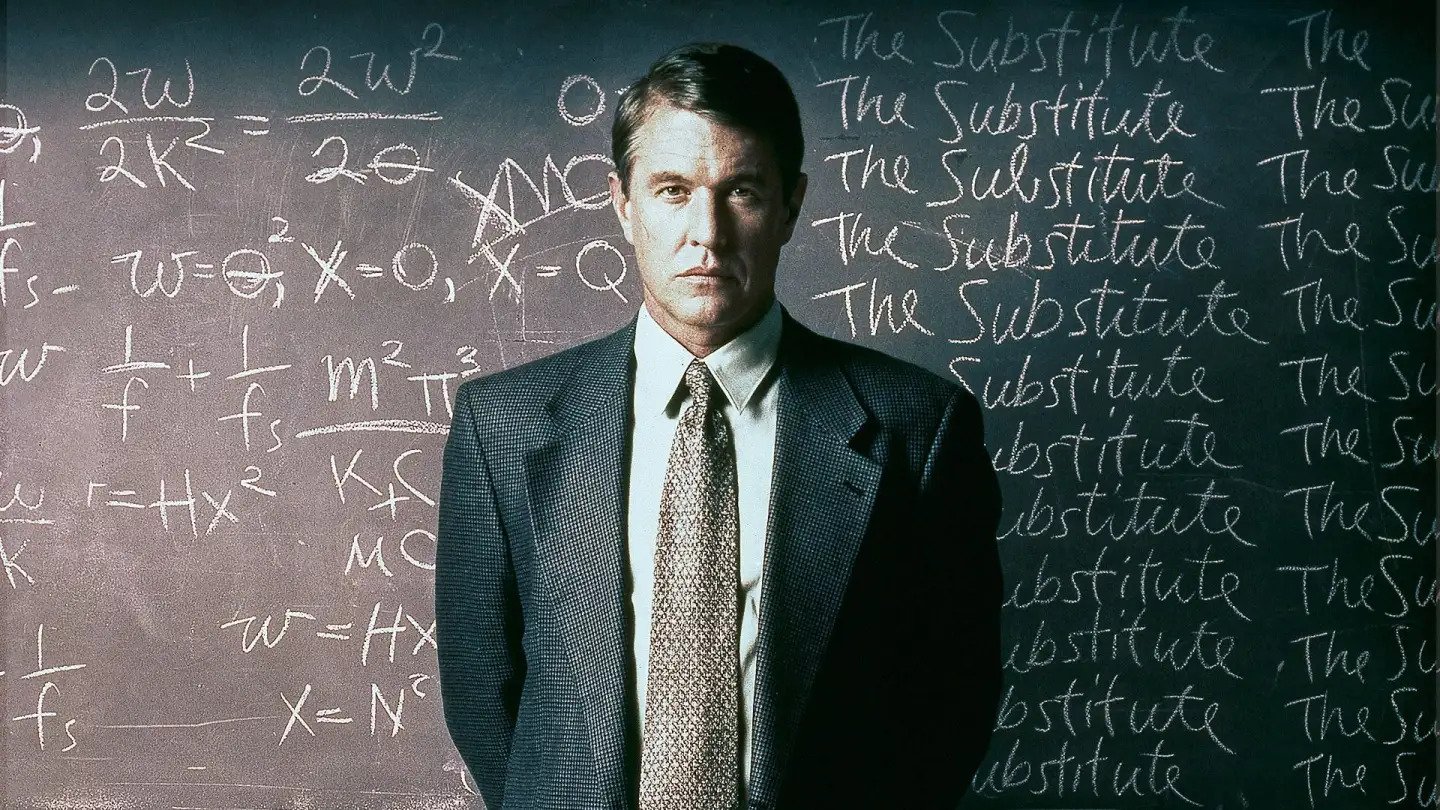

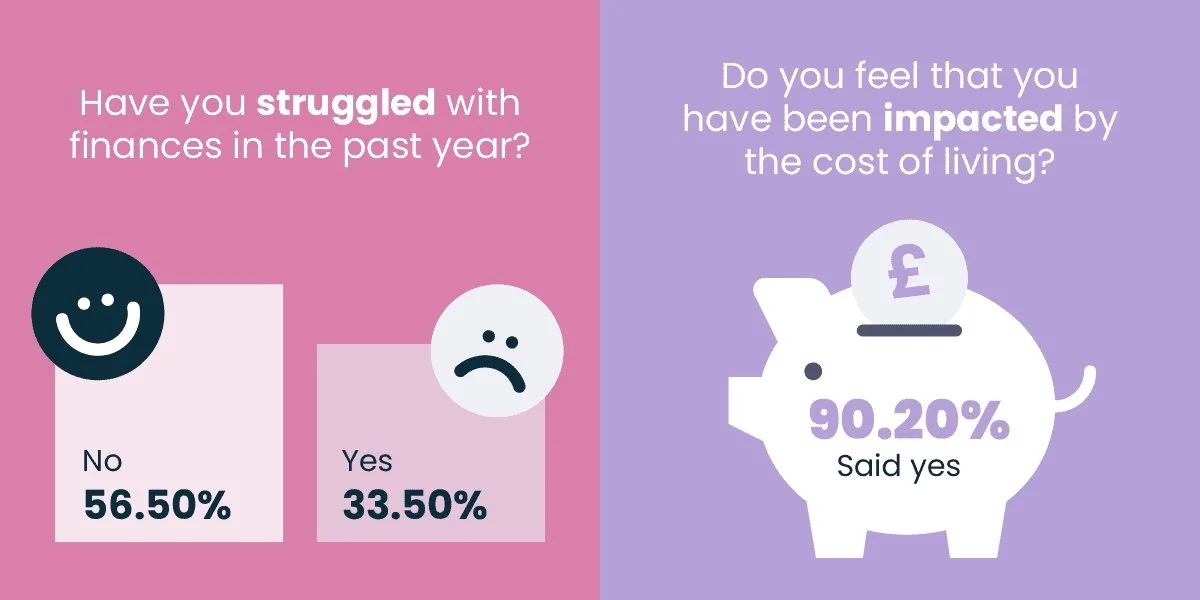





















Tolkien (2019)
Within its first five minutes, it becomes very apparent what Finnish director Dome Karukoski is attempting to achieve with his biopic Tolkien. Commencing with JRR Tolkien (Nicholas Hoult) as an Army Officer, searching the trenches of the Somme for a lost comrade, the film explores through a series of flashbacks key events that shaped the authors life and inevitably influenced his subsequent writings. Naturally, such a narrative conceit is to be expected when considering such a writer and his literary creations but often during Tolkien, viewers may get a sense that the screenplay is overreaching to draw parallels between real world events and key themes in The Lord of the Rings. Furthermore, when considering Tolkien’s professed dislike of allegory, it does seem a little too heavy handed. Yet despite this stumbling block there are still other aspects of the production to enjoy.
Within its first five minutes, it becomes very apparent what Finnish director Dome Karukoski is attempting to achieve with his biopic Tolkien. Commencing with JRR Tolkien (Nicholas Hoult) as an Army Officer, searching the trenches of the Somme for a lost comrade, the film explores through a series of flashbacks key events that shaped the authors life and inevitably influenced his subsequent writings. Naturally, such a narrative conceit is to be expected when considering such a writer and his literary creations but often during Tolkien, viewers may get a sense that the screenplay is overreaching to draw parallels between real world events and key themes in The Lord of the Rings. Furthermore, when considering Tolkien’s professed dislike of allegory, it does seem a little too heavy handed. Yet despite this stumbling block there are still other aspects of the production to enjoy.
During his youth Tolkien’s widowed Mother (Laura Donnelly) finds herself in “impecunious circumstances” and the young John Ronald Reuel and his younger brother Hilary are forced to move from the rural West Midlands to the industrial suburbs of Birmingham. Her subsequent early death sees JRR Tolkien and his brother come under the guardianship of Father Francis Morgan (Colm Meany). Tolkien subsequently finds himself at King Edward’s School, Birmingham, where his is a rank outsider. An orphan as well as an immigrant from South Africa, his gift for language and stories set him aside from other students. Yet through a quirk of fate, he find himself in the company of Robert Q. Gilson (Patrick Gibson), Christopher Wiseman (Tom Glynn-Carney) and Geoffrey Bache Smith (Anthony Boyle), who all have similar artistic temperaments that are frowned upon by the academic establishment. All become firm friends and form a very strong social bond.
Tolkien also becomes enamoured by Edith Bratt (Lily Collins), the companion of Mrs Faulkner, who runs the boarding house where he resides. She is feels similarly trapped by her lack of financial independence and societal constraints. Yet their burgeoning romance is further hampered when Father Morgan states that Tolkien must decide between an early marriage and studying at Oxford. Matters are further compounded as he struggles academically to find his way at University. However, a chance meeting with Professor Joseph Wright, leads to him changing disciplines and studying “the Grammar of the Gothic Language”. However, the events of 1914 lead to Tolkien and his companions enlisting in the armed forces and leaving for France. It is here that the movie comes full circle and the unparalleled carnage of “the war to end all wars” greatly challenges Tolkien’s strong religious convictions as well as romantic and artistic notions.
Tolkien endeavours to cover a lot of ground both historically and thematically. It explores and reflects upon the value of art in society. The screenplay by David Gleeson and Stephen Beresford also attempts to capture Tolkien’s love of language and mythology. Something that is quite hard to do in a primarily visual medium whose foundation is the concept of “show, don’t tell”. There are some clever narrative parallels such as how language is both the life blood of a nation and institutions such as the Catholic Church and that both use words to express more than the literal. Yet while Tolkien is happy to approach these wider philosophical issues, it is surprisingly coy about addressing matter of its subject’s devout faith. For those with a keen cinematic eye cinematographer Lasse Frank creates some subtle religious imagery. Meaningful scenes play out below the stars, the shattered remnants of a Church still has a statue of Christ on the cross and there are cunningly place religious texts among the books on desks. But overall, Tolkien’s faith is not overstated.
Performances are earnest and competent. Lily Collins is very good as Edith, who is greatly confined within the strictures of Edwardian Britain but seems reconciled that a happy ending is unlikely to await her. Nicholas Hoult is clearly invested in his role and remains likeable in his portrayal of JRR Tolkien. There is a lovely camo from Derek Jacobi as Professor Wright. His little monologues about the importance of words is a standout and certainly points to where the character Treebeard may have originated. Visually Tolkien is a handsome biopic with both countryside and city vividly depicted, using a very bright colour pallet. The depiction of World War I trenches is similarly beautifully lit, reminding me at times of the work of Mario Bava. The bleak landscape frequently morphing into a kind of proto-Mordor, due to Tolkien suffering from trench fever. But this digital visual device is overplayed. If it had been done once at the movies climax, the point would have been made effectively. But it is belaboured and one is left feeling that the production is trying to stretch real life events to make its rather obvious point. It’s a shame, as there is much to like about Tolkien but it does feel that the entire film is trying to make Tolkien’s life as epic as the scope of his writing.

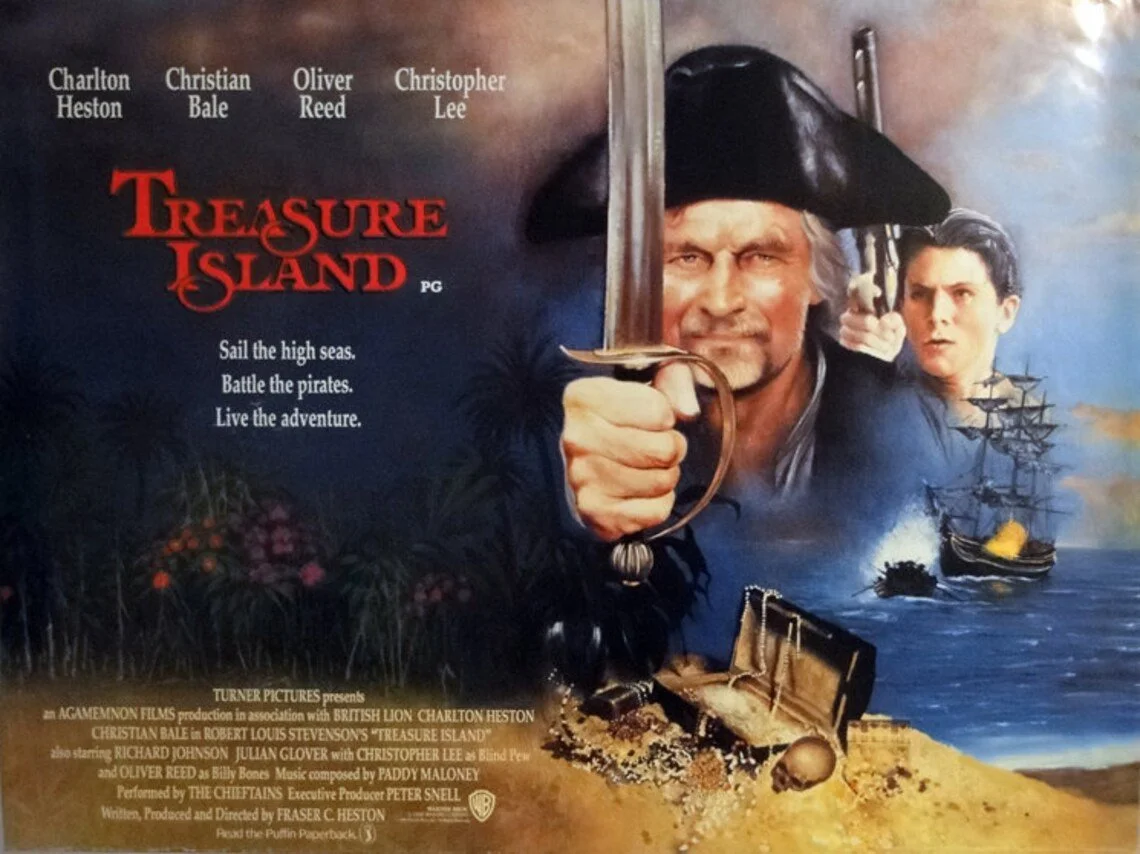



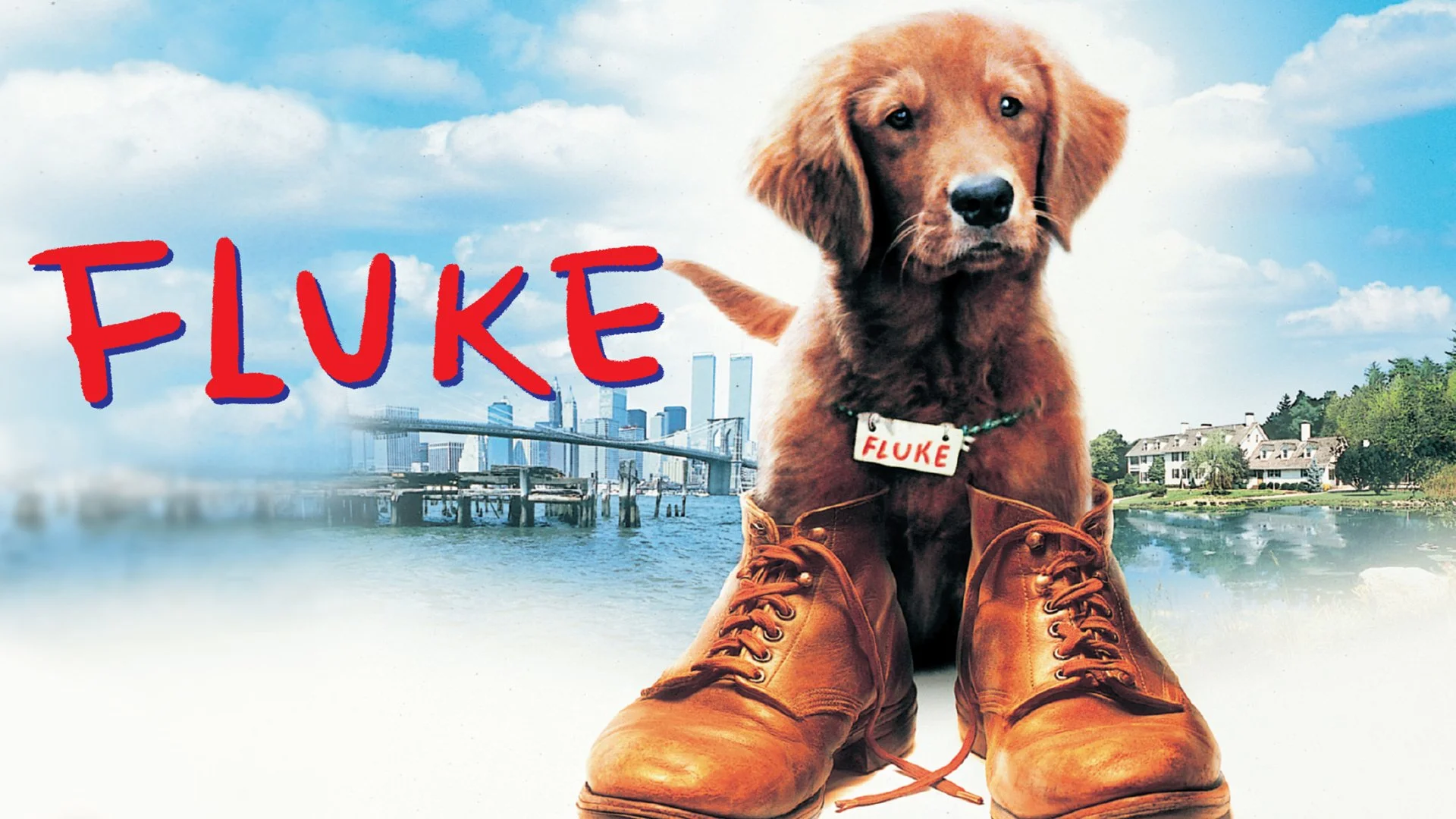
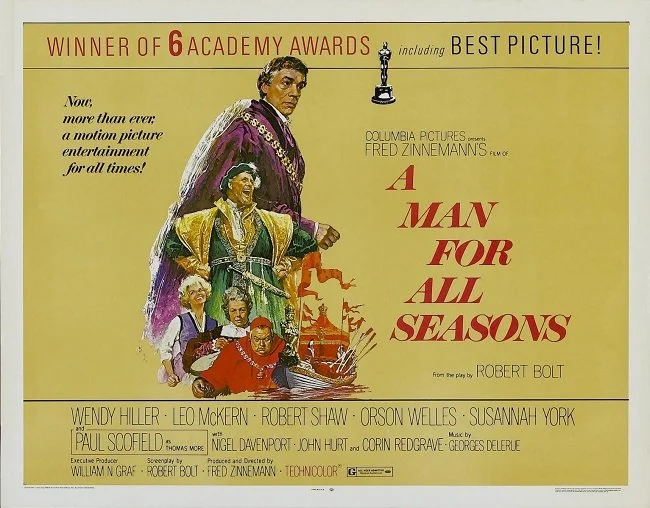

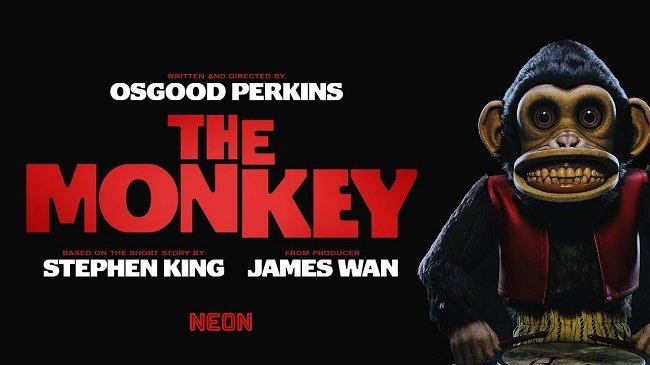


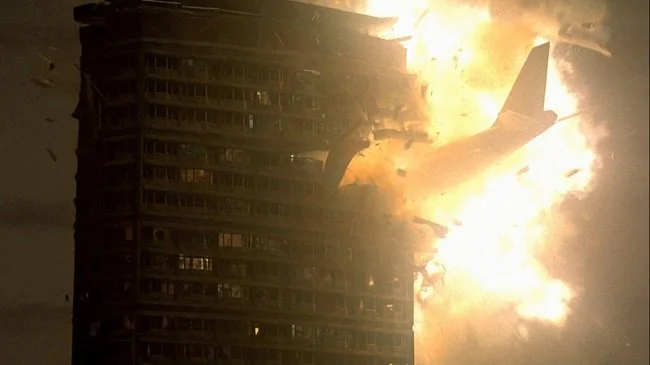
Video Games and Voice Acting
I think it’s a fair assessment that here are several genres of game that don’t have any requirement for in-depth voice acting. If there is no substantial narrative to tell or a necessity to deliver a lot of complex instructions, then plain text or simple audio soundbites will suffice. However, games such as an RPG or an MMORPG, which tend to have complex stories and multiple characters, benefit immensely from good quality voice acting. Now some gamers are not interested in intricate plots and find dialogue and cutscenes an impediment but I do not believe them to be a majority. If they want to skip dialogue and such like, then that is their prerogative and I support their right to do so. I actually think that both dialogue and cutscenes should wherever possible be “skippable”. But I am often heavily invested in the narratives of the games I play. I enjoy good dialogue when its available and feel that voice acting reinforces the plot and credibility of the various characters. I sorely miss it when it is not present.
I think it’s a fair assessment that here are several genres of game that don’t have any requirement for in-depth voice acting. If there is no substantial narrative to tell or a necessity to deliver a lot of complex instructions, then plain text or simple audio soundbites will suffice. However, games such as an RPG or an MMORPG, which tend to have complex stories and multiple characters, benefit immensely from good quality voice acting. Now some gamers are not interested in intricate plots and find dialogue and cutscenes an impediment but I do not believe them to be a majority. If they want to skip dialogue and such like, then that is their prerogative and I support their right to do so. I actually think that both dialogue and cutscenes should wherever possible be “skippable”. But I am often heavily invested in the narratives of the games I play. I enjoy good dialogue when its available and feel that voice acting reinforces the plot and credibility of the various characters. I sorely miss it when it is not present.
I am currently playing The Elder Scrolls Online again after a year break. What is striking is that the voice acting is very good across the board. There are several high-profile names providing voices and they certainly don’t come across that they’re just phoning in their performances. It helps tremendously that the storylines are well written and so the likes of Alfred Molina, Michael Gambon and Bill Nighy have something to work with. John Cleese adds both humour and some pathos as Sir Cadwell. Sadly, older MMORPGs such as The Lord of the Rings Online struggle with voice acting. Only a few lines of dialogue are voiced when interacting with NPC.s Cutscenes tend to be fully voiced but often the quality is variable. The actor who has consistently voiced Gandalf over the years is solid others just conviction and quality. One of the greatest assets of Star Trek Online is that many of the original cast members from the various shows have voiced their in-game avatars. It’s a far cry from the early days of the game when times were tough and the development team supplied some of the voice acting. Commander Kurland being voiced by Jeremy "Borticus" Randall.
However, simply having known voice actors involved with a video game by default, does not necessarily automatically add real value. The first two instalments of Call of Duty: Modern Warfare benefited greatly from well-cast voice actors. Actors such as Billy Murray (Captain Price), Soap (Kevin McKidd), Sargeant Foley (Keith David) and General Shepherd (Lance Henriksen) greatly enhanced the characters and gave them more depth and personality than you’d usually find in the FPS genre. But in the later iterations of the franchise, I felt that the presence of Stephen Lang, David Tennant and Kit Harrington did not improve the proceedings, mainly due to the lacklustre scripts. However, what CoD did achieve in those early games was in making celebrity voice acting respectable and not some poor relation of TV or movies. But it was Skyrim that actually made me sit up and take notice when I discerned that the voice acting talents of Christopher Plummer and Max Von Sydow. I wasn’t aware that they were involved in the game prior to playing and I was astonished that actors of their pedigree were on board.
Sadly for many games, voice acting is an expensive undertaking, especially for those developers that produce modest, lower budgets titles. Hence, you will often find variable performances or actors who are not native speakers of English which can be problematic. Poor voice performances can undermine the credibility of a game, even if every other aspect of them is sound. It instantly puts me in mind of old VHS copies of martial arts movies from Hong Kong that have been excruciatingly badly dubbed. Some of the earlier Sherlock Holmes games from Frogwares suffered in this respect. But for good or ill I feel that for certain genres of games simply must have full voice acting these days, just as I expect a sumptuous score and cinematic cutscenes. To not have such things seems a little “cheap”. It is curious how games have assimilated so many tropes and audio-visual affectations from cinema. But that is a separate blog post. Returning to the matter of ESO, I don’t know if I would be as interested if I had to digest the game’s complex lore simply via a wall of written text. Vocal performances make imparting such information far more accessible and bring it all alive.
The New Prime Minister of the United Kingdom
From time to time, I have written what can broadly be classified as political posts. Most of these have been designed to present an overview to those readers who live outside of the UK and may not be familiar with the subtleties of British politics. Furthermore, I am not affiliated to any of the major UK political parties and broadly see myself as politically homeless at present. This post is a brief overview on today’s change in UK Prime Minister and is intended to explain how this situation has occurred and what happens next.
From time to time, I have written what can broadly be classified as political posts. Most of these have been designed to present an overview to those readers who live outside of the UK and may not be familiar with the subtleties of British politics. Furthermore, I am not affiliated to any of the major UK political parties and broadly see myself as politically homeless at present. This post is a brief overview on today’s change in UK Prime Minister and is intended to explain how this situation has occurred and what happens next.
In the 2017 General Election the Conservative Party managed to bolster its reduced numbers in the House of Parliament by doing a deal with the Democratic Unionist Party of Northern Ireland, thus having sufficient seats to form a government. The leader of the Conservative party was at that time Theresa May, so by default she became the 54th Prime Minister of the UK. However, the issue of Brexit currently falls outside of traditional party lines and therefore cannot be seen purely as a “Left versus Right” problem. The Conservative Party has been and remains divided over Brexit and Theresa May has been fighting a running battle not only with opposition parties but with half of her own backbenchers. Due to current parliamentary arithmetic she has been unable to find any support for her Brexit Withdrawal Agreement and effectively lost the ability to lead her own party. Her departure from the office of Prime Minister is down to her own party, who concluded that she couldn’t deliver Brexit in a manner deemed suitable nor win a General Election. Hence, she was politically forced to go.

So in recent weeks there has been a “battle” to become the next leader of the Conservative party because that leader will by default become the next Prime Minister. Needless to say early opinion polls showed the Ex-Foreign Secretary and former Mayor of London Boris Johnson was heading for a substantial victory. Yesterday it was announced that he had won the leadership race against the current Foreign Secretary Jeremy Hunt, by 92,153 to 46,656 votes. Now, it is very important to stress that this was not in anyway, a public vote. This was a vote of Conservative Party members; the members of the general public who are sufficiently engaged politically to pay their subscriptions fees and join the Conservative Party. It wasn’t a vote for Prime Minister but a vote on who would be the new leader of the party. But because that party is currently in government, then that new party leader automatically steps into the role of Prime Minister. Therefore the leader of the 5th largest economy in the world was decided by 138,809 people. The current electorate of the UK is 46.8 million people.
As of this afternoon, Theresa May has visited The Queen and formally resigned her premiership. Boris Johnson will subsequently have an audience with Her Majesty and state his intentions to form a government. Once these formalities have been addressed, he will return to 10 Downing Street and take residence. His next immediate duty is to sign the “letters of last resort”. These are four identically worded handwritten letters from the Prime Minister of the United Kingdom to the commanding officers of the four British ballistic missile submarines. They contain instructions to retaliate or not to retaliate against a nuclear strike, or for the Commander to use their own judgement or to place the vessel under command of an Allied Power. Once this has been done, then it is a question of politics. No doubt the new Prime Minister will make a formal statement to the British public before then proceeding with forming a new cabinet. Political opponents will be dismissed and those loyal, or invaluable will be given new positions. It should be noted that Boris Johnson is a controversial figure within his own party. That combined with current Brexit divisions means that some MPs will not work with him. Several Ministers have already resigned.
What happens in the next few weeks of Prime Minister Johnson’s term of office is much harder to predict. He has stated that he means to return to the EU and “re-open Brexit negotiations, although there is little or no political will from Europe to do such things. There is still very strong political resistance against “no deal” in parliament across all parties. Will there be any tangible movement on Brexit? I’m not so sure. Then there is the issue of international relationships and due to the shadow of Brexit, will there be a shift towards the greater ties with the US and its current incumbent president. There some in the UK that would like to see a Prime Minister that followed suite with President Trump and pursued a similarly unorthodox approach to government. One that is happy to break with tradition and existing perceived wisdom. Yet there are others both at a parliamentary level and as registered voters that are deeply sceptical of Boris Johnson, his political track record, associations and overall approach to politics.
If the new Prime Minster finds himself stymied on all fronts it may well lead to another general election. There is the possibility of a vote of no confidence by MPs or Prime Minister Johnson may well take a calculated risk to hold an election himself to give his position political legitimacy and to seek to increase the Conservative majority in parliament. It should be noted that one of the reasons that Johnson was voted into office by party members, is because he’s one of the few politicians that is recognised nationally. Because a substantial percentage of the UK electorate are not greatly politically engaged, he has the advantage of brand recognition and is perceived as affable and a charismatic. Therefore Conservative party members hope he be able successfully win a further term of office for the current government. Yet the recent Local Council Elections along with the European Election showed that the country remains divided and broadly entrenched in its political positions. I’m not sure if such a gamble would payoff or make any significant difference to the parliamentary landscape.
Effectively it is now just a question of time and waiting to see where Prime Minister tries to go politically. Will he pursue a dogmatic approach to Brexit or will he prove to be more pragmatic and flexible to get this extremely difficult matter resolved? Or will he be politically consumed by his Premiership as his predecessor? As for the man himself and the controversy surrounding him, I will leave that to others to analyse as they have far more information at their disposal than I. Here is a link to an article in today’s Washington Post by Ian Dunt is the editor of Politics.co.uk, in which he scrutinises Boris Johnson and reflects upon both his political and private personas.