Addons, Dependencies and Libraries in ESO
Once again, I’m writing a post not out of technical enthusiasm but to try and spare someone else the tiresome bullshit I’ve just had to endure this evening. I wrote earlier this year about the duality of addons in The Elder Scrolls Online. They can be a great boon to the player but they can also be fiddly to configure and frequently break when the game is updated. You’re dependent on the good will of a third party to maintain them. Naturally the recent addition of Elsweyr to ESO meant that a bunch of addons were broken by the expansion. Oddly enough I didn’t initially notice that several of mine had stopped working because I’ve been away from the game for a while, plus I was busy trying to transfer various settings from my previous character to my new alt. However, once I actually got down to the business of traversing Tamriel and questing, it came to my attention that lots of details were missing from my map. Hence, I discovered that all was not well in “Addonsville”.
Once again, I’m writing a post not out of technical enthusiasm but to try and spare someone else the tiresome bullshit I’ve just had to endure this evening. I wrote earlier this year about the duality of addons in The Elder Scrolls Online. They can be a great boon to the player but they can also be fiddly to configure and frequently break when the game is updated. You’re dependent on the good will of a third party to maintain them. Naturally the recent addition of Elsweyr to ESO meant that a bunch of addons were broken by the expansion. Oddly enough I didn’t initially notice that several of mine had stopped working because I’ve been away from the game for a while, plus I was busy trying to transfer various settings from my previous character to my new alt. However, once I actually got down to the business of traversing Tamriel and questing, it came to my attention that lots of details were missing from my map. Hence, I discovered that all was not well in “Addonsville”.
To cut a long story short when I brought up on screen the list of addons, there were several that had “Dependency” in red text next to the author details. A little research indicated that the addon relied upon a library and that this was out of date. According to Wikipedia “in computer science, a library is a collection of non-volatile resources used by computer programs, often for software development”. On the left-hand side of the addon menu there is a little triangular arrow next to each one that is installed. If you click on this, a list appears of all the libraries that the addon uses. Again several of these were written in red text, indicating they were out of date. Thus I checked on each addon that indicated and out of date dependency and made a note of which libraries needed replacing. This included such all-time classics as LibDebugLogger, LibDateTime andLibMapPing.
I ended up with a list of 11 libraries that needed to be updated. Mercifully, these were all easy to find and install via everyone’s favourite mod manager, Minion. I then logged back into ESO and found that all installed addons were now working, there were no further dependencies showing in red and I now had Skyshards and other collectables showing on the map. However, there’s a very good chance that the next lot of DLC or quality of life patch will fubar everything again. I would therefore suggest to ESO players who are not technical inclined, to regularly check their libraries as described to ensure they are not inconvenienced. So far ESO is still proving to be a fun and entertaining game but it is becoming increasingly high maintenance. I don’t mind tweaking things from time to time but the list of items to check and monitor with regard to addons seems to be growing. For gamers such as I, it can be a dangerous thing to upset the fun to effort ratio.



Creating Alts and Copying Settings in ESO
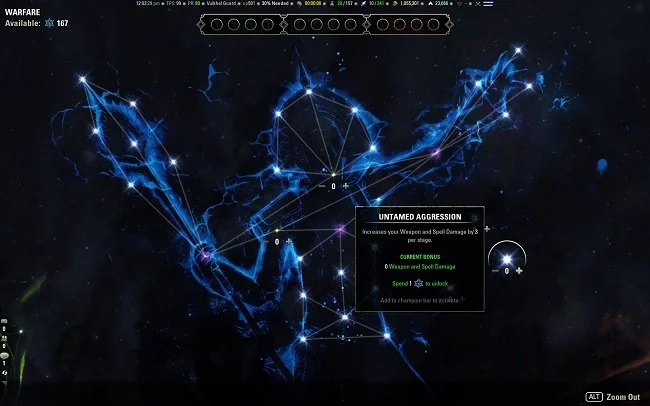
If you are a veteran player of The Elder Scrolls Online, this post will simply be a statement of the “bleedin’ obvious”. However I have written this article for the benefit of those relatively new to ESO as well as the occasional or casual player who are not au fait with all the subtleties and nuances of the MMORPG. If I can spare someone the hassle that I’ve had over the past 48 hours trying to figure this shit out, then I consider that a valuable social service. Because unlike other MMOs, creating a new alt in ESO causes some additional problems to arise. If you know about them in advance, they are a lot easier to manage. If, like me you were not aware of them, then it can be frustrating attempting to trouble shoot them on the fly.
If you are a veteran player of The Elder Scrolls Online, this post will simply be a statement of the “bleedin’ obvious”. However I have written this article for the benefit of those relatively new to ESO as well as the occasional or casual player who are not au fait with all the subtleties and nuances of the MMORPG. If I can spare someone the hassle that I’ve had over the past 48 hours trying to figure this shit out, then I consider that a valuable social service. Because unlike other MMOs, creating a new alt in ESO causes some additional problems to arise. If you know about them in advance, they are a lot easier to manage. If, like me you were not aware of them, then it can be frustrating attempting to trouble shoot them on the fly.
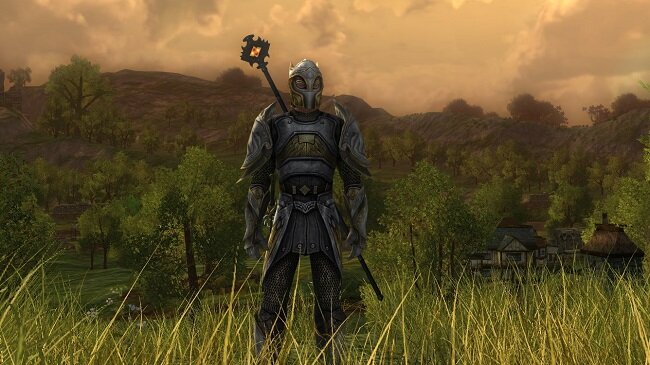
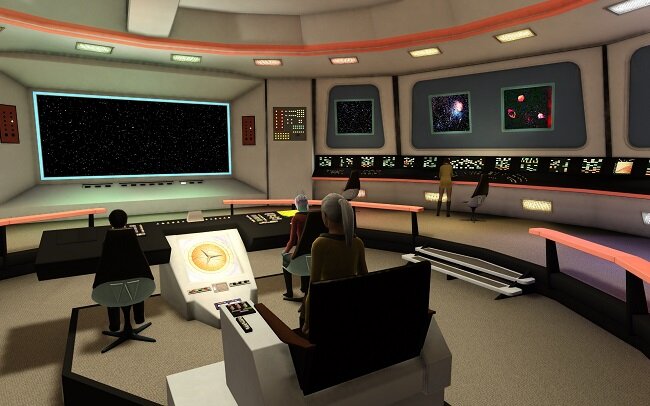
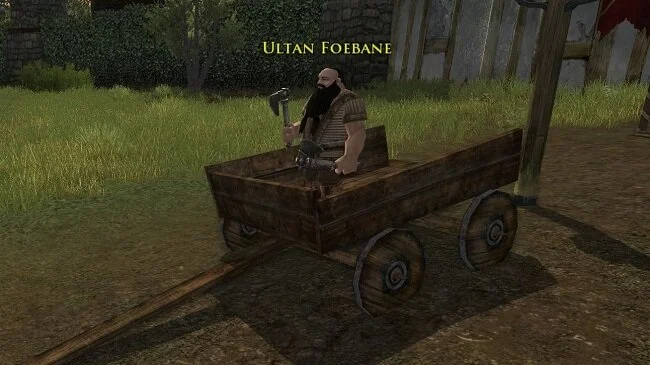
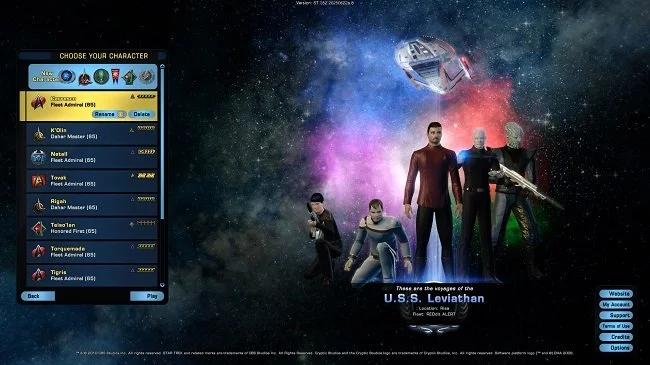
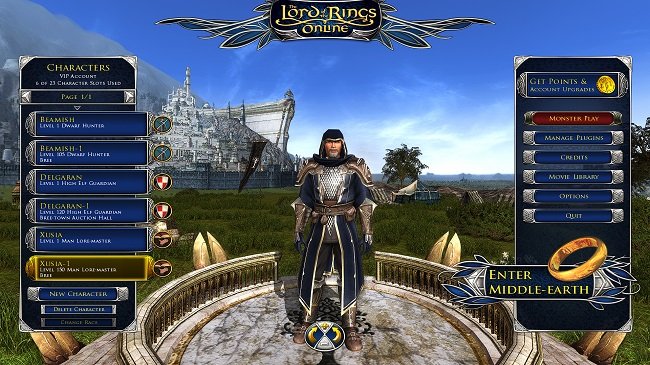
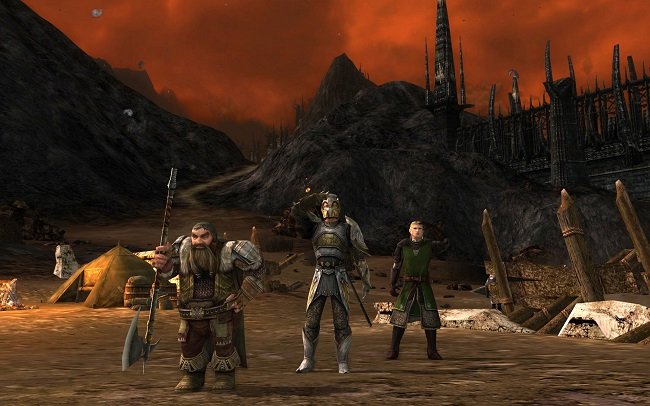
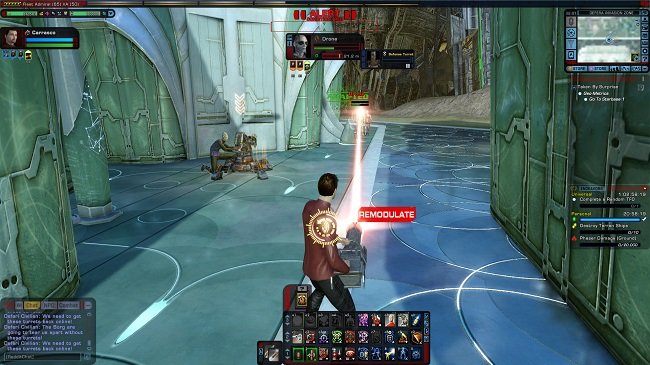
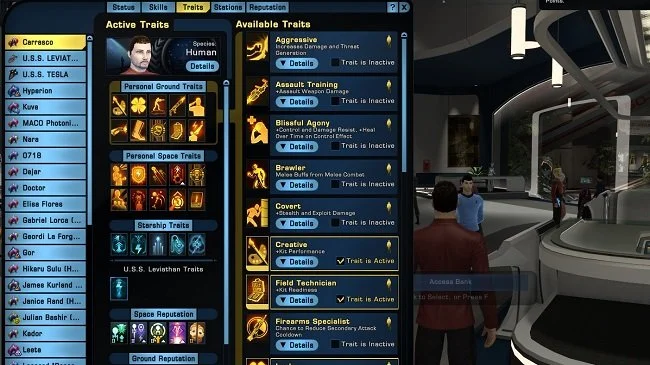
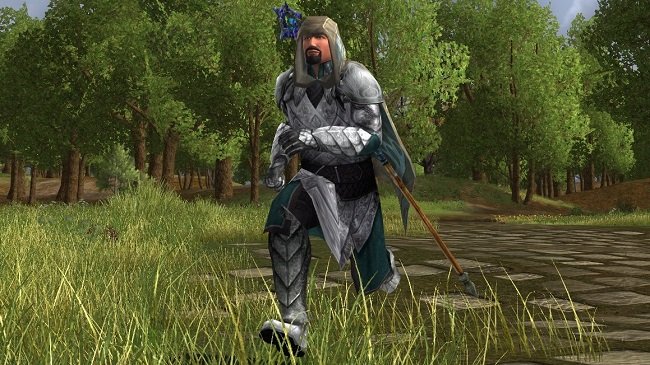
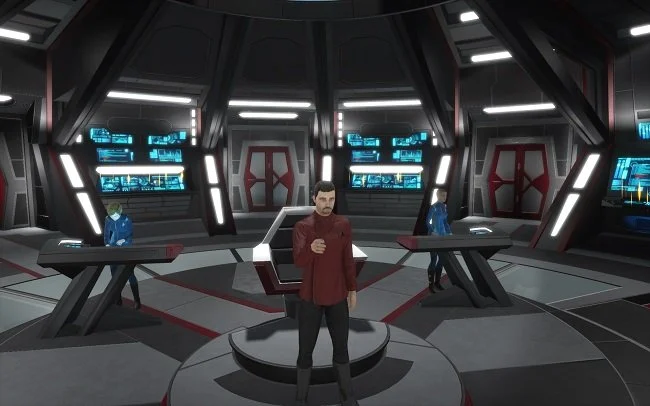
In older games such as The Lord of the Rings Online and Star Trek Online, you can customise you UI and key mapping easily and when complete save all relevant settings to a file. Hence when you create a new alt, once you finished the important task of tweaking their appearance you can start the game and load all your customary settings. You bags, hotbars and other onscreen paraphernalia is all where you expect it to be. You can now focus on the game rather than fine tuning your HUD etc. However, things are not so simple in ESO. New alts enter the game world with defaults settings. Yep, you read that right. All changes made to the key mapping of your other character are not present. Furthermore, assuming you want to use the same addons on your new alt, all those settings have not by default been carried over. Hence hours of tweaking await you if you’re unprepared.
So, before you start the process of creating your alt, get ahead of these potential issues by installing the following addons (yes, it takes an addon to solve and addon problem). Joviex's Addon Settings Transfer (Updated) and Voltan's Keybinder. Once these have been added to your existing collection, log into your primary character whose settings you wish to replicate. Use the command line /jovast to bring up the addon settings transfer window. You then highlight which characters you wish to transfer settings from and to. Congratulations, you’ve now duplicated all your addons settings and GUI locations to your new alt. While still logged into your primary alt, press the Esc key and navigate to Controls and then to Settings. You’ll find Standard Keybinds and Addon Keybinds listed. If you investigate further, you’ll find that all the existing keybind settings have a tick box next to them. Use this to choose which key mappings are duplicated on your new alt.
Following the above steps will save you time and a lot of bother. But due to the foibles of ESO there are still a few settings that have to be dealt with manually. For example, some onscreen displays only show during combat. Chat can also fade if not active. If you want to change such settings you have to alter a drop-down box or toggle a switch. None of the above tools port these settings and you’ll have to make them manually. So I would advice making a comprehensive list beforehand, taken from your primary alt or if you have a second monitor, simply take some screen captures and use them as a crib sheet to fine tune your new character. I suspect that if you implement this process several times, eventually it will become second nature as you refine it and make it more efficient. If you are feeling particularly generous you could categorise this foible of ESO as part of the game’s charm. I wouldn’t go that far myself but now that I’ve learned the hard way, I have no intention of being bothered again in the future with other alts. Forewarned is forearmed.
Internet Fame and Fortune
I recently read a blog post by Tobold about the subject of “internet fame” and the thorny issue of “influencers”. He referenced how at one point his blog was getting over 3,000 visits a day and he had traction within the wider gaming community. However, over time his waning interest in gaming along with the rise of other social media platforms has seen a steady decline in traffic to his blog. He notes how there’s been a shift towards Streamers and You Tubers becoming major sources of influence. He even goes so far as to suggest that creating visual content is harder than blogging. Yet I’m not so sure about the last point. Scheduling, producing and editing video content is certainly an involved process and requires a degree of skill. But mastering these techniques is not a guarantee of quality. I still believe that the written word, especially in a longform analytical fashion, requires more thought and analysis. And I would also argue that those very qualities subsequently narrow the market for its consumption.
Torquil says “Fame? It’s an empty purse.”
I recently read a blog post by Tobold about the subject of “internet fame” and the thorny issue of “influencers”. He referenced how at one point his blog was getting over 3,000 visits a day and he had traction within the wider gaming community. However, over time his waning interest in gaming along with the rise of other social media platforms has seen a steady decline in traffic to his blog. He notes how there’s been a shift towards Streamers and You Tubers becoming major sources of influence. He even goes so far as to suggest that creating visual content is harder than blogging. Yet I’m not so sure about the last point. Scheduling, producing and editing video content is certainly an involved process and requires a degree of skill. But mastering these techniques is not a guarantee of quality. I still believe that the written word, especially in a longform analytical fashion, requires more thought and analysis. And I would also argue that those very qualities subsequently narrow the market for its consumption.
But this post is not a debate over which medium is superior. I believe all have their virtues and their respective place. Nope this is a reflection upon the dream of “internet fame” and making money from your website. Of gaining the respect of your peers and having your writing genius recognised. Or maybe just getting some extra traffic to your blog. We all have hopes and dreams when we embark upon writing online. We also tend to be realistic about what the likely outcome may be. “Internet fame” is a fickle thing and is usually due to a perfect storm of reasons. As for making money from your blog, well I’ve never achieved that. In fact all my content creation endeavours over the years have been a money sink overall. Can blogging lead to developing a wider literary talent? That remains to be seen. If you subsequently write a successful book or are offered a paid position with a prestigious news outlet, then that may constitute as proof of ability.
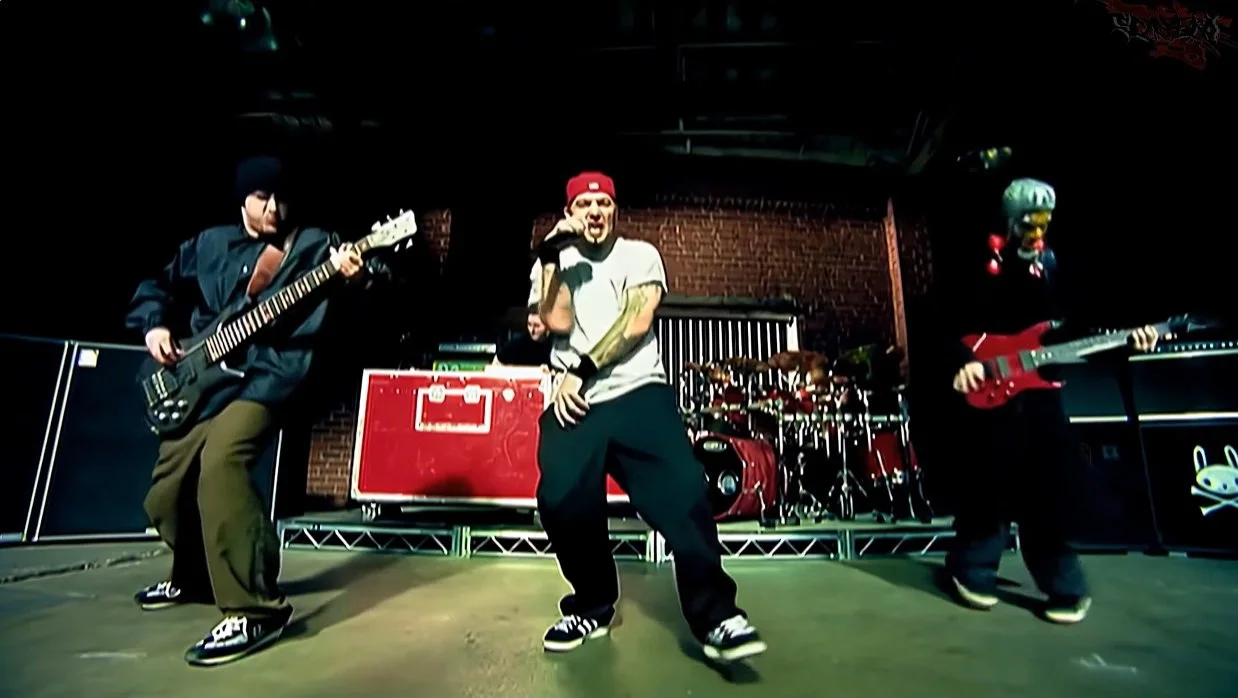
Follow me. Like the song by Uncle Kracker.
For most of us, writing brings a small core group of readers who end up getting to know you through your writing. It’s quite an intimate relationship, as you eventually become your own brand. Yes, I hate that phrase but it is functionally true. For most of us, blogging, podcasting, live streaming or whatever won’t make you rich or famous. However, irrespective of your impact, it does bring you a degree of satisfaction that at least someone understands what you’re blathering on about. If you’re lucky, your readers will indulge you to a degree and support you when you stray into subjects that don’t necessarily enthral them. My longstanding podcast co-host Brian and I once did a show where we didn’t feel like talking about gaming, so we discussed bacon and eggs. It turned out to be one of our best received episodes. So if you have dreams of internet fame and fortune, I’d advise you to temper them. However, you may well find a comfortable niche and make some good friends along the way.















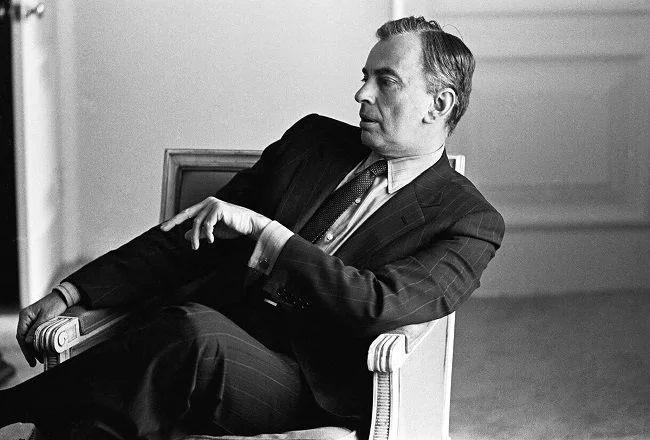



Cromwell (1970)
Big budget historical costume dramas were still popular at the box office during the seventies although the public was slowly falling out of love with them. Cromwell is a curious addition to the genre in so far that it is actually demonstrably less than the sum of its parts. Despite a high budget and a quite impressive production design, it offers nothing more than a broad historical overview of the English Civil War and is actually quite light on detail and frequently historically inaccurate. It comes across as a somewhat long-winded history primer for schools and the viewer is never really offered anything more than a dozen or so bullet points of information about this period. However, it has a few merits to consider and is certainly not a total waste of time for those seeking a few hours diversion.
Big budget historical costume dramas were still popular at the box office during the seventies although the public was slowly falling out of love with them. Cromwell is a curious addition to the genre in so far that it is actually demonstrably less than the sum of its parts. Despite a high budget and a quite impressive production design, it offers nothing more than a broad historical overview of the English Civil War and is actually quite light on detail and frequently historically inaccurate. It comes across as a somewhat long-winded history primer for schools and the viewer is never really offered anything more than a dozen or so bullet points of information about this period. However, it has a few merits to consider and is certainly not a total waste of time for those seeking a few hours diversion.
Director Ken Hughes allegedly produced a three-hour rough cut before editing the theatrical release down to a more manageable 139 minutes. At times this seems apparent due to the rather rapid way in which the historical narrative moves from one key event to another. Some scenes provide the bare minimum of detail and character development needed to make their point before moving on. For example one of Cromwell’s labourers, John Carter, is seen resisting Royalist troops as they fence off common land. He is arrested and subsequently released sans his ears to simply reinforce the plot that the King is a tyrant. The character then vanishes from the story for a considerable amount of time only to return as a loyal soldier in Parliamentary New Model Army, who is now in dispute with Cromwell’s policies. This and other examples indicate that a lot of broader detail has been excised.
However, despite discrepancies in the plot Cromwell does boast accurate period costumes, handsome sets and solid lead performances. Richard Harris is passionate and credible as a man who is constantly hamstrung by the failings of others and who frequently has to look to his own resolve to master events. Alec Guinness maintain a quiet dignity as Charles I; a man who seems to grasp that events often control the man rather than vice versa. His death scene is quite poignant, although his actual execution is discrete. The supporting cast is a veritable who’s who of British character actors from the sixties and seventies. Stalwarts such as Charles Grey, Robert Morley, Douglas Wilmer and Nigel Stocke play sundry nobles from the time. Some of the deficiencies of the screenplay are carried by the quality of the actors present who all are at ease in such opulent period productions.
The battles scenes in Cromwell also hint at some judicious editing and not necessarily for reasons of running time. There is a distinct lack of violence in the close quarters fighting with most deaths being shown in long shots. Yet there are numerous stunts with riders falling from mounts and infantry being blown up by incoming artillery fire. However, there are a few shots of the battlefield that feature bloodied corpses. Considering the rather jolting earlier scene where Frank Finlay staggers into the church with his ears cut off, I suspect that this movie was specifically trimmed for violence, as there are some tonal inconsistencies in the finished edit. Perhaps the producers wanted to focus more on the historical elements and not get bogged down in rating related issues.
Overall, Cromwell is an adequate movie, if you merely want a period drama that is light on detail and relatively easy watching. It is the performances that are its primary selling point. For those looking for something as cerebral and as multi-layered as The Lion in Winter or A Man for All Seasons, you may wish to adjust your expectations. For good or ill, Cromwell is a prime example of a genre of movie that is seldom made these days. The recent historical drama Mary Queen of Scots stood out among other mainstream theatrical releases for this very of this reason. The Outlaw King, which told the story of Robert the Bruce opted for Netflix as a medium to reach its potential audience. Cromwell also serves as a reminder that the UK still had robust stars of note and was capable of competing with the US film market at this time. Nowadays such a subject matter would more than likely be tackled via a miniseries that was internationally funded.





The Elder Scrolls Online and Action Combat
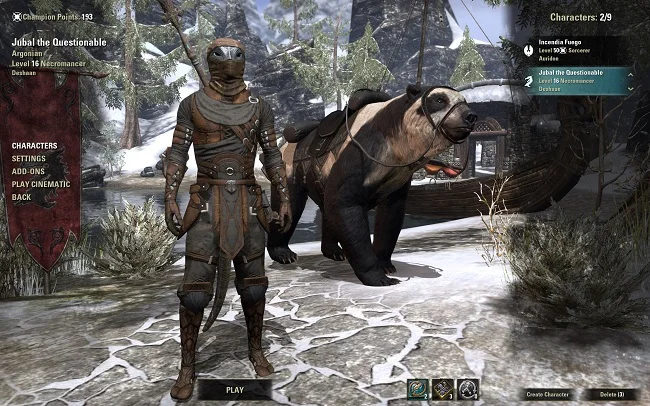
I was recently gifted a copy of Summerset in The Elder Scrolls online by a friend. Naturally this act of generosity lead to me returning to the game. Although I participated in the beta test, I only seriously started playing ESO from January to July last year. I created a High Elf Sorcerer and levelled to the current cap of 50 and then started working on gaining Champion Points, which currently stand at 187. Although I enjoyed the experience, especially from a narrative perspective, I did struggle to a degree with the action combat. It can be a quite a culture shock playing ESO after years of traditional, older MMOs that have a more static combat system. There is a tendency to default to old habits and ways that frequently leads to mistakes. Older MMOs often share common key mappings and system methodologies. ESO often flies in the face of that, so you find yourself having to “unlearn what you have learned” to coin a phrase. It can be done and you can adapt. I managed last year but now, due to the time elapsed, I am now having to do so again.
I was recently gifted a copy of Summerset in The Elder Scrolls online by a friend. Naturally this act of generosity lead to me returning to the game. Although I participated in the beta test, I only seriously started playing ESO from January to July last year. I created a High Elf Sorcerer and levelled to the current cap of 50 and then started working on gaining Champion Points, which currently stand at 187. Although I enjoyed the experience, especially from a narrative perspective, I did struggle to a degree with the action combat. It can be a quite a culture shock playing ESO after years of traditional, older MMOs that have a more static combat system. There is a tendency to default to old habits and ways that frequently leads to mistakes. Older MMOs often share common key mappings and system methodologies. ESO often flies in the face of that, so you find yourself having to “unlearn what you have learned” to coin a phrase. It can be done and you can adapt. I managed last year but now, due to the time elapsed, I am now having to do so again.
With MMOs such as The Lord of the Rings Online or Star Trek Online, combat is based around Tab Targetting. By pressing the tab key you highlight the nearest enemy and if you continue to press, cycle through all potential threats in the immediate vicinity. Once you’ve selected your target of choice you can attack it by using the skills on your hotbar. Due to Hard Locking, unless there’s an algorithm designed to make you occasionally miss, you will never do so. It’s a practical and straight forward form of combat. Hitting your enemy is not exactly difficult, although it can be argued that the expertise lies in the choice of skills used and their specific rotation. Different enemies with different buffs, strengths and weakness need to be approached accordingly.
The FPS genre offers a far more taxing approach to combat. Favouring a No lock system, the player is required to accurately aim a reticule to efficiently land hits upon a target. This is approach requires a level of skill right from the get-go and is very dependent upon the player’s situational awareness and reflexes. It’s one of the reasons I don’t play such games much these days as I have slowed with age. However, MMOs with action combat such as ESO have compromised with both Tab Targetting and No Lock mechanics. Although the tab key will select an enemy, and the reticule has to be aimed, there is a degree of assistance provided. Hence if your aim is slightly off, yet broadly in the right direction, then your attacks will reach the target although there may be a reduction in efficiency, the more your aim is out. This Soft Lock system requires a more mobile approach to combat. Standing your ground and key mashing is far from effective. Soft Lock also means that ranged attacks will ignore obstacles in the way, such as other mobs.
The net result of the fluid combat in ESO is that players have to be aware when to attack and when to defend. Dodging is essential in certain situations. Blocking via the right mouse button is also important in melee combat or close quarter situations. Then there are different types of primary attacks, other than your hotbar skills. The left mouse button governs attack types. Tap it once for light attack and hold it down for heavy. What you have to learn is to how to manage combat for your class. You have to consider your enemy and their skills so you can work out an appropriate strategy. Navigating the PVE content may not be too taxing but much of the group instance content does require a measured approach. Again, old school key mashing tends not to work and will result in death, inconvenience and in extreme cases, rage quitting.
As I’ve already mentioned, it is entirely possible to adapt to this contemporary approach to MMO combat but it require practise. There are lots of common mistakes that are made while trying to embrace this new methodology. Having the reticule on the screen is perhaps the primary difference that old school MMO players may immediately struggle with. I instinctively try to click on skills and instead simply find my character rotating or accidently attacking whatever is nearby. It takes a while to press the “.” key first to bring up the mouse arrow. The simple act of aiming takes a while to become second nature. It can also seem odd swapping between weapons type in mid-combat. However there are certain advantages to be had over old style MMO combat. The reduction in hotbar skills and the nature of action combat means that induction animations tend to be relatively quick and players are less likely to get caught out by Animation Lock. ESO also spares players from excessive and superfluous skills bloat on the hotbar by imposing limits.
Because there has been a year long gap in my playing ESO, when I logged in the other night, I was naturally rusty with regards to basic key mapping and navigating the UI. Furthermore, I had completely forgotten whether I had assigned some of my addons to the keyboard or the mouse. However, I found once again that Dolmen Farming was not only profitable, but useful as a training environment. So I immediately travelled to the Alik’r Desert and spent some time bouncing between the three Dolmen’s that regularly appear there. As for action combat, I have mixed feelings about it. This mobile approach is more credible and suits the idiom of the Elder Scrolls IP. But it does present a slightly higher barrier to entry than older, more static combat systems. Yet it also creates an additional motivation for co-operative play and grouping. If you find that the subtleties of fighting in ESO allude you, there is safety to be found in numbers.
A Month in Gaming
This post should have been published two weeks ago but as ever, real life just keeps getting in the way. As expected, June proved to be a busy month, however, I managed to organise my leisure time pretty well, affording me an opportunity to not only play my two current MMOs but also experiment with some other games. At present my caring commitment keep me busy from about 10:30 AM to about 5:00 PM. I tend to get up round about 7:00 AM so if I promptly have a shower, dress and eat, I can usually create a two-hour window in the morning to either tackle admin and paperwork or undertake dailies in games such as The Lord of the Rings Online or Star Trek Online. I can also find several hours in the evening as Mrs Peril tends to go to bed earlier than I. Therefore practical time management has proven beneficial over the last four weeks.
This post should have been published two weeks ago but as ever, real life just keeps getting in the way. As expected, June proved to be a busy month, however, I managed to organise my leisure time pretty well, affording me an opportunity to not only play my two current MMOs but also experiment with some other games. At present my caring commitment keep me busy from about 10:30 AM to about 5:00 PM. I tend to get up round about 7:00 AM so if I promptly have a shower, dress and eat, I can usually create a two-hour window in the morning to either tackle admin and paperwork or undertake dailies in games such as The Lord of the Rings Online or Star Trek Online. I can also find several hours in the evening as Mrs Peril tends to go to bed earlier than I. Therefore practical time management has proven beneficial over the last four weeks.
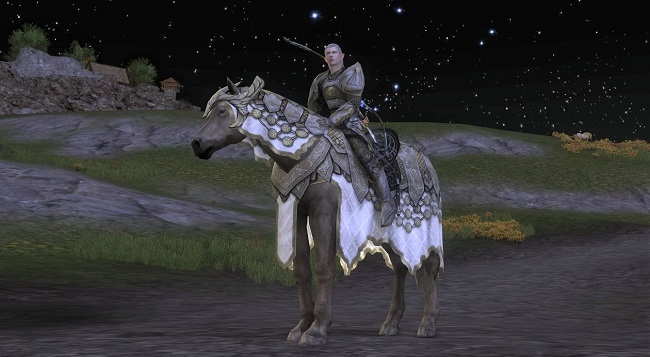
At present I am continuing to level my High Elf Guardian in LOTRO and recently hit 112. I immediately went to Udûn and bought an armour set with the “Light of Eärendil” stats, as I had plenty of spare Motes of Enchantment in my barter wallet from my primary alt. This gear gave me a significant boost in all relevant stats, not that I’m struggling in Northern Ithilien. Still it’s good to be overpowered. I decided it was time to try and acquire several First Age Legendary Items but the economy is so “fubar” on Laurelin server, that hardly any were available on the auction house at a viable price. Thankfully, kin-mates helped me out so I am currently levelling three items, pending imbuement. I had to meticulously follow a guide to ensure I had the right stats and such like and didn’t mess the thing up. If ever there was an example of a game system that was utterly bloated, ill-conceived and impractical, then it LIs in LOTRO.
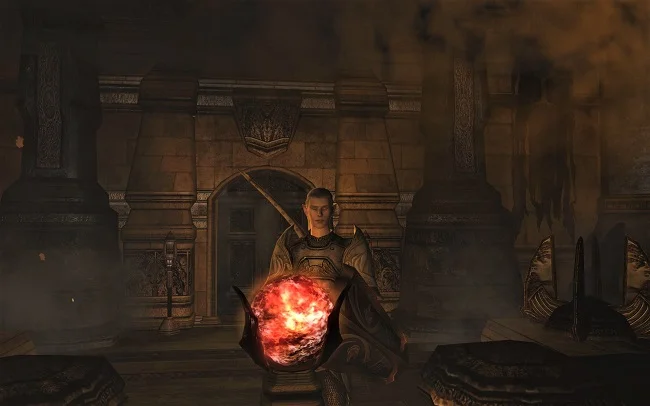
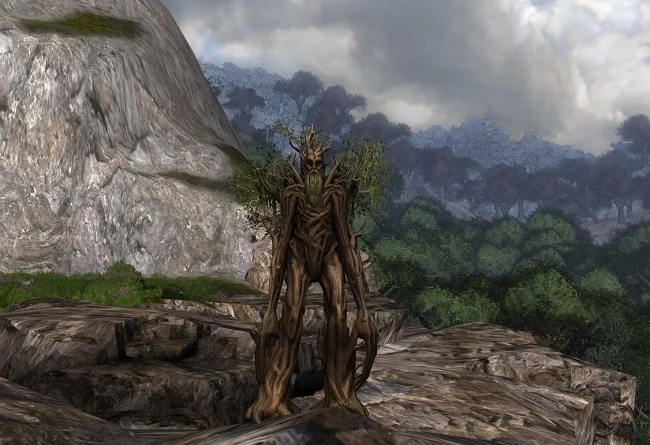
I also decided to take my Primary alt (a level cap Lore-master) through the new region. I had a brief look at the Anduin zone during the beta testing but I purposely didn’t explore every nook and cranny. Overall, it’s very aesthetically pleasing, being lush and verdant. Once again, the ambient music by composer Bill Champagne is both apt and atmospheric. It is pleasant to trade in the mountains of the previous update for such a spacious and temperate zone. As ever the stories are intriguing and well research from a lore perspective. The various gear drops that accompany the Epic Story provide a means to further fine tune one’s stats. I very much like playing LOTRO in this fashion. Immersing myself in the story and tweaking my numbers to see if it changes my performance.
After dutifully playing through the various featured Task Force Operations in Star Trek Online, I finally earned my coupon for a free ship from the C-Store. I chose the Presidio Command Battlecruiser, which is a robust and versatile ship. After adding Pulse Phasers Beam Arrays and the right selection of consoles, it has proven formidable. I hope this event is something that Cryptic do again in the future, although I’m sure it wouldn’t be financially viable to giveaway such items with a tangible real-world cost too often. As the yearly summer festival on Risa has started, I have assigned an alt to the resort to undertake the daily repeatable quest. On a whim, I also renamed my primary Captain. So Fleet Admiral Kramer (named after the well-known danger seeker, Rex Kramer) is now Fleet Admiral Carrasco (which sounds much more like a pirate).
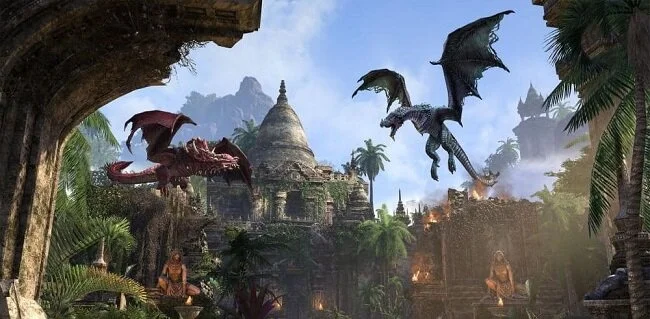
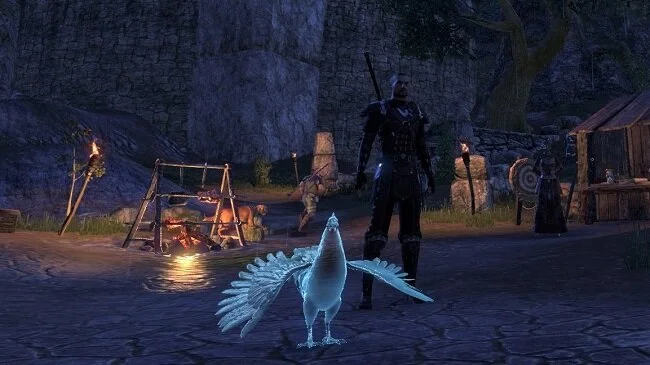
During June, I played through the entirety of the classic single player game Mafia and dabbled with the popular RTS, Total War: Warhammer. Both were interesting experiences but not just for “gaming” reasons. Both titles incurred several logistical problems that I have blogged about previously. To summarise, old games often need a lot of patching and modding to run on contemporary operating systems. Complex strategy games really do need hand holding tutorials if you are not familiar with the genre. I also toyed with the idea of playing The Elder Scrolls Online again and buying the Digital Collector’s Edition of Elsweyr which also contains the last expansion, Sommerset, which I didn’t buy. However, I’m not sure if I can give this game the attention required to play it effectively, so I’ve put the notion on hold. Similarly, I deferred trying Neverwinter again for the same reason. The last time I played was during the Beta test. So again, as with last month, the plan for July is to just stick with my two main MMOs and see if there’s any extra time to dabble with something else. As ever I’ll let you all know next month.
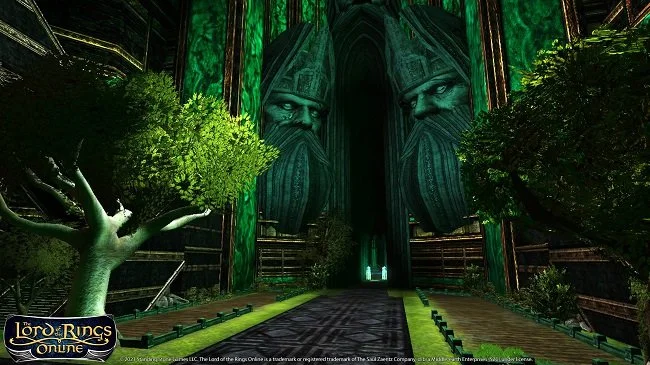
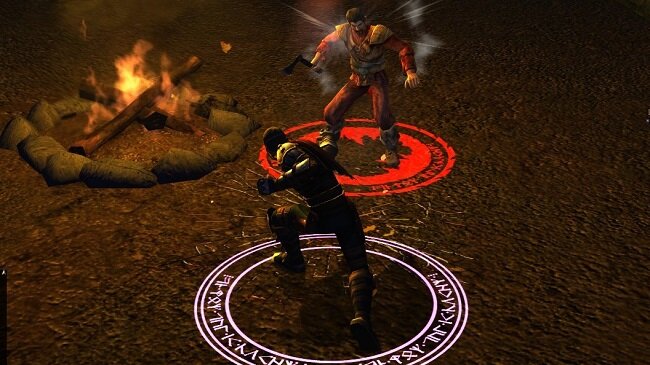
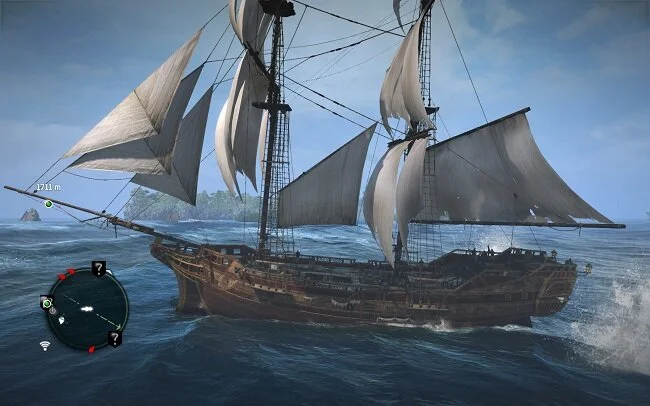

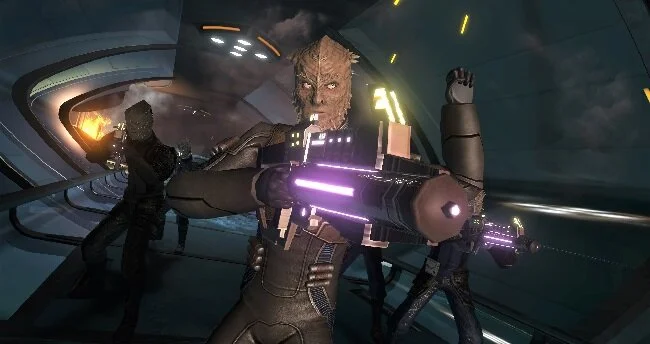


Thoughts on Blogging Part 9
The last three months have been problematic from a writing perspective and my productivity and motivation have both suffered. I struggle to find appropriate time to sit down and apply myself to writing and when I do, I seldom have the correct mindset to stay focused for long. Yet due to the back catalogue of content available on Contains Moderate Peril, there is still regular traffic coming to the site. Ironically, despite my low productivity, I have started receiving an increase in blog related marketing and have received numerous emails regarding “collaboration”, “featured posts” and “SEO optimisation”. All of which I have no interest in. However, the point remains, I’m not writing as much as I used to and I miss it. The same can be said for podcasting but that’s a tougher problem to fix. It is more labour intensive than writing, so the logical thing to do is to focus on the former and not the latter to fix.
The last three months have been problematic from a writing perspective and my productivity and motivation have both suffered. I struggle to find appropriate time to sit down and apply myself to writing and when I do, I seldom have the correct mindset to stay focused for long. Yet due to the back catalogue of content available on Contains Moderate Peril, there is still regular traffic coming to the site. Ironically, despite my low productivity, I have started receiving an increase in blog related marketing and have received numerous emails regarding “collaboration”, “featured posts” and “SEO optimisation”. All of which I have no interest in. However, the point remains, I’m not writing as much as I used to and I miss it. The same can be said for podcasting but that’s a tougher problem to fix. It is more labour intensive than writing, so the logical thing to do is to focus on the former and not the latter to fix.
Fortunately, Belghast over at Tales from the Aggronaut recently announced Blaugust 2019; a yearly festival of blogging designed to bring together and encourage new or lapsed bloggers. It’s a great opportunity for people like myself to renew our motivation and get back into the writing saddle, so to speak. The event also provides a practical forum for people to share information along with their personal experiences and to help and support each other. It also offers a timely reminder that long form writing and the art of essay writing is far from dead, despite what some members of the internet commentariat would have you believe. If you’ve ever thought about blogging, podcasting, live streaming or generally creating some form of online content, then you’ll find encouragement via Blaugust 2019. There’s plenty of time to get ready as activities don’t start till the 28th of July.
Now I don’t know about you, but I am far more likely to let myself down, as opposed to other people. If I set myself a goal or a deadline and I fail to achieve it, I’m far more accepting of it as the only person who has been incommoded by my actions is me. However, if I make a commitment to someone else or group, I honour such undertakings due to all my cultural and emotional baggage. It’s just something ingrained in me like being on time or saying please and thank you. Hence, I have agreed to participate in Blaugust 2019, not only as a contributor but as a mentor as well. The net result will be that I’ll take part in the entire event and write something every day for the duration. As a result I have already started drafting blog posts and provisionally planning a publishing schedule.
I have watched several videos on You Tube recently about learning, organisational skills and applying yourself to your hobby or pastime. However, despite a lot of good practical advice, most ultimately state that there simply comes a point where if you want to succeed in what you are doing, you have to “just do it”. Now that may sound a little glib, underwhelming and too similar to Nike’s awful corporate branding mantra but there it is, an undeniable reality for those with a rational mind. So I’m going to try and abide by this statement of the obvious and get back into the habit of just sitting down and writing. It doesn’t have to be Shakespeare or reinvent the wheel. Writing is primarily an expression of ourself and I’d rather do it to some degree, than not at all. Roll on Blaugust 2019.








Midsommar (2019)
There are numerous visual and narrative clues that telegraph both the plot and themes of Misdommar. A painting seen in the protagonist’s apartment offers a clear indication as to what is to come. Director Ari Aster deliberately and painstakingly creates a cinematic metaphor in which the emotional turmoil and distress of the lead character brought about by her disintegrating personal life, are mirrored in the real-world events that overtake her. However, this is far from a traditional horror movie with jump scares but more of a psychological thriller with a growing sense of disquiet and helplessness. The audience are presented with a fait accompli in so far as its clear that things are going to turn bad for all concerned and there is no deeper explanation for events other than what we are presented with. And therein lies the rub. Midsommar goes all in on “the journey” and it is down to the viewer as to whether that is an enthralling experience or not.
There are numerous visual and narrative clues that telegraph both the plot and themes of Misdommar. A painting seen in the protagonist’s apartment offers a clear indication as to what is to come. Director Ari Aster deliberately and painstakingly creates a cinematic metaphor in which the emotional turmoil and distress of the lead character brought about by her disintegrating personal life, are mirrored in the real-world events that overtake her. However, this is far from a traditional horror movie with jump scares but more of a psychological thriller with a growing sense of disquiet and helplessness. The audience are presented with a fait accompli in so far as its clear that things are going to turn bad for all concerned and there is no deeper explanation for events other than what we are presented with. And therein lies the rub. Midsommar goes all in on “the journey” and it is down to the viewer as to whether that is an enthralling experience or not.
College student Dani Ardor (Florence Pugh) four-year relationship with anthropology student Christian (Jack Reynor) is in serious decline due to the emotional trauma of her parents’ murder at the hands of her bi-polar sister. Dani is grudgingly invited by Christian to attend a nine-day festival celebrating midsummer in rural Sweden. Along with three mutual friends, Josh (William Jackson Harper), Mark (Will Poulter) and Pelle (Vilhelm Blomgren) whose family comes from the region, they travel to Hälsingland. The Hårga community greet them and it initially seems to be a very traditional event, complete with white linen garments, floral motifs and copious amounts of folk music played on woodwind instruments. But the imbibing of hallucinogenic mushroom tea results in a bad trip for Dani and then a ritual takes very dramatic turn for the worse. The group try to rationalise events and Josh advocates staying as the festival is integral to his thesis. Yet matters continue to take a more sinister course and as they do Dani’s mental state becomes increasingly unsettled.
The second act of Midsommar in which the Hårga slowly become exactly what the audience suspected, is a long slow burn. The film is 147 minutes and revels in its languid pace. The clean, crisp beauty of the region is vividly capture by director of photography, Pawel Pogorzelski. The production is filled with geometric patterns, pagan symbolism and sun-drenched scenery. Often murals, artwork and the cultural history of the Hårga clearly indicate that our cast are doomed. Depending how you approach the film and your perception of the characters, dictates how quickly you start questioning the logic of their staying. You will either accept the western cultural propensity for people to eschew the bizarre and cling to the normalities of society. Or you will start yelling at the screen soon after the CGI drug trip. The dread and tension that is usually inherent in the way a genre movie is crafted, is optional here and dependent here on whether you choose to supply it yourself.
Regardless how you feel about some element of Midsommar, Florence Pugh is compelling as a woman trying to master her emotions as her mind and events spiral out of control. But the question remains as to whether this is really a horror movie or drama about mental health. The screenplay, also written by Ari Aster, manages to explore several cultural themes. It considers how commercial tourism commodifies and feeds off other countries culture. The central story of Dani and Christian is ultimately a rather vindictive breakup drama and is honest in showing that most relationships do not end “on good terms”, despite the pop culture narrative to the contrary. Ultimately, the Hårga community and its festival are simply a Hitchcockian "MacGuffin" to hang a series of contemporary social talking points upon. As mentioned, this is not a study of the pagan world versus modern society nor is it a traditional story with all the associated cinematic trappings. Midsommar paints a protracted vignette for your consideration and then ends.
Once again I find myself returning to a subject I have referenced before; my own overfamiliarity with not only the horror genre but cinema per se. For me Midsommar is a modern variation on a classic theme, presented in a semi-arthouse fashion. If you have not experienced anything like it before then it’s style, attitude and candour may well leave a marked impression. It certainly doesn’t pull its punches and it is also happy to provide a suitably bleak conclusion. But if you have a wider familiarity with the folk horror genre then it lacks the impact that some critics and fans are lauding. Naturally, the shadow of Robin Hardy’s The Wicker Man looms large and one cannot watch Midsommar without referencing that movie at some point in the proceedings. For me the film is an interesting curiosity. I was impressed by aspects of the production but also critical of its length and the indulgences of the director. Like his previous movie Hereditary, the enthusiasm and excitement of vocal genre fans has generated an expectation that is not necessarily going to be met among casual viewers. Horror movies have always been successful at the box office but the press is hellbent on claiming that there’s a genre renaissance at present. If you like the meat and two veg approach of the recent Pet Sematary remake, don’t watch Midsommar expecting the same. It is a nuanced and acquired taste that will not be to everyone’s liking. I don’t believe it was to mine.







LOTRO: The Pros and Cons of Complex Lore
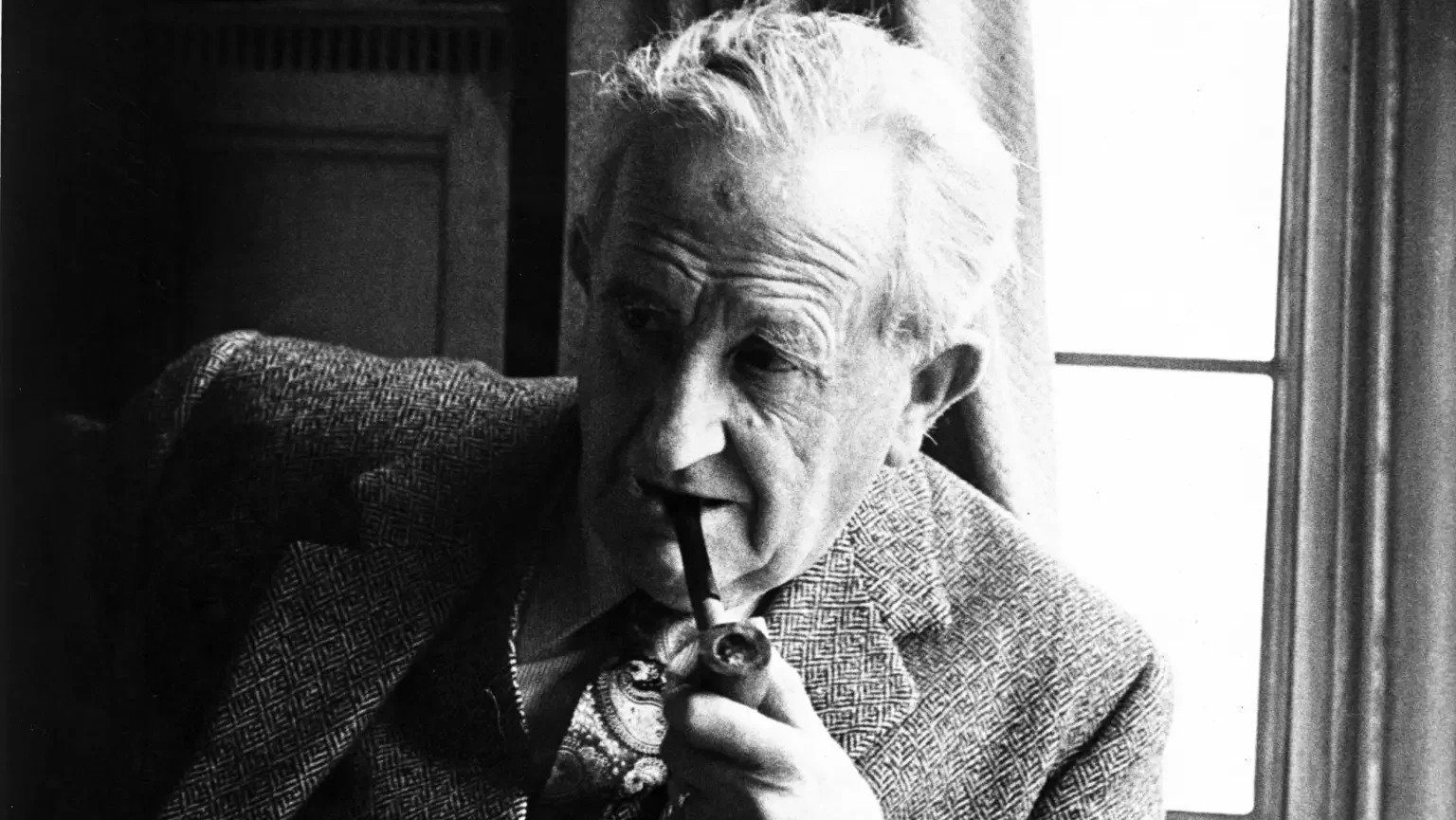
Professor Tolkien has created one of the most complex and rich fictional mythologies found in twentieth century fiction. There is both detail and ambiguity to be found in his collected works. For example, the line of Númenórean Kings or the family tree of Elrond are clearly explored and catalogued. Yet there are many more obscure and esoteric references littering the various texts, that pique the imagination by alluding to more nebulous people and events. What was the fate of the two Blue Wizards, Alatar and Pallando? What was so special about Queen Berúthiel cats which she used as spies? Are there really Were-worms "the East of East"? It is this balance between richly detailed faux heraldry and vague apocrypha which makes Middle-earth such a credible and living world.
Professor Tolkien has created one of the most complex and rich fictional mythologies found in twentieth century fiction. There is both detail and ambiguity to be found in his collected works. For example, the line of Númenórean Kings or the family tree of Elrond are clearly explored and catalogued. Yet there are many more obscure and esoteric references littering the various texts, that pique the imagination by alluding to more nebulous people and events. What was the fate of the two Blue Wizards, Alatar and Pallando? What was so special about Queen Berúthiel cats which she used as spies? Are there really Were-worms "the East of East"? It is this balance between richly detailed faux heraldry and vague apocrypha which makes Middle-earth such a credible and living world.
Over the past twelve years Turbine and now Standing Stone Games have tapped into this vast wealth of lore and extrapolated it when writing the various narratives for their MMORPG. They have incorporated both the well known and the obscure. Broadly they have done this in a clever and respectful fashion. The central plot device for the initial game Shadows of Angmar is that the Witch-king's Steward, Mordirith, was once his greatest foe: Eärnur, King of Gondor. It’s a bold idea but not too outrageous to seem impossible. The writing is quite detailed and well researched so overall the idea is successful. Expanding Dunland and exploring the feuding clans and how Saruman exploited such a situation to his own benefit, is also a creative undertaking. Finding a village of Hobbits of Stoor antecedents in the region is also a nice lore-based reference that is expanded into a wider narrative. More recently, the Black Book of Mordor storyline has boldly addressed what happens after the War of the Ring, in the absence of Sauron’s controlling power. I enjoyed that the Cold Drake, Hrímil Frost-heart, was in fact a former ally of Morgoth, who eschewed his predecessor.
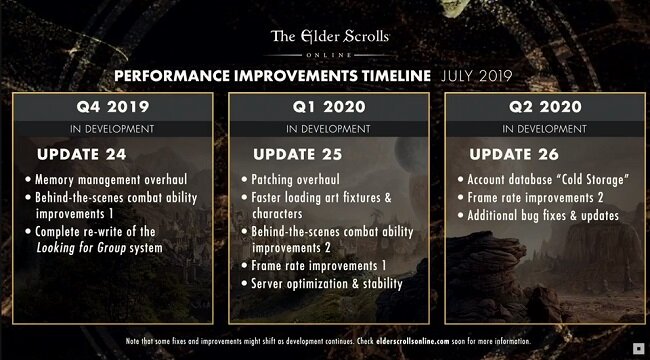
Yet building upon and adapting this complex lore is not always successful or well received by fans. For example, the recent Update 24: Vales of Anduin had an interesting plot line feature in the quest “The Stolen Gift”, in which it was explained that the Beornings shapeshifting ability was directly attributable to the wizard, Radagast the Brown. He allegedly bestowed them with a “gift” of knowledge allowing them to use this technique to take the form of Bears. Furthermore, it was a secret that was then stolen by the Gauredain, men of the wolf, and the Ungoledain, men of the spider. Such a plot device has opened up many further questions and not all are prepared to suspend their sense of disbelief to this degree. However, the debate that has ensued has interesting arguments on both side and certainly has encouraged LOTRO players to explore the source texts to seek further insight.
Another issue that has arisen in recent years is LOTRO developers being a slave to convention. The story of Beren and Luthien and their doomed relationship is well known in established Middle-earth canon. It is an important tale and naturally is relevant to the parallels between Aragon and Arwen, except this time round the relationship does not have such tragic overtones (the incompatibility of lifespans not withstanding). However, the writers at Turbine/Standing Stone Games now seem to habitually couch any sort of mixed race or even inter-generational relationship in “doomed terms”. Need I mention Calenglad and Gwindeth, Wynmar and Noriel or Nona and Horn? And let us not forget the struggles between Father and Daughter with such characters as Golodir and Lorniel as well as Laerdan and Narmeleth. I’ve wondered at time whether a staff writer had a bad relationship at a key time in their life and never got over it? As for Calenglad, he’s clearly trying to punch above his weight.
Fans like lore. It is part of the appeal of many franchises. Fans like to learn and become knowledgeable as a sign of their devotion to that which they love. But lore and canon are a double-edged sword and fandom is only a short step away from the myopia of fundamentalist zealotry. What some Tolkien fans forget at times is that the MMORPG The Lord of the Rings Online is an adaptation of the professor’s work and not a pure representation of them. To accommodate the requirements of the MMO game genre, a lot of concessions have to be taken onboard right from the get-go. Therefore I see both the pros and cons of strong lore in a franchise and see adaptation as being a means to experiment in presentation and interpretation, especially when the source material was intended to be as such. Hence, I can accommodate LOTRO’s iteration of Middle-earth and simultaneously enjoy the radical departure from accepted canon presented in a game such as Middle-earth Shadow of War. But that is not the way that everyone rolls so inevitably controversies will arise and opinions will differ.
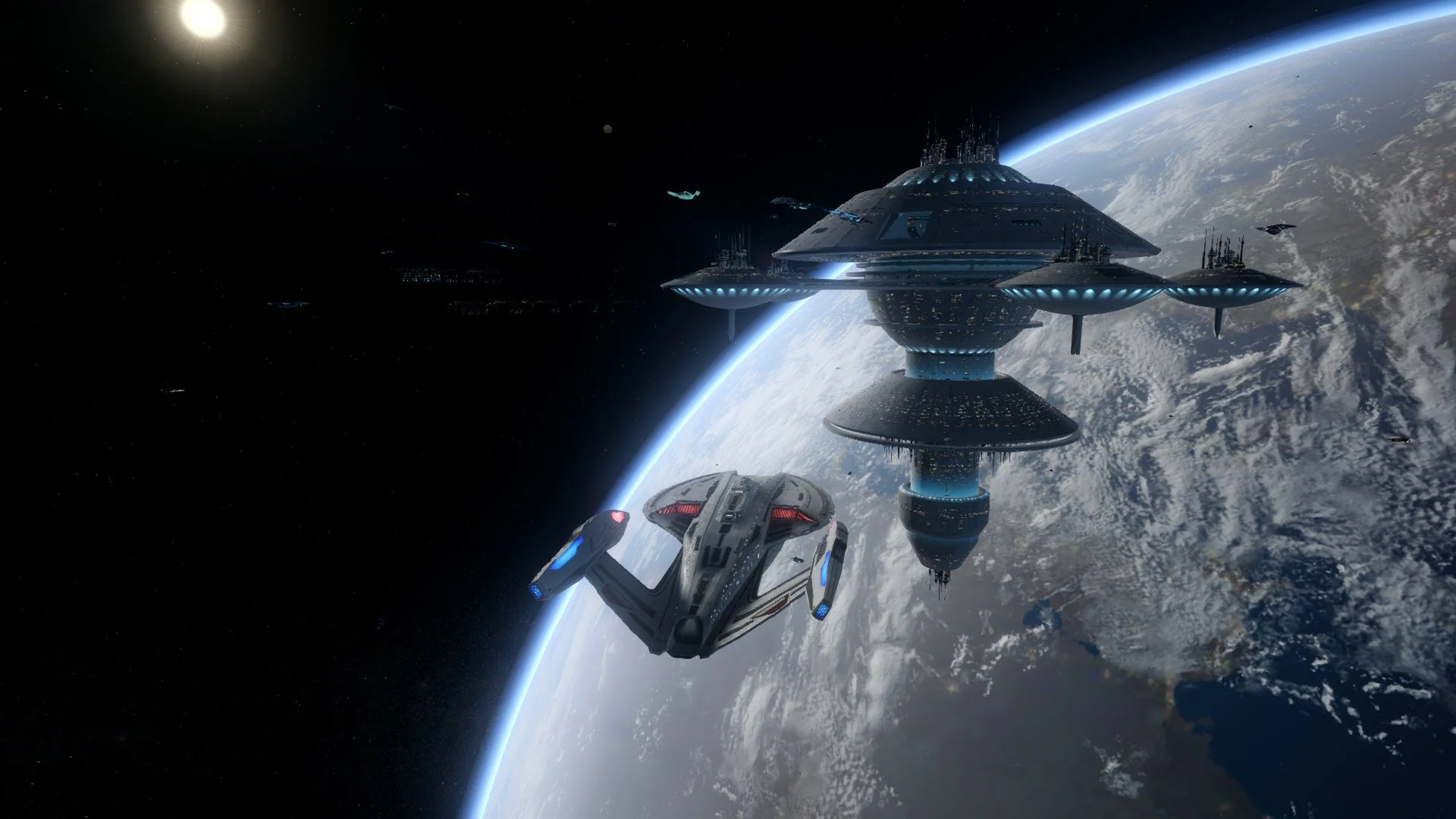

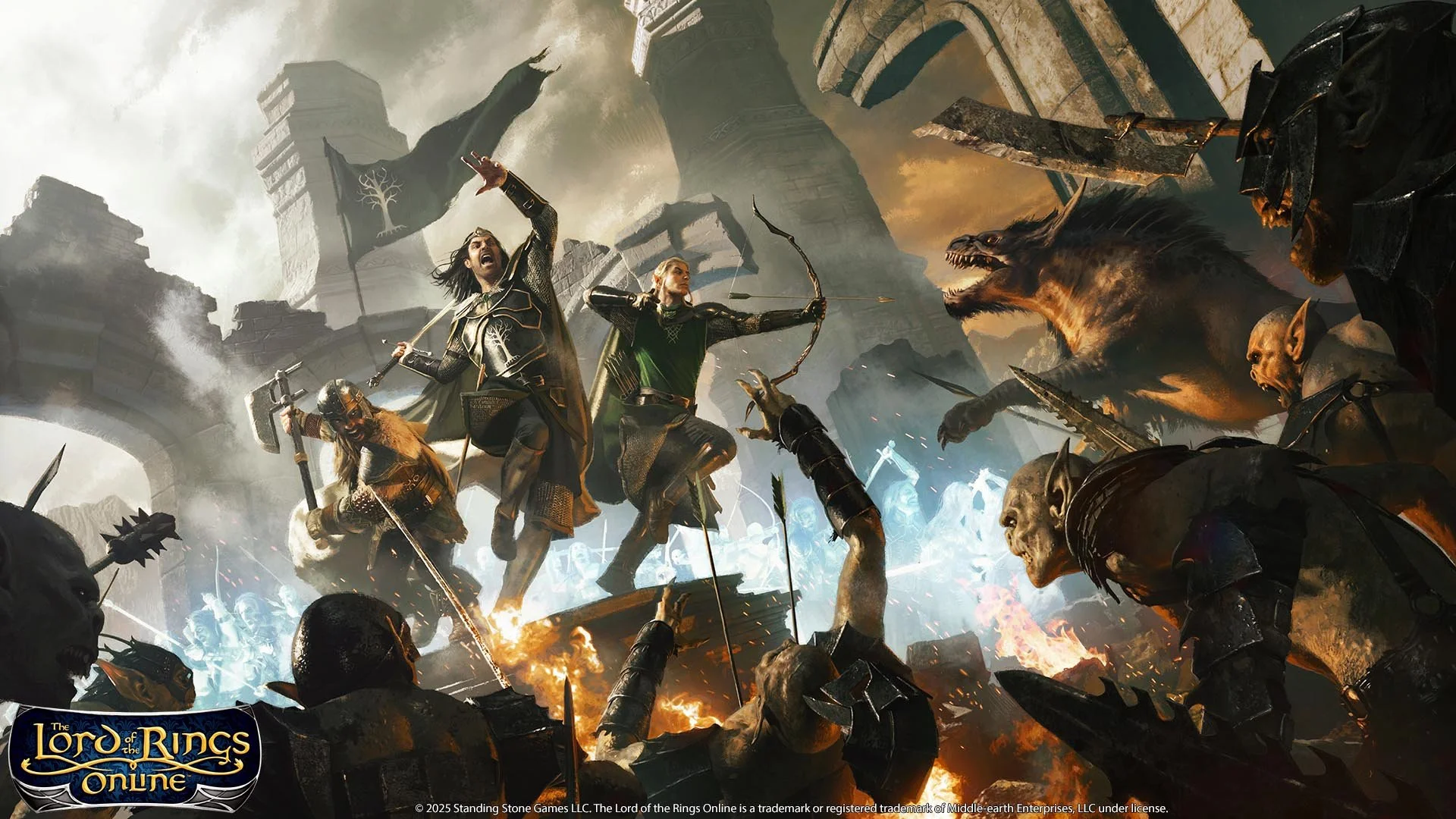
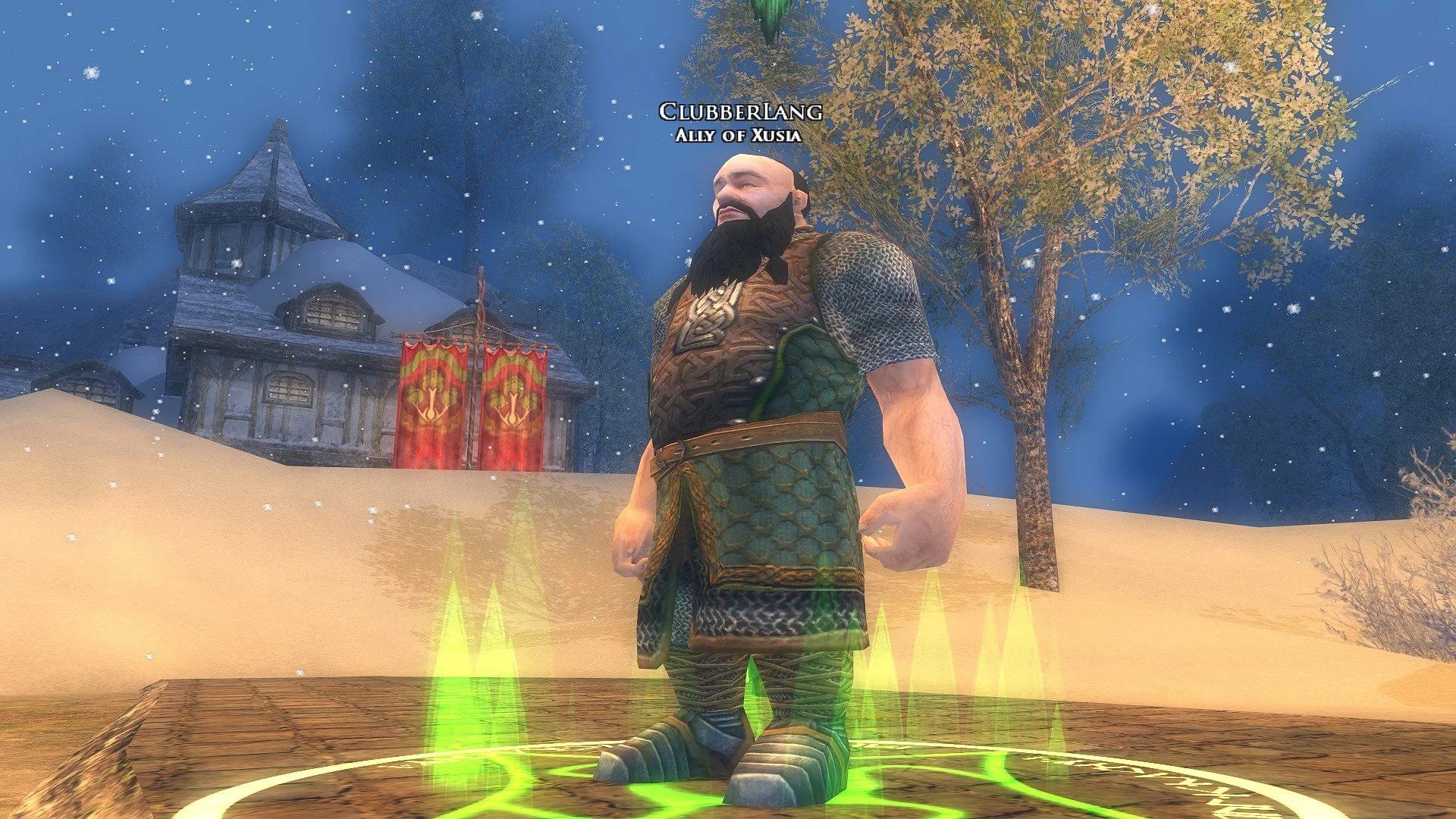

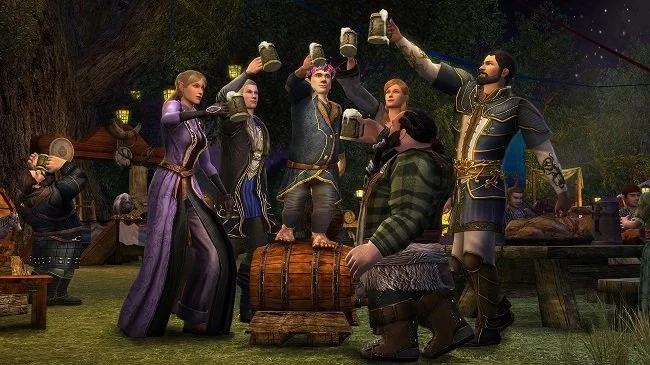

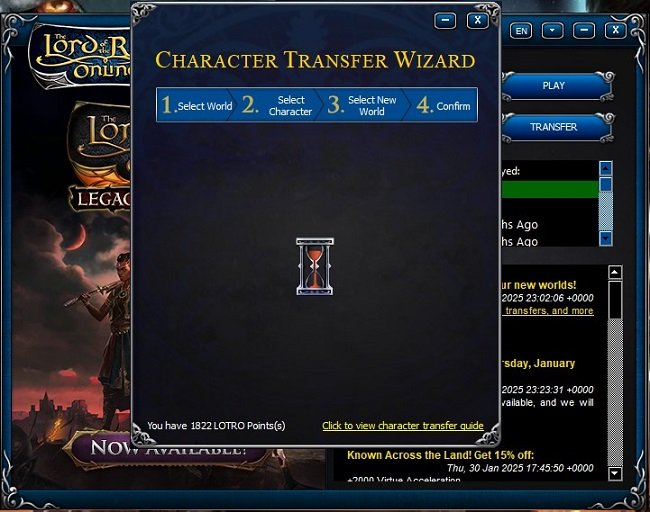

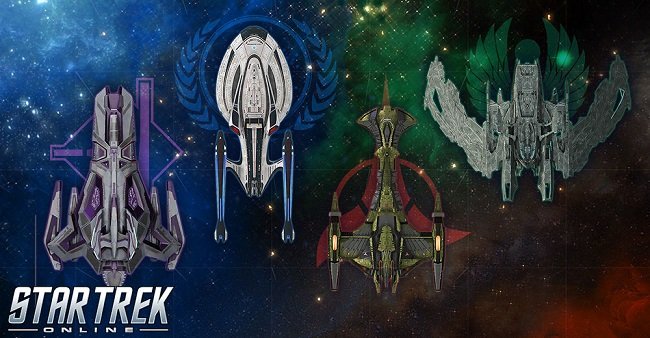
Star Trek Online: Lohlunat Festival 2019 Controversy
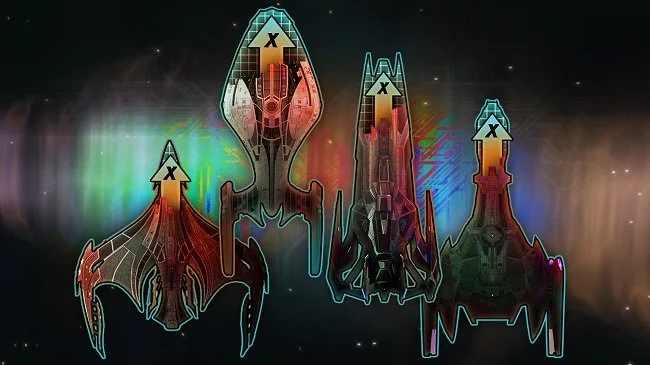
Yesterday Cryptic posted details of the forthcoming summer event, known in Star Trek Online parlance as the Lohlunat Festival 2019. As usual there’s a Tier 6 ship to be earned through daily missions along with a ton of cosmetic items. Emotes are popular with players and so this event also includes several that can be used in space via your starship, giving “Captains” further means of expressing themselves. At first glance, there’s nothing exceptional about this bundle of goodies. Nor nothing controversial. However, the devil is in the detail, as developer’s Cryptic subsequently found out.
Yesterday Cryptic posted details of the forthcoming summer event, known in Star Trek Online parlance as the Lohlunat Festival 2019. As usual there’s a Tier 6 ship to be earned through daily missions along with a ton of cosmetic items. Emotes are popular with players and so this event also includes several that can be used in space via your starship, giving “Captains” further means of expressing themselves. At first glance, there’s nothing exceptional about this bundle of goodies. Nor nothing controversial. However, the devil is in the detail, as developer’s Cryptic subsequently found out.
One of the emotes that was included in this year’s event was the “Dixies Horn”, just like in The Dukes of Hazard (for those old enough to remember that TV show). I say “was” because Cryptic have now removed that particular emote as a reward, having been made aware of the socio-political connotations associated with the song it is based upon. A post made by Vesta 3312 prompted a debate on the STO subreddit and it soon became clear that this was a matter that needed to be resolved promptly. Below is the original post which makes it point very clearly.
As ever with such online debates, not all participants “covered themselves in glory” and there were several comments removed by moderators for obvious transgressions of the subreddit rules. As ever, many of those who have never faced any sort of discrimination in their life, displayed an empathic blind spot and there were the usual arguments based around false equivalence. “I’m not offended, so why are you” still seems to be the go-to argument of choice, despite being logically flawed and emotionally tone deaf. However, Cryptic have acted promptly, addressed the matter and issued an apology. The official STO website has been edited accordingly and hopefully things can move on without too much loss of goodwill.
Yet, it is still a valid point to ask as to how such a blunder could have been made. Star Trek is an intellectual property couched in liberal, progressive attitudes. It is about diversity, inclusion and social issues. Over the years the various shows have explored many different aspects of human failing but they certainly haven’t endorsed any of them. It is sad that such a mistake was made, especially in light of the existing political climate that has become more partisan in recent years. Hopefully lessons can be learned from this incident and that no lasting harm has been done.
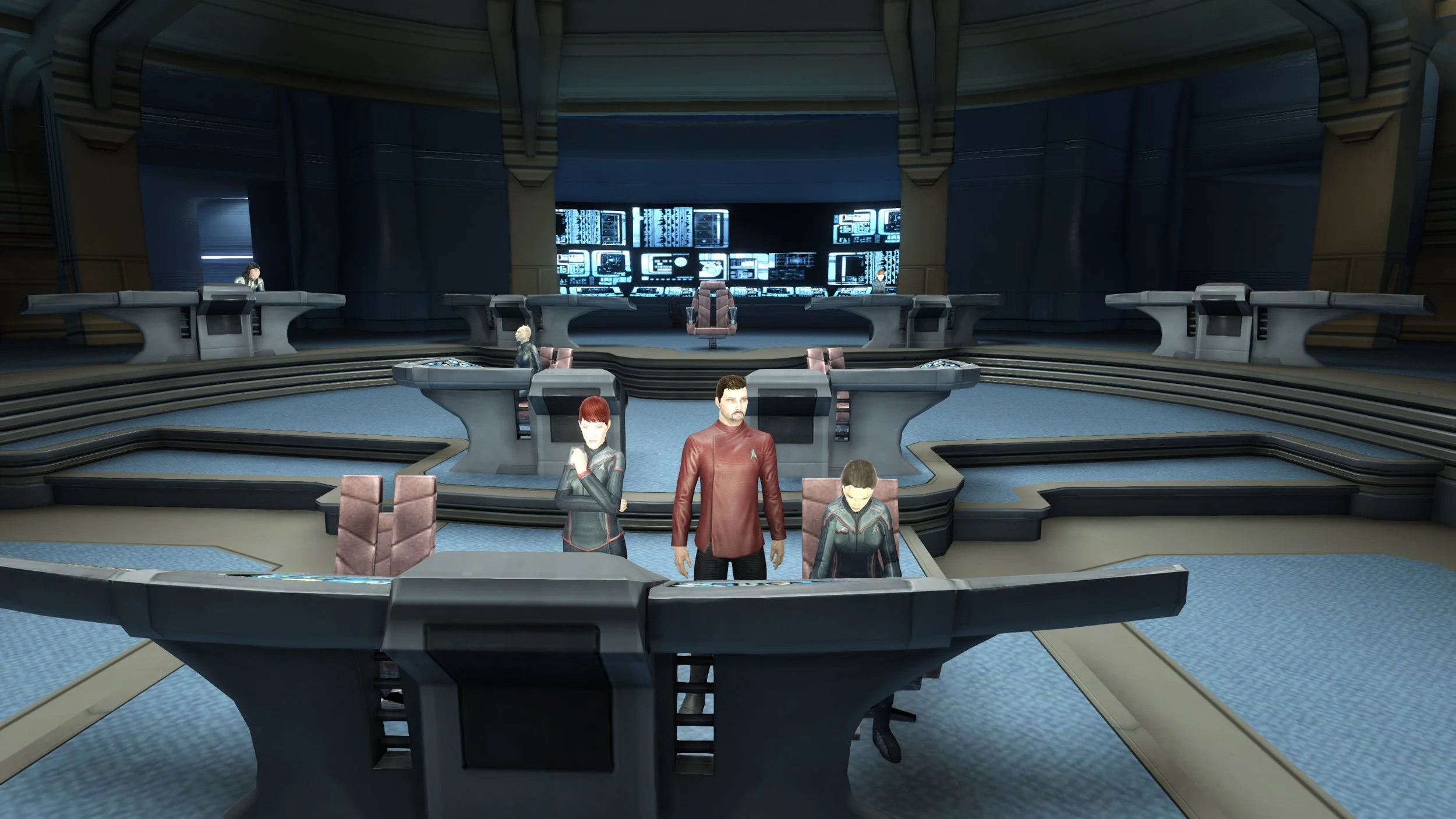

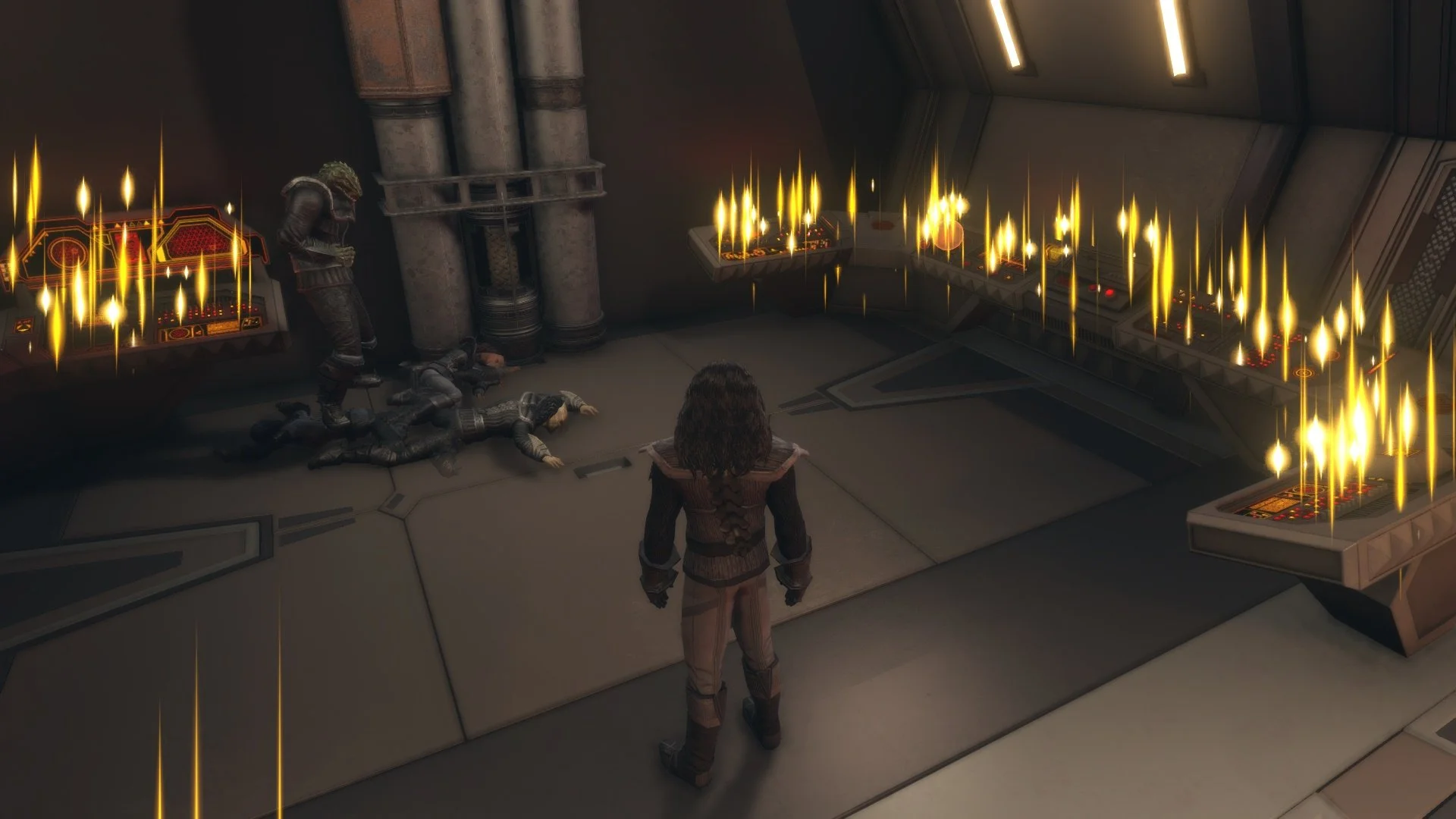

Friends, Socialising and Age
This post was inspired by a Tweet on this subject matter. What a topic to explore. Naturally I can’t cover everything I’d like to say. For example people’s definition of friends and friendship may vary with age. Different generations can see common subjects very differently. Then of course there’s the still ongoing debate about whether online friendships are comparable to those in the real world. And there’s also the common experience that age impacts heavily upon our social circles. People get jobs, settle down into relationships and have families. In today’s modern world there are now numerous different permutations of this but the net result is the same. There comes a point where through no fault of your own, you can find yourself without a circle of close friends, like you had as a teenager. This then raises the issue of what do you do if you’d like to do more socialising and meet more people. Because often in later life, a lot of the traditional places and opportunities to meet people, such as work or school, are no longer available. And then there is another matter that some people such as myself face, which is my own “particular” nature. Simply having a pulse and the ability to form a sentence does not necessarily guarantee you being my next bosom buddy.
This post was inspired by a Tweet on this subject matter. What a topic to explore. Naturally I can’t cover everything I’d like to say. For example people’s definition of friends and friendship may vary with age. Different generations can see common subjects very differently. Then of course there’s the still ongoing debate about whether online friendships are comparable to those in the real world. And there’s also the common experience that age impacts heavily upon our social circles. People get jobs, settle down into relationships and have families. In today’s modern world there are now numerous different permutations of this but the net result is the same. There comes a point where through no fault of your own, you can find yourself without a circle of close friends, like you had as a teenager. This then raises the issue of what do you do if you’d like to do more socialising and meet more people. Because often in later life, a lot of the traditional places and opportunities to meet people, such as work or school, are no longer available. And then there is another matter that some people such as myself face, which is my own “particular” nature. Simply having a pulse and the ability to form a sentence does not necessarily guarantee you being my next bosom buddy.
At the age of 51, I find that my circle of friends has reduced over time. Several have emigrated to the US and although we maintain a Facebook Group to stay in touch, it is naturally not the same. Those that remain in the UK have moved further away and we catch up two or three times a year. There is no criticism or blame to be found in this situation, it is simply a fact of life. Having given up full time work to become a carer has also meant that I no longer have work colleagues and the social network that employment can provide. Furthermore, being a self-sufficient individual I do not consider this situation to be a tragedy. However, I do get bored from time to time and crave company on occasions. Mrs Peril (as my partner is referred to on this site) and I try to do social things together and we enjoy these activities when we do. However, at times we would both like to share our respective individual interests with others of a like mind. In my case it would be films and creative writing. So to address these I need to find activities or a group in my local area that can facilitate these hobbies.
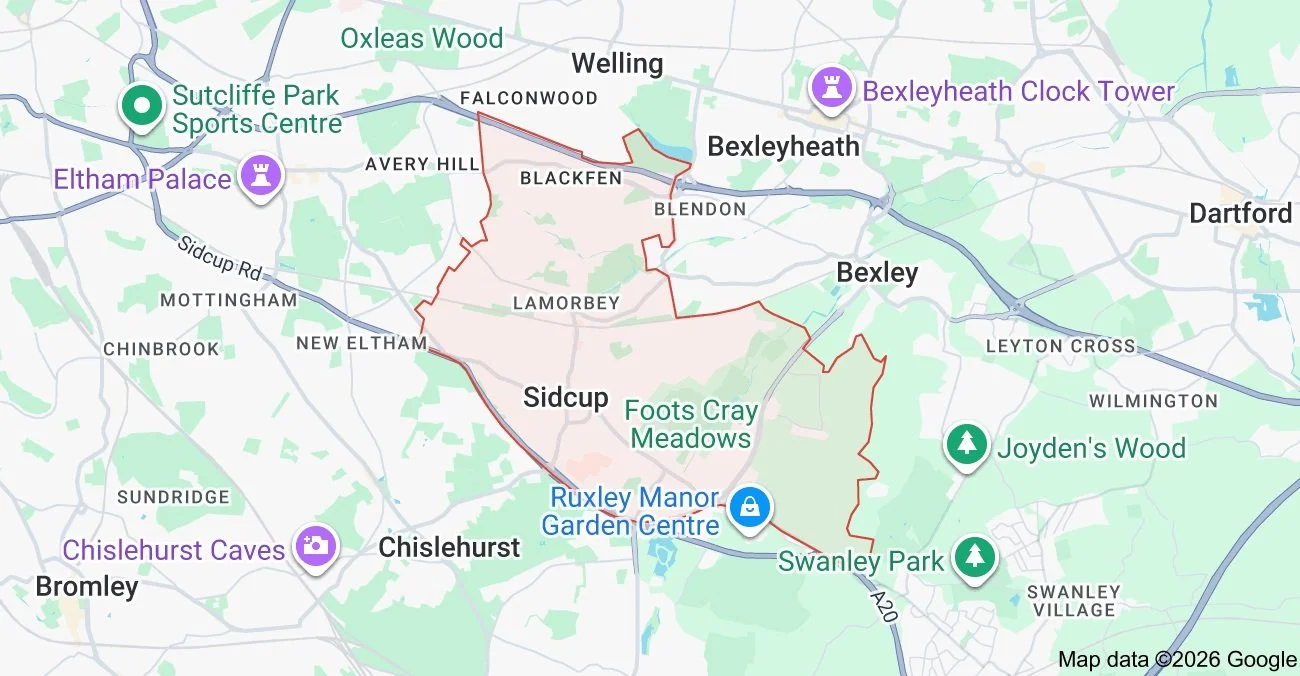
Now I am fortunate to live in the south east of one of the most diverse and populace cities in Europe. London certainly doesn’t lack clubs, meeting and social gatherings. So it’ not as difficult to track down a suitable social activity here as it would be in a more rural area. However, finding the right activity is only half the problem solved. You’ve then got to actually go, put on a friendly face and meet people. You may be fortunate to find a great bunch of people and quickly make friends or you may find yourself sitting with people who you struggle to get on with. I think young people try to get on with others a lot more than people of my age. I can remember when I was at college going out with some friends, meeting up with further mutual acquaintances and so the social group expanded. As you get older, I believe we become more risk averse, more cynical and generally less easy going, despite what some people may say. Making friends becomes a little more of a chore because we have learned not to just take things on face value. Plus being sociable can require a lot of energy. Noisy, crowded pubs and generally busy environments can make meeting and greeting people a more taxing experience.
Now I want to address a foible of my own personality that further complicates the process of meeting and making new friends for me. I have never been a particularly easy-going person. I am picky, orderly and I do not suffer fools gladly. Rather than paint a psychological profile of myself as a sociopath, let’s just say that I’m not a fan of light weight small talk nor the superficial. Hence, I may not make friends as easily as others. Let’s also be honest with each other. People usually move in social groups broadly similar to themselves. It is nice to know a wide variety of people but are you are not really going to have close friends who hold totally contrary views, ethics and beliefs to your own. As a carer I seldom meet people of a comparable age to myself, because they are all at work during the day when I’m out doing chores. Most of my minor social interactions are with seniors. I like many of those I talk to but the relationships go no further due to diametrically differing world views and outlooks.
Finally, here’s a minor point but it does have a degree of bearing on the matter. I listen to a lot of podcasts by the likes of Robin Ince, Brian Cox, Lawrence Krauss and Neil deGrasse Tyson. I like scholarly discussions; I like nuanced and measured thinking. Raconteurs’ such as Stephen Fry and Sandi Toksvig are fascinating and amusing. The clinical debating skills of the likes of James O’Brien and Laura Kuenssberg are enviable and engaging. But all these things really skew my expectations. As a result I often find myself at social gatherings, staring into the middle distance with glazed eyes as someone bends my ear about their new car or their “in-depth and analysis” of the major political questions of the day. The lack of witty reposts and puckish epigrams, along with the dearth of anecdotes about Peter Cushing are my cross to bear. But joking aside, I am inadvertently setting the bar very high?
Culture, social etiquette and notions of society are changing and changing fast. Social interaction is already a difficult sea to navigate and the partisan, tribal nature of modern-day life seems to be making it harder. There are times when I look back at my youth and miss its inherent simplicity. Friendship back then seemed to be based on very simple shared “values”. If you liked Thunderbirds, Action Man and then after 1977, Star Wars, then finding a kindred spirit was easy. I think that’s why I enjoy my writing so much. In many ways it is a modern equivalent of that. As to the future I shall strive to widen my social circle and see if I can find some new friends. As I said earlier, I am not a broken man at present due to the lack of company, but it would be nice at times to talk about the decapitation scene at the beginning of The Exterminator, why “the dog” scene in The Fly II breaks my heart and Takeshi’s Castle, with people who also really dig that shit. Let’s see if I can make that happen.













Hoard It or Spend It?
This posts stems from a recent experience I had in Star Trek Online but it is not a matter that is exclusive to that MMO. This is a subject that is pertinent to any multiplayer game that has an in-game currency and an economy driven by player activity. I’m not referring to single player games where you can use a console command to give you infinite wealth, such as Skyrim. This is about currencies that are earned in-game through grinding missions, selling gear and other assets to NPCs and trading via the auction house. It’s about how we as player perceive that virtual money and our relationship with it.
This posts stems from a recent experience I had in Star Trek Online but it is not a matter that is exclusive to that MMO. This is a subject that is pertinent to any multiplayer game that has an in-game currency and an economy driven by player activity. I’m not referring to single player games where you can use a console command to give you infinite wealth, such as Skyrim. This is about currencies that are earned in-game through grinding missions, selling gear and other assets to NPCs and trading via the auction house. It’s about how we as player perceive that virtual money and our relationship with it.
I’ve been playing STO regularly since 2015 when a recruitment event enticed me to return to this MMO. I have a primary character, a Tactical Federation Fleet Admiral and five other alts from various other factions. I play through all new content on my main “Captain” (as the developers like to refer to them) and harvest resources with the alts. Therefore over time I have built up a fair stock of the games two main currencies; Energy Credits and Dilithium. The former is quite hard to acquire unless you proactively follow an established course of action. Grind out Dilithium, refine it, sell it for Zen (the in-game store currency), buy lockbox keys and then sell them via the Exchange (auction house). Raising capital any other way is a long and laborious process. Generating Dilithium is not so difficult, but players are limited to refining 8,000 ore per 20 hours. Hence farming via alts is a necessity if you want to speed this process up. However, if you log in regularly and follow a daily routine, you can keep your account solvent with both currencies.
And so onto the crux of this post. There I was logged into my main alt a few days ago, toying with the idea of tinkering with my ship build on my main character, because that is a major part of the “endgame” (yes, I rolled my eyes as I said it) in STO. To cut a long story short I bought 6 Pulse Phaser Beam Arrays from the Exchange. I chose to buy “rare” quality to keep the costs down although this may have been a false economy as I then had to use a lot of resources to upgrade the weapons to “epic” quality and Mark XV level. I won’t bore you with all the details but I ended up using 100 Phoenix Universal Tech Upgrades, several hundred Superior Beam Weapons Tech Upgrades, about 250,000 Dilithium and spending 60,000,000 Energy Credits. Furthermore, the above process described was not undertaken casually. I spent hours perusing what was available for sale, trying to work out the potential upgrade costs and agonising over whether to make such major inroads into accumulated in-game wealth.
And there you have it in a nutshell. The curious paradox that arises from accruing resources that exist to be spent yet hesitating to do so, because you don’t like the idea of using it and being left with significantly less. I’m no psychiatrist but I suspect this reticence may stem from the investment of time it takes to gain in-game currencies and the fact that once spent, the clock is reset. Yet considering the fact that so much other progression is time gated in these sorts of game, why should this be any less palatable than say spending skills points or grinding reputation XP? Probably because its money. It may only be virtual cash but players tend to treat it in a similar fashion to the real thing. If gaining wealth comes easy to you in real life, you may well take a cavalier approach to spending it because there’ll always be more rolling in. If, however, you only earn a moderate wage and saving is an uphill struggle, then spending is subject to more scrutiny and certainly not done on a whim. Perhaps people bring these mindsets into the games they play?
I really procrastinated over this recent “investment of funds” in STO. I eventually got quite cross with myself for worrying so much about something that exists purely to facilitate a leisure activity and that getting vexed to such an extent was actually contradicting the entire point of playing this game. However, it certainly gave me food for thought. And again, this is not something that is unique to me or to this specific MMO. I’m sure similar dilemmas happen to those playing LOTRO, ESO, Guild Wars and the like. It’s an odd phenomenon and I’m not sure how it can be addressed because it stems from us rather than the game. Developers could use all sorts of inventive methods to disguise a currency in a game but as soon as players determine its function, they’ll approach it like money. Then they’ll either hoard it, spend it or dither over what they should do.

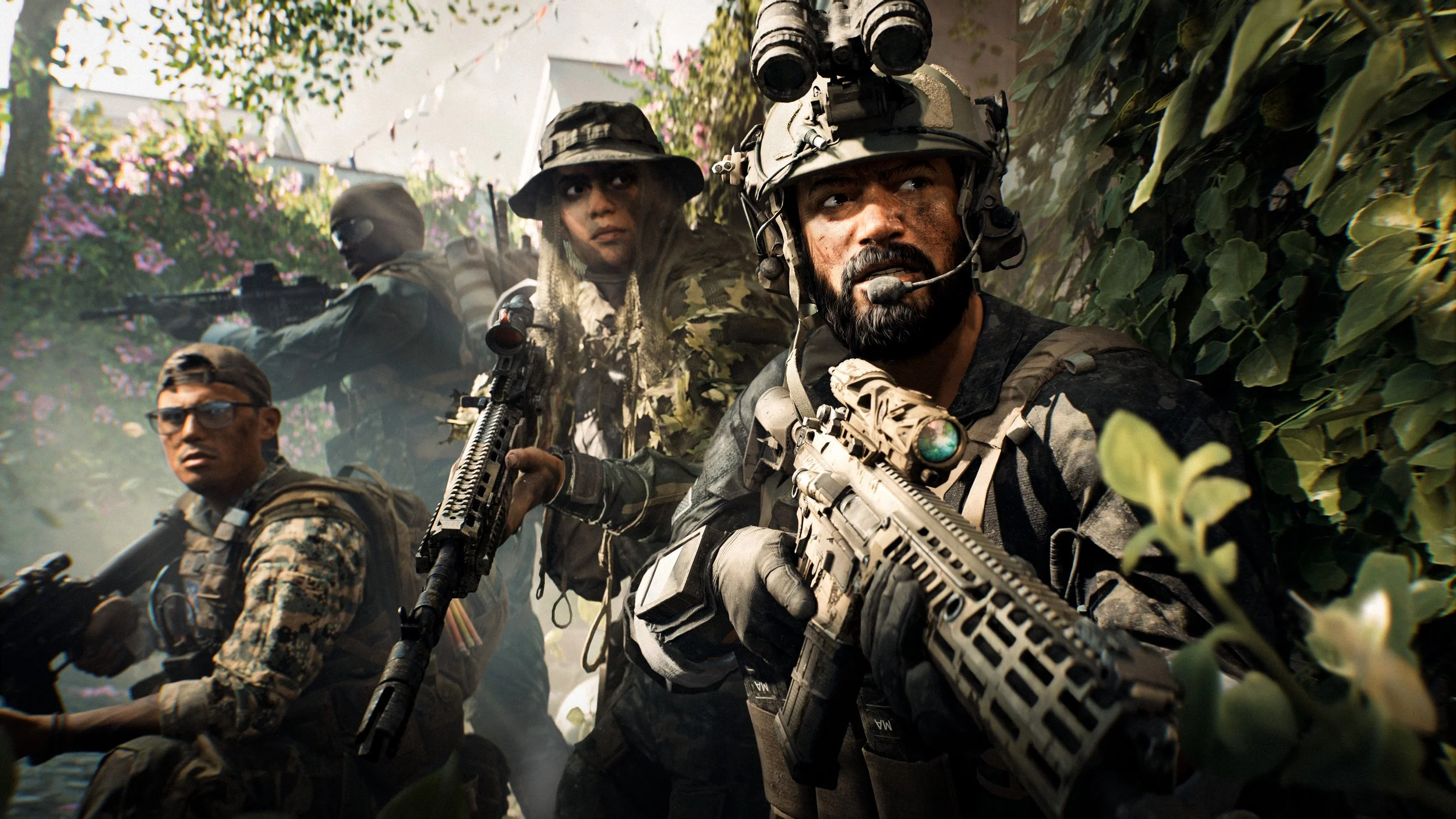
Video Game Tutorials
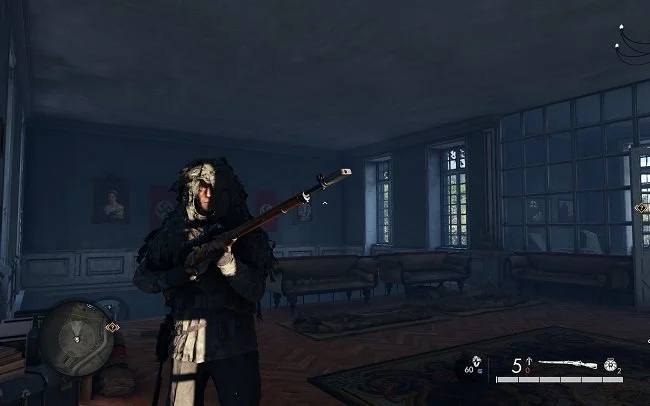
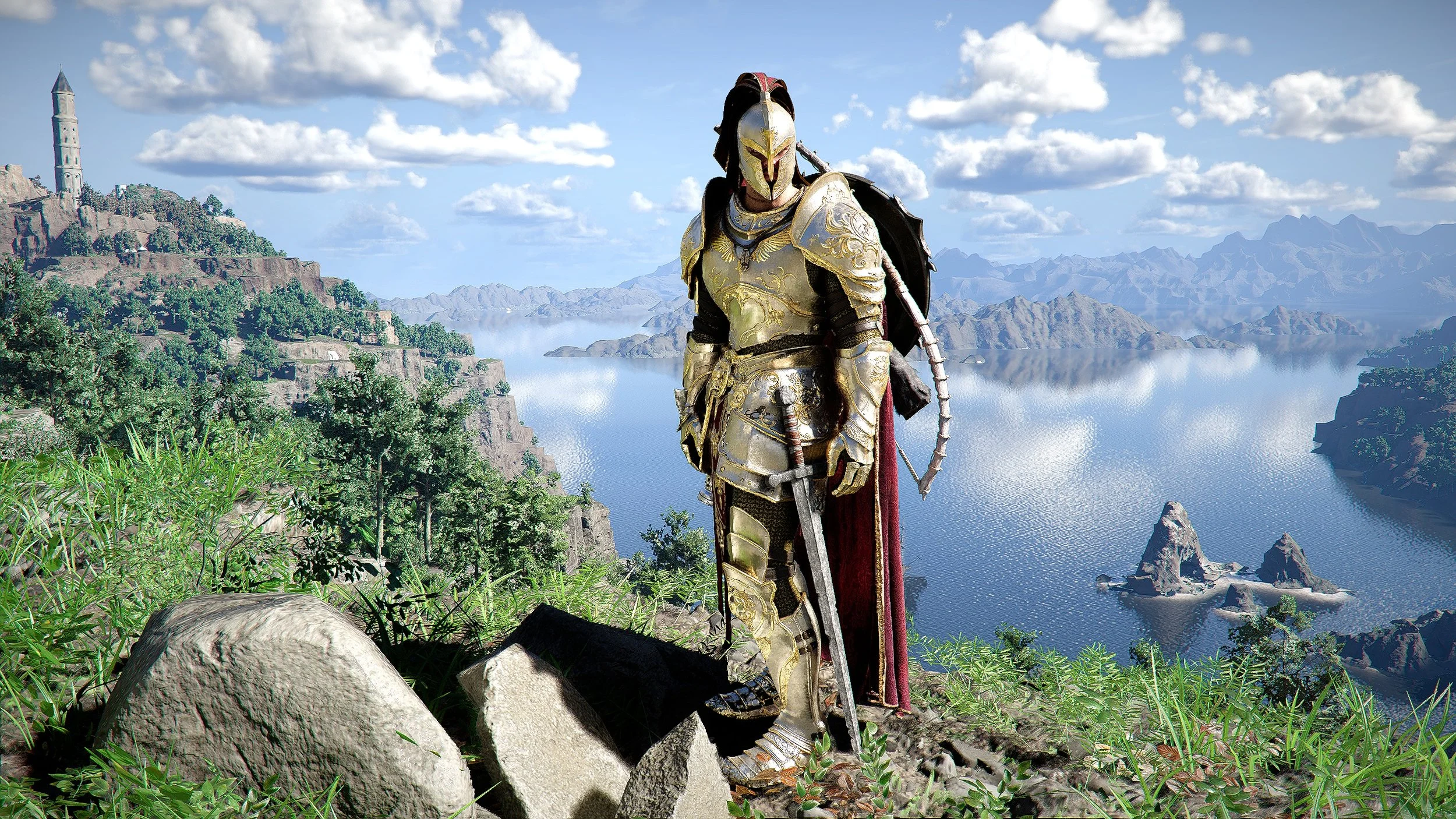
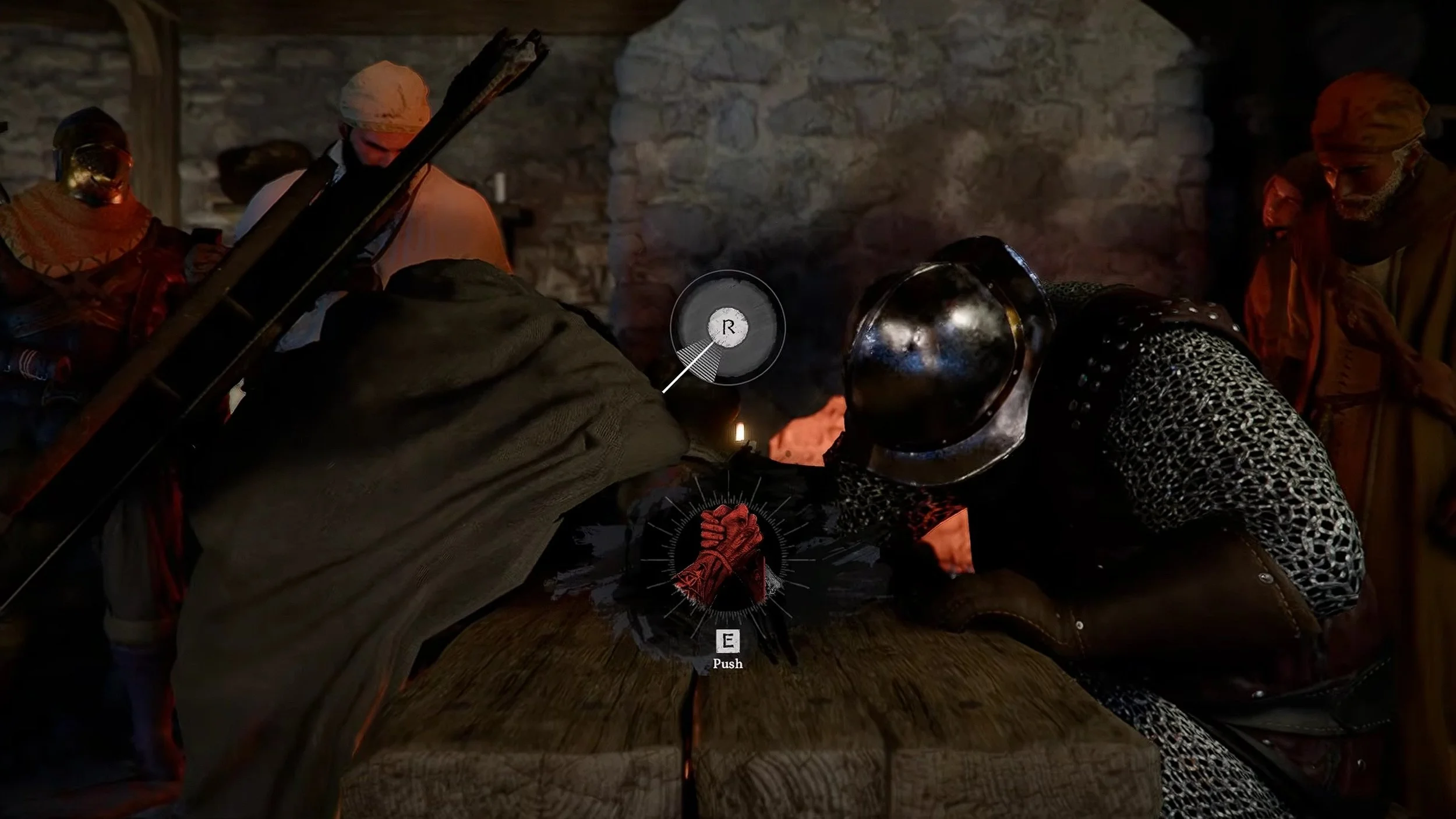
Video game tutorials are a curious thing. They are intended to orientate a new player and give them a quick and succinct overview of a games systems and mechanics. However few do this well and they can slow the player down. Because the MMO genre shares a lot of common features, it is often relatively straightforward to pick up the controls of a new game. Hence players will complain about the tutorial being a bane rather than a boon. Yet in single player games such as the Sniper Elite series, the tutorials are integrated into the first level and provide a good overview to playing the game without out staying its welcome. Furthermore, you can elect to disable this function in later versions of the game and play through the starter level without assistance. Hence tutorials have a tendency to be a somewhat mixed bag, yet they are a very necessary service. Having to continuously tab out of a game or refer to a website on a second monitor can really kill your sense of immersion and diminish your enjoyment of a new game. On a simple consumer level, selling a product that doesn’t come with some semblance of instructions is poor marketing.
Video game tutorials are a curious thing. They are intended to orientate a new player and give them a quick and succinct overview of a games systems and mechanics. However few do this well and they can slow the player down. Because the MMO genre shares a lot of common features, it is often relatively straightforward to pick up the controls of a new game. Hence players will complain about the tutorial being a bane rather than a boon. Yet in single player games such as the Sniper Elite series, the tutorials are integrated into the first level and provide a good overview to playing the game without out staying its welcome. Furthermore, you can elect to disable this function in later versions of the game and play through the starter level without assistance. Hence tutorials have a tendency to be a somewhat mixed bag, yet they are a very necessary service. Having to continuously tab out of a game or refer to a website on a second monitor can really kill your sense of immersion and diminish your enjoyment of a new game. On a simple consumer level, selling a product that doesn’t come with some semblance of instructions is poor marketing.
Which brings me on to Total War: Warhammer, which I bought recently for the bargain price of £11 from an online key seller. I used to play back in 1999 the real-time tactical wargame, Warhammer: Dark Omen. So Total War: Warhammer struck me as a natural progression to that game. So I installed the game along with the DLC and watched the opening cutscene. However, when I started the campaign, I discovered that there was no separate tutorial or one integrated into the first battle. There is a hints option, as well as a degree of guidance provided by an avatar on your GUI, but it is not in anyway what I would describe as a robust overview that you expect from a genuine tutorial. Given the complexity of a franchise such as Total War and the fact that a licence such Warhammer will naturally attract new players, you’d have thought the developers would ensure that such a facility was in place. I did pause the game and use the text based manual but it again only offered and overview and lacks details of which keys to press to change view, move between units and give specific orders.
My leisure time is a finite commodity. So when I discovered this “omission” I had two choices. I could go online and find a key map that I could print off and then watch a few third-party guides and tutorials on You Tube. The only problem with the latter option is that you have to watch several until you find one that is appropriate. Sadly not everyone is a good communicator and too many videos of this kind are simply not fit for purpose. The second option was to simply close the game and play something else and that is exactly what I chose to do. Because having to do my own research to determine the subtleties of Total War: Warhammer is obviously a subconscious tipping point. A comparable analogy would be when you go into a store to make an ad hoc purchase and you find yourself waiting in a queue. After a time you reach a point where you feel that you’ve waited too long and leave before being served. I’m sure certain gamers will at this point balk at such an attitude, but this is irrelevant. The fact remains that humans are subject to such capricious whims and often act upon them. Something that game developers would be wise to take note of. Therefore, to summarise this post; always include a tutorial in a game if you want people to play it.
Childhood's End (2015)
For anyone with a passing interest in literary science fiction, Arthur C. Clarke’s Childhood’s End is a seminal novel and considered an essential read. The story of humanity being shepherded into a utopian golden age by allegedly benevolent alien Overlords and the consequences it has upon society, was a radical departure from prevailing science fiction norms of the time. Over the years several film makers have expressed interest in adapting the story, but it has proven difficult to come to grips with. Stanley Kubrick initially wished to develop the novel but his subsequent collaboration with the author eventually lead to the making of 2001: A Space Odyssey. Since then there have been radio adaptations and audiobook versions, all of which seem to be a better medium for this episodic and contemplative tale. In late 2015 US cable and satellite channel Syfy broadcast a three-part miniseries based upon the 1953 story; something that past me by at the time. I recently caught up with this adaptation which seems to have provoked very mixed reactions among viewers. As ever, the controversy seems to stem from purists who favour a more slavish interpretation of the book.
For anyone with a passing interest in literary science fiction, Arthur C. Clarke’s Childhood’s End is a seminal novel and considered an essential read. The story of humanity being shepherded into a utopian golden age by allegedly benevolent alien Overlords and the consequences it has upon society, was a radical departure from prevailing science fiction norms of the time. Over the years several film makers have expressed interest in adapting the story, but it has proven difficult to come to grips with. Stanley Kubrick initially wished to develop the novel but his subsequent collaboration with the author eventually lead to the making of 2001: A Space Odyssey. Since then there have been radio adaptations and audiobook versions, all of which seem to be a better medium for this episodic and contemplative tale. In late 2015 US cable and satellite channel Syfy broadcast a three-part miniseries based upon the 1953 story; something that past me by at the time. I recently caught up with this adaptation which seems to have provoked very mixed reactions among viewers. As ever, the controversy seems to stem from purists who favour a more slavish interpretation of the book.
Childhood’s End has been updated and embellished to suit the requirements of contemporary television. The cold war setting has been replaced with our modern era, along with all its associated political and corporate problems. The opening scenes of the Overlords spaceships arriving at all the world’s major cities is very reminiscent of Independence Day, which itself was derived from Clarke’s original novel. It’s a classic situation of art imitating art. But far from being a hostile invasion, the visitors signify their intent by lowering all air traffic from the skies. They subsequently contact key personnel via manifestations of their deceased loved one and explain how they are here to eliminate disease, war, hunger, and pollution, setting the stage for the "Golden Age of Humanity". Midwestern farmer, Ricky Stormgren (Mike Vogel) is chosen by the supervising alien, Karellen (Charles Dance), and becomes his spokesman and go-between and facilitate the forthcoming changes.
However, not everyone views the alien intervention in earthly affairs as a good thing. Vested interests resent their loss of power and influence. Media mogul Hugo Wainwright (Colm Meaney) secretly organizes a counter-group dubbed the Freedom League which uses social media to spread distrust about the Overlords. However the broader public, especially the poor and disenfranchised welcome the seismic societal changes. When Milo Rodericks, a disabled youth from a poor neighbourhood, is shot and killed by a drug dealer, the Overlords intervene killing the attacker. Not only do they resurrect Milo but they cure him of his ailments and restore his ability to walk. And while the rest of the world begins to question longstanding religious beliefs, Peretta Jones still maintains her views on a Higher Power and becomes committed to finding answers about the Overlords. Exactly why have they chosen to share so much with humanity and why do they choose not to reveal themselves directly to the world, acting instead through intermediaries.
Clarke’s book has three distinct phases to its narrative structure. The Earth and the Overlords, The Golden Age and The Last Generation. These are broadly used to as the basis of each of the three instalments of this miniseries. The first and possibly best episode deals with the arrival of the Overlords and the way humanity reacts to the situation. The second part focuses on how the Earth has become a utopia with an end to war, poverty and social injustice. Yet it is a society that some feel is culturally stagnating. Adversity is often the driving force of progress. And it is at this point that the story begins to reveal the Overlords agenda, although it would be more accurate to describe it as an agenda they are tasked with implementing. The sting in the tail is far more subtle than The Twilight Zone episode, To Serve Man. It is an act of cosmic social engineering in which a new generation of humans with clairvoyance and telekinetic powers are born, with the ultimate goal of joining the Overmind, a collective intelligence made up of numerous intergalactic species. The final part sees the literal ascendency of these new humans and the collapse of the earth society as the Overlords prepare to leave. The ending is stark and whether it is a triumph or a tragedy depends on your perspective.
Writer Matthew Graham tries hard to try and put some meat on the bones of the human characters, as Clarke’s book is very much one of ideas and concepts, rather than immaculately penned individuals. Dragging the black and white, Cold War setting of the source text, into the modern world is a difficult task. Despite the inclusion of modern social issues and politics, the human element in this adaptation is still a little stilted. Osy Ikhile plays the disabled boy Milo who grows to be the scientist that bears witness to the great transition. His role is a little more interesting than others who are essentially archetypes of different aspects of human society. There’s no denying that Charles Dance steals the show as the alien, yet ultimately paternal Karellen. He masters all of the subtle aspects of the iconic character that are found in the book. Despite the multitude of practical and CGI effects, his performance shines through. The handsome production design also offers some much-needed visual imagery to try and make the weighty plot more accessible to causal viewers.
Childhood's End, like the book is a somewhat dour undertaking. Despite its modern sense of style and slick presentation is still dealing in deep existential, philosophical themes. It’s refutation of religion and beliefs, along with its penchant for societal Darwinism on a global scale may not sit well with those viewers who are governed more by their feelings. Yet it does successfully capture the core themes and ideas of Clarke’s novel and tries to present them in a positive fashion. Although the miniseries never maintains the strengths of the first episode and subsequently tries to counter the science and philosophy with emotional character journeys, the overall strength of the Clarke’s vision is maintained. Despite the pyrrhic ending in which mankind as we know it is lost, the thematic requiem is tempered with the knowledge that some of our species have transcended the material and joined the Overmind. Such ideas were quite radical back in 1953 and remain so today, especially in light of the growth of the consumerism and individualism. Childhood's End is a flawed but worthy adaptation of a novel that is objectively hard to dramatise and humanise.





The Andromeda Strain (2008)
I always cringe when I hear the phrase re-imagining. It's yet another contrived expression created by marketing bodies to justify the somewhat arbitrary process of remaking an established title. Often the re-imagined product has little to do with the source material and was chosen simply because of brand awareness. If you want a textbook example of a recent example of this somewhat cynical process then look no further than last year’s Death Wish reboot. It had nothing new to say on the subject and simply trotted out a generic and bland revenge thriller. So, when I discovered that Robert Wise's classic science fiction film, The Andromeda Strain had been remade as a TV miniseries (that had completely passed me by), I had great reservations as to whether this would be worth watching. However, the involvement of Tony and Ridley Scott piqued my interest, so I decided to take a calculated risk and give this 2008 A&E Network production a go.
I always cringe when I hear the phrase re-imagining. It's yet another contrived expression created by marketing bodies to justify the somewhat arbitrary process of remaking an established title. Often the re-imagined product has little to do with the source material and was chosen simply because of brand awareness. If you want a textbook example of a recent example of this somewhat cynical process then look no further than last year’s Death Wish reboot. It had nothing new to say on the subject and simply trotted out a generic and bland revenge thriller. So, when I discovered that Robert Wise's classic science fiction film, The Andromeda Strain had been remade as a TV miniseries (that had completely passed me by), I had great reservations as to whether this would be worth watching. However, the involvement of Tony and Ridley Scott piqued my interest, so I decided to take a calculated risk and give this 2008 A&E Network production a go.
This new version stays fairly true to basic premise of Michael Crichton’s novel, with a satellite returning to earth bringing with it a mystery virus of possible extraterrestrial origin. The small town of Piedmont soon falls victim to the contagion, leaving only two survivors, an alcoholic and a baby. The "wildfire" team of scientists are brought in by the government to tackle the outbreak and find a potential cure. There work is hampered by the virus’s ability to mutate to find new ways of spreading. The writer, Robert Schenkkan, has also added new elements that reflect contemporary culture and politics. The question of the virus' origin is intriguing and of course there are factions within the government who are not to be trusted. There is also a journalist seeking to expose the ongoing conspiracies. It is all somewhat generic but it is not a lazy as it sounds. Due to the credentials of those involved in the production, it offers a little more tension and drama than one expects from such miniseries.
The cast is robust, featuring Benjamin Bratt (Law & Order, Love in a time of Cholera), Rick Schroder (24, NYPD Blue), Eric McCormack (Will &Grace), Daniel Dae Kim (Lost) and Andre Braugher (City of Angels). Performances are okay given the inevitable formula of the vehicle. There are a lot more characters in this adaptation, given the need to expand the story over two episodes. Hence there are times when cast members come and go simply to facilitate moving the story forward. Production values are adequate with the confines of the budget, with creative set designs and interesting use of locations. The action is quite hard for a television miniseries, though some of these scenes do seem a little tonally out of place. Perhaps the director Mikael Salomon (who has been involved with several miniseries such as Rome, Salem’s Lot and Band of Brothers) feared making an excessively narrative driven drama, like the original feature film, so felt obliged to overstate certain plot elements to keep the interest of easily bored viewers. Admittedly by the end, there is a decline into cliché and several events that were obviously telegraphed earlier in the proceedings inevitably occur.
Those who have seen the 1970 feature film may well see this new version as somewhat intellectually diluted. Personally, I think one has to bear in mind historical context. The seventies were a time when the cinematic audience was more sophisticated and willing to invest in stories that made them think for themselves. The new version simply reflects what “sells” with today’s viewers and although there is more focus upon action, this adaptation still tries to keep the underlying science of story front and centre. All things considered The Andromeda Strain is better than expected. Given the nature of the system that made it, this actually exceeded my expectations, which I must admit were initially very low. It offers a different perspective on the source material and doesn’t outstay its welcome. Its two-part format is an appropriate length and is able to sustain the story. As ever with such productions some of the CGI is a little cheap and I’m not a fan of blood spatter added in post-production. Overall this is adequate entertainment. If you want something weightier then by all means watch the original, but this version fills a niche.
E3 2019
I’ve watched a few presentations from this year’s Electronic Entertainment Expo over the last few nights, mainly out of idle curiosity. Overall, it’s all broadly been what I expected. This is not your run of the mill promotion and advertising. No sir. This is targeted marketing, delivered with all the vigour and verve of “old time religion”, preached by a “fire and brimstone” minister to the faithful. It’s a curious symbiotic relationship between awkward, forty something tech guys as they stand on stage and strive to remember their media training and an audience of fundamentalist gamers who are there to whoop and clap on cue. Information about forthcoming games is not merely imparted but presented as gospel or the party manifesto. I’ll stop there with the religious and political analogies but they come very easily because that’s what E3 reminds me of; a church congregation or a political rally. And when you consider that we now live in an age of “feelings” rather than “thought”, it’s easy to see why enthusiasm for new products has been replaced by an eagerness to climb aboard the hype train and ride all the way to the “promised land”.
I’ve watched a few presentations from this year’s Electronic Entertainment Expo over the last few nights, mainly out of idle curiosity. Overall, it’s all broadly been what I expected. This is not your run of the mill promotion and advertising. No sir. This is targeted marketing, delivered with all the vigour and verve of “old time religion”, preached by a “fire and brimstone” minister to the faithful. It’s a curious symbiotic relationship between awkward, forty something tech guys as they stand on stage and strive to remember their media training and an audience of fundamentalist gamers who are there to whoop and clap on cue. Information about forthcoming games is not merely imparted but presented as gospel or the party manifesto. I’ll stop there with the religious and political analogies but they come very easily because that’s what E3 reminds me of; a church congregation or a political rally. And when you consider that we now live in an age of “feelings” rather than “thought”, it’s easy to see why enthusiasm for new products has been replaced by an eagerness to climb aboard the hype train and ride all the way to the “promised land”.
The Gospel according to Keanu Reeves
E3 follows a clearly established pattern and certainly this year’s show has ticked all the usual boxes. I will now put aside hyperbole and try and articulate what concerns me about this situation. The triple A video game industry has had a very tumultuous relationship with both the gaming press and its core customers in recent years. Early access, broken games, egregious monetisation and a general lack of ethics are just some of the iniquities that are prevalent. Then there’s the broken relationship with the media, “influencers” and a need to “control the message”. And let us not forget that some companies have a track record of institutionalised bullying, sexism, crunch culture and general “douchebaggery”. So I find it somewhat contradictory that such companies have the unmitigated gall to stand on a stage and make out that they’re gamer’s best friend. The very companies that have patented algorithms for trying to squeeze every possible penny from their core customers. It’s also weird that the people who have been burned by such business practises, develop temporary amnesia for the entire duration of E3 and happily participate in this charade.
“Would I lie to you?”
There is a lot of truth in the old adage that politicians are only as good or bad as we allow them to be. We are now seeing a similar race to the bottom spill out of government and become de rigueur in business culture. So unless we call out the video game industry loudly and clearly whenever it lies, acts unethically, abuses customers good will and doggedly perpetuates “bro culture”, we as gamers are just facilitating the ongoing decline of very thing we allegedly love. As for this year’s E3 presentations, sure there do appear to be some good titles coming our way, but if you have a functioning intellect, you’d be well advised to take it all with a pinch of salt. Bear in mind previous games that were much lauded when announced, that subsequently failed to live up to expectations upon release. Do you really want to pay up front purely on the strength of a promise, from “an old liar with honey on his forked tongue”? If gamers truly want the industry to change then they need to stop enabling its failings and encouraging its excesses. Otherwise we are doomed to endure more hysterical, hyperbolic presentations such as those we’ve seen this week.
The Perils of Installing Old PC Games
This is a big subject with thousands of PC games from over a decade ago that could be referenced. However, for the sake of brevity, I am just going to mention three in this post. So to begin with let’s just bypass the entire “nostalgia versus current” debate. Simply put, I feel there is value and enjoyment to be found in older PC games. Graphics and game mechanics naturally date, but often the technical limitations that existed at the time made the game developers both innovative and creative. Therefore you will often find that there are older titles that still have merit and something to offer. I recently bought Mafia which is the first instalment of a franchise currently owned by 2K Games. I have only played the latter two iterations of the game, namely Mafia II released 2010 and Mafia III released 2016. I was aware that the original released back in 2002, had a good reputation for its story driven gameplay and that it is still considered both challenging and creative.
This is a big subject with thousands of PC games from over a decade ago that could be referenced. However, for the sake of brevity, I am just going to mention three in this post. So to begin with let’s just bypass the entire “nostalgia versus current” debate. Simply put, I feel there is value and enjoyment to be found in older PC games. Graphics and game mechanics naturally date, but often the technical limitations that existed at the time made the game developers both innovative and creative. Therefore you will often find that there are older titles that still have merit and something to offer. I recently bought Mafia which is the first instalment of a franchise currently owned by 2K Games. I have only played the latter two iterations of the game, namely Mafia II released 2010 and Mafia III released 2016. I was aware that the original released back in 2002, had a good reputation for its story driven gameplay and that it is still considered both challenging and creative.
So I purchased the game from Good Old Games and installed it via their Galaxy gaming client and installer. One of the major selling points of GOG as a game provider is the way they retrofit old titles to run on current operating systems. I could easily have picked up a copy of Mafia on physical media but installing and running the game from such a source is often problematic. Setting aside driver issues, compatibility mode and the like, many installation disks from this era use obsolete copy protection software. SafeDisc being one example. Thus playing Mafia from a CD installation is dependent upon removing a very specific Windows Update that disabled SafeDisc support. If you have a more recent build of Windows 10, you may find that it is integral to your operating system and cannot be uninstalled. I encountered this same issue with Hidden and Dangerous 2 recently which I installed from the original media. Without the necessary copy protection support the game’s main executable would not work.
However, despite GOG doing their best to resolve such technical issues with the older titles that sell, other problems can arise. For example Mafia has a soundtrack consisting of period Jazz music from such artists as The Mills Brothers, Louis Armstrong and Django Reinhardt. However, due to licensing complications the music is absent in the GOG release. Now some players may not think this relevant to their enjoyment of the game, but I feel that it is integral to the overall game experience. Hence, I spent an hour reading the GOG forums as to how to restore the game score. There is a way to do so and someone has posted a link to the “removed” files which they’ve sourced from the original installation CDs. Needless to say I have followed this process and all has gone well, but it does require you to put your trust in your fellow gamers and that is not something one does lightly.
Another problem arising from installing Mafia is that this is a game that hales from a time when screen resolutions were a lot lower and aspect ratios other than 4:3 were not commonplace. Thus, elements of the onscreen UI are distorted or broken when running the game at 1920 x 1200, which is my default screen setting. Again a search online will yield a list of workarounds and I found a suitable “mod” over at Nexus Mods, along with another to update the draw distance for modern PCs. Nexus Mods is a long-established site whose community ensures that bogus mods are eliminated, making their content more reliable than other third-party sites. Hence, I was finally able to play Mafia with the original score and at a contemporary screen resolution without and distortion. My initial impressions of the game are good. The story is indeed well written and the missions are quite taxing, although the vehicle handling is appalling.
Another favourite game of mine from the late nineties is the real-time tactical fantasy wargame, Warhammer: Dark Omen. This game was released in 1998 and used 3D generated terrains in which 2D sprites subsequently battled. The game was one of the first to include support for the first-generation Voodoo 3dfx 3D accelerator cards. Getting such a game, which was also designed to run on Windows 98 to function on a modern PC is a challenge. Unlike Mafia, if you want to play Warhammer: Dark Omen, then you have to do more than apply a few mods. There is an entire forum dedicated to this game with a very complex set of instructions to get the game working. Going to such lengths to play a game one feels nostalgic about may not viable option for everyone. Therefore, the casual gamer would be wise to bear in mind that purchasing a much beloved title from GOG does not guarantee an exact duplicate experience to what you may have had previously. Nor does trying to install and play a game using the original media. Unless you have access to older hardware with the appropriate operating system of the time, you’ll probably have to do some tweaking to get things running either way. Therefore, caveat emptor.
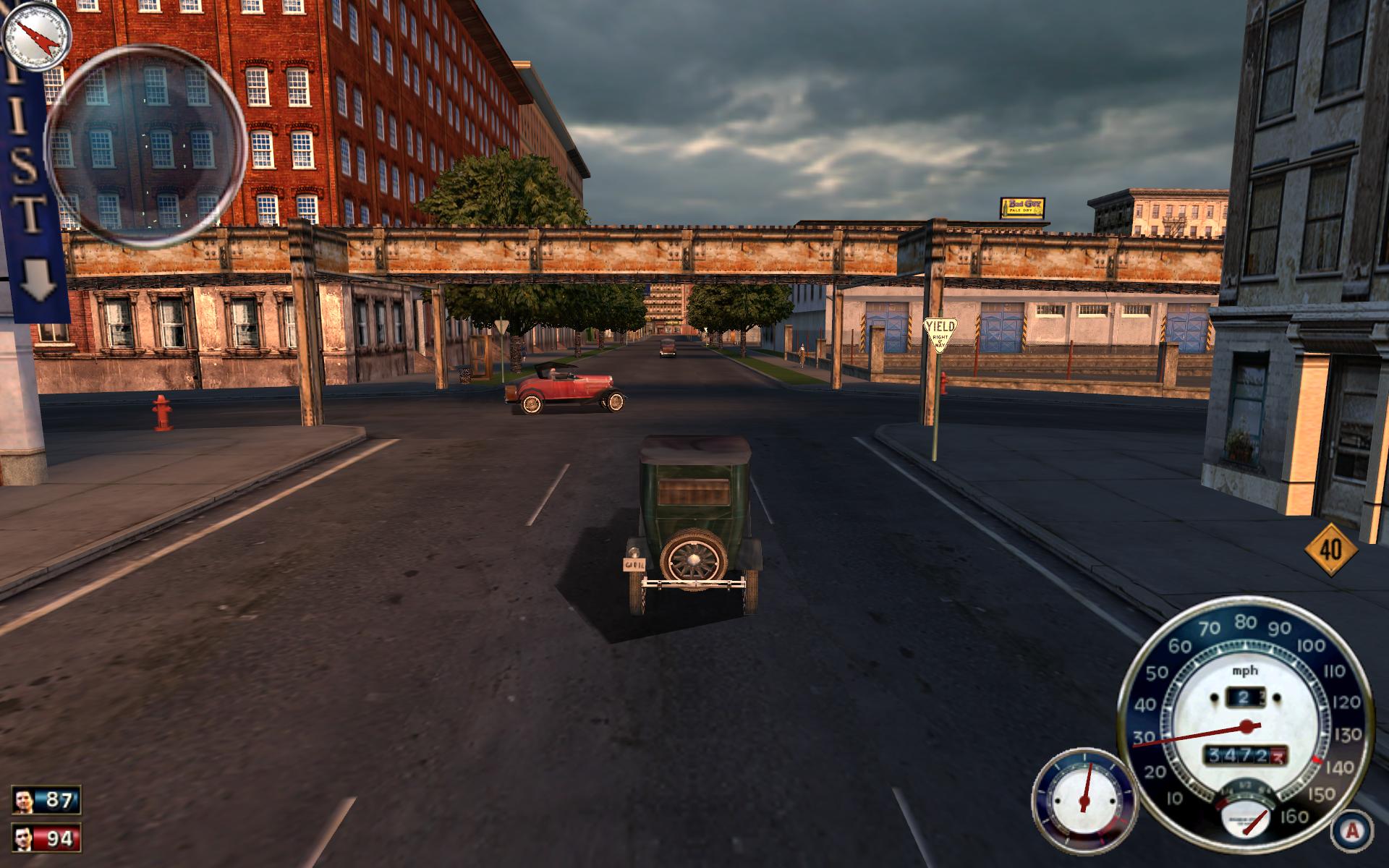
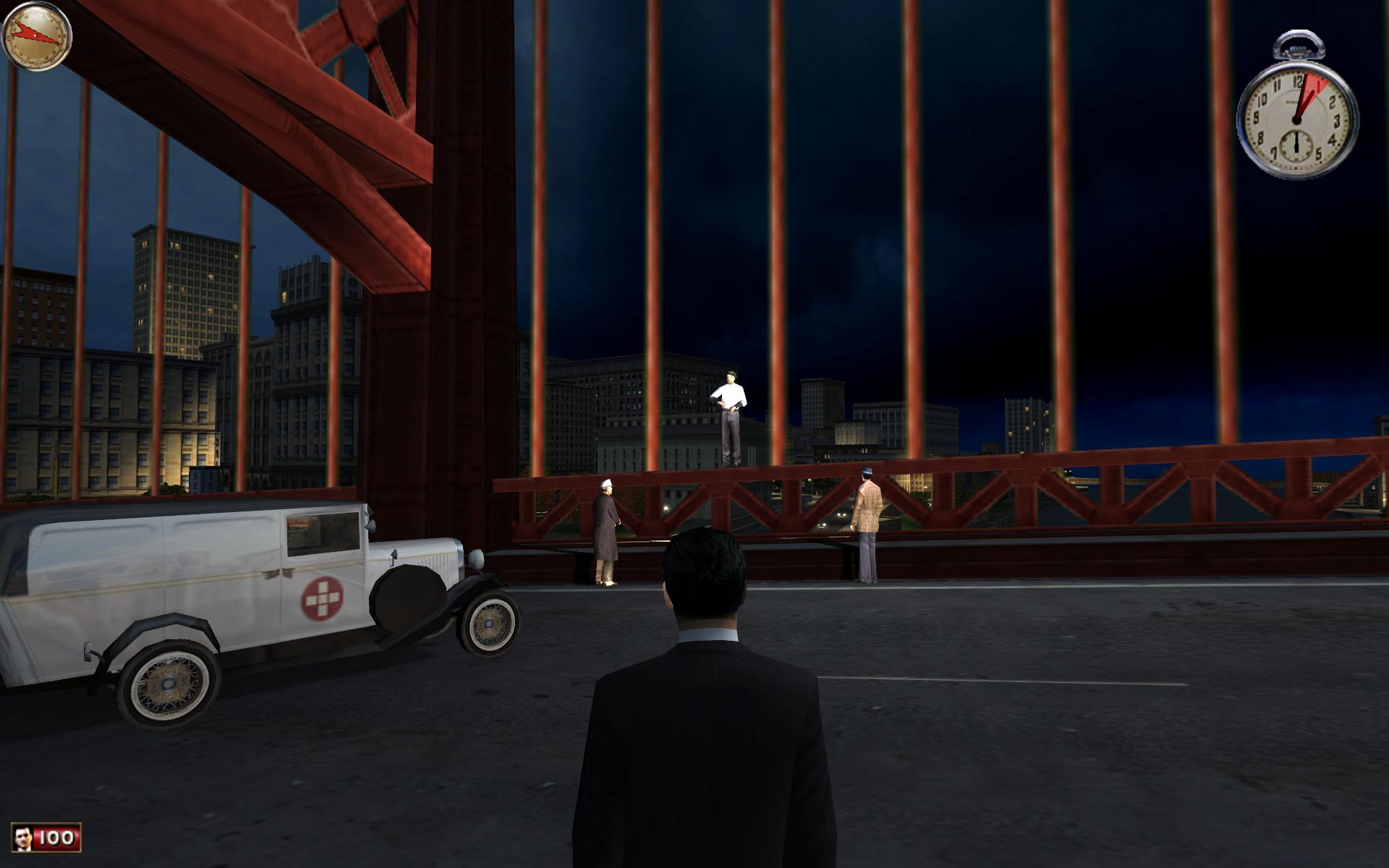
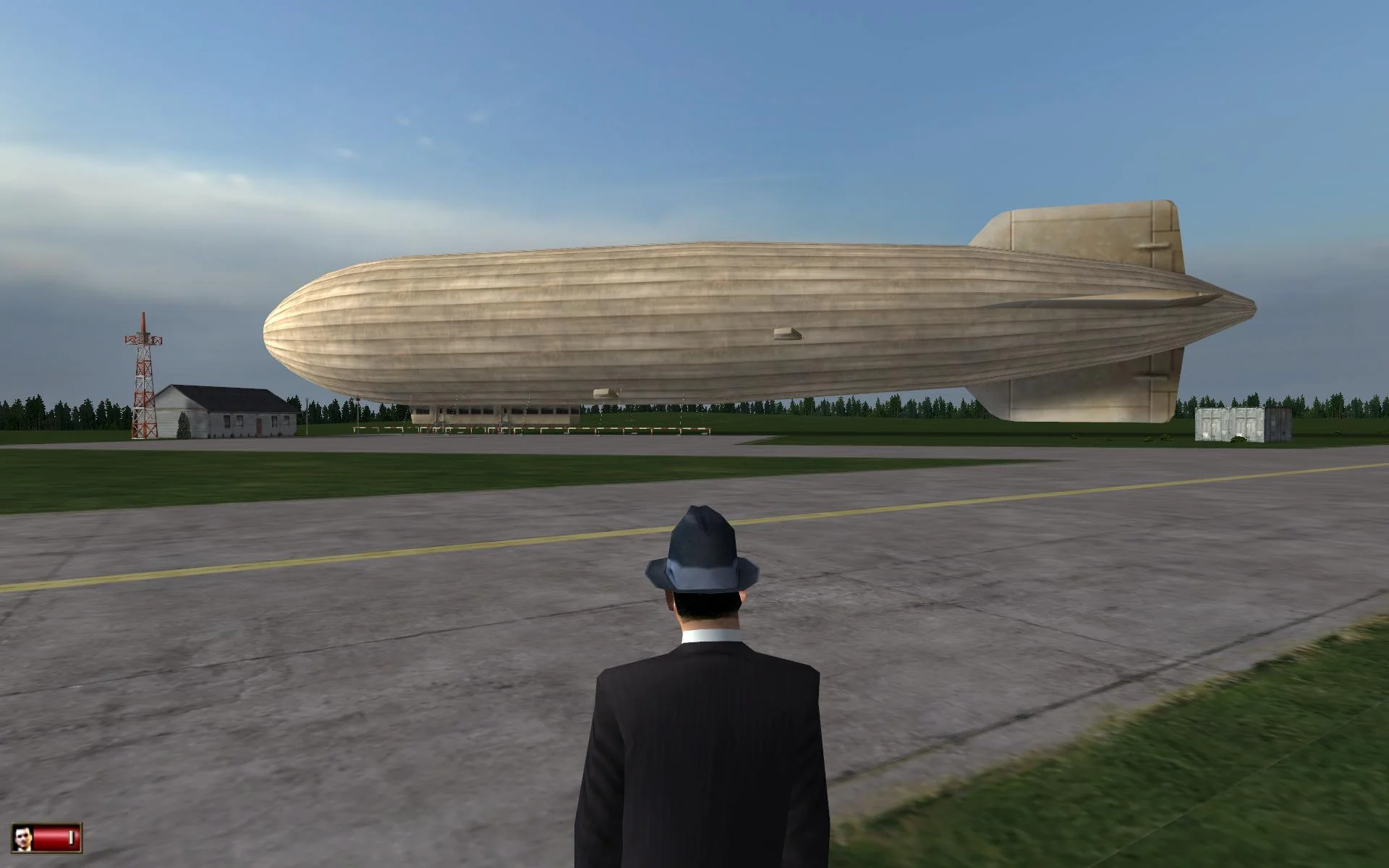
Identification and Bureaucracy
I spent several hours this week visiting banks, endeavouring to have my personal details added to my Father’s bank accounts. I was recently awarded power of attorney (LPA) and have now got a long list of companies, government departments and organisations that I need to notify so that I can administer his affairs. However, this process has proven a little more difficult than I expected. The problem doesn’t lie with the LPA, which is valid and in order. The main stumbling block lies with me, as I do not have either of the two commonest forms of identification used in the UK; a current passport or a driver’s license.
Luckily, the banks have a list of alternative ID that can be used and I have managed to find two others that I do have. So far, I have used my recent award notice for Carers Allowance from the Department of Work and Pensions (DWP) along with a current bank statement from Santander to verify my identity. However, there were many other alternative forms of ID that I do not have. For example, as I moved in with my partner, utility bills are all in her name. Many of the services that I do pay for myself, such as my mobile phone contract, are administered online and therefore do not provide any paperwork. Needless to say, this situation has given me food for thought about the entire issue of proving my identity.
I spent several hours this week visiting banks, endeavouring to have my personal details added to my Father’s bank accounts. I was recently awarded power of attorney (LPA) and have now got a long list of companies, government departments and organisations that I need to notify so that I can administer his affairs. However, this process has proven a little more difficult than I expected. The problem doesn’t lie with the LPA, which is valid and in order. The main stumbling block lies with me, as I do not have either of the two commonest forms of identification used in the UK; a current passport or a driver’s license.
Luckily, the banks have a list of alternative ID that can be used and I have managed to find two others that I do have. So far, I have used my recent award notice for Carers Allowance from the Department of Work and Pensions (DWP) along with a current bank statement from Santander to verify my identity. However, there were many other alternative forms of ID that I do not have. For example, as I moved in with my partner, utility bills are all in her name. Many of the services that I do pay for myself, such as my mobile phone contract, are administered online and therefore do not provide any paperwork. Needless to say, this situation has given me food for thought about the entire issue of proving my identity.
A cursory search online shows that this is not an uncommon phenomenon and that I’m far from unique. According to the RAC, as of March 2019, the total number of driving licences registered with DVLA in the UK was 48,992,312. The UK population is currently 66.04 million, which means 17.19 million people do not have a driving licence that they can used as ID. It’s a similar story with passports. As of the end of 2018, there were 50,437,362 valid UK passports held by UK citizens. Again that means that 15.66 million people do not currently hold one, again missing out on the commonest form of personal identification.
There are many reasons why a person may not have a driving licence or passport and they tend to be based around age, as well as socioeconomic reasons. The politics of such matters is an entirely different blog post altogether, so I won’t attempt to address that here. In my case, I have written in the past about not being a “driver” which is mainly down to my social circumstances when I was a teenager. I had friends whose employers paid for them to learn how to drive, so they quickly became the designated driver of our group. With regard to work, I’ve always been employed in central London, where public transport is more than adequate. Hence, I’ve never needed to drive and as time has gone by, neither desired to do so. As for a passport I have had one in the past and it expired in 2010. As I have not required to travel outside the UK since then I haven’t renewed it.
We live in a world that is radically different from the one that I grew up in during the seventies. Identity theft has become “a thing” and as we move more towards conducting business online, there is a clear need to be able to easily prove one’s identity easily. Yet the moment western governments raise the subject of identity cards, the public tends to robustly reject such concepts. This is especially the case in the UK. There was legislation brought forward for such a system in 2006 but it was drastically “dialled back” from the original concept. The voluntary system was subsequently repealed in 2010 mainly due to public ill-will. Naturally, there are many cogent arguments regarding personal freedom. Yet on the other hand the UK public is regularly tracked via the use of credit cards, pre-paid travel cards for public transport, not to mention smartphones and the likes of Amazon certainly know what you’re up to. So I find this resolute objection to an identity card system somewhat contradictory.
Returning to the matter of my own personal situation, I have decided to renew my passport and keep this primarily as a form of ID. As it has been under ten years, this renewal can be easily facilitated by the Passport Office and the application carried out online. It comes with a cost of £75.50 which is quite a lot if you are on a low income, but the passport is valid for 10 years so it does present itself as a worthwhile investment. I feel that it is important to ensure that I have all the necessary tools to be able to conduct my day to day business online, as I believe that romantic notions of living “off the grid” will become increasingly unlikely in the years ahead. I’ve read several reports recently regarding increasing levels of “digital exclusion” in the UK which is now seen as a major indicator of social inequality. In the recent EU elections there were several areas in the UK that were testing new voter identification systems. I suspect that in the years ahead photo ID will become mandatory for such activities as voting. The worst scenario could be that if you cannot verify who you are, then you will find yourself marginalised from society.
A Month in Gaming
As I suspected in my last post, my gaming activities were somewhat curtailed throughout May due to both my parents being ill. However, the time I did manage to spend in-game was both therapeutic and relaxing. For me, I’ve never really seen gaming as escapism, although I appreciate it certainly is for others. One of the aspects it offers, along with a degree of challenge and entertainment, is a release from stress and the pressures of one’s daily life. Perhaps that is why I enjoyed Sniper Elite V2 Remastered so much, because not only is it a thoroughly absorbing game, it also provides a sense of catharsis. I’ve already written about the game in some detail, along with my thoughts about the ongoing “remaster versus remake” debate. However, I would add that I enjoyed it so much I re-installed the sequel, Sniper Elite III, which I haven’t played since it’s release in 2014. This also proved to be an enjoyable undertaking, again for the self-same reasons.
As I suspected in my last post, my gaming activities were somewhat curtailed throughout May due to both my parents being ill. However, the time I did manage to spend in-game was both therapeutic and relaxing. For me, I’ve never really seen gaming as escapism, although I appreciate it certainly is for others. One of the aspects it offers, along with a degree of challenge and entertainment, is a release from stress and the pressures of one’s daily life. Perhaps that is why I enjoyed Sniper Elite V2 Remastered so much, because not only is it a thoroughly absorbing game, it also provides a sense of catharsis. I’ve already written about the game in some detail, along with my thoughts about the ongoing “remaster versus remake” debate. However, I would add that I enjoyed it so much I re-installed the sequel, Sniper Elite III, which I haven’t played since it’s release in 2014. This also proved to be an enjoyable undertaking, again for the self-same reasons.
MMO wise, I continued to focus on The Lord of the Rings Online and Star Trek Online throughout May. I gritted my teeth and progressed through Western Rohan and Wildermore, endeavouring to keep the mounted combat to a minimum. The Epic Story was engaging and most of the time, I preferred to tackle mounted foes on foot, using my Archer skirmish soldier in support. However, I reached at point at level 87 when my Guardian couldn’t progress any further with the Epic Story as the content was more than five levels above. The only way to move forward would have been to grind out the regional quests and gain a few levels. This meant having to endure quite a lot of quests that were specifically designed to be completed via your Warsteed. This was not a prospect I relished. Also the continuous levelling and deconstruction of Legendary Items every five levels was becoming a nuisance. It would be so much better if developers SSG eliminated the scale of LIs from 50 to 100 and just presented you with one at the start of Moria and allowed to simply imbue and retain that for the remainder of the game.
But I digress, faced with a levelling impasse, I decided to buy the Aria of the Valar Upgrade and auto levelled to 105. The intention wasn’t to bypass content, but to allow me to continue to pursue the epic story on my own terms. The gear that the aria provides is of the non-slotted variety and is certainly adequate for all pre-Mordor content. I therefore intend to progress through the Epic Story and over time earn sufficient LOTRO points to be able to purchase nine Anfalas Star-lit Crystals. Then at an appropriate juncture I can acquire a first age Guardian’s belt, sword and two-handed sword, max out and imbue them, then lay the whole sorry LI “problem” to rest. Recent levelling has also raised the spectre of Epic Battles which have to be endured as they’re incorporated into the Epic Story. However, I have learned which ones have fail mechanics and which ones do not, so have so far managed to clear all that I’ve encountered with minimal inconvenience. At present I have got so far as Pelargir and am looking forward to exploring Minas Tirith throughout June.
Again, STO continues to provide a quick fix of gaming with its personal endeavour system. Having reached rank 49 out of 71, the benefits of specific account wide perks being unlocked is now producing tangible results. The latest rep faction (Discovery Legends) provides several new gear sets to experiment with and this years Summer Festival is not far off now and will once again offer the opportunity to earn a Tier 6 ship. I am hoping that Cryptic will announce the restoration of several classic episodes that have been “temporarily” removed from the game to be overhauled, in the months ahead. One of the reasons I’ve stopped levelling several alts at present is due to the overarching narrative currently being out of sync and somewhat confused. I’m also toying with experimenting with my Romulan alt to see if I can contrive a build that utilises their alleged DPS advantage. One of the benefits of STO is the way you can experiment with builds without being 100% dependently on the most optimal gear. The various game systems offer enough scope for small tweaks that can yield improved performance without having to have the resources of an über player.
Again, my long-term gaming aspirations for June will have to be tempered against my current domestic commitments. I’ll probably just focus as ever on my two current MMOs, although I am tempted to buy a new single player game. I’ve been keeping an eye on A Plague Tale: Innocence which seems to have reviewed well and offers both an authentic interactive story set during the Black Death along with a stealth orientated game mechanic. Combat is usually to be avoided and the player is primarily focused on using items and the environment as a means of diversion. The swarms of rats certainly look formidable and I think this sort of measured approach to navigating your way through the game will appeal to me. The other title that is currently on my radar is The Sinking City which gets released, exclusively through the Epic Store at the end of June. Developed by Frogwares, this has the detection mechanics of their previous Sherlock Holmes games combined with a sandbox open world for the wider Lovecraft inspired RPG narrative. It all looks rather atmospheric and intriguing. Again, the seems like the sort of game that you can undertake at your own pace and focus on the detail. That’s the plan for June. Let’s see if that’s how it pans out.
Nothing Has Changed
On the 23rd of June 2016, the UK held a referendum on whether to remain or leave the European Union. The results were 51.89% to leave and 48.11% to remain. Due to the significance of the subject matter and the way the European question has been discussed in the media over the past decade, there was a high voter turnout of 72.21%. 33,577,342 people cast their vote out of a total electorate of 46,500,001. The levels of public engagement were far higher than those seen with local or general elections. However, despite a binary question yielding a binary result, the issue of Brexit has not been laid to rest. It can be cogently argued that the entire referendum was rushed, poorly thought through, with neither side running campaigns that provided all the relevant facts of the impact of leaving the EU. As ever the entire matter has been driven first and foremost by party politics and remains so today. Perhaps the biggest issue that stems from the 2016 vote is the size of the leave victory. A “win” of 1.89% is far from decisive and makes a nonsense of political rhetoric such as “the will of the people”. At the time, Nigel Farage, then leader of the UK Independence Party, stated that “a 52-48 referendum this would be unfinished business by a long way. If the Remain campaign win two-thirds to one-third that ends it”. Unfortunately, nearly three years on Brexit shows no sign of ending.
On the 23rd of June 2016, the UK held a referendum on whether to remain or leave the European Union. The results were 51.89% to leave and 48.11% to remain. Due to the significance of the subject matter and the way the European question has been discussed in the media over the past decade, there was a high voter turnout of 72.21%. 33,577,342 people cast their vote out of a total electorate of 46,500,001. The levels of public engagement were far higher than those seen with local or general elections. However, despite a binary question yielding a binary result, the issue of Brexit has not been laid to rest. It can be cogently argued that the entire referendum was rushed, poorly thought through, with neither side running campaigns that provided all the relevant facts of the impact of leaving the EU. As ever the entire matter has been driven first and foremost by party politics and remains so today. Perhaps the biggest issue that stems from the 2016 vote is the size of the leave victory. A “win” of 1.89% is far from decisive and makes a nonsense of political rhetoric such as “the will of the people”. At the time, Nigel Farage, then leader of the UK Independence Party, stated that “a 52-48 referendum this would be unfinished business by a long way. If the Remain campaign win two-thirds to one-third that ends it”. Unfortunately, nearly three years on Brexit shows no sign of ending.
Traditionally, UK politics is mainly driven by two major parties, which hail from different ends of the political spectrum. Major socioeconomic issues are usually championed or opposed by each of these groups. The UK electorate are broadly tribal and due to the first past the post voting, deciding outcomes on the big issues such as taxation, the economy and social matters is fairly straightforward. However, Brexit has thrown a major spanner in the works, as it has fallen outside of this existing methodology. The choice of whether to remain or leave has divided both the Conservative and Labour parties, therefore neither are fully invested in one particular position. Parliament is therefore split on Brexit which is why it has been unable to deliver a definitive outcome. The referendum asked a very simple question and the results were then handed to parliament to implement. But parliament has not managed to do this and it would appear that this inertia will prevail for the immediate future. There is no majority view on either side of the debate and more importantly, parliamentary numbers to back a specific position and force it through.
The entire Brexit debate has also seen a shift in UK politics away from evidenced based, factual driven policy and measured reasoned debate. In many ways Brexit has been co-opted into a broader political cause that encompasses many long-standing grievances. Regional inequality, a decade of austerity and fears over globalisation and social change have resulted in a major sense of pushback against a political system and traditional parties that do not appear to serve any interest other than their own. Societal changes have seen broadly held political ideologies erode and the rise of consumerism and individualism means that many now view politics as a mechanic for facilitating one’s own needs, rather than the collective “good” of the nation. Hence Brexit is a very dogmatic and tribal driven debate. Contemporary politics has always been up until now about compromise and what can be achieved over what is hoped for. Yet attempts to compromise over Brexit have failed in parliament and certainly the public appears to have no stomach for it. It’s very much a case of all or nothing.
Last week, the UK voted in the European Parliamentary Elections. Due to the ongoing Brexit impasse, the country was legally bound to participate. As many of the electorate were deeply unhappy with the status quo there was a strong show of support for the newly formed Brexit Party, which has campaigned on a single issue and has at present no other distinct policies. Hence the traditional parties of Labour and the Conservatives suffered an unparalleled loss of public support. Again this stems from neither having a clear policy on the matter. At first glance, it would appear that the Brexit Party was the major success story of these elections. As ever politicians interviewed across multiple news outlets fought to put their own unique spin on the results, to either validate their own positions or to mollify the political fallout. But if one looks beyond the rhetoric and consider the results in a measured analytical fashion, they offer a rather stark conclusion. It is broadly agreed that these elections where fought predominantly on one issue alone; the question of Brexit. Therefore if the results are viewed from such a perspective you find that leave voters predominantly supported the Brexit Party which polled 31.6% of the vote. Remain voters backed the Liberal Democrats and the Green Party who collectively made up 32.4% of the vote share. If you then consider the Scottish and Welsh Nationalist votes, as both parties have a clear remain agenda, then that adds a further 4.6% to that position.
The question of where the two big parties stand is more ambiguous so it is hard to assign their numbers to either of the two sides of the Brexit debate. Ultimately these numbers show that there is still no majority view in the UK of the subject of leaving the EU. Furthermore, the electorate appear to be becoming more entrenched in their position and have simply transferred their votes to those parties that have a clear policy on the subject. Therefore the conclusion is that after nearly three years, despite numerous debates in parliament, new facts and details about the reality of Brexit becoming apparent and continual public discourse on the matter, nothing has changed. This conclusion is certainly food for thought.
For those who wish to see a speedy resolution to Brexit, these results are a clear sign that such a thing is not going to happen any time soon. The question of Europe and our relationship with the continent has claimed yet another Conservative leader and we now face the prospect of an acrimonious battle for the position. Currently the next leader will become Prime Minister by default, yet regardless of whether that individual adopts a tougher stance on Brexit, favouring a no deal resolution, it doesn’t alter the current parliamentary reality. There is still no prevailing consensus among MPs and no one political party has sufficient numbers to force through any kind of definitive decision. Furthermore, the divide within the Conservative party is such that some MPs are preparing to vote against their own government and party to initiate no confidence proceedings if a no deal scenario becomes likely. Simply put, last night’s election results have made the Brexit conundrum even harder to resolve.
So what happens next? If both Labour and the Conservative parties wish to survive as functioning political entities, then they need to rethink their positions and effectively pick a side very quickly. It will more than likely be a case that the Conservatives will now pursue a no-deal stance and go all in on concluding our exit from the EU by the current October 31st deadline. Labour will now have to clearly adopt a confirmatory vote policy that includes a remain option, on any proposal that parliament agrees upon. Again, the notion of compromise is jettisoned. There will naturally be consequences for picking a side, as much as there will be for not doing so.
Brexit remains the most impossible political circle to square in current peace time politics. And due to the lack of a clear consensus among the electorate, no single outcome will “heal the nation”. The UK is not only going to remain an angry divided nation, it is more than likely going to get a lot worse. For those outside of the UK with an interest in global politics, I’m sure the Brexit issue may well provide fascinating viewing and much to consider. Yet for those living and enduring the ongoing Brexit debacle it is becoming a major source of worry and concern. There is scope for a no deal Brexit to have calamitous results upon the UK economy, potentially of the kind you cannot just ignore. Similarly, overturning Brexit and revoking Article 50 could also lead to the implosion of nation politics and the collapse of the “perception” of democracy. A political “Kobayashi Maru test” if you will. What happens next is anyone’s guess.