LOTRO 10th Anniversary: Remembering LOTRO Part 1
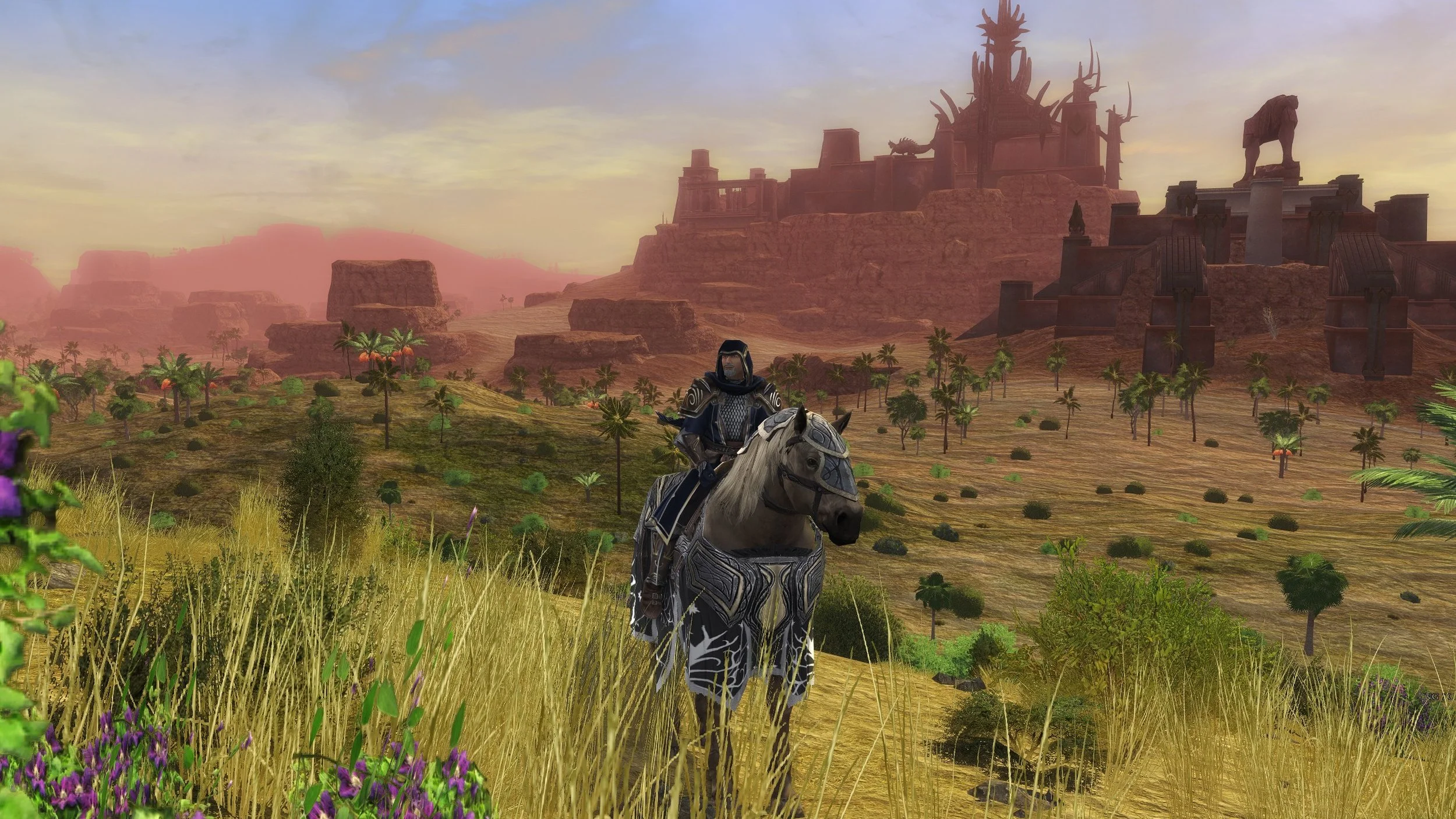
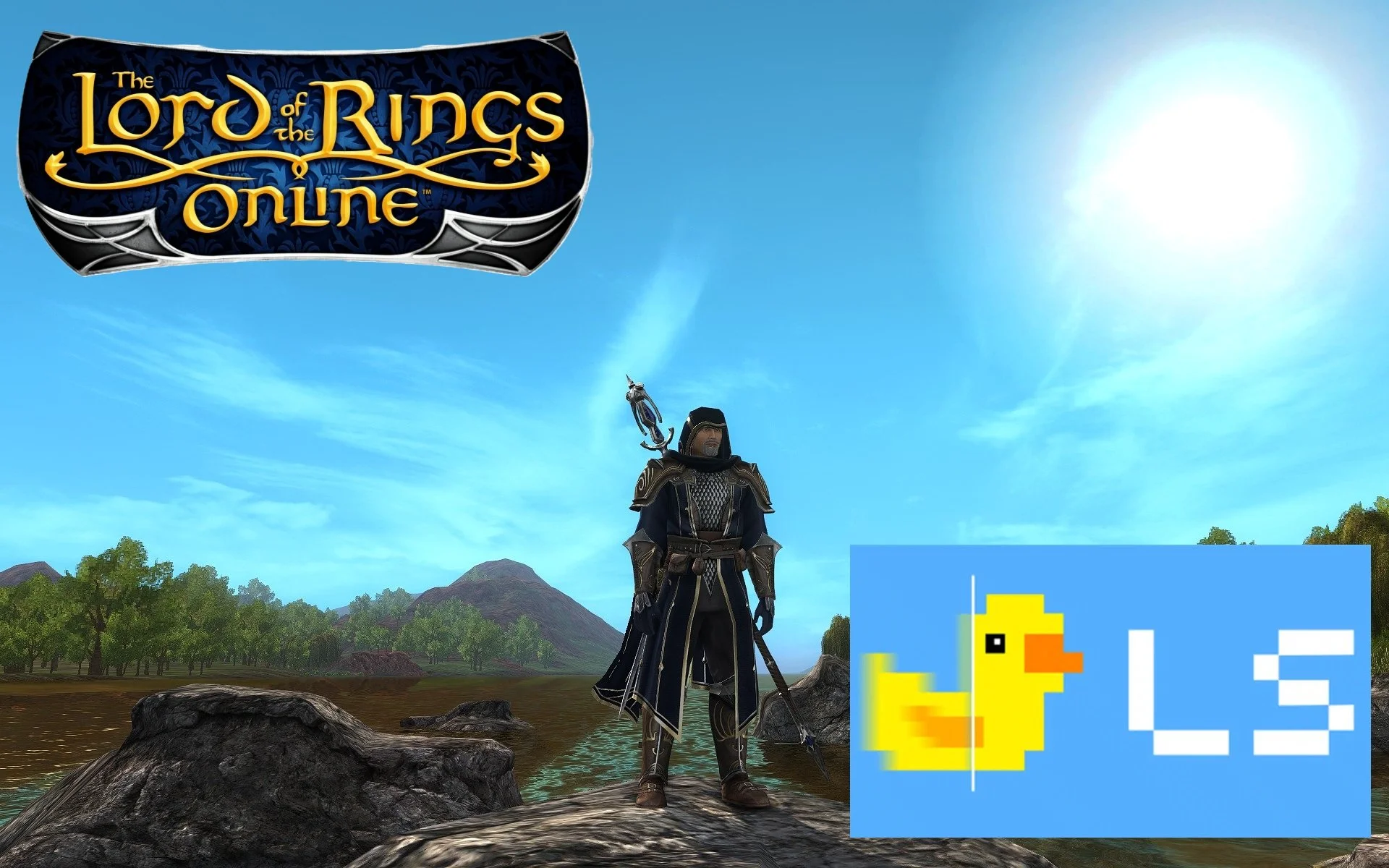
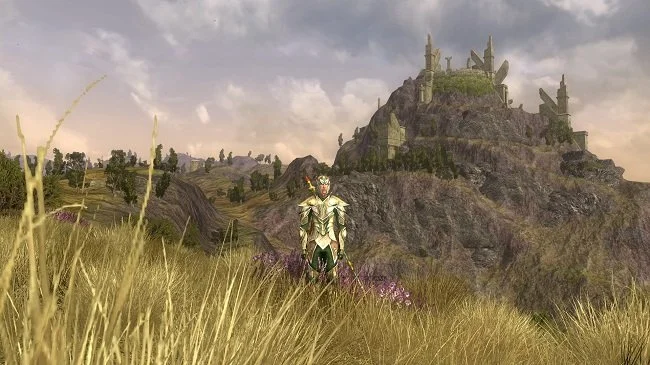
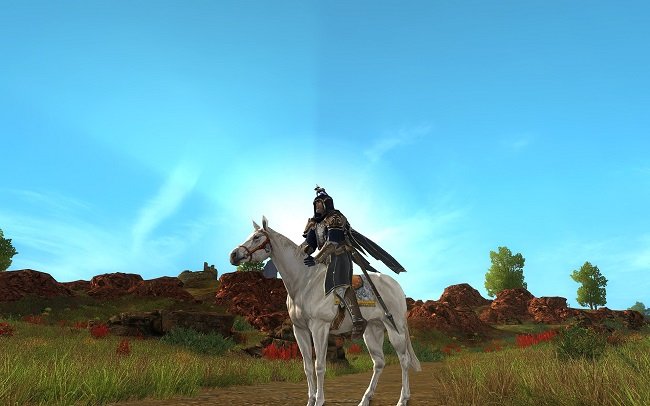
On Monday 22nd December 2008, I visited the Game store at Colliers Wood, South West London. I was working at St George’s Hospital in Tooting the time at and the nearby shopping centre was an ideal place to spend the lunch hour. As I perused the shelves in the PC gaming section, I spotted a “compilation pack” that contained not only the MMORPG The Lord of the Rings Online but it’s recently released expansion pack, Mines of Moria. Although I was aware of the MMO genre at the time, I had never played one beyond a trial of Star Wars: Galaxies. However, as I had recently moved and was living alone, I was in the perfect position to start playing such a game. So, I decided to take the plunge and buy LOTRO for the bargain price of twenty pounds. There was also a sizeable display for World of Warcraft in the shop, which was by far the market leader at the time. Yet because I’ve always been a Tolkien fan, I just naturally gravitated toward buying LOTRO and it never crossed my mind to buy another product.
On Monday 22nd December 2008, I visited the Game store at Colliers Wood, South West London. I was working at St George’s Hospital in Tooting the time at and the nearby shopping centre was an ideal place to spend the lunch hour. As I perused the shelves in the PC gaming section, I spotted a “compilation pack” that contained not only the MMORPG The Lord of the Rings Online but it’s recently released expansion pack, Mines of Moria. Although I was aware of the MMO genre at the time, I had never played one beyond a trial of Star Wars: Galaxies. However, as I had recently moved and was living alone, I was in the perfect position to start playing such a game. So, I decided to take the plunge and buy LOTRO for the bargain price of twenty pounds. There was also a sizeable display for World of Warcraft in the shop, which was by far the market leader at the time. Yet because I’ve always been a Tolkien fan, I just naturally gravitated toward buying LOTRO and it never crossed my mind to buy another product.
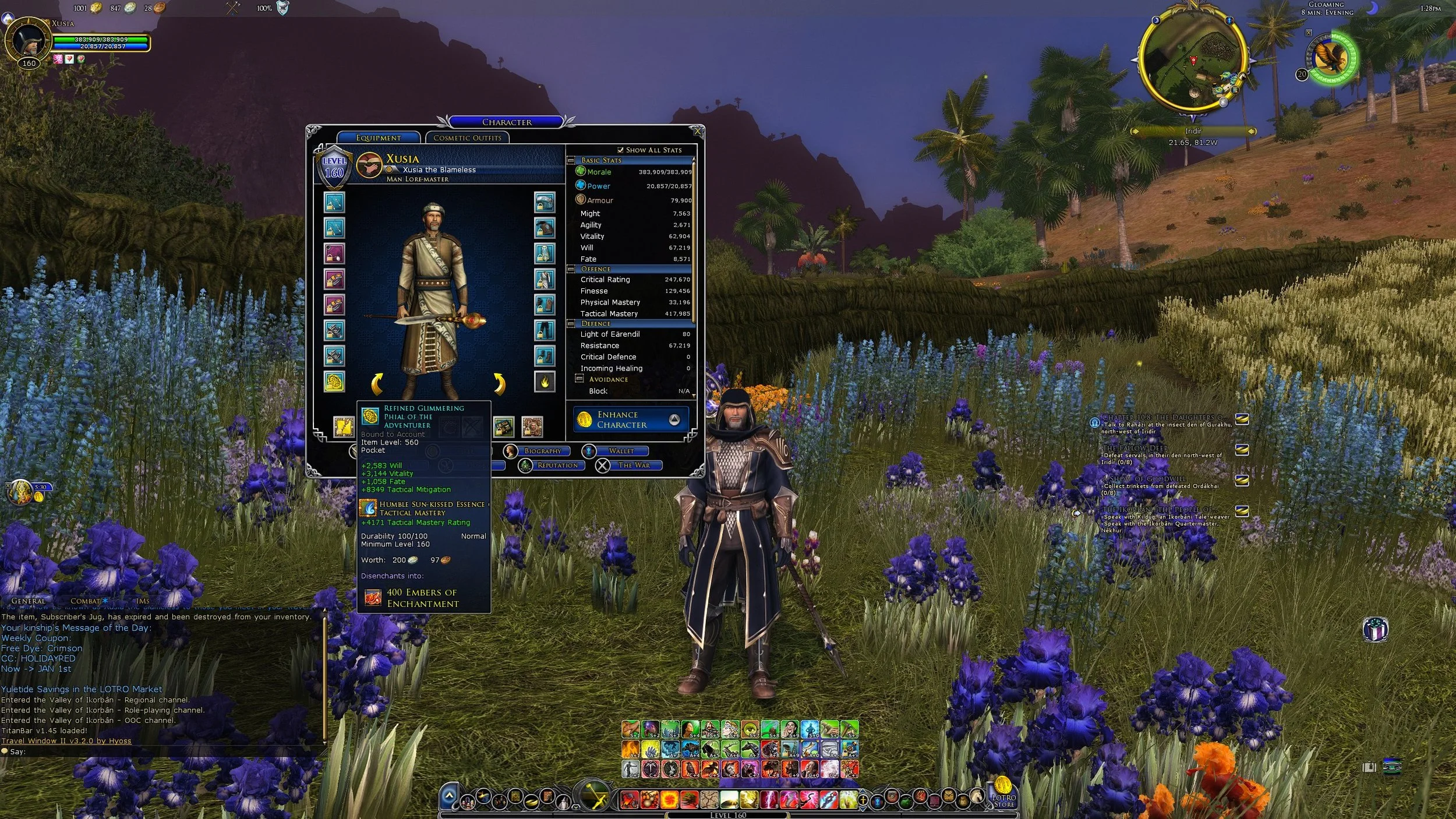
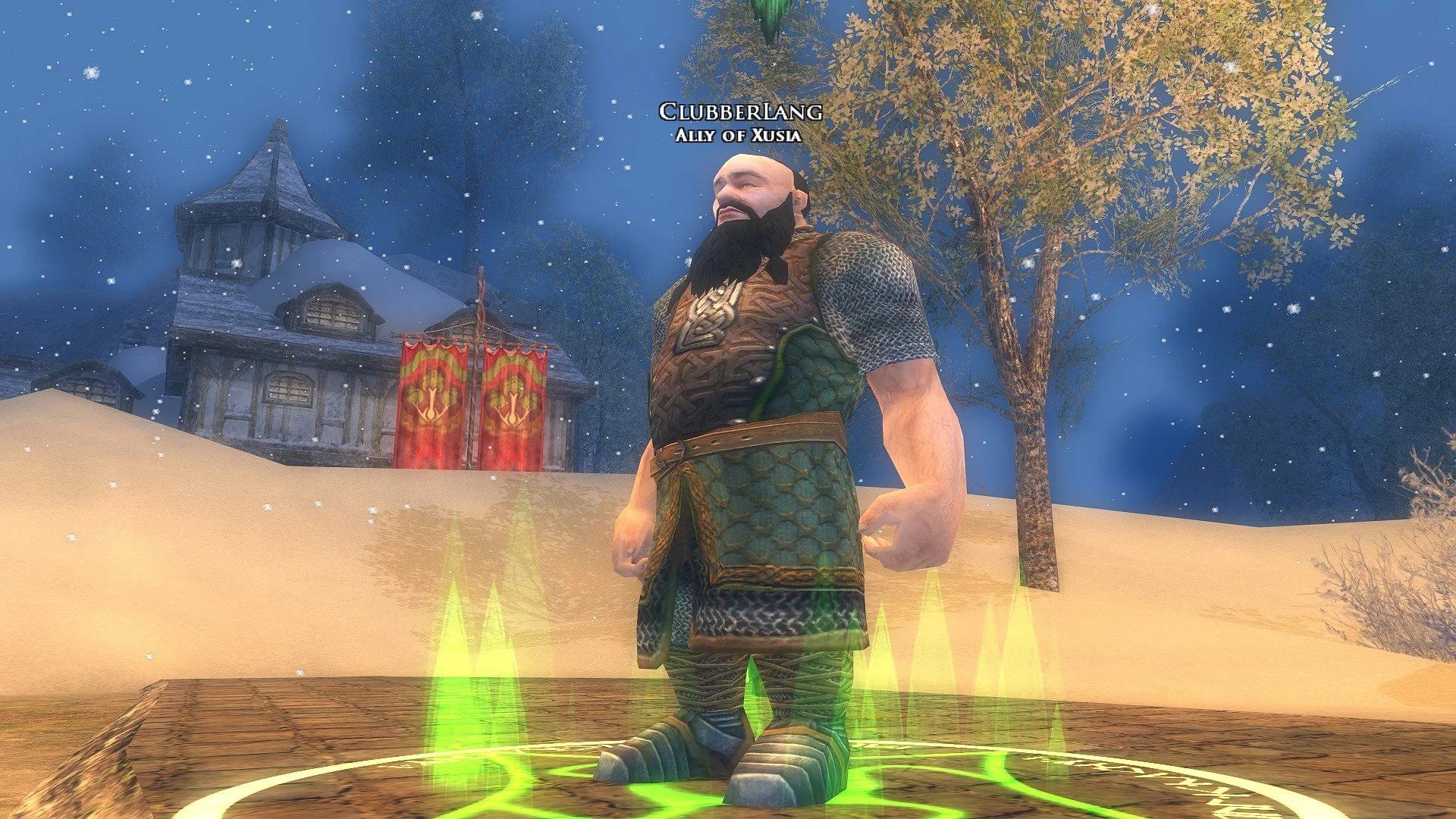
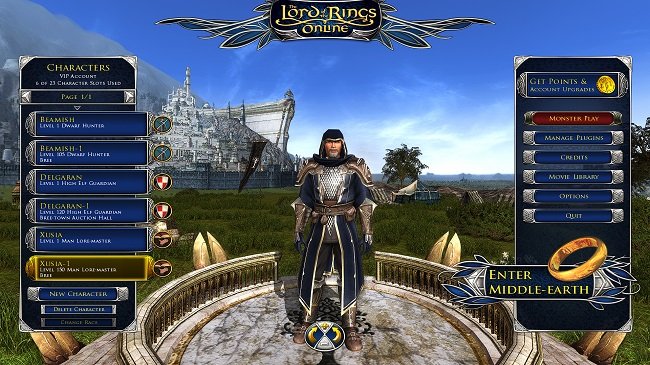
I installed and started playing the game that very night. It should be noted that the European version of LOTRO was distributed and administered under license by Codemasters at the time. So, I set up a subscription and on a whim decided to create my first character on Gilrain server, which met my language and social requirements. Having spent some time reading about the various classes in LOTRO, I can remember now that I was still a little confused by it all. Yet there was something about the Lore-master that just seemed to appeal to me. Perhaps it was the pets, or its semi-magical status. Although I wasn’t that au fait with control classes, I found the explanation of how the Lore-master fought intriguing. “The Lore-master uses his knowledge of ancient wisdom to stave off the advance of the shadow for a time. He can use his knowledge to attack his foes or to treat the wounds and suffering of his companions. He can even communicate with animals and request their aid”.
Let it suffice to say that the tutorial quickly got my orientated in the game. Having been a gamer prior to LOTRO, meant that the learning curve was not so steep. The other advantage I benefitted from by playing LOTRO at this particular time, eighteen months after its launch, was that there was a wealth of online resources for the game already in place. This proved invaluable because things were pretty different in LOTRO back in late 2008. For example, the location of quest objectives were not directly marked on the map. The quest bestowal details usually referred to a specific area which you then had to find and search. Sometimes this would be a very intuitive process but from time to time there would be frustration. Thus, fan sites and blog would often have map coordinates to aid this process. Obtaining a mount was also a challenge. A player didn’t become eligible to purchase a horse until level 35. It also cost a tidy sum of gold and was dependent on a somewhat convoluted quest.
Looking back now at these early days of LOTRO, the most pronounced difference was the fact that much of the game was designed to be completed in a group or fellowship. The Epic storyline frequently had group content as did a percentage of the regional quests. Zone chat was filled with requests for fellowships. Yet because of the volume of players in the game and that fact that Middle-earth had not yet grown to the size that it has now, finding a group was never an issue. There was also a prevailing sense of camaraderie. If a random stranger sent you a tell, you’d more than likely answer it. For the most part, the game was populated by mature Tolkien fans and as a result, things remained mainly civil. Plus, the concept of multiplayer gaming was still novel.
It took me nine months of to reach the then level cap of sixty. That meant playing most evenings and investing a considerable amount of time into LOTRO. There were occasions over weekends where I’d spend a whole day playing. There were also plenty of late nights, although I never did this at the expense of my personal life or work. However, let me be clear, LOTRO at the time became my primary means of entertainment and therefore I was happy to lavish it with attention. As I’m not the sort of player to experiment with multiple alts, this time was exclusively invested into my Lore-master. Lore-master crowd control skills were a key part of group play back then, so I found myself regularly grouping. As a result, friendships were formed and eventually I found the right kinship for me. Eight years on I’m still an active member of it.
Kinships always have been the heart and soul of LOTRO. They come in many shapes and sizes, catering to all types of gameplay. Yet they all have mutual support and friendship in common. What I particularly like about my kinship is its diversity and inherent good humour. It includes people from all over Europe and various walks of life. As a result, interacting with such a cross section of people has been a very positive experience and has certainly broadened my horizons. Then of course there’s the community outside of the game itself. The bloggers, podcasters, streamers and such like. Many are still active today but seven or eight years ago the scene was much bigger and very lively. Because of that community I changed my existing website to a LOTRO blog and instantly it got traction. LOTRO also inspired me to podcast. I can honestly say I’ve not encountered anything similar in all the subsequent MMOs that I’ve experienced.
To be continued.




The Grey (2012)
Contrary to its rather obvious marketing, The Grey is not just a black and white, testosterone fuelled, action movie. It has far greater philosophical aspirations. Beneath the survivalist storyline is a narrative that explores the nature of hope, human determination and the inevitability of death as well as its place in the natural order of things. This is surprisingly cerebral for a film of this genre. It is sombre and dour but totally justified in adopting such tones. Director Joe Carnahan initially sets out a traditional scenario of a rag tag group of oil workers, desperately trying to survive the Alaskan wilderness, after a plane crash. They look to Liam Neeson to assume the alpha-male role for their group. However, we soon discover that he is wrestling with his own personal demons.
Contrary to its rather obvious marketing, The Grey is not just a black and white, testosterone fuelled, action movie. It has far greater philosophical aspirations. Beneath the survivalist storyline is a narrative that explores the nature of hope, human determination and the inevitability of death as well as its place in the natural order of things. This is surprisingly cerebral for a film of this genre. It is sombre and dour but totally justified in adopting such tones. Director Joe Carnahan initially sets out a traditional scenario of a rag tag group of oil workers, desperately trying to survive the Alaskan wilderness, after a plane crash. They look to Liam Neeson to assume the alpha-male role for their group. However, we soon discover that he is wrestling with his own personal demons.
It is here that the film shows some interesting strengths and weaknesses, by exploring the back story of the various survivors and how each copes with the hopelessness of their situation. Neeson softly calms a dying man, explaining the nature of death and helping him accept his fate. It is a scene that works well. But some of the other survivors do seem to lack credibility and are somewhat arbitrary. They serve as red shirt wolf fodder and are primarily there to expedite the plot. The wolves themselves, although ferocious are treated more as an allegorical device, rather than a traditional foe. The attacks are rapidly edited and much of the violence depicted is of the aftermath of these encounters.
The Grey reminded me of several classic Hollywood films, not so much by direct comparison, but simply though similarity of themes and ideas. The Flight of the Phoenix, Sands of the Kalahari and even Zulu sprang to mind. But the films greatest asset, irrespective of these cinematic homages, is the central performance by Liam Neeson. His commanding on-screen presence is utterly convincing and binds the film together. There is genuine dignity in his character as he grapples with his obligations to those that look to him for leadership. A lesser actor would have rendered the film nothing more than a story of man versus the environment. Neeson elevates it to a different level; a thought provoking, existentialist parable.





Christianity and the Easter TV Schedules
As a child growing up in the seventies, Sundays had a distinctly different feel to the other days of the week. The entire pace was more sedate and there was atmosphere of restraint. My parents would chide me for excessive noise. Activities such as reading or drawing where favoured over playing outside. The TV schedules reflected this as well. At the time, there were three terrestrial channels and only one of them was a commercial business. However, Sunday mornings would always have a televised service and there would often be a show offering some moral or ethical debate around midday. The early evening saw a similar broadcast of worship. Christianity was still an integral part of the television.
As a child growing up in the seventies, Sundays had a distinctly different feel to the other days of the week. The entire pace was more sedate and there was atmosphere of restraint. My parents would chide me for excessive noise. Activities such as reading or drawing where favoured over playing outside. The TV schedules reflected this as well. At the time, there were three terrestrial channels and only one of them was a commercial business. However, Sunday mornings would always have a televised service and there would often be a show offering some moral or ethical debate around midday. The early evening saw a similar broadcast of worship. Christianity was still an integral part of the television.
Unlike the US, the UK does not have (and never has had) a direct separation of Church and State. For centuries the Church has had a direct influence over the political agenda and has shaped the cultural landscape. During the seventies, nothing was open on a Sunday, as the trading laws were still subject to a strong Christian lobby. Obviously due to my age at the time, I didn't see or understand the integral role Christianity played within UK society. Yet it was always there, be it at school, on TV or in the newspapers. Any vox pop at the time would always have a member of the clergy contributing. The ubiquitous presence of Christianity was such that it became reflected in popular culture. Most sitcoms would include a vicar at some point. I have fond memories of The Reverend Timothy Farthing (Frank Williams) in Dad's Army.
Roll on forty years and much has changed. The Church of England is in decline and certainly the lobbying power of the Christian community has diminished. The UK has become a far more secular nation and Sundays feel pretty much like any other day of the week nowadays. As a result of this shift, religious content on terrestrial network TV has similarly been reduced. As it is currently Easter, I made a cursory check of the TV guide for faith based content and apart from a few broadcasts of church services, there is precious little on to celebrate Easter. Even the traditional Hollywood religious epics such as The King of Kings with Jeffrey Hunter or George Stevens’ The Greatest Story Ever Told, with its distinctly Caucasian depiction of the Holy Lands, are missing from the schedules.
Since the advent of digital satellite, cable services, VOD and You Tube, is that faith based programming has moved to these new platforms and has to compete with the sheer volume of alternative TV that is available. Something that many other TV genres has had to do. I will leave it to you to decide whether this is a good or a bad thing. However, I would like to make this point. One of the most important weekly shows for me as a child was Top of the Pops. It featured a selection of artists every Thursday, depending on what was doing well in the UK singles. Due to the lack of alternative shows, viewers would watch thirty minutes of a variety of different music. Not all of it would be to their taste but it exposed the public to a broad cross section of musical genres. Nowadays there are niche market channels that provide audience with just the music they want, thus insulating them from anything else. It is this very proliferation of choice that means that many people are simply no longer exposed to any religious content on TV.
I think that it’s beneficial for people to have a broad knowledge of multiple belief systems. There is a great deal of misinformation about the Christian faith and other faiths. The public as well as a lot of Christians themselves are not very well informed about the doctrines and fundamental underpinnings of Christianity. Perhaps at times such as Easter, rather than just showing traditional TV fodder such as church services or re-enactment of The Passion, perhaps it would be wiser to have more documentaries and current affairs programs that explore what it is to be a Christian in the in the twenty first century. What it can and cannot offer. In the meantime, Happy Easter to all, whether you enjoy it as a public holiday or whether it is the focal point of your religious calendar. As for me, I'm off to watch Martin Scorsese's The Last Temptation of Christ. A challenging and intelligent exploration of Christ's final hours. And don’t forget, chocolate eggs will be half price on Tuesday.
















Jack Reacher: Never Go Back (2016)
I thoroughly enjoyed the first Jack Reacher upon its release in 2012. It was a stylishly made, well written, character driven thriller with solid performances and great action sequences. I think a lot of the movies success came down to director Christopher McQuarrie who patently had a good grasp of the source material and how the genre works best. Therefore, when I noticed that he was conspicuously absent from the recent sequel Jack Reacher: Never Go Back, I was curious as to who would fill his shoes. Edward Zwick, an experienced film maker who has worked with Tom Cruise before, directs this time round. All the elements that were present in the first movie are here again. The cast is robust and the narrative concise. Reacher is still an engaging protagonist. Yet for some reason that I can’t exactly put my finger on, the pieces just don’t seem to fit together.
I thoroughly enjoyed the first Jack Reacher upon its release in 2012. It was a stylishly made, well written, character driven thriller with solid performances and great action sequences. I think a lot of the movies success came down to director Christopher McQuarrie who patently had a good grasp of the source material and how the genre works best. Therefore, when I noticed that he was conspicuously absent from the recent sequel Jack Reacher: Never Go Back, I was curious as to who would fill his shoes. Edward Zwick, an experienced film maker who has worked with Tom Cruise before, directs this time round. All the elements that were present in the first movie are here again. The cast is robust and the narrative concise. Reacher is still an engaging protagonist. Yet for some reason that I can’t exactly put my finger on, the pieces just don’t seem to fit together.
Jack Reacher: Never Go Back starts with a vignette which establishes the character’s credentials as an ex- Military Police Officer who now lives off the grid. Despite his drifter lifestyle Reacher still has links to the US Army and over time develops a bond with Major Susan Turner (Cobie Smulders). While making an impromptu visit to Washington, he discovers the Major has been relieved of command pending a court martial for murder and espionage. As Reacher investigates, he finds himself up against rogue military contractor Parasource and an assassin who is more than his match. Matters are further complicated when Reacher learns that he may have a daughter (Danika Yarosh) and that her life may be in danger from Parasource.
Neither the plot or performances seem to be the problem with Jack Reacher: Never Go Back. The overall production despite a budget of $60 million, seems a little underwhelming. Edward Zwick doesn’t stamp any particular tone or feeling on the proceedings. Washington and New Orleans are usually interesting and charismatic settings for a motion picture, yet precious little is done with them on this occasion. Director of photography Oliver Wood has shot several action movies over the years (Die Hard 2, The Bourne Supremacy and The Bourne Ultimatum) and can usually utilise locations well. In this instance, the character of the surrounding is conspicuously absent from many scenes. The cinematography is somewhat stark and the production spends too much time in warehouses and government buildings.
Another aspect of the film that seems off, is the editing. Billy Weber is an editor of note and has worked well with such directors as Terence Malick. He certainly has constructed some robust action scenes in previous movies such as The Warriors, 48 Hrs and Extreme Prejudice. Yet here the fights sequences seem poorly constructed often obscuring what is actually happening. Beyond these set pieces the whole movie has a somewhat stilted and awkward feel to it. At times the production has a distinct television feel to it and I wonder if there were time constraints when filming or whether much of the work was delegated to understudies and journeymen crew members.
Jack Reacher: Never Go Back lacks the polish of its predecessor. The ingredients are all present yet the end product is not of the quality one was expecting. The film also contains some unnecessary genre tropes that a director of Zwick’s standing shouldn’t need to use. “Red shirt” henchmen wear sunglasses for example. The main villain played by Patrick Heusinger sports black leather driving gloves to denote his evil status. Again, it smacks of someone else with less experienced, involvement. However, in all fairness the film is not a total disaster. Cruise manages to do most of the heavy lifting and still turns in a watchable performance. The plot is acceptable and the film works well as evening-in entertainment. However, if I had paid to see this at the cinema I would have been deeply disappointed.
Jack Reacher: Never Go Back made a profit at the box office but nowhere near as much as the first movie. The critics were also split on the films virtues. Therefore, the future of Jack Reacher’s cinematic adventures remains in question. However, if a third movie is commissioned I’m sure Tom Cruise could carry it off, being a good shape for a man in his mid-fifties. The alternative is that the franchise sits on the back burner, while the suits ponder which direction it should take. Then like Alex Cross, there could well be a reboot rather than a continuation. It’s a shame because Lee Child’s books lend themselves well to film, yet after a great start their cinematic adaptations seems to have stumbled somewhat. Perhaps a TV show on cable would be a more suitable medium.
Jack Reacher (2012)
There is often scope for controversy whenever a well-known literary figure is brought to the big screen. Physical descriptions previously established by the author are often ignored in favour of casting a known star. However, books and film are very different mediums so such changes can be done in the name of artistic license. Furthermore, if they are done with intelligence and integrity they can be beneficial. The casting of Tom Cruise as Jack Reacher is a bold step because of the obvious difference between the actor's and fictional character's stature. Yet it works extremely well. Tom Cruise simply excels in the role. It should also be noted that author Lee Child endorsed his casting, stating that “Reacher's size in the books is a metaphor for an unstoppable force, which Cruise portrays in his own way."
There is often scope for controversy whenever a well-known literary figure is brought to the big screen. Physical descriptions previously established by the author are often ignored in favour of casting a known star. However, books and film are very different mediums so such changes can be done in the name of artistic license. Furthermore, if they are done with intelligence and integrity they can be beneficial. The casting of Tom Cruise as Jack Reacher is a bold step because of the obvious difference between the actor's and fictional character's stature. Yet it works extremely well. Tom Cruise simply excels in the role. It should also be noted that author Lee Child endorsed his casting, stating that “Reacher's size in the books is a metaphor for an unstoppable force, which Cruise portrays in his own way."
So now that we have that matter out of the way, what exactly does Jack Reacher have to offer as a mainstream Hollywood thriller? Well for starters it has a tightly written, intelligent script filled with interesting, plausible characters and a story-line that doesn't strain ones sense of incredulity. Secondly, it is well paced, beautifully shot, showcases strong performances from all involved and keeps the audience emotionally invested and engaged. Finally, unlike many movies that cynically exploit the confines of the PG-13 rating, trying to peddle adult themes to a younger audience without dirtying their hands; Jack Reacher successfully depicts acts of violence with restraint and skill, portraying dark and quite shocking events in a dramatic yet unexploitative manner. Simple put this is very good cinema.
After an ex-military sniper appears to shoot five innocent people in cold blood, the Police and D.A. think they have an open and shut case. The only request that the suspects makes is "get Jack Reacher". Within a matter of hours, the said Mr. Reacher arrives but to the defence councils surprise, not to exonerate the accused but to "bury him". Surprised by the accused's request, Reacher then embarks upon his own investigation and it soon becomes apparent that all it not what it seems and someone powerful wants Reacher’s enquiries shutdown. However, Jack has no intention of being sidelined and uses his experience as a former Military Policeman to penetrate the ongoing mystery.
At the centre of the movie is Tom Cruise, who brings Jack Reacher to life in a very natural performance. Reacher is not a traditional hero, nor is he as binary as many other alpha male stereotypes. His appeal lies in his keen mind, which stems from his military training. His strong moral code and direct manner also make his character both credible and likeable. Writer/Director Christopher McQuarrie does not add any unnecessary Hollywood tropes to the screenplay. There is no superfluous romance between Reacher and defence lawyer Helen Rodin (Rosamund Pike). Rodin is also a credible female character and bereft of the usual stereotypical baggage. The dialogue is candid and direct, with Reacher especially speaking his mind. The hand to hand combat and the use of firearms are depicted realistically. The movie makes no concessions to lazy viewers and expects the audience to concentrate and think.
If this wasn't enough, we are also treated to an extended cameo by Robert Duvall, who as usual makes great acting look so easy and natural. Frankly I was surprised at how good this movie was and the impact it had. It reminded me of many the great thrillers produced during the seventies; films such as Three Days of the Condor and The Taking of Pelham One Two Three. Movies that were lean, streamlined and driven by strong scripts and performances. Jack Reacher most definitely has that vibe to it as well as the sumptuous visual sophistication that modern film making can have. The dialogue is littered with dry quips and asides which enhances the characters. They're relatively profanity free which is a rare thing these days, yet still very effective.
I have never read any of Lee Child's novels so I was able to watch this movie adaptation without any major pre-conceptions. From my perspective, Jack Reacher is a breath of fresh air and a welcome improvement on mainstream studio thrillers. For those who have a strong connection to the source text, I would urge them to temporarily put aside their preconceptions and give Jack Reacher an objective viewing, bearing in mind the key word “adaptation”. I think people may well be pleasantly surprised, especially in light of the authors own personal endorsement.
CMP Giveaway: Win a Copy of Mass Effect: Andromeda for the PC (Closed)
It’s been a while since there’s been any giveaways on Contains Moderate Peril. I won’t bore you with the details why. Legal complexities although pertinent are exquisitely tedious. So, to cut a long story short, here is a chance to win a copy of the popular RPG Mass Effect: Andromeda (standard edition) for the PC. Do I really need to write a potted summary of what this game is about? I think not. Despite the controversy surrounding aspects of the game upon its launch on the 21st March, it would appear that this title has still found favour with the gaming community. So, I thought it the perfect title to feature as the first Contains Moderate Peril giveaway of 2017. Keep checking the site, we have more to come over the month ahead.
It’s been a while since there’s been any giveaways on Contains Moderate Peril. I won’t bore you with the details why. Legal complexities although pertinent are exquisitely tedious. So, to cut a long story short, here is a chance to win a copy of the popular RPG Mass Effect: Andromeda (standard edition) for the PC. Do I really need to write a potted summary of what this game is about? I think not. Despite the controversy surrounding aspects of the game upon its launch on the 21st March, it would appear that this title has still found favour with the gaming community. So, I thought it the perfect title to feature as the first Contains Moderate Peril giveaway of 2017. Keep checking the site, we have more to come over the month ahead.
Here are the minimum and optimum PC requirements to play Mass Effect: Andromeda.
Minimum System Requirements
OS: 64-bit Windows 7, Windows 8.1, or Windows 10
CPU: Intel Core i5 3570 or AMD FX-6350
RAM: 8 GB
GPU: Nvidia GTX 660 2 GB, AMD Radeon 7850 2 GB
Hard Drive: At least 55 GB of free space
DirectX: DirectX 11
Recommended System Requirements
OS: 64-bit Windows 7, Windows 8.1, or Windows 10
CPU: Intel Core i7-4790 or AMD FX-8350
RAM: 16 GB
GPU: Nvidia GTX 1060 3 GB, AMD RX 480 4 GB
Hard Drive: At least 55 GB of free space
DirectX: DirectX 11
To enter follow the instructions below:
There are two ways to enter the draw. You may use anyone of them or both for a chances to win.
Method 1: Simply leave a comment on this post using a legitimate email address that you can be reached on.
Method 2: Follow @ModeratePeril on Twitter, then use your Twitter account to tweet this exact phrase: Win a copy of Mass Effect Andromeda @ModeratePeril http://bit.ly/2nNh5lI #MEACMP #Giveaway #Competition
The competition will close on Sunday 30th April 2017 at 18:00 GMT.
Terms & Conditions:
1.) One entry per person, per method (comment or Twitter) please. Total of 2 possible entries per person. To comply with UK ratings regulations all entrants must be 18 or over.
2.) Any entry using an IP address that's already logged will be deleted. Effectively only one set of entries per household.
3.) The actual text of your comment has no bearing on the competition, although it is sensible to be polite. It is irrelevant whether you post a unique comment or a reply to another person.
4.) Contains Moderate Peril's decision is final. There will not be a debate, steward’s enquiry or inquest into who won.
5.) The winner will be contacted by email or Twitter Direct Message. If they do not reply within 2 days, the prize will be re-allocated.
6.) The prize will be in the form of a region free game code for the Origin game platform. The winner will need to have or create an Origin account.
7.) Contains Moderate Peril contributors cannot enter.
8.) By entering you accept responsibility that the prize is compatible with your hardware. If you win and it's not, that is your problem and you have no recourse to Contains Moderate Peril.
9.) The winner may not request that the prize be transferred to any other person. No cash alternative or alternative prize is available on entrant's request but in the event of the advertised competition prize being unavailable we reserve the right to offer an alternative prize of equal or greater value.
10.) Entry in the competition implies acceptance of these rules
Good luck.
Poltergeist (2015)
Tobe Hopper's original Poltergeist was in many ways a socio-economic satire of the Reagan era. A bold statement about consumerism, the American Dream and the notion that the so-called "perfect life" was built upon a lie. However the central characters in the 1982 film and were benign and essentially likeable. Although they were social climbers they were tempered by some of the more compassionate aspects of seventies pop culture. The family at the heart of this remake are subtly different. The Bowen's are suffering both financially and emotionally due to the foibles of the economy. Where the original movie was about US notions of family aspiration, this remake is about the failure of retail therapy and taking comfort in "things".
Tobe Hopper's original Poltergeist was in many ways a socio-economic satire of the Reagan era. A bold statement about consumerism, the American Dream and the notion that the so-called "perfect life" was built upon a lie. However the central characters in the 1982 film and were benign and essentially likeable. Although they were social climbers they were tempered by some of the more compassionate aspects of seventies pop culture. The family at the heart of this remake are subtly different. The Bowen's are suffering both financially and emotionally due to the foibles of the economy. Where the original movie was about US notions of family aspiration, this remake is about the failure of retail therapy and taking comfort in "things".
Sam Rockwell and Rosemarie DeWitt offer convincing performances as Eric and Amy Bowen. Their economic plight is something most people can relate to. Kennedi Clements is engaging as young Madison Bowen. Her character remains at the heart of the supernatural events and the centre of the story. Gone is the engaging eccentricity of Zelda Rubinstein and the enigmatic medium has now been replaced by Jared Harris. Carrigan Burke, a TV reality show paranormal investigator, is simply not such an enjoyable character and although Harris' performance is fine, he just isn't as interesting as his predecessor. Plus of course there's the issue of his hat.
Sadly the emotional underpinning that was present in the first movie due to Steven Spielberg’s presence, is not so prevalent this time round. Much of the updated, modern variations of the storyline and production seem just arbitrary. Beyond being just different they don't really bring that much new to the table. The original movie made sense set against the political background of the time. The fear that television is essentially a bad and pervasive influence upon society, has not been replaced with a suitably similar contemporary theme. TV sets are no longer a metaphorical conduit this time round, merely a convenient portal. If Poltergeist had swapped television for another problematic medium such as the internet, perhaps the movie would have worked better and had more substance.
For those looking for a functional PG-13 jump-fest (which remain very much in vogue at present) then Poltergeist provides an adequate fix. It is directed by Gil Kenan in a very contemporary fashion and boasts good production values for a genre movie of medium budget. It certainly does not do any harm to the franchise but sadly it doesn't do anything radically different either. More thought should have been spent on the updating of the story which focuses mainly upon the physical changes of the last thirty years. Poltergeist should have been rooted in current socio-political concerns of our time to give it more substance. As it stands the overall differences are perfunctory and the film lacks a thematic anchor.
Poltergeist is currently available on DVD and Blu-ray in both the theatrical version, rated PG-13 and as an extended edition. The theatrical release runs for 93 minutes, whereas the longer version is 101 minutes. The differences are mainly extended scenes or alternative takes and focus on the character development of the family. They offer no additional horror material and have no impact upon the rating whatsoever. For the purpose of this review I watched the extended edition, on the grounds it offered a fuller narrative and thus a potential superior viewing experience over the standard theatrical print.
Blogrolls and News Aggregation
Blogrolls are both an asset and a social minefield. In principle, they are simply an additional online resource, hopefully offering readers links to further material they may find of interest. However, they can also be regarded as popularity contests or an exercise in mutual backslapping among blogging peers. I’m also not too sure of the appropriate internet etiquette associated with them. Sometimes bloggers feel snubbed if they find that their site is absent from their colleague’s blogroll. Also, if someone lists your site on their blogroll are you obliged to reciprocate? Because of these reasons and the simple fact that my current website template does not utilise a sidebar, which is the traditional location for a blogroll, I have stopped maintaining one on Contains Moderate Peril.
Blogrolls are both an asset and a social minefield. In principle, they are simply an additional online resource, hopefully offering readers links to further material they may find of interest. However, they can also be regarded as popularity contests or an exercise in mutual backslapping among blogging peers. I’m also not too sure of the appropriate internet etiquette associated with them. Sometimes bloggers feel snubbed if they find that their site is absent from their colleague’s blogroll. Also, if someone lists your site on their blogroll are you obliged to reciprocate? Because of these reasons and the simple fact that my current website template does not utilise a sidebar, which is the traditional location for a blogroll, I have stopped maintaining one on Contains Moderate Peril.
A few years ago, I set up an aggregation website called The Gaming Blog Nexus and it proved a more practical means of curating other people’s blog content. It was a popular and successful resource but like most online projects it was subject to increasing operational costs. After two and a half years I decided to close the site, which at the time listed over one hundred and twenty gaming related blogs. Although I do not regret my decision as I do not have unlimited funding for my online projects, I do miss its practical benefits. It was a straightforward and convenient way to keep abreast of websites and blogs that I enjoy. I was hoping after the closure of The Gaming Blog Nexus that someone else would create something similar. To date no one has.
At present, I’m using Feedly for my news aggregation. It works well across multiple platforms, although I do find the mobile version I have on my Samsung S6 to be the most convenient and streamlined. The Android app allows the user to clearly scroll through summaries of new content quickly and efficiently and decide whether to read or delete. So far, it is the most practical means of managing all the new articles I wish to read. It’s a great service that I will happily recommend to others. However, there is one minor point that concerns me. I started using Feedly after Google Reader shutdown in 2013. It made me very aware of our increasing dependency on “free” apps and services. There is always the possibility that Feedly may similarly vanish at some point in the future.
There are many tools that help you manage the flow of information. I find Microsoft Outlook invaluable for managing my daily emails. I have multiple accounts and several calendars to contend with and Outlook provides all the functionality I need to stay on top of things. For me it is the de facto tool for the job. Yet I’ve still to find a similar program or online resource that allows me to manage the websites I subscribe to as effectively. Google Reader, Feedly and Blogrolls are a good starting point and allow you to segregate the content you want from the usual internet white noise. Yet I can’t help feeling there’s scope for something else that can not only curate your favourite content but learns your likes and dislikes and suggest comparable material. So, I’ll keep looking. If I find such a service I no doubt blog about it.





















The Devil Rides Out - Restored and Altered
The Devil Rides Out was restored by StudioCanal and released on Blu-ray in 2012. Based on Dennis Wheatley's famous novel, the film is considered to be one of Hammer studios the finest works, made at the height of their success. The story centres around a group of friends who meet for a reunion, only to discover that one of their circle has fallen into the clutches of a satanic cult. The Duc de Richleau (Christopher Lee) and Rex Van Ryn (Leone Greene) soon find themselves up against cult leader Mocata (Charles Grey), who is not disposed toward releasing his new acolyte Simon Aron (Patrick Mower). The Devil Rides Out features an intelligent screenplay by Richard Matheson and strong performances by Christopher Lee and Charles Gray. As ever with Hammer movies, the production designed is polished and looks more lavish than it is. Unfortunately, the films poor box office returns outside of the UK, meant that the studio declined to make any further adventures of the Duc de Richleau.
The Devil Rides Out was restored by StudioCanal and released on Blu-ray in 2012. Based on Dennis Wheatley's famous novel, the film is considered to be one of Hammer studios the finest works, made at the height of their success. The story centres around a group of friends who meet for a reunion, only to discover that one of their circle has fallen into the clutches of a satanic cult. The Duc de Richleau (Christopher Lee) and Rex Van Ryn (Leone Greene) soon find themselves up against cult leader Mocata (Charles Grey), who is not disposed toward releasing his new acolyte Simon Aron (Patrick Mower). The Devil Rides Out features an intelligent screenplay by Richard Matheson and strong performances by Christopher Lee and Charles Gray. As ever with Hammer movies, the production designed is polished and looks more lavish than it is. Unfortunately, the films poor box office returns outside of the UK, meant that the studio declined to make any further adventures of the Duc de Richleau.
What makes The Devil Rides Out so enjoyable is its brooding atmosphere, period charm and luxurious sets. It is a well-paced horror film with an emphasis upon plot and character. It encapsulates all the finest qualities of Hammer studios. It may not be particularly shocking or horrific by today's standards but it certainly has an unsettling ambience to it. This is a story from a time when the UK was still a predominantly Christian nation and the notion of one’s immortal soul being in peril, was not such an abstract concept as it is in these secular times. Unfortunately, due to budgetary restrictions and technical limitations, the movies visual effects do look somewhat dated.
Because of this very issue, during the restoration of the optical elements from The Devil Rides Out, it was decided to enhance certain sequences, to bring them in line with the original vision of Hammer and director Terence Fisher. Matte lines have been removed and colour regraded on composite shots. More controversially some footage has been added or replaced. The spider sequence now includes holy water being thrown and the lightning strike on the satanic alter has been more convincingly recreated. The most notable change is the additional lighting to the arrival of the Angel of Death. A back-light has been added to Death's entrance into the library and when he removes his mask, a flaming blue background has replaced the original black.
I have a great love for Hammer films and am very supportive of StudioCanal in their undertaking to restore so many of these classics. I therefore do not wish to be sidetracked by a debate of the rights or wrongs of these enhancements. However, I do feel that it was a mistake not to include an original print of the movie on this particular Blu-ray release as a bonus. The new effects work could easily have been included via seamless branching. Let us hope that StudioCanal listen to fans and reflect upon the debate that has arisen. Overall this is the finest presentation of The Devil Rides Out we are ever likely to see. It still has much to offer both old and new fans alike.
Ten Books of Note - A Personal Selection
Many of my fellow bloggers regularly posts details of what they’ve been reading of late. I must admit that although I received several books and graphic novels as Christmas presents, I’ve yet to start any of them. The bulk of my reading is done via my PC or Tablet and usually tends to be news articles, blog posts and research for my writing. The last book that I physically read was Titus Crow, Volume 3: In the Moons of Borea & Elysia by Brian Lumley and that was last November. So, I’ve decided to get back into reading in the traditional sense and as ever have allotted time in my schedule and set myself goals. As a carer I have numerous appointments to attend throughout the week with my parents. Rather than waste time on my phone perusing twitter and gawping at the internet, I shall use these periods to read.
Many of my fellow bloggers regularly posts details of what they’ve been reading of late. I must admit that although I received several books and graphic novels as Christmas presents, I’ve yet to start any of them. The bulk of my reading is done via my PC or Tablet and usually tends to be news articles, blog posts and research for my writing. The last book that I physically read was Titus Crow, Volume 3: In the Moons of Borea & Elysia by Brian Lumley and that was last November. So, I’ve decided to get back into reading in the traditional sense and as ever have allotted time in my schedule and set myself goals. As a carer I have numerous appointments to attend throughout the week with my parents. Rather than waste time on my phone perusing twitter and gawping at the internet, I shall use these periods to read.
In the meantime, I thought I’d kill two birds with one stone and not only set up a reading schedule but write a quick list of some of my favourite books. I would like to stipulate that this is not a "top ten" or a list of books of outstanding literary merit, although I believe some of these titles do fall into the latter category. These are simply books that I've enjoyed reading and that made quite a big impact upon me at the time. All the titles discussed in this post are works of fiction. I’ll more than likely compose a separate list for non-fiction titles. For the record, I have no particular preference for either genre. The only thing I require from a book is that it’s absorbing. A book that cannot hold my interest is soon cast aside.
The Old Man and the Sea by Ernest Hemingway: I first read this book when I was fifteen and it was the one of the set texts for an exam. I was left bewildered by the themes that the story explores and frankly had little sympathy for the "Old Man". Having re-read in more recent years I now find many of the concepts far more accessible. Santiago's struggle with his Marlin adversary is quite profound and I no longer see the books ending as a failure but a positive validation of the "Old Man" motives.
Nineteen Eighty-Four by George Orwell. Orwell's vision of the future is possibly more relevant today than it was upon its publication in 1949. "Doublespeak" along with "Two Minutes of Hate" seem to be integral aspects of modern life and we seem to have willingly embraced them, rather than had them forced upon us. For me the most powerful aspect of the book is the bleak but utterly plausible ending. I think this book should be mandatory reading in all schools.
The Lord of the Rings by JRR Tolkien: I read The Hobbit as a child but didn't tackle The Lord of the Rings until 1978. I find the depth of history that permeates the text extremely engaging. Even though the events of the third age feel epic, there is still a sense of something even vaster reaching back over time. There are also many thought provoking themes within the narrative and the book holds up to multiple readings, due to its complexity. I am still intrigued by the enigma of Tom Bombadil. This is a book that manages to be many things to many people, finding fans and enthusiasts from all quarters. I like that quality.
The Pickwick Papers by Charles Dickens: A timeless tale of a group of gentlemen and their misadventures as they travel around the English countryside. As well as being a very interesting snap shot of travel in Dickensian times, this is a genuinely funny collection of stories reflecting the fact that human nature seldom changes over time. This book was instrumental in kindling my love of language. Dickens uses some wonderful words and phrases, many of which I have adopted into my personal lexicon.
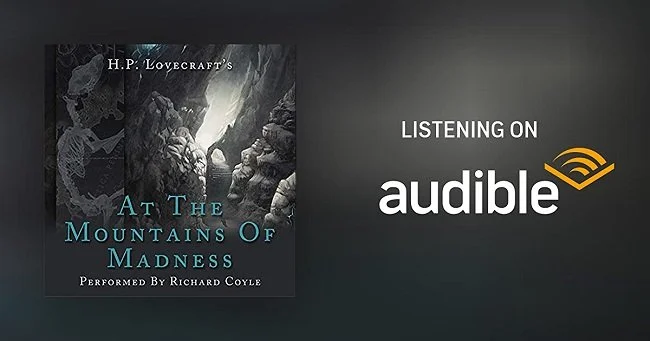
At the Mountains of Madness by H.P. Lovecraft: A superb tale that blends both science and the supernatural. Set in a time when the world still held hidden mysteries and vast swathes of the earth remained unexplored, this is a disquieting tale, that builds in atmosphere. Lovecraft's skill lies in exploring the concept of something vast and ancient that lurks just beyond our normal senses. He excels at conveying the idea that we unknowingly share time and space with ancient beings, utterly alien to ourselves. This book is a great introduction into the world of the Cthulhu Mythos.
The Martian Chronicles by Ray Bradbury: Ray Bradbury's The Martian Chronicles is a thoughtful, lyrical collection of short stories about human colonisation of Mars and its consequences it has upon both races. Filled with rich themes and philosophical questions this remains an incredibly thought provoking read. The brief and esoteric insights the stories provide into Martian culture and society are one of the most engaging aspects of the book. The Martian Chronicles is also a snapshot of the prevailing social issues at the time it was written. Many still remain unresolved to this day.
Three Men in a Boat by Jerome K. Jerome: First published in 1889, Three Men in a Boat is a humorous account by Jerome K. Jerome of a boating holiday on the Thames between Kingston and Oxford. Some humour simply doesn't date and this book is filled with amusing vignettes and comic narrations. Two outstanding incidents are Uncle Podger's attempt at hanging a picture and a curious discussion of "Advantages of cheese as a travelling companion". The undertaker’s comments will remain with me forever. What I like about this book is the fact that the indolence of young men remains constant.
Carnacki the Ghost Finder by William Hope Hodgson: William Hope Hodgson's supernatural detective, Thomas Carnacki, remains criminally underrated in literary circles. This collection of short stories explores several of Cranacki's old cases. Sometimes there are worldly explanations to the various mysteries. Other times there is clear evidence of the opposite. Like Lovecraft, Hodgson hints at a vast, malevolent force outside of human perception. He also mixes science with the occult, with Carnacki frequently using his Electric Pentacle; a series of multicoloured neon tubes. This is weird and baroque fiction at its best.
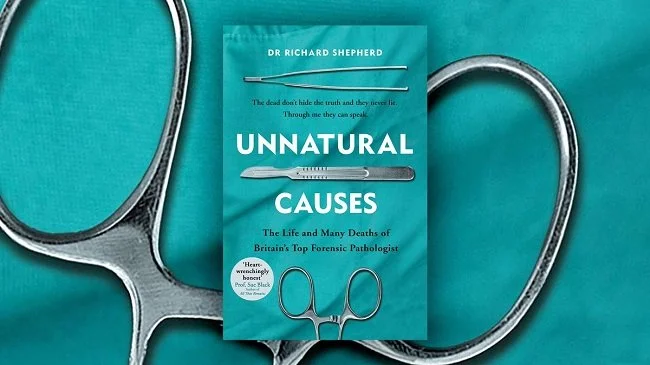
Twinkle, Twinkle, Killer Kane by William Peter Blatty: Col. Vincent Kane arrives at a remote castle serving as an insane asylum for U.S. Army soldiers where he attempts to rehabilitate them by allowing them to live out their fantasies. It soon becomes apparent that Kane may be just as psychologically disturbed as his patients. Fascinating, tragic and immensely uplifting are just some of the ways I would describe this book. It manages to balance a compelling theological subtext with a strong streak of gallows humour. A very rewarding read and one of the great unsung novels of the seventies.
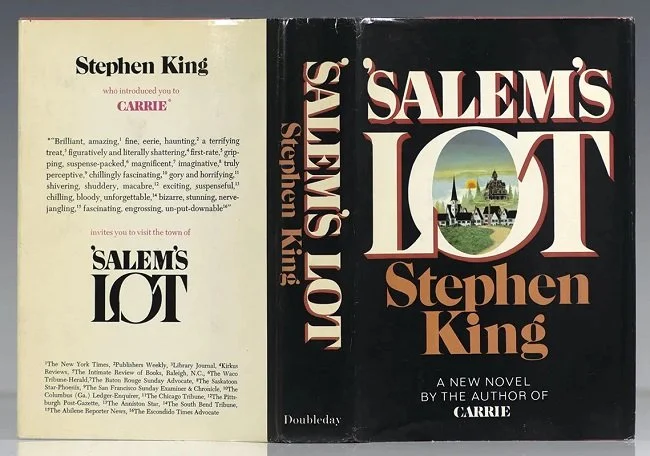
The Medusa Touch by Peter Van Greenaway: On the surface this is quite a conventional science fiction potboiler, about a disenfranchised writer who has the power to create disaster and catastrophe. However, it is elevated above the mundane by the central character of John Morlar, whose misanthropic narratives are utterly fascinating and sadly quite perceptive. The book also raises some relevant questions about the establishment, various public institutions and their relationship with power, which was a common theme for the author. The cathedral shattering denouement is suitable spectacular.
So, there are ten books that I recommend. As of tomorrow, I embark upon my new reading regime. For my first book of 2017, I’ve opted for some heavyweight non-fiction. I’ve ordered Sapiens: A Brief History of Humankind by Yuval Noah Harari. I heard the professor being interviewed on a podcast recently and he raised several points about human nature that I found fascinating. So, I’ll give one of his books a go. If it proves too taxing or beyond my intellect, then I have several short stories by Roger Hargreaves in reserve. His work never fails to delight. In the meantime, feel free to leave a comment and recommend anything you’ve read that you think may be of interest to me.

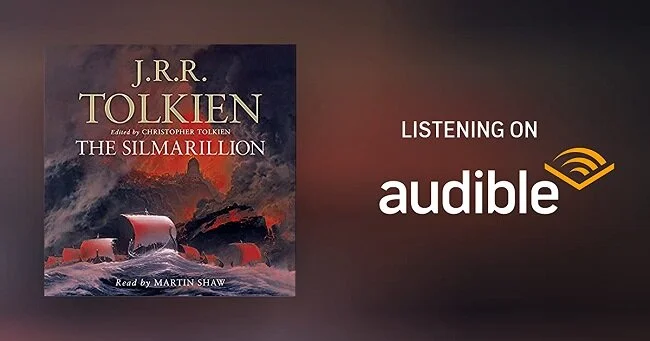
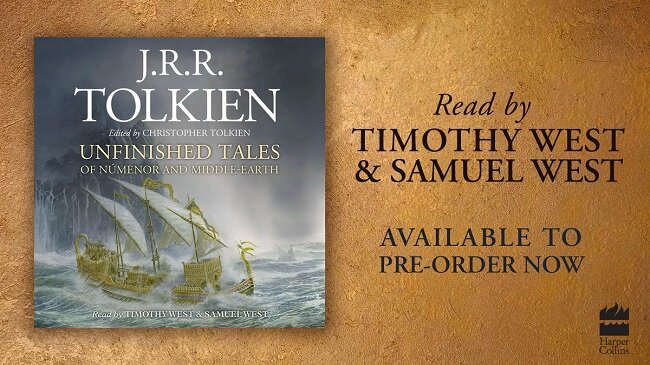
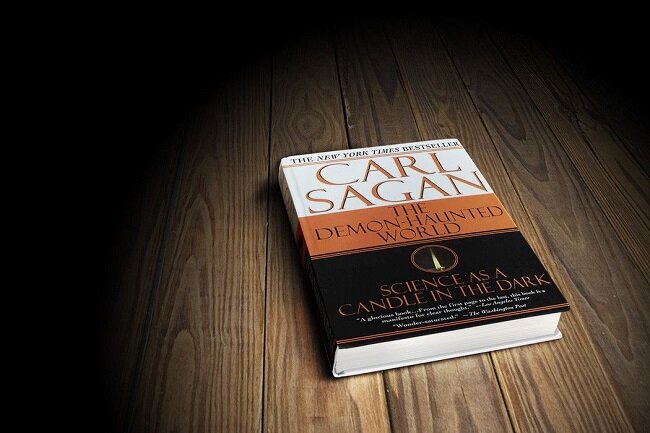


Salt: The Director's Cut (2010)
Director Phillip Noyce is no stranger to the thriller genre having made several competent examples such as Dead Calm, Patriot Games and Clear and Present Danger. Therefore, I was expecting a professionally crafted action film, when I recently purchased Salt on Blu-ray. However, it soon became apparent that Salt had suffered the usual indignities of studio interference during the course of its production, as there are three versions of the movie on the disc. The PG-13 theatrical version suffers from the usual ratings issues, so I chose to ignore it. The Extended cut includes new and alternative scenes as well as the violence restored but I felt it appropriate that I watch The Director's Cut for the fullest version of the movie. Specific details regarding the differences between all versions can be found at movie-censorship.com
Director Phillip Noyce is no stranger to the thriller genre having made several competent examples such as Dead Calm, Patriot Games and Clear and Present Danger. Therefore, I was expecting a professionally crafted action film, when I recently purchased Salt on Blu-ray. However, it soon became apparent that Salt had suffered the usual indignities of studio interference during the course of its production, as there are three versions of the movie on the disc. The PG-13 theatrical version suffers from the usual ratings issues, so I chose to ignore it. The Extended cut includes new and alternative scenes as well as the violence restored but I felt it appropriate that I watch The Director's Cut for the fullest version of the movie. Specific details regarding the differences between all versions can be found at movie-censorship.com
The Director's Cut of Salt is a stylish and gritty post Cold War thriller that benefits from a solid cast and imaginative writing. Initially written as a vehicle for Tom Cruise, Angelina Jolie had the script re-tooled by writer Brian Helgeland to more suit her requirements. Yes, the plot is somewhat farfetched but I consider its grandiose storyline to be an asset rather than a fault. The theme of deep cover Soviet agents waiting for decades to cause havoc reminded me of Don Siegel's 1977 movie Telefon. Salt is certainly no more preposterous than the convoluted adventures of Jason Bourne. The editing is certainly superior to that franchise, for starters.
The movies greatest strength is the central performance by Angelina Jolie as Evelyn Salt. Is she a loyal CIA operative or really a double agent? The film keeps you guessing and more to the point, Jolie keeps the viewer caring. She also acquits herself extremely well during the action sequences which are not the customary CGI-fest you usually get these days. There are some very good physical effects sequences featured in the Director's Cut as well as some solid hand to hand combat. Liev Schreiber and Chiwetel Eijofor provide robust support as investigating government agents without descending into caricature. Playing senior covert operatives can so often be subject to so much cliché.
Whenever Hollywood deviates from a standard formula and casts against established gender or racial stereotypes, such a decision can often overshadow a movie. Sometimes a need to justify this “difference” can even work its way into the screenplay. Salt avoids such stupidity and doesn't go to any length to crassly highlight the gender of its protagonist. It offers an entertaining one hundred minutes and includes all the standard tropes and memes one expects from this genre. The Director's Cut provides more narrative and plot development and is the most well rounded version of the movie. It certainly allows Angelina Jolie to do more than just perform her own stunt work and as such is the cut of the film I would recommend.
The Ninth Configuration (1980)
In a remote Gothic castle in the Northwest of America, the US military attempt to determine whether a group of apparently deranged servicemen and one astronaut, Billy Cutshaw (Scott Wilson), are faking their insanity. When experimental psychiatrist Hudson Kane (Stacey Keach) arrives to take charge, he is subtly persuaded by Cutshaw and fellow inmate Lt. Reno (who is adapting the works of Shakespeare for dogs) to indulge the men's delusions and engage in extravagant roleplay therapy. As Center 18 descends into insanity, it becomes clear to Sargent Groper (Neville Brand) of the hospital staff, that the new psychiatrist may be more deranged than the patients. Cutshaw challenges Kane to prove the existence of God by showing him one single act of genuine self-sacrifice. Kane accepts the challenge but his mental state is rapidly deteriorating. He reveals to medic Dr Fell (Ed Flanders) that he is haunted by murderous dreams belonging to his brother, the infamous marine 'Killer' Kane. Who or what is psychiatrist Hudson Kane? Will Cutshaw and the other patients be cured?
In a remote Gothic castle in the Northwest of America, the US military attempt to determine whether a group of apparently deranged servicemen and one astronaut, Billy Cutshaw (Scott Wilson), are faking their insanity. When experimental psychiatrist Hudson Kane (Stacey Keach) arrives to take charge, he is subtly persuaded by Cutshaw and fellow inmate Lt. Reno (who is adapting the works of Shakespeare for dogs) to indulge the men's delusions and engage in extravagant roleplay therapy. As Center 18 descends into insanity, it becomes clear to Sargent Groper (Neville Brand) of the hospital staff, that the new psychiatrist may be more deranged than the patients. Cutshaw challenges Kane to prove the existence of God by showing him one single act of genuine self-sacrifice. Kane accepts the challenge but his mental state is rapidly deteriorating. He reveals to medic Dr Fell (Ed Flanders) that he is haunted by murderous dreams belonging to his brother, the infamous marine 'Killer' Kane. Who or what is psychiatrist Hudson Kane? Will Cutshaw and the other patients be cured?
It is very difficult to know where to begin with any sort of analysis of The Ninth Configuration as it’s a movie that straddles multiple genres. Written and directed by William Peter Blatty its Golden Globe-winning script is a reworking of director’s 1966 novel “Twinkle, Twinkle, Killer Kane”. The screenplay expands an quirky literary theological indulgence into a powerful and deeply philosophical melodrama. The film forms the second part of a 'trilogy of faith' which began with The Exorcist and concluded with Legion (filmed as The Exorcist III). This extraordinary theological thriller combines scathing satire with sanguine spirituality in one of the most genuinely bizarre offerings of modern US cinema. There are parallels to Hitchcock's Spellbound (1945) in terms of the narrative but its tone is closer to Samuel Fuller's Shock Corridor (1963) or David Lynch's Twin Peaks Fire Walk with Me. One can also draw parallels with Miloš Forman’s One Flew Over the Cuckoo’s Nest. Sadly, The Ninth Configuration still does not enjoy the status of that movie.
The Ninth Configuration alters in tone regularly throughout its narrative arc, exploring philosophy one moment, then dabbling is slapstick humour the next. The film at times comes dangerously close to pretentiousness, yet the story is intelligently brought back to earth with gallows humour and jolting bursts of violence. There are visions of a lunar crucifixion, the claustrophobic realism of a bar-room brawl, therapeutic Nazi roleplay and Moses Gunn dressed as Superman. Blatty directs like a man who has discarded the cinematic conventions rulebook and challenges the limits of mainstream film making. The result is a movie that is not easily quantifiable and thus not immediately accessible to mainstream audiences. Yet it’s a film packed with oddly erudite one liners; "You remind me of Vincent Van Gogh. Either that or a lark in a wheatfield”. The late William Petty Blatty had a flair for comic dialogue. Thus, the ensemble cast are allowed to explore their characters to the full. Stacy Keach playing catatonically straight to Scott Wilson's Marx Brothers madcap persona. Ed Flanders' remains deadpan, while George DiCenzo and Robert Loggia chew the scenery. Jason Miller and Joe Spinell indulge in Abbott and Costello style banter as they stage Shakespeare in increasingly bizarre ways.
Cinematographer Gerry Fisher prowls around the castle's corridors in suitably gothic fashion. The brooding environment is an interesting juxtaposition to the traditional sterile environment of a military hospital. Barry DeVorzon's provides an eerie score that manages to enhance the unfolding madness. His musical cues are few but expertly deployed. A key scene in the movie is a bar room fight, which shifts the direction of the narrative noticeably. It’s an incredibly authentic piece of fight choreography, using accurate techniques, created by veteran stunt arranger Booby. It’s one of the most credible fights involving someone with a military background, since John Frankenheimer's The Manchurian Candidate. Miraculously, despite the intentionally chaotic manner in which the story unfolds, as it lurches from comedy to tragedy to psychosis, director Blatty manages to produce a film that examines the most fundamental questions of life. Is there a God? Is there a point to it all? Why is there so much suffering in the world? His conclusion is poignant and thought provoking.
The Ninth Configuration has been distributed in numerous formats over the last 37 years, most of which were constructed by Blatty himself. Refined from an assembly print of over three hours, the film was originally issued in the US in two distinct versions. A longer cut first released by Warner in early 1980 and an abridged version retitled Twinkle, Twinkle, Killer Kane from United film Distribution. There have also been additional regional variations that have been cut for content or violence. Unsatisfied with all versions, Blatty finally decided to definitively recut The Ninth Configuration for a New World rerelease in 1985, creating the 1 17-minute, 37-second cut which now stands as his approved runtime. This final cut includes much comic dialogue absent from other versions (Cutshaw and Reno discussing “Spellbound”, Reno and Spinell arguing about casting Hamlet) and adds a haunting pre-credits overture in which Barry DeVorzon's song “San Antone” plays over a montage of images of the castle in the rain. It is this edit that is currently available on DVD and Blu-ray.
The Ninth Configuration is a curious beast and is certainly not for all audiences. It has a measured pace that requires both patience and concentration from the viewer. I would urge anyone who enjoys theological debate, or films that address the human condition to view this enigmatic piece of cinema. Be prepared to indulge the film maker and expect the unexpected. Also be aware that this is an adult film with adult themes. Therefore, the film is rated “15” in the UK and "R" in the US and is not for the casual viewer. For those who approach it in the right fashion it should prove a rewarding and experience and a definite talking point. Hopefully in the years to come, The Ninth Configuration will move beyond its current cult film label and achieve the artist recognition it truly deserves.
The Geography of LOTRO: Part 3 Filling in the Gaps
I would like to once again return to the matter of the geography of Middle Earth. David Braben, co-creator of seminal video game Elite, called truly open-ended game design and sandbox gaming environments "The Holy Grail" of modern video gaming. He cited games like Elite and the Grand Theft Auto series as early steps in that direction. For many gamers, the idea of being able to freely roam a virtual world without any deliberate restrictions is a very enticing one. For Tolkien fans, the notion of being given complete freedom of movement throughout Middle Earth would be a dream come true. However, due to the way that LOTRO has been designed, Standing Stone Games vision of Middle Earth, although well-conceived is not such an environment.
I would like to once again return to the matter of the geography of Middle Earth. David Braben, co-creator of seminal video game Elite, called truly open-ended game design and sandbox gaming environments "The Holy Grail" of modern video gaming. He cited games like Elite and the Grand Theft Auto series as early steps in that direction. For many gamers, the idea of being able to freely roam a virtual world without any deliberate restrictions is a very enticing one. For Tolkien fans, the notion of being given complete freedom of movement throughout Middle Earth would be a dream come true. However, due to the way that LOTRO has been designed, Standing Stone Games vision of Middle Earth, although well-conceived is not such an environment.
The latest stable map for LOTRO shows all the various regions that currently feature in the game. Furthermore, the map highlights a significant amount of Middle-earth that does not at present exist within the MMORPG. This includes areas in Eriador such as The Grey Havens, The South Farthing and Tharbad. When looking across the Misty Mountains to Rhovanion, even more noteworthy locations are conspicuously absent. Esgaroth, Mount Gundabad and The Iron Hills spring to mind. Until recently, LOTRO players and Tolkien aficionados have just written off these missing territories. Their omission is due to the realities of developing an MMO, set in a vast Lore filled world. However, more recently new developers Standing Stone Games have indicated that they have a game plan beyond the scope of the book and that there is a possibility of many “blanks” being filled in at a later date.
In the past, Turbine have taken a very practical approach to the way they have developed Middle Earth. The areas that have been included are all there to underpin the story. Regional quest hubs facilitate players advancement, then migrate them to new locations via the narrative. The game mechanic is heavily orientated towards playing through certain areas at specific levels. Simply put, any part of Middle Earth that does not have any relevance to the ongoing epic storyline has been somewhat ignored. Although, there are plenty of explorer deeds to be completed in each area, Turbine never really intended to make the game weighted towards players who simply wished to wander through Middle Earth. Due to the levelling mechanic and region phasing, you cannot simply travel from Ered Luin to Mirkwood just exploring.
Despite these restriction, there is still much to see in LOTRO and clearing regional quest is no guarantee of seeing all that Middle Earth has to offer. If you have a curious nature there are still many nooks and crannies to explore and little embellishments that the developers have added through their love of the source text. There are also scattered around Middle Earth, hidden villages that were created in the early devlopement of the game which were then removed from the final release. In the early days of LOTRO these could still be accessed but it would appear that Turbine have sealed these off now. One example was the hidden Hobbit villages, West of the Shire. There was another on the Western bank of Lake Evendim.
With LOTRO’s increased focus on themed festivals such as Winter-home and new events such as the treasure hunt, there is an opportunity to utilise these vacant areas of Middle Earth. Frostbluff for example seems to be located between Northern Ered Luin and Western Forochel. Furthermore the appearance of new locations and settlements can often now be spotted in advance of these areas being made available. Northcottons farms and Stoneheights were both copiously documented and discussed prior to Update 2 going live.
Although I very much enjoy the world that Turbine, now Standing Stone Games has created, I still find it a little saddening that there are some locations in Middle Earth that I cannot get a chance to visit and discover at present. For instance I would very much like to visit the Elf Towers to the West of The Shire. Whenever I am confronted with a barrier, be it a gate, a convenient range of mountains or cliff face, I always try to look beyond it. I am always curious to know how much landmass the developers actually created. I recently travelled to the South Farthing gate and by adjusting the camera perspective tried to see as much as what was beyond it. The view is very tantalising. In a true sandbox environment the road beyond would ultimately wind a path all the way down to Enedwaith.
As a gamer, I would like to see an MMO that allowed a player to choose a non-combat class and to simply be able to travel, explore, trade and move on again. It would be engaging to find quests and deeds specifically created around such characters, out in the wider world. Placing items or information in obscure locations could be an interesting game mechanic. Obviously, with a game such as LOTRO that now has an established methodology, the likelihood of adapting this may well be impossible , even if the developers were in favour of it. However, despite the restrictions that exist Standing Stone Games vision of Middle Earth still lends itself to a degree of exploration. New events can potentially open up the world. Narrative freedom beyond the end of text, offers even further opportunity. I think that in the years to come we may yet see many of these missing areas coming to life.
Star Trek Continues
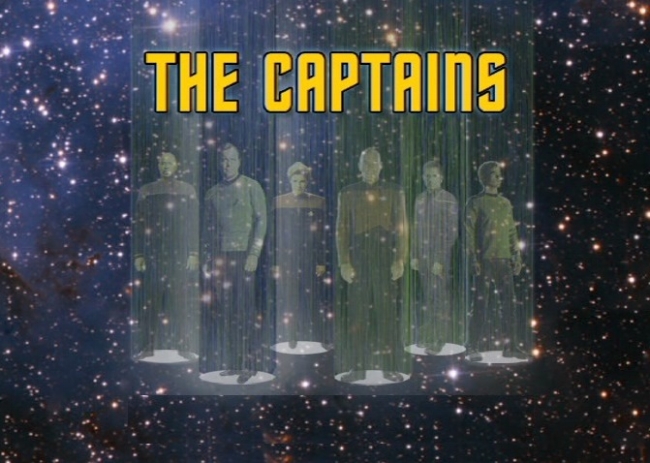
Fans are often a very creative and resourceful bunch. Star Trek fans especially so. At present, there’s a lack of new officially endorsed canonical content being produced. The movies set in the Kelvin Timeline are not universally embraced by Trekkies and usually take three years to produce. The new TV show Star Trek: Discovery has been subject to several production delays and still seems a long way off. So, the fans solution in recent years, has been to make their own original content. Hence there is a wealth of unofficial, independently made shows available online, set in various incarnations of the Star Trek universe. Although many of these productions are lovingly crafted and driven by passion, often they lack the professional polish of the genuine article. Frequently their weakness lies in the quality of the acting and writing. Then there is Star Trek Continues.
Fans are often a very creative and resourceful bunch. Star Trek fans especially so. At present, there’s a lack of new officially endorsed canonical content being produced. The movies set in the Kelvin Timeline are not universally embraced by all Trekkies and usually take three years to produce. The new TV show Star Trek: Discovery has been subject to several production delays and still seems a long way off. So, the fans solution in recent years, has been to make their own original content. Hence there is a wealth of unofficial, independently made shows available online, set in various incarnations of the Star Trek universe. Although many of these productions are lovingly crafted and driven by passion, often they lack the professional polish of the genuine article. Frequently their weakness lies in the quality of the acting and writing. Then there is Star Trek Continues.
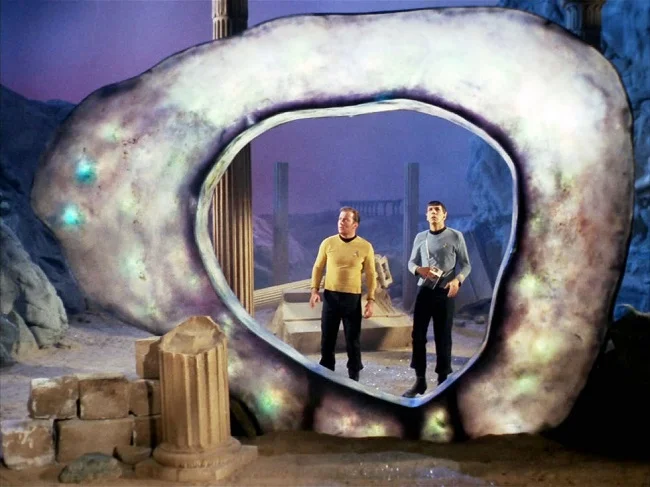
I discovered Star Trek Continues by accident a year ago, when I read a promotional piece regarding the Kickstarter campaign to fund a second season. This led me to the first three episodes that had been made last year, which are currently available online. After five minutes of watching the Pilgrim of Eternity, a direct sequel to the 1966 original episode Who Mourns for Adonais, I was hooked. So I subsequently binge viewed every other piece of video available on the You Tube channel, because I was staggered that a production of this quality had escaped my notice for so long.
Star Trek Continues is a highly-polished product, boasting a convincing recreation of the sets and costumes from the original show, as well as a talented cast. This includes James Doohan's son Chris Doohan as Scotty and Grant Imahara from Mythbusters as Sulu. Central to all the proceedings is Vic Mignogna, who plays James T. Kirk. Mignogna is an extremely talented voice actor and the driving force behind this project. He credibly channels his inner Bill Shatner, without over egging his performance or lapsing into an impression. The show also features actors such as Michael Forest (as Greek god Apollo) reprising their roles from the original series. There are also appearances from the likes of Jamie Bamber from Battlestar Galactica, ex Doctor Who Colin Baker and seventies cult actor Lou Ferrigno.
Star Trek Continues manages to not only recreate the aesthetic, style and ambience of the original Star Trek series, right the way down to the pacing, editing and soundtrack. It also successfully captures the sentiment of Gene Roddenberry's iconic show. The screenplays for each of these new episodes do seem to recreate that unique style and idiom of the original. In some respects, it's quite difficult to convey exactly what it is that they get right. Where so many other fan productions dangerous flirt with parody, Star Trek Continues seems to strike exactly the right tone. There’s humour, drama and a willingness to tackle topical social issues. Go see for yourself over on You Tube and all will become apparent.
Now in light of the recent court ruling against Axanar Productions Inc, whose fan films were deemed to be a copyright infringement, CBS and Paramount introduced very specific guidelines regarding the creation of future fan generated content. Many, including myself, thought this would curtail any future episodes of Star Trek Continues from being made. However, I was greatly surprised to see a new episode released recently. The blog on the Star Trek Continues website clarified the situation and states that the original schedule of thirteen episodes has been reduced to eleven. However, the format of the show remains the same despite the guidelines that CBS and Paramount have set for fan films. Star Trek Continues claims to have no “special” status with the copyright holders but they do seem to enjoy a cordial relationship with them. As a result, we can expect another three episodes of Star Trek Continues, which is an agreeable stopgap, until Star Trek: Discovery is released.
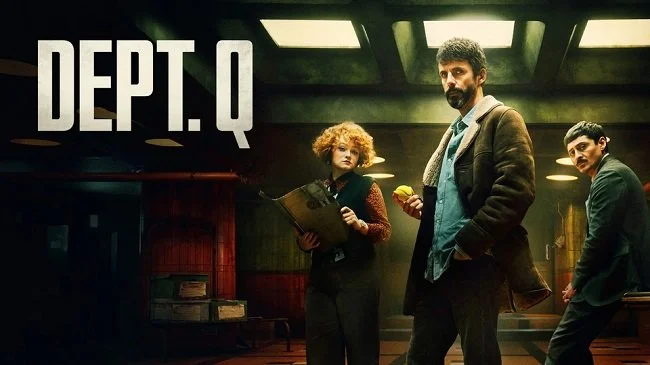





![Star Trek Discovery S01E01 The Vulcan Hello.mkv_snapshot_07.19_[2017.09.25_17.54.13].jpg](https://images.squarespace-cdn.com/content/v1/54e310f0e4b0f4a6ba3ac899/1506359625650-D976K1OBW47HSSSFN2S2/Star+Trek+Discovery+S01E01+The+Vulcan+Hello.mkv_snapshot_07.19_%5B2017.09.25_17.54.13%5D.jpg)


Review Scores
Two stories caught my attention recently, regarding the merits of review scores and the current fetish for review aggregation services. The first was about film director and producer Brett Ratner’s dislike for review aggregation site Rotten Tomatoes. He contests that “it’s the destruction of our business” due to the way it condenses nuanced reviews into a simple number. Scores below a certain threshold keep “Middle America” away and thus harm business. The other article was about game critic and pundit, Jim Sterling, who gave The Legend of Zelda: Breath of the Wild a review score of 7 out of 10. Once this was added to Metacritic’s number crunching formula, the game in question dropped from an overall score of 98 down to 97. Fans did not care for this “outrage” and a DDoS attack followed as well as the usual comment based flame war.
Two stories caught my attention recently, regarding the merits of review scores and the current fetish for review aggregation services. The first was about film director and producer Brett Ratner’s dislike for review aggregation site Rotten Tomatoes. He contests that “it’s the destruction of our business” due to the way it condenses nuanced reviews into a simple number. Scores below a certain threshold keep “Middle America” away and thus harm business. The other article was about game critic and pundit, Jim Sterling, who gave The Legend of Zelda: Breath of the Wild a review score of 7 out of 10. Once this was added to Metacritic’s number crunching formula, the game in question dropped from an overall score of 98 down to 97. Fans did not care for this “outrage” and a DDoS attack followed as well as the usual comment based flame war.
Both these events got me thinking about difference between long form, detailed criticism and analysis versus the perceived convenience of simple review scores. For me I initially became aware of the difference during the eighties, when reading movie reviews. On one hand, you had old school critics such as Derek Malcolm writing lengthy critiques in the broadsheet newspapers and on the other tabloids that adopted the Siskel and Ebert approach of “two thumbs up”. The former approach to criticism allows for detailed analysis and eschews binary breakdowns. A movie (or a game) is more than just good or bad. The latter style of review, offers readers a simple and quick opinion and thus an opportunity to make a similar choice. Both methodologies have their merits but it would seem that contemporary culture is leaning more towards the review score. It fits the current “spirit”of our digital age.
Personally, I’ve always preferred an in-depth written post that clearly critiques a games merits and flaws. I favour the same approach to movie reviews, as I think that such artistic endeavours cannot adequately be distilled into a numerical breakdown. However, I fully recognise how the review score system has gained traction due to its accessibility and immediacy. Convenience is the buzz word of modern life. Reading an in-depth review takes time and thought. Both are finite commodities these days. Plus, the review score has become an important marketing tool and something that with regard to games, does have an impact upon sales. Sadly, it’s a system that can also be manipulated by the publishers themselves. It is this aspect that tarnishes the review score system and brings score aggregation services into disrepute.
There have been numerous cases in recent years of bogus reviews being used to skew opinion on sites such as Amazon, Trivago and Trip Advisor. You Tube has also become a battle ground of late, with game developers using bogus copyright infringement and other spurious claims to try and take down reviews and criticism that can potentially harm sales. The need to own and control all information regarding a product, has become a common place business aspiration in certain circles. Fans also contribute to this problem, seeing low reviews scores as personal attacks rather than measured criticism. But when you reduce something that is complex to the binary, there is bound to be fallout and dissent. Our societies move away from academia to the fallacy of “all opinions are of equal merit” is also a factor.
Review scores ultimately have an impact upon the way products are made. Movies and games are effectively being conceived and created to meet the criteria of the review score systems, rather than to innovate and push boundaries. Mainstream artistic endeavour has always been tempered with the practicalities of commercial interest but we now seem to be entering an age when new products are genuinely hampered by the need to meet ever increasing marketing requirements. Sooner or later there will be a backlash against the inflexibility of the review score system and potentially a crash within the gaming market. In the meantime, I would encourage all to offset the scores from Metacritic and Rotten Tomatoes with lengthier reviews, be they written or video based. Although time is at a premium these days, the old maxim about knowledge being power, still holds true. Therefore it is always to the consumers advantage to know as much about a product as they can.
Robot & Frank (2012)
The dramatic success of Robot & Frank hinges the credibility of the two main protagonists. Frank Langella effortlessly plays a retired jewel thief Frank Weld who’s starting to have problems with his memory. His son Hunter (James Marsden) takes the only logical course of action and buys him a robot home help. The movie is set in the “near future” and so the idea of a deferring care of the elderly to machines seems worryingly credible. Plus, in this case, there is not a huge amount of love between father and son. Or so it first appears. There's more going on with this movie than first meets the eye. The plot is smarter than it first appears and makes some interesting social commentary.
The dramatic success of Robot & Frank hinges the credibility of the two main protagonists. Frank Langella effortlessly plays a retired jewel thief Frank Weld who’s starting to have problems with his memory. His son Hunter (James Marsden) takes the only logical course of action and buys him a robot home help. The movie is set in the “near future” and so the idea of a deferring care of the elderly to machines seems worryingly credible. Plus, in this case, there is not a huge amount of love between father and son. Or so it first appears. There's more going on with this movie than first meets the eye. The plot is smarter than it first appears and makes some interesting social commentary.
As for “Robot”, voiced by Peter Sarsgaard, the production designers succeed in making him convincing and credible. It would have been a fatal faux pas to employ an excess of CGI and produce a robot similar to Sonny in I, Robot. Less is clearly more in this case. Just think of Honda's Asimo and you’ll get why “Robot” works. Dancer Rachael Ma provides a wonderfully understated performance in the suit. Peter Sarsgaard soft spoken voice offers more than a nod and a wink to Kubrick's 2001: A Space Odyssey. Remember that this is the technology of the near future so it needs to be plausible to a contemporary audience.
As Frank gradually comes to terms with his new house mate, he manages to convince the machine to assist him in his criminal endeavours. “Robot” is specifically programmed to help establish a routine and projects for the benefit of stabilising Frank's cognitive abilities, so he agree to assist, as it serves a greater good. It is at this point that Robot & Frank could have taken the route of a more mainstream comedy, yet it proceeds in a very different direction. The narrative focuses on how returning to crime and more importantly exploring his relationship with “Robot” helps Frank's condition. “Robot” is in some ways a surrogate son, affording Frank a second chance to regain the lost opportunities he missed with Hunter while he was in prison.
The movie also touches on several other social issues. It explores autumn romances with the introduction of Librarian Jennifer (Susan Sarandon) and how youth is often so enamored with itself and the cult of "finding" oneself, via his daughter Madison (Liv Tyler). Perhaps some of these aspects could have been explored further, yet it would be wrong to be too critical of Christopher D. Ford's screenplay because there is still so much to praise. What Robot & Frank doesn't do is fall into the cliché of the machine with a soul. Robot points out himself that he is not alive and that much of what people feel towards him is simply anthropomorphic. Something he is programmed to exploit.
First-time director Jake Schreier, working with a low budget and the usual constraints facing an independent picture, manages to pull most aspects of Robot & Frank off successfully. He certainly does not make the mistake of applying too much sentimentality, or pursuing a broad comic tone. I can fully understand how this movie was a crowd pleaser at the 2011 Sundance festival. Robot & Frank wears its indie movie pedigree on its sleeve with its character driven, slice of life. The soundtrack by Francis and the Lights is also of note and deserves a mention. It is reassuring to know that movies such as this can still be made and that for some directors and production companies, narrative is still king and the key to good film making.
Walking for Pleasure
Today I visited Emmetts Garden in Sevenoaks. The Edwardian estate located at Ide Hill and is now owned by the National Trust for Places of Historic Interest or Natural Beauty. The garden, which covers an area of about six acres, is situated on a 600-foot sandstone ridge, overlooking the Weald. It is one of the highest points in Kent, offering an expansive view of the North Downs. The garden was laid out in the late 19th century and was influenced by William Robinson. It contains many exotic rare trees and shrubs from across the world. You can explore the rose and rock gardens, take in the views as well as enjoy flowers and shrubs in spring. In autumn visitors can enjoy the vibrant colours brought about by the changing of the season. The main attraction at this time of year are the Bluebells.
Today I visited Emmetts Garden in Sevenoaks. The Edwardian estate located at Ide Hill and is now owned by the National Trust for Places of Historic Interest or Natural Beauty. The garden, which covers an area of about six acres, is situated on a 600-foot sandstone ridge, overlooking the Weald. It is one of the highest points in Kent, offering an expansive view of the North Downs. The garden was laid out in the late 19th century and was influenced by William Robinson. It contains many exotic rare trees and shrubs from across the world. You can explore the rose and rock gardens, take in the views as well as enjoy flowers and shrubs in spring. In autumn visitors can enjoy the vibrant colours brought about by the changing of the season. The main attraction at this time of year are the Bluebells.
Both I and my significant other walk for pleasure as well as the obvious health benefits. We both have targets regarding our daily step counts and try our best to achieve them. The car is therefore often left at home and a lot of trivial journeys, such as those to the local shops are done by foot. As I am also my parent’s carers I find that the various visits to the pharmacy and doctors surgery offer a further opportunity to hit my daily walking quota. Furthermore, the layout of the Greater London suburbs means that walking is frequently an easy option without the have the hassle of having to find a parking space. The county where I live also has a wealth of parks and open spaces. Some are free, where others such as Emmetts Garden, have a modest entry fee.
Today’s visit not only afford us an opportunity to visit a beautiful garden, rich with exotic flowers and trees but it also allowed us to gently exercise in a beautiful environment. Many of the trails within the grounds are tranquil and free from excessive noise. As I’ve written recently, noise for me is one of the great maladies of this century and any chance to be free from it is welcomed. Today’s walk gave me and Karen some quality time to chat as well as reflect in silence upon our own thoughts as well as the inherent beauty of our surroundings. Walking in such an environment is a great way of relaxing and recharging your “batteries”. Modern urban life is extremely frantic and in many ways, has detached us from the natural world. Parks and places of natural beauty are a great way to reconnect.
Walking is a form of exercise that has few barriers to entry. You just need to ensure that you have suitable foot wear for the environment you’re walking in and to be mindful of things like hydration if you’re out in the heat. It can be done solitary or with friends, in silence or while engaged in discussion. It doesn’t have to be “dead time” as I’ll often listen to the radio or podcasts while out walking. As a writer walking affords a chance to martial my thoughts and consider what I wish to explore through my blogging. Walking, unlike other forms of exercise such as the gym with its culture and poseurs, frees you from the tyranny of other people. Thus. I’m a great advocate. The following link to the NHS website, provides a succinct breakdown of the health benefits of walking and effectively how to start. Plus, here’s a gallery of photos from Emmetts Garden, highlighting why it’s a great day out a fine place to take a stroll.














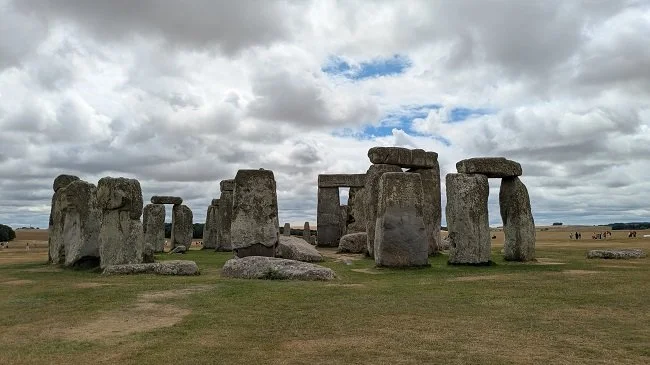
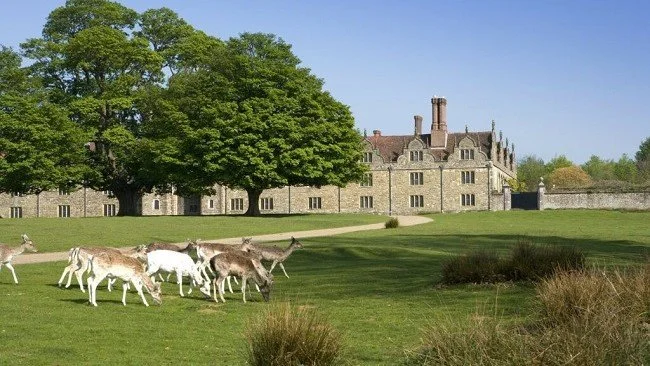



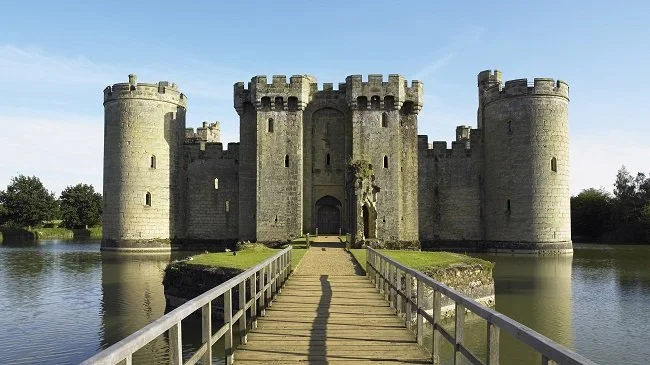
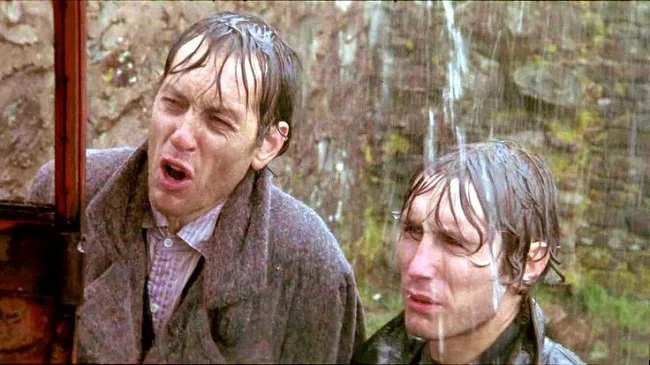


Five Came Back (2017)
Five Came Back is a fascinating documentary about five remarkable Hollywood film directors who put themselves in harm’s way to film World War II for the US War Department. William Wyler, Frank Capra, George Stevens, John Ford and John Huston were in many ways a diverse bunch, yet the all represented a different facet of “America”. Certainly, all were idealists who felt it was their duty to use their talents to create accessible propaganda for the US public and more importantly, the 12 million men who were drafted. Despite the factual accuracy of this three-part documentary, there is an inherent romance to the tale and the way these Hollywood mavericks took on first American Isolationism, then the Third Reich and US military politics.
Five Came Back is a fascinating documentary about five remarkable Hollywood film directors who put themselves in harm’s way to film World War II for the US War Department. William Wyler, Frank Capra, George Stevens, John Ford and John Huston were in many ways a diverse bunch, yet the all represented a different facet of “America”. Certainly, all were idealists who felt it was their duty to use their talents to create accessible propaganda for the US public and more importantly, the 12 million men who were drafted. Despite the factual accuracy of this three-part documentary, there is an inherent romance to the tale and the way these Hollywood mavericks took on first American Isolationism, then the Third Reich and US military politics.
Narrated by Meryl Streep and based upon the Mark Harris Five Came Back: A Story of Hollywood and the Second World War, this Netflix documentary cleverly intercuts the story of these five legendary film makers, with soundbites from contemporary Hollywood luminaries, Steven Spielberg, Paul Greengrass, Guillermo del Toro, Francis Ford Coppola and Laurence Kasdan. It is here that the show excels itself, as these modern film makers clearly have a great deal of love and reverence for their predecessors and how they advanced the craft of film making. Greengrass, who comes from a documentary film making background is especially observant and analytical of John Ford’s urgent style. His genuine use of shaking footage, sprocket jumps and loss of focus has now become a mainstay of film makers trying to capture the authenticity he experienced.
Five Came Back these focuses on how these directors changed the public perception of the war in the US. There personal heritage played heavily on their motivation and creative output. Ford was a traditional American conservative, where Wyler and Capra were both immigrants, yet they all clearly saw the threat of Fascism and wished to contribute to the war effort. It was the fact that they were all old school film directors that gave them their specific edge. They were natural leaders, autocratic and skilled in marshalling logistics and people. George Stevens made films for the US Army Signal Corps and William Wyler made documentaries for the US Air Force. Frank Capra, was tasked with creating the documentary series Why We Fight to boost US troop morale. His master stroke was to take Leni Riefenstahl’s Nazi propaganda film Triumph of the Will and to lampoon and satirise it, making it look foolish and puerile.
Five Came Back explores the nature of propaganda and how cinema and newsreels played a key role during World War II. Over half of the US population went to the movie theatre every week and so the medium became the logical means to convey information and boost morale. Wyler, Ford, Capra, Stevens and Huston all experienced war via some of the most ferocious campaigns. North Africa, the landings in Southern Italy, D-Day and the Battle of Midway. They produced films that still pack an emotional punch today and each came home changed men. Curiously enough it can be argued that their personal experiences fuelled their finest work. Consider Shane (1953), It’s a Wonderful Life (1946), The Searchers (1956), The Best Years of Our Lives (1946) and The Treasure of the Sierra Madre (1948).





First Contact Day
Star Trek Online is an MMO that likes an event. They have numerous scheduled over the course of the year. The latest is to celebrate First Contact Day (5th April), when Humans and Vulcans first met on Earth. The event takes place at the Zefram Cochrane Memorial and Historical Museum and participants are tasked with building their own replica Phoenix ship. To build an effective vessel, players have to search the immediate vicinity for engine, hull and stabiliser parts. These vary in quality following the games standard colour coding system. Thus, in theory, purple colour parts will perform better. Once the Phoenix replicas are assembled, they are launched simultaneously, with the winner being the one that reaches the highest altitude.
Star Trek Online is an MMO that likes an event. They have numerous scheduled over the course of the year. The latest is to celebrate First Contact Day (5th April), when Humans and Vulcans first met on Earth. The event takes place at the Zefram Cochrane Memorial and Historical Museum and participants are tasked with building their own replica Phoenix ship. To build an effective vessel, players have to search the immediate vicinity for engine, hull and stabiliser parts. These vary in quality following the games standard colour coding system. Thus, in theory, purple colour parts will perform better. Once the Phoenix replicas are assembled, they are launched simultaneously, with the winner being the one that reaches the highest altitude.
As ever with STO, events run over a fixed period and can be played once every twenty hours. There is a reward at the end that requires a fixed number of vouchers to be handed in. Players receive both a voucher and a choice of rep marks each time the participate. Yet despite the competitive framing of the event and the mechanic involving variable part quality, the outcome is actually random. Phoenix replicas with blue and green parts frequently outperform those with purple parts. Furthermore, your place in the race results table has no impact upon the number of rep marks you receive as a reward. In fact, some players simply elect to join the event and then go AFK during its short duration. I tried this myself today, collecting no parts for my Phoenix. Although I came last I still got the event voucher and full rep marks of my choice, for doing nothing.
I don’t claim to be the most driven MMO player and do not like events or activities with excessive complex criteria. Yet even I balk at this situation that Cryptic has created. An event that allows you to simply sit and wait rather than participate is certainly ill-conceived. Plus, the random nature of the outcome totally contradicts the competitive aspect that the event implies. At least ensure that the quality of the parts that you use does have an actual bearing on race results. First Contact Day is only a six-day event, so it won’t remain a bone of contention for long but as a player of STO I don’t wish to see its flaws perpetuated in any future activities. Perhaps Cryptic will learn from this situation and tweak the event for next year, making it more equitable and removing the AFK flaw.

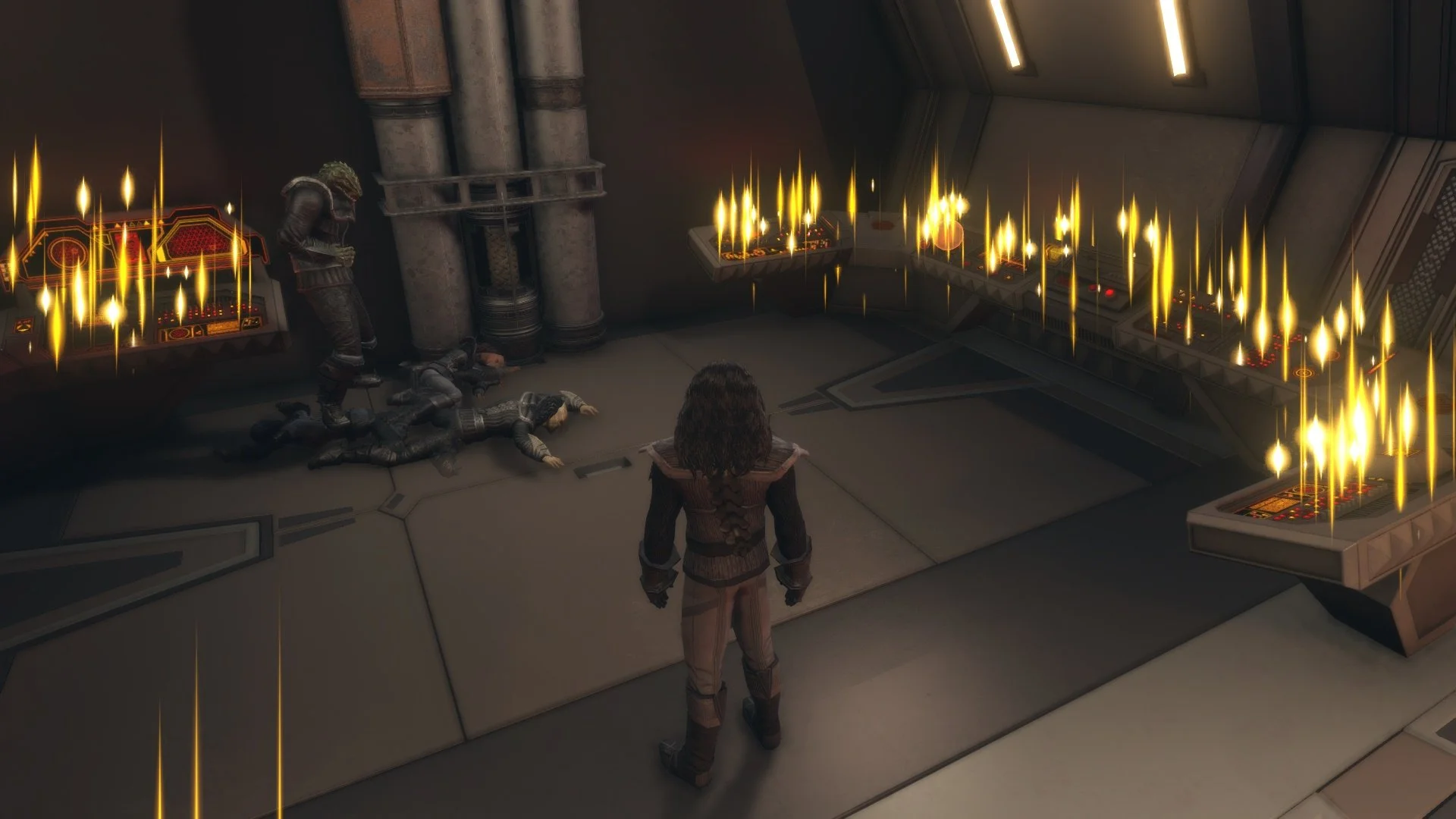


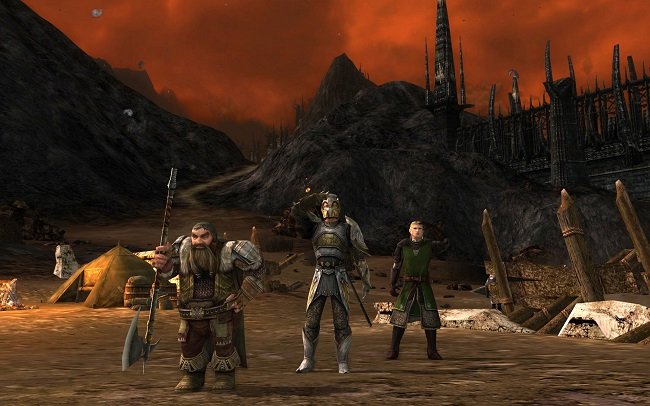
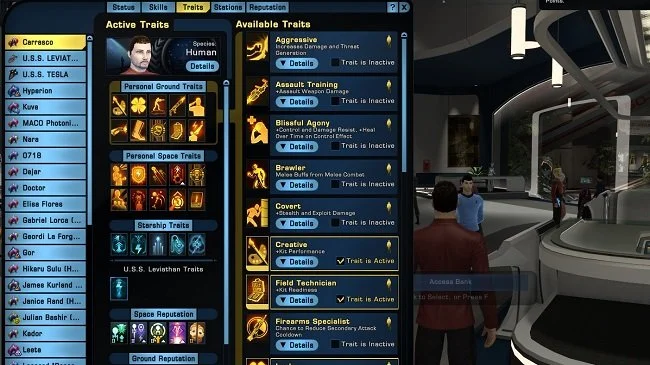
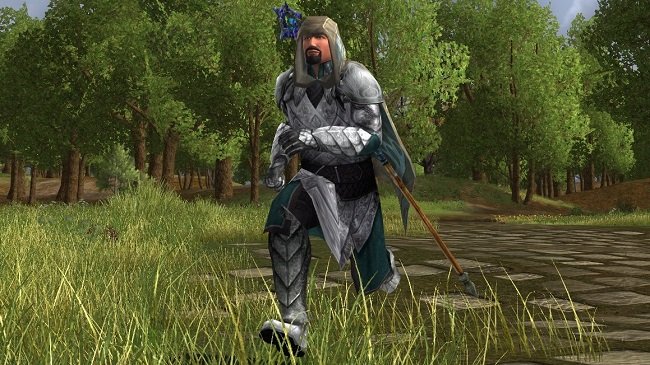
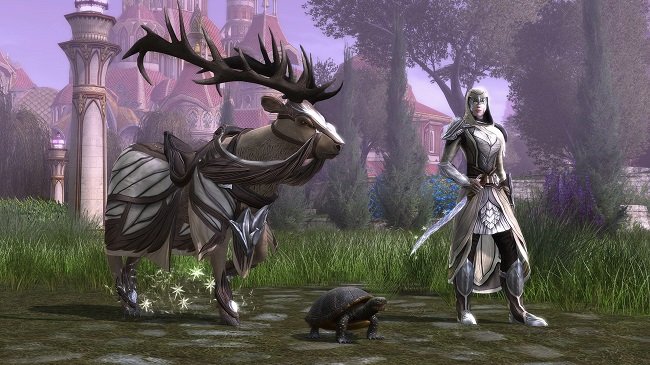
Classic Movie Themes: Starcrash
Starcrash is a shameless Italian Star Wars knock off from 1979. The movie is regarded by some critics as a campy B film with cheap special effects that falls into the “so bad its good” category. Directed by exploitation cinema veteran Luigi Cozzi, Starcrash stars ex-Bond girl Caroline Munro (The Spy Who Loved Me) as Stella Star. She spends most of the film wearing very little as she cavorts around the galaxy with her trusty sidekick, Akton (Marjoe Gortner). The plot is derivative even by genre standards and boasts some staggering inane dialogue. For example, "You know, my son, I wouldn't be Emperor of the Galaxy if I didn't have a few powers at my disposal. Imperial Battleship, halt the flow of time!" and then there’s "Look, Amazon women on horseback. I hope they're friendly".
Starcrash is a shameless Italian Star Wars knock off from 1979. The movie is regarded by some critics as a campy B film with cheap special effects that falls into the “so bad its good” category. Directed by exploitation cinema veteran Luigi Cozzi, Starcrash stars ex-Bond girl Caroline Munro (The Spy Who Loved Me) as Stella Star. She spends most of the film wearing very little as she cavorts around the galaxy with her trusty sidekick, Akton (Marjoe Gortner). The plot is derivative even by genre standards and boasts some staggering inane dialogue. For example, "You know, my son, I wouldn't be Emperor of the Galaxy if I didn't have a few powers at my disposal. Imperial Battleship, halt the flow of time!" and then there’s "Look, Amazon women on horseback. I hope they're friendly".
However, despite poor miniature effects and cheap stop motion monsters, Starcrash has a curious cast of quality character actors. Christopher Plummer and Joe Spinell both allegedly accepted their respective roles simply to get a free holiday in Rome. Starcrash also features a top-notch soundtrack by the legendary John Barry. The score certainly has a Bond vibe, sharing more than a little in common with Moonraker which was composed shortly afterwards. The main theme is suitably grandiose and as it develops picks up a subtle disco beat reflecting the times. Overall, it’s a far better soundtrack than the film deserves and is its only truly redeeming quality. Michael Giacchino’s main theme for Rogue One has an interesting passing similarity to Barry’s work on Starcrash, although I consider this more to be a homage than plagiarism.