
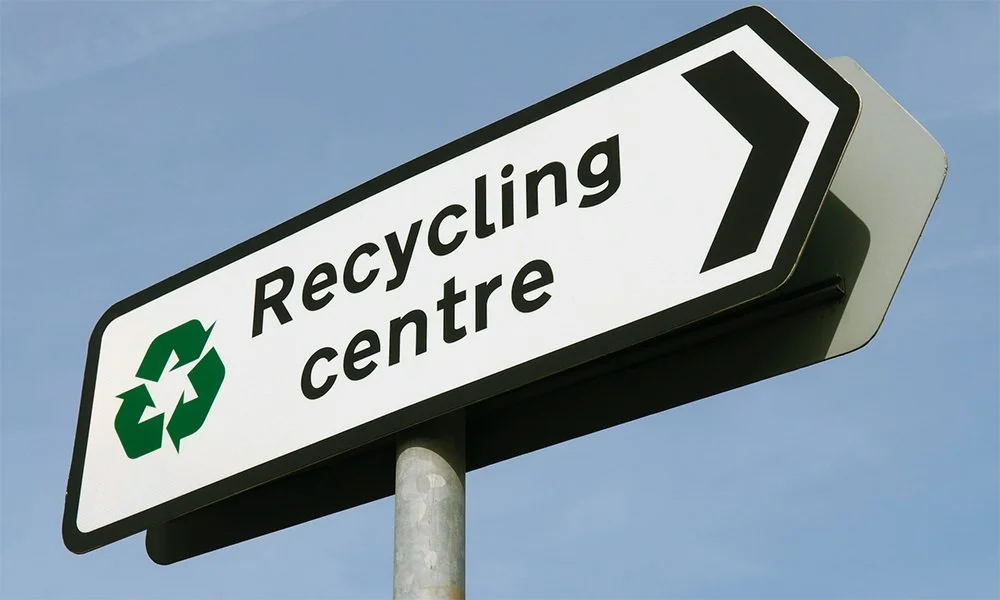
Foots Cray Reuse and Recycling Centre
Foots Cray Reuse and Recycling Centre is the fancy name of our local dump. A few decades ago, this was no more than a scrap yard. The rubbish and bric-a-brac left by the public was sorted and scavenged for resaleable scrap. Everything that was left was subsequently sent to landfill or incineration. Much has changed. Today it is the embodiment of the modern recycling ethos. The recycling centre is a well managed, carefully segregated site providing safe disposal of a wide variety of household and garden waste. Wood, metal and hardcore are recycled and there is similar provision for a multitude of electrical goods. Plastics, oils, paint, batteries can be safely disposed of. I have yet to find a home item that they do not have provision to dispose of. The Foots Cray Reuse and Recycling Centre has won awards for the service it provides and is considered one of the best facilities of its kind in the South East of the country.
Foots Cray Reuse and Recycling Centre is the fancy name of our local dump. A few decades ago, this was no more than a scrap yard. The rubbish and bric-a-brac left by the public was sorted and scavenged for resaleable scrap. Everything that was left was subsequently sent to landfill or incineration. Much has changed. Today it is the embodiment of the modern recycling ethos. The recycling centre is a well managed, carefully segregated site providing safe disposal of a wide variety of household and garden waste. Wood, metal and hardcore are recycled and there is similar provision for a multitude of electrical goods. Plastics, oils, paint, batteries can be safely disposed of. I have yet to find a home item that they do not have provision to dispose of. The Foots Cray Reuse and Recycling Centre has won awards for the service it provides and is considered one of the best facilities of its kind in the South East of the country.
I recently went to Foots Cray Reuse and Recycling Centre. We had some old garden furniture to dispose of along with some packaging from various new kitchen items. Upon arrival Mrs P had to show her drivers license as it has our home address on it, thus proving we are residents of the borough. We were duly allowed in, subsequently parked and took our items to the appropriate disposal points. The staff are very helpful and happy to assist us. It was a very efficient process. What I wasn’t quite prepared for was seeing the direct consequences of living in our modern, consumer society so starkly. Sadly, due to the busy nature of the recycling centre, I wasn’t in a position to quickly take photos, so I’ve had to rely on the internet to provide them and illustrate my point.
Most of us will be familiar with those large plastic, vacuum moulded toy vehicles that children ride in. Some are pedal powered, others are designed to be towed by an exhausted parent. These things are usually brightly coloured or based upon a popular franchise such as Paw Patrol or Peppa Pig. I saw a substantial pile of these items which must have been 20 feet high. It was a very striking image not only due to the quantity of these things but that it instantly made you consider “how do you safely dispose of these”, closely followed by “didn’t anyone else want them”? As I walked around the recycling centre, I was further struck by similar stockpiles of microwave ovens, trampolines and mattresses. Another thing that surprised me was how new many of the items were. After speaking to staff it would seem that many items are thrown out just to make room for a replacement and not because they are broken.
Someone had collected all those household decorations and ornaments that have life affirming messages like “family”, “love” and “we live here”. There were also a few corporate motivational posters added to this pile. The fact that these had all been disposed of by their owners just made their central conceit even more spurious. This and many other stockpiles of commonplace domestic bric-a-brac suddenly hammered home the reality of consumerism and the unsustainable nature of the way in which we live our lives. The Foots Cray Reuse and Recycling Centre can safely dispose, reuse or repurpose much of what is left by residents of the borough but there is a lot of stuff that cannot be so easily addressed. There are of course many other recycling centres up and down the UK that do not do such a good job and still defer to incineration and landfill.
Cities are highly complex systems and much of their functionality goes unseen by the general public. Water, gas, electricity and waste disposal are all services that we use but we seldom have any direct experience of how they are delivered. We often become oblivious to them and take them for granted only to be reminded of their importance when they fail. My short visit to my local recycling centre has given me a timely reminder about the way we live or lives and its inherent unsustainability. There’s not much that I or Mrs P can immediately do to remedy this situation but we will certainly give greater consideration to trying to find a new home for unwanted items. We already make great use of local charity shops when disposing of old clothes. Our local railway station has a book exchange facility. All of which helps to a degree but I worry about the long term future of waste management and recycling in the UK.











What Is Your Favourite Bassline In A Song?
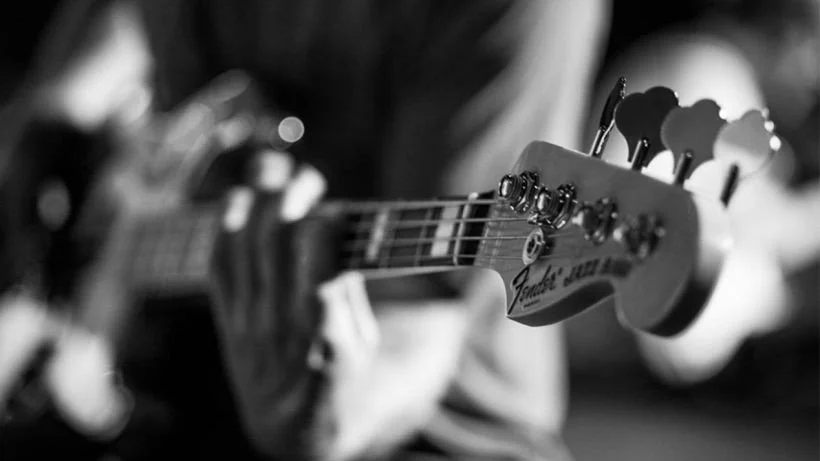
I recently came up with a random writing prompt for the annual Blaugust: Festival of Blogging event. Namely, “what is your favourite bassline in a song”? For clarity, Wikipedia defines a bassline as follows: Bassline is the term used in many styles of music, such as blues, jazz, funk, dub and electronic, traditional, and classical music, for the low-pitched instrumental part or line played by a rhythm section instrument such as the electric bass, double bass, cello, tuba or keyboard. As I thought of this prompt, it only seems fair that I tackle it myself. Hence, here are five songs that I feel have notable basslines, or that have bassplayers that play in a unique style. I am not especially musically talented myself and therefore not au fait with all the correct musical terminology. However, I will strive to quantify why I think each song is a good example.
I recently came up with a random writing prompt for the annual Blaugust: Festival of Blogging event. Namely, “what is your favourite bassline in a song”? For clarity, Wikipedia defines a bassline as follows: Bassline is the term used in many styles of music, such as blues, jazz, funk, dub and electronic, traditional, and classical music, for the low-pitched instrumental part or line played by a rhythm section instrument such as the electric bass, double bass, cello, tuba or keyboard. As I thought of this prompt, it only seems fair that I tackle it myself. Hence, here are five songs that I feel have notable basslines, or that have bassplayers that play in a unique style. I am not especially musically talented myself and therefore not au fait with all the correct musical terminology. However, I will strive to quantify why I think each song is a good example.
My Country - New Model Army. New Model Army are an English rock band from West Yorkshire. They were founded by lead vocalist, guitarist, and primary songwriter Justin Sullivan, along with bassist Stuart Morrow and drummer Phil Tompkins in 1980. Their musical style incorporates punk, folk, soul, metal, and classical genres. Their lyrics encompass themes ranging from overtly political to the spiritual. Bassist Stuart Morrow who played with the band for their first three albums has a notable bass style which is clear in My Country. The complex basslines has a distinct sound, allegedly due to Morrow using a 50 pence coin as a plectrum (although this may be apochryphal).
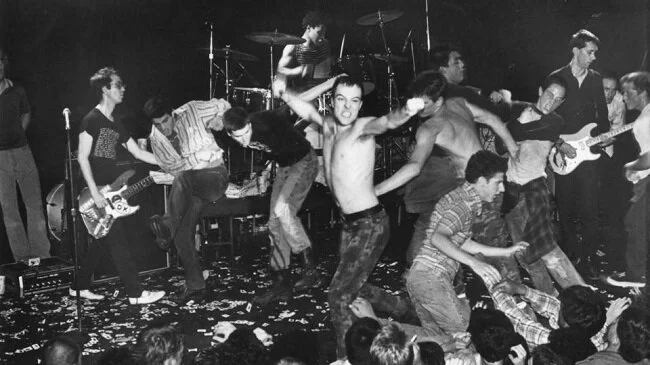
Winnebago Warrior - Dead Kennedys. Formed in San Francisco in 1978, Dead Kennedys greatly benefited from theatrical vocals of lead singer Jello Biafra and the robust bassplaying of Klaus Flouride (Geoffrey Lyall). Klaus Flouride played a Lake Placid Blue Fender Jazz Bass from 1966 that he purchased for $200 and this was his main bass guitar during his years with the band. His rapid basslines underpin many of the band’s best songs, such as Winnebago Warrior. A song about contemporary Americans trying to connect to their frontier roots through the medium of conspicuous consumption.
Hit Me With Your Rhythm Stick - Ian Dury and the Blockheads. Explaining the subtleties of Ian Dury and the Blockheads is a blog post in itself. One for another day. Hit Me With Your Rhythm Stick is one of the band’s greatest hits and was a number one hit in the UK in late 1978. Bass player Norman Watt-Roy famously created an exquisitely complicated, and fast-paced bassline consisting of sixteenth notes. At the time, many artists were amazed that he had devised such an intricate bassline for a song with such a simple overall structure. Many YouTube channels teaching or analysing bassplaying frequently cite this song as a benchmark and will wax lyrical about its musicality.
Mann gegen Mann - Rammstein. Oliver Riedel has been the bass player with Rammstein since the band’s formation in 1994. The line up has never changed. Rammstein’s songs are a blend of simplicity and variation, often featuring a main riff, verse-chorus structure, and strategic use of bridges. But this invokes the wider philosophy of less being more. Riedel’s basslines are catchy and drive the songs forward along with the percussion. Industrial metal as a genre, at first glance may not appear to require complexity in its rhythm section, just strength but Riedel is competent and can be varied in style. Mann gegen Mann features a strong bassline that reflects the emotional turmoil of the song’s themes.
Nice ‘n’ Sleazy - The Stranglers. One of the UK’s most underrated bands, The Stranglers have always been more than the sum of their parts. Emerging from the pub rock scene in the mid seventies, their aggressive play style had them pigeon holed by the media as a punk band. But their idiosyncratic style meant that they were never a slave to a specific genre, preferring to take influences from many. The Stranglers music is often driven by the bass and keyboards, provided respectively in their halcyon days by Jean-Jacques Burnel's melodic but brutal approach and Dave Greenfield’s sophisticated arpeggios. Nice ‘n’ Sleazy is the epitome of this formula. J. J. Burnel’s bassline announces itself immediately and remains a constant throughout the song.





My First PC
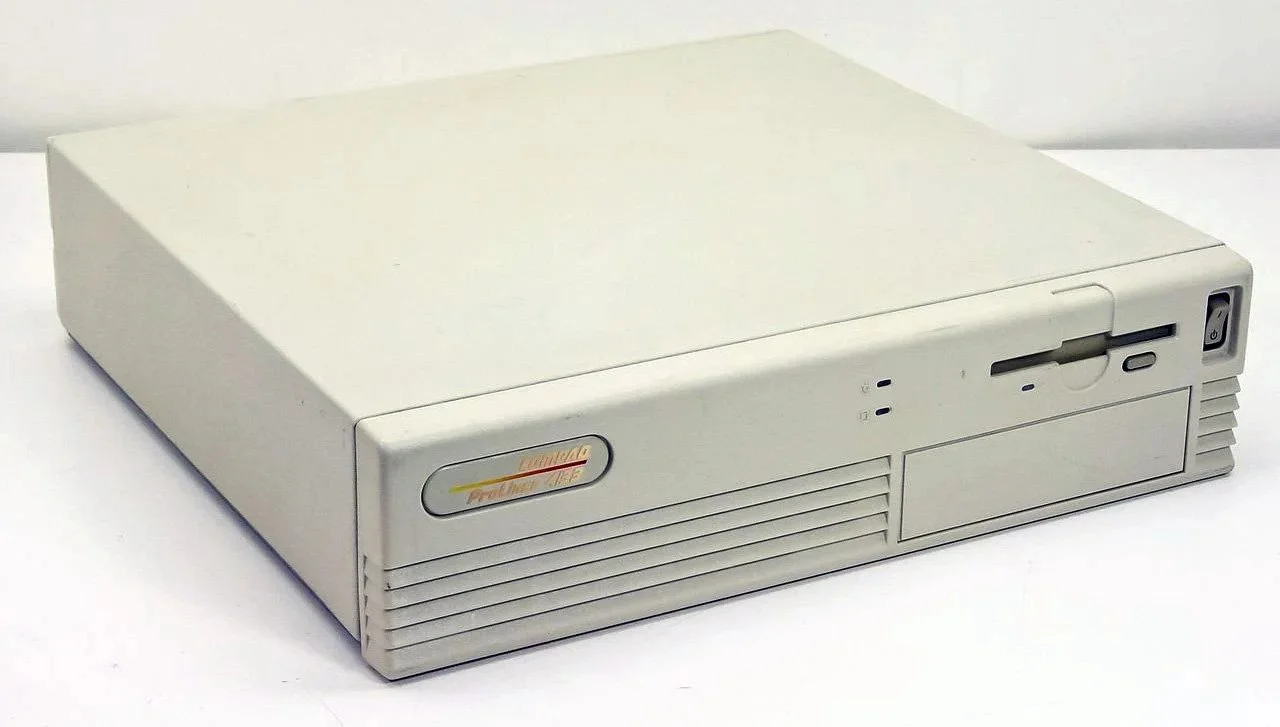
30 years ago, in early 1995, I bought my first PC, a second hand Compaq Prolinea 4/33. It had an Intel 486 DX processor, 340MB HDD, 4MB RAM, 3½-inch floppy disk drive and a 14-inch monitor with a screen resolution of 1024 x 768. It ran Windows 3.11 installed via MS-DOS 6.22. It didn’t come with a soundcard or a CD-ROM drive. I believe I paid around £750 or so at the time, which was approximately half its original retail price. This model was 2 or 3 years old when I bought it. However, at this time, PC specifications did not change as quickly as they do these days. Hence, this was a good starting point for someone new to computing. I subsequently upgraded the processor to a 486 DX2, increased the RAM to 16MB and installed a Creative Labs Sound Blaster AWE32 soundcard and CD-ROM drive.
30 years ago, in early 1995, I bought my first PC, a second hand Compaq Prolinea 4/33. It had an Intel 486 DX processor, 340MB HDD, 4MB RAM, 3½-inch floppy disk drive and a 14-inch monitor with a screen resolution of 1024 x 768. It ran Windows 3.11 installed via MS-DOS 6.22. It didn’t come with a soundcard or a CD-ROM drive. I believe I paid around £750 or so at the time, which was approximately half its original retail price. This model was 2 or 3 years old when I bought it. However, at this time, PC specifications did not change as quickly as they do these days. Hence, this was a good starting point for someone new to computing. I subsequently upgraded the processor to a 486 DX2, increased the RAM to 16MB and installed a Creative Labs Sound Blaster AWE32 soundcard and CD-ROM drive.
Windows 95 launched on 14th July 1995 and I became an early adopter. At the time home PCs were still not that common and I was fortunate to have two work colleagues that were similarly learning on the fly, like myself. We would often swap information or share news of a successful project or a failed experiment. This coupled with the wealth of PC related magazines that were available at the time, made me feel part of a very modern and dynamic community. Another invaluable source of information and place to hang out was the local PC repair shop. Whenever I visited, the owner would be holding court behind the counter with various acolytes hovering in the aisles asking questions about new products and each other’s latest upgrades. It was a great way to learn, free from the formal restrictions of the classroom.
I quickly began using my PC for both business and leisure. Formal letters and business correspondence were all now typed and saved as files. Finances were tracked via spreadsheets. As internet access was still rare, I had a copy of Microsoft Encarta Encyclopedia for reference. I used to enjoy playing Mindmaze, which came with it. I also bought my first game, Doom, which I played excessively. Overall, my initial purchase and upgrade was a major success. My PC did everything that I required and I was content. Until Quake was released the following year and I realised that my PC could not run it. Furthermore, the Compaq Deskpro M could not be upgraded any further. If I wanted to play Quake, it would require the purchase of a completely new PC based around a Pentium processor and a 3D graphics card. So began a decade-long struggle to try and stay up to date.
Today, my relationship with my PC has somewhat altered. It is still an invaluable tool that I use every day but it has lost its novelty and mystique. I have also elected to get off the neverending upgrade treadmill. I now buy what I can afford, as opposed to what I may like. The internet has gone from being a new frontier filled with promise, to just another commercial outlet and a source of irritation. Games are no longer things of wonder but disposable entertainment. The fact that they give them away after a short commercial lifecycle further enforces their sense of being ephemeral. It’s all a far cry from those early days of home computing. Memories of my first PC evoke a sense of nostalgia. Even the Windows 95 startup sound still resonates with me, as it always seemed to be the prelude to an adventure. Mainly because owning a home PC was still novel back then, as were all activities associated with it.


















Battlefield 6 Open Beta
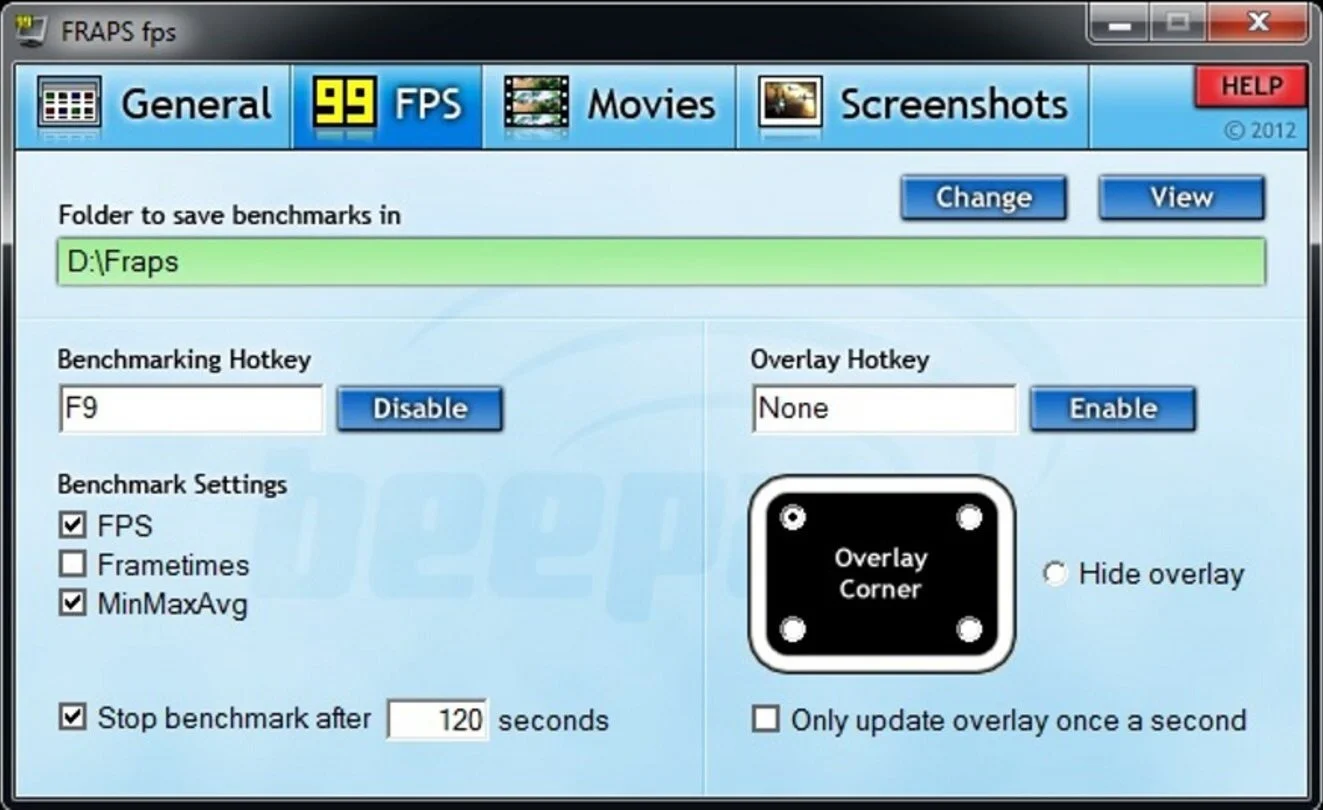
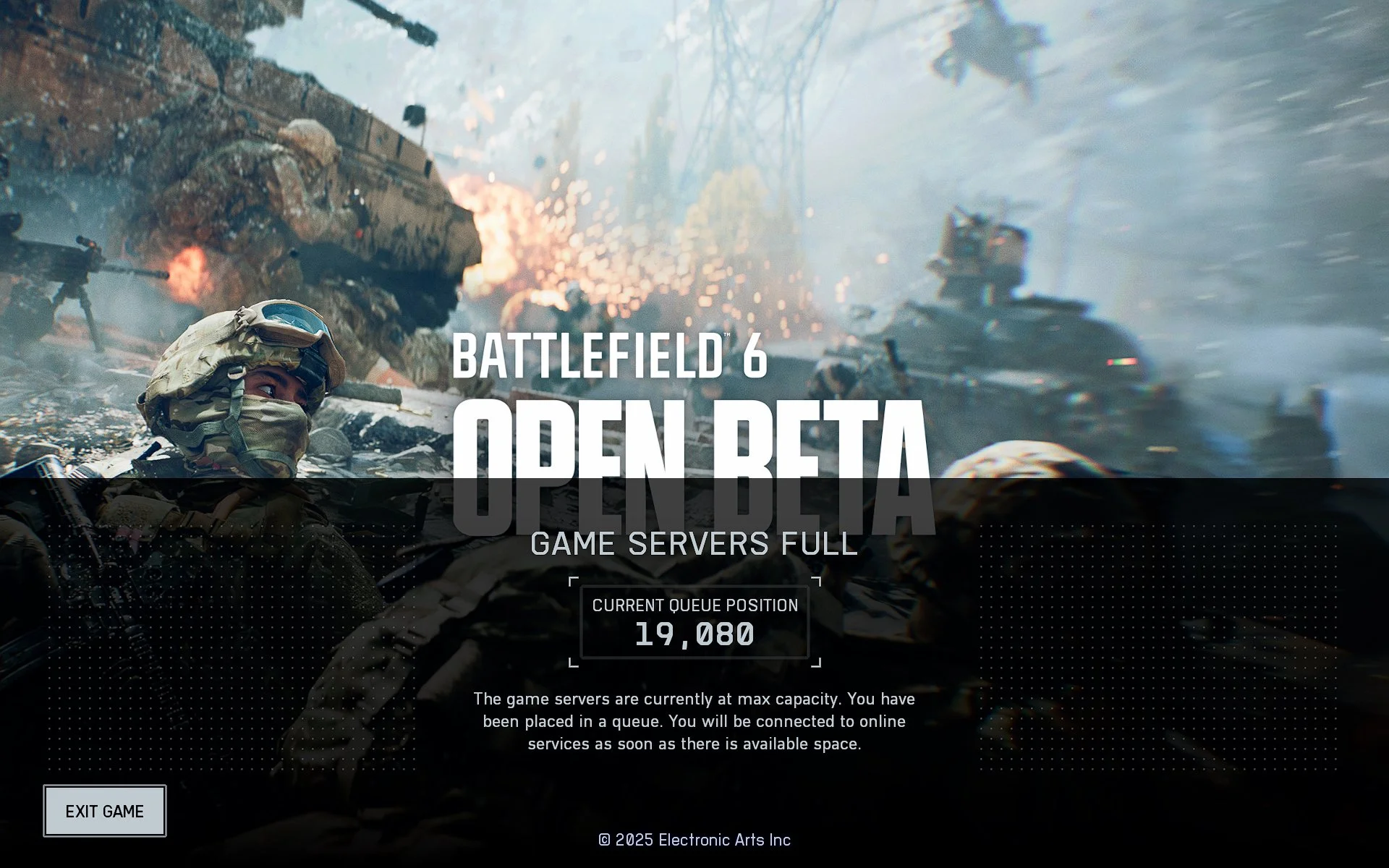
I was reading through my RSS feed this morning and found a post by Heartless Gamer, regarding how Battlefield 6 requires Secure Boot enabled on your PC. If it is not, then the game will not launch and you’ll get an error message. Naturally, this raised several questions. First off, what is Secure Boot and do I have it on my PC? Well apparently it is a security feature that protects a computer from malware during the startup process, by verifying the digital signatures of bootloaders and other software components before they are allowed to run. By using the msinfo32 command in the Run Window, I determined that I do indeed have it and went directly to the BIOS and enabled it. The next question to address was, why have I not been invited to the open beta for Battlefield 6? I subsequently checked the EA Game Launcher and discovered that I had. So I installed the game.
I was reading through my RSS feed this morning and found a post by Heartless Gamer, regarding how Battlefield 6 requires Secure Boot enabled on your PC. If it is not, then the game will not launch and you’ll get an error message. Naturally, this raised several questions. First off, what is Secure Boot and do I have it on my PC? Well apparently it is a security feature that protects a computer from malware during the startup process, by verifying the digital signatures of bootloaders and other software components before they are allowed to run. By using the msinfo32 command in the Run Window, I determined that I do indeed have it and went directly to the BIOS and enabled it. The next question to address was, why have I not been invited to the open beta for Battlefield 6? I subsequently checked the EA Game Launcher and discovered that I had. So I installed the game.
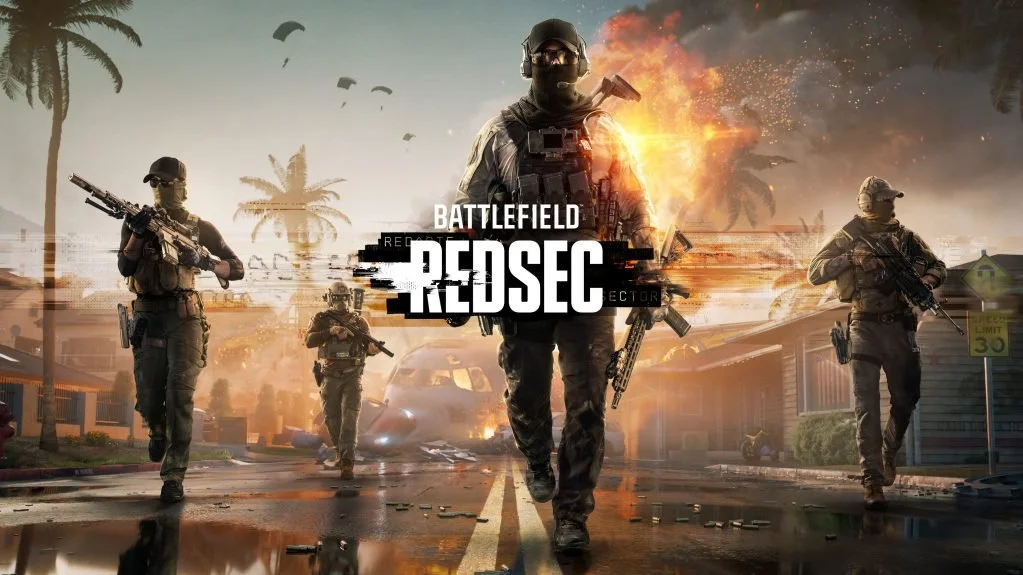
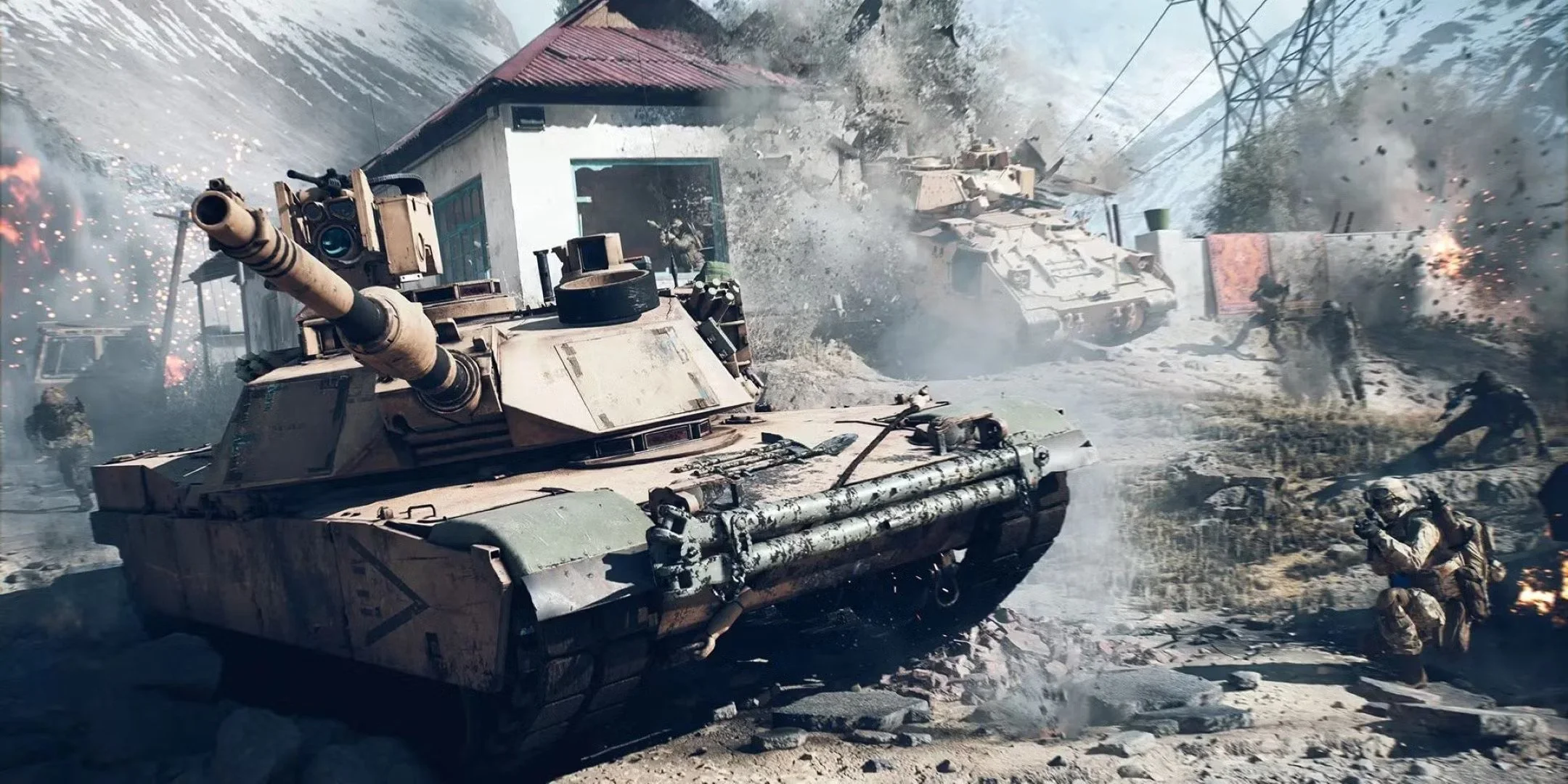
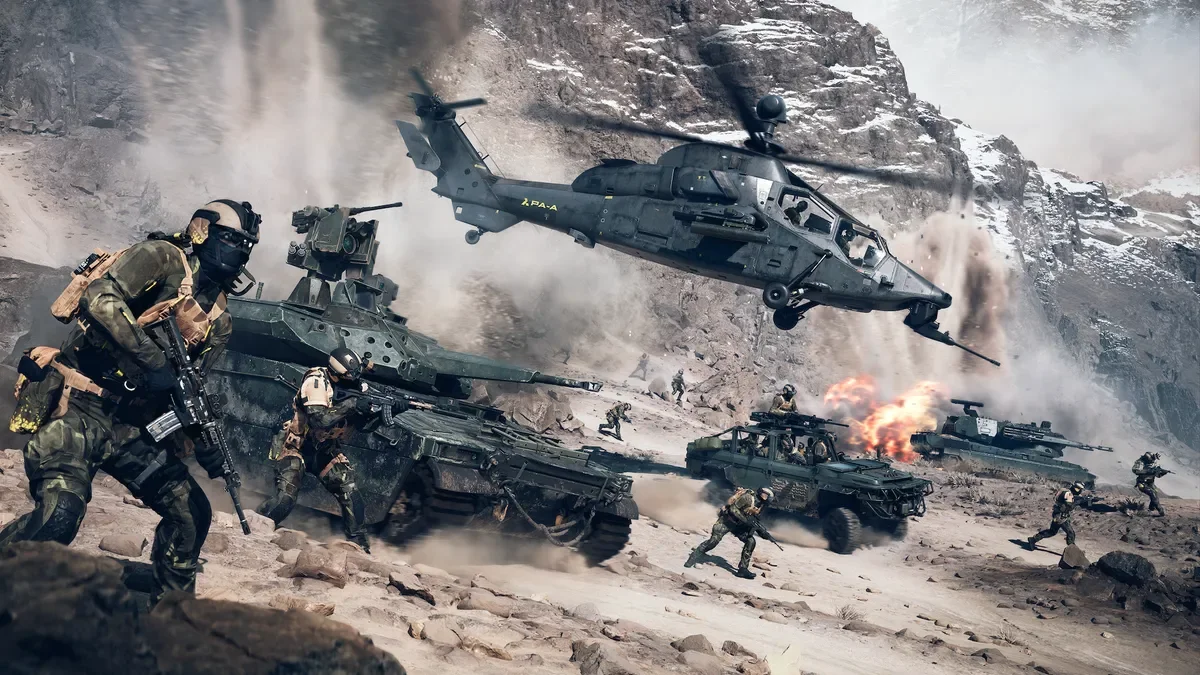
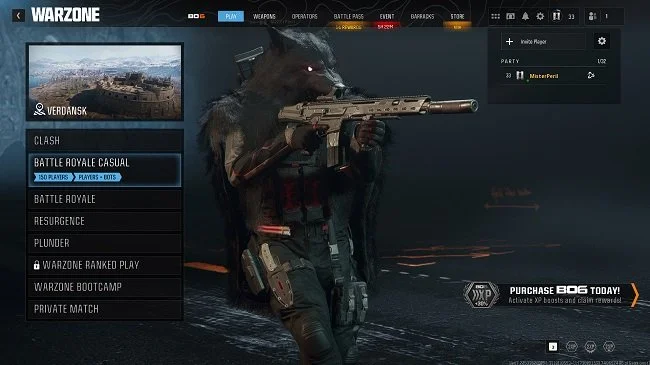
I like the Battlefield franchise and have played them all to varying degrees. I found Battlefield 3 to be the most enjoyable but a lot of that was due to the time and the place. Call of Duty: Warzone claimed my attention during the pandemic but that franchise has continuously shot itself in the foot over the intervening 5 years, with an innate ability to always make the wrong decision in development terms. Hence Battlefield 6 has appeared at the perfect time and the developers and publishers have made it abundantly clear that they’re aiming to take CoD’s crown. From what I’ve seen so far via the various reveal trailers, the game has embraced all its old school features and tempered them with the contemporary ones that work. So the game will have big maps, vehicles, environmental destruction, as well as a viable form of omnimovement, a variety of game modes and an aesthetic that stays broadly with “milsim” parameters.
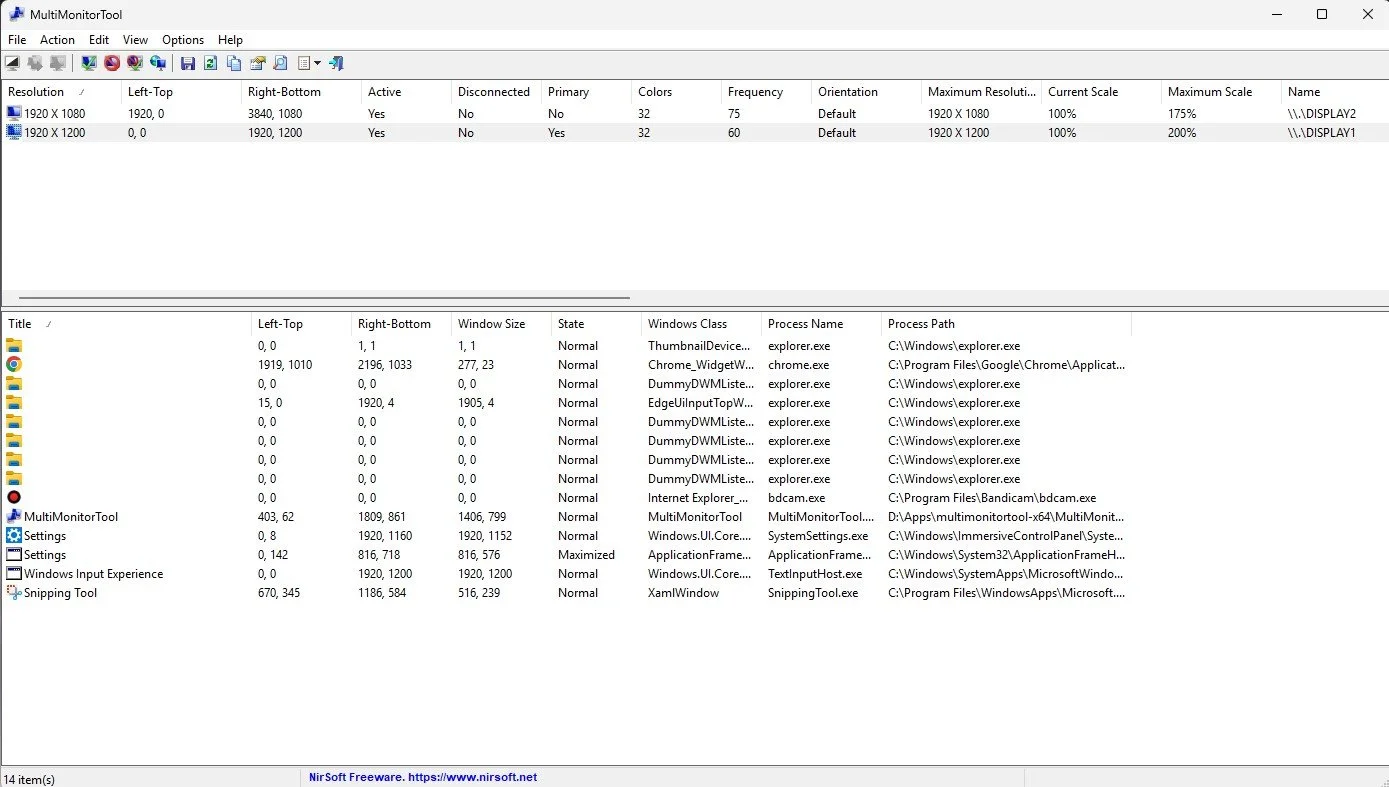
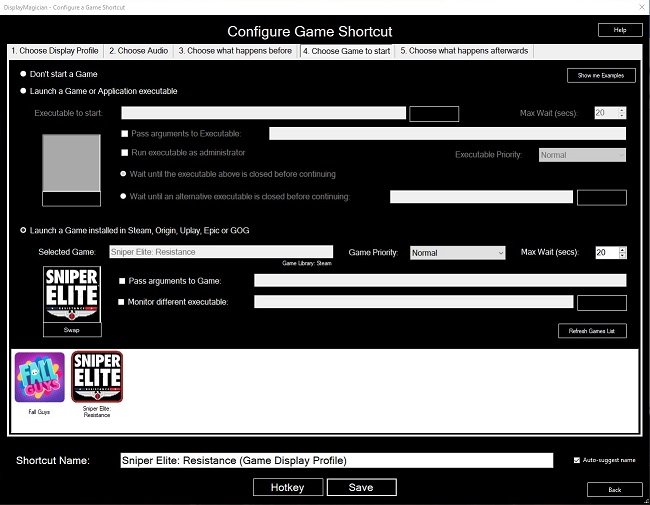
The first major open beta test for Battlefield 6 multiplayer is on the 9th-10th August. I have checked my PCs specifications and they are close enough to the recommended settings, which are as follows: Processor: AMD Ryzen 7 3700X or Intel Core i7-10700. Memory: 16GB. Graphics Card: AMD Radeon RX 6700-XT or Nvidia RTX 3060Ti. Direct X: DX12. Hard Drive Space: SSD - 80GiB. I have started the game client to see if I need to optimise any settings but the game by default seems to have gotten the measure of my PC and set everything accordingly. The only minor issue I’ve encountered so far is that I cannot get the game to switch to using my second monitor. My go to app, DisplayMagician, that usually resolves this problem has not managed to do so at present. However, I can simply change the default monitor within Windows if need be.
Although optimistic about Battlefield 6, I am aware that YouTube footage curated by influencers gives a somewhat skewed perspective. Edited highlights show all the fun aspects of a gaming session that could have lasted hours. In between those highlights there’s a lot of arbitrary gameplay, more so during a beta. Players are busy learning the maps and trying to get around efficiently. Hence you don’t see the endless runs from the spawn point to the battlezone, only to get immediately shot by a well positioned sniper. It also takes a while to learn how to effectively use vehicles in any Battlefield game, so many of us won’t be pulling off any fancy moves immediately. Yet despite these reasonable caveats, I am hoping that this latest iteration of the franchise maintains its past equanimity. Offering useful roles to players of all skill, thus providing an entertaining experience.









Upgrading My Blog: Part 1 The Plan
Last year, prior to Blaugust 2024, I looked at the viability of upgrading or replacing my current blog template. The mobile version of Contains Moderate Peril holds up quite well but the site looks somewhat tired on a desktop PC. I spoke to several design companies that dealt with Squarespace based websites and they all said the same thing. The existing template is a decade old and cannot support a lot of the current functionality available. Hence it needs to be replaced. However, such a change could potentially break the existing formatting of nearly 2,000 posts. This would create a great deal of work. Hence, I decided at the time to postpone such a decision and I simply tinkered with the branding of my website and left the matter be. A year later and the issue has resurfaced. The same problems exist and the hosting costs for Squarespace have increased. I now pay £16 a month.
Last year, prior to Blaugust 2024, I looked at the viability of upgrading or replacing my current blog template. The mobile version of Contains Moderate Peril holds up quite well but the site looks somewhat tired on a desktop PC. I spoke to several design companies that dealt with Squarespace based websites and they all said the same thing. The existing template is a decade old and cannot support a lot of the current functionality available. Hence it needs to be replaced. However, such a change could potentially break the existing formatting of nearly 2,000 posts. This would create a great deal of work. Hence, I decided at the time to postpone such a decision and I simply tinkered with the branding of my website and left the matter be. A year later and the issue has resurfaced. The same problems exist and the hosting costs for Squarespace have increased. I now pay £16 a month.
Theoretically, a change of template would require every post to be updated. Hence, it may be time to consider a change of host and migrating the site, as it would potentially entail just as much work. There is also the chance that I can reduce the operating costs of running a blog. However, I find the prospect of such an undertaking singularly unappealing. Mainly because a project of this nature requires research. The internet is extremely useful for some types of research and certain information can be ascertained quickly and efficiently. However, when it comes to the subjective nature of product comparisons, research quickly becomes bogged down in tedious partisan reviews and blinkered brand loyalty. And then of course there is my favourite “Bête noire”, people who are incapable of understanding the concept of a budget. “If you spend another £100 you can…”. Nope, not having that.
Now I could outsource all of this work to a third party contractor. It may well cost £3,000 plus but that’s the going rate and the nature of the beast at present. As I get older I like the notion of someone else doing all the heavy lifting, while I sit at home, drink gin and underwrite the project. However, finding a good contractor requires that I first determine whether or not to move to another platform. Once that decision has been made, I then need to research an established and reliable web development company. So it looks like whatever I do, I am going to have to start trawling the internet and reading reviews and recommendations. Deep joy etc. Mind you, there are a lot of knowledgeable folk on the Blaugust Discord server. Perhaps seeking advice there may be a good starting point.
Finally, a plan becomes apparent. I shall determine if there is a suitable alternative platform to host Contains Moderate Peril. I’m not looking for a minimalist site. I want to be able to post scalable images, especially for film reviews etc. I also want the template to have a contemporary feel to it. I tend to favour magazine formats. Once I’ve identified such a service, I can then decide whether to migrate my existing site or whether to stay with Squarespace and revamp my site there. Finally, once there is a clear plan, I can determine the cost and offset that against my overall budget for this project. I shall continue to document this ongoing process as a series of blog posts. Mainly for therapy, as this is likely to be a stressful and annoying project. I may tangentially write another post titled “why do hobbies cost so much damn money”?























Fluke (1995)
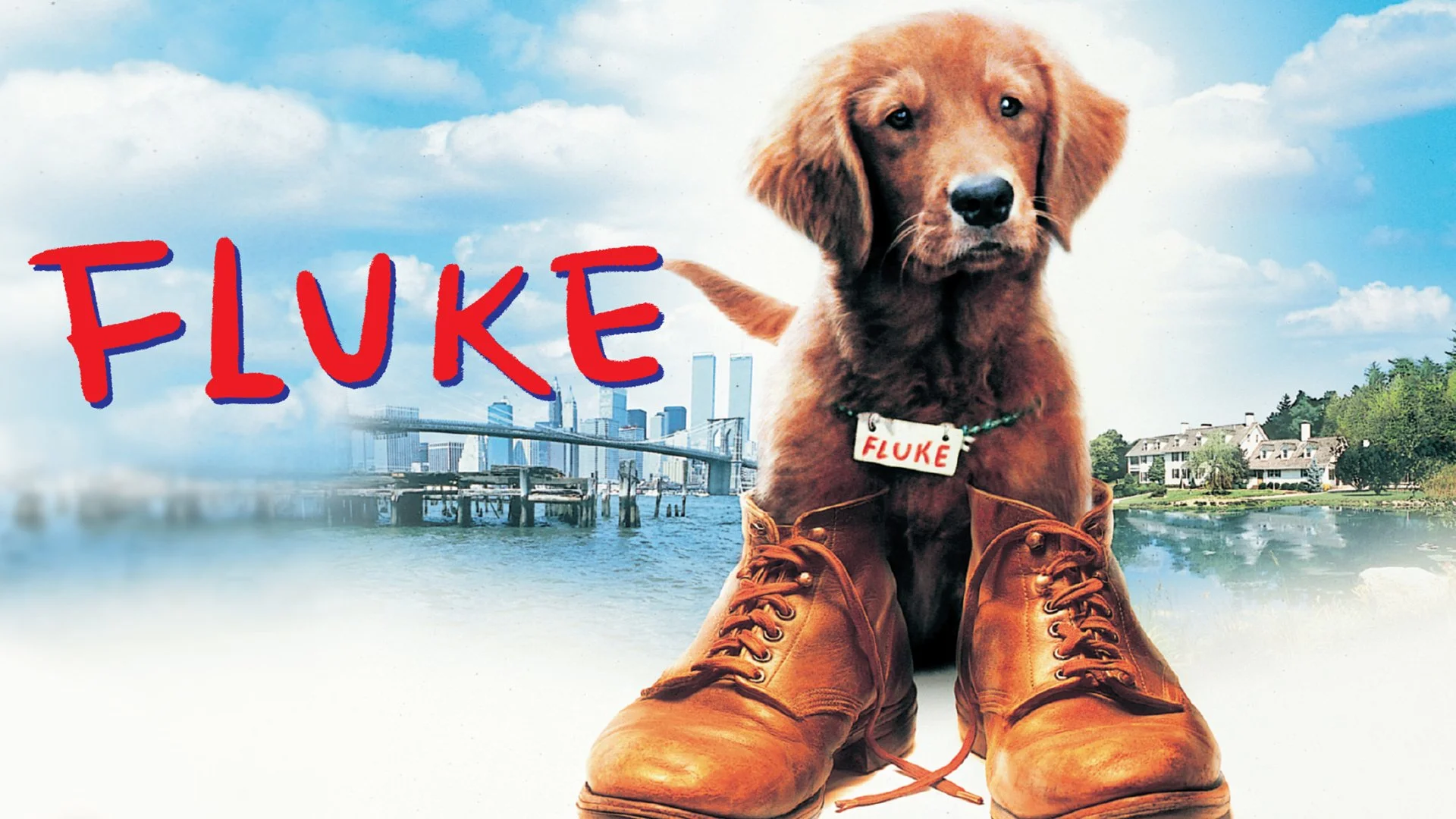
Fluke is a curious film about a man who is reincarnated as a dog and his subsequent realisation that he may have been murdered. It takes an adult novel by British author James Herbert, which is filled with philosophical musing and strives to adapt it in a far more family friendly fashion. The result is a somewhat bipolar production which thematically alternates between existential introspection and Buddhism. It then strives to deliver its message in a Disneyesque idiom. Children will potentially be confused and upset by what they see and adults will be wrongfooted by the continual shift in tone. Fluke was not a critical or commercial success upon release and the flaws that were identified by critics at the time still ring true today. That being said, Fluke is still an interesting and entertaining film, despite its faults.
Fluke is a curious film about a man who is reincarnated as a dog and his subsequent realisation that he may have been murdered. It takes an adult novel by British author James Herbert, which is filled with philosophical musing and strives to adapt it in a far more family friendly fashion. The result is a somewhat bipolar production which thematically alternates between existential introspection and Buddhism. It then strives to deliver its message in a Disneyesque idiom. Children will potentially be confused and upset by what they see and adults will be wrongfooted by the continual shift in tone. Fluke was not a critical or commercial success upon release and the flaws that were identified by critics at the time still ring true today. That being said, Fluke is still an interesting and entertaining film, despite its faults.
A mongrel street dog puppy is adopted by a elderly homeless lady called Bella (Collin Wilcox Paxton). She names him Fluke (Matthew Modine). After Bella dies, Fluke is befriended by a street-wise dog called Rumbo (Samuel L. Jackson) who teaches him to live in the moment. Fluke and Rumbo spend time with Bert (Bill Cobbs) who runs a burger stand. They also visit a scrapyard, run by Boss (Jon Polito). Fluke has recurring dreams about a man and a car crash. He eventually recalls a past life in which he was a successful businessman who had a wife and son. He feels compelled to seek them out and leaves Rumbo on bad terms. After tracking down his former wife, Carol (Nancy Travis) and son, Brian (Max Pomeranc), he eventually becomes their family dog. When his ex-business partner Jeff (Eric Stoltz) arrives Fluke suspects he may have been murdered by him in his former life and seeks to protect his family.
Director Carlo Carlei gained the attention of MGM studios, when they acquired the US distribution rights for his previous Italian film, Flight of the Innocent. He was given a one picture deal and subsequently wrote an adaptation of the James Herbert novel. Being an international filmmaker, Carlei takes a far more matter of fact approach to some of the story’s more adult themes. People die and the world moves on. Animals are treated cruelly. At one point Fluke is stolen and used for experiments by a cosmetic company. Later during a car crash, he is thrown through the windscreen. Although not particularly graphic, these scenes are shown candidly, lacking the emotional soft pedalling common to US filmmaking. However, many other scenes involving Fluke and Rumbo’s adventures are shot in the style and manner you’d expect from this genre.
Despite the rather unbalanced style and approach to the subject matter, Fluke has a respectable cast and production values. Performances are solid and the cinematography by Raffaele Mertes is colourful and quite dynamic. There is also a suitably poignant score by Italian composer Carlo Silotto, who doesn’t usually write for many mainstream US productions, as he doesn’t view them favourably. What CGI there is is mainly confined to brief glimpses of the afterlife. Overall Fluke gets its story across in an efficient 96 minutes. If it had been made by an independent studio and leaned more into the darker themes of the plot, it could have been a superior film. As to how contemporary audiences receive it, that remains a lottery. If you watch Fluke with the understanding that it’s not Homeward Bound: The Incredible Journey and the ending is not especially happy, then you’re better prepared.




















The Art of Packing Your Groceries
One of the things I enjoy most about having my own blog is the fact I can write about the mundane and the trivial. Mainly because so much of life falls into this category. Life defining events are all fine and dandy and certainly lend themselves to philosophical musings that make fine blog posts. However, you can get just as much mileage out of those everyday things in life with less gravitas, that we all do. Such as buying new clothes, taking out the recycling and going to buy groceries. I have written about all of these in the past. However, today I wish to broach a subject that both fascinates me but also raises my blood pressure. I believe it to be a social marker and a clear indication of an individual’s personal psychology. Yes, I’m talking about packing your groceries at the supermarket and the various rituals and social etiquette associated with it.
One of the things I enjoy most about having my own blog is the fact I can write about the mundane and the trivial. Mainly because so much of life falls into this category. Life defining events are all fine and dandy and certainly lend themselves to philosophical musings that make fine blog posts. However, you can get just as much mileage out of those everyday things in life with less gravitas, that we all do. Such as buying new clothes, taking out the recycling and going to buy groceries. I have written about all of these in the past. However, today I wish to broach a subject that both fascinates me but also raises my blood pressure. I believe it to be a social marker and a clear indication of an individual’s personal psychology. Yes, I’m talking about packing your groceries at the supermarket and the various rituals and social etiquette associated with it.
Now before we begin, it has come to my attention that in some countries, such as the US, there is a culture of having a grocery clerk undertake this task for you. However, research indicates that this practice is declining due to the increased use of reusable bags and the desire for faster checkout lines. Self-checkouts are also a factor (something else I have strong views on but that, alas, is another blog post). So this disparity may not be such a major distinction, as it previously was. Moving on, let me set the scene for that which I wish to discuss. Imagine if you will, that you’ve gone to the grocery store/supermarket of your choice at a fairly busy time of day. You’ve finished your shopping and are now in the checkout queue. The customer in front is currently having their items scanned and there is now space on the conveyor belt for you to place your groceries.
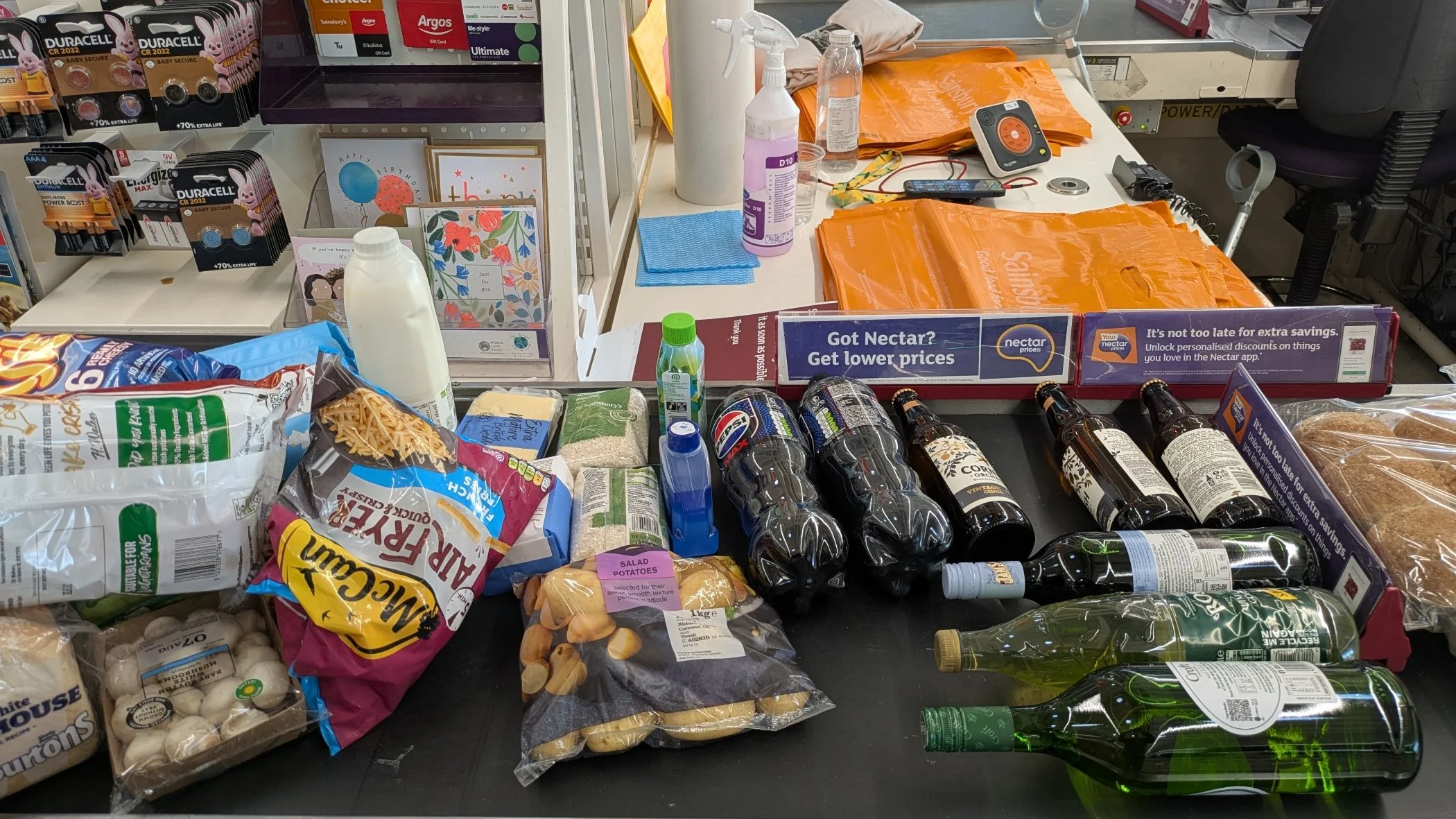
Firstly, how do you organise your shopping on the conveyor belt? I favour a process of segregation according to size, weight and whether an item has come from a cooler/refrigerator/freezer. Cold items cause condensation to form so you don’t want them coming into contact with specific things such as a magazine or birthday cards. Next when packing begins the following protocols are followed. Weighty items are evenly spread between bags with lighter objects placed on top. An item’s category and where it goes once home also affects which bag it is packed in. We keep a stock of household cleaning products in our garden shed, along with a supply of toilet paper. Bags packed with such products can then be conveniently taken directly to their respective destinations. Finally, fragile items, such as eggs and crisps, are packed last of all and cushioned with bread etc. When required we will use bespoke bags for bottles or hot food.
Next, after this efficient undertaking is complete, there is the matter of paying the checkout operator/cashier. Fumbling, dithering and any other form of being unprepared is verboten and a cardinal sin that will invoke much tutting and “hard stares” from other customers waiting in the queue. Hence cash or cards must be provided post haste. There is usually a LED display facing the customer indicating the price as goods are scanned. Use this visual cue so you can be prepared. While you pack your bags, it is socially acceptable and indeed, civil, to make “small talk” with the checkout operator/cashier. However, once you have paid, do not linger relating anecdotes pertaining to your last enema or the birds on Mrs. Coltarts roof, as you will unnecessarily delay the next customer. This again will invoke tutting and further social admonishment.
The process I’ve described is best carried out by two people and is a skill that Mrs P and I are well versed in. We have experimented with aspects of this procedure over the years, segregating items according to atomic weight and taking into account the Beaufort scale as well as sun spot activity. We have found the current method the most efficient and self righteous. Of course, there are other methods for packing your bags. Many people prefer a more “free style” approach, wreaking havoc in their wake. Make note of such individuals and act accordingly, come the revolution. Mrs P thinks I take these matters too seriously and there are worse crimes to commit. Indeed there are, like that blasphemous act of eating an item in store, before you’ve paid for it and presenting the cashier with an empty wrapper and barcode. I believe there’s a new eighth circle of hell reserved for such barbarians.

Blogging: 10 Things Not To Do
Oh look, another blogging advice post. What a surprise. I suppose the internet is awash with such information. Furthermore, a lot of that advice comes from a commercial perspective and the assumption that the writer intends to monetise their blog right from the start. The notion of writing for pleasure or fandom sometimes seems to get drowned out in all the online white noise. Anyhow, I’m going to offer up for your consideration, 10 tips of things not to do when you start a blog. I’m sure I’ve mentioned some before or even written a similar post that is now buried somewhere in Contains Moderate Peril. But good advice bears repeating and it is the first day of Blaugust: Festival of Blogging 2025 I think it prudent to make such a post. Please note these are not technical points such as using SEO or alt text etc. This is more about your approach to blogging as well as some practical logistical considerations.
Oh look, another blogging advice post. What a surprise. I suppose the internet is awash with such information. Furthermore, a lot of that advice comes from a commercial perspective and the assumption that the writer intends to monetise their blog right from the start. The notion of writing for pleasure or fandom sometimes seems to get drowned out in all the online white noise. Anyhow, I’m going to offer up for your consideration, 10 tips of things not to do when you start a blog. I’m sure I’ve mentioned some before or even written a similar post that is now buried somewhere in Contains Moderate Peril. But good advice bears repeating and it is the first day of Blaugust: Festival of Blogging 2025 I think it prudent to make such a post. Please note these are not technical points such as using SEO or alt text etc. This is more about your approach to blogging as well as some practical logistical considerations.
Don’t spend a penny until you know you like blogging: You have all the tools you need to start a blog at your disposal already. A computer, internet access and a wealth of free online resources. There are numerous blogging platforms that offer a basic free tier of access, so there is no need to buy a subscription or any additional software to begin with. Write in plaintext and edit any pictures using free online apps. First and foremost, find out if you like writing and whether you can sustain it as a hobby. If you do and you can, then you can think about buying a domain and buying any additional services.
Don't write just for yourself: Writing primarily for yourself remains prudent advice, as opposed to chasing what is deemed “popular”. However, it is wise to consider your audience and to follow up on content that has been well received. Write about a spectrum of subjects and see what gains traction. Establish shared interests and then explore them. Also add your voice to topical debates if you feel strongly about them or have something useful to contribute. If you receive any requests from readers to write about a specific subject do give it serious consideration.
Don't be inconsistent: Establish a regular posting schedule and stick to it to keep your audience engaged. Yes, I know this is hard and real life will often scupper your plans but it is an established fact that if you write regularly, your readers stick around. That being said, your schedule doesn’t have to be daily. Once a month is perfectly fine. Ultimately it is the consistency that readers like.
Don’t be afraid to express an opinion: Social media and other online communities can be a bear pit at times. No one especially wants or enjoys internet pile-ons and unpleasant comments. Hence some people won’t touch certain subjects with a bargepole and consider religion and politics verboten. This is a mistake. Treat your blog like your home. “My house, my rules”. You’re not obliged to justify yourself and do not have to tolerate abuse. Offensive comments can be deleted, without the need for a rebuttal. Everytime anyone is shouted down online or the threat of such behaviour actually stops you from expressing an opinion, it is only the bad guys who win. Tread boldly, write freely.
Don’t pander to the lowest common denominator to get clicks: With regard to the previous point, there is a wealth of difference between espousing genuinely held opinions and indulging in “hot takes” and “shitposting” just to get website traffic. The former is a democratic freedom that comes with some degree of personal responsibility. The latter just makes the internet shittier and is the prerogative of gits.
Don't ignore the benefits of networking: Connect with other bloggers in your niche and build relationships. Promote other blogger’s content and vice versa. Make friends with like minded individuals and riff off each other’s work. Be vocal in your praise. This is how communities are built.
Don't ignore analytics: Use tools like Google Analytics to track your blog’s performance and identify how your writing performs. Such information can provide useful feedback. However, do not become a slave to this data and do not allow yourself to obsess over it. Data is just that and nothing more. Do not take it personally if a post you feel is your best work doesn’t gain any traction.
Don't be afraid to experiment: Try different content formats, writing styles and subject matters. Blogging is a skill that grows over time. Therefore, throw a variety of material at your readers and see what works and what doesn’t. Apply this philosophy not only to your writing but to your blog template as well. There is nothing more frustrating to a blogger than being constrained by the boundaries that you have imposed upon yourself.
Don’t worry about the calibre of your posts: Not every post has to be comparable to the Gettysburg Address or Meditations by Marcus Aurellius. A simple post about your cat or collection of pogs can find an audience just as well as a weighty dissertation on early Etruscan pottery. The internet connects roughly two thirds of the world’s population. That’s 5.56 billion people. If you want to create a fansite about The Littlest Hobo, then you can potentially find an audience.
Don't be discouraged by slow progress: Building a successful blog takes time and effort. In fact the criteria for success is very subjective to begin with and an entire blog post in itself. However, whatever you are seeking from writing online, be it fame or just the pleasure of regularly sharing your thoughts with others, it takes dedication and a lot of writing before you reach the point where you feel that you have “everything at your fingertips”. Instant results are just as much a fantasy in blogging as they are in most other creative endeavours. Therefore, be patient, be consistent and don't give up. Or if you’re a Galaxy Quest fan, “Never give up. Never surrender”.
Enjoy Blaugust.
The Key to Writing
What is the key to writing? It is a question that most new bloggers ponder. It’s also something that older, established bloggers consider on a regular basis. The subject has been dissected, analysed and written about at great length over the years and there is plenty of advice available online. You’ll find millions of websites telling you to consider picking the right niche or subjects, how to find your voice and writing style, as well as establishing a regular publishing schedule. Not all the advice out there is good and not all of it is bad. There certainly isn’t any “one size fits all” solution. There are multiple factors to consider when you start writing and you have to find answers that suit you. All forms of writing are a personal form of self expression and unique to their author. Therefore, one’s approach to writing should be similarly personal and unique.
What is the key to writing? It is a question that most new bloggers ponder. It’s also something that older, established bloggers consider on a regular basis. The subject has been dissected, analysed and written about at great length over the years and there is plenty of advice available online. You’ll find millions of websites telling you to consider picking the right niche or subjects, how to find your voice and writing style, as well as establishing a regular publishing schedule. Not all the advice out there is good and not all of it is bad. There certainly isn’t any “one size fits all” solution. There are multiple factors to consider when you start writing and you have to find answers that suit you. All forms of writing are a personal form of self expression and unique to their author. Therefore, one’s approach to writing should be similarly personal and unique.
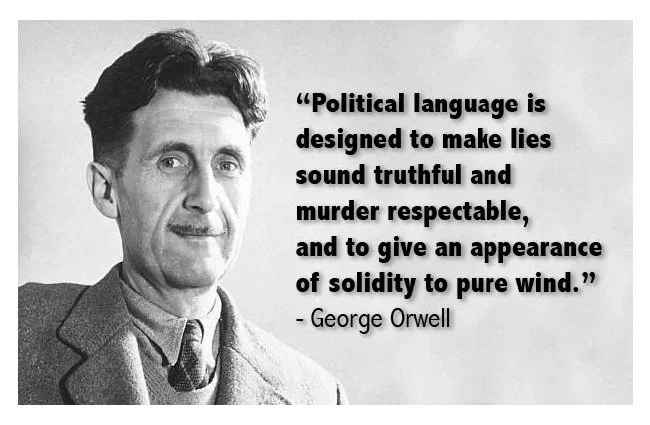
However, I think there is one piece of universal advice that can be given and it’s pretty simple. Be yourself. Write what you think, feel and believe. Write with conviction. I don’t care for the phrase “authentic” as I feel that it has been diminished in contemporary parlance. It currently sounds like a buzzword associated with a grift. So I will use the word “sincere” instead. Being sincere and writing what you genuinely feel gives your posts emotional mass. If you simply knock out a few paragraphs about something you’re not invested in or do not truly believe, it comes across in your prose. Genuine passion bleeds through into your words and gives them resonance. Regular people like sincerity and honesty. As for bullshit, we get enough of that already in our lives from politicians and big business. We don’t need any more.
Now you may worry that such advice is a bit fancy and “highfalutin” and not applicable to your blog about your Rubber Ducky collection. I beg to differ. If you pour love and passion into your blog posts, you’ll find that they become a lot easier to write. One of the things I enjoy immensely about Blaugust: Festival of Blogging is the broad spectrum of subjects that people write about. Often the bloggers themselves are just as fascinating as their niche, specific writings. So to recap, the single most important piece of advice I can share about blogging is to just write like you mean it. Think about the things that you like and as you smile, start writing. Congratulations, you’ve just written a blog post and started a conversation. That’s how communities are built.
LOTRO: The Problem With MMOs and Mathematics
Let’s start with a quote from a classic Walter Hill film, The Warriors. “Can you count, suckers?” says Sirus. The gang leader was referring to the number of Police in New York City at the time. Whereas, for the purpose of this post, I am referencing how many Delving Writs a player needs to acquire 6 pieces of level cap armour in LOTRO. Because, next to the gear you get from endgame instances and raids, Delving gear is a good alternative.. It is marginally better than the items you can get from lootboxes. Hence, Delving armour is a good source of high end gear for the solo player. Through the miracle of mathematics, the number of Delving writs required to acquire a full set of this armour is 9,000. At first glance, that seems like a lot. If you then do some further research to put the number in context, you realise it is indeed a lot and a substantial undertaking.
Let’s start with a quote from a classic Walter Hill film, The Warriors. “Can you count, suckers?” says Sirus. The gang leader was referring to the number of Police in New York City at the time. Whereas, for the purpose of this post, I am referencing how many Delving Writs a player needs to acquire 6 pieces of level cap armour in LOTRO. Because, next to the gear you get from endgame instances and raids, Delving gear is a good alternative. It is marginally better than the items you can get from lootboxes. Hence, Delving armour is a good source of high end gear for the solo player. Through the miracle of mathematics, the number of Delving writs required to acquire a full set of this armour is 9,000. At first glance, that seems like a lot. If you then do some further research to put the number in context, you realise it is indeed a lot and a substantial undertaking.
Like most repeatable activities in The Lord of the Rings Online and indeed the MMORPG genre, there is a cap on how many a player can undertake a day. The point being to time gate the rewards and possibly foster a sense of achievement. You work toward a goal and deferred gratification. Or if you’re more cynical about this mechanic, it is designed to draw out content and keep players “occupied”. Whatever the reason, in LOTRO you can only do a maximum of 10 Delvings a day. Delvings are scalable and the harder they are, the more Delving Writs you receive as a reward. Theoretically, you can play 10 Delvings a day. On Tier 12 (the maximum tier) each Delving yields 50 Delving Writs. Hence you can potentially earn 500 Delving Writs a day. Thus you can possibly earn your full set of Delving armour in 18 days.
However, the average player is more than likely not to play that many Delvings and not at Tier 12. I find Tier 7 a manageable challenge and such Delvings reward the player with 30 Delving Writs. I tend to play no more than 4 Delvings a day, mainly because I like some more than others and there is a daily rotation so you don’t always get the ones you prefer. Therefore, players such as I on average can earn 120 Delving Writs per day. To earn 9,000 at this rate will take 75 days. Although I don’t mind a degree of challenge in an MMO, these numbers simply seem too much of a grind and a chore. I play for amusment and such an undertaking falls squarely out of the “amusement zone”. When compared to the gear I can get from lootboxes, the Delving armour is only a little better and that is the final nail in the coffin of this potential enterprise. Essentially maths has allowed me to make an informed choice and the choice is a resounding “no”.
I fully appreciate that lots of LOTRO players do not have the same transactional mindset as I do. As such they will happily set themselves this goal and diligently undertake it. Good for them. I however often find that the numbers that Standing Stone Games’ set for specific in-game rewards are not to my liking. They are simply too grindy in my opinion. I have a far more egalitarian opinion on what constitutes a “quid pro quo”. It’s also why I have no real interest in many of the festivals in LOTRO because you’re mainly rewarded with cosmetic items and not anything that I considered to be truly beneficial. But I digress. If you’re considering working towards a full set of Delving armour, then consider the numbers and the time frame that I’ve summarised here. Number crunching is your friend in this genre of gaming. Choose accordingly.











Managed Decline
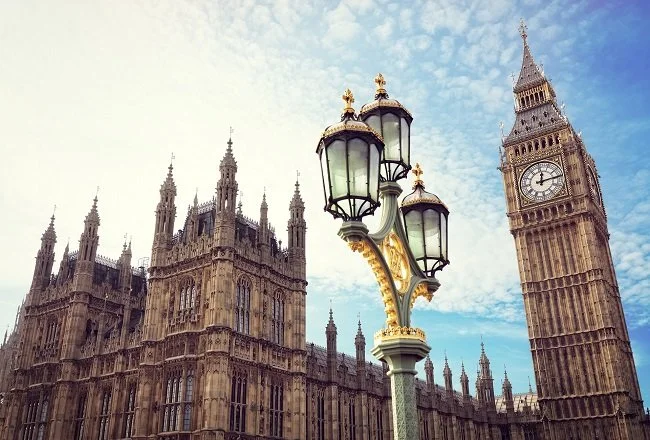
“Managed decline” is a phrase that refers to the processes associated with the end of a specific lifecycle, with the goal of minimizing costs or other forms of loss. The concept originated in business where it referred to the management of companies and industries. More recently it is used in wider contexts. The concept gained prominence with regard to urban policy, particularly in the UK during the eighties when several major cities suffered economic and political collapse. Of late, the term has been applied to the UK, encompassing a systematic weakening of the economy, social structures, and cultural values, as well as its global political and diplomatic force. In each case, managed decline involves making strategic choices about resource allocation and accepting the consequences of those decisions. It is a complex issue with ethical and practical considerations, often sparking debate about the best way to address decline and reverse the process.
“Managed decline” is a phrase that refers to the processes associated with the end of a specific lifecycle, with the goal of minimizing costs or other forms of loss. The concept originated in business where it referred to the management of companies and industries. More recently it is used in wider contexts. The concept gained prominence with regard to urban policy, particularly in the UK during the eighties when several major cities suffered economic and political collapse. Of late, the term has been applied to the UK, encompassing a systematic weakening of the economy, social structures, and cultural values, as well as its global political and diplomatic force. In each case, managed decline involves making strategic choices about resource allocation and accepting the consequences of those decisions. It is a complex issue with ethical and practical considerations, often sparking debate about the best way to address decline and reverse the process.
When I was in my early twenties and beginning my working life (circa 1990) there was still a strong belief held within the UK that overall, things improved for each generation. By this we meant working conditions and pay, opportunities, both career and social, as well as healthcare and life expectancy. To a degree it held true. By the time I was thirty I was earning far more each year in IT than my father had ever earned as a mechanical engineer. However, there were some disadvantages to this era, the most noticeable being buying a house. In the UK there has always been and remains a strong culture of home ownership. Like it or not, it is considered one of the criteria by which we define success. Sadly from the nineties onwards, buying a home has become increasingly more expensive to the point where it becomes an impossibility for those on low pay or a single income.
My son’s generation (he is in his early thirties) has a very different perspective on their personal future and that of the nation. The post war social contract is dead and the welfare state is unsustainable. Jobs seldom offer a salary sufficient to cover living costs, therefore one’s future is one of constant work and managing personal debt. As for retirement, it is seen as an impossible dream. The expectation is that one will have to work continuously, primarily to pay for rented accommodation. As for wider political issues, there is a growing consensus that traditional politics and parties cannot or will not fix the most immediate problems. Hence there is a growing interest in new parties and populism and a misplaced hope that they will reset the status quo. Sadly, populist leaders around the world have proven they are not up to the job and despite promises simply increase the existing wealth gaps and social disparity.
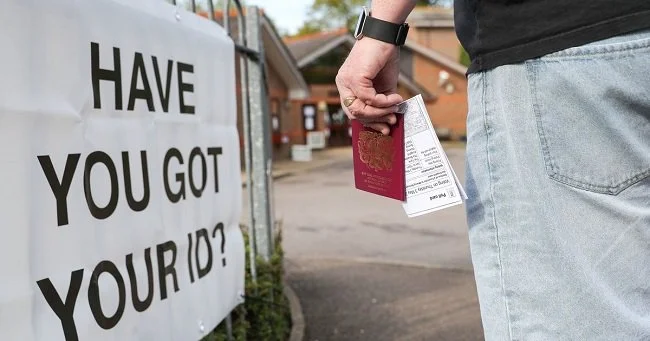
I no longer believe that the problems facing the UK can be fixed. The existing political system is not fit for purpose and attracts the worst of us. We have an ageing population and a diminishing workforce that expects continued access to the welfare state and healthcare at the standard that they have always enjoyed. All of us want national infrastructure and institutions such as the courts, police and schools etc to work but no one wants to pay the increased costs required to run them. As for the loaded subject of immigration, the real issue is not illegal immigrants but the number of legitimate migrants who come to the UK to fill the jobs caused by the ever increasing skills gap. We are failing to learn the skills required for a modern economy and today’s world. Both these issues are integral to our current problems and contribute to our national decline.
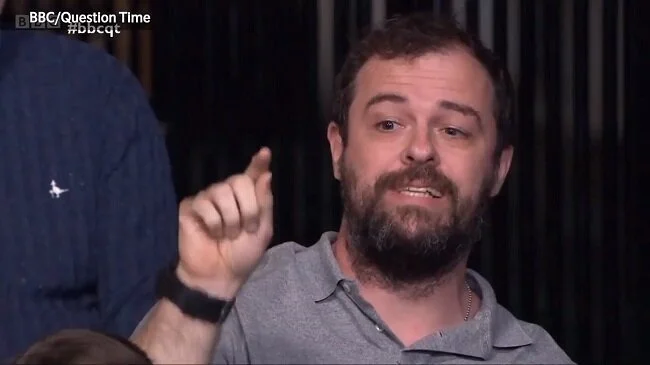
Another factor is the breakdown of social interaction and our national discourse, the replacing of community with the cult of the individual and the erosion of critical thinking. Nuance, context, knowledge and reason are now rare skills which are often met with hostility. Social media and the internet are certainly a factor in this cultural shift. All of which makes discussion and compromise impossible. Everything from what is your favourite brand of coffee to national politics is presented as a binary choice. Those who don’t favour your choice are, by default, your enemy. This cancerous mindset is spreading everywhere and into everything. Unable to counter “feelings” with logical arguments, the rational thinkers retreat, ceding territory to the furious hard of thinking. Nothing gets better because those who now have what they craved, namely power without knowledge, just break things and move on when they lose interest or fail to achieve their misplaced goal. Of course it’s always someone else’s fault.
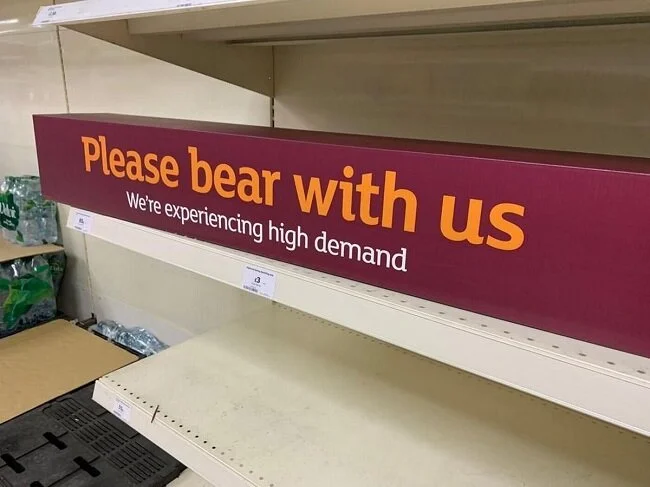
Managed decline is a gradual process, although global events can exacerbate it. Hence I don’t see an immediate economic and social collapse. Governments will continue to tinker at the periphery of problems and there may be occasional lulls in problems and even minor economic booms, depending on wider global economic issues. But I do see pay stagnation, increases in the cost of living, public services struggling to work and infrastructure failing. Food shortages are also possible due to war and failing supply chains. Crime will increase as poverty grows and civil unrest will increase as frustration grows. As ever, it will be the poor and vulnerable who will bear the brunt of these problems. Civil rights and freedoms will also be curtailed as we voluntarily give more and more information to big companies. As AI becomes more ubiquitous it won’t be a case of robots oppressing us but simply a case of “the computer says no” because you failed to meet some spurious criteria within an algorithm.
What does one do in the face of such inevitability? At 57 I’m pretty much going to do nothing, because there is nothing I can do. There are no credible political parties and the process of government as it stands is unable to facilitate change. As for the younger generation, posting “ I stand with [insert cause here]” on social media, that isn’t going to help either. Traditional forms of lobbying and striving for political change are no longer effective. Plus, we don’t all want the same thing, due to the way we compartmentalise our lives and pick “sides”. Hence the future politically in the UK will be distinctly Pythonesque. Frankly, there comes a point where you have to cease feeling concerned and powerless about domestic and global politics because it is such a burden. So you just continue to live your life, the best you can, doing small acts of kindness as and when you can. Perhaps I’ll be dead before the worst of it happens, although I suspect that isn’t going to be the case.













LOTRO Tips
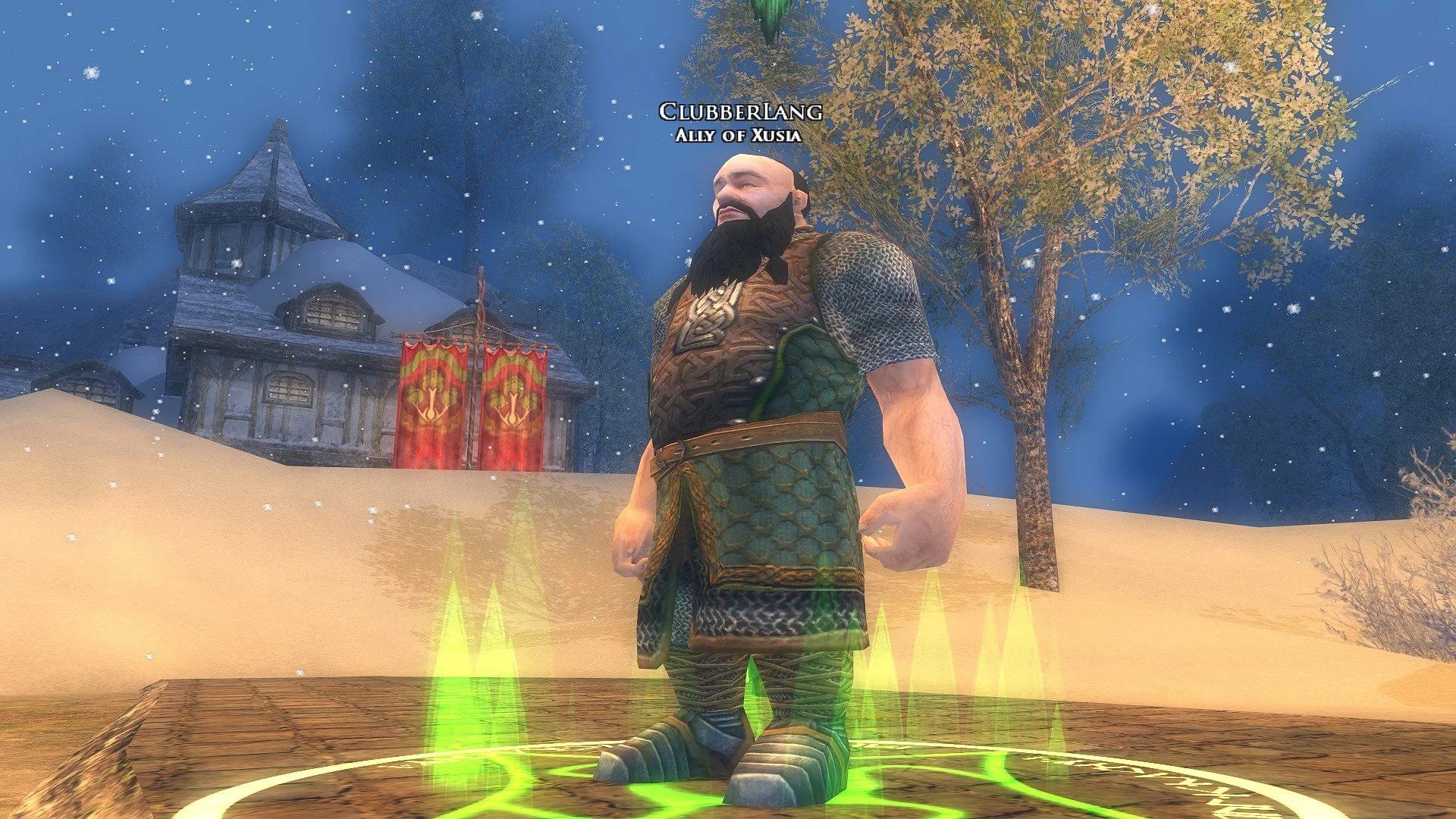
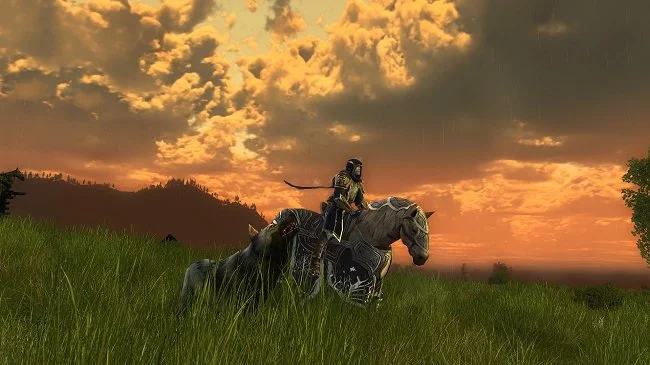
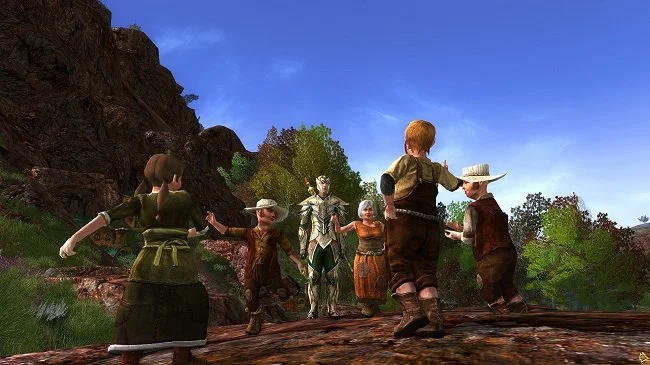
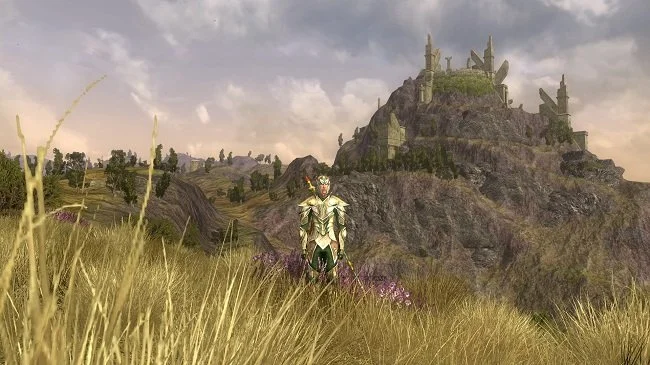
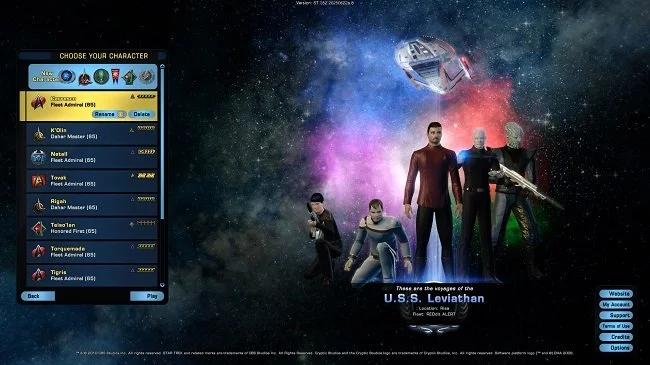
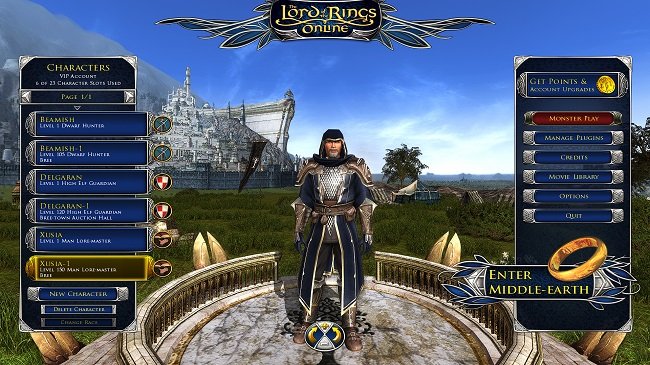
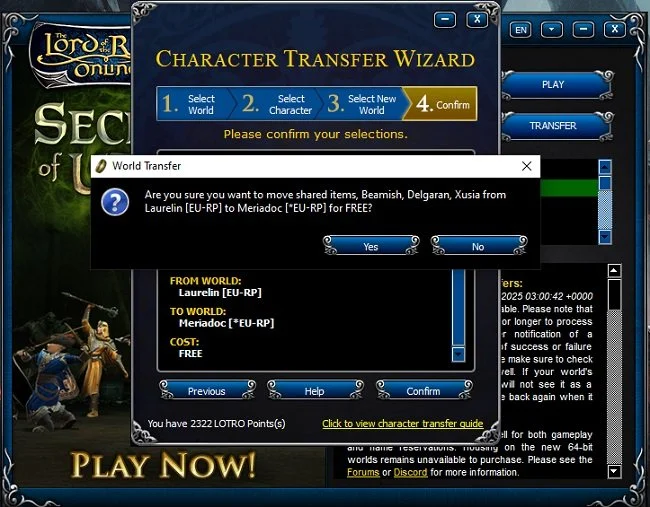
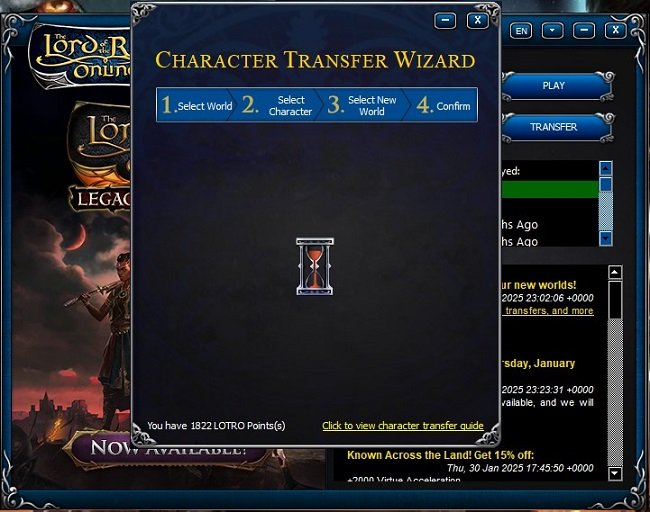
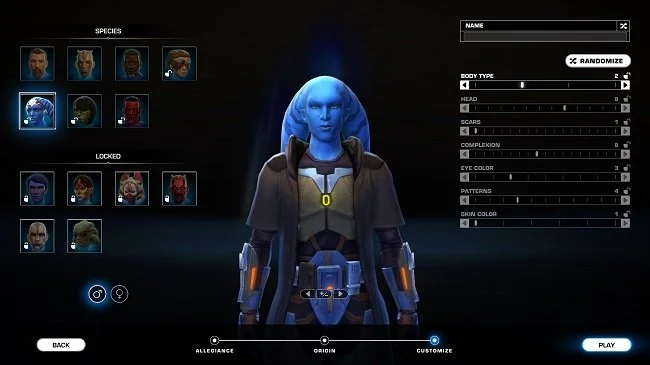
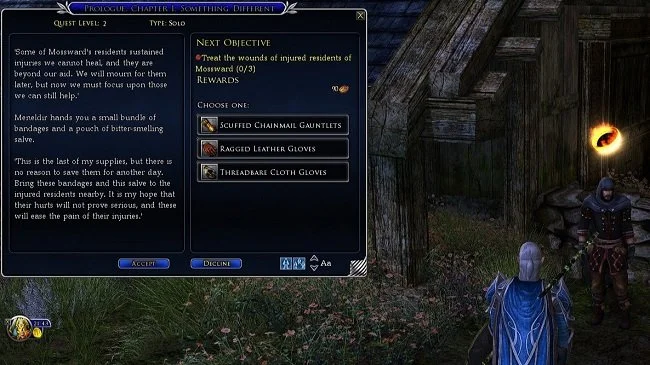
I am currently enjoying a renewed interest in the MMORPG The Lord of the Rings Online since I migrated all my characters from the old 32-bit servers to the new 64-bit replacements. I’ve created a new High Elf Lore-master on Peregrin server and am currently levelling them in a targeted play through of the Epic Story, supplemented by curated side quests. While playing recently, I realised the game UI on this alt wasn’t as I usually have it laid out. So I checked through the various documents on my PC and found a text file I had created many years ago that had a few hints and tips written down. I’ve added a few more and decided to share them as a blog post. I’m sure veteran players will be familiar with many of them but a lot of them are worth repeating. They may prove useful to those new to LOTRO or returning to the game after a long hiatus.
I am currently enjoying a renewed interest in the MMORPG The Lord of the Rings Online since I migrated all my characters from the old 32-bit servers to the new 64-bit replacements. I’ve created a new High Elf Lore-master on Peregrin server and am currently levelling them in a targeted play through of the Epic Story, supplemented by curated side quests. While playing recently, I realised the game UI on this alt wasn’t as I usually have it laid out. So I checked through the various documents on my PC and found a text file I had created many years ago that had a few hints and tips written down. I’ve added a few more and decided to share them as a blog post. I’m sure veteran players will be familiar with many of them but a lot of them are worth repeating. They may prove useful to those new to LOTRO or returning to the game after a long hiatus.
Saving and loading your customised interface:
Once you’ve arranged your LOTRO user interface to your liking simply type the following command in the chat window. /ui layout save X (X being the name of choice for this saved setting). You can then load this layout for any further alts by typing the following in the chat window. /ui layout load X
Filter loot, quests and sounds:
Alt + R opens the in-game filter windows. This allows you to filter out specific quests and their subsequent reminders. It can also be used to ignore unwanted loot. I use it to avoid lootboxes that frequently drop and fill your bags. It can also be used to filter out specific in-game sounds. This is especially handy if you find certain sounds annoying, such as Minstrels constantly yelling or the incessant whinnying of horses at stables.
Renaming pets and skirmish/landscape soldiers:
The Lore-master and Captain’s classes in LOTRO have combat pets that can be renamed by right clicking on them. Skirmish/landscape soldiers can similarly be renamed. Cosmetic pets cannot have their name altered in this fashion. However, you can rename them by typing the following command in the in-game chat window. /cpet rename X (X being your name of choice).
Checking to see how much time you have spent playing a specific alt:
Type the following command in the in-game chat window in chat to see how long you've played that specific character. /played
Select which quest icons are shown on the mini-map:
If you go into Options>UI Settings and tick “Show Trivial Quest Icons in Radar” the game will display the quest icons (rings) for those quests that are below your current level, on your mini-map.
Change the order of your alts on the character select screen:
If you want to sort your characters, prior to clicking on “Enter Middle-earth” click on the small triangle just below where it says “Page”. You can then choose between Name, Level, Class and Last login.
Quick travel skills:
Travelling around the various zones in LOTRO can be difficult at lower levels. Stable access is often gated by quests and reputation etc. There are some travel locations that are more useful than others due to the amount of locations they offer. Return to Glân Vraig is one such location. Based in the Ettenmoors, this skill can be earned at level 20 just by completing the tutorial quest in the Ettenmoors. It offers quick travel to West Bree, Thorin's Gate, Michel Delving and Rivendell. From Rivendell Stables numerous other travel locations are available. Return to Glân Vraig also has the advantage of only having a 5 minute cooldown. Players just starting out in LOTRO, may wish to purchase Return to Lalia's Market skill for 3 mithril coins. It teleports the player to the centre of Bree which is an important travel hub.
Disable combat music:
Whenever you aggro an enemy in LOTRO, the game plays combat music specific to that zone. These audio cues can be useful in notifying that you’ve triggered combat. However, it can also become quite annoying, especially if you’re focused on the ambient score. Hence, you can go into Options>Audio>Sound Features and check the “Disable Combat Music” button, if you wish.
The LOTRO keymap:
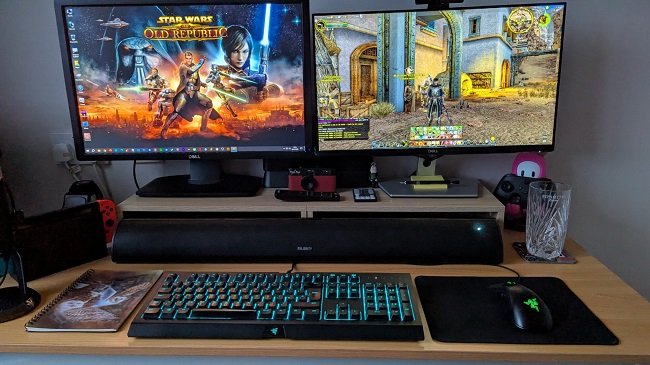
I have two monitors attached to my PC. I play LOTRO on the right hand screen and have the game’s default keymap as the desktop wallpaper on my left hand screen. Despite playing the game since 2008 I still forget many of the handy keyboard commands, so it is useful to have a visual reminder in my line of sight. You can find a large keymap image here.
COVID-19 and the Pandemic: Five Years On
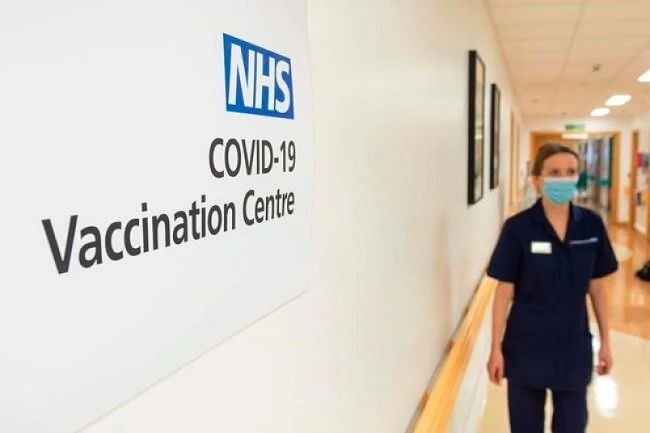
It’s been five years since the COVID-19 global pandemic. At the time it was an utterly alien and tumultuous experience. However, due to the way numerous institutions responded (but not the government), many people thought there would be a great deal of social and political change in the UK afterwards. The pandemic highlighted the impotence of the NHS, as well as those who work in jobs designated as essential. It also shone a spotlight on many of the country’s inequalities. Due to our national character, a real sense of community emerged. Something that had been absent for a very long time. Briefly, we got a glimpse of what the UK could be when we all broadly worked together. There was a sense that now was the time to change the status quo. Sadly, nothing changed. As soon as the vaccination program was launched, the UK quickly slipped back into the mire it’s been wallowing in since the end of WWII.
It’s been five years since the COVID-19 global pandemic. At the time it was an utterly alien and tumultuous experience. However, due to the way numerous institutions responded (but not the government), many people thought there would be a great deal of social and political change in the UK afterwards. The pandemic highlighted the impotence of the NHS, as well as those who work in jobs designated as essential. It also shone a spotlight on many of the country’s inequalities. Due to our national character, a real sense of community emerged. Something that had been absent for a very long time. Briefly, we got a glimpse of what the UK could be when we all broadly worked together. There was a sense that now was the time to change the status quo. Sadly, nothing changed. As soon as the vaccination program was launched, the UK quickly slipped back into the mire it’s been wallowing in since the end of WWII.
I caught COVID-19 in early April 2020. This was hardly surprising as I was at the time caring for both my elderly parents. They lived one road away from me and I visited everyday to undertake chores. There were also healthcare professionals coming and going all the time, so despite rigorous hygiene protocols, the increased risk made catching COVID-19 inevitable. It was a most unpleasant experience that lasted about a fortnight. The initial flu-like symptoms soon increased in intensity, resulting in constant head and muscle pain, violent coughing and a sense that I was in a constant bear hug, making it difficult to breathe. I slept for most of the day and had very low energy levels. Once the virus had run its course, I had extreme fatigue for the remainder of the year. It took a full twelve months to return to what I consider to be my normal state of health.
Regent Street, London, during lockdown 2020
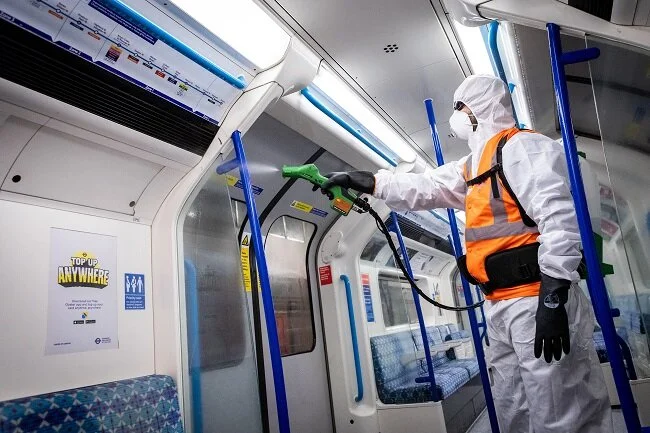
The standout aspect of the pandemic were the three lockdown periods. Everyone has their own perspective on these based upon their own personal experience. For me the lockdowns were not a big deal. I was a carer with a very fixed routine. I continued to undertake my duties and the only difference was having to wear a mask when out and standing apart from others in queues. When the restrictions were reduced, Mrs P and I would go for walks and visit local parks. I remember vividly how much less traffic there was and how that impacted upon ambient noise levels. The air quality in South East London noticeably improved. COVID-19 did not interfere with my hobbies and so I continued writing and gaming. In fact it was a “golden age” for the latter. I spent a lot of time playing Warzone, which had just launched and Fall Guys. As someone who finds the hustle and bustle of contemporary life quite tiring, the lockdowns were an interesting change of pace.
However, for many the pandemic brought bereavement. As a carer of two elderly parents, I came to know a great many other ageing residents in the local area. Over the summer months of 2020, many would pass away after catching the virus. People who I knew from my mother’s hairdressers and those I often saw at surgeries and clinics. Several residents in my street died and not all of them were old. My son also lost colleagues at TFL due to the nature of their work. And then I lost my father in August. Ironically he did not catch COVID-19 but instead caught pneumonia after a chest infection. He survived the pneumonia but was left exhausted and frail. He elected to decline any further treatment and died on 16th September 2020. Due to the lockdown I only visited him once during the four weeks he was at hospital and was not with him when he passed away.
National COVID Memorial Wall London
I find that post pandemic, my sense of the passing of the years has been derailed. I have a clear sense of events up to 2019 but from 2020 onwards it all gets confused, due to the unusual nature of that time. Five years on, COVID-19 is still trotted out as a political excuse for anything not working or underperforming. As for the hoped for social change and political renaissance, it never happened and frankly was never going to. Many in the top 1% used the pandemic as a means to further enrich themselves and the country’s social divides are still there, bigger than ever. The pandemic has also been a contributory factor in the growth of nationalism, which is now looming large. Overall it is hard for me to summarise and quantify my thoughts on the pandemic. To quote Dickens’ “It was the best of times, it was the worst of times, it was the age of wisdom, it was the age of foolishness.”








Smiling
Prior to writing this post, I clocked a picture on a news website of the now disgraced TV presenter (and nonce) Gregg Wallace. I noticed that he doesn’t smile as such but tends to “gurn” instead. So does UK politician (and cunt) Nigel Farage. He always has his mouth open and his face contorted in some curious rictus, in most of the pictures you see of him. Mind you, I also don’t photograph especially well and any pictures of me smiling tend to look sinister or with a heavy hint of irony. The bottom line is not everyone is good at smiling. It doesn’t come naturally to all of us. This can be a problem at times or in social situations, because smiling is an integral part of our culture. On many occasions, I’ve been walking along, my face in a state of natural repose, only to be harangued by some twat shouting “cheer up, it may never happen”. A phrase I haven’t quite fathomed out, even to this day.
Conrad Veidt as Gwynplaine, in The Man Who Laughs (1928)
Prior to writing this post, I clocked a picture on a news website of the now disgraced TV presenter (and nonce) Gregg Wallace. I noticed that he doesn’t smile as such but tends to “gurn” instead. So does UK politician (and cunt) Nigel Farage. He always has his mouth open and his face contorted in some curious rictus, in most of the pictures you see of him. Mind you, I also don’t photograph especially well and any pictures of me smiling tend to look sinister or with a heavy hint of irony. The bottom line is not everyone is good at smiling. It doesn’t come naturally to all of us. This can be a problem at times or in social situations, because smiling is an integral part of our culture. On many occasions, I’ve been walking along, my face in a state of natural repose, only to be harangued by some twat shouting “cheer up, it may never happen”. A phrase I haven’t quite fathomed out, even to this day.
Firstly, let us first define what smiling is. According to Google, to smile is “to form one’s features into a pleased, kind, or amused expression, typically with the corners of the mouth turned up and the front teeth exposed”. As to the function of smiling within society, it is a powerful form of non-verbal communication that serves multiple functions. These include expressing emotions, improving mood, and influencing social interactions. It's a universal signal of happiness and can foster positive connections with others. It is a tool for social bonding and has positive benefits such as stress reduction and mood enhancement. Outside of human society among the other primates, smiling primarily serves as a social signal, often indicating appeasement, submission, or even fear, rather than a straightforward expression of happiness. Fascinating stuff.
Amanda Bearse in Fright Night (1985)
Setting aside the sociological and behavioural complexities of smiling, let us focus on the realities of smiling in society. Smiling is a facet of expected behaviour. On paper that’s not such a bad thing. A smile lets other people know that things are okay. It can be a polite social nicety like saying please and thank you. However, there is scope for this simple social cue to become a far more tyrannical tool, especially for women. Across most forms of media, it is rare to find an image of a woman who is not smiling. Something which is not true of men. Research shows that women smile 62 times per day on average, while men smile only 8 times. Smiling is therefore seen by many as a social expectation, even obligation. A curious offshoot of asking how someone is, with the understanding that you don’t answer negatively. Hence, the cat calls and the aforementioned comments.
One of the things that boils my piss, to invoke a contemporary expression, is the inherently flawed assumption that if you’re not smiling, you’re unhappy. My default facial expression is one of repose. IE neutral. I am not in any specific emotional state and more than likely contemplating something like a sandwich or what are the toilets like in Star Trek. The complexities of my psychological disposition, conveyed via the medium of my face, is obviously too complex a concept for some people who exist in a simple binary state. They, however, they can fuck off with their unwarranted social expectations. I will smile as and when I see fit and not before. I believe that any form of social expression, if used ad nauseum, loses its value. Which is exactly what has happened to smiling. Those who smile incessantly are either lying bastards, trying to sell you something or a couple of sandwiches short of a picnic.
Dianne & Vito: Red Hot and Ready
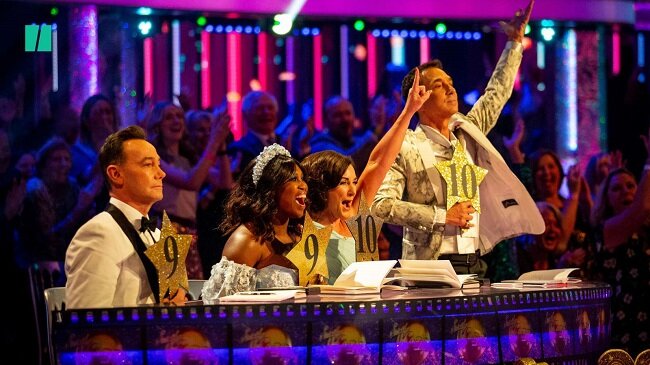
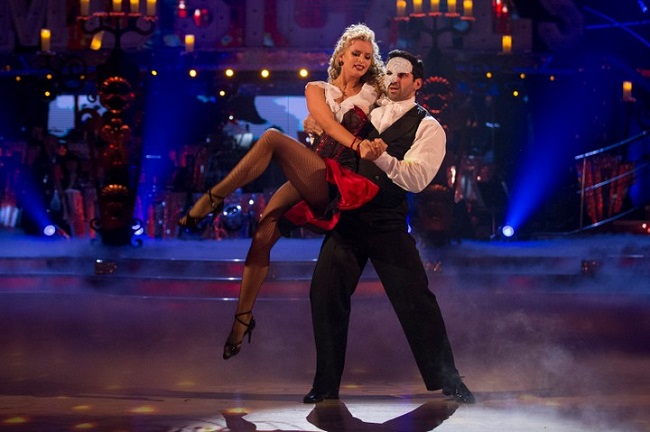
At the beginning of April, Mrs P and I went to the Churchill Theatre in Bromley to see Speakeasy, a dance show starring Karen Hauer and Gorka Marquez (of Strictly Come Dancing Fame). It was 100 minutes of Mamba, Salsa, Charleston, Foxtrot and Samba dance numbers and it was very well received by the audience. I don’t usually go to such shows but I enjoyed it because it was focused, dynamic and “did exactly what it said on the tin”, to invoke a cliché. As a result, we promptly booked tickets for a similar show that was scheduled for July. This one, Dianne & Vito: Red Hot and Ready, features Vito Coppola and Dianne Buswell, another two of the professional dancers from Strictly (as the cool kids call it). Once again the show was at the Churchill Theatre, which is proving to be quite a good local venue.
At the beginning of April, Mrs P and I went to the Churchill Theatre in Bromley to see Speakeasy, a dance show starring Karen Hauer and Gorka Marquez (of Strictly Come Dancing Fame). It was 100 minutes of Mamba, Salsa, Charleston, Foxtrot and Samba dance numbers and it was very well received by the audience. I don’t usually go to such shows but I enjoyed it because it was focused, dynamic and “did exactly what it said on the tin”, to invoke a cliché. As a result, we promptly booked tickets for a similar show that was scheduled for July. This one, Dianne & Vito: Red Hot and Ready, features Vito Coppola and Dianne Buswell, another two of the professional dancers from Strictly (as the cool kids call it). Once again the show was at the Churchill Theatre, which is proving to be quite a good local venue.
Tonight we finally went to the show and I am happy to report that I enjoyed it even more than the previous one. I think what surprised me the most was that the format was different and although there were a lot of very well conceived musical numbers, there was also a great deal of interaction with the two stars and the audience. Tonally, this show was a horse of a different colour to the previous one. Speakeasy was very raunchy and hot, Dianne & Vito: Red Hot and Ready had more of a celebratory nature with several dance sequences focusing upon key aspects of the dancer’s lives. The first was a montage of Dianne’s life in Australia culminating in her following her dream to dance and move to the UK. The second was Vito’s love for his brother, which was depicted through some amazing physical interpretative dance with Brazilian dancer, Jaih Betote.
In between musical numbers Diane and Vito sat on a sofa facing the audience and indulged in some scripted banter. They leaned into comic caricatures of themselves and indulged in stereotypes associated with Australian and Italian culture. The ability to send one’s self up is a worthy skill and the pair were happy to do this. Not all the jokes landed but it was broadly amusing mainly due to Vito and Dianne’s personalities. It was interesting to see these two popular dancers branching out in this fashion. I suspect both stars have an eye to moving into other forms of entertainment and media. The audience certainly enjoyed these “off-piste” moments and it was clear that there was a substantial contingent of über fans attending this evening’s performance.
One of the standout aspects of Dianne & Vito: Red Hot and Ready, are the support dancers and musicians. The other dancers, Jaih Betote, Rose Carne, Lois Faith, Talia Fowler, Robbie Kmetoni, Harijs Locs, and Ana Riera are all outstanding in their field. The two singers, Sam Turrell and Lois Faith, also maintain a high standard of delivery throughout the show. Furthermore, the songs and music were all cleverly arranged by Gareth Weedon (who also played keyboards). Henry Soriano drove the beat of the show with his expert drumming and percussion. The set design was minimalist but still managed to lend itself to several scenarios. The lighting was dynamic and responsive to the mood of the various songs. My only complaint was that some of the lights would on occasion shine directly into the audience’s line of sight but it was not a major problem.
Dianne & Vito: Red Hot and Ready isa good show, which offers more than just the dancing. The numbers cover a variety of styles including ballet and contemporary and the choreography by Jason Gilkison is technically driven and interesting. The various members of the company get to show off their impressive skills, with everyone contributing to the overall experience, rather than competing. As such, this show is a celebration of the two stars’ passion for dance and the opportunities that it has brought them. Upon reflection, some of the comedic asides need some fine tuning but I appreciate that the two stars have chosen to broaden the established format of such musical dance productions. Overall, Dianne & Vito: Red Hot and Ready is an uplifting two hour experience and a great showcase of their talent.






















The Idiot Box
Thoughts on TV shows and my current viewing habits.
I last wrote a blog post in this series back in February 2022. Then for various reasons, I stopped. Possibly because my relationship with TV has changed in recent years. It’s fair to say at present that viewers are spoilt for choice. There are lots of very good shows around. Conversely, there is also a lot of bland, generic, filler as well. I appreciate that not every television series has to be an industry milestone and there are times when I’m content to watch undemanding content. However, I am very protective of how I spend my leisure time at present. I am not prepared to sink 6 or 8 hours into a show that is just “okay”. Hence I’m becoming very particular about what I watch. If something isn’t working for me in any fashion then I just abandon it and am happy to do so.
Thoughts on TV shows and my current viewing habits.
I last wrote a blog post in this series back in February 2022. Then for various reasons, I stopped. Possibly because my relationship with TV has changed in recent years. It’s fair to say at present that viewers are spoilt for choice. There are lots of very good shows around. Conversely, there is also a lot of bland, generic, filler as well. I appreciate that not every television series has to be an industry milestone and there are times when I’m content to watch undemanding content. However, I am very protective of how I spend my leisure time at present. I am not prepared to sink 6 or 8 hours into a show that is just “okay”. Hence I’m becoming very particular about what I watch. If something isn’t working for me in any fashion then I just abandon it and am happy to do so.
NCIS: Origins. The first season of this prequel to NCIS has been a proverbial breath of fresh air. Where NCIS has become a cartoonish caricature of itself, NCIS: Origins is the polar opposite. The characters are well defined, plausible and interesting. The cast is good and the stories are centred around everyday cases, rather than hyperbolic “let’s save the world” scenarios. It really is a case of less is more. Mercifully, CBS have had the sense to renew the show for a second season. As for NCIS, it continues its slow decline, as it gradually morphs from a military police procedural drama into something akin to Murder She Wrote.
Teacup. Loosely based upon the novel Stinger by Robert R. McCammon, Teacup centres around a group of neighbours in rural Georgia who are trapped on a farm and forced to confront a mysterious and deadly threat. As they struggle to survive, they must overcome rising tensions and uncover the truth behind the strange occurrences. Teacup has a strong start and then continues the pace over its subsequent 8 episodes. The shorter 30 minute episode format works to the show’s advantage. There are some solid jump scares and a fair amount of gore. I like the idea of a horror film turned into an episodic TV show but commissioning network Peacock obviously didn’t and cancelled the show.
Dept. Q. Every now and then, someone makes a police procedural drama which takes a different approach to the genre. Based on a series of books by Danish writer Jussi Adler-Olsen, Dept. Q relocates the stories from Copenhagen to Edinburgh. Detective Chief Inspector Carl Morck (Matthew Goode), a disliked but talented detective, returns to police work after being shot and is given a cold case unit to run. It is naturally a “poison chalice”, set up for political reasons. He is assisted by enigmatic, civilian employee Akram (Alexej Manvelov) who may have worked for the Syrian Police prior to moving to Scotland. This nine part Netflix drama is well written, with an involving plot and compelling characters. It doesn’t pull its punches and the language is ripe. Its inherent differences to standard genre fodder is what makes it such good viewing. Akram is also one of the most enigmatic characters I’ve seen in a drama for a while.
Bookish. Set in London after WWII, Bookish is a beautiful distillation of the classic detective and whodunnit genres. Blending Sherlock Holmes, Poirot and Miss Marple (and much more) Bookish is written and stars Mark Gatiss. In lesser hands this could have ended up a rather self congratulatory fan service but, here it is a multifaceted drama that blends the cosy, with the classic detective tropes. It also alludes to wider social commentary, with the lead character, Gabriel Book, being in "lavender marriage” with his wife Trottie. Beautifully shot in both the UK and Belgium and sporting an interesting modern take on period music, Bookish has all the hallmarks of a genuine hit show.
Star Trek: Strange New Worlds. I am very pleased to see this iteration of Star Trek return for a third season. It’s nearly been two years since the last episode was broadcast. Despite being set in a time period where large swathes of the existing, canonical lore can potentially hem the show in, it still manages to innovate and expand in a very creative way. Furthermore it does this without crossing too many lines with its retconning. There are several standout characters, especially Doctor M’Benga, played by the superb Babs Olusanmokun. I am also happy with the return of classic crew members such as Spock and Scotty and the opportunity to explore their past more. I feel this show totally eclipsed Star Trek: Discovery, from which it was a spinoff. I look forward to watching the remainder of the season.
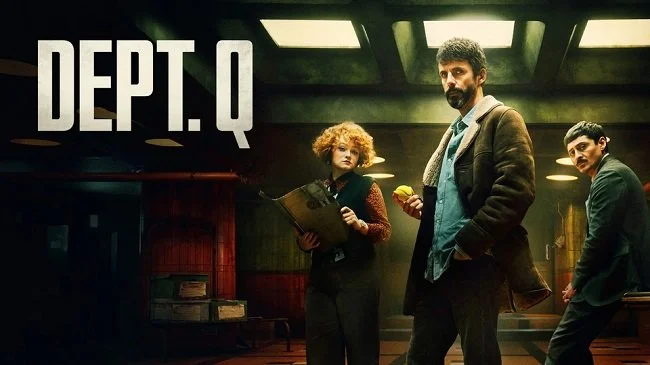

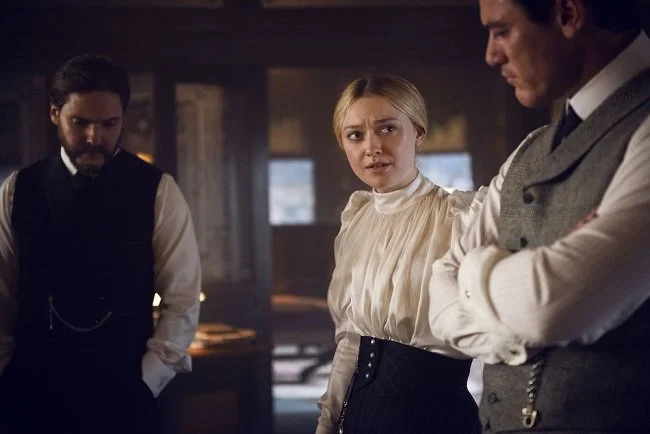
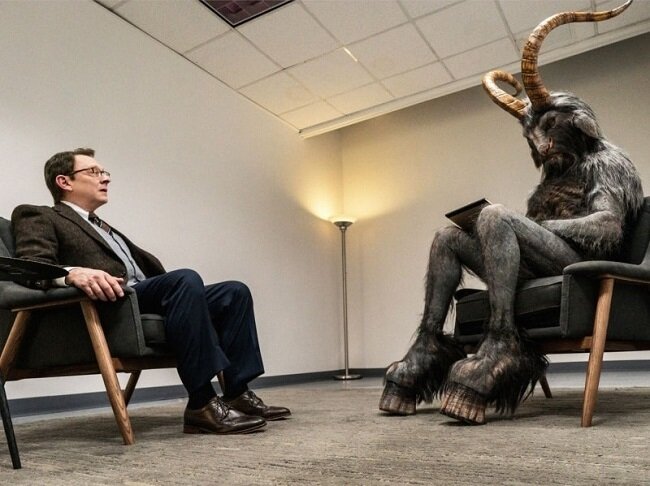


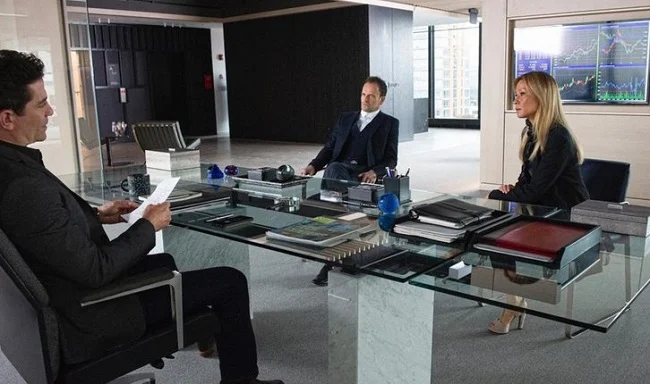


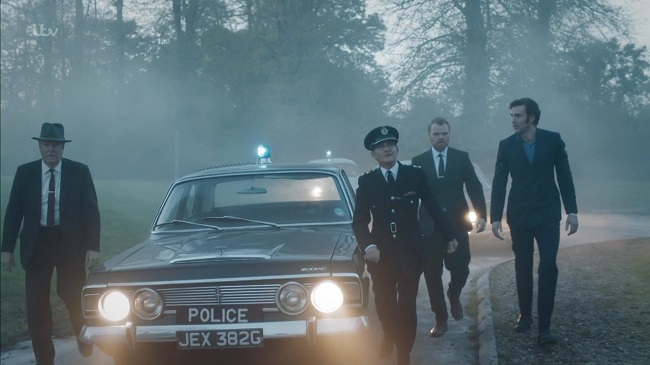

Stonehenge
Stonehenge is so much more than just a neolithic, historical structure of note. It is of great spiritual importance to many, representing ceremonial practices and ancient worship. It is also seen as a conduit to a wider connection to the cosmos. It is after all a celestial calendar, according to one of the theories regarding its purpose. It also has a strong significance in pop culture. Hence, due to its history, symbolism, religious connotations and overall sense of mystery it is a UNESCO World Heritage Site and a globally recognised symbol of ancient Britain. As such, it has always been somewhere that I have wished to visit. Today, as we were relatively nearby in Ringwood and the weather was pleasant, Mrs P and I decided to go to Salisbury and see this iconic structure for ourselves.
Stonehenge is so much more than just a neolithic, historical structure of note. It is of great spiritual importance to many, representing ceremonial practices and ancient worship. It is also seen as a conduit to a wider connection to the cosmos. It is after all a celestial calendar, according to one of the theories regarding its purpose. It also has a strong significance in pop culture. Hence, due to its history, symbolism, religious connotations and overall sense of mystery it is a UNESCO World Heritage Site and a globally recognised symbol of ancient Britain. As such, it has always been somewhere that I have wished to visit. Today, as we were relatively nearby in Ringwood and the weather was pleasant, Mrs P and I decided to go to Salisbury and see this iconic structure for ourselves.
Stonehenge is maintained by English Heritage, a charity that manages over 400 historic monuments, buildings and places throughout England. Tourists are greeted by a substantial visitors centre upon arrival, featuring an exhibition regarding the history of Stonehenge and various support facilities such as cafe, shop, picnic areas and toilets. There is a large car park which requires the PayByPhone app for payment. English Heritage members park for free, as long as they clearly display their membership sticker. Visitors can walk to the stones, which takes about 25 to 30 minutes, depending on your pace. Alternatively, there is a shuttle bus service that regularly travels between the two sites. This takes between 5 to 10 minutes. A path goes all the way around the circle and is a mixture of both hard-standing and grass. At some points, you are as close as 5m (16 feet) from the stones.
The stones at Stonehenge are approximately 4,500 years old, dating back to the late Neolithic period around 2500 BC. But they are far more than the sum of their parts. There is an interesting atmosphere among the visitors, many of whom are pursuing a spiritual dimension to their pilgrimage. Despite the background noise of traffic passing on the nearby A303 road, there is an air of stillness surrounding the stones themselves. I found most of my fellow visitors were quite quiet, as people tend to be when they visit a cathedral. As for Stonehenge itself, it is suitably impressive. It has a very organic ambience, despite obviously being hand crafted from stone. You can completely walk around the circle and photograph it from all sides. During our visit it became quite overcast, which in many respects made the photos I took on my phone more atmospheric.
After spending about 30 minutes or so, contemplating the stone circle, we returned to the visitor centre and the exhibition. The current exhibition explores the story of not only the stone circle but the wider landscape, as well as the people who lived in the vicinity. Using a combination of audio-visual displays and ancient objects, it seeks to show what life was like at the times and what part the stone circle played within the local community. There are over 250 archaeological objects and treasures that have been discovered in the immediate area. Ranging from jewellery, pottery and tools, to ancient human remains. There is a forensic reconstruction of a 5,500 year old man, based on the aforementioned bones found near Stonehenge. Yet despite the amount of data available, much still remains unknown.
Stonehenge is a singularly enigmatic place of interest, mainly due to the age of the site and the degree of mystery that still persists around how it was built and what its exact purpose was. Irrespective of the crowds of visitors and the temperamental nature of the weather, Stonehenge maintains an imposing presence. It certainly lends itself to a great deal of contemplation. That being said, it doesn’t have to be all serious. As ever I lapsed into thinking about the various pop culture references regarding Stonehenge, such as Halloween III: Season of the Witch, Night of the Demon and of course Spinal Tap. Overall, I found my visit to this iconic stone circle very rewarding. I suspect it is even more enthralling at specific times of year, such as the summer solstice when sunrise aligns with specific stones within the circle. I suspect I shall make a return visit in the future.

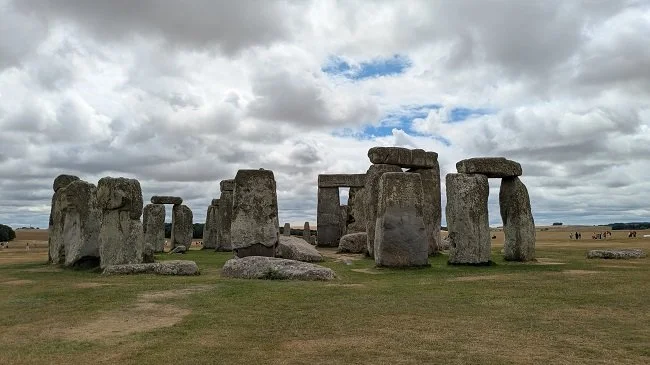
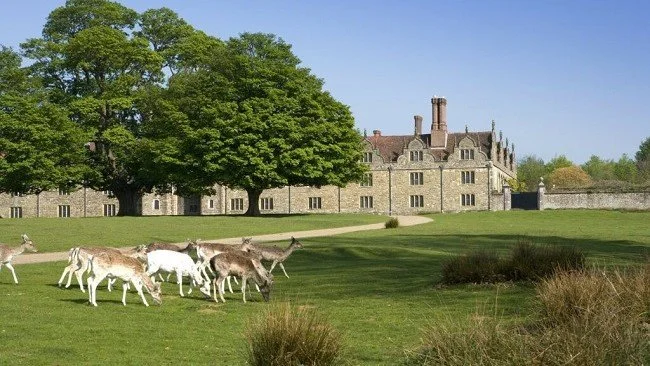
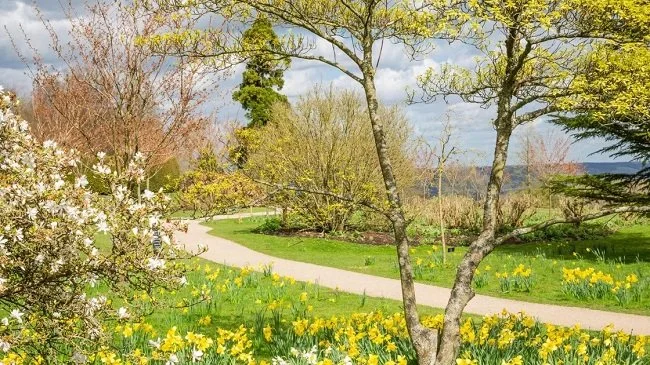

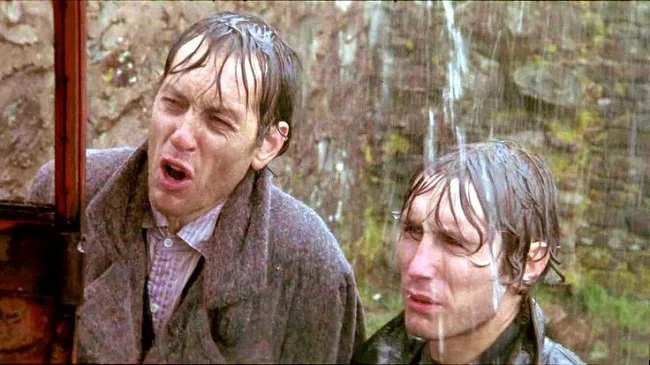






The Sea
I enjoy visiting the coast. I always have. I find the sight and sounds of the sea very calming and thought provoking. There is something about seeing the ocean stretch out to the horizon and its implied enormity, that gives you a sense of perspective. The UK is a seafaring nation and therefore it is an integral part of our history and national identity. Hence a strong nautical theme and a sense of its importance has bled through into our popular culture. It is therefore quite common for people to have a positive attitude towards the sea and its associated leisure activities. I like to visit the coast at various times of the year and walk along the beach, just listening to the waves, lost in my own thoughts. This is not a hard thing to do in the UK, as no one lives further than 70 miles (113 kilometers) from the coast.
Hythe Beach
I enjoy visiting the coast. I always have. I find the sight and sounds of the sea very calming and thought provoking. There is something about seeing the ocean stretch out to the horizon and its implied enormity, that gives you a sense of perspective. The UK is a seafaring nation and therefore it is an integral part of our history and national identity. Hence a strong nautical theme and a sense of its importance has bled through into our popular culture. It is therefore quite common for people to have a positive attitude towards the sea and its associated leisure activities. I like to visit the coast at various times of the year and walk along the beach, just listening to the waves, lost in my own thoughts. This is not a hard thing to do in the UK, as no one lives further than 70 miles (113 kilometers) from the coast.
I often write summaries of my various travels and they are frequently just summaries of a few historical facts associated with the places I’ve visited. I would, on this occasion, like to discuss two places that I’ve recently been to and offer a different perspective. The first is Swalecliffe, which lies between Whitstable and Herne Bay. This small coastal area looks out over the North Sea. It has a rugged strip of grassland that leads down to the pebble beach, which has wooden groynes to prevent shoreline erosion. The road, Marine Crescent, runs parallel to the beach and the houses along it all have balconies, observation decks or other means by which their owners can sit and enjoy the seaview. There is a promenade adjacent to the beach and various facilities available along it, including some very colourful beach huts.
Swalecliffe Beach
We visited the beach on 30th April, roundabout 10:45 AM. We were making our way along the coast, Eastward, stopping anywhere along the way that took our fancy. What attracted us to the beach at Swalecliffe was the fact that there was a sea mist at the time, although it was receding. So we parked up and took a leisurely stroll. At the time the beach was mainly empty. There were some dog walkers and a few people fixing their beach hut. The sea mist was at the time halfway up the beach but slowly vanishing in the sunlight. It was very picturesque but there was also a vague supernatural aspect to it all. I immediately thought of a particular M. R. James’ ghost story that featured a sinister figure, obscured by sea mist and on the periphery of one’s vision. Sadly, the moment didn’t last long. In less than 30 minutes the mist had gone leaving just a scenic pebble beach but it was a striking experience.
Today, Mrs P and I visited Southbourne Beach, located in Bournemouth. It is a popular, Blue Flag award-winning beach known for its cleanliness and wide sandy and shingle expanse. It is one of those beaches that is popular with locals but not necessarily well known to the wider population. Tourists tend to head to Bournemouth. Southbourne beach, set below a cliff, is accessible via the zigzagging Fisherman's Walk from Southbourne High Street. It offers amenities like accessible toilets, kiosks, and lifeguard services. It is an extremely clean and tidy beach, with wide expanses of sand and shingle. When it is warm and sunny, such as today, it is the sort of beach where you can happily spend hours just relaxing and daydreaming. It has ample facilities and a great ambience. It also has the benefit of not being crowded.
Both of these visits highlight the fascinating quality of the sea. The sea mist at Swalecliffe invoked a sense of fascination at a natural phenomenon that I had never seen before. It also had a sense of mystery as it is an occurrence that has been used as a plot device in many books over the years. My experience at Southbourne beach was far more about the inherent calmness of the environment. It is the perfect place in good weather to switch off and relax, or ruminate upon benign, idle thoughts. Furthermore, irrespective of the season or indeed the beach itself, I think that it is the rhythmic quality of the sea that is the key to its calming presence. That combined with the sea air and its negative ions seem to have a very uplifting effect upon one’s mood. Yet despite all these factors, I have never felt disposed to venture out upon the sea. I much prefer just to observe and contemplate it.
More Wise Quotes
Is there truly any real wisdom to be found in quotes? According to Google the answer is most definitely yes. They can offer valuable insights, perspectives, and guidance on various aspects of life, often encapsulating complex ideas in concise and memorable phrases. However, quotes can equally be annoying, tedious and pompous. If used incorrectly, a pithy quote can quickly backfire making the person using it look like a smug, self-aggrandising, pseudo intellectual. However, irrespective of these two contrasting views, quotes can also provide a quick and convenient blog post that can be hastily cobbled together when you’re up against a deadline. So without any further ado, here are ten carefully curated quotes for your enjoyment and edification, that impart wisdom and provide food for thought.
Is there truly any real wisdom to be found in quotes? According to Google the answer is most definitely yes. They can offer valuable insights, perspectives, and guidance on various aspects of life, often encapsulating complex ideas in concise and memorable phrases. However, quotes can equally be annoying, tedious and pompous. If used incorrectly, a pithy quote can quickly backfire making the person using it look like a smug, self-aggrandising, pseudo intellectual. However, irrespective of these two contrasting views, quotes can also provide a quick and convenient blog post that can be hastily cobbled together when you’re up against a deadline. So without any further ado, here are ten carefully curated quotes for your enjoyment and edification, that impart wisdom and provide food for thought.
“Be yourself; everyone else is already taken.” Oscar Wilde
“Life is what happens to you when you are busy making other plans.” John Lennon
“A wise man can learn more from a foolish question than a fool can learn from a wise answer.” Bruce Lee
“If you want something said, ask a man; if you want something done, ask a woman.” Margaret Thatcher
“In the beginning the Universe was created. This has made a lot of people very angry and been widely regarded as a bad move.” Douglas Adams
“Never put a sock in a toaster.” Suzy Eddie Izzard
“I don't need you to remind me of my age. I have a bladder to do that for me.” Stephen Fry
“Instant gratification takes too long.” Carrie Fisher
“Comedy is simply a funny way of being serious.” Peter Ustinov
“They say a woman's work is never done. Maybe that’s why they get paid less.” Sean Lock
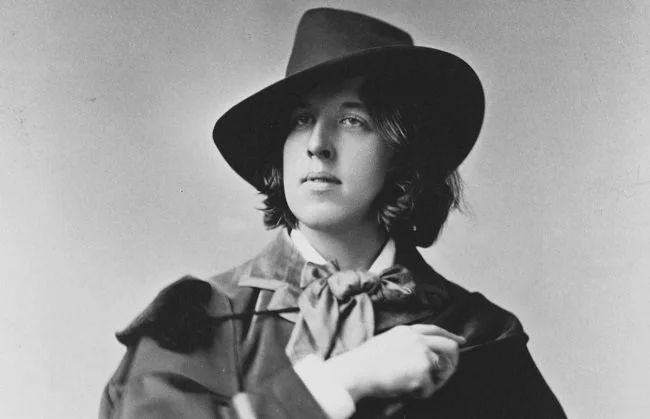

LOTRO: Everything Old Is New
In mid-March, while the server migration debacle raged, I created a new alt for the MMORPG, The Lord of the Rings Online, on Peregrin server. The idea was to play casually through content focusing on enjoyment, rather than worrying about progression. I was to level at a pace that suited me and had no specific plans to develop my alt in any particular way. I have been playing LOTRO since 2008 and have a primary level-cap character that has been my main focus over the years. Hence I have previously experienced all story content from all the expansions and am therefore very familiar with what the game has to offer. Which is why I thought I’d do things differently this time. So I started my new Lore-master in Mossward in Swanfleet, the new starting area added to the game in 2022.
In mid-March, while the server migration debacle raged, I created a new alt for the MMORPG, The Lord of the Rings Online, on Peregrin server. The idea was to play casually through content focusing on enjoyment, rather than worrying about progression. I was to level at a pace that suited me and had no specific plans to develop my alt in any particular way. I have been playing LOTRO since 2008 and have a primary level-cap character that has been my main focus over the years. Hence I have previously experienced all story content from all the expansions and am therefore very familiar with what the game has to offer. Which is why I thought I’d do things differently this time. So I started my new Lore-master in Mossward in Swanfleet, the new starting area added to the game in 2022.
Levelling via the Before the Shadow expansion is a far more streamlined and efficient process than doing so via the original starter areas in Shadows of Angmar. The main storyline (Epic Quests) offer far superior gear as rewards and more XP. Cardolan and Swanfleet are well designed and very atmospheric zones. They are diverse in game content and have some of the best ambient music in the entire game. The main story involving the disgraced ranger Meneldir trying to warn his former colleagues about the threat of Saruman is well conceived and fits into the existing story arcs well. Once you move onto Bree and pick up the main story there, you quickly notice the pace slow down as this is some of the oldest content in the game. It is still enjoyable but you soon realise that a lot of the gear rewards are lacklustre compared to the previous zone.
I decided to concentrate on the main story while playing my new character and if I found myself at too low a level, I would do skirmishes and missions, rather than side quests. Having played LOTRO for so long, I also benefited from various account unlocks. Hence I had access straightway to some cosmetic outfits, thus did not have to play through early levels looking like a sartorially challenged “murder hobo”. I also used my stockpile of LOTRO points to purchase a lot of travel and milestone skills to make traversing Middle-earth easier. Due to many areas of the game being restructured over the past 18 years, you do find yourself progressing across Eriador quite rapidly. I quickly found myself at Gath Forthnír and the prospect of having to navigate the nearby enemy stronghold, Barad Gúlaran. I balked at this, so I decided to move on and after some thought, I chose to tackle Moria.
Moria has been revamped several times and its current iteration is a lot more user friendly than the version which existed back in 2008/9. However, what made the Moria prologue different this time round was the new introduction to the revised Legendary Item system. I actually found the tutorial for this aspect of the game quite helpful. Mainly because an entry level LI has only a few tracery slots open and is therefore a lot easier to manage. It was also nice to find familiar NPCs moved to far more intuitive locations, making it a lot easier to hand in completed quests. Moria also has far more stables now and is therefore a lot easier to navigate. However, despite these quality of life improvements, the expansion still maintains that air of wonder that was there in 2008. Khazad-dûm is still visually very impressive, showcasing Dwarven culture at its height. Yet it also has a palpable sense of decay.
The last few months of playing my new Lore-master have certainly highlighted the substantial changes that have been made to LOTRO over its lifecycle. The addition of areas such as Yondershire, the Wildwood in Bree-land and the Angle of Mitheithel, plus the new starter area in Swanfleet give players a great deal of choice when levelling. In fact large swathes of LOTRO can be bypassed if the player so desires. The in-game store also has a major impact on gameplay. As I mentioned, I bought various skills that reduced my fast travel ability to a five minute cooldown. I also had access to a mount within minutes of creating my new alt. All of which significantly alter the pace of LOTRO compared to how it was 15 years ago. Although the journey to level cap (150) still takes time, it is most certainly not the grind it used to be.
The new 64-bit servers have also had a positive impact upon the player population. If a player wants company or to join a kinship, then this is far easier at present as all major in-game hubs such as Bree of the 21st Hall in Moria have players coming and going. The chat channels are busy for those who like such means of communication. Hence LOTRO, despite its age, seems very dynamic and novel at the moment. The servers are busy and there is plenty of social activity if you want it. The game content seems fresh mainly due to the amount of choice a player has. This stems from new zones and a wealth of revisions made over time. For me at present, everything old is new. This coupled with my long term experience of the game, means that I can stop as I progress through Middle-earth and take stock of what is around me. Something that can be overlooked when playing for the first time.