LOTRO and Community Management
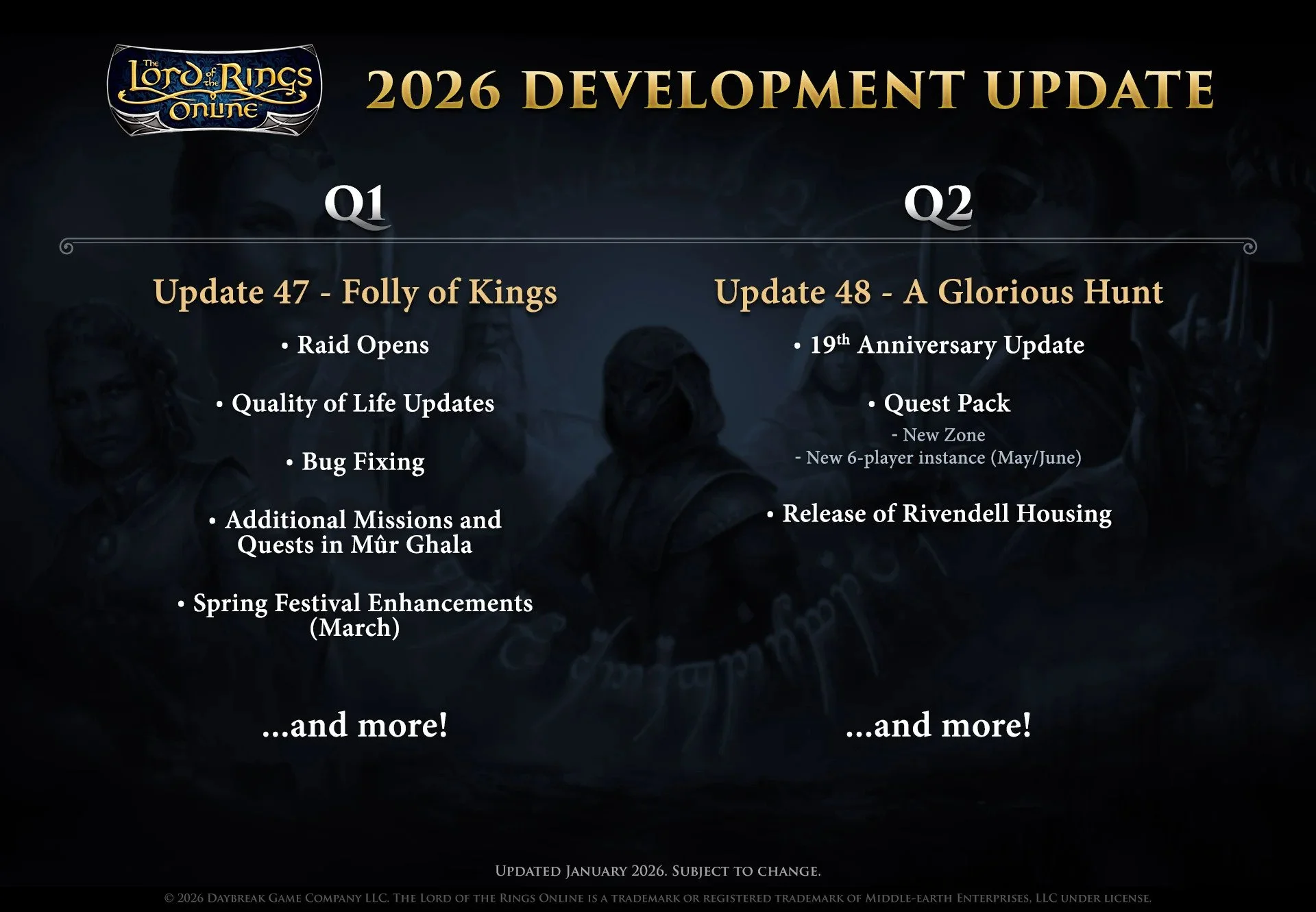
Hanlon’s Razor asserts “never attribute to malice that which is adequately explained by stupidity”. Therefore it is a useful tool when applied to politics, business management and public discourse. All of which are rife with contention and rancour. However, this is often due to human incompetence rather than premeditated malevolence. So with this maxim in mind, let us consider the conundrum that is the MMORPG The Lord of the Rings Online, its developer Standing Stone Games and their ongoing propensity for bad community relations and poor business decisions. Last year, there were major server outages which kept the game offline for a substantial amount of time. Despite SSG enjoying a community that is broadly sympathetic to their cause, they handled the problem appallingly. The community manager at times gives the impression that doing his job is positively distasteful to him. However, the recent acquisition of SSG by Enad Global 7, gave the community hope that 2021 would be a better year. Sadly, nearly a month into the New Year and SSG have managed to upset their customers yet again.
Hanlon’s Razor asserts “never attribute to malice that which is adequately explained by stupidity”. Therefore it is a useful tool when applied to politics, business management and public discourse. All of which are rife with contention and rancour. However, this is often due to human incompetence rather than premeditated malevolence. So with this maxim in mind, let us consider the conundrum that is the MMORPG The Lord of the Rings Online, its developer Standing Stone Games and their ongoing propensity for bad community relations and poor business decisions. Last year, there were major server outages which kept the game offline for a substantial amount of time. Despite SSG enjoying a community that is broadly sympathetic to their cause, they handled the problem appallingly. The community manager at times gives the impression that doing his job is positively distasteful to him. However, the recent acquisition of SSG by Enad Global 7, gave the community hope that 2021 would be a better year. Sadly, nearly a month into the New Year and SSG have managed to upset their customers yet again.
Earlier in January, SSG tested Update 28.3 on the Bullroarer server. Among the various changes to the game were several restrictions made upon Scrolls of Empowerment which are an essential item for levelling your Legendary Weapon in the game. The proposed changes effectively limited player access to this resource within existing content and increased the availability in the latest “mini expansion”. Effectively the player base were potentially being coerced into buying War of Three Peaks to access SoEs and having to work harder. To say there was a public outcry is an understatement. The LOTRO community and the gaming press were scathing of this crass proposal. So SSG dialed backed the changes but not in any meaningful fashion and posted their revised proposal on the official forums. The playerbase again pointed out that acquisition of SoEs is still far from equitable but SSG remained deaf to their requests and intransigent to the last. Today, Update 28.3 was formerly released on the live servers and the changes became official, multiplying the grind for SoEs by approximately five times.
This incident needs to be considered within a wider context, as SSG have “form” for making decisions that fly in the face of good community relations. In fact Community Management has been a hot potato for both Turbine and now Standing Stone Games since 2009 when the game brought out the lacklustre Siege of Mirkwood expansion and was beginning to transition (behind the scenes) into a free to play game. Information has always been slow in coming and problems are all too often dealt with with an air of annoyance, rather than empathy. Now no one thinks that being a CM is an easy position and most adult gamers understand that business decisions are made at a senior level. Therefore community management is mainly about PR and pouring oil on troubled waters, rather than hands on change. However, SSG seems to fail to understand this and their current incumbent CM for LOTRO, Cordovan (AKA Jerry Snook), certainly comes across like a square peg in a round hole. His responses to player criticism and concerns often appear indifferent and implicitly passive-aggressive. One wonders if he even enjoys or wants the position he holds.
LOTRO has endured bad community relations for over a decade now and one has to ponder how and why a company such as Turbine/SSG so consistently manages to get things wrong. It may be down to the fact that it is a relatively small company which has key members of staff that have remained in position throughout the company's lifecycle. It could be possible that there simply isn’t the talent in-house to provide someone who is sufficiently au fait with the requirements of modern community management. Perhaps the company is so focused upon keeping the gaming running and their staff employed that dealing with their customer base is simply a priority that is much further down the list. However, many players were hoping that the EG 7 acquisition would potentially fix this perennial problem, as they have implied that they will be investing in the game.
LOTRO is a unique game with a correspondingly unique community. There is a strong core of mature and thoroughly invested players who hold the game in a great deal of affection. They are understanding and forgiving with regard to the games business and development decisions, possibly too much so I would argue. But at present, LOTRO is the only virtual Middle-earth in town and so in some respects the player base has nowhere else to go. However, I do believe that even their stoic patience is beginning to run thin. A cursory look at the official forums will show lifetime account holders and LOTRO aficionados one step away from throwing in the towel. Certainly, there could at least be a drop in subscriptions. Some have surmised that EG 7 may have arrived too late and that SSG are flailing around as the business slowly fails. There’s certainly more going on than meets the eye and eventually the truth will out. In the meantime if SSG wants to do anything positive to help the current situation then they need to focus on their community relations and management. Because at present it is an active impediment to the well being of LOTRO.
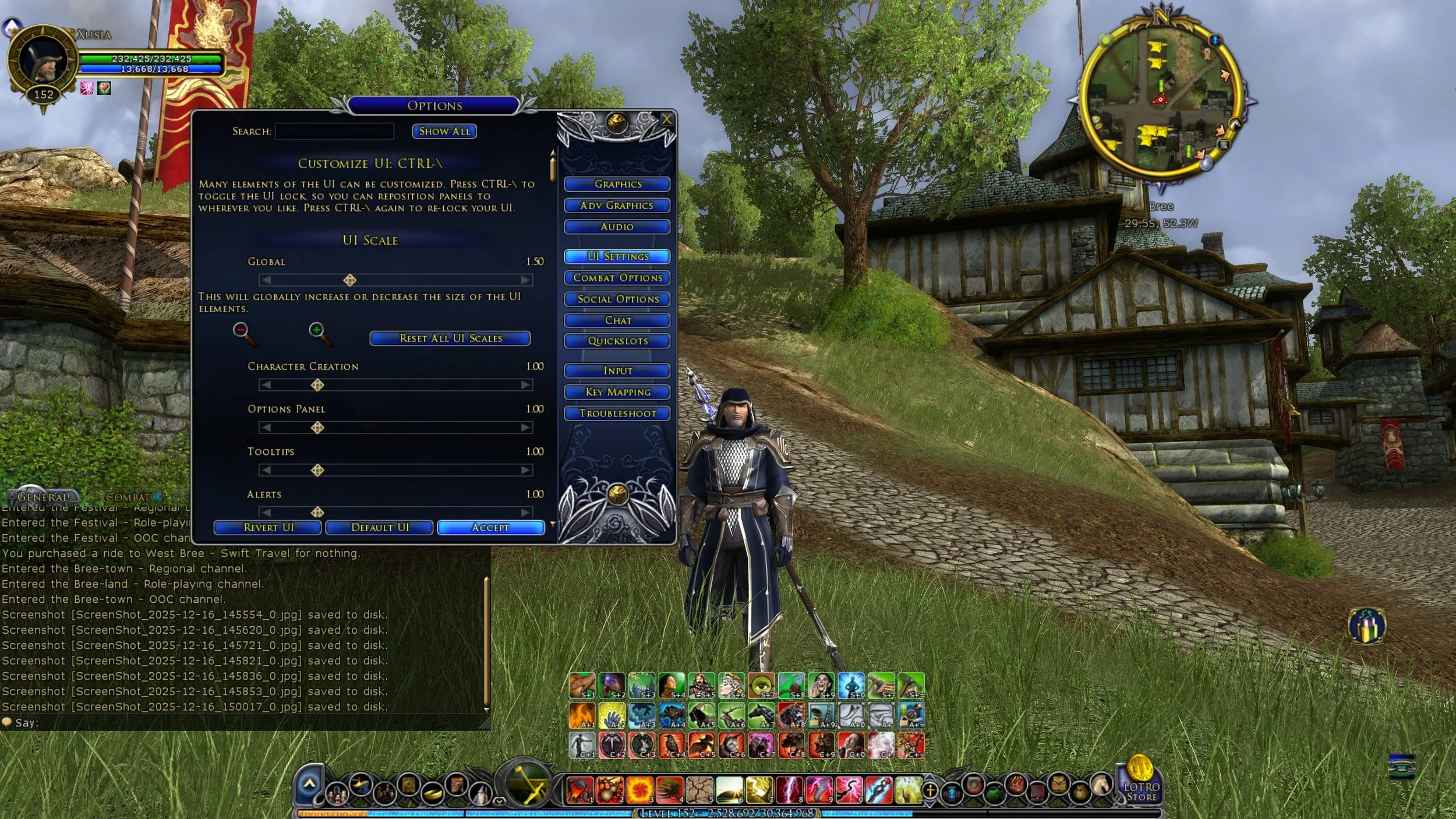





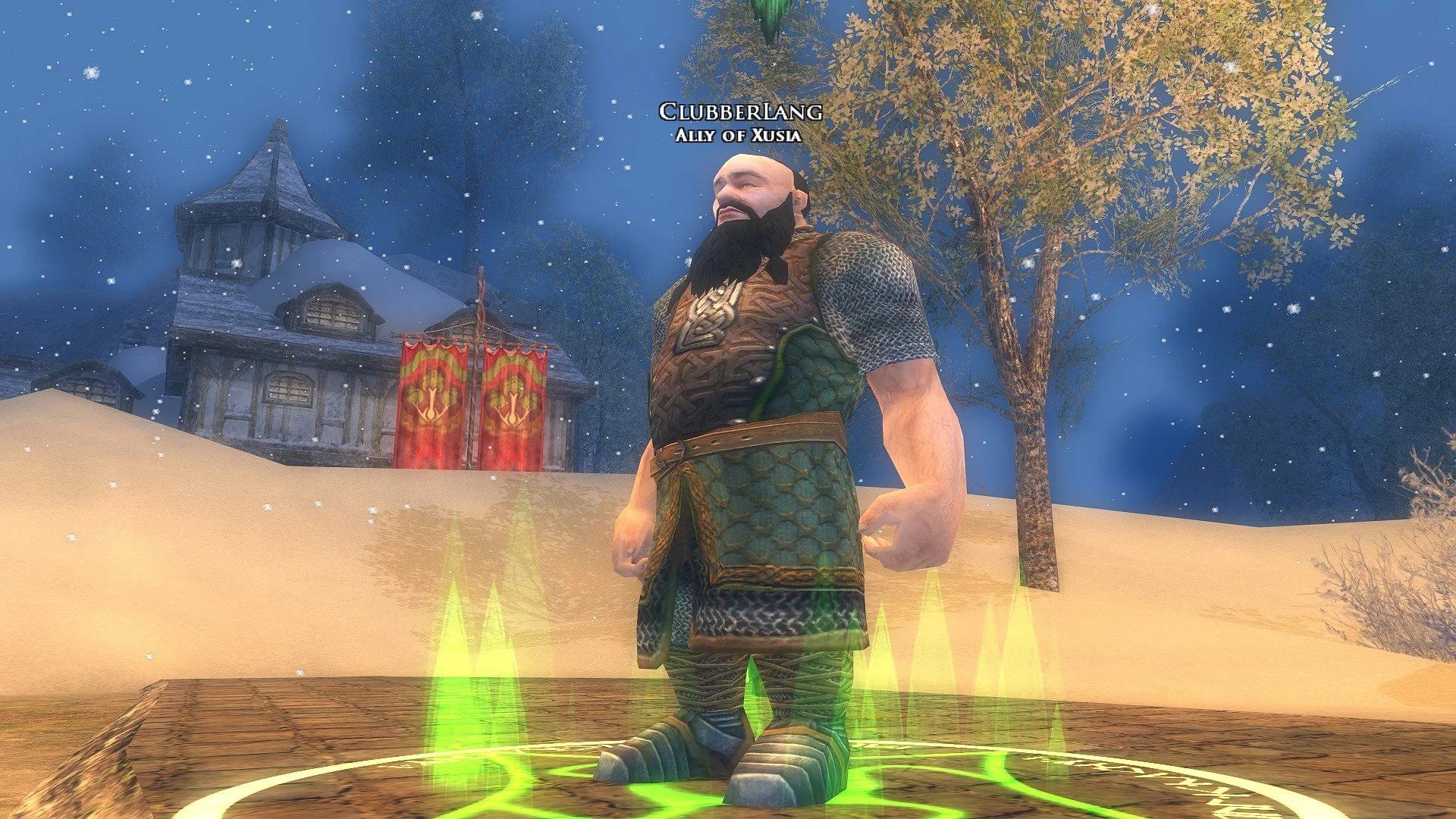
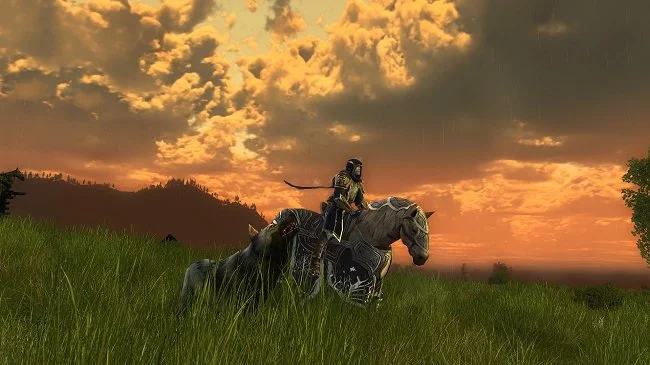
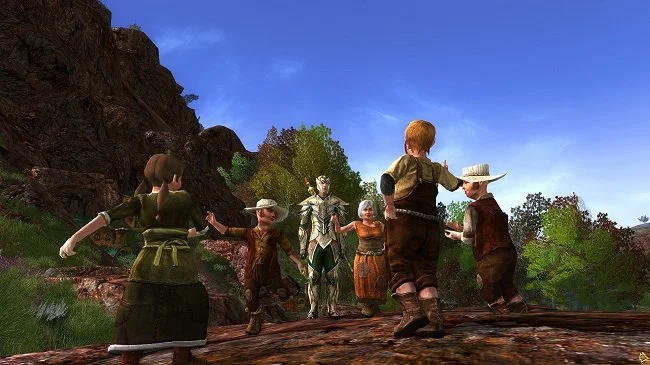
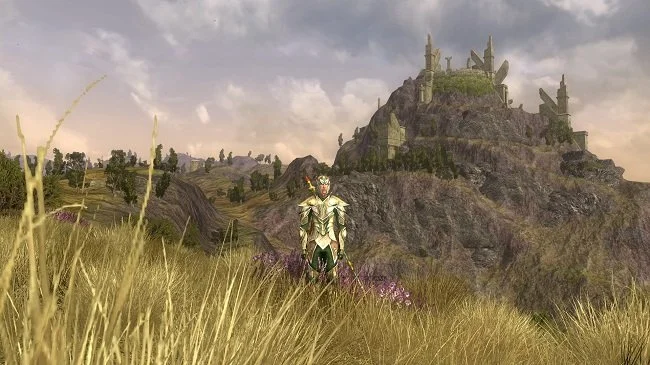

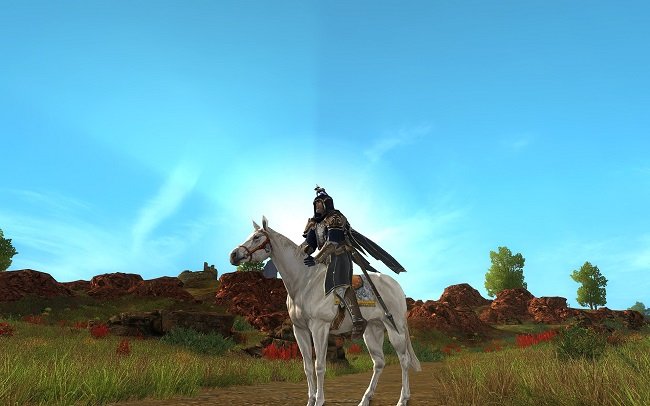


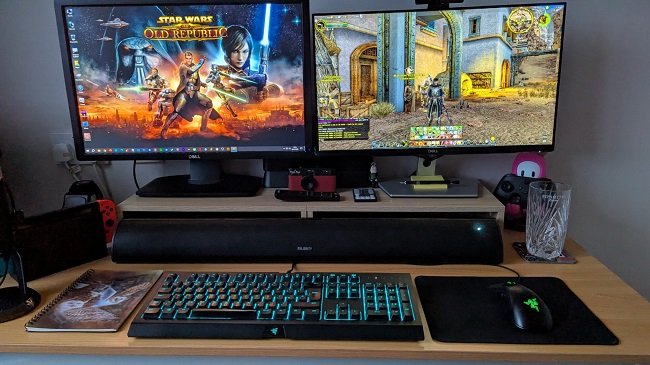

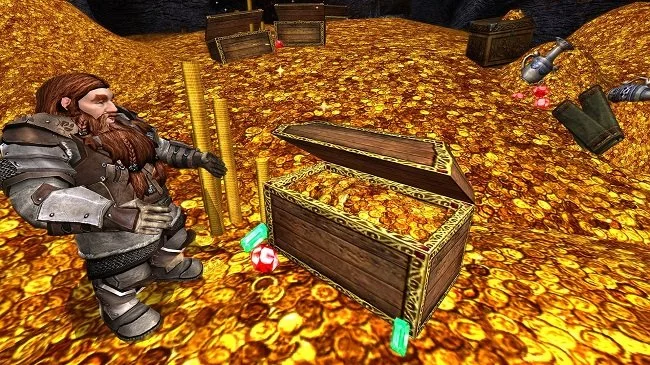
Another 5 of My Favourite Quality-of-Life Mechanics in MMOs
Last year I wrote a post about several “quality-of-life mechanics” found in MMOs. Systems and functionality that just make a game more manageable or convenient. Despite having many features in common, MMOs are far from identical in their interface and controls. If you’re a genre aficionado, then you can usually bluff your way through a new game and decipher how to play it. But for new players, often just trying to figure out how to do a simple thing, like find your skill points, can be an uphill struggle. However, every now and then, you’ll come across some simple functionality in a game that is useful and makes a task much easier. So I have collated another five “quality-of-life mechanics” that I feel are significant and beneficial to the player. Some are very minor but that does not diminish their value. Sometimes, less can indeed be more.
Last year I wrote a post about several “quality-of-life mechanics” found in MMOs. Systems and functionality that just make a game more manageable or convenient. Despite having many features in common, MMOs are far from identical in their interface and controls. If you’re a genre aficionado, then you can usually bluff your way through a new game and decipher how to play it. But for new players, often just trying to figure out how to do a simple thing, like find your skill points, can be an uphill struggle. However, every now and then, you’ll come across some simple functionality in a game that is useful and makes a task much easier. So I have collated another five “quality-of-life mechanics” that I feel are significant and beneficial to the player. Some are very minor but that does not diminish their value. Sometimes, less can indeed be more.
Star Trek Online: Away Teams and Combat Pets.
Some MMOs include AI companions that can join you on quests. I used to enjoy the virtual company of Guss Tuno in Star Wars: The Old Republic and his amusing quips and personal foibles. However, Star Trek Online goes a step further and allows players to take a 4 man away team with them on ground missions. You can pick your away team from your Bridge Officer personnel and have whatever mix of classes you wish (Engineering, Science and Tactical). Hence, a well balanced team can provide heals, buffs and DPS support. Furthermore, if you wish to play more tactically, you can assign basic instructions to your away team, such as holding a position or suppressing fire. It’s all a bit hit and miss at times but it adds to the fun and has practical benefits. If you are defeated you can opt to respawn or call a team member over to revive you. If you have an android as part of your away team they have the ability to reboot themselves. If the entire team wipes they will self revive and then resurrect everyone else. You also get to customise your away teams gear, so you can make them very robust if you choose wisely.
Like other MMOs STO has cosmetic pets. But it also has a modest collection of combat pets that can be used offensively during ground missions. It is possible to equip up to 4 of these at a time, although I wouldn’t advise such a strategy as it comes at the expense of other useful ground equipment. Combat pets can be very effective if used in conjunction with deployable turrets and other ground support weapons. Plus it is great fun to watch a combat Horta leisurely sliding over to the enemy. However the jewel in the crown is the Bio-Engineered Furiadon. Who doesn’t want an armoured dinosaur equipped with lasers fighting at their side?
LOTRO: Simple Rally Horn.
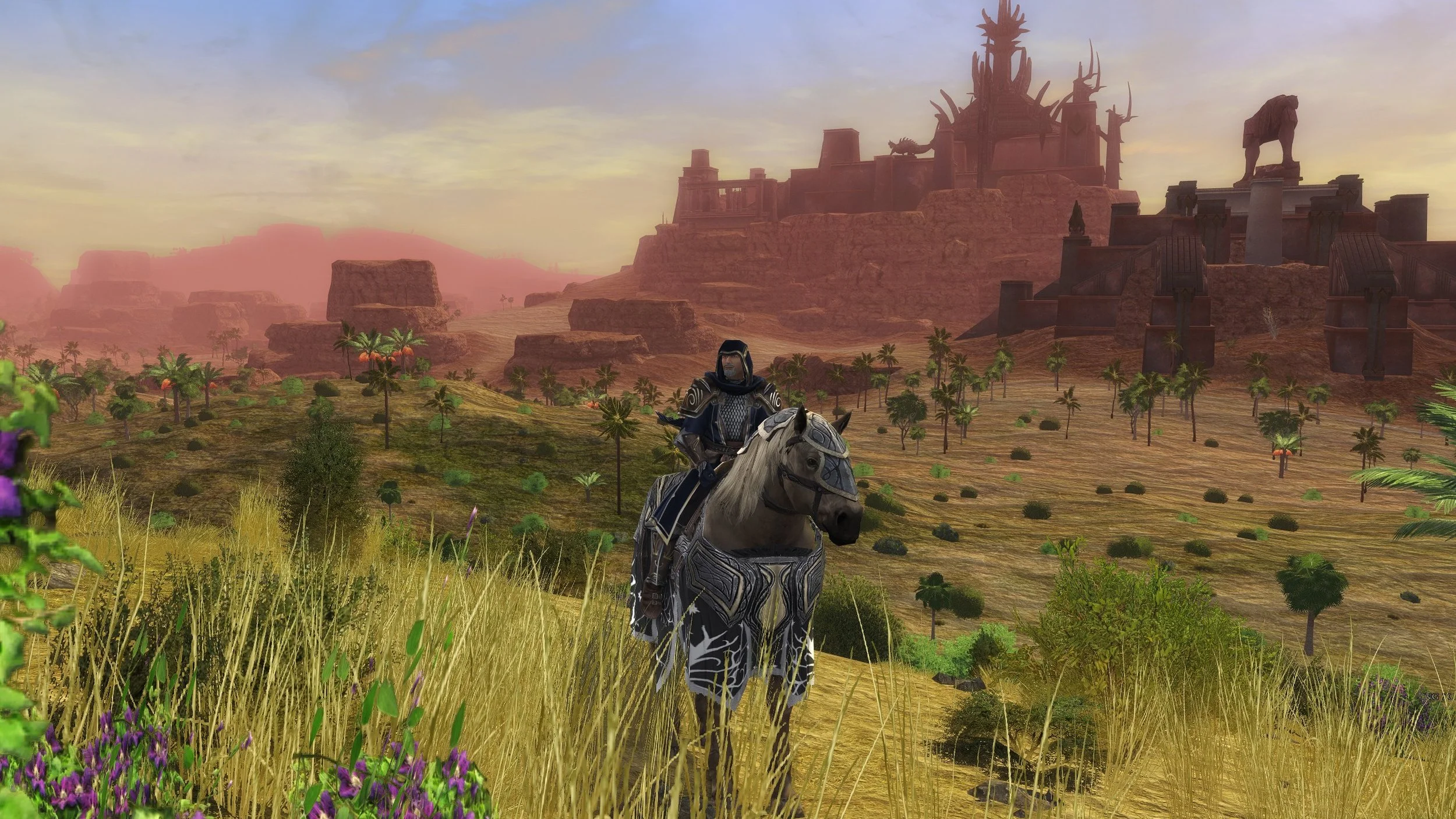
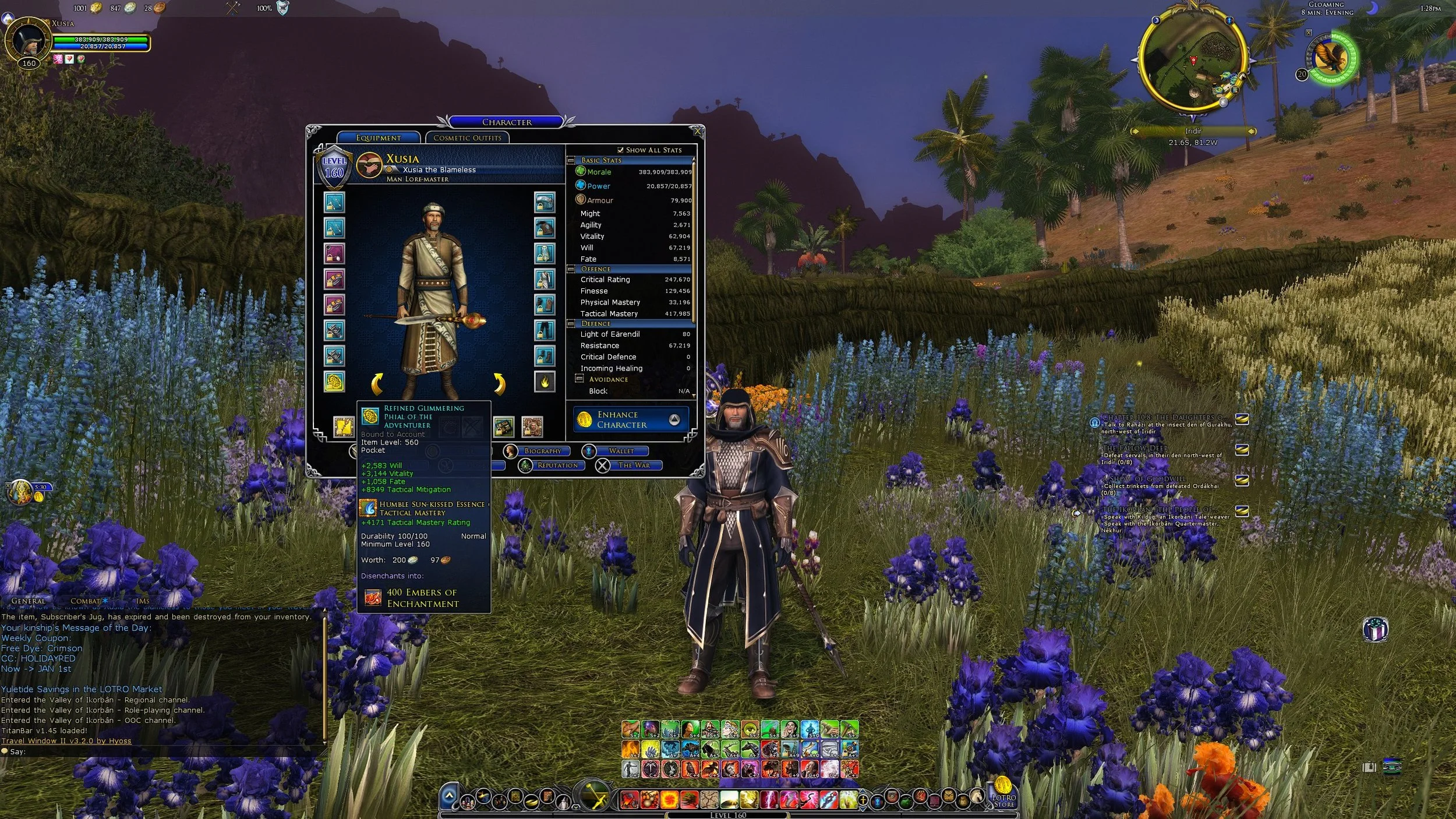
The Lord of the Rings Online has a huge game world. Standing Stone Games’ virtual Middle-earth has grown prodigiously over the last 14 years. If you want to play through content with another player or need assistance, it can be quite a chore for one party to travel to the other. The is a complex network of stables and auto mounts across the various zones and it can take a while to get from A to B at times. However, the simple rally horn is a consumable item that will summon another player to your location, if you are grouped with them. They can be obtained from the Hobbit Gifts, which are a daily login reward, or purchased from the store. They are incredibly useful and I always keep a few in my bag for occasions when I want to team up with another player. Because so many play LOTRO PVE content solo these days, these items are often overlooked.
Guild Wars 2: Revival.
Over the years, the MMO genre has experimented with various systems that handle player “death” or “defeat”. I’ve never liked “corpse walking” as it is a major inconvenience. Many games have a specific class that can revive, resurrect or heal a downed player which is fine if you have one in your group but not so good if you don’t. In STO, your AI companions can revive you which is beneficial. However, I feel that Guild Wars 2 handles this mechanic the best, insofar as every player has the ability to revive another. As it is a game with wide expansive zones and dynamic events it makes sense to have this common skill. When a player is defeated and in a “downed” state, they can either retreat to a nearby waypoint, or be resurrected by one or many players. The more players that participate, the quicker the process is. It is a simple and efficient process and I wish it was available in other games.
The Elder Scrolls Online: The Crafting Bag.
Storage, bag space and inventory slots are a perennial problem in most MMOs. Many players feel obliged to store everything “just in case”. Therefore, you can never have enough storage and therein lies the problem. Monetising bag space is an easy source of revenue. Perhaps the biggest culprit for hoarding space are crafting items. I tend not to craft in MMOs but I do trade in such commodities. So even I am not immune from this problem. Which brings me onto The Elder Scrolls Online and the way the issue is handled in that game. The Craft Bag is a unique subset of the player's inventory, that does not take up any space and can store an unlimited amount of all crafting and style materials. Therefore when you are out in the world playing through content, armour, weapons and jewellery etc will be deposited in your regular bag space but crafting items are automatically segregated into the craft bag and doesn’t steal space. The only caveat is that this facility is only available as part of an ESO Plus subscription. However, I usually play ESO for 2 to 3 months a year and during that time, I always subscribe due to the practical benefits of this bag.
So these are another five examples of “quality-of-life mechanics in MMOs” that I find useful and consider game enhancing. I’m sure there are plenty of other examples. Feel free to leave comments below any that you enjoy and would like to mention.
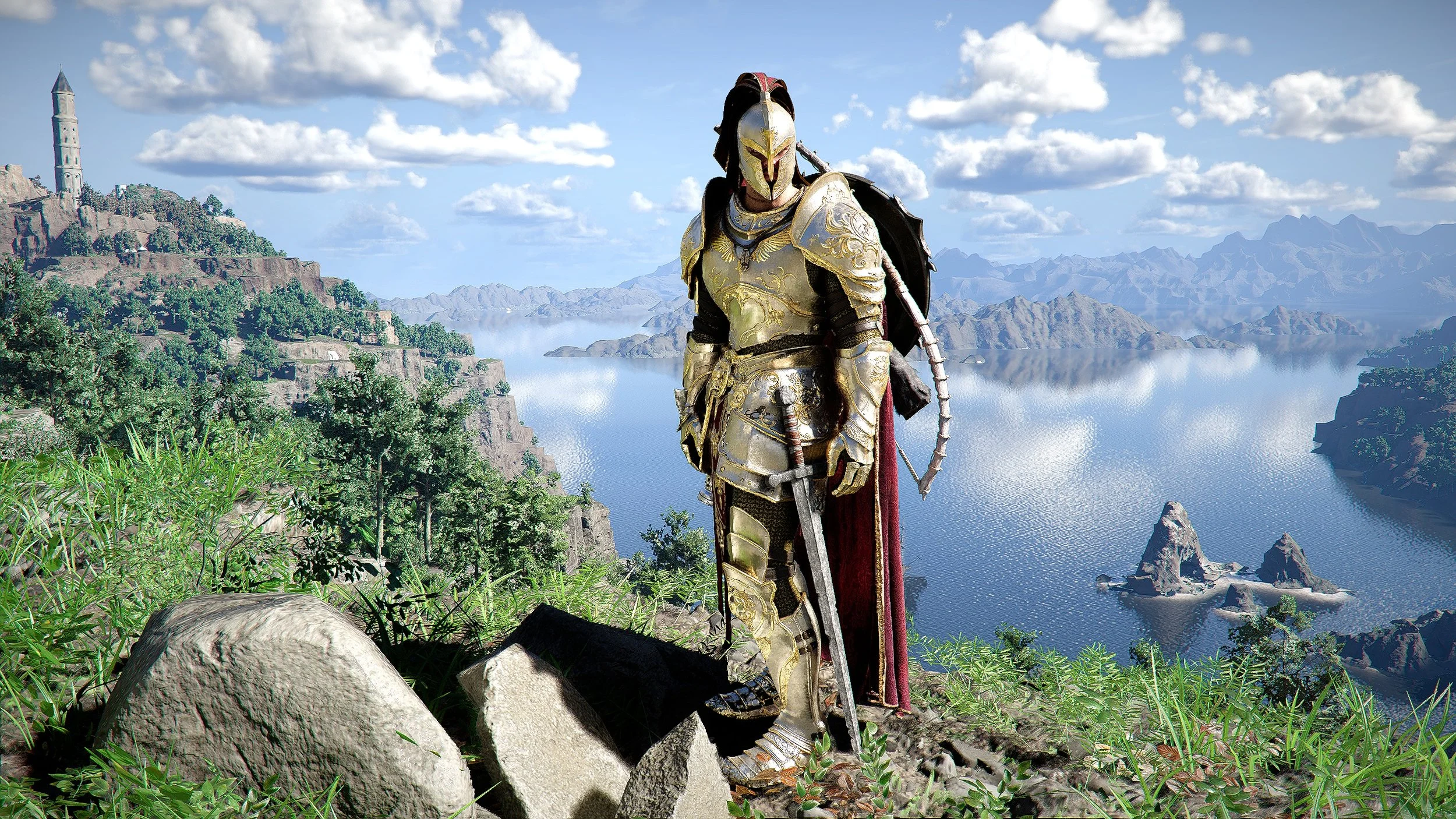
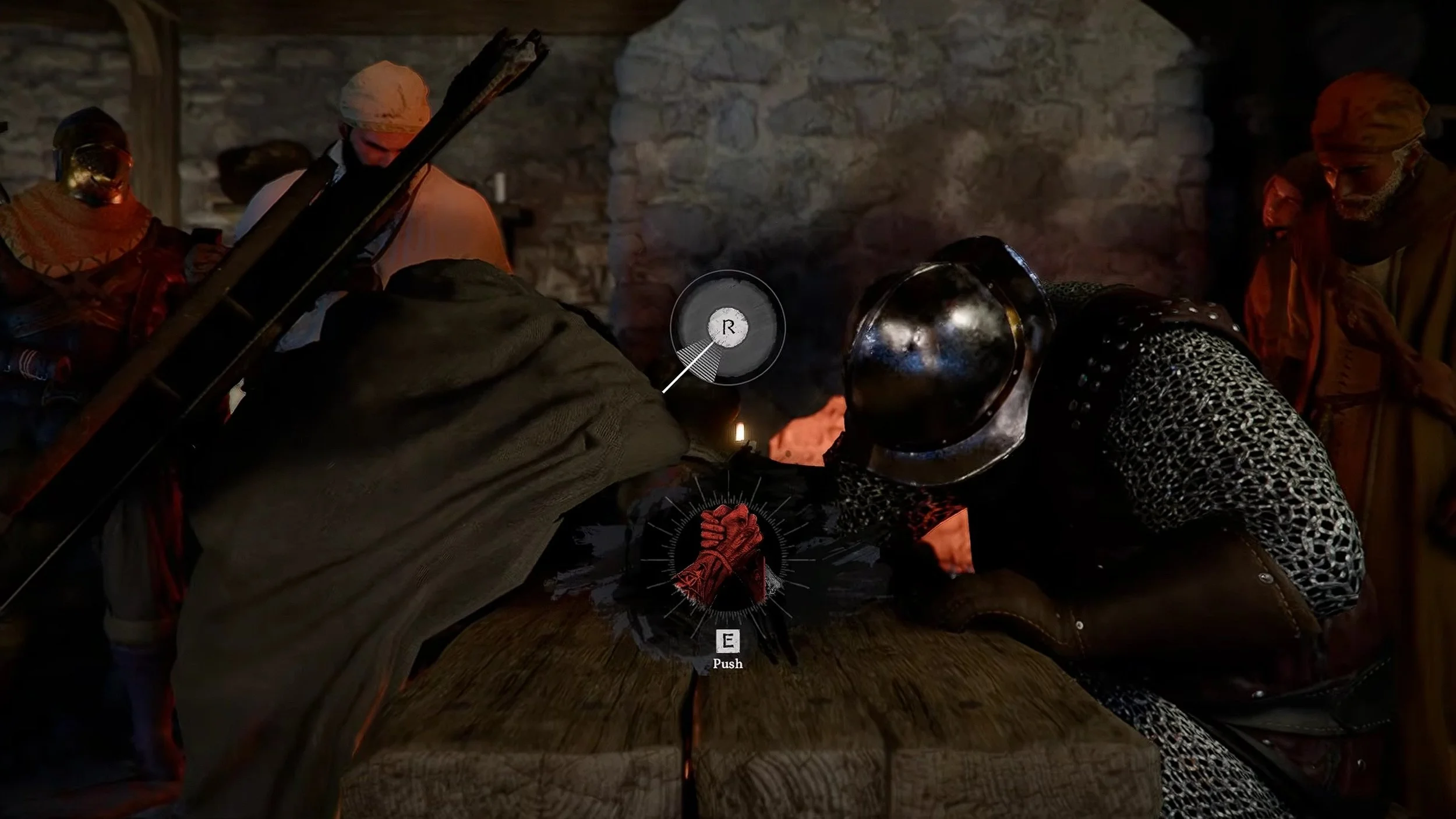


LOTRO: Proposed Changes to Scrolls of Empowerment in Update 28.3
2020 was a tumultuous year for Standing Stone Games and their MMORPG, The Lord of the Rings Online. The initial success they enjoyed at Easter through offering so much free content was tempered by the server outages over June and July. Their systemic communication failure throughout this period did not help matters. However, the news regarding Enad Global 7 and their acquisition of Daybreak Game Company in December was well received by fans. A graphical overhaul and a console port were both mentioned in an investor presentation. The New Year started well with the news that the first six expansions for LOTRO have been bundled together for the bargain price of £47 (including VAT). However, matters have taken a turn for the worst after a post on the official game forums caught players attention.
2020 was a tumultuous year for Standing Stone Games and their MMORPG, The Lord of the Rings Online. The initial success they enjoyed at Easter through offering so much free content was tempered by the server outages over June and July. Their systemic communication failure throughout this period did not help matters. However, the news regarding Enad Global 7 and their acquisition of Daybreak Game Company in December was well received by fans. A graphical overhaul and a console port were both mentioned in an investor presentation. The New Year started well with the news that the first six expansions for LOTRO have been bundled together for the bargain price of £47 (including VAT). However, matters have taken a turn for the worst after a post on the official game forums caught players attention.
It would appear that the latest test build on the Bullroarer server also includes some changes to both Reputation Accelerator Tomes and Scrolls of Empowerment. If these alterations are carried over to the live game they will not be well received. Here are the details as they currently stand.
Physical Mastery and Tactical Mastery values on Legendary Item Titles are being increased across all tiers.
Scrolls of Empowerment from the Rangers of Ithilien Quartermaster now cap at max-tier 35.
Scrolls of Empowerment from the Dol Amroth Quartermaster now cap at max-tier 35.
Scrolls of Empowerment from Narnaith in Minas Tirith now Cap at max-tier 44.
The quest "March on Gundabad: Additional Steps (Daily)" now awards 2 Scrolls of Empowerment with a max-tier cap of 83.
The quest "The War Effort: Threats to the Battlefield" now awards 3 Scrolls of Empowerment with a max-tier cap of 83.
Note: These changes will not affect items that are already in the player's possession, be they in the inventory, vault storage, housing storage, mail, or elsewhere.
Tradeable, unbound reputation granting tokens now have appropriate region quests gating their usage.
Small Reputation Accelerator Tomes offered on Skirmish Vendors now Bind to character on acquire and have a Max Usage Level of 100.
Scrolls of Empowerment are essential in levelling your Legendary Items. I cannot easily explain the esoteric nature of this game system because it is an utter mess in its present state. Let it suffice to say that SoEs boost the legacies on your weapon, increasing stats that the player has chosen, through 83 tiers. Obtaining SoEs has always been a chore in LOTRO. Despite new content being regularly added there is seldom any that offer these items in any respectable quantity. Hence most players farm older content from Minas Tirith to gain these. However, in Update 28.3 (which is currently being tested on the Bullroarer server), the SoEs that are currently gained from Ithilien, Dol Amroth and Minas Tirith are to be gated at specific tiers. If the legacies on you Legendary Weapons fall within these parameters you can use them. If not then you cannot. It is this issue that is the potential problem. As it stands at the moment, due to the chaotic state of the entire LI system, players use an expedient workaround to gain a resource they need. This change will cut that resource off for many players whose legacies on their LI are over halfway towards the cap.
It would appear that these proposed changes are due to SSG trying to manage LI progression on the two Legendary Servers. Content is released at a slower pace and as they stand at present, the level cap on both Anor and Ithil is 100 where it is 130 on the live standard servers. From a development point of view it is not cost effective to have to maintain two systems, so I can see why SSG have gone down this route But once again we are presented with something potentially being taken away and not replaced with something comparable. SSG are proposing to make the required SoEs available via repeatable content but that is only available in their latest “mini expansion”, War of Three Peaks. If you do not own this, then you cannot access it. Naturally there are store based alternatives available to unlock legacy tiers. If these changes are made to the live game then players will have to purchase War of Three Peaks or look to the store. This is far from a benign incentive.
With regard to the proposed changes to the Small Reputation Accelerator Tomes, this is another example of removing a benefit without an equitable replacement. The barter currencies used to acquire these items are accessible across your account. Therefore a player could use marks earned by a high level alt to buy a rep booster for a newer, lower level alt. Making these items bind to character diminishes their benefit. Again, there is naturally a store alternative. This proposed change is not as potentially damaging as the one regarding SoEs. But ultimately the degree of inconvenience, be it big or small, is not the point. There is a fundamental principle of quid pro quo at stake here and it is being eroded. Hopefully, the feedback on the forums will alert SSG to the PR disaster that potentially awaits them. However, given their track record, I suspect they may well just blithely walk into it.
Update:
As of Thursday 14.01.21 SSG have revised their plan regarding SoEs and made the following statement via the official forums.
Regarding Scrolls of Empowerment:
We really do want to make the process of acquiring these scrolls more varied and more meaningful at a given end-game, but we also want the acquisition process to be appropriate to the level of the content. We'll be fixing a math error quickly discovered by the community regarding how we set tier limits on scrolls from Gondor, which makes them largely useless for Imbued items unless your character is on a Legendary World with a level cap below 115. We also intend to address a gap in available scrolls for solo landscape players at level caps 105, 115, and 120.
Here are our current 28.3 plans for Scrolls of Empowerment:
Scrolls of Empowerment available to barter from the Dol Amroth Quartermaster will cap at max-tier 44 (since this content predates imbuement).
Scrolls of Empowerment available to barter from the Rangers of Ithilien Quartermaster will cap at max-tier 59.
Scrolls of Empowerment available to barter from Narnaith in Minas Tirith will cap at max-tier 59.
Scrolls of Empowerment with a max-tier of 59 will be added to daily and weekly quests on the Quartermaster (Host of the West).
Scrolls of Empowerment with a max-tier of 69 will be added to the Restoring the Three Kingdoms quest in Northern Mirkwood.
Scrolls of Empowerment with a max-tier of 79 will be added to the Protecting the Beornings, Elves, & Woodmen quests in Vales of Anduin.
The quest "March on Gundabad: Additional Steps (Daily)" will award 2 Scrolls of Empowerment with a max-tier cap of 83.
The quest "The War Effort: Threats to the Battlefield" will award 3 Scrolls of Empowerment with a max-tier cap of 83.
Looking After Your Mental Wellbeing
Very few people had a “good” 2020. I won’t bore you with a list of my personal woes as I’m sure you have plenty of your own. Plus everything is relative. We shouldn’t compare apples with oranges. Like many people, I now find myself fatigued by the ongoing global events and the conspicuous absence of normality. I like to consider myself quite a robust person. I have endured difficult times in the past and have come through them by remaining calm and focused. However, the nebulous and seemingly never ending nature of the global pandemic is extremely wearing. Let it suffice to say that I feel singularly unmotivated at present. Writing, which is usually a great pleasure, is currently a chore. I am also troubled by something that I personally find most unusual. A sense of sadness. And it doesn’t seem to want to go away.
Very few people had a “good” 2020. I won’t bore you with a list of my personal woes as I’m sure you have plenty of your own. Plus everything is relative. We shouldn’t compare apples with oranges. Like many people, I now find myself fatigued by the ongoing global events and the conspicuous absence of normality. I like to consider myself quite a robust person. I have endured difficult times in the past and have come through them by remaining calm and focused. However, the nebulous and seemingly never ending nature of the global pandemic is extremely wearing. Let it suffice to say that I feel singularly unmotivated at present. Writing, which is usually a great pleasure, is currently a chore. I am also troubled by something that I personally find most unusual. A sense of sadness. And it doesn’t seem to want to go away.
I recently wrote about plans for the New Year and mentioned a personal weight loss and fitness regime. I think I will now add to that a mental health element to try and maintain calm and stable demeanour. Looking after your mental health shouldn’t be a last minute consideration, only to be worried about when things go wrong. It should be treated the same as our physical health and given as much consideration. So I’ve done a little reading online to see if I can find some simple tips to improve my mental wellbeing. There’s plenty of information out there but it’s also a field rife with quackery. Luckily the UK NHS has some practical and straightforward advice. Essentially these are reframe unhelpful thoughts, be in the present, sleep well, connect with others and try to live a physically healthy lifestyle. Sound advice although it may not be as easy to implement it all.
I certainly will extol the merit of reframing unhelpful thoughts. Once you become aware of how you react in specific situations (which may be in a negative way), you can change such behaviour. Cognitive behavioural therapy is simple in principle but it can be life changing. Being in the moment is also a liberating state of mind. I tend not to look any further than the month ahead at present and focus on what is at hand, rather than worry about issues that haven’t yet become a direct problem. Sleep is an issue for me at present. My smart band collates data on the quality of my sleep and it’s not as good as it could be. Essentially my problem is one of relaxation. My mind is often still actively engaged when I should be sleeping. So I’ve been trying to find a way to mentally drop down a gear in the late evening.
“Seek and you will find” as the expression goes. Last night I was idly channel surfing when I stumbled across The Joy of Painting on BBC iPlayer. It’s been a while since I watched this show, yet within minutes the calming tones of Bob Ross and his gentle wordplay (“happy trees”) had defused my tension and replaced it with a sense of composure. This morning I felt that I had enjoyed a better night’s sleep. So I think the key in the future is to try and avoid an excess of “stimulus” after a certain time. I certainly think having a cut off point for social media or watching the news may be beneficial. I’m not advocating going cold turkey and shutting oneself off from the world. But I do think there comes a point in the day where it’s best to put some things back in their respective box and keep others at arm’s length.
I’d be very interested to hear from readers who have their own equivalent to watching Bob Ross as well as whatever methods they use to maintain a healthy state of mind. We are fortunate that we live at a time where talking about one’s mental wellbeing is no longer so difficult. The old school stiff upper lip mindset has been debunked as it often results in emotionally broken people. I hope I can find my sense of mental equilibrium again and see a return of my usual levels of motivation. And let us not forget to share a kind word with those we interact with both online and in day to day life. In these difficult times it is important to be aware that not everyone has the same support networks. Also not everyone will be coping the same and some folk still tend to put on a brave public face. Kenneth Williams said it the best. “Drowning, not waving”. So let us not add to each other’s problems.









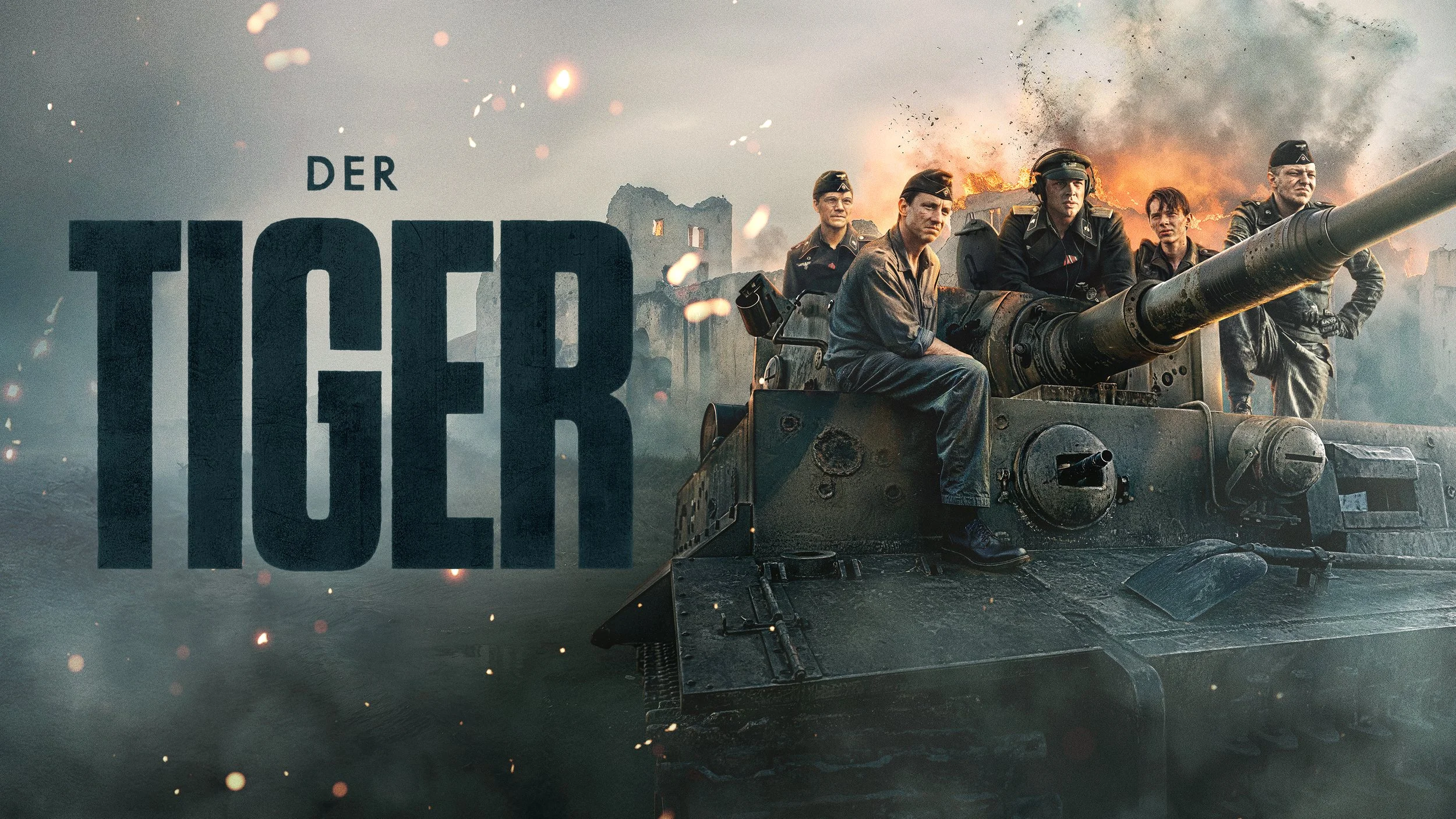
The Thing (2011)
I wrote an article back in 2009 as to why I felt a remake of The Thing was a bad idea. At that time, the project was in development hell and didn’t look like getting off the ground. Subsequently, the production evolved into a prequel and managed to find financial support, culminating in a theatrical release in late 2011. Like many interested parties, I watched the initial teaser trailer with a mixture of curiosity and trepidation. Then when the red band trailer arrived I felt that the shark was well and truly jumped. Too much was shown (a common problem with modern trailers) and there the internet was awash with discontented mutterings from John Carpenter purists. Hence I refrained from watching this movie for several years. When I finally got round to doing so, I was not well disposed towards it. However, over the Christmas holidays, I decide to give this prequel a second viewing and see if I could approach it with a less partisan mindset.
I wrote an article back in 2009 as to why I felt a remake of The Thing was a bad idea. At that time, the project was in development hell and didn’t look like getting off the ground. Subsequently, the production evolved into a prequel and managed to find financial support, culminating in a theatrical release in late 2011. Like many interested parties, I watched the initial teaser trailer with a mixture of curiosity and trepidation. Then when the red band trailer arrived I felt that the shark was well and truly jumped. Too much was shown (a common problem with modern trailers) and there the internet was awash with discontented mutterings from John Carpenter purists. Hence I refrained from watching this movie for several years. When I finally got round to doing so, I was not well disposed towards it. However, over the Christmas holidays, I decide to give this prequel a second viewing and see if I could approach it with a less partisan mindset.
Watching The Thing prequel and trying to maintain an open mind is an extremely difficult task. I have made no bones about the fact that I’m a greater admirer of the 1982 movie and that I consider it one of the best genre pieces of the decade. It is what I call a “blue print” movie as every aspect of its production is a textbook example of how to do things right in cinematic terms This is not simply fanboy adulation. Do some research and you’ll see that Carpenters film is very well respected by his peers and those that study the craft of filmmaking. So from my perspective, for this prequel to work, it needs to add something new to the themes and ideas established in the previous film. The story and ideas need to be advanced rather than just repeated. There are several good sequels and prequels that have done this successfully. Psycho II, Mad Max 2 (AKA The Road Warrior), Aliens and X-Men: First Class. Sadly, The Thing prequel struggles to do this.
The prequel explores the story of the ill-fated Thule Station in Antarctica. Mary Elizabeth Winstead plays an American Palaeontologist, Kate Lloyd, who is flown in to assist a Norwegians scientific team with a curious discovery. Specifically, a crashed alien spacecraft and a body frozen in the ice. As you would imagine, the narrative is rather constrained by the fact that we know the inevitable outcome, as seen in the opening scenes of John Carpenter’s original movie. Yet there are attempts to vary the direction of the story, within the limited confines. There is some exploration of gender politics of the period. Also the titular creature spends more time in transitional states rather than in human form. Another positive factor is the degree of continuity between both films. There is also a great deal of visual similarity in the creature design and the overall production design.
Director Matthijs van Heijningen Jr. is unfortunately handicapped by a somewhat pedestrian script by Eric Heisserer, a writer with an uneven track record. He was responsible for the awful A Nightmare on Elm Street remake and the amusing Final Destination 5. The film is therefore somewhat perfunctory, rather than tense. Marco Beltrami’s score telegraphs forthcoming shocks, undermining any suspense. Yet the Norwegian actors and dialogue do lend a welcome difference to the proceedings and there is just enough levity for a picture of this kind. The film uses the language barrier effectively. The lack of any major “star” also keeps the attention focused on the proceedings. Sadly, although a great deal of the visual effects were created by Amalgamated Dynamics using traditional physical techniques, these were replaced with CGI in post production.
There are indeed things to like about The Thing Prequel and it is not a total disaster. It is well paced, shot on 35 millimeter film and edited in a comparable idiom to the original. There is a sense of continuity present. But it ultimately fails because it is essentially a redundant enterprise. It would also appear that studio interference was an issue, with the ending being reshot and the decision to replace the practical FX with computer animation. There simply isn’t enough variations on established themes or scope of vision to make this production stand out sufficiently as being different from the original. I am still at a loss as to why someone thought making a prequel to The Thing was a good idea to start with, let alone keeping the title identical. Overall, this film is similar to Gus Van Sant’s frame for frame remake of Psycho in so far as there simply isn’t any need for either of them.




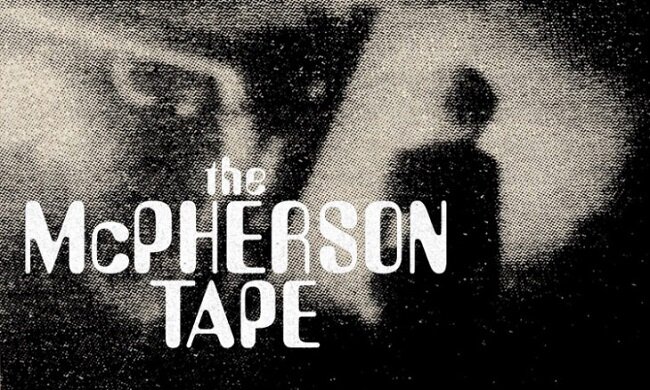
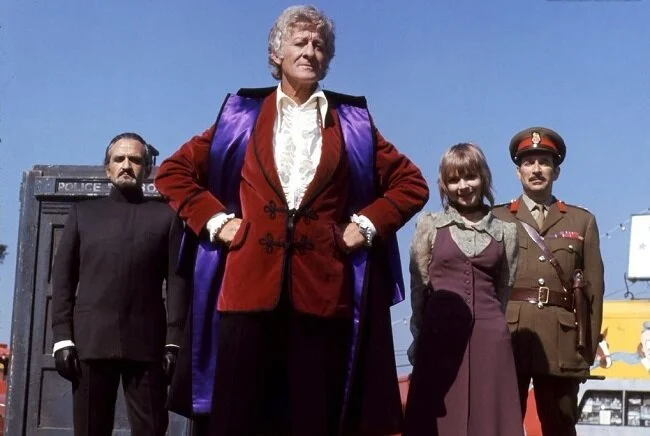
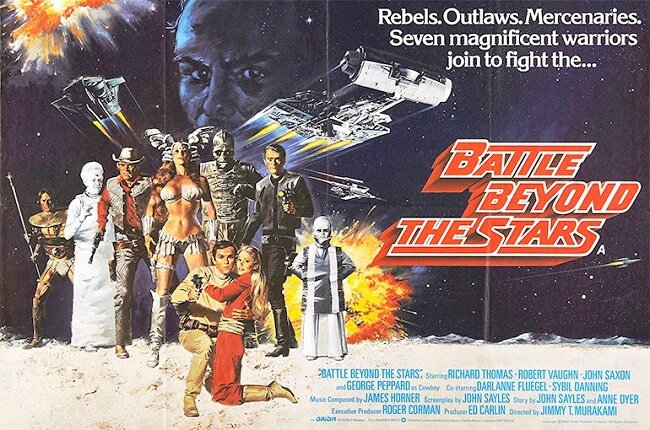
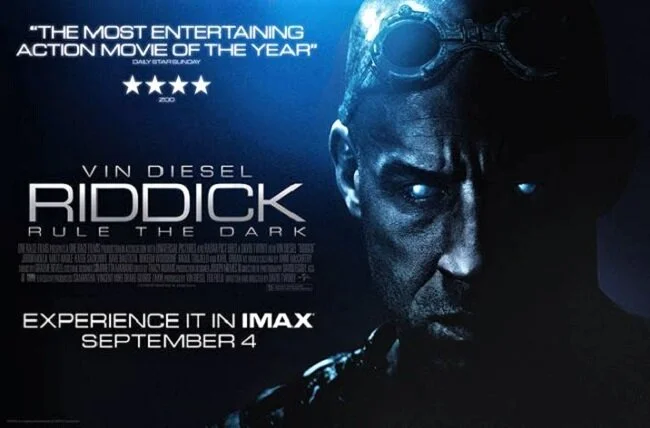




Cyberpunk 2077 and Third-Person Perspective
There’s no point in dancing around the issue, Cyberpunk 2077 has failed to maintain a hold on me and I have not touched the game for over a week. I have niggles about the combat system and navigating the wonderfully realised world of Night City. The biggest selling points for the game are the central story and the wealth of well conceived side quests. Sadly all of these positive attributes are hamstrung by one fact that ultimately spoils my enjoyment. I don’t care for the first person perspective that developers CD Projekt RED have chosen for the game. I understand that they feel that combat is better served by this mechanic and that the entire FPS genre provides credence to their argument. However, I find that this decision comes at the expense of your character. This is a Role Playing Game with a complex character customisation system. It strikes me as incongruous that after lovingly creating your own concept of V, the main protagonist, that you spend your entire game unable to see them.
There’s no point in dancing around the issue, Cyberpunk 2077 has failed to maintain a hold on me and I have not touched the game for over a week. I have niggles about the combat system and navigating the wonderfully realised world of Night City. The biggest selling points for the game are the central story and the wealth of well conceived side quests. Sadly all of these positive attributes are hamstrung by one fact that ultimately spoils my enjoyment. I don’t care for the first person perspective that developers CD Projekt RED have chosen for the game. I understand that they feel that combat is better served by this mechanic and that the entire FPS genre provides credence to their argument. However, I find that this decision comes at the expense of your character. This is a Role Playing Game with a complex character customisation system. It strikes me as incongruous that after lovingly creating your own concept of V, the main protagonist, that you spend your entire game unable to see them.
An example of the default first-person perspective in Cyberpunk 2077
CD Projekt RED made it clear quite early in the game’s development that Cyberpunk 2077 would be first-person. I hoped that over the years this decision would be tempered and that the final release would include the ability to change between first-person and third-person views, as with Skyrim and The Elder Scrolls Online. Sadly this didn’t exactly happen. The game does provide an optional third-person view when driving and players can view their custom avatar when using the mirror in V’s apartment. But beyond these instances, the game plays out in first-person view. Again there is an argument to be had that this is beneficial for the cutscenes and dialogue options, allowing you to see the facial animations of the characters that you’re interacting with. Due to the lack of peripheral vision which is a foible of the first-person view in video games, the arrival of new people can catch you unaware. This does add to the drama sometimes. However, the opposite is also true. The locked in, first-person perspective restricts you and impacts upon your effectiveness in combat.
A glitch shows the native third-person model is “malformed”
Because the game is not designed to support a continuous external view of your character, it has been discovered that your avatar is quite bizarre when viewed in third-person. Several gamers have posted videos on YouTube showing a glitch allowing them a third-person perspective and their avatar is missing a head and has a strange elongated body. However, that has not discouraged the modding community. Jelle Bakker has created a means to play the game in third person although it is by his own admission not perfect and remains a work in progress. So far, the results are interesting although rapidly turning causes your character’s hips to become out of sync with the upper body. At present combat in this perspective breaks the character animations with limbs missing or moving unrealistically. Swimming is also somewhat stilted, lacking in sufficient leg movement.
The current third-person mod breaks character animations
I did some research on various permutations of this mod, as obviously others gamers are attempting to do the same. So far I’ve not seen any footage of dialogue scenes from the main story shown in third-person. Perhaps it cannot be implemented during these parts of the game for technical reasons. Or it may be a case that I just haven’t found the right video so far. What I may do is postpone any further playing of Cyberpunk 2077 and wait for the game to be patched further by developer CD Projekt RED and see how development of this mod progresses. If it can be perfected and easily integrated into the game then I may attempt a new play through and see if the third-person perspective makes the experience more enjoyable. Perhaps this mod may even lead to a formally produced third-person patch by CD Projekt RED at some point. We can but dream.
Blog Comments
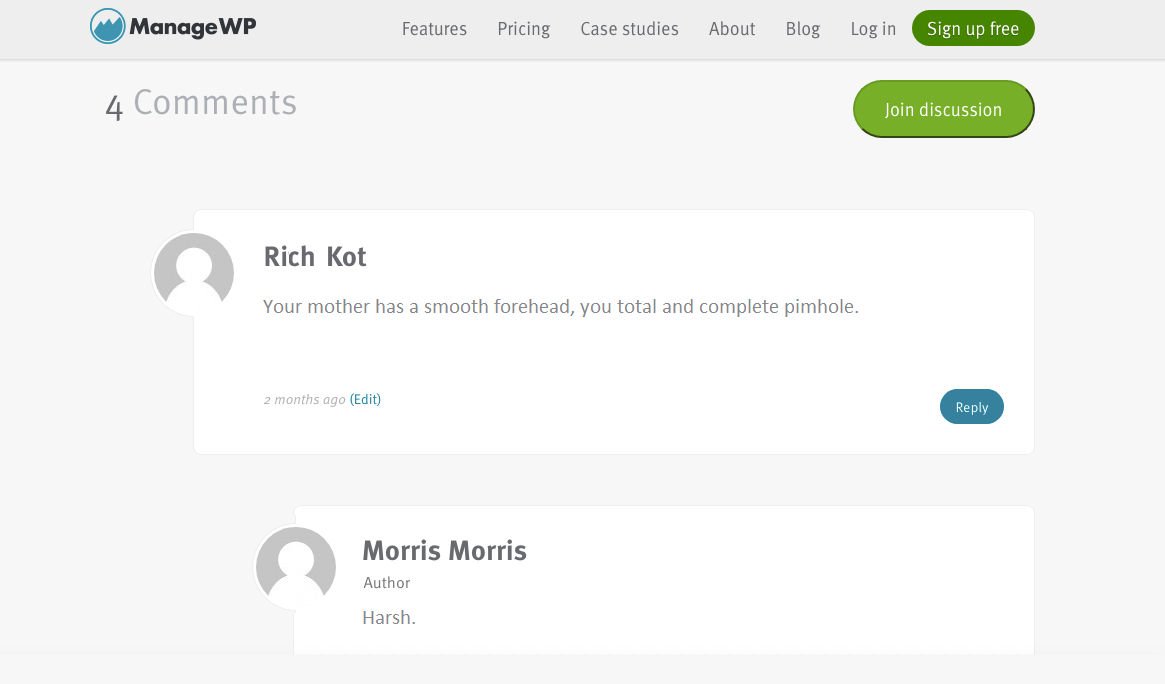
Leaving comments on a post is a perennial talking point among bloggers. A good comment is often encouraging, provides valuable feedback and is also personally rewarding. However, allowing them on your site is also an invitation for assholes to talk bollocks. Setting aside the overall debate, comments per se just seem to be in decline these days. I find that people will respond to a post on Twitter, where they saw the initial link to begin with. Although this is pleasant it doesn’t leave anything permanent associated with the post. But such is the nature of social media. And of course another major stumbling block to leaving comments are the foibles of the various websites and platforms themselves. All too often a site will just ignore or reject your comment. This itself then acts as a future disincentive.
Leaving comments on a post is a perennial talking point among bloggers. A good comment is often encouraging, provides valuable feedback and is also personally rewarding. However, allowing them on your site is also an invitation for assholes to talk bollocks. Setting aside the overall debate, comments per se just seem to be in decline these days. I find that people will respond to a post on Twitter, where they saw the initial link to begin with. Although this is pleasant it doesn’t leave anything permanent associated with the post. But such is the nature of social media. And of course another major stumbling block to leaving comments are the foibles of the various websites and platforms themselves. All too often a site will just ignore or reject your comment. This itself then acts as a future disincentive.
As it’s the New Year, I decided that as I read my Feedly RSS feed each morning, it would be “chummy” to leave comments and to try and reinforce that sense of community that only seems to come to the fore during writing events. Hence this morning, I left a few positive words on one website and everything worked just fine. I believe I logged in using my Twitter credentials. However, when I tried to do the same thing again on another blog, I couldn’t login and post anything. The process ground to a halt during the validation stage and after about two minutes, I got bored and moved on. It’s not the author of the blog’s fault. This just seems to be a random issue associated with some platforms. Even if you opt for a different method of logging in, such as Google or Facebook, the problem can often persist. And then if you wait for 24 hours it will work fine the next day.
This also happens on my Blog. As a host, Squarespace provide some useful functionality but this really isn’t the case with comments and “likes”. I will sometimes notice that a post has been “liked” several times but have absolutely no idea by whom. Which kind of makes the process somewhat redundant. Some folk have found leaving comments “problematic”, although I can never determine whether there’s a common factor to this. Thus, this is the current status quo. I am trying to leave more comments, something I’m usually really bad at doing but the circumstances are conspiring against me. I could leave a similar comment on the Blaugust Discord server, assuming that the author is active on that server and will see it. Not the best solution but the best I can come up with at the moment. Certainly want to maintain the positive feedback ethic, as I feel it’s needed at present.














This Year's Plan
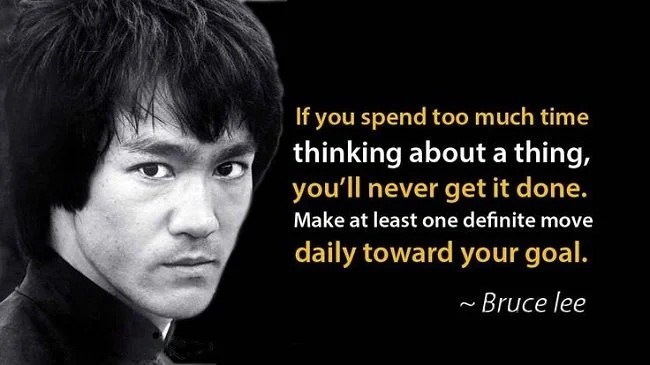
This is a public service announcement. Don’t waste your time with traditional, grandiose, pie in the sky New Year resolutions. The key to success is to set yourself realistic and achievable goals. Further incentivise them by including some sort of reward upon their completion. If involving a third party makes it more likely that you’ll achieve these endeavours then do so. Don’t waste your own time and sell yourself short by chasing things you know are patently unrealistic. Pursue things that are beneficial or even pragmatic. Also, ignore others who publicly set prestigious goals. You know the “type”. Those tedious over achievers who feel the need to compete on absolutely every level. Do not concern yourself when they hit their targets. It’s not about them. It’s about you. Life is relative. Focus on what you can do and then go about doing it. I’ve said this all before in previous New Year blog posts but sensible advice merits repeating.
A pop culture reference about plans
This is a public service announcement. Don’t waste your time with traditional, grandiose, pie in the sky New Year resolutions. The key to success is to set yourself realistic and achievable goals. Further incentivise them by including some sort of reward upon their completion. If involving a third party makes it more likely that you’ll achieve these endeavours then do so. Don’t waste your own time and sell yourself short by chasing things you know are patently unrealistic. Pursue things that are beneficial or even pragmatic. Also, ignore others who publicly set prestigious goals. You know the “type”. Those tedious over achievers who feel the need to compete on absolutely every level. Do not concern yourself when they hit their targets. It’s not about them. It’s about you. Life is relative. Focus on what you can do and then go about doing it. I’ve said this all before in previous New Year blog posts but sensible advice merits repeating.
I usually try to set myself some goals at this time of year. Sometimes I like to plan a new project. I tried live streaming last spring and discovered that it wasn’t for me. I would very much like to return to podcasting on a weekly basis. However, I’ve given a lot of thought to this and a few other potential projects and decided not to pursue any of them. This is due to several reasons. The pandemic isn’t going to vanish overnight and I believe that the restriction currently imposed where I live will continue. Hence I shall continue to be confined to my home and therefore must consider Mrs P and our shared environment. Mrs P is currently unwell and awaiting seeing her cardiac consultant. Her health and well being are a priority. And then there’s my current state of mind. I am tired and still processing a bereavement. I don’t feel that it’s wise to go all in on a project when I should be dealing with more immediate issues.
Tom Hanks collects typewriters
So upon mature reflection I’ve decided to do the following for the immediate future. Maintain a more organised daily routine, continue writing as often as I can and pursue a straightforward weight loss and health regime. I’m going to start going to bed earlier and consequently getting up at a fairly regular time. I think 7:00 AM should be manageable. My smart band gives me details on the quality of my sleep and it’s not that good. As soon as I’m awake I shall get cracking as I find I’m at my most productive in the morning. I shall also keep a basic “to do” list and ensure that tasks do not get deferred or overlooked. I may try and find some podcast to gatecrash and if there are any writing events in 2021 I shall participate in them. But I’m keeping my ambitions simple so that they can be maintained. My long term plan to adapt The Golden Voyage of Sinbad into a West End musical has been deferred for practical reasons.
Goodbye 2020
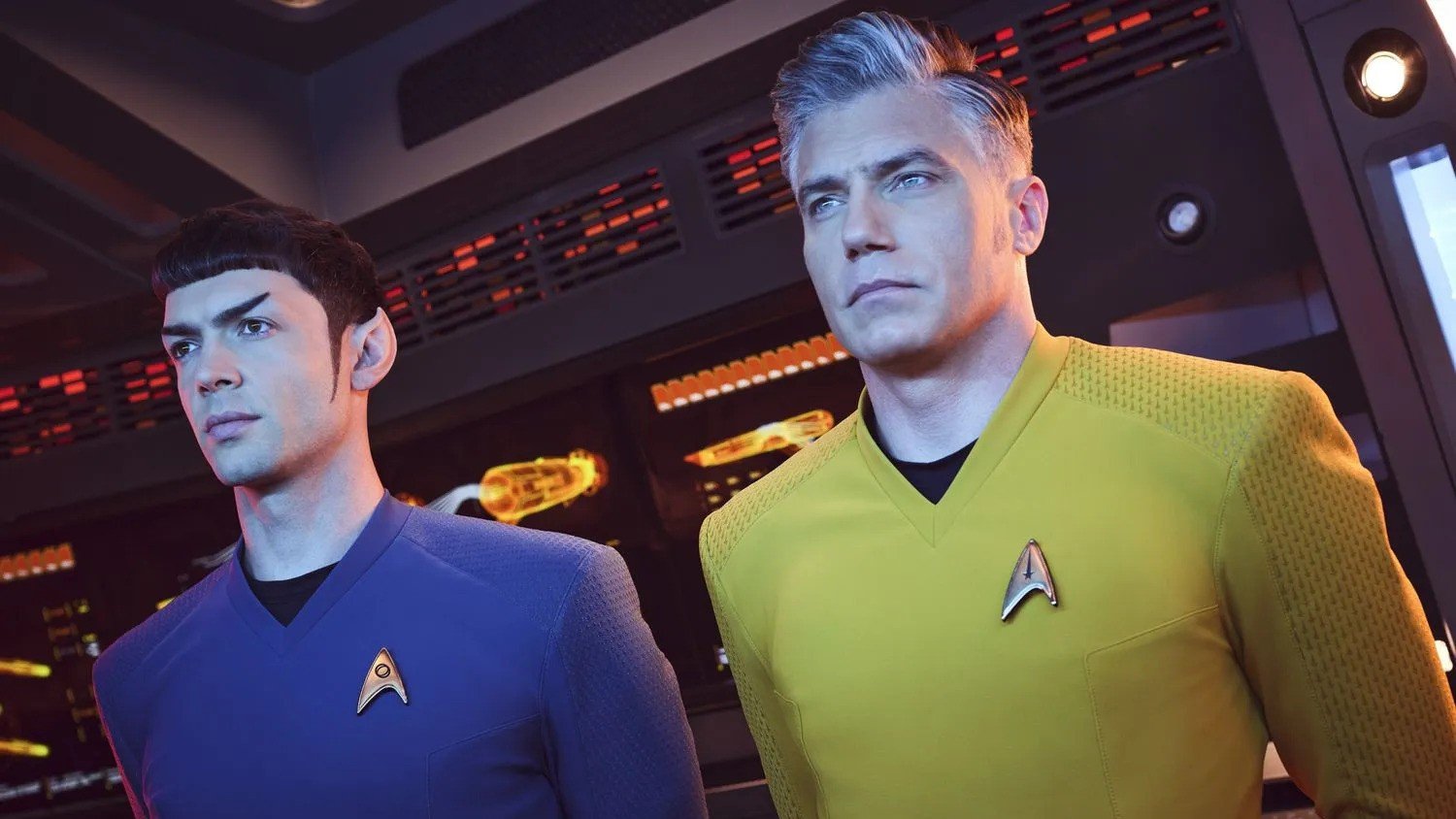
A very wise Vulcan once said “change is the essential process of all existence”. 2020 has demonstrated that unequivocally. How our privileged, pampered lives have altered over the last twelve months. We’ve had to stay at home, curtail our social interactions and reflect upon the meaning of existence. I appreciate that things are relative, so it’s not helpful to compare the concerns that discombobulate people today with the realities that folk had to endure during World War II for example. I won’t trivialise the sense of isolation and desperation some folk have felt over the lockdown. From my own perspective, my life as a carer is regimented and focused, so 2020 hasn’t really “cramped my style” to use an old fashioned phrase. However, several things happened over the course of the year that have had an impact upon myself and my family.
A very wise Vulcan once said “change is the essential process of all existence”. 2020 has demonstrated that unequivocally. How our privileged, pampered lives have altered over the last twelve months. We’ve had to stay at home, curtail our social interactions and reflect upon the meaning of existence. I appreciate that things are relative, so it’s not helpful to compare the concerns that discombobulate people today with the realities that folk had to endure during World War II for example. I won’t trivialise the sense of isolation and desperation some folk have felt over the lockdown. From my own perspective, my life as a carer is regimented and focused, so 2020 hasn’t really “cramped my style” to use an old fashioned phrase. However, several things happened over the course of the year that have had an impact upon myself and my family.
In April I fell ill with COVID-19. My symptoms were not sufficiently bad enough to require hospitalisation but it was a singularly unpleasant experience. The feeling of having restricted breathing as if I was being held in a perpetual bearhug, was most disconcerting. My biggest fear was infecting Mrs P who is unfortunately in a high risk group due to her heart condition. The initial symptoms burnt themselves out within two weeks but it took at least another three to four months before I felt healthy again. And then in late August my 90 year old Father became ill and was hospitalised. He endured four years of very poor health after several strokes and frankly he was fed up with it all. He passed away on September 16th. Due to COVID -19, I could only visit him once in hospital. It then fell to me to sort everything out. I still to this day do not feel I’ve grieved “properly”. Every time I think I’m coping well something trivial reminds me he’s not about anymore and I suddenly become aware that I miss him profoundly.
Another terrible weight that many have laboured under, here in the UK, has been the state of contemporary politics. Irrespective of whether you specifically voted for the incumbent government, one naturally expected them to rise to the occasion when faced with a national crisis. Because COVID-19 and Brexit are issues that should be considered above petty, partisan politics. Sadly that has not been the case. Boris Johnson has handled both issues poorly and is surrounded by an equally inept cabinet. The country is still terribly divided and he’s made no attempts to build bridges or pour oil on troubled waters. He is untrustworthy, a liar and shambolic in his rhetorical style. His paucity of talent, along with his dishevelled appearance, denigrates the office he currently occupies. He lacks principles and conviction which means he will never commit to anything that requires him to maintain a position. Hence he is late to deal with things and does so in a weak, non-committal fashion. Sadly, we have to endure this inept, coward and his craven government for another four years.
Mercifully, it hasn’t all been doom and gloom. 2020 has shown that there are still plenty talented, focused and empathetic people in the world. From healthcare professionals to the staff in the supermarket and delivery drivers. While some of our so-called best have proven to be dull and tarnished, some everyday folk have pulled together, gone the extra mile and truly shone this year. Another positive event to reflect upon is that Trump lost the US election and the entire world will not have to endure his insane ramblings in 2021. His departure certainly doesn’t fix the broken state of US politics but every journey has to begin with a first step. And on a personal note, I get to meet my new Grandson in February. So the next twelve months have some positive aspects already. The COVID-19 vaccines won’t solve everything and I’m sure the immediate future is going to be tough. But as Churchill may or may not have said, “if you're going through hell, keep going”. Wise words. Onwards and upwards I say.













A Year in TV
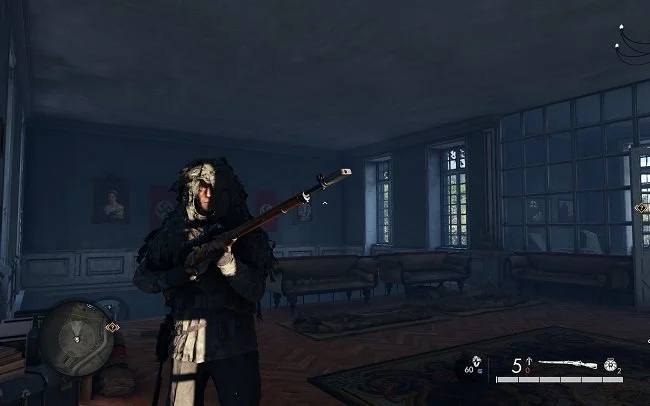
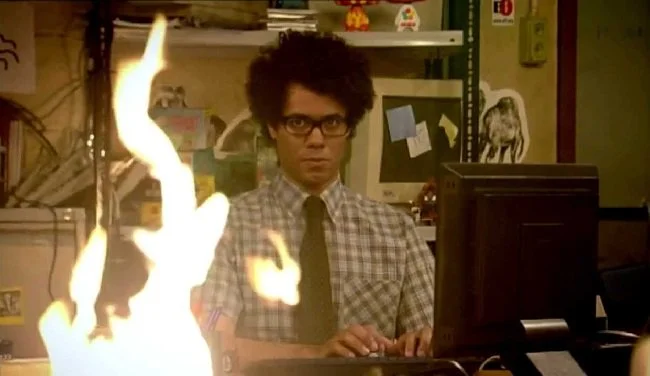
Let it suffice to say that due to current “circumstances”, Mrs P and I have watched a lot more TV this year. However, rather than just reiterate what we’ve viewed, which is already covered in my recurring blog post The Idiot Box, I thought I’d take the time to reflect upon some wider issues. TV has become a major source not only of entertainment but psychological support during this year’s social restrictions. The closure of cinemas for the majority of the past twelve months has meant that TV has had little or no competition. Furthermore, many of the films that may well have drawn audiences away, have come to the smaller screens a lot quicker. Never has so much TV been voraciously consumed. There’s also been a degree of nostalgia as viewers have watched popular shows at broadly similar times, reviving that sense of a shared experience that was so common in the seventies and eighties. However, the pandemic has also caused a slow down in TV production. Will the shortage of new content that many have predicted finally manifest itself next year?
Let it suffice to say that due to current “circumstances”, Mrs P and I have watched a lot more TV this year. However, rather than just reiterate what we’ve viewed, which is already covered in my recurring blog post The Idiot Box, I thought I’d take the time to reflect upon some wider issues. TV has become a major source not only of entertainment but psychological support during this year’s social restrictions. The closure of cinemas for the majority of the past twelve months has meant that TV has had little or no competition. Furthermore, many of the films that may well have drawn audiences away, have come to the smaller screens a lot quicker. Never has so much TV been voraciously consumed. There’s also been a degree of nostalgia as viewers have watched popular shows at broadly similar times, reviving that sense of a shared experience that was so common in the seventies and eighties. However, the pandemic has also caused a slow down in TV production. Will the shortage of new content that many have predicted finally manifest itself next year?
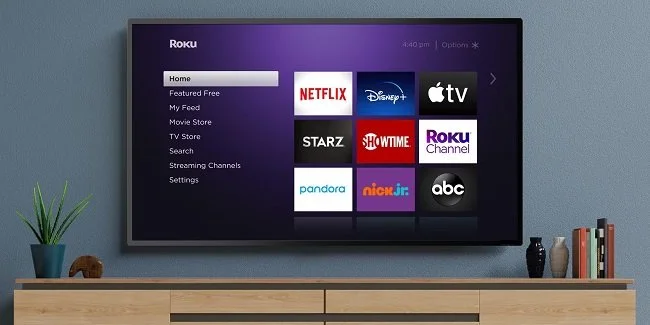
Naturally, I am not the only blogger to have regularly written about their revised viewing habits this year. Wilhelm Arcturus has also been doing so and recently he posted a very interesting summary of his experiences and posed some very interesting talking points. His thoughts have inspired reciprocal blog posts by Bhagpuss and MagiWasTaken, both of whom have given their own perspective on the issues that he has raised. So I’ve decided to follow suit, as I think that we are seeing a gradual sea change in the way we consume TV content. I’ve written in the past about so-called TV Poverty and the notion that unless you pay for content, your choice will ultimately be limited. Can traditional broadcast television maintain its audience and more importantly, advertising revenue, indefinitely? I think not. The cosy and somewhat quaint notion of the nuclear family, gathered around the TV, enjoying a shared experience is fast becoming obsolete.
Here are the bullet points that Wilhelm collated in his original post. I shall address them accordingly:
“No commercials is pretty nice”. Yes, I agree. I hate commercials, on screen graphics, promotional banners about what is on next, continuity announcers talking over program credits and basically anything that intrudes on a TV show. All of which are absent from premium streaming TV services. However, commercial channels often have on demand players and these sadly still have advert breaks etc.
“I still won’t buy pay-per-view”. I will only pay to see something if there is a pressing need to do so for review purposes and if it cannot be sourced elsewhere. For example, I took out a free trial to Shudder so I could see the Zoom based horror film Host. I subscribed to BritBox so I could evaluate the new series of the puppet based satirical comedy show, Spitting Image. But I seldom pay to watch a new release film. I have more to say on this subject in my thoughts on the next point.
“There are too damn many streaming services”. Yes there are. New ones seem to be appearing every day. Furthermore, you cannot subscribe to all of them. I have a budget for such leisure activities and it can only sustain so many streaming services. At present I subscribe to Netflix, Amazon Prime and BritBox. However, I indulge in that phenomenon that is “subscription sharing”. Most services allow you to access content from several devices, so myself and other family members “share” login credentials. Hence I can access Disney + and Now TV. In the past when Contains Moderate Peril was a bigger concern I got myself on the press list for a few marketing and distribution companies. This allowed me to see films and other content for review purposes. Let it suffice to say I still have access to some of these industry channels.
“Finding things is hard”: Never a truer word spoken. You can waste hours of your life, slowly trawling through various categories or pitifully typing via the TV remote control, the name of a show or film that the streaming service in question doesn’t have. I find the easiest thing to do before watching is to search what content is available and where, via a web browser on a phone or PC. I then add the program I desire to my “wish list”, so it’s waiting for me when I watch the TV in the lounge. I see that Amazon’s Alexa has an add-on device you can attach to the TV, that can search through all your subscribed services but from what I’ve seen, it’s not especially reliable
“I am torn on weekly versus all at once content”. I’m not. I’ve never liked waiting so having an entire season available as soon as it’s launched is fine with me. I also find that binge watching greatly helps me keep up with a show’s plot, especially if it’s complex. Again, being able to watch a season in its entirety makes reviewing it a lot easier. Waiting for weekly content is consequently a nuisance. I’m currently waiting for all episodes of Season 3 of Star Trek: Discovery to become available so I can binge watch it. The weekly wait for The Mandalorian was frustrating, although I can understand why Disney made such a decision.
“We have been biased towards shows versus movies”. Mainstream cinema has become somewhat bland and safe. Especially the major studio output. TV on the other hand is becoming experimental and diverse, although that’s not always the case. For example, if a fantasy based TV show is successful, then the following year you’ll find a wealth of others. However, the scope and quality of TV shows on streaming platforms has become broader. From an actors point of view, a feature film may offer you a two hour window to develop a character. A TV show can offer ten or more. Plus cinemas are often havens for assholes who are hell bent on doing absolutely anything other than sit quietly and apply themselves to a film. At least at home you can control this problem. And if you can’t, then those assholes spoiling your viewing are your own family.
“I could cut the cord were it not for sports”. Although we have cable services in the UK, satellite was the first to corner the subscription market. And hence this is where a lot of the sport “is at”. The BBC struggles to secure broadcast rights for major sporting fixtures due to the bidding wars that have come along with the advent of third party broadcasters with much bigger content budgets. Either way, it’s irrelevant to me as “I don’t do sport”. Our household said goodbye to satellite TV circa 2006.
“It really sucks when the internet goes down”. British Telecommunications is my ISP and I live 15 minutes walk from the local exchange/data centre. I pay for a “fibre to the cabinet” internet connection, with the bridging connection being over copper phone lines. The cabinet is at the end of my road. Thus I have a robust connection. I’ve endured one internet outage that lasted under 3 hours, over the last 5 years. I can’t vouch for other countries but in the UK, if you live in one of the major cities, then the internet connections tend to be pretty stable as they have to serve the needs of numerous domestic and business customers. Out in the rural areas it is another story altogether.
“It does not replace the theater experience”. Viewing at home does not replace cinema viewing. I enjoy going to film festivals and the National Film Theatre where audiences are civilised. I don’t miss my local multiplex where often the films are shown out of focus, in the wrong aspect ratio or with the lights still left on. And some audiences just cannot behave. Why go to see a visual, narrative driven medium if you’re going to talk through it or fuck about on your phone (or in my Dad’s case during WW II, someone was sitting in the audience plucking a chicken). In the New Year, we’re buying a 43 inch 4K HDR TV and a new media player that can handle the same format. This may not be comparable to the cinema experience but it’s not far off.
“I still cannot watch exactly what I want on demand”. Despite the wealth of material that is available on streaming services, there’s always something that falls between the cracks and is conspicuously absent. BBC iPlayer has some great, classic documentary series such as Civilisation and Life on Earth. However, Jacob Bronowski’s The Ascent of Man is not available. And it is exactly this which is the Achilles Heel of all streaming services. Content is licensed and therefore comes and goes, which is infuriating. However, there are ways to “address this”. An essential pro-tip is to sign up to a quality VPN service. For example, Netflix has a lot of regional variations. Changing regions enables you to potentially access material you otherwise wouldn’t be able to. And for everything else that you may require that the streaming services cannot provide, all I can say is “seek and the internet will provide”.
So what of 2021? Well, if there is a shortage of new content to watch, I’ll catch up with older material I may have missed such as shows like Justified or I’ll re-watch some classics like The Prisoner. Digital terrestrial network TV produces little to enthral me these days. The BBC tries its best to maintain standards but quality has given way to populist entertainment. And for every robust and well written drama such as Endeavour, the commercial stations in the UK produce twice as many reality shows. But the arguments for public broadcasting are not popular at present and if we give way to untrammelled “market forces”, certain content will decline rapidly. However, I’ll cross that bridge as and when we as a nation come to it. In the meantime, I will use the various means I’ve described above to ensure I have access to suitable material in the year ahead.
A Year in Movies
In 2019, I went to the cinema just once to see Star Wars: The Rise of Skywalker. I didn’t write a summary of the films I’d seen throughout that year, as I felt that mainstream releases had become far too formulaic and dull. 2020 has done little to change my perspective. The global pandemic has meant that Cinemas have spent most of the time closed and therefore many of this year’s major film releases have ended up on video on demand services. A few titles remain indefinitely postponed, such as the latest Bond movie No Time to Die, while Sony Pictures wait to see if “normality” resumes. But a film that is sitting on the shelf is not a film making money. Hence, Warner Bros. have announced that all their major releases for 2021 will be across multiple platforms simultaneously, thus ensuring a broader flow of revenue. This has not pleased director’s such as Christopher Nolan who argue passionately regarding the merits of cinema. But I doubt Mr. Nolan has ever had to endure an out of focus screening in the wrong aspect ratio at Cineworld, Rochester, where audiences talk and mess with their phones continuously.
In 2019, I went to the cinema just once to see Star Wars: The Rise of Skywalker. I didn’t write a summary of the films I’d seen throughout that year, as I felt that mainstream releases had become far too formulaic and dull. 2020 has done little to change my perspective. The global pandemic has meant that Cinemas have spent most of the time closed and therefore many of this year’s major film releases have ended up on video on demand services. A few titles remain indefinitely postponed, such as the latest Bond movie No Time to Die, while Sony Pictures wait to see if “normality” resumes. But a film that is sitting on the shelf is not a film making money. Hence, Warner Bros. have announced that all their major releases for 2021 will be across multiple platforms simultaneously, thus ensuring a broader flow of revenue. This has not pleased director’s such as Christopher Nolan who argue passionately regarding the merits of cinema. But I doubt Mr. Nolan has ever had to endure an out of focus screening in the wrong aspect ratio at Cineworld, Rochester, where audiences talk and mess with their phones continuously.
I am passionate about film and cinema. I recognise that seeing a film with the right audience can certainly add to the overall experience. But I only encounter that sort of environment when I go to The National Film Theatre in London or attend a film festival at some niche, arthouse cinema. Viewing at home has the advantage of being in control of both the environment and audience. It is also a lot more cost effective. Audiences are often more forgiving of an average film, when viewed from the comfort of their own home. Their overall opinion may well be different if they’d have to travel to the cinema and pay a higher price in a potentially less pleasant setting. When it was announced that Mulan was to be shown on Disney + for $30, there were initially complaints from some quarters. But once the public considered the cost of taking an average sized family to the cinema to see this movie, then the value of this price became clear. I believe the quick acceptance and uptake of this alternate means of releasing films is highly significant. Perhaps the film industry is finally experiencing a sea-change in its business model. In the same way the music industry did two decades ago.
Shatter AKA Call Him Mr. Shatter (1975)
The closure of the cinemas has not been an impediment to watching quality films. I am constantly amazed by how even the most niche market and obscure titles now get remastered and a Blu-ray or even UHD release. Hence in 2020, I found myself watching films such as Hannibal Brooks, Shatter and The Light at the Edge of the World; all in high definition and a far cry from the pan and scan VHS copies that I originally saw. What times we live in. A quick perusal of forthcoming releases for 2021 show that this trend is increasing. However, rather than focus on the old, I suppose this post should cover some new content. So begin with I like to mention two films that fell wide of the mark but are interesting as they were early examples of big cinema releases going straight to a major streaming service.
Scoob is an origin story for the perennial Scooby-Doo franchise and was obviously intended to launch a new series of movies. The film is inconsistent and alternates between capturing the spirit of the original sixties TV series and veering into modern CGI self indulgence. It’s undemanding fare for children although hard work for adults. However, it proved a success on VOD and certainly pleased Warner Bros with its performance. The World War II naval drama Greyhound was another early release to streaming TV, this time being bought by Apple TV. I think that if this film had been released theatrically in any other year, it would have been a box office failure. Although a tight and technically accurate recreation of naval tactics against submarines, the story has very little character development and Tom Hanks is left with little to do. However, home viewing as opposed to a trip to the cinema, somewhat cushioned the blow of this disappointment.
Host (2020)
However, some films positively benefited by not having to compete with major studio releases at the cinema. His House found a home on Netflix after debuting at several film festivals at the start of the year. This standout horror film covers a lot of ground, offering not only an atmospheric supernatural tale but also an intelligent analysis of UK immigration policy and those fleeing war torn countries. The horror genre has always been a valuable source of social commentary and His House offers both shocks and a chance for reflection upon one of the most divisive subjects of current time. The global pandemic, despite closing cinemas, has also fuelled the creation of home grown horror. Host, a supernatural drama filmed via Zoom, is a prime example of necessity being the mother of invention. Clever, timely and genuinely scary, this is a standout low budget production and a breath of fresh air for the genre.
Despite there now being several vaccines available, I don’t see daily life returning to normal anytime soon. Here in the UK it looks like the New Year will see another period of strict lockdown as we ride out the second wave of COVID-19. As and when cinemas reopen, it will take a long time before I feel sufficiently confident to return to them. Let us not forget that classic scene in Outbreak where the virus is spread via a cinemas air conditioning. And regardless of whether film director’s like it or not, I think we are even closer to same day release across multiple platforms becoming the standard business practise for new films. Finally viewers will be able to see new movies in a fashion that suits their personal preferences. In the meantime, my viewing “to do” list continues to grow bigger and bigger, although it is now predominantly filled with older material rather than just the new. Let us see what 2021 brings.
A Year in Gaming
Retrospective posts such as this can be a sprawling mess. There is also potential to cover the same old ground that I’ve covered in my monthly summaries “A Month in Gaming”. So I’ll try to be as succinct as I can. Firstly I won’t dwell too much on the iniquities of the video game industry as I’ve covered that elsewhere. Let it suffice to say that the notion of the “rock star developer” and the ethical publisher have proven false. Buying a triple A mainstream game is as morally compromised as buying a pair of jeans made by child labour. But let’s not get caught up in ethics. That’s another post. The pandemic meant that I, like many others, had far more leisure time this year and hence I spent that time gaming. It’s been a good year for video games publishers and the revenue has rolled in. Have I had fun while playing more games? Yes. The games have proven engaging and they also provide a lot to write about, so it’s a win, win scenario from my perspective.
Retrospective posts such as this can be a sprawling mess. There is also potential to cover the same old ground that I’ve covered in my monthly summaries “A Month in Gaming”. So I’ll try to be as succinct as I can. Firstly I won’t dwell too much on the iniquities of the video game industry as I’ve covered that elsewhere. Let it suffice to say that the notion of the “rock star developer” and the ethical publisher have proven false. Buying a triple A mainstream game is as morally compromised as buying a pair of jeans made by child labour. But let’s not get caught up in ethics. That’s another post. The pandemic meant that I, like many others, had far more leisure time this year and hence I spent that time gaming. It’s been a good year for video games publishers and the revenue has rolled in. Have I had fun while playing more games? Yes. The games have proven engaging and they also provide a lot to write about, so it’s a win, win scenario from my perspective.
So, what have I played? Let’s start with MMOs.
Star Trek Online: This game celebrated its ten year anniversary this year and celebrated with a lore infused two part story in February which was an utter joy to fans. Sadly the pandemic has somewhat reduced the flow of major story content but there has been further feature episodes produced. I rolled a new character and raised them to level cap by playing events and Task Force Operations. I’m now trying to play through all story missions in order and refamiliarize myself with the narrative arc of the game, which has become confused over the years. I finally achieved my long term goal and obtained a Tier 6 Constitution Legendary Miracle Worker Light Cruiser (a ship that looks like the original Enterprise) and I’m enjoying slowly working towards gear upgrades and advancing in-game systems. When you already have a high end alt that basically has everything available in the game it can become somewhat dull playing that character. Having to start from scratch another is quite challenging. Plus I just love the Trek vibe that is so strong in this game. It covers a multitude of sins.
The Lord of the Rings Online: LOTRO gave away a wealth of content free of charge earlier this year and players returned in droves. And then there were the server outages and the games fortunes took a nosedive. The “mini expansion” was obviously done out of dire financial need but it didn’t help flagging community relations. And then at the eleventh hour developer’s Standing Stone Games were bought out by Enad Global 7 and suddenly a wealth of questions that have been outstanding for the last few years became clear. I have enjoyed the content that I played in LOTRO of late but it doesn seem to be stuck in a rinse and repeat mindset. I’m hoping that a new owner will mean that content will come more often and will be broader in scope. I have a great deal of affection for this MMO and I would like to see it continue, rather than slowly fade away. Let’s see if a Producer’s Letter and a “roadmap” are forthcoming in early 2021.
Neverwinter: I returned to this game briefly for the first time since its beta test in 2013. I enjoyed the hybrid style of action combat and the atmosphere and aesthetic of the game. But it makes that typical MMO mistake of focusing too much on endgame and trivialising the early content. So I have already drifted away.
The Elder Scrolls Online: I started the year playing ESO but as I stated before, you can’t have too many MMOs on the go at the same time or else you end up spreading yourself too thinly and not getting enough enjoyment out of any of them. So I stopped subscribing but briefly returned in June for the Greymoor expansion. Oddly, I wrote a post about Harrowstorms providing a simple guide regarding where they occur and the quickest way to get to them. It proved one of the most popular items I’ve written in 2020.
Dauntless: Not strictly an MMO but it does share a lot of similar mechanics. This is another game that I played during its initial testing period. I returned to find it streamlined, polished and great fun. It is similar to Monster Hunter: World but far more accessible and sociable. It’s well worth a try and has a great art style.
Single player and multiplayer games:
Deathtrap Dungeon: A superb adaptation of the Ian Livingstone adventure book with its branching narrative. An avuncular Eddie Master sits in an armchair and narrates the story while the player chooses text based options. Combat is carried out by the roll of virtual dice. It’s wonderfully old school and an utter breath of fresh air from modern glossy triple A guff.
Call of Duty Warzone/Modern Warfare: I finally returned to the FPS genre after a break of seven or eight years. I bought this reboot of Modern Warfare in April and by that time, Warzone, the Battle Royale version of the game, had just launched. Simply put I had great fun playing up until November and then the next iteration of CoD was launched. Warzone endures but is now weighted towards content from the latest instalment Black Ops: Cold War. Modern Warfare will no longer receive any content updates for multiplayer and its player base will slowly diminish. All of which is an object lesson in the ephemeral nature of video games and the franchise treadmill.
Fall Guys: A fun Battle Royale game? Can there be such a thing? Yes. And Fall Guys: Ultimate Knockout is just that. I find that if I play this sparingly, then I don’t get too frustrated. It’s amusing to dress up in silly virtual costumes and indulge in what I can only describe as a video game version of Takeshi Castle. However, I still think the game needs some tweaking to adjust certain “human factors”. Plus I haven’t yet won five games in a row and gained a crown. I doubt if I ever will. That peeves me. However, my Granddaughters love this game so I’ll keep it installed.
The Sinking City: Frogwares make the popular Sherlock Holmes games and so The Sinking City shares a lot of the same investigative mechanics. It does have some bugs and not all the mechanics are as engaging as they could be but I really liked this odd, Lovecraft inspired game. It’s very atmospheric. Sometimes a game’s imperfections can be part of its appeal.
Cyberpunk 2077: Let us not discuss the hype surrounding this game or the fickle nature of gamers that projected their own hopes and dreams on to this product. CD Projeckt Red have tanked their own reputation by releasing broken versions for the previous generation of consoles and the game remains controversial. At some point I may write a lengthy blog post on my thoughts on this game, now that I’ve played sufficient to assess it. The short version of that future analysis is as follows. I love the story and the characters because it addresses complex adult issues in a challenging fashion. But I dislike the first person perspective and find that it ruins combat, which is in itself somewhat underwhelming. I never understand why a game that gives you such a rich and varied character creator and then elects to never let you see yourself in-game. Cyberpunk 2077 offers a big, visually impressive immersive world but it is lacking in interaction. It doesn’t feel as alive as the city of Los Santos in GTA V, although it looks better. My advice to those curious about this game is to buy it in six month times when it’s patched and on sale. And adjust your expectations accordingly.
So that’s what I played in 2020. Broadly I had fun. As for next year, I suspect I’ll keep playing games in a similar fashion. MMOs will continue to provide a staple and I’ll try various single player titles as the year progresses. It is customary when approaching the New Year to make predictions and many of my blogging friends will be doing such. I shall now bring the benefit of my fifty three years of “wisdom” to bear on the matter and give my thoughts on what is to come over the next twelve months. Game developers will hype and over sell their products. Gamers will get over excited and partisan debates will divide the community. Some folk will make lots of money and others won’t. Some games will be fun and others will not. Some gamers will be massive assholes, where others will be cuddly and nice. We’ll all keep grumbling but we’ll also keep playing. Finally, no matter how much things change, they will essentially stay the same. And Dwarves will still jump around annoyingly in my peripheral vision while I’m perusing the auction house. See you next year.
A Year in Technology
In my lifetime technology has always been promoted as something that improves our lives, especially at a domestic level. The VCR in the eighties is a prime example of this. It liberated us from having to watch TV at a specific time and place. Then there the personal computer, which brought into our own homes tools, that until that point, had been exclusive to the office. And for all the ill that it brings, the internet has certainly made the world demonstrably smaller. It’s revolutionised shopping and has improved the administration of services. So overall, I still feel that technology is a force for good. However there have been changes. In recent years technology on a domestic level has ceased to be quite as transformative and become more of a disposable commodity. Tech is now a fashion accessory, with a distinct lifecycle and upgrade treadmill. It is fast becoming just another form of superfluous crap to fill your home with.
In my lifetime technology has always been promoted as something that improves our lives, especially at a domestic level. The VCR in the eighties is a prime example of this. It liberated us from having to watch TV at a specific time and place. Then there the personal computer, which brought into our own homes tools, that until that point, had been exclusive to the office. And for all the ill that it brings, the internet has certainly made the world demonstrably smaller. It’s revolutionised shopping and has improved the administration of services. So overall, I still feel that technology is a force for good. However there have been changes. In recent years technology on a domestic level has ceased to be quite as transformative and become more of a disposable commodity. Tech is now a fashion accessory, with a distinct lifecycle and upgrade treadmill. It is fast becoming just another form of superfluous crap to fill your home with.
Take for example the Amazon Echo. Despite the myriad of functionality it offers and which I constantly extol, if you look at my Alexa app on my phone you’ll see I basically use the device as a fancy timer and alarm clock. Do I subscribe to Amazon Music? Yes. Do I use the Echo to play stuff? No. Because it’s bloody inconsistent. I’ll request a tune such as Hangin’ Around by The Stranglers and the standard studio version will be played. I’ll ask again the following day and a live version will be trotted out instead. Requesting more specific permutations just compounds the confusion and leads to a third version being played. Personally I prefer the live recording from the album Live (X-Cert) but that’s not the point. This service should not be inconsistent but more specific. But I digress. My point is I don’t use this device for half of the tasks it’s intended for because it hasn’t quite become the computer in Star Trek yet.
“Hello computer”
Despite having more disposable income this year to potentially spend on fun and larks, to invoke Dickensian parlance, I have broadly avoided buying anything shiny and unnecessary. Instead I’ve just bought what I need. I replaced my keyboard, mouse, headset as they were worn out and I upgraded the SSD and HDD in my PC because I needed more storage space. My XBox controller broke and I tried to fix it but that wasn’t successful, so I got a generic replacement, rather than a Microsoft branded replacement. The only new tech I bought were my and Mrs P’s smart bands and a webcam for Zoom calls, despite Amazon regularly tempting me with numerous promotions. Over the last twelve months I’ve declined to buy an Nintendo Switch, a drone, an Android TV box, a VR headset and many other superfluous items that won’t enrich my life or provide any spiritual enlightenment. Boring old me was content to stick with my Samsung Galaxy S10 5G and my Fire HD 10 tablet.
However, there is one future technological purchase that is currently being expedited due to real world factors. The TV in our lounge is coming to the end of its lifespan and we’ve been planning to replace it for quite a while. It is likely that we will be upgrading to a 43 inch 4K smart TV. As of the 1st of January 2021 the UK will no longer be subject to the EU transition period and instead will be trading on the terms set within the recent Brexit deal. Simply put most consumer electronics are imported in this country or assembled from parts that are sourced elsewhere. Therefore, it is not unreasonable to speculate upon potential delays of new stock entering the country and prices to rise. It seems sensible to purchase a new TV now so it can be sourced from stock currently held within the UK.
For me personally, 2020 has not proven to be a technological nirvana. However, it has certainly played an important part in the UK lockdown. Working from home, remote networks, video conferencing, cloud storage and the like have all meant that businesses and essential services have continued ticking over. Internet access has finally proven that it is as essential as any other home utility service such as water, gas and electricity. Many UK ISPs have now stress tested their infrastructure and found that they can successfully sustain a high user capacity. I’m sure these services will prove equally as important in 2021. But for me, the PC remains the focal point of both my leisure and working endeavours and it’s ever evolving capacity to undertake new tasks is both fascinating and practical. It is the most important technological item in my home and I suspect it will remain so next year and beyond.
A Year in Blogging
Despite the tumultuous events of the last twelve months and the accompanying emotional fallout that has followed in their wake, I’ve managed to keep writing throughout 2020. My output has been somewhat inconsistent this year and I’ve noticed some changes in what I write about. This is inevitable as one’s tastes and focus changes naturally change over time. I’m finding it tougher to write enthusiastically about the video games industry per se, as it has hardly covered itself in glory this year. However, I still enjoy writing film reviews although I haven’t set foot inside a cinema for over a year. I suspect that this will remain the case for much of 2021. My writing has broadened in its scope and I find myself writing social commentary about various aspects of life, rather than just posting articles about my hobbies. Sharing my thoughts on the pandemic itself and “caring for the elderly” has proven very cathartic. But as I’ve stated many times before, writing is one of the ways in which I make sense of the world around me.
Despite the tumultuous events of the last twelve months and the accompanying emotional fallout that has followed in their wake, I’ve managed to keep writing throughout 2020. My output has been somewhat inconsistent this year and I’ve noticed some changes in what I write about. This is inevitable as one’s tastes and focus changes naturally change over time. I’m finding it tougher to write enthusiastically about the video games industry per se, as it has hardly covered itself in glory this year. However, I still enjoy writing film reviews although I haven’t set foot inside a cinema for over a year. I suspect that this will remain the case for much of 2021. My writing has broadened in its scope and I find myself writing social commentary about various aspects of life, rather than just posting articles about my hobbies. Sharing my thoughts on the pandemic itself and “caring for the elderly” has proven very cathartic. But as I’ve stated many times before, writing is one of the ways in which I make sense of the world around me.
There were two writing events that I participated in this year, along with a wealth of other bloggers, live streamers and content creators. Blapril and Blaugust were both designed to encourage writing and other forms of online material as well as promote the work of all involved. Both events were well received, especially in light of the various national lockdowns, which afford all participants more leisure time than usual. The sense of community that these endeavours create, really does help sustain peoples engagement. I certainly produced more material during Blapril and Blaugust and this was mainly due to my interaction with others and the mutual enthusiasm that was generated. Sadly, the death of my father after a period of illness monopolised a lot of my time in late summer and the start of autumn and somewhat sapped my positivity. However, I found adopting a schedule of writing every alternate day, to be beneficial.
2020 confirmed something I’ve suspected for a while. That I get my best writing done in the early morning. For me that usually means between 7:00 AM and 11:00 AM. I also find that maintaining a routine really helps. So I get up early, have a shower and make myself a drink and then sit in front of my PC from about 7:30 AM and start writing my thoughts. If I’m lacking ideas, then I check Feedly to see what others are writing about or whether any interesting talking points have emerged. Of course, life doesn’t always allow me to do this. Sometimes I’ll still be typing away after 22:00 out of necessity but I don’t consider that an optimal writing situation. Also, real life conspired against me and I was unable to record any podcasts this year. However, I’m not prepared to let this go so it is something that remains on my to do list for 2021. I may try and gatecrash someone else’s show as a preliminary plan.
It’s been four years since I migrated Contains Moderate Peril over to Squarespace. In many ways this was a complete reset for the website as I couldn’t import all my old posts. So I recycled a lot of the movie reviews as well as long form essays and started from scratch with my gaming commentary. Overall I feel this was a wise decision. I never have to worry about server capacity which was an issue with previous hosting plans. Web traffic continues to grow yearly and having a back catalogue of content is beginning to pay off. There have been several spikes in traffic recently. Talking Pictures TV, a retro UK TV station, shows a lot of “classic films”, many of which I have already written about. Viewers searching Google subsequently find my reviews. It’s the little things like this, along with the robust sense of community that still prevails, that helps keep me writing. My only plan with regard to next year, is to continue doing so.
COVID-19 Pandemic 2020 Part 7
Although I don’t especially enjoy doing so, I thought it prudent to update this series of blog posts about the state of the COVID-19 pandemic here in the UK. A lot has happened in the last few weeks and there has been a degree of optimism in some quarters, because of the news regarding the vaccine and hopes that the lockdown rules would be “relaxed” over the festive season. However, those who look beyond tabloid and 10 Downing Street propaganda, have had growing concerns that the chickens are coming home to roost and it would appear that is now happening. A new strain of COVID-19 has been identified and is now spreading rapidly in London and the South East. It does not appear to be deadlier than the original strain but the increased speed at which it spreads is the major concern. The National Health Service is very worried about reaching capacity of ICU beds.
Although I don’t especially enjoy doing so, I thought it prudent to update this series of blog posts about the state of the COVID-19 pandemic here in the UK. A lot has happened in the last few weeks and there has been a degree of optimism in some quarters, because of the news regarding the vaccine and hopes that the lockdown rules would be “relaxed” over the festive season. However, those who look beyond tabloid and 10 Downing Street propaganda, have had growing concerns that the chickens are coming home to roost and it would appear that is now happening. A new strain of COVID-19 has been identified and is now spreading rapidly in London and the South East. It does not appear to be deadlier than the original strain but the increased speed at which it spreads is the major concern. The National Health Service is very worried about reaching capacity of ICU beds.
The UK government’s handling of the COVID-19 pandemic has been shambolic to say the least. Today’s U-turn regarding restrictions over the Christmas period is yet another example of the Prime Minister’s personal failure to implement a coherent and credible policy that the public can get behind. At present he is being pilloried by people and institutions that don’t feel he is doing enough, as well as those who feel that he is acting in too much of an authoritarian fashion. He faces the ire of his own party over the damage being done to the UK economy and is in danger of losing the trust of his scientific advisers who are despairing of his noncommittal approach to making tough decisions. In fact the confusion that all speeches by Boris Johnson engender has become an internet meme and a standing joke nationally.
— MATT LUCAS (@RealMattLucas) May 10, 2020
The UK was slow to take up a national lockdown but when it finally did in late March, it had a clear message driving it. “Stay at home. Protect the NHS. Save lives”. The public understood the restrictions and what they could and could not do. There was a degree of financial assistance and although far from ideal, the situation meant that UK hospitals were not overwhelmed. It broadly worked, although a lack of PPE and testing meant that the death toll was far higher than it needed to be. But the public endured the restrictions on the understanding that the time gained would be put to good use. Sadly and utterly predictably, it wasn’t. Contracts for the manufacture of PPE, test and trace and other essential support services were given to companies with no prior experience. Many of which had direct links to the government and cabinet. The results were woefully inadequate.
Furthermore, since his election a year ago, the Prime Minister has centralised a lot of power at No: 10, away from the ministries. Experienced civil servants have been bypassed and important decisions have been driven by special advisors. Hence, when the first lockdown ended in July, the subsequent handling of the pandemic has been determined by those prioritising the economic consequences. As a result, the rules and overall message became more vague and subject to multiple interpretations. “Stay alert. Control the virus. Save lives”. Those that balked at the prior restrictions now had sufficient room to fudge things and do what they saw fit. It was this ambiguity, along with several high profile cases of ministers and government staff breaking their own rules, which finally put pay to any further effective strategy.
Therefore throughout late summer and autumn, the UK has existed in a curious state of “doing your own thing”. If you can work from home, afford to have groceries delivered, or access to parks or a garden, then the ongoing restrictions are manageable. If you work in a service industry, get paid weekly and simply cannot afford to stay at home then do your job and take your chances. The COVID-19 pandemic has clearly highlighted the social and economic divide in the UK and the fact that although we may all be in it together, some are more in it than others. And then there are those elements of society that just don’t like being told what they can and cannot do. Who view any inconvenience as an assault upon their personal liberties and who are utterly ill disposed toward considering the needs of others. Attitudes towards face masks is a microcosm of this.
There has always been a strong chance of a second wave of COVID-19, especially during the traditional winter flu season. Which is why the UK saw a tightening of rules throughout November. Hairdressers, pubs and restaurants had to close again to try and keep the R number down. Again the mantra became protect the NHS. The latest slogan being “Hands. Face. Space” to reinforce the need for hygiene, wearing a face mask and social distancing. Yet the notion of relaxing these rules to accommodate Christmas has always been ludicrous. It’s not as if the virus itself respects the holiday season. However, the government was hellbent on not “cancelling Christmas”, not only for the PR reasons but because it knew that a lot of the public were no longer onboard with the restrictions and were going to do whatever they saw fit. And so promises were made and even more tortuously complex rules issued.
Which brings me up to events of the past week. The discovery of a new strain of COVID-19 meant that the scientific advice changed and hence so did the restrictions. Rather than immediately come out and meet the problem head on, the government started publicly briefing against their own guidance for the Christmas period. Ministers appeared on national TV stating although we’ve said you can meet up with family over Christmas, it’s best if you don’t. This risible approach simply made a confusing situation even more so. However, today the scientific modelling has predicted such problems that the PM was compelled to reverse his earlier decision. In recent months, rather than have another national lockdown, comparable to that in March, there has been a series of localised ones in areas deemed to be hotspots. This is a tiered system, consisting of three levels. One being the lowest and three being the highest. London and parts of the South East of the UK have now been placed in a new fourth tier for the immediate future. The mixing of households is now prohibited. Christmas is now seriously curtailed.
Naturally, the pushback against this has been predictable. Travel restrictions due to commence at midnight, has led to a mass exodus of those who can afford it. Airports and stations around the UK have seen a major influx of travellers, seeking to get to their Christmas destinations early and “beat the ban”. For the bulk of the UK public, the festive season will now be a low key affair without any major family gatherings. Businesses are having to shut again due to the current regulations and many may not survive into the New Year. It’s also highly likely that the COVID-19 deniers will go about their lives and contribute to the winter surge in cases. Overall, a person’s socioeconomic status will determine how shit a Christmas they’ll have. As for the New Year, it’s not looking especially good. The rollout of the new vaccine will be overseen by a government that so far has not covered itself in glory. I suspect it will take a lot longer to achieve than promised. And then there’s the prospect of “no deal” Brexit and the woes that such a situation can bring. 2021 may well be worse than this year.
From a personal perspective, my household’s routine has become fixed since March this year. I only visit the local shops, pharmacy and Doctor’s Surgery. I am in a “support bubble” for my disabled Mother and Sister who live one road away. My caring commitments are shared with a care agency that still visits my Mum four times a day. They have been resolute in their commitment this year. Mrs P stays at home due to her health and is currently awaiting an appointment with her heart consultant. We are fortunate to be financially independent and able to maintain both households' needs. The restrictions have predominantly curtailed our social lives and limited our interactions with our grandchildren. But this is a legitimate price to pay, given the circumstances. The new strain of COVID-19 is concerning and we’ll be even more particular about following the rules. We intend to drop off presents for the grandchildren but will not enter their home. Our interactions with family and friends over the festive season will be confined to online, WhatsApp and phone.
This year has highlighted a lot of problems that have always been present in UK society. The country’s recent flirtation with Nationalism has left us with a poorly equipped government, bereft of the talent and leadership required in a national crisis. The notion of British Exceptionalism is still a major flaw in our national character. This combined with a lack of empathy and emotional literacy means that a large percentage of the UK population dislike being told “no”, having to consider others and having to follow rules. The ongoing culture war that is waged by politicians and the tabloid press means that reality is very much out of fashion and ignored. The UK also has yet to come to terms with its current position in the world or to find a new role. We remain a country riven by class distinction, a lack of social mobility and uneven distribution of wealth. None of which will be in any way addressed during the remainder of the current government’s term of office. COVID-19 was briefly thought to be a chance to reset society and right a lot of wrongs. Unfortunately the only thing that has become crystal clear is that the status quo will continue to remain.

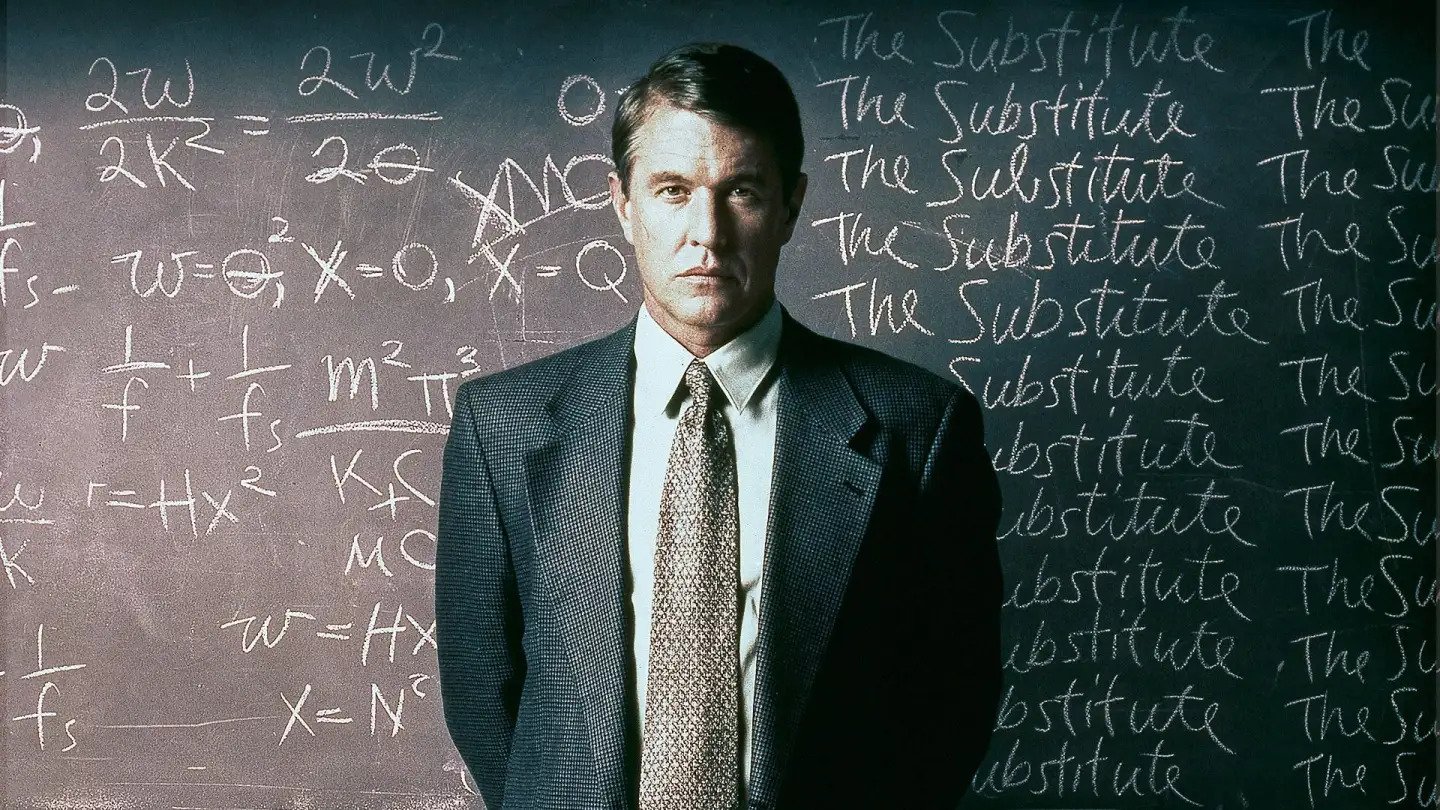
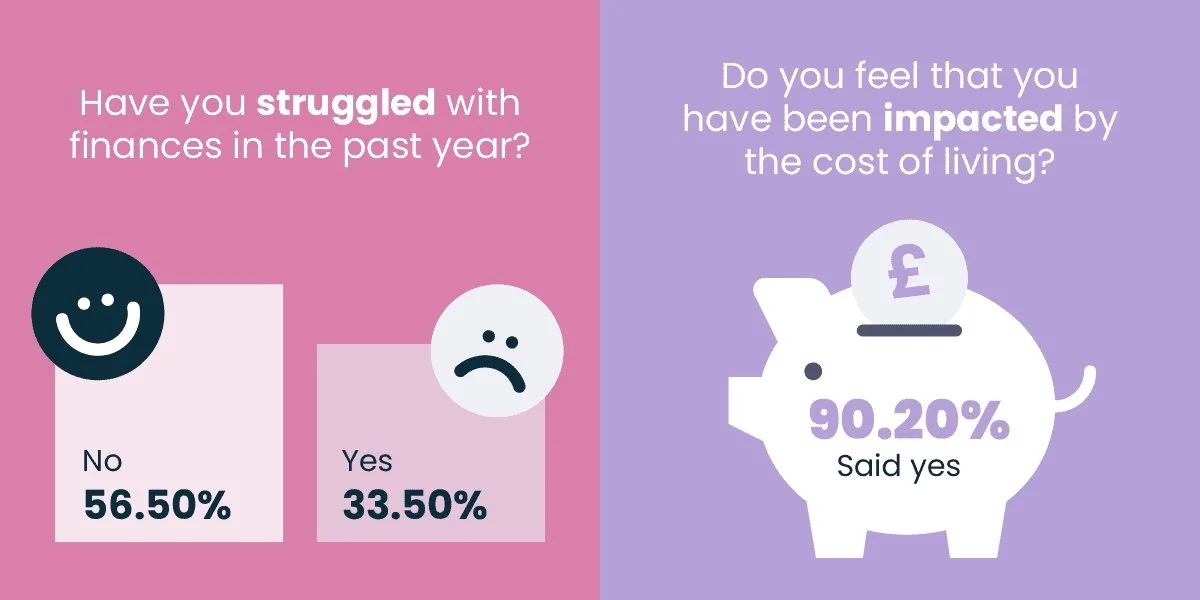















Video Games: Just Another Leisure Industry
I was going to start this post with the phrase “there was a time” but then it struck me, that sounds like the opening gambit of a power ballad, so I decided against it. Instead let’s keep it simple. I’ve always played video games. But overtime my relationship with this activity evolved from just being an amusing diversion into a major hobby that I became enamoured with. Two factors contributed to this change in perspective. Moving from console to PC gaming in the late nineties and playing massively multiplayer online role-playing games (MMORPG) circa 2008. By 2010 I was regularly writing about gaming, immersing myself in the culture and participating in the wider community. I naively thought for a while that video games were a unique and exceptional manifestation of pop culture, compared to music, film and literature. However, ten years later, although it is clear that video games can at times be true art just like those other mediums, they also suffer from all the endemic failings and iniquities that exist in the other leisure industries.
I was going to start this post with the phrase “there was a time” but then it struck me, that sounds like the opening gambit of a power ballad, so I decided against it. Instead let’s keep it simple. I’ve always played video games. But overtime my relationship with this activity evolved from just being an amusing diversion into a major hobby that I became enamoured with. Two factors contributed to this change in perspective. Moving from console to PC gaming in the late nineties and playing massively multiplayer online role-playing games (MMORPG) circa 2008. By 2010 I was regularly writing about gaming, immersing myself in the culture and participating in the wider community. I naively thought for a while that video games were a unique and exceptional manifestation of pop culture, compared to music, film and literature. However, ten years later, although it is clear that video games can at times be true art just like those other mediums, they also suffer from all the endemic failings and iniquities that exist in the other leisure industries.
The production of mainstream, so called triple A video games is a textbook example of how contemporary capitalism works and a microcosm of all its shitty foibles. Game developer’s may well have artistic visions and creative aspirations. Those that bank roll them seldom have such lofty ideals. Video games are products to be monetised, sold and used as a means to continuously generate revenue. This business necessity is not something bolted onto a game once it’s completed. It is something that directly shapes their creation. Hence we’re sold a base game; a starter pack as it were. If you want the complete experience, then you pay more. And despite the massive development costs, these products are intended to be ephemeral. The moment the ROI drops they are abandoned and replaced with new products. Therefore the short attention span of customers leads to the brief life cycle of premium games and perpetuates the treadmill of continuous new product culture.
The buck apparently doesn’t stop with Yves Guillemot, CEO of Ubisoft
Sadly, the video games industry has sadly proven itself to be as predatory, exploitative and emotionally dysfunctional as music and cinema. Employment rights, working conditions and pay are poor. The industry’s management structure attracts the usual suspects with their borderline sociopathic traits. Bullies, racists, misogynists and those with a penchant for sexual assault act with impunity. Such individuals like to cultivate an image akin to rock stars, vicariously claiming to work in a hip, modern and creative line of work. But instead it’s just the same, seedy, entitled, spoilt middle-aged white men who seem to think the rules don’t apply to the. A malady that runs throughout modern life in western culture. Whenever such individuals are held to account and scrutinised, they quickly show themselves to be the modern equivalent of the wealthy mill owner from the 19th century. And in their misplaced vanity they always see themselves as the victims.
But there are other factors contributing to the negative state of the video games industry. The first is marketing, which like contemporary politics doesn’t wish to engage in any sort of discussion to justify itself. It merely wants unfettered access to multiple platforms and to be able to make statements unchallenged, irrespective of their veracity, integrity or legality. Hype culture, the wane of quality journalism along with a decline in critical thinking among consumers have contributed to the current hubristic stance adopted when promoting a new triple A game. And this insidious approach by sales and marketing enjoys a curious symbiotic relationship with that other Achilles heel of gaming, zealous fandom.
An all too common aspect of fandom these days
Fandom has become increasingly fundamentalist, binary and bellicose in recent years. It is tribal and at times devoid of reason. Criticism, commentary and analysis are rejected and any differing of opinion is seen as a personal attack. Fans continue to erroneously equate enjoying a product with having some sort of ownership of it. They’ll even pick a side and go to war over titles they haven’t even played yet. Such is the depth of emotional investment made. Furthermore, if a game falls short of expectations that gamers have created themselves, it is seen as an act of treason and a violation of one human rights. Again, you’ll find no difference between ardent video games fans and those of popular TV and cinematic franchises like Star Wars and Star Trek.
I used to enjoy my “love affair” with gaming. It was a new creative endeavour, that unlike pop music, TV and cinema had grown up over the course of my life. I was proud to be part of a writing and podcasting community that shared my affection. That community is still there and remains active but it has diminished. Many, like myself, have had their eyes opened to the unpleasant underbelly of the industry. An industry that does not reflect the diversity of its customers. An industry that is often immoral and unpleasant. An industry that refuses to take a stance against those fans that wish to usurp it and set its course. An industry that wants to have its cake and eat it. So ten years on, I still enjoy games. But I don’t have any illusions about their provenance. Many mainstream games are built upon the blood, sweat and tears of others. Just like cheap clothes made in developing countries. Or TV shows that purport to be about giving people a shot at fame but are really just the modern day equivalent of a Victorian freak show. The video games industry is exactly like all other industries and that is not in any way a compliment. Cognitive dissonance can only keep me tacitly supporting such things for so long. At some point they’ll be a parting of the ways.
A Christmas Carol (2009)
There are three key elements to Disney’s 2009 3D computer-animated adaptation of A Christmas Carol. Firstly, director Robert Zemeckis clearly seeks authenticity and hence includes a lot of original dialogue from the novel, as well as a bleaker depiction of the period. Secondly, he uses the digital production tools at his disposal to create sweeping vistas of 19th century London as well as highly stylised caricatures of the central characters. Thirdly, as this is a Disney production, there is an occasional lapse visual humour and levity that is required by their business model. Sadly all of these aspects of the production make for strange bedfellows that are at odds with each other. The result is a visually sumptuous film that loses its way as it lurches between bleak drama, odd humour and CGI driven spectacle.
There are three key elements to Disney’s 2009 3D computer-animated adaptation of A Christmas Carol. Firstly, director Robert Zemeckis clearly seeks authenticity and hence includes a lot of original dialogue from the novel, as well as a bleaker depiction of the period. Secondly, he uses the digital production tools at his disposal to create sweeping vistas of 19th century London as well as highly stylised caricatures of the central characters. Thirdly, as this is a Disney production, there is an occasional lapse visual humour and levity that is required by their business model. Sadly all of these aspects of the production make for strange bedfellows that are at odds with each other. The result is a visually sumptuous film that loses its way as it lurches between bleak drama, odd humour and CGI driven spectacle.
Produced via motion capture, a technique used in his previous films The Polar Express (2004) and Beowulf (2007), Zemeckis presents the viewer with a very traditional looking Scrooge, whose dour demeanour and gruff voice is effectively provided by Jim Carrey. Carrey also provides the voice acting for the Ghost of Christmas Past and the Ghost of Christmas Present. The story starts with Jacob Marley lying in his coffin and Scrooge quickly establishes his miserly credentials by taking the pennies off his late partner’s eyes. Due to the stylised nature of the character design, Bob Cratchit is diminutive and nephew Fred is rotund and ruddy cheeked. The story does much to highlight the social disparity between rich and poor. Oddly, despite attempting to explore and depict the events of the book in an authentic fashion, the emotional focus upon Tiny Tim is somewhat lacking in this adaptation and his character is used sparingly.
Yet despite a robust cast of fine voice actors, including Gary Oldman, Colin Firth and Bob Hoskins, they have very little to do. Hoskins as Fezziwig has no more than four lines. The early focus upon drama and providing a true reflection of the social injustices of the period, soon gives way to the most indulgent visual spectacle once the first spirit arrives. The viewer is presented with expansive recreations of the London skyline and the British countryside and the camera swoops and soars interminably through these virtual environments. Towards the end of the film there is also an tedious and utterly unnecessary chase scene involving Scrooge and a phantom hearse. One gets the impression that the director was a little too enamoured by the potential to craft such CGI creations and lost track of the central story. Or perhaps there was pressure from the studio to add some “action” to the film to pander to a wider demographics.
However, the use of motion capture and immersive 3D environments are not all overblown. There is a especially creative montage involving the Ghost of Christmas Present and mankind’s children, Ignorance and Want. The emaciated waifs morph into their potential future selves; one a violent robber and the other a drunken prostitute. It is quite a shocking scene and bold in its artists scope. But it also highlights the bleakness of this adaptation, which sits awkwardly with the Disney brand. Marley’s ghost is especially terrifying with his bottom jaw becoming unhinged at one point. And so to counter such ghoulish imagery, there are bouts of humour and thus Marley secures his jaw with a handkerchief but ties the knot too tight, thus preventing him from talking. Such japery tends to confuse rather than amuse.
This particular adaptation of A Christmas Carol was not a financial success at the box office and it is clear to see why. It tries to be too many things and by partnering with Disney Studios, Zemeckis is forced to make some concessions to the film that are a poor fit. Hence the story shifts tonally and does not have a coherent vision as to what it exactly wishes to be. The viewer is left with some dark scenes, frenetic chase sequences, an incessantly laughing Ghost of Christmas Present and a display of sentiment at the film’s conclusion that seems incongruous given Scrooge’s scant interaction with the Cratchit household and Tiny Tim. Furthermore, the final scene between Scrooge and the Ghost of Christmas Yet to Come is virtually identical to that in Mickey’s Christmas Carol. Overall, it may have been wiser to take the cast and the budget available and made a more traditional live action version of this classic tale, focusing on the story and atmosphere, rather than production design and visual effects.




Cyberpunk 2077: Too Much Information
In 1979 I started learning French, as it was a standard part of the UK school curriculum then. For the first year or two, I remember learning the rules of French grammar and keeping pace with what was being taught. And then in the third year, something odd happened. I was asked a question one day and my mind was blank. This wasn’t a case of forgetting something that one can recall when prompted. No. This was due to an informational void. I found myself at a point where I was suddenly and totally out of my depth. Somehow in the months prior, I had reached a point where I had stopped comprehending and absorbing what was being taught. And I had now strayed beyond and was no longer equipped to deal with the situation. For those wondering where I am going with this analogy, allow me to clarify. I found myself in a similar situation with the role playing game, Cyberpunk 2077, within hours (not years) of starting it.
In 1979 I started learning French, as it was a standard part of the UK school curriculum then. For the first year or two, I remember learning the rules of French grammar and keeping pace with what was being taught. And then in the third year, something odd happened. I was asked a question one day and my mind was blank. This wasn’t a case of forgetting something that one can recall when prompted. No. This was due to an informational void. I found myself at a point where I was suddenly and totally out of my depth. Somehow in the months prior, I had reached a point where I had stopped comprehending and absorbing what was being taught. And I had now strayed beyond and was no longer equipped to deal with the situation. For those wondering where I am going with this analogy, allow me to clarify. I found myself in a similar situation with the role playing game, Cyberpunk 2077, within hours (not years) of starting it.
When the first teaser trailer for Cyberpunk 2077 was released back in 2013 I was nominally interested. However, after playing The Witcher 3: Wild Hunt, I became more enthusiastic about the game and the developer’s CD Projekt Red. If it had a similar narrative depth as their successful fantasy based RPG, then it could well be a further genre defining title. Sadly, as soon as it became apparent that the game was going to be in first person perspective, my initial excitement waned. I can tolerate this mechanic in the FPS genre, often where the story is not that important. But in a genre such as the RPG, I think it is essential that you see your avatar from a third person perspective. Especially so when there are dense stories and it is important for the player to have an emotional connection with their avatar. To cut a long story short, over the length of Cyberpunk 2077 long development cycle, I slowly lost interest in the game and was not planning to buy it at launch. And then someone surprised me by “gifting” me a copy as an early birthday present. So I decided to dive right in and play with minimal knowledge regarding the state of the final release.
Now one of the reasons I like the RPG genre is because they usually offer complex stories. A good one is like an interactive novel. Therefore, when I fire up a game such as Cyberpunk 2077 and start playing, I have the subtitles on for all dialogue and I take my time when choosing branching narrative responses. I like to weigh up each reply and consider its ramifications. Just as I do in real life. So I was surprised and far from impressed by some of the timed response sequences that force the player to make a hasty decision on some dialogue choices within a few seconds. This annoys me because my analytical mind will continuously reflect upon whether I have hamstrung myself at some future point in the game. Something that detracts from my ongoing enjoyment of the game in what we call the “moment”.
Another aspect of the game that I struggled with is the collecting and reading of story related data. There are portable drives which are broadly the equivalent of books and scrolls in other fantasy based RPGs. They contain information on characters, institutions and the world the game is set in. I initially started reading each one when collected but I soon put pay to that. As this is a new IP there is a lot to learn and I simply couldn’t assimilate all of this lore in such a manner. Plus on top of all this, there are numerous text messages continuously coming to your in-game phone, plus further messages and data on the computer in your apartment. Naturally not all of it is mission critical but some of it is illuminating in providing backstory to the game world. As such I feel obliged to read it all, otherwise why am I playing an RPG in the first place? If I just want to shoot stuff I can play any FPS.
Naturally, a major part of Cyberpunk 2077 is hacking. One specific type, breach protocol, involves “jacking in” to a terminal and then trying to select a specific sequence of numbers in a short period of time. You are not expected to complete all sequences (there are usually 3) to win, and successfully breach the system you’re hacking. However, the game does an utterly appalling job at explaining a system that is far from clear cut. When I was first confronted with this mechanic it was 2:30 AM and I simply could not comprehend what I was being told to do. It was immensely frustrating. And the game has several other foibles that are equally as frustrating. For example I wanted to get to a particular part of Night City to see if the shops offered more stylish clothing. I set a waypoint on the map and attempted to drive there. But when I crossed into certain areas my screen played a glitch animation and I found myself facing the opposite direction. It seems you cannot just traverse the world as you see fit and some areas don’t open until you reach a certain point in the main story.
Essentially, I have blundered my way through 10 hours of Cyberpunk 2077 and completed 2% of content according to the GOG Galaxy launcher. I have enjoyed aspects of the game but I feel I may have missed some optimal outcomes with my decisions and actions. I don’t feel empowered, enthused or challenged by this. I simply want to trash my existing character and start again. Until I started writing this post, I was slowly sinking because there was “too much information”, as Gordon Sumner sang. However, I have now decided to simply approach the game in a far less methodical fashion. I may even limit the length of my play sessions so I do not find myself going down too many rabbit holes. Often I find myself sounding like a stuck record, repeating the same old observations ad infinitum. Again we have a game that has a poor tutorial and doesn’t adequately inform the player about essential mechanics. Cyberpunk 2077 has also been a timely reminder about the perils of being an early adopter. I suspect the game of the year edition will be far more polished and streamlined. In the meantime I shall continue to play like a child on a bike with training wheels.
Update: I decided to delete my current alt and progress so I could start all over again. I’m also using a Xbox controller for the driving sequences and a keyboard and mouse for the remainder of the game.
Mickey's Christmas Carol (1983)
Upon its theatrical release, Mickey’s Christmas Carol was the first animated film to star Mickey Mouse for thirty years. It was therefore accompanied with a large amount of hype and a wave of nostalgia. The US marketing stated “He’s Back. Mickey Mouse in his first new motion picture” which was somewhat misleading, as the actual animated film was just 26 minutes long. It was shown theatrically along with a re-release of The Rescuers in the US and The Jungle Book in the UK and other territories, in late December 1983. And despite his name being in the title, Mickey doesn’t have a lot of screen time as he plays Bob Cratchit. This is very much a vehicle for Scrooge McDuck as Ebenezer Scrooge. Overall, it’s a succinct distillation of the plot of Dickens’ A Christmas Carol, filled with cameo appearances by classic Disney characters. Naturally it is replete with the humour and sentiment that is inherent in the process known colloquially as Disneyfication. However, does this mitigate the book’s message?
Upon its theatrical release, Mickey’s Christmas Carol was the first animated film to star Mickey Mouse for thirty years. It was therefore accompanied with a large amount of hype and a wave of nostalgia. The US marketing stated “He’s Back. Mickey Mouse in his first new motion picture” which was somewhat misleading, as the actual animated film was just 26 minutes long. It was shown theatrically along with a re-release of The Rescuers in the US and The Jungle Book in the UK and other territories, in late December 1983. And despite his name being in the title, Mickey doesn’t have a lot of screen time as he plays Bob Cratchit. This is very much a vehicle for Scrooge McDuck as Ebenezer Scrooge. Overall, it’s a succinct distillation of the plot of Dickens’ A Christmas Carol, filled with cameo appearances by classic Disney characters. Naturally it is replete with the humour and sentiment that is inherent in the process known colloquially as Disneyfication. However, does this mitigate the book’s message?
Part of the fun of watching Mickey’s Christmas Carol is trying to spot various iconic Disney characters, many of which are in minor roles in the background such as the Big, Bad Wolf and the Three Little Pigs. The larger roles are played by the likes of Donald Duck (Scrooge’s nephew Fred), Goofy (incongruously playing Marley’s ghost) and Jiminy Cricket (the Ghost of Christmas Past). The verbal and visual humour you expect from Disney is clearly front and centre. The scene where Scrooge climbs the stairs to his suite of rooms, followed by Jacob Marley’s spectral shadow, is a wonderfully contrived piece of animation and up to the high standard you’d expect from the studio. As ever there are a lot of innovative shots from aerial perspectives and sequences involving a lot of movement both in the foreground and background. All are lovingly drawn and painted by hand, imbuing the characters with a sense of personality and charisma.
Charm and overt sentimentality are in the very DNA of Disney productions. Hence any material that the studio adapts always has such content enhanced and amplified. This is Disney’s brand of entertainment. For younger, unsophisticated viewers, Mickey’s Christmas Carol plays as a simple but safe morality tale. Bob Cratchit’s poverty is hyperbolic and stylised (he carves a single pea to eat). Scrooge’s meanness and lack of empathy is a caricature, rather than an accurate case study. And so the darker elements of Dickens’ story are neutered due to the “Disneyfication” effect but does it mitigate the power of the story and its essential message? Not really, because the audience has elected to watch a Disney product, so they know in advance that they are not going to get a historically accurate depiction of 19th century deprivation. There is a minor concession to drama at the end, as Scrooge encounters his own hellbound grave which is tonally a little jarring. However, a more practical flaw in the film is making Scrooge essentially comic himself.
By Ebenezer Scrooge being played by Scrooge McDuck, an inherently witty and droll character, the viewer never really disapproves of him or finds him repellent. Hence his redemption at the story’s climax lacks any real impact. Compared to The Muppet Christmas Carol (1992) where Scrooge is played straight, with a cold and smouldering performance by Michael Caine, the comedy occurs around him highlighting his own emotional void. This different approach gives greater weight to the ending in the Muppet version. But I suppose it is critically redundant to apply such analysis to a short animated film that was never intended to be anything more than the sum of its parts. Mickey’s Christmas Carol is an entertaining half hour of family viewing, especially for those with young children still within Disney’s key age demographic. It provides the essential beats of Dickens’ tale along with all the key tropes of the studio that created it.

The Godfather Coda: The Death of Michael Corleone (1990)
The Godfather Part II (1974) effectively ended the story of Michael Corleone. The man who so resolutely argued he would not become like his father ended up doing exactly that. In doing so it cost him his wife, his relationship with his children and arguably his soul. The film ends with Michael reflecting upon his past and family, all powerful but utterly alone. So in many ways, there was no major artistic or narrative requirement for a third instalment. Francis Coppola himself had no desire to return to the story. However a decade later, after a string of box office failures, he found himself in debt and in need of a financial solution. It was at this point that Paramount Pictures long standing offer to make a third Godfather movie, suddenly became a practical necessity. Coppola never intended it to be a comparable instalment to the original duology but more of a cinematic codicil. Sadly, the studio, the critics and ultimately, the viewing public never saw it that way. The rest is cinematic history and The Godfather Part III (1990) remains to this day a strongly debated film.
The Godfather Part II (1974) effectively ended the story of Michael Corleone. The man who so resolutely argued he would not become like his father ended up doing exactly that. In doing so it cost him his wife, his relationship with his children and arguably his soul. The film ends with Michael reflecting upon his past and family, all powerful but utterly alone. So in many ways, there was no major artistic or narrative requirement for a third instalment. Francis Coppola himself had no desire to return to the story. However a decade later, after a string of box office failures, he found himself in debt and in need of a financial solution. It was at this point that Paramount Pictures long standing offer to make a third Godfather movie, suddenly became a practical necessity. Coppola never intended it to be a comparable instalment to the original duology but more of a cinematic codicil. Sadly, the studio, the critics and ultimately, the viewing public never saw it that way. The rest is cinematic history and The Godfather Part III (1990) remains to this day a strongly debated film.
Numerous story ideas were conceived and abandoned while writing The Godfather Part III. Francis Coppola and co-writer Mario Puzo considered several grandiose plots before deciding that less is more and focusing on a narrative driven by Michael Corleone’s need for redemption and even forgiveness. Some critics felt that this approach contradicted the first two movies which culminated in Michael dispassionately embracing his fate. However, a man in his autumn years has much to reflect upon and therefore the film themes of redemption and trying to reinvent oneself were plausible and relevant. In fact one could argue that Coppola was trying to do as much himself. But therein was the problem. Coppola wanted a low key appendix to his previous work where the studio and public wanted another sprawling saga of criminal endeavour and a further examination of the dark heart of American culture. And so both groups fought every step of the way. They fought over the title, action set pieces, casting (as they did with the original film) and overall the scope of the story.
Upon release, many were wrong footed by the tone and direction of The Godfather Part III. It wasn’t so much that a sacred cow had been violated but that viewer expectations and the vision of the director were poles apart. The disappointment that some felt was palpable and so criticism was vocal and mainly directed at Coppola’s casting of his own daughter, who had stepped into the role out of necessity. Her performance is tonally different from the rest of the cast but is not as questionable as some would have. Certainly Al Pacino and Diane Keaton are on superb form, effortlessly picking up their respective roles and reasserting them with confidence. The standout of the film is certainly Andy Garcia who plays Vincent Mancini, the illegitimate son of Sonny Corleone. His character is straight out of King Lear and he gives a dynamic performance. The lack of Robert Duvall as Tom Hagen is a sore blow. George Hamilton plays a more contemporary corporate shark, B. J. Harrison but he lacks the emotional impact of his predecessor.
Because of the nature of the story, The Godfather Part III swaps the historical settings that were so lovingly recreated in the first two movies for the rather less enthralling world of big business circa 1979-80. There are location shots in Rome and Sicily but the change in scope does pale in comparison with the grandeur of the parts I and II, with its recreation of 1917 New York, Havana and pre-war Sicily. However, the cinematic style of Gordon Willis’ cinematography provides a sense of ongoing continuity. Willis shot both previous films although here, much of the story is swathed in shadow and darkness, reflecting the theme of spiritual doubt and conflict. These subtle changes in direction all contributed to the sense of confusion and conflict so many felt about The Godfather Part III. The best analogy I’ve seen that summarises this is that of a major recording artist, who having to two hit and and genre defining albums, then follow them up with a far more modest and specific musical foray that is far more low key in its intent.
Such has been the legacy of The Godfather Part III up until now. Coppola has recently released a revised edition of the film in which he strives to bring things back to his original vision. Retitled The Godfather Coda: The Death of Michael Corleone (his preferred title) there are a range of revisions intended to make the story’s intent clear and to present it for criticism on its own merits, rather than on its pop culture baggage. Firstly, the original opening scene depicting the now vacant Corleone home on Lake Tahoe, with all it’s associated memories, has gone. The new edit starts with Michael negotiating the bailout of the Vatican bank and it emphatically states the film’s core theme; the need for redemption. Gone is the ceremony in which he receives a medal from the church for his charitable work. The film now continues with the story of how Michael is dragged kicking and screaming back into a world of crime, despite wanting to reconnect with his son and daughter. Five minutes has been removed overall and some changes are simply alternate takes or a reordering of scenes. The biggest and most subtle change is the ending. Originally, this showed Michael a broken old man, reflecting on the past and then dying in his garden chair. This time round the montage of memories are exclusively about his dead daughter and the scene then fades to black. His titular death is now figurative and not literal.
The original theatrical version of the death of Don Licio Lucchesi
I would like to reference one change that noticeably stands out in The Godfather Coda: The Death of Michael Corleone. The first two movies were considered violent by the standards of the time and that violence was depicted credibly, rather than sensationally. Coppola worked with makeup effects legend Dick Smith resulting in several iconic and powerful scenes. Moe Green getting shot in the eye while having a massage, Don Fanucci getting shot in the face, Don Ciccio’s stabbing. Although the original theatrical release of The Godfather Part III in 1990 had some shootouts and bloodshed, it lacked any of the director’s signature bravura set pieces. The nearest that came to this was the death of Don Licio Lucchesi, who was stabbed in the carotid artery with his own broken pair of glasses. This was edited down to the briefest of shots in the initial release, which then focused on the bloody aftermath. In this revised edition an alternative take is used featuring major prosthetic work from Tom Burman. The scene now sports a bloody wound and a jolting arterial spurt. Compared to the violence that proceeds it this is shocking but justifiable within the film's own internal logic.
The revised version of the death of Don Licio Lucchesi
Overall this re-edit is a subtle reframing of the theatrical edition, rather than a wholesale revision. Some of the issues inherent in the first cut are still present. Too many of the new characters are not as well written compared to those that are already established. The Vatican storyline although interesting, may not be as appealing to some viewers expecting more traditional gangster tropes. Coppola recently revisited his 1984 production of The Cotton Club, which is another example of his work suffering due to studio interference. The revisions to that film, now retitled The Cotton Club Encore, have significantly altered and improved the narrative, by focusing more upon the African American cast members, who were so egregiously marginalised in the theatrical version. The Godfather Coda: The Death of Michael Corleone does not achieve this degree of transformation. Instead it is content with just polishing the previous presentation by thoughtfully restructuring what was already there. Hopefully in doing so, it will lead to a more level headed reassessment of the film where it is finally judged for what it is, rather than what people wanted it to be.