This Year’s Plan
I don’t care for new year resolutions. I just like to make credible plans that are achievable. So, after some consideration, I now have a short and manageable list of tasks that I’ll endeavour to complete this year. If I keep things simple and stick to an orderly routine, I see no reason why I can’t get all of these done. First off and perhaps the most important is to maintain a daily writing schedule. Too often the excuses we make to avoid writing are bogus. Sure, there will be occasions such as illness and family or work-related problems, but nine times out of ten, we don’t write because we cannot be bothered to do so. Why should writing get a free pass in this fashion? So, I intend to persevere during periods of lethargy and write come hell or high water. It doesn’t have to be earth shattering content. Three or four paragraphs will suffice. I can’t afford to let the writing slide as I suspect it may prove to be the thin end of the wedge for me and other activities would subsequently follow.
I don’t care for new year resolutions. I just like to make credible plans that are achievable. So, after some consideration, I now have a short and manageable list of tasks that I’ll endeavour to complete this year. If I keep things simple and stick to an orderly routine, I see no reason why I can’t get all of these done. First off and perhaps the most important is to maintain a daily writing schedule. Too often the excuses we make to avoid writing are bogus. Sure, there will be occasions such as illness and family or work-related problems, but nine times out of ten, we don’t write because we cannot be bothered to do so. Why should writing get a free pass in this fashion? So, I intend to persevere during periods of lethargy and write come hell or high water. It doesn’t have to be earth shattering content. Three or four paragraphs will suffice. I can’t afford to let the writing slide as I suspect it may prove to be the thin end of the wedge for me and other activities would subsequently follow.
Podcasting is back on the table and I’m pleased to say that the first show of 2019 has been published today. The editing wasn’t too problematic and I’m more than satisfied about the quality of the discussion that I and my guest had. I think getting this one out of the proverbial gates early has been a real shot in the arm to my motivation. I’m also going to see if I can gatecrash other people’s podcasts this year. Perhaps some of my colleagues would be interested in a reciprocal arrangement of this nature? As for listening to other people’s podcasts, I’ve whittled down my list of current subscriptions and am focusing on those that regularly produce content and maintain high quality output. I’m also going to try and give more feedback to others in the month’s ahead. I think it’s important to let content creators know that you appreciate their work and value their efforts.
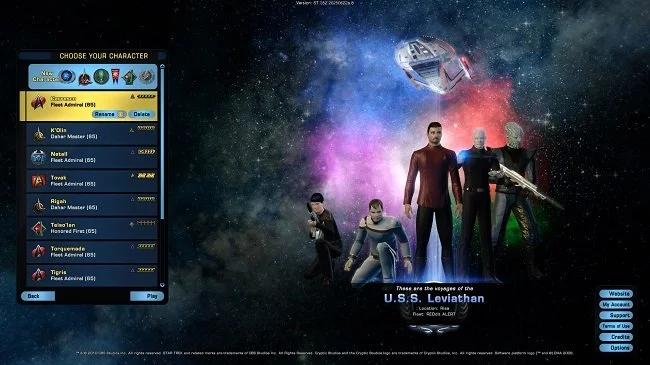
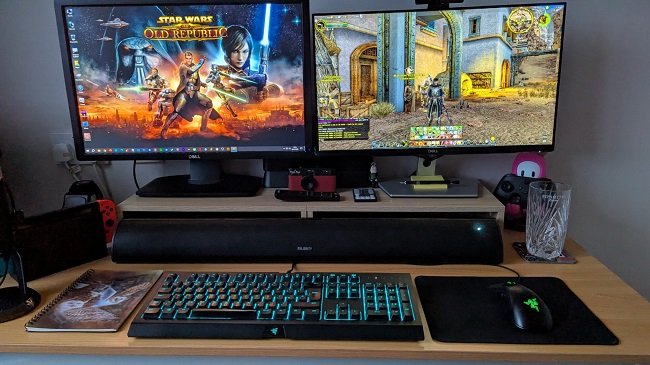
I also have some clear plans with regard to my other interests. As mainstream cinema is not exactly enthralling at present and there’s not a ton of movies that I’m anticipating seeing this year at my local multiplex, I intend to start working my way through my “watch list”. Although I have a broad range of knowledge about film, there are still plenty of gaps that need filling. So, I intend to track down some old classic and niche market obscurities over the next fifty-two weeks. Gaming wise, I intend for the present to just stick to both LOTRO and STO as they are proven favourites and they don’t cost me anything. I will finish Assassin’s Creed: Odyssey and then take stock of the situation. There will be no rash impulse purchases this year and if I’m not sure about a title, I’ll research it thoroughly before committing to buying. Books and comics are also going to get more of my time, where as TV may well take a back seat. There are lots of good shows but it’s not as if they’re going anywhere. Only the most essential will get slavishly followed or binge watched.
If I manage my time effectively, I see no reason why I can’t care for my parents, spend time with Mrs Peril, the grandchildren and still be able to accommodate my hobbies. I can podcast once a month and produce a ninety-minute show. If I plan my writing, I can even pre-write movie reviews and schedule them for those occasions when I know I’ll be away or have a busier than usual day. I’m also looking to establish a regular walking regime for exercise and weight loss. It could also provide material for a regular blog post. There’s a fine line between being sensibly busy and over extending yourself. Hopefully, I am leaning towards the former and not the latter. I do find that when I’m busy, I tend not to eat out of habit and maintain a more positive mindset. But perhaps the most important concept to embrace is if my circumstance change, then it’s okay to change my plan. Hopefully that won’t happen, but it does no harm to consider it. Right, that’s enough talking about what I want to do. Let’s now get on with it.


















Pop Culture Tributes in MMOs
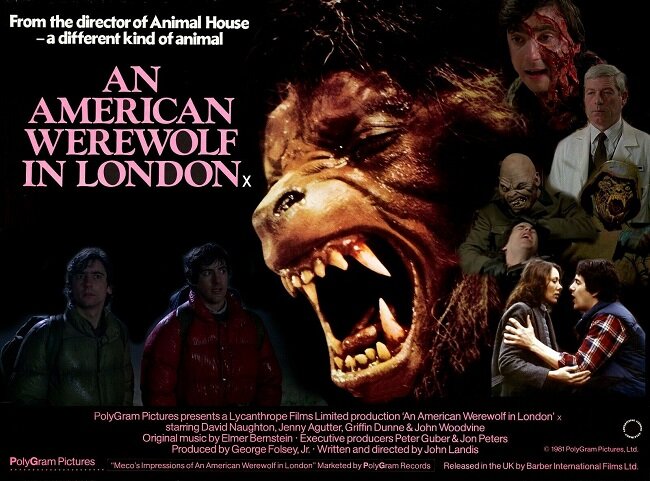
There are a wealth of pop culture tributes in the MMORPG, World of Warcraft. You’ll find nods, homages and quotes from movies, TV, fantasy literature and more littered throughout the game and its numerous expansions. For example, in the Mage Quarter of Stormwind, the Warlock trainers can be found in the basement of a pub called The Slaughtered Lamb which is a homage to the movie An American Werewolf in London. The fish vendor Old Man Heming in Booty Bay and the fishing achievement are references to Ernest Hemingway's novel The Old Man and the Sea. And in Dread Wastes resides a faction called The Klaxxi, that provide a large amount buffs as enchants and augmentations. These buffs all have names referring to specific heavy metal songs from the likes of Slayer, Queensrÿche and Manowar. There are dozens of others such references and I can certainly see the appeal of discovering them as you play through content and explore the virtual world.
There are a wealth of pop culture tributes in the MMORPG, World of Warcraft. You’ll find nods, homages and quotes from movies, TV, fantasy literature and more littered throughout the game and its numerous expansions. For example, in the Mage Quarter of Stormwind, the Warlock trainers can be found in the basement of a pub called The Slaughtered Lamb which is a homage to the movie An American Werewolf in London. The fish vendor Old Man Heming in Booty Bay and the fishing achievement are references to Ernest Hemingway's novel The Old Man and the Sea. And in Dread Wastes resides a faction called The Klaxxi, that provide a large amount buffs as enchants and augmentations. These buffs all have names referring to specific heavy metal songs from the likes of Slayer, Queensrÿche and Manowar. There are dozens of others such references and I can certainly see the appeal of discovering them as you play through content and explore the virtual world.
Having maintained such a tradition, it is hardly surprising that Blizzard have recently added a new NPC named Stanley to the capital city of Stormwind. This is, of course, a tribute to the late, great Stan Lee, the former writer, editor, and publisher of Marvel Comics who died in November. Stanley doesn’t do much other than take a long leisurely stroll around the keep and its surrounding grounds, but it provides fans with an opportunity to walk with the creator of Iron Man, the Hulk, and Spider-Man and reflect on the man’s work and achievements. During Stanley’s perambulations he hails passers-by with his signature greeting of “Excelsior!”. Blizzard included a similar tribute to actor Robin Williams, adding him to the game following his death in 2014. No doubt this practice will continue, and further distinguished pop culture icons will be added to the MMO in the years to come.
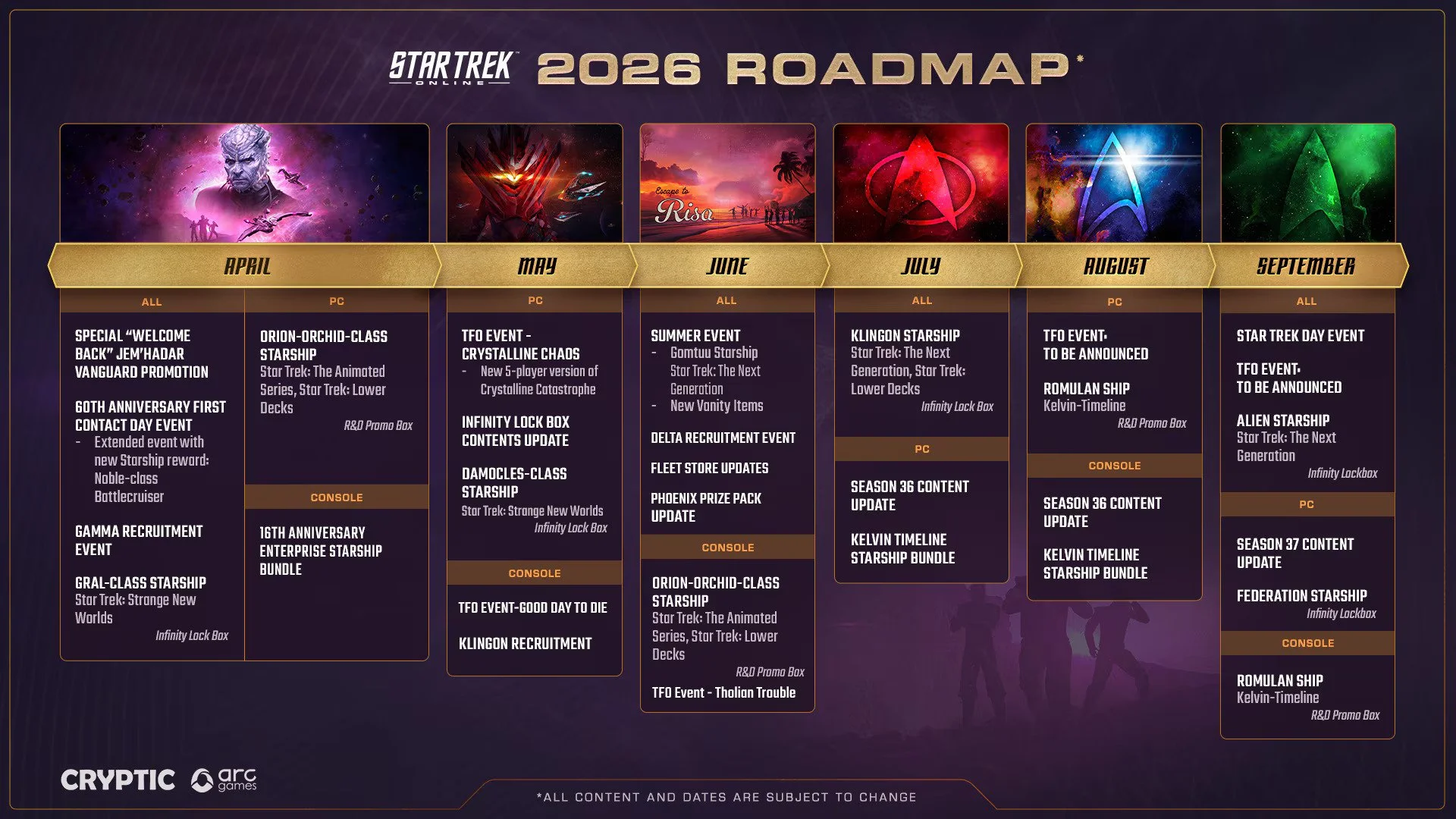
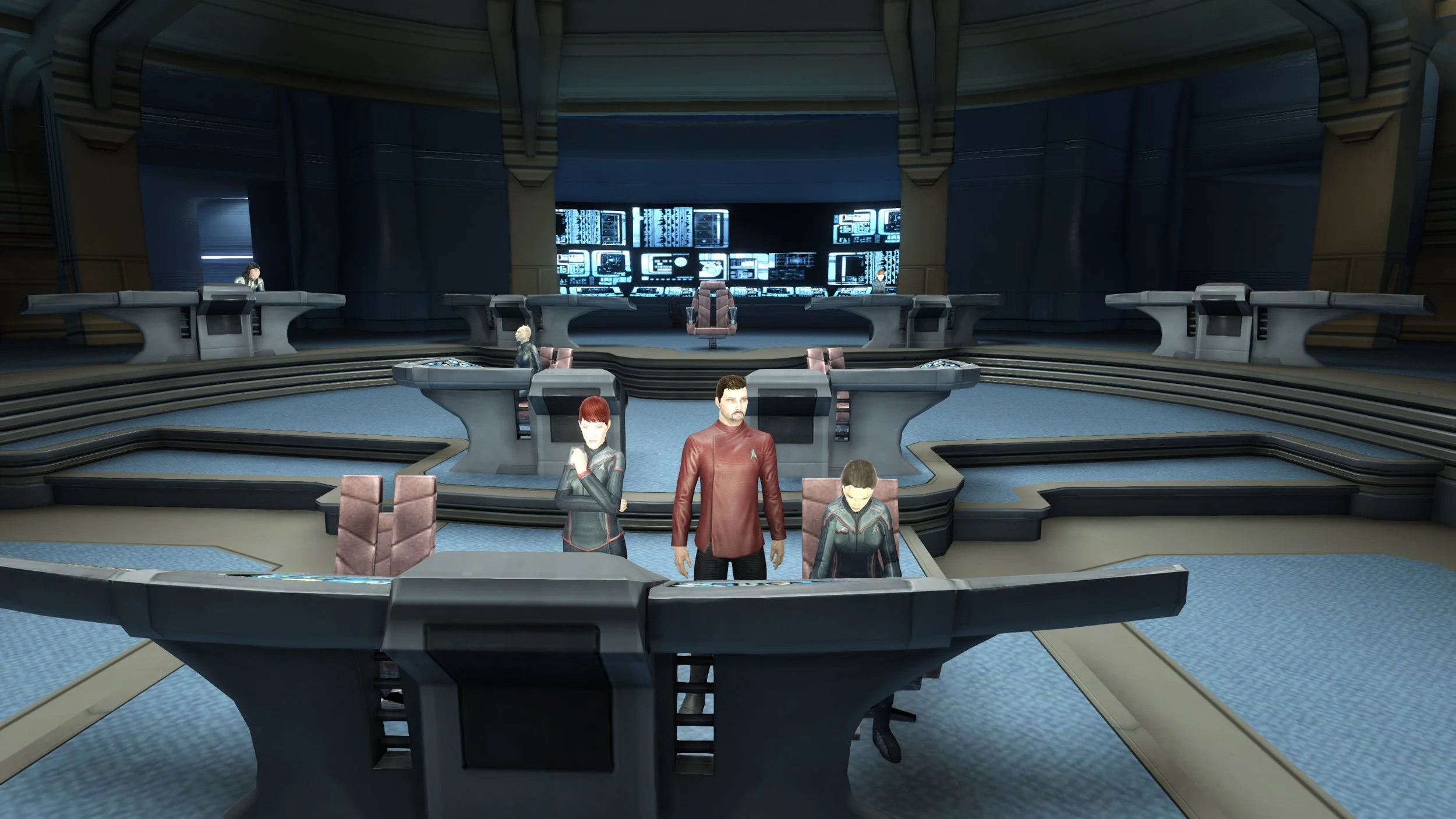
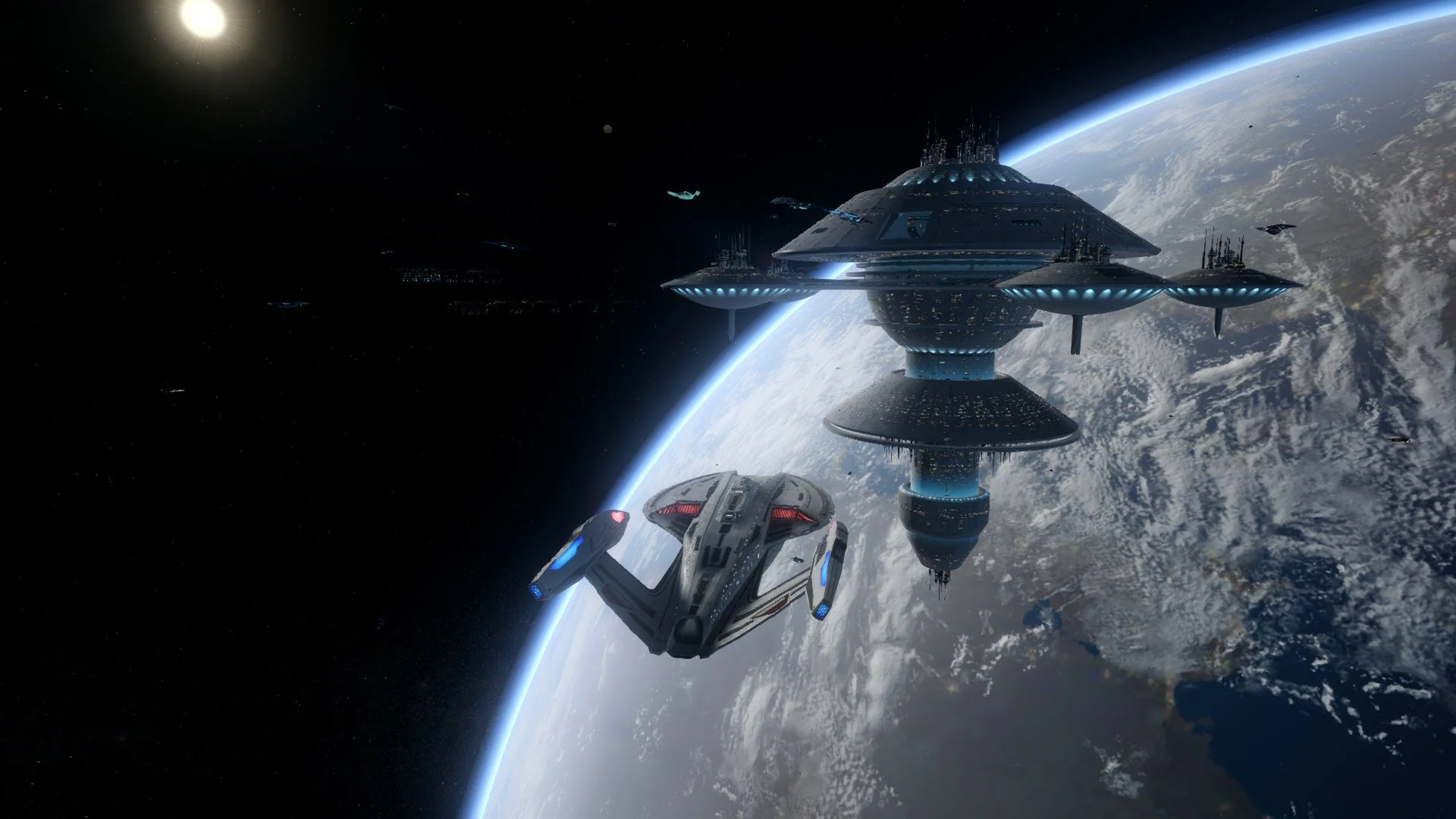
Star Trek Online, is similarly home to several tributes to late cast members. When news first broke of Leonard Nimoy’s death in May 2015, STO players gathered around a fountain on Vulcan to mourn. Cryptic Studios subsequently replaced the structure in the centre of the fountain with a stone statue of Spock, along with the inscription “live long and prosper”. New Romulus received a similar statue, but a different quote; “The needs of the many outweigh the needs of the few.” There is also a memorial plaque on the mezzanine at Earth Space Dock that also pays tribute to Nimoy along with Majel Barrett (Nurse Chapel), James Doohan (Scotty), DeForest Kelley (Bones), and Gene Roddenberry. Anton Yelchin (Checkov) was recently added. Players can interact with the names to read the dates of birth and death as well as a small quote from each.
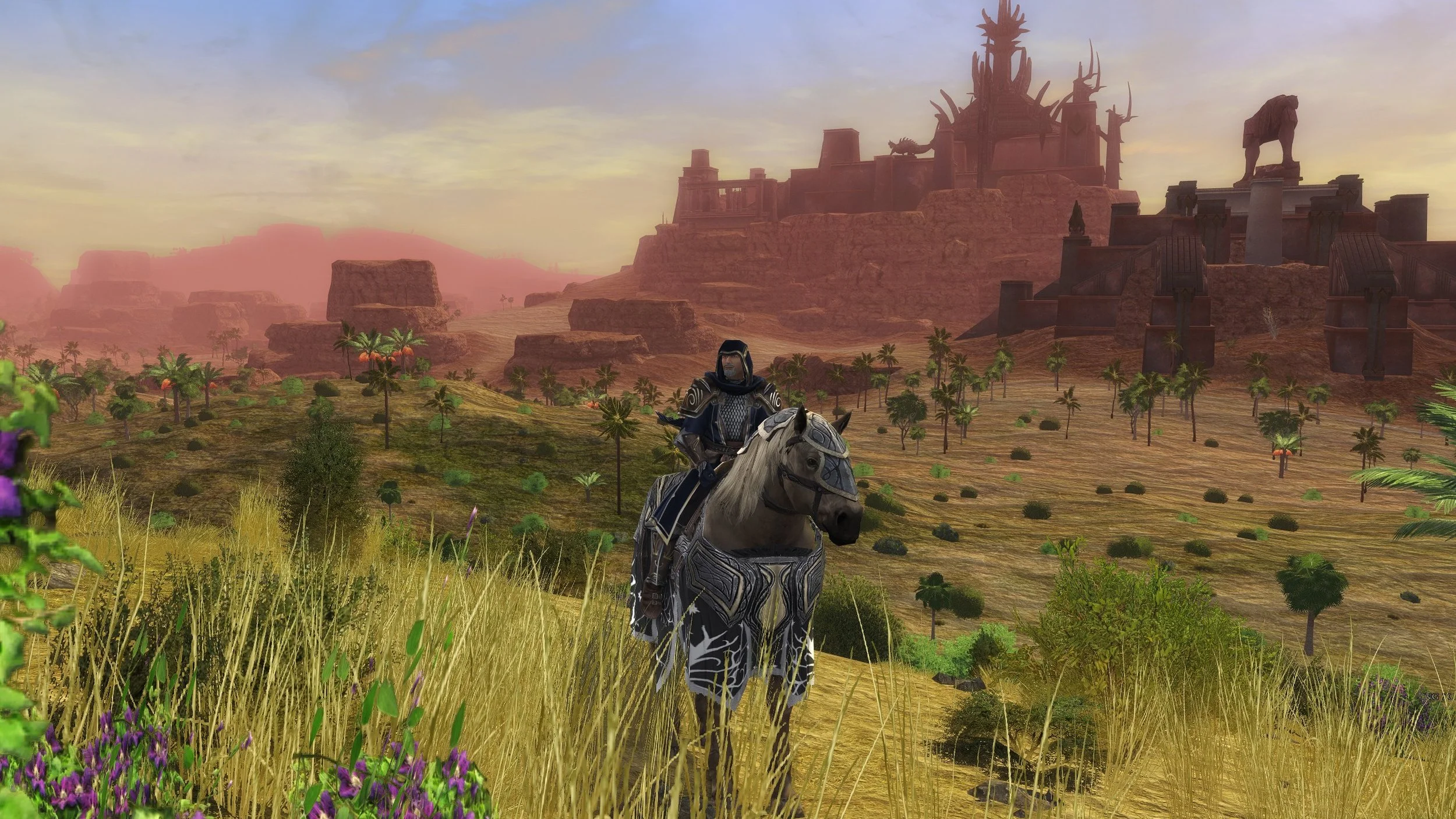
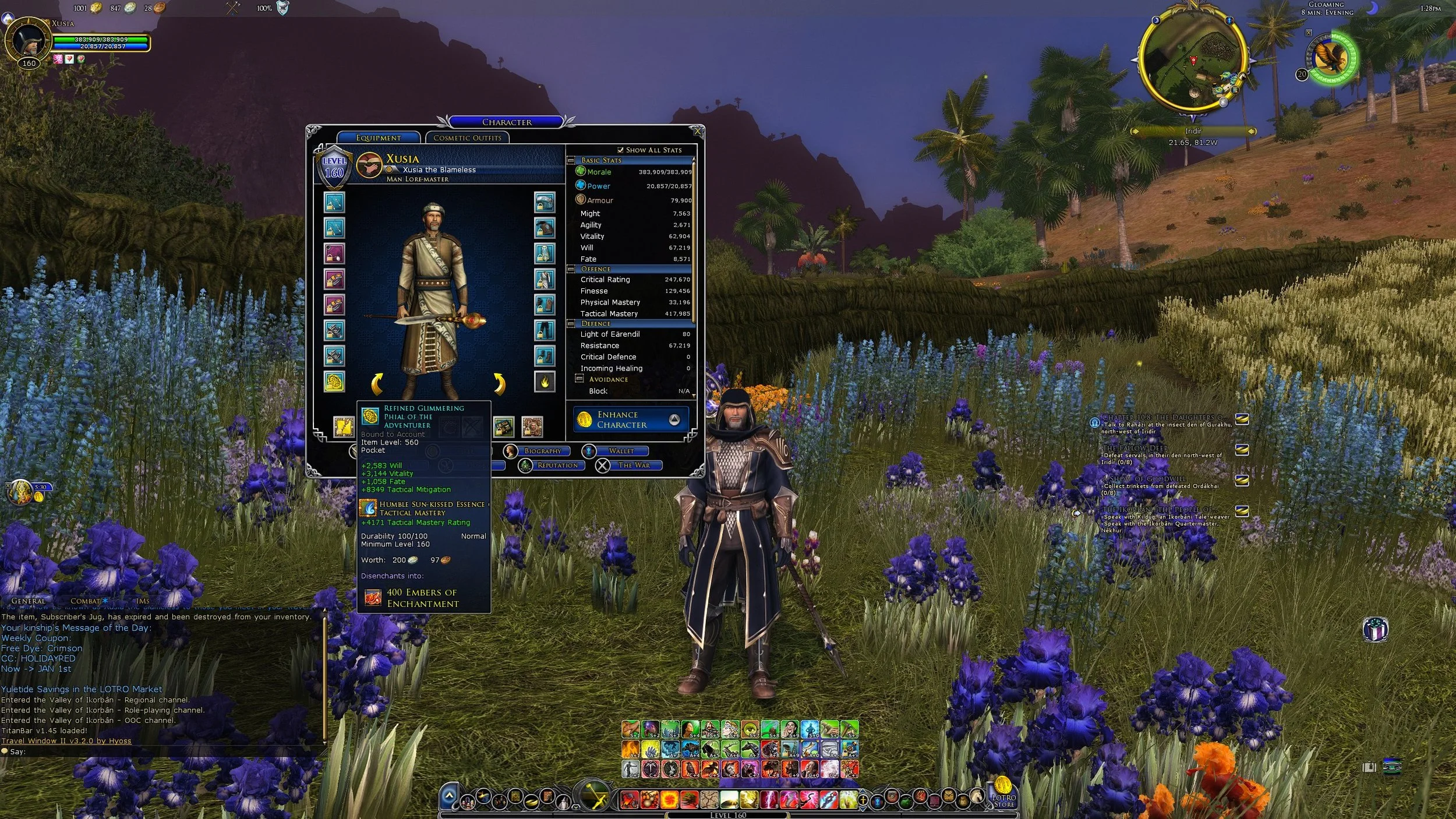
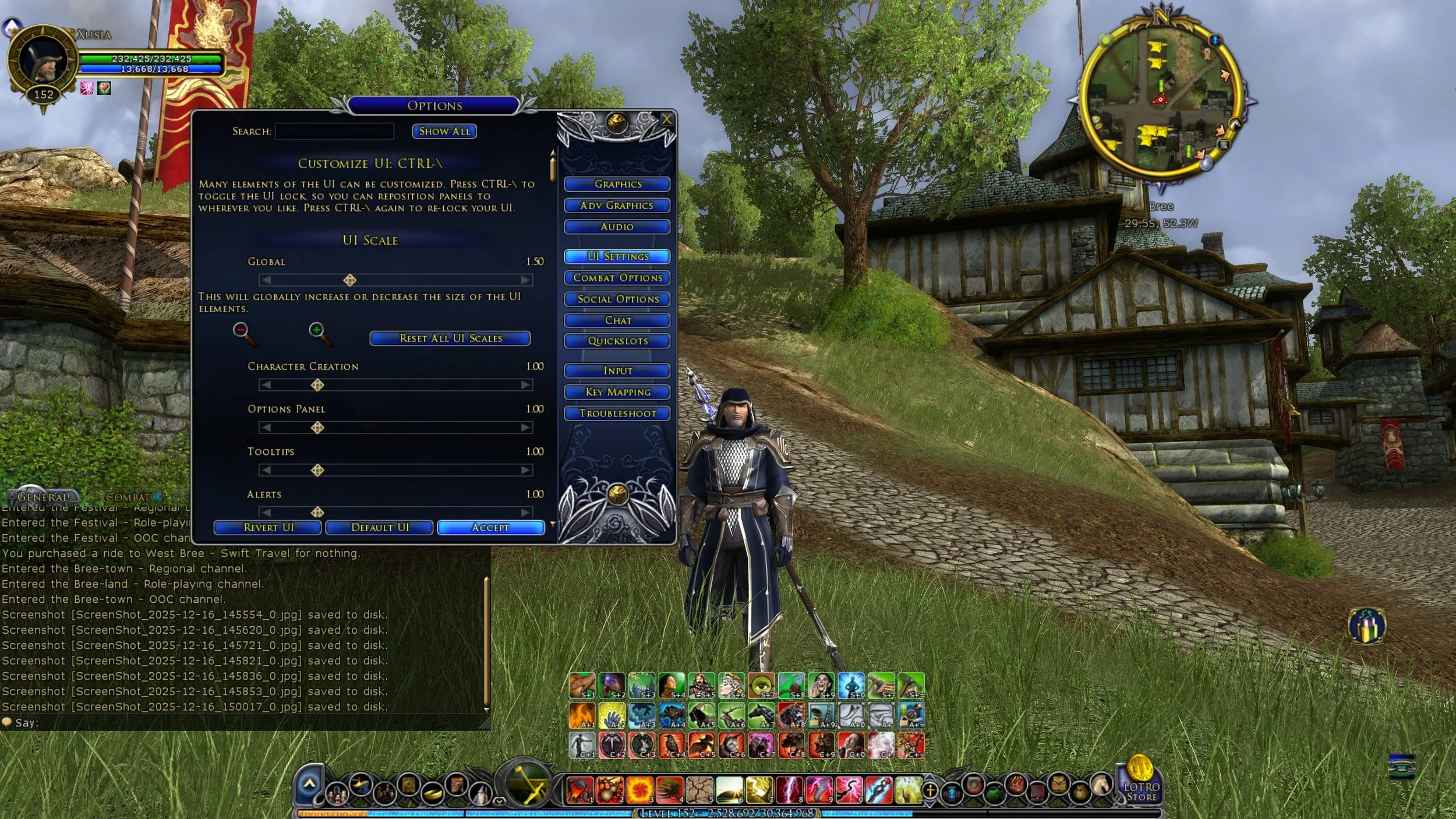
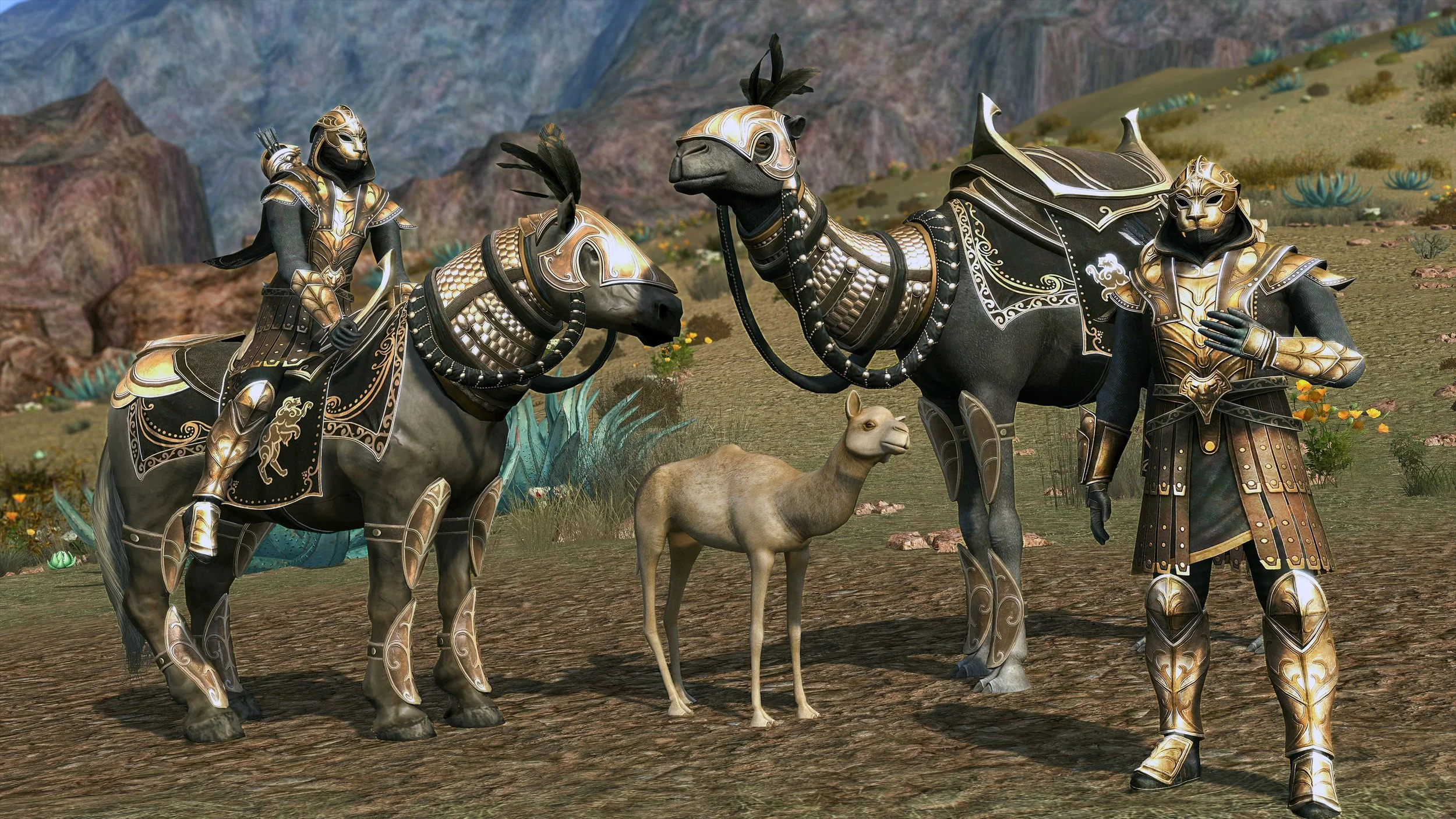
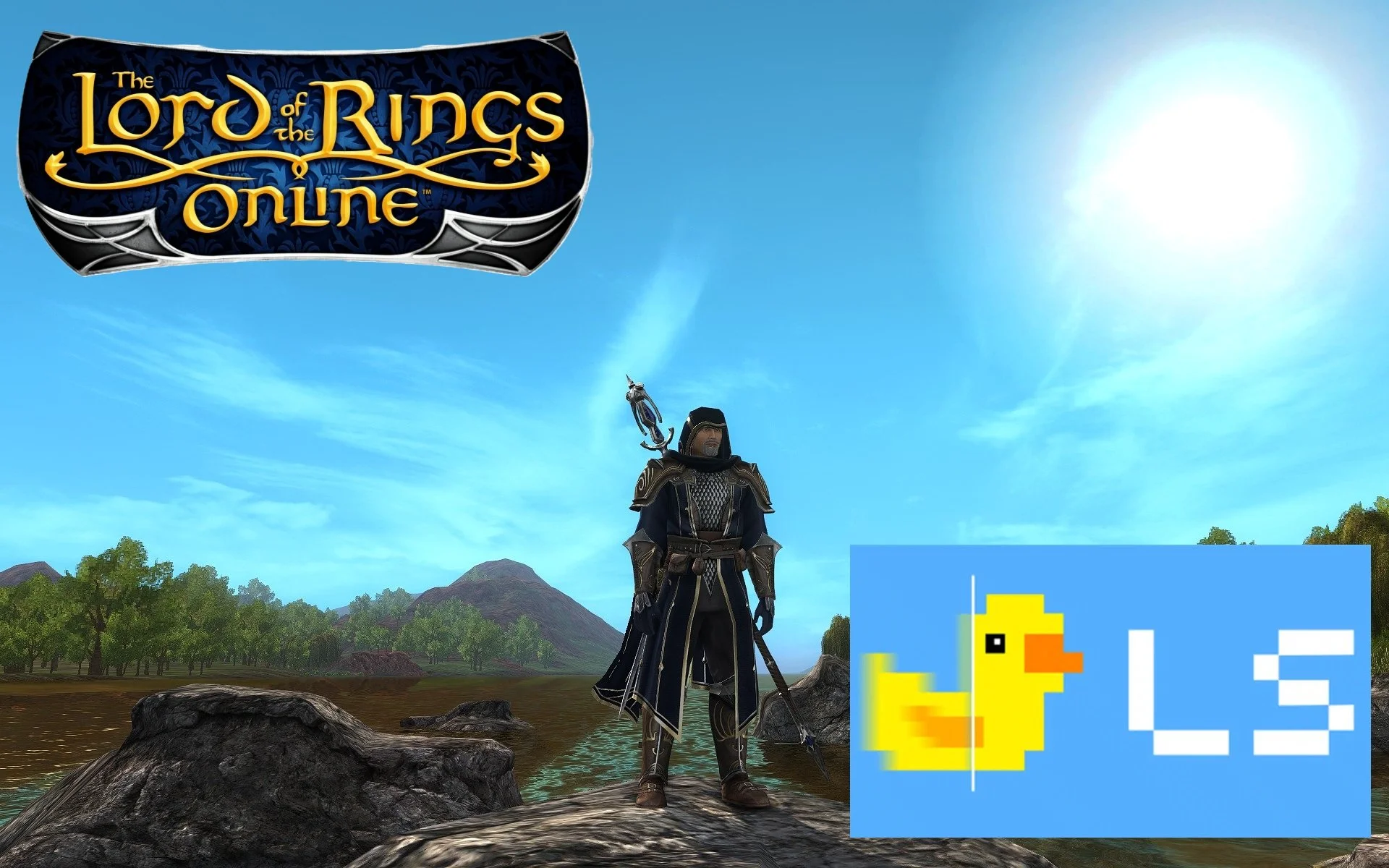
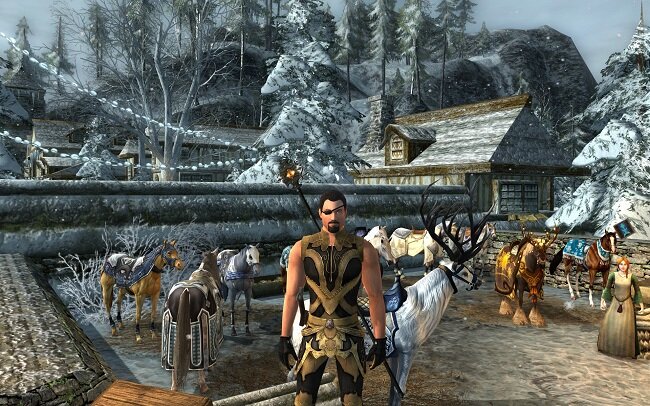
Standing Stone Games, flagship MMO The Lord of the Rings Online has some interesting and somewhat esoteric references to JRR Tolkien as well as his literary colleagues. “The Bird and Baby” tavern in Michel Delving hosts a meeting of Hobbits, held in a small room at the back. This is a reference to the real-world tavern "Eagle and Child" in Oxford, England, which was frequented by the members of The Inklings literary discussion group which included J.R.R. Tolkien, and other well-known professors and authors. From 1939 to 1962, the Inklings members regularly met in a back room of the pub which is now known as the Rabbit Room. Several members of the Inklings are represented in the “The Bird and Baby” tavern. C.S. "Jack" Lewis (Jack Lewisdown), Owen Barfield (Owen Farfield), Charles Williams (Carlo Williams), and there is also a Rabbit. They refer to a fellow member of the Writing Club named Ronald Dwale, which is based upon Tolkien.
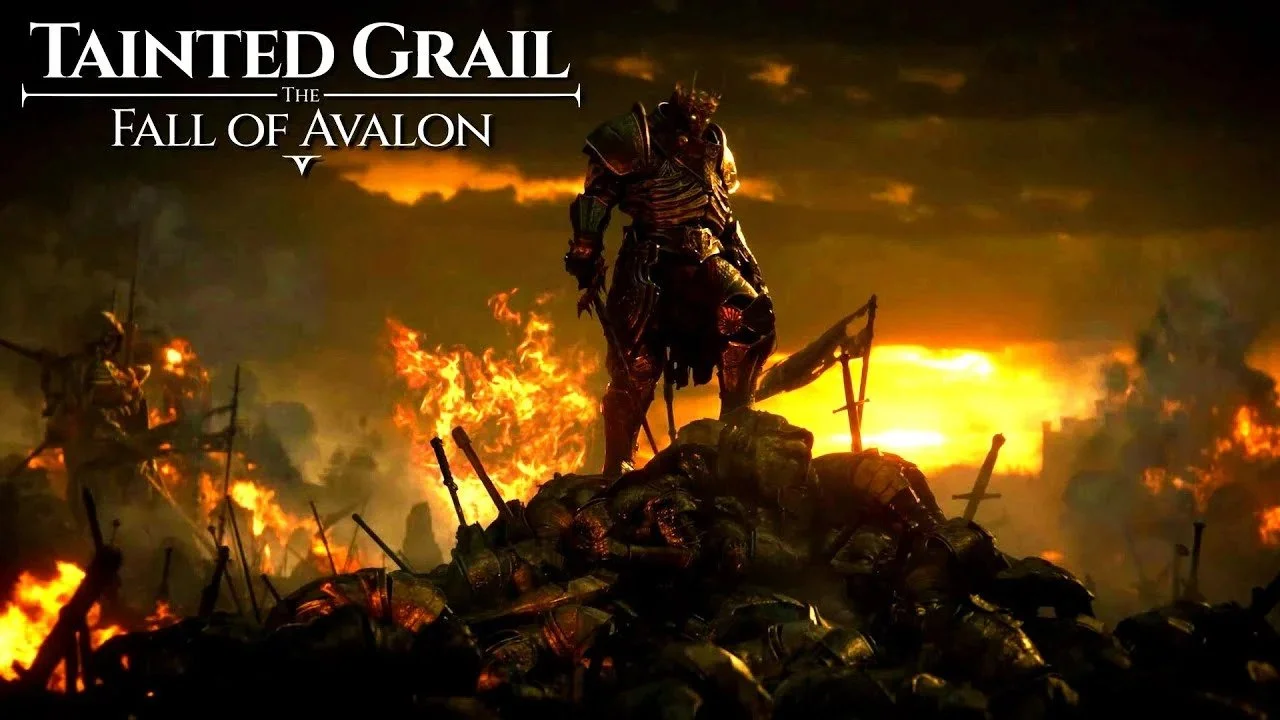
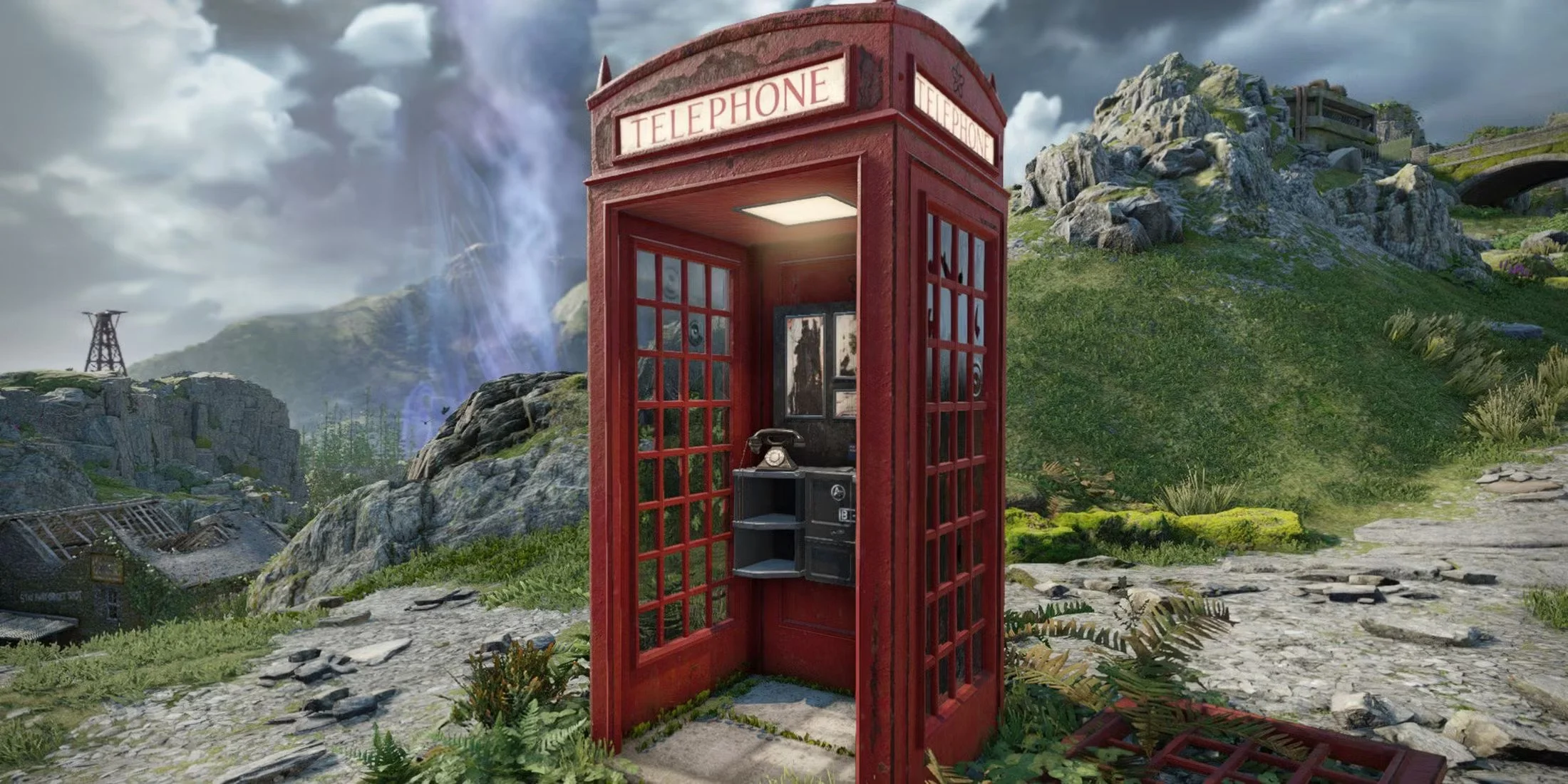
“Easter Eggs” and pop culture references on this nature have been accused of immersion breaking by some MMO gamers. But I would argue that these little conceits that the game developers add to the games, contribute greatly to the social aspect of the genre. Shared experiences and common interest are one of the central pillars of the MMORPG. As gamers often have common interests outside of the game, why not reference them and provide a talking point and a social touchstone. Also, are in-game tributes to those who are no longer with us, any less sincere than those published in more traditional mediums? I think not. Plus, a little bit of occasional frivolity can be a welcome antidote to a lot of the grind, seriousness and competitive aspects of gaming. Every now and then, I visit the cave of Caer Bannog in South Western Enedwaith while playing LOTRO, just to remind myself of this and to put a much-needed smile on my face.

Alien Blackout: A Mobile Game
Alien Isolation is one of many games that I started but never finished. This was mainly because I was very bad at it and was spoilt for choice with other titles at the time. Hence when I got frustrated with its stealth mechanic and the deliberately slow pace of the gameplay I moved on, rather than persevere with it. However, I certainly recognise that it was a unique and innovative title and deserved all the praise that it received at launch. The retro-futuristic art direction, sound design, and the xenomorph’s artificial intelligence where all key factors to the games appeal and success. Developers Creative Assembly deserved further plaudits for doing so well with a game that was substantially different from their established output. The studio has a strong reputation for producing quality Real Time Strategy games. Overall, Alien Isolation was one of the stand out titles of 2014 and therefore the possibility of a sequel has been keenly anticipated by fans.
Alien Isolation is one of many games that I started but never finished. This was mainly because I was very bad at it and was spoilt for choice with other titles at the time. Hence when I got frustrated with its stealth mechanic and the deliberately slow pace of the gameplay I moved on, rather than persevere with it. However, I certainly recognise that it was a unique and innovative title and deserved all the praise that it received at launch. The retro-futuristic art direction, sound design, and the xenomorph’s artificial intelligence where all key factors to the games appeal and success. Developers Creative Assembly deserved further plaudits for doing so well with a game that was substantially different from their established output. The studio has a strong reputation for producing quality Real Time Strategy games. Overall, Alien Isolation was one of the stand out titles of 2014 and therefore the possibility of a sequel has been keenly anticipated by fans.
Therefore, there was a brief moment of joy for many fans as they read the recent headlines announcing Alien Blackout. However, this was short lived when it became clear that the new title was a mobile game. Furthermore, the game is not being made by Creative Assembly, but is being developed by D3 Go. The publisher has previous released such titles as Marvel Puzzle Quest and Adventure Gnome. Naturally, for core fans this was a disappointing revelation as the mobile game market is not held in particularly high regard by PC gamers. Need I mention Diablo Immortal and the subsequent debacle that ensued? Furthermore, there is still a degree of confusion as to whether Alien Blackout is a canonical sequel to Alien Isolation. It does feature the character of Amanda Ripley but judging by the marketing blurb, it sounds more like a re-iteration of the first game. “Try to stay alive while trapped aboard a crippled Weyland-Yutani space station carrying a deadly Xenomorph as it tirelessly hunts you and the crew. Outsmart the perfect hunter by making perilous choices... Survive seven fear-inducing levels by remotely guiding Amanda Ripley’s crew through increasingly challenging tasks using only the station’s emergency systems”.
It's a curious situation because although there is a lot of justifiable prejudice towards mobile games, the industry per se is incredibly lucrative. Mobile games sell and whatever your stance on the rectitude of such products and their inherent business model, never forget the old adage “money talks and bullshit walks”. Recent figures show that mobile game developers Supercell made just under $1.4 billion in revenue last year. This was generated via such titles as Clash Royale, Clash of Clans, Hay Day and Boom Beach. And that is just one company. The mobile gaming market is worth an estimated $70.3 billion globally at present. To put this in perspective this is more than double the revenue that console and PC gaming made last year. Console gaming generated $34.6 billion in 2018, while PC games brought in in $32.9 billion. It is therefore hardly surprising that more and more established franchises are branching out and making their presence felt in mobile gaming. That doesn’t necessarily mean that publishers will be doing so at the expense of developing new titles for consoles and PC. But I think it is time for a lot of PC and console gamers to come to terms with the fact that the mobile market isn’t some second tier backwater and it isn’t going away. However, there is objective business observation and then there’s personal taste. Although Alien Blackout will more than likely make a lot of money. I won’t be buying it.
Indiana Jones and the Kingdom of the Crystal Skull (2008)
For many fans and enthusiasts, there are the original trilogy of Indiana Jones movies, all made in the eighties when director Steven Spielberg was reaching the height of his film making creativity. And then you have Indiana Jones and the Kingdom of the Crystal Skull; the poorly regarded, Johnny-come-lately fourth instalment made nearly twenty years later, that jumped the shark, or in this instance “nuked the fridge” and for some viewers, pretty much pissed on the memory of its three predecessors. Make no mistake, over a decade on from the films theatrical release there is still a lot of ill will held towards the fourth Indiana Jones adventure. Let us not forget that South Park based an entire episode around the contempt they have for the movie. Yet despite all this hostility, it should be noted that Indiana Jones and the Kingdom of the Crystal Skull was the most commercially successful entry in the franchise, grossing $786,636,033 worldwide. It was the second most successful movie in 2008 (the first being Christopher Nolan’s The Dark Knight) and although not universally well received by fans, it did broadly garner critical success. However, within that spectrum of reviews there were some strong negative opinions. All things considered Indiana Jones and the Kingdom of the Crystal Skull is somewhat of an enigma, in so far as being financially successful but a movie that most people don’t admit to liking.
For many fans and enthusiasts, there are the original trilogy of Indiana Jones movies, all made in the eighties when director Steven Spielberg was reaching the height of his film making creativity. And then you have Indiana Jones and the Kingdom of the Crystal Skull; the poorly regarded, Johnny-come-lately fourth instalment made nearly twenty years later, that jumped the shark, or in this instance “nuked the fridge” and for some viewers, pretty much pissed on the memory of its three predecessors. Make no mistake, over a decade on from the films theatrical release there is still a lot of ill will held towards the fourth Indiana Jones adventure. Let us not forget that South Park based an entire episode around the contempt they have for the movie. Yet despite all this hostility, it should be noted that Indiana Jones and the Kingdom of the Crystal Skull was the most commercially successful entry in the franchise, grossing $786,636,033 worldwide. It was the second most successful movie in 2008 (the first being Christopher Nolan’s The Dark Knight) and although not universally well received by fans, it did broadly garner critical success. However, within that spectrum of reviews there were some strong negative opinions. All things considered Indiana Jones and the Kingdom of the Crystal Skull is somewhat of an enigma, in so far as being financially successful but a movie that most people don’t admit to liking.
So, what exactly is the proverbial beef with Indiana Jones and the Kingdom of the Crystal Skull. Let’s take a few moments to go over possible areas of contention. Plot wise the story is nothing special but then again, it’s hardly anything controversial. Indie seeks Akator, the mythical kingdom in the Amazon that may hold both great power and wealth. It’s the same basic sort of MacGuffin used in the previous instalments. The story actually does a good job updating the format from the thirties to the fifties. The nuggets of information we get about what Indy's been up to in the last 20 years are rather intriguing. Working for O.S.S. and becoming a decorated war hero for example, are touched upon but never over egged. We also learn the fate of both Marcus Brody (Denholm Elliott) and Henry Jones Senior (Sean Connery), both of whom have died. This is both credible and to a degree necessary because having too many cameos from prior characters can sometimes be as both a boon and a bane. The Soviet Union and Communists replacing Nazis is also a sound move and the way Indy falls foul of McCarthyism and loses his position at the university is a novel idea. It all adds to keeping the same vibe going yet playing it against a subtly different back drop. I even like the anecdote about Roswell, as it raised a wry smile. Overall, despite a superficial change from the supernatural to science fiction, Indy 4 is pretty much a case of same meat, different gravy, when it comes to the narrative.
As for casting, action scenes, pacing and general continuity, as well as visual aesthetics, Indiana Jones and the Kingdom of the Crystal Skull does remarkably well. Harrison Ford and Karen Allen genuinely recreate the chemistry that was present in the original movie. The fist fights and associated stunt work are still very good, leaning towards the gritty. This has always been a violent franchise, despite being sold a family entertainment. Editing is also invaluable cinematic tool for creating a sense of style and maintaining a sense of continuous ambience. Veteran editor Michael Kahn, who has worked on all Spielberg’s movies since 1979, does much to make the movie feel just like the others. Also, although Douglas Slocombe, the cinematographer of the original trilogy had long retired by 2008, Janusz Kamiński, who has shot all of the director's films since Schindler's List, made a conscious effort to recreate the previous visual style. Plus let us not overlook the immense contribution that composer John Williams has made to world of Indiana Jones. His score for the fourth movie is every bit the equal of the first three.
So, if it’s not an overt and specific facet of the production that is the problem, is it a case of something subtler being to blame? I believe the answer is yes. Hollywood is an industry that regularly resurrects franchises. If in doubt, revisit a tried and tested formula. Public good will and nostalgia will often guarantee decent box office returns. Sometimes this works as with Christopher Nolan's Batman Begins and Bryan Singer's Superman Returns. Others fails. Take I Spy, Starsky & Hutch, The Dukes of Hazard, and some may argue the latter three Star Wars prequels. It often comes down to a trade-off between pleasing existing fans and trying to capture a new market who may not be familiar with the original material. It sounds perfectly reasonable to make such a choice but endeavouring to reconcile these two aspirations is far harder to achieve than you think. Both markets have very different needs at times and certainly there are distinct variations in taste across generations.
Despite the familiar faces, music, production team and many other common elements to previous entries, Indiana Jones and the Kingdom of the Crystal Skull suffers from a weak screenplay. Although the story is straight forward, the various scenes don’t quite hang well together. New characters are introduced but none have enough back story. The fact that these roles are carried by quality actors helps, but they are not used to the best of their potential. You don’t have to write large swathes of dialogue to flesh out a fictional character. You just needs to write something intriguing, that makes you think. A detail that makes that individual seem less contrived and more like a real person. It can be an affectation, quirk or foible. Or they can reference a tragedy that shaped their character or show an interest in something you wouldn’t immediately assume. It’s a difficult thing to quantify, but you know it when you see it. Hans Gruber from Die Hard is a great bad guy for example. Because the screenplay in Indy 4 is inconsistent, the movie suffers from a tonal shift on several occasions. I actually liked the way Spielberg handles the relationship between Shia LaBeouf and Harrison Ford. The banter between the two, focusing very much on the age gap feels right. By contrast the female characters do not fare so well. Karen Allen is not given enough to do, which is an utter shame as her character has so much potential. Kate Blanchett is also rather imposing as the Russian villain. Equipped with borderline psychic powers and a penchant for fencing, you'd think she'd be a standout feature of the film. Alas, again there is not enough material to flesh out the role.
But perhaps the biggest Achilles heel of Indiana Jones and the Kingdom of the Crystal Skull is the action set pieces. This is ironic as next to the Bond franchise, Indiana Jones did much to refine and advance this aspect of film making. Yet it is this element of the movie that inadvertently hobbles it instead of embellishing it. Take a moment to reflect upon Raiders of the Lost Ark. The iconic scene at the beginning where Indy flees the collapsing temple pursued by the giant stone ball booby trap. The truck chase in which stuntman Terry Leonard created a modern variation of Yakima Canutt’s iconic set piece form Stagecoach. And of course, the fistfight with Pat Roach under the German flying wing. What made these scenes so great is that they were all done physically with very little or no post production effects. What optical effects there were, remained measured in scope. In many ways the technical limitations forced a degree of credibility on the proceedings. Of course, all movies require audiences to suspend their sense of disbelief, and more so with genre movies. Yet being grounded in these ways mean that the first film stays the right side of the “relative credibility line” and keeps the audience on board. Sadly, in each subsequent movie, the franchise subsequently broke this rule by greater degrees. Bailing out of a plane using an inflatable raft as parachute was a big ask in Indiana Jones and the Temple of Doom. A rear facing turret on a plane that does not have interrupter gear, thus enabling the machine gun to shoot its own rudder in Indiana Jones and the Last Crusade, again is a step too far. These examples are the tipping point where high adventure becomes a caricature of itself.
Indiana Jones and the Kingdom of the Crystal Skull made nearly two decades later from the original trilogy had all the “benefits” of computer-generated imagery and contemporary FX technology. Such limitless possibilities thus removed any remaining vestiges of credibility and the action scenes failed to wow because they were simply impossible and obviously “not real”. I have no problem with the nuclear test scene, but I dislike its resolution. It is just far too silly and instantly breaks a degree of immersion for the enthusiastic viewer. The much-protracted chase through the jungle between jeeps, trucks and amphibious vehicles is ruined by the digital sequences that depict acts so ludicrously implausible they’d be better off in a cartoon. If this scene had been scaled back, lost the Tarzan wine swinging references and had just confined itself to what could be done in camera, then it would have been vastly improved. And as for the alien revelation at the denouement, again it focuses too much on digital spectacle. Even the traditional fist fight with the signature heavy (Igor Jijikine) is spoilt by an excessively FX driven pay off.
Sadly, the aliens plot element and its impersonal CGI actions scenes all bear the clumsy handiwork of George Lucas. It was he who allegedly vetoed scripts from several respected writers, including Frank Darabont and was insistent on pursuing his penchant for spectacle over narrative. At its root the fundamental problem with Indiana Jones and the Kingdom of the Crystal Skull, is that Messrs Spielberg and Lucas were trying to recreate a franchise movie that hailed from an era when not only techniques and film making philosophy were fundamentally different, but so were both men. Trying to revisit your own past is inherently difficult so perhaps this instalment may have faired better if both individuals had deferred to other film makers to helm the project. Modern action blockbusters are a very different beast to those from the eighties and I can’t help feeling the modern corporate film making is too formulaic for the likes of franchise born of a more experimental and flexible era in movie making. Does Indiana Jones and the Kingdom of the Crystal Skull deserve the animosity it still receives from the viewing public. Perhaps not. There are many good aspects to the film. But it is definitely a compromise and like most compromises it doesn’t meet all parties’ expectations. Furthermore, in the last ten years or so the general public seems to be far less disposed toward anything other than getting exclusively what they want. If we do get a further Indiana Jones film in 2020, it will be interesting to see if there is a revision of opinion on Indiana Jones and the Kingdom of the Crystal Skull. That may depend on how bad the new one is because although Indy may well be able to get the better of both Nazis and aliens, he doesn’t seem to have survived modern studio film making too well.





Variations on a Theme or More of the Same?
While recently playing Assassin’s Creed: Odyssey I was struck by the similarities between some of the game’s mechanics and those found in Ghost Recon: Wildlands which I played extensively last spring. Using your eagle companion to spot enemies and tag them on the map in the former is virtually identical to launching a drone and scouting the terrain in the latter. However, as both games are Ubisoft titles this is hardly a revelation. Yet the more I’ve played ACO, it has become very clear that many of their top titles share a great deal of common systems and mechanics. This makes sound business sense especially when you’re a company that releases multiple titles each year. Why rebuild a system when you can simply re-use an existing one? Yet even after recognising the practical benefits of such an approach to games development, I couldn’t help but feel that if you play a great deal of Ubisoft games, there must come a point when they all begin to feel a little too familiar. Even more so when you’re playing different iterations of the same franchise.
While recently playing Assassin’s Creed: Odyssey I was struck by the similarities between some of the game’s mechanics and those found in Ghost Recon: Wildlands which I played extensively last spring. Using your eagle companion to spot enemies and tag them on the map in the former is virtually identical to launching a drone and scouting the terrain in the latter. However, as both games are Ubisoft titles this is hardly a revelation. Yet the more I’ve played ACO, it has become very clear that many of their top titles share a great deal of common systems and mechanics. This makes sound business sense especially when you’re a company that releases multiple titles each year. Why rebuild a system when you can simply re-use an existing one? Yet even after recognising the practical benefits of such an approach to games development, I couldn’t help but feel that if you play a great deal of Ubisoft games, there must come a point when they all begin to feel a little too familiar. Even more so when you’re playing different iterations of the same franchise.
Ubisoft have a broad range of titles in their current catalogue, representing a range of genres. From time to time, they do add new franchises that offer something different. For Honor released in 2016 and the forthcoming Skull & Bones are two such examples. But overall “open world” games seems to be an integral part of their business model and remains so because such titles sell. The mainstream triple A video game industry is dominated by established franchises and sequels. It is also prone to trying to replicate successful tried and tested products, irrespective of whether the market really needs or can accommodate “more of the same”. Hence for years, the MMO genre was subject to numerous new titles that sought to duplicate the success of World of Warcraft. The industry also spent time and money attempting to clone League of Legends. And now we find ourselves flooded with Battle Royale style games. Yet many of these titles will fail because history appears to indicate that one title tends to become the dominant for each genre. Let us not forget the fate of H1Z1, Infinite Crisis and WildStar.
There is an odd paradox at work here. People like more of the same. For example, the entire fast food industry is predicated upon the idea of standardisation. You can buy the same meal anywhere and allegedly enjoy the same experience each time. The same principle seems to prevail with video games (and mainstream movies). For example, the Battlefield franchise refines and polishes facets of the FPS genre with each iteration of the game. So far, the public seems happy to continuously buy them. However, fans will question why they can’t have something new, despite the cognitive dissonance of continuously consuming new versions of existing products. Another point to consider is the fact that we don’t collectively reach our limits at the same time. I have purchased the last two Sniper Elite games from Rebellion. The last version was an improvement over the third, as the game’s system were fine-tuned, and the product was more honed. Yet I don’t think a fifth instalment will really add anything radical or new to the stealth/sniping genre. The only real difference would be the setting and narrative wrapping. So, I may pass on the next sequel (if there is one), yet other gamers may do the opposite.
Thus, triple A publishers all too often seem to stick to safe bets and innovation becomes a risky bed fellow. I’m not saying that there aren’t any new and creative games out there, as that is not the case. It’s just that it tends to come from smaller studios in the independent sector, rather than from the big dogs of the industry. Plus, there is no guarantee that innovation will come to the genre of games that you like and enjoy. Furthermore, all of this is going on against a background of increasing acrimony between the game developers and gamers. The gaming community does not often agree on what it is that they want, other than “good games”. Although a noble aspiration, is it also a somewhat nebulous definition. So, within this context, although I did buy several new games last year, none of them were outstanding. All were distinctly average. Fun diversions but nothing more. Sometimes good is enough. I’ve even written about the merits of the term adequate. But sometimes, adequate, good and just okay are not sufficient. Furthermore, I’ve not seen anything planned for 2019 that really piques my interest. I wonder if the video game industry is heading for a market re-balance, the same way people are predicting that Hollywood is eventually going to fall flat on its face when the public finally falls out of love with superhero movies. I guess we’ll have to wait and see.
Classic TV Themes: Star Trek Enterprise
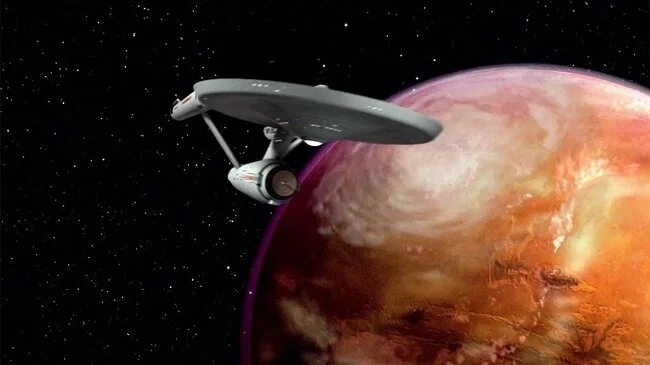
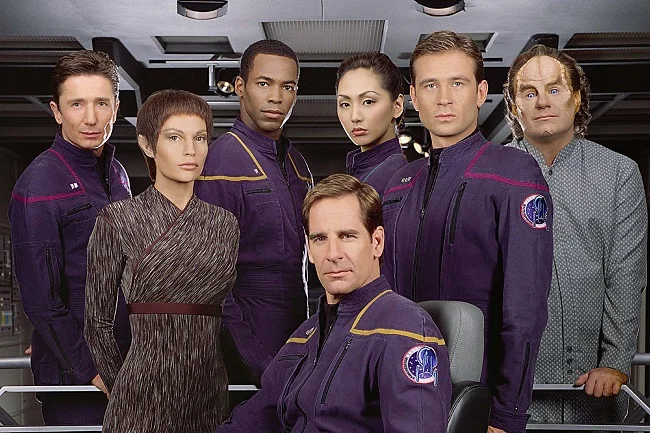
Star Trek: Enterprise was the first show in the Star Trek pantheon to have a song performed by an established artist play over the opening credits, rather than a traditional theme tune. Up until 2001, the franchise had maintained a more formal approach, established with the iconic introduction to the original series composed by Alexander Courage. Needless to say, such a radical departure from established practise brought about consternation and debate among fans. In some respects, you can argue that point about the entire show itself, but that as they say, is an entirely different blog post. Needless to say, the dislike and hatred that the song Where My Heart Will Take Me engendered in certain quarters, lead to a petition to have it removed. Needless to say, this movement failed, and the show continued using it for four seasons. Seventeen years on this particular debacle has now died down and the song is often just referenced ironically by fans as an amusing anecdote and piece of Trek trivia.
Star Trek: Enterprise was the first show in the Star Trek pantheon to have a song performed by an established artist play over the opening credits, rather than a traditional theme tune. Up until 2001, the franchise had maintained a more formal approach, established with the iconic introduction to the original series composed by Alexander Courage. Needless to say, such a radical departure from established practise brought about consternation and debate among fans. In some respects, you can argue that point about the entire show itself, but that as they say, is an entirely different blog post. Needless to say, the dislike and hatred that the song Where My Heart Will Take Me engendered in certain quarters, lead to a petition to have it removed. Needless to say, this movement failed, and the show continued using it for four seasons. Seventeen years on this particular debacle has now died down and the song is often just referenced ironically by fans as an amusing anecdote and piece of Trek trivia.
As for the song itself, it has quite an interesting history. It was originally called Faith of the Heart and was written by songwriter Dianne warren, who has a history of penning songs for the likes of Whitney Houston, Barbara Streisand and Aretha Franklin. Faith of the Heart was originally recorded by Rod Stewart and featured in the Robin Williams movie Patch Adams in 1999. It was subsequently covered by country artist Susan Ashton. Broadly both these versions were well received. English tenor Russell Watson then covered the song on his 2001 album Encore under the title Where My Heart Will Take Me. It is this version that is used on the first two seasons of Star Trek: Enterprise albeit in an edited version, reducing a 4.14-minute recording to a more appropriate 1:28-minutes to accommodate the opening credits. This version is very much a power ballad and very much wears its heart on its sleeve, candidly extoling the sort of sentiment and philosophy of Starfleet. The song is intended to be a metaphor for earth struggle to reach the stars and the challenges ahead. Curiously, from season three onwards, the song was re-recorded again with Russell Watson but with a more upbeat tempo. It is quite a different arrangement.
Executive producer, Rick Berman, praised Where My Heart Will Take Me, saying that it was a song "that's got a lot of hopefulness and uplifting qualities to it. And I like it. I've met a lot of other people who like it, but I've also heard a tremendous amount of banter about people who don't”. Enterprise co-creator Brannon Braga also defended the song, saying of the criticisms, "There are some people who love the song and there are people who think it's cheesy. They came with a petition with 1,000 signatures. But plenty of people find the song very uplifting”. Watson also said in response to the reaction to the song, "Something new happens, and people aren't quite sure of it. But they'll get used to it. By the time they've watched the 20th episode, they'll be thinking, well, it's not that bad after all".
After the strong themes from established artists used on previous shows, especially those from the iconic composer Jerry Goldsmith, was a song of this idiom a step too far? The medium of the power ballad has its place in musical styles and when done well can provide a unifying anthem, but was Star Trek an appropriate vehicle? When one considers the grandeur and dignity of previous themes (take for example the beauty and scope of the Star Trek: Voyager) was such a seismic shift a good choice? Replacing the subtle emotional resonance of an orchestral piece with the more arbitrary, less sophisticated manipulation of a power ballad designed to hit you hard in “feels”, does seem a little cheap. However, despite initially feeling this way, Where My Heart Will Take Me has indeed grown on me as Russell Watson surmised. Star Trek: Enterprise was itself quite a radical change in the franchise and the song does reflect the aspirations of an incipient Starfleet and the core themes of the show. It may not be the most nuanced of songs, but it certainly captures the essential principles of Star Trek with its optimism and hope. For that I kind of grudgingly respect it. However, some remain implacably opposed to it. Simon peg allegedly won’t watch the show due to theme, but it can be argued that some won’t watch the Kelvin Timeline movies due to his portrayal of Scotty. As for the song, perhaps the best thing to do is to decide for yourself.






A New Gaming Headset: A Convoluted Tale
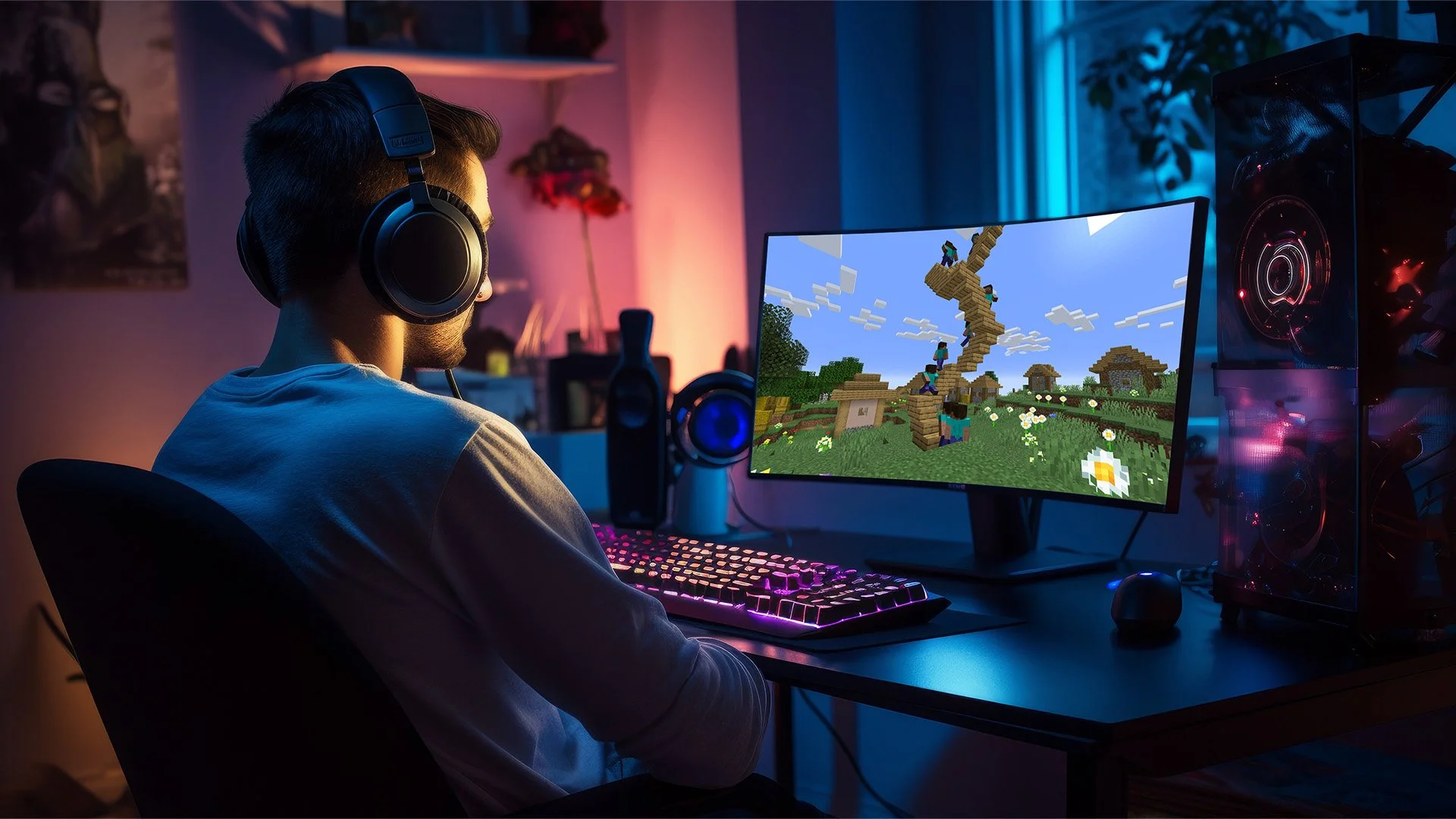
I was at Crayford Sainsbury’s on Thursday (which apparently is their biggest store in the UK) and I saw that they were selling off Trust gaming headsets as part of the ongoing sale. As I had recently bought a new gaming mouse of the same brand, I sauntered over to the display and perused the sales blurb and subsequently bought one. To cut a long story short, due to an error on my part, I ended up purchasing an analogue headset instead of a USB one. This then raised a wealth of further software related problems, as well as logistical ones. My PC has far more strategically placed USB sockets, than 3.5 mm jacks. Hence, I have spent the last 48 hours troubleshooting this matter. Of course, I could have just returned the headset, but as it’s so devilishly comfy I decided against this. So here in detail are a list of the various problems that I encountered along with their respective solutions.
I was at Crayford Sainsbury’s on Thursday (which apparently is their biggest store in the UK) and I saw that they were selling off Trust gaming headsets as part of the ongoing sale. As I had recently bought a new gaming mouse of the same brand, I sauntered over to the display and perused the sales blurb and subsequently bought one. To cut a long story short, due to an error on my part, I ended up purchasing an analogue headset instead of a USB one. This then raised a wealth of further software related problems, as well as logistical ones. My PC has far more strategically placed USB sockets, than 3.5 mm jacks. Hence, I have spent the last 48 hours troubleshooting this matter. Of course, I could have just returned the headset, but as it’s so devilishly comfy I decided against this. So here in detail are a list of the various problems that I encountered along with their respective solutions.
My current PC has four 3.5 mm jacks at the rear of the case. The speaker output is currently utilised by my Logitech speakers. The line in and out, as well as microphone jacks remain unused. The are two further jacks on the front of the case. These accommodate headphones and a mic input. I initially plugged the headset into the front jacks but then encountered the first tech issue. My PC has Realtek audio hardware built into the Gigabyte motherboard. I noticed that despite having installed the latest Realtek drivers, that there was no Realtek icon in control panel and so I couldn’t configure the PC to output sound to both the rear speaker jack and the front headphone jack. I checked via the default Windows sounds icon as to whether I could make the necessary change there, but it lacked the correct functionality. After some online research, I learned that the latest Creators Update to Windows 10 had broken the current Realtek audio software. However, if I rolled back to version 2.73 which is over a year old, the software still worked, was accessible via control panel and restored the Realtek icon in the system tray.
Once I had uninstalled the latest software and reinstalled the old, I could plug the headset into the front of my PC, set the headset as the default communication device and leave the speakers as the default audio device. Thus, game music routes through the desktop speakers and voice chat via discord is channelled to the headphones. This resolved the software issues I initially faced but then presented me with a different problem. The front facing jacks on the PC are under a hinged panel. I would either have to leave the headset permanently plugged in or manually connect it each time I used it. I don’t like excessive cabling left attached to the PC in this way, as it inevitably will get snagged on something and broken. Plus, I have a minor mania for tidiness concerning my work place, so I sought an alternative solution. After a further internet search, I found and bought a USB External Stereo Sound Adapter. It arrived today. The headset is now plugged into the USB adaptor at the rear of the PC. The headset cable itself, has a connector midway along its 2-metre length. I have threaded the first metre from the back of the PC, to the cable tidy grommet on my desk. Whenever I want to use my headset, I simply plug them into the female jack socket with minimal inconvenience.
One further issue has arisen from this change in set up. Analogue microphones have certain benefits over their USB counterparts. If you experience a low recording volume, it is easy to boost the gain on analogue mics. Recent Windows 10 updates have hampered similar issue with USB microphones. There are works around out there but they require installing two pieces of shareware. These may well be broken by further Windows updates and leaves you reliant on independent developers to maintain. However, because I had installed older Realtek audio drivers, the accompanying software appended the native sound settings in control panel, allowing me to use a previously absent AGC (automatic gain control) setting. This boosts the USB mic recording levels to a more acceptable standard and finally brings this convoluted tale to a conclusion. The total cost of the Trust GXT 322 Carus Dynamic Headset was £30 and I then spent a further £6.49 on the Sabrent USB External Stereo Sound Adapter. I now know far more about Realtek drivers, Windows 10 and its propensity to break other software as well as having a timely reminder that ad hoc PC tech support is often a pain in the butt.


















The Iniquities of the Video Game Industry and Gamer Culture
Although I wrote several blog posts summing up my experiences with movies, blogging and social media in 2018, I didn’t get around to writing “a year in gaming”. There are several reasons for this. First off, it was a year in which I bought several games that just didn’t chime with me. No Man’s Sky and Monster Hunter: World were both white elephants. Also, I have yet to find a single player games that has had the impact of The Witcher 3: Wild Hunt, so overall my gaming experience was somewhat lacklustre in 2018. I did however rediscover my love of the MMO genre and therefore spent most my gaming time in The Lord of the Rings online and Star Trek Online. But secondly and possibly more importantly, as a fifty-one-year-old man, I find a lot of the shenanigans associated with the video game industry and so called “gamer culture” to be embarrassing and crass. We live in a time where fandom and openly expressing your interests is quite common place, mainly due to commercial. Having said that, why do I want to openly identify with an industry that has its mindset firmly stuck in the 1950s and with a fan community that is often insular and hostile to anyone who doesn’t “fit the bill”?
Although I wrote several blog posts summing up my experiences with movies, blogging and social media in 2018, I didn’t get around to writing “a year in gaming”. There are several reasons for this. First off, it was a year in which I bought several games that just didn’t chime with me. No Man’s Sky and Monster Hunter: World were both white elephants. Also, I have yet to find a single player games that has had the impact of The Witcher 3: Wild Hunt, so overall my gaming experience was somewhat lacklustre in 2018. I did however rediscover my love of the MMO genre and therefore spent most my gaming time in The Lord of the Rings online and Star Trek Online. But secondly and possibly more importantly, as a fifty-one-year-old man, I find a lot of the shenanigans associated with the video game industry and so called “gamer culture” to be embarrassing and crass. We live in a time where fandom and openly expressing your interests is quite common place, mainly due to commercial. Having said that, why do I want to openly identify with an industry that has its mindset firmly stuck in the 1950s and with a fan community that is often insular and hostile to anyone who doesn’t “fit the bill”?
In case you didn’t notice, neither the video game industry or the gaming community covered themselves in glory in 2018. Here’s are a few “highlights” from the last twelve months. Let’s start with start with lootboxes and live services. While some gamers aren’t interested in social commentary, diversity, equality or an industry that that behaves like an 18th century mill owner, a lot of them do care about getting fleeced. Therefore, when Electronic Arts and other companies opted to build this semi-gambling mechanic directly into several games there was a public rightly outcry. The Belgium government even found loot boxes to be in breach of their gambling laws, yet rather than feeling shamed, some games publisher played the victim card and made the issue all about them. We now live in an age where games as a “live service”, means that companies patent algorithms that figure out the best way to apply pressure to make players buy more. For a lot of the big dogs of the industry, it’s no longer just about the game. That’s just a secondary consideration. It’s first and foremost about building a commercial product around tried and tested monetisation mechanics. And 2018 was also the year that numerous game studios such as Telltale Games where closed, the staff ignominiously stripped of their benefits and kicked out the door, with out any consideration or empathy.
The gaming industry also has a track record of institutionalised sexism and poor workers’ rights that hasn’t improved over the last 12 months. “Me Too,” has exposed several companies for being just glorified boys’ clubs in which shitty behaviour is de rigueur. Riot Games even ended up facing a gender discrimination lawsuit from employees. Then there’s the numerous instances of "crunch" culture that have been reported on. Rockstar Games seemed even proud of its archaic macho ethos with co-founder Dan Houser crowing with pride about the arduous work hours required to complete Red Dead Redemption 2. And then there where numerous instances of companies utterly failing to grasp the fundamental of social media. Need I remind you of the Jessica Price debacle? The narrative designer was fired after she responded to a high-profile YouTuber who was a key ArenaNet influencer. Mistakes where made by both parties although the bulk of my sympathies lies with Jessica Price. This massive own goal could have been easily avoided if the company had a clear policy on social media usage. And then there was the usurping of #WontBeErased via GoG’s twitter account. This matter was dealt with swiftly but yet again it demonstrates an industry that seems to regularly employ square pegs for round holes.
And what of gamers themselves? Oh, where shall we begin? Apparently having female avatars in Battlefield V was beyond the pale, because many gamers have based their entire understanding of women’s contributions to World War II upon Mrs Miniver. Then there was Valves piss poor handling of sexual content on their Steam platform. The “debate” over this reflected very badly on some gamers that claimed an “anti-censorship” platform but really wanted to protect their own questionable tastes in products that range from the morally reprehensible to potentially illegal in many countries. Esports also continued to be a male dominated activity with a reciprocal fan base driven by notions of “gender essentialism”. A common mantra from this community is “keep your identity politics out of my gaming”. Other popular buzzwords among such “thinkers” are “social justice warriors” and “females”. Beyond such obvious sexism, the gaming community is rife with those that think the industry is there to serve their exclusive needs. Some gamers still fail to grasp that “being a fan” does not grant you anymore leverage, input and respect. Fandom is a self-appointed title that ignores the reality that we’re all just consumers.
So, on mature reflection why would I and indeed many of my colleagues and friends, wish to cry from the rooftops “Hey, you. You see this shit? We really dig all this and we’re immensely proud to be associated with it”? Couple all the above with a lack of games that have personally delighted me (and that is not a claim that there aren’t good games out there) and you’ll understand why I now just look at gaming per se as just an amusing diversion and no more. Yes, it can be art on occasions and it can affect social change, raise awareness and do good things (think Childs Play charity etc.) But in many respects these positives are often cancelled out by the negatives. Popular culture seems to have acquired too much of the bellicose, binary, “belief over fact” driven narrative of contemporary politics, along with all the fervour and zealotry of fundamental religious faith. So, I’ll leave it to others to hold the line and fight the good fight against all the above. I’m done my time and paid my dues. I’ll happily embrace the term “gamer” when it’s respectable again and the video game industry no longer behaves like a character out of a Dickens’ novel.
Get the Gringo AKA How I Spent My Summer Vacation (2012)
Mel Gibson fall from grace has been well documented, so I feel no need to dwell on it here. I also don't take any particular moral stance with regard to the man himself. I'm more interested in his work as an actor, director and the material he produces. People are flawed and we all make mistakes. Does this automatically invalidate our work? However, it would appear that I am in the minority on this one, as Mr Gibson has never truly bounced back. The Hollywood establishment has remained sceptical of him in recent years. Therefore, he has financed many of his film projects himself and personally arranged their international distribution deals. Get the Gringo AKA How I Spent My Summer Vacation is one such example of this and the movie premièred on VOD in the US rather than in theatres. However, it did get shown in movie theatres in other territories.
Mel Gibson fall from grace has been well documented, so I feel no need to dwell on it here. I also don't take any particular moral stance with regard to the man himself. I'm more interested in his work as an actor, director and the material he produces. People are flawed and we all make mistakes. Does this automatically invalidate our work? However, it would appear that I am in the minority on this one, as Mr Gibson has never truly bounced back. The Hollywood establishment has remained sceptical of him in recent years. Therefore, he has financed many of his film projects himself and personally arranged their international distribution deals. Get the Gringo AKA How I Spent My Summer Vacation is one such example of this and the movie premièred on VOD in the US rather than in theatres. However, it did get shown in movie theatres in other territories.
Get the Gringo was at the time of its release a clear return to form for Mel Gibson, harking back to the halcyon days of Payback. It’s a fast paced, hard edged action movie, with interesting if amoral characters. It shows all the intelligence and attention to detail you expect from Gibson. Although directed by Adrian Grunberg who usually specialises in second unit direction, the movie shows the presence of its star in all aspects of the production. Career criminal Gibson find himself in an experimental prison south of the border after a bank job goes wrong. Once inside he proceeds to run rings around gang bosses, corrupt official and play the very system for his own personal gain. Although far from a hero, he does extend a hand of friendship to ten-year-old boy (Kevin Hernandez) and his tough but caring mother (Dolores Heredia).
Now the astute reader may well be asking what is a child doing in a prison? Well the films setting is based on a genuine experiment the Mexican authorities undertook, in which prisoners were allowed to set up their own community while incarcerated. This included bringing their families and running business etc. An interesting idea on paper, but the reality of the situation was a lot closer to Escape From New York. Production designer Bernardo Trujillo has created a unique environment in which the story unfolds. Being a prison that story is a violent and bloody one. There is also an interesting subplot in which one of the crime bosses needs a liver transplant. The only suitable donor is of course the young boy under Gibson's protection. It makes for some curious developments.
Under different circumstances Get the Gringo would have garnered a great deal more attention and would have probably been a box office success if released at a different time. It certainly deserved a wider release within the US, but unfortunately some people in the film industry have long memories. The cinematography is solid, bringing to life the grimy environment and many Mexican clichés are turned on their head. The movie did receive a warmer welcome in the international market under its alternative title of How I Spent My Summer Vacation. For those that like more depth to their thrillers Get the Gringo is certainly worth a viewing and should provide more than just gritty action. There are strong performances and amoral conundrums to enjoy.






LOTRO: Out Levelling Content
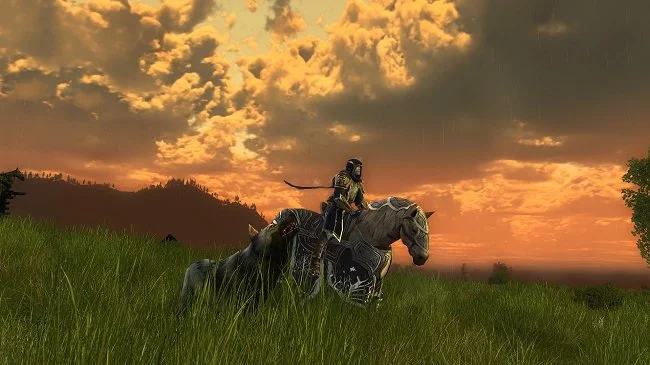
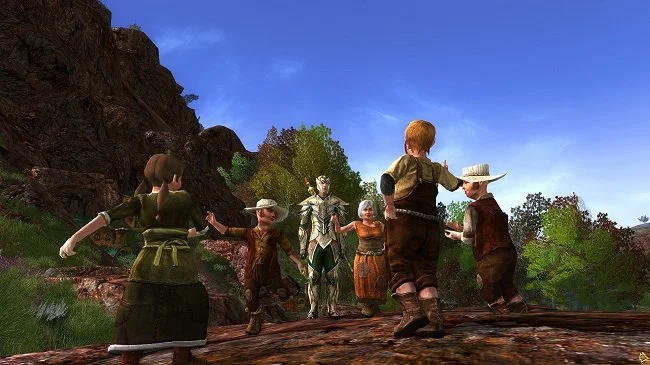
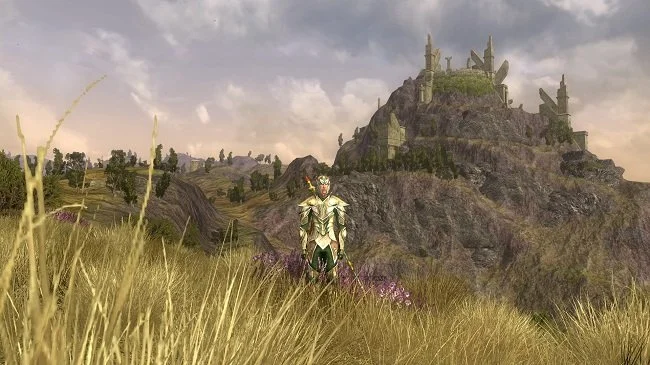
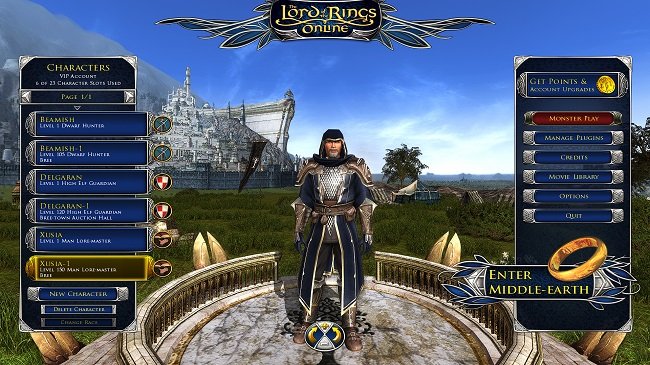
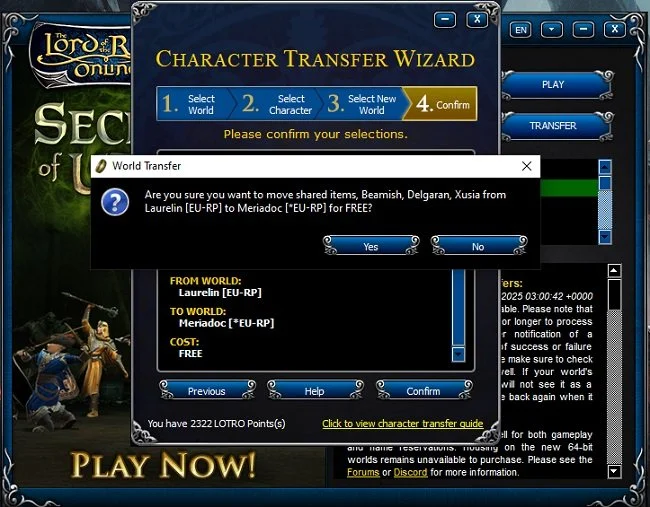
As I fast approach level 50 with my recently created High Elf Guardian, I’m surprised by how much content I have bypassed in LOTRO. Levelling on Laurelin server nowadays is a radically different process to what it was on Gilrain, a decade ago. I am not an altoholic by nature, so levelling new characters is a recent development for me. For the bulk of the 10 years that I’ve played the MMORPG LOTRO, I have focused on my Lore-master, which was the first character I created when I started playing. Levelling back in 2008 was a very precise process and there was a very clear route throughout the zones contained within the Shadow of Angmar. Hence, I followed the epic story from region to region, supplementing this progression with XP from local quest hubs. These would also further embellish the narrative and clarify the Epic Story. However, now I find myself out levelling a zone quickly and jumping around locations to find quests that provide the greatest XP return. A new player following suite would certainly find the story arc much harder to keep up with.
As I fast approach level 50 with my recently created High Elf Guardian, I’m surprised by how much content I have bypassed in LOTRO. Levelling on Laurelin server nowadays is a radically different process to what it was on Gilrain, a decade ago. I am not an altoholic by nature, so levelling new characters is a recent development for me. For the bulk of the 10 years that I’ve played the MMORPG LOTRO, I have focused on my Lore-master, which was the first character I created when I started playing. Levelling back in 2008 was a very precise process and there was a very clear route throughout the zones contained within the Shadow of Angmar. Hence, I followed the epic story from region to region, supplementing this progression with XP from local quest hubs. These would also further embellish the narrative and clarify the Epic Story. However, now I find myself out levelling a zone quickly and jumping around locations to find quests that provide the greatest XP return. A new player following suite would certainly find the story arc much harder to keep up with.
The problem lies (if indeed you see it at such) in the fact that all the regions contained within the original game, prior to entering Moria, have been streamlined and revamped several times. This was done initially in 2010 to accommodate the F2P conversion and then again in the proceeding years to deal with the games numerous level cap increases. It has left the Epic Story somewhat fragmented, as you can now start multiple books simultaneously. Due to some nominal story changes, some of the dialogue and cutscenes no longer accurately reflect that plot. For example, the level five instance “The Assault on Archet” originally featured the Angmarim Commander Éogan arriving in the burning town to claim Amdir. However, revisions made to the introduction quest line have replaced him with a more sinister Cargûl and Calder Cob. Yet the cutscene that plays at the end of this sequence of quests still feature Éogan. He is also referenced by several NPC during the game, despite not being particularly prominent. Thus, when Éogan features in the later instance “Unravelling the Thread”, there is potential for confusion as to his role in the story.
The other issue that stems from the streamlining of content in the Shadow of Angmar story, is that many of the game’s deeds will remain uncompleted unless the player actively chooses to pursue them. In the original version of the game, the structured progression from zone to zone meant that slayer, exploration and race deeds would slowly be completed as you cleared all local quest related content. The XP increase that has ensued in the intervening decade now means that a player will move on to a new region before completing these secondary activities. Faction reputation also suffers and will remain incomplete unless a player determines to repeat content, even when it becomes below their current level. Also, hastily moving through content and focusing on progression, can deny players the opportunity to fully experience the subtleties and detail of each area. LOTRO is a game where it still merits “stopping to smell the Roses” from time-to-time.
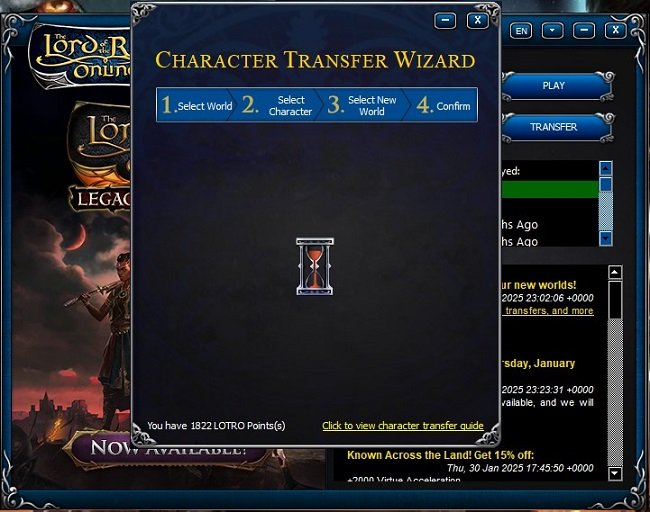
However, it should be noted that for some LOTRO players, the new streamline path through the first 50 levels of the MMO, is optimised perfectly for their play style. Not everyone is especially fussed about the narrative or being a completist. Deeds are a lot easier to clear when you return to them at a higher level. Plus, some players simply enjoy the game the most as they level, as it provides a clear goal. It can also be argued that if players wants a slower levelling experience, then the Legendary Servers provide that service. Some more invested LOTRO players have created detailed levelling guides that can steer alts through optimal progression paths, that also accommodate deeds and reputation. If you don’t care such organised gameplay, then there are the other options to consider such as simply staying in a zone and completing everything available or buying the Stone of the Tortoise from the LOTRO store. This item effectively disables all quest and monster kill XP. All things considered, whether you see out levelling content as a boon or a bane, it is a matter born of the longevity of LOTRO. Perhaps it is a small price to pay as the MMO enter its twelve year.
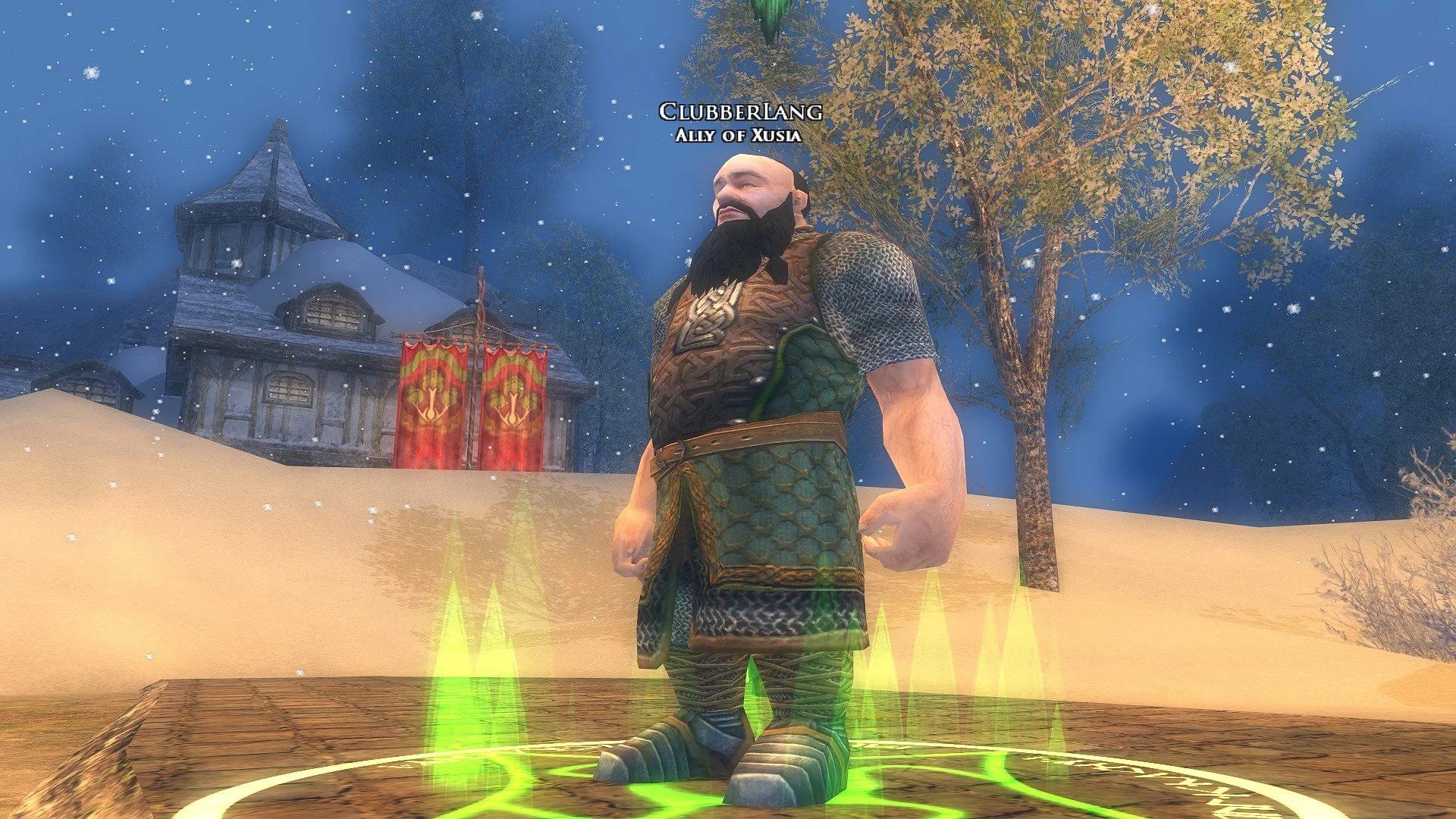



“Gamers are Dumb”
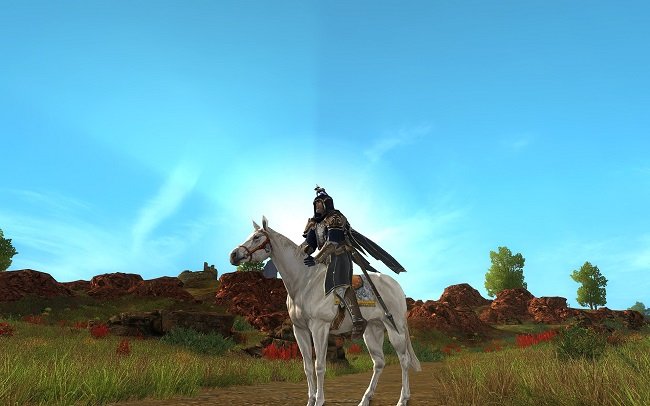
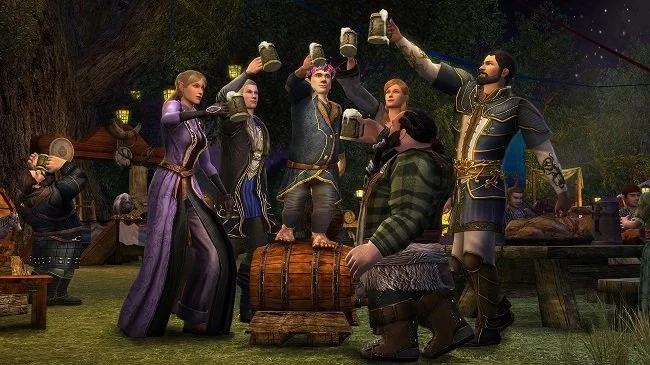
"Gamers are dumb. We are collectively dumb, and we will continue to buy pieces of shit, over and over and over". Bree Royce. Editor-in-Chief/Writer Massively Overpowered. This quote is from Massively OP Podcast Episode 203: New Year, Same Old Loot. At first glance it’s a bold, even inflammatory statement but when taken in context it makes a lot of sense. The framing discussion in the podcast is about Fallout 76 and the fact that despite the criticism from the gaming community about the broken state of the game, none of it really counts for squat because it will still sell well and make Bethesda a great deal of money. The underlying point is that gamers actively contribute to perpetuating the ongoing iniquities of game developers and publishers, by their contradictory actions. It’s a point that has been made time and time again over recent years and yet despite its broad acknowledgement, nothing really changes. I would go further and say that this “gamer paradox” is simply another symptom of a broader malaise that has crept into every facet of our lives. We have gotten so use to “I want it all and I want it now” culture, that the idea of having to deny ourselves to make a point, has become for many an unpalatable and unrealistic option.
"Gamers are dumb. We are collectively dumb, and we will continue to buy pieces of shit, over and over and over". Bree Royce. Editor-in-Chief/Writer Massively Overpowered. This quote is from Massively OP Podcast Episode 203: New Year, Same Old Loot. At first glance it’s a bold, even inflammatory statement but when taken in context it makes a lot of sense. The framing discussion in the podcast is about Fallout 76 and the fact that despite the criticism from the gaming community about the broken state of the game, none of it really counts for squat because it will still sell well and make Bethesda a great deal of money. The underlying point is that gamers actively contribute to perpetuating the ongoing iniquities of game developers and publishers, by their contradictory actions. It’s a point that has been made time and time again over recent years and yet despite its broad acknowledgement, nothing really changes. I would go further and say that this “gamer paradox” is simply another symptom of a broader malaise that has crept into every facet of our lives. We have gotten so use to “I want it all and I want it now” culture, that the idea of having to deny ourselves to make a point, has become for many an unpalatable and unrealistic option.
The established mantra of “voting with your wallet” does lack nuance and at first glance render debates about lobbying gamer developers into a binary argument. Effecting change is often more complex than that, but that is not to say that withholding funds is without leverage. The video game service industry is heavily focused and invested in pre-order culture as well as selling multiple iterations of games. Title often launch in a broken or unfinished state and early access culture has exacerbated this, blurring the lines with soft launches. Not purchasing a product until it was fit for purpose would certainly make an impact and get noticed. But because a large percentage of gamers are simple incapable of saying “no” or denying themselves, they continue to support an industry with ludicrous business practices. When you have such an infantilised playerbase that lacks the emotional literacy to forgo a product because they “don’t want to miss out”, how can you possibly expect a corporate entity not to capitalise on that?
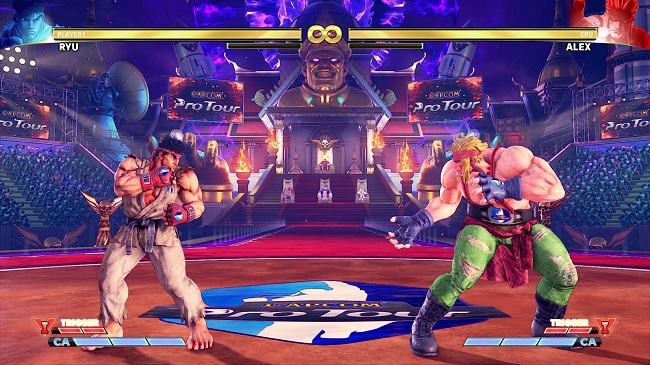
This weird, dysfunctional relationship between customers who enable the questionable business practises of their service providers is not unique to gamers. I’ve heard similar complaints from sports fans about the cost of season tickets and club merchandise. Yet so many, despite their verbal protests, end up towing the line and putting their hand in their pockets. Similarly, cinematic audiences are allegedly tiring of comic book adaptation and super hero movies, yet the box office returns seem to strongly indicate otherwise. It seems that cognitive dissonance is a common bed fellow to most multi million-dollar leisure industries. And the net result of all this is that the actions of those who choose to withhold their hard-earned cash, ultimately counts for nothing. They still have to endure the consequences perpetuated by those who decide to do the opposite. Hence, the race to the bottom and the lowest common denominator prevail. Therefore, it does not seem unreasonable to expect more shitty video games and questionable business practises in 2019. If you lie with dogs you get fleas, as the saying goes.
Goodbye 2018
One of the benefits that comes with age (for some people at least), if the gift of realistic expectations. Having reached 51 years, I no longer harbour thoughts that each year will be a rollercoaster ride of excitement, mirth and personal gain. Nor do I count on the stars aligning so that I make my fortune and retire peacefully to the Cayman Islands, to live the life of a tax exile. If New Year’s Eve rolls round and no one has died, I’m not looking at being tried for murder and there’s still gin in the drinks cabinet, then I usually deem the previous twelve months an acceptable year. However, despite even these fairly lose and undemanding criteria I feel compelled to say that 2018 was bollocks and that I won’t be sad to see the back of it.
One of the benefits that comes with age (for some people at least), if the gift of realistic expectations. Having reached 51 years, I no longer harbour thoughts that each year will be a rollercoaster ride of excitement, mirth and personal gain. Nor do I count on the stars aligning so that I make my fortune and retire peacefully to the Cayman Islands, to live the life of a tax exile. If New Year’s Eve rolls round and no one has died, I’m not looking at being tried for murder and there’s still gin in the drinks cabinet, then I usually deem the previous twelve months an acceptable year. However, despite even these fairly lose and undemanding criteria I feel compelled to say that 2018 was bollocks and that I won’t be sad to see the back of it.
Both my parents have struggled with their health and personal well-being. The UK has continued to fracture socially, politically and economically as it embarks upon an act of national self-harm. Globally, international affairs continue to become more bellicose, crass and mean spirited. Yet for some reason, we’re supposed to forget all this at the stroke of midnight and participate in an act of national denial, and lie to each other that it’s all going to be great in 2019. However, humans as a species thrive on hope and I don’t want to be party to denying anyone such. So let’s see if I can muster up some from the depth of my soul and focus upon it to find some sort of positive message for the coming twelve months.
“Yay. We look like a fence”.
You don’t get to pick your family but you can choose your friends. Family can be loving, supportive and an integral part of your life. They can also be assholes, baggage and a never ending source of misery. Friends however are not thrust upon you by the capricious nature of genetics. They are a matter of choice. A friend is someone who knows all your flaws and has seen you when you’ve been as drunk as a sack and a total dick, yet they still keep coming back. Therefore, don’t take them for granted. Also trust them as they can be quite wise. And don’t bother your US friends when they spell words without the required “u”. It’s not their fault. Blame Henry Kissinger or Robert McNamara or someone.
It’s time to do that project or thing you keep telling people that you want to do. So you want to write that book, make your own muesli or provide Dachshunds with stilts? Then grasp the nettle and get going. If something is important you make time for it. No it’s not going to be easy. You may have to do extra work to finance your undertaking. You may have to cut some fun stuff out of your life to accommodate this project. But it’s the only way it’s going to happen. I believe there is wisdom to be found in Yoda’s words when he said “get off your lazy ass and do that shit you keep whining about, co’s I’m tired of your bullshit”. In twelve months’ time, if you get this matter sorted you’ll be pleased that you did. Furthermore you can bore other people about it and revel in your self-righteousness.
“I am an utter anachronism, poor thinker and redundant politician”.
Don’t add further to the angry, confrontational and anti- intellectual malaise that pervades all discourse at present. Or put more simply, don’t be a dick as there’s more than enough of them at present. I appreciate that it’s hard not to be jaded and cynical at present and it’s tempting to jump on the “fuck you” bandwagon along with everyone else. But it really doesn’t solve anything and despite what the tabloids tell you, getting angry doesn’t make you feel better. It’s tough to remain polite, rational and dignified when second rate politicians and fifth rate thinkers such as John Redwood MP are given knighthoods but throwing your toys out of the pram just eventually leads to you turning into that which you revile the most. Count to ten (or ten thousand), stay cool and maintain your own personal moral high ground.
And that’s about it. I really can’t muster up any more positive thoughts than that. I guess as a codicil I’d add something about global warming, eating your greens and the fact that poached eggs on toast remains a cheap and easy meal that is really delicious. 2019 will certainly have its challenges and no mistake. But I’m still going to be here sharing the love (as I so often do) and offering encouragement. There should be another Contains Moderate Peril podcast out soon, you lucky people. So, happy New Year to you all of you. I look forward to reading all those blog posts about stuff you’re not going to do next year, despite the fact I’ve offered sound advice and support. Tread boldly and may your god go with you. If you’re agnostic or an atheist, then yay, Carl Sagan and all that. Okay, I’m off to pour myself another gin. See you in 2019.


















A Year in Blogging
I did not manage to maintain my writing schedule this year and have not posted everyday as I would’ve liked. I have produced over two hundred and seventy posts but still feel I could have done more. Blaugust was a welcome burst of enthusiasm that I managed to sustain for September and October, but I lost momentum in the run up to Christmas. At least I know what the root cause is which puts me a step nearer to resolving it. Having written several posts in the past about “writers block” and the other perennial excuse of not having anything to write about, I seem to have squarely fallen into both those traps. At present I find that motivating myself is the key problem. If I haven’t started writing something by midday, then it more than often gets left for the day. If I intend to escape this malaise, then I shall have to establish a far stricter writing schedule for 2019 and endeavour to do my writing first thing in the morning, when I am most focused.
I did not manage to maintain my writing schedule this year and have not posted everyday as I would’ve liked. I have produced over two hundred and seventy posts but still feel I could have done more. Blaugust was a welcome burst of enthusiasm that I managed to sustain for September and October, but I lost momentum in the run up to Christmas. At least I know what the root cause is which puts me a step nearer to resolving it. Having written several posts in the past about “writers block” and the other perennial excuse of not having anything to write about, I seem to have squarely fallen into both those traps. At present I find that motivating myself is the key problem. If I haven’t started writing something by midday, then it more than often gets left for the day. If I intend to escape this malaise, then I shall have to establish a far stricter writing schedule for 2019 and endeavour to do my writing first thing in the morning, when I am most focused.
However, despite the reduction in output, I have enjoyed writing this year. I feel that my style and content continues to improve. The Blaugust writing event was a great way to discover several new blogs and it is heartening to see many of the participants are still producing regular posts. However, the ongoing decline of long-form writing is still evident online. Many still see Twitch TV and You Tube as the easiest means to establish an online presence and gain an audience. This is especially true with respect to gaming and its associated fandom. There are good streamers out there that frequently produce quality output, but it seems to become increasingly harder to find them among all the competing white noise. I still maintain that the written word is a subtler and more flexible medium for self-expression and discourse so I’ll continue to advocate for it. Perhaps further planned writing events in 2019 that encourage and nurture potential bloggers, would be beneficial.
It has also been pleasing to see a growth in website traffic over the last twelve months. Contains Moderate Peril seems to be increasing it reach globally as the stats show that a third of the traffic now comes from outside of Europe and the US. Google also brings a lot of readers to the site. The film reviews are a major contributor to this, as they are not as transient as some of the gaming posts. 2018 has once again shown that referrals via social media are not as important as one would surmise, unless you have hundreds of thousands of followers. My tweets promoting new posts do attract some traffic but not as much as a link from a fellow blogger or mainstream website such as Massively Overpowered. The statistical analysis also shows that due to the international nature of its audience, Contains Moderate Peril sees the most traffic between 11:00 PM and 3:00 AM GMT.
The posts that received the most views this year are once again a rather eclectic mix. My thoughts on a proposed Silmarillion movie adaptation that I wrote back in May 2017 proved the most popular. Similarly, my short return to The Elder Scrolls Online led to two posts that have gained substantial traction. Alik’r Desert Dolmen Farming and Levelling and Gear Progression in ESO were the second and third most read posts. The fourth article which continues to garner a regular amount of traffic is a review for a fan edit of the iconic George Romero movie, Dawn of the Dead. As this version is a reconstruction of the original work print it is a subject of interest among movie fans. And the fifth most read blog post of 2018 were my initial thoughts on Update 23 for LOTRO, which I wrote when it became available on the Bullroarer Test Server. In fact, posts about The Lord of the Rings Online tend to gain traction, especially in recent months as the MMORPG has enjoyed a renaissance among both old and new players.
I’d like to thank all those who have continued to support Contains Moderate Peril over the last twelve months by reading posts and linking to my work. As a writer it is rewarding to know that one’s content is enjoyed and well received. 2018 was certainly the year that I made peace with “the death of website comments”. It seems to be something that people no longer feel disposed towards. Feedback usually comes directly from the links I post on social media, so I guess it’s not so much a loss of reader input, but merely a change in the means of providing it. I shall naturally continue to write as often as I can in 2019 and will more than likely motivate myself to ensure that January is at least well represented. I shall also continue my “Thoughts on Blogging” series of posts and continue to encourage others to do so. I also look forward to reading my fellow bloggers content over the year ahead. May they all be prolific.















A Year in Movies
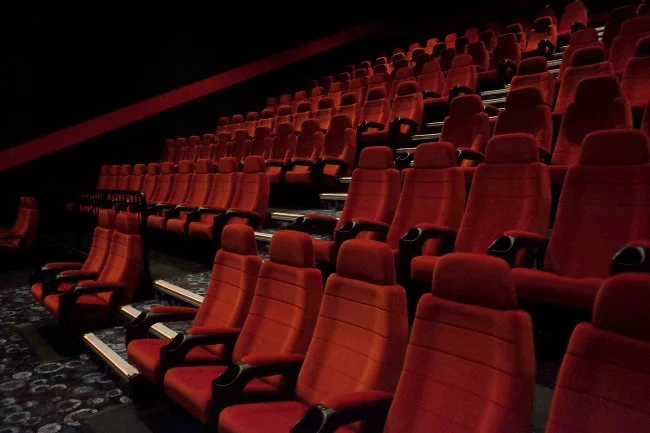
Throughout my adult life I have always gone to the cinema as a leisure activity. 2018 has been of note in this regard as it’s the year I’ve been to the cinema the least. I have visited my local multiplex just three times over the last twelve months. It’s not that good quality movies are not made anymore. Far from it. It’s just that they don’t always get released theatrically. Furthermore, the cost to entertainment ratio has simply become too much of a gamble. Standard tickets are priced between £12 to £15 locally and I resent such an outlay for a film that may only be adequate or worse. Perhaps my outlook on pricing is unreasonable but I am not going to pay such money for mediocre entertainment. I don’t expect every movie I see to be a cinematic milestone or genre classic but nor do I expect it to be an exercise in indifference. If I had paid such ticket prices to see The Predator or Death Wish at my local Cineworld, then I would have been singularly annoyed. Mercifully I saw them both at home and therefore at a much lower cost.
Throughout my adult life I have always gone to the cinema as a leisure activity. 2018 has been of note in this regard as it’s the year I’ve been to the cinema the least. I have visited my local multiplex just three times over the last twelve months. It’s not that good quality movies are not made anymore. Far from it. It’s just that they don’t always get released theatrically. Furthermore, the cost to entertainment ratio has simply become too much of a gamble. Standard tickets are priced between £12 to £15 locally and I resent such an outlay for a film that may only be adequate or worse. Perhaps my outlook on pricing is unreasonable but I am not going to pay such money for mediocre entertainment. I don’t expect every movie I see to be a cinematic milestone or genre classic but nor do I expect it to be an exercise in indifference. If I had paid such ticket prices to see The Predator or Death Wish at my local Cineworld, then I would have been singularly annoyed. Mercifully I saw them both at home and therefore at a much lower cost.
2018 has been another year of ongoing change for the movie industry. Netflix continues to release films from established directors that have been made exclusively for their own platform. Two of these of note were Mute directed Duncan Jones and Outlaw King by David Mackenzie. Some of these movies had nominal theatrical releases to raise their profile or possibly to meet the criteria for the various cinematic awards that are bestowed in spring 2019. Just prior to Christmas Netflix released Bird Box directed by Susanne Bier. Apparently, the video on demand service offers very lucrative terms to directors and a degree of creative freedom that is not always available when working with traditional film studios. There is also a more measured and open-minded approach to ideas from Netflix, allowing film makers to pursue more bespoke and niche market products.
Netflix has also become a convenient outlet for studios that have films that they wish to "offload" or have lost commercial faith in. For example, Alex Garland's Annihilation received a limited US release which generated low box office returns. Hence the film was then sold to Netflix rather than released theatrically to the rest of the world. Warner Bros. also sold Mowgli: Legend of the Jungle straight to Netflix, bypassing any kind of theatrical release. Make of that what you will. There also continues to be an ongoing debate about whether Netflix movie needs to have a cinema release to be able to compete with commercially released movies for awards. Such arguments are often driven by passions, adherence to established culture and dare I say a little snobbery. Whatever side of the debate you are on, the way we consume movies is changing and the day of the simultaneous cross platform release is not far off.
Mainstream cinema continued to be dominated by big budget, CGI driven spectacles in 2018. Such movies are frequently filled with action but often woefully lacking in plot, in-depth characters and dramatic impact. The Meg was one of the few examples of a big dumb movie that was fun. Sadly, Skyscraper was just a movie that was big and very, very stupid. Not even Dwayne Johnson’s charisma could save this one. Jurassic World: Fallen Kingdom offered the viewing public yet more dinosaurs and during its second act a distinctly gothic take. Steven Spielberg’s Ready Player One adaptation was a mixed bag which struggled to make it’s mark under the weight of its myriad pop culture references and homages. The Marvel Cinematic Universe lumbered on at the box office with Black Panther and Avengers: Infinity War finding both critical and commercial success. Sadly, my interest in this genre expired several years ago
2018 was certainly a good year for horror movies. Some ill-informed journalists proclaimed that the genre was back, overlooking the fact that movies of this ilk have been cleaning up at the box office habitually for the last two decades. There was a lot of buzz and hyperbole over Hereditary. It is a good movie but far from the genre milestone that some have claimed. A Quiet Place proved to be a solid all-round hit with robust central performances from Emily Blunt and John Krasinski (who also wrote and directed the movie). Unfriended: The Dark Web took the “screen life” genre further forward, proving it to be an interesting medium if intelligently done. However, like the “found footage” format, it may quickly suffer from fatigue if utilised too often. Two other notable horror movies released in 2018 were Halloween and Ghost Stories. The former being a direct sequel to John Carpenter’s original movie and the latter being a film adaptation of Andy Nyman and Jeremy Dyson's stage play. Both were well made, skilfully executed and entertaining.
The traditional action genre was not so well represented in 2018. Major studios remain ambivalent towards ratings higher than PG-13. Hence, The Commuter, a mystery thriller set on a train, focused more upon the convoluted plot rather than violence. It’s all a bit silly and farfetched but broadly saved by his towering presence and soft Irish tones of Liam Neeson. The latest Tomb Raider adaptation starring Alicia Vikander did not find favour with the critics. However, it was competently made and captured the tone of the rebooted games well. Its biggest flaw was not doing anything with its main villain played by Walton Goggins but it had a lot more style and depth than your average super hero movie with which it was competing. I was also greatly surprised by the critical indifference that met The Equalizer 2. It was a well written sequel that still focused on the character of Robert McCall (Denzel Washington) and his struggles. The acting was top notch and there were some finely crafted visceral action scenes. Seldom does the action genre get this cerebral.
I watched the lion’s share of the movies I saw in 2018 at home. It’s something that I have grown use to now and I only like going to the cinema these days if it is at the British Film Institute or somewhere similar. In these instances, the audience are dedicated film fans and thus well behaved throughout the proceedings. I have also grown use to watching movies in 1080p and am somewhat discombobulated when I find myself having to watch a film in standard definition out of necessity. 2019 is also likely to be the year that our household upgrades to 4K, which means replacing the existing TV and Blu-ray player. It will also be interesting to see if the gap between theatrical and home media/VOD release dates get’s any shorter. It currently appears to be between two and three months. As mentioned earlier I believe simultaneous release across all platforms will not be far off. One thing I’m certain off, there will still be plenty of quality films released in 2019. It’s just that the discerning viewer will have to look across an increasing spectrum of platforms to find them.
A Year in Social Media
The term social media is a broad church. For me it primarily means Twitter as that is the only platform of that ilk that I use regularly. I maintain a presence on Facebook simply to stay in touch with friends who have emigrated to the US. We have a private page where we catch up instead of using the traditional medium of emails. It is more immediate but also more frivolous. If it weren’t for need that it serves, I would have long closed my Facebook account. 2018 was also the year where I tried to continue using Instagram but failed. I don’t tend to catalogue and display my life in the manner that this medium tends to demand and use it mainly to see what my granddaughters have been up to. For me Twitter is the social media platform I feel most comfortable using and feel that I have mastered. I use it to promote my writing and for quips, banter and social interaction. Beyond that I think its benefits are both limited and even questionable.
The term social media is a broad church. For me it primarily means Twitter as that is the only platform of that ilk that I use regularly. I maintain a presence on Facebook simply to stay in touch with friends who have emigrated to the US. We have a private page where we catch up instead of using the traditional medium of emails. It is more immediate but also more frivolous. If it weren’t for need that it serves, I would have long closed my Facebook account. 2018 was also the year where I tried to continue using Instagram but failed. I don’t tend to catalogue and display my life in the manner that this medium tends to demand and use it mainly to see what my granddaughters have been up to. For me Twitter is the social media platform I feel most comfortable using and feel that I have mastered. I use it to promote my writing and for quips, banter and social interaction. Beyond that I think its benefits are both limited and even questionable.
Initially I thought that having a large Twitter following would be invaluable for promoting my writing and podcast. Ten years later I have definitively concluded that it is not so. Yes, I do generate traffic from my tweets but it’s less than a quarter of all visits to my blog. You also very quickly learn that informed debate is also an impossibility on this platform. Muting specific keywords, blocking people and generally pruning the list of accounts that you follow is the key to happiness and success when using this Twitter. You are not obliged to debate and discuss with all and sundry who see fit to question you. Twitter is not a moderated, civilised arena for intellectual discussion. It is more akin to a hectoring at a sporting venue. Treat Twitter like your own front door. You don’t have to open it, especially if an itinerant asshole or professional malcontent is knocking.
On a more serious note, as you get older (or at least I find so), friends and colleagues tend to settle down, have families and do the “usual” things in life. Social circles therefore contract and alter. This is perfectly natural and nothing out of the ordinary. Over the last ten years, I have come to know a broad and diverse group of people via Twitter. They hail from all walks of life and from numerous countries. I greatly value their company and daily thoughts. I consider this to be the real benefit that Twitter brings, as the virtual company of my colleagues has often helped me through some bleak periods. The debate over the validity of online friendships still rages on but I genuinely believe that is can be just as important as those offline. I would happily meet up with all my Twitter chums and enjoy their company over a meal. Hopefully these positive benefits of social media will continue into 2019.
A Year in Technology
My relationship with technology has changed over the years and my enthusiasm has tempered greatly. Having worked in the IT field for 25 years (up until 2016), I have been immersed in technological advancement and due to my age have seen a great deal change. I was at one time an early adopter of anything I considered to be potentially beneficial to me and at times have been guilty of acquiring something “new and shiny” simply for its own sake. I have even flirted with that dubious notion of tech as a fashion accessory. But sometimes age does bring wisdom, so nowadays, I’m a firm believer in finding the sweet spot between “the right tool for the job” and “if it isn’t broke, don’t fix it”. Subsequently, 2018 has not seem me acquire a great deal of new technology. However, what I have bought this year or started using has been well received and useful.
My relationship with technology has changed over the years and my enthusiasm has tempered greatly. Having worked in the IT field for 25 years (up until 2016), I have been immersed in technological advancement and due to my age have seen a great deal change. I was at one time an early adopter of anything I considered to be potentially beneficial to me and at times have been guilty of acquiring something “new and shiny” simply for its own sake. I have even flirted with that dubious notion of tech as a fashion accessory. But sometimes age does bring wisdom, so nowadays, I’m a firm believer in finding the sweet spot between “the right tool for the job” and “if it isn’t broke, don’t fix it”. Subsequently, 2018 has not seem me acquire a great deal of new technology. However, what I have bought this year or started using has been well received and useful.
I managed to keep my ageing PC adequately performing for another 12 months, although I’m pretty sure that everything that can be improved, has been. This year I finally added an SSD as the existing hybrid drive just wasn’t cutting it. Naturally Windows 10 is now performing significantly better and has a much-improved boot up time. The clean installation I carried out has meant that a lot of games are no longer installed and those that are benefit from being on the SSD. At present this is just limited to LOTRO and STO. Assassin’s Creed: Odyssey, which I recently bought in a sale, has been placed on a secondary traditional hard drive due to its large size. This new game performs well but I cannot max out the settings, as I did with titles three or four years ago. I think 2019 will see me purchase a new PC but for the present my four-year-old system continues to serve well. However, that is mainly due to a memory upgrade, replacement graphics card and now solid-state drive.
I don’t know about you, but I get through a lot of keyboards and mice. I replace them both at least once a year and sometimes even twice. Keys tend to lose their markings and those that are used the most IE vowels, spacebar and backspace will become less responsive as their mechanism wears out. Similarly, I find that mice lose their left click quickly and that the perspiration from my hands eats through the plastic case. Both of these issues can be remedied by purchasing high quality replacements, but I tend to just buy a standard Microsoft keyboard from the supermarket along with whatever gaming mouse is being discounted. I bought a Trust CXT 105 mouse earlier this year which has the “added novelty” of changing colour. It does however have a fabric covered cable to prevent tangles which does appear to work quite well.
I recently wrote about buying a new tablet and how I eventually opted for the Fire HD 10. Some people don’t care for the device due to the pervasive way the Amazon ecosystem is integrated into the GUI. However, it has zero impact upon the consumption of content and I can read books, comics and watch videos in comfort and on a surprisingly good quality full HD 10-inch screen. 2018 also saw further improvements upon that other Amazon flagship products, the Echo. I originally purchased the first generation “smart speaker” back in November 2016. It continues to be regularly used in our household for news, music and internet enquiries as well as timers and alarms. This is also the third year I have been an Amazon Prime customer and once again, I have reaped the benefits of the subscription. I purchase not only for myself but for other members of my family. Subsequently I have a very eclectic purchasing history that often leads to some curious suggestions.
I acquired a new phone late in 2017 so have now had my Samsung Galaxy S8 over a year. I recently noticed some burn in on the screen so have moved icons and changed background to try and minimise any further problems of this kind. I have endeavoured to not be one of those people who is continuously on my smartphone and I’ve successfully imposed a set of rules to ensure that it is not used all the time, especially in social situations. I have removed a lot of superfluous apps this year focusing on those that seem to access my contacts and location for no valid reason. I have managed to not use Uber Eats excessively although it does make ordering unhealthy food on a whim and having it delivered to your door worryingly too easy. If they ever bring out a similar app for gin, then I may be doomed. The Taxi Card service that allows me to reliably book black cabs at a discounted rate for my disabled parents has been invaluable.
Technology is everywhere and permeates so many aspects of our lives. I order medical supplies for my father online and have an app on my phone that shows me what carers have visited him in the morning and evening and what actions they have taken with regard to his wellbeing. I can email my local pharmacist with prescription requests and have them delivered if required. The internet age certainly has benefits when managing my parents’ affairs. However, as a household we still choose to grocery shop at the actual supermarket, rather than shop exclusively online. And although apps, hardware and web-based services bring a great deal of convenience, they do not provide the social element that traditional face to face transactions bring. Therefore, I continue to try and maintain a healthy balance between the two. I also remain sceptical of so called “free” services that continue to harvest our personal data. Overall, I still think that my life has benefitted by the technology and services that it provides. It remains to be seen whether this equitable balance continues into 2019.
Classic Movie Themes: Hawk the Slayer
According to Wikipedia “Hawk the Slayer is a 1980 British sword and sorcery adventure film directed by Terry Marcel and starring John Terry and Jack Palance. The film has developed a cult following”. That doesn’t do the movie justice by any reckoning. Hawk the Slayer is a quirky, low budget, high camp fantasy movie that compensates for its budgetary shortcoming by being so preposterously silly. It is loaded with hard boiled, fantasy steeped dialogue that parodies well known genre tropes. It treads a fine line between utter bilge and stupid fun. It is very much a product of its time and is also filled with British character actors. Some viewers will see nothing more than a cheap and cheerful cash-in on the eighties Sword and Sorcery boom. Others will delight at this inventive, stylised and silly fantasy orientated outing. Such is the nature of cult movies.
According to Wikipedia “Hawk the Slayer is a 1980 British sword and sorcery adventure film directed by Terry Marcel and starring John Terry and Jack Palance. The film has developed a cult following”. That doesn’t do the movie justice by any reckoning. Hawk the Slayer is a quirky, low budget, high camp fantasy movie that compensates for its budgetary shortcoming by being so preposterously silly. It is loaded with hard boiled, fantasy steeped dialogue that parodies well known genre tropes. It treads a fine line between utter bilge and stupid fun. It is very much a product of its time and is also filled with British character actors. Some viewers will see nothing more than a cheap and cheerful cash-in on the eighties Sword and Sorcery boom. Others will delight at this inventive, stylised and silly fantasy orientated outing. Such is the nature of cult movies.
Harry Robertson (19 November 1932 – 17 January 1996) was a musician, bandleader, music director and composer. He worked as a musical director on British television shows throughout the fifties and sixties. He also composed and arranged the scores for various feature film, notably those of the Hammer production company during the late sixties and seventies (The Vampire Lovers, Lust for a Vampire and Countess Dracula). For Hawk the Slayer, Robertson chose to write a bright and modern score (within the idiom of the times), infusing a traditional orchestra heavy on strings and brass with synthesizers and electric guitar. There are plenty of nods to his own favourite composers such as Bernard Herrmann, Jerry Goldsmith, Quincy Jones, Ennio Morricone, and John Barry.
While the aesthetic of the film was to emulate Kurosawa in terms of camera angles and direction, Robertson considered the movie a Fantasy Western and wrote his score as such. He assigns the hero Hawk a signature motif not too dissimilar to The Man with No Name. There are several major themes used throughout the film to signify various characters. Like the movie itself, Robertson’s soundtrack will either delight or annoy. It a time reminds me of Jeff Wayne’s War of the Worlds in places. Here is the main title theme and central motif for the film. It is played as Hawk tracks down his various comrades and subsequently during various action scenes. It is a fun cue that encapsulates the inherent spirit of the film and channels a lot of eighties synth pop.
Jeff Wayne's Musical Version of The War of the Worlds
I try and keep abreast of what's happening and going on, especially in those areas of interest to me such as movies, TV and gaming etc. Occasionally stuff passes me by that I subsequently discover at a later date, often to the refrain of WTF? A few years ago I was idly channel surfing only to discover that a seminal UK children's TV show from my youth, the Mr. Men, had been remade in a more contemporary idiom. Luckily, the source characters were still relatively unscathed, and the revamped show did a competent job in bringing Roger Hargreaves work to a new generation. Still, no one had told me and discovering this, in such a fashion was a bit of a surprise.
I try and keep abreast of what's happening and going on, especially in those areas of interest to me such as movies, TV and gaming etc. Occasionally stuff passes me by that I subsequently discover at a later date, often to the refrain of WTF? A few years ago I was idly channel surfing only to discover that a seminal UK children's TV show from my youth, the Mr. Men, had been remade in a more contemporary idiom. Luckily, the source characters were still relatively unscathed, and the revamped show did a competent job in bringing Roger Hargreaves work to a new generation. Still, no one had told me and discovering this, in such a fashion was a bit of a surprise.
Now I'm sure this is something we've all experienced at various points in our life. Often, we are more bemused by the fact that such a thing has happened without our being aware of it, rather than the specifics of the change. Frequently the matter is compounded by the fact that we have a strong sentimental attachment to that which has been altered, rebooted, re-imagined or generally messed with. Furthermore, surprise discoveries of this nature cause short periods of discombobulation. This phenomenon happened to me again quite recently. An innocuous chain of events, led to a surprise discover followed by a sense of shock, then incredulity and a lenghty string of profanities.
So what happened exactly? Well I had just downloaded a free Kindle version of H.G Wells science fiction novel, War of the Worlds. It is a literary classic and a good read after all. Because I am a man of a certain age, I have fond memories of Jeff Waynes' progressive rock, musical concept album from 1978. The mixture of spoken world, music and song left a big impression on me at the age of eleven. So, naturally my train of thought led me over to You Tube to quickly listen to a track or two from the aforementioned seminal recording. I idly clicked on The Eve of the War, expecting to hear the smooth baritone voice of Richard Burton as he narrated the introduction. Instead I suddenly became aware that I was listening to a completely different but not unfamiliar actor. The soft melodic Irish tones were unmistakable. It was Liam Bloody Neeson!
After my initial shock, I did some research to determine what was exactly going on. I discovered that the entire album had been re-recorded in 2012 under the revised title, Jeff Wayne's Musical Version of The War of the Worlds – The New Generation. This new album features more contemporary artists. Gary Barlow has replaced Justin Heyword, Joss Stone is covering Julie Covington and Ricky Wilson has usurped David Essex. All of this has come as something as a shock. However, on mature reflection I am not especially aggrieved by this change. It’s the same as when a new production of a famous stage musical is undertaken on Broadway or in the West End of London. A new cast brings a fesh perspective to the material and scope for alternative interpretations. I guess I was mainly flummoxed because I just didn't expect it and to find out in such a fashion.
Well it would appear that after the release of The War of the Worlds - The New Generation in 2012, a sumptuous stage show toured round most of the UK's major arenas, just as the original production did in 2006. This featured a performance of the entire album with a full orchestra conducted by Jeff Wayne himself. The holographic projection of Richard Burton's head has now been replaced by a twenty-foot image of Liam Neeson. The live pyrotechnics have been ramped up, as have the back projected visual effects. The live tour features a slightly different cast compared to the studio recording, with Marti Pellow and Jason Donovan taking major roles.
I managed to track down a Blu-ray release of the stage show that was recorded at the London 02 Arena and I must admit that the whole spectacle works very well. The music itself is still as powerful and compelling as it was back in 1978. Just bear in mind when it was written and the fashionable musical idioms of the time. The laser lighting combined with the CGI effects work and faux Victorian news footage does much to enhance the performance, as does the forty-foot Martian fighting machine. The cast are universally good, especially Jason Donovan who really throws himself in to the role of crazed cleric Nathaniel. The orchestra is also outstanding, as are guitarist Chris Spedding and the legendary Herbie Flowers on bass, who both appeared on the original recording.
Inadvertently stumbling across The War of the Worlds - The New Generation was both a shock and a surprise, but it has also provided a fresh perspective on something I’ve always enjoyed. If I have any complaint, then perhaps it's the fact that Mr. Nesson didn't point out to the Martians that he has a very particular set of skills and then proceed to punch them senseless. But I guess that would be too much of a deviation from the source text. NB After digging around online further, it would appear that on 29th November 2018, a brand-new production entitled Jeff Wayne's The War of The Worlds: The Musical Drama was rleased on Audible.com. This is a brand new five hour Audible Original Production based upon Jeff’s Musical Version and HG Wells’ source text, featuring new story and musical content. The all-star cast includes Michael Sheen as The Journalist, Taron Egerton as The Artilleryman, Ade Edmondson as Ogilvy, Theo James as Parson Nathaniel, with Anna Maie Wayne as Carrie, The Journalist’s Wife. I suspect I shall be listening to this over the Holiday period.

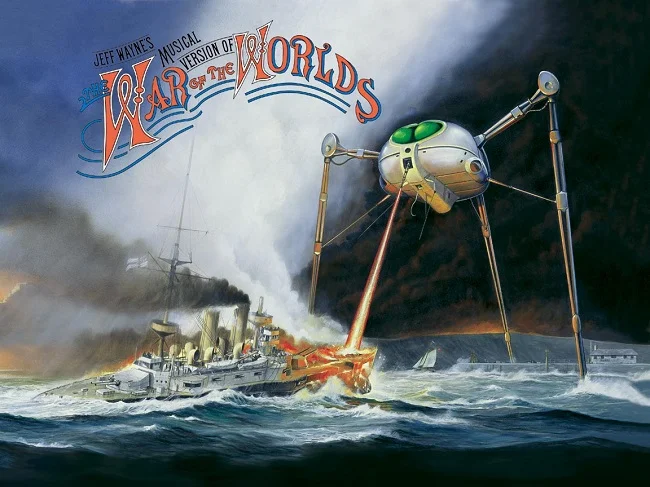

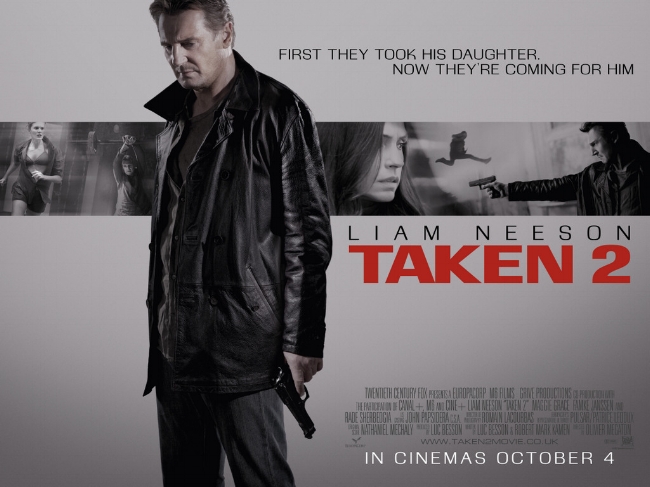
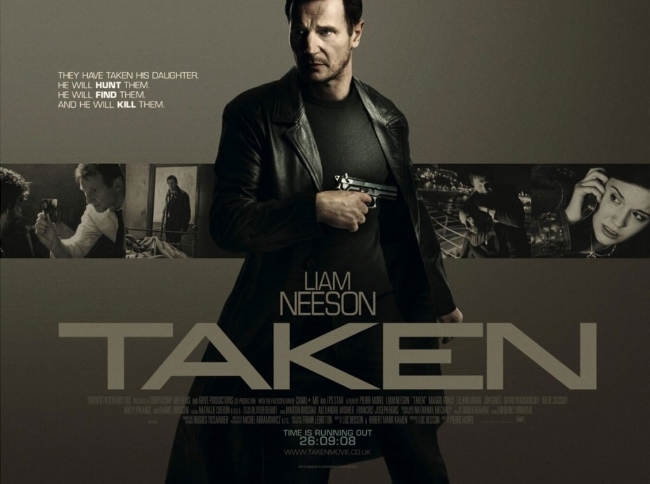
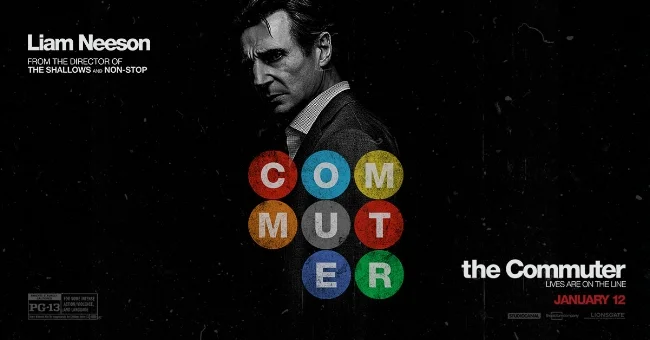
The Proust Questionnaire Part 2
At the beginning of November, I started to answer the various questions set out in The Proust Questionnaire, mainly because at some level I do like the occasional insight that “internet questions” can provide. Although most of my answers are frequently tinged with a degree of levity and at times even scorn, every now and then the right question can provoke a sincere response. So here are my measured replies to the remaining interrogative enquiries, for your consideration and edification. If you do not agree with them or find yourself at odds with my mindset, please address any complaints care of the late Marcel Proust (10th July 1871 - 18th November 1922).
At the beginning of November, I started to answer the various questions set out in The Proust Questionnaire, mainly because at some level I do like the occasional insight that “internet questions” can provide. Although most of my answers are frequently tinged with a degree of levity and at times even scorn, every now and then the right question can provoke a sincere response. So here are my measured replies to the remaining interrogative enquiries, for your consideration and edification. If you do not agree with them or find yourself at odds with my mindset, please address any complaints care of the late Marcel Proust (10th July 1871 - 18th November 1922).
18). If you could change one thing about yourself, what would it be? This is an odd question because if implies that changing one thing about yourself is impossible and can only be discussed in the abstract. This is of course nonsense. We can change ourselves physically via exercise, or surgery, make up or even by bathing regularly. As for making emotional, philosophical or psychological change to oneself, there are equally just as many options. I have always embraced the concept of continuous self-improvement. My life is a work in progress.
19). What do you consider your greatest achievement? I raised a son who now has a family of his own. He’s a thoroughly decent human being. Far more so than I. I helped contribute to this.
20). If you were to die and come back as a person or a thing, what would it be? If I was a seventies comedian from the North of England, I’d probably say “a woman’s bicycle saddle”. But I’m not, so I’ll go with an incurable plague virus.
21). Where would you most like to live? Robertsbridge in East Sussex. Or Horsham in West Sussex.
22). What is your most treasured possession? Walter.
23). What do you regard as the lowest depth of misery? I assume this question is supposed to be drawn from your own experience. If so, the most emotionally challenging period of my life and when I was “the most miserable” would be when I got divorced and the accompanying emotional trauma that comes with such a situation.
24). What is your favourite occupation? Interesting. Does this question mean occupation as in job or in the sense of an activity or pursuit? Either way, for me it’s writing. I’m content whenever I am sitting at my desk, typing away on my PC, expressing my thoughts. I like the clarity that writing can bring as well as constructing a measured and logical argument. I also like the banter that can be found on Twitter (if you follow the right people).
25). What is your most marked characteristic? I suspect it may be my sense of humour and my somewhat sardonic manner. The world is a very odd, incongruous and at times illogical place. The current intellectual blackout that is spreading throughout western democracies, scares the hell out of me along with the general decline of politics. Therefore, I use humour and an irreverent attitude as a coping mechanism and prism through which to view life, without being directly broken by its crushing futility and inherent unfairness. I consider humour to be an important human characteristic, as long as one has the ability to focus that humour at oneself, as well as the rest of the world. Beware those individuals who lack any sense of mirth. I believe it betrays more about their nature.
26). What do you most value in your friends? The fact that they know me and yet still stick around.
27). Who are your favourite writers? JRR Tolkien, MR James, Charles Dickens, Ray Bradbury, Agatha Christie, Arthur C Clarke, Saki, HP Lovecraft, Roger Hargreaves, Richard Dawkins, Shirley Jackson, Nigel Kneale, Alan Moore, Arthur Conan-Doyle, HG Wells, Isaac Asimov, William Hope Hodgson, Rod Serling, Marcus Aurelius and many more.
28). Who is your hero of fiction? The Hungry Caterpillar. Also, Mr Tickle and Sam Gamgee.
29). Which historical figure do you most identify with? Robin Hood. I had to wear a stylised Robin Hood outfit in a school play when I was very young. The experience left me traumatised. I bet the real Robin Hood’s outfits were made by his mum.
30). Who are your heroes in real life? Everyday people that do “good” things without the benefit of media scrutiny or praise.
31). What are your favourite names? Xavier, Telemachus, St John (pronounced Sinjun) and Throatwobblermangrove.
32). What is it that you most dislike? A lack of critical thinking. Emotive beliefs and the politics of “feelings”. And people with poor personal hygiene. Wash your clothes and bathe regularly.
33). What is your greatest regret? Leaving my finger prints at the crime scene.
34). How would you like to die? What a stupid question. In my sleep of course and not being torn to pieces by a pack of rabid animals or having my nuts bitten of by a Laplander.
35). What is your motto? Pecuniam vertemus which translates as “Take the money and run”.
Christmas Carol: The Movie (2001)
There’s a degree of hubris implicit in such a definitive title. At the very least the inference is that this is a notable adaptation of Charles Dickens’ classic book. And at first glance, it is perfectly reasonable to assume just that. Jimmy Murakami was an animator of note with such unique movies as The Snowman and When the Wind Blows to his credit. Hence it is reasonable to expect a similar quirky and experimental treatment of this well know yuletide story. However, what audiences actually get is a rather bold adaptation that substantially embellishes upon the established narrative. Veering between sinister and borderline psychedelic imagery, this is a very inconsistent version that tries to be too many things at once. Just as you think you’ve got a handle on the film approach it takes an abrupt turn in the opposite direction. Comedy, drama and even power ballads are thrown into the mix. Sadly, all these elements do not hang well together.
There’s a degree of hubris implicit in such a definitive title. At the very least the inference is that this is a notable adaptation of Charles Dickens’ classic book. And at first glance, it is perfectly reasonable to assume just that. Jimmy Murakami was an animator of note with such unique movies as The Snowman and When the Wind Blows to his credit. Hence it is reasonable to expect a similar quirky and experimental treatment of this well know yuletide story. However, what audiences actually get is a rather bold adaptation that substantially embellishes upon the established narrative. Veering between sinister and borderline psychedelic imagery, this is a very inconsistent version that tries to be too many things at once. Just as you think you’ve got a handle on the film approach it takes an abrupt turn in the opposite direction. Comedy, drama and even power ballads are thrown into the mix. Sadly, all these elements do not hang well together.
Christmas Carol: The Movie begins with an expanded prologue that creates a more substantial back story about Scrooge (Simon Callow) and his former fiancée Belle (Kate Winslet). Having bought the debt of a local children’s hospital, Scrooge proceeds to seizes its meagre assets and has the Doctor who runs it, thrown into debtors’ prison. Old Joe the Pawn Shop owner (Robert Llewellyn) is seen here to be the personal bailiff of Scrooge and Marley. Nurse Belle who works at the hospital writes a letter to her former fiancée imploring him not to let her down a second time. It is at this point that the traditional elements of the story broadly play out. One change of note is that Scrooge is haunted by a luminescent Marley’s Ghost (Nicolas Cage) at his office, rather than in his suite of rooms. Scrooge also tips a bucket of water over carol singers, one of whom is Tiny Tim who has only recently recovered from pneumonia. The focus of the story is more upon the ending of Scrooge’s engagement and his tumultuous relationship with his father. Belle in this instance is a friend of Fan, Scrooge’s sister.
Another aspect of Christmas Carol: The Movie, along with the “expansion” of the story, that makes it stand out from other adaptations is its varied animation style. Each Ghost is accompanied by a distinct aesthetic. It is very noticeable in such scenes where the Ghost of Christmas Past transports Scrooge back to the time of this youth and when the Ghost of Christmas present spreads good cheer via his “horn of plenty”. These “trippy” sequences are dramatic and innovative, yet by this point in the proceedings, the film is tonally all over the shop. We’ve already veered from comedy mice (both Belle and Scrooge have a small murine companion), to insipient infant mortality, and then back to comedy evictions. Then we have the “ignorance and want” scene which has the skin shrinking on the emaciated face of “ignorance” until his skull shatters in a cloud of dust. One for the kids, I think. Also, in some editions of the movie the animated main story is framed between a live action sequence involving Dickens visiting the US and talking about A Christmas Carol to an avid theatre audience. Again, it makes for a very inconsistent piece of cinema.
The conclusion of the story see’s Scrooge reformed and reunited with Belle. He then undertakes the financing of a new hospital. Sadly, the movies lacks any emotional impact because it has tried too hard to be too many things in the proceeding seventy minutes. I can just about muster some praise for Jimmy Murakami for attempting to do something different with such a familiar story, but the film over reaches and cannot decide in what manner to commit itself. Thus, we are left with a rather odd but flawed adaptation that will only really be of interest to niche market film fans. Otherwise, Christmas Carol: The Movie is just something you’d have idly playing in the background over the Christmas holidays, because you’re too full of wine and mince pies to bother to change channel.