
Classic Game Themes: Shadow of War
The soundtrack for Middle-earth: Shadow of Mordor by Gary Schyman and Nathan Grigg was a dark and brooding affair, reflecting the tragedy of its central characters. It was a score based upon haunting strings, low vocals and ominous tones. However, both composers have crafted a somewhat different soundscape for the sequel Middle-earth: Shadow of War. It should be noted that if you are an ardent fan of Howard Shores scores for Peter Jackson’s movies, that Gary Schyman and Nathan Grigg’s approach to Middle-earth is quite different, although both are orchestral works. Shores grandiose themes often reflected the enormity and history of Middle-earth. Here the music is more personal, channelling the emotions of those who stories unfold against such momentous events.
The soundtrack for Middle-earth: Shadow of Mordor by Gary Schyman and Nathan Grigg was a dark and brooding affair, reflecting the tragedy of its central characters. It was a score based upon haunting strings, low vocals and ominous tones. However, both composers have crafted a somewhat different soundscape for the sequel Middle-earth: Shadow of War. It should be noted that if you are an ardent fan of Howard Shores scores for Peter Jackson’s movies, that Gary Schyman and Nathan Grigg’s approach to Middle-earth is quite different, although both are orchestral works. Shores grandiose themes often reflected the enormity and history of Middle-earth. Here the music is more personal, channelling the emotions of those who stories unfold against such momentous events.
The first theme we encounter is with the games main menu. It is in fact an instrumental version of the song Fires of War which later plays across the end credits. This time round the music takes a different approach with a more positive and uplifting undercurrent. The stygian darkness of Mordor has been swapped for a more stoical mood and opening theme features swelling staccato strings. The central melody does still feature the high overtone along with the violins that were present in the first game but it feels very different this time, with a more optimistic spin. Talion is no longer seeking revenge but to over throw Sauron himself and this driving passion is reflected in the soundtrack.
Once you start following the narrative of the central story and move beyond Minas Ithil, the soundtrack feels much closer to the tense and portentous ambience of the original title, with choral parts and low register piano interludes. There are not so many leitmotifs used this time round and the score is more of an evolving soundscape. This suits the game play far more appropriately. For the sake of continuity, many of the themes associated with Talion’s specific abilities are used again. This includes the magnificent Caragor Riding with its off-kilter beat, Cello and vocalisation of the Ring Lore. Overall Middle-earth: Shadow of War boasts a very accomplished soundtrack and a worthy successor to its predecessor.






Star Wars Revisited (2008)
Back in 2008, I discovered a fan edit of George A. Romero’s iconic Dawn of The Dead and was very impressed with the way that enthusiasts can now re-edit and re-imagine any film of their choice, using commonly available tools. I subsequently spent some time looking into this entire sub-genre further and found that one of the most popular franchises to be fan edited was naturally Star Wars. One of the first fans edits of this kind I watched was a "Grindhouse" version of A New Hope that had been retitled The War of The Stars. It was fun and tried to be different but overall it was simply an amusing diversion. Something that could viewed as a in joke among fans. Not all of the fan edits out there are particularly good and as a genre it can be very uneven. Yet through word of mouth it became quite apparent that one particular Star Wars fan edit seemed to be getting a great deal of attention and praise from both the fan and wider community. Namely Star Wars Revisited by Adywan.
Back in 2008, I discovered a fan edit of George A. Romero’s iconic Dawn of The Dead and was very impressed with the way that enthusiasts can now re-edit and re-imagine any film of their choice, using commonly available tools. I subsequently spent some time looking into this entire sub-genre further and found that one of the most popular franchises to be fan edited was naturally Star Wars. One of the first fans edits of this kind I watched was a "Grindhouse" version of A New Hope that had been retitled The War of The Stars. It was fun and tried to be different but overall it was simply an amusing diversion. Something that could viewed as a in joke among fans. Not all of the fan edits out there are particularly good and as a genre it can be very uneven. Yet through word of mouth it became quite apparent that one particular Star Wars fan edit seemed to be getting a great deal of attention and praise from both the fan and wider community. Namely Star Wars Revisited by Adywan.
Now, I need to impress upon you, that Star Wars Revisited isn't just a case of moving a few scenes around and adding deleted footage from alternate sources. This is a labour of love of unparalleled magnitude. Material has been re-shot, miniatures remade and animatronics reproduced. All of which has then been seamlessly integrated into the film. Certain scenes have been modified to either replace the changes made by George Lucas. Other material has been replaced to improve perceived deficiencies. Star Wars Revisited is more than an attempt to present the movie as it was seen back upon its 1977 release. It is also a revisionist piece of work driven by an inherent love of the source material. It is quite staggering what has been achieved, especially when you consider that this is the work of a member of the public and not a film studio.
Now the changes are far too numerous for me to list here. For those of you that wish to digest them in detail, follow the link to the Star Wars Revisited blog. I've added a few screen captures below to give you a taste of the changes that have been made. NB Star Wars Revisited was created using standard definition source material. Adywan has announced that he will be producing a 720p version.
Imperial Star Destroyers now patrol around the Death Star as well as the sentry TIE Fighters. The infamous "Imperial March" from TESB has been added to the score for this scene.
When the Rebel HQ picks up "enemy fighters" on their long range scanners, we now get to see the incoming squadron sent to engage the Rebels.
Finally, Chewie gets a medal! It's very clever the way the new scene has been edited so that Princess Leia can put it round the Wookies neck.
Because of the viral nature of the internet, Adywan's fan edit has built up quite a following within the Star Wars community. Star Wars Revisited has been well received, so as a result, he has been diligently working on a revisited version of The Empire Strikes Back for the last few years. This has recently been released and I shall be focusing on the specifics of that edition in another blog post. In the meantime, I would recommend readers to seek out Star Wars Revisited. Now there are obviously some copyright issues regarding fan editing, so common sense dictates that we tread around that issue quite carefully. I will therefore not link to it directly. However, Google is your friend. Track this version down and watch it. Then ponder what a resourceful fan has managed to achieve on their own and compare it to the multiple changes that George Lucas has made over the years. I would be very interested to hear your opinion as to which is the better cut of the movie.








The Rambo Phenomenon (1982 - 2008)
The cinematic character of John J Rambo is heavily associated with the politics of the eighties and the ascending right-wing attitudes of the era. His name has entered the popular sub culture and means different things to different people. His name is used as a pejorative term by certain political lobbies, who see him as stereotypical incarnation of blind patriotism and “might is right” minsdet. It is a name also sadly linked to the Hungerford Massacre in the UK by Michael Ryan in 1987. It was alleged, particularly by tabloid newspapers, that Ryan was inspired by the film Rambo: First Blood Part II, with some claiming he wore armed-forces style clothing. Rambo was cited as an example of a negative media influence, which was particularly relevant in the wake of the controversy over video nasties in the UK at that time. It is now claimed that Ryan had never seen the film, but the allegations provided sensationalist headlines and imagery and so the label stuck.
The cinematic character of John J Rambo is heavily associated with the politics of the eighties and the ascending right-wing attitudes of the era. His name has entered the popular sub culture and means different things to different people. His name is used as a pejorative term by certain political lobbies, who see him as stereotypical incarnation of blind patriotism and “might is right” minsdet. It is a name also sadly linked to the Hungerford Massacre in the UK by Michael Ryan in 1987. It was alleged, particularly by tabloid newspapers, that Ryan was inspired by the film Rambo: First Blood Part II, with some claiming he wore armed-forces style clothing. Rambo was cited as an example of a negative media influence, which was particularly relevant in the wake of the controversy over video nasties in the UK at that time. It is now claimed that Ryan had never seen the film, but the allegations provided sensationalist headlines and imagery and so the label stuck.
US President Ronald Reagan made reference to the character on several occasions during his two terms in office. Upon the release of 39 American hostages in June 1985 said, “after seeing Rambo last night, I know what to do next time this happens”. Hardly diplomatic words. Several months later, pleading for tax reform, Reagan said, “Let me tell you, in the spirit of Rambo, we're going to win this thing”. These extraordinary references by an American president attest to the power and ubiquity of the Rambo phenomenon. That fact that a contrived cinematic character could become a powerful political metaphor is still intriguing. Even today Rambo remains a name that gets a reaction and invokes an emotional response. However, often people’s perceptions are erroneous, based around popular headlines rather than an awareness of the central character himself. If we look at the history of the character, it is not as black and white as it first appears.
The first film featuring John Rambo was First Blood, released in 1982 and directed by Ted Kotcheff. It took David Morrell's traumatised twenty-year-old character and turned him into a 36, melancholic and philosophical veteran. The film also made some subtle plot alterations to negate any moral ambiguity that featured in the novel. Stallone is put upon and although violently breaks out of the Police station, does not kill first. Where as in the book, Rambo, instinctively reacts to provocation due to his military training and guts one of the police officers. Kotcheff's tried to tackle the wider issue of how a nation treats it war veterans, especially in light of a military defeat, whereas the book focused on a generation of youth that had been rendered dysfunctional and homicidal due to their training and experience. It is a surprisingly thoughtful film and very much a horse of a different colour, compared to what followed.
Rambo: First Blood Part II was released in 1985 and rather than reflecting on America's historical wounds, offered a populist fantasy in which John Rambo got to re-write history and rescue a group of POWs from Vietnam. It was a massive commercial success and succinctly reflected the social and political mood of the US at the times. There is absolutely no attempt to objectively look at the complex issues that lead to the failure of the Vietnam war. We are instead presented with arbitrary bad guy stereotypes, whose evil status is denoted by their penchant for looking through binoculars fiendishly and speaking in hackneyed foreign accents. School boy politics aside, the film was a solid action vehicle for Stallone and sealed his action star status. It was competently directed by George P. Cosmatos and superbly shot by legendary cinematographer Jack Cardiff. The body count is ludicrously high and Rambo special forces skills go from the credible to the incredible.
By 1988 the world was changing rapidly. The Cold War was slowly coming to an end as Russia entered a new period of Gasnost and Perestroika. Due to production delays, the plot of Rambo III centring around rescuing Colonel Trautman from Afghanistan, seemed somewhat out of step with current affairs. However, the basic premise of the bond of friendship between student and master was sound and the film directed by veteran second unit director Peter MacDonald, supplied copious amount of action. However, due to the backlash in the UK against the franchise by the tabloid press, allegedly over the Hungerford massacre, the film was heavily censored. This arbitrary knee jerk reaction achieved nothing tangible and in subsequent years, all cuts have been waived by the BBFC. This entry is perhaps the most underrated in the series and curiously enough adds a slightly more flippant and humorous facet to Rambo's character.
In Rambo, the fourth instalment of the franchise, directed in 2008 by Stallone himself, finds our protagonist rescuing a group of Christian missionaries, from the Burmese military. Unlike the previous two sequels, there is far less of a political dimension to the story. The Burmese army are simply a catalyst for the action and are not explored in any depth. This time Rambo presents us with the age-old dilemma about the use of violence against violence. The Burmese Army brutally shoot, blow up, bayonet, burn, mutilate, and rape the innocent villagers. Yet exactly the same retribution is visited upon them. One of the Christians muses that it is never justifiable to use violence or to kill. Ironically (or predictably) he beats a soldier to death with a stone at the films climax. Is this an effective illustration of the inevitability of violence? Other films have argued otherwise. Ghandi depicts the destiny of a nation, changed through nonviolent protest. However, he was not faced with the prospect of genocide.
Film critic Mark Kermode slated Rambo as totally morally bankrupt, a claim also made against the 1985 instalment. Stallone counters this argument by stating that violence is simply human nature. It is what we are. A point that is often unpalatable to some intellectual quarters, possibly because it is so near to the truth. The writer Robert A. Heinlein proposed that violence has settled more issues in history than has any other factor and that all actions in human society are governed by force. The very act of voting is a manifestation of exerting one’s dominance. Also, there is the debate that violence can be justified if the cause is morally valid. It is intriguing that the Christians depicted in the 2008 film Rambo, are at odds with their faiths historical legacy on this very issue.
Debating the wider moral and philosophical aspects of this franchise is not as easy a question as one would expect. Is the entire Rambo phenomenon broad escapist entertainment or a politically incorrect cinematic slaughter house? Is it a revisionist western or nihilistic sanguinary pornography? Despite initial statements that a fifth film may manifest itself, Stallone appears to have put that idea to bed. It would seem that the final images of part four, with John Rambo returning to his family home is indeed to be the definitive ending. For good or ill, Rambo has become an integral part of 20th century pop culture and the name has assumed a wider meaning and become part of the contemporary lexicon. Some argue that cinema does not set the cultural agenda but merely reflects it. If that is so, then don’t shoot the messenger, especially when he's an ex Green Beret.
Finally, it would be impossible to write about the Rambo series without mentioning the work of composer Jerry Goldsmith. He provided the score for the first three films and after his death, Brian Tyler continued with his main themes for the fourth movie. Goldsmith's music for the franchise is very accomplished and adds an additional layer to the central character. His various cues especially for the action sequences demonstrates how a musical score can enhance a film. Posted below is the main theme for the first film, which is has become synonymous with the Rambo character and encapsulates the late composer’s immense talent.







Thoughts on Blogging Part 1
There wasn’t a Newbie Blogger Initiative this year and I was saddened by that. I’ll make no bones about the fact that I liked this yearly event and the way for a few months after it, you’d see a lot of interesting new blogs spring up, filled with optimism and passion. But, what’s done is done, and life goes on. It’s up to others to pick up that particular torch and run with it, if they wish to see the event to return. I also miss a lot of my colleagues and peers’ blogs and the comradery that stemmed from the associated community. Again, this is a natural and inevitable attrition process, caused by that thing known as “life”. So, to combat my current melancholic malaise, I thought I’d collate a few of my thoughts about writing online and set them down in a semi-regular post, the same way as I do about podcasting.
There wasn’t a Newbie Blogger Initiative this year and I was saddened by that. I’ll make no bones about the fact that I liked this yearly event and the way for a few months after it, you’d see a lot of interesting new blogs spring up, filled with optimism and passion. But, what’s done is done, and life goes on. It’s up to others to pick up that particular torch and run with it, if they wish to see the event to return. I also miss a lot of my colleagues and peers’ blogs and the comradery that stemmed from the associated community. Again, this is a natural and inevitable attrition process, caused by that thing known as “life”. So, to combat my current melancholic malaise, I thought I’d collate a few of my thoughts about writing online and set them down in a semi-regular post, the same way as I do about podcasting.
So, to begin with, Sarah (AKA AlternativeChat) made a throwaway comment a while ago on Twitter about “getting something noticed”. I took this to be a reference to her prodigious written output. I tweeted back that “I've written several pieces that I'm proud of. However, they never got the traffic I hoped for. That's the nature of the beast, I guess”. I then pointed out the post that has garnered the most traffic during my seven years of blogging was a review of Top Cat: The Movie. That was posted on an older version of this website and ironically isn’t even available anymore. Then fellow blogger Wilhelm Arcturus added that “There is an inverse relationship between investment/effort and popularity. My most popular posts are ones I knocked out on a whim”. A sentiment that I concur with. Fellow blogger Gevlon expressed similar sentiments
All of this got me thinking about statistics and traffic. I’ve written in the past how it is important for the budding blogger not to become obsessed with these things. However, they can also be a very useful tool. Wilhelm himself, regular breaks down the traffic to his site and writes about it. Not in a self-aggrandising way but just as a means to gauge what topics are popular and to track how his writing patterns have changed over time. I used to blog regularly about the MMO LOTRO, as it was for several years the focal point of my gaming. It is not now and thus it doesn’t occur as often as a point of discussion. It is not unusual for the long-term blogger (or Tom Jones) to broaden their writing horizons over time, to accommodate the ebb and flow of their interests and passions. I have done it several times.
Writing a blog is a personal choice and peoples motivation varies. Most like myself, often site an enjoyment of writing as a primary factor. It could therefore be argued that for a purist blogger, who is not in any way driven by matters of ego, shouldn’t care if their blog remains unread. However, many of us write as a means to communicate our passion for something. Therefore, an audience, comments and feedback are important. Our writing is an invitation to friendly interaction and an exchange of ideas, although such concepts are becoming increasingly alien in the current binary climate. This last point paradoxically offers another reason to write. I use my blog as a means to marshal my thoughts and to try and understand what is happening in the world. Articulating your concerns can have a therapeutic value. Also, meeting those who are equally perplexed by the status quo can be rewarding.
A fellow blogger who wrote a very popular MMO fansite, once told me that they considered their writing as a public service in a way. I do not think the remark was born out of vanity. It simply reflected their enjoyment of participating in a wider community. However, they also remarked that once you embark down such a road, especially if you are receiving a high level of traffic, it can turn your passion in to a chore. They also told of how when they finally reached a point when they wanted to end their writing commitment, that they received from some quarters a lot of criticism and even aggression. It’s curious how some fans go from enjoying free content, to expecting it and treating it as if it were a product that they paid for. Mercifully, I’ve not encountered such problems. I would not claim to have such a large audience, nor do I see my writing as a public service. But I do at times struggle to maintain a regular posting schedule. It’s something that’s common to all bloggers, most of whom would like to write more than they do.
Finally, I discovered that blogger Isey has a page called “Writers Resting in Paradise” over at their website IHasPC. It lists many blogs that have ceased regular posting and have gone quiet. I believe the criteria to get on this list is to not post for six months or more. However, it should be noted that you do find from time to time, that hibernating blogs suddenly revive as the author gets bitten by the blogging bug again. Stropp recently started posting again over at Stroppsworld, which is nice to see. Being a fan of the written word, I always prefer to read someone’s thoughts than watch a live stream or a video. Visual mediums have their place and can be fun and compelling. Yet the written word provides scope from greater analysis and expression, due to the subtleties of the English language. Reading others use of words and how they choose to communicate their thoughts is fascinating and an invaluable insight into that person.


















Wanted: Dead or Alive (1987)
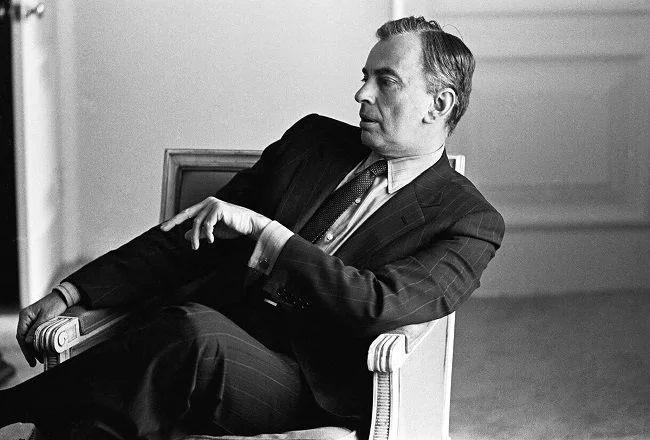
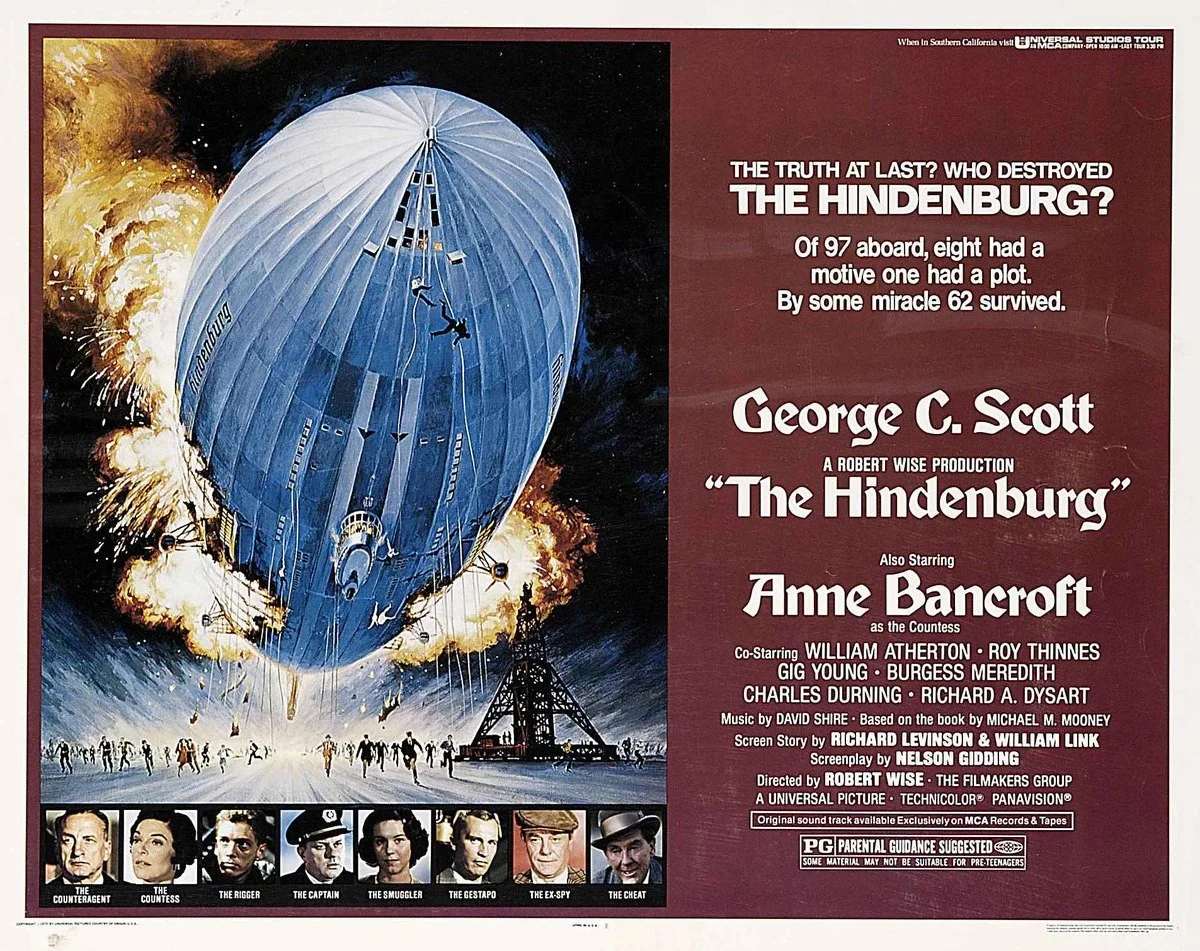
Wanted: Dead or Alive was a popular western TV show from the fifties starring Steve McQueen. It told the story of Josh Randall, a Confederate war veteran and bounty hunter. It ran for three seasons and is mainly notable for launching the career of its star. The 1987 action movie, Wanted Dead or Alive, starring Rutger Hauer, tenuously links to the television show, however that’s where the similarities end. Ex-CIA operative turned bounty hunter Nick Randall (Hauer) at one point shares a brief anecdote about a Grandfather who used to tell him tall tales of the old west. That is the only reference to the television show that the movie makes. Beyond that, Wanted: Dead or Alive is pretty much a standard eighties action film with a better than average script and cast of supporting actors. It also features the decades most ubiquitous plot device, the stereotypical group of fanatical Arab terrorists.
Wanted: Dead or Alive was a popular western TV show from the fifties starring Steve McQueen. It told the story of Josh Randall, a Confederate war veteran and bounty hunter. It ran for three seasons and is mainly notable for launching the career of its star. The 1987 action movie, Wanted Dead or Alive, starring Rutger Hauer, tenuously links to the television show, however that’s where the similarities end. Ex-CIA operative turned bounty hunter Nick Randall (Hauer) at one point shares a brief anecdote about a Grandfather who used to tell him tall tales of the old west. That is the only reference to the television show that the movie makes. Beyond that, Wanted: Dead or Alive is pretty much a standard eighties action film with a better than average script and cast of supporting actors. It also features the decades most ubiquitous plot device, the stereotypical group of fanatical Arab terrorists.
Director Gary Sherman has made some interesting films during his career. This includes such cult classics as Death Line, Vice Squad and Dead and Buried. All are low budget features that manage to offer a different take on stock movie tropes and story lines. Here he assembles some good character actors such as Robert Guillaume, Jerry Hardin and Hugh Gillin, playing an assortment of duplicitous company men. The plot has a little more depth than most brainless action films of the time. Not only is there the excitement of a straight forward man hunt but an extra political layer showing the divisions within the various security services, each with their own agenda. This perhaps compensates for the celebrity miscasting of Gene Simmons of KISS fame, as the terrorist Malak Al Rahim. His performance is questionable and yet it’s also the sort of eye rolling, scenery chewing excess that fans of this genre like.
The modern audience may find the action scenes somewhat low key but that’s the way it was back then in the eighties. Large budgets and excess were not as abundant as they are now and there is a cogent argument to be made for more minimalist vehicles of this kind today. At least all the stunt work and prosthetics are genuine in-camera effects. It is also fun to see what passed as cutting-edge technology backing the mid-eighties, with car phones and non-windows based computers. Rutger Hauer provides a suitably laid-back performance and his presence lifts the movie above the mundane. The witty one liners and banter do not mitigate the story's point. Wanted Dead or Alive also benefits from a bravura ending with one of the best pay off lines of the decade. Watch if you are an eighties action film fan or a Rutger Hauer aficionado.



Upgrading Your PC
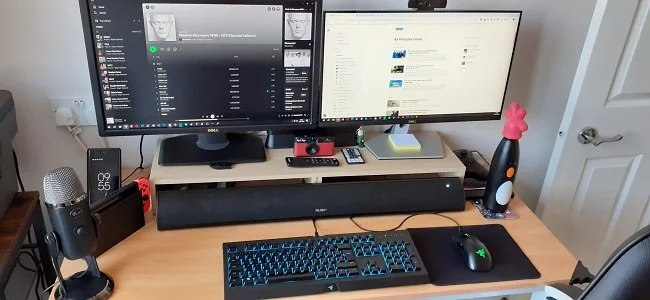
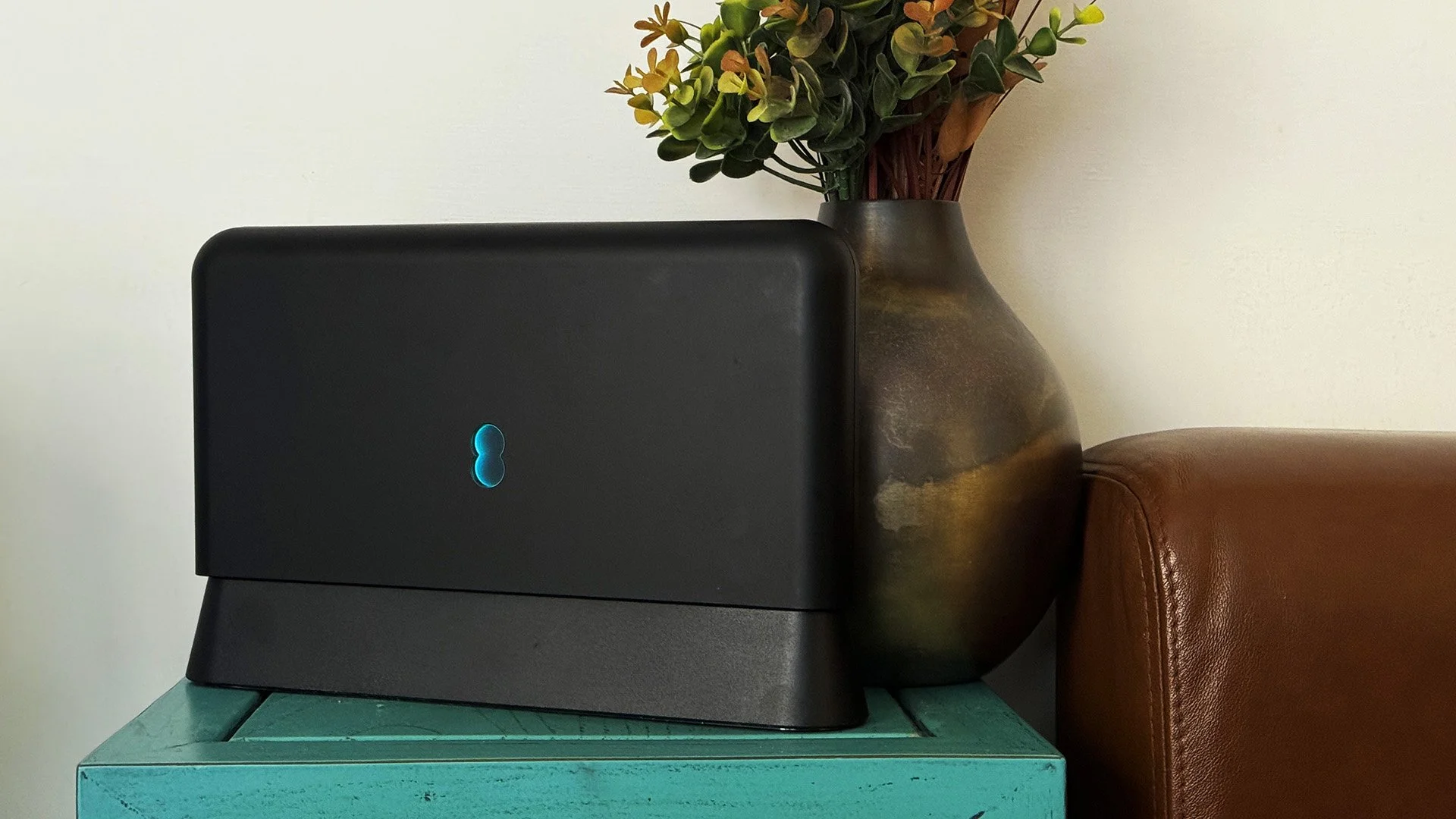
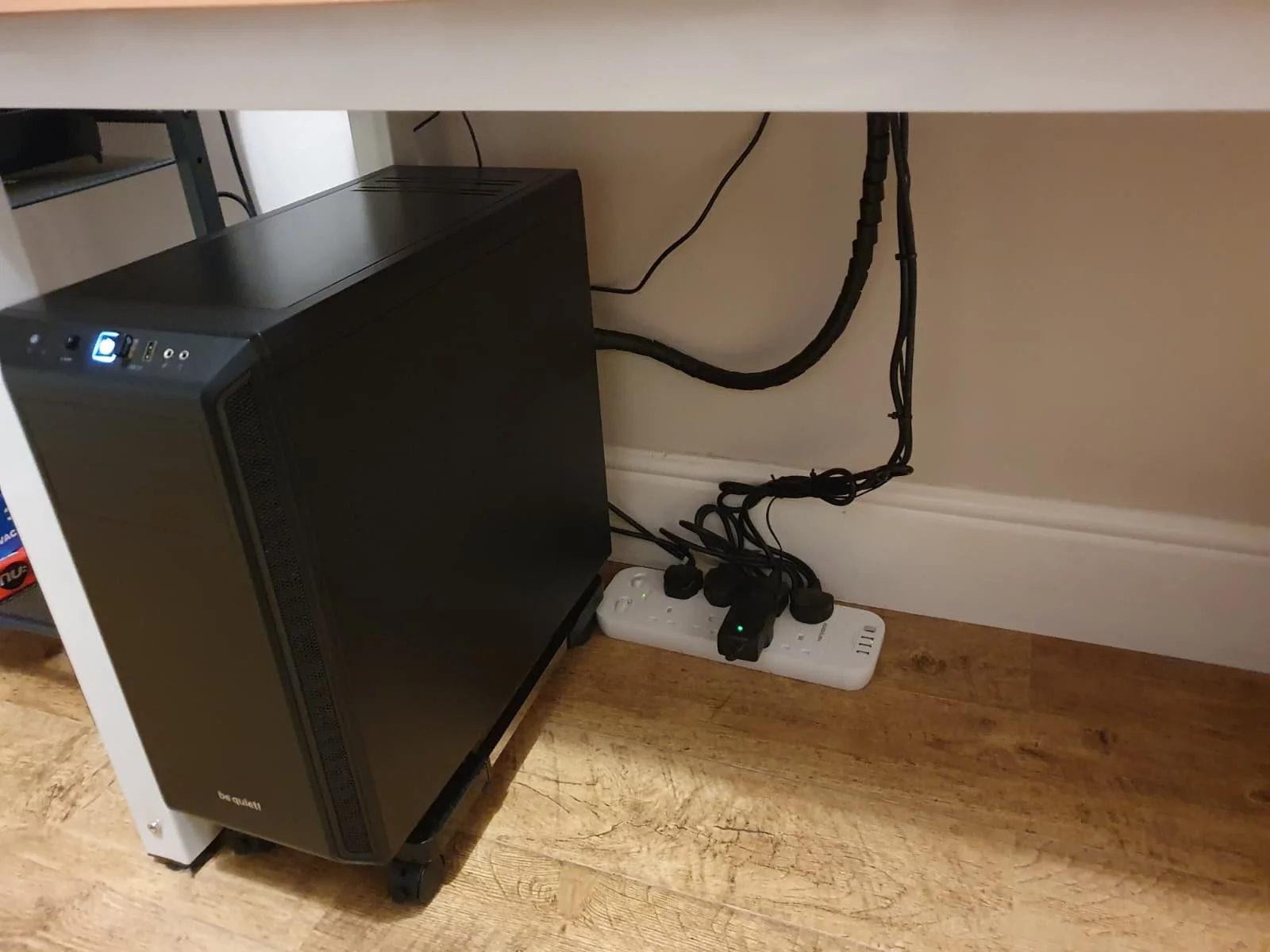
My current PC is nearly four years old (I know it’s shocking isn’t it?). I bought a bare bones system from Zoostorm back in January 2014 and have made several upgrades to it since then. At present the PC is built around an Intel Quad Core i5-3340 3.10GHz and has 8GB of DDR3 RAM. Storage is handled by a 2TB Hybrid Hard Drive and the graphics card is a GeForce GTX 650 Ti 2GB. I also replaced the standard PSU with a Cooler Master 500W 12V Elite Power 500 Power Supply Unit. So far, this PC has served me well and until recently has handled pretty much all the tasks I’ve thrown at it. However, it labours when taxed and struggles to run some of the more recent games at what I consider to be an acceptable level. So, I’ve been considering my options as to whether to replace the entire PC or to upgrade it further. Although money is not a major issue, it would be more fiscally prudent to replace a few components rather than buy a new system. Older Ivy Bridge processors such as mine are still viable, so I’ve decided to increase the RAM and replace the graphics card.
My current PC is nearly four years old (I know it’s shocking isn’t it?). I bought a bare bones system from Zoostorm back in January 2014 and have made several upgrades to it since then. At present the PC is built around an Intel Quad Core i5-3340 3.10GHz and has 8GB of DDR3 RAM. Storage is handled by a 2TB Hybrid Hard Drive and the graphics card is a GeForce GTX 650 Ti 2GB. I also replaced the standard PSU with a Cooler Master 500W 12V Elite Power 500 Power Supply Unit. So far, this PC has served me well and until recently has handled pretty much all the tasks I’ve thrown at it. However, it labours when taxed and struggles to run some of the more recent games at what I consider to be an acceptable level. So, I’ve been considering my options as to whether to replace the entire PC or to upgrade it further. Although money is not a major issue, it would be more fiscally prudent to replace a few components rather than buy a new system. Older Ivy Bridge processors such as mine are still viable, so I’ve decided to increase the RAM and replace the graphics card.
The only real headache I’ve had during this process was trying to determine a suitable graphics card. The budget of £150 has imposed a degree of restrictions. As I have said in the past, relying upon reviews is often a double-edged sword. Although I’ve found some that are informative, journalists seem reluctant to commit to a specific opinion. Hence, all too often I’ve wasted my time reading 500 hundred words that end by telling me to to increase my budget and buy something better. Patently, many tech writers fundamentally fail to grasp the concept of a “budget”. However, despite all this, I finally decided upon the Zotac GTX 1050Ti 4GB. I managed to obtain this model for £130. It’s a compact graphic card with a small form factor, that has a TDP of just 75watts, which means it can be powered with the PCie Bus alone. Not only does this mean no messing about with power adaptors and cable management, it also sounds devilishly saucy.
I’m also going to increase the RAM in my PC. This is not so much for the gaming, as the benefits in that respect are questionable. This is specifically for audio editing which can be very RAM intensive when editing and rendering. Doubling the quantity from 8GB to 16GB should make a significant improvement. However, as I have an older Gigabyte motherboard, I am still tied to DDR3 RAM. Rather than trying to find an exact matching module for the existing 8GB, I have opted to replace it and have bought two new Corsair 8GB DIMMs at £100. Mismatching memory modules or purchasing unsupported upgrades are common mistakes that often end in tears. So, I ensured that I checked my motherboard specifications thoroughly and conferred with the Corsair website before I committed to this upgrade. I also used the PSU calculator over at the Cooler Master website to ensure my current power supply is up to the job but it seems I over specified that when I originally replaced it.
All things considered, I am quite pleased with the choice of hardware for my new PC. It may not be the computing beast that some tech-heads may favour but frankly I'm no longer infatuated with technology in the way that I was a decade ago. I also find the subreddits on these matters to be technically spurious and populated by preening fans who often can’t see the woods for the trees. Getting practical and realistic advice is often like pulling teeth. However, I am confident the specifications of this PC will allow me write, record and edit podcasts as well as play games to an acceptable standard. So far, the overall spend has been £230, care of Amazon Prime. Plus, this exercise gives me an opportunity to dust off my tools and tinker with my PC. Although I am, for all intents and purposes, officially retired from working in IT, I do miss it from time to time.













Star Wars Battlefront 2: Update
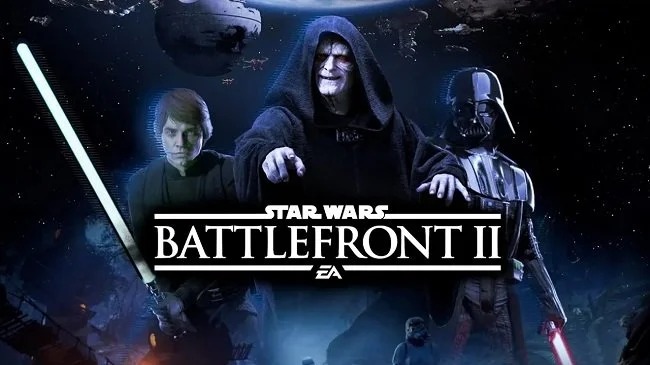
Having completed my ten-hour Play First Trial of Star Wars Battlefront 2, I wanted to elaborate further upon my initial thoughts of the game. It should be noted that the demo that EA offers via Origin Access, comes with several caveats. Only the first three missions of the campaign are available, although these are sufficient to give to the you a good handle on the game’s various combat mechanics. You play as Imperial Special Forces Agent Iden Versio, the leader of Inferno Squad. The story starts during the Battle of Endor and addresses the fate of the Empire, after the Emperor’s demise. Unlike many games from this genre, the single player campaign is well written and engaging. When this part of the demo ended I found myself wanting to play more and see where the narrative went. Out of the ten hours given for the demo, I spent about three on the campaign. The rest of the time I spent in multiplayer, which is the game’s raison d'être.
Having completed my ten-hour Play First Trial of Star Wars Battlefront 2, I wanted to elaborate further upon my initial thoughts of the game. It should be noted that the demo that EA offers via Origin Access, comes with several caveats. Only the first three missions of the campaign are available, although these are sufficient to give to the you a good handle on the game’s various combat mechanics. You play as Imperial Special Forces Agent Iden Versio, the leader of Inferno Squad. The story starts during the Battle of Endor and addresses the fate of the Empire, after the Emperor’s demise. Unlike many games from this genre, the single player campaign is well written and engaging. When this part of the demo ended I found myself wanting to play more and see where the narrative went. Out of the ten hours given for the demo, I spent about three on the campaign. The rest of the time I spent in multiplayer, which is the game’s raison d'être.
I’m not a huge fan of the ground based multiplayer modes. I find that my reactions are too slow for me to make any meaningful progress. However, Galactic Assault features large team orientated, objective based maps and due to the volume of players is more forgiving to the less skilled. I only spent an hour or so with type of combat before moving on to Starfighter Assault mode. Here two teams of up to 24 players, with an additional 40 AI fighters, compete in multi-stage battles between swift starfighters and powerful hero ships. There are also huge capital ships to be dealt with as well as environmental objectives. Space combat, which was conspicuously absent in the last instalment of the game, is the jewel in the crown of Star Wars Battlefront 2. The combat is fast, fluid and immense fun. The ships handle well and each class has its virtues. I was expecting to have to use my Xbox Controller for this stage of the game but I found that a keyboard and mouse works quite well.
I spent six hours playing Starfighter Assault and learning curve wasn’t too hard. As ever situational awareness is the key to success, as well as firing in controlled and measured bursts. Timing is everything. It also pays to stay with your wingmen and provide cover for each other. Out of all the ships, I found the TIE fighter most to my liking. It is a simple and efficient vessel. As for the hero ships, which become available to fly when you’ve amassed sufficient points in combat, I soon learned to avoid them. Although they do provide increased firepower, they’re also prime targets and other players flock to take them down. Again, for those who are not so confident with one on one combat, there are capital ships to destroy. Because progress is based on points and not just kills, even the novice player can make progress. For me the space combat is the selling point of this game. It is enthralling and entertaining.
Sadly, I must now return to the subject of the loot crates and star cards. Although skill, experience and reactions determine a player’s performance, equipping a star card with a suitable modifier makes a significant difference. While initially playing Starfighter Assault, it became apparent that other players had quicker weapons cooldowns, increased armour or it took less time for their missiles to lock on. I found this out because whenever you’re defeated, your foes details display on screen listing their username, ship class and all the modifiers they have equipped. It’s far from a subtle advertisement for loot crates. Furthermore, I when I experimented with modifiers myself, after buying some loot crates with earned currency, I soon got lucky and obtained some beneficial star cards myself. These did improve my performance by enhancing my ships durability. Thus, those players who do not wish to grind for upgrades can simply throw their wallets at the problem. Theoretically, a new player could have a significantly improved starfighter just after a few hours, if they’re prepared to pay.
I’m wont badger readers any further about the iniquities of microtransactions in triple A titles. I will simply say I think it’s bad for gaming in the long term. However, I suspect that EA have taken a calculated gamble on using this franchise as a guinea pig for this form of monetisation. Star Wars Battlefront 2 is a solid and immensely enjoyable game and I’m certain many players are going to put aside their moral objections and buy this title because, hey, it’s Star Wars. I myself was not going to buy the game after the trial on principle but have now been informed that it has already been purchased as a gift for my upcoming birthday. I will however not pay for any loot crates with real money and will simply rely upon grinding. I shall also be keeping my eyes open for news regarding sales of Star Wars Battlefront 2 when it launches officially on 16th November. Then we will find how much of a stumbling block microtransactions are and whether gamers worry about cognitive dissonance.

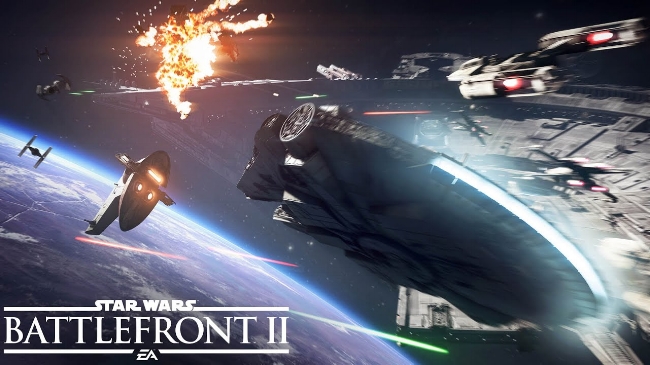
Star Wars Battlefront II
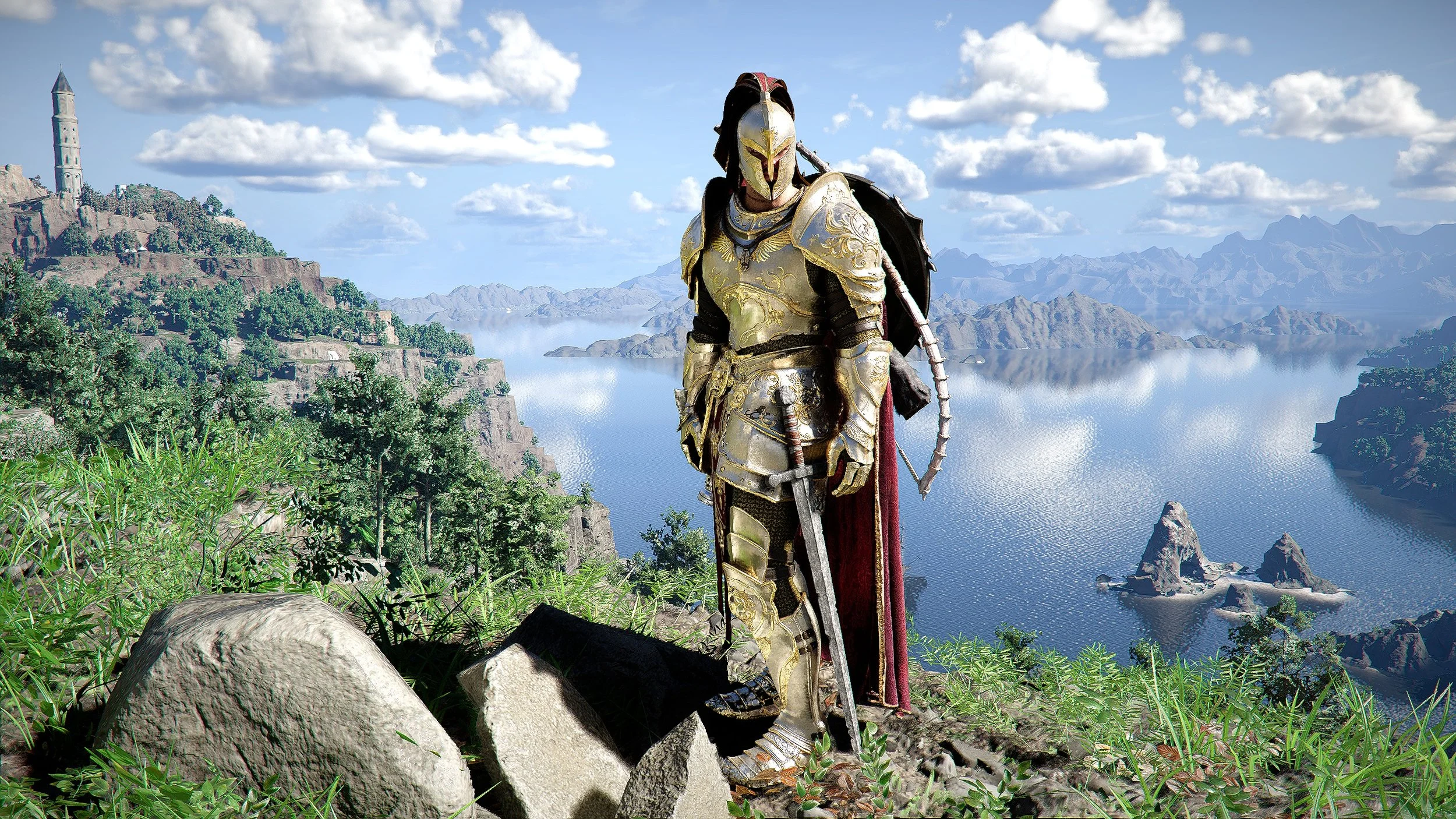
Star Wars Battlefront II looks superb, even on an ageing PC such as mine. It absolutely exudes Star Wars ambience, with its aesthetics and sound design. If you are looking for a game that show cases the cutting edge of game graphics, then look no further. However, I cannot praise the game play and mechanics in the same ways as its visuals. Star Wars Battlefront II is hobbled by a progression system that is tied and potentially undermined by its loot crate mechanic. Furthermore, I won’t say “this is a real shame” as if it’s something that just happened by accident because it patently isn’t. The game was design this way. EA elected to block player progression and then provide a means to circumnavigate it, through the spending of additional funds.
Star Wars Battlefront II looks superb, even on an ageing PC such as mine. It absolutely exudes Star Wars ambience, with its aesthetics and sound design. If you are looking for a game that show cases the cutting edge of game graphics, then look no further. However, I cannot praise the game play and mechanics in the same ways as its visuals. Star Wars Battlefront II is hobbled by a progression system that is tied and potentially undermined by its loot crate mechanic. Furthermore, I won’t say “this is a real shame” as if it’s something that just happened by accident because it patently isn’t. The game was design this way. EA elected to block player progression and then provide a means to circumnavigate it, through the spending of additional funds.
Weapons and characters in Star Wars Battlefront II can have their base skills upgraded. In most games with a similar mechanic, as you level up you earn skills points that you then spend to unlock modifiers and upgrades. Here they are dependent on star cards which are only available from loot crates. Theoretically you could simply earn everything you need by grinding through the game and earning the necessary currency and depending on chance. However, it would be a tortuously slow process. Naturally, paying for additional loot crates is the solution that EA have seen fit to implement. You can therefore spend additional money over the cost of the base game and gain modifiers that give you a significant advantage.
Even if you set aside for a moment the questionable ethics of this business model, Star Wars Battlefront II has no match making system in place. Thus, a new player will immediately compete against those who have purchased a clear advantage. These manifests themselves as reduced timers for weapon over heating or quicker weapons lock on in space combat. The net result is that the new player will die more frequently. Even those adept at the FPS genre will find that they have to play far harder for less results. Whether the player has the patience to plod through the game until they have unlocked all the necessary skills without paying for them, ultimately come down to their temperament. All I have to add to this sorry state of affairs is that fun and success should not be the prerogative of those who pay extra. This is supposed to be a “game”.
There is a single player campaign with this instalment of the franchise and from what I’ve seen so far, it is not too bad. The voice acting is solid and the story from an imperial perspective is enjoyable. EA have also made it clear that all future maps and DLC for the game will be free but given that your performance through any additional material is dependent on the skills that you’ve unlocked, we are forced to return to the issue of the loot crates and how not using them diminishes your success in the game. The sad reality is that this system gates player performance and therefore player fun. So, I cannot personally recommend Star Wars Battlefront II. It is immensely enjoyable in principle and embodies Star Wars in many respects but is flawed by an unpleasant and egregious business model.
NB. I shall post an update to this post when I've completed by ten hour trial.
Diary of a Podcaster Part 11
Podcasts are becoming an invaluable medium for the analysis and discussion of niche interests and bespoke subjects. Many of the shows that I regularly listen to bring professional quality documentary skills to bear on unique and varied areas of fandom. More and more podcasts are being made by informed and intelligent fans, offering in-depth material rather than just light weight banter. Simply put, I am spoilt for choice. Therefore, it is essential to have a suitable podcast management app to stay on top of such quality entertainment. Something that allows me to curate and organise those shows that I currently enjoy, as well as providing recommendations for comparable material that I may wish to subscribe to. For several years I’ve been using Podcast Addict on my Android devices, although I’ve struggled to find something comparable for my PC.
Podcasts are becoming an invaluable medium for the analysis and discussion of niche interests and bespoke subjects. Many of the shows that I regularly listen to bring professional quality documentary skills to bear on unique and varied areas of fandom. More and more podcasts are being made by informed and intelligent fans, offering in-depth material rather than just light weight banter. Simply put, I am spoilt for choice. Therefore, it is essential to have a suitable podcast management app to stay on top of such quality entertainment. Something that allows me to curate and organise those shows that I currently enjoy, as well as providing recommendations for comparable material that I may wish to subscribe to. For several years I’ve been using Podcast Addict on my Android devices, although I’ve struggled to find something comparable for my PC.
The most obvious choice is to use the iTunes client itself, as it has all the functionality that I need. However, I find it to be a resource hog and extremely pervasive piece of software, that makes itself the default media player once installed. I don’t like software that insists on trying to do my thinking for me. However, I recently found Grover Podcast in the Windows app store which is a free tool for podcast management. It has a comprehensive search facility that checks in all the right places, allowing you to easily find and subscribe to shows. Alternatively, you can import an OPML file if you have a list elsewhere. You can download automatically as well as cast to other devices if you need. The bottom line is that it has all the functionality you require and a very simple interface that makes managing everything very intuitive.
At present I subscribe to over twenty podcasts. Not all are weekly, which makes keeping up with them all a lot easier. In the past when I was regularly commuting, I use to often listen to these shows while travelling. Now I tend to listen to them more at home at convenient times between chores and social obligations. Hence the change from relying upon an Android device to a PC. I will often stream podcasts to my Amazon Echo, if I am on my own doing housework or preparing food in the kitchen. I often find that the discussions that take place on many of these podcasts provide ideas for my own blog posts. Some shows do require more concentration than others, depending on the nature of the podcast. So, I don’t always multitask while listening. However, all of those that I currently subscribe to are entertaining and informative. Considering that most are free or financed through Patreon, podcasts are great value.












Origin Access
I signed up for Origin Access today. For those who do not know, this is a subscription service to the EA Origin platform on the PC. For the nominal sum of £3.99 a monthly subscriber gets to “explore an instant collection of 75+ PC games and play as much as you want. Origin Access members also get to try new EA games before they’re released and save 10% on Origin purchases”. Out of those 75 PC games many are fairly recent titles such as Mass Effect: Andromeda Deluxe Edition, Battlefield 1, Titanfall 2, Unravel and FIFA 17. There are also classic titles such as the Crysis and Dead Space series. However, the reason I decided to sign up to this service is because Origin Access members get trial access Star Wars Battlefront II before the game is released to the wider public. Here is the staggered release schedule for this much awaited title. Subscribers get their hands on the game first, then owners of the Deluxe Edition. Finally, those who bought the base edition get to play. Make of that what you will.
I signed up for Origin Access today. For those who do not know, this is a subscription service to the EA Origin platform on the PC. For the nominal sum of £3.99 a monthly subscriber gets to “explore an instant collection of 75+ PC games and play as much as you want. Origin Access members also get to try new EA games before they’re released and save 10% on Origin purchases”. Out of those 75 PC games many are fairly recent titles such as Mass Effect: Andromeda Deluxe Edition, Battlefield 1, Titanfall 2, Unravel and FIFA 17. There are also classic titles such as the Crysis and Dead Space series. However, the reason I decided to sign up to this service is because Origin Access members get trial access Star Wars Battlefront II before the game is released to the wider public. Here is the staggered release schedule for this much awaited title. Subscribers get their hands on the game first, then owners of the Deluxe Edition. Finally, those who bought the base edition get to play. Make of that what you will.
- STAR WARS™ Battlefront™ II: Play First Trials Release date: November 9, 2017 (time not yet specified)
- STAR WARS™ Battlefront™ II: Elite Trooper Deluxe Edition Release date: November 13, 2017 11:00 PM GMT
- STAR WARS™ Battlefront™ II Release date: November 16, 2017 11:00 PM GMT
Triple A games are becoming increasingly expensive to buy and as far as I’m concerned if I’m going to sink over £60 into a new title I want to be as certain as possible that I’m going to enjoy the experience and also get value for money. Thus spending £3.99 on a subscription that offers me a free trial of Star Wars Battlefront II, seems a better option than spending £69.99 blind on the Deluxe Edition. If I enjoy the game then I can buy it later with a 10% discount, reducing the price to £62.99 which although not huge, is better than a poke in the eye with a pointed stick. Conversely, if the game is overrated, spoilt by the microtransactions or simply not to my liking I can elect not to buy it. Furthermore, if there are no further titles on Origin Access that interest me, I can simply cancel my subscription. At worst, all I’ve spent is £3.99 which is an acceptable gamble.
It should be noted that the Play First Trial as EA refers to them for both Star Wars Battlefront II and other premium titles are limited to ten hours. Some people may think this too little time however I think it will be sufficient for me to make an appropriate judgement about the game. I now simply await Thursday evening when the game client becomes available for me to install. I suspect it will be a substantial download, so I probably won’t actually be able to check out the game until Friday morning. In the meantime, I shall install one of the older titles available on Origin Access and ruminate upon the ongoing transition of gaming from a product driven business, to a service industry.
Fun With The Jackbox Party Pack 3
For me, the best sort of fun is that which occurs organically and spontaneously. I not a big fan of organised fun, predicated on a predetermination that “everyone will enjoy themselves” (whether they want to or not). Therefore, I’m sure that it will come as no surprise to you that I hate institutions such as Holiday Camps and bullshit like Secret Santa in the workplace. However, this is not a post about the psychology of group interactions and humour but simply a slap on the back to Jackbox Games. Specifically, I had a crash course on The Jackbox Party Pack 3 last night, courtesy of Wolfyseyes Twitch Stream. Let it suffice to say that it was immense fun and I cannot remember laughing so much in a long time. It was a good job I wasn’t on Discord. The games themselves were a creative and enjoyable platform for the fun and mirth but the real comedy gold was down to the crowd of people playing.
For me, the best sort of fun is that which occurs organically and spontaneously. I not a big fan of organised fun, predicated on a predetermination that “everyone will enjoy themselves” (whether they want to or not). Therefore, I’m sure that it will come as no surprise to you that I hate institutions such as Holiday Camps and bullshit like Secret Santa in the workplace. However, this is not a post about the psychology of group interactions and humour but simply a slap on the back to Jackbox Games. Specifically, I had a crash course on The Jackbox Party Pack 3 last night, courtesy of Wolfyseyes Twitch Stream. Let it suffice to say that it was immense fun and I cannot remember laughing so much in a long time. It was a good job I wasn’t on Discord. The games themselves were a creative and enjoyable platform for the fun and mirth but the real comedy gold was down to the crowd of people playing.
First off, for those unfamiliar with the concept, here’s succinct summary of The Jackbox Party Pack franchise, taken from Wikipedia. "The Jackbox Party Pack are a series of party video games developed by Jackbox Games for many different platforms on a near-annual release schedule since 2014. Each installation contains five or so games that are designed to played in large groups, including in conjunction with streaming services like Twitch.tv and provide a means for audiences to participate". Last night Wolyseyes hosted the games from his PC and streamed them. Players then joined the game via a webpage using an authorisation code. For some games joining via a tablet or phone was more practical than a computer. To play you watched the live stream and interacted via your mobile device or web browser. It’s simple and very effective means of bringing people together online as well as great fun. The technology works well.
The games themselves are very creative. Guesspionage is based around making educated guesses about questions drawnfrom data gleaned from the internet. For example, one player would have to guess what percentage of US citizens use a car wash. Once they have made a choice, the other players would have to guess whether the answer is in fact higher or lower. The questions themselves are comically trivial in nature but cunningly contrived because they’re the sort of things that once asked, you really want to know what the answer is. Trivia Murder Party is a stylised horror based trivia game. You get to answer questions and amass money but if you get a question wrong then your avatar will be killed. This game includes some very droll banter from the narrator as you play it. Furthermore, once your character is dead you still get to compete and have a chance to win in the final round. Some of the questions are a little US-centric but that’s to be expected from such products.
However, the game that proved the most fun and provoked the most mirth from the participants was Tee K.O. It’s a drawing-based game, in which you have to create several designs for T-shirts along with some pithy phrases and tagline to go with them. Once everyone has completed several of each, the players are randomly assigned a selection of images and phrases combined into completed T-shirts. These then go head to head and the players vote for which one is best. As you can expect the artwork is often bizarre and the mottos are somewhat left field. I made the school boy error of being far too ambitious with my picture, trying to quickly pen a picture of Cthulhu. Left it suffice to say it was paired with the most random of phrases. We played several rounds of Tee K.O. and I was laughing so hard at times I had tears in my eyes.
I won’t bore readers with an excess of examples that have been taken out of context. Much of the humour and banter you share with friends is purely situational and impromptu. But I will happily sing the praise of these games by Jackbox as they are a perfect conduit for bringing people together online. It was nice to spend time with a diverse group of players from around the world and make new friends. As a result of last night, I have joined a new Discord channel as well as started following some new streamers and twitter accounts. Overall it was a great evening and a welcome change to take part in gaming that isn’t based around an excess of competitiveness, shooting stuff in the face and people getting angry. I really look forward to doing it again soon.
Strictly Come Dancing 2017: Part 3
Well I said it last week that there was scope for a surprise elimination from Strictly Come Dancing and surely enough it has happened. Aston Merrygold, despite being tipped as a contender for the final, scored poorly with the judges last night and also failed to garner sufficient public support. He subsequently found himself in the dance off with Mollie King and despite correcting some of the technical issues that were present in his initial performance, he failed to sway the majority of the judges in his favour. Darcey and Bruno both voted to save him but Craig and Shirley (who as head judge has the casting vote) opted to save Mollie. Hence, bookies favourite Aston Merrygold has left the show, proving that no one can rest on the laurels. As you’d expect, there were vocal complaints from fans and supporters who felt that the judges had been unfair with their marks. However, I believe if anyone is to blame then it is Aston’s professional partner Janette Manrara.
Well I said it last week that there was scope for a surprise elimination from Strictly Come Dancing and surely enough it has happened. Aston Merrygold, despite being tipped as a contender for the final, scored poorly with the judges last night and also failed to garner sufficient public support. He subsequently found himself in the dance off with Mollie King and despite correcting some of the technical issues that were present in his initial performance, he failed to sway the majority of the judges in his favour. Darcey and Bruno both voted to save him but Craig and Shirley (who as head judge has the casting vote) opted to save Mollie. Hence, bookies favourite Aston Merrygold has left the show, proving that no one can rest on the laurels. As you’d expect, there were vocal complaints from fans and supporters who felt that the judges had been unfair with their marks. However, I believe if anyone is to blame then it is Aston’s professional partner Janette Manrara.
Last week, Aston and Janette were second from the top of the leader board with a robust score of 38 out of 40. Janette had cleverly choreographed a Paso Doble that blended traditional dance moves with more contemporary techniques. It was well received because it was a bold move that found the right balance between old and new. However, head judge Shirley Ballas did remark that she would have liked a little more traditional content, which is an important point to note. This week Janette took a similar gamble with a Viennese Waltz to Who’s Loving You by The Jackson 5. Again, she created a routine that placed a somewhat modern spin upon what is seen by some as a formal, traditional dance. If it was performed as a show dance, then I’m sure it would have fared better but as ever the judges scrutinised it on its technical merits. Both Craig and Shirley were not happy about its lack of Viennese Waltz content and thus marked accordingly. A view that the public may have also shared if you consider their votes.
So, Aston had little room to manoeuvre when he found himself in the dance off. He could obviously address some of the technical aspects of the routine but he couldn’t change the choreography. Mollie did give an improved performance second time round and the mistake that was made on Saturday’s show was not repeated. Furthermore, AJ wisely elected to keep her in-hold for as much of the routine as possible and minimised the potential for mistakes. Thus, there was no major reason when it came to decision time for judges Craig and Shirley to change their mind regarding Aston. I’m sure there will be those who disagree and even those who will trot out the usual arguments of subterfuge and prejudice. However, I believe the reality of the matter lies in the fact that approaching the Viennese Waltz in such a fashion was a fundamental mistake. Certainly, Aston’s departure at this stage alters the potential outcome of Strictly Come Dancing 2017. I’m thinking the smart money may should perhaps now be on Debbie McGee.




Season of the Witch (2011)
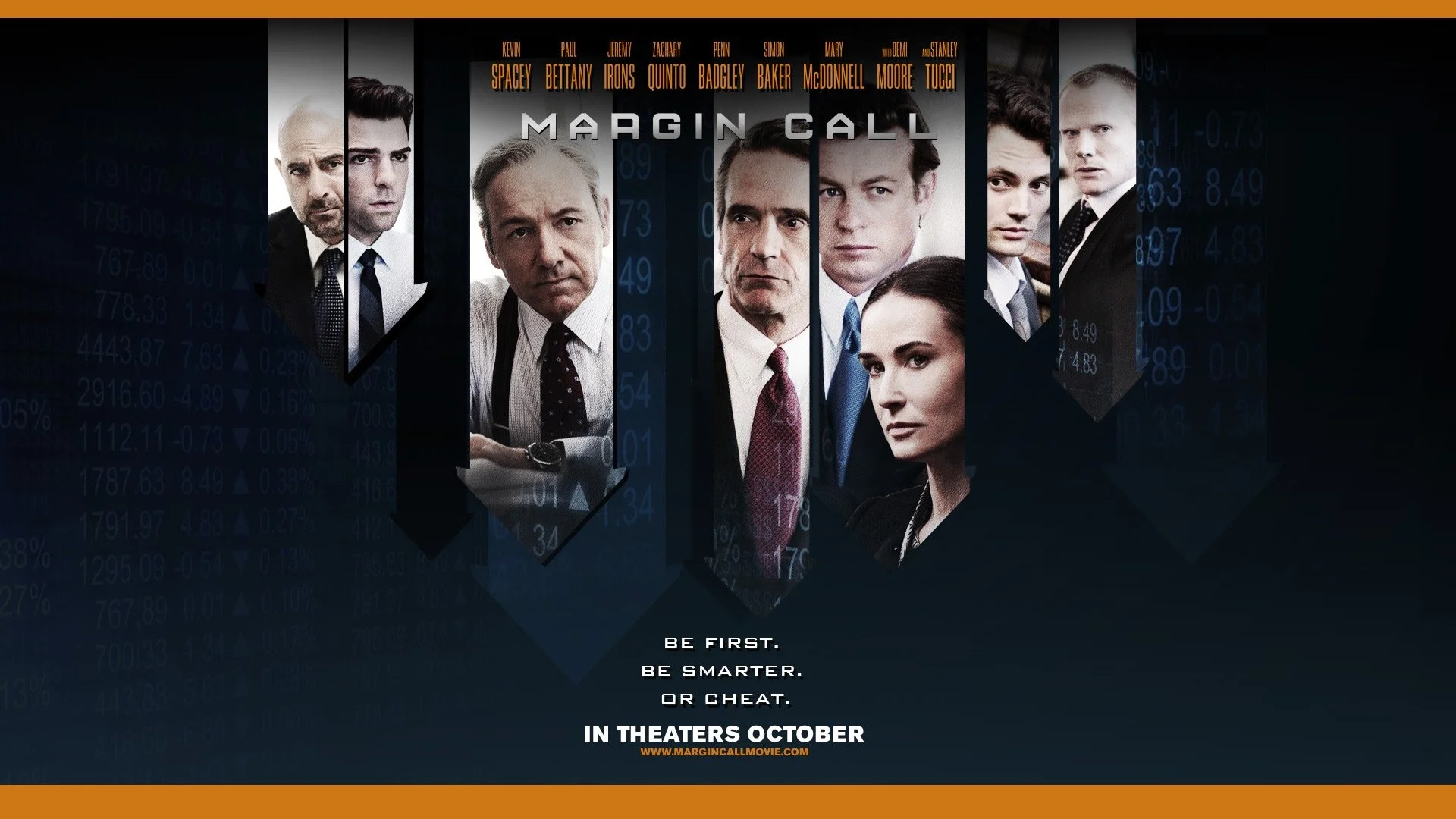
After years of war, two 14th century Crusaders (Nicholas Cage and Ron Perlman) returns to a homeland devastated by the Black Plague. The church, deeming sorcery to be the source of the outbreak, tasks the knights to transport an accused witch (Claire Foy) to a remote abbey, where monks will perform a ritual in hopes of ending the pestilence. A priest, a grieving knight, a disgraced trader and an altar boy who dreams of becoming a knight, join the mission across a hostile wilderness. The group soon finds itself at odds with each other over the fate of the girl. When the embattled party finally arrives at the abbey, a horrific discovery jeopardises the knight's pledge to ensure the girl fair treatment, pitting them against an inexplicably powerful and destructive force. Will good or evil triumph?
After years of war, two 14th century Crusaders (Nicholas Cage and Ron Perlman) returns to a homeland devastated by the Black Plague. The church, deeming sorcery to be the source of the outbreak, tasks the knights to transport an accused witch (Claire Foy) to a remote abbey, where monks will perform a ritual in hopes of ending the pestilence. A priest, a grieving knight, a disgraced trader and an altar boy who dreams of becoming a knight, join the mission across a hostile wilderness. The group soon finds itself at odds with each other over the fate of the girl. When the embattled party finally arrives at the abbey, a horrific discovery jeopardises the knight's pledge to ensure the girl fair treatment, pitting them against an inexplicably powerful and destructive force. Will good or evil triumph?
Season of The Witch was submitted to the MPAA for rating twice, prior to release, as the studio tried to secure a “suitable” rating for the movie. The film itself spent an entire year between completion of the production and its theatrical release as various parties tinkered with its final edit. The script had been in development since 2000 and had been passed from both MGM and Columbia pictures before finally being produced by Relatively Media. Despite some striking location work around Eastern Europe, suitable castles and associated building from the required period could not be found. Thus, a great deal of material had to be shot against green screens and added digitally in post-production. However, budgetary restraints had an impact upon this work and its quality. All of these factors are usually indicative of a troubled production, resulting in a flawed film. Sadly, Season of the Witch very much fits that bill.
Season of The Witch is glaringly narratively and tonally inconsistent. The characters are insufficiently developed as are the themes. The story is very derivative and the content conspicuously edited to secure the commercially viable PG-13/12A rating. However, smitten by a fit of unusual generosity, I have to admit that I did enjoy the film. This is mainly because of Ron Pearlman's presence and a handsome production design that is very reminiscent of Hammer studios work and Roger Corman's Poe adaptations. Like 2012 release of Solomon Kane, the film manages to look a lot more sumptuous than it actually is due to its Hungarian and Croatian locations. Furthermore, although the action scenes and set pieces have been very tightly edited for rating reasons, they are still well conceived due to the presence of veteran stunt co-ordinator Vic Armstrong.
The story of two Teutonic Knights escorting a suspected witch to a remote castle for trial, through a world devastated by the Black Death, often comes across as pythonesque. This is mainly due to the similarities in the depiction of the Medieval world. I was also reminded of Terry Gilliam’s Jabberwocky that has a similar grimy depiction of the time. The story is episodic and offers very few surprises. It is entertaining in a very undemanding way and the night attack by wolves in the fog bound forest, is actually well executed. There are even some occasional nods to Ingmar Berman which seem curiously hubristic. However, overall Season of The Witch is an inconsistent viewing experience and a film that falls between several stools. It doesn’t seem to find a level that it is comfortable with, very much like director Dominic Sena's previous film Whiteout. Therefore, only watch is you are feeling tolerant, forgiving and are the most ardent Nicholas Cage fan.







Destiny 2
I bought Destiny 2 on a whim this week. I did not play the first instalment but many of my friends and colleagues gave the game positive feedback. They continued to extol the virtues of the franchise with the recent launch of the sequel, so I decided to give it a try. I’ve always enjoyed the FPS genre and the fact that this title is a pseudo MMO, piqued my interest. So, I shopped around as usual and bought the base game for £42.79, which isn’t a bad price. I didn’t commit to the season pass in case the overall game wasn’t to my liking. However, so far things have been both enjoyable and interesting. I’ve only played for about five or six hours, so haven’t got that far into the game but overall Destiny 2 seems to be a wise investment.
I bought Destiny 2 on a whim this week. I did not play the first instalment but many of my friends and colleagues gave the game positive feedback. They continued to extol the virtues of the franchise with the recent launch of the sequel, so I decided to give it a try. I’ve always enjoyed the FPS genre and the fact that this title is a pseudo MMO, piqued my interest. So, I shopped around as usual and bought the base game for £42.79, which isn’t a bad price. I didn’t commit to the season pass in case the overall game wasn’t to my liking. However, so far things have been both enjoyable and interesting. I’ve only played for about five or six hours, so haven’t got that far into the game but overall Destiny 2 seems to be a wise investment.
Before, I start on what I like about the game, let me voice one criticism. At present it is my only one I have. I was expecting Destiny 2 to start with a specific tutorial, as you would find in an MMO. Something that would introduce all the game systems and provide you with an overview of managing my character and their gear. I appreciate that tutorials are not universally loved. Some players hate the way they slow you down, but I feel it would be beneficial to the game. I’d even settle for highlighted tooltips. Yet both options are conspicuously absent. I therefore had to muddle through the best I could initially and when I encountered something I wasn’t sure about, such as replacing gear or seeking a quest log, I had to tab out of the game and Google it. I always feel that it is a fundamental flaw in any game if you have to temporarily leave it to seek information.
However, the tutorial issue aside, there is much that I like about Destiny 2. Firstly, it looks devilishly saucy. I make no bones about the fact that I like my game to be visually attractive and Destiny 2 makes my graphics card “sing”. Then there’s the actual combat itself, which is very fluid and requires a lot of situational awareness. The mobs are not confined to linear movement and therefore you have to fire very selectively if you wish to conserve ammunition and maintain accuracy. I like the fact that combat is not a cakewalk and that you have to understand your enemy, pick the right weapon and fight tactically. I also enjoy the public events, having become a big fan of this game mechanic in Guild Wars 2. The player interaction has been better than I expected so far, with people banding together and broadly supporting each other.
I found out that I won’t be getting a Sparrow until endgame but frankly that’s fine with me. This is an open world game and wondering about is part of the appeal. From what I’ve seen, having transport would certainly cut down the length of the central campaign and possibly afford to much of an opportunity to miss the out on the game’s striking environment. As an intermediate player who doesn’t always ways feel social, I like the way that all the usual voice chat and text options are turned off by default. I may well have had other players cursing me for my ineptitude in the last few days but I haven’t had to listen to such garrulous inanities. Overall, I think that Destiny 2 is going to scratch an itch I’ve had for a while. I won’t be buying Call of Duty: World War II as a result and the only immediate competition this game has at present is the imminent release of Star Wars Battlefront II.
Discord
I’ve been using a TeamSpeak server for nearly a decade and have found it an invaluable tool during that time. It has primarily provided a “home” for myself and my gaming colleagues. We meet up every Wednesday night and chew the proverbial fat while playing various MMOs. However, it has also provided a backup podcasting recording facility and on several occasions hosted impromptu business meetings. Costing $10.80 every quarter, for a ten-user server, TeamSpeak has been great value for money. The hosting company, TypeFrag, have provided good customer service and until recently there’s been no reason to change this business arrangement. Unfortunately, the server has been problematic over the last fortnight, with random disconnects and lengthy outages. Despite following the troubleshooting FAQ, the matter remains unresolved.
I’ve been using a TeamSpeak server for nearly a decade and have found it an invaluable tool during that time. It has primarily provided a “home” for myself and my gaming colleagues. We meet up every Wednesday night and chew the proverbial fat while playing various MMOs. However, it has also provided a backup podcasting recording facility and on several occasions hosted impromptu business meetings. Costing $10.80 every quarter, for a ten-user server, TeamSpeak has been great value for money. The hosting company, TypeFrag, have provided good customer service and until recently there’s been no reason to change this business arrangement. Unfortunately, the server has been problematic over the last fortnight, with random disconnects and lengthy outages. Despite following the troubleshooting FAQ, the matter remains unresolved.
Rather than waste further time trying to fix the issue, I decided to set up a Discord server. For those who may not know, Discord is a proprietary freeware VoIP application designed for gaming communities. Discord runs on Windows, macOS, Android, iOS, Linux, and in a web browser. As of May 2017, Discord has over 45 million users. Let it suffice to, if you are after a third-party chat server that supports not only voice but text as well, then Discord is the go to app. Configuring the server is very easy and inviting users and setting permissions is straight forward. Discord supports the embedding of hyperlinks, video, live streaming and has a wealth of other functionality. It therefore has appeal to more than just gamers. You can host a full online business conference if you see fit.
Although you can use Discord via your web browser, downloading and installing the desktop client offers full functionality. Even with a modest internet connection the audio quality in chat is very good. However, for me the biggest point of interest about Discord is its support for plugins. The client can be extensively customised both visually and in functionality. I made a cursory Google search regarding creating and managing an audio playlist and instantly found two plugins that supported this. It would appear that there is a busy community of programmer associated with Discord and that the quality control is quite high. Overall, there is much to praise and little to criticise with regard to Discord. Furthermore, it has the best price, in so far that its free.
And it is this final point that is the only thing that slightly alarms me. I’m not quite sure exactly how their business model works. There is no end user fee, at present, so I would guess that the company makes their money via licencing. Discord provides seamless integration with services such as Twitch TV, Steam, and Facebook. I would assume this is where revenue is raised. However, the fact that Discord is free does concern me a little and regular readers will be aware of my thoughts on becoming reliant on services with such a business model. Yet for many people, this is not an issue and the immediate practical solution that the service offers cannot be ignored. Therefore in the meantime, I shall start distributing invites to the all new Contains Moderate Peril Discord server, while bidding a fond farewell to TeamSpeak.
Hand of Fate: A Tale of Cards and Pickled Onions
I stepped outside of my gaming comfort zone when I bought Hand of Fate back in spring 2015. Furthermore, this is a game I purchased purely on the strength of watching a couple of "let's play" videos on You Tube. I don't usually gravitate towards card based video games, although I have always played traditional card games such as Cribbage and Nine Card Brag with my family. If I ever choose to gamble I tend to favour Blackjack. But Hand of Fate with it's curious hybrid mixture of deck based gaming, RPG action combat and story driven narrative just seemed to strike a chord with me. It is definitely more than the sum of its parts.
I stepped outside of my gaming comfort zone when I bought Hand of Fate back in spring 2015. Furthermore, this is a game I purchased purely on the strength of watching a couple of "let's play" videos on You Tube. I don't usually gravitate towards card based video games, although I have always played traditional card games such as Cribbage and Nine Card Brag with my family. If I ever choose to gamble I tend to favour Blackjack. But Hand of Fate with it's curious hybrid mixture of deck based gaming, RPG action combat and story driven narrative just seemed to strike a chord with me. It is definitely more than the sum of its parts.
Hand of Fate includes several other mechanics that would usually deter me from purchasing such a game. Despite there being an element of skill and common sense required to play successfully, random chance also has a role. Curses can be dealt and slowly sap your health, draining your gold and food supply. Therefore, there is scope to fall at the last hurdle simply by starving to death or by being unable to purchase a superior weapon. Usually I would balk at such mechanics, yet it seems to work well here within the context of the game and its own internal logic. There is also no specific save facility, so death results in an entire "hand" of card being replayed. Yet this feels like a credible approach to a deck based game.
The actual combat that stems from the card play itself. It is straightforward and is best played with a game controller. You need to be able to dodge attacks and build up your hit count to unleash superior skills. Sometimes the animation can be a little choppy and the camera views a little counter-intuitive but overall it works and adds to the flow of the proceedings. Then there is the character of the dealer himself, who is very entertaining. The voice acting here is good and enhances the atmosphere. The game soundtrack is relatively low key but is used effectively. Some of the cards in the deck are quirky and enliven the story. I look forward to an appearance by Mister Lionel and his inevitable theft of one of my pickled onions.
Hand of Fate has quite a punishing denouement that I’ve yet to beat, although I find this to be an incentive rather than a deal breaker. I am pleased that this experiment in trying something new has worked out well for me. It has also once again shown the importance that You Tube and Twitch have upon my (and others) purchases. It is also interesting to see such a casual and mainstream gamer as myself, beginning to look outside of the traditional market in to the independent sector, for more of my entertainment. Despite my love of franchises, I am finding more enjoyment and engagement with these smaller more niche market titles. As a result, I am increasingly looking beyond the boundaries I have previously imposed upon myself.
Emotes
Emotes in MMORPGs have always been a great means to facilitate social interaction. You can hail your friends when you meet them, laugh at their jokes or show displeasure at those indulging in tomfoolery and shenanigans. They can also be used in events, such as dance competitions or as specific actions to be undertaken in quests. Then of course there is the inherent need of some gamers to collect all possible emotes available in a game and the business opportunities that this offers to developers. Thus, emotes are an integral part of MMOs and source of amusement and pleasure for many players.
Emotes in MMORPGs have always been a great means to facilitate social interaction. You can hail your friends when you meet them, laugh at their jokes or show displeasure at those indulging in tomfoolery and shenanigans. They can also be used in events, such as dance competitions or as specific actions to be undertaken in quests. Then of course there is the inherent need of some gamers to collect all possible emotes available in a game and the business opportunities that this offers to developers. Thus, emotes are an integral part of MMOs and source of amusement and pleasure for many players.
Over the years I have always played many MMOs and one of the first things I’ve always done when in-game is check out what emotes are available. I am especially fond of those found in LOTRO, which are very rich and varied. For starters there are race specific dances which do reflect the appropriate idiom of Elves, Dwarves and Men. However, it is the Hobbit specific emotes that seem to have had the greatest amount of love lavished upon them by the developers. Then there are a wealth of social interactions and humourous embellishments, such as Wippitydo, Surrender and Toast. The Toast emote is gained from an anniversary quest, so is somewhat rare with only a limited yearly window to obtain it.
However, Star Trek Online have a diverse collection of emotes which can give other MMOs a run for their money. Naturally there are many that replicate signature salutes and greetings that can be found directly in the various TV shows. Obviously, anything Klingon is very bombastic. However, it is with the dance emotes that the game really excels, and they feature heavily in the summer festival dance competition on Risa. But for me the jewel in the crown is an emote that Cryptic have just recently given away during the Hearts and Minds mission for Halloween. Namely the iconic Michael Jackson Zombie Dance, from the Thriller music video. There was a dozen or so player performing this emote on Drozana station tonight. I have no idea how they managed to synchronise everyone, but it really looked good. I laughed like a drain.
Naturally there are some players who don’t care that much for in-game emotes and think that they’re simply a cosmetic bauble. Each to their own I guess. Plus, there is scope for some players to be a nuisance with communal emotes, although games like LOTRO do have a facility to turn them off. Ultimately, I find that it is the little things within the MMO genre such as emotes, that are increasingly providing my main source of interest in such games. Furthermore, if games must have a cash store then selling emotes is less bothersome than peddling more tangible items that boost performance. In the meantime, I’m off to laugh myself stupid watch Junkrat do his Vaudeville emote in Overwatch.
The Complexity of Socialising
A couple of things have prompted the train of thought that is the basis of this post. The first was the recent BBC television documentary by Chris Packham about autism and how it has shaped his life. The second was a post over at Massively Overpowered regarding “playing alone together”. The reader comments ended up becoming a discussion of the old “introverts versus extroverts” debate. Both of these have got me thinking about the complexity of social interaction and the stress it may or may not cause to various individuals. Social skills and group dynamics are things we learn through osmosis. The prevailing culture allegedly shapes us, yet precious little is taught formally. Our parents have an impact at the beginning of our lives but then we find ourselves at school for the lion share of the day, trying to get along with a wide variety of differing personalities. Simply put, socialising is complex and to be successful at it by societies standards, requires a very specific set of skills.
Courtesy of Socially Awkward Misfit
A couple of things have prompted the train of thought that is the basis of this post. The first was the recent BBC television documentary by Chris Packham about autism and how it has shaped his life. The second was a post over at Massively Overpowered regarding “playing alone together”. The reader comments ended up becoming a discussion of the old “introverts versus extroverts” debate. Both of these have got me thinking about the complexity of social interaction and the stress it may or may not cause to various individuals. Social skills and group dynamics are things we learn through osmosis. The prevailing culture allegedly shapes us, yet precious little is taught formally. Our parents have an impact at the beginning of our lives but then we find ourselves at school for the lion share of the day, trying to get along with a wide variety of differing personalities. Simply put, socialising is complex and to be successful at it by societies standards, requires a very specific set of skills.
When addressing a topic such as this, the first question I had to seriously ask myself was the most obvious. Do I consider myself an introvert or an extrovert? As most regular readers know, I’m not a fan of binary choices when it comes to complex questions. There have been times in my life when I have veered from one extreme to the other. As a teenager, I was the clown of my peer group. I thought it would resolve a lot of issues although all it really did was paint me into a corner. It was not until my thirties that I truly found my social confidence. This mainly came about through working in a field that I enjoyed and felt comfortable in. I also learned how to become a more effective public speaker. Having children also forces you to deal with things and step outside of your comfort zone. However, despite improving my social skills there are still many scenarios and situations I’m not good at. Talking about sport and dancing in public are two that spring to mind. I’m also not a big on “hugging”. But the fact remains, I can be social and deal with such situations. For me, the key to success lies in picking and choosing how and where I do it.
Writing is a form of communication and social interaction that I especially enjoy. Mainly because it’s a medium that a lot easier to manage, rather than a face to face Conversation. I am also confident when it comes to podcasting, for similar reasons. I tend to record with people whose company I enjoy and know quite well. However, despite our best efforts none of us gets to deal with life exclusively on our own terms. Especially if you’re in a relationship, as you have to make concessions to social situations. For example, I have a wedding coming up in December. I’d be lying if I said I was looking forward to it. It’s not a case of I’m bad in these sorts of social situations. It’s a case of I don’t care for them. It’s not as if my presence is essential to the success of proceedings, plus I really don’t dig small talk and the low-key conversation it is best to pursue at these events. It probably sounds a terrible thing to say but these situations bore me. I appreciate that very few people are raconteurs of the calibre of Stephen Fry, Peter Ustinov and Michael Winner. I don’t expect that. I just feel that it would be a far better use of my time if I applied it to something productive, rather than some pointless social banter with strangers.
After watching the aforementioned documentary about autism, I raised the question as to whether I was possibly on the spectrum with my significant other, due to some of my personality foibles. I meant the question genuinely and was certainly not making light of such medical conditions. She said that it was unlikely that I was, because I could cope with all the social things that Chris Packham can’t. The difference was where he is incapable, I am simply unwilling due to my “personality”. So, it would appear that I have no diagnosable conditions that affects my behaviour. I am merely a curmudgeonly git. She further added that despite my reticence to be social and participate in events of that nature, I was very much a product of my generation and broadly culturally conditioned not to be rude. Hence, I do grudgingly participate. On mature reflection I conceded that this is indeed true. However, that doesn’t alter the fact that if I could avoid the entire wedding scenario I would.
Overall, I believe the reality is that I’m neither introvert nor extrovert but somewhere in the middle. I enjoy the company of handpicked friends and when the mood suits, can be quite gregarious. I am also comfortable when left alone. I don’t mind my own company. I guess what I balk at, when considering the wider discussion around this topic, is the usual binary viewpoints. Introversion should not be seen as something that needs to be fixed, especially by extroverts. I believe everyone is somewhere on a scale between those two positions and chooses to deal with the world on their own terms. As for extroverts, they can be a very positive force for good in life. They can often provide a rallying point through the strength of their personalities, be supportive individuals and be good representatives for causes and charities. But they can also be extremely wearing and tedious people, taking up all the oxygen in any given social space. We need as a society to shift the focus away from these two extremes and encourage an understanding of all personality types as well as a recognition that socialising isn’t governed by two approaches.











Strictly Come Dancing 2017: Part 2
I could be very philosophical about Strictly Come Dancing and describe how the judges scrutinise and mark the contestants on technique, viewing their performances through the prism of their own professional experiences. Conversely, the public react and elect to support the celebrities far more emotively; championing potential underdogs and showing solidarity with those they feel have been poorly treated. However, such Janusian analogies are unnecessary and ultimately pointless, because the show is primarily for entertainment and not a dancing competition, although the professional dancers may not see it that way. Also, as we saw demonstrated once again tonight, Strictly Come Dancing is a popularity contest and the only thing that really matters is convincing the public to vote for you.
I could be very philosophical about Strictly Come Dancing and describe how the judges scrutinise and mark the contestants on technique, viewing their performances through the prism of their own professional experiences. Conversely, the public react and elect to support the celebrities far more emotively; championing potential underdogs and showing solidarity with those they feel have been poorly treated. However, such Janusian analogies are unnecessary and ultimately pointless, because the show is primarily for entertainment and not a dancing competition, although the professional dancers may not see it that way. Also, as we saw demonstrated once again tonight, Strictly Come Dancing is a popularity contest and the only thing that really matters is convincing the public to vote for you.
This evening (well technically the show was recorded Saturday night), Mollie and AJ found themselves in the dance off along with Simon and Karen. Simon’s presence was far from a surprise. Despite his steadfast “have a go” attitude and pleasant manner, his level of attainment has plateaued of late, so it was only right, being bottom of the leader board, for him to be up for elimination. However, Mollie had scored a healthy 27 points, with her Cha Cha to "Better the Devil You Know" by Kylie Minogue. Furthermore, Mollie has shown improvement in her technique and is by no means one of the weakest celebrities in the show at present. Hence, the judges were somewhat surprised to see her in the dance off, although it can be clearly attributed to the public vote. However, this does raise the question why did the public not support her?
There are numerous reasons and potential theories as to why celebrities that perform well, still find themselves in the dance off. It has happened often enough over the last 15 seasons of the show for it not to be such a surprise, although it can still be quite jarring. The most obvious one that comes to mind is that the public assumes that those celebrities that perform well also have a strong fan base that will naturally support them. “I don’t need to vote for [insert series front runner here], they’ll be alright. I’ll vote for [insert name of alternative, possible underdog here], co’s they deserve a helping hand”. Then if we consider broader and possibly less charitable possibilities, people may vote tactically because they do not want someone to succeed. As I mentioned earlier a lot of viewers do react to the show very emotively. Furthermore, Strictly Come Dancing is reported heavily in the tabloid press which is happy perpetuate rumours and gossip. It could be a case that Mollie King doesn’t find favour with certain core viewer demographics.
I heard some people argue that Strictly Come Dancing is skewed by the public voting and it would be fairer if the judges to simply decide. I won’t discount such ideas but if that were the case, then the show would be far less popular. It is the public vote and audience interaction that is part of the program’s success and appeal. At a time when many people feel marginalised and having little control over their lives, the importance of a tangible public vote that demonstrably delivers results should not be discounted. The other thing that we shouldn’t ignore is the significance of the “journey”. Although it is great to see celebrities that take to dancing quickly, it does make for dull viewing if someone is habitually great every week. People like to see the celebrities grow and blossom. It’s a winning formula and accounts why some of the winners haven’t always been the bookies favourite. So, I suspect we may see a few more upsets like tonight’s in the weeks to come.
Gaming as a Service
The recent demise of Visceral Studios and the subsequent statement by Executive Vice President of Electronic Arts, Patrick Söderlund, pertaining to changes in the way the company wishes to realise future products, has got a lot of gamers thinking. EA seem to think that single player games may not be the sure thing they use to be and that co-operative internet play is where it’s at. Co-op play does seem to be finding its way into more and more game these days regardless of whether its needed or not. It facilitates competitive game play and offers publishers broader scope for monetisation. The latter point is probably its inherent appeal from a business perspective. So naturally the gaming commentariat is presently pondering whether the single player game is under threat. However, there are some who are connecting the hypothetical dots a stage further and considering is this a move further towards gaming as a service?
The recent demise of Visceral Studios and the subsequent statement by Executive Vice President of Electronic Arts, Patrick Söderlund, pertaining to changes in the way the company wishes to realise future products, has got a lot of gamers thinking. EA seem to think that single player games may not be the sure thing they use to be and that co-operative internet play is where it’s at. Co-op play does seem to be finding its way into more and more game these days regardless of whether its needed or not. It facilitates competitive game play and offers publishers broader scope for monetisation. The latter point is probably its inherent appeal from a business perspective. So naturally the gaming commentariat is presently pondering whether the single player game is under threat. However, there are some who are connecting the hypothetical dots a stage further and considering is this a move further towards gaming as a service?
This very point was raised over at Keen and Graev’s website and it didn’t take long for noted blogger Bhagpuss to succinctly prophesise the inevitability of gaming’s transitioning from a product to a service. “Music has been successfully re-positioned as a service. Movies have been successfully re-positioned as a service. TV has always been a service but has been re-positioned even more effectively to monetize that role. Reading is in the process of being re-positioned into a service, although the extreme conservatism of the pre-existing customer base for that product is making the transition take longer than expected”. Furthermore, there are numerous other examples that can be added to the list. I no longer own Microsoft Office but subscribe to it, yearly. Rather than buying podcasting software, I use Zencastr which is a chargeable service. Then there is Amazon Prime which negates the need for possibly 70% of my traditional household and personal shopping. So, why should games be any different?
The MMORPG genre has already done a lot of ground work with regard to this future transition. I originally bought The Lord of the Rings Online and its first expansion pack on DVD-ROM. However, considering the demise of physical media, changes in the games business models and the evolution of its terms and conditions over the last ten years, I don’t really own diddly-squat. I just pay to access the game as and when I wish to. Then of course there are already services such as Origin Access, where you can pay for access to “The Vault” which does include some premium titles. A lot of folk simply consider it a convenient means to “try before you buy” but others see it as the first steps down the road of gaming as a service. I remember when OnLive closed in 2015 and thought to myself at the time, that it was simply blazing a trail for other companies to follow. It is often the businesses that are first out of the gate, that fall on their face. However, they provide a very useful blue print to those who follow in their wake, having already highlighted potential mistakes.
Internet infrastructure in the UK is slowly improving. Fibre is becoming more accessible on urban areas. We are also raising a generation that are born into a world of services rather than ownership and frankly it is their behaviours that will ultimately determine this cultural change. Personally, although I am conditioned by my age group to favour ownership and products over services, I can accommodate this change. Therefore, I shall not spend an excess of my time screaming into the wind as gaming as a service becomes a reality. As for those who fundamentally oppose this concept, they need to consider when was the last time they successfully held back the “tide”? It really is a matter of “when” rather than “if”. Fortunately, they’re lots of clouds to shout at in the meantime, for those so inclined.